Washing apparatus and method of deodorizing washing water
US20110253549A1
2011-10-20
13/141,577
2010-01-13
✅ Patent granted
US 8,486,254 B2
2013-07-16
WO; PCT/JP2010/050294; 20100113
WO; WO2010/100962; 20100910
Harry D Wilkins, III
Oliff & Berridge, PLC
2030-08-06
Abstract:
A washing apparatus and a method of deodorizing washing water that can prevent the unpleasant smell of washing water are provided.
An electrolytic water producing means 2 produces strong acidic water and strong alkaline water by electrolysis of an electrolytic solution. The produced strong acidic water and strong alkaline water are stored in an acid container 3 and alkali container 4, respectively. A mist container 5 connected to the alkali container 4 produces a deodorant mist upon receiving a part of the strong alkaline water in the alkali container 4. A discharge port 6a is selectively connected to the acid container 3, alkali container 4, or water pipe 8 so as to discharge the strong acidic water, strong alkaline water, or tap water. A mist ejection portion 7 is formed to spray the deodorant mist of the strong alkaline water in the mist container 5 around the strong acidic water or tap water discharged from the discharge port 6a so that the mist surrounds the strong acidic water or tap water.
Applicant:
Interested in similar patents?
Get notified when new applications in this technology area are published.
Classification:
C02F1/461 IPC
Treatment of water, waste water, or sewage by electrochemical methods by electrolysis
C02F1/4618 » CPC main
Treatment of water, waste water, or sewage by electrochemical methods by electrolysis; Devices therefor; Their operating or servicing for producing "ionised" acidic or basic water
B08B3/02 » CPC further
Cleaning by methods involving the use or presence of liquid or steam Cleaning by the force of jets or sprays
B08B3/08 » CPC further
Cleaning by methods involving the use or presence of liquid or steam; Cleaning involving contact with liquid the liquid having chemical or dissolving effect
C02F1/4672 » CPC further
Treatment of water, waste water, or sewage by electrochemical methods by electrolysis by electrochemical disinfection by electrooxydation
C02F2001/46185 » CPC further
Treatment of water, waste water, or sewage by electrochemical methods by electrolysis; Devices therefor; Their operating or servicing for producing "ionised" acidic or basic water only anodic or acidic water, e.g. for oxidizing or sterilizing
C02F2001/4619 » CPC further
Treatment of water, waste water, or sewage by electrochemical methods by electrolysis; Devices therefor; Their operating or servicing for producing "ionised" acidic or basic water only cathodic or alkaline water, e.g. for reducing
C02F2103/026 » CPC further
Nature of the water, waste water, sewage or sludge to be treated; Non-contaminated water, e.g. for industrial water supply Treating water for medical or cosmetic purposes
C02F2303/02 » CPC further
Specific treatment goals Odour removal or prevention of malodour
C02F2307/06 » CPC further
Location of water treatment or water treatment device Mounted on or being part of a faucet, shower handle or showerhead
C02F2307/12 » CPC further
Location of water treatment or water treatment device as part of household appliances such as dishwashers, laundry washing machines or vacuum cleaners
C25B15/00 IPC
Operating or servicing cells
B08B3/04 IPC
Cleaning by methods involving the use or presence of liquid or steam Cleaning involving contact with liquid
A61L9/14 IPC
Disinfection, sterilisation or deodorisation of air using sprayed or atomised substances including air-liquid contact processes
A61L2/18 IPC
Methods or apparatus for disinfecting or sterilising materials or objects other than foodstuffs or contact lenses; Accessories therefor using chemical substances Liquid substances or solutions comprising solids or dissolved gases
C25B1/26 IPC
Electrolytic production of inorganic compounds or non-metals; Products; Halogens or compounds thereof Chlorine; Compounds thereof
C25B15/08 IPC
Operating or servicing cells Supplying or removing reactants or electrolytes; Regeneration of electrolytes
Description
TECHNICAL FIELD
The present invention relates to a washing apparatus and a method of deodorizing washing water.
BACKGROUND ART
Conventionally, strong acidic water is utilized as washing water for sterilization or disinfection in hand washing face washing, dish washing, washing of medical equipment, etc. (for example, see PTL 1). Strong acidic water can be obtained by electrolysis of an electrolytic solution, such as water, and it is generally produced by electrolysis of an aqueous chloride salt solution, which uses sodium chloride etc. as an electrolyte.
Citation List
Patent Literature
- [PTL 1] Japanese Unexamined Utility Model No. 1995-31189
SUMMARY OF INVENTION
Technical Problem
Since the strong acidic water produced by electrolysis of an aqueous chloride salt solution contains chlorine, the strong acidic water generator disclosed in PTL 1 has a problem that unpleasant chlorine smell is produced while in use.
Focusing on this problem, the present invention was made, and an object of the invention is to provide a washing apparatus and a method of deodorizing washing water that can prevent the unpleasant smell of washing water.
Solution to Problem
In order to achieve the above object, the washing apparatus of the present invention is characterized by comprising an electrolytic water producing means that produces acidic water and alkaline water by electrolysis of an electrolytic solution; an acid container for storing the acidic water produced by the electrolytic water producing means; an alkali container for storing the alkaline water produced by the electrolytic water producing means; a mist container connected to the alkali container, the mist container producing a deodorant mist upon receiving a part of the alkaline water in the alkali container; a discharge port selectively connected to the acid container or the alkali container so as to discharge the acidic water from the acid container or the alkaline water from the alkali container; and a mist ejection portion that can spray the deodorant mist in the mist container so that the mist surrounds the acidic water discharged from the discharge port.
The washing apparatus of the invention can utilize the electrolytically-produced acidic water and alkaline water for sterilization, disinfection, and washing. Moreover, during the discharge of the acidic water, the deodorant mist of the alkaline water is sprayed so as to surround the acidic water, thereby preventing the unpleasant chlorine smell of the acidic water. Thus, washing can be carried out comfortably and safely by efficiently using the electrolytically-produced acidic water and alkaline water.
In the washing apparatus of the invention, the mist ejection portion is preferably configured to spray the deodorant mist in conjunction with the discharge of the acidic water from the discharge port.
The method of deodorizing washing water of the present invention is characterized by producing acidic water and alkaline water by electrolysis of an electrolytic solution; and spraying a deodorant mist of the alkaline water when the acidic water is discharged from a discharge port so that the mist surrounds the acidic water discharged from a discharge port.
The method of deodorizing washing water of the invention can suitably be performed by the washing apparatus of the invention. The method of deodorizing washing water of the invention can utilize the electrolytically-produced acidic water and alkaline water for sterilization, disinfection, and washing. Moreover, during the discharge of the acidic water, the alkaline water is sprayed so as to surround the acidic water, thereby preventing the unpleasant chlorine smell of the acidic water. Thus, washing can be carried out comfortably and safely by using the electrolytically-produced acidic water and alkaline water.
In the method of deodorizing washing water of the invention, the deodorant mist is preferably sprayed in conjunction with the discharge of the acidic water from the discharge port.
ADVANTAGEOUS EFFECTS OF INVENTION
According to the present invention, a washing apparatus and a method of deodorizing washing water that can prevent the unpleasant smell of washing water can be provided.
BRIEF DESCRIPTION OF DRAWINGS
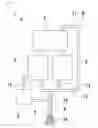
FIG. 1 is a block diagram schematically showing a washing apparatus according to an embodiment of the invention.
FIG. 2 (a) is a perspective view showing the discharge port and mist ejection portion of the washing apparatus shown in FIG. 1, (b) is a perspective view showing a modification of the mist ejection portion, and (c) is a sectional view showing another modification of the mist ejection portion.
DESCRIPTION OF EMBODIMENTS
The following describes an embodiment of the invention with reference to the drawings.
FIGS. 1 and 2 show a washing apparatus and a method of deodorizing washing water according to an embodiment of the invention.
As shown in FIG. 1, a washing apparatus 1 comprises an electrolytic water producing means 2, an acid container 3, an alkali container 4, a mist container 5, a discharge portion 6, and a mist ejection portion 7. The method of deodorizing washing water according to the embodiment of the invention can be conducted by the washing apparatus 1.
As shown in FIG. 1, the electrolytic water producing means 2 comprises an electrolytic cell, which is connected to a water pipe 8 via a cock 11 so that tap water can be supplied to the cell. The electrolytic water producing means 2 is configured to electrolyze an aqueous chloride salt solution prepared by mixing tap water supplied from the water pipe 8 with an electrolyte, such as sodium chloride. The electrolytic water producing means 2 produces strong acidic water on the anode side and strong alkaline water on the cathode side.
The acid container 3 is connected to the anode side of the electrolytic water producing means 2 so as to store the strong acidic water produced by the electrolytic water producing means 2. The alkali container 4 is connected to the cathode side of the electrolytic water producing means 2 so as to store the strong alkaline water produced by the electrolytic water producing means 2. The mist container 5 is connected to the alkali container 4 and is configured to produce a deodorant mist of the strong alkaline water upon receiving a part of the strong alkaline water stored in the alkali container 4.
As shown in FIG. 1 and FIG. 2 (a), the discharge portion 6 is in a tube shape and has a discharge port 6a on the edge. Further, the discharge portion 6 has an on-off cock 12. The discharge portion 6 is connected to the acid container 3, the alkali container 4, and the water pipe 8 respectively via valves 13, 14, and 15. The discharge portion 6 is selectively connected to the acid container 3, the alkali container 4, or the water pipe 8 by the operation of each of the valves 13, 14, and 15, so that the strong acidic water in the acid container 3, the strong alkaline water in the alkali container 4, or tap water can be discharged from the discharge port 6a. Each of the valves 13, 14, and 15 may be manually operated or may be automatically operated by means of buttons etc. to select the type of water to be used. Alternatively, each of the valves may be automatically switched at predetermined times by computer programming, etc.
The mist ejection portion 7 is in a double tube shape and is connected to the mist container 5. The discharge portion 6 is inserted into the mist ejection portion 7, which is attached to cover the outer surface of the discharge portion 6. The mist ejection portion 7 is configured to spray the deodorant mist of the strong alkaline water in the mist container 5 by means of a motor or other driving source in conjunction with the movement of the cock 12 of the discharge portion 6 or the movement of each of the valves 13, 14, and 15. When the strong acidic water or tap water is discharged from the discharge port 6a, the mist ejection portion 7 sprays the deodorant mist of the strong alkaline water around the strong acidic water or tap water so that the mist surrounds the strong acidic water or tap water.
Instead of being connected to the mist container 5, the mist ejection portion 7 may be directly connected to the alkali container 4 so as to spray the deodorant mist of the strong alkaline water upon receiving a part of the strong alkaline water stored in the alkali container 4.
Subsequently, the functions are described.
The washing apparatus 1 can carry out sterilization, disinfection, and washing using the strong acidic water and strong alkaline water electrolytically produced by the electrolytic water producing means 2. For example, first, a material to be washed (e.g., hands, a medical appliance, or the like) is washed with the strong alkaline water. Thereby, proteins, lipids, etc., in the blood, which are coagulated by acid, can be decomposed. After washing with the strong alkaline water, the material to be washed is washed with the strong acidic water for sterilization. Sterilization, disinfection, and washing can effectively be carried out in this manner. For a higher washing effect, washing with tap water may be performed before or after washing with the strong alkaline water or strong acidic water.
The washing apparatus 1 can prevent the smell of chlorine contained in the strong acidic water or tap water by spraying the deodorant mist of the strong alkaline water from the mist ejection portion 7 around of the strong acidic water or tap water discharged from the discharge port 6a so that the mist surrounds the strong acidic water or tap water. Moreover, in case of generation of toxic chlorine gas from tap water or the strong acidic water, the chlorine gas can be dissolved in the strong alkaline water. High safety is thus ensured.
Since the mist ejection portion 7 is configured to spray the deodorant mist of the strong alkaline water in conjunction with the discharge of the strong acidic water or tap water, the smell of the strong acidic water or tap water can efficiently be prevented without wastefully spraying the deodorant mist of the strong alkaline water. Thus, the washing apparatus 1 can conduct washing comfortably and safely by efficiently using the electrolytically-produced strong acidic water and strong alkaline water.
As shown in FIG. 2 (b), the mist ejection portion 7 may be formed to cover a part of the periphery of the discharge portion 6, instead of covering the entire periphery of the outer surface of the discharge portion 6, so that the deodorant mist is sprayed from the mist ejection portion 7 so as to separate a user from the discharge portion 6. Alternatively, the mist ejection portion 7 may cover only the outer edge of the discharge port 6a, as shown in FIG. 2 (c). In this case, the deodorant mist can block from a user the smell of the strong acidic water or tap water discharged from the discharge port 6a, thereby preventing the smell of chlorine.
Reference Signs List
- 1: Washing apparatus
- 2: Electrolytic water producing means
- 3: Acid container
- 4: Alkali container
- 5: Mist container
- 6: Discharge portion
- 6a: Discharge port
- 7: Mist ejection portion
- 8: Water pipe
- 11, 13, 14, and 15: Valves
- 12: Cock
Claims
1. A washing apparatus comprising:
an electrolytic water producing means that produces acidic water and alkaline water by electrolysis of an electrolytic solution;
an acid container for storing the acidic water produced by the electrolytic water producing means;
an alkali container for storing the alkaline water produced by the electrolytic water producing means;
a mist container connected to the alkali container, the mist container producing a deodorant mist upon receiving a part of the alkaline water in the alkali container;
a discharge port selectively connected to the acid container or the alkali container so as to discharge the acidic water from the acid container or the alkaline water from the alkali container; and
a mist ejection portion that can spray the deodorant mist in the mist container so that the mist surrounds the acidic water discharged from the discharge port.
2. The washing apparatus according to claim 1, wherein the mist ejection portion is configured to spray the deodorant mist in conjunction with the discharge of the acidic water from the discharge port.
3. A method of deodorizing washing water, comprising:
producing acidic water and alkaline water by electrolysis of an electrolytic solution; and
spraying a deodorant mist of the alkaline water so that the mist surrounds the acidic water discharged from a discharge port.
4. The method of deodorizing washing water according to claim 3, wherein the deodorant mist is sprayed in conjunction with the discharge of the acidic water from the discharge port.
Images & Drawings included:


Sources:
- United States Patent and Trademark Office - verify current appl. status at the USPTO↗
Recent applications in this class:
- » 20250178933 2025-06-05
ELECTROCHEMICAL CARBON REMOVAL FROM WATER VIA CARBON MINERALIZATION - » 20250145505 2025-05-08
PRODUCING DEVICE - » 20250011199 2025-01-09
ELECTROLYZED WATER GENERATION DEVICE AND CONTROL METHOD FOR ELECTROLYZED WATER GENERATION DEVICE - » 20240375979 2024-11-14
DUAL PORT IONIZER FOR FLOWING FLUID - » 20240327253 2024-10-03
In-situ acid neutralization and carbon mineralization - » 20240279081 2024-08-22
SPACE CLEANING DEVICE - » 20240270610 2024-08-15
Method and System of Producing Alkaline Hydrogen-Rich Water with Acidic Oxygen-Rich Water as Byproduct - » 20240262721 2024-08-08
ELECTROLYZED WATER SPRAY DEVICE - » 20240262720 2024-08-08
PROCESS AND SYSTEM FOR PRODUCING HYDROGENATED DRINKING WATER - » 20240228338 2024-07-11
WATER TREATMENT UNIT