Procedure for producing transgenic plants providing high starch content and yield and high amylose/amylopectin balance
US20110271401A1
2011-11-03
13/063,293
2009-09-10
✅ Patent granted
US 8,841,513 B2
2014-09-23
WO; PCT/ES2009/070376; 20090910
WO; WO2010/029206; 20100318
Ashwin Mehta | Jason Deveau Rosen
Tristan A. Fuierer | Andrew D. Gerschutz | Moore & Van Allen, PLLC
2030-12-18
Abstract:
A process for the production of transgenic plants that have a high starch content and yield and a high amylose/amylopectin ratio. The alpha-1,4-glucan phosphorylases (GPs) catalyze the reversible cutting of bonds α-1,4 of the non-reducing ends of homopolysaccharides with at least 5 glucose molecules such as starch, maltodextrin and glycogen, leading to production of glucose-1-phosphate. The GPs in bacteria and animal cells are responsible for the breakdown of glycogen. Although the increase in GP activity leads to a reduction in intracellular levels of glycogen in bacteria and animal cells, this invention discloses the production of plants that have high starch levels and yields and high amylose/amylopectin ratio, as result of the expression of genes coding for GPs.
Inventors:
- Francisco José Muñoz Pérez 5 🇪🇸 Pamplona, Spain
- Francisco Javier Pozueta Romero 2 🇪🇸 Pamplona, Spain
- Miren Edurne Baroja Fernández 2 🇪🇸 Pamplona, Spain
- Nora Alonso Casajús 2 🇪🇸 Pamplona, Spain
Assignee:
- IDEN BIOTECHNOLOGY, S.L. 2 🇪🇸 Pamplona, Spain
Applicant:
Interested in similar patents?
Get notified when new applications in this technology area are published.
Classification:
C12P21/00 IPC
Preparation of peptides or proteins
G01N33/573 IPC
Investigating or analysing materials by specific methods not covered by groups -; Biological material, e.g. blood, urine ; Haemocytometers; Chemical analysis of biological material, e.g. blood, urine; Testing involving biospecific ligand binding methods; Immunological testing; Immunoassay; Biospecific binding assay; Materials therefor for enzymes or isoenzymes
C12N15/63 IPC
Mutation or genetic engineering; DNA or RNA concerning genetic engineering, vectors, e.g. plasmids, or their isolation, preparation or purification; Use of hosts therefor; Recombinant DNA-technology Introduction of foreign genetic material using vectors; Vectors; Use of hosts therefor; Regulation of expression
A01H1/06 IPC
Processes for modifying genotypes ; Plants characterised by associated natural traits Processes for producing mutations, e.g. treatment with chemicals or with radiation
C08B30/04 IPC
Preparation of starch, degraded or non-chemically modified starch, amylose, or amylopectin Extraction or purification
C07K16/40 IPC
Immunoglobulins [IGs], e.g. monoclonal or polyclonal antibodies against enzymes
C12N5/10 IPC
Undifferentiated human, animal or plant cells, e.g. cell lines; Tissues; Cultivation or maintenance thereof; Culture media therefor Cells modified by introduction of foreign genetic material
C12P19/04 IPC
Preparation of compounds containing saccharide radicals Polysaccharides, i.e. compounds containing more than five saccharide radicals attached to each other by glycosidic bonds
C12N9/1051 » CPC further
Enzymes; Proenzymes; Compositions thereof ; Processes for preparing, activating, inhibiting, separating or purifying enzymes; Transferases (2.); Glycosyltransferases (2.4) Hexosyltransferases (2.4.1)
C12N15/00 IPC
Mutation or genetic engineering; DNA or RNA concerning genetic engineering, vectors, e.g. plasmids, or their isolation, preparation or purification; Use of hosts therefor
C12N15/82 IPC
Mutation or genetic engineering; DNA or RNA concerning genetic engineering, vectors, e.g. plasmids, or their isolation, preparation or purification; Use of hosts therefor; Recombinant DNA-technology; Introduction of foreign genetic material using vectors; Vectors; Use of hosts therefor; Regulation of expression; Vectors or expression systems specially adapted for eukaryotic hosts for plant cells, e.g. plant artificial chromosomes (PACs)
A01H5/00 IPC
Products
A01H5/00 IPC
Angiosperms, i.e. flowering plants, characterised by their plant parts; Angiosperms characterised otherwise than by their botanic taxonomy
C12N9/10 IPC
Enzymes; Proenzymes; Compositions thereof ; Processes for preparing, activating, inhibiting, separating or purifying enzymes Transferases (2.)
Description
FIELD OF THE INVENTION
The present invention is encompassed within the field of genetic engineering and plant physiology. Specifically, the invention comprises a method for producing transgenic plants with high starch levels and a high amylose/amylopectin ratio, the vectors used to transform cells, the transformed cells themselves, the transgenic plants obtained by this process and their uses.
STATE OF THE PRIOR ART
Both starch in plants and glycogen in bacteria and animals are branched homopolymers of glucose molecules linked by covalent bonds of type α-1,4 and α-1,6. These polymers are important carbohydrate and energy storage forms. In plants, starch is synthesized in the plastid, it accumulates in large amounts in organs such as seeds (wheat, barley, corn, peas, etc.) and tubers (potato and sweet potato among others) and is a fundamental constituent of human diet. On the other hand, starch is frequently used in the paper, cosmetics, pharmaceutical and food industries, as well as basic raw material for the manufacture of biodegradable plastics, paints with low environmental impact and bioethanol. Numerous starch applications are based primarily on the balance of amylose and amylopectin, which determines the structure of the starch granule and its viscosity in aqueous suspensions.
ADPG is the universal precursor molecule for the biosynthesis of starch and glycogen in plants and bacteria, respectively. It is widely assumed that the production of this nucleotide sugar is exclusively controlled by the enzyme ADPG pyrophosphorylase (AGPase) (EC 2.7.7.27) (1-4). However, there is evidence to show that sucrose synthase (EC 2.4.1.13) (UDP-glucose:D-fructose-2-glucosyl transferase) is involved in the synthesis of ADPG necessary for starch biosynthesis (5-9). Where ADPG degradation mechanisms are concerned, there are ADPG-hydrolyzing enzymes both in plants (10-13) and in bacteria (14,15).
In plants, starch degradation is controlled by hydrolytic reactions catalyzed by α-amylase, β-amylase and α-glucosidase (16,17). By contrast, in animals, bacteria and yeasts it is the alpha-1,4-glucan phosphorylase (GP) (EC 2.4.1.1) that controls the degradation of the glycogen molecule in vivo (18-22). GPs catalyze the reversible cutting of α-1,4 bonds of the nonreducing polyglucan ends such as starch, maltodextrin and glycogen, leading to the production of glucose-1-phosphate (G1P). The nucleotide sequences of animal, plant or bacteria origin, which code for enzymes with GPs activity, are conserved sequences.
Plants have intra- and extra-plastidial GPs. Unlike what happens in bacteria, yeast and animals, so far the role of plant GPs is unknown, especially those that are intraplastidial. Taking into account the reversibility of the GPs, it is possible that their role in starch metabolism depends on the balance Pi/G1P (21). Thus, the existing high Pi/G1P balance in plant cells strongly indicates that the plastidial GP is not involved in starch synthesis, reinforcing the theory that starch synthesis takes place exclusively through processes dependent on the production of ADPG.
There is evidence to suggest the possible involvement of plastidial GPs in starch degradation in leaves of Phaseoulus vulgaris and Arabidopsis thaliana (23). On the other hand, it has been suggested that plastidial GPs have functions related to abiotic stress, flowering and seed growth (24-27). The discussion about the biological function of the plastidial GPs in plants is further complicated when taking into account that STA4 mutants of the alga Chlamydomonas reinhardtii deficient in plastidial GP, have reduced levels of starch, which suggests that the plastidial GP is not involved in the starch degradation in C. reinhardtii (28). On the other hand, there are studies showing that plastidial GPs are not involved in starch degradation in vascular plants such as potato and wheat (29,30). Adding more confusion to the debate about the possible involvement of the plastidial GP in starch degradation, some studies have shown a positive correlation.
There are works that describe the production and characterization of plants with low GP activity (24). These plants accumulate normal levels of starch. On the other hand, there is a work describing the overexpression of the E. coli. glgP gene coding for GP, results in bacteria with reduced or zero levels of glycogen (22). Finally, there are works describing that the overexpression of genes encoding mammalian GP results in human cells with reduced levels of glycogen (18). The prior art offers no clear relationship between the plant GP enzyme and its specific function. Indeed, so far there are no known publications on the production and/or characterization of higher plant species with high GP activity.
The present invention is focused precisely on this last point in describing vascular transgenic plants with high GP activity (both cytosolic and plastidial) characterized by expressing genes coding for proteins/enzymes with GP activity getting a high GP activity (both cytosolic and plastidial) and consequently a high starch level and performance and a high amylose/amylopectin balance. Another important aspect to consider is that the present invention shows that the expression of genes coding for GP enzymes, and therefore increased GP activity, results in a starch content increase.
Thus, the present invention breaks the prejudice established in the state of the art for animal, bacteria and yeast GP activity, which defines that the GP activity tends to cut bonds α-1,4 of glucose polymers leading to G1P. It also shows that the bacterial GP promotes the synthesis of starch in transgenic plants expressing the gene coding for this enzyme.
Thus, the object of the invention is the production of plants with high starch content and yield and a high amylose/amylopectin balance as a result of the increase in GP activity (both in the cytosol and in the plastid) to express genes encoding for proteins with GP activity.
DESCRIPTION OF THE INVENTION
Brief Description of the Invention
As discussed above, the object of the invention is the production of transgenic plants with high starch content and yield and a high amylose/amylopectin balance as a result of the increase in GP activity (both in the cytosol and in the plastid) to express genes encoding for proteins with high GP activity. For the purposes of this invention, the following terms are noted:
Cell: the smallest unit (morphological and functional) of all living beings, capable of acting autonomously. Bacterial and plant cells are particularly interesting for the present invention.
Cytoplasm: a liquid solution that makes up the intracellular medium.
Plastid: organelle characteristic of plant cells. It is responsible for photosynthesis in photosynthetic eukaryotic organisms.
Genetic Vectors: “vehicle” used to transfer exogenous genetic material to the interior of a cell. Any vector known in the art may be used in the present invention. However in the present invention Agrobacterium tumefaciens was preferably used.
Homologous sequences: virtually identical DNA nucleotide sequences, including base pairing which can occur under strict conditions.
Ectopic expression: ectopic expression of a gene refers to when its product is expressed in a place where it normally does not.
Transgenic plant: a plant whose genome has been genetically engineered with the aim of achieving biological characteristics different from those of the wild plant (as is the case of the present invention).
High activity of the GP enzyme: this refers to high GP enzyme activity when such activity is at least 5 times greater than that existing in wild plants.
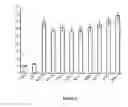
High starch content: as used herein, this expression is directly referred to a statistically significant value, higher than the values observed in control plants. FIG. 7 shows that the average starch content in tubers of the wild plants analyzed (CR1 and CR2) is approximately 290 μmoles glucose/g (fresh weight), with a margin of variation of 10%. Therefore a “high content in Amidon” may be considered as that which exceeds, by at least 20%, the value of 290 μmoles of glucose/g (fresh weight). This value is exceeded in the present invention obtaining transgenic tubers which accumulate starch quantities of 400 μmoles glucose/g (fresh weight) minimum.
High amylose/amylopectin ratio: as noted in FIG. 9, the amylose/amylopectin ratio, expressed as a percentage of amylase, in the tubers of wild plants (CR) analyzed is approximately 22.5% with a margin of error of 2.5% (which constitutes 10% of the average value observed in CR). It is considered that there is a high amylose/amylopectin ratio when the amylose percentage value of transgenic plants analyzed is at least 10% greater than the amylose percentage value in the corresponding wild plant (in this case, tubers with an amylose/amylopectin ratio greater than 25% are considered rich in amylose).
DESCRIPTION OF FIGURES
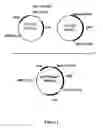
FIG. 1: Stages of construction of expression plasmid pET15b-glgP.
FIG. 2: Stages of construction of expression plasmid pBIN20-B33-LCA-GP-NOS.
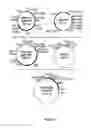
FIG. 3: Stages of construction of expression plasmid pBIN2035S-GP-NOS.
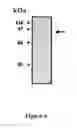
FIG. 4: SDS-PAGE. Staining of the recombinant GP purified from cell extracts of E. coli BL21 (DE3) C43 transformed with pET15b-glgP (CECT 7071).
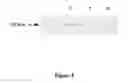
FIG. 5: Western blot of tubers of untransformed potato plants (line 1) and tubers from different clones of potato plants transformed with CECT 7054 (line 2) and CECT 7055 (lines 3 and 4). In each lane, 50 g of protein were loaded and were subjected to SDS-PAGE. The GP of E. coli was immunodecorated using the GP E. coli specific polyclonal antibody. Note that only lines expressing glgP of E. coli develop a band of approximately 93 kDa.
FIG. 6: GP activity in tubers of wild potato plants and potato plants expressing E. coli glgP after integrating into its genome constructions 355-glgP-NOS and B33-Ch1TP-glgP-NOS using strains of A. tumefaciens CECT 7054 and CECT 7055, respectively. The activity (in miliU/g fresh weight) refers to the amount of G1P produced from glycogen by fresh weight of a crude tuber extract. The two wild plants analyzed are designated as CR1 and CR2. Transgenic plants receive the designation of B33-7, B33-11, B33-12, B33-13 and B33-14 (those obtained using CECT 7055) and 35S-1, 35S-6, 35S-11 and 35S-14 (those obtained using CECT 7054). The values represented correspond to the standard average and deviation of tubers from 10 different plants per line.
FIG. 7: Starch content in tubers of wild potato plants and potato plants expressing E. coli glgP after integration into its genome of constructions 355-glgP-NOS and B33-Ch1TP-glgP-NOS using strains of A. tumefaciens CECT 7054 and CECT 7055, respectively. The two wild plants analyzed are designated as CR1 and CR2. Transgenic plants receive the designation of B33-7, B33-11, B33-12, B33-13 and B33-14 (those obtained using CECT 7055) and 35S-1, 35S-6, 35S-11 and 35S-14 (those obtained using CECT 7054). The values represented correspond to the standard average and deviation of tubers from 10 different plants per line.
FIG. 8: Content of sucrose (A), glucose (B) and fructose (C) in tubers of wild potato plants and potato plants expressing E. coli glgP genome after integrating into their genome the constructions 35S-glgP-NOS and B33-Ch1TP-glgP-NOS using strains of A. tumefaciens CECT 7054 and CECT 7055, respectively. The two wild plants analyzed are designated as CR1 and CR2. Transgenic plants receive the designation of B33-7, B33-11, B33-12, B33-13 and B33-14 (those obtained using CECT 7055) and 35S-1, 35S-6, 35S-11 and 35S-14 (those obtained using CECT 7054). The values represented correspond to the standard average and deviation of tubers from 10 different plants per line
FIG. 9: The amylose/amylopectin ratio, expressed as % amylose in potato tubers of wild potato plants and potato plants expressing E. coli glgP after integrating into their genome the constructions 35S-glgP-NOS and B33-Ch1TP-glgP-NOS using strains of A. tumefaciens CECT 7054 and CECT 7055, respectively. The two wild plants analyzed are designated as CR1 and CR2. The transgenic plants receive the designation of B33-7, B33-11, B33-12, B33-13 and B33-14 (those obtained using CECT 7055) and 35S-1, 35S-6, 35S-11 and 35S-14 (those obtained using CECT 7054). The values represented correspond to the standard average and deviation of tubers from 10 different plants per line
DETAILED DESCRIPTION OF THE INVENTION
Obtaining and Purifying Active Recombinant GP
The nucleotide sequence of Escherichia coli glgP (22) being known, two specific primers (SEQ ID NO: 1 and SEQ ID NO: 2) were created, corresponding to the gene ends 5′ and 3′. By using these primers, a DNA fragment of approximately 2460 base pair was amplified by conventional PCR methods, from genomic DNA of E. coli. This DNA fragment was introduced into the plasmid pGemT-easy (Promega) resulting in the pG-glgP construction (FIG. 1) which was amplified in XL1 Blue host bacteria. PG-glgP was digested with restriction enzymes XhoI and BamHI. The released fragment (containing glgP) was cloned into the same restriction sites of the expression plasmid pET-15b (+) (Novagen). The resulting plasmid designated by the name of pET15b-glgP (FIG. 1) was introduced by electroporation into the strain E. coli BL21 (DE3) C43 (Novagen) with deposit number CECT 7071. glgP expression was effected by adding 1 mM isopropyl-β-D-thiogalactopyranoside (IPTG) in 100 ml of cell culture grown at 37° C. After six hours of induced culturing bacteria were harvested and resuspended in 4 ml of binding buffer (Novagen, His-bind purification kits), were sonicated and centrifuged at 40,000 g for twenty minutes. The supernatant containing the recombinant GP with a histidine tag at the N-terminal was passed through an affinity column of the Novagen “His-bind” protein purification kit. Following the instructions of the kit the GP was eluted with 6 ml recommended elution buffer, which included 200 mM of imidazole instead of 1 molar. After elution the protein was quickly subjected to dialysis to remove any trace of imidazole that could irreversibly inactivate the GP.
Determination of Soluble Sugars and Starch Content
Soluble sugars were extracted using the techniques described in the scientific literature (34, 35). Sucrose, maltose, maltotriose, maltotetraose, maltopentaose, maltohexaose, maltoheptaose, fructose and glucose were determined using a DIONEX automated ion chromatograph fitted to a PA10 CarboPac column, an ED50 electrochemical detector, a GP50 E1 gradient pump and an E01 organizer of the eluents (22). ADPG was determined using a HPLC Waters system fitted to a Partisil-10-SAX column (10). Starch, glycogen and amylopectin were measured using commercial kits described in the literature (36). The amylose/amylopectin ratio was determined using the spectrophotometric method described in the literature (36).
Identification of the Product with GP Enzyme Activity
The GP enzymatic product was identified by the following functional pattern:
It is an alpha-1,4-glucan phosphorylase (EC 2.4.1.1). Very often, this enzyme catalyzes the reversible phosphorolysis cut of bonds α-1,4 of the non-reducing ends of homopolysaccharides of glucose molecules (branched or not) covalently bonded through links α-1, 4 and α-1,6 such as maltodextrins, starch and glycogen, leading to the production of G1P.
Obtaining Specific GP E. coli Polyclonal Antibodies
Two milligrams of purified recombinant E. coli GP were separated on SDS-PAGE. After being eluted, purified recombinant GP was mixed with Freund's complete adjuvant (in a 50/50 ratio) and was then aliquoted into three equal fractions, each of which was injected into a rabbit in two-week periods. After about two months after the first injection, blood serum was extracted from the rabbit containing specific to E. coli GP polyclonal antibodies.
Identification of the Product by the Western Blot Technique
Crude extracts of wild plants and tubers of transgenic plants expressing the glgP gene coding for E. coli GP were separated on SDS-PAGE. They were subsequently transferred to nitrocellulose membranes and the E. coli GP was detected using the specific antibody anti GP of E. coli according to the methodology described in the literature (37).
Obtaining Transgenic Plants Expressing E. coli glgP
a. Potato Plants with High GP Activity in Amyloplasts of Tubers
The plasmid pG-glgP-NcoI (identical to pG-glgP, except it has an NcoI site at the ATG translation initiation codon) was digested with enzymes NcoI and BamHI. The fragment released was cloned into NcoI and BamHI sites of pSK-B33-SuSy-NOS (B33 is the promoter region of the gene encoding for the patatin whose expression is specific to tubers) (38) giving rise to the plasmid pSK-B33-glgP-NOS (FIG. 2).
For the production of a gene construction that encodes for the GP of E. coli located in the plastid, pG-glgP-NcoI was digested with NcoI and BamHI. The fragment released was cloned between NcoI and BamHI sites of the plasmid pSK-Ch1TP-ASPP containing the region of the gene encoding for the chloroplast transit peptide of the protein P541 (39), resulting in the plasmid pSK-Ch1TP-glgP (FIG. 2).
To produce a construction that encodes for the GP of E. coli that specifically accumulates in amyloplasts of potato tubers, pSK-Ch1TP-glgP was digested successively with SalI, T4-DNA polymerase and BamHI. The fragment released was cloned into pSK-B33-glgP-NOS after having been digested successively with NcoI, T4 DNA polymerase and BamHI, resulting in the plasmid pSK-B33-Ch1TP-glgP-NOS (FIG. 2).
For the production of a binary plasmid containing the gene construction B33-Ch1TP-NOS-glgP necessary to transform plants via Agrobacterium tumefaciens, psK-B33-Ch1TP-glgP-NOS was digested sequentially with NotI, T4 DNA polymerase and XhoI. The fragment released was cloned into the binary plasmid pBIN20 (40) which had previously been sequentially digested with HpaI, T4 DNA polymerase and XhoI, resulting in the plasmid pBIN20-B33-C1P-GP-NOS (FIG. 2). PBIN20-B33-C1P-GP-NOS was introduced by electroporation into different strains of A. tumefaciens necessary to transform species such as potato, Arabidopsis thaliana, tomato, tobacco, corn and rice (such as the strain C58:GV2260, with deposit number CECT 7055). CECT 7055 was used to transform potato plants according to conventional protocols of transformation of this species (41)
b. Plants Constitutively Expressing glgP and Possessing a High Cytosolic GP Activity.
For the production of plants with high cytosolic GP activity, E. coli glgP gene constructs were created whose expression is governed by the constitutive promoter 35S of the tobacco mosaic virus. For this, the plasmid pSK-35S was digested with XhoI and NcoI. The released fragment (containing the promoter 35S attached to a booster region (42), was cloned between XhoI and NcoI sites of plasmid pSK-B33-glgP-NOS, resulting in the plasmid pSK-35S-glgP-NOS (FIG. 3). In order to transfer this construction to the plant genome via A. tumefaciens, it must previously be cloned in a binary plasmid. To do this, pSK-35S-glgP-NOS was digested sequentially with enzymes NotI, T4 DNA polymerase and XhoI. The fragment released was cloned into the binary plasmid pBIN20 which had previously been digested successively with the enzymes HpaI, T4 DNA polymerase and XhoI. The plasmid thus obtained was designated by the name of pBIN2035S-GP-NOS (FIG. 3). PBIN2035S-GP-NOS was introduced by electroporation into different strains of A. tumefaciens (such as strain C58:GV2260 with the deposit number CECT 7054) necessary to transform species such as potato, Arabidopsis thaliana, tomato, tobacco, corn and rice.
Thus, the first object of the present invention relates to a method for obtaining transgenic plants with high GP activity, high starch content and yield and a high amylose/amylopectin ratio, with respect to the untransformed wild plants, characterized by transformation of the wild plant with an expression vector comprising a nucleotide sequence of animal, plant or bacterial origin, which is encoded for a protein with high GP activity and is expressed within the transformed plant.
In a preferred embodiment, the method of the invention is characterized in that the GP activity of the protein encoded and expressed within the transformed plant is at least 5 times the GP activity of the wild plant, the starch content of transgenic plants produced is at least 20% higher than in wild plants and the value of amylose content in transgenic plants produced is at least 10% higher than the value of the amylose content of untransformed wild plants in all cases, grown under the same conditions as the transgenic plants.
In another preferred embodiment, the method of the invention is characterized in that the nucleotide sequence within the expression vector used to transform the wild plant is selected from:
-
- a. A nucleotide sequence coding for the amino acid sequence characterized by SEQ ID NO:4;
- b. A nucleotide sequence characterized by SEQ ID NO:3;
- c. A nucleotide sequence that hybridizes with those defined in “a” or “b” and encodes for an enzyme product with GP activity;
- d. A nucleotide sequence that differs from those in “a”, “b” or “c” due to the degeneracy of the genetic code.
In another preferred embodiment, the method of the invention is characterized in that the high GP activity in the transformed transgenic plant can be achieved both at a cytosolic level, by transforming the wild plant with Agrobacterium tumefaciens CECT 7054 which comprises the plasmidpBIN2035S-GP-NOS, and at a plastidial level, by transforming the wild plant with Agrobacterium tumefaciens CECT 7055 which comprises the plasmid pBIN20-B33-C1P-GP-NOS.
The second aspect of the present invention relates to the expression vectors:
Agrobacterium tumefaciens CECT 7054 characterized by comprising the plasmid pBIN2035S-GP-NOS
Agrobacterium tumefaciens CECT 7055 characterized by comprising the plasmid pBIN20-B33-C1P-GP-NOS.
The third object of the present invention relates to cells transformed or infected with the two vectors mentioned above, characterized by being a bacterial or plant cell.
In a preferred embodiment, the bacterial cell of the invention is characterized as a bacterial cell of E. coli BL21 (DE3) C43, transformed with plasmid pET15b-glgP expressing the gene encoding the recombinant GP protein.
In another preferred embodiment, the plant cell of the invention is characterized by being transformed or infected by Agrobacterium tumefaciens CECT 7054 which comprises the plasmid pBIN2035S-GP-NOS or by Agrobacterium tumefaciens CECT 7055 which comprises the plasmid pBIN20-B33-C1P-GP-NOS, and by belonging, among others, to any of the following plant species: potato (Solanum tuberosum), tobacco (Nicotiana tabacum), rice (Oryza sativa), corn (Zea mays) and arabidopsis (Arabidopsis thaliana).
The fourth object of the present invention relates to the use of the previously defined bacterial cell to produce active recombinant GP protein, and the production of specific antibodies against GP.
The fifth object of the present invention relates to the use of bacterial or plant cells transformed or infected with Agrobacterium tumefaciens CECT 7054 which comprises the plasmid pBIN2035S-GP-NOS or with Agrobacterium tumefaciens CECT 7055 which comprises the plasmid pBIN20-B33-C1P-GP-NOS, for the production of starch.
The sixth object of the present invention relates to transgenic plants transformed with vector Agrobacterium tumefaciens CECT 7054 comprising the plasmid pBIN2035S-GP-NOS or with Agrobacterium tumefaciens CECT 7055 which comprises the plasmid pBIN20-B33-C1P-GP-NOS and that are characterized by high GP activity as regards to the wild plant, both at cytosolic and plastidial levels and, consequently, a high starch content and yield and a high amylose/amylopectin ratio compared to the untransformed wild plant, in all cases, grown under the same conditions and at the same time of year as the transgenic plants.
In a preferred embodiment, the transgenic plant of the invention is characterized in that GP activity is at least 5 times the GP activity of the wild plant, its starch content is at least 20% higher than the starch content of wild plants and the amylose content value is at least 10% higher than the amylose content value of the wild plants, cultivated in all cases under the same conditions.
In another preferred embodiment, the transgenic plant of the invention is characterized in that it expresses the glgP gene (SEQ ID NO: 3) and encodes for proteins with high GP activity, and furthermore, is selected from the group comprising: potato (Solanum tuberosum), tobacco (Nicotiana tabacum), rice (Oryza sativa), corn (Zea mays) and arabidopsis (Arabidopsis thaliana).
The seventh object of the present invention relates to the use of the aforementioned transgenic plants for the production of starch.
The eighth object of the present invention relates to polyclonal or monoclonal antibodies against the GP enzyme.
The ninth object of the present invention relates to the use of said antibodies to measure the GP concentration present in a sample.
Deposit of Microorganisms Under the Budapest Treaty
The microorganisms used in the present invention were deposited in the Spanish Type Culture Collection (Colección Española de Cultivos Tipo—CECT), located at the Research Building of Valencia University, Burjassot Campus, Burjassot 46100 (Valencia, Spain).
-
- Strain of E. coli BL21 (DE3) C43 transformed with plasmid pET15b-glgP, deposited on May 9, 2005 under deposit number CECT 7071.
- Strain of A. tumefaciens C58: GV2260 transformed with the plasmid pBIN20-B33-C1P-GP-NOS, deposited on Jul. 25, 2005 under deposit number CECT 7055.
- Strain of A. tumefaciens C58: GV2260 transformed with the plasmid pBIN2035S-GP-NOS, deposited on Jul. 25, 2005 under deposit number CECT 7054.
EXAMPLES
The examples presented below are intended to illustrate the invention without limiting the scope thereof.
Example 1
Production in Escherichia coli of a Recombinant GP
Knowledge of the nucleotide sequence of the glgP gene coding for the GP of E. coli allowed the creation of two specific primers whose sequences are in sense 5′-3′, SEQ ID NO: 1 and SEQ ID NO: 2. By using these primers, a DNA fragment from genomic DNA of E. coli was amplified by conventional PCR methods; it was introduced into the plasmid pGemT-easy (Promega), resulting in the plasmid pG-glgP. PG-glgP was digested with restriction enzymes XhoI and BamHI. The fragment released (containing glgP) was cloned into the same restriction sites of the expression plasmid pET-15b (+) (Novagen). The resulting plasmid (designated by the name of pET15b-glgP, FIG. 1) was introduced by electroporation into E. coli BL21 (DE3) C43 (Novagen). The nucleotide sequence of the fragment cloned in pET-15b (+) is SEQ ID NO: 3. The deduced amino acid sequence after expression of SEQ ID NO: 3 is SEQ ID NO: 4.
The induction of the expression of glgP in bacteria BL21 (DE3) C43 transformed with pET15b-glgP (CECT 7071) occurred on adding 1 mM IPTG. After six additional hours of culture at 37° C., it was observed that bacteria transformed with pET15b-glgP accumulated a protein of approximately 95 kDa which could be purified to homogeneity in a simple way by means of affinity chromatography using the “His-bind” purification kit (Novagen) (FIG. 4). Moreover, these bacteria are characterized by having no glycogen (22).
Example 2
Enzymatic Assays
The enzymatic reactions were carried out at 37° C. GP activities were measured in the sense of the analysed polyglucan degradation. In a first step, 50 μL of reaction mixture consisting of 50 mM HEPES (pH 7.5), 30 mM phosphate buffer (pH 7.5), polyglucan (equivalent to 10 mM glucose) and protein extract, were incubated for 15 minutes. The reaction was stopped after boiling for 2 minutes and centrifuging at 30,000 g for 20 minutes. The existing released G1P in the supernatant was determined by any of the following methods:
-
- By spectrophotometry. 300 μL of mixture containing Hepes 50 mM pH 7, EDTA 1 mM, MgCl2 2 mM, KCl 15 mM, NAD+ 0.6 mM, a unit of phosphoglucomutase and another of glucose-6-phosphate dehydrogenase of Leuconostoc mesenteroides, and 30 μL of supernatant resulting from step one were incubated for 20 minutes. The production of NADH was monitored at 340 nm using a Multiskan EX spectrophotometer (Labsystems). The amount of NADH produced by any protein extract was negligible in the absence of glycogen in step one.
- By chromatography. 40 μL of the supernatant from step 1 were subjected to high affinity liquid chromatography using a DX-500 Dionex system fitted to a Carbo-Pac PA10 column and amperometric detection.
The unit (U) is defined as the amount of enzyme that catalyzes the production of 1 μmol of product per minute.
Example 3
Identification of the Product with GP Activity
The product with GP activity thus obtained meets the general characteristics described in the scientific literature relating to any GP (22.43-45).
-
- The GP of E. coli recognizes homopolysaccharides of 5 or more glucose molecules such as glycogen, starch, maltoheptaose, maltohexaose and maltopentaose.
- It does not act on maltotetraose, maltotriose or maltose.
- It is not to be inhibited by ADPglucose, UDPglucose, nucleoside mono-di- and tri-phosphates such as AMP, ADP and ATP, 3-phosphoglycerate, fructose-1,6-bisphosphate, fructose-6-phosphate, glucose-6-phosphate or glucose.
- Apparent molecular weight of the purified protein in denaturing gels, about 93 kDa (FIG. 4).
Example 4
Preparation of Plants with High GP Activity (Both Plastidial and Cytosolic) Following Ectopic Expression of a Gene Coding for GP
Using the strain of A. tumefaciens CECT 7054 (which houses the plasmid pBIN2035S-GP-NOS) the following were obtained: potato plants (Solanum tuberosum), tobacco (Nicotiana tabacum), rice (Oryza sativa), corn (Zea mays) and arabidopsis (Arabidopsis thaliana) constitutively expressing glgP. Using the strain of A. tumefaciens CECT 7055 (which houses the plasmid pBIN20-B33-LCA-GP-NOS), potato plants were obtained expressing glgP in their tubers. Tubers of potato plants transformed using CECT 7055 and CECT 7054 accumulated a protein that was specifically recognized by the polyclonal antibody obtained against the GP of E. coli (FIG. 5), however, the tubers of untransformed wild potato plants grown under the same environmental and farming conditions (irrigation, fertilizer, pesticide treatments, etc), and at the same time of year as the transformed plants, did not express this enzyme.
Both the tubers of transformed potato plants using CECT 7054 (which houses a construction that encodes for a GP located in the cytosol) and the transformed potato plants using CECT 7055 (which houses a construction that encodes a GP located in the amyloplasts) had the following characteristics:
-
- 1. GP activity is 5-8 times higher than that existing in untransformed tubers (FIG. 6),
- 2. High starch content compared to that in untransformed tubers (appr. 300 μmol glucose/g fresh weight compared to 450-700 μmol glucose/g fresh weight observed in lines 35S-glgP-NOS and B33-Ch1TP-glgP-NOS) (FIG. 7). Surprisingly, therefore, contrary to what happens in bacteria and mammalian cells, the increase in GP activity leads to an increase of starch content.
- 3. High sucrose content and a tendency for low glucose and fructose (FIG. 8),
- 4. High amylose/amylopectin ratio compared with tubers of untransformed plants (FIG. 9). Again, this result is surprising because, if the GP had a degrading role of glucose polymers, the amylose/amylopectin ratio of tubers ectopically expressing GP should be lower than that observed in tubers of untransformed plants. Results illustrated in FIG. 7 and FIG. 9 indicate that the expression of GP leads to an increase in the amount of starch accumulated in the reserve organ.
- 5. The external morphology of plants ectopically expressing GP is not aberrant, after being compared with that of untransformed plants.
- 6. The number of tubers in lines ectopically expressing GP is normal when compared with untransformed plants. Productivity in kg fresh weight per plant is not affected by the expression of GP, but the starch production per plant is.
| TABLE 1 |
| Substrate specificity of GP of E. coli. |
| Products |
| Substrate | G1P | Maltose | Maltotriose | Maltotetraose | Maltopentaose | Maltohexose | Maltoheptose | Glycogen |
| Glycogen | 0.5 mM | b.d.l. | b.d.l. | b.d.l. | b.d.l. | b.d.l. | b.d.l. | 4.5 mM |
| Maltoheptose | 2.1 mM | b.d.l. | b.d.l. | 0.2 mM | 0.4 mM | 1 mM | 1.3 mM | — |
| Maltohexose | 1.7 mM | b.d.l. | b.d.l. | 0.6 mM | 0.5 mM | 2.1 mM | 0.1 | — |
| Maltopentaose | 1.6 mM | b.d.l. | b.d.l. | 1.0 mM | 2.2 mM | 0.2 | b.d.l. | — |
| Maltotetraose | b.d.l. | b.d.l. | b.d.l. | 5 mM | — | — | — | |
| Maltotriose | b.d.l. | b.d.l. | 5 mM | — | — | — | — | — |
| Maltose | b.d.l. | 5 mM | — | — | — | — | — | — |
| The reaction mixture (50 μl) is composed of 50 mM HEPES (pH 7.5), 30 mM Pi, the glucan indicated (5 mM glucose) and 3 U of recombinant GP. After 3 hours of incubation at 37° C., the reaction was stopped after heating at 100° C. for 2 min. The products were analyzed by HPLC with amperometric detection |
| TABLE 2 |
| Effect of different compounds on the GP activity of E. coli. |
| Activity | |||
| Effectors | (U/mg protein) | % control | |
| None | 8.0 | 100 | |
| ADPG, 2 mM | 8.3 | 104 | |
| UDP glucose, 2 mM | 8.1 | 101 | |
| AMP, 3 mM | 7.6 | 95 | |
| ADP, 2 mM | 7.0 | 88 | |
| ATP, 2 mM | 4.8 | 60 | |
| Cyclic AMP, 1 mM | 7.3 | 91 | |
| Pyrophosphate, 3 mM | 7.8 | 98 | |
| 3-phosphoglycerate, 2 mM | 8.9 | 111 | |
| Fructose-1,6-bisphosphate, | 9.0 | 113 | |
| 2 mM | |||
| Fructose-6-phosphate, 2 mM | 8.4 | 105 | |
| Glucose-6-phosphate, 2 mM | 7.6 | 95 | |
| Glucose, 20 mM | 7.2 | 90 | |
BIBLIOGRAPHY
- 1. Okita, T. W (1992) Is there an alternative pathway for starch síntesis? Plant Physiol. 100, 560-56.
- 2. Müller-Röber, B., Sonnewald, U., Willmitzer, L. (1992) Inhibition of the ADP-glucose pyrophosphorylase in transgenic potatoes leads to sugar-storing tubers and influences tuber formation and expresiön of tuber storage protein genes. EMBO J. 11, 1229-1238.
- 3. Stark, D. M., Timmerman, K. P., Barry, G. F., Preiss, J., Kishore, G. M. (1992) Regulation of the amount of starch in plant fishes by ADPglucose pyrophosphorylase. Science 258, 287-282.
- 4. Neuhaus, E. H., Häusler, R. E., Sonnewald, U. (2005) No time to shift the paradigm on the metabolic pathway to transitory starch in leaves. Trends Plant Sci. 10, 154-156.
- 5. Murata, T., Sugiyama, T., Minamikawa, T., Akazawa, T. (1966) Enzymic mechanism of starch synthesis in ripening rice grains. Mechanism of the sucrose-starch conversion. Arch. Biochem. Biophys. 113, 34-44.
- 6. Delmer, D. P. (1972) The purification and properties of sucrose synthase from etiolated Phaseolus aureus seedlings. J. Biol. Chem. 247, 3822-3828
- 7. Baroja-Fernández, E., Muñoz, F. J., Saikusa, T., Rodríguez-López, M., Akazawa, T., Pozueta-Romero, J. (2003) Sucrose synthase catalyzes the de novo production of ADPglucose linked to starch biosynthesis in heterotrophic tissues of plants. Plant Cell Physiol. 44, 500-509.
- 8. Muñoz, F. J., Baroja-Fernández, E., Morán-Zorzano, M. T., Viale, A. M., Etxeberria, E., Alonso-Casajús, N., Pozueta-Romero, J. (2005) Sucrose synthase controls the intracellular levels of ADPglucose linked to transitory starch biosynthesis in source leaves. Plant Cell Physiol. 46, 1366-1376.
- 9. Muñoz, F. J., Morán-Zorzano, M. T., Alonso-Casajús, N., Baroja-Fernández, E., Etxeberria, E., Pozueta-Romero, J. (2006) New enzymes, new pathways and an alternative view on starch biosynthesis in both photosynthetic and heterotrophic tissues of plants. Biocatal. Biotransformation 24, 63-76.
- 10. Rodríguez-López, M., Baroja-Fernández, E., Zandueta-Criado, A., Pozueta-Romero, J. (2000) “Adenosine diphosphate glucose pyrophosphatase: a plastidial phosphodiesterase that prevents starch biosynthesis”. Proc. Natl. Acad. Sci., 97, 8705-8710.
- 11. Baroja-Fernández, E., Zandueta-Criado, A., Rodríguez-López, M., Akazawa, T., Pozueta-Romero, J. (2000) “Distinct isoforms of ADPglucose pyrophosphatase and ADPglucose pyrophosphorylase occur in the suspension-cultured cells of sycamore (Acer pseudoplatanus L.). FEBS Lett. 480, 277-282.
- 12. Muñoz, F. J., Baroja-Fernández, E., Alonso-Casajús, N., Morán-Zorzano, M. T., Pozueta-Romero, J. (2006) Cloning, expression and characterization of a Nudix hydrolase that catalyzes the hydrolytic breakdown of ADP-glucose linked to starch biosynthesis in Arabidopsis thaliana. Plant Cell Physiol. 47, 926-934.
- 13. Nanjo, Y., Oka, H., Ikarashi, N., Kanedo, K., Kitajima, A., Mitsui, T., Muñoz, F. J., Rodríguez-López, M., Baroja-Fernández, E., Pozueta-Romero, J. (2006) Cloning, expression and characterization of a N-glycosylated plastidial nucleotide pyrophosphatase/phosphodiesterase. Plant Cell 18, 2582-2592; PCT/ES01/00021; PCT: ES03/00363; P200601235).
- 14. Moreno-Bruna, B., Baroja-Fernández, E., Muñoz, F. J., Bastarrica-Berasategui, A., Zandueta-Crido, A., Rodríguez-López, M., Lasa, I., Akazawa, T., Pozueta-Romero, J. (2001) “Adenosine diphosphate sugar pyrophosphatase prevents glycogen biosynthesis in Escherichia coli” Proc. Natl. Acad. Sci. 98, 8128-8132.
- 15. Morán-Zorzano, M. T., Viale, A. M., Muñoz, F. J., Alonso-Casajús, N., Eydallín, G. G., Zugasti, B., Baroja-Fernández, E., Pozueta-Romero, J. (2007) Escherichia coli AspP activity is enhanced by molecular crowding and by both glucose-1,6-bisphosphate and nucleotide-sugars. FEBS Lett. 581, 1035-1040.
- 16. Asatsuma, S., Sawada, C., Itoh, K., Okito, M., Kitajima, A., Mitsui, T. (2005) Involvement of □-amylase I-1 in starch degradation in rice amyloplasts. Plant Cell Physiol. 46, 858-869.
- 17. Smith, A. M., Zeeman, S. C., Smith, S. M. (2005) Starch degradation. Annu. Rev. Plant Biol. 56, 73-98.
- 18. Baqué, S., Guinovart, J. J., Gómez-Foix, A. M. (1996) Overexpression of muscle glycogen phosphorylase in cultured human muscle fibers causes increased glucose consumption and nonoxidative disposal. J. Biol. Chem. 271, 2594-2598.
- 19. Burwinkel, B., Bakker, H. D., Herschkovitz, E., Moses, S. W., Shin, Y. S., Kilimann, M. W. (1998) Mutations in the liver glycogen phosphorylase gene (PYGL) underlying glycogenosis type VI. Am. J. Hum. Genet. 62, 785-791.
- 20. Bollen, M., Keppens, S., Stalmans, W. (1998) Specific features of glycogen metabolism in the liver. Biochem. J. 336, 19-31.
- 21. Newgard, C. B., Hwang, P. K., Fletterick, R. J. (1989) The family of glycogen phosphorylases: structure and function. Crit. Rev. Biochem. Mol. Biol. 24, 69-99.
- 22. Alonso-Casajús, N., Dauvillée, D., Viale, A. M., Muñoz, F. J., Baroja-Fernández, E., Morán-Zorzano, M. T., Eydallin, G., Ball, S., Pozueta-Romero, J. (2006) Glycogen phosphorylase, the product of the glgP gene, catalyzes glycogen breakdown by removing glucose units from the nonreducing ends in Escherichia coli. J. Bacteriol. 188, 5266-5272.
- 23. Weise, S. E., Schrader, S. M., Kleinbeck, K. R., Sharkey, T. D. (2006) Carbon balance and circadian regulation of hydrolytic and phosphorolytic breakdown of transitory starch. Plant Physiol. 141, 879-886.
- 24. Duwenig, E., Steup, M., Willmitzer, L., Kossmann, J. (1997) Antisense inhibition of cytosolic phosphorylase in potato plants (Solanum tuberosum L.) affects tuber sprouting and flower formation with only little impact on carbohydrate metabolism. Plant J. 12, 323-333.
- 25. Schupp, N., Ziegler, P. (2004) The relation of starch phosphorylases to starch metabolism in wheat. Plant Cell Physiol. 45, 1471-1484.
- 26. Sonnewald, U., Basner, A., Greve, B., Steup, M. (1995) A second L-type esozyme of potato glucan phosphorylase: cloning, antisense inhibition and expression analysis. Plant Mol. Biol. 27, 567-576.
- 27. Zeeman, S. C., Thorneycroft, D., Schupp, N., Chapple, A., Weck, M., Dunstan, H., Haldimann, P., Bechtold, N., Smith, A. M., Smith, S. M. (2004) Plastidial alpha-glucan phosphorylase is not required for starch degradation in Arabidopsis leaves but has a role in the tolerance of abiotic stress. Plant Physiol. 135, 849-858.
- 28. Dauvillée, D., Chochois, V., Steup, M., Haebel, S., Eckermann, N., Ritte, G., Ral, J.-P., Colleoni, C., Hicks, G., Wattebled, F., Deschamps, P., d'Hulst, C., Liénard, L., Cournac, L., Putaux, J.-L., Dupeyre, D., Ball, S. G. (2006) Plastidial phosphorylase is required for normal starch synthesis in Chlamydomonas reinhardtii. Plant J. 48, 274-285.
- 29. St-Pierre, B., Brisson, N. (1995) Induction of the plastidic starch-phosphorylase gene in potato storage sink tissue. Planta 195, 339-344
- 30. Schupp, N., Ziegler, P. (2004) The relation of starch phosphorylases to starch metabolism in wheat. Plant Cell Physiol. 45, 1471-1484.
- 31. Schneider, E. M., Becker, J. U., Volkmann, D. (1981) Biochemical properties of potato phosphorylase change with its intracellular localization as revealed by immunological methods. Planta 151, 124-134.
- 32. Nakamura, Y., Yuki, K. (1992) Changes in enzyme activities associated with carbohydrate metabolism during the development of rice endosperm. Plant Sci. 82, 15-20.
- 33. Nelson, O., Pan, D. (1995) Starch synthesis in maize endosperms. Annu. Rev. Plant Physiol. Plant Mol. Biol. 46, 475-496.
- 34. Baroja-Fernández, E., Muñoz, F. J., Zandueta-Criado, A., Morán-Zorzano, M. T., Viale, A. M., Etxeberria, E., Alonso-Casajús, N., Pozueta-Romero, J. (2004) Most of ADPglucose linked to starch biosynthesis occurs outside the chloroplast in source leaves. Proc. Natl. Acad. Sci. USA. 101, 13080-13085.
- 35. Muñoz, F. J., Baroja-Fernández, E., Morán-Zorzano, M. T., Viale, A. M., Etxeberria, E., Alonso-Casajús, N., Pozueta-Romero, J. (2005) Sucrose synthase controls the intracellular levels of ADPglucose linked to transitory starch biosynthesis in source leaves Plant Cell Physiol. 2005 August; 46(8):1366-76.
- 36. Andersson, M., Melander, M., Pojmark, P., Larsson, H., Bülow, L, Hofvander, P. (2006) “Targeted gene supresión by RNA interference: an efficient method for production of high-amylose potato lines” J. Biotechnol. 123, 137-148.
- 37. Towbin, H., Staehelin, T., Gordon, J. (1979) “Electrophoretic transfer of proteins from polyacrylamide gels to nitrocellulose sheets: procedures and some applications” Proc. Natl. Acad. Sci. USA 76, 4350-4354.
- 38. Liu, X. J., Prat, S., Willmitzer, L. Frommer, W. B. (1990) Cis regulatory elements directing tuber-specific and sucrose-inducible expresión of a chimeric class I patatin promoter-GUS-gene fusion. Mol. Gen. Genetics 223, 401-406.
- 39. Houlné, G., Schantz, M-L., Meyer, B., Pozueta-Romero, J., Schantz, R. (1994) “A chromoplast-specific protein in Capsicum annuum: characterization and expression of the corresponding gene” Curr. Genet. 26, 524-527.
- 40. Hennegan, K. P., Danna, K. J. (1998) pBIN20: An improved binary vector for Agrobacterium-mediated transformation. Plant Mol. Biol. Rep. 16, 129-131.
- 41. Rocha-Sosa, M., Sonnewald, U., Frommer, W., Stratmann, M., Schell, J., Willmitzer, L. (1989) Both developmental and metabolic signals activate the promoter of a class I patatine gene. EMBO J. 8, 23-29.
- 42. Gallie, D. R., Sleat, D. E., Watts, J. W., Turner, P. C., Wilson, T-MA. (1987) The 5′-leader sequence of tobacco mosaic virus RNA enhances the expression of foreign gene transcripts in vitro and in vivo. Nucleic Acids Res. 15, 3257-3273.
- 43. Schinzel, R., Nidetzky, B. (1999) Bacterial β-glucan phosphorylases. FEMS Microbiol. Lett. 171, 73-79.
- 44. Yu, F., Jen, Y., Takeuchi, E., Inouye, M., Nakayama, H., Tagaya, M., Fukui, T. (1988) β-glucan phosphorylase from Escherichia coli. J. Biol. Chem. 263, 13706-13711.
- 45. Buchbinder, J. L., Rath, V. L., Fletterick, R. J. (2001) Structural relationships among regulated and unregulated phosphorylases. Annu. Rev. Biophys. Biomol. Struct. 30, 191-209.
Claims
1.-27. (canceled)
28. A transgenic plant transformed with the vector Agrobacterium tumefaciens CECT 7054 comprising plasmid pBIN2035S-GP-NOS, or Agrobacterium tumefaciens CECT comprising plasmid pBIN20-B33-C1P-GP-NOS, characterized by having a high alpha-1,4-glucan phosphorylase (GP) activity compared to the wild plant, at both cytosolic and plastidial levels and, consequently, a high starch content and yield and a high amylose/amylopectin ratio.
29. The transgenic plant according to claim 29, characterized by having either a GP activity at least 5 times the GP activity of the untransformed wild plant, or a starch content at least 20% higher than the starch content of untransformed wild plants, or an amylose content at least 10% higher than the amylose content of untransformed wild plants.
30. The transgenic plant according to claim 29, characterized in that it expresses the gene glgP (SEQ ID NO: 3) and encodes proteins with a high GP activity.
31. The transgenic plant according to claim 29, selected from the group consisting of: potato (Solanum tuberosum), tobacco (Nicotiana tabacum), rice (Oryza sativa), corn (Zea mays) and arabidopsis (Arabidopsis thaliana).
32. A cell transformed or infected with the vector Agrobacterium tumefaciens CECT 7054 comprising plasmid pBIN2035S-GP-NOS, or Agrobacterium tumefaciens CECT comprising plasmid pBIN20-B33-C1P-GP-NOS
33. The cell of claim 32, wherein the cell is a bacterial or plant cell.
34. A method for the production of active recombinant GP protein, specific antibodies against GP, or starch, said method comprising using the cell of claim 32 and eluting by conventional means.
35. An expression vector selected from the group consisting of Agrobacterium tumefaciens CECT 7054 characterized by comprising plasmid pBIN2035S-GP-NOS, and Agrobacterium tumefaciens CECT 7055 characterized by comprising plasmid pBIN20-B33-C1P-GP-NOS.
36. A process for obtaining transgenic plants with a high GP activity, high starch content and yield and a high amylose/amylopectin ratio, with respect to untransformed wild plants, characterized by the transformation of the wild plant with an expression vector comprising a nucleotide sequence of animal, plant or bacteria origin, which encodes for a protein with high GP activity and expresses it within the transformed plant.
37. The process according to claim 36, characterized in that the GP activity of the protein encoded and expressed within the transformed plant is at least 5 times the GP activity of the untransformed wild plant, the starch content is at least 20% higher than the starch content of untransformed wild plants, or the amylose content at least 10% higher than the amylose content of untransformed wild plants.
38. The process according to claim 36, characterized in that the nucleotide sequence comprised in the expression vector used to transform the wild plant is selected from consisting of:
a. A nucleotide sequence coding for the amino acid sequence characterized by SEQ ID NO: 4;
b. A nucleotide sequence characterized by SEQ ID NO: 3;
c. A nucleotide sequence that hybridizes with those defined in “a” or “b” and encodes for an enzyme product with GP activity; and
d. A nucleotide sequence that differs from those in “a”, “b” or “c” due to the degeneracy of the genetic code.
39. The process according to claim 36, characterized in that the high GP activity within the transformed transgenic plant can be achieved at both cytosolic and plastidial levels
40. The process according to claim 39, wherein the high GP activity within the transformed transgenic plant can be achieved by transforming the wild plant with Agrobacterium tumefaciens CECT 7054 which comprises the plasmid pBIN2035S-GP-NOS or with Agrobacterium tumefaciens CECT 7055 which comprises the plasmid pBIN20-B33-C1P-GP-NOS.
41. A method for the production of starch that comprises using the transgenic plants of claim 28 and eluting it by conventional means.
42. Polyclonal or monoclonal antibodies against GP.
43. A method for the measure of the GP concentration present in a sample that comprises using polyclonal or monoclonal antibodies according to claim 42.
Images & Drawings included:




Sources:
- United States Patent and Trademark Office - verify current appl. status at the USPTO↗
Recent applications in this class:
- » 20250163444 2025-05-22
HIGH FRUCTAN CEREAL PLANTS - » 20250129377 2025-04-24
ENGINEERING WHEAT WITH INCREASED DIETARY FIBER - » 20250092411 2025-03-20
METHODS FOR ALTERING STARCH GRANULE PROFILE - » 20250059552 2025-02-20
FRUCTOSE SENSING AND SIGNALING IN PLANTS - » 20250043298 2025-02-06
INCREASING ANATABINE IN TOBACCO LEAF BY REGULATING METHYL PUTRESCINE OXIDASE - » 20240327856 2024-10-03
COMPOSITIONS AND METHODS COMPRISING PLANTS WITH REDUCED RAFFINOSE FAMILY OLIGOSACCHARIDES AND/OR HIGH PROTEIN CONTENT - » 20240279670 2024-08-22
CHARACTERIZATION OF PLANT CULTIVARS BASED ON TERPENE SYNTHASE GENE PROFILES - » 20230383304 2023-11-30
WHEAT WITH INCREASED RESISTANT STARCH LEVELS - » 20230340515 2023-10-26
COMPOSITIONS AND METHODS COMPRISING PLANTS WITH MODIFIED SAPONIN CONTENT - » 20230287444 2023-09-14
Wheat with increased resistant starch levels
Recent applications for this Assignee:
- » 20150068108 2015-03-12
PRODUCTION OF BIODIESEL FROM GLYCERINE