Secretion expression of antibiotic peptide CAD in and expression system of recombination
US20120009625A1
2012-01-12
13/054,928
2009-07-21
✅ Patent granted
US 8,809,036 B2
2014-08-19
WO; PCT/CN2009/000815; 20090721
WO; WO2010/009614; 20100128
Manjunath Rao | Samuel Liu
Yi Chen | Novak Druce Connolly Bove + Quigg LLP
2029-08-02
Abstract:
The present invention relates to a method for expressing antimicrobial peptide CAD by means of a recombinant Bacillus subtilis expression system. The SUMO protease expression operon is first artificially synthesized. The protein expression operon genes of Saccharomyces cerevisiae small ubiquitin-related protein is then fused with the antibacterial peptide AD. The fusion protein is further cloned into the pNF11 plasmid to be introduced into Bacillus subtilis, thereby ensuring the induced expression of recombined Bacillus subtilis in shake flasks. The method has the advantages of a simple expression system, large-scale production, low production cost, strong biological activity and no toxic or harmful substance production. Moreover, the method provides a medicine with low price and strong antibacterial capacity for clinic disease prevention and treatment. This invention can also be used as a feedstuff additive.
Inventors:
- Shiyan Qiao 1 🇨🇳 Beijing, China
- Faming Zhu 1 🇨🇳 Beijing, China
- Wenjiang Guo 1 🇨🇳 Beijing, China
Assignee:
- PEKING SINAGRI YIN THAI BIO-TECHNOLOGY CO., LTD. 1 🇨🇳 Beijing, China
- Peking Sinagri Yin Thai Biotechnology Co. Ltd. 1 🇨🇳 Zhongguancun Biomedical Garden, Haidan District, Beijing, China
Applicant:
Interested in similar patents?
Get notified when new applications in this technology area are published.
Classification:
C12N15/09 IPC
Mutation or genetic engineering; DNA or RNA concerning genetic engineering, vectors, e.g. plasmids, or their isolation, preparation or purification; Use of hosts therefor Recombinant DNA-technology
C12N9/54 IPC
Enzymes; Proenzymes; Compositions thereof ; Processes for preparing, activating, inhibiting, separating or purifying enzymes; Hydrolases (3) acting on peptide bonds (3.4); Proteinases, e.g. Endopeptidases (3.4.21-3.4.25) derived from bacteria or Archaea bacteria being Bacillus
A61K38/00 IPC
Medicinal preparations containing peptides
C12N15/75 » CPC main
Mutation or genetic engineering; DNA or RNA concerning genetic engineering, vectors, e.g. plasmids, or their isolation, preparation or purification; Use of hosts therefor; Recombinant DNA-technology; Introduction of foreign genetic material using vectors; Vectors; Use of hosts therefor; Regulation of expression; Vectors or expression systems specially adapted for prokaryotic hosts other than E. coli, e.g. Lactobacillus, Micromonospora for Bacillus
C07K14/43563 » CPC further
Peptides having more than 20 amino acids; Gastrins; Somatostatins; Melanotropins; Derivatives thereof from animals; from humans from invertebrates from insects
C12P21/00 IPC
Preparation of peptides or proteins
Description
FIELD OF THE INVENTION
The present invention relates to a method of producing antimicrobial peptide CAD, and specifically relates to a method of expressing the antimicrobial peptide CAD based on a recombinant Bacillus subtilis expression system.
BACKGROUND OF THE INVENTION
Insect antimicrobial peptide is a class of small-molecule alkaline polypeptide, which has heat stability, “non-specific inducibility and a broad-bactericidal spectrum”. It is promising to develop a new type of polypeptide antibiotic with insect antimicrobial peptide. It is known that about 15-20 kinds of bactericidal proteins, which include lysozyme, attacin, antibacterial peptide and other three classes, are produced in the haemolymph of virus infected Hyolophora cecropia (Hultmark D. et al, Eur. J. Biochem. 106:7-16, 1980). According to small differences of the primary structure, Hyolophora cecropia is classified under three types: A, B and D (Hultmark D, same as above). Besides, a series of similar antimicrobial peptides have been separated from Chinese Antheraea pernyi. These polypeptides, which are obtained from various insects and can kill plant pathogens, are collectively referred to as antimicrobial peptides. Their amino acid sequences have high homology with each other, and there are large numbers of hydrophilic amino acid residues, especially lysine, arginine and alkaline amino acids in these molecules, while there are much more hydrophobic residues at C-end. Moreover, there are lots of conserved amino acid residues at many specific positions within the polypeptides, such as tryptophan in position 2, lysine in position 5, 8 and 9, aspartate in position 11 and 20 and so on (Steiner H. et al, Nature 292: 246-248, 1981).
In the world, many researches on antimicrobial peptide genes engineering have been carried out because antimicrobial peptides have a large potential as sterilizing or anti-tumor agent and in inhibiting virus copies. Up to now, expression researches on antimicrobial peptide genes in the Colibacillus, yeasts and baculovirus carriers have been reported.
“Study on expression of antibacterial peptide AD genes in AcNPV vector expression system” (Huang Ya-dong, Chinese Journal of Antibiotics, 28:304-307, 2003) reported a method of studying antibacterial peptide AD (CAD) genes expression “in insect culture cell” and insect by baculovirus vector system. CAD genes were modified by polymerase chain reaction (PCR) amplification. The modified CAD genes were first cloned into plasmid pGEM-T easy vector for identification and sequence analysis, and then subcloned into Autographa californica nuclear polyhedrosis virus (AcNPV) vector pAcGP67B to obtain a recombinant virus vector. Spodoptera frugiperododa Sf9 cells were co-infected with a recombinant virus vector and wild type AcNPVDNA, and recombinant viruses were screened through Sea Plaque screening. Sf9 cell and Autographa californica young larvae were transfected by the recombinant virus AcNPVAD, the CAD genes which were used for antibacterial activity test have been confirmed to be expressed in baculovirus carriers system, and the expression products has antibacterial activity.
The publication “Modification of antibacterial peptide AD genes and its expression in Pichia pastoris” (Huang Ya-dong, Journal of South China University of Technology (Natural Science Edition) 30: 13-16, 2003) reported that antibacterial peptide AD genes were amplified and modified with Asn codon added to its C terminal end by PCR. The modified antibacterial peptide AD genes were cloned into the integrative plasmid pPICZ-A to construct a recombinant expression vector, and then transformed into Pichia pastoris host bacterium GS115. The recombinant transformants were screened by using a selective agar media that contains a zeocin resistant mark. After fermentation, the concentrate was analyzed and tested on acidic-PAGE for its antibacterial activity. The results showed that antibacterial peptide AD genes was successfully expressed in Pichia pastoris. The expression product was secreted outside with the guidance of a-Factor signal and had a strong antibacterial activity.
The patent ZL96100376.6 disclosed four kinds of polypeptides or derivatives with antibacterial activity and antimicrobial peptide production methods thereof in cultured cells such as Colibacillus cells, yeast cells, plant cells, insect cells, mammalian cells and so on.
All of the above mentioned methods use cultured virus, colibacillus cells, yeast cells, plant cells, insect cells, mammalian cells and so on for expressing genes coding antimicrobial peptides. But there are some disadvantages using virus vector system to express the objective proteins like:
-
- cumbersome experimental procedures,
- difficulties to control the experimental conditions,
- not suitable for mass production.
Antimicrobial peptide had inhibiting effect on bacteria such as E. coli. So E. coli, as a prokaryote, was difficult to use as an expression system. Although antimicrobial peptide had no inhibiting effect on eukaryotic cells, studies showed that it was difficult to achieve high-density cultivation, and had a greater impact on improving the expression level in yeast. Moreover, its amidation in yeast was incomplete, which had some impacts on its sterilizing activity. Moreover, the eukaryotic cells expression system had the disadvantage of long production cycles and high production costs.
SUMMARY OF THE INVENTION
The objective of the present invention is to provide a production method for genetic engineering of antimicrobial peptide CAD with a broad spectrum antibacterial activity to overcome the disadvantages of current antimicrobial peptide industrialization, and provide a cheaper and a most efficient antimicrobial medicine for disease prevention and treatment. It can also be used as a harmless feed additive. Until now, the expression of antimicrobial peptide CAD in Bacillus subtilis has not been reported yet. The Bacillus subtilis is characterized by easy culture conditions, high propagation speed, and high secretion. Furthermore, it is a prokaryotic cell type.
With this aim in view, the present invention comprises:
1. The synthesis of the small ubiquitin-related modifier (SUMO) protease expression operon genes, the fusion of protein expression operon genes of Saccharomyces cerevisiae small ubiquitin-related protein with antibacterial peptide AD:
a) the nucleotide sequence of artificial synthesis expression operon genes with coding SUMO protease is listed below:
| 10 20 30 40 50 | |
| atggtcagca tccgccgcag cttcgaagcg tatgtcgatg acatgaatat | |
| 60 70 80 90 100 | |
| cattactgtt ctgattcctg ctgaacaaaa ggaaatcatg cttgttccgg | |
| 110 120 130 140 150 | |
| aacttaatga aaaagatgat gatcaagttc aaaaagcact tgcatctaga | |
| 160 170 180 190 200 | |
| gaaaatacac aacttatgaa tagagataat attgaaatta cagttagaga | |
| 210 220 230 240 250 | |
| ttttaaaaca cttgcaccga gaagatggct taatgataca attattgaat | |
| 260 270 280 290 300 | |
| tttttatgaa atatattgaa aaatctacac cgaatacagt tgcatttaat | |
| 310 320 330 340 350 | |
| tctttttttt atacaaatct ttctgaaaga ggctatcaag gcgttagaag | |
| 360 370 380 390 400 | |
| atggatgaaa agaaaaaaaa cacaaattga taaacttgat aaaattttta | |
| 410 420 430 440 450 | |
| caccgattaa tcttaatcaa tctcattggg cacttggcat tattgatctt | |
| 460 470 480 490 500 | |
| aaaaaaaaaa caattggcta tgttgattct ctttctaatg gcccgaatgc | |
| 510 520 530 540 550 | |
| aatgtctttt gcaattctta cagatcttca aaaatatgtt atggaagaat | |
| 560 570 580 590 600 | |
| ctaaacatac aattggcgaa gattttgatc ttattcatct tgattgcccg | |
| 610 620 630 640 650 | |
| caacaaccga atggctatga ttgcggcatt tatgtttgca tgaatacact | |
| 660 670 680 690 700 | |
| ttatggctct gcagatgcac cgcttgattt tgattataaa gatgcaatta | |
| 710 720 730 740 747 | |
| gaatgagaag atttattgca catcttattc ttacagatgc acttaaa |
b) the nucleotide sequence of artificial synthesis fusion protein expression operon genes with coding Saccharomyces cerevisiae ubiquitin-like small molecule protein and antibacterial peptide AD is listed below:
| 10 20 30 40 50 | |
| taaaaaaaac gctcacatga tgtgggcgtt ttttttatac aaaaaaacgc | |
| 60 70 80 90 100 | |
| actgatttac aaaaccttaa cattcggttc aaaccctttt tacatagaac | |
| 110 120 130 140 150 | |
| ctttactcta tacgtgtagg acaaattaca cattatacgc aggggatggt | |
| 160 170 180 190 200 | |
| cagcatccgc cgcagcttcg aagcgtatgt cgatgacatg aatatcatta | |
| 210 220 230 240 250 | |
| ctgttctgat tcctgctgaa caaaaggaaa tcatgatgtc tgcaaatcaa | |
| 260 270 280 290 300 | |
| gaagaagata aaaaaccggg cgatggcggc gcacatatta atcttaaagt | |
| 310 320 330 340 350 | |
| taaaggccaa gatggcaatg aagttttttt tagaattaaa agaagcacac | |
| 360 370 380 390 400 | |
| aacttaaaaa acttatgaat gcatattgcg atagacaatc tgttgatatg | |
| 410 420 430 440 450 | |
| aatagcattg catttctttt tgatggcaga agacttagag cagaacaaac | |
| 460 470 480 490 500 | |
| accggatgaa cttgatatgg aagatggcga tgaaattgat gcaatgcttc | |
| 510 520 530 540 550 | |
| atcaaacagg cggcagcggc ggcggcgcaa cagcaaaatg gaaacttttt | |
| 560 570 580 590 600 | |
| aaaaaaattg aaaaagttgg ccaaagagtt agagatgcag ttatttctgc | |
| 610 620 630 640 650 | |
| aggcccggca gttgcaacag ttgcacaagc aacagcactt gcaaaataaa | |
| 660 670 680 690 700 | |
| aggagctgac cgaacagggc agctccttta atagcacttt gccactcatt | |
| 710 720 730 738 | |
| ttttgcgtta gcaaaaacat aaagggtatg ggatataa |
c) The construction of said artificial genes fragments in steps a) with a first enzymatic double-cleavage performed by EcoR I and BamHI and in steps b) with a second enzymatic double cleavage performed by BamHI and SacI respectively into vector pBluescriptII SK(+) This construction is named plasmid D1778-1.
2. The construction of the Bacillus Subtilis expression vector pNF11 of the antibacterial peptide AD matrix genes comprises the following steps;
-
- the genome extraction of Bacillus subtilis strain 168, the amplification of its high-active promoter p43,
- after PCR, the amplified promoter is recovered and sequenced. It is then subcloned into the T vector. The T vector is then used to introduce the promoter into the pGJ103 plasmid, thus forming the pGJ284 plasmid;
- the double enzymatic restriction of the plasmids pGJ284 and plasmid D1778-1 is carried out by respectively EcorI and Sac I.
- Then, the products are recovered, and linked with the ligase T4DNA in water-bath at 16° C. to get the recombinant plasmid pNF11.
3. The transformation of recombinant expression vector pNF11 in the Bacillus subtilis 1A747 can be achieved with the following procedure; - mix competent Bacillus subtilis 1A747 with plasmid pNF11, and transfer the mixture into a 0.2 cm electroporation cup, 2500V, shock for 5 minutes,
- add 800 μl of cold electroporation recovery medium LBSPG on Bacillus subtilis immediately,
- recover and cultivate for 1 hour at 37° C., 200 rpm,
- centrifugate the colonies at 4500 rpm and coat on a Cm5LB plate for further cultivation at 37° C. until single colonies appear,
- pick up the positive transformants for cultivation,
- extract plasmids to carry out a double-enzyme cleavage with EcoRI and SacI and PCR identification;
- The amplified 1300 base pairs (bp) clones are defined as pNF11-CAD1, pNF11-CAD2, pNF11-CAD3, pNF11-CAD4 positive transformants.
4. Inducible expression of the recombinant Bacillus subtilis in shake flasks:
The pNF11-CAD1, pNF11-CAD2, pNF11-CAD3 and pNF11-CAD4 positive transformants are inoculated in 25 ml LB culture medium, and cultivated for 8-12 h at 32° C., 200 rpm until the absorbance of the 600 nm waves up to 2-4. Then, 5 ml 30 wt % maltose are added to the culture for inducible expression at 32° C., 250 rpm, for 24˜36 h with shaking. pH is set at 8.5 25° C. before cultivation for 8-12 h at 25° C. The culture medium is then centrifuged for 10 minutes at 10000 rpm. Finally, the supernatant containing the antimicrobial peptide CAD protein is gathered.
a Bacillus subtilis recombining the expression vector expressing an antimicrobial peptide CM) of the present invention is preserved at the China General Microbiological Culture Collection Center, and the culture collection code is CGMCC No. 2373. It is the positive converter that recombinant plasmid pNF11 transformed from the Bacillus subtilis 1A747.
The present invention also relates to a Bacillus subtilis strain recombining the expression vector of the antimicrobial peptide CAD, the code of which is CGMCC No. 2373.
According to the expression demand, the value of pH during fermentation and culture is set for six grades (6.5, 7.0, 7.5, 8.0, 8.5, 9.0). From the growth curve, we found that the optimal growth period is 36 h under the six-grades pH values. The protein expression level is the highest under these conditions.
The artificial bicistronic expression elements genes of the present invention contain the small ubiquitin-related modifier (SUMO) protease fused with the bicistronic expression elements of the antimicrobial peptide CAD. This fusion gene is used to construct an antimicrobial peptide CAD recombinant Bacillus subtilis expression system based on plasmid pNF11-CAD for colibacillus-Bacillus subtilis shuttle vector. This system has a great plasmid stability, and SUMO-CAD protein conjugates can be hydrolyzed into antimicrobial peptide CAD by the SUMO protease expression.
In order to secrete active antimicrobial peptide CAD, the present invention adopts an expression system that fuses Bacillus subtilis with the SUMO. The CAD-SUMO fusion products have no antibacterial activity. There is no harmful effect on the host bacterium. Therefore, the host can express the fusion protein for a long time continuously. The substrate fusion protein needs to be hydrolyzed by the SUMO protease in order to produce the active antimicrobial peptide CAD substrate. As the SUMO protease is very expensive, the present invention adopts the bicistronic expression system in which the host bacterium is induced to produce protease by the SUMO. Bacteria recombining the CAD-SUMO fusion genes are cultivated to express the CAD-SUMO fusion proteins before induction. The induction consists in setting the culture conditions to allow the SUMO protease activation and therefore the hydrolysis of the chimera to release the antimicrobial peptide CAD. The use of Bacillus subtilis as host permits to reach high levels of expression of the fusion protein.
This system overcomes a lot of antibacterial peptides industrial problems like:
high cost of chemical synthesis of the peptides,
difficulties to industrial application because of the antibacterial and anti-virus capability of antibacterial peptides, making it difficult to use the common bacteria or viruses as an expression system,
expensive fusion expression inducers,
complex separation and purification technology, and low gene expression yield.
There are some advantages of the present invention in the following:
- 1. a simple expression system: this present invention adopts the fusion expression system of Bacillus subtilis recombining the antimicrobial peptide CAD with the SUMO. Because the fusion products have no antibacterial activity, there is no harmful effect on the host bacterium 1A747. It ensures the bacteria to express the fusion proteins continuously without inhibition for the host bacterium;
- 2. the present invention is suitable for a large-scale production. This invention adopts the Bacillus subtilis expression system. Its production conditions and steps are much easier than eukaryotic expression system, and its reaction conditions are easy to control;
- 3. low production cost: the medium used for the present invention is much cheaper, the production devices are all conventional laboratory devices, and the procedure is easy to operate;
- 4. the product get by the present invention process has a high protein concentration and strong biological activity; and
- 5. easier hydrolysis by the protease due to its smaller molecular weight.
BRIEF DESCRIPTION OF THE DRAWINGS
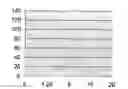
FIG. 1 shows the inhibition zone of antimicrobial peptide CAD;
FIG. 1(1) shows the inhibition zone of recombinant Bacillus subtilis against Colibacillus K88 as FIG. 1 shown;
FIG. 1(2) shows the inhibition zone of recombinant Bacillus subtilis against Staphylococcus aureus as FIG. 1 shown;
FIG. 1(3) shows the inhibition zone of recombinant Bacillus subtilis against Salmonella typhi as FIGS. 1 and 2 shown;
FIG. 1(4) shows the inhibition zone of recombinant Bacillus subtilis against Enterococcus faecalis as FIGS. 1, 2 and 3 shown;
FIG. 1(5) shows the inhibition zone of recombinant Bacillus subtilis against Streptococcus faecalis as FIGS. 1, 2 and 3 shown;
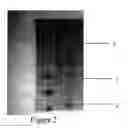
FIG. 2 shows the antimicrobial peptide CAD appraised by the 16% Tris-tricine SDS-PAGE;
1: control sample: freeze-drying 1A747 supernatant sample (0.25 mg/μl);
2: experimental sample: freeze-drying supernatant sample (0.25 mg/μl);
3: MARK (kDa): molecular weight (20.100, 14.400, 7.823, 5.856, 3.313);
DETAILED DESCRIPTION OF EMBODIMENTS
Example 1
1. Synthesis of the SUMO protease expression operon genes and fusion of the protein expression operon genes of Saccharomyces cerevisiae small ubiquitin-related protein with the antibacterial peptide AD;
-
- 1) the artificial synthesis of coding SUMO protease expression operon genes, and its inducer is as follows:
- Designed inducer is as follows:
- 1) the artificial synthesis of coding SUMO protease expression operon genes, and its inducer is as follows:
| F1: |
| CTTTTTTTTATACAAATCTTTCTGAAAGAGGCTATCAAGGCGTTAGAAG |
| ATGGATGAAA |
| R1: |
| TCAAGTTTATCAATTTGTGTTTTTTTTCTTTTCATCCATCTTCTAACGC |
| CTTGATAGCC |
and it is synthesized through 5 times PCR reaction recycles.
The PCR reaction system contains: inducer 2 μl (10 μmol/L), 5 μl dNTP Mixture (2.5 mmol/L), 5 μl 10× Buffer, 35.7 μl sterile ddH2O;
The PCR reaction conditions are: a first denaturation step at 94° C. for 5 minutes; slowly cooling down to 55° C.; addition of 0.3 μl Pyrobest DNA and polymerase (5 U/μl) respectively; and then extension at 72° C. for 5 minutes;
-
- 2) The artificial synthesis of coding Saccharomyces cerevisiae ubiquitin-like small molecule protein and antibacterial peptide AD fusion protein expression operon genes, and its inducer is as follows:
Designed inducer—
| F1: |
| CGATGGCGGCGCACATATTAATCTTAAAGTTAAAGGCCAAGATGGCAAT |
| GAAGTTTTT |
| R1: |
| TTTTAAGTTGTGTGCTTCTTTTAATTCTAAAAAAAACTTCATTGCCATC |
| TTGGCCTTTA |
And it is synthesized through 5 times PCR reaction cycles.
The PCR reaction mix contains: inducer 2 μl (10 μmol/L), 5 μl dNTP Mix (2.5 mmol/L), 5 μl 10× Buffer, 35.7 μl sterile ddH2O;
The PCR reaction conditions are as follows: denaturation at 94° C. for 5 minutes; slowly cooling down to 55° C.; addition of 0.30 Pyrobest DNA and polymerase (5 U/μl) respectively; and then extension at 72° C. for 5 min;
-
- 3) The construction of the two artificial fragments into vector pBluescriptII SK(+) as follows:
The first step is the construction of said artificial genes fragments in step a) with a first enzymatic double-cleavage performed by EcoR I and BamH I and in step b) with a second enzymatic double cleavage performed by BamH I and Sac I respectively. These fragments are then introduced into vector pBluescriptII SK(+). This construction is named plasmid D1778-1.2.
- 3) The construction of the two artificial fragments into vector pBluescriptII SK(+) as follows:
The construction of the Bacillus subtilis expression vector pNF11 of the antibacterial peptide AD matrix genes comprises the following steps:
-
- the genome extraction of Bacillus subtilis strain 168, and the amplification of its high active promoter p43;
- after PCR, the amplified promoter is recovered and sequenced. It is then subcloned into the T vector. The T vector is then used to introduce the promoter into the pGJ103 plasmid, thus forming the pGJ284 plasmid;
- the double enzymatic restriction of the plasmids pGJ284 and plasmid D1778-1 is carried out by respectively EcorI and Sac I.
- Then, the products are recovered and linked with the ligase T4DNA in water-bath at 16° C. to get recombinant plasmid pNF11.
Said PCR identification inducers are listed below:
| F1: CGTTTGCGCTTGTTCCGGAAC | |
| R1: CTGCCGGGCCTGCAGAAATAAC |
The PCR amplification system includes:
-
- plasmid pNF11 template 2 μl;
- dNTP, 2.5 mmol/L, 3 μl;
- LA taq polymerase buffer, 2.5 μl;
- F1, 1.5 μl;
- R1, 1.5 μl;
- LA taq polymerase, 0.3 μl;
- Sterile ultra-pure water, 14.2 μl;
The PCR reaction conditions are: pre-denaturation at 94° C. for 3 minutes, and into the PCR cycle: denaturation at 94° C. for 30 seconds, then cool down at 56° C. 30 seconds, elongation at 72° C. for 3 minutes, for 35 cycles total; and then final elongation at 72° C. for 10 minutes. Thus 1300 bases pairs (bp) clone segments are amplified.
3. The transformation of recombinant expression vector pNF11 in the Bacillus subtilis 1A747 can be achieved through the following procedure:
-
- mix 80 μl of the competent Bacillus subtilis 1A747 with 5 μl of plasmid pNF11,
- transfer the mixture into a 0.2 cm electroporation cup, 2500V, shock for 5 minutes,
- add 800 μl of cold electroporation recovery medium LBSPG immediately, recover and cultivate for 1 hour at 37° C., 200 rpm,
- centrifuge the colonies at 4500 rpm and coat on a Cm5LB plate for further cultivation at 37° C. until single colonies appeared,
- pick up the positive transformants to cultivate and extract the plasmids to carry out the double digestion with Ecor I and Sac I and for PCR identification. The amplified 1300 base pairs (bp) clones are defined as pNF11-CAD1, pNF11-CAD2, pNF11-CAD3, pNF11-CAD4 positive transformants.
4. Inducible expression of the recombinant Bacillus subtilis in shake flasks:
The pNF11-CAD1, pNF11-CAD2, pNF11-CAD3 and pNF11-CAD4 positive transformants are inoculated in 25 ml LB culture medium, and cultivated for 12 hours at 32° C., 200 rpm until the absorbance of the 600 nm waves up to 2˜4. Then, 5 ml 30 wt % maltose are added to the culture for inducible expression at 32° C., 250 rpm, for 36 hours with shaking. pH is set at 8.5 before cultivation for 12 hours at 25° C. The culture medium is then centrifuged for 10 minutes at 10000 rpm. Finally, the supernatant containing the antimicrobial peptide CAD protein is gathered.
Example 2
Identification of Antibacterial Activity of the Antimicrobial Peptide CAD
The standard agar hole diffusion method with experimental samples of Colibacillus K88 and of Flavous staphylococcus is as follows:
-
- mix 20 μl of the bacteria suspension (OD600=0.2˜0.3) with 25 ml LB solid culture medium at 55° C.,
- coat on a plate,
- let solidify,
- with a sterilized hole puncher (diameter 5 mm) punch holes,
- add 20 μl of the expression supernatant to the holes for testing
- cultivate for 12 hours at 37° C.
The results are presented here below:
Colibacillus K88:
-
- inhibition zone diameter of 9.3 mm,
- bactericidal activity X=(9.3 mm−2.3 mm)/2=3.5,
- bactericidal titer (U/ml)=7000 U/ml;
- inhibition zone is shown in FIG. 1 (1), under the same expression conditions, 1A747 bacterial zymotic fluid is cultivated and its negative inhibition zone is compared.
Flavous staphylococcus:
-
- the inhibition zone diameter is 12.4 mm,
- bactericidal activity X=(12.4 mm−2.3 mm)/2=5.05,
- bactericidal titer (U/ml)=11000 U/ml;
- inhibition zone is shown in FIG. 1 (2).
Salmonella bacilli:
-
- the inhibition zone diameter is 5.8 mm,
- bactericidal activity X=(5.8 mm−2.3 mm)/2=1.75,
- bactericidal titer (U/ml)=3500 U/ml;
- inhibition zone is shown in FIG. 1 (3).
Enterococcus faecalis:
-
- the inhibition zone diameter is 3.9 mm,
- bactericidal activity X=(3.9 mm−2.3 mm)/2=0.8,
- bactericidal titer (U/ml)=1600 U/ml;
- inhibition zone is shown in FIG. 1 (4).
Streptococcus faecalis:
-
- the inhibition zone diameter is 6.1 mm,
- bactericidal activity X=(6.1 mm−2.3 mm)/2=1.9,
- bactericidal titer (U/ml)=3800 U/ml;
- inhibition zone is shown in FIG. 1 (5).
Example 3
Identification of the Antimicrobial Peptide CAD Excreted by Recombinant Bacillus subtilis with Assembled Tris-Tricine SDS-PAGE
The fermentation supernatant is filtrated with a United States MILLIPORE molecular weight cut off (MWCO) 10 KD ultra filtration tube, dialyzed with MWCO 2000 dialysis bags, and then freeze-dried to obtain Bacillus subtilis expression CAD products. A protein electrophoresis analysis is carried out using a 16% Tricine-SDS-PAGE and Coomassie Brilliant Blue G-250 concentration is also measured.
1. Preparation of 16% Polyacrylamide Gel (Separated Gel and Concentrated Gel)
| Separated gel | Concentrated gel | |
| 30% polyacrylamide | 3.3 | ml | 0.63 | ml | |
| Water | 2.09 | ml | 1.6 | ml | |
| gel buffer | 2 | ml | 0.75 | ml |
| Urea | 2.16 | g | — |
| 10% AP | 0.1 | (unit) | 0.05 | (unit) | |
| TEMED | 10 | μl | 5 | μl | |
2. Tricine-SDS-Page Protein Electrophoresis Reagent
| 10×anode buffer pH8.9 | ||
| Tris | 242.28 g | |
| volume set 1000 ml with | ||
| distilled water | ||
| 10×cathode buffer pH8.25 | ||
| Tris | 121.1 g | |
| Tricine | 179.16 g | |
| SDS | 10 g | |
| volume set 1000 ml with | ||
| distilled water | ||
| gel buffer pH 8.45 | ||
| Tris | 121.0 g | |
| SDS | 1 g | |
| volume set 1000 ml with | ||
| distilled water | ||
3. Electrophoresis Experiment
The tricine-SDS-PAGE electrophoresis system is assembled through putting the cathode buffer solution into internal groove and the anode buffer solution into outside groove. The electrophoresis is carried out as follows: the voltage is set at 50V constant voltage for 5 hours. The gel is colored with Coomassie brilliant blue and incubated with glycerol. A picture of the gel is taken with gel imager photography. After the bromophenol blue indicator left the gel, the electrophoresis is stopped. Then the strip off of the gel and the discoloration are carried out according to conventional method. See FIG. 2.
The results show that recombinant Bacillus subtilis can obviously secrete protein about 3.7 KDa, which is consistent with the theoretical size of CAD protein.
Thin-layer gel electrophoresis scanning images is analyzed by the software Band 5.0 and the result shows that the expression of proteins secreted by cell supernatant can be up to 39.9% of total protein.
Example 4
Content Confirmation of Antimicrobial Peptide CAD Secreted by Recombinant Bacillus Subtilis (BCA Protein Quantitative Measurement)
Fermentation of recombinant bacteria Bacillus subtilis 1A747: the fermentations supernatants are collected and pooled together according to their culture conditions filtrated with a United States MILLIPORE molecular weight cutoff (MWCO) 10 KD ultra filtration tube, and then dialyzed in MWCO 2000 dialysis bags. The protein content of each sample of supernatants is then calculated out, proportionally to the volume of each sample.
Table 1 Standard Curve of BCA Protein Quantitative Measurement
NOTE: Y-axis represents the absorbance at 562 nm wave, X-axis represents BSA final concentration×100
BSA standard curve regression equation: c=−0.0456A+48.3(R=0.9992, n=3), linear range: 0-2000 μg/ml.
The secretory expression content of antimicrobial peptide CAD of recombinant Bacillus subtilis protein is 1.08 mg/ml by the BCA protein quantitative kit measurement.
Claims
1. A method of producing an antimicrobial peptide CAD including the following steps:
the synthesis of the small ubiquitin-related modifier (SUMO) protease expression operon genes, and the fusion of the protein expression operon genes of Saccharomyces cerevisiae small ubiquitin-related protein with the antibacterial peptide AD;
the construction of the Bacillus subtilis expression vector pNF11 of the antibacterial peptide AD matrix genes
the transformation of recombinant expression vector pNF11 in the Bacillus subtilis 1A747; and
the inducible expression of the recombinant Bacillus subtilis in shake flask.
2. A production method of antimicrobial peptide CAD according to claim 1, wherein the said synthesis of the SUMO protease expression operon, and the fusion of the protein expression operon of Saccharomyces cerevisiae small ubiquitin-like protein with cecropin AD includes the following steps:
a) the artificial synthesis of the nucleotide sequence of the expression operon genes with coding SUMO protease with a first enzymatic double-cleavage performed by EcoR I and BamHI; and
b) the artificial synthesis of the nucleotide sequence of the fusion protein expression operon genes with coding Saccharomyces cerevisiae ubiquitin-like small molecule protein and the antibacterial peptide AD with a second enzymatic double cleavage performed by BamHI and SacI respectively; and
c) the introduction of these fragments into vector pBluescriptII SK(+) in order to produce a plasmid called D1778-1.
3. A production method of antimicrobial peptide CAD according to claim 1, wherein the said construction of the expression vector pNF11 of the cecropin AD parent genes Bacillus subtilis includes the following steps:
the extraction of genome of Bacillus subtilis strain 168, and the amplification of its high active promoter p43;
the recovering and the sequencing of the amplified promoter
the subcloning into the T vector
the introduction of the T vector into the pGJ103 plasmid, thus forming the pGJ284 plasmid;
the double enzymatic restriction of the plasmid pGJ284 and the plasmid D1778-1 by respectively EcorI and Sac I.
the recovering of the products,
the linking of the two products with the ligase T4DNA in water-bath at 16° C. to get recombinant plasmid pNF11.
4. A production method of antimicrobial peptide CAD according to claim 1, wherein said recombinant plasmid pNF11-CAD is transformed in the Bacillus subtilis 1A747, and the transformation includes the following steps:
mixing 80 μl of the competent Bacillus subtilis 1A747 with 5 μl of the plasmid pNF11,
transferring the mixture into a 0.2 cm electroporation cup, 2500V, 5 ms shock,
adding 800 ul cold electroporation recovery medium LBSPG immediately, recovering and cultivation for 1 hour at 37° C., 200 rpm,
centrifugation of the colonies at 4500 rpm
coating on a Cm5LB plate, cultivation at 37° C. until single colonies appeared,
picking up the positive transformants for further cultivation
extracting the plasmids to carry out a double digestion with Ecor I and Sac I and for PCR identification.
5. A production method of antimicrobial peptide CAD according to claim 1, wherein said inducible expression of recombinant Bacillus subtilis in shake flasks includes the following steps:
inoculation of the pNF11-CAD1, pNF11-CAD2, pNF11-CAD3 and pNF11-CAD4 positive transformants in 25 ml LB culture medium
cultivation for 8-12 h at 32° C., 200 rpm until the 600 nm absorbance waves up to 2-4,
addition of 5 ml of 30% wt maltose to the culture medium cultivation for 24-36 h at 32° C. with shaking
cultivation for 8-12 h at 25° C., pH=8.5 centrifugation 10 min at 10000 rpm
gathering of the supernatants containing the antimicrobial peptide CAD protein.
6. A production method of antimicrobial peptide CAD according to claim 2, wherein the size of the said artificially synthesised coding SUMO protease expression operon genes number is 747 base pairs totally, and its nucleotide sequence is listed below:
| 10 20 30 40 50 | |
| atggtcagca Tccgccgcag cttcgaagcg tatgtcgatg acatgaatat | |
| 60 70 80 90 100 | |
| cattactgtt Ctgattcctg ctgaacaaaa ggaaatcatg cttgttccgg | |
| 110 120 130 140 150 | |
| cacttaatga Aaaagatgat gatcaagttc aaaaagcact tgcatctaga | |
| 160 170 180 190 200 | |
| gaaaatacac Aacttatgaa tagagataat attgaaatta cagttagaga | |
| 210 220 230 240 250 | |
| ttttaaaaca Cttgcaccga gaagatggct taatgataca attattgaat | |
| 260 270 280 290 300 | |
| tttttatgaa Atatattgaa aaatctacac cgaatacagt tgcatttaat | |
| 310 320 330 340 350 | |
| tctttttttt Atacaaatct ttctgaaaga ggctatcaag gcgttagaag | |
| 360 370 380 390 400 | |
| atggatgaaa Agaaaaaaaa cacaaattga taaacttgat aaaattttta | |
| 410 420 430 440 450 | |
| caccgattaa Tcttaatcaa tctcattggg cacttggcat tattgatctt | |
| 460 470 480 490 500 | |
| aaaaaaaaaa Caattggcta tgttgattct ctttctaatg gcccgaatgc | |
| 510 520 530 540 550 | |
| aatgtctttt Gcaattctta cagatcttca aaaatatgtt atggaagaat | |
| 560 570 580 590 600 | |
| ctaaacatac Aattggcgaa gattttgatc ttattcatct tgattgcccg | |
| 610 620 630 640 650 | |
| caacaaccga Atggctatga ttgcggcatt tatgtttgca tgaatacact | |
| 660 670 680 690 700 | |
| ttatggctct Gcagatgcac cgcttgattt tgattataaa gatgcaatta | |
| 710 720 730 740 747 | |
| gaatgagaag atttattgca catcttattc ttacagatgc acttaaa |
7. A production method of antimicrobial peptide CAD according to claim 2, wherein the size of said artificially synthesised coding Saccharomyces cerevisiae ubiquitin-like small molecule protein and cecropin AD fusion protein expression operon genes is 738 base pairs totally, and its nucleotide sequence is listed below:
| 10 20 30 40 50 | |
| taaaaaaaac Gctcacatga tgtgggcgtt ttttttatac aaaaaaacgc | |
| 60 70 80 90 100 | |
| actgatttac Aaaaccttaa cattcggttc aaaccctttt tacatagaac | |
| 110 120 130 140 150 | |
| ctttactcta Tacgtgtagg acaaattaca cattatacgc aggggatggt | |
| 160 170 180 190 200 | |
| cagcatccgc Cgcagcttcg aagcgtatgt cgatgacatg aatatcatta | |
| 210 220 230 240 250 | |
| ctgttctgat Tcctgctgaa caaaaggaaa tcatgatgtc tgcaaatcaa | |
| 260 270 280 290 300 | |
| gaagaagata Aaaaaccggg cgatggcggc gcacatatta atcttaaagt | |
| 310 320 330 340 350 | |
| taaaggccaa Gatggcaatg aagttttttt tagaattaaa agaagcacac | |
| 360 370 380 390 400 | |
| aacttaaaaa Acttatgaat gcatattgcg atagacaatc tgttgatatg | |
| 410 420 430 440 450 | |
| aatagcattg Catttctttt tgatggcaga agacttagag cagaacaaac | |
| 460 470 480 490 500 | |
| accggatgaa Cttgatatgg aagatggcga tgaaattgat gcaatgcttc | |
| 510 520 530 540 550 | |
| atcaaacagg Cggcagcggc ggcggcgcaa cagcaaaatg gaaacttttt | |
| 560 570 580 590 600 | |
| aaaaaaattg Aaaaagttgg ccaaagagtt agagatgcag ttatttctgc | |
| 610 620 630 640 650 | |
| aggcccggca Gttgcaacag ttgcacaagc aacagcactt gcaaaataaa | |
| 660 670 680 690 700 | |
| aggagctgac Cgaacagggc agctccttta atagcacttt gccactcatt | |
| 710 720 730 738 | |
| ttttgcgtta Gcaaaaacat aaagggtatg ggatataa |
8. A Bacillus subtilis strain recombining the expression vector of the antimicrobial peptide CAD, the code of which is CGMCC No. 2373.
Images & Drawings included:
Sources:
- United States Patent and Trademark Office - verify current appl. status at the USPTO↗
Recent applications in this class:
- » 20250277225 2025-09-04
DL-Alanine-Producing Genetically Engineered Strain and Method of Construction and Use Thereof - » 20250230448 2025-07-17
INTEGRATIVE PLASMID - » 20250163438 2025-05-22
INTEGRATIVE PLASMID - » 20250154515 2025-05-15
METHOD OF GENERATING PULCHERRIMIN AND PULCHERRIMINIC ACID AND USES THEREOF - » 20250101442 2025-03-27
COMPOSITIONS AND METHODS FOR ENHANCED PROTEIN PRODUCTION IN GRAM-POSITIVE BACTERIAL CELLS - » 20250043293 2025-02-06
BACILLUS EXPRESSION SYSTEM - » 20250002925 2025-01-02
COMPOSITIONS AND METHODS FOR ENHANCED PROTEIN PRODUCTION IN BACILLUS CELLS - » 20240318188 2024-09-26
BACILLUS LICHENIFORMIS HOST CELL FOR PRODUCTION OF A COMPOUND OF INTEREST WITH INCREASED PURITY - » 20240263185 2024-08-08
COMPOSITIONS AND METHODS FOR ENHANCED PROTEIN PRODUCTION IN BACILLUS CELLS - » 20240254495 2024-08-01
Therapeutic Engineered Microbial Cell Systems and Methods for Treating Conditions in Which Oxalate is Detrimental