Method of manufacture of a composite concrete article
US20120027992A1
2012-02-02
13/262,347
2010-03-22
✅ Patent granted
US 8,871,657 B2
2014-10-28
WO; PCT/EP2010/001777; 20100322
WO; WO2010/115513; 20101014
Duy Deo
Gardner, Linn, Burkhart & Flory, LLP
2031-02-11
Abstract:
A method of manufacturing a composite concrete article comprising forming a textile structure, removing material from regions of the textile structure to create voids in the textile structure and incorporating the textile structure into a body of wet uncured concrete such that the concrete flows into the voids created in the textile structure, embedding the textile structure into the concrete, whereby the textile structure defines at least a portion of a surface of the cured concrete article.
Inventors:
- Patricia Clare Belford 2 🇬🇧 Belfast, United Kingdom
- Ruth Ellen Morrow 2 🇬🇧 Belfast, United Kingdom
- Patricia Clare Belford 1 🇬🇧 Northern Ireland, United Kingdom
- Ruth Ellen Morrow 1 🇬🇧 Northern Ireland, United Kingdom
Assignee:
- UNIVERSITY OF ULSTER 8 🇬🇧 County Londonderry, United Kingdom
- UNIVERSITY OF ULSTER 3 🇬🇧 Coleraine, County Londonderry, United Kingdom
Applicant:
Interested in similar patents?
Get notified when new applications in this technology area are published.
Classification:
B32B13/14 IPC
Layered products comprising a a layer of water-setting substance, e.g. concrete, plaster, asbestos cement, or like builders' material next to a fibrous or filamentary layer
D06Q1/02 » CPC further
Decorating textiles Producing patterns by locally destroying or modifying the fibres of a web by chemical actions, e.g. making translucent
Y10T428/24331 » CPC further
Stock material or miscellaneous articles; Structurally defined web or sheet [e.g., overall dimension, etc.] including aperture; Composite web or sheet including nonapertured component
Y10T442/171 » CPC further
Fabric [woven, knitted, or nonwoven textile or cloth, etc.]; Scrim [e.g., open net or mesh, gauze, loose or open weave or knit, etc.]; Woven scrim Including a layer derived from a water-settable material [e.g., cement, gypsum, etc.]
Y10T442/172 » CPC further
Fabric [woven, knitted, or nonwoven textile or cloth, etc.]; Scrim [e.g., open net or mesh, gauze, loose or open weave or knit, etc.]; Woven scrim Coated or impregnated
Y10T442/174 » CPC further
Fabric [woven, knitted, or nonwoven textile or cloth, etc.]; Scrim [e.g., open net or mesh, gauze, loose or open weave or knit, etc.]; Woven scrim; Coated or impregnated Including particulate material other than fiber in coating or impregnation
B32B3/10 IPC
Layered products comprising a layer with external or internal discontinuities or unevennesses, or a layer of non-planar form ; Layered products having particular features of form characterised by a discontinuous layer, i.e. formed of separate pieces of material
B05D5/00 IPC
Processes for applying liquids or other fluent materials to surfaces to obtain special surface effects, finishes or structures
C23F1/02 IPC
Etching metallic material by chemical means Local etching
B05D7/00 IPC
Processes, other than flocking, specially adapted for applying liquids or other fluent materials to particular surfaces or for applying particular liquids or other fluent materials
B05D3/00 IPC
Pretreatment of surfaces to which liquids or other fluent materials are to be applied; After-treatment of applied coatings, e.g. intermediate treating of an applied coating preparatory to subsequent applications of liquids or other fluent materials
B05D3/10 IPC
Pretreatment of surfaces to which liquids or other fluent materials are to be applied; After-treatment of applied coatings, e.g. intermediate treating of an applied coating preparatory to subsequent applications of liquids or other fluent materials by other chemical means
B28B23/0006 » CPC further
Arrangements specially adapted for the production of shaped articles with elements wholly or partly embedded in the moulding material; Production of reinforced objects the reinforcement consisting of aligned, non-metal reinforcing elements
B28B23/0075 » CPC further
Arrangements specially adapted for the production of shaped articles with elements wholly or partly embedded in the moulding material; Production of reinforced objects for decorative purposes
E04C2/044 » CPC main
Building elements of relatively thin form for the construction of parts of buildings, e.g. sheet materials, slabs, or panels characterised by specified materials of concrete or other stone-like material; of asbestos cement; of cement and other mineral fibres of concrete
B32B13/02 IPC
Layered products comprising a a layer of water-setting substance, e.g. concrete, plaster, asbestos cement, or like builders' material with fibres or particles being present as additives in the layer
B32B5/02 IPC
Layered products characterised by the non- homogeneity or physical structure, i.e. comprising a fibrous, filamentary, particulate or foam layer; Layered products characterised by having a layer differing constitutionally or physically in different parts characterised by structural features of a layer
B28B23/00 IPC
Arrangements specially adapted for the production of shaped articles with elements wholly or partly embedded in the moulding material; Production of reinforced objects
E04C2/04 IPC
Building elements of relatively thin form for the construction of parts of buildings, e.g. sheet materials, slabs, or panels characterised by specified materials of concrete or other stone-like material; of asbestos cement; of cement and other mineral fibres
Description
This invention relates to a method of manufacture of a composite concrete article, and in particular to a method of manufacture of a concrete article having textile structures integrated into the surface of the concrete to provide a novel aesthetic and/or functional surface finish.
Concrete is a commonly utilised as a construction material due to its low cost, ease of prefabrication into desired shapes, and strength. However, concrete structures and elements have a cold, hard and unattractive surface finish with poor acoustic and thermal properties.
An object of the present invention is to improve one or more of the appearance, thermal experience and/or acoustic properties or other surface characteristics of concrete by integrating textile structures into concrete articles such that at least portions of the textile structures define at least a portion of the exposed surfaces of the articles.
Prior art attempts to apply textile materials to the surface of concrete articles have mainly been focussed on applying such materials to the surface of the finished concrete articles. Few attempts have been made to integrate textile materials into concrete articles, mainly due to the harsh environment posed by uncured concrete (highly alkaline) and the difficulty in adhering a textile material to the concrete structure in a manner such that the textile material will not simply peel off the concrete once it has set.
According to the present invention there is provided a method of manufacturing a composite concrete article comprising forming a textile structure, removing material from regions of the textile structure to create voids in the textile structure and incorporating the textile structure into a body of wet uncured concrete such that the concrete flows into the voids created in the textile structure, embedding the textile structure into the concrete, whereby the textile structure defines at least a portion of a surface of the cured concrete article.
Preferably the voids comprise regions of reduced thread density, such regions having greater porosity to wet concrete. The step of removing material from regions of the textile may comprise forming a particular visual or textural effect in the textile structure.
Preferably said textile structure is formed from a mixture of at least two different materials or fibres, said step of removing material from regions of the textile structure comprising a process for preferentially removing one of said materials or fibres from said regions. Preferably at least one of said at least two different materials is more resistant to said material removal process than the other or others of said at least two different materials from which the textile structure is formed.
In one embodiment said at least one more resistant material comprise a metallic material, such as metallic wires or threads. Alternatively, or additionally, said at least one more resistant material may comprises a natural or man made yarn selected to have a greater resistance to said removal process than the other or others of said two or more different materials.
The textile structure may comprise a woven textile structure, at least a portion of the warp and/or at least a portion of the weft of the textile structure being formed from said at least one more resistant material.
The removal process may comprise a mechanical process or a chemical process. Preferably the removal process comprises a chemical etching process, such as a devoré process. Two or more different removal processes may be carried out to remove different materials or fibres from different portions or regions of the textile structure. For example, different devoré mixes or recipes may be used to selectively remove different fibres from different regions of the textile structure to create a specific visual and/or textural effect.
According to a further aspect of the present invention there is provided a composite concrete article comprising a textile structure embedded in the surface of a concrete structure, said textile structure having voids formed therein by means of which the textile structure is embedded into the concrete structure to anchor the textile structure to the concrete structure.
The voids may create a particular visual or textural effect in the textile structure. The voids preferably comprise regions of reduced thread density having greater porosity to wet concrete.
Preferably the textile structure is formed at least two different materials or fibres, wherein at least one of said two materials is more resistant to the removal process used for creating said voids than another of said at least two materials.
In one embodiment said at least one more resistant material comprise a metallic material while the other or others of said two or more materials comprises a non-metallic material, such as a natural or man made yarn. The other or others of said two or more materials may comprise, for example, cotton, linen or a synthetic yarn. In one embodiment said at least one more resistant material comprises steel wires or threads.
In an alternative embodiment said at least one more resistant material comprises a natural or man made yarn selected to have a greater resistance to said removal process than said other or others of said two or more materials.
The textile structure may comprise a woven textile structure, at least a portion of the warp and/or at least a portion of the weft of the textile structure being formed from said at least one more resistant material.
An embodiment of the present invention will now be described, by way of example only, with reference to the accompanying drawings, in which:
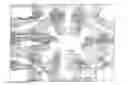
FIG. 1 shows a fabric material for use in a method of manufacture of a composite concrete article according to an embodiment of the present invention; and
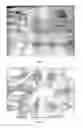
FIG. 2 shows a composite concrete article made in accordance with said method.
A method of manufacturing a composite concrete article according to an embodiment of the present invention comprises forming a woven fabric from stainless steel wires and linen. The warp of the fabric is made up of linen only and the weft comprises alternate yarns of linen & stainless steel wire (see FIG. 1).
After production of fabric, the next stage is that the woven fabric goes through a devoré process. The fabric is screenprinted with a selected pattern (i.e. certain sections of the surface are exposed) to a devoré recipe comprising:
400 gm Indalca PA3R (13%)
150 gm Aluminium Sulphate
50 gm Glycerine
400 gm Water
The treated fabric is then dried at room temperature before being baked for around 10 mins at approximately 180° C. The fabric is then washed in water, optionally containing a mild detergent, to remove the linen that has come into direct contact with the devoré recipe. This results in a textile that has a pattern of solid and void, as shown in FIG. 1.
The treated fabric is then placed in the bottom of a mould, with the face intended to form the outer face of the composite concrete article facing downwards, and uncured concrete is poured into the mould. The concrete flows into the voids in the fabric such that the fabric becomes firmly embedded in the concrete, as shown in FIG. 2.
While a devoré process is described for forming the pattern and voids within the fabric, any other suitable mechanical or chemical process may be utilised to form suitable voids within the fabric to ensure that the concrete can flow into the fabric to firmly embed the fabric within the concrete.
The steel weft yarns may be shaped or crumpled to give the fabric a three dimensional shape to provide enhanced textural structures with unique acoustic characteristics in the surface of the concrete, with substantial depth. Linen and stainless steel may be used due to their high resistance to the corrosive effects of the highly alkaline environment of the concrete mix. However, other metals and textiles may be used, providing they are sufficiently resistant to such an environment.
In an alternative embodiment, a textile structure comprising a viscous pile formed on a polyester/polyamide backing may be used, wherein a suitable devoré process is used to selectively remove portions of the viscous pile from selected regions of the polyester/polyamide backing to create voids/regions of reduced thread density into which wet uncured concrete may flow to embed the textile structure into the finished concrete article and to create a desired visual and/or textural effect on the surface of the finished concrete article.
The invention is not limited to the embodiment(s) described herein but can be amended or modified without departing from the scope of the present invention. The process of selectively removing regions of a particular fibres from a mixed fibre fabric or construction using a removal process, such as a suitable devoré process, can be used to create voids or regions or reduced thread density in numerous different mixed fibre materials to enable such material to be embedded into a concrete article while creating a selected visual and/or textural affect on the surface of the finished concrete article to achieve a wide range of aesthetic and functional effects to enhance the visual, textural and acoustic characteristics of the article.
Claims
1. A method of manufacturing a composite concrete article, said method comprising:
forming a textile structure;
removing material from regions of the textile structure to create voids in the textile structure; and
incorporating the textile structure into a body of wet uncured concrete such that the concrete flows into the voids created in the textile structure, embedding the textile structure into the concrete, whereby the textile structure defines at least a portion of a surface of the cured concrete article.
2. A method as claimed in claim 1, wherein the voids comprise regions of reduced thread density, the regions having greater porosity to wet concrete.
3. A method as claimed in claim 1, wherein said step of removing material from regions of the textile comprises forming a particular visual or textural effect in the textile structure.
4. A method as claimed in claim 1, further comprising forming the textile structure from a mixture of at least two different materials or fibres, said step of removing material from regions of the textile structure comprising a process for preferentially removing one of the materials or fibres from the regions.
5. A method as claimed in claim 4, wherein at least one of the at least two different materials is more resistant to said material removal process than the other or others of the at least two different materials from which the textile structure is formed.
6. A method as claimed in claim 5, wherein the at least one more resistant material comprises metallic wires or threads.
7. A method as claimed in claim 5, wherein the at least one more resistant material comprises a natural or man made yarn selected to have a greater resistance to said removal process than the other or others of the two or more different materials.
8. A method as claimed in claim 4, wherein the textile structure comprises a woven textile structure having a warp and a weft, at least a portion of the warp or at least a portion of the weft of the textile structure being formed from the at least one more resistant material.
9. A method as claimed in claim 4, wherein said removal process comprises a mechanical process.
10. A method as claimed in claim 4, wherein said removal process comprises a chemical process.
11. A method as claimed in claim 10, wherein said removal process comprises a chemical etching process.
12. A method as claimed in claim 4, wherein two or more different removal processes are carried out to remove different materials or fibres from different portions or regions of the textile structure.
13. A composite concrete article comprising:
a concrete structure defining a surface;
a textile structure embedded in the surface of the concrete structure, the textile structure having voids formed therein; and
wherein the voids are configured to embed the textile structure into the concrete structure to anchor the textile structure to the concrete structure.
14. An article as claimed in claim 13, wherein the voids create a particular visual or textural effect in the textile structure.
15. An article as claimed in claim 13, wherein the voids comprise regions of reduced thread density having greater porosity to wet concrete.
16. An article as claimed in claim 15, wherein the textile structure is formed of at least two different materials or fibres, wherein at least one of the two materials or fibres is more resistant to the removal process used for creating the voids than another of the at least two materials or fibres.
17. An article as claimed in claim 16, wherein the at least one more resistant material comprises a metallic material while the other or others of the two or more materials comprises a non-metallic material.
18. An article as claimed in claim 17, wherein the other or others of the two or more materials comprise cotton, linen or a synthetic yarn.
19. An article as claimed in claim 17, wherein the at least one more resistant material comprises steel wires or threads.
20. An article as claimed in claim 16, wherein the at least one more resistant material comprises a natural or man made yarn selected to have a greater resistance to said removal process than the other or others of the two or more materials.
21. An article as claimed in claim 16, wherein the textile structure comprises a woven textile structure having a warp and a weft, at least a portion of the warp or at least a portion of the weft of the textile structure being formed from the at least one more resistant material.
Images & Drawings included:
Sources:
- United States Patent and Trademark Office - verify current appl. status at the USPTO↗
Similar patent applications:
Recent applications in this class:
- » 20250163698 2025-05-22
Wall Element, Wall and Building as Well as Method for Construction - » 20250059765 2025-02-20
Method for Supporting a Residential Structure to Comply With Code Restrictions Relative to Base Flood Elevation - » 20250043571 2025-02-06
SELF-SUPPORTING ELEMENT FOR THE CONSTRUCTION OF STRUCTURES AND ASSOCIATED METHOD OF REALIZATION - » 20210381236 2021-12-09
Composite Wall Panel and System - » 20210254334 2021-08-19
METHOD AND FORMWORK FOR PRODUCING A PLATE, AND PLATE - » 20210164226 2021-06-03
System and method for exposed aggregate architectural coating for existing concrete structures - » 20210115668 2021-04-22
Solid Cement Construction Panel - » 20190330846 2019-10-31
Fly ash-free coating formulation for fibrous mat tile backerboard - » 20180245346 2018-08-30
Load transfer device - » 20170114539 2017-04-27
Load transfer device
Recent applications for this Assignee:
- » 20210154297 2021-05-27
Sensitizer-peptide conjugate - » 20210052515 2021-02-25
Compositions for use in the treatment of diabetes - » 20130116179 2013-05-09
Pharmaceutical composition for use in the treatment of a neurodegenerative disease - » 20120189801 2012-07-26
Composite concrete article and method of manufacture thereof - » 20120189801 2012-07-26
Composite concrete article and method of manufacture thereof - » 20120059244 2012-03-08
Skin marker - » 20110184110 2011-07-28
POWDER COATING COMPOSITION - » 20110162429 2011-07-07
Method for forming a sector for a nacelle lip skin - » 20090209832 2009-08-20
TUBE MONITORING SYSTEM