Trouble light advanced
US20120087141A1
2012-04-12
12/592,514
2009-11-27
Abstract:
The trouble light simply incorporates a magnet on the rear of a standard trouble light
The magnet allows the lamp to be positioned in numerous stable positions.
The old light with the hook was almost impossible to position correctly.
Interested in similar patents?
Get notified when new applications in this technology area are published.
Classification:
F21V21/0965 » CPC main
Supporting, suspending, or attaching arrangements for lighting devices ; Hand grips; Devices for easy attachment to any desired place, e.g. clip, clamp, magnet; Magnetic devices for portable lighting devices
F21V21/096 IPC
Supporting, suspending, or attaching arrangements for lighting devices ; Hand grips; Devices for easy attachment to any desired place, e.g. clip, clamp, magnet Magnetic devices
Description
The standard trouble light that had been in use for many decades.
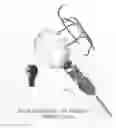
Showing the invention that is a formed magnet attached to the rear of the trouble light
The problem with the old light was, no matter where you hung the curved hook on any surface, % 90 of the time the lamp would shift and never shine where you want it
The magnet adhered to the rear of the lamp allows it to be stationary most of the time.
The shape of the magnet may be altered to fit different requirements.
One possibility is a magnet with 4 or 5 facets, also the strength of the magnetic field may be changed, the field strength on the pictured unit is 400 gauss.
LIST OF VIEWS
FIG. [1] A front view of the old normal trouble light
FIG. [2] A left side view of the light showing the edge of the magnet.
FIG. [3] A right side view of light showing the edge of the magnet.
FIG. [4] A rear view of the light with with the magnet attached.
Note FIG. 3 Is the preferred view to publish
Claims
1. The addition of a magnetic material to the well known trouble light enhances its positioning stability and versatility as to placing the light source in the correct location.
The magnet may be manufactured in any shape and any gauss number [strength] that the manufacture deems appropriate for his requirement
The magnet may be bonded, screwed or riveted to the rear of the trouble light, but not limited to all of the above.
Images & Drawings included:



Sources:
- United States Patent and Trademark Office - verify current appl. status at the USPTO↗
Recent applications in this class:
- » 20240410556 2024-12-12
Work light - » 20240035646 2024-02-01
OPTICAL DEVICES AND MOUNTING FOR OPTICAL DEVICES - » 20230383932 2023-11-30
PORTABLE FLASHLIGHT - » 20230324032 2023-10-12
HEADLAMP - » 20230313978 2023-10-05
UNDER CHASSIS LIGHT - » 20230065166 2023-03-02
Lighting system with detachable flashlight head - » 20230052090 2023-02-16
System and method for a magnetic clip - » 20220349559 2022-11-03
Optical devices and mounting for optical devices - » 20220235924 2022-07-28
Illumination assemblies using magnetic attachment and activation - » 20210364155 2021-11-25
System, apparatus, and method for providing ambient lighting