Compounds as receptor modulators with therapeutic utility
US20120129813A1
2012-05-24
13/300,537
2011-11-18
✅ Patent granted
US 8,653,270 B2
2014-02-18
-
-
Janet L Andres | Timothy R Rozof
Doina G. Ene
2032-03-25
Abstract:
The present invention relates to novel derivatives, processes for preparing them, pharmaceutical compositions containing them and their use as pharmaceuticals as modulators of sphingosine-1-phosphate receptors.
Inventors:
- Todd M. Heidelbaugh 75 🇺🇸 Fountain Valley, CA, United States
- Phong X. Nguyen 56 🇺🇸 Placentia, CA, United States
Assignee:
- Allergan, Inc. 2,273 🇺🇸 Irvine, CA, United States
Applicant:
Interested in similar patents?
Get notified when new applications in this technology area are published.
Classification:
C07D405/10 IPC
Heterocyclic compounds containing both one or more hetero rings having oxygen atoms as the only ring hetero atoms, and one or more rings having nitrogen as the only ring hetero atom containing two hetero rings linked by a carbon chain containing aromatic rings
C07F9/655345 » CPC main
Compounds containing elements of Groups 5 or 15 of the Periodic System; Phosphorus compounds; Heterocyclic compounds, e.g. containing phosphorus as a ring hetero atom having sulfur atoms, with or without selenium or tellurium atoms, as the only ring hetero atoms the sulfur atom being part of a five-membered ring
A61P1/02 » CPC further
Drugs for disorders of the alimentary tract or the digestive system Stomatological preparations, e.g. drugs for caries, aphtae, periodontitis
A61P1/04 » CPC further
Drugs for disorders of the alimentary tract or the digestive system for ulcers, gastritis or reflux esophagitis, e.g. antacids, inhibitors of acid secretion, mucosal protectants
A61P3/10 » CPC further
Drugs for disorders of the metabolism for glucose homeostasis for hyperglycaemia, e.g. antidiabetics
A61P9/00 » CPC further
Drugs for disorders of the cardiovascular system
A61P9/12 » CPC further
Drugs for disorders of the cardiovascular system Antihypertensives
A61P11/16 » CPC further
Drugs for disorders of the respiratory system Central respiratory analeptics
A61P17/00 » CPC further
Drugs for dermatological disorders
A61P17/04 » CPC further
Drugs for dermatological disorders Antipruritics
A61P19/00 » CPC further
Drugs for skeletal disorders
A61P25/04 » CPC further
Drugs for disorders of the nervous system Centrally acting analgesics, e.g. opioids
A61P31/04 » CPC further
Antiinfectives, i.e. antibiotics, antiseptics, chemotherapeutics Antibacterial agents
A61P39/02 » CPC further
General protective or antinoxious agents Antidotes
A61P43/00 » CPC further
Drugs for specific purposes, not provided for in groups -
C07D307/42 » CPC further
Heterocyclic compounds containing five-membered rings having one oxygen atom as the only ring hetero atom not condensed with other rings having two or three double bonds between ring members or between ring members and non-ring members with substituted hydrocarbon radicals attached to ring carbon atoms; Radicals substituted by oxygen atoms Singly bound oxygen atoms
C07D307/52 » CPC further
Heterocyclic compounds containing five-membered rings having one oxygen atom as the only ring hetero atom not condensed with other rings having two or three double bonds between ring members or between ring members and non-ring members with substituted hydrocarbon radicals attached to ring carbon atoms Radicals substituted by nitrogen atoms not forming part of a nitro radical
C07D333/12 » CPC further
Heterocyclic compounds containing five-membered rings having one sulfur atom as the only ring hetero atom not condensed with other rings not substituted on the ring sulphur atom with only hydrogen atoms, hydrocarbon or substituted hydrocarbon radicals, directly attached to the ring carbon atoms Radicals substituted by halogen atoms or nitro or nitroso radicals
C07D333/20 » CPC further
Heterocyclic compounds containing five-membered rings having one sulfur atom as the only ring hetero atom not condensed with other rings not substituted on the ring sulphur atom with only hydrogen atoms, hydrocarbon or substituted hydrocarbon radicals, directly attached to the ring carbon atoms; Radicals substituted by singly bound hetero atoms other than halogen by nitrogen atoms
C07F9/6506 » CPC further
Compounds containing elements of Groups 5 or 15 of the Periodic System; Phosphorus compounds; Heterocyclic compounds, e.g. containing phosphorus as a ring hetero atom having two nitrogen atoms as the only ring hetero atoms; Five-membered rings having the nitrogen atoms in positions 1 and 3
C07F9/65515 » CPC further
Compounds containing elements of Groups 5 or 15 of the Periodic System; Phosphorus compounds; Heterocyclic compounds, e.g. containing phosphorus as a ring hetero atom having oxygen atoms, with or without sulfur, selenium, or tellurium atoms, as the only ring hetero atoms the oxygen atom being part of a five-membered ring
C07F9/65744 » CPC further
Compounds containing elements of Groups 5 or 15 of the Periodic System; Phosphorus compounds; Heterocyclic compounds, e.g. containing phosphorus as a ring hetero atom having phosphorus atoms, with or without nitrogen, oxygen, sulfur, selenium or tellurium atoms, as ring hetero atoms having phosphorus and oxygen atoms as the only ring hetero atoms; Esters of oxyacids of phosphorus condensed with carbocyclic or heterocyclic rings or ring systems
A61K31/67 IPC
Medicinal preparations containing organic active ingredients; Phosphorus compounds having sulfur as a ring hetero atom
C07F9/655 IPC
Compounds containing elements of Groups 5 or 15 of the Periodic System; Phosphorus compounds; Heterocyclic compounds, e.g. containing phosphorus as a ring hetero atom having oxygen atoms, with or without sulfur, selenium, or tellurium atoms, as the only ring hetero atoms
C07F9/6558 IPC
Compounds containing elements of Groups 5 or 15 of the Periodic System; Phosphorus compounds; Heterocyclic compounds, e.g. containing phosphorus as a ring hetero atom containing at least two different or differently substituted hetero rings neither condensed among themselves nor condensed with a common carbocyclic ring or ring system
A61K31/665 IPC
Medicinal preparations containing organic active ingredients; Phosphorus compounds having oxygen as a ring hetero atom, e.g. fosfomycin
A61K31/675 IPC
Medicinal preparations containing organic active ingredients; Phosphorus compounds having nitrogen as a ring hetero atom, e.g. pyridoxal phosphate
A61K31/443 IPC
Medicinal preparations containing organic active ingredients; Heterocyclic compounds having nitrogen as a ring hetero atom, e.g. guanethidine or rifamycins having six-membered rings with one nitrogen as the only ring hetero atom; Non condensed pyridines; Hydrogenated derivatives thereof containing further heterocyclic ring systems containing a five-membered ring with oxygen as a ring hetero atom
A61K31/4439 IPC
Medicinal preparations containing organic active ingredients; Heterocyclic compounds having nitrogen as a ring hetero atom, e.g. guanethidine or rifamycins having six-membered rings with one nitrogen as the only ring hetero atom; Non condensed pyridines; Hydrogenated derivatives thereof containing further heterocyclic ring systems containing a five-membered ring with nitrogen as a ring hetero atom, e.g. omeprazole
A61P27/02 » CPC further
Drugs for disorders of the senses Ophthalmic agents
A61P27/06 » CPC further
Drugs for disorders of the senses; Ophthalmic agents Antiglaucoma agents or miotics
A61P25/00 » CPC further
Drugs for disorders of the nervous system
A61P35/04 » CPC further
Antineoplastic agents specific for metastasis
A61P11/00 » CPC further
Drugs for disorders of the respiratory system
A61P9/10 » CPC further
Drugs for disorders of the cardiovascular system for treating ischaemic or atherosclerotic diseases, e.g. antianginal drugs, coronary vasodilators, drugs for myocardial infarction, retinopathy, cerebrovascula insufficiency, renal arteriosclerosis
A61P19/02 » CPC further
Drugs for skeletal disorders for joint disorders, e.g. arthritis, arthrosis
A61P17/06 » CPC further
Drugs for dermatological disorders Antipsoriatics
A61P37/06 » CPC further
Drugs for immunological or allergic disorders; Immunomodulators Immunosuppressants, e.g. drugs for graft rejection
A61P37/00 » CPC further
Drugs for immunological or allergic disorders
A61P1/00 » CPC further
Drugs for disorders of the alimentary tract or the digestive system
A61P11/06 » CPC further
Drugs for disorders of the respiratory system Antiasthmatics
A61P19/10 » CPC further
Drugs for skeletal disorders for bone diseases, e.g. rachitism, Paget's disease for osteoporosis
A61P37/08 » CPC further
Drugs for immunological or allergic disorders Antiallergic agents
A61P17/18 » CPC further
Drugs for dermatological disorders Antioxidants, e.g. antiradicals
A61P17/02 » CPC further
Drugs for dermatological disorders for treating wounds, ulcers, burns, scars, keloids, or the like
A61P25/28 » CPC further
Drugs for disorders of the nervous system for treating neurodegenerative disorders of the central nervous system, e.g. nootropic agents, cognition enhancers, drugs for treating Alzheimer's disease or other forms of dementia
A61P19/08 » CPC further
Drugs for skeletal disorders for bone diseases, e.g. rachitism, Paget's disease
A61P19/04 » CPC further
Drugs for skeletal disorders for non-specific disorders of the connective tissue
A61K31/4178 IPC
Medicinal preparations containing organic active ingredients; Heterocyclic compounds having nitrogen as a ring hetero atom, e.g. guanethidine or rifamycins having five-membered rings with two or more ring hetero atoms, at least one of which being nitrogen, e.g. tetrazole 1,3-Diazoles not condensed 1,3-diazoles and containing further heterocyclic rings, e.g. pilocarpine, nitrofurantoin
C07F9/6553 IPC
Compounds containing elements of Groups 5 or 15 of the Periodic System; Phosphorus compounds; Heterocyclic compounds, e.g. containing phosphorus as a ring hetero atom having sulfur atoms, with or without selenium or tellurium atoms, as the only ring hetero atoms
C07D405/04 IPC
Heterocyclic compounds containing both one or more hetero rings having oxygen atoms as the only ring hetero atoms, and one or more rings having nitrogen as the only ring hetero atom containing two hetero rings directly linked by a ring-member-to-ring-member bond
C07D405/14 IPC
Heterocyclic compounds containing both one or more hetero rings having oxygen atoms as the only ring hetero atoms, and one or more rings having nitrogen as the only ring hetero atom containing three or more hetero rings
C07D409/10 IPC
Heterocyclic compounds containing two or more hetero rings, at least one ring having sulfur atoms as the only ring hetero atoms containing two hetero rings linked by a carbon chain containing aromatic rings
Description
FIELD OF THE INVENTION
The present invention relates to novel derivatives, processes for preparing them, pharmaceutical compositions containing them and their use as pharmaceuticals, as modulators of sphingosine-1-phosphate receptors. The invention relates specifically to the use of these compounds and their pharmaceutical compositions to treat disorders associated with sphingosine-1-phosphate (SIP) receptor modulation.
BACKGROUND OF THE INVENTION
Sphingosine-1 phosphate is stored in relatively high concentrations in human platelets, which lack the enzymes responsible for its catabolism, and it is released into the blood stream upon activation of physiological stimuli, such as growth factors, cytokines, and receptor agonists and antigens. It may also have a critical role in platelet aggregation and thrombosis and could aggravate cardiovascular diseases. On the other hand the relatively high concentration of the metabolite in high-density lipoproteins (HDL) may have beneficial implications for atherogenesis. For example, there are recent suggestions that sphingosine-1-phosphate, together with other lysolipids such as sphingosylphosphorylcholine and lysosulfatide, are responsible for the beneficial clinical effects of HDL by stimulating the production of the potent antiatherogenic signaling molecule nitric oxide by the vascular endothelium. In addition, like lysophosphatidic acid, it is a marker for certain types of cancer, and there is evidence that its role in cell division or proliferation may have an influence on the development of cancers. These are currently topics that are attracting great interest amongst medical researchers, and the potential for therapeutic intervention in sphingosine-1-phosphate metabolism is under active investigation.
SUMMARY OF THE INVENTION
We have now discovered a group of novel compounds which are potent and selective sphingosine-1-phosphate modulators. As such, the compounds described herein are useful in treating a wide variety of disorders associated with modulation of sphingosine-1-phosphate receptors. The term “modulator” as used herein, includes but is not limited to: receptor agonist, antagonist, inverse agonist, inverse antagonist, partial agonist, partial antagonist.
This invention describes compounds of Formula I, which have sphingosine-1-phosphate receptor biological activity. The compounds in accordance with the present invention are thus of use in medicine, for example in the treatment of humans with diseases and conditions that are alleviated by S1P modulation.
In one aspect, the invention provides a compound having Formula I or a pharmaceutically acceptable salt thereof or stereoisomeric forms thereof, or the geometrical isomers, enantiomers, diastereoisomers, tautomers, zwitterions and pharmaceutically acceptable salts thereof:
In one embodiment of the invention, there are provided compounds having the Formula I below and pharmaceutically accepted salts thereof, its enantiomers, diastereoisomers, hydrates, solvates, crystal forms and individual isomers, tautomers or a pharmaceutically acceptable salt thereof,
- wherein:
- R1 is N or C—R9;
- R2 is substituted or unsubstituted aromatic heterocycle, C5-8 cycloalkenyl or C6-10 aryl;
- R3 is O, N—R10, CH—R11, S, —CR12═CR13—, —C≡C— or —C(O)—;
- R4 is H, C5-8 cycloalkenyl, C3-8 cycloalkyl or substituted or unsubstituted C6-10 aryl;
- R5 is H, halogen, —OC1-3 alkyl, C1-3 alkyl or hydroxyl;
- R6 is H, halogen, —OC1-3 alkyl, C1-3 alkyl or hydroxyl;
- a is 0, 1, 2, 3 or 4;
- b is 0, 1, 2, 3 or 4;
- L is CHR7, O, S, NR8 or —C(O)—;
- R7 is H, C1-3 alkyl, —OC1-3 alkyl, halogen, hydroxyl or NR9R10;
- R8 is H or C1-3 alkyl;
- R9 is H, halogen or C1-3 alkyl;
- R10 is H or C1-3 alkyl;
- R11 is H or C1-3 alkyl;
- R12 is H or C1-3 alkyl;
- R13 is H or C1-3 alkyl;
- Q1 is —CR14R15—;
- R14 is H, halogen, or C1-3 alkyl;
- R15 is H, halogen, or C1-3 alkyl;
- m is 0, 1, 2 or 3;
- T is —NH-Q2,
“*” represents the point of attachment to the rest of the molecule;
- R18 is NR9, O, or S;
- Q2 is the same or independently —OPO3H2, carboxylic acid, —PO3H2, —C1-6 alkyl, H, —S(O)2OH, —P(O)MeOH, —P(O)(H)OH, —OH
with the proviso that when R3 is O, N—R10, S, —CR12═CR13—, —C≡C— or —C(O)— and b is 0 or 1 then L is not O, S, NR8 or —C(O)—.
In another aspect, the invention provides a compound having Formula I wherein:
- R1 is N or C—R9;
- R2 is a five-membered aromatic substituted or unsubstituted heterocycle or C5-8 cycloalkenyl;
- R3 is O, N—R10, CH—R11, S;
- R4 is substituted or unsubstituted C6-10 aryl;
- R5 is H, or halogen;
- R6 is H or halogen;
- R8 is H or C1-3 alkyl;
- R9 is H or C1-3 alkyl;
- R10 is H or C1-3 alkyl;
- R11 is H or C1-3 alkyl;
- a is 0, 1, 2, 3 or 4;
- b is 0, 1, 2, 3 or 4;
- L is CH2;
- m is 0;
- T is —NH-Q2;
- Q2 is —C1-6 alkyl,
- “*” represents the point of attachment to the rest of the molecule.
In another aspect, the invention provides a compound having Formula I wherein:
- R1 is N or C—R9;
- R2 is furan, 2-furyl and 3-furyl derivatives; thiophene, 2-thienyl and 3-thienyl derivatives; pyrrole, oxazole, thiazole, pyrrolidine, pyrroline, imidazole, pyrazole, pyrazoline, isoxazole, isothiazole, pyrazolidine, imidazoline, thiazoline, oxazoline, dihydrothiophene, dihydrofuran, tetrazole, triazole, oxadiazole, 1,2,5-oxadiazole, thiadiazole, 1,2,3-triazole, 1,2,4-triazole, pyrrolidinone, pyrrol-2(3H)-one, imidazolidin-2-one, or 1,2,4-triazol-5(4H)-one and the like 5-membered heterocyclic rings;
- R3 is O, N—R10, CH—R11, S;
- R4 is phenyl with ortho, meta and para substitution with groups such as: halogens fluoro, chloro and bromo; short chain alkyls methyl, ethyl, propyl, isopropyl and other, methoxy, trifluoromethoxy, trifluoromethyl and perfluorinated short chain alkyl groups;
- R5 is H, or halogen;
- R6 is H or halogen;
- R8 is H or C1-3 alkyl;
- R9 is H or C1-3 alkyl;
- R10 is H or C1-3 alkyl;
- R11 is H or C1-3 alkyl;
- a is 0, 1, 2, 3 or 4;
- b is 0, 1, 2, 3 or 4;
- L is CH2;
- m is 0;
- T is —NH-Q2;
- Q2 is —C1-6 alkyl,
- “*” represents the point of attachment to the rest of the molecule.
In another aspect, the invention provides a compound having Formula I wherein:
- R1 is C—R9;
- R2 is a five-membered aromatic substituted or unsubstituted heterocycle or C5-8 cycloalkenyl;
- R3 is O, N—R10, CH—R11, S;
- R4 is substituted or unsubstituted C6-10 aryl;
- R5 is H, or halogen;
- R6 is H or halogen;
- R8 is H or C1-3 alkyl;
- R9 is H or C1-3 alkyl;
- R10 is H or C1-3 alkyl;
- R11 is H or C1-3 alkyl;
- a is 0, 1, 2, 3 or 4;
- b is 0, 1, 2, 3 or 4;
- L is CH2;
- m is 0;
- T is —NH-Q2;
- Q2 is —C1-6 alkyl,
- “*” represents the point of attachment to the rest of the molecule.
In another aspect, the invention provides a compound having Formula I wherein:
- R1 is C—R9;
- R2 is a five-membered aromatic substituted or unsubstituted heterocycle;
- R3 is O;
- R4 is substituted or unsubstituted phenyl;
- R5 is H, Cl, Br or F;
- R6 is H, Cl, Br or F;
- a is 1, 2, or 3;
- b is 1, 2, or 3;
- L is CHR7;
- R7 is H or C1-3 alkyl;
- m is 0;
- T is —NH-Q2;
- Q2 is —C1-6 alkyl or
- “*” represents the point of attachment to the rest of the molecule.
In another aspect, the invention provides a compound having Formula I wherein:
- R1 is C—R9;
- R2 is a five-membered aromatic substituted or unsubstituted heterocycle;
- R3 is O;
- R4 is substituted or unsubstituted phenyl;
- R5 is H, Cl, Br or F;
- R6 is H, Cl, Br or F;
- a is 1, 2, or 3;
- b is 1, 2, or 3;
- L is CHR7;
- R7 is H or C1-3 alkyl;
- m is 0;
- T is —NH-Q2;
- Q2 is —C1-6 alkyl or
- “*” represents the point of attachment to the rest of the molecule.
In another aspect, the invention provides a compound having Formula I wherein:
- R1 is C—R9;
- R2 is a five-membered aromatic substituted or unsubstituted heterocycle;
- R3 is O;
- R4 is substituted or unsubstituted phenyl;
- R5 is H or F;
- R6 is H or F;
- R8 is H or C1-3 alkyl;
- R9 is H or C1-3 alkyl;
- a is 1, 2, or 3;
- b is 1, 2, or 3;
- L is CH2;
- m is 0;
- T is —NH-Q2;
- Q2 is —C1-6 alkyl or
- “*” represents the point of attachment to the rest of the molecule.
In another aspect, the invention provides a compound having Formula I wherein:
- R1 is C—R9;
- R2 is a five-membered aromatic substituted or unsubstituted heterocycle;
- R3 is O;
- R4 is substituted or unsubstituted phenyl;
- R5 is H or F;
- R6 is H or F;
- R9 is H;
- a is 2;
- b is 2;
- L is CH2;
- m is 0;
- T is —NH-Q2;
- Q2 is —C1-6 alkyl,
- “*” represents the point of attachment to the rest of the molecule.
In another aspect, the invention provides a compound having Formula I wherein:
- R1 is C—R9 or N;
- R2 is a five-membered aromatic substituted or unsubstituted heterocycle;
- R3 is O;
- R4 is substituted or unsubstituted C6-10 aryl;
- a is 0, 1, 2, 3 or 4;
- b is 0, 1, 2, 3 or 4;
- R5 is H, or F,
- R6 is H, or F,
- R9 is H or C1-3 alkyl;
- L is CH2;
- Q1 is —CR14R15—;
- R14 is H;
- R15 is H;
- m is 2;
- T is
“*” represents the point of attachment to the rest of the molecule;
- R15 is NR9;
- Q2 is —OPO3H2, —OH, carboxylic acid, —PO3H2, H, —C1-6 alkyl, —P(O)MeOH or —P(O)(H)OH.
In another aspect, the invention provides a compound having Formula I wherein:
- R1 is C—R9 or N;
- R2 is a five-membered substituted or unsubstituted heterocycle;
- R3 is O;
- R4 is substituted or unsubstituted phenyl;
- R5 is H, or F;
- R6 is H or F;
- a is 1, 2, or 3;
- b is 1, 2, or 3;
- R9 is H or C1-3 alkyl;
- L is CH2 ;
- Q1 is —CR14R15—;
- R14 is H;
- R15 is H;
- m is 2;
- T is
“*” represents the point of attachment to the rest of the molecule;
- Q2 is —OPO3H2, —OH, carboxylic acid, —PO3H2, H, —C1-6 alkyl, —P(O)MeOH or —P(O)(H)OH.
In another aspect, the invention provides a compound having Formula I wherein:
- R1 is C—R9;
- R2 is a five-membered aromatic substituted or unsubstituted heterocycle;
- R3 is O;
- R4 is substituted or unsubstituted phenyl;
- R5 is H or F;
- R6 is H or F;
- R9 is H;
- a is 2;
- b is 2;
- L is CH2;
- Q1 is —CR14R15—;
- R14 is H;
- R15 is H;
- m is 2;
- T is
“*” represents the point of attachment to the rest of the molecule;
- Q2 is —OPO3H2, —OH, carboxylic acid, —PO3H2, H, —C1-6 alkyl, —P(O)MeOH or —P(O)(H)OH.
In another aspect, the invention provides a compound having Formula I wherein:
- R1 is N or C—R9;
- R2 is a five-membered aromatic substituted or unsubstituted heterocycle;
- R3 is O;
- R4 is substituted or unsubstituted phenyl;
- R5 is H, or F;
- R6 is H, or F;
- a is 1, 2, or 3;
- b is 1, 2, or 3;
- L is CH2;
- R9 is H or C1-3 alkyl;
- m is 0;
- T is
“*” represents the point of attachment to the rest of the molecule;
- R18 is NR9;
- Q2 is —OPO3H2, —OH, carboxylic acid, —PO3H2, H, —C1-6 alkyl, —P(O)MeOH or —P(O)(H)OH.
In another aspect, the invention provides a compound having Formula I wherein:
- R1 is C—R9
- R2 is a five-membered aromatic substituted or unsubstituted heterocycle;
- R3 is O;
- R4 is substituted or unsubstituted phenyl;
- R5 is H, or F;
- R6 is H, or F;
- R9 is H;
- a is 2;
- b is 2;
- L is CH2;
- m is 0;
- T is
“*” represents the point of attachment to the rest of the molecule;
- R18 is NR9;
- Q2 is —OPO3H2, —OH, carboxylic acid, —PO3H2, H, —C1-6 alkyl, —P(O)MeOH or —P(O)(H)OH.
In another aspect, the invention provides a compound having Formula I wherein:
- R1 is N or C—R9;
- R2 is substituted or unsubstituted heterocycle, C5-8 cycloalkenyl or C6-10 aryl;
- R3 is O, N—R10, CH—R11, S, —CR12═CR13—, —C≡C— or —C(O)—;
- R4 is H, C5-8 cycloalkenyl, C3-8 cycloalkyl or substituted or unsubstituted C6-10 aryl;
- R5 is H, halogen, —OC1-3 alkyl, C1-3 alkyl or hydroxyl;
- R6 is H, halogen, —OC1-3 alkyl, C1-3 alkyl or hydroxyl;
- a is 0, 1, 2, 3 or 4;
- b is 0, 1, 2, 3 or 4;
- L is CHR7, O, S, NR8 or —C(O)—;
- R7 is H, C1-3 alkyl, —OC1-3 alkyl, halogen, hydroxyl or NR9R19;
- R8 is H or C1-3 alkyl;
- R9 is H, halogen or C1-3 alkyl;
- R10 is H or C1-3 alkyl;
- R11 is H or C1-3 alkyl;
- R12 is H or C1-3 alkyl;
- R13 is H or C1-3 alkyl;
- Q1 is —CR14R15—;
- R14 is H, halogen, or C1-3 alkyl;
- R15 is H, halogen, or C1-3 alkyl;
- m is 0, 1, 2 or 3;
- T is —NH-Q2,
“*” represents the point of attachment to the rest of the molecule;
- R18 is NR9, O, or S;
- Q2 is the same or independently —OPO3H2, carboxylic acid, —PO3H2, —C1-6 alkyl, H, —S(O)2OH, —P(O)MeOH, —P(O)(H)OH, —OH
with the proviso that when R3 is O, N—R10, S, —CR12═CR13—, —C≡C— or —C(O)— and b is 0 or 1 then L is not O, S, NR8 or —C(O)—.
In another aspect, the invention provides a compound having Formula I wherein:
- R1 is C—R9;
- R2 is a five-membered substituted or unsubstituted heterocycle;
- R3 is O;
- R4 is substituted or unsubstituted C6-10 aryl;
- R5 is H or halogen;
- R6 is H or halogen;
- a is 1 or 2;
- b is 1 or 2;
- L is CHR7;
- R7 is H;
- R9 is H or C1-3 alkyl;
- Q1 is —CR14R15—;
- R14 is H;
- R15 is H;
- m is 2;
- T is —NH-Q2,
“*” represents the point of attachment to the rest of the molecule;
- R18 is NR9;
- Q2 is the same or independently —OPO3H2, carboxylic acid, —PO3H2, —C1-6 alkyl, H, —P(O)MeOH, —P(O)(H)OH, —OH.
In another aspect, the invention provides a compound having Formula I wherein:
- R1 is C—R9;
- R2 is a five-membered substituted or unsubstituted heterocycle;
- R3 is O;
- R4 is substituted or unsubstituted C6-10 aryl;
- R5 is H or halogen;
- R6 is H or halogen;
- a is 1 or 2;
- b is 1 or 2;
- L is CHR7;
- R7 is H;
- R9 is H or C1-3 alkyl;
- Q1 is —CR14R15—;
- R14 is H;
- R15 is H;
- m is 2;
- T is —NH-Q2,
“*” represents the point of attachment to the rest of the molecule;
- R18 is NR9;
- Q2 is the same or independently —OPO3H2, carboxylic acid, —PO3H2, —C1-6 alkyl, H, —P(O)MeOH, —P(O)(H)OH, —OH.
In another aspect, the invention provides a compound having Formula I wherein:
- R1 is C—R9;
- R2 is a five-membered substituted or unsubstituted heterocycle;
- R3 is O;
- R4 is substituted or unsubstituted C6-10 aryl;
- R5 is H or halogen;
- R6 is H or halogen;
- a is 1 or 2;
- b is 1 or 2;
- L is CHR7;
- R7 is H;
- R9 is H or C1-3 alkyl;
- Q1 is —CR14R15—;
- R14 is H;
- R15 is H;
- m is 2;
- T is —NH-Q2,
“*” represents the point of attachment to the rest of the molecule;
- Q2 is the same or independently —OPO3H2, carboxylic acid, —PO3H2, —C1-6 alkyl, H, —P(O)MeOH, —P(O)(H)OH, —OH.
In another aspect, the invention provides a compound having Formula I wherein:
- R1 is C—R9;
- R2 is substituted or unsubstituted heterocycle;
- R3 is O;
- R4 is substituted or unsubstituted phenyl;
- R5 is H or halogen;
- R6 is H or halogen;
- a is 2;
- b is 2;
- L is CHR7;
- R7 is H;
- R9 is H;
- m is 0;
- T is —NH-Q2,
“*” represents the point of attachment to the rest of the molecule;
- Q2 is the same or independently —OPO3H2, carboxylic acid, —PO3H2, —C1-6 alkyl, H, —S(O)2OH, —P(O)MeOH, —P(O)(H)OH, —OH
In another aspect, the invention provides a compound having Formula I wherein:
- R1 is C—R9;
- R2 is substituted or unsubstituted heterocycle;
- R3 is O;
- R4 is substituted or unsubstituted phenyl;
- R5 is H or halogen;
- R6 is H or halogen;
- a is 2;
- b is 2;
- L is CHR7;
- R7 is H;
- R9 is H;
- m is 0;
- T is —NH-Q2,
“*” represents the point of attachment to the rest of the molecule;
- Q2 is the same or independently —OPO3H2, carboxylic acid, —PO3H2, —C1-6 alkyl, H, —S(O)2OH, —P(O)MeOH, —P(O)(H)OH, —OH
In another aspect, the invention provides a compound having Formula I wherein:
- R1 is C—R9;
- R2 is substituted or unsubstituted heterocycle;
- R3 is O;
- R4 is substituted or unsubstituted phenyl;
- R5 is H or halogen;
- R6 is H or halogen;
- a is 2;
- b is 2;
- L is CHR7;
- R7 is H;
- R9 is H;
- m is 0;
- T is —NH-Q2,
“*” represents the point of attachment to the rest of the molecule;
- Q2 is the same or independently —OPO3H2, carboxylic acid, —PO3H2, —C1-6 alkyl, H, —S(O)2OH, —P(O)MeOH, —P(O)(H)OH, —OH
In another aspect, the invention provides a compound having Formula I wherein:
- R1 is C—R9;
- R2 is substituted or unsubstituted heterocycle;
- R3 is O;
- R4 is substituted or unsubstituted phenyl;
- R5 is H or halogen;
- R6 is H or halogen;
- a is 2;
- b is 2;
- L is CHR7;
- R7 is H;
- R9 is H;
- m is 0;
- T is —NH-Q2,
“*” represents the point of attachment to the rest of the molecule;
- Q2 is the same or independently —OPO3H2, carboxylic acid, —PO3H2, —C1-6 alkyl, H, —S(O)2OH, —P(O)MeOH, —P(O)(H)OH, —OH
In another aspect, the invention provides a compound having Formula I wherein:
- R1 is C—R9;
- R2 is substituted or unsubstituted heterocycle;
- R3 is O;
- R4 is substituted or unsubstituted phenyl;
- R5 is H or halogen;
- R6 is H or halogen;
- a is 2;
- b is 2;
- L is CHR7;
- R7 is H;
- R9 is H;
- m is 0;
- T is —NH-Q2,
“*” represents the point of attachment to the rest of the molecule;
- Q2 is the same or independently —OPO3H2, carboxylic acid, —PO3H2, —C1-6 alkyl, H, —S(O)2OH, —P(O)MeOH, —P(O)(H)OH, —OH,
The term “alkyl”, as used herein, refers to saturated, monovalent hydrocarbon moieties having linear or branched moieties or combinations thereof and containing 1 to 6 carbon atoms. One methylene (—CH2—) group, of the alkyl can be replaced by oxygen, sulfur, sulfoxide, nitrogen, carbonyl, carboxyl, sulfonyl, or by a divalent C3-6 cycloalkyl. Alkyl groups can be substituted by halogen, amino, hydroxyl, cycloalkyl, amino, non-aromatic heterocycles, carboxylic acid, phosphonic acid groups, sulphonic acid groups, phosphoric acid.
The term “short chain alkyl” as used herein, refers to saturated monovalent linear or branched moieties containing 1 to 3 carbon atoms.
The term perfluorinated short chain alkyl groups as used herein, refers to but CF3—CF2—, CF3, (CF3)2—CH—, CF3—(CF3)2—.
The term “alkylene”, as used herein, refers to saturated, divalent hydrocarbon moieties having linear or branched moieties or combinations thereof and containing 1 to 6 carbon atoms. One methylene (—CH2—) group of the alkylene can be replaced by oxygen, sulfur, sulfoxide, nitrogen, carbonyl, carboxyl, sulfonyl.
The term “cycloalkyl”, as used herein, refers to a monovalent or divalent group of 3 to 8 carbon atoms, derived from a saturated cyclic hydrocarbon. Cycloalkyl groups can be monocyclic or polycyclic. Cycloalkyl can be substituted by 1 to 3 C1-3 alkyl groups or 1 or 2 halogens.
The term “cycloalkenyl”, as used herein, refers to a monovalent or divalent group of 5 to 8 carbon atoms, derived from a saturated cycloalkyl having one double bond. Cycloalkenyl groups can be monocyclic or polycyclic. Cycloalkenyl groups can be substituted by C1-3 alkyl groups or halogens.
The term “halogen”, as used herein, refers to an atom of chlorine, bromine, fluorine, iodine.
The term “alkenyl”, as used herein, refers to a monovalent or divalent hydrocarbon radical having 2 to 6 carbon atoms, derived from a saturated alkyl, having at least one double bond. C2-6 alkenyl can be in the E or Z configuration. Alkenyl groups can be substituted by C1-3 alkyl.
The term “alkynyl”, as used herein, refers to a monovalent or divalent hydrocarbon radical having 2 to 6 carbon atoms, derived from a saturated alkyl, having at least one triple bond.
The term “heterocycle” as used herein, refers to a 3 to 10 membered ring, which is aromatic or non-aromatic, saturated or non-saturated and containing at least one heteroatom selected form O or N or S or combinations of at least two thereof, interrupting the carbocyclic ring structure. The heterocyclic ring can be interrupted by a C═O; the S heteroatom can be oxidized. Heterocycles can be monocyclic or polycyclic. Heterocyclic ring moieties can be substituted by hydroxyl, C1-3 alkyl or halogens. Examples of aromatic heterocycles are, but not limited to: furan, 2-furyl and 3-furyl derivatives; thiophene, 2-thienyl, 3-thienyl derivatives; pyrrole, oxazole, thiazole, imidazole, pyrazole, isoxazole, isothiazole, tetrazole, triazole, oxadiazole, 1,2,5-oxadiazole, thiadiazole, 1,2,3-triazole, 1,2,4-triazole.
Examples of non-aromatic heterocycles are, but not limited to: pyrrolidine, pyrroline, pyrazoline, pyrazolidine, imidazoline, thiazoline, oxazoline, dihydrothiophene, dihydrofuran, pyrrolidinone, pyrrol-2(3H)-one, imidazolidin-2-one, or 1,2,4-triazol-5(4H)-one.
Usually, in the present case, heterocyclic groups are 5 or 6 membered rings including but not limited to: 1-substituted-1H-1,2,4-triazole, 1-substituted-azetidine-3—CO2H, 4-linked-indole, 6-methyl-5-linked-indazole or 6-hydro-5-linked-indazole. Some preferred heterocycles at the R2 position include the following: furan, 2-furyl and 3-furyl derivatives; thiophene, 2-thienyl and 3-thienyl derivatives; pyrrole, oxazole, thiazole, pyrrolidine, pyrroline, imidazole, pyrazole, pyrazoline, isoxazole, isothiazole, pyrazolidine, imidazoline, thiazoline, oxazoline, dihydrothiophene, dihydrofuran, tetrazole, triazole, oxadiazole, 1,2,5-oxadiazole, thiadiazole, 1,2,3-triazole, 1,2,4-triazole, pyrrolidinone, pyrrol-2(3H)-one, imidazolidin-2-one, or 1,2,4-triazol-5(4H)-one and the like 5-membered heterocyclic rings.
The term “aryl” as used herein, refers to an organic moiety derived from an aromatic hydrocarbon consisting of a ring containing 6 to 10 carbon atoms by removal of one hydrogen. Aryl is optionally substituted by halogen atoms or by C1-3 alkyl groups. Preferred aryl groups at the R4 position include: phenyl with ortho, meta and para substitution with groups such as: halogens fluoro, chloro and bromo; short chain alkyls methyl, ethyl, propyl, isopropyl and other, methoxy, trifluoromethoxy, trifluoromethyl and perfluorinated short chain alkyl groups.
The group of formula “—CR12═CR13—”, as used herein, represents an alkenyl radical.
The group of formula “—C≡C—”, as used herein, represents an alkynyl radical.
The term “hydroxyl” as used herein, represents a group of formula “—OH”.
The term “carbonyl” as used herein, represents a group of formula “—C(O)”.
The term “carboxyl” as used herein, represents a group of formula “—C(O)O—”.
The term “sulfonyl” as used herein, represents a group of formula “—SO2”.
The term “sulfate” as used herein, represents a group of formula “—O—S(O)2—O—”.
The term “carboxylic acid” as used herein, represents a group of formula “—C(O)OH”.
The term “sulfoxide” as used herein, represents a group of formula “—S═O”.
The term “phosphonic acid” as used herein, represents a group of formula “—P(O)(OH)2”.
The term “phosphoric acid” as used herein, represents a group of formula “—(O)P(O)(OH)2”.
The term “boronic acid”, as used herein, represents a group of formula “—B(OH)2”.
The term “sulphonic acid” as used herein, represents a group of formula “—S(O)2OH”.
The formula “H”, as used herein, represents a hydrogen atom.
The formula “O”, as used herein, represents an oxygen atom.
The formula “N”, as used herein, represents a nitrogen atom.
The formula “S”, as used herein, represents a sulfur atom.
Some compounds of the invention are:
- (2R)-2-amino-2-methyl-3-oxo-3-({4-[(5-phenylpentyl)oxy]-3-(2-thienyl)phenyl}amino)propyl dihydrogen phosphate;
- (2S)-2-amino-2-methyl-3-oxo-3-({4-[(5-phenylpentyl)oxy]-3-(2-thienyl)phenyl}amino)propyl dihydrogen phosphate;
- 2-amino-3-hydroxy-2-methyl-N-{4-[(5-phenylpentyl)oxy]-3-(2-thienyl)phenyl}propanamide;
- 2-amino-3-hydroxy-2-methyl-N-{4-[(5-phenylpentyl)oxy]-3-(2-thienyl)phenyl}propanamide;
- (2S)-2-amino-3-({3-(2-furyl)-4-[(5-phenylpentyl)oxy]phenyl}amino)-3-oxopropyl dihydrogen phosphate;
- (2S)-2-amino-3-oxo-3-({4-[(5-phenylpentyl)oxy]-3-(2-thienyl)phenyl}amino)propyl dihydrogen phosphate;
- 2-amino-N-{3-(2-furyl)-4-[(5-phenylpentyl)oxy]phenyl}-3-hydroxypropanamide;
- 2-amino-3-hydroxy-N-{4-[(5-phenylpentyl)oxy]-3-(2-thienyl)phenyl}propanamide;
- 2-amino-3-({3-(5-fluoro-2-furyl)-4-[(5-phenylpentyl)oxy]phenyl}amino)-3-oxopropyl dihydrogen phosphate;
- 2-amino-3-{[4-{[5-(4-fluorophenyl)pentyl]oxy}-3-(2-furyl)phenyl]amino}-3-oxopropyl dihydrogen phosphate;
- 2-amino-3-({3-(3-furyl)-4-[(5-phenylpentyl)oxy]phenyl}amino)-3-oxopropyl dihydrogen phosphate;
- 2-amino-3-oxo-3-({4-[(5-phenylpentyl)oxy]-3-(3-thienyl)phenyl}amino)propyl dihydrogen phosphate;
- 2-amino-3-({6-(2-furyl)-5-[(5-phenylpentyl)oxy]pyridin-2-yl}amino)-3-oxopropyl dihydrogen phosphate;
- 2-amino-N-{3-(5-fluoro-2-furyl)-4-[(5-phenylpentyl)oxy]phenyl}-3-hydroxypropanamide;
- 2-amino-N-{3-(5-fluoro-2-furyl)-4-[(5-phenylpentyl)oxy]phenyl}-3-hydroxypropanamide;
- 2-amino-N-{3-(3-furyl)-4-[(5-phenylpentyl)oxy]phenyl}-3-hydroxypropanamide;
- 2-amino-3-hydroxy-N-{4-[(5-phenylpentyl)oxy]-3-(3-thienyl)phenyl}propanamide;
- 2-amino-N-{6-(2-furyl)-5-[(5-phenylpentyl)oxy]pyridin-2-yl}-3-hydroxypropanamide;
- 2-amino-4-{3-(2-furyl)-4-[(5-phenylpentyl)oxy]phenyl}-2-(hydroxymethyl)butyl dihydrogen phosphate;
- 2-amino-2-(hydroxymethyl)-4-{4-[(5-phenylpentyl)oxy]-3-(2-thienyl)phenyl}butyl dihydrogen phosphate;
- 2-amino-4-{3-(5-fluoro-2-furyl)-4-[(5-phenylpentyl)oxy]phenyl}-2-(hydroxymethyl)butyl dihydrogen phosphate;
- 2-amino-4-[4-{[5-(4-fluorophenyl)pentyl]oxy}-3-(2-furyl)phenyl]-2-(hydroxymethyl)butyl dihydrogen phosphate;
- 2-amino-4-{3-(3-furyl)-4-[(5-phenylpentyl)oxy]phenyl}-2-(hydroxymethyl)butyl dihydrogen phosphate;
- 2-amino-2-(hydroxymethyl)-4-{4-[(5-phenylpentyl)oxy]-3-(3-thienyl)phenyl}butyl dihydrogen phosphate;
- 2-amino-4-{6-(2-furyl)-5-[(5-phenylpentyl)oxy]pyridin-2-yl}-2-(hydroxymethyl)butyl dihydrogen phosphate;
- 2-amino-2-(2-{3-(2-furyl)-4-[(5-phenylpentyl)oxy]phenyl}ethyl)propane-1,3-diol;
- 2-amino-2-(2-{4-[(5-phenylpentyl)oxy]-3-(2-thienyl)phenyl}ethyl)propane-1,3-diol;
- 2-amino-2-(2-{3-(5-fluoro-2-furyl)-4-[(5-phenylpentyl)oxy]phenyl}ethyl)propane-1,3-diol;
- 2-amino-2-{2[4-{[5-(4-fluorophenyl)pentyl]oxy}-3-(2-furyl)phenyl]ethyl}propane-1,3-diol;
- 2-amino-2-(2-{3-(3-furyl)-4-[(5-phenylpentyl)oxy]phenyl}ethyl)propane-1,3-diol;
- 2-amino-2-(2-{4-[(5-phenylpentyl)oxy]-3-(3-thienyl)phenyl}ethyl)propane-1,3-diol;
- 2-amino-2-(2-{6-(2-furyl)-5-[(5-phenylpentyl)oxy]pyridin-2-yl}ethyl)propane-1,3-diol;
- 2-amino-2-(4-{3-(2-furyl)-4-[(5-phenylpentyl)oxy]phenyl}-1H-imidazol-2-yl)ethyl dihydrogen phosphate;
- 2-amino-2-(4-{4-[(5-phenylpentyl)oxy]-3-(2-thienyl)phenyl}-1H-imidazol-2-yl)ethyl dihydrogen phosphate;
- 2-amino-2-(4-{3-(5-fluoro-2-furyl)-4-[(5-phenylpentyl)oxy]phenyl}-1H-imidazol-2-yl)ethyl dihydrogen phosphate;
- 2-amino-2-{4-[4-{[5-(4-fluorophenyl)pentyl]oxy}-3-(2-furyl)phenyl]-1H-imidazol-2-yl}ethyl dihydrogen phosphate;
- 2-amino-2-(4-{3-(3-furyl)-4-[(5-phenylpentyl)oxy]phenyl}-1H-imidazol-2-yl)ethyl dihydrogen phosphate;
- 2-amino-2-(4-{4-[(5-phenylpentyl)oxy]-3-(3-thienyl)phenyl}-1H-imidazol-2-yl)ethyl dihydrogen phosphate;
- 2-amino-2-(4-{6-(2-furyl)-5-[(5-phenylpentyl)oxy]pyridin-2-yl}-1H-imidazol-2-yl)ethyl dihydrogen phosphate;
- 2-amino-2-(4-{3-(2-furyl)-4-[(5-phenylpentyl)oxy]phenyl}-1H-imidazol-2-yl)ethanol;
- 2-amino-2-(4-{4-[(5-phenylpentyl)oxy]-3-(2-thienyl)phenyl}-1H-imidazol-2-yl)ethanol;
- 2-amino-2-(4-{3-(5-fluoro-2-furyl)-4-[(5-phenylpentyl)oxy]phenyl}-1H-imidazol-2-yl)ethanol;
- 2-amino-2-{4-[4-{[5-(4-fluorophenyl)pentyl]oxy}-3-(2-furyl)phenyl]-1H-imidazol-2-yl}ethanol;
- 2-amino-2-(4-{3-(3-furyl)-4-[(5-phenylpentyl)oxy]phenyl}-1H-imidazol-2-yl)ethanol;
- 2-amino-2-(4-{4-[(5-phenylpentyl)oxy]-3-(3-thienyl)phenyl}-1H-imidazol-2-yl)ethanol;
- 2-amino-2-(4-{6-(2-furyl)-5-[(5-phenylpentyl)oxy]pyridin-2-yl}-1H-imidazol-2-yl)ethanol.
Some compounds of Formula I and some of their intermediates have at least one stereogenic center in their structure. This stereogenic center may be present in an R or S configuration, said R and S notation is used in correspondence with the rules described in Pure Appli. Chem. (1976), 45, 11-13.
The term “pharmaceutically acceptable salts” refers to salts or complexes that retain the desired biological activity of the above identified compounds and exhibit minimal or no undesired toxicological effects. The “pharmaceutically acceptable salts” according to the invention include therapeutically active, non-toxic base or acid salt forms, which the compounds of Formula I are able to form.
The acid addition salt form of a compound of Formula I that occurs in its free form as a base can be obtained by treating the free base with an appropriate acid such as an inorganic acid, for example, a hydrohalic acid, such as hydrochloric acid, hydrobromic acid, sulfuric acid, phosphoric acid, nitric acid and the like; or an organic acid such as for example, acetic, hydroxyacetic, propanoic, lactic, pyruvic, malonic, fumaric acid, maleic acid, oxalic acid, tartaric acid, succinic acid, malic acid, ascorbic acid, benzoic acid, tannic acid, pamoic acid, citric, methylsulfonic, ethanesulfonic, benzenesulfonic, formic and the like (Handbook of Pharmaceutical Salts, P. Heinrich Stahal & Camille G. Wermuth (Eds), Verlag Helvetica Chemica Acta-Zürich, 2002, 329-345).
Compounds of Formula I and their salts can be in the form of a solvate, which is included within the scope of the present invention. Such solvates include for example hydrates, alcoholates and the like.
With respect to the present invention reference to a compound or compounds, is intended to encompass that compound in each of its possible isomeric forms and mixtures thereof unless the particular isomeric form is referred to specifically.
Compounds according to the present invention may exist in different polymorphic forms. Although not explicitly indicated in the above formula, such forms are intended to be included within the scope of the present invention.
The compounds of the invention are indicated for use in treating or preventing conditions in which there is likely to be a component involving the sphingosine-1-phosphate receptors.
In another embodiment, there are provided pharmaceutical compositions including at least one compound of the invention in a pharmaceutically acceptable carrier.
In a further embodiment of the invention, there are provided methods for treating disorders associated with modulation of sphingosine-1-phosphate receptors. Such methods can be performed, for example, by administering to a subject in need thereof a pharmaceutical composition containing a therapeutically effective amount of at least one compound of the invention.
These compounds are useful for the treatment of mammals, including humans, with a range of conditions and diseases that are alleviated by S1P modulation: not limited to the treatment of diabetic retinopathy, other retinal degenerative conditions, dry eye, angiogenesis and wounds.
Therapeutic utilities of S1P modulators are ocular diseases, such as but not limited to: wet and dry age-related macular degeneration, diabetic retinopathy, retinopathy of prematurity, retinal edema, geographic atrophy, glaucomatous optic neuropathy, chorioretinopathy, hypertensive retinopathy, ocular ischemic syndrome, prevention of inflammation-induced fibrosis in the back of the eye, various ocular inflammatory diseases including uveitis, scleritis, keratitis, and retinal vasculitis; or systemic vascular barrier related diseases such as but not limited to: various inflammatory diseases, including acute lung injury, its prevention, sepsis, tumor metastasis, atherosclerosis, pulmonary edemas, and ventilation-induced lung injury; or autoimmune diseases and immunosuppression such as but not limited to: rheumatoid arthritis, Crohn's disease, Graves' disease, inflammatory bowel disease, multiple sclerosis, Myasthenia gravis, Psoriasis, ulcerative colitis, antoimmune uveitis, renal ischemia/perfusion injury, contact hypersensitivity, atopic dermititis, and organ transplantation; or allergies and other inflammatory diseases such as but not limited to: urticaria, bronchial asthma, and other airway inflammations including pulmonary emphysema and chronic obstructive pulmonary diseases; or cardiac protection such as but not limited to: ischemia reperfusion injury and atherosclerosis; or wound healing such as but not limited to: scar-free healing of wounds from cosmetic skin surgery, ocular surgery, GI surgery, general surgery, oral injuries, various mechanical, heat and burn injuries, prevention and treatment of photoaging and skin ageing, and prevention of radiation-induced injuries; or bone formation such as but not limited to: treatment of osteoporosis and various bone fractures including hip and ankles; or anti-nociceptive activity such as but not limited to: visceral pain, pain associated with diabetic neuropathy, rheumatoid arthritis, chronic knee and joint pain, tendonitis, osteoarthritis, neuropathic pains; or central nervous system neuronal activity in Alzheimer's disease, age-related neuronal injuries; or in organ transplant such as renal, corneal, cardiac or adipose tissue transplant; inflammatory skin diseases, scleroderma, dermatomyositis, atopic dermatitis, lupus erythematosus, epidermolysis bullosa, and bullous pemphigold. Topical use of S1P (sphingosine) compounds is of use in the treatment of various acne diseases, acne vulgaris, and rosacea.
In still another embodiment of the invention, there are provided methods for treating disorders associated with modulation of sphingosine-1-phosphate receptors. Such methods can be performed, for example, by administering to a subject in need thereof a therapeutically effective amount of at least one compound of the invention, or any combination thereof, or pharmaceutically acceptable salts, hydrates, solvates, crystal forms and individual isomers, enantiomers, and diastereomers thereof.
The present invention concerns the use of a compound of Formula I or a pharmaceutically acceptable salt thereof, for the manufacture of a medicament for the treatment of ocular disease, wet and dry age-related macular degeneration, diabetic retinopathy, retinopathy of prematurity, retinal edema, geographic atrophy, glaucomatous optic neuropathy, chorioretinopathy, hypertensive retinopathy, ocular ischemic syndrome, prevention of inflammation-induced fibrosis in the back of the eye, various ocular inflammatory diseases including uveitis, scleritis, keratitis, and retinal vasculitis; or systemic vascular barrier related diseases , various inflammatory diseases, including acute lung injury, its prevention, sepsis, tumor metastasis, atherosclerosis, pulmonary edemas, and ventilation-induced lung injury; or autoimmune diseases and immunosuppression, rheumatoid arthritis, Crohn's disease, Graves' disease, inflammatory bowel disease, multiple sclerosis, Myasthenia gravis, Psoriasis, ulcerative colitis, antoimmune uveitis, renal ischemia/perfusion injury, contact hypersensitivity, atopic dermititis, and organ transplantation; or allergies and other inflammatory diseases, urticaria, bronchial asthma, and other airway inflammations including pulmonary emphysema and chronic obstructive pulmonary diseases; or cardiac protection, ischemia reperfusion injury and atherosclerosis; or wound healing, scar-free healing of wounds from cosmetic skin surgery, ocular surgery, GI surgery, general surgery, oral injuries, various mechanical, heat and burn injuries, prevention and treatment of photoaging and skin ageing, and prevention of radiation-induced injuries; or bone formation, treatment of osteoporosis and various bone fractures including hip and ankles; or anti-nociceptive activity, visceral pain, pain associated with diabetic neuropathy, rheumatoid arthritis, chronic knee and joint pain, tendonitis, osteoarthritis, neuropathic pains; or central nervous system neuronal activity in Alzheimer's disease, age-related neuronal injuries; or in organ transplant such as renal, corneal, cardiac or adipose tissue transplant; inflammatory skin diseases, scleroderma, dermatomyositis, atopic dermatitis, lupus erythematosus, epidermolysis bullosa, and bullous pemphigold.
The actual amount of the compound to be administered in any given case will be determined by a physician taking into account the relevant circumstances, such as the severity of the condition, the age and weight of the patient, the patient's general physical condition, the cause of the condition, and the route of administration.
The patient will be administered the compound orally in any acceptable form, such as a tablet, liquid, capsule, powder and the like, or other routes may be desirable or necessary, particularly if the patient suffers from nausea. Such other routes may include, without exception, transdermal, parenteral, subcutaneous, intranasal, via an implant stent, intrathecal, intravitreal, topical to the eye, back to the eye, intramuscular, intravenous, and intrarectal modes of delivery. Additionally, the formulations may be designed to delay release of the active compound over a given period of time, or to carefully control the amount of drug released at a given time during the course of therapy.
In another embodiment of the invention, there are provided pharmaceutical compositions including at least one compound of the invention in a pharmaceutically acceptable carrier thereof. The phrase “pharmaceutically acceptable” means the carrier, diluent or excipient must be compatible with the other ingredients of the formulation and not deleterious to the recipient thereof.
Pharmaceutical compositions of the present invention can be used in the form of a solid, a solution, an emulsion, a dispersion, a patch, a micelle, a liposome, and the like, wherein the resulting composition contains one or more compounds of the present invention, as an active ingredient, in admixture with an organic or inorganic carrier or excipient suitable for enteral or parenteral applications. Invention compounds may be combined, for example, with the usual non-toxic, pharmaceutically acceptable carriers for tablets, pellets, capsules, suppositories, solutions, emulsions, suspensions, and any other form suitable for use. The carriers which can be used include glucose, lactose, gum acacia, gelatin, mannitol, starch paste, magnesium trisilicate, talc, corn starch, keratin, colloidal silica, potato starch, urea, medium chain length triglycerides, dextrans, and other carriers suitable for use in manufacturing preparations, in solid, semisolid, or liquid form. In addition auxiliary, stabilizing, thickening and coloring agents and perfumes may be used. Invention compounds are included in the pharmaceutical composition in an amount sufficient to produce the desired effect upon the process or disease condition.
Pharmaceutical compositions containing invention compounds may be in a form suitable for oral use, for example, as tablets, troches, lozenges, aqueous or oily suspensions, dispersible powders or granules, emulsions, hard or soft capsules, or syrups or elixirs. Compositions intended for oral use may be prepared according to any method known in the art for the manufacture of pharmaceutical compositions and such compositions may contain one or more agents selected from the group consisting of a sweetening agent such as sucrose, lactose, or saccharin, flavoring agents such as peppermint, oil of wintergreen or cherry, coloring agents and preserving agents in order to provide pharmaceutically elegant and palatable preparations. Tablets containing invention compounds in admixture with non-toxic pharmaceutically acceptable excipients may also be manufactured by known methods. The excipients used may be, for example, (1) inert diluents such as calcium carbonate, lactose, calcium phosphate or sodium phosphate; (2) granulating and disintegrating agents such as corn starch, potato starch or alginic acid; (3) binding agents such as gum tragacanth, corn starch, gelatin or acacia, and (4) lubricating agents such as magnesium stearate, stearic acid or talc. The tablets may be uncoated or they may be coated by known techniques to delay disintegration and absorption in the gastrointestinal tract and thereby provide a sustained action over a longer period. For example, a time delay material such as glyceryl monostearate or glyceryl distearate may be employed.
In some cases, formulations for oral use may be in the form of hard gelatin capsules wherein the invention compounds are mixed with an inert solid diluent, for example, calcium carbonate, calcium phosphate or kaolin. They may also be in the form of soft gelatin capsules wherein the invention compounds are mixed with water or an oil medium, for example, peanut oil, liquid paraffin or olive oil.
The pharmaceutical compositions may be in the form of a sterile injectable suspension. This suspension may be formulated according to known methods using suitable dispersing or wetting agents and suspending agents. The sterile injectable preparation may also be a sterile injectable solution or suspension in a non-toxic parenterally-acceptable diluent or solvent, for example, as a solution in 1,3-butanediol. Sterile, fixed oils are conventionally employed as a solvent or suspending medium. For this purpose any bland fixed oil may be employed including synthetic mono- or diglycerides, fatty acids (including oleic acid), naturally occurring vegetable oils like sesame oil, coconut oil, peanut oil, cottonseed oil, etc., or synthetic fatty vehicles like ethyl oleate or the like. Buffers, preservatives, antioxidants, and the like can be incorporated as required.
Invention compounds may also be administered in the form of suppositories for rectal administration of the drug. These compositions may be prepared by mixing the invention compounds with a suitable non-irritating excipient, such as cocoa butter, synthetic glyceride esters of polyethylene glycols, which are solid at ordinary temperatures, but liquefy and/or dissolve in the rectal cavity to release the drug.
Since individual subjects may present a wide variation in severity of symptoms and each drug has its unique therapeutic characteristics, the precise mode of administration and dosage employed for each subject is left to the discretion of the practitioner.
The compounds and pharmaceutical compositions described herein are useful as medicaments in mammals, including humans, for treatment of diseases and/or alleviations of conditions which are responsive to treatment by agonists or functional antagonists of sphingosine-1-phosphate receptors. Thus, in further embodiments of the invention, there are provided methods for treating a disorder associated with modulation of sphingosine-1-phosphate receptors. Such methods can be performed, for example, by administering to a subject in need thereof a pharmaceutical composition containing a therapeutically effective amount of at least one invention compound. As used herein, the term “therapeutically effective amount” means the amount of the pharmaceutical composition that will elicit the biological or medical response of a subject in need thereof that is being sought by the researcher, veterinarian, medical doctor or other clinician. In some embodiments, the subject in need thereof is a mammal. In some embodiments, the mammal is human.
The present invention concerns also processes for preparing the compounds of Formula I. The compounds of formula I according to the invention can be prepared analogously to conventional methods as understood by the person skilled in the art of synthetic organic chemistry. The synthetic schemes set forth below, illustrate how compounds according to the invention can be made. Those skilled in the art will be able to routinely modify and/or adapt the following schemes to synthesize any compounds of the invention covered by Formula I.
In Scheme 1, aryl amines or aryl amine derivatives or precursors react with functionalized compounds such as halogenated or hydroxylated compounds in the presence of reagents that promote alkylation as known to synthetic chemists to give the corresponding ether intermediate. This intermediate from the last step is coupled with the boronic acid or the stannate, generally involving a metal catalyst under appropriate conditions with an R2 group to give the corresponding intermediate. The previous intermediate from the coupling procedure may be converted to an aryl amine as required for the next step by deprotection or reduction methods. The intermediate from the previous step reacts to form an amide under conditions that may employ carboxylic acids and the like to give an intermediate of Formula I. This intermediate from the last step is reacted with appropriate reagents to promote phosphorylation and yield a derivative of Formula I as a Compound of the invention upon removal of any required protecting groups.
In Scheme II, aryl amines/amine precursors that may contain a halogen such as a bromine atom, react with functionalized compounds such as a halogenated or hydroxylated compound, in the presence of reagents that promote alkylation well known to synthetic chemists to give the corresponding ether intermediate. This intermediate from the last step is coupled with the boronic acid or the stannate involving a metal catalyst under appropriate conditions with an R2 group (shown as a 2-furyl derivative below) to give the corresponding intermediate. The intermediate from the previous step may be converted to an aryl amine as required for the next step by deprotection or reduction methods. This aryl amine from the last step reacts to form an amide under conditions that may employ carboxylic acids and the like to give an intermediate of Formula I. This intermediate is reacted with appropriate reagents to promote phosphorylation and yield a derivative of Formula I as a Compound of the invention upon removal of any required protecting groups.
In Scheme III, elaborated aryl bromides, are obtained according to application of appropriate synthetic preparation, may react with compounds in the presence of reagents that promote alkylation. This intermediate from the last step that contains the R3 group (representing an —O—, —S— —NH—, —CH2—) or other group is coupled with the boronic acid or the stannate under appropriate conditions with an R2 group to give the corresponding intermediate. This intermediate from the previous step is reacted with appropriate reagents to promote phosphorylation and yield a derivative of Formula I as a Compound of the invention upon removal of any required protecting groups.
BRIEF DESCRIPTION OF THE DRAWINGS
FIG. 1 depicts lowered lymphocyte count after 24 hours (<1 number of lymphocytes 103/μL blood) by Compound 4.
DETAILED DESCRIPTION OF THE INVENTION
It is to be understood that both the foregoing general description and the following detailed description are exemplary and explanatory only and are not restrictive of the invention claimed. As used herein, the use of the singular includes the plural unless specifically stated otherwise.
It will be readily apparent to those skilled in the art that some of the compounds of the invention may contain one or more asymmetric centers, such that the compounds may exist in enantiomeric as well as in diastereomeric forms. Unless it is specifically noted otherwise, the scope of the present invention includes all enantiomers, diastereomers and racemic mixtures. Some of the compounds of the invention may form salts with pharmaceutically acceptable acids or bases, and such pharmaceutically acceptable salts of the compounds described herein are also within the scope of the invention.
The present invention includes all pharmaceutically acceptable isotopically enriched compounds. Any compound of the invention may contain one or more isotopic atoms enriched or different than the natural ratio such as deuterium 2H (or D) in place of protium 1H (or H) or use of 13C enriched material in place of 12C and the like. Similar substitutions can be employed for N, O and S. The use of isotopes may assist in analytical as well as therapeutic aspects of the invention. For example, use of deuterium may increase the in vivo half-life by altering the metabolism (rate) of the compounds of the invention. These compounds can be prepared in accord with the preparations described by use of isotopically enriched reagents.
The following examples are for illustrative purposes only and are not intended, nor should they be construed as limiting the invention in any manner. Those skilled in the art will appreciate that variations and modifications of the following examples can be made without exceeding the spirit or scope of the invention.
As will be evident to those skilled in the art, individual isomeric forms can be obtained by separation of mixtures thereof in conventional manner. For example, in the case of diasteroisomeric isomers, chromatographic separation may be employed.
Compound names were generated with ACD version 8, and some intermediates' and reagents' names used in the examples were generated with software such as Chem Bio Draw Ultra version 12.0 or Auto Nom 2000 from MDL ISIS Draw 2.5 SP1 or from a commercial supplier catalog such as Sigma-Aldrich.
In general, characterization of the compounds is performed using NMR spectra which were recorded on 300 and/or 600 MHz Varian and acquired at room temperature. Chemical shifts were given in ppm referenced either to internal TMS or to the solvent signal. Coupling constant J reported in Hz, hertz.
All the reagents, solvents, catalysts for which the synthesis is not described are purchased from chemical vendors such as Sigma Aldrich, Fluka, Bio-Blocks, Combi-blocks, TCI, VWR, Lancaster, Oakwood, Trans World Chemical, Alfa, Fisher, Maybridge, Frontier, Matrix, Ukrorgsynth, Toronto, Ryan Scientific, SiliCycle, Anaspec, Syn Chem, Chem-Impex, MIC-scientific, Ltd; however some known intermediates, were prepared according to published procedures.
Usually the compounds of the invention were purified by column chromatography (Auto-column) on a Teledyne-ISCO CombiFlash with a silica gel column, unless noted otherwise.
The following abbreviations are used in the examples:
- s, m, h, d second, minute, hour, day
- CH3CN acetonitrile
- PSI pound per square inch
- DCM dichloromethane
- DMF N,N-dimethylformamide
- NaOH sodium hydroxide
- MeOH methanol
- CD3OD deuterated methanol
- NH3 ammonia
- HCl hydrochloric acid
- Na2SO4 sodium sulfate
- RT or rt room temperature
- MgSO4 magnesium sulfate
- EtOAc ethyl acetate
- CDCl3 deuterated chloroform
- DMSO-d6 deuterated dimethyl sulfoxide
- Auto-column automated flash liquid chromatography
- TFA trifluoroacetic acid
- THF tetrahydrofuran
- M molar
- PdCl2(PPh3)2 bis(triphenylphosphine)palladium(II) chloride
- AcOH acetic acid
- K2CO3 potassium carbonate
- NaCl sodium chloride
- CHCl3 chloroform
- HATU (O-(7-azabenzotriazol-1-yl)-N,N,N′, N′-tetramethyluronium hexafluorophosphate)
Those skilled in the art will be routinely able to modify and/or adapt the following procedures to synthesize any compound of the invention covered by Formula I.
Example 1
Intermediate 1
2-bromo-4-nitro-1-((5-phenylpentyl)oxy)benzene
A mixture of 2-bromo-4-nitrophenol (CAS 5847-59-6) (2.05 g, 9.4 mmol), (5-bromopentyl)benzene (CAS 14469-83-1) (2.41 g, 10.6 mmol) and K2CO3 (3.5 g, 19.1 mmol) was dissolved in DMF (20 mL). The reaction mixture was heated at 100° C. for ˜18 h. The mixture was diluted with hexanes:EtOAc (1:1) (˜200 mL) and washed with H2O (3×). The organic solution was dried over MgSO4, filtered, and concentrated onto silica gel under vacuum. Auto-column (9.5 hexanes: 0.5 EtOAc) gave Intermediate 1 as a white solid 1.91 g (56%).
Example 2
Intermediate 2
2-[5-nitro-2-(5-phenyl-pentyloxy)-phenyl]-thiophene
A mixture of Intermediate 1 (1.91 g, 5.25 mmol), tributyl-thiophen-2-yl-stannane (CAS 54663-78-4) (3.4 mL, 10.7 mmol) and PdCl2(PPh3)2 (0.55 g, 15 mol %) in DMF (12 mL) was reacted under MWI at 160° C. for 15 m. The mixture was cooled to rt and diluted with hexanes:EtOAc (1:1, 200 mL). The mixture was washed with water (3×), dried over MgSO4, filtered and concentrated onto silica gel under vacuum. Auto-column (9.5 hexanes: 0.5 EtOAc) produced Intermediate 2 as an orange solid, 1.10 g (57%).
Example 3
Intermediate 3
4-(5-phenyl-pentyloxy)-3-thiophen-2-yl-phenylamine
A mixture of iron chips (0.62 g, 11.1 mmol), NH4Cl (0.88 g, 16.4 mmol), water (3.3 mL), and ethanol (10 mL) were heated to reflux for 15 m. This mixture was transferred into a solution of Intermediate 2 (1.0 g, 2.72 mmol) in EtOH (8 mL). The resulting mixture was heated to reflux for 5 h. The mixture was filtered, washed with EtOAc and partitioned between EtOAc and water. The organic layers were dried over MgSO4, filtered and concentrated onto silica gel. Auto-column (7 hexane: 3 EtOAc) gave Intermediate 3, as a tan solid 0.55 g (60%).
Example 4
Intermediate 4
(R)-tert-butyl (3-hydroxy-2-methyl-1-oxo-1-((4-((5-phenylpentyl)oxy)-3-(thiophen-2-yl)phenyl)amino)propan-2-yl)carbamate
Intermediate 3 (0.30 g, 0.89 mmol), Boc-D-serine (CAS 84311-18-2) (0.25 g, 1.11 mmol), HATU (CAS 148893-10-1) (0.51 g, 1.34 mmol), diisopropylethylamine (CAS 7087-68-5) (0.46 mL) in DMF (20 mL) was reacted at rt for ˜18 h. After an aqueous workup and extraction with (hexanes: EtOAc) the organic layers were combined and concentrated onto silica gel. Auto-column (3% MeOH in CH2Cl2) gave Intermediate 4 0.28 g, (58%).
Example 5
Intermediate 5
2-amino-2-methyl-3-oxo-3-({4-[(5-phenylpentyl)oxy]-3-(2-thienyl)phenyl}amino)propyl dihydrogen phosphate
Intermediate 4 (0.28 g, 5.20 mmol), tetrazole (7.0 mL, 3.15 mmol; 0.45 M in CH3CN), and di-tert-butyl diisopropyl-phosphoramidite (0.65 mL, 2.06 mmol) in DMF (5 mL) were stirred at RT for ˜18 h. Hydrogen peroxide 35% (0.19 mL, 2.2 mmol) excess was added at 0° C. and the mixture was warmed to RT and stirred for 1 h. The solvent was removed under vacuum and the residue was quenched with sat. Na2S2O3 (10% aq) and extracted with EtOAc. The organic layers were dried over MgSO4, filtered, concentrated onto silica gel under vacuum. Auto-column (6 hexanes: 4 EtOAc) gave Intermediate 5 as a white solid 0.27 g (71%).
Example 6
Compound 1
(2R)-2-amino-2-methyl-3-oxo-3-({4-[(5-phenylpentyl)oxy]-3-(2-thienyl)phenyl}amino)propyl dihydrogen phosphate
Intermediate 5 was dissolved in CH2Cl2 and reacted with HCl in dioxane. The mixture was reacted for ˜18 h at rt. The solvent was removed under vacuum and the crude material was titurated several times with diethyl ether to give Compound 1 as a solid, ˜160 mg.
(300 MHz, CD3OD): δ 7.89 (d, J=2.4, 1H), 7.50-7.44 (m, 2H), 7.37 (d, J=5.4, 1H), 7.26-7.21 (m, 2H), 7.17-7.13 (m, 3H), 7.06-7.00 (m, 2H), 4.42 (dd, J=5.1, 11.4, 1H), 4.20 (dd, J=4.8, 11.7, 1H), 4.08 (t, J=6.3, 2H), 2.63 (t, J=7.2, 2H), 1.91-1.84 (m, 2H), 1.74-1.65 (m, 2H), 1.68 (s, 3H), 1.62-1.53 (m, 2H).
Compound 2 prepared from the corresponding starting materials in a similar manner to the procedure described for Compound 1. The results are tabulated below in Table 1.
| TABLE 1 |
| Compound 2 |
| IUPAC Name | (2S)-2-amino-2-methyl-3-oxo-3-({4-[(5-phenylpentyl)oxy]-3-(2- |
| thienyl)phenyl}amino)propyl dihydrogen phosphate | |
| Structure | |
| 1H NMR δ (ppm) | (600 MHz, CD3OD/CDCl3) δ: 7.91 (d, J = 2.4, 1H), 7.51 (d, J = 3.0, 1H), 7.45 (dd, |
| J = 2.4, 9.0, 1H), 7.33 (d, J = 4.8, 1H), 7.25 (t, J = 7.8, 2H), 7.18-7.14 (m, 3H), 7.06 (t, | |
| J = 4.8, 1H), 6.95 (d, J = 9.0, 1H), 4.27 (dd, J = 5.4, 10.8, 1H), 4.07 (t, J = 6.6, 2H), 3.96 | |
| (dd, J = 5.4, 9.6, 1H), 2.65 (t, J = 7.8, 2H), 1.93-1.89 (m, 2H), 1.74-1.68 (m, 2H), | |
| 1.61-1.57 (m, 2H), 1.50 (s, 3H). | |
| Intermediate(s) | 1, 2 and 3 |
| starting | Boc-L-serine |
| material(s) | |
Example 7
Intermediate 7
2-(2-(benzyloxy)-5-nitrophenylfuran
Intermediate 7 was prepared from Intermediate 1 and tributyl-2-furanyl-stannane, in a similar manner to the procedure described in Example 2 for Intermediate 2.
Example 8
Intermediate 8
3-furan-2-yl-4-(5-phenyl-pentyloxy)-phenylamine
Intermediate 8 was prepared from Intermediate 7 in a similar manner to the procedure described in Example 3 for Intermediate 3.
Example 9
Intermediate 9
{(S)-1-[3-furan-2-yl-4-(5-phenyl-pentyloxy)-phenylcarbamoyl]-2-hydroxy-ethyl}-carbamic acid benzyl ester
Intermediate 8 (0.98 g, 3.05 mmol), N-carbobenzoxy-L-serine (0.82 g, 3.36 mmol), HATU (2.0 g, 5.1 mmol), and diisopropylethylamine (1.8 mL, 10.3 mmol) in DMF (30 mL) was allowed to react for ˜18 h at RT. Auto column (6 hexanes:4 EtOAc) gave a crude Intermediate 9 as a yellow solid, 1.32 g (80%).
Example 10
Intermediate 10
benzyl [2-({3-(2-furyl)-4-[(5-phenylpentyl)oxy]phenyl}amino)-1-{[(3-oxido-1,5-dihydro-2,4,3-benzodioxaphosphepin-3-yl)oxy]methyl}-2-oxoethyl]carbamate
Intermediate 9 (1.32 g, 2.43 mmol), tetrazole (16.2 mL, 7.29 mmol; 0.45 M in CH3CN), and 3-(diethylamino)-1,5-dihydro-2,4,3-benzodioxaphosphepine (CAS 82372-35-8) (0.88 mL, 3.67 mmol) in THF (25 mL) were stirred at RT for ˜24 h. Hydrogen peroxide 35% (4.7 mL, 54.6 mmol) excess was added and the mixture was stirred for 1 h. The solvent was removed under vacuum and the residue was quenched with sat. Na2S2O3 and extracted with EtOAc. The organic layers were dried over MgSO4. Auto-column (5 hexanes: 5 EtOAc) gave a crude Intermediate 10 as a yellow oil ˜0.86 g.
Example 11
Compound 3
(2S)-2-amino-3-({3-(2-furyl)-4-[(5-phenylpentyl)oxy]phenyl}amino)-3-oxopropyl dihydrogen phosphate
Intermediate 10 (0.86 g, 1.19 mmol) was treated with 10% Pd on C (0.30 g) and hydrogen at 50 psi for 3 h. The mixture was filtered through celite. The filtrate was concentrated onto silica gel and purified with auto-column (gradient 0→100% MeOH in CH2Cl2) to give Compound 3 as a solid ˜50 mg.
(300 MHz, DMSO-d6) δ: 8.10 (d, J=2.7, 1H), 7.70 (s, 1H), 7.47 (dd, J=2.1, 8.7, 1H), 7.27-7.14 (m, 6H), 6.99 (d, J=8.7, 1H), 6.85 (d, J=3.0, 1H), 6.54 (dd, J=1.8, 3.6, 1H), 4.02 (t, J=6.3, 2H), 3.98-3.90 (m, 3H), 2.58 (t, J=7.5, 2H), 1.84-1.78 (m, 2H), 1.67-1.62 (m, 2H), 1.52-1.44 (m, 2H).
Compound 4 prepared from Intermediate 3 and the corresponding procedure(s) as described for preparation of Intermediate 10 and in Example 11 for Compound 3. The results are tabulated below in Table 2.
| TABLE 2 |
| Compound 4 |
| IUPAC Name | (2S)-2-amino-3-oxo-3-({4-[(5-phenylpentyl)oxy]-3-(2-thienyl)phenyl}amino)propyl |
| dihydrogen phosphate | |
| Structure | |
| 1H NMR δ (ppm) | (600 MHz, CF3C(O)OD) δ: 7.68 (d, J = 3.0, 1H), 7.30-7.28 (m, 1H), 7.25-7.22 (m, 3H), |
| 7.20-7.16 (m, 3H), 7.14 (t, J = 7.2, 1H), 7.10 (d, J = 9.0, 1H), 7.06 (d, J = 3.0, 1H), | |
| 5.02-4.97 (m, 2H), 4.80-4.77 (m, 1H), 4.17 (t, J = 6.6, 2H), 2.65 (t, J = 7.2, 2H), | |
| 1.96-1.92 (m, 2H), 1.75-1.70 (m, 2H), 1.59-1.56 (m, 2H). | |
| Intermediate | 3 |
Biological Examples
In Vitro Assay
Compounds were tested for S1P1 activity using the GTP γ35S binding assay. These compounds may be assessed for their ability to activate or block activation of the human S1P1 receptor in cells stably expressing the S1P1 receptor.
GTP γ35S binding was measured in the medium containing (mM) HEPES 25, pH 7.4, MgCl2 10, NaCl 100, dithitothreitol 0.5, digitonin 0.003%, 0.2 nM GTP γ35S, and 5 μg membrane protein in a volume of 150 μl. Test compounds were included in the concentration range from 0.08 to 5,000 nM unless indicated otherwise. Membranes were incubated with 100 μM 5′-adenylylimmidodiphosphate for 30 min, and subsequently with 10 μM GDP for 10 min on ice. Drug solutions and membrane were mixed, and then reactions were initiated by adding GTP γ35S and continued for 30 min at 25° C. Reaction mixtures were filtered over Whatman GF/B filters under vacuum, and washed three times with 3 mL of ice-cold buffer (HEPES 25, pH 7.4, MgCl2 10 and NaCl 100). Filters were dried and mixed with scintillant, and counted for 35S activity using a β-counter. Agonist-induced GTP γ35S binding was obtained by subtracting that in the absence of agonist. Binding data were analyzed using a non-linear regression method. In case of antagonist assay, the reaction mixture contained 10 nM S1P in the presence of test antagonist at concentrations ranging from 0.08 to 5000 nM.
Activity potency: S1P1 receptor from GTP γ35S: nM, (EC50),
| TABLE 3 | |
| S1P1 | |
| IUPAC name | EC50 (nM) |
| (2R)-2-amino-2-methyl-3-oxo-3-({4-[(5-phenylpentyl)oxy]-3- | 96 |
| (2-thienyl)phenyl}amino)propyl dihydrogen phosphate | |
| (2S)-2-amino-2-methyl-3-oxo-3-({4-[(5-phenylpentyl)oxy]-3- | 34 |
| (2-thienyl)phenyl}amino)propyl dihydrogen phosphate | |
| (2S)-2-amino-3-({3-(2-furyl)-4-[(5- | 8 |
| phenylpentyl)oxy]phenyl}amino)-3-oxopropyl dihydrogen | |
| phosphate | |
| (2S)-2-amino-3-oxo-3-({4-[(5-phenylpentyl)oxy]-3-(2- | 3 |
| thienyl)phenyl}amino)propyl dihydrogen phosphate | |
Lymphopenia Assay in Mice
Test drugs are prepared in a solution containing 3% (w/v) 2-hydroxy propyl β-cyclodextrin (HPBCD) and 1% DMSO to a final concentration of 1 mg/ml, and subcutaneously injected to female C57BL6 mice (CHARLES RIVERS) weighing 20-25 g at the dose of 10 mg/Kg. Blood samples are obtained by puncturing the submandibular skin with a Goldenrod animal lancet at 24, 48, 72, and 96 hrs post drug application. Blood is collected into microvettes (SARSTEDT) containing EDTA tripotassium salt. Lymphocytes in blood samples are counted using a HEMAVET Multispecies Hematology System, HEMAVET HV950FS (Drew Scientific Inc.).
(Hale, J. et al Bioorg. & Med. Chem. Lett. 14 (2004) 3351).
A lymphopenia assay in mice; as previously described, was employed to measure the in vivo blood lymphocyte depletion after dosing with (2S)-2-amino-3-oxo-3-({4-[(5-phenylpentyl)oxy]-3-(2-thienyl)phenyl}amino)propyl dihydrogen phosphate. This S1P1 agonist is useful for S1P-related diseases and exemplified by the lymphopenia in vivo response. Test drug, (25)-2-amino-3-oxo-3-({4-[(5-phenylpentyl)oxy]-3-(2-thienyl)phenyl}amino)propyl dihydrogen phosphate was prepared in a solution containing 3% (w/v) 2-hydroxy propyl β-cyclodextrin (HPBCD) and 1% DMSO to a final concentration of 1 mg/ml, and subcutaneously injected to female C57BL6 mice (CHARLES RIVERS) weighing 20-25 g at the dose of 10 mg/Kg. Blood samples were obtained by puncturing the submandibular skin with a Goldenrod animal lancet at different time intervals such as: 24, 48, 72, and 96 h post drug application. Blood was collected into microvettes (SARSTEDT) containing EDTA tripotassium salt. Lymphocytes in blood samples were counted using a HEMAVET Multispecies Hematology System, HEMAVET HV950FS (Drew Scientific Inc.). Results are shown in FIG. 1 that depicts lowered lymphocyte count after 24 hours (<1 number of lymphocytes 103 /μL blood).
Claims
1. A compound having Formula I, its enantiomers, diastereoisomers, hydrates, solvates, crystal forms and individual isomers, tautomers or a pharmaceutically acceptable salt thereof,
wherein:
R1 is N or C—R9;
R2 is substituted or unsubstituted heterocycle, C5-8 cycloalkenyl or C6-10 aryl;
R3 is O, N—R10, CH—R11, S, —CR12═CR13—, —C≡C— or —C(O)—;
R4 is H, C5-8 cycloalkenyl, C3-8 cycloalkyl or substituted or unsubstituted C6-10 aryl;
R5 is H, halogen, —OC1-3 alkyl, C1-3 alkyl or hydroxyl;
R6 is H, halogen, —OC1-3 alkyl, C1-3 alkyl or hydroxyl;
a is 0, 1, 2, 3 or 4;
b is 0, 1, 2, 3 or 4;
L is CHR7, O, S, NR8 or —C(O)—;
R7 is H, C1-3 alkyl, —OC1-3 alkyl, halogen, hydroxyl or NR9R10;
R8 is H or C1-3 alkyl;
R9 is H, halogen or C1-3 alkyl;
R10 is H or C1-3 alkyl;
R11 is H or C1-3 alkyl;
R12 is H or C1-3 alkyl;
R13 is H or C1-3 alkyl;
Q1 is —CR14R15—;
R14 is H, halogen, or C1-3 alkyl;
R15 is H, halogen, or C1-3 alkyl;
m is 0, 1, 2 or 3;
T is —NH-Q2,
“*” represents the point of attachment to the rest of the molecule;
R18 is NR9, O, or S;
Q2 is the same or independently —OPO3H2, carboxylic acid, —PO3H2, —C1-6 alkyl, H, —S(O)2OH, —P(O)MeOH, —P(O)(H)OH, —OH
with the proviso that when R3 is O, N—R10, S, —CR12═CR—, —C≡C— or —C(O)— and b is 0 or 1 then L is not O, S, NR8 or —C(O)—.
2. A compound according to claim 1 wherein:
R2 is selected from: furan, 2-furyl and 3-furyl derivatives; thiophene, 2-thienyl and 3-thienyl derivatives; pyrrole, oxazole, thiazole, pyrrolidine, pyrroline, imidazole, pyrazole, pyrazoline, isoxazole, isothiazole, pyrazolidine, imidazoline, thiazoline, oxazoline, dihydrothiophene, dihydrofuran, tetrazole, triazole, oxadiazole, 1,2,5-oxadiazole, thiadiazole, 1,2,3-triazole, 1,2,4-triazole, pyrrolidinone, pyrrol-2(3H)-one, imidazolidin-2-one and 1,2,4-triazol-5(4H).
3. A compound according to claim 1 wherein:
R4 is phenyl with ortho, meta and para substitution with groups selected from:
fluoro, chloro and bromo;
short chain alkyls: methyl, ethyl, propyl, isopropyl and other;
methoxy, trifluoromethoxy, trifluoromethyl and perfluorinated short chain alkyl groups.
4. A compound according to claim 1 wherein:
R3 is O.
5. A compound according to claim 1 wherein:
R1 is N.
6. A compound according to claim 1 wherein:
R1 is C—R9;
R2 is substituted or unsubstituted heterocycle, C5-8 cycloalkenyl or C6-10 aryl;
R3 is O, N—R10, CH—R11, S, —CR12═CR13—, —C≡C— or —C(O)—;
R4 is H, C5-8 cycloalkenyl, C3-8 cycloalkyl or substituted or unsubstituted C6-10 aryl;
R5 is H, halogen, —OC1-3 alkyl, C1-3 alkyl or hydroxyl;
R6 is H, halogen, —OC1-3 alkyl, C1-3 alkyl or hydroxyl;
a is 0, 1, 2, 3 or 4;
b is 0, 1, 2, 3 or 4;
L is CHR7, O, S, NR8 or —C(O)—;
R7 is H, C1-3 alkyl, —OC1-3 alkyl, halogen, hydroxyl or NR9R10;
R8 is H or C1-3 alkyl;
R9 is H, halogen or C1-3 alkyl;
R10 is H or C1-3 alkyl;
R11 is H or C1-3 alkyl;
R12 is H or C1-3 alkyl;
R13 is H or C1-3 alkyl;
Q1 is —CR14R15—;
R14 is H, halogen, or C1-3 alkyl;
R15 is H, halogen, or C1-3 alkyl;
m is 0, 1, 2 or 3;
T is —NH-Q2,
“*” represents the point of attachment to the rest of the molecule;
R18 is NR9, O, or S;
Q2 is the same or independently —OPO3H2, carboxylic acid, —PO3H2, —C1-6 alkyl, H, —S(O)2OH, —P(O)MeOH, —P(O)(H)OH, —OH
with the proviso that when R3 is O, N—R10, S, —CR12═CR13—, —C≡C— or —C(O)— and b is 0 or 1 then L is not O, S, NR8 or —C(O)—.
7. A compound according to claim 6 wherein:
R1 is C—R9;
R2 is five-membered substituted or unsubstituted heterocycle;
R3 is O;
R4 is substituted or unsubstituted phenyl;
R5 is H or halogen;
R6 is H or halogen;
a is 1 or 2;
b is 1 or 2;
L is CHR7;
R7 is H;
R9 is H or C1-3 alkyl;
Q1 is —CR14R15—;
R14 is H;
R15 is H;
m is 2;
T is —NH-Q2,
“*” represents the point of attachment to the rest of the molecule;
R18 is NR9;
Q2 is the same or independently —OPO3H2, carboxylic acid, —PO3H2, —C1-6 alkyl, H, —P(O)MeOH, —P(O)(H)OH, —OH.
8. A compound according to claim 7 wherein:
R1 is C—R9;
R2 is five-membered substituted or unsubstituted heterocycle;
R3 is O;
R4 is substituted or unsubstituted phenyl;
R5 is H or F;
R6 is H or F;
a is 1 or 2;
b is 1 or 2;
L is CHR7;
R7 is H;
R9 is H or C 1-3 alkyl;
Q1 is —CR14R15—;
R14 is H;
R15 is H;
m is 2;
T is —NH-Q2,
“*” represents the point of attachment to the rest of the molecule;
R18 is NR9;
Q2 is the same or independently —OPO3H2, carboxylic acid, —PO3H2, —C1-6 alkyl, H, —P(O)MeOH, —P(O)(H)OH, —OH.
9. A compound according to claim 7 wherein:
R1 is C—R9;
R2 is five-membered substituted or unsubstituted heterocycle;
R3 is O;
R4 is substituted or unsubstituted phenyl;
R5 is H or F;
R6 is H or F;
a is 1 or 2;
b is 1 or 2;
L is CHR7;
R7 is H;
R9 is H or C 1-3 alkyl;
Q1 is —CR14R15—;
R14 is H;
R15 is H;
m is 2;
T is —NH-Q2,
“*” represents the point of attachment to the rest of the molecule;
Q2 is the same or independently —OPO3H2, carboxylic acid, —PO3H2, —C1-6 alkyl, H, —P(O)MeOH, —P(O)(H)OH, —OH.
10. A compound according to claim 6 wherein:
R1 is C—R9;
R2 is substituted or unsubstituted heterocycle;
R3 is O;
R4 is substituted or unsubstituted phenyl;
R5 is H or halogen;
R6 is H or halogen;
a is 2;
b is 2;
L is CHR7;
R7 is H;
R9 is H;
m is 0;
T is —NH-Q2,
“*” represents the point of attachment to the rest of the molecule;
Q2 is the same or independently —OPO3H2, carboxylic acid, —PO3H2, —C1-6 alkyl, H, —S(O)2OH, —P(O)MeOH, —P(O)(H)OH, —OH
11. A compound according to claim 6 wherein:
R1 is C—R9;
R2 is substituted or unsubstituted heterocycle;
R3 is O;
R4 is substituted or unsubstituted phenyl;
R5 is H or F;
R6 is H or F;
a is 2;
b is 2;
L is CHR7;
R7 is H;
R9 is H;
m is 0;
T is —NH-Q2,
“*” represents the point of attachment to the rest of the molecule;
Q2 is the same or independently —OPO3H2, carboxylic acid, —PO3H2, —C1-6 alkyl, H, —S(O)2OH, —P(O)MeOH, —P(O)(H)OH, —OH
12. A compound according to claim 6 wherein:
R1 is C—R9;
R2 is substituted or unsubstituted heterocycle;
R3 is O;
R4 is substituted or unsubstituted phenyl;
R5 is H or F;
R6 is H or F;
a is 2;
b is 2;
L is CHR7;
R7 is H;
R9 is H;
m is 0;
T is —NH-Q2,
“*” represents the point of attachment to the rest of the molecule;
Q2 is the same or independently —OPO3H2, carboxylic acid, —PO3H2, —C1-6 alkyl, H, —S(O)2OH, —P(O)MeOH, —P(O)(H)OH, —OH
13. A compound according to claim 6 wherein:
R1 is C—R9;
R2 is substituted or unsubstituted heterocycle;
R3 is O;
R4 is substituted or unsubstituted phenyl;
R5 is H or F;
R6 is H or F;
a is 2;
b is 2;
L is CHR7;
R7 is H;
R9 is H;
m is 0;
T is —NH-Q2,
“*” represents the point of attachment to the rest of the molecule;
Q2 is the same or independently —OPO3H2, carboxylic acid, —PO3H2, —C1-6 alkyl, H, —S(O)2OH, —P(O)MeOH, —P(O)(H)OH, —OH
14. A compound according to claim 6 wherein:
R1 is C—R9;
R2 is substituted or unsubstituted heterocycle;
R3 is O;
R4 is substituted or unsubstituted phenyl;
R5 is H or F;
R6 is H or F;
a is 2;
b is 2;
L is CHR7;
R7 is H;
R9 is H;
m is 0;
T is —NH-Q2,
“*” represents the point of attachment to the rest of the molecule;
Q2 is the same or independently —OPO3H2, carboxylic acid, —PO3H2, —C1-6 alkyl, H, —S(O)2OH, —P(O)MeOH, —P(O)(H)OH, —OH,
15. A compound according to claim 1 selected from:
(2R)-2-amino-2-methyl-3-oxo-3-({4-[(5-phenylpentyl)oxy]-3-(2-thienyl)phenyl}amino)propyl dihydrogen phosphate;
(2S)-2-amino-2-methyl-3-oxo-3-({4-[(5-phenylpentyl)oxy]-3-(2-thienyl)phenyl}amino)propyl dihydrogen phosphate;
2-amino-3-hydroxy-2-methyl-N-{4-[(5-phenylpentyl)oxy]-3-(2-thienyl)phenyl}propanamide;
2-amino-3-hydroxy-2-methyl-N-{4-[(5-phenylpentyl)oxy]-3-(2-thienyl)phenyl}propanamide;
(2S)-2-amino-3-({3-(2-furyl)-4-[(5-phenylpentyl)oxy]phenyl}amino)-3-oxopropyl dihydrogen phosphate;
(2S)-2-amino-3-oxo-3-({4-[(5-phenylpentyl)oxy]-3-(2-thienyl)phenyl}amino)propyl dihydrogen phosphate;
2-amino-N-{3-(2-furyl)-4-[(5-phenylpentyl)oxy]phenyl}-3-hydroxypropanamide;
2-amino-3-hydroxy-N-{4-[(5-phenylpentyl)oxy]-3-(2-thienyl)phenyl}propanamide;
2-amino-3-({3-(5-fluoro-2-furyl)-4-[(5-phenylpentyl)oxy]phenyl}amino)-3-oxopropyl dihydrogen phosphate;
2-amino-3-{[-{[5-(4-fluorophenyl)pentyl]oxy}-3-(2-furyl)phenyl]amino}-3-oxopropyl dihydrogen phosphate;
2-amino-3-({3-(3-furyl)-4-[(5-phenylpentyl)oxy]phenyl}amino)-3-oxopropyl dihydrogen phosphate;
2-amino-3-oxo-3-({4-[(5-phenylpentyl)oxy]-3-(3-thienyl)phenyl}amino)propyl dihydrogen phosphate;
2-amino-3-({6-(2-furyl)-5-[(5-phenylpentyl)oxy]pyridin-2-yl}amino)-3-oxopropyl dihydrogen phosphate;
2-amino-N-{3-(5-fluoro-2-furyl)-4-[(5-phenylpentyl)oxy]phenyl}-3-hydroxypropanamide;
2-amino-N-{3-(5-fluoro-2-furyl)-4-[(5-phenylpentyl)oxy]phenyl}-3-hydroxypropanamide;
2-amino-N-{3-(3-furyl)-4-[(5-phenylpentyl)oxy]phenyl}-3-hydroxypropanamide;
2-amino-3-hydroxy-N-{4-[(5-phenylpentyl)oxy]-3-(3-thienyl)phenyl}propanamide;
2-amino-N-{6-(2-furyl)-5-[(5-phenylpentyl)oxy]pyridin-2-yl}-3-hydroxypropanamide;
2-amino-4-{3-(2-furyl)-4-[(5-phenylpentyl)oxy]phenyl}-2-(hydroxymethyl)butyl dihydrogen phosphate;
2-amino-2-(hydroxymethyl)-4-{4-[(5-phenylpentyl)oxy]-3-(2-thienyl)phenyl}butyl dihydrogen phosphate;
2-amino-4-{3-(5-fluoro-2-furyl)-4-[(5-phenylpentyl)oxy]phenyl}-2-(hydroxymethyl)butyl dihydrogen phosphate;
2-amino-4-[4-{[5-(4-fluorophenyl)pentyl]oxy}-3-(2-furyl)phenyl]-2-(hydroxymethyl)butyl dihydrogen phosphate;
2-amino-4-{3-(3-furyl)-4-[(5-phenylpentyl)oxy]phenyl}-2-(hydroxymethyl)butyl dihydrogen phosphate;
2-amino-2-(hydroxymethyl)-4-{4-[(5-phenylpentyl)oxy]-3-(3-thienyl)phenyl}butyl dihydrogen phosphate;
2-amino-4-{6-(2-furyl)-5-[(5-phenylpentyl)oxy]pyridin-2-yl}-2-(hydroxymethyl)butyl dihydrogen phosphate;
2-amino-2-(2-{3-(2-furyl)-4-[(5-phenylpentyl)oxy]phenyl}ethyl)propane-1,3-diol;
2-amino-2-(2-{4-[(5-phenylpentyl)oxy]-3-(2-thienyl)phenyl}ethyl)propane-1,3-diol;
2-amino-2-(2-{3-(5-fluoro-2-fury))-4-[(5-phenylpentyl)oxy]phenyl}ethyl)propane-1,3-diol;
2-amino-2-{2-[4-{[5-(4-fluorophenyl)pentyl]oxy}-3-(2-furyl)phenyl]ethyl}propane-1,3-diol;
2-amino-2-(2-{3-(3-furyl)-4-[(5-phenylpentyl)oxy]phenyl}ethyl)propane-1,3-diol;
2-amino-2-(2-{4-[(5-phenylpentyl)oxy]-3-(3-thienyl)phenyl}ethyl)propane-1,3-diol;
2-amino-2-(2-{6-(2-furyl)-5-[(5-phenylpentyl)oxy]pyridin-2-yl}ethyl)propane-1,3-diol;
2-amino-2-(4-{3-(2-furyl)-4-[(5-phenylpentyl)oxy]phenyl}-1H-imidazol-2-yl)ethyl dihydrogen phosphate;
2-amino-2-(4-{4-[(5-phenylpentyl)oxy]-3-(2-thienyl)phenyl}-1H-imidazol-2-yl)ethyl dihydrogen phosphate;
2-amino-2-(4-{3-(5-fluoro-2-furyl)-4-[(5-phenylpentyl)oxy]phenyl}-1H-imidazol-2-yl)ethyl dihydrogen phosphate;
2-amino-2-{4-[4-{[5-(4-fluorophenyl)pentyl]oxy}-3-(2-furyl)phenyl]-1H-imidazol-2-yl}ethyl dihydrogen phosphate;
2-amino-2-(4-{3-(3-furyl)-4-[(5-phenylpentyl)oxy]phenyl}-1H-imidazol-2-yl)ethyl dihydrogen phosphate;
2-amino-2-(4-{4-[(5-phenylpentyl)oxy]-3-(3-thienyl)phenyl}-1H-imidazol-2-yl)ethyl dihydrogen phosphate;
2-amino-2-(4-{6-(2-furyl)-5-[(5-phenylpentyl)oxy]pyridin-2-yl}-1H-imidazol-2-yl)ethyl dihydrogen phosphate;
2-amino-2-(4-{3-(2-furyl)-4-[(5-phenylpentyl)oxy]phenyl}-1H-imidazol-2-yl)ethanol;
2-amino-2-(4-{4-[(5-phenylpentyl)oxy]-3-(2-thienyl)phenyl}-1H-imidazol-2-yl)ethanol;
2-amino-2-(4-{3-(5-fluoro-2-furyl)-4-[(5-phenylpentyl)oxy]phenyl}-1H-imidazol-2-yl)ethanol;
2-amino-2-{4-[4{[5-(4-fluorophenyl)pentyl]oxy}-3-(2-furyl)phenyl]-1H-imidazol-2-yl}ethanol;
2-amino-2-(4-{3-(3-furyl)-4-[(5-phenylpentyl)oxy]phenyl}-1H-imidazol-2-yl)ethanol;
2-amino-2-(4-{4-[(5-phenylpentyl)oxy]-3-(3-thienyl)phenyl}-1H-imidazol-2-yl)ethanol; and
2-amino-2-(4-{6-(2-furyl)-5-[(5-phenylpentyl)oxy]pyridin-2-yl}-1H-imidazol-2-yl)ethanol.
16. A pharmaceutical composition comprising as active ingredient a therapeutically effective amount of a compound according to claim 1 and a pharmaceutically acceptable adjuvant, diluents or carrier.
17. A pharmaceutical composition according to claim 16, wherein the compound is selected from:
(2R)-2-amino-2-methyl-3-oxo-3-({4-[(5-phenylpentyl)oxy]-3-(2-thienyl)phenyl}amino)propyl dihydrogen phosphate;
(2S)-2-amino-2-methyl-3-oxo-3-({4-[(5-phenylpentyl)oxy]-3-(2-thienyl)phenyl}amino)propyl dihydrogen phosphate;
2-amino-3-hydroxy-2-methyl-N-{4-[(5-phenylpentyl)oxy]-3-(2-thienyl)phenyl}propanamide;
2-amino-3-hydroxy-2-methyl-N-{4-[(5-phenylpentyl)oxy]-3-(2-thienyl)phenyl}propanamide;
(2S)-2-amino-3-({3-(2-furyl)-4-[(5-phenylpentyl)oxy]phenyl}amino)-3-oxopropyl dihydrogen phosphate;
(2S)-2-amino-3-oxo-3-({4-[(5-phenylpentyl)oxy]-3-(2-thienyl)phenyl}amino)propyl dihydrogen phosphate;
2-amino-N-{3-(2-furyl)-4-[(5-phenylpentyl)oxy]phenyl}-3-hydroxypropanamide;
2-amino-3-hydroxy-N-{4-[(5-phenylpentyl)oxy]-3-(2-thienyl)phenyl}propanamide;
2-amino-3-({3-(5-fluoro-2-furyl)-4-[(5-phenylpentyl)oxy]phenyl}amino)-3-oxopropyl dihydrogen phosphate;
2-amino-3-{[4-{[5-(4-fluorophenyl)pentyl]oxy}-3-(2-furyl)phenyl]amino}-3-oxopropyl dihydrogen phosphate;
2-amino-3-({3-(3-furyl)-4-[(5-phenylpentyl)oxy]phenyl}amino)-3-oxopropyl dihydrogen phosphate;
2-amino-3-oxo-3-({4-[(5-phenylpentyl)oxy]-3-(3-thienyl)phenyl}amino)propyl dihydrogen phosphate;
2-amino-3-({6-(2-furyl)-5-[(5-phenylpentyl)oxy]pyridin-2-yl}amino)-3-oxopropyl dihydrogen phosphate;
2-amino-N-{3-(5-fluoro-2-furyl)-4-[(5-phenylpentyl)oxy]phenyl}-3-hydroxypropanamide;
2-amino-N-{3-(5-fluoro-2-furyl)-4-[(5-phenylpentyl)oxy]phenyl}-3-hydroxypropanamide;
2-amino-N-{3-(3-furyl)-4-[(5-phenylpentyl)oxy]phenyl}-3-hydroxypropanamide;
2-amino-3-hydroxy-N-{4-[(5-phenylpentyl)oxy]-3-(3-thienyl)phenyl}propanamide;
2-amino-N-{6-(2-furyl)-5-[(5-phenylpentyl)oxy]pyridin-2-yl}-3-hydroxypropanamide;
2-amino-4-{3-(2-furyl)-4-[(5-phenylpentyl)oxy]phenyl}-2-(hydroxymethyl)butyl dihydrogen phosphate;
2-amino-2-(hydroxymethyl)-4-{4-[(5-phenylpentyl)oxy]-3-(2-thienyl)phenyl}butyl dihydrogen phosphate;
2-amino-4-{3-(5-fluoro-2-furyl)-4-[(5-phenylpentyl)oxy]phenyl}-2-(hydroxymethyl)butyl dihydrogen phosphate;
2-amino-4-[4-{[5-(4-fluorophenyl)pentyl]oxy}-3-(2-furyl)phenyl]-2-(hydroxymethyl)butyl dihydrogen phosphate;
2-amino-4-{3-(3-furyl)-4-[(5-phenylpentyl)oxy]phenyl}-2-(hydroxymethyl)butyl dihydrogen phosphate;
2-amino-2-(hydroxymethyl)-4-{4-[(5-phenylpentyl)oxy]-3-(3-thienyl)phenyl}butyl dihydrogen phosphate;
2-amino-4-{6-(2-furyl)-5-[(5-phenylpentyl)oxy]pyridin-2-yl}-2-(hydroxymethyl)butyl dihydrogen phosphate;
2-amino-2-(2-{3-(2-furyl)-4-[(5-phenylpentyl)oxy]phenyl}ethyl)propane-1,3-diol;
2-amino-2-(2-{4-[(5-phenylpentyl)oxy]-3-(2-thienyl)phenyl}ethyl)propane-1,3-diol;
2-amino-2-(2-{3-(5-fluoro-2-fury))-4-[(5-phenylpentyl)oxy]phenyl}ethyl)propane-1,3-diol;
2-amino-2-{2-[4-{[5-(4-fluorophenyl)pentyl]oxy}-3-(2-furyl)phenyl]ethyl}propane-1,3-diol;
2-amino-2-(2-{3-(3-furyl)-4-[(5-phenylpentyl)oxy]phenyl}ethyl)propane-1,3-diol;
2-amino-2-(2-{4-[(5-phenylpentyl)oxy]-3-(3-thienyl)phenyl}ethyl)propane-1,3-diol;
2-amino-2-(2-{6-(2-furyl)-5-[(5-phenylpentyl)oxy]pyridin-2-yl}ethyl)propane-1,3-diol;
2-amino-2-(4-{3-(2-furyl)-4-[(5-phenylpentyl)oxy]phenyl}-1H-imidazol-2-yl)ethyl dihydrogen phosphate;
2-amino-2-(4-{4-[(5-phenylpentyl)oxy]-3-(2-thienyl)phenyl}-1H-imidazol-2-yl)ethyl dihydrogen phosphate;
2-amino-2-(4-{3-(5-fluoro-2-furyl)-4-[(5-phenylpentyl)oxy]phenyl}-1H-imidazol-2-yl)ethyl dihydrogen phosphate;
2-amino-2-{4-[4-{[5-(4-fluorophenyl)pentyl]oxy}-3-(2-furyl)phenyl]-1H-imidazol-2-yl}ethyl dihydrogen phosphate;
2-amino-2-(4-{3-(3-furyl)-4-[(5-phenylpentyl)oxy]phenyl}-1H-imidazol-2-yl)ethyl dihydrogen phosphate;
2-amino-2-(4-{4-[(5-phenylpentyl)oxy]-3-(3-thienyl)phenyl}-1H-imidazol-2-yl)ethyl dihydrogen phosphate;
2-amino-2-(4-{6-(2-furyl)-5-[(5-phenylpentyl)oxy]pyridin-2-yl}-1H-imidazol-2-yl)ethyl dihydrogen phosphate;
2-amino-2-(4-{3-(2-furyl)-4-[(5-phenylpentyl)oxy]phenyl}-1H-imidazol-2-yl)ethanol;
2-amino-2-(4-{4-[(5-phenylpentyl)oxy]-3-(2-thienyl)phenyl}-1H-imidazol-2-yl)ethanol;
2-amino-2-(4-{3-(5-fluoro-2-furyl)-4-[(5-phenylpentyl)oxy]phenyl}-1H-imidazol-2-yl)ethanol;
2-amino-2-{4-[4{[5-(4-fluorophenyl)pentyl]oxy}-3-(2-furyl)phenyl]-1H-imidazol-2-yl}ethanol;
2-amino-2-(4-{3-(3-furyl)-4-[(5-phenylpentyl)oxy]phenyl}-1H-imidazol-2-yl)ethanol;
2-amino-2-(4-{4-[(5-phenylpentyl)oxy]-3-(3-thienyl)phenyl}-1H-imidazol-2-yl)ethanol; and
2-amino-2-(4-{6-(2-furyl)-5-[(5-phenylpentyl)oxy]pyridin-2-yl}-1H-imidazol-2-yl)ethanol.
Images & Drawings included:
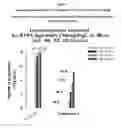


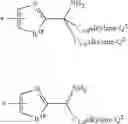


Sources:
- United States Patent and Trademark Office - verify current appl. status at the USPTO↗
Similar patent applications:
- » 20110152241
Compounds as receptor modulators with therapeutic utility - » 20110212925
Compounds as receptor modulators with therapeutic utility - » 20120328661
Coumarin compounds as receptor modulators with therapeutic utility - » 20130157982
Compounds as receptor modulators with therapeutic utility - » 20140057876
Compounds as receptor modulators with therapeutic utility - » 20140107075
Compounds as receptor modulators with therapeutic utility - » 20140221317
Compounds as receptor modulators with therapeutic utility - » 20150265573
Coumarin compounds as receptor modulators with therapeutic utility
Recent applications in this class:
- » 20240343746 2024-10-17
CYCLIC-DISULFIDE MODIFIED PHOSPHATE BASED OLIGONUCLEOTIDE PRODRUGS - » 20240076305 2024-03-07
Phosphonium Ion Channel Blockers and Methods for Use - » 20210130380 2021-05-06
Phosphonium ion channel blockers and methods for use - » 20190202849 2019-07-04
METHOD FOR THE PREPARATION OF SUBSTITUTED THIOLACTONES, NEW SUBSTITUTED THIOLACTONES AND USES THEREOF - » 20140221317 2014-08-07
Compounds as receptor modulators with therapeutic utility - » 20140142253 2014-05-22
Dithiolane based thiol modifier for labeling and stronger immobilization of bio-molecules on solid surfaces - » 20140057876 2014-02-27
Compounds as receptor modulators with therapeutic utility - » 20130302280 2013-11-14
Inhibitors of flaviviridae viruses - » 20120156166 2012-06-21
Inhibitors of viruses - » 20110319366 2011-12-29
Plasma Carboxypeptidase B Inhibitors
Recent applications for this Assignee:
- » 20250121169 2025-04-17
DISSOLVABLE MICRONEEDLES FOR SKIN TEATMENT - » 20240252604 2024-08-01
NON-PROTEIN CLOSTRIDIAL TOXIN COMPOSITIONS - » 20240050726 2024-02-15
MICRONEEDLE ARRAY WITH ACTIVE INGREDIENT - » 20240033492 2024-02-01
DISSOLVABLE MICRONEEDLES FOR SKIN TREATMENT - » 20230355724 2023-11-09
Non-protein Clostridial toxin compositions - » 20230355723 2023-11-09
Non-protein clostridial toxin compositions - » 20230321420 2023-10-12
MICRONEEDLE ARRAY WITH ACTIVE INGREDIENT - » 20230029327 2023-01-26
Process and system for obtaining botulinum neurotoxin - » 20220331429 2022-10-20
Animal protein-free pharmaceutical compositions - » 20220298496 2022-09-22
Process and system for obtaining botulinum neurotoxin