Methods and Systems Using Taglets for Management of Data
US20120173642A1
2012-07-05
13/369,159
2012-02-08
Abstract:
Embodiments disclosed herein generally relate to systems and methods for classifying, sorting, storing, managing, tagging, searching, organizing, and/or performing actions on files, folders and other electronic information using one or more data processing systems.
Interested in similar patents?
Get notified when new applications in this technology area are published.
Classification:
G06F16/48 » CPC main
Information retrieval; Database structures therefor; File system structures therefor of multimedia data, e.g. slideshows comprising image and additional audio data Retrieval characterised by using metadata, e.g. metadata not derived from the content or metadata generated manually
G06F15/16 IPC
Digital computers in general ; Data processing equipment in general Combinations of two or more digital computers each having at least an arithmetic unit, a program unit and a register, e.g. for a simultaneous processing of several programs
Description
CROSS-REFERENCE
This application is a continuation of U.S. patent application Ser. No. 12/707,205, titled “Methods and Systems for Management of Data” and filed on Feb. 17, 2010, which claims priority from the U.S. provisional patent application with Ser. No. 61/153,252, titled “Methods and Systems for Management of Data” and filed on Feb. 17, 2009. Each of the Ser. No. 12/707,205 and 61/153,252 applications is hereby incorporated by reference in its entirety.
FIELD OF THE INVENTION
Embodiments disclosed herein generally relate to systems and methods for classifying, sorting, storing, managing, tagging, searching, organizing, and/or performing actions on files, folders and other electronic information using one or more data processing systems.
BACKGROUND OF THE INVENTION
A problem exists within the field of searching, organizing, and/or performing actions on electronic information, which includes the area of personal information management (“PIM”): this space is fragmented. Not only is it split up into physical locations such as mobile devices (e.g., phones and PDA's), computer hard drives, Local Area Networks, and across the World Wide Web, but it is also split up into virtual locations because individual software applications generally use separate folder structures and/or locations. For example, email may be filed separately from files, browser bookmark folders may not be shared with webmail folders, and so on.
If a person wants to organize information by a project number for example, that project folder must be duplicated within each relevant application and then viewed in each such application separately. The more applications used, the more fragmented information becomes, and the more difficult it is to manage the information. To solve this problem, some software vendors have attempted to create a variety of unified data structures (each a “UDS”) that can be shared between applications of all kinds.
Many software vendors have attempted to create UDSs, but they generally fail to address many key usability issues, including:
-
- Such UDSs create a separate, physical data location. As a result, information is brought together into a central data repository, which leads to duplication and problems with version control. Such UDSs may also require additional storage capacity.
- Such UDSs create a separate graphical user interface (“GUI” or “UI”) within a particular application. In order to use the UDS, the information is organized in another UI. If working in an email client for example, one would view the email messages in a different application window in order to organize and navigate the messages within the UDS.
- Such UDSs may use folders. Folders are a rigid way to structure information and, once created, lock the user into a single organizational perspective until modified. In a schema involving multiple projects and multiple cities, for example, to organize projects by city, a user would create a city\project folder where city is the parent folder of projects. If the user then wants to see cities by project, they would need to reverse the parent-child relationship to project\city, which is generally not possible.
- In such UDSs, categories may be duplicated. A general problem with taxonomy is contextual duplication. For example, the terms “Expense” and “Expenses” almost certainly define the same context and most UDSs will not provide any preventative measures for context duplication. This problem is further exacerbated by duplication in nested folder trees where the desired category may be duplicated many times depending on the nested order. An example of path duplication for the term “expenses” would be city\project\expenses and project\city\expenses.
- Such UDSs requires “top down” navigation. In order to access the organized data, a user would first find the parent category and then open it to view the contents. If the category name is forgotten, the contents will not be found unless a search mechanism is used, which defeats a purpose of using categories in the first place.
- In such UDSs, the organizational process is not automated in any way. In Microsoft Windows for example, a user would manually place files in folders. Making the decision of “where to file” may require significant decision-making thought processes, which could become a distraction from accomplishing the task at hand. Similar decision-making effort would be required in creating new folders as well because a meaningful category name must be created in order to remember how to find it later on.
- Such UDSs do not generally perform actions on the information. PIM applications are generally limited to organization only. In many situations, however, it could be beneficial if an action were simultaneously associated with, or otherwise performed in connection with the organization or filing of information, thereby combining two tasks into one to increase user productivity.
SUMMARY OF THE INVENTION
In an example embodiment, a system, method, and computer program product for processing tags includes a data processing system comprising a set of data processing modules. The tags are sometimes denoted taglets. The set of data processing modules include at least one processor and at least one memory medium. At least one of the data processing modules is adapted to assign a tag to a data item. At least one of the data processing modules is adapted to automatically initiate an operation in connection with a remote application, wherein the remote application is not a process supporting an email program.
In one embodiment, the remote application provides photo sharing functionality, and the operation includes uploading a photograph to a remote data processing system.
In one embodiment, the operation includes at least one of the following:
sharing at least one data item on a social media website;
sharing at least one tag on a social media website;
sharing at least one web link on a bookmarking website; or
transmitting a URL to a first social network and performing a first operation, or
transmitting the URL to a second social network and performing a second operation, wherein the first operation and the second operation are different.
In one embodiment, the operation includes at least one of the following:
moving at least one data item to a remote data processing system;
moving at least one tag to a remote data processing system;
transmitting at least one data item to an order management system;
transmitting at least one data item to a remote database;
uploading at least one video file to a remote website;
uploading at least one photograph to a remote website; or
scheduling at least one calendar event.
In one embodiment, the operation includes at least one of the following:
sending a message to a remote data processing system;
sending a website link to a remote data processing system;
correlating an email to information stored in a remote database;
correlating a file to information stored in a remote database;
producing a note comprising text that relates to a data item; or
producing a map showing a geographic location based on a tag associated with a data item.
In one embodiment, the operation includes at least one of the following:
compressing at least one data item;
compressing at least one tags;
transmitting a tag structure via email by appending at least one tag to an email; or
transmitting a tag structure via email by appending at least one tag to an email subject line.
In one embodiment, the data processing system is a desktop computer, laptop, netbook, electronic notebook, ultra mobile personal computer, client computing device, electronic tablet, server computer, server system, cloud computing system, remote computer, mobile telephone, smartphone, personal digital assistant, or personal digital organizer.
In one embodiment, the assignment of the tag is based on a set of characteristics of the corresponding data item. In one embodiment, the characteristics of the corresponding data item include one or more of the following: name of the data item, location of the data item within a corresponding file structure, name of a folder in which the data item is located, name of a sender of the data item, name of a recipient of the data item, date when the data item was sent, data source of the data item, meta-data corresponding to the data item, or content of the data item.
In one embodiment, the data item includes one or more of the following: an email message, a digital photograph, a webmail message, a text message, a web bookmark, a network resource, an audio file, a video file, a result of a search, an individual piece of information stored in an electronic format that is part of a larger data set, or an electronic file that can be accessed by the data processing system.
INCORPORATION BY REFERENCE
All publications, patents, and patent applications mentioned in this specification, if any, are herein incorporated by reference to the same extent as if each individual publication, patent, or patent application was specifically and individually indicated to be incorporated by reference.
BRIEF DESCRIPTION OF THE DRAWINGS
The accompanying figures, which together with the detailed description below are incorporated in and form part of the specification, serve to further illustrate various embodiments and to explain various principles and advantages all in accordance with example embodiments of the present invention.
FIG. 1 shows an algorithm for Search as You Type (SAYT) as known in the prior art.
FIG. 2A shows the primary elements and overall layout of the UI of an embodiment of the present invention.
FIG. 2B shows the layout of a sidebar tiled next to corresponding external applications according to an embodiment of the present invention.
FIG. 3A shows a breakdown of select UI components of a sidebar in accordance with an embodiment of the present invention.
FIG. 3B shows a breakdown of select UI components of a results window in accordance with an embodiment of the present invention.
FIG. 4 shows details of select constituent components of a tag in accordance with an embodiment of the present invention.
FIG. 5 shows various states of selections of tags and relationships between a tag and a corresponding data item in accordance with an embodiment of the present invention.
FIG. 6 shows select UI components of a tag FingerTip in accordance with an embodiment of the present invention.
FIG. 7A shows select components and states of a forced tag group, where tags are manually grouped together by the user, in accordance with an embodiment of the present invention.
FIG. 7B shows an example of a “natural” tag group, where tags are automatically grouped together, in accordance with an embodiment of the present invention.
FIG. 8 shows a procedure for tagging data items in a results window in accordance with an embodiment of the present invention.
FIG. 9 shows a process flowchart for using one or more data items to find any related data items in accordance with an embodiment of the present invention.
FIGS. 10A and 10B show selected details of a module that allows grouping of a number of data items into one view to facilitate tagging in accordance with an embodiment of the present invention.
FIG. 11 shows a system for tagging data items from an external application in accordance with an embodiment of the present invention.
FIG. 12 shows a system that includes one or more plug-ins capable of interacting with a set of external applications to help manage data items from the set of external applications, in accordance with an embodiment of the present invention.
FIG. 13A shows a process for detecting and loading taglet plug-ins, in accordance with an embodiment of the present invention.
FIG. 13B shows an implementation whereby tagging a data item with a taglet leads to an action being executed by an application, in accordance with an embodiment of the present invention.
FIG. 14 shows an overview of a system that could accommodate various embodiments of the present invention.
DETAILED DESCRIPTION
While the specification concludes with claims defining the features of the invention that are regarded as novel, the invention will be better understood from a consideration of the following description in conjunction with the drawing figures, in which like reference numerals are carried forward.
Unless otherwise explicitly stated in this patent, the following terms are intended to have the corresponding meanings set forth below:
-
- “API” is an acronym for application programming interface and means a set of functions, procedures, methods, classes or protocols that that permit interfacing with an application.
- “software application” (or “application” when used as a noun to reference software code) means a software application, function, procedure, method, class or other process, whether implemented in programming code, hardware, firmware, or any combination of the foregoing. Software may be in source code, assembly code, object code, or any other format. In various implementations, an application may run on more than one data processing system (e.g., using a distributed data processing model or operating in a computing cloud), or may run on a particular data processing system and may output data through one or more other data processing systems.
- “checkbox” means a tag component that can be used to tag data items. A checkbox could be displayed as a square that can be marked with an “X,” with a checkmark, or with any other indication designed to indicate selection. Alternatively, a checkbox may be displayed as any other GUI element that can be selected, marked or otherwise acted upon by a user.
- “communication channel” means any line of communication between two data processing systems, including any wireless connection, any wired connection (including serial, parallel, any wired packet based communication protocol (e.g., Ethernet, USB, FireWire, etc.), and any other wireline connection), any optical channel, and any other point-to-point connection capable of transmitting data.
- “communication network” or “data network” means any combination of two or more communication channels, including cellular and mobile telephony networks, the Internet, the World Wide Web, and any other information transmission network.
- “data item” is the general term for information that is managed or tagged. Data items include an email message, a photograph or other image, a document, a webmail message, a web bookmark, any type of computer file, or in general; an individual piece of information that is part of a larger data set.
- “data processing system” means any desktop computer, laptop, netbook, electronic notebook, ultra mobile personal computer (UMPC), client computing device, server computer or server system, cloud computing system, remote computer, mobile telephone, personal digital assistant, personal digital organizer, or any other device, component or system capable of processing electronic data. A data processing system may include any of the following: one or more processors (e.g., a CPU, embedded processor, or any other single or multi-core data processing device), one or more internal communication buses, one or more memory media, one or more interfaces for communicating with external devices (e.g., Ethernet, BlueTooth, WiFi, cellular telephony, optical, or any other wired or wireless data communication port), a display (e.g., an integrated LCD display) and/or an interface or connector to an external display, and any other components that may be advantageously used in connection with receiving, processing and/or transmitting information.
- “external application” or “remote application” means, with respect to a particular application, an application that is either located on a remote data processing system relative to the particular application, or is located on the same data processing system but runs as a logically separate application, process or thread compared to the particular application. For example, an external application may run on any of the data processing devices (1402), (1404), (1406) or (1412) illustrated in the embodiment of FIG. 14. In various implementations, an external application may run on more than one data processing system (e.g., using a distributed data processing model or operating in a computing cloud), or may run on a particular data processing system and may output data through one or more other data processing systems.
- “external data processing system” or “remote data processing system” means, with respect to a particular data processing system, a data processing system that is either physically separate from the particular data processing system, or is physically collocated with the particular data processing system but is acting as a logically separate data processing system (e.g., through hardware or software isolation, through virtualization, etc.).
- “include,” “including,” “for example,” “e.g.,” and variations thereof, are not intended to be terms of limitation, but rather are intended to be followed by the words “without limitation.”
- “indeterminate” means, with respect to a tag's checkbox, that the state of the tag's checkbox has a “square” within the box or has some other graphical indication other than an unequivocal checked or unchecked state, indicating that some of the selected data items are tagged with it, while some are not.
- “MACD” is an acronym for Moving, Adding (creating new), Changing, and/or Deleting (plural: MACDs). “MACD” is a type of action.
- to “manage” a data item means to perform an action on a data item.
- “MDB” is an acronym for Master DataBase and refers to a memory medium and/or associated software for storing data items, including any applicable systems, methods and procedures that facilitate such storage.
- “memory” or “memory medium” or “storage medium” means any chip, device or other structure capable to store electronic information. A memory medium could be based on any magnetic, optical, electrical, mechanical, electromechanical, quantum, or chemical technology, or any other technology or combination of the foregoing that is capable of storing electronic information, and could be centralized, distributed, local, remote, portable, or a combination of the foregoing. Examples of memory media include a magnetic hard disk, a flash memory module, a random access memory (RAM) module, and an optical disk (e.g., DVD, CD).
- “module” or “logical module” or “data processing module” means (a) any software application, (b) any portion of any software application that can process data, (c) any data processing system, (d) any component or portion of any data processing system that can process data, and (e) any combination of the foregoing.
- to “process” data (including a data item) means receiving, transmitting, caching, displaying, preparing for display, modifying or otherwise executing an instruction in connection with the data (or data item).
- “SAYT” is an acronym for Search As You Type, meaning that search results are narrowed down in real time with each key stroke. The table in FIG. 1 outlines how SAYT works. The first row represents the letters that are typed in a search field and the subsequent rows contain the results that would be displayed in the list.
- “search field” means a search box in a results window, sidebar or other portion of a GUI that is used to search for data items and tags respectively.
- “set” means any group of one, two or more items. “subset” means, with respect to a group of N items, a set of such items consisting of N−1 or less items.
- “tag,” as a noun, means a category or key word attribute, or any other identifier, that is assigned to a data item; “tag,” as a verb, is the action of applying a tag (noun) to a data item. Each tag has one or more attributes (tag attributes may also be referred to as tag characteristics). Examples of tag attributes (characteristics) include one or more of the following: name of the data item, location of the data item within a corresponding file structure, name of a folder in which the data item is located, name of a sender of the data item, name of a recipient of the data item, date when the data item was sent, data source of the data item, meta-data corresponding to the data item, or content of the data item.
- a “taglet” is a special type of a tag that manages data items, in addition to tagging data items, as further described in this patent.
- a “hot key” is a special key or key combination on a computer keyboard to perform an action. An example of a hot key in Microsoft Windows is the use of Alt-Tab to switch between software application windows.
- a “plug-in” is a computer program or other module that relays requests between an external application and a local application.
- an “action” performed on a data item means to send, store, view, search, share, find, select, connect, tag, modify, or otherwise act directly or indirectly upon, a data item, or any combination of the foregoing.
- an “interaction” between a local application and an external application means the transmission of data between the local application and the external application, possibly made via an API.
- to “check” a tag means placing a checkmark or other mark indicating selection in a tag's checkbox, indicating that a data item is tagged.
- to “close a tag” means to cause its contents to become hidden from direct view or to switch off the contents filter of a tag that is open.
- to “de-tag” a data item means to uncheck a tag so that the data item is no longer tagged.
- to “interact” with a tag or data item means to select the tag or data item, to hover with a cursor or other pointing tool over the tag or data item, or to otherwise interact with the respective data processing system. Such selection, hovering or interaction could be achieved via a mouse, a keyboard, voice, user intention recognition technology (including optical, facial, or gesture recognition), a stylus, heuristic pointing recognition (e.g., recognizing a set of gestures based on movement of a mobile phone or other mobile device or pointer via motion sensors such as gyroscopes, accelerometers, magnetic sensors, optical sensors, etc.), or any other method that facilitates interaction with the respective data processing system.
- to “open a tag” means to manipulate a tag name to cause its contents to become visible or filtered.
- to “select” a tag or data item means to make a tag or data item active, possibly indicated by a shaded background, in order to perform an action on it, including management tasks.
- to “uncheck” a tag means to cause a tag's checkbox to become blank, severing, at least temporarily, the relationship between the data item and the category, key word attribute, or other identifier assigned to a data item.
- two data processing systems, applications or other modules are “logically separate” for as long as they utilize for data processing purposes different virtual machines, different processors, different processor cores, different groups of processor cores, different digital signal processing (DSP) units, or otherwise act as distinct data processing units, applications or respectively modules.
- two data processing systems are “physically separate” when they communicate with each other via a communication channel or a communication network.
For clarification, the foregoing definitions and other definitions in this patent, and titles and subtitles, are intended to be descriptive and illustrative with the goal of facilitating comprehension, but are not intended to be limiting with respect to the scope of the invention as recited in the claims. Each of these definitions is intended to also capture additional equivalent items, technologies or terms that would be known to a person of average skill in this art to be equivalent or otherwise interchangeable with the respective item, technology or term so defined.
Unified Data Structure
A UI in accordance with an embodiment of the present invention shown in FIG. 2A includes two primary elements: a sidebar (201) and a results window (202). Analogously, in FIG. 2B, a UI in accordance with an embodiment of the present invention includes a sidebar (201) separate from the GUI of external applications 204 (denoted in FIG. 2B as “External App” or “External Apps”). The sidebar serves as the interface for managing tags, and provides a platform for managing data items. The results window serves as the interface for unifying and managing data items stored in one or more external applications 204. In one embodiment, the sidebar (201) and the Results Window (202) of FIG. 2A are used in connection with one or more external applications (204), and manage data items associated with one or more external applications (204). In one embodiment, both the sidebar and results window remain separate (as suggested by label (203) in FIG. 2B) from the UI of external applications (204).
In one embodiment, as shown in FIG. 3A, a sidebar (300) includes three primary elements: the all tags window (303) that displays all tags contained in the MDB or a subset of tags contained in the MDB (e.g., such subset could be preselected based on specific criteria, such as the nature or type of applications, identity of user, etc.), the related tags window (302) that displays tags related to selected data items (301), and one or more search fields (305) for searching tags or groups of tags. In one implementation, the sidebar is invoked using a mouse input or a hot key and moves out from the side of the screen (possibly overlapping other windows or GUI elements already displayed to the user) while it is active and then disappears completely or partially again when inactive. In one embodiment, it can also be “pinned” with the pin button (309) such that it tiles next to other windows without overlapping those windows (or otherwise overlapping those windows only by a predefined amount), thereby keeping it in view until unpinned or otherwise expressly removed from view or obscured by other elements of the GUI.
FIG. 3A further shows a batch tag (308) checkbox which, in one embodiment, permits batch tagging of multiple tags. The concept of batch tagging is further described in connection with the embodiment of FIG. 7A.
In one implementation, search field (305) can be used to perform a search for tags or corresponding items. As a tag name is typed, existing tags in the MDB are searched in real time with SAYT results shown in the tag name box. In alternative implementations, various filtering constraints could be further applied to the search to limit the number or scope of tags that are identified through the search (e.g., using logical operators, restrictions on locations of tags or items, etc.).
In accordance with an embodiment of the present invention, new tags or taglets can be created via a new tag icon in a tag search field. Taglets are described in more detail in connection with subsequent embodiments. FIG. 3A shows a new tag icon (307) which, in one embodiment, facilitates the creation of a new tag. The creation of a new taglet would be similar. In one implementation, as a new tag name is typed, existing tags in the MDB are searched in real time with SAYT results shown in the tag name box; if a matching tag name is not found in the MDB, a new tag name is automatically created. In one implementation, if the user made an error typing the tag name, the user would be given the option to reject the creation of a new tag name.
As shown in the embodiment of FIG. 3A, sidebar (300) may include a set of logical operators (shown at the top of sidebar (300) as logical operators (306)). The position of the logical operators (306), like the position of any other elements of sidebar (300), could be different than the position shown in FIG. 3A. In general, unless expressly indicated otherwise, the position of all GUI elements described in this application may be different than the position shown in the exemplary figures.
According to an embodiment of the present invention, data items can be filtered by opening a tag on its own, or many tags together. Setting the logical operators (306) in sidebar (300) of FIG. 3A allows tag contents (311) shown in FIG. 3B to be filtered by union, intersection, or exclusion of various tags. In the embodiment of FIG. 3B, filtered data items are displayed in results window (350).
According to an embodiment, as illustrated in FIG. 3B, data items can be searched via the results window search fields (312), which can be used in tandem with one another, and in tandem with tags. In this way search results are constrained as nested subsets of one another to efficiently converge on the desired data item(s).
In one implementation, data items can also be used to find other data items using a process denoted “search by association”. When data items are selected in an external application or the results window, related tags are shown in a related tags window (302), as shown in FIG. 3A. In the representation of FIG. 3A, related tags window (302) is disposed above a divider bar (304). In various embodiments, the divider bar (304) may or may not exist, or multiple divider bars may be present. Related tags can then be opened to find other data items and other related tags. FIG. 9 provides additional details on how a search by association process could be performed in accordance with an embodiment of the present invention.
In the embodiment of FIG. 3B, the results window (350) includes two primary elements: the search fields (312) and the contents (311). The results window may be invoked by opening or closing a tag, using a hot key, using a mouse input, or otherwise interacting with the respective data processing system (e.g., a mouse, a keyboard, voice, user intention recognition technology (including optical, facial, or gesture recognition), a stylus, heuristic pointing recognition, or any method of interacting with a data processing system. In one implementation, the results window descends from the top of the screen in the foreground, overlapping other application windows, and can be hidden also using a hot key, using a mouse input or otherwise interacting with the respective data processing system.
In one embodiment of the present invention, data items are tagged by selecting them in either a results window or in an external application, and tagging them in a sidebar. In one implementation, the data items from one or more external applications are represented by links in the results window, (i.e. data items are not necessarily stored as copies in a local application's MDB), and data items may be managed in either the results window or in an external application with the same or similar effect.
In accordance with an embodiment of the present invention, data items can be tagged both manually by the user and automatically (“auto-tagged”) based on data item attributes. Automatic auto-tagging may be implemented in various embodiments using artificial intelligence algorithms, fuzzy logic engines, neural networks, rule-based processing, or any other approach that permits automatic data processing, and may include adding a tag to a data item, where the tag inherits one or more attributes of the respective data item, or a variation or adaptation of such attributes. Examples of auto-tag attributes include:
-
- the folder in which an external application data item is filed
- the sender or recipient names in an email message
- the date an email was sent
- the date a particular data item was created or modified
- the data source of the data item
- any meta-data contained in an external application data item.
FIG. 4 shows details of select constituent components of a tag in accordance with an embodiment of the present invention. Tag (400) shown in FIG. 4 includes a checkbox (401), an icon (402) and a tag name (403). Checkbox (401) may be used to tag data items. Checkbox (401) may be displayed as a square that can be marked with an “X,” with a checkmark, or with any other indication designed to indicate that the currently selected data item is tagged. Alternatively, a checkbox may be displayed as any other GUI element that can be selected, marked or otherwise acted upon by a user. Icon (402) may include any graphical symbol or picture, or combination of symbols and/or pictures. In various implementations, any symbol or picture of icon (402) could be automatically or manually selected to provide a graphical indication of the nature, functionality or context of the tag. Tag name (403) provides a name for the tag, and may include any symbol, character or text, in any language or character set. In various implementations, the content of name (403) could be automatically or manually selected to provide an indication of the nature, functionality or context of the tag.
A taglet is a type of tag that, in various embodiments, may have similar characteristics as tags (e.g., it may include a checkbox, an icon and/or a name), and/or may perform functions similar to those of tags (e.g., it may categorize, filter, and/or indicate the tagged state of one or more data items). Additionally, in various embodiments, a taglet may perform certain actions on one or more data items. For example, a taglet may be able to initiate and/or manage uploading to a remote data processing system a digital photograph or a file, scheduling a meeting, and/or making a data entry on a web page. In general, in various specific embodiments, a taglet may be able to initiate and/or manage virtually any action or combination of actions that could be applied to one or more data items.
In one embodiment, the state of tag checkboxes conveys the relationships of tags to selected data items. FIG. 5 shows various available checkbox states in one implementation. In the implementation of FIG. 5, a tag could be “selected” as indicated by the highlight placed around the whole tag in position (501), could be “open” as indicated by the highlight placed around the name of the tag in position (502), could be “closed” as illustrated by the lack of highlighting in position (503), could be “checked” as identified by the checkmark shown in the checkbox in position (504), could be “indeterminate” as identified by the solid square shown in the checkbox in position (505), or could be “unchecked” as identified by the lack of any symbol in the checkbox in position (506). A tag may exhibit multiple characteristics simultaneously. For example, as shown in FIG. 5, the tag in position (502) is both open and checked.
FingerTips
An embodiment of the invention provides a tool denoted “FingerTip” that facilitates the display of various tag attributes. Examples of tag attributes that may be displayed using FingerTips include:
-
- Contact information such as phone numbers, email address, and address information relating to individuals, businesses or any other entities.
- Social network profile information from social networking sites such as LinkedIn, Facebook, MySpace and any other website or service that provides such information.
- Summary stock quote data, including charts, pricing information and any other financial or business-related data, which could be received from providers such as Yahoo, Google Finance or other website or service that provides such information.
- Summary information of the data tagged by the tag, such as the volume of information, the number of data items tagged, the location of the items, or any other characteristics of such items.
The possible combinations of tag attributes that may be displayed using FingerTips is virtually unlimited.
According to an embodiment of the invention shown in FIG. 6, tag summary information is displayed in a summary window (601), which is invoked by interaction with one or more tags shown in the sidebar (602). In various implementations, summary window (601) may be located and/or moved anywhere within the GUI, including partially or completely within sidebar (602). In an embodiment, FingerTips information is displayed in response to interaction with one or more data items. In one embodiment, FingerTips information is displayed in response to a combination of interactions with one or more tags, and one or more data items. In one implementation, FingerTips information is displayed in response to hovering a cursor over a tag or data item. In one implementation, FingerTips information is displayed in response to clicking on a tag or data item.
Exemplary Implementation: Fingertips—Interaction with a Tag
One exemplary implementation provides a data processing system comprising an operating system, a set of data processing modules, an application capable of running on the operating system, and a graphical user interface that includes a tag view area separate from the application, the set of data processing modules capable of:
displaying a data item within the graphical user interface;
displaying at least one tag in the tag view area, where the at least one tag corresponds to the displayed data item;
in response to a user interacting with at least one of the tags displayed in the tag view area, displaying information associated with the data item, the displayed information including data corresponding to the at least one application.
Examples of a data processing system that may be used to interact with a tag in various embodiments include a desktop computer, laptop, netbook, electronic notebook, client computing device, server computer, server system, cloud computing system, remote computer, mobile telephone, personal digital assistant, personal digital organizer, or any other device, component or system capable of processing data, including any electronic tablet or smartphone.
In the data processing system of this exemplary implementation, the displayed information further includes data obtained from a remote application.
In the data processing system of this exemplary implementation, the displayed information includes:
phone numbers, email address, address information, and any other contact information;
social network profile information from social networking sites (e.g., LinkedIn, Facebook, MySpace); and
Summary stock quote data, including charts and pricing information, received from data providers (e.g., Yahoo or Google Finance).
In the data processing system of this exemplary implementation, the at least one of the tags displayed in the tag view area corresponds to a set of additional data items, and the displayed information includes aggregated information relating to the displayed data item and to the set of additional data items (e.g., volume of information, number of data items tagged, etc.).
In the data processing system of this exemplary implementation, each tag is based on a set of characteristics of the corresponding data item.
In the data processing system of this exemplary implementation, the characteristics of the corresponding data item include one or more of the following: name of the data item, location of the data item within a corresponding file structure, name of a folder in which the data item is located, name of a sender of the data item, name of a recipient of the data item, date when the data item was sent, data source of the data item, meta-data corresponding to the data item, or content of the data item.
In the data processing system of this exemplary implementation, each data item includes one or more of the following: an email message, a digital photograph, a webmail message, a text message, a web bookmark, a network resource, an audio file, a video file, a result of a search, an individual piece of information stored in an electronic format that is part of a larger data set, or any other electronic file that can be accessed by the data processing system.
Exemplary Implementation: Fingertips—Interaction with a Data Item
One exemplary implementation provides a data processing system comprising an operating system, a set of data processing modules, an application capable of running on the operating system, and a graphical user interface that includes a tag view area separate from the application, the set of data processing modules capable of:
displaying a data item within the graphical user interface;
displaying at least one tag in the tag view area, where the tag corresponds to the displayed data item;
in response to a user interacting with the displayed data item, displaying information associated with the data item, the displayed information including data corresponding to the application.
In the data processing system of this exemplary implementation, the data processing system is a desktop computer, laptop, netbook, electronic notebook, client computing device, server computer, server system, cloud computing system, remote computer, mobile telephone, personal digital assistant, personal digital organizer, or any other device, component or system capable of processing data.
In the data processing system of this exemplary implementation, the displayed information further includes data obtained from a remote application.
In the data processing system of this exemplary implementation, the displayed information includes:
phone numbers, email address, address information, and any other contact information;
social network profile information from social networking sites (e.g., LinkedIn, Facebook, MySpace); and
Summary stock quote data, including charts and pricing information, obtained from data providers (e.g., Yahoo or Google Finance).
In the data processing system of this exemplary implementation, the at least one of the tags displayed in the tag view area corresponds to a set of additional data items, and the displayed information includes aggregated information relating to the displayed data item and to the set of additional data items.
In the data processing system of this exemplary implementation, the aggregated information includes the volume of information, the number of data items tagged, and any other attributes of the data item.
In the data processing system of this exemplary implementation, each tag is based on a set of characteristics of the corresponding data item.
In the data processing system of this exemplary implementation, the characteristics of the corresponding data item include one or more of the following: name of the data item, location of the data item within a corresponding file structure, name of a folder in which the data item is located, name of a sender of the data item, name of a recipient of the data item, date when the data item was sent, data source of the data item, meta-data corresponding to the data item, or content of the data item.
In the data processing system of this exemplary implementation, each data item includes one or more of the following: an email message, a digital photograph, a webmail message, a text message, a web bookmark, a network resource, an audio file, a video file, a result of a search, an individual piece of information stored in an electronic format that is part of a larger data set, or any other electronic file that can be accessed by the data processing system.
Tag Grouping
In accordance with an embodiment of the present invention, a tag group is used to group tags together by a specific context so they can be more easily managed. Implementations include two types of tag groups: forced groups and natural groups.
Forced Tag Groups
In one implementation illustrated in FIG. 7A, forced groups are displayed within sidebar (700) as group headers (703) in the all tags window, and can be expanded or collapsed by interacting with a corresponding GUI element as shown by (704), and respectively (705), to show, or respectively hide their tags.
In one embodiment, groups can be searched using a group search box (701) as illustrated in FIG. 7A in a manner similar to the way in which tags can be searched. Searching of tags was described in further detail in connection with the embodiment of FIG. 3A. Searching of groups can be implemented using a SAYT approach. Group searches can also be combined with tag searches to constrain results with both groups and tags. New groups can be created by clicking the new group icon (702) in the Group Search Box.
In one embodiment, group checkboxes have states that are similar to tag states. If no tags are checked or indeterminate in the group, the group could be shown as unchecked (708). If one or more tags are checked or indeterminate, but not all tags in the group are checked, the group checkbox could be shown as indeterminate (707). If all tags in the group are checked, then the group checkbox could be shown as checked (706). By checking the group checkbox successively, the tag checkbox states can be toggled from their original state, to checked, to unchecked, back to their original state again, all in a batch.
According to one embodiment, tags can be managed within groups by right clicking the group and selecting the appropriate context menu or by dragging and dropping tags in between tags in the related tags box or the all tags box. Examples of context menu items include:
-
- add tags;
- remove tags;
- delete tags;
- move tags.
Natural Tag Groups
FIG. 7B shows a natural tag group in accordance with an implementation of the present invention. In this implementation, semantically similar tags are grouped together automatically, as illustrated in the all tags window (303) from FIG. 3A. Automatic grouping may be achieved, in various embodiments, using artificial intelligence algorithms, fuzzy logic engines, neural networks, rule-based processing, or any other approach that permits automatic data processing. In various embodiments, criteria for automatic grouping of tags include:
-
- relationship of the respective tags or corresponding data items to other tags or other data items;
- suggestions through connections to social tagging sites like www.delicious.com;
- synonyms of words;
- any other relationships contained within the data that could serve as the basis for establishing a logical or semantic connection.
In one embodiment, grouping is implied merely by the sort order of the tags in the sidebar. For example, as shown by the subset of tags denoted (709) in FIG. 7B, the tag “cat” might be automatically grouped with related tags such as “dog”, “mouse”, “animal”, and “feline” based on the fact that all of these tags have a common logical connection.
FIG. 8 illustrates a process for tagging data items in accordance with an embodiment of the present invention. In one implementation, these steps are substantially identical to those used for tagging data items in external applications. In one implementation, gagging data items may include the following steps:
-
- a data item (801) is selected in a results window (850); and
- one or more tag checkboxes are checked (802)
Batch Tagging
In one embodiment, selected data items can be tagged all at once (“Batch tagged”) using a group checkbox (shown as group checkboxes (706), (707), and (708) in FIG. 7A) and checking all corresponding tags in the respective group, which may save time. In general, one tag could be used to add multiple tags in a hierarchical relationship.
Exemplary Implementation: Batch Tagging
One exemplary implementation provides a data processing system comprising a set of data processing modules, the set of data processing modules capable of:
assigning at least one tag to a plurality of data items, each tag including a set of tag attributes;
defining a set of tag components for each of the assigned tags;
forming a group of at least two assigned tags, the group having a set of group components; and
in response to a command, changing at least one attribute of each tag in the group of assigned tags.
In the data processing system of this exemplary implementation, at least one tag component of each assigned tag is a checkbox and at least one of the group components is a group-level checkbox.
In the data processing system of this exemplary implementation, the changing at least one attribute of each tag consists of assigning a name to each tag in the group of assigned tags, and the command includes a user checking the group-level checkbox.
In the data processing system of this exemplary implementation, the group of at least two assigned tags is formed based on input received from a user.
In the data processing system of this exemplary implementation, the group of at least two assigned tags is formed automatically based on one or more attributes of each tag included in the group.
In the data processing system of this exemplary implementation, the data processing system is a desktop computer, laptop, netbook, electronic notebook, client computing device, server computer, server system, cloud computing system, remote computer, mobile telephone, personal digital assistant, personal digital organizer, or any other device, component or system capable of processing data.
In the data processing system of this exemplary implementation, the assignment of each tag is based on a set of characteristics of the corresponding data item.
In the data processing system of this exemplary implementation, the characteristics of the corresponding data item include one or more of the following: name of the data item, location of the data item within a corresponding file structure, name of a folder in which the data item is located, name of a sender of the data item, name of a recipient of the data item, date when the data item was sent, data source of the data item, meta-data corresponding to the data item, or content of the data item.
In the data processing system of this exemplary implementation, each data item includes one or more of the following: an email message, a digital photograph, a webmail message, a text message, a web bookmark, a network resource, an audio file, a video file, a result of a search, an individual piece of information stored in an electronic format that is part of a larger data set, or any other electronic file that can be accessed by the data processing system.
In the data processing system of this exemplary implementation, the identifying a group of related tags is made in response to input received from a user.
In the data processing system of this exemplary implementation, the identifying a group of related tags is made automatically based on one or more characteristics of at least one of the corresponding assigned tags.
In the data processing system of this exemplary implementation, the automatic identifying a group of related data items is made using at least one artificial intelligence algorithm, at least one fuzzy logic engine, at least one neural network, at least one rule, any other automatic data processing approach, or any combination of the foregoing.
In the data processing system of this exemplary implementation, the characteristics of at least one of the corresponding assigned tags include:
relationship of at least one data item with at least one other substantially similar data item;
suggestions through connections to social tagging sites (e.g., including www.delicious.com);
synonyms of words; any other logical or semantic relationships contained within the data items; or
any combination of the foregoing.
Tag Searches
FIG. 9 illustrates a process for searching for data items in accordance with an embodiment of the invention. In one implementation, the search process is implemented using a search by association algorithm. The search process may run on a data processing system.
In one embodiment, a search by association allows a user to find a data item through an iterative process of selection and discovery. This would enable a user to find a data item, even if the user does not know exactly what the user is seeking. In one implementation, a search by association is conceptually similar to a human interaction process where one person is asking another person questions to narrow down a search.
In the embodiment of FIG. 9, to conduct a search for a data item, in step (901), a user may type search criteria into a results window to find tagged data items directly. An example of a results window is results window (350) shown in FIG. 3B. Criteria could be typed into one field or a combination of many fields to narrow down results.
In step (902), the user selects one of more data items in the results window.
In step (903), one or more external application plugins log the selection event and sends data relating to the event to a core application MDB. The core application receives the data as a result of the selection event and is capable of processing the received data.
In step (904), the MDB is queried for related tags. In one embodiment, the selection event sent by the application plugin in step (903) is processed by the MDB for related tags.
In step (905), a decision is made whether any tags were found. If the decision is negative, the search process may be restarted.
If the decision in step (905) is positive, in step (906) tags related to one or more data items are displayed in a related tags window above a divider bar, showing to the user what is related to the selected data items. In alternative embodiments, there may be no divider bar, there may be multiple divider bars, and/or one or more data items may be shown in other areas of the GUI.
In step (907), a decision is made whether one or more of the tags desired were found. This decision may be made at least in part based on input received from the user. If the decision is negative, the search process may be restarted.
If the decision is positive, in step (908) tags that were found may be opened. In one implementation, tags may be double clicked to filter by applicable categories.
In step (909), a decision is made whether one or more of the tags desired were found. Analogous to the decision in step (907), this decision may be made at least in part based on input received from the user. If the decision is negative, the search process may be restarted.
In step (910), the user may open the data items that were found. In one implementation, the user may double click one or more of the data items found to open them.
The Stage
An embodiment of the invention provides a “stage.” A stage is a versatile workspace with functionality similar to that of a visual clipboard, where the user may drag and drop items from different sources in order to link them together easily. The stage allows the user to see a number of items together and maintain the tagging context of one or more actions performed on tags or data items.
In one embodiment, for example, a user may want to link a file form an email program (e.g., a Microsoft Outlook email) to a file from a web browser (e.g., a web page viewed in Internet Explorer). In order to do this without the stage, the user would normally find the email in Outlook, tag it with the desired tags, then switch views to Explorer (or the results window), find the desired file, then search for the same tags and tag the file. This requires the user to remember a lot of information for the entire operation, which may interfere with other activities in which the user may be engaged at that time.
According to an embodiment illustrated in FIG. 10, a stage (1001) is invoked by dragging a data item (1002) to the top of the screen above the results window and dropping the data item onto the stage, where it shown via an corresponding icon, name, text or other applicable indicator (1003). Data items can be dragged and dropped on the stage from any location or source, including from external applications and from a results window (such as results window (1050)).
In various embodiments, the stage could be located anywhere within the GUI, and could have any shape or size that can be displayed fully or partially. For example, the stage (1001) shown in FIG. 10A has a single row width and is located above results window (1050). In contrast, the stage (1001) shown in FIG. 10B has a double row width to display additional items, but is still located above results window (1050). In one implementation, the stage can auto-tile and push all other windows downward, including the results window. This would permit maintaining a clear view of the staged items. Items (1004) in the stage of FIG. 10B may be selectable and can have all of the same interactions with tags as when they are selected in the results window.
In one embodiment, the Stage can be cleared by:
-
- selecting any or all of the items located there and deleting them with the Delete key or using ctrl-x.
- clicking a “Clear Stage” button (e.g., located at the top of the screen). This button could replace or be adjacent to the stage label denoted “The Stage” and shown in FIG. 10A when any items are dragged into the stage.
In one implementation, a stage toggle button may be provided (e.g., somewhere at the top of the sidebar, or at the top of the results window) that can turn the stage on and off. This is in case the user does not want to experience the tiling effect of the stage when moving a cursor to the top of the screen.
External Applications
FIG. 11 illustrates an embodiment of the present invention where data items selected in an external application (1102) may be tagged using a sidebar (1108). A user (1101) using a data processing system (not shown in FIG. 11) interacts with the user interface (1103) of an external application (1102) and selects one or more data items. A user action listener module (1104) listens to user actions that take place in the user interface (1103) of the external application (1102). A listener module (1104) infers the data items selected by the user (1101) and communicates this to a selection manager module (1106) of a tagle application (1105). In one embodiment, external application (1102) runs on data processing system 1412 illustrated in FIG. 14.
In one embodiment, the selection manager module (1106) interacts with an MDB (1107) and uses the selection of data items passed by the user action listener module (1104) to decide the state of each tag (for example the tags (504-506) of FIG. 5) that may be shown in sidebar (1108). The user (1101) then interacts with the sidebar (1108) to tag the data items selected in the external application (1102). When the user performs the tagging action in the sidebar (1108), the selection manager module (1106) interacts with the MDB (1107) to associate/dissociate the selected data items with the tags that are checked.
In one implementation, the process for tagging data items in a results window (e.g., the results window (202) shown in FIG. 2A) of a local application is substantially similar. In one embodiment, the user action listener module (1104) interacts with a results window located within the same data processing system rather than an external application (1102).
FIG. 12 illustrates an embodiment of the present invention where the process of communication between one or more external applications (1201) and a tagle application (denoted as “Tagle App” (1203) in FIG. 12) can be accomplished by independent modules acting as plug-ins (1202). In one embodiment, any or all of the one or more external applications (1201) run on data processing system 1412 illustrated in FIG. 14.
In one implementation, plug-ins (1202) are developed, packaged and deployed separately from the tagle application (1203). An API (1204) facilitates communications. The embodiment of FIG. 12 further includes a selection manager module (1208), a sidebar (1207), a results window (1206) and an MDB (1205). The API (1204) facilitates interaction between one or more plug-ins (1202) on the one side and the selection manager module (1208), the sidebar (1207), the results window (1206) and the MDB (1205) on the other side. In one implementation, a plug-in (1202) listens to user interface actions in the external application (1201), and communicates details to various portions of a local tagle application (1203) using the API (1204).
Exemplary Implementation: Single Data Processing System
One exemplary implementation provides a data processing system comprising an operating system, a set of data processing modules, a first application and a second application, the first application and the second application capable of running on the operating system, the set of data processing modules capable of:
assigning at least one tag to each data item included in a first set of data items, the first set of data items corresponding to the first application;
assigning at least one tag to each data item included in a second set of data items, the second set of data items corresponding to the second application; and
identifying a group of related data items based on corresponding assigned tags, the group of related data items including at least one data item corresponding to the first application and at least one data item corresponding to the second application.
The data processing system of this exemplary implementation may be a desktop computer, laptop, netbook, electronic notebook, client computing device, server computer, server system, cloud computing system, remote computer, mobile telephone, personal digital assistant, personal digital organizer, or any other device, component or system capable of processing data, including any electronic tablet or smartphone.
In the data processing system of this exemplary implementation, the assignment of each tag is based on a set of characteristics of the corresponding data item.
In the data processing system of this exemplary implementation, the characteristics of the corresponding data item include one or more of the following: name of the data item, location of the data item within a corresponding file structure, name of a folder in which the data item is located, name of a sender of the data item, name of a recipient of the data item, date when the data item was sent, data source of the data item, meta-data corresponding to the data item, or content of the data item.
In the data processing system of this exemplary implementation, each data item includes one or more of the following: an email message, a digital photograph, a webmail message, a text message, a web bookmark, a network resource, an audio file, a video file, a result of a search, an individual piece of information stored in an electronic format that is part of a larger data set, or any other electronic file that can be accessed by the data processing system.
In the data processing system of this exemplary implementation, the identifying a group of related data items based on corresponding assigned tags is made, possibly via a forced tag group, in response to a user assigning one or more characteristics of at least one of the corresponding assigned tags.
In the data processing system of this exemplary implementation, the identifying a group of related data items based on corresponding assigned tags is made automatically, possibly via a natural tag group, based on one or more characteristics of at least one of the corresponding assigned tags.
In the data processing system of this exemplary implementation, the automatic identifying a group of related data items is made using at least one artificial intelligence algorithm, at least one fuzzy logic engine, at least one neural network, at least one rule, any other automatic data processing approach, or any combination of the foregoing.
In the data processing system of this exemplary implementation, the characteristics of at least one of the corresponding assigned tags include:
relationship of at least one data item with at least one other substantially similar data item;
suggestions through connections to social tagging site (e.g., www.delicious.com);
synonyms of words;
any other logical or semantic relationships contained within the data items; or
any combination of the foregoing.
Exemplary Implementation: Two Remote Data Processing Systems
One exemplary implementation provides a data processing system comprising a set of data processing modules, the set of data processing modules capable of:
assigning at least one tag to each data item included in a first set of data items, the first set of data items corresponding to a first application, the first application running on a remote data processing system;
assigning at least one tag to each data item included in a second set of data items, the second set of data items corresponding to a second application, the second application running on a remote data processing system; and
identifying a group of related data items based on corresponding assigned tags, the group of related data items including at least one data item corresponding to the first application and at least one data item corresponding to the second application.
In the data processing system of this exemplary implementation, the data processing system is a desktop computer, laptop, netbook, electronic notebook, client computing device, server computer, server system, cloud computing system, remote computer, mobile telephone, personal digital assistant, personal digital organizer, or any other device, component or system capable of processing data.
In the data processing system of this exemplary implementation, the assignment of each tag is based on a set of characteristics of the corresponding data item.
In the data processing system of this exemplary implementation, at least one tag assigned to each of the data items included in the group of related data items is the same.
In the data processing system of this exemplary implementation, the characteristics of the corresponding data item include one or more of the following: name of the data item, location of the data item within a corresponding file structure, name of a folder in which the data item is located, name of a sender of the data item, name of a recipient of the data item, date when the data item was sent, data source of the data item, meta-data corresponding to the data item, or content of the data item.
In the data processing system of this exemplary implementation, each data item includes one or more of the following: an email message, a digital photograph, a webmail message, a text message, a web bookmark, a network resource, an audio file, a video file, a result of a search, an individual piece of information stored in an electronic format that is part of a larger data set, or any other electronic file that can be accessed by the data processing system.
In the data processing system of this exemplary implementation, the identifying a group of related data items based on corresponding assigned tags is made, possibly via a forced tag group, in response to a user assigning one or more characteristics of at least one of the corresponding assigned tags.
In the data processing system of this exemplary implementation, the identifying a group of related data items based on corresponding assigned tags is made automatically (possibly via a natural tag group) based on one or more characteristics of at least one of the corresponding assigned tags.
In the data processing system of this exemplary implementation, the automatic identifying a group of related data items is made using at least one artificial intelligence algorithm, at least one fuzzy logic engine, at least one neural network, at least one rule, any other automatic data processing approach, or any combination of the foregoing.
In the data processing system of this exemplary implementation, the characteristics of at least one of the corresponding assigned tags include:
relationship of at least one data item with at least one other substantially similar data item;
suggestions through connections to social tagging sites, (e.g., www.delicious.com);
synonyms of words;
any other logical or semantic relationships contained within the data items; or
any combination of the foregoing.
Exemplary Implementation: Tag Grouping
One exemplary implementation provides a data processing system comprising a set of data processing modules, the set of data processing modules capable of:
assigning at least one tag to each data item included in a first set of data items, the first set of data items corresponding to a first application;
assigning at least one tag to each data item included in a second set of data items, the second set of data items corresponding to a second application; and
identifying a group of related tags, the group of related tags including at least one tag assigned to a data item corresponding to the first application and at least one tag assigned to a data item corresponding to the second application.
In the data processing system of this exemplary implementation, the identifying of related tags is made based on characteristics of the tags.
In the data processing system of this exemplary implementation, the identifying of related tags is made based on characteristics of the data items to which the tags are assigned.
In the data processing system of this exemplary implementation, the data processing system is a desktop computer, laptop, netbook, electronic notebook, client computing device, server computer, server system, cloud computing system, remote computer, mobile telephone, personal digital assistant, personal digital organizer, or any other device, component or system capable of processing data.
In the data processing system of this exemplary implementation, the first application is running on the data processing system, and the second application is running on a remote data processing system.
In the data processing system of this exemplary implementation, the first application and the second application are running on the data processing system.
In the data processing system of this exemplary implementation, the assignment of each tag is based on a set of characteristics of the corresponding data item.
In the data processing system of this exemplary implementation, the characteristics of the corresponding data item include one or more of the following: name of the data item, location of the data item within a corresponding file structure, name of a folder in which the data item is located, name of a sender of the data item, name of a recipient of the data item, date when the data item was sent, data source of the data item, meta-data corresponding to the data item, or content of the data item.
In the data processing system of this exemplary implementation, each data item includes one or more of the following: an email message, a digital photograph, a webmail message, a text message, a web bookmark, a network resource, an audio file, a video file, a result of a search, an individual piece of information stored in an electronic format that is part of a larger data set, or any other electronic file that can be accessed by the data processing system.
In the data processing system of this exemplary implementation, the identifying a group of related tags is made in response to input received from a user.
In the data processing system of this exemplary implementation, the identifying a group of related tags is made automatically based on one or more characteristics of at least one of the corresponding assigned tags.
In the data processing system of this exemplary implementation, the automatic identifying a group of related data items is made using at least one artificial intelligence algorithm, at least one fuzzy logic engine, at least one neural network, at least one rule, any other automatic data processing approach, or any combination of the foregoing.
In the data processing system of this exemplary implementation, the characteristics of at least one of the corresponding assigned tags include:
relationship of at least one data item with at least one other substantially similar data item;
suggestions through connections to social tagging sites (e.g., www.delicious.com);
synonyms of words;
any other logical or semantic relationships contained within the data items; or
any combination of the foregoing.
Exemplary Implementation: All Tags and Related Tags Sidebars GUI—Interaction with a Data Item:
One exemplary implementation provides a data processing system comprising:
a graphical user interface, the graphical user interface including a first tag view area and a second tag view area; and
a set of modules, the set of modules capable of:
-
- displaying within the first tag view area at least one tag assigned to a data item; and
- in response to a user interacting within the graphical user interface with the data item, displaying at least one related tag in the second tag view area, wherein the at least one related tag corresponds to the data item.
In the data processing system of this exemplary implementation, the data processing system is a desktop computer, laptop, netbook, electronic notebook, client computing device, server computer, server system, cloud computing system, remote computer, mobile telephone, personal digital assistant, personal digital organizer, or any other device, component or system capable of processing data.
In the data processing system of this exemplary implementation, the assignment of each tag is based on a set of characteristics of the corresponding data item.
In the data processing system of this exemplary implementation, the characteristics of the corresponding data item include one or more of the following: name of the data item, location of the data item within a corresponding file structure, name of a folder in which the data item is located, name of a sender of the data item, name of a recipient of the data item, date when the data item was sent, data source of the data item, meta-data corresponding to the data item, or content of the data item.
In the data processing system of this exemplary implementation, each data item includes one or more of the following: an email message, a digital photograph, a webmail message, a text message, a web bookmark, a network resource, an audio file, a video file, a result of a search, an individual piece of information stored in an electronic format that is part of a larger data set, or any other electronic file that can be accessed by the data processing system.
Exemplary Implementation: All Tags and Related Tags Sidebars GUI—Interaction with a Tag:
One exemplary implementation provides a data processing system comprising:
a graphical user interface, the graphical user interface including a first tag view area and a second tag view area; and
a set of modules, the set of modules capable of:
-
- displaying within the first tag view area at least one tag assigned to a data item; and
- in response to a user interacting with one or more of the tags displayed in the first tag view area, displaying at least one related tag in the second tag view area, wherein the at least one related tag corresponds to the data item.
In the data processing system of this exemplary implementation, the data processing system is a desktop computer, laptop, netbook, electronic notebook, client computing device, server computer, server system, cloud computing system, remote computer, mobile telephone, personal digital assistant, personal digital organizer, or any other device, component or system capable of processing data.
In the data processing system of this exemplary implementation, the assignment of each tag is based on a set of characteristics of the corresponding data item.
In the data processing system of this exemplary implementation, the characteristics of the corresponding data item include one or more of the following: name of the data item, location of the data item within a corresponding file structure, name of a folder in which the data item is located, name of a sender of the data item, name of a recipient of the data item, date when the data item was sent, data source of the data item, meta-data corresponding to the data item, or content of the data item.
In the data processing system of this exemplary implementation, each data item includes one or more of the following: an email message, a digital photograph, a webmail message, a text message, a web bookmark, a network resource, an audio file, a video file, a result of a search, an individual piece of information stored in an electronic format that is part of a larger data set, or any other electronic file that can be accessed by the data processing system.
Taglets
In accordance with an embodiment of the present invention, a taglet may perform every function of a tag, plus additional functions. In one implementation, tagging data items with taglets and managing and interacting with taglets are substantially similar as tagging data items with tags, and respectively managing and interacting with tags, including the following:
-
- data items may be selected, then may be tagged with taglets
- taglets may be opened and closed
What happens with a data item once it is tagged with a taglet, however, goes further than simple categorization. The following are examples of two taglets:
Photo Uploader Taglet (“PUT”)
In accordance with an embodiment of the present invention, digital photos can be uploaded into a data sharing website, network or service (e.g., Facebook) via a photos link in a user's profile using an improved process. A photo uploader taglet (denoted a “PUT”) implementation may simplify this procedure to essentially one click, directly from a generic file viewer such as Windows Explorer running on a local data processing system. In one embodiment, the procedure is as follows:
-
- select photos
- tag photos with the PUT.
Once tagged, in one embodiment, the photos are automatically uploaded to the user's photo sharing account. If the account allows it, the tags related to the photos may be uploaded along with the photos. All this may happen without the need to expressly login to the photo sharing account at that time to manually carry out individual steps. If needed, the PUT could rely on pass-through authentication, pre-stored user credentials, or any other method of dynamic user authentication by the respective photo sharing account.
Email Share Taglet (“EST”)
In accordance with an embodiment of the present invention, an email share taglet (denoted “EST”) allows a user to share data items and their tags via email. In one implementation, this process works as follows:
-
- select a data item in either an external application or in a results window
- tag the data item with the EST.
In accordance with an embodiment of the present invention, data items are sent via a user's default email client with their tags (if any) appended to the email subject line. The tags are prefixed with some additional text that allows the tags to be recognized by the receiver's email client, another application or other module associated with the receiver, and/or an MDB associated with the receiver. Upon being recognized, the tags appended in the subject line of the EST email can be parsed out and added to the receiver's MDB. The EST email can then also be tagged with the tags appended to the subject line of the EST email.
In various embodiments, taglets may have any number of other uses, including the following:
-
- Sharing other types of information or their tags on social networks, online bookmarking sites such as www.delicious.com, blogs, and other online media
- Moving data items or their tags to central servers
- Uploading data items or their tags to an order management system or other type of database
- Upload videos to YouTube or other video-oriented websites or services
- Schedule calendar events.
- A “Twitter Taglet” could be designed to interface with the Twitter website and could send out a twitter of selected data item text, or a URL, or any other data
- Attach email and files to database information (e.g., could relate external data to MDB data)
- Create related notes to data items (e.g., launch a Notepad application to create a note related to an email)
- Create maps of data items based on geographic tags associated to the data item (e.g., a photo tagged with San Francisco and Fisherman's Wharf could be mapped there)
- A “Zip Taglet” could zip up data item(s) and tags(s) and package them in one or more compressed data files. In an alternative implementation, some or all of the respective data files could be encrypted.
- An “Email Share Taglet” could allow a tag structure to be shared via email by appending tags to email subject lines
- A “Social Share Taglet” could share a tagged URL with a social network using a process similar to the one described above in connection with the photo uploader taglet.
In accordance with an embodiment of the present invention, FIG. 13A and FIG. 13B illustrate a system whereby a tagle application (denoted as “Tagle App” (1302) in FIG. 13A) can work with a wide variety of taglet plug-ins.
FIG. 13A illustrates an implementation where the act of tagging a data item with a taglet leads to an action being executed. In this implementation, a user (1301) selects certain data items, possibly in the results window or an external application. The user then tags these items with a taglet using a sidebar (1303). When this information is passed to the taglet manager module (1304), the taglet manager module (1304) first ascertains the type of the taglet that the user has checked. The taglet manager module (1304) then chooses the corresponding taglet plug-in (1305) from among those loaded and informs the selected plug-in of the data items that the user had selected when the taglet was checked. The taglet plug-in (1305) then performs the appropriate action (for example, upload the photos represented by the data items to a photo sharing application on the Internet (1306)). In one implementation, the Internet (1306) network is one of the data networks (1408) and (1410) shown in the embodiment of FIG. 14.
FIG. 13B depicts a process by which, in an embodiment of the invention, a tagle application dynamically discovers the kinds of taglets available. This search process may be executed on a data processing system. In one implementation, the tagle application does this by looking for taglet plug-ins in a pre-arranged location (for example: a particular directory in a hard disk). Taglets can indicate their presence at this location (for example, by writing or modifying a file in that directory). All or some of the detected taglets may then be loaded by the tagle application so that they can be used at a later time.
In the embodiment of FIG. 13B, the search begins in step (1320). In step (1322), the system searches for one or more corresponding taglet plug-ins at a prearranged location. A decision is made in step (1324) whether at least one plug-in was found. If the decision is negative, the system continues execution in step (1330).
If the decision in step (1324) is positive, in step (1326) a decision is made whether the plug-in found in step (1324) is loaded. If the decision is negative, indicating that the plug-in is not loaded, the respective plug-in is loaded in step (1328).
If the decision in step (1326) is positive, in step (1330) a decision is made whether to continue the search. If the decision is positive, the system restarts the process in step (1322). If the decision is negative, the search is stopped in step (1332).
Exemplary Implementation: Taglets
One exemplary implementation provides a data processing system capable of communicating with a remote application, the data processing system comprising a set of modules, the set of modules capable of:
selecting at least one data item from a plurality of data items;
assigning at least one taglet to each of the selected data items, and
upon assignment of a taglet to a particular selected data item, initiating an operation in connection with the remote application, wherein the remote application is not a process supporting an email program.
In the data processing system of this exemplary implementation, the data processing system is a desktop computer, laptop, netbook, electronic notebook, client computing device, server computer, server system, cloud computing system, remote computer, mobile telephone, personal digital assistant, personal digital organizer, or any other device, component or system capable of processing data.
In the data processing system of this exemplary implementation, the remote application runs on a remote data processing system and provides photo sharing functionality, and the operation includes uploading a photograph to another data processing system.
In the data processing system of this exemplary implementation, the operation and the remote application are as follows:
Sharing data items or their tags on social networks, online bookmarking sites such as www.delicious.com and others, blogs, and other online media;
Moving data items or their tags to a remote data processing system;
Uploading data items or their tags to an order management system or other type of database;
Uploading one or more videos to YouTube and other websites or servers;
Scheduling calendar events;
sending out a message (e.g., twitter) of selected data item text, or a URL, or any other data;
attaching one or more emails or files to information included in a database, or otherwise relating external data to information included in a database;
creating related notes to data items (e.g., launching Microsoft Notepad to create a related note to an email)
Creating maps of data items based on geographic tags associated to the data item (e.g., a photo tagged with San Francisco and Fisherman's Wharf will be mapped there)
Digital compression of one or more data items or tags
Sharing a tag structure via email by appending tags to email subject lines
Sharing a tagged URL to social networks, wherein each social network may have a separate tag and operation associated with it; and
Any combination of the foregoing.
In the data processing system of this exemplary implementation, each assigned taglet is based on a set of characteristics of the corresponding data item.
In the data processing system of this exemplary implementation, the characteristics of the corresponding data item include one or more of the following: name of the data item, location of the data item within a corresponding file structure, name of a folder in which the data item is located, name of a sender of the data item, name of a recipient of the data item, date when the data item was sent, data source of the data item, meta-data corresponding to the data item, or content of the data item.
In the data processing system of this exemplary implementation, each data item includes one or more of the following: an email message, a digital photograph, a webmail message, a text message, a web bookmark, a network resource, an audio file, a video file, a result of a search, an individual piece of information stored in an electronic format that is part of a larger data set, or any other electronic file that can be accessed by the data processing system.
FIG. 14 shows an overview of a system that could accommodate various embodiments of the present invention. As shown in FIG. 14, a number of data processing devices (1402), (1404) and (1406) that may be utilized by one or more users are coupled to two networks (1408) and (1410). A data processing system (1412) is also connected to the two networks (1408) and (1410). In various implementations, each of the data processing devices (1402), (1404) and (1406) may be connected to one or more networks (e.g., a laptop or netbook computer may be connected to both a wired Ethernet network and to a cellular, WiMAX or WiFi network), or may not be connected to any network at least temporarily. In various embodiments, each of the data processing devices (1402), (1404) and (1406) is connected to one or more of the data networks (1408) and (1410), and/or to other networks not shown in FIG. 14.
In various implementations, each of the data networks (1408) and (1410) may consist of substantially a single networking technology (e.g., a wired Ethernet network), or may include a variety of technologies (e.g., a combination of Ethernet, WiFi, cellular (e.g., 3G, 4G, etc.), optical and WiMAX networks). In some implementations, each of the data networks (1408) and (1410) may include multiple networks. In one implementation, either or both of the data networks (1408) and (1410) may be the Internet, or may be connected to the Internet. In one implementation, either of the data networks (1408) and (1410) does not exist, or they the same network.
In various implementations, the data processing system (1412) is connected to one or both of the data networks (1408) and (1410), and possibly to additional networks not shown in FIG. 14.
Various embodiments described in this patent may be implemented using a general architecture similar to the system outlined in FIG. 14. For example, the UI discussed in connection with the embodiment shown in FIG. 2A (including sidebar (201) and results window (202)) may be displayed on any of the data processing devices (1402), (1404) and (1406). The external applications 204 associated with the embodiment shown in FIG. 2B may be running on any of the data processing devices (1402), (1404), (1406) or (1412).
Additional Exemplary Implementations
An embodiment of the invention provides a data processing system comprising an operating system, a set of data processing modules, a first application and a second application, where the first application and the second application are capable of running on the operating system. Examples of operating systems include Microsoft Windows, Linux, Unix, mobile device operating systems (including Palm OS, Windows Mobile, Android), client computer operating systems, and any other set of instructions that enables operation of a data processing system. Examples of the first and second application include email programs (e.g., Microsoft Outlook, Google Gmail), word processors, spreadsheet programs, programs for management, editing, display and playback of digital photographs, video and other multimedia files, any other programs capable of performing any action on a data item, and any combination of the foregoing.
In one implementation, the set of data processing modules is capable of assigning at least one tag to each data item included in a first set of data items, the first set of data items corresponding to the first application. The set of data processing modules is further capable of assigning at least one tag to each data item included in a second set of data items, the second set of data items corresponding to the second application. The set of data items is also capable of identifying a group of related data items based on corresponding assigned tags, the group of related data items including at least one data item corresponding to the first application and at least one data item corresponding to the second application.
In one embodiment, the assignment of each tag is based on a set of attributes or characteristics of the corresponding data item. The characteristics of the corresponding data item may include one or more of the following: name of the data item, location of the data item within a corresponding file structure, name of a folder in which the data item is located, name of a sender of the data item, name of a recipient of the data item, date when the data item was sent, data source of the data item, meta-data corresponding to the data item, or content of the data item.
In one embodiment, each data item includes one or more of the following: an email message, a digital photograph, a webmail message, a text message, a web bookmark, a network resource, an audio file, a video file, a result of a search, an individual piece of information stored in an electronic format that is part of a larger data set, or any other electronic file that can be accessed by the data processing system.
In one embodiment, the identification of the group of related data items is made based on corresponding assigned tags, via a forced tag group, in response to a user assigning one or more characteristics of at least one of the corresponding assigned tags.
In one embodiment, the identification of the group of related data items is made automatically, by a set of modules capable of automatic data processing, via a natural tag group, based on one or more characteristics of at least one of the corresponding assigned tags. At least one of the set of modules may utilize at least one artificial intelligence algorithm, at least one fuzzy logic engine, at least one neural network, at least one rule, any other automatic data processing approach, or any combination of the foregoing. The characteristics of the assigned tags used during the automatic processing may include a relationship of at least one data item with at least one other substantially similar data item, a suggestion through connections to social tagging sites (e.g., www.delicious.com), a synonym of a word, any other logical or semantic relationships contained within the data items; or any combination of the foregoing.
An embodiment of the invention provides a data processing system capable of communicating with a remote application, the data processing system comprising a set of modules.
In one implementation, the set of modules is capable of selecting at least one data item from a plurality of data items, and assigning at least one taglet to each of the selected data items. Upon assignment of a taglet to a particular selected data item, the set of modules is capable of initiating an operation in connection with the remote application. In this embodiment of the invention, the remote application is not a process supporting an email program. Examples of remote applications contemplated by embodiments of the present invention include remote applications that run on one or more remote data processing systems and provide functionality such as the following:
-
- photo sharing functionality, and wherein the operation includes uploading a photograph to the remote server.
- Sharing data items or their tags on social networks, online bookmarking sites such as www.delicious.com and others, blogs, and other online media;
- Moving data items or their tags to a remote data processing system;
- Uploading data items or their tags to an order management system or other type of database;
- Uploading one or more videos to YouTube and other websites or servers;
- Scheduling calendar events;
- sending out a Twitter of elected data item text, or a URL, or any other data
- attaching one or more emails or files to information stored in a database (for example, relating external data to database data)
- creating related notes to data items (e.g., launching Microsoft Notepad to create a note related to an email)
- Creating maps of data items based on geographic tags associated to the data item (e.g., a photo tagged with San Francisco and Fisherman's Wharf will be mapped to that geographic location)
- Digital compression of one or more data items or tags Sharing a tag structure via email by appending tags to email subject lines
- Sharing a tagged URL to social networks, wherein each social network may have a separate tag and operation associated with it; and
- Any combination of the foregoing.
In one implementation, each assigned taglet is based on a set of characteristics of the corresponding data item. The characteristics of the corresponding data item may include one or more of the following: name of the data item, location of the data item within a corresponding file structure, name of a folder in which the data item is located, name of a sender of the data item, name of a recipient of the data item, date when the data item was sent, data source of the data item, meta-data corresponding to the data item, or content of the data item.
In one implementation, each data item corresponding to a taglet includes one or more of the following: an email message, a digital photograph, a webmail message, a text message, a web bookmark, a network resource, an audio file, a video file, a result of a search, an individual piece of information stored in an electronic format that is part of a larger data set, or any other electronic file that can be accessed by the data processing system.
In one implementation, the graphical user interface includes a tag view area separate from the application. The separate tag view are may be a separate window, menu bar, display box or some other substantially delineated viewable element that is displayed on the screen of the data processing system in an area substantially distinct from the windows of the application.
In one implementation, the set of data processing modules are capable of displaying a data item within the graphical user interface. The set of modules can further display at least one tag in the tag view area, where the at least one tag corresponds to the displayed data item.
In one implementation, the set of modules can further process input from a user, possibly interaction by a user with at least one of the tags displayed in the tag view area. In an alternative embodiment, the interaction of the user is with the displayed data item. In yet another embodiment, the interaction of the user is with both a data item and a tag, whether simultaneously or in any sequence. In response to such input from the user, the set of modules can further display information associated with the data item, the displayed information including data corresponding to the at least one application.
In one implementation, the displayed information further includes data obtained from a remote application. The displayed information may include (a) a phone number, an email address, address information, and any other contact information, (b) social network profile information from social networking sites, including LinkedIn, Facebook, MySpace; and (c) summary stock quote data, including charts and pricing information, from data providers (e.g., including Yahoo or Google Finance).
In one implementation, at least one of the tags displayed in the tag view area corresponds to a set of additional data items, and the displayed information includes aggregated information relating to the displayed data item and to the set of additional data items, including volume of information, number of data items tagged, and other similar data.
An embodiment of the invention provides a data processing system comprising a graphical user interface, wherein the graphical user interface includes a first tag view area and a second tag view area. Each view area may be a separate window, menu bar, display box or some other substantially delineated viewable element that is displayed on the screen of the data processing system.
In one implementation, the data processing system further comprises a set of modules, wherein the set of modules is capable of displaying within the first tag view area at least one tag assigned to a data item. The set of modules is capable of receiving input corresponding to a user interacting within the graphical user interface with the data item. In an alternative embodiment, the user interacts within the graphical interface with one or more of the tags displayed in the first tag view area. In yet another embodiment, the user interacts with both the data item and within one or more of the tags displayed in the first tag view area, either simultaneously or in any sequence.
In an implementation, in response to the input received, the set of modules is then capable of displaying at least one related tag in the second tag view area, wherein the at least one related tag corresponds to the data item.
In one implementation, the assignment of each tag is based on a set of characteristics of the corresponding data item. The characteristics may include one or more of the following: name of the data item, location of the data item within a corresponding file structure, name of a folder in which the data item is located, name of a sender of the data item, name of a recipient of the data item, date when the data item was sent, data source of the data item, meta-data corresponding to the data item, or content of the data item.
This specification describes in detail various embodiments and implementations of the present invention, and the present invention is open to additional embodiments and implementations, further modifications, and alternative constructions. There is no intention in this patent to limit the invention to the particular embodiments and implementations disclosed; on the contrary, this patent is intended to cover all modifications, equivalents and alternative embodiments and implementations that fall within the scope of the claims.
Claims
What is claimed is:1. A data processing system comprising a set of data processing modules, the set of data processing modules including at least one processor and at least one memory medium, the set of data processing modules adapted to:
assign a tag to a data item; and
in response to the assignment of the tag, automatically initiate an operation in connection with a remote application, wherein the remote application is not a process supporting an email program.
2. The data processing system of claim 1, wherein the remote application provides photo sharing functionality, and the operation includes uploading a photograph to a remote data processing system.
3. The data processing system of claim 1, wherein the operation includes at least one of the following:
sharing at least one data item on a social media website;
sharing at least one tag on a social media website;
sharing at least one web link on a bookmarking website; or
transmitting a URL to a first social network and performing a first operation, or transmitting the URL to a second social network and performing a second operation, wherein the first operation and the second operation are different.
4. The data processing system of claim 1, wherein the operation includes at least one of the following:
moving at least one data item to a remote data processing system;
moving at least one tag to a remote data processing system;
transmitting at least one data item to an order management system;
transmitting at least one data item to a remote database;
uploading at least one video file to a remote website;
uploading at least one photograph to a remote website; or
scheduling at least one calendar event.
5. The data processing system of claim 1, wherein the operation includes at least one of the following:
sending a message to a remote data processing system;
sending a website link to a remote data processing system;
correlating an email to information stored in a remote database;
correlating a file to information stored in a remote database;
producing a note comprising text that relates to a data item; or
producing a map showing a geographic location based on a tag associated with a data item.
6. The data processing system of claim 1, wherein the operation includes at least one of the following:
compressing at least one data item;
compressing at least one tags;
transmitting a tag structure via email by appending at least one tag to an email;
transmitting a tag structure via email by appending at least one tag to an email subject line;
7. The data processing system of claim 1, wherein the data processing system is a desktop computer, laptop, netbook, electronic notebook, ultra mobile personal computer, client computing device, electronic tablet, server computer, server system, cloud computing system, remote computer, mobile telephone, smartphone, personal digital assistant, or personal digital organizer.
8. The data processing system of claim 1, wherein the assignment of the tag is based on a set of characteristics of the corresponding data item.
9. The data processing system of claim 8, wherein the characteristics of the corresponding data item include one or more of the following: name of the data item, location of the data item within a corresponding file structure, name of a folder in which the data item is located, name of a sender of the data item, name of a recipient of the data item, date when the data item was sent, data source of the data item, meta-data corresponding to the data item, or content of the data item.
10. The data processing system of claim 1, wherein the data item includes one or more of the following: an email message, a digital photograph, a webmail message, a text message, a web bookmark, a network resource, an audio file, a video file, a result of a search, an individual piece of information stored in an electronic format that is part of a larger data set, or an electronic file that can be accessed by the data processing system.
11. A computer implemented method comprising:
facilitating the assignment of a tag to a data item; and
in response to the assignment of the tag, automatically initiating an operation in connection with a remote application, wherein the remote application is not a process supporting an email program.
12. The method of claim 11, wherein the remote application provides photo sharing functionality, and the operation includes uploading a photograph to a remote data processing system.
13. The method of claim 11, wherein the operation includes at least one of the following:
sharing at least one data item on a social media website;
sharing at least one tag on a social media website;
sharing at least one web link on a bookmarking website; or
transmitting a URL to a first social network and performing a first operation, or transmitting the URL to a second social network and performing a second operation, wherein the first operation and the second operation are different.
14. The method of claim 11, wherein the operation includes at least one of the following:
moving at least one data item to a remote data processing system;
moving at least one tag to a remote data processing system;
transmitting at least one data item to an order management system;
transmitting at least one data item to a remote database;
uploading at least one video file to a remote website;
uploading at least one photograph to a remote website; or
scheduling at least one calendar event.
15. The method of claim 11, wherein the operation includes at least one of the following:
sending a message to a remote data processing system;
sending a website link to a remote data processing system;
correlating an email to information stored in a remote database;
correlating a file to information stored in a remote database;
producing a note comprising text that relates to a data item; or
producing a map showing a geographic location based on a tag associated with a data item.
16. The method of claim 11, wherein the operation includes at least one of the following:
compressing at least one data item;
compressing at least one tags;
transmitting a tag structure via email by appending at least one tag to an email;
transmitting a tag structure via email by appending at least one tag to an email subject line;
17. The method of claim 11, wherein the data processing system is a desktop computer, laptop, netbook, electronic notebook, ultra mobile personal computer, client computing device, electronic tablet, server computer, server system, cloud computing system, remote computer, mobile telephone, smartphone, personal digital assistant, or personal digital organizer.
18. The method of claim 11, wherein the assignment of the tag is based on a set of characteristics of the corresponding data item, and wherein the characteristics of the corresponding data item include one or more of the following: name of the data item, location of the data item within a corresponding file structure, name of a folder in which the data item is located, name of a sender of the data item, name of a recipient of the data item, date when the data item was sent, data source of the data item, meta-data corresponding to the data item, or content of the data item.
19. The method of claim 11, wherein the data item includes one or more of the following: an email message, a digital photograph, a webmail message, a text message, a web bookmark, a network resource, an audio file, a video file, a result of a search, an individual piece of information stored in an electronic format that is part of a larger data set, or an electronic file that can be accessed by the data processing system.
20. A memory medium comprising computer executable program code, the program code implementing a method comprising:
facilitating the assignment of a tag to a data item; and
in response to the assignment of the tag, automatically initiating an operation in connection with a remote application, wherein the remote application is not a process supporting an email program.
Images & Drawings included:
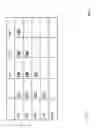





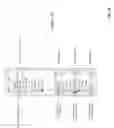
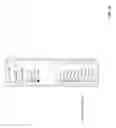
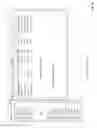

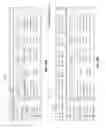
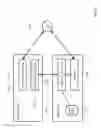
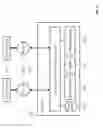
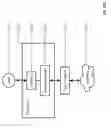
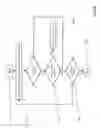
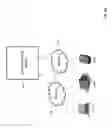
Sources:
- United States Patent and Trademark Office - verify current appl. status at the USPTO↗
Recent applications in this class:
- » 20250173371 2025-05-29
METHOD, APPARATUS, DEVICE, STORAGE MEDIUM AND PROGRAM FOR INFORMATION PROCESSING - » 20250124073 2025-04-17
SEARCH PROCESSING METHOD AND APPARATUS, DEVICE, MEDIUM, AND PROGRAM PRODUCT - » 20250053592 2025-02-13
TREND DETECTION IN CLUSTERED PHOTOS FOR DIGITAL PICTURE FRAMES - » 20240346067 2024-10-17
MULTIMEDIA PLAYING METHOD AND DEVICE - » 20240346066 2024-10-17
MEDIA COLLECTION GENERATION METHOD AND APPARATUS, ELECTRONIC DEVICE, AND STORAGE MEDIUM - » 20240320261 2024-09-26
Generating and assigning metadata - » 20240273131 2024-08-15
METHODS AND SYSTEMS FOR UPDATING METADATA OF A MEDIA ASSET - » 20240256594 2024-08-01
Systems And Methods Of Performing Searches Within A Text Input Application - » 20240232252 2024-07-11
Methods and apparatus for estimating total unique audiences - » 20240184820 2024-06-06
SYSTEM AND METHOD FOR IMPROVING WORK LOAD MANAGEMENT IN ACR TELEVISION MONITORING SYSTEM