GENERATION OF HIGH POLYHYDROXYBUTRATE PRODUCING OILSEEDS
US20120174253A1
2012-07-05
13/395,616
2010-09-15
Abstract:
Transgenic oilseed plants, plant material, plant cells, and genetic constructs for synthesis of polyhydroxyalkanoates (“PHA”) are provided. In a preferred embodiment, the transgenic oilseed plants synthesize (poly)3-hydroxybutyrate (“PHB”) in the seed. Genes utilized include phaA, phaB, phaC, all of which are known in the art. The genes can be introduced in the plant, plant tissue, or plant cell using conventional plant molecular biology techniques.
Inventors:
- Kristi D. Snell 25 🇺🇸 Belmont, MA, United States
- Edgar Benjamin Cahoon 12 🇺🇸 Lincoln, NE, United States
- Oliver P. Peoples 39 🇺🇸 Arlington, MA, United States
- Nii Patterson 5 🇺🇸 Chelmsford, MA, United States
- Jihong Tang 3 🇺🇸 Brighton, MA, United States
- Jan G. Jaworski 1 🇺🇸 Town and Country, MO, United States
- Wenyu Yang 1 🇺🇸 Saint Louis, MO, United States
Interested in similar patents?
Get notified when new applications in this technology area are published.
Classification:
C12N15/8214 » CPC main
Mutation or genetic engineering; DNA or RNA concerning genetic engineering, vectors, e.g. plasmids, or their isolation, preparation or purification; Use of hosts therefor; Recombinant DNA-technology; Introduction of foreign genetic material using vectors; Vectors; Use of hosts therefor; Regulation of expression; Vectors or expression systems specially adapted for eukaryotic hosts for plant cells, e.g. plant artificial chromosomes (PACs); Methods for introducing genetic material into plant cells, e.g. DNA, RNA, stable or transient incorporation, tissue culture methods adapted for transformation Plastid transformation
A01H1/02 IPC
Processes for modifying genotypes ; Plants characterised by associated natural traits Methods or apparatus for hybridisation; Artificial pollination ; Fertility
A01H5/00 IPC
Products
A01H5/00 IPC
Angiosperms, i.e. flowering plants, characterised by their plant parts; Angiosperms characterised otherwise than by their botanic taxonomy
C07C59/147 IPC
Compounds having carboxyl groups bound to acyclic carbon atoms and containing any of the groups OH, O—metal, —CHO, keto, ether, groups, groups, or groups Saturated compounds having only one carboxyl group and containing —CHO groups
Description
FIELD OF THE INVENTION
The invention is in the field of polymer production in transgenic plants. Methods for generating industrial oilseeds producing high levels of polyhydroxybutyrate (PHB) and industrial oilseeds producing high levels of PHB are described.
BACKGROUND OF THE INVENTION
Production of polyhydroxyalkanoates (PHAs), a family of naturally occurring renewable and biodegradable plastics, in crops has the potential of providing a renewable source of polymers, chemical intermediates and bio-energy from one crop if plant residues remaining after polymer isolation are converted to liquid fuels and/or energy. PHAs can provide an additional revenue stream that would make bioenergy crops more economically viable.
PHAs are a natural component of numerous organisms in multiple ecosystems and accumulate in a wide range of bacteria as a granular storage material when the microbes are faced with an unfavorable growth environment, such as a limitation in an essential nutrient (Madison et al., Microbiol. Mol. Biol. Rev., 1999, 63, 21-53; Suriyamongkol et al., Biotechnol Adv, 2007, 25, 148-175). The monomer unit composition of these polymers is largely dictated by available carbon source as well as the native biochemical pathways present in the organism. Today PHAs are produced industrially from renewable resources in bacterial fermentations providing an alternative to plastics derived from fossil fuels. PHAs possess properties enabling their use in a variety of applications currently served by petroleum-based plastics and are capable of matching or exceeding the performance characteristics of fossil fuel derived plastics with a broad spectrum of properties that can be obtained by varying the monomer composition of homo- and co-polymers, or by manipulating properties such as molecular weight (Sudesh et al., Prog. Polym. Sci., 2000, 25, 1503-1555; Sudesh et al., CLEAN—Soil, Air, Water, 2008, 36, 433-442).
Industrial production of PHAs in crop plants would provide a low cost, renewable source of plastics. Production of PHAs in plants has been an as yet unsolved goal for plant scientists and has previously been demonstrated in a number of crops unsuitable for industrial production or in industrially useful crops at levels to low to be commercially attractive [for review, see (Suriyamongkol et al., Biotechnol Adv, 2007, 25, 148-175); (van Beilen et al., The Plant Journal, 2008, 54, 684-701) and references within] including maize (Poirier et al., 2002, Polyhydroxyalkanoate production in transgenic plants, in Biopolymers, Vol 3a, Steinbuchel, A. (ed), Wiley-VHC Verlag GmbH, pgs 401-435), sugarcane (Purnell et al., Plant Biotechnol. J., 2007, 5, 173-184), switchgrass (Somleva et al., Plant Biotechnol J, 2008, 6, 663-678), flax (Wrobel et al., J. Biotechnol., 2004, 107, 41-54; Wrobel-Kwiatkowsk et al., Biotechnol Prog, 2007, 23, 269-277), cotton (John et al., Proceedings of the National Academy of Sciences of the United States of America, 1996, 93, 12768-12773), alfalfa (Saruul et al., Crop Sci., 2002, 42, 919-927), tobacco (Arai et al., Plant Biotechnol., 2001, 18, 289-293; Bohmert et al., Plant Physiol., 2002, 128, 1282-1290; Lossl et al., Plant Cell Reports, 2003, 21, 891-899; Lössl et al., Plant Cell Physiol, 2005, 46, 1462-1471), potato (Bohmert et al., Plant Physiol., 2002, 128, 1282-1290), and oilseed rape (Valentin et al., Int. J. Biol. Macromol., 1999, 25, 303-306; Slater et al., Nat. Biotechnol., 1999, 17, 1011-1016). Most of the efforts to produce PHAs in plants have focused on production of the homopolymer P3HB or the copolymer poly-3-hydroxybutyrate-co-3-hydroxyvalerate (P3HBV). While there have been some efforts to produce medium chain length PHAs in plants, these studies have yielded barely detectable levels of polymer (Romano et al., Planta, 2005, 220, 455-464; Mittendorf et al., Proceedings of the National Academy of Sciences of the United States of America, 1998, 95, 13397-13402; Poirier et al., Plant Physiol., 1999, 121, 1359-1366; Matsumoto, Journal of Polymers and the Environment, 2006, 14, 369-374; Wang et al., Chinese Science Bulletin, 2005, 50, 1113-1120).
To date, the highest levels of polymer have been obtained when the homopolymer poly-3-hydroxybutyrate (P3HB or PHB) is produced in plastids (Suriyamongkol et al., Biotechnol Adv, 2007, 25, 148-175; van Beilen et al., The Plant Journal, 2008, 54, 684-701; Bohmert et al., Molecular Biology and Biotechnology of Plant Organelles, 2004, 559-585). This is likely due to the high flux of acetyl-CoA, the precursor for PHB in these organelles during fatty acid biosynthesis (Bohmert et al, Molecular Biology and Biotechnology of Plant Organelles, 2004, 559-585). Expression of three genes encoding β-ketothiolase, acetoacetyl CoA reductase, and PHA synthase, allows the conversion of acetyl-CoA within the plastid to PHB. Previous work has reported producing levels of PHB in Brassica napus up to a maximum of 6.7% of seed weight, a level too low for commercial production
SUMMARY OF THE INVENTION
Transgenic oilseed plants, plant material, plant cells, and genetic constructs for synthesis of polyhydroxyalkanoates (“PHA”) are provided. In a preferred embodiment, the transgenic oilseed plants synthesize (poly)3-hydroxybutyrate (“PHB”) in the seed. Host plants, plant tissue, and plant material have been engineered to express genes encoding enzymes in the biosynthetic pathway for PHB production such that polymer precursors in the plastid are polymerized to polymer. Genes utilized include phaA, phaB, phaC, all of which are known in the art. The genes can be introduced in the plant, plant tissue, or plant cell using conventional plant molecular biology techniques.
It is an object of the invention to provide methods and compositions for producing transgenic oilseeds having commercially viable levels of polyhydroxyalkanoates in the seed, for example greater than 7%, 10%, 15%, or 19% polyhydroxyalkanoate or more of the total dry seed weight.
It is another object of the invention to provide oilseeds having increased levels of polyhydroxyalkanoate greater than 7%, 10%, 15%, or 19% polyhydroxyalkanoate or more of the total dry seed weight and having impaired germination relative to non-transgenic oilseeds.
Using a non-traditional screening method to identify transgenic lines than those used in all other reported studies, it has been discovered that very high levels of PHA, for example PHB can be produced in the oilseed but that oilseeds with high levels of PHA fail to germinate or germinate but produce impaired seedlings which do not survive to produce viable fertile plants. The failure to produce viable progeny explains why previous researchers failed to demonstrate that commercial levels of PHA can be produced in transgenic oilseeds. A preferred PHA produced in oilseeds is PHB.
In another embodiment the transgenes encoding PHA biosynthesis genes are expressed in a seed specific manner such that the PHA accumulates in the seed. In this embodiment the level of PHA accumulated is greater than 7%, 8%, 9%, 10%, 11%, 12%, 13%, 14%, 15%, 16%, 17%, 18% and 19% of the dry weight of the seed.
Methods and compositions for producing hybrid lines are also provided. Hybrid lines can be created by crossing a line containing one or more PHAs, for example PHB genes with a line containing the other gene(s) needed to complete the PHA biosynthetic pathway. Use of lines that possess cytoplasmic male sterility with the appropriate maintainer and restorer lines allows these hybrid lines to be produced efficiently.
In still another embodiment the oilseeds produced by the disclosed methods produce high levels of PHA and are impaired in their ability to germinate and survive to produce viable plants relative to oilseeds containing little or no PHA, for example less than 7% PHA of the dry weight of the seed. Germination can be impaired by 8%, 9%, 10%, 15%, 20%, 25%, 30%, 35%, 40%, 45%, 50%, 55%, 60%, 65%, 70%, 75%, 80%, 85%, 90%, 95%, 99%, or 100% relative to oilseeds with less than 7% PHA. Impaired germination provides a built in mechanism for gene containment reducing the risk of unwanted growth of these oilseeds when a different crop is planted on the production fields.
Transgenic plants useful for the invention include dicots or monocots. Preferred host plants are oilseed plants, but are not limited to members of the Brassica family including B. napus, B. rapa, B. carinata and B. juncea. Additional preferred host plants include industrial oilseeds such as Camelina sativa, Crambe, jatropha, and castor. Other preferred host plants include Arabidopsis thaliana, Calendula, Cuphea, maize, soybean, cottonseed, sunflower, palm, coconut, safflower, peanut, mustards including Sinapis alba, and tobacco.
Other embodiments provide plant material and plant parts of the transgenic plants including seeds, flowers, stems, and leaves. The oilseeds can be used for the extraction of PHA biopolymer or as a source of PHA biopolymer based chemical intermediates. The residual parts of the seed can be used as meal for animal feed or steam and power generation and a source of vegetable oil for industrial oelochemicals or biofuel.
BRIEF DESCRIPTION OF THE DRAWINGS
FIG. 1 is a schematic diagram describing a strategy for creating hybrid seeds using cytoplasmic male sterility.
DETAILED DESCRIPTION OF THE INVENTION
I. Definitions
Unless otherwise indicated, the disclosure encompasses all conventional techniques of plant breeding, microbiology, cell biology and recombinant DNA, which are within the skill of the art. See, e.g., Sambrook and Russell, Molecular Cloning: A Laboratory Manual, 3rd edition (2001); Current Protocols In Molecular Biology [(F. M. Ausubel, et al. eds., (1987)]; Plant Breeding Principles and Prospects (Plant Breeding, Vol 1) M. D. Hayward, N. O. Bosemark, I. Romagosa; Chapman & Hall, (1993.); Coligan, Dunn, Ploegh, Speicher and Wingfeld, eds. (1995) Current Protocols in Protein Science (John Wiley & Sons, Inc.); the series Methods in Enzymology (Academic Press, Inc.): PCR 2: A Practical Approach (M. J. MacPherson, B. D. Hames and G. R. Taylor eds. (1995)].
Unless otherwise noted, technical terms are used according to conventional usage. Definitions of common terms in molecular biology may be found in Lewin, Genes VII, published by Oxford University Press, 2000; Kendrew et al. (eds.), The Encyclopedia of Molecular Biology, published by Wiley-Interscience., 1999; and Robert A. Meyers (ed.), Molecular Biology and Biotechnology, a Comprehensive Desk Reference, published by VCH Publishers, Inc., 1995; Ausubel et al. (1987) Current Protocols in Molecular Biology, Green Publishing; Sambrook and Russell. (2001) Molecular Cloning: A Laboratory Manual 3rd. edition.
A number of terms used herein are defined and clarified in the following section.
The term PHB refers to polyhydroxybutyrate and is used interchangeably with the term PHA which refers to polyhydroxyalkanoate.
The tend PHB also encompasses copolymers of hydroxybutyrate with other hydroxyacid monomers.
The term “PHA copolymer” refers to a polymer composed of at least two different hydroxyalkanoic acid monomers.
The term “PHA homopolymer” refers to a polymer that is composed of a single hydroxyalkanoic acid monomer.
As used herein, a “vector” is a replicon, such as a plasmid, phage, or cosmid, into which another DNA segment may be inserted so as to bring about the replication of the inserted segment. The vectors can be expression vectors.
As used herein, an “expression vector” is a vector that includes one or more expression control sequences
As used herein, an “expression control sequence” is a DNA sequence that controls and regulates the transcription and/or translation of another DNA sequence. Control sequences that are suitable for prokaryotes, for example, include a promoter, optionally an operator sequence, a ribosome binding site, and the like. Eukaryotic cells are known to utilize promoters, polyadenylation signals, and enhancers.
As used herein, “operably linked” means incorporated into a genetic construct so that expression control sequences effectively control expression of a coding sequence of interest.
As used herein, “transformed” and “transfected” encompass the introduction of a nucleic acid into a cell by a number of techniques known in the art.
“Plasmids” are designated by a lower case “p” preceded and/or followed by capital letters and/or numbers.
As used herein the term “heterologous” means from another host. The other host can be the same or different species.
The term “cell” refers to a membrane-bound biological unit capable of replication or division.
The term “construct” refers to a recombinant genetic molecule including one or more isolated polynucleotide sequences.
Genetic constructs used for transgene expression in a host organism comprise in the 5′-3′ direction, a promoter sequence; a nucleic acid sequence encoding the desired transgene product; and a termination sequence. The open reading frame may be orientated in either a sense or anti-sense direction. The construct may also comprise selectable marker gene(s) and other regulatory elements for expression.
The term “plant” is used in it broadest sense. It includes, but is not limited to, any species of woody, ornamental or decorative, crop or cereal, fruit or vegetable plant, and photosynthetic green algae (e.g., Chlamydomonas reinhardtii). It also refers to a plurality of plant cells that are largely differentiated into a structure that is present at any stage of a plant's development. Such structures include, but are not limited to, a fruit, shoot, stem, leaf, flower petal, etc. The term “plant tissue” includes differentiated and undifferentiated tissues of plants including those present in roots, shoots, leaves, pollen, seeds and tumors, as well as cells in culture (e.g., single cells, protoplasts, embryos, callus, etc.). Plant tissue may be in planta, in organ culture, tissue culture, or cell culture. The term “plant part” as used herein refers to a plant structure, a plant organ, or a plant tissue.
A non-naturally occurring plant refers to a plant that does not occur in nature without human intervention. Non-naturally occurring plants include transgenic plants and plants produced by non-transgenic means such as plant breeding.
The term “plant cell” refers to a structural and physiological unit of a plant, comprising a protoplast and a cell wall. The plant cell may be in form of an isolated single cell or a cultured cell, or as a part of higher organized unit such as, for example, a plant tissue, a plant organ, or a whole plant.
The term “plant cell culture” refers to cultures of plant units such as, for example, protoplasts, cell culture cells, cells in plant tissues, pollen, pollen tubes, ovules, embryo sacs, zygotes and embryos at various stages of development.
The term “plant material” refers to leaves, stems, roots, flowers or flower parts, fruits, pollen, egg cells, zygotes, seeds, cuttings, cell or tissue cultures, or any other part or product of a plant.
A “plant organ” refers to a distinct and visibly structured and differentiated part of a plant such as a root, stem, leaf, flower bud, or embryo.
“Plant tissue” refers to a group of plant cells organized into a structural and functional unit. Any tissue of a plant, whether in a plant or in culture, is included. This term includes, but is not limited to, whole plants, plant organs, plant seeds, tissue culture and any groups of plant cells organized into structural and/or functional units. The use of this term in conjunction with, or in the absence of, any specific type of plant tissue as listed above or otherwise embraced by this definition is not intended to be exclusive of any other type of plant tissue.
“Seed germination” refers to growth of an embryonic plant contained within a seed resulting in the formation and emergence of a seedling.
“Cotyledon” refers to the embryonic first leaves of a seedling.
“Early plantlet development” refers to growth of the cotyledon containing seedling to form a plantlet.
II. Transgenic Plants
Transgenic plants have been developed that produce increased levels of biopolymers such as polyhydroxyalkanoates (PHAs) in seeds. Methods and constructs for engineering plants for seed specific production of PHA, in particular PHB, are described. One embodiment provides transgenic plants for the direct, large scale production of PHAs in crop plants or in energy crops where a plant by-product, such as oil, can be used for production of energy. Proof of concept studies for polyhydroxybutyrate (PHB) synthesis in canola (Valentin et al., Int. J. Biol. Macromol., 1999, 25, 303-306; Houmiel et al., Planta, 1999, 209, 547-550; Slater et al., Nat. Biotechnol., 1999, 17, 1011-1016.) have been reported. There have been instances where high level PHB production in the chloroplasts of plants has led to decreases in total plant growth (Bohmert et al., Molecular Biology and Biotechnology of Plant Organelles, 2004, 559-585; Bohmert et al., Planta, 2000, 211, 841-845) for unidentified reasons. There have been several studies that have attempted to alleviate this problem by inducible expression of enzymes (Bohmert et al., Plant Physiol., 2002, 128, 1282-1290; Lössl et al., Plant Cell Physiol, 2005, 46, 1462-1471; Kourtz et al., Transgenic Res, 2007, 16, 759-769).
Transgenic oilseeds comprising at least about 8% dry weight PHA are provided. In one embodiment we provide transgenic oilseeds having at least 10% PHA dry weight and which are impaired in germination and plant survival.
A. Genetic Constructs for Transformation
Suitable genetic constructs include expression cassettes for enzymes for production of polyhydroxyalkanoates, in particular from the polyhydroxybutyrate biosynthetic pathway. In one embodiment, the construct contains operatively linked in the 5′ to 3′ direction, a seed specific promoter that directs transcription of a nucleic acid sequence in the nucleus; a nucleic acid sequence encoding one of the PHB biosynthetic enzymes; and a 3′ polyadenylation signal that increases levels of expression of transgenes. In one embodiment, enzymes for formation of polymer precursors are targeted to the plastid using appropriate plastid-targeting signals. In another embodiment, the PHA pathway is expressed directly from the plastid genome using appropriate plastidial promoters and regulatory sequences.
DNA constructs useful in the methods described herein include transformation vectors capable of introducing transgenes into plants. As used herein, “transgenic” refers to an organism in which a nucleic acid fragment containing a heterologous nucleotide sequence has been introduced. The transgenes in the transgenic organism are preferably stable and inheritable. The heterologous nucleic acid fragment may or may not be integrated into the host genome.
Several plant transformation vector options are available, including those described in “Gene Transfer to Plants” (Potrykus, et al., eds.) Springer-Verlag Berlin Heidelberg New York (1995); “Transgenic Plants: A Production System for Industrial and Pharmaceutical Proteins” (Owen, et al., eds.) John Wiley & Sons Ltd. England (1996); and “Methods in Plant Molecular Biology: A Laboratory Course Manual” (Maliga, et al. eds.) Cold Spring Laboratory Press, New York (1995). Plant transformation vectors generally include one or more coding sequences of interest under the transcriptional control of 5′ and 3′ regulatory sequences, including a promoter, a transcription termination and/or polyadenylation signal, and a selectable or screenable marker gene. For the expression of two or more polypeptides from a single transcript, additional RNA processing signals and ribozyme sequences can be engineered into the construct (U.S. Pat. No. 5,519,164). This approach has the advantage of locating multiple transgenes in a single locus, which is advantageous in subsequent plant breeding efforts.
Engineered minichromosomes can also be used to express one or more genes in plant cells. Cloned telomeric repeats introduced into cells may truncate the distal portion of a chromosome by the formation of a new telomere at the integration site. Using this method, a vector for gene transfer can be prepared by trimming off the arms of a natural plant chromosome and adding an insertion site for large inserts (Yu et al., Proc Natl Acad Sci USA, 2006, 103, 17331-6; Yu et al., Proc Natl Acad Sci USA, 2007, 104, 8924-9). The utility of engineered minichromosome platforms has been shown using Cre/lox and FRT/FLP site-specific recombination systems on a maize minichromosome where the ability to undergo recombination was demonstrated (Yu et al., Proc Natl Acad Sci USA, 2006, 103, 17331-6; Yu et al., Proc Natl Acad Sci USA, 2007, 104, 8924-9). Such technologies could be applied to minichromosomes, for example, to add genes to an engineered plant. Site specific recombination systems have also been demonstrated to be valuable tools for marker gene removal (Kerbach, S. et al., Theor Appl Genet, 2005, 111, 1608-1616), gene targeting (Chawla, R. et al., Plant Biotechnol J, 2006, 4, 209-218; Choi, S. et al., Nucleic Acids Res, 2000, 28, E19; Srivastava, V, & Ow, D W, Plant Mol Biol, 2001, 46, 561-566; Lyznik, L A, et al., Nucleic Acids Res, 1993, 21, 969-975), and gene conversion (Djukanovic, V, et al., Plant Biotechnol J, 2006, 4, 345-357).
An alternative approach to chromosome engineering in plants involves in vivo assembly of autonomous plant minichromosomes (Carlson et al., PLoS Genet, 2007, 3, 1965-74). Plant cells can be transformed with centromeric sequences and screened for plants that have assembled autonomous chromosomes de novo. Useful constructs combine a selectable marker gene with genomic DNA fragments containing centromeric satellite and retroelement sequences and/or other repeats.
Another approach is Engineered Trait Loci (“ETL”) technology (U.S. Pat. No. 6,077,697 to Hadlaczky et al.; US Patent Application 2006/0143732). This system targets DNA to a heterochromatic region of plant chromosomes, such as the pericentric heterochromatin, in the short arm of acrocentric chromosomes. Targeting sequences may include ribosomal DNA (rDNA) or lambda phage DNA. The pericentric rDNA region supports stable insertion, low recombination, and high levels of gene expression. This technology is also useful for stacking of multiple traits in a plant (US Patent Application 2006/0246586, 2010/0186117 and PCT WO 2010/037209).
Zinc-finger nucleases (ZFNs) are also useful in that they allow double strand DNA cleavage at specific sites in plant chromosomes such that targeted gene insertion or deletion can be performed (Shukla et al., Nature, 2009; Townsend et al., Nature, 2009).
For direct expression of transgenes from the plastid genome, a vector to transform the plant plastid chromosome by homologous recombination (as described in U.S. Pat. No. 5,545,818 to McBride et al.) is used in which case it is possible to take advantage of the prokaryotic nature of the plastid genome and insert a number of transgenes as an operon. WO 2010/061186 describes an alternative method for introducing genes into the plastid chromosome using an adapted endogenous cellular process for the transfer of RNAs from the cytoplasm to the plastid where they are incorporated by homologous recombination. This plastid transformation procedure is also suitable for practicing the disclosed compositions and methods.
A transgene may be constructed to encode a multifunctional enzyme through gene fusion techniques in which the coding sequences of different genes are fused with or without linker sequences to obtain a single gene encoding a single protein with the activities of the individual genes. Transgenes encoding a bifunctional protein containing thiolase and reductase activities (Kourtz, L., K. et al. (2005), Plant Biotechnol. 3: 435-447) and a trifunctional protein having each of the three enzyme activities required for PHB expression in plants (Mullaney and Rehm (2010), Journal of Biotechnology 147: 31-36) have been described. Such synthetic fusion gene/enzyme combinations can be further optimized using molecular evolution technologies.
A transgene may be constructed to encode a series of enzyme activities separated by intein sequences such that on expression, two or more enzyme activities are expressed from a single promoter as described by Snell in U.S. Pat. No. 7,026,526 to Metabolix, Inc.
1. Genes Involved in Polyhydroxyalkanoate Synthesis
In a preferred embodiment, the products of the transgenes are enzymes and other factors required for production of a biopolymer, such as a polyhydroxyalkanoate (PHA).
For PHA production, transgenes encode enzymes such as beta-ketothiolase, acetoacetyl-CoA reductase, PHB (“short chain”) synthase, PHA (“long chain”) synthase, threonine dehydratase, dehydratases such as 3-OH acyl ACP, isomerases such as Δ 3-cis, Δ 2-trans isomerase, propionyl-CoA synthetase, hydroxyacyl-CoA synthetase, hydroxyacyl-CoA transferase, R-3-hydroxyacyl-ACP:CoA transferase, thioesterase, fatty acid synthesis enzymes and fatty acid beta-oxidation enzymes. Useful genes are well known in the art, and are disclosed for example by Snell and Peoples Metab. Eng. 4: 29-40 (2002); Bohmert et. al. in Molecular Biology and Biotechnology of Plant Organelles. H. Daniell, C. D. Chase Eds., Kluwer Academic Publishers, Netherlands, 2004, pp. 559-585; (Suriyamongkol et al., Biotechnol Adv, 2007, 25, 148-175; van Beilen et al., The Plant Journal, 2008, 54, 684-701).
PHA Synthases
Examples of PHA synthases include a synthase with medium chain length substrate specificity, such as phaC1 from Pseudomonas oleovorans (WO 91/000917; Huisman, et al. J. Biol. Chem. 266, 2191-2198 (1991)) or Pseudomonas aeruginosa (Timm, A. & Steinbuchel, A. Eur. J. Biochem. 209: 15-30 (1992)), the synthase from Alcaligenes eutrophus with short chain length specificity (Peoples, O. P. & Sinskey, A. J. J. Biol. Chem. 264:15298-15303 (1989)), or a two subunit synthase such as the synthase from Thiocapsa pfennigii encoded by phaE and phaC (U.S. Pat. No. 6,011,144). Other useful PHA synthase genes have been isolated from, for example, Alcaligenes latus (Accession ALU47026), Burkholderia sp. (Accession AF153086), Aeromonas caviae (Fukui & Doi, J. Bacteriol. 179: 4821-30 (1997)), Acinetobacter sp. strain RA3849 (Accession L37761), Rhodospirillum rubrum (U.S. Pat. No. 5,849,894), Rhodococcus ruber (Pieper & Steinbuechel, FEMS Microbiol. Lett. 96(1): 73-80 (1992)), and Nocardia corallina (Hall et. al., Can. J. Microbiol. 44: 687-91 (1998)), Arthrospira sp. PCC 8005 (Accessions ZP—07166315 and ZP—07166316), Cyanothece sp. PCC 7425 (Accessions ACL46371 and ACL46370) and Synechocystis sp. PCC6803 (Accession BAA17430; Hein et al. (1998), Archives of Microbiology 170: 162-170).
PHA synthases with broad substrate specificity useful for producing copolymers of 3-hydroxybutyrate and longer chain length (from 6 to 14 carbon atoms) hydroxyacids have also been isolated from Pseudomonas sp. A33 (Appl. Microbiol. Biotechnol. 42: 901-909 (1995)) and Pseudomonas sp. 61-3 (Accession AB014757; Kato, et al. Appl. Microbiol. Biotechnol. 45: 363-370 (1996)).
A range of PHA synthase genes and genes encoding additional metabolic steps useful in PHA biosynthesis are described by Madison and Huisman. Microbiology and Molecular biology Reviews 63:21-53 (1999)) and Suriyamongkol et al. (Suriyamongkol et al., Biotechnol Adv, 2007, 25, 148-175).
Hydratase and Dehydrogenase
An alpha subunit of beta-oxidation multienzyme complex pertains to a multifunctional enzyme that minimally possesses hydratase and dehydrogenase activities. The subunit may also possess epimerase and A 3-cis, A 2-trans isomerase activities. Examples of alpha subunits of the beta-oxidation multienzyme complex are FadB from E. coli (DiRusso, C. C. J. Bacteriol. 1990, 172, 6459-6468), FaoA from Pseudomonas fragi (Sato, S., Hayashi, et al. J. Biochem. 1992, 111, 8-15), and the E. coli open reading frame 1714 that contains homology to multifunctional α subunits of the β-oxidation complex (Genbank Accession #1788682). A β subunit of the β-oxidation complex refers to a polypeptide capable of forming a multifunctional enzyme complex with its partner α subunit. The β subunit possesses thiolase activity. Examples of β subunits are FadA from E. coli (DiRusso, C. C. J. Bacteriol. 172: 6459-6468 (1990)), FaoB from Pseudomonas fragi (Sato, S., Hayashi, M., Imamura, S., Ozeki, Y., Kawaguchi, A. J. Biochem. 111: 8-15 (1992)), and the E. coli open reading frame f436 that contains homology to α subunits of the β-oxidation complex (Genbank Accession # AE000322; gene b2342).
Reductases
The transgene can encode a reductase. A reductase refers to an enzyme that can reduce β-ketoacyl CoAs to R-3-OH-acyl CoAs, such as the NADH dependent reductase from Chromatium vinosum (Liebergesell, M., & Steinbuchel, A. Eur. J. Biochem. 209: 135-150 (1992)), the NADPH dependent reductase from Alcaligenes eutrophus (Accession J04987, Peoples, O. P. & Sinskey, A. J. J. Biol. Chem. 264: 15293-15297 (1989))), the NADPH reductase from Zoogloea ramigera (Accession P23238; Peoples, O. P. & Sinskey, A. J. Molecular Microbiology 3: 349-357 (1989)) or the NADPH reductase from Bacillus megaterium (U.S. Pat. No. 6,835,820), Alcaligenes latus (Accession ALU47026), Rhizobium meliloti (Accession RMU17226), Paracoccus denitrificans (Accession D49362), Burkholderia sp. (Accession AF153086), Pseudomonas sp. strain 61-3 (Accession AB014757), Acinetobacter sp. strain RA3849 (Accession L37761), P. denitrificans, (Accession P50204), and Synechocystis sp. Strain PCC6803 (Taroncher-Oldenburg et al., (2000), Appl. Environ. Microbiol. 66: 4440-4448).
Thiolases
The transgene can encode a thiolase. A beta-ketothiolase refers to an enzyme that can catalyze the conversion of acetyl CoA and an acyl CoA to a β-ketoacyl CoA, a reaction that is reversible. An example of such thiolases are PhaA from Alcaligenes eutropus (Accession J04987, Peoples, O. P. & Sinskey, A. J. J. Biol. Chem. 264: 15293-15297 (1989)), BktB from Alcaligenes eutrophus (Slater et al. J Bacteriol. 180(8):1979-87 (1998)) and thiolases from the following Rhizobium meliloti (Accession RMU17226), Z. ramigera (Accession P07097), Paracoccus denitrificans (Accession D49362), Burkholderia sp. (Accession AF153086), Alcaligenes latus (Accession ALU47026), Allochromatium vinosum (Accession P45369), Thiocystis violacea (Accession P45363); Pseudomonas sp. strain 61-3 (Accession AB014757), Acinetobacter sp. strain RA3849 (Accession L37761) and Synechocystis sp. Strain PCC6803 (Taroncher-Oldenburg et al., (2000), Appl. Environ. Microbiol. 66: 4440-4448).
Oxidases
An acyl CoA oxidase refers to an enzyme capable of converting saturated acyl CoAs to Δ 2 unsaturated acyl CoAs. Examples of acyl CoA oxidases are POX1 from Saccharomyces cerevisiae (Dmochowska, et al. Gene, 1990, 88, 247-252) and ACX1 from Arabidopsis thaliana (Genbank Accession # AF057044).
Catalases
The transgene can also encode a catalase. A catalase refers to an enzyme capable of converting hydrogen peroxide to hydrogen and oxygen. Examples of catalases are KatB from Pseudomonas aeruginosa (Brown, et al.): Bacterial. 177: 6536-6544 (1995)) and KatG from E. coli (Triggs-Raine, B. L. & Loewen, P. C. Gene 52: 121-128 (1987)).
2. Promoters
Plant promoters can be selected to control the expression of the transgene in different plant tissues or organelles for all of which methods are known to those skilled in the art (Gasser & Fraley, Science 244:1293-99 (1989)). In one embodiment, promoters are selected from those of eukaryotic or synthetic origin that are known to yield high levels of expression in plant and algae cytosol. In another embodiment, promoters are selected from those of plant or prokaryotic origin that are known to yield high expression in plastids. In certain embodiments the promoters are inducible. Inducible plant promoters are known in the art.
Suitable constitutive promoters for nuclear-encoded expression include, for example, the core promoter of the Rsyn7 promoter and other constitutive promoters disclosed in U.S. Pat. No. 6,072,050; the core CAMV 355 promoter, (Odell et al. (1985) Nature 313:810-812); rice actin (McElroy et al. (1990) Plant Cell 2:163-171); ubiquitin (Christensen et al. (1989) Plant Mol. Biol. 12:619-632 and Christensen et al. (1992) Plant Mol. Biol. 18:675-689); pEMU (Last et al. (1991) Theor. Appl. Genet. 81:581-588); MAS (Velten et al. (1984) EMBO J. 3:2723-2730); and ALS promoter (U.S. Pat. No. 5,659,026). Other constitutive promoters include, for example, U.S. Pat. Nos. 5,608,149; 5,608,144; 5,604,121; 5,569,597; 5,466,785; 5,399,680; 5,268,463; 5,608,142.
“Tissue-preferred” promoters can be used to target a gene expression within a particular tissue such as seed, leaf or root tissue. Tissue-preferred promoters include Yamamoto et al. (1997) Plant J 12(2)255-265; Kawamata et al. (1997) Plant Cell Physiol. 38(7):792-803; Hansen et al (1997) Mol. Gen. Genet. 254(3):337-343; Russell et al. (1997) Transgenic Res. 6(2):157-168; Rinehart et al. (1996) Plant Physiol. 112(3):1331-1341; Van Camp et al (1996) Plant Physiol. 112(2):525-535; Canevascini et al. (1996) Plant Physiol. 112(2):513-524; Yamamoto et al. (1994) Plant Cell Physiol. 35(5):773-778; Lam (1994) Results Probl. Cell Differ. 20:181-196; Orozco et al. (1993) Plant Mol. Biol. 23(6):1129-1138; Matsuoka et al. (1993) Proc Natl. Acad. Sci. USA 90(20):9586-9590; and Guevara-Garcia et al. (1993) Plant J. 4(3):495-505.
“Seed-preferred” promoters include both “seed-specific” promoters (those promoters active during seed development such as promoters of seed storage proteins) as well as “seed-germinating” promoters (those promoters active during seed germination). See Thompson et al. (1989) BioEssays 10:108. Such seed-preferred promoters include, but are not limited to, Cim1 (cytokinin-induced message); cZ19B1 (maize 19 kDa zein); milps (myo-inositol-1-phosphate synthase); and ce1A (cellulose synthase). Gama-zein is a preferred endosperm-specific promoter. Glob-1 is a preferred embryo-specific promoter. For dicots, seed-specific promoters include, but are not limited to, bean β-phaseolin, napin β-conglycinin, soybean lectin, cruciferin, oleosin, the Lesquerella hydroxylase promoter, and the like. For monocots, seed-specific promoters include, but are not limited to, maize 15 kDa zein, 22 kDa zein, 27 kDa zein, g-zein, waxy, shrunken 1, shrunken 2, globulin 1, etc. Additional seed specific promoters useful for practicing this invention are described in the Examples disclosed herein.
Leaf-specific promoters are known in the art. See, for example, Yamamoto et al. (1997) Plant J. 12(2):255-265; Kwon et al. (1994) Plant Physiol. 105:357-67; Yamamoto et al. (1994) Plant Cell Physiol. 35(5):773-778; Gotor et al. (1993) Plant J. 3:509-18; Orozco et al. (1993) Plant Mol. Biol. 23(6):1129-1138; and Matsuoka et al. (1993) Proc. Natl. Acad. Sci. USA 90(20):9586-9590.
Root-preferred promoters are known and may be selected from the many available from the literature or isolated de nova from various compatible species. See, for example, Hire et al. (1992) Plant Mol. Biol. 20(2): 207-218 (soybean root-specific glutamine synthetase gene); Keller and Baumgartner (1991) Plant Cell 3(10):1051-1061 (root-specific control element in the GRP 1.8 gene of French bean); Sanger et al. (1990) Plant Mol. Biol. 14(3):433-443 (root-specific promoter of the mannopine synthase (MAS) gene of Agrobacterium tumefaciens); and Miao et al. (1991) Plant Cell 3(1):1 1′-22 (full-length cDNA clone encoding cytosolic glutamine synthetase (GS), which is expressed in roots and root nodules of soybean). See also U.S. Pat. Nos. 5,837,876; 5,750,386; 5,633,363; 5,459,252; 5,401,836; 5,110,732; and 5,023,179.
Plastid specific promoters include the PrbcL promoter [Allison L. A. et al., EMBO 15: 2802-2809 (1996); Shiina T. et al., Plant Cell 10: 1713-1722 (1998)]; the PpsbA promoter [Agrawal G K, et al., Nucleic Acids Research 29: 1835-1843 (2001)]; the Prrn 16 promoter [Svab Z & Maliga P., Proc. Natl. Acad. Sci. USA 90: 913-917 (1993), Allison L A et al., EMBO 15: 2802-2809 (1996)]; the PaccD promoter (WO97/06250; Hajdukiewicz P T J et al., EMBO J. 16: 4041-4048 (1997)).
Chemical-regulated promoters can be used to modulate the expression of a gene in a plant through the application of an exogenous chemical regulator. Depending upon the objective, the promoter may be a chemical-inducible promoter, where application of the chemical induces gene expression, or a chemical-repressible promoter, where application of the chemical represses gene expression. Chemical-inducible promoters are known in the art and include, but are not limited to, the maize 1n2-2 promoter, which is activated by benzenesulfonamide herbicide safeners, the maize GST promoter, which is activated by hydrophobic electrophilic compounds that are used as pre-emergent herbicides, and the tobacco PR-1 a promoter, which is activated by salicylic acid. Other chemical-regulated promoters of interest include steroid-responsive promoters (see, for example, the glucocorticoid-inducible promoter in Schena et al. Proc. Natl. Acad. Sci. USA 88:10421-10425 (1991) and McNellis et al. Plant J 14(2):247-257 (1998)) and tetracycline-inducible and tetracycline-repressible promoters (see, for example, Gatz et al. Mol. Gen. Genet. 227:229-237 (1991), and U.S. Pat. Nos. 5,814,618 and 5,789,156), herein incorporated by reference in their entirety.
In one embodiment, coordinated expression of the three transgenes, phaA, phaB, and phaC, necessary for conversion of acetyl-CoA to PHB is controlled by a seed specific promoter, such as the soybean oleosin promoter (Rowley et al., Biochim Biophys Acta, 1997, 1345, 1-4) or the promoter from the lesquerlla hydroxylase gene (U.S. Pat. No. 6,437,220 B1). In another embodiment, coordinated expression of the three transgenes, phaA, phaB, and phaC, necessary for conversion of acetyl-CoA to PHB is controlled by a promoter active primarily in the biomass plant, such as the maize chlorophyll A/B binding protein promoter (Sullivan et al., Mol. Gen. Genet., 1989, 215, 431-40). It has been previously shown that plants transformed with multi-gene constructs produced higher levels of polymer than plants obtained from crossing single transgene lines (Valentin et al., Int. J. Biol. Macromol., 1999, 25, 303-306; Bohmert et al., Planta, 2000, 211, 841-845).
In one embodiment, the final molecular weight of the polymer produced is controlled by the choice of promoter for expression of the PHA synthase gene. As described in U.S. Pat. No. 5,811,272, high PHA synthase activity will lower polymer molecular weight and low PHA synthase activity will increase polymer molecular weight. In another embodiment, a strong promoter is used for expression of the genes encoding plastid-targeted monomer producing enzymes while a weaker promoter is used to control expression of synthase.
3. Transcription Termination Sequences
At the extreme 3′ end of the transcript of the transgene, a polyadenylation signal can be engineered. A polyadenylation signal refers to any sequence that can result in polyadenylation of the mRNA in the nucleus prior to export of the mRNA to the cytosol, such as the 3′ region of nopaline synthase (Bevan, M., Barnes, W. M., Chilton, M. D. Nucleic Acids Res. 1983, 11, 369-385).
4. Selectable Markers
Genetic constructs may encode a selectable marker to enable selection of plastid transformation events. There are many methods that have been described for the selection of transformed plants [for review see (Miki et al., Journal of Biotechnology, 2004, 107, 193-232) and references incorporated within]. Selectable marker genes that have been used extensively in plants include the neomycin phosphotransferase gene nptII (U.S. Pat. No. 5,034,322, U.S. Pat. No. 5,530,196), hygromycin resistance gene (U.S. Pat. No. 5,668,298), the bar gene encoding resistance to phosphinothricin (U.S. Pat. No. 5,276,268), the expression of aminoglycoside 3″-adenyltransferase (aadA) to confer spectinomycin resistance (U.S. Pat. No. 5,073,675), the use of inhibition resistant 5-enolpyruvyl-3-phosphoshikimate synthetase (U.S. Pat. No. 4,535,060) and methods for producing glyphosate tolerant plants (U.S. Pat. No. 5,463,175; U.S. Pat. No. 7,045,684). Methods of plant selection that do not use antibiotics or herbicides as a selective agent have been previously described and include expression of glucosamine-6-phosphate deaminase to inactive glucosamine in plant selection medium (U.S. Pat. No. 6,444,878) and a positive/negative system that utilizes D-amino acids (Erikson et al., Nat Biotechnol, 2004, 22, 455-8). European Patent Publication No. EP 0 530 129 A1 describes a positive selection system which enables the transformed plants to outgrow the non-transformed lines by expressing a transgene encoding an enzyme that activates an inactive compound added to the growth media. U.S. Pat. No. 5,767,378 describes the use of mannose or xylose for the positive selection of transgenic plants. Methods for positive selection using sorbitol dehydrogenase to convert sorbitol to fructose for plant growth have also been described (WO 2010/102293). Screenable marker genes include the beta-glucuronidase gene (Jefferson et al., 1987, EMBO J. 6: 3901-3907; U.S. Pat. No. 5,268,463) and native or modified green fluorescent protein gene (Cubitt et al., 1995, Trends Biochem. Sci. 20: 448-455; Pan et al., 1996, Plant Physiol. 112: 893-900).
Transformation events can also be selected through visualization of fluorescent proteins such as the fluorescent proteins from the nonbioluminescent Anthozoa species which include DsRed, a red fluorescent protein from the Discosoma genus of coral (Matz et al. (1999), Nat Biotechnol 17: 969-73). An improved version of the DsRed protein has been developed (Bevis and Glick (2002), Nat Biotech 20: 83-87) for reducing aggregation of the protein. Visual selection can also be performed with the yellow fluorescent proteins (YFP) including the variant with accelerated maturation of the signal (Nagai, T. et al. (2002), Nat Biotech 20: 87-90), the blue fluorescent protein, the cyan fluorescent protein, and the green fluorescent protein (Sheen et al. (1995), Plant J 8: 777-84; Davis and Vierstra (1998), Plant Molecular Biology 36: 521-528). A summary of fluorescent proteins can be found in Tzfira et al. (Tzfira et al. (2005), Plant Molecular Biology 57: 503-516) and Verkhusha and Lukyanov (Verkhusha, V. V. and K. A. Lukyanov (2004), Nat Biotech 22: 289-296) whose references are incorporated in entirety. Improved versions of many of the fluorescent proteins have been made for various applications. Use of the improved versions of these proteins or the use of combinations of these proteins for selection of transformants will be obvious to those skilled in the art. It is also practical to simply analyze progeny from transformation events for the presence of the PHB thereby avoiding the use of any selectable marker.
For plastid transformation constructs, a preferred selectable marker is the spectinomycin-resistant allele of the plastid 16S ribosomal RNA gene (Staub J M, Maliga P, Plant Cell 4: 39-45 (1992); Svab Z, Hajdukiewicz P, Maliga P, Proc. Natl., Acad. Sci. USA 87: 8526-8530 (1990)). Selectable markers that have since been successfully used in plastid transformation include the bacterial aadA gene that encodes aminoglycoside adenyltransferase (AadA) conferring spectinomycin and streptomycin resistance (Svab et al., Proc, Natl. Acad. Sci. USA, 1993, 90, 913-917), nptII that encodes aminoglycoside phosphotransferase for selection on kanamycin (Carrer H, Hockenberry T N, Svab Z, Maliga P., Mol. Gen. Genet. 241: 49-56 (1993); Lutz K A, et al., Plant J. 37: 906-913 (2004); Lutz K A, et al., Plant Physiol. 145: 1201-1210 (2007)), aphA6, another aminoglycoside phosphotransferase (Huang F—C, et al, Mol. Genet. Genomics 268: 19-27 (2002)), and chloramphenicol acetyltransferase (Li, W., et al. (2010), Plant Mol Biol, DOI 10.1007/s11103-010-9678-4). Another selection scheme has been reported that uses a chimeric betaine aldehyde dehydrogenase gene (BADH) capable of converting toxic betaine aldehyde to nontoxic glycine betaine (Daniell H, et al., Curr. Genet. 39: 109-116 (2001)).
5. Plastid Targeting Signals
Plastid targeting sequences are known in the art and include the chloroplast small subunit of ribulose-1,5-bisphosphate carboxylase (Rubisco) (de Castro Silva Filho et al, Plant Mal. Biol. 30:769-780 (1996); Schnell et J. Biol. Chem. 266(5):3335-3342 (1991)); 5-(enolpyruvyl)shikimate-3-phosphate synthase (EPSPS) (Archer et al. J. Bioenerg. Biomemb. 22(6):789-810 (1990)); tryptophan synthase (Zhao et al. J. Biol. Chem. 270(11):6081-6087 (1995)); plastocyanin (Lawrence et al. J. Biol. Chem. 272(33):20357-20363 (1997)); chorismate synthase (Schmidt et al. J. Biol. Chem. 268(36):27447-27457 (1993)); and the light harvesting chlorophyll a/b binding protein (LHBP) (Lamppa et al. J. Biol. Chem. 263:14996-14999 (1988)). See also Von Heijne et al. Plant Mol. Biol. Rep. 9:104-126 (1991); Clark et al. J. Biol. Chem. 264:17544-17550 (1989); Della-Cioppa et al. Plant Physiol. 84:965-968 (1987); Romer et al. Biochem. Biophys. Res. Commun. 196:1414-1421 (1993); and Shah et al. Science 233:478-481 (1986). Alternative plastid targeting signals have also been described in the following: US 2008/0263728; Miras, S. et al. (2002), J Biol Chem 277(49): 47770-8; Miras, S. et al. (2007), J Biol Chem 282: 29482-29492.
B. Exemplary Host Plants
Plants transformed in accordance with the present disclosure may be monocots or dicots. The transformation of suitable agronomic plant hosts using vectors for nuclear transformation or direct plastid transformation can be accomplished with a variety of methods and plant tissues. Representative plants useful in the methods disclosed herein include the Brassica family including B. napus, B. rapa, B. carinata and B. juncea; industrial oilseeds such as Camelina sativa, Crambe, jatropha, castor; Calendula, Cuphea, Arabidopsis thaliana; maize; soybean; cottonseed; sunflower; palm; coconut; safflower; peanut; mustards including Sinapis alba; sugarcane flax and tobacco, also are useful with the methods disclosed herein. Representative tissues for transformation using these vectors include protoplasts, cells, callus tissue, leaf discs, pollen, and meristems.
C. Methods of Plant Transformation
Transformation protocols as well as protocols for introducing nucleotide sequences into plants may vary depending on the type of plant or plant cell targeted for transformation. Suitable methods of introducing nucleotide sequences into plant cells and subsequent insertion into the plant genome include microinjection (Crossway et al. (1986) Biotechniques 4:320-334), electroporation (Riggs et al. (1986) Proc. Natl. Acad. Sci. USA 83:5602-5606), Agrobacterium-mediated transformation (Townsend et al., U.S. Pat. No. 5,563,055; Zhao et al. WO US98/01268), direct gene transfer (Paszkowski et al. (1984) EMBO J. 3:2717-2722), and ballistic particle acceleration (see, for example, Sanford et al., U.S. Pat. No. 4,945,050; Tomes et al. (1995) Plant Cell, Tissue, and Organ Culture: Fundamental Methods, ed. Gamborg and Phillips (Springer-Verlag, Berlin); and McCabe et al. Biotechnology 6:923-926 (1988)). Also see Weissinger et al. Ann. Rev. Genet. 22:421-477 (1988); Sanford et al, Particulate Science and Technology 5:27-37 (1987) (onion); Christou et al. Plant Physiol. 87:671-674 (1988) (soybean); McCabe et al. (1988) BioTechnology 6:923-926 (soybean); Finer and McMullen In Vitro Cell Dev. Biol. 27P:175-182 (1991) (soybean); Singh et al. Theor. Appl. Genet. 96:319-324 (1998) (soybean); Dafta et al. (1990) Biotechnology 8:736-740 (rice); Klein et al. Proc. Natl. Acad. Sci. USA 85:4305-4309 (1988) (maize); Klein et al. Biotechnology 6:559-563 (1988) (maize); Tomes, U.S. Pat. No. 5,240,855; Buising et al., U.S. Pat. Nos. 5,322,783 and 5,324,646; Tomes et al. (1995) in Plant Cell, Tissue, and Organ Culture Fundamental Methods, ed. Gamborg (Springer-Verlag, Berlin) (maize); Klein et al. Plant Physiol. 91:440-444 (1988) (maize); Fromm et al. Biotechnology 8:833-839 (1990) (maize); Hooykaas-Van Slogteren et al. Nature 311:763-764 (1984); Bowen et al., U.S. Pat. No. 5,736,369 (cereals); Bytebier et al. Proc. Natl. Acad. Sci. USA 84:5345-5349 (1987) (Liliaceae); De Wet et al. in The Experimental Manipulation of Ovule Tissues, ed. Chapman et al. (Longman, N.Y.), pp. 197-209 (1985) (pollen); Kaeppler et al. Plant Cell Reports 9:415-418 (1990) and Kaeppler et al. Theor. Appl. Genet. 84:560-566 (1992) (whisker-mediated transformation); D'Halluin et al. Plant Cell 4:1495-1505 (1992) (electroporation); Li et al. Plant Cell Reports 12:250-255 (1993) and Christou and Ford Annals of Botany 75:407-413 (1995) (rice); Osjoda et al. Nature Biotechnology 14:745-750 (1996) (maize via Agrobacterium tumefaciens); all of which are herein incorporated by reference in their entirety. References for protoplast transformation and/or gene gun for Agrisoma technology are described in WO 2010/037209. Methods for transforming plant protoplasts are available including transformation using polyethylene glycol (PEG), electroporation, and calcium phosphate precipitation (see for example Potrykus et al., 1985, Mol. Gen. Genet., 199, 183-188; Potrykus et al., 1985, Plant Molecular Biology Reporter, 3, 117-128), Methods for plant regeneration from protoplasts have also been described [Evans et al., in Handbook of Plant Cell Culture, Vol 1, (Macmillan Publishing Co., New York, 1983); Vasil, 1K in Cell Culture and Somatic Cell Genetics (Academic, Orlando, 1984)].
Methods for transformation of plastids such as chloroplasts are known in the art. See, for example, Svab et al. (1990) Proc. Natl. Acad. Sci. USA 87:8526-8530; Svab and Maliga (1993) Proc. Natl. Acad. Sci. USA 90:913-917; Svab and Maliga (1993) EMBO J. 12:601-606. The method relies on particle gun delivery of DNA containing a selectable marker and targeting of the DNA to the plastid genome through homologous recombination. Additionally, plastid transformation may be accomplished by transactivation of a silent plastid-borne transgene by tissue-preferred expression of a nuclear-encoded and plastid-directed RNA polymerase (McBride et al., Proc. Natl. Acad. Sci. USA, 1994, 91:7301-7305) or by use of an integrase, such as the phiC31 phage site-specific integrase, to target the gene insertion to a previously inserted phage attachment site (Lutz et al., Plant J, 2004, 37, 906-13). Plastid transformation vectors can be designed such that the transgenes are expressed from a promoter sequence that has been inserted with the transgene during the plastid transformation process or, alternatively, from an endogenous plastidial promoter such that an extension of an existing plastidial operon is achieved (Herz et al., Transgenic Research, 2005, 14, 969-982). An alternative method for plastid transformation as described in WO 2010/061186 wherein RNA produced in the nucleus of a plant cell can be targeted to the plastid genome can also be used to practice the disclosed invention. Inducible gene expression from the plastid genome using a synthetic riboswitch has also been reported (Verhounig et al. (2010), Proc Natl Acad Sci USA 107: 6204-6209). Methods for designing plastid transformation vectors are described by Lutz et al. (Lutz et al., Plant Physiol, 2007, 145, 1201-10).
Recombinase technologies which are useful for producing the disclosed transgenic plants include the cre-lox, FLP/FRT and Gin systems. Methods by which these technologies can be used for the purpose described herein are described for example in (U.S. Pat. No. 5,527,695; Dale And Ow, 1991, Proc. Natl. Acad. Sci. USA 88: 10558-10562; Medberry et al., 1995, Nucleic Acids Res. 23: 485-490).
D. Methods for Reproducing Transgenic Plants
Following transformation by any one of the methods described above, the following procedures can be used to obtain a transformed plant expressing the transgenes: select the plant cells that have been transformed on a selective medium; regenerate the plant cells that have been transformed to produce differentiated plants; select transformed plants expressing the transgene producing the desired level of desired polypeptide(s) in the desired tissue and cellular location.
In plastid transformation procedures, further rounds of regeneration of plants from explants of a transformed plant or tissue can be performed to increase the number of transgenic plastids such that the transformed plant reaches a state of homoplasmy (all plastids contain uniform plastomes containing transgene insert).
The cells that have been transformed may be grown into plants in accordance with conventional techniques. See, for example, McCormick et al, Plant Cell Reports 5:81-84 (1986). These plants may then be grown, and either pollinated with the same transformed variety or different varieties, and the resulting hybrid having constitutive expression of the desired phenotypic characteristic identified. Two or more generations may be grown to ensure that constitutive expression of the desired phenotypic characteristic is stably maintained and inherited and then seeds harvested to ensure constitutive expression of the desired phenotypic characteristic has been achieved.
In some scenarios, it may be advantageous to insert a multi-gene pathway into the plant by crossing of lines containing portions of the pathway to produce hybrid plants in which the entire pathway has been reconstructed. This is especially the case when high levels of product in a seed compromises the ability of the seed to germinate or the resulting seedling to survive under normal soil growth conditions. Hybrid lines can be created by crossing a line containing one or more PHB genes with a line containing the other gene(s) needed to complete the PHB biosynthetic pathway. Use of lines that possess cytoplasmic male sterility (Esser, K. et al., 2006, Progress in Botany, Springer Berlin Heidelberg. 67, 31-52) with the appropriate maintainer and restorer lines allows these hybrid lines to be produced efficiently. Cytoplasmic male sterility systems are already available for some Brassicaceae species (Esser, K. et al., 2006, Progress in Botany, Springer Berlin Heidelberg. 67, 31-52). These Brassicaceae species can be used as gene sources to produce cytoplasmic male sterility systems for other oilseeds of interest such as Camelina.
III. Methods for Use
The disclosed genetic constructs can be used to produce industrial oilseed plants for high levels of PHA production. Specifically, PHA is produced in the seed.
The transgenic plants can be grown and harvested. The polyhydroxyalkanoate can be isolated from the oilseeds and the remaining plant material can be used as a feedstock for industrial use, preferably for the production of oleochemicals, energy or for use as feed for animals. The polyhydroxyalkanoate harvested from the plants can then be used to produce plastics, rubber material, coating material, and binders for paints, or as a feedstock for producing chemical derivatives such as hydroxyacids, esters, alkenoic acids or amines. PHA also has several medical applications.
The present invention will be further understood by reference to the following non-limiting examples.
EXAMPLES
Example 1
Design and Construction of Transformation Vectors for Production of PHB in Oilseeds
Five different vectors for seed specific expression of the PHB pathway were constructed containing different seed specific promoters for production of PHB in oilseeds (Table 1). Vector pMBXS490, a pCAMBIA based plasmid (Centre for Application of Molecular Biology to International Agriculture, Canberra, Australia), contains the following gene expression cassettes: (1) an expression cassette for PHA synthase containing the promoter from the soybean oleosin isoform A gene, a DNA fragment encoding the signal peptide of the small subunit of rubisco from pea (P. sativum) and the first 24 amino acids of the mature protein (Cashmore, A. R. 1983, In Genetic Engineering of Plants, pp. 29-38), a DNA fragment encoding a hybrid PHA synthase (PhaC; U.S. Pat. No. 6,316,262) in which the first nine amino acids at the N-terminus of this synthase are derived from the Pseudomonas oleovorans phaC1 gene and the remainder of the synthase coding sequence is derived from Zoogloea ramigera phaC gene, and the 3′ termination sequence from the soybean oleosin isoform A gene; (2) an expression cassette for reductase containing the promoter from the soybean oleosin isoform A gene, a DNA fragment encoding the signal peptide and the first 24 amino acids of the mature protein of the small subunit of rubisco from pea, a DNA fragment encoding a NADPH dependent reductase (PhaB) from Ralstonia eutropha eutropha (Peoples, O. & A. Sinskey, 1989, J. Biol. Chem., 264, 15293-15297), and the 3′ termination sequence from the soybean oleosin isoform A gene; (3) an expression cassette for thiolase containing the promoter from the soybean glycinin (gy1) gene (Iida et al., 1995, Plant Cell Reports, 14, 539-544), a DNA fragment encoding the signal peptide and the first 24 amino acids of the mature protein of the small subunit of rubisco from pea, the phaA gene encoding a β-ketothiolase (PhaA) from Ralstonia eutropha (Peoples, O. & A. Sinskey, 1989, J. Biol. Chem., 264, 15293-15297), and a 3′ termination sequence from the soybean glycinin gene; (4) an expression cassette for DsRed, a protein that can be visualized in seeds by placing them in light of the appropriate wavelength, containing the promoter from the cassava mosaic virus (CMV), a DNA fragment encoding a modified red fluorescent protein from Discosoma sp. (DsRed) in which eleven amino acids have been added to the C-terminus to increase solubility and/or prevent aggregation of the protein, and a termination sequence from the Agrobacterium tumefaciens nopaline synthase gene.
| TABLE 1 |
| Summary of transformation vectors |
| containing seed specific promoters |
| Promoter controlling | Selectable or | ||
| Plasmid | expression of pha genes | visible marker | |
| pMBXS490 | Oleosin | DsRed | |
| pMBXS364 | LH | DsRed | |
| pMBXS355 | LH | bar | |
| pMBXS491 | Napin | DsRed | |
| pMBXS492 | Glycinin | DsRed | |
Promoters are as follows: LH, promoter from the Lesquerella fendleri bifunctional oleate 12-hydroxylase:saturate gene (U.S. Pat. No. 6,437,220 B1); Oleosin, promoter from the soybean oleosin isoform A gene (Rowley and Herman, 1997, Biochim. Biophys. Acta 1345, 1-4); Napin, promoter from the Brassica napes napin gene (Ellenstrom, M. et al., 1996, Plant Molecular Biology, 32: 1019-1027); Glycinin, promoter from the soybean glycinin (gy1) gene (Iida, A. et al., 1995, Plant Cell Reports, 14:539-544).
Vectors pMBXS364, pMBXS355, pMBXS491, and pMBXS492 contain the same PHB pathway genes as pMBXS490 with the exception that the expression of these genes is under the control of different promoters as outlined in Table 1. Vector pMBXS355 contains an expression cassette for the bar gene, encoding phosphinothricin acetyltransferase whose expression is under the control of the 35S promoter. Expression of the bar gene allows selection of transformants based on their resistance to bialaphos. All other vectors in Table 1 contain expression cassettes for DsRed allowing the identification of transgenic seeds under the appropriate wavelength of light.
Example 2
Transformation of Camelina
In preparation for plant transformation experiments, seeds of Camelina sativa cultivar Suneson or Celine were sown directly into 4 inch pots filled with soil (Metro mix) in the greenhouse. Growth conditions were maintained at 24° C. during the day and 18° C. during the night. Plants were grown until flowering. Plants with a number of unopened flower buds were used in ‘floral dip’ transformations.
Agrobacterium strain GV3101 was transformed with the construct of interest using electroporation. A single colony of GV3101 containing the construct of interest was obtained from a freshly streaked plate and was inoculated into 5 mL LB medium. After overnight growth at 28° C., 2 mL of culture was transferred to a 500-mL flask containing 300 mL of LB and incubated overnight at 28° C. Cells were pelleted by centrifugation (6,000 rpm, 20 min), and diluted to an OD600 of ˜0.8 with infiltration medium containing 5% sucrose and 0.05% (v/v) Silwet-L77 (Lehle Seeds, Round Rock, Tex., USA). Camelina plants were transformed by “floral dip” using transformation constructs as follows. Pots containing plants at the flowering stage were placed inside a 460 mm height vacuum desiccator (Bel-Art, Pequannock, N.J., USA). Inflorescences were immersed into the Agrobacterium inoculum contained in a 500-ml beaker. A vacuum (85 kPa) was applied and held for 5 min. Plants were removed from the desiccator and were covered with plastic bags in the dark for 24 h at room temperature. Plants were removed from the bags and returned to normal growth conditions within the greenhouse for seed formation.
To identify Camelina seeds expressing DsRed, fully mature seeds were harvested from transformed plants and placed in a desiccator with anhydrous calcium sulfate as desiccant for at least 2 days prior to screening. DsRed expressing seeds were visualized in a darkroom with a green LumaMax LED flashlight (Lab Safety Supply, Inc., Janesville, Wis.) and a pair of KD's Dark Red glasses (Pacific Coast Sunglasses Inc., Santa Maria, Calif.).
To identify bialaphos resistant seeds, seeds from floral dip transformations were sterilized in 70% ethanol and 10% bleach, and washed in water. Sterilized seeds were placed on germination and selection medium in square Petri dishes. The germination and selection medium contained 10 mg/L bialaphos (Gold BioTechnology, 130178-500) in ½× MS medium, which was made with Murashige & Skoog medium mixture (Caisson Labs, MSP09) at half concentration. The plates were sealed and placed in a growth chamber for germination under a 16-h photoperiod, 3,000 lux light intensity, and temperatures of 23/20° C. at day/night. Seedlings with greenish cotyledons were picked and transferred to soil about six days after initiation of germination.
Example 3
Production of PHB in Seeds of Camelina
In initial transformation experiments with pMBXS490, 24 DsRed positive seeds were isolated. Four of these seeds were sacrificed to determine their PHB content using a previously described gas chromatography/butanolysis technique performed essentially as previously described (Somleva et al., 2008, Plant Biotechnol. J., 663-678). These four seeds contained 19.9, 12.0, 9.8, and 6.4% dwt PHB in the seed. When other seeds from this transformation were planted in soil, seedlings possessed whitish cotyledons and their growth was severely impaired. Only a few T1 seeds with low levels of PHB were capable of germination and survival in soil in a greenhouse. These seedlings were still weak and possessed white or variegated cotyledons.
In transformations of pMBXS355 and pMBXS364, seeds from transformed plants were screened for resistance to bialophos and or visual screening for DsRed, respectively. Despite having the same promoter controlling the expression of the PHB biosynthetic pathway, the maximum PHB production in pMBXS355 (0.54% PHB) was significantly lower than the amount produced by pMBXS364 (3.4%) (Table 2). This is likely due to difficulty in distinguishing between weak pMBXS355 seedlings that produced higher levels of PHB and the non-transformed, bialophos sensitive seedlings.
| TABLE 2 |
| Comparison of PHB production in Lines isolated |
| using bialaphos selection or visual screening |
| Selectable or | # of | # of Lines w/ | Range of PHB | |
| Screenable | Lines | PHB in T2 | Production | |
| Vector | Marker | Tested | Seeds | (% seed weight) |
| pMBXS355 | Bar1 | 204 | 5 | 0.05 to 0.54% |
| pMBXS364 | DsRed2 | 170 | 85 | 0.5 to 3.4% |
| 1Selection of transformants performed by germination of seeds on tissue culture plates containing 10 mg/L bialophos. | ||||
| 2Selection of transformants performed by visual screening for DsRed expression. |
In transformations with pMBX491 and pMBX492 containing the PHB genes under the control of the napin and glycinin promoters, respectively, were healthier than transformants obtained from pMBX490 transformations. For pMBX491, T2 seeds were isolated containing 8% PHB in DsRed seeds picked from the segregating population. These seeds possessed a 75% germination rate and a 60% survival rate under greenhouse conditions in soil. The cotyledons after 11 days were chlorotic and the growth of this line was significantly delayed compared to wild-type. For pMBX492, T2 seeds were isolated containing 6.9% PHB in DsRed seeds picked from the segregating population. These seeds possessed a 75% germination rate and a 70% survival rate under greenhouse conditions in soil. After 11 days, the cotyledons and first true leaves of this transformant were green. The growth of this line was somewhat delayed compared to wild-type but faster than the pMBXS491 line.
The 19% dwt PHB produced in a single seed obtained from Camelina plants transformed with construct pMBXS490 was an unexpected result and is the highest level of PHB reported in oilseeds to date. Previous studies with Brassica napus produced up to 7.7% dwt PHB. These seeds were obtained from transformation of Brassica napus using stem segments as the explants and selection of the transformed explants (Fry, J. et al., 1987, 6, 321-325) using glyphosate resistance obtained from expression of a gene encoding 5-enolpyruvylshikimate-3-phosphate synthase. Researchers did not report any germination issues with seeds isolated from the transformed plants [Houmiel et al., 1999, Planta, 209, 547-550; Valentin et al., 1999, Int. J. Biol. Macromol. 25, 303-306].
The use of DsRed as a visual marker in Camelina enabled the identification of high PHB producing seeds that would not have germinated in a typical seed screening procedure where an antibiotic or herbicide selectable marker, such as glyphosate resistance, is employed to provide resistance to the selection agent during seed germination and seedling development in tissue culture medium.
Example 4
Transformation of Brassica napus, Brassica carinata, and Brassica juncea
Transformation of Brassica carinata
Brassica carinata can be transformed using a previously described floral dip method (Shiv et al., 2008, Journal of Plant Biochemistry and Biotechnology 17, 1-4). Briefly constructs of interest are transformed into Agrobacterium strain GV-3101 and cells are grown in liquid medium. Cells are harvested and resuspended in a transformation medium consisting of ½ MS salts, 5% sucrose, and 0.05% Silwet L-77. Brassica carinata plants are grown in a greenhouse until inflorescences develop and approximately 25% of their flowers are opened. Plants are submerged in the prepared Agrobacterium solution for approximately 1 minute, and covered for 24 hours. Plants are returned to the greenhouse and allowed to set seed. Transformed seeds are screened by picking DsRed seeds under the appropriate wavelength of light as described above.
Transformation of Brassica napus
Brassica seeds are surface sterilized in 10% commercial bleach (Javex, Colgate-Palmolive) for 30 min with gentle shaking. The seeds are washed three times in sterile distilled water and placed in germination medium comprising Murashige-Skoog (MS) salts and vitamins, 3% (w/v) sucrose and 0.7% (w/v) phytagar, pH 5.8 at a density of 20 per plate and maintained at 24° C. an a 16 h light/8 h dark photoperiod at a light intensity of 60-80 μEm−2 s−1 for 4-5 days.
Constructs of interest are introduced into Agrobacterium tumefacians strain EHA101 (Hood et. al., 1986, J. Bacteriol. 168: 1291-1301) by electroporation. Prior to transformation of cotyledonary petioles, single colonies of strain EHA101 harboring each construct are grown in 5 ml of minimal medium supplemented with appropriate antibiotics for 48 hr at 28° C. One ml of bacterial suspension was pelleted by centrifugation for 1 min in a microfuge. The pellet was resuspended in 1 ml minimal medium.
For transformation, cotyledons are excised from 4 or in some cases 5 day old seedlings so that they included ˜2 mm of petiole at the base. Individual cotyledons with the cut surface of their petioles are immersed in diluted bacterial suspension for 1 s and immediately embedded to a depth of ˜2 mm in co-cultivation medium, MS medium with 3% (w/v) sucrose and 0.7% phytagar and enriched with 20 μM benzyladenine. The inoculated cotyledons are plated at a density of 10 per plate and incubated under the same growth conditions for 48 h. After co-cultivation, the cotyledons are transferred to regeneration medium comprising MS medium supplemented with 3% sucrose, 20 μM benzyladenine, 0.7% (w/v) phytagar, pH 5.8, 300 mg/L timentinin and 20 mg/L kanamycin sulfate.
After 2-3 weeks regenerant shoots obtained are cut and maintained on “shoot elongation” medium (MS medium containing, 3% sucrose, 300 mg/L timentin, 0.7% (w/v) phytagar, 300 mg/L timentinin and 20 mg/L kanamycin sulfate, pH 5.8) in Magenta jars. The elongated shoots are transferred to “rooting” medium comprising MS medium, 3% sucrose, 2 mg/L indole butyric acid, 0.7% phytagar and 500 mg/L carbenicillin. After roots emerge, plantlets are transferred to potting mix (Redi Earth, W.R. Grace and Co.). The plants are maintained in a misting chamber (75% relative humidity) under the same growth conditions. Plants are allowed to self pollinate to produce seeds. Seeds are screened by visualization of DsRed as described above.
Brassica napus can also be transformed using the floral dip procedure described by Shiv et al. (Shiv et al., 2008, Journal of Plant Biochemistry and Biotechnology 17, 1-4) as described above for Brassica carinata.
Transformation of Brassica juncea
Brassica juncea can be transformed using hypocotyl explants according to the methods described by Barfield and Pua (Barfield and Pua, Plant Cell Reports, 10, 308-314) or Pandian et al. (Pandian, et al., 2006, Plant Molecular Biology Reporter 24: 103a-103i) as follows.
B. juncea seeds are sterilized 2 min in 70% (v/v) ethanol and washed for 20 min in 25% commercial bleach (10 g/L hypochlorite). Seeds are rinsed 3× in sterile water. Surface-sterilized seeds are plated on germination medium (1× MS salts, 1×MS vitamins, 30 g/L sucrose, 500 mg/L MES. pH 5.5) and kept in the cold room for 2 days. Seeds are incubated for 4-6 days at 24° C. under low light (20 μm m−1s−1). Hypocotyl segments are excised and rinsed in 50 mL of callus induction medium (1× MS salts, 1× B5 vitamins, 30 g/L sucrose, 500 mg/L MES, 1.0 mg/L 2.4-D, 1.0 mg/L kinetin pH 5.8) for 30 min without agitation. This procedure is repeated but with agitation on orbital shaker (˜140 g) for 48 h at 24° C. in low light (10 μm m−1s−1).
Agrobacterium can be prepared as follows: Cells of Agrobacterium strain AGL1 (Lazo, G. et al. (1991), Biotechnology, 9: 963-967) containing the construct of interest are grown in 5 mL of LB medium with appropriate antibiotic at 28° C. for 2 days. The 5 mL culture is transferred to 250 mL flask with 45 mL of LB and cultured for 4 h at 28° C. Cells is pelleted and resuspended in BM medium (1× MS salts, 1× B5 vitamins, 30 g/L sucrose, 500 mg/L MES, pH 5.8). The optical density at 600 nm is adjusted to 0.2 with BM medium and used for inoculation.
Explants are cocultivated with Agrobacterium for 20 min after which time the Agrobacterium suspension is removed. Hypocotyl explants are washed once in callus induction medium after which cocultivation proceeds for 48 h with gentle shaking on orbital shaker. After several washes in CIM, explants are transferred to selective shoot-inducing medium (500 mg/L AgNO2, 0.4 mg/L zeatin riboside, 2.0 mg/L benzylamino purine, 0.01 mg/L GA, 200 mg/L Timentin appropriate selection agent and 8 g/L agar added to basal medium) plates for regeneration at 24° C. Root formation is induced on root-inducing medium (0.5×MS salts, 0.5× B5 vitamins, 10 g/L sucrose, 500 mg/L MES, 0.1 mg/L indole-3-butyric acid, 200 mg/L Timentin, appropriate selection agent and S g/L agar, pH 5.8).
Plantlets are transferred to are removed from agar, gently washed, and transferred to potting soil in pots. Plants are grown in a humid environment for a week and then transferred to the greenhouse.
Example 5
Production of Hybrid Lines that are not Capable of Germinating
In previous experiments in Arabidopsis, lower levels of PHB were obtained when lines expressing individual PHB genes were crossed to produce a plant containing the entire PHB biosynthetic pathway (Nawrath, C., Y. Poirier, et al., 1994, Proc. Natl. Acad. Sci. USA 91, 12760-12764) than when multi-gene constructs containing the entire PHB biosynthetic pathway were constructed and transformed (Bohmert, K., I. et al., 2000, Planta 211, 841-845;U.S. Pat. No. 6,448,473). This observation led to the subsequent predominant use of multi-gene constructs for PHB production in plants. However, in some scenarios, it may be advantageous to insert a multi-gene pathway into the plant by crossing of lines containing portions of the pathway to produce hybrid plants in which the entire pathway has been reconstructed. This is especially the case when high levels of product in a seed compromises the ability of the seed to germinate or the resulting seedling to survive under normal soil growth conditions. Hybrid lines can be created by crossing a line containing one or more PHB genes with a line containing the other gene(s) needed to complete the PHB biosynthetic pathway. Use of lines that possess cytoplasmic male sterility (Esser, K. et al., 2006, Progress in Botany, Springer Berlin Heidelberg. 67, 31-52) with the appropriate maintainer and restorer lines allows these hybrid lines to be produced efficiently. Cytoplasmic male sterility systems are already available for some Brassicaceae species (Esser, K. et al., 2006, Progress in Botany, Springer Berlin Heidelberg. 67, 31-52). These Brassicaceae species can be used as gene sources to produce cytoplasmic male sterility systems for other oilseeds of interest such as Camelina. Cytoplasmic male sterility has also been reported upon expression of a β-ketothiolase from the chloroplast genome in tobacco (Ruiz, O. N. and H. Daniell, 2005, Plant Physiol. 138, 1232-1246). Male sterility has also been reported upon expression of the faoA gene encoding the α-subunit of the fatty acid β-oxidation complex from Pseudomonas putida (U.S. Pat. No. 6,586,658).
High PHB producing lines that are not capable of germination can be produced using oilseed lines that possess cytoplasmic male sterility (CMS) controlled by an extranuclear genome (i.e. mitochondria or chloroplast). The male sterile line is typically maintained by crossing with a maintainer line that is genetically identical except that it possesses normal fertile cytoplasm and is therefore male fertile. Transformation of the maintainer line with one or more genes for the PHB biosynthetic pathway and crossing this modified maintainer line with the original male sterile line will produce a male sterile line possessing a portion of the PHB biosynthetic pathway. In this example, insertion of the phaA and phaC genes into the maintainer line and crossing with the original male cytoplasmic sterile line will form a male sterile line containing the phaA and phaC genes.
Fertility can be restored to this line using a “restorer line” that carries the appropriate nuclear restorer genes. Alternatively, the restorer line can be transformed with the remaining genes required to complete the PHB biosynthetic pathway and crossed with the previously created male sterile line containing phaA and phaC to produce a hybrid line containing the entire PHB biosynthetic pathway.
Crosses can be performed in the field by planting multiple rows of the male sterile line, the line that will produce the seed, next to a few rows of the male fertile line. Harvested seed can be used for subsequent plantings or as the PHB containing seed for crushing and extraction. When expression cassettes for the PHB genes in this example are controlled by strong promoters, such as the soybean oleosin promoter, high PHB producing seeds generated in this manner will possess weak seedlings upon germination and will not be able to survive field conditions under normal growth circumstances unless treated with a material that promotes seedling strength/vigor. This adds a level of gene containment.
Cytoplasmic male sterility systems are already available for some Brassicaceae species (Esser, K., 2006, Progress in Botany, Springer Berlin Heidelberg. 67, 31-52). These Brassicaceae species can be used as gene sources to produce cytoplasmic male sterility systems for other oilseeds of interest such as Camelina. Cytoplasmic male sterility has also been reported upon expression of a β-ketothiolase from the chloroplast genome in tobacco (Ruiz, O. N. and H. Daniell, 2005, Plant Physiol. 138, 1232-1246). Overexpression of β-ketothiolase in Camelina to generate a male sterile line and subsequent crossing with a line expressing phaB and phaC could also be used for hybrid seed production.
Male sterile lines have also been produced in Brassica napus by overexpression of the faoA gene from Pseudomonas putida under the control of the phaseolin promoter sequence (U.S. Pat. No. 6,586,658).
Double haploid technology can be used to speed up the breeding process. In the double haploid technique, immature pollen grains (haploids) are exposed to treatments that result in doubling of the existing genetic material resulting in homozygous, true breeding material in a single generation.
The references, patents, and patent applications cited throughout are incorporated by reference where permissible in their entireties.
| Vector: pMBXS490 | |
| (SEQ ID NO: 1) |
| 1 | GGGGATCCGT ACGTAAGTAC GTACTCAAAA TGCCAACAAA TAAAAAAAAA | |
| 51 | GTTGCTTTAA TAATGCCAAA ACAAATTAAT AAAACACTTA CAACACCGGA | |
| 101 | TTTTTTTTAA TTAAAATGTG CCATTTAGGA TAAATAGTTA ATATTTTTAA | |
| 151 | TAATTATTTA AAAAGCCGTA TCTACTAAAA TGATTTTTAT TTGGTTGAAA | |
| 201 | ATATTAATAT GTTTAAATCA ACACAATCTA TCAAAATTAA ACTAAAAAAA | |
| 251 | AAATAAGTGT ACGTGGTTAA CATTAGTACA GTAATATAAG AGGAAAATGA | |
| 301 | GAAATTAAGA AATTGAAAGC GAGTCTAATT TTTAAATTAT GAACCTGCAT | |
| 351 | ATATAAAAGG AAAGAAAGAA TCCAGGAAGA AAAGAAATGA AACCATGCAT | |
| 401 | GGTCCCCTCG TCATCACGAG TTTCTGCCAT TTGCAATAGA AACACTGAAA | |
| 451 | CACCTTTCTC TTTGTCACTT AATTGAGATG CCGAAGCCAC CTCACACCAT | |
| 501 | GAACTTCATG AGGTGTAGCA CCCAAGGCTT CCATAGCCAT GCATACTGAA | |
| 551 | GAATGTCTCA AGCTCAGCAC CCTACTTCTG TGACGTGTCC CTCATTCACC | |
| 601 | TTCCTCTCTT CCCTATAAAT AACCACGCCT CAGGTTCTCC GCTTCACAAC | |
| 651 | TCAAACATTC TCTCCATTGG TCCTTAAACA CTCATCAGTC ATCACCGCGG | |
| 701 | CCGCGGAATT CATGGCTTCT ATGATATCCT CTTCCGCTGT GACAACAGTC | |
| 751 | AGCCGTGCCT CTAGGGGGCA ATCCGCCGCA GTGGCTCCAT TCGGCGGCCT | |
| 801 | CAAATCCATG ACTGGATTCC CAGTGAAGAA GGTCAACACT GACATTACTT | |
| 851 | CCATTACAAG CAATGGTGGA AGAGTAAAGT GCATGCAGGT GTGGCCTCCA | |
| 901 | ATTGGAAAGA AGAAGTTTGA GACTCTTTCC TATTTGCCAC CATTGACGAG | |
| 951 | AGATTCTAGA GTGACTGACG TTGTCATCGT ATCCGCCGCC CGCACCGCGG | |
| 1001 | TCGGCAAGTT TGGCGGCTCG CTGGCCAAGA TCCCGGCACC GGAACTGGGT | |
| 1051 | GCCGTGGTCA TCAAGGCCGC GCTGGAGCGC GCCGGCGTCA AGCCGGAGCA | |
| 1101 | GGTGAGCGAA GTCATCATGG GCCAGGTGCT GACCGCCGGT TCGGGCCAGA | |
| 1151 | ACCCCGCACG CCAGGCCGCG ATCAAGGCCG GCCTGCCGGC GATGGTGCCG | |
| 1201 | GCCATGACCA TCAACAAGGT GTGCGGCTCG GGCCTGAAGG CCGTGATGCT | |
| 1251 | GGCCGCCAAC GCGATCATGG CGGGCGACGC CGAGATCGTG GTGGCCGGCG | |
| 1301 | GCCAGGAAAA CATGAGCGCC GCCCCGCACG TGCTGCCGGG CTCGCGCGAT | |
| 1351 | GGTTTCCGCA TGGGCGATGC CAAGCTGGTC GACACCATGA TCGTCGACGG | |
| 1401 | CCTGTGGGAC GTGTACAACC AGTACCACAT GGGCATCACC GCCGAGAACG | |
| 1451 | TGGCCAAGGA ATACGGCATC ACACGCGAGG CGCAGGATGA GTTCGCCGTC | |
| 1501 | GGCTCGCAGA ACAAGGCCGA AGCCGCGCAG AAGGCCGGCA AGTTTGACGA | |
| 1551 | AGAGATCGTC CCGGTGCTGA TCCCGCAGCG CAAGGGCGAC CCGGTGGCCT | |
| 1601 | TCAAGACCGA CGAGTTCGTG CGCCAGGGCG CCACGCTGGA CAGCATGTCC | |
| 1651 | GGCCTCAAGC CCGCCTTCGA CAAGGCCGGC ACGGTGACCG CGGCCAACGC | |
| 1701 | CTCGGGCCTG AACGACGGCG CCGCCGCGGT GGTGGTGATG TCGGCGGCCA | |
| 1751 | AGGCCAAGGA ACTGGGCCTG ACCCCGCTGG CCACGATCAA GAGCTATGCC | |
| 1801 | AACGCCGGTG TCGATCCCAA GGTGATGGGC ATGGGCCCGG TGCCGGCCTC | |
| 1851 | CAAGCGCGCC CTGTCGCGCG CCGAGTGGAC CCCGCAAGAC CTGGACCTGA | |
| 1901 | TGGAGATCAA CGAGGCCTTT GCCGCGCAGG CGCTGGCGGT GCACCAGCAG | |
| 1951 | ATGGGCTGGG ACACCTCCAA GGTCAATGTG AACGGCGGCG CCATCGCCAT | |
| 2001 | CGGCCACCCG ATCGGCGCGT CGGGCTGCCG TATCCTGGTG ACGCTGCTGC | |
| 2051 | ACGAGATGAA GCGCCGTGAC GCGAAGAAGG GCCTGGCCTC GCTGTGCATC | |
| 2101 | GGCGGCGGCA TGGGCGTGGC GCTGGCAGTC GAGCGCAAAT AACTCGAGGC | |
| 2151 | GGCCGCAGCC CTTTTTGTAT GTGCTACCCC ACTTTTGTCT TTTTGGCAAT | |
| 2201 | AGTGCTAGCA ACCAATAAAT AATAATAATA ATAATGAATA AGAAAACAAA | |
| 2251 | GGCTTTAGCT TGCCTTTTGT TCACTGTAAA ATAATAATGT AAGTACTCTC | |
| 2301 | TATAATGAGT CACGAAACTT TTGCGGGAAT AAAAGGAGAA ATTCCAATGA | |
| 2351 | GTTTTCTGTC AAATCTTCTT TTGTCTCTCT CTCTCTCTCT TTTTTTTTTT | |
| 2401 | TCTTTCTTCT GAGCTTCTTG CAAAACAAAA GGCAAACAAT AACGATTGGT | |
| 2451 | CCAATGATAG TTAGCTTGAT CGATGATATC TTTAGGAAGT GTTGGCAGGA | |
| 2501 | CAGGACATGA TGTAGAAGAC TAAAATTGAA AGTATTGCAG ACCCAATAGT | |
| 2551 | TGAAGATTAA CTTTAAGAAT GAAGACGTCT TATCAGGTTC TTCATGACTT | |
| 2601 | AAGCTTTAAG AGGAGTCCAC CATGGTAGAT CTGACTAGTA GAAGGTAATT | |
| 2651 | ATCCAAGATG TAGCATCAAG AATCCAATGT TTACGGGAAA AACTATGGAA | |
| 2701 | GTATTATGTG AGCTCAGCAA GAAGCAGATC AATATGCGGC ACATATGCAA | |
| 2751 | CCTATGTTCA AAAATGAAGA ATGTACAGAT ACAAGATCCT ATACTGCCAG | |
| 2801 | AATACGAAGA AGAATACGTA GAAATTAAGA AAGAAGAACC AGGCGAAGAA | |
| 2851 | AAGAATCTTG AAGACGTAAG CACTGACGAC AACACTGAAA AGAAGAAGAT | |
| 2901 | AAGGTCGGTG ATTGTGAAAG AGACATAGAG GACACATGTA AGGTGGAAAA | |
| 2951 | TGTAAGGGCG GAAAGTAACC TTATCACAAA GGAATCTTAT CCCCCACTAC | |
| 3001 | TTATCCTTTT ATATTTTTCC GTGTCATTTT TGCCCTTGAG TTTTCCTATA | |
| 3051 | TAAGGAACCA AGTTCGGCAT TTGTGAAAAC AAGAAAAAAT TGGTGTAAGC | |
| 3101 | TATTTTCTTT GAAGTACTGA GGATACAACT TCAGAGAAAT TTGTAAGAAA | |
| 3151 | GTGGATCGAA ACCATGGCCT CCTCCGAGAA CGTCATCACC GAGTTCATGC | |
| 3201 | GCTTCAAGGT GCGCATGGAG GGCACCGTGA ACGGCCACGA GTTCGAGATC | |
| 3251 | GAGGGCGAGG GCGAGGGCCG CCCCTACGAG GGCCACAACA CCGTGAAGCT | |
| 3301 | GAAGGTGACC AAGGGCGGCC CCCTGCCCTT CGCCTGGGAC ATCCTGTCCC | |
| 3351 | CCCAGTTCCA GTACGGCTCC AAGGTGTACG TGAAGCACCC CGCCGACATC | |
| 3401 | CCCGACTACA AGAAGCTGTC CTTCCCCGAG GGCTTCAAGT GGGAGCGCGT | |
| 3451 | GATGAACTTC GAGGACGGCG GCGTGGCGAC CGTGACCCAG GACTCCTCCC | |
| 3501 | TGCAGGACGG CTGCTTCATC TACAAGGTGA AGTTCATCGG CGTGAACTTC | |
| 3551 | CCCTCCGACG GCCCCGTGAT GCAGAAGAAG ACCATGGGCT GGGAGGCCTC | |
| 3601 | CACCGAGCGC CTGTACCCCC GCGACGGCGT GCTGAAGGGC GAGACCCACA | |
| 3651 | AGGCCCTGAA GCTGAAGGAC GGCGGCCACT ACCTGGTGGA GTTCAAGTCC | |
| 3701 | ATCTACATGG CCAAGAAGCC CGTGCAGCTG CCCGGCTACT ACTACGTGGA | |
| 3751 | CGCCAAGCTG GACATCACCT CCCACAACGA GGACTACACC ATCGTGGAGC | |
| 3801 | AGTACGAGCG CACCGAGGGC CGCCACCACC TGTTCCTGGT ACCAATGAGC | |
| 3851 | TCTGTCCAAC AGTCTCAGGG TTAATGTCTA TGTATCTTAA ATAATGTTGT | |
| 3901 | CGGCGATCGT TCAAACATTT GGCAATAAAG TTTCTTAAGA TTGAATCCTG | |
| 3951 | TTGCCGGTCT TGCGATGATT ATCATATAAT TTCTGTTGAA TTACGTTAAG | |
| 4001 | CATGTAATAA TTAACATGTA ATGCATGACG TTATTTATGA GATGGGTTTT | |
| 4051 | TATGATTAGA GTCCCGCAAT TATACATTTA ATACGCGATA GAAAACAAAA | |
| 4101 | TATAGCGCGC AAACTAGGAT AAATTATCGC GCGCGGTGTC ATCTATGTTA | |
| 4151 | CTAGATCGGG AATTAAACTA TCAGTGTTTG ACAGGATATA TTGGCGGGTA | |
| 4201 | AACCTAAGAG AAAAGAGCGT TTATTAGAAT AACGGATATT TAAAAGGGCG | |
| 4251 | TGAAAAGGTT TATCCGTTCG TCCATTTGTA TGTGCATGCC AACCACAGGG | |
| 4301 | TTCCCCTCGG GATCAAAGTA CTTTGATCCA ACCCCTCCGC TGCTATAGTG | |
| 4351 | CAGTCGGCTT CTGACGTTCA GTGCAGCCGT CTTCTGAAAA CGACATGTCG | |
| 4401 | CACAAGTCCT AAGTTACGCG ACAGGCTGCC GCCCTGCCCT TTTCCTGGCG | |
| 4451 | TTTTCTTGTC GCGTGTTTTA GTCGCATAAA GTAGAATACT TGCGACTAGA | |
| 4501 | ACCGGAGACA TTACGCCATG AACAAGAGCG CCGCCGCTGG CCTGCTGGGC | |
| 4551 | TATGCCCGCG TCAGCACCGA CGACCAGGAC TTGACCAACC AACGGGCCGA | |
| 4601 | ACTGCACGCG GCCGGCTGCA CCAAGCTGTT TTCCGAGAAG ATCACCGGCA | |
| 4651 | CCAGGCGCGA CCGCCCGGAG CTGGCCAGGA TGCTTGACCA CCTACGCCCT | |
| 4701 | GGCGACGTTG TGACAGTGAC CAGGCTAGAC CGCCTGGCCC GCAGCACCCG | |
| 4751 | CGACCTACTG GACATTGCCG AGCGCATCCA GGAGGCCGGC GCGGGCCTGC | |
| 4801 | GTAGCCTGGC AGAGCCGTGG GCCGACACCA CCACGCCGGC CGGCCGCATG | |
| 4851 | GTGTTGACCG TGTTCGCCGG CATTGCCGAG TTCGAGCGTT CCCTAATCAT | |
| 4901 | CGACCGCACC CGGAGCGGGC GCGAGGCCGC CAAGGCCCGA GGCGTGAAGT | |
| 4951 | TTGGCCCCCG CCCTACCCTC ACCCCGGCAC AGATCGCGCA CGCCCGCGAG | |
| 5001 | CTGATCGACC AGGAAGGCCG CACCGTGAAA GAGGCGGCTG CACTGCTTGG | |
| 5051 | CGTGCATCGC TCGACCCTGT ACCGCGCACT TGAGCGCAGC GAGGAAGTGA | |
| 5101 | CGCCCACCGA GGCCAGGCGG CGCGGTGCCT TCCGTGAGGA CGCATTGACC | |
| 5151 | GAGGCCGACG CCCTGGCGGC CGCCGAGAAT GAACGCCAAG AGGAACAAGC | |
| 5201 | ATGAAACCGC ACCAGGACGG CCAGGACGAA CCGTTTTTCA TTACCGAAGA | |
| 5251 | GATCGAGGCG GAGATGATCG CGGCCGGGTA CGTGTTCGAG CCGCCCGCGC | |
| 5301 | ACGTCTCAAC CGTGCGGCTG CATGAAATCC TGGCCGGTTT GTCTGATGCC | |
| 5351 | AAGCTGGCGG CCTGGCCGGC CAGCTTGGCC GCTGAAGAAA CCGAGCGCCG | |
| 5401 | CCGTCTAAAA AGGTGATGTG TATTTGAGTA AAACAGCTTG CGTCATGCGG | |
| 5451 | TCGCTGCGTA TATGATGCGA TGAGTAAATA AACAAATACG CAAGGGGAAC | |
| 5501 | GCATGAAGGT TATCGCTGTA CTTAACCAGA AAGGCGGGTC AGGCAAGACG | |
| 5551 | ACCATCGCAA CCCATCTAGC CCGCGCCCTG CAACTCGCCG GGGCCGATGT | |
| 5601 | TCTGTTAGTC GATTCCGATC CCCAGGGCAG TGCCCGCGAT TGGGCGGCCG | |
| 5651 | TGCGGGAAGA TCAACCGCTA ACCGTTGTCG GCATCGACCG CCCGACGATT | |
| 5701 | GACCGCGACG TGAAGGCCAT CGGCCGGCGC GACTTCGTAG TGATCGACGG | |
| 5751 | AGCGCCCCAG GCGGCGGACT TGGCTGTGTC CGCGATCAAG GCAGCCGACT | |
| 5801 | TCGTGCTGAT TCCGGTGCAG CCAAGCCCTT ACGACATATG GGCCACCGCC | |
| 5851 | GACCTGGTGG AGCTGGTTAA GCAGCGCATT GAGGTCACGG ATGGAAGGCT | |
| 5901 | ACAAGCGGCC TTTGTCGTGT CGCGGGCGAT CAAAGGCACG CGCATCGGCG | |
| 5951 | GTGAGGTTGC CGAGGCGCTG GCCGGGTACG AGCTGCCCAT TCTTGAGTCC | |
| 6001 | CGTATCACGC AGCGCGTGAG CTACCCAGGC ACTGCCGCCG CCGGCACAAC | |
| 6051 | CGTTCTTGAA TCAGAACCCG AGGGCGACGC TGCCCGCGAG GTCCAGGCGC | |
| 6101 | TGGCCGCTGA AATTAAATCA AAACTCATTT GAGTTAATGA GGTAAAGAGA | |
| 6151 | AAATGAGCAA AAGCACAAAC ACGCTAAGTG CCGGCCGTCC GAGCGCACGC | |
| 6201 | AGCAGCAAGG CTGCAACGTT GGCCAGCCTG GCAGACACGC CAGCCATGAA | |
| 6251 | GCGGGTCAAC TTTCAGTTGC CGGCGGAGGA TCACACCAAG CTGAAGATGT | |
| 6301 | ACGCGGTACG CCAAGGCAAG ACCATTACCG AGCTGCTATC TGAATACATC | |
| 6351 | GCGCAGCTAC CAGAGTAAAT GAGCAAATGA ATAAATGAGT AGATGAATTT | |
| 6401 | TAGCGGCTAA AGGAGGCGGC ATGGAAAATC AAGAACAACC AGGCACCGAC | |
| 6451 | GCCGTGGAAT GCCCCATGTG TGGAGGAACG GGCGGTTGGC CAGGCGTAAG | |
| 6501 | CGGCTGGGTT GTCTGCCGGC CCTGCAATGG CACTGGAACC CCCAAGCCCG | |
| 6551 | AGGAATCGGC GTGACGGTCG CAAACCATCC GGCCCGGTAC AAATCGGCGC | |
| 6601 | GGCGCTGGGT GATGACCTGG TGGAGAAGTT GAAGGCCGCG CAGGCCGCCC | |
| 6651 | AGCGGCAACG CATCGAGGCA GAAGCACGCC CCGGTGAATC GTGGCAAGCG | |
| 6701 | GCCGCTGATC GAATCCGCAA AGAATCCCGG CAACCGCCGG CAGCCGGTGC | |
| 6751 | GCCGTCGATT AGGAAGCCGC CCAAGGGCGA CGAGCAACCA GATTTTTTCG | |
| 6801 | TTCCGATGCT CTATGACGTG GGCACCCGCG ATAGTCGCAG CATCATGGAC | |
| 6851 | GTGGCCGTTT TCCGTCTGTC GAAGCGTGAC CGACGAGCTG GCGAGGTGAT | |
| 6901 | CCGCTACGAG CTTCCAGACG GGCACGTAGA GGTTTCCGCA GGGCCGGCCG | |
| 6951 | GCATGGCCAG TGTGTGGGAT TACGACCTGG TACTGATGGC GGTTTCCCAT | |
| 7001 | CTAACCGAAT CCATGAACCG ATACCGGGAA GGGAAGGGAG ACAAGCCCGG | |
| 7051 | CCGCGTGTTC CGTCCACACG TTGCGGACGT ACTCAAGTTC TGCCGGCGAG | |
| 7101 | CCGATGGCGG AAAGCAGAAA GACGACCTGG TAGAAACCTG CATTCGGTTA | |
| 7151 | AACACCACGC ACGTTGCCAT GCAGCGTACG AAGAAGGCCA AGAACGGCCG | |
| 7201 | CCTGGTGACG GTATCCGAGG GTGAAGCCTT GATTAGCCGC TACAAGATCG | |
| 7251 | TAAAGAGCGA AACCGGGCGG CCGGAGTACA TCGAGATCGA GCTAGCTGAT | |
| 7301 | TGGATGTACC GCGAGATCAC AGAAGGCAAG AACCCGGACG TGCTGACGGT | |
| 7351 | TCACCCCGAT TACTTTTTGA TCGATCCCGG CATCGGCCGT TTTCTCTACC | |
| 7401 | GCCTGGCACG CCGCGCCGCA GGCAAGGCAG AAGCCAGATG GTTGTTCAAG | |
| 7451 | ACGATCTACG AACGCAGTGG CAGCGCCGGA GAGTTCAAGA AGTTCTGTTT | |
| 7501 | CACCGTGCGC AAGCTGATCG GGTCAAATGA CCTGCCGGAG TACGATTTGA | |
| 7551 | AGGAGGAGGC GGGGCAGGCT GGCCCGATCC TAGTCATGCG CTACCGCAAC | |
| 7601 | CTGATCGAGG GCGAAGCATC CGCCGGTTCC TAATGTACGG AGCAGATGCT | |
| 7651 | AGGGCAAATT GCCCTAGCAG GGGAAAAAGG TCGAAAAGGT CTCTTTCCTG | |
| 7701 | TGGATGTACC GTACATTGGG AACCCAAAGC CGTACATTGG GAACCGGAAC | |
| 7751 | CCGTACATTG GGAACCCAAA GCCGTACATT GGGAACCGGT CACACATGTA | |
| 7801 | AGTGACTGAT ATAAAAGAGA AAGAAGGCCA TTTTTCCGCC TAAAACTCTT | |
| 7851 | TAAAACTTAT TAAAACTCTT AAAACCCGCC TGGCCTGTGC ATAACTGTCT | |
| 7901 | GGCCAGCGCA CAGCCGAAGA GCTGCAAAAA GCGCCTACCC TTCGGTCGCT | |
| 7951 | GCGCTCCCTA CGCCCCGCCG CTTCGCGTCG GCCTATCGCG GCCGCTGGCC | |
| 8001 | GCTCAAAAAT GGCTGGCCTA CGGCCAGGCA ATCTACCAGG GCGCGGACAA | |
| 8051 | GCCGCGCCGT CGCCACTCGA CCGCCGGCGC CCACATCAAG GCACCCTGCC | |
| 8101 | TCGCGCGTTT CGGTGATGAC GGTGAAAACC TCTGACACAT GCAGCTCCCG | |
| 8151 | GAGACGGTCA CAGCTTGTCT GTAAGCGGAT GCCGGGAGCA GACAAGCCCG | |
| 8201 | TCAGGGCGCG TCAGCGGGTG TTGGCGGGTG TCGGGGCGCA GCCATGACCC | |
| 8251 | AGTCACGTAG CGATAGCGGA GTGTATACTG GCTTAACTAT GCGGCATCAG | |
| 8301 | AGCAGATTGT ACTGAGAGTG CACCATATGC GGTGTGAAAT ACCGCACAGA | |
| 8351 | TGCGTAAGGA GAAAATACCG CATCAGGCGC TCTTCCGCTT CCTCGCTCAC | |
| 8401 | TGACTCGCTG CGCTCGGTCG TTCGGCTGCG GCGAGCGGTA TCAGCTCACT | |
| 8451 | CAAAGGCGGT AATACGGTTA TCCACAGAAT CAGGGGATAA CGCAGGAAAG | |
| 8501 | AACATGTGAG CAAAAGGCCA GCAAAAGGCC AGGAACCGTA AAAAGGCCGC | |
| 8551 | GTTGCTGGCG TTTTTCCATA GGCTCCGCCC CCCTGACGAG CATCACAAAA | |
| 8601 | ATCGACGCTC AAGTCAGAGG TGGCGAAACC CGACAGGACT ATAAAGATAC | |
| 8651 | CAGGCGTTTC CCCCTGGAAG CTCCCTCGTG CGCTCTCCTG TTCCGACCCT | |
| 8701 | GCCGCTTACC GGATACCTGT CCGCCTTTCT CCCTTCGGGA AGCGTGGCGC | |
| 8751 | TTTCTCATAG CTCACGCTGT AGGTATCTCA GTTCGGTGTA GGTCGTTCGC | |
| 8801 | TCCAAGCTGG GCTGTGTGCA CGAACCCCCC GTTCAGCCCG ACCGCTGCGC | |
| 8851 | CTTATCCGGT AACTATCGTC TTGAGTCCAA CCCGGTAAGA CACGACTTAT | |
| 8901 | CGCCACTGGC AGCAGCCACT GGTAACAGGA TTAGCAGAGC GAGGTATGTA | |
| 8951 | GGCTGGCCTA CAGAGTTCTT GAAGTGGTGG CCTAACTACG GCTACACTAG | |
| 9001 | AAGGACAGTA TTTGGTATCT GCGCTCTGCT GAAGCCAGTT ACCTTCGGAA | |
| 9051 | AAAGAGTTGG TAGCTCTTGA TCCGGCAAAC AAACCACCGC TGGTAGCGGT | |
| 9101 | GGTTTTTTTG TTTGCAAGCA GCAGATTACG CGCAGAAAAA AAGGATCTCA | |
| 9151 | AGAAGATCCT TTGATCTTTT CTACGGGGTC TGACGCTCAG TGGAACGAAA | |
| 9201 | ACTCACGTTA AGGGATTTTG GTCATGCATT CTAGGTACTA AAACAATTCA | |
| 9251 | TCCAGTAAAA TATAATATTT TATTTTCTCC CAATCAGGCT TGATCCCCAG | |
| 9301 | TAAGTCAAAA AATAGCTCGA CATACTGTTC TTCCCCGATA TCCTCCCTGA | |
| 9351 | TCGACCGGAC GCAGAAGGCA ATGTCATACC ACTTGTCCGC CCTGCCGCTT | |
| 9401 | CTCCCAAGAT CAATAAAGCC ACTTACTTTG CCATCTTTCA CAAAGATGTT | |
| 9451 | GCTGTCTCCC AGGTCGCCGT GGGAAAAGAC AAGTTCCTCT TCGGGCTTTT | |
| 9501 | CCGTCTTTAA AAAATCATAC AGCTCGCGCG GATCTTTAAA TGGAGTGTCT | |
| 9551 | TCTTCCCAGT TTTCGCAATC CACATCGGCC AGATCGTTAT TCAGTAAGTA | |
| 9601 | ATCCAATTCG GCTAAGCGGC TGTCTAAGCT ATTCGTATAG GGACAATCCG | |
| 9651 | ATATGTCGAT GGAGTGAAAG AGCCTGATGC ACTCCGCATA CAGCTCGATA | |
| 9701 | ATCTTTTCAG GGCTTTGTTC ATCTTCATAC TCTTCCGAGC AAAGGACGCC | |
| 9751 | ATCGGCCTCA CTCATGAGCA GATTGCTCCA GCCATCATGC CGTTCAAAGT | |
| 9801 | GCAGGACCTT TGGAACAGGC AGCTTTCCTT CCAGCCATAG CATCATGTCC | |
| 9851 | TTTTCCCGTT CCACATCATA GGTGGTCCCT TTATACCGGC TGTCCGTCAT | |
| 9901 | TTTTAAATAT AGGTTTTCAT TTTCTCCCAC CAGCTTATAT ACCTTAGCAG | |
| 9951 | GAGACATTCC TTCCGTATCT TTTACGCAGC GGTATTTTTC GATCAGTTTT | |
| 10001 | TTCAATTCCG GTGATATTCT CATTTTAGCC ATTTATTATT TCCTTCCTCT | |
| 10051 | TTTCTACAGT ATTTAAAGAT ACCCCAAGAA GCTAATTATA ACAAGACGAA | |
| 10101 | CTCCAATTCA CTGTTCCTTG CATTCTAAAA CCTTAAATAC CAGAAAACAG | |
| 10151 | CTTTTTCAAA GTTGTTTTCA AAGTTGGCGT ATAACATAGT ATCGACGGAG | |
| 10201 | CCGATTTTGA AACCGCGGTG ATCACAGGCA GCAACGCTCT GTCATCGTTA | |
| 10251 | CAATCAACAT GCTACCCTCC GCGAGATCAT CCGTGTTTCA AACCCGGCAG | |
| 10301 | CTTAGTTGCC GTTCTTCCGA ATAGCATCGG TAACATGAGC AAAGTCTGCC | |
| 10351 | GCCTTACAAC GGCTCTCCCG CTGACGCCGT CCCGGACTGA TGGGCTGCCT | |
| 10401 | GTATCGAGTG GTGATTTTGT GCCGAGCTGC CGGTCGGGGA GCTGTTGGCT | |
| 10451 | GGCTGGTGGC AGGATATATT GTGGTGTAAA CAAATTGACG CTTAGACAAC | |
| 10501 | TTAATAACAC ATTGCGGACG TTTTTAATGT ACTGAATTAA CGCCGAATTA | |
| 10551 | ATTCCTAGGC CACCATGTTG GGCCCGGGGC GCGCCGTACG TAGTGTTTAT | |
| 10601 | CTTTGTTGCT TTTCTGAACA ATTTATTTAC TATGTAAATA TATTATCAAT | |
| 10651 | GTTTAATCTA TTTTAATTTG CACATGAATT TTCATTTTAT TTTTACTTTA | |
| 10701 | CAAAACAAAT AAATATATAT GCAAAAAAAT TTACAAACGA TGCACGGGTT | |
| 10751 | ACAAACTAAT TTCATTAAAT GCTAATGCAG ATTTTGTGAA GTAAAACTCC | |
| 10801 | AATTATGATG AAAAATACCA CCAACACCAC CTGCGAAACT GTATCCCAAC | |
| 10851 | TGTCCTTAAT AAAAATGTTA AAAAGTATAT TATTCTCATT TGTCTGTCAT | |
| 10901 | AATTTATGTA CCCCACTTTA ATTTTTCTGA TGTACTAAAC CGAGGGCAAA | |
| 10951 | CTGAAACCTG TTCCTCATGC AAAGCCCCTA CTCACCATGT ATCATGTACG | |
| 11001 | TGTCATCACC CAACAACTCC ACTTTTGCTA TATAACAACA CCCCCGTCAC | |
| 11051 | ACTCTCCCTC TCTAACACAC ACCCCACTAA CAATTCCTTC ACTTGCAGCA | |
| 11101 | CTGTTGCATC ATCATCTTCA TTGCAAAACC CTAAACTTCA CCTTCAACCG | |
| 11151 | CGGCCGCATG GCTTCTATGA TATCCTCTTC CGCTGTGACA ACAGTCAGCC | |
| 11201 | GTGCCTCTAG GGGGCAATCC GCCGCAGTGG CTCCATTCGG CGGCCTCAAA | |
| 11251 | TCCATGACTG GATTCCCAGT GAAGAAGGTC AACACTGACA TTACTTCCAT | |
| 11301 | TACAAGCAAT GGTGGAAGAG TAAAGTGCAT GCAGGTGTGG CCTCCAATTG | |
| 11351 | GAAAGAAGAA GTTTGAGACT CTTTCCTATT TGCCACCATT GACGAGAGAT | |
| 11401 | TCTAGAGTGA GTAACAAGAA CAACGATGAG CTGCAGTGGC AATCCTGGTT | |
| 11451 | CAGCAAGGCG CCCACCACCG AGGCGAACCC GATGGCCACC ATGTTGCAGG | |
| 11501 | ATATCGGCGT TGCGCTCAAA CCGGAAGCGA TGGAGCAGCT GAAAAACGAT | |
| 11551 | TATCTGCGTG ACTTCACCGC GTTGTGGCAG GATTTTTTGG CTGGCAAGGC | |
| 11601 | GCCAGCCGTC AGCGACCGCC GCTTCAGCTC GGCAGCCTGG CAGGGCAATC | |
| 11651 | CGATGTCGGC CATCATGTCC GCATCTTACC TGCTCAACGC CAAATTCCTC | |
| 11701 | AGTGCCATGG TGGAGGCGGT GGACACCGCA CCCCAGCAAA AGCAGAAAAT | |
| 11751 | ACGCTTTGCC GTGCAGCAGG TGATTGATGC CATGTCGCCC GCGAACTTCC | |
| 11801 | TCGCCACCAA CCCGGAAGCG CAGCAAAAAC TGATTGAAAC CAAGGGCGAG | |
| 11851 | AGCCTGACGC GTGGCCTGGT CAATATGCTG GGCGATATCA ACAAGGGCCA | |
| 11901 | TATCTCGCTG TCGGACGAAT CGGCCTTTGA AGTGGGCCGC AACCTGGCCA | |
| 11951 | TTACCCCGGG CACCGTGATT TACGAAAATC CGCTGTTCCA GCTGATCCAG | |
| 12001 | TACACGCCGA CCACGCCGAC GGTCAGCCAG CGCCCGCTGT TGATGGTGCC | |
| 12051 | GCCGTGCATC AACAAGTTCT ACATCCTCGA CCTTCAACCG GAAAATTCGC | |
| 12101 | TGGTGCGCTA CGCGGTGGAG CAGGGCAACA CCGTGTTCCT GATCTCGTGG | |
| 12151 | AGCAATCCGG ACAAGTCGCT GGCCGGCACC ACCTGGGACG ACTACGTGGA | |
| 12201 | GCAGGGCGTG ATCGAAGCGA TCCGCATCGT CCAGGACGTC AGCGGCCAGG | |
| 12251 | ACAAGCTGAA CATGTTCGGC TTCTGCGTGG GCGGCACCAT CGTTGCCACC | |
| 12301 | GCACTGGCGG TACTGGCGGC GCGTGGCCAG CACCCGGCGG CCAGCCTGAC | |
| 12351 | CCTGCTGACC ACCTTCCTCG ACTTCAGCGA CACCGGCGTG CTCGACGTCT | |
| 12401 | TCGTCGATGA AACCCAGGTC GCGCTGCGTG AACAGCAATT GCGCGATGGC | |
| 12451 | GGCCTGATGC CGGGCCGTGA CCTGGCCTCG ACCTTCTCGA GCCTGCGTCC | |
| 12501 | GAACGACCTG GTATGGAACT ATGTGCAGTC GAACTACCTC AAAGGCAATG | |
| 12551 | AGCCGGCGGC GTTTGACCTG CTGTTCTGGA ATTCGGACAG CACCAATTTG | |
| 12601 | CCGGGCCCGA TGTTCTGCTG GTACCTGCGC AACACCTACC TGGAAAACAG | |
| 12651 | CCTGAAAGTG CCGGGCAAGC TGACGGTGGC CGGCGAAAAG ATCGACCTCG | |
| 12701 | GCCTGATCGA CGCCCCGGCC TTCATCTACG GTTCGCGCGA AGACCACATC | |
| 12751 | GTGCCGTGGA TGTCGGCGTA CGGTTCGCTC GACATCCTCA ACCAGGGCAA | |
| 12801 | GCCGGGCGCC AACCGCTTCG TGCTGGGCGC GTCCGGCCAT ATCGCCGGCG | |
| 12851 | TGATCAACTC GGTGGCCAAG AACAAGCGCA GCTACTGGAT CAACGACGGT | |
| 12901 | GGCGCCGCCG ATGCCCAGGC CTGGTTCGAT GGCGCGCAGG AAGTGCCGGG | |
| 12951 | CAGCTGGTGG CCGCAATGGG CCGGGTTCCT GACCCAGCAT GGCGGCAAGA | |
| 13001 | AGGTCAAGCC CAAGGCCAAG CCCGGCAACG CCCGCTACAC CGCGATCGAG | |
| 13051 | GCGGCGCCCG GCCGTTACGT CAAAGCCAAG GGCTGAGCGG CCGCTGAGTA | |
| 13101 | ATTCTGATAT TAGAGGGAGC ATTAATGTGT TGTTGTGATG TGGTTTATAT | |
| 13151 | GGGGAAATTA AATAAATGAT GTATGTACCT CTTGCCTATG TAGGTTTGTG | |
| 13201 | TGTTTTGTTT TGTTGTCTAG CTTTGGTTAT TAAGTAGTAG GGACGTTCGT | |
| 13251 | TCGTGTCTCA AAAAAAGGGG TACTACCACT CTGTAGTGTA TATGGATGCT | |
| 13301 | GGAAATCAAT GTGTTTTGTA TTTGTTCACC TCCATTGTTG AATTCAATGT | |
| 13351 | CAAATGTGTT TTGCGTTGGT TATGTGTAAA ATTACTATCT TTCTCGTCCG | |
| 13401 | ATGATCAAAG TTTTAAGCAA CAAAACCAAG GGTGAAATTT AAACTGTGCT | |
| 13451 | TTGTTGAAGA TTCTTTTATC ATATTGAAAA TCAAATTACT AGCAGCAGAT | |
| 13501 | TTTACCTAGC ATGAAATTTT ATCAACAGTA CAGCACTCAC TAACCAAGTT | |
| 13551 | CCAAACTAAG ATGCGCCATT AACATCAGCC AATAGGCATT TTCAGCAAGG | |
| 13601 | CGCGCCCGCG CCGATGTATG TGACAACCCT CGGGATTGTT GATTTATTTC | |
| 13651 | AAAACTAAGA GTTTTTGTCT TATTGTTCTC GTCTATTTTG GATATCAATC | |
| 13701 | TTAGTTTTAT ATCTTTTCTA GTTCTCTACG TGTTAAATGT TCAACACACT | |
| 13751 | AGCAATTTGG CCTGCCAGCG TATGGATTAT GGAACTATCA AGTCTGTGAC | |
| 13801 | GCGCCGTACG TAGTGTTTAT CTTTGTTGCT TTTCTGAACA ATTTATTTAC | |
| 13851 | TATGTAAATA TATTATCAAT GTTTAATCTA TTTTAATTTG CACATGAATT | |
| 13901 | TTCATTTTAT TTTTACTTTA CAAAACAAAT AAATATATAT GCAAAAAAAT | |
| 13951 | TTACAAACGA TGCACGGGTT ACAAACTAAT TTCATTAAAT GCTAATGCAG | |
| 14001 | ATTTTGTGAA GTAAAACTCC AATTATGATG AAAAATACCA CCAACACCAC | |
| 14051 | CTGCGAAACT GTATCCCAAC TGTCCTTAAT AAAAATGTTA AAAAGTATAT | |
| 14101 | TATTCTCATT TGTCTGTCAT AATTTATGTA CCCCACTTTA ATTTTTCTGA | |
| 14151 | TGTACTAAAC CGAGGGCAAA CTGAAACCTG TTCCTCATGC AAAGCCCCTA | |
| 14201 | CTCACCATGT ATCATGTACG TGTCATCACC CAACAACTCC ACTTTTGCTA | |
| 14251 | TATAACAACA CCCCCGTCAC ACTCTCCCTC TCTAACACAC ACCCCACTAA | |
| 14301 | CAATTCCTTC ACTTGCAGCA CTGTTGCATC ATCATCTTCA TTGCAAAACC | |
| 14351 | CTAAACTTCA CCTTCAACCG CGGCCGCATG GCTTCTATGA TATCCTCTTC | |
| 14401 | CGCTGTGACA ACAGTCAGCC GTGCCTCTAG GGGGCAATCC GCCGCAGTGG | |
| 14451 | CTCCATTCGG CGGCCTCAAA TCCATGACTG GATTCCCAGT GAAGAAGGTC | |
| 14501 | AACACTGACA TTACTTCCAT TACAAGCAAT GGTGGAAGAG TAAAGTGCAT | |
| 14551 | GCAGGTGTGG CCTCCAATTG GAAAGAAGAA GTTTGAGACT CTTTCCTATT | |
| 14601 | TGCCACCATT GACGAGAGAT TCTAGAGTGA CTCAGCGCAT TGCGTATGTG | |
| 14651 | ACCGGCGGCA TGGGTGGTAT CGGAACCGCC ATTTGCCAGC GGCTGGCCAA | |
| 14701 | GGATGGCTTT CGTGTGGTGG CCGGTTGCGG CCCCAACTCG CCGCGCCGCG | |
| 14751 | AAAAGTGGCT GGAGCAGCAG AAGGCCCTGG GCTTCGATTT CATTGCCTCG | |
| 14801 | GAAGGCAATG TGGCTGACTG GGACTCGACC AAGACCGCAT TCGACAAGGT | |
| 14851 | CAAGTCCGAG GTCGGCGAGG TTGATGTGCT GATCAACAAC GCCGGTATCA | |
| 14901 | CCCGCGACGT GGTGTTCCGC AAGATGACCC GCGCCGACTG GGATGCGGTG | |
| 14951 | ATCGACACCA ACCTGACCTC GCTGTTCAAC GTCACCAAGC AGGTGATCGA | |
| 15001 | CGGCATGGCC GACCGTGGCT GGGGCCGCAT CGTCAACATC TCGTCGGTGA | |
| 15051 | ACGGGCAGAA GGGCCAGTTC GGCCAGACCA ACTACTCCAC CGCCAAGGCC | |
| 15101 | GGCCTGCATG GCTTCACCAT GGCACTGGCG CAGGAAGTGG CGACCAAGGG | |
| 15151 | CGTGACCGTC AACACGGTCT CTCCGGGCTA TATCGCCACC GACATGGTCA | |
| 15201 | AGGCGATCCG CCAGGACGTG CTCGACAAGA TCGTCGCGAC GATCCCGGTC | |
| 15251 | AAGCGCCTGG GCCTGCCGGA AGAGATCGCC TCGATCTGCG CCTGGTTGTC | |
| 15301 | GTCGGAGGAG TCCGGTTTCT CGACCGGCGC CGACTTCTCG CTCAACGGCG | |
| 15351 | GCCTGCATAT GGGCTGAGCG GCCGCTGAGT AATTCTGATA TTAGAGGGAG | |
| 15401 | CATTAATGTG TTGTTGTGAT GTGGTTTATA TGGGGAAATT AAATAAATGA | |
| 15451 | TGTATGTACC TCTTGCCTAT GTAGGTTTGT GTGTTTTGTT TTGTTGTCTA | |
| 15501 | GCTTTGGTTA TTAAGTAGTA GGGACGTTCG TTCGTGTCTC AAAAAAAGGG | |
| 15551 | GTACTACCAC TCTGTAGTGT ATATGGATGC TGGAAATCAA TGTGTTTTGT | |
| 15601 | ATTTGTTCAC CTCCATTGTT GAATTCAATG TCAAATGTGT TTTGCGTTGG | |
| 15651 | TTATGTGTAA AATTACTATC TTTCTCGTCC GATGATCAAA GTTTTAAGCA | |
| 15701 | ACAAAACCAA GGGTGAAATT TAAACTGTGC TTTGTTGAAG ATTCTTTTAT | |
| 15751 | CATATTGAAA ATCAAATTAC TAGCAGCAGA TTTTACCTAG CATGAAATTT | |
| 15801 | TATCAACAGT ACAGCACTCA CTAACCAAGT TCCAAACTAA GATGCGCCAT | |
| 15851 | TAACATCAGC CAATAGGCAT TTTCAGCAAG GCGCGTAA | |
| pMBXS364 | |
| (SEQ ID NO: 2) |
| 1 | CATGCCAACC ACAGGGTTCC CCTCGGGATC AAAGTACTTT GATCCAACCC | |
| 51 | CTCCGCTGCT ATAGTGCAGT CGGCTTCTGA CGTTCAGTGC AGCCGTCTTC | |
| 101 | TGAAAACGAC ATGTCGCACA AGTCCTAAGT TACGCGACAG GCTGCCGCCC | |
| 151 | TGCCCTTTTC CTGGCGTTTT CTTGTCGCGT GTTTTAGTCG CATAAAGTAG | |
| 201 | AATACTTGCG ACTAGAACCG GAGACATTAC GCCATGAACA AGAGCGCCGC | |
| 251 | CGCTGGCCTG CTGGGCTATG CCCGCGTCAG CACCGACGAC CAGGACTTGA | |
| 301 | CCAACCAACG GGCCGAACTG CACGCGGCCG GCTGCACCAA GCTGTTTTCC | |
| 351 | GAGAAGATCA CCGGCACCAG GCGCGACCGC CCGGAGCTGG CCAGGATGCT | |
| 401 | TGACCACCTA CGCCCTGGCG ACGTTGTGAC AGTGACCAGG CTAGACCGCC | |
| 451 | TGGCCCGCAG CACCCGCGAC CTACTGGACA TTGCCGAGCG CATCCAGGAG | |
| 501 | GCCGGCGCGG GCCTGCGTAG CCTGGCAGAG CCGTGGGCCG ACACCACCAC | |
| 551 | GCCGGCCGGC CGCATGGTGT TGACCGTGTT CGCCGGCATT GCCGAGTTCG | |
| 601 | AGCGTTCCCT AATCATCGAC CGCACCCGGA GCGGGCGCGA GGCCGCCAAG | |
| 651 | GCCCGAGGCG TGAAGTTTGG CCCCCGCCCT ACCCTCACCC CGGCACAGAT | |
| 701 | CGCGCACGCC CGCGAGCTGA TCGACCAGGA AGGCCGCACC GTGAAAGAGG | |
| 751 | CGGCTGCACT GCTTGGCGTG CATCGCTCGA CCCTGTACCG CGCACTTGAG | |
| 801 | CGCAGCGAGG AAGTGACGCC CACCGAGGCC AGGCGGCGCG GTGCCTTCCG | |
| 851 | TGAGGACGCA TTGACCGAGG CCGACGCCCT GGCGGCCGCC GAGAATGAAC | |
| 901 | GCCAAGAGGA ACAAGCATGA AACCGCACCA GGACGGCCAG GACGAACCGT | |
| 951 | TTTTCATTAC CGAAGAGATC GAGGCGGAGA TGATCGCGGC CGGGTACGTG | |
| 1001 | TTCGAGCCGC CCGCGCACGT CTCAACCGTG CGGCTGCATG AAATCCTGGC | |
| 1051 | CGGTTTGTCT GATGCCAAGC TGGCGGCCTG GCCGGCCAGC TTGGCCGCTG | |
| 1101 | AAGAAACCGA GCGCCGCCGT CTAAAAAGGT GATGTGTATT TGAGTAAAAC | |
| 1151 | AGCTTGCGTC ATGCGGTCGC TGCGTATATG ATGCGATGAG TAAATAAACA | |
| 1201 | AATACGCAAG GGGAACGCAT GAAGGTTATC GCTGTACTTA ACCAGAAAGG | |
| 1251 | CGGGTCAGGC AAGACGACCA TCGCAACCCA TCTAGCCCGC GCCCTGCAAC | |
| 1301 | TCGCCGGGGC CGATGTTCTG TTAGTCGATT CCGATCCCCA GGGCAGTGCC | |
| 1351 | CGCGATTGGG CGGCCGTGCG GGAAGATCAA CCGCTAACCG TTGTCGGCAT | |
| 1401 | CGACCGCCCG ACGATTGACC GCGACGTGAA GGCCATCGGC CGGCGCGACT | |
| 1451 | TCGTAGTGAT CGACGGAGCG CCCCAGGCGG CGGACTTGGC TGTGTCCGCG | |
| 1501 | ATCAAGGCAG CCGACTTCGT GCTGATTCCG GTGCAGCCAA GCCCTTACGA | |
| 1551 | CATATGGGCC ACCGCCGACC TGGTGGAGCT GGTTAAGCAG CGCATTGAGG | |
| 1601 | TCACGGATGG AAGGCTACAA GCGGCCTTTG TCGTGTCGCG GGCGATCAAA | |
| 1651 | GGCACGCGCA TCGGCGGTGA GGTTGCCGAG GCGCTGGCCG GGTACGAGCT | |
| 1701 | GCCCATTCTT GAGTCCCGTA TCACGCAGCG CGTGAGCTAC CCAGGCACTG | |
| 1751 | CCGCCGCCGG CACAACCGTT CTTGAATCAG AACCCGAGGG CGACGCTGCC | |
| 1801 | CGCGAGGTCC AGGCGCTGGC CGCTGAAATT AAATCAAAAC TCATTTGAGT | |
| 1851 | TAATGAGGTA AAGAGAAAAT GAGCAAAAGC ACAAACACGC TAAGTGCCGG | |
| 1901 | CCGTCCGAGC GCACGCAGCA GCAAGGCTGC AACGTTGGCC AGCCTGGCAG | |
| 1951 | ACACGCCAGC CATGAAGCGG GTCAACTTTC AGTTGCCGGC GGAGGATCAC | |
| 2001 | ACCAAGCTGA AGATGTACGC GGTACGCCAA GGCAAGACCA TTACCGAGCT | |
| 2051 | GCTATCTGAA TACATCGCGC AGCTACCAGA GTAAATGAGC AAATGAATAA | |
| 2101 | ATGAGTAGAT GAATTTTAGC GGCTAAAGGA GGCGGCATGG AAAATCAAGA | |
| 2151 | ACAACCAGGC ACCGACGCCG TGGAATGCCC CATGTGTGGA GGAACGGGCG | |
| 2201 | GTTGGCCAGG CGTAAGCGGC TGGGTTGTCT GCCGGCCCTG CAATGGCACT | |
| 2251 | GGAACCCCCA AGCCCGAGGA ATCGGCGTGA CGGTCGCAAA CCATCCGGCC | |
| 2301 | CGGTACAAAT CGGCGCGGCG CTGGGTGATG ACCTGGTGGA GAAGTTGAAG | |
| 2351 | GCCGCGCAGG CCGCCCAGCG GCAACGCATC GAGGCAGAAG CACGCCCCGG | |
| 2401 | TGAATCGTGG CACGCGGCCG CTGATCGAAT CCGCAAAGAA TCCCGGCAAC | |
| 2451 | CGCCGGCAGC CGGTGCGCCG TCGATTAGGA AGCCGCCCAA GGGCGACGAG | |
| 2501 | CAACCAGATT TTTTCGTTCC GATGCTCTAT GACGTGGGCA CCCGCGTCAG | |
| 2551 | TCGCAGCATC ATGGACGTGG CCGTTTTCCG TCTGTCGAAG CGTGACCGAC | |
| 2601 | GAGCTGGCGA GGTGATCCGC TACGAGCTTC CAGACGGGCA CGTAGAGGTT | |
| 2651 | TCCGCAGGGC CGGCCGGCAT GGCCAGTGTG TGGGATTACG ACCTGGTACT | |
| 2701 | GATGGCGGTT TCCCATCTAA CCGAATCCAT GAACCGATAC CGGGAAGGGA | |
| 2751 | AGGGAGACAA GCCCGGCCGC GTGTTCCGTC CACACGTTGC GGACGTACTC | |
| 2801 | AAGTTCTGCC GGCGAGCCGA TGGCGGAAAG CAGAAAGACG ACCTGGTAGA | |
| 2851 | AACCTGCATT CGGTTAAACA CCACGCACGT TGCCATGCAG CGTACGAAGA | |
| 2901 | AGGCCAAGAA CGGCCGCCTG GTGACGGTAT CCGAGGGTGA AGCCTTGATT | |
| 2951 | AGCCGCTACA AGATCGTAAA GAGCGAAACC GGGCGGCCGG AGTACATCGA | |
| 3001 | GATCGAGCTA GCTGATTGGA TGTACCGCGA GATCACAGAA GGCAAGAACC | |
| 3051 | CGGACGTGCT GACGGTTCAC CCCGATTACT TTTTGATCGA TCCCGGCATC | |
| 3101 | GGCCGTTTTC TCTACCGCCT GGCACGCCGC GCCGCAGGCA AGGCAGAAGC | |
| 3151 | CAGATGGTTG TTCAAGACGA TCTACGAACG CAGTGGCAGC GCCGGAGAGT | |
| 3201 | TCAAGAAGTT CTGTTTCACC GTGCGCAAGC TGATCGGGTC AAATGACCTG | |
| 3251 | CCGGAGTACG ATTTGAAGGA GGAGGCGGGG CAGGCTGGCC CGATCCTAGT | |
| 3301 | CATGCGCTAC CGCAACCTGA TCGAGGGCGA AGCATCCGCC GGTTCCTAAT | |
| 3351 | GTACGGAGCA GATGCTAGGG CAAATTGCCC TAGCAGGGGA AAAAGGTCGA | |
| 3401 | AAAGGTCTCT TTCCTGTGGA TAGCACGTAC ATTGGGAACC CAAAGCCGTA | |
| 3451 | CATTGGGAAC CGGAACCCGT ACATTGGGAA CCCAAAGCCG TACATTGGGA | |
| 3501 | ACCGGTCACA CATGTAAGTG ACTGATATAA AAGAGAAAAA AGGCGATTTT | |
| 3551 | TCCGCCTAAA ACTCTTTAAA ACTTATTAAA ACTCTTAAAA CCCGCCTGGC | |
| 3601 | CTGTGCATAA CTGTCTGGCC AGCCCACAGC CGAAGAGCTG CAAAAAGCGC | |
| 3651 | CTACCCTTCG GTCGCTGCGC TCCCTACGCC CCGCCGCTTC GCGTCGGCCT | |
| 3701 | ATCGCGGCCG CTGGCCGCTC AAAAATGGCT GGCCTACGGC CAGGCAATCT | |
| 3751 | ACCAGGGCGC GGACAAGCCG CGCCGTCGCC ACTCGACCGC CGGCGCCCAC | |
| 3801 | ATCAAGGCAC CCTGCCTCGC GCGTTTCGGT GATGACGGTG AAAACCTCTG | |
| 3851 | ACACATGCAG CTCCCGGAGA CGGTCACAGC TTGTCTGTAA GCGGATGCCG | |
| 3901 | GGAGCAGACA AGCCCGTCAG GGCGCGTCAG CGGGTGTTGG CGGGTGTCGG | |
| 3951 | GGCGCAGCCA TGACCCAGTC ACGTAGCGAT AGCGGAGTGT ATACTGGCTT | |
| 4001 | AACTATGCGG CATCAGAGCA GATTGTACTG AGAGTGCACC ATATGCGGTG | |
| 4051 | TGAAATACCG CACAGATGCG TAAGGAGAAA ATACCGCATC AGGCGCTCTT | |
| 4101 | CCGCTTCCTC GCTCACTGAC TCGCTGCGCT CGGTCGTTCG GCTGCGGCGA | |
| 4151 | GCGGTATCAG CTCACTCAAA GGCGGTAATA CGGTTATCCA CAGAATCAGG | |
| 4201 | GGATAACGCA GGAAAGAACA TGTGAGCAAA AGGCCAGCAA AAGGCCAGGA | |
| 4251 | ACCGTAAAAA GGCCGCGTTG CTGGCGTTTT TCCATAGGCT CCGCCCCCCT | |
| 4301 | GACGAGCATC ACAAAAATCG ACGCTCAAGT CAGAGGTGGC GAAACCCGAC | |
| 4351 | AGGACTATAA AGATACCAGG CGTTTCCCCC TGGAAGCTCC CTCGTGCGCT | |
| 4401 | CTCCTGTTCC GACCCTGCCG CTTACCGGAT ACCTGTCCGC CTTTCTCCCT | |
| 4451 | TCGGGAAGCG TGGCGCTTTC TCATAGCTCA CGCTGTAGGT ATCTCAGTTC | |
| 4501 | GGTGTAGGTC GTTCGCTCCA AGCTGGGCTG TGTGCACGAA CCCCCCGTTC | |
| 4551 | AGCCCGACCG CTGCGCCTTA TCCGGTAACT ATCGTCTTGA GTCCAACCCG | |
| 4601 | GTAAGACACG ACTTATCGCC ACTGGCAGCA GCCACTGGTA ACAGGATTAG | |
| 4651 | CAGAGCGAGG TATGTAGGCG GTGCTACAGA GTTCTTGAAG TGGTGGCCTA | |
| 4701 | ACTACGGCTA CACTAGAAGG ACAGTATTTG GTATCTGCGC TCTGCTGAAG | |
| 4751 | CCAGTTACCT TCGGAAAAAG AGTTGGTAGC TCTTGATCCG GCAAACAAAC | |
| 4801 | CACCGCTGGT AGCGGTGGTT TTTTTGTTTG CAAGCAGCAG ATTACGCGCA | |
| 4851 | GAAAAAAAGG ATCTCAAGAA GATCCTTTGA TCTTTTCTAC GGGGTCTGAC | |
| 4901 | GCTCAGTGGA ACGAAAACTC ACGTTAAGGG ATTTTGGTCA TGCATTCTAG | |
| 4951 | GTACTAAAAC AATTCATCCA GTAAAATATA ATATTTTATT TTCTCCCAAT | |
| 5001 | CAGGCTTGAT CCCCAGTAAG TCAAAAAATA GCTCGACATA CTGTTCTTCC | |
| 5051 | CCGATATCCT CCCTGATCGA CCGGACGCAG AAGGCAATGT CATACCACTT | |
| 5101 | GTCCGCCCTG CCGCTTCTCC CAAGATCAAT AAAGCCACTT ACTTTGCCAT | |
| 5151 | CTTTCACAAA GATGTTGCTG TCTCCCAGGT CGCCGTGGGA AAAGACAAGT | |
| 5201 | TCCTCTTCGG GCTTTTCCGT CTTTAAAAAA TCATACAGCT CGCGCGGATC | |
| 5251 | TTTAAATGGA GTGTCTTCTT CCCAGTTTTC GCAATCCACA TCGGCCAGAT | |
| 5301 | CGTTATTCAG TAAGTAATCC AATTCGGCTA AGCGGCTGTC TAAGCTATTC | |
| 5351 | GTATAGGGAC AATCCGATAT GTCGATGGAG TGAAAGAGCC TGATGCACTC | |
| 5401 | CGCATACAGC TCGATAATCT TTTCAGGGCT TTGTTCATCT TCATACTCTT | |
| 5451 | CCGAGCAAAG GACGCCATCG GCCTCACTCA TGAGCAGATT GCTCCAGCCA | |
| 5501 | TCATGCCGTT CAAAGTGCAG GACCTTTGGA ACAGGCAGCT TTCCTTCCAG | |
| 5551 | CCATAGCATC ATGTCCTTTT CCCGTTCCAC ATCATAGGTG GTCCCTTTAT | |
| 5601 | ACCGGCTGTC CGTCATTTTT AAATATAGGT TTTCATTTTC TCCCACCAGC | |
| 5651 | TTATATACCT TAGCAGGAGA CATTCCTTCC GTATCTTTTA CGCAGCGGTA | |
| 5701 | TTTTTCGATC AGTTTTTTCA ATTCCGGTGA TATTCTCATT TTAGCCATTT | |
| 5751 | ATTATTTCCT TCCTCTTTTC TACAGTATTT AAAGATACCC CAAGAAGCTA | |
| 5801 | ATTATAACAA GACGAACTCC AATTCACTGT TCCTTGCATT CTAAAACCTT | |
| 5851 | AAATACCAGA AAACAGCTTT TTCAAAGTTG TTTTCAAAGT TGGCGTATAA | |
| 5901 | CATAGTATCG ACGGAGCCGA TTTTGAAACC GCGGTGATCA CAGGCAGCAA | |
| 5951 | CGCTCTGTCA TCGTTACAAT CAACATGCTA CCCTCCGCGA GATCATCCGT | |
| 6001 | GTTTCAAACC CGGCAGCTTA GTTGCCGTTC TTCCGAATAG CATCGGTAAC | |
| 6051 | ATGAGCAAAG TCTGCCGCCT TACAACGGCT CTCCCGCTGA CGCCGTCCCG | |
| 6101 | GACTGATGGG CTGCCTGTAT CGAGTGGTGA TTTTGTGCCG AGCTGCCGGT | |
| 6151 | CGGGGAGCTG TTGGCTGGCT GGTGGCAGGA TATATTGTGG TGTAAACAAA | |
| 6201 | TTGACGCTTA GACAACTTAA TAACACATTG CGGACGTTTT TAATGTACTG | |
| 6251 | AATTAACGCC GAATTAATTC GGGGGATCTG GATTTTAGTA CTGGATTTTG | |
| 6301 | GTTTTAGGAA TTAGAAATTT TATTGATAGA AGTATTTTAC AAATACAAAT | |
| 6351 | ACATACTAAG GGTTTCTTAT ATGCTCAACA CATGAGCGAA ACCCTATAGG | |
| 6401 | AACCCTAATT CCCTTATCTG GGAACTACTC ACACATTTTT ATGGAGAAAC | |
| 6451 | TCGAGTTAAC CCTGAGACTG TTGGACAGAG CTCATTGGTA CCAGGAACAG | |
| 6501 | GTGGTGGCGG CCCTCGGTGC GCTCGTACTG CTCCACGATG GTGTAGTCCT | |
| 6551 | CGTTGTGGGA GGTGATGTCC AGCTTGGCGT CCACGTAGTA GTAGCCGGGC | |
| 6601 | AGCTGCACGG GCTTCTTGGC CATGTAGATG GACTTGAACT CCACCAGGTA | |
| 6651 | GTGGCCGCCG TCCTTCAGCT TCAGGGCCTT GTGGGTCTCG CCCTTCAGCA | |
| 6701 | CGCCGTCGCG GGGGTACAGG CGCTCGGTGG AGGCCTCCCA GCCCATGGTC | |
| 6751 | TTCTTCTGCA TCACGGGGCC GTCGGAGGGG AAGTTCACGC CGATGAACTT | |
| 6801 | CACCTTGTAG ATGAAGCAGC CGTCCTGCAG GGAGGAGTCC TGGGTCACGG | |
| 6851 | TCGCCACGCC GCCGTCCTCG AAGTTCATCA CGCGCTCCCA CTTGAAGCCC | |
| 6901 | TCGGGGAAGG ACAGCTTCTT GTAGTCGGGG ATGTCGGCGG GGTGCTTCAC | |
| 6951 | GTACACCTTG GAGCCGTACT GGAACTGGGG GGACAGGATG TCCCAGGCGA | |
| 7001 | AGGGCAGGGG GCCGCCCTTG GTCACCTTCA GCTTCACGGT GTTGTGGCCC | |
| 7051 | TCGTAGGGGC GGCCCTCGCC CTCGCCCTCG ATCTCGAACT CGTGGCCGTT | |
| 7101 | CACGGTGCCC TCCATGCGCA CCTTGAAGCG CATGAACTCG GTGATGACGT | |
| 7151 | TCTCGGAGGA GGCCATTTTG GTAGACTCGA GAGAGATAGA TTTGTAGAGA | |
| 7201 | GAGACTGGTG ATTTCAGCGT GTCCTCTCCA AATGAAATGA ACTTCCTTAT | |
| 7251 | ATAGAGGAAG GTCTTGCGAA GGATAGTGGG ATTGTGCGTC ATCCCTTACG | |
| 7301 | TCAGTGGAGA TATCACATCA ATCCACTTGC TTTGAAGACG TGGTTGGAAC | |
| 7351 | GTCTTCTTTT TCCACGATGC TCCTCGTGGG TGGGGGTCCA TCTTTGGGAC | |
| 7401 | CACTGTCGGC AGAGGCATCT TGAACGATAG CCTTTCCTTT ATCGCAATGA | |
| 7451 | TGGCATTTGT AGGTGCCACC TTCCTTTTCT ACTGTCCTTT TGATGAAGTG | |
| 7501 | ACAGATAGCT GGGCAATGGA ATCCGAGGAG GTTTCCCGAT ATTACCCTTT | |
| 7551 | GTTGAAAAGT CTCAATAGCC CTTTGGTCTT CTGAGACTGT ATCTTTGATA | |
| 7601 | TTCTTGGAGT AGACGAGAGT GTCGTGCTCC ACCATGTTAT CACATCAATC | |
| 7651 | CACTTGCTTT GAAGACGTGG TTGGAACGTC TTCTTTTTCC ACGATGCTCC | |
| 7701 | TCGTGGGTGG GGGTCCATCT TTGGGACCAC TGTCGGCAGA GGCATCTTGA | |
| 7751 | ACGATAGCCT TTCCTTTATC GCAATGATGG CATTTGTAGG TGCCACCTTC | |
| 7801 | CTTTTCTACT GTCCTTTTGA TGAAGTGACA GATAGCTGGG CAATGGAATC | |
| 7851 | CGAGGAGGTT TCCCGATATT ACCCTTTGTT GAAAAGTCTC AATAGCCCTT | |
| 7901 | TGGTCTTCTG AGACTGTATC TTTGATATTC TTGGAGTAGA CGAGAGTGTC | |
| 7951 | GTGCTCCACC ATGTTGGCAA GCTGCTCTAG CCAATACGCA AACCGCCTCT | |
| 8001 | CCCCGCGCGT TGGCCGATTC ATTAATGCAG CTGGCACGAC AGGTTTCCCG | |
| 8051 | ACTGGAAAGC GGGCAGTGAG CGCAACGCAA TTAATGTGAG TTAGCTCACT | |
| 8101 | CATTAGGCAC CCCAGGCTTT ACACTTTATG CTTCCGGCTC GTATGTTGTG | |
| 8151 | TGGAATTGTG AGCGGATAAC AATTTCACAC AGGAAACAGC TATGACCATG | |
| 8201 | ATTACGAATT CAGGTACCAT TTAAATCCTG CAGGGTTTAA ACAGTGTTTT | |
| 8251 | ACTCCTCATA TTAACTTCGG TCATTAGAGG CCACGATTTG ACACATTTTT | |
| 8301 | ACTCAAAACA AAATGTTTGC ATATCTCTTA TAATTTCAAA TTCAACACAC | |
| 8351 | AACAAATAAG AGAAAAAACA AATAATATTA ATTTGAGAAT GAACAAAAGG | |
| 8401 | ACCATATCAT TCATTAACTC TTCTCCATCC ATTTCCATTT CACAGTTCGA | |
| 8451 | TAGCGAAAAC CGAATAAAAA ACACAGTAAA TTACAAGCAC AACAAATGGT | |
| 8501 | ACAAGAAAAA CAGTTTTCCC AATGCCATAA TACTCGAACG GCGCGCCTCA | |
| 8551 | GCCCATATGC AGGCCGCCGT TGAGCGAGAA GTCGGCGCCG GTCGAGAAAC | |
| 8601 | CGGACTCCTC CGACGACAAC CAGGCGCAGA TCGAGGCGAT CTCTTCCGGC | |
| 8651 | AGGCCCAGGC GCTTGACCGG GATCGTCGCG ACGATCTTGT CGAGCACGTC | |
| 8701 | CTGGCGGATC GCCTTGACCA TGTCGGTGGC GATATAGCCC GGAGAGACCG | |
| 8751 | TGTTGACGGT CACGCCCTTG GTCGCCACTT CCTGCGCCAG TGCCATGGTG | |
| 8801 | AAGCCATGCA CGCCGGCCTT GGCGGTGGAG TAGTTGGTCT GGCCGAACTG | |
| 8851 | GCCCTTCTGC CCGTTCACCG ACGAGATGTT GACGATGCGG CCCCAGCCAC | |
| 8901 | GGTCGGCCAT GCCGTCGATC ACCTGCTTGG TGACGTTGAA CAGCGAGGTC | |
| 8951 | AGGTTGGTGT CGATCACCGC ATCCCAGTCG GCGCGGGTCA TCTTGCGGAA | |
| 9001 | CACCACGTCG CGGGTGATAC CGGCGTTGTT GATCAGCACA TCAACCTCGC | |
| 9051 | CGACCTCGGA CTTGACCTTG TCGAATGCGG TCTTGGTCGA GTCCCAGTCA | |
| 9101 | GCCACATTGC CTTCCGAGGC AATGAAATCG AAGCCCAGGG CCTTCTGCTG | |
| 9151 | CTCCAGCCAC TTTTCGCGGC GCGGCGAGTT GGGGCCGCAA CCGGCCACCA | |
| 9201 | CACGAAAGCC ATCCTTGGCC AGCCGCTGGC AAATGGCGGT TCCGATACCA | |
| 9251 | CCCATGCCGC CGGTCACATA CGCAATGCGC TGAGTCACTC TAGAATCTCT | |
| 9301 | CGTCAATGGT GGCAAATAGG AAAGAGTCTC AAACTTCTTC TTTCCAATTG | |
| 9351 | GAGGCCACAC CTGCATGCAC TTTACTCTTC CACCATTGCT TGTAATGGAA | |
| 9401 | GTAATGTCAG TGTTGACCTT CTTCACTGGG AATCCAGTCA TGGATTTGAG | |
| 9451 | GCCGCCGAAT GGAGCCACTG CGGCGGATTG CCCCCTAGAG GCACGGCTGA | |
| 9501 | CTGTTGTCAC AGCGGAAGAG GATATCATAG AAGCCATTTT ACTAGTAAGA | |
| 9551 | AGCTGAAAAT ATCAAAAGAA GGAACAGTCA TTAATCTATT GCATGTACTA | |
| 9601 | GATTTTAGAT ATGAGTGGTC AAAAAAAACT TACGTTAATA ACGATGAAGA | |
| 9651 | AGACAATGAT CCTCAGCACA ATCTCTCTCT CTCTCTCTTG GCTTCTCTTC | |
| 9701 | TGGTGAATAG CACGAGAGAG GGTTTAAATG GAAGGCTCGT GGGTCCAAAA | |
| 9751 | TGGGTGGCGG AGGAAATAGG AGAAGTAGGC AGTGACAAGT AATGTAGTAT | |
| 9801 | TTAGTATTTG ATGAATGACA CATTTTCATT TCAGCATCAT CACCAACCAT | |
| 9851 | CCTTTTGTTC CTTTGCTTCA ACTGTCACTT TCAATTGACA AAATTTTTTA | |
| 9901 | TGTTTTCATG AGAAAACTAA ATTCTTATAA AGATTCATCT TCTTGAGTAT | |
| 9951 | TATACGTGTA GTTTATGAAC AACACGTGTT GTTCCTATAT TTTTGTTCTG | |
| 10001 | TTACCTCTAG AATAAAGTTG TCACCATTTC ATGAGTTCAA TTTTTCTTTA | |
| 10051 | ATAGCCCCAA AAACAAAAGA TGATTCACAA GAAAGATGCG AATATTTTGC | |
| 10101 | TATGAATCTT TTCTTAAGAG AAGCAATTAC ATTTTCACAA TAAAATTAGA | |
| 10151 | TCCACGACTT AACCTAGTTT ATGTTGATTA TTTCTAGTGT TAGTATTAAG | |
| 10201 | CAAAAATAAA ACTTATGAAT ACGAAGGCCT TTAAAGGAAA CTAAAGAAAG | |
| 10251 | GACAAGGTAT AAACGTCCTA GAAAGTTCTA GGGTTTAGGC TTAGGGTCTA | |
| 10301 | AGATATATGC TTTGAGTTTT ATGGCTTAGT AACACATTTT TGTAACACTT | |
| 10351 | CTTTGTAACA TTTCTTGATA TGTTGGAGAA GTAACTCGTC TGGACAATAG | |
| 10401 | TTATTTCCAA TATATAGGAA AAACGGCCTA AACAATAGCC GACGGGGACA | |
| 10451 | AATACATCAT AAACAAAAAA TCCCGGTTAC AAACTTCCTA AAAAGCCATT | |
| 10501 | CGGTCCACTC CGTTAAGCCT GAACTGTGCC TCCGTTATGC AAAAACGCCG | |
| 10551 | TTGACCATCC GTAACCTAGT TGACTGACGG ATTATGGATT TAATCCGTTT | |
| 10601 | TAAGGCCGTT AATAACACCA AAACGACGTC GTTTTGGTGT TTAAATTTTT | |
| 10651 | TTTAACAACA ATTAAACCAA ACGACGTCGT TTTGGTTTAA TTAAATTTTT | |
| 10701 | TTATCAAAAA CCCAAGCCCA AGCCCAAAAC TCTTAACAAA AGATAAAGCC | |
| 10751 | CATCTCTATT TTTTCTAATT AAAACGCACA GCATTATGTT TCTTCTCTAA | |
| 10801 | CGGATATATT TTCAATCTCA TAAATTGGGG ATTAGGGTTC TTATTTCCCA | |
| 10851 | ATTCTCAATC TCTCAAAATT CTCCAAAATT CTCTGAAATT GATAATGCCT | |
| 10901 | TCTTCTTCTT CAAACTCGTT TTTCTCTTTT GACAGTGAGC TTGAAGATGA | |
| 10951 | TAACCATCGT GGTTTTCCTA AGACCTGTCG ATTTGGATGT CGTGTTGTGA | |
| 11001 | TCAGAACCTC AAGAACTCCA AAAAACCTAG GTAGATTATT CCATACCTGT | |
| 11051 | GAGAAAAATT TCAAAAGAGG AGGATTCCAC ACCTGGAAGT GGACTGATGT | |
| 11101 | GTCTTTAGTA GAAGAAGTAG AGGACATAAA GGCTTACATT CATAACCGTG | |
| 11151 | AGAAGTGTCA CGATGAAGAA ATGTTATTAT TGAAGGCTCA GATTCGTGGC | |
| 11201 | TGTGAGAAGA TGATTGAAGG CTTGAAAGGA GAAGCAAAAC GTATGAAGCT | |
| 11251 | AATTGTTGTT GCCGGAATAG TTGTGTTTGG TTGCTTTTTG TGTCTCTCTA | |
| 11301 | AGTGATGTAT GAGATGAATG TTTGTGTATG TGATGTTGTT TTGTCTCAAT | |
| 11351 | AATTAGTCAC TGATGTTGTA TGTAATGTTG TGTTTTGCAT CTCTAATTAG | |
| 11401 | TTAATAATGA ATGTTGTTCT TATGTAATGT TTGATTTAAT CAATGGCTTT | |
| 11451 | TGCAAATAAA TCCATAACAG AACNTATTCA ATATTTTCGA AAACATAACA | |
| 11501 | AAGGTTTCAA AAGAAATTGC ATGTTGATTA GCTGAGTTTT CAAACAAAAT | |
| 11551 | GCATTACATA GACAGACCCT GCTTCATAAT CCCCAAAACA CAAAAGAGAA | |
| 11601 | GCATGCTAAT AACCGCAACT AATATCCAAA GACAGCTTCA TAATCCCAAA | |
| 11651 | ACACAAAAAA AGAAGATTCA TAACCGATCC TTCATGTATT TAAAGAAAAT | |
| 11701 | CAGACAACAA GCAAAGACTT AATCTTCCTG AGTAACTGAT GAGCTCAAGT | |
| 11751 | CGACGTTTAA ACAGTGTTTT ACTCCTCATA TTAACTTCGG TCATTAGAGG | |
| 11801 | CCACGATTTG ACACATTTTT ACTCAAAACA AAATGTTTGC ATATCTCTTA | |
| 11851 | TAATTTCAAA TTCAACACAC AACAAATAAG AGAAAAAACA AATAATATTA | |
| 11901 | ATTTGAGAAT GAACAAAAGG ACCATATCAT TCATTAACTC TTCTCCATCC | |
| 11951 | ATTTCCATTT CACAGTTCGA TAGCGAAAAC CGAATAAAAA ACACAGTAAA | |
| 12001 | TTACAAGCAC AACAAATGGT ACAAGAAAAA CAGTTTTCCC AATGCCATAA | |
| 12051 | TACTCGAACT ACGTATTATT TGCGCTCGAC TGCCAGCGCC ACGCCCATGC | |
| 12101 | CGCCGCCGAT GCACAGCGAG GCCAGGCCCT TCTTCGCGTC ACGGCGCTTC | |
| 12151 | ATCTCGTGCA GCAGCGTCAC CAGGATACGG CAGCCCGACG CGCCGATCGG | |
| 12201 | GTGGCCGATG GCGATGGCGC CGCCGTTCAC ATTGACCTTG GAGGTGTCCC | |
| 12251 | AGCCCATCTG CTGGTGCACC GCCAGCGCCT GCGCGGCAAA GGCCTCGTTG | |
| 12301 | ATCTCCATCA GGTCCAGGTC TTGCGGGGTC CACTCGGCGC GCGACAGGGC | |
| 12351 | GCGCTTGGAG GCCGGCACCG GGCCCATGCC CATCACCTTG GGATCGACAC | |
| 12401 | CGGCGTTGGC ATAGCTCTTG ATCGTGGCCA GCGGGGTCAG GCCCAGTTCC | |
| 12451 | TTGGCCTTGG CCGCCGACAT CACCACCACC GCGGCGGCGC CGTCGTTCAG | |
| 12501 | GCCCGAGGCG TTGGCCGCGG TCACCGTGCC GGCCTTGTCG AAGGCGGGCT | |
| 12551 | TGAGGCCGGA CATGCTGTCC AGCGTGGCGC CCTGGCGCAC GAACTCGTCG | |
| 12601 | GTCTTGAAGG CCACCGGGTC GCCCTTGCGC TGCGGGATCA GCACCGGGAC | |
| 12651 | GATCTCTTCG TCAAACTTGC CGGCCTTCTG CGCGGCTTCG GCCTTGTTCT | |
| 12701 | GCGAGCCGAC GGCGAACTCA TCCTGCGCCT CGCGTGTGAT GCCGTATTCC | |
| 12751 | TTGGCCACGT TCTCGGCGGT GATGCCCATG TGGTACTGGT TGTACACGTC | |
| 12801 | CCACAGGCCG TCGACGATCA TGGTGTCGAC CAGCTTGGCA TCGCCCATGC | |
| 12851 | GGAAACCATC GCGCGAGCCC GGCAGCACGT GCGGGGCGGC GCTCATGTTT | |
| 12901 | TCCTGGCCGC CGGCCACCAC GATCTCGGCG TCGCCCGCCA TGATCGCGTT | |
| 12951 | GGCGGCCAGC ATCACGGCCT TCAGGCCCGA GCCGCACACC TTGTTGATGG | |
| 13001 | TCATGGCCGG CACCATCGCC GGCAGGCCGG CCTTGATCGC GGCCTGGCGT | |
| 13051 | GCGGGGTTCT GGCCCGAACC GGCGGTCAGC ACCTGGCCCA TGATGACTTC | |
| 13101 | GCTCACCTGC TCCGGCTTGA CGCCGGCGCG CGCCGGCGCG GCCTTGATGA | |
| 13151 | CCACGGCACC CAGTTCCGGT GCGGGGTTCT TGGCCAGCGA GCCGCCAAAC | |
| 13201 | TTGCCGACCG CGGTGCGGGC GGCGGATACG ATGACAACGT CAGTCACTCT | |
| 13251 | AGAATCTCTC GTCAATGGTG GCAAATAGGA AAGAGTCTCA AACTTCTTCT | |
| 13301 | TTCCAATTGG AGGCCACACC TGCATGCACT TTACTCTTCC ACCATTGCTT | |
| 13351 | GTAATGGAAG TAATGTCAGT GTTGACCTTC TTCACTGGGA ATCCAGTCAT | |
| 13401 | GGATTTGAGG CCGCCGAATG GAGCCACTGC GGCGGATTGC CCCCTAGAGG | |
| 13451 | CACGGCTGAC TGTTGTCACA GCCGAACAGG ATATCATAGA AGCCATTTTG | |
| 13501 | GATCCAAGAA GCTGAAAATA TCAAAAGAAG GAACAGTCAT TAATCTATTG | |
| 13551 | CATGTACTAG ATTTTAGATA TGAGTGGTCA AAAAAAACTT ACGTTAATAA | |
| 13601 | CGATGAAGAA GACAATGATC CTCAGCACAA TCTCTCTCTC TCTCTCTTGG | |
| 13651 | CTTCTCTTCT GGTGAATAGC ACGAGAGAGG GTTTAAATGG AAGGCTCGTG | |
| 13701 | GGTCCAAAAT GGGTGGCGGA GGAAATAGGA GAAGTAGGCA GTGACAAGTA | |
| 13751 | ATGTAGTATT TAGTATTTGA TGAATGACAC ATTTTCATTT CAGCATCATC | |
| 13801 | ACCAACCATC CTTTTGTTCC TTTGCTTCAA CTGTCACTTT CAATTGACAA | |
| 13851 | AATTTTTTAT GTTTTCATGA GAAAACTAAA TTCTTATAAA GATTCATCTT | |
| 13901 | CTTGAGTATT ATACGTGTAG TTTATGAACA ACACGTGTTG TTCCTATATT | |
| 13951 | TTTGTTCTGT TACCTCTAGA ATAAAGTTGT CACCATTTCA TGAGTTCAAT | |
| 14001 | TTTTCTTTAA TAGCCCCAAA AACAAAAGAT GATTCACAAG AAAGATGCGA | |
| 14051 | ATATTTTGCT ATGAATCTTT TCTTAAGAGA AGCAATTACA TTTTCACAAT | |
| 14101 | AAAATTAGAT CCACGACTTA ACCTAGTTTA TGTTGATTAT TTCTAGTGTT | |
| 14151 | AGTATTAAGC ACAAATAAGA CTTATGAATA CGAAGGCCTT TAAAGGAAAC | |
| 14201 | TAAAGAAAGG ACAAGGTATA AACGTCCTAG AAAGTTCTAG GGTTTAGGCT | |
| 14251 | TAGGGTCTAA GATATATGCT TTGAGTTTTA TGGCTTAGTA ACACATTTTT | |
| 14301 | GTAACACTTC TTTGTAACAT TTCTTGATAT GTTGGAGAAG TAACTCGTCT | |
| 14351 | GGACAATAGT TATTTCCAAT ATATAGGAAA AACTTCCTAA ACAATAGCCG | |
| 14401 | ACGGGGACAA ATACATCATA AACAAAAGAT CCCGGTTACA AACTTCCTAA | |
| 14451 | AAAGCCATTC GGTCCACTCC GTTAAGCCTG AACTGTGCCT CCGTTATGCA | |
| 14501 | AAAACGCCGT TGACCATCCG TAACCTAGTT GACTGACGGA TTATGGATTT | |
| 14551 | AATCCGTTTT AAGGCCGTTA ATAACACCAA AACGACGTCG TTTTGGTGTT | |
| 14601 | TTAATTTTTT TTAACAACAA TTAAACCAAA CGACGTCGTT TTGGTTTAAT | |
| 14651 | TAAATTTTTT TATCAAAAAC CCAAGCCCAA GCCCAAAACT CTTAACAAAA | |
| 14701 | GATAAAGCCC ATCTCTATTT TTTCTAATTA AAACGCACAG CATTATGTTT | |
| 14751 | CTTCTCTAAC GGATATATTT TCAATCTCAT AAATTGGGGA TTAGGGTTCT | |
| 14801 | TATTTCCCAA TTCTCAATCT CTCAAAATTC TCCAAAATTC TCTGAAATTG | |
| 14851 | ATAATGCCTT CTTCTTCTTC AAACTCGTTT TTCTCTTTTG ACAGTGAGCT | |
| 14901 | TGAAGATGAT AACCATCGTG GTTTTCCTAA GACCTGTCGA TTTGGATGTC | |
| 14951 | GTGTTGTGAT CAGAACCTCA ATAACACCAA AAAACCTAGG TAGATTATTC | |
| 15001 | CATACCTGTG AGAAAAATTT CAAAAGAGGA GGATTCCACA CCTGGAAGTG | |
| 15051 | GACTGATGTG TCTTTAGTAG AAGAAGTAGA GGACATAAAG GCTTACATTC | |
| 15101 | ATAACCGTGA GAAGTGTCAC GATGAAGAAA TGTTATTATT GAAGGCTCAG | |
| 15151 | ATTCGTGGCT GTGAGAAGAT GATTGAAGGC TTGAAAGGAG AAGCAAAACG | |
| 15201 | TATGAAGCTA ATTGTTCTTG CCGGAATAGT TGTGTTTGGT TGCTTTTTGT | |
| 15251 | GTCTCTCTAA GTGATGTATG AGATGAATGT TTGTGTATGT GATGTTGTTT | |
| 15301 | TGTCTCAATA ATTAGTCACT GATGTTGTAT GTAATGTTGT GTTTTGCATC | |
| 15351 | TCTAATTAGT TAATAATGAA TGTTGTTCTT ATGTAATGTT TGATTTAATC | |
| 15401 | AATGGCTTTT GCAAATAAAT CCATAACAGA ACNTATTCAA TATTTTCGAA | |
| 15451 | AACATAACAA AGGTTTCAAA AGAAATTGCA TTAGCATTAG CTGAGTTTTC | |
| 15501 | AAACAAAATG CATTACATAG ACAGACCCTG CTTCATAATC CCCAAAACAC | |
| 15551 | AAAAGAGAAG CATGCTAATA ACCGCAACTA ATATCCAAAG ACAGCTTCAT | |
| 15601 | AATCCCAAAA CACAAAAAAA GAAGATTCAT AACCGATCCT TCATGTATTT | |
| 15651 | AAAGAAAATC AGACAACAAG CAAAGACTTA ATCTTCCTGA GTAATGGAAG | |
| 15701 | AGCTCAACTG CAGGTTTAAA CAGTGTTTTA CTCCTCATAT TAACTTCGGT | |
| 15751 | CATTAGAGGC CACGATTTGA CACATTTTTA CTCAAAACAA AATGTTTGCA | |
| 15801 | TATCTCTTAT AATTTCAAAT TCAACACACA ACAAATAAGA GAAAAAACAA | |
| 15851 | ATAATATTAA TTTGAGAATG AACAAAAGGA CCATATCATT CATTAACTCT | |
| 15901 | TCTCCATCCA TTTCCATTTC ACAGTTCGAT AGCGAAAACC GAATAAAAAA | |
| 15951 | CACAGTAAAT TACAAGCACA ACAAATGGTA CAAGAAAAAC AGTTTTCCCA | |
| 16001 | ATGCCATAAT ACTCGAACGC GATCGCTCAG CCCTTGGCTT TGACGTAACG | |
| 16051 | GCCGGGCGCC GCCTCGATCG CGGTGTAGCG GGCGTTGCCG GGCTTGGCCT | |
| 16101 | TGGGCTTGAC CTTCTTGCCG CCATGCTGGG TCAGGAACCC GGCCCATTGC | |
| 16151 | GGCCACCAGC TGCCCGGCAC TTCCTGCGCG CCATCGAACC AGGCCTGGGC | |
| 16201 | ATCGGCGGCG CCACCGTCGT TGATCCAGTA GCTGCGCTTG TTCTTGGCCA | |
| 16251 | CCGAGTTGAT CACGCCGGCG ATATGGCCGG ACGCGCCCAG CACGAAGCGG | |
| 16301 | TTGGCGCCCG GCTTGCCCTG GTTGAGGATG TCGAGCGAAC CGTACGCCGA | |
| 16351 | CATCCACGGC ACGATGTGGT CTTCGCGCGA ACCGTAGATG AAGGCCGGGG | |
| 16401 | CGTCGATCAG GCCGAGGTCG ATCTTTTCGC CGGCCACCGT CAGCTTGCCC | |
| 16451 | GGCACTTTCA GGCTGTTTTC CAGGTAGGTG TTGCGCAGGT ACCAGCAGAA | |
| 16501 | CATCGGGCCC GGCAAATTGG TGCTGTCCGA ATTCCAGAAC AGCAGGTCAA | |
| 16551 | ACGCCGCCGG CTCATTGCCT TTGAGGTAGT TCGACTGCAC ATAGTTCCAT | |
| 16601 | ACCAGGTCGT TCGGACGCAG GCTCGAGAAG GTCGAGGCCA GGTCACGGCC | |
| 16651 | CGGCATCAGG CCGCCATCGC GCAATTGCTG TTCACGCAGC GCGACCTGGG | |
| 16701 | TTTCATCGAC GAAGACGTCG AGCACGCCGG TGTCGCTGAA GTCGAGGAAG | |
| 16751 | GTGGTCAGCA GGGTCAGGCT GGCCGCCGGG TGCTGGCCAC GCGCCGCCAG | |
| 16801 | TACCGCCAGT GCGGTGGCAA CGATGGTGCC GCCCACGCAG AAGCCGAACA | |
| 16851 | TGTTCAGCTT GTCCTGGCCG CTGACGTCCT GGACGATGCG GATCGCTTCG | |
| 16901 | ATCACGCCCT GCTCCACGTA GTCGTCCCAG GTGGTGCCGG CCAGCGACTT | |
| 16951 | GTCCGGATTG CTCCACGAGA TCAGGAACAC GGTGTTGCCC TGCTCCACCG | |
| 17001 | CGTAGCGCAC CAGCGAATTT TCCGGTTGCA GGTCGAGGAT GTAGAACTTG | |
| 17051 | TTGATGCACG GCGGCACCAT CAACAGCGGG CGCTGGCTGA CCGTCGGCGT | |
| 17101 | GGTCGGCGTG TACTGGATCA GCTGGAACAG CGGATTTTCG TAAATCACGG | |
| 17151 | TGCCCGGGGT AATGGCCAGG TTGCGGCCCA CTTCAAAGGC CGATTCGTCC | |
| 17201 | GACAGCGAGA TATGGCCCTT GTTGATATCG CCCAGCATAT TGACCAGGCC | |
| 17251 | ACGCGTCAGG CTCTCGCCCT TGGTTTCAAT CAGTTTTTGC TGCGCTTCCG | |
| 17301 | GGTTGGTGGC GAGGAAGTTC GCGGGCGACA TGGCATCAAT CACCTGCTGC | |
| 17351 | ACGGCAAAGC GTATTTTCTG CTTTTGCTGG GGTGCGGTGT CCACCGCCTC | |
| 17401 | CACCATGGCA CTGAGGAATT TGGCGTTGAG CAGGTAAGAT GCGGCATTGA | |
| 17451 | AGGCCGACAT CGGATTGCCC TGCCAGGCTG CCGAGCTGAA GCGGCGGTCG | |
| 17501 | CTGACGGCTG GCGCCTTGCC AGCCAAAAAA TCCTGCCACA ACGCGGTGAA | |
| 17551 | GTCACGCAGA TAATCGTTTT TCAGCTGCTC CATCGCTTCC GGTTTGAGCG | |
| 17601 | CAACGCCGAT ATCCTGCAAC ATGGTGGCCA TCGGGTTCGC CTCGGTGGTG | |
| 17651 | GGCGCCTTGC TGAACCAGGA TTGCCACTGC AGCTCATCGT TGTTCTTGTT | |
| 17701 | ACTCACTCTA GAATCTCTCG TCAATGGTGG CAAATAGGAA AGAGTCTCAA | |
| 17751 | ACTTCTTCTT TCCAATTGGA GGCCACACCT GCATGCACTT TACTCTTCCA | |
| 17801 | CCATTGCTTG TAATGGAAGT AATGTCAGTG TTGACCTTCT TCACTGGGAA | |
| 17851 | TCCAGTCATG GATTTGAGGC CGCCGAATGG AGCCACTGCG GCGGATTGCC | |
| 17901 | CCCTAGAGGC ACGGCTGACT GTTGTCACAG CGGAAGAGGA TATCATAGAA | |
| 17951 | GCCATTTTTG TACAAAGAAG CTGAAAATAT CAAAAGAAGG AACAGTCATT | |
| 18001 | AATCTATTGC ATGTACTAGA TTTTAGATAT GAGTGGTCAA AAAAAACTTA | |
| 18051 | CGTTAATAAC GATGAAGAAG ACAATGATCC TCAGCACAAT CTCTCTCTCT | |
| 18101 | CTCTCTTGGC TTCTCTTCTG GTGAATAGCA CGAGAGAGGG TTTAAATGGA | |
| 18151 | AGGCTCGTGG GTCCAAAATG GGTGGCGGAG GAAATAGGAG AAGTAGGCAG | |
| 18201 | TGACAAGTAA TGTAGTATTT AGTATTTGAT GAATGACACA TTTTCATTTC | |
| 18251 | AGCATCATCA CCAACCATCC TTTTGTTCCT TTGCTTCAAC TGTCACTTTC | |
| 18301 | AATTGACAAA ATTTTTTATG TTTTCATGAG AAAACTAAAT TCTTATAAAG | |
| 18351 | ATTCATCTTC TTGAGTATTA TACGTGTAGT TTATGAACAA CACGTGTTGT | |
| 18401 | TCCTATATTT TTGTTCTGTT ACCTCTAGAA TAAAGTTGTC ACCATTTCAT | |
| 18451 | GAGTTCAATT TTTCTTTAAT AGCCCCAAAA ACAAAAGATG ATTCACAAGA | |
| 18501 | AAGATGCGAA TATTTTGCTA TGAATCTTTT CTTAAGAGAA GCAATTACAT | |
| 18551 | TTTCACAATA AAATTAGATC CACGACTTAA CCTAGTTTAT GTTGATTATT | |
| 18601 | TCTAGTGTTA GTATTAAGCA AAAATAAAAC TTATGAATAC GAAGGCCTTT | |
| 18651 | AAAGGAAACT AAAGAAAGGA CAAGGTATAA ACGTCCTAGA AAGTTCTAGG | |
| 18701 | GTTTAGGCTT AGGGTCTAAG ATATATGCTT TGAGTTTTAT GGCTTAGTAA | |
| 18751 | CACATTTTTG TAACACTTCT TTGTAACATT TCTTGATATG TTGGAGAAGT | |
| 18801 | AACTCGTCTG GACAATAGTT ATTTCCAATA TATAGGAAAA ACGGCCTAAA | |
| 18851 | CAATAGCCGA CGGGGACAAA TACATCATAA ACAAAAAATC CCGGTTACAA | |
| 18901 | ACTTCCTAAA AAGCCATTCG GTCCACTCCG TTAAGCCTGA ACTGTGCCTC | |
| 18951 | CGTTATGCAA AAACGCCGTT GACCATCCGT AACCTAGTTG ACTGACGGAT | |
| 19001 | TATGGATTTA ATCCGTTTTA AGGCCGTTAA TAACACCAAA ACGACGTCGT | |
| 19051 | TTTGGTGTTT TAATTTTTTT TAACAACAAT TAAACCAAAC GACGTCGTTT | |
| 19101 | TGGTTTAATT AAATTTTTTT ATCAAAAACC CAAGCCCAAG CCCAAAACTC | |
| 19151 | TTAACAAAAG ATAAAGCCCA TCTCTATTTT TTCTAATTAA AACGCACAGC | |
| 19201 | ATTATGTTTC TTCTCTAACG GATATATTTT CAATCTCATA AATTGGGGAT | |
| 19251 | TAGGGTTCTT ATTTCCCAAT TCTCAATCTC TAACACTTCT CCAAAATTCT | |
| 19301 | CTGAAATTGA TAATGCCTTC TTCTTCTTCA AACTCGTTTT TCTCTTTTGA | |
| 19351 | CAGTGAGCTT GAAGATGATA ACCATCGTGG TTTTCCTAAG ACCTGTCGAT | |
| 19401 | TTGGATGTCG TGTTGTGATC AGAACCTCAA GAACTCCAAA AAACCTAGGT | |
| 19451 | AGATTATTCC ATACCTGTGA GAAAAATTTC AAAAGAGGAG GATTCCACAC | |
| 19501 | CTGGAAGTGG ACTGATGTGT CTTTAGTAGA AGAAGTAGAG GACATAAAGG | |
| 19551 | CTTACATTCA TAACCGTGAG AAGTGTCACG ATGAAGAAAT GTTATTATTG | |
| 19601 | AAGGCTCAGA TTCGTGGCTG TGAGAAGATG ATTGAAGGCT TGAAAGGAGA | |
| 19651 | AGCAAAACGT ATGAAGCTAA TTGTTGTTGC CGGAATAGTT GTGTTTGGTT | |
| 19701 | GCTTTTTGTG TCTCTCTAAG TGATGTATGA GATGAATGTT TGTGTATGTG | |
| 19751 | ATGTTGTTTT GTCTCAATAA TTAGTCACTG ATGTTGTATG TAATGTTGTG | |
| 19801 | TTTTGCATCT CTAATTAGTT AATAATGAAT GTTGTTCTTA TGTAATGTTT | |
| 19851 | GATTTAATCA ATGGCTTTTG CAAATAAATC CATAACAGAA CNTATTCAAT | |
| 19901 | ATTTTCGAAA ACATAACAAA GGTTTCAAAA GAAATTGCAT TAGCATTAGC | |
| 19951 | TGAGTTTTCA AACAAAATGC ATTACATAGA CAGACCCTGC TTCATAATCC | |
| 20001 | CCAAAACACA AAAGAGAAGC ATGCTAATAA CCGCAACTAA TATCCAAAGA | |
| 20051 | CAGCTTCATA ATCCCAAAAC ACAAAAAAAG AAGATTCATA ACCGATCCTT | |
| 20101 | CATGTATTTA AAGAAAATCA GACAACAAGC AAAGACTTAA TCTTCCTGAG | |
| 20151 | TAACTGATGA GCTCAAAAGC TTGGCACTGG CCGTCGTTTT ACAACGTCGT | |
| 20201 | GACTGGGAAA ACCCTGGCGT TACCCAACTT AATCGCCTTG CAGCACATCC | |
| 20251 | CCCTTTCGCC AGCTGGCGTA ATAGCGAAGA GGCCCGCACC GATCGCCCTT | |
| 20301 | CCCAACAGTT GCGCAGCCTG AATGGCGAAT GCTAGAGCAG CTTGAGCTTG | |
| 20351 | GATCAGATTG TCGTTTCCCG CCTTCAGTTT AAACTATCAG TGTTTGACAG | |
| 20401 | GATATATTGG CGGGTAAACC TAAGAGAAAA GAGCGTTTAT TAGAATAACG | |
| 20451 | GATATTTAAA AGGGCGTGAA AAGGTTTATC CGTTCGTCCA TTTGTATGTG |
Claims
1. An oilseed comprising greater than 7% polyhydroxyalkanoate (PHA) dry weight of the oilseed, wherein germination of the oilseed is impaired relative to an oilseed having less than 7% polyhydroxyalkanoate.
2. The oilseed of claim 1, wherein the PHA comprises (poly) 3-hydroxybutyrate (PHB).
3. The oilseed of claim 1 comprises greater than 8%, 9%, 10%, 11%, 12%, 13%, 14%, 15%, 16%, 17%, 18% or 19% of the dry weight of the seed.
4. The oilseed of claim 1, wherein the oilseed is produced by a transgenic plant genetically engineered to produce PHA.
5. The oilseed of claim 4, wherein the PHA is PHB.
6. The oilseed of claim 4, wherein the plant transformed to produce the transgenic plant is selected from the group consisting of members of the Brassica family: B. napus, B. rapa, B. carinata and B. juncea; industrial oilseeds: Camelina sativa, Crambe, jatropha, castor; Arabidopsis thaliana; Calendula, Cuphea; maize; soybean; cottonseed; sunflower; palm; coconut; safflower; peanut; mustards including Sinapis alba; and tobacco.
7. The oilseed of claim 1, wherein germination of the oilseed is impaired by 20%, 25%, 30%, 35%, 40%, 45%, 50%, 55%, 60%, 65%, 70%, 75%, 80%, 85%, 90%, 95%, 99%, or 100% relative to an oilseed comprising less than 7% PHA.
8. A transgenic plant genetically engineered to produce PHA, wherein the transgenic plant produces the oilseed of claim 1.
9. The transgenic plant of claim 8 wherein the plant transformed to produce the oilseed of claim 1 is selected from the group consisting of members of the Brassica family; B. napus, B. rapa, B. carinata and B. juncea; industrial oilseeds: Camelina sativa, Crambe, Jatropha, castor; Arabidopsis thaliana; Calendula, Cuphea; maize; soybean; cottonseed; sunflower; palm; coconut; safflower; peanut; mustards: Sinapis alba; and tobacco.
10. (canceled)
11. A method for producing a hybrid transgenic plant line comprising crossing a plant line comprising one or more PHB biosynthetic pathway genes with a plant line containing the remaining PHB biosynthetic pathway gene(s) needed to complete the PHB biosynthetic pathway.
12. The method of claim 11 wherein the plant lines comprise cytoplasmic male sterility (CMS) controlled by an extranuclear genome.
13. The method of claim 11 wherein the male sterile line is maintained by crossing with a maintainer line that is genetically identical and comprises normal fertile cytoplasm.
14. The method of claim 13 wherein the maintainer line is transformed with one or more genes for the PHB biosynthetic pathway.
15. The method of claim 14 wherein crossing the transformed maintainer line with the original male sterile line produces a male sterile line possessing a portion of the PHB biosynthetic pathway.
16. The method of claim 15 wherein insertion of the phaA and phaC genes into the maintainer line and crossing with the original male cytoplasmic sterile line forms a male sterile line containing the phaA and phaC genes.
Images & Drawings included:
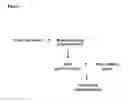
Sources:
- United States Patent and Trademark Office - verify current appl. status at the USPTO↗
Recent applications in this class:
- » 20250101446 2025-03-27
METHOD FOR GENETIC TRANSFORMATION OF PLANT ORGANELLE GENOME AND USES THEREOF - » 20250027099 2025-01-23
PHOSPHITE DEHYDROGENASE AS A SELECTABLE MARKER FOR MITOCHONDRIAL TRANSFORMATION - » 20240344075 2024-10-17
METHOD FOR SELECTING PROMOTER THAT FUNCTIONS IN ORGANELLE - » 20240229051 2024-07-11
CHLOROPLAST CYTOSINE BASE EDITORS AND MITOCHONDRIA CYTOSINE BASE EDITORS IN PLANTS - » 20240182917 2024-06-06
COMPOSITIONS AND METHODS FOR IMPROVING PLASTID TRANSFORMATION EFFICIENCY IN HIGHER PLANTS - » 20240132899 2024-04-25
CHLOROPLAST CYTOSINE BASE EDITORS AND MITOCHONDRIA CYTOSINE BASE EDITORS IN PLANTS - » 20240067975 2024-02-29
Plastid-transgene-encoded nuclear gene silencing - » 20230313212 2023-10-05
PLASTID TRANSFORMATION BY COMPLEMENTATION OF NUCLEAR MUTATIONS - » 20230272408 2023-08-31
PLASTID TRANSFORMATION BY COMPLEMENTATION OF PLASTID MUTATIONS - » 20230159944 2023-05-25
METHODS FOR MODIFYING PLASTID GENOMES