Compositions of dibromomalonamide and their use as biocides
US20120184588A1
2012-07-19
13/389,466
2010-09-27
✅ Patent granted
US 8,754,130 B2
2014-06-17
WO; PCT/US2010/050341; 20100927
WO; WO2011/038316; 20110331
Gina C Justice | Michael B Pallay
Tifani M. Edwards
2030-09-27
Abstract:
A biocidal composition comprising 2,2-dibromomalonamide and an isothiazolinone-based biocide, and its use for the control of microorganisms in aqueous and water-containing systems.
Inventors:
- Freddie L. Singleton 12 🇺🇸 Vernon Hills, IL, United States
- Bei Yin 36 🇺🇸 Buffalo Grove, IL, United States
- Eileen F. Warwick 3 🇺🇸 Lansdale, PA, United States
Assignee:
- Dow Global Technologies LLC 1 🇺🇸 Mildand, MI, United States
Applicant:
Interested in similar patents?
Get notified when new applications in this technology area are published.
Classification:
A01N37/30 » CPC main
Biocides, pest repellants or attractants, or plant growth regulators containing organic compounds containing a carbon atom having three bonds to hetero atoms with at the most two bonds to halogen, e.g. carboxylic acids containing the group —CO—N<, e.g. carboxylic acid amides or imides; Thio analogues thereof containing the groups —CO—N< and , both being directly attached by their carbon atoms to the same carbon skeleton, e.g. HN—NH—CO—CH—COOCH; Thio-analogues thereof
A01N2300/00 » CPC further
Combinations or mixtures of active ingredients covered by classes - with other active or formulation relevant ingredients, e.g. specific carrier materials or surfactants, covered by classes -
C09D11/00 IPC
Inks
C09D5/14 IPC
Coating compositions, e.g. paints, varnishes or lacquers, characterised by their physical nature or the effects produced ; Filling pastes Paints containing biocides, e.g. fungicides, insecticides or pesticides
C09J9/00 IPC
Adhesives characterised by their physical nature or the effects produced, e.g. glue sticks
C08L21/02 IPC
Compositions of unspecified rubbers Latex
A01P1/00 IPC
Disinfectants; Antimicrobial compounds or mixtures thereof
C09K8/62 IPC
Compositions for drilling of boreholes or wells; Compositions for treating boreholes or wells, e.g. for completion or for remedial operations; Compositions for stimulating production by acting on the underground formation Compositions for forming crevices or fractures
C09K8/06 IPC
Compositions for drilling of boreholes or wells; Compositions for treating boreholes or wells, e.g. for completion or for remedial operations; Well-drilling compositions; Aqueous well-drilling compositions Clay-free compositions
C09K8/68 IPC
Compositions for drilling of boreholes or wells; Compositions for treating boreholes or wells, e.g. for completion or for remedial operations; Compositions for stimulating production by acting on the underground formation; Compositions for forming crevices or fractures; Compositions based on water or polar solvents containing organic compounds
C11D3/48 IPC
Other compounding ingredients of detergent compositions covered in group Medical, disinfecting agents, disinfecting, antibacterial, germicidal or antimicrobial compositions
C10L8/00 IPC
Fuels not provided for in other groups of this subclass
C08K5/47 IPC
Use of organic ingredients; Sulfur-, selenium-, or tellurium-containing compounds; Heterocyclic compounds having sulfur in the ring with oxygen or nitrogen in the ring Thiazoles
C09K8/035 IPC
Compositions for drilling of boreholes or wells; Compositions for treating boreholes or wells, e.g. for completion or for remedial operations; Well-drilling compositions; Specific additives for general use in well-drilling compositions Organic additives
A01N43/80 » CPC further
Biocides, pest repellants or attractants, or plant growth regulators containing heterocyclic compounds having rings with nitrogen atoms and oxygen or sulfur atoms as ring hetero atoms five-membered rings with one nitrogen atom and either one oxygen atom or one sulfur atom in positions 1,2
A01N37/18 IPC
Biocides, pest repellants or attractants, or plant growth regulators containing organic compounds containing a carbon atom having three bonds to hetero atoms with at the most two bonds to halogen, e.g. carboxylic acids containing the group —CO—N<, e.g. carboxylic acid amides or imides; Thio analogues thereof
A61K31/16 IPC
Medicinal preparations containing organic active ingredients Amides, e.g. hydroxamic acids
A01N25/00 IPC
Biocides; Pest repellants or attractants; Plant growth regulators
A01N25/00 IPC
Biocides, pest repellants or attractants, or plant growth regulators, characterised by their forms, or by their non-active ingredients or by their methods of application, e.g. seed treatment or sequential application ; Substances for reducing the noxious effect of the active ingredients to organisms other than pests
A61K31/425 IPC
Medicinal preparations containing organic active ingredients; Heterocyclic compounds having nitrogen as a ring hetero atom, e.g. guanethidine or rifamycins having five-membered rings with two or more ring hetero atoms, at least one of which being nitrogen, e.g. tetrazole Thiazoles
Description
CROSS-REFERENCE TO RELATED APPLICATIONS
This application claims the benefit of U.S. Provisional Application Ser. No. 61/246,184, filed Sep. 28, 2009, which is incorporated herein by reference in its entirety.
FIELD OF THE INVENTION
The invention relates to biocidal compositions and methods of their use for the control of microorganisms in aqueous and water-containing systems. The compositions comprise 2,2-dibromomalonamide and an isothiazolinone based biocide.
BACKGROUND OF THE INVENTION
Water systems provide fertile breeding grounds for algae, bacteria, viruses, and fungi some of which can be pathogenic. Microbial contamination can create a variety of problems, including aesthetic unpleasantries such as slimy green water, serious health risks such as fungal, bacterial, or viral infections, and mechanical problems including plugging, corrosion of equipment, and reduction of heat transfer.
Biocides are commonly used to disinfect and control the growth of microorganisms in aqueous and water containing systems. However, not all biocides are effective against a wide range of microorganisms and/or temperatures, and some are incompatible with other chemical treatment additives. In addition, some biocides do not provide microbial control over long enough time periods.
While some of these shortcomings can be overcome through use of larger amounts of the biocide, this option creates its own problems, including increased cost, increased waste, and increased likelihood that the biocide will interfere with the desirable properties of the treated medium. In addition, even with use of larger amounts of the biocide, many commercial biocidal compounds cannot provide effective control due to weak activity against certain types of microorganisms or resistance of the microorganisms to those compounds.
It would be a significant advance in the art to provide biocide compositions for treatment of water systems that yield one or more of the following advantages: increased efficacy at lower concentrations, compatibility with physical conditions and other additives in the treated medium, effectiveness against a broad spectrum of microorganisms, and/or ability to provide both short term and long term control of microorganisms.
BRIEF SUMMARY OF THE INVENTION
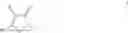
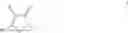
In one aspect, the invention provides a biocidal composition. The composition is useful for controlling microorganisms in aqueous or water containing systems. The composition comprises: 2,2-dibromomalonamide and an isothiazolinone-based biocide of the formula I:
wherein R, R1, and Y are as defined below.
In a second aspect, the invention provides a method for controlling microorganisms in aqueous or water containing systems. The method comprises treating the system with an effective amount of a biocidal composition as described herein.
DETAILED DESCRIPTION OF THE INVENTION
As noted above, the invention provides a biocidal composition and methods of using it in the control of microorganisms. The composition comprises: 2,2-dibromomalonamide and an isothiazolinone-based biocide of the formula I as shown below. It has surprisingly been discovered that combinations of 2,2-dibromomalonamide and an isothiazolinone-based biocide as described herein, at certain weight ratios, are synergistic when used for microorganism control in aqueous or water containing media. That is, the combined materials result in improved biocidal properties than would otherwise be expected based on their individual performance. The synergy permits reduced amounts of the materials to be used to achieve the desired biocidal performance, thus reducing problems caused by growth of microorganisms in industrial process waters while potentially reducing environmental impact and materials cost.
For the purposes of this specification, the meaning of “microorganism” includes, but is not limited to, bacteria, fungi, algae, and viruses. The words “control” and “controlling” should be broadly construed to include within their meaning, and without being limited thereto, inhibiting the growth or propagation of microorganisms, killing microorganisms, disinfection, and/or preservation.
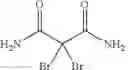
The term “2,2-dibromomalonamide” refers to a compound represented by the following chemical formula:
The isothiazolinone-based biocide of the composition of the invention is of the formula I:
wherein R and R1 are independently hydrogen, halogen or C1-C4 alkyl, or R and R1 together with the carbons to which they are attached from a C4-C7 cycloalkyl ring or an aryl group; and
Y is H, C1-C12 alkyl, C3-C7 cycloalkyl, aryl or aralkyl.
In some embodiments of the invention, R in formula I is H, or Cl. In some embodiments, R1 is H or Cl. In some embodiments, R and R1, together with the carbons to which they are attached, form phenyl or cyclopentyl.
In some embodiments of the invention, Y in formula I is H, CH3, CH2CH3, or n-octyl.
In some embodiments, the isothiazolinone based biocide is: 5-chloro-2-methyl-4-isothiazolin-3-one, 2-methyl-4-isothiazolin-3-one, 2-n-octyl-4-isothiazolin-3-one, 1,2-benzisothiazolin-3-one, 4,5-dichloro-2-n-octylisothiazolin-3-one, a mixture of 5-chloro-2-methyl-4-isothiazolin-3-one and 2-methyl-4-isothiazolin-3-one, 2-ethyl-4-isothiazolin-3-one, 5-chloro-2-ethyl-4-isothiazolin-3-one, 4,5-dichloro-2-methyl-4-isothiazolin-3-one, 2-methyl-4,5-trimethylene-4-isothiazolin-3-one, N-methyl-1,2-benzisothiazolin-3-one, or N-butyl-1,2-benzisothiazolin-3-one.
In some embodiments, the isothiazolinone based biocide is: 5-chloro-2-methyl-4-isothiazolin-3-one (“CMIT”), 2-methyl-4-isothiazolin-3-one (“MIT”), 2-n-octyl-4-isothiazolin-3-one (“OIT”), 1,2-benzisothiazolin-3-one (“BIT”), 4,5-dichloro-2-n-octylisothiazolin-3-one (“DCOIT”), or a mixture of 5-chloro-2-methyl-4-isothiazolin-3-one and 2-methyl-4-isothiazolin-3-one, N-methyl-1,2-benzisothiazolin-3-one (“MBIT”), or N-butyl-1,2-benzisothiazolin-3-one (“BBIT”).
More than one isothiazolinone compound can be combined for use in the present invention; in such cases, ratios and concentrations are calculated using the total weight of all isothiazolinone compounds present.
Isothiazolinones for use in the invention are commercially available and/or can be readily prepared by those skilled in the art using well known techniques (see e.g., U.S. Pat. No. 5,312,827). 2,2-Dibromomalonamide is commercially available. In some embodiments, it is desirable to formulate the isothiazolinone containing compositions of the invention in solutions containing water or organic solvent or mixtures thereof together with nitrate or nitrite stabilizers to prevent decomposition of the isothiazolinone (see U.S. Pat. No. 3,870,795). In some embodiments, the stabilizer is magnesium nitrate.
In some embodiments of the invention, the weight ratio of 2,2-dibromomalonamide to isothiazolinone-based biocide is between about 100:1 and about 1:400.
In some embodiments, the weight ratio of 2,2-dibromomalonamide to isothiazolinone-based biocide is between about 70:1 and about 1:350.
In some embodiments, the weight ratio of 2,2-dibromomalonamide to isothiazolinone-based biocide is between about 32:1 and about 1:320.
In some embodiments, the isothiazolinone-based biocide is 5-chloro-2-methyl-4-isothiazolin-3-one and the weight ratio of 2,2-dibromomalonamide to the 5-chloro-2-methyl-4-isothiazolin-3-one is from about 100:1 to about 1:20, alternatively from about 70:1 to about 1:10, alternatively from about 40:1 to about 1:5, or alternatively from about 32:1 to about 1:2.
In some embodiments, the isothiazolinone-based biocide is 2-methyl-4-isothiazolin-3-one and the weight ratio of 2,2-dibromomalonamide to the 2-methyl-4-isothiazolin-3-one is from about 20:1 to about 1:20, alternatively from about 10:1 to about 1:10, or alternatively from about 4:1 to about 1:4.
In some embodiments, the isothiazolinone-based biocide is 4,5-dichloro-2-n-octylisothiazolin-3-one and the weight ratio of 2,2-dibromomalonamide to the 4,5-dichloro-2-n-octylisothiazolin-3-one is from about 20:1 to about 1:20, alternatively from about 10:1 to about 1:20, or alternatively from about 4:1 to about 1:16.
In some embodiments, the isothiazolinone-based biocide is 1,2-benzisothiazolin-3-one and the weight ratio of 2,2-dibromomalonamide to the 1,2-benzisothiazolin-3-one is from about about 20:1 to about 1:20, alternatively from about 10:1 to about 1:10, alternatively from about 1:1 to about 1:5, or alternatively from about 1:1.6 to about 1:5.
In some embodiments, the isothiazolinone-based biocide is 2-n-octyl-4-isothiazolin-3-one and the weight ratio of 2,2-dibromomalonamide to the 2-n-octyl-4-isothiazolin-3-one is from about about 20:1 to about 1:350, alternatively from about 1:1 to about 1:320, alternatively from about 1:2 to about 1:320, or alternatively from about 1:2.5 to about 1:320.
In some embodiments, the isothiazolinone-based biocide is N-methyl-1,2-benzisothiazolin-3-one and the weight ratio of 2,2-dibromomalonamide to the N-methyl-1,2-benzisothiazolin-3-one is from about about 20:1 to about 1:280, alternatively from about 1:1 to about 1:256.
In some embodiments, the isothiazolinone-based biocide is N-butyl-1,2-benzisothiazolin-3-one and the weight ratio of 2,2-dibromomalonamide to the N-butyl-1,2-benzisothiazolin-3-one is from about about 20:1 to about 1:20, alternatively from about 10:1 to about 1:10, alternatively from about 1:1 to about 1:8, or alternatively from about 1:2 to about 1:8.
The composition of the invention is useful for controlling microorganisms in a variety of aqueous and water containing systems. Examples of such systems include, but are not limited to, paints and coatings, aqueous emulsions, latexes, adhesives, inks, pigment dispersions, household and industrial cleaners, detergents, dish detergents, mineral slurries polymer emulsions, caulks and adhesives, tape joint compounds, disinfectants, sanitizers, metalworking fluids, construction products, personal care products, textile fluids such as spin finishes, industrial process water (e.g. oilfield water, pulp and paper water, cooling water, and air washers), oilfield functional fluids such as drilling muds and fracturing fluids, fuels, air washers, wastewater, ballast water, filtration systems, and swimming pool and spa water. Preferred aqueous systems are metal working fluids, personal care, household and industrial cleaners, industrial process water, and paints and coatings. Particularly preferred are industrial process water, paints and coatings, metal working fluids, and textile fluids such as spin finishes.
A person of ordinary skill in the art can readily determine, without undue experimentation, the effective amount of the composition that should be used in any particular application to provide microorganism control. By way of illustration, a suitable actives concentration (total for both 2,2-dibromomalonamide and isothiazolinone-based biocide) is typically at least about 1 ppm, alternatively at least about 3 ppm, alternatively at least about 7 ppm, alternatively at least about 10 ppm, or alternatively at least about 100 ppm based on the total weight of the aqueous or water containing system. In some embodiments, a suitable upper limit for the actives concentration is about 1000 ppm, alternatively about 500 ppm, alternatively about 100 ppm, alternatively about 50 ppm, alternatively about 30 ppm, alternatively about 15 ppm, alternatively about 10 ppm, or alternatively about 7 ppm, based on the total weight of the aqueous or water containing system.
The components of the composition can be added to the aqueous or water containing system separately, or preblended prior to addition. A person of ordinary skill in the art can easily determine the appropriate method of addition. The composition can be used in the system with other additives such as, but not limited to, surfactants, ionic/nonionic polymers and scale and corrosion inhibitors, oxygen scavengers, and/or additional biocides.
The following examples are illustrative of the invention but are not intended to limit its scope. Unless otherwise indicated, the ratios, percentages, parts, and the like used herein are by weight.
EXAMPLES
Growth Inhibition Assay. The growth inhibition assay used in the examples measures inhibition of growth (or lack thereof) of a microbial consortium Inhibition of growth can be the result of killing of the cells (so no growth occurs), killing of a significant portion of the populations of cells so that regrowth requires a prolonged time, or inhibition of growth without killing (stasis). Regardless of the mechanism of action, the impact of a biocide (or combination of biocides) can be measured over time on the basis of an increase in the size of the community.
The assay measures the efficacy of one or more biocides at preventing growth of a consortium of bacteria in a dilute mineral salts medium. The medium contains (in mg/l) the following components: FeCl3.6H2O (1); CaCl2.2H2O (10); MgSO4.7H2O (22.5); (NH4)2SO4 (40); KH2PO4 (10); K2HPO4 (25.5); Yeast Extract (10); and glucose (100). After all components are added to deionized water, the pH of the medium is adjusted to 7.5.
Following filter sterilization, aliquots are dispensed in 100 ul quantities to sterile microtiter plate wells. Dilutions of 2,2-dibromomalonamide (“DBMAL”) and/or “Biocide B” are then added to the microtiter plate. After preparing the combinations of actives as illustrated below, each well is inoculated with 100 μl of a cell suspension containing ca. 1×10⁶ cells per milliliter of a mixture of Pseudomonas aeruginosa, Klebsiella pneumoniae, Staphylococcus aureus, and Bacillus subtilis. The final total volume of medium in each well is 300 μl. Once prepared as described herein, the concentration of each active ranges from 25 ppm to 0.19 ppm as illustrated in Table 1. The resulting matrix allows testing of eight concentrations of each active and 64 combinations of actives in the ratios (of actives).
| TABLE 1 |
| Template for microtiter plate-based synergy assay showing concentrations of each |
| active. Ratios are based on weight (ppm) of each active. |
| DBMAL (ppm) |
| 25.000 | 12.500 | 6.250 | 3.13 | 1.563 | 0.781 | 0.391 | 0.19 | |
| Biocide B | 25.000 | 1:1 | 1:2 | 1:4 | 1:8 | 1:16 | 1:32 | 1:64 | 1:128 |
| (ppm) | 12.500 | 2:1 | 1 | 1:2 | 1:4 | 1:8 | 1:16 | 1:32 | 1:64 |
| 6.250 | 4:1 | 2:1 | 1 | 1:2 | 1:4 | 1:8 | 1:16 | 1:32 | |
| 3.13 | 8:1 | 4:1 | 2:1 | 1 | 1:2 | 1:4 | 1:8 | 1:16 | |
| 1.563 | 16:1 | 8:1 | 4:1 | 2:1 | 1 | 1:2 | 1:4 | 1:8 | |
| 0.781 | 32:1 | 16:1 | 8:1 | 4:1 | 2:1 | 1 | 1:2 | 1:4 | |
| 0.391 | 64:1 | 32:1 | 16:1 | 8:1 | 4:1 | 2:1 | 1 | 1:2 | |
| 0.19 | 128:1 | 64:1 | 32:1 | 16:1 | 8:1 | 4:1 | 2:1 | 1:1 | |
Controls (not shown) contain the medium with no biocide added.
Immediately after the microtiter plates are prepared, the optical density (OD) readings for each well is measured at 580 nm and the plates are then incubated at 37° C. for 24 hr. After the incubation period, the plates are gently agitated before OD580 values are collected. The OD580 values at T0 are subtracted from T24 values to determine the total amount of growth (or lack thereof) that occurs. These values are used to calculate the percent inhibition of growth caused by the presence of each biocide and each of the 64 combinations. A 90% inhibition of growth is used as a threshold for calculating synergy index (SI) values with the following equation:
Synergy Index=MDBMAL/CDBMAL+MB/CB
where
-
- CDBMAL: Concentration of DBMAL required to inhibit ˜90% of bacterial growth when used alone
- CB: Concentration of biocide (B) required to inhibit ˜90% of bacterial growth when used alone.
- MDBMAL: Concentration of DBMAL required to inhibit ˜90% of bacterial growth when used in combination with biocide (B).
- MB: Concentration of biocide (B) required to inhibit ˜90% of bacterial growth when used in combination with DBMAL
The SI values are interpreted as follows: - SI<1: Synergistic combination
- SI=1: Additive combination
- SI>1: Antagonistic combination
In the Examples below, the amounts of biocides in the solution are measured in mg per liter of solution (mg/l). Since solution densities are approximately 1.00, the mg/l measurement corresponds to weight ppm. Both units may therefore be used interchangeably in the Examples.
Example 1
DBMAL and CMIT
Table 2 shows the assay results for DBMAL, 5-chloro-2-methyl-4-isothiazolin-3-one (“CMIT”), and combinations. In the assay, the minimum concentration of DBMAL in which growth of the consortium is at least 90% less than controls (e.g., I90 value) is 12.5 mg/l. The I90 value for CMIT is 0.78 mg/l. However, several combinations of the actives are inhibitory below their respective I90 values. For example, a combination of 0.19 mg/l DBMAL and 0.38 mg/l CMIT results in 97% inhibition of growth of the microbial consortium.
| TABLE 2 |
| Percent inhibition of growth in a species-defined microbial consortium by DBMAL and CMIT alone and |
| combinations of these actives after a 24-hour incubation period. Numbers represent percent inhibition |
| of growth as measured by optical density measurements (OD) at time = 24 hours compared with |
| time = 0 values. |
| Single Actives (mg/l) |
| % | % | ||||
| Inhibition | Inhibition | % | |||
| of growth | of | Inhibition | Combinations of DBMAL and CMIT |
| in | DBMAL | growth | CMIT | of | DBMAL | |
| Untreated | Concn. | by | Concn. | growth | Concn. | CMIT Concn. (mg/l) |
| Control | (mg/l) | DBMAL | (mg/l) | by CMIT | (mg/l) | 25.0 | 12.5 | 6.25 | 3.13 | 1.56 | 0.78 | 0.39 | 0.19 |
| 0 | 25.0 | 100 | 25.0 | 98 | 25.0 | 98 | 98 | 96 | 97 | 99 | 100 | 99 | 100 |
| 0 | 12.5 | 98 | 12.5 | 96 | 12.5 | 95 | 98 | 98 | 98 | 99 | 99 | 100 | 100 |
| 3 | 6.25 | 0 | 6.25 | 97 | 6.25 | 96 | 97 | 95 | 98 | 100 | 100 | 99 | 93 |
| 4 | 3.13 | 23 | 3.13 | 98 | 3.13 | 98 | 98 | 97 | 100 | 100 | 100 | 100 | 99 |
| 0 | 1.56 | 15 | 1.56 | 96 | 1.56 | 97 | 99 | 98 | 98 | 98 | 99 | 99 | 92 |
| 2 | 0.78 | 13 | 0.78 | 97 | 0.78 | 98 | 98 | 97 | 98 | 100 | 99 | 92 | 35 |
| 0 | 0.39 | 11 | 0.39 | 10 | 0.39 | 98 | 99 | 100 | 99 | 100 | 80 | 91 | 0 |
| 0 | 0.19 | 5 | 0.19 | 19 | 0.19 | 96 | 97 | 97 | 97 | 99 | 99 | 97 | 2 |
Table 3 shows concentrations of DBMAL and CMIT found to be synergistic. The ratios are based on concentrations of the actives.
| TABLE 3 | |||
| DBMAL Concn. | CMIT Concn. | Ratio | Synergy |
| (mg/l) | (mg/l) | (DBMAL to CMIT | Index (SI) |
| 3.13 | 0.39 | 8:1 | 0.75 |
| 1.56 | 0.39 | 4:1 | 0.62 |
| 0.78 | 0.39 | 2:1 | 0.56 |
| 0.39 | 0.39 | 1:1 | 0.53 |
| 0.19 | 0.39 | 1:2 | 0.51 |
| 6.25 | 0.19 | 32:1 | 0.75 |
| 3.13 | 0.19 | 16:1 | 0.5 |
| 1.56 | 0.19 | 8:1 | 0.37 |
Example 2
DBMAL and MIT
Table 4 shows the assay results for DBMAL, 2-methyl-4-isothiazolin-3-one (“MIT”), and combinations thereof. The I90 values for MIT and DBMAL were 25 mg/l and 12.5 mg/l, respectively. Several combinations of the actives are inhibitory below their respective I90 values.
| TABLE 4 |
| Percent inhibition of growth in a species-defined microbial consortium by MIT and DBMAL alone and |
| combinations of these actives after a 24-hour incubation period. Numbers represent percent inhibition |
| of growth as measured by optical density measurements (580 nm) at time = 24 hours compared |
| with time = 0 values. |
| Single Actives (mg/l) |
| % | % | ||||
| Inhibition | Inhibition | % | |||
| of growth | of | Inhibition | Combinations of DBMAL and MIT |
| in | DBMAL | growth | MIT | of | DBMAL | |
| Untreated | Concn. | by | Concn. | growth | Concn. | MIT Concn. (mg/l) |
| Control | (mg/l) | DBMAL | (mg/l) | by MIT | (mg/l) | 25.0 | 12.5 | 6.25 | 3.13 | 1.56 | 0.78 | 0.39 | 0.19 |
| 13 | 25.0 | 100 | 25.0 | 96 | 25.0 | 98 | 98 | 98 | 99 | 98 | 99 | 98 | 96 |
| 0 | 12.5 | 100 | 12.5 | 38 | 12.5 | 98 | 98 | 98 | 98 | 98 | 100 | 99 | 100 |
| 0 | 6.25 | 23 | 6.25 | 16 | 6.25 | 98 | 99 | 97 | 97 | 97 | 0 | 0 | 0 |
| 1 | 3.13 | 0 | 3.13 | 6 | 3.13 | 98 | 99 | 98 | 21 | 0 | 0 | 0 | 0 |
| 2 | 1.56 | 1 | 1.56 | 6 | 1.56 | 96 | 39 | 13 | 1 | 0 | 0 | 0 | 0 |
| 0 | 0.78 | 2 | 0.78 | 0 | 0.78 | 91 | 36 | 6 | 1 | 0 | 0 | 0 | 0 |
| 0 | 0.39 | 6 | 0.39 | 0 | 0.39 | 96 | 37 | 7 | 0 | 0 | 0 | 0 | 1 |
| 0 | 0.19 | 0 | 0.19 | 0 | 0.19 | 98 | 23 | 24 | 0 | 0 | 9 | 7 | 0 |
Table 5 shows concentrations of DBMAL and MIT found to be synergistic. The ratios are based on concentrations of the actives.
| TABLE 5 | |||
| DBMAL Concn. | MIT Concn. | Ratio | Synergy |
| (mg/l) | (mg/l) | (DBMAL to MIT) | Index (SI) |
| 6.25 | 6.25 | 0.75 | 1:2 |
| 6.25 | 3.13 | 0.625 | 2:1 |
| 6.25 | 1.56 | 0.56 | 4:1 |
| 3.13 | 12.5 | 0.75 | 1:4 |
| 3.13 | 6.25 | 0.5 | 1:2 |
Example 3
DBMAL and DCOIT
Table 6 shows the assay results for DBMAL, 4,5-dichloro-2-n-octylisothiazolin-3-one (“DCOIT”), and combinations. The I90 values for DCOIT and DBMAL were 6.25 mg/l and 12.5 mg/l, respectively. Several combinations of the actives are inhibitory below their respective I90 values.
| TABLE 6 |
| Percent inhibition of growth in a species-defined microbial consortium by DCOIT and DBMAL alone and |
| combinations of these actives after a 24-hour incubation period. Numbers represent percent inhibition of |
| growth as measured by optical density measurements (580 nm) at time = 24 hours compared with |
| time = 0 values. |
| Single Actives (mg/l) |
| % | % | % | |||
| Inhibition | Inhibition | Inhibition | |||
| of growth | of | of | Combinations of DBMAL and DCOIT |
| in | DBMAL | growth | DCOIT | growth | DBMAL | |
| Untreated | Concn. | by | Concn. | by | Concn. | DCOIT Concn. (mg/l) |
| Control | (mg/l) | DBMAL | (mg/l) | DCOIT | (mg/l) | 25.0 | 12.5 | 6.25 | 3.13 | 1.563 | 0.781 | 0.391 | 0.19 |
| 12 | 25.0 | 100 | 25.0 | 97 | 25.0 | 100 | 100 | 98 | 98 | 99 | 99 | 99 | 99 |
| 11 | 12.5 | 100 | 12.5 | 99 | 12.5 | 99 | 99 | 98 | 99 | 99 | 100 | 100 | 99 |
| 11 | 6.25 | 28 | 6.25 | 99 | 6.25 | 100 | 99 | 98 | 99 | 99 | 26 | 0 | 0 |
| 12 | 3.13 | 11 | 3.13 | 37 | 3.13 | 100 | 99 | 98 | 98 | 96 | 0 | 0 | 0 |
| 0 | 1.56 | 0 | 1.56 | 41 | 1.56 | 99 | 99 | 100 | 99 | 27 | 0 | 0 | 0 |
| 0 | 0.78 | 6 | 0.78 | 26 | 0.78 | 100 | 100 | 99 | 99 | 0 | 4 | 7 | 12 |
| 0 | 0.39 | 0 | 0.39 | 0 | 0.39 | 100 | 100 | 100 | 100 | 7 | 30 | 20 | 7 |
| 0 | 0.19 | 0 | 0.19 | 0 | 0.19 | 100 | 100 | 100 | 96 | 5 | 30 | 0 | 0 |
Table 7 shows concentrations of DBMAL and DCOIT found to be synergistic. The ratios are based on concentrations of the actives.
| TABLE 7 | |||
| Synergy | |||
| DBMAL Concn | DCOIT Concn. | Ratio | Index |
| (mg/l) | (mg/l) | (DBMAL to DCOIT) | (SI) |
| 3.13 | 3.13 | 1:1 | 0.75 |
| 1.56 | 3.13 | 1:2 | 0.63 |
| 0.78 | 3.13 | 1:4 | 0.56 |
| 0.39 | 3.13 | 1:8 | 0.53 |
| 0.19 | 3.13 | 1:16 | 0.52 |
| 6.25 | 1.56 | 4:1 | 0.75 |
| 3.13 | 1.56 | 2:1 | 0.5 |
Example 4
DBMAL and BIT
Table 8 shows the assay results for DBMAL, 1,2-benzisothiazolin-3-one (“BIT”), and combinations. The I90 value for BIT is 15.63 mg/l and the I90 value for DBMAL is 12.5 mg/l. Several combinations of the actives are inhibitory below their respective I90 values.
| TABLE 8 |
| Percent inhibition of growth in a species-defined microbial consortium by BIT and DBMAL alone and |
| combinations of these actives after a 24-hour incubation period. Numbers represent percent inhibition |
| of growth as measured by optical density measurements (580 nm) at time = 24 hours compared with |
| time = 0 values. |
| Single Actives (mg/l) |
| % | % | ||||
| Inhibition | Inhibition | % | |||
| of growth | of | Inhibition | Combinations of DBMAL and BIT |
| in | DBMAL | growth | BIT | of | DBMAL | |
| Untreated | Concn. | by | Concn. | growth | Concn. | BIT Concn. (mg/l) |
| Control | (mg/l) | DBMAL | (mg/l) | by BIT | (mg/l) | 250.0 | 125.0 | 62.5 | 31.25 | 15.63 | 7.81 | 3.91 | 1.95 |
| 1 | 25.0 | 99 | 250.0 | 97 | 25.0 | 99 | 99 | 97 | 98 | 99 | 99 | 99 | 99 |
| 0 | 12.5 | 100 | 125.0 | 98 | 12.5 | 99 | 99 | 98 | 100 | 99 | 100 | 99 | 99 |
| 4 | 6.25 | 45 | 62.5 | 98 | 6.25 | 98 | 100 | 100 | 100 | 99 | 98 | 98 | 97 |
| 1 | 3.13 | 8 | 31.25 | 99 | 3.13 | 98 | 100 | 100 | 100 | 100 | 100 | 60 | 0 |
| 0 | 1.56 | 0 | 15.63 | 96 | 1.56 | 99 | 98 | 100 | 100 | 100 | 97 | 52 | 0 |
| 6 | 0.78 | 1 | 7.81 | 46 | 0.78 | 99 | 100 | 100 | 100 | 96 | 37 | 10 | 0 |
| 7 | 0.39 | 3 | 3.91 | 17 | 0.39 | 98 | 98 | 99 | 98 | 64 | 30 | 0 | 0 |
| 0 | 0.19 | 0 | 1.95 | 0 | 0.19 | 98 | 99 | 96 | 98 | 61 | 30 | 0 | 0 |
Table 9 shows concentrations of DBMAL and BIT found to be synergistic. The ratios are based on concentrations of the actives.
| TABLE 9 | |||
| DBMAL Concn. | BIT Concn. | Ratio | Synergy Index |
| (mg/l) | (mg/l) | (DBMAL to BIT) | (SI) |
| 3.13 | 7.81 | 1:2.5 | 0.75 |
| 1.56 | 7.81 | 1:5 | 0.62 |
| 6.25 | 3.91 | 1:1.6 | 0.75 |
| 6.25 | 1.95 | 1:3.2 | 0.62 |
Example 5
DBMAL and OIT
Table 10 shows the assay results for DBMAL, 2-n-octyl-4-isothiazolin-3-one (“OIT”), and combinations. The I90 values for OIT and DBMAL were 125 mg/l and 12.5 mg/l, respectively. Several combinations of the actives are inhibitory below their respective I90 values.
| TABLE 10 |
| Percent inhibition of growth in a species-defined microbial consortium by OIT and DBMAL alone and |
| combinations of these actives after a 24-hour incubation period. Numbers represent percent inhibition |
| of growth as measured by optical density measurements (580 nm) at time = 24 hours compared with |
| time = 0 values. |
| Single Actives (mg/l) |
| % | % | ||||
| Inhibition | Inhibition | % | |||
| of growth | of | Inhibition | Combinations of DBMAL and OIT |
| in | DBMAL | growth | OIT | of | DBMAL | |
| Untreated | Concn. | by | Concn. | growth | Concn. | OIT Concn. (mg/l) |
| Control | (mg/l) | DBMAL | (mg/l) | by OIT | (mg/l) | 500.0 | 250.0 | 125.0 | 62.5 | 31.25 | 15.63 | 7.81 | 3.91 |
| 8 | 25.0 | 100 | 500.0 | 100 | 25.0 | 100 | 100 | 100 | 100 | 100 | 100 | 100 | 100 |
| 6 | 12.5 | 100 | 250.0 | 100 | 12.5 | 100 | 100 | 100 | 100 | 100 | 100 | 100 | 100 |
| 10 | 6.25 | 44 | 125.0 | 100 | 6.25 | 100 | 100 | 100 | 100 | 100 | 100 | 60 | 0 |
| 0 | 3.13 | 0 | 62.5 | 64 | 3.13 | 100 | 100 | 100 | 100 | 100 | 1 | 0 | 0 |
| 0 | 1.56 | 1 | 31.25 | 43 | 1.56 | 100 | 100 | 100 | 100 | 90 | 0 | 0 | 0 |
| 0 | 0.78 | 0 | 15.63 | 24 | 0.78 | 100 | 100 | 100 | 100 | 40 | 0 | 0 | 0 |
| 0 | 0.39 | 3 | 7.81 | 7 | 0.39 | 100 | 100 | 100 | 100 | 30 | 1 | 0 | 0 |
| 0 | 0.19 | 0 | 3.91 | 0 | 0.19 | 100 | 100 | 100 | 100 | 0 | 0 | 0 | 0 |
Table 11 shows concentrations of DBMAL and OIT found to be synergistic. The ratios are based on concentrations of the actives.
| TABLE 11 | |||
| DBMAL Concn. | OIT Concn. | Ratio | Synergy Index |
| (mg/l) | (mg/l) | (DBMAL to OIT) | (SI) |
| 3.13 | 62.5 | 1:20 | 0.75 |
| 1.56 | 62.5 | 1:40 | 0.63 |
| 0.78 | 62.5 | 1:80 | 0.56 |
| 0.39 | 62.5 | 1:160 | 0.53 |
| 0.20 | 62.5 | 1:320 | 0.52 |
| 6.25 | 31.25 | 1:5 | 0.75 |
| 3.13 | 31.25 | 1:10 | 0.50 |
| 1.56 | 31.25 | 1:20 | 0.38 |
| 6.25 | 15.63 | 1:2.5 | 0.63 |
Example 6
DBMAL and MBIT
Table 12 shows the assay results for DBMAL, N-methyl-1,2-benzisothiazolin-3-one (“MBIT”), and combinations. The I90 values for MBIT and DBMAL were 100.0 mg/l and 12.5 mg/l, respectively. Several combinations of the actives are inhibitory below their respective I90 values.
| TABLE 12 |
| Percent inhibition of growth in a species-defined microbial consortium by MBIT and DBMAL alone and |
| combinations of these actives after a 24-hour incubation period. Numbers represent percent inhibition of |
| growth as measured by optical density measurements (580 nm) at time = 24 hours compared with |
| time = 0 values. |
| Single Actives (mg/l) |
| % | % | ||||
| Inhibition | Inhibition | % | |||
| of growth | of | Inhibition | Combinations of DBMAL and MBIT |
| in | DBMAL | growth | MBIT | of | DBMAL | |
| Untreated | Concn. | by | Concn. | growth | Concn. | MBIT Concn. (mg/l) |
| Control | (mg/l) | DBMAL | (mg/l) | by MBIT | (mg/l) | 100.0 | 50.0 | 25.0 | 12.5 | 6.25 | 3.13 | 1.56 | 0.78 |
| 2 | 25.0 | 100 | 100.0 | 100 | 25.0 | 100 | 93 | 99 | 95 | 84 | 98 | 85 | 98 |
| 5 | 12.5 | 100 | 50.0 | 67 | 12.5 | 100 | 94 | 91 | 91 | 91 | 100 | 90 | 88 |
| 0 | 6.25 | 44 | 25.0 | 23 | 6.25 | 100 | 97 | 94 | 91 | 98 | 56 | 55 | 0 |
| 15 | 3.13 | 0 | 12.5 | 53 | 3.13 | 100 | 98 | 95 | 92 | 45 | 41 | 10 | 0 |
| 4 | 1.56 | 1 | 6.25 | 26 | 1.56 | 100 | 100 | 93 | 92 | 22 | 0 | 3 | 0 |
| 0 | 0.78 | 0 | 3.13 | 0 | 0.78 | 100 | 100 | 94 | 92 | 35 | 15 | 0 | 0 |
| 4 | 0.39 | 3 | 1.56 | 13 | 0.39 | 100 | 100 | 100 | 81 | 24 | 28 | 0 | 0 |
| 7 | 0.19 | 0 | 0.78 | 16 | 0.19 | 100 | 100 | 91 | 64 | 12 | 28 | 0 | 0 |
Table 13 shows concentrations of DBMAL and MBIT found to be synergistic. The ratios are based on concentrations of the actives.
| TABLE 13 | |||
| DBMAL Concn. | MBIT Concn. | Ratio | Synergy Index |
| (mg/l) | (mg/l) | (DBMAL to MBIT) | (SI) |
| 3.13 | 50 | 1:16 | 0.75 |
| 1.56 | 50 | 1:32 | 0.63 |
| 0.78 | 50 | 1:64 | 0.56 |
| 0.39 | 50 | 1:128 | 0.53 |
| 0.20 | 50 | 1:256 | 0.52 |
| 6.25 | 25 | 1:4 | 0.75 |
| 3.13 | 25 | 1:8 | 0.50 |
| 1.56 | 25 | 1:16 | 0.38 |
| 0.78 | 25 | 1:32 | 0.31 |
| 0.39 | 25 | 1:64 | 0.28 |
| 0.20 | 25 | 1:128 | 0.27 |
| 6.25 | 12.5 | 1:2 | 0.63 |
| 3.13 | 12.5 | 1:4 | 0.38 |
| 1.56 | 12.5 | 1:8 | 0.25 |
| 0.78 | 12.5 | 1:16 | 0.19 |
| 6.25 | 6.25 | 1:1 | 0.56 |
Example 7
DBMAL and BBIT
Table 14 shows the assay results for DBMAL, N-butyl-1,2-benzisothiazolin-3-one (“BBIT”), and combinations. The I90 values for BBIT and DBMAL were 50.0 mg/l and 12.5 mg/l, respectively. Several combinations of the actives are inhibitory below their respective I90 values.
| TABLE 14 |
| Percent inhibition of growth in a species-defined microbial consortium by BBIT and DBMAL alone and |
| combinations of these actives after a 24-hour incubation period. Numbers represent percent inhibition |
| of growth as measured by optical density measurements (580 nm) at time = 24 hours compared with |
| time = 0 values. |
| Single Actives (mg/l) |
| % | % | ||||
| Inhibition | Inhibition | % | |||
| of growth | of | Inhibition | Combinations of DBMAL and BBIT |
| in | DBMAL | growth | BBIT | of | DBMAL | |
| Untreated | Concn. | by | Concn. | growth | Concn. | BBIT Concn. (mg/l) |
| Control | (mg/l) | DBMAL | (mg/l) | by BBIT | (mg/l) | 50.0 | 25.0 | 12.5 | 6.25 | 3.13 | 1.56 | 0.78 | 0.39 |
| 4 | 25.0 | 100 | 50.0 | 100 | 25.0 | 100 | 100 | 93 | 97 | 89 | 99 | 89 | 92 |
| 7 | 12.5 | 93 | 25.0 | 49 | 12.5 | 100 | 100 | 95 | 99 | 91 | 93 | 93 | 93 |
| 9 | 6.25 | 34 | 12.5 | 24 | 6.25 | 100 | 100 | 95 | 62 | 14 | 0 | 0 | 0 |
| 6 | 3.13 | 0 | 6.25 | 32 | 3.13 | 100 | 100 | 50 | 31 | 10 | 0 | 0 | 4 |
| 0 | 1.56 | 0 | 3.13 | 0 | 1.56 | 100 | 76 | 23 | 8 | 0 | 0 | 6 | 0 |
| 0 | 0.78 | 0 | 1.56 | 1 | 0.78 | 100 | 51 | 0 | 0 | 0 | 0 | 0 | 0 |
| 12 | 0.39 | 3 | 0.78 | 0 | 0.39 | 99 | 39 | 3 | 0 | 0 | 0 | 0 | 0 |
| 0 | 0.19 | 0 | 0.39 | 7 | 0.19 | 100 | 74 | 7 | 0 | 0 | 2 | 0 | 0 |
Table 15 shows concentrations of DBMAL and BBIT found to be synergistic. The ratios are based on concentrations of the actives.
| TABLE 15 | |||
| DBMAL Concn. | BBIT Concn. | Ratio | Synergy Index |
| (mg/l) | (mg/l) | (DBMAL to BBIT) | (SI) |
| 3.13 | 25 | 1:8 | 0.75 |
| 6.25 | 12.5 | 1:2 | 0.75 |
While the invention has been described above according to its preferred embodiments, it can be modified within the spirit and scope of this disclosure. This application is therefore intended to cover any variations, uses, or adaptations of the invention using the general principles disclosed herein. Further, the application is intended to cover such departures from the present disclosure as come within the known or customary practice in the art to which this invention pertains and which fall within the limits of the following claims.
Claims
1. A biocidal composition comprising: 2,2-dibromomalonamide and an isothiazolinone-based biocide of the formula I:
wherein R and R1 are independently hydrogen, halogen or C1-C4 alkyl, or R and R1 together with the carbons to which they are attached from a C4-C7 cycloalkyl ring or an aryl group; and
Y is H, C1-C12 alkyl, C3-C7 cycloalkyl, aryl or aralkyl.
2. A composition according to claim 1 wherein the weight ratio of 2,2-dibromomalonamide to the isothiazolinone-based biocide of formula I is between about 100:1 and about 1:400.
3. A composition according to claim 1 wherein the isothiazolinone-based biocide of the formula I is selected from the group consisting of: 5-chloro-2-methyl-4-isothiazolin-3-one, 2-methyl-4-isothiazolin-3-one, 2-n-octyl-4-isothiazolin-3-one, 1,2-benzisothiazolin-3-one, 4,5-dichloro-2-n-octylisothiazolin-3-one, a mixture of 5-chloro-2-methyl-4-isothiazolin-3-one and 2-methyl-4-isothiazolin-3-one, 2-ethyl-4-isothiazolin-3-one, 5-chloro-2-ethyl-4-isothiazolin-3-one, 4,5-dichloro-2-methyl-4-isothiazolin-3-one, 2-methyl-4,5-trimethylene-4-isothiazolin-3-one, N-methyl-1,2-benzisothiazolin-3-one, or N-butyl-1,2-benzisothiazolin-3-one and mixtures of two or more thereof.
4. A composition according to claim 1 wherein the isothiazolinone-based biocide of formula I is 5-chloro-2-methyl-4-isothiazolin-3-one and the weight ratio of 2,2-dibromomalonamide to the 5-chloro-2-methyl-4-isothiazolin-3-one is from about 32:1 to about 1:2.
5. A composition according to claim 1 wherein the isothiazolinone-based biocide is 2-methyl-4-isothiazolin-3-one and the weight ratio of 2,2-dibromomalonamide to the 2-methyl-4-isothiazolin-3-one is from about 4:1 to about 1:4.
6. A composition according to claim 1 wherein the isothiazolinone-based biocide is 4,5-dichloro-2-n-octylisothiazolin-3-one and the weight ratio of 2,2-dibromomalonamide to the 4,5-dichloro-2-n-octylisothiazolin-3-one is from about 4:1 to about 1:16.
7. A composition according to claim 1 wherein the isothiazolinone-based biocide is 1,2-benzisothiazolin-3-one and the weight ratio of 2,2-dibromomalonamide to the 1,2-benzisothiazolin-3-one is from about about 1:1 to about 1:5.
8. A composition according to claim 1 wherein the isothiazolinone-based biocide is 2-n-octyl-4-isothiazolin-3-one and the weight ratio of 2,2-dibromomalonamide to the 2-n-octyl-4-isothiazolin-3-one is from about about 1:2 to about 1:320.
9. A composition according to claim 1 wherein the isothiazolinone-based biocide is N-methyl-1,2-benzisothiazolin-3-one and the weight ratio of 2,2-dibromomalonamide to the N-methyl-1,2-benzisothiazolin-3-one is from about about 1:1 to about 1:256.
10. A composition according to claim 1 wherein the isothiazolinone-based biocide is N-butyl-1,2-benzisothiazolin-3-one and the weight ratio of 2,2-dibromomalonamide to the N-butyl-1,2-benzisothiazolin-3-one is from about about 1:2 to about 1:8.
11. A composition according to claim 1 which is: paint, coating, aqueous emulsion, latex, adhesive, ink, pigment dispersion, household or industrial cleaner, detergent, dish detergent, mineral slurry polymer emulsion, caulk, adhesive, tape joint compound, disinfectant, sanitizer, metalworking fluid, construction product, personal care product, textile fluid, spin finish, industrial process water, oilfield functional fluid, fuel, air washer, wastewater, ballast water, filtration systems, swimming pool water or spa water.
12. A method for controlling microorganism growth in an aqueous or water-containing system, the method comprising treating the aqueous or water-containing system with an effective amount of a composition according to claim 1.
13. A method according to claim 12 wherein the aqueous or water-containing system is paint, coating, aqueous emulsion, latex, adhesive, ink, pigment dispersion, household or industrial cleaner, detergent, dish detergent, mineral slurry polymer emulsion, caulk, adhesive, tape joint compound, disinfectant, sanitizer, metalworking fluid, construction product, personal care product, textile fluid, spin finish, industrial process water, oilfield functional fluid, fuel, air washer, wastewater, ballast water, filtration system, swimming pool water, or spa water.
Images & Drawings included:

Sources:
- United States Patent and Trademark Office - verify current appl. status at the USPTO↗
Similar patent applications:
- » 20120129861
Compositions of dibromomalonamide and their use as biocides - » 20120178817
Compositions of dibromomalonamide and their use as biocides - » 20120178818
Compositions of dibromomalonamide and their use as biocides - » 20120172430
Compositions of dibromomalonamide and their use as biocides - » 20120177745
Compositions of dibromomalonamide and their use as biocides - » 20130184341
Compositions of dibromomalonamide and their use as biocides - » 20140023727
Compositions of dibromomalonamide and their use as biocides - » 20140073644
Compositions of dibromomalonamide and their use as biocides - » 20140073646
Compositions of dibromomalonamide and their use as biocides - » 20140135334
Compositions of dibromomalonamide and their use as biocides
Recent applications in this class:
- » 20230102557 2023-03-30
PLANT DISEASE CONTROL COMPOSITION AND PLANT DISEASE CONTROL METHOD - » 20210298300 2021-09-30
Use of multiple charged cationic compounds derived from primary amines or polyamines for microbial fouling control in a water system - » 20200068885 2020-03-05
Use of multiple charged cationic compounds derived from primary amines or polyamines for microbial fouling control in a water system - » 20190174757 2019-06-13
Monomer compositions with antimicrobial functionality - » 20150359219 2015-12-17
Pest control composition and method for controlling pest - » 20150250167 2015-09-10
COMPOSITION FOR NOXIOUS ORGANISMS-CONTROLLING AGENT AND METHOD FOR USING THE SAME - » 20150230460 2015-08-20
Microbicidal composition - » 20150038584 2015-02-05
Materials for disinfection produced by non-thermal plasma - » 20140288131 2014-09-25
Composition and method for controlling harmful arthropods - » 20140288104 2014-09-25
COMPOSITION AND METHOD FOR CONTROLLING PLANT DISEASES