Formulaic conjoined project effort instance display method and search system process thereof
US20120185502A1
2012-07-19
13/350,680
2012-01-13
✅ Patent granted
US 8,825,607 B2
2014-09-02
-
-
Sana Al Hashemi
2032-06-30
Abstract:
A Dynamic Live System for collecting, inputting, storing, and reporting Element Effort Event Data, whose processes upon query enable the reporting of well formatted Formulaic Conjoined Project Effort Instance (CPEI) Reports per the Systems Who did What in Phasetime Effort Instance Formulas in Primary, Secondary, Tertiary, Auto Displays, and Inferences, not stored as displayed in Systems base tables. The formulas 5th Element permits effort instances to be reported as past, present and future CPEI displays, regardless if said effort event data was inputted by an element directly or generated automatically by the system's use of AI type techniques. Dynamically generated well formatted CPEI report displays incorporate functional interaction designed attributes that hyperlink formula primitives by their CPEI associations, whether or not said associations are acknowledged as credited efforts by a project owner. Functional interaction designed virtual data tables permit rated report displays per formulaic CPEI element virtual data field fulfillment.
Applicant:
Interested in similar patents?
Get notified when new applications in this technology area are published.
Classification:
G06F16/2455 » CPC main
Information retrieval; Database structures therefor; File system structures therefor of structured data, e.g. relational data; Querying; Query processing Query execution
G06F16/248 » CPC further
Information retrieval; Database structures therefor; File system structures therefor of structured data, e.g. relational data; Querying Presentation of query results
G06Q10/00 » CPC further
Administration; Management
Description
CROSS REFERENCE OF RELATED APPLICATION
This Non-Provisional application claims the benefit of priority under 35 U.S.C. sctn. 119 to a Provisional Application No. 61/461,090 filed Jan. 13, 2011.
BACKGROUND OF THE PRESENT INVENTION
1. Field of Invention
The present invention is directed to a dynamic live computer-based database formula method and infrastructure search system thereof, which when queried, conjoins project effort instance report data from formula input and stored data, into well formatted functional interaction designed rated CPEI displays that hyperlink element Primary, Secondary, Tertiary, Auto Efforts and Auto Inference Associations to CPEI associations, whether or not efforts are credited by a project owner and whether or not efforts are inputted by an element or generated from other inputted effort event data automatically.
2. Description of Related Arts
No related art was found for Formulaic reporting of Effort Event Data.
DETAILED DESCRIPTION OF THE PREFERRED EMBODIMENT
Referring to the drawings of the invention, a Formulaic Conjoined Project Effort Instance Display Method and Search System Process Thereof are illustrated. It is understood that the components could be designed, arranged and developed in a myriad of configurations not displayed. It is also understood that the following detailed description of the present invention as referenced in the drawings is not intended to limit the scope of the present invention as claimed, but is only for illustration of the preferred embodiment of the present invention.
The present preferred embodiment of the invention will best be understood by reference to the drawings, wherein like parts are designated by like numerals throughout.
DESCRIPTION OF DRAWINGS
FIG. 1. CPEI Data Logic Flow Chart
FIG. 2. Formulaic Element Diagram
FIG. 3. Formulaic Matrix Diagram
FIG. 4. Two Element Association Diagram
FIG. 5. Three Element Association Diagram
FIG. 6. Four Element Association Diagram
FIG. 7. Primary Formulaic CPEI Diagram for People
FIG. 8. Primary Formulaic CPEI Diagram for Places
FIG. 9. Primary Formulaic CPEI Diagram for Projects
FIG. 10. Primary Formulaic CPEI Diagram for Objects
FIG. 11. Secondary Formulaic CPEI Diagram for People
FIG. 12. Secondary Formulaic CPEI Diagram for Places
FIG. 13. Secondary Formulaic CPEI Diagram for Projects
FIG. 14. Secondary Formulaic CPEI Diagram for Objects
FIG. 15. Tertiary Formulaic CPEI Diagram for People
FIG. 16. Tertiary Formulaic CPEI Diagram for Places
FIG. 17. Tertiary Formulaic CPEI Diagram for Projects
FIG. 18. Tertiary Formulaic CPEI Diagram for Objects
FIG. 19. People Auto Effort Diagram
FIG. 20. Places Auto Effort Diagram
FIG. 21. Projects Auto Effort Diagram
FIG. 22. Objects Auto Effort Diagram
FIG. 23. Auto Inference Diagram
FIG. 24. Formulaic Matrix Reporting Modules
FIG. 25. Primary CPEI Field and Appendage Diagram
FIG. 26. Secondary CPEI Field and Appendage Diagram
FIG. 27. Tertiary CPEI Field and Appendage Diagram
LIST OF REFERENCE NUMERALS
- 100. Industry Core Data
- 101. Elements
- 102. Virtual Formulaic Data Matrix
- 103. Who did What for Whom Formulae
- 104. Data View Modules
- 105. Element Relational and Attribute Data
- 106. CPEI Data View (Virtual Tables)
- 108. CPEI Data Generating Modules
- 110. CPEI Data Request (Querying) Modules
- 112. CPEI Data Searching Engine (Modules)
- 114. CPEI Reporting System (Modules)
- 115. Formula Associative Data Values
- 116. People (PP)
- 118. Places (PL)
- 120. Project (PR)
- 122. Project 2 (PR2)
- 124. Object (OB)
- 126. - - -
- 128. Point in Phasetime
- 130. People 2 (PP2)
- 132. Places 2 (PL2)
- 134. Object 2 (OB2)
- 136. People to People Association (PP-PP ASSOC)
- 138. People to Places Association (PP-PL ASSOC)
- 139. Four Element Association Structures
- 140. Two Element Association Structures
- 141. Three Element Association Structures
- 142. People to Object Association (PP-OB ASSOC)
- 144. Places to Places Association (PL-PL ASSOC)
- 146. Places to Places Association (PL-PL ASSOC)
- 148. Places to Object Association (PL-OB ASSOC)
- 150. Object to Object Association (OB-OB ASSOC)
- 152. People to Places to Object Association (PP-PL-OB ASSOC)
- 153. Effort
- 154. Role (Effort)
- 156. Services (Effort)
- 158. Contribution (Effort)
- 160. Utilization (Effort)
- 162. People to Project to Object Association (PP-PR-OB ASSOC)
- 164. Places to Project to Object Association (PP-PR-OB ASSOC)
- 166. People to Project to Places Association (PP-PR-PL ASSOC)
- 168. People to Places to Project to Object Association (PP-PL-PR-OB ASSOC)
- 170. People Relational Data
- 172. Places Relational Data
- 174. Projects Relational Data
- 176. Objects Relational Data
- 178. People Attribute Data
- 180. Places Attribute Data
- 182. Project Attribute Data
- 184. Object Attribute Data
- 186. Effort Instance
- 188. Primary People CPEI
- 190. Primary Places CPEI
- 192. Primary Project CPEI
- 194. Primary Object CPEI
- 196. Secondary People CPEI
- 198. Secondary Places CPEI
- 200. Secondary Project CPEI
- 202. Secondary Object CPEI
- 204. Tertiary People CPEI
- 206. Tertiary Places CPEI
- 208. Tertiary Project CPEI
- 210. Tertiary Object CPEI
- 212. People Secondary Owner
- 214. Places Secondary Owner
- 216. Project Secondary Owner
- 218. Object Secondary Owner
- 220. People Tertiary Owner
- 222. Places Tertiary Owner
- 224. Projects Tertiary Owner
- 226. Objects Tertiary Owner
- 228. People Qualified Association for Secondary Efforts
- 229. Secondary Efforts
- 230. Places Qualified Association for Secondary Efforts
- 232. Project Qualified Association for Secondary Efforts
- 234. Object Qualified Association for Secondary Efforts
- 236. People Qualified Association for Tertiary Efforts
- 238. Places Qualified Association for Tertiary Efforts
- 240. Project Qualified Association for Tertiary Efforts
- 242. Object Qualified Association for Tertiary Efforts
- 244. People Auto Effort Module
- 246. People Auto CPEI Displays
- 248. People Auto Owner
- 250. Places Auto Effort Module
- 252. Places Auto CPEI Display
- 254. Places Auto Owner
- 256. Project Auto Effort Module
- 258. Project Auto CPEI Displays
- 260. Project Auto Owner
- 262. Object Auto Effort Module
- 264. Object Auto CPEI Display
- 266. Object Auto Owner
- 268. Rules for Auto Inferences
- 270. People Auto Inference Efforts
- 272. Places Auto Inference Efforts
- 274. Project Auto Inference Efforts
- 276. Object Auto Inference Efforts
- 278. People Primary CPEI Modules
- 280. People Secondary CPEI Modules
- 282. People Tertiary CPEI Modules
- 284. People Auto Inference Modules
- 286. Places Primary CPEI Modules
- 288. Places Secondary CPEI Modules
- 290. Places Tertiary CPEI Modules
- 292. Places Auto Inference Modules
- 294. Project Primary CPEI Modules
- 296. Project Secondary CPEI Modules
- 298. Project Tertiary CPEI Modules
- 300. Project Auto Inference Modules
- 302. Object Primary CPEI Modules
- 304. Object Secondary CPEI Modules
- 306. Object Tertiary CPEI Modules
- 308. Object Auto Inference Modules
- 310. Data Inputting System
- 312. Data Querying System
- 314. Base Tables
- 316. Data View Tables
- 318. Views (Virtual Tables)
- 320. Virtual Formulaic Data Matrix Modules
- 322. CPEI Data
- 324. CPEI Reporting Rules
- 326. Formulaic CPEI Displays
- 328. Query Requests
- 330. Formulaic Primary Data Fields
- 332. People's Point of View
- 334. Places Point of View
- 336. Project's Point of View
- 338. Object Point of View
- 340. Primary Elements
- 342. Secondary Reporting Rules for People
- 344. Secondary Reporting Rules for Places
- 346. Secondary Reporting Rules for Projects
- 348. Secondary Reporting Rules for Objects
- 350. Tertiary Efforts
- 352. Tertiary Reporting Rules for People
- 354. Tertiary Reporting Rules for Places
- 356. Tertiary Reporting Rules for Projects
- 358. Tertiary Reporting Rules for Objects
- 360. Auto Reporting Rules for People
- 362. Auto Reporting Rules for Places
- 364. Auto Reporting Rules for Project
- 366. Auto Reporting Rules for Objects
- 368. Reciprocating Associations
- 370. Primary CPEI Reporting Module
- 372. Primary CPEI Display
- 372. Formulaic Secondary Data Fields
- 374. Formulaic Tertiary Data Fields
- 376. Primary Main Effort Body
- 378. Primary Lower Appendage 1
- 380. Primary Lower Appendage 2
- 382. Secondary Main Effort Body
- 384. Secondary Main Body Appendage 1
- 386. Secondary Main Body Appendage 2
- 388. Tertiary Main Effort Body
- 390. Tertiary Main Body Appendage 1
- 394. Primary Rollover Message
- 396. Secondary Rollover Message
- 398. Tertiary Rollover Message
- 400. Primary People Owner Name
- 402. Hyperlinks
- 410. WHO
- 412. WHAT
- 413. WHOM
- 414. WHY
- 416. WHERE
- 418. HOW
- 420. WHEN
- 422. WHY*
- 424. WHERE*
- 426. HOW*
- 428. WHAT*
- 430. Who
- 432. What
- 434. When
- 436. Where
- 438. Why
- 440. How
- 442. who
- 444. what
- 446. when
- 448. where
- 450. why
- 452. how
- 454. Effort Event Data
- 546. Formulaic Conjoined Project Effort Instance (CPEI)
- 548. CPEI Data Reports
- 550. Formulae Natural Language Semantic Infrastructure, Metaphorical Formal and Informal Syntax, and CPEI Report Display Rules (Formulaic Infrastructure and Syntax Display Rules)
- 552. - - -
- 554. Unfulfilled Data Field Rollover Messages
- 556. Past, Present, and Future People (PP) CPEI Report
- 558. Past, Present, and Future Places (PL) CPEI Report
- 560. Past, Present, and Future Projects (PR) CPEI Report
- 562. Past, Present, and Future Objects (OB) CPEI Report
DETAILED DESCRIPTION OF THE PREFERRED EMBODIMENT
FIG. 1 illustrates an overview of System Data Flow as it relates to the “Formulaic Conjoined Project Effort Instance Display Method and Search System Process Thereof.”
According to FIG. 1, the “Formulaic Conjoined Project Effort Instance Display Method and Search System Process Thereof” is comprised of an Industry Core Database 100, wherein said Industry Core Database 100 is further comprised of the following:
-
- Base Tables 314
- Data View Modules 104
- Views (Virtual Tables) 106
- Virtual Formulaic Data Matrix Modules 320
CPEI Data 322 is generated from a Virtual Formulaic Data Matrix 102 portion of the Industry Core Database 100 via a CPEI Data Generating Module 108 in response to a CPEI Data Request (Queries) 110 in compliance with established CPEI Reporting Rules 324, per a Formulae Natural Language Semantic Infrastructure and Metaphorical Informal and Formal Syntax and CPEI Report Display Rules 550.
In addition, a Formulaic CPEI 326 is reported via CPEI Reporting System Modules 114 in responses to the Query Requests 328 which are generated via CPEI Data Request Modules 110. The CPEI Data Requests 110 are driven by a CPEI Data Searching Engine (modules) 112.
FIG. 2 illustrates the association capabilities of an Element 101 and an Effort Instance 186 as related to the “Formulaic Effort Instance Conjoined Project Effort Display Reporting Method and System Thereof”.
According to FIG. 2, the “Formulaic Effort Instance Conjoined Project Effort Display Reporting Method and System” is comprised of Elements 101 and data that are entered into the System and Method as Element Relational and Attribute Data 105 as well as Point in Phasetime 128 values. Said Element 101 data is entered, stored, and reported according to a Who did What for Whom Formulae 103.
Elements 101 can include, but are not limited to:
-
- People (PP) 116
- Places (PL) 118
- Projects (PR) 120
- Objects (OB) 124
- Point in Phasetime (PiPT) 126
Element Relational and Attribute Data 105 includes profile or biographical information, such as physical characteristics, educational information, talent and skill data, awards data, contact info, project genres, publications dates, Point in Phasetime 128 start and end dates, and other attributes of the particular Element 101.
FIG. 2 also illustrates that associations between Elements 101 are formed within the System using a Formula Associative Data Value 115. According to System rules, Elements 101 are associated to a Project (PR) 120 through the specific Formula Associative Data Value defined as the Element's 101 Effort 153 on that Project 120. Said Effort 153 illustrates an exertion (or use of energy) expended on a Project (PR) 120 by an Element 101 in the development of an end product. They include:
-
- People (PP) 116 Effort 153 on Project (PR) 120=Role 154
- Places (PL) 118 Effort 153 on Project (PR) 120=Services 156
- Project 2 (PR2) 120 Effort 153 on Project (PR) 120=Contribution 158
- Object (OB) 124 Effort 153 on Project (PR) 120=Utilization 160
FIG. 3 illustrates the associative characteristics of the “Formulaic Effort Instance Conjoined Project Effort Display Reporting Method and System Thereof” as it relates to the Virtual Formulaic Data Matrix 102 used in the reporting of a Formulaic CPEI Display 326.
FIG. 3 establishes that the System and Method is comprised of Effort Instances 186 further comprised of Elements 101 associated to one another via their Efforts 153 on a Project (PR) 120 at a Point in Phasetime 128. FIG. 3 further illustrates the function of the Point in Phasetime 128, as a virtual 5th Element 101, and as an essential component in the association of all Elements 101 to one another.
FIG. 3 also illustrates that the following associations can be made between Elements 101 wherein said Point in Phasetime Value 128 is used to represent a period of time in which the association occurs:
-
- A People to Project Association (Role) 154=The Formula Associative Data Value 115 defines “what People (PP) 116 did on a Project (PR) 120 at a given Point In Phasetime (PiPT) 128”.
- A Places to Project Association (Service) 156=The Formula Associative Data Value 115 defines “what Places (PL) 118 did on a Project (PR) 120 at a given Point in Phasetime (PiPT) 128”.
- An Object to Project Association (Utilization) 160=The Formula Associative Data Value 115 defines “what Object (OB) 124 did on a Project (PR) 120 at a given Point In Phasetime (PiPT) 128,
- A People to Places Association 144=The Formula Associative Data Value 115 ties People (PP) 116 to Places (PL) 118 at a given Point In Phasetime (PiPT) 128.
- A People to Objects Association 142=The Formula Associative Data Value 115 ties People (PP) 116 to Objects (OB) 124 at a given Point In Phasetime (PiPT) 128.
- Places to Objects Association 148=The Formula Associative Data Value 115 ties Places (PL) 118 to Objects (OB) 124 at a given Point In Phasetime (PiPT) 128.
- Projects to Project 2 Association (Contribution) 158=The Formula Associative Data Value 115 defines “what a Project 2 (PR2) 122 did on Project (PR) 120 at a given Point in Phasetime (PiPT) 128”.
FIG. 4 is a diagram illustrating the two Element Associations that are stored within the Virtual Formulaic Data Matrix 102 according to the “Formulaic Effort Instance Conjoined Project Effort Display Reporting Method and System Thereof”.
As illustrated in FIG. 4, the System and Method is comprised of a Two Element Association Structure 140. Two Element Association Structures 140 are used by the System to create the more complex associations used in Effort Instances 186:
-
- A People to People Association (PP-PP ASSOC) 136—Occurs when two People 116 Elements 101 are input and stored as associated to one another. Said association is stored within a corresponding Base Table 314.
- A Places to Places Association (PL-PL ASSOC) 146—Occurs when two Places 118 Elements 101 are input and stored as associated to one another. Said association is stored within a corresponding Base Table 314.
- A Project to Project Association (Contribution) 158—Occurs when two Project 120 Elements 101 are input and stored as associated to one another. Said association is stored within a corresponding Base Table 314.
- An Object to Object Association (OB-OB ASSOC) 150—Occurs when two Object 124 Elements 101 are input and stored as associated to one another. Said association is stored within a corresponding Base Table 314.
- A People to Places Association (PP-PL ASSOC) 138—Occurs when a People 116 Element 101 and a Places 118 Element 101 are input and stored as associated to one another. Said association is stored within a corresponding Base Table 314.
- A People to Object Association (PP-OB ASSOC) 142—Occurs when a People 116 Element and an Object 124 Element 101 are input and stored as associated to one another. Said association is stored within a corresponding Base Table 314.
- A People to Project Association (Role) 154—Occurs when a People 116 Element 101 and a Project 120 Element 101 are input and stored as associated to one another. Said association is stored within a corresponding Base Table 314.
- A Places to Objects Association (PL-OB ASSOC) 148—Occurs when a Places 118 Element 101 and an Object 124 Element 101 are input and stored as associated to one another. Said association is stored within a corresponding Base Table 314.
- A Places to Project Association (Services) 156—Occurs when a Places 118 Element 101 and a Project 120 Element 101 are input and stored as associated to one another. Said association is stored within a corresponding Base Table 314.
FIG. 5 is a diagram illustrating all of a Three Element Association 141 that is stored within the Virtual Formulaic Data Matrix 102 according to the “Formulaic Conjoined Project Effort Instance Display Method and Search System Process Thereof.”
According to FIG. 5, the System and Method is comprised of the following Three Element Association Structures 141 that are combinations of a Two Element Association Structures 140. The Three Element Association Structure 141 is used by the System to create the more complex associations used in Effort Instances 186 within the Virtual Formulaic Data Matrix 102:
-
- A People to Object to Places Association (PP-OB-PL ASSOC) 152—Occurs when a PP-OB Association 142 and a PL-OB Association 148 are combined. The PP-OB-PL Association 152 is comprised of shared Object 124 Element 101, wherein the Object 124 Element 101 was “used by” the People 116 Element 101 at the Places 118 Element 101.
- A People to Project to Object Association (PP-PR-OB ASSOC) 162—Occurs when a PP-PR Association (Role) 154 and an PR-OB Association (Utilization) 160 are combined. The PP-PR-OB Association 162 is comprised of a shared Project 120 Element 101, wherein the Object 124 Element 101 was “used by” the People 116 Element 101 on the Project 120 Element 101.
- A Places to Project to Object Association (PL-PR-OB ASSOC) 164—Occurs when a PL-PR Association (Services) 156 and a PR-OB Association (Utilization) 160 are combined. The PL-PR-OB Association 164 is comprised of a shared Project 120 Element 101, wherein said Object 124 Element 101 was “used at” the Places 118 Element 101 on the Project 120 Element 101.
- A People to Project to Places Association (PP-PR-PL ASSOC) 166—Occurs when a PP-PR Association (Role) 154 and a PL-PR Association (Services) 156 are combined. The PP-PR-PL Association 166 is comprised of a shared Project 120 Element 101, wherein said People 116 Element 101 performed the Effort 126 on the Project 120 Element 101 at the Places 118 Element 101.
FIG. 5 also illustrates that the Three Element Association Structure 141 is comprised of Elements 101 tied together by Formulaic Associative Data Values 115 stored within the Formulaic Data Matrix 102.
FIG. 6 illustrates a four Element Association Structure 139 that is stored within the Virtual Formulaic Data Matrix 102 according to the “Formulaic Conjoined Project Effort Instance Display Method and Search System Process Thereof.”
According to FIG. 6, the System and Method is comprised of the following Four Element Association Structures 139 that combine the Three Element Association Structures 141 defined in FIG. 4. When tied with a PiPT 128 value, the Four Element Association Structures 139 become Effort Instances 186 within the Virtual Formulaic Data Matrix 102:
-
- People to Places to Project to Objects Association 168—Occurs when a PP-PR-OB Association 162, PP-PR-PL Association 166, PL-PR-OB Association 164, and a PP-PL-OB Association 152 are combined, wherein the new association is based on a shared Project 120 Element 101, and wherein the People 116 Element 101 used the Object 124 Element 101 at the Places 118 Element 101 on the Project 120 Element 101. All of the Elements 101 used in a Four Element Association 139 are tied together by Formulaic Associative Data Values 115 stored within the Virtual Formulaic Data Matrix 102.
FIG. 7 is a diagram illustrating how Effort Instances 186 are created from combination of 4 Element Association Structures 139 that are tied together by a Point In Time (PiPT) 128, wherein said Effort Instances 186 are used to generate Primary People CPEI Displays 188 from established CPEI Reporting Rules 324, and wherein said Primary People CPEI Displays 188 contain “Formulaic Primary Data Fields 330.
Specifically, FIG. 7 builds on FIGS. 4-6 by defining how People CPEI Displays 188 are generated from a Effort Instance 186 that are comprised of the following Element 101 associations tied together by a Point In Phasetime (PiPT) 128:
-
- People Associations:
- People to People (PP-PP) 136
- People to Places (PP-PL) 138
- People to Objects (PP-OB) 142
- People to Projects (Role) 154
- Places Associations
- Places to Places (PL-PL) 146
- Places to Objects (PL-OB) 148
- Places to Projects (Services) 156
- Objects Associations
- Objects to Objects (OB-OB) 150
- Objects to Projects (Utilization) 160
- People Associations:
According to FIG. 7, an Effort Instance 186 can be generated from a People's Point of View 332 when a People 116 Element 101 (owner) has an Effort 153 on a Project 120 at a given Point in Phasetime 128. Said Effort 153 is a Role 154 which illustrates an exertion (or use of energy) expended on the Project 120 by the People 116 in the development of a product.
FIG. 7 also establishes Effort Instances 186 are comprised of associated datasets of interrelated Element 101 data which is associated together by Efforts153 on a common Project 120 at a given Point in Phasetime 128.
According to FIG. 7, a Primary People CPEI Display 188 is derived and reported from said Effort Instance 185 within the Virtual Formulaic Data Matrix 102 according to established CPEI Reporting Rules 324 for People 116. Said CPEI Reporting Rules 324 for People 116 establish Primary People CPEI Displays 188 will report:
-
- WHO 410—People 118 (owner)
- did WHAT 412—Role 154
- for WHOM 414—Project 120 owner
- WHERE 416—Places 118
- WHY 414—Project 120
- and HOW 418—Objects 124
- in relation to a WHEN 420—Point in Phasetime 128
It should be recognized that the Effort Instances 186 reported dynamically from the System which builds the Primary People CPEI Display 188 one data field at a time. The data used to populate the CPEI is extracted from Element 101 associations and Element Relational and Attribute Data 105.
FIG. 8 is a diagram illustrating how Effort Instances 186 are created from 4 Element Associations 139 that are tied together by a Point In Time (PiPT) 128, wherein said Effort Instances 186 are used to generate Primary Places CPEI Displays 190 from established CPEI Reporting Rules 324, and wherein said Primary Places CPEI Displays 190 contain “Formulaic Primary Data Fields 330.
Specifically, FIG. 8 builds on FIGS. 4-6 by defining how Primary Places CPEI Displays 190 are generated from Effort Instances186 which are comprised of the following Element 101 associations tied together by a Point In Phasetime (PiPT) 128:
-
- People Associations:
- People to People (PP-PP) 136
- People to Places (PP-PL) 138
- People to Objects (PP-OB) 142
- People to Projects (Role) 154
- Places Associations
- Places to Places (PL-PL) 146
- Places to Objects (PL-OB) 148
- Places to Projects (Services) 156
- Objects Associations
- Objects to Objects (OB-OB) 150
- Objects to Projects (Utilization) 160
- People Associations:
According to FIG. 8, said Effort Instance 186 can be generated from a Places Point of View 334 when a Places 118 Element 101 (owner) has an Effort 153 on a Project 120 at a given Point in Phasetime 128. Said Effort 153 is a Services 156 which illustrates an exertion (or use of energy) expended on the Project 120 by the Places 118 in the development of a product.
FIG. 8 also establishes Effort Instances 186 are comprised of associated datasets of interrelated Element 101 data which is associated together by Efforts153 on a common Project 120 at a given Point in Phasetime 128.
According to FIG. 8, a Place's Primary CPEI Display 190 is derived and reported from said Effort Instance 186 within the Virtual Formulaic Data Matrix 102 according to established CPEI Reporting Rules 324 for Places 118. Said CPEI Reporting Rules 324 for Places 118 establish that Primary Places CPEI Displays 190 will report:
-
- WHERE 416—Places 118 (owner)
- did WHAT 412—Place's 118 owner Effort 153 (Services 156)
- WHO 410—People 116
- did WHAT* 428—People 116 Effort 153 (Role 154)
- for WHOM 414—Project 120 owner
- WHERE* 424—2nd Places 132
- WHY 422—Project 120
- and HOW 426—Objects 124
- in relation to a WHEN 420—Point in Phasetime 128
- WHERE 416—Places 118 (owner)
It should be recognized that the Effort Instances186 reported dynamically from the System which builds the Primary Places CPEI Display 190 one data field at a time. The data used to populate the CPEI is extracted from Element 101 associations and Element Relational and Attribute Data 105.
FIG. 9 is a diagram illustrating how Effort Instances 186 are created from 4 Element Associations 139 that are tied together by a Point In Time (PiPT) 128, wherein said Effort Instances 186 are used to generate Primary Project CPEI Displays 192 from established CPEI Reporting Rules 324, and wherein said Primary Project CPEI Displays 192 contain “Formulaic Primary Data Fields 330.
Specifically, FIG. 9 builds on FIGS. 4-6 by defining how Primary Project CPEI Displays 192 are generated from Effort Instances186 which are comprised of the following Element 101 associations tied together by a Point In Phasetime (PiPT) 128:
-
- People Associations:
- People to People (PP-PP) 136
- People to Places (PP-PL) 138
- People to Objects (PP-OB) 142
- People to Projects (Role) 154
- Places Associations
- Places to Places (PL-PL) 146
- Places to Objects (PL-OB) 148
- Places to Projects (Services) 156
- Objects Associations
- Objects to Objects (OB-OB) 150
- Objects to Projects (Utilization) 160
- People Associations:
According to FIG. 9, the Effort Instance 186 can be generated from a Projects Point of View 336 when a Project 120 Element 101 (owner) has an Effort 153 on another Project 122 at a given Point in Phasetime 128. Said Effort 153 is a Contribution 158 which illustrates an exertion (or use of energy) expended on the Project 122 by the Project 120 (owner) in the development of a product.
FIG. 9 also establishes Effort Instances 186 are comprised of associated datasets of interrelated Element 101 data which is associated together by Efforts153 on a common Project 120 at a given Point in Phasetime 128.
According to FIG. 9, a Primary Project CPEI Display 192 is derived and reported from said Effort Instance 186 within the Virtual Formulaic Data Matrix 102 according to established CPEI Reporting Rules 324 for Projects 120. Said CPEI Reporting Rules 324 for Projects 120 establish that Primary Places CPEI Displays 190 will report:
-
- WHY 414—Project 120 (owner)
- did WHAT 412—Project 120 owner Effort 153 (Contribution 158)
- WHO 410—People 116
- did WHAT* 428—People 116 Effort 153 (Role 154)
- for WHOM 414—2nd Project 122 owner
- WHERE 416—Places 118
- WHY* 422—2nd Project 122
- and HOW 418—Objects 124
- in relation to a WHEN 420—Point in Phasetime 128
- WHY 414—Project 120 (owner)
It should be recognized that the Effort Instances186 reported dynamically from the System which builds the Primary Project CPEI Display 192 one data field at a time. The data used to populate the CPEI is extracted from Element 101 associations and Element Relational and Attribute Data 105.
FIG. 10 is a diagram illustrating how Effort Instances 186 are created from 4 Element Associations 139 that are tied together by a Point In Time (PiPT) 128; wherein said Effort Instances 186 are used to generate Primary Object CPEI Displays 194 from established CPEI Reporting Rules 324, and wherein said Primary Object CPEI Displays 194 contain “Formulaic Primary Data Fields 330.
Specifically, FIG. 10 builds on FIGS. 4-6 by defining how Primary Object CPEI Displays 194 are generated from Effort Instances186 which are comprised of the following Element 101 associations tied together by a Point In Phasetime (PiPT) 128:
-
- People Associations:
- People to People (PP-PP) 136
- People to Places (PP-PL) 138
- People to Objects (PP-OB) 142
- People to Projects (Role) 154
- Places Associations
- Places to Places (PL-PL) 146
- Places to Objects (PL-OB) 148
- Places to Projects (Services) 156
- Objects Associations
- Objects to Objects (OB-OB) 150
- Objects to Projects (Utilization) 160
- People Associations:
According to FIG. 10, said Effort Instance 186 can be generated from an Object Point of View 338 when an Object 124 Element 101 (owner) has an Effort 153 on a Project 120 at a given Point in Phasetime 128. Said Effort 153 is a Utilization 160 which illustrates an exertion (or use of energy) expended on the Project 120 by the Object 124 in the development of a product.
FIG. 10 also establishes Effort Instances 186 are comprised of associated datasets of interrelated Element 101 data which is associated together by Efforts153 on a common Project 120 at a given Point in Phasetime 128.
According to FIG. 10, a Primary Object CPEI Display 194 is derived and reported from said Effort Instance 186 within the Virtual Formulaic Data Matrix 102 according to established CPEI Reporting Rules 324 for Objects 124. Said CPEI Reporting Rules 324 for Objects 124 establish that Primary Objects CPEI Displays 192 will report:
-
- HOW 418—Object 124 (owner)
- did WHAT 412—Object 124 owner's Effort 153 (Utilization 158)
- WHO 410—People 116
- did WHAT* 428—People 116 Effort 153 (Role 154)
- for WHOM 414—Project 120 owner
- WHERE 416—Places 118
- WHY 414—Project 120
- and HOW* 426—2nd Objects 134
- in relation to a WHEN 420—Point in Phasetime 128
- HOW 418—Object 124 (owner)
It should be recognized that the Effort Instances186 reported dynamically from the System which builds the Primary Project CPEI Display 192 one data field at a time. The data used to populate the CPEI is extracted from Element 101 associations and Element Relational and Attribute Data 105.
FIG. 11 is a diagram illustrating how a Secondary People CPEI Display 196 is generated through a Qualified Association 228 with a Primary People 116 Element 101 with a Primary People CPEI 188.
FIG. 11 builds on FIG. 7 by defining that a Secondary People Owner 212 is associated to a Primary People 116 by a People to People Association (PP-PP ASSOC) 136 which is stored in the Virtual Formulaic Data Matrix 102.
A Secondary People Owner 212 Element 101 may be awarded a Secondary People CPEI 196 when the Secondary People Owner 212 has a Qualified Association 228 to a Primary People 116, wherein the Primary People 116 has been awarded a Primary People CPEI Display 188, and wherein the Secondary People (owner's) Qualified Association 228 contributed to the Primary People 116 in achieving their Primary People CPEI 188.
FIG. 11 also establishes that the above Qualified Association 228 is considered a Secondary Efforts 229, wherein said Secondary Efforts 229 is a Formulaic Associative Data Value 115 that is stored in the Base Tables 314.
According to FIG. 11, a Secondary People CPEI Display 196 is derived and reported from an Association between the Secondary People Owner 212 Element 101 and the Primary People 116 Element 101, wherein the Effort Instance 186 that stores the Primary CPEI 188 is updated with the Qualified Association 228 that ties the Secondary People Owner 212 to the Primary People 116.
FIG. 11 also establishes that Secondary People CPEI Displays 196 are reported from the Virtual Formulaic Data Matrix 102 according to the following established Secondary Reporting Rules for People 342:
-
- Who 439 (2nd)—Secondary People Owner 212
- did What 432 (2nd)—Qualified Association 228 (Secondary Effort 229)
- When 434 (2nd)—Point In Phasetime 128 for Secondary Effort 229
- in Support of
- WHO 410—Primary People 116 (owner of Primary People CPEI 188)
- did WHAT 412—Effort 153 (Role 154)
- for WHOM 414—Primary Project 120 owner
- WHERE 416—Primary Places 118
- WHY 414—Primary Project 120
- and HOW 418—Primary Objects 124
- in relation to a WHEN 420—Point in Phasetime 128
FIG. 11 also acknowledges that the System and Method is comprised of rules for approving the Qualified Associations 228 used in Secondary People CPEI Displays 196:
-
- In order to create a Secondary People CPEI Display 196, a Primary People CPEI Display 188 MUST first exist.
- The Primary People 116 Element 101 will have to approve the Qualified Association 228 between it and the Secondary People Owner 212.
- A Secondary Effort 229 can be established when it receives the approval the Qualified Association 228 to the Primary People 116 Element 101
- The owner of the Project 120 which is the subject of the Primary People CPEI Display 188 can disapproved the Secondary Effort 229.
- The Secondary People Owner 212 must provide some type of proof (such as a document or data) that affirms their Qualified Association 234 to the Primary People 116 Element 101
FIG. 12 is a diagram illustrating how a Secondary Places CPEI Display 198 is generated through a Qualified Associations 230 with a Primary People 116 Element 101 with a Primary People CPEI 188.
FIG. 12 builds on FIG. 8 by defining that a Secondary Places Owner 214 Element 101 is associated to a Primary People 116 Element by a People to Places Association (PP-PL ASSOC) 138 which is stored in the Virtual Formulaic Data Matrix 102.
A Secondary Places Owner 214 Element 101 may be awarded a Secondary Places CPEI 198 when the Secondary Places Owner 214 has a Qualified Association 230 to a Primary People 116, wherein the Primary People 116 has been awarded a Primary People CPEI Display 188, and wherein the Secondary Places Owner's Qualified Association 230 contributed to the Primary People 116 in achieving their Primary People CPEI 188.
FIG. 12 also establishes that the above Qualified Association 230 is considered a Secondary Efforts 229, wherein said Secondary Effort 229 is a Formulaic Associative Data Value 115 that is stored in the Base Tables 314.
According to FIG. 12, a Secondary Places CPEI Display 198 is derived and reported from an association between the Secondary Places Owner 214 Element 101 and the Primary People 116 Element 101, wherein the Effort Instance 186 that stores the Primary CPEI 188 is updated with the Qualified Association 230 that ties the Secondary Places Owner 214 to the Primary People 116.
FIG. 12 also establishes that Secondary Places CPEI Displays 198 are reported from the Virtual Formulaic Data Matrix 102 according to the following established Secondary Reporting Rules for Places 344:
-
- Where 436 (2nd)—Secondary Places Owner 214
- did What 432 (2nd)—Qualified Association 230 (Secondary Effort 229)
- When 434 (2nd)—Point In Phasetime 128 for the Secondary Effort 229
- in Support of
- WHO 410—Primary People 116 (owner of Primary People CPEI 188)
- did WHAT 412—Effort 153 (Role 154)
- for WHOM 414—Primary Project 120 owner
- WHERE 416—Primary Places 118
- WHY 414—Primary Project 120
- and HOW 418—Primary Objects 124
- in relation to a WHEN 420—Point in Phasetime 128
FIG. 12 also acknowledges that the System and Method is comprised of rules for approving the Qualified Associations 230 used in Secondary Places CPEI Displays 198:
-
- In order to create a Secondary Places CPEI Display 198, a Primary People CPEI Display 188 MUST first exist.
- The Primary People 116 Element 101 will have to approve the Qualified Association 230 between it and the Secondary Places Owner 214.
- A Secondary Effort 229 can be established when it receives the approval the Qualified Association 230 to the Primary People 116 Element 101
- The owner of the Project 120 which is the subject of the Primary People CPEI Display 188 can disapproved the Secondary Effort 229.
- The Secondary Places Owner 214 must provide some type of proof (such as a document or data) that affirms their Qualified Association 230 to the Primary People 116 Element 101
FIG. 13 is a diagram illustrating how a Secondary Project CPEI Display 200 is generated through a Qualified Associations 232 with a Primary Project 120 Element 101 with a Primary Project CPEI 192.
FIG. 13 builds on FIG. 9 by defining that a Secondary Project Owner 216 Element 101 is associated to a Primary Project 120 Element by a Project to Project Association (Contribution) 158 which is stored in the Virtual Formulaic Data Matrix 102.
A Secondary Project Owner 216 Element 101 may be awarded a Secondary Project CPEI 200 when the Secondary Project Owner 216 has a Qualified Association 232 to a Primary Project 120, wherein the Primary Project 120 has been awarded a Primary Project CPEI Display 192, and wherein the Secondary Project's Owner's Qualified Association 232 contributed to the Primary Project 120 in achieving their Primary Project CPEI 192.
FIG. 13 also establishes that the above Qualified Association 232 is considered a Secondary Efforts 229, wherein said Secondary Effort 229 is a Formulaic Associative Data Value 115 that is stored in the Base Tables 314.
According to FIG. 13, a Secondary Project CPEI Display 200 is derived and reported from an association between the Secondary Project Owner 216 Element 101 and the Primary Project 120 Element 101, wherein the Effort Instance 186 that stores the Primary Project CPEI 192 is updated with the Qualified Association 232 that ties the Secondary Project Owner 216 to the Primary Project 120.
FIG. 13 also establishes that Secondary Project CPEI Displays 200 are reported from the Virtual Formulaic Data Matrix 102 according to the following established Secondary Reporting Rules for Projects 346:
-
- Why 438 (2nd)—Secondary Project Owner 216
- did What 432 (2nd)—Qualified Association 232 (Secondary Effort 229)
- When 434 (2nd)—Point In Phasetime 128 for the Secondary Effort 229
- in Support of
- WHO 410—Primary People 116 (owner of Primary People CPEI 188)
- did WHAT 412—Effort 153 (Role 154)
- for WHOM 414—Primary Project 120 owner
- WHERE 416—Primary Places 118
- WHY 414—Primary Project 120
- and HOW 418—Primary Objects 124
- in relation to a WHEN 420—Point in Phasetime 128
FIG. 13 also acknowledges that the System and Method is comprised of rules for approving the Qualified Associations 232 used in Secondary Project CPEI Displays 200:
-
- In order to create a Secondary Projects CPEI Display 200, a Primary Project CPEI Display 192 must first exist.
- The Primary Project 120 Element 101 will have to approve the Qualified Association 232 between it and the Secondary Project Owner 216.
- A Secondary Effort 229 can be established when it receives the approval the Qualified Association 232 to the Primary Project 120 Element 101
- The owner of the Primary Project 120 which is the subject of the Primary Project CPEI Display 192 can disapproved the Secondary Effort 229.
- The Secondary Project Owner 216 must provide some type of proof (such as a document or data) that affirms their Qualified Association 232 to the Primary Project 120 Element 101
FIG. 14 is a diagram illustrating how a Secondary Object CPEI Display 202 is generated through a Qualified Associations 234 with a Primary People 116 Element 101 with a Primary People CPEI 188.
FIG. 14 builds on FIG. 10 by defining that a Secondary Object Owner 218 Element 101 is associated to a Primary People 116 Element by a People to Object Association (PP-OB ASSOC) 142 which is stored in the Virtual Formulaic Data Matrix 102.
A Secondary Object Owner 218 Element 101 may be awarded a Secondary Object CPEI 202 when the Secondary Object Owner 218 has a Qualified Association 234 to a Primary People 116, wherein the Primary People 116 has been awarded a Primary People CPEI Display 188, and wherein the Secondary Object Owner's Qualified Association 234 contributed to the Primary People 116 in achieving their Primary People CPEI 188.
FIG. 14 also establishes that the above Qualified Association 234 is considered a Secondary Efforts 229, wherein said Secondary Effort 229 is a Formulaic Associative Data Value 115 that is stored in the Base Tables 314.
According to FIG. 14, a Secondary Object CPEI Display 202 is derived and reported from an association between the Secondary Object Owner 218 Element 101 and the Primary People 116 Element 101, wherein the Effort Instance 186 that stores the Primary People CPEI 188 is updated with the Qualified Association 234 that ties the Secondary Object Owner 218 to the Primary People 116.
FIG. 14 also establishes that Secondary Object CPEI Displays 202 are reported from the Virtual Formulaic Data Matrix 102 according to the following established Secondary Reporting Rules for Projects 348:
-
- How 440 (2nd)—Secondary Object Owner 218
- did What 434 (2nd)—Qualified Association 234 (Secondary Effort 229)
- When 434 (2nd)—Point In Phasetime 128 for the Secondary Effort 229
- in Support of
- WHO 410—Primary People 116 (owner of Primary People CPEI 188)
- did WHAT 412—Effort 153 (Role 154)
- for WHOM 414—Primary Project 120 owner
- WHERE 416—Primary Places 118
- WHY 414—Primary Project 120
- and HOW 418—Primary Objects 124
- in relation to a WHEN 420—Point in Phasetime 128
FIG. 14 also acknowledges that the System and Method is comprised of rules for approving the Qualified Associations 234 used in Secondary Object CPEI Displays 202:
-
- In order to create a Secondary Object CPEI Display 202, a Primary People CPEI Display 188 must first exist.
- The Primary People 116 Element 101 will have to approve the Qualified Association 234 between it and the Secondary Object Owner 218.
- A Secondary Effort 229 can be established when it receives the approval the Qualified Association 234 to the Primary People 118 Element 101
- The owner of the Project 120 which is the subject of the Primary People CPEI Display 188 can disapproved the Secondary Effort 229.
- The Secondary Object Owner 218 must provide some type of proof (such as a document or data) that affirms their Qualified Association 234 to the Primary People 122 Element 101
FIG. 15 is a diagram illustrating how a Tertiary People CPEI Display 204 is derived and reported for a Tertiary People Owner 220 Element 101 through a Qualified Association 236 with a Secondary People Owner 212 Element 101, wherein said Secondary People Owner 212 has a Secondary People CPEI Display 196 derived through a Qualified Associations 230 with a Primary People 116 Element 101.
FIG. 15 builds on FIGS. 7 & 11 by defining that Tertiary People Owner 220 Elements 101 are associated to Secondary People Owners 212 Elements 101 by People to People Associations (PP-PP ASSOC) 136 which are stored in the Virtual Formulaic Data Matrix 102.
A Tertiary People Owner 220 Element 101 may be awarded a Tertiary People CPEI 204 when said Tertiary People Owner 220 Element 101 has a Qualified Association 236 with a Secondary People Owner 212 Element 101, wherein the Secondary People Owner 212 Element 101 has been awarded a Secondary People CPEI Display 196, and wherein the Tertiary People Owner 220 Qualified Association 236 has contributed to the Secondary People Owner 220 in achieving their Secondary People CPEI Display 196.
FIG. 15 also establishes that the Qualified Association 236 between the Tertiary People Owner 220 Element 101 and the Secondary People Owner 212 Element 101 are considered Tertiary Efforts 350, wherein said Tertiary Effort 350 is a Formulaic Associative Data Value 115 that is stored within the Base Tables 314.
According to FIG. 15, the Tertiary People CPEI Display 204 is derived and reported from an association between the Tertiary People Owner 220 and the Secondary People Owner 212, wherein the Effort Instance 186 that stores the Primary People CPEI 188 is updated with the Qualified Association 236 that ties the Tertiary People Owner 212 to the Secondary People Owner 212.
Said Effort Instances 186 therefore contain the Tertiary People Owner's 220 Qualified Association 236 to the Secondary People Owner 212, the Secondary People Owner's 212 Qualified Association 228 to the Primary People 116, and the multiple Element 101 associations that are used to generate a Primary People CPEI 188.
The Tertiary People CPEI Display 204 is reported from the Virtual Formulaic Data Matrix 102 according to the following established Tertiary Reporting Rules for People 352:
-
- who 442 (3rd)—Tertiary People Owner 220
- did what 444 (3rd)—Qualified Association 236 (Tertiary Effort 350)
- when 446 (3rd)—Point in Phasetime 128 for Tertiary Effort 350
- to assist
- Who 430 (2nd)—Secondary People Owner 212 (owner of Secondary People CPEI 196)
- did What 432 (2nd)—Qualified Association 228 (Secondary People's Effort 229)
- When 434 (2nd)—Point In Phasetime 128 for Secondary Effort 229
- in Support of
- WHO 410—Primary People 116 (owner of Primary People CPEI 188)
- did WHAT 412—Effort 153 (Role 154)
- for WHOM 414—Primary Project 120 owner
- WHERE 416—Primary Places 118
- WHY 414—Primary Project 120
- and HOW 418—Primary Objects 124
- in relation to a WHEN 420—Point in Phasetime 128
FIG. 15 also acknowledges that the System and Method is comprised of the following rules for approving the Qualified Associations 236 used in generating Tertiary People CPEI Display 204:
-
- In order to create a Tertiary Effort 350, a Secondary Effort 229 must first exist.
- The Secondary People Owner 212 Element 101 will have to approve the Tertiary Effort 350
- A Tertiary People CPEI Display 204 can be established when a Tertiary People Owner 220 Element 101 receives the approval of his Qualified Association 236 to an Secondary People Owner 212 who has an approved Secondary People CPEI Display 196.
- The owner of the Project 120 which is the subject of the Primary People CPEI 188 can disapproved the Tertiary Effort 350.
- The Secondary People Owner 212 will have to approve the Qualified Association 236 between it and the Tertiary People Owner 220.
- The Tertiary People Owner 220 must provide some type of proof (such as a document or data) that affirms their association to the Secondary People Owner 212.
FIG. 16 is a diagram illustrating how a Tertiary Places CPEI Display 206 is derived and reported for a Tertiary Places Owner 222 Element 101 through a Qualified Association 238 with a Secondary People Owner 212 Element 101, wherein said Secondary People Owner 212 has a Secondary People CPEI Display 196 derived through a Qualified Associations 230 with a Primary People 116 Element 101.
FIG. 16 builds on FIGS. 8 & 12 by defining that Tertiary Places Owner 222 Elements 101 are associated to Secondary People Owners 212 Elements 101 by People to Places Associations (PP-PL ASSOC) 138 which are stored in the Virtual Formulaic Data Matrix 102.
A Tertiary Places Owner 222 Element 101 may be awarded a Tertiary Places CPEI 206 when said Tertiary Places Owner 222 Element 101 has a Qualified Association 238 with a Secondary People Owner 212 Element 101, wherein the Secondary People Owner 212 Element 101 has been awarded a Secondary People CPEI Display 196, and wherein the Tertiary Places Owner 222 Qualified Association 238 has contributed to the Secondary People Owner 212 in achieving their Secondary People CPEI Display 196.
FIG. 16 also establishes that the Qualified Association 238 between the Tertiary Places Owner 222 Element 101 and the Secondary People Owner 212 Element 101 are considered Tertiary Efforts 350, wherein said Tertiary Effort 350 is a Formulaic Associative Data Value 115 that is stored within Base Tables 314.
According to FIG. 16, the Tertiary Places CPEI Display 206 is derived and reported from an association between the Tertiary Places Owner 222 and the Secondary People Owner 212, wherein the Effort Instance 186 that stores the Primary People CPEI 188 is updated with the Qualified Association 238 that ties the Tertiary Places Owner 222 to the Secondary People Owner 212.
Said Effort Instances 186 therefore contain the Tertiary Places Owner's 222 Qualified Association 238 to the Secondary People Owner 212, the Secondary People Owner's 212 Qualified Association 228 to the Primary People 116, and the multiple Element 101 associations that are used to generate a Primary People CPEI 188.
The Tertiary Places CPEI Display 206 is reported from the Virtual Formulaic Data Matrix 102 according to the following established Tertiary Reporting Rules for Places 354:
-
- where 436 (3rd)—Tertiary Places Owner 222
- did what 444 (3rd)—Qualified Association 238 (Tertiary Effort 350)
- when 446 (3rd)—Point in Phasetime 128 for Tertiary Effort 350
- to assist
- Who 430 (2nd)—Secondary People Owner 212 (owner of Secondary People CPEI 196)
- did What 432 (2nd)—Qualified Association 228 (Secondary People's Effort 229)
- When 434 (2nd)—Point In Phasetime 128 for Secondary Effort 229
- in Support of
- WHO 410—Primary People 116 (owner of Primary People CPEI 188)
- did WHAT 412—Effort 153 (Role 154)
- for WHOM 414—Primary Project 120 owner
- WHERE 416—Primary Places 118
- WHY 414—Primary Project 120
- and HOW 418—Primary Objects 124
- in relation to a WHEN 420—Point in Phasetime 128
FIG. 16 also acknowledges that the System and Method is comprised of the following rules for approving the Qualified Associations 238 used in generating Tertiary Places CPEI Display 206:
-
- In order to create a Tertiary Effort 350, a Secondary Effort 229 must first exist.
- The Secondary People Owner 212 Element 101 will have to approve the Tertiary Effort 350
- A Tertiary Places CPEI Display 206 can be established when a Tertiary Places Owner 222 Element 101 receives the approval of their Qualified Association 238 to an Secondary People Owner 212 who has an approved Secondary People CPEI Display 196.
- The owner of the Project 120 which is the subject of the Primary People CPEI 188 can disapproved the Tertiary Effort 350.
- The Secondary People Owner 212 will have to approve the Qualified Association 238 between it and the Tertiary Places Owner 222.
- The Tertiary Places Owner 222 must provide some type of proof (such as a document or data) that affirms their association to the Secondary People Owner 212.
FIG. 17 is a diagram illustrating how a Tertiary Project CPEI Display 208 is derived and reported for a Tertiary Project Owner 224 Element 101 through a Qualified Association 240 with a Secondary Project Owner 216 Element 101, wherein said Secondary Project Owner 216 has a Secondary Project CPEI Display 200 derived through a Qualified Associations 232 with a Primary Project 120 Element 101.
FIG. 17 builds on FIGS. 9 & 13 by defining that Tertiary Project Owners 224 Elements 101 are associated to Secondary Project Owners 216 Elements 101 by Project to Project Associations (PP-Contribution) 158 which are stored in the Virtual Formulaic Data Matrix 102.
A Tertiary Project Owner 224 Element 101 may be awarded a Tertiary Project CPEI 208 when said Tertiary Project Owner 224 Element 101 has a Qualified Association 240 with a Secondary Project Owner 216 Element 101, wherein the Secondary Project Owner 216 Element 101 has been awarded a Secondary Project CPEI Display 200, and wherein the Tertiary Project Owner's 224 Qualified Association 240 has contributed to the Secondary Project Owner 216 in achieving their Secondary People CPEI Display 196.
FIG. 17 also establishes that the Qualified Association 240 between the Tertiary Project Owner 224 Element 101 and the Secondary Project Owner 216 Element 101 are considered Tertiary Efforts 350, wherein said Tertiary Effort 350 is a Formulaic Associative Data Value 115 that is stored within Base Tables 314.
According to FIG. 17, the Tertiary Project CPEI Display 208 is derived and reported from an association between the Tertiary Project Owner 224 and the Secondary Project Owner 216, wherein the Effort Instance 186 that stores the Primary Project CPEI 202 is updated with the Qualified Association 240 that ties the Tertiary Project Owner 224 to the Secondary Project Owner 216.
Said Effort Instances 186 therefore contain the Tertiary Project Owner's 224 Qualified Association 240 to the Secondary Project Owner 216, the Secondary Project Owner's 216 Qualified Association 232 to the Primary Project 120, and the multiple Element 101 associations that are used to generate a Primary Project CPEI 192.
The Tertiary Project CPEI Display 208 is reported from the Virtual Formulaic Data Matrix 102 according to the following established Tertiary Reporting Rules for Projects 356:
-
- why 450 (3rd)—Tertiary Project Owner 224
- did what 444 (3rd)—Qualified Association 238 (Tertiary Effort 350)
- when 446 (3rd)—Point in Phasetime 128 for Tertiary Effort 350
- to assist
- Who 430 (2nd)—Secondary People Owner 212 (owner of Secondary People CPEI 196)
- did What 432 (2nd)—Qualified Association 228 (Secondary People's Effort 229)
- When 434 (2nd)—Point In Phasetime 128 for Secondary Effort 229
- in Support of
- WHO 410—Primary People 116 (owner of Primary People CPEI 188)
- did WHAT 412—Effort 153 (Role 154)
- for WHOM 414—Primary Project 120 owner
- WHERE 416—Primary Places 118
- WHY 414—Primary Project 120
- and HOW 418—Primary Objects 124
- in relation to a WHEN 420—Point In Phasetime 128
FIG. 17 also acknowledges that the System and Method is comprised of the following rules for approving the Qualified Associations 240 used in generating Tertiary Project CPEI Display 208:
-
- In order to create a Tertiary Effort 350, a Secondary Effort 229 must first exist.
- The Secondary Project Owner 216 Element 101 will have to approve the Tertiary Effort 350
- A Tertiary Project CPEI Display 208 can be established when a Tertiary Project Owner 224 Element 101 receives the approval of their Qualified Association 240 to an Secondary Project Owner 216 who has an approved Secondary Project CPEI Display 200.
- The owner of the Project 120 which is the subject of the Primary Project CPEI 192 can disapproved the Tertiary Effort 350.
- The Secondary Project Owner 214 will have to approve the Qualified Association 240 between it and the Tertiary Project Owner 224.
- The Tertiary Places Owner 224 must provide some type of proof (such as a document or data) that affirms their association to the Secondary Project Owner 216.
FIG. 18 is a diagram illustrating how a Tertiary Object CPEI Display 210 is derived and reported for a Tertiary Object Owner 226 Element 101 through a Qualified Association 242 with a Secondary People Owner 212 Element 101, wherein said Secondary People Owner 212 has a Secondary People CPEI Display 196 derived through a Qualified Associations 230 with a Primary People 116 Element 101.
FIG. 18 builds on FIGS. 10 & 14 by defining that Tertiary Object Owner 226 Elements 101 are associated to Secondary People Owners 212 Elements 101 by People to Places Associations (PP-OB ASSOC) 140 which are stored in the Virtual Formulaic Data Matrix 102.
A Tertiary Object Owner 226 Element 101 may be awarded a Tertiary Object CPEI 210 when said Tertiary Object Owner 226 Element 101 has a Qualified Association 242 with a Secondary People Owner 212 Element 101, wherein the Secondary People Owner 212 Element 101 has been awarded a Secondary People CPEI Display 196, and wherein the Tertiary Object Owner 226 Qualified Association 242 has contributed to the Secondary People Owner 212 in achieving their Secondary People CPEI Display 196.
FIG. 18 also establishes that the Qualified Association 242 between the Tertiary Object Owner 226 Element 101 and the Secondary People Owner 212 Element 101 are considered Tertiary Efforts 350, wherein said Tertiary Effort 350 is a Formulaic Associative Data Value 115 that is stored within Base Tables 314.
According to FIG. 18, the Tertiary Object CPEI Display 210 is derived and reported from an association between the Tertiary Object Owner 226 and the Secondary People Owner 212, wherein the Effort Instance 186 that stores the Primary People CPEI 188 is updated with the Qualified Association 242 that ties the Tertiary Object Owner 224 to the Secondary People Owner 212.
Said Effort Instances 186 therefore contain the Tertiary Object Owner's 226 Qualified Association 242 to the Secondary People Owner 212, the Secondary People Owner's 212 Qualified Association 228 to the Primary People 116, and the multiple Element 101 associations that are used to generate a Primary People CPEI 188.
The Tertiary Object CPEI Display 210 is reported from the Virtual Formulaic Data Matrix 102 according to the following established Tertiary Reporting Rules for Objects 358:
-
- how 452 (3rd)—Tertiary Object Owner 226
- did what 444 (3rd)—Qualified Association 238 (Tertiary Effort 35.0)
- when 446 (3rd)—Point in Phasetime 128 for Tertiary Effort 350 to assist
- Who 430 (2nd)—Secondary People Owner 212 (owner of Secondary People CPEI 196)
- did What 432 (2nd)—Qualified Association 228 (Secondary People's Effort 229)
- When 434 (2nd)—Point In Phasetime 128 for Secondary Effort 229
- in Support of
- WHO 410—Primary People 116 (owner of Primary People CPEI 188)
- did WHAT 412—Effort 153 (Role 154)
- for WHOM 414—Primary Project 120 owner
- WHERE 416—Primary Places 118
- WHY 414—Primary Project 120
- and HOW 418—Primary Objects 124
- in relation to a WHEN 420—Point in Phasetime 128
FIG. 18 also acknowledges that the System and Method is comprised of the following rules for approving the Qualified Associations 242 used in generating Tertiary Object CPEI Display 210:
-
- In order to create a Tertiary Effort 350, a Secondary Effort 229 must first exist.
- The Secondary People Owner 212 Element 101 will have to approve the Tertiary Effort 350
- A Tertiary Object CPEI Display 210 can be established when a Tertiary Object Owner 226 Element 101 receives the approval of their Qualified Association 242 to an Secondary People Owner 212 who has an approved Secondary People CPEI Display 196.
- The owner of the Project 120 which is the subject of the Primary People CPEI 188 can disapproved the Tertiary Effort 350.
- The Secondary People Owner 212 will have to approve the Qualified Association 242 between it and the Tertiary Object Owner 226.
- The Tertiary Object Owner 226 must provide some type of proof (such as a document or data) that affirms their association to the Secondary People Owner 212.
FIG. 19 is a diagram illustrating how People Auto CPEI Displays 246 are derived and reported for People 116 Elements 101 according to the “Formulaic Effort Instance Conjoined Project Effort Display Reporting Method and System Thereof”. According to FIG. 19 a People Auto CPEI Display 246 will be generated if:
-
- A Places (PL) 118 Element 101 that has a Primary Places CPEI 190 has submitted a People 116 Element 101 along with the People's 116 Effort 153 (Role 154) on a Project 120 as part of their Primary Places CPEI Display 190, wherein the People 116 Element 101 had not previously submitted their Effort 153 (Role 154) on the Project 120 or the People 116 Element 101 is unknown.
- A Project (PR) 120 Element 101 that has a Primary Project CPEI Display 192 has submitted a People 116 Element 101 along with the People's 116 Effort 153 (Role 154) on the Project as part of their Primary Project CPEI Display 192, wherein the People 116 Element 101 had not previously submitted their Effort 153 (Role 154) on the Project 120 or the People 116 Element 101 is unknown.
- An Object (OB) 124 Element 101 that has a Primary Object CPEI Display 194 has submitted a People 116 Element 101 along with the People's Effort 153 (Role 154) on the Project as part of their Primary Object CPEI Display 194, wherein the People 116 Element 101 had not previously submitted their Effort 153 (Role 154) on the Project 120 or the People 116 Element 101 is unknown.
FIG. 19 also illustrates that People Auto CPEI Displays 246 are generated for People 116 (owners) via People Auto Effort Modules 244, wherein said People Auto Effort Modules 244 output Formulaic Data Fields 330 from Effort Instances 186 within the Virtual Formulaic Data Matrix 102 according to the following established Auto Reporting Rules for People 262:
-
- People Auto CPEI Displays 246 are generated by the System's Method through associations that are input by someone other than the People 116 owner. These are defined as Reciprocating Associations 368 which are stored in Base Tables 314 within the Virtual Formulaic Data Matrix 102.
FIG. 20 is a diagram illustrating how Places Auto CPEI Displays 252 are derived and reported for Places 118 Elements 101 according to the “Formulaic Effort Instance Conjoined Project Effort Display Reporting Method and System Thereof”:
According to FIG. 20 a Places Auto CICCPE Display 252 will be generated if:
-
- A People (PL) 118 Element 101 that has a Primary People CPEI 188 has submitted a Places 118 Element 101 along with the Place's 118 Effort 153 (Services 156) on a Project 120 as part of their Primary People CPEI Display 188, wherein the Places 118 Element 101 had not previously submitted their Effort 153 (Services 156) on the Project 120 or the Places 118 Element 101 is unknown.
- A Project (PR) 120 Element 101 that has a Primary Project CPEI Display 192 has submitted a Places 118 Element 101 along with the Place's 118 Effort 153 (Services 156) on a Project 120 as part of their Primary Project CPEI Display 192, wherein the Places 118 Element 101 had not previously submitted their Effort 153 (Services 156) on the Project 120 or the Places 118 Element 101 is unknown.
- An Object (OB) 124 Element 101 that has a Primary Object CPEI Display 194 has submitted a Places 118 Element 101 along with the Place's 118 Effort 153 (Services 156) on a Project 120 as part of their Primary Object CPEI Display 194, wherein the Places 118 Element 101 had not previously submitted their Effort 153 (Services 156) on the Project 120 or the Places 118 Element 101 is unknown.
FIG. 20 also illustrates that Places Auto CPEI Displays 252 are generated for Places 118 (owners) via Places Auto Effort Modules 250, wherein said Places Auto Effort Modules 250 output Formulaic Data Fields 330 from Effort Instances 186 within the Virtual Formulaic Data Matrix 102 according to the following established Auto Reporting Rules for Places 264:
-
- Places Auto CPEI Displays 252 are generated by the System's Method through associations that are input by someone other the Places 118 owner. These are defined as Reciprocating Associations 368 which are stored in Base Tables 314 within the Virtual Formulaic Data Matrix 102
FIG. 21 is a diagram illustrating how Project Auto CPEI Displays 258 are derived and reported for Project 120 Elements 101 according to the “Formulaic Effort Instance Conjoined Project Effort Display Reporting Method and System Thereof”.
According to FIG. 21 a Project Auto CICCPE Display 258 will be generated if:
-
- A People (PL) 118 Element 101 that has a Primary People CPEI 188 has submitted a Project 120 Element 101 along with the Project's 120 Effort 153 (Contribution 158) on a another Project 120 as part of their Primary People CPEI Display 188, wherein the Project 120 Element 101 had not previously submitted their Effort 153 (Contribution 158) on the Project 120 or the Project 120 Element 101 is unknown.
- A Places (PR) 118 Element 101 that has a Primary Places CPEI Display 190 has submitted a Project 120 Element 101 along with the Project's 120 Effort 153 (Contribution 158) on a another Project 120 as part of their Primary Places CPEI Display 190, wherein the Project 120 Element 101 had not previously submitted their Effort 153 (Contribution 158) on the Project 120 or the Project 120 Element 101 is unknown.
- An Object (OB) 124 Element 101 that has a Primary Object CPEI Display 194 has submitted a Project 120 Element 101 along with the Project's 120 Effort 153 (Contribution 158) on a another Project 120 as part of their Primary Object CPEI Display 194, wherein the Project 120 Element 101 had not previously submitted their Effort 153 (Contribution 158) on the Project 120 or the Project 120 Element 101 is unknown.
FIG. 21 also illustrates that Project Auto CPEI Displays 258 are generated for Project 120 (owners) via Projects Auto Effort Modules 256 wherein said Projects Auto Effort Modules 256 output Formulaic Data Fields 330 from Effort Instances 186 within the Virtual Formulaic Data Matrix 102 according to the following established Auto Reporting Rules for Projects 266:
-
- Project Auto CPEI Displays 258 are generated by the System's Method through associations that are input by someone other the Project 120 owner. These are defined as Reciprocating Associations 368 which are stored in Base Tables 314 within the Virtual Formulaic Data Matrix 102
FIG. 22 is a diagram illustrating how Object Auto CPEI Displays 264 are derived and reported for Object 124 Elements 101 according to the “Formulaic Effort Instance Conjoined Project Effort Display Reporting Method and System Thereof”.
According to FIG. 22 an Object Auto CICCPE Display 264 will be generated if:
-
- A People (PL) 118 Element 101 that has a Primary People CPEI 188 has submitted a Object 124 Element 101 along with the Object's 124 Effort 153 (Utilization 160) on a another Project 120 as part of their Primary People CPEI Display 188, wherein the Object 124 Element 101 had not previously submitted their Effort 153 (Utilization 160) on the Project 120 or the Object 124 Element 101 is unknown.
- A Places (PR) 118 Element 101 that has a Primary Places CPEI Display 190 has submitted a Object 124 Element 101 along with the Object's 124 Effort 153 (Utilization 160) on a another Project 120 as part of their Primary Places CPEI Display 190, wherein the Object 124 Element 101 had not previously submitted their Effort 153 (Utilization 160) on the Project 120 or the Object 124 Element 101 is unknown.
- A Project (OB) 124 Element 101 that has a Primary Project CPEI Display 192 has submitted a Object 124 Element 101 along with the Object's 124 Effort 153 (Utilization 160) on a another Project 120 as part of their Primary Project CPEI Display 192, wherein the Object 124 Element 101 had not previously submitted their Effort 153 (Utilization 160) on the Project 120 or the Object 124 Element 101 is unknown.
FIG. 22 also illustrates that Object Auto CPEI Displays 264 are generated for Object 124 (owners) via Object Auto Effort Modules 262, wherein said Object Auto Effort Modules 262 output Formulaic Data Fields 330 from Effort Instances 186 within the Virtual Formulaic Data Matrix 102 according to the following established Auto Reporting Rules for Objects 268:
-
- Object Auto CPEI Displays 264 are generated by the System's Method through associations that are input by someone other the Object 124 owner. These are defined as Reciprocating Associations 368 which are stored in Base Tables 314 within the Virtual Formulaic Data Matrix 102
FIG. 23 also illustrates that a variety of Auto Inference Efforts 270 272 274 276 are generated for Elements 101, wherein said Auto Inference Effort 270 272 274 276 are derived from Inferred associated data output from Effort Instances 186 within the Virtual Formulaic Data Matrix 102 according to the following Rules For Auto Inferences 268:
1. Auto Inference Associations 367 are associations automatically generated by the System when two Elements 101 have Efforts 153 on a common Project 120 at a common Point in Phasetime 124.
2. Auto Inference Associations 367 are not stored in the tables in the Virtual Formulaic Data Matrix 102.
3. Auto Inference Associations 367 are considered unverified associations as the association has not been verified.
4. If an Auto Inference Association 367 is confirmed by an Element 101 in the Inferred association, the Element 101 can request that it be converted to a Primary CPEI 188 190 192 194.
FIG. 23 also defines that Auto Inference Associations 367 can only occur between Elements 101 within two Effort Instances 186 who share a common Project (PR) 120 and a Point In Phasetime (PiPT) 124. Said Elements 101 include:
-
- People (PP) 116
- People 2 (PP2) 130
- Places (PL) 118
- Places 2 (PL2) 132
- Projects (PR) 120
- Projects 2 (PR2) 122
- Objects (OB) 124
- Objects 2 (OB 2) 134
FIG. 23 also stipulates that People Auto Inference Efforts 270, Places Auto Inference Efforts 272, Projects Auto Inference Efforts 274, and Objects Auto Inference Efforts 276 are generated from the above Element 101 based on the so stated Rules for Auto Inferences 268.
FIG. 24 is a diagram that illustrates the various Virtual Formulaic Data Matrix 102 reporting modules used to generate and report Primary CPEI 188 190 192 194 data, Secondary CPEI 196 198 200 202 data, and Tertiary CPEI 204 206 208 210 data for each Element 101 according to established “Formulaic Conjoined Project Effort Instance Display Method and Search System Process Thereof” rules.
According to FIG. 24, the Virtual Formulaic Data Matrix 102 outputs People 116 data within People 116 reports via the following modules:
-
- People Primary CPEI Modules 278—Output People (PP) 116 data within Primary People CPEI 188 reports.
- People Secondary CPEI Modules 280—Output People (PP) 116 data within Secondary People CPEI 196 reports.
- People Tertiary CICPE Modules 282—Output People (PP) 116 data within Tertiary People CPEI 204 reports.
- People Auto Effort Modules 244—Output People (PP) 116 data within People Auto CICPE 246 reports.
- People Auto Inference Effort Modules 284—Output People (PP) 116 data within People Auto Inference Effort 272 reports.
FIG. 24 also illustrates that the Virtual Formulaic Data Matrix 102 outputs Places 118 data within Places 118 reports via the following modules:
-
- Places Primary CPEI Modules 286—Output Places (PL) 118 data within) Primary Places CPEI 190 reports.
- Places Secondary CPEI Modules 288—Output Places (PL) 118 data within Secondary Places CPEI 198 reports.
- Places Tertiary CPEI Modules 290—Output Places (PL) 118 data within Tertiary Places CPEI 202 reports.
- Places Auto Effort Modules 250—Output Places (PL) 118 data within Places Auto CPEI 252 reports.
- Places Auto Inference Effort Modules 292—Output Places (PL) Auto Inference data within Places Auto Inference Effort 272 reports.
FIG. 24 also illustrates that the Virtual Formulaic Data Matrix 102 outputs Projects 120 data within Project 120 reports via the following modules:
-
- Project Primary CPEI Modules 294—Output Project (PR) 120 data within Primary Project CPEI 192 reports.
- Project Secondary CPEI Modules 296—Output Project (PR) 120 data within Secondary Project CPEI 200 reports.
- Project Tertiary CPEI Modules 298—Output Project (PR) 120 data within Tertiary Project CPEI 204 reports.
- Project Auto Effort Modules 256—Output Project (PR) 120 data within Project Auto CPEI 258 reports.
- Project Auto Inference Effort Modules 300—Output Project (PR) 120 data within Project Auto Inference Effort 274 reports.
FIG. 24 also illustrates that the Virtual Formulaic Data Matrix 102 outputs Object 124 data within Object 120 reports via the following modules:
-
- Object Primary CPEI Modules 302—Output Object (OB) 124 data within Primary Object CPEI 194 reports.
- Object Secondary CPEI Modules 304—Output Object (OB) 124 data within Secondary Object CPEI 202 reports.
- Object Tertiary CPEI Modules 306—Output Object (OB) 124 data within Tertiary Object CPEI 206 reports.
- Object Auto Effort Modules 262—Output Object (OB) 124 data within Object Auto CPEI 264 reports.
- Object Auto Inference Effort Modules 308—Output Object (OB) 124 data within Object Auto Inference Effort 276 reports.
FIGS. 25A, 25B, 25C, and 25D are diagrams that illustrate the various Primary CPEI Displays (People, Places, Projects, and Objects) 188 190 192 194 graphically reporting attributes.
FIG. 25A illustrates that a Primary People CPEI 188 display includes Formulaic Primary Data Fields 330 which can include, but are not limited to, the following:
-
- Primary People CPEI 188 owner name
- Primary People CPEI 188 owner Effort 153 (Role 154)
- Project 120 Name
- Featured Individual (People 116) name
- Featured Individual (People 116) type
- Project 120 type
- Project 120 genre
- Project 120 runtime
- Project 120 publication date
- Project 120 owner name
- Places 118 name
- Objects 124 name
FIG. 25B illustrates that a Primary Places CPEI 190 display includes Formulaic Primary Data Fields 330 which can include, but are not limited to, the following:
-
- Primary Places CPEI 190 owner's name
- Primary Places CPEI 190 owner's Effort 153 (Services 156)
- Project's 120 name
- Featured Individual (People 116) name
- Featured Individual (People 116) type
- Project's 120 type
- Project's 120 genre
- Project's 120 runtime
- Project's 120 publication date
- Project's 120 owner name
- People's 116 name and Role 154
- 2nd Place's 132 name
- Object's 124 name
FIG. 25C illustrates that a Primary Project CPEI 192 display includes Formulaic Primary Data Fields 330 which can include, but are not limited to, the following:
-
- Primary Project CPEI 192 owner's name
- Primary Project CPEI 192 owner's Effort 153 (Contribution 158)
- Project's 120 name
- Featured Individual (People 116) name
- Featured Individual (People 116) type
- Project's 120 type
- Project's 120 genre
- Project's 120 runtime
- Project's 120 publication date
- Project's 120 owner name
- People's 116 name and Role 154
- Place's 118 name
- Object's 124 name
FIG. 25D illustrates that a Primary Object CPEI 194 display includes Formulaic Primary Data Fields 330 which can include, but are not limited to, the following:
-
- Primary Object CPEI 194 owner's name
- Primary Object CPEI 194 owner's Effort 153 (Utilization 160)
- Project's 120 name
- Featured Individual (People 116) name
- Featured Individual (People 116) type
- Project's 120 type
- Project's 120 genre
- Project's 120 runtime
- Project's 120 publication date
- Project's 120 owner name
- People's 116 name and Role 154
- Place's 118 name
- 2nd Object's 134 name
According to FIG. 25A the Primary People CPEI Displays 188 will graphically display the following appendages:
-
- Primary Main Effort Body 376: Displays Formulaic Primary Data Fields 330 pertaining to the Project 120 and Project Relational Data 174.
- Primary Lower Appendage One 378: Displays Formulaic Primary Data Fields 330 pertaining to the People 116 owner's Effort 153 (Role 154), level rating, and the Point In Phasetime (PiPT) 126 in which the People 116 owner's Effort 153 (Role 154) occurred.
- Primary Lower Appendage Two 380: Displays Formulaic Data Fields 330 pertaining to the Places 118 and Object 124 who are associated to the People 116 owner by their Efforts 153 on the Project 120.
According to FIG. 25B the Primary Places CPEI Displays 190 will graphically display the following appendages:
-
- Primary Main Effort Body 376: Displays Formulaic Primary Data Fields 330 pertaining to the Project 120 and Project Relational Data 174.
- Primary Lower Appendage One 378: Displays Formulaic Primary Data Fields 330 pertaining to the Places 118 owner's Effort 153 (Services 156), level rating, and the Point In Phasetime (PiPT) 126 in which the Places 118 owner's Effort 153 (Services 156) occurred.
- Primary Lower Appendage Two 380: Displays Formulaic Data Fields 330 pertaining to the People 118, 2nd Places 132, and Object 124 who are associated to the Places 118 owner by their Efforts 153 on the Project 120.
According to FIG. 25C the Primary Project CPEI Displays 192 will graphically display the following appendages:
-
- Primary Main Effort Body 376: Displays Formulaic Primary Data Fields 330 pertaining to the 2nd Project 122 (subject of the CPEI) and 2nd Project Relational Data 174.
- Primary Lower Appendage One 378: Displays Formulaic Primary Data Fields 330 pertaining to the Project 120 owner's Effort 153 (Contribution 158), level rating, and the Point In Phasetime (PiPT) 126 in which the Project 120 owner's Effort 153 (Contribution 158) occurred.
- Primary Lower Appendage Two 380: Displays Formulaic Data Fields 330 pertaining to the People 118, Places 118, and Object 124 who are associated to the Project 120 owner by their Efforts 153 on the 2nd Project 122.
According to FIG. 25D the Primary Project CPEI Displays 192 will graphically display the following appendages:
-
- Primary Main Effort Body 376: Displays Formulaic Primary Data Fields 330 pertaining to the Project 120 and Project Relational Data 174.
- Primary Lower Appendage One 378: Displays Formulaic Primary Data Fields 330 pertaining to the Object 124 owner's Effort 153 (Utilization 160), level rating, and the Point In Phasetime (PiPT) 126 in which the Object 124 owner's Effort 153 (Utilization 160) occurred.
- Primary Lower Appendage Two 380: Displays Formulaic Data Fields 330 pertaining to the People 118, Places 118, and 2nd Object 134 who are associated to the Object 124 owner by their Efforts 153 on the 2nd Project 122.
FIGS. 25A, 25B, 25C, and 25D also establishes that said Formulaic Primary Data Fields 330 may be Hyperlinks 402 to additional data that can include, but are not limited to, the following:
-
- Other Primary CPEI Displays 188 190 192 194
- Other Secondary CPEI Displays 196 198 200 202
- Other Tertiary CPEI Displays 204 206 208 210
- E-commerce or consumer [Buy It Now] commerce websites
- Other websites or web networks
- Interactive reports
- Other general effort data
- Reviews
- Ratings
- Media (images, video, graphics, icons, etc.)
FIGS. 25A, 25B, 25C, and 25D also establish that said Formulaic Primary Data Fields 330 may access Primary Rollover Messages 394 when a user “rolls over” or “mouse over” a particular Field. Said Rollover Messages may display, but are not limited to, the following:
-
- Text Instructions
- Hyperlinks 402 to additional data
- Media (images, video, graphics, icons, etc.)
- Descriptions of Hyperlinks 402
FIGS. 26A, 26B, 26C, and 26D are diagrams that illustrate the various Secondary CPEI Displays (People, Places, Projects, and Objects) 196 198 200 202 graphically reporting attributes.
FIG. 26A illustrates that a Secondary People CPEI 196 display includes Formulaic Secondary Data Fields 372 which can include, but are not limited to, the following:
-
- Secondary People CPEI 196 owner's name
- Secondary People CPEI 196 owner's Secondary Effort 229
- Secondary Point In Phasetime (PiPT) 124
- Primary Element 116 118 120 124 name and Effort 153 on Primary Project 120
- Primary Project 120 name
- Featured Individual (People 116) Name
- Featured Individual (People 116) Type
- Primary Project 120 type
- Primary Project 120 genre
- Primary Project 120 runtime
- Primary Project 120 publication date
FIG. 26B illustrates that a Secondary Places CPEI 198 display includes Formulaic Secondary Data Fields 372 which can include, but are not limited to, the following:
-
- Secondary Places CPEI 198 owner's name
- Secondary Places CPEI 198 owner's Secondary Effort 229
- Secondary Point In Phasetime (PiPT) 124
- Primary Element 116 118 120 124 name and Effort 153 on Primary Project 120
- Primary Project 120 name
- Featured Individual (People 116) Name
- Featured Individual (People 116) Type
- Primary Project 120 type
- Primary. Project 120 genre
- Primary Project 120 runtime
- Primary Project 120 publication date
FIG. 26C illustrates that a Secondary Project CPEI 200 display includes Formulaic Secondary Data Fields 372 which can include, but are not limited to, the following:
-
- Secondary Project CPEI 200 owner's name
- Secondary Project CPEI 200 owner's Secondary Effort 229
- Secondary Point In Phasetime (PiPT) 124
- Primary Element 116 118 120 124 name and Effort 153 on Primary Project 120
- Primary Project 120 name
- Featured Individual (People 116) Name
- Featured Individual (People 116) Type
- Primary Project 120 type
- Primary Project 120 genre
- Primary Project 120 runtime
- Primary Project 120 publication date
FIG. 26D illustrates that a Secondary Object CPEI 202 display includes Formulaic Secondary Data Fields 372 which can include, but are not limited to, the following:
-
- Secondary Object CPEI 202 owner's name
- Secondary Object CPEI 202 owner's Secondary Effort 229
- Secondary Point In Phasetime (PiPT) 124
- Primary Element 116 118 120 124 name and Effort 153 on Primary Project 120
- Primary Project 120 name
- Featured Individual (People 116) Name
- Featured Individual (People 116) Type
- Primary Project 120 type
- Primary Project 120 genre
- Primary Project 120 runtime
- Primary Project 120 publication date
According to FIG. 26A the Secondary People CPEI Displays 196 will graphically display the following appendages:
-
- Secondary Main Effort Body 382: Displays Formulaic Secondary Data Fields 372 pertaining to the Primary Project 120 and Primary Project Relational Data 174.
- Secondary Upper Appendage One 384: Displays the Formulaic Secondary Data Fields 372 pertaining to the Primary Element 101 to which the People 116 owner is associated along with said Primary Element 101 owner's Effort 153 on the Primary Project 120, the Primary Element's 101 level rating, and the Point In Phasetime (PiPT) 124 in which the Primary Element's 101 Effort 153 occurred.
- Secondary Upper Appendage Two 386: Displays the Formulaic Secondary Data Fields 372 pertaining to the People 116 owner's Secondary Effort 229, level rating, and the Point In Phasetime (PiPT) 126 in which the Secondary Effort 229 occurred.
According to FIG. 26B the Secondary Places CPEI Displays 198 will graphically display the following appendages:
-
- Secondary Main Effort Body 382: Displays Formulaic Secondary Data Fields 372 pertaining to the Primary Project 120 and Primary Project Relational Data 174.
- Secondary Upper Appendage One 384: Displays the Formulaic Secondary Data Fields 372 pertaining to the Primary Element 101 to which the Places 118 owner is associated along with said Primary Element 101 owner's Effort 153 on the Primary Project 120, the Primary Element's 101 level rating, and the Point In Phasetime (PiPT) 124 in which the Primary Element's 101 Effort 153 occurred.
- Secondary Upper Appendage Two 386: Displays the Formulaic Secondary Data Fields 372 pertaining to the Places 118 owner's Secondary Effort 229, level rating, and the Point In Phasetime (PiPT) 126 in which the Secondary Effort 229 occurred.
According to FIG. 26C the Secondary Project CPEI Displays 200 will graphically display the following appendages:
-
- Secondary Main Effort Body 382: Displays Formulaic Secondary Data Fields 372 pertaining to the Primary Project 120 and Primary Project Relational Data 174.
- Secondary Upper Appendage One 384: Displays the Formulaic Secondary Data Fields 372 pertaining to the Primary Element 101 to which the Project 120 owner is associated along with said Primary Element 101 owner's Effort 153 on the Primary 2nd Project 122 (subject of the Primary CPEI), the Primary Element's 101 level rating, and the Point In Phasetime (PiPT) 124 in which the Primary Element's 101 Effort 153 occurred.
- Secondary Upper Appendage Two 386: Displays the Formulaic Secondary Data Fields 372 pertaining to the Project 120 owner's Secondary Effort 229, level rating, and the Point In Phasetime (PiPT) 126 in which the Secondary Effort 229 occurred.
According to FIG. 26D the Secondary Object CPEI Displays 202 will graphically display the following appendages:
-
- Secondary Main Effort Body 382: Displays Formulaic Secondary Data Fields 372 pertaining to the Primary Project 120 and Primary Project Relational Data 174.
- Secondary Upper Appendage One 384: Displays the Formulaic Secondary Data Fields 372 pertaining to the Primary Element 101 to which the Object 124 owner is associated along with said Primary Element 101 owner's Effort 153 on the Primary Project 120, the Primary Element's 101 level rating, and the Point In Phasetime (PiPT) 124 in which the Primary Element's 101 Effort 153 occurred.
- Secondary Upper Appendage Two 386: Displays the Formulaic Secondary Data Fields 372 pertaining to the Object 124 owner's Secondary Effort 229, level rating, and the Point In Phasetime 126 in which the Secondary Effort 229 occurred.
FIGS. 26A, 26B, 26C, and 26D also establishes that said Formulaic Secondary Data Fields 372 may be Hyperlinks 402 to additional data that can include, but are not limited to, the following:
-
- Other Primary CPEI Displays 188 190 192 194
- Other Secondary CPEI Displays 196 198 200 202
- Other Tertiary CPEI Displays 204 206 208 210
- E-Commerce or consumer [Buy It Now] commerce sites
- Interactive reports
- Other general effort data
- Reviews
- Ratings
- Media (images, video, graphics, icons, etc.)
FIGS. 26A, 26B, 26C, and 26D also establish that said Formulaic Secondary Data Fields 372 may access Secondary Rollover Messages 396 when a user “rolls over” or “mouse over” a particular Field. Said Rollover Messages may display, but are not limited to, the following:
-
- Text Instructions
- Hyperlinks 402 to additional data
- Media (images, video, graphics, icons, etc.)
- Descriptions of Hyperlinks 402
FIGS. 27A, 27B, 27C, and 27D are diagrams that illustrates the various Tertiary CPEI Displays (People, Places, Projects, and Objects) 204 206 208 210 graphically reporting attributes.
FIG. 27A illustrates that a Tertiary People CPEI 204 display includes Formulaic Tertiary Data Fields 374 which can include, but are not limited to, the following:
-
- Tertiary People CPEI 204 owner's name
- Tertiary People CPEI 204 owner's Tertiary Effort 350
- Tertiary Point In Phasetime (PiPT) 124
- Secondary Element 116 118 120 124 name and Secondary Effort 229
- Primary Element 116 118 120 124 name and Effort 153 on Primary Project 120
- Primary Project 120 name
- Featured Individual (People 116) Name
- Featured Individual (People 116) Type
- Primary Project 120 type
- Primary Project 120 genre
- Primary Project 120 runtime
- Primary Project 120 publication date
FIG. 27B illustrates that a Tertiary Places CPEI 206 display includes Formulaic Tertiary Data Fields 374 which can include, but are not limited to, the following:
-
- Tertiary Places CPEI 206 owner's name
- Tertiary Places CPEI 206 owner's Tertiary Effort 350
- Tertiary Point In Phasetime (PiPT) 124
- Secondary Element 116 118 120 124 name and Secondary Effort 229
- Primary Element 116 118 120 124 name and Effort 153 on Primary Project 120
- Primary Project 120 name
- Featured Individual (People 116) Name
- Featured Individual (People 116) Type
- Primary Project 120 type
- Primary Project 120 genre
- Primary Project 120 runtime
- Primary Project 120 publication date
FIG. 27C illustrates that a Tertiary Project CPEI 208 display includes Formulaic Tertiary Data Fields 374 which can include, but are not limited to, the following:
-
- Tertiary Project CPEI 208 owner's name
- Tertiary Project CPEI 208 owner's Tertiary Effort 350
- Tertiary Point In Phasetime (PiPT) 124
- Secondary Element 116 118 120 124 name and Secondary Effort 229
- Primary Element 116 118 120 124 name and Effort 153 on Primary Project 120
- Primary Project 120 name
- Featured Individual (People 116) Name
- Featured Individual (People 116) Type
- Primary Project 120 type
- Primary Project 120 genre
- Primary Project 120 runtime
- Primary. Project 120 publication date
FIG. 27D illustrates that a Tertiary Object CPEI 210 display includes Formulaic Tertiary Data Fields 374 which can include, but are not limited to, the following:
-
- Tertiary Object CPEI 210 owner's name
- Tertiary Object CPEI 210 owner's Tertiary Effort 350
- Tertiary Point In Phasetime (PiPT) 124
- Secondary Element 116 118 120 124 name and Secondary Effort 229
- Primary Element 116 118 120 124 name and Effort 153 on Primary Project 120
- Primary Project 120 name
- Featured Individual (People 116) Name
- Featured Individual (People 116) Type
- Primary Project 120 type
- Primary Project 120 genre
- Primary Project 120 runtime
- Primary Project 120 publication date
According to FIG. 27A the Tertiary People CPEI Displays 204 will graphically display the following appendages:
-
- Tertiary Main Effort Body 388: Displays Formulaic Tertiary Data Fields 374 pertaining to the Primary Project 120 and Primary Project Relational Data 174.
- Tertiary Upper Appendage One 390: Displays the Formulaic Tertiary Data Fields 374 pertaining to the Primary Element 101 to which the Secondary Element 101 is associated along with said Primary Element 101 owner's Effort 153 on the Primary Project 120, the Primary Element's 101 level rating, and the Point In Phasetime (PiPT) 124 in which the Primary Element's 101 Effort 153 occurred.
- Tertiary Upper Appendage Two 392: Displays the Formulaic Tertiary Data Fields 372 pertaining to the People 116 owner's Tertiary Effort 350, level rating, and the Point In Phasetime 126 in which the Tertiary Effort 350 occurred, as well as the Secondary Element 101 name, level rating, and Secondary Effort 229.
According to FIG. 27B the Tertiary Places CPEI Displays 206 will graphically display the following appendages:
-
- Tertiary Main Effort Body 388: Displays Formulaic Tertiary Data Fields 374 pertaining to the Primary Project 120 and Primary Project Relational Data 174.
- Tertiary Upper Appendage One 390: Displays the Formulaic Tertiary Data Fields 374 pertaining to the Primary Element 101 to which the Secondary Element 101 is associated along with said Primary Element 101 owner's Effort 153 on the Primary Project 120, the Primary Element's 101 level rating, and the Point In Phasetime (PiPT) 124 in which the Primary Element's 101 Effort 153 occurred.
- Tertiary Upper Appendage Two 392: Displays the Formulaic Tertiary Data Fields 372 pertaining to the Places 118 owner's Tertiary Effort 350, level rating, and the Point In Phasetime 126 in which the Tertiary Effort 350 occurred, as well as the Secondary Element 101 name, level rating, and Secondary Effort 229.
According to FIG. 27C the Tertiary Project CPEI Displays 208 will graphically display the following appendages:
-
- Tertiary Main Effort Body 388: Displays Formulaic Tertiary Data Fields 374 pertaining to the Primary 2nd Project 122 (subject of the Primary CPEI) and Primary 2nd Project Relational Data 174.
- Tertiary Upper Appendage One 390: Displays the Formulaic Tertiary Data Fields 374 pertaining to the Primary Element 101 to which the Secondary Element 101 is associated along with said Primary Element 101 owner's Effort 153 on the Primary Project 120, the Primary Element's 101 level rating, and the Point In Phasetime (PiPT) 124 in which the Primary Element's 101 Effort 153 occurred.
- Tertiary Upper Appendage Two 392: Displays the Formulaic Tertiary Data Fields 372 pertaining to the Project 120 owner's Tertiary Effort 350, level rating, and the Point In Phasetime 126 in which the Tertiary Effort 350 occurred, as well as the Secondary Element 101 name, level rating, and Secondary Effort 229.
According to FIG. 27D the Tertiary Object CPEI Displays 210 will graphically display the following appendages:
-
- Tertiary Main Effort Body 388: Displays Formulaic Tertiary Data Fields 374 pertaining to the Primary Project 120 and Primary Project Relational Data 174.
- Tertiary Upper Appendage One 390: Displays the Formulaic Tertiary Data Fields 374 pertaining to the Primary Element 101 to which the Secondary Element 101 is associated along with said Primary Element 101 owner's Effort 153 on the Primary Project 120, the Primary Element's 101 level rating, and the Point In Phasetime (PiPT) 124 in which the Primary Element's 101 Effort 153 occurred.
- Tertiary Upper Appendage Two 392: Displays the Formulaic Tertiary Data Fields 372 pertaining to the Object 124 owner's Tertiary Effort 350, level rating, and the Point In Phasetime 126 in which the Tertiary Effort 350 occurred, as well as the Secondary Element 101 name, level rating, and Secondary Effort 229.
FIGS. 27A, 27B, 27C, and 27D also establishes that said Formulaic Tertiary Data Fields 374 may be Hyperlinks 402 to additional data that can include, but are not limited to, the following:
-
- Other Primary CPEI Displays 188 190 192 194
- Other Secondary CPEI Displays 196 198 200 202
- Other Tertiary CPEI Displays 204 206 208 210
- E-Commerce or consumer [Buy It Now] commerce sites
- Interactive reports
- Other general effort data
- Reviews
- Ratings
- Media (images, video, graphics, icons, etc.)
FIGS. 27A, 27B, 27C, and 27D also establish that said Formulaic Tertiary Data Fields 374 may access Tertiary Rollover Messages 398 when a user “rolls over” or “mouse over” a particular Field. Said Rollover Messages may display, but are not limited to, the following:
-
- Text Instructions
- Hyperlinks 402 to additional data
- Media (images, video, graphics, icons, etc.)
- Descriptions of Hyperlinks 402
Claims
What is claimed is:1. A live formulaic effort event reporting method for collecting an effort event data and reporting said effort event data in a multitude of real time Formulaic Conjoined Project Effort Instance (CPEI) reports, comprising the steps of:
collecting said effort event data from a data source,
inputting said effort event data into a computerized device according to a prescribed formula for use in a multitude of effort event data associations,
processing said effort event data and forming simple and complex associations between effort event data,
storing said effort event data in base tables in a core database in said computerized device,
receiving a CPEI data query to the core database from a user device,
searching said core database tables in response to said query utilizing a CPEI data searching module,
generating a multitude of CPEI data in virtual system views in response to said query by a CPEI data generating module, and
reporting said multitude of CPEI data in predefined, structured CPEI data reports from data view modules with virtual view tables.
2. The method as recited in claim 1, further comprising:
collecting said effort event data on an effort instance to satisfy a plurality of predetermined who did what in phasetime element effort instance event formulas, per a formulae natural language semantic infrastructure, metaphorical formal and informal syntax, and CPEI report display rules (formulaic infrastructure and syntax display rules), said predetermined who did what in phasetime element effort instance event formulas, at least including:
who did what for whom, where, why, and how in relation to a point in phasetime (PiPT),
where who did what for whom, where, why, and how in relation to a PiPT,
why who did what for whom, where, why, and how in relation to a PiPT,
how who did what for whom, where, why, and how in relation to a PiPT,
when who did what for whom, where, why, and how in relation to a PiPT,
who did what at a PiPT, in support of who did what for whom, where, why, and how in relation to a PiPT, and
who did what at a PiPT, to assist who did what at a PiPT, in support of who did what for whom, where, why and how in relation to a PiPT.
3. A formulaic virtual data matrix system built upon said core database, wherein said formulaic virtual data matrix system, upon query, automatically associates said element effort event data to other said element effort event data according to their respective said points in phasetime through simple and complex associations, enabling the CPEI data generating modules to dynamically generate dimensional CPEI data reporting for said queried targeted element, said CPEI data generating modules, at least including:
a people (PP) primary CPEI module, a people secondary CPEI module, a people tertiary CPEI module, a people auto CPEI module, and a people auto inference module for reporting a past, present, and future people CPEI report,
a places (PL) primary CPEI module, a places secondary CPEI module, places Tertiary CPEI module, places auto CPEI module, and a places auto inference module for reporting a past, present, and future places CPEI report,
a project (PR) primary CPEI module, a project secondary CPEI module, project tertiary CPEI module, project auto CPEI module, and a project auto inference module for reporting a past, present, and future project CPEI report, and
an object (OB) primary CPEI module, an object secondary CPEI module an object tertiary CPEI module, an object auto CPEI module, and an object auto inference module for reporting a past, present, and future object CPEI report.
4. The system as recited in claim 3, further reporting said dimensional CPEI data reports in a multitude of well-formatted, functional, and interaction designed published formulaic conjoined project effort instance report displays, per said CPEI reporting system modules, and per said formulaic infrastructure and syntax display rules, said CPEI report dataset displays at least comprising:
element effort event data
element attributes
selected featured individuals
unfulfilled data field rollover messages
hyperlinks from said CPEI report displaying formula natural language primitives: who, what, whom, where, why, how, and PiPT, to other said element effort event data CPEI reports displaying
who did what in phasetime programmed formulaic report displays for said primary CPEI, said secondary CPEI, and said tertiary CPEI, said formulaic report displays further comprising at least:
a main effort body displaying a project and project attributes for all said effort displays,
at least two lower appendages for displaying primary efforts, a first appendage displaying said primary element effort, said primary effort level ratings, and said primary effort point in phasetime, and a second appendage displaying associated elements,
at least two upper appendages for displaying said secondary efforts, a first appendage displaying said secondary element effort, said secondary effort level rating, and said secondary effort point in phasetime, and a second appendage displaying said primary element to which said secondary element effort is associated, along with said primary element effort and said primary element effort point in phasetime,
at least two upper appendages for displaying said tertiary efforts, a first appendage displaying at least said tertiary element effort, said tertiary effort level rating, and said tertiary effort point in phasetime, as well as said secondary element name, and said secondary element effort to which said tertiary effort is associated, and a second upper appendage displaying said primary element name to which said secondary element is associated, said primary element effort, said primary element point in phasetime, and said primary element level rating,
said well-formatted, functional, and interaction designed published formulaic CPEI report displays may vary in formula displayed data and content configuration according to said formulaic infrastructure and syntax display rules, and
said well-formatted, functional, and interaction designed published formulaic CPEI report display appendages may vary in display order and alpha numeric line notation according to said formulaic infrastructure and syntax display rules.
Images & Drawings included:


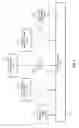



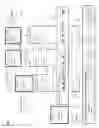
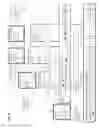








Sources:
- United States Patent and Trademark Office - verify current appl. status at the USPTO↗
Similar patent applications:
Recent applications in this class:
- » 20250291796 2025-09-18
SYSTEMS AND METHODS FOR EXTRACTING DATA STRUCTURES IN NETWORK ENVIRONMENTS TO GENERATE INSTRUCTIONS - » 20250284692 2025-09-11
MULTI-AGENT FRAMEWORK FOR GENERATING RESPONSES TO QUERIES - » 20250284691 2025-09-11
FRAGMENT-BASED DESIGN SEARCH - » 20250284690 2025-09-11
DYNAMIC-LEDGER-ENABLED EDGE-DEVICE QUERY PROCESSING - » 20250278403 2025-09-04
Bifurcated System for Querying Multiple Data Types - » 20250272293 2025-08-28
MOBILE COMMUNICATIONS DEVICE WITH ELECTRONIC NOSE - » 20250272292 2025-08-28
External Services in Distributed Databases - » 20250265249 2025-08-21
SYSTEMS AND METHODS FOR TRAINED EMBEDDING MAPPINGS FOR IMPROVED RETRIEVAL AUGMENTED GENERATION - » 20250258825 2025-08-14
METHOD, APPARATUS, AND COMPUTER-READABLE MEDIUM FOR RETRIEVAL AUGMENTED GENERATION OF OPTIMAL CODING - » 20250252104 2025-08-07
AUTOMATICALLY TRANSFORMING DATA INTO A COMPACTED ELECTRONIC DATA STRUCTURE