Type II restriction-modification system methylation subunit of
US20130029400A1
2013-01-31
13/604,979
2012-09-06
✅ Patent granted
US 8,569,030 B2
2013-10-29
-
-
Christian Fronda
TraskBritt
2032-09-06
Abstract:
Isolated and/or purified polypeptides and nucleic acid sequences encoding polypeptides from Alicyclobacillus acidocaldarius are provided. Further provided are methods for modulating or altering recombination inside or outside of a cell using isolated and/or purified polypeptides and/or nucleic acid sequences from Alicyclobacillus acidocaldarius.
Inventors:
- Brady D. Lee 9 🇺🇸 Idaho Falls, ID, United States
- Deborah T. Newby 6 🇺🇸 Idaho Falls, ID, United States
- Jeffrey A. Lacey 43 🇺🇸 Idaho Falls, ID, United States
- David N. Thompson 49 🇺🇸 Idaho Falls, ID, United States
- Vicki S. Thompson 55 🇺🇸 Idaho Falls, ID, United States
- William A. Apel 52 🇺🇸 Jackson, WY, United States
- Francisco F. Roberto 6 🇺🇸 Idaho Falls, ID, United States
- David W. Reed 39 🇺🇸 Idaho Falls, ID, United States
Assignee:
- BATTELLE ENERGY ALLIANCE, LLC 621 🇺🇸 Idaho Falls, ID, United States
Applicant:
Interested in similar patents?
Get notified when new applications in this technology area are published.
Classification:
C12N15/74 » CPC main
Mutation or genetic engineering; DNA or RNA concerning genetic engineering, vectors, e.g. plasmids, or their isolation, preparation or purification; Use of hosts therefor; Recombinant DNA-technology; Introduction of foreign genetic material using vectors; Vectors; Use of hosts therefor; Regulation of expression Vectors or expression systems specially adapted for prokaryotic hosts other than E. coli, e.g. Lactobacillus, Micromonospora
C12N9/1007 » CPC further
Enzymes; Proenzymes; Compositions thereof ; Processes for preparing, activating, inhibiting, separating or purifying enzymes; Transferases (2.) transferring one-carbon groups (2.1) Methyltransferases (general) (2.1.1.)
C12N15/87 » CPC further
Mutation or genetic engineering; DNA or RNA concerning genetic engineering, vectors, e.g. plasmids, or their isolation, preparation or purification; Use of hosts therefor; Recombinant DNA-technology Introduction of foreign genetic material using processes not otherwise provided for, e.g. co-transformation
C12Y201/01072 » CPC further
Transferases transferring one-carbon groups (2.1); Methyltransferases (2.1.1) Site-specific DNA-methyltransferase (adenine-specific) (2.1.1.72)
C12N15/52 IPC
Mutation or genetic engineering; DNA or RNA concerning genetic engineering, vectors, e.g. plasmids, or their isolation, preparation or purification; Use of hosts therefor; Recombinant DNA-technology; DNA or RNA fragments; Modified forms thereof Genes encoding for enzymes or proenzymes
C12N9/14 IPC
Enzymes; Proenzymes; Compositions thereof ; Processes for preparing, activating, inhibiting, separating or purifying enzymes Hydrolases (3)
C12N9/52 » CPC further
Enzymes; Proenzymes; Compositions thereof ; Processes for preparing, activating, inhibiting, separating or purifying enzymes; Hydrolases (3) acting on peptide bonds (3.4); Proteinases, e.g. Endopeptidases (3.4.21-3.4.25) derived from bacteria or Archaea
C12N9/16 IPC
Enzymes; Proenzymes; Compositions thereof ; Processes for preparing, activating, inhibiting, separating or purifying enzymes; Hydrolases (3) acting on ester bonds (3.1)
C07K14/195 » CPC further
Peptides having more than 20 amino acids; Gastrins; Somatostatins; Melanotropins; Derivatives thereof from bacteria
C12N9/12 IPC
Enzymes; Proenzymes; Compositions thereof ; Processes for preparing, activating, inhibiting, separating or purifying enzymes; Transferases (2.) transferring phosphorus containing groups, e.g. kinases (2.7)
C12N9/90 IPC
Enzymes; Proenzymes; Compositions thereof ; Processes for preparing, activating, inhibiting, separating or purifying enzymes Isomerases (5.)
C12N9/22 IPC
Enzymes; Proenzymes; Compositions thereof ; Processes for preparing, activating, inhibiting, separating or purifying enzymes; Hydrolases (3) acting on ester bonds (3.1) Ribonucleases RNAses, DNAses
C12N15/63 IPC
Mutation or genetic engineering; DNA or RNA concerning genetic engineering, vectors, e.g. plasmids, or their isolation, preparation or purification; Use of hosts therefor; Recombinant DNA-technology Introduction of foreign genetic material using vectors; Vectors; Use of hosts therefor; Regulation of expression
C12N9/10 IPC
Enzymes; Proenzymes; Compositions thereof ; Processes for preparing, activating, inhibiting, separating or purifying enzymes Transferases (2.)
C07H21/02 IPC
Compounds containing two or more mononucleotide units having separate phosphate or polyphosphate groups linked by saccharide radicals of nucleoside groups, e.g. nucleic acids with ribosyl as saccharide radical
C12N9/00 » CPC further
Enzymes; Proenzymes; Compositions thereof ; Processes for preparing, activating, inhibiting, separating or purifying enzymes
C12N1/20 IPC
Microorganisms, e.g. protozoa; Compositions thereof ; Processes of propagating, maintaining or preserving microorganisms or compositions thereof; Processes of preparing or isolating a composition containing a microorganism; Culture media therefor Bacteria; Culture media therefor
C12N15/00 IPC
Mutation or genetic engineering; DNA or RNA concerning genetic engineering, vectors, e.g. plasmids, or their isolation, preparation or purification; Use of hosts therefor
Description
CROSS-REFERENCE TO RELATED APPLICATION
This application is a divisional of U.S. patent application Ser. No. 12/800,045, filed May 5, 2010, pending, the disclosure of which is hereby incorporated herein by this reference in its entirety.
GOVERNMENT RIGHTS
This invention was made with government support under Contract No. DE-AC07-99ID13727 and Contract No. DE-AC07-05ID14517 awarded by the United States Department of Energy. The government has certain rights in the invention.
STATEMENT ACCORDING TO 37 C.F.R. §1.821(c) or (e)-SEQUENCE LISTING SUBMITTED AS A TXT FILES
Pursuant to 37 C.F.R. §1.821(c) or (e), a file containing a TXT version of the Sequence Listing has been submitted concomitant with this application, the contents of which are hereby incorporated by reference. A Request to Transfer CRF is also submitted concomitant.
TECHNICAL FIELD
The present invention relates generally to biotechnology. More specifically, embodiments of the present invention relate to isolated and/or purified polypeptides and nucleic acid sequences encoding polypeptides from Alicyclobacillus acidocaldarius and methods for their use.
BACKGROUND
Thermophilic and/or acidophilic bacteria have great potential for production of useful chemicals in industrial processes. However, most systems for promoting genetic recombination for the purposes of introducing nucleic acids of interest are not well suited for such thermophilic and/or acidophilic bacteria.
BRIEF SUMMARY OF THE INVENTION
Embodiments of the invention relate to purified and/or isolated nucleotide sequences of the genome of Alicyclobacillus acidocaldarius, or a homologue or fragment thereof. In one embodiment of the invention, the nucleotide sequence is selected from at least one of SEQ ID NOS:2, 19, 36, 53, 70, 87, 104, 121, 138, 155, 172, 189, 206, 223, 240, 257, 274, 291, 308, 325, 359, 376, 410, 427, 444, 512, 529, 546, 597, 614, 648, 665, 682, 699, 716, 733, 750, 767, 784, 818, 835, 852, 886, 903, 920, 937, 954, 971, 988, 1005, 1039, 1056, 1073, 1090, 1107, 1124, 1141, 1158, 1175, 1192, 1209, 1226, 1243, and 1260, 1277, 1294, 1311, 1328, 1345, 1362, 1379, 1396, 1413, 1430, 1447, 1464, 1481, 1498, 1515, 1532, 1549, 1566, 1583, 1600, 1634, 1651, 1685, 1702, 1719, 1787, 1804, 1821, 1872, 1889, 1923, 1940, 1957, 1974, 1991, 2008, 2025, 2042, 2059, 2093, 2110, 2127, 2161, 2178, 2195, 2212, 2229, 2246, 2263, 2280, 2314, 2331, 2348, 2365, 2382, 2399, 2416, 2433, 2450, 2467, 2484, 2501, 2518, 2535, 2552, 2569, 2586, 2603, 2620, 2637, 2654, 2671, 2688, 2705, 2722, 2739, 2773, 2790, 2824, 2841, 2858, 2926, 2943, 2960, 3011, 3028, 3062, 3079, 3096, 3113, 3130, 3147, 3164, 3181, 3198, 3232, 3249, 3266, and 3283 or a homologue or fragment thereof. In another embodiment of the invention, the homologue is selected from the group consisting of a nucleotide sequence having at least 80% sequence identity to at least one of SEQ ID NOS:2, 19, 36, 53, 70, 87, 104, 121, 138, 155, 172, 189, 206, 223, 240, 257, 274, 291, 308, 325, 359, 376, 410, 427, 444, 512, 529, 546, 597, 614, 648, 665, 682, 699, 716, 733, 750, 767, 784, 818, 835, 852, 886, 903, 920, 937, 954, 971, 988, 1005, 1039, 1056, 1073, 1090, 1107, 1124, 1141, 1158, 1175, 1192, 1209, 1226, 1243, 1260, 1277, 1294, 1311, 1328, 1345, 1362, 1379, 1396, 1413, 1430, 1447, 1464, 1481, 1498, 1515, 1532, 1549, 1566, 1583, 1600, 1634, 1651, 1685, 1702, 1719, 1787, 1804, 1821, 1872, 1889, 1923, 1940, 1957, 1974, 1991, 2008, 2025, 2042, 2059, 2093, 2110, 2127, 2161, 2178, 2195, 2212, 2229, 2246, 2263, 2280, 2314, 2331, 2348, 2365, 2382, 2399, 2416, 2433, 2450, 2467, 2484, 2501, 2518, 2535, 2552, 2569, 2586, 2603, 2620, 2637, 2654, 2671, 2688, 2705, 2722, 2739, 2773, 2790, 2824, 2841, 2858, 2926, 2943, 2960, 3011, 3028, 3062, 3079, 3096, 3113, 3130, 3147, 3164, 3181, 3198, 3232, 3249, 3266, and 3283.
Embodiments of the invention may further relate to an isolated and/or purified nucleic acid sequence comprising a nucleic acid sequence encoding a polypeptide selected from the group consisting of a polypeptide having at least 90% sequence identity to at least one of SEQ ID NOS:1, 18, 35, 52, 69, 86, 103, 120, 137, 154, 171, 188, 205, 222, 239, 256, 273, 290, 307, 324, 358, 375, 409, 426, 443, 511, 528, 545, 596, 613, 647, 664, 681, 698, 715, 732, 749, 766, 783, 817, 834, 851, 885, 902, 819, 936, 953, 970, 987, 1004, 1038, 1055, 1072, 1089, 1106, 1123, 1140, 1157, 1174, 1191, 1208, 1225, 1242, 1259, 1276, 1293, 1310, 1327, 1344, 1361, 1378, 1395, 1412, 1429, 1446, 1463, 1480, 1497, 1514, 1531, 1548, 1565, 1582, 1599, 1633, 1650, 1684, 1701, 1718, 1786, 1803, 1820, 1871, 1888, 1922, 1939, 1956, 1973, 1990, 2007, 2024, 2041, 2058, 2092, 2109, 2126, 2160, 2177, 2094, 2211, 2228, 2245, 2262, 2279, 2313, 2330, 2347, 2364, 2381, 2398, 2415, 2432, 2449, 2466, 2483, 2500, 2517, 2534, 2551, 2568, 2585, 2602, 2619, 2636, 2653, 2670, 2687, 2704, 2721, 2738, 2772, 2789, 2823, 2840, 2857, 2925, 2942, 2959, 3010, 3027, 3061, 3078, 3095, 3112, 3129, 3146, 3163, 3180, 3197, 3231, 3248, 3265, and 3282.
Embodiments of the invention also relate to isolated and/or purified polypeptides coded for by a nucleotide sequence comprising a nucleotide sequence of the genome of Alicyclobacillus acidocaldarius, or a homologue or fragment thereof. In one embodiment, the nucleotide sequence comprises a nucleotide sequence selected from the group consisting of a nucleotide sequence having at least 80% sequence identity to at least one of SEQ ID NOS:2, 19, 36, 53, 70, 87, 104, 121, 138, 155, 172, 189, 206, 223, 240, 257, 274, 291, 308, 325, 359, 376, 410, 427, 444, 512, 529, 546, 597, 614, 648, 665, 682, 699, 716, 733, 750, 767, 784, 818, 835, 852, 886, 903, 920, 937, 954, 971, 988, 1005, 1039, 1056, 1073, 1090, 1107, 1124, 1141, 1158, 1175, 1192, 1209, 1226, 1243, 1260, 1277, 1294, 1311, 1328, 1345, 1362, 1379, 1396, 1413, 1430, 1447, 1464, 1481, 1498, 1515, 1532, 1549, 1566, 1583, 1600, 1634, 1651, 1685, 1702, 1719, 1787, 1804, 1821, 1872, 1889, 1923, 1940, 1957, 1974, 1991, 2008, 2025, 2042, 2059, 2093, 2110, 2127, 2161, 2178, 2195, 2212, 2229, 2246, 2263, 2280, 2314, 2331, 2348, 2365, 2382, 2399, 2416, 2433, 2450, 2467, 2484, 2501, 2518, 2535, 2552, 2569, 2586, 2603, 2620, 2637, 2654, 2671, 2688, 2705, 2722, 2739, 2773, 2790, 2824, 2841, 2858, 2926, 2943, 2960, 3011, 3028, 3062, 3079, 3096, 3113, 3130, 3147, 3164, 3181, 3198, 3232, 3249, 3266, and 3283.
In another embodiment of the invention, the nucleotide sequence comprises a nucleotide sequence selected from at least one of SEQ ID NOS:2, 19, 36, 53, 70, 87, 104, 121, 138, 155, 172, 189, 206, 223, 240, 257, 274, 291, 308, 325, 359, 376, 410, 427, 444, 512, 529, 546, 597, 614, 648, 665, 682, 699, 716, 733, 750, 767, 784, 818, 835, 852, 886, 903, 920, 937, 954, 971, 988, 1005, 1039, 1056, 1073, 1090, 1107, 1124, 1141, 1158, 1175, 1192, 1209, 1226, 1243, and 1260, 1277, 1294, 1311, 1328, 1345, 1362, 1379, 1396, 1413, 1430, 1447, 1464, 1481, 1498, 1515, 1532, 1549, 1566, 1583, 1600, 1634, 1651, 1685, 1702, 1719, 1787, 1804, 1821, 1872, 1889, 1923, 1940, 1957, 1974, 1991, 2008, 2025, 2042, 2059, 2093, 2110, 2127, 2161, 2178, 2195, 2212, 2229, 2246, 2263, 2280, 2314, 2331, 2348, 2365, 2382, 2399, 2416, 2433, 2450, 2467, 2484, 2501, 2518, 2535, 2552, 2569, 2586, 2603, 2620, 2637, 2654, 2671, 2688, 2705, 2722, 2739, 2773, 2790, 2824, 2841, 2858, 2926, 2943, 2960, 3011, 3028, 3062, 3079, 3096, 3113, 3130, 3147, 3164, 3181, 3198, 3232, 3249, 3266, and 3283 or a homologue or fragment thereof. In still another embodiment, the polypeptide comprises an amino acid sequence of SEQ ID NOS:1, 18, 35, 52, 69, 86, 103, 120, 137, 154, 171, 188, 205, 222, 239, 256, 273, 290, 307, 324, 358, 375, 409, 426, 443, 511, 528, 545, 596, 613, 647, 664, 681, 698, 715, 732, 749, 766, 783, 817, 834, 851, 885, 902, 819, 936, 953, 970, 987, 1004, 1038, 1055, 1072, 1089, 1106, 1123, 1140, 1157, 1174, 1191, 1208, 1225, 1242, 1259, 1276, 1293, 1310, 1327, 1344, 1361, 1378, 1395, 1412, 1429, 1446, 1463, 1480, 1497, 1514, 1531, 1548, 1565, 1582, 1599, 1633, 1650, 1684, 1701, 1718, 1786, 1803, 1820, 1871, 1888, 1922, 1939, 1956, 1973, 1990, 2007, 2024, 2041, 2058, 2092, 2109, 2126, 2160, 2177, 2094, 2211, 2228, 2245, 2262, 2279, 2313, 2330, 2347, 2364, 2381, 2398, 2415, 2432, 2449, 2466, 2483, 2500, 2517, 2534, 2551, 2568, 2585, 2602, 2619, 2636, 2653, 2670, 2687, 2704, 2721, 2738, 2772, 2789, 2823, 2840, 2857, 2925, 2942, 2959, 3010, 3027, 3061, 3078, 3095, 3112, 3129, 3146, 3163, 3180, 3197, 3231, 3248, 3265, and 3282. In yet another embodiment, the polypeptide comprises an amino acid sequence selected from the group consisting of a polypeptide having at least 90% sequence identity to at least one of SEQ ID NOS:1, 18, 35, 52, 69, 86, 103, 120, 137, 154, 171, 188, 205, 222, 239, 256, 273, 290, 307, 324, 358, 375, 409, 426, 443, 511, 528, 545, 596, 613, 647, 664, 681, 698, 715, 732, 749, 766, 783, 817, 834, 851, 885, 902, 819, 936, 953, 970, 987, 1004, 1038, 1055, 1072, 1089, 1106, 1123, 1140, 1157, 1174, 1191, 1208, 1225, 1242, 1259, 1276, 1293, 1310, 1327, 1344, 1361, 1378, 1395, 1412, 1429, 1446, 1463, 1480, 1497, 1514, 1531, 1548, 1565, 1582, 1599, 1633, 1650, 1684, 1701, 1718, 1786, 1803, 1820, 1871, 1888, 1922, 1939, 1956, 1973, 1990, 2007, 2024, 2041, 2058, 2092, 2109, 2126, 2160, 2177, 2094, 2211, 2228, 2245, 2262, 2279, 2313, 2330, 2347, 2364, 2381, 2398, 2415, 2432, 2449, 2466, 2483, 2500, 2517, 2534, 2551, 2568, 2585, 2602, 2619, 2636, 2653, 2670, 2687, 2704, 2721, 2738, 2772, 2789, 2823, 2840, 2857, 2925, 2942, 2959, 3010, 3027, 3061, 3078, 3095, 3112, 3129, 3146, 3163, 3180, 3197, 3231, 3248, 3265, and 3282.
In embodiments of the invention, the polypeptides may be acidophilic and/or thermophilic. In further embodiments, the polypeptides may be glycosylated, pegylated, and/or otherwise post-translationally modified.
Embodiments of methods include methods of altering genetic recombination inside or outside of a cell, the methods comprising providing a recombinant, purified, and/or isolated nucleotide sequence comprising a nucleotide sequence selected from the group consisting of a nucleotide sequences having at least 90% sequence identity to at least one of the sequences of SEQ ID NOS:2, 19, 36, 53, 70, 87, 104, 121, 138, 155, 172, 189, 206, 223, 240, 257, 274, 291, 308, 325, 359, 376, 410, 427, 444, 512, 529, 546, 597, 614, 648, 665, 682, 699, 716, 733, 750, 767, 784, 818, 835, 852, 886, 903, 920, 937, 954, 971, 988, 1005, 1039, 1056, 1073, 1090, 1107, 1124, 1141, 1158, 1175, 1192, 1209, 1226, 1243, 1260, 1277, 1294, 1311, 1328, 1345, 1362, 1379, 1396, 1413, 1430, 1447, 1464, 1481, 1498, 1515, 1532, 1549, 1566, 1583, 1600, 1634, 1651, 1685, 1702, 1719, 1787, 1804, 1821, 1872, 1889, 1923, 1940, 1957, 1974, 1991, 2008, 2025, 2042, 2059, 2093, 2110, 2127, 2161, 2178, 2195, 2212, 2229, 2246, 2263, 2280, 2314, 2331, 2348, 2365, 2382, 2399, 2416, 2433, 2450, 2467, 2484, 2501, 2518, 2535, 2552, 2569, 2586, 2603, 2620, 2637, 2654, 2671, 2688, 2705, 2722, 2739, 2773, 2790, 2824, 2841, 2858, 2926, 2943, 2960, 3011, 3028, 3062, 3079, 3096, 3113, 3130, 3147, 3164, 3181, 3198, 3232, 3249, 3266, and 3283 and/or a recombinant, purified, and/or isolated polypeptide selected from the group consisting of a polypeptide having at least 90% sequence identity to at least one of the sequences of SEQ ID NOS:1, 18, 35, 52, 69, 86, 103, 120, 137, 154, 171, 188, 205, 222, 239, 256, 273, 290, 307, 324, 358, 375, 409, 426, 443, 511, 528, 545, 596, 613, 647, 664, 681, 698, 715, 732, 749, 766, 783, 817, 834, 851, 885, 902, 819, 936, 953, 970, 987, 1004, 1038, 1055, 1072, 1089, 1106, 1123, 1140, 1157, 1174, 1191, 1208, 1225, 1242, 1259, 1276, 1293, 1310, 1327, 1344, 1361, 1378, 1395, 1412, 1429, 1446, 1463, 1480, 1497, 1514, 1531, 1548, 1565, 1582, 1599, 1633, 1650, 1684, 1701, 1718, 1786, 1803, 1820, 1871, 1888, 1922, 1939, 1956, 1973, 1990, 2007, 2024, 2041, 2058, 2092, 2109, 2126, 2160, 2177, 2094, 2211, 2228, 2245, 2262, 2279, 2313, 2330, 2347, 2364, 2381, 2398, 2415, 2432, 2449, 2466, 2483, 2500, 2517, 2534, 2551, 2568, 2585, 2602, 2619, 2636, 2653, 2670, 2687, 2704, 2721, 2738, 2772, 2789, 2823, 2840, 2857, 2925, 2942, 2959, 3010, 3027, 3061, 3078, 3095, 3112, 3129, 3146, 3163, 3180, 3197, 3231, 3248, 3265, and 3282 to a nucleotide sequence with which recombination is desired.
Further embodiments of methods include placing a cell producing or encoding a recombinant, purified, and/or isolated nucleotide sequence comprising a nucleotide sequence selected from the group consisting of a nucleotide sequences having at least 90% sequence identity to at least one of the sequences of SEQ ID NOS:2, 19, 36, 53, 70, 87, 104, 121, 138, 155, 172, 189, 206, 223, 240, 257, 274, 291, 308, 325, 359, 376, 410, 427, 444, 512, 529, 546, 597, 614, 648, 665, 682, 699, 716, 733, 750, 767, 784, 818, 835, 852, 886, 903, 920, 937, 954, 971, 988, 1005, 1039, 1056, 1073, 1090, 1107, 1124, 1141, 1158, 1175, 1192, 1209, 1226, 1243, 1260, 1277, 1294, 1311, 1328, 1345, 1362, 1379, 1396, 1413, 1430, 1447, 1464, 1481, 1498, 1515, 1532, 1549, 1566, 1583, 1600, 1634, 1651, 1685, 1702, 1719, 1787, 1804, 1821, 1872, 1889, 1923, 1940, 1957, 1974, 1991, 2008, 2025, 2042, 2059, 2093, 2110, 2127, 2161, 2178, 2195, 2212, 2229, 2246, 2263, 2280, 2314, 2331, 2348, 2365, 2382, 2399, 2416, 2433, 2450, 2467, 2484, 2501, 2518, 2535, 2552, 2569, 2586, 2603, 2620, 2637, 2654, 2671, 2688, 2705, 2722, 2739, 2773, 2790, 2824, 2841, 2858, 2926, 2943, 2960, 3011, 3028, 3062, 3079, 3096, 3113, 3130, 3147, 3164, 3181, 3198, 3232, 3249, 3266, and 3283 and/or a recombinant, purified, and/or isolated polypeptide selected from the group consisting of a polypeptide having at least 90% sequence identity to at least one of the sequences of SEQ ID NOS:1, 18, 35, 52, 69, 86, 103, 120, 137, 154, 171, 188, 205, 222, 239, 256, 273, 290, 307, 324, 358, 375, 409, 426, 443, 511, 528, 545, 596, 613, 647, 664, 681, 698, 715, 732, 749, 766, 783, 817, 834, 851, 885, 902, 819, 936, 953, 970, 987, 1004, 1038, 1055, 1072, 1089, 1106, 1123, 1140, 1157, 1174, 1191, 1208, 1225, 1242, 1259, 1276, 1293, 1310, 1327, 1344, 1361, 1378, 1395, 1412, 1429, 1446, 1463, 1480, 1497, 1514, 1531, 1548, 1565, 1582, 1599, 1633, 1650, 1684, 1701, 1718, 1786, 1803, 1820, 1871, 1888, 1922, 1939, 1956, 1973, 1990, 2007, 2024, 2041, 2058, 2092, 2109, 2126, 2160, 2177, 2094, 2211, 2228, 2245, 2262, 2279, 2313, 2330, 2347, 2364, 2381, 2398, 2415, 2432, 2449, 2466, 2483, 2500, 2517, 2534, 2551, 2568, 2585, 2602, 2619, 2636, 2653, 2670, 2687, 2704, 2721, 2738, 2772, 2789, 2823, 2840, 2857, 2925, 2942, 2959, 3010, 3027, 3061, 3078, 3095, 3112, 3129, 3146, 3163, 3180, 3197, 3231, 3248, 3265, and 3282 in a environment comprising temperatures at or above about 25, 30, 35, 40, 45, 50, 55, 60, 65, 70, 75, 80, 85, 90, and/or 95 degrees Celsius and/or a pH at, below, and/or above 8, 7, 6, 5, 4, 3, 2, 1, and/or 0.
These and other aspects of the invention will become apparent to the skilled artisan in view of the teachings contained herein.
BRIEF DESCRIPTION OF THE SEVERAL VIEWS OF THE DRAWINGS
FIG. 1 depicts a sequence alignment between SEQ ID NO: 1 (RAAC03697) and ref|ZP—01916690.1|, ref|YP—308280.1|, ref|XP—001525241.1|, gb|AAY21825.1|, and ref|XP—001743680.1| (SEQ ID Nos: 3-7 respectively). Amino acids conserved among all sequences are indicated by a “*” and generally conserved amino acids are indicated by a “:”.
FIG. 2 depicts a sequence alignment between SEQ ID NO: 18 (RAAC02297) and ref|ZP—01171092.1|, ref|YP—429214.1|, gb|EAZ41188.1|, gb|AAR38445.1|, and ref|ZP—01774730.1| (SEQ ID Nos: 20-24 respectively). Amino acids conserved among all sequences are indicated by a “*” and generally conserved amino acids are indicated by a “:”.
FIG. 3 depicts a sequence alignment between SEQ ID NO: 35 (RAAC02298) and ref|ZP—01575699.1|, ref|ZP—01171091.1|, ref|ZP—02598168.1|, ref|ZP—01900573.1|, and ref|ZP—01301851.1| (SEQ ID Nos: 37-41 respectively). Amino acids conserved among all sequences are indicated by a “*” and generally conserved amino acids are indicated by a “:”.
FIG. 4 depicts a sequence alignment between SEQ ID NO: 52 (RAAC02299) and ref|ZP—01171090.1|, ref|ZP—02598167.1|, ref|ZP—01575700.1|, ref|ZP—02849387.1|, and ref|NP—627754.1| (SEQ ID Nos: 54-58 respectively). Amino acids conserved among all sequences are indicated by a “*” and generally conserved amino acids are indicated by a “:”.
FIG. 5 depicts a sequence alignment between SEQ ID NO: 69 (RAAC02300) and ref|ZP—02598166.1|, ref|ZP—01171089.1|, ref|ZP—02849386.1|, ref|YP—159112.1|, and ref|ZP—02007550.1 (SEQ ID Nos: 71-75 respectively). Amino acids conserved among all sequences are indicated by a “*” and generally conserved amino acids are indicated by a “:”.
FIG. 6 depicts a sequence alignment between SEQ ID NO: 86 (RAAC02301) and ref|ZP—02756760.1|, ref|ZP—01171088.1|, emb|CAE47790.1|, emb|CAE47778.1|, and ref|NP—967133.1| (SEQ ID Nos: 88-92 respectively). Amino acids conserved among all sequences are indicated by a “*” and generally conserved amino acids are indicated by a “:”.
FIG. 7 depicts a sequence alignment between SEQ ID NO: 103 (RAAC02302) and ref|ZP—01171087.1|, ref|YP—061819.1|, emb|CAJ49597.1|, ref|YP—158155.1|, and ref|NP—779769.1| (SEQ ID Nos: 105-109 respectively). Amino acids conserved among all sequences are indicated by a “*” and generally conserved amino acids are indicated by a “:”.
FIG. 8 depicts a sequence alignment between SEQ ID NO: 120 (RAAC02303) and ref|YP—001371728.1|, ref|YP—001235767.1|, ref|YP—674884.1|, ref|NP—046584.1|, and ref|ZP—00630666.1| (SEQ ID Nos: 122-126 respectively). Amino acids conserved among all sequences are indicated by a “*” and generally conserved amino acids are indicated by a “:”.
FIG. 9 depicts a sequence alignment between SEQ ID NO: 137 (RAAC02304) and ref|YP—793245.1|, ref|YP—386759.1|, ref|YP—868126.1|, ref|NP—253469.1|, and ref|ZP—01591801.1| (SEQ ID Nos: 139-143 respectively). Amino acids conserved among all sequences are indicated by a “*” and generally conserved amino acids are indicated by a “:”.
FIG. 10 depicts a sequence alignment between SEQ ID NO: 154 (RAAC02305) and ref|YP—645800.1|, ref|ZP—01697403.1|, ref|NP—111721.1|, dbj|BAB60367.1|, and ref|YP—950098.1| (SEQ ID Nos: 156-160 respectively). Amino acids conserved among all sequences are indicated by a “*” and generally conserved amino acids are indicated by a “:”.
FIG. 11 depicts a sequence alignment between SEQ ID NO: 171 (RAAC02306) and gb|EAU91762.1|, ref|ZP—01035289.1|, ref|ZP—01076306.1|, ref|YP—173223.1|, and ref|ZP—01500882.1| (SEQ ID Nos: 173-177 respectively). Amino acids conserved among all sequences are indicated by a “*” and generally conserved amino acids are indicated by a “:”.
FIG. 12 RAAC02306 RAAC02306 RAAC02306 depicts a sequence alignment between SEQ ID NO: 188 (RAAC02289) and ref|YP—517477.1|, ref|YP—001568284.1|, ref|YP—503850.1|, ref|NP—783815.1|, and ref|YP—149134.1| (SEQ ID Nos: 190-194 respectively). Amino acids conserved among all sequences are indicated by a “*” and generally conserved amino acids are indicated by a “:”.
FIG. 13 depicts a sequence alignment between SEQ ID NO: 205 (RAAC02307) and ref|XP—001317319.1|, ref|YP—303751.1|, ref|ZP—01222568.1|, ref|XP—001191064.1|, and ref|ZP—01697132.1| (SEQ ID Nos: 207-211 respectively). Amino acids conserved among all sequences are indicated by a “*” and generally conserved amino acids are indicated by a “:”.
FIG. 14 depicts a sequence alignment between SEQ ID NO: 222 (RAAC02309) and ref|NP—623664.1|, ref|ZP—02755290.1|, ref|YP—001662357.1|, ref|YP—001666189.1|, and ref|YP—001181426.1| (SEQ ID Nos: 224-228 respectively). Amino acids conserved among all sequences are indicated by a “*” and generally conserved amino acids are indicated by a “:”.
FIG. 15 depicts a sequence alignment between SEQ ID NO: 239 (RAAC02310) and ref|NP—735797.1|, ref|XP—001247966.1|, gb|AAG38042.1|AF295925—7, ref|ZP—00874806.1|, and gb|ABV55445.1| (SEQ ID Nos: 241-245 respectively). Amino acids conserved among all sequences are indicated by a “*” and generally conserved amino acids are indicated by a “:”.
FIG. 16 depicts a sequence alignment between SEQ ID NO: 256 (RAAC02311) and ref|YP—001205829.1|, ref|YP—001240062.1|, ref|YP—359336.1|, ref|YP—001451893.1|, and ref|YP—466026.1| (SEQ ID Nos: 258-262 respectively). Amino acids conserved among all sequences are indicated by a “*” and generally conserved amino acids are indicated by a “:”.
FIG. 17 depicts a sequence alignment between SEQ ID NO: 273 (RAAC02312) and ref|YP—001506532.1|, ref|NP—279998.1|, ref|ZP—02850831.1|, ref|ZP—02248080.1|, and ref|XP—001637270.1| (SEQ ID Nos: 275-279 respectively). Amino acids conserved among all sequences are indicated by a “*” and generally conserved amino acids are indicated by a “:”.
FIG. 18 depicts a sequence alignment between SEQ ID NO: 290 (RAAC02313) and ref|YP—245669.1|, ref|ZP—02369868.1|, ref|YP—438666.1|, ref|NP—695275.1|, and emb|CAB06069.21 (SEQ ID Nos: 292-296 respectively). Amino acids conserved among all sequences are indicated by a “*” and generally conserved amino acids are indicated by a “:”.
FIG. 19 depicts a sequence alignment between SEQ ID NO: 307 (RAAC02314) and ref|XP—503244.1|, ref|NP—218466.1|, ref|ZP—01058859.1|, ref|NP—126488.1|, and ref|YP—754274.1| (SEQ ID Nos: 309-313 respectively). Amino acids conserved among all sequences are indicated by a “*” and generally conserved amino acids are indicated by a “:”.
FIG. 20 depicts a sequence alignment between SEQ ID NO: 324 (RAAC02315) and ref|ZP—02854145.1|, ref|YP—145847.1|, ref|YP—536482.1|, ref|YP—799230.1|, and ref|NP—714527.1| (SEQ ID Nos: 326-330 respectively). Amino acids conserved among all sequences are indicated by a “*” and generally conserved amino acids are indicated by a “:”.
FIG. 21 depicts a sequence alignment between SEQ ID NO: 341 (RAAC02316) and ref|ZP—02180762.1|, ref|ZP—02077766.1|, ref|ZP—01893908.1|, ref|XP—001444409.1|, and ref|XP—624126.21 (SEQ ID Nos: 343-347 respectively). Amino acids conserved among all sequences are indicated by a “*” and generally conserved amino acids are indicated by a “:”.
FIG. 22 depicts a sequence alignment between SEQ ID NO: 358 (RAAC02290) and emb|CAJ50746.1|, gb|AAM28266.1|, ref|XP—816394.1|, ref|XP—001585185.1|, and gb|EAU92316.1| (SEQ ID Nos: 360-364 respectively). Amino acids conserved among all sequences are indicated by a “*” and generally conserved amino acids are indicated by a “:”.
FIG. 23 depicts a sequence alignment between SEQ ID NO: 375 (RAAC02317) and ref|YP—001210712.1|, ref|ZP—02727046.1|, ref|ZP—02758954.1|, ref|ZP—01593342.1|, and ref|ZP—00235902.1| (SEQ ID Nos: 377-381 respectively). Amino acids conserved among all sequences are indicated by a “*” and generally conserved amino acids are indicated by a “:”.
FIG. 24 depicts a sequence alignment between SEQ ID NO: 409 (RAAC02319) and ref|YP—431168.1|, ref|YP—001212944.1|, ref|YP—754944.1|, ref|YP—754864.1|, and ref|ZP—02171383.1| (SEQ ID Nos: 411-415 respectively). Amino acids conserved among all sequences are indicated by a “*” and generally conserved amino acids are indicated by a “:”.
FIG. 25 depicts a sequence alignment between SEQ ID NO: 426 (RAAC02320) and ref|YP—431169.1|, ref|YP—754945.1|, ref|YP—754863.1|, ref|ZP—01287154.1|, and ref|ZP—01287577.1| (SEQ ID Nos: 428-432 respectively). Amino acids conserved among all sequences are indicated by a “*” and generally conserved amino acids are indicated by a “:”.
FIG. 26 depicts a sequence alignment between SEQ ID NO: 443 (RAAC02321) and ref|NP—982177.1|, ref|ZP—02595431.1|, ref|NP—927486.1|, ref|YP—001108426.1|, and emb|CAN89659.1| (SEQ ID Nos: 445-449 respectively). Amino acids conserved among all sequences are indicated by a “*” and generally conserved amino acids are indicated by a “:”.
FIG. 27 depicts a sequence alignment between SEQ ID NO: 460 (RAAC02322) and ref|YP—504284.1|, ref|YP—001046337.1|, ref|ZP—02131576.1|, ref|ZP—01288161.1|, and ref|ZP—02132246.1| (SEQ ID Nos: 462-466 respectively). Amino acids conserved among all sequences are indicated by a “*” and generally conserved amino acids are indicated by a “:”.
FIG. 28 depicts a sequence alignment between SEQ ID NO: 477 (RAAC02323) and ref|ZP—01287831.1|, ref|YP—076198.1|, ref|YP—446560.1|, ref|NP—634267.1|, and ref|ZP—01106621.1| (SEQ ID Nos: 479-483 respectively). Amino acids conserved among all sequences are indicated by a “*” and generally conserved amino acids are indicated by a “:”.
FIG. 29 depicts a sequence alignment between SEQ ID NO: 494 (RAAC02324) and ref|ZP—02595423.1|, ref|NP—982173.1|, ref|ZP—02367476.1|, ref|YP—001616264.1|, and ref|YP—827637.1| (SEQ ID Nos: 496-500 respectively). Amino acids conserved among all sequences are indicated by a “*” and generally conserved amino acids are indicated by a “:”.
FIG. 30 depicts a sequence alignment between SEQ ID NO: 511 (RAAC02326) and ref|NP—982172.1|, ref|ZP—01872101.1|, ref|NP—922949.1|, emb|CAO48005.1|, and sp|P08995|NO26_SOYBN (SEQ ID Nos: 513-517 respectively). Amino acids conserved among all sequences are indicated by a “*” and generally conserved amino acids are indicated by a “:”.
FIG. 31 depicts a sequence alignment between SEQ ID NO: 528 (RAAC02327) and ref|NP—982171.1|, ref|ZP—01090358.1|, ref|ZP—01856486.1|, ref|ZP—02736297.1|, and ref|ZP—01311632.1| (SEQ ID Nos: 530-534 respectively). Amino acids conserved among all sequences are indicated by a “*” and generally conserved amino acids are indicated by a “:”.
FIG. 32 depicts a sequence alignment between SEQ ID NO: 545 (RAAC02328) and ref|NP—982170.1|, ref|XP—955124.1|, ref|XP—763458.1|, ref|XP—845342.1|, and ref|XP—666904.1| (SEQ ID Nos: 547-551 respectively). Amino acids conserved among all sequences are indicated by a “*” and generally conserved amino acids are indicated by a “:”.
FIG. 33 depicts a sequence alignment between SEQ ID NO: 562 (RAAC02332) and ref|YP—079109.1|, ref|ZP—01858609.1|, gb|AAV70501.1|, ref|YP—001319533.1|, and ref|ZP—00539168.1| (SEQ ID Nos: 564-568 respectively). Amino acids conserved among all sequences are indicated by a “*” and generally conserved amino acids are indicated by a “:”.
FIG. 34 depicts a sequence alignment between SEQ ID NO: 596 (RAAC02334) and ref|YP—001485227.1|, ref|YP—001358015.1|, ref|ZP—02013298.1|, ref|ZP—02178354.1|, and ref|YP—001356736.1| (SEQ ID Nos: 598-602 respectively). Amino acids conserved among all sequences are indicated by a “*” and generally conserved amino acids are indicated by a “:”.
FIG. 35 depicts a sequence alignment between SEQ ID NO: 613 (RAAC02335) and dbj|BAF91394.1|, gb|AAL17690.1|, dbj|BAF91409.1|, ref|NP—001058416.1|, and dbj|BAD45624.1| (SEQ ID Nos: 615-619 respectively). Amino acids conserved among all sequences are indicated by a “*” and generally conserved amino acids are indicated by a “:”.
FIG. 36 depicts a sequence alignment between SEQ ID NO: 630 (RAAC02336) and ref|YP—517477.1|, ref|YP—517489.1|, ref|ZP—01370335.1|, gb|ACA46983.1|, and ref|NP—001568284.1| (SEQ ID Nos: 632-636 respectively). Amino acids conserved among all sequences are indicated by a “*” and generally conserved amino acids are indicated by a “:”.
FIG. 37 depicts a sequence alignment between SEQ ID NO: 647 (RAAC02292) and gb|AAB91591.1|, ref|YP—001422657.1|, ref|NP—391247.1|, ref|YP—093160.1|, and ref|NP—391246.1| (SEQ ID Nos: 649-653 respectively). Amino acids conserved among all sequences are indicated by a “*” and generally conserved amino acids are indicated by a “:”.
FIG. 38 depicts a sequence alignment between SEQ ID NO: 664 (RAAC02337) and gb|ACA41259.1|, ref|ZP—02626811.1|, ref|NP—664934.1|, ref|YP—195796.1|, and ref|NP—817052.1| (SEQ ID Nos: 666-670 respectively). Amino acids conserved among all sequences are indicated by a “*” and generally conserved amino acids are indicated by a “:”.
FIG. 39 depicts a sequence alignment between SEQ ID NO: 681 (RAAC02338) and gb|ACA41261.1|, ref|ZP—02626812.1|, ref|NP—664935.1|, ref|XP—001701427.1|, and sp|Q2M3V2|ANR43_HUMAN (SEQ ID Nos: 683-687 respectively). Amino acids conserved among all sequences are indicated by a “*” and generally conserved amino acids are indicated by a FIG. 40 depicts a sequence alignment between SEQ ID NO: 698 (RAAC02339) and gb|AAU83457.1|, emb|CAJ70907.1|, ref|ZP—00514953.1|, ref|YP—322920.1|, and ref|YP—183482.1| (SEQ ID Nos: 700-704 respectively). Amino acids conserved among all sequences are indicated by a “*” and generally conserved amino acids are indicated by a “:”.
FIG. 41 depicts a sequence alignment between SEQ ID NO: 715 (RAAC02340) and ref|ZP—01731985.1|, ref|ZP—02429891.1|, ref|ZP—02432977.1|, ref|ZP—02085861.1|, and ref|ZP—02207628.1| (SEQ ID Nos: 717-721 respectively). Amino acids conserved among all sequences are indicated by a “*” and generally conserved amino acids are indicated by a “:”.
FIG. 42 depicts a sequence alignment between SEQ ID NO: 732 (RAAC02341) and ref|ZP—02596024.1|, ref|NP—150014.1|, ref|ZP—00231288.1|, ref|YP—001213007.1|, and ref|YP—001113884.1| (SEQ ID Nos: 734-738 respectively). Amino acids conserved among all sequences are indicated by a “*” and generally conserved amino acids are indicated by a “:”.
FIG. 43 depicts a sequence alignment between SEQ ID NO: 749 (RAAC02342) and ref|NP—783868.1|, ref|YP—805310.1|, ref|ZP—01273840.1|, ref|YP—803555.1|, and ref|YP—001270615.1| (SEQ ID Nos: 751-755 respectively). Amino acids conserved among all sequences are indicated by a “*” and generally conserved amino acids are indicated by a “:”.
FIG. 44 depicts a sequence alignment between SEQ ID NO: 766 (RAAC02293) and ref|ZP—01171099.1|, ref|ZP—02598174.1|, ref|YP—429218.1|, ref|YP—001112194.1|, and ref|YP—001112320.1| (SEQ ID Nos: 768-772 respectively). Amino acids conserved among all sequences are indicated by a “*” and generally conserved amino acids are indicated by a “:”.
FIG. 45 depicts a sequence alignment between SEQ ID NO: 783 (RAAC02346) and ref|NP—623604.1|, ref|ZP—00235040.1|, ref|ZP—02327783.1|, ref|ZP—02082031.1|, and ref|ZP—02846176.1| (SEQ ID Nos: 785-789 respectively). Amino acids conserved among all sequences are indicated by a “*” and generally conserved amino acids are indicated by a “:”.
FIG. 46 depicts a sequence alignment between SEQ ID NO: 800 (RAAC02347) and ref|XP—001383704.21, ref|XP—001664270.1|, ref|YP—113896.1|, ref|XP—761114.1|, and ref|XP—001015776.21 (SEQ ID Nos: 802-806 respectively). Amino acids conserved among all sequences are indicated by a “*” and generally conserved amino acids are indicated by a “:”.
FIG. 47 depicts a sequence alignment between SEQ ID NO: 817 (RAAC03510) and gb|ACA42330.1|, ref|ZP—02605128.1|, ref|ZP—02586769.1|, ref|YP—001049647.1|, and ref|YP—913053.1| (SEQ ID Nos: 819-823 respectively). Amino acids conserved among all sequences are indicated by a “*” and generally conserved amino acids are indicated by a “:”.
FIG. 48 depicts a sequence alignment between SEQ ID NO: 834 (RAAC02348) and ref|XP—414088.21, ref|ZP—01171110.1|, gb|AAF98351.1|, ref|NP—607899.1|, and ref|NP—269831.1| (SEQ ID Nos: 836-840 respectively). Amino acids conserved among all sequences are indicated by a “*” and generally conserved amino acids are indicated by a “:”.
FIG. 49 depicts a sequence alignment between SEQ ID NO: 851 (RAAC02349) and ref|YP—001038860.1|, ref|YP—754926.1|, ref|YP—001396671.1|, ref|YP—001254879.1|, and ref|YP—001396310.1| (SEQ ID Nos: 853-857 respectively). Amino acids conserved among all sequences are indicated by a “*” and generally conserved amino acids are indicated by a “:”.
FIG. 50 depicts a sequence alignment between SEQ ID NO: 868 (RAAC03270) and ref|YP—001655174.1|, emb|CAJ73677.1|, emb|CAJ73386.1|, emb|CAJ74660.1|, and ref|ZP—00516046.1| (SEQ ID Nos: 870-874 respectively). Amino acids conserved among all sequences are indicated by a “*” and generally conserved amino acids are indicated by a “:”.
FIG. 51 depicts a sequence alignment between SEQ ID NO: 885 (RAAC03271) and sp|P26545|VE2_HPV5B, ref|XP—001371550.1|, sp|P36786|VE2_HPV19, ref|NP—041368.1|, and ref|XP—001131003.1| (SEQ ID Nos: 887-891 respectively). Amino acids conserved among all sequences are indicated by a “*” and generally conserved amino acids are indicated by a “:”.
FIG. 52 depicts a sequence alignment between SEQ ID NO: 902 (RAAC02294) and ref|YP—941474.21, gb|AAZ42391.1|, ref|ZP—01171098.1|, prf∥2123261AD, and ref|NP—498368.21 (SEQ ID Nos: 904-908 respectively). Amino acids conserved among all sequences are indicated by a “*” and generally conserved amino acids are indicated by a “:”.
FIG. 53 depicts a sequence alignment between SEQ ID NO: 919 (RAAC02353) and ref|YP—430185.1|, ret|YP—001233893.1|, emb|CAO81523.1|, ref|YP—001603689.1|, and ref|YP—719187.1| (SEQ ID Nos: 921-925 respectively). Amino acids conserved among all sequences are indicated by a “*” and generally conserved amino acids are indicated by a “:”.
FIG. 54 depicts a sequence alignment between SEQ ID NO: 936 (RAAC02354) and ref|YP—001438903.1|, ref|YP—001251565.1|, ref|YP—126374.1|, ref|YP—123382.1|, and ref|NP—001251158.1| (SEQ ID Nos: 938-942 respectively). Amino acids conserved among all sequences are indicated by a “*” and generally conserved amino acids are indicated by a “:”.
FIG. 55 depicts a sequence alignment between SEQ ID NO: 953 (RAAC02355) and ref|ZP—02758276.1|, gb|ACA42232.1|, ref|ZP—02602342.1|, ref|ZP—02597242.1|, and ref|ZP—02524501.1| (SEQ ID Nos: 955-959 respectively). Amino acids conserved among all sequences are indicated by a “*” and generally conserved amino acids are indicated by a “:”.
FIG. 56 depicts a sequence alignment between SEQ ID NO: 970 (RAAC02356) and ref|NP—347717.1|, ref|YP—423535.1|, ref|ZP—01860459.1|, ref|YP—429187.1|, and ref|YP—645289.1| (SEQ ID Nos: 972-976 respectively). Amino acids conserved among all sequences are indicated by a “*” and generally conserved amino acids are indicated by a “:”.
FIG. 57 depicts a sequence alignment between SEQ ID NO: 987 (RAAC02357) and gb|EAY58379.1|, ref|ZP—01505670.1|, ref|NP—856790.1|, ref|NP—217638.1|, and ref|ZP—00876805.1| (SEQ ID Nos: 989-993 respectively). Amino acids conserved among all sequences are indicated by a “*” and generally conserved amino acids are indicated by a “:”.
FIG. 58 depicts a sequence alignment between SEQ ID NO: 1004 (RAAC02358) and ref|YP—024839.1|, ref|YP—001456771.1|, ret|YP—655149.1|, ref|XP—748956.1|, and ref|NP—943831.1| (SEQ ID Nos: 1006-1010 respectively). Amino acids conserved among all sequences are indicated by a “*” and generally conserved amino acids are indicated by a “:”.
FIG. 59 depicts a sequence alignment between SEQ ID NO: 1038 (RAAC02361) and ref|ZP—01966753.1|, ref|YP—001086797.1|, ref|ZP—01805266.1|, ref|YP—001681547.1|, and ref|ZP—01188985.1| (SEQ ID Nos: 1040-1044 respectively). Amino acids conserved among all sequences are indicated by a “*” and generally conserved amino acids are indicated by a “:”.
FIG. 60 depicts a sequence alignment between SEQ ID NO: 1055 (RAAC02362) and ref|YP—157691.1|, ref|ZP—02509777.1|, ref|ZP—02485527.1|, ref|ZP—02406784.1|, and ref|YP—335221.1) (SEQ ID Nos: 1057-1061 respectively) 1055 in Table 1. Amino acids conserved among all sequences are indicated by a “*” and generally conserved amino acids are indicated by a FIG. 61 depicts a sequence alignment between SEQ ID NO: 1072 (RAAC02363) and ref|YP—001681084.1|, ref|YP—177318.1|, ref|ZP—02329650.1|, ref|NP—243607.1|, and ref|YP—001421775.1| (SEQ ID Nos: 1074-1078 respectively). Amino acids conserved among all sequences are indicated by a “*” and generally conserved amino acids are indicated by a “:”.
FIG. 62 depicts a sequence alignment between SEQ ID NO: 1089 (RAAC02364) and ref|YP—079689.1|, ref|ZP—02329649.1|, ref|ZP—01860132.1|, ref|ZP—01171904.1|, and ref|YP—001487332.1| (SEQ ID Nos: 1091-1095 respectively). Amino acids conserved among all sequences are indicated by a “*” and generally conserved amino acids are indicated by a “:”.
FIG. 63 depicts a sequence alignment between SEQ ID NO: 1106 (RAAC02366) and ref|ZP—01614696.1|, gb|ABH06559.1|, gb|AAB95339.1|, ref|YP—161675.1|, and ref|YP—001202661.1| (SEQ ID Nos: 1108-1112 respectively). Amino acids conserved among all sequences are indicated by a “*” and generally conserved amino acids are indicated by a “:”.
FIG. 64 depicts a sequence alignment between SEQ ID NO: 1123 (RAAC02367) and ref|ZP—02093159.1|, ref|ZP—02026447.1|, ref|YP—001127515.1|, ref|ZP—02091713.1|, and ref|ZP—02423704.1| (SEQ ID Nos: 1125-1129 respectively). Amino acids conserved among all sequences are indicated by a “*” and generally conserved amino acids are indicated by a “:”.
FIG. 65 depicts a sequence alignment between SEQ ID NO: 1140 (RAAC02370) and ref|ZP—00960984.1|, ref|ZP—01035782.1|, ref|ZP—01903846.1|, ref|ZP—01880414.1|, and ref|ZP—01742943.1| (SEQ ID Nos: 1142-1146 respectively). Amino acids conserved among all sequences are indicated by a “*” and gene conserved amino acids are indicated by a “:”.
FIG. 66 depicts a sequence alignment between SEQ ID NO: 1157 (RAAC02371) and ref|ZP—02756730.1|, ref|ZP—02833143.1|, ret|YP—521772.1|, ref|ZP—01551668.1|, and ref|YP—887014.1| (SEQ ID Nos: 1159-1163 respectively). Amino acids conserved among all sequences are indicated by a “*” and generally conserved amino acids are indicated by a “:”.
FIG. 67 depicts a sequence alignment between SEQ ID NO: 1174 (RAAC02372) and sp|Q7ZXB1|MCM7B_XENLA, ref|YP—324842.1|, ref|NP—486002.1|, ref|XP—660834.1|, and ref|ZP—01733540.1| (SEQ ID Nos: 1176-1180 respectively). Amino acids conserved among all sequences are indicated by a “*” and generally conserved amino acids are indicated by a “:”.
FIG. 68 depicts a sequence alignment between SEQ ID NO: 1191 (RAAC02296) and ref|XP—001563017.1|, ref|XP—001615133.1|, ref|YP—001236354.1|, ref|ZP—01776409.1|, and ref|ZP—01565636.1| (SEQ ID Nos: 1193-1197 respectively). Amino acids conserved among all sequences are indicated by a “*” and generally conserved amino acids are indicated by a “:”.
FIG. 69 depicts a sequence alignment between SEQ ID NO: 1208 (RAAC02373) and ref|YP—001376930.1|, gb|AAW81277.1|, ref|ZP—02852259.1|, ref|YP—001642790.1|, and ref|YP—001312077.1| (SEQ ID Nos: 1210-1214 respectively). Amino acids conserved among all sequences are indicated by a “*” and generally conserved amino acids are indicated by a “:”.
FIG. 70 depicts a sequence alignment between SEQ ID NO: 1225 (RAAC02374) and ref|XP—001467069.1|, ref|YP—001376929.1|, ref|YP—001208199.1|, gb|EAU86007.1|, and ref|YP—946581.1| (SEQ ID Nos: 1227-1231 respectively). Amino acids conserved among all sequences are indicated by a “*” and generally conserved amino acids are indicated by a “:”.
FIG. 71 depicts a sequence alignment between SEQ ID NO: 1242 (RAAC02375) and ref|XP—975359.1|, ref|XP—001315633.1|, ref|ZP—02840410.1|, ref|ZP—01467536.1|, and ref|YP—001016790.1| (SEQ ID Nos: 1244-1248 respectively). Amino acids conserved among all sequences are indicated by a “*” and generally conserved amino acids are indicated by a “:”.
FIG. 72 depicts a sequence alignment between SEQ ID NO: 1259 (RAAC03273) and ref|YP—502758.1|, gb|EAU81483.1|, ref|ZP—01091610.1|, ref|YP—944003.1|, and ref|YP—462360.1| (SEQ ID Nos: 1261-1265 respectively). Amino acids conserved among all sequences are indicated by a “*” and generally conserved amino acids are indicated by a “:”.
FIG. 73 depicts a sequence alignment between SEQ ID NO: 1276 (RAAC02967) and ref|YP—074959.1|, ref|YP—594046.1|, ref|ZP—01846154.1|, sp|Q45618|TRA6_BACST, and ref|YP—828009.1| (SEQ ID Nos: 1278-1282 respectively). Amino acids conserved among all sequences are indicated by a “*” and generally conserved amino acids are indicated by a “:”.
FIG. 74 depicts a sequence alignment between SEQ ID NO: 1293 (RAAC03589) and ref|YP—146741.1|, ref|YP—148969.1|, ref|YP—001126171.1|, ref|ZP—02130848.1|, and ref|YP—146154.1| (SEQ ID Nos: 1295-1299 respectively). Amino acids conserved among all sequences are indicated by a “*” and generally conserved amino acids are indicated by a “:”.
FIG. 75 depicts a sequence alignment between SEQ ID NO: 1310 (RAAC03695) and ref|ZP—01665148.1|, ref|YP—001111903.1|, ref|YP—752864.1|, ref|YP—753434.1|, and ref|YP—753226.1| (SEQ ID Nos: 1312-1316 respectively). Amino acids conserved among all sequences are indicated by a “*” and generally conserved amino acids are indicated by a “:”.
FIG. 76 depicts a sequence alignment between SEQ ID NO: 1327 (RAAC02318) and ref|YP—754943.1|, ref|YP—754865.1|, ref|YP—431166.1|, ref|ZP—02171171.1|, and ref|YP—519650.1| (SEQ ID Nos: 1329-1333 respectively). Amino acids conserved among all sequences are indicated by a “*” and generally conserved amino acids are indicated by a “:”.
FIG. 77 depicts a sequence alignment between SEQ ID NO: 1344 (RAAC02319) and ref|YP—431168.1|, ref|YP—001212944.1|, ref|YP—754944.1|, ref|YP—754864.1|, and ref|ZP—02171383.1| (SEQ ID Nos: 1346-1350 respectively). Amino acids conserved among all sequences are indicated by a “*” and generally conserved amino acids are indicated by a “:”.
FIG. 78 depicts a sequence alignment between SEQ ID NO: 1361 (RAAC02333) and ret|ZP—02734990.1|, ref|ZP—01265219.1|, ref|YP—266430.1|, ref|YP—008142.1|, and ref|YP—713924.1| (SEQ ID Nos: 1363-1367 respectively). Amino acids conserved among all sequences are indicated by a “*” and generally conserved amino acids are indicated by a “:”.
FIG. 79 depicts a sequence alignment between SEQ ID NO: 1378 (RAAC03703) and ref|YP—001036724.1|, ref|YP—001039064.1|, ref|NP—001039349.1|, ref|YP—076118.1|, and ref|YP—074958.1|X (SEQ ID Nos: 1380-1384 respectively). Amino acids conserved among all sequences are indicated by a “*” and generally conserved amino acids are indicated by a “:”.
FIG. 80 depicts a sequence alignment between SEQ ID NO: 1395 (RAAC03568) and ref|YP—001039349.1|, ref|YP—001036724.1|, ref|YP—001039064.1|, ref|YP—076118.1|, and ref|NP—074958.1|X (SEQ ID Nos: 1397-1401 respectively). Amino acids conserved among all sequences are indicated by a “*” and generally conserved amino acids are indicated by a “:”.
FIG. 81 depicts a sequence alignment between SEQ ID NO: 1412 (RAAC03707) and ref|YP—519534.1|, ref|ZP—01370818.1|, ref|ZP—01372264.1|, ref|YP—516922.1|, and ref|YP—519084.1|X (SEQ ID Nos: 1414-1418 respectively). Amino acids conserved among all sequences are indicated by a “*” and generally conserved amino acids are indicated by a “:”.
FIG. 82 depicts a sequence alignment between SEQ ID NO: 1429 (RAAC03173) and ref|YP—431168.1|, ref|YP—001212944.1|, ref|YP—754944.1|, ref|YP—754864.1|, and ref|ZP—02171383.1|X (SEQ ID Nos: 1431-1435 respectively). Amino acids conserved among all sequences are indicated by a “*” and generally conserved amino acids are indicated by a “:”.
FIG. 83 depicts a sequence alignment between SEQ ID NO: 1446 (RAAC02966) and ref|YP—074959.1|, ref|NP—634718.1|, ref|NP—616807.1|, gb|AAR99616.1|, and sp|Q45618|TRA6_BACSTX (SEQ ID Nos: 1448-1452 respectively). Amino acids conserved among all sequences are indicated by a “*” and generally conserved amino acids are indicated by a “:”.
FIG. 84 depicts a sequence alignment between SEQ ID NO: 1463 (RAAC00757) and ref|YP—430545.1|, ref|YP—148444.1|, ref|NP—980798.1|, ref|YP—001211577.1|, and sp|Q9KDI8|RUVB_BACHDX (SEQ ID Nos: 1465-1469 respectively). Amino acids conserved among all sequences are indicated by a “*” and generally conserved amino acids are indicated by a FIG. 85 depicts a sequence alignment between SEQ ID NO: 1480 (RAAC00756) and ref|YP—234498.1|, ref|NP—793742.1|, ref|NP—275913.1|, ref|ZP—00991066.1|, and ref|YP—001186768.1|X (SEQ ID Nos: 1482-1486 respectively). Amino acids conserved among all sequences are indicated by a “*” and generally conserved amino acids are indicated by a “:”.
FIG. 86 depicts a sequence alignment between SEQ ID NO: 1497 (RAAC00755) and ref|YP—644098.1|, ref|ZP—02848139.1|, ref|YP—518701.1|, ref|YP—074988.1|, and ref|YP—001180347.1|X (SEQ ID Nos: 1499-1503 respectively). Amino acids conserved among all sequences are indicated by a “*” and generally conserved amino acids are indicated by a “:”.
FIG. 87 depicts a sequence alignment between SEQ ID NO: 1514 (RAAC01468) and ref|YP—146341.1|, ref|YP—001513188.1|, ref|ZP—02261478.1|, ref|YP—001373830.1|, and ref|ZP—02257063.1|X (SEQ ID Nos: 1516-1520 respectively). Amino acids conserved among all sequences are indicated by a “*” and generally conserved amino acids are indicated by a “:”.
FIG. 88 depicts a sequence alignment between SEQ ID NO: 1531 (RAAC03178) and ref|ZP—01665148.1|, ref|YP—752864.1|, ref|NP—001111903.1|, ref|YP—753434.1|, and ref|YP—753226.1|X (SEQ ID Nos: 1533-1537 respectively). Amino acids conserved among all sequences are indicated by a “*” and generally conserved amino acids are indicated by a “:”.
FIG. 89 depicts a sequence alignment between SEQ ID NO: 1548 (RAAC01937) and dbj|BAF33373.1|, ref|YP—001126744.1|, gb|AAB52611.1|, gb|ABM97416.1|, and sp|P52026|DPO1_BACSTX (SEQ ID Nos: 1550-1554 respectively). Amino acids conserved among all sequences are indicated by a “*” and generally conserved amino acids are indicated by a “:”.
FIG. 90 depicts a sequence alignment between SEQ ID NO: 1565 (RAAC01372) and ref|YP—001681573.1|, ref|ZP—00651175.1|, ref|YP—473713.1|, gb|ACA11657.1|, and ref|YP—475384.1|X (SEQ ID Nos: 1567-1571 respectively). Amino acids conserved among all sequences are indicated by a “*” and generally conserved amino acids are indicated by a “:”.
FIG. 91 depicts a sequence alignment between SEQ ID NO: 1582 (RAAC00062) and ref|ZP—01695687.1|, ref|ZP—01695971.1|, ref|ZP—01695982.1|, ref|ZP—01695655.1|, and ref|YP—430569.1|X (SEQ ID Nos: 1584-1588 respectively). Amino acids conserved among all sequences are indicated by a “*” and generally conserved amino acids are indicated by a “:”.
FIG. 92 depicts a sequence alignment between SEQ ID NO: 1599 (RAAC02377) and ref|YP—752864.1|, ref|ZP—01665148.1|, ref|YP—001111903.1|, ref|YP—754667.1|, and ref|YP—753226.1|X (SEQ ID Nos: 1601-1605 respectively). Amino acids conserved among all sequences are indicated by a “*” and generally conserved amino acids are indicated by a “:”.
FIG. 93 depicts a sequence alignment between SEQ ID NO: 1633 (RAAC03117) and ref|YP—754865.1|, ref|YP—754943.1|, ref|YP—431166.1|, ref|ZP—02171171.1|, and ref|YP—001318017.1|X (SEQ ID Nos: 1635-1639 respectively). Amino acids conserved among all sequences are indicated by a “*” and generally conserved amino acids are indicated by a “:”.
FIG. 94 depicts a sequence alignment between SEQ ID NO: 1650 (RAAC00037) and ref|YP—001514390.1|, ref|NP—780819.1|, ref|YP—001663996.1|, ref|YP—699899.1|, and ref|YP—077153.1|X (SEQ ID Nos: 1652-1656 respectively). Amino acids conserved among all sequences are indicated by a “*” and generally conserved amino acids are indicated by a “:”.
FIG. 95 depicts a sequence alignment between SEQ ID NO: 1667 (RAAC00054) and ref|NP—387885.1|, ref|YP—803557.1|, ref|YP—077286.1|, ref|ZP—02326643.1|, and ref|YP—001419683.1|X (SEQ ID Nos: 1669-1673 respectively). Amino acids conserved among all sequences are indicated by a “*” and generally conserved amino acids are indicated by a “:”.
FIG. 96 depicts a sequence alignment between SEQ ID NO: 1684 (RAAC03102) and ref|YP—074959.1|, gb|AAR99616.1|, sp|Q45618|TRA6_BACST, ref|YP—075129.1|, and ref|YP—359963.1|X (SEQ ID Nos: 1686-1690 respectively). Amino acids conserved among all sequences are indicated by a “*” and generally conserved amino acids are indicated by a “:”.
FIG. 97 depicts a sequence alignment between SEQ ID NO: 1701 (RAAC03103) and ref|YP—074959.1|, ref|YP—594046.1|, ref|ZP—02563000.1|, ref|ZP—02516401.1|, and ref|ZP—02335796.1|X (SEQ ID Nos: 1703-1707 respectively). Amino acids conserved among all sequences are indicated by a “*” and generally conserved amino acids are indicated by a “:”.
FIG. 98 depicts a sequence alignment between SEQ ID NO: 1718 (RAAC03341) and ref|YP—076075.1|, ref|NP—074958.1|, ref|YP—076118.1|, ref|YP—001039349.1|, and ref|YP—001036724.1|X (SEQ ID Nos: 1720-1724 respectively). Amino acids conserved among all sequences are indicated by a “*” and generally conserved amino acids are indicated by a “:”.
FIG. 99 depicts a sequence alignment between SEQ ID NO: 1786 (RAAC02852) and ref|YP—001125185.1|, ref|YP—147064.1|, ref|YP—001486753.1|, ref|NP—389494.1|, and ref|YP—091420.1|X (SEQ ID Nos: 1788-1792 respectively). Amino acids conserved among all sequences are indicated by a “*” and generally conserved amino acids are indicated by a “:”.
FIG. 100 depicts a sequence alignment between SEQ ID NO: 1803 (RAAC02854) and ref|YP—001125186.1|, ref|ZP—01775043.1|, ref|YP—175772.1|, ref|NP—243331.1|, and ref|YP—740910.1|X (SEQ ID Nos: 1805-1809 respectively). Amino acids conserved among all sequences are indicated by a “*” and generally conserved amino acids are indicated by a “:”.
FIG. 101 depicts a sequence alignment between SEQ ID NO: 1820 (RAAC03166) and ref|YP—001211938.1|, dbj|BAD22831.1|, ref|ZP—01666445.1|, ref|ZP—01665334.1|, and gb|EAY56013.1|X (SEQ ID Nos: 1822-1826 respectively). Amino acids conserved among all sequences are indicated by a “*” and generally conserved amino acids are indicated by a “:”.
FIG. 102 depicts a sequence alignment between SEQ ID NO: 1854 (RAAC02961) and ref|ZP—02330756.1|, ref|ZP—02327778.1|, ref|ZP—02330395.1|, ref|ZP—02327484.1|, and ref|ZP—02326400.1|X (SEQ ID Nos: 1856-1860 respectively). Amino acids conserved among all sequences are indicated by a “*” and generally conserved amino acids are indicated by a “:”.
FIG. 103 depicts a sequence alignment between SEQ ID NO: 1871 (RAAC02202) and ref|YP—146129.1|, sp|O87703|DNLJ_BACST, gb|ABN05294.1|, ref|YP—001124385.1|, and ref|ZP—01169975.1|X (SEQ ID Nos: 1873-1877 respectively). Amino acids conserved among all sequences are indicated by a “*” and generally conserved amino acids are indicated by a “:”.
FIG. 104 depicts a sequence alignment between SEQ ID NO: 1888 (RAAC03682) and ref|ZP—01695687.1|, ref|ZP—01695971.1|, ref|ZP—01695982.1|, ref|ZP—01695655.1|, and ref|YP—430569.1|X (SEQ ID Nos: 1890-1894 respectively). Amino acids conserved among all sequences are indicated by a “*” and generally conserved amino acids are indicated by a “:”.
FIG. 105 depicts a sequence alignment between SEQ ID NO: 1922 (RAAC03770) and ref|ZP—01695687.1|, ref|ZP—01695971.1|, ref|ZP—01695982.1|, ref|ZP—01695655.1|, and ref|YP—430569.1|X (SEQ ID Nos: 1924-1928 respectively). Amino acids conserved among all sequences are indicated by a “*” and generally conserved amino acids are indicated by a “:”.
FIG. 106 depicts a sequence alignment between SEQ ID NO: 1939 (RAAC02738) and ref|NP—842969.1|, ref|YP—430640.1|, ref|ZP—02596019.1|, ref|YP—001666203.1|, and ref|YP—001512589.1|X (SEQ ID Nos: 1941-1945 respectively). Amino acids conserved among all sequences are indicated by a “*” and generally conserved amino acids are indicated by a “:”.
FIG. 107 depicts a sequence alignment between SEQ ID NO: 1956 (RAAC02514) and ref|YP—001114460.1|, ref|YP—001111555.1|, ref|YP—001112147.1|, ref|YP—001111684.1|, and ref|YP—001113963.1|X (SEQ ID Nos: 1958-1962 respectively). Amino acids conserved among all sequences are indicated by a “*” and generally conserved amino acids are indicated by a “:”.
FIG. 108 depicts a sequence alignment between SEQ ID NO: 1973 (RAAC02515) and ref|YP—001111555.1|, ref|YP—001111684.1|, ref|YP—001114460.1|, ref|YP—001113963.1|, and dbj|BAD18231.1|X (SEQ ID Nos: 1975-1979 respectively). Amino acids conserved among all sequences are indicated by a “*” and generally conserved amino acids are indicated by a “:”.
FIG. 109 depicts a sequence alignment between SEQ ID NO: 1990 (RAAC02530) and ref|YP—001212947.1|, ref|YP—431166.1|, ref|YP—754943.1|, ref|YP—754865.1|, and ret|YP—001318017.1|X (SEQ ID Nos: 1992-1996 respectively). Amino acids conserved among all sequences are indicated by a “*” and generally conserved amino acids are indicated by a “:”.
FIG. 110 depicts a sequence alignment between SEQ ID NO: 2007 (RAAC02533) and ref|YP—001039349.1|, ref|YP—001036724.1|, ref|YP—001039064.1|, ref|YP—076118.1|, and ref|YP—076073.1|X (SEQ ID Nos: 2009-2013 respectively). Amino acids conserved among all sequences are indicated by a “*” and generally conserved amino acids are indicated by a “:”.
FIG. 111 depicts a sequence alignment between SEQ ID NO: 2024 (RAAC02534) and ref|YP—076118.1|, ref|YP—074958.1|, ref|YP—001039349.1|, ref|YP—001036724.1|, and ref|YP—001039064.1|X (SEQ ID Nos: 2026-2030 respectively). Amino acids conserved among all sequences are indicated by a “*” and generally conserved amino acids are indicated by a “:”.
FIG. 112 depicts a sequence alignment between SEQ ID NO: 2041 (RAAC02562) and ref|YP—148733.1|, ref|YP—146224.1|, ref|ZP—02619781.1|, ref|ZP—02171259.1|, and ref|NP—977687.1|X (SEQ ID Nos: 2043-2047 respectively). Amino acids conserved among all sequences are indicated by a “*” and generally conserved amino acids are indicated by a “:”.
FIG. 113 depicts a sequence alignment between SEQ ID NO: 2058 (RAAC03229) and ref|YP—519534.1|, ref|ZP—01370818.1|, ref|ZP—01372264.1|, ref|YP—516922.1|, and ref|YP—520815.1|X (SEQ ID Nos: 2060-2064 respectively). Amino acids conserved among all sequences are indicated by a “*” and generally conserved amino acids are indicated by a “:”.
FIG. 114 depicts a sequence alignment between SEQ ID NO: 2075
FIG. 124 depicts a sequence alignment between SEQ ID NO: 2092 (RAAC00160) and ref|NP—001125159.1|, ref|ZP—02849289.1|, ref|ZP—02329219.1|, ret|YP—147039.1|, and ref|NP—816723.1|X (SEQ ID Nos: 2094-2098 respectively). Amino acids conserved among all sequences are indicated by a “*” and generally conserved amino acids are indicated by a “:”.
FIG. 115 depicts a sequence alignment between SEQ ID NO: 2109 (RAAC03182) and ref|YP—146741.1|, ref|NP—148969.1|, ref|YP—001126171.1|, ret|ZP—02130848.1|, and ref|YP—146154.1|X (SEQ ID Nos: 2111-2115 respectively). Amino acids conserved among all sequences are indicated by a “*” and generally conserved amino acids are indicated by a “:”.
FIG. 116 depicts a sequence alignment between SEQ ID NO: 2126 (RAAC03163) and ref|YP—148733.1|, ref|YP—146224.1|, ref|ZP—02171259.1|, ref|ZP—02619781.1|, and ref|NP—977687.1|X (SEQ ID Nos: 2128-2132 respectively). Amino acids conserved among all sequences are indicated by a “*” and generally conserved amino acids are indicated by a “:”.
FIG. 117 depicts a sequence alignment between SEQ ID NO: 2143 (RAAC01387) and ref|YP—148733.1|, ref|YP—146224.1|, ref|ZP—02171259.1|, ref|ZP—02619781.1|, and ref|YP—001396471.1|X (SEQ ID Nos: 2145-2149 respectively). Amino acids conserved among all sequences are indicated by a “*” and generally conserved amino acids are indicated by a “:”.
FIG. 118 depicts a sequence alignment between SEQ ID NO: 2160 (RAAC03385) and gb|AAL87775.1|AF403183—1286, ref|YP—517288.1|, ref|YP—517659.1|, ref|ZP—01368657.1|, and ref|YP—001212990.1|X (SEQ ID Nos: 2162-2166 respectively). Amino acids conserved among all sequences are indicated by a “*” and generally conserved amino acids are indicated by a “:”.
FIG. 119 depicts a sequence alignment between SEQ ID NO: 2177 (RAAC03398) and ref|YP—001126171.1|, ref|YP—148969.1|, ref|YP—146154.1|, ref|YP—146741.1|, and ref|ZP—02172080.1|X (SEQ ID Nos: 2179-2183 respectively). Amino acids conserved among all sequences are indicated by a “*” and generally conserved amino acids are indicated by a “:”.
FIG. 120 depicts a sequence alignment between SEQ ID NO: 2194 (RAAC03177) and ref|YP—148969.1|, ref|YP—146154.1|, ref|YP—001126171.1|, ref|YP—146741.1|, and ref|ZP—02172080.1|X (SEQ ID Nos: 2196-2200 respectively). Amino acids conserved among all sequences are indicated by a “*” and generally conserved amino acids are indicated by a “:”.
FIG. 121 depicts a sequence alignment between SEQ ID NO: 2211 (RAAC03588) and ref|YP—001036724.1|, ref|YP—001039064.1|, ref|YP—001039349.1|, ref|YP—074105.1|, and ref|YP—076073.1|X (SEQ ID Nos: 2213-2217 respectively). Amino acids conserved among all sequences are indicated by a “*” and generally conserved amino acids are indicated by a “:”.
FIG. 122 depicts a sequence alignment between SEQ ID NO: 2228 (RAAC03818) and ref|YP—074959.1|, ref|NP—634718.1|, gb|AAR99616.1|, sp|Q45618|TRA6_BACST, and ref|NP—616807.1|X (SEQ ID Nos: 2230-2234 respectively). Amino acids conserved among all sequences are indicated by a “*” and generally conserved amino acids are indicated by a “:”.
FIG. 123 depicts a sequence alignment between SEQ ID NO: 2245 (RAAC03819) and ref|NP—594046.1|, ref|YP—074959.1|, ref|YP—359963.1|, ref|YP—361300.1|, and ref|NP—622784.1|X (SEQ ID Nos: 2247-2251 respectively). Amino acids conserved among all sequences are indicated by a “*” and generally conserved amino acids are indicated by a “:”.
FIG. 124 depicts a sequence alignment between SEQ ID NO: 2262 (RAAC03823) and ref|ZP—01695687.1|, ref|ZP—01695971.1|, ref|ZP—01695982.1|, ref|ZP—01695655.1|, and ref|YP—430569.1|X (SEQ ID Nos: 2264-2268 respectively). Amino acids conserved among all sequences are indicated by a “*” and generally conserved amino acids are indicated by a “:”.
FIG. 125 depicts a sequence alignment between SEQ ID NO: 2279 (RAAC01171) and ref|ZP—02330348.1|, ref|ZP—02328298.1|, ref|ZP—02326599.1|, ref|YP—001664428.1|, and ref|YP—001664274.1| (SEQ ID Nos: 2281-2285 respectively). Amino acids conserved among all sequences are indicated by a “*” and generally conserved amino acids are indicated by a “:”.
FIG. 126 depicts a sequence alignment between SEQ ID NO: 2296 (RAAC03825) and ref|YP—519534.1|, ref|ZP—01370818.1|, ref|ZP—01372264.1|, ref|YP—516922.1|, and ref|YP—520815.1| (SEQ ID Nos: 2298-2302 respectively). Amino acids conserved among all sequences are indicated by a “*” and generally conserved amino acids are indicated by a “:”.
FIG. 127 depicts a sequence alignment between SEQ ID NO: 2313 (RAAC03826) and ref|ZP—02851608.1|, ref|ZP—02326599.1|, ref|YP—001307815.1|, ref|YP—001212943.1|, and ref|YP—001113174.1| (SEQ ID Nos: 2315-2319 respectively). Amino acids conserved among all sequences are indicated by a “*” and generally conserved amino acids are indicated by a “:”.
FIG. 128 depicts a sequence alignment between SEQ ID NO: 2330 (RAAC02717) and ref|ZP—01002160.1|, ref|ZP—01592598.1|, ref|YP—001229345.1|, ref|YP—771767.1|, and ref|YP—245447.1| (SEQ ID Nos: 2332-2336 respectively). Amino acids conserved among all sequences are indicated by a “*” and generally conserved amino acids are indicated by a “:”.
FIG. 129 depicts a sequence alignment between SEQ ID NO: 2347 (RAAC01155) and ref|YP—145872.1|, ref|YP—001124150.1|, ref|ZP—02850412.1|, ref|NP—240902.1|, and ref|NP—466224.1| (SEQ ID Nos: 2349-2353 respectively). Amino acids conserved among all sequences are indicated by a “*” and generally conserved amino acids are indicated by a “:”.
FIG. 130 depicts a sequence alignment between SEQ ID NO: 2364 (RAAC03145) and dbj|BAA94830.1|, ref|ZP—01666433.1|, ref|YP—001213263.1|, ref|YP—387030.1|, and ref|YP—387237.1| (SEQ ID Nos: 2366-2370 respectively). Amino acids conserved among all sequences are indicated by a “*” and generally conserved amino acids are indicated by a “:”.
FIG. 131 depicts a sequence alignment between SEQ ID NO: 2381 (RAAC03325) and ref|YP—146741.1|, ref|YP—148969.1|, ref|YP—001126171.1|, ref|ZP—02130848.1|, and ref|YP—146154.1| (SEQ ID Nos: 2383-2387 respectively). Amino acids conserved among all sequences are indicated by a “*” and generally conserved amino acids are indicated by a “:”.
FIG. 132 depicts a sequence alignment between SEQ ID NO: 2398 (RAAC03376) and ref|ZP—02851608.1|, ref|ZP—02326599.1|, ref|YP—001664274.1|, ref|YP—001307815.1|, and ref|YP—001319448.1| (SEQ ID Nos: 2400-2404 respectively). Amino acids conserved among all sequences are indicated by a “*” and generally conserved amino acids are indicated by a “:”.
FIG. 133 depicts a sequence alignment between SEQ ID NO: 2415 (RAAC02657) and ref|YP—076090.1|, ref|NP—001516732.1|, ref|YP—001185431.1|, ref|YP—318565.1|, and ref|ZP—01061333.1| (SEQ ID Nos: 2417-2421 respectively). Amino acids conserved among all sequences are indicated by a “*” and generally conserved amino acids are indicated by a “:”.
FIG. 134 depicts a sequence alignment between SEQ ID NO: 2432 (RAAC01373) and ref|YP—001680037.1|, ref|YP—001505049.1|, ref|YP—482514.1|, ref|YP—481774.1|, and ref|NP—215436.1| (SEQ ID Nos: 2434-2438 respectively). Amino acids conserved among all sequences are indicated by a “*” and generally conserved amino acids are indicated by a “:”.
FIG. 135 depicts a sequence alignment between SEQ ID NO: 2449 (RAAC00337) and ref|YP—001680296.1|, ref|YP—342400.1|, ref|NP—756021.1|, ref|YP—405147.1|, and ref|NP—709160.1| (SEQ ID Nos: 2451-2455 respectively). Amino acids conserved among all sequences are indicated by a “*” and generally conserved amino acids are indicated by a “:”.
FIG. 136 depicts a sequence alignment between SEQ ID NO: 2466 (RAAC00506) and emb|CAD18993.1|, ref|ZP—00995572.1|, ref|YP—805441.1|, ref|YP—001115956.1|, and ref|ZP—02134324.1| (SEQ ID Nos: 2468-2472 respectively). Amino acids conserved among all sequences are indicated by a “*” and generally conserved amino acids are indicated by a “:”.
FIG. 137 depicts a sequence alignment between SEQ ID NO: 2483 (RAAC00022) and ref|ZP—01695451.1|, ref|NP—391924.1|, ref|YP—001488901.1|, ref|NP—244897.1|, and ref|YP—001423303.1| (SEQ ID Nos: 2485-2489 respectively). Amino acids conserved among all sequences are indicated by a “*” and generally conserved amino acids are indicated by a “:”.
FIG. 138 depicts a sequence alignment between SEQ ID NO: 2500 (RAAC00027) and ref|YP—001213441.1|, ref|NP—244917.1|, ref|YP—001377189.1|, ref|YP—149334.1|, and ref|YP—077145.1| (SEQ ID Nos: 2502-2506 respectively). Amino acids conserved among all sequences are indicated by a “*” and generally conserved amino acids are indicated by a “:”.
FIG. 139 depicts a sequence alignment between SEQ ID NO: 2517 (RAAC01051) and ref|YP—074151.1|, ref|YP—001255315.1|, ref|YP—001392092.1|, gb|ACA43749.1|, and ref|ZP—02619122.1|X (SEQ ID Nos: 2519-2523 respectively). Amino acids conserved among all sequences are indicated by a “*” and generally conserved amino acids are indicated by a “:”.
FIG. 140 depicts a sequence alignment between SEQ ID NO: 2534 (RAAC01050) and ref|YP—878438.1|, ref|ZP—02621211.1|, ref|YP—001560315.1|, ref|YP—001392091.1|, and ref|YP—001255314.1|X (SEQ ID Nos: 2536-2540 respectively). Amino acids conserved among all sequences are indicated by a “*” and generally conserved amino acids are indicated by a “:”.
FIG. 141 depicts a sequence alignment between SEQ ID NO: 2551 (RAAC01009) and ref|NP—148023.1|, ref|YP—001126202.1|, ref|YP—001421643.1|, ref|ZP—01697284.1|, and gb|ABN10253.1|X (SEQ ID Nos: 2553-2557 respectively). Amino acids conserved among all sequences are indicated by a “*” and generally conserved amino acids are indicated by a “:”.
FIG. 142 depicts a sequence alignment between SEQ ID NO: 2568 (RAAC00998) and ref|ZP—02175216.1|, ref|YP—464174.1|, ref|YP—753805.1|, ref|ZP—02321813.1|, and ref|ZP—01575281.1|X (SEQ ID Nos: 2570-2574 respectively). Amino acids conserved among all sequences are indicated by a “*” and generally conserved amino acids are indicated by a “:”.
FIG. 143 depicts a sequence alignment between SEQ ID NO: 2585 (RAAC02359) and ref|NP—832076.1|, ref|YP—001645033.1|, ref|NP—844759.1|, ref|YP—001375058.1|, and ref|YP—535778.1|X (SEQ ID Nos: 2587 FIG. 153-2591 respectively). Amino acids conserved among all sequences are indicated by a “*” and generally conserved amino acids are indicated by a “:”.
FIG. 144 depicts a sequence alignment between SEQ ID NO: 2602 (RAAC00997) and ref|ZP—02854041.1|, ref|YP—075626.1|, ref|YP—753804.1|, ref|ZP—01667008.1|, and ref|YP—946103.1|X (SEQ ID Nos: 2604-2608 respectively). Amino acids conserved among all sequences are indicated by a “*” and generally conserved amino acids are indicated by a “:”.
FIG. 145 depicts a sequence alignment between SEQ ID NO: 2619 (RAAC02419) and ref|ZP—02330146.1|, ref|YP—001210709.1|, ref|ZP—02184702.1|, gb|AAD26564.1|AF124258—1, and ref|ZP—01828805.1|X (SEQ ID Nos: 2621-2625 respectively). Amino acids conserved among all sequences are indicated by a “*” and generally conserved amino acids are indicated by a “:”.
FIG. 145 depicts a sequence alignment between SEQ ID NO: 2636 (RAAC02417) and ref|NP—469419.1|, ref|ZP—02309926.1|, ref|ZP—01926077.1|, ref|ZP—01941236.1|, and ref|YP—001111866.1|X (SEQ ID Nos: 2638-2642 respectively). Amino acids conserved among all sequences are indicated by a “*” and generally conserved amino acids are indicated by a “:”.
FIG. 147 depicts a sequence alignment between SEQ ID NO: 2653 (RAAC03180) and ref|ZP—02442523.1|, ref|YP—001664041.1|, ref|YP—001210714.1|, ref|ZP—02589119.1|, and ref|NP—242309.1|X (SEQ ID Nos: 2655-2659 respectively). Amino acids conserved among all sequences are indicated by a “*” and generally conserved amino acids are indicated by a “:”.
FIG. 148 depicts a sequence alignment between SEQ ID NO: 2670 (RAAC03525) and ref|ZP—02442523.1|, ref|NP—001210714.1|, ref|YP—001180871.1|, ref|YP—001662345.1|, and ref|ZP—02543721.1|X (SEQ ID Nos: 2672-2676 respectively). Amino acids conserved among all sequences are indicated by a “*” and generally conserved amino acids are indicated by a “:”.
FIG. 149 depicts a sequence alignment between SEQ ID NO: 2687 (RAAC03224) and ref|YP—006607.1|, ref|YP—001038857.1|, ret|YP—146372.1|, ref|YP—001662865.1|, and ref|ZP—02781438.1|X (SEQ ID Nos: 2689-2693 respectively). Amino acids conserved among all sequences are indicated by a “*” and generally conserved amino acids are indicated by a “:”.
FIG. 150 depicts a sequence alignment between SEQ ID NO: 2704 (RAAC02915) and ref|YP—001211829.1|, ref|ZP—02091210.1|, ref|YP—518738.1|, ref|ZP—02378091.1|, and ref|ZP—02454559.1|X (SEQ ID Nos: 2706-2710 respectively). Amino acids conserved among all sequences are indicated by a “*” and generally conserved amino acids are indicated by a “:”.
FIG. 151 depicts a sequence alignment between SEQ ID NO: 2721 (RAAC02943) and ref|ZP—02850845.1|, ref|NP—243249.1|, emb|CAD56684.1|, ref|YP—079090.1|, and ref|YP—001421272.1|X (SEQ ID Nos: 2723-2727 respectively). Amino acids conserved among all sequences are indicated by a “*” and generally conserved amino acids are indicated by a “:”.
FIG. 152 depicts a sequence alignment between SEQ ID NO: 2738 (RAAC02234) and ref|NP—242725.1|, ref|YP—175539.1|, ref|ZP—02170975.1|, ref|ZP—01696769.1|, and emb|CAJ73252.1|X (SEQ ID Nos: 2740-2744 respectively). Amino acids conserved among all sequences are indicated by a “*” and generally conserved amino acids are indicated by a “:”.
FIG. 153 depicts a sequence alignment between SEQ ID NO: 2755 (RAAC01662) and emb|CAK51299.1|, ref|YP—832554.1|, emb|CAI78402.1|, ref|YP—001362100.1|, and ref|YP—712120.1|X (SEQ ID Nos: 2757-2761 respectively). Amino acids conserved among all sequences are indicated by a “*” and generally conserved amino acids are indicated by a “:”.
FIG. 154 depicts a sequence alignment between SEQ ID NO: 2772 (RAAC02171) and ref|ZP—01188667.1|, ref|ZP—02620185.1|, ret|YP—001512273.1|, ref|YP—877450.1|, and ref|YP—001275096.1|X (SEQ ID Nos: 2774-2778 respectively). Amino acids conserved among all sequences are indicated by a “*” and generally conserved amino acids are indicated by a “:”.
FIG. 155 depicts a sequence alignment between SEQ ID NO: 2789 (RAAC01696) and sp|P80579|THIO_ALIAC, pdb|1NW2|A, pdb|1NSW|A, pdb|1RQM|A, and ref|YP—703612.1|X (SEQ ID Nos: 2791-2795 respectively). Amino acids conserved among all sequences are indicated by a “*” and generally conserved amino acids are indicated by a “:”.
FIG. 156 depicts a sequence alignment between SEQ ID NO: 2806 (RAAC01724) and ref|NP—244119.1|, ret|ZP—02850022.1|, ref|YP—815236.1|, ref|NP—965472.1|, and ref|YP—001422284.1|X (SEQ ID Nos: 2808-2812 respectively). Amino acids conserved among all sequences are indicated by a “*” and generally conserved amino acids are indicated by a “:”.
FIG. 157 depicts a sequence alignment between SEQ ID NO: 2823 (RAAC01817) and ref|ZP—02326197.1|, ref|YP—001212789.1|, ref|ZP—01666637.1|, ref|YP—001211675.1|, and ref|ZP—01126596.1|X (SEQ ID Nos: 2825-2829 respectively). Amino acids conserved among all sequences are indicated by a “*” and generally conserved amino acids are indicated by a “:”.
FIG. 158 depicts a sequence alignment between SEQ ID NO: 2840 (RAAC01840) and ref|YP—001514193.1|, ref|YP—517020.1|, ref|YP—001317996.1|, ref|NP—001090064.1|, and ref|ZP—01995293.1|X (SEQ ID Nos: 2842-2846 respectively). Amino acids conserved among all sequences are indicated by a “*” and generally conserved amino acids are indicated by a “:”.
FIG. 159 depicts a sequence alignment between SEQ ID NO: 2857 (RAAC01875) and ref|YP—644758.1|, ref|YP—604970.1|, ref|YP—076566.1|, ref|NP—295807.1|, and ref|YP—357266.1|X (SEQ ID Nos: 2859-2863 respectively). Amino acids conserved among all sequences are indicated by a “*” and generally conserved amino acids are indicated by a “:”.
FIG. 160 depicts a sequence alignment between SEQ ID NO: 2874 (RAAC02539) and ref|ZP—01034116.1|, gb|ABY83631.1|, ref|ZP—02297879.1|, ref|YP—208280.1|, and ref|YP—001516905.1|X (SEQ ID Nos: 2876-2880 respectively). Amino acids conserved among all sequences are indicated by a “*” and generally conserved amino acids are indicated by a “:”.
FIG. 161 depicts a sequence alignment between SEQ ID NO: 2891 (RAAC02543) and ret|ZP—01042597.1|, gb|ABO14793.1|, ret|YP—001443312.1|, ref|ZP—01815366.1|, and ref|YP—205672.1|X (SEQ ID Nos: 2893-2897 respectively). Amino acids conserved among all sequences are indicated by a “*” and generally conserved amino acids are indicated by a “:”.
FIG. 162 depicts a sequence alignment between SEQ ID NO: 2908 (RAAC02564) and ref|ZP—01631840.1|, gb|AAZ73681.1|, ref|YP—001633718.1|, ref|YP—001275109.1|, and ref|ZP—01514022.1|X (SEQ ID Nos: 2910-2914 respectively). Amino acids conserved among all sequences are indicated by a “*” and generally conserved amino acids are indicated by a “:”.
FIG. 163 depicts a sequence alignment between SEQ ID NO: 2925 (RAAC02566) and ref|YP—853610.1|, ref|YP—512277.1|, ref|NP—001038857.1|, ref|ZP—01959153.1|, and ref|YP—001662865.1|X (SEQ ID Nos: 2927-2931 respectively). Amino acids conserved among all sequences are indicated by a “*” and generally conserved amino acids are indicated by a “:”.
FIG. 164 depicts a sequence alignment between SEQ ID NO: 2942 (RAAC02589) and ref|ZP—00591928.1|, ret|YP—001003150.1|, ref|NP—046614.1|, ref|YP—375842.1|, and ref|YP—001131112.1|X (SEQ ID Nos: 2944-2948 respectively). Amino acids conserved among all sequences are indicated by a “*” and generally conserved amino acids are indicated by a “:”.
FIG. 165 depicts a sequence alignment between SEQ ID NO: 2959 (RAAC02045) and ref|ZP—02848186.1|, ref|YP—080797.1|, ref|YP—001127101.1|, ref|YP—148915.1|, and ref|YP—001488316.1|X (SEQ ID Nos: 2961-2965 respectively). Amino acids conserved among all sequences are indicated by a “*” and generally conserved amino acids are indicated by a “:”.
FIG. 166 depicts a sequence alignment between SEQ ID NO: 2976 (RAAC02635) and ref|YP—866618.1|, ref|YP—342704.1|, ref|NP—384606.1|, ref|YP—115396.1|, and ref|YP—911114.1|X (SEQ ID Nos: 2978-2982 respectively). Amino acids conserved among all sequences are indicated by a “*” and generally conserved amino acids are indicated by a “:”.
FIG. 167 depicts a sequence alignment between SEQ ID NO: 2993 (RAAC00088) and ref|NP—244431.1|, ref|ZP—02848186.1|, ref|ZP—02171648.1|, ref|ZP—02210735.1|, and ref|YP—176521.1|X (SEQ ID Nos: 2995-2999 respectively). Amino acids conserved among all sequences are indicated by a “*” and generally conserved amino acids are indicated by a “:”.
FIG. 168 depicts a sequence alignment between SEQ ID NO: 3010 (RAAC00111) and ref|YP—146448.1|, ref|NP—977168.1|, ref|ZP—02261191.1|, ref|ZP—02848045.1|, and ref|NP—981890.1|X (SEQ ID Nos: 3012-3016 respectively). Amino acids conserved among all sequences are indicated by a “*” and generally conserved amino acids are indicated by a “:”.
FIG. 169 depicts a sequence alignment between SEQ ID NO: 3027 (RAAC03161) and ref|ZP—01898092.1|, ref|ZP—01221581.1|, ref|YP—128524.1|, ref|ZP—01236658.1|, and ref|ZP—01161642.1|X (SEQ ID Nos: 3029-3033 respectively). Amino acids conserved among all sequences are indicated by a “*” and generally conserved amino acids are indicated by a “:”.
FIG. 170 depicts a sequence alignment between SEQ ID NO: 3044 (RAAC03110) and ref|YP—001567845.1|, gb|ACA00199.1|, ref|ZP—01731959.1|, ref|NP—490383.1|, and ref|YP—319960.1|X (SEQ ID Nos: 3046-3050 respectively). Amino acids conserved among all sequences are indicated by a “*” and generally conserved amino acids are indicated by a “:”.
FIG. 171 depicts a sequence alignment between SEQ ID NO: 3061 (RAAC03810) and emb|CAP00374.1|, ref|YP—001038857.1|, ref|NP—852746.1|, ref|ZP—01959153.1|, and ref|YP—853610.1|X (SEQ ID Nos: 3063-3067 respectively). Amino acids conserved among all sequences are indicated by a “*” and generally conserved amino acids are indicated by a “:”.
FIG. 172 depicts a sequence alignment between SEQ ID NO: 3078 (RAAC03316) and emb|CAP00374.1|, ref|YP—001038857.1|, ref|ZP—02327844.1|, ref|NP—852746.1|, and ref|ZP—01959153.1|X (SEQ ID Nos: 3080-3084 respectively). Amino acids conserved among all sequences are indicated by a “*” and generally conserved amino acids are indicated by a “:”.
FIG. 173 depicts a sequence alignment between SEQ ID NO: 3095 (RAAC03018) and ref|YP—148854.1|, ref|YP—001127043.1|, ref|YP—080555.1|, ref|NP—693306.1|, and ref|ZP—02170973.1|X (SEQ ID Nos: 3097-3101 respectively). Amino acids conserved among all sequences are indicated by a “*” and generally conserved amino acids are indicated by a “:”.
FIG. 174 depicts a sequence alignment between SEQ ID NO: 3112 (RAAC02718) and ref|YP—001178926.1|, ref|YP—001180877.1|, ret|YP—001219837.1|, ref|YP—001211485.1|, and ret|YP—001211518.1|X (SEQ ID Nos: 3114-3118 respectively). Amino acids conserved among all sequences are indicated by a “*” and generally conserved amino acids are indicated by a “:”.
FIG. 175 depicts a sequence alignment between SEQ ID NO: 3129 (RAAC01115) and ref|YP—001035109.1|, ref|ZP—01819917.1|, ref|YP—001450442.1|, ref|ZP—01818216.1|, and ref|ZP—01830009.1|X (SEQ ID Nos: 3131-3135 respectively). Amino acids conserved among all sequences are indicated by a “*” and generally conserved amino acids are indicated by a “:”.
FIG. 176 depicts a sequence alignment between SEQ ID NO: 3146 (RAAC01119) and ref|NP—622644.1|, ref|YP—001664955.1|, ret|YP—076287.1|, ref|ZP—02616274.1|, and ref|YP—001255422.1|X (SEQ ID Nos: 3148-3152 respectively). Amino acids conserved among all sequences are indicated by a “*” and generally conserved amino acids are indicated by a “:”.
FIG. 177 depicts a sequence alignment between SEQ ID NO: 3163 (RAAC00203) and ref|YP—001433837.1|, ref|YP—001276310.1|, ref|ZP—01514627.1|, ref|YP—001636906.1|, and ref|YP—001102862.1|X (SEQ ID Nos: 3165-3169 respectively). Amino acids conserved among all sequences are indicated by a “*” and generally conserved amino acids are indicated by a “:”.
FIG. 178 depicts a sequence alignment between SEQ ID NO: 3180 (RAAC01413) and ref|ZP—02849297.1|, ref|NP—815033.1|, ref|YP—796463.1|, ref|NP—862606.1|, and ref|ZP—00604769.1|X (SEQ ID Nos: 3182-3186 respectively). Amino acids conserved among all sequences are indicated by a “*” and generally conserved amino acids are indicated by a “:”.
FIG. 179 depicts a sequence alignment between SEQ ID NO: 3197 (RAAC01435) and ref|YP—359065.1|, ref|YP—145897.21, ref|NP—387932.1|, ref|YP—001124176.1|, and sp|P428161|KPRS_BACCLX (SEQ ID Nos: 3199-3203 respectively). Amino acids conserved among all sequences are indicated by a “*” and generally conserved amino acids are indicated by a “:”.
FIG. 180 depicts a sequence alignment between SEQ ID NO: 3214 (RAAC01442) and ref|ZP—02170919.1|, ref|YP—535778.1|, ref|ZP—01862118.1|, ref|NP—692713.1|, and ref|YP—359077.1|X (SEQ ID Nos: 3216-3220 respectively). Amino acids conserved among all sequences are indicated by a “*” and generally conserved amino acids are indicated by a “:”.
FIG. 181 depicts a sequence alignment between SEQ ID NO: 3231 (RAAC00895) and ref|NP—846740.1|, ref|ZP—00238564.1|, ref|ZP—02583512.1|, ref|NP—834002.1|, and ref|ZP—02604064.1|X (SEQ ID Nos: 3233-3237 respectively). Amino acids conserved among all sequences are indicated by a “*” and generally conserved amino acids are indicated by a “:”.
FIG. 182 depicts a sequence alignment between SEQ ID NO: 3248 (RAAC03475) and ref|ZP—02442523.1|, ref|YP—001210714.1|, ref|NP—001180871.1|, ref|YP—001662345.1|, and ref|YP—001114120.1|X (SEQ ID Nos: 3250-3254 respectively). Amino acids conserved among all sequences are indicated by a “*” and generally conserved amino acids are indicated by a “:”.
FIG. 183 depicts a sequence alignment between SEQ ID NO: 3265 (RAAC03560) and ref|YP—001114120.1|, ref|NP—242309.1|, ref|YP—146346.1|, ref|YP—146347.1|, and ref|YP—001662345.1|X (SEQ ID Nos: 3267-3271 respectively). Amino acids conserved among all sequences are indicated by a “*” and generally conserved amino acids are indicated by a “:”.
DETAILED DESCRIPTION OF THE INVENTION
Embodiments of the invention include genes and associated proteins related to genetic recombination from the thermoacidophile Alicyclobacillus acidocaldarius. Coding sequences for genes related to recombination were determined from sequence information generated from sequencing the genome of Alicyclobacillus acidocaldarius. These genes and proteins may represent targets and/or elements of transformation systems or vectors for genetic engineering for introducing nucleotide sequences of interest into Alicyclobacillus acidocaldarius, Gram positive thermophiles, or other organisms. Non-limiting examples of nucleotide sequences found within the genome of Alicyclobacillus acidocaldarius, and amino acids coded thereby, associated with recombination are listed in the sequence listing. Examples of these nucleotide sequences and the proteins they encode can be found in Table 1. Proteins related to recombination may be, without limitation, one of any of the following: ATP-dependent DNA helicase recG, ATP-dependent DNA ligase, ATP-dependent endopeptidase clp proteolytic subunit, Chromosome partitioning protein, Crossover junction endodeoxyribonuclease ruvC, Deoxyuridine 5′-triphosphate nucleotidohydrolase, DNA adenine methylase, DNA helicase, DNA integration/recombination/inversion, DNA polymerase I, DNA polymerase III beta chain, DNA polymerase IV, DNA primase, DNA repair protein radC, DNA replication and repair protein recF, DNA replication protein dnaD, DNA topoisomerase I, DNA/RNA helicase (DEAD/DEAH box family), DNA-binding protein HU, Fe—S oxidoreductase, Glycerophosphoryl diester phosphodiesterase, HNH endonuclease family protein, Holliday junction DNA helicase ruvB, Integrase/recombinase (XerC/CodV family), Ligase/carboxyalse family protein, LtrC-like protein, Macrolide-efflux protein, NAD-dependent DNA ligase, Nicotinate phosphoribosyltransferase, nodulin-26, Phage antirepressor protein, Phage protein, Phosphinothricin N-acetyltransferase, Phosphohydrolase, RecA protein, Recombination protein recR, Replicative DNA helicase, Ribonucleoside-diphosphate reductase alpha chain, Ribonucleoside-diphosphate reductase beta chain, Ribose-phosphate pyrophosphokinase, Serine/threonine protein phosphatase, Single-strand DNA binding protein, Single-stranded DNA-binding protein, Site-specific recombinase, Site-specific resolvase/integrase, Thioredoxin, Thymidine kinase, Transcriptional regulator/Lex A repressor, Transcriptional regulator, Cro/CI family, Transposase, TRSE protein, Two-component response regulator, Type II restriction-modification system methylation subunit, and others.
Embodiments of the invention relate in part to the gene sequences and/or protein sequences comprising genes and/or proteins of Alicyclobacillus acidocaldarius. Genes and proteins included are those which play a role in genetic manipulation. Intracellular enzyme activities may be thermophilic and/or acidophilic in nature and general examples of similar genes are described in the literature. Classes of genes, sequences, enzymes and factors include, but are not limited to, those listed in Table 1. FIGS. 1-183 provide sequence alignments between polypeptide sequences of the present invention and closely related proteins. Areas of high homology between the polypeptide sequences of the present invention and closely related proteins are indicative of functionality for polypeptide sequences of the present invention for the same purposes as the sequences to which they are aligned.
| TABLE 1 |
| Alicyclobacillus acidocaldarius coding sequences related to recombination |
| Reference | Protein Sequence | Coding Sequence | Function |
| RAAC02304 | SEQ ID NO: 137 | SEQ ID NO: 138 | Two-component response regulator |
| RAAC02309 | SEQ ID NO: 222 | SEQ ID NO: 223 | TRSE PROTEIN |
| RAAC02315 | SEQ ID NO: 324 | SEQ ID NO: 325 | Chromosome partitioning protein parA |
| RAAC02319 | SEQ ID NO: 409 | SEQ ID NO: 410 | Transposase |
| RAAC02321 | SEQ ID NO: 443 | SEQ ID NO: 444 | Ligase/carboxyalse family protein |
| RAAC02324 | SEQ ID NO: 494 | SEQ ID NO: 495 | Fe—S OXIDOREDUCTASE |
| RAAC02326 | SEQ ID NO: 511 | SEQ ID NO: 512 | nodulin-26 |
| RAAC02332 | SEQ ID NO: 562 | SEQ ID NO: 563 | Phosphinothricin N-acetyltransferase |
| RAAC02292 | SEQ ID NO: 647 | SEQ ID NO: 648 | Transcriptional regulator/Lex A repressor |
| RAAC02340 | SEQ ID NO: 715 | SEQ ID NO: 716 | LtrC-like protein |
| RAAC02341 | SEQ ID NO: 732 | SEQ ID NO: 733 | DNA repair protein radC |
| RAAC02342 | SEQ ID NO: 749 | SEQ ID NO: 750 | DNA polymerase III, beta chain |
| RAAC02348 | SEQ ID NO: 834 | SEQ ID NO: 835 | Single-stranded DNA-binding protein |
| RAAC02358 | SEQ ID NO: 1004 | SEQ ID NO: 1005 | DNA/RNA helicase (DEAD/DEAH box family) |
| RAAC02361 | SEQ ID NO: 1038 | SEQ ID NO: 1039 | DNA helicase II |
| RAAC02363 | SEQ ID NO: 1072 | SEQ ID NO: 1073 | DNA polymerase IV |
| RAAC02318 | SEQ ID NO: 1327 | SEQ ID NO: 1328 | Transposase |
| RAAC02319 | SEQ ID NO: 1344 | SEQ ID NO: 1345 | Transposase |
| RAAC02333 | SEQ ID NO: 1361 | SEQ ID NO: 1362 | DNA integration/recombination/inversion protein |
| RAAC03173 | SEQ ID NO: 1429 | SEQ ID NO: 1430 | Transposase |
| RAAC00757 | SEQ ID NO: 1463 | SEQ ID NO: 1464 | Holliday junction DNA helicase ruvB |
| RAAC00756 | SEQ ID NO: 1480 | SEQ ID NO: 1481 | Holliday junction DNA helicase ruvB |
| RAAC00755 | SEQ ID NO: 1497 | SEQ ID NO: 1498 | Crossover junction endodeoxyribonuclease ruvC |
| RAAC01468 | SEQ ID NO: 1514 | SEQ ID NO: 1515 | Site-specific recombinase |
| RAAC03178 | SEQ ID NO: 1531 | SEQ ID NO: 1532 | Transposase |
| RAAC01937 | SEQ ID NO: 1548 | SEQ ID NO: 1549 | DNA polymerase I |
| RAAC01372 | SEQ ID NO: 1565 | SEQ ID NO: 1566 | Transposase |
| RAAC02377 | SEQ ID NO: 1599 | SEQ ID NO: 1600 | Transposase |
| RAAC00037 | SEQ ID NO: 1650 | SEQ ID NO: 1651 | ATP-dependent DNA helicase recG |
| RAAC00054 | SEQ ID NO: 1667 | SEQ ID NO: 1668 | DNA replication and repair protein recF |
| RAAC03102 | SEQ ID NO: 1684 | SEQ ID NO: 1685 | Transposase |
| RAAC03103 | SEQ ID NO: 1701 | SEQ ID NO: 1702 | Transposase |
| RAAC03341 | SEQ ID NO: 1718 | SEQ ID NO: 1719 | Transposase |
| RAAC02852 | SEQ ID NO: 1786 | SEQ ID NO: 1787 | DNA topoisomerase I (EC 1280.1374.1276.1277) |
| RAAC02854 | SEQ ID NO: 1803 | SEQ ID NO: 1804 | Integrase/recombinase (XerC/CodV family) |
| RAAC03166 | SEQ ID NO: 1820 | SEQ ID NO: 1821 | Transposase |
| RAAC02961 | SEQ ID NO: 1854 | SEQ ID NO: 1855 | DNA integration/recombination/inversion protein |
| RAAC02202 | SEQ ID NO: 1871 | SEQ ID NO: 1872 | NAD-dependent DNA ligase |
| RAAC03682 | SEQ ID NO: 1888 | SEQ ID NO: 1889 | Transposase |
| RAAC02738 | SEQ ID NO: 1939 | SEQ ID NO: 1940 | DNA integration/recombination/inversion protein |
| RAAC02514 | SEQ ID NO: 1956 | SEQ ID NO: 1957 | Transposase |
| RAAC02515 | SEQ ID NO: 1973 | SEQ ID NO: 1974 | Transposase |
| RAAC02530 | SEQ ID NO: 1990 | SEQ ID NO: 1991 | Transposase |
| RAAC02533 | SEQ ID NO: 2007 | SEQ ID NO: 2008 | Transposase |
| RAAC02534 | SEQ ID NO: 2024 | SEQ ID NO: 2025 | Transposase |
| RAAC02562 | SEQ ID NO: 2041 | SEQ ID NO: 2042 | Transposase |
| RAAC03229 | SEQ ID NO: 2058 | SEQ ID NO: 2059 | Transposase |
| RAAC00160 | SEQ ID NO: 2092 | SEQ ID NO: 2093 | ATP-dependent DNA helicase recG |
| RAAC03182 | SEQ ID NO: 2109 | SEQ ID NO: 2110 | Transposase |
| RAAC03163 | SEQ ID NO: 2126 | SEQ ID NO: 2127 | Transposase |
| RAAC01387 | SEQ ID NO: 2143 | SEQ ID NO: 2144 | Transposase |
| RAAC01171 | SEQ ID NO: 2279 | SEQ ID NO: 2280 | Transposase |
| RAAC03825 | SEQ ID NO: 2296 | SEQ ID NO: 2297 | Transposase |
| RAAC03826 | SEQ ID NO: 2313 | SEQ ID NO: 2314 | Transposase |
| RAAC02717 | SEQ ID NO: 2330 | SEQ ID NO: 2331 | Transposase |
| RAAC01155 | SEQ ID NO: 2347 | SEQ ID NO: 2348 | Recombination protein recR |
| RAAC03145 | SEQ ID NO: 2364 | SEQ ID NO: 2365 | Transposase |
| RAAC03325 | SEQ ID NO: 2381 | SEQ ID NO: 2382 | Transposase |
| RAAC03376 | SEQ ID NO: 2398 | SEQ ID NO: 2399 | Transposase |
| RAAC02657 | SEQ ID NO: 2415 | SEQ ID NO: 2416 | Type II restriction-modification system methylation |
| subunit | |||
| RAAC01373 | SEQ ID NO: 2432 | SEQ ID NO: 2433 | Site-specific resolvase/integrase |
| RAAC00337 | SEQ ID NO: 2449 | SEQ ID NO: 2450 | DNA adenine methylase |
| RAAC00506 | SEQ ID NO: 2466 | SEQ ID NO: 2467 | Serine/threonine protein phosphatase |
| RAAC00022 | SEQ ID NO: 2483 | SEQ ID NO: 2484 | Replicative DNA helicase |
| RAAC00027 | SEQ ID NO: 2500 | SEQ ID NO: 2501 | Single-strand DNA binding protein |
| RAAC01051 | SEQ ID NO: 2517 | SEQ ID NO: 2518 | Ribonucleoside-diphosphate reductase alpha chain |
| RAAC01050 | SEQ ID NO: 2534 | SEQ ID NO: 2535 | Ribonucleoside-diphosphate reductase beta chain |
| RAAC01009 | SEQ ID NO: 2551 | SEQ ID NO: 2552 | DNA replication protein dnaD |
| RAAC00998 | SEQ ID NO: 2568 | SEQ ID NO: 2569 | ATP-dependent DNA ligase |
| RAAC02359 | SEQ ID NO: 2585 | SEQ ID NO: 2586 | DNA-binding protein HU |
| RAAC00997 | SEQ ID NO: 2602 | SEQ ID NO: 2603 | ATP-dependent DNA ligase |
| RAAC02419 | SEQ ID NO: 2619 | SEQ ID NO: 2620 | Site-specific recombinase |
| RAAC02417 | SEQ ID NO: 2636 | SEQ ID NO: 2637 | Transcriptional regulator, Cro/CI family |
| RAAC03180 | SEQ ID NO: 2653 | SEQ ID NO: 2654 | Transcriptional regulator, Cro/CI family |
| RAAC03224 | SEQ ID NO: 2687 | SEQ ID NO: 2688 | Phage antirepressor protein |
| RAAC02915 | SEQ ID NO: 2704 | SEQ ID NO: 2705 | Deoxyuridine 5′-triphosphate nucleotidohydrolase |
| RAAC02943 | SEQ ID NO: 2721 | SEQ ID NO: 2722 | RecA protein |
| RAAC02234 | SEQ ID NO: 2738 | SEQ ID NO: 2739 | Serine/threonine protein phosphatase |
| RAAC01662 | SEQ ID NO: 2755 | SEQ ID NO: 2756 | Macrolide-efflux protein |
| RAAC02171 | SEQ ID NO: 2772 | SEQ ID NO: 2773 | Phosphohydrolase |
| RAAC01696 | SEQ ID NO: 2789 | SEQ ID NO: 2790 | Thioredoxin |
| RAAC01724 | SEQ ID NO: 2806 | SEQ ID NO: 2807 | Thioredoxin |
| RAAC01817 | SEQ ID NO: 2823 | SEQ ID NO: 2824 | Site-specific recombinase |
| RAAC01840 | SEQ ID NO: 2840 | SEQ ID NO: 2841 | Nicotinate phosphoribosyltransferase |
| RAAC01875 | SEQ ID NO: 2857 | SEQ ID NO: 2858 | Glycerophosphoryl diester phosphodiesterase |
| RAAC02539 | SEQ ID NO: 2874 | SEQ ID NO: 2875 | Type II restriction-modification system methylation |
| subunit | |||
| RAAC02543 | SEQ ID NO: 2891 | SEQ ID NO: 2892 | DNA adenine methylase |
| RAAC02564 | SEQ ID NO: 2908 | SEQ ID NO: 2909 | DNA adenine methylase |
| RAAC02566 | SEQ ID NO: 2925 | SEQ ID NO: 2926 | Phage antirepressor protein |
| RAAC02589 | SEQ ID NO: 2942 | SEQ ID NO: 2943 | DNA-binding protein HU |
| RAAC02045 | SEQ ID NO: 2959 | SEQ ID NO: 2960 | ATP-dependent endopeptidase clp proteolytic subunit |
| clpP | |||
| RAAC02635 | SEQ ID NO: 2976 | SEQ ID NO: 2977 | Type II restriction-modification system methylation |
| subunit | |||
| RAAC00088 | SEQ ID NO: 2993 | SEQ ID NO: 2994 | ATP-dependent endopeptidase clp proteolytic subunit |
| clpP | |||
| RAAC00111 | SEQ ID NO: 3010 | SEQ ID NO: 3011 | Site-specific recombinase |
| RAAC03161 | SEQ ID NO: 3027 | SEQ ID NO: 3028 | DNA adenine methylase |
| RAAC03110 | SEQ ID NO: 3044 | SEQ ID NO: 3045 | HNH endonuclease family protein |
| RAAC03316 | SEQ ID NO: 3078 | SEQ ID NO: 3079 | Phage antirepressor protein |
| RAAC03018 | SEQ ID NO: 3095 | SEQ ID NO: 3096 | Thioredoxin |
| RAAC02718 | SEQ ID NO: 3112 | SEQ ID NO: 3113 | Phage protein |
| RAAC01115 | SEQ ID NO: 3129 | SEQ ID NO: 3130 | Thymidine kinase |
| RAAC01119 | SEQ ID NO: 3146 | SEQ ID NO: 3147 | Glycerophosphoryl diester phosphodiesterase |
| RAAC00203 | SEQ ID NO: 3163 | SEQ ID NO: 3164 | Ribonucleoside-diphosphate reductase beta chain |
| RAAC01413 | SEQ ID NO: 3180 | SEQ ID NO: 3181 | Serine/threonine protein phosphatase |
| RAAC01435 | SEQ ID NO: 3197 | SEQ ID NO: 3198 | Ribose-phosphate pyrophosphokinase |
| RAAC01442 | SEQ ID NO: 3214 | SEQ ID NO: 3215 | DNA-binding protein HU |
| RAAC00895 | SEQ ID NO: 3231 | SEQ ID NO: 3232 | DNA primase |
| RAAC03475 | SEQ ID NO: 3248 | SEQ ID NO: 3249 | Transcriptional regulator, Cro/CI family |
The present invention relates to nucleotides sequences comprising isolated and/or purified nucleotide sequences of the genome of Alicyclobacillus acidocaldarius selected from the sequences of SEQ ID NOS:2, 19, 36, 53, 70, 87, 104, 121, 138, 155, 172, 189, 206, 223, 240, 257, 274, 291, 308, 325, 359, 376, 410, 427, 444, 512, 529, 546, 597, 614, 648, 665, 682, 699, 716, 733, 750, 767, 784, 818, 835, 852, 886, 903, 920, 937, 954, 971, 988, 1005, 1039, 1056, 1073, 1090, 1107, 1124, 1141, 1158, 1175, 1192, 1209, 1226, 1243, 1260, 1277, 1294, 1311, 1328, 1345, 1362, 1379, 1396, 1413, 1430, 1447, 1464, 1481, 1498, 1515, 1532, 1549, 1566, 1583, 1600, 1634, 1651, 1685, 1702, 1719, 1787, 1804, 1821, 1872, 1889, 1923, 1940, 1957, 1974, 1991, 2008, 2025, 2042, 2059, 2093, 2110, 2127, 2161, 2178, 2195, 2212, 2229, 2246, 2263, 2280, 2314, 2331, 2348, 2365, 2382, 2399, 2416, 2433, 2450, 2467, 2484, 2501, 2518, 2535, 2552, 2569, 2586, 2603, 2620, 2637, 2654, 2671, 2688, 2705, 2722, 2739, 2773, 2790, 2824, 2841, 2858, 2926, 2943, 2960, 3011, 3028, 3062, 3079, 3096, 3113, 3130, 3147, 3164, 3181, 3198, 3232, 3249, 3266, and 3283 or one of their fragments.
The present invention likewise relates to isolated and/or purified nucleotide sequences, characterized in that they comprise at least one of a) a nucleotide sequence of at least one of the sequences of SEQ ID NOS:2, 19, 36, 53, 70, 87, 104, 121, 138, 155, 172, 189, 206, 223, 240, 257, 274, 291, 308, 325, 359, 376, 410, 427, 444, 512, 529, 546, 597, 614, 648, 665, 682, 699, 716, 733, 750, 767, 784, 818, 835, 852, 886, 903, 920, 937, 954, 971, 988, 1005, 1039, 1056, 1073, 1090, 1107, 1124, 1141, 1158, 1175, 1192, 1209, 1226, 1243, 1260, 1277, 1294, 1311, 1328, 1345, 1362, 1379, 1396, 1413, 1430, 1447, 1464, 1481, 1498, 1515, 1532, 1549, 1566, 1583, 1600, 1634, 1651, 1685, 1702, 1719, 1787, 1804, 1821, 1872, 1889, 1923, 1940, 1957, 1974, 1991, 2008, 2025, 2042, 2059, 2093, 2110, 2127, 2161, 2178, 2195, 2212, 2229, 2246, 2263, 2280, 2314, 2331, 2348, 2365, 2382, 2399, 2416, 2433, 2450, 2467, 2484, 2501, 2518, 2535, 2552, 2569, 2586, 2603, 2620, 2637, 2654, 2671, 2688, 2705, 2722, 2739, 2773, 2790, 2824, 2841, 2858, 2926, 2943, 2960, 3011, 3028, 3062, 3079, 3096, 3113, 3130, 3147, 3164, 3181, 3198, 3232, 3249, 3266, and 3283 or one of their fragments; b) a nucleotide sequence homologous to a nucleotide sequence such as defined in a); c) a nucleotide sequence complementary to a nucleotide sequence such as defined in a) or b), and a nucleotide sequence of their corresponding RNA; d) a nucleotide sequence capable of hybridizing under stringent conditions with a sequence such as defined in a), b) or c); e) a nucleotide sequence comprising a sequence such as defined in a), b), c) or d); and f) a nucleotide sequence modified by a nucleotide sequence such as defined in a), b), c), d) or e).
Nucleotide, polynucleotide, or nucleic acid sequence will be understood according to the present invention as meaning both a double-stranded or single-stranded DNA in the monomeric and dimeric (so-called in tandem) forms and the transcription products of said DNAs.
Aspects of the invention relate to nucleotide sequences which it has been possible to isolate, purify or partially purify, starting from separation methods such as, for example, ion-exchange chromatography, by exclusion based on molecular size, or by affinity, or alternatively fractionation techniques based on solubility in different solvents, or starting from methods of genetic engineering such as amplification, cloning, and subcloning, it being possible for the sequences of the invention to be carried by vectors.
Isolated and/or purified nucleotide sequence fragment according to the invention will be understood as designating any nucleotide fragment of the genome of Alicyclobacillus acidocaldarius, and may include, by way of non-limiting examples, length of at least 8, 12, 20 25, 50, 75, 100, 200, 300, 400, 500, 1000, or more, consecutive nucleotides of the sequence from which it originates.
Specific fragment of an isolated and/or purified nucleotide sequence according to the invention will be understood as designating any nucleotide fragment of the genome of Alicyclobacillus acidocaldarius, having, after alignment and comparison with the corresponding fragments of genomic sequences of Alicyclobacillus acidocaldarius, at least one nucleotide or base of different nature.
Homologous isolated and/or purified nucleotide sequence in the sense of the present invention is understood as meaning isolated and/or purified a nucleotide sequence having at least a percentage identity with the bases of a nucleotide sequence according to the invention of at least about 80%, 81%, 82%, 83%, 84%, 85%, 86%, 87%, 88%, 89%, 90%, 91%, 92%, 93%, 94%, 95%, 96%, 97%, 98%, 99%, 99.5%, 99.6%, or 99.7%, this percentage being purely statistical and it being possible to distribute the differences between the two nucleotide sequences at random and over the whole of their length.
Specific homologous nucleotide sequence in the sense of the present invention is understood as meaning a homologous nucleotide sequence having at least one nucleotide sequence of a specific fragment, such as defined above. Said “specific” homologous sequences can comprise, for example, the sequences corresponding to the genomic sequence or to the sequences of its fragments representative of variants of the genome of Alicyclobacillus acidocaldarius. These specific homologous sequences can thus correspond to variations linked to mutations within strains of Alicyclobacillus acidocaldarius, and especially correspond to truncations, substitutions, deletions and/or additions of at least one nucleotide. Said homologous sequences can likewise correspond to variations linked to the degeneracy of the genetic code.
The term “degree or percentage of sequence homology” refers to “degree or percentage of sequence identity between two sequences after optimal alignment” as defined in the present application.
Two amino-acids or nucleotide sequences are said to be “identical” if the sequence of amino-acids or nucleotide residues, in the two sequences is the same when aligned for maximum correspondence as described below. Sequence comparisons between two (or more) peptides or polynucleotides are typically performed by comparing sequences of two optimally aligned sequences over a segment or “comparison window” to identify and compare local regions of sequence similarity. Optimal alignment of sequences for comparison may be conducted by the local homology algorithm of Smith and Waterman, J Mol Biol, 147, 195-197, by the homology alignment algorithm of Needleman and Wunsch, J. Mol. Biol. 48: 443 (1970), by the search for similarity method of Pearson and Lipman, Proc. Natl. Acad. Sci. (U.S.A.) 85: 2444 (1988), by computerized implementation of these algorithms (GAP, BESTFIT, FASTA, and TFASTA in the Wisconsin Genetics Software Package, Genetics Computer Group (GCG), 575 Science Dr., Madison, Wis.), or by visual inspection.
“Percentage of sequence identity” (or degree of identity) is determined by comparing two optimally aligned sequences over a comparison window, where the portion of the peptide or polynucleotide sequence in the comparison window may comprise additions or deletions (i.e., gaps) as compared to the reference sequence (which does not comprise additions or deletions) for optimal alignment of the two sequences. The percentage is calculated by determining the number of positions at which the identical amino-acid residue or nucleic acid base occurs in both sequences to yield the number of matched positions, dividing the number of matched positions by the total number of positions in the window of comparison and multiplying the result by 100 to yield the percentage of sequence identity.
The definition of sequence identity given above is the definition that would be used by one of skill in the art. The definition by itself does not need the help of any algorithm, said algorithms being helpful only to achieve the optimal alignments of sequences, rather than the calculation of sequence identity.
From the definition given above, it follows that there is a well defined and only one value for the sequence identity between two compared sequences which value corresponds to the value obtained for the best or optimal alignment.
In the BLAST N or BLAST P “BLAST 2 sequence,” software which is available in the web site worldwideweb.blast.ncbi.nlm.nih.gov/Blast.cgi?PAGE_TYPE=BlastSearch&PROG_DEF=blastn&BLAST_PROG_DEF=megaBlast&SHOW_DEFAULTS=on&BLAST_SPEC=blast2seq&LINK_LOC=align2seq, and habitually used by the inventors and in general by the skilled person for comparing and determining the identity between two sequences, gap cost which depends on the sequence length to be compared is directly selected by the software (i.e. 11.2 for substitution matrix BLOSUM-62 for length>85).
Complementary nucleotide sequence of a sequence of the invention is understood as meaning any DNA whose nucleotides are complementary to those of the sequence of the invention, and whose orientation is reversed (antisense sequence).
Hybridization under conditions of stringency with a nucleotide sequence according to the invention is understood as meaning hybridization under conditions of temperature and ionic strength chosen in such a way that they allow the maintenance of the hybridization between two fragments of complementary DNA.
By way of illustration, conditions of great stringency of the hybridization step with the aim of defining the nucleotide fragments described above are advantageously the following.
The hybridization is carried out at a preferential temperature of 65° C. in the presence of SSC buffer, 1×SSC corresponding to 0.15 M NaCl and 0.05 M Na citrate. The washing steps, for example, can be the following: 2×SSC, at ambient temperature followed by two washes with 2×SSC, 0.5% SDS at 65° C.; 2×0.5×SSC, 0.5% SDS; at 65° C. for 10 minutes each.
The conditions of intermediate stringency, using, for example, a temperature of 42° C. in the presence of a 2×SSC buffer, or of less stringency, for example a temperature of 37° C. in the presence of a 2×SSC buffer, respectively require a globally less significant complementarity for the hybridization between the two sequences.
The stringent hybridization conditions described above for a polynucleotide with a size of approximately 350 bases will be adapted by the person skilled in the art for oligonucleotides of greater or smaller size, according to the teaching of Sambrook et al., 1989.
Among the isolated and/or purified nucleotide sequences according to the invention, are those which can be used as a primer or probe in methods allowing the homologous sequences according to the invention to be obtained, these methods, such as the polymerase chain reaction (PCR), nucleic acid cloning, and sequencing, being well known to the person skilled in the art.
The terms “recombination,” “genetic recombination,” and “genetic engineering” are used interchangeable herein and refer to the process by which a first stretch of one or more nucleic acids are removed from or added to a second stretch of nucleic acids. Such addition or removal may occur in vivo or ex vivo. The terms also refer to the introduction of coding sequences or genes into cells or organisms for the purposes of expression or regulation of other nucleotide sequences or polypeptides. The terms further refer to the alteration of nucleic acid structure or topology. By way of non-limiting example, altering the “twist,” supercoiling, helicity, separation and/or annealing of a nucleotide sequence.
Among the isolated and/or purified nucleotide sequences according to the invention, those are again preferred which can be used as a primer or probe in methods allowing the presence of SEQ ID NOS:2, 19, 36, 53, 70, 87, 104, 121, 138, 155, 172, 189, 206, 223, 240, 257, 274, 291, 308, 325, 359, 376, 410, 427, 444, 512, 529, 546, 597, 614, 648, 665, 682, 699, 716, 733, 750, 767, 784, 818, 835, 852, 886, 903, 920, 937, 954, 971, 988, 1005, 1039, 1056, 1073, 1090, 1107, 1124, 1141, 1158, 1175, 1192, 1209, 1226, 1243, 1260, 1277, 1294, 1311, 1328, 1345, 1362, 1379, 1396, 1413, 1430, 1447, 1464, 1481, 1498, 1515, 1532, 1549, 1566, 1583, 1600, 1634, 1651, 1685, 1702, 1719, 1787, 1804, 1821, 1872, 1889, 1923, 1940, 1957, 1974, 1991, 2008, 2025, 2042, 2059, 2093, 2110, 2127, 2161, 2178, 2195, 2212, 2229, 2246, 2263, 2280, 2314, 2331, 2348, 2365, 2382, 2399, 2416, 2433, 2450, 2467, 2484, 2501, 2518, 2535, 2552, 2569, 2586, 2603, 2620, 2637, 2654, 2671, 2688, 2705, 2722, 2739, 2773, 2790, 2824, 2841, 2858, 2926, 2943, 2960, 3011, 3028, 3062, 3079, 3096, 3113, 3130, 3147, 3164, 3181, 3198, 3232, 3249, 3266, and 3283, and one of their fragments, or one of their variants such as defined below to be diagnosed.
The nucleotide sequence fragments according to the invention can be obtained, for example, by specific amplification, such as PCR, or after digestion with appropriate restriction enzymes of nucleotide sequences according to the invention, these methods in particular being described in the work of Sambrook et al., 1989. Such representative fragments can likewise be obtained by chemical synthesis according to methods well known to persons of ordinary skill in the art.
Modified nucleotide sequence will be understood as meaning any nucleotide sequence obtained by mutagenesis according to techniques well known to the person skilled in the art, and containing modifications with respect to the normal sequences according to the invention, for example mutations in the regulatory and/or promoter sequences of polypeptide expression, especially leading to a modification of the rate of expression of said polypeptide or to a modulation of the replicative cycle.
Modified nucleotide sequence will likewise be understood as meaning any nucleotide sequence coding for a modified polypeptide such as defined below.
The present invention relates to nucleotide sequence comprising isolated and/or purified nucleotide sequences of Alicyclobacillus acidocaldarius, characterized in that they are selected from the sequences SEQ ID NOS:2, 19, 36, 53, 70, 87, 104, 121, 138, 155, 172, 189, 206, 223, 240, 257, 274, 291, 308, 325, 359, 376, 410, 427, 444, 512, 529, 546, 597, 614, 648, 665, 682, 699, 716, 733, 750, 767, 784, 818, 835, 852, 886, 903, 920, 937, 954, 971, 988, 1005, 1039, 1056, 1073, 1090, 1107, 1124, 1141, 1158, 1175, 1192, 1209, 1226, 1243, 1260, 1277, 1294, 1311, 1328, 1345, 1362, 1379, 1396, 1413, 1430, 1447, 1464, 1481, 1498, 1515, 1532, 1549, 1566, 1583, 1600, 1634, 1651, 1685, 1702, 1719, 1787, 1804, 1821, 1872, 1889, 1923, 1940, 1957, 1974, 1991, 2008, 2025, 2042, 2059, 2093, 2110, 2127, 2161, 2178, 2195, 2212, 2229, 2246, 2263, 2280, 2314, 2331, 2348, 2365, 2382, 2399, 2416, 2433, 2450, 2467, 2484, 2501, 2518, 2535, 2552, 2569, 2586, 2603, 2620, 2637, 2654, 2671, 2688, 2705, 2722, 2739, 2773, 2790, 2824, 2841, 2858, 2926, 2943, 2960, 3011, 3028, 3062, 3079, 3096, 3113, 3130, 3147, 3164, 3181, 3198, 3232, 3249, 3266, and 3283 or one of their fragments.
Embodiments of the invention likewise relate to isolated and/or purified nucleotide sequences characterized in that they comprise a nucleotide sequence selected from: a) at least one of a nucleotide sequence of SEQ ID NOS:2, 19, 36, 53, 70, 87, 104, 121, 138, 155, 172, 189, 206, 223, 240, 257, 274, 291, 308, 325, 359, 376, 410, 427, 444, 512, 529, 546, 597, 614, 648, 665, 682, 699, 716, 733, 750, 767, 784, 818, 835, 852, 886, 903, 920, 937, 954, 971, 988, 1005, 1039, 1056, 1073, 1090, 1107, 1124, 1141, 1158, 1175, 1192, 1209, 1226, 1243, 1260, 1277, 1294, 1311, 1328, 1345, 1362, 1379, 1396, 1413, 1430, 1447, 1464, 1481, 1498, 1515, 1532, 1549, 1566, 1583, 1600, 1634, 1651, 1685, 1702, 1719, 1787, 1804, 1821, 1872, 1889, 1923, 1940, 1957, 1974, 1991, 2008, 2025, 2042, 2059, 2093, 2110, 2127, 2161, 2178, 2195, 2212, 2229, 2246, 2263, 2280, 2314, 2331, 2348, 2365, 2382, 2399, 2416, 2433, 2450, 2467, 2484, 2501, 2518, 2535, 2552, 2569, 2586, 2603, 2620, 2637, 2654, 2671, 2688, 2705, 2722, 2739, 2773, 2790, 2824, 2841, 2858, 2926, 2943, 2960, 3011, 3028, 3062, 3079, 3096, 3113, 3130, 3147, 3164, 3181, 3198, 3232, 3249, 3266, and 3283 or one of their fragments or one of their fragments; b) a nucleotide sequence of a specific fragment of a sequence such as defined in a); c) a homologous nucleotide sequence having at least 80% identity with a sequence such as defined in a) or b); d) a complementary nucleotide sequence or sequence of RNA corresponding to a sequence such as defined in a), b) or c); and e) a nucleotide sequence modified by a sequence such as defined in a), b), c) or d).
Among the isolated and/or purified nucleotide sequences according to the invention are the nucleotide sequences of SEQ ID NOS:13-17, 30-34, 47-51, 64-68, 81-85, 98-102, 115-119, 132-136, 149-153, 166-170, 183-187, 200-204, 217-221, 234-238, 251-255, 268-272, 285-289, 302-306, 319-323, 336-340, 353-357, 370-374, 387-391, 404-408, 421-425, 438-442, 455-459, 472-476, 489-493, 506-510, 523-527, 540-544, 557-561, 574-578, 591-595, 608-612, 625-629, 642-646, 659-663, 676-680, 693-697, 710-714, 727-731, 744-748, 761-765, 778-782, 795-799, 812-816, 829-833, 846-850, 863-867, 880-884, 897-901, 914-918, 931-935, 948-952, 965-969, 982-986, 999-1003, 1016-1020, 1033-1037, 1050-1054, 1067-1071, 1084-1088, 1101-1105, 1118-1122, 1135-1139, 1152-1156, 1169-1173, 1186-1190, 1203-1207, 1220-1224, 1237-1241, 1254-1258, 1271-1275, 1288-1292, 1305-1309, 1322-1326, 1339-1343, 1356-1360, 1373-1377, 1390-1394, 1407-1411, 1424-1428, 1441-1445, 1458-1462, 1475-1479, 1492-1496, 1509-1513, 1526-1530, 1543-1547, 1560-1564, 1577-1581, 1594-1598, 1611-1615, 1628-1632, 1645-1649, 1662-1666, 1679-1683, 1696-1700, 1713-1717, 1730-1734, 1747-1751, 1764-1768, 1781-1785, 1798-1802, 1815-1819, 1832-1836, 1849-1853, 1866-1870, 1883-1887, 1900-1904, 1917-1921, 1934-1938, 1951-1955, 1968-1972, 1985-1989, 2002-2006, 2019-2023, 2036-2040, 2053-2057, 2070-2074, 2087-2091, 2104-2108, 2121-2125, 2138-2142, 2155-2159, 2172-2176, 2189-2193, 2206-2210, 2223-2227, 2240-2244, 2257-2261, 2274-2278, 2291-2295, 2308-2312, 2325-2329, 2342-2346, 2359-2363, 2376-2380, 2393-2397, 2410-2414, 2427-2431, 2444-2448, 2461-2465, 2478-2482, 2495-2499, 2512-2516, 2529-2533, 2546-2550, 2563-2567, 2580-2584, 2597-2601, 2614-2618, 2631-2635, 2648-2652, 2665-2669, 2682-2686, 2699-2703, 2716-2720, 2733-2737, 2750-2754, 2767-2771, 2784-2788, 2801-2805, 2818-2822, 2835-2839, 2852-2856, 2869-2873, 2886-2890, 2903-2907, 2920-2924, 2937-2941, 2954-2958, 2971-2975, 2988-2992, 3005-3009, 3022-3026, 3039-3043, 3056-3060, 3073-3077, 3090-3094, 3107-3111, 3124-3128, 3141-3145, 3158-3162, 3175-3179, 3192-3196, 3209-3213, 3226-3230, 3243-3247, 3260-3264, 3277-3281, and 3294-3298; or fragments thereof and any isolated and/or purified nucleotide sequences which have a homology of at least 80%, 81%, 82%, 83%, 84%, 85%, 86%, 87%, 88%, 89%, 90%, 91%, 92%, 93%, 94%, 95%, 96%, 97%, 98%, 99%, 99.5%, 99.6%, or 99.7% identity with the at least one of the sequences of SEQ ID NOS:2, 19, 36, 53, 70, 87, 104, 121, 138, 155, 172, 189, 206, 223, 240, 257, 274, 291, 308, 325, 359, 376, 410, 427, 444, 512, 529, 546, 597, 614, 648, 665, 682, 699, 716, 733, 750, 767, 784, 818, 835, 852, 886, 903, 920, 937, 954, 971, 988, 1005, 1039, 1056, 1073, 1090, 1107, 1124, 1141, 1158, 1175, 1192, 1209, 1226, 1243, 1260, 1277, 1294, 1311, 1328, 1345, 1362, 1379, 1396, 1413, 1430, 1447, 1464, 1481, 1498, 1515, 1532, 1549, 1566, 1583, 1600, 1634, 1651, 1685, 1702, 1719, 1787, 1804, 1821, 1872, 1889, 1923, 1940, 1957, 1974, 1991, 2008, 2025, 2042, 2059, 2093, 2110, 2127, 2161, 2178, 2195, 2212, 2229, 2246, 2263, 2280, 2314, 2331, 2348, 2365, 2382, 2399, 2416, 2433, 2450, 2467, 2484, 2501, 2518, 2535, 2552, 2569, 2586, 2603, 2620, 2637, 2654, 2671, 2688, 2705, 2722, 2739, 2773, 2790, 2824, 2841, 2858, 2926, 2943, 2960, 3011, 3028, 3062, 3079, 3096, 3113, 3130, 3147, 3164, 3181, 3198, 3232, 3249, 3266, and 3283; or fragments thereof. Such homologous sequences can comprise, for example, the sequences corresponding to the genomic sequences Alicyclobacillus acidocaldarius. In the same manner, these specific homologous sequences can correspond to variations linked to mutations within strains of Alicyclobacillus acidocaldarius and especially correspond to truncations, substitutions, deletions and/or additions of at least one nucleotide. As will be apparent to one of ordinary skill in the art, such homologues are easily created and identified using conventional techniques and publicly available computer programs such as BLAST. Accordingly, each homologue referenced above should be considered as set forth herein and fully described.
Embodiments of the invention comprise the isolated and/or purified polypeptides coded for by a nucleotide sequence according to the invention, or fragments thereof, whose sequence is represented by a fragment. Amino acid sequences corresponding to the isolated and/or purified polypeptides which can be coded for according to one of the three possible reading frames of at least one of the sequences SEQ ID NOS:2, 19, 36, 53, 70, 87, 104, 121, 138, 155, 172, 189, 206, 223, 240, 257, 274, 291, 308, 325, 359, 376, 410, 427, 444, 512, 529, 546, 597, 614, 648, 665, 682, 699, 716, 733, 750, 767, 784, 818, 835, 852, 886, 903, 920, 937, 954, 971, 988, 1005, 1039, 1056, 1073, 1090, 1107, 1124, 1141, 1158, 1175, 1192, 1209, 1226, 1243, 1260, 1277, 1294, 1311, 1328, 1345, 1362, 1379, 1396, 1413, 1430, 1447, 1464, 1481, 1498, 1515, 1532, 1549, 1566, 1583, 1600, 1634, 1651, 1685, 1702, 1719, 1787, 1804, 1821, 1872, 1889, 1923, 1940, 1957, 1974, 1991, 2008, 2025, 2042, 2059, 2093, 2110, 2127, 2161, 2178, 2195, 2212, 2229, 2246, 2263, 2280, 2314, 2331, 2348, 2365, 2382, 2399, 2416, 2433, 2450, 2467, 2484, 2501, 2518, 2535, 2552, 2569, 2586, 2603, 2620, 2637, 2654, 2671, 2688, 2705, 2722, 2739, 2773, 2790, 2824, 2841, 2858, 2926, 2943, 2960, 3011, 3028, 3062, 3079, 3096, 3113, 3130, 3147, 3164, 3181, 3198, 3232, 3249, 3266, and 3283.
Embodiments of the invention likewise relate to the isolated and/or purified polypeptides, characterized in that they comprise a polypeptide selected from at least one of the amino acid sequences of SEQ ID NOS:1, 18, 35, 52, 69, 86, 103, 120, 137, 154, 171, 188, 205, 222, 239, 256, 273, 290, 307, 324, 358, 375, 409, 426, 443, 511, 528, 545, 596, 613, 647, 664, 681, 698, 715, 732, 749, 766, 783, 817, 834, 851, 885, 902, 819, 936, 953, 970, 987, 1004, 1038, 1055, 1072, 1089, 1106, 1123, 1140, 1157, 1174, 1191, 1208, 1225, 1242, 1259, 1276, 1293, 1310, 1327, 1344, 1361, 1378, 1395, 1412, 1429, 1446, 1463, 1480, 1497, 1514, 1531, 1548, 1565, 1582, 1599, 1633, 1650, 1684, 1701, 1718, 1786, 1803, 1820, 1871, 1888, 1922, 1939, 1956, 1973, 1990, 2007, 2024, 2041, 2058, 2092, 2109, 2126, 2160, 2177, 2094, 2211, 2228, 2245, 2262, 2279, 2313, 2330, 2347, 2364, 2381, and 23982415, 2432, 2449, 2466, 2483, 2500, 2517, 2534, 2551, 2568, 2585, 2602, 2619, 2636, 2653, 2670, 2687, 2704, 2721, 2738, 2772, 2789, 2823, 2840, 2857, 2925, 2942, 2959, 3010, 3027, 3061, 3078, 3095, 3112, 3129, 3146, 3163, 3180, 3197, 3231, 3248, 3265, and 3282; or one of their fragments.
Among the isolated and/or purified polypeptides, according to embodiments of the invention, are the isolated and/or purified polypeptides of amino acid sequence SEQ ID NOS:8-12, 25-29, 42-46, 59-63, 76-80, 93-97, 110-114, 127-131, 144-148, 161-165, 178-182, 195-199, 212-216, 229-233, 246-250, 263-267, 280-284, 297-301, 314-318, 331-335, 348-352, 365-369, 382-386, 399-403, 416-420, 433-437, 450-454, 467-471, 484-488, 501-505, 518-522, 535-539, 552-556, 569-573, 586-590, 603-607, 620-624, 637-641, 654-658, 671-675, 688-692, 705-709, 722-726, 739-743, 756-760, 773-777, 790-794, 807-811, 824-828, 841-845, 858-862, 875-879, 892-896, 909-913, 926-930, 943-947, 960-964, 977-981, 994-998, 1011-1015, 1028-1032, 1045-1049, 1062-1066, 1079-1083, 1096-1100, 1113-1117, 1130-1134, 1147-1151, 1164-1168, 1181-1185, 1198-1202, 1215-1219, 1232-1236, 1249-1253, 1266-1270, 1283-1287, 1300-1304, 1317-1321, 1334-1338, 1351-1355, 1368-1372, 1385-1389, 1402-1406, 1419-1423, 1436-1440, 1453-1457, 1470-1474, 1487-1491, 1504-1508, 1521-1525, 1538-1542, 1555-1559, 1572-1576, 1589-1593, 1606-1610, 1623-1627, 1640-1644, 1657-1661, 1674-1678, 1691-1695, 1708-1712, 1725-1729, 1742-1746, 1759-1763, 1776-1780, 1793-1797, 1810-1814, 1827-1831, 1844-1848, 1861-1865, 1878-1882, 1895-1899, 1912-1916, 1929-1933, 1946-1950, 1963-1967, 1980-1984, 1997-2001, 2014-2018, 2031-2035, 2048-2052, 2065-2069, 2082-2086, 2099-2103, 2116-2120, 2133-2137, 2150-2154, 2167-2171, 2184-2188, 2201-2205, 2218-2222, 2235-2239, 2252-2256, 2269-2273, 2286-2290, 2303-2307, 2320-2324, 2337-2341, 2354-2358, 2371-2375, 2388-2392, 2405-2409, 2422-2426, 2439-2443, 2456-2460, 2473-2477, 2490-2494, 2507-2511, 2524-2528, 2541-2545, 2558-2562, 2575-2579, 2592-2596, 2609-2613, 2626-2630, 2643-2647, 2660-2664, 2677-2681, 2694-2698, 2711-2715, 2728-2732, 2745-2749, 2762-2766, 2779-2783, 2796-2800, 2813-2817, 2830-2834, 2847-2851, 2864-2868, 2881-2885, 2898-2902, 2915-2919, 2932-2936, 2949-2953, 2966-2970, 2983-2987, 3000-3004, 3017-3021, 3034-3038, 3051-3055, 3068-3072, 3085-3089, 3102-3106, 3119-3123, 3136-3140, 3153-3157, 3170-3174, 3187-3191, 3204-3208, 3221-3225, 3238-3242, 3255-3259, 3272-3276, and 3289-3293; or fragments thereof or any other isolated and/or purified polypeptides which have a homology of at least 80%, 81%, 82%, 83%, 84%, 85%, 86%, 87%, 88%, 89%, 90%, 91%, 92%, 93%, 94%, 95%, 96%, 97%, 98%, 99%, 99.5%, 99.6%, or 99.7% identity with at least one of the sequences of SEQ ID NOS:1, 18, 35, 52, 69, 86, 103, 120, 137, 154, 171, 188, 205, 222, 239, 256, 273, 290, 307, 324, 358, 375, 409, 426, 443, 511, 528, 545, 596, 613, 647, 664, 681, 698, 715, 732, 749, 766, 783, 817, 834, 851, 885, 902, 819, 936, 953, 970, 987, 1004, 1038, 1055, 1072, 1089, 1106, 1123, 1140, 1157, 1174, 1191, 1208, 1225, 1242, 1259, 1276, 1293, 1310, 1327, 1344, 1361, 1378, 1395, 1412, 1429, 1446, 1463, 1480, 1497, 1514, 1531, 1548, 1565, 1582, 1599, 1633, 1650, 1684, 1701, 1718, 1786, 1803, 1820, 1871, 1888, 1922, 1939, 1956, 1973, 1990, 2007, 2024, 2041, 2058, 2092, 2109, 2126, 2160, 2177, 2094, 2211, 2228, 2245, 2262, 2279, 2313, 2330, 2347, 2364, 2381, 2398, 2415, 2432, 2449, 2466, 2483, 2500, 2517, 2534, 2551, 2568, 2585, 2602, 2619, 2636, 2653, 2670, 2687, 2704, 2721, 2738, 2772, 2789, 2823, 2840, 2857, 2925, 2942, 2959, 3010, 3027, 3061, 3078, 3095, 3112, 3129, 3146, 3163, 3180, 3197, 3231, 3248, 3265, and 3282; or fragments thereof. As will be apparent to one of ordinary skill in the art, such homologues are easily created and identified using conventional techniques and publicly available computer programs such as BLAST. Accordingly, each homologue referenced above should be considered as set forth herein and fully described.
Embodiments of the invention also relate to the polypeptides, characterized in that they comprise a polypeptide selected from: a) a specific fragment of at least 5 amino acids of a polypeptide of an amino acid sequence according to the invention; b) a polypeptide homologous to a polypeptide such as defined in a); c) a specific biologically active fragment of a polypeptide such as defined in a) or b); and d) a polypeptide modified by a polypeptide such as defined in a), b) or c).
In the present description, the terms polypeptide, peptide and protein are interchangeable.
In embodiments of the invention, the isolated and/or purified polypeptides according to the invention may be glycosylated, pegylated, and/or otherwise post-translationally modified. In further embodiments, glycosylation, pegylation, and/or other post-translational modifications may occur in vivo or in vitro and/or may be performed using chemical techniques. In additional embodiments, any glycosylation, pegylation and/or other post-translational modifications may be N-linked or O-linked.
In embodiments of the invention any one of the isolated and/or purified polypeptides according to the invention may be enzymatically or functionally active at temperatures at or above about 25, 30, 35, 40, 45, 50, 55, 60, 65, 70, 75, 80, 85, 90, and/or 95 degrees Celsius and/or may be enzymatically or functionally active at a pH at, below, and/or above 8, 7, 6, 5, 4, 3, 2, 1, and/or 0. In further embodiments of the invention, glycosylation, pegylation, and/or other posttranslational modification may be required for the isolated and/or purified polypeptides according to the invention to be enzymatically or functionally active at pH at or below 8, 7, 6, 5, 4, 3, 2, 1, and/or 0 or at a temperatures at or above about 25, 30, 35, 40, 45, 50, 55, 60, 65, 70, 75, 80, 85, 90, and/or 95 degrees Celsius.
Aspects of the invention relate to polypeptides that are isolated or obtained by purification from natural sources, or else obtained by genetic recombination, or alternatively by chemical synthesis and that they may thus contain unnatural amino acids, as will be described below.
A “polypeptide fragment” according to the embodiments of the invention is understood as designating a polypeptide containing at least 5 consecutive amino acids, preferably 10 consecutive amino acids or 15 consecutive amino acids.
In the present invention, a specific polypeptide fragment is understood as designating the consecutive polypeptide fragment coded for by a specific fragment nucleotide sequence according to the invention.
“Homologous polypeptide” will be understood as designating the polypeptides having, with respect to the natural polypeptide, certain modifications such as, in particular, a deletion, addition, or substitution of at least one amino acid, a truncation, a prolongation, a chimeric fusion, and/or a mutation. Among the homologous polypeptides, those are preferred whose amino acid sequence has at least 80% or 90%, homology with the sequences of amino acids of polypeptides according to the invention.
“Specific homologous polypeptide” will be understood as designating the homologous polypeptides such as defined above and having a specific fragment of polypeptide according to the invention. In the case of a substitution, one or more consecutive or nonconsecutive amino acids are replaced by “equivalent” amino acids. The expression “equivalent” amino acid is directed here at designating any amino acid capable of being substituted by one of the amino acids of the base structure without, however, essentially modifying the biological activities of the corresponding peptides and such that they will be defined by the following. As will be apparent to one of ordinary skill in the art, such substitutions are easily created and identified using standard molecular biology techniques and publicly available computer programs such as BLAST. Accordingly, each substitution referenced above should be considered as set forth herein and fully described. Examples of such substitutions in the amino acid sequences SEQ ID NOS:1, 18, 35, 52, 69, 86, 103, 120, 137, 154, 171, 188, 205, 222, 239, 256, 273, 290, 307, 324, 358, 375, 409, 426, 443, 511, 528, 545, 596, 613, 647, 664, 681, 698, 715, 732, 749, 766, 783, 817, 834, 851, 885, 902, 819, 936, 953, 970, 987, 1004, 1038, 1055, 1072, 1089, 1106, 1123, 1140, 1157, 1174, 1191, 1208, 1225, 1242, 1259, 1276, 1293, 1310, 1327, 1344, 1361, 1378, 1395, 1412, 1429, 1446, 1463, 1480, 1497, 1514, 1531, 1548, 1565, 1582, 1599, 1633, 1650, 1684, 1701, 1718, 1786, 1803, 1820, 1871, 1888, 1922, 1939, 1956, 1973, 1990, 2007, 2024, 2041, 2058, 2092, 2109, 2126, 2160, 2177, 2094, 2211, 2228, 2245, 2262, 2279, 2313, 2330, 2347, 2364, 2381, 2398, 2415, 2432, 2449, 2466, 2483, 2500, 2517, 2534, 2551, 2568, 2585, 2602, 2619, 2636, 2653, 2670, 2687, 2704, 2721, 2738, 2772, 2789, 2823, 2840, 2857, 2925, 2942, 2959, 3010, 3027, 3061, 3078, 3095, 3112, 3129, 3146, 3163, 3180, 3197, 3231, 3248, 3265, and 3282 may include those isolated and/or purified polypeptides of amino acid sequence SEQ ID NOS:8-12, 25-29, 42-46, 59-63, 76-80, 93-97, 110-114, 127-131, 144-148, 161-165, 178-182, 195-199, 212-216, 229-233, 246-250, 263-267, 280-284, 297-301, 314-318, 331-335, 348-352, 365-369, 382-386, 399-403, 416-420, 433-437, 450-454, 467-471, 484-488, 501-505, 518-522, 535-539, 552-556, 569-573, 586-590, 603-607, 620-624, 637-641, 654-658, 671-675, 688-692, 705-709, 722-726, 739-743, 756-760, 773-777, 790-794, 807-811, 824-828, 841-845, 858-862, 875-879, 892-896, 909-913, 926-930, 943-947, 960-964, 977-981, 994-998, 1011-1015, 1028-1032, 1045-1049, 1062-1066, 1079-1083, 1096-1100, 1113-1117, 1130-1134, 1147-1151, 1164-1168, 1181-1185, 1198-1202, 1215-1219, 1232-1236, 1249-1253, 1266-1270, 1283-1287, 1300-1304, 1317-1321, 1334-1338, 1351-1355, 1368-1372, 1385-1389, 1402-1406, 1419-1423, 1436-1440, 1453-1457, 1470-1474, 1487-1491, 1504-1508, 1521-1525, 1538-1542, 1555-1559, 1572-1576, 1589-1593, 1606-1610, 1623-1627, 1640-1644, 1657-1661, 1674-1678, 1691-1695, 1708-1712, 1725-1729, 1742-1746, 1759-1763, 1776-1780, 1793-1797, 1810-1814, 1827-1831, 1844-1848, 1861-1865, 1878-1882, 1895-1899, 1912-1916, 1929-1933, 1946-1950, 1963-1967, 1980-1984, 1997-2001, 2014-2018, 2031-2035, 2048-2052, 2065-2069, 2082-2086, 2099-2103, 2116-2120, 2133-2137, 2150-2154, 2167-2171, 2184-2188, 2201-2205, 2218-2222, 2235-2239, 2252-2256, 2269-2273, 2286-2290, 2303-2307, 2320-2324, 2337-2341, 2354-2358, 2371-2375, 2388-2392, 2405-2409, 2422-2426, 2439-2443, 2456-2460, 2473-2477, 2490-2494, 2507-2511, 2524-2528, 2541-2545, 2558-2562, 2575-2579, 2592-2596, 2609-2613, 2626-2630, 2643-2647, 2660-2664, 2677-2681, 2694-2698, 2711-2715, 2728-2732, 2745-2749, 2762-2766, 2779-2783, 2796-2800, 2813-2817, 2830-2834, 2847-2851, 2864-2868, 2881-2885, 2898-2902, 2915-2919, 2932-2936, 2949-2953, 2966-2970, 2983-2987, 3000-3004, 3017-3021, 3034-3038, 3051-3055, 3068-3072, 3085-3089, 3102-3106, 3119-3123, 3136-3140, 3153-3157, 3170-3174, 3187-3191, 3204-3208, 3221-3225, 3238-3242, 3255-3259, 3272-3276, and 3289-3293. These equivalent amino acids may be determined either by depending on their structural homology with the amino acids which they substitute, or on results of comparative tests of biological activity between the different polypeptides, which are capable of being carried out.
By way of nonlimiting example, the possibilities of substitutions capable of being carried out without resulting in an extensive modification of the biological activity of the corresponding modified polypeptides will be mentioned, the replacement, for example, of leucine by valine or isoleucine, of aspartic acid by glutamic acid, of glutamine by asparagine, of arginine by lysine etc., the reverse substitutions naturally being envisageable under the same conditions.
In a further embodiment, substitutions are limited to substitutions in amino acids not conserved among other proteins which have similar identified enzymatic activity. For example, one of ordinary skill in the art may align proteins of the same function in similar organisms and determine which amino acids are generally conserved among proteins of that function. One example of a program that may be used to generate such alignments is worldwideweb.charite.de/bioinf/strap/ in conjunction with the databases provided by the NCBI. Examples of such polypeptides may include, but are not limited to, those found in amino acid sequence SEQ ID NOS:8-12, 25-29, 42-46, 59-63, 76-80, 93-97, 110-114, 127-131, 144-148, 161-165, 178-182, 195-199, 212-216, 229-233, 246-250, 263-267, 280-284, 297-301, 314-318, 331-335, 348-352, 365-369, 382-386, 399-403, 416-420, 433-437, 450-454, 467-471, 484-488, 501-505, 518-522, 535-539, 552-556, 569-573, 586-590, 603-607, 620-624, 637-641, 654-658, 671-675, 688-692, 705-709, 722-726, 739-743, 756-760, 773-777, 790-794, 807-811, 824-828, 841-845, 858-862, 875-879, 892-896, 909-913, 926-930, 943-947, 960-964, 977-981, 994-998, 1011-1015, 1028-1032, 1045-1049, 1062-1066, 1079-1083, 1096-1100, 1113-1117, 1130-1134, 1147-1151, 1164-1168, 1181-1185, 1198-1202, 1215-1219, 1232-1236, 1249-1253, 1266-1270, 1283-1287, 1300-1304, 1317-1321, 1334-1338, 1351-1355, 1368-1372, 1385-1389, 1402-1406, 1419-1423, 1436-1440, 1453-1457, 1470-1474, 1487-1491, 1504-1508, 1521-1525, 1538-1542, 1555-1559, 1572-1576, 1589-1593, 1606-1610, 1623-1627, 1640-1644, 1657-1661, 1674-1678, 1691-1695, 1708-1712, 1725-1729, 1742-1746, 1759-1763, 1776-1780, 1793-1797, 1810-1814, 1827-1831, 1844-1848, 1861-1865, 1878-1882, 1895-1899, 1912-1916, 1929-1933, 1946-1950, 1963-1967, 1980-1984, 1997-2001, 2014-2018, 2031-2035, 2048-2052, 2065-2069, 2082-2086, 2099-2103, 2116-2120, 2133-2137, 2150-2154, 2167-2171, 2184-2188, 2201-2205, 2218-2222, 2235-2239, 2252-2256, 2269-2273, 2286-2290, 2303-2307, 2320-2324, 2337-2341, 2354-2358, 2371-2375, 2388-2392, 2405-2409, 2422-2426, 2439-2443, 2456-2460, 2473-2477, 2490-2494, 2507-2511, 2524-2528, 2541-2545, 2558-2562, 2575-2579, 2592-2596, 2609-2613, 2626-2630, 2643-2647, 2660-2664, 2677-2681, 2694-2698, 2711-2715, 2728-2732, 2745-2749, 2762-2766, 2779-2783, 2796-2800, 2813-2817, 2830-2834, 2847-2851, 2864-2868, 2881-2885, 2898-2902, 2915-2919, 2932-2936, 2949-2953, 2966-2970, 2983-2987, 3000-3004, 3017-3021, 3034-3038, 3051-3055, 3068-3072, 3085-3089, 3102-3106, 3119-3123, 3136-3140, 3153-3157, 3170-3174, 3187-3191, 3204-3208, 3221-3225, 3238-3242, 3255-3259, 3272-3276, and 3289-3293.
Thus, according to one embodiment of the invention, substitutions or mutation may be made at positions that are generally conserved among proteins of that function. In a further embodiment, nucleic acid sequences may be mutated or substituted such that the amino acid they code for is unchanged (degenerate substitutions and/mutations) and/or mutated or substituted such that any resulting amino acid substitutions or mutation are made at positions that are generally conserved among proteins of that function. Examples of such nucleic acid sequences may include, but are not limited to, those found in are the nucleotide sequences of SEQ ID NOS:13-17, 30-34, 47-51, 64-68, 81-85, 98-102, 115-119, 132-136, 149-153, 166-170, 183-187, 200-204, 217-221, 234-238, 251-255, 268-272, 285-289, 302-306, 319-323, 336-340, 353-357, 370-374, 387-391, 404-408, 421-425, 438-442, 455-459, 472-476, 489-493, 506-510, 523-527, 540-544, 557-561, 574-578, 591-595, 608-612, 625-629, 642-646, 659-663, 676-680, 693-697, 710-714, 727-731, 744-748, 761-765, 778-782, 795-799, 812-816, 829-833, 846-850, 863-867, 880-884, 897-901, 914-918, 931-935, 948-952, 965-969, 982-986, 999-1003, 1016-1020, 1033-1037, 1050-1054, 1067-1071, 1084-1088, 1101-1105, 1118-1122, 1135-1139, 1152-1156, 1169-1173, 1186-1190, 1203-1207, 1220-1224, 1237-1241, 1254-1258, 1271-1275, 1288-1292, 1305-1309, 1322-1326, 1339-1343, 1356-1360, 1373-1377, 1390-1394, 1407-1411, 1424-1428, 1441-1445, 1458-1462, 1475-1479, 1492-1496, 1509-1513, 1526-1530, 1543-1547, 1560-1564, 1577-1581, 1594-1598, 1611-1615, 1628-1632, 1645-1649, 1662-1666, 1679-1683, 1696-1700, 1713-1717, 1730-1734, 1747-1751, 1764-1768, 1781-1785, 1798-1802, 1815-1819, 1832-1836, 1849-1853, 1866-1870, 1883-1887, 1900-1904, 1917-1921, 1934-1938, 1951-1955, 1968-1972, 1985-1989, 2002-2006, 2019-2023, 2036-2040, 2053-2057, 2070-2074, 2087-2091, 2104-2108, 2121-2125, 2138-2142, 2155-2159, 2172-2176, 2189-2193, 2206-2210, 2223-2227, 2240-2244, 2257-2261, 2274-2278, 2291-2295, 2308-2312, 2325-2329, 2342-2346, 2359-2363, 2376-2380, 2393-2397, 2410-2414, 2427-2431, 2444-2448, 2461-2465, 2478-2482, 2495-2499, 2512-2516, 2529-2533, 2546-2550, 2563-2567, 2580-2584, 2597-2601, 2614-2618, 2631-2635, 2648-2652, 2665-2669, 2682-2686, 2699-2703, 2716-2720, 2733-2737, 2750-2754, 2767-2771, 2784-2788, 2801-2805, 2818-2822, 2835-2839, 2852-2856, 2869-2873, 2886-2890, 2903-2907, 2920-2924, 2937-2941, 2954-2958, 2971-2975, 2988-2992, 3005-3009, 3022-3026, 3039-3043, 3056-3060, 3073-3077, 3090-3094, 3107-3111, 3124-3128, 3141-3145, 3158-3162, 3175-3179, 3192-3196, 3209-3213, 3226-3230, 3243-3247, 3260-3264, 3277-3281, and 3294-3298; or fragments thereof.
The specific homologous polypeptides likewise correspond to polypeptides coded for by the specific homologous nucleotide sequences such as defined above and thus comprise in the present definition the polypeptides which are mutated or correspond to variants which can exist in Alicyclobacillus acidocaldarius, and which especially correspond to truncations, substitutions, deletions, and/or additions of at least one amino acid residue.
“Specific biologically active fragment of a polypeptide” according to an embodiment of the invention will be understood in particular as designating a specific polypeptide fragment, such as defined above, having at least one of the characteristics of polypeptides according to the invention. In certain embodiments the peptide is capable of behaving as at least one of the types of proteins outlined in Table 1.
The polypeptide fragments according to embodiments of the invention can correspond to isolated or purified fragments naturally present in Alicyclobacillus acidocaldarius or correspond to fragments which can be obtained by cleavage of said polypeptide by a proteolytic enzyme, such as trypsin or chymotrypsin or collagenase, or by a chemical reagent, such as cyanogen bromide (CNBr). Such polypeptide fragments can likewise just as easily be prepared by chemical synthesis, from hosts transformed by an expression vector according to the invention containing a nucleic acid allowing the expression of said fragments, placed under the control of appropriate regulation and/or expression elements.
“Modified polypeptide” of a polypeptide according to an embodiment of the invention is understood as designating a polypeptide obtained by genetic recombination or by chemical synthesis as will be described below, having at least one modification with respect to the normal sequence. These modifications may or may not be able to bear on amino acids at the origin of specificity, and/or of activity, or at the origin of the structural conformation, localization, and of the capacity of membrane insertion of the polypeptide according to the invention. It will thus be possible to create polypeptides of equivalent, increased, or decreased activity, and of equivalent, narrower, or wider specificity. Among the modified polypeptides, it is necessary to mention the polypeptides in which up to 5 or more amino acids can be modified, truncated at the N- or C-terminal end, or even deleted or added.
The methods allowing said modulations on eukaryotic or prokaryotic cells to be demonstrated are well known to the person of ordinary skill in the art. It is likewise well understood that it will be possible to use the nucleotide sequences coding for said modified polypeptides for said modulations, for example through vectors according to the invention and described below.
The preceding modified polypeptides can be obtained by using combinatorial chemistry, in which it is possible to systematically vary parts of the polypeptide before testing them on models, cell cultures or microorganisms for example, to select the compounds which are most active or have the properties sought.
Chemical synthesis likewise has the advantage of being able to use normatural amino acids, or nonpeptide bonds.
Thus, in order to improve the duration of life of the polypeptides according to the invention, it may be of interest to use normatural amino acids, for example in D form, or else amino acid analogs, especially sulfur-containing forms, for example.
Finally, it will be possible to integrate the structure of the polypeptides according to the invention, its specific or modified homologous forms, into chemical structures of polypeptide type or others. Thus, it may be of interest to provide at the N- and C-terminal ends molecules not recognized by proteases.
The nucleotide sequences coding for a polypeptide according to the invention are likewise part of the invention.
The invention likewise relates to nucleotide sequences utilizable as a primer or probe, characterized in that said sequences are selected from the nucleotide sequences according to the invention.
It is well understood that the present invention, in various embodiments, likewise relates to specific polypeptides of Alicyclobacillus acidocaldarius, coded for by nucleotide sequences, capable of being obtained by purification from natural polypeptides, by genetic recombination or by chemical synthesis by procedures well known to the person skilled in the art and such as described in particular below. In the same manner, the labeled or unlabeled mono- or polyclonal antibodies directed against said specific polypeptides coded for by said nucleotide sequences are also encompassed by the invention.
Embodiments of the invention additionally relate to the use of a nucleotide sequence according to the invention as a primer or probe for the detection and/or the amplification of nucleic acid sequences.
The nucleotide sequences according to embodiments of the invention can thus be used to amplify nucleotide sequences, especially by the PCR technique (polymerase chain reaction) (Erlich, 1989; Innis et al., 1990; Rolfs et al., 1991; and White et al., 1997).
These oligodeoxyribonucleotide or oligoribonucleotide primers advantageously have a length of at least 8 nucleotides, preferably of at least 12 nucleotides, and even more preferentially at least 20 nucleotides.
Other amplification techniques of the target nucleic acid can be advantageously employed as alternatives to PCR.
The nucleotide sequences of the invention, in particular the primers according to the invention, can likewise be employed in other procedures of amplification of a target nucleic acid, such as: the TAS technique (Transcription-based Amplification System), described by Kwoh et al. in 1989; the 3SR technique (Self-Sustained Sequence Replication), described by Guatelli et al. in 1990; the NASBA technique (Nucleic Acid Sequence Based Amplification), described by Kievitis et al. in 1991; the SDA technique (Strand Displacement Amplification) (Walker et al., 1992); the TMA technique (Transcription Mediated Amplification).
The polynucleotides of the invention can also be employed in techniques of amplification or of modification of the nucleic acid serving as a probe, such as: the LCR technique (Ligase Chain Reaction), described by Landegren et al. in 1988 and improved by Barany et al. in 1991, which employs a thermostable ligase; the RCR technique (Repair Chain Reaction), described by Segev in 1992; the CPR technique (Cycling Probe Reaction), described by Duck et al. in 1990; the amplification technique with Q-beta replicase, described by Miele et al. in 1983 and especially improved by Chu et al. in 1986, Lizardi et al. in 1988, then by Burg et al. as well as by Stone et al. in 1996.
In the case where the target polynucleotide to be detected is possibly an RNA, for example an mRNA, it will be possible to use, prior to the employment of an amplification reaction with the aid of at least one primer according to the invention or to the employment of a detection procedure with the aid of at least one probe of the invention, an enzyme of reverse transcriptase type in order to obtain a cDNA from the RNA contained in the biological sample. The cDNA obtained will thus serve as a target for the primer(s) or the probe(s) employed in the amplification or detection procedure according to the invention.
The detection probe will be chosen in such a manner that it hybridizes with the target sequence or the amplicon generated from the target sequence. By way of sequence, such a probe will advantageously have a sequence of at least 12 nucleotides, in particular of at least 20 nucleotides, and preferably of at least 100 nucleotides.
Embodiments of the invention also comprise the nucleotide sequences utilizable as a probe or primer according to the invention, characterized in that they are labeled with a radioactive compound or with a nonradioactive compound.
The unlabeled nucleotide sequences can be used directly as probes or primers, although the sequences are generally labeled with a radioactive isotope (32P, 35S, 3H, 125I) or with a nonradioactive molecule (biotin, acetylaminofluorene, digoxigenin, 5-bromodeoxyuridine, fluorescein) to obtain probes which are utilizable for numerous applications.
Examples of nonradioactive labeling of nucleotide sequences are described, for example, in French Patent No. 78.10975 or by Urdea et al. or by Sanchez-Pescador et al. in 1988.
In the latter case, it will also be possible to use one of the labeling methods described in patents FR-2 422 956 and FR-2 518 755.
The hybridization technique can be carried out in various manners (Matthews et al., 1988). The most general method consists in immobilizing the nucleic acid extract of cells on a support (such as nitrocellulose, nylon, polystyrene) and in incubating, under well-defined conditions, the immobilized target nucleic acid with the probe. After hybridization, the excess of probe is eliminated and the hybrid molecules foamed are detected by the appropriate method (measurement of the radioactivity, of the fluorescence or of the enzymatic activity linked to the probe).
The invention, in various embodiments, likewise comprises the nucleotide sequences according to the invention, characterized in that they are immobilized on a support, covalently or noncovalently.
According to another advantageous mode of employing nucleotide sequences according to the invention, the latter can be used immobilized on a support and can thus serve to capture, by specific hybridization, the target nucleic acid obtained from the biological sample to be tested. If necessary, the solid support is separated from the sample and the hybridization complex formed between said capture probe and the target nucleic acid is then detected with the aid of a second probe, a so-called detection probe, labeled with an easily detectable element.
Another aspect of the present invention is a vector for the cloning and/or expression of a sequence, characterized in that it contains a nucleotide sequence according to the invention.
The vectors according to the invention, characterized in that they contain the elements allowing the integration, expression and/or the secretion of said nucleotide sequences in a determined host cell, are likewise part of the invention.
The vector may then contain a promoter, signals of initiation and termination of translation, as well as appropriate regions of regulation of transcription. It may be able to be maintained stably in the host cell and can optionally have particular signals specifying the secretion of the translated protein. These different elements may be chosen as a function of the host cell used. To this end, the nucleotide sequences according to the invention may be inserted into autonomous replication vectors within the chosen host, or integrated vectors of the chosen host.
Such vectors will be prepared according to the methods currently used by the person skilled in the art, and it will be possible to introduce the resulting vectors into an appropriate host by standard methods, such as, for example, lipofection, electroporation, conjugation, and thermal shock.
The vectors according to the invention are, for example, vectors of plasmid or viral origin. One example of a vector for the expression of polypeptides of the invention is baculovirus.
These vectors are useful for transforming host cells in order to clone or to express the nucleotide sequences of the invention.
The invention likewise comprises the host cells transformed by a vector according to the invention.
These cells can be obtained by the introduction into host cells of a nucleotide sequence inserted into a vector such as defined above, then the culturing of said cells under conditions allowing the replication and/or expression of the transfected nucleotide sequence.
The host cell can be selected from prokaryotic or eukaryotic systems, such as, for example, bacterial cells (Olins and Lee, 1993), but likewise yeast cells (Buckholz, 1993), as well as plants cells, such as Arabidopsis sp., and animal cells, in particular the cultures of mammalian cells (Edwards and Aruffo, 1993), for example, Chinese hamster ovary (CHO) cells, but likewise the cells of insects in which it is possible to use procedures employing baculoviruses, for example sf9 insect cells (Luckow, 1993).
Embodiments of the invention likewise relate to organisms comprising one of such transformed cells according to the invention.
The obtainment of transgenic organisms according to the invention expressing one or more of the coding sequences of Alicyclobacillus acidocaldarius or part of the coding sequences may be carried out in, for example, rats, mice, or rabbits according to methods well known to the person skilled in the art, such as by viral or nonviral transfections. It will be possible to obtain the transgenic organisms expressing one or more of such coding sequences by transfection of multiple copies of such coding sequences under the control of a strong promoter of ubiquitous nature, or selective for one type of tissue. It will likewise be possible to obtain the transgenic organisms by homologous recombination in embryonic cell strains, transfer of these cell strains to embryos, selection of the affected chimeras at the level of the reproductive lines, and growth of said chimeras.
The transformed cells as well as the transgenic organisms according to the invention are utilizable in procedures for preparation of recombinant polypeptides.
It is today possible to produce recombinant polypeptides in relatively large quantity by genetic engineering using the cells transformed by expression vectors according to the invention or using transgenic organisms according to the invention.
The procedures for preparation of a polypeptide of the invention in recombinant form, characterized in that they employ a vector and/or a cell transformed by a vector according to the invention and/or a transgenic organism comprising one of said transformed cells according to the invention are themselves comprised in the present invention.
As used herein, “transformation” and “transformed” relate to the introduction of nucleic acids into a cell, whether prokaryotic or eukaryotic. Further, “transformation” and “transformed,” as used herein, need not relate to growth control or growth deregulation.
Among the procedures for preparation of a polypeptide of the invention in recombinant form, the preparation procedures employing a vector, and/or a cell transformed by the vector and/or a transgenic organism comprising one of the transformed cells, containing a nucleotide sequence according to the invention coding for a polypeptide of Alicyclobacillus acidocaldarius.
A variant according to the invention may consist of producing a recombinant polypeptide fused to a “carrier” protein (chimeric protein). The advantage of this system is that it may allow stabilization of and/or a decrease in the proteolysis of the recombinant product, an increase in the solubility in the course of renaturation in vitro and/or a simplification of the purification when the fusion partner has an affinity for a specific ligand.
More particularly, the invention relates to a procedure for preparation of a polypeptide of the invention comprising the following steps: a) culture of transformed cells under conditions allowing the expression of a recombinant polypeptide of nucleotide sequence according to the invention; b) if need be, recovery of the recombinant polypeptide.
When the procedure for preparation of a polypeptide of the invention employs a transgenic organism according to the invention, the recombinant polypeptide is then extracted from said organism.
The invention also relates to a polypeptide which is capable of being obtained by a procedure of the invention such as described previously.
The invention also comprises a procedure for preparation of a synthetic polypeptide, characterized in that it uses a sequence of amino acids of polypeptides according to the invention.
The invention likewise relates to a synthetic polypeptide obtained by a procedure according to the invention.
The polypeptides according to the invention can likewise be prepared by techniques which are conventional in the field of the synthesis of peptides. This synthesis can be carried out in homogeneous solution or in solid phase.
For example, recourse can be made to the technique of synthesis in homogeneous solution described by Houben-Weyl in 1974.
This method of synthesis consists in successively condensing, two by two, the successive amino acids in the order required, or in condensing amino acids and fragments formed previously and already containing several amino acids in the appropriate order, or alternatively several fragments previously prepared in this way, it being understood that it will be necessary to protect beforehand all the reactive functions carried by these amino acids or fragments, with the exception of amine functions of one and carboxyls of the other or vice-versa, which must normally be involved in the formation of peptide bonds, especially after activation of the carboxyl function, according to the methods well known in the synthesis of peptides.
Recourse may also be made to the technique described by Merrifield.
To make a peptide chain according to the Merrifield procedure, recourse is made to a very porous polymeric resin, on which is immobilized the first C-terminal amino acid of the chain. This amino acid is immobilized on a resin through its carboxyl group and its amine function is protected. The amino acids which are going to form the peptide chain are thus immobilized, one after the other, on the amino group, which is deprotected beforehand each time, of the portion of the peptide chain already foinied, and which is attached to the resin. When the whole of the desired peptide chain has been formed, the protective groups of the different amino acids forming the peptide chain are eliminated and the peptide is detached from the resin with the aid of an acid.
The invention additionally relates to hybrid polypeptides having at least one polypeptide according to the invention, and a sequence of a polypeptide capable of inducing an immune response in man or animals.
Advantageously, the antigenic determinant is such that it is capable of inducing a humoral and/or cellular response.
It will be possible for such a determinant to comprise a polypeptide according to the invention in glycosylated, pegylated, and/or otherwise post-translationally modified form used with a view to obtaining immunogenic compositions capable of inducing the synthesis of antibodies directed against multiple epitopes.
These hybrid molecules can be formed, in part, of a polypeptide carrier molecule or of fragments thereof according to the invention, associated with a possibly immunogenic part, in particular an epitope of the diphtheria toxin, the tetanus toxin, a surface antigen of the hepatitis B virus (patent FR 79 21811), the VP1 antigen of the poliomyelitis virus or any other viral or bacterial toxin or antigen.
The procedures for synthesis of hybrid molecules encompass the methods used in genetic engineering for constructing hybrid nucleotide sequences coding for the polypeptide sequences sought. It will be possible, for example, to refer advantageously to the technique for obtainment of genes coding for fusion proteins described by Minton in 1984.
The hybrid nucleotide sequences coding for a hybrid polypeptide as well as the hybrid polypeptides according to the invention characterized in that they are recombinant polypeptides obtained by the expression of the hybrid nucleotide sequences are likewise part of the invention.
The invention likewise comprises the vectors characterized in that they contain one of the hybrid nucleotide sequences. The host cells transformed by the vectors, the transgenic organisms comprising one of said transformed cells as well as the procedures for preparation of recombinant polypeptides using the vectors, the transformed cells and/or said transgenic organisms are, of course, likewise part of the invention.
The polypeptides according to the invention, the antibodies according to the invention described below and the nucleotide sequences according to the invention can advantageously be employed in procedures for the detection and/or identification of Alicyclobacillus acidocaldarius, in a sample capable of containing them. These procedures, according to the specificity of the polypeptides, the antibodies and the nucleotide sequences according to the invention which will be used, will in particular be able to detect and/or to identify Alicyclobacillus acidocaldarius.
The polypeptides according to the invention can advantageously be employed in a procedure for the detection and/or the identification of Alicyclobacillus acidocaldarius in a sample capable of containing them, characterized in that it comprises the following steps: a) contacting of this sample with a polypeptide or one of its fragments according to the invention (under conditions allowing an immunological reaction between said polypeptide and the antibodies possibly present in the biological sample); b) demonstration of the antigen-antibody complexes possibly formed.
Any conventional procedure can be employed for carrying out such a detection of the antigen-antibody complexes possibly formed.
By way of nonlimiting example, one method brings into play immunoenzymatic processes according to the ELISA technique, by immunofluorescence, or radioimmunological processes (RIA) or their equivalent.
Thus, the invention likewise relates to the polypeptides according to the invention, labeled with the aid of an adequate label, such as, of the enzymatic, fluorescent or radioactive type.
Such methods comprise, for example, the following acts: deposition of determined quantities of a polypeptide composition according to the invention in the wells of a microtiter plate, introduction into the wells of increasing dilutions of serum, or of a biological sample other than that defined previously, having to be analyzed, incubation of the microtiter plate, introduction into the wells of the microtiter plate of labeled antibodies directed against pig immunoglobulins, the labeling of these antibodies having been carried out with the aid of an enzyme selected from those which are capable of hydrolyzing a substrate by modifying the absorption of the radiation of the latter, at least at a determined wavelength, for example at 550 nm, detection, by comparison with a control test, of the quantity of hydrolyzed substrate.
The polypeptides according to the invention allow monoclonal or polyclonal antibodies to be prepared which are characterized in that they specifically recognize the polypeptides according to the invention. It will advantageously be possible to prepare the monoclonal antibodies from hybridomas according to the technique described by Kohler and Milstein in 1975. It will be possible to prepare the polyclonal antibodies, for example, by immunization of an animal, in particular a mouse, with a polypeptide or a DNA, according to the invention, associated with an adjuvant of the immune response, and then purification of the specific antibodies contained in the serum of the immunized animals on an affinity column on which the polypeptide which has served as an antigen has previously been immobilized. The polyclonal antibodies according to the invention can also be prepared by purification, on an affinity column on which a polypeptide according to the invention has previously been immobilized, of the antibodies contained in the serum of an animal immunologically challenged by Alicyclobacillus acidocaldarius, or a polypeptide or fragment according to the invention.
The invention likewise relates to mono- or polyclonal antibodies or their fragments, or chimeric antibodies, characterized in that they are capable of specifically recognizing a polypeptide according to the invention.
It will likewise be possible for the antibodies of the invention to be labeled in the same manner as described previously for the nucleic probes of the invention, such as a labeling of enzymatic, fluorescent or radioactive type.
The invention is additionally directed at a procedure for the detection and/or identification of Alicyclobacillus acidocaldarius in a sample, characterized in that it comprises the following steps: a) contacting of the sample with a mono- or polyclonal antibody according to the invention (under conditions allowing an immunological reaction between said antibodies and the polypeptides of Alicyclobacillus acidocaldarius possibly present in the biological sample); b) demonstration of the antigen-antibody complex possibly formed.
The present invention likewise relates to a procedure for the detection and/or the identification of Alicyclobacillus acidocaldarius in a sample, characterized in that it employs a nucleotide sequence according to the invention.
More particularly, the invention relates to a procedure for the detection and/or the identification of Alicyclobacillus acidocaldarius in a sample, characterized in that it contains the following steps: a) if need be, isolation of the DNA from the sample to be analyzed; b) specific amplification of the DNA of the sample with the aid of at least one primer, or a pair of primers, according to the invention; c) demonstration of the amplification products.
These can be detected, for example, by the technique of molecular hybridization utilizing a nucleic probe according to the invention. This probe will advantageously be labeled with a nonradioactive (cold probe) or radioactive isotope.
For the purposes of the present invention, “DNA of the biological sample” or “DNA contained in the biological sample” will be understood as meaning either the DNA present in the biological sample considered, or possibly the cDNA obtained after the action of an enzyme of reverse transcriptase type on the RNA present in said biological sample.
A further embodiment of the invention comprises a method, characterized in that it comprises the following acts: a) contacting of a nucleotide probe according to the invention with a biological sample, the DNA contained in the biological sample having, if need be, previously been made accessible to hybridization under conditions allowing the hybridization of the probe with the DNA of the sample; b) demonstration of the hybrid formed between the nucleotide probe and the DNA of the biological sample.
The present invention also relates to a procedure according to the invention, characterized in that it comprises the following acts: a) contacting of a nucleotide probe immobilized on a support according to the invention with a biological sample, the DNA of the sample having, if need be, previously been made accessible to hybridization, under conditions allowing the hybridization of the probe with the DNA of the sample; b) contacting of the hybrid formed between the nucleotide probe immobilized on a support and the DNA contained in the biological sample, if need be after elimination of the DNA of the biological sample which has not hybridized with the probe, with a nucleotide probe labeled according to the invention; c) demonstration of the novel hybrid formed in act b).
According to an advantageous embodiment of the procedure for detection and/or identification defined previously, this is characterized in that, prior to act a), the DNA of the biological sample is first amplified with the aid of at least one primer according to the invention. Embodiments of methods include methods of altering recombination inside or outside of a cell, the methods comprising: providing a recombinant, purified, and/or isolated nucleotide sequence comprising a nucleotide sequence selected from the group consisting of a nucleotide sequences having at least 90% sequence identity to at least one of the sequences of SEQ ID NOS:2, 19, 36, 53, 70, 87, 104, 121, 138, 155, 172, 189, 206, 223, 240, 257, 274, 291, 308, 325, 359, 376, 410, 427, 444, 512, 529, 546, 597, 614, 648, 665, 682, 699, 716, 733, 750, 767, 784, 818, 835, 852, 886, 903, 920, 937, 954, 971, 988, 1005, 1039, 1056, 1073, 1090, 1107, 1124, 1141, 1158, 1175, 1192, 1209, 1226, 1243, 1260, 1277, 1294, 1311, 1328, 1345, 1362, 1379, 1396, 1413, 1430, 1447, 1464, 1481, 1498, 1515, 1532, 1549, 1566, 1583, 1600, 1634, 1651, 1685, 1702, 1719, 1787, 1804, 1821, 1872, 1889, 1923, 1940, 1957, 1974, 1991, 2008, 2025, 2042, 2059, 2093, 2110, 2127, 2161, 2178, 2195, 2212, 2229, 2246, 2263, 2280, 2314, 2331, 2348, 2365, 2382, 2399, 2416, 2433, 2450, 2467, 2484, 2501, 2518, 2535, 2552, 2569, 2586, 2603, 2620, 2637, 2654, 2671, 2688, 2705, 2722, 2739, 2773, 2790, 2824, 2841, 2858, 2926, 2943, 2960, 3011, 3028, 3062, 3079, 3096, 3113, 3130, 3147, 3164, 3181, 3198, 3232, 3249, 3266, and 3283; and/or a recombinant, purified, and/or isolated polypeptide selected from the group consisting of a polypeptide having at least 90% sequence identity to at least one of the sequences of SEQ ID NOS:1, 18, 35, 52, 69, 86, 103, 120, 137, 154, 171, 188, 205, 222, 239, 256, 273, 290, 307, 324, 358, 375, 409, 426, 443, 511, 528, 545, 596, 613, 647, 664, 681, 698, 715, 732, 749, 766, 783, 817, 834, 851, 885, 902, 819, 936, 953, 970, 987, 1004, 1038, 1055, 1072, 1089, 1106, 1123, 1140, 1157, 1174, 1191, 1208, 1225, 1242, 1259, 1276, 1293, 1310, 1327, 1344, 1361, 1378, 1395, 1412, 1429, 1446, 1463, 1480, 1497, 1514, 1531, 1548, 1565, 1582, 1599, 1633, 1650, 1684, 1701, 1718, 1786, 1803, 1820, 1871, 1888, 1922, 1939, 1956, 1973, 1990, 2007, 2024, 2041, 2058, 2092, 2109, 2126, 2160, 2177, 2094, 2211, 2228, 2245, 2262, 2279, 2313, 2330, 2347, 2364, 2381, 2398, 2415, 2432, 2449, 2466, 2483, 2500, 2517, 2534, 2551, 2568, 2585, 2602, 2619, 2636, 2653, 2670, 2687, 2704, 2721, 2738, 2772, 2789, 2823, 2840, 2857, 2925, 2942, 2959, 3010, 3027, 3061, 3078, 3095, 3112, 3129, 3146, 3163, 3180, 3197, 3231, 3248, 3265, and 3282 to a nucleotide sequence with which recombination event is desired.
Further embodiments of methods include placing a cell producing or encoding a recombinant, purified, and/or isolated nucleotide sequence comprising a nucleotide sequence selected from the group consisting of a nucleotide sequences having at least 90% sequence identity to at least one of the sequences of SEQ ID NOS:2, 19, 36, 53, 70, 87, 104, 121, 138, 155, 172, 189, 206, 223, 240, 257, 274, 291, 308, 325, 359, 376, 410, 427, 444, 512, 529, 546, 597, 614, 648, 665, 682, 699, 716, 733, 750, 767, 784, 818, 835, 852, 886, 903, 920, 937, 954, 971, 988, 1005, 1039, 1056, 1073, 1090, 1107, 1124, 1141, 1158, 1175, 1192, 1209, 1226, 1243, 1260, 1277, 1294, 1311, 1328, 1345, 1362, 1379, 1396, 1413, 1430, 1447, 1464, 1481, 1498, 1515, 1532, 1549, 1566, 1583, 1600, 1634, 1651, 1685, 1702, 1719, 1787, 1804, 1821, 1872, 1889, 1923, 1940, 1957, 1974, 1991, 2008, 2025, 2042, 2059, 2093, 2110, 2127, 2161, 2178, 2195, 2212, 2229, 2246, 2263, 2280, 2314, 2331, 2348, 2365, 2382, 2399, 2416, 2433, 2450, 2467, 2484, 2501, 2518, 2535, 2552, 2569, 2586, 2603, 2620, 2637, 2654, 2671, 2688, 2705, 2722, 2739, 2773, 2790, 2824, 2841, 2858, 2926, 2943, 2960, 3011, 3028, 3062, 3079, 3096, 3113, 3130, 3147, 3164, 3181, 3198, 3232, 3249, 3266, and 3283; and/or a recombinant, purified, and/or isolated polypeptide selected from the group consisting of a polypeptide having at least 90% sequence identity to at least one of the sequences of SEQ ID NOS:1, 18, 35, 52, 69, 86, 103, 120, 137, 154, 171, 188, 205, 222, 239, 256, 273, 290, 307, 324, 358, 375, 409, 426, 443, 511, 528, 545, 596, 613, 647, 664, 681, 698, 715, 732, 749, 766, 783, 817, 834, 851, 885, 902, 819, 936, 953, 970, 987, 1004, 1038, 1055, 1072, 1089, 1106, 1123, 1140, 1157, 1174, 1191, 1208, 1225, 1242, 1259, 1276, 1293, 1310, 1327, 1344, 1361, 1378, 1395, 1412, 1429, 1446, 1463, 1480, 1497, 1514, 1531, 1548, 1565, 1582, 1599, 1633, 1650, 1684, 1701, 1718, 1786, 1803, 1820, 1871, 1888, 1922, 1939, 1956, 1973, 1990, 2007, 2024, 2041, 2058, 2092, 2109, 2126, 2160, 2177, 2094, 2211, 2228, 2245, 2262, 2279, 2313, 2330, 2347, 2364, 2381, 2398, 2415, 2432, 2449, 2466, 2483, 2500, 2517, 2534, 2551, 2568, 2585, 2602, 2619, 2636, 2653, 2670, 2687, 2704, 2721, 2738, 2772, 2789, 2823, 2840, 2857, 2925, 2942, 2959, 3010, 3027, 3061, 3078, 3095, 3112, 3129, 3146, 3163, 3180, 3197, 3231, 3248, 3265, and 3282 in a environment comprising temperatures at or above about 25, 30, 35, 40, 45, 50, 55, 60, 65, 70, 75, 80, 85, 90, and/or 95 degrees Celsius and/or a pH at, below, and/or above 8, 7, 6, 5, 4, 3, 2, 1, and/or 0
The present invention provides cells that have been genetically manipulated to have an altered capacity to produce expressed proteins. In particular, the present invention relates to Gram-positive microorganisms, such as Bacillus species having enhanced expression of a protein of interest, wherein one or more chromosomal genes have been inactivated, and/or wherein one or more chromosomal genes have been deleted from the Bacillus chromosome. In some further embodiments, one or more indigenous chromosomal regions have been deleted from a corresponding wild-type Bacillus host chromosome. In further embodiments, the Bacillus is an Alicyclobacillus sp. or Alicyclobacillus acidocaldarius.
Additional embodiments, include methods of modulating recombination at temperatures at or above about 25, 30, 35, 40, 45, 50, 55, 60, 65, 70, 75, 80, 85, 90, and/or 95 degrees Celsius and/or at a pH at, below, and/or above 8, 7, 6, 5, 4, 3, 2, 1, and/or 0 via providng a recombinant, purified, and/or isolated nucleotide sequence comprising a nucleotide sequence selected from the group consisting of a nucleotide sequences having at least 90% sequence identity to at least one of the sequences of SEQ ID NOS:2, 19, 36, 53, 70, 87, 104, 121, 138, 155, 172, 189, 206, 223, 240, 257, 274, 291, 308, 325, 359, 376, 410, 427, 444, 512, 529, 546, 597, 614, 648, 665, 682, 699, 716, 733, 750, 767, 784, 818, 835, 852, 886, 903, 920, 937, 954, 971, 988, 1005, 1039, 1056, 1073, 1090, 1107, 1124, 1141, 1158, 1175, 1192, 1209, 1226, 1243, 1260, 1277, 1294, 1311, 1328, 1345, 1362, 1379, 1396, 1413, 1430, 1447, 1464, 1481, 1498, 1515, 1532, 1549, 1566, 1583, 1600, 1634, 1651, 1685, 1702, 1719, 1787, 1804, 1821, 1872, 1889, 1923, 1940, 1957, 1974, 1991, 2008, 2025, 2042, 2059, 2093, 2110, 2127, 2161, 2178, 2195, 2212, 2229, 2246, 2263, 2280, 2314, 2331, 2348, 2365, 2382, 2399, 2416, 2433, 2450, 2467, 2484, 2501, 2518, 2535, 2552, 2569, 2586, 2603, 2620, 2637, 2654, 2671, 2688, 2705, 2722, 2739, 2773, 2790, 2824, 2841, 2858, 2926, 2943, 2960, 3011, 3028, 3062, 3079, 3096, 3113, 3130, 3147, 3164, 3181, 3198, 3232, 3249, 3266, and 3283; and/or a recombinant, purified, and/or isolated polypeptide selected from the group consisting of a polypeptide having at least 90% sequence identity to at least one of the sequences of SEQ ID NOS:1, 18, 35, 52, 69, 86, 103, 120, 137, 154, 171, 188, 205, 222, 239, 256, 273, 290, 307, 324, 358, 375, 409, 426, 443, 511, 528, 545, 596, 613, 647, 664, 681, 698, 715, 732, 749, 766, 783, 817, 834, 851, 885, 902, 819, 936, 953, 970, 987, 1004, 1038, 1055, 1072, 1089, 1106, 1123, 1140, 1157, 1174, 1191, 1208, 1225, 1242, 1259, 1276, 1293, 1310, 1327, 1344, 1361, 1378, 1395, 1412, 1429, 1446, 1463, 1480, 1497, 1514, 1531, 1548, 1565, 1582, 1599, 1633, 1650, 1684, 1701, 1718, 1786, 1803, 1820, 1871, 1888, 1922, 1939, 1956, 1973, 1990, 2007, 2024, 2041, 2058, 2092, 2109, 2126, 2160, 2177, 2094, 2211, 2228, 2245, 2262, 2279, 2313, 2330, 2347, 2364, 2381, 2398, 2415, 2432, 2449, 2466, 2483, 2500, 2517, 2534, 2551, 2568, 2585, 2602, 2619, 2636, 2653, 2670, 2687, 2704, 2721, 2738, 2772, 2789, 2823, 2840, 2857, 2925, 2942, 2959, 3010, 3027, 3061, 3078, 3095, 3112, 3129, 3146, 3163, 3180, 3197, 3231, 3248, 3265, and 3282 to a nucleotide sequence in with which a recombination event is desired.
In embodiments of the invention any one of the isolated and/or purified polypeptides according to the invention may be enzymatically or functionally active at temperatures at or above about 25, 30, 35, 40, 45, 50, 55, 60, 65, 70, 75, 80, 85, 90, and/or 95 degrees Celsius and/or may be enzymatically or functionally active at a pH at, below, and/or above 8, 7, 6, 5, 4, 3, 2, 1, and/or 0. In further embodiments of the invention, glycosylation, pegylation, and/or other posttranslational modification may be required for the isolated and/or purified polypeptides according to the invention to be enzymatically or functionally active at pH at or below 8, 7, 6, 5, 4, 3, 2, 1, and/or 0 or at a temperatures at or above about 25, 30, 35, 40, 45, 50, 55, 60, 65, 70, 75, 80, 85, 90, and/or 95 degrees Celsius.
The invention is described in additional detail in the following illustrative examples. Although the examples may represent only selected embodiments of the invention, it should be understood that the following examples are illustrative and not limiting.
EXAMPLES
Example 1
Recombination Using Nucleotide and Amino Acid Sequences from Alicyclobacillus acidocaldarius
Provided in SEQ ID NOS:2, 19, 36, 53, 70, 87, 104, 121, 138, 155, 172, 189, 206, 223, 240, 257, 274, 291, 308, 325, 359, 376, 410, 427, 444, 512, 529, 546, 597, 614, 648, 665, 682, 699, 716, 733, 750, 767, 784, 818, 835, 852, 886, 903, 920, 937, 954, 971, 988, 1005, 1039, 1056, 1073, 1090, 1107, 1124, 1141, 1158, 1175, 1192, 1209, 1226, 1243, 1260, 1277, 1294, 1311, 1328, 1345, 1362, 1379, 1396, 1413, 1430, 1447, 1464, 1481, 1498, 1515, 1532, 1549, 1566, 1583, 1600, 1634, 1651, 1685, 1702, 1719, 1787, 1804, 1821, 1872, 1889, 1923, 1940, 1957, 1974, 1991, 2008, 2025, 2042, 2059, 2093, 2110, 2127, 2161, 2178, 2195, 2212, 2229, 2246, 2263, 2280, 2314, 2331, 2348, 2365, 2382, 2399, 2416, 2433, 2450, 2467, 2484, 2501, 2518, 2535, 2552, 2569, 2586, 2603, 2620, 2637, 2654, 2671, 2688, 2705, 2722, 2739, 2773, 2790, 2824, 2841, 2858, 2926, 2943, 2960, 3011, 3028, 3062, 3079, 3096, 3113, 3130, 3147, 3164, 3181, 3198, 3232, 3249, 3266, and 3283 are a nucleotide sequences isolated from Alicyclobacillus acidocaldarius and coding for the polypeptides of SEQ ID NOS:1, 18, 35, 52, 69, 86, 103, 120, 137, 154, 171, 188, 205, 222, 239, 256, 273, 290, 307, 324, 358, 375, 409, 426, 443, 511, 528, 545, 596, 613, 647, 664, 681, 698, 715, 732, 749, 766, 783, 817, 834, 851, 885, 902, 819, 936, 953, 970, 987, 1004, 1038, 1055, 1072, 1089, 1106, 1123, 1140, 1157, 1174, 1191, 1208, 1225, 1242, 1259, 1276, 1293, 1310, 1327, 1344, 1361, 1378, 1395, 1412, 1429, 1446, 1463, 1480, 1497, 1514, 1531, 1548, 1565, 1582, 1599, 1633, 1650, 1684, 1701, 1718, 1786, 1803, 1820, 1871, 1888, 1922, 1939, 1956, 1973, 1990, 2007, 2024, 2041, 2058, 2092, 2109, 2126, 2160, 2177, 2094, 2211, 2228, 2245, 2262, 2279, 2313, 2330, 2347, 2364, 2381, 2398, 2415, 2432, 2449, 2466, 2483, 2500, 2517, 2534, 2551, 2568, 2585, 2602, 2619, 2636, 2653, 2670, 2687, 2704, 2721, 2738, 2772, 2789, 2823, 2840, 2857, 2925, 2942, 2959, 3010, 3027, 3061, 3078, 3095, 3112, 3129, 3146, 3163, 3180, 3197, 3231, 3248, 3265, and 3282, and respectively. The nucleotide sequences of SEQ ID NOS:2, 19, 36, 53, 70, 87, 104, 121, 138, 155, 172, 189, 206, 223, 240, 257, 274, 291, 308, 325, 359, 376, 410, 427, 444, 512, 529, 546, 597, 614, 648, 665, 682, 699, 716, 733, 750, 767, 784, 818, 835, 852, 886, 903, 920, 937, 954, 971, 988, 1005, 1039, 1056, 1073, 1090, 1107, 1124, 1141, 1158, 1175, 1192, 1209, 1226, 1243, 1260, 1277, 1294, 1311, 1328, 1345, 1362, 1379, 1396, 1413, 1430, 1447, 1464, 1481, 1498, 1515, 1532, 1549, 1566, 1583, 1600, 1634, 1651, 1685, 1702, 1719, 1787, 1804, 1821, 1872, 1889, 1923, 1940, 1957, 1974, 1991, 2008, 2025, 2042, 2059, 2093, 2110, 2127, 2161, 2178, 2195, 2212, 2229, 2246, 2263, 2280, 2314, 2331, 2348, 2365, 2382, 2399, 2416, 2433, 2450, 2467, 2484, 2501, 2518, 2535, 2552, 2569, 2586, 2603, 2620, 2637, 2654, 2671, 2688, 2705, 2722, 2739, 2773, 2790, 2824, 2841, 2858, 2926, 2943, 2960, 3011, 3028, 3062, 3079, 3096, 3113, 3130, 3147, 3164, 3181, 3198, 3232, 3249, 3266, and 3283 are placed into expression vectors using techniques standard in the art. The vectors are then provided to cells such as bacteria cells or eukaryotic cells such as Sf9 cells or CHO cells. In conjunction with the normal machinery in present in the cells, the vectors comprising SEQ ID NOS:2, 19, 36, 53, 70, 87, 104, 121, 138, 155, 172, 189, 206, 223, 240, 257, 274, 291, 308, 325, 359, 376, 410, 427, 444, 512, 529, 546, 597, 614, 648, 665, 682, 699, 716, 733, 750, 767, 784, 818, 835, 852, 886, 903, 920, 937, 954, 971, 988, 1005, 1039, 1056, 1073, 1090, 1107, 1124, 1141, 1158, 1175, 1192, 1209, 1226, 1243, 1260, 1277, 1294, 1311, 1328, 1345, 1362, 1379, 1396, 1413, 1430, 1447, 1464, 1481, 1498, 1515, 1532, 1549, 1566, 1583, 1600, 1634, 1651, 1685, 1702, 1719, 1787, 1804, 1821, 1872, 1889, 1923, 1940, 1957, 1974, 1991, 2008, 2025, 2042, 2059, 2093, 2110, 2127, 2161, 2178, 2195, 2212, 2229, 2246, 2263, 2280, 2314, 2331, 2348, 2365, 2382, 2399, 2416, 2433, 2450, 2467, 2484, 2501, 2518, 2535, 2552, 2569, 2586, 2603, 2620, 2637, 2654, 2671, 2688, 2705, 2722, 2739, 2773, 2790, 2824, 2841, 2858, 2926, 2943, 2960, 3011, 3028, 3062, 3079, 3096, 3113, 3130, 3147, 3164, 3181, 3198, 3232, 3249, 3266, and 3283. The polypeptides of SEQ ID NOS:1, 18, 35, 52, 69, 86, 103, 120, 137, 154, 171, 188, 205, 222, 239, 256, 273, 290, 307, 324, 358, 375, 409, 426, 443, 511, 528, 545, 596, 613, 647, 664, 681, 698, 715, 732, 749, 766, 783, 817, 834, 851, 885, 902, 819, 936, 953, 970, 987, 1004, 1038, 1055, 1072, 1089, 1106, 1123, 1140, 1157, 1174, 1191, 1208, 1225, 1242, 1259, 1276, 1293, 1310, 1327, 1344, 1361, 1378, 1395, 1412, 1429, 1446, 1463, 1480, 1497, 1514, 1531, 1548, 1565, 1582, 1599, 1633, 1650, 1684, 1701, 1718, 1786, 1803, 1820, 1871, 1888, 1922, 1939, 1956, 1973, 1990, 2007, 2024, 2041, 2058, 2092, 2109, 2126, 2160, 2177, 2094, 2211, 2228, 2245, 2262, 2279, 2313, 2330, 2347, 2364, 2381, 2398, 2415, 2432, 2449, 2466, 2483, 2500, 2517, 2534, 2551, 2568, 2585, 2602, 2619, 2636, 2653, 2670, 2687, 2704, 2721, 2738, 2772, 2789, 2823, 2840, 2857, 2925, 2942, 2959, 3010, 3027, 3061, 3078, 3095, 3112, 3129, 3146, 3163, 3180, 3197, 3231, 3248, 3265, and 3282 are then isolated and/or purified. The isolated and/or purified polypeptides of SEQ ID NOS:1, 18, 35, 52, 69, 86, 103, 120, 137, 154, 171, 188, 205, 222, 239, 256, 273, 290, 307, 324, 358, 375, 409, 426, 443, 511, 528, 545, 596, 613, 647, 664, 681, 698, 715, 732, 749, 766, 783, 817, 834, 851, 885, 902, 819, 936, 953, 970, 987, 1004, 1038, 1055, 1072, 1089, 1106, 1123, 1140, 1157, 1174, 1191, 1208, 1225, 1242, 1259, 1276, 1293, 1310, 1327, 1344, 1361, 1378, 1395, 1412, 1429, 1446, 1463, 1480, 1497, 1514, 1531, 1548, 1565, 1582, 1599, 1633, 1650, 1684, 1701, 1718, 1786, 1803, 1820, 1871, 1888, 1922, 1939, 1956, 1973, 1990, 2007, 2024, 2041, 2058, 2092, 2109, 2126, 2160, 2177, 2094, 2211, 2228, 2245, 2262, 2279, 2313, 2330, 2347, 2364, 2381, 2398, 2415, 2432, 2449, 2466, 2483, 2500, 2517, 2534, 2551, 2568, 2585, 2602, 2619, 2636, 2653, 2670, 2687, 2704, 2721, 2738, 2772, 2789, 2823, 2840, 2857, 2925, 2942, 2959, 3010, 3027, 3061, 3078, 3095, 3112, 3129, 3146, 3163, 3180, 3197, 3231, 3248, 3265, and 3282 are then each demonstrated to have one or more of the activities provided in Table 1.
The isolated and/or purified polypeptides of SEQ ID NOS:1, 18, 35, 52, 69, 86, 103, 120, 137, 154, 171, 188, 205, 222, 239, 256, 273, 290, 307, 324, 358, 375, 409, 426, 443, 511, 528, 545, 596, 613, 647, 664, 681, 698, 715, 732, 749, 766, 783, 817, 834, 851, 885, 902, 819, 936, 953, 970, 987, 1004, 1038, 1055, 1072, 1089, 1106, 1123, 1140, 1157, 1174, 1191, 1208, 1225, 1242, 1259, 1276, 1293, 1310, 1327, 1344, 1361, 1378, 1395, 1412, 1429, 1446, 1463, 1480, 1497, 1514, 1531, 1548, 1565, 1582, 1599, 1633, 1650, 1684, 1701, 1718, 1786, 1803, 1820, 1871, 1888, 1922, 1939, 1956, 1973, 1990, 2007, 2024, 2041, 2058, 2092, 2109, 2126, 2160, 2177, 2094, 2211, 2228, 2245, 2262, 2279, 2313, 2330, 2347, 2364, 2381, 2398, 2415, 2432, 2449, 2466, 2483, 2500, 2517, 2534, 2551, 2568, 2585, 2602, 2619, 2636, 2653, 2670, 2687, 2704, 2721, 2738, 2772, 2789, 2823, 2840, 2857, 2925, 2942, 2959, 3010, 3027, 3061, 3078, 3095, 3112, 3129, 3146, 3163, 3180, 3197, 3231, 3248, 3265, and 3282 are demonstrated to have activity as at least one of a ATP-dependent DNA helicase recG, ATP-dependent DNA ligase, ATP-dependent endopeptidase clp proteolytic subunit, Chromosome partitioning protein, Crossover junction endodeoxyribonuclease ruvC, Deoxyuridine 5′-triphosphate nucleotidohydrolase, DNA adenine methylase, DNA helicase, DNA integration/recombination/inversion, DNA polymerase I, DNA polymerase III beta chain, DNA polymerase IV, DNA primase, DNA repair protein radC, DNA replication and repair protein recF, DNA replication protein dnaD, DNA topoisomerase I, DNA/RNA helicase (DEAD/DEAH box family), DNA-binding protein HU, Fe—S oxidoreductase, Glycerophosphoryl diester phosphodiesterase, HNH endonuclease family protein, Holliday junction DNA helicase ruvB, Integrase/recombinase (XerC/CodV family), Ligase/carboxyalse family protein, LtrC-like protein, Macrolide-efflux protein, NAD-dependent DNA ligase, Nicotinate phosphoribosyltransferase, nodulin-26, Phage antirepressor protein, Phage protein, Phosphinothricin N-acetyltransferase, Phosphohydrolase, RecA protein, Recombination protein recR, Replicative DNA helicase, Ribonucleoside-diphosphate reductase alpha chain, Ribonucleoside-diphosphate reductase beta chain, Ribose-phosphate pyrophosphokinase, Serine/threonine protein phosphatase, Single-strand DNA binding protein, Single-stranded DNA-binding protein, Site-specific recombinase, Site-specific resolvase/integrase, Thioredoxin, Thymidine kinase, Transcriptional regulator/Lex A repressor, Transcriptional regulator, Cro/CI family, Transposase, TRSE protein, Two-component response regulator, Type II restriction-modification system methylation subunit.
All references, including publications, patents, and patent applications, cited herein are hereby incorporated by reference to the same extent as if each reference were individually and specifically indicated to be incorporated by reference and were set forth in its entirety herein.
While this invention has been described in certain embodiments, the present invention can be further modified within the spirit and scope of this disclosure. This application is therefore intended to cover any variations, uses, or adaptations of the invention using its general principles. Further, this application is intended to cover such departures from the present disclosure as come within known or customary practice in the art to which this invention pertains and which fall within the limits of the appended claims and their legal equivalents.
BIBLIOGRAPHIC REFERENCES
- Barany, F., 1991, PNAS. USA 88:189-193.
- Buckholz, R. G., 1993, Yeast systems for the expression of heterologous gene products. Curr. Op. Biotechnology 4:538-542.
- Burg, J. L. et al., 1996, Mol. and Cell. Probes 10:257-271.
- Chu, B. C. F. et al., 1986, NAR 14:5591-5603.
- Duck, P. et al., 1990, Biotechniques 9:142-147.
- Edwards, C. P., and A. Aruffo, 1993, Current applications of COS cell based transient expression systems. Curr. Op. Biotechnology 4:558-563.
- Guateli, J. C. et al., 1990, PNAS. USA 87:1874-1878.
- Houben-Weyl, 1974, in Methode der Organischen Chemie, E. Wunsch Ed., Volume 15-I and 15-II, Thieme, Stuttgart.
- Innis, M. A. et al., 1990, in PCR Protocols. A guide to Methods and Applications, San Diego, Academic Press.
- Kievitis, T. et al., 1991, J. Virol. Methods 35:273-286.
- Kohler, G. et al., 1975, Nature 256(5517):495497.
- Kwoh, D. Y. et al., 1989, PNAS. USA 86:1173-1177.
- Luckow, V. A., 1993, Baculovirus systems for the expression of human gene products. Curr. Op. Biotechnology 4:564-572.
- Matthews, J. A. et al., 1988, Anal. Biochem. 169:1-25.
- Merrifield, R. D., 1966, J. Am. Chem. Soc. 88(21):5051-5052.
- Miele, E. A. et al., 1983, J. Mol. Biol. 171:281-295.
- Olins, P. O., and S. C. Lee, 1993, Recent advances in heterologous gene expression in E. coll. Curr. Op. Biotechnology 4:520-525.
- Rolfs, A. et al., 1991, In PCR Topics. Usage of Polymerase Chain reaction in Genetic and Infectious Disease. Berlin: Springer-Verlag.
- Sambrook, J. et al., 1989, In Molecular cloning: A Laboratory Manual, Cold Spring Harbor, N.Y.: Cold Spring Harbor Laboratory Press.
- Sanchez-Pescador, R., 1988, J. Clin. Microbiol. 26(10):1934-1938.
- Segev D., 1992, in Non-radioactive Labeling and Detection of Biomolecules. Kessler C. Springer Verlag, Berlin, New-York: 197-205.
- Urdea, M. S., 1988, Nucleic Acids Research 11:4937-4957.
- Walker, G. T. et al., 1992, NAR 20:1691-1696.
- Walker, G. T. et al., 1992, PNAS. USA 89:392-396.
- White, B. A. et al., 1997, Methods in Molecular Biology 67, Humana Press, Totowa, N.J.
Claims
What is claimed is:1. An isolated or purified nucleic acid sequence comprising a nucleic acid sequence encoding a polypeptide selected from the group consisting of a polypeptides having at least 90% sequence identity to SEQ ID Nos. 1, 18, 35, 52, 69, 86, 103, 120, 137, 154, 171, 188, 205, 222, 239, 256, 273, 290, 307, 324, 358, 375, 409, 426, 443, 511, 528, 545, 596, 613, 647, 664, 681, 698, 715, 732, 749, 766, 783, 817, 834, 851, 885, 902, 819, 936, 953, 970, 987, 1004, 1038, 1055, 1072, 1089, 1106, 1123, 1140, 1157, 1174, 1191, 1208, 1225, 1242, 1259, 1276, 1293, 1310, 1327, 1344, 1361, 1378, 1395, 1412, 1429, 1446, 1463, 1480, 1497, 1514, 1531, 1548, 1565, 1582, 1599, 1633, 1650, 1684, 1701, 1718, 1786, 1803, 1820, 1871, 1888, 1922, 1939, 1956, 1973, 1990, 2007, 2024, 2041, 2058, 2092, 2109, 2126, 2160, 2177, 2094, 2211, 2228, 2245, 2262, 2279, 2313, 2330, 2347, 2364, 2381, 2398, 2415, 2432, 2449, 2466, 2483, 2500, 2517, 2534, 2551, 2568, 2585, 2602, 2619, 2636, 2653, 2670, 2687, 2704, 2721, 2738, 2772, 2789, 2823, 2840, 2857, 2925, 2942, 2959, 3010, 3027, 3061, 3078, 3095, 3112, 3129, 3146, 3163, 3180, 3197, 3231, 3248, 3265, and 3282.
2. The isolated or purified nucleic acid sequence of claim 1, wherein the polypeptide has activity at or below about pH 8.
3. The isolated or purified nucleic acid sequence of claim 1, wherein the polypeptide has activity at a temperature at or above about 50 degrees Celsius.
4. The isolated or purified nucleic acid sequence of claim 1, wherein the nucleic acid sequence is present in a vector.
5. An isolated or purified polypeptide comprising a polypeptide selected from the group consisting of polypeptide having at least 90% sequence identity to SEQ ID Nos. 1, 18, 35, 52, 69, 86, 103, 120, 137, 154, 171, 188, 205, 222, 239, 256, 273, 290, 307, 324, 358, 375, 409, 426, 443, 511, 528, 545, 596, 613, 647, 664, 681, 698, 715, 732, 749, 766, 783, 817, 834, 851, 885, 902, 819, 936, 953, 970, 987, 1004, 1038, 1055, 1072, 1089, 1106, 1123, 1140, 1157, 1174, 1191, 1208, 1225, 1242, 1259, 1276, 1293, 1310, 1327, 1344, 1361, 1378, 1395, 1412, 1429, 1446, 1463, 1480, 1497, 1514, 1531, 1548, 1565, 1582, 1599, 1633, 1650, 1684, 1701, 1718, 1786, 1803, 1820, 1871, 1888, 1922, 1939, 1956, 1973, 1990, 2007, 2024, 2041, 2058, 2092, 2109, 2126, 2160, 2177, 2094, 2211, 2228, 2245, 2262, 2279, 2313, 2330, 2347, 2364, 2381, 2398, 2415, 2432, 2449, 2466, 2483, 2500, 2517, 2534, 2551, 2568, 2585, 2602, 2619, 2636, 2653, 2670, 2687, 2704, 2721, 2738, 2772, 2789, 2823, 2840, 2857, 2925, 2942, 2959, 3010, 3027, 3061, 3078, 3095, 3112, 3129, 3146, 3163, 3180, 3197, 3231, 3248, 3265, and 3282.
6. The isolated or purified polypeptide of claim 5, wherein the polypeptide has activity at or below about pH 8.
7. The isolated or purified polypeptide of claim 5, wherein the polypeptide has activity at a temperature at or above about 50 degrees Celsius.
8. The isolated or purified polypeptide of claim 5, wherein the polypeptide is glycosylated, pegylated, or otherwise post-translationally modified.
9. The isolated or purified polypeptide of claim 5, wherein the polypeptide has an activity selected from the group consisting of ATP-dependent DNA helicase recG, ATP-dependent DNA ligase, ATP-dependent endopeptidase clp proteolytic subunit, Chromosome partitioning protein, Crossover junction endodeoxyribonuclease ruvC, Deoxyuridine 5′-triphosphate nucleotidohydrolase, DNA adenine methylase, DNA helicase, DNA integration/recombination/inversion, DNA polymerase I, DNA polymerase III beta chain, DNA polymerase IV, DNA primase, DNA repair protein radC, DNA replication and repair protein recF, DNA replication protein dnaD, DNA topoisomerase I, DNA/RNA helicase (DEAD/DEAH box family), DNA-binding protein HU, Fe—S oxidoreductase, Glycerophosphoryl diester phosphodiesterase, HNH endonuclease family protein, Holliday junction DNA helicase ruvB, Integrase/recombinase (XerC/CodV family), Ligase/carboxyalse family protein, LtrC-like protein, Macrolide-efflux protein, NAD-dependent DNA ligase, Nicotinate phosphoribosyltransferase, nodulin-26, Phage antirepressor protein, Phage protein, Phosphinothricin N-acetyltransferase, Phosphohydrolase, RecA protein, Recombination protein recR, Replicative DNA helicase, Ribonucleoside-diphosphate reductase alpha chain, Ribonucleoside-diphosphate reductase beta chain, Ribose-phosphate pyrophosphokinase, Serine/threonine protein phosphatase, Single-strand DNA binding protein, Single-stranded DNA-binding protein, Site-specific recombinase, Site-specific resolvase/integrase, Thioredoxin, Thymidine kinase, Transcriptional regulator/Lex A repressor, Transcriptional regulator, Cro/CI family, Transposase, TRSE protein, Two-component response regulator, Type II restriction-modification system methylation subunit activity.
10. A method of modulating or altering recombination, the method comprising:
providing a recombinant, purified, and/or isolated nucleotide sequence comprising a nucleotide sequence selected from the group consisting of a nucleotide sequences having at least 90% sequence identity to at least one of the sequences of SEQ ID Nos. 2, 19, 36, 53, 70, 87, 104, 121, 138, 155, 172, 189, 206, 223, 240, 257, 274, 291, 308, 325, 359, 376, 410, 427, 444, 512, 529, 546, 597, 614, 648, 665, 682, 699, 716, 733, 750, 767, 784, 818, 835, 852, 886, 903, 920, 937, 954, 971, 988, 1005, 1039, 1056, 1073, 1090, 1107, 1124, 1141, 1158, 1175, 1192, 1209, 1226, 1243, 1260, 1277, 1294, 1311, 1328, 1345, 1362, 1379, 1396, 1413, 1430, 1447, 1464, 1481, 1498, 1515, 1532, 1549, 1566, 1583, 1600, 1634, 1651, 1685, 1702, 1719, 1787, 1804, 1821, 1872, 1889, 1923, 1940, 1957, 1974, 1991, 2008, 2025, 2042, 2059, 2093, 2110, 2127, 2161, 2178, 2195, 2212, 2229, 2246, 2263, 2280, 2314, 2331, 2348, 2365, 2382, 2399, 2416, 2433, 2450, 2467, 2484, 2501, 2518, 2535, 2552, 2569, 2586, 2603, 2620, 2637, 2654, 2671, 2688, 2705, 2722, 2739, 2773, 2790, 2824, 2841, 2858, 2926, 2943, 2960, 3011, 3028, 3062, 3079, 3096, 3113, 3130, 3147, 3164, 3181, 3198, 3232, 3249, 3266, and 3283 to a sequence in which a genetic recombination event is desired.
11. The method according to claim 10, wherein the modulation or alteration of recombination occurs at or below about pH 8.
12. The method according to claim 10, wherein the modulation or alteration of recombination occurs at a temperature at or above about 50 degrees Celsius.
13. The method according to claim 10, wherein the recombinant, purified, or isolated polypeptide is glycosylated, pegylated, or otherwise post-translationally modified.
14. The method according to claim 10, wherein the recombinant, purified, or isolated polypeptide has an activity selected from the group consisting of ATP-dependent DNA helicase recG, ATP-dependent DNA ligase, ATP-dependent endopeptidase clp proteolytic subunit, Chromosome partitioning protein, Crossover junction endodeoxyribonuclease ruvC, Deoxyuridine 5′-triphosphate nucleotidohydrolase, DNA adenine methylase, DNA helicase, DNA integration/recombination/inversion, DNA polymerase I, DNA polymerase III beta chain, DNA polymerase IV, DNA primase, DNA repair protein radC, DNA replication and repair protein recF, DNA replication protein dnaD, DNA topoisomerase I, DNA/RNA helicase (DEAD/DEAH box family), DNA-binding protein HU, Fe—S oxidoreductase, Glycerophosphoryl diester phosphodiesterase, HNH endonuclease family protein, Holliday junction DNA helicase ruvB, Integrase/recombinase (XerC/CodV family), Ligase/carboxyalse family protein, LtrC-like protein, Macrolide-efflux protein, NAD-dependent DNA ligase, Nicotinate phosphoribosyltransferase, nodulin-26, Phage antirepressor protein, Phage protein, Phosphinothricin N-acetyltransferase, Phosphohydrolase, RecA protein, Recombination protein recR, Replicative DNA helicase, Ribonucleoside-diphosphate reductase alpha chain, Ribonucleoside-diphosphate reductase beta chain, Ribose-phosphate pyrophosphokinase, Serine/threonine protein phosphatase, Single-strand DNA binding protein, Single-stranded DNA-binding protein, Site-specific recombinase, Site-specific resolvase/integrase, Thioredoxin, Thymidine kinase, Transcriptional regulator/Lex A repressor, Transcriptional regulator, Cro/CI family, Transposase, TRSE protein, Two-component response regulator, Type II restriction-modification system methylation subunit activity.
Images & Drawings included:




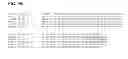


Sources:
- United States Patent and Trademark Office - verify current appl. status at the USPTO↗
Similar patent applications:
Recent applications in this class:
- » 20130052646 2013-02-28
POSITIVE AND NEGATIVE SELECTABLE MARKERS FOR USE IN THERMOPHILIC ORGANISMS - » 20130023035 2013-01-24
Regulation of toxin and antitoxin genes for biological containment - » 20130022639 2013-01-24
EXPRESSION OF MENINGOCOCCAL FHBP POLYPEPTIDES
Recent applications for this Assignee:
- » 20250190809 2025-06-12
Reinforcement Machine-Learned Spectrum Analysis - » 20250185509 2025-06-05
METHODS FOR HEAT TREATING THERMOCOUPLES USING OHMIC HEATING AND RELATED SYSTEMS - » 20240323164 2024-09-26
SMART NETWORK SWITCHING SYSTEMS AND RELATED METHODS - » 20240290722 2024-08-29
APPARATUSES INCLUDING INTERCONNECT STRUCTURES INCLUDING DIELECTRIC MATERIAL SURROUNDED BY CONDUCTIVE MATERIAL, AND RELATED MEMORY DEVICES - » 20240227017 2024-07-11
METHODS OF FORMING ARTICLES INCLUDING MICROCHANNELS THEREIN, AND RELATED ARTICLES - » 20240131590 2024-04-25
Methods of forming articles including microchannels therein, and related articles - » 20240109103 2024-04-04
Sorting of dark colored and black plastics - » 20240086588 2024-03-14
Systems and Methods for Managing Energy Storage Devices - » 20240076793 2024-03-07
METAL-COATED ARTICLES COMPRISING A TRANSITION METAL REGION AND A PLATINUM-GROUP METAL REGION AND RELATED METHODS - » 20230409711 2023-12-21
NETWORK SYSTEMS, CLASSIFICATION METHODS, AND RELATED APPARATUSES FOR SECURITY ANALYSES OF ELECTRONIC MESSAGES