Camel milk-based topical pharmaceutical composition
US20140072648A1
2014-03-13
13/609,342
2012-09-11
✅ Patent granted
US 10,010,564 B2
2018-07-03
-
-
Chris R Tate
The Law Firm of Brett M. Maland
2033-05-14
Abstract:
The present invention relates to a novel pharmaceutical composition with milk of immunized camelid, particularly Camelus dromedarius as the main component (i.e. active ingredient) and a method for the treatment or prevention of skin or mucus membrane infections, particularly Acne vulgaris. The present invention also discloses a process of preparing said composition.
Inventors:
- Khaled Mahmood Al-Qaoud 2 🇺🇸 , United States
- Penelope Ahmad Shihab 2 🇺🇸 , United States
- Luay Fawzi Abu-Qatouseh 2 🇺🇸 , United States
- Christopher R. Lowe 2 🇺🇸 , United States
- Khaled Mahmood Al-Qaoud 4 🇯🇴 Amman, Jordan
- Christopher R. Lowe 9 🇬🇧 Cambridge, United Kingdom
- Penelope Agmad Shihab 2 🇯🇴 Amman, Jordan
- Luay Fawzi Abu-Oatousch 2 🇯🇴 Amman, Jordan
Applicant:
Interested in similar patents?
Get notified when new applications in this technology area are published.
Classification:
A61P17/10 » CPC further
Drugs for dermatological disorders Anti-acne agents
A61L2/04 IPC
Methods or apparatus for disinfecting or sterilising materials or objects other than foodstuffs or contact lenses; Accessories therefor using physical phenomena Heat
A61P31/10 » CPC further
Antiinfectives, i.e. antibiotics, antiseptics, chemotherapeutics Antimycotics
A61P31/04 » CPC further
Antiinfectives, i.e. antibiotics, antiseptics, chemotherapeutics Antibacterial agents
A61P17/00 » CPC further
Drugs for dermatological disorders
A61P31/00 » CPC further
Antiinfectives, i.e. antibiotics, antiseptics, chemotherapeutics
A61K35/20 » CPC main
Medicinal preparations containing materials or reaction products thereof with undetermined constitution; Materials from mammals; Compositions comprising non-specified tissues or cells; Compositions comprising non-embryonic stem cells; Genetically modified cells Milk; Whey; Colostrum
Description
FIELD OF THE INVENTION
The present invention relates to a pharmaceutical composition for the treatment or prevention of skin or mucus membrane infections such as acne, and more particularly, the invention relates to a pharmaceutical composition based on immunized camelid milk, particularly Camelus dromedarius as the active ingredient, and a process of preparing the composition.
BACKGROUND OF THE INVENTION
Acne vulgaris caused by the bacterium Propionibacterium acne (P. acne) is the most common cutaneous disorder with a prevalence of 70-85% in adolescents. Although acne is not a life-threatening disease, it has significant physical and psychological effects such as permanent scarring, poor self-image, social inhibition, depression, anxiety, and suicidal tendency. Therefore, acne may be regarded as a serious medical condition. Topical therapy is inevitable in acne treatment and is mainly indicated in the mild to moderate acne. In more severe forms, a combined topical and systemic therapy is recommended. The available topical agents have a direct or indirect influence on the patho-genetic factors and are selected according to the predominant type of acne lesions. The therapeutic success, in acne and related skin disorders are highly dependent on a regular application of the topical agents over a prolonged period of time. However, disadvantages associated with the commonly used topical agents considerably affect the patient compliance and obstruct the treatment. Currently, available treatment for acne and related skin disorders is mostly based on antibiotics and retinoids. The uses of antibiotics have a lot of limitations due to development of resistance by bacteria. On the other hand, Retinoids are highly teratogenic.
Animal milk has been used in the preparation of pharmaceutical and cosmetic compositions. Milk of ruminants, and predominantly bovine milk, has been utilized most. Among drawbacks of cow milk is a wide-spread allergy to it affecting in several of its forms as much as 50% individuals in some populations. It is an object of this invention to provide a composition comprising immunized milk which keeps all the benign properties of milk but is free of the drawbacks related to cow milk. Camel milk has been traditionally used by certain ethnic groups, and it was found that, in some respects, its composition is closer to the human milk than cow milk.
Passive immunity is provided to newborns by Immunoglobulins present in colostrum until its own immune system matures. The concentration in colostrum of specific antibodies against pathogens can be raised by immunizing a mammal with these pathogens or their antigens. Immunized milk products are preparations made of such hyper-immune colostrum or antibodies enriched from it. These preparations can be used to give effective specific protection against different diseases. Colostral immunoglobulin supplements designed for farm animals are commercially available in many countries. Also some immunized milk products that contain specific antibodies against certain pathogens have been launched in the market. A number of clinical studies are currently in progress to evaluate the efficacy of immunized milks in the prevention and treatment of various human infections, including those caused by antibiotic resistant bacteria. Bovine colostrum-based immunized milk products are used as prophylaxis against various infectious diseases in humans. Immunized milk products are examples of health-promoting functional foods, or nutraceuticals.
SUMMARY OF THE INVENTION
It is an object of the present invention to eliminate the disadvantages of the prior art by providing a pharmaceutical composition comprising treated immunized camelid milk in a pharmaceutically acceptable vehicle for the treatment or prevention of skin or mucus membrane infections.
A second object of the present invention, is to provide a process of preparing the composition comprising;
-
- a. Immunizing a female camelid with a vaccine of propionobacterium acne, Staphylococcus aureus, Streptococcus mutans, Pseudomonas aeroginosa, Haemophilus influenza, Neisseriae spp. Candida spps or Chlamydia trachomatus;
- b. Obtaining milk from the camelid;
- c. Treating the milk at a temperature of 0° C. for 1-2 hours and centrifuging at 15000 rpm to remove lipids;
- d. Treating the milk with rennin or acetic acid to reduce protein content;
- e. Pasteurizing the milk at a temperature ranging from 65° C. to 72° C. for 15 minutes; and
- f. Preparing the milk in a pharmaceutically acceptable vehicle.
Another object of the present invention is to provide a method for the treatment or prevention of skin or mucus membrane infections, comprising applying to infected areas of the human body an effective amount of the composition of the invention.
Preferably, the camelid described in the invention is chosen from the genus Camelus, Llama, or Vicuna. More preferably, the camelid is Camelus dromedaries.
-
- The camelid described in the invention is immunized with skin or mucus membrane pathogen; preferably propionobacterium acne, Staphylococcus aureus, Streptococcus mutans, Pseudomonas aeroginosa, Haemophilus influenza, Neisseriae spp. Candida spps or Chlamydia trachomatus.
Preferably, the pharmaceutical composition of the invention is in the form of cream, ointment, gel, skin wash, lotion, soap, shampoo, mouth wash, vaginal wash, eye wash, tooth paste, or spray.
BRIEF DESCRIPTION OF THE DRAWINGS
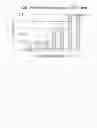
FIG. 1 shows whey of immunized camel tested by Enzyme-Linked Immunosorbent Assay (ELISA) and the kinetic response over the experiment period.
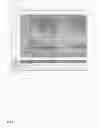
FIG. 2 shows Coomassie SDS-PAGE gel (12.5%) for P. acne camel whey. The run was done for 30 min at 100V, then for 45 min at 150V. Load was 20 μl/well. Dilution was (3:1) with 4× dye for all fractions.
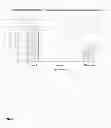
FIG. 3 shows bactericidal activity of whey obtained from milk of immunized camel on P. acne.
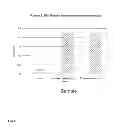
FIG. 4 shows the growth inhibition of whey obtained from milk of immunized camel.
FIG. 5 shows anti-acne activity of aqueous cream extract.
DETAILED DESCRIPTION OF THE INVENTION
The pharmaceutical composition of this invention comprises immunized camelid milk as the active ingredient in a pharmaceutically acceptable vehicle, in addition, a method for treatment or prevention of skin or mucus membrane infections is described, for example, acne vulgaris.
The camelid, preferably Arabian camel (Camelus dromadarius) immunized subcutaneously with an initial dose of 3 ml of prepared skin or mucus membrane pathogen, for example, Propionibacterium acne vaccine. The vaccinated camel is boosted 4 times at 2 week intervals with 5 ml of vaccine for each booster.
The Propionibacterium acne vaccine is prepared from P. acnes (NCTC 373), as shown in Examples 1 and 2.
The pharmaceutical composition, according to the present invention, is intended for treating the skin, and may be in a pharmaceutically acceptable vehicle in the form which include, but is not limited to liquid, paste, or solid, and more particularly in the form of ointment, cream, milk, powder, impregnated pad, wipes, solution, gel, spray, suspension, lotion, shampoo, or washing base. The composition may also be in the form of suspension of lipid or polymer vesicle, nano sphere or micro sphere, or polymer patches and hydro-gels allowing a controlled release. The composition may be in anhydrous form, in aqueous form, or in the form of an emulsion. The components of the pharmaceutical composition and their ratios could be adjusted according to the pharmaceutically acceptable vehicle and the intended application of the pharmaceutical composition. In a preferred embodiment of the present invention, the pharmaceutical composition is in the form of a cream, and in another preferred embodiment of the present invention, the pharmaceutical composition is in the form of a gel.
The present invention further relates to a process of preparing the pharmaceutical composition, comprising.
-
- 1. Immunizing a female camel with a vaccine of intact or whole cell lysate of P. acne;
- 2. Obtaining milk from the female camel;
- 3. treating the female camel milk at a temperature of 0° C. for 1-2 hours and centrifuging at 15000 rpm to remove lipids;
- 4. Treating the milk with rennin or acetic acid to reduce protein content;
- 5. Pasteurizing the camel milk at a temperature ranging from 65° C. to 72° C. for 15 minutes; and
- 6. Preparing the camel milk in a pharmaceutically acceptable vehicle.
The invention will be further described and illustrated in the following examples.
EXAMPLES
The following examples illustrate the present invention without, however, limiting the same thereto.
Example 1
Cell Culture
P. acnes (NCTC 373) were cultured on Mueller Hinton Agar (MHA) under anaerobic conditions using Gas-Pak (Oxoid) at 37° C. for 72 hrs. Standard inoculums of Optical Density 600 (OD600)=1.0-3.0 were prepared by inoculating colonies of P. acne in Phosphate Buffered Saline (PBS).
Example 2
Bacteria Harvesting
-
- 1. The bacterial cells were harvested by adding 1 ml of autoclaved PBS 1× to the growing bacteria and collected from the plate with a sterile Pasteur pipette;
- 2. The bacteria were washed 3 time with PBS;
- 3. The suspension was prepared as 2 McFarland standard/1.5 ml;
- 4. The bacteria were inactivated by heating at 60° C. for 30 min and centrifuged at 5,000×g for 5 min;
- 5. The bacteria were mixed with PBS until reaching the required McFarland/1.5 ml; and
1.5 ml of the inactivated bacteria were mixed with 1.5 ml of the Freund's adjuvant complete (SIGMA) and injected subcutaneously into a camel.
Example 3
Camel Immunization
For each infection model, two adult female Arabian camels (Camelus dromedarius) were used; one as control and the other was immunized subcutaneously with an initial dose of 3 ml of prepared Propionibacterium acne vaccine. The vaccinated camel was boosted 4 times at 2 week intervals with 5 ml of the vaccine for each booster. The two camels were kept in a farm for two months, and were kept under similar conditions.
Example 4
Detection of Specific Antibodies Against Propionibacterium Acne in Milk by Enzyme-Linked Immunosorbent Assay (ELISA)
For milk antibody screening, the ELISA, was performed. Flat bottomed 96 well polystyrene micro titer plates (Greiner, Germany) were coated with 100 μl of 10 μg/ml Propionibacterium acne antigens in carbonate-bicarbonate buffer (pH 9.6) overnight at 4° C. The plates were washed 3 times with 100 μl of 0.15 M PBS (pH 7.2) containing 0.05% Tween 20 and blocked with 100 μl of 2% Bovine Serum Albumin (BSA) in PBS for one hour at Room Temperature (RT). The plates were washed again and 100 μl of the serum samples diluted at 1:100 in 1% BSA were added in duplicates and incubated for one hour at RT, whereas, milk samples were added in duplicates without dilution. Negative and positive control samples were incorporated in each of the plates. After washing, 100 μl of one of the horse radish peroxidase (HRP) conjugated protein A and protein G were diluted at 1:1000 in 1% BSA, and were added separately to each well. The plates were incubated for one hour at RT and washed again. Finally, 100 μl of 0.1% O-phenylenediamine (Sigma, USA) containing hydrogen peroxide in 0.1 M citrate buffer (pH 4.5) were added to each of the wells and absorbance was measured at 490 nm using ELISA reader (AsysHitech, Switzerland). Results are shown in FIG. 1.
Example 5
Identification of Camel Milk Proteins Using Sodium Dodecyl Sulfate Polyacrylamide Gel Electrophoreses (SDS-PAGE)
Components of camel skimmed milk were fractionated by SDS-PAGE (after precipitation of casein). This was performed using Desaphor VE minigel (Heidelberg, Germany) in the discontinuous buffer system using 0.5 mm thick 10% acrylamide-bisacrylamide gels under non-reducing conditions as described by Hamers-Casterman et al. (1993). For preparing resolving gels, 4 mL distilled water, 2.5 mL running buffer (pH 8.8), 3.3 mL of 30% acrylamide-bisacrylamide solution, 100 μL of 10% ammonium persulfate (APS) and 10 μL Tetramethylethylenediamine (TEMED) were mixed. Stacking gels (4%) were prepared by adding 6 ml of distilled water, 2.5 ml staking buffer (pH 6.6), 1.3 mL of 30% acrylamide-bisacrylamide solution, 100 μl of 10% Ammonium persulfate (APS), and 10 μl TEMED. The milk was mixed with an equal volume of sample buffer lacking B-mercaptoethanol (non-reducing conditions) (pH 6.8). For band size determination, molecular weight protein standard was used after being processed in a similar way as the milk samples. Electrophoresis was carried out using running buffer with pH 8.3 at 120 volts for 60-120 minutes. The gel was stained with Coomassie brilliant blue R-250 (except if used for immunoblot) and destained by 20% acetic acid until clear bands were seen. Results are shown in FIG. 2.
Example 6
In Vitro Activity of Whey Against Acne
Antibodies isolated from whey of Camel milk immunized with killed P. acne are mixed with a standard inoculum of the bacterium and subsequently incubated for 72 hrs. The total count is determined and then compared with the total count of the standard inoculum without mixing with the antibodies. Results are shown in FIG. 3 and FIG. 4.
Example 7
Preparation of Cream Formula
For the treatment of acne, a cream formula has been prepared from the following components:
Cream Formula 0.5% w/w
| Material | weight | mg/unit | |
| Camel dried whey* | 15 | g | 2.5 | |
| Cetyl alcohol | 90 | g | 15 | |
| Tween 20 | 30.9 | ml | 5.15 | |
| Glycerylmonostearate type1 | 17.1 | g | 2.85 | |
| MERKUR 791 | 60 | g | 10 | |
| Purified water | 387 | ml | 64.5 | |
| Total | 600 | 100 | ||
| *Equivalent to 0.5% w/w total protein |
Preparation Protocol:
-
- 1. Cetyl alcohol, Glyceryl monostearate and Merkur were molten in same container at 75 C using water bath;
- 2. Tween 20 was mixed with purified water;
- 3. Camel whey powder was dissolved in Tween mixture;
- 4. The mixture from step 3 was heated to 45°-50° C.;
- 5. The mixtures from step 1 was cooled to 65°-70° C.; and
- 6. Both mixtures were mixed together and cooled while mixing until cream turns white.
Example 8
Preparation of Gel Formula
For the treatment of acne, a gel formula has been prepared from the following components:
Gel Formula 0.5% w/w
| Material | weight | mg/unit | |
| Camel dried whey* | 8.75 | g | 2.5 | |
| Hydroxypropyl cellulose grade HF | 10.5 | g | 3 | |
| Deionized (D.I.) water | 330.75 | ml | 94.5 | |
| Total | 350 | g | 100 | |
| *contains 0.5% total protein. |
Preparation Protocol:
-
- 1. Camel dry whey was dissolved in D.I. water;
- 2. Hydroxypropyl cellulose grade HF was dissolved in solution from step 1,
- 3. The mixture was continuously mixed until a clear homogenous gel has formed; and
- 4. The gel was filled in tubes.
Example 9
Recovery of Active Ingredients from Cream
The active ingredients of camel milk whey were re-extracted from the cream for the purpose of stability testing. The cream was mixed with equal volumes of PBS and incubated in water bath at 56° C. for 10 minutes. The mixture was then centrifuged at 13400 rpm for 10 minutes, using microfuge. The aqueous phase was collected and tested using ELISA. Results are shown in FIG. 5.
Example 10
In Vivo Testing of the Efficacy of Whey Protein Concentrate of Milk of Immunized Camel Against Propionibacterium acne Protocol
Propionibacterium acne (108 CFU/ml (OD600=2)) bacteria were mixed with the whey protein concentrate and incubated for 2 hrs before Intradermal injection in the central portion of rabbit ear. Both positive whey and negative whey were used and compared. Injection was gradually performed by 28 gauge needle to prevent leakage. Gross examination was performed daily along the period of investigation (two weeks). Histopathological evaluation was performed after sacrificing the animals.
Results:
Gross Examination:
Ear thickness: the infection induced rabbit showed double fold increased ear thickness compared to the normal non infected ear. In contrast, ear thickness was significantly reduced in cases of injecting pretreated bacteria with positive whey and less significantly in cases of negative whey. In addition, no significant differences were observed concerning redness, heat, formation of papules and pus.
Histopathological Examination:
In the infection induced rabbit, the inflammatory response was presented with dense mixed inflammatory cells and marked eosinophilia, formation of micro abscess and ulcerations without affecting the epidermis. In contrast, mild mixed inflammatory cells without ulceration and less micro abscesses were markedly observed in cases of injecting pretreated bacteria with positive whey. No differences were observed in the negative whey treated rabbit in comparison to the infection induced ear.
Microbiological Examination
The recovery of viable P. acne was possible in cases of pus formation. No differences were seen among all groups.
While the present invention has been described in details and with reference to specific embodiments thereof, it will be apparent to one skilled in the art that various additions, omissions and modifications can be made without departing from the spirit and scope thereof.
Claims
1. A pharmaceutical composition comprising treated immunized Camelid milk in a pharmaceutically acceptable vehicle for the treatment or prevention of skin or mucus membrane diseases.
2. The pharmaceutical composition of claim 1, wherein said Camelid is from the genus Camelus, Llama, or Vicuna.
3. The pharmaceutical composition of claim 2, wherein said camelid is Camelus dromedarius.
4. The pharmaceutical composition of claim 1, wherein said camelid is immunized with skin or mucus membrane pathogen.
5. The pharmaceutical composition of claim 4, wherein said pathogen is Propionobacterium acne, Staphylococcus aureus, Streptococcus mutans, Pseudomonas aeroginosa, Haemophilus influenza, Neisseriae spp. Candida spps or Chlamydia trachomatus.
6. The pharmaceutical composition of claim 5, wherein said pathogen is intact or any a fraction treated with heat, formalin or cell lysate.
7. The pharmaceutical composition of claim 1, wherein said immunized camel milk is treated at a temperature of 0° C. for 1-2 hours and centrifuged at 15000 rpm for the removal of lipids.
8. The pharmaceutical composition of claim 1, wherein said immunized camelid milk is treated enzymatically or chemically to reduce protein content.
9. The pharmaceutical composition of claim 8, wherein said enzyme is rennin, and said chemical is acetic acid.
10. The pharmaceutical composition of claim 1, wherein said composition can be in the form of cream, ointment, gel, skin wash, lotion, soap, shampoo, mouth wash, vaginal wash, eye wash, tooth paste, or spray.
11. A process of preparing the pharmaceutical composition of claim 1, comprising;
Immunizing a female camelid with a vaccine of Propionobacterium acne, Staphylococcus aureus, Streptococcus mutans, Pseudomonas aeroginosa, Haemophilus influenza, Neisseriae spp. Candida spps or Chlamydia trachomatus;
Obtaining milk from the camelid;
Treating the milk at a temperature of 0° C. for 1-2 hours and centrifuging at 15000 rpm to remove lipids;
Treating the milk with rennin or acetic acid to reduce protein content;
Pasteurizing the milk at a temperature ranging from 65° C. to 72° C. for 15 minutes; and
Preparing the milk in a pharmaceutically acceptable vehicle.
12. The process of claim 11, wherein said camelid is from the genus Camelus, Llama, or Vicuna.
13. The process of claim 12, wherein said camelid is Camelus dromedarius.
14. The process of claim 11, wherein said composition can be in the form of cream, ointment, gel, skin wash, lotion, soap, shampoo, mouth wash, vaginal wash, eye wash, tooth paste or spray.
15. A method for the treatment or prevention of skin or mucus membrane infections, comprising applying to an infected area of the human body an effective amount of the composition of claim 1.
16. The method of claim 15, wherein said infections are caused by Propionobacterium acne, Staphylococcus aureus, Streptococcus mutans, Pseudomonas aeroginosa, Haemophilus influenza, Neisseriae spp. Candida spps or Chlamydia trachomatus.
Images & Drawings included:

Sources:
- United States Patent and Trademark Office - verify current appl. status at the USPTO↗
Recent applications in this class:
- » 20250288615 2025-09-18
INFLAMMATORY CYTOKINE PRODUCTION INHIBITOR - » 20250241959 2025-07-31
Pain relief Composition and Method of Use - » 20250161362 2025-05-22
Combined preparation for its use in the improvement of the muscle health - » 20250017973 2025-01-16
Nutritional composition for cancer - » 20240358763 2024-10-31
SUPPLEMENT FOR HUMAN MILK FROM ALLERGIC WOMEN - » 20240285690 2024-08-29
NUTRITIONAL COMPOSITIONS WITH MFGM AND CERTAIN HUMAN MILK OLIGOSACCHARIES AND USES THEREOF - » 20240285689 2024-08-29
METHODS FOR ENHANCING MUSCLE PERFORMANCE OR REDUCING CHRONIC FATIGUE BY ADMINISTERING BOVINE MILK-DERIVED EXOSOMES - » 20240285688 2024-08-29
Extensive whey protein hydrolysate with tolerogenic peptides - » 20240226169 2024-07-11
PERSONALIZED SKIN CARE COMPOSITIONS - » 20240216434 2024-07-04
NUTRITIONAL COMPOSITIONS FOR HUMAN CONSUMPTION AND METHODS FOR MAKING SAME