MicroRNA-Based Methods and Compositions For the Diagnosis, Prognosis and Treatment of Breast Cancer
US20140147495A1
2014-05-29
14/145,364
2013-12-31
Abstract:
The present invention provides novel methods and compositions for the diagnosis, prognosis and treatment of breast cancer. The invention also provides methods of identifying anti-breast cancer agents.
Inventors:
- Carlo M. Croce 147 🇺🇸 Columbus, OH, United States
- George A. Calin 47 🇺🇸 Pearland, TX, United States
Assignee:
- THE OHIO STATE UNIVERSITY RESEARCH FOUNDATION 315 🇺🇸 Columbus, OH, United States
Interested in similar patents?
Get notified when new applications in this technology area are published.
Classification:
C12Q1/6886 » CPC main
Measuring or testing processes involving enzymes, nucleic acids or microorganisms ; Compositions therefor; Processes of preparing such compositions involving nucleic acids; Nucleic acid products used in the analysis of nucleic acids, e.g. primers or probes for diseases caused by alterations of genetic material for cancer
C12Q1/68 IPC
Measuring or testing processes involving enzymes, nucleic acids or microorganisms ; Compositions therefor; Processes of preparing such compositions involving nucleic acids
C12N15/113 » CPC further
Mutation or genetic engineering; DNA or RNA concerning genetic engineering, vectors, e.g. plasmids, or their isolation, preparation or purification; Use of hosts therefor; Recombinant DNA-technology; DNA or RNA fragments; Modified forms thereof Non-coding nucleic acids modulating the expression of genes, e.g. antisense oligonucleotides
Description
CROSS-REFERENCE TO RELATED APPLICATIONS
This application is a divisional application claiming the benefit of U.S. application Ser. No. 12/012,235, now U.S. Pat. No. ______, issued ______, 2014, which entered the National Phase on Jan. 31, 2008, from the International PCT Application No. US06/029889, filed Jul. 31, 2006, which claims the benefit of U.S. Provisional Application No. 60/704,464, filed Aug. 1, 2005. The disclosures of each of the aforementioned applications are incorporated herein by reference for all purposes.
GOVERNMENT SUPPORT
This invention was supported by a grant under Program Project Grant P01CA76259, P01CA81534, and P30CA56036 from the National Cancer Institute. The Government has certain rights in this invention.
BACKGROUND OF THE INVENTION
Breast cancer is a significant health problem for women in the United States and throughout the world. Although advances have been made in the detection and treatment of the disease, breast cancer remains the second leading cause of cancer-related deaths in women, affecting more than 180,000 women in the United States each year. For women in North America, the life-time odds of getting breast cancer are now one in eight.
No universally successful method for the treatment or prevention of breast cancer is currently available. Management of breast cancer currently relies on a combination of early diagnosis (for example, through routine breast screening procedures) and aggressive treatment, which may include one or more of a variety of treatments, such as surgery, radiotherapy, chemotherapy and hormone therapy. The course of treatment for a particular breast cancer is often selected based on a variety of prognostic parameters including an analysis of specific tumor markers.
Although the discovery of BRCA1 and BRCA2 were important steps in identifying key genetic factors involved in breast cancer, it has become clear that mutations in BRCA1 and BRCA2 account for only a fraction of inherited susceptibility to breast cancer. In spite of considerable research into therapies for breast cancer, breast cancer remains difficult to diagnose and treat effectively, and the high mortality observed in breast cancer patients indicates that improvements are needed in the diagnosis, treatment and prevention of the disease.
MicroRNAs are a class of small, non-coding RNAs that control gene expression by hybridizing to and triggering either translational repression or, less frequently, degradation of a messenger RNA (mRNA) target. The discovery and study of miRNAs has revealed miRNA-mediated gene regulatory mechanisms that play important roles in organismal development and various cellular processes, such as cell differentiation, cell growth and cell death. Recent studies suggest that aberrant expression of particular miRNAs may be involved in human diseases, such as neurological disorders and cancer. In particular, misexpression of miR-16-1 and/or miR-15a has been found in human chronic lymphocytic leukemias.
The development and use of microarrays containing all known human microRNAs has permitted a simultaneous analysis of the expression of every miRNA in a sample. These microRNA microarrays have not only been used to confirm that miR-16-1 is deregulated in human CLL cells, but also to generate miRNA expression signatures that are associated with well-defined clinico-pathological features of human CLL.
The use of microRNA microarrays to identify a group of microRNAs, which are differentially-expressed between normal cells and breast cancer cells (for example, an expression signature or expression profile), may help pinpoint specific miRNAs that are involved in breast cancer. Furthermore, the identification of putative targets of these miRNAs may help to unravel their pathogenic role. The present invention provides novel methods and compositions for the diagnosis, prognosis and treatment of breast cancer.
SUMMARY OF THE INVENTION
The present invention is based, in part, on the identification of a breast cancer-specific signature of miRNAs that are differentially-expressed in breast cancer cells, relative to normal control cells.
Accordingly, embodiments of the invention encompass methods of diagnosing whether a subject has, or is at risk for developing, breast cancer, comprising measuring the level of at least one miR gene product in a test sample from the subject and comparing the level of the miR gene product in the test sample to the level of a corresponding miR gene product in a control sample. An alteration (for example, an increase, a decrease) in the level of the miR gene product in the test sample, relative to the level of a corresponding miR gene product in a control sample, is indicative of the subject either having, or being at risk for developing, breast cancer. In certain embodiments, the at least one miR gene product is selected from the group consisting of miR-125b-1, miR125b-2, miR-145, miR-21, miR-155, miR-10b and combinations thereof.
The level of the at least one miR gene product can be measured using a variety of techniques that are well known to those of skill in the art. In one embodiment, the level of the at least one miR gene product is measured using Northern blot analysis. In another embodiment, the level of the at least one miR gene product is measured by reverse transcribing RNA from a test sample obtained from the subject to provide a set of target oligodeoxynucleotides, hybridizing the target oligodeoxynucleotides to a microarray that comprises miRNA-specific probe oligonucleotides to provide a hybridization profile for the test sample, and comparing the test sample hybridization profile to a hybridization profile generated from a control sample. An alteration in the signal of at least one miRNA in the test sample relative to the control sample is indicative of the subject either having, or being at risk for developing, breast cancer. In a particular embodiment, the microarray comprises miRNA-specific probe oligonucleotides for a substantial portion of the human miRNome. In a further embodiment, the microarray comprises miRNA-specific probe oligonucleotides for one or more miRNAs selected from the group consisting of miR-145, miR-21, miR-155, miR-10b, miR-009-1 (miR131-1), miR-34 (miR-170), miR-102 (miR-29b), miR-123 (miR-126), miR-140-as, miR-125a, miR-125b-1, miR-125b-2, miR-194, miR-204, miR-213, let-7a-2, let-7a-3, let-7d (let-7d-v1), let-7f-2, let-7i (let-7d-v2), miR-101-1, miR-122a, miR-128b, miR-136, miR-143, miR-149, miR-191, miR-196-1, miR-196-2, miR-202, miR-203, miR-205, miR-206, miR-210 and combinations thereof.
Embodiments of the invention also provide methods of diagnosing a breast cancer associated with one or more prognostic markers, comprising measuring the level of at least one miR gene product in a breast cancer test sample from a subject and comparing the level of the at least one miR gene product in the breast cancer test sample to the level of a corresponding miR gene product in a control sample. The breast cancer can be associated with one or more adverse prognostic markers associated with breast cancer, such as, but not limited to, estrogen receptor expression, progesterone receptor expression, positive lymph node metastasis, high proliferative index, detectable p53 expression, advanced tumor stage, and high vascular invasion. In one embodiment, the level of the at least one miR gene product is measured by reverse transcribing RNA from a test sample obtained from the subject to provide a set of target oligodeoxynucleotides, hybridizing the target oligodeoxynucleotides to a microarray that comprises miRNA-specific probe oligonucleotides to provide a hybridization profile for the test sample, and comparing the test sample hybridization profile to a hybridization profile generated from a control sample. An alteration in the signal of at least one miRNA in the test sample relative to the control sample is indicative of the subject either having, or being at risk for developing, a breast cancer associated with the one or more prognostic markers. In a particular embodiment, the microarray comprises at least one miRNA-specific probe oligonucleotide for a miRNA selected from the group consisting of miR-26a, miR-26b, miR-102 (miR-29b), miR-30a-5p, miR-30b, miR-30c, miR-30d, miR-185, miR-191, miR-206, miR-212, let-7c, miR-9-2, miR-15-a, miR-21, miR-30a-s, miR-133a-1, miR-137, miR-153-2, miR-154, miR-181a, miR-203, miR-213, let-7f-1, let-7a-3, let-7a-2, miR-9-3, miR-10b, miR-27a, miR-29a, miR-123, miR-205, let-7d, miR-145, miR-16a, miR-128b and combinations thereof.
Embodiments of the invention also encompass methods of treating breast cancer in a subject, wherein at least one miR gene product is de-regulated (for example, down-regulated, up-regulated) in the cancer cells of the subject. When the at least one isolated miR gene product is down-regulated in the breast cancer cells, the method comprises administering an effective amount of the at least one isolated miR gene product, such that proliferation of cancer cells in the subject is inhibited. In one embodiment, the method comprises administering an effective amount of the at least one isolated miR gene product, provided that the miR gene is not miR-15a or miR-16-1, such that proliferation of cancer cells in the subject is inhibited. When the at least one isolated miR gene product is up-regulated in the cancer cells, the method comprises administering to the subject an effective amount of at least one compound for inhibiting expression of the at least one miR gene, such that proliferation of breast cancer cells is inhibited.
In related embodiments, the invention provides methods of treating breast cancer in a subject, comprising determining the amount of at least one miR gene product in breast cancer cells from the subject, relative to control cells. If expression of the miR gene product is deregulated in breast cancer cells, the methods further comprise altering the amount of the at least one miR gene product expressed in the breast cancer cells. If the amount of the miR gene product expressed in the cancer cells is less than the amount of the miR gene product expressed in control cells, the method comprises administering an effective amount of at least one isolated miR gene product. In one embodiment, the miR gene product is not miR-15a or miR-16-1. If the amount of the miR gene product expressed in the cancer cells is greater than the amount of the miR gene product expressed in control cells, the method comprises administering to the subject an effective amount of at least one compound for inhibiting expression of the at least one miR gene. In one embodiment, the miR gene product is not miR-15a or miR-16-1.
The invention further provides pharmaceutical compositions for treating breast cancer. In one embodiment, the pharmaceutical compositions comprise at least one isolated miR gene product and a pharmaceutically-acceptable carrier. In a particular embodiment, the at least one miR gene product corresponds to a miR gene product that has a decreased level of expression in breast cancer cells relative to suitable control cells. In certain embodiments the isolated miR gene product is selected from the group consisting of miR-145, miR-10b, miR-123 (miR-126), miR-140-as, miR-125a, miR-125b-1, miR-125b-2, miR-194, miR-204, let-7a-2, let-7a-3, let-7d (let-7d-v1), let-7f-2, miR-101-1, miR-143 and combinations thereof.
In another embodiment, the pharmaceutical compositions of the invention comprise at least one miR expression inhibition compound. In a particular embodiment, the at least one miR expression inhibition compound is specific for a miR gene whose expression is greater in breast cancer cells than control cells. In certain embodiments, the miR expression inhibition compound is specific for one or more miR gene products selected from the group consisting of miR-21, miR-155, miR-009-1 (miR131-1), miR-34 (miR-170), miR-102 (miR-29b), miR-213, let-7i (let-7d-v2), miR-122a, miR-128b, miR-136, miR-149, miR-191, miR-196-1, miR-196-2, miR-202, miR-203, miR-206, miR-210, miR-213 and combinations thereof.
Embodiments of the invention also encompass methods of identifying an anti-breast cancer agent, comprising providing a test agent to a cell and measuring the level of at least one miR gene product in the cell. In one embodiment, the method comprises providing a test agent to a cell and measuring the level of at least one miR gene product associated with decreased expression levels in breast cancer cells. An increase in the level of the miR gene product in the cell, relative to a suitable control cell, is indicative of the test agent being an anti-breast cancer agent. In a particular embodiment, the at least one miR gene product associated with decreased expression levels in breast cancer cells is selected from the group consisting of miR-145, miR-10b, miR-123 (miR-126), miR-140-as, miR-125a, miR-125b-1, miR-125b-2, miR-194, miR-204, let-7a-2, let-7a-3, let-7d (let-7d-v1), let-7f-2, miR-101-1, miR-143 and combinations thereof.
In other embodiments the method comprises providing a test agent to a cell and measuring the level of at least one miR gene product associated with increased expression levels in breast cancer cells. A decrease in the level of the miR gene product in the cell, relative to a suitable control cell, is indicative of the test agent being an anti-breast cancer agent. In a particular embodiment, at least one miR gene product associated with increased expression levels in breast cancer cells is selected from the group consisting of miR-21, miR-155, miR-009-1 (miR131-1), miR-34 (miR-170), miR-102 (miR-29b), miR-213, let-7i (let-7d-v2), miR-122a, miR-128b, miR-136, miR-149, miR-191, miR-196-1, miR-196-2, miR-202, miR-203, miR-206, miR-210, miR-213 and combinations thereof.
BRIEF DESCRIPTION OF THE DRAWINGS
The patent or application file contains at least one drawing executed in color. Copies of this patent or patent application publication with color drawing(s) will be provided by the Office upon request and payment of the necessary fee.
FIG. 1 depicts a tree generated by cluster analysis showing a separation of breast cancer from normal tissues on the basis of differential microRNA expression (P<0.05). The bar at the bottom of the figure indicates the group of cancer (red) or normal breast tissues (yellow).
FIG. 2 is a graph depicting the probability (0.0 to 1.0) of each sample being a cancerous or normal tissue based on PAM analysis. All breast cancer and normal tissues were correctly predicted by the miR signature shown in Table 2.
FIG. 3A is a Northern blot depicting the expression level of miR-125b, using a miR-125b complementary probe, in a normal sample, as well as several tumor samples from breast cancer patients (P). The U6 probe was used for normalization of expression levels for each sample.
FIG. 3B is a Northern blot depicting the expression level of miR-145, using a miR-145 complementary probe, in a normal sample, as well as several tumor samples from breast cancer patients (P). The U6 probe was used for normalization of expression levels for each sample.
FIG. 3C is a Northern blot depicting the expression level of miR-21, using a miR-21 complementary probe, in a normal sample, as well as several tumor samples from breast cancer patients (labeled as numbered patients). The U6 probe was used for normalization of expression levels for each sample.
FIG. 3D is a Northern blot depicting the expression levels of microRNAs miR-125b, miR-145 and miR-21 in various breast cancer cell lines. The expression level of each microRNA was also determined in a sample from normal tissues. The U6 probe was used for normalization of expression levels for each sample.
FIG. 4A is a table listing miRNAs that are differentially-expressed in breast cancer samples associated with the presence (ER+) or absence (ER−) of estrogen receptor.
FIG. 4B is a table listing miRNAs that are differentially-expressed in breast cancer samples associated with the presence (PR+) or absence (PR−) of progesterone receptor.
FIG. 4C is a table listing miRNAs that are differentially-expressed in breast cancer samples associated with stage 1 (pT1) or stage 2 or 3 (pT2-3) tumors.
FIG. 4D is a table listing miRNAs that are differentially-expressed in breast cancer samples associated with the presence (pN0) or absence (pN10+) of lymph node metastasis.
FIG. 4E is a table listing miRNAs that are differentially-expressed in breast cancer samples associated with the presence or absence of vascular invasion.
FIG. 4F is a table listing miRNAs that are differentially-expressed in breast cancer samples associated with a high (MIB-1>30) or low (MIB-1<20) proliferative index (PI).
FIG. 4G is a table listing miRNAs that are differentially-expressed in breast cancer samples associated with positive (p53+) or negative (p53−) immunostaining of p53.
DETAILED DESCRIPTION OF THE INVENTION
The present invention is based, in part, on the identification of particular miRNAs whose expression is altered in breast cancer cells relative to normal control cells, and microRNAs whose expression is altered in breast cancer cells associated with particular prognostic features, relative to breast cancer cells lacking such features.
As used herein interchangeably, a “miR gene product,” “microRNA,” “miR,” or “miRNA” refers to the unprocessed or processed RNA transcript from an miR gene. As the miR gene products are not translated into protein, the term “miR gene products” does not include proteins. The unprocessed miR gene transcript is also called an “miR precursor,” and typically comprises an RNA transcript of about 70-100 nucleotides in length. The miR precursor can be processed by digestion with an RNAse (for example, Dicer, Argonaut, or RNAse III, for example, E. coli RNAse III)) into an active 19-25 nucleotide RNA molecule. This active 19-25 nucleotide RNA molecule is also called the “processed” miR gene transcript or “mature” miRNA.
The active 19-25 nucleotide RNA molecule can be obtained from the miR precursor through natural processing routes (for example, using intact cells or cell lysates) or by synthetic processing routes (for example, using isolated processing enzymes, such as isolated Dicer, Argonaut, or RNAase III). It is understood that the active 19-25 nucleotide RNA molecule can also be produced directly by biological or chemical synthesis, without having been processed from the miR precursor.
The sequences of 187 miR gene products are provided in Table 1. All nucleic acid sequences herein are given in the 5′ to 3′ direction. In addition, genes are represented by italics, and gene products are represented by normal type; for example, mir-17 is the gene and miR-17 is the gene product.
The present invention encompasses methods of diagnosing whether a subject has, or is at risk for developing, breast cancer, comprising measuring the level of at least one miR gene product in a test sample from the subject and comparing the level of the miR gene product in the test sample to the level of a corresponding miR gene product in a control sample. As used herein, a “subject” can be any mammal that has, or is suspected of having, breast cancer. In a particular embodiment, the subject is a human who has, or is suspected of having, breast cancer.
The breast cancer can be any form of breast cancer and may be associated with one or more prognostic markers or features, including, but not limited to, estrogen receptor expression, progesterone receptor expression, lymph node metastasis, high proliferative index, detectable p53 expression, advanced tumor stage, and high vascular invasion. The prognostic marker can be associated with an adverse or negative prognosis, or it may be associated with a good or positive prognosis.
| TABLE 1 |
| Human miR Gene Product Sequences |
| SEQ ID | ||
| Name | Precursor Sequence (5′ to 3′)* | NO. |
| hsa-let-7a-1-prec | CACTGTGGGATGAGGTAGTAGGTTGTATAGTTTTAGGGTCACACCCACCACT | 1 |
| GGGAGATAACTATACAATCTACTGTCTTTCCTAACGTG | ||
| hsa-let-7a-2-prec | AGGTTGAGGTAGTAGGTTGTATAGTTTAGAATTACATCAAGGGAGATAACTG | 2 |
| TACAGCCTCCTAGCTTTCCT | ||
| hsa-let-7a-3-prec | GGGTGAGGTAGTAGGTTGTATAGTTTGGGGCTCTGCCCTGCTATGGGATAAC | 3 |
| TATACAATCTACTGTCTTTCCT | ||
| hsa-let-7a-4-prec | GTGACTGCATGCTCCCAGGTTGAGGTAGTAGGTTGTATAGTTTAGAATTACA | 4 |
| CAAGGGAGATAACTGTACAGCCTCCTAGCTTTCCTTGGGTCTTGCACTAAAC | ||
| AAC | ||
| hsa-let-7b-prec | GGCGGGGTGAGGTAGTAGGTTGTGTGGTTTCAGGGCAGTGATGTTGCCCCTC | 5 |
| GGAAGATAACTATACAACCTACTGCCTTCCCTG | ||
| hsa-let-7c-prec | GCATCCGGGTTGAGGTAGTAGGTTGTATGGTTTAGAGTTACACCCTGGGAGT | 6 |
| TAACTGTACAACCTTCTAGCTTTCCTTGGAGC | ||
| hsa-let-7d-prec | CCTAGGAAGAGGTAGTAGGTTGCATAGTTTTAGGGCAGGGATTTTGCCCACA | 7 |
| AGGAGGTAACTATACGACCTGCTGCCTTTCTTAGG | ||
| hsa-let-7d-v1- | CTAGGAAGAGGTAGTAGTTTGCATAGTTTTAGGGCAAAGATTTTGCCCACAA | 8 |
| prec | GTAGTTAGCTATACGACCTGCAGCCTTTTGTAG | |
| hsa-let-7d-v2- | CTGGCTGAGGTAGTAGTTTGTGCTGTTGGTCGGGTTGTGACATTGCCCGCTGT | 9 |
| prec | GGAGATAACTGCGCAAGCTACTGCCTTGCTAG | |
| hsa-let-7e-prec | CCCGGGCTGAGGTAGGAGGTTGTATAGTTGAGGAGGACACCCAAGGAGATC | 10 |
| ACTATACGGCCTCCTAGCTTTCCCCAGG | ||
| hsa-let-7f-1-prec | TCAGAGTGAGGTAGTAGATTGTATAGTTGTGGGGTAGTGATTTTACCCTGTT | 11 |
| CAGGAGATAACTATACAATCTATTGCCTTCCCTGA | ||
| hsa-let-7f-2-prec | CTGTGGGATGAGGTAGTAGATTGTATAGTTGTGGGGTAGTGATTTTACCCTG | 12 |
| TTCAGGAGATAACTATACAATCTATTGCCTTCCCTGA | ||
| hsa-let-7f-2-prec | CTGTGGGATGAGGTAGTAGATTGTATAGTTTTAGGGTCATACCCCATCTTGG | 13 |
| AGATAACTATACAGTCTACTGTCTTTCCCACGG | ||
| hsa-let-7g-prec | TTGCCTGATTCCAGGCTGAGGTAGTAGTTTGTACAGTTTGAGGGTCTATGAT | 14 |
| ACCACCCGGTACAGGAGATAACTGTACAGGCCACTGCCTTGCCAGGAACAG | ||
| CGCGC | ||
| hsa-let-7i-prec | CTGGCTGAGGTAGTAGTTTGTGCTGTTGGTCGGGTTGTGACATTGCCCGCTGT | 15 |
| GGAGATAACTGCGCAAGCTACTGCCTTGCTAG | ||
| hsa-mir-001b-1- | ACCTACTCAGAGTACATACTTCTTTATGTACCCATATGAACATACAATGCTAT | 16 |
| prec | GGAATGTAAAGAAGTATGTATTTTTGGTAGGC | |
| hsa-mir-001b-1- | CAGCTAACAACTTAGTAATACCTACTCAGAGTACATACTTCTTTATGTACCCA | 17 |
| prec | TATGAACATACAATGCTATGGAATGTAAAGAAGTATGTATTTTTGGTAGGCA | |
| ATA | ||
| hsa-mir-001b-2- | GCCTGCTTGGGAAACATACTTCTTTATATGCCCATATGGACCTGCTAAGCTAT | 18 |
| prec | GGAATGTAAAGAAGTATGTATCTCAGGCCGGG | |
| hsa-mir-001b- | TGGGAAACATACTTCTTTATATGCCCATATGGACCTGCTAAGCTATGGAATG | 19 |
| prec | TAAAGAAGTATGTATCTCA | |
| hsa-mir-001d- | ACCTACTCAGAGTACATACTTCTTTATGTACCCATATGAACATACAATGCTAT | 20 |
| prec | GGAATGTAAAGAAGTATGTATTTTTGGTAGGC | |
| hsa-mir-007-1 | TGGATGTTGGCCTAGTTCTGTGTGGAAGACTAGTGATTTTGTTGTTTTTAGAT | 21 |
| AACTAAATCGACAACAAATCACAGTCTGCCATATGGCACAGGCCATGCCTCT | ||
| ACA | ||
| hsa-mir-007-1- | TTGGATGTTGGCCTAGTTCTGTGTGGAAGACTAGTGATTTTGTTGTTTTTAGA | 22 |
| prec | TAACTAAATCGACAACAAATCACAGTCTGCCATATGGCACAGGCCATGCCTC | |
| TACAG | ||
| hsa-mir-007-2 | CTGGATACAGAGTGGACCGGCTGGCCCCATCTGGAAGACTAGTGATTTTGTT | 23 |
| GTTGTCTTACTGCGCTCAACAACAAATCCCAGTCTACCTAATGGTGCCAGCC | ||
| ATCGCA | ||
| hsa-mir-007-2- | CTGGATACAGAGTGGACCGGCTGGCCCCATCTGGAAGACTAGTGATTTTGTT | 24 |
| prec | GTTGTCTTACTGCGCTCAACAACAAATCCCAGTCTACCTAATGGTGCCAGCC | |
| ATCGCA | ||
| hsa-mir-007-3 | AGATTAGAGTGGCTGTGGTCTAGTGCTGTGTGGAAGACTAGTGATTTTGTTG | 25 |
| TTCTGATGTACTACGACAACAAGTCACAGCCGGCCTCATAGCGCAGACTCCC | ||
| TTCGAC | ||
| hsa-mir-007-3- | AGATTAGAGTGGCTGTGGTCTAGTGCTGTGTGGAAGACTAGTGATTTTGTTG | 26 |
| prec | TTCTGATGTACTACGACAACAAGTCACAGCCGGCCTCATAGCGCAGACTCCC | |
| TTCGAC | ||
| hsa-mir-009-1 | CGGGGTTGGTTGTTATCTTTGGTTATCTAGCTGTATGAGTGGTGTGGAGTCTT | 27 |
| CATAAAGCTAGATAACCGAAAGTAAAAATAACCCCA | ||
| hsa-mir-009-2 | GGAAGCGAGTTGTTATCTTTGGTTATCTAGCTGTATGAGTGTATTGGTCTTCA | 28 |
| TAAAGCTAGATAACCGAAAGTAAAAACTCCTTCA | ||
| hsa-mir-009-3 | GGAGGCCCGTTTCTCTCTTTGGTTATCTAGCTGTATGAGTGCCACAGAGCCGT | 29 |
| CATAAAGCTAGATAACCGAAAGTAGAAATGATTCTCA | ||
| hsa-mir-010a- | GATCTGTCTGTCTTCTGTATATACCCTGTAGATCCGAATTTGTGTAAGGAATT | 30 |
| prec | TTGTGGTCACAAATTCGTATCTAGGGGAATATGTAGTTGACATAAACACTCC | |
| GCTCT | ||
| hsa-mir-010b- | CCAGAGGTTGTAACGTTGTCTATATATACCCTGTAGAACCGAATTTGTGTGG | 31 |
| prec | TATCCGTATAGTCACAGATTCGATTCTAGGGGAATATATGGTCGATGCAAAA | |
| ACTTCA | ||
| hsa-mir-015a-2- | GCGCGAATGTGTGTTTAAAAAAAATAAAACCTTGGAGTAAAGTAGCAGCAC | 32 |
| prec | ATAATGGTTTGTGGATTTTGAAAAGGTGCAGGCCATATTGTGCTGCCTCAAA | |
| AATAC | ||
| hsa-mir-015a- | CCTTGGAGTAAAGTAGCAGCACATAATGGTTTGTGGATTTTGAAAAGGTGCA | 33 |
| prec | GGCCATATTGTGCTGCCTCAAAAATACAAGG | |
| hsa-mir-015b- | CTGTAGCAGCACATCATGGTTTACATGCTACAGTCAAGATGCGAATCATTAT | 34 |
| prec | TTGCTGCTCTAG | |
| hsa-mir-015b- | TTGAGGCCTTAAAGTACTGTAGCAGCACATCATGGTTTACATGCTACAGTCA | 35 |
| prec | AGATGCGAATCATTATTTGCTGCTCTAGAAATTTAAGGAAATTCAT | |
| hsa-mir-016a- | GTCAGCAGTGCCTTAGCAGCACGTAAATATTGGCGTTAAGATTCTAAAATTA | 36 |
| chr13 | TCTCCAGTATTAACTGTGCTGCTGAAGTAAGGTTGAC | |
| hsa-mir-016b- | GTTCCACTCTAGCAGCACGTAAATATTGGCGTAGTGAAATATATATTAAACA | 37 |
| chr3 | CCAATATTACTGTGCTGCTTTAGTGTGAC | |
| hsa-mir-016- | GCAGTGCCTTAGCAGCACGTAAATATTGGCGTTAAGATTCTAAAATTATCTC | 38 |
| prec-13 | CAGTATTAACTGTGCTGCTGAAGTAAGGT | |
| hsa-mit-017-prec | GTCAGAATAATGTCAAAGTGCTTACAGTGCAGGTAGTGATATGTGCATCTAC | 39 |
| TGCAGTGAAGGCACTTGTAGCATTATGGTGAC | ||
| hsa-mir-018-prec | TGTTCTAAGGTGCATCTAGTGCAGATAGTGAAGTAGATTAGCATCTACTGCC | 40 |
| CTAAGTGCTCCTTCTGGCA | ||
| hsa-mir-018- | TTTTTGTTCTAAGGTGCATCTAGTGCAGATAGTGAAGTAGATTAGCATCTACT | 41 |
| prec-13 | GCCCTAAGTGCTCCTTCTGGCATAAGAA | |
| hsa-mir-019a- | GCAGTCCTCTGTTAGTTTTGCATAGTTGCACTACAAGAAGAATGTAGTTGTG | 42 |
| prec | CAAATCTATGCAAAACTGATGGTGGCCTGC | |
| hsa-mir-019a- | CAGTCCTCTGTTAGTTTTGCATAGTTGCACTACAAGAAGAATGTAGTTGTGC | 43 |
| prec-13 | AAATCTATGCAAAACTGATGGTGGCCTG | |
| hsa-mir-019b-1- | CACTGTTCTATGGTTAGTTTTGCAGGTTTGCATCCAGCTGTGTGATATTCTGC | 44 |
| prec | TGTGCAAATCCATGCAAAACTGACTGTGGTAGTG | |
| hsa-mir-019b-2- | ACATTGCTACTTACAATTAGTTTTGCAGGTTTGCATTTCAGCGTATATATGTA | 45 |
| prec | TATGTGGCTGTGCAAATCCATGCAAAACTGATTGTGATAATGT | |
| hsa-mir-019b- | TTCTATGGTTAGTTTTGCAGGTTTGCATCCAGCTGTGTGATATTCTGCTGTGC | 46 |
| prec-13 | AAATCCATGCAAAACTGACTGTGGTAG | |
| hsa-mir-019b- | TTACAATTAGTTTTGCAGGTTTGCATTTCAGCGTATATATGTATATGTGGCTG | 47 |
| prec--X | TGCAAATCCATGCAAAACTGATTGTGAT | |
| hsa-mir-020-prec | GTAGCACTAAAGTGCTTATAGTGCAGGTAGTGTTTAGTTATCTACTGCATTAT | 48 |
| GAGCACTTAAAGTACTGC | ||
| hsa-mir-021-prec | TGTCGGGTAGCTTATCAGACTGATGTTGACTGTTGAATCTCATGGCAACACC | 49 |
| AGTCGATGGGCTGTCTGACA | ||
| hsa-mir-021- | ACCTTGTCGGGTAGCTTATCAGACTGATGTTGACTGTTGAATCTCATGGCAA | 50 |
| prec-17 | CACCAGTCGATGGGCTGTCTGACATTTTG | |
| hsa-mir-022-prec | GGCTGAGCCGCAGTAGTTCTTCAGTGGCAAGCTTTATGTCCTGACCCAGCTA | 51 |
| AAGCTGCCAGTTGAAGAACTGTTGCCCTCTGCC | ||
| hsa-mir-023a- | GGCCGGCTGGGGTTCCTGGGGATGGGATTTGCTTCCTGTCACAAATCACATT | 52 |
| prec | GCCAGGGATTTCCAACCGACC | |
| hsa-mir-023b- | CTCAGGTGCTCTGGCTGCTTGGGTTCCTGGCATGCTGATTTGTGACTTAAGAT | 53 |
| prec | TAAAATCACATTGCCAGGGATTACCACGCAACCACGACCTTGGC | |
| hsa-mir-023- | CCACGGCCGGCTGGGGTTCCTGGGGATGGGATTTGCTTCCTGTCACAAATCA | 54 |
| prec-19 | CATTGCCAGGGATTTCCAACCGACCCTGA | |
| hsa-mir-024-1- | CTCCGGTGCCTACTGAGCTGATATCAGTTCTCATTTTACACACTGGCTCAGTT | 55 |
| prec | CAGCAGGAACAGGAG | |
| hsa-mir-024-2- | CTCTGCCTCCCGTGCCTACTGAGCTGAAACACAGTTGGTTTGTGTACACTGGC | 56 |
| prec | TCAGTTCAGCAGGAACAGGG | |
| hsa-mir-024- | CCCTGGGCTCTGCCTCCCGTGCCTACTGAGCTGAAACACAGTTGGTTTGTGTA | 57 |
| prec-19 | CACTGGCTCAGTTCAGCAGGAACAGGGG | |
| hsa-mir-024- | CCCTCCGGTGCCTACTGAGCTGATATCAGTTCTCATTTTACACACTGGCTCAG | 58 |
| prec-9 | TTCAGCAGGAACAGCATC | |
| hsa-mir-025-prec | GGCCAGTGTTGAGAGGCGGAGACTTGGGCAATTGCTGGACGCTGCCCTGGG | 59 |
| CATTGCACTTGTCTCGGTCTGACAGTGCCGGCC | ||
| hsa-mir-026a- | AGGCCGTGGCCTCGTTCAAGTAATCCAGGATAGGCTGTGCAGGTCCCAATGG | 60 |
| prec | CCTATCTTGGTTACTTGCACGGGGACGCGGGCCT | |
| hsa-mir-026b- | CCGGGACCCAGTTCAAGTAATTCAGGATAGGTTGTGTGCTGTCCAGCCTGTT | 61 |
| prec | CTCCATTACTTGGCTCGGGGACCGG | |
| hsa-mir-027a- | CTGAGGAGCAGGGCTTAGCTGCTTGTGAGCAGGGTCCACACCAASGTCGTGTT | 62 |
| prec | CACAGTGGCTAAGTTCCGCCCCCCAG | |
| hsa-mir-027b- | AGGTGCAGAGCTTAGCTGATTGGTGAACAGTGATTGGTTTCCGCTTTGTTCA | 63 |
| prec | CAGTGGCTAAGTTCTGCACCT | |
| hsa-mir-027b- | ACCTCTCTAACAAGGTGCAGAGCTTAGCTGATTGGTGAACAGTGATTGGTTT | 64 |
| prec | CCGCTTTGTTCACAGTGGCTAAGTTCTGCACCTGAAGAGAAGGTG | |
| hsa-mir-027- | CCTGAGGAGCAGGGCTTAGCTGCTTGTGAGCAGGGTCCACACCAAGTCGTGT | 65 |
| prec-19 | TCACAGTGGCTAAGTTCCGCCCCCCAGG | |
| hsa-mir-028-prec | GGTCCTTGCCCTCAAGGAGCTCACAGTCTATTGAGTTACCTTTCTGACTTTCC | 66 |
| CACTAGATTGTGAGCTCCTGGAGGGCAGGCACT | ||
| hsa-mir-029a-2 | CCTTCTGTGACCCCTTAGAGGATGACTGATTTCTTTTGGTGTTCAGAGTCAAT | 67 |
| ATAATTTTCTAGCACCATCTGAAATCGGTTATAATGATTGGGGAAGAGCACC | ||
| ATG | ||
| hsa-mir-029a- | ATGACTGATTTCTTTTGGTGTTCAGAGTCAATATAATTTTCTAGCACCATCTG | 68 |
| prec | AAATCGGTTAT | |
| hsa-mir-029c- | ACCACTGGCCCATCTCTTACACAGGCTGACCGATTTCTCCTGGTGTTCAGAGT | 69 |
| prec | CTGTTTTTGTCTAGCACCATTTGAAATCGGTTATGATGTAGGGGGAAAAGCA | |
| GCAGC | ||
| hsa-mir-030a- | GCGACTGTAAACATCCTCGACTGGAAGCTGTGAAGCCACAGATGGGCTTTCA | 70 |
| prec | GTCGGATGTTTGCAGCTGC | |
| hsa-mir-030b- | ATGTAAACATCCTACACTCAGCTGTAATACATGGATTGGCTGGGAGGTGGAT | 71 |
| prec | GTTTACGT | |
| hsa-mir-030b- | ACCAAGTTTCAGTTCATGTAAACATCCTACACTCAGCTGTAATACATGGATT | 72 |
| prec | GGCTGGGAGGTGGATGTTTACTTCAGCTGACTTGGA | |
| hsa-mir-030c- | AGATACTGTAAACATCCTACACTCTCAGCTGTGGAAAGTAAGAAAGCTGGG | 73 |
| prec | AGAAGGCTGTTTACTCTTTCT | |
| hsa-mir-030d- | GTTGTTGTAAACATCCCCGACTGGAAGCTGTAAGACACAGCTAAGCTTTCAG | 74 |
| prec | TCAGATGTTTGCTGCTAC | |
| hsa-mir-031-prec | GGAGAGGAGGCAAGATGCTGGCATAGCTGTTGAACTGGGAACCTGCTATGC | 75 |
| CAACATATTGCCATCTTTCC | ||
| hsa-mir-032-prec | GGAGATATTGCACATTACTAAGTTGCATGTTGTCACGGCCTCAATGCAATTT | 76 |
| AGTGTGTGTGATATTTTC | ||
| hsa-mir-033b- | GGGGGCCGAGAGAGGCGGGCGGCCCCGCGGTGCATTGCTGTTGCATTGCAC | 77 |
| prec | GTGTGTGAGGCGGGTGCAGTGCCTCGGCAGTGCAGCCCGGAGCCGGCCCCT | |
| GGCACCAC | ||
| hsa-mir-033-prec | CTGTGGTGCATTGTAGTTGCATTGCATGTTCTGGTGGTACCCATGCAATGTTT | 78 |
| CCACAGTGCATCACAG | ||
| hsa-mir-034-prec | GGCCAGCTGTGAGTGTTTCTTTGGCAGTGTCTTAGCTGGTTGTTGTGAGCAAT | 79 |
| AGTAAGGAAGCAATCAGCAAGTATACTGCCCTAGAAGTGCTGCACGTTGTG | ||
| GGGCCC | ||
| hsa-mir-091- | TCAGAATAATGTCAAAGTGCTTACAGTGCAGGTAGTGATATGTGCATCTACT | 80 |
| prec-13 | GCAGTGAAGGCACTTGTAGCATTATGGTGA | |
| hsa-mir-092- | CTTTCTACACAGGTTGGGATCGGTTGCAATGCTGTGTTTCTGTATGGTATTGC | 81 |
| prec-13 = 092-1 | ACTTGTCCCGGCCTGTTGAGTTTGG | |
| hsa-mir-092- | TCATCCCTGGGTGGGGATTTGTTGCATTACTTGTGTTCTATATAAAGTATTGC | 82 |
| prec-X = 092-2 | ACTTGTCCCGGCCTGTGGAAGA | |
| hsa-mir-093- | CTGGGGGCTCCAAAGTGCTGTTCGTGCAGGTAGTGTGATTACCCAACCTACT | 83 |
| prec-7.1 = 093-1 | GCTGAGCTAGCACTTCCCGAGCCCCCGG | |
| hsa-mir-093- | CTGGGGGCTCCAAAGTGCTGTTCGTGCAGGTAGTGTGATTACCCAACCTACT | 84 |
| prec-7.2 = 093-2 | GCTGAGCTAGCACTTCCCGAGCCCCCGG | |
| hsa-mir-095- | AACACAGTGGGCACTCAATAAATGTCTGTTGAATTGAAATGCGTTACATTCA | 85 |
| prec-4 | ACGGGTATTTATTGAGCACCCACTCTGTG | |
| hsa-mir-096- | TGGCCGATTTTGGCACTAGCACATTTTTGCTTGTGTCTCTCCGCTCTGAGCAA | 86 |
| prec-7 | TCATGTGCAGTGCCAATATGGGAAA | |
| hsa-mir-098- | GTGAGGTAGTAAGTTGTATTGTTGTGGGGTAGGGATATTAGGCCCCAATTAG | 87 |
| prec-X | AAGATAACTATACAACTTACTACTTTCC | |
| hsa-mir-099b- | GGCACCCACCCGTAGAACCGACCTTGCGGGGCCTTCGCCGCACACAAGCTCG | 88 |
| prec-19 | TGTCTGTGGGTCCGTGTC | |
| hsa-mir-099- | CCCATTGGCATAAACCCGTAGATCCGATCTTGTGGTGAAGTGGACCGCACAA | 89 |
| prec-21 | GCTCGCTTCTATGGGTCTGTGTCAGTGTG | |
| hsa-mir-100-1/2- | AAGAGAGAAGATATTGAGGCCTGTTGCCACAAACCCGTAGATCCGAACTTGT | 90 |
| prec | GGTATTAGTCCGCACAAGCTTGTATCTATAGGTATGTGTCTGTTAGGCAATCT | |
| CAC | ||
| hsa-mir-100- | CCTGTTGCCACAAACCCGTAGATCCGAACTTGTGGTATTAGTCCGCACAAGC | 91 |
| prec-11 | TTGTATCTATAGGTATGTGTCTGTTAGG | |
| hsa-mir-101-1/2- | AGGCTGCCCTGGCTCAGTTATCACAGTGCTGATGCTGTCTATTCTAAAGGTA | 92 |
| prec | CAGTACTGTGATAACTGAAGGATGGCAGCCATCTTACCTTCCATCAGAGGAG | |
| CCTCAC | ||
| hsa-mir-101-prec | TCAGTTATCACAGTGCTGATGCTGTCCATTCTAAAGGTACAGTACTGTGATA | 93 |
| ACTGA | ||
| hsa-mir-101- | TGCCCTGGCTCAGTTATCACAGTGCTGATGCTGTCTATTCTAAAGGTACAGTA | 94 |
| prec-1 | CTGTGATAACTGAAGGATGGCA | |
| hsa-mir-101- | TGTCCTTTTTCGGTTATCATGGTACCGATGCTGTATATCTGAAAGGTACAGTA | 95 |
| prec-9 | CTGTGATAACTGAAGAATGGTG | |
| hsa-mir-102- | CTTCTGGAAGCTGGTTTCACATGGTGGCTTAGATTTTTCCATCTTTGTATCTA | 96 |
| prec-1 | GCACCATTTGAAATCAGTGTTTTAGGAG | |
| hsa-mir-102- | CTTCAGGAAGCTGGTTTCATATGGTGGTTTAGATTTAAATAGTGATTGTCTAG | 97 |
| prec-7.1 | CACCATTTGAAATCAGTGTTCTTGGGGG | |
| hsa-mir-102- | CTTCAGGAAGCTGGTTTCATATGGTGGTTTAGATTTAAATAGTGATTGTCTAG | 98 |
| prec-7.2 | CACCATTTGAAATCAGTGTTCTTGGGGG | |
| hsa-mir-103-2- | TTGTGCTTTCAGCTTCTTTACAGTGCTGCCTTGTAGCATTCAGGTCAAGCAAC | 99 |
| prec | ATTGTACAGGGCTATGAAAGAACCA | |
| hsa-mir-103- | TTGTGCTTTCAGCTTCTTTACAGTGCTGCCTTGTAGCATTCAGGTCAAGCAAC | 100 |
| prec-20 | ATTGTACAGGGCTATGAAAGAACCA | |
| hsa-mir-103- | TACTGCCCTCGGCTTCTTTACAGTGCTGCCTTGTTGCATATGGATCAAGCAGC | 101 |
| prec-5 = 103-1 | ATTGTACAGGGCTATGAAGGCATTG | |
| hsa-mir-104- | AAATGTCAGACAGCCCATCGACTGGTGTTGCCATGAGATTCAACAGTCAACA | 102 |
| prec-17 | TCAGTCTGATAAGCTACCCGACAAGG | |
| hsa-mir-105- | TGTGCATCGTGGTCAAATGCTCAGACTCCTGTGGTGGCTGCTCATGCACCAC | 103 |
| prec-X.1 = 105-1 | GGATGTTTGAGCATGTGCTACGGTGTCTA | |
| hsa-mir-105- | TGTGCATCGTGGTCAAATGCTCAGACTCCTGTGGTGGCTGCTCATGCACCAC | 104 |
| prec-X.2 = 105-2 | GGATGTTTGAGCATGTGCTACGGTGTCTA | |
| hsa-mir-106- | CCTTGGCCATGTAAAAGTGCTTACAGTGCAGGTAGCTTTTTGAGATCTACTG | 105 |
| prec-X | CAATGTAAGCACTTCTTACATTACCATGG | |
| hsa-mir-107- | CTCTCTGCTTTCAGCTTCTTTACAGTGTTGCCTTGTGGCATGGAGTTCAAGCA | 106 |
| prec-10 | GCATTGTACAGGGCTATCAAAGCACAGA | |
| hsa-mir-122a- | CCTTAGCAGAGCTGTGGAGTGTGACAATGGTGTTTGTGTCTAAACTATCAAA | 107 |
| prec | CGCCATTATCACACTAAATAGCTACTGCTAGGC | |
| hsa-mir-122a- | AGCTGTGGAGTGTGACAATGGTGTTTGTGTCCAAACTATCAAACGCCATTAT | 108 |
| prec | CACACTAAATAGCT | |
| hsa-mir-123-prec | ACATTATTACTTTTGGTACGCGCTGTGACACTTCAAACTCGTACCGTGAGTAA | 109 |
| TAATGCGC | ||
| hsa-mir-124a-1- | tccttcctCAGGAGAAAGGCCTCTCTCTCCGTGTTCACAGCGGACCTTGATTTAAA | 110 |
| prec | TGTCCATACAATTAAGGCACGCGGTGAATGCCAAGAATGGGGCT | |
| hsa-mir-124a-1- | AGGCCTCTCTCTCCGTGTTCACAGCGGACCTTGATTTAAATGTCCATACAATT | 111 |
| prec | AAGGCACGCGGTGAATGCCAAGAATGGGGCTG | |
| hsa-mir-124a-2- | ATCAAGATTAGAGGCTCTGCTCTCCGTGTTCACAGCGGACCTTGATTTAATGT | 112 |
| prec | CATACAATTAAGGCACGCGGTGAATGCCAAGAGCGGAGCCTACGGCTGCAC | |
| TTGAAG | ||
| hsa-mir-124a-3- | CCCGCCCCAGCCCTGAGGGCCCCTCTGCGTGTTCACAGCGGACCTTGATTTA | 113 |
| prec | ATGTCTATACAATTAAGGCACGCGGTGAATGCCAAGAGAGGCGCCTCCGCC | |
| GCTCCTT | ||
| hsa-mir-124a-3- | TGAGGGCCCCTCTGCGTGTTCACAGCGGACCTTGATTTAATGTCTATACAATT | 114 |
| prec | AAGGCACGCGGTGAATGCCAAGAGAGGCGCCTCC | |
| hsa-mir-124a- | CTCTGCGTGTTCACAGCGGACCTTGATTTAATGTCTATACAATTAAGGCACG | 115 |
| prec | CGGTGAATGCCAAGAG | |
| hsa-mir-124b- | CTCTCCGTGTTCACAGCGGACCTTGATTTAATGTCATACAATTAAGGCACGC | 116 |
| prec | GGTGAATGCCAAGAG | |
| hsa-mir-125a- | TGCCAGTCTCTAGGTCCCTGAGACCCTTTAACCTGTGAGGACATCCAGGGTC | 117 |
| prec | ACAGGTGAGGTTCTTGGGAGCCTGGCGTCTGGCC | |
| hsa-mir-125a- | GGTCCCTGAGACCCTTTAACCTGTGAGGACATCCAGGGTCACAGGTGAGGTT | 118 |
| prec | CTTGGGAGCCTGG | |
| hsa-mir-125b-1 | ACATTGTTGCGCTCCTCTCAGTCCCTGAGACCCTAACTTGTGATGTTTACCGT | 119 |
| TTAAATCCACGGGTTAGGCTCTTGGGAGCTGCGAGTCGTGCTTTTGCATCCTG | ||
| GA | ||
| hsa-mir-125b-1 | TGCGCTCCTCTCAGTCCCTGAGACCCTAACTTGTGATGTTTACCGTTTAAATC | 120 |
| CACGGGTTAGGCTCTTGGGAGCTGCGAGTCGTGCT | ||
| hsa-mir-125b-2- | ACCAGACTTTTCCTAGTCCCTGAGACCCTAACTTGTGAGGTATTTTAGTAACA | 121 |
| prec | TCACAAGTCAGGCTCTTGGGACCTAGGCGGAGGGGA | |
| hsa-mir-125b-2- | CCTAGTCCCTGAGACCCTAACTTGTGAGGTATTTTAGTAACATCACAAGTCA | 122 |
| prec | GGCTCTTGGGACCTAGGC | |
| hsa-mir-126-prec | CGCTGGCGACGGGACATTATTACTTTTGGTACGCGCTGTGACACTTCAAACT | 123 |
| CGTACCGTGAGTAATAATGCGCCGTCCACGGCA | ||
| hsa-mir-126-prec | ACATTATTACTTTTGGTACGCGCTGTGACACTTCAAACTCGTACCGTGAGTAA | 124 |
| TAATGCGC | ||
| hsa-mir-127-prec | TGTGATCACTGTCTCCAGCCTGCTGAAGCTCAGAGGGCTCTGATTCAGAAAG | 125 |
| ATCATCGGATCCGTCTGAGCTTGGCTGGTCGGAAGTCTCATCATC | ||
| hsa-mir-127-prec | CCAGCCTGCTGAAGCTCAGAGGGCTCTGATTCAGAAAGATCATCGGATCCGT | 126 |
| CTGAGCTTGGCTGGTCGG | ||
| hsa-mir-128a- | TGAGCTGTTGGATTCGGGGCCGTAGCACTGTCTGAGAGGTTTACATTTCTCA | 127 |
| prec | CAGTGAACCGGTCTCTTTTTCAGCTGCTTC | |
| hsa-mir-128b- | GCCCGGCAGCCACTGTGCAGTGGGAAGGGGGGCCGATACACTGTACGAGAG | 128 |
| prec | TGAGTAGCAGGTCTCACAGTGAACCGGTCTCTTTCCCTACTGTGTCACACTCC | |
| TAATGG | ||
| hsa-mir-128-prec | GTTGGATTCGGGGCCGTAGCACTGTCTGAGAGGTTTACATTTCTCACAGTGA | 129 |
| ACCGGTCTCTTTTTCAGC | ||
| hsa-mir-129-prec | TGGATCTTTTTGCGGTCTGGGCTTGCTGTTCCTCTCAACAGTAGTCAGGAAGC | 130 |
| CCTTACCCCAAAAAGTATCTA | ||
| hsa-mir-130a- | TGCTGCTGGCCAGAGCTCTTTTCACATTGTGCTACTGTCTGCACCTGTCACTA | 131 |
| prec | GCAGTGCAATGTTAAAAGGGCATTGGCCGTGTAGTG | |
| hsa-mir-131-1- | gccaggaggcggGGTTGGTTGTTATCTTTGGTTATCTAGCTGTATGAGTGGTGTGG | 132 |
| prec | AGTCTTCATAAAGCTAGATAACCGAAAGTAAAAATAACCCCATACACTGCGC | |
| AG | ||
| hsa-mir-131-3- | CACGGCGCGGCAGCGGCACTGGCTAAGGGAGGCCCGTTTCTCTCTTTGGTTA | 133 |
| prec | TCTAGCTGTATGAGTGCCACAGAGCCGTCATAAAGCTAGATAACCGAAAGTA | |
| GAAATG | ||
| hsa-mir-131-prec | GTTGTTATCTTTGGTTATCTAGCTGTATGAGTGTATTGGTCTTCATAAAGCTA | 134 |
| GATAACCGAAAGTAAAAAC | ||
| hsa-mir-132-prec | CCGCCCCCGCGTCTCCAGGGCAACCGTGGCTTTCGATTGTTACTGTGGGAAC | 135 |
| TGGAGGTAACAGTCTACAGCCATGGTCGCCCCGCAGCACGCCCACGCGC | ||
| hsa-mir-132-prec | GGGCAACCGTGGCTTTCGATTGTTACTGTGGGAACTGGAGGTAACAGTCTAC | 136 |
| AGCCATGGTCGCCC | ||
| hsa-mir-133a-1 | ACAATGCTTTGCTAGAGCTGGTAAAATGGAACCAAATCGCCTCTTCAATGGA | 137 |
| TTTGGTCCCCTTCAACCAGCTGTAGCTATGCATTGA | ||
| hsa-mir-133a-2 | GGGAGCCAAATGCTTTGCTAGAGCTGGTAAAATGGAACCAAATCGACTGTCC | 138 |
| AATGGATTTGGTCCCCTTCAACCAGCTGTAGCTGTGCATTGATGGCGCCG | ||
| hsa-mir-133-prec | GCTAGAGCTGGTAAAATGGAACCAAATCGCCTCTTCAATGGATTTGGTCCCC | 139 |
| TTCAACCAGCTGTAGC | ||
| hsa-mir-134-prec | CAGGGTGTGTGACTGGTTGACCAGAGGGGCATGCACTGTGTTCACCCTGTGG | 140 |
| GCCACCTAGTCACCAACCCTC | ||
| hsa-mir-134-prec | AGGGTGTGTGACTGGTTGACCAGAGGGGCATGCACTGTGTTCACCCTGTGGG | 141 |
| CCACCTAGTCACCAACCCT | ||
| hsa-mir-135-1- | AGGCCTCGCTGTTCTCTATGGCTTTTTATTCCTATGTGATTCTACTGCTCACTC | 142 |
| prec | ATATAGGGATTGGAGCCGTGGCGCACGGCGGGGACA | |
| hsa-mir-135-2- | AGATAAATTCACTCTAGTGCTTTATGGCTTTTTATTCCTATGTGATAGTAATA | 143 |
| prec | AAGTCTCATGTAGGGATGGAAGCCATGAAATACATTGTGAAAAATCA | |
| hsa-mir-135-prec | CTATGGCTTTTTATTCCTATGTGATTCTACTGCTCACTCATATAGGGATTGGA | 144 |
| GCCGTGG | ||
| hsa-mir-136-prec | TGAGCCCTCGGAGGACTCCATTTGTTTTGATGATGGATTCTTATGCTCCATCA | 145 |
| TCGTCTCAAATGAGTCTTCAGAGGGTTCT | ||
| hsa-mir-136-prec | GAGGACTCCATTTGTTTTGATGATGGATTCTTATGCTCCATCATCGTCTCAAA | 146 |
| TGAGTCTTC | ||
| hsa-mir-137-prec | CTTCGGTGACGGGTATTCTTGGGTGGATAATACGGATTACGTTGTTATTGCTT | 147 |
| AAGAATACGCGTAGTCGAGG | ||
| hsa-mir-138-1- | CCCTGGCATGGTGTGGTGGGGCAGCTGGTGTTGTGAATCAGGCCGTTGCCAA | 148 |
| prec | TCAGAGAACGGCTACTTCACAACACCAGGGCCACACCACACTACAGG | |
| hsa-mir-138-2- | CGTTGCTGCAGCTGGTGTTGTGAATCAGGCCGACGAGCAGCGCATCCTCTTA | 149 |
| prec | CCCGGCTATTTCACGACACCAGGGTTGCATCA | |
| hsa-mir-138-prec | CAGCTGGTGTTGTGAATCAGGCCGACGAGCAGCGCATCCTCTTACCCGGCTA | 150 |
| TTTCACGACACCAGGGTTG | ||
| hsa-mir-139-prec | GTGTATTCTACAGTGCACGTGTCTCCAGTGTGGCTCGGAGGCTGGAGACGCG | 151 |
| GCCCTGTTGGAGTAAC | ||
| hsa-mir-140 | TGTGTCTCTCTCTGTGTCCTGCCAGTGGTTTTACCCTATGGTAGGTTACGTCA | 152 |
| TGCTGTTCTACCACAGGGTAGAACCACGGACAGGATACCGGGGCACC | ||
| hsa-mir-140as- | TCCTGCCAGTGGTTTTACCCTATGGTAGGTTACGTCATGCTGTTCTACCACAG | 153 |
| prec | GGTAGAACCACGGACAGGA | |
| hsa-mir-140s- | CCTGCCAGTGGTTTTACCCTATGGTAGGTTACGTCATGCTGTTCTACCACAGG | 154 |
| prec | GTAGAACCACGGACAGG | |
| hsa-mir-141-prec | CGGCCGGCCCTGGGTCCATCTTCCAGTACAGTGTTGGATGGTCTAATTGTGA | 155 |
| AGCTCCTAACACTGTCTGGTAAAGATGGCTCCCGGGTGGGTTC | ||
| hsa-mir-141-prec | GGGTCCATCTTCCAGTACAGTGTTGGATGGTCTAATTGTGAAGCTCCTAACA | 156 |
| CTGTCTGGTAAAGATGGCCC | ||
| hsa-mir-142as- | ACCCATAAAGTAGAAAGCACTACTAACAGCACTGGAGGGTGTAGTGTTTCCT | 157 |
| prec | ACTTTATGGATG | |
| hsa-mir-142-prec | GACAGTGCAGTCACCCATAAAGTAGAAAGCACTACTAACAGCACTGGAGGG | 158 |
| TGTAGTGTTTCCTACTTTATGGATGAGTGTACTGTG | ||
| hsa-mir-142s- | ACCCATAAAGTAGAAAGCACTACTAACAGCACTGGAGGGTGTAGTGTTTCCT | 159 |
| prec | ACTTTATGGATG | |
| hsa-mir-143-prec | GCGCAGCGCCCTGTCTCCCAGCCTGAGGTGCAGTGCTGCATCTCTGGTCAGT | 160 |
| TGGGAGTCTGAGATGAAGCACTGTAGCTCAGGAAGAGAGAAGTTGTTCTGC | ||
| AGC | ||
| hsa-mir-143-prec | CCTGAGGTGCAGTGCTGCATCTCTGGTCAGTTGGGAGTCTGAGATGAAGCAC | 161 |
| TGTAGCTCAGG | ||
| hsa-mir-144-prec | TGGGGCCCTGGCTGGGATATCATCATATACTGTAAGTTTGCGATGAGACACT | 162 |
| ACAGTATAGATGATGTACTAGTCCGGGCACCCCC | ||
| hsa-mir-144-prec | GGCTGGGATATCATCATATACTGTAAGTTTGCGATGAGACACTACAGTATAG | 163 |
| ATGATGTACTAGTC | ||
| hsa-mir-145-prec | CACCTTGTCCTCACGGTCCAGTTTTCCCAGGAATCCCTTAGATGCTAAGATGG | 164 |
| GGATTCCTGGAAATACTGTTCTTGAGGTCATGGTT | ||
| hsa-mir-145-prec | CTCACGGTCCAGTTTTCCCAGGAATCCCTTAGATGCTAAGATGGGGATTCCT | 165 |
| GGAAATACTGTTCTTGAG | ||
| hsa-mir-146-prec | CCGATGTGTATCCTCAGCTTTGAGAACTGAATTCCATGGGTTGTGTCAGTGTC | 166 |
| AGACCTCTGAAATTCAGTTCTTCAGCTGGGATATCTCTGTCATCGT | ||
| hsa-mir-146-prec | AGCTTTGAGAACTGAATTCCATGGGTTGTGTCAGTGTCAGACCTGTGAAATT | 167 |
| CAGTTCTTCAGCT | ||
| hsa-mir-147-prec | AATCTAAAGACAACATTTCTGCACACACACCAGACTATGGAAGCCAGTGTGT | 168 |
| GGAAATGCTTCTGCTAGATT | ||
| hsa-mir-148-prec | GAGGCAAAGTTCTGAGACACTCCGACTCTGAGTATGATAGAAGTCAGTGCAC | 169 |
| TACAGAACTTTGTCTC | ||
| hsa-mir-149-prec | GCCGGCGCCCGAGCTCTGGCTCCGTGTCTTCACTCCCGTGCTTGTCCGAGGA | 170 |
| GGGAGGGAGGGACGGGGGCTGTGCTGGGGCAGCTGGA | ||
| hsa-mir-149-prec | GCTCTGGCTCCGTGTCTTCACTCCCGTGCTTGTCCGAGGAGGGAGGGAGGGA | 171 |
| C | ||
| hsa-mir-150-prec | CTCCCCATGGCCCTGTCTCCCAACCCTTGTACCAGTGCTGGGCTCAGACCCTG | 172 |
| GTACAGGCCTGGGGGACAGGGACCTGGGGAC | ||
| hsa-mir-150-prec | CCCTGTCTCCCAACCCTTGTACCAGTGCTGGGCTCAGACCCTGGTACAGGCC | 173 |
| TGGGGGACAGGG | ||
| hsa-mir-151-prec | CCTGCCCTCGAGGAGCTCACAGTCTAGTATGTCTCATCCCCTACTAGACTGA | 174 |
| AGCTCCTTGAGGACAGG | ||
| hsa-mir-152-prec | TGTCCCCCCCGGCCCAGGTTCTGTGATACACTCCGACTCGGGCTCTGGAGCA | 175 |
| GTCAGTGCATGACAGAACTTGGGCCCGGAAGGACC | ||
| hsa-mir-152-prec | GGCCCAGGTTCTGTGATACACTCCGACTCGGGCTCTGGAGCAGTCAGTGCAT | 176 |
| GACAGAACTTGGGCCCCGG | ||
| hsa-mir-153-1- | CTCACAGCTGCCAGTGTCATTTTTGTGATCTGCAGCTAGTATTCTCACTCCAG | 177 |
| prec | TTGCATAGTCACAAAAGTGATCATTGGCAGGTGTGGC | |
| hsa-mir-153-1- | tctctctctccctcACAGCTGCCAGTGTCATTGTCACAAAAGTGATCATTGGCAGGTG | 178 |
| prec | TGGCTGCTGCATG | |
| hsa-mir-153-2- | AGCGGTGGCCAGTGTCATTTTTGTGATGTTGCAGCTAGTAATATGAGCCCAG | 179 |
| prec | TTGCATAGTCACAAAAGTGATCATTGGAAACTGTG | |
| hsa-mir-153-2- | CAGTGTCATTTTTGTGATGTTGCAGCTAGTAATATGAGCCCAGTTGCATAGTC | 180 |
| prec | ACAAAAGTGATCATTG | |
| hsa-mir-154-prec | GTGGTACTTGAAGATAGGTTATCCGTGTTGCCTTCGCTTTATTTGTGACGAAT | 181 |
| CATACACGGTTGACCTATTTTTCAGTACCAA | ||
| hsa-mir-154-prec | GAAGATAGGTTATCCGTGTTGCCTTCGCTTTATTTGTGACGAATCATACACGG | 182 |
| TTGACCTATTTTT | ||
| hsa-mir-155-prec | CTGTTAATGCTAATCGTGATAGGGGTTTTTGCCTCCAACTGACTCCTACATAT | 183 |
| TAGCATTAACAG | ||
| hsa-mir-16-2- | CAATGTCAGCAGTGCCTTAGCAGCACGTAAATATTGGCGTTAAGATTCTAAA | 184 |
| prec | ATTATCTCCAGTATTAACTGTGCTGCTGAAGTAAGGTTGACCATACTCTACA | |
| GTTG | ||
| hsa-mir-181a- | AGAAGGGCTATCAGGCCAGCCTTCAGAGGACTCCAAGGAACATTCAACGCT | 185 |
| prec | GTCGGTGAGTTTGGGATTTGAAAAAACCACTGACCGTTGACTGTACCTTGGG | |
| GTCCTTA | ||
| hsa-mir-181b- | TGAGTTTTGAGGTTGCTTCAGTGAACATTCAACGCTGTCGGTGAGTTTGGAA | 186 |
| prec | TTAAAATCAAAACCATCGACCGTTGATTGTACCCTATGGCTAACCATCATCT | |
| ACTCCA | ||
| hsa-mir-181c- | CGGAAAATTTGCCAAGGGTTTGGGGGAACATTCAACCTGTCGGTGAGTTTGG | 187 |
| prec | GCAGCTCAGGCAAACCATCGACCGTTGAGTGGACCCTGAGGCCTGGAATTGC | |
| CATCCT | ||
| hsa-mir-182-as- | GAGCTGCTTGCCTCCCCCCGTTTTTGGCAATGGTAGAACTCACACTGGTGAG | 188 |
| prec | GTAACAGGATCCGGTGGTTCTAGACTTGCCAACTATGGGGCGAGGACTCAGC | |
| CGGCAC | ||
| hsa-mir-182-prec | TTTTTGGCAATGGTAGAACTCACACTGGTGAGGTAACAGGATCCGGTGGTTC | 189 |
| TAGACTTGCCAACTATGG | ||
| hsa-mir-183-prec | CCGCAGAGTGTGACTCCTGTTCTGTGTATGGCACTGGTAGAATTCACTGTGA | 190 |
| ACAGTCTCAGTCAGTGAATTACCGAAGGGCCATAAACAGAGCAGAGACAGA | ||
| TCCACGA | ||
| hsa-mir-184-prec | CCAGTCACGTCCCCTTATCACTTTTCCAGCCCAGCTTTGTGACTGTAAGTGTT | 191 |
| GGACGGAGAACTGATAAGGGTAGGTGATTGA | ||
| hsa-mir-184-prec | CCTTATCACTTTTCCAGCCCAGCTTTGTGACTGTAAGTGTTGGACGGAGAACT | 192 |
| GATAAGGGTAGG | ||
| hsa-mir-185-prec | AGGGGGCGAGGGATTGGAGAGAAAGGCAGTTCCTGATGGTCCCCTCCCCAG | 193 |
| GGGCTGGCTTTCCTCTGGTCCTTCCCTCCCA | ||
| hsa-mir-185-prec | AGGGATTGGAGAGAAAGGCAGTTCCTGATGGTCCCCTCCCCAGGGGCTGGCT | 194 |
| TTCCTCTGGTCCTT | ||
| hsa-mir-186-prec | TGCTTGTAACTTTCCAAAGAATTCTCCTTTTGGGCTTTCTGGTTTTATTTTAAG | 195 |
| CCCAAAGGTGAATTTTTTGGGAAGTTTGAGCT | ||
| hsa-mir-186-prec | ACTTTCCAAAGAATTCTCCTTTTGGGCTTTCTGGTTTTATTTTAAGCCCAAAG | 196 |
| GTGAATTTTTTGGGAAGT | ||
| hsa-mir-187-prec | GGTCGGGCTCACCATGACACAGTGTGAGACTCGGGCTACAACACAGGACCC | 197 |
| GGGGCGCTGCTCTGACCCCTCGTGTCTTGTGTTGCAGCCGGAGGGACGCAGG | ||
| TCCGCA | ||
| hsa-mir-188-prec | TGCTCCCTCTCTCACATCCCTTGCATGGTGGAGGGTGAGCTTTCTGAAAACCC | 198 |
| CTCCCACATGCAGGGTTTGCAGGATGGCGAGCC | ||
| hsa-mir-188-prec | TCTCACATCCCTTGCATGGTGGAGGGTGAGCTTTCTGAAAACCCCTCCCACA | 199 |
| TGCAGGGTTTGCAGGA | ||
| hsa-mir-189-prec | CTGTCGATTGGACCCGCCCTCCGGTGCCTACTGAGCTGATATCAGTTCTCATT | 200 |
| TTACACACTGGCTCAGTTCAGCAGGAACAGGAGTCGAGCCCTTGAGCAA | ||
| hsa-mir-189-prec | CTCCGGTGCCTACTGAGCTGATATCAGTTCTCATTTTACACACTGGCTCAGTT | 201 |
| CAGCAGGAACAGGAG | ||
| hsa-mir-190-prec | TGCAGGCCTCTGTGTGATATGTTTGATATATTAGGTTGTTATTTAATCCAACT | 202 |
| ATATATCAAACATATTCCTACAGTGTCTTGCC | ||
| hsa-mir-190-prec | CTGTGTGATATGTTTGATATATTAGGTTGTTATTTAATCCAACTATATATCAA | 203 |
| ACATATTCCTACAG | ||
| hsa-mir-191-prec | CGGCTGGACAGCGGGCAACGGAATCCCAAAAGCAGCTGTTGTCTCCAGAGC | 204 |
| ATTCCAGCTGCGCTTGGATTTCGTCCCCTGCTCTCCTGCCT | ||
| hsa-mir-191-prec | AGCGGGCAACGGAATCCCAAAAGCAGCTGTTGTCTCCAGAGCATTCCAGCTG | 205 |
| CGCTTGGATTTCGTCCCCTGCT | ||
| hsa-mir-192-2/3 | CCGAGACCGAGTGCACAGGGCTCTGACCTATGAATTGACAGCCAGTGCTCTC | 206 |
| GTCTCCCCTCTGGCTGCCAATTCCATAGGTCACAGGTATGTTCGCCTCAATGC | ||
| CAG | ||
| hsa-mir-192-prec | GCCGAGACCGAGTGCACAGGGCTCTGACCTATGAATTGACAGCCAGTGCTCT | 207 |
| CGTCTCCCCTCTGGCTGCCAATTCCATAGGTCACAGGTATGTTCGCCTCAATG | ||
| CCAGC | ||
| hsa-mir-193-prec | CGAGGATGGGAGCTGAGGGCTGGGTCTTTGCGGGCGAGATGAGGGTGTCGG | 208 |
| ATCAACTGGCCTACAAAGTCCCAGTTCTCGGCCCCCG | ||
| hsa-mir-193-prec | GCTGGGTCTTTGCGGGCGAGATGAGGGTGTCGGATCAACTGGCCTACAAAGT | 209 |
| CCCAGT | ||
| hsa-mir-194-prec | ATGGTGTTATCAAGTGTAACAGCAACTCCATGTGGACTGTGTACCAATTTCC | 210 |
| AGTGGAGATGCTGTTACTTTTGATGGTTACCAA | ||
| hsa-mir-194-prec | GTGTAACAGCAACTCCATGTGGACTGTGTACCAATTTCCAGTGGAGATGCTG | 211 |
| TTACTTTTGAT | ||
| hsa-mir-195-prec | AGCTTCCCTGGCTCTAGCAGCACAGAAATATTGGCACAGGGAAGCGAGTCTG | 212 |
| CCAATATTGGCTGTGCTGCTCCAGGCAGGGTGGTG | ||
| hsa-mir-195-prec | TAGCAGCACAGAAATATTGGCACAGGGAAGCGAGTCTGCCAATATTGGCTG | 213 |
| TGCTGCT | ||
| hsa-mir-196-1- | CTAGAGCTTGAATTGGAACTGCTGAGTGAATTAGGTAGTTTCATGTTGTTGG | 214 |
| prec | GCCTGGGTTTCTGAACACAACAACATTAAACCACCCGATTCACGGCAGTTAC | |
| TGCTCC | ||
| hsa-mir-196-1- | GTGAATTAGGTAGTTTCATGTTGTTGGGCCTGGGTTTCTGAACACAACAACA | 215 |
| prec | TTAAACCACCCGATTCAC | |
| hsa-mir-196-2- | TGCTCGCTCAGCTGATCTGTGGCTTAGGTAGTTTCATGTTGTTGGGATTGAGT | 216 |
| prec | TTTGAACTCGGCAACAAGAAACTGCCTGAGTTACATCAGTCGGTTTTCGTCG | |
| AGGGC | ||
| hsa-mir-196-prec | GTGAATTAGGTAGTTTCATGTTGTTGGGCCTGGGTTTCTGAACACAACAACA | 217 |
| TTAAACCACCCGATTCAC | ||
| hsa-mir-197-prec | GGCTGTGCCGGGTAGAGAGGGCAGTGGGAGGTAAGAGCTCTTCACCCTTCA | 218 |
| CCACCTTCTCCACCCAGCATGGCC | ||
| hsa-mir-198-prec | TCATTGGTCCAGAGGGGAGATAGGTTCCTGTGATTTTTCCTTCTTCTCTATAG | 219 |
| AATAAATGA | ||
| hsa-mir-199a-1- | GCCAACCCAGTGTTCAGACTACCTGTTCAGGAGGCTCTCAATGTGTACAGTA | 220 |
| prec | GTCTGCACATTGGTTAGGC | |
| hsa-mir-199a-2- | AGGAAGCTTCTGGAGATCCTGCTCCGTCGCCCCAGTGTTCAGACTACCTGTT | 221 |
| prec | CAGGACAATGCCGTTGTACAGTAGTCTGCACATTGGTTAGACTGGGCAAGGG | |
| AGAGCA | ||
| hsa-mir-199b- | CCAGAGGACACCTCCACTCCGTCTACCCAGTGTTTAGACTATCTGTTCAGGA | 222 |
| prec | CTCCCAAATTGTACAGTAGTCTGCACATTGGTTAGGCTGGGCTGGGTTAGAC | |
| CCTCGG | ||
| hsa-mir-199s- | GCCAACCCAGTGTTCAGACTACCTGTTCAGGAGGCTCTCAATGTGTACAGTA | 223 |
| prec | GTCTGCACATTGGTTAGGC | |
| hsa-mir-200a- | GCCGTGGCCATCTTACTGGGCAGCATTGGATGGAGTCAGGTCTCTAATACTG | 224 |
| prec | CCTGGTAATGATGACGGC | |
| hsa-mir-200b- | CCAGCTCGGGCAGCCGTGGCCATCTTACTGGGCAGCATTGGATGGAGTCAGG | 225 |
| prec | TCTCTAATACTGCCTGGTAATGATGACGGCGGAGCCCTGCACG | |
| hsa-mir-202-prec | GTTCCTTTTTCCTATGCATATACTTCTTTGAGGATCTGGCCTAAAGAGGTATA | 226 |
| GGGCATGGGAAGATGGAGC | ||
| hsa-mir-203-prec | GTGTTGGGGACTCGCGCGCTGGGTCCAGTGGTTCTTAACAGTTCAACAGTTC | 227 |
| TGTAGCGCAATTGTGAAATGTTTAGGACCACTAGACCCGGCGGGCGCGGCG | ||
| ACAGCGA | ||
| hsa-mir-204-prec | GGCTACAGTCTTTCTTCATGTGACTCGTGGACTTCCCTTTGTCATCCTATGCC | 228 |
| TGAGAATATATGAAGGAGGCTGGGAAGGCAAAGGGACGTTCAATTGTCATC | ||
| ACTGGC | ||
| hsa-mir-205-prec | AAAGATCCTCAGACAATCCATGTGCTTCTCTTGTCCTTCATTCCACCGGAGTC | 229 |
| TGTCTCATACCCAACCAGATTTCAGTGGAGTGAAGTTCAGGAGGCATGGAGC | ||
| TGACA | ||
| hsa-mir-206-prec | TGCTTCCCGAGGCCACATGCTTCTTTATATCCCCATATGGATTACTTTGCTAT | 230 |
| GGAATGTAAGGAAGTGTGTGGTTTCGGCAAGTG | ||
| hsa-mir-206-prec | AGGCCACATGCTTCTTTATATCCCCATATGGATTACTTTGCTATGGAATGTAA | 231 |
| GGAAGTGTGTGGTTTT | ||
| hsa-mir-208-prec | TGACGGGCGAGCTTTTGGCCCGGGTTATACCTGATGCTCACGTATAAGACGA | 232 |
| GCAAAAAGCTTGTTGGTCA | ||
| hsa-mir-210-prec | ACCCGGCAGTGCCTCCAGGCGCAGGGCAGCCCCTGCCCACCGCACACTGCGC | 233 |
| TGCCCCAGACCCACTGTGCGTGTGACAGCGGCTGATCTGTGCCTGGGCAGCG | ||
| CGACCC | ||
| hsa-mir-211-prec | TCACCTGGCCATGTGACTTGTGGGCTTCCCTTTGTCATCCTTCGCCTAGGGCT | 234 |
| CTGAGCAGGGCAGGGACAGCAAAGGGGTGCTCAGTTGTCACTTCCCACAGC | ||
| ACGGAG | ||
| hsa-mir-212-prec | CGGGGCACCCCGCCCGGACAGCGCGCCGGCACCTTGGCTCTAGACTGCTTAC | 235 |
| TGCCCGGGCCGCCCTCAGTAACAGTCTCCAGTCACGGCCACCGACGCCTGGC | ||
| CCCGCC | ||
| hsa-mir-213-prec | CCTGTGCAGAGATTATTTTTTAAAAGGTCACAATCAACATTCATTGCTGTCGG | 236 |
| TGGGTTGAACTGTGTGGACAAGCTCACTGAACAATGAATGCAACTGTGGCCC | ||
| CGCTT | ||
| hsa-mir-213- | GAGTTTTGAGGTTGCTTCAGTGAACATTCAACGCTGTCGGTGAGTTTGGAAT | 237 |
| prec-LIM | TAAAATCAAAACCATCGACCGTTGATTGTACCCTATGGCTAACCATCATCTA | |
| CTCC | ||
| hsa-mir-214-prec | GGCCTGGCTGGACAGAGTTGTCATGTGTCTGCCTGTCTACACTTGCTGTGCA | 238 |
| GAACATCCGCTCACCTGTACAGCAGGCACAGACAGGCAGTCACATGACAAC | ||
| CCAGCCT | ||
| hsa-mir-215-prec | ATCATTCAGAAATGGTATACAGGAAAATGACCTATGAATTGACAGACAATAT | 239 |
| AGCTGAGTTTGTCTGTCATTTCTTTAGGCCAATATTCTGTATGACTGTGCTAC | ||
| TTCAA | ||
| hsa-mir-216-prec | GATGGCTGTGAGTTGGCTTAATCTCAGCTGGCAACTGTGAGATGTTCATACA | 240 |
| ATCCCTCACAGTGGTCTCTGGGATTATGCTAAACAGAGCAATTTCCTAGCCC | ||
| TCACGA | ||
| hsa-mir-217-prec | AGTATAATTATTACATAGTTTTTGATGTCGCAGATACTGCATCAGGAACTGA | 241 |
| TTGGATAAGAATCAGTCACCATCAGTTCCTAATGCATTGCCTTCAGCATCTA | ||
| AACAAG | ||
| hsa-mir-218-1- | GTGATAATGTAGCGAGATTTTCTGTTGTGCTTGATCTAACCATGTGGTTGCGA | 242 |
| prec | GGTATGAGTAAAACATGGTTCCGTCAAGCACCATGGAACGTCACGCAGCTTT | |
| CTACA | ||
| hsa-mir-218-2- | GACCAGTCGCTGCGGGGCTTTCCTTTGTGCTTGATCTAACCATGTGGTGGAA | 243 |
| prec | CGATGGAAACGGAACATGGTTCTGTCAAGCACCGCGGAAAGCACCGTGCTC | |
| TCCTGCA | ||
| hsa-mir-219-prec | CCGCCCCGGGCCGCGGCTCCTGATTGTCCAAACGCAATTCTCGAGTCTATGG | 244 |
| CTCCGGCCGAGAGTTGAGTCTGGACGTCCCGAGCCGCCGCCCCCAAACCTCG | ||
| AGCGGG | ||
| hsa-mir-220-prec | GACAGTGTGGCATTGTAGGGCTCCACACCGTATCTGACACTTTGGGCGAGGG | 245 |
| CACCATGCTGAAGGTGTTCATGATGCGGTCTGGGAACTCCTCACGGATCTTA | ||
| CTGATG | ||
| hsa-mir-221-prec | TGAACATCCAGGTCTGGGGCATGAACCTGGCATACAATGTAGATTTCTGTGT | 246 |
| TCGTTAGGCAACAGCTACATTGTCTGCTGGGTTTCAGGCTACCTGGAAACAT | ||
| GTTCTC | ||
| hsa-mir-222-prec | GCTGCTGGAAGGTGTAGGTACCCTCAATGGCTCAGTAGCCAGTGTAGATCCT | 247 |
| GTCTTTCGTAATCAGCAGCTACATCTGGCTACTGGGTCTCTGATGGCATCTTC | ||
| TAGCT | ||
| hsa-mir-223-prec | CCTGGCCTCCTGCAGTGCCACGCTCCGTGTATTTGACAAGCTGAGTTGGACA | 248 |
| CTCCATGTGGTAGAGTGTCAGTTTGTCAAATACCCCAAGTGCGGCACATGCT | ||
| TACCAG | ||
| hsa-mir-224-prec | GGGCTTTCAAGTCACTAGTGGTTCCGTTTAGTAGATGATTGTGCATTGTTTCA | 249 |
| AAATGGTGCCCTAGTGACTACAAAGCCC | ||
| hsA-mir-29b- | CTTCTGGAAGCTGGTTTCACATGGTGGCTTAGATTTTTCCATCTTTGTATCTA | 250 |
| 1 = 102-prec1 | GCACCATTTGAAATCAGTGTTTTAGGAG | |
| hsA-mir-29b- | CTTCAGGAAGCTGGTTTCATATGGTGGTTTAGATTTAAATAGTGATTGTCTAG | 251 |
| 2 = 102prec7.1 = | CACCATTTGAAATCAGTGTTCTTGGGGG | |
| 7.2 | ||
| hsA-mir-29b- | CTTCAGGAAGCTGGTTTCATATGGTGGTTTAGATTTAAATAGTGATTGTCTAG | 252 |
| 3 = 102prec7.1 = | CACCATTTGAAATCAGTGTTCTTGGGGG | |
| 7.2 | ||
| hsa-mir- | GTGAGCGACTGTAAACATCCTCGACTGGAAGCTGTGAAGCCACAGATGGGC | 253 |
| 30* = mir-097- | TTTCAGTCGGATGTTTGCAGCTGCCTACT | |
| prec-6 | ||
| mir-033b | ACCAAGTTTCAGTTCATGTAAACATCCTACACTCAGCTGTAATACATGGATT | 254 |
| GGCTGGGAGGTGGATGTTTACTTCAGCTGACTTGGA | ||
| mir-101- | TGCCCTGGCTCAGTTATCACAGTGCTGATGCTGTCTATTCTAAAGGTACAGTA | 255 |
| precursor-9 = mir- | CTGTGATAACTGAAGGATGGCA | |
| 101-3 | ||
| mir-108-1-small | ACACTGCAAGAACAATAAGGATTTTTAGGGGCATTATGACTGAGTCAGAAA | 256 |
| ACACAGCTGCCCCTGAAAGTCCCTCATTTTTCTTGCTGT | ||
| mir-108-2-small | ACTGCAAGAGCAATAAGGATTTTTAGGGGCATTATGATAGTGGAATGGAAA | 257 |
| CACATCTGCCCCCAAAAGTCCCTCATTTT | ||
| mir-123-prec = | CGCTGGCGACGGGACATTATTACTTTTGGTACGCGCTGTGACACTTCAAACT | 258 |
| mir-126-prec | CGTACCGTGAGTAATAATGCGCCGTCCACGGCA | |
| mir-123-prec = | ACATTATTACTTTTGGTACGCGCTGTGACACTTCAAACTCGTACCGTGAGTAA | 259 |
| mir-126-prec | TAATGCGC | |
| mir-129-1-prec | TGGATCTTTTTGCGGTCTGGGCTTGCTGTTCCTCTCAACAGTAGTCAGGAAGC | 260 |
| CCTTACCCCAAAAAGTATCTA | ||
| mir-129-small- | TGCCCTTCGCGAATCTTTTTGCGGTCTGGGCTTGCTGTACATAACTCAATAGC | 261 |
| 2 = 129b? | CGGAAGCCCTTACCCCAAAAAGCATTTGCGGAGGGCG | |
| mir-133b-small | GCCCCCTGCTCTGGCTGGTCAAACGGAACCAAGTCCGTCTTCCTGAGAGGTT | 262 |
| TGGTCCCCTTCAACCAGCTACAGCAGGG | ||
| mir-135-small-2 | AGATAAATTCACTCTAGTGCTTTATGGCTTTTTATTCCTATGTGATAGTAATA | 263 |
| AAGTCTCATGTAGGGATGGAAGCCATGAAATACATTGTGAAAAATCA | ||
| mir-148b-small | AAGCACGATTAGCATTTGAGGTGAAGTTCTGTTATACACTCAGGCTGTGGCT | 264 |
| CTCTGAAAGTCAGTGCAT | ||
| mir-151-prec | CCTGTCCTCAAGGAGCTTCAGTCTAGTAGGGGATGAGACATACTAGACTGTG | 265 |
| AGCTCCTCGAGGGCAGG | ||
| mir-155- | CTGTTAATGCTAATCGTGATAGGGGTTTTTGCCTCCAACTGACTCCTACATAT | 266 |
| prec(BIC) | TAGCATTAACAG | |
| mir-156 = mir- | CCTAACACTGTCTGGTAAAGATGGCTCCCGGGTGGGTTCTCTCGGCAGTAAC | 267 |
| 157 = overlap | CTTCAGGGAGCCCTGAAGACCATGGAGGAC | |
| mir-141 | ||
| mir-158-small = | GCCGAGACCGAGTGCACAGGGCT AGTGCTCT | 268 |
| mir-192 | CGTCTCCCCTCTGGCTGCCAATTCCATAGGTCACAGGTATGTTCGCCTCAATG | |
| CCAGC | ||
| mir-159-1-small | TCCCGCCCCCTGTAACAGCAACTCCATGTGGAAGTGCCCACTGGTTCCAGTG | 269 |
| GGGCTGCTGTTATCTGGGGCGAGGGCCA | ||
| mir-161-small | AAAGCTGGGTTGAGAGGGCGAAAAAGGATGAGGTGACTGGTCTGGGCTACG | 270 |
| CTATGCTGCGGCGCTCGGG | ||
| mir-163-1b- | CATTGGCCTCCTAAGCCAGGGATTGTGGGTTCGAGTCCCACCCGGGGTAAAG | 271 |
| small | AAAGGCCGAATT | |
| mir-163-3-small | CCTAAGCCAGGGATTGTGGGTTCGAGTCCCACCTGGGGTAGAGGTGAAAGTT | 272 |
| CCTTTTACGGAATTTTTT | ||
| mir-175- | GGGCTTTCAAGTCACTAGTGGTTCCGTTTAGTAGATGATTGTGCATTGTTTCA | 273 |
| small = mir-224 | AAATGGTGCCCTAGTGACTACAAAGCCC | |
| mir-177- small | ACGCAAGTGTCCTAAGGTGAGCTCAGGGAGCACAGAAACCTCCAGTGGAAC | 274 |
| AGAAGGGCAAAAGCTCATT | ||
| mir-180- small | CATGTGTCACTTTCAGGTGGAGTTTCAAGAGTCCCTTCCTGGTTCACCGTCTC | 275 |
| CTTTGCTCTTCCACAAC | ||
| mir-187-prec | GGTCGGGCTCACCATGACACAGTGTGAGACTCGGGCTACAACACAGGACCC | 276 |
| GGGGCGCTGCTCTGACCCCTCGTGTCTTGTGTTGCAGCCGGAGGGACGCAGG | ||
| TCCGCA | ||
| mir-188-prec | TGCTCCCTCTCTCACATCCCTTGCATGGTGGAGGGTGAGCTTTCTGAAAACCC | 277 |
| CTCCCACATGCAGGGTTTGCAGGATGGCGAGCC | ||
| mir-190-prec | TGCAGGCCTCTGTGTGATATGTTTGATATATTAGGTTGTTATTTAATCCAACT | 278 |
| ATATATCAAACATATTCCTACAGTGTCTTGCC | ||
| mir-197-2 | GTGCATGTGTATGTATGTGTGCATGTGCATGTGTATGTGTATGAGTGCATGC | 279 |
| GTGTGTGC | ||
| mir-197-prec | GGCTGTGCCGGGTAGAGAGGGCAGTGGGAGGTAAGAGCTCTTCACCCTTCA | 280 |
| CCACCTTCTCCACCCAGCATGGCC | ||
| mir-202-prec | GTTCCTTTTTCCTATGCATATACTTCTTTGAGGATCTGGCCTAAAGAGGTATA | 281 |
| GGGCATGGGAAGATGGAGC | ||
| mir-294-1 | CAATCTTCCTTTATCATGGTATTGATTTTTCAGTGCTTCCCTTTTGTGTGAGAG | 282 |
| (chr16) | AAGATA | |
| mir-hes1 | ATGGAGCTGCTCACCCTGTGGGCCTCAAATGTGGAGGAACTATTCTGATGTC | 283 |
| CAAGTGGAAAGTGCTGCGACATTTGAGCGTCACCGGTGACGCCCATATCA | ||
| mir-hes2 | GCATCCCCTCAGCCTGTGGCACTCAAACTGTGGGGGCACTTTCTGCTCTCTGG | 284 |
| TGAAAGTGCCGCCATCTTTTGAGTGTTACCGCTTGAGAAGACTCAACC | ||
| mir-hes3 | CGAGGAGCTCATACTGGGATACTCAAAATGGGGGCGCTTTCCTTTTTGTCTG | 285 |
| TTACTGGGAAGTGCTTCGATTTTGGGGTGTCCCTGTTTGAGTAGGGCATC | ||
| hsa-mir-29b-1 | CTTCAGGAAGCTGGTTTCATATGGTGGTTTAGATTTAAATAGTGATTGTCTAG | 286 |
| CACCATTTGAAATCAGTGTTCTTGGGGG | ||
| *An underlined sequence within a precursor sequence represents a processed miR transcript. All sequences are human. |
The level of at least one miR gene product can be measured in cells of a biological sample obtained from the subject. For example, a tissue sample can be removed from a subject suspected of having breast cancer associated with by conventional biopsy techniques. In another example, a blood sample can be removed from the subject, and white blood cells can be isolated for DNA extraction by standard techniques. The blood or tissue sample is preferably obtained from the subject prior to initiation of radiotherapy, chemotherapy or other therapeutic treatment. A corresponding control tissue or blood sample can be obtained from unaffected tissues of the subject, from a normal human individual or population of normal individuals, or from cultured cells corresponding to the majority of cells in the subject's sample. The control tissue or blood sample is then processed along with the sample from the subject, so that the levels of miR gene product produced from a given miR gene in cells from the subject's sample can be compared to the corresponding miR gene product levels from cells of the control sample.
An alteration (i.e., an increase or decrease) in the level of a miR gene product in the sample obtained from the subject, relative to the level of a corresponding miR gene product in a control sample, is indicative of the presence of breast cancer in the subject. In one embodiment, the level of the at least one miR gene product in the test sample is greater than the level of the corresponding miR gene product in the control sample (i.e., expression of the miR gene product is “up-regulated”). As used herein, expression of a miR gene product is “up-regulated” when the amount of miR gene product in a cell or tissue sample from a subject is greater than the amount the same gene product in a control cell or tissue sample. In another embodiment, the level of the at least one miR gene product in the test sample is less than the level of the corresponding miR gene product in the control sample (i.e., expression of the miR gene product is “down-regulated”). As used herein, expression of a miR gene is “down-regulated” when the amount of miR gene product produced from that gene in a cell or tissue sample from a subject is less than the amount produced from the same gene in a control cell or tissue sample. The relative miR gene expression in the control and normal samples can be determined with respect to one or more RNA expression standards. The standards can comprise, for example, a zero miR gene expression level, the miR gene expression level in a standard cell line, or the average level of miR gene expression previously obtained for a population of normal human controls.
The level of a miR gene product in a sample can be measured using any technique that is suitable for detecting RNA expression levels in a biological sample. Suitable techniques for determining RNA expression levels in cells from a biological sample (for example, Northern blot analysis, RT-PCR, in situ hybridization) are well known to those of skill in the art. In a particular embodiment, the level of at least one miR gene product is detected using Northern blot analysis. For example, total cellular RNA can be purified from cells by homogenization in the presence of nucleic acid extraction buffer, followed by centrifugation. Nucleic acids are precipitated, and DNA is removed by treatment with DNase and precipitation. The RNA molecules are then separated by gel electrophoresis on agarose gels according to standard techniques, and transferred to nitrocellulose filters. The RNA is then immobilized on the filters by heating. Detection and quantification of specific RNA is accomplished using appropriately labeled DNA or RNA probes complementary to the RNA in question. See, for example, Molecular Cloning: A Laboratory Manual, J. Sambrook et al., eds., 2nd edition, Cold Spring Harbor Laboratory Press, 1989, Chapter 7, the entire disclosure of which is incorporated by reference.
Suitable probes for Northern blot hybridization of a given miR gene product can be produced from the nucleic acid sequences provided in Table 1. Methods for preparation of labeled DNA and RNA probes, and the conditions for hybridization thereof to target nucleotide sequences, are described in Molecular Cloning: A Laboratory Manual, J. Sambrook et al., eds., 2nd edition, Cold Spring Harbor Laboratory Press, 1989, Chapters 10 and 11, the disclosures of which are incorporated herein by reference.
For example, the nucleic acid probe can be labeled with, for example, a radionuclide, such as 3H, 32P, 33P, 14C, or 35S; a heavy metal; or a ligand capable of functioning as a specific binding pair member for a labeled ligand (for example, biotin, avidin or an antibody), a fluorescent molecule, a chemiluminescent molecule, an enzyme or the like.
Probes can be labeled to high specific activity by either the nick translation method of Rigby et al. (1977), J. Mol. Biol. 113:237-251 or by the random priming method of Fienberg et al. (1983), Anal. Biochem. 132:6-13, the entire disclosures of which are incorporated herein by reference. The latter is the method of choice for synthesizing 32P-labeled probes of high specific activity from single-stranded DNA or from RNA templates. For example, by replacing preexisting nucleotides with highly radioactive nucleotides according to the nick translation method, it is possible to prepare 32P-labeled nucleic acid probes with a specific activity well in excess of 108 cpm/microgram. Autoradiographic detection of hybridization can then be performed by exposing hybridized filters to photographic film. Densitometric scanning of the photographic films exposed by the hybridized filters provides an accurate measurement of miR gene transcript levels. Using another approach, miR gene transcript levels can be quantified by computerized imaging systems, such the Molecular Dynamics 400-B 2D Phosphorimager available from Amersham Biosciences, Piscataway, N.J.
Where radionuclide labeling of DNA or RNA probes is not practical, the random-primer method can be used to incorporate an analogue, for example, the dTTP analogue 5-(N—(N-biotinyl-epsilon-aminocaproyl)-3-aminoallyl)deoxyuridine triphosphate, into the probe molecule. The biotinylated probe oligonucleotide can be detected by reaction with biotin-binding proteins, such as avidin, streptavidin, and antibodies (for example, anti-biotin antibodies) coupled to fluorescent dyes or enzymes that produce color reactions.
In addition to Northern and other RNA hybridization techniques, determining the levels of RNA transcripts can be accomplished using the technique of in situ hybridization. This technique requires fewer cells than the Northern blotting technique, and involves depositing whole cells onto a microscope cover slip and probing the nucleic acid content of the cell with a solution containing radioactive or otherwise labeled nucleic acid (for example, cDNA or RNA) probes. This technique is particularly well-suited for analyzing tissue biopsy samples from subjects. The practice of the in situ hybridization technique is described in more detail in U.S. Pat. No. 5,427,916, the entire disclosure of which is incorporated herein by reference. Suitable probes for in situ hybridization of a given miR gene product can be produced from the nucleic acid sequences provided in Table 1, as described above.
The relative number of miR gene transcripts in cells can also be determined by reverse transcription of miR gene transcripts, followed by amplification of the reverse-transcribed transcripts by polymerase chain reaction (RT-PCR). The levels of miR gene transcripts can be quantified in comparison with an internal standard, for example, the level of mRNA from a “housekeeping” gene present in the same sample. A suitable “housekeeping” gene for use as an internal standard includes, for example, myosin or glyceraldehyde-3-phosphate dehydrogenase (G3PDH). The methods for quantitative RT-PCR and variations thereof are within the skill in the art.
In some instances, it may be desirable to simultaneously determine the expression level of a plurality of different miR gene products in a sample. In other instances, it may be desirable to determine the expression level of the transcripts of all known miR genes correlated with a cancer. Assessing cancer-specific expression levels for hundreds of miR genes is time consuming and requires a large amount of total RNA (at least 20 μg for each Northern blot) and autoradiographic techniques that require radioactive isotopes.
To overcome these limitations, an oligolibrary, in microchip format (i.e., a microarray), may be constructed containing a set of probe oligodeoxynucleotides that are specific for a set of miR genes. Using such a microarray, the expression level of multiple microRNAs in a biological sample can be determined by reverse transcribing the RNAs to generate a set of target oligodeoxynucleotides, and hybridizing them to probe oligodeoxynucleotides on the microarray to generate a hybridization, or expression, profile. The hybridization profile of the test sample can then be compared to that of a control sample to determine which microRNAs have an altered expression level in breast cancer cells. As used herein, “probe oligonucleotide” or “probe oligodeoxynucleotide” refers to an oligonucleotide that is capable of hybridizing to a target oligonucleotide. “Target oligonucleotide” or “target oligodeoxynucleotide” refers to a molecule to be detected (for example, via hybridization). By “miR-specific probe oligonucleotide” or “probe oligonucleotide specific for a miR” is meant a probe oligonucleotide that has a sequence selected to hybridize to a specific miR gene product, or to a reverse transcript of the specific miR gene product.
An “expression profile” or “hybridization profile” of a particular sample is essentially a fingerprint of the state of the sample; while two states may have any particular gene similarly expressed, the evaluation of a number of genes simultaneously allows the generation of a gene expression profile that is unique to the state of the cell. That is, normal tissue may be distinguished from breast cancer tissue, and within breast cancer tissue, different prognosis states (good or poor long term survival prospects, for example) may be determined. By comparing expression profiles of breast cancer tissue in different states, information regarding which genes are important (including both up- and down-regulation of genes) in each of these states is obtained. The identification of sequences that are differentially expressed in breast cancer tissue or normal breast tissue, as well as differential expression resulting in different prognostic outcomes, allows the use of this information in a number of ways. For example, a particular treatment regime may be evaluated (for example, to determine whether a chemotherapeutic drug act to improve the long-term prognosis in a particular patient). Similarly, diagnosis may be done or confirmed by comparing patient samples with the known expression profiles. Furthermore, these gene expression profiles (or individual genes) allow screening of drug candidates that suppress the breast cancer expression profile or convert a poor prognosis profile to a better prognosis profile.
Accordingly, the invention provides methods of diagnosing whether a subject has, or is at risk for developing, breast cancer, comprising reverse transcribing RNA from a test sample obtained from the subject to provide a set of target oligo-deoxynucleotides, hybridizing the target oligo-deoxynucleotides to a microarray comprising miRNA-specific probe oligonucleotides to provide a hybridization profile for the test sample, and comparing the test sample hybridization profile to a hybridization profile generated from a control sample, wherein an alteration in the signal of at least one miRNA is indicative of the subject either having, or being at risk for developing, breast cancer. In one embodiment, the microarray comprises miRNA-specific probe oligonucleotides for a substantial portion of the human miRNome. In a particular embodiment, the microarray comprises miRNA-specific probe oligo-nucleotides for one or more miRNAs selected from the group consisting of miR-125b, miR-145, miR-21, miR-155, miR-10b, miR-009-1 (miR131-1), miR-34 (miR-170), miR-102 (miR-29b), miR-123 (miR-126), miR-140-as, miR-125a, miR-125b-1, miR-125b-2, miR-194, miR-204, miR-213, let-7a-2, let-7a-3, let-7d (let-7d-v1), let-7f-2, let-7i (let-7d-v2), miR-101-1, miR-122a, miR-128b, miR-136, miR-143, miR-149, miR-191, miR-196-1, miR-196-2, miR-202, miR-203, miR-206, miR-210 and combinations thereof. In a further embodiment, the at least one miR gene product is selected from the group consisting of miR-125b, miR-145, miR-21, miR-155, miR-10b and combinations thereof.
The microarray can be prepared from gene-specific oligonucleotide probes generated from known miRNA sequences. The array may contain two different oligonucleotide probes for each miRNA, one containing the active, mature sequence and the other being specific for the precursor of the miRNA. The array may also contain controls, such as one or more mouse sequences differing from human orthologs by only a few bases, which can serve as controls for hybridization stringency conditions. tRNAs from both species may also be printed on the microchip, providing an internal, relatively stable, positive control for specific hybridization. One or more appropriate controls for non-specific hybridization may also be included on the microchip. For this purpose, sequences are selected based upon the absence of any homology with any known miRNAs.
The microarray may be fabricated using techniques known in the art. For example, probe oligonucleotides of an appropriate length, for example, 40 nucleotides, are 5′-amine modified at position C6 and printed using commercially available microarray systems, for example, the GeneMachine OmniGrid™ 100 Microarrayer and Amersham CodeLink™ activated slides. Labeled cDNA oligomer corresponding to the target RNAs is prepared by reverse transcribing the target RNA with labeled primer. Following first strand synthesis, the RNA/DNA hybrids are denatured to degrade the RNA templates. The labeled target cDNAs thus prepared are then hybridized to the microarray chip under hybridizing conditions, for example, 6×SSPE/30% formamide at 25° C. for 18 hours, followed by washing in 0.75×TNT at 37° C. for 40 minutes. At positions on the array where the immobilized probe DNA recognizes a complementary target cDNA in the sample, hybridization occurs. The labeled target cDNA marks the exact position on the array where binding occurs, allowing automatic detection and quantification. The output consists of a list of hybridization events, indicating the relative abundance of specific cDNA sequences, and therefore the relative abundance of the corresponding complementary miRs, in the patient sample. According to one embodiment, the labeled cDNA oligomer is a biotin-labeled cDNA, prepared from a biotin-labeled primer. The microarray is then processed by direct detection of the biotin-containing transcripts using, for example, Streptavidin-Alexa647 conjugate, and scanned utilizing conventional scanning methods. Image intensities of each spot on the array are proportional to the abundance of the corresponding miR in the patient sample.
The use of the array has several advantages for miRNA expression detection. First, the global expression of several hundred genes can be identified in the same sample at one time point. Second, through careful design of the oligonucleotide probes, expression of both mature and precursor molecules can be identified. Third, in comparison with Northern blot analysis, the chip requires a small amount of RNA, and provides reproducible results using 2.5 μg of total RNA. The relatively limited number of miRNAs (a few hundred per species) allows the construction of a common microarray for several species, with distinct oligonucleotide probes for each. Such a tool would allow for analysis of trans-species expression for each known miR under various conditions.
In addition to use for quantitative expression level assays of specific miRs, a microchip containing miRNA-specific probe oligonucleotides corresponding to a substantial portion of the miRNome, preferably the entire miRNome, may be employed to carry out miR gene expression profiling, for analysis of miR expression patterns. Distinct miR signatures can be associated with established disease markers, or directly with a disease state.
According to the expression profiling methods described herein, total RNA from a sample from a subject suspected of having a cancer (such as breast cancer) is quantitatively reverse transcribed to provide a set of labeled target oligodeoxynucleotides complementary to the RNA in the sample. The target oligodeoxynucleotides are then hybridized to a microarray comprising miRNA-specific probe oligonucleotides to provide a hybridization profile for the sample. The result is a hybridization profile for the sample representing the expression pattern of miRNA in the sample. The hybridization profile comprises the signal from the binding of the target oligodeoxynucleotides from the sample to the miRNA-specific probe oligonucleotides in the microarray. The profile may be recorded as the presence or absence of binding (signal vs. zero signal). More preferably, the profile recorded includes the intensity of the signal from each hybridization. The profile is compared to the hybridization profile generated from a normal, noncancerous, control sample. An alteration in the signal is indicative of the presence of the cancer in the subject.
Other techniques for measuring miR gene expression are also within the skill in the art, and include various techniques for measuring rates of RNA transcription and degradation.
The invention also provides methods of diagnosing a breast cancer associated with one or more prognostic markers, comprising measuring the level of at least one miR gene product in a breast cancer test sample from a subject and comparing the level of the at least one miR gene product in the breast cancer test sample to the level of a corresponding miR gene product in a control sample. An alteration (for example, an increase, a decrease) in the signal of at least one miRNA in the test sample relative to the control sample is indicative of the subject either having, or being at risk for developing, breast cancer associated with the one or more prognostic markers.
The breast cancer can be associated with one or more prognostic markers or features, including, a marker associated with an adverse (negative) prognosis, or a marker associated with a good (positive) prognosis. In certain embodiments, the breast cancer that is diagnosed using the methods described herein is associated with one or more adverse prognostic features selected from the group consisting of estrogen receptor expression, progesterone receptor expression, positive lymph node metastasis, high proliferative index, detectable p53 expression, advanced tumor stage, and high vascular invasion. Particular microRNAs whose expression is altered in breast cancer cells associated with each of these prognostic markers are described herein (see, for example, Example 3 and FIG. 4). In one embodiment, the level of the at least one miR gene product is measured by reverse transcribing RNA from a test sample obtained from the subject to provide a set of target oligodeoxynucleotides, hybridizing the target oligodeoxynucleotides to a microarray that comprises miRNA-specific probe oligonucleotides to provide a hybridization profile for the test sample, and comparing the test sample hybridization profile to a hybridization profile generated from a control sample.
Without wishing to be bound by any one theory, it is believed that alterations in the level of one or more miR gene products in cells can result in the deregulation of one or more intended targets for these miRs, which can lead to the formation of breast cancer. Therefore, altering the level of the miR gene product (for example, by decreasing the level of a miR that is up-regulated in breast cancer cells and/or by increasing the level of a miR that is down-regulated in cancer cells) may successfully treat the breast cancer. Examples of putative gene targets for miRNAs that are deregulated in breast cancer tissues are described herein (see, for example, Example 2 and Table 4).
Accordingly, the present invention encompasses methods of treating breast cancer in a subject, wherein at least one miR gene product is de-regulated (for example, down-regulated or up-regulated) in the cancer cells of the subject. When the at least one isolated miR gene product is down-regulated in the breast cancer cells, the method comprises administering an effective amount of the at least one isolated miR gene product, provided that the miR gene is not miR15 or miR16, such that proliferation of cancer cells in the subject is inhibited. When the at least one isolated miR gene product is up-regulated in the cancer cells, the method comprises administering to the subject an effective amount of at least one compound for inhibiting expression of the at least one miR gene, referred to herein as miR gene expression inhibition compounds, such that proliferation of breast cancer cells is inhibited.
The terms “treat”, “treating” and “treatment”, as used herein, refer to ameliorating symptoms associated with a disease or condition, for example, breast cancer, including preventing or delaying the onset of the disease symptoms, and/or lessening the severity or frequency of symptoms of the disease or condition. The terms “subject” and “individual” are defined herein to include animals, such as mammals, including but not limited to, primates, cows, sheep, goats, horses, dogs, cats, rabbits, guinea pigs, rats, mice or other bovine, ovine, equine, canine, feline, rodent, or murine species. In a preferred embodiment, the animal is a human.
As used herein, an “effective amount” of an isolated miR gene product is an amount sufficient to inhibit proliferation of a cancer cell in a subject suffering from breast cancer. One skilled in the art can readily determine an effective amount of an miR gene product to be administered to a given subject, by taking into account factors, such as the size and weight of the subject; the extent of disease penetration; the age, health and sex of the subject; the route of administration; and whether the administration is regional or systemic.
For example, an effective amount of an isolated miR gene product can be based on the approximate weight of a tumor mass to be treated. The approximate weight of a tumor mass can be determined by calculating the approximate volume of the mass, wherein one cubic centimeter of volume is roughly equivalent to one gram. An effective amount of the isolated miR gene product based on the weight of a tumor mass can be in the range of about 10-500 micrograms/gram of tumor mass. In certain embodiments, the tumor mass can be at least about 10 micrograms/gram of tumor mass, at least about 60 micrograms/gram of tumor mass or at least about 100 micrograms/gram of tumor mass.
An effective amount of an isolated miR gene product can also be based on the approximate or estimated body weight of a subject to be treated. Preferably, such effective amounts are administered parenterally or enterally, as described herein. For example, an effective amount of the isolated miR gene product is administered to a subject can range from about 5-3000 micrograms/kg of body weight, from about 700-1000 micrograms/kg of body weight, or greater than about 1000 micrograms/kg of body weight.
One skilled in the art can also readily determine an appropriate dosage regimen for the administration of an isolated miR gene product to a given subject. For example, a miR gene product can be administered to the subject once (for example, as a single injection or deposition). Alternatively, a miR gene product can be administered once or twice daily to a subject for a period of from about three to about twenty-eight days, more particularly from about seven to about ten days. In a particular dosage regimen, a miR gene product is administered once a day for seven days. Where a dosage regimen comprises multiple administrations, it is understood that the effective amount of the miR gene product administered to the subject can comprise the total amount of gene product administered over the entire dosage regimen.
As used herein, an “isolated” miR gene product is one which is synthesized, or altered or removed from the natural state through human intervention. For example, a synthetic miR gene product, or a miR gene product partially or completely separated from the coexisting materials of its natural state, is considered to be “isolated.” An isolated miR gene product can exist in substantially-purified form, or can exist in a cell into which the miR gene product has been delivered. Thus, a miR gene product which is deliberately delivered to, or expressed in, a cell is considered an “isolated” miR gene product. A miR gene product produced inside a cell from a miR precursor molecule is also considered to be “isolated” molecule.
Isolated miR gene products can be obtained using a number of standard techniques. For example, the miR gene products can be chemically synthesized or recombinantly produced using methods known in the art. In one embodiment, miR gene products are chemically synthesized using appropriately protected ribonucleoside phosphoramidites and a conventional DNA/RNA synthesizer. Commercial suppliers of synthetic RNA molecules or synthesis reagents include, for example, Proligo (Hamburg, Germany), Dharmacon Research (Lafayette, Colo., U.S.A.), Pierce Chemical (part of Perbio Science, Rockford, Ill., U.S.A.), Glen Research (Sterling, Va., U.S.A.), ChemGenes (Ashland, Mass., U.S.A.) and Cruachem (Glasgow, UK).
Alternatively, the miR gene products can be expressed from recombinant circular or linear DNA plasmids using any suitable promoter. Suitable promoters for expressing RNA from a plasmid include, for example, the U6 or H1 RNA pol III promoter sequences, or the cytomegalovirus promoters. Selection of other suitable promoters is within the skill in the art. The recombinant plasmids of the invention can also comprise inducible or regulatable promoters for expression of the miR gene products in cancer cells.
The miR gene products that are expressed from recombinant plasmids can be isolated from cultured cell expression systems by standard techniques. The miR gene products which are expressed from recombinant plasmids can also be delivered to, and expressed directly in, the cancer cells. The use of recombinant plasmids to deliver the miR gene products to cancer cells is discussed in more detail below.
The miR gene products can be expressed from a separate recombinant plasmid, or they can be expressed from the same recombinant plasmid. In one embodiment, the miR gene products are expressed as RNA precursor molecules from a single plasmid, and the precursor molecules are processed into the functional miR gene product by a suitable processing system, including, but not limited to, processing systems extant within a cancer cell. Other suitable processing systems include, for example, the in vitro Drosophila cell lysate system (for example, as described in U.S. Published Patent Application No. 2002/0086356 to Tuschl et al., the entire disclosure of which are incorporated herein by reference) and the E. coli RNAse III system (for example, as described in U.S. Published Patent Application No. 2004/0014113 to Yang et al., the entire disclosure of which are incorporated herein by reference).
Selection of plasmids suitable for expressing the miR gene products, methods for inserting nucleic acid sequences into the plasmid to express the gene products, and methods of delivering the recombinant plasmid to the cells of interest are within the skill in the art. See, for example, Zeng et al. (2002), Molecular Cell 9:1327-1333; Tuschl (2002), Nat. Biotechnol, 20:446-448; Brummelkamp et al. (2002), Science 296:550-553; Miyagishi et al. (2002), Nat. Biotechnol. 20:497-500; Paddison et al. (2002), Genes Dev. 16:948-958; Lee et al. (2002), Nat. Biotechnol. 20:500-505; and Paul et al. (2002), Nat. Biotechnol. 20:505-508, the entire disclosures of which are incorporated herein by reference.
In one embodiment, a plasmid expressing the miR gene products comprises a sequence encoding a miR precursor RNA under the control of the CMV intermediate-early promoter. As used herein, “under the control” of a promoter means that the nucleic acid sequences encoding the miR gene product are located 3′ of the promoter, so that the promoter can initiate transcription of the miR gene product coding sequences.
The miR gene products can also be expressed from recombinant viral vectors. It is contemplated that the miR gene products can be expressed from two separate recombinant viral vectors, or from the same viral vector. The RNA expressed from the recombinant viral vectors can either be isolated from cultured cell expression systems by standard techniques, or can be expressed directly in cancer cells. The use of recombinant viral vectors to deliver the miR gene products to cancer cells is discussed in more detail below.
The recombinant viral vectors of the invention comprise sequences encoding the miR gene products and any suitable promoter for expressing the RNA sequences. Suitable promoters include, for example, the U6 or H1 RNA pol III promoter sequences, or the cytomegalovirus promoters. Selection of other suitable promoters is within the skill in the art. The recombinant viral vectors of the invention can also comprise inducible or regulatable promoters for expression of the miR gene products in a cancer cell.
Any viral vector capable of accepting the coding sequences for the miR gene products can be used; for example, vectors derived from adenovirus (AV); adeno-associated virus (AAV); retroviruses (for example, lentiviruses (LV), Rhabdoviruses, murine leukemia virus); herpes virus, and the like. The tropism of the viral vectors can be modified by pseudotyping the vectors with envelope proteins or other surface antigens from other viruses, or by substituting different viral capsid proteins, as appropriate.
For example, lentiviral vectors of the invention can be pseudotyped with surface proteins from vesicular stomatitis virus (VSV), rabies, Ebola, Mokola, and the like. AAV vectors of the invention can be made to target different cells by engineering the vectors to express different capsid protein serotypes. For example, an AAV vector expressing a serotype 2 capsid on a serotype 2 genome is called AAV 2/2. This serotype 2 capsid gene in the AAV 2/2 vector can be replaced by a serotype 5 capsid gene to produce an AAV 2/5 vector. Techniques for constructing AAV vectors that express different capsid protein serotypes are within the skill in the art; see, for example, Rabinowitz, J. E., et al. (2002), J. Virol. 76:791-801, the entire disclosure of which is incorporated herein by reference.
Selection of recombinant viral vectors suitable for use in the invention, methods for inserting nucleic acid sequences for expressing RNA into the vector, methods of delivering the viral vector to the cells of interest, and recovery of the expressed RNA products are within the skill in the art. See, for example, Dornburg (1995), Gene Therap. 2:301-310; Eglitis (1988), Biotechniques 6:608-614; Miller (1990), Hum. Gene Therap. 1:5-14; and Anderson (1998), Nature 392:25-30, the entire disclosures of which are incorporated herein by reference.
Particularly suitable viral vectors are those derived from AV and AAV. A suitable AV vector for expressing the miR gene products, a method for constructing the recombinant AV vector, and a method for delivering the vector into target cells, are described in Xia et al. (2002), Nat. Biotech. 20:1006-1010, the entire disclosure of which is incorporated herein by reference. Suitable AAV vectors for expressing the miR gene products, methods for constructing the recombinant AAV vector, and methods for delivering the vectors into target cells are described in Samulski et al. (1987), J. Virol. 61:3096-3101; Fisher et al. (1996), J. Virol., 70:520-532; Samulski et al. (1989), J. Virol. 63:3822-3826; U.S. Pat. No. 5,252,479; U.S. Pat. No. 5,139,941; International Patent Application No. WO 94/13788; and International Patent Application No. WO 93/24641, the entire disclosures of which are incorporated herein by reference. In one embodiment, the miR gene products are expressed from a single recombinant AAV vector comprising the CMV intermediate early promoter.
In a certain embodiment, a recombinant AAV viral vector of the invention comprises a nucleic acid sequence encoding a miR precursor RNA in operable connection with a polyT termination sequence under the control of a human U6 RNA promoter. As used herein, “in operable connection with a polyT termination sequence” means that the nucleic acid sequences encoding the sense or antisense strands are immediately adjacent to the polyT termination signal in the 5′ direction. During transcription of the miR sequences from the vector, the polyT termination signals act to terminate transcription.
In other embodiments of the treatment methods of the invention, an effective amount of at least one compound which inhibits miR expression can also be administered to the subject. As used herein, “inhibiting miR expression” means that the production of the active, mature form of miR gene product after treatment is less than the amount produced prior to treatment. One skilled in the art can readily determine whether miR expression has been inhibited in a cancer cell, using for example the techniques for determining miR transcript level discussed above for the diagnostic method Inhibition can occur at the level of gene expression (such as, by inhibiting transcription of a miR gene encoding the miR gene product) or at the level of processing (such as, by inhibiting processing of a miR precursor into a mature, active miR).
As used herein, an “effective amount” of a compound that inhibits miR expression is an amount sufficient to inhibit proliferation of a cancer cell in a subject suffering from a cancer associated with a cancer-associated chromosomal feature. One skilled in the art can readily determine an effective amount of an miR expression-inhibiting compound to be administered to a given subject, by taking into account factors, such as the size and weight of the subject; the extent of disease penetration; the age, health and sex of the subject; the route of administration; and whether the administration is regional or systemic.
For example, an effective amount of the expression-inhibiting compound can be based on the approximate weight of a tumor mass to be treated. The approximate weight of a tumor mass can be determined by calculating the approximate volume of the mass, wherein one cubic centimeter of volume is roughly equivalent to one gram. An effective amount based on the weight of a tumor mass can be between about 10-500 micrograms/gram of tumor mass, at least about 10 micrograms/gram of tumor mass, at least about 60 micrograms/gram of tumor mass, and at least about 100 micrograms/gram of tumor mass.
An effective amount of a compound that inhibits miR expression can also be based on the approximate or estimated body weight of a subject to be treated. Such effective amounts are administered parenterally or enterally, among others, as described herein. For example, an effective amount of the expression-inhibiting compound administered to a subject can range from about 5-3000 micrograms/kg of body weight, from about 700-1000 micrograms/kg of body weight, or it can be greater than about 1000 micrograms/kg of body weight.
One skilled in the art can also readily determine an appropriate dosage regimen for administering a compound that inhibits miR expression to a given subject. For example, an expression-inhibiting compound can be administered to the subject once (for example, as a single injection or deposition). Alternatively, an expression-inhibiting compound can be administered once or twice daily to a subject for a period of from about three to about twenty-eight days, more preferably from about seven to about ten days. In a particular dosage regimen, an expression-inhibiting compound is administered once a day for seven days. Where a dosage regimen comprises multiple administrations, it is understood that the effective amount of the expression-inhibiting compound administered to the subject can comprise the total amount of compound administered over the entire dosage regimen.
Suitable compounds for inhibiting miR gene expression include double-stranded RNA (such as short- or small-interfering RNA or “siRNA”), antisense nucleic acids, and enzymatic RNA molecules, such as ribozymes. Each of these compounds can be targeted to a given miR gene product and destroy or induce the destruction of the target miR gene product.
For example, expression of a given miR gene can be inhibited by inducing RNA interference of the miR gene with an isolated double-stranded RNA (“dsRNA”) molecule which has at least 90%, for example at least 95%, at least 98%, at least 99% or 100%, sequence homology with at least a portion of the miR gene product. In a particular embodiment, the dsRNA molecule is a “short or small interfering RNA” or “siRNA.”
siRNA useful in the present methods comprise short double-stranded RNA from about 17 nucleotides to about 29 nucleotides in length, preferably from about 19 to about 25 nucleotides in length. The siRNA comprise a sense RNA strand and a complementary antisense RNA strand annealed together by standard Watson-Crick base-pairing interactions (hereinafter “base-paired”). The sense strand comprises a nucleic acid sequence which is substantially identical to a nucleic acid sequence contained within the target miR gene product.
As used herein, a nucleic acid sequence in a siRNA which is “substantially identical” to a target sequence contained within the target mRNA is a nucleic acid sequence that is identical to the target sequence, or that differs from the target sequence by one or two nucleotides. The sense and antisense strands of the siRNA can comprise two complementary, single-stranded RNA molecules, or can comprise a single molecule in which two complementary portions are base-paired and are covalently linked by a single-stranded “hairpin” area.
The siRNA can also be altered RNA that differs from naturally-occurring RNA by the addition, deletion, substitution and/or alteration of one or more nucleotides. Such alterations can include addition of non-nucleotide material, such as to the end(s) of the siRNA or to one or more internal nucleotides of the siRNA, or modifications that make the siRNA resistant to nuclease digestion, or the substitution of one or more nucleotides in the siRNA with deoxyribonucleotides.
One or both strands of the siRNA can also comprise a 3′ overhang. As used herein, a “3′ overhang” refers to at least one unpaired nucleotide extending from the 3′-end of a duplexed RNA strand. Thus, in certain embodiments, the siRNA comprises at least one 3′ overhang of from 1 to about 6 nucleotides (which includes ribonucleotides or deoxyribonucleotides) in length, from 1 to about 5 nucleotides in length, from 1 to about 4 nucleotides in length, or from about 2 to about 4 nucleotides in length. In a particular embodiment, the 3′ overhang is present on both strands of the siRNA, and is 2 nucleotides in length. For example, each strand of the siRNA can comprise 3′ overhangs of dithymidylic acid (“TT”) or diuridylic acid (“uu”).
The siRNA can be produced chemically or biologically, or can be expressed from a recombinant plasmid or viral vector, as described above for the isolated miR gene products. Exemplary methods for producing and testing dsRNA or siRNA molecules are described in U.S. Published Patent Application No. 2002/0173478 to Gewirtz and in U.S. Pat. No. 7,148,342 to Reich et al., the entire disclosures of which are incorporated herein by reference.
Expression of a given miR gene can also be inhibited by an antisense nucleic acid. As used herein, an “antisense nucleic acid” refers to a nucleic acid molecule that binds to target RNA by means of RNA-RNA or RNA-DNA or RNA-peptide nucleic acid interactions, which alters the activity of the target RNA. Antisense nucleic acids suitable for use in the present methods are single-stranded nucleic acids (for example, RNA, DNA, RNA-DNA chimeras, PNA) that generally comprise a nucleic acid sequence complementary to a contiguous nucleic acid sequence in an miR gene product. The antisense nucleic acid can comprise a nucleic acid sequence that is 50-100% complementary, 75-100% complementary, or 95-100% complementary to a contiguous nucleic acid sequence in an miR gene product. Nucleic acid sequences for the miR gene products are provided in Table 1. Without wishing to be bound by any theory, it is believed that the antisense nucleic acids activate RNase H or another cellular nuclease that digests the miR gene product/antisense nucleic acid duplex.
Antisense nucleic acids can also contain modifications to the nucleic acid backbone or to the sugar and base moieties (or their equivalent) to enhance target specificity, nuclease resistance, delivery or other properties related to efficacy of the molecule. Such modifications include cholesterol moieties, duplex intercalators, such as acridine, or one or more nuclease-resistant groups.
Antisense nucleic acids can be produced chemically or biologically, or can be expressed from a recombinant plasmid or viral vector, as described above for the isolated miR gene products. Exemplary methods for producing and testing are within the skill in the art; see, for example, Stein and Cheng (1993), Science 261:1004 and U.S. Pat. No. 5,849,902 to Woolf et al., the entire disclosures of which are incorporated herein by reference.
Expression of a given miR gene can also be inhibited by an enzymatic nucleic acid. As used herein, an “enzymatic nucleic acid” refers to a nucleic acid comprising a substrate binding region that has complementarity to a contiguous nucleic acid sequence of an miR gene product, and which is able to specifically cleave the miR gene product. The enzymatic nucleic acid substrate binding region can be, for example, 50-100% complementary, 75-100% complementary, or 95-100% complementary to a contiguous nucleic acid sequence in a miR gene product. The enzymatic nucleic acids can also comprise modifications at the base, sugar, and/or phosphate groups. An exemplary enzymatic nucleic acid for use in the present methods is a ribozyme.
The enzymatic nucleic acids can be produced chemically or biologically, or can be expressed from a recombinant plasmid or viral vector, as described above for the isolated miR gene products. Exemplary methods for producing and testing dsRNA or siRNA molecules are described in Werner and Uhlenbeck (1995), Nucl. Acids Res. 23:2092-96; Hammann et al. (1999), Antisense and Nucleic Acid Drug Dev. 9:25-31; and U.S. Pat. No. 4,987,071 to Cech et al, the entire disclosures of which are incorporated herein by reference.
Administration of at least one miR gene product, or at least one compound for inhibiting miR expression, will inhibit the proliferation of cancer cells in a subject who has a cancer associated with a cancer-associated chromosomal feature. As used herein, to “inhibit the proliferation of a cancer cell” means to kill the cell, or permanently or temporarily arrest or slow the growth of the cell. Inhibition of cancer cell proliferation can be inferred if the number of such cells in the subject remains constant or decreases after administration of the miR gene products or miR gene expression-inhibiting compounds. An inhibition of cancer cell proliferation can also be inferred if the absolute number of such cells increases, but the rate of tumor growth decreases.
The number of cancer cells in a subject's body can be determined by direct measurement, or by estimation from the size of primary or metastatic tumor masses. For example, the number of cancer cells in a subject can be measured by immunohistological methods, flow cytometry, or other techniques designed to detect characteristic surface markers of cancer cells.
The size of a tumor mass can be ascertained by direct visual observation, or by diagnostic imaging methods, such as X-ray, magnetic resonance imaging, ultrasound, and scintigraphy. Diagnostic imaging methods used to ascertain size of the tumor mass can be employed with or without contrast agents, as is known in the art. The size of a tumor mass can also be ascertained by physical means, such as palpation of the tissue mass or measurement of the tissue mass with a measuring instrument, such as a caliper.
The miR gene products or miR gene expression-inhibiting compounds can be administered to a subject by any means suitable for delivering these compounds to cancer cells of the subject. For example, the miR gene products or miR expression inhibiting compounds can be administered by methods suitable to transfect cells of the subject with these compounds, or with nucleic acids comprising sequences encoding these compounds. In one embodiment, the cells are transfected with a plasmid or viral vector comprising sequences encoding at least one miR gene product or miR gene expression inhibiting compound.
Transfection methods for eukaryotic cells are well known in the art, and include, for example, direct injection of the nucleic acid into the nucleus or pronucleus of a cell; electroporation; liposome transfer or transfer mediated by lipophilic materials; receptor-mediated nucleic acid delivery, bioballistic or particle acceleration; calcium phosphate precipitation, and transfection mediated by viral vectors.
For example, cells can be transfected with a liposomal transfer compound, such as, DOTAP (N-[1-(2,3-dioleoyloxy)propyl]-N,N,N-trimethyl-ammonium methylsulfate, Boehringer-Mannheim) or an equivalent, such as LIPOFECTIN. The amount of nucleic acid used is not critical to the practice of the invention; acceptable results may be achieved with 0.1-100 micrograms of nucleic acid/105 cells. For example, a ratio of about 0.5 micrograms of plasmid vector in 3 micrograms of DOTAP per 105 cells can be used.
A miR gene product or miR gene expression inhibiting compound can also be administered to a subject by any suitable enteral or parenteral administration route. Suitable enteral administration routes for the present methods include, for example, oral, rectal, or intranasal delivery. Suitable parenteral administration routes include, for example, intravascular administration (for example, intravenous bolus injection, intravenous infusion, intra-arterial bolus injection, intra-arterial infusion and catheter instillation into the vasculature); pen- and intra-tissue injection (for example, peri-tumoral and intra-tumoral injection, intra-retinal injection, or subretinal injection); subcutaneous injection or deposition, including subcutaneous infusion (such as by osmotic pumps); direct application to the tissue of interest, for example by a catheter or other placement device (for example, a retinal pellet or a suppository or an implant comprising a porous, non-porous, or gelatinous material); and inhalation. Particularly suitable administration routes are injection, infusion and direct injection into the tumor.
In the present methods, a miR gene product or miR gene product expression inhibiting compound can be administered to the subject either as naked RNA, in combination with a delivery reagent, or as a nucleic acid (for example, a recombinant plasmid or viral vector) comprising sequences that express the miR gene product or expression inhibiting compound. Suitable delivery reagents include, for example, the Mirus Transit TKO lipophilic reagent; lipofectin; lipofectamine; cellfectin; polycations (for example, polylysine), and liposomes.
Recombinant plasmids and viral vectors comprising sequences that express the miR gene products or miR gene expression inhibiting compounds, and techniques for delivering such plasmids and vectors to cancer cells, are discussed herein.
In a particular embodiment, liposomes are used to deliver a miR gene product or miR gene expression-inhibiting compound (or nucleic acids comprising sequences encoding them) to a subject. Liposomes can also increase the blood half-life of the gene products or nucleic acids. Suitable liposomes for use in the invention can be formed from standard vesicle-forming lipids, which generally include neutral or negatively charged phospholipids and a sterol, such as cholesterol. The selection of lipids is generally guided by consideration of factors, such as the desired liposome size and half-life of the liposomes in the blood stream. A variety of methods are known for preparing liposomes, for example, as described in Szoka et al. (1980), Ann. Rev. Biophys. Bioeng. 9:467; and U.S. Pat. Nos. 4,235,871, 4,501,728, 4,837,028, and 5,019,369, the entire disclosures of which are incorporated herein by reference.
The liposomes for use in the present methods can comprise a ligand molecule that targets the liposome to cancer cells. Ligands which bind to receptors prevalent in cancer cells, such as monoclonal antibodies that bind to tumor cell antigens, are preferred.
The liposomes for use in the present methods can also be modified so as to avoid clearance by the mononuclear macrophage system (“MMS”) and reticuloendothelial system (“RES”). Such modified liposomes have opsonization-inhibition moieties on the surface or incorporated into the liposome structure. In a particularly preferred embodiment, a liposome of the invention can comprise both opsonization-inhibition moieties and a ligand.
Opsonization-inhibiting moieties for use in preparing the liposomes of the invention are typically large hydrophilic polymers that are bound to the liposome membrane. As used herein, an opsonization inhibiting moiety is “bound” to a liposome membrane when it is chemically or physically attached to the membrane, for example, by the intercalation of a lipid-soluble anchor into the membrane itself, or by binding directly to active groups of membrane lipids. These opsonization-inhibiting hydrophilic polymers form a protective surface layer that significantly decreases the uptake of the liposomes by the MMS and RES; for example, as described in U.S. Pat. No. 4,920,016, the entire disclosure of which is incorporated herein by reference.
Opsonization inhibiting moieties suitable for modifying liposomes are preferably water-soluble polymers with a number-average molecular weight from about 500 to about 40,000 daltons, and more preferably from about 2,000 to about 20,000 daltons. Such polymers include polyethylene glycol (PEG) or polypropylene glycol (PPG) derivatives; for example, methoxy PEG or PPG, and PEG or PPG stearate; synthetic polymers, such as polyacrylamide or poly N-vinyl pyrrolidone; linear, branched, or dendrimeric polyamidoamines; polyacrylic acids; polyalcohols, for example, polyvinylalcohol and polyxylitol to which carboxylic or amino groups are chemically linked, as well as gangliosides, such as ganglioside GM1. Copolymers of PEG, methoxy PEG, or methoxy PPG, or derivatives thereof, are also suitable. In addition, the opsonization inhibiting polymer can be a block copolymer of PEG and either a polyamino acid, polysaccharide, polyamidoamine, polyethyleneamine, or polynucleotide. The opsonization inhibiting polymers can also be natural polysaccharides containing amino acids or carboxylic acids, for example, galacturonic acid, glucuronic acid, mannuronic acid, hyaluronic acid, pectic acid, neuraminic acid, alginic acid, carrageenan; aminated polysaccharides or oligosaccharides (linear or branched); or carboxylated polysaccharides or oligosaccharides, for example, reacted with derivatives of carbonic acids with resultant linking of carboxylic groups. Preferably, the opsonization-inhibiting moiety is a PEG, PPG, or derivatives thereof. Liposomes modified with PEG or PEG-derivatives are sometimes called “PEGylated liposomes.”
The opsonization inhibiting moiety can be bound to the liposome membrane by any one of numerous well-known techniques. For example, an N-hydroxysuccinimide ester of PEG can be bound to a phosphatidyl-ethanolamine lipid-soluble anchor, and then bound to a membrane. Similarly, a dextran polymer can be derivatized with a stearylamine lipid-soluble anchor via reductive amination using Na(CN)BH3 and a solvent mixture, such as tetrahydrofuran and water in a 30:12 ratio at 60° C.
Liposomes modified with opsonization-inhibition moieties remain in the circulation much longer than unmodified liposomes. For this reason, such liposomes are sometimes called “stealth” liposomes. Stealth liposomes are known to accumulate in tissues fed by porous or “leaky” microvasculature. Thus, tissue characterized by such microvasculature defects, for example solid tumors, will efficiently accumulate these liposomes; see Gabizon, et al. (1988), Proc. Natl. Acad. Sci., U.S.A., 18:6949-53. In addition, the reduced uptake by the RES lowers the toxicity of stealth liposomes by preventing significant accumulation of the liposomes in the liver and spleen. Thus, liposomes that are modified with opsonization-inhibition moieties are particularly suited to deliver the miR gene products or miR gene expression inhibition compounds (or nucleic acids comprising sequences encoding them) to tumor cells.
The miR gene products or miR gene expression inhibition compounds can be formulated as pharmaceutical compositions, sometimes called “medicaments,” prior to administering them to a subject, according to techniques known in the art. Accordingly, the invention encompasses pharmaceutical compositions for treating breast cancer. In one embodiment, the pharmaceutical compositions comprise at least one isolated miR gene product and a pharmaceutically-acceptable carrier. In a particular embodiment, the at least one miR gene product corresponds to a miR gene product that has a decreased level of expression in breast cancer cells relative to suitable control cells. In certain embodiments the isolated miR gene product is selected from the group consisting of miR-145, miR-10b, miR-123 (miR-126), miR-140-as, miR-125a, miR-125b-1, miR-125b-2, miR-194, miR-204, let-7a-2, let-7a-3, let-7d (let-7d-v1), let-7f-2, miR-101-1, miR-143 and combinations thereof.
In other embodiments, the pharmaceutical compositions of the invention comprise at least one miR expression inhibition compound. In a particular embodiment, the at least one miR gene expression inhibition compound is specific for a miR gene whose expression is greater in breast cancer cells than control cells. In certain embodiments, the miR gene expression inhibition compound is specific for one or more miR gene products selected from the group consisting of miR-21, miR-155, miR-009-1 (miR131-1), miR-34 (miR-170), miR-102 (miR-29b), miR-213, let-7i (let-7d-v2), miR-122a, miR-128b, miR-136, miR-149, miR-191, miR-196-1, miR-196-2, miR-202, miR-203, miR-206, miR-210, miR-213 and combinations thereof.
Pharmaceutical compositions of the present invention are characterized as being at least sterile and pyrogen-free. As used herein, “pharmaceutical formulations” include formulations for human and veterinary use. Methods for preparing pharmaceutical compositions of the invention are within the skill in the art, for example as described in Remington's Pharmaceutical Science, 17th ed., Mack Publishing Company, Easton, Pa. (1985), the entire disclosure of which is incorporated herein by reference.
The present pharmaceutical formulations comprise at least one miR gene product or miR gene expression inhibition compound (or at least one nucleic acid comprising sequences encoding them) (for example, 0.1 to 90% by weight), or a physiologically acceptable salt thereof, mixed with a pharmaceutically-acceptable carrier. The pharmaceutical formulations of the invention can also comprise at least one miR gene product or miR gene expression inhibition compound (or at least one nucleic acid comprising sequences encoding them) which are encapsulated by liposomes and a pharmaceutically-acceptable carrier. In one embodiment, the pharmaceutical compositions comprise a miR gene or gene product that is not miR-15, miR-16, miR-143 and/or miR-145.
Especially suitable pharmaceutically-acceptable carriers are water, buffered water, normal saline, 0.4% saline, 0.3% glycine, hyaluronic acid and the like.
In a particular embodiment, the pharmaceutical compositions of the invention comprise at least one miR gene product or miR gene expression inhibition compound (or at least one nucleic acid comprising sequences encoding them) which is resistant to degradation by nucleases. One skilled in the art can readily synthesize nucleic acids which are nuclease resistant, for example by incorporating one or more ribonucleotides that are modified at the 2′-position into the miR gene products. Suitable 2′-modified ribonucleotides include those modified at the 2′-position with fluoro, amino, alkyl, alkoxy, and O-allyl.
Pharmaceutical compositions of the invention can also comprise conventional pharmaceutical excipients and/or additives. Suitable pharmaceutical excipients include stabilizers, antioxidants, osmolality adjusting agents, buffers, and pH adjusting agents. Suitable additives include, for example, physiologically biocompatible buffers (for example, tromethamine hydrochloride), additions of chelants (such as, for example, DTPA or DTPA-bisamide) or calcium chelate complexes (such as, for example, calcium DTPA, CaNaDTPA-bisamide), or, optionally, additions of calcium or sodium salts (for example, calcium chloride, calcium ascorbate, calcium gluconate or calcium lactate). Pharmaceutical compositions of the invention can be packaged for use in liquid form, or can be lyophilized.
For solid pharmaceutical compositions of the invention, conventional nontoxic solid pharmaceutically-acceptable carriers can be used; for example, pharmaceutical grades of mannitol, lactose, starch, magnesium stearate, sodium saccharin, talcum, cellulose, glucose, sucrose, magnesium carbonate, and the like.
For example, a solid pharmaceutical composition for oral administration can comprise any of the carriers and excipients listed above and 10-95%, preferably 25%-75%, of the at least one miR gene product or miR gene expression inhibition compound (or at least one nucleic acid comprising sequences encoding them). A pharmaceutical composition for aerosol (inhalational) administration can comprise 0.01-20% by weight, preferably 1%-10% by weight, of the at least one miR gene product or miR gene expression inhibition compound (or at least one nucleic acid comprising sequences encoding them) encapsulated in a liposome as described above, and a propellant. A carrier can also be included as desired; for example, lecithin for intranasal delivery.
The invention also encompasses methods of identifying an anti-breast cancer agent, comprising providing a test agent to a cell and measuring the level of at least one miR gene product in the cell. In one embodiment, the method comprises providing a test agent to a cell and measuring the level of at least one miR gene product associated with decreased expression levels in breast cancer cells. An increase in the level of the miR gene product in the cell, relative to a suitable control cell, is indicative of the test agent being an anti-breast cancer agent. In a particular embodiment, at least one miR gene product associated with decreased expression levels in breast cancer cells is selected from the group consisting of miR-145, miR-10b, miR-123 (miR-126), miR-140-as, miR-125a, miR-125b-1, miR-125b-2, miR-194, miR-204, let-7a-2, let-7a-3, let-7d (let-7d-v1), let-7f-2, miR-101-1, miR-143 and combinations thereof.
In other embodiments the method comprises providing a test agent to a cell and measuring the level of at least one miR gene product associated with increased expression levels in breast cancer cells. A decrease in the level of the miR gene product in the cell, relative to a suitable control cell, is indicative of the test agent being an anti-breast cancer agent. In a particular embodiment, at least one miR gene product associated with increased expression levels in breast cancer cells is selected from the group consisting of miR-21, miR-155, miR-009-1 (miR131-1), miR-34 (miR-170), miR-102 (miR-29b), miR-213, let-7i (let-7d-v2), miR-122a, miR-128b, miR-136, miR-149, miR-191, miR-196-1, miR-196-2, miR-202, miR-203, miR-206, miR-210, miR-213 and combinations thereof.
Suitable agents include, but are not limited to drugs (for example, small molecules, peptides), and biological macromolecules (for example, proteins, nucleic acids). The agent can be produced recombinantly, synthetically, or it may be isolated (i.e., purified) from a natural source. Various methods for providing such agents to a cell (for example, transfection) are well known in the art, and several of such methods are described hereinabove. Methods for detecting the expression of at least one miR gene product (for example, Northern blotting, in situ hybridization, RT-PCR, expression profiling) are also well known in the art. Several of these methods are also described hereinabove.
The invention will now be illustrated by the following non-limiting examples.
Example 1
Identification of a microRNA Expression Signature that Discriminates Breast Cancer Tissues from Normal Tissues
Materials and Methods
Breast Cancer Samples and Cell Lines.
RNAs from primary tumors were obtained from 76 samples collected at the University of Ferrara (Italy), Istituto Nazionale dei Tumori, Milano (Italy) and Thomas Jefferson University (Philadelphia, Pa.). Clinico-pathological information was available for 58 tumor samples. RNA from normal samples consisted of 6 pools of RNA from 5 normal breast tissues each, as well as RNA from 4 additional single breast tissues. Breast cancer RNAs were also obtained from the following cell lines: Hs578-T, MCF7, T47D, BT20, SK-BR-3, HBL100, HCC2218, MDA-MB-175, MDA-MB-231, MDA-MB-361, MDA-MB-435, MDA-MB-436, MDA-MB-453 and MDAMB-468.
miRNA Microarray.
Total RNA isolation was performed with Trizol Reagent (Invitrogen) according to the manufacturer's instructions. RNA labeling and hybridization on microRNA microarray chips was performed as previously described (Liu, C.-G., et al., Proc. Natl. Acad. Sci. U.S.A. 101:9740-9744 (2004)). Briefly, 5 μg of RNA from each sample was labeled with biotin during reverse transcription using random hexamers. Hybridization was carried out on a miRNA microarray chip (KCl version 1.0), which contains 368 probes, including 245 human and mouse miRNA genes, in triplicate. Hybridization signals were detected by binding of biotin to a Streptavidin-Alexa647 conjugate using a Perkin-Elmer ScanArray XL5K. Scanner images were quantified by the Quantarray software (Perkin Elmer).
Statistical and bioinformatic analysis of microarray data. Raw data were normalized and analyzed using the GeneSpring® software, version 7.2 (SiliconGenetics, Redwood City, Calif.). Expression data were median centered. Statistical comparisons were performed by ANOVA (Analysis of Variance), using the Benjamini and Hochberg correction for reduction of false positives. Prognostic miRNAs for tumor or normal class prediction were determined using both the PAM software (Prediction Analysis of Microarrays) (Tibshirani, R., et al. Proc. Natl. Acad. Sci. U.S.A. 99:6567-6572 (2002)) and the Support Vector Machine (Furey, T. S., et al. Bioinformatics 16: 906-914 (2000)) software. Both algorithms were used for Cross-validation and Test-set prediction. All data were submitted using MIAMExpress to the Array Express database.
Northern Blotting.
Northern blot analysis was performed as previously described (Calin, G. A., et al., Proc. Natl. Acad. Sci. U.S.A. 99:15524-29 (2002)). RNA samples (10 μg each) were electrophoresed on 15% acrylamide, 7 M urea Criterion pre-casted gels (Bio-Rad) and transferred onto Hybond-N+ membrane (Amersham Pharmacia Biotech). The hybridization was performed at 37° C. in 7% sodium dodecyl sulfate (SDS)/0.2M Na2PO4 (pH 7.0) for 16 hours. Membranes were washed twice at 42° C. with 2× standard saline phosphate (0.18 M NaCl/10 mM phosphate, pH 7.4), supplemented with 1 mM EDTA (SSPE) and 0.1% SDS, and twice with 0.5×SSPE/0.1% SDS. Oligonucleotide probes were complementary to the sequence of the corresponding mature microRNA (see Sanger miR Registry): miR-21 5′-TCA ACA TCA GTC TGA TAA GCT A-3′ (SEQ ID NO:287); miR-125b1: 5′-TCA CAA GTT AGG GTC TCA GGG A-3′ (SEQ ID NO:288); miR-145: 5′-AAG GGA TTC CTG GGA AAA CTG GAC-3′ (SEQ ID NO:289). An oligonucleotide that was complementary to the U6 RNA (5′-GCA GGG GCC ATG CTA ATC TTC TCT GTA TCG-3′ (SEQ ID NO:290)) was used for normalizing expression levels. 200 ng of each probe was end labeled with 100 mCi [gamma-32P]-ATP using a polynucleotide kinase (Roche). Northern Blots were stripped in a boiling 0.1% SDS solution for 10 minutes before re-hybridization.
Results
A microRNA microarray (Liu, C.-G., et al., Proc. Natl. Acad. Sci. U.S.A. 101:9740-9744 (2004)) was used to generate microRNA expression profiles for 10 normal and 76 neoplastic breast tissues. Each tumor sample was derived from a single specimen, while 6 of the 10 normal samples consisted of pools of RNA made from five different normal breast tissues. Hence, 34 normal breast samples were actually examined in the study.
To identify miRNAs that were differentially-expressed between normal and tumor samples, and, therefore, can be used to distinguish normal from cancerous breast tissues, analyses of variance and class prediction statistical tools were utilized. Results of the ANOVA analysis on normalized data generated a profile of differentially-expressed miRNAs (p<0.05) between normal and cancerous breast tissues (Table 2). Cluster analysis, based on differentially-expressed miRNA, generated a tree having a clear distinction between normal and cancer tissues (FIG. 1A).
To accurately identify a set of predictive miRNAs capable of differentiating normal from breast cancer tissues, we used Support Vector Machine (GeneSpring software) and PAM (Prediction Analysis of Microarrays). Results from the two class prediction analyses largely overlapped (Table 3 and FIG. 1B). Among the miRNAs listed in Table 3, 11 of 15 have an ANOVA p-value of less than 0.05. To confirm the results obtained by microarray analysis, we performed Northern blot analysis to assess expression levels for a subset of microRNAs, namely, mir-125b, mir-145 and mir-21, that were differentially-expressed in normal and cancerous breast tissues. Northern blot analysis confirmed results obtained by microarray analysis. In many cases, expression differences appeared stronger than those anticipated by the microarray studies (FIG. 1C).
| TABLE 2 |
| miRNAs differentially-expressed between breast carcinoma and normal breast tissue. |
| Breast Cancer | Normal Breast |
| Median | Range | Median | Range |
| P-value | Normalized | Min | Max | Normalized | Min | Max | |||
| let-7a-2 | 1.94E−02 | 1.67 | 0.96 | - | 6.21 | 2.30 | 1.34 | - | 5.00 |
| let-7a-3 | 4.19E−02 | 1.28 | 0.81 | - | 3.79 | 1.58 | 1.02 | - | 2.91 |
| let-7d (= 7d-v1) | 4.81E−03 | 0.90 | 0.59 | - | 1.54 | 1.01 | 0.83 | - | 1.25 |
| let-7f-2 | 6.57E−03 | 0.84 | 0.61 | - | 1.58 | 0.92 | 0.76 | - | 1.03 |
| let-7f (= let-7d-v2) | 3.38E−02 | 2.05 | 1.02 | - | 7.49 | 1.53 | 1.01 | - | 3.47 |
| mir-009-1 (mir-131-1) | 9.12E−03 | 1.38 | 0.69 | - | 4.18 | 1.01 | 0.81 | - | 2.44 |
| mir-010b | 4.49E−02 | 1.11 | 0.69 | - | 4.78 | 1.70 | 0.96 | - | 8.32 |
| mir-021 | 4.67E−03 | 1.67 | 0.66 | - | 28.43 | 1.08 | 0.80 | - | 2.31 |
| mir-034 (=mir-17D) | 1.06E−02 | 1.87 | 0.70 | - | 8.40 | 1.09 | 0.65 | - | 3.17 |
| mir-101-1 | 4.15E−03 | 0.83 | 0.52 | - | 1.28 | 0.90 | 0.77 | - | 1.05 |
| mir-122a | 3.43E−03 | 2.21 | 0.93 | - | 8.08 | 1.48 | 1.06 | - | 3.67 |
| mir-125a | 3.28E−03 | 1.20 | 0.69 | - | 2.35 | 1.73 | 1.21 | - | 3.34 |
| mir-125b-1 | 2.85E−02 | 1.30 | 0.55 | - | 8.85 | 2.87 | 1.45 | - | 18.38 |
| mir-125b-2 | 2.33E−02 | 1.26 | 0.69 | - | 8.29 | 2.83 | 1.40 | - | 18.78 |
| mir-126b | 1.60E−02 | 1.12 | 0.68 | - | 7.34 | 1.02 | 0.89 | - | 1.27 |
| mir-136 | 2.42E−03 | 1.32 | 0.74 | - | 10.28 | 1.06 | 0.76 | - | 1.47 |
| mir-143 | 7.11E−03 | 0.87 | 0.68 | - | 1.33 | 0.98 | 0.81 | - | 1.17 |
| mir-145 | 4.02E−03 | 1.52 | 0.92 | - | 8.46 | 3.61 | 1.65 | - | 14.45 |
| mir-149 | 2.75E−02 | 1.11 | 0.53 | - | 1.73 | 1.03 | 0.83 | - | 1.22 |
| mir-155(BIC) | 1.24E−03 | 1.75 | 0.95 | - | 11.45 | 1.37 | 1.11 | - | 1.88 |
| mir-191 | 4.28E−02 | 5.17 | 1.03 | - | 37.81 | 3.12 | 1.45 | - | 14.58 |
| mir-196-1 | 1.07E−02 | 1.20 | 0.57 | - | 3.95 | 0.95 | 0.66 | - | 1.75 |
| mir-196-2 | 1.16E−03 | 1.46 | 0.57 | - | 5.55 | 1.04 | 0.79 | - | 1.80 |
| mir-202 | 1.25E−02 | 1.05 | 0.71 | - | 2.03 | 0.89 | 0.65 | - | 1.20 |
| mir-203 | 4.08E−07 | 1.12 | 0.50 | - | 5.89 | 0.86 | 0.71 | - | 1.04 |
| mir-204 | 2.15E−03 | 0.78 | 0.48 | - | 1.04 | 0.89 | 0.72 | - | 1.08 |
| mir-206 | 1.42E−02 | 2.55 | 1.22 | - | 8.42 | 1.95 | 1.34 | - | 3.22 |
| mir-210 | 6.40E−13 | 1.60 | 0.98 | - | 12.13 | 1.12 | 0.97 | - | 1.29 |
| mir-213 | 1.08E−02 | 3.72 | 1.42 | - | 40.83 | 2.47 | 1.35 | - | 5.91 |
| TABLE 3 |
| Normal and tumor breast tissues class predictor microRNAs |
| Median expression | ANOVAa | SVM prediction | PAM scorec |
| miRNA name | Cancer | Normal | Probability | strengthb | Cancer | Normal | Chromos map |
| mir-009-1 | 1.36 | 1.01 | 0.0091 | 8.05 | 0.011 | −0.102 | 1q22 |
| mir-010b | 1.11 | 1.70 | 0.0449 | 8.70 | −0.032 | 0.299 | 2q31 |
| mir-021 | 1.67 | 1.08 | 0.0047 | 10.20 | 0.025 | −0.235 | 17q23.2 |
| mir-034 | 1.67 | 1.09 | 0.0108 | 8.05 | 0.011 | −0.106 | 1p36.22 |
| mir-102 (mir-29b) | 1.36 | 1.14 | >0.10 | 8.92 | 0.000 | −0.004 | 1q32.2-32.3 |
| mir-123 (mir-126) | 0.92 | 1.13 | 0.0940 | 9.13 | −0.015 | 0.138 | 9q34 |
| mir-125a | 1.20 | 1.73 | 0.0033 | 8.99 | −0.040 | 0.381 | 19q13.4 |
| mir-125b-1 | 1.30 | 2.87 | 0.0265 | 14.78 | −0.096 | 0.915 | 11q24.1 |
| mir-125b-2 | 1.26 | 2.63 | 0.0233 | 17.62 | −0.106 | 1.006 | 21q11.2 |
| mir-140-as | 0.93 | 1.10 | 0.0695 | 11.01 | −0.005 | 0.050 | 16q22.1 |
| mir-145 | 1.52 | 3.61 | 0.0040 | 12.93 | −0.158 | 1.502 | 5q32-33 |
| mir-155(BIC) | 1.75 | 1.37 | 0.0012 | 10.92 | 0.003 | −0.030 | 21q21 |
| mir-194 | 0.96 | 1.09 | >0.10 | 11.12 | −0.025 | 0.234 | 1q41 |
| mir-204 | 0.78 | 0.89 | 0.0022 | 8.10 | −0.015 | 0.144 | 9q21.1 |
| mir-213 | 3.72 | 2.47 | 0.0108 | 9.44 | 0.023 | −0.220 | 1q31.3-q32.1 |
| aAnalysis of Variance (Welch t-test in Genespring software package) as calculated in Table 2. | |||||||
| bSupport Vector Machine prediction analysis tool (from Genespring 7.2 software package). |
Prediction strengths are calculated as negative natural log of the probability to predict the observed number of samples, in one of the two classes, by chance. The higher is the score, the best is the prediction strength.
c—Centroid scores for the two classes of the Prediction Analysis of Microarrays (Tibshirani, R., et al. Proc. Natl. Acad. Sci. U.S.A. 99:6567-6572 (2002)).
Of the 29 miRNAs whose expression is significantly (p<0.05) deregulated according to the microarray analysis, a set of 15 miRNAs were able to correctly predict the nature of the sample analyzed (i.e., normal vs. tumor) with 100% accuracy. Among the differentially-expressed miRNAs, miR-10b, miR-125b, miR145, miR-21 and miR-155 were the most consistently deregulated miRNAs in breast cancer samples. Three of these, namely, miR-10b, miR-125b and miR-145, were down-regulated, while the remaining two, miR-21 and miR-155, were up-regulated, suggesting that they might act as tumor suppressor genes or oncogenes, respectively.
Example 2
Determination of Putative Gene Targets of miRNAs that are Deregulated in Breast Cancer Tissues
At present, the lack of knowledge about bona fide miRNA gene targets hampers a full understanding of which biological functions are deregulated in cancers characterized by aberrant miRNA expression. To identify putative targets of the most significantly de-regulated miRNAs from our study: miR-10b, miR125b, miR-145, miR-21 and miR-155 (see Example 1), we utilized multiple computational approaches. In particular, the analysis was performed using three algorithms, miRanda, TargetScan and PicTar, which are used to predict human miRNA gene targets (Enright, A. J., et al. Genome Biol. 5:R1 (2003); Lewis, B. P. et al., Cell 115:787-798 (2003); Krek, A., et al., Nat. Genet. 37:495-500 (2005)). The results obtained using each of the three algorithms were cross-referenced with one another to validate putative targets, and only targets that were identified by at least 2 of the 3 algorithms were considered. Results of this analysis are presented in Table 4.
Several genes with potential oncogenic functions were identified as putative targets of miRNAs that are down-regulated in breast cancer samples. Notably, oncogenes were identified as targets of miR-10b (for example, FLT1, the v-crk homolog, the growth factor BDNF and the transducing factor SHC1), miR-125b (for example, YES, ETS1, TEL, AKT3, the growth factor receptor FGFR2 and members of the mitogen-activated signal transduction pathway VTS58635, MAP3K10, MAP3K11, MAPK14), and miR-145 (for example, MYCN, FOS, YES and FLI1, integration site of Friend leukemia virus, cell cycle promoters, such as cyclins D2 and L1, MAPK transduction proteins, such as MAP3K3 and MAP4K4). The proto-oncogene, YES, and the core-binding transcription factor, CBFB, were determined to be potential targets of both miR-125 and miR-145.
Consistent with these findings, multiple tumor suppressor genes were identified as targets of miR-21 and miR-155, miRNAs that are up-regulated in breast cancer cells. For miR-21, the TGFB gene was predicted as target by all three methods. For miR-155, potential targets included the tumor suppressor genes, SOCS1 and APC, and the kinase, WEE1, which blocks the activity of Cdc2 and prevents entry into mitosis. The hypoxia inducible factor, HIF1A, was also a predicted target of miR-155. Notably, the tripartite motif-containing protein TRIM2, the proto-oncogene, SKI, and the RAS homologs, RAB6A and RAB6C, were found as potential targets of both miR-21 and miR-155.
| TABLE 4 |
| Putative gene targets of differentially-expressed miRNA identified by at least two prediction methods |
| Gene | Prediction | ||||
| miRNA | Genbank | Symbol | Gene Name | algorithm | Gene Ontology condensed |
| miR- | AL117516 | 38596 | strand-exchange protein 1 | P + T | exonuclease activity|nucleus |
| 10b | |||||
| miR- | NM_004915 | ABCG1 | ATP-binding cassette, | P + T | ATP binding|ATPase activity|ATPase activity, |
| 10b | sub-family G (WHITE), | coupled to transmembrane movement of | |||
| member 1 | substances|L-tryptophan transporter | ||||
| activity|cholesterol homeostasis|cholesterol | |||||
| metabolism|detection of hormone stimulus|integral to | |||||
| plasma membrane|lipid | |||||
| transport|membrane|membrane fraction|permease | |||||
| activity|protein dimerization activity|purine nucleotide | |||||
| transporter activity|response to organic substance | |||||
| miR- | NM_001148 | ANK2 | ankyrin 2, neuronal | P + T | actin |
| 10b | cytoskeleton|membrane|metabolism|oxidoreductase | ||||
| activity|protein binding|signal transduction|structural | |||||
| constituent of cytoskeleton | |||||
| miR- | NM_020987 | ANK3 | ankyrin 3, node of | P + T | Golgi apparatus|cytoskeletal |
| 10b | Ranvier (ankyrin G) | anchoring|cytoskeleton|cytoskeleton|endoplasmic | |||
| reticulum|protein binding|protein targeting|signal | |||||
| transduction|structural constituent of cytoskeleton | |||||
| miR- | NM_016376 | ANKHZN | ANKHZN protein | P + T | endocytosis|endosome membrane|membrane|protein |
| 10b | binding|zinc ion binding | ||||
| miR- | NM_006380 | APPBP2 | amyloid beta precursor | P + T | binding|cytoplasm|intracellular protein |
| 10b | protein (cytoplasmic | transport|membrane|microtubule associated | |||
| tail) binding protein 2 | complex|microtubule motor activity|nucleus | ||||
| miR- | NM_006321 | ARIH2 | ariadne homolog 2 | P + T | development|nucleic acid binding|nucleus|protein |
| 10b | (Drosophila) | ubiquitination|ubiquitin ligase complex|ubiquitin- | |||
| protein ligase activity|zinc ion binding | |||||
| miR- | NM_001668 | ARNT | aryl hydrocarbon | P + T | aryl hydrocarbon receptor nuclear translocator |
| 10b | receptor nuclear | activity|nucleus|nucleus|protein-nucleus import, | |||
| translocator | translocation|receptor activity|regulation of | ||||
| transcription, DNA-dependent|signal transducer | |||||
| activity|signal transduction|transcription coactivator | |||||
| activity|transcription factor activity|transcription | |||||
| factor activity | |||||
| miR- | AI829840 | ASXL1 | ESTs, Weakly similar | P + T | nucleus|regulation of transcription, DNA- |
| 10b | to SFRB_HUMAN | dependent|transcription | |||
| Splicing factor | |||||
| arginine/serine-rich 11 | |||||
| (Arginine-rich 54 kDa | |||||
| nuclear protein) (P54) | |||||
| [H. sapiens] | |||||
| miR- | NM_021813 | BACH2 | BTB and CNC | P + T | DNA binding|nucleus|protein binding|regulation of |
| 10b | homology 1, basic | transcription, DNA-dependent|transcription | |||
| leucine zipper | |||||
| transcription factor 2 | |||||
| miR- | NM_013450 | BAZ2B | bromodomain adjacent | P + T | DNA binding|nucleus|regulation of transcription, |
| 10b | to zinc finger domain, | DNA-dependent|transcription | |||
| 2B | |||||
| miR- | NM_001706 | BCL6 | B-cell CLL/lymphoma | P + T | inflammatory response|mediator complex|negative |
| 10b | 6 (zinc finger protein | regulation of transcription from RNA polymerase II | |||
| 51) | promoter|nucleus|positive regulation of cell | ||||
| proliferation|protein binding|regulation of | |||||
| transcription, DNA- | |||||
| dependent|transcription|transcription factor | |||||
| activity|zinc ion binding | |||||
| miR- | NM_001709 | BDNF | brain-derived | P + T | growth factor activity|growth factor |
| 10b | neurotrophic factor | activity|neurogenesis | |||
| miR- | NM_006624 | BS69 | adenovirus 5 E1A | P + T | DNA binding|cell cycle|cell proliferation|negative |
| 10b | binding protein | regulation of cell cycle|negative regulation of | |||
| transcription from RNA polymerase II | |||||
| promoter|nucleus|regulation of transcription, DNA- | |||||
| dependent|transcription | |||||
| miR- | AF101784 | BTRC | beta-transducin repeat | P + T | Wnt receptor signaling pathway|endoplasmic |
| 10b | containing | reticulum|ligase activity|signal transduction|ubiquitin | |||
| conjugating enzyme activity|ubiquitin cycle|ubiquitin- | |||||
| dependent protein catabolism | |||||
| miR- | NM_005808 | C3orf8 | HYA22 protein | P + T | biological_process unknown|molecular_function |
| 10b | unknown|nucleus | ||||
| miR- | BF111268 | CAMK2G | calcium/calmodulin- | P + T | ATP binding|ATP binding|calcium- and calmodulin- |
| 10b | dependent protein | dependent protein kinase activity|calcium-dependent | |||
| kinase (CaM kinase) II | protein serine/threonine phosphatase | ||||
| gamma | activity|calmodulin binding|cellular_component | ||||
| unknown|insulin secretion|kinase activity|protein | |||||
| amino acid phosphorylation|protein amino acid | |||||
| phosphorylation|protein serine/threonine kinase | |||||
| activity|protein-tyrosine kinase activity|signal | |||||
| transduction|transferase activity | |||||
| miR- | NM_020184 | CNNM4 | cyclin M4 | P + T | |
| 10b | |||||
| miR- | NM_022730 | COPS7B | COP9 constitutive | P + T | signalosome complex |
| 10b | photomorphogenic | ||||
| homolog subunit 7B | |||||
| (Arabidopsis) | |||||
| miR- | NM_016823 | CRK | v-crk sarcoma virus | P + T | SH3/SH2 adaptor activity|actin cytoskeleton |
| 10b | CT10 oncogene | organization and biogenesis|cell | |||
| homolog (avian) | motility|cytoplasm|intracellular signaling | ||||
| cascade|nucleus|regulation of transcription from RNA | |||||
| polymerase II promoter | |||||
| miR- | NM_020248 | CTNNBIP1 | catenin, beta interacting | P + T | Wnt receptor signaling pathway|beta-catenin |
| 10b | protein 1 | binding|cell | |||
| proliferation|development|nucleus|regulation of | |||||
| transcription, DNA-dependent|signal transduction | |||||
| miR- | NM_018959 | DAZAP1 | DAZ associated protein 1 | P + T | RNA binding|cell differentiation|nucleotide |
| 10b | binding|nucleus|spermatogenesis | ||||
| miR- | AL136828 | DKFZP434K0427 | hypothetical protein | P + T | cation transport|cation transporter activity |
| 10b | DKFZp434K0427 | ||||
| miR- | R20763 | DKFZp547J036 | ELAV (embryonic | P + T | |
| 10b | lethal, abnormal vision, | ||||
| Drosophila)-like 3 (Hu | |||||
| antigen C) | |||||
| miR- | AF009204 | DLGAP2 | discs, large | P + T | cell-cell signaling|membrane|nerve-nerve synaptic |
| 10b | (Drosophila) homolog- | transmission|neurofilament|protein binding | |||
| associated protein 2 | |||||
| miR- | NM_001949 | E2F3 | E2F transcription factor 3 | P + T | nucleus|protein binding|regulation of cell |
| 10b | cycle|regulation of transcription, DNA- | ||||
| dependent|transcription|transcription factor | |||||
| activity|transcription factor complex|transcription | |||||
| initiation from RNA polymerase II promoter | |||||
| miR- | NM_022659 | EBF2 | early B-cell factor 2 | P + T | DNA binding|development|nucleus|regulation of |
| 10b | transcription, DNA-dependent|transcription | ||||
| miR- | NM_004432 | ELAVL2 | ELAV (embryonic | P + T | RNA binding|mRNA 3′-UTR binding|nucleotide |
| 10b | lethal, abnormal vision, | binding|regulation of transcription, DNA-dependent | |||
| Drosophila)-like 2 (Hu | |||||
| antigen B) | |||||
| miR- | NM_001420 | ELAVL3 | ELAV (embryonic | P + T | RNA binding|cell differentiation|mRNA 3′-UTR |
| 10b | lethal, abnormal vision, | binding|neurogenesis|nucleotide binding | |||
| Drosophila)-like 3 (Hu | |||||
| antigen C) | |||||
| miR- | NM_004438 | EPHA4 | EphA4 | P + T | ATP binding|ephrin receptor activity|integral to |
| 10b | plasma membrane|membrane|protein amino acid | ||||
| phosphorylation|receptor activity|signal | |||||
| transduction|transferase activity|transmembrane | |||||
| receptor protein tyrosine kinase signaling pathway | |||||
| miR- | AL035703 | EPHA8; | EphA8 | P + T | |
| 10b | EEK; | ||||
| HEK3; | |||||
| Hek3; | |||||
| KIAA1459 | |||||
| miR- | NM_004468 | FHL3 | four and a half LIM | P + T | muscle development|zinc ion binding |
| 10b | domains 3 | ||||
| miR- | NM_024679 | FLJ11939 | hypothetical protein | P + T | |
| 10b | FLJ11939 | ||||
| miR- | AI742838 | FLJ32122 | hypothetical protein | P + T | GTP binding|GTPase binding|guanyl-nucleotide |
| 10b | FLJ32122 | exchange factor activity | |||
| miR- | AL040935 | FLJ33957 | hypothetical protein | P + T | protein binding |
| 10b | FLJ33957 | ||||
| miR- | AA058828 | FLT1 | ESTs | P + T | ATP binding|angiogenesis|cell |
| 10b | differentiation|extracellular space|integral to plasma | ||||
| membrane|membrane|positive regulation of cell | |||||
| proliferation|pregnancy|protein amino acid | |||||
| phosphorylation|receptor activity|transferase | |||||
| activity|transmembrane receptor protein tyrosine | |||||
| kinase signaling pathway|vascular endothelial growth | |||||
| factor receptor activity | |||||
| miR- | NM_004860 | FXR2 | fragile X mental | P + T | RNA binding|cytoplasm|cytosolic large ribosomal |
| 10b | retardation, autosomal | subunit (sensu Eukaryota)|nucleus | |||
| homolog 2 | |||||
| miR- | NM_020474 | GALNT1 | UDP-N-acetyl-alpha-D- | P + T | Golgi apparatus|O-linked glycosylation|integral to |
| 10b | galactosamine:polypeptide | membrane|manganese ion binding|polypeptide N- | |||
| N- | acetylgalactosaminyltransferase activity|sugar | ||||
| acetylgalactosaminyl- | binding|transferase activity, transferring glycosyl | ||||
| transferase 1 | groups | ||||
| (GalNAc-T1) | |||||
| miR- | D87811 | GATA6 | GATA binding protein 6 | P + T | muscle development|nucleus|positive regulation of |
| 10b | transcription|regulation of transcription, DNA- | ||||
| dependent|transcription|transcription factor | |||||
| activity|transcriptional activator activity|zinc ion | |||||
| binding | |||||
| miR- | NM_000840 | GRM3 | glutamate receptor, | P + T | G-protein coupled receptor protein signaling |
| 10b | metabotropic 3 | pathway|integral to plasma | |||
| membrane|membrane|metabotropic glutamate, | |||||
| GABA-B-like receptor activity|negative regulation of | |||||
| adenylate cyclase activity|receptor activity|signal | |||||
| transduction|synaptic transmission | |||||
| miR- | NM_005316 | GTF2H1 | general transcription | P + T | DNA repair|[RNA-polymerase]-subunit kinase |
| 10b | factor IIH, polypeptide | activity|general RNA polymerase II transcription | |||
| 1, 62 kDa | factor activity|nucleus|regulation of cyclin dependent | ||||
| protein kinase activity|regulation of transcription, | |||||
| DNA-dependent|transcription|transcription factor | |||||
| TFIIH complex|transcription from RNA polymerase | |||||
| II promoter | |||||
| miR- | AF232772 | HAS3 | hyaluronan synthase 3 | P + T | carbohydrate metabolism|hyaluronan synthase |
| 10b | activity|integral to plasma membrane|transferase | ||||
| activity, transferring glycosyl groups | |||||
| miR- | AL023584 | HIVEP2 | human | P + T | |
| 10b | immunodeficiency virus | ||||
| type I enhancer binding | |||||
| protein 2 | |||||
| miR- | S79910 | HOXA1 | homeo box A1 | P + T | RNA polymerase II transcription factor |
| 10b | activity|development|nucleus|regulation of | ||||
| transcription, DNA-dependent|transcription factor | |||||
| activity | |||||
| miR- | NM_030661 | HOXA3 | homeo box A3 | P + T | development|nucleus|regulation of transcription, |
| 10b | DNA-dependent|transcription factor activity | ||||
| miR- | AW299531 | HOXD10 | homeo box D10 | P + T | RNA polymerase II transcription factor |
| 10b | activity|development|nucleus|regulation of | ||||
| transcription, DNA-dependent|transcription factor | |||||
| activity | |||||
| miR- | BF031714 | HYA22 | HYA22 protein | P + T | |
| 10b | |||||
| miR- | NM_001546 | ID4 | inhibitor of DNA | P + T | nucleus|regulation of transcription from RNA |
| 10b | binding 4, dominant | polymerase II promoter|transcription corepressor | |||
| negative helix-loop- | activity | ||||
| helix protein | |||||
| miR- | NM_014333 | IGSF4 | immunoglobulin | P + T | |
| 10b | superfamily, member 4 | ||||
| miR- | NM_014271 | IL1RAPL1 | interleukin 1 receptor | P + T | integral to membrane|learning and/or |
| 10b | accessory protein-like 1 | memory|membrane|signal | |||
| transduction|transmembrane receptor activity | |||||
| miR- | D87450 | KIAA0261 | KIAA0261 protein | P + T | |
| 10b | |||||
| miR- | AL117518 | KIAA0978 | KIAA0978 protein | P + T | nucleus|regulation of transcription, DNA- |
| 10b | dependent|transcription | ||||
| miR- | AK025960 | KIAA1255 | KIAA1255 protein | P + T | endocytosis|endosome membrane|membrane|protein |
| 10b | binding|zinc ion binding | ||||
| miR- | AB037797 | KIAA1376 | KIAA1376 protein | P + T | |
| 10b | |||||
| miR- | NM_004795 | KL | klotho | P + T | beta-glucosidase activity|carbohydrate |
| 10b | metabolism|extracellular space|glucosidase | ||||
| activity|integral to membrane|integral to plasma | |||||
| membrane|membrane fraction|signal transducer | |||||
| activity|soluble fraction | |||||
| miR- | NM_015995 | KLF13 | Kruppel-like factor 13 | P + T | DNA binding|RNA polymerase II transcription factor |
| 10b | activity|nucleus|regulation of transcription, DNA- | ||||
| dependent|transcription|transcription from RNA | |||||
| polymerase II promoter|zinc ion binding | |||||
| miR- | NM_004235 | KLF4 | Kruppel-like factor 4 | P + T | mesodermal cell fate determination|negative |
| 10b | (gut) | regulation of cell proliferation|negative regulation of | |||
| transcription, DNA-dependent|negative regulation of | |||||
| transcription, DNA-dependent|nucleic acid | |||||
| binding|nucleus|transcription|transcription factor | |||||
| activity|transcription factor activity|transcriptional | |||||
| activator activity|transcriptional activator | |||||
| activity|transcriptional repressor | |||||
| activity|transcriptional repressor activity|zinc ion | |||||
| binding|zinc ion binding | |||||
| miR- | AW511293 | LOC144455 | hypothetical protein | P + T | regulation of cell cycle|regulation of transcription, |
| 10b | BC016658 | DNA-dependent|transcription factor | |||
| activity|transcription factor complex | |||||
| miR- | NM_014921 | LPHN1 | lectomedin-2 | P + T | G-protein coupled receptor activity|integral to |
| 10b | membrane|latrotoxin receptor | ||||
| activity|membrane|neuropeptide signaling | |||||
| pathway|receptor activity|signal transduction|sugar | |||||
| binding | |||||
| miR- | NM_012325 | MAPRE1 | microtubule-associated | P + T | cell proliferation|cytokinesis|microtubule |
| 10b | protein, RP/EB family, | binding|mitosis|protein C-terminus binding|regulation | |||
| member 1 | of cell cycle | ||||
| miR- | AA824369 | MGC4643 | hypothetical protein | P + T | Wnt receptor signaling pathway|endoplasmic |
| 10b | MGC4643 | reticulum|ligase activity|signal transduction|ubiquitin | |||
| conjugating enzyme activity|ubiquitin cycle|ubiquitin- | |||||
| dependent protein catabolism | |||||
| miR- | NM_021090 | MTMR3 | myotubularin related | P + T | cytoplasm|hydrolase activity|inositol or |
| 10b | protein 3 | phosphatidylinositol phosphatase | |||
| activity|membrane|membrane fraction|phospholipid | |||||
| dephosphorylation|protein amino acid | |||||
| dephosphorylation|protein serine/threonine | |||||
| phosphatase activity|protein tyrosine phosphatase | |||||
| activity|protein tyrosine/serine/threonine phosphatase | |||||
| activity|zinc ion binding | |||||
| miR- | AI498126 | NAC1 | transcriptional repressor | P + T | protein binding |
| 10b | NAC1 | ||||
| miR- | AF128458 | NCOA6 | nuclear receptor | P + T | DNA recombination|DNA repair|DNA |
| 10b | coactivator 6 | replication|brain development|chromatin | |||
| binding|embryonic development (sensu | |||||
| Mammalia)|estrogen receptor binding|estrogen | |||||
| receptor signaling pathway|glucocorticoid receptor | |||||
| signaling pathway|heart development|ligand- | |||||
| dependent nuclear receptor transcription coactivator | |||||
| activity|myeloid blood cell | |||||
| differentiation|nucleus|nucleus|positive regulation of | |||||
| transcription from RNA polymerase II | |||||
| promoter|protein binding|regulation of transcription, | |||||
| DNA-dependent|response to hormone | |||||
| stimulus|retinoid X receptor binding|thyroid hormone | |||||
| receptor binding|transcription|transcription factor | |||||
| complex|transcription initiation from RNA | |||||
| polymerase II promoter|transcriptional activator | |||||
| activity | |||||
| miR- | NM_006312 | NCOR2 | nuclear receptor co- | P + T | DNA binding|nucleus|regulation of transcription, |
| 10b | repressor 2 | DNA-dependent|transcription corepressor activity | |||
| miR- | NM_006599 | NFAT5 | nuclear factor of | P + T | RNA polymerase II transcription factor |
| 10b | activated T-cells 5, | activity|excretion|nucleus|regulation of transcription, | |||
| tonicity-responsive | DNA-dependent|signal transduction|transcription | ||||
| factor activity|transcription from RNA polymerase II | |||||
| promoter | |||||
| miR- | NM_006981 | NR4A3 | nuclear receptor | M + P + T | binding|nucleus|nucleus|regulation of transcription, |
| 10b | subfamily 4, group A, | DNA-dependent|steroid hormone receptor | |||
| member 3 | activity|steroid hormone receptor activity|thyroid | ||||
| hormone receptor activity|transcription|transcription | |||||
| factor activity | |||||
| miR- | NM_003822 | NR5A2 | nuclear receptor | P + T | RNA polymerase II transcription factor activity, |
| 10b | subfamily 5, group A, | enhancer | |||
| member 2 | binding|morphogenesis|nucleus|nucleus|regulation of | ||||
| transcription, DNA-dependent|steroid hormone | |||||
| receptor activity|transcription|transcription factor | |||||
| activity|transcription from RNA polymerase II | |||||
| promoter | |||||
| miR- | AA295257 | NRP2 | neuropilin 2 | P + T | angiogenesis|axon guidance|cell adhesion|cell |
| 10b | adhesion|cell differentiation|electron transport|electron | ||||
| transporter activity|integral to membrane|integral to | |||||
| membrane|membrane|membrane | |||||
| fraction|neurogenesis|receptor activity|semaphorin | |||||
| receptor activity|vascular endothelial growth factor | |||||
| receptor activity|vascular endothelial growth factor | |||||
| receptor activity | |||||
| miR- | NM_000430 | PAFAH1B1 | platelet-activating | P + T | astral microtubule|cell cortex|cell cycle|cell |
| 10b | factor acetylhydrolase, | differentiation|cell | |||
| isoform Ib, alpha | motility|cytokinesis|cytoskeleton|dynein | ||||
| subunit 45 kDa | binding|establishment of mitotic spindle | ||||
| orientation|kinetochore|lipid metabolism|microtubule | |||||
| associated complex|microtubule-based | |||||
| process|mitosis|neurogenesis|nuclear membrane|signal | |||||
| transduction | |||||
| miR- | NM_013382 | POMT2 | putative protein O- | P + T | O-linked glycosylation|dolichyl-phosphate-mannose- |
| 10b | mannosyltransferase | protein mannosyltransferase activity|endoplasmic | |||
| reticulum|integral to membrane|magnesium ion | |||||
| binding|membrane|transferase activity, transferring | |||||
| glycosyl groups | |||||
| miR- | BF337790 | PURB | purine-rich element | P + T | |
| 10b | binding protein B | ||||
| miR- | AI302106 | RAP2A | RAP2A, member of | P + T | GTP binding|GTPase activity|membrane|signal |
| 10b | RAS oncogene family | transduction|small GTPase mediated signal | |||
| transduction | |||||
| miR- | NM_002886 | RAP2B | RAP2B, member of | P + T | GTP binding|protein transport|small GTPase mediated |
| 10b | RAS oncogene family | signal transduction | |||
| miR- | NM_014781 | RB1CC1 | RB1-inducible coiled- | P + T | kinase activity |
| 10b | coil 1 | ||||
| miR- | NM_012234 | RYBP | RING1 and YY1 | P + T | development|negative regulation of transcription from |
| 10b | binding protein | RNA polymerase II promoter|nucleus|transcription | |||
| corepressor activity | |||||
| miR- | NM_005506 | SCARB2 | scavenger receptor class | P + T | cell adhesion|integral to plasma membrane|lysosomal |
| 10b | B, member 2 | membrane|membrane fraction|receptor activity | |||
| miR- | AF225986 | SCN3A | sodium channel, | P + T | cation channel activity|cation transport|integral to |
| 10b | voltage-gated, type III, | membrane|membrane|sodium ion transport|voltage- | |||
| alpha polypeptide | gated sodium channel activity|voltage-gated sodium | ||||
| channel complex | |||||
| miR- | NM_002997 | SDC1 | syndecan 1 | P + T | cytoskeletal protein binding|integral to plasma |
| 10b | membrane|membrane | ||||
| miR- | NM_006924 | SFRS1 | splicing factor, | P + T | RNA binding|mRNA splice site selection|nuclear |
| 10b | arginine/serine-rich 1 | mRNA splicing, via spliceosome|nucleotide | |||
| (splicing factor 2, | binding|nucleus | ||||
| alternate splicing factor) | |||||
| miR- | AI809967 | SHC1 | SHC (Src homology 2 | P + T | activation of MAPK|activation of MAPK|intracellular |
| 10b | domain containing) | signaling cascade|phospholipid binding|phospholipid | |||
| transforming protein 1 | binding|plasma membrane|plasma membrane|positive | ||||
| regulation of cell proliferation|positive regulation of | |||||
| cell proliferation|positive regulation of | |||||
| mitosis|positive regulation of mitosis|regulation of cell | |||||
| growth|regulation of epidermal growth factor receptor | |||||
| activity|transmembrane receptor protein tyrosine | |||||
| kinase adaptor protein activity|transmembrane | |||||
| receptor protein tyrosine kinase adaptor protein | |||||
| activity | |||||
| miR- | NM_018976 | SLC38A | solute carrier family 38, | P + T | amino acid transport|amino acid-polyamine |
| 10b | member 2 | transporter activity|integral to | |||
| membrane|membrane|oxygen transport|oxygen | |||||
| transporter activity|transport | |||||
| miR- | NM_003794 | SNX4 | sorting nexin 4 | P + T | endocytosis|intracellular signaling cascade|protein |
| 10b | transport | ||||
| miR- | NM_003103 | SON | SON DNA binding | P + T | DNA binding|DNA binding|anti-apoptosis|double- |
| 10b | protein | stranded RNA binding|intracellular|nucleic acid | |||
| binding|nucleus | |||||
| miR- | Z48199 | syndecan-1 | P + T | ||
| 10b | |||||
| miR- | NM_003222 | TFAP2C | transcription factor AP- | P + T | cell-cell signaling|nucleus|regulation of transcription |
| 10b | 2 gamma (activating | from RNA polymerase II | |||
| enhancer binding | promoter|transcription|transcription factor activity | ||||
| protein 2 gamma) | |||||
| miR- | NM_003275 | TMOD1 | tropomodulin | P + T | actin binding|cytoskeleton|cytoskeleton organization |
| 10b | and biogenesis|tropomyosin binding | ||||
| miR- | NM_003367 | USF2 | upstream transcription | P + T | RNA polymerase II transcription factor |
| 10b | factor 2, c-fos | activity|nucleus|regulation of transcription, DNA- | |||
| interacting | dependent|transcription|transcription factor activity | ||||
| miR- | N62196 | ZNF367 | zinc finger protein 367 | P + T | nucleic acid binding|nucleus|zinc ion binding |
| 10b | |||||
| miR- | AI948503 | ABCC4 | ATP-binding cassette, | P + T | 15-hydroxyprostaglandin dehydrogenase (NAD+) |
| 125b | sub-family C | activity|ATP binding|ATPase activity|ATPase | |||
| (CFTR/MRP), member 4 | activity, coupled to transmembrane movement of | ||||
| substances|chloride channel activity|integral to | |||||
| membrane|ion transport|membrane | |||||
| miR- | AL534702 | ABHD3 | abhydrolase domain | M + P + T | |
| 125b | containing 3 | ||||
| miR- | AL527773 | ABR | active BCR-related | P + T | GTPase activator activity|guanyl-nucleotide exchange |
| 125b | gene | factor activity|small GTPase mediated signal | |||
| transduction | |||||
| miR- | NM_020039 | ACCN2 | amiloride-sensitive | P + T | amiloride-sensitive sodium channel activity|integral to |
| 125b | cation channel 2, | plasma membrane|ion channel activity|ion | |||
| neuronal | transport|membrane|response to pH|signal | ||||
| transduction|sodium ion transport | |||||
| miR- | NM_003816 | ADAM9 | a disintegrin and | P + T | SH3 domain binding|integral to plasma |
| 125b | metalloproteinase | membrane|integrin binding|metalloendopeptidase | |||
| domain 9 (meltrin | activity|protein binding|protein kinase binding|protein | ||||
| gamma) | kinase cascade|proteolysis and peptidolysis|zinc ion | ||||
| binding | |||||
| miR- | L05500 | ADCY1 | adenylate cyclase 1 | P + T | cAMP biosynthesis|calcium- and calmodulin- |
| 125b | (brain) | responsive adenylate cyclase activity|calmodulin | |||
| binding|integral to membrane|intracellular signaling | |||||
| cascade|magnesium ion binding | |||||
| miR- | NM_017488 | ADD2 | adducin 2 (beta) | P + T | actin binding|actin cytoskeleton|calmodulin |
| 125b | binding|membrane | ||||
| miR- | NM_003488 | AKAP1 | A kinase (PRKA) | P + T | RNA binding|integral to |
| 125b | anchor protein 1 | membrane|mitochondrion|outer membrane | |||
| miR- | NM_005465 | AKT3 | v-akt murine thymoma | P + T | ATP binding|protein amino acid |
| 125b | viral oncogene homolog | phosphorylation|protein serine/threonine kinase | |||
| 3 (protein kinase B, | activity|signal transduction|transferase activity | ||||
| gamma) | |||||
| miR- | NM_001150 | ANPEP | alanyl (membrane) | P + T | aminopeptidase activity|angiogenesis|cell |
| 125b | aminopeptidase | differentiation|integral to plasma | |||
| (aminopeptidase N, | membrane|membrane alanyl aminopeptidase | ||||
| aminopeptidase M, | activity|metallopeptidase activity|proteolysis and | ||||
| microsomal | peptidolysis|receptor activity|zinc ion binding | ||||
| aminopeptidase, CD13, | |||||
| p150) | |||||
| miR- | AF193759 | APBA2BP | amyloid beta (A4) | M + P + T | Golgi cis cisterna|Golgi cis cisterna|antibiotic |
| 125b | precursor protein- | biosynthesis|calcium ion | |||
| binding, family A, | binding|cytoplasm|cytoplasm|endoplasmic reticulum | ||||
| member 2 binding | membrane|endoplasmic reticulum | ||||
| protein | membrane|nucleus|oxidoreductase activity|protein | ||||
| binding|protein binding|protein binding|protein | |||||
| metabolism|protein metabolism|protein | |||||
| secretion|protein secretion|regulation of amyloid | |||||
| precursor protein biosynthesis | |||||
| miR- | NM_000038 | APC | adenomatosis polyposis | P + T | Wnt receptor signaling pathway|beta-catenin |
| 125b | coli | binding|cell adhesion|microtubule binding|negative | |||
| regulation of cell cycle|protein complex | |||||
| assembly|signal transduction | |||||
| miR- | NM_001655 | ARCN1 | archain 1 | P + T | COPI vesicle coat|Golgi apparatus|clathrin vesicle |
| 125b | coat|intra-Golgi transport|intracellular protein | ||||
| transport|intracellular protein | |||||
| transport|membrane|retrograde transport, Golgi to | |||||
| ER|transport | |||||
| miR- | BC001719 | ASB6 | ankyrin repeat and | M + P | intracellular signaling cascade |
| 125b | SOCS box-containing 6 | ||||
| miR- | AI478147 | ATP10D | ATPase, Class V, type | P + T | ATP binding|ATPase activity|cation |
| 125b | 10D | transport|hydrolase activity|integral to | |||
| membrane|magnesium ion | |||||
| binding|membrane|phospholipid-translocating ATPase | |||||
| activity | |||||
| miR- | NM_012069 | ATP1B4 | ATPase, (Na+)/K+ | P + T | hydrogen ion transporter activity|integral to plasma |
| 125b | transporting, beta 4 | membrane|ion transport|membrane|potassium ion | |||
| polypeptide | transport|proton transport|sodium ion | ||||
| transport|sodium:potassium-exchanging ATPase | |||||
| activity | |||||
| miR- | NM_005176 | ATP5G2 | ATP synthase, H+ | M + P + T | ATP synthesis coupled proton transport|hydrogen- |
| 125b | transporting, | transporting ATP synthase activity, rotational | |||
| mitochondrial F0 | mechanism|hydrogen-transporting ATPase activity, | ||||
| complex, subunit c | rotational mechanismlion transport|lipid | ||||
| (subunit 9), isoform 2 | binding|membrane|membrane | ||||
| fraction|mitochondrion|proton transport|proton- | |||||
| transporting ATP synthase complex (sensu | |||||
| Eukaryota)|proton-transporting two-sector ATPase | |||||
| complex|transporter activity | |||||
| miR- | NM_001702 | BAI1 | brain-specific | M + P + T | G-protein coupled receptor |
| 125b | angiogenesis inhibitor 1 | activity|axonogenesis|brain-specific angiogenesis | |||
| inhibitor activity|cell adhesion|integral to plasma | |||||
| membrane|intercellular junction|negative regulation of | |||||
| cell proliferation|neuropeptide signaling | |||||
| pathway|peripheral nervous system | |||||
| development|plasma membrane|protein | |||||
| binding|receptor activity|signal transduction | |||||
| miR- | NM_001188 | BAK1 | BCL2-antagonist/killer 1 | M + T | apoptotic mitochondrial changes|induction of |
| 125b | apoptosis|integral to membrane|protein | ||||
| heterodimerization activity|regulation of apoptosis | |||||
| miR- | NM_013449 | BAZ2A | bromodomain adjacent | P + T | DNA binding|chromatin remodeling|nucleolus |
| 125b | to zinc finger domain, | organizer complex|nucleus|regulation of transcription, | |||
| 2A | DNA-dependent|transcription|transcription regulator | ||||
| activity | |||||
| miR- | NM_004634 | BRPF1 | bromodomain and PHD | M + P + T | DNA binding|nucleus|nucleus|regulation of |
| 125b | finger containing, 1 | transcription, DNA-dependent|transcription|zinc ion | |||
| binding | |||||
| miR- | NM_003458 | BSN | bassoon (presynaptic | P + T | cytoskeleton|metal ion binding|nucleus|structural |
| 125b | cytomatrix protein) | constituent of cytoskeleton|synapse|synaptic | |||
| transmission|synaptosome | |||||
| miR- | NM_018108 | C14orf130 | hypothetical protein | P + T | ubiquitin cycle|ubiquitin-protein ligase activity |
| 125b | FLJ10483 | ||||
| miR- | AA025877 | C20orf136 | chromosome 20 open | P + T | |
| 125b | reading frame 136 | ||||
| miR- | AB054985 | CACNB1 | calcium channel, | M + P + T | calcium ion transport|ion transport|membrane |
| 125b | voltage-dependent, beta | fraction|muscle contraction|voltage-gated calcium | |||
| 1 subunit | channel activity|voltage-gated calcium channel | ||||
| complex | |||||
| miR- | NM_001224 | CASP2 | caspase 2, apoptosis- | P + T | anti-apoptosis|apoptotic program|caspase |
| 125b | related cysteine | activity|caspase activity|caspase activity|cysteine-type | |||
| protease (neural | peptidase activity|enzyme binding|intracellular|protein | ||||
| precursor cell | binding|proteolysis and peptidolysis|proteolysis and | ||||
| expressed, | peptidolysis|regulation of apoptosis | ||||
| developmentally down- | |||||
| regulated 2) | |||||
| miR- | NM_001755 | CBFB | core-binding factor, | M + P + T | RNA polymerase II transcription factor |
| 125b | beta subunit | activity|nucleus|transcription coactivator | |||
| activity|transcription factor activity|transcription from | |||||
| RNA polymerase II promoter | |||||
| miR- | AV648364 | CBX7 | ESTs, Highly similar to | P + T | chromatin|chromatin assembly or |
| 125b | potassium voltage-gated | disassembly|chromatin binding|chromatin | |||
| channel, Isk-related | modification|nucleus|regulation of transcription, | ||||
| subfamily, gene 4; | DNA-dependent|transcription | ||||
| potassium voltage-gated | |||||
| channel-like protein, | |||||
| Isk-related subfamily | |||||
| [Homo sapiens] | |||||
| [H. sapiens] | |||||
| miR- | NM_001408 | CELSR2 | cadherin, EGF LAG | M + P + T | G-protein coupled receptor activity|calcium ion |
| 125b | seven-pass G-type | binding|cell adhesion|development|homophilic cell | |||
| receptor 2 (flamingo | adhesion|integral to | ||||
| homolog, Drosophila) | membrane|membrane|neuropeptide signaling | ||||
| pathway|receptor activity|signal | |||||
| transduction|structural molecule activity | |||||
| miR- | NM_015955 | CGI-27 | C21orf19-like protein | P + T | |
| 125b | |||||
| miR- | AF263462 | CGN | cingulin | P + T | actin binding|biological_process unknown|motor |
| 125b | activity|myosin|protein binding|tight junction | ||||
| miR- | AF064491 | CLIM2 | LIM domain binding 1 | P + T | LIM domain |
| 125b | binding|development|development|negative regulation | ||||
| of transcription, DNA-dependent|nucleus|transcription | |||||
| cofactor activity|transcriptional repressor activity | |||||
| miR- | AU152178 | CMG2 | capillary | P + T | integral to membrane|receptor activity |
| 125b | morphogenesis protein 2 | ||||
| miR- | NM_004073 | CNK | cytokine-inducible | P + T | ATP binding|protein amino acid |
| 125b | kinase | phosphorylation|protein binding|protein | |||
| serine/threonine kinase activity|regulation of cell | |||||
| cycle|transferase activity | |||||
| miR- | NM_020348 | CNNM1 | cyclin M1 | M + P + T | fatty acid biosynthesis |
| 125b | |||||
| miR- | NM_022730 | COPS7B | COP9 constitutive | M + P + T | signalosome complex |
| 125b | photomorphogenic | ||||
| homolog subunit 7B | |||||
| (Arabidopsis) | |||||
| miR- | NM_003389 | CORO2A | coronin, actin binding | P + T | actin binding|glutamate-ammonia ligase |
| 125b | protein, 2A | activity|glutamine biosynthesis|intracellular signaling | |||
| cascade|nitrogen compound metabolism|protein | |||||
| binding | |||||
| miR- | BF939649 | CORO2B | coronin, actin binding | P + T | actin binding|actin cytoskeleton|actin cytoskeleton |
| 125b | protein, 2B | organization and biogenesis|membrane | |||
| miR- | NM_007007 | CPSF6 | cleavage and | P + T | RNA binding|mRNA processing|nucleic acid |
| 125b | polyadenylation | binding|nucleotide binding|nucleus | |||
| specific factor 6, 68 kDa | |||||
| miR- | NM_004386 | CSPG3 | chondroitin sulfate | P + T | calcium ion binding|cell adhesion|cell |
| 125b | proteoglycan 3 | motility|hyaluronic acid binding|sugar binding | |||
| (neurocan) | |||||
| miR- | NM_004393 | DAG1 | dystroglycan 1 | M + P + T | actin cytoskeleton|calcium ion binding|extracellular |
| 125b | (dystrophin-associated | matrix (sensu Metazoa)|integral to plasma | |||
| glycoprotein 1) | membrane|laminin receptor activity|membrane | ||||
| fraction|muscle contraction|plasma membrane|protein | |||||
| binding|protein complex assembly | |||||
| miR- | NM_014764 | DAZAP2 | DAZ associated protein 2 | P + T | |
| 125b | |||||
| miR- | NM_030927 | DC- | tetraspanin similar to | P + T | integral to membrane |
| 125b | TM4F2 | TM4SF9 | |||
| miR- | NM_004082 | DCTN1 | dynactin 1 (p150, glued | M + P + T | cytoplasm|cytoskeleton|dynein complex|mitosis|motor |
| 125b | homolog, Drosophila) | activity|neurogenesis | |||
| miR- | NM_030621 | DICER1 | Dicer1, Dcr-1 homolog | P + T | ATP binding|ATP-dependent helicase activity|RNA |
| 125b | (Drosophila) | interference, targeting of mRNA for destruction|RNA | |||
| processing|double-stranded RNA | |||||
| binding|endonuclease activity|hydrolase | |||||
| activity|intracellular|ribonuclease III activity | |||||
| miR- | U53506 | DIO2 | deiodinase, | P + T | integral to membrane|membrane|selenium |
| 125b | iodothyronine, type II | binding|selenocysteine incorporation|thyroid hormone | |||
| generation|thyroxine 5′-deiodinase activity|thyroxine | |||||
| 5′-deiodinase activity | |||||
| miR- | AL136139 | dJ761I2.1 | P + T | ||
| 125b | |||||
| miR- | AL357503 | dJ899C14.1 | Q9H4T4 like | P + T | |
| 125b | |||||
| miR- | AL117482 | DKFZP434C131 | DKFZP434C131 | P + T | ATP binding|protein amino acid |
| 125b | protein | phosphorylation|protein serine/threonine kinase | |||
| activity|protein-tyrosine kinase activity|transferase | |||||
| activity | |||||
| miR- | AK023580 | DKFZP434H0820 | hypothetical protein | P + T | |
| 125b | DKFZp434H0820 | ||||
| miR- | T16388 | DKFZp564A176 | hypothetical protein | P + T | development|integral to membrane|membrane|receptor |
| 125b | DKFZp564A176 | activity|semaphorin receptor activity | |||
| miR- | AL137517 | DKFZp564O1278 | hypothetical protein | P + T | integral to membrane |
| 125b | DKFZp564O1278 | ||||
| miR- | BE781961 | DKFZp762A2013 | hypothetical protein | P + T | electron transport|electron transporter activity |
| 125b | DKFZp762A2013 | ||||
| miR- | AB036931 | DLL4 | delta-like 4 | M + P + T | Notch binding|Notch signaling pathway|cell |
| 125b | (Drosophila) | differentiation|circulation|integral to | |||
| membrane|membrane|signal transduction | |||||
| miR- | NM_012266 | DNAJB5 | DnaJ (Hsp40) homolog, | P + T | heat shock protein binding|protein folding|response to |
| 125b | subfamily B, member 5 | unfolded protein|unfolded protein binding | |||
| miR- | NM_005740 | DNAL4 | dynein, axonemal, light | P + T | ATPase activity, coupled|axonemal dynein |
| 125b | polypeptide 4 | complex|microtubule motor activity|microtubule- | |||
| based movement | |||||
| miR- | BF593175 | DOCK3 | dedicator of cyto- | P + T | GTP binding|GTPase binding|guanyl-nucleotide |
| 125b | kinesis 3 | exchange factor activity | |||
| miR- | NM_006426 | DPYSL4 | dihydropyrimidinase- | P + T | hydrolase activity|neurogenesis |
| 125b | like 4 | ||||
| miR- | NM_006465 | DRIL2 | dead ringer | P + T | DNA binding|biological_process unknown|nucleus |
| 125b | (Drosophila)-like 2 | ||||
| (bright and dead ringer) | |||||
| miR- | BC005047 | DUSP6 | dual specificity | P + T | MAP kinase phosphatase activity|cytoplasm|hydrolase |
| 125b | phosphatase 6 | activity|inactivation of MAPK|protein amino acid | |||
| dephosphorylation|protein serine/threonine | |||||
| phosphatase activity|protein tyrosine phosphatase | |||||
| activity|regulation of cell cycle|soluble fraction | |||||
| miR- | NM_004423 | DVL3 | dishevelled, dsh | P + T | development|frizzled signaling pathway|heart |
| 125b | homolog 3 (Drosophila) | development|intracellular|intracellular signaling | |||
| cascade|kinase activity|neurogenesis|protein | |||||
| binding|signal transducer activity | |||||
| miR- | NM_001949 | E2F3 | E2F transcription factor 3 | P + T | nucleus|protein binding|regulation of cell |
| 125b | cycle|regulation of transcription, DNA- | ||||
| dependent|transcription|transcription factor | |||||
| activity|transcription factor complex|transcription | |||||
| initiation from RNA polymerase II promoter | |||||
| miR- | AU149385 | EAF1 | Homo sapiens cDNA | P + T | |
| 125b | FLJ13155 fis, clone | ||||
| NT2RP3003433, | |||||
| mRNA sequence | |||||
| miR- | NM_014674 | EDEM | KIAA0212 gene | P + T | ER-associated protein catabolism|GTP binding|N- |
| 125b | product | linked glycosylation|calcium ion binding|endoplasmic | |||
| reticulum|integral to endoplasmic reticulum | |||||
| membrane|integral to membrane|mannosyl- | |||||
| oligosaccharide 1,2-alpha-mannosidase | |||||
| activity|membrane|protein binding|response to | |||||
| unfolded protein | |||||
| miR- | NM_001955 | EDN1 | endothelin 1 | M + P + T | cell-cell signaling|extracellular space|hormone |
| 125b | activity|pathogenesis|positive regulation of cell | ||||
| proliferation|regulation of blood pressure|regulation of | |||||
| vasoconstriction|signal transduction|soluble fraction | |||||
| miR- | AI832074 | EIF2C2 | eukaryotic translation | M + P | cellular_component unknown|protein |
| 125b | initiation factor 2C, 2 | biosynthesis|translation initiation factor activity | |||
| miR- | AB044548 | EIF4EBP1 | eukaryotic translation | P + T | eukaryotic initiation factor 4E binding|negative |
| 125b | initiation factor 4E | regulation of protein biosynthesis|negative regulation | |||
| binding protein 1 | of translational initiation|regulation of translation | ||||
| miR- | NM_020390 | EIF5A2 | eukaryotic translation | P + T | DNA binding|protein biosynthesis|translation |
| 125b | initiation factor 5A2 | initiation factor activity|translational initiation | |||
| miR- | NM_004438 | EPHA4 | EphA4 | P + T | ATP binding|ephrin receptor activity|integral to |
| 125b | plasma membrane|membrane|protein amino acid | ||||
| phosphorylation|receptor activity|signal | |||||
| transduction|transferase activity|transmembrane | |||||
| receptor protein tyrosine kinase signaling pathway | |||||
| miR- | NM_004451 | ESRRA | estrogen-related | P + T | nucleus|regulation of transcription, DNA- |
| 125b | receptor alpha | dependent|steroid binding|steroid hormone receptor | |||
| activity|transcription|transcription factor activity | |||||
| miR- | NM_004907 | ETR101 | immediate early protein | P + T | |
| 125b | |||||
| miR- | NM_005238 | ETS1 | v-ets erythroblastosis | P + T | RNA polymerase II transcription factor |
| 125b | virus E26 oncogene | activity|immune response|negative regulation of cell | |||
| homolog 1 (avian) | proliferation|nucleus|regulation of transcription, | ||||
| DNA-dependent|transcription|transcription factor | |||||
| activity|transcription from RNA polymerase II | |||||
| promoter | |||||
| miR- | NM_001987 | ETV6 | ets variant gene 6 (TEL | P + T | nucleus|regulation of transcription, DNA- |
| 125b | oncogene) | dependent|transcription|transcription factor activity | |||
| miR- | NM_022763 | FAD104 | FAD104 | P + T | |
| 125b | |||||
| miR- | AF308300 | FAPP2 | phosphoinositol 4- | P + T | |
| 125b | phosphate adaptor | ||||
| protein-2 | |||||
| miR- | NM_022976 | FGFR2 | fibroblast growth factor | M + P + T | ATP binding|cell growth|fibroblast growth factor |
| 125b | receptor 2 (bacteria- | receptor activity|heparin binding|integral to | |||
| expressed kinase, | membrane|membrane|protein amino acid | ||||
| keratinocyte growth | phosphorylation|protein amino acid | ||||
| factor receptor, | phosphorylation|protein serine/threonine kinase | ||||
| craniofacial dysostosis | activity|protein-tyrosine kinase activity|protein- | ||||
| 1, Crouzon syndrome, | tyrosine kinase activity|receptor activity|transferase | ||||
| Pfeiffer syndrome, | activity | ||||
| Jackson-Weiss | |||||
| syndrome) | |||||
| miR- | NM_004470 | FKBP2 | FK506 binding protein | P + T | FK506 binding|endoplasmic reticulum|isomerase |
| 125b | 2, 13 kDa | activity|peptidyl-prolyl cis-trans isomerase | |||
| activity|protein folding | |||||
| miR- | AL160175 | FKHL18 | forkhead-like 18 | P + T | |
| 125b | (Drosophila) | ||||
| miR- | BF515132 | FLJ00024 | hypothetical protein | P + T | |
| 125b | FLJ00024 | ||||
| miR- | BC002945 | FLJ10101 | hypothetical protein | M + P | GTP binding|protein transport|small GTPase mediated |
| 125b | FLJ10101 | signal transduction | |||
| miR- | NM_018243 | FLJ10849 | hypothetical protein | P + T | GTP binding|cell cycle|cytokinesis |
| 125b | FLJ10849 | ||||
| miR- | NM_019084 | FLJ10895 | hypothetical protein | P + T | nucleus|regulation of cell cycle |
| 125b | FLJ10895 | ||||
| miR- | NM_018320 | FLJ11099 | hypothetical protein | P + T | protein ubiquitination|ubiquitin ligase |
| 125b | FLJ11099 | complex|ubiquitin-protein ligase activity|zinc ion | |||
| binding | |||||
| miR- | NM_018375 | FLJ11274 | hypothetical protein | M + P + T | membrane|metal ion transport|metal ion transporter |
| 125b | FLJ11274 | activity | |||
| miR- | NM_024954 | FLJ11807 | hypothetical protein | P + T | protein modification |
| 125b | FLJ11807 | ||||
| miR- | BF434995 | FLJ14708 | hypothetical protein | P + T | |
| 125b | FLJ14708 | ||||
| miR- | NM_018992 | FLJ20040 | hypothetical protein | P + T | membrane|potassium ion transport|protein |
| 125b | FLJ20040 | binding|voltage-gated potassium channel | |||
| activity|voltage-gated potassium channel complex | |||||
| miR- | NM_017911 | FLJ20635 | hypothetical protein | P + T | |
| 125b | FLJ20635 | ||||
| miR- | NM_017936 | FLJ2070 | hypothetical protein | M + P + T | ATP synthesis coupled proton |
| 125b | FLJ20707 | transport|cytoplasm|hydrogen-transporting ATP | |||
| synthase activity, rotational mechanism|hydrogen- | |||||
| transporting ATPase activity, rotational | |||||
| mechanism|membrane|phosphate transport|proton- | |||||
| transporting two-sector ATPase complex | |||||
| miR- | NM_024789 | FLJ22529 | hypothetical protein | P + T | |
| 125b | FLJ22529 | ||||
| miR- | AA721230 | FLJ25604 | hypothetical protein | P + T | guanyl-nucleotide exchange factor activity|small |
| 125b | FLJ25604 | GTPase mediated signal transduction | |||
| miR- | AI677701 | FLJ30829 | hypothetical protein | P + T | nucleic acid binding|nucleotide binding |
| 125b | FLJ30829 | ||||
| miR- | NM_004475 | FLOT2 | flotillin 2 | M + P + T | cell adhesion|epidermis development|flotillin |
| 125b | complex|integral to membrane|plasma | ||||
| membrane|protein binding | |||||
| miR- | AA830884 | FMR1 | fragile X mental | M + T | mRNA binding|mRNA processing|mRNA-nucleus |
| 125b | retardation 1 | export|nucleoplasm|polysome|ribosome|soluble | |||
| fraction|transport | |||||
| miR- | AF305083 | FUT4 | fucosyltransferase 4 | P + T | Golgi apparatus|L-fucose catabolism|alpha(1,3)- |
| 125b | (alpha (1,3) | fucosyltransferase activity|carbohydrate | |||
| fucosyltransferase, | metabolism|integral to | ||||
| myeloid-specific) | membrane|membrane|membrane fraction|protein | ||||
| amino acid glycosylation|transferase activity, | |||||
| transferring glycosyl groups | |||||
| miR- | X92762 | G4.5 | tafazzin | M + P + T | acyltransferase activity|heart development|integral to |
| 125b | (cardiomyopathy, | membrane|metabolism|muscle contraction|muscle | |||
| dilated 3A (X-linked); | development | ||||
| endocardial | |||||
| fibroelastosis 2; Barth | |||||
| syndrome) | |||||
| miR- | NM_012296 | GAB2 | GRB2-associated | P + T | |
| 125b | binding protein 2 | ||||
| miR- | NM_015044 | GGA2 | golgi associated, | M + T | ADP-ribosylation factor binding|Golgi stack|Golgi |
| 125b | gamma adaptin ear | trans face|clathrin coat of trans-Golgi network | |||
| containing, ARF | vesicle|intra-Golgi transport|intracellular protein | ||||
| binding protein 2 | transport|intracellular protein | ||||
| transport|membrane|protein complex assembly|protein | |||||
| transporter activity | |||||
| miR- | AL049709 | GGTL3 | gamma- | M + P + T | |
| 125b | glutamyltransferase-like 3 | ||||
| miR- | NM_000165 | GJA1 | gap junction protein, | P + T | cell-cell signaling|connexon channel |
| 125b | alpha 1, 43 kDa | activity|connexon complex|gap junction | |||
| (connexin 43) | assembly|heart development|integral to plasma | ||||
| membrane|ion transporter activity|muscle | |||||
| contraction|perception of sound|positive regulation of | |||||
| I-kappaB kinase/NF-kappaB cascade|protein | |||||
| binding|signal transducer activity|transport | |||||
| miR- | NM_014905 | GLS | glutaminase | P + T | glutaminase activity|glutamine catabolism|hydrolase |
| 125b | activity|mitochondrion | ||||
| miR- | NM_005113 | GOLGA5 | golgi autoantigen, | P + T | ATP binding|Golgi membrane|cell surface receptor |
| 125b | golgin subfamily a, 5 | linked signal transduction|integral to plasma | |||
| membrane|protein amino acid | |||||
| phosphorylation|protein-tyrosine kinase activity | |||||
| miR- | NM_001448 | GPC4 | glypican 4 | M + P + T | cell proliferation|extracellular matrix (sensu |
| 125b | Metazoa)|integral to plasma | ||||
| membrane|membrane|morphogenesis | |||||
| miR- | NM_005296 | GPR23 | G protein-coupled | M + T | G-protein coupled receptor protein signaling |
| 125b | receptor 23 | pathway|integral to plasma membrane|purinergic | |||
| nucleotide receptor activity, G-protein | |||||
| coupled|receptor activity|rhodopsin-like receptor | |||||
| activity|signal transduction | |||||
| miR- | U66065 | GRB10 | growth factor receptor- | M + T | SH3/SH2 adaptor activity|cell-cell |
| 125b | bound protein 10 | signaling|cytoplasm|insulin receptor signaling | |||
| pathway|intracellular signaling cascade|plasma | |||||
| membrane | |||||
| miR- | NM_021643 | GS3955 | GS3955 protein | P + T | ATP binding|protein amino acid |
| 125b | phosphorylation|protein kinase activity|transferase | ||||
| activity | |||||
| miR- | NM_019096 | GTPBP2 | GTP binding protein 2 | M + T | GTP binding|GTPase activity|protein |
| 125b | biosynthesis|small GTPase mediated signal | ||||
| transduction | |||||
| miR- | U78181 | hBNaC2 | amiloride-sensitive | P + T | amiloride-sensitive sodium channel activity|integral to |
| 125b | cation channel 2, | plasma membrane|ion channel activity|ion | |||
| neuronal | transport|membrane|response to pH|signal | ||||
| transduction|sodium ion transport | |||||
| miR- | NM_005477 | HCN4 | hyperpolarization | P + T | 3′,5′-cAMP binding|cation channel activity|cation |
| 125b | activated cyclic | transport|circulation|integral to plasma | |||
| nucleotide-gated | membrane|membrane|membrane fraction|muscle | ||||
| potassium channel 4 | contraction|nucleotide binding|potassium ion | ||||
| transport|sodium ion transport|voltage-gated | |||||
| potassium channel activity | |||||
| miR- | NM_002112 | HDC | histidine decarboxylase | P + T | amino acid metabolism|catecholamine |
| 125b | biosynthesis|histidine decarboxylase activity|histidine | ||||
| metabolism|lyase activity | |||||
| miR- | U64317 | HEF1 | enhancer of | P + T | actin filament bundle formation|cell adhesion| |
| 125b | filamentation 1 (cas-like | cytokinesis|cytoplasm|cytoskeleton|cytoskeleton | |||
| docking; Crk-associated | organization and biogenesis|integrin-mediated | ||||
| substrate related) | signaling pathway|mitosis|nucleus|protein | ||||
| binding|regulation of cell cycle|regulation of cell | |||||
| growth|signal transduction|spindle | |||||
| miR- | L38487 | hERRa | estrogen-related | P + T | nucleus|regulation of transcription, DNA- |
| 125b | receptor alpha | dependent|steroid binding|steroid hormone receptor | |||
| activity|transcription|transcription factor activity | |||||
| miR- | AB028943 | HIC2 | hypermethylated in | P + T | DNA binding|negative regulation of transcription, |
| 125b | cancer 2 | DNA-dependent|nucleus|protein C-terminus | |||
| binding|transcription|zinc ion binding | |||||
| miR- | AL023584 | HIVEP2 | human | P + T | |
| 125b | immunodeficiency virus | ||||
| type I enhancer binding | |||||
| protein 2 | |||||
| miR- | AL023584 | HIVEP2 | human | P + T | |
| 125b | immunodeficiency virus | ||||
| type I enhancer binding | |||||
| protein 2 | |||||
| miR- | NM_005342 | HMGB3 | high-mobility group | P + T | DNA bending activity|DNA |
| 125b | box 3 | binding|chromatin|development|nucleus|regulation of | |||
| transcription, DNA-dependent | |||||
| miR- | AL031295 | HMGCL; | lysophospholipase II | M + P + T | |
| 125b | HL | ||||
| miR- | NM_004503 | HOXC6 | homeo box C6 | P + T | development|development|nucleus|regulation of |
| 125b | transcription from RNA polymerase II | ||||
| promoter|regulation of transcription, DNA- | |||||
| dependent|transcription corepressor | |||||
| activity|transcription factor activity | |||||
| miR- | AA844682 | HRD1 | HRD1 protein | P + T | protein ubiquitination|ubiquitin ligase |
| 125b | complex|ubiquitin-protein ligase activity|zinc ion | ||||
| binding | |||||
| miR- | AL136667 | HSPC039 | HSPC039 protein | P + T | integral to membrane |
| 125b | |||||
| miR- | AF245044 | HT023 | hypothetical protein | P + T | |
| 125b | HT023 | ||||
| miR- | U13022 | Ich-1 | caspase 2, apoptosis- | P + T | anti-apoptosis|apoptotic program|caspase |
| 125b | related cysteine | activity|caspase activity|caspase activity|cysteine-type | |||
| protease (neural | peptidase activity|enzyme binding|intracellular|protein | ||||
| precursor cell | binding|proteolysis and peptidolysis|proteolysis and | ||||
| expressed, | peptidolysis|regulation of apoptosis | ||||
| developmentally down- | |||||
| regulated 2) | |||||
| miR- | NM_004513 | IL16 | interleukin 16 | M + P + T | chemotaxis|cytokine activity|extracellular |
| 125b | (lymphocyte | space|immune response|protein binding|sensory | |||
| chemoattractant factor) | perception | ||||
| miR- | NM_002460 | IRF4 | interferon regulatory | P + T | RNA polymerase II transcription factor activity|T-cell |
| 125b | factor 4 | activation|T-cell | |||
| activation|nucleus|nucleus|nucleus|positive regulation | |||||
| of interleukin-10 biosynthesis|positive regulation of | |||||
| interleukin-10 biosynthesis|positive regulation of | |||||
| interleukin-13 biosynthesis|positive regulation of | |||||
| interleukin-13 biosynthesis|positive regulation of | |||||
| interleukin-2 biosynthesis|positive regulation of | |||||
| interleukin-2 biosynthesis|positive regulation of | |||||
| interleukin-4 biosynthesis|positive regulation of | |||||
| interleukin-4 biosynthesis|positive regulation of | |||||
| transcription|positive regulation of | |||||
| transcription|regulation of T-helper cell | |||||
| differentiation|regulation of T-helper cell | |||||
| differentiation|regulation of transcription, DNA- | |||||
| dependent|regulation of transcription, DNA- | |||||
| dependent|transcription|transcription factor | |||||
| activity|transcription factor activity|transcription | |||||
| factor binding|transcription factor | |||||
| binding|transcriptional activator | |||||
| activity|transcriptional activator activity | |||||
| miR- | NM_002207 | ITGA9 | integrin, alpha 9 | P + T | cell-matrix adhesion|integral to membrane|integrin |
| 125b | complex|integrin-mediated signaling pathway|protein | ||||
| binding|receptor activity | |||||
| miR- | NM_000212 | ITGB3 | integrin, beta 3 (platelet | P + T | blood coagulation|cell-matrix adhesion|integrin |
| 125b | glycoprotein IIIa, | complex|integrin-mediated signaling pathway|protein | |||
| antigen CD61) | binding|receptor activity | ||||
| miR- | NM_021991 | JUP | junction plakoglobin | P + T | cell adhesion|cell adhesion|cytoplasm|cytoskeletal |
| 125b | protein binding|cytoskeleton|cytoskeleton|membrane | ||||
| fraction|mitotic chromosome condensation|protein | |||||
| binding|soluble fraction|structural molecule activity | |||||
| miR- | AF032897 | KCNH7 | potassium voltage-gated | P + T | cation transport|integral to |
| 125b | channel, subfamily H | membrane|membrane|potassium ion | |||
| (eag-related), member 7 | transport|regulation of transcription, DNA- | ||||
| dependent|signal transducer activity|signal | |||||
| transduction|voltage-gated potassium channel activity | |||||
| miR- | NM_002252 | KCNS3 | potassium voltage-gated | M + P + T | cation transport|delayed rectifier potassium channel |
| 125b | channel, delayed- | activity|membrane|membrane fraction|potassium | |||
| rectifier, subfamily S, | channel regulator activity|potassium ion | ||||
| member 3 | transport|protein binding|voltage-gated potassium | ||||
| channel complex | |||||
| miR- | NM_014735 | KIAA0215 | KIAA0215 gene | P + T | DNA binding|regulation of transcription, DNA- |
| 125b | product | dependent | |||
| miR- | NM_015288 | KIAA0239 | KIAA0239 protein | P + T | DNA binding|regulation of transcription, DNA- |
| 125b | dependent | ||||
| miR- | D87469 | KIAA0279 | cadherin, EGF LAG | M + P + T | G-protein coupled receptor activity|calcium ion |
| 125b | seven-pass G-type | binding|cell adhesion|development|homophilic cell | |||
| receptor 2 (flamingo | adhesion|integral to | ||||
| homolog, Drosophila) | membrane|membrane|neuropeptide signaling | ||||
| pathway|receptor activity|signal | |||||
| transduction|structural molecule activity | |||||
| miR- | AB002356 | KIAA0358 | MAP-kinase activating | P + T | cell surface receptor linked signal |
| 125b | death domain | transduction|cytoplasm|death receptor binding|kinase | |||
| activity|plasma membrane|protein kinase activator | |||||
| activity | |||||
| miR- | NM_014871 | KIAA0710 | KIAA0710 gene | P + T | cysteine-type endopeptidase activity|exonuclease |
| 125b | product | activity|nucleus|ubiquitin cycle|ubiquitin thiolesterase | |||
| activity|ubiquitin-dependent protein catabolism | |||||
| miR- | AB 018333 | KIAA0790 | KIAA0790 protein | P + T | cell cycle|negative regulation of cell cycle |
| 125b | |||||
| miR- | NM_014912 | KIAA0940 | KIAA0940 protein | P + T | nucleic acid binding |
| 125b | |||||
| miR- | AB028957 | KIAA1034 | KIAA1034 protein | P + T | DNA binding|nucleus|regulation of transcription, |
| 125b | DNA-dependent|transcription factor activity | ||||
| miR- | NM_014901 | KIAA1100 | KIAA1100 protein | M + P + T | protein ubiquitination|ubiquitin ligase |
| 125b | complex|ubiquitin-protein ligase activity|zinc ion | ||||
| binding | |||||
| miR- | AB033016 | KIAA1190 | hypothetical protein | P + T | DNA binding|nucleic acid binding|nucleus|protein |
| 125b | KIAA1190 | binding|regulation of transcription, DNA- | |||
| dependent|zinc ion binding | |||||
| miR- | AA056548 | KIAA1268 | KIAA1268 protein | P + T | NAD + ADP-ribosyltransferase |
| 125b | activity|nucleus|protein amino acid ADP-ribosylation | ||||
| miR- | BE670098 | KIAA1594 | KIAA1594 protein | M + P + T | cysteine-type endopeptidase activity|ubiquitin |
| 125b | cycle|ubiquitin thiolesterase activity|ubiquitin- | ||||
| dependent protein catabolism | |||||
| miR- | AU157109 | KIAA1598 | KIAA1598 protein | P + T | |
| 125b | |||||
| miR- | AA772278 | KIAA1673 | KIAA1673 | P + T | |
| 125b | |||||
| miR- | NM_015995 | KLF13 | Kruppel-like factor 13 | P + T | DNA binding|RNA polymerase II transcription factor |
| 125b | activity|nucleus|regulation of transcription, DNA- | ||||
| dependent|transcription|transcription from RNA | |||||
| polymerase II promoter|zinc ion binding | |||||
| miR- | NM_016531 | KLF3 | Kruppel-like factor 3 | P + T | development|negative regulation of transcription from |
| 125b | (basic) | RNA polymerase II promoter|nucleus|regulation of | |||
| transcription, DNA- | |||||
| dependent|transcription|transcription factor | |||||
| activity|zinc ion binding | |||||
| miR- | BE892574 | LACTB | lactamase, beta | P + T | hydrolase activity|integral to membrane|response to |
| 125b | antibiotic | ||||
| miR- | BE566136 | LBP-32 | LBP protein 32 | P + T | |
| 125b | |||||
| miR- | NM_024090 | LCE | long-chain fatty-acyl | P + T | integral to membrane |
| 125b | elongase | ||||
| miR- | NM_003893 | LDB1 | LIM domain binding 1 | P + T | LIM domain |
| 125b | binding|development|development|negative regulation | ||||
| of transcription, DNA-dependent|nucleus|transcription | |||||
| cofactor activity|transcriptional repressor activity | |||||
| miR- | U94354 | LFNG | lunatic fringe homolog | M + T | Golgi apparatus|development|extracellular |
| 125b | (Drosophila) | region|integral to | |||
| membrane|membrane|organogenesis|transferase | |||||
| activity, transferring glycosyl groups | |||||
| miR- | NM_002310 | LIFR | leukemia inhibitory | M + P + T | cell surface receptor linked signal |
| 125b | factor receptor | transduction|integral to plasma membrane|leukemia | |||
| inhibitory factor receptor activity|membrane|receptor | |||||
| activity | |||||
| miR- | NM_016339 | Link- | Link guanine nucleotide | P + T | G-protein coupled receptor protein signaling |
| 125b | GEFII | exchange factor II | pathway|guanyl-nucleotide exchange factor | ||
| activity|membrane fraction|neurogenesis|small | |||||
| GTPase mediated signal transduction | |||||
| miR- | NM_005575 | LNPEP | leucyl/cystinyl | P + T | aminopeptidase activity|cell-cell signaling|integral to |
| 125b | aminopeptidase | plasma membrane|membrane alanyl aminopeptidase | |||
| activity|metallopeptidase activity|plasma | |||||
| membrane|pregnancy|proteolysis and peptidolysis|zinc | |||||
| ion binding | |||||
| miR- | AL031186 | LOC129080 | putative emu1 | P + T | |
| 125b | |||||
| miR- | AI884701 | LOC221002 | CG4853 gene product | M + P | guanyl-nucleotide exchange factor activity|small |
| 125b | GTPase mediated signal transduction | ||||
| miR- | AI953847 | LOC255488 | Homo sapiens mRNA | P + T | electron transport|electron transporter activity|integral |
| 125b | full length insert cDNA | to membrane|iron ion binding|ligase activity|protein | |||
| clone EUROIMAGE | binding|protein ubiquitination during ubiquitin- | ||||
| 186647, mRNA | dependent protein catabolism|ubiquitin ligase | ||||
| sequence | complex|ubiquitin-protein ligase activity|zinc ion | ||||
| binding | |||||
| miR- | NM_015899 | LOC51054 | putative glycolipid | P + T | |
| 125b | transfer protein | ||||
| miR- | AA209239 | LOC57406 | lipase protein | P + T | aromatic compound metabolism|hydrolase |
| 125b | activity|response to toxin|xenobiotic metabolism | ||||
| miR- | NM_005576 | LOXL1 | lysyl oxidase-like 1 | M + P + T | copper ion binding|electron transporter |
| 125b | activity|extracellular region|oxidoreductase | ||||
| activity|protein modification|protein-lysine 6-oxidase | |||||
| activity | |||||
| miR- | AA584297 | LRP4 | low density lipoprotein | M + T | calcium ion binding|endocytosis|integral to |
| 125b | receptor-related protein 4 | membrane|membrane|receptor activity | |||
| miR- | NM_007260 | LYPLA2 | lysophospholipase II | M + P + T | fatty acid metabolism|hydrolase activity|lipid |
| 125b | metabolism | ||||
| miR- | NM_004901 | LYSAL1 | lysosomal apyrase-like 1 | P + T | Golgi apparatus|UDP catabolism|apyrase |
| 125b | activity|hydrolase activity|integral to Golgi | ||||
| membrane|integral to membrane|lysosome|magnesium | |||||
| ion binding|nucleobase, nucleoside, nucleotide and | |||||
| nucleic acid metabolism|uridine-diphosphatase | |||||
| activity|vacuolar membrane | |||||
| miR- | NM_002355 | M6PR | mannose-6-phosphate | M + P + T | endosome to lysosome transport|integral to plasma |
| 125b | receptor (cation | membrane|lysosome|receptor mediated | |||
| dependent) | endocytosis|transmembrane receptor | ||||
| activity|transport|transporter activity | |||||
| miR- | AB002356 | MADD | MAP-kinase activating | P + T | cell surface receptor linked signal |
| 125b | death domain | transduction|cytoplasm|death receptor binding|kinase | |||
| activity|plasma membrane|protein kinase activator | |||||
| activity | |||||
| miR- | NM_016219 | MAN1B1 | mannosidase, alpha, | P + T | N-linked glycosylation|N-linked |
| 125b | class 1B, member 1 | glycosylation|calcium ion binding|calcium ion | |||
| binding|carbohydrate metabolism|endoplasmic | |||||
| reticulum|hydrolase activity, acting on glycosyl | |||||
| bonds|integral to membrane|mannosyl- | |||||
| oligosaccharide 1,2-alpha-mannosidase | |||||
| activity|mannosyl-oligosaccharide 1,2-alpha- | |||||
| mannosidase activity|membrane|membrane | |||||
| fraction|oligosaccharide metabolism | |||||
| miR- | NM_002446 | MAP3K10 | mitogen-activated | P + T | ATP binding|JUN kinase kinase kinase |
| 125b | protein kinase kinase | activity|activation of | |||
| kinase 10 | JNK|autophosphorylation|induction of | ||||
| apoptosis|protein homodimerization activity|protein | |||||
| serine/threonine kinase activity|protein-tyrosine | |||||
| kinase activity|signal transduction|transferase activity | |||||
| miR- | NM_002419 | MAP3K11 | mitogen-activated | M + P + T | ATP binding|G1 phase of mitotic cell cycle|JUN |
| 125b | protein kinase kinase | kinase kinase kinase activity|activation of | |||
| kinase 11 | JNK|autophosphorylation|cell | ||||
| proliferation|centrosome|microtubule|microtubule- | |||||
| based process|protein homodimerization | |||||
| activity|protein oligomerization|protein | |||||
| serine/threonine kinase activity|protein-tyrosine | |||||
| kinase activity|transferase activity | |||||
| miR- | Z25432 | MAPK14 | mitogen-activated | P + T | ATP binding|MAP kinase activity|MAP kinase kinase |
| 125b | protein kinase 14 | activity|MP kinase activity|antimicrobial humoral | |||
| response (sensu Vertebrata)|cell motility|cell surface | |||||
| receptor linked signal | |||||
| transduction|chemotaxis|cytoplasm|nucleus|protein | |||||
| amino acid phosphorylation|protein kinase | |||||
| cascade|protein serine/threonine kinase | |||||
| activity|protein-tyrosine kinase activity|response to | |||||
| stress|transferase activity | |||||
| miR- | NM_018650 | MARK1 | MAP/microtubule | P + T | ATP binding|cytoplasm|cytoskeleton|cytoskeleton |
| 125b | affinity-regulating | organization and biogenesis|magnesium ion | |||
| kinase 1 | binding|microtubule cytoskeleton|protein amino acid | ||||
| phosphorylation|protein amino acid | |||||
| phosphorylation|protein kinase cascade|protein | |||||
| serine/threonine kinase activity|protein | |||||
| serine/threonine kinase activity|transferase activity | |||||
| miR- | NM_001879 | MASP1 | mannan-binding lectin | P + T | calcium ion binding|chymotrypsin |
| 125b | serine protease 1 | activity|complement activation|complement | |||
| (C4/C2 activating | activation, classical pathway|extracellular | ||||
| component of Ra- | region|immune response|peptidase activity|proteolysis | ||||
| reactive factor) | and peptidolysis|trypsin activity | ||||
| miR- | NM_005911 | MAT2A | methionine | P + T | ATP binding|magnesium ion binding|methionine |
| 125b | adenosyltransferase II, | adenosyltransferase activity|one-carbon compound | |||
| alpha | metabolism|transferase activity | ||||
| miR- | NM_005920 | MEF2D | MADS box | P + T | muscle development|nucleus|regulation of |
| 125b | transcription enhancer | transcription, DNA- | |||
| factor 2, polypeptide D | dependent|transcription|transcription coactivator | ||||
| (myocyte enhancer | activity|transcription factor activity|transcription from | ||||
| factor 2D) | RNA polymerase II promoter | ||||
| miR- | NM_020149 | MEIS2 | Meis1, myeloid | M + P | negative regulation of transcription from RNA |
| 125b | ecotropic viral | polymerase II promoter|nucleus|regulation of | |||
| integration site 1 | transcription, DNA-dependent|specific RNA | ||||
| homolog 2 (mouse) | polymerase II transcription factor | ||||
| activity|transcription corepressor activity|transcription | |||||
| factor activity|transcription factor activity | |||||
| miR- | NM_017927 | MEN1 | mitofusin 1 | P + T | GTP binding|GTPase activity|hydrolase |
| 125b | activity|integral to membrane|mitochondrial | ||||
| fusion|mitochondrial outer membrane|mitochondrion | |||||
| miR- | AI139252 | MGC16063 | ribosomal protein L35a | P + T | JAK-STAT cascadelacute-phase response|calcium ion |
| 125b | binding|cell | ||||
| motility|cytoplasm|hematopoietin/interferon-class | |||||
| (D200-domain) cytokine receptor signal transducer | |||||
| activity|intracellular signaling cascade|negative | |||||
| regulation of transcription from RNA polymerase II | |||||
| promoter|neurogenesis|nucleus|nucleus|regulation of | |||||
| transcription, DNA-dependent|signal transducer | |||||
| activity|transcription|transcription factor | |||||
| activity|transcription factor activity | |||||
| miR- | AI862120 | MGC21981 | hypothetical protein | P + T | membrane |
| 125b | MGC21981 | ||||
| miR- | AL515061 | MGC24302 | hypothetical protein | P + T | |
| 125b | MGC24302 | ||||
| miR- | BE618656 | MGC2541 | similar to RIKEN | M + P + T | |
| 125b | cDNA 2610030J16 | ||||
| gene | |||||
| miR- | BC005842 | MGC2705 | hypothetical protein | P + T | |
| 125b | MGC2705 | ||||
| miR- | NM_024293 | MGC3035 | hypothetical protein | M + P | |
| 125b | MGC3035 | ||||
| miR- | NM_017572 | MKNK2 | MAP kinase-interacting | P + T | ATP binding|ATP binding|cell surface receptor linked |
| 125b | serine/threonine kinase 2 | signal transduction|protein amino acid | |||
| phosphorylation|protein amino acid | |||||
| phosphorylation|protein kinase cascade|protein | |||||
| serine/threonine kinase activity|protein | |||||
| serine/threonine kinase activity|protein-tyrosine | |||||
| kinase activity|regulation of translation|response to | |||||
| stress|transferase activity | |||||
| miR- | NM_005439 | MLF2 | myeloid leukemia factor 2 | P + T | defense response|nucleus |
| 125b | |||||
| miR- | NM_007359 | MLN51 | MLN51 protein | P + T | mRNA processing|mRNA-nucleus |
| 125b | export|molecular_function unknown|nucleus|transport | ||||
| miR- | NM_002442 | MSI1 | musashi homolog 1 | M + P + T | RNA binding|neurogenesis|nucleotide binding|nucleus |
| 125b | (Drosophila) | ||||
| miR- | NM_021090 | MTMR3 | myotubularin related | M + P + T | cytoplasm|hydrolase activity|inositol or |
| 125b | protein 3 | phosphatidylinositol phosphatase | |||
| activity|membrane|membrane fraction|phospholipid | |||||
| dephosphorylation|protein amino acid | |||||
| dephosphorylation|protein serine/threonine | |||||
| phosphatase activity|protein tyrosine phosphatase | |||||
| activity|protein tyrosine/serine/threonine phosphatase | |||||
| activity|zinc ion binding | |||||
| miR- | AK024501 | MXD4 | MAX dimerization | M + P + T | DNA binding|negative regulation of cell |
| 125b | protein 4 | proliferation|negative regulation of transcription from | |||
| RNA polymerase II promoter|nucleus|protein | |||||
| binding|regulation of transcription, DNA- | |||||
| dependent|transcription|transcription corepressor | |||||
| activity | |||||
| miR- | AB020642 | MYT1 | myelin transcription | M + P + T | nucleus|regulation of transcription, DNA- |
| 125b | factor 1 | dependent|transcription|transcription factor | |||
| activity|zinc ion binding | |||||
| miR- | NM_004540 | NCAM2 | neural cell adhesion | P + T | cell adhesion|integral to membrane|membrane|neuron |
| 125b | molecule 2 | adhesion|plasma membrane|protein binding | |||
| miR- | NM_012338 | NET-2 | transmembrane 4 | P + T | integral to membrane|membrane fraction |
| 125b | superfamily member | ||||
| tetraspan NET-2 | |||||
| miR- | U84246 | NEU1 | sialidase 1 (lysosomal | P + T | carbohydrate metabolism|exo-alpha-sialidase |
| 125b | sialidase) | activity|hydrolase activity, acting on glycosyl | |||
| bonds|lysosome | |||||
| miR- | AI824012 | NRIP1 | nuclear receptor | P + T | nucleus|regulation of transcription, DNA- |
| 125b | interacting protein 1 | dependent|transcription|transcription coactivator | |||
| activity | |||||
| miR- | D81048 | NRM | nurim (nuclear envelope | P + T | |
| 125b | membrane protein) | ||||
| miR- | BC001794 | NUMBL | numb homolog | P + T | neurogenesis |
| 125b | (Drosophila)-like | ||||
| miR- | AB020713 | NUP210 | nucleoporin 210 | P + T | development|nucleus |
| 125b | |||||
| miR- | NM_002537 | OAZ2 | ornithine decarboxylase | M + P + T | ornithine decarboxylase inhibitor activity|polyamine |
| 125b | antizyme 2 | metabolism | |||
| miR- | NM_024586 | OSBPL9 | oxysterol binding | P + T | lipid transport|steroid metabolism |
| 125b | protein-like 9 | ||||
| miR- | U64661 | PABP | ESTs, Highly similar to | P + T | |
| 125b | PAB1_HUMAN | ||||
| Polyadenylate-binding | |||||
| protein 1 (Poly(A)- | |||||
| binding protein 1) | |||||
| (PABP 1) (PABP1) | |||||
| [H. sapiens] | |||||
| miR- | AK000003 | PCQAP | PC2 (positive cofactor | P + T | |
| 125b | 2, multiprotein | ||||
| complex) glutamine/Q- | |||||
| rich-associated protein | |||||
| miR- | NM_004716 | PCSK7 | proprotein convertase | M + P + T | integral to Golgi membrane|integral to |
| 125b | subtilisin/kexin type 7 | membrane|peptidase activity|peptidase activity|peptide | |||
| hormone processing|proteolysis and | |||||
| peptidolysis|subtilase activity | |||||
| miR- | NM_006201 | PCTK1 | PCTAIRE protein | M + P + T | ATP binding|protein amino acid |
| 125b | kinase 1 | phosphorylation|protein amino acid | |||
| phosphorylation|protein serine/threonine kinase | |||||
| activity|protein serine/threonine kinase | |||||
| activity|regulation of cell cycle|transferase activity | |||||
| miR- | NM_021213 | PCTP | phosphatidylcholine | M + P + T | cytosol|lipid binding|lipid |
| 125b | transfer protein | transport|phosphatidylcholine transporter activity | |||
| miR- | NM_021255 | PELI2 | pellino homolog 2 | M + P + T | |
| 125b | (Drosophila) | ||||
| miR- | NM_002646 | PIK3C2B | phosphoinositide-3- | P + T | inositol or phosphatidylinositol kinase |
| 125b | kinase, class 2, beta | activity|intracellular signaling | |||
| polypeptide | cascade|microsome (phosphatidylinositol 3-kinase | ||||
| activity|phosphatidylinositol-4-phosphate 3-kinase | |||||
| activity|phosphoinositide 3-kinase complex|plasma | |||||
| membrane|transferase activity | |||||
| miR- | NM_003628 | PKP4 | plakophilin 4 | P + T | cell adhesion|cytoskeleton|intercellular |
| 125b | junction|protein binding|structural molecule activity | ||||
| miR- | NM_006718 | PLAGL1 | pleiomorphic adenoma | P + T | DNA binding|cell cycle arrest|induction of |
| 125b | gene-like 1 | apoptosis|nucleic acid binding|nucleus|regulation of | |||
| transcription, DNA-dependent|transcription|zinc ion | |||||
| binding | |||||
| miR- | AI457120 | PPAT | phosphoribosyl | P + T | amidophosphoribosyltransferase activity|glutamine |
| 125b | pyrophosphate | metabolism|magnesium ion | |||
| amidotransferase | binding|metabolism|nucleoside metabolism|purine | ||||
| base biosynthesis|purine nucleotide | |||||
| biosynthesis|transferase activity, transferring glycosyl | |||||
| groups | |||||
| miR- | NM_002719 | PPP2R5C | protein phosphatase 2, | P + T | hydrolase activity|nucleus|phosphoprotein |
| 125b | regulatory subunit B | phosphatase activity|protein phosphatase type 2A | |||
| (B56), gamma isoform | complex|protein phosphatase type 2A complex|protein | ||||
| phosphatase type 2A regulator activity|protein | |||||
| phosphatase type 2A regulator activity|signal | |||||
| transduction|signal transduction | |||||
| miR- | AL022067 | PRDM1 | PR domain containing | P + T | |
| 125b | 1, with ZNF domain | ||||
| miR- | U23736 | PRDM2 | PR domain containing | P + T | DNA binding|metal ion |
| 125b | 2, with ZNF domain | binding|nucleus|nucleus|regulation of | |||
| transcription|regulation of transcription, DNA- | |||||
| dependent|transcription factor activity|transcription | |||||
| regulator activity|zinc ion binding|zinc ion binding | |||||
| miR- | AF083033 | PRKRA | protein kinase, | P + T | double-stranded RNA binding|enzyme activator |
| 125b | interferon-inducible | activity|immune response|intracellular|kinase | |||
| double stranded RNA | activity|negative regulation of cell | ||||
| dependent activator | proliferation|response to virus|signal transducer | ||||
| activity|signal transduction | |||||
| miR- | NM_014369 | PTPN18 | protein tyrosine | P + T | hydrolase activity|non-membrane spanning protein |
| 125b | phosphatase, non- | tyrosine phosphatase activity|protein amino acid | |||
| receptor type 18 (brain- | dephosphorylation|protein amino acid | ||||
| derived) | dephosphorylation|protein tyrosine phosphatase | ||||
| activity | |||||
| miR- | AI762627 | PTPRF | protein tyrosine | P + T | cell adhesion|hydrolase activity|integral to |
| 125b | phosphatase, receptor | membrane|integral to plasma membrane|protein | |||
| type, F | amino acid dephosphorylation|protein binding|protein | ||||
| tyrosine phosphatase activity|receptor | |||||
| activity|transmembrane receptor protein tyrosine | |||||
| phosphatase activity|transmembrane receptor protein | |||||
| tyrosine phosphatase signaling pathway | |||||
| miR- | NM_002840 | PTPRF | protein tyrosine | P + T | cell adhesion|hydrolase activity|integral to |
| 125b | phosphatase, receptor | membrane|integral to plasma membrane|protein | |||
| type, F | amino acid dephosphorylation|protein binding|protein | ||||
| tyrosine phosphatase activity|receptor | |||||
| activity|transmembrane receptor protein tyrosine | |||||
| phosphatase activity|transmembrane receptor protein | |||||
| tyrosine phosphatase signaling pathway | |||||
| miR- | AF142419 | QKI | homolog of mouse | P + T | |
| 125b | quaking QKI (KH | ||||
| domain RNA binding | |||||
| protein) | |||||
| miR- | NM_004283 | RAB3D | RAB3D, member RAS | P + T | GTP binding|GTPase activity|exocytosis|hemocyte |
| 125b | oncogene family | development|protein transport|small GTPase mediated | |||
| signal transduction | |||||
| miR- | BC002510 | RAB6B | RAB6B, member RAS | P + T | GTP binding|GTPase activity|Golgi |
| 125b | oncogene family | apparatus|intracellular protein transport|retrograde | |||
| transport, Golgi to ER|small GTPase mediated signal | |||||
| transduction | |||||
| miR- | AK022662 | RASAL2 | RAS protein activator | P + T | GTPase activator activity|Ras GTPase activator |
| 125b | like 2 | activity|signal transduction | |||
| miR- | NM_004841 | RASAL2 | RAS protein activator | P + T | GTPase activator activity|Ras GTPase activator |
| 125b | like 2 | activity|signal transduction | |||
| miR- | NM_016090 | RBM7 | RNA binding motif | P + T | RNA binding|meiosis|nucleic acid binding|nucleotide |
| 125b | protein 7 | binding | |||
| miR- | NM_006268 | REQ | requiem, apoptosis | M + P + T | DNA binding|apoptosis|induction of apoptosis by |
| 125b | response zinc finger | extracellular signals|nucleus|protein | |||
| gene | ubiquitination|regulation of transcription, DNA- | ||||
| dependent|transcription|ubiquitin ligase | |||||
| complex|ubiquitin-protein ligase activity|zinc ion | |||||
| binding | |||||
| miR- | NM_000449 | RFX5 | regulatory factor X, 5 | P + T | nucleus|regulation of transcription, DNA- |
| 125b | (influences HLA class | dependent|transcription|transcription coactivator | |||
| II expression) | activity|transcription factor activity|transcription from | ||||
| RNA polymerase II promoter | |||||
| miR- | NM_003721 | RFXANK | regulatory factor X- | P + T | humoral immune response|nucleus|regulation of |
| 125b | associated ankyrin- | transcription, DNA- | |||
| containing protein | dependent|transcription|transcription coactivator | ||||
| activity|transcription factor activity|transcription from | |||||
| RNA polymerase II promoter | |||||
| miR- | NM_014746 | RNF144 | likely ortholog of | P + T | nucleus|protein ubiquitination|ubiquitin ligase |
| 125b | mouse ubiquitin | complex|ubiquitin-protein ligase activity|zinc ion | |||
| conjugating enzyme 7 | binding | ||||
| interacting protein 4 | |||||
| miR- | NM_014771 | RNF40 | ring finger protein 40 | M + P + T | protein ubiquitination|ubiquitin ligase |
| 125b | complex|ubiquitin-protein ligase activity|zinc ion | ||||
| binding | |||||
| miR- | AL109955 | RNPC1 | RNA-binding region | P + T | |
| 125b | (RNP1, RRM) | ||||
| containing 1 | |||||
| miR- | AF116627 | RPL29 | ribosomal protein L29 | M + T | |
| 125b | |||||
| miR- | NM_002953 | RPS6KA1 | ribosomal protein S6 | M + P + T | ATP binding|protein amino acid |
| 125b | kinase, 90 kDa, | phosphorylation|protein serine/threonine kinase | |||
| polypeptide 1 | activity|protein serine/threonine kinase | ||||
| activity|protein-tyrosine kinase activity|signal | |||||
| transduction|transferase activity | |||||
| miR- | NM_000332 | SCA1 | spinocerebellar ataxia 1 | P + T | RNA binding|cytoplasm|nucleus |
| 125b | (olivopontocerebellar | ||||
| ataxia 1, autosomal | |||||
| dominant, ataxin 1) | |||||
| miR- | NM_012429 | SEC14L2 | SEC14-like 2 | P + T | cytoplasm|intracellular protein |
| 125b | (S. cerevisiae) | transport|membrane|nucleus|phospholipid | |||
| binding|positive regulation of transcription, DNA- | |||||
| dependent|protein carrier activity|regulation of | |||||
| cholesterol biosynthesis|transcription|transcriptional | |||||
| activator activity|transport|vitamin E binding | |||||
| miR- | NM_005065 | SEL1L | sel-1 suppressor of lin- | P + T | catalytic activity|integral to membrane |
| 125b | 12-like (C. elegans) | ||||
| miR- | NM_017789 | SEMA4C | sema domain, | M + P + T | cell differentiation|integral to |
| 125b | immunoglobulin | membrane|membrane|neurogenesis|receptor activity | |||
| domain (Ig), | |||||
| transmembrane domain | |||||
| (TM) and short | |||||
| cytoplasmic domain, | |||||
| (semaphorin) 4C | |||||
| miR- | NM_006378 | SEMA4D | sema domain, | P + T | anti-apoptosis|cell adhesion|cell |
| 125b | immunoglobulin | differentiation|immune response|integral to | |||
| domain (Ig), | membrane|membrane|neurogenesis|receptor activity | ||||
| transmembrane domain | |||||
| (TM) and short | |||||
| cytoplasmic domain, | |||||
| (semaphorin) 4D | |||||
| miR- | BE622841 | SENP2 | sentrin-specific protease | M + P | |
| 125b | |||||
| miR- | NM_003011 | SET | SET translocation | M + T | DNA replication|endoplasmic reticulum|histone |
| 125b | (myeloid leukemia- | binding|negative regulation of histone | |||
| associated) | acetylation|nucleocytoplasmic transport|nucleosome | ||||
| assembly|nucleosome disassembly|nucleus|perinuclear | |||||
| region|protein phosphatase inhibitor activity|protein | |||||
| phosphatase type 2A regulator activity | |||||
| miR- | NM_006275 | SFRS6 | splicing factor, | P + T | RNA binding|mRNA splice site selection|nuclear |
| 125b | arginine/serine-rich 6 | mRNA splicing, via spliceosome|nucleotide | |||
| binding|nucleus | |||||
| miR- | AF015043 | SH3BP4 | SH3-domain binding | P + T | cell cycle|endocytosis|nucleus|signal transducer |
| 125b | protein 4 | activity | |||
| miR- | NM_016538 | SIRT7 | sirtuin silent mating | P + T | DNA binding|chromatin silencing|chromatin silencing |
| 125b | type information | complex|hydrolase activity|regulation of transcription, | |||
| regulation 2 homolog 7 | DNA-dependent | ||||
| (S. cerevisiae) | |||||
| miR- | NM_020309 | SLC17A7 | solute carrier family 17 | P + T | integral to membrane|phosphate transport|sodium- |
| 125b | (sodium-dependent | dependent phosphate transporter | |||
| inorganic phosphate | activity|transport|transporter activity | ||||
| cotransporter), member 7 | |||||
| miR- | NM_013272 | SLC21A11 | solute carrier family 21 | P + T | integral to membrane|ion |
| 125b | (organic anion | transport|membrane|transporter activity | |||
| transporter), member 11 | |||||
| miR- | AK000722 | SLC27A4 | solute carrier family 27 | P + T | catalytic activity|fatty acid transport|fatty acid |
| 125b | (fatty acid transporter), | transporter activity|ligase activity|lipid | |||
| member 4 | metabolism|lipid transport|metabolism | ||||
| miR- | NM_003759 | SLC4A4 | solute carrier family 4, | P + T | anion transport|inorganic anion exchanger |
| 125b | sodium bicarbonate | activity|integral to membrane|integral to plasma | |||
| cotransporter, member 4 | membrane|membrane|sodium:bicarbonate symporter | ||||
| activity|transport | |||||
| miR- | NM_003045 | SLC7A1 | solute carrier family 7 | P + T | amino acid metabolism|amino acid permease |
| 125b | (cationic amino acid | activity|amino acid transport|basic amino acid | |||
| transporter, y+ system), | transporter activity|integral to plasma | ||||
| member 1 | membrane|membrane|receptor activity|transport | ||||
| miR- | NM_003983 | SLC7A6 | solute carrier family 7 | P + T | amino acid metabolism|amino acid transport|amino |
| 125b | (cationic amino acid | acid-polyamine transporter activity|integral to plasma | |||
| transporter, y+ system), | membrane|plasma membrane|protein complex | ||||
| member 6 | assembly|transport | ||||
| miR- | AF113019 | SMARCD2 | SWI/SNF related, | M + P + T | chromatin remodeling|nucleoplasm|regulation of |
| 125b | matrix associated, actin | transcription from RNA polymerase II | |||
| dependent regulator of | promoter|transcription|transcription coactivator | ||||
| chromatin, subfamily d, | activity | ||||
| member 2 | |||||
| miR- | NM_005985 | SNAI1 | snail homolog 1 | P + T | DNA binding|cartilage |
| 125b | (Drosophila) | condensation|development|neurogenesis|nucleus|zinc | |||
| ion binding | |||||
| miR- | AB037750 | SORCS2 | VPS10 domain receptor | P + T | integral to membrane|intracellular protein |
| 125b | protein | transport|membrane|membrane|neuropeptide receptor | |||
| activity|neuropeptide signaling pathway|protein | |||||
| binding|protein transporter activity|sugar binding | |||||
| miR- | BE742268 | SORT1 | sortilin 1 | P + T | endocytosis|endosome|integral to membrane|integral |
| 125b | to membrane|intracellular protein | ||||
| transport|membrane|neurotensin receptor activity, G- | |||||
| protein coupled|protein transporter activity|receptor | |||||
| activity | |||||
| miR- | AI360875 | SOX11 | SRY (sex determining | M + T | DNA binding|neurogenesis|nucleus|regulation of |
| 125b | region Y)-box 11 | transcription, DNA-dependent|transcription | |||
| miR- | AU121035 | SP1 | Sp1 transcription factor | P + T | DNA binding|RNA polymerase II transcription factor |
| 125b | activity|nucleus|regulation of transcription, DNA- | ||||
| dependent|transcription|transcriptional activator | |||||
| activity|zinc ion binding | |||||
| miR- | NM_003131 | SRF | serum response factor | M + T | RNA polymerase II transcription factor |
| 125b | (c-fos serum response | activity|nucleus|regulation of transcription from RNA | |||
| element-binding | polymerase II promoter|signal | ||||
| transcription factor) | transduction|transcription|transcription factor activity | ||||
| miR- | NM_005637 | SS18 | synovial sarcoma | P + T | nucleus |
| 125b | translocation, | ||||
| chromosome 18 | |||||
| miR- | AF343880 | SSX2 | synovial sarcoma, X | P + T | nucleus |
| 125b | breakpoint 2 | ||||
| miR- | NM_014682 | ST18 | suppression of | P + T | nucleus|regulation of transcription, DNA- |
| 125b | tumorigenicity 18 | dependent|transcription factor activity | |||
| (breast carcinoma) (zinc | |||||
| finger protein) | |||||
| miR- | AA128023 | STARD13 | START domain | P + T | |
| 125b | containing 13 | ||||
| miR- | BC000627 | STAT3 | signal transducer and | P + T | JAK-STAT cascade|acute-phase response|calcium ion |
| 125b | activator of | binding|cell | |||
| transcription 3 (acute- | motility|cytoplasm|hematopoietin/interferon-class | ||||
| phase response factor) | (D200-domain) cytokine receptor signal transducer | ||||
| activity|intracellular signaling cascade|negative | |||||
| regulation of transcription from RNA polymerase II | |||||
| promoter|neurogenesis|nucleus|nucleus|regulation of | |||||
| transcription, DNA-dependent|signal transducer | |||||
| activity|transcription|transcription factor | |||||
| activity|transcription factor activity | |||||
| miR- | NM_003155 | STC1 | stanniocalcin 1 | P + T | calcium ion homeostasis|cell surface receptor linked |
| 125b | signal transduction|cell-cell signaling|extracellular | ||||
| region|hormone activity|response to nutrients | |||||
| miR- | NM_003173 | SUV39H1 | suppressor of | P + T | DNA replication and chromosome cycle|S- |
| 125b | variegation 3-9 | adenosylmethionine-dependent methyltransferase | |||
| homolog 1 (Drosophila) | activity|chromatin|chromatin assembly or | ||||
| disassembly|chromatin binding|chromatin | |||||
| modification|condensed nuclear chromosome|histone | |||||
| lysine N-methyltransferase activity (H3-K9 | |||||
| specific)|histone-lysine N-methyltransferase | |||||
| activity|methyltransferase | |||||
| activity|nucleus|nucleus|protein binding|transferase | |||||
| activity|zinc ion binding | |||||
| miR- | AW139618 | SYN2 | synapsin II | P + T | neurotransmitter secretion|synapse|synaptic |
| 125b | transmission|synaptic vesicle | ||||
| miR- | R60550 | TAF5L | TAF5-like RNA | M + P + T | nucleus|regulation of transcription, DNA- |
| 125b | polymerase II, | dependent|transcription factor activity|transcription | |||
| p300/CBP-associated | from RNA polymerase II promoter | ||||
| factor (PCAF)- | |||||
| associated factor, | |||||
| 65 kDa | |||||
| miR- | AF220509 | TAF9L | TAF9-like RNA | P + T | DNA binding|nucleus|regulation of transcription, |
| 125b | polymerase II, TATA | DNA-dependent|transcription factor TFIID | |||
| box binding protein | complex|transcription initiation | ||||
| (TBP)-associated factor, | |||||
| 31 kDa | |||||
| miR- | NM_000116 | TAZ | tafazzin | M + P + T | acyltransferase activity|heart development|integral to |
| 125b | (cardiomyopathy, | membrane|metabolism|muscle contraction|muscle | |||
| dilated 3A (X-linked); | development | ||||
| endocardial | |||||
| fibroelastosis 2; Barth | |||||
| syndrome) | |||||
| miR- | NM_018488 | TBX4 | T-box 4 | P + T | development|nucleus|regulation of transcription, |
| 125b | DNA-dependent|transcription|transcription factor | ||||
| activity | |||||
| miR- | NM_012249 | TC10 | ras-like protein TC10 | M + T | GTP binding|GTPase activity|plasma membrane|small |
| 125b | GTPase mediated signal transduction | ||||
| miR- | BG387172 | TEAD2 | TEA domain family | P + T | nucleus|nucleus|regulation of transcription, DNA- |
| 125b | member 2 | dependent|regulation of transcription, DNA- | |||
| dependent|transcription|transcription factor | |||||
| activity|transcription factor activity | |||||
| miR- | U06935 | TEF | thyrotrophic embryonic | P + T | RNA polymerase II transcription factor |
| 125b | factor | activity|nucleus|regulation of transcription from RNA | |||
| polymerase II promoter|rhythmic | |||||
| process|transcription|transcription factor activity | |||||
| miR- | NM_006464 | TGOLN2 | trans-golgi network | P + T | Golgi trans face|integral to membrane|transport |
| 125b | protein 2 | vesicle | |||
| miR- | BE219311 | TIMM22 | translocase of inner | P + T | integral to membrane|mitochondrial inner |
| 125b | mitochondrial | membrane|mitochondrion|protein transport|protein | |||
| membrane 22 homolog | transporter activity | ||||
| (yeast) | |||||
| miR- | NM_003326 | TNFSF4 | tumor necrosis factor | P + T | cell-cell signaling|immune response|integral to plasma |
| 125b | (ligand) superfamily, | membrane|membrane|positive regulation of cell | |||
| member 4 (tax- | proliferation|signal transduction|tumor necrosis factor | ||||
| transcriptionally | receptor binding | ||||
| activated glycoprotein | |||||
| 1, 34 kDa) | |||||
| miR- | AA873275 | TOR2A | torsin family 2, member A | P + T | ATP binding|GTP cyclohydrolase I |
| 125b | activity|biosynthesis|chaperone cofactor dependent | ||||
| protein folding|endoplasmic reticulum|nucleoside- | |||||
| triphosphatase activity|nucleotide binding | |||||
| miR- | AW341649 | TP53INP1 | tumor protein p53 | M + P + T | apoptosis|nucleus |
| 125b | inducible nuclear | ||||
| protein 1 | |||||
| miR- | NM_014112 | TRPS1 | trichorhinophalangeal | P + T | NLS-bearing substrate-nucleus |
| 125b | syndrome I | import|nucleus|regulation of transcription, DNA- | |||
| dependent|skeletal | |||||
| development|transcription|transcription factor | |||||
| activity|transcription from RNA polymerase II | |||||
| promoter|zinc ion binding | |||||
| miR- | NM_001070 | TUBG1 | tubulin, gamma 1 | P + T | GTP binding|GTPase activity|centrosome|condensed |
| 125b | nuclear chromosome|gamma-tubulin complex|meiotic | ||||
| spindle organization and | |||||
| biogenesis|microtubule|microtubule | |||||
| nucleation|microtubule-based movement|mitotic | |||||
| spindle organization and biogenesis|polar | |||||
| microtubule|protein binding|protein | |||||
| polymerization|spindle pole body|structural | |||||
| constituent of cytoskeleton | |||||
| miR- | NM_003330 | TXNRD1 | thioredoxin reductase 1 | P + T | FAD binding|cell redox |
| 125b | homeostasis|cytoplasm|disulfide oxidoreductase | ||||
| activity|electron transport|electron transporter | |||||
| activity|oxidoreductase activity, acting on NADH or | |||||
| NADPH, disulfide as acceptor|signal | |||||
| transduction|thioredoxin-disulfide reductase activity | |||||
| miR- | BC004862 | UBE2R2 | ubiquitin-conjugating | P + T | ligase activity|ubiquitin conjugating enzyme |
| 125b | enzyme E2R 2 | activity|ubiquitin cycle|ubiquitin-protein ligase | |||
| activity | |||||
| miR- | NM_003728 | UNC5C | unc-5 homolog B | P + T | apoptosis|axon guidance|brain |
| 125b | (C. elegans) | development|development|integral to membrane |netrin | |||
| receptor activity|protein binding|receptor | |||||
| activity|signal transduction | |||||
| miR- | NM_003369 | UVRAG | UV radiation resistance | P + T | DNA repair|cytoplasm |
| 125b | associated gene | ||||
| miR- | AF195514 | VPS4B | vacuolar protein sorting | M + P + T | ATP binding|ATPase activity, |
| 125b | 4B (yeast) | coupled|membrane|membrane fusion|nucleoside- | |||
| triphosphatase activity|nucleotide binding|peroxisome | |||||
| organization and biogenesis|protein binding|regulation | |||||
| of transcription, DNA-dependent | |||||
| miR- | R51061 | VTS58635 | mitogen-activated | P + T | GTP binding|small GTPase mediated signal |
| 125b | protein kinase kinase | transduction | |||
| kinase kinase 1 | |||||
| miR- | NM_004184 | WARS | tryptophanyl-tRNA | M + T | ATP binding|cytoplasm|ligase activity|negative |
| 125b | synthetase | regulation of cell proliferation|protein | |||
| biosynthesis|soluble fraction|tryptophan-tRNA ligase | |||||
| activity|tryptophanyl-tRNA | |||||
| aminoacylation|tryptophanyl-tRNA aminoacylation | |||||
| miR- | NM_005433 | YES1 | v-yes-1 Yamaguchi | P + T | ATP binding|intracellular signaling cascade|protein |
| 125b | sarcoma viral oncogene | amino acid phosphorylation|protein-tyrosine kinase | |||
| homolog 1 | activity|transferase activity | ||||
| miR- | NM_017740 | ZDHHC7 | zinc finger, DHHC | P + T | integral to membrane|metal ion binding |
| 125b | domain containing 7 | ||||
| miR- | BF525395 | ZFP385 | likely ortholog of | M + P + T | DNA binding|nucleic acid binding|nucleus|regulation |
| 125b | mouse zinc finger | of transcription, DNA-dependent|transcription|zinc | |||
| protein 385 | ion binding | ||||
| miR- | NM_007345 | ZNF236 | zinc finger protein 236 | P + T | nucleus|regulation of transcription, DNA- |
| 125b | dependent|transcription|transcription factor | ||||
| activity|zinc ion binding | |||||
| miR- | NM_012482 | ZNF281 | zinc finger protein 281 | M + P + T | DNA binding|DNA-directed RNA polymerase II, core |
| 125b | complex|negative regulation of transcription from | ||||
| RNA polymerase II promoter|nucleus|regulation of | |||||
| transcription, DNA-dependent|specific RNA | |||||
| polymerase II transcription factor | |||||
| activity|transcription|zinc ion binding | |||||
| miR- | NM_003427 | ZNF76 | zinc finger protein 76 | P + T | DNA binding|nucleus|regulation of transcription from |
| 125b | (expressed in testis) | RNA polymerase II promoter|regulation of | |||
| transcription from RNA polymerase III | |||||
| promoter|transcription|zinc ion binding | |||||
| miR- | NM_022465 | ZNFN1A4 | zinc finger protein, | M + P + T | nucleic acid binding|nucleus|transcription factor |
| 125b | subfamily 1A, 4 (Eos) | activity|transcriptional repressor activity|zinc ion | |||
| binding | |||||
| miR- | NM_005502 | ABCA1 | ATP-binding cassette, | P + T | ATP binding|ATP binding|ATPase activity|anion |
| 145 | sub-family A (ABC1), | transporter activity|cholesterol metabolism|integral to | |||
| member 1 | plasma membrane|lipid metabolism|membrane | ||||
| fraction|nucleotide binding|steroid metabolism|sterol | |||||
| transporter activity|transport|transport | |||||
| miR- | AL527773 | ABR | active BCR-related | M + P + T | GTPase activator activity|guanyl-nucleotide exchange |
| 145 | gene | factor activity|small GTPase mediated signal | |||
| transduction | |||||
| miR- | NM_001616 | ACVR2 | activin A receptor, type | M + P + T | ATP binding|integral to plasma |
| 145 | II | membrane|membrane|protein amino acid | |||
| phosphorylation|receptor activity|transferase | |||||
| activity|transforming growth factor beta receptor | |||||
| activity|transmembrane receptor protein | |||||
| serine/threonine kinase signaling pathway | |||||
| miR- | NM_003183 | ADAM17 | a disintegrin and | P + T | cell-cell signaling|integral to plasma |
| 145 | metalloproteinase | membrane|metalloendopeptidase activity|proteolysis | |||
| domain 17 (tumor | and peptidolysis|zinc ion binding | ||||
| necrosis factor, alpha, | |||||
| converting enzyme) | |||||
| miR- | NM_019903 | ADD3 | adducin 3 (gamma) | M + P + T | calmodulin binding|cytoskeleton|membrane|structural |
| 145 | constituent of cytoskeleton | ||||
| miR- | AB003476 | AKAP12 | A kinase (PRKA) | P + T | G-protein coupled receptor protein signaling |
| 145 | anchor protein (gravin) | pathway|cytoplasm|protein binding|protein kinase A | |||
| 12 | binding|protein targeting|signal transduction | ||||
| miR- | NM_016201 | AMOTL2 | angiomotin like 2 | M + P + T | |
| 145 | |||||
| miR- | NM_001128 | AP1G1 | adaptor-related protein | M + P + T | Golgi apparatus|binding|clathrin coat of trans-Golgi |
| 145 | complex 1, gamma 1 | network vesicle|coated pit|endocytosis|intracellular | |||
| subunit | protein transport|intracellular protein | ||||
| transport|membrane coat adaptor complex|protein | |||||
| complex assembly|transporter activity | |||||
| miR- | NM_001284 | AP3S1 | adaptor-related protein | M + P + T | Golgi apparatus|clathrin vesicle coat|insulin receptor |
| 145 | complex 3, sigma 1 | signaling pathway|intracellular protein | |||
| subunit | transport|membrane coat adaptor | ||||
| complex|transport|transport vesicle|transporter activity | |||||
| miR- | NM_006380 | APPBP2 | amyloid beta precursor | M + P + T | binding|cytoplasm|intracellular protein |
| 145 | protein (cytoplasmic | transport|membrane|microtubule associated | |||
| tail) binding protein 2 | complex|microtubule motor activity|nucleus | ||||
| miR- | AB037845 | ARHGAP10 | Rho-GTPase activating | M + T | protein binding |
| 145 | protein 10 | ||||
| miR- | AL516350 | ARPC5 | actin related protein 2/3 | P + T | Arp2/3 protein complex|actin cytoskeleton |
| 145 | complex, subunit 5, | organization and biogenesis|cell | |||
| 16 kDa | motility|cytoplasm|cytoskeleton|regulation of actin | ||||
| filament polymerization|structural constituent of | |||||
| cytoskeleton | |||||
| miR- | U72937 | ATRX | alpha | M + T | ATP binding|DNA binding|DNA helicase |
| 145 | thalassemia/mental | activity|DNA methylation|DNA recombination|DNA | |||
| retardation syndrome | repair|chromosome organization and biogenesis | ||||
| X-linked (RAD54 | (sensu Eukaryota)|helicase activity|hydrolase | ||||
| homolog, S. cerevisiae) | activity|nuclear heterochromatin|nucleus|perception of | ||||
| sound|regulation of transcription, DNA- | |||||
| dependent|transcription factor activity | |||||
| miR- | NM_021813 | BACH2 | BTB and CNC | P + T | DNA binding|nucleus|protein binding|regulation of |
| 145 | homology 1, basic | transcription, DNA-dependent|transcription | |||
| leucine zipper | |||||
| transcription factor 2 | |||||
| miR- | NM_013449 | BAZ2A | bromodomain adjacent | P + T | DNA binding|chromatin remodeling|nucleolus |
| 145 | to zinc finger domain, | organizer complex|nucleus|regulation of transcription, | |||
| 2A | DNA-dependent|transcription|transcription regulator | ||||
| activity | |||||
| miR- | NM_007005 | BCE-1 | BCE-1 protein | M + P | frizzled signaling pathway|molecular_function |
| 145 | unknown|nucleus|nucleus|regulation of | ||||
| transcription|regulation of transcription, DNA- | |||||
| dependent | |||||
| miR- | NM_003458 | BSN | bassoon (presynaptic | P + T | cytoskeleton|metal ion binding|nucleus|structural |
| 145 | cytomatrix protein) | constituent of cytoskeleton|synapse|synaptic | |||
| transmission|synaptosome | |||||
| miR- | NM_013279 | C11orf9 | chromosome 11 open | M + P + T | |
| 145 | reading frame 9 | ||||
| miR- | NM_024643 | C14orf140 | hypothetical protein | P + T | |
| 145 | FLJ23093 | ||||
| miR- | NM_018270 | C20orf20 | chromosome 20 open | P + T | chromatin modification|nucleus|regulation of cell |
| 145 | reading frame 20 | growth|regulation of transcription, DNA- | |||
| dependent|transcription | |||||
| miR- | NM_004276 | CABP1 | calcium binding protein | P + T | calcium ion binding|calcium ion binding|enzyme |
| 145 | 1 (calbrain) | inhibitor activity | |||
| miR- | NM_001755 | CBFB | core-binding factor, | M + P + T | RNA polymerase II transcription factor |
| 145 | beta subunit | activity|nucleus|transcription coactivator | |||
| activity|transcription factor activity|transcription from | |||||
| RNA polymerase II promoter | |||||
| miR- | NM_001759 | CCND2 | cyclin D2 | P + T | cytokinesis|nucleus|regulation of cell cycle |
| 145 | |||||
| miR- | NM_020307 | CCNL1 | cyclin L ania-6a | M + P + T | cell cycle|regulation of cell cycle |
| 145 | |||||
| miR- | AL118798 | CD47 | CD47 antigen (Rh- | P + T | cell-matrix adhesion|integral to plasma |
| 145 | related antigen, | membrane|integrin-mediated signaling | |||
| integrin-associated | pathway|plasma membrane|protein binding | ||||
| signal transducer) | |||||
| miR- | BF576053 | CFL2 | cofilin 2 (muscle) | M + P + T | actin binding|cytoskeleton|nucleus |
| 145 | |||||
| miR- | AA835485 | CKLiK | CamKI-like protein | P + T | ATP binding|calcium- and calmodulin-dependent |
| 145 | kinase | protein kinase activity|calmodulin | |||
| binding|nucleus|protein amino acid | |||||
| phosphorylation|protein serine/threonine kinase | |||||
| activity|transferase activity | |||||
| miR- | NM_004921 | CLCA3 | chloride channel, | P + T | extracellular space|transport|transporter activity |
| 145 | calcium activated, | ||||
| family member 3 | |||||
| miR- | NM_001326 | CSTF3 | cleavage stimulation | M + P + T | RNA binding|binding|mRNA cleavage|mRNA |
| 145 | factor, 3′ pre-RNA, | polyadenylylation|nucleus | |||
| subunit 3, 77 kDa | |||||
| miR- | NM_020248 | CTNNBIP1 | catenin, beta interacting | P + T | Wnt receptor signaling pathway|beta-catenin |
| 145 | protein 1 | binding|cell | |||
| proliferation|development|nucleus|regulation of | |||||
| transcription, DNA-dependent|signal transduction | |||||
| miR- | AW772082 | DACH | dachshund homolog | P + T | DNA binding|development|eye morphogenesis (sensu |
| 145 | (Drosophila) | Endopterygota)|nucleus|regulation of transcription, | |||
| DNA-dependent|transcription | |||||
| miR- | NM_004393 | DAG1 | dystroglycan 1 | M + P + T | actin cytoskeleton|calcium ion binding|extracellular |
| 145 | (dystrophin-associated | matrix (sensu Metazoa)|integral to plasma | |||
| glycoprotein 1) | membrane|laminin receptor activity|membrane | ||||
| fraction|muscle contraction|plasma membrane|protein | |||||
| binding|protein complex assembly | |||||
| miR- | NM_003887 | DDEF2 | development and | P + T | GTPase activator activity|Golgi apparatus|regulation |
| 145 | differentiation | of GTPase activity | |||
| enhancing factor 2 | |||||
| miR- | AL080239 | DKFZp547M2010 | hypothetical protein | M + P + T | |
| 145 | DKFZp547M2010 | ||||
| miR- | AL137517 | DKFZp564O1278 | hypothetical protein | P + T | integral to membrane |
| 145 | DKFZp564O1278 | ||||
| miR- | NM_001386 | DPYSL2 | dihydropyrimidinase- | P + T | dihydropyrimidinase activity|hydrolase |
| 145 | like 2 | activity|neurogenesis|nucleobase, nucleoside, | |||
| nucleotide and nucleic acid metabolism|signal | |||||
| transduction | |||||
| miR- | BC003143 | DUSP6 | dual specificity | P + T | MAP kinase phosphatase activity|cytoplasm|hydrolase |
| 145 | phosphatase 6 | activity|inactivation of MAPK|protein amino acid | |||
| dephosphorylation|protein serine/threonine | |||||
| phosphatase activity|protein tyrosine phosphatase | |||||
| activity|regulation of cell cycle|soluble fraction | |||||
| miR- | D86550 | DYRK1A | dual-specificity | P + T | ATP binding|neurogenesis|nucleus|protein amino acid |
| 145 | tyrosine-(Y)- | phosphorylation|protein serine/threonine kinase | |||
| phosphorylation | activity|protein-tyrosine kinase activity|transferase | ||||
| regulated kinase 1A | activity | ||||
| miR- | NM_001967 | EIF4A2 | eukaryotic translation | M + P + T | ATP binding|ATP-dependent helicase activity|DNA |
| 145 | initiation factor 4A, | binding|RNA binding|eukaryotic translation initiation | |||
| isoform 2 | factor 4F complex|hydrolase activity|protein | ||||
| biosynthesis|regulation of translational | |||||
| initiation|translation initiation factor activity | |||||
| miR- | NM_001417 | EIF4B | eukaryotic translation | M + T | RNA binding|eukaryotic translation initiation factor |
| 145 | initiation factor 4B | 4F complex|nucleic acid binding|nucleotide | |||
| binding|protein biosynthesis|regulation of translational | |||||
| initiation|translation initiation factor | |||||
| activity|translation initiation factor activity | |||||
| miR- | BC005057 | EIF4EBP2 | eukaryotic translation | P + T | eukaryotic initiation factor 4E binding|negative |
| 145 | initiation factor 4E | regulation of protein biosynthesis|negative regulation | |||
| binding protein 2 | of translational initiation|regulation of translation | ||||
| miR- | NM_020909 | EPB41L5 | erythrocyte membrane | P + T | binding|cytoplasm|cytoskeletal protein |
| 145 | protein band 4.1 like 5 | binding|cytoskeleton|membrane | |||
| miR- | NM_005797 | EVA1 | epithelial V-like antigen 1 | P + T | cell adhesion|cytoskeleton|homophilic cell |
| 145 | adhesion|integral to | ||||
| membrane|membrane|morphogenesis|protein binding | |||||
| miR- | NM_022977 | FACL4 | fatty-acid-Coenzyme A | M + P + T | fatty acid metabolism|integral to membrane|learning |
| 145 | ligase, long-chain 4 | and/or memory|ligase activity|lipid metabolism|long- | |||
| chain-fatty-acid-CoA ligase activity|magnesium ion | |||||
| binding|metabolism | |||||
| miR- | AL042120 | FHOD2 | formin homology 2 | M + P | Rho GTPase binding|actin binding|actin cytoskeleton |
| 145 | domain containing 2 | organization and biogenesis|cell organization and | |||
| biogenesis|nucleus|regulation of transcription, DNA- | |||||
| dependent|transcription factor activity|translation | |||||
| initiation factor activity|translational initiation | |||||
| miR- | NM_002013 | FKBP3 | FK506 binding protein | P + T | FK506 binding|isomerase activity|nucleus|peptidyl- |
| 145 | 3, 25 kDa | prolyl cis-trans isomerase activity|protein | |||
| folding|receptor activity | |||||
| miR- | NM_002017 | FLI1 | Friend leukemia virus | M + P + T | hemostasis|nucleus|organogenesis|regulation of |
| 145 | integration 1 | transcription, DNA- | |||
| dependent|transcription|transcription factor activity | |||||
| miR- | NM_023071 | FLJ13117 | hypothetical protein | P + T | |
| 145 | FLJ13117 | ||||
| miR- | AL561281 | FLJ20373 | hypothetical protein | M + P + T | ATP binding|cellular_component unknown|protein |
| 145 | FLJ20373 | amino acid phosphorylation|protein kinase | |||
| cascade|protein serine/threonine kinase | |||||
| activity|response to stress|signal transduction|small | |||||
| GTPase regulator activity|transferase activity | |||||
| miR- | AK025444 | FLJ21791 | hypothetical protein | M + T | |
| 145 | FLJ21791 | ||||
| miR- | NM_024713 | FLJ22557 | hypothetical protein | P + T | |
| 145 | FLJ22557 | ||||
| miR- | AA872588 | FLJ36155 | likely ortholog of | P + T | DNA binding|negative regulation of transcription |
| 145 | mouse Gli-similar 1 | from RNA polymerase II promoter|nucleus|positive | |||
| Kruppel-like zinc finger | regulation of transcription from RNA polymerase II | ||||
| (Glis1) | promoter|regulation of transcription, DNA- | ||||
| dependent|specific RNA polymerase II transcription | |||||
| factor activity|transcription|zinc ion binding | |||||
| miR- | AI434509 | FLJ38499 | Unnamed protein | P + T | nucleic acid binding |
| 145 | product [Homo | ||||
| sapiens], mRNA | |||||
| sequence | |||||
| miR- | M62994 | FLNB | filamin B, beta (actin | P + T | actin binding|actin binding|actin cytoskeleton|actin |
| 145 | binding protein 278) | cytoskeleton organization and biogenesis|cell | |||
| differentiation|cytoskeletal anchoring|integral to | |||||
| plasma membrane|myogenesis|signal transduction | |||||
| miR- | NM_002025 | FMR2 | fragile X mental | M + T | brain development|learning and/or memory |
| 145 | retardation 2 | ||||
| miR- | N29672 | FOS | v-fos FBJ murine | M + T | proto-oncogene |
| 145 | osteosarcoma viral | ||||
| oncogene homolog | |||||
| miR- | NM_002015 | FOX01A | forkhead box O1A | M + P + T | anti-apoptosis|nucleus|regulation of transcription from |
| 145 | (rhabdomyosarcoma) | RNA polymerase II | |||
| promoter|transcription|transcription factor activity | |||||
| miR- | NM_003507 | FZD7 | frizzled homolog 7 | M + P + T | G-protein coupled receptor activity|G-protein coupled |
| 145 | (Drosophila) | receptor protein signaling pathway|Wnt receptor | |||
| activity|development|frizzled signaling | |||||
| pathway|integral to membrane|plasma membrane | |||||
| miR- | AL049709 | GGTL3 | gamma- | M + P + T | |
| 145 | glutamyltransferase-like 3 | ||||
| miR- | NM_022735 | GOCAP1 | golgi complex | M + P + T | Golgi apparatuslacyl-CoA binding|catalytic |
| 145 | associated protein 1, | activity|intracellular protein | |||
| 60 kDa | transport|membrane|mitochondrion|protein carrier | ||||
| activity|steroid biosynthesis | |||||
| miR- | NM_020806 | GPHN | gephyrin | P + T | Mo-molybdopterin cofactor biosynthesis|catalytic |
| 145 | activity|cytoskeleton | ||||
| miR- | NM_015071 | GRAF | GTPase regulator | P + T | Rho GTPase activator activitylactin cytoskeleton |
| 145 | associated with focal | organization and biogenesis|cellular_component | |||
| adhesion kinase | unknown|neurogenesis | ||||
| pp125(FAK) | |||||
| miR- | NM_017913 | HARC | Hsp90-associating | P + T | cytokinesis|regulation of cell cycle |
| 145 | relative of Cdc37 | ||||
| miR- | BC006237 | HECTD1 | HECT domain | M + T | intracellular|ligase activity|receptor activity|ubiquitin |
| 145 | containing 1 | cycle|ubiquitin-protein ligase activity | |||
| miR- | U64317 | HEF1 | enhancer of | P + T | actin filament bundle formation|cell |
| 145 | filamentation 1 (cas-like | adhesion|cytokinesis|cytoplasm|cytoskeleton| | |||
| docking; Crk-associated | cytoskeleton organization and biogenesis|integrin- | ||||
| substrate related) | mediated signaling pathway|mitosis|nucleus| | ||||
| protein binding|regulation of cell cycle|regulation | |||||
| of cell growth|signal transduction|spindle | |||||
| miR- | NM_016258 | HGRG8 | high-glucose-regulated | P + T | |
| 145 | protein 8 | ||||
| miR- | AL162003 | HIC2 | hypermethylated in | P + T | DNA binding|negative regulation of transcription, |
| 145 | cancer 2 | DNA-dependent|nucleus|protein C-terminus | |||
| binding|transcription|zinc ion binding | |||||
| miR- | NM_014212 | HOXC11 | homeo box C11 | M + P + T | RNA polymerase II transcription factor |
| 145 | activity|development|endoderm | ||||
| development|nucleus|regulation of transcription, | |||||
| DNA-dependent|transcription factor activity | |||||
| miR- | NM_002193 | INHBB | inhibin, beta B (activin | M + P + T | cell differentiation|cytokine activity|defense |
| 145 | AB beta polypeptide) | response|extracellular region|growth|growth factor | |||
| activity|hormone activity|host cell surface receptor | |||||
| binding|negative regulation of follicle-stimulating | |||||
| hormone secretion|negative regulation of hepatocyte | |||||
| growth factor biosynthesis|ovarian follicle | |||||
| development|positive regulation of follicle- | |||||
| stimulating hormone secretion|protein binding|protein | |||||
| homodimerization activity|response to external | |||||
| stimulus | |||||
| miR- | NM_005544 | IRS1 | insulin receptor | M + P + T | cytoplasm|insulin receptor binding|protein |
| 145 | substrate 1 | binding|signal transducer activity|signal | |||
| transduction|transmembrane receptor protein tyrosine | |||||
| kinase docking protein activity | |||||
| miR- | NM_006459 | KEO4 | similar to | P + T | catalytic activity |
| 145 | Caenorhabditis elegans | ||||
| protein C42C1.9 | |||||
| miR- | NM_014686 | KIAA0355 | KIAA0355 gene | P + T | |
| 145 | product | ||||
| miR- | NM_015176 | KIAA0483 | KIAA0483 protein | P + T | ubiquitin cycle |
| 145 | |||||
| miR- | NM_014871 | KIAA0710 | KIAA0710 gene | M + P + T | cysteine-type endopeptidase activity|exonuclease |
| 145 | product | activity|nucleus|ubiquitin cycle|ubiquitin thiolesterase | |||
| activity|ubiquitin-dependent protein catabolism | |||||
| miR- | AA772278 | KIAA1673 | KIAA1673 | M + P + T | |
| 145 | |||||
| miR- | AB051495 | KIAA1708 | KIAA1708 protein | P + T | ATP binding|microtubule associated |
| 145 | complex|microtubule motor activity|microtubule- | ||||
| based movement | |||||
| miR- | AI814587 | KIAA1715 | KIAA1715 protein | M + T | |
| 145 | |||||
| miR- | AI187364 | KIAA1894 | KIAA1894 protein | P + T | integral to membrane |
| 145 | |||||
| miR- | AF155117 | KIF21A | kinesin family member | P + T | ATP binding|microtubule associated |
| 145 | 21A | complex|microtubule motor activity|microtubule- | |||
| based movement | |||||
| miR- | NM_004235 | KLF4 | Kruppel-like factor 4 | M + T | mesodermal cell fate determination|negative |
| 145 | (gut) | regulation of cell proliferation|negative regulation of | |||
| transcription, DNA-dependent|negative regulation of | |||||
| transcription, DNA-dependent|nucleic acid | |||||
| binding|nucleus|transcription|transcription factor | |||||
| activity|transcription factor activity|transcriptional | |||||
| activator activity|transcriptional activator | |||||
| activity|transcriptional repressor | |||||
| activity|transcriptional repressor activity|zinc ion | |||||
| binding|zinc ion binding | |||||
| miR- | T68150 | LL5beta | hypothetical protein | M + T | |
| 145 | FLJ21791 | ||||
| miR- | AI797833 | LOC285148 | a disintegrin and | P + T | catalytic activity |
| 145 | metalloproteinase | ||||
| domain 17 (tumor | |||||
| necrosis factor, alpha, | |||||
| converting enzyme) | |||||
| miR- | NM_025146 | MAK3P | likely ortholog of | P + T | N-acetyltransferase activity |
| 145 | mouse Mak3p homolog | ||||
| (S. cerevisiae) | |||||
| miR- | BF971923 | MAP3K3 | mitogen-activated | M + P | ATP binding|MAP kinase kinase kinase |
| 145 | protein kinase kinase | activity|MAPKKK cascade|magnesium ion | |||
| kinase 3 | binding|positive regulation of I-kappaB kinase/NF- | ||||
| kappaB cascade|protein amino acid | |||||
| phosphorylation|protein kinase activity|protein | |||||
| serine/threonine kinase activity|signal transducer | |||||
| activity|transferase activity | |||||
| miR- | NM_004834 | MAP4K4 | mitogen-activated | M + P + T | ATP binding|cellular_component unknown|protein |
| 145 | protein kinase kinase | amino acid phosphorylation|protein kinase | |||
| kinase kinase 4 | cascade|protein serine/threonine kinase | ||||
| activity|response to stress|signal transduction|small | |||||
| GTPase regulator activity|transferase activity | |||||
| miR- | BF382281 | MGC10120 | Homo sapiens cDNA | P + T | |
| 145 | FLJ30135 fis, clone | ||||
| BRACE2000061, | |||||
| mRNA sequence | |||||
| miR- | BG231756 | MGC10986 | hypothetical protein | M + P | ATP binding|MAP kinase kinase kinase |
| 145 | MGC10986 | activity|MAPKKK cascade|magnesium ion | |||
| binding|positive regulation of I-kappaB kinase/NF- | |||||
| kappaB cascade|protein amino acid | |||||
| phosphorylation|protein kinase activity|protein | |||||
| serine/threonine kinase activity|signal transducer | |||||
| activity|transferase activity | |||||
| miR- | BC004869 | MGC2817 | hypothetical protein | P + T | outer membrane|protein transport |
| 145 | MGC2817 | ||||
| miR- | BC002712 | MYCN | v-myc | M + T | chromatin|nucleus|protein binding|regulation of |
| 145 | myelocytomatosis viral | transcription from RNA polymerase II | |||
| related oncogene, | promoter|transcription factor activity | ||||
| neuroblastoma derived | |||||
| (avian) | |||||
| miR- | AB007899 | NEDD4L | neural precursor cell | P + T | excretion|intracellular|intracellular|ligase |
| 145 | expressed, | activity|positive regulation of endocytosis|protein | |||
| developmentally down- | binding|protein ubiquitination|regulation of protein | ||||
| regulated 4-like | catabolism|response to metal ion|sodium channel | ||||
| regulator activity|sodium ion homeostasis|sodium ion | |||||
| transport|ubiquitin cycle|ubiquitin-protein ligase | |||||
| activity|ubiquitin-protein ligase activity|water | |||||
| homeostasis | |||||
| miR- | NM_005863 | NET1 | neuroepithelial cell | P + T | guanyl-nucleotide exchange factor |
| 145 | transforming gene 1 | activity|nucleus|regulation of cell growth|signal | |||
| transduction | |||||
| miR- | NM_003204 | NFE2L1 | nuclear factor | P + T | DNA binding|heme biosynthesis|inflammatory |
| 145 | (erythroid-derived 2)- | response|morphogenesis|nucleus|nucleus|regulation of | |||
| like 1 | transcription, DNA- | ||||
| dependent|transcription|transcription cofactor | |||||
| activity|transcription factor activity|transcription from | |||||
| RNA polymerase II promoter | |||||
| miR- | NM_006469 | NS1-BP | NS1-binding protein | M + P + T | RNA splicing|protein binding|response to |
| 145 | virus|spliceosome complex|transcription factor | ||||
| complex|transcription from RNA polymerase III | |||||
| promoter | |||||
| miR- | NM_019094 | NUDT4 | nudix (nucleoside | P + T | calcium-mediated signaling|cyclic nucleotide |
| 145 | diphosphate linked | metabolism|cyclic-nucleotide-mediated | |||
| moiety X)-type motif 4 | signaling|diphosphoinositol-polyphosphate | ||||
| diphosphatase activity|hydrolase | |||||
| activity|intracellular|intracellular signaling | |||||
| cascade|intracellular transport|magnesium ion | |||||
| binding|regulation of RNA-nucleus export | |||||
| miR- | AW149417 | OAZ | OLF-1/EBF associated | P + T | nucleic acid binding|nucleus|zinc ion binding |
| 145 | zinc finger gene | ||||
| miR- | NM_024586 | OSBPL9 | oxysterol binding | M + P | lipid transport|steroid metabolism |
| 145 | protein-like 9 | ||||
| miR- | AB040812 | PAK7 | p21(CDKN1A)- | M + T | ATP binding|protein amino acid |
| 145 | activated kinase 7 | phosphorylation|protein serine/threonine kinase | |||
| activity|transferase activity | |||||
| miR- | NM_014456 | PDCD4 | programmed cell death | M + P + T | apoptosis |
| 145 | 4 (neoplastic | ||||
| transformation | |||||
| inhibitor) | |||||
| miR- | NM_002657 | PLAGL2 | pleiomorphic adenoma | M + P + T | nucleus|regulation of transcription, DNA- |
| 145 | gene-like 2 | dependent|transcription|transcription factor | |||
| activity|zinc ion binding | |||||
| miR- | AK023546 | PLCL2 | phospholipase C-like 2 | P + T | calcium ion binding|intracellular signaling |
| 145 | cascade|lipid metabolism|phosphoinositide | ||||
| phospholipase C activity | |||||
| miR- | AI274352 | PLN | phospholamban | P + T | |
| 145 | |||||
| miR- | NM_000944 | PPP3CA | protein phosphatase 3 | P + T | calcineurin complex|calcium ion binding|calmodulin |
| 145 | (formerly 2B), catalytic | binding|hydrolase activity|protein amino acid | |||
| subunit, alpha isoform | dephosphorylation|protein serine/threonine | ||||
| (calcineurin A alpha) | phosphatase activity | ||||
| miR- | BF247371 | PRO1843 | hypothetical protein | M + T | |
| 145 | PRO1843 | ||||
| miR- | NM_000959 | PTGFR | prostaglandin F receptor | P + T | G-protein coupled receptor protein signaling |
| 145 | (FP) | pathway|G-protein coupled receptor protein signaling | |||
| pathway|integral to membrane|integral to plasma | |||||
| membrane|parturition|prostaglandin F receptor | |||||
| activity|prostaglandin F receptor activity|receptor | |||||
| activity|rhodopsin-like receptor activity|signal | |||||
| transduction|thromboxane receptor activity | |||||
| miR- | NM_002890 | RASA1 | RAS p21 protein | P + T | Ras GTPase activator activity|intracellular signaling |
| 145 | activator (GTPase | cascade | |||
| activating protein) 1 | |||||
| miR- | NM_006506 | RASA2 | RAS p21 protein | P + T | Ras GTPase activator activity|intracellular signaling |
| 145 | activator 2 | cascade | |||
| miR- | NM_002912 | REV3L | REV3-like, catalytic | M + P + T | 3′-5′ exonuclease activity|DNA binding|DNA |
| 145 | subunit of DNA | repair|DNA replication|DNA-dependent DNA | |||
| polymerase zeta (yeast) | replication|DNA-directed DNA polymerase | ||||
| activity|nucleotide binding|nucleus|transferase | |||||
| activity|zeta DNA polymerase activity|zeta DNA | |||||
| polymerase complex | |||||
| miR- | NM_002924 | RGS7 | regulator of G-protein | P + T | heterotrimeric G-protein complex|intracellular |
| 145 | signalling 7 | signaling cascade|regulation of G-protein coupled | |||
| receptor protein signaling pathway|regulator of G- | |||||
| protein signaling activity|signal transducer activity | |||||
| miR- | AL136924 | RIN2 | Ras and Rab interactor 2 | P + T | GTPase activator activity|Rab guanyl-nucleotide |
| 145 | exchange factor activity|cellular_component | ||||
| unknown|endocytosis|intracellular signaling | |||||
| cascade|small GTPase mediated signal | |||||
| transduction|small GTPase regulator activity | |||||
| miR- | BE463945 | RTKN | rhotekin | P + T | intracellular|protein binding|signal transduction|signal |
| 145 | transduction | ||||
| miR- | AF225986 | SCN3A | sodium channel, | P + T | cation channel activity|cation transport|integral to |
| 145 | voltage-gated, type III, | membrane|membrane|sodium ion transport|voltage- | |||
| alpha polypeptide | gated sodium channel activity|voltage-gated sodium | ||||
| channel complex | |||||
| miR- | NM_006080 | SEMA3A | sema domain, | P + T | cell differentiation|extracellular region|neurogenesis |
| 145 | immunoglobulin | ||||
| domain (Ig), short basic | |||||
| domain, secreted, | |||||
| (semaphorin) 3A | |||||
| miR- | NM_020796 | SEMA6A | sema domain, | P + T | apoptosis|axonlaxon guidance|cell differentiation|cell |
| 145 | transmembrane domain | surface receptor linked signal | |||
| (TM), and cytoplasmic | transduction|cytoskeleton organization and | ||||
| domain, (semaphorin) | biogenesis|development|integral to | ||||
| 6A | membrane|membrane|neurogenesis|protein | ||||
| binding|receptor activity | |||||
| miR- | NM_004171 | SLC1A2 | solute carrier family 1 | P + T | L-glutamate transport|L-glutamate transporter |
| 145 | (glial high affinity | activity|dicarboxylic acid transport|integral to | |||
| glutamate transporter), | membrane|membrane|membrane | ||||
| member 2 | fraction|sodium:dicarboxylate symporter | ||||
| activity|symporter activity|synaptic | |||||
| transmission|transport | |||||
| miR- | NM_003759 | SLC4A4 | solute carrier family 4, | P + T | anion transport|inorganic anion exchanger |
| 145 | sodium bicarbonate | activity|integral to membrane|integral to plasma | |||
| cotransporter, member 4 | membrane|membrane|sodium:bicarbonate symporter | ||||
| activity|transport | |||||
| miR- | NM_030918 | SNX27 | hypothetical protein | M + P + T | intracellular signaling cascade|protein binding|protein |
| 145 | My014 | transport | |||
| miR- | AI360875 | SOX11 | SRY (sex determining | M + T | DNA binding|neurogenesis|nucleus|regulation of |
| 145 | region Y)-box 11 | transcription, DNA-dependent|transcription | |||
| miR- | NM_000346 | SOX9 | SRY (sex determining | P + T | DNA binding|cartilage |
| 145 | region Y)-box 9 | condensation|nucleus|regulation of transcription from | |||
| (campomelic dysplasia, | RNA polymerase II promoter|skeletal | ||||
| autosomal sex-reversal) | development|specific RNA polymerase II | ||||
| transcription factor activity|transcription | |||||
| miR- | AK023899 | SRGAP1 | SLIT-ROBO Rho | P + T | GTPase activator activity |
| 145 | GTPase activating | ||||
| protein 1 | |||||
| miR- | NM_003155 | STC1 | stanniocalcin 1 | M + T | calcium ion homeostasis|cell surface receptor linked |
| 145 | signal transduction|cell-cell signaling|extracellular | ||||
| region|hormone activity|response to nutrients | |||||
| miR- | BE219311 | TIMM22 | translocase of inner | M + P + T | integral to membrane|mitochondrial inner |
| 145 | mitochondrial | membrane|mitochondrion|protein transport|protein | |||
| membrane 22 homolog | transporter activity | ||||
| (yeast) | |||||
| miR- | AA705845 | TLE4 | transducin-like | M + P | frizzled signaling pathway|molecular_function |
| 145 | enhancer of split 4 | unknown|nucleus|nucleus|regulation of | |||
| (E(sp1) homolog, | transcription|regulation of transcription, DNA- | ||||
| Drosophila) | dependent | ||||
| miR- | BC005016 | TRIM2 | tripartite motif- | P + T | cytoplasm|myosin binding|protein |
| 145 | containing 2 | ubiquitination|ubiquitin ligase complex|ubiquitin- | |||
| protein ligase activity|zinc ion binding | |||||
| miR- | NM_025076 | UXS1 | UDP-glucuronate | M + P + T | carbohydrate metabolism|isomerase |
| 145 | decarboxylase 1 | activity|nucleotide-sugar metabolism | |||
| miR- | NM_005433 | YES1 | v-yes-1 Yamaguchi | P + T | ATP binding|intracellular signaling cascade|protein |
| 145 | sarcoma viral oncogene | amino acid phosphorylation|protein-tyrosine kinase | |||
| homolog 1 | activity|transferase activity | ||||
| miR- | BC003128 | ZDHHC9 | zinc finger, DHHC | P + T | integral to membrane|metal ion binding |
| 145 | domain containing 9 | ||||
| miR- | NM_019903 | ADD3 | adducin 3 (gamma) | P + T | calmodulin binding|cytoskeleton|membrane|structural |
| 155 | constituent of cytoskeleton | ||||
| miR- | NM_020661 | AICDA | activation-induced | P + T | B-cell differentiation|cellular_component |
| 155 | cytidine deaminase | unknown|cytidine deaminase activity|hydrolase | |||
| activity|mRNA processing|zinc ion binding | |||||
| miR- | NM_007202 | AKAP10 | A kinase (PRKA) | P + T | kinase activity|mitochondrion|protein binding|protein |
| 155 | anchor protein 10 | localization|signal transducer activity|signal | |||
| transduction | |||||
| miR- | AI806395 | ALFY | ALFY | P + T | binding|zinc ion binding |
| 155 | |||||
| miR- | NM_000038 | APC | adenomatosis polyposis | P + T | Wnt receptor signaling pathway|beta-catenin |
| 155 | coli | binding|cell adhesion|microtubule binding|negative | |||
| regulation of cell cycle|protein complex | |||||
| assembly|signal transduction | |||||
| miR- | NM_017610 | ARK | Arkadia | P + T | protein ubiquitination|ubiquitin ligase |
| 155 | complex|ubiquitin-protein ligase activity|zinc ion | ||||
| binding | |||||
| miR- | BG032269 | ARL8 | ADP-ribosylation-like | M + P + T | GTP binding|small GTPase mediated signal |
| 155 | factor 8 | transduction | |||
| miR- | AB000815 | ARNTL | aryl hydrocarbon | P + T | circadian rhythm|nucleus|regulation of transcription, |
| 155 | receptor nuclear | DNA-dependent|signal transducer activity|signal | |||
| translocator-like | transduction|transcription|transcription factor activity | ||||
| miR- | NM_001670 | ARVCF | armadillo repeat gene | P + T | cell adhesion|cytoskeleton|development|protein |
| 155 | deletes in | binding|structural molecule activity | |||
| velocardiofacial | |||||
| syndrome | |||||
| miR- | AK024064 | ASTN2 | astrotactin 2 | P + T | integral to membrane |
| 155 | |||||
| miR- | M95541 | ATP2B1 | ATPase, Ca++ | M + P + T | ATP binding|calcium ion binding|calcium ion |
| 155 | transporting, plasma | transport|calcium-transporting ATPase | |||
| membrane 1 | activity|calmodulin binding|cation transport|hydrolase | ||||
| activity|hydrolase activity, acting on acid anhydrides, | |||||
| catalyzing transmembrane movement of | |||||
| substances|integral to plasma membrane|magnesium | |||||
| ion binding|membrane|metabolism | |||||
| miR- | NM_001186 | BACH1 | BTB and CNC | P + T | DNA binding|nucleus|protein binding|regulation of |
| 155 | homology 1, basic | transcription, DNA- | |||
| leucine zipper | dependent|transcription|transcription factor activity | ||||
| transcription factor 1 | |||||
| miR- | NM_007005 | BCE-1 | BCE-1 protein | P + T | frizzled signaling pathway|molecular_function |
| 155 | unknown|nucleus|nucleus|regulation of | ||||
| transcription|regulation of transcription, DNA- | |||||
| dependent | |||||
| miR- | NM_022893 | BCL11A | B-cell CLL/lymphoma | P + T | cytoplasm|hemopoiesis|nucleic acid |
| 155 | 11A (zinc finger | binding|nucleus|nucleus|regulation of transcription, | |||
| protein) | DNA-dependent|transcription|zinc ion binding | ||||
| miR- | NM_001709 | BDNF | brain-derived | M + T | growth factor activity|growth factor |
| 155 | neurotrophic factor | activity|neurogenesis | |||
| miR- | NM_014577 | BRD1 | bromodomain | P + T | DNA binding|cell cycle|nucleus|nucleus|regulation of |
| 155 | containing 1 | transcription, DNA-dependent | |||
| miR- | NM_024529 | C1orf28 | chromosome 1 open | M + P + T | |
| 155 | reading frame 28 | ||||
| miR- | NM_000719 | CACNA1C | calcium channel, | P + T | calcium ion binding|calcium ion transport|cation |
| 155 | voltage-dependent, L | transport|integral to membrane|ion channel | |||
| type, alpha 1C subunit | activity|ion transport|membrane|regulation of heart | ||||
| contraction rate|voltage-gated calcium channel | |||||
| activity|voltage-gated calcium channel | |||||
| activity|voltage-gated calcium channel | |||||
| complex|voltage-gated calcium channel complex | |||||
| miR- | AL118798 | CD47 | CD47 antigen (Rh- | P + T | cell-matrix adhesion|integral to plasma |
| 155 | related antigen, | membrane|integrin-mediated signaling | |||
| integrin-associated | pathway|plasma membrane|protein binding | ||||
| signal transducer) | |||||
| miR- | AL564683 | CEBPB | CCAAT/enhancer | M + P + T | acute-phase response|inflammatory |
| 155 | binding protein | response|nucleus|regulation of transcription, DNA- | |||
| (C/EBP), beta | dependent|transcription|transcription factor | ||||
| activity|transcription from RNA polymerase II | |||||
| promoter | |||||
| miR- | NM_007023 | CGEF2 | cAMP-regulated | M + P | 3′,5′-cAMP binding|G-protein coupled receptor |
| 155 | guanine nucleotide | protein signaling pathway|cAMP-dependent protein | |||
| exchange factor II | kinase complex|cAMP-dependent protein kinase | ||||
| regulator activity|exocytosis|guanyl-nucleotide | |||||
| exchange factor activity|membrane fraction|nucleotide | |||||
| binding|protein amino acid phosphorylation|small | |||||
| GTPase mediated signal transduction | |||||
| miR- | AU152178 | CMG2 | capillary | P + T | integral to membrane|receptor activity |
| 155 | morphogenesis protein 2 | ||||
| miR- | NM_005776 | CNIH | cornichon homolog | P + T | immune response|integral to membrane|intracellular |
| 155 | (Drosophila) | signaling cascade|membrane | |||
| miR- | AW241703 | CNTN4 | Homo sapiens cDNA | P + T | cell adhesion|membrane|protein binding |
| 155 | FLJ32716 fis, clone | ||||
| TESTI2000808, highly | |||||
| similar to Rattus | |||||
| norvegicus neural cell | |||||
| adhesion protein BIG-2 | |||||
| precursor (BIG-2) | |||||
| mRNA, mRNA | |||||
| sequence | |||||
| miR- | NM_000094 | COL7A1 | collagen, type VII, | P + T | basement membrane|cell adhesion|collagen type |
| 155 | alpha 1 (epidermolysis | VII|cytoplasm|epidermis development|phosphate | |||
| bullosa, dystrophic, | transport|protein binding|serine-type endopeptidase | ||||
| dominant and recessive) | inhibitor activity|structural molecule activity | ||||
| miR- | NM_003653 | COPS3 | COP9 constitutive | P + T | signalosome complex |
| 155 | photomorphogenic | ||||
| homolog subunit 3 | |||||
| (Arabidopsis) | |||||
| miR- | NM_005211 | CSF1R | colony stimulating | M + P + T | ATP binding|antimicrobial humoral response (sensu |
| 155 | factor 1 receptor, | Vertebrata)|cell proliferation|development|integral to | |||
| formerly McDonough | plasma membrane|macrophage colony stimulating | ||||
| feline sarcoma viral (v- | factor receptor activity|plasma membrane|protein | ||||
| fms) oncogene homolog | amino acid phosphorylation|receptor activity|signal | ||||
| transduction|transferase activity|transmembrane | |||||
| receptor protein tyrosine kinase signaling pathway | |||||
| miR- | NM_001892 | CSNK1A1 | casein kinase 1, alpha 1 | P + T | ATP binding|Wnt receptor signaling pathway|casein |
| 155 | kinase I activity|protein amino acid | ||||
| phosphorylation|protein amino acid | |||||
| phosphorylation|protein serine/threonine kinase | |||||
| activity|protein-tyrosine kinase activity|transferase | |||||
| activity | |||||
| miR- | NM_005214 | CTLA4 | cytotoxic T- | P + T | immune response|immune response|integral to plasma |
| 155 | lymphocyte-associated | membrane|membrane | |||
| protein 4 | |||||
| miR- | U69546 | CUGBP2 | CUG triplet repeat, | M + P + T | RNA binding|RNA binding|RNA |
| 155 | RNA binding protein 2 | processing|neuromuscular junction | |||
| development|nucleotide binding|regulation of heart | |||||
| contraction rate | |||||
| miR- | NM_030927 | DC- | tetraspanin similar to | P + T | integral to membrane |
| 155 | TM4F2 | TM4SF9 | |||
| miR- | NM_015652 | DKFZP564P1916 | DKFZP564P1916 | P + T | |
| 155 | protein | ||||
| miR- | AF151831 | DKFZP566C134 | DKFZP566C134 | P + T | protein binding |
| 155 | protein | ||||
| miR- | NM_004411 | DNCI1 | dynein, cytoplasmic, | P + T | cytoplasmic dynein complex|motor activity |
| 155 | intermediate | ||||
| polypeptide 1 | |||||
| miR- | NM_001400 | EDG1 | endothelial | P + T | G-protein coupled receptor protein signaling |
| 155 | differentiation, | pathway|cell adhesion|integral to plasma | |||
| sphingolipid G-protein- | membrane|lysosphingolipid and lysophosphatidic acid | ||||
| coupled receptor, 1 | receptor activity|plasma membrane|receptor | ||||
| activity|signal transduction | |||||
| miR- | NM_006795 | EHD1 | EH-domain containing 1 | P + T | ATP binding|GTP binding|GTPase |
| 155 | activity|biological_process unknown|calcium ion | ||||
| binding|cellular_component unknown | |||||
| miR- | NM_012081 | ELL2 | ELL-related RNA | M + P + T | RNA elongation from RNA polymerase II |
| 155 | polymerase II, | promoter|RNA polymerase II transcription factor | |||
| elongation factor | activity|nucleus|regulation of transcription, DNA- | ||||
| dependent|transcription|transcription elongation factor | |||||
| complex | |||||
| miR- | NM_005238 | ETS1 | v-ets erythroblastosis | P + T | RNA polymerase II transcription factor |
| 155 | virus E26 oncogene | activity|immune response|negative regulation of cell | |||
| homolog 1 (avian) | proliferation|nucleus|regulation of transcription, | ||||
| DNA-dependent|transcription|transcription factor | |||||
| activity|transcription from RNA polymerase II | |||||
| promoter | |||||
| miR- | NM_002009 | FGF7 | fibroblast growth factor | P + T | cell proliferation|cell-cell signaling|epidermis |
| 155 | 7 (keratinocyte growth | development|extracellular region|growth factor | |||
| factor) | activity|positive regulation of cell | ||||
| proliferation|regulation of cell cycle|response to | |||||
| wounding|signal transduction | |||||
| miR- | NM_018208 | FLJ10761 | hypothetical protein | P + T | biological_process unknown|cellular_component |
| 155 | FLJ10761 | unknown|choline kinase activity|transferase activity | |||
| miR- | NM_018243 | FLJ10849 | hypothetical protein | P + T | GTP binding|cell cycle|cytokinesis |
| 155 | FLJ10849 | ||||
| miR- | NM_022064 | FLJ12565 | hypothetical protein | P + T | ligase activity|protein ubiquitination|ubiquitin ligase |
| 155 | FLJ12565 | complex|ubiquitin-protein ligase activity|zinc ion | |||
| binding | |||||
| miR- | NM_018391 | FLJ23277 | FLJ23277 protein | P + T | |
| 155 | |||||
| miR- | NM_021078 | GCN5L2 | GCN5 general control | M + P + T | N-acetyltransferase activity|chromatin |
| 155 | of amino-acid synthesis | remodeling|histone acetyltransferase activity|histone | |||
| 5-like 2 (yeast) | deacetylase binding|nucleus|protein amino acid | ||||
| acetylation|regulation of transcription from RNA | |||||
| polymerase II promoter|transcription|transcription | |||||
| coactivator activity|transferase activity | |||||
| miR- | NM_018178 | GPP34R | hypothetical protein | P + T | |
| 155 | FLJ10687 | ||||
| miR- | AF019214 | HBP1 | HMG-box containing | M + P | DNA binding|nucleus|regulation of transcription, |
| 155 | protein 1 | DNA-dependent | |||
| miR- | NM_006037 | HDAC4 | histone deacetylase 4 | P + T | B-cell differentiation|cell cycle|chromatin |
| 155 | modification|cytoplasm|development|histone | ||||
| deacetylase activity|histone deacetylase | |||||
| complex|hydrolase activity|inflammatory | |||||
| response|negative regulation of | |||||
| myogenesis|neurogenesis|nucleus|regulation of | |||||
| transcription, DNA- | |||||
| dependent|transcription|transcription factor | |||||
| binding|transcriptional repressor activity | |||||
| miR- | NM_001530 | HIF1A | hypoxia-inducible | P + T | RNA polymerase II transcription factor activity, |
| 155 | factor 1, alpha subunit | enhancer binding|electron transport|histone | |||
| (basic helix-loop-helix | acetyltransferase | ||||
| transcription factor) | binding|homeostasis|nucleus|nucleus|protein | ||||
| heterodimerization activity|protein heterodimerization | |||||
| activity|regulation of transcription, DNA- | |||||
| dependent|response to hypoxia|signal transducer | |||||
| activity|signal transduction|signal | |||||
| transduction|transcription factor activity | |||||
| miR- | AL023584 | HIVEP2 | human | P + T | |
| 155 | immunodeficiency virus | ||||
| type I enhancer binding | |||||
| protein 2 | |||||
| miR- | AI682088 | HLCS | holocarboxylase | P + T | biotin-[acetyl-CoA-carboxylase] ligase activity|biotin- |
| 155 | synthetase (biotin- | [methylcrotonoyl-CoA-carboxylase] ligase | |||
| [proprionyl-Coenzyme | activity|biotin-[methylmalonyl-CoA- | ||||
| A-carboxylase (ATP- | carboxytransferase] ligase activity|biotin-[propionyl- | ||||
| hydrolysing)] ligase) | CoA-carboxylase (ATP-hydrolyzing)] ligase | ||||
| activity|ligase activity|protein modification | |||||
| miR- | NM_020190 | HNOEL- | HNOEL-iso protein | P + T | |
| 155 | iso | ||||
| miR- | NM_014002 | IKBKE | inhibitor of kappa light | P + T | ATP binding|NF-kappaB-inducing kinase |
| 155 | polypeptide gene | activity|cytoplasm|immune response|positive | |||
| enhancer in B-cells, | regulation of I-kappaB kinase/NF-kappaB | ||||
| kinase epsilon | cascade|protein amino acid phosphorylation|protein | ||||
| serine/threonine kinase activity|signal transducer | |||||
| activity|transferase activity | |||||
| miR- | D13720 | ITK | IL2-inducible T-cell | P + T | ATP binding|cellular defense response|intracellular |
| 155 | kinase | signaling cascade|non-membrane spanning protein | |||
| tyrosine kinase activity|protein amino acid | |||||
| phosphorylation|transferase activity | |||||
| miR- | NM_002249 | KCNN3 | potassium | P + T | calcium-activated potassium channel activity|calcium- |
| 155 | intermediate/small | activated potassium channel activity|calmodulin | |||
| conductance calcium- | binding|integral to membrane|ion channel activity|ion | ||||
| activated channel, | transport|membrane|membrane | ||||
| subfamily N, member 3 | fraction|neurogenesis|potassium ion | ||||
| transport|potassium ion transport|small conductance | |||||
| calcium-activated potassium channel activity|synaptic | |||||
| transmission|voltage-gated potassium channel | |||||
| complex | |||||
| miR- | AB033100 | KIAA1274 | KIAA protein (similar | P + T | protein tyrosine phosphatase activity |
| 155 | to mouse paladin) | ||||
| miR- | NM_017780 | KIAA1416 | KIAA1416 protein | P + T | ATP binding|chromatin|chromatin assembly or |
| 155 | disassembly|chromatin binding|helicase | ||||
| activity|nucleus | |||||
| miR- | NM_002264 | KPNA1 | karyopherin alpha 1 | P + T | NLS-bearing substrate-nucleus |
| 155 | (importin alpha 5) | import|cytoplasm|intracellular protein | |||
| transport|nuclear localization sequence | |||||
| binding|nuclear pore|nucleus|protein binding|protein | |||||
| transporter activity|regulation of DNA recombination | |||||
| miR- | AK021602 | KPNA4 | karyopherin alpha 4 | P + T | NLS-bearing substrate-nucleus |
| 155 | (importin alpha 3) | import|binding|intracellular protein | |||
| transport|nucleus|protein transporter activity | |||||
| miR- | NM_020354 | LALP1 | lysosomal apyrase-like | M + P + T | hydrolase activity |
| 155 | protein 1 | ||||
| miR- | AW242408 | LOC151531 | Similar to uridine | M + P + T | cytosol|nucleoside metabolism|nucleotide |
| 155 | phosphorylase [Homo | catabolism|protein binding|transferase activity, | |||
| sapiens], mRNA | transferring glycosyl groups|type III intermediate | ||||
| sequence | filament|uridine metabolism|uridine phosphorylase | ||||
| activity | |||||
| miR- | NM_016210 | LOC51161 | g20 protein | P + T | |
| 155 | |||||
| miR- | NM_018557 | LRP1B | low density lipoprotein- | P + T | calcium ion binding|integral to membrane|low-density |
| 155 | related protein 1B | lipoprotein receptor activity|membrane|protein | |||
| (deleted in tumors) | transport|receptor activity|receptor mediated | ||||
| endocytosis | |||||
| miR- | NM_002446 | MAP3K10 | mitogen-activated | M + P + T | ATP binding|JUN kinase kinase kinase |
| 155 | protein kinase kinase | activity|activation of | |||
| kinase 10 | JNK|autophosphorylation|induction of | ||||
| apoptosis|protein homodimerization activity|protein | |||||
| serine/threonine kinase activity|protein-tyrosine | |||||
| kinase activity|signal transduction|transferase activity | |||||
| miR- | NM_003954 | MAP3K14 | mitogen-activated | P + T | ATP binding|protein amino acid |
| 155 | protein kinase kinase | phosphorylation|protein serine/threonine kinase | |||
| kinase 14 | activity|transferase activity | ||||
| miR- | AL117407 | MAP3K7IP2 | mitogen-activated | P + T | kinase activity|positive regulation of I-kappaB |
| 155 | protein kinase kinase | kinase/NF-kappaB cascade|positive regulation of I- | |||
| kinase 7 interacting | kappaB kinase/NF-kappaB cascade|signal transducer | ||||
| protein 2 | activity|signal transducer activity | ||||
| miR- | NM_004992 | MECP2 | methyl CpG binding | M + P + T | DNA binding|negative regulation of transcription |
| 155 | protein 2 (Rett | from RNA polymerase II promoter|nucleus|regulation | |||
| syndrome) | of transcription, DNA- | ||||
| dependent|transcription|transcription corepressor | |||||
| activity | |||||
| miR- | NM_002398 | MEIS1 | Meis1, myeloid | M + P + T | RNA polymerase II transcription factor |
| 155 | ecotropic viral | activity|nucleus|regulation of transcription, DNA- | |||
| integration site 1 | dependent|transcription factor activity | ||||
| homolog (mouse) | |||||
| miR- | NM_016289 | MO25 | MO25 protein | P + T | |
| 155 | |||||
| miR- | AA621962 | MYO1D | myosin ID | M + P + T | ATP bindinglactin binding|calmodulin binding|motor |
| 155 | activity|myosin | ||||
| miR- | NM_030571 | N4WBP5 | likely ortholog of | P + T | positive regulation of I-kappaB kinase/NF-kappaB |
| 155 | mouse Nedd4 WW | cascade|signal transducer activity | |||
| binding protein 5 | |||||
| miR- | NM_014903 | NAV3 | neuron navigator 3 | P + T | ATP binding|mitochondrion|nucleoside- |
| 155 | triphosphatase activity|nucleotide binding | ||||
| miR- | NM_030571 | NDFIP1 | likely ortholog of | P + T | positive regulation of I-kappaB kinase/NF-kappaB |
| 155 | mouse Nedd4 WW | cascade|signal transducer activity | |||
| binding protein 5 | |||||
| miR- | NM_006599 | NFAT5 | nuclear factor of | M + P + T | RNA polymerase II transcription factor |
| 155 | activated T-cells 5, | activity|excretion|nucleus|regulation of transcription, | |||
| tonicity-responsive | DNA-dependent|signal transduction|transcription | ||||
| factor activity|transcription from RNA polymerase II | |||||
| promoter | |||||
| miR- | NM_002515 | NOVA1 | neuro-oncological | M + P + T | RNA binding|RNA binding|RNA splicing|RNA |
| 155 | ventral antigen 1 | splicing|locomotory behavior|locomotory | |||
| behavior|nucleus|synaptic transmission|synaptic | |||||
| transmission | |||||
| miR- | AI373299 | PANK1 | pantothenate kinase 1 | P + T | ATP binding|coenzyme A biosynthesis|pantothenate |
| 155 | kinase activity|transferase activity | ||||
| miR- | BG110231 | PAPOLA | poly(A) polymerase | P + T | RNA binding|cytoplasm|mRNA |
| 155 | alpha | polyadenylylation|mRNA | |||
| processing|nucleus|polynucleotide adenylyltransferase | |||||
| activity|transcription|transferase activity | |||||
| miR- | NM_020403 | PCDH9 | protocadherin 9 | M + P + T | calcium ion binding|cell adhesion|homophilic cell |
| 155 | adhesion|integral to membrane|membrane|protein | ||||
| binding | |||||
| miR- | NM_002655 | PLAG1 | pleiomorphic adenoma | P + T | nucleic acid binding|nucleus|transcription factor |
| 155 | gene 1 | activity|zinc ion binding | |||
| miR- | AJ272212 | PSKH1 | protein serine kinase H1 | P + T | ATP binding|Golgi apparatus|nucleus|protein amino |
| 155 | acid phosphorylation|protein serine/threonine kinase | ||||
| activity|transferase activity | |||||
| miR- | NM_014904 | Rab11- | KIAA0941 protein | P + T | |
| 155 | FIP2 | ||||
| miR- | AF322067 | RAB34 | RAB34, member RAS | P + T | GTP binding|Golgi apparatus|protein transport|small |
| 155 | oncogene family | GTPase mediated signal transduction | |||
| miR- | NM_002869 | RAB6A | RAB6A, member RAS | M + P + T | GTP binding|GTPase activity|Golgi apparatus|protein |
| 155 | oncogene family | transport|small GTPase mediated signal transduction | |||
| miR- | AL136727 | RAB6C | RAB6C, member RAS | M + P + T | GTP binding|GTPase activity|intracellular|protein |
| 155 | oncogene family | transport|response to drug|small GTPase mediated | |||
| signal transduction | |||||
| miR- | NM_002902 | RCN2 | reticulocalbin 2, EF- | P + T | calcium ion binding|endoplasmic reticulum|protein |
| 155 | hand calcium binding | binding | |||
| domain | |||||
| miR- | AJ223321 | RP58 | zinc finger protein 238 | M + P + T | |
| 155 | |||||
| miR- | NM_002968 | SALL1 | sal-like 1 (Drosophila) | P + T | morphogenesis|nucleus|regulation of transcription, |
| 155 | DNA-dependent|transcription|transcription factor | ||||
| activity|zinc ion binding | |||||
| miR- | NM_002971 | SATB1 | special AT-rich | P + T | double-stranded DNA binding|establishment and/or |
| 155 | sequence binding | maintenance of chromatin | |||
| protein 1 (binds to | architecture|nucleus|regulation of transcription, DNA- | ||||
| nuclear matrix/scaffold- | dependent|transcription factor activity | ||||
| associating DNA's) | |||||
| miR- | NM_003469 | SCG2 | secretogranin II | P + T | calcium ion binding|protein secretion |
| 155 | (chromogranin C) | ||||
| miR- | NM_005625 | SDCBP | syndecan binding | P + T | actin cytoskeleton organization and |
| 155 | protein (syntenin) | biogenesis|adherens junction|cytoskeletal adaptor | |||
| activity|cytoskeleton|endoplasmic | |||||
| reticulum|interleukin-5 receptor binding|interleukin-5 | |||||
| receptor complex|intracellular signaling | |||||
| cascade|metabolism|neurexin | |||||
| binding|nucleus|oxidoreductase activity|plasma | |||||
| membrane|protein binding|protein heterodimerization | |||||
| activity|protein-membrane targeting|substrate-bound | |||||
| cell migration, cell extension|synaptic | |||||
| transmission|syndecan binding | |||||
| miR- | NM_000232 | SGCB | sarcoglycan, beta | P + T | cytoskeleton|cytoskeleton organization and |
| 155 | (43 kDa dystrophin- | biogenesis|integral to plasma membrane|muscle | |||
| associated glycoprotein) | development|sarcoglycan complex | ||||
| miR- | NM_013257 | SGKL | serum/glucocorticoid | P + T | ATP binding|intracellular signaling cascade|protein |
| 155 | regulated kinase-like | amino acid phosphorylation|protein amino acid | |||
| phosphorylation|protein serine/threonine kinase | |||||
| activity|protein serine/threonine kinase | |||||
| activity|protein-tyrosine kinase activity|response to | |||||
| stress|transferase activity | |||||
| miR- | NM_005069 | SIM2 | single-minded homolog | P + T | cell differentiation|neurogenesis|nucleus|regulation of |
| 155 | 2 (Drosophila) | transcription, DNA-dependent|signal transducer | |||
| activity|signal transduction|transcription|transcription | |||||
| factor activity | |||||
| miR- | AA927480 | SKI | v-ski sarcoma viral | P + T | |
| 155 | oncogene homolog | ||||
| (avian) | |||||
| miR- | NM_006748 | SLA | Src-like-adaptor | P + T | SH3/SH2 adaptor activity|intracellular signaling |
| 155 | cascade | ||||
| miR- | AI684141 | SMARCA4 | SWI/SNF related, | P + T | ATP binding|DNA binding|helicase activity|helicase |
| 155 | matrix associated, actin | activity|hydrolase | |||
| dependent regulator of | activity|nucleoplasm|nucleus|regulation of | ||||
| chromatin, subfamily a, | transcription from RNA polymerase II | ||||
| member 4 | promoter|transcription|transcription coactivator | ||||
| activity|transcription factor activity | |||||
| miR- | AB005043 | SOCS1 | suppressor of cytokine | M + P + T | JAK-STAT cascade|cytoplasm|insulin-like growth |
| 155 | signaling 1 | factor receptor binding|intracellular signaling | |||
| cascade|negative regulation of JAK-STAT | |||||
| cascade|protein kinase binding|protein kinase inhibitor | |||||
| activity|regulation of cell growth|ubiquitin cycle | |||||
| miR- | NM_004232 | SOCS4 | suppressor of cytokine | M + P | JAK-STAT cascade|cytoplasm|defense |
| 155 | signaling 4 | response|intracellular signaling cascade|regulation of | |||
| cell growth | |||||
| miR- | NM_005986 | SOX1 | SRY (sex determining | P + T | DNA binding|establishment and/or maintenance of |
| 155 | region Y)-box 1 | chromatin architecture|nucleus|regulation of | |||
| transcription, DNA-dependent|regulation of | |||||
| transcription, DNA-dependent|transcription factor | |||||
| activity | |||||
| miR- | AI360875 | SOX11 | SRY (sex determining | M + T | DNA binding|neurogenesis|nucleus|regulation of |
| 155 | region Y)-box 11 | transcription, DNA-dependent|transcription | |||
| miR- | AL136780 | SOX6 | SRY (sex determining | P + T | establishment and/or maintenance of chromatin |
| 155 | region Y)-box 6 | architecture|heart development|muscle | |||
| development|nucleus|regulation of transcription, | |||||
| DNA-dependent|transcription|transcription factor | |||||
| activity | |||||
| miR- | AW470841 | SP3 | Sp3 transcription factor | P + T | DNA binding|nucleus|regulation of transcription, |
| 155 | DNA-dependent|transcription|transcriptional activator | ||||
| activity|transcriptional repressor activity|zinc ion | |||||
| binding | |||||
| miR- | BF224259 | SPF30 | splicing factor 30, | P + T | RNA splicing|RNA splicing factor activity, |
| 155 | survival of motor | transesterification | |||
| neuron-related | mechanism|apoptosis|cytoplasm|induction of | ||||
| apoptosis|spliceosome assembly|spliceosome complex | |||||
| miR- | NM_003120 | SPI1 | spleen focus forming | M + T | negative regulation of transcription from RNA |
| 155 | virus (SFFV) proviral | polymerase II promoter|nucleus|regulation of | |||
| integration oncogene | transcription, DNA- | ||||
| spi1 | dependent|transcription|transcription factor activity | ||||
| miR- | BE676214 | SSH2 | slingshot 2 | P + T | protein amino acid dephosphorylation|protein |
| 155 | tyrosine/serine/threonine phosphatase activity | ||||
| miR- | AF159447 | SUFU | suppressor of fused | P + T | cell cycle|cytoplasm|development|negative regulation |
| 155 | homolog (Drosophila) | of cell cycle|nucleus|proteolysis and | |||
| peptidolysis|signal transducer activity|signal | |||||
| transduction|skeletal development|transcription | |||||
| corepressor activity | |||||
| miR- | NM_006754 | SYPL | synaptophysin-like | M + P + T | integral to plasma membrane|membrane|synaptic |
| 155 | protein | transmission|synaptic vesicle|transport|transporter | |||
| activity | |||||
| miR- | NM_006286 | TFDP2 | transcription factor Dp- | P + T | DNA metabolism|nucleus|regulation of cell |
| 155 | 2 (E2F dimerization | cycle|regulation of transcription from RNA | |||
| partner 2) | polymerase II promoter|transcription|transcription | ||||
| cofactor activity|transcription factor | |||||
| activity|transcription factor complex | |||||
| miR- | AA705845 | TLE4 | transducin-like | P + T | frizzled signaling pathway|molecular_function |
| 155 | enhancer of split 4 | unknown|nucleus|nucleus|regulation of | |||
| (E(sp1) homolog, | transcription|regulation of transcription, DNA- | ||||
| Drosophila) | dependent | ||||
| miR- | NM_014765 | TOMM20 | translocase of outer | P + T | integral to membrane|mitochondrial outer membrane |
| 155 | mitochondrial | translocase complex|mitochondrion|outer | |||
| membrane 20 (yeast) | membrane|protein translocase activity|protein- | ||||
| homolog | mitochondrial targeting | ||||
| miR- | AW341649 | TP53INP1 | tumor protein p53 | P + T | apoptosis|nucleus |
| 155 | inducible nuclear | ||||
| protein 1 | |||||
| miR- | BC005016 | TRIM2 | tripartite motif- | P + T | cytoplasm|myosin binding|protein |
| 155 | containing 2 | ubiquitination|ubiquitin ligase complex|ubiquitin- | |||
| protein ligase activity|zinc ion binding | |||||
| miR- | AA524505 | TSGA | zinc finger protein | P + T | nucleus |
| 155 | |||||
| miR- | AW157525 | TSGA14 | testis specific, 14 | M + P + T | centrosome |
| 155 | |||||
| miR- | X62048 | WEE1 | WEE1 homolog (S. pombe) | P + T | ATP binding|cytokinesis|mitosis|nucleus|protein |
| 155 | amino acid phosphorylation|protein serine/threonine | ||||
| kinase activity|protein-tyrosine kinase | |||||
| activity|regulation of cell cycle|transferase activity | |||||
| miR- | AC005539 | WUGSC:H_NH0335J18.1 | Similar to uridine | M + P + T | |
| 155 | phosphorylase [Homo | ||||
| sapiens], mRNA | |||||
| sequence | |||||
| miR- | NM_003413 | ZIC3 | Zic family member 3 | P + T | DNA binding|determination of left/right |
| 155 | heterotaxy 1 (odd- | symmetry|nucleus|regulation of transcription, DNA- | |||
| paired homolog, | dependent|transcription|zinc ion binding | ||||
| Drosophila) | |||||
| miR- | NM_007345 | ZNF236 | zinc finger protein 236 | P + T | nucleus|regulation of transcription, DNA- |
| 155 | dependent|transcription|transcription factor | ||||
| activity|zinc ion binding | |||||
| miR- | NM_006352 | ZNF238 | zinc finger protein 238 | M + P + T | chromosome organization and biogenesis (sensu |
| 155 | Eukaryota)|negative regulation of transcription from | ||||
| RNA polymerase II promoter|nuclear | |||||
| chromosome|nucleic acid binding|nucleus|protein | |||||
| binding|protein binding|regulation of transcription, | |||||
| DNA-dependent|specific RNA polymerase II | |||||
| transcription factor activity|transcription|transcription | |||||
| factor activity|transport|zinc ion binding | |||||
| miR-21 | NM_005164 | ABCD2 | ATP-binding cassette, | M + P | ATP binding|ATP-binding cassette (ABC) transporter |
| sub-family D (ALD), | complex|ATPase activity|ATPase activity, coupled to | ||||
| member 2 | transmembrane movement of substances|fatty acid | ||||
| metabolism|integral to plasma | |||||
| membrane|membrane|peroxisome|transport | |||||
| miR-21 | NM_001616 | ACVR2 | activin A receptor, type | P + T | ATP binding|integral to plasma |
| II | membrane|membrane|protein amino acid | ||||
| phosphorylation|receptor activity|transferase | |||||
| activity|transforming growth factor beta receptor | |||||
| activity|transmembrane receptor protein | |||||
| serine/threonine kinase signaling pathway | |||||
| miR-21 | NM_015339 | ADNP | activity-dependent | P + T | nucleus|regulation of transcription, DNA- |
| neuroprotector | dependent|transcription factor activity|zinc ion | ||||
| binding | |||||
| miR-21 | AI990366 | ARHGEF7 | Rho guanine nucleotide | P + T | guanyl-nucleotide exchange factor activity|signal |
| exchange factor (GEF) 7 | transduction | ||||
| miR-21 | NM_017610 | ARK | Arkadia | P + T | protein ubiquitination|ubiquitin ligase |
| complex|ubiquitin-protein ligase activity|zinc ion | |||||
| binding | |||||
| miR-21 | NM_014034 | ASF1A | DKFZP547E2110 | P + T | chromatin binding|loss of chromatin silencing|nucleus |
| protein | |||||
| miR-21 | NM_017680 | ASPN | asporin (LRR class 1) | P + T | |
| miR-21 | NM_000657 | BCL2 | B-cell CLL/lymphoma 2 | P + T | anti-apoptosis|endoplasmic reticulum|humoral |
| immune response|integral to | |||||
| membrane|membrane|mitochondrial outer | |||||
| membrane|mitochondrial outer | |||||
| membrane|mitochondrion|negative regulation of cell | |||||
| proliferation|nucleus|protein binding|regulation of | |||||
| apoptosis|regulation of cell cycle|release of | |||||
| cytochrome c from mitochondria | |||||
| miR-21 | NM_014577 | BRD1 | bromodomain | P + T | DNA binding|cell cycle|nucleus|nucleus|regulation of |
| containing 1 | transcription, DNA-dependent | ||||
| miR-21 | AA902767 | BRD2 | bromodomain | P + T | nucleus|protein serine/threonine kinase |
| containing 2 | activity|spermatogenesis | ||||
| miR-21 | NM_014962 | BTBD3 | BTB (POZ) domain | P + T | protein binding |
| containing 3 | |||||
| miR-21 | NM_006763 | BTG2 | BTG family, member 2 | P + T | DNA repair|negative regulation of cell |
| proliferation|regulation of transcription, DNA- | |||||
| dependent|transcription|transcription factor activity | |||||
| miR-21 | AK025768 | C20orf99 | chromosome 20 open | P + T | nucleic acid binding |
| reading frame 99 | |||||
| miR-21 | AI671238 | CAPN3 | Homo sapiens cDNA | P + T | calcium ion binding|calpain activity|calpain |
| FLJ23750 fis, clone | activity|intracellular|intracellular|muscle | ||||
| HEP16527, mRNA | development|proteolysis and peptidolysis|proteolysis | ||||
| sequence | and peptidolysis|signal transducer activity | ||||
| miR-21 | NM_002981 | CCL1 | chemokine (C-C motif) | P + T | calcium ion homeostasis|cell-cell signaling|chemokine |
| ligand 1 | activity|chemotaxis|extracellular space|inflammatory | ||||
| response|sensory perception|signal transduction|viral | |||||
| life cycle | |||||
| miR-21 | BF939071 | CCM1 | cerebral cavernous | M + P | binding|catalytic activity|cytoskeleton|small GTPase |
| malformations 1 | mediated signal transduction|small GTPase regulator | ||||
| activity | |||||
| miR-21 | NM_001789 | CDC25A | cell division cycle 25A | AP + T | cell proliferation|cytokinesis|hydrolase |
| activity|intracellular|mitosis|protein amino acid | |||||
| dephosphorylation|protein tyrosine phosphatase | |||||
| activity|regulation of cyclin dependent protein kinase | |||||
| activity | |||||
| miR-21 | NM_001842 | CNTFR | ciliary neurotrophic | M + P + T | ciliary neurotrophic factor receptor activity|cytokine |
| factor receptor | binding|extrinsic to membrane|neurogenesis|receptor | ||||
| activity|signal transduction | |||||
| miR-21 | NM_001310 | CREBL2 | cAMP responsive | P + T | nucleus|regulation of transcription, DNA- |
| element binding | dependent|signal | ||||
| protein-like 2 | transduction|transcription|transcription factor activity | ||||
| miR-21 | NM_016441 | CRIM1 | cysteine-rich motor | M + P + T | insulin-like growth factor receptor activity|integral to |
| neuron 1 | membrane|membrane fraction|neurogenesis|serine- | ||||
| type endopeptidase inhibitor activity | |||||
| miR-21 | NM_015396 | DKFZP434A043 | DKFZP434A043 | P + T | cell adhesion|cytoskeleton|mitotic chromosome |
| protein | condensation|protein binding|structural molecule | ||||
| activity | |||||
| miR-21 | AL047650 | DKFZp434A2417 | endozepine-related | P + T | acyl-CoA binding |
| protein precursor | |||||
| miR-21 | AB028628 | DKFZP547E2110 | DKFZP547E2110 | P + T | chromatin binding|loss of chromatin silencing|nucleus |
| protein | |||||
| miR-21 | NM_031305 | DKFZP564B1162 | hypothetical protein | P + T | GTPase activator activity |
| DKFZp564B1162 | |||||
| miR-21 | NM_004405 | DLX2 | distal-less homeo box 2 | P + T | brain development|development|nucleus|regulation of |
| transcription, DNA-dependent|transcription factor | |||||
| activity | |||||
| miR-21 | NM_001949 | E2F3 | E2F transcription factor 3 | M + P + T | nucleus|protein binding|regulation of cell |
| cycle|regulation of transcription, DNA- | |||||
| dependent|transcription|transcription factor | |||||
| activity|transcription factor complex|transcription | |||||
| initiation from RNA polymerase II promoter | |||||
| miR-21 | NM_006795 | EHD1 | EH-domain containing 1 | P + T | ATP binding|GTP binding|GTPase |
| activity|biological_process unknown|calcium ion | |||||
| binding|cellular_component unknown | |||||
| miR-21 | NM_001412 | EIF1A | eukaryotic translation | P + T | RNA binding|eukaryotic translation initiation factor |
| initiation factor 1A | 4F complex|protein biosynthesis|translation initiation | ||||
| factor activity|translational initiation|translational | |||||
| initiation | |||||
| miR-21 | AI832074 | EIF2C2 | eukaryotic translation | P + T | cellular_component unknown|protein |
| initiation factor 2C, 2 | biosynthesis|translation initiation factor activity | ||||
| miR-21 | NM_006874 | ELF2 | E74-like factor 2 (ets | P + T | nucleus|nucleus|protein binding|protein |
| domain transcription | binding|regulation of transcription from RNA | ||||
| factor) | polymerase II promoter|regulation of transcription, | ||||
| DNA-dependent|transcription factor | |||||
| activity|transcriptional activator | |||||
| activity|transcriptional activator activity | |||||
| miR-21 | NM_004438 | EPHA4 | EphA4 | P + T | ATP binding|ephrin receptor activity|integral to |
| plasma membrane|membrane|protein amino acid | |||||
| phosphorylation|receptor activity|signal | |||||
| transduction|transferase activity|transmembrane | |||||
| receptor protein tyrosine kinase signaling pathway | |||||
| miR-21 | BE888593 | FLJ11220 | hypothetical protein | P + T | |
| FLJ11220 | |||||
| miR-21 | NM_017637 | FLJ20043 | hypothetical protein | P + T | nucleic acid binding|nucleus|zinc ion binding |
| FLJ20043 | |||||
| miR-21 | AF019214 | HBP1 | HMG-box containing | M + P + T | DNA binding|nucleus|regulation of transcription, |
| protein 1 | DNA-dependent | ||||
| miR-21 | NM_000214 | JAG1 | jagged 1 (Alagille | M + P + T | Notch binding|Notch signaling |
| syndrome) | pathway|angiogenesis|calcium ion binding|calcium | ||||
| ion binding|cell communication|cell fate | |||||
| determination|development|endothelial cell | |||||
| differentiation|extracellular region|growth factor | |||||
| activity|hemopoiesis|integral to plasma | |||||
| membrane|keratinocyte | |||||
| differentiation|membrane|myoblast | |||||
| differentiation|neurogenesis|regulation of cell | |||||
| migration|regulation of cell proliferation|structural | |||||
| molecule activity | |||||
| miR-21 | NM_002232 | KCNA3 | potassium voltage-gated | M + P + T | cation transport|delayed rectifier potassium channel |
| channel, shaker-related | activity|integral to membrane|membrane|membrane | ||||
| subfamily, member 3 | fraction|potassium ion transport|voltage-gated | ||||
| potassium channel complex | |||||
| miR-21 | NM_014766 | KIAA0193 | KIAA0193 gene | P + T | cellular_component unknown|dipeptidase |
| product | activity|exocytosis|proteolysis and peptidolysis | ||||
| miR-21 | NM_014912 | KIAA0940 | KIAA0940 protein | M + P + T | nucleic acid binding |
| miR-21 | NM_014952 | KIAA0945 | KIAA0945 protein | P + T | DNA binding |
| miR-21 | NM_017780 | KIAA1416 | KIAA1416 protein | P + T | ATP binding|chromatin|chromatin assembly or |
| disassembly|chromatin binding|helicase | |||||
| activity|nucleus | |||||
| miR-21 | AB040901 | KIAA1468 | KIAA1468 protein | P + T | binding|mitotic chromosome condensation |
| miR-21 | U90268 | Krit1 | cerebral cavernous | M + P | binding|catalytic activity|cytoskeleton|small GTPase |
| malformations 1 | mediated signal transduction|small GTPase regulator | ||||
| activity | |||||
| miR-21 | BF591611 | LOC147632 | hypothetical protein | P + T | oxidoreductase activity|zinc ion binding |
| BC010734 | |||||
| miR-21 | NM_005904 | MADH7 | MAD, mothers against | P + T | intracellular|protein binding|receptor signaling protein |
| decapentaplegic | serine/threonine kinase signaling protein | ||||
| homolog 7 (Drosophila) | activity|regulation of transcription, DNA- | ||||
| dependent|response to | |||||
| stress|transcription|transforming growth factor beta | |||||
| receptor signaling pathway|transforming growth | |||||
| factor beta receptor, inhibitory cytoplasmic mediator | |||||
| activity | |||||
| miR-21 | NM_025146 | MAK3P | likely ortholog of | P + T | N-acetyltransferase activity |
| mouse Mak3p homolog | |||||
| (S. cerevisiae) | |||||
| miR-21 | NM_014319 | MAN1 | integral inner nuclear | P + T | integral to membrane|integral to nuclear inner |
| membrane protein | membrane|membrane fraction|nuclear | ||||
| membrane|nucleotide binding | |||||
| miR-21 | AW025150 | MAP3K12 | mitogen-activated | M + T | ATP binding|JNK cascade|cytoplasm|magnesium ion |
| protein kinase kinase | binding|plasma membrane|protein amino acid | ||||
| kinase 12 | phosphorylation|protein kinase cascade|protein | ||||
| serine/threonine kinase activity|protein-tyrosine | |||||
| kinase activity|transferase activity | |||||
| miR-21 | NM_012325 | MAPRE1 | microtubule-associated | P + T | cell proliferation|cytokinesis|microtubule |
| protein, RP/EB family, | binding|mitosis|protein C-terminus binding|regulation | ||||
| member 1 | of cell cycle | ||||
| miR-21 | NM_002380 | MATN2 | matrilin 2 | P + T | biological_process unknown|calcium ion |
| binding|extracellular matrix (sensu Metazoa) | |||||
| miR-21 | NM_018834 | MATR3 | matrin 3 | M + P + T | RNA binding|nuclear inner membrane|nucleotide |
| binding|nucleus|structural molecule activity|zinc ion | |||||
| binding | |||||
| miR-21 | NM_021038 | MBNL1 | muscleblind-like | M + P + T | cytoplasm|double-stranded RNA binding|embryonic |
| (Drosophila) | development (sensu Mammalia)|embryonic limb | ||||
| morphogenesis|muscle development|myoblast | |||||
| differentiation|neurogenesis|nucleic acid | |||||
| binding|nucleus|nucleus | |||||
| miR-21 | AI139252 | MGC16063 | ribosomal protein L35a | P + T | JAK-STAT cascadelacute-phase response|calcium ion |
| binding|cell | |||||
| motility|cytoplasm|hematopoietin/interferon-class | |||||
| (D200-domain) cytokine receptor signal transducer | |||||
| activity|intracellular signaling cascade|negative | |||||
| regulation of transcription from RNA polymerase II | |||||
| promoter|neurogenesis|nucleus|nucleus|regulation of | |||||
| transcription, DNA-dependent|signal transducer | |||||
| activity|transcription|transcription factor | |||||
| activity|transcription factor activity | |||||
| miR-21 | BC004162 | MGC2452 | hypothetical protein | P + T | fatty acid metabolism|generation of precursor |
| MGC2452 | metabolites and energy|ligand-dependent nuclear | ||||
| receptor activity|lipid | |||||
| metabolism|nucleus|nucleus|regulation of | |||||
| transcription, DNA-dependent|steroid hormone | |||||
| receptor activity|transcription|transcription factor | |||||
| activity|transcription factor activity|transcription from | |||||
| RNA polymerase II promoter | |||||
| miR-21 | NM_024052 | MGC3048 | hypothetical protein | P + T | |
| MGC3048 | |||||
| miR-21 | AB049636 | MRPL9 | mitochondrial | P + T | mitochondrion|protein |
| ribosomal protein L9 | biosynthesis|ribosome|structural constituent of | ||||
| ribosome | |||||
| miR-21 | NM_015678 | NBEA | neurobeachin | P + T | Golgi trans face|cytosol|endomembrane |
| system|plasma membrane|post-Golgi | |||||
| transport|postsynaptic membrane|protein kinase A | |||||
| binding | |||||
| miR-21 | AI700518 | NFIB | nuclear factor I/B | M + T | DNA replication|nucleus|nucleus|regulation of |
| transcription, DNA- | |||||
| dependent|transcription|transcription factor | |||||
| activity|transcription factor activity | |||||
| miR-21 | NM_002527 | NTF3 | neurotrophin 3 | M + P | anti-apoptosis|cell motility|cell-cell signaling|growth |
| factor activity|neurogenesis|signal transduction | |||||
| miR-21 | U24223 | PCBP1 | poly(rC) binding | M + P + T | RNA binding|catalytic activity|cytoplasm|mRNA |
| protein 1 | metabolism|nucleus|ribonucleoprotein | ||||
| complex|single-stranded DNA binding | |||||
| miR-21 | NM_005016 | PCBP2 | poly(rC) binding | M + T | DNA binding|RNA binding|cytoplasm|mRNA |
| protein 2 | metabolism|nucleic acid | ||||
| binding|nucleus|ribonucleoprotein complex | |||||
| miR-21 | NM_014456 | PDCD4 | programmed cell death | P + T | apoptosis |
| 4 (neoplastic | |||||
| transformation | |||||
| inhibitor) | |||||
| miR-21 | AF338650 | PDZD2 | PDZ domain containing 2 | P + T | |
| miR-21 | NM_000325 | PITX2 | paired-like | M + P + T | determination of left/right |
| homeodomain | symmetry|development|nucleus|organogenesis| | ||||
| transcription factor 2 | regulation of transcription, DNA-dependent| | ||||
| transcription factor activity | |||||
| miR-21 | NM_002655 | PLAG1 | pleiomorphic adenoma | P + T | nucleic acid binding|nucleus|transcription factor |
| gene 1 | activity|zinc ion binding | ||||
| miR-21 | NM_005036 | PPARA | peroxisome | P + T | fatty acid metabolism|generation of precursor |
| proliferative activated | metabolites and energy|ligand-dependent nuclear | ||||
| receptor, alpha | receptor activity|lipid | ||||
| metabolism|nucleus|nucleus|regulation of | |||||
| transcription, DNA-dependent|steroid hormone | |||||
| receptor activity|transcription|transcription factor | |||||
| activity|transcription factor activity|transcription from | |||||
| RNA polymerase II promoter | |||||
| miR-21 | NM_002711 | PPP1R3A | protein phosphatase 1, | P + T | carbohydrate metabolism|glycogen |
| regulatory (inhibitor) | metabolism|hydrolase activity|integral to | ||||
| subunit 3A (glycogen | membrane|phosphoprotein phosphatase activity|type 1 | ||||
| and sarcoplasmic | serine/threonine specific protein phosphatase inhibitor | ||||
| reticulum binding | activity | ||||
| subunit, skeletal | |||||
| muscle) | |||||
| miR-21 | NM_000944 | PPP3CA | protein phosphatase 3 | P + T | calcineurin complex|calcium ion binding|calmodulin |
| (formerly 2B), catalytic | binding|hydrolase activity|protein amino acid | ||||
| subunit, alpha isoform | dephosphorylation|protein serine/threonine | ||||
| (calcineurin A alpha) | phosphatase activity | ||||
| miR-21 | NM_018569 | PRO0971 hypothetical protein | P + T | ||
| PRO0971 | |||||
| miR-21 | AA156948 | PRPF4B | PRP4 pre-mRNA | M + T | ATP binding|RNA splicing|nuclear mRNA splicing, |
| processing factor 4 | via spliceosome|nucleus|protein amino acid | ||||
| homolog B (yeast) | phosphorylation|protein serine/threonine kinase | ||||
| activity|transferase activity | |||||
| miR-21 | BF337790 | PURB | purine-rich element | M + P + T | |
| binding protein B | |||||
| miR-21 | NM_002869 | RAB6A | RAB6A, member RAS | P + T | GTP binding|GTPase activity|Golgi apparatus|protein |
| oncogene family | transport|small GTPase mediated signal transduction | ||||
| miR-21 | AL136727 | RAB6C | RAB6C, member RAS | P + T | GTP binding|GTPase activity|intracellular|protein |
| oncogene family | transport|response to drug|small GTPase mediated | ||||
| signal transduction | |||||
| miR-21 | NM_002890 | RASA1 | RAS p21 protein | P + T | Ras GTPase activator activity|intracellular signaling |
| activator (GTPase | cascade | ||||
| activating protein) 1 | |||||
| miR-21 | NM_005739 | RASGRP1 | RAS guanyl releasing | P + T | Ras guanyl-nucleotide exchange factor activity|Ras |
| protein 1 (calcium and | protein signal transduction|calcium ion | ||||
| DAG-regulated) | binding|calcium ion binding|diacylglycerol | ||||
| binding|guanyl-nucleotide exchange factor | |||||
| activity|membrane fraction|small GTPase mediated | |||||
| signal transduction | |||||
| miR-21 | NM_021111 | RECK | reversion-inducing- | M + P + T | cell cycle|membrane|membrane |
| cysteine-rich protein | fraction|metalloendopeptidase inhibitor | ||||
| with kazal motifs | activity|negative regulation of cell cycle|serine-type | ||||
| endopeptidase inhibitor activity | |||||
| miR-21 | NM_006915 | RP2 | retinitis pigmentosa 2 | P + T | beta-tubulin folding|membrane|sensory |
| (X-linked recessive) | perception|unfolded protein binding|visual perception | ||||
| miR-21 | AA906056 | RPS6KA3 | ribosomal protein S6 | M + T | ATP binding|central nervous system |
| kinase, 90 kDa, | development|protein amino acid | ||||
| polypeptide 3 | phosphorylation|protein serine/threonine kinase | ||||
| activity|signal transduction|skeletal | |||||
| development|transferase activity | |||||
| miR-21 | NM_002971 | SATB1 | special AT-rich | M + P + T | double-stranded DNA binding|establishment and/or |
| sequence binding | maintenance of chromatin | ||||
| protein 1 (binds to | architecture|nucleus|regulation of transcription, DNA- | ||||
| nuclear matrix/scaffold- | dependent|transcription factor activity | ||||
| associating DNA's) | |||||
| miR-21 | NM_014191 | SCN8A | sodium channel, voltage | M + P + T | ATP binding|cation channel activity|cation |
| gated, type VIII, alpha | transport|integral to | ||||
| polypeptide | membrane|membrane|neurogenesis|sodium ion | ||||
| transport|voltage-gated sodium channel | |||||
| activity|voltage-gated sodium channel complex | |||||
| miR-21 | AA927480 | SKI | v-ski sarcoma viral | M + P + T | |
| oncogene homolog | |||||
| (avian) | |||||
| miR-21 | NM_003983 | SLC7A6 | solute carrier family 7 | P + T | amino acid metabolism|amino acid transport|amino |
| (cationic amino acid | acid-polyamine transporter activity|integral to plasma | ||||
| transporter, y+ system), | membrane|plasma membrane|protein complex | ||||
| member 6 | assembly|transport | ||||
| miR-21 | NM_006359 | SLC9A6 | solute carrier family 9 | P + T | antiporter activity|endoplasmic reticulum |
| (sodium/hydrogen | membrane|integral to membrane|integral to | ||||
| exchanger), isoform 6 | membrane|ion | ||||
| transport|microsome|mitochondrion|regulation of | |||||
| pH|sodium ion transport|sodium:hydrogen antiporter | |||||
| activity|solute:hydrogen antiporter activity | |||||
| miR-21 | NM_003076 | SMARCD1 | SWI/SNF related, | P + T | chromatin remodeling|chromatin remodeling |
| matrix associated, actin | complex|regulation of transcription from RNA | ||||
| dependent regulator of | polymerase II promoter|transcription coactivator | ||||
| chromatin, subfamily d, | activity | ||||
| member 1 | |||||
| miR-21 | AI669815 | SOX2 | SRY (sex determining | P + T | establishment and/or maintenance of chromatin |
| region Y)-box 2 | architecture|nucleus|regulation of transcription, DNA- | ||||
| dependent|transcription|transcription factor activity | |||||
| miR-21 | NM_006940 | SOX5 | SRY (sex determining | P + T | nucleus|regulation of transcription, DNA- |
| region Y)-box 5 | dependent|transcription|transcription factor | ||||
| activity|transcription from RNA polymerase II | |||||
| promoter | |||||
| miR-21 | AI808807 | SOX7 | SRY (sex determining | P + T | DNA binding|nucleus|regulation of transcription, |
| region Y)-box 7 | DNA-dependent|transcription | ||||
| miR-21 | NM_006717 | SPIN | Spindling | P + T | gametogenesis|ribonucleoprotein complex |
| miR-21 | NM_005842 | SPRY2 | sprouty homolog 2 | P + T | cell-cell |
| (Drosophila) | signaling|development|membrane|organogenesis| | ||||
| regulation of signal transduction | |||||
| miR-21 | NM_006751 | SSFA2 | sperm specific antigen 2 | P + T | plasma membrane |
| miR-21 | NM_006603 | STAG2 | stromal antigen 2 | P + T | cell cycle|chromosome |
| segregation|cytokinesis|meiosis|mitosis| | |||||
| molecular_function unknown|nucleus | |||||
| miR-21 | BC000627 | STAT3 | signal transducer and | P + T | JAK-STAT cascade|acute-phase response|calcium ion |
| activator of | binding|cell | ||||
| transcription 3 (acute- | motility|cytoplasm|hematopoietin/interferon-class | ||||
| phase response factor) | (D200-domain) cytokine receptor signal transducer | ||||
| activity|intracellular signaling cascade|negative | |||||
| regulation of transcription from RNA polymerase II | |||||
| promoter|neurogenesis|nucleus|nucleus|regulation of | |||||
| transcription, DNA-dependent|signal transducer | |||||
| activity|transcription|transcription factor | |||||
| activity|transcription factor activity | |||||
| miR-21 | AW138827 | TAF5 | TAF5 RNA polymerase | P + T | nucleus|regulation of transcription, DNA- |
| II, TATA box binding | dependent|transcription factor TFIID | ||||
| protein (TBP)- | complex|transcription factor activity | ||||
| associated factor, | |||||
| 100 kDa | |||||
| miR-21 | BF591040 | TAGAP | T-cell activation | P + T | GTPase activator activity |
| GTPase activating | |||||
| protein | |||||
| miR-21 | NM_000358 | TGFBI | transforming growth | M + P + T | cell adhesion|cell proliferation|extracellular matrix |
| factor, beta-induced, | (sensu Metazoa)|extracellular space|integrin | ||||
| 68 kDa | binding|negative regulation of cell adhesion|protein | ||||
| binding|sensory perception|visual perception | |||||
| miR-21 | NM_000362 | TIMP3 | tissue inhibitor of | P + T | enzyme inhibitor activity|extracellular matrix (sensu |
| metalloproteinase 3 | Metazoa)|extracellular matrix (sensu | ||||
| (Sorsby fundus | Metazoa)|induction of apoptosis by extracellular | ||||
| dystrophy, | signals|metalloendopeptidase inhibitor | ||||
| pseudoinflammatory) | activity|sensory perception|visual perception | ||||
| miR-21 | AA149745 | TRIM2 | tripartite motif- | M + P + T | cytoplasm|myosin binding|protein |
| containing 2 | ubiquitination|ubiquitin ligase complex|ubiquitin- | ||||
| protein ligase activity|zinc ion binding | |||||
| miR-21 | AF346629 | TRPM7 | transient receptor | P + T | ATP binding|calcium channel activity|calcium ion |
| potential cation | transport|cation transport|integral to | ||||
| channel, subfamily M, | membrane|membrane|protein amino acid | ||||
| member 7 | phosphorylation|protein serine/threonine kinase | ||||
| activity|transferase activity | |||||
| miR-21 | AI745185 | YAP1 | Yes-associated protein | P + T | |
| 1, 65 kDa | |||||
| miR-21 | NM_005667 | ZFP103 | zinc finger protein 103 | P + T | central nervous system development|integral to |
| homolog (mouse) | membrane|protein ubiquitination|ubiquitin ligase | ||||
| complex|ubiquitin-protein ligase activity|zinc ion | |||||
| binding | |||||
| miR-21 | N62196 | ZNF367 | zinc finger protein 367 | M + P + T | nucleic acid binding|nucleus|zinc ion binding |
| M = MiRanda | |||||
| P = PicTar | |||||
| T = TargetScan |
Example 3
Bio-Pathological Features and microRNA Expression
Materials and Methods
Immunohistochemical Analysis of Breast Cancer Samples.
Staining procedures were performed as described (Querzoli, P., et al., Anal. Quant. Cytol. Histol. 21:151-160 (1999)). Hormonal receptors were evaluated with 6F11 antibody for estrogen receptor α (ER) and PGR-1A6 antibody for progesterone receptor (PR) (Ventana, Tucson, Ariz., U.S.A.). The proliferation index was assessed with MIB1 antibody (DAKO, Copenhagen). ERBB2 was detected with CB11 antibody (Ventana, Tucson, Ariz., U.S.A.) and p53 protein expression was examined with DO7 antibody (Ventana, Tucson, Ariz., U.S.A.). Only tumor cells with distinct nuclear immunostaining for ER, PR, Mib1 and p53 were recorded as positive. Tumor cells were considered positive for ERBB2 when they showed distinct membrane immunoreactivity.
To perform a quantitative analysis of the expression of these various biological markers, the Eureka Menarini computerized image analysis system was used. For each tumor section, at least 20 microscopic fields of invasive carcinoma were measured using a 40× objective. The following cut-off values were employed: 10% of positive nuclear area for ER, PR, c-erbB2 and p53, 13% of nuclei expressing Mib1 was introduced to discriminate cases with high and low proliferative activity.
Results
To evaluate whether a correlation exists between various bio-pathological features associated with breast cancer and the expression of particular miRNAs, we generated and compared miRNA expression profiles for various cancer samples associated with the presence or absence of a particular breast cancer feature. In particular, we analyzed breast cancers with lobular or ductal histotypes, breast cancers with differential expression of either estrogen receptor alpha (ER) or progesterone receptor, and breast cancers with differences in lymph node metastasis, vascular invasion, proliferation index, and expression of ERBB2 and p53.
Expression profiles of lobular or ductal and +/−ERBB2 expression classes did not reveal any microRNAs that were differentially-expressed, while all other comparisons revealed a small number of differentially-expressed microRNAs (P<0.05). The results of this analysis are shown in FIG. 4.
Differentially-expressed miRNA families were identified for various bio-pathological features that are associated with human breast cancer. For example, all miR-30 miRNAs are down-regulated in both ER- and PR-tumors, suggesting that expression of miR-30 miRNAs is regulated by these hormones. In addition, the expression of various let-7 miRNAs was down-regulated in breast cancer samples with either lymph node metastasis or a high proliferation index, suggesting that reduced let-7 expression could be associated with a poor prognosis, a result that is consistent with previous findings. The discovery that the let-7 family of miRNAs regulates the expression of members of the RAS oncogene family provides a potential explanation for the role of let-7 miRNAs in human cancer.
miR-145 and miR-21, two miRNAs whose expression could differentiate cancer or normal tissues, were also differentially-expressed in cancers with a different proliferation index or different tumor stage. In particular, miR-145 is progressively down-regulated from normal breast to cancers with a high proliferation index. Similarly, miR-21 is progressively up-regulated from normal breast to cancers with high tumor stage. These findings suggest that deregulation of these two miRNAs may affect critical molecular events involved in tumor progression.
Another miRNA potentially involved in cancer progression is miR-9-3. miR-9-3 was downregulated in breast cancers with either high vascular invasion or lymph node metastasis, suggesting that its down-regulation was acquired during the course of tumor progression and, in particular, during the acquisition of metastatic potential.
The relevant teachings of all publications cited herein that have not explicitly been incorporated by reference, are incorporated herein by reference in their entirety. While this invention has been particularly shown and described with references to preferred embodiments thereof, it will be understood by those skilled in the art that various changes in form and details may be made therein without departing from the scope of the invention encompassed by the appended claims
Claims
What is claimed is:1. A method of diagnosing a breast cancer associated with one or more prognostic markers in a subject, comprising:
measuring the level of at least one miR gene product in a breast cancer sample from said subject,
wherein an alteration in the level of the at least one miR gene product in the test sample, relative to the level of a corresponding miR gene product in a control sample, is indicative of the subject having a breast cancer associated with the one or more prognostic markers,
wherein the breast cancer associated with one or more prognostic markers and the at least one miR gene product are selected from the group consisting of:
(i) the breast cancer is a breast cancer associated with estrogen receptor expression and the miR gene product is selected from the group consisting of miR-26a, miR-26b, miR-102 (miR-29b), miR-30a-5p, miR-30b, miR-30c, miR-30d, miR-185, miR-191, miR-206, miR-212, and combinations thereof;
(ii) the breast cancer is a breast cancer associated with progesterone receptor expression and the miR gene product is selected from the group consisting of let-7c, miR-26a, miR-29b, miR-30a-5p, miR-30b, miR-30c, miR-30d, and combinations thereof;
(iii) the breast cancer is a breast cancer associated with positive lymph node metastasis and the miR gene product is selected from the group consisting of let-7f-1, let-7a-3, let-7a-2, miR-9-3, and combinations thereof;
(iv) the breast cancer is a breast cancer associated with a high proliferative index and the miR gene product is selected from the group consisting of let-7c, let-7d, miR-26a, miR-26b, miR-30a-5p, miR-102, miR-145, and combinations thereof;
(v) the breast cancer is a breast cancer associated with detectable p53 expression and the miR gene product is selected from the group consisting of miR-16a, miR-128b and a combination thereof;
(vi) the breast cancer is a breast cancer associated with high vascular invasion and the miR gene product is selected from the group consisting of miR-9-3, miR-10b, miR-27a, miR-29a, miR-123, miR-205 and combinations thereof; and
(vii) the breast cancer is a breast cancer associated with an advanced tumor stage and the miR gene product is selected from the group consisting of miR-9-2, miR-15-a, miR-21, miR-30a-s, miR-133a-1, miR-137, miR-153-2, miR-154, miR-181a, miR-203, miR-213, and combinations thereof.
2. The method of claim 1, further comprising: administering, to the subject, a pharmaceutical composition for treating breast cancer, wherein the pharmaceutical composition comprises: at least one miR expression inhibitor compound or at least one miR gene product and a pharmaceutically-acceptable carrier.
3. The method of claim 1, comprising:
reverse transcribing RNA from a test sample obtained from the subject to provide a set of target oligodeoxynucleotides;
hybridizing the target oligodeoxynucleotides to a microarray comprising miRNA-specific probe oligonucleotides to provide a hybridization profile for the test sample; and
comparing the test sample hybridization profile to a hybridization profile generated from a control sample,
wherein an alteration in the signal of at least one miRNA is indicative of the subject either having, or being at risk for developing, breast cancer.
4. A method of treating breast cancer in a subject who has a breast cancer in which at least one miR gene product is down-regulated or up-regulated in the cancer cells of the subject relative to control cells, comprising:
(1) when the at least one miR gene product is down-regulated in the cancer cells, administering to the subject an effective amount of at least one isolated miR gene product, provided that the miR gene product is not miR-15a or miR-16-1, such that proliferation of cancer cells in the subject is inhibited; or
(2) when the at least one miR gene product is up-regulated in the cancer cells, administering to the subject an effective amount of at least one compound for inhibiting expression of the at least one miR gene product, such that proliferation of cancer cells in the subject is inhibited.
5. The method of claim 4, wherein the at least one isolated miR gene product in step (1) is selected from the group consisting of miR-145, miR-10b, miR-123 (miR-126), miR-140-as, miR-125a, miR-125b-1, miR-125b-2, miR-194, miR-204, let-7a-2, let-7a-3, let-7d (let-7d-v1), let-7f-2, miR-101-1, miR-143 and combinations thereof.
6. The method of claim 4 wherein the at least one miR gene product in step (2) is selected from the group consisting of: miR-21, miR-155, miR-009-1 (miR131-1), miR-34 (miR-170), miR-102 (miR-29b), miR-213, let-7i (let-7d-v2), miR-122a, miR-128b, miR-136, miR-149, miR-191, miR-196-1, miR-196-2, miR-202, miR-203, miR-206, miR-210, miR-213 and combinations thereof.
7. The method of claim 4, further comprising:
determining the amount of at least one miR gene product in breast cancer cells, relative to control cells; and
altering the amount of miR gene product expressed in the breast cancer cells by:
(i) administering to the subject an effective amount of at least one isolated miR gene product, provided that the miR gene product is not miR-15a or miR-16-1, if the amount of the miR gene product expressed in the cancer cells is less than the amount of the miR gene product expressed in control cells; or
(ii) administering to the subject an effective amount of at least one compound for inhibiting expression of the at least one miR gene product, if the amount of the miR gene product expressed in the cancer cells is greater than the amount of the miR gene product expressed in control cells,
such that proliferation of cancer cells in the subject is inhibited.
8. The method of claim 7, wherein the at least one isolated miR gene product in step (i) is selected from the group consisting of: miR-145, miR-10b, miR-123 (miR-126), miR-140-as, miR-125a, miR-125b-1, miR-125b-2, miR-194, miR-204, let-7a-2, let-7a-3, let-7d (let-7d-v1), let-7f-2, miR-101-1, miR-143 and combinations thereof.
9. The method of claim 7, wherein the at least one miR gene product in step (ii) is selected from the group consisting of miR-21, miR-155, miR-009-1 (miR-131-1), miR-34 (miR-170), miR-102 (miR-29b), miR-213, let-7i (let-7d-v2), miR-122a, miR-128b, miR-136, miR-149, miR-191, miR-196-1, miR-196-2, miR-202, miR-203, miR-206, miR-210, miR-213 and combinations thereof.
10. A pharmaceutical composition for treating breast cancer, comprising at least one isolated miR gene product of claim 8 and a pharmaceutically-acceptable carrier.
11. A pharmaceutical composition for treating breast cancer, comprising at least one miR expression inhibitor compound of claim 9, and a pharmaceutically-acceptable carrier.
12. A method of diagnosing whether a subject has, or is at risk for developing, breast cancer, comprising
measuring the level of at least one miR-125b gene product in a test sample from said subject,
wherein a decrease in the level of the miR-125b gene product in the test sample, relative to the level of a corresponding miR-155 gene product in a control sample, is indicative of the subject either having, or being at risk for developing, breast cancer.
13. The method of claim 12, which further comprises measuring at least one miR-125b-1 gene product.
14. The method of claim 12, which further comprises measuring at least one miR-125b-2 gene product.
15. The method of claim 12, which further comprises measuring at least one miR-10b gene product.
16. The method of claim 12, which further comprises measuring at least one miR-145 gene product.
17. The method of claim 12, which further comprises measuring at least one miR-21 gene product.
18. The method of claim 12, wherein the level of the at least one miR-125b gene product is measured using Northern blot analysis.
19. The method of claim 12, wherein the level of the at least one miR-125b gene product in the test sample is less than the level of the corresponding miR-125b gene product in the control sample.
20. The method of claim 12, wherein the level of the at least one miR-125b gene product in the test sample is greater than the level of the corresponding miR-125b gene product in the control sample.
21. A method of treating cancer in a subject in need thereof, comprising
administering to the subject an effective amount of a compound for inhibiting the expression of a gene encoding one or more gene products in the subject, wherein the gene products are selected from one or more of miR-155, miR-10b, and miR-125b;
thereby inhibiting the proliferation of cancer cells in the subject.
22. The method of claim 21, wherein the compound for inhibiting the expression of a gene encoding the gene product is an antisense nucleic acid.
23. The method of claim 21, wherein the antisense nucleic acid is selected from the group consisting of a single-stranded RNA, a single-stranded DNA, a single-stranded RNA-DNA chimera and a single-stranded PNA.
24. The method of claim 21, wherein the antisense nucleic acid contains one or more modifications to the nucleic acid backbone, a sugar moiety, a base moiety or a combination thereof.
25. The method of claim 21, wherein the compound for inhibiting the expression of a gene encoding the gene product is a double-stranded RNA molecule having at least 90% sequence homology with the mature miRNAs of: miR-10b in SEQ ID NO:31, miR-125b-1 in SEQ ID NO: 118, miR-125b-2 in SEQ ID NO: 121, and miR-155 in SEQ ID NO:183.
26. The method of claim 25, wherein the double-stranded RNA molecule is about 17 to about 29 nucleotides in length.
27. The method of claim 21, wherein the compound for inhibiting the expression of the gene encoding the gene product is a ribozyme.
28. The method of claim 21, wherein the compound for inhibiting the expression of a gene encoding the gene product is formulated as a pharmaceutical composition comprising the compound or a pharmaceutically-acceptable salt thereof, and a pharmaceutically-acceptable carrier.
29. The method of claim 21, wherein the compound for inhibiting the expression of a gene encoding the gene product is administered to the subject orally, parenterally, by injection or infusion.
30. The method of claim 21, wherein the compound for inhibiting the expression of a gene encoding the gene product is administered to the subject by direct injection into a tumor in the subject.
31. The method of claim 21, wherein the compound for inhibiting the expression of a gene encoding the gene product is administered in combination with a delivery reagent.
32. The method of claim 31, wherein the delivery reagent is a liposome.
33. The method of claim 21, wherein the nucleic acid encoding the compound for inhibiting the expression of a gene encoding the gene product is a recombinant plasmid or viral vector.
34. A method for inhibiting the proliferation of cancer cells, comprising administering a compound for inhibiting the expression of a gene encoding a miR-155 gene product to the cancer cells, thereby arresting or slowing the growth of the cancer cells.
35. The method of claim 34, wherein the compound for inhibiting the expression of a gene encoding a miR-155 gene product is an antisense nucleic acid.
36. A method for inhibiting the proliferation of cancer cells, comprising administering a compound for increasing the expression of a gene encoding one or more of a miR-10b, miR-125b-1 or miR-125b-2 gene product to the cancer cells, thereby arresting or slowing the growth of the cancer cells.
37. The method of claim 36, wherein the compound for increasing the expression of a gene encoding one or more of a miR-10b, miR-125b-1 or miR-125b-2g gene product is a sense nucleic acid.
38. A method of treating a subject with a breast cancer, comprising: i) selecting a subject with the breast cancer; and, ii) administering to the subject an isolated nucleic acid molecule encoding at least one transcript of: miR-155, miR-10b, miR-125b-1, and miR-125b-2, thereby treating the subject.
Images & Drawings included:
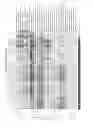
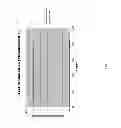
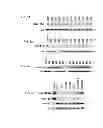
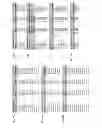
Sources:
- United States Patent and Trademark Office - verify current appl. status at the USPTO↗
Similar patent applications:
Recent applications in this class:
- » 20250171861 2025-05-29
MULTIPLE-TIERED SCREENING AND SECOND ANALYSIS - » 20250171860 2025-05-29
THERANOSTIC TOOLS FOR MANAGEMENT OF PANCREATIC CANCER AND ITS PRECURSORS - » 20250171859 2025-05-29
DETECTING MUTATIONS AND PLOIDY IN CHROMOSOMAL SEGMENTS - » 20250171858 2025-05-29
ENRICHMENT OF CLINICALLY-RELEVANT NUCLEIC ACIDS - » 20250171857 2025-05-29
BIOMARKERS FOR DIAGNOSING OR PREDICTING PROGNOSIS OF NON-INVASIVE FOLLICULAR THYROID NEOPLASM WITH PAPILLARY-LIKE NUCLEAR FEATURES AND METHOD FOR TREATMENT OF THYROID NODULE - » 20250171856 2025-05-29
METHODS OF ASSESSING THE RISK FOR THE DEVELOPMENT OF A CONDITION IN A UVEAL MELANOMA (UVM) PATIENT - » 20250171855 2025-05-29
METHODS FOR DETERMINING CETUXIMAB SENSITIVITY IN CANCER PATIENTS - » 20250171854 2025-05-29
GENETIC SIGNATURES TO PREDICT PROSTATE CANCER METASTASIS AND IDENTIFY TUMOR AGGRESSIVENESS - » 20250171853 2025-05-29
BIOMARKER FOR PREDICTING THE PROGNOSIS OF COLORECTAL CANCER - » 20250163517 2025-05-22
METHODS FOR SEQUENCING SAMPLES
Recent applications for this Assignee:
- » 20210338593 2021-11-04
MULTISTAGE DELIVERY OF ACTIVE AGENTS - » 20210052732 2021-02-25
Controlled release mucoadhesive systems - » 20190111000 2019-04-18
MULTISTAGE DELIVERY OF ACTIVE AGENTS - » 20180029888 2018-02-01
Synthesis of small and narrow diameter distributed carbon single walled nanotubes - » 20170275625 2017-09-28
Methods Of Inhibiting Tumorigenesis In Colon Adenocarcinoma And Compositions Therefor - » 20170211066 2017-07-27
Methods and Compositions for the Treatment of Prostate Related Disorders using miR-106b - » 20160251659 2016-09-01
MicroRNA-Based Methods and Compositions for the Diagnosis, Prognosis and Treatment of Breast Cancer - » 20160199403 2016-07-14
Methods and Compositions for Inducing Deregulation of EPHA7 and ERK Phosphorylation in Human Acute Leukemias - » 20160186184 2016-06-30
Methods and Compositions for the Treatment of Prostate Related Disorders using miR-1 - » 20160177316 2016-06-23
Methods and Compositions for Increasing the Efficacy of Doxorubicin Treatment in the Treatmentof Prostate Related Disorders using miR-106b-25 Cluster