mutant, nucleotide sequence for mutant and primers for nucleotide sequence of mutant
US20140242672A1
2014-08-28
14/142,810
2013-12-28
✅ Patent granted
US 9,150,828 B2
2015-10-06
-
-
Christian Fronda
Anova Law Group, PLLC
2033-12-28
Abstract:
The present invention relates to a lactobacillus mutant, a nucleotide sequence for lactobacillus mutant, and primers for nucleotide sequence of lactobacillus mutant. The lactobacillus mutant is Lactobacillus paracasei subsp. paracasei NTU 101 having the nucleotide sequence of SEQ ID NO 1, and deposited with Deutsche
Sammlung von Mikroorganismen and Zellkulturen GmbH (DSMZ, Inhoffenstr. 7B, D-38124 Braunschweig, Germany) on Nov. 18, 2013, wherein the accession number of Lactobacillus paracasei subsp. paracasei NTU 101 is DSM 28047. In the present invention, a nucleotide sequence for NTU 101 and the primers for the nucleotide sequence are proposed in order to facilitate the person skilled in Lactobacillus filed capable of carrying out the strain (mutant) identification of the NTU 101 according to the present invention. Moreover, the person skilled in Lactobacillus filed can also rapidly complete the strain (mutant) identification of the NTU 101 by using DNA molecular marker technology, without culturing any isolated Lactobacillus strain or live Lactobacillus bacteria.
Inventors:
- HSIA-CHING HSIAO 4 🇹🇼 Taipei City, Taiwan
- TZU-MING PAN 7 🇹🇼 Sijhih City, Taiwan
- Hsia-Ching Hsiao 2 🇹🇼 Taipei, Taiwan
- Tzu-Ming Pan 2 🇹🇼 Sijhih, Taiwan
Applicant:
Interested in similar patents?
Get notified when new applications in this technology area are published.
Classification:
C12N1/20 » CPC main
Microorganisms, e.g. protozoa; Compositions thereof ; Processes of propagating, maintaining or preserving microorganisms or compositions thereof; Processes of preparing or isolating a composition containing a microorganism; Culture media therefor Bacteria; Culture media therefor
C12P7/56 » CPC further
Preparation of oxygen-containing organic compounds containing a carboxyl group including Peroxycarboxylic acids Lactic acid
Description
CROSS-REFERENCE TO RELATED APPLICATION
This application is a continuation-in-part of U.S. application Ser. No. 12/946,817, filed on Nov. 15, 2010, the content of which is incorporated herein by reference in its entirety.
SEQUENCE LISTING
The instant application contains a Sequence Listing which has been submitted in
ASCII format via EFS-Web and is hereby incorporated by reference in its entirety. The ASCII copy is named sequence.txt and is 2,105 bytes in size.
BACKGROUND OF THE INVENTION
1. Field of the Invention
The present invention relates to a lactobacillus mutant, and more particularly to a Lactobacillus paracasei subsp. paracasei NTU 101, a nucleotide sequence for Lactobacillus NTU 101 and primers for nucleotide sequence of Lactobacillus NTU 101.
2. Description of the Prior Art
Lactate bacteria are one kind of bacteria able to metabolize carbohydrate and then produce over 50% lactic acid; for example, Lactobacillus, Streptococcus and Leuconostoc. Because the fermented milk products are traditional and historical drinks for human, the lactate bacteria are regarded as a safe bacteria and a representative intestinal probiotics. Moreover, the lactate bacteria are one of the important probiotics, which is able to enhance the quality of intestinal flora through the following ways:
- (1) producing organic acids and reducing intestinal pH value;
- (2) absorbing nutrients by way of competing with pernicious bacteria;
- (3) adhering to intestinal epithelium for reducing the growth sites of pernicious bacteria; and
- (4) producing antibiotic substances.
Nowadays, a variety of fermented milk products have been proven their ability of increasing the intestinal probiotics after the related human experimentation is completed. Lactobacillus paracasei subsp. paracasei NTU 101 is an excellent local Lactobacillus strain, and which is studied and developed by Tzu-Ming PAN, the graduate chair of Institute of Microbiology and Biochemistry of National Taiwan University, and the R&D team thereof Besides, currently, the health-care characteristics of improving the quality of intestinal flora, decreasing the blood pressure, the hyperlipidemia and the cholesterol, and anti-allergy of the Lactobacillus paracasei subsp. paracasei NTU 101 as well as the its related fermented products have been proven, and the L. paracasei subsp. paracasei NTU 101 is successful to be commercialized. However, in spite of that, the strain (mutant) identification and the DNA molecular marker of the L. paracasei subsp. paracasei NTU 101 does still not be carried out, wherein the DNA molecular marker technology is usually used for identifying the DNA sequence or the RAPD genetic variation map.
Accordingly, in view of the specific DNA sequence, the specific RAPD genetic variation map, and the DNA molecular marker of the L. paracasei subsp. paracasei NTU 101 still does not be finished, the inventor of the present application has made great efforts to make inventive research thereon and eventually provided a Lactobacillus mutant, a nucleotide sequence for Lactobacillus mutant and primers for nucleotide sequence of Lactobacillus mutant.
SUMMARY OF THE INVENTION
The primary objective of the present invention is to provide a Lactobacillus paracasei subsp. paracasei NTU 101, a nucleotide sequence for Lactobacillus NTU 101 and primers for nucleotide sequence of Lactobacillus NTU 101, therefore the person skilled in Lactobacillus filed is able to carried out the strain (mutant) identification of the Lactobacillus paracasei subsp. paracasei NTU 101 according to the present invention. Moreover, the person skilled in Lactobacillus filed can also rapidly complete the strain (mutant) identification of the Lactobacillus NTU 101 by using DNA molecular marker technology, without culturing any isolated Lactobacillus strain or live Lactobacillus bacteria.
Accordingly, to achieve the primary objective of the present invention, the inventor of the present invention provides a Lactobacillus mutant, which is Lactobacillus paracasei subsp. paracasei NTU 101 having a nucleotide sequence of SEQ ID NO 1, and deposited with Deutsche Sammlung von Mikroorganismen and Zellkulturen GmbH (DSMZ, Inhoffenstr. 7B, D-38124 Braunschweig, Germany) on Nov. 18, 2013, wherein the accession number of the Lactobacillus paracasei subsp. paracasei NTU 101 is DSM 28047. Moreover, the nucleotide sequence of the Lactobacillus paracasei subsp. paracasei NTU 101 can be formed by treating the RAPD (Random Amplification of Polymorphic DNA) and the PCR (Polymerase Chain Reaction) process to a plurality of specific primers, wherein the specific primers comprising a first nucleotide sequence of SEQ ID NO 2 and a second nucleotide sequence of SEQ ID NO 3.
BRIEF DESCRIPTION OF THE DRAWINGS
The invention as well as a preferred mode of use and advantages thereof will be best understood by referring to the following detailed description of an illustrative embodiment in conjunction with the accompanying drawings, wherein:
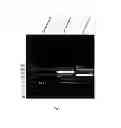
FIG. 1 is an image diagram of a RAPD genetic variation map of the primer compounds of A, J and L;
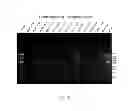
FIGS. 2A, 2B and 2C are shown comparing RAPD genetic variation maps of the primer compound A and Lactobacillus casei group;
FIGS. 3A, 3B and 3C, are shown comparing RAPD genetic variation maps of the primer compound L and the Lactobacillus casei group;
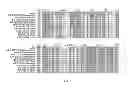
FIG. 4 is a comparing RAPD genetic variation map of A3-5;
FIG. 5 is a comparing RAPD genetic variation map of L3-18; and
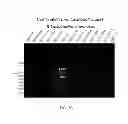
FIG. 6A and FIG. 6B are specificity test diagrams of the RAPD genetic variation map of A3-5.
DETAILED DESCRIPTION OF THE PREFERRED EMBODIMENTS
To more clearly describe a Lactobacillus Mutant, Nucleotide Sequences for the Lactobacillus Mutant and Primers for the Nucleotide Sequence of the Lactobacillus Mutant according to the present invention, embodiments of the present invention will be described in detail with reference to the attached drawings hereinafter.
NTU 101 Lactobacillus mutant is an excellent local lactobacillus strain, and which is studied and developed by Tzu-Ming PAN, the graduate chair of Institute of Microbiology and Biochemistry of National Taiwan University, and the R&D team thereof In the present invention, the Lactobacillus paracasei subsp. paracasei NTU 101 having a specific nucleotide sequence of SEQ ID NO 1 was deposited with Deutsche Sammlung von Mikroorganismen and Zellkulturen GmbH (DSMZ, Inhoffenstr. 7B, D-38124 Braunschweig, Germany) on Nov. 13, 2009, and was given accession number DSM 28047
The Lactobacillus paracasei subsp. paracasei NTU 101 includes the characteristics of: gram-positive, lacking catalase, having the ability of curding, acid resistance ability, alkaline resistance ability, bile salt resistance ability, facultative heterogeneous fermentation, producing L(+)-lactate, having excellent ability of immune regulation. The basic culture medium for Lactobacillus paracasei subsp. paracasei NTU 101 is MRS medium, wherein the best culture temperature is 30° C., the best culture time is 24 hours, the best culture pH value is 6.5, the best culture pressure is latm; moreover, the Lactobacillus paracasei subsp. paracasei NTU 101 needs microaerophilic growth.
Moreover, please refer to following table 1, which records and lists the amount of lactic acid produced by the Lactobacillus paracasei subsp. paracasei NTU 101 cultured in an identical culture medium containing different carbon sources, wherein the carbon sources are Glucose, Galactose, D-ribose, Xylose, Fructose, α-Lactose, Maltose, Sucrose, Trehalose, Raffinose, myo-Inositol, Sorbitol, D-mannitol, Citric acid, Dextrin, Starch, and Molasses, respectively.
| TABLE 1 | |||
| Production | |||
| viable count | amount of lactic acid | ||
| Carbon source | (Log CFU/mL) | pH value | (g/L) |
| Glucose | 9.43 | 3.73 | 17.48 |
| Galactose | 9.33 | 3.70 | 11.33 |
| D-ribose | 9.54 | 4.07 | 7.25 |
| Xylose | 8.94 | 6.37 | 0.40 |
| Fructose | 8.20 | 3.75 | 14.00 |
| α-Lactose | 9.26 | 3.87 | 11.64 |
| Maltose | 9.45 | 4.16 | 8.55 |
| Sucrose | 9.01 | 3.78 | 13.90 |
| Trehalose | 9.04 | 3.79 | 13.26 |
| Raffinose | 8.78 | 5.23 | 1.80 |
| myo-Inositol | 8.89 | 6.48 | 0.41 |
| Sorbitol | 9.65 | 4.15 | 7.49 |
| D-mannitol | 9.44 | 3.81 | 16.21 |
| Citric acid | 7.05 | 6.41 | 0.28 |
| Dextrin | 9.38 | 5.35 | 0.86 |
| Starch | 9.24 | 5.82 | 0.30 |
| Molasses | 9.70 | 4.50 | 6.02 |
Besides, please refer to following table 2, which records and lists the amount of lactic acid produced by the Lactobacillus paracasei subsp. paracasei NTU 101 cultured in an identical culture medium containing different nitrogen sources, wherein the nitrogen sources are Yeast extract, Beef extract, Peptone, Soytone, Tryptose, Corn-steep liquor, Casein, Urea, Ammonium citrate, and Ammonium sulfate, respectively. Therefore, through the listed data of the tables 1 and 2, the lactate-producing ability of the Lactobacillus paracasei subsp. paracasei NTU 101 of the present invention has been proven.
| TABLE 2 | ||||
| Production | ||||
| viable count | amount of lactic | |||
| Nitrogen source | (Log CFU/mL) | pH value | acid (g/L) | |
| Yeast extract | 8.14 | 3.54 | 8.29 | |
| Beef extract | 8.89 | 4.22 | 2.74 | |
| Peptone | 8.95 | 3.74 | 5.91 | |
| Soytone | 8.30 | 3.90 | 5.82 | |
| Tryptose | 8.84 | 3.87 | 4.45 | |
| Corn-steep | 9.14 | 4.14 | 4.11 | |
| liquor | ||||
| Casein | 8.27 | 4.68 | 1.77 | |
| Urea | 6.89 | 5.96 | 0.02 | |
| Ammonium | 7.09 | 6.04 | 0.08 | |
| citrate | ||||
| Ammonium | 6.69 | 5.84 | 0.07 | |
| sulfate | ||||
Next, in order to identify the nucleotide sequence of the Lactobacillus paracasei subsp. paracasei NTU 101, 20 random primers are purchased from MDBio, Inc., located in Taipei of ROC, and the related information of the 20 random primers are listed in following table 3. Therefore, the 20 random primers are re-dissolved to 100 μM by using sterile water, and stored in a 20° C. environment.
| TABLE 3 | ||
| Primer ID | Primer Sequence (5′→3′) | |
| B01 | GTTTCGCTCC | |
| B02 | TGATCCCTGG | |
| B03 | CATCCCCCTG | |
| B04 | GGACTGGAGT | |
| B05 | TGCGCCCTTC | |
| B06 | TGCTCTGCCC | |
| B07 | GGTGACGCAG | |
| B08 | GTCCACACGG | |
| B09 | TGGGGGACTC | |
| B10 | CTGCTGGGAC | |
| D11 | AGCGCCATTG | |
| D12 | CACCGTATCC | |
| D13 | GGGGTGACGA | |
| D14 | CTTCCCCAAG | |
| D15 | CATCCGTGCT | |
| D16 | AGGGCGTAAG | |
| D17 | TTTCCCACGG | |
| D18 | GAGAGCCAAC | |
| D19 | CTGGGGACTT | |
| D20 | ACCCGGTCAC | |
Continuously, please refer to following table 4, which recorded and listed 16 primer compounds, wherein the 16 primer compounds are prepared by mixing the 20 random primers and each of the 16 primer compounds have a final concentration of 1 μM. Furthermore, the 16 primer compounds would be amplified to form a probable nucleotide sequence of the Lactobacillus paracasei subsp. paracasei NTU 101 by way of being treated the RAPD (Random Amplification of Polymorphic DNA) and the PCR (Polymerase Chain Reaction) process.
| TABLE 4 | |
| primer | |
| compound | primers |
| A | B01, B02, D11, and D12 |
| B | B03, B04, D13, and D14 |
| C | B05, B06, D15, and D16 |
| D | B07, B08, D17, and D18 |
| E | B09, B10, D19, and D20 |
| F | B07, B08, B09, and D10 |
| G | D11, D12, D13, and D14 |
| H | D15, D16, D17, and D18 |
| I | B01, B02, D13, and D14 |
| J | B03, B04, D15, and D16 |
| K | B05, B06, D17, and D18 |
| L | B08, B09, D19, and D20 |
| M | B05, B06, D11, and D20 |
| N | B03, B04, D11, and D20 |
| O | B07, B08, D11, and D20 |
| P | B09, B10, D11, and D20 |
After the 16 primer compounds are prepared, the 16 primer compounds are next treated with a polymerase chain reaction (PCR) process. The polymerase chain reaction cocktail contains 3 ng DNA, 80 nM primers, a 1× Exsel reaction buffer, 5 U Exsel DNA polymerase (Bertec Enterprise, Taipei, Taiwan), and 200 M dNTPs. The reaction conditions of the PCR is as described: 95° C. (5 min) for heating; 95° C. (30 sec) for heating; 25° C. (3 min) for adhesion and 70° C. (3 min) for extension (35 cycles); and 70° C. (7 min) for extension.
Moreover, after completing the PCR process, it is able to execute the electrophoresis analysis for the PCR products by using 1% agarose gel. Next, the agarose gels of the PCR products are dyed for 30 min by using the dying agent of SYBR Safe (Life Technologies Corporation). Eventually, after 20 min destain, the dyed agarose gels of the PCR products are disposed into a blue light (488 nm) box for observing and taking image picture by using an image process system. Furthermore, the dyed agarose gels are divided to a plurality of segments by using FavorPrep™ Gel/PCR Purification Kit (Favorgen biotech Corp), and then the cloning of the agarose gel segments are finished by using T&ATM Cloning Kit (Yeastern Biotech Co., Ltd., Taipei, Taiwan). Finally, the specific nucleotide sequence of the Lactobacillus paracasei subsp. paracasei NTU 101 is identified.
Please refer to FIG. 1, there is shown an image diagram of a RAPD genetic variation map of the primer compounds of A, J and L. In the 16 primer compounds listed in above table 4, as shown in FIG. 1, there are only the primer compounds of J and especially A and L can be amplified and form the RAPD genetic variation map revealing the specificity of Lactobacillus paracasei subsp. paracasei NTU 101. Next, in order to further confirm the specificity of Lactobacillus paracasei subsp. paracasei NTU 101, as shown in following table 5, there is a Lactobacillus casei group having the genetic relationship to the L. paracasei subsp. paracasei, and the Lactobacillus casei group including 12 L. paracasei, 10 L. casei, 7 L. rhamnosus, and 3 L. zeae.
| TABLE 5 | ||
| Microorganism | ID/BCRC | |
| Lactobacillus casei | BCRC 10358 | |
| Lactobacillus casei | BCRC 10697T | |
| Lactobacillus casei | BCRC 11197 | |
| Lactobacillus casei | BCRC 12272 | |
| Lactobacillus casei | BCRC 14025 | |
| Lactobacillus casei | BCRC 16093 | |
| Lactobacillus casei | BCRC 16094 | |
| Lactobacillus casei | BCRC 17001 | |
| Lactobacillus casei | BCRC 17004 | |
| Lactobacillus casei | BCRC 17487 | |
| Lactobacillus paracasei | BCRC 12188 | |
| subsp. paracasei | ||
| Lactobacillus paracasei | BCRC 12248T | |
| subsp. paracasei | ||
| Lactobacillus paracasei | BCRC 14001 | |
| subsp. paracasei | ||
| Lactobacillus paracasei | BCRC 14023 | |
| subsp. paracasei | ||
| Lactobacillus paracase | BCRC 16100 | |
| subsp. paracasei | ||
| Lactobacillus paracasei | BCRC 17002 | |
| subsp. paracasei | ||
| Lactobacillus paracasei | BCRC 17483 | |
| subsp. paracasei | ||
| Lactobacillus paracasei | BCRC 17484 | |
| subsp. paracasei | ||
| Lactobacillus paracasei | BCRC 17485 | |
| subsp. tolerans | ||
| Lactobacillus paracasei | BCRC 17488 | |
| subsp. paracasei | ||
| Lactobacillus paracasei | BCRC 17489 | |
| subsp. paracasei | ||
| Lactobacillus paracasei | BCRC 80062 | |
| Lactobacillus zeae | BCRC 17647T | |
| Lactobacillus zeae | BCRC 17942T | |
| Lactobacillus zeae | BCRC 80156 | |
| Lactobacillus rhamnosus | BCRC 10940T | |
| Lactobacillus rhamnosus | BCRC 11673 | |
| Lactobacillus rhamnosus | BCRC 12249 | |
| Lactobacillus rhamnosus | BCRC 14027 | |
| Lactobacillus rhamnosus | BCRC 16095 | |
| Lactobacillus rhamnosus | BCRC 17006 | |
| Lactobacillus rhamnosus | BCRC 17007 | |
| Lactobacillus rhamnosus | BCRC 80065 | |
Please refer to FIGS. 2A, 2B and 2C, there are shown comparing RAPD genetic variation maps of the primer compound A and the Lactobacillus casei group. As shown in FIG. 2A, obviously, there has a large sequence difference between the (nucleotide) sequence of the RAPD genetic variation map of primer compound A and the sequence of the RAPD genetic variation map of the Lactobacillus paracasei. Besides, as shown in FIG. 2B, apparently, there has a large sequence difference between the (nucleotide) sequence of the RAPD genetic variation map of primer compound A and the sequence of the RAPD genetic variation map of the Lactobacillus casei. Moreover, as shown in FIG. 2C, distinctly, there has a large sequence difference between the (nucleotide) sequence of the RAPD genetic variation map of primer compound A and the sequence of the RAPD genetic variation map of the Lactobacillus zeae and the Lactobacillus rhamnosus. The distinctiveness of the RAPD genetic variation map of primer compound A is came from the primers B02 and D11, and this distinctive primer compound A is further marked as A3-5. Through the Sequence Listing, it is able to know that the nucleotide sequence of A3-5 is identified as SEQ ID NO 1 and includes the sequence length of 838 bp; besides, the nucleotide sequence of primer B02 is identified as SEQ ID NO 2 and includes the sequence length of 10 bp; moreover, the nucleotide sequence of primer D11 is identified as SEQ ID NO 3 and includes the sequence length of 10 bp.
Continuously, please refer to FIGS. 3A, 3B and 3C, there are shown comparing RAPD genetic variation maps of the primer compound L and the Lactobacillus casei group. As shown in FIG. 3A, obviously, there has a large sequence difference between the (nucleotide) sequence of the RAPD genetic variation map of primer compound L and the sequence of the RAPD genetic variation map of the Lactobacillus paracasei. Besides, as shown in FIG. 3B, apparently, there has a large sequence difference between the (nucleotide) sequence of the RAPD genetic variation map of primer compound L and the sequence of the RAPD genetic variation map of the Lactobacillus casei. Moreover, as shown in FIG. 3C, distinctly, there has a large sequence difference between the (nucleotide) sequence of the RAPD genetic variation map of primer compound L and the sequence of the RAPD genetic variation map of the Lactobacillus zeae and the Lactobacillus rhamnosus. The distinctiveness of the RAPD genetic variation map of primer compound L is came from the primers B09 and D19, and this distinctive primer compound L is further marked as L3-18. According to following table 6, the nucleotide sequence of L3-18 includes the sequence length of 2477 bp.
| TABLE 6 | ||
| The marked | Sequence | |
| ID of primer | Length | |
| compound | (bp) | Sequence |
| L3-18 | 2477 | ctggggacttcatgcgggagatacaatgacaaccgatattccgactgt |
| tttcactttagccggaaatatatcttttgatattaaagatgagtctgg | ||
| tgaggtaattggatctgctgttgcttcgaaagatactagaaagatagt | ||
| cattactttttcacagcacggagcagacctctcaaacacagggaaaat | ||
| tgacggggccttctcaatttttttacattgggatgttgaacaggtttc | ||
| tcgagttgtgggcgtaagaataattgcactgtcagtggtcaaaagttt | ||
| acttgagaggagggtaaaaatgtgacgaggatgacagctaaagtggcg | ||
| agaactgggcatttgttcgcggtcttattgattttgatgagtatgtta | ||
| acaggcttagtgacaagtggcagttcagttgtgacagccactgctaac | ||
| attcgcccaacctataaaaccaatgctaatggtacctatccagaaaat | ||
| tcgtggcaggtcacgggacaacaaaatgtgatcaatcaacgcggcggg | ||
| gatcaagtttcagggtgggataacaatacaacatgggatggtgatgcg | ||
| actaataccacgaattatacctgaaatttggtgaccccaataatccgg | ||
| attatcagattcgaaaatatgctaaagagacgaatacccccggattgt | ||
| acgacgtttatttgaacgtcaaaggcaatacacagcaaaatgtgaagc | ||
| ctgtagatattgtcttagttgttgatatgtctgggtcaatggagttca | ||
| acagatataacacgaatcgagccggtgctgttcgtacaggtgttaaga | ||
| atttcttgacatctattcaaaacgccggtctgggtaattacgtcaatg | ||
| ttggtttaattgggttttctagtcctggttatatcggtggcgaatcgg | ||
| gttatattagtgtcaaattaggcaaagcaggtaatgccagccagcaac | ||
| aagcgattaatggtgcattgaatccaaggtttcaagggggtacgtata | ||
| cgcagattggtttgcggcaaggatcagccatgctgaatgcggacacca | ||
| gtggcaataaaaaaatgatgattttgttaactgatggacgtgccgact | ||
| ttttctaacaaggtgataaattcagagtggataaatggcacattgtat | ||
| ggcactaattttggatccagaagagatgaacccagcgataccgcacaa | ||
| cttcgatggccgtacaccgatagttcaggtaataccatatatgatact | ||
| tggcccgcaacattaggtgaggctaagaatgcaaaagatagcggtaat | ||
| gaggtgcacgctttaggcattcaactggctgacgaccgccaatacatg | ||
| acaaaagaaaaaatacgccaaaacatgcaacttattaccaattcaccg | ||
| gatttatacgaagatgctgatagtgccgacgctgttgaggcttatttg | ||
| aacaatcaggcaaaggatattatcaaaaattttaatactgtcaccgat | ||
| ggcacgatcacagacccgattggtacgcaatttcaatatgcaaacaac | ||
| caggcgaccgttacgagtgtcggcaagcaaactgtgccagcaagtgag | ||
| ttgccaagtgcggcgatccaagatggtcaattgacggtgaatcacatg | ||
| aacttgggtcaggatcaggaagttcaaatccattatcaagtacggatc | ||
| aaaacagaggatgctggcttcaagcctgatttttggtaccaaatgaat | ||
| ggtgaaacattgttgacaccaaaagcgggcgctgccgctgttgacttt | ||
| gggattccttcaggcagggcaccagcaactacagtttatgtgcagaag | ||
| caatggcgccagttaagcaatcaatcgttaccggatacgctcaacgtc | ||
| acggtgcagcgaaaagtggctgacggttcgcttgatccaaattggcaa | ||
| cagaccttagtccttaaaaaagctgataactggaaagctagctttacg | ||
| gcacctgcgtataacaatcagggtcaaagtttttcatatgtcgttaag | ||
| agtgaagatgcctcgggaattgatttgagttcgtttatcagttctcaa | ||
| aatatggatcagcaaacagcaacgttgactttgacaaatcagcagtat | ||
| ggttttcaatttcagaaaaaaacaaccgatggtactgatttatcagca | ||
| gatcagttgaaggccatgcagtttaacttaacccagtacagcgataac | ||
| agttttcagcaggtatccaaaaccaacgccatcacgtcaacggatctg | ||
| caggcactagcgccggggtattacggtattcaggaagctgcagcacct | ||
| acaggttatcaacttgatgggacaatgtatctttttcagctaacgtct | ||
| gatgggcaatggcaataccatggcacaaaggacaatgtgacatcaggg | ||
| agtgttattaatggccagcagactttgaatcctgttggtgataagtca | ||
| gatgattttacggtgaccgggtagatct | ||
Through above-presented experiment results of PCR and RAPD, it is able to initially know that the A3-5 and L3-18 may include the unique sequence fragments of the Lactobacillus paracasei subsp. paracasei NTU 101. Therefore, in order to further confirm whether the A3-5 and L3-18 does include the unique sequence fragments, the homologous DNA sequence data from Genbank are used to make a sequence comparison with the A3-5 and L3-18. Please refer to FIG. 4 and FIG. 5, there are shown comparing RAPD genetic variation maps of the A3-5 and L3-18. After comparing with the homologous DNA sequence, the rectangle dashed line encloses a unique sequence fragment of A3-5 in FIG. 4, and this unique sequence fragment in A3-5 can be used for carrying out the strain (mutant) identification of the NTU 101 by using the DNA molecular marker technology. Moreover, the rectangle dashed line also encloses a unique sequence fragment of L3-18 in FIG. 5, and this unique sequence fragment in L3-18 can also be used for carrying out the strain (mutant) identification of the NTU 101 by using the DNA molecular marker technology.
Because both the A3-5 and L3-18 include the unique sequence fragment for identifying the NTU 101, it needs to further check the specificity of the DNA molecular marker of the A3-5 and L3-18. As shown in following table 7, which records and lists a plurality of primers for checking the specificity of the DNA molecular marker of the A3-5 and L3-18.
| TABLE 7 | ||
| Target | Primer ID | Sequence (5′→3′) |
| L3-18 | 18FF | ATGCGGGAGATACAATGACAACCG |
| 18FR | CCCGTCAATTTTCCCTGTGTTTGA | |
| L3-18F | GAAAATTGACGGGGCCTTCTCA | |
| L3-18R | ACTGACAGTGCAATTATTCTTACGCCC | |
| L3-18F2 | AAAACCAATGCTAATGGTACCTATCCAG | |
| L3-18R2 | GGGGTCACCAAATTTCAGGTAAGAAT | |
| L3-18F3 | GTCTGGGTCAATGGAGTTCAACAGATATA | |
| A3-5 | A3-5F | GGCATGGCGGTGCCGTTGAA |
| A3-5R | ATCCCCGAATGGTGCCAGCA | |
| A3-5F2 | GCCGAACGCGACTTACATCCA | |
| A3-5R2 | GGCAATTTAAACTTGCCTTCAACGG | |
| A3-5F3 | CGCCGAACGCGACTTACATC | |
| A3-5R3 | GGCAAATTTAAACTTGCCTTCAACG | |
| A3-5F4 | GCGACTTACATCCATTCTGCCAAG | |
| A3-5R4 | GAAATTTAAACTTGCCTTCAACGGCA | |
| A3-5F5 | GCCGAACGCGACTTAGATCCATT | |
| A3-5R6 | TAAACTTGCCTTCAACGGCACCG | |
| A3-5F6 | GCCGAACGCGACTTACAGCCA | |
| A3-5R7 | TTTAAACTTGCCTTCAACGGCAC | |
Please refer to FIG. 6A and FIG. 6B, there are shown specificity test diagram of the RAPD genetic variation map of A3-5. As shown in FIG. 6A and FIG. 6B, after completing the specificity test by using the primers listed in table 7, it is able to find that the A3-5 (F3/R3) indeed includes the specificity of NTU 101, so that the nucleotide sequence of the A3-5 can be used for carrying out the strain (mutant) specificity of the Lactobacillus paracasei subsp. paracasei NTU 101 proposed by the present invention. Moreover, as shown in Sequence Listing, the primer compound A3-5F3 is identified as SEQ ID NO 4 and includes the sequence length of 20 bp; besides, the primer compound A3-5R3 is identified as SEQ ID NO 5 and includes the sequence length of 25 bp.
Thus, through the descriptions, the lactobacillus mutant of Lactobacillus paracasei subsp. paracasei NTU 101, the nucleotide sequence for NUT 101, and the primers for nucleotide sequence of NTU 101 of the present invention has been completely introduced and disclosed; in summary, the present invention has the following advantages:
In the present invention, the nucleotide sequence for Lactobacillus NTU 101 and the primers for the nucleotide sequence are proposed in order to facilitate the person skilled in Lactobacillus filed capable of carrying out the strain (mutant) identification of the Lactobacillus NTU 101 according to the present invention. Moreover, the person skilled in Lactobacillus filed can also rapidly complete the strain (mutant) identification of the Lactobacillus NTU 101 by using DNA molecular marker technology, without culturing any isolated Lactobacillus strain or live Lactobacillus bacteria.
The above description is made on embodiments of the present invention. However, the embodiments are not intended to limit scope of the present invention, and all equivalent implementations or alterations within the spirit of the present invention still fall within the scope of the present invention.
Claims
What is claimed is:1. A Lactobacillus mutant, which is a Lactobacillus paracasei subsp. paracasei NTU 101 having a nucleotide sequence of SEQ ID NO 1, and deposited with Deutsche Sammlung von Mikroorganismen and Zellkulturen GmbH (DSMZ) on November 18, 2013, wherein the accession number of the Lactobacillus paracasei subsp. paracasei NTU 101 is DSM 28047.
2. The Lactobacillus mutant of claim 1, wherein the nucleotide sequence of the Lactobacillus paracasei subsp. paracasei NTU 101 can be formed by treating the RAPD (Random Amplification of Polymorphic DNA) and the PCR (Polymerase Chain Reaction) process to a plurality of specific primers.
3. The Lactobacillus mutant of claim 2, wherein the specific primers comprising a first nucleotide sequence of SEQ ID NO 2 and a second nucleotide sequence of SEQ ID NO 3.
4. The Lactobacillus mutant of claim 1, wherein when the Lactobacillus paracasei subsp. paracasei NTU 101 would produce lactic acid after being cultured in a culture medium containing at least one specific carbon source for at least 24 hours.
5. The Lactobacillus mutant of claim 4, wherein the specific carbon source is selected from the group consisting of: Glucose, Galactose, D-ribose, Xylose, Fructose, α-Lactose, Maltose, Sucrose, Trehalose, Raffinose, myo-Inositol, Sorbitol, D-mannitol, Citric acid, Dextrin, Starch, and Molasses.
6. The Lactobacillus mutant of claim 1, wherein when the Lactobacillus paracasei subsp. paracasei NTU 101 would produce lactic acid after being cultured in a culture medium containing at least one specific nitrogen source for at least 24 hours.
7. The Lactobacillus mutant of claim 6, wherein the specific nitrogen source is selected from the group consisting of: Yeast extract, Beef extract, Peptone, Soytone, Tryptose, Corn-steep liquor, Casein, Urea, Ammonium citrate, and Ammonium sulfate.
8. A primer for identifying the Lactobacillus paracasei subsp. paracasei NTU 101 of claim 1, being selected from the group consisting of: primer (1): A3-5F3 CGCCGAACGCGACTTACATC (SEQ ID NO 4) and primer (2): A3-5R3 GGCAAATTTAAACTTGCCTTCAACG (SEQ ID NO 5).
9. The primer of claim 8, wherein the primer (1) can be amplified to nucleotide sequence of SEQ ID NO 1 by way of being processed the RAPD (Random Amplification of Polymorphic DNA) and the PCR (Polymerase Chain Reaction) process.
Images & Drawings included:




Sources:
- United States Patent and Trademark Office - verify current appl. status at the USPTO↗
Similar patent applications:
Recent applications in this class:
- » 20250283030 2025-09-11
Biosynthesis of Phenylpropanoid Compounds - » 20250270499 2025-08-28
RECOMBINANT PRODUCTION OF BACTEROIDES FRAGILIS CAPSULAR POLYSACCHARIDE A IN ESCHERICHIA COLI - » 20250270498 2025-08-28
OPTIMIZED CULTURE MEDIA FOR CLOSTRIDIA BACTERIA - » 20250257316 2025-08-14
CONTROL OF NITROGEN FIXATION IN RHIZOBIA THAT ASSOCIATE WITH CEREALS - » 20250257315 2025-08-14
CARBO-IONIC CULTURES AND EXTRACTS AND APPLICATIONS THEREOF - » 20250250536 2025-08-07
YEAST EXTRACT WITH HIGH BASE AND BASE DERIVATIVE CONTENTS AND METHOD FOR PREPARING SAME - » 20250236837 2025-07-24
CULTURE MEDIA FOR BACTERIA OF THE PASTEURELLACEAE FAMILY - » 20250223547 2025-07-10
Microbial Conversion of CO2 and Other C1 Substrates to Vegan Nutrients, Fertilizers, Biostimulants, and Systems for Accelerated Soil Carbon Sequestration - » 20250223546 2025-07-10
Microbial Conversion of CO2 and Other C1 Substrates to Vegan Nutrients, Fertilizers, Biostimulants, and Systems for Accelerated Soil Carbon Sequestration - » 20250223545 2025-07-10
NEW LACTIC ACID BACTERIA