Urease inhibitor formulations
US20140326030A1
2014-11-06
14/357,712
2012-11-13
✅ Patent granted
US 9,056,804 B2
2015-06-16
WO; PCT/AU2012/001395; 20121113
WO; WO2013/071344; 20130523
Wayne Langel
Kilpatrick Townsend & Stockton LLP
2032-11-13
Abstract:
There is provided a liquid urease inhibitor formulation comprising an urease inhibitor and a primary solvent selected from the group consisting of dialkyl sulfones, polymethylene cyclic sulfones, and mixtures thereof. A method for inhibiting urease hydrolysis of urea containing fertiliser or waste using said liquid urease inhibitor formulation is also described.
Inventors:
- Arpad T. Phillip 1 🇦🇺 Victoria, Australia
- Roydon Hildebrand 1 🇦🇺 Queensland, Australia
- Rohan Davies 1 🇦🇺 Victoria, Australia
- Charlie Walker 1 🇦🇺 Victoria, Australia
Assignee:
- Incitec Pivot Limited 1 🇦🇺 Victoria, Australia
Applicant:
Interested in similar patents?
Get notified when new applications in this technology area are published.
Classification:
C07C273/14 » CPC further
Preparation of urea or its derivatives, i.e. compounds containing any of the groups, the nitrogen atoms not being part of nitro or nitroso groups of urea, its salts, complexes or addition compounds Separation; Purification; Stabilisation; Use of additives
C07F9/224 » CPC further
Compounds containing elements of Groups 5 or 15 of the Periodic System; Phosphorus compounds without P—C bonds; Amides of acids of phosphorus Phosphorus triamides
A01N57/28 » CPC further
Biocides, pest repellants or attractants, or plant growth regulators containing organic phosphorus compounds having phosphorus-to-nitrogen bonds containing acyclic or cycloaliphatic radicals
A01N57/30 » CPC further
Biocides, pest repellants or attractants, or plant growth regulators containing organic phosphorus compounds having phosphorus-to-nitrogen bonds containing aromatic radicals
C09K15/28 » CPC further
Anti-oxidant compositions; Compositions inhibiting chemical change containing organic compounds containing nitrogen, oxygen and sulfur
C05C9/00 IPC
Fertilisers containing urea or urea compounds
C09K17/00 IPC
Soil-conditioning materials or soil-stabilising materials
C07F9/22 IPC
Compounds containing elements of Groups 5 or 15 of the Periodic System; Phosphorus compounds without P—C bonds Amides of acids of phosphorus
Description
FIELD OF THE INVENTION
The invention relates to formulations comprising urease inhibitors. In particular, the invention relates to formulations comprising urease inhibitors for application to urea-based fertilisers and waste containing urea compounds to inhibit the effect of urease activity on such fertilisers and wastes.
BACKGROUND OF THE INVENTION
In this specification, where a document, act or item of knowledge is referred to or discussed, this reference or discussion is not an admission that the document, act or item of knowledge or any combination thereof was at the priority date, publicly available, known to the public, part of common general knowledge; or known to be relevant to an attempt to solve any problem with which this specification is concerned.
Nitrogen is an important plant nutrient. Urea (CO(NH2)2) represents more than 40% of the total nitrogen fertiliser applied to agricultural crops worldwide. However, urea is readily degraded in soil by the “urease” group of enzymes, which catalyses the reaction of urea with water to produce gaseous ammonia and ammonium ions (referred to as “urea hydrolysis”). The ammonia is readily volatile from the treated soil; leading to a loss of up to 60% of the applied urea as a result of this enzymatic hydrolysis.
In order to delay this hydrolysis, “urease inhibitors” have been applied to urea based fertilisers in an attempt to reduce the rate of urea hydrolysis and subsequent loss of ammonia. Examples of such urease inhibitors include the N-alkyl thiophosphoric triamides such as N-(n-butyl)thiophosphoric triamide (NBPT). However, NBPT is a waxy, sticky, heat-sensitive and water-sensitive material and so particular formulations are required to minimise decomposition during storage and distribution. Examples of such formulations include:
-
- a concentrated solution of an N-alkyl thiophosphoric triamide in a solvent mixture of glycols (eg propylene glycol) and liquid amides (eg N-methylpyrrolidone) (see for example international patent application no WO 97/22568);
- a mixture comprising a thiophosphoric acid triamide and a compound containing an amino group having a boiling point of more than 100° C. (see for example international patent application no WO 2009/079994); and
- a liquid composition containing a phosphoric or thiophosphoric triamide derivative and one or more of esters of hydroxyacids, heterocyclic alcohols, cyclic esters of carbonic acid and esters of dicarboxylic acids (see for example international patent application no WO 2010/072184).
The existing urease inhibitors formulations currently used in agriculture (e.g. the commercial product called Agrotain™ (trade mark of Phosphate Resource Partners Limited Partnership, registered in some countries)) suffer from a number of disadvantages in use, including:
-
- limited storage stability of the treated urea;
- health and safety concerns regarding the solvents used in the formulation; and
- ecotoxicology concerns regarding the effect of solvents used in the formulation once in the aquatic and terrestrial environment.
Therefore, there is a need for an improved urease inhibitor formulation which addresses at least one of these disadvantages.
SUMMARY OF THE INVENTION
It has been discovered that new solvent combinations and/or mixtures of active ingredients address at least one of the above disadvantages. The new formulations continue to enhance the efficiency of urea-based fertilisers by delaying urea hydrolysis in soils and reducing liberation of ammonia into the atmosphere.
According to a first aspect of the invention, there is provided a liquid urease inhibitor formulation comprising:
-
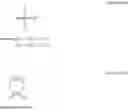
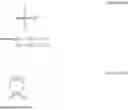
- (a) a urease inhibitor selected from the group consisting of N-substituted thiophosphoric triamides and N-substituted phosphoric triamides represented by Structure I and mixtures thereof,
-
-
- wherein X═O or S, R1=unsubstituted and substituted C3-C6 alkyl, unsubstituted and substituted C5-C8 cyclo alkyl, phenyl and substituted phenyl having a nitro, amino, alkyl, or halide substituent; and Y═H, NO2, halide, NH2 or C1 to C8 alkyl; and
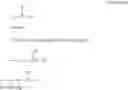
- (b) a primary solvent selected from the group consisting of dialkyl sulfones according to Structure II, polymethylene cyclic sulfones according to Structure III, and mixtures thereof;
-
-
-
- wherein the urease inhibitor is soluble in the primary solvent.
-
The urease inhibitors used in the formulations according to the invention include:
-
- N-alkyl-thiophosphoric triamides;
- N-alkyl-phosphoric triamides;
- N-cycloalkyl-thiophosphoric triamides;
- N-cycloalkyl-phosphoric triamides;
- N-aryl-thiophosphoric triamides; or
- N-aryl-phosphoric triamides,
where the alkyl, cycloalkyl or aryl groups may be further substituted with chloro-, nitro- or amino-groups. Commonly available urease inhibitors include N-butyl thiophosphoric triamide (NBPT), N-cyclohexyl phosphoric triamide (CHPT) and 2-nitrophenyl phosphoric triamide (2-NPT). Many other urease inhibitors can be used in formulations according to the invention as known to those skilled in the art. Combinations of two or more urease inhibitors can also be used in formulations according to the invention. Preferably, the urease inhibitor is present in the formulation in an amount in the range from 0.5 to 51% by weight of the total formulation, more preferably 10 to 20%.
The primary solvents, selected from the specified sulfones, provide excellent stability and solubility for the urease inhibitors. They also have environmental and occupational health and safety advantages. Preferably, the primary solvent is tetramethylene sulfone which is readily biodegradable in soils (half life is 10 days) and does not present an ecotoxicological hazard (the LC50 is greater than 1000 mg/l for fish, algae and invertebrates). Tetramethylene sulfone has a high boiling point (284° C.), is non-flammable and is not classified as a Dangerous Good or Hazardous Substance.
The use of the primary solvents in formulations according to the invention have beneficial properties not achieved by the prior art solvent systems, including:
-
- the urease inhibitors are stable in the concentrated solution even at elevated temperatures (up to 40° C.) for more than 12 months;
- the formulations according to the invention can be applied directly into liquid fertilizer or liquid waste containing urea compounds;
- the formulations according to the invention can be sprayed directly onto, and mixed into, solid wastes containing urea compounds;
- the formulations according to the invention have low viscosity, thereby facilitating rapid and uniform spreading on the surface of urea granules;
- the formulations according to the invention can be applied to the surface of urea granules, which absorb the formulation, penetrating deep into the solid granule (“impregnating” the granule structure);
- urea granules coated with the formulations according to the invention remain robust during storage, transport and handling, thereby retaining their hardness and crush strength;
- urea granules coated with the formulations according to the invention hydrolyse more slowly in soils than urea granules treated with the prior art formulation, thereby achieving the desired slow release of ammonia for most efficient uptake by crops and plants. The slower rate of urea hydrolysis leads to a lower pH in proximity to the urea granules which results in a higher ratio of stable ammonium to ammonia; and
- urea granules coated with the formulations according to the invention remain stable and retain their urease inhibition activity during storage in hot climates up to 40° C. for more than 3 months.
The formulations according to the invention give superior performance with unexpected results not previously obtained with other solvent systems.
Preferably, the primary solvent is present in the formulation in an amount in the range from 10 to 80% by weight of the total formulation, more preferably 40 to 70%.
In a preferred embodiment, the liquid urease inhibitor formulation further comprises:
-
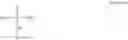
- (c) a buffering agent and stabiliser selected from the group consisting of hydroxyethyl and hydroxypropyl amines according to Structure IV, in which the amine can be a primary, secondary or tertiary amine and the number of hydroxyethyl or hydroxypropyl groups can be 1, 2 or 3,
The buffering agents and stabilisers further improve the storage stability of the urease inhibitors in the formulations according to the invention. Preferred buffering agents and stabilisers are triethanolamine, monoethanolamine and mixtures thereof. Preferably, the buffering agents and stabilisers are present in the formulation in an amount in the range from 1 to 50% by weight of the total formulation, more preferably 20 to 50%.
In a preferred embodiment, the liquid urease inhibitor formulation further comprises:
-
- (d) a non-ionic surfactant having wetting agent properties selected from the group consisting of aliphatic alcohol alkoxylates, alkylphenol alkoxylates and mixtures thereof.
The non-ionic surfactant improves the wetting and spreading effect of formulations according to the invention on the surface of the urea granules. An example of a suitable nonionic surfactant are the products available under the Terwet™ brand. Preferably, the nonionic surfactant is present in the formulation in an amount in the range from 0.1 to 2.0% by weight of the total formulation
The formulations according to the invention may further comprise additional components such as amides, esters, heterocyclic alcohols and glycols.
EXAMPLES
Various embodiments/aspects of the invention will now be described with reference to the following non-limiting examples.
Example 1
A formulation was prepared according to the invention.
| Components | Amount (grams) | |
| Sulfolane (tetramethylene sulfone) | 690 | |
| Triethanolamine | 100 | |
| N-butyl thiophosphoric triamide | 200 | |
| Terwet 245 (surfactant) | 10 | |
| Total Mass | 1000 | |
The components were mixed in the order shown and stirred at 50° C. for 30 minutes. A clear solution, with no insoluble solids, was obtained.
Example 2
A formulation was prepared according to the invention.
| Components | Amount (grams) | |
| Sulfolane | 690 | |
| Monoethanolamine | 100 | |
| N-butyl thiophosphoric triamide | 200 | |
| Terwet 245 | 10 | |
| Total Mass | 1000 | |
The above formulation was prepared according to the method described in Example 1.
Example 3
A formulation was prepared according to the invention.
| Components | Amount grams | |
| Sulfolane | 400 | |
| Triethanolamine | 390 | |
| N-butyl thiophosphoric triamide | 200 | |
| Terwet 245 | 10 | |
| Total Mass | 1000 | |
The above formulation was prepared according to the method described in Example 1.
Example 4
A formulation was prepared according to the invention.
| Components | Amount (grams) | |
| Sulfolane | 440 | |
| Triethanolamine | 440 | |
| N-butyl thiophosphoric triamide | 100 | |
| 2-nitrophenyl phosphoric triamide | 10 | |
| Terwet 245 | 10 | |
| Total Mass | 1000 | |
The above formulation was prepared according to the method described in Example 1.
Example 5
A formulation was prepared according to the invention.
| Components | Amount (grams) | |
| Sulfolane | 500 | |
| Monoethanolamine | 290 | |
| N-butyl thiophosphoric triamide | 200 | |
| Terwet 245 | 10 | |
| Total Mass | 1000 | |
The above formulation was prepared according to the method described in Example 1.
Example 6
A formulation was prepared according to the invention.
| Components | Amount (grams) | |
| Sulfolane | 300 | |
| Triethanolamine | 640 | |
| N-Cyclohexyl phosphoric triamide | 50 | |
| Terwet 245 | 10 | |
| Total Mass | 1000 | |
The above formulation was prepared according to the method described in Example 1.
Example 7
A formulation was prepared according to the invention.
| Components | Amount (grams) | |
| Sulfolane | 390 | |
| Triethanolamine | 400 | |
| N-Butyl thiophosphoric triamide | 200 | |
| Terwet 245 | 10 | |
| Total Mass | 1000 | |
The above formulation was prepared according to the method described in Example 1.
Example 8
A formulation was prepared according to the invention.
| Components | Amount (grams) | |
| Sulfolane | 470 | |
| Triethanolamine | 470 | |
| 2-Nitrophenyl phosphoric triamide | 50 | |
| Terwet 245 | 10 | |
| Total Mass | 1000 | |
The above formulation was prepared according to the method described in Example 1.
Example 9
This example investigated the amount of ammonium produced by urea granules treated with formulations according to the invention.
Methodology
An incubation experiment was performed by storing a soil-water suspension at 21° C. for 14 days. Each day, a small aliquot (0.5 ml) of the supernatant aqueous phase was withdrawn and analysed for ammonium ions using flow injection analysis (FIA). The soil-water suspension consisted of:
| soil sample, 60% water holding capacity | 40 | grams | |
| Water | 200 | grams | |
| Urea | 400 | mg | |
| N-butyl thiophosphoric triamide | 400 | μg | |
| Solvents | 1600 | μg | |
The solvents used in this experiment were those used in Examples 5 and 7 above.
The test solutions contained 400 μg NBPT per 200 ml water. The results are shown in Table 2.
| TABLE 2 | ||||
| NH4+ | % | Urea Hydrolysed | ||
| Test Solution | (mg/l) | Inhibition | (mg) | |
| Control (no Inhibitor) | 29.9 | — | 256 | |
| Agrotain ™ | 8.2 | 73 | 70 | |
| Example 7 | 8.4 | 72 | 72 | |
| Example 5 | 8.9 | 70 | 76 | |
The control solution of urea, without a urease inhibitor, showed an NH4+ concentration of 29.9 mg/l after 14 days incubation. After converting for a dilution factor (1:20), the quantity of urea hydrolysed in 200 ml of solution was calculated to be 256 mg. This represents a loss of 64% of the original mass of urea added (400 mg) to the aqueous phase.
By contrast, the formulations according to the invention only formed 8.4 and 8.9 mg/l as NH4+. This represents a loss of only 72 and 76 mg urea after 14 days incubation. The % Inhibition was calculated to be 72% and 70% respectively, using the concentrations of NH4+ in the equation:
% Inhibition = ( Control - Test ) * 100 Control
By comparison, the standard product “Agrotain™” widely used as a commercial urease inhibitor, gave 73% inhibition in the above experiment.
These results demonstrate that the formulations prepared according to this invention (Examples 5 and 7) are at least equivalent to the standard formulation Agrotain™, prepared according to the prior art.
Example 10
This example investigated the amount of ammonium produced by urea granules treated with formulations according to the invention.
Methodology
An incubation experiment was performed by storing a soil-water suspension at 21° C. for 17 days. The ammonium produced was measured as per Example 9. The results are shown in Table 3. The incubation mixture contained:
| Soil sample | 40 | grams | |
| Water | 200 | grams | |
| Urea | 400 | mg | |
| Solvents | 1600 | μg | |
| Urease Inhibitor | 50 to 400 | μg | |
The solvents and urease inhibitor used in this experiment were those used in Examples 5 and 8 above.
| TABLE 3 | ||||
| Inhibitor | % | |||
| Urease | amount | inhibition | ||
| Test Solution | Inhibitor | (μg/200 ml) | (17 days) | |
| Control (Urea only) | Nil | Nil | Nil | |
| Agrotain ™ | NBPT | 400 | 73 | |
| Example 5 | NBPT | 400 | 84 | |
| Example 8 | 2-NPT | 100 | 80 | |
| Example 8 | 2-NPT | 50 | 72 | |
The above results show that Example 5 appears to perform more effectively than the standard product Agrotain™ (84% and 73% inhibition respectively, after 17 days).
The urease inhibitor 2-NPT (2-nitrophenyl phosphoric triamide) was superior in performance when compared to NBPT. Even at 50 μg/200 ml water, (Example 8) the active 2-NPT gave 72% inhibition, similar to NBPT at 400 μg/200 ml. This indicates that 2-NPT is about eight times more active than NBPT. Therefore, in a commercial formulation, 2-NPT could be used at a concentration of 2.5% w/w, compared to 20% w/w for NBPT as per current standard practice.
Example 11
This example investigates the storage stability of formulations according to the invention. Concentrated solutions of urease inhibitors were stored at 40° C. for 8 weeks. At regular intervals, samples were withdrawn and the urease inhibitor content was analysed by HPLC. The results for the storage stability measured as concentration of NBPT as % w/w are shown in Table 4.
| TABLE 4 | |||||
| Solution | 0 weeks | 2 weeks | 6 weeks | 8 weeks | |
| Agrotain ™ | 19.8 | 19.7 | 19.6 | 20.1 | |
| Example 1 | 19.9 | 19.6 | 19.3 | 19.8 | |
| Example 2 | 19.5 | 19.6 | 19.9 | 20.2 | |
These results show that the concentrate liquids are stable at 40° C. for 8 weeks, with no change in the concentrations of NBPT, within experimental variance. These storage conditions are equivalent to about 12 months storage at ambient temperature.
Example 12
This example investigates the stability of urea granules treated with formulations according to the invention.
Methodology
Samples of coated urea were subjected to storage at 40° C. for 8 weeks. The results showing the concentration of NBPT as grams/kg of Urea are shown in Table 5. The concentrated inhibitor solutions (Agrotain™, Example 1 and Example 2) were applied to urea granules at the rate of 5 ml/kg of urea. The residual inhibitor present on the urea granules are shown in Table 5 as grams NBPT/kg of urea.
| TABLE 5 | |||||
| Solution | 0 weeks | 2 weeks | 6 weeks | 8 weeks | |
| Agrotain ™ | 0.93 | 0.70 | 0.55 | 0.54 | |
| Example 1 | 0.89 | 0.72 | 0.57 | 0.50 | |
| Example 2 | 0.94 | 0.77 | 0.69 | 0.65 | |
Based on the above results, the most stable formulation for coating onto urea granules was Example 2. After 8 weeks storage at 40° C., only about 35% of the urease inhibitor was lost from Example 2, while the other two formulations lost between 46 to 50% of the urease inhibitor.
A further experiment was conducted in which the urea samples were stored at 20° C. for 8 weeks. In that experiment, the urea granules lost only between 4 to 10% of the urease inhibitor. The best result was obtained with Example 2, which showed only 4% loss after 8 weeks storage at 20° C.
These results demonstrate the superior stability of Example 2 on the coated surface of urea granules. Based on the loss of only 35% of NBPT after 8 weeks storage at 40° C., the shelf life of treated urea will be at least 12 months under normal industrial storage conditions. The conventional treatment according to the prior art (Agrotain™), has a half life of 3 months.
Example 13
This example investigates the crush strength of urea granules treated with formulations according to the invention
Urea granules of a uniform size having a substantially spherical shape are identified. The individual urea granules are placed between two plates and subjected to increasing pressure on a test plate until the granule fractures. The force required to cause the fracture is recorded with a force gauge (eg Digital Force Gauge DFE-050, Chatillon, Ametek). A mean of ten tests is recorded for each batch of urea.
The results for Mean Hardness (expressed as kg/granule) are shown in Table 6.
| TABLE 6 | |||
| Fresh | After 8 weeks | After 8 weeks | |
| Sample | Sample | at 20° C. | at 40° C. |
| Agrotain ™ | 3.01 | 2.01 | 2.95 |
| Example 1 | 3.26 | 1.99 | 2.98 |
| Example 2 | 3.19 | 2.16 | 2.78 |
| Urea (untreated) | 3.21 | 2.28 | 3.02 |
These results show that the urea granules became softer after 8 weeks storage at 20° C., with a reduction in average crush strength from about 3.2 to 2.15 kg/granule. However, at 40° C. storage there was little change in the crush strength after 8 weeks, with the mean value falling to 3.0 kg/granule.
These results indicate that the urea granules coated with Examples 1 and 2 do not significantly lose mechanical strength compared to the untreated control. This property is important in large scale storage of treated urea in storage bins or hoppers, where formation of urea dust is deleterious to human health.
Example 14
This example investigates the water absorption of urea granules treated with formulations according to the invention. The storage experiment was conducted at 30° C., under either 70% or 75% humidity.
The water absorption was measured as the Critical Relative Humidity (CRH) being the % weight gain after 3 hours storage at each of Relative Humidity 70% and 75%. The urea granules were treated with the inhibitor solutions at the rate of 5 ml per kg of urea.
| TABLE 7 | ||
| CRH at | CRH at | |
| Sample | 70%/30° C. | 75%/30° C. |
| Urea control | 0.3 | 1.8 |
| Agrotain ™ fresh | 0.7 | 2.3 |
| Agrotain ™ stored | 0.3 | 2.3 |
| for 8 weeks at ambient | ||
| Agrotain ™ stored for 8 weeks at 40° C. | 0.3 | 1.8 |
| Example 1 fresh | 0.6 | 2.3 |
| Example 1 stored for 8 weeks at ambient | 0.6 | 2.0 |
| Example 1 stored for 8 weeks at 40° C. | 0.2 | 1.8 |
| Example 2 fresh | 0.6 | 2.5 |
| Example 2 stored for 8 weeks at ambient | 0.4 | 1.8 |
| Example 2 stored for 8 weeks at 40° C. | 0.4 | 2.8 |
These results show that all the treated urea granules (Agrotain™, Examples 1 and 2) perform similarly with respect to moisture absorption from the air at 70% and 75% humidity. While these results are higher than the untreated urea control, they are still acceptable under normal industrial storage conditions. Excessive moisture absorption will cause the urea granules to become soft and sticky and therefore difficult to transport and handle on a large scale.
Example 15
This example investigates the urease inhibition properties of urea granules treated with formulations according to the invention stored at 40° C.
Methodology
Urease Inhibition tests were performed using the method based on ammonium ion formation (NH4+) in soil solution from the hydrolysis of urea as described in Example 9. The following samples were tested:
-
- Urea coated with Agrotain™ (1.0 gram NBPT active/kg urea);
- Urea coated with Example 1 (1.0 gram NBPT active/kg urea); and
- Urea coated with Example 2 (1.0 gram NBPT active/kg urea).
Each of the above samples were tested on freshly prepared samples and on samples stored at 20° C. and 40° C. for 8 weeks. The same experimental conditions were used as in Example 9. The results for ammonium concentrations in soil solutions and % Inhibition after 20 days incubation are given in Table 8.
| TABLE 8 | ||
| NH4+ | % Inhibition | |
| Test Solution | (mg/l) | (20 days) |
| Control Urea (no inhibitor) | 35.2 | |
| Urea + Agrotain ™-fresh sample | 8.2 | 77 |
| Urea + Agrotain ™-stored at 20° C. for 8 weeks | 9.7 | 72 |
| Urea + Agrotain ™-stored at 40° C. for 8 weeks | 7.9 | 78 |
| Urea + Example 1-fresh sample | 6.5 | 82 |
| Urea + Example 1-stored at 20° C. for 8 weeks | 6.6 | 81 |
| Urea + Example 1-stored at 40° C. for 8 weeks | 7.6 | 78 |
| Urea + Example 2-fresh sample | 6.2 | 82 |
| Urea + Example 2-stored at 20° C. for 8 weeks | 6.4 | 82 |
| Urea + Example 2-stored at 40° C. for 8 weeks | 6.7 | 81 |
These results show that the freshly prepared sample of Example 1 gave 82% inhibition of urea hydrolysis during 20 days incubation at 21° C. By comparison, the samples stored at 20° C. and 40° C. gave 81% and 78% inhibition, respectively. This indicates that the inhibitor NBPT was still stable and active after this storage period.
Similarly, Example 2 gave 82, 82 and 81% inhibition for the fresh sample and the samples stored at 20° and 40° C., respectively. These stability tests compare favorably with the results obtained with Agrotain™, which gave inhibition results of 77, 72 and 78% respectively (Table 8).
Example 16
This example investigates the efficacy of urea granules treated with formulations according to the invention.
Methodology
Replicated field tests in a random block design were performed in order to measure improvements in dry matter production, N-Uptake and N-Uptake Efficiency in winter rye grass, fertilised with control urea and urea treated with formulations according to the invention.
The urea application rates were 100 kg/Ha, equivalent to 46 kg Nitrogen/Ha. The urea granules were coated with 2, 3 or 5 ml of Example 1 per kg of urea. Agrotain™ was used at the rate of 5 ml per kg of Urea.
The results from one trial are shown in Table 9.
| TABLE 9 | |||
| Fertiliser Added | Dry Matter | N-Uptake | N-Uptake |
| (Inhibitor ml/kg Urea) | Kg/Ha | KWH | % Efficiency |
| Nil (Blank) | 1525 | 45.5 | 0 |
| Urea (Control) | 2062 | 68.1 | 49.1 |
| Urea + 5 ml Example 1 | 2546 | 87.7 | 91.7 |
| Urea + 3 ml Example 1 | 2411 | 81.8 | 78.8 |
| Urea + 2 ml Example 1 | 2561 | 81.5 | 78.3 |
| Urea + 5 ml Agrotain ™ | 2301 | 74.8 | 63.7 |
| LSD (P = 0.05) | 431 | 17.3 | |
| CV % | 14.1 | 17.8 | |
Based on the above results, the Example 1 treatments applied at 2 or 5 ml were significantly more effective in producing ryegrass dry matter than the urea control. The Example 1 treatments did not deliver statistically significant improvements in the Dry Matter yield and N-Uptake over the Agrotain™ treated urea. There is however a trend which favours the Example 1 treatments (even at lower rates of addition to the urea). N-Uptake % Efficiency of approximately 80-90% was achieved with Example 1 treatments, which compares favourably with the approximately 50% efficiency with untreated Urea. The conventional treatment with Agrotain™ gave about 60% efficiency.
N-Uptake Efficiency=(Sample Uptake−Blank Uptake)*100/46
These results show that urea treated with the formulation according to the invention had a superior N-Uptake % Efficiency compared to the conventional treatment with Agrotain™.
Example 17
This example investigates the stability of the urease inhibitor formulation according to the invention when coated onto urea granules.
An industrial scale production was carried out on 15 Tonnes of urea, which was treated either with the standard inhibitor formulation Agrotain™ or with the urease inhibitor formulation according to the invention as described in Example 3.
The liquid product Agrotain™ was applied at the rate of 3 litres per Tonne of urea; whereas the liquid inhibitor of Example 3 was applied at the lower rate of 2 litres per Tonne.
These two batches of treated urea were stored at ambient temperature and humidity for a period of 8 weeks from 17 Mar. 2011 at Charles Sturt University, Wagga Wagga, NSW, Australia.
Stability tests were performed on samples stored under the following conditions:
-
- Bulk Urea—fourteen (14) Tonnes were placed in a dry area of the manufacturing plant on a concrete floor in a large pile
- One Tonne Bag—the treated Urea was also stored in a one Tonne “bulk-bag” typically used for storage and transport of bulk Urea
- 25 Kg Bag—the treated Urea was stored in a standard 25 Kg woven plastic bag typically used for storage of dry fertilisers.
The residual active constituent NBPT was analysed by HPLC on each of the samples at regular intervals, as shown in Table 10.
| TABLE 10 |
| Residual NBPT (% w/w) on Treated Urea after Storage |
| Agrotain | Example 3 |
| Storage | One | One | ||||
| Period | 25 Kg | Tonne | 25 Kg | Tonne | ||
| weeks | Bags | Bags | Bulk Urea | Bags | Bags | Bulk Urea |
| 0 | 0.062 | 0.062 | 0.062 | 0.038 | 0.038 | 0.038 |
| 2 | 0.055 | 0.038 | ||||
| 4 | 0.015 | 0.026 | 0.047 | 0.034 | 0.033 | 0.039 |
| 6 | 0.039 | 0.041 | ||||
| 8 | 0.016 | 0.025 | 0.049 | 0.029 | 0.035 | 0.042 |
| % Loss | 74 | 60 | 21 | 20 | 3 | 0 |
| after 8 | ||||||
| weeks | ||||||
These results show the superior stability of NBPT when applied to urea using a urease inhibitor formulation according to the invention. After 8 weeks storage, the Bulk Urea still showed 0.042%+0.02% as NBPT, compared with the original value of 0.038%+0.02%. This demonstrates that there was no loss of active NBPT in the Bulk Urea after 8 weeks storage when a urease inhibitor formulation according to the invention was used.
In contrast, the urea treated with Agrotain™ had lost 21% of the applied NBPT in the Bulk Urea sample, falling from the original value of 0.062% to a reduced level of 0.049% after 8 weeks storage.
In the case of the One Tonne Bags, the urea treated with the Example 3 formulation according to the invention still retained 0.035% as NBPT (a loss of only 3% after 8 weeks); whereas the Agrotain™-treated urea contained only 0.025% as NBPT (a loss of 60% after 8 weeks).
The losses in the 25 Kg bags were even higher. The Agrotain™-treated urea lost 74% of the applied NBPT; whereas the urea treated with the Example 3 formulation according to the invention lost only 20% of the active constituent.
The word ‘comprising’ and forms of the word ‘comprising’ as used in this description and in the claims does not limit the invention claimed to exclude any variants or additions.
Modifications and improvements to the invention will be readily apparent to those skilled in the art. Such modifications and improvements are intended to be within the scope of this invention.
Claims
1. A liquid urease inhibitor formulation for application to urea-based fertilisers and waste containing urea compounds comprising:
(a) a urease inhibitor selected from the group consisting of N-substituted thiophosphoric triamides and N-substituted phosphoric triamides represented by Structure I and mixtures thereof,
wherein X═O or S, R=unsubstituted and substituted C3-C6 alkyl, unsubstituted and substituted C5-C8 cyclo alkyl, phenyl and substituted phenyl having a nitro, amino, alkyl, or halide substituent; and Y═H, NO2, halide, NH2 or C1 to C8 alkyl; and
(b) a primary solvent selected from the group consisting of dialkyl sulfones according to Structure II, polymethylene cyclic sulfones according to Structure III, and mixtures thereof;
wherein the urease inhibitor is soluble in the primary solvent.
2. The liquid urease inhibitor formulation according to claim 1 further comprising:
(c) a buffering agent and stabiliser selected from the group consisting of hydroxyethyl and hydroxypropyl amines according to Structure IV, in which the amine can be a primary, secondary or tertiary amine and the number of hydroxyethyl or hydroxypropyl groups can be 1, 2 or 3,
3. The liquid urease inhibitor of claim 1 further comprising:
(d) a non-ionic surfactant having wetting agent properties selected from the group consisting of aliphatic alcohol alkoxylates, alkylphenol alkoxylates and mixtures thereof.
4. The liquid urease inhibitor formulation of claim 1 wherein the amount of the urease inhibitor is in the range from 0.5 to 51% by weight of the total formulation.
5. The liquid urease inhibitor formulation of claim 1 wherein the amount of primary solvent is in the range from 10 to 80% by weight of the total formulation.
6. The liquid urease inhibitor formulation of claim 2 wherein the amount of buffering agent and stabiliser is in the range from 1 to 50% by weight of the total formulation.
7. The liquid urease inhibitor formulation of claim 3 wherein the amount of the nonionic surfactant is in the range from 0.1 to 2.0% by weight of the total formulation.
8. The liquid urease inhibitor formulation of claim 1 for application to urea-based fertilisers and waste containing urea compounds wherein the primary solvent is tetramethylene sulfone.
9. The liquid urease inhibitor formulation of claim 2 wherein the buffering agent and stabiliser is selected from the group consisting of triethanolamine, monoethanolamine and mixtures thereof.
10. The liquid urease inhibitor formulation of claim 1 wherein the urease inhibitor is selected from the group consisting of N-butyl thiophosphoric triamide, 2-nitrophenyl phosphoric triamide, N-cyclohexyl phosphoric triamide and mixtures thereof.
11. A method for inhibiting the urease hydrolysis of urea-containing fertiliser, moist soil or waste, the method comprising the step of applying a liquid urease inhibitor formulation to the urea-containing fertiliser or waste, the liquid urease inhibitor formulation comprising:
(a) a urease inhibitor selected from the group consisting of N-substituted thiophosphoric triamides and N-substituted phosphoric triamides represented by Structure I and mixtures thereof,
wherein X═O or S, R=unsubstituted and substituted C3-C6 alkyl, unsubstituted and substituted C5-C8 cyclo alkyl, phenyl and substituted phenyl having a nitro, amino, alkyl, or halide substituent; and Y═H, NO2, halide, NH2 or C1 to C8 alkyl; and
(b) a primary solvent selected from the group consisting of dialkyl sulfones according to Structure II, polymethylene cyclic sulfones according to Structure III, and mixtures thereof;
wherein the urease inhibitor is soluble in the primary solvent.
12. (canceled)
13. The method of claim 11 wherein the urea-containing fertiliser is urea granules and the step of applying the liquid urease inhibitor formulation comprises spraying the formulation onto the surface of the urea granules, or melting the urea granules with the formulation to form a solid mixture.
14. The method of claim 11 wherein the inhibition of urease hydrolysis of urea in moist soil is for at least 14 days.
15. (canceled)
16. A liquid urease inhibitor formulation for application to urea-based fertilisers and waste containing urea compounds comprising:
(a) a urease inhibitor selected from the group consisting of N-substituted thiophosphoric triamides and N-substituted phosphoric triamides represented by Structure I and mixtures thereof,
wherein X═O or S, R=unsubstituted and substituted C3-C6 alkyl, unsubstituted and substituted C5-C8 cyclo alkyl, phenyl and substituted phenyl having a nitro, amino, alkyl, or halide substituent; and Y═H, NO2, halide, NH2 or C1 to C8 alkyl;
(b) a primary solvent selected from the group consisting of dialkyl sulfones according to Structure II, polymethylene cyclic sulfones according to Structure III, and mixtures thereof;
wherein the urease inhibitor is soluble in the primary solvent; and
(c) a buffering agent and stabiliser selected from the group consisting of hydroxyethyl and hydroxypropyl amines according to Structure IV, in which the amine can be a primary, secondary or tertiary amine and the number of hydroxyethyl or hydroxypropyl groups can be 1, 2 or 3,
17. The method of claim 11, wherein the liquid urease inhibitor formulation further comprises:
(c) a buffering agent and stabiliser selected from the group consisting of hydroxyethyl and hydroxypropyl amines according to Structure IV, in which the amine can be a primary, secondary or tertiary amine and the number of hydroxyethyl or hydroxypropyl groups can be 1, 2 or 3,
18. The method of claim 11 further comprising:
(d) a non-ionic surfactant having wetting agent properties selected from the group consisting of aliphatic alcohol alkoxylates, alkylphenol alkoxylates and mixtures thereof.
19. The method of claim 11, wherein the amount of the urease inhibitor is in the range from 0.5 to 51% by weight of the total formulation.
20. The method of claim 11, wherein the amount of primary solvent is in the range from 10 to 80% by weight of the total formulation.
21. The method of 17, wherein the amount of buffering agent and stabiliser is in the range from 1 to 50% by weight of the total formulation.
22. The method of claim 18, wherein the amount of the nonionic surfactant is in the range from 0.1 to 2.0% by weight of the total formulation.
23. The method of claim 11, wherein the primary solvent is tetramethylene sulfone.
24. The method of claim 17, wherein the buffering agent and stabiliser is selected from the group consisting of triethanolamine, monoethanolamine and mixtures thereof.
25. The method of claim 11, wherein the urease inhibitor is selected from the group consisting of N-butyl thiophosphoric triamide, 2-nitrophenyl phosphoric triamide, N-cyclohexyl phosphoric triamide and mixtures thereof.
Images & Drawings included:





Sources:
- United States Patent and Trademark Office - verify current appl. status at the USPTO↗
Similar patent applications:
- » 20190367426
LIQUID UREASE INHIBITOR FORMULATIONS - » 20190039962
Liquid urease inhibitor formulations - » 20250276942
UREASE INHIBITOR FORMULATION FOR USE IN UREA GRANULATION PROCESS - » 20250026697
POLYMER FREE AND LOW ODOR UREASE INHIBITOR FORMULATION WITH IMPROVED STORAGE STABILITY ON UREA - » 20150218060
Urease inhibitor formulations - » 20180044256
Liquid formulations of urease inhibitors for fertilizers - » 20140090432
Liquid formulations of urease inhibitors for fertilizers - » 20170297970
Liquid formulations of urease inhibitors for fertilizers - » 20180044255
Liquid formulations of urease inhibitors for fertilizers - » 20190202754
Liquid formulations of urease inhibitors for fertilizers
Recent applications in this class:
- » 20200216368 2020-07-09
USE OF A CATION SOURCE TO PREVENT DECOMPOSITION OF (THIO)PHOSPHORIC ACID TRIAMIDE UREASE INHIBITORS WHEN A PHOSPHORUS-CONTAINING FERTILIZER IS PRESENT - » 20200189989 2020-06-18
APPLICATION OF SYRINGIC ACID IN PROMOTING NITRIFICATION INHIBITION ACTIVITY OF DECANEDIOL - » 20200109092 2020-04-09
COMPOSITION CONTAINING N-(N-BUTYL) THIOPHOSPHORIC TRIAMIDE ADDUCTS AND REACTION PRODUCTS - » 20200102255 2020-04-02
NEW METHOD FOR FERTILIZING AGRICULTURAL SOIL - » 20200087225 2020-03-19
Compositions for increasing nitrogen sources life span in plant growth mediums and methods of making - » 20200031730 2020-01-30
Triarylmethane compounds for controlling enzyme-induced urea decomposition - » 20200017420 2020-01-16
Composition containing N-(n-butyl) thiophosphoric triamide adducts and reaction products - » 20190382321 2019-12-19
ACID-RESISTANT UREASE INHIBITOR ADDUCT-CONTAINING FERTILIZER COMPOSITIONS - » 20190382320 2019-12-19
ENHANCED STABILITY OF UREASE INHIBITOR-CONTAINING COMPOSITIONS - » 20190367427 2019-12-05
Solvent systems for dicyandiamide and/or alkyl thiophosphoric triamide and use in agricultural applications