Method and system for gasification of biomass
US20140332363A1
2014-11-13
14/356,977
2013-02-06
✅ Patent granted
US 11,613,705 B2
2023-03-28
WO; PCT/US2013/024870; 20130206
WO; WO2013/126211; 20130829
Patrick Orme
Mallory M. Henninger | Advent, LLP
2035-03-30
Abstract:
A continuous system for gasification of a biomass feedstock comprising: a fuel conditioning zone, a gasification zone and a char cooling area.
Assignee:
- McGolden, LLC 2 🇺🇸 Evansville, IN, United States
Applicant:
Interested in similar patents?
Get notified when new applications in this technology area are published.
Classification:
C10J3/723 » CPC further
Production of combustible gases containing carbon monoxide from solid carbonaceous fuels; Other features Controlling or regulating the gasification process
C10J2200/152 » CPC further
Details of gasification apparatus; Details of feeding means Nozzles or lances for introducing gas, liquids or suspensions
C10J2300/0909 » CPC further
Details of gasification processes; Details of the feed, e.g. feeding of spent catalyst, inert gas or halogens; Feed preparation Drying
C10J2300/0916 » CPC further
Details of gasification processes; Details of the feed, e.g. feeding of spent catalyst, inert gas or halogens; Carbonaceous raw material Biomass
C10J2300/0956 » CPC further
Details of gasification processes; Details of the feed, e.g. feeding of spent catalyst, inert gas or halogens; Gasifying agents Air or oxygen enriched air
F23G2201/40 » CPC further
Pretreatment Gasification
Y02E50/10 » CPC further
Technologies for the production of fuel of non-fossil origin Biofuels, e.g. bio-diesel
Y02E50/10 » CPC further
Technologies for the production of fuel of non-fossil origin Biofuels, e.g. bio-diesel
Y02E50/30 » CPC further
Technologies for the production of fuel of non-fossil origin Fuel from waste, e.g. synthetic alcohol or diesel
Y02E50/30 » CPC further
Technologies for the production of fuel of non-fossil origin Fuel from waste, e.g. synthetic alcohol or diesel
Y02P20/145 » CPC further
Technologies relating to chemical industry; Feedstock the feedstock being materials of biological origin
Y02P20/145 » CPC further
Technologies relating to chemical industry; Feedstock the feedstock being materials of biological origin
C10B57/10 » CPC main
Other carbonising or coking processes; Features of destructive distillation processes in general; Non-mechanical pretreatment of the charge e.g. desulfurization , Drying
F23G5/027 » CPC further
Incineration of waste ; Incinerator constructions; Details, accessories or control therefor with pretreatment pyrolising or gasifying stage
C10B49/04 » CPC further
Destructive distillation of solid carbonaceous materials by direct heating with heat-carrying agents including the partial combustion of the solid material to be treated with hot gases or vapours, e.g. hot gases obtained by partial combustion of the charge while moving the solid material to be treated
C10L5/42 » CPC further
Solid fuels essentially based on materials of non-mineral origin on animal substances or products obtained therefrom, e.g. manure
C10J3/72 IPC
Production of combustible gases containing carbon monoxide from solid carbonaceous fuels Other features
C10B53/00 » CPC further
Destructive distillation, specially adapted for particular solid raw materials or solid raw materials in special form
C05F11/00 » CPC further
Other organic fertilisers
F23J1/02 » CPC further
Removing ash, clinker, or slag from combustion chambers Apparatus for removing ash, clinker, or slag from ash-pits, e.g. by employing trucks or conveyors, by employing suction devices
C10J3/30 » CPC further
Production of combustible gases containing carbon monoxide from solid carbonaceous fuels; Fixed-bed gasification of lump fuel; Apparatus; Plants Fuel charging devices
C10J2200/158 » CPC further
Details of gasification apparatus; Details of feeding means Screws
Description
BACKGROUND
There have been a number of challenges when dealing with oxygen starved gasification that evolved around the material handling and crusting or agglomerate formation in certain reaction zones of the gasifier design. Conventional gasification units have had limited success with high ash materials as they tend to form agglomerate (crusting or clinker formation) at lower temperatures than traditional woody biomass systems. Biochar is the ash byproduct of the gasification process. While ash has been used as a fertilizer for many years the benefits of leaving carbon in the ash has only recently been established.
Accordingly, there is a need for a system and method of producing energy from biomass that is designed to address these operational issues as well as produce a marketable “BioChar”. There is a further need for a biomass gasification system useable with high ash feedstocks.
BRIEF DESCRIPTION OF THE DRAWINGS
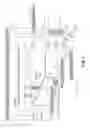
FIG. 1. is a schematic view of a biomass gasification system for use with high ash feedstocks.
FIG. 2 is a top view of auger system for controlling the movement of biomass through the gasification system.
DETAILED DESCRIPTION
The general principle is that, by controlling the air and biomass movement through the unit, higher or lower levels of carbon in the ash may be developed and maximize the ash's value as both a fertilizer and/or method of holding carbon in the soil for long periods of time.
The present system is particularly well suited for on-site heat production as part of larger facility. However, it is conceivable that the present system could be used to utilize high ash biomass as an energy source for electricity production.
Referring to FIG. 1, fuel is introduced to a dryer. While generally any biomass material may be used, the present system is most advantageous in its handling of high ash feedstocks such as animal manure.
Biomass fuel generally contains large amounts of moisture. There are a number of methods for removing the moisture. In some embodiments, a commercial dryer may be added to the system. This will not be required with all biomass fuels. Standard equipment would also be used to introduce material to the front end of the gasification process.
After conditioning of the fuel it may be introduced and moved with augers through the various zones. The speed of these augers is controlled so that the material is being taken away at the same speed that it is introduced. This not only produces a continuous process but also allows for fine control of the rate and extent of reaction. With this process, the amount of the fixed carbon that will be left in the char may be adjusted by varying the feedstock feed rate as well as the feed rates of air as it is added in different zones of the process.
The augers (as shown in FIG. 2) lie side by side forming a live floor that moves material evenly across the length and width of the unit. A char removal auger is also shown running transverse to the direction of the other augers. The fuel and char may be maintained at levels to prevent excess air from entering the unit.
There are two different methods of introducing air to the “reaction zone”. In this zone a portion of the volatile carbon material and possibly some of the fixed carbon are oxidized to produce enough heat to drive off the volatiles in the rest of the biomass material. In some embodiments, approximately ¼ of the air required for complete oxidation is introduced into this zone, however, this amount may vary depending on conditions and biomass.
Air can be introduced with stationary multiple inlet points or by using a rotary air delivery system. Testing has shown that by keeping the air and biomass fuel moving, high temperature zones (hotspots) can be avoided and reduce or eliminate crusting and/or agglomerate formation. A rotary air system may ensure that material can pass through this zone without problems. The combination of moving air and the disturbance to the biomass material around the “disc” design shown will continuously bring new material into and through the reaction zone. This will generate considerable heat energy and a producer gas with high levels of CO and H2 with other volatile compounds. This producer gas can then be used for various applications such as being fired in a low BTU combustion engine or turbine. Alternatively, the producer gas may be oxidized in a second chamber to produce a high temperature oxidized flue gas for use in downstream equipment such as boilers or hot oil heat exchangers.
The producer gas passes up over the fuel and is combined with the volatiles from the char cooling area as well as the drying and conditioning areas of the gasifier. This process will transfer some of the heat down through the fuel being introduced and help with the drying of the material before it reaches the air in the reaction zone. The resulting gas from the total process will then go to a second chamber where the rest of the air required for complete oxidation is added or the gas could be cleaned for other applications. Alternative processes could include the catalytic oxidation of all or a portion of the producer gas.
In an exemplary embodiment, the producer gas from the unit will generally be in the 400 to 600 C. range and contain levels of CO, CO4, and H2 as well as other compounds. When oxidized in the upper chamber the resulting flue gas may typically be in the 1200 C. range. This flue gas can then be used for other energy applications.
The resulting char is removed from the unit. A level of char is maintained in the unit to prevent air from entering into the reaction area. The quantitative qualities of the char can be adjusted to meet market demands by speeding up the flow or slowing it down, or adjusting the amount of air introduced into the various regions. When the char is cooled, relatively high levels of CO may be released. This will pass up over the gasifier reacting area as well as the fuel conditioning area to be added to the producer gas going to the oxidizer.
All aspects of the system may be controlled by a programmable logic controller. Feed back loops may be established based on gas and char temperatures at various points in the process. Automated adjustments may be made to the dwell time of the fuel in various zones of the process or in the amount of air introduced to maintain a consistent biochar.
EXAMPLES
In the following examples, a new gasification technology was used to integrate farm wastes into fertilizer and energy. A carbon rich product called biochar is generated from this process. Biochar is mainly produced from the pyrolysis of crop and animal manure. Biochar is understood to be a valuable material for its improving stability in soil and nutrient retention properties, which could be beneficial for the environment and in certain agricultural applications.
Five biochar samples (summarized in Table 1) produced using the methods described herein were tested.
| TABLE 1 |
| Samples |
| Sample ID | Description | Location |
| 6077 | Frye Poultry-broiler manure | Wardensville, WV |
| 6078 | P&J-Turkey litter | Northfield, MN |
| 6079 | Egg layer manure without Carbon | Carterville, IL |
| 6080 | Egg layer manure with Carbon | Carterville, IL |
| 6082 | Horse muck | Carterville, IL |
The samples were investigated for the chemical and mineral content and mineral release capacity by X-Ray Fluorescence Spectroscopy (XRF), X-Ray Di-fraction Spectroscopy (XRD). Carbon-Sulfur Analyzer, Inductively Couple Plasma Spectroscopy (ICP) and Phosphate Analyzer.
Elemental data were obtained from XRF with a universal method: however this is not a calibrated method. Therefore the data presented in Table 2 should be considered semi quantitative except for the sulfur and carbon data shown in first two rows. Both carbon and sulfur data were obtained from Leco C—S Analyzer. Calcium, Potassium and Phosphorus are the dominant elements detected through out the samples. The table below list the major components detected, for the full list of elements detected please refer to the appendix.
| TABLE 2 |
| Elemental analysis of Biochar samples |
| 6077 | 6078 | 6079 | 6080 | 6082 | |
| % | Frye | P&J | No C | With C | Horse muck |
| Sulfur | 1.75 | 1.4 | 0.41 | 0.62 | 0.18 |
| Carbon | 21.9 | 9.52 | 3.45 | 7.9 | 15.4 |
| Calcium | 16.8 | 21.7 | 54.4 | 35.2 | 35.8 |
| Silicon | 2.3 | 3.51 | 0.6 | 5.5 | 8.4 |
| Phosphorus | 7.1 | 9.9 | 3.8 | 4.9 | 3.7 |
| Potassium | 16.2 | 13.2 | 5.5 | 4.7 | 5.8 |
| Aluminum | 1.6 | 0.9 | 0.2 | 2 | 2.3 |
| Magnesium | 3.5 | 4.4 | 1.6 | 2.3 | 2 |
| Sodium | 2.7 | — | — | — | — |
| Iron | 2.1 | 1.3 | 0.9 | 5.7 | 2 |
| Chloride | 5.7 | — | — | — | — |
Table 3 summarizes the chemical composition of minerals determined by XRD. The Biochar from Frye-broiler manure shows some variability in the chemical composition compared to the rest of the samples. Potassium sodium calcium phosphate, sylvite, quartz, and calcite are the most common minerals found within all of the Biochar samples.
| 6077 | 6078 | 6079 | 6080 | 6082 | |
| % | Frye | P&J | PT no C | PT with C | Horse muck |
| Sulfur, S | 1.75 | 1.4 | 0.41 | 0.62 | 0.18 |
| Carbon, C | 21.9 | 9.52 | 3.45 | 7.9 | 15.4 |
| Apthitalite, | 24.9 | — | — | — | — |
| K3Na(SO4)2 | |||||
| Whitlockite, | 17.8 | — | — | — | — |
| HCa9Mg(PO4)7 | |||||
| Sylvite, KCI | 16.4 | 4.5 | 3.3 | 3.2 | 1.9 |
| Quartz, SiO2 | 6.3 | 5.2 | 4.33 | 6.8 | 56.6 |
| Calcite, CaCO3 | 5.7 | 4.5 | 18.6 | 6.8 | 14.4 |
| Ammonium | 4.6 | — | — | — | — |
| potassium Sulfate, | |||||
| NH4KSO4 | |||||
| Hematite, Fe2O3 | 3.8 | — | — | — | — |
| Potassium sodium | — | 38 | 28.5 | 30.4 | 16.8 |
| calcium | |||||
| phosphate, | |||||
| KNaCa2(PO)4 | |||||
| Potassium calcium | — | 21.8 | — | — | — |
| magnesium | |||||
| phosphate, | |||||
| CaMgK(PO4)7 | |||||
| Hydroxylapatite, | — | 17.6 | 16.4 | 18.7 | 7.8. |
| Ca10(PO4)6•H2O | |||||
| Portlandite, | — | — | 28.3 | 10.2 | 1.9 |
| Ca(OH)2 | |||||
| Periclase, MgO | — | — | 3.8 | 4.3 | — |
| Lime, CaO | — | — | — | 12.5 | 0.6 |
| Others, | 20.4 | 8.5 | — | 7.1 | — |
| amorphous | |||||
Among the biochar samples, the Frye broiler manure showed the highest carbon content. Therefore this sample was selected for the leachability study (TCLP: Toxicity Characteristic Leaching Procedure) and further processed through a lab oxidation process to remove the carbon. The ash obtained from oxidation was compared to the original sample by MLR The TCLP samples were prepared under neutral conditions to have a true comparison to leachability in the field. This experiment was conducted to compare straight oxidation of the manure rather than gasification where retained carbon may aid in the slow release of the fertilizer into the plant and the environment. The results of leachable metals, total nitrogen, phosphorus, total sulfur and carbon in neutral water leachate were shown in Table 4.
| 6077 | 6077 | |
| Frye | Lab Gasified Frye | |
| Sulfur (%) | 1.75 | 4.05 | |
| Carbon (%) | 21.9 | 0.11 | |
| TCLP data: in neutral water | mg/L | mg/L | |
| Total Nitrogen by TKN | 6.5 | 6.1 | |
| Phosphorous | 3.9 | 9.2 | |
| Silver | — | — | |
| Aluminum | 0.42 | 0.72 | |
| Arsenic | 0.26 | 0.1 | |
| Boron | 1.4 | 2.5 | |
| Barium | 0.01 | 0.17 | |
| Beryllium | — | — | |
| Calcium | 35 | 9 | |
| Cadmium | — | — | |
| Cobalt | 0.031 | — | |
| Chromium | 0.079 | 0.84 | |
| Copper | 3.6 | — | |
| Iron | 0.37 | — | |
| Potassium | >900 | >900 | |
| Lithium | 0.02 | 0.35 | |
| Magnesium | 78 | 4 | |
| Manganese | 0.079 | — | |
| Molybdenum | 0.85 | 2.7 | |
| Sodium | 430 | >900 | |
| Nickel | 0.093 | — | |
| Lead | — | — | |
| Antimony | 0.01 | 0.011 | |
| Selenium | 0.045 | 0.09 | |
| Silicon | 1.8 | 2.3 | |
| Tin | — | — | |
| Strontium | 0.062 | 0.076 | |
| Titanium | — | — | |
| Thallium | — | — | |
| Vanadium | 0.032 | 0.098 | |
| Zinc | 0.12 | — | |
| Zirconium | 0.047 | 0.11 | |
The elemental analysis shows that the process may be adjusted to control the carbon content that is retained in the gasification process. The mineral content surely depends on the type of feedstock, The composition of manure varies significantly from chickens (broiler vs. egg layer), turkeys, and horses. Biochar from horse manure is the case appears to be from grazing based on the high silica content. The process appears to remove significant nitrogen in the gasification process.
The leachability study took the highest fixed carbon gasified manure (6077) and oxidized the carbon away to simulate burning (oxidizing) rather than gasification. This ensured removal of carbon from the manure leaving only oxidized mineral matter. The difference between gasified and oxidized samples in their leachability should be related to fixed carbon in the gasified samples retaining or slowing the release of these minerals into the water. Since the gasified sample contained 21% carbon there will be 21% higher concentration of the minerals in the oxidized sample. The results from the leachability found that the minerals in the gasified sample were only marginally different than the oxidized sample. Again it would be expected that metals in the oxidized sample should be −20% higher due to a more concentrated (no or less carbon) mineral being present. Total nitrogen was virtually unchanged. However phosphorous was reduced significantly when gasified which would support a slower release to plant and the environment. Chrome also showed a significant reduction when gasified. Overall the study found that gasified manure may have some benefits over oxidized manure. Additional testing was conducted using cattle manure was also conducted according to the methods described above. The gasification system has proven to effectively process a variety of fuels to produce a quality biochar product. The specific quality of the biochar is dependent on the composition of the fuel. Cow or cattle manure is one of the fuels that have been gasified and shown to produce a valuable biochar product. The quality of the biochar will vary slightly with cow manure depending on the animal diet, but can have a fairly large variation depending on the material handling methods employed on the farm where the manure is generated. Additionally, the gasification process also has some control over the quality; especially in the area of carbon content. An example of a biochar product from cow manure is shown in the mineral analysis shown in table 5.
| TABLE 5 | |||
| As Received | Dry | MAF | |
| % Total Moisure | 0.51 | ||
| % Ash | 78.65 | 79.05 | |
| % Volatile Matter | 7.46 | 7.50 | |
| % Fixed Carbon | 13.38 | 13.45 | |
| % Sulfur | 0.50 | 0.50 | |
| Grass Calorific Value, btu/lb | 2530 | 2543 | 12140 |
| Analyte | Result | |
| ANALYSIS OF ASH |
| Silicon dioxide | 55.36% | |
| Aluminum oxide | 4.99% | |
| Titanium dioxide | 0.23% | |
| Iron oxide | 1.77% | |
| Calcium oxide | 13.08% | |
| Magnesium oxide | 3.68% | |
| Potassium oxide | 8.56% | |
| Sodium oxide | 3.02% | |
| Sulfur trioxide | 1.42% | |
| Phosphorus pentoxide | 6.78% | |
| Strontium oxide | 0.04% | |
| Barium oxide | 0.05% | |
| Manganese oxide | 0.03% | |
| Undetermined | 0.99% | |
| MAA Sum | 99.01% | |
| MAA Basis | Ignited s.u. | |
| MAA Silica Value | 74.92% | |
| MAA Based Acid Ratio | 0.50% | |
| MAA T250 | 2315° F. | |
| MAA Type of Asin | LIGNITIC s.u. | |
| Fouling Index | 3.02% | |
Claims
What is claimed is:1. A continuous system for gasification of a biomass feedstock comprising:
a fuel conditioning zone;
a gasification zone, the gasification zone including a controllable system for introducing air into the biomass;
a char cooling area, the char cooling are having a gas capturing system for recovering gas released by the char as it cools;
wherein the carbon content of the char may be adjusted by varying one or more of the feed rate of the fuel and air into the system.
2. The system of claim 1, wherein air is introduced into the gasification zone at a level below that required for complete combustion.
3. The system of claim 2, wherein air is introduced into the gasification zone at a level of less than about 50% of that required for complete combustion.
4. The system of claim 2, wherein air is introduced into the gasification zone at a level of less than about 25% of that required for complete combustion.
5. The system of claim 2, wherein air is introduced into the gasification zone at a level of about 25% of that required for complete combustion.
6. The system of claim 1, wherein the gas capturing system of the char cooling area includes a gas return to direct at least a portion of the captured gas to the gasification zone.
7. The system of claim 1, wherein the biomass feedstock is a high ash feedstock.
8. The system of claim 7, wherein the biomass feedstock is animal manure.
9. A continuous system for gasification of a biomass feedstock comprising:
a fuel conditioning zone wherein the feedstock is pre-heated;
a gasification zone, the gasification zone including a controllable system for introducing air into the biomass, the air being introduced at a level below that required for complete combustion of the feedstock;
a char cooling area, the char cooling are having a gas capturing system for recovering gas released by the char as it cools and routing the captured gas to the gasification zone;
wherein the carbon content of the char may be adjusted by varying one or more of the feed rate of the fuel and air into the system.
10. The system of claim 9, wherein air is introduced into the gasification zone at a level of less than about 50% of that required for complete combustion.
11. The system of claim 9, wherein air is introduced into the gasification zone at a level of less than about 25% of that required for complete combustion.
12. The system of claim 9, wherein air is introduced into the gasification zone at a level of about 25% of that required for complete combustion.
13. The system of claim 9, wherein the biomass feedstock is a high ash feedstock.
14. The system of claim 13, wherein the biomass feedstock is animal manure.
15. A continuous system for gasification of a biomass feedstock comprising:
a fuel conditioning zone wherein the feedstock is pre-heated and/or dried, the feedstock comprising a high ash feedstock;
a gasification zone, the gasification zone including a controllable system for introducing air into the biomass, the air being introduced at a level below about 50% of that required for complete combustion of the feedstock;
a char cooling area, the char cooling are having a gas capturing system for recovering gas released by the char as it cools and routing the captured gas to the gasification zone;
wherein the carbon content of the char may be adjusted by varying one or more of the feed rate of the fuel and air into the system.
16. The system of claim 15, wherein the high ash feedstock is animal manure.
17. The system of claim 15, wherein air is introduced into the gasification zone at a level of less than about 25% of that required for complete combustion.
18. The system of claim 15, wherein air is introduced into the gasification zone at a level of about 25% of that required for complete combustion.
19. The system of claim 15, wherein the gasification zone is operated with a gas outlet temperature of about 400 to 600° C.
20. The system of claim 19, wherein the gas removed is combusted in a secondary combustion chamber.
Images & Drawings included:


Sources:
- United States Patent and Trademark Office - verify current appl. status at the USPTO↗
Similar patent applications:
- » 20070137105
Biomass gasification system and opeating method thereof - » 20070175095
Biomass gasification system and operating method thereof - » 20130109766
Biomass gasification gas purification system and method, and methanol production system and method - » 20160145514
Method and system for gasification of biomass - » 20130125463
Method and system for gasification of biomass - » 20230348789
Method and System for Gasification of Biomass - » 20130085307
Biomass gasification gas purification system and method and methanol production system and method - » 20150059245
Apparatuses, systems, mobile gasification systems, and methods for gasifying residual biomass - » 20130153395
Devices and Methods for a Pyrolysis and Gasification System for Biomass Feedstock - » 20130205727
Devices and Methods for a Pyrolysis and Gasification System for Biomass Feedstock
Recent applications in this class:
- » 20240093096 2024-03-21
GASIFIER WITH A REACTION ZONE AND A COOLING ZONE WITH ALTERNATELY FLIGHTED AUGERS AND PADDLES - » 20230348789 2023-11-02
Method and System for Gasification of Biomass - » 20230295516 2023-09-21
METHOD AND TREATMENT FACILITY FOR PHYSICAL AND THERMOCHEMICAL TREATMENT OF BIOMASS - » 20220017825 2022-01-20
Method for preparing biochar and hydrogen by utilizing anaerobic fermentation byproducts - » 20200208067 2020-07-02
Optimized thermolysis installation and method for implementing same - » 20190048267 2019-02-14
Biomass fuel production plant - » 20170145316 2017-05-25
DISPERSING AND FLATTENING APPARATUS FOR UNIFORM DRYING OF TRANSPORTATION COALS IN COAL DRYER USING REHEAT STEAM - » 20170145315 2017-05-25
APPARATUS FOR PREVENTING SPONTANEOUS IGNITION OF TRANSFERRED COAL IN APPARATUS FOR DRYING COAL USING REHEAT STEAM - » 20160032194 2016-02-04
PROCESS USING FLUE GAS HEAT FOR PYROLYSIS AND DRYING OF ORGANIC MATERIAL - » 20150240166 2015-08-27
Process for enhancing process performance during the thermocatalytic treatment of biomass
Recent applications for this Assignee:
- » 20230348789 2023-11-02
Method and System for Gasification of Biomass