Recombinant nitrogen-fixing bacterial strain, inoculum containing the same and application methods
US20140336050A1
2014-11-13
14/360,054
2012-11-22
✅ Patent granted
US 9,657,298 B2
2017-05-23
WO; PCT/IB2012/056643; 20121122
WO; WO2013/076687; 20130530
Ganapathirama Raghu
Young & Thompson
2032-11-22
Abstract:
Recombinant bacterial strains comprising heterologous nif genes in its genome, and capable of fixing nitrogen. The strain may be, for example, a recombinant Pseudomonas fluorescens strain comprising heterologous nif genes in its genome. An inoculum and a method for increasing plant productivity are further described.
Inventors:
- Gabriela Cynthia Soto, SR. 1 🇦🇷 Prov. de Buenos Aires, Argentina
- Nicolas Daniel Ayub 1 🇦🇷 Prov. de Buenos Aires, Argentina
- Lorena Maria Setten 1 🇦🇷 Prov. de Bunos Aires, Argentina
Assignee:
- INIS BIOTECH LLC 19 🇺🇸 Milford, DE, United States
- Consejo Nacional de Investigaciones Cientificas y Tecnicas (CONICET) 24 🇦🇷 Buenos Aires, Argentina
- INSTITUTO NACIONAL de TECNOLOGIA AGROPECUARIA ''INTA'' 3 🇦🇷 Buenos Aires, Argentina
Applicant:
Interested in similar patents?
Get notified when new applications in this technology area are published.
Classification:
C07K14/21 » CPC further
Peptides having more than 20 amino acids; Gastrins; Somatostatins; Melanotropins; Derivatives thereof from bacteria from Pseudomonadaceae (F)
C12N1/20 IPC
Microorganisms, e.g. protozoa; Compositions thereof ; Processes of propagating, maintaining or preserving microorganisms or compositions thereof; Processes of preparing or isolating a composition containing a microorganism; Culture media therefor Bacteria; Culture media therefor
C12N9/0097 » CPC further
Enzymes; Proenzymes; Compositions thereof ; Processes for preparing, activating, inhibiting, separating or purifying enzymes; Oxidoreductases (1.) acting on reduced flavodoxin as donor (1.19)
C12P19/34 IPC
Preparation of compounds containing saccharide radicals; Preparation of nitrogen-containing carbohydrates; N-glycosides; Nucleotides Polynucleotides, e.g. nucleic acids, oligoribonucleotides
C07H21/04 IPC
Compounds containing two or more mononucleotide units having separate phosphate or polyphosphate groups linked by saccharide radicals of nucleoside groups, e.g. nucleic acids with deoxyribosyl as saccharide radical
C12N9/0095 » CPC further
Enzymes; Proenzymes; Compositions thereof ; Processes for preparing, activating, inhibiting, separating or purifying enzymes; Oxidoreductases (1.) acting on iron-sulfur proteins as donor (1.18)
A01N63/00 » CPC further
Biocides, pest repellants or attractants, or plant growth regulators containing microorganisms, viruses, microbial fungi, animals or substances produced by, or obtained from, microorganisms, viruses, microbial fungi or animals, e.g. enzymes or fermentates
C12N15/78 » CPC main
Mutation or genetic engineering; DNA or RNA concerning genetic engineering, vectors, e.g. plasmids, or their isolation, preparation or purification; Use of hosts therefor; Recombinant DNA-technology; Introduction of foreign genetic material using vectors; Vectors; Use of hosts therefor; Regulation of expression; Vectors or expression systems specially adapted for prokaryotic hosts other than E. coli, e.g. Lactobacillus, Micromonospora for Pseudomonas
Description
This application refers to recombinant nitrogen-fixing bacterial strains, the inoculum containing the same and application methods. More specifically, it refers to a recombinant bacterial strain comprising heterologous nif genes and capable of nitrogen fixation.
BACKGROUND
Two treatments/technologies have been described which are aimed at improving productivity in respect of plants grown in nitrogen-deficient soil: (a) the fertilization with nitrogenous compounds (e.g., urea) and (b) the inoculation with nitrogen-fixing bacteria. There exist two types of nitrogen-fixing bacteria: (b1) symbiotic bacteria which fix nitrogen in association with leguminous plants (e.g., Rhizobium sp. and Sinorhizobium sp.) and (b2) free-living nitrogen-fixing bacteria (e.g., Azospirillum brasilense and Azotobacter vinelandii). The first type was successfully employed to improve productivity in respect of crops grown in soils poor in nitrogen, but it is only applicable to leguminous plants. The second type could be employed with all kinds of plants (not only in respect of leguminous ones). However, it has not yet been stated that the nitrogen fixed by these bacteria is sufficient to overcome the nitrogen deficiency suffered by plants grown in soils poor in nitrogen. Despite this, species such as A. brasilense and A. vinelandii are currently employed in the formulation of inoculants since such bacteria produce phytohormones capable of stimulating root development. This is a feature of agronomic importance, but it bears no relation to the nitrogen-fixation ability of these bacteria.
The patent publication EP0108508 describes Escherichia coli strains modified with genes related to nitrogen fixation. However, the E. coli strains are not employed to improve productivity in respect of plants grown in soils poor in nitrogen, but in order to transfer the nitrogen-fixation ability to other microorganisms, such as Rhizobium japonicum.
BRIEF DESCRIPTION OF THE INVENTION
One of the subject matters of this invention is to provide a bacterial strain, for example, recombinant Pseudomonas fluorescens comprising nif genes. Such strain will be capable of fixing nitrogen and has been transformed with cosmid X940. In a preferred embodiment, the recombinant strain comprises from PST—1302 to PST—1306 and from PST—1313 to PST—1359 genes; from PST—1307 to PST—1312 genes are deleted and instead, a kanamycin resistance gene from plasmid pUC4K (X06404) has been inserted. The description of the PST genes can be seen on the following websites: http://www.ncbi.nlm.nih.gov/nuccore/CP000304.1 and http://www.biomedcentral.com/1471-2164/11/11. In a preferred embodiment, the recombinant Pseudomonas fluorescens strain comprises from PST—1302 to PST—1306 and from PST—1313 to PST—1359 genes and a kanamycin resistance gene. It is evident for the experts that on the basis of the examples provided, any person can obtain different nitrogen-fixing bacterial strains and species from strains which do not fix nitrogen by employing the microorganisms transformation and construction techniques described herein. Therefore, any bacterial strain or species transformed with heterologous nif genes which develops the ability to fix nitrogen falls within the scope of this invention. The nif genes can be any of those known and disclosed, for example from PST—1302 to PST—1306 and from PST—1313 to PST—1359 genes, disclosed on the following websites: http://www.ncbi.nlm.nih.gov/nuccore/CP000304.1 and http://www.biomedcentral.com/1471-2164/11/11. Based on what can be learnt from this application, such genes can be introduced into bacteria which do not fix nitrogen and transform them into nitrogen-fixing bacteria, which are additionally efficient to improve plant productivity.
Another subject matter of this invention is to provide an inoculum aimed at improving plant productivity which contains a recombinant bacterium, for example, Pseudomonas fluorescens, with such strain comprising heterologous nif genes, and a vehicle. The inoculum may comprise between 8.108-2.109 cells/ml. Based on what can be learnt from the examples provided, experts can prepare different inoculants by employing the invention recombinant bacteria, all of the inoculants falling within the scope of this invention.
Another subject matter of this invention is to provide a method to improve nitrogen fixation in plants which entails applying an amount comprised between 1.6 108 and 4 108 of recombinant bacteria, for example, Pseudomonas fluorescens, to the soil, with such bacteria containing heterologous nif genes. In a preferred embodiment, the recombinant bacterial strain comprises from PST—1302 to PST—1306 and from PST—1313 to PST—1359 genes, whereas genes from PST—1307 to PST—1312 are deleted and instead, a kanamycin resistance gene has been inserted, for example, the resistance gene from plasmid pUC4K (X06404). The plant can be any known one, for example, a monocotyledon or a dicotyledon. In a preferred embodiment, the method comprises the application to the soil of an amount comprised between 1.6 108 and 4 108 of recombinant bacteria, for example, recombinant Pseudomonas fluorescens, per liter of soil volume. As it can be observed, the method is applicable to any kind of plant and soil poor in nitrogen.
DESCRIPTION OF THE DRAWINGS
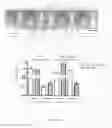
FIG. 1: FIG. 1 shows the effect of the transformation of Pseudomonas Pf-5 with cosmid X940. The covered Erlenmeyer flasks simulate microaerobiosis conditions and the Parafilm-sealed Erlenmeyer flasks simulate aerobiosis conditions. The statistical analysis employed was ANOVA, followed by Tukey contrasts. The letters refer to the comparative treatments. The same letters refer to not statistically significant differences. a and b showed significant differences with p<0.01.
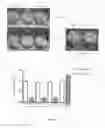
FIG. 2: FIG. 2 shows the effect of the inoculation with Pf-5 X940 on the growth of alfalfa plants in presence or absence of nitrogen in the substrate. The statistical analysis employed was ANOVA, followed by Tukey contrasts. The comparisons were made between plants which received the same inoculation treatment under different nitrogen conditions in the substrate. ** p<0.01 and ***p<0.001.
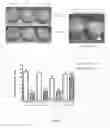
FIG. 3: FIG. 3 shows the effect of the inoculation with Pf-5 X940 on the size of an Arabidopsis rosette in presence or absence of nitrogen in the substrate. The statistical analysis employed was ANOVA, followed by Tukey contrasts. The comparisons were made between plants which received the same inoculation treatment under different nitrogen conditions in the substrate. ** p<0.01 and ***p<0.001., N.S.: not significant.
FIG. 4: FIG. 4 shows the effect of the inoculation with Pf-5 X940 on the width of the first leaf of Tall Fescue in presence or absence of nitrogen in the substrate. The statistical analysis employed was ANOVA, followed by Tukey contrasts. The comparisons were made between plants which received the same inoculation treatment under different nitrogen conditions in the substrate. ** p<0.01 and ***p<0.001., N.S.: not significant.
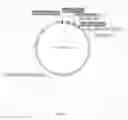
FIG. 5: FIG. 5 shows a representation of cosmid X940.
FIG. 6: FIG. 6 shows the process of construction of cosmid X940 in a diagram. B: BamHI, S: SalI and M: MboI.
DETAILED DESCRIPTION OF THE INVENTION
The recombinant nitrogen-fixing bacterial strain which is the object of this invention entails a quality leap forward in technology. The applicant has no knowledge of any technologies aimed at obtaining microorganisms which can develop an ability to fix nitrogen by means of repeatable, efficient techniques such as genetic engineering and transformation. The availability of the invention inoculum boosts the field of the inoculants aimed at solving the problem posed by the limited availability of nitrogen in the soil since not only does it employ natural bacterial isolations (nonrecombinant bacteria) but also recombinant bacteria transformed with nif genes which fix nitrogen, such as bacteria transformed with from PST—1302 to PST—1306 and from PST—1313 to PST—1359 genes of Pseudomonas stutzeri A1501.
A bacterial strain, for example recombinant Pseudomonas fluorescens comprising nif genes of, for instance, the Pseudomonas stutzeri A1501 strain, has been prepared, with such recombinant strain being capable of fixing nitrogen when transformed with cosmid X940, which carries nif genes. In a preferred embodiment, the strain comprises from PST—1302 to PST—1306 and from PST—1313 to PST—1359 genes of Pseudomonas stutzeri A1501. The transformed strain was termed Pf-5X940.
The invention delivers important quantitative results since the inoculation with Pf-5X940 caused an increase of over 200% in productivity in respect of plants grown in soils poor in nitrogen, whereas the inoculation with Azotobacter vinelandii BMN0359 (a type strain of the Azotobacter vinelandii species, which fixes nitrogen and was provided by the National Bank of Microorganisms of the Agronomy School of the University of Buenos Aires) did not produce significant variations, thus maintaining consistency with the null/low efficiency of natural bacteria (those not transformed) when fixing important amounts of nitrogen as free-living bacteria.
The growth of wild bacteria (Pf-5) and recombinant bacteria (Pf-5X940) was assessed during a period of 48 hours in L medium (a semisynthetic medium) without nitrogen (−(NH4)2SO4) or a nitrogen-supplemented medium (+(NH4)2SO4), subject to aerobiosis or microaerobiosis under laboratory conditions (FIG. 1). In the course of the first 24 hours, only the nitrogen-supplemented cultures grew, whereas after a period of 48 hours, there was also a considerable growth in the Pf-5X940 bacteria in L medium without nitrogen under microaerobiosis conditions (FIG. 1). 1). The recombinant bacteria did not show signs of growth in L medium without nitrogen under aerobiosis conditions, thus suggesting that the heterologous nitrogenase complex is atmospheric-oxygen sensitive. This is not strange since it is known that autologous nitrogenase complexes are irreversibly inhibited in contact with gaseous oxygen (Biochemistry 1994, 33:389-397).
The growth of the Pf-5X940 recombinant bacteria in L medium without nitrogen under microaerobiosis conditions was quantified through colony forming units count (FIG. 1). In L medium without nitrogen under microaerobiosis conditions, only one duplication of the amount of bacteria in the Pf-5 culture (≈1 generation) could be observed, whereas the Pf-5X940 culture evidenced an increase in the amount of bacteria of over three levels (≈12 generations) (FIG. 1). Thus, FIG. 1 shows that the transformation with cosmid X940 confers the Pf-5 bacterium the ability to fix nitrogen, and consequently, the capacity to grow without an organic and/or inorganic source of nitrogen.
An assessment was conducted in respect of the effect of the inoculation with Pf-5, Pf-5X940 and Azotobacter vinelandii BMN0359 on the growth of three plants belonging to the two most important plant groups at agronomic and economic level: the dicotyledons Alfalfa (FIG. 2) and Arabidopsis (FIG. 3) and the monocotyledon Fescue (FIG. 4). These three plants were grown as a part of a hydroponic system and watered with a minimum medium referred to as “INTA13” without nitrogen (−Ca(NO3)2) or a nitrogen-supplemented medium (+Ca(NO3)2), with Pf-5, Pf-5 X940 or Azotobacter vinelandii BMN0359 inoculums, or without an inoculum (control). After 40 days of growth, the plants which were not inoculated or were inoculated with the Pf-5 and BMN0359 wild bacteria showed a significantly lower productivity in the medium referred to as INTA13 without nitrogen in comparison with this same medium when supplemented with nitrogen (FIG. 2, FIG. 3 and FIG. 4). This productivity deficiency in the nitrogen-free medium was completely overcome by the inoculation with the Pf-5X940 recombinant bacterium (FIG. 2, FIG. 3 and FIG. 4). In fact, the productivity of the Alfalfa plant inoculated with Pf-5X940 and grown in the nitrogen-free medium referred to as INTA13 was significantly higher than the productivity observed in respect of this plant when not inoculated or inoculated with wild bacteria grown in a nitrogen-supplemented INTA13 (FIG. 2). FIGS. 2, 3 and 4 show that inoculation with Pf-5 X940 constitutes an effective method to improve productivity in respect of plants grown under nitrogen-limited conditions.
This invention is further illustrated by means of the following examples, which are not intended to limit the scope thereof. Therefore, it must be clearly understood that other embodiments, modifications and equivalents of the present invention can be resorted to if, after reading this description, they would be suggested to those skilled in the art as long as they do not depart from the spirit of this invention and/or scope of the attached claims.
EXAMPLES
Example 1
Construction of Recombinant Bacteria of the Invention
Two 255 by segments of PST—1306-PST—1307 and PST—1312-PST—1313 intergenic regions of (CP000304) Pseudomonas stutzeri A1501 were obtained through PCR using the following primers:
| SEQ ID N° 1: | |
| 5′-CGGGATCCCCGAATAGAGGTCTGTCCCCG 3′ | |
| SEQ ID N° 2: | |
| 5′-CGGGATCCCCGGGGCGCTGGTGC3′ | |
| SEQ ID N° 3: | |
| 5′-CGGTCGACTCGGTGCGGCGCTCG3′- | |
| SEQ ID N° 4: | |
| 5′-CGGTCGACGCCAAGGCCGCCCGC 3′, |
where the BamHI and SalI restriction sites have been underlined, respectively. The PCR cycle used for both amplification reactions was the following: 3 minutes at 94° C. (201.2° F.); 34 cycles of 45 seconds at 94° C. (201.2° F.)-30 seconds at 50° C. (122° F.)-30 seconds at 72° C. (161.6° F.) and 10 minutes at 72° C. (161.1° F.). The amplification segment corresponding to the PST—1306-PST—1307 intergenic region was digested with BamHI and bound to a kenamycin resistance gene obtained from the plasmid pUC4K (X06404) digested with BamHI, resulting in Plasmid A. The amplification segment corresponding to the PST—1312-PST—1313 intergenic region was digested with SalI and cloned within Plasmid A digested with SalI, resulting in Plasmid B. As it is based in plasmid pUC4K which does not replicate in Pseudomonas (Ayub et al., Extremophiles 2009 13(1):59-66), Plasmid B is a suicide vector for bacteria belonging to genus Pseudomonas. Pseudomonas stutzeri A1510 competent cells were transformed with Plasmid B by electroporation according to the protocol described hereinbelow. The bacteria were cultivated in 25 ml of LB in 125 ml Erlenmeyer flasks at 28° C. (82.4° F.) with stirring at 250 rpm during a period of 16 hours. 1.5 ml of this culture was taken and centrifuged at 16,000 g during 1 minute at 25° C. (77° F.). Then, the bacterial pellet was washed three times in 1 ml of a 310 mM sucrose solution and resuspended in 100 μl of a 300 mM sucrose solution. These 100 μl of resuspended bacteria have from 109 to 1010 bacterial cells according to the CFU/ml measurement. For the electroporation, 0.5 μg of Plasmid B was used un 100 μl of resuspended bacteria, with the later application of the following pulses (25 AF, 200 V, 2.5 kV). Then, 1 ml of LB was added to the transformed cells and it was incubated in a 2 ml-volume Eppendorf tube with light stirring (at 100 rpm) during a period of 3 hours at 25° C. (77° F.). Then, the transformed bacteria were selected in LB agar containing 50 μg/ml of kanamycin. A kanamycin resistance colony (clone) was selected and termed A1501C. This strain was able to fix nitrogen when growing in an L medium without nitrogen, i.e., without the addition of (NH4)2SO4.
The SuperCos1 cosmid (M99566.1) (vector) was digested with AvaI and rebound with the purpose of eliminating its kanamycin resistance region (neoR reporter cassette) resulting in a recombinant vector termed C. Then, vector C was digested with BamHI and XbaI, and bound to segments of genomic DNA of A1501C bacteria digested with MboI obtained through a genomic library of A1501C in Escherichia coli. Then, a 50 μg/ml kanamycin and 100 μg/ml ampicillin resistance clone was searched and found within such library. The isolated recombinant cosmid of this strain was termed X940 (FIG. 5) and the sequencing thereof by primer walking confirmed the presence of A1501 bacteria nif genes. The cosmid X940 was introduced by transformation in cells composing Pf-5 Pseudomonas fluorescens using the same electroporation protocol described in the previous paragraph for A1501 Pseudomonas stutzeri. The transformed bacteria were selected in LB agar with 50 μg/ml of kanamycin. The Pf-5 Pseudomonas fluorescens recombinant bacteria containing the cosmid X940 was termed “Pf-5 X940”. FIG. 6 shows a drawing of the whole cosmid X940 construction process and the procurement of the transformed strain of the invention termed “Pf-5 X940”.
Example 2
Bacteria Growth Conditions
The cultures were made in 125 ml Erlenmeyer flasks containing 25 ml of incubated L medium at 28° C. (82.4° F.) with stirring at 300 rpm. The L medium was prepared according to the following formula: 1 g KH2PO4, 3 g K2HPO4, 0.1 g NaCl, 0.5 g (NH4)2SO4, 0.25 g MgSO4 7 H2O, 1 mg FeCl3 6 H2O, 0.017 mg CuCl2 2 H2O, 0.029 mg ZnSO4 7 H2O, 0.144 mg MnCl2 H2O, 0.147 mg CaCl2 2 H2O, 0.005 mg NaMoO4, 1 g citric acid, 5 g glucose, 100 mg yeast extract, 1 L, pH=7. Two aeration conditions termed aerobiosis (Erlenmeyer flasks covered with Parafilm) and microaerobiosis (Erlenmeyer flasks covered with a screw lid) were used. In order to assess the growth in limiting nitrogen conditions, the L medium was used but without the addition of nitrogen, i.e. without the addition of (NH4)2SO4. The cultures started from an optical density of 0.05-580 nm. The pre-cultures used to make the cultures were performed under the same conditions as the culture (25 ml of L medium in 125 ml Erlenmeyer flasks, at 28° C. (82.4° F.), at 300 rpm) with an incubation period of 24 hours. The pre-cultures were delivered from LB agar plates. Before inoculating the cultures, the pre-cultures were washed twice in an L medium without nitrogen (speed: 16,000 g, period: 1 minute) to dismiss a nitrogen supply from the pre-culture to the culture. The bacterial culture growth was assessed using optical density measurements at 580 nm and through a colony forming unit count per milliliter of culture (CFU/ml) during a period of 48 hours.
Example 3
Preparation of the Inoculum
The cultures were made in 125 ml Erlenmeyer flasks containing 25 ml of incubated L medium at 28° C. (82.4° F.) with stirring at 300 rpm during a period of 24 hours from LB agar plates. The culture was centrifuged at 10,000 g during a period of 5 minutes and it was resuspended in 25 ml of physiological saline (FS: 9 g NaCl/l). Then, the amount of bacteria present in these resuspended cultures was assessed, which resulted in the following value range: 8.108-2.109 CFU/ml. Each pot of 1 liter volume was inoculated with 0.2 ml of resuspended culture.
Example 4
Inoculation Essays
To perform the inoculation essays, Columbia-0 Arabidopsis thaliana, Schenodorus arundinaceus (Festuca Alta Gentos) and Medicago sativa (Alfalfa GAPP 969) seeds were sterilized and vernalized during a period of 5 days at 4° C. in the darkness. Then, the plants were chamber incubated at 23° C. under a photoperiod of 16 h light/8 h dark, with a light intensity of 150 μmol m−2 sec−1, under hydroponics conditions characterized by a peat, perlite and vermiculite mixture (1:1:1 v/v), a perlite and vermiculite mixture (1:1 v/v) or 100% vermiculite, respectively. The plants were let grow in INTA13 medium (0.13 g CaCl2 2 H2O, 0.25 g MgSO4 7 H2O, 0.14 g Na2HPO4, 0.1 g KH2PO4, 1 mg Na2MoO4 2 H2O, 0.6 mg MnSO4 H2O, 1 mg CuSO4 5 H2O, 1 mg ZnSO4 7 H2O, 1 mg H3BO3, 4 mg FeCl3 6 H2O, 1 L, pH=6.5) with or without 0.24 g/L Ca(NO3)2 4 H2O as nitrogen source during a period of 40 days.
Both pots and pot plates were sterilized with 70% ethanol. The substrates used as support (peat, perlite and vermiculite) were heat sterilized (at 350° C. during a period of 30 minutes), and then washed twice with sterile distilled water to remove residual salts. The inoculation with bacteria (Pf-5, Pf-5 X940 and Azotobacter vinelandii BMN0359) was performed immediately after the vernalization, as described hereinbelow. An overnight 25 ml bacteria culture grown at 28° C. (82.4° F.) in L medium was taken and then centrifuged; the pellet was resuspended in 25 ml of physiological saline. Then, 200 μl of this bacterial suspension were used (from 1.6 108 to 4 108 bacteria) to inoculate each pot of 1 liter volume.
Claims
Having thus specifically described and established the nature of the present invention and the way the same should be put into practice, the exclusive right and ownership thereof are hereby asserted and claimed as follows:1. Recombinant bacterial strain, characterized in that such strain comprises heterologous nif genes.
2. The strain according to claim 1, characterized in that such strain is capable of fixing nitrogen.
3. The strain according to claim 1, wherein the heterologous nif genes derive from Pseudomonas stutzeri.
4. The strain according to claim 1, characterized in that such strain was transformed with the cosmid X940.
5. The strain according to claim 1, wherein said strain is a recombinant Pseudomonas fluorescens strain comprising heterologous nif genes.
6. Inoculum to increase plant productivity, characterized in that such inoculum comprises at least one recombinant bacterial strain transformed into heterologous nif genes; and a vehicle.
7. The inoculum according to claim 6, wherein the recombinant strain is Pseudomonas fluorescens.
8. The inoculum according to claim 6, wherein the heterologous nif genes derive from Pseudomonas stutzeri.
9. The inoculum according to claim 6, characterized in that such inoculum comprises 8.108-2.109 of CFU/ml.
10. The inoculum according to claim 6, characterized in that such inoculum comprises a vehicle selected from the group comprising physiological saline, water and culture medium.
11. Method for increasing nitrogen fixation in plants, characterized in that such method comprises the application on the soil of an amount of 1.6 108-4 108 of a recombinant bacterial strain/liter, wherein said recombinant strain comprises heterologous nif genes.
12. The method according to claim 11, wherein the recombinant bacterial strain is Pseudomonas fluorescens.
13. The method according to claim 11, wherein the recombinant bacterial strain comprises heterologous nif genes deriving from Pseudomonas stutzeri.
14. The method according to claim 11, wherein the plant is a monocotyledon.
15. The method according to claim 11, wherein the plant is a dicotyledon.
16. The method according to claim 15, wherein the plant is selected from the group consisting of Arabidopsis and Alfalfa.
17. The method according to claim 14, wherein the plant is Fescue.
Images & Drawings included:


Sources:
- United States Patent and Trademark Office - verify current appl. status at the USPTO↗
Recent applications in this class:
- » 20250257364 2025-08-14
RNA-GUIDED DNA TRANSPOSITION - » 20250171790 2025-05-29
METHOD FOR THE FERMENTATIVE PRODUCTION OF GUANIDINOACETIC ACID - » 20240401067 2024-12-05
MICROBES AND METHODS FOR SELECTIVE DETOXIFICATION OF LIGNOCELLULOSIC BIOMASS - » 20240336928 2024-10-10
METHODS FOR IMPROVING SODIUM SALT TOLERANCE - » 20230313210 2023-10-05
ENGINEERED ORAL BACTERIA AND USES THEREOF - » 20230287439 2023-09-14
PATHWAY INTEGRATION AND EXPRESSION IN HOST CELLS - » 20230151375 2023-05-18
Production and separation of 3-hydroxypropionic acid - » 20230100757 2023-03-30
BACTERIAL HOSTS FOR RECOMBINANT PROTEIN EXPRESSION - » 20230062510 2023-03-02
METHOD TO CONSTRUCT EFFICIENT INDOLE-3-ACETIC ACID-PRODUCING MICROBES - » 20220243213 2022-08-04
ANTI-CRISPR INHIBITORS
Recent applications for this Assignee:
- » 20240237645 2024-07-18
Glycoside compound of fatty acids, composition comprising it, process for its obtention and methods to apply it on plants or fruits or both at the same time - » 20210059250 2021-03-04
Glycoside compound of fatty acids, composition comprising it, process for its obtention and methods to apply it on plants or fruits or both at the same time - » 20200016266 2020-01-16
Methods for modulating angiogenesis of cancers refractory to anti-VEGF treatment - » 20180105571 2018-04-19
GAL-1 variants having immuno-modulating properties and methods of using the same - » 20170354957 2017-12-14
Catalytic process for the production of propylene glycol from glycerol, a copper and cerium catalyst, and a process to produce such catalyst - » 20170354957 2017-12-14
Catalytic process for the production of propylene glycol from glycerol, a copper and cerium catalyst, and a process to produce such catalyst - » 20170071116 2017-03-09
Calibrachoa plant named 'INTA 06575' - » 20170037120 2017-02-09
Methods for modulating angiogenesis of cancers refractory to anti-VEGF treatment - » 20170022068 2017-01-26
Process for obtaining lithium from aluminosilicates and intermediate compounds - » 20160303090 2016-10-20
Compositions and methods for inhibiting tumor growth