Construction of a quadruple enterotoxin-deficient mutant of bacillus thuringiensis
US20140341854A1
2014-11-20
14/323,647
2014-07-03
✅ Patent granted
US 10,017,771 B2
2018-07-10
-
-
Patricia Duffy
Quarles & Brady LLP
2034-07-03
Abstract:
Some HBL and NHE enterotoxins are known to cause food-borne diseases in humans. Enterotoxin-deficient mutants of member strains of the Bacillus cereus group that do not produce HBL, HBLa1, HBLa2, or NHE enterotoxins are disclosed. Enterotoxin-deficient mutants are suitable for use as biocontrol agents. Methods for making the mutants and for using the mutants are described.
Inventors:
- Jo Emily Handelsman 2 🇺🇸 North Bradford, CT, United States
- Amy Klimowicz 3 🇺🇸 Madison, WI, United States
- Changhui Guan 3 🇺🇸 Cheshire, CT, United States
Assignee:
- WISCONSIN ALUMNI RESEARCH FOUNDATION 3,088 🇺🇸 Madison, WI, United States
Applicant:
Interested in similar patents?
Get notified when new applications in this technology area are published.
Classification:
A01N63/00 » CPC further
Biocides, pest repellants or attractants, or plant growth regulators containing microorganisms, viruses, microbial fungi, animals or substances produced by, or obtained from, microorganisms, viruses, microbial fungi or animals, e.g. enzymes or fermentates
C07K14/32 » CPC further
Peptides having more than 20 amino acids; Gastrins; Somatostatins; Melanotropins; Derivatives thereof from bacteria from Bacillus (G)
C12N1/20 » CPC further
Microorganisms, e.g. protozoa; Compositions thereof ; Processes of propagating, maintaining or preserving microorganisms or compositions thereof; Processes of preparing or isolating a composition containing a microorganism; Culture media therefor Bacteria; Culture media therefor
C12N15/75 » CPC main
Mutation or genetic engineering; DNA or RNA concerning genetic engineering, vectors, e.g. plasmids, or their isolation, preparation or purification; Use of hosts therefor; Recombinant DNA-technology; Introduction of foreign genetic material using vectors; Vectors; Use of hosts therefor; Regulation of expression; Vectors or expression systems specially adapted for prokaryotic hosts other than E. coli, e.g. Lactobacillus, Micromonospora for Bacillus
Description
CROSS-REFERENCE TO RELATED APPLICATIONS
This application is a continuation application of U.S. patent application Ser. No. 13/154,857, filed Jun. 7, 2011, which claims the benefit of U.S. Provisional Patent Application Ser. No. 61/353,314, filed Jun. 10, 2010, each of which is incorporated herein by reference as if set forth in its entirety.
STATEMENT REGARDING FEDERALLY SPONSORED RESEARCH OR DEVELOPMENT
This invention was made with government support under 05-CRHF-0-6055 awarded by USDA/CSREES. The government has certain rights in the invention.
BACKGROUND OF INVENTION
“Biological control” or “biocontrol” is defined as pathogen suppression by the use of a second organism. Mechanisms of biological control are diverse. Biocontrol has long been thought to be safer for the environment and human health than synthetic pesticides (Cook et al. 1996; Benbrook et al., 1996). As bacterial biocontrol agents have reached the federal regulatory agencies for review, the agencies and the public have voiced concerns over the relatedness of some agents to human pathogens.
Bacillus species are widely used in agriculture as biocontrol agents of pathogens (e.g., oomycetes such as Pythium sp. and Phytopthera sp.) and insects (Handelsman et al. 1990; Silo-Suh et al. 1998; Shang et al. 1999). Bacillus thuringiensis is a biocontrol agent that produces insecticidal crystal toxin proteins, encoded by cry genes, that specifically kill insects including Lepidopterans, Dipterans, Coleopterans, Hymenopterans, and also kill nematodes. Methods for stabilizing and applying such toxins, or strains harboring the toxins, are known for a wide variety of field crop situations. Although distinct B. thuringiensis strains vary in target range and efficacy, the toxins required for biological control, and methods for preparing inocula for use in the field, are generally similar among strains.
Because B. thuringiensis is closely related genetically to food contaminant bacterium Bacillus cereus, concerns have been raised in the U.S. and Europe about its widespread use on food crops. Phylogenetic chromosomal marker studies show no taxonomic basis for separate species status for the two. While B. thuringiensis carries plasmids bearing the cry genes that encode insecticidal crystal toxins, B. cereus does not. On the other hand, B. cereus expresses chromosomally-encoded enterotoxin genes, the products of which are responsible for food-borne disease in humans, haemolysin BL (HBL), non-haemolytic enterotoxin (NHE) and cytotoxin K (CytK) (Beecher & MacMillan, 1991; Lund & Granum, 1996; Lund et al., 2000). Depending upon the strain, different toxins can be responsible for disease.
HBL and NHE are both three-component toxin complexes, which are restricted to the B. cereus group (From et al., 2005). HBL includes three component proteins, L2, L1 and B (Beecher & MacMillan, 1991), encoded by the genes hblC, hblD, and hblA, respectively, that are co-transcribed from the hblCDA operon (Heinrichs et al., 1993; Ryan et al., 1997; Lindback et al., 1999). NHE includes the proteins NheA, NheB and NheC, encoded by the nheABC operon (Granum et al., 1999).
Single component CytK belongs to the family of β-barrel pore-forming toxins (Fagerlund et al., 2008). Two cytK gene variants, cytK-1 and cytK-2, are known (Lund et al., 2000; Fagerlund et al., 2004). The original CytK-1 protein was isolated from a strain of B. cereus that caused three fatalities in a food poisoning outbreak (Lund et al., 2000). The CytK-2 version of the protein was subsequently identified from other strains of B. cereus (Fagerlund et al., 2004). This form is 89% identical to CytK-1 at the amino acid level and exhibits about 20% toxicity relative to CytK-1 toward human intestinal cells (Fagerlund et al., 2004).
A homolog of HBL has been discovered in the B. cereus group. Beecher and Wong (2000) showed that HBLa, isolated from a strain of B. cereus that also produced HBL, had similar toxicity as HBL and the homologous proteins could be interchanged. The 36 to 45 amino acids of the N-terminal sequence of the individual HBLa component proteins were reported in the Beecher and Wong study, but the gene sequences for HBLa were not known. However, an HBLa operon has been identified in the B. cereus UW85 partial genome sequence (D. Rasko, J. Ravel, J. Handelsman, unpublished). B. weihenstephanensis strain KBAB4 (Genbank accession CP000903) and B. cereus strain 03BB 108 (Genbank accession ABDM00000000) also contain HBLa sequences. The sequences disclosed in all cited Genbank accession numbers are incorporated herein by reference in their entirety as if set forth herein. The N-terminal sequences of the predicted HBLa proteins from UW85 are 100%, 69%, and 94% identical to the respective Ba, L1a, and L2a N-terminal sequences reported by Beecher and Wong (2000).
Some efforts to reduce or eliminate enterotoxin activity disrupted the components of the enterotoxin. U.S. Pat. No. 6,602,712 (Handelsman and Klimowicz; incorporated herein by reference as if set forth in its entirety) describes a Bacillus strain that exhibits reduced HBL enterotoxin activity. An alteration in the hblA gene of the hbl locus renders inactive the B component of the HBL protein. The other HBL components and other enterotoxin gene sequences were not disrupted. A corresponding component in the HBLa homolog may compensate for the lack of B component encoded by hblA.
When components NheB and NheC were eliminated from a B. cereus strain that lacked HBL and CytK, the strain lost haemolytic activity against erythrocytes from a variety of species (Fagerlund et al., 2008).
Prior attempts to eliminate the complete nhe operon in B. cereus and B. thuringiensis have failed (Ramarao & Lereclus, 2006; Fagerlund et al., 2008).
Many commercial B. thuringiensis strains, including subsp. kurstaki strain VBTS 2477, express such enterotoxin genes (Arnesen et al., 2008). The safety and public acceptance of B. thuringiensis on food crops would be enhanced by an enterotoxin-deficient B. thuringiensis strain that retains insecticidal activity but which does not produce an enterotoxin or its corresponding components. No B. thuringiensis strain is available that has reduced or zero levels of the enterotoxins or the functional components of the enterotoxins, including those components for NHE and HBL. Without the complete removal of these enterotoxins, the risk of toxicity remains.
BRIEF SUMMARY OF THE INVENTION
The present invention relates to enterotoxin-deficient bacterial strains in the B. cereus group, which contains B. cereus, B. thuringiensis, B. anthracis, B. mycoides, B. pseudomycoides, and B. weihenstephanensis. The strains advantageously lack the components that encode the enterotoxin products associated with human toxicity. In some strains, the operons of four enterotoxins identified in a B. thuringiensis strain were altered to make the components, including the NHE enterotoxin, non-functional and thus the enterotoxins themselves non-functional. All of the components for NHE are altered in the inventive strains; no functional component for the enterotoxin products associated with human toxicity remains. Also, a new HBL homolog is described and made non-functional in the B. thuringiensis strains VBTS 2477 and VBTS 2478.
In a first aspect, the invention is summarized as a method for obtaining a mutant Bacillus, the method including the steps of mutating a Bacillus to produce a mutant Bacillus that does not form active HBL, NHE, HBLa1, and HBLa2 enterotoxins, and selecting the mutant Bacillus. In some embodiments of the first aspect, the mutating step introduces a mutation in an operon that encodes all components of the NHE enterotoxin and all components of at least one of the HBL, HBLa1, and HBLa2 enterotoxins. In other embodiments of the first aspect the mutating step deletes a portion of the operon. Mutation in the operon can yield a polynucleotide that encodes a portion of a first enterotoxin component spliced to a portion of a last enterotoxin component. Certain starting strains may already lack one or more of the genes that would encode an enterotoxin. As such, an enterotoxin deficient strain can be produced by altering the enterotoxin-encoding genes that are present.
In some embodiments of the first aspect, the Bacillus to be mutated is Bacillus thuringiensis subspecies kurstaki strain VBTS 2477.
In some embodiments of the first aspect, the Bacillus to be mutated and the mutant Bacillus comprise at least one gene that encodes a protein having insecticidal properties.
In a second aspect, the invention relates to an isolated Bacillus thuringiensis strain that does not produce does not produce NHE enterotoxin and does not produce at least one of HBL, HBLa1, and HBLa2 enterotoxins. In one embodiment of the second aspect, the B. thuringiensis strain is insecticidal. In other embodiments of the second aspect, the B. thuringiensis strain produces δ-endotoxin. In other embodiments of the second aspect, the B. thuringiensis strain is subspecies kurstaki strain VBTS 2477.
In a preferred embodiment of the second aspect, the insecticidal B. thuringiensis strain carries disabling mutations in the nhe, hbl, hbla1, and hbla2 operons. In this strain, at least one of the mutated hbl, nhe operons can have the sequence of at least one of SEQ ID NO: 110, SEQ ID NO: 111, SEQ ID NO: 112, and SEQ ID NO: 113 respectively.
In a third aspect, the invention relates to a method for obtaining a mutant B. thuringiensis subspecies kurstaki strain VBTS 2477 by mutating strain VBTS 2477 to prevent formation of active HBL, NHE, HBLa1, and HBLa2 enterotoxins, and selecting a mutant of strain VBTS 2477 including at least one mutation. In one embodiment of the third aspect, the mutating step includes making deletions in hbl, nhe, hbla1, and hbla2 relative to strain VBTS 2477.
In a fourth aspect, the invention relates to an insect control method including the step of applying to at least one surface of a plant a formulation comprising a mutant Bacillus that does not form active HBL, NHE, HBLa1, and HBLa2 enterotoxins. In one embodiment of the fourth aspect, application of the formulation is achieved by spraying, dusting, or drenching the plant with the formulation.
In some embodiments of the fourth aspect, the plant is susceptible to infestation by Lepidopterans, Dipterans, Coleopterans, Hymenopterans. In other embodiments of the fourth aspect, the plant is susceptible to infestation by nematodes.
Quadruple and double enterotoxin-deficient B. thuringiensis strains, such as those exemplified herein, that do not include any added DNA are not considered genetically engineered under the EPA definition of genetic engineering (Federal Register 1997, 17910-17958) and are not subject to any regulations that do not otherwise apply to a wild type strain.
These and other features, aspects and advantages of the present invention will be more fully understood from the description that follows. The description of preferred embodiments is not intended to limit the invention but rather to cover all modifications, equivalents and alternatives. Reference should therefore be made to the claims herein for interpreting the scope of the invention.
BRIEF DESCRIPTION OF THE DRAWINGS
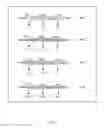
FIG. 1 depicts the HBL and NHE operons in B. thuringiensis VBTS 2477. The dotted rectangles indicate the deletion that was introduced in each operon. Vertical arrows point to the protein product of the gene.
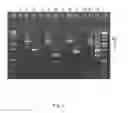
FIG. 2 depicts a PCR analysis of B. thuringiensis VBTS 2477 and quadruple enterotoxin deletion mutant. PCR primers (see Table 2) were used to amplify: hbla1, lanes 1-3 (hblCa-F/hblAa-R) (SEQ ID NO:73/SEQ ID NO:78); nhe, lanes 4-6 (nheA-F/nheC-R) (SEQ ID NO:79/SEQ ID NO:84); hbl lanes 7-9 (hblC-F/hblA-R) (SEQ ID NO:67/SEQ ID NO:72); hbla2, lanes 10-12 (hblCa_Bam-F/hblAa_Bam-R) (SEQ ID NO:100/SEQ ID NO:103). Abbreviations: M: molecular weight standards (1 kb ladder; Promega Corporation, Madison, Wis.), N: negative control, W: wild-type strain, Q: quadruple mutant.
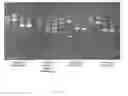
FIG. 3 depicts PCR confirmation of quadruple enterotoxin-deficient mutant of VBTS 2478. WT, VBTS 2478 wild type; 1B and 3B, two quadruple mutants of strain 2478; M, DNA 1 kb ladder from Promega Corporation (from bottom to top (size in kb): 0.25, 0.5, 0.75, 1, 1.5, 2, 2.5, 3, 4, 5, 6, 8, 10, respectively).
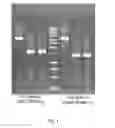
FIG. 4 depicts PCR confirmation of the double enterotoxin-deficient mutant of VBTS 2481. WT, VBTS 2481 wild type; d1 and d2, two double mutants of VBTS 2481; M, DNA 1 kb ladder from Promega Corporation.
DETAILED DESCRIPTION OF THE INVENTION
The present invention is exemplified by a quadruple enterotoxin-deficient B. thuringiensis mutant strain lacking enterotoxin protein components implicated in human food poisoning. In a preferred embodiment of the present invention, the quadruple enterotoxin-deficient B. thuringiensis mutant strain has endogenous insecticidal properties. In four operons that each encode three protein components in wild-type B. thuringiensis, the mutant strain lacks functional coding sequences for each component. Based on insect bioassays, the LC50 of the quadruple enterotoxin-deficient strain was the same as the wild-type strain (See Table 8, infra).
In a first aspect, the applicants exemplify a defined B. thuringiensis strain that differs from wild-type strain VBTS 2477 at four operons (HBL, NHE, HBLa1, and HBLa2) and is deficient for cytotoxic enterotoxins. The quadruple enterotoxin-deficient mutant of the present invention does not produce an active HBL, NHE, HBLa1 and HBLa2 enterotoxin, nor does it produce any component of the respective wild-type enterotoxin. Whereas the wild-type polynucleotides of each operon encode three genes, the enterotoxin-deficient mutant differs from the wild-type strain in that it lacks sequences that span the three-gene portion. (FIG. 1). A DNA sequence that encodes a portion of the first enterotoxin component is adjacent to a DNA sequence that encodes a portion of the last enterotoxin component of each operon, creating a version of each operon where DNA sequences from the end of the first gene, the entire middle gene, and the beginning of the final gene in the operon are removed. The skilled artisan will appreciate that the invention can readily be achieved in a strain having a different deletion or using another type of mutation (insertion, missense) in the coding sequence of each operon component. In addition to any change that inactivates a component, the polynucleotide encoding the component can also include additional changes that may not otherwise alter the function of the component. Such mutants would fall within the scope of the invention as long as they are unable to produce all three components of the subject enterotoxin by virtue of a change in all three polynucleotides that encode the three components of the enterotoxin. Isolated preparations of naturally occurring mutants can also fall within the scope of the present invention.
The enterotoxin-deficient mutant of the present invention is exemplified using B. thuringiensis, and particularly in terms of changes relative to B. thuringiensis strain VBTS 2477, but can be mutants of any member of the B. cereus group of bacteria. Preferably, the mutant is also characterized by having a biological control activity when used as an active agent in an inoculum, as described infra.
In a second aspect, the invention is a method for producing an enterotoxin-deficient mutant of the present invention, wherein the method includes the step of modifying in a Bacillus strain the operon that encodes the NHE enterotoxin and at least one of the HBL, HBLa1 and HBLa2 enterotoxins. In a preferred embodiment, method includes the step of modifying in a Bacillus strain the operon that encodes the NHE, HBL, HBLa1 and HBLa2 enterotoxins. Modification can be achieved by altering the polynucleotides that encode NHE and at least one of the HBL, HBLa1, and HBLa2 components, for example, by gene replacement. A suitable method for gene replacement, described in the accompanying Examples, employs a vector, or vectors, carrying a desired mutation that alters the operon such that it no longer encodes a functional enterotoxin. Comparable replacement of genes in the other operons that encode HBL, HBLa1, and HBLa2 enterotoxins ensures absence of these other enterotoxins from the strain. The order of the gene replacement is not vital. The vector, or vectors, can be cured from cells at a non-permissive temperature, and further permits screening of mutants on the basis of resistance or sensitivity to an antibiotic.
The invention has particular utility when applied in strains of B. thuringiensis that produce biocontrol insecticidal δ-endotoxins. Such strains include, but are not limited to, B. thuringiensis subsp. kurstaki strain VBTS 2477 (ATCC Reference Number SD-5811; having cry toxin genes Cry1Aa, 1Ab, 1Ac, 1Ia, 2Aa, 2Ab, Vip3Aa1). One or more mutations that inactivate at least the hbl, nhe, hbla1 and hbla2 operons of the respective enterotoxin can be introduced into a B. thuringiensis strain, thereby eliminating the enterotoxin from the strain. Since B. thuringiensis is closely related genetically to B. cereus, it is further specifically envisioned that other enterotoxin-deficient Bacillus strains can be produced in accord with this disclosure, and that some enterotoxin deficient Bacillus strains will also have insecticidal activity.
In a further aspect, the invention is a method for biological control of insect pests, where the method comprises applying an inoculum that includes as an active agent a novel quadruple enterotoxin-deficient mutant of a strain in the Bacillus group. The active agent is preferably an enterotoxin-deficient B. thuringiensis strain. The mutants of the present invention can be used in a method for biological control in the same ways as B. thuringiensis subsp. kurstaki strain VBTS 2477 and other such insecticidal strains are used, such methods for preparing and inoculating the biological control agent on a target or targets being known to the skilled artisan. A suitable assay for monitoring the biocontrol activity of an enterotoxin-deficient strain of the present invention is an insect bioassay such as that described herein (Example 1).
The invention will be more fully understood upon consideration of the following non-limiting Examples.
EXAMPLES
Example 1
Materials and Methods
Bacterial strains, plasmids, and growth conditions. The strains and plasmids used in the present study are listed in Table 1. Escherichia coli was grown in Luria-Bertani (LB) medium at 37° C. B. thuringiensis was grown in either LB or 0.5× Tryptic Soy Broth (TSB) or on 0.5× Tryptic Soy Agar (TSA) at 28° C., 37° C., or 40.5° C. For conjugation, B. thuringiensis was grown in Brain Heart Infusion (BHI) medium. Antibiotics were used at the following concentrations: for E. coli, ampicillin (Amp) at 200 μg/ml, chloramphenicol (Cm) at 10 μg/ml; for B. thuringiensis, erythromycin (Ery) at 3 μg/ml for selection of pMAD or 5 μg/ml for selection of pBKJ236, polymyxin B at 60 μg/ml for conjugations with pBKJ236, and tetracycline (Tet) at 10 μg/ml for selection of pBKJ223.
| TABLE 1 |
| Bacterial strains and plasmids used in this study. |
| Strain or plasmid | Description | Source or Reference |
| Strains | ||
| Bacillus thuringiensis | Wild-type | Valent Biosciences Inc. |
| kurstaki strain VBTS 2477 | (ATCC Accession Number | |
| SD-5811) | ||
| 2477 single mutant | 2477 Δhbla1 | This study |
| 2477 double mutant | 2477 Δhbla1 Δnhe | This study |
| 2477 triple mutant | 2477 Δhbla1 Δnhe Δhbl | This study |
| 2477 quadruple mutant | 2477 Δhbla1 Δnhe Δhbl Δhbla2 | This study |
| E. coli DH5α | General purpose strain | Hanahan, 1983 |
| E. coli GM2929 | dcm-6 dam-13::Tn9, Cmr | E. coli Genetic Stock Center |
| E. coli SS1827 | Helper strain for conjugation into | Janes and Stibitz, 2006 |
| B. thuringiensis, Ampr | ||
| Plasmids | ||
| pMAD | Temperature-sensitive gene | Arnaud et al., 2004 |
| replacement vector, Eryr, | ||
| expresses β-galactosidase gene | ||
| pBKJ236 | Temperature-sensitive gene | Janes and Stibitz, 2006 |
| replacement vector, Eryr, contains | ||
| 18-bp recognition site for I-SceI | ||
| restriction enzyme | ||
| pBKJ223 | Facilitator plasmid, encodes I-SceI | Janes and Stibitz, 2006 |
| enzyme, Tetr | ||
DNA Isolation and Manipulation.
Genomic DNA was isolated from cultures of B. thuringiensis that were grown overnight with shaking DNA was isolated either by the boiling cell-lysis method (Raffel et al., 1996), or by Protocol #3 in the Easy-DNA Kit (Invitrogen, Carlsbad, Calif.), except that prior to the addition of Solution A the cells were pelleted, resuspended in sterile water and vortexed for 2-3 min. with 50 μl of 0.1-mm diameter silica beads to enhance cell lysis. Plasmid DNA was isolated from E. coli using the Qiagen Spin Miniprep Kit (Qiagen Inc., Valencia, Calif.).
Transformations and Conjugations.
Competent cells of E. coli were electroporated in 0.2-cm cuvettes with a Gene Pulser apparatus (Bio-Rad Laboratories, Hercules, Calif.) set at 2.5 kV, 200Ω, and 25 μF. Cells were transferred to 1 ml LB, allowed to recover for 1 hr at 37° C. with shaking, and then plated on selective media. Competent cells of B. thuringiensis were prepared as described previously (Silo-Suh, 1994) or by the method described in Janes and Stibitz (2006). Because B. thuringiensis restricts methylated DNA, recombinant plasmids isolated from E. coli DH5α were passed through E. coli GM2929 (methylation-deficient strain) before being introduced into B. thuringiensis. pBKJ236::Δhbla2 was introduced into the B. thuringiensis triple mutant by conjugation as described in Janes and Stibitz (2006).
Screening for Presence of Enterotoxin Genes.
Gene sequences for HBL (hblC, hblD, hblA), NHE (nheA, nheB, nheC) and cytK were obtained from strains of B. cereus and B. thuringiensis, and from the unpublished B. cereus UW85 partial genome sequence (D. Rasko, J. Ravel, J. Handelsman) (Table 2, SEQ ID NOS: 1-66). Sequences were aligned using the DNASTAR (Madison, Wis.) program MegAlign and regions of high conservation were selected for PCR primer sequences (see Table 3 for SEQ ID NOS: 67-86). Primers for cytK (SEQ ID NOS: 85 and 86) were designed that would amplify either variant of the gene (cytK-1 or cytK-2). The HBLa primers (SEQ ID NOS: 73-78) were based on the UW85 hbla sequence only and were chosen so that they differed from the corresponding hbl region by 2-6 nucleotides to ensure amplification from the homologous set of genes. Primers were synthesized at Integrated DNA Technologies (Coralville, Iowa). Typical PCR reactions contained 1 μl of genomic DNA, 2 μl of 10× Taq buffer, 0.5 μM of each primer, 0.2 mM of each dNTP, 0.2 μl Taq DNA polymerase (Promega, Madison, Wis.) in a final volume of 20 μl. PCR cycle conditions consisted of an initial 1 min. denaturation at 94° C., followed by 35 cycles of 30 sec at 94° C., 1.5 min. at 55° C., 2 min. at 72° C., and a final extension of 5 min. at 72° C. PCR products were analyzed on 0.8% agarose gels.
| TABLE 2 |
| Gene sequences for HBL, NHE, and cytK used |
| to design PCR primers. |
| SEQ | ||
| Gene | Organism | ID NO. |
| hblC | B. thuringiensis subsp. kurstaki 2477 (partial) | 1 |
| B. cereus UW85 | 2 | |
| B. cereus ATCC 14579 | 3 | |
| B. cereus F837-76 | 4 | |
| B. cereus G9421 | 5 | |
| B. thuringiensis 97-27 serovar konkukian | 6 | |
| hblD | B. thuringiensis subsp. kurstaki 2477 | 7 |
| B. cereus UW85 | 8 | |
| B. cereus ATCC 14579 | 9 | |
| B. cereus F837-76 | 10 | |
| B. cereus G9421 | 11 | |
| B. thuringiensis serovar konkukian 97-27 | 12 | |
| hblA | B. thuringiensis 2477 subsp. kurstaki (partial) | 13 |
| B. cereus UW85 | 14 | |
| B. cereus ATCC 14579 | 15 | |
| B. cereus F837-76 | 16 | |
| B. cereus G9421 | 17 | |
| B. thuringiensis serovar konkukian 97-27 | 18 | |
| hblCa | B. thuringiensis subsp. kurstaki 2477 hblCa1 (partial) | 19 |
| B. thuringiensis subsp. kurstaki 2477 hblCa2 (partial) | 20 | |
| B. cereus UW85 | 21 | |
| B. cereus AS4-12 (tentative; only have 1-2x coverage) | 22 | |
| B. cereus 03BB108 | 23 | |
| B. weihenstephanensis KBAB4 | 24 | |
| hblDa | B. thuringiensis subsp. kurstaki 2477 hblDa1 | 25 |
| B. thuringiensis subsp. kurstaki 2477 hblDa2 | 26 | |
| B. cereus UW85 | 27 | |
| B. cereus AS4-12 (tentative; only have 1-2x coverage) | 28 | |
| B. cereus 03BB108 | 29 | |
| B. weihenstephanensis KBAB4 | 30 | |
| hblAa | B. thuringiensis subsp. kurstaki 2477 hblAa1 (partial) | 31 |
| B. thuringiensis subsp. kurstaki 2477 hblAa2 (partial) | 32 | |
| B. cereus UW85 | 33 | |
| B. cereus AS4-12 (tentative; only have 1-2x coverage) | 34 | |
| B. cereus 03BB108 | 35 | |
| B. weihenstephanensis KBAB4 | 36 | |
| nheA | B. thuringiensis subsp. kurstaki 2477 (partial) | 37 |
| B. cereus UW85 | 38 | |
| B. cereus 1230-88 | 39 | |
| B. cereus 10987 | 40 | |
| B. cereus ATCC 14579 | 41 | |
| B. cereus E3LL | 42 | |
| B. thuringiensis serovar konkukian 97-27 | 43 | |
| B. thuringiensis HD12 | 44 | |
| nheB | B. thuringiensis subsp. kurstaki 2477 | 45 |
| B. cereus UW85 | 46 | |
| B. cereus 1230-88 | 47 | |
| B. cereus 10987 | 48 | |
| B. cereus ATCC 14579 | 49 | |
| B. cereus E3LL | 50 | |
| B. thuringiensis serovar konkukian 97-27 | 51 | |
| B. thuringiensis HD12 | 52 | |
| nheC | B. thuringiensis subsp. kurstaki 2477 (partial) | 53 |
| B. cereus UW85 | 54 | |
| B. cereus 1230-88 | 55 | |
| B. cereus 10987 | 56 | |
| B. cereus ATCC 14579 | 57 | |
| B. cereus E3LL | 58 | |
| B. thuringiensis serovar konkukian 97-27 | 59 | |
| B. thuringiensis HD12 | 60 | |
| cytK | B. cereus 391-98 (cytK-1) | 61 |
| B. cereus 1230-88 (cytK-2) | 62 | |
| B. cereus FM-1 (cytK-2) | 63 | |
| B. cereus ATCC 10987 (cytK-2) | 64 | |
| B. cereus ATCC 14579 (cytK-2) | 65 | |
| B. thuringiensis 97-27 (cytK-2) | 66 | |
| TABLE 3 |
| Primers used for detection of enterotoxin genes in Bacillus |
| thuringiensis kurstaki strain VBTS 2477. |
| Melt Temp. | Product | ||
| Primer | Sequence (5′-3′)a | (° C.) | size (nt) |
| hblC-F (SEQ ID NO: 67) | CAA GAG CTG TCA CGA ATC | 50.2 | 875 |
| hblC-R (SEQ ID NO: 68) | CTG CTT GAT TAG CAC GAT C | 50.2 | |
| hblD-F (SEQ ID NO: 69) | CCT ATC AAT ACT CTC GCA AC | 50.6 | 664 |
| hb1D-R (SEQ ID NO: 70) | CAT CAG GTC ATA CTC TTG TG | 51.0 | |
| hblA-F (SEQ ID NO: 71) | CCT GGT AGA ATC GTA CAA G | 49.5 | 708 |
| hblA-R (SEQ ID NO: 72) | GAG CTG CAT TCT CAA TAT GC | 51.7 | |
| hblCa-F (SEQ ID NO: 73) | GCA AGT CCG AAT GTA CAA C | 51.5 | 1110 |
| hblCa-R (SEQ ID NO: 74) | CTT CGA GTT GAG TTG TTA CAC | 51.3 | |
| hblDa-F (SEQ ID NO: 75) | CTG CTA CGA ATG GTA GTA C | 49.6 | 947 |
| hblDa-R (SEQ ID NO: 76) | CTT GAT CCA CTG TCT GAT AC | 49.9 | |
| hblAa-F (SEQ ID NO: 77) | CCT GAC AAC AAC TAC TGT AG | 50.0 | 996 |
| hblAa-R (SEQ ID NO: 78) | GTC TTT CGC TGC ATT CAG | 51.5 | |
| nheA-F (SEQ ID NO: 79) | GTT AGG ATC ACA RTC ACC | 47.3-49.4 | 655 |
| nheA-R (SEQ ID NO: 80) | TCG TTT GRC TAT CTG CAG | 49.1-52.3 | |
| nheB-F (SEQ ID NO: 81) | GAT ACA GCT AGA GGA AAT GC | 50.3 | 721 |
| nheB-R (SEQ ID NO: 82) | GAT CCC ATT GTG TAC CAT TG | 51.1 | |
| nheC-F (SEQ ID NO: 83) | CAG CWG GAT TCC AAG ATG T | 52.3 | 883 |
| nheC-R (SEQ ID NO: 84) | CCA RCT ATC TTT CGC TGT | 49.4-52.0 | |
| cytKdeg-F | GCW GTR GAA GAA ACG ACT G | 50.6-53.8 | 486 |
| (SEQ ID NO: 85) | |||
| cytKdeg-R | CCA ACC CAG TTW SCA GTT CC | 55.6-56.9 | |
| (SEQ ID NO: 86) | |||
| aDegenerate bases: W = T or A; R = A or G; S = C or G. |
Sequence Analysis of Enterotoxin Operons in Bacillus thuringiensis Subsp. kurstaki Strain VBTS 2477.
To obtain near full-length sequence of the hbl, hbla1, and nhe enterotoxin operons present in B. thuringiensis subsp. kurstaki strain VBTS 2477, primers near the ends of each operon were used to amplify the operon (i.e., hblC-F/hblA-R (SEQ ID NO: 67/SEQ ID NO: 72); hblCa-F, hblAa-R (SEQ ID NO: 73/SEQ ID NO: 78), nheA-F/nheC-R (SEQ ID NO: 79/SEQ ID NO: 84)), the products were purified using AMPure magnetic beads (Agencourt Bioscience, Beverly, Mass.), and the full sequence was obtained by primer walking. For hbla2, sequence was obtained from the PCR products generated with the following primer pairs using genomic DNA from the Δhbla1 mutant: hblCa-F/hblDa-R (SEQ ID NO: 73/SEQ ID NO: 76), and hblDa-F/hblAa-R (SEQ ID NO: 75/SEQ ID NO: 78). Typical sequencing reactions contained 1 μA of BigDye Terminator v. 3.1 mix (Applied Biosystems, Foster City, Calif.), 1.5 μl of sequencing buffer v. 3.1 (Applied Biosystems), 0.5 μM of each primer, and 5 μl of template DNA in a final reaction volume of 20 μl. Cycle conditions were an initial 3 min. denaturation at 95° C., followed by 35 cycles of 10 sec. at 96° C., 3 min. 30 sec. at 58° C., and a final extension of 7 min. at 72° C. Excess dye terminators were removed using the CleanSeq magnetic bead sequencing reaction clean up kit (Agencourt Bioscience, Beverly, Mass.). Sequencing gels were run on an Applied Biosystems 3730×1 automated DNA sequencing instrument at the University of Wisconsin Biotechnology Center. Data were analyzed using PE-Biosystems version 3.7 of Sequencing Analysis. Contigs were assembled using the DNASTAR software SeqMan. The nucleotide sequences of the near full-length enterotoxin operons, 2477_hbl, 2477_hbla1, 2477_hbla2, 2477_nhe, and 2477cytK-2 were deposited in Genbank under Accession numbers EU925141 (SEQ ID NO: 87), EU925142 (SEQ ID NO: 88), EU925143 (SEQ ID NO: 89), EU925144 (SEQ ID NO: 90), and EU925145 (SEQ ID NO: 91), respectively.
Generation of Deletion Constructs.
The deletion constructs were created by a method of PCR referred to as gene splicing by overlap extension, or SOEing PCR, as described in Horton et al. (1989). The primers used to create the deletion constructs are presented in Table 4 (SEQ ID NOS: 92-105). In the first round of PCR, two primer pairs were used to amplify in separate reactions a portion of the first and last gene in the enterotoxin operon. The 5′ ends of the reverse primer of the first gene and the forward primer of the last gene were designed with complementary sequences of 16-18 nucleotides which enable the two fragments to be spliced together in the second round of PCR. In the second round of PCR, the fragments from the first round were mixed, along with the forward primer of the first gene and the reverse primer of the last gene (each containing a Bam HI site for cloning). Initially, the complementary ends of the two PCR fragments anneal and act as primers for extension of the spliced product, which is further amplified by the outer-most primers. For generation of the Δhbla1 and Δhbla2 constructs, the same set of outer primers were used (hblCa_Bam-F (SEQ ID NO:100), hblAa Bam-R (SEQ ID NO:103)), but different overlapping primers were selected so that the constructs contained different sized deletions. This made for easy discrimination between the two mutations by PCR. The nucleotide sequences of the mutant operons are set forth herein: 2477Δhbl (SEQ ID NO: 110), 2477Δhbla1 (SEQ ID NO: 111), 2477 Δhbla2 (SEQ ID NO: 112), and 2477Δnhe (SEQ ID NO: 113).
| TABLE 4 |
| Primers used for generation of deletion constructs by SOEing PCR. |
| Melt Temp. | Product | ||
| SOEing Primer | Sequence(5′-3′)a | (° C.) | size (nt) |
| hblC_Bam-F | GATAGGATCCGTACAGCTAGAGGAAGTC | 58.9 | 735 |
| (SEQ ID NO: 92) | |||
| hblCtail-R | CTTCATTTGCATGGCTTTCATCAGGTCATACTCTTG TG | 62.8 | |
| (SEQ ID NO: 93) | |||
| hblAtail-F | AAAGCCATGCAAATGAAGCGAGAATGAAAGAGACCTTGC | 65.3 | 712 |
| (SEQ ID NO: 94) | |||
| hblA_Bam-R | CAATGGATCCCTGTAAGCAACTCCAACTAC | 60.4 | |
| (SEQ ID NO: 95) | |||
| nheA_Bam-F | CTGTGGATCCCAGGGTTATTGGTTACAGC | 62.2 | 815 |
| (SEQ ID NO: 96) | |||
| nheA_tail-R | ATACTCCGCTGCTTCTCTCGTTTGACTATCTGCAG | 64.3 | |
| (SEQ ID NO: 97) | |||
| nheC_tail-F | AGAAGCAGCGGAGTATGATTCAGCATCAAAGAGATGC | 64.6 | 744 |
| (SEQ ID NO: 98) | |||
| nheC_Bam-R | CAATGGATCCCCAGCTATCTTTCGCTGT | 62.1 | |
| (SEQ ID NO: 99) | |||
| hblCa_Bam-F | CATTGGATCCGAAAGAGTGGTCATCCGAAC | 62.1 | 901 |
| (SEQ ID NO: 100) | |||
| hblCa1_tail-R | TGAAACTACGCTCAATTT CTCCATCTACTTGGTTAGC | 61.9 | |
| (SEQ ID NO: 101) | |||
| hblAa1_tail-F | AAATTGAGCGTAGTTTCACCAGTAGCTGCTTTTGCAAG | 64.1 | 934 |
| (SEQ ID NO: 102) | |||
| hblAa_Bam-R | CTTAGGATCCGATCTGCTTTTTGGGATGC | 60.9 | |
| (SEQ ID NO: 103) | |||
| hblCa_Bam-F | CATTGGATCCGAAAGAGTGGTCATCCGAAC | 62.1 | 630 |
| (SEQ ID NO: 100) | |||
| hblCa2_tail-R | TTCTTTTGATCCTTTTCTCTATCGTTTCACGTGCTTC | 61.2 | |
| (SEQ ID NO: 104) | |||
| hblAa2_tail-F | AGAAAAGGATCAAAAGAATGCAAGAGAGCATGCTAC | 61.5 | 691 |
| (SEQ ID NO: 105) | |||
| hblAa_Bam-R | CTTAGGATCCGATCTGCTTTTTGGGATGC | 60.9 | |
| (SEQ ID NO: 103) | |||
| aBam HI site residues are in bold; complementary tails are underlined. |
Typical conditions for the first round of PCR reactions were 1 μl genomic DNA, 5 μA 10× Pfu buffer, 0.5 μM of each primer, 0.4 mM dNTPs, and 0.5 μl Pfu DNA polymerase (Stratagene, La Jolla, Calif.) in a total volume of 50 μA. For the Δhbla2 construct, the template included the PCR fragments obtained with the hblCa-F/hblDa-R (SEQ ID NO:73/SEQ ID NO:76) and hblDa-F/hblAa-R (SEQ ID NO:75/SEQ ID NO:78) primer sets used with genomic DNA from the Δhbla1 mutant. PCR cycle conditions were 30 cycles of 30 sec. at 94° C., 30 sec. at 55° C., and 1 min. at 72° C. The PCR fragments were purified using AMPure magnetic beads. Reaction conditions for the second round of PCR were the same as the first round except the template was 0.5 μA of the PCR fragments of the 5′ and 3′ regions of the operon, and Taq DNA Polymerase (Promega) was used instead of Pfu DNA Polymerase. The same PCR program was used for the second round of amplification. The spliced PCR product was gel-purified using the QIAEX II gel purification kit (Qiagen).
The resulting deletion constructs were digested with Bam HI (Promega) and ligated to either pMAD (Δhbla1, Δnhe, Δhbl) or pBKJ236 (Δhbla2) that had been Bam HI-digested and treated with shrimp alkaline phosphatase (Promega). The recombinant vectors were confirmed by restriction digest analysis and the inserts were sequenced.
Gene Replacement Using pMAD or pBKJ236/pBKJ223.
Gene replacement with the pMAD constructs was carried out in a manner similar to the method described in Arnaud et al., 2004. For construction of the first mutant (Δhbla1; SEQ ID NO: 111) of the series, pMAD::Δhbla1 was electroporated into B. thuringiensis VBTS 2477 and transformants were selected on 0.5×TSA with Ery (3 μg/ml) and X-Gal (50 μg/ml) after two days of incubation at 28° C., the permissive temperature for plasmid replication. The gene replacement was carried out in two steps by first selecting for a single recombination event resulting in integration of the plasmid at the enterotoxin locus, and then screening for excision of the plasmid by a second recombination event and subsequent loss of the plasmid. Transformants were grown on plates containing Ery at 40.5° C., the nonpermissive temperature for replication of pMAD, to select for clones in which the plasmid had integrated into the chromosome via a single crossover event. Integrants were then grown at the permissive temperature in nonselective media to allow for a second crossover event, and then diluted into fresh media and grown at the nonpermissive temperature to cure any freely replicating plasmid. Cultures were plated for single colonies on 0.5×TSA with X-Gal at 40.5° C. and screened for white colonies, putative double recombinants. PCR analysis was performed on genomic DNA to determine whether the double recombinants had reverted to wild-type hbla1 or had undergone a successful gene replacement. The nhe and hbl operons were replaced with the Δnhe (SEQ ID NO: 113) and Δhbl (SEQ ID NO: 110) deletion constructs in an iterative manner to obtain the triple mutant.
A quadruple mutant using the pMAD::Δhbla2 construct was not obtained due to an unexpected low frequency of recombination in the integrant containing this construct. Therefore, the pBKJ236/pBKJ223 gene replacement system was used, as described previously (Janes and Stibitz, 2006) which enhances the frequency of the second crossover event. In this system, the construct containing Δhbla2 (SEQ ID NO: 112), was introduced on a temperature-sensitive plasmid vector, pBKJ236, which carries an 18-bp recognition site for I-SceI. pBKJ236::Δhbla2 was introduced into the triple mutant by conjugation, and integrants were selected on BHI with Ery at 37° C., the non-permissive temperature for replication. Integration at the hbla2 locus was verified by PCR analysis using one primer specific to the chromosome and one specific to the vector (hblDa2-F (SEQ ID NO: 106), 5′-GCT GCT AAA CAA AGT TGG AAT G-3′, pBKJ236-R (SEQ ID NO: 107), 5′-CGT AAT ACG ACT CAC TAT AGG G-3′). Following the integration of Δhbla2 at the enterotoxin locus, a facilitator plasmid, pBKJ223, was introduced. pBKJ223 encodes the I-SceI restriction enzyme which cleaves the DNA at the site of integration, creating a substrate for recombination. pBKJ223 was electroporated into the integrant and selected on media containing Tet. A resulting transformant was grown in 0.5×TSB with Tet overnight at 28° C. and plated for single colonies on 0.5×TSA with Tet and incubated at 37° C. Colonies were screened for sensitivity to Ery to identify putative double recombinants that had lost pBKJ236 via a second crossover event. The double recombinants were screened by PCR with hblCa_Bam-F/hblAa_Bam-R (SEQ ID NO:100/SEQ ID NO:103) primers to identify clones that had retained the Δhbla2 locus. The quadruple mutant was grown in 0.5×TSB at 37° C. and single colonies were patched onto plates with and without Tet to identify isolates that had been cured of pBKJ223.
Commercial Assays for Detection of Enterotoxin Proteins.
Two commercial immunoassay kits were used to detect the L2 component of HBL and the NheA protein of NHE. Cultures of B. thuringiensis VBTS 2477, the single, double, triple, and quadruple mutants were grown for 18 hr. in 125 ml flasks containing 12 ml of BHI with 0.1% glucose. The cultures were spun down and the supernatant was filter-sterilized through a 0.22 μm pore-sized filter (Millipore Corp, Bellirica, Mass.). The cell-free culture supernatants were then assayed with the Oxoid Bacillus cereus enterotoxin reverse passive latex agglutination (BCET-RPLA) kit (Fisher Scientific, Pittsburgh, Pa.) and the Tecra Bacillus Diarrhoeal Enterotoxin (BDE) Visual Immunoassay (VIA) (3M, St. Paul, Minn.) according to the manufacturer's instructions, with the exception that in the Oxoid assay four additional dilutions were included for each sample. The assays were performed on two independent sets of cultures.
Insect Bioassays.
Bioassays were carried out using 4-day old Trichoplusia ni larvae (cabbage looper), 4-day old Plutella xylostella larvae (diamondback moth), or 2-day old Spodoptera exigua larvae (beet armyworm). Bacterial cultures used for treatments were grown in flasks and fermentors using media containing organic nitrogen sources (such as flours, yeast extract, fish meal, etc.) and dextrose with typical salts used in fermentation processes. Cultures were grown under aerobic conditions at 28° C. with agitation until sporulation was complete. All bacterial treatments were incorporated into warmed liquid diet which was then allowed to solidify in plates. Two or three replications were conducted for each study. Each replication tested seven dose levels of Bt whole culture (i.e., spores, vegetative materials, and constituents produced during the vegetative and sporulation phases) and an untreated control. Doses were set in a wide range to target the estimated LC50. For T. ni and S. exigua, 30 larvae were tested per dose. For P. xylostella 40 larvae were tested per dose. Insects were incubated at 28°±2° C. for T. ni and S. exigua, and at 25°±2° C. for P. xylostella with a 12-h light/12-h dark cycle for three days. Larval mortality values from all of the replications were pooled and using log-probit analysis, a single regression line was used to estimate the 50% lethal concentration (LC50).
Results
Detection and Sequence Analysis of Enterotoxin Genes in Bacillus thuringiensis Kurstaki Strain VBTS 2477.
B. thuringiensis strain VBTS 2477 was screened for the presence of genes that encode three enterotoxins implicated in food poisoning outbreaks: HBL, NHE, and CytK. PCR primers were therefore designed to discriminate between the HBL and HBLa genes. Results from the PCR screen of VBTS 2477 indicated that all 10 enterotoxin genes (hblC, hblD, hblA, hblCa1, hblDa1, hblAa1, nheA, nheB, nheC, and cytK) were present (data not shown). Sequencing of the cytK gene in VBTS 2477 revealed that it is the less toxic cytK-2 version. The HBLa genes are 77-84% identical to the HBL set in UW85.
A third HBL homolog was discovered following construction of the single deletion mutant Δhbla1. A PCR product was obtained from the single mutant with the hblDa-F/hblDa-R primer set, indicating the presence of another hblDa homolog in VBTS 2477. Further analysis revealed this gene was part of a third hbl operon in VBTS 2477 (FIG. 1) which exhibits higher sequence similarity to hbla than to hbl. Therefore, this third set of HBL genes was denoted as hbla2, and the hbla detected originally was designated hbla1. Sequence analysis of the three near full-length hbl operons in VBTS 2477 shows that the hbla1 and hbla2 gene sequences are 96-97% identical (Table 5) and the deduced protein sequences are 97-98% identical. The hbl genes are 76-84% identical to hbla1 and hbla2 genes, while the deduced proteins are 68-85% identical (Table 5).
| TABLE 5 |
| Nucleotide sequence identity (%) of the hbl homologues in VBTS 2477. |
| Gene | hblC | hblCa1 | Gene | hblD | hblDa1 | Gene | hblA | hblAa1 |
| hblC | 100 | 82 | hblD | 100 | 83 | hblA | 100 | 78-83 |
| hblCa2 | 81 | 96 | hblDa2 | 84 | 97 | hblAa2 | 76-78 | 96 |
Sequence analysis of the cytK gene in strain VBTS 2477 revealed that it is the less toxic variant, cytK-2 (Fagerlund et al., 2004). The CytK-2 protein is 89% identical to CytK-1 at the amino acid level and exhibits only about 20% of the toxicity of CytK-1 toward human intestinal cells (Fagerlund et al., 2004), making its role in virulence uncertain. cytK-2 was not deleted from strain VBTS 2477.
Generation of Deletion Constructs and Gene Replacement.
SOEing PCR was used to generate deletion constructs of HBL, HBLa1, HBLa2, and NHE that contained a portion of the first enterotoxin gene spliced to a portion of the last enterotoxin gene of the operon, essentially creating a version of the operon missing a large internal portion of the operon encompassing the end of the first gene, the entire middle gene, and the beginning of the final gene. The deletion constructs contained about 600-900 nucleotides on either side of the deletion for homologous recombination. The deletion constructs were cloned into a temperature-sensitive gene replacement vector (pMAD for Δhbla1, Δnhe, and Δhbl; pBKJ236 for Δhbla2) and successive gene replacements were carried out to introduce the deletions in the order Δhbla1, Δnhe, Δhbl, and Δhbla2 (FIG. 2). Attempts were made to obtain a Δhbla2 mutant using the pMAD::Δhbla2 construct; however, an unexpected low frequency of recombination was observed in the integrant, and the double recombinants identified had reverted to wild-type hbla2. Therefore, the pBKJ236/pBKJ223 gene replacement system used previously in B. anthracis was used to generate the final deletion. This two-plasmid system utilizes a temperature-sensitive gene replacement plasmid (pBKJ236) and a second plasmid that promotes recombination at the site of the integrated gene replacement vector (Janes and Stibitz, 2006).
Detection of enterotoxin proteins with commercial kits. B. thuringiensis strain VBTS 2477, the single mutant (Δhbla1) and the double (Δhbla1 Δnhe) mutant each exhibited a strong agglutination response (Table 6) when tested with the Oxoid BCET-RPLA kit, which detects the L2 component of HBL (Beecher & Wong, 1994). The triple deletion mutant, in which hbl is deleted, exhibited a negative phenotype, indicating that expression of the L2 protein was abolished in this mutant. Since the hbla2 operon remained intact in the triple mutant, either L2(a2) is not expressed in strain VBTS 2477 or it does not react with the anti-L2 antibody in the RPLA kit. Hemolysis on sheep blood agar suggests that L2(a2) is expressed in VBTS 2477 since the hemolytic activity of the quadruple mutant is diminished compared to the triple mutant (data not shown). Therefore, it is likely that L2a is antigenically distinct from L2. In the Tecra BDE assay, which detects NheA, both the wild type and the single mutant (Δhbla1) exhibited positive reactions (Table 6). The double mutant, in which nhe had been deleted, exhibited a negative reaction, as did the triple and quadruple mutants.
| TABLE 6 |
| Detection of HBL and NHE proteins in B. thuringiensis |
| subsp. kurstaki strain VBTS 2477 and deletion mutants |
| by commercial immunoassays. |
| Oxoid | Tecra | |||
| Strain | Genotype | RPLAa | BDEb | |
| VBTS 2477 | Wildtype | 1024 | 4 | |
| Single mutant | Δhbla1 | 1024 | 4 | |
| Double mutant | Δhbla1 Δnhe | 1024 | 1 | |
| Triple mutant | Δhbla1 Δnhe Δhbl | Neg | 1 | |
| Quadruple mutant | Δhbla1 Δnhe Δhbl Δhbla2 | Neg | 1 | |
| aRPLA assay results are reported as the highest dilution (in a series of two-fold dilutions) that gives a positive agglutination. | ||||
| bBDE assay results are reported according to the manufacturer's instructions where scores of 3, 4, or 5 are positive, and 1 or 2 are negative. |
Toxin Production and Efficacy.
SDS-PAGE analysis indicated that VBTS 2477 and the quadruple mutant produce similar quantities of the insecticidal crystal protoxins (Table 7). The wild type and quadruple mutant had similar insecticidal activity against three lepidopteran species: cabbage looper, diamondback moth, and beet armyworm (Table 8).
| TABLE 7 |
| Crystal toxin accumulation in cultures from 7.5 L fermentors.* |
| Proportion of | Proportion of | ||
| Protoxin in | crystal toxin as | crystal toxin as | |
| culture broth | 135-kDa protoxin | 60-kDa protoxin | |
| Strain | (mg ml−1) | (%) | (%) |
| VBTS 2477 | 8.4 | 63 | 37 |
| VBTS 2477, | 11.6 | 69 | 31 |
| quadruple mutant | |||
| *Protein quantified by gel analysis software (BioRad Quantity One ® 4.1.1) of SDS-PAGE gels stained with Colloidal Blue (Invitrogen). Values represent the result of a single experiment. |
| TABLE 8 |
| Insecticidal activity against lepidopteran larvae. B. thuringiensis |
| cultures from 7.5 L fermentors were fed to 4-day old T. ni, |
| 2-day old S. exigua, and 4-day old P. xylostella |
| larvae. Larval mortality was assessed after 3 days. |
| Insecticidal activity LC50* | |
| (μg ml−1 diet against each lepidopteran species) |
| T. ni | S. exigua | P. xylostella | |
| Strain | (95% CI) | (95% CI) | (95% CI) |
| VBTS 2477 | 168 (158-178) | 653 (538-773) | 11.5 (7.48-18.1) |
| VBTS 2477, | 145 (131-160) | 632 (545-730) | 11.1 (9.91-12.8) |
| quadruple mutant | |||
| *Values represent the mean of three replicates for T. ni, two replicates for S. exigua and P. xylostella. For each replicate 30 larvae of T. ni and S. exigua, and 40 larvae of P. xylostella were tested. CI indicates confidence interval. |
Example 2
Materials and Methods
A quadruple mutant (Δhbla1 Δnhe Δhbl Δhbla2) was created in B. thruingiensis subsp. aizawai strain VBTS 2478.
Preparation of Competent Cells of Strain B. thuringiensis subsp. aizawai (Bta) Strain VBTS 2478
Competent cells of Bta strain VBTS 2478 were prepared using the protocol described for strain VBTS 2477.
Gene Replacement in B. thuringiensis Subsp. Aizawai (Bta) Strain 2478.
We determined by PCR analysis that Bta strain VBTS 2478 has the genes that encode HBL, HBLa1, HBLa2, and NHE (data not shown). Bta strain VBTS 2478 was transformed using the protocol described for VBTS 2477. The following constructs were used in construction of the quadruple enterotoxin-deficient mutant of VBTS 2478: pMAD::Δ2477hbl, pMAD::Δ2477hbla1, pMAD::Δ2477hbla2, and pMAD::Δ2477nhe. These constructs were transformed into VBTS 2478 sequentially, and gene replacements were performed iteratively. Transformants were selected on LB agar plates containing 1 μg/ml of Ery and 50 μg/ml of X-Gal (details as in Example 1). Integrants were obtained by growing transformants at the nonpermissive temperature (the replication origin on pMAD is temperature sensitive). Following second cross-over events, target gene deletion was confirmed by PCR analysis of genomic DNA using appropriate primer pairs (Tables 1, 3, and 9).
| TABLE 9 |
| Primers used in gene replacement in B. thuringiensis |
| strains 2478 and 2481. |
| Name | Sequence (5′ to 3′) | Note | SEQ ID NO. |
| hblCa2-f | CTTTCTACAGGGAAGGATTTAGAA | specific for hbla2 in | 108 |
| strain VBTS 2478* | |||
| hblCa-450f | CTTAATTCAGAGGGAACAGGA | Specific for both | 109 |
| hbla1 and hbla2* | |||
| *After mutagenesis of hbla1 in strain 2478, PCR analysis confirmed the existence of a second hbla homolog, hbla2. | |||
| The sequencing data of hbla2 showed that this operon was truncated at the 5′ end. |
Commercial Assays for Detection of Enterotoxin Proteins.
Cultures of VBTS 2478 and the VBTS 2478 quadruple enterotoxin-deficient mutant were grown in Brain Heart Infusion broth for 16 hours at 32° C. with shaking at 200 rpm. Optical densities for the cultures ranged from 1.50 to 1.73. Cultures were centrifuged at 13000×g at 4° C. The supernatant was sterilized by passing through 0.2μ low protein binding filters. Samples were aliquoted and stored at −20 C until use. VBTS 2478 wild type and mutant samples were assayed according to directions specified in the Oxoid BCET-RPLA detection kit to test for production of Hbl enterotoxin, and according to directions specified in the Tecra BDEVIA detection kit for production of Nhe enterotoxin.
Results
Construction of Quadruple Enterotoxin-Deficient Mutant of B. thuringiensis subsp. aizawai (Bta) Strain VBTS 2478.
PCR confirmed successful construction of a quadruple enterotoxin-deficient mutant of Bta strain VBTS 2478 (FIG. 3). Partial sequences for hblAa2 and hblDa2 in strain 2478 are depicted by SEQ ID NOs.: 114 and 115 respectively.
Detection of Enterotoxin Proteins with Commercial Kits.
B. thuringiensis strain VBTS 2478 exhibited a strong agglutination response when tested with the Oxoid BCET-RPLA kit, which detects the L2 component of HBL (Beecher & Wong, 1994). The quadruple deletion mutant (Δhbla1 Δnhe Δhbl Δhbla2), in which hbl and hbl homologs are deleted, exhibited a negative phenotype, indicating that expression of the Hbl proteins was abolished in this mutant (data not shown). In the Tecra BDE assay, which detects NheA, wild type VBTS 2478 exhibited a positive reaction, whereas the quadruple mutant, in which nhe had been deleted, exhibited a negative reaction, indicating that Nhe enterotoxin was not produced (data not shown).
Example 3
Materials and Methods
A double mutant (Δhbl Δnhe) was created in B. thuringiensis strain VBTS 2481.
Preparation of Competent Cells of B. thuringiensis subsp. israelensis (Bti) Strain VBTS 2481.
Competent cells of Bti strain VBTS 2481 were prepared using a protocol similar to that described for strain VBTS 2477.
Gene Replacement in B. thuringiensis subsp. israelensis (Bti) Strain VBTS 2481.
PCR analysis of genomic DNA using degenerate primers specific for hbla1 and hbla2 did not yield any products indicating that VBTS 2481 does not contain hbla1 or hbla2; PCR analysis did confirm that VBTS 2481 contains hbl and nhe (data not shown). Bti strain VBTS 2481 was transformed using a protocol similar to that described for VBTS 2477. The following constructs were used in construction of the double enterotoxin-deficient mutant of VBTS 2481: pMAD::A2477hbl, and pMAD::A2477nhe. These constructs were transformed into VBTS 2481 sequentially, and gene replacements were performed iteratively. Transformants were selected on LB agar plates containing 1 μg/ml of Ery and 50 μg/ml of X-Gal (details as in Example 1). Integrants were obtained by growing transformants at the nonpermissive temperature (the replication origin on pMAD is temperature sensitive). Additional steps can be taken, if needed, to stabilize genetic material found in Bacillus strains, for example, the plasmid carrying cry genes. Methods for stabilizing plasmids during gene replacement are known in the art.
Results
Construction of Double Enterotoxin-Deficient Mutant of B. thuringiensis subsp. israelensis (Bti) Strain VBTS 2481.
PCR confirmed successful construction of double enterotoxin-deficient mutant of VBTS 2481 (FIG. 4). Partial sequences for strain 2481 hblC (single coverage), hblA (single coverage), nheA (single coverage), and nheC (single coverage) are depicted by SEQ ID NOs.: 116, 117, 118, and 119 respectively.
LITERATURE CITED
The following references are incorporated herein by reference as if set forth in their entirety.
- Arnaud M, Chastanet A, Débarbouillé M. (2004) “New vector for efficient allelic replacement in naturally nontransformable, low-GC-content, gram-positive bacteria.” Appl. Environ. Microbiol. 70:6887-6891.
- Arnesen L P S, Fagerlund A, Granum P E. (2008) “From soil to gut: Bacillus cereus and its food poisoning toxins.” FEMS Microbiol. Rev. 32:579-606.
- Beecher D J, MacMillan J D. (1991) “Characterization of the components of hemolysin BL from Bacillus cereus.” Infect. Immun. 59:1778-84.
- Beecher D J, Wong A C. (1994) “Identification and analysis of the antigens detected by two commercial Bacillus cereus diarrheal enterotoxin immunoassay kits.” Appl. Environ. Microbiol. 60:4614-4616.
- Beecher D J, Wong A C. (2000) “Tripartite haemolysin BL: isolation and characterization of two distinct homologous sets of components from a single Bacillus cereus isolate.” Microbiology 146:1371-1380.
- Benbrook C M, Groth E, Halloran J M, Hansen M K, Marquardt S. (1996) “Pest management at the crossroads.” Consumers Union, Yonkers, N.Y.
- Cook R J, Bruckart W L, Coulson J R, Goettel M S, Humber R A, Lumsden R D, Maddox J V, McManus M L, Moore L, Meyer S F, Quimby P C Jr, Stack J P, Vaughn J L. (1996) “Safety of microorganisms intended for pest and plant disease control: a framework for scientific evaluation.” Biol. Control 7:333-351.
- Fagerlund A, Lindbáck T, Storset A K, Granum P E, Hardy S P. (2008) “Bacillus cereus Nhe is a pore-forming toxin with structural and functional properties similar to the ClyA (HlyE, SheA) family of haemolysins, able to induce osmotic lysis in epithelia.” Microbiology 154:693-704.
- Fagerlund A, Ween A, Lund T, Hardy S P, Granum P E. (2004) “Genetic and functional analysis of the cytK family of genes in Bacillus cereus.” Microbiology 150:2689-2697.
- From C, Pukall R, Schumann P, Hormazabal V, Granum P E. (2005) “Toxin-producing ability among Bacillus Spp. outside the Bacillus cereus group.” Appl. Environ. Microbiol. 71:1178-1183.
- Granum P E, O'Sullivan K, Lund T. (1999) “The sequence of the non-haemolytic enterotoxin operon from Bacillus cereus.” FEMS Microbiol. Lett. 177:225-9.
- Handelsman J, Raffel S, Mester E H, Wunderlich L, Grau C R. (1990) “Biological control of clamping-off of alfalfa seedlings with Bacillus cereus UW85.” Appl. Environ. Microbiol 56:713-718.
- Heinrichs J H, Beecher D J, MacMillan J D, Zilinskas B A. (1993) “Molecular cloning and characterization of the hblA gene encoding the B component of hemolysin BL from Bacillus cereus.” J. Bacteriol. 175:6760-6.
- Horton R M, Hunt H D, Ho S N, Pullen J K, Pease L R. (1989) “Engineering hybrid genes without the use of restriction enzymes: gene splicing by overlap extension.” Gene 77:61-8.
- Janes B K, Stibitz S. (2006) “Routine markerless gene replacement in Bacillus anthracis.” Infect. Immun. 74:1949-53.
- Lindbäck T, Økstad O A, Rishovd A L, Kolstø A B. (1999) “Insertional inactivation of hblC encoding the L2 component of Bacillus cereus ATCC 14579 haemolysin BL strongly reduces enterotoxigenic activity, but not the haemolytic activity against human erythrocytes.” Microbiology 145:3139-3146.
- Lund T, De Buyser M L, Granum P E. (2000) “A new cytotoxin from Bacillus cereus that may cause necrotic enteritis.” Mol. Microbiol. 38:254-261.
- Lund T, Granum P E. (1996) “Characterization of a non-haemolytic enterotoxin complex from Bacillus cereus isolated after a foodborne outbreak.” FEMS Microbiol. Lett. 141:151-156.
- Raffel S J, Stabb E V, Milner J L, Handelsman J. (1996) “Genotypic and phenotypic analysis of zwittermicin A-producing strains of Bacillus cereus.” Microbiology 142:3425-36.
- Ramarao N, Lereclus D. (2006) “Adhesion and cytotoxicity of Bacillus cereus and Bacillus thuringiensis to epithelial cells are FlhA and PlcR dependent, respectively.” Microbes Infect. 8:1483-1491.
- Ryan P A, MacMillan J D, Zilinskas B A. (1997) “Molecular cloning and characterization of the genes encoding the L1 and L2 components of hemolysin BL from Bacillus cereus.” J. Bacteriol. 179:2551-2556.
- Shang H, Chen J, Handelsman J, Goodman R M. (1999) “Behavior of Pythium torulosum zoospores during their interaction with tobacco rots and Bacillus cereus.” Curr. Microbiol. 38:199-204.
- Silo-Suh L A, Stabb E V, Raffel S J, Handelsman J. (1998) “Target range of zwittermicin A, an aminopolyol antibiotic from Bacillus cereus.” Curr. Microbiol. 37:6-11.
- Silo-Suh L A, Lethbridge B J, Raffel S J, He H, Clardy J, Handelsman J. (1994) “Biological activities of two fungistatic antibiotics produced by Bacillus cereus UW85.” Appl. Environ. Microbiol. 60:2023-30.
Claims
We claim:1. A method for obtaining a mutant Bacillus, the method comprising the steps of:
mutating a Bacillus to produce a mutant Bacillus that does not produce non-hemolytic enterotoxin (NHE) and does not produce at least one of enterotoxins hemolysin BL (HBL), HBLa1, and HBLa2; and
selecting the mutant Bacillus,
wherein the Bacillus is selected from the group consisting of B. cereus, B. thuringiensis and B. anthracis, B. mycoides, B. pseudomycoides, and B. weihenstephabebsis.
2. The method of claim 1, wherein the mutating step introduces a mutation in an operon that encodes NHE and in an operon that encodes at least one of the HBL, HBLa1, and HBLa2 enterotoxins.
3. The method of claim 2, wherein the mutation in at least one of the operons yields a polynucleotide that encodes a portion of a first enterotoxin component spliced to a portion of a last enterotoxin component.
4. The method of claim 2, wherein the mutating step deletes a portion of at least one of the operons.
5. The method of claim 4, where the mutation leaves about 600-900 nucleotides on either side of the deleted portion available for homologous recombination.
6. The method of claim 1, wherein the mutant Bacillus comprises a disabling mutation at locus nhe whereby NHE enterotoxin is not produced, a disabling mutation at locus hbla2 whereby enterotoxin HBLa2 is not produced, and a disabling mutation at one or more of loci hbl and hbla1, whereby at least one of enterotoxins HBL and HBLa1 is not produced.
7. The method of claim 6, wherein at least one of the hbl, nhe, hbla1, and hbla2 loci comprises the disabling mutation in at least one of SEQ ID NO: 110, SEQ ID NO: 111, SEQ ID NO: 112, and SEQ ID NO: 113 respectively.
8. The method of claim 1, wherein the mutant Bacillus is insecticidal.
9. The method of claim 1, wherein the mutant Bacillus produces δ-endotoxin.
10. The method of claim 1, wherein the Bacillus to be mutated and the mutant Bacillus comprise at least one gene that encodes a protein having insecticidal properties.
11. An insect control method comprising the steps of: applying to at least one surface of a plant a formulation comprising a mutant Bacillus that does not produce non-hemolytic enterotoxin (NHE) and does not produce at least one of enterotoxins hemolysin BL (HBL), HBLa1, and HBLa2.
12. The method of claim 11, wherein the applying step is selected from the group consisting of spraying, dusting, drenching the plant with the formulation, and applying the formulation as a seed coat.
13. The method of claim 11, wherein the plant is susceptible to infestation by at least one insect selected from the group consisting of, Lepidopterans, Dipterans, Coleopterans, Hymenopterans.
14. The method of claim 11, wherein the plant is susceptible to infestation by nematodes.
Images & Drawings included:
Sources:
- United States Patent and Trademark Office - verify current appl. status at the USPTO↗
Recent applications in this class:
- » 20250277225 2025-09-04
DL-Alanine-Producing Genetically Engineered Strain and Method of Construction and Use Thereof - » 20250230448 2025-07-17
INTEGRATIVE PLASMID - » 20250163438 2025-05-22
INTEGRATIVE PLASMID - » 20250154515 2025-05-15
METHOD OF GENERATING PULCHERRIMIN AND PULCHERRIMINIC ACID AND USES THEREOF - » 20250101442 2025-03-27
COMPOSITIONS AND METHODS FOR ENHANCED PROTEIN PRODUCTION IN GRAM-POSITIVE BACTERIAL CELLS - » 20250043293 2025-02-06
BACILLUS EXPRESSION SYSTEM - » 20250002925 2025-01-02
COMPOSITIONS AND METHODS FOR ENHANCED PROTEIN PRODUCTION IN BACILLUS CELLS - » 20240318188 2024-09-26
BACILLUS LICHENIFORMIS HOST CELL FOR PRODUCTION OF A COMPOUND OF INTEREST WITH INCREASED PURITY - » 20240263185 2024-08-08
COMPOSITIONS AND METHODS FOR ENHANCED PROTEIN PRODUCTION IN BACILLUS CELLS - » 20240254495 2024-08-01
Therapeutic Engineered Microbial Cell Systems and Methods for Treating Conditions in Which Oxalate is Detrimental
Recent applications for this Assignee:
- » 20250257364 2025-08-14
RNA-GUIDED DNA TRANSPOSITION - » 20250257354 2025-08-14
METHODS AND COMPOSITIONS RELATED TO TRNA THERAPEUTICS FOR TREATING VISION LOSS - » 20250255958 2025-08-14
VIRUS-FREE CRISPR CAR NATURAL KILLER CELLS - » 20250249044 2025-08-07
IFNy AND TNFa CO-STIMULATION OF MESENCHYMAL STROMAL CELLS DERIVED FROM MINOR SALIVARY (LABIAL) GLANDS FOR THERAPEUTIC USE - » 20250243296 2025-07-31
SINGLE-DOMAIN ANTIBODIES AND VARIANTS THEREOF AGAINST OPIOIDS - » 20250228961 2025-07-17
PRACTICAL GLYCAN ENGINEERING METHOD FOR THE PREPARATION OF HOMOGENOUS ANTIBODY CONJUGATES - » 20250228959 2025-07-17
TRANSFERRIN-BASED LYSOSOME TARGETING DEGRADERS - » 20250228905 2025-07-17
MICROBIAL COMMUNITIES THAT INHIBIT CLOSTRIDIOIDES DIFFICILE AND METHODS OF USING SAME - » 20250223630 2025-07-10
IDENTIFYING DISEASE-CAUSING HUMAN DDX41 GENETIC VARIANTS - » 20250223619 2025-07-10
ENGINEERED BIOCATALYSTS FOR THE SYNTHESIS OF GAMMA-HYDROXY AMINO ACIDS