Method and apparatus for submitting user content in DCD service
US20140344416A1
2014-11-20
14/447,144
2014-07-30
✅ Patent granted
US 10,158,699 B2
2018-12-18
-
-
Hua Fan
The Farrell Law Firm, P.C.
2035-12-23
Abstract:
Disclosed is a method for updating or sharing content by a terminal, including generating a request for updating or sharing content, transmitting the request to a server, wherein the server transmits a notification that the content is shared to the at least one terminal if a first element in an information element of the request indicates that the content is the public content, and receiving, from the server, updated content or an indication for displaying the content if the content is updated or is to be displayed on the terminal based on the condition.
Inventors:
- Ji-Hye Lee 40 🇰🇷 Gyeonggi-do, South Korea
- Hae-Young JUN 9 🇰🇷 Gyeonggi-do, South Korea
- Seok-Hoon CHOI 4 🇰🇷 Gyeonggi-do, South Korea
Assignee:
- Samsung Electronics Co., Ltd 16,186 🇰🇷 , South Korea
Applicant:
Interested in similar patents?
Get notified when new applications in this technology area are published.
Classification:
H04L67/10 » CPC main
Network arrangements or protocols for supporting network services or applications; Protocols in which an application is distributed across nodes in the network
G06F15/16 IPC
Digital computers in general ; Data processing equipment in general Combinations of two or more digital computers each having at least an arithmetic unit, a program unit and a register, e.g. for a simultaneous processing of several programs
H04L67/04 » CPC further
Network arrangements or protocols for supporting network services or applications; Protocols specially adapted for terminals or networks with limited capabilities; specially adapted for terminal portability
H04W4/20 » CPC further
Services specially adapted for wireless communication networks; Facilities therefor Services signaling; Auxiliary data signalling, i.e. transmitting data via a non-traffic channel
H04W4/18 » CPC further
Services specially adapted for wireless communication networks; Facilities therefor Information format or content conversion, e.g. adaptation by the network of the transmitted or received information for the purpose of wireless delivery to users or terminals
Description
PRIORITY
This application is a Continuation Application of U.S. application Ser. No. 12/538,576, which was filed in the U.S. Patent and Trademark Office on Aug. 10, 2009, and claims priority under 35 U.S.C. §119(a) to a Korean Patent Application filed in the Korean Intellectual Property Office on Aug. 8, 2008 and assigned Serial No. 10-2008-0078135, the entire disclosure of which is hereby incorporated by reference.
BACKGROUND OF THE INVENTION
1. Field of the Invention
The present invention relates to a method and apparatus for delivering content in a Dynamic Content Delivery (DCD) service. More particularly, the present invention relates to a method and apparatus for submitting user-created content to share with other users.
2. Description of the Related Art
Due to the development of communication technologies, mobile communication, which focused on voice calls at its initial stage, is now introducing to the market messaging services such as Short Message Service (SMS) and Multimedia Messaging Service (MMS), and various supplementary services such as Internet access service and video call service, and is also considering the introduction of personalized content delivery services taking into account the fact that a majority of mobile communication devices are carried by individuals.
Considering such market characteristics, Open Mobile Alliance (OMA), which has established many application layer standards for portable terminals, is conducting research on a Dynamic Content Delivery (DCD) technology in the OMA Content Delivery (CA) Working Group, it's the OMA affiliated organization. DCD is a technology capable of providing services that deliver user-desired contents on a personalized basis in line with the situations that practical application of Internet services on mobile terminals is not made because of the market demands stated above, the inconvenient searches, the limited input means, and the low service speeds, and with the growing user demands for personalized services.
Problems of the prior art and solutions for addressing the same will be described clearly below based on an OMA CD technology, which is one of the content provision standards. However, this is a mere example used to give better understanding of the invention, and the present invention is not limited to the OMA CD technology and can be applied to various other content provision technologies.
FIG. 1 illustrates the architecture and interface configuration of a DCD service system to which the present invention is applicable.
Referring to FIG. 1, the DCD system includes a DCD client 120 and a DCD server 110. The DCD client 120 is located in a mobile terminal and used by the mobile terminal to access the DCD server 110. The DCD client 120 includes modules that perform their associated three logical functions: a Subscription and Administration function, a Content Delivery and Storage Management function, and a Client Application Interaction function. The Subscription and Administration function module 121 is responsible for exchanging service administration information with the DCD server 110, and the Content Delivery and Storage Management function module 123 is responsible for managing content received from the DCD server 110. The Client Application Interaction function module 125 supports functions for accessing the DCD service from a DCD Enabled Client Application 20 using its DCD client 120.
The DCD server 110 offers a network function based on DCD service-related applications. The DCD server 110 includes modules that perform their associated two logical functions: a Subscription and Administration function and a Distribution and Adaptation function. The Subscription and Administration function module 111 is responsible for exchanging service administration information with the DCD client 120, and the Distribution and Adaptation function module 113 provides DCD content and a DCD content notification to the DCD client 120. Table 1 below defines interfaces used between the components (logical entities) in FIG. 1.
| TABLE 1 | |
| Interfaces | Definition |
| DCD-1 | Bi-directional point-to-point interface between the DCD Server and the DCD Client. This interface is |
| used by the DCD Client to send content requests to the DCD Server, and to receive responses. | |
| DCD-2 | Uni-directional interface between the DCD Server and the DCD Client. This interface is used by the |
| DCD Server to push notifications and/or content to the DCD Client. The DCD-2 interface could | |
| manifest itself as point-to-point push interface or point-to-multipoint broadcast interface. | |
| DCD-3 | Bi-directional point-to-point interface between the DCD Server and the DCD Client. This interface is |
| used by the DCD Server and the DCD Client to exchange service administration and configuration | |
| information. | |
| DCD-CPR | Uni-directional interface between the DCD Content Provider and the DCD Server. This interface is |
| used by the Content Provider to register new content channels with the DCD Server. | |
| DCD- | Bi-directional interface between the DCD Content Provider and the DCD Server. This interface is |
| CPDE | used by the Content Provider to publish content at the DCD Server and by the DCD Server to retrieve |
| content from the Content Provider. The interface could also be used for exchange of administration | |
| information, if applicable. While the interface is bi-directional, only the DCD Server provided | |
| interface functions are a subject for standardization. | |
| DCD-CAR | Uni-directional interface between the DCD-Enabled Client Application and the DCD Client. This |
| interface is used by the DCD-Enabled Client Application to register with the DCD Client when the | |
| application is installed on a handset. | |
| DCD- | Bi-directional interface between the DCD-Enabled Client Application and the DCD Client. This |
| CADE | interface is used by the DCD Client to send notifications and/or content to the DCD-Enabled Client |
| Application and by the DCD-Enabled Client Application to retrieve content from the DCD Client. | |
| The interface could also be used for exchange of administration information, if applicable. While the | |
| interface is bi-directional, only the DCD Client provided interface functions are a subject for | |
| standardization. | |
In the DCD system, content metadata (Metadata, Content Format) is defined to deliver content. The term “content metadata” refers to dynamic settings and rules, or content information, for controlling DCD content delivery. Table 2 below gives definitions of elements and attributes in the content metadata.
| TABLE 2 | |||||||
| Provided to | |||||||
| DECA (DCD | |||||||
| Enabled | |||||||
| Originated | Client | ||||||
| Name | Type | Cardinality | Description | Data Type | Used by | from | Application) |
| content- | E | 1 | Contains the | Structure | DS (DCD | CP (Content | YES |
| metadata | following | Server), | Provider) | ||||
| attributes: | DC (DCD | ||||||
| content-updated | Client) | ||||||
| content-id | |||||||
| channel-id | |||||||
| mime-type | |||||||
| content-length | |||||||
| content-types | |||||||
| content-name | |||||||
| replaces-content- | |||||||
| id | |||||||
| content-price | |||||||
| content-delivery- | |||||||
| notification | |||||||
| delivery-priority | |||||||
| content-encoding | |||||||
| content-address | |||||||
| content-storage- | |||||||
| location | |||||||
| content-block-id | |||||||
| parental-rating | |||||||
| deliver-to | |||||||
| deliver-at | |||||||
| content- | |||||||
| expiration | |||||||
| delivery-spread | |||||||
| deliver-when- | |||||||
| roaming | |||||||
| network-selection | |||||||
| aux-content-link | |||||||
| Contains the | |||||||
| following sub- | |||||||
| elements | |||||||
| deliver-per- | |||||||
| location | |||||||
| deliver-per- | |||||||
| presence | |||||||
| deliver-per-xdms | |||||||
| content- | A | 0 . . . 1 | Time when the | String | DC | CP, DS | YES |
| updated | content item was | ||||||
| last updated. | |||||||
| SHALL conform | |||||||
| to the “date-time” | |||||||
| definition in | |||||||
| [RFC3339]. In | |||||||
| addition, an | |||||||
| uppercase “T” | |||||||
| character SHALL | |||||||
| be used to | |||||||
| separate date and | |||||||
| time, and an | |||||||
| uppercase “Z” | |||||||
| character SHALL | |||||||
| be present in the | |||||||
| absence of a | |||||||
| numeric time | |||||||
| zone offset. | |||||||
| content-id | A | 1 | Identifier set by | String | DS, DC | CP | YES |
| the Content | |||||||
| Provider, and | |||||||
| unique within the | |||||||
| DCD Service | |||||||
| Provider's | |||||||
| domain. The | |||||||
| main purpose of | |||||||
| the content ID is | |||||||
| to enable | |||||||
| application level | |||||||
| confirmation and | |||||||
| resumption of | |||||||
| content delivery. | |||||||
| Implementation | |||||||
| in XML schema | |||||||
| will use the | |||||||
| “AnyURI” data | |||||||
| type. | |||||||
| channel-id | A | 0 . . . 1 | A list of Channel | List of | DS, DC | CP | YES |
| IDs as assigned | Strings | ||||||
| by the DCD | |||||||
| Server. The | |||||||
| Content Provider | |||||||
| includes this | |||||||
| attribute to | |||||||
| associate content | |||||||
| items with DCD | |||||||
| channels | |||||||
| mime-type | A | 1 | The MIME type | String | DS, DC | CP | YES |
| of the content | |||||||
| item. | |||||||
| content- | A | 1 | The size in bytes | String | DS, DC | CP, DS | YES |
| length | of the content | ||||||
| item. | |||||||
| content- | A | 0 . . . 1 | A list of strings | List of | CP | YES | |
| types | that describe the | Strings | |||||
| channel content | |||||||
| to enable | |||||||
| association or | |||||||
| filtering e.g. by | |||||||
| “type”, | |||||||
| “category”, “tag”, | |||||||
| or “relation” | |||||||
| content- | A | 0 . . . 1 | Name of content | String | CP | YES | |
| name | in a human | ||||||
| readable format. | |||||||
| replaces- | A | 0 . . . 1 | Content ID of an | String | DS, DC | CP | YES |
| content-id | outdated content | ||||||
| item that, if | |||||||
| present in the | |||||||
| storage of the | |||||||
| DCD Server or | |||||||
| DCD Client, | |||||||
| should be | |||||||
| replaced with this | |||||||
| content item. | |||||||
| Implementation | |||||||
| in XML schema | |||||||
| will use the | |||||||
| “AnyURI” data | |||||||
| type. | |||||||
| content- | A | 0 . . . 1 | Indicates the | String | DC | CP, DS | YES |
| price | price (amount and | ||||||
| currency) of this | |||||||
| content item. The | |||||||
| purpose is to let | |||||||
| the user know the | |||||||
| price of the | |||||||
| content and | |||||||
| decide if he wants | |||||||
| to retrieve it | |||||||
| content- | A | 0 . . . 1 | Indicates the need | Boolean | DS, DC | CP, DS | NO |
| delivery- | for, or status of, | ||||||
| notification | delivery | ||||||
| acknowledgement | |||||||
| for this content | |||||||
| item. | |||||||
| This attribute | |||||||
| should be set to | |||||||
| “true” if user is | |||||||
| charged for | |||||||
| delivery of this | |||||||
| content item | |||||||
| (subject to DCD | |||||||
| Service Provider | |||||||
| Policy) | |||||||
| Values: | |||||||
| 0—False (*) | |||||||
| 1—True | |||||||
| delivery- | A | 0 . . . 1 | The delivery | Enumerated | DS, DC | CP, DS | NO |
| priority | priority | ||||||
| associated with | |||||||
| this content item. | |||||||
| Values: | |||||||
| 1—Low | |||||||
| 2—Medium (*) | |||||||
| 3—High | |||||||
| 4—Emergency | |||||||
| content- | A | 0 . . . 1 | Encoding that has | String | DC | DS | NO |
| encoding | been applied to | ||||||
| the content item, | |||||||
| e.g. GZIP or | |||||||
| deflate | |||||||
| compression. | |||||||
| content- | A | 0 . . . 1 | An address | String | DC | DS | YES |
| address | (URL) where the | ||||||
| content item can | |||||||
| be directly | |||||||
| retrieved by the | |||||||
| DCD Client via | |||||||
| the DCD-1 | |||||||
| interface. | |||||||
| content- | A | 0 . . . 1 | Location of the | String | DC | DC | YES |
| storage- | content item in | ||||||
| location | the DCD Client | ||||||
| managed storage | |||||||
| content- | A | 1 | Identifies which | String | DS | CP | YES |
| block-id | multiple content | ||||||
| items can be | |||||||
| associated as a | |||||||
| block. May be | |||||||
| used by the DCD | |||||||
| Server for content | |||||||
| aggregation/ | |||||||
| bundling. | |||||||
| parental- | A | 0 . . . 1 | Content rating | String | DS, DC | CP | YES |
| rating | per FCC “TV | ||||||
| Parental | |||||||
| Guidelines” or | |||||||
| similar local | |||||||
| regulatory | |||||||
| requirements. | |||||||
| May be used by | |||||||
| the DCD Server | |||||||
| for content | |||||||
| selection/ | |||||||
| filtering, and by | |||||||
| DCD Client for | |||||||
| the same in the | |||||||
| broadcast case. | |||||||
| deliver-to | A | 0 . . . 1 | A particular set of | String | DS | CP | NO |
| users to receive | |||||||
| the content. | |||||||
| deliver-at | A | 0 . . . 1 | Time at which the | String | DS | CP | NO |
| DCD Server | |||||||
| should deliver a | |||||||
| content item. | |||||||
| content- | A | 0 . . . 1 | The expected | String | DS, DC | CP | YES |
| expiration | lifetime of the | ||||||
| content item in | |||||||
| device storage, | |||||||
| and the time until | |||||||
| which the content | |||||||
| item can be | |||||||
| directly retrieved | |||||||
| (if a content | |||||||
| address attribute | |||||||
| was provided). | |||||||
| delivery- | A | 0 . . . 1 | The period over | String | DS | CP | NO |
| spread | which the DCD | ||||||
| Server can | |||||||
| randomize | |||||||
| delivery, for the | |||||||
| purpose of load | |||||||
| spreading. | |||||||
| deliver- | A | 0 . . . 1 | Indicates whether | Boolean | DS | CP | NO |
| when- | the content item | ||||||
| roaming | should be | ||||||
| automatically | |||||||
| delivered or | |||||||
| retrieved via | |||||||
| point-to-point | |||||||
| interfaces if the | |||||||
| user is roaming | |||||||
| Values: | |||||||
| 0—False (*) | |||||||
| 1—True | |||||||
| network- | A | 0 . . . 1 | Descending | String | CP, DS, | DS | NO |
| selection | priority-ordered, | ||||||
| comma-separated | |||||||
| list of | |||||||
| network/bearer | |||||||
| types for use in | |||||||
| content delivery, | |||||||
| selected per | |||||||
| arbitrary | |||||||
| deployment- | |||||||
| specific criteria | |||||||
| for network | |||||||
| selection (e.g. | |||||||
| GPRS vs. UMTS | |||||||
| vs. Wi-Fi) based | |||||||
| on delivery cost, | |||||||
| bandwidth, | |||||||
| quality of service, | |||||||
| etc. DCD Client | |||||||
| and DCD Server | |||||||
| apply these | |||||||
| criteria for | |||||||
| content delivery | |||||||
| over DCD-1 and | |||||||
| DCD-2 | |||||||
| interfaces. One or | |||||||
| more of | |||||||
| “UMTS”, | |||||||
| “WiMAX”, | |||||||
| “LTE”, “802.11”, | |||||||
| “CBS”, | |||||||
| “BCAST”. | |||||||
| aux- | A | 0 . . . 1 | Provides the | String | DS, DC | CP, DS | NO |
| content- | Content ID or | ||||||
| link | link to additional | ||||||
| content that is | |||||||
| related to the | |||||||
| content being | |||||||
| delivered. The | |||||||
| intent is to | |||||||
| support pre- | |||||||
| fetching content | |||||||
| referred to by the | |||||||
| main content item | |||||||
| or likely to be | |||||||
| requested later. | |||||||
| deliver- | E1 | 0 . . . 1 | A rule for | String | DS | CP | NO |
| per- | matching a | ||||||
| location | location at which | ||||||
| delivery should | |||||||
| be allowed. The | |||||||
| rule should be | |||||||
| specified by the | |||||||
| DCD Content | |||||||
| Provider, the | |||||||
| DCD Server, or | |||||||
| the DCD Enabled | |||||||
| Client | |||||||
| Application based | |||||||
| on the format | |||||||
| published by the | |||||||
| Service Provider | |||||||
| deliver- | E1 | 0 . . . 1 | A rule for | String | DS | CP | NO |
| per- | allowing delivery | ||||||
| presence | based upon | ||||||
| matching a | |||||||
| Presence attribute | |||||||
| deliver- | E1 | 0 . . . 1 | A rule for | String | DS | CP | NO |
| per-xdms | allowing delivery | ||||||
| based upon | |||||||
| matching a | |||||||
| XDMS attribute. | |||||||
In the prior art, the content metadata for content delivery is generally used only when content is created by the DCD server or content provider and delivered from the DCD server to the DCD client.
The DCD client can also deliver (submit) content to the DCD server according to the prior art. However, in the prior art, when the DCD client submits content, the DCD client delivers the content in the form of an opaque content package that the DCD system cannot interpret, without delivering the content metadata. Thus, the DCD server can not comprehend the content information, making it inefficient to post or share the content, and error is apt to occur.
SUMMARY OF THE INVENTION
The present invention is designed to address at least the above-mentioned problems and/or disadvantages and to provide at least the advantages described below. Accordingly, an aspect of the present invention provides an apparatus and method for submitting user-created content to share with other users.
Another aspect of the present invention provides a method and system in which a user creates content according to a predetermined rule and submits the content with information such as a submit address, a data or media type, a label (or tag), etc., of the content, so that a DCD service provider can easily handle the content after receiving it.
According to one aspect of the present invention, there is provided a method for updating or sharing content by a terminal, including generating a request for updating or sharing content, wherein the request comprises at least one of a content identifier for the content and the content, and an information element including a first element indicating whether the content is a public content for sharing with at least one terminal and a second element indicating a condition for updating the content or displaying the content on the terminal, transmitting the request to a server, wherein the server transmits a notification that the content is shared to the at least one terminal if the first element indicates that the content is the public content, and receiving, from the server, updated content or an indication for displaying the content if the content is updated or is to be displayed on the terminal based on the condition.
According to another aspect of the present invention, there is provided a terminal for updating or sharing content, including a processor for generating a request for updating or sharing content, wherein the request comprises at least one of a content identifier for content and the content, and an information element including a first element indicating whether the content is a public content for sharing with at least one terminal and a second element indicating a condition for updating the content or displaying the content on the terminal, and a transceiver for transmitting the request to a server, wherein the server transmits a notification that the content is shared to the at least one terminal if the first element indicates that the content is the public content, and receiving, from the server, updated content or an indication for transmitting the content if the content is updated or is to be displayed on the terminal based on the condition.
According to another aspect of the present invention, there is provided a method for updating or sharing content by a server, including receiving, from a terminal, a request for updating or sharing content, wherein the request comprises at least one of a content identifier for the content and the content, and an information element including a first element indicating whether the content is a public content for sharing with at least one terminal and a second element indicating a condition for updating the content or displaying the content on the terminal, transmitting a notification that the content is shared to the at least one terminal if the first element indicates that the content is the public content, and transmitting updated content or an indication for displaying the content if the content is updated or is to be displayed to the terminal based on the condition.
According to another aspect of the present invention, there is provided a server for updating or sharing content, including a transceiver for receiving, from a terminal, a request for updating or sharing content, wherein the request comprises at least one of a content identifier for the content and the content, and an information element including a first element indicating whether the content is a public content for sharing with at least one terminal and a second element indicating a condition for updating the content or displaying the content to the terminal, and a processor for controlling the transceiver to transmit a notification that the content is shared to the at least one terminal if the first element indicates that the content is the public content, and to transmit updated content or an indication for displaying the content if the content is updated or is to be displayed on the terminal based on the condition.
BRIEF DESCRIPTION OF THE DRAWINGS
The above and other aspects, features and advantages of certain exemplary embodiments of the present invention will be more apparent from the following description taken in conjunction with the accompanying drawings, in which:
FIG. 1 illustrates architecture and interface configuration of a DCD service system to which the present invention is applicable;
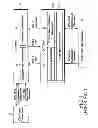
FIG. 2 illustrates a process in which a user submits DCD content to a DCD server and receives DCD content associated with the submitted DCD content according to an embodiment of the present invention; and
FIG. 3 illustrates a process in which a user submits DCD content to a DCD server according to an embodiment of the present invention.
Throughout the drawings, the same drawing reference numerals will be understood to refer to the same elements, features and structures.
DETAILED DESCRIPTION OF EMBODIMENTS OF THE INVENTION
The matters defined in the description such as a detailed construction and elements are provided to assist in a comprehensive understanding of embodiments of the invention. Accordingly, those of ordinary skill in the art will recognize that various changes and modifications of the embodiments described herein can be made without departing from the scope and spirit of the invention. Also, descriptions of well-known functions and constructions are omitted for clarity and conciseness.
Various embodiments of the present invention will be described below. Although the names of entities defined in the 3rd Generation Partnership Project (3GPP), which is the asynchronous mobile communication standard, or in the DCD of the Open Mobile
Alliance (OMA), which is a standard organization for applications of mobile terminals, will be used for a description of the present invention for convenience purposes only, it is not intended to limit the scope of the invention, and the present invention can be applied to any similar systems.
The content submission according to the present invention can also be used for various other purposes in addition to its main purpose of directly submitting certain content created by a user to share it with other users. For example, according to the content submission, the user may submit content for submitting a keyword and/or a format needed to search for specific content, and may also submit content with a user preference to receive personalized services. Besides, the user may submit content for his subscription to a DCD content provider server. The user may also submit the content provided from an arbitrary service provider, e.g., newspaper articles.
The purposes of the content submission by the user can be divided into a purpose of submitting content to receive other content associated with the submitted content, and other purposes, for example, for simply submitting content to a specific site or channel.
An example of the former case where the user submits content to receive specific content will be described with reference to FIG. 2, while an example of the latter case where the user simply submits content will be described with reference to FIG. 3.
In an embodiment of the present invention, a DCD Enabled Client Application 20 and a DCD client 120 are included in a mobile terminal. A DCD server 110 includes a transceiver (not shown) for performing communication by exchanging messages with the DCD client 120, a content provider (or DCD content provider server) 10, and a personalization source (or personalization information provider) 30, and a processor (not shown) for controlling the message exchange and handling the exchanged messages. In the following description, the processor performs operations associated with various message handling processes of the DCD server 110. The DCD Enabled Client Application 20, the DCD client 120, the DCD server 110, the content provider 10, and the personalization source 30 perform not only the conventional functions and operations, but also the functions and operations of the invention described below.
Referring to FIG. 2, a user creates content to be submitted, using the DCD Enabled Client Application 20, and then requests content submission by sending in step 201 a ContentSubmit Request message to the DCD client 120. The user can compose the content to be submitted, according to a predetermined format. In step 203, the DCD client 120 properly adjusts information elements in the ContentSubmit Request message and sends in step 203 the resulting message to the DCD server 110.
The information elements included in the ContentSubmit Request message sent in step 201 are as shown in Table 3 below, and the information elements additionally included in the ContentSubmit Request message sent in step 203 are as shown in Table 4 below.
| TABLE 3 | |||
| Information | |||
| Element | Req | Type | Description |
| Application-ID | Mandatory | String | Application identifier of |
| the DCD-Enabled Client | |||
| Application to which this | |||
| message is related. | |||
| Channel-ID | Mandatory | String | ID of channel related to |
| the submitted content. | |||
| Submit-Metadata | Mandatory | Structure | DCD Submit Metadata as |
| provided by the DCD | |||
| enabler. | |||
| Submit-Content | Mandatory | Opaque Data | Content to be submitted. |
| TABLE 4 | |||
| Information | |||
| Element | Req | Type | Description |
| Session-ID | Mandatory | String | Session identifier. The Session-ID is unique within the |
| service provider domain. If there is an established Session, a | |||
| Session-ID SHALL be present. | |||
| Message-ID | Mandatory | String | Identifies this message. The Message-ID is unique within a |
| current session. Message identifier consists of the | |||
| transaction identifier suffixed by two numeric characters for | |||
| message index within the transaction. Transaction identifier | |||
| offset is unique within the current session and identical for | |||
| all messages within the transaction. | |||
| Channel-ID | Mandatory | String | ID of channel related to the submitted content. |
| Submit- | Mandatory | list of data | One or more submit packages. The submit package consists |
| Package | structures | of content payload and submit metadata. If Channel-ID | |
| element is present in the message all items in Submit- | |||
| Package element belong to the same channel (identified by | |||
| Channel-ID element). | |||
In accordance with the present invention, the user's DCD Enabled Client Application 20 and DCD client 120 include Submit-Metadata, Submit-Content, Submit-Package, etc. in the ContentSubmit Request message for content submission in order to include therein information related to the content to be submitted.
As is defined in Table 4, the Submit-Package includes Submit-Metadata and Submit-Content, and the Submit-Metadata may include the information given in Table 5 below according to the present invention.
| TABLE 5 | |||||||
| Provided | |||||||
| Data | Used | Originated | to | ||||
| Name | Type | Cardinality | Description | Type | by | from | DECA |
| content- | E | 1 | Contains the following | Structure | DS, | CP | YES |
| metadata | attributes: | DC | |||||
| content-updated | |||||||
| content-id | |||||||
| channel-id | |||||||
| mime-type | |||||||
| content-length | |||||||
| content-types | |||||||
| content-name | |||||||
| replaces-content-id | |||||||
| content-price | |||||||
| content-delivery- | |||||||
| notification | |||||||
| delivery-priority | |||||||
| content-encoding | |||||||
| content-address | |||||||
| content-storage-location | |||||||
| content-block-id | |||||||
| parental-rating | |||||||
| deliver-to | |||||||
| deliver-at | |||||||
| content-expiration | |||||||
| delivery-spread | |||||||
| deliver-when-roaming | |||||||
| network-selection | |||||||
| aux-content-link | |||||||
| Contains the following | |||||||
| sub-elements | |||||||
| deliver-per-location | |||||||
| deliver-per-presence | |||||||
| deliver-per-xdms | |||||||
| submit- | A | 0 . . . 1 | An address (URI or URL) | String | DC, | DECA | YES |
| address | to which the DCD enabler | DS | |||||
| should deliver the submit | |||||||
| request. | |||||||
| submit- | A | 0 . . . 1 | Identifier set by the | String | DC, | DECA | YES |
| content-id | DECA, and unique within | DS | |||||
| the DCD Service | |||||||
| Provider's domain. | |||||||
| display- | A | 0 . . . 1 | The position where the | List of | DC, | DECA | YES |
| position | content to be displayed if | Strings | DS | ||||
| there is an agreed layout | |||||||
| between DECA and CP. | |||||||
| format | A | 0 . . . 1 | The format of submitted | List of | DC, | DECA | YES |
| content (e.g. jpg, gif, txt, | Strings | DS | |||||
| etc.) | |||||||
| scrap | A | 1 | Indicates whether the | String | DC, | DECA | YES |
| submitted content is | DS | ||||||
| allowed to scrap or not. | |||||||
| private | A | 1 | Indicates whether the | String | DC, | DECA | YES |
| submitted content is | DS | ||||||
| private or open to public. | |||||||
| bookmark | A | 0 . . . 1 | A point which has lastly | String | DC, | DECA | YES |
| submitted content. | DS | ||||||
| media- | A | 0 . . . 1 | Media type of the | List of | DC, | DECA | YES |
| type | submitted content (e.g. | Strings | DS | ||||
| audio, video, image, text, | |||||||
| etc.) | |||||||
As illustrated in Table 5, the Submit-Metadata includes information such as the relevant content's ‘submit-address’, ‘submit-content-id’, ‘display-position’, ‘format’, ‘scrap’, ‘private’, ‘bookmark’, ‘label’ (or ‘tag’), ‘media-type’, etc. In particular, the ‘display-position’, which is information indicating in which position the relevant content should be stored or displayed, can be designated by the user. Also, the Submit-Metadata may indicate if the content to be submitted is to be simply stored, or requests other content associated with the content to be submitted. Accordingly, the submitted content can be administered by the DCD server 110, and shared even by other users. Because the Submit-Metadata means supplementary metadata that can be used only when content to be submitted is added to the conventional content metadata, the Submit-Metadata may include the existing content metadata.
Referring back to FIG. 2, upon receipt of the ContentSubmit Request message, the DCD server 110 sends in step 205 a ContentUpdate Request message to the content provider 10 referring to Submit-Metadata included in the ContentSubmit Request message in order to request content update. Information elements included in the ContentUpdate Request message are as shown in Table 6 below.
| TABLE 6 | |||
| Information | |||
| Element | Req | Type | Description |
| Channel-ID | Mandatory | String | Channel identifier for the channel offered by the content |
| provider | |||
| Subscription- | Conditional | String | Comma separated list of subscription identifiers. Present, if |
| IDs | requesting user has subscription IDs associated with this | ||
| channel. | |||
| Submit- | Conditional | list of data structures | One or more submit packages. The submit package |
| Package | consists of content payload and submit metadata. If | ||
| Channel-ID element is present in the message all items in | |||
| Submit-Package element belong to the same channel | |||
| (identified by Channel-ID element). SHALL be present if | |||
| the ContentUpdateRequest was initiated by a DCD-1 | |||
| ContentSubmitRequest. | |||
Upon receipt of the ContentUpdate Request message, the content provider 10 updates the content referring to Submit-Metadata included in the ContentUpdate Request message. The updated content may be shared by other users according to the settings of the Submit-Metadata. The content provider 10 determines whether other content related to the submitted content to the user should be provided, by analyzing the Submit-Metadata. If there is a need to provide other content as a result of the determination, the content provider 10 sends in step 207 a ContentUpdate Response message to the DCD server 110. Information elements given in Table 7 below are included in the ContentUpdate Response message.
| TABLE 7 | |||
| Information | |||
| Element | Req | Type | Description |
| Content- | Conditional | List of Data | One or more content packages. The content package |
| Package | Structures | consists of content payload and content metadata. Content | |
| payload could be empty if content-address parameter of | |||
| the content metadata contains the address where the | |||
| content could be retrieved (e.g. URI). This parameter is | |||
| present when the DCD Content Provider has updated | |||
| content to return to the DCD Enabler. | |||
Upon receipt of the ContentUpdate Response message, the content provider 10 sends in step 209 a Personalization Info Acquisition message to a personalization source 30 to acquire personalization information, and performs content adaptation in step 211. Through steps 207, 209 and 211, the DCD server 110 searches for or composes new content associated with the content submitted by the user. In step 213, the DCD server 110 sends a ContentUpdate Response message to the DCD client 120 in order to inform the user of the content updated state and provide the content requested by the user. The user requested content may be either specific content or report information indicating the execution result of the content submitted by the user. The ContentUpdate Response message includes information elements given in Table 8 below.
| TABLE 8 | |||
| Information | |||
| Element | Req | Type | Description |
| Session-ID | Mandatory | String | Session identifier. The Session-ID is unique within the |
| service provider domain. If there is an established | |||
| Session, a Session-ID SHALL be present. | |||
| Message-ID | Mandatory | String | Identifies this message. The Message-ID is unique within |
| a current session. Message identifier consists of the | |||
| transaction identifier suffixed by two numeric characters | |||
| for message index within the transaction. Transaction | |||
| identifier offset is unique within the current session and | |||
| identical for all messages within the transaction. | |||
| Channel-ID | Optional | String | ID of the channel related to the content package. If |
| absent, the content metadata in the Content-Package | |||
| element SHALL contain Channel-ID attribute. | |||
| Content- | Mandatory | List of Data Structures | One or more content packages. The content package |
| Package | consists of content payload and content metadata. | ||
| Content payload could be empty if content-address | |||
| parameter of the content metadata contains the address | |||
| where the content could be retrieved (e.g. URI). If | |||
| Channel-ID element is present in the message all items in | |||
| Content-Package element belong to the same channel | |||
| (identified by Channel-ID element). | |||
Upon receipt of the ContentUpdate Response message, the DCD client 120 detects content included in the received ContentUpdate Response message, and sends in step 215 a Content message including the detected content to the DCD Enabled Client Application 20. Information elements included in the Content message are as shown in Table 9.
| TABLE 9 | |||
| Information | |||
| Element | Req | Type | Description |
| Content- | Mandatory | Structure | DCD Content Metadata (see |
| Metadata | Table 2) as provided by the DCD | ||
| enabler. | |||
| Content | Optional | Opaque | Opaque DCD Content for the |
| Data | DCD-Enabled Client Application. | ||
In step 217, the DCD client 120 sends a ContentDelivery Confirmation message for content reception confirmation to the DCD server 110.
Next, with reference to FIG. 3, a description will be made of the case where the user only aims to submit content.
Steps 221 to 225 in FIG. 3 are identical to steps 201 to 205 in FIG. 2, and the messages, which are sent in the corresponding steps, are also identical.
However, because the embodiment shown in FIG. 3 is aimed at content submission only, the content provider 10, which received the ContentUpdate Request message, stores the received content and then sends in step 227 a ContentUpdate Confirmation message to the DCD server 110 as a message for informing the completion of the user's content submission. Upon receipt of the ContentUpdate Confirmation message, the DCD server 110 sends in step 229 a ContentSubmit Confirmation message to the DCD client 120. Information elements included in the ContentUpdate Confirmation message are as shown in Table 10 below.
| TABLE 10 | |||
| Information | |||
| Element | Req | Type | Description |
| Session-ID | Mandatory | String | Session identifier. The Session-ID is |
| unique within the service provider | |||
| domain. If there is an established | |||
| Session, a Session-ID SHALL be | |||
| present. | |||
| Message-ID | Mandatory | String | Identifies this message. The Message- |
| ID is unique within a current session. | |||
| Message identifier consists of the | |||
| transaction identifier suffixed by two | |||
| numeric characters for message index | |||
| within the transaction. Transaction | |||
| identifier offset is unique within the | |||
| current session and identical for all | |||
| messages within the transaction. | |||
Upon receipt of the ContentSubmit Confirmation message, the DCD client 120 forwards in step 231 the received message to the DCD Enabled Client Application 20. The ContentSubmit Confirmation message serves as a notification message that indicates the completion of content submission as an internal operation of the terminal.
As is apparent from the foregoing description, embodiments of the present invention submit, to a DCD content provider server, content that a user created according to a predetermined rule or format and that includes additional information related to the content, so that the DCD content provider server can store or classify the DCD content and easily control the DCD content when sharing it with other users.
The embodiments of the present invention can also be embodied as computer-readable codes on a computer-readable recording medium. The computer-readable recording medium is any data storage device that can store data which can thereafter be read by a computer system. Examples of the computer-readable recording medium include, but are not limited to, Read-Only Memory (ROM), Random-Access Memory (RAM), CD-ROMs, magnetic tapes, floppy disks, optical data storage devices, and carrier waves (such as data transmission through the Internet via wired or wireless transmission paths). The computer-readable recording medium can also be distributed over network-coupled computer systems so that the computer-readable code is stored and executed in a distributed fashion. Also, function programs, codes, and code segments for accomplishing the present invention can be easily construed as within the scope of the invention by programmers skilled in the art to which the present invention pertains.
While the present invention has been shown and described with reference to certain embodiments thereof, it will be understood by those skilled in the art that various changes in form and details may be made therein without departing from the spirit and scope of the invention as defined by the appended claims and their equivalents. For example, the DCD system is an example of a user content system, which delivers user content, and the DCD client and the DCD server are also examples of a user content client and a user content server in the user content system. Further, the DCD Enabled Client Application is also an example of user content Enabled Client Application.
Claims
What is claimed is:1. A method for updating or sharing content by a terminal, comprising:
generating a request for updating or sharing content, wherein the request comprises at least one of a content identifier for the content and the content, and an information element including a first element indicating whether the content is a public content for sharing with at least one terminal and a second element indicating a condition for updating the content or displaying the content on the terminal;
transmitting the request to a server, wherein the server transmits a notification that the content is shared to the at least one terminal if the first element indicates that the content is the public content; and
receiving, from the server, updated content or an indication for displaying the content if the content is updated or is to be displayed on the terminal based on the condition.
2. The method of claim 1, wherein the condition is a time or a location of the terminal.
3. The method of claim 1, wherein receiving the updated content further comprises receiving a notification that the content is updated in response to new contents being added to a package including the contents from one of the at least one terminal.
4. The method of claim 1, wherein receiving the updated content further comprises receiving the updated content based on a condition set by the terminal or the server.
5. The method of claim 1, further comprising displaying a reminder including the content on the terminal in response to receiving the indication, wherein the reminder is shared to the at least one terminal and displayed on the at least one terminal if the first element indicates that the content is the public content.
6. A terminal for updating or sharing content, comprising:
a processor for generating a request for updating or sharing content, wherein the request comprises at least one of a content identifier for content and the content, and an information element including a first element indicating whether the content is a public content for sharing with at least one terminal and a second element indicating a condition for updating the content or displaying the content on the terminal; and
a transceiver for transmitting the request to a server, wherein the server transmits a notification that the content is shared to the at least one terminal if the first element indicates that the content is the public content, and receiving, from the server, updated content or an indication for transmitting the content if the content is updated or is to be displayed on the terminal based on the condition.
7. The terminal of claim 6, wherein the condition is a time or a location of the terminal.
8. The terminal of claim 6, wherein the transceiver receives a notification that the content is updated in response to new contents being added to a package including the contents from one of the at least one terminal.
9. The terminal of claim 6, wherein the transceiver receives the updated content based on a condition set by the terminal or the server.
10. The terminal of claim 6, further comprising a displaying unit for displaying a reminder including the content on the terminal in response to receiving the indication, wherein the reminder is shared to the at least one terminal and displayed on the at least one terminal if the first element indicates that the content is the public content.
11. A method for updating or sharing content by a server, comprising:
receiving, from a terminal, a request for updating or sharing content, wherein the request comprises at least one of a content identifier for the content and the content, and an information element including a first element indicating whether the content is a public content for sharing with at least one terminal and a second element indicating a condition for updating the content or displaying the content on the terminal;
transmitting a notification that the content is shared to the at least one terminal if the first element indicates that the content is the public content; and
transmitting updated content or an indication for displaying the content if the content is updated or is to be displayed to the terminal based on the condition.
12. The method of claim 11, wherein the condition is a time or a location of the terminal.
13. The method of claim 1, wherein transmitting the updated content further comprises transmitting a notification that the content is updated in response to new contents being added to a package including the contents from one of the at least one terminal.
14. The method of claim 11, wherein transmitting the updated content further comprises transmitting the updated content based on a condition set by the terminal or the server.
15. The method of claim 11, wherein the terminal displays thereon a reminder including the content in response to receiving the indication, wherein the reminder is shared to the at least one terminal and displayed on the at least one terminal if the first element indicates that the content is the public content.
16. A server for updating or sharing content, comprising:
a transceiver for receiving, from a terminal, a request for updating or sharing content, wherein the request comprises at least one of a content identifier for the content and the content, and an information element including a first element indicating whether the content is a public content for sharing with at least one terminal and a second element indicating a condition for updating the content or displaying the content to the terminal; and
a processor for controlling the transceiver to transmit a notification that the content is shared to the at least one terminal if the first element indicates that the content is the public content, and to transmit updated content or an indication for displaying the content if the content is updated or is to be displayed on the terminal based on the condition.
17. The server of claim 16, wherein the condition is a time or a location of the terminal.
18. The server of claim 16, wherein the processor controls the transceiver to transmit a notification that the content is updated in response to new contents being added to a package including the contents from one of the at least one terminal.
19. The server of claim 16, wherein the processor controls the transceiver to transmit the updated content based on a condition set by the terminal or the server.
20. The server of claim 16, wherein the terminal displays thereon a reminder including the content in response to receiving the notification, wherein the reminder is shared to the at least one terminal and displayed on the at least one terminal if the first element indicates that the content is the public content.
Images & Drawings included:



Sources:
- United States Patent and Trademark Office - verify current appl. status at the USPTO↗
Similar patent applications:
Recent applications in this class:
- » 20250286924 2025-09-11
DATA PROCESSING METHOD AND SYSTEM, AI MANAGEMENT APPARATUS, AND STORAGE MEDIUM - » 20250280049 2025-09-04
DYNAMIC SCALING OF A DISTRIBUTED COMPUTING SYSTEM - » 20250274505 2025-08-28
DISINTERMEDIATED ATTESTATION IN A MEC SERVICE MESH FRAMEWORK - » 20250267184 2025-08-21
METADATA BASED DATA DISTRIBUTION - » 20250254208 2025-08-07
Vulnerability remediation based on priority of policies - » 20250254207 2025-08-07
NETWORK ARCHITECTURE FOR ARTIFICIAL INTELLIGENCE MODEL PROTECTION - » 20250233910 2025-07-17
MOBILE INTERACTIVE KIOSK METHOD - » 20250233909 2025-07-17
SYSTEM AND METHOD FOR MANAGING PACKET TRANSMISSION ISSUES IN HIGH-PERFORMANCE COMPUTERS - » 20250227142 2025-07-10
LIGHTWEIGHT IOT INFORMATION MODEL - » 20250220070 2025-07-03
NETWORK MESSAGE PROCESSING METHOD AND DEVICE
Recent applications for this Assignee:
- » 20250175180 2025-05-29
INPUT BUFFER CIRCUIT AND POWER MANAGEMENT INTEGRATED CIRCUIT INCLUDING THE SAME - » 20250125998 2025-04-17
HYBRID SOURCE-SERIES TERMINATION DRIVER WITH CONSTANT OUTPUT SWING - » 20250117337 2025-04-10
PRE-FETCHING ADDRESS TRANSLATION FOR COMPUTATION OFFLOADING - » 20250069538 2025-02-27
DISPLAY DEVICE AND DRIVING METHOD THEREOF - » 20240430140 2024-12-26
RECEIVERS AND SEMICONDUCTOR MEMORY DEVICES INCLUDING THE SAME - » 20240414035 2024-12-12
RECEIVER, OPERATION METHOD THEREOF, AND MEMORY DEVICE - » 20240380824 2024-11-14
METHODS AND SYSTEMS TO PUSH NOTIFICATION MESSAGES IN SEAL NOTIFICATION MANAGEMENT SERVICE - » 20240377988 2024-11-14
MEMORY DEVICE AND OPERATION METHOD THEREOF - » 20240371417 2024-11-07
Semiconductor memory devices - » 20240348366 2024-10-17
METHOD AND APPARATUS FOR DECODING POLARIZATION-ADJUSTED CONVOLUTIONAL CODE BY USING LIST VITERBI ALGORITHM ADJUSTING LIST SIZE DYNAMICALLY