Low-concentration nutritional composition
US20140370117A1
2014-12-18
14/312,708
2014-06-24
✅ Patent granted
US 9,833,013 B2
2017-12-05
-
-
Christina Bradley
Morgan, Lewis & Bockius LLP
2034-06-24
Abstract:
The present invention provides an enteral nutritional composition with which the labor of administering water between meals can be saved. The enteral nutritional composition comprises proteins, carbohydrates and lipids, with the calories per ml of the composition being less than 1 kcal and the moisture content being 30 percent by mass or more.
Inventors:
- Susumu KAWAGUCHI 4 🇯🇵 Meguro-ku, Japan
- Yoshifumi INOUE 2 🇯🇵 Nishinomiya-shi, Japan
- Yoshifumi Inoue 2 🇯🇵 Nishinomiya, Japan
Assignee:
- NUTRI CO., LTD. 1 🇯🇵 Yokkaichi-shi, Japan
- Nutri Co., Ltd. 8 🇯🇵 Mie, Japan
Applicant:
Interested in similar patents?
Get notified when new applications in this technology area are published.
Classification:
A23V2002/00 » CPC further
Food compositions, function of food ingredients or processes for food or foodstuffs
A61K31/702 » CPC further
Medicinal preparations containing organic active ingredients; Carbohydrates; Sugars; Derivatives thereof Oligosaccharides, i.e. having three to five saccharide radicals attached to each other by glycosidic linkages
A61K31/7004 » CPC further
Medicinal preparations containing organic active ingredients; Carbohydrates; Sugars; Derivatives thereof Monosaccharides having only carbon, hydrogen and oxygen atoms
A61K31/732 » CPC further
Medicinal preparations containing organic active ingredients; Carbohydrates; Sugars; Derivatives thereof; Polysaccharides, i.e. having more than five saccharide radicals attached to each other by glycosidic linkages; Derivatives thereof, e.g. ethers, esters Pectin
A61K31/736 » CPC further
Medicinal preparations containing organic active ingredients; Carbohydrates; Sugars; Derivatives thereof; Polysaccharides, i.e. having more than five saccharide radicals attached to each other by glycosidic linkages; Derivatives thereof, e.g. ethers, esters Glucomannans or galactomannans, e.g. locust bean gum, guar gum
A61K38/00 » CPC further
Medicinal preparations containing peptides
A23L33/00 IPC
Modifying nutritive qualities of foods; Dietetic products; Preparation or treatment thereof
A23L33/10 » CPC further
Modifying nutritive qualities of foods; Dietetic products; Preparation or treatment thereof using additives
A23L33/15 » CPC further
Modifying nutritive qualities of foods; Dietetic products; Preparation or treatment thereof using additives Vitamins
A23L33/16 » CPC further
Modifying nutritive qualities of foods; Dietetic products; Preparation or treatment thereof using additives Inorganic salts, minerals or trace elements
A23L33/17 » CPC further
Modifying nutritive qualities of foods; Dietetic products; Preparation or treatment thereof using additives Amino acids, peptides or proteins
A23L33/21 » CPC further
Modifying nutritive qualities of foods; Dietetic products; Preparation or treatment thereof; Reducing nutritive value; Dietetic products with reduced nutritive value Addition of substantially indigestible substances, e.g. dietary fibres
A61K31/70 » CPC further
Medicinal preparations containing organic active ingredients Carbohydrates; Sugars; Derivatives thereof
A23L33/40 » CPC main
Modifying nutritive qualities of foods; Dietetic products; Preparation or treatment thereof Complete food formulations for specific consumer groups or specific purposes, e.g. infant formula
A23L33/115 » CPC further
Modifying nutritive qualities of foods; Dietetic products; Preparation or treatment thereof using additives Fatty acids or derivatives thereof; Fats or oils
A61K31/7016 » CPC further
Medicinal preparations containing organic active ingredients; Carbohydrates; Sugars; Derivatives thereof Disaccharides, e.g. lactose, lactulose
Description
CROSS-REFERENCES
This application is a continuation of application Ser. No. 13/141,975, filed Jun. 23, 2011, which is a national stage entry of PCT/JP2009/068417, which in turn claims foreign priority to JP 2009-014512, filed Jan. 26, 2009, and JP 2009-009102, filed Jan. 19, 2009.
TECHNICAL FIELD
The present invention relates to a low-concentration nutritional composition.
BACKGROUND ART
Nutrients necessary for human to live are introduced into the body, usually, by food intake from the mouth. For those patients who have difficulty in swallowing foods, those patients with a chronic bowel disease and those patients who have difficulty in taking foods from the mouth because of high age or the like, various commercial fluid diets are used (Non-Patent Document No. 1). These fluid diets are thick (highly concentrated) and prepared at 1 kcal/ml or more. Therefore, administration of such fluid diets alone cannot supply the amount of water necessary per day, and it is necessary to administer some water between meals. Administration of water between meals imposes considerable labor on caregivers or nurses.
DISCLOSURE OF THE INVENTION
Problem for Solution by the Invention
It is an object of the present invention to provide an enteral nutritional composition with which the labor of administering water between meals can be saved.
Means to Solve the Problem
The present inventor has solved the above problem by decreasing the concentrations of nutrients and increasing the moisture content in a nutritional composition. The present invention may be summarized as follows.
- (1) An enteral nutritional composition comprising proteins, carbohydrates and lipids, wherein the calories per ml of the composition are less than 1 kcal and yet the moisture content is 30 percent by mass or more.
- (2) The composition of (1), wherein the calories per ml of the composition are 0.5-0.9 kcal.
- (3) The composition of (1) or (2), wherein the moisture content is 30-95 percent by mass.
- (4)The composition of any one of (1) to (3), wherein the composition further comprises dietary fibers.
- (5) The composition of any one of (1) to (4), wherein the composition further comprises vitamins and/or minerals.
- (6) The composition of any one of (1) to (5), wherein the composition is a fluid diet.
- (7) The composition of any one of (1) to (6), wherein the composition is in a semi-solid or solid state.
- (8) The composition of any one of (1) to (6), wherein the composition is in a liquid state.
Effect of the Invention
By using the nutritional composition of the present invention, it is possible to reduce or even eliminate the labor of administering water between meals to those patients who have difficulty in swallowing foods, those patients who have a chronic bowel disease and those patients who have difficulty in taking food from the mouth because of high age or the like.
The present specification encompasses the contents described in the specifications and/or drawings of Japanese Patent Application Nos. 2009-9102 and 2009-14512 based on which the present patent application claims priority.
BRIEF DESCRIPTION OF THE DRAWINGS
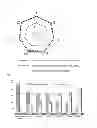
FIG. 1 shows the results of survey by questionnaire on operability test.
FIG. 2 shows comparison between various products, as administered to give 1,200 kcal, in terms of the moisture content and the moisture supplemented (for the case where a total moisture of 1,500 ml was administered).
BEST MODE FOR CARRYING OUT THE INVENTION
Hereinbelow, the present invention will be described in detail.
The present invention provides an enteral nutritional composition comprising proteins, carbohydrates and lipids, wherein the calories per ml of the composition are less than 1 kcal and yet the moisture content is 30 percent by mass or more.
Specific examples of protein components include, but are not limited to, soy protein, collagen degradation products, gelatin, glutamine, arginine, glutamic acid, leucine, isoleucine, valine, threonine, methionine, alanine, lysine, aspartic acid, proline, cysteine, histidine, phenylalanine, tyrosine, tryptophan, asparagine, glycine and serine. The protein content per 100 kcal of the composition is appropriately 1.0-20.0 g, preferably 1.5-10.0 g, and more preferably 2.0-4.0 g. The amount of protein energy per 100 kcal of the composition is preferably 4.0-80.0 kcal, and more preferably 8.0-16.0 kcal.
Specific examples of carbohydrate components include, but are not limited to, dextrin, granulated sugar, glucose, maltodextrin, reduced starch degradation products, isomerized sugar syrup, oligosaccharide and lactose. The carbohydrate content per 100 kcal of the composition is appropriately 3.0-30.0 g, preferably 8.0-20.0 g, and more preferably 13.0-17.0 g. The amount of carbohydrate energy per 100 kcal of the composition is appropriately 12.0-120.0 kcal, preferably 32.0-80.0 kcal, and more preferably 52.0-68.0 kcal.
Specific examples of lipids include, but are not limited to, vegetable oils, canola oil, perilla oil, olive oil soybean oil, rapeseed oil and fish oils. The lipid content per 100 kcal of the composition is appropriately 0.2-5.0 g, preferably 1.0-4.0 g, and more preferably 1.5-2.5 g. The amount of lipid energy per 100 kcal of the composition is appropriately 1.8-45.0 kcal, preferably 9.0-36.0 kcal, and more preferably 13.5-22.5 kcal.
The composition of the present invention may further comprise dietary fibers. Specific examples of dietary fibers include, but are not limited to, guar gum degradation products, indigestible dextrin, lactulose and pectin. The dietary fiber content per 100 kcal of the composition is appropriately 0.1-5.0 g, preferably 0.5-3.5 g, and more preferably 0.8-1.5 g.
The composition of the present invention may further comprise vitamins and/or minerals.
Specific examples of vitamins include, but are not limited to, vitamins A, D, B1, B2 and B6, niacin, pantothenic acid, folic acid, vitamins B12, C, K and E, biotin and choline bitartrate. The vitamin content per 100 kcal of the composition is appropriately from 0.5 μg to 10.0 g, preferably from 10 μg to 2.0 g, and more preferably from 100.0 μg to 1.0 g.
Specific examples of minerals include, but are not limited to, Na, Cl, K, S, Mg, Ca, P, Fe, I, Mn, Cu, Zn, Se, Cr, Mo and dolomite. The mineral content per 100 kcal of the composition is appropriately 200-5000 mg, preferably 500-3000 mg, and more preferably 800-1500 mg.
The composition of the present invention may further comprise cholesterol, lactose, COQ10, flavors, α lipoic acid, EPA, DHA and so on.
The calories per ml of the composition of the present invention are less than 1 kcal. The calories are appropriately 0.5-0.9 kcal, preferably 0.5-0.9 kcal, and more preferably 0.6-0.8 kcal.
The moisture content of the composition of the present invention is 30 percent by mass or more. The moisture content is appropriately 30-95 percent by mass, preferably 30-95 percent by mass, and more preferably 40-90 percent by mass.
The composition of the present invention may be in a liquid, semi-solid (such as gel or paste) or solid state. When the composition is in the state of gel, the firmness of the composition as measured at 25° C. is appropriately 50-10,000N/m2, preferably 100-5,000 N/m2, and more preferably 500-2000 N/m2.
For preparing a gel-type composition, a gelatinizing agent such as polysaccharide thickener, agar, gelatin or dextrin may be added to the composition. The amount of the gelatinizing agent to be added to the composition of the present invention may be appropriately determined depending on the desired gel strength.
The composition of the present invention may be prepared by methods well known to those skilled in the art. For example, the composition of the present invention may be prepared as a food product (such as fluid diet) by mixing the above-described components.
For preparing a gel-type fluid diet, a gelatinizing agent is dissolved in water and individual components of the composition are mixed therein. Subsequently, the resultant mixture may be packed in a container and cooled. If necessary, the gelatinizing agent may be dissolved in water under heating; the container may be sealed tightly; or the resultant composition may be sterilized by heating.
The composition of the present invention may be used as a fluid diet. Commercial fluid diets are classified into the following three types depending on the foods used therein: natural diet type (in which ordinary foods are used), semi-digested type (in which somewhat degraded foods are used), and digested type (in which foods that can be absorbed without degradation are used). The composition of the present invention is applicable to any of these types of fluid diets. The composition of the present invention is especially effective as a fluid diet for those patients who have difficulty in swallowing foods, those patients who have a chronic bowel disease and those patients who have difficulty in taking food from the mouth because of high age or the like, and is applicable to enteral nutrition.
The composition of the present invention is capable of enteral administration. The dose may be determined in the same manner as the dose of ordinary enteral nutritional composition is determined. For example, when the composition of the present invention is prepared to give 0.5-0.9 kcal per ml, the composition may be administered at a daily dose of about 2400-1400 ml. The dose may be appropriately determined considering the pathology, nutritional status, age, body weight, etc. of the patient.
EXAMPLES
Hereinbelow, the present invention will be described more specifically with reference to the following Examples. These Examples are provided only for illustrating the present invention and should not be construed as limiting the scope of the present invention.
Example 1
Nutritional compositions (Calm Solid 300 and 400) were prepared by the preparation method described below using the raw materials and mixing ratios shown in Table 1 below.
Preparation Method
Nutritional compositions were prepared following the steps described below. Dissolving pH adjuster→dissolving gelatinizing agent→dissolving proteins→dissolving yeast, vitamins and minerals→emulsifying lipids→adding flavors→homogenizing→packing→sterilizing
| TABLE 1 | |||
| Raw Material | Calm Solid 300 | Calm Solid 400 | |
| Dextrin | 10.03202531 | 12.65029758 | |
| Granulated sugar | 2.623760466 | 3.277029469 | |
| Vegetable oils | 1.543388509 | 1.927664394 | |
| Casein sodium | 1.929235637 | 2.409580492 | |
| Soy protein | 0.964617818 | 1.204790246 | |
| Guar gum degradation | 0.596133812 | 0.74486157 | |
| product | |||
| Vitamins/Glucose | 0.108037196 | 0.134936508 | |
| Sodium ferrous citrate | 0.003472624 | 0.004337245 | |
| Sodium phosphate | 0.289385346 | 0.361437074 | |
| Calcium phosphate | 0.054018598 | 0.067468254 | |
| KCL | 0.231508276 | 0.289149659 | |
| Dry yeast | 0.038063819 | 0.047550059 | |
| Dolomite | 0.196782035 | 0.246982 | |
| Sodium citrate | 0.210286684 | 0.262644274 | |
| Table salt | 0.054018598 | 0.067468254 | |
| Gelatinizing agent | 1.556893159 | 1.455989012 | |
| Emulsifier | 0.140834201 | 0.175899376 | |
| Processed starch | 0.154338851 | 0.14457483 | |
| Flavors | 0.135046495 | 0.130117347 | |
| Water | 79.13724582 | 74.39579769 | |
| Mixing ratio (%) | 100 | 100 | |
By using the nutritional composition of the present invention, it is possible to reduce or even eliminate the labor of administering water between meals to those patients who have difficulty in swallowing foods, those patients who have a chronic bowel disease and those patients who have difficulty in taking foods from the mouth because of high age or the like.
In those patients who have undergone percutaneous endoscopic gastrostomy (PEG), gastroesophageal reflux and diarrhea easily occur. Therefore, it is common practice that water is supplied to them other being gelatinized or mixed with a thickening agent for viscosity adjustment. Alternatively, a commercial jelly for water supply is used. For both methods of water supply, costs are calculated roughly as follows.
[Use of Gelatinizing Agent or Thickening Agent]
- When a thickening agent of about ¥5 per gram is used at a daily average of 15 g, economical burden is ¥75/day.
- Inclusive of the labor cost for mixing the agent and hygienic control at the time of mixing, the cost is still higher.
[500 ml of Water Supply Using a Commercial Water Supply Jelly]
- Economical burden is Isotonic Jelly I 00 ml (Nutri Co., Ltd.)×5 units (approx. ¥110/unit)=approx. ¥550.
By using the nutritional composition of the present invention, these costs required for water supply can be reduced.
The method of water supply for patients on PEG is classified roughly into the following four groups: (1) tap water is supplied with a syringe without any processing; (2) tap water is supplied with a syringe after adding thereto a texture improving agent or the like to increase viscosity; (3) a commercial water supply jelly (such as Isotonic Jelly) is used; and (4) transfusion is used. The results of comparison between these four types of methods and the method of using the nutritional composition of the present invention (Calm Solid) are summarized in Table 2.
| TABLE 2 | |||||
| Preventive | |||||
| effect against | Preventive | ||||
| gastro- | effect | Labor | Clean | ||
| esophageal | against | required for | operation is | ||
| reflux | diarrhea | administration | possible | Cost | |
| (1) Tap water is | Δ | Δ | ◯ | Δ | ⊚ |
| supplied | |||||
| without any | |||||
| processing | |||||
| (2) Tap water is | ◯ | ◯ | X | Δ | Δ |
| Supplied after | |||||
| adding thereto a | |||||
| thickening agent to | |||||
| increase viscosity | |||||
| (3) Commercial | ◯ | ◯ | ⊚ | ◯ | Δ |
| water supply | |||||
| jelly is supplied | |||||
| (4) Transfusion | ⊚ | ⊚ | Δ | Δ | Δ |
| is used | |||||
| Calm Solid | ◯ | ◯ | ⊚ | ⊚ | ◯ |
| ⊚: very suitable | |||||
| ◯: suitable | |||||
| Δ: yes and no | |||||
| X: not suitable |
Test Example 1
1. Purpose of Test
It is a purpose of this test to allow nurses to evaluate the operability of semi-solid fluid diet “Calm Solid” after pouring it into a simple PEG device.
2. Test Method
Consent was obtained from a total of 54 nurses, 34 of them working at a hospital in Hyogo Pref. (hereinafter referred to as “Hospital 1”) and 20 working at a hospital in Nara Pref. (hereinafter referred to as “Hospital 2”). Their job experience is shown in Table 3 in terms of the number of years of service. A simple PEG device was created. The nurses were allowed to pour the semi-solid fluid diet “Calm Solid 300 kcal” (prepared in Example 1) into the device and to pursue operations up to flushing. Subsequently, survey by questionnaire was performed with respect to the items shown in Table 4.
The simple PEG device used in the test was a plastic container into which a balloon-type gastric fistula catheter was inserted through a hole provided therein.
During the test, the time required for operations and the weight of Calm Solid before and after administration were measured.
| TABLE 3 | |||
| Job Experience | Hospital 1 | Hospital 2 | Total |
| Less than 1 year | 8 nurses | 3 nurses | 11 nurses |
| 1 year to less than 5 years | 16 | 3 | 19 |
| 5 years to less than 10 years | 3 | 7 | 10 |
| 10 years or more | 7 | 7 | 14 |
| TABLE 4 |
| Contents of Questionnaire |
| 1. Less concern and labor for water supply. |
| 2. No need to solidify the nutritional composition. So, less time required |
| for operation. |
| 3. Two concentrations of 0.75 ml/kcal and 1.0 ml/kcal are available for the |
| same nutritional composition, making it possible to select finer |
| combinations. |
| 4. Less attention is required for clean operation. |
| 5. Low possibility for mixing of foreign substances. |
| 6. Easy to operate/handle for any one. |
| 7. Less residue in the tube after flushing. |
| Evaluation (5-Point Scale) |
| 5 points | Calm Solid is very good. | |
| 4 points | Calm Solid is good. | |
| 3 points | No difference. | |
| 2 points | Calm Solid is difficult to use. | |
| 1 points | Calm Solid is very difficult to use. | |
3. Results of Survey by Questionnaire on Operability Test
The results are shown in FIG. 1.
The results revealed that Calm Solid was highly evaluated for any of the items 1 to 7.
The time required for operation is shown in Table 5.
| TABLE 5 | |
| Time required for operation | |
| Hospital 1 | 4 min 45 sec | |
| Hospital 2 | 3 min 56 sec | |
| Total | 4 min 21 sec | |
By administering 1 unit of Calm Solid, it is possible to supply about ⅓ of the moisture and nutrients required per day in a short time of around 3 to 5 minutes.
FIG. 2 shows comparison with products of other manufacturers, as administered to give 1,200 kcal, in terms of the moisture content and the moisture supplemented (for the case where a total moisture of 1,500 ml was administered).
Compared to the products of other manufacturers, Calm Solid contains more moisture and thus requires less moisture to be supplemented is less. As a result, as shown in the results of the questionnaire survey, less labor is required for operation.
All publications, patents and patent applications cited herein are incorporated herein by reference in their entirety.
INDUSTRIAL APPLICABILITY
The nutritional composition of the present invention is applicable to a fluid diet for those patients who have difficulty in swallowing foods, those patients with a chronic bowel disease and those patients who have difficulty in taking foods from the mouth because of high age or the like.
PRIOR ART REFERENCE
Non-Patent Document No. 1
- A Yearbook of Parenteral and Enteral Nutrition 2006, List of Formulations and Instruments, Vol. 5, pp. 37-68, published by JEFF Corporation.
Claims
1-8. (canceled)
9. A method comprising:
administering a low-concentration enteral nutritional composition with a high moisture content to a subject who has difficulty taking food from the mouth,
wherein the composition includes proteins, carbohydrates and lipids, and the calories per ml of the composition are less than 1 kcal and yet the moisture content is 30 percent by mass or more.
10. The method of claim 9,
wherein the composition more specifically comprises dextrin; granulated sugar; vegetable oils; casein sodium; soy protein; guar gum degradation product; vitamins/glucose; sodium ferrous citrate; sodium phosphate; calcium phosphate; KCl; dry yeast; dolomite; sodium citrate; table salt; gelatinizing agent; emulsifier; processed starch; flavors; and water.
11. A method according to claim 9, wherein the content of the proteins per 100 kcal of the composition is approximately 1.0-20.0 g.
12. A method according to claim 9, wherein the content of the proteins per 100 kcal of the composition is approximately 1.5-10.0 g.
13. A method according to claim 9, wherein the content of the proteins per 100 kcal of the composition is approximately 2.0-4.0 g.
14. A method according to claim 9, wherein the content of the carbohydrates per 100 kcal of the composition is approximately 3.0-30.0 g.
15. A method according to claim 9, wherein the content of the carbohydrates per 100 kcal of the composition is approximately 8.0-20.0 g.
16. A method according to claim 9, wherein the content of the carbohydrates per 100 kcal of the composition is approximately 13.0-17.0 g.
17. A method according to claim 9, wherein the content of the lipid per 100 kcal of the composition is approximately 0.2-5.0 g.
18. A method according to claim 9, wherein the content of the lipid per 100 kcal of the composition is approximately 1.0-4.0 g.
18. A method according to claim 9, wherein the content of the lipid per 100 kcal of the composition is approximately 1.0-4.0 g.
19. A method according to claim 9, wherein the content of the lipid per 100 kcal of the composition is approximately 1.5-2.5 g.
20. A method according to claim 9, wherein the composition further comprises dietary fibers, wherein the content of the dietary fibers per 100 kcal of the composition is approximately 0.1-5.0 g.
21. A method according to claim 9, wherein the composition further comprises dietary fibers, wherein the content of the dietary fibers per 100 kcal of the composition is approximately 0.5-3.5 g.
22. A method according to claim 9, wherein the composition further comprises dietary fibers, wherein the content of the dietary fibers per 100 kcal of the composition is approximately 0.8-1.5 g.
23. A method according to claim 9, wherein the composition further comprises vitamins, wherein the content of the vitamins per 100 kcal of the composition is approximately 0.5 μg-10.0 g.
24. A method according to claim 9, wherein the composition further comprises vitamins, wherein the content of the vitamins per 100 kcal of the composition is approximately 10 μg-2.0 g.
25. A method according to claim 9, wherein the composition further comprises vitamins, wherein the content of the vitamins per 100 kcal of the composition is approximately 100 μg-1.0 g.
26. A method according to claim 9, wherein the composition further comprises minerals, wherein the content of the minerals per 100 kcal of the composition is approximately 200-5000 mg.
27. A method according to claim 9, wherein the composition further comprises minerals, wherein the content of the minerals per 100 kcal of the composition is approximately 500-3000 mg.
28. A method according to claim 9, wherein the composition further comprises minerals, wherein the content of the minerals per 100 kcal of the composition is approximately 800-1500 mg.
29. A method according to claim 9, wherein the moisture content is approximately 30-90 percent by mass.
30. A method according to claim 9, wherein the moisture content is approximately 40-90 percent by mass.
31. A method according to claim 9, wherein the composition further comprises any one or more of the following: cholesterol, lactose, COQ10, flavors, α lipoic acid, EPA, and DHA.
Images & Drawings included:
Sources:
- United States Patent and Trademark Office - verify current appl. status at the USPTO↗
Similar patent applications:
- » 20110257088
Low-concentration nutritional composition
Recent applications in this class:
- » 20170006898 2017-01-12
Nutritional compositions and methods for promoting cognitive development - » 20170006897 2017-01-12
NUTRITIONAL COMPOSITIONS AND METHODS FOR PROMOTING COGNITIVE DEVELOPMENT - » 20160366916 2016-12-22
FORMULA FOR MANAGEMENT OF PHENYLKETONURIA - » 20160353774 2016-12-08
NUTRITIONAL COMPOSITIONS COMPRISING SPORE-FORMING PROBIOTICS - » 20160309752 2016-10-27
NON-SWEET BINDER FOR FOOD PRODUCTS - » 20160302451 2016-10-20
Medical Food for Patients with Chronic Liver Disease - » 20160295896 2016-10-13
Liquid milk fortifier composition with relatively high lipid content - » 20160295895 2016-10-13
Powdered nutritional composition with large lipid globules - » 20160286841 2016-10-06
Meal intended for human consumption - » 20160278414 2016-09-29
Fermented formula with non digestible oligosaccharides
Recent applications for this Assignee:
- » 20210386797 2021-12-16
Preventive and/or therapeutic agent for clostridium difficile infection - » 20210269555 2021-09-02
HIGH-DISPERSIBILITY DEXTRIN POWDER - » 20190380371 2019-12-19
HIGHLY DISPERSIBLE DEXTRIN AND PRODUCTION METHOD THEREFOR - » 20190374586 2019-12-12
MRSA infection protective agent - » 20100291057 2010-11-18
Composition for reducing oxidative stress and/or side effects occurring during cancer chemotherapy or improving nutritional status during cancer chemotherapy - » 20100278799 2010-11-04
Composition for improving nutritional status, reducing frequency of fever and/or increasing immunocompetence of the elderly - » 20100247505 2010-09-30
Composition for reducing the level of glucose, malondialdehyde-modified LDL, homocysteine and/or C-reactive protein in blood