Modified starch compositions, starch composite foam materials and method for preparing the starch composite foam material
US20150065591A1
2015-03-05
14/329,428
2014-07-11
✅ Patent granted
US 9,850,362 B2
2017-12-26
-
-
Mike M Dollinger | Christina Wales
Birch, Stewart, Kolasch & Birch, LLP
2034-07-11
Abstract:
The present disclosure provides a modified starch composition. The modified starch composition includes starch with a terminal siloxane having 100 parts by weight, water having 30-70 parts by weight, and a polyol having 5-35 parts by weight. The present disclosure also provides a starch composite foam material and method for preparing the same.
Inventors:
- Sheng-Ju Liao 6 🇹🇼 Hsinchu City, Taiwan
- Chien-Ming CHEN 9 🇹🇼 Yangmei Township, Taiwan
- Chih-Jen CHANG 3 🇹🇼 Toufen Township, Taiwan
- Yen-Po LIU 1 🇹🇼 Zhudong Township, Taiwan
- Shihn-Juh LIOU 5 🇹🇼 Hsinchu City, Taiwan
- Yao-Chu CHUNG 3 🇹🇼 Pingtung City, Taiwan
- Sheng-Ju Liao 4 🇹🇼 Hsinchu, Taiwan
- Shihn-Juh Liou 4 🇹🇼 Hsinchu, Taiwan
- Yao-Chu Chung 2 🇹🇼 Pingtung, Taiwan
Assignee:
- INDUSTRIAL TECHNOLOGY RESEARCH INSTITUTE 7,890 🇹🇼 HSINCHU, Taiwan
Applicant:
Interested in similar patents?
Get notified when new applications in this technology area are published.
Classification:
C08J9/00 IPC
Working-up of macromolecular substances to porous or cellular articles or materials; After-treatment thereof
C08J9/0061 » CPC further
Working-up of macromolecular substances to porous or cellular articles or materials; After-treatment thereof characterized by the use of several polymeric components
C08J9/122 » CPC further
Working-up of macromolecular substances to porous or cellular articles or materials; After-treatment thereof using blowing gases generated by a previously added blowing agent by a physical blowing agent Hydrogen, oxygen, CO, nitrogen or noble gases
C08J9/12 IPC
Working-up of macromolecular substances to porous or cellular articles or materials; After-treatment thereof using blowing gases generated by a previously added blowing agent by a physical blowing agent
C08J2203/06 » CPC further
Foams characterized by the expanding agent CO, N or noble gases
C08J2367/02 » CPC further
Characterised by the use of polyesters obtained by reactions forming a carboxylic ester link in the main chain ; Derivatives of such polymers Polyesters derived from dicarboxylic acids and dihydroxy compounds
C08J2383/06 » CPC further
Characterised by the use of macromolecular compounds obtained by reactions forming in the main chain of the macromolecule a linkage containing silicon with or without sulfur, nitrogen, oxygen, or carbon only; Derivatives of such polymers; Polysiloxanes containing silicon bound to oxygen-containing groups
C08J2467/02 » CPC further
Characterised by the use of polyesters obtained by reactions forming a carboxylic ester link in the main chain ; Derivatives of such polymers Polyesters derived from dicarboxylic acids and dihydroxy compounds
C08J2483/06 » CPC further
Characterised by the use of macromolecular compounds obtained by reactions forming in the main chain of the macromolecule a linkage containing silicon with or without sulfur, nitrogen, oxygen, or carbon only; Derivatives of such polymers; Polysiloxanes containing silicon bound to oxygen-containing groups
C08L3/08 » CPC further
Compositions of starch, amylose or amylopectin or of their derivatives or degradation products; Starch derivatives, e.g. crosslinked derivatives Ethers
C08J9/35 » CPC main
Working-up of macromolecular substances to porous or cellular articles or materials; After-treatment thereof Composite foams, i.e. continuous macromolecular foams containing discontinuous cellular particles or fragments
C08L1/02 » CPC further
Compositions of cellulose, modified cellulose or cellulose derivatives Cellulose; Modified cellulose
C08L2203/14 » CPC further
Applications used for foams
C08B31/08 » CPC further
Preparation of derivatives of starch Ethers
C08B31/00 » CPC further
Preparation of derivatives of starch
C08J2205/044 » CPC further
Foams characterised by their properties characterised by the foam pores Micropores, i.e. average diameter being between 0,1 micrometer and 0,1 millimeter
Description
CROSS REFERENCE TO RELATED APPLICATIONS
This application claims priority of Taiwan Patent Application No. 102131203, filed on Aug. 30, 2013, the entirety of which is incorporated by reference herein.
TECHNICAL FIELD
The technical field relates to a modified starch composition containing water and a siloxane, a starch composite foam material and method for preparing the starch composite foam material.
BACKGROUND
Currently, mainstream bio-foam materials consist of two kinds of materials, polylactic acid (PLA) foam materials and starch foam materials. A deficiency of heat resistance exists in the former, which is incapable of meeting the requirements of the environmental tests for container transportation. To match the mechanical function of current PLA foam materials, the applications of PLA foam materials in the industry are mostly focused on the market for single-use disposable food trays. Nowadays, starch is one of the most abundant renewable resources in the world, with the characteristics of large output, diversified supply, low prices and superior biodegradability and antistaticity, etc., which is appropriate to developing competitive new-generation, low-carbon, light-weight, and environmentally-friendly materials for packaging or transportation. However, since ordinary starch is not easily foamed, the main technology of current starch foam material products comes from the patented technology of high-content, straight-chain starch (gene-modified corn starch) of Warner Lambert, at an extremely expensive price. This technology mainly uses water as a foaming agent, with the deficiency of difficulty of controlling the manufacturing process, and having a narrow process window. It is mostly employed as loose-filler with poor properties, and therefore, its application is difficult to expand.
SUMMARY
One embodiment of the disclosure provides a modified starch composition, comprising: starch with a terminal siloxane having 100 parts by weight; water having 30-70 parts by weight; and a polyol having 5-35 parts by weight.
One embodiment of the disclosure provides a starch composite foam material, comprising: the disclosed modified starch composition having a weight ratio of 25-90 wt %; and a thermoplastic polymer having a weight ratio of 10-75 wt %.
One embodiment of the disclosure provides a method for preparing a starch composite foam material, comprising: blending the disclosed modified starch composition and a thermoplastic polymer to form a starch glue; and performing a foaming process on the starch glue to form a starch composite foam material.
A detailed description is given in the following embodiments with reference to the accompanying drawings.
BRIEF DESCRIPTION OF THE DRAWINGS
The disclosure can be more fully understood by reading the subsequent detailed description and examples with references made to the accompanying drawings, wherein:
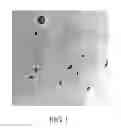
FIG. 1 shows a TEM image of a modified starch glue according to one embodiment of the disclosure;
FIG. 2 shows a SEM image of a starch composite foam material according to one embodiment of the disclosure; and
FIG. 3 shows a SEM image of a starch composite foam material according to one embodiment of the disclosure.
DETAILED DESCRIPTION
In the following detailed description, for purposes of explanation, numerous specific details are set forth in order to provide a thorough understanding of the disclosed embodiments. It will be apparent, however, that one or more embodiments may be practiced without these specific details. In other instances, well-known structures and devices are schematically shown in order to simplify the drawing.
One embodiment of the disclosure provides a modified starch composition, comprising: starch with a terminal siloxane having 100 parts by weight; water having 30-70 parts by weight; and a polyol having 5-35 parts by weight.
In one embodiment, the starch may comprise corn starch, tapioca starch or potato starch.
In one embodiment, the starch may comprise esterified starch or etherified starch.
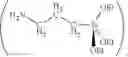
In one embodiment, the siloxane connected to the terminal of the starch may comprise tetraethoxysilane (TEOS), aminopropyltriethoxysilane
γ-glycidoxypropyltrimethoxysilane
γ-methacryloxypropyltrimethoxysilane
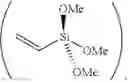
vinyltrimethoxysilane
benzylethylenediaminepropyltrimethoxysilane monohydrochloride (PhCH2N+H2C2H4NHC3H6Si(OCH3)3.Cl−), or tetramethyl orthosilicate (TMOS).
In one embodiment, the polyol may comprise glycerol, sorbitol, polyethylene glycol (PEG), or combinations thereof. In one embodiment, the polyethylene glycol (PEG) has a weight average molecular weight ranging from about 200 to 6,000.
One embodiment of the disclosure provides a starch composite foam material, comprising: a modified starch composition having a weight ratio of 25-90 wt %; and a thermoplastic polymer having a weight ratio of 10-75 wt %.
In one embodiment, the modified starch composition comprises: starch with a terminal siloxane having 100 parts by weight; water having 30-70 parts by weight; and a polyol having 5-35 parts by weight.
In one embodiment, the starch may comprise corn starch, tapioca starch or potato starch.
In one embodiment, the starch may comprise esterified starch or etherified starch.
In one embodiment, the siloxane connected to the terminal of the starch may comprise tetraethoxysilane (TEOS), aminopropyltriethoxysilane
γ-glycidoxypropyltrimethoxysilane
γ-methacryloxypropyltrimethoxysilane
vinyltrimethoxysilane
benzylethylenediaminepropyltrimethoxysilane monohydrochloride (PhCH2N+H2C2H4NHC3H6Si(OCH3)3.Cl−), or tetramethyl orthosilicate (TMOS).
In one embodiment, the thermoplastic polymer may comprise aliphatic-aromatic copolymers or aliphatic polyesters.
In one embodiment, the aliphatic-aromatic copolymer may comprise poly(butylene adipate-co-terephthalate) (PBAT).
In one embodiment, the aliphatic polyester may comprise poly(butylene succinate) (PBS), poly(butylene succinate-co-adipate), polylactic acid (PLA), poly(glycolide-co-lactide) (PGLA), hydroxyalkyl esters, polycaprolactone (PCL) or carbon dioxide polymers.
In one embodiment, the thermoplastic polymer may comprise ethylene-vinylalcohol (EVOH) copolymers, thermoplastic polyvinyl alcohol (PVOH), thermoplastic cellulose, polyurethane or polyester amide.
In one embodiment, the disclosed starch composite foam material has a pore size ranging from about 1 μm to 100 μm.
One embodiment of the disclosure provides a method for preparing a starch composite foam material, comprising: blending a modified starch composition and a thermoplastic polymer to form a starch glue; and performing a foaming process on the starch glue to form a starch composite foam material.
In one embodiment, the modified starch composition comprises: starch with a terminal siloxane having 100 parts by weight; water having 30-70 parts by weight; and a polyol having 5-35 parts by weight.
In one embodiment, the starch may comprise corn starch, tapioca starch or potato starch.
In one embodiment, the starch may comprise esterified starch or etherified starch.
In one embodiment, the siloxane connected to the terminal of the starch may comprise tetraethoxysilane (TEOS), aminopropyltriethoxysilane
γ-glycidoxypropyltrimethoxysilane
γ-methacryloxypropyltrimethoxysilane
vinyltrimethoxysilane
benzylethylenediaminepropyltrimethoxysilane monohydrochloride (PhCH2N+H2C2H4NHC3H6Si(OCH3)3.Cl−), or tetramethyl orthosilicate (TMOS).
In one embodiment, the polyol may comprise glycerol, sorbitol, polyethylene glycol (PEG), or combinations thereof. In one embodiment, the polyethylene glycol (PEG) has a weight average molecular weight ranging from about 200 to 6,000.
In one embodiment, the thermoplastic polymer may comprise aliphatic-aromatic copolymers or aliphatic polyesters.
In one embodiment, the aliphatic-aromatic copolymer may comprise poly(butylene adipate-co-terephthalate) (PBAT).
In one embodiment, the aliphatic polyester may comprise poly(butylene succinate) (PBS), poly(butylene succinate-co-adipate), polylactic acid (PLA), poly(glycolide-co-lactide) (PGLA), hydroxyalkyl esters, polycaprolactone (PCL) or carbon dioxide polymers.
In one embodiment, the thermoplastic polymer may comprise ethylene-vinylalcohol (EVOH) copolymers, thermoplastic polyvinyl alcohol (PVOH), thermoplastic cellulose, polyurethane or polyester amide.
In one embodiment, the starch glue may further comprise silicon dioxide (SiO2) nanoparticles having a particle size ranging from about 1 nm to 300 nm.
In one embodiment, the foaming process may be a supercritical foaming process or a near-supercritical foaming process.
In one embodiment, the disclosed preparation method further comprises adding a physical or chemical foaming agent during the foaming process. In one embodiment, the physical foaming agent may comprise inert gas: for example, carbon dioxide or nitrogen gas.
In one embodiment, the disclosed preparation method further comprises adding various additives, for example, nucleating agents, antioxidants, anti-UV agents, antibacterial agents, lubricants or foaming aids, during the preparation of the modified starch composition or formation of the starch glue.
In one embodiment, the nucleating agent may comprise talc, calcium carbonate, mica, montmorillonite, clay, natural fibers or a mixture thereof.
Example 1
The Preparation of the Present Starch Composite Foam Material (1)
First, 100 phr of corn starch, 50 phr of water and 25 phr of glycerol were poured into a kneading machine and stirred for 5-20 minutes at 65-95° C. 2 phr of a modifier of γ-glycidoxypropyltrimethoxysilane
(6040,
purchased from Dow Corning) was then added to the kneading machine and kneaded for 5-25 minutes. After kneading, the kneaded matter was conducted into a single-screw granulator at 85-130° C. to prepare modified thermoplastic starch particles. Next, 30 wt % of modified thermoplastic starch (6040-TPS) and 70 wt % of poly(butylene adipate-co-terephthalate) (PBAT) were conducted into a twin-screw extruder and granulated with a screw speed of 30-250 rpm at 100-190° C. to form pellets of modified starch glue. After injection molding of the pellets, the resulting square specimen was conducted into a supercritical foaming process at a pressure of 800-5,000 psi and a temperature of 80-120° C. The starch composite foam material was thus prepared. The density, foaming ratio, hardness, permanent compression set value and rebound resilience of the starch composite foam material were tested. The results are shown in Table 1. The “phr” represents parts per hundreds of rubber (or resin).
Example 2
The Preparation of the Present Starch Composite Foam Material (2)
First, 100 phr of corn starch, 50 phr of water and 25 phr of glycerol were poured into a kneading machine and stirred for 5-20 minutes at 65-95° C. 5 phr of a modifier of γ-glycidoxypropyltrimethoxysilane
(6040,
purchased from Dow Corning) was then added to the kneading machine and kneaded for 5-25 minutes. After kneading, the kneaded matter was conducted into a single-screw granulator at 85-130° C. to prepare modified thermoplastic starch particles. Next, 50 wt % of modified thermoplastic starch (6040-TPS) and 50 wt % of poly(butylene adipate-co-terephthalate) (PBAT) were conducted into a twin-screw extruder and granulated with a screw speed of 30-250 rpm at 100-190° C. to form pellets of modified starch glue, as shown in FIG. 1. FIG. 1 is a TEM image of the modified starch glue of this example. In this figure, formation of a large number of silicon dioxide (SiO2) nanoparticles having a particle size ranging from 50 nm to 300 nm was observed. After injection molding of the pellets, the resulting square specimen was conducted into a supercritical foaming process at a pressure of 800-5,000 psi and a temperature of 80-120° C. The starch composite foam material was thus prepared, as shown in FIG. 2. FIG. 2 is a SEM image of the starch composite foam material of this example. The pores of the starch composite foam material modified with γ-glycidoxypropyltrimethoxysilane were uniform, ranging from about 10 μm to 20 μm. In this figure, starch granules did not significantly exist in the starch composite foam material. The density, foaming ratio, hardness, permanent compression set value and rebound resilience of the starch composite foam material were tested. The results are shown in Table 1.
Example 3
The Preparation of the Present Starch Composite Foam Material (3)
First, 100 phr of corn starch, 50 phr of water and 25 phr of glycerol were poured into a kneading machine and stirred for 5-20 minutes at 65-95° C. 10 phr of a modifier of γ-glycidoxypropyltrimethoxysilane
(6040,
purchased from Dow Corning) was then added to the kneading machine and kneaded for 5-25 minutes. After kneading, the kneaded matter was conducted into a single-screw granulator at 85-130° C. to prepare modified thermoplastic starch particles. Next, 70 wt % of modified thermoplastic starch (6040-TPS) and 30 wt % of poly(butylene adipate-co-terephthalate) (PBAT) were conducted into a twin-screw extruder and granulated with a screw speed of 30-250 rpm at 100-190° C. to form pellets of modified starch glue. After injection molding of the pellets, the resulting square specimen was conducted into a supercritical foaming process at a pressure of 800-5,000 psi and a temperature of 80-120° C. The starch composite foam material was thus prepared. The density, foaming ratio, hardness, permanent compression set value and rebound resilience of the starch composite foam material were tested. The results are shown in Table 1.
Example 4
The Preparation of the Present Starch Composite Foam Material (4)
First, 100 phr of corn starch, 50 phr of water and 25 phr of glycerol were poured into a kneading machine and stirred for 5-20 minutes at 65-95° C. 15 phr of a modifier of γ-glycidoxypropyltrimethoxysilane
(6040,
purchased from Dow Corning) was then added to the kneading machine and kneaded for 5-25 minutes. After kneading, the kneaded matter was conducted into a single-screw granulator at 85-130° C. to prepare modified thermoplastic starch particles. Next, 90 wt % of modified thermoplastic starch (6040-TPS) and 10 wt % of poly(butylene adipate-co-terephthalate) (PBAT) were conducted into a twin-screw extruder and granulated with a screw speed of 30-250 rpm at 100-190° C. to form pellets of modified starch glue. After injection molding of the pellets, the resulting square specimen was conducted into a supercritical foaming process at a pressure of 800-5,000 psi and a temperature of 80-120° C. The starch composite foam material was thus prepared. The density, foaming ratio, hardness, permanent compression set value and rebound resilience of the starch composite foam material were tested. The results are shown in Table 1.
Example 5
The Preparation of the Present Starch Composite Foam Material (5)
First, 100 phr of corn starch, 50 phr of water and 25 phr of glycerol were poured into a kneading machine and stirred for 5-20 minutes at 65-95° C. 10 phr of a modifier of benzylethylenediaminepropyltrimethoxysilane monohydrochloride (PhCH2N+H2C2H4NHC3H6Si(OCH3)3.Cl−) (AY43049, purchased from Dow Corning) was then added to the kneading machine and kneaded for 5-25 minutes. After kneading, the kneaded matter was conducted into a single-screw granulator at 85-130° C. to prepare modified thermoplastic starch particles. Next, 30 wt % of modified thermoplastic starch (AY43049-TPS) and 70 wt % of poly(butylene adipate-co-terephthalate) (PBAT) were conducted into a twin-screw extruder and granulated with a screw speed of 30-250 rpm at 100-190° C. to form pellets of modified starch glue. After injection molding of the pellets, the resulting square specimen was conducted into a supercritical foaming process at a pressure of 800-5,000 psi and a temperature of 80-120° C. The starch composite foam material was thus prepared. The density, foaming ratio, hardness, permanent compression set value and rebound resilience of the starch composite foam material were tested. The results are shown in Table 1.
Example 6
The Preparation of the Present Starch Composite Foam Material (6)
First, 100 phr of corn starch, 50 phr of water and 25 phr of glycerol were poured into a kneading machine and stirred for 5-20 minutes at 65-95° C. 10 phr of a modifier of aminopropyltriethoxysilane
(6040,
purchased from Dow Corning) was then added to the kneading machine and kneaded for 5-25 minutes. After kneading, the kneaded matter was conducted into a single-screw granulator at 85-130° C. to prepare modified thermoplastic starch particles. Next, 50 wt % of modified thermoplastic starch (6011-TPS) and 50 wt % of poly(butylene adipate-co-terephthalate) (PBAT) were conducted into a twin-screw extruder and granulated with a screw speed of 30-250 rpm at 100-190° C. to form pellets of modified starch glue. After injection molding of the pellets, the resulting square specimen was conducted into a supercritical foaming process at a pressure of 800-5,000 psi and a temperature of 80-120° C. The starch composite foam material was thus prepared. The density, foaming ratio, hardness, permanent compression set value and rebound resilience of the starch composite foam material were tested. The results are shown in Table 1.
Example 7
The Preparation of the Present Starch Composite Foam Material (7)
First, 100 phr of corn starch, 50 phr of water and 25 phr of glycerol were poured into a kneading machine and stirred for 5-20 minutes at 65-95° C. 10 phr of a modifier of γ-methacryloxypropyltrimethoxysilane
(6030, purchased from Dow Corning) was then added to the kneading machine and kneaded for 5-25 minutes. After kneading, the kneaded matter was conducted into a single-screw granulator at 85-130° C. to prepare modified thermoplastic starch particles. Next, 70 wt % of modified thermoplastic starch (6030-TPS) and 30 wt % of poly(butylene adipate-co-terephthalate) (PBAT) were conducted into a twin-screw extruder and granulated with a screw speed of 30-250 rpm at 100-190° C. to form pellets of modified starch glue. After injection molding of the pellets, the resulting square specimen was conducted into a supercritical foaming process at a pressure of 800-5,000 psi and a temperature of 80-120° C. The starch composite foam material was thus prepared. The density, foaming ratio, hardness, permanent compression set value and rebound resilience of the starch composite foam material were tested. The results are shown in Table 1.
Example 8
The Preparation of the Present Starch Composite Foam Material (8)
First, 100 phr of corn starch, 50 phr of water and 25 phr of glycerol were poured into a kneading machine and stirred for 5-20 minutes at 65-95° C. 10 phr of a modifier of vinyltrimethoxysilane
(6300, purchased from Dow Corning) was then added to the kneading machine and kneaded for 5-25 minutes. After kneading, the kneaded matter was conducted into a single-screw granulator at 85-130° C. to prepare modified thermoplastic starch particles. Next, 70 wt % of modified thermoplastic starch (6300-TPS) and 30 wt % of poly(butylene adipate-co-terephthalate) (PBAT) were conducted into a twin-screw extruder and granulated with a screw speed of 30-250 rpm at 100-190° C. to form pellets of modified starch glue. After injection molding of the pellets, the resulting square specimen was conducted into a supercritical foaming process at a pressure of 800-5,000 psi and a temperature of 80-120° C. The starch composite foam material was thus prepared. The density, foaming ratio, hardness, permanent compression set value and rebound resilience of the starch composite foam material were tested. The results are shown in Table 1.
Example 9
The Preparation of the Present Starch Composite Foam Material (9)
First, 100 phr of corn starch, 50 phr of water and 25 phr of glycerol were poured into a kneading machine and stirred for 5-20 minutes at 65-95° C. 10 phr of a modifier of tetraethoxysilane (TEOS) (purchased from ACROS Organics) was then added to the kneading machine and kneaded for 5-25 minutes. After kneading, the kneaded matter was conducted into a single-screw granulator at 85-130° C. to prepare modified thermoplastic starch particles. Next, 50 wt % of modified thermoplastic starch (TEOS-TPS) and 50 wt % of poly(butylene adipate-co-terephthalate) (PBAT) were conducted into a twin-screw extruder and granulated with a screw speed of 30-250 rpm at 100-190° C. to form pellets of modified starch glue. After injection molding of the pellets, the resulting square specimen was conducted into a supercritical foaming process at a pressure of 800-5,000 psi and a temperature of 80-120° C. The starch composite foam material was thus prepared. The density, foaming ratio, hardness, permanent compression set value and rebound resilience of the starch composite foam material were tested. The results are shown in Table 1.
| TABLE 1 | |
| Examples |
| 1 | 2 | 3 | 4 | 5 | 6 | 7 | 8 | 9 | |
| Modified | ||||||||||
| TPS glue | ||||||||||
| composition | ||||||||||
| PBAT | % | 70 | 50 | 30 | 10 | 70 | 50 | 30 | 30 | 50 |
| 6040-TPS | % | 30 | 50 | 70 | 90 | |||||
| AY43049-TPS | % | 30 | ||||||||
| 6011-TPS | % | 50 | ||||||||
| 6030-TPS | % | 70 | ||||||||
| 6300-TPS | % | 70 | ||||||||
| TEOS-TPS | % | 50 | ||||||||
| Modified TPS | ||||||||||
| composition | ||||||||||
| Corn starch | phr | 100 | 100 | 100 | 100 | 100 | 100 | 100 | 100 | 100 |
| Water | phr | 50 | 50 | 50 | 50 | 50 | 50 | 50 | 50 | 50 |
| Glycerol | phr | 25 | 25 | 25 | 25 | 25 | 25 | 25 | 25 | 25 |
| 6040 | phr | 2 | 5 | 10 | 15 | |||||
| AY43049 | phr | 10 | ||||||||
| 6011 | phr | 10 | ||||||||
| 6030 | phr | 10 | ||||||||
| 6300 | phr | 10 | ||||||||
| TEOS | 10 | |||||||||
| Properties of | ||||||||||
| foam material | ||||||||||
| Density | 0.1422 | 0.1789 | 0.4258 | 1.1499 | 0.0929 | 0.2717 | 0.4789 | 0.5427 | 0.2036 | |
| Foaming ratio | 9.4 | 7.4 | 3.1 | 1.3 | 14.6 | 6.1 | 2.8 | 2.4 | 6.4 | |
| Hardness | Type C | 24 | 32 | 58 | 84 | 19 | 44 | 51 | 60 | 44 |
| Permanent | % | 94 | 85 | 85 | 65 | 96 | 79 | 96 | 89.9 | 86 |
| compression | ||||||||||
| set value | ||||||||||
| Rebound | % | 49 | 48 | 39 | 28 | 49 | 47 | 38 | 39 | 44 |
| resilience | ||||||||||
In light of the test results in Table 1, after the modification of the starch with the siloxane, the content of the thermoplastic starch (TPS) in the starch composite foam material was increased to 90%. As the content of the TPS was increased, the starch composite foam material was still successfully foamed.
Example 10
The Preparation of the Present Starch Composite Foam Material (10)
First, 100 phr of corn starch, 50 phr of water and 25 phr of glycerol were poured into a kneading machine and stirred for 5-20 minutes at 65-95° C. 10 phr of a modifier of γ-glycidoxypropyltrimethoxysilane
(6040,
purchased from Dow Corning) was then added to the kneading machine and kneaded for 5-25 minutes. After kneading, the kneaded matter was conducted into a single-screw granulator at 85-130° C. to prepare modified thermoplastic starch particles. Next, 50 wt % of modified thermoplastic starch (6040-TPS) and 50 wt % of polylactic acid (PLA) were conducted into a twin-screw extruder and granulated with a screw speed of 30-250 rpm at 100-190° C. to form pellets of modified starch glue. After injection molding of the pellets, the resulting square specimen was conducted into a supercritical foaming process at a pressure of 800-5,000 psi and a temperature of 60-120° C. The starch composite foam material was thus prepared. The density, foaming ratio, hardness, permanent compression set value and rebound resilience of the starch composite foam material were tested. The results are shown in Table 2.
Example 11
The Preparation of the Present Starch Composite Foam Material (11)
First, 100 phr of corn starch, 50 phr of water and 25 phr of glycerol were poured into a kneading machine and stirred for 5-20 minutes at 65-95° C. 10 phr of a modifier of γ-glycidoxypropyltrimethoxysilane
(6040,
purchased from Dow Corning) was then added to the kneading machine and kneaded for 5-25 minutes. After kneading, the kneaded matter was conducted into a single-screw granulator at 85-130° C. to prepare modified thermoplastic starch particles. Next, 50 wt % of modified thermoplastic starch (6040-TPS) and 50 wt % of polycaprolactone (PCL) were conducted into a twin-screw extruder and granulated with a screw speed of 30-250 rpm at 65-90° C. to form pellets of modified starch glue. After injection molding of the pellets, the resulting square specimen was conducted into a supercritical foaming process at a pressure of 800-5,000 psi and a temperature of 25-60° C. The starch composite foam material was thus prepared. The density, foaming ratio, hardness, permanent compression set value and rebound resilience of the starch composite foam material were tested. The results are shown in Table 2.
| TABLE 2 | ||||
| Examples | 10 | 11 | ||
| Modified | ||||
| TPS glue | ||||
| composition | ||||
| PLA | % | 50 | ||
| PCL | % | 50 | ||
| 6040-TPS | % | 50 | 50 | |
| Modified TPS | ||||
| composition | ||||
| Corn starch | phr | 100 | 100 | |
| Water | phr | 50 | 50 | |
| Glycerol | phr | 25 | 25 | |
| 6040 | phr | 10 | 10 | |
| Properties of foam | ||||
| material | ||||
| Density | 0.2087 | 0.1319 | ||
| Foaming ratio | 6.3 | 9.16 | ||
| Hardness | Type C | 78 | 24 | |
| Permanent | % | 99 | 97 | |
| compression set | ||||
| value | ||||
| Rebound resilience | % | 41 | 31 | |
Example 12
The Preparation of the Present Starch Composite Foam Material (12)
First, 100 phr of corn starch, 50 phr of water, 25 phr of glycerol and 10 phr of PEG300 were poured into a kneading machine and stirred for 5-20 minutes at 65-95° C. 10 phr of a modifier of γ-glycidoxypropyltrimethoxysilane
(6040, purchased from Dow Corning) was then added to the kneading machine and kneaded for 5-25 minutes. After kneading, the kneaded matter was conducted into a single-screw granulator at 85-130° C. to prepare modified thermoplastic starch particles. Next, 50 wt % of modified thermoplastic starch (6040-PEG-TPS) and 50 wt % of poly(butylene adipate-co-terephthalate) (PBAT) were conducted into a twin-screw extruder and granulated with a screw speed of 30-250 rpm at 100-190° C. to form pellets of modified starch glue. After injection molding of the pellets, the resulting square specimen was conducted into a supercritical foaming process at a pressure of 800-5,000 psi and a temperature of 80-120° C. The starch composite foam material was thus prepared, as shown in FIG. 3. FIG. 3 is a SEM image of the starch composite foam material of this example. In this figure, the pore size of the foam material ranged from about 10 μm to 20 μm. A strong interaction force between starch and polymer substrate was observed. The density, foaming ratio, hardness, permanent compression set value and rebound resilience of the starch composite foam material were tested. The results are shown in Table 3.
Example 13
The Preparation of the Present Starch Composite Foam Material (13)
First, 100 phr of tapioca starch, 50 phr of water, 25 phr of glycerol and 10 phr of PEG1000 were poured into a kneading machine and stirred for 5-20 minutes at 65-95° C. 10 phr of a modifier of γ-glycidoxypropyltrimethoxysilane
(6040, purchased from Dow Corning) was then added to the kneading machine and kneaded for 5-25 minutes. After kneading, the kneaded matter was conducted into a single-screw granulator at 85-130° C. to prepare modified thermoplastic starch particles. Next, 50 wt % of modified thermoplastic starch (6040-PEG-TPS) and 50 wt % of poly(butylene adipate-co-terephthalate) (PBAT) were conducted into a twin-screw extruder and granulated with a screw speed of 30-250 rpm at 100-190° C. to form pellets of modified starch glue. After injection molding of the pellets, the resulting square specimen was conducted into a supercritical foaming process at a pressure of 800-5,000 psi and a temperature of 80-120° C. The starch composite foam material was thus prepared. The density, foaming ratio, hardness, permanent compression set value and rebound resilience of the starch composite foam material were tested. The results are shown in Table 3.
Example 14
The Preparation of the Present Starch Composite Foam Material (14)
First, 100 phr of potato starch, 50 phr of water, 25 phr of glycerol and 10 phr of PEG2000 were poured into a kneading machine and stirred for 5-20 minutes at 65-95° C. 10 phr of a modifier of γ-glycidoxypropyltrimethoxysilane
(6040, purchased from Dow Corning) was then added to the kneading machine and kneaded for 5-25 minutes. After kneading, the kneaded matter was conducted into a single-screw granulator at 85-130° C. to prepare modified thermoplastic starch particles. Next, 50 wt % of modified thermoplastic starch (6040-PEG-TPS) and 50 wt % of poly(butylene adipate-co-terephthalate) (PBAT) were conducted into a twin-screw extruder and granulated with a screw speed of 30-250 rpm at 100-190° C. to form pellets of modified starch glue. After injection molding of the pellets, the resulting square specimen was conducted into a supercritical foaming process at a pressure of 800-5,000 psi and a temperature of 80-120° C. The starch composite foam material was thus prepared. The density, foaming ratio, hardness, permanent compression set value and rebound resilience of the starch composite foam material were tested. The results are shown in Table 3.
Example 15
The Preparation of the Present Starch Composite Foam Material (15)
First, 100 phr of esterified starch, 50 phr of water, 25 phr of glycerol and 10 phr of PEG4000 were poured into a kneading machine and stirred for 5-20 minutes at 65-95° C. 10 phr of a modifier of γ-glycidoxypropyltrimethoxysilane
(6040, purchased from Dow Corning) was then added to the kneading machine and kneaded for 5-25 minutes. After kneading, the kneaded matter was conducted into a single-screw granulator at 85-130° C. to prepare modified thermoplastic starch particles. Next, 50 wt % of modified thermoplastic starch (6040-PEG-TPS) and 50 wt % of poly(butylene adipate-co-terephthalate) (PBAT) were conducted into a twin-screw extruder and granulated with a screw speed of 30-250 rpm at 100-190° C. to form pellets of modified starch glue. After injection molding of the pellets, the resulting square specimen was conducted into a supercritical foaming process at a pressure of 800-5,000 psi and a temperature of 80-120° C. The starch composite foam material was thus prepared. The density, foaming ratio, hardness, permanent compression set value and rebound resilience of the starch composite foam material were tested. The results are shown in Table 3.
Example 16
The Preparation of the Present Starch Composite Foam Material (16)
First, 100 phr of etherified starch, 50 phr of water, 25 phr of glycerol and 10 phr of PEG6000 were poured into a kneading machine and stirred for 5-20 minutes at 65-95° C. 10 phr of a modifier of γ-glycidoxypropyltrimethoxysilane
(6040, purchased from Dow Corning) was then added to the kneading machine and kneaded for 5-25 minutes. After kneading, the kneaded matter was conducted into a single-screw granulator at 85-130° C. to prepare modified thermoplastic starch particles. Next, 50 wt % of modified thermoplastic starch (6040-PEG-TPS) and 50 wt % of poly(butylene adipate-co-terephthalate) (PBAT) were conducted into a twin-screw extruder and granulated with a screw speed of 30-250 rpm at 100-190° C. to form pellets of modified starch glue. After injection molding of the pellets, the resulting square specimen was conducted into a supercritical foaming process at a pressure of 800-5,000 psi and a temperature of 80-120° C. The starch composite foam material was thus prepared. The density, foaming ratio, hardness, permanent compression set value and rebound resilience of the starch composite foam material were tested. The results are shown in Table 3.
| TABLE 3 | |
| Examples |
| 12 | 13 | 14 | 15 | 16 | ||
| Modified | ||||||
| TPS glue | ||||||
| composition | ||||||
| PBAT | % | 50 | 50 | 50 | 50 | 50 |
| 6040-PEG-TPS | % | 50 | 50 | 50 | 50 | 50 |
| Modified TPS | ||||||
| composition | ||||||
| Corn starch | phr | 100 | ||||
| Tapioca starch | phr | 100 | ||||
| Potato starch | phr | 100 | ||||
| Esterified starch | phr | 100 | ||||
| Etherified starch | phr | 100 | ||||
| Water | phr | 50 | 50 | 50 | 50 | 50 |
| Glycerol | phr | 25 | 25 | 25 | 25 | 25 |
| 6040 | phr | 10 | 10 | 10 | 10 | 10 |
| PEG300 | phr | 10 | ||||
| PEG1000 | phr | 10 | ||||
| PEG2000 | phr | 10 | ||||
| PEG4000 | phr | 10 | ||||
| PEG6000 | phr | 10 | ||||
| Properties of foam | ||||||
| material | ||||||
| Density | 0.122 | 0.1341 | 0.1836 | 1.842 | 1.895 | |
| Foaming ratio | 10.49 | 9.5 | 7.3 | 7.4 | 7.2 | |
| Hardness | Type C | 38 | 28 | 30 | 28 | 26 |
| Permanent | % | 93 | 95 | 89 | 89 | 82 |
| compression set | ||||||
| value | ||||||
| Rebound resilience | % | 36 | 47 | 44 | 44 | 43 |
Comparative Example 1
The Preparation of the Starch Composite Foam Material (1)
First, 100 phr of corn starch, 50 phr of water and 25 phr of glycerol were poured into a kneading machine and stirred for 5-20 minutes at 65-95° C. After kneading, the kneaded matter was conducted into a single-screw granulator at 85-130° C. to prepare thermoplastic starch particles. Next, 40 wt % of thermoplastic starch (TPS) and 60 wt % of poly(butylene adipate-co-terephthalate) (PBAT) were conducted into a twin-screw extruder and granulated with a screw speed of 30-250 rpm at 100-190° C. to form pellets of starch glue. After injection molding of the pellets, the resulting square specimen was conducted into a supercritical foaming process at a pressure of 800-5,000 psi and a temperature of 80-120° C. The starch composite foam material was thus prepared. The density, foaming ratio, hardness, permanent compression set value and rebound resilience of the starch composite foam material were tested. The results are shown in Table 4.
Comparative Example 2
The Preparation of the Starch Composite Foam Material (2)
First, 100 phr of corn starch, 50 phr of water and 25 phr of glycerol were poured into a kneading machine and stirred for 5-20 minutes at 65-95° C. After kneading, the kneaded matter was conducted into a single-screw granulator at 85-130° C. to prepare thermoplastic starch particles. Next, 50 wt % of thermoplastic starch (TPS) and 50 wt % of poly(butylene adipate-co-terephthalate) (PBAT) were conducted into a twin-screw extruder and granulated with a screw speed of 30-250 rpm at 100-190° C. to form pellets of starch glue. After injection molding of the pellets, the resulting square specimen was conducted into a supercritical foaming process at a pressure of 800-5,000 psi and a temperature of 80-120° C. The starch composite foam material was thus prepared. The density, foaming ratio, hardness, permanent compression set value and rebound resilience of the starch composite foam material were tested. The results are shown in Table 4.
Comparative Example 3
The Preparation of the Starch Composite Foam Material (3)
First, 100 phr of corn starch, 50 phr of water and 25 phr of glycerol were poured into a kneading machine and stirred for 5-20 minutes at 65-95° C. After kneading, the kneaded matter was conducted into a single-screw granulator at 85-130° C. to prepare thermoplastic starch particles. Next, 60 wt % of thermoplastic starch (TPS) and 40 wt % of poly(butylene adipate-co-terephthalate) (PBAT) were conducted into a twin-screw extruder and granulated with a screw speed of 30-250 rpm at 100-190° C. to form pellets of starch glue. After injection molding of the pellets, the resulting square specimen was conducted into a supercritical foaming process at a pressure of 800-5,000 psi and a temperature of 80-120° C. The starch composite foam material was thus prepared. The density, foaming ratio, hardness, permanent compression set value and rebound resilience of the starch composite foam material were tested. The results are shown in Table 4.
Comparative Example 4
The Preparation of the Starch Composite Foam Material (4)
First, 100 phr of corn starch, 50 phr of water and 25 phr of glycerol were poured into a kneading machine and stirred for 5-20 minutes at 65-95° C. After kneading, the kneaded matter was conducted into a single-screw granulator at 85-130° C. to prepare thermoplastic starch particles. Next, 70 wt % of thermoplastic starch (TPS) and 30 wt % of poly(butylene adipate-co-terephthalate) (PBAT) were conducted into a twin-screw extruder and granulated with a screw speed of 30-250 rpm at 100-190° C. to form pellets of starch glue. After injection molding of the pellets, the resulting square specimen was conducted into a supercritical foaming process at a pressure of 800-5,000 psi and a temperature of 80-120° C. The starch composite foam material was thus prepared. The density, foaming ratio, hardness, permanent compression set value and rebound resilience of the starch composite foam material were tested. The results are shown in Table 4.
| TABLE 4 | |||||
| Comparative | |||||
| Examples | 1 | 2 | 3 | 4 | |
| TPS glue | |||||
| composition | |||||
| PBAT | % | 60 | 50 | 40 | 30 |
| TPS | % | 40 | 50 | 60 | 70 |
| (non-modified) | |||||
| TPS | |||||
| composition | |||||
| Corn starch | phr | 100 | 100 | 100 | 100 |
| Water | phr | 50 | 50 | 50 | 50 |
| Glycerol | phr | 25 | 25 | 25 | 25 |
| Properties of | |||||
| foam material | |||||
| Density | 0.197 | 0.2937 | 0.6046 | 1.053 | |
| Foaming ratio | 6.5 | 4.4 | 2.1 | 1.3 | |
| Hardness | Type C | 21 | 27 | 50 | 80 |
| Permanent | % | 66 | 73 | 84 | 73 |
| compression set | |||||
| value | |||||
| Rebound | % | 38 | 37 | 34 | 32 |
| resilience | |||||
In light of the test results in Table 4, the amount of non-modified starch added to the glue can only be 70% at most. This amount is at the extremity of the blending process and it is not possible to further increase the content of this component. In the disclosure, the siloxane with reactive functional groups is introduced to the end of the starch chains, which makes the starch create a three-dimensional structure and its chains expand and entangle with each other to meet the demand of the structural strength of the foam material. In addition to the modification which creates the three-dimensional structure, in the disclosure, the second phase of the decomposable thermoplastic polymer and various interface-compatible modifiers are introduced to adjust the flow characteristics of the entire material system and form the glue with the starch to improve the melting strength of the entire material in order to meet the requirements of the microporous foam material.
The disclosure provides a competitive starch-based bio-decomposable foam material with high starch content, through functionalized modification of industrial starch and glue technology, giving it an appropriate melting strength and chain entanglement, and using a green foam-processing technology (using supercritical fluid for forming micropores) to develop the starch-based microporous foam material with characteristics such as cell-size uniformity, lively elasticity, flexibility, and superior buffering. It is capable of application in the fields of fitness equipment (commanding high prices) and disposable materials (for transportation and packaging of electronics required by applicable laws, etc.). This is one kind of environmentally-friendly low-carbon, and light-weight green material with high performance.
It will be apparent to those skilled in the art that various modifications and variations can be made to the disclosed embodiments. It is intended that the specification and examples be considered as exemplary only, with the true scope of the disclosure being indicated by the following claims and their equivalents.
Claims
What is claimed is:1. A modified starch composition, comprising:
starch with a terminal siloxane having 100 parts by weight;
water having 30-70 parts by weight; and
a polyol having 5-35 parts by weight.
2. The modified starch composition as claimed in claim 1, wherein the starch comprises corn starch, tapioca starch or potato starch.
3. The modified starch composition as claimed in claim 1, wherein the starch comprises esterified starch or etherified starch.
4. The modified starch composition as claimed in claim 1, wherein the siloxane comprises tetraethoxysilane (TEOS), aminopropyltriethoxysilane, γ-glycidoxypropyltrimethoxysilane, γ-methacryloxypropyltrimethoxysilane, vinyltrimethoxysilane or benzylethylenediaminepropyltrimethoxysilane monohydrochloride.
5. The modified starch composition as claimed in claim 1, wherein the polyol comprises glycerol, sorbitol, polyethylene glycol (PEG), or combinations thereof.
6. The modified starch composition as claimed in claim 5, wherein the polyethylene glycol (PEG) has a weight average molecular weight ranging from 200 to 6,000.
7. A starch composite foam material, comprising:
a modified starch composition as claimed in claim 1 having a weight ratio of 25-90 wt %; and
a thermoplastic polymer having a weight ratio of 10-75 wt %.
8. The starch composite foam material as claimed in claim 7, wherein the thermoplastic polymer comprises aliphatic-aromatic copolymers or aliphatic polyesters.
9. The starch composite foam material as claimed in claim 8, wherein the aliphatic-aromatic copolymer comprises poly(butylene adipate-co-terephthalate) (PBAT).
10. The starch composite foam material as claimed in claim 8, wherein the aliphatic polyester comprises poly(butylene succinate) (PBS), poly(butylene succinate-co-adipate), polylactic acid (PLA), poly(glycolide-co-lactide) (PGLA), hydroxyalkyl esters, polycaprolactone (PCL) or carbon dioxide polymers.
11. The starch composite foam material as claimed in claim 7, wherein the thermoplastic polymer comprises ethylene-vinylalcohol (EVOH) copolymers, thermoplastic polyvinyl alcohol (PVOH), thermoplastic cellulose, polyurethane or polyester amide.
12. The starch composite foam material as claimed in claim 7, wherein the starch composite foam material has a pore size ranging from 1 μm to 100 μm.
13. A method for preparing a starch composite foam material, comprising:
blending a modified starch composition as claimed in claim 1 and a thermoplastic polymer to form a starch glue; and
performing a foaming process on the starch glue to form a starch composite foam material.
14. The method for preparing a starch composite foam material as claimed in claim 13, wherein the foaming process is a supercritical foaming process.
15. The method for preparing a starch composite foam material as claimed in claim 13, further comprising adding a foaming agent during the foaming process.
16. The method for preparing a starch composite foam material as claimed in claim 15, wherein the foaming agent comprises carbon dioxide or nitrogen gas.
17. The method for preparing a starch composite foam material as claimed in claim 13, wherein the starch glue further comprises silicon dioxide (SiO2) nanoparticles having a particle size ranging from 1 nm to 300 nm.
Images & Drawings included:







Sources:
- United States Patent and Trademark Office - verify current appl. status at the USPTO↗
Recent applications in this class:
- » 20250197586 2025-06-19
FOAM FORMED SOLID COMPOSITE - » 20250122350 2025-04-17
CELLULOSE-ENABLED ORIENTATIONALLY ORDERED FLEXIBLE GELS - » 20240327597 2024-10-03
PLASTIC FOAM PRODUCT ADDED WITH EVA RECYCLED PELLETS AND METHOD OF MANUFACTURING SAME - » 20240270921 2024-08-15
METHOD FOR PREPARING MELAMINE RESIN FOAMS USING GRINDED MELAMINE FOAM PARTICLES - » 20240254302 2024-08-01
THREE-DIMENSIONAL SOLID POLYMERIC FOAMS AND A MICROFLUIDIC PROCESS TO DESIGN THEM - » 20240034852 2024-02-01
COMPOSITE MATERIAL FILM, MANUFACTURING METHOD THEREOF, AND DISPLAY PANEL - » 20230407040 2023-12-21
COMPOSITE MATERIAL, METHOD FOR MANUFACTURING A PRODUCT MADE OF A COMPOSITE MATERIAL, AND MACHINE FOR MANUFACTURING A PRODUCT MADE OF A COMPOSITE MATERIAL - » 20230242731 2023-08-03
COMPOSITIONS AND METHODS OF PREPARATION THEREOF - » 20230016725 2023-01-19
Foam formed solid composite comprising nanocellulose and solid low-density particles - » 20220267556 2022-08-25
FOAMED ARTICLES AND METHODS OF MAKING THE SAME
Recent applications for this Assignee:
- » 20250289330 2025-09-18
MOBILE VEHICLE CHARGING PROTECTION DEVICE FOR ELECTRICAL SAFETY IN LIVESTOCK HOUSES - » 20250287224 2025-09-11
COMMUNICATION DEVICE AND COMMUNICATION METHOD - » 20250286593 2025-09-11
COMMUNICATION DEVICE AND METHOD OF BEAM MANAGEMENT - » 20250284336 2025-09-11
SYSTEM AND METHOD FOR ADJUSTING IMAGE BASED ON PHYSIOLOGICAL INFORMATION AND POSTURE - » 20250281908 2025-09-11
ELECTROCATALYST COMPOSITION AND PREPARATION METHOD THEREOF - » 20250273403 2025-08-28
CAPACITOR AND ELECTRONIC DEVICE - » 20250271759 2025-08-28
POLYMER, POSITIVE PHOTORESIST COMPOSITION, AND METHOD FOR FORMING PATTERNED PHOTORESIST LAYER - » 20250265803 2025-08-21
MULTI-SENSOR COORDINATION METHOD, PROCESSING DEVICE, AND INFORMATION DISPLAY SYSTEM - » 20250263659 2025-08-21
METHOD AND KIT FOR PREPARING AN IMMUNE CELL DIFFERENTIATED FROM A STEM CELL - » 20250252547 2025-08-07
CORROSION POSITIONING SYSTEM, CORROSION INSPECTION VEHICLE AND CORROSION POSITIONING METHOD USING THE SAME