BALLOON CATHETER WITH EXPANDABLE SHAFT
US20150112255A1
2015-04-23
14/383,779
2013-03-08
Abstract:
A balloon catheter comprises a shaft extending in a longitudinal direction and adapted for expanding from a compressed condition to an expanded condition in the longitudinal direction, the shaft supporting at least one radiopaque identifier, and an inflatable balloon positioned along the shaft, the balloon when inflated including a working surface for aligning with the radiopaque identifier in at least the expanded condition of the shaft. Related aspects are also disclosed.
Inventors:
- Angela Kay Jensen 8 🇺🇸 Tempe, AZ, United States
- Andrew Schaffer 13 🇺🇸 Tempe, AZ, United States
Interested in similar patents?
Get notified when new applications in this technology area are published.
Classification:
A61M25/104 » CPC further
Catheters; Hollow probes; Balloon catheters used for angioplasty
A61M25/0054 » CPC further
Catheters; Hollow probes characterised by structural features with regions for increasing flexibility
A61M2025/1065 » CPC further
Catheters; Hollow probes; Balloon catheters with special features or adapted for special applications having a balloon which is inversely attached to the shaft at the distal or proximal end
A61M2025/1068 » CPC further
Catheters; Hollow probes; Balloon catheters with special features or adapted for special applications having means for varying the length or diameter of the deployed balloon, this variations could be caused by excess pressure
A61M2025/1079 » CPC further
Catheters; Hollow probes; Balloon catheters with special features or adapted for special applications having radio-opaque markers in the region of the balloon
A61M25/10 » CPC main
Catheters; Hollow probes Balloon catheters
A61M25/00 IPC
Probes; Catheters; Dilators; Drainage appliances for wounds
A61M25/00 IPC
Catheters; Hollow probes
Description
The following U.S. Patent Applications are incorporated herein by reference: 61/608,852; 61/608,859; 61/608,862; 61/608,897; 61/608,902; 61/608,908; 61/608,913; 61/608,917; 61/608,927; 61/608,932; 61/608,941; and 611747,444.
TECHNICAL FIELD
This disclosure relates generally to catheters for performing medical procedures, such as balloon angioplasty and, more particularly, to a balloon catheter including an expandable shaft, such as in the longitudinal direction, for helping to ensure the proper alignment between a radiopaque identifier and a portion of the balloon, such as the working surface.
BACKGROUND OF THE INVENTION
Balloons are routinely used to resolve or address flow restrictions or perhaps even complete blockages in tubular areas of the body, such as arteries or veins. In many clinical situations, the restrictions are caused by hard solids, such as calcified plaque, and require the use of high pressures to compact such blockages. Commercially available balloons employ complex technology to achieve high pressure requirements without sacrificing the profile of the balloon. Besides high pressure requirements, the balloons should also be resistant to puncture, easy to track and push, and present a low profile, especially when used for angioplasty.
In clinical practice, angioplasty balloons are expanded from a deflated, folded state to an expanded state within a vessel to treat a target area, such as a portion of the circumferential inner wall I of a blood vessel V, as shown in FIGS. 1 and 2. The inflation of a balloon 12 with wall 28 is traditionally completed using an X-ray contrast agent CM along dimension DX to provide better visibility under X-ray or other form of radiography R during the interventional procedure, as illustrated in FIGS. 3 and 3a (which shows the intensity measured by a fluoroscope detector plate, FDP). Typically, a 70/30 percent mixture of contrast agent and saline is used to inflate the balloon during an angioplasty procedure.
In general, a desirable goal is to reduce inflation and deflation times required for balloons without sacrificing the profile of the balloons, especially for large volume balloons (which can require up to two minutes of inflation/deflation times with the contrast agent). Because of its relatively high viscosity, it would also be desirable to eliminate, or at least reduce the amount of, the contrast agent used in inflation/deflation of the balloons. The use of contrast agent prolongs the inflation/deflation times and also poses the risk of iodine exposure to patients sensitive to iodine. In this regard, a non-radiopaque substance could be used in lieu of the contrast agent, such as for example saline or carbon dioxide, but such substances are invisible during X-ray imaging, and thus do not enhance visibility.
Furthermore, the physician performing the angioplasty procedure should be able to locate the position of the uninflated balloon with accuracy, so that the balloon will be properly positioned once inflated. This is conventionally accomplished by attaching marker bands on the catheter shaft in the region corresponding to the balloon working surface. This “working surface” is the surface along the portion of the balloon that is used to achieve the desired treatment effect, such as contacting the calcified plaque (which surface in the case of a balloon having conical or tapering sections at the proximal and distal ends is typically co-extensive with a generally cylindrical barrel section).
Misalignment of the marker bands during placement along the shaft sometimes results in their failure to correspond precisely to the extent of the working surface, as is shown in FIG. 5 (note misalignment amount X between each interior marker band M carried by shaft S and working surface W of balloon 12, which also typically includes a radiopaque tip P at the distal end). Even upon exercising great care to position the markers properly on the underlying shaft in alignment with anticipated boundaries of the working surface when the balloon is inflated, there remains a tendency for mismatch due to several possible factors. One such factor may be the tolerance stack-ups arising as a consequence of the affixation of the balloon to the distal end of the catheter shaft. The balloon also has a tendency to grow in the longitudinal direction when inflated, especially with large and particularly long balloons. Another factor is the tendency of the portion of the catheter shaft within the balloon to bend or flex during inflation. This may lead to misalignment between radiopaque markers fixed to the shaft and the working surface.
Whatever the cause, the resulting misalignment may prevent the clinician from accurately identifying the location of the working surface of the balloon during an interventional procedure. This may lead to a geographic misplacement, or “miss,” of the intended contact between the target area T and the working surface W of the balloon 12 (see FIG. 2). It is especially desirable to avoid such an outcome when the balloon is designed to deliver a payload (such as a drug, stent, or both) or a working element to a specified location within the vasculature, since a miss may prolong the procedure (such as, for example, by requiring redeployment of the balloon 12 or the use of another balloon catheter in the case of a drug coated balloon).
Accordingly, the need is identified for a balloon for which the working surface may be identified during an interventional procedure with enhanced precision. The solution would take into account the possible mismatch between fixed locations on the catheter shaft and the balloon to define the working surface, and may also provide for an enhanced manner of providing the inflation fluid to the balloon. Overall, procedural efficiency would be enhanced without remarkably increasing cost or complexity, and in a manner that can be applied to many existing catheter technologies without extensive modification.
SUMMARY OF THE INVENTION
An object of the disclosure is to provide a balloon catheter including an expandable shaft for helping to ensure proper alignment.
BRIEF DESCRIPTION OF THE DRAWINGS
FIGS. 1-9 are illustrative of the background of the invention;
FIG. 10 illustrates a first embodiment according to the disclosure;
FIGS. 10a and 10b illustrate additional aspects of the disclosure;
FIG. 11 illustrates a second embodiment according to the disclosure;
FIG. 12 illustrates a third embodiment according to the disclosure;
FIG. 13 illustrates a fourth embodiment according to the disclosure;
FIG. 14 illustrates a fifth embodiment according to the disclosure;
FIG. 15 illustrates a sixth embodiment according to the disclosure;
FIG. 16 illustrates a seventh embodiment according to the disclosure;
FIG. 17 illustrates an eighth embodiment according to the disclosure;
FIG. 18 illustrates a ninth embodiment according to the disclosure; and
FIG. 19 illustrates a tenth embodiment according to the disclosure.
MODES FOR CARRYING OUT THE INVENTION
The description provided below and in regard to the figures applies to all embodiments unless noted otherwise, and features common to each embodiment are similarly shown and numbered.
Provided is a catheter 10 having a distal portion 11 with a balloon 12 mounted on a catheter tube 14. Referring to FIGS. 6, 7, and 8, the balloon 12 has an intermediate section 16, or “barrel,” and end sections 18, 20. In one embodiment, the end sections 18, 20 reduce in diameter to join the intermediate section 16 to the catheter tube 14 (and thus sections 18, 20 are generally termed cones or cone sections). The balloon 12 is sealed at balloon ends (proximal end 15a and distal end 15b) on the cone sections 18, 20 to allow the inflation of the balloon 12 via one or more inflation lumens 17 extending within catheter tube 14 and communicating with the interior of the balloon 12.
The catheter tube 14 also includes an elongated, tubular shaft 24 forming a guidewire lumen 23 that directs the guidewire 26 through the catheter 10, and along the distal end of which the balloon 12 may be located. As illustrated in FIG. 8, this guidewire 26 may extend through the proximal end of the catheter 10 and a first port 25 of a connector 27 into the lumen 23 to achieve an “over the wire” (OTW) arrangement, but could also be provided in a “rapid exchange” (RX) configuration, in which the guidewire 26 exits a lateral opening 14a closer to the distal end (see FIG. 9) or else is fed through the tip distally of the balloon 12 (“short” RX; see FIGS. 15 and 16). A second port 29 may also be associated with catheter 10, such as by way of connector 27, for introducing a fluid (e.g., saline, a contrast agent, or both) into the interior compartment of the balloon 12 via the inflation lumen 17.
Balloon 12 may include a single or multi-layered balloon wall 28 forming the interior for receiving the inflation fluid. The balloon 12 may be a non-compliant balloon having a balloon wall 28 that maintains its size and shape in one or more directions when the balloon is inflated. Examples of non-compliant balloons may be found in U.S. Pat. No. 6,746,425 and Publication Nos. US 2006/0085022, US 2006/0085023 and US 2006/0085024, the disclosures of which are hereby incorporated herein by reference. The balloon 12 in such case also has a pre-determined surface area that remains constant during and after inflation, also has a pre-determined length and pre-determined diameter that each, or together, remain constant during and after inflation. However, the balloon 12 could be semi-compliant or compliant instead, depending on the particular use.
One embodiment for achieving the desired features is by arranging the shaft 24 in a manner that allows for it to expand, such as in the longitudinal direction, between a first or compressed condition having a nominal length to a second or expanded condition having a greater length than the nominal length. The expansion may be a relatively small amount, such as to overcome any misalignment that may otherwise be created (such as distance X). By choosing an appropriate arrangement, the expansion may be strategically controlled to help ensure that any radiopaque identifier provided, such as markers M, aligns with a particular portion of the balloon 12, such as the working surface W, once inflated.
With reference to FIG. 10, this may be achieved in one embodiment by providing at least one expandable element 30 for allowing the shaft 24 to expand longitudinally, yet in a controlled manner, and thus ensure that the markers M remain in the desired alignment with a portion of the balloon 12. In one embodiment, the at least one expandable element 30 comprises a first spring 32a. The spring 32a may take the form of a helical or coil spring and, in particular, as a tension coil spring designed to elongate when placed in tension, such as the result of the expansion of the balloon 12 during inflation as a result of the connection at the distal tip P.
This spring 32a may positioned in tandem with a first, proximal portion 24a of the structure supporting the balloon 12, such as shaft 24 (to which the balloon 12 may be attached at one or both of the proximal and distal ends 15a, 15b), and another structure, such as an intermediate or second portion 24b of the shaft 24 in this particular embodiment. The attachment between the spring 32a and the corresponding shaft portion may be done by interference fit, embedding (possibly with a reduction in the stiffness of the shaft 24 to allow for increased flexibility despite the embedding), bonding (such as by adhesive or welding, either thermally or sonically). A second expandable element 30, such as spring 32b, may also be provided in tandem between the intermediate or second portion 24b and another structure, such as a distal or third portion 24c of the shaft 24. The shaft 24 as shown may include the radiopaque identifiers along one or more of the portions, such as intermediate portion 24b, in the form of spaced markers M aligned with the proximal and distal edges of the working surface W.
The springs 32a or 32b may be selected to have a predetermined spring constant, k, to ensure the alignment of the markers M or other radiopaque identifiers in the desired manner. In one example, the spring constant may be selected to correspond to the distensability of the balloon 12 on inflation. The shaft 24 as the result of the presence of springs 32a, 32b may expand a predetermined amount when the balloon 12 is inflated (see FIGS. 10a and 10b, and compare the length of shaft 24 corresponding to balloon 12 in the uninflated condition (12′) and the inflated condition (12″), wherein L1<L2, and the springs 32a, 32b in the compressed 32a′, 32b′ and expanded or extended 32a″, 32b″ conditions, wherein Y1<Y2). This expansion, in turn, allows any radiopaque identifiers associated with the shaft 24, such as markers M on the intermediate portion 24b, to remain in alignment with the desired portion of the balloon 12, such as the working surface W (see dashed lines in FIG. 10b). Consequently, the tendency for geographic miss may be reduced, since the clinician may place the markers M at the desired treatment location, where they will remain in alignment with and correspond to the full extent of the working surface W on inflation.
The expandable elements 30 may also be selected to provide different expansion characteristics during different stages of the inflation of the balloon 12. For example, as shown in FIG. 11, a first spring 32a may have a lower spring constant, and a second spring 32b may have a higher spring constant. This permits the balloon 12 to experience some initial elastic deformation upon the commencement of inflation. The higher spring constant then allows for additional expansion of the support for the balloon 12, such as shaft 24, when higher inflation pressures are reached. Likewise, this higher spring constant allows the shaft 24 to return to an intermediate position when deflation begins.
When the springs comprise a radiopaque material, it is also possible that the different characteristics, such as the size or tightness of the winding, may allow for ready identification of different portions of the balloon 12. Thus, for example, the proximal spring 32a in FIG. 11, if made radiopaque, would appear differently from the distal spring 32b, if also made radiopaque. This may aid the clinician in determining the orientation of the balloon 12 in an efficient manner.
This result may also be achieved using a single expandable element with variable expansion characteristics. For example, as shown in FIG. 12, the hybrid spring 34 may include a loosely wound, higher radius portion 34a, and a more tightly wound, smaller radius portion 34b. FIG. 11 also shows that the expandable elements 30, or springs 32a, 32b, may comprise, incorporate, carry, or otherwise include a radiopaque material, and thus serve as radiopaque identifiers in place of any marker bands or the like.
One or more of the expandable elements 30 may also form part of the tube 14 providing the inflation lumen 17 for inflating the balloon 12, and thus be independent of the shaft 24. For example, as shown in FIG. 13, a first expandable element 30 in the form of a first spring 36a may extend between a first portion 14a of the tube 14 adjacent the proximal end 15a of the balloon 12 and a second portion 14b of the tube 14. A second expandable element 30 in the form of a second spring 36b may be positioned between the second portion 14b and a third portion 14c of the tube 14, adjacent to the distal end 15b of the balloon 12, adjacent to tip P. The springs 36a, 36b may be connected directly to the correspond ends of the tube portions 14a, 14b, 14c using adhesives or other bonding techniques, and as noted above may also be made of a radiopaque material to serve as markers for one or more portions of the balloon, such as the working surface W.
The balloon 12 at the tip P may be bonded in a manner such that it is connected to both the distal portion 14c and the shaft 24 forming the guidewire lumen 23. In such case, it should be appreciated that the relative expansion of the tube 14 cannot reliably or predictably occur without the relative movement of the shaft 24 in the longitudinal direction. One embodiment for achieving the desired relative movement is by arranging the shaft 24 in a manner that allows it to move a predetermined amount under a restrained condition in order to align the working surface W with particular location, such as the position of one or more radiopaque identifiers.
In this or another embodiment, as shown schematically in FIG. 14, the catheter 100 may include a seal 102, such as may be provided by one or more O-rings or the like, at or near a proximal end of the shaft 24. The seal 102 is adapted for positioning in a recess 104 formed in a receiver 101 for receiving the shaft 24, such as hub 106, which is shown as being oversized for purposes of illustration. The recess 104 is oversized so as to allow movement of the seal 102 and thus shaft 24 relative to the tube 14 within inflation lumen 17, which is in turn connected to the proximal end of the balloon 12. Other than at the distal end 15b of balloon 12 and the seal 102, the shaft 24 is not connected to any other structure in the catheter 10, and thus can move to and fro a distance in the longitudinal direction corresponding to the length of the recess 104, which will thus accommodate the relative expansion of the tube 14 as the result of the one or more expandable elements 30.
In this embodiment or others, it should also be appreciated that the expandable element 30 may serve as a port for allowing the inflation fluid to inflate the balloon 12. Specifically, the elements 30 in the form of springs 36a, 36b may expand during the initial pressurization of the tube 14 to allow the inflation fluid to enter the interior compartment of the balloon 12. The reverse arrangement could occur on deflation.
In an alternative embodiment, the expandable elements) 30 may be used in connection without an inner shaft 24 for a guidewire, such as the “short” RX configurations shown in FIGS. 15 and 16. Specifically, a passage 49 at the tip P is adapted for receiving the guidewire. The tip P may comprise the distal end of a shaft 50 passing through the inner compartment of the balloon 12, which at the proximal end 15a associates with an inflation lumen 17.
The shaft 50 may include one or more expandable elements 30. For example, springs 38a, 38b may extend between proximal, intermediate, and distal portions 50a, 50b, 50b portions of the shaft 50, which may also include one or more radiopaque identifiers, such as markers M, corresponding to a portion of the balloon 12 such as the working surface W. On inflation, the desired relative expansion to ensure alignment of the identifiers in the intended manner may thus be achieved by the selection of the spring constant to correspond to the distensibility of the balloon 12.
In this or another embodiment, the expandable element 30 may also be provided outside of the balloon 12, such as at the proximal end 15a. For example, FIG. 16 shows a single expandable element 30 in the form of a spring 39 positioned between the tube 14 serving as the inflation lumen and the proximal end 15a of the balloon 12, where cone section 18 terminates. A sealing element 60 may seal the spring 39 to prevent leakage of the inflation fluid, such as by bridging from the distal end of the tube 14 to the balloon 12 (e.g., along the conical section 18 at the proximal end 15a). This arrangement thus allows the balloon 12 to move longitudinally as a result of the expansion of the element 30, or spring 39, to achieve alignment with the radiopaque identifiers, such as markers M.
Instead of being a separate component, as is contemplated above in at least one of the disclosed embodiments, or in addition to any such component, the expandable element 30 may also form part of the shaft 24 or 50. Thus, for example, as shown in FIG. 17, the shaft 24 may be modified to include an expandable portion, which may comprise one or more helical, spring-like portions 40 corresponding to the working surface W, one or more flexible bellows portions 41 (FIG. 18), or a fiber matrix that allows for a limited degree of expansion in the longitudinal direction (and possibly with an embedded spring 42 forming part of a mesh layer 25 of the shaft 24; see FIG. 19).
The expandable elements may comprise metal materials, which provide ease of manufacturing, control over the spring constant, and, as noted above, radiopacity, if desired. A shape memory alloy, such as NITINOL, could also be used to promote a particular spring length in the expanded state as the result of a particular temperature (e.g., that of the body on which the procedure is performed, or of the inflation fluid). Alternatively, polymer materials with different elastic deformation properties could also be used as the expandable element (and may also be made radiopaque by embedding a radiopaque material in the polymer or coating the polymer).
Balloons 12 that carry one or more surface elements, such as a payload (drug, stent, or both) or a working implement (cutter, focused force wire, or the like) into the vasculature may also benefit from the foregoing description of marking techniques. For example, as shown in FIG. 10, a balloon 12 including a defined working surface W may include a portion coated with such a drug D, such as one designed for achieving a desired therapeutic effect when applied to the interior of the vessel. The drug D may be applied to the inflated balloon as part of the manufacturing process, and prior to folding for insertion in the vasculature. The clinician may thus with the benefit of a fluoroscope determine the precise positioning of the working surface W prior to inflating the balloon 12 in the vasculature to deliver the drug D to the desired location and provide the desired treatment regimen.
The following items also relate to the invention:
1. A balloon catheter, comprising:
-
- a shaft extending in a longitudinal direction and adapted for expanding from a compressed condition to an expanded condition in the longitudinal direction, the shaft supporting at least one radiopaque identifier; and
- an inflatable balloon positioned along the shaft, the balloon when inflated including a working surface for aligning with the radiopaque identifier in at least the expanded condition of the shaft.
2. The catheter of item 1, wherein the expandable shaft comprises a first portion connected in tandem to an expandable element.
3. The catheter of items 1 or 2, wherein the expandable element comprises a spring.
4. The catheter of item 3, wherein the spring comprises a coil spring.
5. The catheter of items 3 or 4, wherein the spring comprises a tension coil spring.
6. The catheter of item 2, wherein the expandable element comprises a bellows.
7. The catheter of item 2, wherein the expandable element comprises a fiber matrix.
8. The catheter of item 7, further including a spring associated with the fiber matrix.
9. The catheter of any of items 2-8, wherein the expandable element is inside an interior compartment of the balloon.
10. The catheter of any of items 2-8, wherein the expandable element is outside an interior compartment of the balloon.
11. The catheter of any of items 2-10, wherein the expandable element connects to one end of the balloon.
12. The catheter of any of items 2-10, wherein the expandable element connects the first portion of the shaft to a second portion of the shaft.
13. The catheter of any of the foregoing items, wherein the shaft comprises an inflation lumen for delivering an inflation fluid to the balloon.
14. The catheter of any of the foregoing items, wherein the expandable shaft in at least a partially expanded condition a port for delivering the inflation fluid to the balloon, said port being closed when the shaft is in a non-expanded condition.
15. The catheter of any of the foregoing items, wherein the expandable shaft comprises a first expandable element connecting a first portion of the shaft to a second portion of the shaft, and further including a second expandable element connecting the second portion of the shaft to a third portion of the shaft.
16. The catheter of item 15, wherein the first and second expandable elements comprise first and second coil springs.
17. The catheter of item 16, wherein the first and second coil springs have different spring constants.
18. The catheter of any of the foregoing items, wherein the radiopaque identifier comprises a pair of spaced radiopaque markers, one positioned in alignment with a first end of the working surface and another positioned at a second end of the working surface.
19. The catheter of any of items 15-18, wherein the first and second expandable elements comprise a radiopaque material.
20. The catheter of any of the foregoing items, wherein the radiopaque identifier comprises a spring.
21. The catheter of item 2, wherein the expandable element comprises a spring having a variable spring constant.
22. The catheter of any of the foregoing items, wherein the shaft comprises a guidewire lumen.
23. The catheter of any of the foregoing items, further including a passage adjacent the tip for receiving a guidewire external to the balloon.
24. The catheter of item 2, wherein the first portion is adjacent a distal end of the shaft.
25. The balloon catheter of any of the foregoing items, comprising:
-
- a shaft;
- a balloon; and
- an expandable element adapted for expanding in the longitudinal direction connecting the shaft to the balloon.
26. The catheter of item 25, wherein the expandable element is selected from the group consisting of a spring, a bellows, a fiber matrix, or combinations of the foregoing.
27. The catheter of item 25 or 26, wherein the expandable element comprises an encapsulated spring.
28. The balloon catheter of any of the foregoing items comprising a balloon and an inflation lumen including an expandable element adapted for expanding in the longitudinal direction for providing a fluid to the balloon.
29. The catheter of any of items 25-28, wherein the expandable element comprises a radiopaque material.
30. The catheter of any of the foregoing items, further including a drug on the balloon.
The following items also relate to the invention:
1. A balloon catheter, comprising:
-
- a shaft;
- a balloon; and
- an expandable element adapted for expanding in the longitudinal direction connecting the shaft to the balloon.
2. The catheter of item 2, wherein the expandable element is selected from the group consisting of a spring, a bellows, a fiber matrix, or combinations of the foregoing.
3. The catheter of item 1 or 2, wherein the expandable element comprises an encapsulated spring.
4. The balloon catheter of any of the foregoing items comprising a balloon and an inflation lumen including an expandable element adapted for expanding in the longitudinal direction for providing a fluid to the balloon.
5. The catheter of any of any of the foregoing items, wherein the expandable element comprises a radiopaque material.
6. The balloon catheter of any of the foregoing items, comprising:
-
- a shaft extending in a longitudinal direction and adapted for expanding from a compressed condition to an expanded condition in the longitudinal direction, the shaft supporting at least one radiopaque identifier; and
- an inflatable balloon positioned along the shaft, the balloon when inflated including a working surface for aligning with the radiopaque identifier in at least the expanded condition of the shaft.
7. The catheter of item 6, wherein the expandable shaft comprises a first portion connected in tandem to an expandable element.
8. The catheter of items 6 or 7, wherein the expandable element comprises a spring.
9. The catheter of item 8, wherein the spring comprises a coil spring.
10. The catheter of items 8 or 9, wherein the spring comprises a tension coil spring.
11. The catheter of item 7, wherein the expandable element comprises a bellows.
12. The catheter of item 7, wherein the expandable element comprises a fiber matrix.
13. The catheter of item 12, further including a spring associated with the fiber matrix.
14. The catheter of any of items 7-13, wherein the expandable element is inside an interior compartment of the balloon.
15. The catheter of any of items 7-13, wherein the expandable element is outside an interior compartment of the balloon.
16. The catheter of any of items 7-15, wherein the expandable element connects to one end of the balloon.
17. The catheter of any of items 7-15, wherein the expandable element connects the first portion of the shaft to a second portion of the shaft.
18. The catheter of any of the foregoing items, wherein the shaft comprises an inflation lumen for delivering an inflation fluid to the balloon.
19. The catheter of any of the foregoing items, wherein the expandable shaft in at least a partially expanded condition a port for delivering the inflation fluid to the balloon, said port being closed when the shaft is in a non-expanded condition.
20. The catheter of any of the foregoing items, wherein the expandable shaft comprises a first expandable element connecting a first portion of the shaft to a second portion of the shaft, and further including a second expandable element connecting the second portion of the shaft to a third portion of the shaft.
21. The catheter of item 20, wherein the first and second expandable elements comprise first and second coil springs.
22. The catheter of item 21, wherein the first and second coil springs have different spring constants.
23. The catheter of any of the foregoing items, wherein the radiopaque identifier comprises a pair of spaced radiopaque markers, one positioned in alignment with a first end of the working surface and another positioned at a second end of the working surface.
24. The catheter of any of items 20-23, wherein the first and second expandable elements comprise a radiopaque material.
25. The catheter of any of the foregoing items, wherein the radiopaque identifier comprises a spring.
26. The catheter of item 7, wherein the expandable element comprises a spring having a variable spring constant.
27. The catheter of any of the foregoing items, wherein the shaft comprises a guidewire lumen.
28. The catheter of any of the foregoing items, further including a passage adjacent the tip for receiving a guidewire external to the balloon.
29. The catheter of item 7, wherein the first portion is adjacent a distal end of the shaft.
30. The catheter of any of the foregoing items, further including a drug on the balloon.
The following items also relate to the invention:
1. A balloon catheter comprising a balloon and an inflation lumen including an expandable element adapted for expanding in the longitudinal direction for providing a fluid to the balloon.
2. The catheter of any of item 1, wherein the expandable element comprises a radiopaque material.
3. The balloon catheter of item 1 or 2, comprising:
-
- a shaft;
- a balloon; and
- an expandable element adapted for expanding in the longitudinal direction connecting the shaft to the balloon.
4. The catheter of item 3, wherein the expandable element is selected from the group consisting of a spring, a bellows, a fiber matrix, or combinations of the foregoing.
5. The catheter of item 3 or 4, wherein the expandable element comprises an encapsulated spring.
6. The balloon catheter of any of the foregoing items, comprising:
-
- a shaft extending in a longitudinal direction and adapted for expanding from a compressed condition to an expanded condition in the longitudinal direction, the shaft supporting at least one radiopaque identifier; and
- an inflatable balloon positioned along the shaft, the balloon when inflated including a working surface for aligning with the radiopaque identifier in at least the expanded condition of the shaft.
7. The catheter of item 6, wherein the expandable shaft comprises a first portion connected in tandem to an expandable element.
8. The catheter of items 6 or 7, wherein the expandable element comprises a spring.
9. The catheter of item 8, wherein the spring comprises a coil spring.
10. The catheter of items 8 or 9, wherein the spring comprises a tension coil spring.
11. The catheter of item 7, wherein the expandable element comprises a bellows.
12. The catheter of item 7, wherein the expandable element comprises a fiber matrix.
13. The catheter of item 12, further including a spring associated with the fiber matrix.
14. The catheter of any of items 7-13, wherein the expandable element is inside an interior compartment of the balloon.
15. The catheter of any of items 7-13, wherein the expandable element is outside an interior compartment of the balloon.
16. The catheter of any of items 7-15, wherein the expandable element connects to one end of the balloon.
17. The catheter of any of items 7-15, wherein the expandable element connects the first portion of the shaft to a second portion of the shaft.
18. The catheter of any of the foregoing items, wherein the shaft comprises an inflation lumen for delivering an inflation fluid to the balloon.
19. The catheter of any of the foregoing items, wherein the expandable shaft in at least a partially expanded condition a port for delivering the inflation fluid to the balloon, said port being closed when the shaft is in a non-expanded condition.
20. The catheter of any of the foregoing items, wherein the expandable shaft comprises a first expandable element connecting a first portion of the shaft to a second portion of the shaft, and further including a second expandable element connecting the second portion of the shaft to a third portion of the shaft.
21. The catheter of item 20, wherein the first and second expandable elements comprise first and second coil springs.
22. The catheter of item 21, wherein the first and second coil springs have different spring constants.
23. The catheter of any of the foregoing items, wherein the radiopaque identifier comprises a pair of spaced radiopaque markers, one positioned in alignment with a first end of the working surface and another positioned at a second end of the working surface.
24. The catheter of any of items 20-23, wherein the first and second expandable elements comprise a radiopaque material.
25. The catheter of any of the foregoing items, wherein the radiopaque identifier comprises a spring.
26. The catheter of item 7, wherein the expandable element comprises a spring having a variable spring constant.
27. The catheter of any of the foregoing items, wherein the shaft comprises a guidewire lumen.
28. The catheter of any of the foregoing items, further including a passage adjacent the tip for receiving a guidewire external to the balloon.
29. The catheter of item 7, wherein the first portion is adjacent a distal end of the shaft.
30. The catheter of any of the foregoing items, further including a drug on the balloon.
The subject matter of each of the paragraphs below citing a balloon or a catheter can be part of a balloon or a catheter respectively that is cited in any of the other paragraphs:
- 1.1 A balloon catheter, comprising: an elongated, tubular shaft extending in a longitudinal direction, said shaft having a proximal end and a distal end; and an inflatable balloon supported along the distal end of the shaft, the balloon when inflated including first and second spaced conical end sections and a working surface between the conical sections, the balloon further including at least one radiopaque marking identifying the transition from the conical end section to the working surface.
- 1.2 The catheter of paragraph 1.1, wherein the at least one radiopaque marking comprises a first radiopaque marking at a first transition between the first conical end section and the working surface, and further including a second radiopaque marking at a second transition between the second conical end section and the working surface.
- 1.3 The catheter of any of the foregoing paragraphs, wherein the at least one marking comprises a strip.
- 1.4 The catheter of any of the foregoing paragraphs, further including a plurality of radiopaque markings in the form of strips.
- 1.5 The catheter of paragraph 1.4, wherein the strips extend at least partially in a longitudinal direction between the first and second conical end sections.
- 1.6 The catheter of paragraphs 1.4 or 1.5, wherein the strips comprise annular bands.
- 1.7 The catheter of any of the foregoing paragraphs, wherein at least two spaced radiopaque markings are provided on each conical end section, including one adjacent a distal portion and a proximal portion of each conical end section.
- 1.8 The catheter of any of the foregoing paragraphs, wherein the balloon includes a barrel section between the first and second conical end sections, and further including a plurality of radiopaque markings on the barrel section.
- 1.9 The catheter of any of the foregoing paragraphs, wherein the marking comprises a first pattern on the conical end sections and further including a second, different pattern on the working surface.
- 1.10 The catheter of any of the foregoing paragraphs, wherein the at least one marking is selected from the group consisting of a pattern, a strip, a brand, a logo, a letter, a number, a word, or combinations thereof.
- 1.11 The catheter of any of the foregoing paragraphs, wherein the identifier comprises a scale.
- 1.12 The catheter of any of the foregoing paragraphs, wherein the balloon includes a drug.
- 1.13 The catheter of paragraph 1.12, wherein the drug corresponds to the location of the radiopaque marking.
- 1.14 The catheter of paragraph 1.12, wherein the drug corresponds to other than the location of the radiopaque marking.
- 1.15 The catheter of paragraph 1.12, wherein the radiopaque marking comprises the drug formulated to include a radiopacifier.
- 1.16 A balloon having a drug carried on a working surface of the balloon wall and a radiopaque identifier identifying the location of the drug on the balloon.
- 1.17 The balloon of paragraph 1.16, wherein the radiopaque identifier comprises a radiopaque material mixed with a formulation comprising the drug.
- 1.18 The balloon of paragraph 1.16, wherein the working surface is along a barrel section of the balloon, and the radiopaque identifier is on one or both cone sections of the balloon.
- 2.1 A balloon catheter, comprising: an elongated, tubular shaft extending in a longitudinal direction, said shaft having a proximal end and a distal end; and an inflatable balloon supported along the distal end of the shaft, the balloon when inflated including a generally cylindrical barrel section forming a working surface, and generally conical end sections that do not form a part of the working surface, the balloon further including at least one radiopaque identifier for indicating the relative position of the working surface, said identifier being provided on at least one of the conical end sections of the balloon so as to define the extent of the working surface.
- 2.2 The catheter of paragraph 2.1, wherein the identifier comprises a marking.
- 2.3 The catheter of paragraph 2.1 or 2.2, wherein a first marking is provided at a first transition between the first conical section end section and the working surface and a second marking is provided at a second transition between the second end section and the working surface.
- 2.4 The catheter of paragraph 2.2 or 2.3, wherein the marking comprises a strip.
- 2.5 The catheter of any of the foregoing paragraphs, wherein the identifier comprises a longitudinal strip extending between an end of the balloon and the barrel section.
- 2.6 The catheter of any of the foregoing paragraphs, further including a plurality of identifiers.
- 2.7 The catheter of paragraph 2.6, wherein each of the plurality of identifiers comprises a longitudinally extending strip.
- 2.8 The catheter of paragraph 2.6 or 2.7, wherein the identifiers comprise annular bands.
- 2.9 The catheter of paragraph 2.6 or paragraph 2.8 as dependent on paragraph 2.6, wherein the identifiers comprise longitudinally extending strips.
- 2.10 The catheter of any of the foregoing paragraphs 2.1 to 2.9, wherein at least two spaced radiopaque identifiers are provided on each end section.
- 2.11 The catheter of any of the foregoing paragraphs 2.1 to 2.10, further including at least one radiopaque identifier on the barrel section.
- 2.12 The catheter of any of the foregoing paragraphs 2.1 to 2.11, wherein the identifier is a first identifier comprising a first pattern, and further including a second identifier comprising a second, different pattern.
- 2.13 The catheter of any of the foregoing paragraphs 2.1 to 2.12, wherein the identifier includes at least one letter or number.
- 2.14 The catheter of any of the foregoing paragraphs 2.1 to 2.13, wherein the identifier comprises a logo.
- 2.15 The catheter of any of the foregoing paragraphs 2.1 to 2.14, wherein the identifier comprises a scale.
- 2.16 The catheter of any of the foregoing paragraphs 2.1 to 2.15, further including a drug on the balloon.
- 3.1 An inflatable balloon for use in connection with a catheter, comprising: an inflatable body including a working surface extending in a longitudinal direction between a first end and a second end, the body having at least one radiopaque identifier provided along the body for identifying at least a first end of the working surface, the radiopaque identifier having a first radiographic quality for identifying the location of the first end of the working surface and a second radiographic quality at a location other than at the first end of the working surface.
- 3.2 The balloon of paragraph 3.1, wherein the second radiographic quality is provided for identifying the second end of the working surface.
- 3.3 The catheter of paragraph 3.2, wherein the first radiographic quality and the second radiographic quality are substantially the same.
- 3.4 The balloon of paragraph 3.1, wherein the radiopaque identifier comprises a marking.
- 3.5 The balloon of paragraph 3.1, wherein the radiopaque identifier follows a generally helical path from the first end to the second end of the working surface.
- 3.6 The balloon of paragraph 3.1, wherein the identifier comprises a plurality of helical identifiers extending along the working surface.
- 3.7 The balloon of paragraph 3.1, wherein the identifier comprises a radiopaque filament.
- 3.8 The balloon of paragraph 3.7, wherein the filament is wound helically along at least a portion of the working surface of the balloon.
- 3.9 The balloon of any of the foregoing paragraphs 3.1 to 3.8, further including a drug on the balloon.
- 3.16 A balloon for use in connection with a catheter, comprising: a body having an outer surface and at least one winding extending along the outer surface of the balloon, said balloon having a radiopaque quality.
- 3.17 The balloon of paragraph 3.16, wherein the winding comprises a radiopaque filament.
- 3.18 The balloon of any of the foregoing paragraphs, wherein the radiopaque identifier comprises a helical pattern or a diamond pattern.
- 3.19 A catheter including the balloon of any of the foregoing paragraphs.
- 3.20 An inflatable balloon for use in connection with a catheter comprising a radiopaque identifier comprising a helical pattern or a diamond pattern.
- 4.1 A balloon catheter for use in connection with a guidewire, comprising: an elongated, tubular shaft extending in a longitudinal direction, said shaft having a proximal end and a distal end; an inflatable balloon supported along the distal end of the shaft, the balloon when inflated including first and second spaced ends and a working surface between the ends; and at least one wire including at least a radiopaque portion for identifying the location of working surface of the balloon.
- 4.2 The catheter of paragraph 4.1, wherein said wire comprises a material having a shape memory for adjusting between a first state and a second state.
- 4.3 The catheter of paragraph 4.1 or 4.2, wherein the at least one wire extends generally in the longitudinal direction.
- 4.4 The catheter of any of the foregoing paragraphs 4.1 to 4.3, wherein the radiopaque portion is elongated.
- 4.5 The catheter of any of the foregoing paragraphs 4.1 to 4.4, wherein the wire at least partially comprises a polymer.
- 4.6 The catheter of any of the foregoing paragraphs 4.1 to 4.5, wherein the at least one wire is at least partially elastic.
- 4.7 The catheter of any of the foregoing paragraphs 4.1 to 4.6, comprising: a plurality of wires extending generally in the longitudinal direction, at least one of the wires including at least a radiopaque portion for identifying the location of working surface of the balloon.
- 4.8 The catheter of any of the foregoing paragraphs 4.1 to 4.7, wherein at least one wire extends along an outer surface of the balloon.
- 4.9 The catheter of any of the foregoing paragraphs 4.1 to 4.8, wherein at least one wire extends along an inner surface of the balloon.
- 4.10 The catheter of any of the foregoing paragraphs 4.1 to 4.9, wherein at least one wire extends from the first end to the second end of the balloon.
- 4.11 The catheter of any of the foregoing paragraphs 4.1 to 4.10, wherein the radiopaque portion of at least one wire extends along a portion of the balloon corresponding to the working surface.
- 4.12 The catheter of any of the foregoing paragraphs 4.1 to 4.11, wherein the radiopaque portion of at least one wire extends along other than along the portion of the balloon corresponding to the working surface.
- 4.13 The catheter of paragraph 4.7 or any of paragraphs 4.8 to 4.12 as dependent on paragraph 4.7, wherein the wires are spaced substantially equidistantly around a circumference of the balloon.
- 4.14 The catheter of any of the foregoing paragraphs 4.1 to 4.13, wherein the wire includes a compliant or semi-compliant portion.
- 4.15 The catheter of any of the foregoing paragraphs 4.1 to 4.14, wherein at least one end of the at least partially radiopaque wire is attached to a bond connecting the balloon to the shaft.
- 4.16 The catheter of any of the foregoing paragraphs 4.1 to 4.15, further including a drug provided on the balloon.
- 4.17 The catheter of any of the foregoing paragraphs 4.1 to 4.16, wherein at least one wire at least partially comprises a material having a shape memory for adjusting between a first state and a second state.
- 4.18 The catheter of paragraph 4.2 or 4.17, wherein the shape memory material comprises NITINOL.
- 5.1 A balloon catheter adapted for use with a guidewire, comprising: an elongated, tubular shaft extending in a longitudinal direction, said shaft having a proximal end and a distal end; an inflatable balloon supported along the distal end of the shaft, the balloon when inflated including first and second spaced ends and a working surface between the ends; and an insert located within the interior compartment of the balloon, the insert including at least a radiopaque portion separate from the shaft.
- 5.2 The catheter of paragraph 5.1, wherein the insert is adapted for moving relative to the shaft.
- 5.3 The catheter of paragraph 5.1 or 5.2, wherein the insert extends from a first end of the balloon to one end of the working surface.
- 5.4 The catheter of any of the foregoing paragraphs 5.1 to 5.3, wherein the insert comprises a tube made at least partially of a radiopaque material.
- 5.5 The catheter of any of the foregoing paragraphs 5.1 to 5.4, wherein the insert comprises at least one finger.
- 5.6 The catheter of paragraph 5.5, wherein the finger includes a radiopaque end portion.
- 5.7 The catheter of any of the foregoing paragraphs 5.1 to 5.6, wherein the insert comprises a plurality of fingers adapted for moving from a retracted condition to an expanded condition when the balloon is inflated.
- 5.8 The catheter of any of the foregoing paragraphs 5.1 to 5.7, further including a retractable sheath at least partially covering the insert.
- 5.9 The catheter of any of the foregoing paragraphs 5.1 to 5.8, wherein the insert comprises a wire.
- 5.10 The catheter of paragraph 5.9, wherein the wire includes a radiopaque portion corresponding to the working surface.
- 5.11 The catheter of paragraph 5.10, wherein the wire extends from the first end to the second end of the balloon, and the radiopaque portion comprises an intermediate portion of the wire.
- 5.12 The catheter of paragraph 5.10 or 5.11, wherein the wire extends from the first end to the second end of the balloon, and the radiopaque portion comprises an end portion of the wire.
- 5.13 The catheter of any of the foregoing paragraphs 5.1 to 5.12, wherein at least one end of the insert is connected at a location where the balloon connects to the tubular shaft.
- 5.14 The catheter of any of the foregoing paragraphs 5.1 to 5.13, wherein the insert comprises an annular band.
- 5.15 The catheter of any of the foregoing paragraphs 5.1 to 5.14, wherein the insert includes perforations.
- 5.16 The catheter of any of the foregoing paragraphs 5.1 to 5.15, wherein the insert comprises a material having a shape memory.
- 5.17 The catheter of any of the foregoing paragraphs 5.1 to 5.16, further including a drug on the balloon.
- 6.1 A parison for being blow molded into a medical balloon for a catheter, comprising: a first tubular layer having a functional modification; and a second tubular layer adapted for bonding with the first tubular layer to form the blow molded balloon.
- 6.2 The parison of paragraph 6.1, wherein the first layer is external to the second layer.
- 6.3 The parison of paragraph 6.1, wherein the first layer is internal to the second layer.
- 6.4 The parison of any of the foregoing paragraphs, wherein the functional modification comprises a radiopaque strip.
- 6.5 The parison of paragraph 6.4, wherein the strip comprises a circumferential band.
- 6.6 The parison of paragraph 6.4 or 6.5, wherein the strip extends between a first end and a second end of the first layer.
- 6.7 The parison of any of the foregoing paragraphs, wherein the first tubular layer is spaced from the second tubular layer.
- 6.8 The parison of any of the foregoing paragraphs, wherein the functional modification is selected from the group consisting of an added radiopacifier, a surface pattern, an etching, one or more perforations, and combinations of the foregoing.
- 6.9 A medical balloon formed by the parison of any of the foregoing paragraphs, comprising: a tubular, inflatable body comprising a wall, the body including first and second generally conical ends and a generally cylindrical barrel section between the generally conical ends and providing a working surface.
- 6.10 The balloon of paragraph 6.9, wherein the first layer extends from the first end to the second end of the balloon.
- 6.11 The balloon of paragraph 6.9, wherein the first layer extends along only the working surface.
- 6.12 The balloon of any of paragraphs 6.9 to 6.11, wherein the first layer extends along an entire circumference of a portion of the wall.
- 6.13 The balloon of any of paragraphs 6.9 to 6.12, wherein the first layer extends along the full circumference of the wall.
- 6.14 The balloon of any of paragraphs 6.9 to 6.13, wherein the wall includes first and second spaced shoulders, and wherein the first layer is positioned between the shoulders.
- 6.15 The balloon of any of paragraphs 6.9 to 6.14, wherein the first and second layers both extend from a first end to a second end of the balloon.
- 6.16 The balloon of any of paragraphs 6.9 to 6.15, further comprising an at least partially radiopaque tube positioned over the barrel section and extending substantially along the working surface.
- 6.17 The balloon of paragraph 6.16, further including first and second shoulders adjacent the proximal and distal ends of the radiopaque tube.
- 6.18 The balloon of paragraph 6.16 or 6.17, wherein the entire tube is radiopaque.
- 7.1 A balloon catheter, comprising: an elongated, tubular shaft having a proximal end and a distal end; and a balloon positioned along the distal end of the shaft, a portion of a wall of the balloon partially comprising a coextruded radiopaque material.
- 7.2 The catheter of paragraph 7.1, wherein the radiopaque portion comprises at least one strip extending along a working surface of the balloon.
- 7.3 The catheter of paragraph 7.1 or 7.2, wherein the radiopaque portion comprises at least one strip extending along a full length surface of the balloon.
- 7.4 The catheter of any of paragraphs 7.1 to 7.3, wherein the radiopaque portion comprises at least one strip extending along a first cone section of the balloon.
- 7.5 The catheter of paragraph 7.4, wherein the radiopaque portion comprises at least one strip extending along a second cone section of the balloon.
- 7.6 The catheter of any of paragraphs 7.1 to 7.5, wherein the balloon includes a plurality of radiopaque portions.
- 7.7 The catheter of paragraph 7.6, wherein each of the plurality of radiopaque portions comprises a longitudinal strip.
- 7.8 The catheter of paragraph 7.7, wherein the strips extend at least along a working surface of the balloon.
- 7.9 The catheter of any of paragraphs 7.6 to 7.8, wherein the plurality of radiopaque portions are spaced apart in a circumferential direction.
- 7.10 The catheter of any of the foregoing paragraphs 7.1 to 7.9, wherein the balloon includes a barrel section and conical sections at each end of the barrel section, and wherein the radiopaque portion is provided on the barrel section.
- 7.11 The catheter of any of the foregoing paragraphs 7.1 to 7.10, wherein the balloon includes a barrel section and conical sections at each end of the barrel section, and wherein the radiopaque portion is provided on one or both of the cone sections.
- 7.12 The catheter of any of the foregoing paragraphs 7.1 to 7.11, wherein the radiopaque portion comprises a layer of the balloon wall.
- 7.13 The catheter of paragraph 7.12, wherein the layer comprises an inner layer.
- 7.14 The catheter of paragraph 7.12 or 7.13, wherein the layer comprises an outer layer.
- 7.15 The catheter of paragraph 7.14, wherein the outer layer is etched.
- 7.16 The catheter of any of paragraphs 7.12 to 7.15, wherein the balloon includes a barrel section and conical sections at each end of the barrel section, and the layer extends along the entire barrel section.
- 7.17 The catheter of any of paragraphs 7.12 to 7.16, wherein the balloon includes a barrel section and conical sections at each end of the barrel section, and the layer extends along the entirety of one or both of the conical sections.
- 7.18 The catheter of any of the foregoing paragraphs 7.1 to 7.17, wherein all portions of the wall comprise coextruded radiopaque material.
- 7.19 The catheter of any of the foregoing paragraphs 7.1 to 7.18, further including a drug on the balloon.
- 7.20 The catheter of any of the foregoing paragraphs 7.1 to 7.19, wherein the radiopaque material comprises ePTFE.
- 8.1 A balloon catheter, comprising: a shaft extending in a longitudinal direction, said shaft having a proximal end and a distal end, and supporting at least one radiopaque identifier; an inflatable balloon supported along the distal end of the shaft, the balloon when inflated including a working surface; and an actuator for aligning at least one end of the working surface with the at least one radiopaque identifier.
- 8.2 The catheter of paragraph 8.1, wherein the actuator includes a first position corresponding to a deflated state of the balloon and a second position corresponding to the inflated state of the balloon.
- 8.3 The catheter of paragraph 8.1 or 8.2, wherein the actuator comprises a spring.
- 8.4 The catheter of any of the foregoing paragraphs 8.1 to 8.3, wherein the spring comprises a leaf spring.
- 8.5 The catheter of any of the foregoing paragraphs 8.1 to 8.4, wherein the actuator comprises a plurality of springs spaced circumferentially about the catheter.
- 8.6 The catheter of any of the foregoing paragraphs 8.1 to 8.5, wherein a first portion of the actuator is fixed to the balloon and a second portion of the actuator is adapted for movement relative to the shaft.
- 8.7 The catheter of paragraph 8.6, wherein the first portion of the actuator is captured between two layers on the wall of the balloon.
- 8.8 The catheter of paragraph 8.6 or 8.7, wherein the shaft includes a channel for at least partially receiving the second portion of the actuator.
- 8.9 The catheter of any of the foregoing paragraphs 8.1 to 8.8, further including a stop for stopping the movement of the actuator.
- 8.10 The catheter of any of the foregoing paragraphs 8.1 to 8.9, wherein the radiopaque identifier comprises a marker attached to the shaft.
- 8.11 The catheter of any of the foregoing paragraphs 8.1 to 8.10, wherein the radiopaque identifier comprises an insert positioned within the interior compartment of the balloon.
- 8.12 The catheter of any of the foregoing paragraphs 8.1 to 8.11, wherein the actuator is a first actuator for aligning a distal end of the working surface with the radiopaque identifier, and further including a second actuator for aligning a proximal end of the working surface with the radiopaque identifier.
- 8.13 The catheter of paragraph 8.12, wherein each of the first and second actuators comprise a plurality of springs.
- 8.14 The catheter of any of the foregoing paragraphs, wherein the radiopaque identifier comprises a first marking and a second marking, and wherein the actuator is a first actuator for aligning a distal end of the working surface with the first marking, and further including a second actuator for aligning a proximal end of the working surface with the second marking.
- 8.15 The balloon catheter of any of the foregoing paragraphs 8.1 to 8.14, comprising: a shaft extending in a longitudinal direction, said shaft having a proximal end and a distal end, and supporting first and second radiopaque identifiers; a first actuator for aligning a first end of the working surface with the first radiopaque marking; and a second actuator for aligning a second end of the working surface with the second radiopaque identifier.
- 8.16 The balloon catheter of any of the foregoing paragraphs 8.1 to 8.15, comprising: a shaft for carrying the balloon, the shaft including at least one channel formed in an outer portion of a wall of the shaft; and an actuator having a first end connected to the balloon and a second end at least partially positioned in the channel.
- 8.17 The balloon catheter of any of the foregoing paragraphs 8.1 to 8.16, comprising: a shaft for carrying the balloon, the shaft including a plurality of channels formed in an outer portion of the wall of the shaft.
- 8.18 The catheter of paragraph 8.17, further including an actuator having a first end connected to the balloon and a second end positioned in at least one of the channels.
- 8.19 The catheter of any of the foregoing paragraphs 8.1 to 8.8, comprising: a spring connected to a wall of the balloon.
- 8.20 The catheter of paragraph 8.19, wherein the spring is at least partially radiopaque.
- 8.21 The catheter of paragraph 8.19 or 8.20, wherein the spring is connected to a conical section of the wall of the balloon.
- 8.22 The balloon catheter of any of the foregoing paragraphs 8.1 to 8.21, wherein the balloon includes a drug.
- 9.1 A balloon catheter for use with a guidewire, comprising: an elongated, tubular shaft extending in a longitudinal direction, said shaft having a proximal end and a distal end; an inflatable balloon connected to the distal end of the shaft, the balloon including a working surface; a radiopaque identifier for identifying the working surface; and a receiver adjacent the proximal end of the shaft and adapted for allowing the shaft to move relative to the receiver in at least the longitudinal direction.
- 9.2 The catheter of paragraph 9.1, wherein the shaft carries a stop, and the receiver further includes a recess for receiving the stop, said recess having a dimension in the longitudinal direction that is greater than a corresponding dimension of the stop.
- 9.3 The catheter of paragraph 9.2, further including a tube for supplying an inflation fluid to inflate the balloon, said tube being connected to the receiver and generally coaxial with the shaft, and wherein the stop forms a seal with the recess to prevent the inflation fluid from passing around the shaft.
- 9.4 The catheter of paragraph 9.3, wherein the seal comprises an O-ring arranged coaxially with the shaft.
- 9.5 The catheter of paragraph 9.1, wherein the radiopaque identifier is separate from the shaft.
- 9.6 The catheter of paragraph 9.5, wherein the radiopaque identifier comprises an insert positioned within the interior compartment of the balloon.
- 9.7 The catheter of paragraph 9.6, wherein the insert comprises a tubular sleeve arranged coaxially with the shaft.
- 9.8 The catheter of paragraph 9.6, wherein the insert comprises a first insert at a proximal end of the balloon and a second insert at a distal end of the balloon.
- 9.9 The catheter of paragraph 9.1, further including a guidewire for positioning in the shaft.
- 9.10 A hub for a balloon catheter having an elongated, tubular shaft extending in a longitudinal direction, said shaft having a proximal end and a distal end, and an inflatable balloon connected to the distal end of the shaft for being inflated by an inflation fluid, comprising: a body including a receiver for receiving a proximal portion of the shaft and adapted for allowing the shaft to move relative to the receiver in at least the longitudinal direction; and a stop for restraining the movement of the shaft relative to the body in the longitudinal direction.
- 9.11 The hub of paragraph 9.10, wherein the body includes a guidewire port arranged in communication with the receiver, and further including an inflation port for introducing the inflation fluid for inflating the balloon.
- 9.12 The hub of paragraph 9.10, wherein the receiver further includes a recess for receiving the stop, said recess having a dimension in the longitudinal direction that is greater than a corresponding dimension of the stop.
- 9.13 The hub of paragraph 9.12, wherein the stop forms a seal with the recess to prevent the inflation fluid from passing.
- 9.14 The hub of paragraph 9.10, wherein the stop comprises an O-ring.
- 9.15 A catheter including a guidewire shaft having a distal end connected to a balloon and at a proximal end mounted for sliding movement.
- 9.16 The catheter of any of the foregoing paragraphs, further including a drug on the balloon.
- 9.17 A catheter comprising a hub for receiving a proximal end of a guidewire shaft, the shaft being adapted to slidably move in a restrained manner relative to the hub.
- 10.1 A balloon catheter, comprising: an elongated tubular shaft having a proximal end and a distal end spaced apart in a longitudinal direction, the shaft along a distal portion including at least one radiopaque identifier, said distal portion being formed of a material resistant to elongation in the longitudinal direction; and an inflatable, non-compliant balloon extending over the distal portion of the shaft.
- 10.2 The catheter according to paragraph 10.1, wherein the balloon includes a generally cylindrical barrel section positioned between generally conical sections, said barrel section including a working surface having at least one edge aligned with the radiopaque identifier.
- 10.3 The catheter according to paragraph 10.2, wherein the radiopaque identifier comprises a first marker positioned at the at least one edge of the working surface, and further including a second marker positioned at the opposite edge of the working surface in the longitudinal direction.
- 10.4 The catheter according to paragraph 10.2, wherein each marker comprises a radiopaque band swaged to the distal portion of the shaft.
- 10.5 The catheter according to paragraph 10.1, wherein the distal portion of the shaft comprises a tube adapted for guiding a guidewire from a proximal end of the balloon to a distal end of the balloon.
- 10.6 The catheter according to paragraph 10.1, wherein at least the distal portion of the shaft comprises steel.
- 10.7 The catheter according to paragraph 10.1, wherein the shaft comprises steel.
- 10.8 The catheter according to paragraphs 10.6 or 10.7, wherein the steel shaft comprises a stainless steel.
- 10.9 The catheter according to paragraphs 10.7 or 10.8, wherein the steel shaft includes a spiral cut along a portion other than the distal portion covered by the balloon.
- 10.10 The catheter according to paragraphs 10.7 or 10.8, wherein the steel shaft comprises a polymer layer.
- 10.11 The catheter according to paragraph 10.10, wherein the polymer layer comprises an outer layer of the shaft.
- 10.12 The catheter according to paragraph 10.1, wherein the distal portion of the shaft comprises a polymer shaft including a braid or mesh.
- 10.13 The catheter according to paragraph 10.1, wherein the balloon includes a generally cylindrical barrel section positioned between generally conical sections, the distal portion of the shaft extending from a first end of a first conical section to a second end of a second conical section.
- 10.14 The catheter according to paragraph 10.1, wherein the non-compliant balloon comprises one or more inelastic fibers.
- 10.15 The catheter according to paragraph 10.1, wherein the non-compliant balloon comprises polyethylene terephthalate.
- 10.16 The catheter of any of the foregoing paragraphs 10.1 to 10.15, further including a drug on the balloon.
- 11.1 A balloon catheter, comprising: a shaft extending in a longitudinal direction and adapted for expanding from a compressed condition to an expanded condition in the longitudinal direction, the shaft supporting at least one radiopaque identifier; and an inflatable balloon positioned along the shaft, the balloon when inflated including a working surface for aligning with the radiopaque identifier in at least the expanded condition of the shaft.
- 11.2 The catheter of paragraph 11.1, wherein the expandable shaft comprises a first portion connected in tandem to an expandable element.
- 11.3 The catheter of paragraphs 11.1 or 11.2, wherein the expandable element comprises a spring.
- 11.4 The catheter of paragraph 11.3, wherein the spring comprises a coil spring.
- 11.5 The catheter of paragraphs 11.3 or 11.4, wherein the spring comprises a tension coil spring.
- 11.6 The catheter of paragraph 11.2, wherein the expandable element comprises a bellows.
- 11.7 The catheter of paragraph 11.2, wherein the expandable element comprises a fiber matrix.
- 11.8 The catheter of paragraph 11.7, further including a spring associated with the fiber matrix.
- 11.9 The catheter of any of paragraphs 11.2-11.8, wherein the expandable element is inside an interior compartment of the balloon.
- 11.10 The catheter of any of paragraphs 11.2-11.8, wherein the expandable element is outside an interior compartment of the balloon.
- 11.11 The catheter of any of paragraphs 11.2-11.10, wherein the expandable element connects to one end of the balloon.
- 11.12 The catheter of any of paragraphs 11.2-11.10, wherein the expandable element connects the first portion of the shaft to a second portion of the shaft.
- 11.13 The catheter of any of the foregoing paragraphs 11.1 to 11.12, wherein the shaft comprises an inflation lumen for delivering an inflation fluid to the balloon.
- 11.14 The catheter of any of the foregoing paragraphs 11.1 to 11.13, wherein the expandable shaft in at least a partially expanded condition a port for delivering the inflation fluid to the balloon, said port being closed when the shaft is in a non-expanded condition.
- 11.15 The catheter of any of the foregoing paragraphs 11.1 to 11.14, wherein the expandable shaft comprises a first expandable element connecting a first portion of the shaft to a second portion of the shaft, and further including a second expandable element connecting the second portion of the shaft to a third portion of the shaft.
- 11.16 The catheter of paragraph 11.15, wherein the first and second expandable elements comprise first and second coil springs.
- 11.17 The catheter of paragraph 11.16, wherein the first and second coil springs have different spring constants.
- 11.18 The catheter of any of the foregoing paragraphs 11.1 to 11.17, wherein the radiopaque identifier comprises a pair of spaced radiopaque markers, one positioned in alignment with a first end of the working surface and another positioned at a second end of the working surface.
- 11.19 The catheter of any of paragraphs 11.15-11.18, wherein the first and second expandable elements comprise a radiopaque material.
- 11.20 The catheter of any of the foregoing paragraphs 11.1 to 11.19, wherein the radiopaque identifier comprises a spring.
- 11.21 The catheter of paragraph 11.2, wherein the expandable element comprises a spring having a variable spring constant.
- 11.22 The catheter of any of the foregoing paragraphs 11.1 to 11.21, wherein the shaft comprises a guidewire lumen.
- 11.23 The catheter of any of the foregoing paragraphs 11.1 to 11.22, further including a passage adjacent the tip for receiving a guidewire external to the balloon.
- 11.24 The catheter of paragraph 11.2, wherein the first portion is adjacent a distal end of the shaft.
- 11.25 A balloon catheter, comprising: a shaft; a balloon; and an expandable element adapted for expanding in the longitudinal direction connecting the shaft to the balloon.
- 11.26 The catheter of paragraph 11.25, wherein the expandable element is selected from the group consisting of a spring, a bellows, a fiber matrix, or combinations of the foregoing.
- 11.27 The catheter of paragraph 11.25 or 26, wherein the expandable element comprises an encapsulated spring.
- 11.28 A balloon catheter comprising a balloon and an inflation lumen including an expandable element adapted for expanding in the longitudinal direction for providing a fluid to the balloon.
- 11.29 The catheter of any of paragraphs 11.25-11.28, wherein the expandable element comprises a radiopaque material.
- 11.30 The catheter of any of the foregoing paragraphs 11.1 to 11.29, including a drug on the balloon.
- 12.1 A balloon catheter, comprising: an elongated, tubular shaft extending in a longitudinal direction, said shaft having a proximal end and a distal end; and a balloon having an inflation compartment formed a balloon wall including a working surface, and further including at least one chamber adjacent to the working surface adapted for receiving an identifier for identifying the location of the working surface.
- 12.2 The balloon catheter of paragraph 12.1, wherein the shaft includes a first lumen for supplying a fluid to the chamber.
- 12.3 The balloon catheter of paragraph 12.2, wherein the shaft includes a port between the first lumen and the chamber.
- 12.4 The balloon catheter of paragraph 12.2, wherein the shaft includes a second lumen for supplying a fluid to an interior compartment of the balloon.
- 12.5 The balloon catheter of paragraph 12.4, wherein the shaft includes a port between the second lumen and the interior compartment.
- 12.6 The balloon catheter of any of the foregoing paragraphs 12.1 to 12.5, wherein the identifier comprises a contrast agent.
- 12.7 The balloon catheter of any of the foregoing paragraphs 12.1 to 12.6, wherein the contrast agent comprises a material selected from the group consisting of a radiopacifier, polyvinyl acetate, cellulose, a fluid, a liquid, a solid, a powder, or combinations of the foregoing.
- 12.8 The balloon catheter of any of the foregoing paragraphs 12.1 to 12.7, wherein the chamber comprises a first chamber at a proximal end of the balloon, and a second chamber at a distal end of the balloon.
- 12.9 The balloon catheter of paragraph 12.8, wherein the second chamber is adapted for receiving the identifier from a lumen in the shaft in fluid communication with the first chamber via a port.
- 12.10 The balloon catheter of any of the foregoing paragraphs 12.1 to 12.9, wherein the chamber is generally annular.
- 12.11 The balloon catheter of any of the foregoing paragraphs 12.1 to 12.10, wherein the chamber is positioned between a transition from a barrel section to a conical section of the balloon and an end of the balloon.
- 12.12 The balloon catheter of any of the foregoing paragraphs 12.1 to 12.11, wherein the chamber is provided by a film attached to the balloon wall.
- 12.13 The balloon catheter of any of the foregoing paragraphs 12.1 to 12.12, wherein the chamber is embedded in the balloon wall.
- 12.14 The balloon catheter of any of the foregoing paragraphs 12.1 to 12.13, wherein the chamber is provided by a film extending between the balloon wall and an outer surface of the shaft.
While the disclosure presents certain embodiments to illustrate the inventive concepts, numerous modifications, alterations, and changes to the described embodiments are possible without departing from the sphere and scope of the present invention, as defined in the appended claims. For example, the ranges and numerical values provided in the various embodiments are subject to variation due to tolerances, due to variations in environmental factors and material quality, and due to modifications of the structure and shape of the balloon, and thus can be considered to be approximate and the term “approximately” means that the relevant value can, at minimum, vary because of such factors. Accordingly, it is intended that the present invention not be limited to the described embodiments, but that it has the full scope defined by the language of the following claims, and equivalents thereof.
Claims
1. A balloon catheter, comprising:
a shaft extending in a longitudinal direction and adapted for expanding from a compressed condition to an expanded condition in the longitudinal direction, the shaft supporting at least one radiopaque identifier; and
an inflatable balloon positioned along the shaft, the balloon when inflated including a working surface for aligning with the radiopaque identifier in at least the expanded condition of the shaft.
2. The catheter of claim 1, wherein the expandable shaft comprises a first portion connected in tandem to an expandable element.
3. The catheter of claim 1 or 2, wherein the expandable element comprises a spring.
4. The catheter of claim 3, wherein the spring comprises a coil spring.
5. The catheter of claim 3 or 4, wherein the spring comprises a tension coil spring.
6. The catheter of claim 2, wherein the expandable element comprises a bellows.
7. The catheter of claim 2, wherein the expandable element comprises a fiber matrix.
8. The catheter of claim 7, further including a spring associated with the fiber matrix.
9. The catheter of any of claims 2-8, wherein the expandable element is inside an interior compartment of the balloon.
10. The catheter of any of claims 2-8, wherein the expandable element is outside an interior compartment of the balloon.
11. The catheter of any of claims 2-10, wherein the expandable element connects to one end of the balloon.
12. The catheter of any of claims 2-10, wherein the expandable element connects the first portion of the shaft to a second portion of the shaft.
13. The catheter of any of the foregoing claims, wherein the shaft comprises an inflation lumen for delivering an inflation fluid to the balloon.
14. The catheter of any of the foregoing claims, wherein the expandable shaft in at least a partially expanded condition a port for delivering the inflation fluid to the balloon, said port being closed when the shaft is in a non-expanded condition.
15. The catheter of any of the foregoing claims, wherein the expandable shaft comprises a first expandable element connecting a first portion of the shaft to a second portion of the shaft, and further including a second expandable element connecting the second portion of the shaft to a third portion of the shaft.
16. The catheter of claim 15, wherein the first and second expandable elements comprise first and second coil springs.
17. The catheter of claim 16, wherein the first and second coil springs have different spring constants.
18. The catheter of any of the foregoing claims, wherein the radiopaque identifier comprises a pair of spaced radiopaque markers, one positioned in alignment with a first end of the working surface and another positioned at a second end of the working surface.
19. The catheter of any of claims 15-18, wherein the first and second expandable elements comprise a radiopaque material.
20. The catheter of any of the foregoing claims, wherein the radiopaque identifier comprises a spring.
21. The catheter of claim 2, wherein the expandable element comprises a spring having a variable spring constant.
22. The catheter of any of the foregoing claims, wherein the shaft comprises a guidewire lumen.
23. The catheter of any of the foregoing claims, further including a passage adjacent the tip for receiving a guidewire external to the balloon.
24. The catheter of claim 2, wherein the first portion is adjacent a distal end of the shaft.
25. A balloon catheter, comprising:
a shaft;
a balloon; and
an expandable element adapted for expanding in the longitudinal direction connecting the shaft to the balloon.
26. The catheter of claim 25, wherein the expandable element is selected from the group consisting of a spring, a bellows, a fiber matrix, or combinations of the foregoing.
27. The catheter of claim 25 or 26, wherein the expandable element comprises an encapsulated spring.
28. A balloon catheter comprising a balloon and an inflation lumen including an expandable element adapted for expanding in the longitudinal direction for providing a fluid to the balloon.
29. The catheter of any of claims 25-28, wherein the expandable element comprises a radiopaque material.
30. The catheter of any of the foregoing claims, further including a drug on the balloon.
Images & Drawings included:
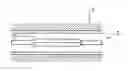
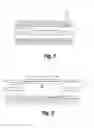


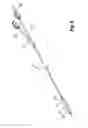
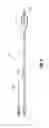
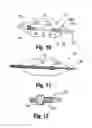
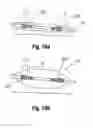


Sources:
- United States Patent and Trademark Office - verify current appl. status at the USPTO↗
Recent applications in this class:
- » 20250170374 2025-05-29
DEVICES, SYSTEMS AND METHODS FOR INTRALUMINAL LOCAL DRUG DELIVERY - » 20250170373 2025-05-29
GALLBLADDER DEFUNCTIONALIZATION DEVICES AND METHODS - » 20250161636 2025-05-22
BALLOON CATHETER - » 20250152922 2025-05-15
BALLOON CATHETER - » 20250144378 2025-05-08
METHOD AND APPARATUS FOR TREATING GENITOURINARY PROBLEMS - » 20250144377 2025-05-08
MEDICAL INFUSION METHODS AND SYSTEMS - » 20250135164 2025-05-01
Controlled Release Of A Hydrophilic Agent From A Coated Surface - » 20250108194 2025-04-03
SELF-EXPANDABLE DRUG TRANSFER DEVICE - » 20250099723 2025-03-27
ENDOVASCULAR DEVICES AND METHODS FOR EXPLOITING INTRAMURAL SPACE - » 20250099722 2025-03-27
CATHETER BALLOON