METHOD FOR ASSESSING RISK OF IMPRINTING DISORDER
US20150167083A1
2015-06-18
14/400,599
2012-05-16
Abstract:
The present invention provides a method for assessing the risk that the progeny of a subject would develop an imprinting disorder, which comprises extracting genomic DNA from sperm collected from the subject, and measuring the methylation level of a CpG sequence comprised in the differentially methylation region of one or more maternally imprinted genes selected from the group consisting of DIRAS3, NAP1L5, FAM50B, GRB10, INPP5Fv2, RB1, ZNF597, ZNF331, PSIMCT-1, NNAT, L3MBTL, NESPAS, and GNAS1A, in the genomic DNA. According to the present invention, it becomes possible to safely and accurately assess the risk that the progeny of a subject would develop an imprinting disorder, using sperm collected from the subject.
Interested in similar patents?
Get notified when new applications in this technology area are published.
Classification:
C12Q1/6883 » CPC main
Measuring or testing processes involving enzymes, nucleic acids or microorganisms ; Compositions therefor; Processes of preparing such compositions involving nucleic acids; Nucleic acid products used in the analysis of nucleic acids, e.g. primers or probes for diseases caused by alterations of genetic material
C12Q2600/154 » CPC further
Oligonucleotides characterized by their use Methylation markers
C12Q1/68 IPC
Measuring or testing processes involving enzymes, nucleic acids or microorganisms ; Compositions therefor; Processes of preparing such compositions involving nucleic acids
Description
TECHNICAL FIELD
The present invention relates to a method for assessing the risk that the progeny of a subject would develop an imprinting disorder and a test kit for assessing the risk that the progeny of a subject would develop an imprinting disorder.
BACKGROUND ART
Assisted Reproductive Technology (ART), such as in vitro fertilization or micro fertilization, is an important treatment method for patients with infertility. However, in recent years, it has been reported that children who were born as a result of the ART would have a perinatal complication in newborn babies, such as congenital abnormality or low-birth-weight newborn, at a high frequency. In particular, it has been revealed that the frequency of development of imprinting disorders (imprinting diseases), such as Beckwith-Wiedemann syndrome (BWS) or Angelman syndrome (AS), is significantly increased as a result of the ART (Non-patent Document 1).
Genomic imprinting (genetic imprinting) is a phenomenon whereby allele-specific expression is observed in specific genes such that only a gene on one allele derived from one parent (father or mother) selectively functions and a gene on the other allele does not function. In the case of a gene that is subjected to genomic imprinting (imprinted gene), only one of two alleles (allelic genes), which is derived from a specific parent, is expressed. It has been made clear that such a uniparental expression of the imprinted gene is deeply associated with the methylation of cytosine in a CpG sequence comprised in a differentially methylation region (DMR). Since many DMRs are present in the promoter region, intron, and the like of an imprinted gene, it is considered that the imprinted gene is not expressed in an allele in which DMR is methylated, and that the imprinted gene is expressed in an allele in which DMR is not methylated.
The differentially methylated state of DMR of the imprinted gene is once reset in primordial germ cells (deletion of imprinting), and thereafter, the imprinting of each imprinted gene is established again in a sex-specific manner in the process of gametogenesis and/or maturation. A maternally imprinted gene (a gene in which only a mother-derived allele is methylated and inactivated) is methylated only in egg and is not methylated in sperm. On the other hand, a paternally imprinted gene (a gene in which only a father-derived allele is methylated and inactivated) is methylated only in sperm and is not methylated in egg. Imprinting (sex-specific methylated state) established in each of egg and sperm is stably maintained without receiving the influence of reprogramming (demethylation of the entire genome) that occurs at the initial stage of implantation after completion of the fertilization.
Studies have been actively conducted regarding imprinted genes, and many study papers have been reported. Lists of imprinted genes derived from various organisms are available from various academic websites, such as the website of the Mammalian Genetics Unit (MRC) (U.K.) (http://www.mgu.har.mrc.ac.uk/research/imprinting/imprin-viewdatagenes.html) or the website of University of Otago (New Zealand) (http://igc.otago.ac.nz/Search.html). For example, Non-patent Document 2 discloses that human ZDBF2 is one of paternally imprinted genes. Although there are only a limited number of reports regarding regulation of the methylation of imprinted genes during the process of gametogenesis and/or embryogenesis, it has been revealed that a maternally imprinted gene, SNRPN, is demethylated (Non-patent Document 3), and a paternally imprinted gene, H19, is methylated (Non-patent Documents 4 and 5), before these genes enter a meiosis process in a normal spermatogenesis process. Moreover, Non-patent Document 6 reports that the abnormal methylation of an imprinted gene in DMR is associated with various diseases including imprinting disorder as a typical example, abnormal development, malignant tumor, and the like.
Furthermore, as a result of previous studies, it has become clear that imprinted genes play an important role in the growth of newborn babies or the regulation of development. For instance, DMR, which exists from the promoter to exon 1 and intron 1 of a PEG1 gene in humans and mice, is not generally methylated in a paternal allele. It has been reported that if such a paternal allele is methylated and inactivated, it would cause an increase in the growth retardation or death of a fetus. Further, Non-patent Document 5 states that the imprinting abnormality of H19 is observed in the sperm of patients with oligozoospermia or a limited number of patients with infertility who have normal sperm. However, there is also a report stating that the methylation of an imprinted gene in the sperm of a patient with male infertility has been normal (Non-patent Document 7), and further, there is another report stating that excessive induction of ovulation in ART has an influence on the methylation of specific imprinted genes (Non-patent Document 8). Hence, the correlation of imprinted genes and male infertility has not yet been elucidated sufficiently.
Patent Document 1 discloses a method of detecting abnormal methylation in the DMR of maternally imprinted genes (PEG1, LIT1, ZAC, PEGS and SNRPN) and paternally imprinted gene (H19 and GTL2) in the sperm of a patient with infertility, so as to determine the risk of developing imprinting disorder in the aforementioned sperm. In addition, Patent Document 2 discloses a method for examining imprinting disorder, which comprises detecting abnormal methylation in a paternally imprinted gene ZDBF2 in the sperm of a patient with infertility or cancer tissues. However, there are still many unclear points regarding the mechanism of developing imprinting disorder, and it is considered that many other genes would be associated with imprinting disorder.
PRIOR ART DOCUMENTS
Patent Documents
- Patent Document 1: Japanese unexamined Patent Application Publication No. 2009-165409
- Patent Document 2: Japanese unexamined Patent Application Publication No. 2011-239750
Non-patent Documents
- Non-patent Document 1: Ogata T. and Kagami M. J. Mamm. Ova. Res. Vol. (2006) 23, 158-162
- Non-patent Document 2: Kobayashi H., et al., Genomics (2009) 93: 461-472
- Non-patent Document 3: Manning M., et al, Urol. Int. (2001) 67: 151-155
- Non-patent Document 4: Kerjean A., et al., Hum. Mol. Genet. (2000) 9: 2183-2187
- Non-patent Document 5: Marques C. J., et al., Lancet (2004) 363: 1700-1702
- Non-patent Document 6: Paulsen M. and Ferguson-Smith A. C., J. Pathol. (2001) 195: 97-110
- Non-patent Document 7: Hartmann S., et al., Mol. Hum. Reprod. (2006) 12: 407-411
- Non-patent Document 8: Sato A., et al., Hum. Reprod. (2007) 22: 26-35
SUMMARY OF THE INVENTION
Object to be Solved by the Invention
It is an object of the present invention to identify a novel differentially methylation region associated with the development of an imprinting disorder, and to provide a method for assessing the risk that the progeny of a subject would develop an imprinting disorder, in which the methylation level of the aforementioned differentially methylation region in the genomic DNA of the sperm of a subject is used as an indicator.
Means to Solve the Object
The present inventor has first extracted genomic DNA from sperm and blood derived from 20 normal individuals, and has analyzed the methylated state of the differentially methylation region of each of DIRAS3, NAP1L5, FAM50B, GRB10, INPP5Fv2, RB1, ZNF597, ZNF331, PSIMCT-1, NNAT, L3MBTL, NESPAS, and GNAS1A. As a result, it was found that almost 100% methylated alleles and almost 100% demethylated alleles are present at a ratio of 1:1 in all of the differentially methylation regions in the case of the genomic DNA of blood, and that highly methylated alleles are not present and almost 100% demethylated alleles are only present therein in the case of the genomic DNA of sperm. From these results, it was demonstrated that DIRAS3, NAP1L5, FAM50B, GRB10, INPP5Fv2, RB1, ZNF597, ZNF331, PSIMCT-1, NNAT, L3MBTL, NESPAS, and GNAS1A are maternally imprinted genes in which only the paternal allele genes function and the maternal allele genes do not function, in normal individuals.
Moreover, from the aforementioned results, it is considered that if the differentially methylation region of the aforementioned maternally imprinted genes is highly methylated in the genomic DNA of sperm, a child derived from the sperm would develop an imprinting disorder, since the paternal allele genes, which should originally function, cannot function. Thus, in order to examine the correlation of abnormal methylation in the differentially methylation region of the aforementioned maternally imprinted genes and an imprinting disorder, the present inventor has extracted genomic DNA from blood derived from patients with Silver-Russell syndrome (SRS) and patients with Beckwith-Wiedemann syndrome (BWS), and has then analyzed the methylated state of the differentially methylation region of each of DIRAS3, NAP1L5, FAM50B, GRB10, INPP5Fv2, RB1, ZNF597, ZNF331, PSIMCT-1, NNAT, L3MBTL, NESPAS, and GNAS1A. As a consequence, it became clear that the abnormal methylation of GRB10, ZNF597, INPP5Fv2, ZNF331, and FAM50B was observed in SRS patients, and also that the abnormal methylation of ZNF331 was observed in BWS patients. From these results, it was strongly suggested that abnormal methylation in the differentially methylation region of the aforementioned maternally imprinted genes would be associated with the development of an imprinting disorder.
As described above, the present inventor has found for the first time that DIRAS3, NAP1L5, FAM50B, GRB10, INPP5Fv2, RB1, ZNF597, ZNF331, PSIMCT-1, NNAT, L3MBTL, NESPAS, and GNAS1A are maternally imprinted genes, and that abnormal methylation in the differentially methylation region of each of these genes is associated with the development of an imprinting disorder, thereby completing the present invention.
Specifically, the present invention relates to
[1] a method for assessing the risk that the progeny of a subject would develop an imprinting disorder, which comprises the following steps (a) and (b):
(a) a step of extracting genomic DNA from sperm collected from the subject; and
(b) a step of measuring the methylation level of cytosine residues in a CpG sequence comprised in the differentially methylation region of one or more maternally imprinted genes selected from the group consisting of DIRAS3, NAP1L5, FAM50B, GRB10, INPP5Fv2, RB1, ZNF597, ZNF331, PSIMCT-1, NNAT, L3MBTL, NESPAS, and GNAS1A, in the genomic DNA extracted in the step (a);
[2] the method according to the above [1], wherein the differentially methylation region of DIRAS3 is a region at positions 1849-2197 (SEQ ID NO: 1) in the nucleotide sequence of human chromosome 1 registered under GenBank Accession No. AF202543.1 (date of update: Aug. 13, 2001);
[3] the method according to the above [1] or [2], wherein the CpG sequence comprised in the differentially methylation region of DIRAS3 is one or more CpG sequences selected from the CpG sequences at positions 1873-1874, 1893-1894, 1900-1901, 1902-1903, 1905-1906, 1912-1913, 1947-1948, 1954-1955, 1960-1961, 1991-1992, 1997-1998, 2004-2005, 2014-2015, 2021-2022, 2034-2035, 2036-2037, 2072-2073, 2074-2075, 2086-2087, 2093-2094, 2120-2121, 2128-2129, and 2150-2151, in the nucleotide sequence of human chromosome 1 registered under GenBank Accession No. AF202543.1 (date of update: Aug. 13, 2001);
[4] the method according to any one of the above [1] to [3], wherein the differentially methylation region of NAP1L5 is a region at positions 35225-35572 (SEQ ID NO: 2) in the nucleotide sequence of human chromosome 4 registered under GenBank Accession No. AC108065.3 (date of update: May 24, 2002);
[5] the method according to any one of the above [1] to [4], wherein the CpG sequence comprised in the differentially methylation region of NAP1L5 is one or more CpG sequences selected from the CpG sequences at positions 35258-35259, 35260-35261, 35279-35280, 35281-35282, 35303-35304, 35308-35309, 35315-35316, 35333-35334, 35342-35343, 35345-35346, 35354-35355, 35369-35370, 35387-35388, 35392-35393, 35413-35414, 35435-35436, 35452-35453, 35475-35476, 35481-35482, 35491-35492, 35497-35498, 35501-35502, 35505-35506, 35507-35508, 35516-35517, 35523-35524, 35525-35526, 35531-35532, 35544-35545, and 35546-35547, in the nucleotide sequence of human chromosome 4 registered under GenBank Accession No. AC108065.3 (date of update: May 24, 2002);
[6] the method according to any one of the above [1] to [4], wherein, in the differentially methylation region of NAP1L5, when the thymine residue at position 35330 in the nucleotide sequence of human chromosome 4 registered under GenBank Accession No. AC108065.3 (date of update: May 24, 2002) is mutated to an cytosine residue, the CpG sequence comprised in the differentially methylation region of NAP1L5 is one or more CpG sequences selected from the CpG sequences at positions 35258-35259, 35260-35261, 35279-35280, 35281-35282, 35303-35304, 35308-35309, 35315-35316, 35329-35330, 35333-35334, 35342-35343, 35345-35346, 35354-35355, 35369-35370, 35387-35388, 35392-35393, 35413-35414, 35435-35436, 35452-35453, 35475-35476, 35481-35482, 35491-35492, 35497-35498, 35501-35502, 35505-35506, 35507-35508, 35516-35517, 35523-35524, 35525-35526, 35531-35532, 35544-35545, and 35546-35547 in the nucleotide sequence of human chromosome 4 registered under GenBank Accession No. AC108065.3 (date of update: May 24, 2002);
[7] the method according to any one of the above [1] to [6], wherein the differentially methylation region of FAM50B is a region at positions 350-683 (SEQ ID NO: 3) in the nucleotide sequence of human chromosome 6 registered under GenBank Accession No. Y18504.1 (date of update: Nov. 14, 2006);
[8] the method according to any one of the above [1] to [7], wherein the CpG sequence comprised in the differentially methylation region of FAM50B is one or more CpG sequences selected from the CpG sequences at positions 379-380, 384-385, 401-402, 419-420, 434-435, 438-439, 457-458, 471-472, 488-489, 498-499, 518-519, 539-540, 541-542, 549-550, 565-566, 582-583, 601-602, 609-610, 619-620, 643-644, and 649-650, in the nucleotide sequence of human chromosome 6 registered under GenBank Accession No. Y18504.1 (date of update: Nov. 14, 2006);
[9] the method according to any one of the above [1] to [8], wherein the differentially methylation region of GRB10 is a region at positions 42226-42470 (SEQ ID NO: 4) in the nucleotide sequence of human chromosome 7 registered under GenBank Accession No. AC004920.2 (date of update: Oct. 15, 2003);
[10] the method according to any one of the above [1] to [9], wherein the CpG sequence comprised in the differentially methylation region of GRB10 is one or more CpG sequences selected from the CpG sequences at positions 42251-42252, 42256-42257, 42264-42265, 42273-42274, 42275-42276, 42277-42278, 42284-42285, 42288-42289, 42290-42291, 42298-42299, 42305-42306, 42313-42314, 42316-42317, 42328-42329, 42335-42336, 42339-42340, 42353-42354, 42355-42356, 42361-42362, 42365-42366, 42369-42370, 42375-42376, 42388-42389, 42399-42400, 42409-42410, 42421-42422, 42423-42424, 42429-42430, 42436-42437, and 42440-42441, in the nucleotide sequence of human chromosome 7 registered under GenBank Accession No. AC004920.2 (date of update: Oct. 15, 2003);
[11] the method according to any one of the above [1] to [6], wherein the differentially methylation region of INPP5Fv2 is a region at positions 22533-22735 (SEQ ID NO: 5) in the nucleotide sequence of human chromosome 10 registered under GenBank Accession No. AL133461.10 (date of update: Jan. 13, 2009);
[12] the method according to any one of the above [1] to [11], wherein the CpG sequence comprised in the differentially methylation region of INPP5Fv2 is one or more CpG sequences selected from the CpG sequences at positions 22556-22557, 22564-22565, 22567-22568, 22571-22572, 22579-22580, 22583-22584, 22595-22596, 22601-22602, 22603-22604, 22619-22620, 22626-22627, 22628-22629, 22633-22634, 22647-22648, 22656-22657, and 22674-22675, in the nucleotide sequence of human chromosome 10 registered under GenBank Accession No. AL133461.10 (date of update: Jan. 13, 2009);
[13] the method according to any one of the above [1] to [12], wherein the differentially methylation region of RB1 is a region at positions 30347-30587 (SEQ ID NO: 6) in the nucleotide sequence of human chromosome 13 registered under GenBank Accession No. AL392048.9 (date of update: Jan. 13, 2009);
[14] the method according to any one of the above [1] to [13], wherein the CpG sequence comprised in the differentially methylation region of RB1 is one or more CpG sequences selected from the CpG sequences at positions 30370-30371, 30403-30404, 30426-30427, 30443-30444, 30452-30453, 30455-30456, 30464-30465, 30476-30477, 30479-30480, 30487-30488, 30497-30498, 30514-30515, and 30558-30559, in the nucleotide sequence of human chromosome 13 registered under GenBank Accession No. AL392048.9 (date of update: Jan. 13, 2009);
[15] the method according to any one of the above [1] to [14], wherein the differentially methylation region of ZNF597 is a region at positions 140956-141209 (SEQ ID NO: 7) in the nucleotide sequence of human chromosome 16 registered under GenBank Accession No. AC025283.6 (date of update: Sep. 5, 2002);
[16] the method according to any one of the above [1] to [15], wherein the CpG sequence comprised in the differentially methylation region of ZNF597 is one or more CpG sequences selected from the CpG sequences at positions 140981-140982, 140984-140985, 140988-140989, 140992-140993, 140997-140998, 140999-141000, 141002-141003, 141009-141010, 141014-141015, 141034-141035, 141052-141053, 141063-141064, 141073-141074, 141076-141077, 141082-141083, 141087-141088, 141103-141104, 141126-141127, 141137-141138, and 141183-141184, in the nucleotide sequence of human chromosome 16 registered under GenBank Accession No. AC025283.6 (date of update: Sep. 5, 2002);
[17] the method according to any one of the above [1] to [15], wherein, in the differentially methylation region of ZNF597, when the guanine residue at position 141064 in the nucleotide sequence of human chromosome 16 registered under GenBank Accession No. AC025283.6 (date of update: Sep. 5, 2002) is mutated to an adenine residue, the CpG sequence comprised in the differentially methylation region of ZNF597 is one or more CpG sequences selected from the CpG sequences at positions 140981-140982, 140984-140985, 140988-140989, 140992-140993, 140997-140998, 140999-141000, 141002-141003, 141009-141010, 141014-141015, 141034-141035, 141052-141053, 141073-141074, 141076-141077, 141082-141083, 141087-141088, 141103-141104, 141126-141127, 141137-141138, and 141183-141184 in the nucleotide sequence of human chromosome 16 registered under GenBank Accession No. AC025283.6 (date of update: Sep. 5, 2002);
[18] the method according to any one of the above [1] to [17], wherein the differentially methylation region of ZNF331 is a region at positions 106090-106360 (SEQ ID NO: 8) in the nucleotide sequence of human chromosome 19 registered under GenBank Accession No. AC011487.5 (date of update: Feb. 28, 2001); and
[19] the method according to any one of the above [1] to [18], wherein the CpG sequence comprised in the differentially methylation region of ZNF331 is one or more CpG sequences selected from the CpG sequences at positions 106115-106116, 106117-106118, 106123-106124, 106127-106128, 106129-106130, 106138-106139, 106142-106143, 106147-106148, 106149-106150, 106168-106169, 106173-106174, 106197-106198, 106207-106208, 106220-106221, 106225-106226, 106235-106236, 106249-106250, 106259-106260, 106275-106276, 106285-106286, 106303-106304, 106307-106308, 106313-106314, 106317-106318, 106328-106329, and 106333-106334, in the nucleotide sequence of human chromosome 19 registered under GenBank Accession No. AC011487.5 (date of update: Feb. 28, 2001).
Moreover, the present invention relates to
[20] the method according to any one of the above [1] to [18], wherein, in the differentially methylation region of ZNF331, when the cytosine residue at position 106235 in the nucleotide sequence of human chromosome 19 registered under GenBank Accession No. AC011487.5 (date of update: Feb. 28, 2001) is mutated to a thymine residue, the CpG sequence comprised in the differentially methylation region of ZNF331 is one or more CpG sequences selected from the CpG sequences at positions 106115-106116, 106117-106118, 106123-106124, 106127-106128, 106129-106130, 106138-106139, 106142-106143, 106147-106148, 106149-106150, 106168-106169, 106173-106174, 106197-106198, 106207-106208, 106220-106221, 106225-106226, 106249-106250, 106259-106260, 106275-106276, 106285-106286, 106303-106304, 106307-106308, 106313-106314, 106317-106318, 106328-106329, and 106333-106334 in the nucleotide sequence of human chromosome 19 registered under GenBank Accession No. AC011487.5 (date of update: Feb. 28, 2001);
[21] the method according to any one of the above [1] to [20], wherein the differentially methylation region of PSIMCT-1 is a region at positions 20820-21147 (SEQ ID NO: 9) in the nucleotide sequence of human chromosome 20 registered under GenBank Accession No. AL110115.38 (date of update: Jan. 13, 2009);
[22] the method according to any one of the above [1] to [21], wherein the CpG sequence comprised in the differentially methylation region of PSIMCT-1 is one or more CpG sequences selected from the CpG sequences at positions 20844-20845, 20872-20873, 20883-20884, 20892-20893, 20898-20899, 20903-20904, 20908-20909, 20919-20920, 20939-20940, 20944-20945, 20951-20952, 20953-20954, 20972-20973, 20979-20980, 20985-20986, 20995-20996, 21007-21008, 21009-21010, 21014-21015, 21018-21019, 21020-21021, 21023-21024, 21047-21048, 21064-21065, 21082-21083, and 21086-21087, in the nucleotide sequence of human chromosome 20 registered under GenBank Accession No. AL110115.38 (date of update: Jan. 13, 2009);
[23] the method according to any one of the above [1] to [22], wherein the differentially methylation region of NNAT is a region at positions 61633-61902 (SEQ ID NO: 10) in the nucleotide sequence of human chromosome 20 registered under GenBank Accession No. AL109614.28 (date of update: Jan. 13, 2009);
[24] the method according to any one of claims [1] to [23], wherein the CpG sequence comprised in the differentially methylation region of NNAT is one or more CpG sequences selected from the CpG sequences at positions 61659-61660, 61666-61667, 61708-61709, 61719-61720, 61757-61758, 61759-61760, 61765-61766, 61778-61779, 61782-61783, 61795-61796, 61797-61798, 61804-61805, 61806-61807, 61812-61813, 61820-61821, 61830-61831, 61837-61838, 61846-61847, 61853-61854, and 61870-61871, in the nucleotide sequence of human chromosome 20 registered under GenBank Accession No. AL109614.28 (date of update: Jan. 13, 2009);
[25] the method according to any one of the above [1] to [24], wherein the differentially methylation region of L3MBTL is a region at positions 161428-161758 (SEQ ID NO: 11) in the nucleotide sequence of human chromosome 20 registered under GenBank Accession No. AL031681.16 (date of update: Jan. 13, 2009);
[26] the method according to any one of the above [1] to [25], wherein the CpG sequence comprised in the differentially methylation region of L3MBTL is one or more CpG sequences selected from the CpG sequences at positions 161454-161455, 161480-161481, 161497-161498, 161517-161518, 161523-161524, 161541-161542, 161545-161546, 161552-161553, 161571-161572, 161573-161574, 161584-161585, 161592-161593, 161603-161604, 161615-161616, 161633-161634, 161640-161641, 161647-161648, 161658-161659, 161664-161665, 161670-161671, 161679-161680, 161687-161688, 161690-161691, 161700-161701, 161705-161706, 161720-161721, and 161733-161734, in the nucleotide sequence of human chromosome 20 registered under GenBank Accession No. AL031681.16 (date of update: Jan. 13, 2009);
[27] the method according to any one of the above [1] to [26], wherein the differentially methylation region of NESPAS is a region at positions 12577-12888 (SEQ ID NO: 12) in the nucleotide sequence of human chromosome 20 registered under GenBank Accession No. AJ251760.1 (date of update: Nov. 14, 2006);
[28] the method according to any one of the above [1] to [27], wherein the CpG sequence comprised in the differentially methylation region of NESPAS is one or more CpG sequences selected from the CpG sequences at positions 12615-12616, 12620-12621, 12624-12625, 12631-12632, 12639-12640, 12646-12647, 12659-12660, 12666-12667, 12668-12669, 12670-12671, 12699-12700, 12706-12707, 12719-12720, 12735-12736, 12792-12793, 12806-12807, 12828-12829, 12835-12836, 12859-12860, and 12862-12863, in the nucleotide sequence of human chromosome 20 registered under GenBank Accession No. AJ251760.1 (date of update: Nov. 14, 2006);
[29] the method according to any one of the above [1] to [28], wherein the differentially methylation region of GNAS1A is a region at positions 1698-1933 (SEQ ID NO: 13) in the nucleotide sequence of human chromosome 20 registered under GenBank Accession No. AF246983.1 (date of update: Nov. 20, 2000);
[30] the method according to any one of the above [1] to [29], wherein the CpG sequence comprised in the differentially methylation region of GNAS1A is one or more CpG sequences selected from the CpG sequences at positions 1727-1728, 1734-1735, 1737-1738, 1747-1748, 1749-1750, 1757-1758, 1762-1763, 1766-1767, 1769-1770, 1782-1783, 1785-1786, 1791-1792, 1807-1808, 1811-1812, 1815-1816, 1818-1819, 1831-1832, 1836-1837, 1842-1843, 1883-1884, and 1908-1909, in the nucleotide sequence of human chromosome 20 registered under GenBank Accession No. AF246983.1 (date of update: Nov. 20, 2000);
[31] the method according to any one of the above [1] to [30], wherein the imprinting disorder is Russell-Silver syndrome or Beckwith-Wiedemann syndrome;
[32] the method according to any one of the above [1] to [31], wherein the subject is a patient with male infertility;
[33] the method according to any one of the above [1] to [32], wherein, in the step (b), the methylation level is measured by a bisulfite sequence method;
[34] the method according to the above [33], wherein the bisulfite sequence method uses one or more primer sets selected from the following i) to xiii):
i) a primer set for amplifying the differentially methylation region of DIRAS3, which consists of the nucleotide sequences shown in SEQ ID NOS: 14 and 15;
ii) a primer set for amplifying the differentially methylation region of NAP1L5, which consists of the nucleotide sequences shown in SEQ ID NOS: 16 and 17;
iii) a primer set for amplifying the differentially methylation region of FAM50B, which consists of the nucleotide sequences shown in SEQ ID NOS: 18 and 19;
iv) a primer set for amplifying the differentially methylation region of GRB10, which consists of the nucleotide sequences shown in SEQ ID NOS: 20 and 21;
v) a primer set for amplifying the differentially methylation region of INPP5Fv2, which consists of the nucleotide sequences shown in SEQ ID NOS: 22 and 23;
vi) a primer set for amplifying the differentially methylation region of RB1, which consists of the nucleotide sequences shown in SEQ ID NOS: 24 and 25;
vii) a primer set for amplifying the differentially methylation region of ZNF597, which consists of the nucleotide sequences shown in SEQ ID NOS: 26 and 27;
viii) a primer set for amplifying the differentially methylation region of ZNF331, which consists of the nucleotide sequences shown in SEQ ID NOS: 28 and 29;
ix) a primer set for amplifying the differentially methylation region of PSIMCT-1, which consists of the nucleotide sequences shown in SEQ ID NOS: 30 and 31;
x) a primer set for amplifying the differentially methylation region of NNAT, which consists of the nucleotide sequences shown in SEQ ID NOS: 32 and 33;
xi) a primer set for amplifying the differentially methylation region of L3MBTL, which consists of the nucleotide sequences shown in SEQ ID NOS: 34 and 35;
xii) a primer set for amplifying the differentially methylation region of NESPAS, which consists of the nucleotide sequences shown in SEQ ID NOS: 36 and 37; and
xiii) a primer set for amplifying the differentially methylation region of GNAS1A, which consists of the nucleotide sequences shown in SEQ ID NOS: 38 and 39;
[35] a test kit for assessing the risk that the progeny of a subject would develop an imprinting disorder, wherein the test kit comprises one or more primer sets selected from the following i) to xiii):
i) a primer set for amplifying the differentially methylation region of DIRAS3, which consists of the nucleotide sequences shown in SEQ ID NOS: 14 and 15;
ii) a primer set for amplifying the differentially methylation region of NAP1L5, which consists of the nucleotide sequences shown in SEQ ID NOS: 16 and 17;
iii) a primer set for amplifying the differentially methylation region of FAM50B, which consists of the nucleotide sequences shown in SEQ ID NOS: 18 and 19;
iv) a primer set for amplifying the differentially methylation region of GRB10, which consists of the nucleotide sequences shown in SEQ ID NOS: 20 and 21;
v) a primer set for amplifying the differentially methylation region of INPP5Fv2, which consists of the nucleotide sequences shown in SEQ ID NOS: 22 and 23;
vi) a primer set for amplifying the differentially methylation region of RB1, which consists of the nucleotide sequences shown in SEQ ID NOS: 24 and 25;
vii) a primer set for amplifying the differentially methylation region of ZNF597, which consists of the nucleotide sequences shown in SEQ ID NOS: 26 and 27;
viii) a primer set for amplifying the differentially methylation region of ZNF331, which consists of the nucleotide sequences shown in SEQ ID NOS: 28 and 29;
ix) a primer set for amplifying the differentially methylation region of PSIMCT-1, which consists of the nucleotide sequences shown in SEQ ID NOS: 30 and 31;
x) a primer set for amplifying the differentially methylation region of NNAT, which consists of the nucleotide sequences shown in SEQ ID NOS: 32 and 33;
xi) a primer set for amplifying the differentially methylation region of L3MBTL, which consists of the nucleotide sequences shown in SEQ ID NOS: 34 and 35;
xii) a primer set for amplifying the differentially methylation region of NESPAS, which consists of the nucleotide sequences shown in SEQ ID NOS: 36 and 37; and xiii) a primer set for amplifying the differentially methylation region of GNAS1A, which consists of the nucleotide sequences shown in SEQ ID NOS: 38 and 39.
Effect of the Invention
According to the present invention, it becomes possible to safely and accurately assess the risk that the progeny of a subject would develop an imprinting disorder, using sperm collected from the subject.
BRIEF DESCRIPTION OF DRAWINGS
FIG. 1 is a view showing the results obtained by analyzing the methylated state of the differentially methylation region of ZDBF2 and the methylated state of the differentially methylation region in genomic DNA derived from blood and sperm collected from normal individuals. In the figure, the symbol “∘” indicates a non-methylated CpG sequence, and the symbol “” indicates a methylated CpG sequence.
FIG. 2 is a view showing the results obtained by analyzing the methylated state of the differentially methylation region of H19 and the methylated state of the differentially methylation region in genomic DNA derived from blood and sperm collected from normal individuals. In the upper figure, the symbol “C/A” indicates a single nucleotide polymorphism site, and in the lower figure, the symbol “∘” indicates a non-methylated CpG sequence and the symbol “” indicates a methylated CpG sequence.
FIG. 3 is a view showing the results obtained by analyzing the methylated state of the differentially methylation region of GTL2 and the methylated state of the differentially methylation region in genomic DNA derived from blood and sperm collected from normal individuals. In the upper figure, the symbol “A/G” indicates a single nucleotide polymorphism site, and in the lower figure, the symbol “∘” indicates a non-methylated CpG sequence and the symbol “” indicates a methylated CpG sequence.
FIG. 4 is a view showing the results obtained by analyzing the methylated state of the differentially methylation region of DIRAS3 and the methylated state of the differentially methylation region in genomic DNA derived from blood and sperm collected from normal individuals. In the upper figure, the symbol “G/A” indicates a single nucleotide polymorphism site. Since FIG. 4 shows the analysis of a sequence complementary to a DNA sequence corresponding to positions 1849-2197 of GenBank Accession No. AF202543.1, a single nucleotide polymorphism of “C/T” at position 1979 is indicated as “G/A.” In addition, in the lower figure, the symbol “∘” indicates a non-methylated CpG sequence, and the symbol “” indicates a methylated CpG sequence.
FIG. 5 is a view showing the results obtained by analyzing the methylated state of the differentially methylation region of NAP1L5 and the methylated state of the differentially methylation region in genomic DNA derived from blood and sperm collected from normal individuals. In the upper figure, the symbol “A/G” indicates a single nucleotide polymorphism site. Since FIG. 5 shows the analysis of a sequence complementary to a DNA sequence corresponding to positions 35225-35572 of GenBank Accession No. AC108065.3, a single nucleotide polymorphism of “T/C” at position 35330 is indicated as “A/G.” In addition, in the lower figure, the symbol “∘” indicates a non-methylated CpG sequence, and the symbol “” indicates a methylated CpG sequence.
FIG. 6 is a view showing the results obtained by analyzing the methylated state of the differentially methylation region of FAM50B and the methylated state of the differentially methylation region in genomic DNA derived from blood and sperm collected from normal individuals. In the upper figure, the symbol “A/G” indicates a single nucleotide polymorphism site. In addition, in the lower figure, the symbol “∘” indicates a non-methylated CpG sequence, and the symbol “” indicates a methylated CpG sequence.
FIG. 7 is a view showing the results obtained by analyzing the methylated state of the differentially methylation region of ZAC and the methylated state of the differentially methylation region in genomic DNA derived from blood and sperm collected from normal individuals. In the lower figure, the symbol “∘” indicates a non-methylated CpG sequence, and the symbol “” indicates a methylated CpG sequence.
FIG. 8 is a view showing the results obtained by analyzing the methylated state of the differentially methylation region of GRB10 and the methylated state of the differentially methylation region in genomic DNA derived from blood and sperm collected from normal individuals. In the upper figure, the symbol “G/A” indicates a single nucleotide polymorphism site. In addition, in the lower figure, the symbol “∘” indicates a non-methylated CpG sequence, and the symbol “” indicates a methylated CpG sequence.
FIG. 9 is a view showing the results obtained by analyzing the methylated state of the differentially methylation region of PEG10 and the methylated state of the differentially methylation region in genomic DNA derived from blood and sperm collected from normal individuals. In the lower figure, the symbol “∘” indicates a non-methylated CpG sequence, and the symbol “” indicates a methylated CpG sequence.
FIG. 10 is a view showing the results obtained by analyzing the methylated state of the differentially methylation region of PEG1 and the methylated state of the differentially methylation region in genomic DNA derived from blood and sperm collected from normal individuals. In the upper figure, the symbol “A/G” indicates a single nucleotide polymorphism site. In addition, in the lower figure, the symbol “∘” indicates a non-methylated CpG sequence, and the symbol “” indicates a methylated CpG sequence.
FIG. 11 is a view showing the results obtained by analyzing the methylated state of the differentially methylation region of INPP5Fv2 and the methylated state of the differentially methylation region in genomic DNA derived from blood and sperm collected from normal individuals. In the lower figure, the symbol “∘” indicates a non-methylated CpG sequence, and the symbol “” indicates a methylated CpG sequence.
FIG. 12 is a view showing the results obtained by analyzing the methylated state of the differentially methylation region of LIT1 and the methylated state of the differentially methylation region in genomic DNA derived from blood and sperm collected from normal individuals. In the lower figure, the symbol “∘” indicates a non-methylated CpG sequence, and the symbol “” indicates a methylated CpG sequence.
FIG. 13 is a view showing the results obtained by analyzing the methylated state of the differentially methylation region of RB1 and the methylated state of the differentially methylation region in genomic DNA derived from blood and sperm collected from normal individuals. In the upper figure, the symbol “T/G” indicates a single nucleotide polymorphism site. In addition, in the lower figure, the symbol “∘” indicates a non-methylated CpG sequence, and the symbol “” indicates a methylated CpG sequence.
FIG. 14 is a view showing the results obtained by analyzing the methylated state of the differentially methylation region of SNRPN and the methylated state of the differentially methylation region in genomic DNA derived from blood and sperm collected from normal individuals. In the upper figure, the symbols “A/G” and “C/T” each indicate a single nucleotide polymorphism site. In addition, in the lower figure, the symbol “∘” indicates a non-methylated CpG sequence, and the symbol “” indicates a methylated CpG sequence.
FIG. 15 is a view showing the results obtained by analyzing the methylated state of the differentially methylation region of ZNF597 and the methylated state of the differentially methylation region in genomic DNA derived from blood and sperm collected from normal individuals. In the upper figure, the symbol “G/A” indicates a single nucleotide polymorphism site. In addition, in the lower figure, the symbol “∘” indicates a non-methylated CpG sequence, and the symbol “” indicates a methylated CpG sequence.
FIG. 16 is a view showing the results obtained by analyzing the methylated state of the differentially methylation region of ZNF331 and the methylated state of the differentially methylation region in genomic DNA derived from blood and sperm collected from normal individuals. In the upper figure, the symbol “A/G” indicates a single nucleotide polymorphism site. Since FIG. 16 shows the analysis of a sequence complementary to a DNA sequence corresponding to positions 106360-106090 of GenBank Accession No. AC011487.5, a single nucleotide polymorphism of “C/T” at position 106235 is indicated as “G/A.” In addition, in the lower figure, the symbol “∘” indicates a non-methylated CpG sequence, and the symbol “” indicates a methylated CpG sequence.
FIG. 17 is a view showing the results obtained by analyzing the methylated state of the differentially methylation region of PEGS and the methylated state of the differentially methylation region in genomic DNA derived from blood and sperm collected from normal individuals. In the upper figure, the symbol “G/A” indicates a single nucleotide polymorphism site. In addition, in the lower figure, the symbol “∘” indicates a non-methylated CpG sequence, and the symbol “” indicates a methylated CpG sequence.
FIG. 18 is a view showing the results obtained by analyzing the methylated state of the differentially methylation region of PSIMCT-1 and the methylated state of the differentially methylation region in genomic DNA derived from blood and sperm collected from normal individuals. In the lower figure, the symbol “∘” indicates a non-methylated CpG sequence, and the symbol “” indicates a methylated CpG sequence.
FIG. 19 is a view showing the results obtained by analyzing the methylated state of the differentially methylation region of NNAT and the methylated state of the differentially methylation region in genomic DNA derived from blood and sperm collected from normal individuals. In the upper figure, the symbol “A/G” indicates a single nucleotide polymorphism site. In addition, in the lower figure, the symbol “∘” indicates a non-methylated CpG sequence, and the symbol “” indicates a methylated CpG sequence.
FIG. 20 is a view showing the results obtained by analyzing the methylated state of the differentially methylation region of L3MBTL and the methylated state of the differentially methylation region in genomic DNA derived from blood and sperm collected from normal individuals. In the lower figure, the symbol “∘” indicates a non-methylated CpG sequence, and the symbol “” indicates a methylated CpG sequence.
FIG. 21 is a view showing the results obtained by analyzing the methylated state of the differentially methylation region of NESPAS and the methylated state of the differentially methylation region in genomic DNA derived from blood and sperm collected from normal individuals. In the upper figure, the symbol “A/G” indicates a single nucleotide polymorphism site. In addition, in the lower figure, the symbol “∘” indicates a non-methylated CpG sequence, and the symbol “” indicates a methylated CpG sequence.
FIG. 22 is a view showing the results obtained by analyzing the methylated state of the differentially methylation region of GNAS1A and the methylated state of the differentially methylation region in genomic DNA derived from blood and sperm collected from normal individuals. In the upper figure, the symbol “T/G” indicates a single nucleotide polymorphism site. In addition, in the lower figure, the symbol “∘” indicates a non-methylated CpG sequence, and the symbol “” indicates a methylated CpG sequence.
FIG. 23 is a view showing the results obtained by analyzing the methylated state of the differentially methylation region of LINE-1 and the methylated state of the differentially methylation region in genomic DNA derived from blood and sperm collected from normal individuals. In the lower figure, the symbol “∘” indicates a non-methylated CpG sequence, and the symbol “” indicates a methylated CpG sequence.
FIG. 24 is a view showing the results obtained by analyzing the methylated state of the differentially methylation region of Alu and the methylated state of the differentially methylation region in genomic DNA derived from blood and sperm collected from normal individuals. In the lower figure, the symbol “∘” indicates a non-methylated CpG sequence, and the symbol “” indicates a methylated CpG sequence.
FIG. 25 is a view showing the results obtained by analyzing the methylated state of the differentially methylation region of each of H19, PEG1, PEG10, GRB10, and ZNF597 in genomic DNA derived from blood collected from SRS patients (case 1). In the figure, the symbol “∘” indicates a non-methylated CpG sequence, and the symbol “” indicates a methylated CpG sequence.
FIG. 26 is a view showing the results obtained by analyzing the methylated state of the differentially methylation region of H19 in genomic DNA derived from blood collected from SRS patients (case 2). In the figure, the symbol “∘” indicates a non-methylated CpG sequence, and the symbol “” indicates a methylated CpG sequence.
FIG. 27 is a view showing the results obtained by analyzing the methylated state of the differentially methylation region of each of H19 and PEG1 in genomic DNA derived from blood collected from SRS patients (case 3). In the figure, the symbol “∘” indicates a non-methylated CpG sequence, and the symbol “” indicates a methylated CpG sequence.
FIG. 28 is a view showing the results obtained by analyzing the methylated state of the differentially methylation region of each of H19 and GRB10 in genomic DNA derived from blood collected from SRS patients (case 4). In the figure, the symbol “∘” indicates a non-methylated CpG sequence, and the symbol “” indicates a methylated CpG sequence.
FIG. 29 is a view showing the results obtained by analyzing the methylated state of the differentially methylation region of each of H19 and INPP5FV2 in genomic DNA derived from blood collected from SRS patients (case 5). In the figure, the symbol “∘” indicates a non-methylated CpG sequence, and the symbol “” indicates a methylated CpG sequence.
FIG. 30 is a view showing the results obtained by analyzing the methylated state of the differentially methylation region of each of LIT1, ZDBF2, PEG1, and NESPAS in genomic DNA derived from blood collected from BWS patients (case 1). In the figure, the symbol “∘” indicates a non-methylated CpG sequence, and the symbol “” indicates a methylated CpG sequence.
MODE OF CARRYING OUT THE INVENTION
The method of the present invention for assessing the risk that the progeny of a subject would develop an imprinting disorder (hereinafter also referred to as “the evaluation method of the present invention”) is not particularly limited, as long as it is a method comprising the following steps (a) and (b) (however, excluding diagnostic action by a doctor): (a) a step of extracting genomic DNA from sperm collected from the subject; and (b) a step of measuring the methylation level of cytosine residues in a CpG sequence comprised in the differentially methylation region of one or more maternally imprinted genes selected from the group consisting of DIRAS3, NAP1L5, FAM50B, GRB10, INPP5Fv2, RB1, ZNF597, ZNF331, PSIMCT-1, NNAT, L3MBTL, NESPAS, and GNAS1A (wherein hereinafter this gene group may also be referred to as “the maternally imprinted gene group of the present invention”), in the genomic DNA extracted in the step (a). An aspect of the evaluation method of the present invention includes a method of collecting data used for assessing the risk that the progeny of a subject would develop an imprinting disorder. Herein, the term “the progeny of a subject” is used to mean an individual derived from the sperm of a subject, namely, a child of a subject. In addition, the aforementioned “imprinting disorder” is used to mean a disease caused by abnormal methylation in the differentially methylation region of a maternally or paternally imprinted gene, and specifically, preferred examples of the imprinting disorder include Silver-Russell syndrome (SRS), Beckwith-Wiedemann syndrome (BWS), Angelman syndrome (AS), transient neonatal diabetes mellitus (TNDM), and Prader-Willi syndrome (PWS). Among these, Silver-Russell syndrome (SRS) and Beckwith-Wiedemann syndrome (BWS) are particularly preferable.
The above-mentioned step (a) is not particularly limited, as long as it is a step of extracting genomic DNA from sperm collected from a subject. The aforementioned “subject” is not particularly limited, as long as it is a male capable of providing sperm. The subject is preferably a patient with male infertility, and among others, it is particularly preferably a patient with male infertility who is anticipated to receive the treatment of infertility according to ART. Moreover, when the aforementioned “subject” is a patient with male infertility that is azoospermia, sperm is directly collected from testis according to testicular sperm extraction (TESE) or micro dissection testicular sperm extraction (MD-TESE), and it can be then used in the aforementioned step (a).
The above-mentioned step (b) is not particularly limited, as long as it is a step of measuring the methylation level of cytosine residues in a CpG sequence comprised in the differentially methylation region of one or more maternally imprinted genes selected from the maternally imprinted gene group of the present invention, in the genomic DNA extracted in the aforementioned step (a). The phrase “the differentially methylation region of maternally imprinted genes” is used herein to specifically mean, on human genome, a differentially methylation region that is present close to DIRAS3 and is associated with the control of the expression of DIRAS3 (hereinafter also referred to as “the differentially methylation region of DIRAS3”), a differentially methylation region that is present close to NAP1L5 and is associated with the control of the expression of NAP1L5 (hereinafter also referred to as “the differentially methylation region of NAP1L5”), a differentially methylation region that is present close to FAM50B and is associated with the control of the expression of FAM50B (hereinafter also referred to as “the differentially methylation region of FAM50B”), a differentially methylation region that is present close to GRB10 and is associated with the control of the expression of GRB10 (hereinafter also referred to as “the differentially methylation region of GRB10”), a differentially methylation region that is present close to INPP5Fv2 and is associated with the control of the expression of INPP5Fv2 (hereinafter also referred to as “the differentially methylation region of INPP5Fv2”), a differentially methylation region that is present close to RB1 and is associated with the control of the expression of RB1 (hereinafter also referred to as “the differentially methylation region of RB1”), a differentially methylation region that is present close to ZNF597 and is associated with the control of the expression of ZNF597 (hereinafter also referred to as “the differentially methylation region of ZNF597”), a differentially methylation region that is present close to ZNF331 and is associated with the control of the expression of ZNF331 (hereinafter also referred to as “the differentially methylation region of ZNF331”), a differentially methylation region that is present close to PSIMCT-1 and is associated with the control of the expression of PSIMCT-1 (hereinafter also referred to as “the differentially methylation region of PSIMCT-1”), a differentially methylation region that is present close to NNAT and is associated with the control of the expression of NNAT (hereinafter also referred to as “the differentially methylation region of NNAT”), a differentially methylation region that is present close to L3MBTL and is associated with the control of the expression of L3MBTL (hereinafter also referred to as “the differentially methylation region of L3MBTL”), a differentially methylation region that is present close to NESPAS and is associated with the control of the expression of NESPAS (hereinafter also referred to as “the differentially methylation region of NESPAS”), or a differentially methylation region that is present close to GNAS1A and is associated with the control of the expression of GNAS1A (hereinafter also referred to as “the differentially methylation region of GNAS1A”).
More specifically, a preferred example of the aforementioned “differentially methylation region of DIRAS3” is a region at positions 1849-2197 (SEQ ID NO: 1) in the nucleotide sequence of human chromosome 1 registered under GenBank Accession No. AF202543.1 (date of update: Aug. 13, 2001). In addition, preferred examples of the CpG sequence comprised in the aforementioned “differentially methylation region of DIRAS3” include CpG sequences at positions 1873-1874, 1893-1894, 1900-1901, 1902-1903, 1905-1906, 1912-1913, 1947-1948, 1954-1955, 1960-1961, 1991-1992, 1997-1998, 2004-2005, 2014-2015, 2021-2022, 2034-2035, 2036-2037, 2072-2073, 2074-2075, 2086-2087, 2093-2094, 2120-2121, 2128-2129, and 2150-2151, in the nucleotide sequence of human chromosome 1 registered under GenBank Accession No. AF202543.1 (date of update: Aug. 13, 2001).
A preferred example of the aforementioned “differentially methylation region of NAP1L5” is a region at positions 35225-35572 (SEQ ID NO: 2) in the nucleotide sequence of human chromosome 4 that was registered under GenBank Accession No. AC108065.3 (date of update: May 24, 2002). In addition, preferred examples of the CpG sequence comprised in the aforementioned “differentially methylation region of NAP1L5” include CPG sequences at positions 35258-35259, 35260-35261, 35279-35280, 35281-35282, 35303-35304, 35308-35309, 35315-35316, 35333-35334, 35342-35343, 35345-35346, 35354-35355, 35369-35370, 35387-35388, 35392-35393, 35413-35414, 35435-35436, 35452-35453, 35475-35476, 35481-35482, 35491-35492, 35497-35498, 35501-35502, 35505-35506, 35507-35508, 35516-35517, 35523-35524, 35525-35526, 35531-35532, 35544-35545, and 35546-35547, in the nucleotide sequence of human chromosome 4 registered under GenBank Accession No. AC108065.3 (date of update: May 24, 2002).
Moreover, when the thymine residue at position 35330 in the nucleotide sequence of human chromosome 4 registered under GenBank Accession No. AC108065.3 (date of update: May 24, 2002) is mutated to a cytosine residue, preferred examples of the CpG sequence comprised in the aforementioned “differentially methylation region of NAP1L5” include CpG sequences at positions 35258-35259, 35260-35261, 35279-35280, 35281-35282, 35303-35304, 35308-35309, 35315-35316, 35329-35330, 35333-35334, 35342-35343, 35345-35346, 35354-35355, 35369-35370, 35387-35388, 35392-35393, 35413-35414, 35435-35436, 35452-35453, 35475-35476, 35481-35482, 35491-35492, 35497-35498, 35501-35502, 35505-35506, 35507-35508, 35516-35517, 35523-35524, 35525-35526, 35531-35532, 35544-35545, and 35546-35547, in the nucleotide sequence of human chromosome 4 registered under GenBank Accession No. AC108065.3 (date of update: May 24, 2002).
A preferred example of the aforementioned “differentially methylation region of FAM50B” is a region at positions 350-683 (SEQ ID NO: 3) in the nucleotide sequence of human chromosome 6 that was registered under GenBank Accession No. Y18504.1 (date of update: Nov. 14, 2006). In addition, preferred examples of the CpG sequence comprised in the aforementioned “differentially methylation region of FAM50B” include CpG sequences at positions 379-380, 384-385, 401-402, 419-420, 434-435, 438-439, 457-458, 471-472, 488-489, 498-499, 518-519, 539-540, 541-542, 549-550, 565-566, 582-583, 601-602, 609-610, 619-620, 643-644, and 649-650, in the nucleotide sequence of human chromosome 6 registered under GenBank Accession No. Y18504.1 (date of update: Nov. 14, 2006). In addition,
A preferred example of the aforementioned “differentially methylation region of GRB10” is a region at positions 42226-42470 (SEQ ID NO: 4) in the nucleotide sequence of human chromosome 7 that was registered under GenBank Accession No. AC004920.2 (date of update: Oct. 15, 2003). In addition, preferred examples of the CpG sequence comprised in the aforementioned “differentially methylation region of GRB10” include CpG sequences at positions 42251-42252, 42256-42257, 42264-42265, 42273-42274, 42275-42276, 42277-42278, 42284-42285, 42288-42289, 42290-42291, 42298-42299, 42305-42306, 42313-42314, 42316-42317, 42328-42329, 42335-42336, 42339-42340, 42353-42354, 42355-42356, 42361-42362, 42365-42366, 42369-42370, 42375-42376, 42388-42389, 42399-42400, 42409-42410, 42421-42422, 42423-42424, 42429-42430, 42436-42437, and 42440-42441, in the nucleotide sequence of human chromosome 7 registered under GenBank Accession No. AC004920.2 (date of update: Oct. 15, 2003).
A preferred example of the aforementioned “differentially methylation region of INPP5Fv2” is a region at positions 22533-22735 (SEQ ID NO: 5) in the nucleotide sequence of human chromosome 10 that was registered under GenBank Accession No. AL133461.10 (date of update: Jan. 13, 2009). In addition, preferred examples of the CpG sequence comprised in the aforementioned “differentially methylation region of INPP5Fv2” include CpG sequences at positions 22556-22557, 22564-22565, 22567-22568, 22571-22572, 22579-22580, 22583-22584, 22595-22596, 22601-22602, 22603-22604, 22619-22620, 22626-22627, 22628-22629, 22633-22634, 22647-22648, 22656-22657, and 22674-22675, in the nucleotide sequence of human chromosome 10 registered under GenBank Accession No. AL133461.10 (date of update: Jan. 13, 2009).
A preferred example of the aforementioned “differentially methylation region of RB1” is a region at positions 30347-30587 (SEQ ID NO: 6) in the nucleotide sequence of human chromosome 13 that was registered under GenBank Accession No. AL392048.9 (date of update: Jan. 13, 2009). In addition, preferred examples of the CpG sequence comprised in the aforementioned “differentially methylation region of RB1” include CpG sequences at positions 30370-30371, 30403-30404, 30426-30427, 30443-30444, 30452-30453, 30455-30456, 30464-30465, 30476-30477, 30479-30480, 30487-30488, 30497-30498, 30514-30515, and 30558-30559, in the nucleotide sequence of human chromosome 13 registered under GenBank Accession No. AL392048.9 (date of update: Jan. 13, 2009).
A preferred example of the aforementioned “differentially methylation region of ZNF597” is a region at positions 140956-141209 (SEQ ID NO: 7) in the nucleotide sequence of human chromosome 16 that was registered under GenBank Accession No. AC025283.6 (date of update: Sep. 5, 2002). In addition, preferred examples of the CpG sequence comprised in the aforementioned “differentially methylation region of ZNF597” include CpG sequences at positions 140981-140982, 140984-140985, 140988-140989, 140992-140993, 140997-140998, 140999-141000, 141002-141003, 141009-141010, 141014-141015, 141034-141035, 141052-141053, 141063-141064, 141073-141074, 141076-141077, 141082-141083, 141087-141088, 141103-141104, 141126-141127, 141137-141138, and 141183-141184, in the nucleotide sequence of human chromosome 16 registered under GenBank Accession No. AC025283.6 (date of update: Sep. 5, 2002).
Moreover, when the guanine residue at position 141064 in the nucleotide sequence of human chromosome 16 registered under GenBank Accession No. AC025283.6 (date of update: Sep. 5, 2002) is mutated to a adenine residue, preferred examples of the CpG sequence comprised in the aforementioned “differentially methylation region of ZNF597” include positions 140981-140982, 140984-140985, 140988-140989, 140992-140993, 140997-140998, 140999-141000, 141002-141003, 141009-141010, 141014-141015, 141034-141035, 141052-141053, 141073-141074, 141076-141077, 141082-141083, 141087-141088, 141103-141104, 141126-141127, 141137-141138, and 141183-141184, in the nucleotide sequence of human chromosome 16 registered under GenBank Accession No. AC025283.6 (date of update: Sep. 5, 2002).
A preferred example of the aforementioned “differentially methylation region of ZNF331” is a region at positions 106090-106360 (SEQ ID NO: 8) in the nucleotide sequence of human chromosome 19 that was registered under GenBank Accession No. AC011487.5 (date of update: Feb. 28, 2001). In addition, preferred examples of the CpG sequence comprised in the aforementioned “differentially methylation region of ZNF331” include CpG sequences at positions 106115-106116, 106117-106118, 106123-106124, 106127-106128, 106129-106130, 106138-106139, 106142-106143, 106147-106148, 106149-106150, 106168-106169, 106173-106174, 106197-106198, 106207-106208, 106220-106221, 106225-106226, 106235-106236, 106249-106250, 106259-106260, 106275-106276, 106285-106286, 106303-106304, 106307-106308, 106313-106314, 106317-106318, 106328-106329, and 106333-106334, in the nucleotide sequence of human chromosome 19 registered under GenBank Accession No. AC011487.5 (date of update: Feb. 28, 2001).
Moreover, when the cytosine residue at position 106235 in the nucleotide sequence of human chromosome 19 registered under GenBank Accession No. AC011487.5 (date of update: Feb. 28, 2001) is mutated to a thymine residue, preferred examples of the CpG sequence comprised in the aforementioned “differentially methylation region of ZNF331” include positions 106115-106116, 106117-106118, 106123-106124, 106127-106128, 106129-106130, 106138-106139, 106142-106143, 106147-106148, 106149-106150, 106168-106169, 106173-106174, 106197-106198, 106207-106208, 106220-106221, 106225-106226, 106249-106250, 106259-106260, 106275-106276, 106285-106286, 106303-106304, 106307-106308, 106313-106314, 106317-106318, 106328-106329, and 106333-106334, in the nucleotide sequence of human chromosome 19 registered under GenBank Accession No. AC011487.5 (date of update: Feb. 28, 2001).
A preferred example of the aforementioned “differentially methylation region of PSIMCT-1” is a region at positions 20820-21147 (SEQ ID NO: 9) in the nucleotide sequence of human chromosome 20 that was registered under GenBank Accession No. AL110115.38 (date of update: Jan. 13, 2009). In addition, preferred examples of the CpG sequence comprised in the aforementioned “differentially methylation region of PSIMCT-1” include CpG sequences at positions 20844-20845, 20872-20873, 20883-20884, 20892-20893, 20898-20899, 20903-20904, 20908-20909, 20919-20920, 20939-20940, 20944-20945, 20951-20952, 20953-20954, 20972-20973, 20979-20980, 20985-20986, 20995-20996, 21007-21008, 21009-21010, 21014-21015, 21018-21019, 21020-21021, 21023-21024, 21047-21048, 21064-21065, 21082-21083, and 21086-21087, in the nucleotide sequence of human chromosome 20 registered under GenBank Accession No. AL110115.38 (date of update: Jan. 13, 2009).
A preferred example of the aforementioned “differentially methylation region of NNAT” is a region at positions 61633-61902 (SEQ ID NO: 10) in the nucleotide sequence of human chromosome 20 that was registered under GenBank Accession No. AL109614.28 (date of update: Jan. 13, 2009). In addition, preferred examples of the CpG sequence comprised in the aforementioned “differentially methylation region of NNAT” include CpG sequences at positions 61659-61660, 61666-61667, 61708-61709, 61719-61720, 61757-61758, 61759-61760, 61765-61766, 61778-61779, 61782-61783, 61795-61796, 61797-61798, 61804-61805, 61806-61807, 61812-61813, 61820-61821, 61830-61831, 61837-61838, 61846-61847, 61853-61854, and 61870-61871, in the nucleotide sequence of human chromosome 20 registered under GenBank Accession No. AL109614.28 (date of update: Jan. 13, 2009).
A preferred example of the aforementioned “differentially methylation region of L3MBTL” is a region at positions 161428-161758 (SEQ ID NO: 11) in the nucleotide sequence of human chromosome 20 that was registered under GenBank Accession No. AL031681.16 (date of update: Jan. 13, 2009). In addition, preferred examples of the CpG sequence comprised in the aforementioned “differentially methylation region of L3MBTL” include CpG sequences at positions 161454-161455, 161480-161481, 161497-161498, 161517-161518, 161523-161524, 161541-161542, 161545-161546, 161552-161553, 161571-161572, 161573-161574, 161584-161585, 161592-161593, 161603-161604, 161615-161616, 161633-161634, 161640-161641, 161647-161648, 161658-161659, 161664-161665, 161670-161671, 161679-161680, 161687-161688, 161690-161691, 161700-161701, 161705-161706, 161720-161721, and 161733-161734, in the nucleotide sequence of human chromosome 20 registered under GenBank Accession No. AL031681.16 (date of update: Jan. 13, 2009).
A preferred example of the aforementioned “differentially methylation region of NESPAS” is a region at positions 12577-12888 (SEQ ID NO: 12) in the nucleotide sequence of human chromosome 20 that was registered under GenBank Accession No. AJ251760.1 (date of update: Nov. 14, 2006). In addition, preferred examples of the CpG sequence comprised in the aforementioned “differentially methylation region of NESPAS” include CpG sequences at positions 12615-12616, 12620-12621, 12624-12625, 12631-12632, 12639-12640, 12646-12647, 12659-12660, 12666-12667, 12668-12669, 12670-12671, 12699-12700, 12706-12707, 12719-12720, 12735-12736, 12792-12793, 12806-12807, 12828-12829, 12835-12836, 12859-12860, and 12862-12863, in the nucleotide sequence of human chromosome 20 registered under GenBank Accession No. AJ251760.1 (date of update: Nov. 14, 2006).
A preferred example of the aforementioned “differentially methylation region of GNAS1A” is a region at positions 1698-1933 (SEQ ID NO: 13) in the nucleotide sequence of human chromosome 20 that was registered under GenBank Accession No. AF246983.1 (date of update: Nov. 20, 2000). In addition, preferred examples of the CpG sequence comprised in the aforementioned “differentially methylation region of GNAS1A” include CpG sequences at positions 1727-1728, 1734-1735, 1737-1738, 1747-1748, 1749-1750, 1757-1758, 1762-1763, 1766-1767, 1769-1770, 1782-1783, 1785-1786, 1791-1792, 1807-1808, 1811-1812, 1815-1816, 1818-1819, 1831-1832, 1836-1837, 1842-1843, 1883-1884, and 1908-1909, in the nucleotide sequence of human chromosome 20 registered under GenBank Accession No. AF246983.1 (date of update: Nov. 20, 2000).
As described above, the aforementioned step (b) is not particularly limited, as long as it is a step of measuring the methylation level of cytosine residues in a CpG sequence comprised in the differentially methylation region of one or more maternally imprinted genes selected from the maternally imprinted gene group of the present invention, in the genomic DNA extracted in the aforementioned step (a). The step (b) is preferably a step of selecting two or more maternally imprinted genes from the maternally imprinted gene group of the present invention and then measuring the methylation level of cytosine residues in a CpG sequence comprised in each of the differentially methylation regions, and is more preferably a step of selecting all (13) maternally imprinted genes from the maternally imprinted gene group of the present invention and then measuring the methylation level of cytosine residues in a CpG sequence comprised in each of the differentially methylation regions. Furthermore, in the aforementioned step (b), the methylation of cytosine residues in at least one CpG sequence from among CpG sequences comprised in the differentially methylation region of the selected maternally imprinted gene(s) may be measured. However, it is more preferable to measure the methylation of cytosine residues in a plurality of CpG sequences, and it is even more preferable to measure the methylation of cytosine residues in all CpG sequences comprised in the differentially methylation region of the selected maternally imprinted gene(s). Further, the aforementioned step (b) of the present invention may include a step of measuring the methylation level of cytosine residues in a CpG sequence(s) comprised in the differentially methylation region of other known paternally or maternally imprinted genes, as well as the differentially methylation region of the maternally imprinted gene group of the present invention. Specifically, the step (b) may include a step of measuring the methylation level of cytosine residues in a CpG sequence(s) comprised in the differentially methylation region of paternally imprinted genes such as H19 and ZDBF2, or maternally imprinted genes such as LIT1.
As described in Examples below, it has been made clear that, in the case of the differentially methylation region of the aforementioned “maternally imprinted gene group of the present invention,” almost 100% methylated alleles and almost 100% demethylated alleles are present at a ratio of 1:1 in genomic DNA derived from blood collected from normal individuals, but that in genomic DNA derived from sperm collected from normal individuals, highly methylated alleles are not present, and only almost 100% demethylated alleles are present. From these results, with regard to the aforementioned “maternally imprinted gene group of the present invention,” it is considered that only the paternal allele genes function and the maternal allele genes do not function in normal individuals. As such, if the differentially methylation region of the aforementioned “maternally imprinted gene group of the present invention” is highly methylated in genomic DNA from sperm, it is considered that there is a risk that a child derived from the aforementioned sperm would develop an imprinting disorder because the paternal allele genes, which should originally function, cannot function.
Accordingly, in the evaluation method of the present invention, if the measurement results that the methylation level of cytosine residues in a CpG sequence comprised in one or more differentially methylation regions selected from the maternally imprinted gene group of the present invention is high in DNA genome derived from the sperm of a subject are obtained in the step (b), it can be considered that there is a risk that the progeny of the subject would develop an imprinting disorder, or that the risk is high. On the other hand, if the measurement results that the methylation level of cytosine residues in a CpG sequence comprised in one or more differentially methylation regions selected from the maternally imprinted gene group of the present invention is low in DNA genome derived from the sperm of a subject are obtained in the step (b), it can be considered that there is a low risk that the progeny of the subject would develop an imprinting disorder. The term “methylation level” is used herein to mean the ratio (methylation rate) of the number of methylated CpG sequences to the total number of CpG sequences comprised in the differentially methylation region as a measurement target in the aforementioned step (b). That is, the phrase “the methylation level is high” means that the methylation rate is, for example, 50% or more, more preferably 70% or more, and even more preferably 90% or more. In contrast, the phrase “the methylation level is low” means that the methylation rate is, for example, 20% or less, more preferably 10% or less, and even more preferably 5% or less.
In the aforementioned step (b), the method of measuring the methylation level is not particularly limited. Specifically, preferred examples of the method of measuring the methylation level include a bisulfite sequence method, a CGH (Comparative Genomic Hybridization) method, a MassArray method, a Methylation-specific PCR method, a MethylLight method, a Southern blot method, a COBRA (Combined Bisulfite Restriction Analysis) method, a BAMCA (Bacterial artificial chromosome array-based methylated CpG island amplification) method, and a methylation chip method. Among these methods, the bisulfite sequence method is particularly preferable. The primer set used to the aforementioned bisulfite sequence method is not particularly limited, as long as it is a primer set designed to be able to specifically amplify a region comprising at least one CpG sequence comprised in the differentially methylation region of the maternally imprinted gene of the present invention. Specifically, preferred examples of such a primer set include: i) a primer set for amplifying the differentially methylation region of DIRAS3, which consists of the nucleotide sequences shown in SEQ ID NOS: 14 and 15; ii) a primer set for amplifying the differentially methylation region of NAP1L5, which consists of the nucleotide sequences shown in SEQ ID NOS: 16 and 17; iii) a primer set for amplifying the differentially methylation region of FAM50B, which consists of the nucleotide sequences shown in SEQ ID NOS: and 19; iv) a primer set for amplifying the differentially methylation region of GRB10, which consists of the nucleotide sequences shown in SEQ ID NOS: 20 and 21; v) a primer set for amplifying the differentially methylation region of INPP5Fv2, which consists of the nucleotide sequences shown in SEQ ID NOS: 22 and 23; vi) a primer set for amplifying the differentially methylation region of RB1, which consists of the nucleotide sequences shown in SEQ ID NOS: 24 and 25; vii) a primer set for amplifying the differentially methylation region of ZNF597, which consists of the nucleotide sequences shown in SEQ ID NOS: 26 and 27; viii) a primer set for amplifying the differentially methylation region of ZNF331, which consists of the nucleotide sequences shown in SEQ ID NOS: and 29; ix) a primer set for amplifying the differentially methylation region of PSIMCT-1, which consists of the nucleotide sequences shown in SEQ ID NOS: and 31; x) a primer set for amplifying the differentially methylation region of NNAT, which consists of the nucleotide sequences shown in SEQ ID NOS: 32 and 33; xi) a primer set for amplifying the differentially methylation region of L3MBTL, which consists of the nucleotide sequences shown in SEQ ID NOS: 34 and 35; xii) a primer set for amplifying the differentially methylation region of NESPAS, which consists of the nucleotide sequences shown in SEQ ID NOS: 36 and 37; and xiii) a primer set for amplifying the differentially methylation region of GNAS1A, which consists of the nucleotide sequences shown in SEQ ID NOS: 38 and 39.
Moreover, the test kit of the present invention for assessing the risk that the progeny of a subject would develop an imprinting disorder (hereinafter also referred to as “the test kit of the present invention”) is not particularly limited, as long as it comprises one or more primer sets selected from the following i) to xiii): i) a primer set for amplifying the differentially methylation region of DIRAS3, which consists of the nucleotide sequences shown in SEQ ID NOS: 14 and 15; ii) a primer set for amplifying the differentially methylation region of NAP1L5, which consists of the nucleotide sequences shown in SEQ ID NOS: 16 and 17; iii) a primer set for amplifying the differentially methylation region of FAM50B, which consists of the nucleotide sequences shown in SEQ ID NOS: and 19; iv) a primer set for amplifying the differentially methylation region of GRB10, which consists of the nucleotide sequences shown in SEQ ID NOS: 20 and 21; v) a primer set for amplifying the differentially methylation region of INPP5Fv2, which consists of the nucleotide sequences shown in SEQ ID NOS: 22 and 23; vi) a primer set for amplifying the differentially methylation region of RB1, which consists of the nucleotide sequences shown in SEQ ID NOS: 24 and 25; vii) a primer set for amplifying the differentially methylation region of ZNF597, which consists of the nucleotide sequences shown in SEQ ID NOS: 26 and 27; viii) a primer set for amplifying the differentially methylation region of ZNF331, which consists of the nucleotide sequences shown in SEQ ID NOS: and 29; ix) a primer set for amplifying the differentially methylation region of PSIMCT-1, which consists of the nucleotide sequences shown in SEQ ID NOS: and 31; x) a primer set for amplifying the differentially methylation region of NNAT, which consists of the nucleotide sequences shown in SEQ ID NOS: 32 and 33; xi) a primer set for amplifying the differentially methylation region of L3MBTL, which consists of the nucleotide sequences shown in SEQ ID NOS: 34 and 35; xii) a primer set for amplifying the differentially methylation region of NESPAS, which consists of the nucleotide sequences shown in SEQ ID NOS: 36 and 37; and xiii) a primer set for amplifying the differentially methylation region of GNAS1A, which consists of the nucleotide sequences shown in SEQ ID NOS: 38 and 39. Furthermore, the test kit of the present invention may also comprise a reagent for carrying out the bisulfite sequence method and the like.
Hereinafter, the present invention will be more specifically described in the following Examples. However, these Examples are not intended to limit the technical scope of the present invention.
EXAMPLES
Example 1
Blood and sperm were collected from normal individuals and patients with imprinting disorder, and genomic DNA was then extracted according to a standard method described in Kobayashi et al., (Hum Mol Genet. 2007; 16: 2542-51), etc. It is to be noted that the present study was carried out with the consent of the patients under approval of the Ethics Committee.
Example 2
Analysis Using Sperm and Blood Derived from Normal Individuals
Using sperm and blood samples derived from 20 normal individuals, single nucleotide polymorphism (SNP) was analyzed with regard to the previously reported 22 gDMRs (human germline Differentially Methylated Regions), namely, ZDBF2, H19, GTL2, ZAC, PEG1, LIT1, SNRPN, LINE-1, Alu, DIRAS3, NAP1L5, FAM50B, GRB10, INPP5Fv2, RB1, ZNF597, ZNF331, PSIMCT-1, NNAT, L3MBTL, NESPAS, and GNAS1A. In addition, the analysis was also carried out regarding repeated sequences (LINEI and Alu). Moreover, the methylated state of each of the above described 22 gDMRs in genomic DNA derived from the sperm and blood samples was confirmed according to a bisulfite sequence method. The names of the analyzed genes or regions and primer sequences used in the SNP analysis and the bisulfite sequence method are shown in Table 1.
| TABLE 1 | |||||||
| Amplicon | Anneali | Accession | chromosomal | ||||
| Gene | Target | Primer sequence | (5′-3′) | (bp) | ng | No | location |
| SDBF2 | BS | SDBF2 BSF1 | GTTTTGTTAGTTAGA | 210 | 57 | AC007383 | 2q333 |
| TTGGAAAATA | |||||||
| (SEQ ID NO. 40) | |||||||
| SDBF2 BSR1 | AAAATAATAATTACC | ||||||
| TAAAAATAAAAAC | |||||||
| (SEQ ID NO. 41) | |||||||
| H19 | BS | H19 F2 | TATATGGGTATTTTT | 220 | 57 | AF125183 | 11p155 |
| GGAGGTTTTT | |||||||
| (SEQ ID NO. 42) | |||||||
| H19 R1 | ATAAATATCCTATTC | ||||||
| CCAAATAACCCC | |||||||
| (SEQ ID NO. 43) | |||||||
| SNP | hH19DMR sF1 | AGGTTGGGGAGATGG | 395 | 68 | |||
| GAGGAGATAC | |||||||
| (SEQ ID NO. 44) | |||||||
| hH19DMR sR1 | GTGGATAATGCCCGA | ||||||
| CCTGAAGATC | |||||||
| (SEQ ID NO. 45) | |||||||
| GTL2 | BS | GTL2 BSF1 | GGGTTGGGTTTTGTT | 459 | 57 | AL117190 | 14q32 |
| AGTTGTTTGT | |||||||
| (SEQ ID NO. 46) | |||||||
| GTL2 BSR1 | ACAATTTAACAACAA | ||||||
| CTTTCCTCCAAA | |||||||
| (SEQ ID NO. 47) | |||||||
| DIRAS3 | BS | DIRAS3 BSF1 | TGTTGTTTTGTTTGA | 349 | 57 | AF202543 | 1p31 |
| TATTTGTTGTT | |||||||
| (SEQ ID NO. 14) | |||||||
| DIRAS3 BSR1 | CCTTAAACTTCTAAA | ||||||
| CTAACCCCTC | |||||||
| (SEQ ID NO. 15) | |||||||
| SNP | DIRAS3 SF1 | ACTTACCTTTCTCGG | 321 | 65 | |||
| AGGCACG | |||||||
| (SEQ ID NO. 48) | |||||||
| DIRAS3 SR1 | AACAGTTCCTCCCCA | ||||||
| ACCTGTAAC | |||||||
| (SEQ ID NO. 49) | |||||||
| NAP1L5 | BS | NAP1L5 BS2F1 | TGATAGTGGGAAGTT | 348 | 57 | AC108065 | 4q21-q22 |
| AGTTAAGTGT | |||||||
| (SEQ ID NO. 16) | |||||||
| NAP1L5 BS2R1 | AAAAATCTAAAACTC | ||||||
| CTCAACCATC | |||||||
| (SEQ ID NO. 17) | |||||||
| SNP | NAP1L5 SF1 | GCTGTCACAGTCTCC | 202 | 68 | |||
| ACCCTGC | |||||||
| (SEQ ID NO. 50) | |||||||
| NAP1L5 SR1 | CCGCATCCGCAAGAT | ||||||
| CTCTCTG | |||||||
| (SEQ ID NO. 51) | |||||||
| FAM50B | BS | FAM50B cBSF1 | GGTTTTGAGGAGAGT | 334 | 57 | Y18504 | 6p25.2 |
| GTTAGGTTTT | |||||||
| (SEQ ID NO. 18) | |||||||
| FAM50B cBSR1 | AAAACTCTCTAAATA | ||||||
| ACCACAACAACTTAC | |||||||
| (SEQ ID NO. 19) | |||||||
| SNP | FAM50B SF1 | CAGGTAATGTTCACG | 218 | 67 | |||
| AGACGCCACAG | |||||||
| (SEQ ID NO. 52) | |||||||
| FAM50B SR1 | GGGGCTCCTGTTTTC | ||||||
| ACGCTGTG | |||||||
| (SEQ ID NO. 53) | |||||||
| ZAC | BS | ZAC F | GGGGTAGTYGTGTTT | 152 | 57 | AL109755 | 6q24-q25 |
| ATAGTTTAGTA | |||||||
| (SEQ ID NO. 54) | |||||||
| ZAC R | CRAACACCCAAACAC | ||||||
| CTACCCTA | |||||||
| (SEQ ID NO. 55) | |||||||
| GRB10 | BS | GRB10 BSF2 | GTTAGGGGTTTGYGG | 245 | 55 | AC004920 | 7p122 |
| YGTAGAAAAT | |||||||
| (SEQ ID NO. 20) | |||||||
| GRB10 BSR2 | CCAATCCCTCRAAAA | ||||||
| CTAA | |||||||
| (SEQ ID NO. 21) | |||||||
| SNP | GRB10 SF1 | GAACGCGCTAGCACG | 185 | 89 | |||
| AAAAGC | |||||||
| (SEQ ID NO. 56) | |||||||
| GRB10 SR1 | CAGTCCCTCGGAGGC | ||||||
| TGAGTATTG | |||||||
| (SEQ ID NO. 57) | |||||||
| PEG10 | BS | PEG10 BSF1 | TTTAGTTTGGTTAGT | 395 | 55 | AC069292 | 7q21 |
| TTAGTATTAGTATTT | |||||||
| (SEQ ID NO. 58) | |||||||
| PEG10 BSR1 | AAAAAATAAAATCCC | ||||||
| ACACCTAAAC | |||||||
| (SEQ ID NO. 59) | |||||||
| PEG1 | BS | hPEG1 BSF1 | AATTTTAATTATTTG | 275 | 57 | AB045582 | 7q32 |
| ATGAGTTATGAG | |||||||
| (SEQ ID NO. 60) | |||||||
| hPEG1 BSR1 | ATATTTTTCAAATTT | ||||||
| CAATAACAAAC | |||||||
| (SEQ ID NO. 61) | |||||||
| SNP | PEG1DMR sF2 | GTATCACGGTGGCGG | 315 | 81 | |||
| GAGTC | |||||||
| (SEQ ID NO. 62) | |||||||
| PEG1DMR sR2 | ATGAGCGGAGACAAT | ||||||
| AAGCAAAC | |||||||
| (SEQ ID NO. 63) | |||||||
| INPP5Fv2 | BS | INPP5Fv2 BS4F1 | TAGGAATTTTAATTA | 203 | 55 | AL133461 | 10q26.11 |
| TAAGTTTTGTAA | |||||||
| (SEQ ID NO. 22) | |||||||
| INPP5Fv2 BS4R2 | AATACAAACAACTAT | ||||||
| TTAAACCTC | |||||||
| (SEQ ID NO. 23) | |||||||
| LIT1 | BS | LIT1 F | TTTTGGTAGGATTTT | 307 | 57 | U90095 | 11p15 |
| GTTGAGGAGT | |||||||
| (SEQ ID NO. 64) | |||||||
| LIT1 R | CCTCACACCCAACCA | ||||||
| ATACCTC | |||||||
| (SEQ ID NO. 65) | |||||||
| RB1 | BS | RB1 BSF2 | GTGAAAGTGGGTTTT | 241 | 59 | AL392048 | 13q14.2 |
| GGGTAGTTTG | |||||||
| (SEQ ID NO. 24) | |||||||
| RB1 BSR1 | CTTAAACATTTCCAA | ||||||
| AACTACCCTACC | |||||||
| (SEQ ID NO. 25) | |||||||
| SNP | RB1 SF1 | CCGCCGCCTCTACGT | 480 | 68 | |||
| TTCCTTTTG | |||||||
| (SEQ ID NO. 66) | |||||||
| RB1 SR1 | CCTAGACGCTGACCA | ||||||
| TTCCCCACAAG | |||||||
| (SEQ ID NO. 67) | |||||||
| SNRPN | BS | hSNRPN BSF1 | AGGAGGTTATGGTAG | 383 | 59 | U41384 | 15q11.2 |
| TGGATTAGG | |||||||
| (SEQ ID NO. 68) | |||||||
| hSNRPN BSR1 | CACCACAATAAACAA | ||||||
| ACCAAATAAC | |||||||
| (SEQ ID NO. 69) | |||||||
| SNP | SNRPN-DMR sF3 | ACCGAGGCGAGGAGG | 335 | 68 | |||
| CTATG | |||||||
| (SEQ ID NO. 70) | |||||||
| SNRPN-DMR sR3 | GACTGTGCTACTGCC | ||||||
| CCTTCTG | |||||||
| (SEQ ID NO. 71) | |||||||
| ZNF597 | BS | ZNF597 BSF1 | GTTTTTTGATAGGAG | 254 | 57 | AC025283 | 16p13.3 |
| TTGTAGAAAG | |||||||
| (SEQ ID NO. 26) | |||||||
| ZNF597 BSR1 | CAACTACCCAATAAC | ||||||
| TACAAATCCTC | |||||||
| (SEQ ID NO. 27) | |||||||
| SNP | ZNF597 SF1 | CGGGTGGGGAATGCC | 409 | 67 | |||
| TTCTTCAAG | |||||||
| (SEQ ID NO. 72) | |||||||
| ZNF597 SR1 | GAGAACTTCGACCAA | ||||||
| TCAAAGGGCAGG | |||||||
| (SEQ ID NO. 73) | |||||||
| ZNF331 | BS | ZNF331BSF2 | GTYGGGTTTTGTTGT | 270 | 57 | AC011487 | 19q13.42 |
| GTTTGTATAT | |||||||
| (SEQ ID NO. 28) | |||||||
| ZNF331 BSR1 | ATCCCRCCACCCCCT | ||||||
| AAAAACCAAC | |||||||
| (SEQ ID NO. 29) | |||||||
| SNP | ZNF331 SF2 | CGTGTCAGTGTGTCC | 458 | 69 | |||
| GCGTGTCA | |||||||
| (SEQ ID NO. 74) | |||||||
| ZNF331 SR2 | GGCTGCGTCACTGGT | ||||||
| GCAAACG | |||||||
| (SEQ ID NO. 75) | |||||||
| PEG3 | BS | PEG3 BS2F3 | GGTTGTTGATTGGTT | 227 | 55 | AC006115 | 19q13 4 |
| AGTATAGAAGTT | |||||||
| (SEQ ID NO. 76) | |||||||
| PEG3 BS2R0 | CTCACCTCACCTCAA | ||||||
| TACTACRCAAC | |||||||
| (SEQ ID NO. 77) | |||||||
| SNP | PEG3-DMR sF1 | CTGTGCCCACTCTCG | 342 | 66 | |||
| GACTG | |||||||
| (SEQ ID NO. 78) | |||||||
| PEG3-DMR sR1 | CACCTCGGTGCAGAA | ||||||
| GTCTGG | |||||||
| (SEQ ID NO. 79) | |||||||
| PSIMCT-1 | BS | PSIMCT-1 BSF1 | GGATGTAGTTGGATA | 328 | 55 | AL110115 | 20q11 2 |
| TATTTTTTTT | |||||||
| (SEQ ID NO. 30) | |||||||
| PSIMCT-1 BSR1 | ACTTATCAAACCCTA | ||||||
| CTATTTCAAC | |||||||
| (SEQ ID NO. 31) | |||||||
| NNAT | BS | NNAT BS4F3 | GTTATGGTTTTAAGA | 270 | 55 | AL109614 | 20q11.2-q12 |
| ATGGTAGGTG | |||||||
| (SEQ ID NO. 32) | |||||||
| NNAT BS4R1 | AAAAAACTAAAATAA | ||||||
| AACTCAAAAAAC | |||||||
| (SEQ ID NO. 33) | |||||||
| L3MBTL | BS | L3MBTL BSF0 | GTGTAGTTTGGAGTG | 331 | 65 | AL031681 | 20q13 12 |
| AGGTTTTTTG | |||||||
| (SEQ ID NO. 34) | |||||||
| L3MBTL BSR2 | AAACCCAACTCAAAA | ||||||
| CCTAAAAAAC | |||||||
| (SEQ ID NO. 35) | |||||||
| NESPAS | BS | NESPAS BSF1 | AGTAAAGTTTTTTAG | 312 | 55 | AJ251760 | 20q13 32 |
| GGAGTAGTTG | |||||||
| (SEQ ID NO. 36) | |||||||
| NESPASBSR1 | AACAAACTATAATAA | ||||||
| AACTAAAAAAACTAA | |||||||
| (SEQ ID NO. 37) | |||||||
| SNP | NESPAS SF1 | CATGGTATTTATCTG | 287 | 62 | |||
| TGGGTTCAG | |||||||
| (SEQ ID NO. 80) | |||||||
| NESPAS SR1 | GCAGGGTGCTCTCTT | ||||||
| GTTTATG | |||||||
| (SEQ ID NO. 81) | |||||||
| GNAS1A | BS | GNAS1A BSF1 | GTGTGAGTGTATTTT | 238 | 55 | AF246983 | 20q13 3 |
| ATTTATATGTAAGT | |||||||
| (SEQ ID NO. 38) | |||||||
| GNAS1A BSR1 | AACAAAAATCTATTT | ||||||
| ACCCTCAAAC | |||||||
| (SEQ ID NO. 39) | |||||||
| SNP | GNAS1A SF1 | GCTGCCTTGCGTGTG | 251 | 67 | |||
| AGTGC | |||||||
| (SEQ ID NO. 82) | |||||||
| GNAS1A SR1 | CGGATGGCAGGAGTC | ||||||
| TGTTTACC | |||||||
| (SEQ ID NO. 83) | |||||||
| LINE-1 | BS | LINE-1 BSF | TTGAGTTGTGGTGGG | 413 | 50 | X58075 | |
| TTTTATTTAG | |||||||
| (SEQ ID NO. 84) | |||||||
| LINE-1 BSR | TCATCTCACTAAAAA | ||||||
| ATACCAAACA | |||||||
| (SEQ ID NO. 85) | |||||||
| Alu | BS | Alu BSF | GATCTTTTTATTAAA | 152 | 43 | U14588 | |
| AATATAAAAATTAGT | |||||||
| (SEQ ID NO. 86) | |||||||
| Alu BSR | GATCCCAAACTAAAA | ||||||
| TACAATAA | |||||||
| (SEQ ID NO. 87) | |||||||
The analysis by the bisulfite sequence method was carried out according to the method described in Kobayashi et al., (Hum Mol Genet. 2007; 16: 2542-51), etc. Specifically, PCR was carried out using each of the primer sets shown in Table 1, and thereafter, the obtained PCR product was purified and was then cloned into a pGEM-T vector (manufactured by Promega). The cloned sequences were each analyzed using an M13 reverse primer and Prism 3130x1 Genetic Analyzer (manufactured by Applied Biosystems). On average, twenty cloned sequences were analyzed per sample.
The results of the analysis are shown in FIGS. 1 to 24. It became clear that, as shown in FIGS. 1 to 3, in genomic DNA derived from normal sperm, paternally DMRs (ZDBF2, H19, and GTL2) were in an almost completely methylated state, and as shown in FIGS. 4 to 22, in genomic DNA derived from normal sperm, maternally DMRs (DIRAS3, NAP1L5, FAM50B, ZAC, GRB10, PEG10, PEG1, INPP5Fv2, LIT1, RB1, SNRPN, ZNF597, ZNF331, PEGS, PSIMCT-1, NNAT, L3MBTL, NESPAS, and GNAS1A) were in an almost completely non-methylated state. In addition, it also became clear that, in genomic DNA derived from blood, paternally DMRs and maternally DMRs were both in an approximately 50% methylated state. The above results clearly show that DIRAS3, NAP1L5, FAM50B, GRB10, INPP5Fv2, RB1, ZNF597, ZNF331, PSIMCT-1, NNAT, L3MBTL, NESPAS, and GNAS1A are maternally imprinted genes.
Moreover, SNP analysis was carried out on the above described DMRs. As a result, it was found for the first time that SNPs are present in the genomic DNA derived from sperm and blood collected from normal individuals (FIGS. 1 to 22). Information regarding these SNPs is extremely useful when the methylated state of the above described DMRs is analyzed by the bisulfite sequence method.
Example 3
Analysis Using Blood Derived from SRS Patients
It has been known that hypomethylation of H19 is observed in patients with Russell-Silver syndrome (SRS). Moreover, it has been suggested that methylation in various other regions would be associated with SRS. In the present Example, blood was collected from each of 15 SRS patients (5 SRS patients who were born as a result of the ART and 10 SRS patients who were born as a result of natural reproduction), in whom the abnormal methylation of H19 had already been confirmed, and genomic DNA was then extracted from the collected blood. Thereafter, three types of paternally DMRs (ZDBF2, H19, and GTL2) and 19 types of maternally DMRs (DIRAS3, NAP1L5, FAM50B, ZAC, GRB10, PEG10, PEG1, INPP5Fv2, LIT1, RB1, SNRPN, ZNF597, ZNF331, PEGS, PSIMCT-1, NNAT, L3MBTL, NESPAS, and GNAS1A) were analyzed in terms of their methylated state.
The results of the analysis are shown in FIGS. 25 to 29, Table 2 and Tables 4 to 6. In 4 out of the 5 SRS patients who were born as a result of the ART, abnormal methylation was confirmed in maternally and paternally gDMRs, other than H19. It became clear that these 4 SRS patients exhibited a mosaic pattern in which hypermethylation was mixed with hypomethylation. On the other hand, in only 3 out of the 10 SRS patients who were born as a result of natural reproduction, abnormal methylation was confirmed in maternally and paternally gDMRs, other than H19.
Furthermore, in order to confirm whether or not the DNA abnormal methylation in these patients can be observed in a wider range, the methylation profile of the non-imprinted regions LINE1 and Alu was analyzed. Specifically, the methylated state of 28 CpG sequences comprised in a 413-bp LINE1 fragment and the methylated state of 12 CpG sequences comprised in a 152-bp Alu fragment were analyzed. As a result, as shown in Table 7, there was found no significant difference between the SRS patients who were born as a result of the ART and the SRS patients who were born as a result of natural reproduction, in terms of the methylation rates of LINE1 and Alu.
Example 4
Analysis Using Blood Derived from BWS Patients
It has been reported that hypermethylation of H19 or hypomethylation of LIT1 is observed in patients with Beckwith-Wiedemann syndrome (BWS). In the present Example, blood was collected from 7 BWS patients (1 BWS patient who was born as a result of the ART and 6 BWS patients who were born as a result of the natural reproduction), in whom the abnormal methylation of LIT1 had already been confirmed, and genomic DNA was then extracted from the collected blood. Thereafter, three types of paternally DMRs (ZDBF2, H19, and GTL2) and 19 types of maternally DMRs (DIRAS3, NAP1L5, FAM50B, ZAC, GRB10, PEG10, PEG1, INPP5Fv2, LIT1, RB1, SNRPN, ZNF597, ZNF331, PEGS, PSIMCT-1, NNAT, L3MBTL, NESPAS, and GNAS1A) were analyzed in terms of their methylated state.
The results of the analysis are shown in FIG. 30 and Tables 3 to 6. In one case of BWS patient who was born as a result of the ART, abnormal hypermethylation and hypomethylation were observed in 4 DMRs. In addition, in one of the 6 BWS patients who were born as a result of the natural reproduction, abnormal methylation similar to the case of the above-mentioned BWS patient who was born as a result of the ART was observed.
From the above results, it was suggested that not only the abnormal methylation of the gDMRs of the conventionally known H19, ZDBF2, LIT1 and the like, but also the abnormal methylation of the gDMRs of novel maternally imprinted genes (DIRAS3, NAP1L5, FAM50B, GRB10, INPP5Fv2, RB1, ZNF597, ZNF331, PSIMCT-1, NNAT, L3MBTL, NESPAS, and GNAS1A), and in particular, of the gDMRs of GRB10, ZNF597, INPP5FV2, ZNF331, and FAM50B was associated with the development of an imprinting disorder such as SRS or BWS.
| TABLE 2 |
| DMRs whose abnormal methylation was confirmed in SRS patients |
| Case | ART | Abnormal methylation |
| SRS-1 | IVF-ET | H19 | PEG1 | PEG10 | GRB10 | ZNF597 |
| Hypomethylated | Hypermethyleted | Hypermethyleted | Hypermethylated | Hypomethylated | ||
| (mosaic) | (mosaic) | |||||
| SRS-2 | IVF-ET | H19 | ||||
| Hypomethylated | ||||||
| (mosaic) | ||||||
| SRS-3 | IVF-ET | H19 | PEG1 | |||
| Hypomethylated | Hypermethyleted | |||||
| (mosaic) | (mosaic) | |||||
| SRS-4 | IVF-ET | H19 | GRB10 | |||
| Hypomethylated | Hypermethyleted | |||||
| SRS-5 | IVF-ET | H19 | INPP5F | |||
| Hypomethylated | Hypermethyleted | |||||
| (mosaic) | ||||||
| SRS-6 | — | H19 | ||||
| Hypomethylated | ||||||
| SRS-7 | — | H19 | ZNF697 | ZNF331 | ||
| Hypomethylated | Hypermethyleted | Hypomethylated | ||||
| (mosaic) | (mosaic) | (mosaic) | ||||
| SRS-8 | — | H19 | ||||
| Hypomethylated | ||||||
| SRS-9 | — | H19 | ||||
| Hypomethylated | ||||||
| (mosaic) | ||||||
| SRS-10 | — | H19 | ||||
| Hypomethylated | ||||||
| SRS-11 | — | H19 | PEG1 | |||
| Hypomethylated | Hypermethyleted | |||||
| (mosaic) | ||||||
| SRS-12 | — | H19 | ||||
| Hypomethylated | ||||||
| SRS-13 | — | H19 | FAM50B | |||
| Hypomethylated | Hypomethylated | |||||
| (mosaic) | ||||||
| SRS-14 | — | H19 | ||||
| Hypomethylated | ||||||
| SRS-15 | — | H19 | ||||
| Hypomethylated | ||||||
| TABLE 3 |
| DMRs whose abnormal methylation was confirmed in BWS patients |
| BWS-1 | IC SI | LIT1 Hypomethylated | ZDBF2 Hypermethylated | PEG1 Hypermethylated | NESPAS Hypomethylated |
| (mosaic) | |||||
| BWS-2 | — | LIT1 Hypomethylated | |||
| BWS-3 | — | LIT1 Hypomethylated | |||
| BWS-4 | — | LIT1 Hypomethylated | |||
| BWS-5 | — | LIT1 Hypomethylated | |||
| BWS-6 | — | LIT1 Hypomethylated | ZDBF2 Hypomethylated | ZNF331 Hypomethylated | |
| (mosaic) | |||||
| BWS-7 | — | LIT1 Hypomethylated | |||
| TABLE 4 |
| Methylation rate of paternally DMRs (ZDBF2, H19, and IG-DMR) |
| in SRS patients, BWS patients, and normal individuals |
| paternally DMRs |
| ART | ZDBF2 | H19 | IG-DMR | |
| Methylation rate of paternally DMRs in SRS patients |
| SRS-1 | + | 45.5 | 21.0 | 60.9 |
| SRS-2 | + | 63.4 | 25.2 | 51.5 |
| SRS-3 | + | 45.7 | 33.7 | 52.6 |
| SRS-4 | + | 42.9 | 0.3 | 54.5 |
| SRS-5 | + | 46.4 | 26.2 | 53.6 |
| SRS-6 | − | 55.2 | 2.1 | 51.9 |
| SRS-7 | − | 43.8 | 20.3 | 51.4 |
| SRS-8 | − | 51.0 | 3.5 | 54.9 |
| SRS-9 | − | 40.2 | 25.3 | 49.2 |
| SRS-10 | − | 41.0 | 0.4 | 57.0 |
| SRS-11 | − | 43.8 | 16.3 | 60.6 |
| SRS-12 | − | 50.5 | 6.0 | 54.4 |
| SRS-13 | − | 51.8 | 34.1 | 60.2 |
| SRS-14 | − | 37.8 | 2.5 | 61.5 |
| SRS-15 | − | 50.5 | 3.3 | 53.4 |
| Methylation rate of paternally DMRs in BWS patients |
| BWS-1 | + | 93.3 | 57.3 | 52.0 |
| BWS-2 | − | 47.3 | 59.3 | 49.6 |
| BWS-3 | − | 47.6 | 41.9 | 51.9 |
| BWS-4 | − | 47.6 | 61.1 | 55.0 |
| BWS-5 | − | 49.5 | 55.2 | 47.3 |
| BWS-6 | − | 95.2 | 46.3 | 55.7 |
| BWS-7 | − | 51.0 | 51.5 | 55.8 |
| Methylation rate of paternally DMRs in normal blood (n = 20) |
| mean ± SD | 50.8 ± 3.0 | 48.6 ± 4.2 | 53.3 ± 1.2 |
| Methylation rate of paternally DMRs in normal sperm (n = 20) |
| mean ± SD | 98.2 ± 0.9 | 96.6 ± 1.0 | 97.3 ± 0.4 | |
| TABLE 5 |
| Methylation rate of maternally DMRs (DIRAS3, NAP1L5, |
| FAM50B, ZAC, GRB10, PEG10, PEG1, INPP5Fv2, LIT1, and |
| RB1) in SRS patients, BWS patients, and normal individuals |
| maternally DMRs |
| ART | DIRAS3 | NAP1L5 | FAM50B | ZAC | GRB10 | PEG10 | PEG1 | INPP5F | LIT1 | RB1 | |
| Methylation rate of maternally DMRs in SRS patients (1) |
| SRS-1 | + | 45.7 | 56.5 | 41.6 | 44.5 | 97.1 | 78.8 | 99.6 | 47.7 | 54.1 | 49.2 |
| SRS-2 | + | 58.6 | 46.5 | 44.0 | 43.2 | 58.7 | 54.7 | 58.7 | 53.8 | 60.1 | 39.1 |
| SRS-3 | + | 46.6 | 56.7 | 54.2 | 44.9 | 50.0 | 49.8 | 73.8 | 58.2 | 43.9 | 46.7 |
| SRS-4 | + | 56.5 | 42.9 | 42.9 | 53.3 | 95.9 | 48.4 | 53.4 | 54.6 | 49.0 | 47.7 |
| SRS-5 | + | 49.2 | 44.1 | 41.3 | 46.3 | 55.6 | 51.0 | 63.3 | 97.3 | 53.2 | 54.9 |
| SRS-6 | − | 59.4 | 41.5 | 48.7 | 58.8 | 49.6 | 48.2 | 52.7 | 60.4 | 48.2 | 46.2 |
| SRS-7 | − | 39.4 | 41.4 | 35.7 | 53.0 | 53.8 | 56.4 | 52.4 | 59.8 | 46.4 | 62.1 |
| SRS-8 | − | 61.4 | 55.8 | 38.8 | 50.4 | 56.7 | 46.4 | 62.2 | 44.6 | 50.7 | 62.1 |
| SRS-9 | − | 56.2 | 45.5 | 39.7 | 55.7 | 49.4 | 44.8 | 54.7 | 45.7 | 42.5 | 51.0 |
| SRS-10 | − | 49.9 | 48.4 | 55.6 | 45.7 | 62.3 | 55.5 | 52.0 | 53.9 | 39.9 | 37.9 |
| SRS-11 | − | 41.3 | 40.2 | 40.3 | 53.6 | 55.7 | 46.0 | 95.2 | 56.3 | 33.9 | 57.1 |
| SRS-12 | − | 52.4 | 43.5 | 48.5 | 45.3 | 62.9 | 44.2 | 52.1 | 49.6 | 37.7 | 48.2 |
| SRS-13 | − | 46.7 | 49.3 | 0.4 | 53.4 | 59.1 | 46.7 | 40.6 | 52.9 | 55.8 | 47.8 |
| SRS-14 | − | 59.5 | 39.5 | 46.9 | 49.1 | 55.4 | 47.4 | 51.8 | 56.8 | 55.8 | 53.3 |
| SRS-15 | − | 53.4 | 45.7 | 49.2 | 49.6 | 55.4 | 45.4 | 52.0 | 58.9 | 53.6 | 35.5 |
| Methylation rate of maternally DMRs in BWS patients (1) |
| BWS-1 | + | 44.9 | 47.6 | 46.6 | 49.2 | 45.8 | 52.2 | 97.8 | 42.9 | 0.0 | 46.7 |
| BWS-2 | − | 52.2 | 59.1 | 48.3 | 50.0 | 44.4 | 51.4 | 49.8 | 53.5 | 0.0 | 47.7 |
| BWS-3 | − | 47.8 | 41.2 | 37.6 | 41.1 | 46.0 | 50.0 | 53.3 | 52.7 | 0.0 | 42.3 |
| BWS-4 | − | 52.4 | 54.0 | 43.6 | 56.0 | 52.7 | 46.0 | 51.3 | 52.7 | 0.7 | 48.7 |
| BWS-5 | − | 44.0 | 43.1 | 45.4 | 43.2 | 46.0 | 44.3 | 49.8 | 46.2 | 0.0 | 50.8 |
| BWS-6 | − | 42.8 | 44.7 | 44.6 | 46.3 | 55.4 | 51.5 | 48.4 | 54.8 | 1.3 | 46.7 |
| BWS 7 | − | 51.6 | 46.9 | 52.7 | 49.1 | 58.1 | 46.3 | 36.4 | 51.2 | 0.0 | 42.0 |
| Maternally methylation rate in normal blood (1) (n = 20) |
| mean ± SD | 52.6 ± 5.0 | 45.8 ± 4.1 | 53.3 ± 5.6 | 48.4 ± 5.9 | 53.9 ± 2.3 | 51.6 ± 2.5 | 49.8 ± 5.3 | 52.2 ± 4.1 | 53.2 ± 3.7 | 45.9 ± 2.3 |
| Maternally methylation rate in normal sperm (1) (n = 20) |
| mean ± SD | 0.4 ± 0.1 | 0.7 ± 0.8 | 1.6 ± 0.5 | 0.5 ± 0.6 | 0.7 ± 1.0 | 0.3 ± 0.4 | 0.4 ± 0.4 | 0.3 ± 0.2 | 0.9 ± 0.9 | 0.6 ± 0.7 |
| TABLE 6 |
| Methylation rate of maternally DMRs (SNRPN, ZNF597, ZNF331, PEG3, PSIMCT-1, NNAT, |
| L3MBTL, NESPAS, and GNAS) in SRS patients, BWS patients, and normal individuals |
| maternally DMRs |
| ART | SNRPN | ZNF597 | ZNF331 | PEG3 | PSIMCT-1 | NNAT | L3MBTL | NESPAS | GNAS | |
| Methylation rate of maternally DMRs in SRS patients (2) |
| SRS-1 | + | 47.8 | 0.0 | 58.3 | 50.3 | 59.1 | 51.7 | 54.0 | 56.2 | 53.6 |
| SRS-2 | + | 49.7 | 37.7 | 49.4 | 51.7 | 55.8 | 60.3 | 43.3 | 46.9 | 56.8 |
| SRS-3 | + | 55.1 | 44.7 | 55.8 | 52.2 | 43.7 | 59.0 | 41.5 | 49.4 | 57.8 |
| SRS-4 | + | 49.5 | 52.8 | 56.9 | 60.2 | 51.5 | 57.1 | 46.2 | 47.5 | 59.7 |
| SRS-5 | + | 45.9 | 47.7 | 46.3 | 52.9 | 61.1 | 54.4 | 40.0 | 50.6 | 59.6 |
| SRS-6 | − | 49.7 | 41.9 | 57.7 | 51.5 | 59.7 | 49.4 | 40.3 | 39.2 | 56.8 |
| SRS 7 | − | 47.7 | 75.7 | 18.8 | 53.5 | 62.1 | 46.0 | 42.6 | 41.8 | 59.0 |
| SRS-8 | − | 45.7 | 39.3 | 43.7 | 51.1 | 54.3 | 53.2 | 32.8 | 54.7 | 52.7 |
| SRS-9 | − | 46.3 | 46.4 | 66.9 | 40.6 | 61.1 | 53.6 | 46.2 | 39.7 | 57.4 |
| SRS-10 | − | 44.5 | 39.5 | 55.0 | 43.1 | 42.8 | 55.9 | 46.9 | 37.5 | 55.3 |
| SRS-11 | − | 46.4 | 38.7 | 59.0 | 60.7 | 49.8 | 45.6 | 43.3 | 43.4 | 51.2 |
| SRS-12 | − | 59.1 | 51.6 | 57.8 | 51.4 | 62.5 | 53.8 | 41.5 | 49.6 | 58.2 |
| SRS-13 | − | 49.7 | 37.9 | 56.5 | 55.1 | 54.6 | 51.7 | 57.3 | 47.8 | 55.4 |
| SRS-14 | − | 43.6 | 35.0 | 44.0 | 51.6 | 58.7 | 55.0 | 47.4 | 36.6 | 52.0 |
| SRS-15 | − | 45.8 | 41.6 | 46.4 | 50.0 | 59.5 | 59.3 | 43.3 | 36.9 | 56.3 |
| Methylation rate of maternally DMRs in BWS patients (2) |
| BWS-1 | + | 46.1 | 40.3 | 52.3 | 46.2 | 44.0 | 52.1 | 44.2 | 18.3 | 50.3 |
| BWS-2 | − | 52.9 | 41.0 | 48.1 | 49.7 | 59.2 | 60.0 | 41.9 | 43.8 | 61.5 |
| BWS-3 | − | 52.7 | 37.3 | 52.8 | 44.1 | 52.1 | 51.1 | 44.4 | 43.7 | 58.1 |
| BWS-4 | − | 52.6 | 44.4 | 42.1 | 45.6 | 53.6 | 51.0 | 45.6 | 45.0 | 56.5 |
| BWS-5 | − | 45.3 | 50.4 | 41.3 | 43.3 | 51.5 | 51.9 | 45.4 | 44.4 | 45.7 |
| BWS-6 | − | 55.0 | 44.2 | 16.8 | 51.5 | 43.5 | 50.0 | 42.0 | 39.0 | 54.8 |
| BWS-7 | − | 45.0 | 44.7 | 42.3 | 55.3 | 44.4 | 52.3 | 58.3 | 48.8 | 44.9 |
| Methylation rate of maternally DMRs in normal blood (2) (n = 20) |
| mean ± SD | 49.5 ± 5.1 | 44.0 ± 8.2 | 56.6 ± 7.4 | 49.9 ± 6.1 | 51.3 ± 3.6 | 46.3 ± 1.0 | 41.3 ± 8.4 | 54.0 ± 6.5 | 55.8 ± 4.0 |
| Methylation rate of maternally DMRs in normal sperm (2) (n = 20) |
| mean ± SD | 0.5 ± 0.6 | 0.9 ± 0.8 | 0.7 ± 0.5 | 0.2 ± 0.4 | 0.6 ± 0.5 | 0.2 ± 0.4 | 0.6 ± 0.7 | 0.7 ± 0.4 | 0.8 ± 0.3 |
| TABLE 7 |
| Methylation rate of non-imprinted regions (Alu and LINE1) |
| in SRS patients, BWS patients, and normal individuals |
| Non-imprinted | ||
| Alu | LINE1 | |
| Methylation rate of non-imprinted genes in SRS patients |
| 28.3 | 62.5 | |
| 24.4 | 59.4 | |
| 33.9 | 46.7 | |
| 26.6 | 56.0 | |
| 22.9 | 51.6 | |
| 25.0 | 70.7 | |
| 22.9 | 62.5 | |
| 24.4 | 59.6 | |
| 34.6 | 59.3 | |
| 23.9 | 55.4 | |
| 27.6 | 53.3 | |
| 17.7 | 51.8 | |
| 19.4 | 66.7 | |
| 26.2 | 63.2 | |
| 26.1 | 64.8 |
| Methylation rate of non-imprinted genes in BWS patients |
| 17.7 | 54.8 | |
| 28.0 | 73.8 | |
| 22.2 | 59.6 | |
| 26.8 | 60.5 | |
| 19.2 | 57.8 | |
| 26.3 | 65.2 | |
| 27.6 | 64.6 |
| Methylation rate of non-imprinted genes in normal blood |
| 24.1 ± 1.3 | 60.5 ± 3.9 |
| Methylation rate of non-imprinted genes in normal sperm |
| 21.0 ± 5.0 | 50.5 ± 2.3 | |
Claims
1. A method for diagnosing the risk that the progeny of a subject would develop an imprinting disorder, which comprises the following steps (a) and (b):
(a) a step of extracting genomic DNA from sperm collected from the subject; and
(b) a step of measuring the methylation level of cytosine residues in a CpG sequence comprised in the differentially methylation region of one or more maternally imprinted genes selected from the group consisting of DIRAS3, NAP1L5, FAM50B, GRB10, INPP5Fv2, RB1, ZNF597, ZNF331, PSIMCT-1, NNAT, L3MBTL, NESPAS, and GNAS1A, in the genomic DNA extracted in the step (a).
2. The method according to claim 1, wherein the differentially methylation region of DIRAS3 is a region at positions 1849-2197 (SEQ ID NO: 1) in the nucleotide sequence of human chromosome 1 registered under GenBank Accession No. AF202543.1 (date of update: Aug. 13, 2001;
the differentially methylation region of NAP1L5 is a region at positions 35225-35572 (SEQ ID NO: 2) in the nucleotide sequence of human chromosome 4 registered under GenBank Accession No. AC108065.3 (date of update: May 24, 2002);
the differentially methylation region of FAM50B is a region at positions 350-683 (SEQ ID NO: 3) in the nucleotide sequence of human chromosome 6 registered under GenBank Accession No. Y18504.1 (date of update: Nov. 14, 2006);
the differentially methylation region of GRB 10 is a region at positions 42226-42470 (SEQ ID NO: 4) in the nucleotide sequence of human chromosome 7 registered under GenBank Accession No. AC004920.2 (date of update: Oct. 15, 2003);
the differentially methylation region of INPP5Fv2 is a region at positions 22533-22735 (SEQ ID NO: 5) in the nucleotide sequence of human chromosome 10 registered under GenBank Accession No. AL133461.10 (date of update: Jan. 13, 2009);
the differentially methylation region of RB1 is a region at positions 30347-30587 (SEQ ID NO: 6) in the nucleotide sequence of human chromosome 13 registered under GenBank Accession No. AL392048.9 (date of update: Jan. 13, 2009);
the differentially methylation region of ZNF597 is a region at positions 140956-141209 (SEQ ID NO: 7) in the nucleotide sequence of human chromosome 16 registered under GenBank Accession No. AC025283.6 (date of update: Sep. 5, 2002);
the differentially methylation region of ZNF331 is a region at positions 106090-106360 (SEQ ID NO: 8) in the nucleotide sequence of human chromosome 19 registered under GenBank Accession No. AC011487.5 (date of update: Feb. 28, 2001);
the differentially methylation region of PSIMCT-1 is a region at positions 20820-21147 (SEQ ID NO: 9) in the nucleotide sequence of human chromosome 20 registered under GenBank Accession No. AL110115.38 (date of update: Jan. 13, 2009);
the differentially methylation region of NNAT is a region at positions 61633-61902 (SEQ ID NO: 10) in the nucleotide sequence of human chromosome 20 registered under GenBank Accession No. AL109614.28 (date of update: Jan. 13, 2009);
the differentially methylation region of L3MBTL is a region at positions 161428-161758 (SEQ ID NO: 11) in the nucleotide sequence of human chromosome 20 registered under GenBank Accession No. AL031681.16 (date of update: Jan. 13, 2009);
the differentially methylation region of NESPAS is a region at positions 12577-12888 (SEQ ID NO: 12) in the nucleotide sequence of human chromosome 20 registered under GenBank Accession No. AJ251760.1 (date of update: Nov. 14, 2006); and
the differentially methylation region of GNAS1A is a region at positions 1698-1933 (SEQ ID NO: 13) in the nucleotide sequence of human chromosome 20 registered under GenBank Accession No. AF246983.1 (date of update: Nov. 20, 2000).
3. The method according to claim 1, wherein the CpG sequence comprised in the differentially methylation region of DIRAS3 is one or more CpG sequences selected from the CpG sequences at positions 1873-1874, 1893-1894, 1900-1901, 1902-1903, 1905-1906, 1912-1913, 1947-1948, 1954-1955, 1960-1961, 1991-1992, 1997-1998, 2004-2005, 2014-2015, 2021-2022, 2034-2035, 2036-2037, 2072-2073, 2074-2075, 2086-2087, 2093-2094, 2120-2121, 2128-2129, and 2150-2151, in the nucleotide sequence of human chromosome 1 registered under GenBank Accession No. AF202543.1 (date of update: Aug. 13, 2001);
the CpG sequence comprised in the differentially methylation region of NAP 1 L5 is one or more CpG sequences selected from the CpG sequences at positions 35258-35259, 35260-35261, 35279-35280, 35281-35282, 35303-35304, 35308-35309, 35315-35316, 35333-35334, 35342-35343, 35345-35346, 35354-35355, 35369-35370, 35387-35388, 35392-35393, 35413-35414, 35435-35436, 35452-35453, 35475-35476, 35481-35482, 35491-35492, 35497-35498, 35501-35502, 35505-35506, 35507-35508, 35516-35517, 35523-35524, 35525-35526, 35531-35532, 35544-35545, and 35546-35547, in the nucleotide sequence of human chromosome 4 registered under GenBank Accession No. AC108065.3 (date of update: May 24, 2002);
the CpG sequence comprised in the differentially methylation region of FAM50B is one or more CpG sequences selected from the CpG sequences at positions 379-380, 384-385, 401-402, 419-420, 434-435, 438-439, 457-458, 471-472, 488-489, 498-499, 518-519, 539-540, 541-542, 549-550, 565-566, 582-583, 601-602, 609-610, 619-620, 643-644, and 649-650, in the nucleotide sequence of human chromosome 6 registered under GenBank Accession No. Y18504.1 (date of update: Nov. 14, 2006);
the CpG sequence comprised in the differentially methylation region of GRB 10 is one or more CpG sequences selected from the CpG sequences at positions 42251-42252, 42256-42257, 42264-42265, 42273-42274, 42275-42276, 42277-42278, 42284-42285, 42288-42289, 42290-42291, 42298-42299, 42305-42306, 42313-42314, 42316-42317, 42328-42329, 42335-42336, 42339-42340, 42353-42354, 42355-42356, 42361-42362, 42365-42366, 42369-42370, 42375-42376, 42388-42389, 42399-42400, 42409-42410, 42421-42422, 42423-42424, 42429-42430, 42436-42437, and 42440-42441, in the nucleotide sequence of human chromosome 7 registered under GenBank Accession No. AC004920.2 (date of update: Oct. 15, 2003);
the CpG sequence comprised in the differentially methylation region of INPP5Fv2 is one or more CpG sequences selected from the CpG sequences at positions 22556-22557, 22564-22565, 22567-22568, 22571-22572, 22579-22580, 22583-22584, 22595-22596, 22601-22602, 22603-22604, 22619-22620, 22626-22627, 22628-22629, 22633-22634, 22647-22648, 22656-22657, and 22674-22675, in the nucleotide sequence of human chromosome 10 registered under GenBank Accession No. AL133461.10 (date of update: Jan. 13, 2009);
the CpG sequence comprised in the differentially methylation region of RB1 is one or more CpG sequences selected from the CpG sequences at positions 30370-30371, 30403-30404, 30426-30427, 30443-30444, 30452-30453, 30455-30456, 30464-30465, 30476-30477, 30479-30480, 30487-30488, 30497-30498, 30514-30515, and 30558-30559, in the nucleotide sequence of human chromosome 13 registered under GenBank Accession No. AL392048.9 (date of update: Jan. 13, 2009);
the CpG sequence comprised in the differentially methylation region of ZNF597 is one or more CpG sequences selected from the CpG sequences at positions 140981-140982, 140984-140985, 140988-140989, 140992-140993, 140997-140998, 140999-141000, 141002-141003, 141009-141010, 141014-141015, 141034-141035, 141052-141053, 141063-141064, 141073-141074, 141076-141077, 141082-141083, 141087-141088, 141103-141104, 141126-141127, 141137-141138, and 141183-141184, in the nucleotide sequence of human chromosome 16 registered under GenBank Accession No. AC025283.6 (date of update: Sep. 5, 2002);
the CpG sequence comprised in the differentially methylation region of ZNF331 is one or more CpG sequences selected from the CpG sequences at positions 106115-106116, 106117-106118, 106123-106124, 106127-106128, 106129-106130, 106138-106139, 106142-106143, 106147-106148, 106149-106150, 106168-106169, 106173-106174, 106197-106198, 106207-106208, 106220-106221, 106225-106226, 106235-106236, 106249-106250, 106259-106260, 106275-106276, 106285-106286, 106303-106304, 106307-106308, 106313-106314, 106317-106318, 106328-106329, and 106333-106334, in the nucleotide sequence of human chromosome 19 registered under GenBank Accession No. AC011487.5 (date of update: Feb. 28, 2001);
the CpG sequence comprised in the differentially methylation region of PSIMCT-1 is one or more CpG sequences selected from the CpG sequences at positions 20844-20845, 20872-20873, 20883-20884, 20892-20893, 20898-20899, 20903-20904, 20908-20909, 20919-20920, 20939-20940, 20944-20945, 20951-20952, 20953-20954, 20972-20973, 20979-20980, 20985-20986, 20995-20996, 21007-21008, 21009-21010, 21014-21015, 21018-21019, 21020-21021, 21023-21024, 21047-21048, 21064-21065, 21082-21083, and 21086-21087, in the nucleotide sequence of human chromosome 20 registered under GenBank Accession No. AL110115.38 (date of update: Jan. 13, 2009);
the CpG sequence comprised in the differentially methylation region of NNAT is one or more CpG sequences selected from the CpG sequences at positions 61659-61660, 61666-61667, 61708-61709, 61719-61720, 61757-61758, 61759-61760, 61765-61766, 61778-61779, 61782-61783, 61795-61796, 61797-61798, 61804-61805, 61806-61807, 61812-61813, 61820-61821, 61830-61831, 61837-61838, 61846-61847, 61853-61854, and 61870-61871, in the nucleotide sequence of human chromosome 20 registered under GenBank Accession No. AL109614.28 (date of update: Jan. 13, 2009);
the CpG sequence comprised in the differentially methylation region of L3MBTL is one or more CpG sequences selected from the CpG sequences at positions 161454-161455, 161480-161481, 161497-161498, 161517-161518, 161523-161524, 161541-161542, 161545-161546, 161552-161553, 161571-161572, 161573-161574, 161584-161585, 161592-161593, 161603-161604, 161615-161616, 161633-161634, 161640-161641, 161647-161648, 161658-161659, 161664-161665, 161670-161671, 161679-161680, 161687-161688, 161690-161691, 161700-161701, 161705-161706, 161720-161721, and 161733-161734, in the nucleotide sequence of human chromosome 20 registered under GenBank Accession No. AL031681.16 (date of update: Jan. 13, 2009);
the CpG sequence comprised in the differentially methylation region of NESPAS is one or more CpG sequences selected from the CpG sequences at positions 12615-12616, 12620-12621, 12624-12625, 12631-12632, 12639-12640, 12646-12647, 12659-12660, 12666-12667, 12668-12669, 12670-12671, 12699-12700, 12706-12707, 12719-12720, 12735-12736, 12792-12793, 12806-12807, 12828-12829, 12835-12836, 12859-12860, and 12862-12863, in the nucleotide sequence of human chromosome 20 registered under GenBank Accession No. AJ251760.1 (date of update: Nov. 14, 2006); and
the CpG sequence comprised in the differentially methylation region of GNAS1A is one or more CpG sequences selected from the CpG sequences at positions 1727-1728, 1734-1735, 1737-1738, 1747-1748, 1749-1750, 1757-1758, 1762-1763, 1766-1767, 1769-1770, 1782-1783, 1785-1786, 1791-1792, 1807-1808, 1811-1812, 1815-1816, 1818-1819, 1831-1832, 1836-1837, 1842-1843, 1883-1884, and 1908-1909, in the nucleotide sequence of human chromosome 20 registered under GenBank Accession No. AF246983.1 (date of update: Nov. 20, 2000).
4.-5. (canceled)
6. The method according to claim 1, wherein, in the differentially methylation region of NAP1L5, when the thymine residue at position 35330 in the nucleotide sequence of human chromosome 4 registered under GenBank Accession No. AC108065.3 (date of update: May 24, 2002) is mutated to an cytosine residue, the CpG sequence comprised in the differentially methylation region of NAP1L5 is one or more CpG sequences selected from the CpG sequences at positions 35258-35259, 35260-35261, 35279-35280, 35281-35282, 35303-35304, 35308-35309, 35315-35316, 35329-35330, 35333-35334, 35342-35343, 35345-35346, 35354-35355, 35369-35370, 35387-35388, 35392-35393, 35413-35414, 35435-35436, 35452-35453, 35475-35476, 35481-35482, 35491-35492, 35497-35498, 35501-35502, 35505-35506, 35507-35508, 35516-35517, 35523-35524, 35525-35526, 35531-35532, 35544-35545, and 35546-35547 in the nucleotide sequence of human chromosome 4 registered under GenBank Accession No. AC108065.3 (date of update: May 24, 2002).
7.-16. (canceled)
17. The method according to claim 1, wherein, in the differentially methylation region of ZNF597, when the guanine residue at position 141064 in the nucleotide sequence of human chromosome 16 registered under GenBank Accession No. AC025283.6 (date of update: Sep. 5, 2002) is mutated to an adenine residue, the CpG sequence comprised in the differentially methylation region of ZNF597 is one or more CpG sequences selected from the CpG sequences at positions 140981-140982, 140984-140985, 140988-140989, 140992-140993, 140997-140998, 140999-141000, 141002-141003, 141009-141010, 141014-141015, 141034-141035, 141052-141053, 141073-141074, 141076-141077, 141082-141083, 141087-141088, 141103-141104, 141126-141127, 141137-141138, and 141183-141184 in the nucleotide sequence of human chromosome 16 registered under GenBank Accession No. AC025283.6 (date of update: Sep. 5, 2002).
18.-19. (canceled)
20. The method according to claim 1, wherein, in the differentially methylation region of ZNF331, when the cytosine residue at position 106235 in the nucleotide sequence of human chromosome 19 registered under GenBank Accession No. AC011487.5 (date of update: Feb. 28, 2001) is mutated to a thymine residue, the CpG sequence comprised in the differentially methylation region of ZNF331 is one or more CpG sequences selected from the CpG sequences at positions 106115-106116, 106117-106118, 106123-106124, 106127-106128, 106129-106130, 106138-106139, 106142-106143, 106147-106148, 106149-106150, 106168-106169, 106173-106174, 106197-106198, 106207-106208, 106220-106221, 106225-106226, 106249-106250, 106259-106260, 106275-106276, 106285-106286, 106303-106304, 106307-106308, 106313-106314, 106317-106318, 106328-106329, and 106333-106334 in the nucleotide sequence of human chromosome 19 registered under GenBank Accession No. AC011487.5 (date of update: Feb. 28, 2001).
21.-30. (canceled)
31. The method according to claim 1, wherein the imprinting disorder is Russell-Silver syndrome or Beckwith-Wiedemann syndrome.
32. The method according to claim 1, wherein the subject is a patient with male infertility.
33. The method according to claim 1, wherein, in the step (b), the methylation level is measured by a bisulfite sequence method.
34. The method according to claim 33, wherein the bisulfite sequence method uses one or more primer sets selected from the following i) to xiii):
i) a primer set for amplifying the differentially methylation region of DIRAS3, which consists of the nucleotide sequences shown in SEQ ID NOS: 14 and 15;
ii) a primer set for amplifying the differentially methylation region of NAP1L5, which consists of the nucleotide sequences shown in SEQ ID NOS: 16 and 17;
iii) a primer set for amplifying the differentially methylation region of FAM50B, which consists of the nucleotide sequences shown in SEQ ID NOS: 18 and 19;
iv) a primer set for amplifying the differentially methylation region of GRB 10, which consists of the nucleotide sequences shown in SEQ ID NOS: 20 and 21;
v) a primer set for amplifying the differentially methylation region of INPP5Fv2, which consists of the nucleotide sequences shown in SEQ ID NOS: 22 and 23;
vi) a primer set for amplifying the differentially methylation region of RB1, which consists of the nucleotide sequences shown in SEQ ID NOS: 24 and 25;
vii) a primer set for amplifying the differentially methylation region of ZNF597, which consists of the nucleotide sequences shown in SEQ ID NOS: 26 and 27;
viii) a primer set for amplifying the differentially methylation region of ZNF331, which consists of the nucleotide sequences shown in SEQ ID NOS: 28 and 29;
ix) a primer set for amplifying the differentially methylation region of PSIMCT-1, which consists of the nucleotide sequences shown in SEQ ID NOS: 30 and 31;
x) a primer set for amplifying the differentially methylation region of NNAT, which consists of the nucleotide sequences shown in SEQ ID NOS: 32 and 33;
xi) a primer set for amplifying the differentially methylation region of L3MBTL, which consists of the nucleotide sequences shown in SEQ ID NOS: 34 and 35;
xii) a primer set for amplifying the differentially methylation region of NESPAS, which consists of the nucleotide sequences shown in SEQ ID NOS: 36 and 37; and
xiii) a primer set for amplifying the differentially methylation region of GNAS1A, which consists of the nucleotide sequences shown in SEQ ID NOS: 38 and 39.
35. (canceled)
36. The method according to claim 2, wherein the imprinting disorder is Russell-Silver syndrome or Beckwith-Wiedemann syndrome.
37. The method according to claim 3, wherein the imprinting disorder is Russell-Silver syndrome or Beckwith-Wiedemann syndrome.
38. The method according to claim 6, wherein the imprinting disorder is Russell-Silver syndrome or Beckwith-Wiedemann syndrome.
39. The method according to claim 17, wherein the imprinting disorder is Russell-Silver syndrome or Beckwith-Wiedemann syndrome.
40. The method according to claim 20, wherein the imprinting disorder is Russell-Silver syndrome or Beckwith-Wiedemann syndrome.
41. The method according to claim 32, wherein the imprinting disorder is Russell-Silver syndrome or Beckwith-Wiedemann syndrome.
42. The method according to claim 33, wherein the imprinting disorder is Russell-Silver syndrome or Beckwith-Wiedemann syndrome.
43. The method according to claim 34, wherein the imprinting disorder is Russell-Silver syndrome or Beckwith-Wiedemann syndrome.
Images & Drawings included:
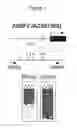

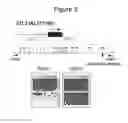

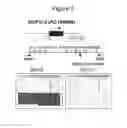
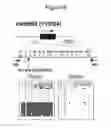
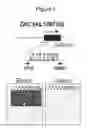
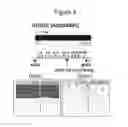


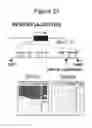


Sources:
- United States Patent and Trademark Office - verify current appl. status at the USPTO↗
Recent applications in this class:
- » 20250171852 2025-05-29
METHOD FOR DETERMINING THE VIRAL OR BACTERIAL NATURE OF AN INFECTION - » 20250171851 2025-05-29
BIOMARKER miR-32533 FOR COGNITIVE IMPAIRMENT-RELATED DISEASE AND USE THEREOF - » 20250171850 2025-05-29
METHODS FOR SIMULTANEOUS AMPLIFICATION OF TARGET LOCI - » 20250163512 2025-05-22
METHODS FOR SIMULTANEOUS AMPLIFICATION OF TARGET LOCI - » 20250163511 2025-05-22
MICRO RNA BIOMARKERS FOR THE DIAGNOSIS OF USHER SYNDROME - » 20250163510 2025-05-22
USE OF MICROVESICLE SIGNATURES IN THE IDENTIFICATION AND TREATMENT OF RENAL DISORDERS - » 20250154595 2025-05-15
SUBMANDIBULAR GLAND TISSUE BIOMARKER FOR DIAGNOSIS, PROGNOSIS PREDICTION, OR TREATMENT OF PARKINSON'S DISEASE, METHOD FOR DIAGNOSING PARKINSON'S DISEASE, OR PREDICTING PROGNOSIS USING THE SAME, AND METHOD FOR SCREENING SUBSTANCES FOR TREATING PARKINSON'S DISEASE - » 20250154594 2025-05-15
BLOOD BIOMARKER FOR DIAGNOSIS, PROGNOSIS PREDICTION, OR TREATMENT OF PARKINSON’S DISEASE, METHOD FOR DIAGNOSING PARKINSON’S DISEASE, OR PREDICTING PROGNOSIS USING THE SAME, AND METHOD FOR SCREENING SUBSTANCES FOR TREATING PARKINSON’S DISEASE - » 20250154593 2025-05-15
Processes and Compositions for Methylation-Based Enrichment of Nucleic Acid From a Sample Useful for Non-Invasive Diagnosis of Disease - » 20250154592 2025-05-15
Methods and Compositions for Evaluating Biomarkers in Salivary Exosomes and Evaluating Cognitive Fatigue