METHODS OF CONTROLLING INSECTS
US20150189883A1
2015-07-09
14/419,107
2013-07-26
Abstract:
The present invention provides methods comprising applying to a crop of rice plants, the locus thereof, or propagation material thereof, compounds including those of formula (I) wherein cycle A is A1a or A2a formula (II) Wherein A1, A2, A3 and A4 are independently C—H, or nitrogen and wherein #1 indicates the bond to X and #2 indicates the bond to cycle B; cycle B is B1 formula (III) wherein #1 indicates the bond to cycle A, #2 indicates the bond to R7 and #3 indicates the bond to cycle C; cycle C is phenyl; R5 is chloro, bromo, CF3 or methyl; R7 is chlorodifluoromethyl or trifluoromethyl; each R8 is independently bromo, chloro, fluoro or trifluoromethyl; p is 1, 2 or 3; and X is selected from formula (P1 to P9). The methods are preferably for controlling and/or preventing infestation of stemborer, leaffolder, hoppers, Gall midge, whorl maggot, Rice bugs, and Black bugs.
Inventors:
- Jerome Yves Cassayre 100 🇨🇭 Stein, Switzerland
- Myriem El Qacemi 113 🇨🇭 Stein, Switzerland
Assignee:
- SYNGENTA PARTICIPATIONS AG 1,600 🇨🇭 Basel, Switzerland
Interested in similar patents?
Get notified when new applications in this technology area are published.
Classification:
A01N43/80 » CPC main
Biocides, pest repellants or attractants, or plant growth regulators containing heterocyclic compounds having rings with nitrogen atoms and oxygen or sulfur atoms as ring hetero atoms five-membered rings with one nitrogen atom and either one oxygen atom or one sulfur atom in positions 1,2
C07D413/14 » CPC further
Heterocyclic compounds containing two or more hetero rings, at least one ring having nitrogen and oxygen atoms as the only ring hetero atoms containing three or more hetero rings
C07D413/12 » CPC further
Heterocyclic compounds containing two or more hetero rings, at least one ring having nitrogen and oxygen atoms as the only ring hetero atoms containing two hetero rings linked by a chain containing hetero atoms as chain links
A01N43/36 » CPC further
Biocides, pest repellants or attractants, or plant growth regulators containing heterocyclic compounds having rings with one nitrogen atom as the only ring hetero atom five-membered rings
C07D409/12 » CPC further
Heterocyclic compounds containing two or more hetero rings, at least one ring having sulfur atoms as the only ring hetero atoms containing two hetero rings linked by a chain containing hetero atoms as chain links
Description
The present invention relates to a method of controlling insects, in particular insects that infest rice.
Compounds that are insecticidally, acaricidally, nematicidally and/or moluscicidally active by antagnonism of the gamma-aminobutyric acid (GABA)-gated chloride channel, and which comprise a partially saturated heterocycle that is substituted by a haloalkyl substituent and one or two optionally substituted aromatic or heteroaromatic rings, represent a new class of pesticides that are described for example in Ozoe et al. Biochemical and Biophysical Research Communications, 391 (2010) 744-749. Compounds from this class are broadly described in WO 2005/085216 (EP1731512), WO 2007/123853, WO 2007/075459, WO2009/002809, WO 2008/019760, WO 2008/122375, WO 2008/128711, WO 2009/097992, WO 2010/072781, WO 2010/072781, WO 2008/126665, WO 2007/125984, WO 2008/130651, JP 2008110971, JP2008133273, JP2009108046, WO2009/022746, WO 2009/022746, WO 2010/032437, WO2009/080250, WO2010/020521, WO2010/025998, WO2010/020522, WO2010/084067, WO2010/086225, WO2010/149506 and WO2010/108733.
It has now surprisingly been found that particular insecticides from this new class of gamma-aminobutyric acid (GABA)-gated chloride channel antagonists (disclosed in e.g. WO2009/080250, WO2010/020522, WO2010/149506, WO2011/101229 and WO2012/045700) are highly effective at controlling certain pests in rice. The compounds of interest include a thietane amide derivative in which the thietane carbon ring members are unsubstituted.
These compounds therefore represent an important new solution for safeguarding crops of useful plants, particularly rice crops, from insects that infest rice crops, particularly where the insects are resistant to current methods.
In a first aspect the invention provides a method comprising applying to a crop of rice plants, the locus thereof, or propagation material thereof, a compound of formula I
wherein
cycle A is A1a or A2a
wherein A1, A2, A3 and A4 are independently C—H, or nitrogen and wherein #1 indicates the bond to X and #2 indicates the bond to cycle B;
cycle B is B1
wherein #1 indicates the bond to cycle A, #2 indicates the bond to R7 and #3 indicates the bond to cycle C;
cycle C is phenyl;
R5 is chloro, bromo, CF3 or methyl;
R7 is chlorodifluoromethyl or trifluoromethyl;
each R8 is independently bromo, chloro, fluoro or trifluoromethyl;
p is 1, 2 or 3; and
and X is selected from P1 to P9
The method may be for controlling and/or preventing insects selected from the group consisting of stemborer, leaffolder, hoppers, Gall midge, whorl maggot, Rice bugs, and Black bugs.
In one embodiment the invention provides a method of controlling and/or preventing stemborer in rice comprising applying to a crop of rice plants, the locus thereof, or propagation material thereof, a compound of formula I. In one embodiment the invention provides use of a compound of formula I for controlling and/or preventing stemborer, particularly in rice. The stemborer may be resistant to other insecticides. Examples of stemborers include Chilo sp, Chilo suppressalis, Chilo polychrysus, Chilo auricilius, Scirpophaga spp., Scirpophaga incertulas, Scirpophaga innotata, Scirpophaga nivella Sesamia sp, Sesamia inferens. In a further aspect the invention provides a method for obtaining regulatory approval for the use of one or more of a compound of formula I to control stemborer, preferably in rice, comprising at least one step of referring to, submitting or relying on biological data showing that said active ingredient reduces insect pressure.
In one embodiment the invention provides a method of controlling and/or preventing leaffolder in rice comprising applying to a crop of rice plants, the locus thereof, or propagation material thereof, a compound of formula I. In one embodiment the invention provides use of a compound of formula I for controlling and/or preventing leaffolder, particularly in rice. The leaffolder may be resistant to other insecticides. Examples of leaffolders include Cnaphalocrocis spp., Cnaphalocrocis medinalis, Marasmia spp., Marasmia patnalis, Marasmia exigua. In a further aspect the invention provides a method for obtaining regulatory approval for the use of one or more of a compound of formula I to control leaffolder, preferably in rice, comprising at least one step of referring to, submitting or relying on biological data showing that said active ingredient reduces insect pressure.
In one embodiment the invention provides a method of controlling and/or preventing, hoppers in rice comprising applying to a crop of rice plants, the locus thereof, or propagation material thereof, a compound of formula I. In one embodiment the invention provides use of a compound of formula for controlling and/or preventing hoppers, particularly in rice. The hoppers may be resistant to other insecticides. Examples of Hoppers include Nephotettix spp., Nephotettix virescens, Nephotettix nigropictus, Nephotettix malayanus, Nephotettix cincticeps, Nilaparvata lugens, Sogatella furcifera. In a further aspect the invention provides a method for obtaining regulatory approval for the use of one or more of a compound of formula I to control hoppers, preferably in rice, comprising at least one step of referring to, submitting or relying on biological data showing that said active ingredient reduces insect pressure.
In one embodiment the invention provides a method of controlling and/or preventing Gall midge in rice comprising applying to a crop of rice plants, the locus thereof, or propagation material thereof, a compound of formula I. In one embodiment the invention provides use of a compound of formula for controlling and/or preventing Gall midge, particularly in rice. The Gall midge may be resistant to other insecticides. Examples of Gall midge include Orseolia sp, Orseolia oryzae. In a further aspect the invention provides a method for obtaining regulatory approval for the use of one or more of a compound of formula I to control Gall midge, preferably in rice, comprising at least one step of referring to, submitting or relying on biological data showing that said active ingredient reduces insect pressure.
In one embodiment the invention provides a method of controlling and/or preventing whorl maggot in rice comprising applying to a crop of rice plants, the locus thereof, or propagation material thereof, a compound of formula I. In one embodiment the invention provides use of a compound of formula for controlling and/or preventing whorl maggot, particularly in rice. The whorl maggot may be resistant to other insecticides. Examples of whorl maggots include Hydrellia sp, Hydrellia philippina. In a further aspect the invention provides a method for obtaining regulatory approval for the use of one or more of a compound of formula I to control whorl maggots, preferably in rice, comprising at least one step of referring to, submitting or relying on biological data showing that said active ingredient reduces insect pressure.
In one embodiment the invention provides a method of controlling and/or preventing Rice bugs in rice comprising applying to a crop of rice plants, the locus thereof, or propagation material thereof, a compound of formula I. In one embodiment the invention provides use of a compound of formula for controlling and/or preventing Rice bugs, particularly in rice. The Rice bugs may be resistant to other insecticides. Examples of rice bugs include Leptocorisa sp, Leptocorisa oratorius, Leptocorisa chinensis, Leptocorisa acuta. In a further aspect the invention provides a method for obtaining regulatory approval for the use of one or more of a compound of formula I to control Rice bugs, preferably in rice, comprising at least one step of referring to, submitting or relying on biological data showing that said active ingredient reduces insect pressure.
In one embodiment the invention provides a method of controlling and/or preventing Black bugs in rice comprising applying to a crop of rice plants, the locus thereof, or propagation material thereof, a compound of formula I. In one embodiment the invention provides use of a compound of formula for controlling and/or preventing Black bugs, particularly in rice. The Black bugs may be resistant to other insecticides. Examples of Black bugs include Scotinophara sp, Scotinophara coarctata, Scotinophara lurida, Scotinophara latiuscula. In a further aspect the invention provides a method for obtaining regulatory approval for the use of one or more of a compound of formula I to control Black bugs, preferably in rice, comprising at least one step of referring to, submitting or relying on biological data showing that said active ingredient reduces insect pressure.
The compounds of the invention may exist in different geometric or optical isomers or tautomeric forms. This invention covers all such isomers and tautomers and mixtures thereof in all proportions as well as isotopic forms such as deuterated compounds. The compounds of the invention may contain one or more asymmetric carbon atoms, for example, at the C(#2)#3 group, and may exist as enantiomers (or as pairs of diastereoisomers) or as mixtures of such. Reference to compounds of the invention also includes reference to salts and N-oxides.
Preferred values of cycle A, cycle B, cycle C, X, p, A1, A2, A3, A4, R5, R7 and R8 in compounds of formula I are, in any combination, as set out below.
Preferably cycle A is A1a.
Preferably cycle C is cycle C1
More preferably cycle C is 3,5-dichlorophenyl-, 3-chloro-4-fluorophenyl-, 3-fluoro-4-chlorophenyl-, 3,4-dichlorophenyl-, 3-chloro-4-bromophenyl-, 3,5-dichloro-4-fluorophenyl-, 3,4,5-trichlorophenyl-, 3,4,5-trifluorophenyl-, 3-chloro-5-bromophenyl-, 3-chloro-5-fluorophenyl-, 3-chloro-5-(trifluoromethyl)phenyl-, 3,4-dichloro-5-(trifluoromethyl)phenyl-, 3,5-bis(trifluoromethyl)phenyl-, 4-chloro-3,5-bis(trifluoromethyl)phenyl-, 3-(trifluoromethyl)phenyl-, more preferably 3-chloro-5-bromophenyl-, 3-chloro-5-(trifluoromethyl)phenyl-, 3,5-dichloro-4-fluorophenyl-, 3,4,5-trichlorophenyl-, 3,5-bis(trifluoromethyl)phenyl-, 3-(trifluoromethyl)phenyl-, 3,5-dichloro-4-bromophenyl-, 3-bromo-5-(trifluoromethyl)phenyl-, 3,5-dibromophenyl-, or 3,4-dichlorophenyl-, even more preferably 3,5-dichloro-4-fluorophenyl-, 3,4,5-trichlorophenyl-, 3,5-bis(trifluoromethyl)phenyl-, 3,5-dichlorophenyl-, most preferably 3,5-dichloro-phenyl.
Preferably A1 is C—H or C—R5, most preferably A1 is C—H.
Preferably A2 is C—H or C—R5, most preferably A2 is C—H.
Preferably A3 is C—H or C—R5, most preferably A3 is C—H.
Preferably A4 is C—H or C—R5, most preferably A4 is C—H.
Preferably no more than one of A1 and A2 is nitrogen. Preferably no more than one of A3 and A4 is nitrogen. Preferably A1 and A2 are both C—H. Preferably both A3 and A4 are C—H
Preferably R5 is methyl or chloro, most preferably methyl.
Preferably R7 is trifluoromethyl.
Preferably each R8 is independently fluoro, bromo or chloro.
Preferably p is 2 or 3, most preferably 2.
Preferably X is P2, P3 or P4, more preferably P3 or P4.
In one group of compounds cycle A is A1a.
In one group of compounds cycle A is A1a, R7 is trifluoromethyl and X is P2, P3 or P4.
In one group of compounds cycle A is A1a, R7 is trifluoromethyl and X is P2, P3 or P4 and cycle C is selected from 3,5-dichloro-4-fluorophenyl-, 3,4,5-trichlorophenyl-, 3,5-bis(trifluoromethyl)phenyl- and 3,5-dichloro-phenyl.
In one group of compounds X is P2, P3, P4, P5, P7 or P9.
In one group of compounds X is P3, P4, P7 or P9.
In one group of compounds X is P3 or P9.
In one group of compounds X is P3 or P4.
In one group of compounds X is P3.
In one group of compounds X is P5, P7 or P9.
In one group of compounds X is P7 or P9.
In one group of compounds X is P9.
In one group of compounds cycle C is 3,4,5-trichlorophenyl- or 3,5-dichloro-4-fluorophenyl-.
In one group of compounds cycle C is 3,4,5-trichlorophenyl-.
In one group of compounds cycle C is 3,5-dichloro-4-fluorophenyl-.
In one group of compounds cycle C is 3,5-dichloro-phenyl.
In one group of compounds cycle C is 3,4,5-trichlorophenyl- or 3,5-dichloro-4-fluorophenyl- and X is P2, P3, P4, P5, P7 or P9.
In one group of compounds cycle C is 3,4,5-trichlorophenyl- or 3,5-dichloro-4-fluorophenyl- and X is P3, P4, P7 or P9.
In one group of compounds cycle C is 3,4,5-trichlorophenyl- or 3,5-dichloro-4-fluorophenyl- and X is P3 or P9.
In one group of compounds cycle C is 3,4,5-trichlorophenyl- or 3,5-dichloro-4-fluorophenyl- and X is P3.
In one group of compounds cycle C is 3,4,5-trichlorophenyl- or 3,5-dichloro-4-fluorophenyl- and X is P9.
The following tables illustrate specific compounds of the invention:
Table 1
Table 1 provides 338 compounds of Formula I wherein cycle A is cycle A1a, R5 is methyl, A1 and A2 are CH—CH, Cycle B is B1 and R7 is trifluoromethyl, and cycle C and X are as defined in Table P.
Table 2
Table 2 provides 338 compounds of Formula I wherein cycle A is cycle A1a, R5 is chloro, A1 and A2 are CH—CH, Cycle B is B1 and R7 is trifluoromethyl, and cycle C and X are as defined in Table P.
Table 3
Table 3 provides 338 compounds of Formula I wherein cycle A is cycle A1a, R5 is methyl, A1 and A2 are N—CH, Cycle B is B1 and R7 is trifluoromethyl, and cycle C and X are as defined in Table P.
Table 4
Table 4 provides 338 compounds of Formula I wherein cycle A is cycle A1a, R5 is chloro, A1 and A2 are N—CH, Cycle B is B1 and R7 is trifluoromethyl, and cycle C and X are as defined in Table P.
Table 5
Table 5 provides 338 compounds of Formula I wherein cycle A is cycle A1a, R5 is methyl, A1 and A2 are CH—N, Cycle B is B1 and R7 is trifluoromethyl, and cycle C and X are as defined in Table P.
Table 6
Table 6 provides 338 compounds of Formula I wherein cycle A is cycle A1a, R5 is chloro, A1 and A2 are CH—N, Cycle B is B1 and R7 is trifluoromethyl, and cycle C and X are as defined in Table P.
Table 7
Table 7 provides 338 compounds of Formula I wherein cycle A is cycle A2a, A3 and A4 are CH—CH, Cycle B is B1, and R7 is trifluoromethyl, and cycle C and X are as defined in Table P.
Table 8
Table 8 provides 338 compounds of Formula I wherein cycle A is cycle A2a, A3 and A4 are N—CH, Cycle B is B1, and R7 is trifluoromethyl, and cycle C and X are as defined in Table P.
Table 9
Table 9 provides 338 compounds of Formula I wherein cycle A is cycle A2a, A3 and A4 are CH—N, Cycle B is B1, and R7 is trifluoromethyl, and cycle C and X are as defined in Table P.
| TABLE P | |||
| Ster- | |||
| Cycle C | X | eochemistry | |
| 1 | 3,5-dichloro-phenyl- | P1 | I** |
| 2 | 3,4,5-trichloro-phenyl- | P1 | I** |
| 3 | 3,5-dichloro-4-fluoro-phenyl- | P1 | I** |
| 4 | 3-chloro-4-fluoro-phenyl- | P1 | I** |
| 5 | 3,4-dichloro-phenyl- | P1 | I** |
| 6 | 3,5-dichloro-4-bromo-phenyl- | P1 | I** |
| 7 | 3,4,5-trifluoro-phenyl- | P1 | I** |
| 8 | 3-chloro-5-bromo-phenyl- | P1 | I** |
| 9 | 3-chloro-5-trifluoromethyl-phenyl- | P1 | I** |
| 10 | 3-chloro-4-chloro-5-trifluoromethyl-phenyl- | P1 | I** |
| 11 | 3,5-di-trifluoromethyl-phenyl- | P1 | I** |
| 12 | 3,5-di-trifluoromethyl-4-chloro-phenyl- | P1 | I** |
| 13 | 3-trifluoromethyl-phenyl- | P1 | I** |
| 14 | 3,5-dichloro-phenyl- | P2 | I** |
| 15 | 3,4,5-trichloro-phenyl- | P2 | I** |
| 16 | 3,5-dichloro-4-fluoro-phenyl- | P2 | I** |
| 17 | 3-chloro-4-fluoro-phenyl- | P2 | I** |
| 18 | 3,4-dichloro-phenyl- | P2 | I** |
| 19 | 3,5-dichloro-4-bromo-phenyl- | P2 | I** |
| 20 | 3,4,5-trifluoro-phenyl- | P2 | I** |
| 21 | 3-chloro-5-bromo-phenyl- | P2 | I** |
| 22 | 3-chloro-5-trifluoromethyl-phenyl- | P2 | I** |
| 23 | 3-chloro-4-chloro-5-trifluoromethyl-phenyl- | P2 | I** |
| 24 | 3,5-di-trifluoromethyl-phenyl- | P2 | I** |
| 25 | 3,5-di-trifluoromethyl-4-chloro-phenyl- | P2 | I** |
| 26 | 3-trifluoromethyl-phenyl- | P2 | I** |
| 27 | 3,5-dichloro-phenyl- | P3 | I** |
| 28 | 3,4,5-trichloro-phenyl- | P3 | I** |
| 29 | 3,5-dichloro-4-fluoro-phenyl- | P3 | I** |
| 30 | 3-chloro-4-fluoro-phenyl- | P3 | I** |
| 31 | 3,4-dichloro-phenyl- | P3 | I** |
| 32 | 3,5-dichloro-4-bromo-phenyl- | P3 | I** |
| 33 | 3,4,5-trifluoro-phenyl- | P3 | I** |
| 34 | 3-chloro-5-bromo-phenyl- | P3 | I** |
| 35 | 3-chloro-5-trifluoromethyl-phenyl- | P3 | I** |
| 36 | 3-chloro-4-chloro-5-trifluoromethyl-phenyl- | P3 | I** |
| 37 | 3,5-di-trifluoromethyl-phenyl- | P3 | I** |
| 38 | 3,5-di-trifluoromethyl-4-chloro-phenyl- | P3 | I** |
| 39 | 3-trifluoromethyl-phenyl- | P3 | I** |
| 40 | 3,5-dichloro-phenyl- | P3 (cis) | I** |
| 41 | 3,4,5-trichloro-phenyl- | P3 (cis) | I** |
| 42 | 3,5-dichloro-4-fluoro-phenyl- | P3 (cis) | I** |
| 43 | 3-chloro-4-fluoro-phenyl- | P3 (cis) | I** |
| 44 | 3,4-dichloro-phenyl- | P3 (cis) | I** |
| 45 | 3,5-dichloro-4-bromo-phenyl- | P3 (cis) | I** |
| 46 | 3,4,5-trifluoro-phenyl- | P3 (cis) | I** |
| 47 | 3-chloro-5-bromo-phenyl- | P3 (cis) | I** |
| 48 | 3-chloro-5-trifluoromethyl-phenyl- | P3 (cis) | I** |
| 49 | 3-chloro-4-chloro-5-trifluoromethyl-phenyl- | P3 (cis) | I** |
| 50 | 3,5-di-trifluoromethyl-phenyl- | P3 (cis) | I** |
| 51 | 3,5-di-trifluoromethyl-4-chloro-phenyl- | P3 (cis) | I** |
| 52 | 3-trifluoromethyl-phenyl- | P3 (cis) | I** |
| 53 | 3,5-dichloro-phenyl- | P3 (trans) | I** |
| 54 | 3,4,5-trichloro-phenyl- | P3 (trans) | I** |
| 55 | 3,5-dichloro-4-fluoro-phenyl- | P3 (trans) | I** |
| 56 | 3-chloro-4-fluoro-phenyl- | P3 (trans) | I** |
| 57 | 3,4-dichloro-phenyl- | P3 (trans) | I** |
| 58 | 3,5-dichloro-4-bromo-phenyl- | P3 (trans) | I** |
| 59 | 3,4,5-trifluoro-phenyl- | P3 (trans) | I** |
| 60 | 3-chloro-5-bromo-phenyl- | P3 (trans) | I** |
| 61 | 3-chloro-5-trifluoromethyl-phenyl- | P3 (trans) | I** |
| 62 | 3-chloro-4-chloro-5-trifluoromethyl-phenyl- | P3 (trans) | I** |
| 63 | 3,5-di-trifluoromethyl-phenyl- | P3 (trans) | I** |
| 64 | 3,5-di-trifluoromethyl-4-chloro-phenyl- | P3 (trans) | I** |
| 65 | 3-trifluoromethyl-phenyl- | P3 (trans) | I** |
| 66 | 3,5-dichloro-phenyl- | P4 | I** |
| 67 | 3,4,5-trichloro-phenyl- | P4 | I** |
| 68 | 3,5-dichloro-4-fluoro-phenyl- | P4 | I** |
| 69 | 3-chloro-4-fluoro-phenyl- | P4 | I** |
| 70 | 3,4-dichloro-phenyl- | P4 | I** |
| 71 | 3,5-dichloro-4-bromo-phenyl- | P4 | I** |
| 72 | 3,4,5-trifluoro-phenyl- | P4 | I** |
| 73 | 3-chloro-5-bromo-phenyl- | P4 | I** |
| 74 | 3-chloro-5-trifluoromethyl-phenyl- | P4 | I** |
| 75 | 3-chloro-4-chloro-5-trifluoromethyl-phenyl- | P4 | I** |
| 76 | 3,5-di-trifluoromethyl-phenyl- | P4 | I** |
| 77 | 3,5-di-trifluoromethyl-4-chloro-phenyl- | P4 | I** |
| 78 | 3-trifluoromethyl-phenyl- | P4 | I** |
| 79 | 3,5-dichloro-phenyl- | P5 | I** |
| 80 | 3,4,5-trichloro-phenyl- | P5 | I** |
| 81 | 3,5-dichloro-4-fluoro-phenyl- | P5 | I** |
| 82 | 3-chloro-4-fluoro-phenyl- | P5 | I** |
| 83 | 3,4-dichloro-phenyl- | P5 | I** |
| 84 | 3,5-dichloro-4-bromo-phenyl- | P5 | I** |
| 85 | 3,4,5-trifluoro-phenyl- | P5 | I** |
| 86 | 3-chloro-5-bromo-phenyl- | P5 | I** |
| 87 | 3-chloro-5-trifluoromethyl-phenyl- | P5 | I** |
| 88 | 3-chloro-4-chloro-5-trifluoromethyl-phenyl- | P5 | I** |
| 89 | 3,5-di-trifluoromethyl-phenyl- | P5 | I** |
| 90 | 3,5-di-trifluoromethyl-4-chloro-phenyl- | P5 | I** |
| 91 | 3-trifluoromethyl-phenyl- | P5 | I** |
| 92 | 3,5-dichloro-phenyl- | P6 | I** |
| 93 | 3,4,5-trichloro-phenyl- | P6 | I** |
| 94 | 3,5-dichloro-4-fluoro-phenyl- | P6 | I** |
| 95 | 3-chloro-4-fluoro-phenyl- | P6 | I** |
| 96 | 3,4-dichloro-phenyl- | P6 | I** |
| 97 | 3,5-dichloro-4-bromo-phenyl- | P6 | I** |
| 98 | 3,4,5-trifluoro-phenyl- | P6 | I** |
| 99 | 3-chloro-5-bromo-phenyl- | P6 | I** |
| 100 | 3-chloro-5-trifluoromethyl-phenyl- | P6 | I** |
| 101 | 3-chloro-4-chloro-5-trifluoromethyl-phenyl- | P6 | I** |
| 102 | 3,5-di-trifluoromethyl-phenyl- | P6 | I** |
| 103 | 3,5-di-trifluoromethyl-4-chloro-phenyl- | P6 | I** |
| 104 | 3-trifluoromethyl-phenyl- | P6 | I** |
| 105 | 3,5-dichloro-phenyl- | P7 | I** |
| 106 | 3,4,5-trichloro-phenyl- | P7 | I** |
| 107 | 3,5-dichloro-4-fluoro-phenyl- | P7 | I** |
| 108 | 3-chloro-4-fluoro-phenyl- | P7 | I** |
| 109 | 3,4-dichloro-phenyl- | P7 | I** |
| 110 | 3,5-dichloro-4-bromo-phenyl- | P7 | I** |
| 111 | 3,4,5-trifluoro-phenyl- | P7 | I** |
| 112 | 3-chloro-5-bromo-phenyl- | P7 | I** |
| 113 | 3-chloro-5-trifluoromethyl-phenyl- | P7 | I** |
| 114 | 3-chloro-4-chloro-5-trifluoromethyl-phenyl- | P7 | I** |
| 115 | 3,5-di-trifluoromethyl-phenyl- | P7 | I** |
| 116 | 3,5-di-trifluoromethyl-4-chloro-phenyl- | P7 | I** |
| 117 | 3-trifluoromethyl-phenyl- | P7 | I** |
| 118 | 3,5-dichloro-phenyl- | P8 | I** |
| 119 | 3,4,5-trichloro-phenyl- | P8 | I** |
| 120 | 3,5-dichloro-4-fluoro-phenyl- | P8 | I** |
| 121 | 3-chloro-4-fluoro-phenyl- | P8 | I** |
| 122 | 3,4-dichloro-phenyl- | P8 | I** |
| 123 | 3,5-dichloro-4-bromo-phenyl- | P8 | I** |
| 124 | 3,4,5-trifluoro-phenyl- | P8 | I** |
| 125 | 3-chloro-5-bromo-phenyl- | P8 | I** |
| 126 | 3-chloro-5-trifluoromethyl-phenyl- | P8 | I** |
| 127 | 3-chloro-4-chloro-5-trifluoromethyl-phenyl- | P8 | I** |
| 128 | 3,5-di-trifluoromethyl-phenyl- | P8 | I** |
| 129 | 3,5-di-trifluoromethyl-4-chloro-phenyl- | P8 | I** |
| 130 | 3-trifluoromethyl-phenyl- | P8 | I** |
| 131 | 3,5-dichloro-phenyl- | P9 | I** |
| 132 | 3,4,5-trichloro-phenyl- | P9 | I** |
| 133 | 3,5-dichloro-4-fluoro-phenyl- | P9 | I** |
| 134 | 3-chloro-4-fluoro-phenyl- | P9 | I** |
| 135 | 3,4-dichloro-phenyl- | P9 | I** |
| 136 | 3,5-dichloro-4-bromo-phenyl- | P9 | I** |
| 137 | 3,4,5-trifluoro-phenyl- | P9 | I** |
| 138 | 3-chloro-5-bromo-phenyl- | P9 | I** |
| 139 | 3-chloro-5-trifluoromethyl-phenyl- | P9 | I** |
| 140 | 3-chloro-4-chloro-5-trifluoromethyl-phenyl- | P9 | I** |
| 141 | 3,5-di-trifluoromethyl-phenyl- | P9 | I** |
| 142 | 3,5-di-trifluoromethyl-4-chloro-phenyl- | P9 | I** |
| 143 | 3-trifluoromethyl-phenyl- | P9 | I** |
| 144 | 3,5-dichloro-phenyl- | P9 (cis) | I** |
| 145 | 3,4,5-trichloro-phenyl- | P9 (cis) | I** |
| 146 | 3,5-dichloro-4-fluoro-phenyl- | P9 (cis) | I** |
| 147 | 3-chloro-4-fluoro-phenyl- | P9 (cis) | I** |
| 148 | 3,4-dichloro-phenyl- | P9 (cis) | I** |
| 149 | 3,5-dichloro-4-bromo-phenyl- | P9 (cis) | I** |
| 150 | 3,4,5-trifluoro-phenyl- | P9 (cis) | I** |
| 151 | 3-chloro-5-bromo-phenyl- | P9 (cis) | I** |
| 152 | 3-chloro-5-trifluoromethyl-phenyl- | P9 (cis) | I** |
| 153 | 3-chloro-4-chloro-5-trifluoromethyl-phenyl- | P9 (cis) | I** |
| 154 | 3,5-di-trifluoromethyl-phenyl- | P9 (cis) | I** |
| 155 | 3,5-di-trifluoromethyl-4-chloro-phenyl- | P9 (cis) | I** |
| 156 | 3-trifluoromethyl-phenyl- | P9 (cis) | I** |
| 157 | 3,5-dichloro-phenyl- | P9 (trans) | I** |
| 158 | 3,4,5-trichloro-phenyl- | P9 (trans) | I** |
| 159 | 3,5-dichloro-4-fluoro-phenyl- | P9 (trans) | I** |
| 160 | 3-chloro-4-fluoro-phenyl- | P9 (trans) | I** |
| 161 | 3,4-dichloro-phenyl- | P9 (trans) | I** |
| 162 | 3,5-dichloro-4-bromo-phenyl- | P9 (trans) | I** |
| 163 | 3,4,5-trifluoro-phenyl- | P9 (trans) | I** |
| 164 | 3-chloro-5-bromo-phenyl- | P9 (trans) | I** |
| 165 | 3-chloro-5-trifluoromethyl-phenyl- | P9 (trans) | I** |
| 166 | 3-chloro-4-chloro-5-trifluoromethyl-phenyl- | P9 (trans) | I** |
| 167 | 3,5-di-trifluoromethyl-phenyl- | P9 (trans) | I** |
| 168 | 3,5-di-trifluoromethyl-4-chloro-phenyl- | P9 (trans) | I** |
| 169 | 3-trifluoromethyl-phenyl- | P9 (trans) | I** |
| 170 | 3,5-dichloro-phenyl- | P1 | |
| 171 | 3,4,5-trichloro-phenyl- | P1 | |
| 172 | 3,5-dichloro-4-fluoro-phenyl- | P1 | |
| 173 | 3-chloro-4-fluoro-phenyl- | P1 | |
| 174 | 3,4-dichloro-phenyl- | P1 | |
| 175 | 3,5-dichloro-4-bromo-phenyl- | P1 | |
| 176 | 3,4,5-trifluoro-phenyl- | P1 | |
| 177 | 3-chloro-5-bromo-phenyl- | P1 | |
| 178 | 3-chloro-5-trifluoromethyl-phenyl- | P1 | |
| 179 | 3-chloro-4-chloro-5-trifluoromethyl-phenyl- | P1 | |
| 180 | 3,5-di-trifluoromethyl-phenyl- | P1 | |
| 181 | 3,5-di-trifluoromethyl-4-chloro-phenyl- | P1 | |
| 182 | 3-trifluoromethyl-phenyl- | P1 | |
| 183 | 3,5-dichloro-phenyl- | P2 | |
| 184 | 3,4,5-trichloro-phenyl- | P2 | |
| 185 | 3,5-dichloro-4-fluoro-phenyl- | P2 | |
| 186 | 3-chloro-4-fluoro-phenyl- | P2 | |
| 187 | 3,4-dichloro-phenyl- | P2 | |
| 188 | 3,5-dichloro-4-bromo-phenyl- | P2 | |
| 189 | 3,4,5-trifluoro-phenyl- | P2 | |
| 190 | 3-chloro-5-bromo-phenyl- | P2 | |
| 191 | 3-chloro-5-trifluoromethyl-phenyl- | P2 | |
| 192 | 3-chloro-4-chloro-5-trifluoromethyl-phenyl- | P2 | |
| 193 | 3,5-di-trifluoromethyl-phenyl- | P2 | |
| 194 | 3,5-di-trifluoromethyl-4-chloro-phenyl- | P2 | |
| 195 | 3-trifluoromethyl-phenyl- | P2 | |
| 196 | 3,5-dichloro-phenyl- | P3 | |
| 197 | 3,4,5-trichloro-phenyl- | P3 | |
| 198 | 3,5-dichloro-4-fluoro-phenyl- | P3 | |
| 199 | 3-chloro-4-fluoro-phenyl- | P3 | |
| 200 | 3,4-dichloro-phenyl- | P3 | |
| 201 | 3,5-dichloro-4-bromo-phenyl- | P3 | |
| 202 | 3,4,5-trifluoro-phenyl- | P3 | |
| 203 | 3-chloro-5-bromo-phenyl- | P3 | |
| 204 | 3-chloro-5-trifluoromethyl-phenyl- | P3 | |
| 205 | 3-chloro-4-chloro-5-trifluoromethyl-phenyl- | P3 | |
| 206 | 3,5-di-trifluoromethyl-phenyl- | P3 | |
| 207 | 3,5-di-trifluoromethyl-4-chloro-phenyl- | P3 | |
| 208 | 3-trifluoromethyl-phenyl- | P3 | |
| 209 | 3,5-dichloro-phenyl- | P3 (cis) | |
| 210 | 3,4,5-trichloro-phenyl- | P3 (cis) | |
| 211 | 3,5-dichloro-4-fluoro-phenyl- | P3 (cis) | |
| 212 | 3-chloro-4-fluoro-phenyl- | P3 (cis) | |
| 213 | 3,4-dichloro-phenyl- | P3 (cis) | |
| 214 | 3,5-dichloro-4-bromo-phenyl- | P3 (cis) | |
| 215 | 3,4,5-trifluoro-phenyl- | P3 (cis) | |
| 216 | 3-chloro-5-bromo-phenyl- | P3 (cis) | |
| 217 | 3-chloro-5-trifluoromethyl-phenyl- | P3 (cis) | |
| 218 | 3-chloro-4-chloro-5-trifluoromethyl-phenyl- | P3 (cis) | |
| 219 | 3,5-di-trifluoromethyl-phenyl- | P3 (cis) | |
| 220 | 3,5-di-trifluoromethyl-4-chloro-phenyl- | P3 (cis) | |
| 221 | 3-trifluoromethyl-phenyl- | P3 (cis) | |
| 222 | 3,5-dichloro-phenyl- | P3 (trans) | |
| 223 | 3,4,5-trichloro-phenyl- | P3 (trans) | |
| 224 | 3,5-dichloro-4-fluoro-phenyl- | P3 (trans) | |
| 225 | 3-chloro-4-fluoro-phenyl- | P3 (trans) | |
| 226 | 3,4-dichloro-phenyl- | P3 (trans) | |
| 227 | 3,5-dichloro-4-bromo-phenyl- | P3 (trans) | |
| 228 | 3,4,5-trifluoro-phenyl- | P3 (trans) | |
| 229 | 3-chloro-5-bromo-phenyl- | P3 (trans) | |
| 230 | 3-chloro-5-trifluoromethyl-phenyl- | P3 (trans) | |
| 231 | 3-chloro-4-chloro-5-trifluoromethyl-phenyl- | P3 (trans) | |
| 232 | 3,5-di-trifluoromethyl-phenyl- | P3 (trans) | |
| 233 | 3,5-di-trifluoromethyl-4-chloro-phenyl- | P3 (trans) | |
| 234 | 3-trifluoromethyl-phenyl- | P3 (trans) | |
| 235 | 3,5-dichloro-phenyl- | P4 | |
| 236 | 3,4,5-trichloro-phenyl- | P4 | |
| 237 | 3,5-dichloro-4-fluoro-phenyl- | P4 | |
| 238 | 3-chloro-4-fluoro-phenyl- | P4 | |
| 239 | 3,4-dichloro-phenyl- | P4 | |
| 240 | 3,5-dichloro-4-bromo-phenyl- | P4 | |
| 241 | 3,4,5-trifluoro-phenyl- | P4 | |
| 242 | 3-chloro-5-bromo-phenyl- | P4 | |
| 243 | 3-chloro-5-trifluoromethyl-phenyl- | P4 | |
| 244 | 3-chloro-4-chloro-5-trifluoromethyl-phenyl- | P4 | |
| 245 | 3,5-di-trifluoromethyl-phenyl- | P4 | |
| 246 | 3,5-di-trifluoromethyl-4-chloro-phenyl- | P4 | |
| 247 | 3-trifluoromethyl-phenyl- | P4 | |
| 248 | 3,5-dichloro-phenyl- | P5 | |
| 249 | 3,4,5-trichloro-phenyl- | P5 | |
| 250 | 3,5-dichloro-4-fluoro-phenyl- | P5 | |
| 251 | 3-chloro-4-fluoro-phenyl- | P5 | |
| 252 | 3,4-dichloro-phenyl- | P5 | |
| 253 | 3,5-dichloro-4-bromo-phenyl- | P5 | |
| 254 | 3,4,5-trifluoro-phenyl- | P5 | |
| 255 | 3-chloro-5-bromo-phenyl- | P5 | |
| 256 | 3-chloro-5-trifluoromethyl-phenyl- | P5 | |
| 257 | 3-chloro-4-chloro-5-trifluoromethyl-phenyl- | P5 | |
| 258 | 3,5-di-trifluoromethyl-phenyl- | P5 | |
| 259 | 3,5-di-trifluoromethyl-4-chloro-phenyl- | P5 | |
| 260 | 3-trifluoromethyl-phenyl- | P5 | |
| 261 | 3,5-dichloro-phenyl- | P6 | |
| 262 | 3,4,5-trichloro-phenyl- | P6 | |
| 263 | 3,5-dichloro-4-fluoro-phenyl- | P6 | |
| 264 | 3-chloro-4-fluoro-phenyl- | P6 | |
| 265 | 3,4-dichloro-phenyl- | P6 | |
| 266 | 3,5-dichloro-4-bromo-phenyl- | P6 | |
| 267 | 3,4,5-trifluoro-phenyl- | P6 | |
| 268 | 3-chloro-5-bromo-phenyl- | P6 | |
| 269 | 3-chloro-5-trifluoromethyl-phenyl- | P6 | |
| 270 | 3-chloro-4-chloro-5-trifluoromethyl-phenyl- | P6 | |
| 271 | 3,5-di-trifluoromethyl-phenyl- | P6 | |
| 272 | 3,5-di-trifluoromethyl-4-chloro-phenyl- | P6 | |
| 273 | 3-trifluoromethyl-phenyl- | P6 | |
| 274 | 3,5-dichloro-phenyl- | P7 | |
| 275 | 3,4,5-trichloro-phenyl- | P7 | |
| 276 | 3,5-dichloro-4-fluoro-phenyl- | P7 | |
| 277 | 3-chloro-4-fluoro-phenyl- | P7 | |
| 278 | 3,4-dichloro-phenyl- | P7 | |
| 279 | 3,5-dichloro-4-bromo-phenyl- | P7 | |
| 280 | 3,4,5-trifluoro-phenyl- | P7 | |
| 281 | 3-chloro-5-bromo-phenyl- | P7 | |
| 282 | 3-chloro-5-trifluoromethyl-phenyl- | P7 | |
| 283 | 3-chloro-4-chloro-5-trifluoromethyl-phenyl- | P7 | |
| 284 | 3,5-di-trifluoromethyl-phenyl- | P7 | |
| 285 | 3,5-di-trifluoromethyl-4-chloro-phenyl- | P7 | |
| 286 | 3-trifluoromethyl-phenyl- | P7 | |
| 287 | 3,5-dichloro-phenyl- | P8 | |
| 288 | 3,4,5-trichloro-phenyl- | P8 | |
| 289 | 3,5-dichloro-4-fluoro-phenyl- | P8 | |
| 290 | 3-chloro-4-fluoro-phenyl- | P8 | |
| 291 | 3,4-dichloro-phenyl- | P8 | |
| 292 | 3,5-dichloro-4-bromo-phenyl- | P8 | |
| 293 | 3,4,5-trifluoro-phenyl- | P8 | |
| 294 | 3-chloro-5-bromo-phenyl- | P8 | |
| 295 | 3-chloro-5-trifluoromethyl-phenyl- | P8 | |
| 296 | 3-chloro-4-chloro-5-trifluoromethyl-phenyl- | P8 | |
| 297 | 3,5-di-trifluoromethyl-phenyl- | P8 | |
| 298 | 3,5-di-trifluoromethyl-4-chloro-phenyl- | P8 | |
| 299 | 3-trifluoromethyl-phenyl- | P8 | |
| 300 | 3,5-dichloro-phenyl- | P9 | |
| 301 | 3,4,5-trichloro-phenyl- | P9 | |
| 302 | 3,5-dichloro-4-fluoro-phenyl- | P9 | |
| 303 | 3-chloro-4-fluoro-phenyl- | P9 | |
| 304 | 3,4-dichloro-phenyl- | P9 | |
| 305 | 3,5-dichloro-4-bromo-phenyl- | P9 | |
| 306 | 3,4,5-trifluoro-phenyl- | P9 | |
| 307 | 3-chloro-5-bromo-phenyl- | P9 | |
| 308 | 3-chloro-5-trifluoromethyl-phenyl- | P9 | |
| 309 | 3-chloro-4-chloro-5-trifluoromethyl-phenyl- | P9 | |
| 310 | 3,5-di-trifluoromethyl-phenyl- | P9 | |
| 311 | 3,5-di-trifluoromethyl-4-chloro-phenyl- | P9 | |
| 312 | 3-trifluoromethyl-phenyl- | P9 | |
| 313 | 3,5-dichloro-phenyl- | P9 (cis) | |
| 314 | 3,4,5-trichloro-phenyl- | P9 (cis) | |
| 315 | 3,5-dichloro-4-fluoro-phenyl- | P9 (cis) | |
| 316 | 3-chloro-4-fluoro-phenyl- | P9 (cis) | |
| 317 | 3,4-dichloro-phenyl- | P9 (cis) | |
| 318 | 3,5-dichloro-4-bromo-phenyl- | P9 (cis) | |
| 319 | 3,4,5-trifluoro-phenyl- | P9 (cis) | |
| 320 | 3-chloro-5-bromo-phenyl- | P9 (cis) | |
| 321 | 3-chloro-5-trifluoromethyl-phenyl- | P9 (cis) | |
| 322 | 3-chloro-4-chloro-5-trifluoromethyl-phenyl- | P9 (cis) | |
| 323 | 3,5-di-trifluoromethyl-phenyl- | P9 (cis) | |
| 324 | 3,5-di-trifluoromethyl-4-chloro-phenyl- | P9 (cis) | |
| 325 | 3-trifluoromethyl-phenyl- | P9 (cis) | |
| 326 | 3,5-dichloro-phenyl- | P9 (trans) | |
| 327 | 3,4,5-trichloro-phenyl- | P9 (trans) | |
| 328 | 3,5-dichloro-4-fluoro-phenyl- | P9 (trans) | |
| 329 | 3-chloro-4-fluoro-phenyl- | P9 (trans) | |
| 330 | 3,4-dichloro-phenyl- | P9 (trans) | |
| 331 | 3,5-dichloro-4-bromo-phenyl- | P9 (trans) | |
| 332 | 3,4,5-trifluoro-phenyl- | P9 (trans) | |
| 333 | 3-chloro-5-bromo-phenyl- | P9 (trans) | |
| 334 | 3-chloro-5-trifluoromethyl-phenyl- | P9 (trans) | |
| 335 | 3-chloro-4-chloro-5-trifluoromethyl-phenyl- | P9 (trans) | |
| 336 | 3,5-di-trifluoromethyl-phenyl- | P9 (trans) | |
| 337 | 3,5-di-trifluoromethyl-4-chloro-phenyl- | P9 (trans) | |
| 338 | 3-trifluoromethyl-phenyl- | P9 (trans) | |
| I** refers to compounds of formula I**. |
In one embodiment the compound of formula I is a compound selected from Tables 1 to 9.
Compounds of formula I include at least one chiral centre and may exist as compounds of formula I* or compounds of formula I**
i.e. IB* or IB**
The compounds of formula I** are more biologically active than the respective compounds of formula I*. The invention includes mixtures of compounds I* and I** in any ratio e.g. in a molar ratio of 1:99 to 99:1, e.g. 10:1 to 1:10, e.g. a substantially 50:50 molar ratio. In an enantiomerically (or epimerically) enriched mixture of formula I**, the molar proportion of compound I** compared to the total amount of both enantiomers is for example greater than 50%, e.g. at least 55, 60, 65, 70, 75, 80, 85, 90, 95, 96, 97, 98, or at least 99%. Likewise, in enantiomerically (or epimerically) enriched mixture of formula I*, the molar proportion of the compound of formula I* compared to the total amount of both enantiomers (or epimerically) is for example greater than 50%, e.g. at least 55, 60, 65, 70, 75, 80, 85, 90, 95, 96, 97, 98, or at least 99%. Enantiomerically (or epimerically) enriched mixtures of formula I** are preferred.
Where possible, each compound disclosed in Tables 1 to 9 represents a specific disclosure of the isomer according to the compound of formula I* and the isomer according to the compound of formula I**, as well as mixtures enriched for the compound according to the compound of formula I*, and mixtures enriched for the compound according to the compound of formula I**, as described above.
In one embodiment the invention provides a compound selected from Tables 1 to 9 for use against rice pests.
In one embodiment the invention provides a compound selected from Tables 1 to 9 for use against stemborer, particularly in rice.
Examples of stemborers include Chilo sp, Chilo suppressalis, Chilo polychrysus, Chilo auricilius, Scirpophaga spp., Scirpophaga incertulas, Scirpophaga innotata, Scirpophaga nivella Sesamia sp, Sesamia inferens.
In one embodiment the invention provides a compound selected from Tables 1 to 9 for use against leaffolder, particularly in rice.
Examples of leaffolders include Cnaphalocrocis spp., Cnaphalocrocis medinalis, Marasmia spp., Marasmia patnalis, Marasmia exigua.
In one embodiment the invention provides a compound selected from Tables 1 to 9 for use against hoppers, particularly in rice.
Examples of Hoppers include Nephotettix spp., Nephotettix virescens, Nephotettix nigropictus, Nephotettix malayanus, Nephotettix cincticeps, Nilaparvata lugens, Sogatella furcifera.
In one embodiment the invention provides a compound selected from Tables 1 to 9 for use against gallmidge, particularly in rice.
Examples of Gall midge include Orseolia sp, Orseolia oryzae.
In one embodiment the invention provides a compound selected from Tables 1 to 9 for use against whorl maggot, particularly in rice.
Examples of whorl maggots include Hydrellia sp, Hydrellia philippina.
In one embodiment the invention provides a compound selected from Tables 1 to 9 for use against Rice bugs, particularly in rice.
Examples of rice bugs include Leptocorisa sp, Leptocorisa oratorius, Leptocorisa chinensis, Leptocorisa acuta.
In one embodiment the invention provides a compound selected from Tables 1 to 9 for use against Black bugs, particularly in rice.
Examples of Black bugs include Scotinophara sp, Scotinophara coarctata, Scotinophara lurida, Scotinophara latiuscula.
The compounds of the invention may be prepared as described in WO2010/149506, which is incorporated by reference.
In a further aspect the present invention provides a method comprising applying to a crop of rice plants, the locus thereof, or propagation material thereof, a compound of formula A
wherein
G1 is oxygen;
R1 is hydrogen;
R2 is group P
L is a bond, methylene or ethylene;
one of A1 and A2 is S, SO or SO2 and the other is —C(R4)R4—;
R3 is hydrogen;
each R4 is independently hydrogen;
Y1, Y2 and Y3 are independently CH or nitrogen;
wherein no more than two of Y1, Y2 and Y3 are nitrogen and wherein Y2 and Y3 are not both nitrogen;
R5 is bromo, chloro, fluoro;
X2 is C—X6 or nitrogen;
X1, X3 and X6 are independently hydrogen, halogen or trihalomethyl, wherein at least two of X1, X3 and X6 are not hydrogen;
X4 is trifluoromethyl, difluoromethyl or chlorodifluoromethyl.
Preferred values of R2, R5, Y1, Y2, Y3, X1, X2, X3, X4 and X6 for compounds of formula A are, in any combination, as set out below.
Preferably R2 is thietan-3-yl-, 1-oxo-thietan-3-yl-, 1,1-dioxo-thietan-3-yl-, thietan-3-ylmethyl-, 1-oxo-thietan-3-ylmethyl-, 1,1-dioxo-thietan-3-ylmethyl-, thietan-2-ylmethyl-, (1-oxothietan-2-yl)methyl-, (1,1-dioxothietan-2-yl)methyl-, 2-(thietan-3-yl)ethanyl, 2-(1,1-dioxothietan-3-yl)ethanyl, or 2-(1-oxothietan-3-yl)ethanyl, more preferably R2 is 2-(thietan-3-yl)ethanyl, 2-(1,1-dioxothietan-3-yl)ethanyl, 2-(1-oxothietan-3-yl)ethanyl, thietan-3-ylmethyl-, 1-oxo-thietan-3-ylmethyl-, 1,1-dioxo-thietan-3-ylmethyl-, thietan-3-yl-, 1-oxo-thietan-3-yl-, 1,1-dioxo-thietan-3-yl-. More preferably R2 is thietan-3-yl-, 1-oxo-thietan-3-yl-, 1,1-dioxo-thietan-3-yl-, thietan-3-ylmethyl-, 1-oxo-thietan-3-ylmethyl-, or 1,1-dioxo-thietan-3-ylmethyl-, most preferably thietan-3-yl-, 1-oxo-thietan-3-yl-, or 1,1-dioxo-thietan-3-yl-.
Preferably Y1 is CH, Y2 is CH, Y3 is CH, or Y1 is N, Y2 is CH, Y3 is CH, or Y1 is N, Y2 is N, Y3 is CH, or Y1 is CH, Y2 is N, Y3 is CH, or Y1 is CH, Y2 is CH, Y3 is N. More preferably Y1 is CH, Y2 is CH, Y3 is CH.
Preferably X1 is chloro, X2 is CH, X3 is chloro, or X1 is chloro, X2 is C—F, X3 is hydrogen, or X1 is fluoro, X2 is C—Cl, X3 is hydrogen, or X1 is chloro, X2 is C—Cl, X3 is hydrogen, or X1 is chloro, X2 is C—Br, X3 is chloro, or X1 is chloro, X2 is C—F, X3 is chloro, or X1 is chloro, X2 is C—Cl, X3 is chloro, or X1 is chloro, X2 is C—I, X3 is chloro, or X1 is fluoro, X2 is C—F, X3 is fluoro, or X1 is chloro, X2 is CH, X3 is bromo, or X1 is chloro, X2 is CH, X3 is fluoro, or X1 is chloro, X2 is CH, X3 is trifluoromethyl, or X1 is chloro, X2 is C—Cl, X3 is trifluoromethyl, or X1 is trifluoromethyl, X2 is CH, X3 is trifluoromethyl, or X1 is trifluoromethyl, X2 is C—Cl, X3 is trifluoromethyl, or X1 is trifluoromethyl, X2 is CH, X3 is hydrogen, or X1 is chloro, X2 is N, X3 is chloro, or X1 is trifluoromethyl, X2 is N, X3 is trifluoromethyl. Preferably X1 is chloro, X2 is CH, X3 is chloro, or X1 is chloro, X2 is C—Cl, X3 is chloro, or X1 is chloro, X2 is C—F, X3 is chloro, or X1 is trifluoromethyl, X2 is CH, X3 is trifluoromethyl. Most preferably X1 is chloro, X2 is CH, X3 is chloro.
Preferably X4 is trifluoromethyl.
In one embodiment the invention provides compounds of formula A wherein R5 is chloro and G1, R1, R2, Y1, Y2, Y3, X1, X2, X3 and X4 are as defined for the compound of formula A.
In one embodiment the invention provides compounds of formula A wherein R5 is bromo and G1, R1, R2, Y1, Y2, Y3, X1, X2, X3 and X4 are as defined for the compound of formula A.
In one embodiment the invention provides compounds of formula A wherein R5 is fluoro and G1, R1, R2, Y1, Y2, Y3, X1, X2, X3 and X4 are as defined for the compound of formula A.
In one embodiment the invention provides compounds of formula A wherein
G1 is oxygen;
R1 is hydrogen;
R2 is thietan-3-yl-, 1-oxo-thietan-3-yl-, 1,1-dioxo-thietan-3-yl-, thietan-3-ylmethyl-, 1-oxo-thietan-3-ylmethyl-, or 1,1-dioxo-thietan-3-ylmethyl-;
Y1 is CH, Y2 is CH, Y3 is CH;
R5 is bromo, chloro, fluoro;
X1 is chloro, X2 is CH, X3 is chloro, or X1 is chloro, X2 is C—Cl, X3 is chloro, or X1 is chloro, X2 is C—F, X3 is chloro, or X1 is trifluoromethyl, X2 is CH, X3 is trifluoromethyl; and
X4 is trifluoromethyl.
In one embodiment the invention provides compounds of formula A wherein
G1 is oxygen;
R1 is hydrogen;
R2 is thietan-3-yl-, 1-oxo-thietan-3-yl-, 1,1-dioxo-thietan-3-yl-;
Y1 is CH, Y2 is CH, Y3 is CH;
R5 is chloro;
X1 is chloro, X2 is CH, X3 is chloro, X1 is chloro, X2 is C—Cl, X3 is chloro, X1 is chloro, X2 is C—F, X3 is chloro, or X1 is trifluoromethyl, X2 is CH, X3 is trifluoromethyl; and
X4 is trifluoromethyl.
The compounds in the Tables below illustrates compounds of the invention
| TABLE PX | ||||
| Ster- | ||||
| eochemistry | ||||
| X4 | R5 | R2 | at isoxazoline | |
| P.1 | trifluoromethyl | bromo | 1,1-dioxo-thietan-3-yl- | S |
| P.2 | trifluoromethyl | chloro | 1,1-dioxo-thietan-3-yl- | S |
| P.3 | trifluoromethyl | fluoro | 1,1-dioxo-thietan-3-yl- | S |
| P.4 | trifluoromethyl | bromo | 1,1-dioxo-thietan- | S |
| 3-ylmethyl- | ||||
| P.5 | trifluoromethyl | chloro | 1,1-dioxo-thietan- | S |
| 3-ylmethyl- | ||||
| P.6 | trifluoromethyl | fluoro | 1,1-dioxo-thietan- | S |
| 3-ylmethyl- | ||||
| P.7 | trifluoromethyl | bromo | cis-1-oxo-thietan-3-yl- | S |
| P.8 | trifluoromethyl | chloro | cis-1-oxo-thietan-3-yl- | S |
| P.9 | trifluoromethyl | fluoro | cis-1-oxo-thietan-3-yl- | S |
| P.10 | trifluoromethyl | bromo | cis-1-oxo-thietan- | S |
| 3-ylmethyl- | ||||
| P.11 | trifluoromethyl | chloro | cis-1-oxo-thietan- | S |
| 3-ylmethyl- | ||||
| P.12 | trifluoromethyl | fluoro | cis-1-oxo-thietan- | S |
| 3-ylmethyl- | ||||
| P.13 | trifluoromethyl | bromo | thietan-3-yl- | S |
| P.14 | trifluoromethyl | chloro | thietan-3-yl- | S |
| P.15 | trifluoromethyl | fluoro | thietan-3-yl- | S |
| P.16 | trifluoromethyl | bromo | thietan-3-ylmethyl- | S |
| P.17 | trifluoromethyl | chloro | thietan-3-ylmethyl- | S |
| P.18 | trifluoromethyl | fluoro | thietan-3-ylmethyl- | S |
| P.19 | trifluoromethyl | bromo | 1,1-dioxo-thietan-3-yl- | |
| P.20 | trifluoromethyl | chloro | 1,1-dioxo-thietan-3-yl- | |
| P.21 | trifluoromethyl | fluoro | 1,1-dioxo-thietan-3-yl- | |
| P.22 | trifluoromethyl | bromo | 1,1-dioxo-thietan- | |
| 3-ylmethyl- | ||||
| P.23 | trifluoromethyl | chloro | 1,1-dioxo-thietan- | |
| 3-ylmethyl- | ||||
| P.24 | trifluoromethyl | fluoro | 1,1-dioxo-thietan- | |
| 3-ylmethyl- | ||||
| P.25 | trifluoromethyl | bromo | cis-1-oxo-thietan-3-yl- | |
| P.26 | trifluoromethyl | chloro | cis-1-oxo-thietan-3-yl- | |
| P.27 | trifluoromethyl | fluoro | cis-1-oxo-thietan-3-yl- | |
| P.28 | trifluoromethyl | bromo | cis-1-oxo-thietan- | |
| 3-ylmethyl- | ||||
| P.29 | trifluoromethyl | chloro | cis-1-oxo-thietan- | |
| 3-ylmethyl- | ||||
| P.30 | trifluoromethyl | fluoro | cis-1-oxo-thietan- | |
| 3-ylmethyl- | ||||
| P.31 | trifluoromethyl | bromo | thietan-3-yl- | |
| P.32 | trifluoromethyl | chloro | thietan-3-yl- | |
| P.33 | trifluoromethyl | fluoro | thietan-3-yl- | |
| P.34 | trifluoromethyl | bromo | thietan-3-ylmethyl- | |
| P.35 | trifluoromethyl | chloro | thietan-3-ylmethyl- | |
| P.36 | trifluoromethyl | fluoro | thietan-3-ylmethyl- | |
Table 1P
Table 1P provides 36 compounds of Formula A-A wherein G1 is oxygen, R1 is hydrogen, X1 is chloro, X2 is CH, X3 is chloro, Y1 is CH, Y2 is CH, Y3 is CH and X4, R5 and R2 have the values listed in the Table Px.
Table 2P
Table 2P provides 36 compounds of Formula A-A wherein G1 is oxygen, R1 is hydrogen, X1 is chloro, X2 is C—F, X3 is hydrogen, Y1 is CH, Y2 is CH, Y3 is CH and X4, R5 and R2 have the values listed in the Table Px.
Table 3P
Table 3P provides 36 compounds of Formula A-A wherein G1 is oxygen, R1 is hydrogen, X1 is fluoro, X2 is C—Cl, X3 is hydrogen, Y1 is CH, Y2 is CH, Y3 is CH and X4, R5 and R2 have the values listed in the Table Px.
Table 4P
Table 4P provides 36 compounds of Formula A-A wherein G1 is oxygen, R1 is hydrogen, X1 is chloro, X2 is C—Cl, X3 is hydrogen, Y1 is CH, Y2 is CH, Y3 is CH and X4, R5 and R2 have the values listed in the Table Px.
Table 5P
Table 5P provides 36 compounds of Formula A-A wherein G1 is oxygen, R1 is hydrogen, X1 is chloro, X2 is C—F, X3 is chloro, Y1 is CH, Y2 is CH, Y3 is CH and X4, R5 and R2 have the values listed in the Table Px.
Table 6P
Table 6P provides 36 compounds of Formula A-A wherein G1 is oxygen, R1 is hydrogen, X1 is chloro, X2 is C—Cl, X3 is chloro, Y1 is CH, Y2 is CH, Y3 is CH and X4, R5 and R2 have the values listed in the Table Px.
Table 7P
Table 7P provides 36 compounds of Formula A-A wherein G1 is oxygen, R1 is hydrogen, X1 is chloro, X2 is C—Br, X3 is chloro, Y1 is CH, Y2 is CH, Y3 is CH and X4, R5 and R2 have the values listed in the Table Px.
Table 8P
Table 8P provides 36 compounds of Formula A-A wherein G1 is oxygen, R1 is hydrogen, X1 is chloro, X2 is C—I, X3 is chloro, Y1 is CH, Y2 is CH, Y3 is CH and X4, R5 and R2 have the values listed in the Table Px.
Table 9P
Table 9P provides 36 compounds of Formula A-A wherein G1 is oxygen, R1 is hydrogen, X1 is fluoro, X2 is C—F, X3 is fluoro, Y1 is CH, Y2 is CH, Y3 is CH and X4, R5 and R2 have the values listed in the Table Px.
Table 10P
Table 10P provides 36 compounds of Formula A-A wherein G1 is oxygen, R1 is hydrogen, X1 is chloro, X2 is CH, X2 is bromo, Y1 is CH, Y2 is CH, Y3 is CH and X4, R5 and R2 have the values listed in the Table Px.
Table 11P
Table 11P provides 36 compounds of Formula A-A wherein G1 is oxygen, R1 is hydrogen, X1 is chloro, X2 is CH, X3 is fluoro, Y1 is CH, Y2 is CH, Y3 is CH and X4, R5 and R2 have the values listed in the Table Px.
Table 12P
Table 12P provides 36 compounds of Formula A-A wherein G1 is oxygen, R1 is hydrogen, X1 is chloro, X2 is CH, X3 is trifluoromethyl, Y1 is CH, Y2 is CH, Y3 is CH and X4, R5 and R2 have the values listed in the Table Px.
Table 13P
Table 13P provides 36 compounds of Formula A-A wherein G1 is oxygen, R1 is hydrogen, X1 is chloro, X2 is C—Cl, X3 is trifluoromethyl, Y1 is CH, Y2 is CH, Y3 is CH and X4, R5 and R2 have the values listed in the Table Px.
Table 14P
Table 14P provides 36 compounds of Formula A-A wherein G1 is oxygen, R1 is hydrogen, X1 is trifluoromethyl, X2 is CH, X3 is trifluoromethyl, Y1 is CH, Y2 is CH, Y3 is CH and X4, R5 and R2 have the values listed in the Table Px.
Table 15P
Table 15P provides 36 compounds of Formula A-A wherein G1 is oxygen, R1 is hydrogen, X1 is trifluoromethyl, X2 is C—CL, X3 is trifluoromethyl, Y1 is CH, Y2 is CH, Y3 is CH and X4, R5 and R2 have the values listed in the Table Px.
Table 16P
Table 16P provides 36 compounds of Formula A-A wherein G1 is oxygen, R1 is hydrogen, X1 is trifluoromethyl, X2 is CH, X3 is hydrogen, Y1 is CH, Y2 is CH, Y3 is CH and X4, R5 and R2 have the values listed in the Table Px.
Compounds disclosed in Tables 1P, 5P, 6P and 14P are of particular interest.
In one embodiment the invention provides a compound selected from Tables 1P to 16P for use against rice pests.
In one embodiment the invention provides a compound selected from Tables 1P to 16P for use against stemborer, particularly in rice.
Examples of stemborers include Chilo sp, Chilo suppressalis, Chilo polychrysus, Chilo auricilius, Scirpophaga spp., Scirpophaga incertulas, Scirpophaga innotata, Scirpophaga nivella Sesamia sp, Sesamia inferens.
In one embodiment the invention provides a compound selected from Tables 1P to 16P for use against leaffolder, particularly in rice.
Examples of leaffolders include Cnaphalocrocis spp., Cnaphalocrocis medinalis, Marasmia spp., Marasmia patnalis, Marasmia exigua.
In one embodiment the invention provides a compound selected from Tables 1P to 16P for use against hoppers, particularly in rice.
Examples of Hoppers include Nephotettix spp., Nephotettix virescens, Nephotettix nigropictus, Nephotettix malayanus, Nephotettix cincticeps, Nilaparvata lugens, Sogatella furcifera.
In one embodiment the invention provides a compound selected from Tables 1P to 16P for use against gallmidge, particularly in rice.
Examples of Gall midge include Orseolia sp, Orseolia oryzae.
In one embodiment the invention provides a compound selected from Tables 1P to 16P for use against whorl maggot, particularly in rice.
Examples of whorl maggots include Hydrellia sp, Hydrellia philippina.
In one embodiment the invention provides a compound selected from Tables 1P to 16P for use against Rice bugs, particularly in rice.
Examples of rice bugs include Leptocorisa sp, Leptocorisa oratorius, Leptocorisa chinensis, Leptocorisa acuta.
In one embodiment the invention provides a compound selected from Tables 1P to 16P for use against Black bugs, particularly in rice.
Examples of Black bugs include Scotinophara sp, Scotinophara coarctata, Scotinophara lurida, Scotinophara latiuscula.
In a further aspect the invention provides a method comprising applying to a crop of rice plants, the locus thereof, or propagation material thereof, a compound of formula A′
wherein
G1 is oxygen;
R1 is hydrogen;
R2 is thietan-3-yl-, 1-oxo-thietan-3-yl-, 1,1-dioxo-thietan-3-yl-, thietan-3-ylmethyl-, 1-oxo-thietan-3-ylmethyl-, or 1,1-dioxo-thietan-3-ylmethyl-;
Y1, Y2 and Y3 are independently CH or nitrogen;
wherein no more than two of Y1, Y2 and Y3 are nitrogen and wherein Y2 and Y3 are not both nitrogen; R5 is hydrogen, halogen, cyano, nitro, NH2, C1-C2alkyl, C1-C2haloalkyl, C3-C5cycloalkyl, C1-C2halocycloalkyl, C1-C2alkoxy, C1-C2haloalkoxy;
X2 is C—X6;
X1, X3 and X6 are independently halogen or trihalomethyl;
X4 is trifluoromethyl, difluoromethyl or chlorodifluoromethyl.
Preferred values of R2, R5, Y1, Y2, Y3, X1, X2, X3, X4 and X6 for the compound of formula A′ are, in any combination, as set out below.
Preferably R2 is thietan-3-yl-, 1-oxo-thietan-3-yl-, or 1,1-dioxo-thietan-3-yl-.
Preferably R5 is hydrogen, chloro, bromo, fluoro, trifluoromethyl, methyl, ethyl, methoxy, nitro, trifluoromethoxy, cyano, cyclopropyl, more preferably R5 is hydrogen, chloro, bromo, fluoro, trifluoromethyl, methyl, ethyl, nitro, cyano, cyclopropyl, even more preferably R5 is chloro, bromo, fluoro, methyl, trifluoromethyl. Most preferably R5 is chloro or methyl.
Preferably Y1 is CH, Y2 is CH, Y3 is CH, or Y1 is N, Y2 is CH, Y3 is CH, or Y1 is N, Y2 is N, Y3 is CH, or Y1 is CH, Y2 is N, Y3 is CH, or Y1 is CH, Y2 is CH, Y3 is N. More preferably Y1 is CH, Y2 is CH, Y3 is CH.
Preferably X1 is chloro, X2 is C—Br, X3 is chloro, or X1 is chloro, X2 is C—F, X3 is chloro, or X1 is chloro, X2 is C—Cl, X3 is chloro, or X1 is chloro, X2 is C—I, X3 is chloro, or X1 is fluoro, X2 is C—F, X3 is fluoro, or X1 is chloro, X2 is C—Cl, X3 is trifluoromethyl, or X1 is trifluoromethyl, X2 is C—Cl, X3 is trifluoromethyl. More preferably X1 is chloro, X2 is C—Cl, X3 is chloro, or X1 is chloro, X2 is C—F, X3 is chloro.
Preferably X4 is trifluoromethyl.
In one embodiment the invention provides compounds of formula A′ wherein
G1 is oxygen;
R1 is hydrogen;
R2 is thietan-3-yl-, 1-oxo-thietan-3-yl-, 1,1-dioxo-thietan-3-yl-, thietan-3-ylmethyl-, 1-oxo-thietan-3-ylmethyl-, or 1,1-dioxo-thietan-3-ylmethyl-;
Y1 is CH, Y2 is CH, Y3 is CH;
R5 is chloro, bromo, fluoro, methyl, trifluoromethyl;
X1 is chloro, X2 is C—Cl, X3 is chloro, or X1 is chloro, X2 is C—F, X3 is chloro; and
X4 is trifluoromethyl.
In another embodiment the invention provides compounds of formula A′ wherein
G1 is oxygen;
R1 is hydrogen;
R2 is thietan-3-yl-, 1-oxo-thietan-3-yl-, 1,1-dioxo-thietan-3-yl-;
Y1 is CH, Y2 is CH, Y3 is CH;
R5 is chloro, bromo, fluoro, methyl, trifluoromethyl;
X1 is chloro, X2 is C—Cl, X3 is chloro, or X1 is chloro, X2 is C—F, X3 is chloro; and
X4 is trifluoromethyl.
In embodiment the invention provides compounds of formula A′ wherein X1 is chloro, X2 is C—Br, X3 is chloro and G1, R1, R2, R5, Y1, Y2, Y3 and X4 are as defined for the compound of formula A′.
In embodiment the invention provides compounds of formula A′ wherein X1 is chloro, X2 is C—F, X3 is chloro and G1, R1, R2, R5, Y1, Y2, Y3 and X4 are as defined for the compound of formula A′.
In embodiment the invention provides compounds of formula A′ wherein X1 is chloro, X2 is C—Cl, X3 is chloro and G1, R1, R2, R5, Y1, Y2, Y3 and X4 are as defined for the compound of formula A′.
In embodiment the invention provides compounds of formula A′ wherein X1 is chloro, X2 is C—I, X3 is chloro and G1, R1, R2, R5, Y1, Y2, Y3 and X4 are as defined for the compound of formula A′.
In embodiment the invention provides compounds of formula A′ wherein X1 is fluoro, X2 is C—F, X3 is fluoro and G1, R1, R2, R5, Y1, Y2, Y3 and X4 are as defined for the compound of formula A′.
In embodiment the invention provides compounds of formula A′ wherein X1 is chloro, X2 is C—Cl, X3 is trifluoromethyl and G1, R1, R2, R5, Y1, Y2, Y3 and X4 are as defined for the compound of formula A′.
In embodiment the invention provides compounds of formula A′ wherein X1 is trifluoromethyl, X2 is C—Cl, X3 is trifluoromethyl and G1, R1, R2, R5, Y1, Y2, Y3 and X4 are as defined for the compound of formula A′.
Table Q indicates compounds of formula A′according to the above aspect of the invention.
| TABLE Q | ||||
| Stereochemistry at | ||||
| X4 | R5 | R2 | ixoszoline | |
| Q.1 | trifluoromethyl | bromo | 1,1-dioxo-thietan-3-yl- | S |
| Q.2 | trifluoromethyl | chloro | 1,1-dioxo-thietan-3-yl- | S |
| Q.3 | trifluoromethyl | cyano | 1,1-dioxo-thietan-3-yl- | S |
| Q.4 | trifluoromethyl | cyclopropyl | 1,1-dioxo-thietan-3-yl- | S |
| Q.5 | trifluoromethyl | ethyl | 1,1-dioxo-thietan-3-yl- | S |
| Q.6 | trifluoromethyl | fluoro | 1,1-dioxo-thietan-3-yl- | S |
| Q.7 | trifluoromethyl | hydrogen | 1,1-dioxo-thietan-3-yl- | S |
| Q.8 | trifluoromethyl | methoxy | 1,1-dioxo-thietan-3-yl- | S |
| Q.9 | trifluoromethyl | methyl | 1,1-dioxo-thietan-3-yl- | S |
| Q.10 | trifluoromethyl | nitro | 1,1-dioxo-thietan-3-yl- | S |
| Q.11 | trifluoromethyl | trifluoromethoxy | 1,1-dioxo-thietan-3-yl- | S |
| Q.12 | trifluoromethyl | trifluoromethyl | 1,1-dioxo-thietan-3-yl- | S |
| Q.13 | trifluoromethyl | bromo | 1,1-dioxo-thietan-3-ylmethyl- | S |
| Q.14 | trifluoromethyl | chloro | 1,1-dioxo-thietan-3-ylmethyl- | S |
| Q.15 | trifluoromethyl | cyano | 1,1-dioxo-thietan-3-ylmethyl- | S |
| Q.16 | trifluoromethyl | cyclopropyl | 1,1-dioxo-thietan-3-ylmethyl- | S |
| Q.17 | trifluoromethyl | ethyl | 1,1-dioxo-thietan-3-ylmethyl- | S |
| Q.18 | trifluoromethyl | fluoro | 1,1-dioxo-thietan-3-ylmethyl- | S |
| Q.19 | trifluoromethyl | hydrogen | 1,1-dioxo-thietan-3-ylmethyl- | S |
| Q.20 | trifluoromethyl | methoxy | 1,1-dioxo-thietan-3-ylmethyl- | S |
| Q.21 | trifluoromethyl | methyl | 1,1-dioxo-thietan-3-ylmethyl- | S |
| Q.22 | trifluoromethyl | nitro | 1,1-dioxo-thietan-3-ylmethyl- | S |
| Q.23 | trifluoromethyl | trifluoromethoxy | 1,1-dioxo-thietan-3-ylmethyl- | S |
| Q.24 | trifluoromethyl | trifluoromethyl | 1,1-dioxo-thietan-3-ylmethyl- | S |
| Q.25 | trifluoromethyl | bromo | cis-1-oxo-thietan-3-yl- | S |
| Q.26 | trifluoromethyl | chloro | cis-1-oxo-thietan-3-yl- | S |
| Q.27 | trifluoromethyl | cyano | cis-1-oxo-thietan-3-yl- | S |
| Q.28 | trifluoromethyl | cyclopropyl | cis-1-oxo-thietan-3-yl- | S |
| Q.29 | trifluoromethyl | ethyl | cis-1-oxo-thietan-3-yl- | S |
| Q.30 | trifluoromethyl | fluoro | cis-1-oxo-thietan-3-yl- | S |
| Q.31 | trifluoromethyl | hydrogen | cis-1-oxo-thietan-3-yl- | S |
| Q.32 | trifluoromethyl | methoxy | cis-1-oxo-thietan-3-yl- | S |
| Q.33 | trifluoromethyl | methyl | cis-1-oxo-thietan-3-yl- | S |
| Q.34 | trifluoromethyl | nitro | cis-1-oxo-thietan-3-yl- | S |
| Q.35 | trifluoromethyl | trifluoromethoxy | cis-1-oxo-thietan-3-yl- | S |
| Q.36 | trifluoromethyl | trifluoromethyl | cis-1-oxo-thietan-3-yl- | S |
| Q.37 | trifluoromethyl | bromo | cis-1-oxo-thietan-3-ylmethyl- | S |
| Q.38 | trifluoromethyl | chloro | cis-1-oxo-thietan-3-ylmethyl- | S |
| Q.39 | trifluoromethyl | cyano | cis-1-oxo-thietan-3-ylmethyl- | S |
| Q.40 | trifluoromethyl | cyclopropyl | cis-1-oxo-thietan-3-ylmethyl- | S |
| Q.41 | trifluoromethyl | ethyl | cis-1-oxo-thietan-3-ylmethyl- | S |
| Q.42 | trifluoromethyl | fluoro | cis-1-oxo-thietan-3-ylmethyl- | S |
| Q.43 | trifluoromethyl | hydrogen | cis-1-oxo-thietan-3-ylmethyl- | S |
| Q.44 | trifluoromethyl | methoxy | cis-1-oxo-thietan-3-ylmethyl- | S |
| Q.45 | trifluoromethyl | methyl | cis-1-oxo-thietan-3-ylmethyl- | S |
| Q.46 | trifluoromethyl | nitro | cis-1-oxo-thietan-3-ylmethyl- | S |
| Q.47 | trifluoromethyl | trifluoromethoxy | cis-1-oxo-thietan-3-ylmethyl- | S |
| Q.48 | trifluoromethyl | trifluoromethyl | cis-1-oxo-thietan-3-ylmethyl- | S |
| Q.49 | trifluoromethyl | bromo | thietan-3-yl- | S |
| Q.50 | trifluoromethyl | chloro | thietan-3-yl- | S |
| Q.51 | trifluoromethyl | cyano | thietan-3-yl- | S |
| Q.52 | trifluoromethyl | cyclopropyl | thietan-3-yl- | S |
| Q.53 | trifluoromethyl | ethyl | thietan-3-yl- | S |
| Q.54 | trifluoromethyl | fluoro | thietan-3-yl- | S |
| Q.55 | trifluoromethyl | hydrogen | thietan-3-yl- | S |
| Q.56 | trifluoromethyl | methoxy | thietan-3-yl- | S |
| Q.57 | trifluoromethyl | methyl | thietan-3-yl- | S |
| Q.58 | trifluoromethyl | nitro | thietan-3-yl- | S |
| Q.59 | trifluoromethyl | trifluoromethoxy | thietan-3-yl- | S |
| Q.60 | trifluoromethyl | trifluoromethyl | thietan-3-yl- | S |
| Q.61 | trifluoromethyl | bromo | thietan-3-ylmethyl- | S |
| Q.62 | trifluoromethyl | chloro | thietan-3-ylmethyl- | S |
| Q.63 | trifluoromethyl | cyano | thietan-3-ylmethyl- | S |
| Q.64 | trifluoromethyl | cyclopropyl | thietan-3-ylmethyl- | S |
| Q.65 | trifluoromethyl | ethyl | thietan-3-ylmethyl- | S |
| Q.66 | trifluoromethyl | fluoro | thietan-3-ylmethyl- | S |
| Q.67 | trifluoromethyl | hydrogen | thietan-3-ylmethyl- | S |
| Q.68 | trifluoromethyl | methoxy | thietan-3-ylmethyl- | S |
| Q.69 | trifluoromethyl | methyl | thietan-3-ylmethyl- | S |
| Q.70 | trifluoromethyl | nitro | thietan-3-ylmethyl- | S |
| Q.71 | trifluoromethyl | trifluoromethoxy | thietan-3-ylmethyl- | S |
| Q.72 | trifluoromethyl | trifluoromethyl | thietan-3-ylmethyl- | S |
| Q.73 | trifluoromethyl | bromo | 1,1-dioxo-thietan-3-yl- | |
| Q.74 | trifluoromethyl | chloro | 1,1-dioxo-thietan-3-yl- | |
| Q.75 | trifluoromethyl | cyano | 1,1-dioxo-thietan-3-yl- | |
| Q.76 | trifluoromethyl | cyclopropyl | 1,1-dioxo-thietan-3-yl- | |
| Q.77 | trifluoromethyl | ethyl | 1,1-dioxo-thietan-3-yl- | |
| Q.78 | trifluoromethyl | fluoro | 1,1-dioxo-thietan-3-yl- | |
| Q.79 | trifluoromethyl | hydrogen | 1,1-dioxo-thietan-3-yl- | |
| Q.80 | trifluoromethyl | methoxy | 1,1-dioxo-thietan-3-yl- | |
| Q.81 | trifluoromethyl | methyl | 1,1-dioxo-thietan-3-yl- | |
| Q.82 | trifluoromethyl | nitro | 1,1-dioxo-thietan-3-yl- | |
| Q.83 | trifluoromethyl | trifluoromethoxy | 1,1-dioxo-thietan-3-yl- | |
| Q.84 | trifluoromethyl | trifluoromethyl | 1,1-dioxo-thietan-3-yl- | |
| Q.85 | trifluoromethyl | bromo | 1,1-dioxo-thietan-3-ylmethyl- | |
| Q.86 | trifluoromethyl | chloro | 1,1-dioxo-thietan-3-ylmethyl- | |
| Q.87 | trifluoromethyl | cyano | 1,1-dioxo-thietan-3-ylmethyl- | |
| Q.88 | trifluoromethyl | cyclopropyl | 1,1-dioxo-thietan-3-ylmethyl- | |
| Q.89 | trifluoromethyl | ethyl | 1,1-dioxo-thietan-3-ylmethyl- | |
| Q.90 | trifluoromethyl | fluoro | 1,1-dioxo-thietan-3-ylmethyl- | |
| Q.91 | trifluoromethyl | hydrogen | 1,1-dioxo-thietan-3-ylmethyl- | |
| Q.92 | trifluoromethyl | methoxy | 1,1-dioxo-thietan-3-ylmethyl- | |
| Q.93 | trifluoromethyl | methyl | 1,1-dioxo-thietan-3-ylmethyl- | |
| Q.94 | trifluoromethyl | nitro | 1,1-dioxo-thietan-3-ylmethyl- | |
| Q.95 | trifluoromethyl | trifluoromethoxy | 1,1-dioxo-thietan-3-ylmethyl- | |
| Q.96 | trifluoromethyl | trifluoromethyl | 1,1-dioxo-thietan-3-ylmethyl- | |
| Q.97 | trifluoromethyl | bromo | cis-1-oxo-thietan-3-yl- | |
| Q.98 | trifluoromethyl | chloro | cis-1-oxo-thietan-3-yl- | |
| Q.99 | trifluoromethyl | cyano | cis-1-oxo-thietan-3-yl- | |
| Q.100 | trifluoromethyl | cyclopropyl | cis-1-oxo-thietan-3-yl- | |
| Q.101 | trifluoromethyl | ethyl | cis-1-oxo-thietan-3-yl- | |
| Q.102 | trifluoromethyl | fluoro | cis-1-oxo-thietan-3-yl- | |
| Q.103 | trifluoromethyl | hydrogen | cis-1-oxo-thietan-3-yl- | |
| Q.104 | trifluoromethyl | methoxy | cis-1-oxo-thietan-3-yl- | |
| Q.105 | trifluoromethyl | methyl | cis-1-oxo-thietan-3-yl- | |
| Q.106 | trifluoromethyl | nitro | cis-1-oxo-thietan-3-yl- | |
| Q.107 | trifluoromethyl | trifluoromethoxy | cis-1-oxo-thietan-3-yl- | |
| Q.108 | trifluoromethyl | trifluoromethyl | cis-1-oxo-thietan-3-yl- | |
| Q.109 | trifluoromethyl | bromo | cis-1-oxo-thietan-3-ylmethyl- | |
| Q.110 | trifluoromethyl | chloro | cis-1-oxo-thietan-3-ylmethyl- | |
| Q.111 | trifluoromethyl | cyano | cis-1-oxo-thietan-3-ylmethyl- | |
| Q.112 | trifluoromethyl | cyclopropyl | cis-1-oxo-thietan-3-ylmethyl- | |
| Q.113 | trifluoromethyl | ethyl | cis-1-oxo-thietan-3-ylmethyl- | |
| Q.114 | trifluoromethyl | fluoro | cis-1-oxo-thietan-3-ylmethyl- | |
| Q.115 | trifluoromethyl | hydrogen | cis-1-oxo-thietan-3-ylmethyl- | |
| Q.116 | trifluoromethyl | methoxy | cis-1-oxo-thietan-3-ylmethyl- | |
| Q.117 | trifluoromethyl | methyl | cis-1-oxo-thietan-3-ylmethyl- | |
| Q.118 | trifluoromethyl | nitro | cis-1-oxo-thietan-3-ylmethyl- | |
| Q.119 | trifluoromethyl | trifluoromethoxy | cis-1-oxo-thietan-3-ylmethyl- | |
| Q.120 | trifluoromethyl | trifluoromethyl | cis-1-oxo-thietan-3-ylmethyl- | |
| Q.121 | trifluoromethyl | bromo | thietan-3-yl- | |
| Q.122 | trifluoromethyl | chloro | thietan-3-yl- | |
| Q.123 | trifluoromethyl | cyano | thietan-3-yl- | |
| Q.124 | trifluoromethyl | cyclopropyl | thietan-3-yl- | |
| Q.125 | trifluoromethyl | ethyl | thietan-3-yl- | |
| Q.126 | trifluoromethyl | fluoro | thietan-3-yl- | |
| Q.127 | trifluoromethyl | hydrogen | thietan-3-yl- | |
| Q.128 | trifluoromethyl | methoxy | thietan-3-yl- | |
| Q.129 | trifluoromethyl | methyl | thietan-3-yl- | |
| Q.130 | trifluoromethyl | nitro | thietan-3-yl- | |
| Q.131 | trifluoromethyl | trifluoromethoxy | thietan-3-yl- | |
| Q.132 | trifluoromethyl | trifluoromethyl | thietan-3-yl- | |
| Q.133 | trifluoromethyl | bromo | thietan-3-ylmethyl- | |
| Q.134 | trifluoromethyl | chloro | thietan-3-ylmethyl- | |
| Q.135 | trifluoromethyl | cyano | thietan-3-ylmethyl- | |
| Q.136 | trifluoromethyl | cyclopropyl | thietan-3 ylmethyl- | |
| Q.137 | trifluoromethyl | ethyl | thietan-3-ylmethyl- | |
| Q.138 | trifluoromethyl | fluoro | thietan-3-ylmethyl- | |
| Q.139 | trifluoromethyl | hydrogen | thietan-3-ylmethyl- | |
| Q.140 | trifluoromethyl | methoxy | thietan-3-ylmethyl- | |
| Q.141 | trifluoromethyl | methyl | thietan-3-ylmethyl- | |
| Q.142 | trifluoromethyl | nitro | thietan-3-ylmethyl- | |
| Q.143 | trifluoromethyl | trifluoromethoxy | thietan-3-ylmethyl- | |
| Q.144 | trifluoromethyl | trifluoromethyl | thietan-3-ylmethyl- | |
Table 1Q
Table 1Q provides 144 compounds of Formula A′-A wherein G1 is oxygen, R1 is hydrogen, X1 is chloro, X2 is C—F, X3 is chloro, Y1 is CH, Y2 is CH, Y3 is CH and X4, R5 and R2 have the values listed in the Table Q.
Table 2Q
Table 2Q provides 144 compounds of Formula A′-A wherein G1 is oxygen, R1 is hydrogen, X1 is chloro, X2 is C—Cl, X3 is chloro, Y1 is CH, Y2 is CH, Y3 is CH and X4, R5 and R2 have the values listed in the Table Q.
Table 3Q
Table 3Q provides 144 compounds of Formula A′-A wherein G1 is oxygen, R1 is hydrogen, X1 is chloro, X2 is C—Br, X3 is chloro, Y1 is CH, Y2 is CH, Y3 is CH and X4, R5 and R2 have the values listed in the Table Q.
Table 4Q
Table 4Q provides 144 compounds of Formula A′-A wherein G1 is oxygen, R1 is hydrogen, X1 is chloro, X2 is C—I, X3 is chloro, Y1 is CH, Y2 is CH, Y3 is CH and X4, R5 and R2 have the values listed in the Table Q.
Table 5Q
Table 5Q provides 144 compounds of Formula A′-A wherein G1 is oxygen, R1 is hydrogen, X1 is fluoro, X2 is C—F, X3 is fluoro, Y1 is CH, Y2 is CH, Y3 is CH and X4, R5 and R2 have the values listed in the Table Q.
Table 6Q
Table 6Q provides 144 compounds of Formula A′-A wherein G1 is oxygen, R1 is hydrogen, X1 is chloro, X2 is C—Cl, X3 is trifluoromethyl, Y1 is CH, Y2 is CH, Y3 is CH and X4, R5 and R2 have the values listed in the Table Q.
Table 7Q
Table 7Q provides 144 compounds of Formula A′-A wherein G1 is oxygen, R1 is hydrogen, X1 is trifluoromethyl, X2 is C—CL, X3 is trifluoromethyl, Y1 is CH, Y2 is CH, Y3 is CH and X4, R5 and R2 have the values listed in the Table Q.
Compounds in Tables 1Q and 2Q are of particular interest.
In one embodiment the invention provides a compound selected from Tables 1Q to 7Q for use against rice pests.
In one embodiment the invention provides a compound selected from Tables 1Q to 7Q for use against stemborer, particularly in rice.
Examples of stemborers include Chilo sp, Chilo suppressalis, Chilo polychrysus, Chilo auricilius, Scirpophaga spp., Scirpophaga incertulas, Scirpophaga innotata, Scirpophaga nivella Sesamia sp, Sesamia inferens.
In one embodiment the invention provides a compound selected from Tables 1Q to 7Q for use against leaffolder, particularly in rice.
Examples of leaffolders include Cnaphalocrocis spp., Cnaphalocrocis medinalis, Marasmia spp., Marasmia patnalis, Marasmia exigua.
In one embodiment the invention provides a compound selected from Tables 1Q to 7Q for use against hoppers, particularly in rice.
Examples of Hoppers include Nephotettix spp., Nephotettix virescens, Nephotettix nigropictus, Nephotettix malayanus, Nephotettix cincticeps, Nilaparvata lugens, Sogatella furcifera.
In one embodiment the invention provides a compound selected from Tables 1Q to 7Q for use against gallmidge, particularly in rice.
Examples of Gall midge include Orseolia sp, Orseolia oryzae.
In one embodiment the invention provides a compound selected from Tables 1Q to 7Q for use against whorl maggot, particularly in rice.
Examples of whorl maggots include Hydrellia sp, Hydrellia philippina.
In one embodiment the invention provides a compound selected from Tables 1Q to 7Q for use against Rice bugs, particularly in rice.
Examples of rice bugs include Leptocorisa sp, Leptocorisa oratorius, Leptocorisa chinensis, Leptocorisa acuta.
In one embodiment the invention provides a compound selected from Tables 1Q to 7Q for use against Black bugs, particularly in rice.
Examples of Black bugs include Scotinophara sp, Scotinophara coarctata, Scotinophara lurida, Scotinophara latiuscula.
In a further aspect the invention provides a method comprising applying to a crop of rice plants, the locus thereof, or propagation material thereof, a compound of formula A″
wherein
G1 is oxygen;
R1 is hydrogen;
R2 is thietan-3-ylmethyl-, 1-oxo-thietan-3-ylmethyl-, 1,1-dioxo-thietan-3-ylmethyl-;
Y1, Y2 and Y3 are independently CH or nitrogen;
wherein no more than two of Y1, Y2 and Y3 are nitrogen and wherein Y2 and Y3 are not both nitrogen;
R5 is hydrogen, halogen, cyano, nitro, NH2, C1-C2alkyl, C1-C2haloalkyl, C3-C5cycloalkyl, C1-C2halocycloalkyl, C1-C2alkoxy, C1-C2haloalkoxy;
X2 is C—X6 or nitrogen;
X1, X3 and X6 are independently hydrogen, halogen or trihalomethyl, wherein at least two of X1, X3 and X6 are not hydrogen;
X4 is trifluoromethyl, difluoromethyl or chlorodifluoromethyl.
Preferred values of R2, R5, Y1, Y2, Y3, X1, X2, X3, X4 and X6 for compounds of formula A″ are, in any combination, as set out below.
Preferably R5 is hydrogen, chloro, bromo, fluoro, trifluoromethyl, methyl, ethyl, methoxy, nitro, trifluoromethoxy, cyano, cyclopropyl, more preferably R5 is hydrogen, chloro, bromo, fluoro, trifluoromethyl, methyl, ethyl, nitro, cyano, cyclopropyl, even more preferably R5 is chloro, bromo, fluoro, methyl, trifluoromethyl. Most preferably R5 is chloro or methyl.
Preferably Y1 is CH, Y2 is CH, Y3 is CH, or Y1 is N, Y2 is CH, Y3 is CH, or Y1 is N, Y2 is N, Y3 is CH, or Y1 is CH, Y2 is N, Y3 is CH, or Y1 is CH, Y2 is CH, Y3 is N. More preferably Y1 is CH, Y2 is CH, Y3 is CH.
Preferably X1 is chloro, X2 is CH, X3 is chloro, or X1 is chloro, X2 is C—F, X3 is hydrogen, or X1 is fluoro, X2 is C—Cl, X3 is hydrogen, or X1 is chloro, X2 is C—Cl, X3 is hydrogen, or X1 is chloro, X2 is C—Br, X3 is chloro, or X1 is chloro, X2 is C—F, X3 is chloro, or X1 is chloro, X2 is C—Cl, X3 is chloro, or X1 is chloro, X2 is C—I, X3 is chloro, or X1 is fluoro, X2 is C—F, X3 is fluoro, or X1 is chloro, X2 is CH, X3 is bromo, or X1 is chloro, X2 is CH, X3 is fluoro, or X1 is chloro, X2 is CH, X3 is trifluoromethyl, or X1 is chloro, X2 is C—Cl, X3 is trifluoromethyl, or X1 is trifluoromethyl, X2 is CH, X3 is trifluoromethyl, or X1 is trifluoromethyl, X2 is C—Cl, X3 is trifluoromethyl, or X1 is trifluoromethyl, X2 is CH, X3 is hydrogen, or X1 is chloro, X2 is N, X3 is chloro, or X1 is trifluoromethyl, X2 is N, X3 is trifluoromethyl. Preferably X1 is chloro, X2 is CH, X3 is chloro, or X1 is chloro, X2 is C—Cl, X3 is chloro, or X1 is chloro, X2 is C—F, X3 is chloro, or X1 is trifluoromethyl, X2 is CH, X3 is trifluoromethyl. Most preferably X1 is chloro, X2 is CH, X3 is chloro.
Preferably X4 is trifluoromethyl.
In one embodiment the invention provides compounds of formula A″ wherein
G1 is oxygen;
R1 is hydrogen;
R2 is thietan-3-ylmethyl-, 1-oxo-thietan-3-ylmethyl-, or 1,1-dioxo-thietan-3-ylmethyl-;
Y1 is CH, Y2 is CH, Y3 is CH;
R5 is chloro, bromo, fluoro, methyl, trifluoromethyl;
X1 is chloro, X2 is CH, X3 is chloro, X1 is chloro, X2 is C—Cl, X3 is chloro, X1 is chloro, X2 is C—F, X3 is chloro, or X1 is trifluoromethyl, X2 is CH, X3 is trifluoromethyl; and
X4 is trifluoromethyl.
In embodiment the invention provides compounds of formula A″ wherein R2 is thietan-3-ylmethyl- and G1, R1, R5, Y1, Y2, Y3, X1, X2, X3 and X4 are as defined for the compound of formula A″.
In embodiment the invention provides compounds of formula A″ wherein R2 is 1-oxo-thietan-3-ylmethyl- and G1, R1, R5, Y1, Y2, Y3, X1, X2, X3 and X4 are as defined for the compound of formula A″.
In embodiment the invention provides compounds of formula A″ wherein R2 is 1,1-dioxo-thietan-3-ylmethyl- and G1, R1, R5, Y1, Y2, Y3, X1, X2, X3 and X4 are as defined for the compound of formula A″.
Table S indicates compounds according to the above aspect of the invention.
| TABLE S | ||||
| Stereochemistry at | ||||
| X4 | R5 | R2 | isoxaozline | |
| S.1 | trifluoromethyl | bromo | 1,1-dioxo-thietan-3-ylmethyl- | S |
| S.2 | trifluoromethyl | chloro | 1,1-dioxo-thietan-3-ylmethyl- | S |
| S.3 | trifluoromethyl | cyano | 1,1-dioxo-thietan-3-ylmethyl- | S |
| S.4 | trifluoromethyl | cyclopropyl | 1,1-dioxo-thietan-3-ylmethyl- | S |
| S.5 | trifluoromethyl | ethyl | 1,1-dioxo-thietan-3-ylmethyl- | S |
| S.6 | trifluoromethyl | fluoro | 1,1-dioxo-thietan-3-ylmethyl- | S |
| S.7 | trifluoromethyl | hydrogen | 1,1-dioxo-thietan-3-ylmethyl- | S |
| S.8 | trifluoromethyl | methoxy | 1,1-dioxo-thietan-3-ylmethyl- | S |
| S.9 | trifluoromethyl | methyl | 1,1-dioxo-thietan-3-ylmethyl- | S |
| S.10 | trifluoromethyl | nitro | 1,1-dioxo-thietan-3-ylmethyl- | S |
| S.11 | trifluoromethyl | trifluoromethoxy | 1,1-dioxo-thietan-3-ylmethyl- | S |
| S.12 | trifluoromethyl | trifluoromethyl | 1,1-dioxo-thietan-3-ylmethyl- | S |
| S.13 | trifluoromethyl | bromo | cis-1-oxo-thietan-3-ylmethyl- | S |
| S.14 | trifluoromethyl | chloro | cis-1-oxo-thietan-3-ylmethyl- | S |
| S.15 | trifluoromethyl | cyano | cis-1-oxo-thietan-3-ylmethyl- | S |
| S.16 | trifluoromethyl | cyclopropyl | cis-1-oxo-thietan-3-ylmethyl- | S |
| 5.17 | trifluoromethyl | ethyl | cis-1-oxo-thietan-3-ylmethyl- | S |
| S.18 | trifluoromethyl | fluoro | cis-1-oxo-thietan-3-ylmethyl- | S |
| S.19 | trifluoromethyl | hydrogen | cis-1-oxo-thietan-3-ylmethyl- | S |
| S.20 | trifluoromethyl | methoxy | cis-1-oxo-thietan-3-ylmethyl- | S |
| S.21 | trifluoromethyl | methyl | cis-1-oxo-thietan-3-ylmethyl- | S |
| S.22 | trifluoromethyl | nitro | cis-1-oxo-thietan-3-ylmethyl- | S |
| S.23 | trifluoromethyl | trifluoromethoxy | cis-1-oxo-thietan-3-ylmethyl- | S |
| S.24 | trifluoromethyl | trifluoromethyl | cis-1-oxo-thietan-3-ylmethyl- | S |
| S.25 | trifluoromethyl | bromo | thietan-3-ylmethyl- | S |
| S.26 | trifluoromethyl | chloro | thietan-3-ylmethyl- | S |
| S.27 | trifluoromethyl | cyano | thietan-3-ylmethyl- | S |
| S.28 | trifluoromethyl | cyclopropyl | thietan-3-ylmethyl- | S |
| S.29 | trifluoromethyl | ethyl | thietan-3-ylmethyl- | S |
| S.30 | trifluoromethyl | fluoro | thietan-3-ylmethyl- | S |
| S.31 | trifluoromethyl | hydrogen | thietan-3-ylmethyl- | S |
| S.32 | trifluoromethyl | methoxy | thietan-3-ylmethyl- | S |
| S.33 | trifluoromethyl | methyl | thietan-3-ylmethyl- | S |
| S.34 | trifluoromethyl | nitro | thietan-3-ylmethyl- | S |
| S.35 | trifluoromethyl | trifluoromethoxy | thietan-3-ylmethyl- | S |
| S.36 | trifluoromethyl | trifluoromethyl | thietan-3-ylmethyl- | S |
| P.37 | trifluoromethyl | bromo | 1,1-dioxo-thietan-3-ylmethyl- | |
| P.38 | trifluoromethyl | chloro | 1,1-dioxo-thietan-3-ylmethyl- | |
| P.39 | trifluoromethyl | cyano | 1,1-dioxo-thietan-3-ylmethyl- | |
| P.40 | trifluoromethyl | cyclopropyl | 1,1-dioxo-thietan-3-ylmethyl- | |
| P.41 | trifluoromethyl | ethyl | 1,1-dioxo-thietan-3-ylmethyl- | |
| P.42 | trifluoromethyl | fluoro | 1,1-dioxo-thietan-3-ylmethyl- | |
| P.43 | trifluoromethyl | hydrogen | 1,1-dioxo-thietan-3-ylmethyl- | |
| P.44 | trifluoromethyl | methoxy | 1,1-dioxo-thietan-3-ylmethyl- | |
| P.45 | trifluoromethyl | methyl | 1,1-dioxo-thietan-3-ylmethyl- | |
| P.46 | trifluoromethyl | nitro | 1,1-dioxo-thietan-3-ylmethyl- | |
| P.47 | trifluoromethyl | trifluoromethoxy | 1,1-dioxo-thietan-3-ylmethyl- | |
| P.48 | trifluoromethyl | trifluoromethyl | 1,1-dioxo-thietan-3-ylmethyl- | |
| P.49 | trifluoromethyl | bromo | cis-1-oxo-thietan-3-ylmethyl- | |
| P.50 | trifluoromethyl | chloro | cis-1-oxo-thietan-3-ylmethyl- | |
| P.51 | trifluoromethyl | cyano | cis-1-oxo-thietan-3-ylmethyl- | |
| P.52 | trifluoromethyl | cyclopropyl | cis-1-oxo-thietan-3-ylmethyl- | |
| P.53 | trifluoromethyl | ethyl | cis-1-oxo-thietan-3-ylmethyl- | |
| P.54 | trifluoromethyl | fluoro | cis-1-oxo-thietan-3-ylmethyl- | |
| P.55 | trifluoromethyl | hydrogen | cis-1-oxo-thietan-3-ylmethyl- | |
| P.56 | trifluoromethyl | methoxy | cis-1-oxo-thietan-3-ylmethyl- | |
| P.57 | trifluoromethyl | methyl | cis-1-oxo-thietan-3-ylmethyl- | |
| P.58 | trifluoromethyl | nitro | cis-1-oxo -thietan-3-ylmethyl- | |
| P.59 | trifluoromethyl | trifluoromethoxy | cis-1-oxo-thietan-3-ylmethyl- | |
| P.60 | trifluoromethyl | trifluoromethyl | cis-1-oxo-thietan-3-ylmethyl- | |
| P.61 | trifluoromethyl | bromo | thietan-3-ylmethyl- | |
| P.62 | trifluoromethyl | chloro | thietan-3-ylmethyl- | |
| P.63 | trifluoromethyl | cyano | thietan-3-ylmethyl- | |
| P.64 | trifluoromethyl | cyclopropyl | thietan-3-ylmethyl- | |
| P.65 | trifluoromethyl | ethyl | thietan-3-ylmethyl- | |
| P.66 | trifluoromethyl | fluoro | thietan-3-ylmethyl- | |
| P.67 | trifluoromethyl | hydrogen | thietan-3-ylmethyl- | |
| P.68 | trifluoromethyl | methoxy | thietan-3-ylmethyl- | |
| P.69 | trifluoromethyl | methyl | thietan-3-ylmethyl- | |
| P.70 | trifluoromethyl | nitro | thietan-3-ylmethyl- | |
| P.71 | trifluoromethyl | trifluoromethoxy | thietan-3-ylmethyl | |
| P.72 | trifluoromethyl | trifluoromethyl | thietan-3-ylmethyl | |
Table 1S
Table 1S provides 72 compounds of Formula A″-A wherein G1 is oxygen, R1 is hydrogen, X1 is chloro, X2 is CH, X3 is chloro, Y1 is CH, Y2 is CH, Y3 is CH and X4, R5 and R2 have the values listed in the Table S.
Table 2S
Table 2S provides 72 compounds of Formula A″-A wherein G1 is oxygen, R1 is hydrogen, X1 is chloro, X2 is C—F, X3 is hydrogen, Y1 is CH, Y2 is CH, Y3 is CH and X4, R5 and R2 have the values listed in the Table S.
Table 3S
Table 3S provides 72 compounds of Formula A″-A wherein G1 is oxygen, R1 is hydrogen, X1 is fluoro, X2 is C—Cl, X3 is hydrogen, Y1 is CH, Y2 is CH, Y3 is CH and X4, R5 and R2 have the values listed in the Table S.
Table 4S
Table 4S provides 72 compounds of Formula A″-A wherein G1 is oxygen, R1 is hydrogen, X1 is chloro, X2 is C—Cl, X3 is hydrogen, Y1 is CH, Y2 is CH, Y3 is CH and X4, R5 and R2 have the values listed in the Table S.
Table 5S
Table 5S provides 72 compounds of Formula A″-A wherein G1 is oxygen, R1 is hydrogen, X1 is chloro, X2 is C—F, X3 is chloro, Y1 is CH, Y2 is CH, Y3 is CH and X4, R5 and R2 have the values listed in the Table S.
Table 6S
Table 6S provides 72 compounds of Formula A″-A wherein G1 is oxygen, R1 is hydrogen, X1 is chloro, X2 is C—Cl, X3 is chloro, Y1 is CH, Y2 is CH, Y3 is CH and X4, R5 and R2 have the values listed in the Table S.
Table 7S
Table 7S provides 72 compounds of Formula A″-A wherein G1 is oxygen, R1 is hydrogen, X1 is chloro, X2 is C—Br, X3 is chloro, Y1 is CH, Y2 is CH, Y3 is CH and X4, R5 and R2 have the values listed in the Table S.
Table 8S
Table 8S provides 72 compounds of Formula A″-A wherein G1 is oxygen, R1 is hydrogen, X1 is chloro, X2 is C—I, X3 is chloro, Y1 is CH, Y2 is CH, Y3 is CH and X4, R5 and R2 have the values listed in the Table S.
Table 9S
Table 9S provides 72 compounds of Formula A″-A wherein G1 is oxygen, R1 is hydrogen, X1 is fluoro, X2 is C—F, X3 is fluoro, Y1 is CH, Y2 is CH, Y3 is CH and X4, R5 and R2 have the values listed in the Table S.
Table 10S
Table 10S provides 72 compounds of Formula A″-A wherein G1 is oxygen, R1 is hydrogen, X1 is chloro, X2 is CH, X2 is bromo, Y1 is CH, Y2 is CH, Y3 is CH and X4, R5 and R2 have the values listed in the Table S.
Table 11S
Table 11S provides 72 compounds of Formula A″-A wherein G1 is oxygen, R1 is hydrogen, X1 is chloro, X2 is CH, X3 is fluoro, Y1 is CH, Y2 is CH, Y3 is CH and X4, R5 and R2 have the values listed in the Table S.
Table 12S
Table 12S provides 72 compounds of Formula A″-A wherein G1 is oxygen, R1 is hydrogen, X1 is chloro, X2 is CH, X3 is trifluoromethyl, Y1 is CH, Y2 is CH, Y3 is CH and X4, R5 and R2 have the values listed in the Table S.
Table 13S
Table 13S provides 72 compounds of Formula A″-A wherein G1 is oxygen, R1 is hydrogen, X1 is chloro, X2 is C—Cl, X3 is trifluoromethyl, Y1 is CH, Y2 is CH, Y3 is CH and X4, R5 and R2 have the values listed in the Table S.
Table 14S
Table 14S provides 72 compounds of Formula A″-A wherein G1 is oxygen, R1 is hydrogen, X1 is trifluoromethyl, X2 is CH, X3 is trifluoromethyl, Y1 is CH, Y2 is CH, Y3 is CH and X4, R5 and R2 have the values listed in the Table S.
Table 15S
Table 15S provides 72 compounds of Formula A″-A wherein G1 is oxygen, R1 is hydrogen, X1 is trifluoromethyl, X2 is C—Cl, X3 is trifluoromethyl, Y1 is CH, Y2 is CH, Y3 is CH and X4, R5 and R2 have the values listed in the Table S.
Table 16S
Table 16S provides 72 compounds of Formula A″-A wherein G1 is oxygen, R1 is hydrogen, X1 is trifluoromethyl, X2 is CH, X3 is hydrogen, Y1 is CH, Y2 is CH, Y3 is CH and X4, R5 and R2 have the values listed in the Table S.
Compounds disclosed in Tables 1S, 5S, 6S and 14S are of particular interest.
In one embodiment the invention provides a compound selected from Tables 1S to 16S for use against rice pests.
In one embodiment the invention provides a compound selected from Tables 1S to 16S for use against stemborer, particularly in rice.
Examples of stemborers include Chilo sp, Chilo suppressalis, Chilo polychrysus, Chilo auricilius, Scirpophaga spp., Scirpophaga incertulas, Scirpophaga innotata, Scirpophaga nivella Sesamia sp, Sesamia inferens.
In one embodiment the invention provides a compound selected from Tables 1S to 16S for use against leaffolder, particularly in rice.
Examples of leaffolders include Cnaphalocrocis spp., Cnaphalocrocis medinalis, Marasmia spp., Marasmia patnalis, Marasmia exigua.
In one embodiment the invention provides a compound selected from Tables 1S to 16S for use against hoppers, particularly in rice.
Examples of Hoppers include Nephotettix spp., Nephotettix virescens, Nephotettix nigropictus, Nephotettix malayanus, Nephotettix cincticeps, Nilaparvata lugens, Sogatella furcifera.
In one embodiment the invention provides a compound selected from Tables 1S to 16S for use against gallmidge, particularly in rice.
Examples of Gall midge include Orseolia sp, Orseolia oryzae.
In one embodiment the invention provides a compound selected from Tables 1S to 16S for use against whorl maggot, particularly in rice.
Examples of whorl maggots include Hydrellia sp, Hydrellia philippina.
In one embodiment the invention provides a compound selected from Tables 1S to 16S for use against Rice bugs, particularly in rice.
Examples of rice bugs include Leptocorisa sp, Leptocorisa oratorius, Leptocorisa chinensis, Leptocorisa acuta.
In one embodiment the invention provides a compound selected from Tables 1S to 16S for use against Black bugs, particularly in rice.
Examples of Black bugs include Scotinophara sp, Scotinophara coarctata, Scotinophara lurida, Scotinophara latiuscula.
In one embodiment the invention provides a compound selected from Tables 1S to 16S for use against plutella spp.
In one embodiment the invention provides a compound selected from Tables 1S to 16S for use against Plutella xylostella, particularly in brassica crops.
In one embodiment the invention provides a method of controlling and/or preventing infestation of hoppers in rice comprising applying to a crop of rice plants, the locus thereof, or propagation material thereof, a compound of formula A, A′ or A″.
In one embodiment the invention provides a method of controlling and/or preventing infestation of hoppers in a crop of useful plants comprising applying to a crop of useful plants, the locus thereof, or propagation material thereof, a compound of formula A, A′ or A″.
In one embodiment the invention provides a method of controlling and/or preventing infestation of stemborer in rice comprising applying to a crop of rice plants, the locus thereof, or propagation material thereof, a compound of formula A, A′ or A″.
In one embodiment the invention provides a method of controlling and/or preventing infestation of stemborer in a crop of useful plants comprising applying to a crop of useful plants, the locus thereof, or propagation material thereof, a compound of formula A, A′ or A″.
In one embodiment the invention provides a method of controlling and/or preventing infestation of leaffolder in rice comprising applying to a crop of rice plants, the locus thereof, or propagation material thereof.
In one embodiment the invention provides a method of controlling and/or preventing infestation of leaffolder in a crop of useful plants comprising applying to a crop of useful plants, the locus thereof, or propagation material thereof, a compound of formula A, A′ or A″.
In one embodiment the invention provides a method of controlling and/or preventing infestation of gallmidge in rice comprising applying to a crop of rice plants, the locus thereof, or propagation material thereof, a compound of formula A, A′ or A″.
In one embodiment the invention provides a method of controlling and/or preventing infestation of Gallmidge in a crop of useful plants comprising applying to a crop of useful plants, the locus thereof, or propagation material thereof, a compound of formula A, A′ or A″.
In one embodiment the invention provides a method of controlling and/or preventing infestation of whorl maggot in rice comprising applying to a crop of rice plants, the locus thereof, or propagation material thereof, a compound of formula A, A′ or A″.
In one embodiment the invention provides a method of controlling and/or preventing infestation of whorl maggot in a crop of useful plants comprising applying to a crop of useful plants, the locus thereof, or propagation material thereof, a compound of formula A, A′ or A″.
In one embodiment the invention provides a method of controlling and/or preventing infestation of Rice bugs in rice comprising applying to a crop of rice plants, the locus thereof, or propagation material thereof, a compound of formula A, A′ or A″.
In one embodiment the invention provides a method of controlling and/or preventing infestation of Rice bugs in a crop of useful plants comprising applying to a crop of useful plants, the locus thereof, or propagation material thereof, a compound of formula A, A′ or A″.
In one embodiment the invention provides a method of controlling and/or preventing infestation Black bugs in rice comprising applying to a crop of rice plants, the locus thereof, or propagation material thereof, a compound of formula A, A′ or A″.
In one embodiment the invention provides a method of controlling and/or preventing infestation of Black bugs in a crop of useful plants comprising applying to a crop of useful plants, the locus thereof, or propagation material thereof, a compound of formula A, A′ or A″.
The compounds of formula I, A, A′ and A″ may be prepared using the information provided in e.g. WO2009/080250, WO2010/020522 and WO2010/149506. WO2011/104089 and WO2011/154555 describe enantioselective routes to the compounds of formula I. The compounds in Scheme 1 may be prepared according to the methods described in WO2011/104089.
Table Qs provides 792 preferred substituent combinations for the compounds illustrated in Scheme 1
| TABLE Qs | |||||
| R8a | R8b | R8c | R5 | L | |
| 1 | Br | H | H | CH3 | — |
| 2 | Cl | H | H | CH3 | — |
| 3 | F | H | H | CH3 | — |
| 4 | CF3 | H | H | CH3 | — |
| 5 | H | Br | H | CH3 | — |
| 6 | Br | Br | H | CH3 | — |
| 7 | Cl | Br | H | CH3 | — |
| 8 | F | Br | H | CH3 | — |
| 9 | CF3 | Br | H | CH3 | — |
| 10 | H | Cl | H | CH3 | — |
| 11 | Br | Cl | H | CH3 | — |
| 12 | Cl | Cl | H | CH3 | — |
| 13 | F | Cl | H | CH3 | — |
| 14 | CF3 | Cl | H | CH3 | — |
| 15 | H | F | H | CH3 | — |
| 16 | Br | F | H | CH3 | — |
| 17 | Cl | F | H | CH3 | — |
| 18 | F | F | H | CH3 | — |
| 19 | CF3 | F | H | CH3 | — |
| 20 | H | H | Br | CH3 | — |
| 21 | Br | H | Br | CH3 | — |
| 22 | Cl | H | Br | CH3 | — |
| 23 | F | H | Br | CH3 | — |
| 24 | CF3 | H | Br | CH3 | — |
| 25 | H | Br | Br | CH3 | — |
| 26 | Br | Br | Br | CH3 | — |
| 27 | Cl | Br | Br | CH3 | — |
| 28 | F | Br | Br | CH3 | — |
| 29 | CF3 | Br | Br | CH3 | — |
| 30 | H | Cl | Br | CH3 | — |
| 31 | Br | Cl | Br | CH3 | — |
| 32 | Cl | Cl | Br | CH3 | — |
| 33 | F | Cl | Br | CH3 | — |
| 34 | CF3 | Cl | Br | CH3 | — |
| 35 | H | F | Br | CH3 | — |
| 36 | Br | F | Br | CH3 | — |
| 37 | Cl | F | Br | CH3 | — |
| 38 | F | F | Br | CH3 | — |
| 39 | CF3 | F | Br | CH3 | — |
| 40 | H | H | Cl | CH3 | — |
| 41 | Br | H | Cl | CH3 | — |
| 42 | Cl | H | Cl | CH3 | — |
| 43 | F | H | Cl | CH3 | — |
| 44 | CF3 | H | Cl | CH3 | — |
| 45 | H | Br | Cl | CH3 | — |
| 46 | Br | Br | Cl | CH3 | — |
| 47 | Cl | Br | Cl | CH3 | — |
| 48 | F | Br | Cl | CH3 | — |
| 49 | CF3 | Br | Cl | CH3 | — |
| 50 | H | Cl | Cl | CH3 | — |
| 51 | Br | Cl | Cl | CH3 | — |
| 52 | Cl | Cl | Cl | CH3 | — |
| 53 | F | Cl | Cl | CH3 | — |
| 54 | CF3 | Cl | Cl | CH3 | — |
| 55 | H | F | Cl | CH3 | — |
| 56 | Br | F | Cl | CH3 | — |
| 57 | Cl | F | Cl | CH3 | — |
| 58 | F | F | Cl | CH3 | — |
| 59 | CF3 | F | Cl | CH3 | — |
| 60 | H | H | F | CH3 | — |
| 61 | Br | H | F | CH3 | — |
| 62 | Cl | H | F | CH3 | — |
| 63 | F | H | F | CH3 | — |
| 64 | CF3 | H | F | CH3 | — |
| 65 | H | Br | F | CH3 | — |
| 66 | Br | Br | F | CH3 | — |
| 67 | Cl | Br | F | CH3 | — |
| 68 | F | Br | F | CH3 | — |
| 69 | CF3 | Br | F | CH3 | — |
| 70 | H | Cl | F | CH3 | — |
| 71 | Br | Cl | F | CH3 | — |
| 72 | Cl | Cl | F | CH3 | — |
| 73 | F | Cl | F | CH3 | — |
| 74 | CF3 | Cl | F | CH3 | — |
| 75 | H | F | F | CH3 | — |
| 76 | Br | F | F | CH3 | — |
| 77 | Cl | F | F | CH3 | — |
| 78 | F | F | F | CH3 | — |
| 79 | CF3 | F | F | CH3 | — |
| 80 | H | H | CF3 | CH3 | — |
| 81 | Br | H | CF3 | CH3 | — |
| 82 | Cl | H | CF3 | CH3 | — |
| 83 | F | H | CF3 | CH3 | — |
| 84 | CF3 | H | CF3 | CH3 | — |
| 85 | H | Br | CF3 | CH3 | — |
| 86 | Br | Br | CF3 | CH3 | — |
| 87 | Cl | Br | CF3 | CH3 | — |
| 88 | F | Br | CF3 | CH3 | — |
| 89 | CF3 | Br | CF3 | CH3 | — |
| 90 | H | Cl | CF3 | CH3 | — |
| 91 | Br | Cl | CF3 | CH3 | — |
| 92 | Cl | Cl | CF3 | CH3 | — |
| 93 | F | Cl | CF3 | CH3 | — |
| 94 | CF3 | Cl | CF3 | CH3 | — |
| 95 | H | F | CF3 | CH3 | — |
| 96 | Br | F | CF3 | CH3 | — |
| 97 | Cl | F | CF3 | CH3 | — |
| 98 | F | F | CF3 | CH3 | — |
| 99 | CF3 | F | CF3 | CH3 | — |
| 100 | Br | H | H | Br | — |
| 101 | Cl | H | H | Br | — |
| 102 | F | H | H | Br | — |
| 103 | CF3 | H | H | Br | — |
| 104 | H | Br | H | Br | — |
| 105 | Br | Br | H | Br | — |
| 106 | Cl | Br | H | Br | — |
| 107 | F | Br | H | Br | — |
| 108 | CF3 | Br | H | Br | — |
| 109 | H | Cl | H | Br | — |
| 110 | Br | Cl | H | Br | — |
| 111 | Cl | Cl | H | Br | — |
| 112 | F | Cl | H | Br | — |
| 113 | CF3 | Cl | H | Br | — |
| 114 | H | F | H | Br | — |
| 115 | Br | F | H | Br | — |
| 116 | Cl | F | H | Br | — |
| 117 | F | F | H | Br | — |
| 118 | CF3 | F | H | Br | — |
| 119 | H | H | Br | Br | — |
| 120 | Br | H | Br | Br | — |
| 121 | Cl | H | Br | Br | — |
| 122 | F | H | Br | Br | — |
| 123 | CF3 | H | Br | Br | — |
| 124 | H | Br | Br | Br | — |
| 125 | Br | Br | Br | Br | — |
| 126 | Cl | Br | Br | Br | — |
| 127 | F | Br | Br | Br | — |
| 128 | CF3 | Br | Br | Br | — |
| 129 | H | Cl | Br | Br | — |
| 130 | Br | Cl | Br | Br | — |
| 131 | Cl | Cl | Br | Br | — |
| 132 | F | Cl | Br | Br | — |
| 133 | CF3 | Cl | Br | Br | — |
| 134 | H | F | Br | Br | — |
| 135 | Br | F | Br | Br | — |
| 136 | Cl | F | Br | Br | — |
| 137 | F | F | Br | Br | — |
| 138 | CF3 | F | Br | Br | — |
| 139 | H | H | Cl | Br | — |
| 140 | Br | H | Cl | Br | — |
| 141 | Cl | H | Cl | Br | — |
| 142 | F | H | Cl | Br | — |
| 143 | CF3 | H | Cl | Br | — |
| 144 | H | Br | Cl | Br | — |
| 145 | Br | Br | Cl | Br | — |
| 146 | Cl | Br | Cl | Br | — |
| 147 | F | Br | Cl | Br | — |
| 148 | CF3 | Br | Cl | Br | — |
| 149 | H | Cl | Cl | Br | — |
| 150 | Br | Cl | Cl | Br | — |
| 151 | Cl | Cl | Cl | Br | — |
| 152 | F | Cl | Cl | Br | — |
| 153 | CF3 | Cl | Cl | Br | — |
| 154 | H | F | Cl | Br | — |
| 155 | Br | F | Cl | Br | — |
| 156 | Cl | F | Cl | Br | — |
| 157 | F | F | Cl | Br | — |
| 158 | CF3 | F | Cl | Br | — |
| 159 | H | H | F | Br | — |
| 160 | Br | H | F | Br | — |
| 161 | Cl | H | F | Br | — |
| 162 | F | H | F | Br | — |
| 163 | CF3 | H | F | Br | — |
| 164 | H | Br | F | Br | — |
| 165 | Br | Br | F | Br | — |
| 166 | Cl | Br | F | Br | — |
| 167 | F | Br | F | Br | — |
| 168 | CF3 | Br | F | Br | — |
| 169 | H | Cl | F | Br | — |
| 170 | Br | Cl | F | Br | — |
| 171 | Cl | Cl | F | Br | — |
| 172 | F | Cl | F | Br | — |
| 173 | CF3 | Cl | F | Br | — |
| 174 | H | F | F | Br | — |
| 175 | Br | F | F | Br | — |
| 176 | Cl | F | F | Br | — |
| 177 | F | F | F | Br | — |
| 178 | CF3 | F | F | Br | — |
| 179 | H | H | CF3 | Br | — |
| 180 | Br | H | CF3 | Br | — |
| 181 | Cl | H | CF3 | Br | — |
| 182 | F | H | CF3 | Br | — |
| 183 | CF3 | H | CF3 | Br | — |
| 184 | H | Br | CF3 | Br | — |
| 185 | Br | Br | CF3 | Br | — |
| 186 | Cl | Br | CF3 | Br | — |
| 187 | F | Br | CF3 | Br | — |
| 188 | CF3 | Br | CF3 | Br | — |
| 189 | H | Cl | CF3 | Br | — |
| 190 | Br | Cl | CF3 | Br | — |
| 191 | Cl | Cl | CF3 | Br | — |
| 192 | F | Cl | CF3 | Br | — |
| 193 | CF3 | Cl | CF3 | Br | — |
| 194 | H | F | CF3 | Br | — |
| 195 | Br | F | CF3 | Br | — |
| 196 | Cl | F | CF3 | Br | — |
| 197 | F | F | CF3 | Br | — |
| 198 | CF3 | F | CF3 | Br | — |
| 199 | Br | H | H | Cl | — |
| 200 | Cl | H | H | Cl | — |
| 201 | F | H | H | Cl | — |
| 202 | CF3 | H | H | Cl | — |
| 203 | H | Br | H | Cl | — |
| 204 | Br | Br | H | Cl | — |
| 205 | Cl | Br | H | Cl | — |
| 206 | F | Br | H | Cl | — |
| 207 | CF3 | Br | H | Cl | — |
| 208 | H | Cl | H | Cl | — |
| 209 | Br | Cl | H | Cl | — |
| 210 | Cl | Cl | H | Cl | — |
| 211 | F | Cl | H | Cl | — |
| 212 | CF3 | Cl | H | Cl | — |
| 213 | H | F | H | Cl | — |
| 214 | Br | F | H | Cl | — |
| 215 | Cl | F | H | Cl | — |
| 216 | F | F | H | Cl | — |
| 217 | CF3 | F | H | Cl | — |
| 218 | H | H | Br | Cl | — |
| 219 | Br | H | Br | Cl | — |
| 220 | Cl | H | Br | Cl | — |
| 221 | F | H | Br | Cl | — |
| 222 | CF3 | H | Br | Cl | — |
| 223 | H | Br | Br | Cl | — |
| 224 | Br | Br | Br | Cl | — |
| 225 | Cl | Br | Br | Cl | — |
| 226 | F | Br | Br | Cl | — |
| 227 | CF3 | Br | Br | Cl | — |
| 228 | H | Cl | Br | Cl | — |
| 229 | Br | Cl | Br | Cl | — |
| 230 | Cl | Cl | Br | Cl | — |
| 231 | F | Cl | Br | Cl | — |
| 232 | CF3 | Cl | Br | Cl | — |
| 233 | H | F | Br | Cl | — |
| 234 | Br | F | Br | Cl | — |
| 235 | Cl | F | Br | Cl | — |
| 236 | F | F | Br | Cl | — |
| 237 | CF3 | F | Br | Cl | — |
| 238 | H | H | Cl | Cl | — |
| 239 | Br | H | Cl | Cl | — |
| 240 | Cl | H | Cl | Cl | — |
| 241 | F | H | Cl | Cl | — |
| 242 | CF3 | H | Cl | Cl | — |
| 243 | H | Br | Cl | Cl | — |
| 244 | Br | Br | Cl | Cl | — |
| 245 | Cl | Br | Cl | Cl | — |
| 246 | F | Br | Cl | Cl | — |
| 247 | CF3 | Br | Cl | Cl | — |
| 248 | H | Cl | Cl | Cl | — |
| 249 | Br | Cl | Cl | Cl | — |
| 250 | Cl | Cl | Cl | Cl | — |
| 251 | F | Cl | Cl | Cl | — |
| 252 | CF3 | Cl | Cl | Cl | — |
| 253 | H | F | Cl | Cl | — |
| 254 | Br | F | Cl | Cl | — |
| 255 | Cl | F | Cl | Cl | — |
| 256 | F | F | Cl | Cl | — |
| 257 | CF3 | F | Cl | Cl | — |
| 258 | H | H | F | Cl | — |
| 259 | Br | H | F | Cl | — |
| 260 | Cl | H | F | Cl | — |
| 261 | F | H | F | Cl | — |
| 262 | CF3 | H | F | Cl | — |
| 263 | H | Br | F | Cl | — |
| 264 | Br | Br | F | Cl | — |
| 265 | Cl | Br | F | Cl | — |
| 266 | F | Br | F | Cl | — |
| 267 | CF3 | Br | F | Cl | — |
| 268 | H | Cl | F | Cl | — |
| 269 | Br | Cl | F | Cl | — |
| 270 | Cl | Cl | F | Cl | — |
| 271 | F | Cl | F | Cl | — |
| 272 | CF3 | Cl | F | Cl | — |
| 273 | H | F | F | Cl | — |
| 274 | Br | F | F | Cl | — |
| 275 | Cl | F | F | Cl | — |
| 276 | F | F | F | Cl | — |
| 277 | CF3 | F | F | Cl | — |
| 278 | H | H | CF3 | Cl | — |
| 279 | Br | H | CF3 | Cl | — |
| 280 | Cl | H | CF3 | Cl | — |
| 281 | F | H | CF3 | Cl | — |
| 282 | CF3 | H | CF3 | Cl | — |
| 283 | H | Br | CF3 | Cl | — |
| 284 | Br | Br | CF3 | Cl | — |
| 285 | Cl | Br | CF3 | Cl | — |
| 286 | F | Br | CF3 | Cl | — |
| 287 | CF3 | Br | CF3 | Cl | — |
| 288 | H | Cl | CF3 | Cl | — |
| 289 | Br | Cl | CF3 | Cl | — |
| 290 | Cl | Cl | CF3 | Cl | — |
| 291 | F | Cl | CF3 | Cl | — |
| 292 | CF3 | Cl | CF3 | Cl | — |
| 293 | H | F | CF3 | Cl | — |
| 294 | Br | F | CF3 | Cl | — |
| 295 | Cl | F | CF3 | Cl | — |
| 296 | F | F | CF3 | Cl | — |
| 297 | CF3 | F | CF3 | Cl | — |
| 298 | Br | H | H | CF3 | — |
| 299 | Cl | H | H | CF3 | — |
| 300 | F | H | H | CF3 | — |
| 301 | CF3 | H | H | CF3 | — |
| 302 | H | Br | H | CF3 | — |
| 303 | Br | Br | H | CF3 | — |
| 304 | Cl | Br | H | CF3 | — |
| 305 | F | Br | H | CF3 | — |
| 306 | CF3 | Br | H | CF3 | — |
| 307 | H | Cl | H | CF3 | — |
| 308 | Br | Cl | H | CF3 | — |
| 309 | Cl | Cl | H | CF3 | — |
| 310 | F | Cl | H | CF3 | — |
| 311 | CF3 | Cl | H | CF3 | — |
| 312 | H | F | H | CF3 | — |
| 313 | Br | F | H | CF3 | — |
| 314 | Cl | F | H | CF3 | — |
| 315 | F | F | H | CF3 | — |
| 316 | CF3 | F | H | CF3 | — |
| 317 | H | H | Br | CF3 | — |
| 318 | Br | H | Br | CF3 | — |
| 319 | Cl | H | Br | CF3 | — |
| 320 | F | H | Br | CF3 | — |
| 321 | CF3 | H | Br | CF3 | — |
| 322 | H | Br | Br | CF3 | — |
| 323 | Br | Br | Br | CF3 | — |
| 324 | Cl | Br | Br | CF3 | — |
| 325 | F | Br | Br | CF3 | — |
| 326 | CF3 | Br | Br | CF3 | — |
| 327 | H | Cl | Br | CF3 | — |
| 328 | Br | Cl | Br | CF3 | — |
| 329 | Cl | Cl | Br | CF3 | — |
| 330 | F | Cl | Br | CF3 | — |
| 331 | CF3 | Cl | Br | CF3 | — |
| 332 | H | F | Br | CF3 | — |
| 333 | Br | F | Br | CF3 | — |
| 334 | Cl | F | Br | CF3 | — |
| 335 | F | F | Br | CF3 | — |
| 336 | CF3 | F | Br | CF3 | — |
| 337 | H | H | Cl | CF3 | — |
| 338 | Br | H | Cl | CF3 | — |
| 339 | Cl | H | Cl | CF3 | — |
| 340 | F | H | Cl | CF3 | — |
| 341 | CF3 | H | Cl | CF3 | — |
| 342 | H | Br | Cl | CF3 | — |
| 343 | Br | Br | Cl | CF3 | — |
| 344 | Cl | Br | Cl | CF3 | — |
| 345 | F | Br | Cl | CF3 | — |
| 346 | CF3 | Br | Cl | CF3 | — |
| 347 | H | Cl | Cl | CF3 | — |
| 348 | Br | Cl | Cl | CF3 | — |
| 349 | Cl | Cl | Cl | CF3 | — |
| 350 | F | Cl | Cl | CF3 | — |
| 351 | CF3 | Cl | Cl | CF3 | — |
| 352 | H | F | Cl | CF3 | — |
| 353 | Br | F | Cl | CF3 | — |
| 354 | Cl | F | Cl | CF3 | — |
| 355 | F | F | Cl | CF3 | — |
| 356 | CF3 | F | Cl | CF3 | — |
| 357 | H | H | F | CF3 | — |
| 358 | Br | H | F | CF3 | — |
| 359 | Cl | H | F | CF3 | — |
| 360 | F | H | F | CF3 | — |
| 361 | CF3 | H | F | CF3 | — |
| 362 | H | Br | F | CF3 | — |
| 363 | Br | Br | F | CF3 | — |
| 364 | Cl | Br | F | CF3 | — |
| 365 | F | Br | F | CF3 | — |
| 366 | CF3 | Br | F | CF3 | — |
| 367 | H | Cl | F | CF3 | — |
| 368 | Br | Cl | F | CF3 | — |
| 369 | Cl | Cl | F | CF3 | — |
| 370 | F | Cl | F | CF3 | — |
| 371 | CF3 | Cl | F | CF3 | — |
| 372 | H | F | F | CF3 | — |
| 373 | Br | F | F | CF3 | — |
| 374 | Cl | F | F | CF3 | — |
| 375 | F | F | F | CF3 | — |
| 376 | CF3 | F | F | CF3 | — |
| 377 | H | H | CF3 | CF3 | — |
| 378 | Br | H | CF3 | CF3 | — |
| 379 | Cl | H | CF3 | CF3 | — |
| 380 | F | H | CF3 | CF3 | — |
| 381 | CF3 | H | CF3 | CF3 | — |
| 382 | H | Br | CF3 | CF3 | — |
| 383 | Br | Br | CF3 | CF3 | — |
| 384 | Cl | Br | CF3 | CF3 | — |
| 385 | F | Br | CF3 | CF3 | — |
| 386 | CF3 | Br | CF3 | CF3 | — |
| 387 | H | Cl | CF3 | CF3 | — |
| 388 | Br | Cl | CF3 | CF3 | — |
| 389 | Cl | Cl | CF3 | CF3 | — |
| 390 | F | Cl | CF3 | CF3 | — |
| 391 | CF3 | Cl | CF3 | CF3 | — |
| 392 | H | F | CF3 | CF3 | — |
| 393 | Br | F | CF3 | CF3 | — |
| 394 | Cl | F | CF3 | CF3 | — |
| 395 | F | F | CF3 | CF3 | — |
| 396 | CF3 | F | CF3 | CF3 | — |
| 397 | Br | H | H | CH3 | CH2 |
| 398 | Cl | H | H | CH3 | CH2 |
| 399 | F | H | H | CH3 | CH2 |
| 400 | CF3 | H | H | CH3 | CH2 |
| 401 | H | Br | H | CH3 | CH2 |
| 402 | Br | Br | H | CH3 | CH2 |
| 403 | Cl | Br | H | CH3 | CH2 |
| 404 | F | Br | H | CH3 | CH2 |
| 405 | CF3 | Br | H | CH3 | CH2 |
| 406 | H | Cl | H | CH3 | CH2 |
| 407 | Br | Cl | H | CH3 | CH2 |
| 408 | Cl | Cl | H | CH3 | CH2 |
| 409 | F | Cl | H | CH3 | CH2 |
| 410 | CF3 | Cl | H | CH3 | CH2 |
| 411 | H | F | H | CH3 | CH2 |
| 412 | Br | F | H | CH3 | CH2 |
| 413 | Cl | F | H | CH3 | CH2 |
| 414 | F | F | H | CH3 | CH2 |
| 415 | CF3 | F | H | CH3 | CH2 |
| 416 | H | H | Br | CH3 | CH2 |
| 417 | Br | H | Br | CH3 | CH2 |
| 418 | Cl | H | Br | CH3 | CH2 |
| 419 | F | H | Br | CH3 | CH2 |
| 420 | CF3 | H | Br | CH3 | CH2 |
| 421 | H | Br | Br | CH3 | CH2 |
| 422 | Br | Br | Br | CH3 | CH2 |
| 423 | Cl | Br | Br | CH3 | CH2 |
| 424 | F | Br | Br | CH3 | CH2 |
| 425 | CF3 | Br | Br | CH3 | CH2 |
| 426 | H | Cl | Br | CH3 | CH2 |
| 427 | Br | Cl | Br | CH3 | CH2 |
| 428 | Cl | Cl | Br | CH3 | CH2 |
| 429 | F | Cl | Br | CH3 | CH2 |
| 430 | CF3 | Cl | Br | CH3 | CH2 |
| 431 | H | F | Br | CH3 | CH2 |
| 432 | Br | F | Br | CH3 | CH2 |
| 433 | Cl | F | Br | CH3 | CH2 |
| 434 | F | F | Br | CH3 | CH2 |
| 435 | CF3 | F | Br | CH3 | CH2 |
| 436 | H | H | Cl | CH3 | CH2 |
| 437 | Br | H | Cl | CH3 | CH2 |
| 438 | Cl | H | Cl | CH3 | CH2 |
| 439 | F | H | Cl | CH3 | CH2 |
| 440 | CF3 | H | Cl | CH3 | CH2 |
| 441 | H | Br | Cl | CH3 | CH2 |
| 442 | Br | Br | Cl | CH3 | CH2 |
| 443 | Cl | Br | Cl | CH3 | CH2 |
| 444 | F | Br | Cl | CH3 | CH2 |
| 445 | CF3 | Br | Cl | CH3 | CH2 |
| 446 | H | Cl | Cl | CH3 | CH2 |
| 447 | Br | Cl | Cl | CH3 | CH2 |
| 448 | Cl | Cl | Cl | CH3 | CH2 |
| 449 | F | Cl | Cl | CH3 | CH2 |
| 450 | CF3 | Cl | Cl | CH3 | CH2 |
| 451 | H | F | Cl | CH3 | CH2 |
| 452 | Br | F | Cl | CH3 | CH2 |
| 453 | Cl | F | Cl | CH3 | CH2 |
| 454 | F | F | Cl | CH3 | CH2 |
| 455 | CF3 | F | Cl | CH3 | CH2 |
| 456 | H | H | F | CH3 | CH2 |
| 457 | Br | H | F | CH3 | CH2 |
| 458 | Cl | H | F | CH3 | CH2 |
| 459 | F | H | F | CH3 | CH2 |
| 460 | CF3 | H | F | CH3 | CH2 |
| 461 | H | Br | F | CH3 | CH2 |
| 462 | Br | Br | F | CH3 | CH2 |
| 463 | Cl | Br | F | CH3 | CH2 |
| 464 | F | Br | F | CH3 | CH2 |
| 465 | CF3 | Br | F | CH3 | CH2 |
| 466 | H | Cl | F | CH3 | CH2 |
| 467 | Br | Cl | F | CH3 | CH2 |
| 468 | Cl | Cl | F | CH3 | CH2 |
| 469 | F | Cl | F | CH3 | CH2 |
| 470 | CF3 | Cl | F | CH3 | CH2 |
| 471 | H | F | F | CH3 | CH2 |
| 472 | Br | F | F | CH3 | CH2 |
| 473 | Cl | F | F | CH3 | CH2 |
| 474 | F | F | F | CH3 | CH2 |
| 475 | CF3 | F | F | CH3 | CH2 |
| 476 | H | H | CF3 | CH3 | CH2 |
| 477 | Br | H | CF3 | CH3 | CH2 |
| 478 | Cl | H | CF3 | CH3 | CH2 |
| 479 | F | H | CF3 | CH3 | CH2 |
| 480 | CF3 | H | CF3 | CH3 | CH2 |
| 481 | H | Br | CF3 | CH3 | CH2 |
| 482 | Br | Br | CF3 | CH3 | CH2 |
| 483 | Cl | Br | CF3 | CH3 | CH2 |
| 484 | F | Br | CF3 | CH3 | CH2 |
| 485 | CF3 | Br | CF3 | CH3 | CH2 |
| 486 | H | Cl | CF3 | CH3 | CH2 |
| 487 | Br | Cl | CF3 | CH3 | CH2 |
| 488 | Cl | Cl | CF3 | CH3 | CH2 |
| 489 | F | Cl | CF3 | CH3 | CH2 |
| 490 | CF3 | Cl | CF3 | CH3 | CH2 |
| 491 | H | F | CF3 | CH3 | CH2 |
| 492 | Br | F | CF3 | CH3 | CH2 |
| 493 | Cl | F | CF3 | CH3 | CH2 |
| 494 | F | F | CF3 | CH3 | CH2 |
| 495 | CF3 | F | CF3 | CH3 | CH2 |
| 496 | Br | H | H | Br | CH2 |
| 497 | Cl | H | H | Br | CH2 |
| 498 | F | H | H | Br | CH2 |
| 499 | CF3 | H | H | Br | CH2 |
| 500 | H | Br | H | Br | CH2 |
| 501 | Br | Br | H | Br | CH2 |
| 502 | Cl | Br | H | Br | CH2 |
| 503 | F | Br | H | Br | CH2 |
| 504 | CF3 | Br | H | Br | CH2 |
| 505 | H | Cl | H | Br | CH2 |
| 506 | Br | Cl | H | Br | CH2 |
| 507 | Cl | Cl | H | Br | CH2 |
| 508 | F | Cl | H | Br | CH2 |
| 509 | CF3 | Cl | H | Br | CH2 |
| 510 | H | F | H | Br | CH2 |
| 511 | Br | F | H | Br | CH2 |
| 512 | Cl | F | H | Br | CH2 |
| 513 | F | F | H | Br | CH2 |
| 514 | CF3 | F | H | Br | CH2 |
| 515 | H | H | Br | Br | CH2 |
| 516 | Br | H | Br | Br | CH2 |
| 517 | Cl | H | Br | Br | CH2 |
| 518 | F | H | Br | Br | CH2 |
| 519 | CF3 | H | Br | Br | CH2 |
| 520 | H | Br | Br | Br | CH2 |
| 521 | Br | Br | Br | Br | CH2 |
| 522 | Cl | Br | Br | Br | CH2 |
| 523 | F | Br | Br | Br | CH2 |
| 524 | CF3 | Br | Br | Br | CH2 |
| 525 | H | Cl | Br | Br | CH2 |
| 526 | Br | Cl | Br | Br | CH2 |
| 527 | Cl | Cl | Br | Br | CH2 |
| 528 | F | Cl | Br | Br | CH2 |
| 529 | CF3 | Cl | Br | Br | CH2 |
| 530 | H | F | Br | Br | CH2 |
| 531 | Br | F | Br | Br | CH2 |
| 532 | Cl | F | Br | Br | CH2 |
| 533 | F | F | Br | Br | CH2 |
| 534 | CF3 | F | Br | Br | CH2 |
| 535 | H | H | Cl | Br | CH2 |
| 536 | Br | H | Cl | Br | CH2 |
| 537 | Cl | H | Cl | Br | CH2 |
| 538 | F | H | Cl | Br | CH2 |
| 539 | CF3 | H | Cl | Br | CH2 |
| 540 | H | Br | Cl | Br | CH2 |
| 541 | Br | Br | Cl | Br | CH2 |
| 542 | Cl | Br | Cl | Br | CH2 |
| 543 | F | Br | Cl | Br | CH2 |
| 544 | CF3 | Br | Cl | Br | CH2 |
| 545 | H | Cl | Cl | Br | CH2 |
| 546 | Br | Cl | Cl | Br | CH2 |
| 547 | Cl | Cl | Cl | Br | CH2 |
| 548 | F | Cl | Cl | Br | CH2 |
| 549 | CF3 | Cl | Cl | Br | CH2 |
| 550 | H | F | Cl | Br | CH2 |
| 551 | Br | F | Cl | Br | CH2 |
| 552 | Cl | F | Cl | Br | CH2 |
| 553 | F | F | Cl | Br | CH2 |
| 554 | CF3 | F | Cl | Br | CH2 |
| 555 | H | H | F | Br | CH2 |
| 556 | Br | H | F | Br | CH2 |
| 557 | Cl | H | F | Br | CH2 |
| 558 | F | H | F | Br | CH2 |
| 559 | CF3 | H | F | Br | CH2 |
| 560 | H | Br | F | Br | CH2 |
| 561 | Br | Br | F | Br | CH2 |
| 562 | Cl | Br | F | Br | CH2 |
| 563 | F | Br | F | Br | CH2 |
| 564 | CF3 | Br | F | Br | CH2 |
| 565 | H | Cl | F | Br | CH2 |
| 566 | Br | Cl | F | Br | CH2 |
| 567 | Cl | Cl | F | Br | CH2 |
| 568 | F | Cl | F | Br | CH2 |
| 569 | CF3 | Cl | F | Br | CH2 |
| 570 | H | F | F | Br | CH2 |
| 571 | Br | F | F | Br | CH2 |
| 572 | Cl | F | F | Br | CH2 |
| 573 | F | F | F | Br | CH2 |
| 574 | CF3 | F | F | Br | CH2 |
| 575 | H | H | CF3 | Br | CH2 |
| 576 | Br | H | CF3 | Br | CH2 |
| 577 | Cl | H | CF3 | Br | CH2 |
| 578 | F | H | CF3 | Br | CH2 |
| 579 | CF3 | H | CF3 | Br | CH2 |
| 580 | H | Br | CF3 | Br | CH2 |
| 581 | Br | Br | CF3 | Br | CH2 |
| 582 | Cl | Br | CF3 | Br | CH2 |
| 583 | F | Br | CF3 | Br | CH2 |
| 584 | CF3 | Br | CF3 | Br | CH2 |
| 585 | H | Cl | CF3 | Br | CH2 |
| 586 | Br | Cl | CF3 | Br | CH2 |
| 587 | Cl | Cl | CF3 | Br | CH2 |
| 588 | F | Cl | CF3 | Br | CH2 |
| 589 | CF3 | Cl | CF3 | Br | CH2 |
| 590 | H | F | CF3 | Br | CH2 |
| 591 | Br | F | CF3 | Br | CH2 |
| 592 | Cl | F | CF3 | Br | CH2 |
| 593 | F | F | CF3 | Br | CH2 |
| 594 | CF3 | F | CF3 | Br | CH2 |
| 595 | Br | H | H | Cl | CH2 |
| 596 | Cl | H | H | Cl | CH2 |
| 597 | F | H | H | Cl | CH2 |
| 598 | CF3 | H | H | Cl | CH2 |
| 599 | H | Br | H | Cl | CH2 |
| 600 | Br | Br | H | Cl | CH2 |
| 601 | Cl | Br | H | Cl | CH2 |
| 602 | F | Br | H | Cl | CH2 |
| 603 | CF3 | Br | H | Cl | CH2 |
| 604 | H | Cl | H | Cl | CH2 |
| 605 | Br | Cl | H | Cl | CH2 |
| 606 | Cl | Cl | H | Cl | CH2 |
| 607 | F | Cl | H | Cl | CH2 |
| 608 | CF3 | Cl | H | Cl | CH2 |
| 609 | H | F | H | Cl | CH2 |
| 610 | Br | F | H | Cl | CH2 |
| 611 | Cl | F | H | Cl | CH2 |
| 612 | F | F | H | Cl | CH2 |
| 613 | CF3 | F | H | Cl | CH2 |
| 614 | H | H | Br | Cl | CH2 |
| 615 | Br | H | Br | Cl | CH2 |
| 616 | Cl | H | Br | Cl | CH2 |
| 617 | F | H | Br | Cl | CH2 |
| 618 | CF3 | H | Br | Cl | CH2 |
| 619 | H | Br | Br | Cl | CH2 |
| 620 | Br | Br | Br | Cl | CH2 |
| 621 | Cl | Br | Br | Cl | CH2 |
| 622 | F | Br | Br | Cl | CH2 |
| 623 | CF3 | Br | Br | Cl | CH2 |
| 624 | H | Cl | Br | Cl | CH2 |
| 625 | Br | Cl | Br | Cl | CH2 |
| 626 | Cl | Cl | Br | Cl | CH2 |
| 627 | F | Cl | Br | Cl | CH2 |
| 628 | CF3 | Cl | Br | Cl | CH2 |
| 629 | H | F | Br | Cl | CH2 |
| 630 | Br | F | Br | Cl | CH2 |
| 631 | Cl | F | Br | Cl | CH2 |
| 632 | F | F | Br | Cl | CH2 |
| 633 | CF3 | F | Br | Cl | CH2 |
| 634 | H | H | Cl | Cl | CH2 |
| 635 | Br | H | Cl | Cl | CH2 |
| 636 | Cl | H | Cl | Cl | CH2 |
| 637 | F | H | Cl | Cl | CH2 |
| 638 | CF3 | H | Cl | Cl | CH2 |
| 639 | H | Br | Cl | Cl | CH2 |
| 640 | Br | Br | Cl | Cl | CH2 |
| 641 | Cl | Br | Cl | Cl | CH2 |
| 642 | F | Br | Cl | Cl | CH2 |
| 643 | CF3 | Br | Cl | Cl | CH2 |
| 644 | H | Cl | Cl | Cl | CH2 |
| 645 | Br | Cl | Cl | Cl | CH2 |
| 646 | Cl | Cl | Cl | Cl | CH2 |
| 647 | F | Cl | Cl | Cl | CH2 |
| 648 | CF3 | Cl | Cl | Cl | CH2 |
| 649 | H | F | Cl | Cl | CH2 |
| 650 | Br | F | Cl | Cl | CH2 |
| 651 | Cl | F | Cl | Cl | CH2 |
| 652 | F | F | Cl | Cl | CH2 |
| 653 | CF3 | F | Cl | Cl | CH2 |
| 654 | H | H | F | Cl | CH2 |
| 655 | Br | H | F | Cl | CH2 |
| 656 | Cl | H | F | Cl | CH2 |
| 657 | F | H | F | Cl | CH2 |
| 658 | CF3 | H | F | Cl | CH2 |
| 659 | H | Br | F | Cl | CH2 |
| 660 | Br | Br | F | Cl | CH2 |
| 661 | Cl | Br | F | Cl | CH2 |
| 662 | F | Br | F | Cl | CH2 |
| 663 | CF3 | Br | F | Cl | CH2 |
| 664 | H | Cl | F | Cl | CH2 |
| 665 | Br | Cl | F | Cl | CH2 |
| 666 | Cl | Cl | F | Cl | CH2 |
| 667 | F | Cl | F | Cl | CH2 |
| 668 | CF3 | Cl | F | Cl | CH2 |
| 669 | H | F | F | Cl | CH2 |
| 670 | Br | F | F | Cl | CH2 |
| 671 | Cl | F | F | Cl | CH2 |
| 672 | F | F | F | Cl | CH2 |
| 673 | CF3 | F | F | Cl | CH2 |
| 674 | H | H | CF3 | Cl | CH2 |
| 675 | Br | H | CF3 | Cl | CH2 |
| 676 | Cl | H | CF3 | Cl | CH2 |
| 677 | F | H | CF3 | Cl | CH2 |
| 678 | CF3 | H | CF3 | Cl | CH2 |
| 679 | H | Br | CF3 | Cl | CH2 |
| 680 | Br | Br | CF3 | Cl | CH2 |
| 681 | Cl | Br | CF3 | Cl | CH2 |
| 682 | F | Br | CF3 | Cl | CH2 |
| 683 | CF3 | Br | CF3 | Cl | CH2 |
| 684 | H | Cl | CF3 | Cl | CH2 |
| 685 | Br | Cl | CF3 | Cl | CH2 |
| 686 | Cl | Cl | CF3 | Cl | CH2 |
| 687 | F | Cl | CF3 | Cl | CH2 |
| 688 | CF3 | Cl | CF3 | Cl | CH2 |
| 689 | H | F | CF3 | Cl | CH2 |
| 690 | Br | F | CF3 | Cl | CH2 |
| 691 | Cl | F | CF3 | Cl | CH2 |
| 692 | F | F | CF3 | Cl | CH2 |
| 693 | CF3 | F | CF3 | Cl | CH2 |
| 694 | Br | H | H | CF3 | CH2 |
| 695 | Cl | H | H | CF3 | CH2 |
| 696 | F | H | H | CF3 | CH2 |
| 697 | CF3 | H | H | CF3 | CH2 |
| 698 | H | Br | H | CF3 | CH2 |
| 699 | Br | Br | H | CF3 | CH2 |
| 700 | Cl | Br | H | CF3 | CH2 |
| 701 | F | Br | H | CF3 | CH2 |
| 702 | CF3 | Br | H | CF3 | CH2 |
| 703 | H | Cl | H | CF3 | CH2 |
| 704 | Br | Cl | H | CF3 | CH2 |
| 705 | Cl | Cl | H | CF3 | CH2 |
| 706 | F | Cl | H | CF3 | CH2 |
| 707 | CF3 | Cl | H | CF3 | CH2 |
| 708 | H | F | H | CF3 | CH2 |
| 709 | Br | F | H | CF3 | CH2 |
| 710 | Cl | F | H | CF3 | CH2 |
| 711 | F | F | H | CF3 | CH2 |
| 712 | CF3 | F | H | CF3 | CH2 |
| 713 | H | H | Br | CF3 | CH2 |
| 714 | Br | H | Br | CF3 | CH2 |
| 715 | Cl | H | Br | CF3 | CH2 |
| 716 | F | H | Br | CF3 | CH2 |
| 717 | CF3 | H | Br | CF3 | CH2 |
| 718 | H | Br | Br | CF3 | CH2 |
| 719 | Br | Br | Br | CF3 | CH2 |
| 720 | Cl | Br | Br | CF3 | CH2 |
| 721 | F | Br | Br | CF3 | CH2 |
| 722 | CF3 | Br | Br | CF3 | CH2 |
| 723 | H | Cl | Br | CF3 | CH2 |
| 724 | Br | Cl | Br | CF3 | CH2 |
| 725 | Cl | Cl | Br | CF3 | CH2 |
| 726 | F | Cl | Br | CF3 | CH2 |
| 727 | CF3 | Cl | Br | CF3 | CH2 |
| 728 | H | F | Br | CF3 | CH2 |
| 729 | Br | F | Br | CF3 | CH2 |
| 730 | Cl | F | Br | CF3 | CH2 |
| 731 | F | F | Br | CF3 | CH2 |
| 732 | CF3 | F | Br | CF3 | CH2 |
| 733 | H | H | Cl | CF3 | CH2 |
| 734 | Br | H | Cl | CF3 | CH2 |
| 735 | Cl | H | Cl | CF3 | CH2 |
| 736 | F | H | Cl | CF3 | CH2 |
| 737 | CF3 | H | Cl | CF3 | CH2 |
| 738 | H | Br | Cl | CF3 | CH2 |
| 739 | Br | Br | Cl | CF3 | CH2 |
| 740 | Cl | Br | Cl | CF3 | CH2 |
| 741 | F | Br | Cl | CF3 | CH2 |
| 742 | CF3 | Br | Cl | CF3 | CH2 |
| 743 | H | Cl | Cl | CF3 | CH2 |
| 744 | Br | Cl | Cl | CF3 | CH2 |
| 745 | Cl | Cl | Cl | CF3 | CH2 |
| 746 | F | Cl | Cl | CF3 | CH2 |
| 747 | CF3 | Cl | Cl | CF3 | CH2 |
| 748 | H | F | Cl | CF3 | CH2 |
| 749 | Br | F | Cl | CF3 | CH2 |
| 750 | Cl | F | Cl | CF3 | CH2 |
| 751 | F | F | Cl | CF3 | CH2 |
| 752 | CF3 | F | Cl | CF3 | CH2 |
| 753 | H | H | F | CF3 | CH2 |
| 754 | Br | H | F | CF3 | CH2 |
| 755 | Cl | H | F | CF3 | CH2 |
| 756 | F | H | F | CF3 | CH2 |
| 757 | CF3 | H | F | CF3 | CH2 |
| 758 | H | Br | F | CF3 | CH2 |
| 759 | Br | Br | F | CF3 | CH2 |
| 760 | Cl | Br | F | CF3 | CH2 |
| 761 | F | Br | F | CF3 | CH2 |
| 762 | CF3 | Br | F | CF3 | CH2 |
| 763 | H | Cl | F | CF3 | CH2 |
| 764 | Br | Cl | F | CF3 | CH2 |
| 765 | Cl | Cl | F | CF3 | CH2 |
| 766 | F | Cl | F | CF3 | CH2 |
| 767 | CF3 | Cl | F | CF3 | CH2 |
| 768 | H | F | F | CF3 | CH2 |
| 769 | Br | F | F | CF3 | CH2 |
| 770 | Cl | F | F | CF3 | CH2 |
| 771 | F | F | F | CF3 | CH2 |
| 772 | CF3 | F | F | CF3 | CH2 |
| 773 | H | H | CF3 | CF3 | CH2 |
| 774 | Br | H | CF3 | CF3 | CH2 |
| 775 | Cl | H | CF3 | CF3 | CH2 |
| 776 | F | H | CF3 | CF3 | CH2 |
| 777 | CF3 | H | CF3 | CF3 | CH2 |
| 778 | H | Br | CF3 | CF3 | CH2 |
| 779 | Br | Br | CF3 | CF3 | CH2 |
| 780 | Cl | Br | CF3 | CF3 | CH2 |
| 781 | F | Br | CF3 | CF3 | CH2 |
| 782 | CF3 | Br | CF3 | CF3 | CH2 |
| 783 | H | Cl | CF3 | CF3 | CH2 |
| 784 | Br | Cl | CF3 | CF3 | CH2 |
| 785 | Cl | Cl | CF3 | CF3 | CH2 |
| 786 | F | Cl | CF3 | CF3 | CH2 |
| 787 | CF3 | Cl | CF3 | CF3 | CH2 |
| 788 | H | F | CF3 | CF3 | CH2 |
| 789 | Br | F | CF3 | CF3 | CH2 |
| 790 | Cl | F | CF3 | CF3 | CH2 |
| 791 | F | F | CF3 | CF3 | CH2 |
| 792 | CF3 | F | CF3 | CF3 | CH2 |
The term “locus” of a useful plant as used herein is intended to embrace the place on which the useful plants are growing, where the plant propagation materials of the useful plants are sown or where the plant propagation materials of the useful plants will be placed into the soil. An example for such a locus is a field, on which crop plants are growing.
The term “plant propagation material” is understood to denote generative parts of a plant, such as seeds, which can be used for the multiplication of the latter, and vegetative material, such as cuttings or tubers, for example potatoes. There may be mentioned for example seeds (in the strict sense), roots, fruits, tubers, bulbs, rhizomes and parts of plants. Germinated plants and young plants which are to be transplanted after germination or after emergence from the soil, may also be mentioned. These young plants may be protected before transplantation by a total or partial treatment by immersion. Preferably “plant propagation material” is understood to denote seeds.
Application may be before infestation or when the pest is present. Application of the compounds of the invention can be performed according to any of the usual modes of application, e.g. foliar, drench, soil, in furrow etc. However, control of Anthonomus grandis s is usually achieved by foliar application, which is the preferred mode of application according to the invention.
Application of the compounds of the invention is preferably to a crop of cotton plants, the locus thereof or propagation material thereof
The compounds of the invention may be applied to plant parts. Plant parts are to be understood as meaning all parts and organs of plants above and below the ground, such as shoot, leaf, flower and root, examples which may be mentioned being leaves, needles, stalks, stems, flowers, fruit bodies, fruits, seeds, roots, tubers and rhizomes. The plant parts also include harvested material, and vegetative and generative propagation material, for example cuttings, tubers, rhizomes, offshoots and seeds. Treatment according to the invention of the plants and plant parts with the active compounds can be carried out directly or by allowing the compounds to act on their surroundings, habitat or storage space by the customary treatment methods, for example by immersion, spraying, evaporation, fogging, scattering, painting on, injecting and, in the case of propagation material, in particular in the case of seed, also by applying one or more coats.
The compounds of the invention are suitable for use on any plant (preferably cotton plant), including those that have been genetically modified to be resistant to active ingredients such as herbicides, or to produce biologically active compounds that control infestation by plant pests.
The term “plant” as used herein includes seedlings, bushes and trees. Crops are to be understood as also including those crops which have been rendered tolerant to herbicides or classes of herbicides (e.g. ALS-, GS-, EPSPS-, PPO- and HPPD-inhibitors) by conventional methods of breeding or by genetic engineering. An example of a crop that has been rendered tolerant to imidazolinones, e.g. imazamox, by conventional methods of breeding is Clearfield® summer rape (canola). Examples of crops that have been rendered tolerant to herbicides by genetic engineering methods include e.g. glyphosate- and glufosinate-resistant maize varieties commercially available under the trade names RoundupReady® and LibertyLink®.
Compounds of formula I may be used on transgenic plants (including cultivars) obtained by genetic engineering methods and/or by conventional methods. These are understood as meaning plants having novel properties (“traits”) which have been obtained by conventional breeding, by mutagenesis or by recombinant DNA techniques. Depending on the plant species or plant cultivars, their location and growth conditions (soils, climate, vegetation period, diet), the treatment according to the invention may also result in superadditive “synergistic”) effects.
Thus, for example, reduced application rates and/or a widening of the activity spectrum and/or an increase in the activity of the substances and compositions which can be used according to the invention, better plant growth, increased tolerance to high or low temperatures, increased tolerance to drought or to water or soil salt content, increased flowering performance, easier harvesting, accelerated maturation, higher harvest yields, higher quality and/or a higher nutritional value of the harvested products, better storage stability and/or processability of the harvested products are possible, which exceed the effects which were actually to be expected.
The preferred transgenic plants or plant cultivars which are to be treated according to the invention include all plants which, by virtue of the genetic modification, received genetic material which imparts particularly advantageous, useful traits to these plants. Examples of such traits are better plant growth, increased tolerance to high or low temperatures, increased tolerance to drought or to water or soil salt content, increased flowering performance, easier harvesting, accelerated maturation, higher harvest yields, higher quality and/or a higher nutritional value of the harvested products, better storage stability and/or processability of the harvested products.
Further and particularly emphasized examples of such traits are a better defence of the plants against animal and microbial pests, such as against insects, mites, phytopathogenic fungi, bacteria and/or viruses, and also increased tolerance of the plants to certain herbicidally active compounds.
Examples of transgenic plants which may be mentioned are the important crop plants, such as cereals (wheat, rice), maize, soybean, potatoes, sugar beet, tomatoes, peas and other vegetable varieties, cotton, tobacco, oilseed rape and also fruit plants (with the fruits apples, pears, citrus fruits and grapes). Transgenic cotton is of particular interest.
Compounds of formula I may be used on transgenic plants that are capable of producing one or more pesticidal proteins which confer upon the transgenic plant tolerance or resistance to harmful pests, e.g. insect pests, nematode pests and the like. Such pesticidal proteins include, without limitation, Cry proteins from Bacillus thuringiensis Cry1Ab, Cry1Ac, Cry1F, Cry2Ab, Cry2Ae, Cry3A, Cry3Bb, or Cry9C; engineered proteins such as modified Cry3A (U.S. Pat. No. 7,030,295) or Cry1A.105; or vegetative insecticidal proteins such as Vip1, Vip2 or Vip3. A full list of Bt Cry proteins and VIPs useful in the invention can be found on the worldwide web at Bacillus thuringiensis Toxin Nomenclature Database maintained by the University of Sussex (see also, Crickmore et al. (1998) Microbiol. Mol. Biol. Rev. 62:807-813). Other pesticidal proteins useful in the invention include proteins of bacteria colonizing nematodes, e.g. Photorhabdus spp. or Xenorhabdus spp.; toxins produced by animals, such as scorpion toxins, arachnid toxins, wasp toxins, or other insect-specific neurotoxins; toxins produced by fungi, such Streptomycetes toxins, plant lectins, such as pea or barley lectins; agglutinins; proteinase inhibitors, such as trypsin inhibitors, serine protease inhibitors, patatin, cystatin or papain inhibitors; ribosome-inactivating proteins (RIP), such as ricin, maize-RIP, abrin, luffin, saporin or bryodin; steroid metabolism enzymes, such as 3-hydroxysteroid oxidase, ecdysteroid-IDP-glycosyl-transferase, cholesterol oxidases, ecdysone inhibitors or HMG-CoA-reductase; ion channel blockers, such as blockers of sodium or calcium channels; juvenile hormone esterase; diuretic hormone receptors (helicokinin receptors); stilben synthase, bibenzyl synthase, chitinases or glucanases. Further examples of such pesticidal proteins or transgenic plants capable of synthesizing such proteins are disclosed, e.g., in EP-A 374753, WO 93/007278, WO 95/34656, EP-A 427529, EP-A 451878, WO 03/18810 and WO 03/52073. The methods for producing such transgenic plants are generally known to the person skilled in the art and some of which are commercially available such as Agrisure® CB (P1) (corn producing Cry1Ab), Agrisure® RW (P2) (corn producing mCry3A), Agrisure® Viptera (P3) (corn hybrids producing Vip3Aa); Agrisure300GT (P4) (corn hybrids producing Cry1Ab and mCry3A); YieldGard® (P5) (corn hybrids producing the Cry1Ab protein), YieldGard® Plus (P6) (corn hybrids producing Cry1Ab and Cry3Bb1), Genuity® SmartStax® (P7) (corn hybrids with Cry1A.105, Cry2Ab2, Cry1F, Cry34/35, Cry3Bb); Herculex® I (P8) (corn hybrids producing Cry1Fa) and Herculex®RW (P9) (corn hybrids producing Cry34Ab1, Cry35Ab1 and the enzyme Phosphinothricin-N-Acetyltransferase [PAT]); NuCOTN®33B (P10) (cotton cultivars producing Cry1Ac), Bollgard® I (P11) (cotton cultivars producing Cry1Ac), Bollgard® II (P12) (cotton cultivars producing Cry1Ac and Cry2Ab2) and VIPCOT® (P13) (cotton cultivars producing a Vip3Aa). Soybean Cyst Nematode resistance soybean (SCN®—Syngenta (P14)) and soybean with Aphid resistant trait (AMT® (P15)) are also of interest.
Further examples of such transgenic crops are:
1. Bt11 Maize from Syngenta Seeds SAS, Chemin de l'Hobit 27, F-31 790 St. Sauveur, France, registration number C/FR/96/05/10 (P16). Genetically modified Zea mays which has been rendered resistant to attack by the European corn borer (Ostrinia nubilalis and Sesamia nonagrioides) by transgenic expression of a truncated CryIA(b) toxin. Bt11 maize also transgenically expresses the enzyme PAT to achieve tolerance to the herbicide glufosinate ammonium.
2. Bt176 Maize from Syngenta Seeds SAS, Chemin de l'Hobit 27, F-31 790 St. Sauveur, France, registration number C/FR/96/05/10 (P17). Genetically modified Zea mays which has been rendered resistant to attack by the European corn borer (Ostrinia nubilalis and Sesamia nonagrioides) by transgenic expression of a CryIA(b) toxin. Bt176 maize also transgenically expresses the enzyme PAT to achieve tolerance to the herbicide glufosinate ammonium.
3. MIR604 Maize from Syngenta Seeds SAS, Chemin de l'Hobit 27, F-31 790 St. Sauveur, France, registration number C/FR/96/05/10 (P18). Maize which has been rendered insect-resistant by transgenic expression of a modified CryIIIA toxin. This toxin is Cry3A055 modified by insertion of a cathepsin-D-protease recognition sequence. The preparation of such transgenic maize plants is described in WO 03/018810.
4. MON 863 Maize from Monsanto Europe S.A. 270-272 Avenue de Tervuren, B-1150 Brussels, Belgium, registration number C/DE/02/9 (P19). MON 863 expresses a CryIIIB(b1) toxin and has resistance to certain Coleoptera insects.
5. IPC 531 Cotton from Monsanto Europe S.A. 270-272 Avenue de Tervuren, B-1150 Brussels, Belgium, registration number C/ES/96/02. (P20)
6. 1507 Maize from Pioneer Overseas Corporation, Avenue Tedesco, 7 B-1160 Brussels, Belgium, registration number C/NL/00/10. (P21) Genetically modified maize for the expression of the protein Cry1F for achieving resistance to certain Lepidoptera insects and of the PAT protein for achieving tolerance to the herbicide glufosinate ammonium.
7. NK603 x MON 810 Maize from Monsanto Europe S.A. 270-272 Avenue de Tervuren, B-1150 Brussels, Belgium, registration number C/GB/02/M3/03. Consists of conventionally bred hybrid maize varieties by crossing the genetically modified varieties NK603 and MON 810. NK603×MON 810 Maize transgenically expresses the protein CP4 EPSPS, obtained from Agrobacterium sp. strain CP4, which imparts tolerance to the herbicide Roundup® (contains glyphosate), and also a CryIA(b) toxin obtained from Bacillus thuringiensis subsp. kurstaki which brings about tolerance to certain Lepidoptera, include the European corn borer.
Further examples of transgenic plants, and of very high interest, are those carrying traits conferring resistance to 2.4 D (e.g. Enlist®) (e.g. WO 2011066384) (, glyphosate (e.g. Roundup Ready® (P24), Roundup Ready 2 Yield® (P25)), sulfonylurea (e.g. STS®) (P26), glufosinate (e.g. Liberty Link® (P27), Ignite® (P28)), Dicamba (P29) (Monsanto), HPPD tolerance (P30) (e.g. isoxaflutole herbicide) (Bayer CropScience, Syngenta). Double or triple stacks of any of the traits described here are also of interest, including glyphosate and sulfonyl-urea tolerance ((e.g. Optimum GAT®) (P31), plants stacked with STS® and Roundup Ready® (P32) or plants stacked with STS® and Roundup Ready 2 Yield® (P33)), dicamba and glyphosate tolerance (P34) (Monsanto). Of particular interest are soybean plants carrying trains conferring resistance to 2.4 D (e.g. Enlist®), glyphosate (e.g. Roundup Ready®, Roundup Ready 2 Yield®), sulfonylurea (e.g. STS®), glufosinate (e.g. Liberty Link®, Ignite®), Dicamba (Monsanto) HPPD tolerance (e.g. isoxaflutole herbicide) (Bayer CropScience, Syngenta).
Transgenic crops of insect-resistant plants are also described in BATS (Zentrum für Biosicherheit and Nachhaltigkeit, Zentrum BATS, Clarastrasse 13, 4058 Basel, Switzerland) Report 2003, (http://bats.ch).
Herbicide-resistant plants (plants bred in a conventional manner for herbicide tolerance) which may be mentioned include the varieties sold under the name Clearfield(®) (for example maize).
These statements also apply to plant cultivars having these genetic traits or genetic traits still to be developed, which plant cultivars will be developed and/or marketed in the future.
The compounds of the invention are suitable for use on any cotton plant, including those that have been genetically modified to be resistant to active ingredients such as herbicides, or to produce biologically active compounds that control infestation by plant pests, e.g. BT cotton.
A compound of the invention may be used in mixtures with fertilizers (for example nitrogen-, potassium- or phosphorus-containing fertilizers). Suitable formulation types include granules of fertilizer. The mixtures preferably contain up to 25% by weight of the compound of the invention.
The invention therefore also provides a fertilizer composition comprising a fertilizer and a compound of the invention.
The compositions of this invention may contain other compounds having biological activity, for example micronutrients or compounds having fungicidal activity or which possess plant growth regulating, herbicidal, insecticidal, nematicidal or acaricidal activity.
The compositions of this invention may contain other compounds having biological activity, for example micronutrients or compounds having fungicidal activity or which possess plant growth regulating, herbicidal, insecticidal, nematicidal or acaricidal activity.
The compound of formula (I) may be the sole active ingredient of the composition or it may be admixed with one or more additional active ingredients such as a pesticide, e.g. a insecticide, fungicide or herbicide, or a synergist or plant growth regulator where appropriate. An additional active ingredient may provide a composition having a broader spectrum of activity or increased persistence at a locus; synergize the activity or complement the activity (for example by increasing the speed of effect or overcoming repellency) of the compound of formula (I); or help to overcome or prevent the development of resistance to individual components. The particular additional active ingredient will depend upon the intended utility of the composition. Examples of suitable pesticides include the following:
a) Pyrethroids, such as permethrin, cypermethrin, fenvalerate, esfenvalerate, deltamethrin, cyhalothrin (in particular lambda-cyhalothrin and gamma cyhalothrin), bifenthrin, fenpropathrin, cyfluthrin, tefluthrin, fish safe pyrethroids (for example ethofenprox), natural pyrethrin, tetramethrin, S-bioallethrin, fenfluthrin, prallethrin, acrinathirin, etofenprox or 5-benzyl-3-furylmethyl-(E)-(1R,3S)-2,2-dimethyl-3-(2-oxothiolan-3-ylidenemethyl)cyclopropane carboxylate;
b) Organophosphates, such as profenofos, sulprofos, acephate, methyl parathion, azinphos-methyl, demeton-s-methyl, heptenophos, thiometon, fenamiphos, monocrotophos, profenofos, triazophos, methamidophos, dimethoate, phosphamidon, malathion, chlorpyrifos, phosalone, terbufos, fensulfothion, fonofos, phorate, phoxim, pirimiphos-methyl, pirimiphos-ethyl, fenitrothion, fosthiazate or diazinon;
c) Carbamates (including aryl carbamates), such as pirimicarb, triazamate, cloethocarb, carbofuran, furathiocarb, ethiofencarb, aldicarb, thiofurox, carbosulfan, bendiocarb, fenobucarb, propoxur, methomyl or oxamyl;
d) Benzoyl ureas, such as diflubenzuron, triflumuron, hexaflumuron, flufenoxuron, diafenthiuron, lufeneron, novaluron, noviflumuron or chlorfluazuron;
e) Organic tin compounds, such as cyhexatin, fenbutatin oxide or azocyclotin;
f) Pyrazoles, such as tebufenpyrad, tolfenpyrad, ethiprole, pyriprole, fipronil, and fenpyroximate;
g) Macrolides, such as avermectins or milbemycins, for example abamectin, emamectin benzoate, ivermectin, milbemycin, spinosad, azadirachtin, milbemectin, lepimectin or spinetoram;
h) Hormones or pheromones;
i) Organochlorine compounds, such as endosulfan (in particular alpha-endosulfan), benzene hexachloride, DDT, chlordane or dieldrin;
j) Amidines, such as chlordimeform or amitraz;
k) Fumigant agents, such as chloropicrin, dichloropropane, methyl bromide or metam;
l) Neonicotinoid compounds, such as imidacloprid, thiacloprid, acetamiprid, nitenpyram, dinotefuran, thiamethoxam, clothianidin, or nithiazine;
m) Diacylhydrazines, such as tebufenozide, chromafenozide or methoxyfenozide;
n) Diphenyl ethers, such as diofenolan or pyriproxifen;
o) Ureas such as Indoxacarb or metaflumizone;
p) Ketoenols, such as Spirotetramat, spirodiclofen or spiromesifen;
q) Diamides, such as flubendiamide, chlorantraniliprole (Rynaxypyr®) or cyantraniliprole;
r) Essential oils such as Bugoil®—(PlantImpact); or
s) a compound selected from buprofezine, flonicamid, acequinocyl, bifenazate, cyenopyrafen, cyflumetofen, etoxazole, flometoquin, fluacrypyrim, fluensulfone, flufenerim, flupyradifuone, harpin, iodomethane, dodecadienol, pyridaben, pyridalyl, pyrimidifen, flupyradifurone, 4-[(6-Chloro-pyridin-3-ylmethyl)-(2,2-difluoro-ethyl)-amino]-5H-furan-2-one (DE 102006015467), CAS: 915972-17-7 (WO 2006129714; WO2011/147953; WO2011/147952), CAS: 26914-55-8 (WO 2007020986), chlorfenapyr, pymetrozine, sulfoxaflor and pyrifluqinazon.
In addition to the major chemical classes of pesticide listed above, other pesticides having particular targets may be employed in the composition, if appropriate for the intended utility of the composition. For instance, selective insecticides for particular crops, for example stemborer specific insecticides (such as cartap) or hopper specific insecticides (such as buprofezin) for use in rice may be employed. Alternatively insecticides or acaricides specific for particular insect species/stages may also be included in the compositions (for example acaricidal ovo-larvicides, such as clofentezine, flubenzimine, hexythiazox or tetradifon; acaricidal motilicides, such as dicofol or propargite; acaricides, such as bromopropylate or chlorobenzilate; or growth regulators, such as hydramethylnon, cyromazine, methoprene, chlorfluazuron or diflubenzuron).
Examples of fungicidal compounds which may be included in the composition of the invention are (E)—N-methyl-2-[2-(2,5-dimethylphenoxymethyl)phenyl]-2-methoxy-iminoacetamide (SSF-129), 4-bromo-2-cyano-N,N-dimethyl-6-trifluoromethylbenzimidazole-1-sulfonamide, α-[N-(3-chloro-2,6-xylyl)-2-methoxyacetamido]-γ-butyrolactone, 4-chloro-2-cyano-N,N-dimethyl-5-p-tolylimidazole-1-sulfonamide (IKF-916, cyamidazosulfamid), 3-5-dichloro-N-(3-chloro-1-ethyl-1-methyl-2-oxopropyl)-4-methylbenzamide (RH-7281, zoxamide), N-allyl-4,5,-dimethyl-2-trimethylsilylthiophene-3-carboxamide (MON65500), N-(1-cyano-1,2-dimethylpropyl)-2-(2,4-dichlorophenoxy)propionamide (AC382042), N-(2-methoxy-5-pyridyl)-cyclopropane carboxamide, acibenzolar (CGA245704) (e.g. acibenzolar-S-methyl), alanycarb, aldimorph, anilazine, azaconazole, azoxystrobin, benalaxyl, benomyl, benthiavalicarb, biloxazol, bitertanol, bixafen, blasticidin S, boscalid, bromuconazole, bupirimate, captafol, captan, carbendazim, carbendazim chlorhydrate, carboxin, carpropamid, carvone, CGA41396, CGA41397, chinomethionate, chlorothalonil, chlorozolinate, clozylacon, copper containing compounds such as copper oxychloride, copper oxyquinolate, copper sulfate, copper tallate and Bordeaux mixture, cyclufenamid, cymoxanil, cyproconazole, cyprodinil, debacarb, di-2-pyridyl disulfide 1,1′-dioxide, dichlofluanid, diclomezine, dicloran, diethofencarb, difenoconazole, difenzoquat, diflumetorim, O,O-di-iso-propyl-S-benzyl thiophosphate, dimefluazole, dimetconazole, dimethomorph, dimethirimol, diniconazole, dinocap, dithianon, dodecyl dimethyl ammonium chloride, dodemorph, dodine, doguadine, edifenphos, epoxiconazole, ethirimol, ethyl-(Z)—N-benzyl-N-[methyl(methyl-thioethylideneamino-oxycarbonyl)amino]thio)-β-alaninate, etridiazole, famoxadone, fenamidone (RPA407213), fenarimol, fenbuconazole, fenfuram, fenhexamid (KBR2738), fenpiclonil, fenpropidin, fenpropimorph, fentin acetate, fentin hydroxide, ferbam, ferimzone, fluazinam, fludioxonil, flumetover, fluopyram, fluoxastrobin, fluoroimide, fluquinconazole, flusilazole, flutolanil, flutriafol, fluxapyroxad, folpet, fuberidazole, furalaxyl, furametpyr, guazatine, hexaconazole, hydroxyisoxazole, hymexazole, imazalil, imibenconazole, iminoctadine, iminoctadine triacetate, ipconazole, iprobenfos, iprodione, iprovalicarb (SZX0722), isopropanyl butyl carbamate, isoprothiolane, isopyrazam, kasugamycin, kresoxim-methyl, LY186054, LY211795, LY248908, mancozeb, mandipropamid, maneb, mefenoxam, metalaxyl, mepanipyrim, mepronil, metalaxyl, metconazole, metiram, metiram-zinc, metominostrobin, myclobutanil, neoasozin, nickel dimethyldithiocarbamate, nitrothal-isopropyl, nuarimol, ofurace, organomercury compounds, oxadixyl, oxasulfuron, oxolinic acid, oxpoconazole, oxycarboxin, pefurazoate, penconazole, pencycuron, penflufen, penthiopyrad, phenazin oxide, phosetyl-A1, phosphorus acids, phthalide, picoxystrobin (ZA1963), polyoxinD, polyram, probenazole, prochloraz, procymidone, propamocarb, propiconazole, propineb, propionic acid, prothioconazole, pyrazophos, pyrifenox, pyrimethanil, pyraclostrobin, pyroquilon, pyroxyfur, pyrrolnitrin, quaternary ammonium compounds, quinomethionate, quinoxyfen, quintozene, sedaxane, sipconazole (F-155), sodium pentachlorophenate, spiroxamine, streptomycin, sulfur, tebuconazole, tecloftalam, tecnazene, tetraconazole, thiabendazole, thifluzamid, 2-(thiocyanomethylthio)benzothiazole, thiophanate-methyl, thiram, timibenconazole, tolclofos-methyl, tolylfluanid, triadimefon, triadimenol, triazbutil, triazoxide, tricyclazole, tridemorph, trifloxystrobin (CGA279202), triforine, triflumizole, triticonazole, validamycin A, vapam, vinclozolin, zineb and ziram, N-[9-(dichloromethylene)-1,2,3,4-tetrahydro-1,4-methanonaphthalen-5-yl]-3-(difluoromethyl)-1-methyl-1H-pyrazole-4-carboxamide [1072957-71-1], 1-methyl-3-difluoromethyl-1H-pyrazole-4-carboxylic acid (2-dichloromethylene-3-ethyl-1-methyl-indan-4-yl)-amide, and 1-methyl-3-difluoromethyl-4H-pyrazole-4-carboxylic acid [2-(2,4-dichloro-phenyl)-2-methoxy-1-methyl-ethyl]-amide.
In addition, biological agents may be included in the composition of the invention e.g. Baciullus species such as Bacillus firmus, Bacillus cereus, Bacillus subtilis, and Pasteuria species such as Pasteuria penetrans and Pasteuria nishizawae. A suitable Bacillus firmus strain is strain CNCM 1-1582 which is commercially available as BioNem™. A suitable Bacillus cereus strain is strain CNCM 1-1562. Of both Bacillus strains more details can be found in U.S. Pat. No. 6,406,690. Other biological organisms that may be included in the compositions of the invention are bacteria such as Streptomyces spp. such as S. avermitilis, and fungi such as Pochonia spp. such as P. chlamydosporia. Also of interest are Metarhizium spp. such as M. anisopliae; Pochonia spp. such as P. chlamydosporia.
The compounds of the invention may be mixed with soil, peat or other rooting media for the protection of plants against seed-borne, soil-borne or foliar fungal diseases.
Examples of suitable synergists for use in the compositions include piperonyl butoxide, sesamex, safroxan and dodecyl imidazole.
Suitable herbicides and plant-growth regulators for inclusion in the compositions will depend upon the intended target and the effect required.
An example of a rice selective herbicide which may be included is propanil. An example of a plant growth regulator for use in cotton is PIX™
Some mixtures may comprise active ingredients which have significantly different physical, chemical or biological properties such that they do not easily lend themselves to the same conventional formulation type. In these circumstances other formulation types may be prepared. For example, where one active ingredient is a water insoluble solid and the other a water insoluble liquid, it may nevertheless be possible to disperse each active ingredient in the same continuous aqueous phase by dispersing the solid active ingredient as a suspension (using a preparation analogous to that of an SC) but dispersing the liquid active ingredient as an emulsion (using a preparation analogous to that of an EW). The resultant composition is a suspoemulsion (SE) formulation.
Unless otherwise stated the weight ratio of the compound of I with an additional active ingredient may generally be between 1000:1 and 1:1000. In other embodiments that weight ratio of the compound of formula I to the additional active ingredient may be between 500:1 to 1:500, for example between 100:1 to 1:100, for example between 1:50 to 50:1, for example 1:20 to 20:1, for example 1:10 to 10:1, for example 1:5 to 5:1, for example 1:1, 1:2, 1:3, 1:4, 1:5, 2:1, 3:1, 4:1, or 5:1.
Mixtures with pyrethroids, in particular pymetrozine, are of particular interest for the present invention.
Compositions of the invention include those prepared by premixing prior to application, e.g. as a readymix or tankmix, or by simultaneous application or sequential application to the plant.
In order to apply a compounds of the invention as an insecticide, acaricide, nematicide or molluscicide to a pest, a locus of pest, or to a plant susceptible to attack by a pest, compounds of the invention is usually formulated into a composition which includes, in addition to the compound of the invention, a suitable inert diluent or carrier and, optionally, a surface active agent (SFA). SFAs are chemicals which are able to modify the properties of an interface (for example, liquid/solid, liquid/air or liquid/liquid interfaces) by lowering the interfacial tension and thereby leading to changes in other properties (for example dispersion, emulsification and wetting). It is preferred that all compositions (both solid and liquid formulations) comprise, by weight, 0.0001 to 95%, more preferably 1 to 85%, for example 5 to 60%, of a compound of the invention. The composition is generally used for the control of pests such that a compound of the invention is applied at a rate of from 0.1 g to 10 kg per hectare, preferably from 1 g to 6 kg per hectare, more preferably from 1 g to 1 kg per hectare.
In one embodiment the compounds of the invention are used for pest control on cotton at 1:500 g/ha, for example 10-70 g/ha. However, it should be noted that due to the very damaging effect of the Anthonomus grandis (quantity and quality on yield), sprays are often very intense and at very low threshold levels and can be down to almost zero tolerance.
When used in a seed dressing, a compound of the invention is used at a rate of 0.0001 g to 10 g (for example 0.001 g or 0.05 g), preferably 0.005 g to 10 g, more preferably 0.005 g to 4 g, per kilogram of seed.
Compositions comprising a compound of the invention can be chosen from a number of formulation types, including dustable powders (DP), soluble powders (SP), water soluble granules (SG), water dispersible granules (WG), wettable powders (WP), granules (GR) (slow or fast release), soluble concentrates (SL), oil miscible liquids (OL), ultra low volume liquids (UL), emulsifiable concentrates (EC), dispersible concentrates (DC), emulsions (both oil in water (EW) and water in oil (EO)), microemulsions (ME), suspension concentrates (SC), aerosols, fogging/smoke formulations, capsule suspensions (CS) and seed treatment formulations. The formulation type chosen in any instance will depend upon the particular purpose envisaged and the physical, chemical and biological properties of the compound of the invention.
Dustable powders (DP) may be prepared by mixing a compound of the invention with one or more solid diluents (for example natural clays, kaolin, pyrophyllite, bentonite, alumina, montmorillonite, kieselguhr, chalk, diatomaceous earths, calcium phosphates, calcium and magnesium carbonates, sulfur, lime, flours, talc and other organic and inorganic solid carriers) and mechanically grinding the mixture to a fine powder.
Soluble powders (SP) may be prepared by mixing a compound of the invention with one or more water-soluble inorganic salts (such as sodium bicarbonate, sodium carbonate or magnesium sulfate) or one or more water-soluble organic solids (such as a polysaccharide) and, optionally, one or more wetting agents, one or more dispersing agents or a mixture of said agents to improve water dispersibility/solubility. The mixture is then ground to a fine powder. Similar compositions may also be granulated to form water soluble granules (SG).
Wettable powders (WP) may be prepared by mixing a compound of the invention with one or more solid diluents or carriers, one or more wetting agents and, preferably, one or more dispersing agents and, optionally, one or more suspending agents to facilitate the dispersion in liquids. The mixture is then ground to a fine powder. Similar compositions may also be granulated to form water dispersible granules (WG).
Granules (GR) may be formed either by granulating a mixture of a compound of the invention and one or more powdered solid diluents or carriers, or from pre-formed blank granules by absorbing a compound of the invention (or a solution thereof, in a suitable agent) in a porous granular material (such as pumice, attapulgite clays, fuller's earth, kieselguhr, diatomaceous earths or ground corn cobs) or by adsorbing a compound of the invention (or a solution thereof, in a suitable agent) on to a hard core material (such as sands, silicates, mineral carbonates, sulfates or phosphates) and drying if necessary. Agents which are commonly used to aid absorption or adsorption include solvents (such as aliphatic and aromatic petroleum solvents, alcohols, ethers, ketones and esters) and sticking agents (such as polyvinyl acetates, polyvinyl alcohols, dextrins, sugars and vegetable oils). One or more other additives may also be included in granules (for example an emulsifying agent, wetting agent or dispersing agent).
Dispersible Concentrates (DC) may be prepared by dissolving a compound of the invention in water or an organic solvent, such as a ketone, alcohol or glycol ether. These solutions may contain a surface active agent (for example to improve water dilution or prevent crystallization in a spray tank).
Emulsifiable concentrates (EC) or oil-in-water emulsions (EW) may be prepared by dissolving a compound of the invention in an organic solvent (optionally containing one or more wetting agents, one or more emulsifying agents or a mixture of said agents). Suitable organic solvents for use in ECs include aromatic hydrocarbons (such as alkylbenzenes or alkylnaphthalenes, exemplified by SOLVESSO 100, SOLVESSO 150 and SOLVESSO 200; SOLVESSO is a Registered Trade Mark), ketones (such as cyclohexanone or methylcyclohexanone) and alcohols (such as benzyl alcohol, furfuryl alcohol or butanol), N-alkylpyrrolidones (such as N-methylpyrrolidone or N-octylpyrrolidone), dimethyl amides of fatty acids (such as C8-C10 fatty acid dimethylamide) and chlorinated hydrocarbons. An EC product may spontaneously emulsify on addition to water, to produce an emulsion with sufficient stability to allow spray application through appropriate equipment. Preparation of an EW involves obtaining a compound of the invention either as a liquid (if it is not a liquid at room temperature, it may be melted at a reasonable temperature, typically below 70° C.) or in solution (by dissolving it in an appropriate solvent) and then emulsifiying the resultant liquid or solution into water containing one or more SFAs, under high shear, to produce an emulsion. Suitable solvents for use in EWs include vegetable oils, chlorinated hydrocarbons (such as chlorobenzenes), aromatic solvents (such as alkylbenzenes or alkylnaphthalenes) and other appropriate organic solvents which have a low solubility in water.
Microemulsions (ME) may be prepared by mixing water with a blend of one or more solvents with one or more SFAs, to produce spontaneously a thermodynamically stable isotropic liquid formulation. A compound of the invention is present initially in either the water or the solvent/SFA blend. Suitable solvents for use in MEs include those hereinbefore described for use in ECs or in EWs. An ME may be either an oil-in-water or a water-in-oil system (which system is present may be determined by conductivity measurements) and may be suitable for mixing water-soluble and oil-soluble pesticides in the same formulation. An ME is suitable for dilution into water, either remaining as a microemulsion or forming a conventional oil-in-water emulsion.
Suspension concentrates (SC) may comprise aqueous or non-aqueous suspensions of finely divided insoluble solid particles of a compound of the invention. SCs may be prepared by ball or bead milling the solid compound of the invention in a suitable medium, optionally with one or more dispersing agents, to produce a fine particle suspension of the compound. One or more wetting agents may be included in the composition and a suspending agent may be included to reduce the rate at which the particles settle. Alternatively, a compound of the invention may be dry milled and added to water, containing agents hereinbefore described, to produce the desired end product.
Aerosol formulations comprise a compound of the invention and a suitable propellant (for example n-butane). A compound of the invention may also be dissolved or dispersed in a suitable medium (for example water or a water miscible liquid, such as n-propanol) to provide compositions for use in non-pressurized, hand-actuated spray pumps.
A compound of the invention may be mixed in the dry state with a pyrotechnic mixture to form a composition suitable for generating, in an enclosed space, a smoke containing the compound.
Capsule suspensions (CS) may be prepared in a manner similar to the preparation of EW formulations but with an additional polymerization stage such that an aqueous dispersion of oil droplets is obtained, in which each oil droplet is encapsulated by a polymeric shell and contains a compound of the invention and, optionally, a carrier or diluent therefor. The polymeric shell may be produced by either an interfacial polycondensation reaction or by a coacervation procedure. The compositions may provide for controlled release of the compound of the invention and they may be used for seed treatment. A compound of the invention may also be formulated in a biodegradable polymeric matrix to provide a slow, controlled release of the compound.
A composition may include one or more additives to improve the biological performance of the composition (for example by improving wetting, retention or distribution on surfaces; resistance to rain on treated surfaces; or uptake or mobility of a compound of the invention). Such additives include surface active agents, spray additives based on oils, for example certain mineral oils or natural plant oils (such as soy bean and rape seed oil), and blends of these with other bio-enhancing adjuvants (ingredients which may aid or modify the action of a compound of the invention).
A compound of the invention may also be formulated for use as a seed treatment, for example as a powder composition, including a powder for dry seed treatment (DS), a water soluble powder (SS) or a water dispersible powder for slurry treatment (WS), or as a liquid composition, including a flowable concentrate (FS), a solution (LS) or a capsule suspension (CS). The preparations of DS, SS, WS, FS and LS compositions are very similar to those of, respectively, DP, SP, WP, SC and DC compositions described above. Compositions for treating seed may include an agent for assisting the adhesion of the composition to the seed (for example a mineral oil or a film-forming barrier).
Wetting agents, dispersing agents and emulsifying agents may be surface SFAs of the cationic, anionic, amphoteric or non-ionic type.
Suitable SFAs of the cationic type include quaternary ammonium compounds (for example cetyltrimethyl ammonium bromide), imidazolines and amine salts.
Suitable anionic SFAs include alkali metals salts of fatty acids, salts of aliphatic monoesters of sulfuric acid (for example sodium lauryl sulfate), salts of sulfonated aromatic compounds (for example sodium dodecylbenzenesulfonate, calcium dodecylbenzenesulfonate, butylnaphthalene sulfonate and mixtures of sodium di-isopropyl- and tri-isopropyl-naphthalene sulfonates), ether sulfates, alcohol ether sulfates (for example sodium laureth-3-sulfate), ether carboxylates (for example sodium laureth-3-carboxylate), phosphate esters (products from the reaction between one or more fatty alcohols and phosphoric acid (predominately mono-esters) or phosphorus pentoxide (predominately di-esters), for example the reaction between lauryl alcohol and tetraphosphoric acid; additionally these products may be ethoxylated), sulfosuccinamates, paraffin or olefine sulfonates, taurates and lignosulfonates.
Suitable SFAs of the amphoteric type include betaines, propionates and glycinates.
Suitable SFAs of the non-ionic type include condensation products of alkylene oxides, such as ethylene oxide, propylene oxide, butylene oxide or mixtures thereof, with fatty alcohols (such as oleyl alcohol or cetyl alcohol) or with alkylphenols (such as octylphenol, nonylphenol or octylcresol); partial esters derived from long chain fatty acids or hexitol anhydrides; condensation products of said partial esters with ethylene oxide; block polymers (comprising ethylene oxide and propylene oxide); alkanolamides; simple esters (for example fatty acid polyethylene glycol esters); amine oxides (for example lauryl dimethyl amine oxide); and lecithins.
Suitable suspending agents include hydrophilic colloids (such as polysaccharides, polyvinylpyrrolidone or sodium carboxymethylcellulose) and swelling clays (such as bentonite or attapulgite).
A compound of the invention may be applied by any of the known means of applying pesticidal compounds. For example, it may be applied, formulated or unformulated, to the pests or to a locus of the pests (such as a habitat of the pests, or a growing plant liable to infestation by the pests) or to any part of the plant, including the foliage, stems, branches or roots, to the seed before it is planted or to other media in which plants are growing or are to be planted (such as soil surrounding the roots, the soil generally, paddy water or hydroponic culture systems), directly or it may be sprayed on, dusted on, applied by dipping, applied as a cream or paste formulation, applied as a vapor or applied through distribution or incorporation of a composition (such as a granular composition or a composition packed in a water-soluble bag) in soil or an aqueous environment.
A compound of the invention may also be injected into plants or sprayed onto vegetation using electrodynamic spraying techniques or other low volume methods, or applied by land or aerial irrigation systems.
Compositions for use as aqueous preparations (aqueous solutions or dispersions) are generally supplied in the form of a concentrate containing a high proportion of the active ingredient, the concentrate being added to water before use. These concentrates, which may include DCs, SCs, ECs, EWs, MEs, SGs, SPs, WPs, WGs and CSs, are often required to withstand storage for prolonged periods and, after such storage, to be capable of addition to water to form aqueous preparations which remain homogeneous for a sufficient time to enable them to be applied by conventional spray equipment. Such aqueous preparations may contain varying amounts of a compound of the invention (for example 0.0001 to 10%, by weight) depending upon the purpose for which they are to be used.
The following Examples do not limit the invention.
BIOLOGICAL EXAMPLES
Table A provides compounds of formula (Ia) wherein R8a, R8b, R8c, A1, R5a, R5b, A2 and X have the definitions shown below.
| (Ia) | |
| No | R8a | R8b | R8c | A1 | B | R5a | R5b | A2 | X |
| A01 | Cl | H | Cl | CH2 | N | CH3 | H | CH | P5 |
| A02 | Cl | H | Cl | CH2 | N | CH3 | H | CH | P2 |
| A03 | Cl | H | Cl | CH2 | N | CH3 | H | CH | P3 |
| (cis) | |||||||||
| A04 | Cl | H | Cl | CH2 | N | CH3 | H | CH | P5 |
| A05 | Cl | Cl | Cl | O | N | CH3 | H | CH | P4 |
| A06 | Cl | F | Cl | O | N | CH3 | H | CH | P4 |
| A07 | Cl | H | Cl | O | N | CH3 | H | CH | P7 |
| A08 | Cl | Cl | Cl | O | N | CH3 | H | CH | P3 |
| (cis) | |||||||||
| A09 | Cl | H | Cl | O | N | CH3 | H | N | P3 |
| (cis) | |||||||||
| A10 | Cl | H | Cl | O | N | Cl | H | CH | P3 |
| (cis) | |||||||||
| A11 | Cl | H | Cl | O | N | CH3 | H | CH | P2 |
| A12 | Cl | H | Cl | O | N | CH3 | H | CH | P4 |
| A13 | Cl | Cl | Cl | O | N | Cl | H | CH | P3 |
| (cis) | |||||||||
| A14 | Cl | F | Cl | O | N | Cl | H | CH | P3 |
| (cis) | |||||||||
| A15 | Cl | F | Cl | O | N | CH3 | H | CH | P3 |
| (cis) | |||||||||
| A16 | Cl | F | Cl | O | N | CH3 | H | CH | P2 |
| A17 | Cl | Cl | Cl | O | N | CH3 | H | CH | P2 |
| A18 | CF3 | F | H | O | N | CH3 | H | CH | P3 |
| (cis) | |||||||||
| A19 | CF3 | F | H | O | N | CH3 | H | CH | P4 |
| A20 | Cl | F | Cl | O | N | Cl | H | CH | P2 |
| A21 | CF3 | H | Cl | O | N | CH═CH—CH═CH | CH | P3 |
| (cis) |
| A22 | CF3 | H | H | O | N | CH3 | H | CH | P3 |
| (cis) | |||||||||
| A23 | Cl | H | Cl | O | N | CH3 | H | CH | P3 |
| (cis) | |||||||||
Table B provides compounds of formula (Ib) wherein R8a, R8b, R8c, A1, R5a, R5b, A2 and X have the definitions shown below.
| (Ib) | |
| No | R8a | R8b | R8c | A1 | B | R5a | R5b | A2 | X |
| B01 | Cl | F | Cl | CH2 | N | CH3 | H | CH | P4 |
| B02 | Cl | F | Cl | CH2 | N | CH3 | H | CH | P3 (cis) |
| B03 | Cl | F | Cl | CH2 | N | CH3 | H | CH | P2 |
| B04 | Cl | Cl | Cl | CH2 | N | CH3 | H | CH | P5 |
| B05 | Cl | H | Cl | CH2 | N | CH3 | H | CH | P3 (cis) |
| B06 | Cl | H | F | O | N | CH3 | H | CH | P3 (cis) |
| B07 | Cl | H | F | O | N | CH3 | H | CH | P2 |
| B08 | Cl | H | Cl | O | N | CF3 | H | CH | P2 |
| B09 | CF3 | H | CF3 | O | N | CH3 | H | CH | P2 |
| B10 | Cl | H | Cl | O | N | Br | H | CH | P2 |
| B11 | Cl | H | Cl | O | N | CF3 | H | CH | P3 (cis) |
| B12 | Cl | Br | Cl | O | N | CH3 | H | CH | P3 (cis) |
| B13 | Cl | H | Cl | O | N | Cl | H | CH | P3 (cis) |
| B14 | Cl | H | Cl | O | N | Cl | H | N | P4 |
| B15 | Cl | H | Cl | O | N | Cl | H | N | P3 (cis) |
| B16 | CF3 | H | Cl | O | N | CH3 | H | CH | P3 (cis) |
| B17 | Cl | Cl | H | O | N | CH3 | H | CH | P3 (cis) |
| B18 | Br | H | Cl | O | N | CH3 | H | CH | P3 (cis) |
| B19 | Cl | Br | Cl | O | N | CH3 | H | CH | P2 |
| B20 | Cl | Cl | Cl | O | N | CH3 | H | CH | P3 (cis) |
| B21 | Cl | Cl | Cl | O | N | CH3 | H | CH | P2 |
| B22 | Cl | F | Cl | O | N | CH3 | H | CH | P4 |
| B23 | Cl | H | Cl | O | N | CH3 | H | CH | P2 |
| B24 | Cl | H | Cl | O | N | CH3 | H | CH | P3 (cis) |
| B25 | Cl | H | Cl | O | N | CH3 | H | CH | P3 |
| (trans) |
| B26 | Cl | H | Cl | O | N | CH═CH—CH═CH | CH | P2 |
| B27 | CF3 | H | CF3 | O | N | CH3 | H | CH | P3 (cis) |
| B28 | CF3 | H | H | O | N | CH3 | H | CH | P3 (cis) |
| B29 | Cl | H | Cl | CH2 | N | CH3 | H | CH | P4 |
| B30 | Cl | H | Cl | CH2 | N | CH3 | H | CH | P2 |
| B31 | Cl | Cl | Cl | CH2 | N | CH3 | H | CH | P2 |
| B32 | Cl | Cl | Cl | CH2 | N | CH3 | H | CH | P4 |
| B33 | Cl | Cl | Cl | CH2 | N | CH3 | H | CH | P3 (cis) |
| B34 | Cl | H | Cl | CH2 | N | CH═CH—CH═CH | CH | P3 (cis) |
| B35 | Cl | H | Cl | CH2 | N | CH═CH—CH═CH | CH | P2 |
| B36 | Cl | H | Cl | CH2 | N | CH3 | H | CH | P7 |
| B37 | Cl | H | Cl | CH2 | N | CH3 | H | CH | P9 |
| B38 | Cl | H | Cl | O | N | CH3 | H | CH | P4 |
Nephotettix virescens (Green Leafhopper)
Rice seedlings are treated with the diluted test solutions in a spray chamber. After drying, plants are infested with 10 N5 nymphs (3 replicates). 5 days after the treatment samples are checked for mortality. The following compounds showed at least 80% control at 50 ppm: A3
Nilaparvata lugens (Brown Plant Hopper)
Rice seedlings are treated with the diluted test solutions in a spray chamber. After drying, plants are infested with 20 N3 nymphs (2 replicates). 6-12 days after the treatment samples are checked for mortality.
The following compounds showed at least 80% control at 50 ppm: A01, A02, A03, A04, A06, A07, A08, A10, A13, A14, A15, A16, A17, A18, A19, A20, A21, A22, A23
The following compounds showed at least 80% control at 200 ppm: A01, A02, A03, A04, A06, A07, A08, A10, A11, A12, A13, A14, A15, A16, A17, A18, A19, A20, A21, A22, A23, B01, B02, B03, B04, B05, B06, B07, B08, B09, B10, B11, B12, B13, B14, B15, B16, B17, B18, B19, B20, B21, B22, B23, B24, B25, B26, B27, B28, B29, B30, B31, B32, B33, B34, B35, B36, B37
Chilo suppressalis (Rice Stem Borer)
Rice seedlings are treated and after drying the leaves are cut and transferred into a petri dish coated with wet filter paper. 10 larvae (L2) are added and the dish is covered with a filter tissue and a plastic lid. 5 days after treatment the percentage mortality is assessed (3 replicates per concentration). The following compounds showed at least 80% control at 0.8 ppm: A23, B11, B26, B38 (other than the compounds below no additional compounds were tested).
EXAMPLES
The data in the comparative Examples below were obtained using the methods described above.
The results show that the compounds of the invention are significantly more active against the indicated rice pests than structurally similar compounds, particularly at low rates of application.
| COMPARATIVE TABLE 1 | |
| Compound of the invention | |
| Reference compound | |
| Application rate/ | Control/ | ||
| Compound | Test | ppm | % |
| Compound of the invention | Chilo suppressalis (Rice stem | 0.8 | 100 |
| borer) | 0.2 | 93 | |
| Reference compound | Chilo suppressalis (Rice stem | 0.8 | 40 |
| borer) | 0.2 | 30 | |
| COMPARATIVE TABLE 2 | |
| Compound of the invention | |
| Reference compound | |
| Application rate/ | Control/ | ||
| Compound | Test | ppm | % |
| Compound of the invention | Chilo suppressalis (Rice stem | 0.8 | 90 |
| borer) | 0.2 | 40 | |
| Reference compound | Chilo suppressalis (Rice stem | 0.8 | 60 |
| borer) | 0.2 | 30 | |
| COMPARATIVE TABLE 3 | |
| Compound of the invention | |
| Reference compound | |
| Application rate/ | Control/ | ||
| Compound | Test | ppm | % |
| Compound of the invention | Chilo suppressalis (Rice stem | 0.8 | 100 |
| borer) | 0.2 | 97 | |
| Reference compound | Chilo suppressalis (Rice stem | 0.8 | 60 |
| borer) | 0.2 | 23 | |
| COMPARATIVE TABLE 4 | |
| Compound of the invention | |
| Reference compound | |
| Application rate/ | Control/ | ||
| Compound | Test | ppm | % |
| Compound of the invention | Chilo suppressalis (Rice stem | 0.8 | 100 |
| borer) | 0.2 | 97 | |
| Reference compound | Chilo suppressalis (Rice stem | 0.8 | 80 |
| borer) | 0.2 | 40 | |
| COMPARATIVE TABLE 5 | |
| Compound of the invention | |
| Reference compound | |
| Application rate/ | Control/ | ||
| Compound | Test | ppm | % |
| Compound of the invention | Chilo suppressalis (Rice stem | 0.8 | 100 |
| borer) | 0.2 | 93 | |
| Reference compound | Chilo suppressalis (Rice stem | 0.8 | 97 |
| borer) | 0.2 | 80 | |
| COMPARATIVE TABLE 6 | |
| Compound of the invention | |
| Reference compound | |
| Application rate/ | Control/ | ||
| Compound | Test | ppm | % |
| Compound of the invention | Nilaparvata lugens (Brown | 50 | 79 |
| plant hopper) | 25 | 44 | |
| Reference compound | Nilaparvata lugens (Brown | 50 | 0 |
| plant hopper) | 25 | 0 | |
| COMPARATIVE TABLE 7 | |
| Compound of the invention | |
| Reference compound | |
| Application rate/ | Control/ | ||
| Compound | Test | ppm | % |
| Compound of the invention | Nilaparvata lugens (Brown | 50 | 100 |
| plant hopper) | 25 | 100 | |
| Reference compound | Nilaparvata lugens (Brown | 50 | 0 |
| plant hopper) | 25 | 0 | |
| COMPARATIVE TABLE 8 | |
| Compound of the invention | |
| Reference compound | |
| Application rate/ | Control/ | ||
| Compound | Test | ppm | % |
| Compound of the invention | Nilaparvata lugens (Brown | 50 | 100 |
| plant hopper) | 25 | 93 | |
| Reference compound | Nilaparvata lugens (Brown | 50 | 0 |
| plant hopper) | 25 | 0 | |
| COMPARATIVE TABLE 9 | |
| Compound of the invention | |
| Reference compound | |
| Application rate/ | Control/ | ||
| Compound | Test | ppm | % |
| Compound of the invention | Nilaparvata lugens (Brown | 50 | 80 |
| plant hopper) | 25 | 30 | |
| Reference compound | Nilaparvata lugens (Brown | 50 | 0 |
| plant hopper) | 25 | 0 | |
| COMPARATIVE TABLE 10 | |
| Compound of the invention | |
| Reference compound | |
| Application rate/ | Control/ | ||
| Compound | Test | ppm | % |
| Compound of the invention | Nilaparvata lugens (Brown | 50 | 45 |
| plant hopper) | 25 | 15 | |
| Reference compound | Nilaparvata lugens (Brown | 50 | 30 |
| plant hopper) | 25 | 0 | |
Claims
1. A method comprising applying to a crop of useful plants, the locus thereof, or propagation material thereof, a compound of formula I
wherein
cycle A is A1a or A2a
wherein A1, A2, A3 and A4 are independently C—H, or nitrogen and wherein #1 indicates the bond to X and #2 indicates the bond to cycle B;
cycle B is B1
wherein #1 indicates the bond to cycle A, #2 indicates the bond to R7 and #3 indicates the bond to cycle C;
cycle C is phenyl;
R5 is chloro, bromo, CF3 or methyl;
R7 is chlorodifluoromethyl or trifluoromethyl;
each R8 is independently bromo, chloro, fluoro or trifluoromethyl;
p is 1, 2 or 3; and
and X is selected from P1 to P9
3. (canceled)
5. A method of controlling and/or preventing infestation of leaffolder in a crop of useful plants comprising applying to a crop of useful plants, the locus thereof, or propagation material thereof, a compound of formula I as defined in claim 1.
7. A method of controlling and/or preventing infestation of hoppers in a crop of useful plants comprising applying to a crop of useful plants, the locus thereof, or propagation material thereof, a compound of formula I as defined in claim 1.
9. A method of controlling and/or preventing infestation of gall midge in a crop of useful plants comprising applying to a crop of useful plants, the locus thereof, or propagation material thereof, a compound of formula I as defined in claim 1.
11. A method of controlling and/or preventing infestation of whorl maggot in a crop of useful plants comprising applying to a crop of useful plants, the locus thereof, or propagation material thereof, a compound of formula I as defined in claim 1.
13. A method of controlling and/or preventing infestation of Rice bugs in a crop of useful plants comprising applying to a crop of useful plants, the locus thereof, or propagation material thereof, a compound of formula I as defined in claim 1.
15. A method of controlling and/or preventing infestation of Black bugs in a crop of useful plants comprising applying to a crop of useful plants, the locus thereof, or propagation material thereof, a compound of formula I as defined in claim 1.
16. A method of formula I according to claim 1, wherein the compound of formula I is a mixture of the compound of formula I* and the compound of formula I**
wherein the substituents are as defined in claim 1, and wherein said mixture is enriched for the compound of formula I**.
17. A method according to claim 1, wherein X is P2, P3 or P4.
18. A method according to claim 1, wherein cycle A is cycle A1a.
19. A method for obtaining regulatory approval for the use of a compound of formula I as defined in claim 1 to control at least one insect selected from the group consisting of stemborer, leaffolder, hoppers, Gall midge, whorl maggot, Rice bugs, and Black bugs, comprising at least one step of referring to, submitting or relying on biological data showing that said active ingredient reduces insect pressure.
20. A method comprising applying to a crop of useful plants, the locus thereof, or propagation material thereof, a compound of formula A
wherein
G1 is oxygen;
R1 is hydrogen;
R2 is group P
L is a bond, methylene or ethylene;
one of A1 and A2 is S, SO or SO2 and the other is —C(R4)R4—;
R3 is hydrogen;
each R4 is independently hydrogen;
Y1, Y2 and Y3 are independently CH or nitrogen;
wherein no more than two of Y1, Y2 and Y3 are nitrogen and wherein Y2 and Y3 are not both nitrogen;
R5 is chloro, bromo, fluoro;
X2 is C—X6 or nitrogen;
X1, X3 and X6 are independently hydrogen, halogen or trihalomethyl, wherein at least two of X1, X3 and X6 are not hydrogen;
X4 is trifluoromethyl, difluoromethyl or chlorodifluoromethyl;
or a compound of formula A′
wherein
G1 is oxygen;
R1 is hydrogen;
R2 is thietan-3-yl-, 1-oxo-thietan-3-yl-, thietan-3-ylmethyl-, 1-oxo-thietan-3-ylmethyl-, or 1,1-dioxo-thietan-3-ylmethyl-;
Y1, Y2 and Y3 are independently CH or nitrogen;
wherein no more than two of Y1, Y2 and Y3 are nitrogen and wherein Y2 and Y3 are not both nitrogen;
R5 is hydrogen, halogen, cyano, nitro, NH2, C1-C2alkyl, C1-C2haloalkyl, C3-C5cycloalkyl, C1-C2halocycloalkyl, C1-C2alkoxy, C1-C2haloalkoxy;
X2 is C—X6;
X1, X3 and X6 are independently halogen or trihalomethyl;
X4 is trifluoromethyl, difluoromethyl or chlorodifluoromethyl;
or a compound of formula A″
wherein
G1 is oxygen;
R1 is hydrogen;
R2 is thietan-3-ylmethyl-, 1-oxo-thietan-3-ylmethyl-, 1,1-dioxo-thietan-3-ylmethyl-;
Y1, Y2 and Y3 are independently CH or nitrogen;
wherein no more than two of Y1, Y2 and Y3 are nitrogen and wherein Y2 and Y3 are not both nitrogen;
R5 is hydrogen, halogen, cyano, nitro, NH2, C1-C2alkyl, C1-C2haloalkyl, C3-C5cycloalkyl, C1-C2halocycloalkyl, C1-C2alkoxy, C1-C2haloalkoxy;
X2 is C—X6 or nitrogen;
X1, X3 and X6 are independently hydrogen, halogen or trihalomethyl, wherein at least two of X1, X3 and X6 are not hydrogen;
X4 is trifluoromethyl, difluoromethyl or chlorodifluoromethyl.
21. A method according to claim 20, wherein the method is a method of controlling and/or preventing infestation of hoppers in rice comprising applying to a crop of rice plants, the locus thereof, or propagation material thereof, a compound of formula A, A′ or A″.
22. A method of controlling and/or preventing infestation of hoppers in a crop of rice plants comprising applying to a crop of useful plants, the locus thereof, or propagation material thereof, a compound of formula A, A′ or A″ as defined in claim 20.
23. A method according to claim 20, wherein the method is a method of controlling and/or preventing infestation of stemborer in rice comprising applying to a crop of rice plants, the locus thereof, or propagation material thereof, a compound of formula A, A′ or A″.
24. A method of controlling and/or preventing infestation of stemborer in a crop of useful plants comprising applying to a crop of useful plants, the locus thereof, or propagation material thereof, a compound of formula A, A′ or A″ as defined in claim 20.
Images & Drawings included:
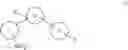
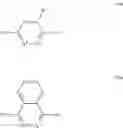
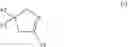

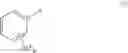
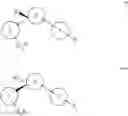
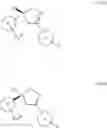
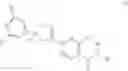
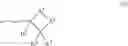
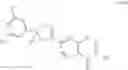
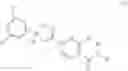
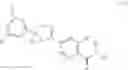
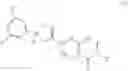
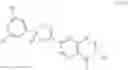

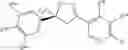
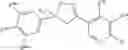
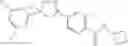

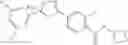
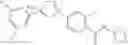
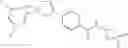

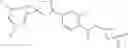
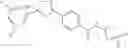

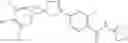


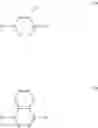
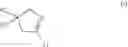

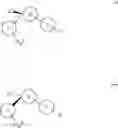
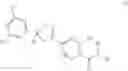
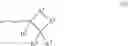
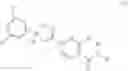
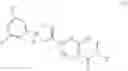
Sources:
- United States Patent and Trademark Office - verify current appl. status at the USPTO↗
Similar patent applications:
- » 20070144057
Tidal area insect control method - » 20050215597
Composition for controlling house insect pest and method for controlling house insect pest - » 20250017714
METHODS OF INSECT CONTROL FOR AN ANIMAL, PRODUCTS THEREOF AND METHODS FOR THEIR PREPARATION - » 20240196885
INSECT PEST BAIT COMPOSITION WITH ISOCYCLOSERAM AND METHOD FOR CONTROLLING INSECT PESTS - » 20070299264
Method to control insects resistant to common insecticides - » 20060083726
Method for controlling insects of the order diptera using a Bacillus thuringiensis strain - » 20060288955
Device and method for controlling insects - » 20050272060
Chimeric CrylE δ endotoxin and methods of controlling insects - » 20050025795
Compounds, Compositions and methods for insect control - » 20060263403
Compositions and methods for controlling insects involving the tyramine receptor
Recent applications in this class:
- » 20250143304 2025-05-08
INSECT, ACARINA AND NEMATODE PEST CONTROL - » 20250134103 2025-05-01
PESTICIDAL MIXTURES COMPRISING AN ISOCHINOLINE COMPOUND - » 20250064061 2025-02-27
METHOD FOR CONTROLLING NOXIOUS ARTHROPODS - » 20250057164 2025-02-20
USE OF ISOXAZOLINECARBOXAMIDE FOR SPROUT INHIBITION - » 20250024838 2025-01-23
WOOD TREATMENT COMPOSITION, METHODS OF USE, AND TREATED WOOD - » 20250017209 2025-01-16
COMPOSITION, MANUFACTURING METHOD FOR SEMICONDUCTOR ELEMENT, AND CLEANING METHOD FOR SEMICONDUCTOR SUBSTRATE - » 20240415124 2024-12-19
HERBICIDAL COMPOSITION CONTAINING 3-(2-CHLORO-4-FLUORO-5-(3-METHYL-2,6-DIOXO-4-TRIFLUOROMETHYL-3,6-DIHYDROPYRIMIDIN-1(2H)-YL)PHENYL)-5-METHYL-4,5-DIHYDROISOXAZOLE-5-CARBOXYLIC ACID ETHYL ESTER AND GLUFOSINATE-P AND USE THEREOF - » 20240415123 2024-12-19
METHODS AND COMPOSITIONS FOR ICAFOLIN HERBICIDE TOLERANCE - » 20240407365 2024-12-12
Method for Treating Technical Products - » 20240397948 2024-12-05
ACTIVE COMPOUND COMBINATIONS CONTAINING A THIAZOYLISOXAZOLINE AND A FUNGICIDE
Recent applications for this Assignee:
- » 20250122524 2025-04-17
ENGINEERED PESTICIDAL PROTEINS AND METHODS OF CONTROLLING PLANT PESTS - » 20250024804 2025-01-23
DOWNY MILDEW RESISTANT IMPATIENS - » 20240423154 2024-12-26
TOMATO PLANT PRODUCING FRUITS WITH MODIFIED SUGAR CONTENT - » 20240360462 2024-10-31
CONTROL OF COLEOPTERAN PESTS USING RNA MOLECULES - » 20240292845 2024-09-05
CONTROL OF PLANT PESTS USING RNA MOLECULES - » 20240284911 2024-08-29
METHOD OF CONTROLLING WEEDS IN WARM SEASON TURFGRASS - » 20240276939 2024-08-22
VARIETY CORN LINES - » 20240172751 2024-05-30
METHODS OF PEST CONTROL IN SOYBEAN - » 20240099305 2024-03-28
PESTICIDAL COMPOSITION - » 20240099213 2024-03-28
HAPLOID INDUCTION COMPOSITIONS AND METHODS FOR USE THEREFOR