Method for preparing 3-trifluoromethyl chalcones
US20150210654A1
2015-07-30
14/683,423
2015-04-10
✅ Patent granted
US 9,611,231 B2
2017-04-04
-
-
Kristin Vajda
Pepper Hamilton LLP
2035-04-10
Abstract:
Disclosed is a method for preparing a compound of Formula 1 wherein Q and Z are as defined in the disclosure comprising distilling water from a mixture comprising a compound of Formula 2, a compound of Formula 3, a base comprising at least one compound selected from the group consisting of alkaline earth metal hydroxides of Formula 4 wherein M is Ca, Sr or Ba, alkali metal carbonates of Formula 4a wherein M1 is Li, Na or K, 1,5-diazabicyclo[4.3.0]non-5-ene and 1,8-diazabicyclo[5.4.0]undec-7-ene, and an aprotic solvent capable of forming a low-boiling azeotrope with water. Also disclosed is a method for preparing a compound of Formula 2 comprising (1) forming a reaction mixture comprising a Grignard reagent derived from contacting a compound of Formula 5 wherein X is Cl, Br or I with magnesium metal or an alkylmagnesium halide in the presence of an ethereal solvent, and then (2) contacting the reaction mixture with a compound of Formula 6 wherein Y is OR11 or NR12R13, and R11, R12 and R13 are as defined in the disclosure. Further disclosed is a method for preparing a compound of Formula 7 wherein Q and Z are as defined in the disclosure, using a compound of Formula 1 characterized by preparing the compound of Formula 1 by the method disclosed above or using a compound of Formula 1 prepared by the method disclosed above.
Assignee:
- E.I. DU PONT DE NEMOURS AND COMPANY 2,145 🇺🇸 Wilmington, DE, United States
Applicant:
Interested in similar patents?
Get notified when new applications in this technology area are published.
Classification:
C07C45/455 » CPC further
Preparation of compounds having >C = O groups bound only to carbon or hydrogen atoms; Preparation of chelates of such compounds by condensation with carboxylic acids or their derivatives
C07D261/04 » CPC main
Heterocyclic compounds containing 1,2-oxazole or hydrogenated 1,2-oxazole rings not condensed with other rings having one double bond between ring members or between a ring member and a non-ring member
C07C49/80 » CPC further
Ketones; Ketenes; Dimeric ketenes ; Ketonic chelates; Ketones containing a keto group bound to a six-membered aromatic ring containing halogen
C07C49/813 » CPC further
Ketones; Ketenes; Dimeric ketenes ; Ketonic chelates; Ketones containing a keto group bound to a six-membered aromatic ring containing halogen polycyclic
C07D231/12 » CPC further
Heterocyclic compounds containing 1,2-diazole or hydrogenated 1,2-diazole rings not condensed with other rings having two or three double bonds between ring members or between ring members and non-ring members with only hydrogen atoms, hydrocarbon or substituted hydrocarbon radicals, directly attached to ring carbon atoms
C07C231/12 » CPC further
Preparation of carboxylic acid amides by reactions not involving the formation of carboxamide groups
C07D249/08 » CPC further
Heterocyclic compounds containing five-membered rings having three nitrogen atoms as the only ring hetero atoms not condensed with other rings 1,2,4-Triazoles; Hydrogenated 1,2,4-triazoles
C07D231/14 » CPC further
Heterocyclic compounds containing 1,2-diazole or hydrogenated 1,2-diazole rings not condensed with other rings having two or three double bonds between ring members or between ring members and non-ring members with hetero atoms or with carbon atoms having three bonds to hetero atoms with at the most one bond to halogen, e.g. ester or nitrile radicals, directly attached to ring carbon atoms
C07D231/16 » CPC further
Heterocyclic compounds containing 1,2-diazole or hydrogenated 1,2-diazole rings not condensed with other rings having two or three double bonds between ring members or between ring members and non-ring members with hetero atoms or with carbon atoms having three bonds to hetero atoms with at the most one bond to halogen, e.g. ester or nitrile radicals, directly attached to ring carbon atoms Halogen atoms or nitro radicals
C07C67/343 » CPC further
Preparation of carboxylic acid esters by modifying the acid moiety of the ester, such modification not being an introduction of an ester group by isomerisation; by change of size of the carbon skeleton by increase in the number of carbon atoms
C07C231/14 » CPC further
Preparation of carboxylic acid amides by formation of carboxamide groups together with reactions not involving the carboxamide groups
C07C17/35 » CPC further
Preparation of halogenated hydrocarbons by reactions not affecting the number of carbon or of halogen atoms in the reaction
C07C25/13 » CPC further
Compounds containing at least one halogen atom bound to a six-membered aromatic ring; Monocyclic aromatic halogenated hydrocarbons containing fluorine
C07C205/45 » CPC further
Compounds containing nitro groups bound to a carbon skeleton the carbon skeleton being further substituted by at least one doubly—bound oxygen atom, not being part of a —CHO group
C07D213/40 » CPC further
Heterocyclic compounds containing six-membered rings, not condensed with other rings, with one nitrogen atom as the only ring hetero atom and three or more double bonds between ring members or between ring members and non-ring members having three double bonds between ring members or between ring members and non-ring members having no bond between the ring nitrogen atom and a non-ring member or having only hydrogen or carbon atoms directly attached to the ring nitrogen atom with substituted hydrocarbon radicals attached to ring carbon atoms; Radicals substituted by singly-bound nitrogen atoms Acylated substituent nitrogen atom
C07D249/10 » CPC further
Heterocyclic compounds containing five-membered rings having three nitrogen atoms as the only ring hetero atoms not condensed with other rings 1,2,4-Triazoles; Hydrogenated 1,2,4-triazoles with hetero atoms or with carbon atoms having three bonds to hetero atoms with at the most one bond to halogen, e.g. ester or nitrile radicals, directly attached to ring carbon atoms
C07D277/28 » CPC further
Heterocyclic compounds containing 1,3-thiazole or hydrogenated 1,3-thiazole rings not condensed with other rings having two or three double bonds between ring members or between ring members and non-ring members with only hydrogen atoms, hydrocarbon or substituted hydrocarbon radicals, directly attached to ring carbon atoms Radicals substituted by nitrogen atoms
C07C209/74 » CPC further
Preparation of compounds containing amino groups bound to a carbon skeleton from amines, by reactions not involving amino groups, e.g. reduction of unsaturated amines, aromatisation, or substitution of the carbon skeleton by halogenation, hydrohalogenation, dehalogenation, or dehydrohalogenation
C07C45/45 IPC
Preparation of compounds having >C = O groups bound only to carbon or hydrogen atoms; Preparation of chelates of such compounds by condensation
C07C45/70 » CPC further
Preparation of compounds having >C = O groups bound only to carbon or hydrogen atoms; Preparation of chelates of such compounds by reactions not involving the formation of >C = O groups by isomerisation; by change of size of the carbon skeleton by increase in the number of carbon atoms by reaction with functional groups containing oxygen only in singly bound form
Description
FIELD OF THE INVENTION
This invention pertains to a method for preparing 3-trifluoromethyl chalcones and trifluoroacetyl intermediates. The present invention also relates to novel trifluoroacetyl and halo compounds useful as starting materials and intermediates for the aforedescribed method.
SUMMARY OF THE INVENTION
The present invention provides a method for preparing a compound of Formula 1
wherein
-
- Z is optionally substituted phenyl; and
- Q is phenyl or 1-naphthalenyl, each optionally substituted;
comprising distilling water from a mixture comprising a compound of Formula 2
a compound of Formula 3
a base comprising at least one compound selected from the group consisting of
-
- alkaline earth metal hydroxides of Formula 4
M(OH)2 4
-
-
- wherein M is Ca, Sr or Ba,
- alkali metal carbonates of Formula 4a
-
(M1)2CO3 4a
wherein M1 is Li, Na or K,
-
- 1,5-diazabicyclo[4.3.0]non-5-ene and 1,8-diazabicyclo[5.4.0]undec-7-ene,
and an aprotic solvent capable of forming a low-boiling azeotrope with water.
- 1,5-diazabicyclo[4.3.0]non-5-ene and 1,8-diazabicyclo[5.4.0]undec-7-ene,
This invention also provides a method for preparing a compound of Formula 2 wherein Z is optionally substituted phenyl, comprising
- (1) forming a reaction mixture comprising a Grignard reagent derived from a compound of Formula 5
Z X 5
- wherein X is Cl, Br or I,
- by contacting the compound of Formula 5 with
- (a) magnesium metal, or
- (b) an alkylmagnesium halide
- in the presence of an ethereal solvent; and then
- (2) contacting the reaction mixture with a compound of Formula 6
- wherein
- Y is OR11 or NR12R13;
- R11 is C1-C5 alkyl; and
- R12 and R13 are independently C1-C2 alkyl; or R12 and R13 are taken together as —CH2CH2OCH2CH2—.
This invention also provides a method for preparing a compound of Formula 2 wherein Z is phenyl optionally substituted with up to 5 substituents independently selected from R2; and each R2 is independently F, Cl, Br, C1-C6 alkyl, C1-C6 fluoroalkyl, C1-C6 alkoxy, C1-C6 fluoroalkoxy, C1-C6 alkylthio or C1-C6 fluoroalkylthio, comprising
- (1) forming a reaction mixture comprising a Grignard reagent derived from a compound of Formula 5
Z—X 5
- wherein X is I,
- by contacting the compound of Formula 5 with
- (a) magnesium metal, or
- (b) an alkylmagnesium halide
- in the presence of an ethereal solvent; and then
- (2) contacting the reaction mixture with a compound of Formula 6
- wherein
- Y is OR11 or NR12R13;
- R11 is C1-C5 alkyl; and
- R12 and R13 are independently C1-C2 alkyl; or R12 and R13 are taken together as —CH2CH2OCH2CH2—.
This invention also relates to the method disclosed above for preparing a compound of Formula 1 from a compound of Formula 2 and a compound of Formula 3 wherein the method is further characterized by preparing the compound of Formula 2 from the compounds of Formulae 5 and 6 by the method disclosed above.
The invention also relates to a method for preparing a compound of Formula 7
wherein
-
- Z is optionally substituted phenyl; and
- Q is phenyl or 1-naphthalenyl, each optionally substituted; using a compound of Formula 1. The method is characterized by (a) preparing the compound of Formula 1 by the method disclosed above, or (b) using as said compound of Formula 1 a compound of Formula 1 prepared by the method disclosed above.
The present invention also relates to novel compounds of Formulae 2 and 5, useful as starting materials for the aforedescribed methods.
DETAILS OF THE INVENTION
As used herein, the terms “comprises,” “comprising,” “includes,” “including,” “has,” “having,” “contains” or “containing,” or any other variation thereof, are intended to cover a non-exclusive inclusion. For example, a composition, a mixture, process, method, article, or apparatus that comprises a list of elements is not necessarily limited to only those elements but may include other elements not expressly listed or inherent to such composition, mixture, process, method, article, or apparatus. Further, unless expressly stated to the contrary, “or” refers to an inclusive or and not to an exclusive or. For example, a condition A or B is satisfied by any one of the following: A is true (or present) and B is false (or not present), A is false (or not present) and B is true (or present), and both A and B are true (or present).
Also, the indefinite articles “a” and “an” preceding an element or component of the invention are intended to be nonrestrictive regarding the number of instances (i.e. occurrences) of the element or component. Therefore “a” or “an” should be read to include one or at least one, and the singular word form of the element or component also includes the plural unless the number is obviously meant to be singular.
In the above recitations, the term “alkyl”, used either alone or in compound words such as “alkylthio” or “haloalkyl” includes straight chain or branched alkyl, such as, methyl, ethyl, n-propyl, i-propyl, or the different butyl, pentyl or hexyl isomers.
“Alkoxy” includes, for example, methoxy, ethoxy, n-propyloxy, isopropyloxy and the different butoxy, pentoxy and hexyloxy isomers. “Alkylthio” includes branched or straight-chain alkylthio moieties such as methylthio, ethylthio, and the different propylthio, butylthio, pentylthio and hexylthio isomers. “Alkylsulfinyl” includes both enantiomers of an alkylsulfinyl group. Examples of “alkylsulfinyl” include CH3S(O)—, CH3CH2S(O)—, CH3CH2CH2S(O)—, (CH3)2CHS(O)— and the different butylsulfinyl, pentylsulfinyl and hexylsulfinyl isomers. Examples of “alkylsulfonyl” include CH3S(O)2—, CH3CH2S(O)2—, CH3CH2CH2S(O)2—, (CH3)2CHS(O)2—, and the different butylsulfonyl, pentylsulfonyl and hexylsulfonyl isomers. “Alkylamino”, “dialkylamino” and the like, are defined analogously to the above examples.
“Cycloalkyl” includes, for example, cyclopropyl, cyclobutyl, cyclopentyl and cyclohexyl. The term “alkylcycloalkyl” denotes alkyl substitution on a cycloalkyl moiety and includes, for example, ethylcyclopropyl, i-propylcyclobutyl, 3-methylcyclopentyl and 4-methylcyclohexyl. The term “cycloalkylalkyl” denotes cycloalkyl substitution on an alkyl moiety. Examples of “cycloalkylalkyl” include cyclopropylmethyl, cyclopentylethyl, and other cycloalkyl moieties bonded to straight-chain or branched alkyl groups.
The term “halogen”, either alone or in compound words such as “haloalkyl”, or when used in descriptions such as “alkyl substituted with halogen” includes fluorine, chlorine, bromine or iodine. Further, when used in compound words such as “haloalkyl”, or when used in descriptions such as “alkyl substituted with halogen” said alkyl may be partially or fully substituted with halogen atoms which may be the same or different. Similarly, “fluoroalkyl” means said alkyl may be partially or fully substituted with fluorine atoms. Examples of “haloalkyl” or “alkyl substituted with halogen” include F3C—, C1CH2—, CF3CH2— and CF3CCl2—. The terms “halocycloalkyl”, “haloalkoxy”, “haloalkylthio”, “haloalkylsulfinyl”, “haloalkylsulfonyl”, and the like, are defined analogously to the term “haloalkyl”. Examples of “haloalkoxy” include CF3O—, CCl3CH2O—, HCF2CH2CH2O— and CF3CH2O—. Examples of “haloalkylthio” include CCl3S—, CF3S—, CCl3CH2S— and C1CH2CH2CH2S—. Examples of “haloalkylsulfinyl” include CF3S(O)—, CCl3S(O)—, CF3CH2S(O)— and CF3CF2S(O)—. Examples of “haloalkylsulfonyl” include CF3S(O)2—, CCl3S(O)2—, CF3CH2S(O)2— and CF3CF2S(O)2—. The term “halodialkylamino” denotes dialkylamino wherein at least one of the amino components is substituted with at least one halogen. Examples of “halodialkylamino” include CH2C1CH2N(CH3)— and (CF3CH2)2N—.
“Alkylcarbonyl” denotes a straight-chain or branched alkyl moieties bonded to a C(═O) moiety. Examples of “alkylcarbonyl” include CH3C(═O)—, CH3CH2CH2C(═O)— and (CH3)2CHC(═O)—. Examples of “alkoxycarbonyl” include CH3OC(═O)—, CH3CH2OC(═O)—, CH3CH2CH2OC(═O)—, (CH3)2CHOC(═O)— and the different butoxy or pentoxycarbonyl isomers.
In the present disclosure and claims, the radicals “SO2” and S(O)2” mean sulfonyl, “—CN” means cyano, “—NO2” means nitro, and “—OH” means hydroxy.
The total number of carbon atoms in a substituent group is indicated by the “Ci-Cj” prefix where i and j are numbers from 1 to 9. For example, C1-C4 alkylsulfonyl designates methylsulfonyl through butylsulfonyl, including possible isomers. C2 alkoxycarbonyl designates CH3OC(O)—; C3 alkoxycarbonyl designates CH3CH2C(O)—; and C4 alkoxycarbonyl includes (CH3)2CHC(O)— and CH3CH2CH2C(O)—.
When a compound is substituted with a substituent bearing a subscript that indicates the number of said substituents can exceed 1, said substituents (when they exceed 1) are independently selected from the group of defined substituents, e.g., for (Rv)r in U-1 of Exhibit 1, r is 1, 2, 3, 4 or 5. When a group contains a substituent which can be hydrogen (e.g., —NR4R5 in the definition of R3 wherein R4 or R5 may be hydrogen in Embodiment 2), then when this substituent is taken as hydrogen, it is recognized that this is equivalent to said group being unsubstituted. When a variable group is shown to be optionally attached to a position, for example (Rv)r in U-41 of Exhibit 1 wherein r may be 0, then hydrogen may be at the position even if not recited in the variable group definition. When one or more positions on a group are said to be “not substituted” or “unsubstituted”, then hydrogen atoms are attached to take up any free valency.
The terms “heterocyclic ring” or “heterocycle” denote a ring or ring in which at least one atom forming the ring backbone is not carbon, e.g., nitrogen, oxygen or sulfur. Typically a heterocyclic ring contains no more than 4 nitrogens, no more than 2 oxygens and no more than 2 sulfurs. The term “ring member” refers to an atom or other moiety (e.g., C(═O), C(═S), S(O) or S(O)2) forming the backbone of a ring. Unless otherwise indicated, a heterocyclic ring can be a saturated, partially unsaturated or fully unsaturated ring, and furthermore, an unsaturated heterocyclic ring can be partially unsaturated or fully unsaturated. Therefore recitation of “heterocyclic ring” without indicating whether it is saturated or unsaturated is synonymous with recitation of “saturated or unsaturated heterocyclic ring”. When a fully unsaturated heterocyclic ring satisfies Hückel's rule, then said ring is also called a “heteroaromatic ring” or “aromatic heterocyclic ring”. “Aromatic” indicates that each of the ring atoms is essentially in the same plane and has a p-orbital perpendicular to the ring plane, and that (4n+2) π electrons, where n is a positive integer, are associated with the ring to comply with Hückel's rule. Unless otherwise indicated, heterocyclic rings and ring systems can be attached through any available carbon or nitrogen by replacement of a hydrogen on said carbon or nitrogen.
The term “optionally substituted” in connection with phenyl or 1-naphthalenyl in the definitions of Z and Q refers to groups which are unsubstituted or have at least one non-hydrogen substituent. As Z and Q are peripheral to the portions of the molecules undergoing reaction in the present methods, a very broad range of both number and type of substituents is compatible with the present methods. As used herein, the following definitions shall apply unless otherwise indicated. The term “optionally substituted” is used interchangeably with the phrase “substituted or unsubstituted” or with the term “(un)substituted.” Unless otherwise indicated, an optionally substituted group may have a substituent at each substitutable position of the group, and each substitution is independent of the other.
When R3 or Q1 is a 5- or 6-membered nitrogen-containing heterocyclic ring, it may be attached to the remainder of Formula 1 though any available carbon or nitrogen ring atom, unless otherwise described. As noted in Embodiment 1B, R3 or Q1 can be (among others) phenyl optionally substituted with one or more substituents selected from a group of substituents as defined in Embodiment 1B. An example of phenyl optionally substituted with one to five substituents is the ring illustrated as U-1 in Exhibit 1, wherein Rv is as defined in Embodiment 1B for R3 or Q1 and r is an integer from 0 to 5. As noted above, R3 or Q1 can be (among others) 5- or 6-membered heterocyclic ring, which may be saturated or unsaturated, optionally substituted with one or more substituents selected from a group of substituents as defined in Embodiment 2. Examples of a 5- or 6-membered unsaturated aromatic heterocyclic ring optionally substituted with from one or more substituents include the rings U-2 through U-61 illustrated in Exhibit 1 wherein Rv is any substituent as defined in Embodiment 2 for R3 or Q1 and r is an integer from 0 to 4, limited by the number of available positions on each U group. As U-29, U-30, U-36, U-37, U-38, U-39, U-40, U-41, U-42 and U-43 have only one available position, for these U groups r is limited to the integers 0 or 1, and r being 0 means that the U group is unsubstituted and a hydrogen is present at the position indicated by (Rv)r.
Exhibit 1
Note that when R3 or Q1 is a 5- or 6-membered saturated or unsaturated non-aromatic heterocyclic ring optionally substituted with one or more substituents selected from the group of substituents as defined in Embodiment 2 for R3 or Q1, one or two carbon ring members of the heterocycle can optionally be in the oxidized form of a carbonyl moiety.
Examples of a 5- or 6-membered saturated or non-aromatic unsaturated heterocyclic ring include the rings G-1 through G-35 as illustrated in Exhibit 2. Note that when the attachment point on the G group is illustrated as floating, the G group can be attached to the remainder of Formula 1 through any available carbon or nitrogen of the G group by replacement of a hydrogen atom. The optional substituents corresponding to Rv can be attached to any available carbon or nitrogen by replacing a hydrogen atom. For these G rings, r is typically an integer from 0 to 4, limited by the number of available positions on each G group.
Note that when R3 or Q1 comprises a ring selected from G-28 through G-35, G2 is selected from O, S or N. Note that when G2 is N, the nitrogen atom can complete its valence by substitution with either H or the substituents corresponding to Rv as defined in Embodiment 1B.
Exhibit 2
Note that when Rv is H when attached to an atom, this is the same as if said atom is unsubstituted. The nitrogen atoms that require substitution to fill their valence are substituted with H or Rv. Note that when the attachment point between (Rv)r and the U group is illustrated as floating, (Rv)r can be attached to any available carbon atom or nitrogen atom of the U group. Note that when the attachment point on the U group is illustrated as floating, the U group can be attached to the remainder of Formula 1 through any available carbon or nitrogen of the U group by replacement of a hydrogen atom. Note that some U groups can only be substituted with less than 4 Rv groups (e.g., U-2 through U-5, U-7 through U-48, and U-52 through U-61).
A wide variety of synthetic methods are known in the art to enable preparation of aromatic and nonaromatic heterocyclic rings; for extensive reviews see the eight volume set of Comprehensive Heterocyclic Chemistry, A. R. Katritzky and C. W. Rees editors-in-chief, Pergamon Press, Oxford, 1984 and the twelve volume set of Comprehensive Heterocyclic Chemistry II, A. R. Katritzky, C. W. Rees and E. F. V. Scriven editors-in-chief, Pergamon Press, Oxford, 1996.
In some instances herein ratios are recited as single numbers, which are relative to the number 1; for example, a ratio of 4 means 4:1.
In the context of the present invention, “decanter” refers to a device capable of separately removing an upper (i.e. less dense) liquid phase and/or a lower (i.e. more dense) liquid phase from a liquid (e.g., azeotrope condensate) comprising two liquid phases. A Dean-Stark trap is an example of one type of decanter.
Embodiments of the present invention include:
-
- Embodiment 1. The method described in the Summary of the Invention for preparing the compound of Formula 1 comprising distilling water from the mixture comprising the compound of Formula 2, the compound of Formula 3, the base, and the aprotic solvent capable of forming a low-boiling azeotrope with water.
- Embodiment 1A. The method of Embodiment 1 wherein the base is an alkaline earth metal hydroxide of Formula 4 and the mixture further comprises a polar aprotic solvent.
- Embodiment 1B. The method of Embodiment 1 wherein the base comprises an alkali metal carbonate of Formula 4a.
- Embodiment 1C. The method of Embodiment 1 wherein the base comprises 1,5-diazabicyclo[4.3.0]non-5-ene, 1,8-diazabicyclo[5.4.0]undec-7-ene or a mixture thereof.
- Embodiment 1D. The method described in the Summary of the Invention for preparing a compound of Formula 7 using a compound of Formula 1, the method characterized by preparing the compound of Formula 1 by the method of Embodiment 1.
- Embodiment 1E. The method described in the Summary of the Invention for preparing a compound of Formula 7 using a compound of Formula 1, the method characterized by preparing the compound of Formula 1 by the method of Embodiment 1A.
- Embodiment 1F. The method described in the Summary of the Invention for preparing a compound of Formula 7 using a compound of Formula 1, the method characterized by preparing the compound of Formula 1 by the method of Embodiment 1B.
- Embodiment 1G. The method described in the Summary of the Invention for preparing a compound of Formula 7 using a compound of Formula 1, the method characterized by preparing the compound of Formula 1 by the method of Embodiment 1C.
- Embodiment 2. The method of any one of Embodiments 1 through 1G wherein
- Q is phenyl or 1-naphthalenyl, each optionally substituted with up to four substituents independently selected from R3;
- each R3 is independently halogen, C1-C6 alkyl, C1-C6 haloalkyl, C2-C6 alkenyl, C2-C6 haloalkenyl, C2-C6 alkynyl, C3-C6 haloalkynyl, C3-C6 cycloalkyl, C3-C6 halocycloalkyl, C1-C6 alkoxy, C1-C6 haloalkoxy, C1-C6 alkylthio, C2-C7 alkylcarbonyl, C2-C7 haloalkylcarbonyl, C1-C6 haloalkylthio, C1-C6 alkylsulfinyl, C1-C6 haloalkylsulfinyl, C1-C6 alkylsulfonyl, C1-C6 haloalkylsulfonyl, —N(R4)R5, —C(═W)N(R4)R5, —C(═W)OR5, —CN, —OR11 or —NO2; or a phenyl ring or a 5- or 6-membered saturated or unsaturated heterocyclic ring, each ring optionally substituted with one or more substituents independently selected from halogen, C1-C6 alkyl, C1-C6 haloalkyl, C3-C6 cycloalkyl, C3-C6 halocycloalkyl, C1-C6 alkoxy, C1-C6 haloalkoxy, C1-C6 alkylthio, C1-C6 haloalkylthio, C1-C6 alkylsulfinyl, C1-C6 haloalkylsulfinyl, C1-C6 alkylsulfonyl, C1-C6 haloalkylsulfonyl, —CN, —NO2, —N(R4)R5, —C(═W)N(R4)R5, —C(═O)OR5 and R7;
- each R4 is independently H, C1-C6 alkyl, C2-C6 alkenyl, C2-C6 alkynyl, C3-C6 cycloalkyl, C4-C7 alkylcycloalkyl, C4-C7 cycloalkylalkyl, C2-C7 alkylcarbonyl or C2-C7 alkoxycarbonyl;
- each R5 is independently H; or C1-C6 alkyl, C2-C6 alkenyl, C2-C6 alkynyl, C3-C6 cycloalkyl, C4-C7 alkylcycloalkyl or C4-C7 cycloalkylalkyl, each optionally substituted with one or more substituents independently selected from R6;
- each R6 is independently halogen, C1-C6 alkyl, C1-C6 alkoxy, C1-C6 alkylthio, C1-C6 alkylsulfinyl, C1-C6 alkylsulfonyl, C1-C6 alkylamino, C2-C8 dialkylamino, C3-C6 cycloalkylamino, C2-C7 alkylcarbonyl, C2-C7 alkoxycarbonyl, C2-C7 alkylaminocarbonyl, C3-C9 dialkylaminocarbonyl, C2-C7 haloalkylcarbonyl, C2-C7 haloalkoxycarbonyl, C2-C7 haloalkylaminocarbonyl, C3-C9 halodialkylaminocarbonyl, —OH, —NH2, —CN or —NO2; or Q1;
- each R7 is independently a phenyl ring or a pyridinyl ring, each ring optionally substituted with one or more substituents independently selected from R8;
- each R8 is independently halogen, C1-C6 alkyl, C1-C6 haloalkyl, C1-C6 alkoxy, C1-C6 haloalkoxy, C1-C6 alkylthio, C1-C6 haloalkylthio, C1-C6 alkylsulfinyl, C1-C6 haloalkylsulfinyl, C1-C6 alkylsulfonyl, C1-C6 haloalkylsulfonyl, C1-C6 alkylamino, C2-C6 dialkylamino, C2-C4 alkylcarbonyl, C2-C4 alkoxycarbonyl, C2-C7 alkylaminocarbonyl, C3-C7 dialkylaminocarbonyl, —OH, —NH2, —C(═O)OH, —CN or —NO2;
- each Q1 is independently a phenyl ring or a 5- or 6-membered saturated or unsaturated heterocyclic ring, each ring optionally substituted with one or more substituents independently selected from halogen, C1-C6 alkyl, C1-C6 haloalkyl, C3-C6 cycloalkyl, C3-C6 halocycloalkyl, C1-C6 alkoxy, C1-C6 haloalkoxy, C1-C6 alkylthio, C1-C6 haloalkylthio, C1-C6 alkylsulfinyl, C1-C6 haloalkylsulfinyl, C1-C6 alkylsulfonyl, C1-C6 haloalkylsulfonyl, C1-C6 alkylamino, C2-C6 dialkylamino, —CN, —NO2, —C(═W)N(R9)R10 and —C(═O)OR10;
- each R9 is independently H, C1-C6 alkyl, C1-C6 haloalkyl, C2-C6 alkenyl, C2-C6 alkynyl, C3-C6 cycloalkyl, C4-C7 alkylcycloalkyl, C4-C7 cycloalkylalkyl, C2-C7 alkylcarbonyl or C2-C7 alkoxycarbonyl;
- each R10 is independently H; or C1-C6 alkyl, C1-C6 haloalkyl, C2-C6 alkenyl, C2-C6 alkynyl, C3-C6 cycloalkyl, C4-C7 alkylcycloalkyl or C4-C7 cycloalkylalkyl;
- each R11 is independently H; or C2-C6 alkenyl, C2-C6 alkynyl, C3-C6 cycloalkyl, C4-C7 alkylcycloalkyl, C4-C7 cycloalkylalkyl, C2-C7 alkylcarbonyl, C2-C7 alkoxycarbonyl, C1-C6 alkylsulfonyl or C1-C6 haloalkylsulfonyl; and
- each W is independently O or S.
- Embodiment 2A. The method of Embodiment 2 wherein Q is phenyl optionally substituted with up to four substituents independently selected from R3.
- Embodiment 2B. The method of Embodiment 2 wherein Q is 1-naphthalenyl optionally substituted with up to four substituents independently selected from R3.
- Embodiment 2C. The method of Embodiment 2 wherein each R3 is independently halogen, C1-C6 alkyl, C1-C6 haloalkyl, —C(W)N(R4)R5, —C(W)OR5 or —CN; or a phenyl ring or a 5- or 6-membered saturated or unsaturated heterocyclic ring, each ring optionally substituted with substituents independently selected from halogen, C1-C6 alkyl, C1-C6 haloalkyl, —CN, —C(W)N(R4)R5 and —C(O)OR5.
- Embodiment 2D. The method of Embodiment 2 wherein each R4 is independently H or C1-C6 alkyl.
- Embodiment 2E. The method of Embodiment 2 wherein each R5 is independently H; or C1-C6 alkyl optionally substituted with substituents independently selected from R6.
- Embodiment 2F. The method of Embodiment 2 wherein each R6 is independently halogen, C1-C6 alkyl, C1-C6 alkoxy, C1-C6 alkylthio, C2-C7 alkoxycarbonyl, C2-C7 alkylaminocarbonyl, C3-C9 dialkylaminocarbonyl, C2-C7 haloalkylaminocarbonyl, C3-C9 halodialkylaminocarbonyl or —CN; or Q1.
- Embodiment 2G. The method of Embodiment 2 wherein each Q1 is independently a pyridinyl ring optionally substituted with up to four halogen.
- Embodiment 2H. The method of Embodiment 2B wherein
- Q is
and
-
-
- R3 is C(O)N(R4)R5 or C(O)OR5.
- Embodiment 2I. The method of Embodiment 2H wherein
- R4 is H, C2-C7 alkylcarbonyl or C2-C7 alkoxycarbonyl.
- Embodiment 2J. The method of Embodiment 2I wherein R4 is H.
- Embodiment 2K. The method of any one of Embodiments 2H through 2J wherein
- R3 is C(O)N(R4)R5 or C(O)OR5a;
- R5 is C1-C6 alkyl or C1-C6 haloalkyl, each substituted with one substituent independently selected from hydroxy, C1-C6 alkoxy, C1-C6 alkylthio, C1-C6 alkylsulfinyl, C1-C6 alkylsulfonyl, C2-C7 alkylaminocarbonyl, C3-C9 dialkylaminocarbonyl, C2-C7 haloalkylaminocarbonyl and C3-C9 halodialkylaminocarbonyl; and
- R5a is C1-C6 alkyl, C2-C6 alkenyl or C2-C6 alkynyl, each optionally substituted with one or more substituents independently selected from halogen, C1-C2 alkoxy and phenyl optionally substituted with up to 5 substituents selected from halogen and C1-C3 alkyl.
- Embodiment 2L. The method of any one of Embodiments 2H through 2K wherein
- R5a is C1-C6 alkyl optionally substituted with phenyl.
- Embodiment 2M. The method of any one of Embodiments 2H through 2L wherein
- R3 is C(O)N(R4)R5.
- Embodiment 2N. The method of any one of Embodiments 2H through 2J wherein
- R3 is C(O)OR5.
- Embodiment 2O. The method of any one of Embodiments 2K through 2L wherein
- R3 is C(O)OR5a.
- Embodiment 3. The method of any one of Embodiments 1 through 2O wherein
- Z is phenyl optionally substituted with up to 5 substituents independently selected from R2 (i.e.
-
wherein n is 0, 1, 2, 3, 4 or 5); and
-
-
- each R2 is independently halogen, C1-C6 alkyl, C1-C6 haloalkyl, C1-C6 alkoxy, C1-C6 haloalkoxy, C1-C6 alkylthio, C1-C6 haloalkylthio, C1-C6 alkylamino, C2-C6 dialkylamino, —CN or —NO2.
- Embodiment 3A. The method of Embodiment 3 wherein Z is a phenyl ring substituted with up to 3 substituents independently selected from R2, said substituents attached at the 3, 4 or 5 positions of the phenyl ring.
- Embodiment 3B. The method of Embodiment 3 or 3A wherein each R2 is independently F, Cl, Br, C1-C6 alkyl, C1-C6 fluoroalkyl, C1-C6 alkoxy, C1-C6 fluoroalkoxy, C1-C6 alkylthio or C1-C6 fluoroalkylthio.
- Embodiment 3C. The method of Embodiment 3 or 3A wherein each R2 is independently halogen, C1-C6 alkyl, C1-C6 haloalkyl or —CN.
- Embodiment 3D. The method of Embodiment 3C wherein each R2 is independently halogen or C1-C6 haloalkyl.
- Embodiment 3E. The method of Embodiment 3D wherein each R2 is independently halogen or CF3.
- Embodiment 3F. The method of Embodiment 3E wherein each R2 is independently F, Cl or CF3.
-
Embodiment 3G. The method of Embodiment 3A wherein Z is
-
-
- R2a is halogen, C1-C2 haloalkyl or C1-C2 haloalkoxy; R2b is H, halogen or cyano; and R2c is H, halogen or CF3.
- Embodiment 3H. The method of Embodiment 3G wherein R2a is CF3 or halogen; and R2c is H, CF3 or halogen.
- Embodiment 3I. The method of Embodiment 3H wherein R2a is CF3.
- Embodiment 3J. The method of any one of Embodiments 3G through 3I wherein R2b is H.
- Embodiment 3K. The method of any one of Embodiments 3G through 3J wherein R2c is CF3 or halogen.
- Embodiment 3L. The method of Embodiment 3K wherein R2c is CF3, F, Cl or Br.
- Embodiment 3M. The method of Embodiment 3L wherein R2c is F, Cl or Br.
- Embodiment 3N. The method of Embodiment 3L wherein R2c is CF3, Cl or Br.
- Embodiment 3O. The method of Embodiment 3N wherein R2c is Cl or Br.
- Embodiment 3P. The method of Embodiment 3O wherein R2b is H and R2c is Cl.
- Embodiment 3Q. The method of Embodiment 3O wherein R2b is H and R2c is Br.
- Embodiment 4. The method described in the Summary of the Invention for preparing a compound of Formula 2, comprising (1) forming a reaction mixture comprising a Grignard reagent derived from a compound of Formula 5 by contacting the compound of Formula 5 with (a) magnesium metal, or (b) an alkylmagnesium halide in the presence of an ethereal solvent; and then (2) contacting the reaction mixture with a compound of Formula 6.
- Embodiment 4A. The method of any one of Embodiments 1 through 2O and 3 through 3Q further characterized by preparing the compound of Formula 2 by the method of Embodiment 4.
- Embodiment 4B. The method of Embodiment 4 or 4A wherein X is Cl or I.
- Embodiment 4C. The method of Embodiment 4 or 4A wherein X is Br or I.
- Embodiment 4D. The method of Embodiment 4 or 4A wherein X is Cl or Br.
- Embodiment 4E. The method of Embodiment 4 or 4A wherein X is Cl.
- Embodiment 4F. The method of Embodiment 4 or 4A wherein X is Br.
- Embodiment 4G. The method of Embodiment 4 or 4A wherein X is I.
- Embodiment 4H. The method of any one of Embodiments 4 through 4G wherein
- Z is phenyl optionally substituted with up to 5 substituents independently selected from R2 (i.e.
-
wherein n is 0, 1, 2, 3, 4 or 5); and
-
-
- each R2 is independently F, Cl, Br, C1-C6 alkyl, C1-C6 fluoroalkyl, C1-C6 alkoxy, C1-C6 fluoroalkoxy, C1-C6 alkylthio or C1-C6 fluoroalkylthio;
- provided that when X is Cl then each R2 is independently F, Cl, C1-C6 alkyl, C1-C6 fluoroalkyl, C1-C6 alkoxy, C1-C6 fluoroalkoxy, C1-C6 alkylthio or C1-C6 fluoroalkylthio.
- Embodiment 4I. The method of Embodiment 4H wherein when X is Br then each R2 is independently F, Cl, C1-C6 alkyl, C1-C6 fluoroalkyl, C1-C6 alkoxy, C1-C6 fluoroalkoxy, C1-C6 alkylthio or C1-C6 fluoroalkylthio; and when X is Cl then each R2 is independently F, C1-C6 alkyl, C1-C6 fluoroalkyl, C1-C6 alkoxy, C1-C6 fluoroalkoxy, C1-C6 alkylthio or C1-C6 fluoroalkylthio.
- Embodiment 4J. The method of any one of Embodiments 3, 4H and 4I wherein Z is a phenyl ring substituted with up to 3 substituents independently selected from R2, said substituents attached at the 3, 4 or 5 positions of the phenyl ring.
- Embodiment 4K. The method of any one of Embodiments 4H, 4I and 4J wherein each R2 is independently F, Cl, Br, C1-C6 alkyl or C1-C6 fluoroalkyl.
- Embodiment 4L. The method of Embodiment 4K wherein each R2 is independently F, Cl, Br or C1-C6 fluoroalkyl.
- Embodiment 4M. The method of Embodiment 4L wherein each R2 is independently F, Cl, Br or CF3.
- Embodiment 4N. The method of any one of Embodiments 4H through 4M wherein Z is a phenyl ring substituted with 2 substituents independently selected from R2, said substituents attached at the 3 and 5 positions of the phenyl ring.
- Embodiment 4O. The method of Embodiment 4N wherein each R2 is independently F, Cl, Br or CF3.
- Embodiment 4P. The method of Embodiment 4O wherein at least one R2 is CF3.
- Embodiment 4Q. The method of Embodiment 4P wherein one R2 is CF3 and the other R2 is Cl or Br.
- Embodiment 4R. The method of Embodiment 4Q wherein one R2 is CF3 and the other R2 is Cl.
- Embodiment 4S. The method of Embodiment 3A or 3H wherein Z is
-
R2a is F, Cl, Br, C1-C2 fluoroalkyl or C1-C2 fluoroalkoxy; R2b is H, F, Cl or Br; and
-
-
-
- R2c is H, F, Cl, Br or CF3.
-
- Embodiment 4T. The method of Embodiment 4S wherein R2a is CF3, F, Cl or Br; and
- R2c is H, CF3, F, Cl or Br.
- Embodiment 4U. The method of Embodiment 4T wherein R2a is CF3.
- Embodiment 4V. The method of any one of Embodiments 4S through 4U wherein R2b is H.
- Embodiment 4W. The method of any one of Embodiments 4S through 4V wherein R2c is CF3, F, Cl or Br.
- Embodiment 4X. The method of Embodiment 4W wherein R2c is F, Cl or Br.
- Embodiment 4Y. The method of Embodiment 4W wherein R2a is CF3, Cl or Br.
- Embodiment 4Z. The method of Embodiment 4Y wherein R2c is Cl or Br.
- Embodiment 4ZA. The method of Embodiment 4Z wherein R2b is H and R2c is Cl.
- Embodiment 4ZB. The method of Embodiment 4Z wherein R2b is H and R2c is Br.
- Embodiment 4ZC. The method of any one of Embodiments 4S through 4ZB wherein X is I.
- Embodiment 5. A compound of Formula 2 as described in the Summary of the Invention wherein
- Z is
-
-
-
- R2a is CF3; R2b is H or halogen; and R2c is halogen.
- Embodiment 5A. A compound of Embodiment 5 wherein R2b is H.
- Embodiment 5B. A compound of Embodiment 5 or 5A wherein R2c is F, Cl or Br.
- Embodiment 5C. A compound of Embodiment 5B wherein R2c is Cl or Br.
- Embodiment 5D. A compound of Embodiment 5C selected from the group consisting of:
- 1-[3-chloro-5-(trifluoromethyl)]-2,2,2-trifluoroethanone; and
- 1-[3-bromo-5-(trifluoromethyl)]-2,2,2-trifluoroethanone.
- Embodiment 5E. A compound of Formula 5 as described in the Summary of the Invention which is 1-chloro-3-iodo-5-(trifluoromethyl)benzene.
- Embodiment 6. The method of Embodiment 1A or 1E wherein M is Ca (i.e. the alkaline earth metal hydroxide is calcium hydroxide).
- Embodiment 6A. The method of Embodiment 1A, 1E or 6 wherein the molar ratio of the alkaline earth metal hydroxide to the compound of Formula 2 is at least about 0.1.
- Embodiment 6A1. The method of Embodiment 6A wherein the molar ratio of the alkaline earth metal hydroxide to the compound of Formula 2 is at least about 0.5.
- Embodiment 6B. The method of Embodiment 6A1 wherein the molar ratio of the alkaline earth metal hydroxide to the compound of Formula 2 is at least about 0.8.
- Embodiment 6C. The method of any one of Embodiments 1A, 1E or 6 through 6B wherein the molar ratio of the alkaline earth metal hydroxide to the compound of Formula 2 is no more than about 1.
- Embodiment 6D. The method of Embodiment 1B or 1F wherein M1 is K (i.e. the alkali metal carbonate is potassium carbonate).
- Embodiment 6E. The method of Embodiment 1B, 1F or 6D wherein the molar ratio of the alkali metal carbonate to the compound of Formula 2 is at least about 0.01.
- Embodiment 6F. The method of Embodiment 6E wherein the molar ratio of the alkali metal carbonate to the compound of Formula 2 is at least about 0.03.
- Embodiment 6G. The method of any one of Embodiments 1B, 1F or 6D through 6F wherein the molar ratio of the alkali metal carbonate to the compound of Formula 2 is no more than about 0.2.
- Embodiment 6H. The method of Embodiment 1C or 1G wherein the molar ratio of the 1,5-diazabicyclo[4.3.0]non-5-ene, 1,8-diazabicyclo[5.4.0]undec-7-ene or a mixture thereof to the compound of Formula 2 is at least about 0.01.
- Embodiment 6I. The method of Embodiment 6H wherein the molar ratio of the 1,5-diazabicyclo[4.3.0]non-5-ene, 1,8-diazabicyclo[5.4.0]undec-7-ene or a mixture thereof to the compound of Formula 2 is at least about 0.03.
- Embodiment 6J. The method of any one of Embodiments 1C, 1G, 6H or 6I wherein the molar ratio of the 1,5-diazabicyclo[4.3.0]non-5-ene, 1,8-diazabicyclo-[5.4.0]undec-7-ene or a mixture thereof to the compound of Formula 2 is no more than about 0.2.
- Embodiment 7. The method of Embodiment 1A or 1E wherein the polar aprotic solvent comprises an amide or sulfoxide (including mixtures thereof).
- Embodiment 7A. The method of Embodiment 7 wherein the polar aprotic solvent comprises one or more of N,N-dimethylformamide, N,N-dimethylacetamide, N-methylpyrrolidinone and methyl sulfoxide.
- Embodiment 7B. The method of Embodiment 7 wherein the polar aprotic solvent comprises an amide.
- Embodiment 7C. The method of Embodiment 7B wherein the polar aprotic solvent comprises one or more of N,N-dimethylformamide, N,N-dimethylacetamide, N-methylpyrrolidinone.
- Embodiment 7D. The method of Embodiment 7C wherein the polar aprotic solvent comprises N,N-dimethylformamide.
- Embodiment 8. The method of Embodiment 1A or 1E wherein the aprotic solvent capable of forming a low-boiling azeotrope with water comprises an ether.
- Embodiment 8A. The method of Embodiment 8 wherein the aprotic solvent capable of forming a low-boiling azeotrope with water comprises tert-butyl methyl ether.
- Embodiment 8B. The method of any one of Embodiments 1B, 1C, 1F, 1G or 6D through 6J wherein the aprotic solvent capable of forming a low-boiling azeotrope with water comprises acetonitrile.
- Embodiment 8C. The method of Embodiment 8A wherein the polar aprotic solvent comprises N,N-dimethylformamide.
- Embodiment 8D. The method of Embodiment 8C wherein the tert-butyl methyl ether and the N,N-dimethylformamide are in a weight ratio in a range from about 0.5 to about 2.
- Embodiment 9. The method of Embodiment 1A or 1E wherein the mixture is at a temperature of at least about 65° C.
- Embodiment 9A. The method of Embodiment 9 wherein the mixture is at a temperature of at least about 70° C.
- Embodiment 9B. The method of Embodiment 9A wherein the mixture is at a temperature of at least about 75° C.
- Embodiment 9C. The method of Embodiment 1B, 1C, 1F or 1G wherein the mixture is at a temperature of at least about 65° C.
- Embodiment 9D. The method of Embodiment 9C wherein the mixture is at a temperature of at least about 80° C.
- Embodiment 9E. The method of Embodiment 9D wherein the mixture is at a temperature of at least about 85° C.
- Embodiment 9F. The method of any one of Embodiments 9 through 9E wherein the mixture is at a temperature of no more than about 110° C.
- Embodiment 9G. The method of Embodiment 9F wherein the mixture is at a temperature of no more than about 100° C.
- Embodiment 9H. The method of Embodiment 9G wherein the mixture is at a temperature of no more than about 90° C.
- Embodiment 10. The method of Embodiment 4 or 4A wherein the compound of Formula 5 is contacted with magnesium metal.
- Embodiment 10A. The method of Embodiment 10 wherein the molar ratio of magnesium metal to the compound of Formula 5 is at least about 1.
- Embodiment 10B. The method of Embodiment 10A wherein the molar ratio of magnesium metal to the compound of Formula 5 is at least about 1.02.
- Embodiment 10C. The method of Embodiment 10B wherein the molar ratio of magnesium metal to the compound of Formula 5 is at least about 1.05.
- Embodiment 10D. The method of any one of Embodiments 10 through 10C wherein the molar ratio of magnesium metal to the compound of Formula 5 is no more than about 1.2.
- Embodiment 10E. The method of Embodiment 10D wherein the molar ratio of magnesium metal to the compound of Formula 5 is no more than about 1.1.
- Embodiment 10F. The method of Embodiment 4 or 4A wherein the compound of Formula 5 is contacted with an alkylmagnesium halide.
- Embodiment 10G. The method of Embodiment 10F wherein the alkylmagnesium halide is a C1-C4 alkylmagnesium halide.
- Embodiment 10H. The method of Embodiment 10F or 10G wherein the alkylmagnesium halide is a secondary alkylmagnesium halide.
- Embodiment 10I. The method of Embodiment 10H wherein the alkylmagnesium halide is an isopropylmagnesium halide.
- Embodiment 10J. The method of Embodiment 10I wherein the alkylmagnesium halide is isopropylmagnesium chloride.
- Embodiment 10K. The method of any one of Embodiments 10F through 10J wherein the molar ratio of the alkylmagnesium halide to the compound of Formula 5 is at least about 1.
- Embodiment 10L. The method of Embodiment 10K wherein the molar ratio of the alkylmagnesium halide to the compound of Formula 5 is at least about 1.05.
- Embodiment 10M. The method of any one of Embodiments 10F through 10L wherein the molar ratio of the alkylmagnesium halide to the compound of Formula 5 is no more than about 1.2.
- Embodiment 10N. The method of Embodiment 10M wherein the molar ratio of the alkylmagnesium halide to the compound of Formula 5 is no more than about 1.15.
- Embodiment 10O. The method of Embodiment 4 or 4A wherein the compound of Formula 6 is methyl trifluoroacetate or ethyl trifluoroacetate.
- Embodiment 11. The method of Embodiment 4 or 4A wherein the ethereal solvent comprises one or more of ethyl ether, 1,4-dioxane, tetrahydrofuran and 1,2-dimethoxyethane.
- Embodiment 11A. The method of Embodiment 11 wherein the ethereal solvent comprises ethyl ether or tetrahydrofuran.
- Embodiment 11B. The method of Embodiment 11A wherein the ethereal solvent comprises tetrahydrofuran.
- Embodiment 11C. The method of any one of Embodiments 4, 4A or 11 through 11B wherein the compound of Formula 5 is contacted with (a) magnesium metal, or (b) an alkylmagnesium halide in the presence of an aromatic hydrocarbon solvent in addition to the ethereal solvent.
- Embodiment 11D. The method of Embodiment 11C wherein the aromatic hydrocarbon solvent comprises one or more of benzene, toluene and xylene.
- Embodiment 11E. The method of Embodiment 11D wherein the aromatic hydrocarbon solvent comprises toluene.
-
Embodiments of this invention, including Embodiments 1-11E above as well as any other embodiments described herein, can be combined in any manner, and the descriptions of variables in the embodiments pertain not only to the aforedescribed methods for preparing compounds of Formulae 1, 2 and 7 but also to the starting compounds and intermediate compounds useful for preparing the compounds of Formulae 1, 2 and 7 by these methods.
Combinations of Embodiments 1-11E are illustrated by:
-
- Embodiment A. The method described in the Summary of the Invention for preparing the compound of Formula 1 comprising distilling water from the mixture comprising the compound of Formula 2, the compound of Formula 3, the base, and the aprotic solvent capable of forming a low-boiling azeotrope with water, wherein
- Z is phenyl optionally substituted with up to 5 substituents independently selected from R2;
- Q is phenyl or 1-naphthalenyl, each optionally substituted with up to four substituents independently selected from R3;
- each R2 is independently halogen, C1-C6 alkyl, C1-C6 haloalkyl, C1-C6 alkoxy, C1-C6 haloalkoxy, C1-C6 alkylthio, C1-C6 haloalkylthio, C1-C6 alkylamino, C2-C6 dialkylamino, —CN or —NO2;
- each R3 is independently halogen, C1-C6 alkyl, C1-C6 haloalkyl, C2-C6 alkenyl, C2-C6 haloalkenyl, C2-C6 alkynyl, C3-C6 haloalkynyl, C3-C6 cycloalkyl, C3-C6 halocycloalkyl, C1-C6 alkoxy, C1-C6 haloalkoxy, C1-C6 alkylthio, C2-C7 alkylcarbonyl, C2-C7 haloalkylcarbonyl, C1-C6 haloalkylthio, C1-C6 alkylsulfinyl, C1-C6 haloalkylsulfinyl, C1-C6 alkylsulfonyl, C1-C6 haloalkylsulfonyl, —N(R4)R5, —C(═W)N(R4)R5, —C(═W)OR5, —CN, —OR11 or —NO2; or a phenyl ring or a 5- or 6-membered saturated or unsaturated heterocyclic ring, each ring optionally substituted with one or more substituents independently selected from halogen, C1-C6 alkyl, C1-C6 haloalkyl, C3-C6 cycloalkyl, C3-C6 halocycloalkyl, C1-C6 alkoxy, C1-C6 haloalkoxy, C1-C6 alkylthio, C1-C6 haloalkylthio, C1-C6 alkylsulfinyl, C1-C6 haloalkylsulfinyl, C1-C6 alkylsulfonyl, C1-C6 haloalkylsulfonyl, —CN, —NO2, —N(R4)R5, —C(═W)N(R4)R5, —C(═O)OR5 and R7;
- each R4 is independently H, C1-C6 alkyl, C2-C6 alkenyl, C2-C6 alkynyl, C3-C6 cycloalkyl, C4-C7 alkylcycloalkyl, C4-C7 cycloalkylalkyl, C2-C7 alkylcarbonyl or C2-C7 alkoxycarbonyl;
- each R5 is independently H; or C1-C6 alkyl, C2-C6 alkenyl, C2-C6 alkynyl, C3-C6 cycloalkyl, C4-C7 alkylcycloalkyl or C4-C7 cycloalkylalkyl, each optionally substituted with one or more substituents independently selected from R6;
- each R6 is independently halogen, C1-C6 alkyl, C1-C6 alkoxy, C1-C6 alkylthio, C1-C6 alkylsulfinyl, C1-C6 alkylsulfonyl, C1-C6 alkylamino, C2-C8 dialkylamino, C3-C6 cycloalkylamino, C2-C7 alkylcarbonyl, C2-C7 alkoxycarbonyl, C2-C7 alkylaminocarbonyl, C3-C9 dialkylaminocarbonyl, C2-C7 haloalkylcarbonyl, C2-C7 haloalkoxycarbonyl, C2-C7 haloalkylaminocarbonyl, C3-C9 halodialkylaminocarbonyl, —OH, —NH2, —CN or —NO2; or Q1;
- each R7 is independently a phenyl ring or a pyridinyl ring, each ring optionally substituted with one or more substituents independently selected from R8;
- each R8 is independently halogen, C1-C6 alkyl, C1-C6 haloalkyl, C1-C6 alkoxy, C1-C6 haloalkoxy, C1-C6 alkylthio, C1-C6 haloalkylthio, C1-C6 alkylsulfinyl, C1-C6 haloalkylsulfinyl, C1-C6 alkylsulfonyl, C1-C6 haloalkylsulfonyl, C1-C6 alkylamino, C2-C6 dialkylamino, C2-C4 alkylcarbonyl, C2-C4 alkoxycarbonyl, C2-C7 alkylaminocarbonyl, C3-C7 dialkylaminocarbonyl, —OH, —NH2, —C(═O)OH, —CN or —NO2;
- each Q1 is independently a phenyl ring or a 5- or 6-membered saturated or unsaturated heterocyclic ring, each ring optionally substituted with one or more substituents independently selected from halogen, C1-C6 alkyl, C1-C6 haloalkyl, C3-C6 cycloalkyl, C3-C6 halocycloalkyl, C1-C6 alkoxy, C1-C6 haloalkoxy, C1-C6 alkylthio, C1-C6 haloalkylthio, C1-C6 alkylsulfinyl, C1-C6 haloalkylsulfinyl, C1-C6 alkylsulfonyl, C1-C6 haloalkylsulfonyl, C1-C6 alkylamino, C2-C6 dialkylamino, —CN, —NO2, —C(═W)N(R9)R10 and —C(═O)OR10;
- each R9 is independently H, C1-C6 alkyl, C1-C6 haloalkyl, C2-C6 alkenyl, C2-C6 alkynyl, C3-C6 cycloalkyl, C4-C7 alkylcycloalkyl, C4-C7 cycloalkylalkyl, C2-C7 alkylcarbonyl or C2-C7 alkoxycarbonyl;
- each R10 is independently H; or C1-C6 alkyl, C1-C6 haloalkyl, C2-C6 alkenyl, C2-C6 alkynyl, C3-C6 cycloalkyl, C4-C7 alkylcycloalkyl or C4-C7 cycloalkylalkyl;
- each R11 is independently H; or C2-C6 alkenyl, C2-C6 alkynyl, C3-C6 cycloalkyl, C4-C7 alkylcycloalkyl, C4-C7 cycloalkylalkyl, C2-C7 alkylcarbonyl, C2-C7 alkoxycarbonyl, C1-C6 alkylsulfonyl or C1-C6 haloalkylsulfonyl; and
- each W is independently O or S.
- Embodiment A1. The method of Embodiment A wherein the base is an alkaline earth metal hydroxide of Formula 4 and the mixture further comprises a polar aprotic solvent.
- Embodiment A2. The method of Embodiment A or A1 wherein Q is phenyl optionally substituted with up to four substituents independently selected from R3.
- Embodiment A3. The method of Embodiment A or A1 wherein Q is 1-naphthalenyl optionally substituted with up to four substituents independently selected from R3.
- Embodiment A4. The method of Embodiment A, A1 or A2 wherein
- each R2 is independently halogen or C1-C6 haloalkyl;
- each R3 is independently halogen, C1-C6 alkyl, C1-C6 haloalkyl, —C(W)N(R4)R5, —C(W)OR5 or —CN; or a phenyl ring or a 5- or 6-membered heterocyclic ring, each ring optionally substituted with one or more substituents independently selected from halogen, C1-C6 alkyl, C1-C6 haloalkyl, —CN, —C(W)N(R4)R5 and —C(O)OR5;
- each R4 is independently H or C1-C6 alkyl;
- each R5 is independently H; or C1-C6 alkyl optionally substituted with one or more substituents independently selected from R6;
- each R6 is independently halogen, C1-C6 alkyl, C1-C6 alkoxy, C1-C6 alkylthio, C2-C7 alkoxycarbonyl, C2-C7 alkylaminocarbonyl, C3-C9 dialkylaminocarbonyl, C2-C7 haloalkylaminocarbonyl, C3-C9 halodialkylaminocarbonyl or —CN; or Q1; and
- each Q1 is independently a pyridinyl ring optionally substituted with up to 4 halogen.
- Embodiment A5. The method of Embodiment A3 wherein
- Z is
- Embodiment A. The method described in the Summary of the Invention for preparing the compound of Formula 1 comprising distilling water from the mixture comprising the compound of Formula 2, the compound of Formula 3, the base, and the aprotic solvent capable of forming a low-boiling azeotrope with water, wherein
-
-
- Q is
-
-
-
- R2a is halogen, C1-C2 haloalkyl or C1-C2 haloalkoxy;
- R2b is H, halogen or cyano;
- R2c is H, halogen or CF3;
- R3 is C(O)N(R4)R5 or C(O)OR5a;
- R4 is H, C2-C7 alkylcarbonyl or C2-C7 alkoxycarbonyl; and
- R5 is C1-C6 alkyl or C1-C6 haloalkyl, each substituted with one substituent independently selected from hydroxy, C1-C6 alkoxy, C1-C6 alkylthio, C1-C6 alkylsulfinyl, C1-C6 alkylsulfonyl, C2-C7 alkylaminocarbonyl, C3-C9 dialkylaminocarbonyl, C2-C7 haloalkylaminocarbonyl and C3-C9 halodialkylaminocarbonyl; and
- R5a is C1-C6 alkyl, C2-C6 alkenyl or C2-C6 alkynyl, each optionally substituted with one or more substituents independently selected from halogen, C1-C2 alkoxy and phenyl optionally substituted with up to 5 substituents selected from halogen and C1-C3 alkyl.
- Embodiment A6. The method of Embodiment A5 wherein R3 is C(O)N(R4)R5.
- Embodiment A7. The method of Embodiment A5 wherein R3 is C(O)OR5a.
- Embodiment B. The method described in the Summary of the Invention for preparing the compound of Formula 1 comprising distilling water from the mixture comprising the compound of Formula 2, the compound of Formula 3, the base, and the aprotic solvent capable of forming a low-boiling azeotrope with water, wherein
- Z is phenyl optionally substituted with up to 5 substituents independently selected from R2 (i.e.
-
-
-
-
- wherein n is 0, 1, 2, 3, 4 or 5); and
- each R2 is independently F, Cl, Br, C1-C6 alkyl, C1-C6 fluoroalkyl, C1-C6 alkoxy, C1-C6 fluoroalkoxy, C1-C6 alkylthio or C1-C6 fluoroalkylthio;
-
- further comprising preparing the compound of Formula 2 by
- (1) forming a reaction mixture comprising a Grignard reagent derived from a compound of Formula 5
-
Z—X 5
-
- wherein X is Cl, Br or I,
- by contacting the compound of Formula 5 with
- (a) magnesium metal, or
- (b) an alkylmagnesium halide
- in the presence of an ethereal solvent; and then
- (2) contacting the reaction mixture with a compound of Formula 6
-
- wherein
- Y is OR11 or NR12R13;
- R11 is C1-C5 alkyl; and
- R12 and R13 are independently C1-C2 alkyl; or R12 and R13 are taken together as —CH2CH2OCH2CH2—.
- Embodiment B1. The method of Embodiment B wherein the base is an alkaline earth metal hydroxide of Formula 4 and the mixture further comprises a polar aprotic solvent.
- Embodiment B2. The method of Embodiment B or B1 wherein Z is
- wherein
-
-
- R2a is F, Cl, Br, C1-C2 fluoroalkyl or C1-C2 fluoroalkoxy;
- R2b is H, F, Cl or Br; and
- R2c is H, F, Cl, Br or CF3.
- Embodiment C. The method described in the Summary of the Invention for preparing a compound of Formula 2, comprising (1) forming a reaction mixture comprising a Grignard reagent derived from a compound of Formula 5 by contacting the compound of Formula 5 with (a) magnesium metal, or (b) an alkylmagnesium halide in the presence of an ethereal solvent; and then (2) contacting the reaction mixture with a compound of Formula 6, wherein
- X is I;
- Z is phenyl optionally substituted with up to 5 substituents independently selected from R2 (i.e.
-
-
-
-
- wherein n is 0, 1, 2, 3, 4 or 5); and
- each R2 is independently F, Cl, Br, C1-C6 alkyl, C1-C6 fluoroalkyl, C1-C6 alkoxy, C1-C6 fluoroalkoxy, C1-C6 alkylthio or C1-C6 fluoroalkylthio.
-
- Embodiment C1. The method of Embodiment C wherein Z is
-
-
-
- R2a is F, Cl, Br, C1-C2 fluoroalkyl or C1-C2 fluoroalkoxy;
- R2b is H, F, Cl or Br; and
- R2c is H, F, Cl, Br or CF3.
- Embodiment D. A method for preparing a compound of Formula 7
-
-
- wherein
- Z is optionally substituted phenyl; and
- Q is phenyl or 1-naphthalenyl, each optionally substituted;
- using a compound of Formula 1
- wherein
-
- characterized by: preparing said compound of Formula 1 by the method described in the Summary of the Invention for preparing the compound of Formula 1 comprising distilling water from the mixture comprising the compound of Formula 2, the compound of Formula 3, the base, and the aprotic solvent capable of forming a low-boiling azeotrope with water.
- Embodiment D1. The method of Embodiment D wherein the base is an alkaline earth metal hydroxide of Formula 4 and the mixture further comprises a polar aprotic solvent.
- Embodiment D2. The method of Embodiment D or D1 wherein
- Z is
-
-
- Q is
-
-
-
- R2a is halogen, C1-C2 haloalkyl or C1-C2 haloalkoxy;
- R2b is H, halogen or cyano;
- R2c is H, halogen or CF3;
- R4 is H, C2-C7 alkylcarbonyl or C2-C7 alkoxycarbonyl; and
- R5 is C1-C6 alkyl or C1-C6 haloalkyl, each substituted with one substituent independently selected from hydroxy, C1-C6 alkoxy, C1-C6 alkylthio, C1-C6 alkylsulfinyl, C1-C6 alkylsulfonyl, C2-C7 alkylaminocarbonyl, C3-C9 dialkylaminocarbonyl, C2-C7 haloalkylaminocarbonyl and C3-C9 halodialkylaminocarbonyl.
- Embodiment E. A method for preparing a compound of Formula 7
-
-
- wherein
- Z is optionally substituted phenyl; and
- Q is phenyl or 1-naphthalenyl, each optionally substituted;
- using a compound of Formula 1
- wherein
-
- characterized by: using as said compound of Formula 1 a compound of Formula 1 prepared by the method described in the Summary of the Invention for preparing the compound of Formula 1 comprising distilling water from the mixture comprising the compound of Formula 2, the compound of Formula 3, the base, and the aprotic solvent capable of forming a low-boiling azeotrope with water.
- Embodiment E1. The method of Embodiment E wherein the base is an alkaline earth metal hydroxide of Formula 4 and the mixture further comprises a polar aprotic solvent.
- Embodiment E2. The method of Embodiment E or E1 wherein
- Z is
-
-
- Q is
-
-
-
- R2a is halogen, C1-C2 haloalkyl or C1-C2 haloalkoxy;
- R2b is H, halogen or cyano;
- R2c is H, halogen or CF3;
- R4 is H, C2-C7 alkylcarbonyl or C2-C7 alkoxycarbonyl; and
- R5 is C1-C6 alkyl or C1-C6 haloalkyl, each substituted with one substituent independently selected from hydroxy, C1-C6 alkoxy, C1-C6 alkylthio, C1-C6 alkylsulfinyl, C1-C6 alkylsulfonyl, C2-C7 alkylaminocarbonyl, C3-C9 dialkylaminocarbonyl, C2-C7 haloalkylaminocarbonyl and C3-C9 halodialkylaminocarbonyl.
-
In the following Schemes 1-10 the definitions of Z, Q, R2, R3, R4, R5, R6, R7, R8, R9, R10, R11, R12, R13 and W in the compounds of Formulae 1 through 7 and 11 through 15 are as defined above in the Summary of the Invention and description of Embodiments unless otherwise indicated. Formula la is a subset of Formula 1. Formula 5a is a subset of Formula 5. Formulae 7a, 7b, 7c, 7d, 7e and 7f are subsets of Formula 7. Formula 13a is a subset of Formula 13.
In the method of the invention illustrated in Scheme 1, a compound of Formula 1 is prepared by distilling water from a mixture comprising a compound of Formula 2, a compound of Formula 3, an alkaline earth metal hydroxide base of Formula 4, a polar aprotic solvent, and an aprotic solvent capable of forming a low-boiling azeotrope with water.
wherein M is Ca, Sr or Ba.
The first step of this reaction involves an aldol condensation to form a compound of Formula 11. The compound of Formula 11 is not isolated, but instead under the reaction conditions is converted to the compound of Formula 1.
The stoichiometry of this reaction involves equimolar amounts of the compounds of Formula 2 and Formula 3, and using equimolar amounts typically is most cost-effective. However, small molar excesses of one of the reactants are not deleterious to the reaction, and if one of the reactants is much less expensive or more preparatively accessible, using it in a slight excess (e.g., 1.05 molar equivalents) may be desirable to ensure complete conversion of the more expensive or less preparatively accessible reactant.
Alkaline earth metal hydroxides of Formula 4 and compounds capable of forming said alkaline earth metal hydroxides on contact with water have been discovered to be particularly efficacious in providing high yields of compounds of Formula 1. These alkaline earth metal hydroxide bases include calcium, strontium or barium hydroxides, with calcium hydroxide preferred for its low cost. The alkaline earth metal hydroxides of Formula 4 can be formed in situ from compounds capable of forming alkaline earth metal hydroxides on contact with water (identified herein as “alkaline earth metal hydroxide precursors”) such as alkaline earth metal hydrides. Alkaline earth metal hydroxide precursors can react with water present in the reaction mixture, including water formed by the reaction, to form the corresponding alkaline earth metal hydroxides. Alkaline earth metal hydrides are preferred as precursors, as their reaction to form alkaline earth metal hydroxides removes water formed by the reaction without distillation. Calcium hydride is particularly preferred as an alkaline earth metal hydroxide precursor because of its commercial availability and relatively low cost. Although calcium hydride is advantageous for directly removing water, adding calcium hydroxide to form the reaction mixture is preferred for the method of Scheme 1, in which water is removed by azeotropic distillation, because calcium hydroxide does not form hydrogen gas and is easier to scale up, and inherently safer to use than a metal hydride on a large scale.
The alkaline earth metal hydroxide is added to form the reaction mixture such that the molar ratio of alkaline earth metal hydroxide to the compound of Formula 3 is typically in the range of about 0.1 to about 1. Typically a ratio in the range of about 0.5 to about 1 provides a rapid rate of reaction and high product yields.
In the present method the reaction mixture comprises both a polar aprotic solvent and an aprotic solvent capable of forming a low-boiling azeotrope with water. The polar aprotic solvent can comprise a mixture of polar aprotic solvent compounds, but typically is a single polar aprotic solvent compound. As is generally understood in the art, aprotic solvent means a liquid compound that does not have —OH or —NH moieties in its molecular structure. Also as is generally understood in the art, polar solvent means a liquid compound that has a dielectric constant greater than 15. For the present method, polar aprotic solvents of particular note are sufficiently polar to be miscible with water in all proportions at room temperature (e.g., about 20 to 25° C.). The polar aprotic solvent most preferably has a boiling point higher than the boiling point of the low-boiling azeotrope, so that the polar aprotic solvent is not removed from the reaction mixture. These properties are best provided by amide and sulfoxide solvents, which are commercially available at relatively low cost. By amide solvents is meant solvent compounds containing a carboxamide molecular moiety. Common examples of amide solvents are N,N-dimethylformamide, NN-dimethylacetamide and N-methylpyrrolidinone. Sulfoxide solvents comprise a sulfoxide molecular moiety; common examples include dimethyl sulfoxide (also known as methyl sulfoxide) and sulfolane. N,N-dimethylformamide is most preferred, as it provides excellent results, has a boiling point substantially greater than water but still can be readily removed by distillation, and is commercially available at relatively low cost.
In the present method, inclusion of an aprotic solvent capable of forming a low-boiling azeotrope with water facilitates removal by distillation of water formed as a byproduct. The aprotic solvent is ordinarily a single solvent compound, but can also be a mixture of solvent compounds (e.g., xylene isomers). By low-boiling azeotrope is meant an azeotrope having a boiling point less than both the boiling point of water and the boiling point of the aprotic solvent. By definition, low-boiling azeotropes containing water have normal boiling points of less than 100° C. (i.e. the normal boiling point of water). Thus the boiling point of the low-boiling azeotrope will be substantially less than the boiling points of the compounds of Formulae 1, 2 and 3, and these compounds will remain in the reaction mixture during distillation. As already mentioned, preferably the polar aprotic solvent and the aprotic solvent capable of forming a low-boiling azeotrope are selected so that the polar aprotic solvent has a boiling point higher than the azeotrope so that the polar aprotic solvent is not removed during the distillation. Aprotic solvents forming azeotropes with water are well known in the art, and compendia have been published listing their boiling points (see, for example, Azeotropic Data, Number 6 in the Advances in Chemistry Series, American Chemical Society, Washington, D.C., 1952, particularly pages 6-12). Examples of suitable aprotic solvents forming low-boiling azeotropes with water include esters such as ethyl acetate, aromatic hydrocarbons such as benzene and toluene, and ethers such as tert-butyl methyl ether, tetrahydrofuran and 1,4-dioxane. Preferably, the azeotrope formed by the aprotic solvent and water contains a higher percentage of water than is soluble in the aprotic solvent at room temperature (e.g., 15-35° C.), thus facilitating large-scale separation of water from the condensed azeotrope in a decanter trap, and recycling the water-depleted aprotic solvent to the middle of the distillation column. Therefore water-immiscible aprotic solvents such as ethyl acetate, benzene, toluene and tert-butyl methyl ether are preferred over tetrahydrofuran and 1,4 dioxane, which are miscible with water.
Tert-butyl methyl ether has been discovered to be particularly useful as an aprotic solvent in the present method. Tert-butyl methyl ether forms a water azeotrope boiling at 52.6° C. and containing 4% water and 96% tert-butyl methyl ether, and therefore is able to rapidly transfer water by distillation from the reaction mixture. Furthermore, water is soluble in tert-butyl methyl ether to the extent of only about 1%. Therefore in large-scale preparations wherein the amount of tert-butyl methyl ether in the decanter trap is not sufficient to dissolve all the water formed by the reaction, the condensate in the trap will separate into an upper layer comprising tert-butyl methyl ether containing only about 1% water, which can be returned to the middle of the distillation column, and a lower layer comprising predominately water, which can be removed. In addition, the relatively low boiling points of tert-butyl methyl ether and its azeotrope with water accommodate selecting a wide range of reaction temperatures by adjusting the proportion of tert-butyl methyl ether combined with a polar aprotic solvent having a boiling point above 100° C., particularly above 120° C. (e.g., N,N-dimethylformamide). For example, reaction mixtures comprising much more tert-butyl methyl ether than N,N-dimethylformamide (DMF) can boil at pot temperatures not much above 55° C., while a reaction mixtures comprising little tert-butyl methyl ether relative to DMF can boil at a pot temperatures above 100° C. Typically the tert-butyl methyl ether and N,N-dimethylformamide are in a weight ratio in a range from about 0.5 to about 2.
The reaction of the method of Scheme 1 can be conducted over a wide range of temperatures. Typically the reaction temperature is at least about 65° C. Although the reaction proceeds at lower temperatures, the rates are slower, and aprotic solvent-water azeotropes boiling below 50° C. typically comprise relatively little water (e.g., dichloromethane forms azeotrope containing 1.5% water), which slows water removal. More typically the reaction temperature is at least about 70° C. and most typically at least about 75° C. Although high temperatures increase the reaction rate, they can also cause side reactions decreasing product purity and yield. Therefore typically the reaction temperature is not more than about 110° C., more typically not more than about 100° C., and most typically not more than about 90° C.
The compounds of Formulae 2 and 3, alkaline earth metal hydroxide of Formula 4 (or a precursor such as an alkaline earth metal hydride), polar aprotic solvent and aprotic solvent capable of forming a low-boiling azeotrope can be combined in any convenient order to form the reaction mixture.
Reaction progress can be monitored by conventional methods such as thin layer chromatography, HPLC and 1H NMR analyses of aliquots. After completion of the reaction, the mixture is typically cooled to room temperature and the product isolated by conventional methods, such as filtration, extraction, distillation and crystallization. For example, alkali metal hydroxides and other solids can be mostly removed by filtration. Water can be added to the filtrate, followed by a strong acid (such as hydrochloric acid) to neutralize any remaining base and help remove polar solvents such as DMF. Separation of the organic phase, further washing with water to remove polar solvents such as DMF, drying over desiccants such as magnesium sulfate or molecular sieves, and then evaporation of the solvent leaves the product, often as a crystalline solid, which can be recrystallized from solvents such as hexanes.
For large-scale preparations in which drying with desiccants is impractical, the separated organic phase can be dried and concentrated by removing by distillation both water and the aprotic solvent capable of forming an azeotrope with water (subsequently referred to herein as the “Reaction Azeotrope Solvent”). The residue can then be diluted with a nonpolar solvent having a boiling point higher than the Reaction Azeotrope Solvent (e.g., hexanes fraction having a 65-70° C. normal boiling point when the Reaction Azeotrope Solvent is tert-butyl methyl ether) and distillation continued to remove the residual Reaction Azeotrope Solvent and optionally some of the nonpolar solvent. Often cooling the mixture comprising product and the nonpolar solvent causes crystallization of the product. Alternatively, the nonpolar solvent can be removed by further distillation or evaporation to leave the product.
Instead of isolating the product, transferring the product to a solvent useful for a subsequent reaction (e.g., the method of Scheme 6) may be more convenient. After removing by distillation both water and the Reaction Azeotrope Solvent, the residue can be diluted with a solvent useful in the subsequent reaction (referred to herein as the “Replacement Reaction Solvent”). Minor amounts of residual Reaction Azeotrope Solvent may be acceptable in the subsequent reaction. Alternatively, if the Replacement Reaction Solvent has a boiling point higher than the Reaction Azeotrope Solvent (e.g., tetrahydrofuran as Replacement Reaction Solvent when the Reaction Azeotrope Solvent is tert-butyl methyl ether), the residual Reaction Azeotrope Solvent can be easily removed by distillation.
The method of Scheme 1 typically provides the compound of Formula 1 as a mixture of E and Z geometric isomers (denoted by the wavy line in Formula 1), in which one isomer may predominate. Purification methods such as recrystallization often provide purified products containing mostly or exclusively a single geometric isomer.
In an alternative method for preparing compounds of Formula 1, compounds of Formulae 2 and 3 are contacted with an alkaline earth metal hydride such as calcium hydride in the presence of a polar aprotic solvent such as DMF without needing to include an aprotic solvent capable of forming a low-boiling azeotrope with water or distilling water from the mixture. In this method the alkaline earth metal hydride serves both as a source of base to catalyze the condensation and a drying agent to remove water formed as a byproduct. As the alkaline metal hydride serves as the primary drying agent, stoichiometry requires a molar ratio of at least 0.5 relative to the compounds of Formulae 2 and 3. Typically a ratio of about 1.3 provides a rapid rate of reaction and high product yields. Alkaline earth metal hydrides generally have little solubility in solvents inert to them, so small particle size improves mass transfer and the availability of these reagents to react (e.g., with water). Although typically a molar ratio of alkaline metal hydride to the compound of Formula 3 of not more than about 2 is needed for best results (i.e. high conversion and product yields), large particle size of alkaline earth metal hydrides may require a molar ratio of hydride to the compound of Formula 3 of more than 2 for best results. This method is typically conducted at a temperature of at least about 45° C., more typically at least about 55° C., and typically not more than about 100° C., more typically not more than about 80° C.
In the method of the invention illustrated in Scheme 1 a, a compound of Formula 1 is prepared by distilling water from a mixture comprising a compound of Formula 2, a compound of Formula 3, an alkali metal carbonate base of Formula 4a, and an aprotic solvent capable of forming a low-boiling azeotrope with water.
wherein M1 is Li, Na or K.
The first step of this reaction involves an aldol condensation to form a compound of Formula 11. The compound of Formula 11 is not isolated, but instead under the reaction conditions is converted to the compound of Formula 1.
The stoichiometry of this reaction involves equimolar amounts of the compounds of Formula 2 and Formula 3 as described for Scheme 1.
Alkali metal carbonates of Formula 4a have been discovered to be particularly efficacious in providing high yields of compounds of Formula 1. These alkali metal carbonate bases include lithium, sodium or potassium carbonate, with potassium carbonate preferred for its low cost.
The alkali metal carbonate is added to form the reaction mixture such that the molar ratio of alkali metal carbonate to the compound of Formula 3 is typically in the range of about 0.01 to about 0.2. Typically a ratio in the range of about 0.03 to about 0.05 provides complete conversion of compounds of Formula 3 to compounds of Formula 1. The alkali metal carbonate can be added to the reaction mixture in small portions so that the rate of reaction can be controlled, and the rate of generation of water in the reaction vessel can be matched to the rate of water removal by distillation of the solvent/water azeotrope.
In the method of Scheme 1a, acetonitrile has been discovered to be particularly useful as an aprotic solvent in the present method. Acetonitrile forms a water azeotrope boiling at 76.5° C. and containing about 16.3% water and about 83.7% acetonitrile by weight, and therefore is able to rapidly transfer water by distillation from the reaction mixture.
The reaction of the method of Scheme 1a can be conducted over a wide range of temperatures. Typically the reaction temperature is at least about 65° C. Although the reaction proceeds at lower temperatures, the rates are slower, and aprotic solvent-water azeotropes boiling below 50° C. typically comprise relatively little water (e.g., dichloromethane forms azeotrope containing 1.5% water), which slows water removal. More typically the reaction temperature is at least about 80° C. and most typically at least about 85° C. Although high temperatures increase the reaction rate, they can also cause side reactions decreasing product purity and yield. Therefore typically the reaction temperature is not more than about 110° C., more typically not more than about 100° C., and most typically not more than about 90° C.
In the method of the invention illustrated in Scheme 1b, a compound of Formula 1 is prepared by distilling water from a mixture comprising a compound of Formula 2, a compound of Formula 3, a base selected from 1,5-diazabicyclo[4.3.0]non-5-ene, 1,8-diazabicyclo[5.4.0]undec-7-ene, and mixtures thereof, and an aprotic solvent capable of forming a low-boiling azeotrope with water.
wherein base is 1,5-diazabicyclo[4.3.0]non-5-ene, 1,8-diazabicyclo[5.4.0]undec-7-ene or a mixture thereof.
The first step of this reaction involves an aldol condensation to form a compound of Formula 11. The compound of Formula 11 is not isolated, but instead under the reaction conditions is converted to the compound of Formula 1.
The stoichiometry of this reaction involves equimolar amounts of the compounds of Formula 2 and Formula 3 as described for Scheme 1.
1,5-Diazabicyclo[4.3.0]non-5-ene, 1,8-diazabicyclo[5.4.0]undec-7-ene or mixtures thereof have been discovered to be particularly efficacious in providing high yields of compounds of Formula 1. Both 1,5-diazabicyclo[4.3.0]non-5-ene and 1,8-diazabicyclo-[5.4.0]undec-7-ene are liquids at 25° C. On a large (i.e. commercial) scale, liquids can be added to a reaction mixture more accurately and with less material loss than solids.
1,5-Diazabicyclo[4.3.0]non-5-ene, 1,8-diazabicyclo[5.4.0]undec-7-ene or a mixture thereof is added to form the reaction mixture such that the molar ratio of 1,5-diazabicyclo[4.3.0]non-5-ene, 1,8-diazabicyclo[5.4.0]undec-7-ene or a mixture thereof to the compound of Formula 3 is typically in the range of about 0.01 to about 0.2. Typically a ratio in the range of about 0.03 to about 0.05 provides a rapid rate of reaction and high product yields. The 1,5-diazabicyclo[4.3.0]non-5-ene, 1,8-diazabicyclo[5.4.0]undec-7-ene or mixture thereof can be added to the reaction mixture in small portions so that the rate of reaction can be controlled, and the rate of generation of water in the reaction vessel can be matched to the rate of water removal by distillation of the solvent/water azeotrope.
In the method of Scheme 1b, acetonitrile has been discovered to be particularly useful as an aprotic solvent in the present method. Acetonitrile forms a water azeotrope boiling at 76.5° C. and containing 16.3% water and 83.7% acetonitrile by weight, and therefore is able to rapidly transfer water by distillation from the reaction mixture.
The reaction of the method of Scheme 1b can be conducted over a wide range of temperatures. Typically the reaction temperature is at least about 65° C. Although the reaction proceeds at lower temperatures, the rates are slower, and aprotic solvent-water azeotropes boiling below 50° C. typically comprise relatively little water (e.g., dichloromethane forms azeotrope containing 1.5% water), which slows water removal. More typically the reaction temperature is at least about 80° C. and most typically at least about 85° C. Although high temperatures increase the reaction rate, they can also cause side reactions decreasing product purity and yield. Therefore typically the reaction temperature is not more than about 110° C., more typically not more than about 100° C., and most typically not more than about 90° C.
Regarding the methods of Schemes 1, 1a and 1b, and the above-described alternative method for preparing compounds of Formula 1, in their broadest definitions Z in Formulae 1 and 2 is optionally substituted phenyl, and Q in Formulae 1 and 3 is phenyl or 1-naphthalenyl, each optionally substituted. Q and Z are appendages not directly involved in the aldol condensation and dehydration providing compounds of Formula 1. The reaction conditions for the present methods are relatively mild and thus accommodate a wide range of optional substituents on phenyl and 1-naphthalenyl. Only functionalities most reactive to hydroxide bases are susceptible to being affected. Therefore the particular substituents on the phenyl and 1-naphthalenyl moieties of Q and Z described in the Embodiments (e.g., 1 through 1G, 2 through 2O, A through A7) and elsewhere in the present disclosure should be regarded as merely illustrative, as the scope of utility of the present methods is more general.
In the method of the present invention illustrated in Scheme 2, a compound of Formula 2 is prepared from a corresponding compound of Formula 5 by forming a Grignard reagent intermediate (depicted as Formula 12), and then reacting the Grignard reagent with a compound of Formula 6.
In one embodiment of this method, a compound of Formula 5 is contacted with magnesium metal in the presence of an ethereal solvent to form a Grignard reagent. In the context of the present disclosure and claims, an ethereal solvent contains one or more organic compounds consisting of atoms selected hydrogen, carbon and oxygen and having at least one ether linkage (i.e. C—O—C) but no other functionality. Common examples of ethers include diethyl ether, tetrahydrofuran, 1,4-dioxane and 1,2-dimethoxyethane, but other ethers such as butyl diglyme (1,1′-[oxybis(2,1-ethanediyloxy)]bisbutane) are also employed to prepare and use Grignard reagents. Typically in this embodiment, the ethereal solvent comprises diethyl ether or tetrahydrofuran. More typically the ethereal solvent comprises tetrahydrofuran. When the Grignard reagent is prepared using magnesium metal, X1 in Scheme 2 is the same as X if no other anionic species are added to the reaction mixture. For preparing Grignard reagents from magnesium metal, the metal is typically in the form of turnings, shavings or powder to provide high surface area for reaction. Typically the magnesium metal is contacted with the compound of Formula 5 at a temperature of at least about 0° C., more typically at least about 20° C., and most typically at least about 25° C. Typically the temperature is no more than about 65° C., more typically no more than about 40° C., and most typically no more than about 35° C. As stoichiometry requires at least equimolar amounts of magnesium metal relative to the compound of Formula 5 for complete conversion, the molar ratio of magnesium metal to the compound of Formula 5 is typically at least about 1, more typically at least about 1.02 and most typically at least about 1.05. Although larger excesses of magnesium metal can be used, they provide no advantage and increase solid residues. Typically the molar ratio of magnesium metal to the compound of Formula 5 is no more than about 1.2, and more typically no more than about 1.1.
Alternatively in another embodiment of this method, the Grignard reagent is prepared by contacting the compound of Formula 5 with an alkylmagnesium halide. For an example of this general method of forming Grignard reagents, see J. L. Leazer and R. Cvetovich, Org. Syn. 2005, 82, 115-119. The alkylmagnesium halide is typically a secondary alkylmagnesium halide, which is more reactive than a primary alkylmagnesium halide. Typically the alkylmagnesium halide is a C1-C4 alkylmagnesium halide. Of note is the alkylmagnesium halide being an isopropylmagnesium halide, particularly isopropylmagnesium chloride. In this embodiment of the present method, X1 in Scheme 2 represents a mixture of anions provided both by X in the compound of Formula 5 and the halide of the alkylmagnesium halide. For example, if X is I and the alkylmagnesium halide is isopropylmagnesium chloride, then X1 represents a mixture of Cl and I (present as anions). In this embodiment, the compound of Formula 5 is contacted with the alkylmagnesium halide in the presence of an ethereal solvent. Typically the compound of Formula 5 is contacted with the alkylmagnesium halide at a temperature of at least −30° C., more typically at least −20° C. and most typically at least about −10° C. Typically the temperature is no more than about 40° C., more typically no more than about 20° C., and most typically no more than about 10° C. Typically in this embodiment, the ethereal solvent comprises diethyl ether, tetrahydrofuran or a mixture thereof, and more typically the ethereal solvent comprises tetrahydrofuran. As stoichiometry requires at least equimolar amounts of alkylmagnesium halide relative to the compound of Formula 5 for complete conversion, the molar ratio of the alkyl magnesium halide to the compound of Formula 5 is typically at least about 1, and more typically at least about 1.05. Although larger excesses of alkylmagnesium halide can be used, they can subsequently react with the compound of Formula 6, so that more compound of Formula 6 is required and more byproduct is produced. Typically the molar ratio of the alkyl magnesium halide to the compound of Formula 5 is no more than about 1.2, and more typically no more than about 1.15. However, larger amounts of alkylmagnesium halide can be desirable to compensate for water impurities in the reaction solvent.
As is well known in the art, Grignard reagents react very rapidly with solvents containing hydroxy groups, including water, and thus solvents for preparing and using Grignard reagents should contain as little impurity water as feasible, i.e. be anhydrous. Also, as Grignard reagents react with oxygen, the reaction mixtures are preferably protected from oxygen, e.g., by being blanketed by nitrogen or argon gas.
For both embodiments of this method, and particularly the embodiment forming the Grignard reagent using an alkylmagnesium halide, the method can be conducted in the presence of an aromatic hydrocarbon solvent in addition to the ethereal solvent. The term “aromatic hydrocarbon solvent” in this method denotes a solvent comprising one or more aromatic hydrocarbon compounds. Aromatic hydrocarbon compounds contain only carbon and hydrogen atoms and for aromaticity comprise at least one benzene ring, which can be substituted with hydrocarbon moieties such as alkyl groups. Aromatic hydrocarbon solvents commonly comprise one or more of benzene, toluene and xylene (which is typically present as a mixture of isomers). Because aromatic hydrocarbon solvents are higher boiling than common ethereal solvents such as diethyl ether and tetrahydrofuran, including aromatic hydrocarbon solvents in the reaction mixture forming the Grignard reagent improves the margin of safety in large-scale production. The formation of Grignard reagents is generally exothermic, and in the event of loss of cooling and subsequent loss of the lower boiling ethereal solvent, the presence of the higher boiling aromatic hydrocarbon solvent will curtail the reaction. For the present method, toluene is particularly preferred as the aromatic hydrocarbon solvent, because of its low cost, relatively low toxicity, low freezing point and moderately high boiling point.
According to this method, the reaction mixture containing the Grignard reagent formed from the compound of Formula 5 is then contacted with a compound of Formula 6 to give a compound of Formula 2. The compound of Formula 6 is typically contacted with the reaction mixture containing the Grignard reagent at a temperature of at least about −80° C., more typically at least about −25° C., and most typically at least about −5° C. The temperature is typically no more than about 0° C. Typically the compound of Formula 6 is added to the reaction mixture containing the Grignard reagent in solution, and an excess of compound of Formula 6 relative to the Grignard reagent formed from the compound of Formula 5 is used. Alternatively, the reaction mixture containing the Grignard reagent formed from the compound of Formula 5 can be added to an excess of the compound of Formula 6. When the Grignard reagent is prepared from magnesium metal, the molar ratio of compound of Formula 6 relative to the compound of Formula 5 is typically at least about 1.05 and more typically at least about 1.1, and typically no more than about 1.3 and more typically no more than about 1.2. When the Grignard reagent is prepared from an alkylmagnesium halide, the amount of alkylmagnesium halide used is more relevant than the amount of the compound of Formula 5 relative to the compound of Formula 6, because excess alkylmagnesium halide can also react with the compound of Formula 6. In this embodiment the ratio of the compound of Formula 6 to the alkylmagnesium halide used is typically at least about 1.05 and more typically at least about 1.1, and typically no more than about 1.3 and more typically no more than about 1.2.
The reaction mixture is typically worked up by addition of an aqueous mineral acid such as hydrochloric acid, and extracting the product into moderately polar, water-immiscible organic solvent such as diethyl ether, dichloromethane or toluene. Usually the compound of Formula 2 is obtained in a mixture with its hydrate derivative and its alkyl hemi-ketal derivative (from alkanol byproduct formed from the compound of Formula 6 when Y is OR11). Either or both of these derivatives of the compound of Formula 2 can be conveniently converted to the compound of Formula 2 by treatment (i.e. contact) with a strong acid such as an organic sulfonic acid, e.g., p-toluenesulfonic acid, in the presence of an aprotic organic solvent, and removing the water and/or alkanol formed by distillation. Preferably the aprotic organic solvent is immiscible with water. Typically the aprotic organic solvent comprises one or more solvents selected from hydrocarbons such as heptane or toluene and halogenated hydrocarbons such as 1,2-dichloroethane. During the distillation, the reaction mixture in the pot is typically heated to at least about 45° C., more typically at least about 80° C., typically no more than about 120° C., more typically no more than about 110° C., and most typically no more than about 100° C. Solvents such as heptane, toluene and 1,2-dichloroethane and their azeotropes with water and alkanols have normal boiling points accommodating these reaction temperatures. Solvents such as toluene that form low-boiling azeotropes with water and alkanols are preferred. After removal of water and alkanols, the distillation can be continued to remove the solvent, and continued at reduced pressure to isolate the product compound of Formula 2.
The method of Scheme 2 is particularly useful when X is I (i.e. iodo), because this facilitates preparation of compounds of Formula 2 wherein Z is a phenyl ring optionally substituted with up to 5 substituents selected from not just F, alkyl, fluoroalkyl, alkoxy, fluoroalkoxy, alkylthio and fluoroalkylthio, but also Cl and Br, which would be more likely to react with magnesium metal or alkylmagnesium halides if X were Cl or Br. Although Grignard reagents are more often prepared from chloro- or bromophenyl compounds, iodophenyl compounds (i.e. X is I) are discovered to work well in forming Grignard reagents, and moreover when X is I the phenyl ring can be substituted with halogens at other positions, particularly the 3- and 5-positions (relative to X), which is especially useful for forming insecticidal 4,5-dihydroisoxazole compounds.
Of note is the method of Scheme 2 wherein X is I and Z is phenyl substituted at the 3- and 5-positions relative to X with substituents independently selected from F, Cl, Br and CF3, particularly wherein one substituent is CF3 and the other substituent is CF3, Cl or Br, more particularly wherein one substituent is CF3 and the other substituent is Cl or Br, and most particularly wherein one substituent is CF3 and the other substituent is Cl.
Compounds of Formulae 5 and 6 can be prepared by a wide variety of methods known in the art. Many of these compounds are known, and a substantial number are commercially available. The above noted embodiment of the method of Scheme 2 involves compounds of Formula 5 wherein X is I (e.g., 1-chloro-3-iodo-5-(trifluoromethyl)benzene). These compounds can be prepared by the method illustrated in Scheme 3. In this method a compound of Formula 13 is diazotized to form a diazonium salt intermediate, which is then reduced to form the compound of Formula 5a (i.e. Formula 5 wherein X is I).
wherein Ra are substituents such as R2 as defined in Embodiment 3H. In this method, a compound of Formula 13 is contacted with sodium nitrite in the presence of a mineral acid such as hydrochloric acid or sulfuric acid. Usually for best results two or more molar equivalents of the mineral acid are required relative to the number of moles of the compound of Formula 5a used in the reaction. The reaction is typically conducted in a suitable solvent such as aqueous hydrochloric acid or acetic acid. A temperature in the range from about −5 to about 5° C. is usually employed for the preparation of the diazonium salt. The diazonium salt of a compound of Formula 13 is then contacted with a reducing agent such as hypophosphorous acid or ethanol to provide a compound of Formula 5a. The reduction reaction is usually conducted in the same solvent as was used for the diazonium salt formation at a temperature from about 5 to about 20° C. The product of Formula 5a can be isolated by standard techniques such as crystallization, extraction, and distillation. The diazotization and reduction of anilines by this general method is well known and has been reviewed; see, for example, N. Kornblum, Org. Reactions 1944, 2, 262-340.
2-Chloro-6-iodo-4-(trifluoromethyl)benzenamine, 4-chloro-2-iodo-6-(trifluoromethyl)-benzenamine and 2-chloro-4-iodo-6-(trifluoromethyl)benzenamine are of particular note as compounds of Formula 13 for preparing 1-chloro-3-iodo-5-(trifluoromethyl)benzene as the compound of Formula 5a by this method.
Compounds of Formula 13 can be prepared from compounds of Formula 14 by iodination as shown in Scheme 4.
wherein Ra are substituents such as R2 as defined in Embodiment 3H.
In this method a compound of Formula 14 is contacted with an iodination reagent such as iodine monochloride in a suitable solvent such as water or acetic acid. Optionally hydrochloric acid can be included in the reaction mixture to increase the solubility of the compound of Formula 14 and the iodine monochloride in the reaction medium. Usually only about one molar equivalent of iodine monochloride is needed to completely convert the compound of Formula 14 to the compound of Formula 13. Larger molar excesses of iodine monochloride can be used to shorten the reaction time, but with increased process cost. The reaction can be conducted in a temperature range from about 0 to about 100° C., typically at temperature of about 50° C. The product of Formula 13 can be isolated by conventional means, such as filtration, extraction and distillation.
As illustrated in Scheme 5, compounds of Formula 13a containing at least one chlorine or bromine moiety can also be prepared by contacting corresponding compounds of Formula 13 with a suitable chlorinating or brominating agent such as chlorine, hydrochloric acid/hydrogen peroxide, or hydrobromic acid/hydrogen peroxide.
wherein Ra are substituents such as R2 as defined in Embodiment 3H; at least one Rb is Cl (from chlorination) or Br (from bromination) and the other instances of Rb are Ra substituents of Formula 13; and p=n+number of chlorine or bromine atoms from chlorination or bromination, respectively.
The reaction is conducted in a solvent such as water or acetic acid. The temperature range can be from 0 to 100° C. with a temperature range between 25 and 50° C. preferred.
In another aspect of the present invention, compounds of Formula 1 prepared by the method of Scheme 1, are useful for preparing compounds of Formula 7.
A variety of routes are possible for the preparation of compounds of Formula 7 from compounds of Formula 1. In one method as shown in Scheme 6, a compound of Formula 1 is contacted with hydroxylamine and a base to form a 5-(trifluoromethyl)-4,5-dihydroisoxazole compound of Formula 7.
Hydroxylamine can be generated from a mineral acid salt such as hydroxylamine sulfate or hydroxylamine chloride by treatment with a base in a suitable solvent, or can be obtained commercially as 50% aqueous solution. In this method before contact with an enone of Formula 1, hydroxylamine or a mineral acid salt thereof is typically contacted with a base. When a mineral acid salt of hydroxylamine is used, the base is contacted in an amount in excess of the amount needed to convert the hydroxylamine mineral acid salt to hydroxylamine. Base is not consumed in the reaction of Scheme 6, and appears to act as a catalyst for the desired cyclization. Deprotonation of the hydroxylamine with a base prior to contact with an enone of Formula 1 is necessary to obtain good yields, because in the absence of base the reaction of hydroxylamine with enones can afford products other than compounds of Formula 1. Therefore although often about one molar equivalent of base (in addition to any base used to convert a hydroxylamine mineral acid salt to hydroxylamine) is used relative to hydroxylamine, less than one molar equivalent of base can give excellent results. More than one molar equivalent (e.g., up to about 5 molar equivalents) of base relative to hydroxylamine can be used, provided that the excess base does not react with the enone of Formula 1 or the isoxazole of Formula 7.
A molar excess of one to three equivalents of hydroxylamine relative to the enone of Formula 1 can be used. To ensure the cost-effective, complete, and expeditious conversion of the enone of Formula 1 to the isoxazole of Formula 7, in a manner suitable for large-scale production, between about one and about two molar equivalents of hydroxylamine relative to the enone of Formula 1 are typically found to be most suitable.
Suitable bases can include, but are not limited to, alkali metal alkoxides such as sodium methoxide, alkali metal carbonates such as sodium carbonate or potassium carbonate, alkali metal hydroxides such as sodium hydroxide and potassium hydroxide, and organic bases. Preferred organic bases are amine bases having at least one pair of free electrons available for protonation such as pyridine, triethylamine or N,N-diisopropylethylamine. Weaker bases such as pyridine can be used, but stronger bases which efficiently deprotonate hydroxylamine, such as an alkali metal alkoxide or an alkali metal hydroxide, typically provide better results. Because water is an especially useful solvent for deprotonating hydroxylamine, as well as forming hydroxylamine from its salts, bases compatible with water are of particular note. Examples of strong bases that are soluble and compatible with water are alkali metal hydroxides. Sodium hydroxide is preferred, because it is inexpensive and works well for deprotonating hydroxylamine, thereby forming the sodium salt of hydroxylamine in aqueous solution. Alkali metal alkoxides are frequently used in solution in a lower alkanol, often the alkanol corresponding to the alkoxide.
The method of Scheme 6 is conducted in the presence of a suitable solvent. For best results the solvent should be inert to the base and hydroxylamine, and should be capable of dissolving the enone of Formula 1. Suitable organic solvents include alcohols, ethers, nitriles or aromatic hydrocarbons. Water-miscible solvents such as alcohols (e.g., methanol, isopropanol), ethers (e.g., tetrahydrofuran) or nitriles (e.g., acetonitrile) work well with alkali metal hydroxide bases. Solvents which are non-nucleophilic (e.g., ethers and nitriles) often provide the best results. Particularly when a single solvent is used, the most preferred solvents are tetrahydrofuran and acetonitrile.
Alternatively it may be more desirable to conduct the reaction using a mixture of two solvents formed by contacting a solution of the enone of Formula 1 in a solvent such as tetrahydrofuran or acetonitrile with a solution of hydroxylamine and a base such as sodium hydroxide in a second solvent, which acts as the co-solvent in the solvent mixture. Water is particularly useful as a co-solvent, because mineral acid salts of hydroxylamine and alkali metal hydroxide bases such as sodium hydroxide are particularly soluble in water. The rapid generation of hydroxylamine from its mineral acid salt and subsequent deprotonation of hydroxylamine facilitated by water, and the solubility and stability of the deprotonated species in water are especially desirable. In large-scale production, solutions rather than slurries are preferred, because they are easier to handle and transfer in process equipment. When water is the co-solvent, the other solvent is typically a water-miscible solvent such as tetrahydrofuran or acetonitrile.
Other highly polar, hydroxylic solvents such as lower alkanols (e.g., methanol, ethanol) are also particularly useful as co-solvents, because like water they readily dissolve mineral acid salts of hydroxylamine and alkali metal hydroxides. Lower alkanols can give better results than water as a co-solvent when the other solvent is not water-miscible, e.g., tert-butyl methyl ether. When a lower alkanol is used as a co-solvent, particularly with another solvent that is not water-miscible, the base added is often an alkali metal alkoxide instead of an alkali metal hydroxide.
As long as base is present to deprotonate hydroxylamine, the hydroxylamine, the base and the enone of Formula 1 can be contacted in a variety of ways in the method of Scheme 6. For example, a mixture formed from hydroxylamine and the base (typically in a solvent such as water) can be added to the enone of Formula 1 (typically in a solvent such as tetrahydrofuran or acetonitrile). Alternatively, the hydroxylamine and the base can be concurrently added separately to the enone of Formula 1. In another embodiment, the enone of Formula 1 (typically in a solvent such as tetrahydrofuran or acetonitrile) can be added to a mixture formed from the hydroxylamine and the base (typically in a solvent such as water). In these example embodiments other combinations of solvents can be used; for example, methanol with tert-butyl methyl ether instead of water with tetrahydrofuran or acetonitrile.
The method of Scheme 6 can be conducted at a reaction temperature between about 0 and 150° C., or most conveniently between 20 and 40° C. The product of Formula 7 is isolated by the usual methods known to those skilled in the art including extraction and crystallization.
Compounds of Formulae 7a, 7b and 7c are subsets of compounds of Formula 7 that are of particular note as insecticides.
wherein R2, R3, R4, R5 and Rv are as defined in the Summary of the Invention, Exhibit 1 and the Embodiments, and n is an integer from 0 to 5.
Therefore for preparation of compounds of Formulae 7a, 7b and 7c of particular note are embodiments of the method of Scheme 6 shown in Scheme 7 wherein the compound of Formula 1 is prepared by the method of Scheme 1.
Compounds of Formula 7 can often be prepared from other compounds of Formula 7 by modification of substituents. For example, compounds of Formula 7a can be prepared by aminocarbonylation of compounds of Formula 7d with appropriately substituted amine compounds of Formula 15 as shown in Scheme 8.
This reaction is typically carried out with an aryl bromide of Formula 7d in the presence of a palladium catalyst under a CO atmosphere. The palladium catalysts used for this method typically comprises palladium in a formal oxidation state of either 0 (i.e. Pd(0)) or 2 (i.e. Pd(II)). A wide variety of such palladium-containing compounds and complexes are useful as catalysts for this method. Examples of palladium-containing compounds and complexes useful as catalysts in the method of Scheme 8 include PdCl2(PPh3)2 (bis(triphenylphosphine)palladium(II) dichloride), Pd(PPh3)4 (tetrakis(triphenylphosphine)-palladium(0)), Pd(C5H7O2)2 (palladium(II) acetylacetonate), Pd2(dba)3 (tris(dibenzylidene-acetone)dipalladium(0)), and [1,1′-bis(diphenylphosphino)ferrocene]dichloropalladium(II). The method of Scheme 8 is generally conducted in a liquid phase, and therefore to be most effective the palladium catalyst preferably has good solubility in the liquid phase. Useful solvents include, for example, ethers such as 1,2-dimethoxyethane, amides such as N,N-dimethylacetamide, and non-halogenated aromatic hydrocarbons such as toluene.
The method of Scheme 8 can be conducted over a wide range of temperatures, ranging from about 25 to about 150° C. Of note are temperatures from about 60 to about 110° C., which typically provide fast reaction rates and high product yields. The general methods and procedures for aminocarbonylation with an aryl bromide and an amine are well known in the literature; see, for example, H. Horino et al., Synthesis 1989, 715; and J. J. Li, G. W. Gribble, editors, Palladium in Heterocyclic Chemistry: A Guide for the Synthetic Chemist, 2000.
Compounds of Formula 7d can be prepared by the method of Scheme 6 from compounds of Formula 1, which are prepared by the method of Scheme 1 according to the present invention.
Compounds of Formula 7a can also be prepared by coupling a carboxylic acid compound of Formula 7e with an appropriately substituted amino compound of Formula 15 as shown in Scheme 9.
This reaction is generally carried out in the presence of a dehydrating coupling reagent such as dicyclohexylcarbodiimide, 1-(3-dimethylaminopropyl)-3-ethylcarbodiimide, 1-propanephosphonic acid cyclic anhydride or carbonyl diimidazole in the presence of a base such as triethylamine, pyridine, 4-(dimethylamino)pyridine or N,N-diisopropylethylamine in an anhydrous aprotic solvent such as dichloromethane or tetrahydrofuran at a temperature typically between about 20 and about 70° C.
Compounds of Formula 7e can be prepared by the method of Scheme 6 from compounds of Formula 1, which are prepared by the method of Scheme 1 according to the present invention. Alternatively, compounds of Formula 7e can be prepared by hydrolyzing ester compounds of Formula 7f as shown in Scheme 10.
wherein R5a is, for example, methyl or ethyl.
In this method, an ester of Formula 7f is converted to a corresponding carboxylic acid of Formula 7e by general procedures well known in the art. For example, treatment of a methyl or ethyl ester of Formula 7f with aqueous lithium hydroxide in tetrahydrofuran, followed by acidification yields the corresponding carboxylic acid of Formula 7e.
Compounds of Formula 7f can be prepared by the method of Scheme 6 from compounds of Formula 1, which are prepared by the method of Scheme 1 according to the present invention.
Without further elaboration, it is believed that one skilled in the art using the preceding description can utilize the present invention to its fullest extent. The following Examples are, therefore, to be construed as merely illustrative, and not limiting of the disclosure in any way whatsoever. Steps in the following Examples illustrate a procedure for each step in an overall synthetic transformation, and the starting material for each step may not have necessarily been prepared by a particular preparative run whose procedure is described in other Examples or Steps. Percentages are by weight except for chromatographic solvent mixtures or where otherwise indicated. Parts and percentages for chromatographic solvent mixtures are by volume unless otherwise indicated. 1H NMR spectra are reported in ppm downfield from tetramethylsilane; “s” means singlet, “d” means doublet, “t” means triplet, “q” means quartet, “m” means multiplet, “dd” means doublet of doublets, “dt” means doublet of triplets and “br” means broad.
EXAMPLE 1
Preparation of methyl 4-[5-(3,5-dichlorophenyl)-4,5-dihydro-5-(trifluoromethyl)-3-isoxazolyl]-1-naphthalenecarboxylate
Step A: Preparation of methyl 4-[3-(3,5-dichlorophenyl)-4,4,4-trifluoro-1-oxo-2-buten-1-yl]-1-naphthalenecarboxylate
A mixture of methyl 4-acetyl-1-naphthalenecarboxylate (5.36 g, 23.4 mmol), dichlorophenyl)-2,2,2-trifluoroethanone (5.68 g, 23.4 mmol), calcium hydroxide (0.172 g, 2.3 mmol), N,N-dimethylformamide (16 mL), and tert-butyl methyl ether (32 mL) was placed in a thermometer-equipped reaction vessel. The reaction vessel was connected to a ten-plate Oldershaw column, the output of which was condensed and fed into a decanter initially filled with tert-butyl methyl ether. A nitrogen atmosphere was maintained in the apparatus. The upper part of the decanter was connected to return condensate to the fifth plate of the Oldershaw column. This arrangement ensured that wet (containing dissolved water) tert-butyl methyl ether from the decanter was not returned to the reaction vessel. A drain valve at the bottom of the decanter allowed removing tert-butyl methyl ether in addition to water from the decanter. The reaction mixture was heated to distill the tert-butyl methyl ether/water azeotrope. As the decanter trap contained an amount of tert-butyl methyl ether sufficient to dissolve all of the water formed by the reaction, the condensate in the trap did not separate into layers containing predominately water and predominately tert-butyl methyl ether. Because the reaction mixture initially contained mostly tert-butyl methyl ether, the mixture boiled at a temperature not much exceeding the normal boiling point of tert-butyl methyl ether (e.g., about 65-70° C.). The reaction appeared to proceed relatively slowly at this temperature, so condensate was gradually drained from the decanter trap to remove tert-butyl methyl ether. As the concentration of tert-butyl methyl decreased in the reaction mixture, the temperature of the boiling mixture increased. Tert-butyl methyl ether was removed by draining the decanter until the temperature of the boiling reaction mixture reached about 75 to 80° C. To maintain this temperature range, tert-butyl methyl ether was added as needed to compensate for loss of solvent from the apparatus. The total time from beginning heating the reaction mixture to stopping distillation, not including a shutdown period overnight, was about 15 h. During this time period a further portion of calcium hydroxide (1.34 g, 18.1 mmol) was added to increase the reaction rate.
To isolate the product, the mixture was cooled to room temperature and filtered. The collected solid was washed with tert-butyl methyl ether (10 mL). Water (100 mL) was added, and the aqueous layer was acidified with hydrochloric acid. The organic phase was washed with water (100 mL), dried, and evaporated to give the product as a yellow solid (10.1 g, 95% yield) melting at 91-91.5° C. (after recrystallization from hexanes). The following spectra were of the product recrystallized from hexanes.
IR (nujol) 1723, 1670, 1560, 1280, 1257, 1230, 1186, 1171, 1132, 1098, 1022, 804 cm−1. 1H NMR (CDCl3) 8.78-8.76 (m, 1H), 8.32-8.30 (m, 1H) 8.02 (d, J=7.6 Hz, 1H) 7.65-7.62 (m, 3H), 7.34 (s, 1H), 7.07-7.06 (m, 1H), 6.94 (d, J=1.7 Hz, 2H), 4.03 (s, 3H).
Step B: Preparation of methyl 4-[5-(3,5-dichlorophenyl)-4,5-dihydro-5-(trifluoromethyl)-3-isoxazo -1-naphthalenecarboxylate
Sodium hydroxide (50%, 3.50 g, 43.7 mmol) was added to a solution of hydroxylamine sulfate (1.8 g, 11.0 mmol) in water (22 mL). When the mixture had cooled to room temperature a portion of the mixture (-50%) was added dropwise over 4 minutes to methyl 4-[3-(3,5-dichlorophenyl)-4,4,4-trifluoro-1-oxo-2-buten-1-yl]-1-naphthalene-carboxylate (i.e. the product of Step A) (5.00 g, 11.0 mmol) in tetrahydrofuran (55 mL) at room temperature. After 30 minutes a further portion (˜10%) of the aqueous mixture was added. The mixture was stirred for a further 15 minutes. The mixture was partitioned between hydrochloric acid (1 N, 50 mL) and tert-butyl methyl ether (50 mL). The organic phase was evaporated, and the solid obtained was stirred in hot methanol. The mixture was cooled and filtered to give the product as a white solid (4.50 g, 87%) melting at 137.3-138° C. (after recrystallization from methanol). The following spectra were of the product recrystallized from methanol.
IR(nujol) 1716, 1569, 1518, 1433, 1332, 1309, 1288, 1251, 1192, 1167, 1139, 1114, 1102, 1027, 1006, 910, 867, 855 cm−1.
1H NMR (CDCl3) 8.89-8.87 (m, 1H), 8.80-8.78 (m, 1H), 8.10 (d, J=7.6 Hz, 1H), 7.69-7.66 (m, 2H), 7.56-7.53 (m, 3H), 7.46 (t, J=2 Hz, 1H), 4.27 (1/2ABq, J=17 Hz, 1H), 4.03 (s, 3H), 3.91 (1/2ABq, J=17 Hz, 1H).
EXAMPLE 2
Preparation of methyl 4-[5-[3,5-bis(trifluoromethyl)phenyl]-4,5-dihydro-5-(trifluoromethyl)-3-isoxazolyl]-1-naphthalenecarboxylate
Step A: Preparation of methyl 4-[3-[3,5-bis(trifluoromethyl)phenyl]-4,4,4-trifluoro-1-oxo-2-buten-1-yl]-1-naphthalenecarboxylate
A mixture of methyl 4-acetyl-1-naphthalenecarboxylate (5.36 g, 23.5 mmol), 1-[3,5-bis(trifluoromethyl)phenyl]-2,2,2-trifluoroethanone (7.28 g, 23.5 mmol), calcium hydroxide (1.40 g, 18.9 mmol), N,N-dimethylformamide (16 mL) and tert-butyl methyl ether (32 mL) was boiled with provision of the apparatus comprising a ten-plate Oldershaw column and decanter described in Example 1, Step A for removal of the tert-butyl methyl ether/water azeotrope. As the decanter trap contained an amount of tert-butyl methyl ether sufficient to dissolve all of the water formed by the reaction, the condensate in the trap did not separate into layers containing predominately water and predominately tert-butyl methyl ether. Tert-butyl methyl ether was removed by gradually draining the decanter trap until the pot temperature was 85° C. To maintain this temperature, tert-butyl methyl ether was added as needed to compensate for loss of solvent from the apparatus. The total time from beginning heating the reaction mixture to stopping distillation, not including a shutdown period overnight, was about 10 h. During this time period no additional calcium hydroxide was added to the reaction mixture.
To isolate the product, the mixture was cooled to room temperature and was filtered. The solid was washed with tert-butyl methyl ether and the filtrate was washed with water (30 mL), and diluted with tert-butyl ether. The mixture was evaporated to give the product as a yellow solid (12.1 g, 99%) melting at 91.5-92° C. (after recrystallization from hexanes). The following spectra were of the product recrystallized from hexanes.
IR (nujol) 1720, 1685, 1515, 1441, 1405, 1345, 1280, 1261, 1187, 1171, 1147, 1129, 1097, 1024, 899, 856 cm−1.
1H NMR (CDCl3) 8.74-8.72 (m, 1H), 8.23-8.21 (m, 1H) 7.99 (d, J=7.3 Hz, 1H), 7.67 (d, J=7.6 Hz, 1H), 7.64-7.57 (m, 3H), 7.51 (s, 2H), 7.47 (d, J=1.4 Hz, 1H), 4.04 (s, 3H).
Step B: Preparation of methyl 4-[5-[3,5-bis(trifluoromethyl)phenyl]-4,5-dihydro-5-(trifluoromethyl)-3-isoxazolyl]-1-naphthalenecarboxylate
Sodium hydroxide (50%, 1.53 g, 38.2 mmol) was added to hydroxylamine sulfate (1.57 g, 9.57 mmol) in water (18 mL). A portion of the solution (˜51%, ˜9.8 mmol of hydroxyl amine) was added dropwise to methyl 4-[3-[3,5-bis(trifluoromethyl)phenyl]-4,4,4-trifluoro-1-oxo-2-buten-1-yl]-1-naphthalenecarboxylate (i.e. the product of Step A) (5.00 g, 9.61 mmol) in tetrahydrofuran (45 mL). After ˜45 min the mixture was poured into hydrochloric acid (1 N, 100 mL) and was extracted with ether (3×80 mL).
The combined organic extracts were washed with water (80 mL), dried and evaporated. The material was stirred in hot methanol, then cooled to room temperature, collected under filtration and dried in vacuum to give the product as a white solid (4.14 g, 80% yield) melting at 130-131° C. (after recrystallization from methanol). The following spectra were of the product recrystallized from methanol.
IR (nujol) 1722, 1515, 1437, 1330, 1284, 1208, 1193, 1174, 1128, 1106, 1025, 1009, 916, 903, 859, 842 cm−1.
1H NMR (CDCl3) 8.89-8.87 (m, 1H), 8.82-8.79 (m, 1H), 8.14-8.09 (m, 3H), 8.0 (s, 1H), 7.70-7.67 (m, 2H), 7.56 (d, J=7.6 Hz, 1H), 4.39 (1/2 ABq, J=17.3 Hz, 1H), 4.03 (s, 3H), 3.96 (1/2 ABq, J=17.6 Hz, 1H).
EXAMPLE 3
Alternative preparation of methyl 4-[3-(3,5-dichlorophenyl)-4,4,4-trifluoro-1-oxo-2-buten-1-yl]-1-naphthalenecarboxylate
A solution of 1-(3,5-dichlorophenyl)-2,2,2-trifluoroethanone (1.42 g, 5.84 mmol) in N,N-dimethylformamide (5.5 mL) was added to calcium hydride (0.280 g, 6.66 mmol). A solution of methyl 4-acetyl-1-naphthalenecarboxylate (1.34 g, 5.88 mmol) in N,N-dimethylformamide (5.5 mL) was added to the mixture. The mixture was warmed to 45-50° C. for 8 h. The mixture was cooled to room temperature overnight. After a further 4 h at 60° C. the mixture was cooled to room temperature and was added dropwise to hydrochloric acid (1 N, 100 mL). The mixture was extracted with ethyl acetate (2×100 mL), and the combined extracts were dried and evaporated to give the product (2.7 g, 102% yield), which contained a little N,N-dimethylformamide. The 1H NMR spectrum of the major isomer was recorded as follows.
1H NMR (CDCl3) 8.78-8.75 (m, 1H), 8.33-8.30 (m, 1H), 8.02 (d, J=7.7 Hz, 1H), 7.66-7.61 (m, 3H), 7.34 (s, 1H), 7.07-7.04 (m, 1H), 6.94 (d, J=2 Hz, 2H) 4.03 (s, 3H).
EXAMPLE 4
Preparation of 2-chloro-6-iodo-4-(trifluoromethyl)benzenamine
Iodine monochloride (17.2 g, 108 mmol) in hydrochloric acid (36%, 21.4 g) and water (35 mL) was added dropwise to 2-chloro-4-(trifluoromethyl)benzenamine (20.0 g, 102 mmol) in hydrochloric acid (36%, 20.7 g) and water (140 mL). The mixture was warmed to 50° C. for a total of 8 h. Sodium hydroxide (50%, 33.5 g, 419 mmol) was added to the mixture at room temperature. The mixture was extracted with dichloromethane (2×250 mL), and the extracts were dried and evaporated to give the product as an oil (31.83 g, 97% yield).
1H NMR (CDCl3) 7.78 (s, 1H), 7.5 (s, 1H), 4.87 (br s, 2H).
EXAMPLE 5
Preparation of 1-chloro-3-iodo-5-(trifluoromethyl)benzene
2-Chloro-6-iodo-4-(trifluoromethyl)benzenamine (i.e. the product of Example 4) (31.8 g, 98.9 mmol) was added to hydrochloric acid (36%, 190 mL) and the mixture was warmed to 55-60° C. for 20 min. The mixture was cooled to 0° C. Sodium nitrite (13.6 g, 197 mmol) in water (36 mL) was added over 30 min. When the addition was complete the mixture was stirred at 0-5° C. for 70 min. Hypophosphorous acid (50%, 36.5 mL, 351 mmol) was added dropwise at 5-10° C. over 40 min. When the addition was complete the mixture spontaneously warmed briefly to 35° C., and was then cooled to 10-20° C. After stirring at 10-20° C. for 2 h, the mixture was stored in a refrigerator overnight. Then thee mixture was warmed to room temperature and was stirred for 1 h. The mixture was diluted with water (400 mL) and extracted with ether (2×250 mL). The combined extracts were dried and evaporated. Distillation gave the product as an oil (19.93 g, 66% yield), b.p. 98-112° C. at 2.0 kPa.
1H NMR (CDCl3) 7.89 (s, 1H), 7.84 (s, 1H), 7.58 (s, 1H).
EXAMPLE 6
Preparation of 1-[3-chloro-5-(trifluoromethyl)phenyl]-2,2,2-trifluoroethanone
A tetrahydrofuran solution of isopropylmagnesium chloride (2 M, 36.0 mL, 71.8 mmol) was added dropwise to a solution of 1-chloro-3-iodo-5-(trifluoromethyl)benzene (i.e. the product of Example 5) (20.0 g, 65.3 mmol) in tetrahydrofuran (30 mL) at −5° C. The mixture was stirred for 1 h at 0-5° C. Methyl trifluoroacetate (10.0 g, 78.1 mmol) was added dropwise to the mixture while maintaining the temperature 0-5° C. When the addition was complete the mixture was stirred for 90 min.
Hydrochloric acid (1 N, 100 mL) was added dropwise to the mixture at 0-5° C. When the addition was complete the mixture was extracted with ether (2×100 mL).
The combined extracts were dried and evaporated. The oil was dissolved in toluene (55 mL), and p-toluenesulfonic acid monohydrate (0.100 g, 0.525 mmol) was added to the mixture. The mixture was boiled for 30 min, and the water/toluene methanol/toluene azeotropes were removed by distillation at atmospheric pressure. The distillation was continued at reduced pressure to give the product as an oil (12.4 g, 69% yield), b.p. 93-103° C. at 6.7 kPa.
1H NMR (CDCl3) 8.21-8.19 (m, 2H), 7.95 (s, 1H).
EXAMPLE 7
Preparation of 4-[5-[3-chloro-5-(trifluoromethyl)phenyl]-4,5-dihydro-5-(trifluoromethyl)-3-isoxazolyl]-N-[2-oxo-2-[(2,2,2-trifluoroethyl)amino]ethyl]-1-naphthalenecarboxamide
Step A: Preparation of 4-acetyl-1-naphthalenecarbonyl chloride
Thionyl chloride (35.00 g, 0.29 mol) was added to a solution of 4-acetyl-1-naphthalenecarboxylic acid (51.70 g, 0.24 mol) in toluene (350 mL). The mixture was warmed to 90° C. for 8.5 h. After cooling to 25° C., the solvent was removed under reduced pressure to give the title product as an off-white solid (55.1 g, 98.7% yield).
IR (nujol) 1758, 1681, 1515, 1352, 1282, 1245,1218, 1190, 1117, 1053, 923, 762 cm−1.
1H NMR (CDCl3): 8.72-8.69 (m, 1H), 8.50 (d, J=7.6 Hz, 1H), 8.44-8.41 (m, 1H), 7.82 (d, J=7.9 Hz, 1H), 7.76-7.65 (m, 2H), 2.77 (s, 3H).
Step B: Preparation of 4-acetyl-N-[2-oxo-2-[(2,2,2-trifluoroethyl)amino]ethyl]-1-naphthalenecarboxamide
A solution of 2-amino-N-(2,2,2-trifluoroethyl)acetamide (21.90 g, 0.14 mol) in 1,2-dichloroethane (80 mL) was added dropwise over 15 min to a solution of the product of Example 7, Step A (32.50 g, 0.14 mol) in 1,2-dichloroethane (160 mL) at a temperature of 25 to 30° C. The resulting mixture was further stirred for 10 min at 25° C. A solution of triethylamine (14.20 g, 0.14 mol) in 1,2-dichloroethane (80 mL) was then added dropwise over 44 min at 25° C., and the mixture was stirred further for 20 min at 25° C. The solvent was removed under reduced pressure, and the residue was dissolved in hot acetonitrile (50 mL). The mixture was then cooled to 25° C., and water (40 mL) was added dropwise. The mixture was further cooled to 0° C. and filtered. The isolated solid was washed with water (100 mL) and dried overnight in a vacuum oven (approximately 16-33 kPa at 50° C.) to provide the title product as an off-white solid (37 g, 75% yield) melting at 169-169° C.
IR (nujol) 3303, 3233, 3072, 1698, 1683, 1636, 1572, 1548, 1447, 1279, 1241, 1186, 1159 cm−1.
1H NMR (CD3S(═O)CD3): 8.95 (t, J=5.8 Hz, 1H), 8.72 (t, J=6.5 Hz, 1H), 8.55 (dd, J=6.5, 2 Hz, 1H), 8.37-8.33 (m, 1H), 8.13 (d, J=7.3 Hz, 1H), 7.70-7.60 (m, 3H), 4.07-3.95 (m, 4H), 2.75 (s, 3H).
Step C: Preparation of 4-[3-[3-chloro-5-(trifluoromethyl)phenyl]-4,4,4-trifluoro-1-oxo-2-buten-1-yl]-N-[2-oxo-2-[(2,2,2-trifluoroethyl)amino]ethyl]-1-naphthalenecarboxamide
A mixture of the product of Example 7, Step B (10.00 g, 28.38 mmol), 1-[3-chloro-5-(trifluoromethyl)phenyl]-2,2,2-trifluoroethanone (9.00 g, 32.5 mmol), calcium hydroxide (1.05 g, 14.2 mmol), N,N-dimethylformamide (20 mL) and tert-butyl methyl ether (32 mL) was placed in a thermometer-equipped reaction vessel. The reaction vessel was connected to a ten-plate Oldershaw column, the output of which was condensed and fed into a decanter initially filled with tert-butyl methyl ether. A nitrogen atmosphere was maintained in the apparatus. The upper part of the decanter was connected to return condensate to the fifth plate of the Oldershaw column. This arrangement ensured that wet (containing dissolved water) tert-butyl methyl ether was not returned from the decanter to the reaction vessel. A drain valve at the bottom of the decanter allowed removing tert-butyl methyl ether in addition to water from the decanter. The reaction mixture was heated to distill the tert-butyl methyl ether/water azeotrope. As the decanter trap contained an amount of tert-butyl methyl ether sufficient to dissolve all of the water formed by the reaction, the condensate in the trap did not separate into layers containing predominately water and predominately tert-butyl methyl ether. Because the reaction mixture initially contained mostly tert-butyl methyl ether, the mixture boiled at a temperature not much exceeding the normal boiling point of tert-butyl methyl ether (e.g., about 65-70° C.). The reaction proceeded relatively slowly at this temperature, so condensate was gradually drained from the decanter trap to remove tert-butyl methyl ether. As the concentration of tert-butyl methyl ether decreased in the reaction mixture, the temperature of the boiling reaction mixture increased. Tert-butyl methyl ether was removed by draining the decanter until the temperature of the boiling reaction mixture reached about 85° C. To maintain this temperature, tert-butyl methyl ether was added as needed to compensate for loss of solvent from the apparatus. The total time from the start of heating the reaction mixture to stopping distillation, not including a shutdown period overnight, was about 6 h.
To isolate the product, the mixture was cooled to room temperature and then added to a mixture of tert-butyl methyl ether (50 mL) and 1 N hydrochloric acid (100 mL). The organic phase was separated, and heptane (60 mL) was added dropwise. The mixture was filtered to provide the title product as an off-white solid mixture of isomers (14 g, 81% yield) melting at 174.5-177° C.
IR (nujol) 3294, 1697, 1674, 1641, 1541, 1441, 1364, 1313, 1275, 1246, 1163, 1104 cm−1.
1H NMR (CD3S(═O)CD3): (major isomer) 8.91 (t , J=6.2 Hz, 1H), 8.73 (t, J=6.4 Hz, 1H), 8.44-8.30 (m, 2H), 8.18 (d, J=7.7 Hz, 1H), 7.97-7.61 (m, 7H), 4.06-3.95 (m, 4H).
Step D: Preparation of 4-[5-[3-chloro-5-(trifluoromethyl)phenyl]-4,5-dihydro-5-(trifluoromethyl)-3-isoxazolyl]-N-[2-oxo-2-[(2,2,2-trifluoroethyl)amino]ethyl]-1-naphthalenecarboxamide
Aqueous sodium hydroxide (50%, 3.04 g, 38.0 mmol) was added dropwise to a stirred solution of hydroxylamine sulfate (1.48 g, 9.02 mmol) in water (28 mL) at 25° C. After this addition was complete the product of Example 7, Step C (10.00 g, 16.33 mmol) in tetrahydrofuran (60 mL) was added dropwise over 40 min. After the addition was complete the mixture was stirred further for 30 min. The solvent was removed under reduced pressure and 1 N hydrochloric acid (100 mL) was added. The mixture was extracted with ether (2×100 mL), and the combined extracts were dried and evaporated. The residue was dissolved in acetonitrile (30 mL), cooled to 0° C., and filtered to afford the title product as a white solid (7.84 g, 77% yield) melting at 107-108.5° C. (after recrystallisation from acetonitrile).
IR (nujol) 3312, 1681, 1642, 1536, 1328, 1304, 1271, 1237, 1173, 1116 cm−1.
1H NMR (CD3S(═O)CD3): 8.98 (t, J=5.8 Hz, 1H), 8.82 (d, J=7.4 Hz, 1H), 8.74 (t, J=6.5 Hz, 1H), 8.40 (d, J=9.7 Hz, 1H), 8.09 (d, J=15.3 Hz, 2H), 7.93 (d, J=7.6 Hz, 2H), 7.75-7.04 (m, 3H), 4.63 (s, 2H), 4.07-3.96 (4H, m).
EXAMPLE 7A
Alternative Preparation of 4-[5-[3-chloro-5-(trifluoromethyl)phenyl]-4,5-dihydro-5-(trifluoromethyl)-3-isoxazolyl]-N-[2-oxo-2-[(2,2,2-trifluoroethyl)amino]ethyl]-1-naphthalenecarboxamide
Step A: Preparation of 4-[3-[3-chloro-5-(trifluoromethyl)phenyl]-4,4,4-trifluoro-1-[2-oxo-2-[(2,2,2-trifluoroethyl)amino]ethyl]-1-naphthalenecarboxamide
A mixture of 4-acetyl-N-[2-oxo-2-[(2,2,2-trifluoroethyl)amino]ethyl]-1-naphthalenecarboxamide (100.00 g, 267.23 mmol), 1-[3-chloro-5-(trifluoromethyl)phenyl]-2,2,2-trifluoroethanone (86.92 g, 288.6 mmol) and acetonitrile (500 mL) was placed in a thermometer-equipped reaction vessel. The reaction vessel was connected to a ten-plate Oldershaw column. A nitrogen atmosphere was maintained in the apparatus. The mixture was heated to boiling, at which time the temperature of the top of the column was 82° C. Potassium carbonate was added to the reaction mixture portionwise to control the rate of reaction. Initially, 0.40 g of potassium carbonate was added, followed sequentially by individual 0.1 g additions 30, 60, 120 and 180 minutes, and 0.40 g additions 240 and 300 minutes after the initial addition of potassium carbonate. Prior to addition to the reaction mixture, the potassium carbonate was slurried in a small amount of acetonitrile (approximately 3 mL of acetonitrile was used to slurry the 0.40 g quantities of potassium carbonate, and approximately 2 mL of acetonitrile was used to slurry the 0.1 g quantities of potassium carbonate). The acetonitrile/water azeotrope (bp 76.5° C.) was continuously removed from the top of the column as it was formed. After the final potassium carbonate addition the mixture was boiled for a further 60 minutes. After a total time of 6 h from the initial addition of potassium carbonate, more acetonitrile was removed by distillation until a total of 265 mL of acetonitrile and acetonitrile/water azeotrope had been removed. The mixture was cooled to 25° C., and water (48 mL) was added to the mixture. The mixture was cooled to 0° C. over 30 minutes, held at this temperature for 60 minutes, and then filtered. The isolated solid was washed with acetonitrile:water (96 mL, 26:5 acetonitrile:water).
The product was dried in a vacuum oven (approximately 16-33 kPa at 55° C.) overnight to give the product as an off-white solid (150.51 g as a mixture of isomers, 92.2% yield).
The 1H NMR spectrum of the major isomer was identical to the spectrum of the material prepared in Example 7, Step C.
Step B: Preparation of 4-[5-[3-chloro-5-(trifluoromethyl)phenyl]-4,5-dihydro-5-(trifluoromethyl)-3-isoxazolyl]-N-[2-oxo-2-[(2,2,2-trifluoroethyl)amino]ethyl]-1-naphthalenecarboxamide
A solution of sodium hydroxide (15.10 g of a 50% aqueous solution, 0.19 mmol) in water (total volume 67.5 mL) and a solution of hydroxylamine sulfate (7.75 g, 47.3 mmol) in water (total volume 67.5 mL) were added simultaneously to the product of Example 7A, Step A (51.90 g, 81.78 mmol) in tetrahydrofuran (300 mL) at 25° C. over 75 minutes. After the addition was complete, the mixture was stirred further for 180 minutes. The mixture was acidified to approximately pH 3 by addition of hydrochloric acid (concentrated, approximately 11 g). The aqueous layer was removed, and the remaining organic solution was heated to boiling. Acetonitrile was added, and the acetonitrile/tetrahydrofuran distillate was removed until the distillate temperature reached 82° C., indicating that all of the tetrahydrofuran had been removed. The mixture was allowed to cool to 25° C., and the acetonitrile was removed under reduced pressure. The residue was dissolved in acetonitrile (200 mL), cooled to 0° C., and the resulting mixture was filtered to afford the title product as a white solid (43.45 g, 84% yield).
The 1H NMR spectrum of the product was identical to the spectrum of the material prepared in Example 7, Step D.
EXAMPLE 7B
Alternative Preparation of 4-[3-[3-chloro-5-(trifluoromethyl)phenyl]-4,4,4-trifluoro-1-oxo-2-buten-1-yl]-N-[2-oxo-2-[(2,2,2-trifluoroethyl)amino]ethyl]-1-naphthalenecarboxamide
A mixture of 4-acetyl-N-[2-oxo-2-[(2,2,2-trifluoroethyl)amino]ethyl]-1-naphthalenecarboxamide (50.00 g, 135.1 mmol), 1-[3-chloro-5-(trifluoromethyl)phenyl]-2,2,2-trifluoroethanone (43.93 g, 145.8 mmol) and acetonitrile (250 mL) was placed in a thermometer-equipped reaction vessel. The reaction vessel was connected to a ten-plate Oldershaw column. A nitrogen atmosphere was maintained in the apparatus. The mixture was heated to boiling, at which time the temperature of the top of the column was 82° C. 1,8-Diazabicyclo[5.4.0]undec-7-ene (DBU) was added to the reaction mixture portionwise to control the rate of reaction. Initially, 0.20 g of DBU was added, followed sequentially by individual 0.052 g additions 30, 90, 150 and 210 minutes, and 0.20 g additions 270 and 330 minutes after the initial addition of DBU. Each individual DBU portion was diluted with acetonitrile (2 mL) prior to addition to the reaction mixture. The acetonitrile/water azeotrope (bp 76.5° C.) was continously removed from the top of the column as it was formed. After the final DBU addition the mixture was boiled for a further 60 minutes. After a total time of 6 h from the initial addition of DBU, more acetonitrile was removed by distillation until a total of 138 mL of acetonitrile and acetonitrile/water azeotrope had been removed. The mixture was cooled to 25° C., and water (24 mL) was added to the mixture. The mixture was cooled to 0° C. over 30 minutes, held at this temperature for 60 minutes, and then filtered. The isolated solid was washed with acetonitrile:water (48 mL, 26:5 acetonitrile:water).
The product was dried in a vacuum oven (approximately 16-33 kPa at 55° C.) overnight to give the product as an off-white solid (76.0 g as a mixture of isomers, 92.0% yield).
The 1H NMR spectrum of the major isomer was identical to the spectrum of the material prepared in Example 7, Step C.
EXAMPLE 8
Preparation of methyl 4-[5-[3-chloro-5-(trifluoromethyl)phenyl]-4,5-dihydro-5-(trifluoromethyl)-3-isoxazolyl]-1-naphthalenecarboxylate
Step A: Preparation of methyl 4-[3-[3-chloro-5-(trifluoromethyl)phenyl]-4,4,4-trifluoro-1-oxo-2-buten-1-yl]-1-naphthalenecarboxylate
A mixture of methyl 4-acetyl-1-naphthalenecarboxylate (7.83 g, 34.3 mmol), 1-[3-chloro-5-(trifluoromethyl)phenyl]-2,2,2-trifluoroethanone (10.43 g, 37.71 mmol), calcium hydroxide (1.25 g, 16.9 mmol), N,N-dimethylformamide (27 mL) and tert-butyl methyl ether (44 mL) was heated to reflux. The tert-butyl methyl ether/water azeotrope was removed as described in Example 7, Step C. As the decanter trap contained an amount of tert-butyl methyl ether sufficient to dissolve all of the water formed by the reaction, the condensate in the trap did not separate into layers containing predominately water and predominately tert-butyl methyl ether. Tert-butyl methyl ether was removed by gradually draining the decanter trap until the reaction temperature was 85° C. To maintain this temperature, tert-butyl methyl ether was added as needed to compensate for loss of solvent from the apparatus. The total time from the start of heating the reaction mixture to stopping distillation was about 4.5 h.
The mixture was cooled to 25° C. and poured into a mixture of 0.5 N hydrochloric acid (100 mL) and tert-butyl methyl ether (50 mL). The mixture was acidified with concentrated hydrochloric acid and evaporated, and the residue was crystallized from hexanes (40 mL) to give the title product as a yellow solid (13.24 g, 79% yield) melting at 90-90.5° C. (after recrystallization from hexanes).
IR (nujol) 3071, 1721, 1710, 1671, 1516, 1439, 1316, 1280, 1252, 1178, 1129, 1103, 1026, 888, 861 cm−1.
1H NMR (CDCl3): 8.77-8.73 (m, 1H), 8.28-8.25 (m, 1H), 8.0 (d, J=7.6 Hz, 1H), 7.67-7.60 (m, 3H), 7.40 (d, J=1.4 Hz, 1H), 7.32 (s, 1H), 7.23 (s, 1H), 7.20 (s, 1H), 4.02 (s, 3H).
Step B: Preparation of methyl 4-[5-[3-chloro-5-(trifluoromethyl)phenyl]-4,5-dihydro-5-(trifluoromethyl)-3-isoxazolyl]-1-naphthalenecarboxylate
Aqueous sodium hydroxide (50%, 2.08 g, 25.5 mmol) was added dropwise to a stirred solution of hydroxylamine sulfate (1.07 g, 6.52 mmol) in water (20 mL) at 25° C. After this addition was complete the product of Example 8, Step A (5 g, 10.27 mmol) in tetrahydrofuran (20 mL) was added dropwise over 40 min. After the addition was complete the mixture was stirred further for 30 min. The organic phase was separated and added to hydrochloric acid (100 mL). The mixture was extracted with ethyl acetate (2×20 mL). The organic solvent was evaporated under reduced pressure. The residue was redissolved in acetic acid (16 mL) and then warmed to 100° C. Water (2 mL) was added dropwise, and the mixture was cooled to 50° C. The mixture was seeded with a small amount of previously prepared methyl 4-[5-[3-chloro-5-(trifluoromethyl)phenyl]-4,5-dihydro-5-(trifluoromethyl)-3-isoxazolyl]-1-naphthalenecarboxylate and then cooled to 25° C. Water (2 mL) was added and the mixture was cooled to 0° C. The mixture was filtered, and the solid was washed with acetic acid:water (8 mL:2 mL). The solid was dried in a vacuum oven to give the title product as a white solid (3.91 g, 76% yield) melting at 111.5-112° C. (after recrystallisation from acetonitrile).
IR (nujol) 1716, 1328, 1306, 1287, 1253, 1242, 1197, 1173, 1137, 1114, 1028, 771 cm−1.
1H NMR (CDCl3): 8.90-8.87 (m, 1H), 8.82-8.79 (m, 1H), 8.10 (d, J=7.7 Hz), 7.87 (s, 1H), 7.81 (s, 1H), 7.72-7.67 (m, 3H) 7.55 (d, J=7.6 Hz, 1H), 4.34 (1/2 ABq, J=17.3 Hz, 1H), 4.03 (s, 3H), 3.93 (1/2 ABq, J=17.3 Hz, 1H).
The following Tables 1-8 identify specific combinations of reactants, intermediates and products illustrating the methods of the present invention. These tables specifically disclose compounds as well as particular transformations. In these tables: Et means ethyl, Me means methyl, CN means cyano, Ph means phenyl, Py means pyridinyl, c-Pr means cyclopropyl, i-Pr means isopropyl, n-Pr means normal propyl, s-Bu means secondary butyl, t-Bu means tertiary butyl, SMe means methylthio, S(O)2 means sulfonyl and Thz means thiazole. Concatenations of groups are abbreviated similarly; for example, “S(O)2Me” means methylsulfonyl.
Tables 1-6 relate to the method of Scheme 1 converting compounds of Formulae 2 and 3 to corresponding compounds of Formula 1. This transformation is believed to occur through the intermediacy of compounds of Formula 11.
In the example transformations embodied in Tables 1-6, M is Ca, and water is distilled as an azeotrope from a reaction mixture comprising N,N-dimethylformamide as the polar aprotic solvent and text-butyl methyl ether as the aprotic solvent capable of forming a low-boiling azeotrope with water.
| TABLE 1 |
| R2a | R2b | R2c | R5 |
| Cl | H | Cl | CH2CH3 |
| Cl | H | Cl | CH2—i-Pr |
| Cl | H | Cl | CH2CH2Cl |
| Cl | H | Cl | CH2CH2OH |
| Cl | H | Cl | CH(Me)CH2OH |
| Cl | H | Cl | CH2CH(Me)OH |
| Cl | H | Cl | CH2C(Me)2OH |
| Cl | H | Cl | CH2CH2CH2OH |
| Cl | H | Cl | CH2C(Me)2CH2OH |
| Cl | H | Cl | CH2CH2CH(Me)OH |
| Cl | H | Cl | CH2C(═O)N(H)Et |
| Cl | H | Cl | CH2C(═O)N(H)—i-Pr |
| Cl | H | Cl | CH2C(═O)N(H)CH2—i-Pr |
| Cl | H | Cl | CH(Me)C(═O)N(H)CH2—i-Pr |
| Cl | H | Cl | CH2C(═O)N(H)CH2CH2Cl |
| Cl | H | Cl | CH(Me)C(═O)N(H)CH2CH2Cl |
| Cl | H | Cl | CH2C(═O)N(H)CH2CH2F |
| Cl | H | Cl | CH(Me)C(═O)N(H)CH2CH2F |
| Cl | H | Cl | CH2CF3 |
| Cl | H | Cl | CH2—(2-Py) |
| Cl | H | Cl | CH2—(4-Thz) |
| Cl | H | Cl | CH2—c-Pr |
| Cl | H | Cl | CH2CH2SMe |
| Cl | H | Cl | CH(Me)CH2SMe |
| Cl | H | Cl | CH2CH2CH2SMe |
| Cl | H | Cl | CH2CH2S(═O)Me |
| Cl | H | Cl | CH(Me)CH2S(═O)Me |
| Cl | H | Cl | CH2CH2CH2S(═O)Me |
| Cl | H | Cl | CH2CH2S(O)2Me |
| Cl | H | Cl | CH(Me)CH2S(O)2Me |
| Cl | H | Cl | CH2CH2CH2S(O)2Me |
| Cl | H | Cl | CH2C(═O)N(H)CH2CF3 |
| Cl | H | Cl | CH(Me)C(═O)N(H)CH2CF3 |
| Cl | H | Cl | CH2C(═O)N(H)CH2CH2SMe |
| Cl | H | Cl | CH2C(═O)N(H)CH2CH2S(O)2Me |
| Br | H | Br | CH2CH3 |
| Br | H | Br | CH2—i-Pr |
| Br | H | Br | CH2CH2Cl |
| Br | H | Br | CH2CH2OH |
| Br | H | Br | CH(Me)CH2OH |
| Br | H | Br | CH2CH(Me)OH |
| Br | H | Br | CH2C(Me)2OH |
| Br | H | Br | CH2CH2CH2OH |
| Br | H | Br | CH2C(Me)2CH2OH |
| Br | H | Br | CH2CH2CH(Me)OH |
| Br | H | Br | CH2C(═O)N(H)Et |
| Br | H | Br | CH2C(═O)N(H)—i-Pr |
| Br | H | Br | CH2C(═O)N(H)CH2—i-Pr |
| Br | H | Br | CH(Me)C(═O)N(H)CH2—i-Pr |
| Br | H | Br | CH2C(═O)N(H)CH2CH2Cl |
| Br | H | Br | CH(Me)C(═O)N(H)CH2CH2Cl |
| Br | H | Br | CH2C(═O)N(H)CH2CH2F |
| Br | H | Br | CH(Me)C(═O)N(H)CH2CH2F |
| Br | H | Br | CH2CF3 |
| Br | H | Br | CH2—(2-Py) |
| Br | H | Br | CH2—(4-Thz) |
| Br | H | Br | CH2—c-Pr |
| Br | H | Br | CH2CH2SMe |
| Br | H | Br | CH(Me)CH2SMe |
| Br | H | Br | CH2CH2CH2SMe |
| Br | H | Br | CH2CH2S(═O)Me |
| Br | H | Br | CH(Me)CH2S(═O)Me |
| Br | H | Br | CH2CH2CH2S(═O)Me |
| Br | H | Br | CH2CH2S(O)2Me |
| Br | H | Br | CH(Me)CH2S(O)2Me |
| Br | H | Br | CH2CH2CH2S(O)2Me |
| Br | H | Br | CH2C(═O)N(H)CH2CF3 |
| Br | H | Br | CH(Me)C(═O)N(H)CH2CF3 |
| Br | H | Br | CH2C(═O)N(H)CH2CH2SMe |
| Br | H | Br | CH2C(═O)N(H)CH2CH2S(O)2Me |
| CF3 | H | H | CH2CH3 |
| CF3 | H | H | CH2—i-Pr |
| CF3 | H | H | CH2CH2Cl |
| CF3 | H | H | CH2CH2OH |
| CF3 | H | H | CH(Me)CH2OH |
| CF3 | H | H | CH2CH(Me)OH |
| CF3 | H | H | CH2C(Me)2OH |
| CF3 | H | H | CH2CH2CH2OH |
| CF3 | H | H | CH2C(Me)2CH2OH |
| CF3 | H | H | CH2CH2CH(Me)OH |
| CF3 | H | H | CH2C(═O)N(H)Et |
| CF3 | H | H | CH2C(═O)N(H)—i-Pr |
| CF3 | H | H | CH2C(═O)N(H)CH2—i-Pr |
| CF3 | H | H | CH(Me)C(═O)N(H)CH2—i-Pr |
| CF3 | H | H | CH2C(═O)N(H)CH2CH2Cl |
| CF3 | H | H | CH(Me)C(═O)N(H)CH2CH2Cl |
| CF3 | H | H | CH2C(═O)N(H)CH2CH2F |
| CF3 | H | H | CH(Me)C(═O)N(H)CH2CH2F |
| CF3 | H | H | CH2CF3 |
| CF3 | H | H | CH2—(2-Py) |
| CF3 | H | H | CH2—(4-Thz) |
| CF3 | H | H | CH2—c-Pr |
| CF3 | H | H | CH2CH2SMe |
| CF3 | H | H | CH(Me)CH2SMe |
| CF3 | H | H | CH2CH2CH2SMe |
| CF3 | H | H | CH2CH2S(═O)Me |
| CF3 | H | H | CH(Me)CH2S(═O)Me |
| CF3 | H | H | CH2CH2CH2S(═O)Me |
| CF3 | H | H | CH2CH2S(O)2Me |
| CF3 | H | H | CH(Me)CH2S(O)2Me |
| CF3 | H | H | CH2CH2CH2S(O)2Me |
| CF3 | H | H | CH2C(═O)N(H)CH2CF3 |
| CF3 | H | H | CH(Me)C(═O)N(H)CH2CF3 |
| CF3 | H | H | CH2C(═O)N(H)CH2CH2SMe |
| CF3 | H | H | CH2C(═O)N(H)CH2CH2S(O)2Me |
| CF3 | H | F | CH2CH3 |
| CF3 | H | F | CH2—i-Pr |
| CF3 | H | F | CH2CH2Cl |
| CF3 | H | F | CH2CH2OH |
| CF3 | H | F | CH(Me)CH2OH |
| CF3 | H | F | CH2CH(Me)OH |
| CF3 | H | F | CH2C(Me)2OH |
| CF3 | H | F | CH2CH2CH2OH |
| CF3 | H | F | CH2C(Me)2CH2OH |
| CF3 | H | F | CH2CH2CH(Me)OH |
| CF3 | H | F | CH2C(═O)N(H)Et |
| CF3 | H | F | CH2C(═O)N(H)—i-Pr |
| CF3 | H | F | CH2C(═O)N(H)CH2—i-Pr |
| CF3 | H | F | CH(Me)C(═O)N(H)CH2—i-Pr |
| CF3 | H | F | CH2C(═O)N(H)CH2CH2Cl |
| CF3 | H | F | CH(Me)C(═O)N(H)CH2CH2Cl |
| CF3 | H | F | CH2C(═O)N(H)CH2CH2F |
| CF3 | H | F | CH(Me)C(═O)N(H)CH2CH2F |
| CF3 | H | F | CH2CF3 |
| CF3 | H | F | CH2—(2-Py) |
| CF3 | H | F | CH2—(4-Thz) |
| CF3 | H | F | CH2—c-Pr |
| CF3 | H | F | CH2CH2SMe |
| CF3 | H | F | CH(Me)CH2SMe |
| CF3 | H | F | CH2CH2CH2SMe |
| CF3 | H | F | CH2CH2S(═O)Me |
| CF3 | H | F | CH(Me)CH2S(═O)Me |
| CF3 | H | F | CH2CH2CH2S(═O)Me |
| CF3 | H | F | CH2CH2S(O)2Me |
| CF3 | H | F | CH(Me)CH2S(O)2Me |
| CF3 | H | F | CH2CH2CH2S(O)2Me |
| CF3 | H | F | CH2C(═O)N(H)CH2CF3 |
| CF3 | H | F | CH(Me)C(═O)N(H)CH2CF3 |
| CF3 | H | F | CH2C(═O)N(H)CH2CH2SMe |
| CF3 | H | F | CH2C(═O)N(H)CH2CH2S(O)2Me |
| CF3 | H | Br | CH2CH3 |
| CF3 | H | Br | CH2—i-Pr |
| CF3 | H | Br | CH2CH2Cl |
| CF3 | H | Br | CH2CH2OH |
| CF3 | H | Br | CH(Me)CH2OH |
| CF3 | H | Br | CH2CH(Me)OH |
| CF3 | H | Br | CH2C(Me)2OH |
| CF3 | H | Br | CH2CH2CH2OH |
| CF3 | H | Br | CH2C(Me)2CH2OH |
| CF3 | H | Br | CH2CH2CH(Me)OH |
| CF3 | H | Br | CH2C(═O)N(H)Et |
| CF3 | H | Br | CH2C(═O)N(H)—i-Pr |
| CF3 | H | Br | CH2C(═O)N(H)CH2—i-Pr |
| CF3 | H | Br | CH(Me)C(═O)N(H)CH2—i-Pr |
| CF3 | H | Br | CH2C(═O)N(H)CH2CH2Cl |
| CF3 | H | Br | CH(Me)C(═O)N(H)CH2CH2Cl |
| CF3 | H | Br | CH2C(═O)N(H)CH2CH2F |
| CF3 | H | Br | CH(Me)C(═O)N(H)CH2CH2F |
| CF3 | H | Br | CH2CF3 |
| CF3 | H | Br | CH2—(2-Py) |
| CF3 | H | Br | CH2—(4-Thz) |
| CF3 | H | Br | CH2—c-Pr |
| CF3 | H | Br | CH2CH2SMe |
| CF3 | H | Br | CH(Me)CH2SMe |
| CF3 | H | Br | CH2CH2CH2SMe |
| CF3 | H | Br | CH2CH2S(═O)Me |
| CF3 | H | Br | CH(Me)CH2S(═O)Me |
| CF3 | H | Br | CH2CH2CH2S(═O)Me |
| CF3 | H | Br | CH2CH2S(O)2Me |
| CF3 | H | Br | CH(Me)CH2S(O)2Me |
| CF3 | H | Br | CH2CH2CH2S(O)2Me |
| CF3 | H | Br | CH2C(═O)N(H)CH2CF3 |
| CF3 | H | Br | CH(Me)C(═O)N(H)CH2CF3 |
| CF3 | H | Br | CH2C(═O)N(H)CH2CH2SMe |
| CF3 | H | Br | CH2C(═O)N(H)CH2CH2S(O)2Me |
| CF3 | H | Cl | CH2CH3 |
| CF3 | H | Cl | CH2—i-Pr |
| CF3 | H | Cl | CH2CH2Cl |
| CF3 | H | Cl | CH2CH2OH |
| CF3 | H | Cl | CH(Me)CH2OH |
| CF3 | H | Cl | CH2CH(Me)OH |
| CF3 | H | Cl | CH2C(Me)2OH |
| CF3 | H | Cl | CH2CH2CH2OH |
| CF3 | H | Cl | CH2C(Me)2CH2OH |
| CF3 | H | Cl | CH2CH2CH(Me)OH |
| CF3 | H | Cl | CH2C(═O)N(H)Et |
| CF3 | H | Cl | CH2C(═O)N(H)—i-Pr |
| CF3 | H | Cl | CH2C(═O)N(H)CH2—i-Pr |
| CF3 | H | Cl | CH(Me)C(43)N(H)CH2—i-Pr |
| CF3 | H | Cl | CH2C(═O)N(H)CH2CH2Cl |
| CF3 | H | Cl | CH(Me)C(═O)N(H)CH2CH2Cl |
| CF3 | H | Cl | CH2C(═O)N(H)CH2CH2F |
| CF3 | H | Cl | CH(Me)C(═O)N(H)CH2CH2F |
| CF3 | H | Cl | CH2CF3 |
| CF3 | H | Cl | CH2—(2-Py) |
| CF3 | H | Cl | CH2—(4-Thz) |
| CF3 | H | Cl | CH2—c-Pr |
| CF3 | H | Cl | CH2CH2SMe |
| CF3 | H | Cl | CH(Me)CH2SMe |
| CF3 | H | Cl | CH2CH2CH2SMe |
| CF3 | H | Cl | CH2CH2S(═O)Me |
| CF3 | H | Cl | CH(Me)CH2S(═O)Me |
| CF3 | H | Cl | CH2CH2CH2S(═O)Me |
| CF3 | H | Cl | CH2CH2S(O)2Me |
| CF3 | H | Cl | CH(Me)CH2S(O)2Me |
| CF3 | H | Cl | CH2CH2CH2S(O)2Me |
| CF3 | H | Cl | CH2C(═O)N(H)CH2CF3 |
| CF3 | H | Cl | CH(Me)C(═O)N(H)CH2CF3 |
| CF3 | H | Cl | CH2C(═O)N(H)CH2CH2SMe |
| CF3 | H | Cl | CH2C(═O)N(H)CH2CH2S(O)2Me |
| CF3 | H | CF3 | CH2CH3 |
| CF3 | H | CF3 | CH2—i-Pr |
| CF3 | H | CF3 | CH2CH2Cl |
| CF3 | H | CF3 | CH2CH2OH |
| CF3 | H | CF3 | CH(Me)CH2OH |
| CF3 | H | CF3 | CH2CH(Me)OH |
| CF3 | H | CF3 | CH2C(Me)2OH |
| CF3 | H | CF3 | CH2CH2CH2OH |
| CF3 | H | CF3 | CH2C(Me)2CH2OH |
| CF3 | H | CF3 | CH2CH2CH(Me)OH |
| CF3 | H | CF3 | CH2C(═O)N(H)Et |
| CF3 | H | CF3 | CH2C(═O)N(H)—i-Pr |
| CF3 | H | CF3 | CH2C(═O)N(H)CH2—i-Pr |
| CF3 | H | CF3 | CH(Me)C(═O)N(H)CH2—i-Pr |
| CF3 | H | CF3 | CH2C(═O)N(H)CH2CH2Cl |
| CF3 | H | CF3 | CH(Me)C(═O)N(H)CH2CH2Cl |
| CF3 | H | CF3 | CH2C(═O)N(H)CH2CH2F |
| CF3 | H | CF3 | CH(Me)C(═O)N(H)CH2CH2F |
| CF3 | H | CF3 | CH2CF3 |
| CF3 | H | CF3 | CH2—(2-Py) |
| CF3 | H | CF3 | CH2—(4-Thz) |
| CF3 | H | CF3 | CH2—c-Pr |
| CF3 | H | CF3 | CH2CH2SMe |
| CF3 | H | CF3 | CH(Me)CH2SMe |
| CF3 | H | CF3 | CH2CH2CH2SMe |
| CF3 | H | CF3 | CH2CH2S(═O)Me |
| CF3 | H | CF3 | CH(Me)CH2S(═O)Me |
| CF3 | H | CF3 | CH2CH2CH2S(═O)Me |
| CF3 | H | CF3 | CH2CH2S(O)2Me |
| CF3 | H | CF3 | CH(Me)CH2S(O)2Me |
| CF3 | H | CF3 | CH2CH2CH2S(O)2Me |
| CF3 | H | CF3 | CH2C(═O)N(H)CH2CF3 |
| CF3 | H | CF3 | CH(Me)C(═O)N(H)CH2CF3 |
| CF3 | H | CF3 | CH2C(O)N(H)CH2CH2SMe |
| CF3 | H | CF3 | CH2C(═O)N(H)CH2CH2S(O)2Me |
| Cl | Cl | Cl | CH2CH3 |
| Cl | Cl | Cl | CH2—i-Pr |
| Cl | Cl | Cl | CH2CH2Cl |
| Cl | Cl | Cl | CH2CH2OH |
| Cl | Cl | Cl | CH(Me)CH2OH |
| Cl | Cl | Cl | CH2CH(Me)OH |
| Cl | Cl | Cl | CH2C(Me)2OH |
| Cl | Cl | Cl | CH2CH2CH2OH |
| Cl | Cl | Cl | CH2C(Me)2CH2OH |
| Cl | Cl | Cl | CH2CH2CH(Me)OH |
| Cl | Cl | Cl | CH2C(═O)N(H)Et |
| Cl | Cl | Cl | CH2C(═O)N(H)—i-Pr |
| Cl | Cl | Cl | CH2C(═O)N(H)CH2—i-Pr |
| Cl | Cl | Cl | CH(Me)C(═O)N(H)CH2—i-Pr |
| Cl | Cl | Cl | CH2C(═O)N(H)CH2CH2Cl |
| Cl | Cl | Cl | CH(Me)C(═O)N(H)CH2CH2Cl |
| Cl | Cl | Cl | CH2C(═O)N(H)CH2CH2F |
| Cl | Cl | Cl | CH(Me)C(═O)N(H)CH2CH2F |
| Cl | Cl | Cl | CH2CF3 |
| Cl | Cl | Cl | CH2—(2-Py) |
| Cl | Cl | Cl | CH2—(4-Thz) |
| Cl | Cl | Cl | CH2—c-Pr |
| Cl | Cl | Cl | CH2CH2SMe |
| Cl | Cl | Cl | CH(Me)CH2SMe |
| Cl | Cl | Cl | CH2CH2CH2SMe |
| Cl | Cl | Cl | CH2CH2S(═O)Me |
| Cl | Cl | Cl | CH(Me)CH2S(═O)Me |
| Cl | Cl | Cl | CH2CH2CH2S(═O)Me |
| Cl | Cl | Cl | CH2CH2S(O)2Me |
| Cl | Cl | Cl | CH(Me)CH2S(O)2Me |
| Cl | Cl | Cl | CH2CH2CH2S(O)2Me |
| Cl | Cl | Cl | CH2C(═O)N(H)CH2CF3 |
| Cl | Cl | Cl | CH(Me)C(═O)N(H)CH2CF3 |
| Cl | Cl | Cl | CH2C(═O)N(H)CH2CH2SMe |
| Cl | Cl | Cl | CH2C(═O)N(H)CH2CH2S(O)2Me |
| Cl | F | Cl | CH2CH3 |
| Cl | F | Cl | CH2—i-Pr |
| Cl | F | Cl | CH2CH2Cl |
| Cl | F | Cl | CH2CH2OH |
| Cl | F | Cl | CH(Me)CH2OH |
| Cl | F | Cl | CH2CH(Me)OH |
| Cl | F | Cl | CH2C(Me)2OH |
| Cl | F | Cl | CH2CH2CH2OH |
| Cl | F | Cl | CH2C(Me)2CH2OH |
| Cl | F | Cl | CH2CH2CH(Me)OH |
| Cl | F | Cl | CH2C(═O)N(H)Et |
| Cl | F | Cl | CH2C(═O)N(H)—i-Pr |
| Cl | F | Cl | CH2C(═O)N(H)CH2—i-Pr |
| Cl | F | Cl | CH(Me)C(═O)N(H)CH2—i-Pr |
| Cl | F | Cl | CH2C(═O)N(H)CH2CH2Cl |
| Cl | F | Cl | CH(Me)C(═O)N(H)CH2CH2Cl |
| Cl | F | Cl | CH2C(═O)N(H)CH2CH2F |
| Cl | F | Cl | CH(Me)C(═O)N(H)CH2CH2F |
| Cl | F | Cl | CH2CF3 |
| Cl | F | Cl | CH2—(2-Py) |
| Cl | F | Cl | CH2—(4-Thz) |
| Cl | F | Cl | CH2—c-Pr |
| Cl | F | Cl | CH2CH2SMe |
| Cl | F | Cl | CH(Me)CH2SMe |
| Cl | F | Cl | CH2CH2CH2SMe |
| Cl | F | Cl | CH2CH2S(═O)Me |
| Cl | F | Cl | CH(Me)CH2S(═O)Me |
| Cl | F | Cl | CH2CH2CH2S(═O)Me |
| Cl | F | Cl | CH2CH2S(O)2Me |
| Cl | F | Cl | CH(Me)CH2S(O)2Me |
| Cl | F | Cl | CH2CH2CH2S(O)2Me |
| Cl | F | Cl | CH2C(═O)N(H)CH2CF3 |
| Cl | F | Cl | CH(Me)C(═O)N(H)CH2CF3 |
| Cl | F | Cl | CH2C(═O)N(H)CH2CH2SMe |
| Cl | F | Cl | CH2C(═O)N(H)CH2CH2S(O)2Me |
| OCF3 | H | Cl | CH2CH3 |
| OCF3 | H | Cl | CH2—i-Pr |
| OCF3 | H | Cl | CH2CH2Cl |
| OCF3 | H | Cl | CH2CH2OH |
| OCF3 | H | Cl | CH(Me)CH2OH |
| OCF3 | H | Cl | CH2CH(Me)OH |
| OCF3 | H | Cl | CH2C(Me)2OH |
| OCF3 | H | Cl | CH2CH2CH2OH |
| OCF3 | H | Cl | CH2C(Me)2CH2OH |
| OCF3 | H | Cl | CH2CH2CH(Me)OH |
| OCF3 | H | Cl | CH2C(═O)N(H)Et |
| OCF3 | H | Cl | CH2C(═O)N(H)—i-Pr |
| OCF3 | H | Cl | CH2C(═O)N(H)CH2—i-Pr |
| OCF3 | H | Cl | CH(Me)C(═O)N(H)CH2—i-Pr |
| OCF3 | H | Cl | CH2C(═O)N(H)CH2CH2Cl |
| OCF3 | H | Cl | CH(Me)C(═O)N(H)CH2CH2Cl |
| OCF3 | H | Cl | CH2C(═O)N(H)CH2CH2F |
| OCF3 | H | Cl | CH(Me)C(═O)N(H)CH2CH2F |
| OCF3 | H | Cl | CH2CF3 |
| OCF3 | H | Cl | CH2—(2-Py) |
| OCF3 | H | Cl | CH2—(4-Thz) |
| OCF3 | H | Cl | CH2—c-Pr |
| OCF3 | H | Cl | CH2CH2SMe |
| OCF3 | H | Cl | CH(Me)CH2SMe |
| OCF3 | H | Cl | CH2CH2CH2SMe |
| OCF3 | H | Cl | CH2CH2S(═O)Me |
| OCF3 | H | Cl | CH(Me)CH2S(═O)Me |
| OCF3 | H | Cl | CH2CH2CH2S(═O)Me |
| OCF3 | H | Cl | CH2CH2S(O)2Me |
| OCF3 | H | Cl | CH(Me)CH2S(O)2Me |
| OCF3 | H | Cl | CH2CH2CH2S(O)2Me |
| OCF3 | H | Cl | CH2C(═O)N(H)CH2CF3 |
| OCF3 | H | Cl | CH(Me)C(═O)N(H)CH2CF3 |
| OCF3 | H | Cl | CH2C(═O)N(H)CH2CH2SMe |
| OCF3 | H | Cl | CH2C(═O)N(H)CH2CH2S(O)2Me |
| TABLE 2 |
| R2a | R2b | R2c | R5 |
| Cl | H | Cl | CH3 |
| Cl | H | Cl | CH2CH3 |
| Cl | H | Cl | CH2—i-Pr |
| Cl | H | Cl | n-Pr |
| Cl | H | Cl | i-Pr |
| Cl | H | Cl | s-Bu |
| Cl | H | Cl | t-Bu |
| Cl | H | Cl | (CH2)5CH3 |
| Cl | H | Cl | CH2Ph |
| Br | H | Br | CH3 |
| Br | H | Br | CH2CH3 |
| Br | H | Br | CH2—i-Pr |
| Br | H | Br | n-Pr |
| Br | H | Br | i-Pr |
| Br | H | Br | s-Bu |
| Br | H | Br | t-Bu |
| Br | H | Br | (CH2)5CH3 |
| Br | H | Br | CH2Ph |
| CF3 | H | H | CH3 |
| CF3 | H | H | CH2CH3 |
| CF3 | H | H | CH2—i-Pr |
| CF3 | H | H | n-Pr |
| CF3 | H | H | i-Pr |
| CF3 | H | H | s-Bu |
| CF3 | H | H | t-Bu |
| CF3 | H | H | (CH2)5CH3 |
| CF3 | H | H | CH2Ph |
| CF3 | H | F | CH3 |
| CF3 | H | F | CH2CH3 |
| CF3 | H | F | CH2—i-Pr |
| CF3 | H | F | n-Pr |
| CF3 | H | F | i-Pr |
| CF3 | H | F | s-Bu |
| CF3 | H | F | t-Bu |
| CF3 | H | F | (CH2)5CH3 |
| CF3 | H | F | CH2Ph |
| CF3 | H | Br | CH3 |
| CF3 | H | Br | CH2CH3 |
| CF3 | H | Br | CH2—i-Pr |
| CF3 | H | Br | n-Pr |
| CF3 | H | Br | i-Pr |
| CF3 | H | Br | s-Bu |
| CF3 | H | Br | t-Bu |
| CF3 | H | Br | (CH2)5CH3 |
| CF3 | H | Br | CH2Ph |
| CF3 | H | Cl | CH3 |
| CF3 | H | Cl | CH2CH3 |
| CF3 | H | Cl | CH2—i-Pr |
| CF3 | H | Cl | n-Pr |
| CF3 | H | Cl | i-Pr |
| CF3 | H | Cl | s-Bu |
| CF3 | H | Cl | t-Bu |
| CF3 | H | Cl | (CH2)5CH3 |
| CF3 | H | Cl | CH2Ph |
| CF3 | H | CF3 | CH3 |
| CF3 | H | CF3 | CH2CH3 |
| CF3 | H | CF3 | CH2—i-Pr |
| CF3 | H | CF3 | n-Pr |
| CF3 | H | CF3 | i-Pr |
| CF3 | H | CF3 | s-Bu |
| CF3 | H | CF3 | t-Bu |
| CF3 | H | CF3 | (CH2)5CH3 |
| CF3 | H | CF3 | CH2Ph |
| Cl | Cl | Cl | CH3 |
| Cl | Cl | Cl | CH2CH3 |
| Cl | Cl | Cl | CH2—i-Pr |
| Cl | Cl | Cl | n-Pr |
| Cl | Cl | Cl | i-Pr |
| Cl | Cl | Cl | s-Bu |
| Cl | Cl | Cl | t-Bu |
| Cl | Cl | Cl | (CH2)5CH3 |
| Cl | Cl | Cl | CH2Ph |
| Cl | F | Cl | CH3 |
| Cl | F | Cl | CH2CH3 |
| Cl | F | Cl | CH2—i-Pr |
| Cl | F | Cl | n-Pr |
| Cl | F | Cl | i-Pr |
| Cl | F | Cl | s-Bu |
| Cl | F | Cl | t-Bu |
| Cl | F | Cl | (CH2)5CH3 |
| Cl | F | Cl | CH2Ph |
| OCF3 | H | Cl | CH3 |
| OCF3 | H | Cl | CH2CH3 |
| OCF3 | H | Cl | CH2—i-Pr |
| OCF3 | H | Cl | n-Pr |
| OCF3 | H | Cl | i-Pr |
| OCF3 | H | Cl | s-Bu |
| OCF3 | H | Cl | t-Bu |
| OCF3 | H | Cl | (CH2)5CH3 |
| OCF3 | H | Cl | CH2Ph |
| TABLE 3 |
| R2a | R2b | R2c | R3 |
| Cl | H | Cl | Cl |
| Cl | H | Cl | Br |
| Cl | H | Cl | I |
| Cl | H | Cl | OH |
| Cl | H | Cl | OMe |
| Cl | H | Cl | OS(O)2CF3 |
| Cl | H | Cl | nitro |
| Cl | H | Cl | NH2 |
| Cl | H | Cl | cyano |
| Cl | H | Cl | Me |
| Cl | H | Cl | CH2Cl |
| Cl | H | Cl | CH2Br |
| Cl | H | Cl | CH2OH |
| Cl | H | Cl | CH2OC(O)Me |
| Cl | H | Cl | CO2H |
| Cl | H | Cl | n-Pr |
| Br | H | Br | Cl |
| Br | H | Br | Br |
| Br | H | Br | I |
| Br | H | Br | OH |
| Br | H | Br | OMe |
| Br | H | Br | OS(O)2CF3 |
| Br | H | Br | nitro |
| Br | H | Br | NH2 |
| Br | H | Br | cyano |
| Br | H | Br | Me |
| Br | H | Br | CH2Cl |
| Br | H | Br | CH2Br |
| Br | H | Br | CH2OH |
| Br | H | Br | CH2OC(O)Me |
| Br | H | Br | CO2H |
| Br | H | Br | n-Pr |
| CF3 | H | H | Cl |
| CF3 | H | H | Br |
| CF3 | H | H | I |
| CF3 | H | H | OH |
| CF3 | H | H | OMe |
| CF3 | H | H | OS(O)2CF3 |
| CF3 | H | H | nitro |
| CF3 | H | H | NH2 |
| CF3 | H | H | cyano |
| CF3 | H | H | Me |
| CF3 | H | H | CH2Cl |
| CF3 | H | H | CH2Br |
| CF3 | H | H | CH2OH |
| CF3 | H | H | CH2OC(O)Me |
| CF3 | H | H | CO2H |
| CF3 | H | H | n-Pr |
| CF3 | H | F | Cl |
| CF3 | H | F | Br |
| CF3 | H | F | I |
| CF3 | H | F | OH |
| CF3 | H | F | OMe |
| CF3 | H | F | OS(O)2CF3 |
| CF3 | H | F | nitro |
| CF3 | H | F | NH2 |
| CF3 | H | F | cyano |
| CF3 | H | F | Me |
| CF3 | H | F | CH2Cl |
| CF3 | H | F | CH2Br |
| CF3 | H | F | CH2OH |
| CF3 | H | F | CH2OC(O)Me |
| CF3 | H | F | CO2H |
| CF3 | H | F | n-Pr |
| CF3 | H | Br | Cl |
| CF3 | H | Br | Br |
| CF3 | H | Br | I |
| CF3 | H | Br | OH |
| CF3 | H | Br | OMe |
| CF3 | H | Br | OS(O)2CF3 |
| CF3 | H | Br | nitro |
| CF3 | H | Br | NH2 |
| CF3 | H | Br | cyano |
| CF3 | H | Br | Me |
| CF3 | H | Br | CH2Cl |
| CF3 | H | Br | CH2Br |
| CF3 | H | Br | CH2OH |
| CF3 | H | Br | CH2OC(O)Me |
| CF3 | H | Br | CO2H |
| CF3 | H | Br | n-Pr |
| CF3 | H | Cl | Cl |
| CF3 | H | Cl | Br |
| CF3 | H | Cl | I |
| CF3 | H | Cl | OH |
| CF3 | H | Cl | OMe |
| CF3 | H | Cl | OS(O)2CF3 |
| CF3 | H | Cl | nitro |
| CF3 | H | Cl | NH2 |
| CF3 | H | Cl | cyano |
| CF3 | H | Cl | Me |
| CF3 | H | Cl | CH2Cl |
| CF3 | H | Cl | CH2Br |
| CF3 | H | Cl | CH2OH |
| CF3 | H | Cl | CH2OC(O)Me |
| CF3 | H | Cl | CO2H |
| CF3 | H | Cl | n-Pr |
| CF3 | H | CF3 | Cl |
| CF3 | H | CF3 | Br |
| CF3 | H | CF3 | I |
| CF3 | H | CF3 | OH |
| CF3 | H | CF3 | OMe |
| CF3 | H | CF3 | OS(O)2CF3 |
| CF3 | H | CF3 | nitro |
| CF3 | H | CF3 | NH2 |
| CF3 | H | CF3 | cyano |
| CF3 | H | CF3 | Me |
| CF3 | H | CF3 | CH2Cl |
| CF3 | H | CF3 | CH2Br |
| CF3 | H | CF3 | CH2OH |
| CF3 | H | CF3 | CH2OC(O)Me |
| CF3 | H | CF3 | CO2H |
| CF3 | H | CF3 | n-Pr |
| Cl | Cl | Cl | Cl |
| Cl | Cl | Cl | Br |
| Cl | Cl | Cl | I |
| Cl | Cl | Cl | OH |
| Cl | Cl | Cl | OMe |
| Cl | Cl | Cl | OS(O)2CF3 |
| Cl | Cl | Cl | nitro |
| Cl | Cl | Cl | NH2 |
| Cl | Cl | Cl | cyano |
| Cl | Cl | Cl | Me |
| Cl | Cl | Cl | CH2Cl |
| Cl | Cl | Cl | CH2Br |
| Cl | Cl | Cl | CH2OH |
| Cl | Cl | Cl | CH2OC(O)Me |
| Cl | Cl | Cl | CO2H |
| Cl | Cl | Cl | n-Pr |
| Cl | F | Cl | Cl |
| Cl | F | Cl | Br |
| Cl | F | Cl | I |
| Cl | F | Cl | OH |
| Cl | F | Cl | OMe |
| Cl | F | Cl | OS(O)2CF3 |
| Cl | F | Cl | nitro |
| Cl | F | Cl | NH2 |
| Cl | F | Cl | cyano |
| Cl | F | Cl | Me |
| Cl | F | Cl | CH2Cl |
| Cl | F | Cl | CH2Br |
| Cl | F | Cl | CH2OH |
| Cl | F | Cl | CH2OC(O)Me |
| Cl | F | Cl | CO2H |
| Cl | F | Cl | n-Pr |
| OCF3 | H | Cl | Cl |
| OCF3 | H | Cl | Br |
| OCF3 | H | Cl | I |
| OCF3 | H | Cl | OH |
| OCF3 | H | Cl | OMe |
| OCF3 | H | Cl | OS(O)2CF3 |
| OCF3 | H | Cl | nitro |
| OCF3 | H | Cl | NH2 |
| OCF3 | H | Cl | cyano |
| OCF3 | H | Cl | Me |
| OCF3 | H | Cl | CH2Cl |
| OCF3 | H | Cl | CH2Br |
| OCF3 | H | Cl | CH2OH |
| OCF3 | H | Cl | CH2OC(O)Me |
| OCF3 | H | Cl | CO2H |
| OCF3 | H | Cl | n-Pr |
| TABLE 4 |
| R2a | R2b | R2c | R1 | R3 |
| Cl | H | Cl | CF3 | H |
| Cl | H | Cl | CF3 | Me |
| Cl | Cl | CN | CF3 | CN |
| CF3 | H | H | CF3 | H |
| CF3 | H | Me | CF3 | Me |
| CF3 | H | H | CF3 | CN |
| CF3 | H | Cl | CF3 | H |
| CF3 | H | Cl | CF3 | Me |
| CF3 | H | Cl | CF3 | CN |
| Cl | Cl | Cl | CF3 | H |
| Cl | Cl | Cl | CF3 | CN |
| Cl | Cl | Cl | CF3 | Me |
| Cl | H | Cl | CF2Cl | H |
| Cl | H | Cl | CF2Cl | CN |
| Cl | H | Cl | CCl2F | H |
| Cl | H | Cl | CCl2F | CN |
| Br | H | Br | CF3 | H |
| Br | H | Br | CF3 | Me |
| Br | H | Br | CF3 | CN |
| CF3 | H | F | CF3 | H |
| CF3 | H | F | CF3 | Me |
| CF3 | H | F | CF3 | CN |
| CF3 | H | CF3 | CF3 | H |
| CF3 | H | CF3 | CF3 | Me |
| CF3 | H | CF3 | CF3 | CN |
| Cl | F | Cl | CF3 | H |
| Cl | F | Cl | CF3 | CN |
| Cl | F | Cl | CF3 | Me |
| Cl | H | Cl | CF2CF2H | H |
| Cl | H | Cl | CF2CF2H | CN |
| Cl | H | Cl | CF2CF3 | H |
| Cl | H | Cl | CF2CF3 | CN |
| TABLE 5 |
| R2a | R2b | R2c | R1 | R3 |
| Cl | H | Cl | CF3 | H |
| Cl | H | Cl | CF3 | Me |
| Cl | Cl | CN | CF3 | CN |
| CF3 | H | H | CF3 | H |
| CF3 | H | Me | CF3 | Me |
| CF3 | H | H | CF3 | CN |
| CF3 | H | Cl | CF3 | H |
| CF3 | H | Cl | CF3 | Me |
| CF3 | H | Cl | CF3 | CN |
| Cl | Cl | Cl | CF3 | H |
| Cl | Cl | Cl | CF3 | CN |
| Cl | Cl | Cl | CF3 | Me |
| Cl | H | Cl | CF2Cl | H |
| Cl | H | Cl | CF2Cl | CN |
| Cl | H | Cl | CCl2F | H |
| Cl | H | Cl | CCl2F | CN |
| Br | H | Br | CF3 | H |
| Br | H | Br | CF3 | Me |
| Br | H | Br | CF3 | CN |
| CF3 | H | F | CF3 | H |
| CF3 | H | F | CF3 | Me |
| CF3 | H | F | CF3 | CN |
| CF3 | H | CF3 | CF3 | H |
| CF3 | H | CF3 | CF3 | Me |
| CF3 | H | CF3 | CF3 | CN |
| Cl | F | Cl | CF3 | H |
| Cl | F | Cl | CF3 | CN |
| Cl | F | Cl | CF3 | Me |
| Cl | H | Cl | CF2CF2H | H |
| Cl | H | Cl | CF2CF2H | CN |
| Cl | H | Cl | CF2CF3 | H |
| Cl | H | Cl | CF2CF3 | CN |
| TABLE 6 |
| R2a | R2b | R2c | Rv | R3 |
| Cl | H | Cl | Br | H |
| Cl | H | Cl | Br | Me |
| Cl | Cl | Cl | Br | CN |
| CF3 | H | H | Br | H |
| CF3 | H | H | Br | Me |
| CF3 | H | H | Br | CN |
| CF3 | H | Cl | Br | H |
| CF3 | H | Cl | Br | Me |
| CF3 | H | Cl | Br | CN |
| Cl | Cl | Cl | Br | H |
| Cl | Cl | Cl | Br | CN |
| Cl | Cl | Cl | Br | Me |
| Br | H | Br | Br | H |
| Br | H | Br | Br | Me |
| Br | H | Br | Br | CN |
| CF3 | H | F | Br | H |
| CF3 | H | F | Br | Me |
| CF3 | H | F | Br | CN |
| CF3 | H | CF3 | Br | H |
| CF3 | H | CF3 | Br | Me |
| CF3 | H | CF3 | Br | CN |
| Cl | F | Cl | Br | H |
| Cl | F | Cl | Br | CN |
| Cl | F | Cl | Br | Me |
Tables 7-9 relate to the method of Scheme 1a converting compounds of Formulae 2 and 3 to corresponding compounds of Formula 1. This transformation is believed to occur through the intermediacy of compounds of Formula 11.
In the example transformations embodied in Tables 7-9, M1 is K (i.e. the base is potassium carbonate), and water is distilled as an azeotrope from a reaction mixture comprising acetonitrile as the aprotic solvent capable of forming a low-boiling azeotrope with water.
| TABLE 7 |
| R2a | R2b | R2c | R5 |
| Cl | H | Cl | CH2CH3 |
| Cl | H | Cl | CH2—i-Pr |
| Cl | H | Cl | CH2CH2Cl |
| Cl | H | Cl | CH2CH2OH |
| Cl | H | Cl | CH(Me)CH2OH |
| Cl | H | Cl | CH2CH(Me)OH |
| Cl | H | Cl | CH2C(Me)2OH |
| Cl | H | Cl | CH2CH2CH2OH |
| Cl | H | Cl | CH2C(Me)2CH2OH |
| Cl | H | Cl | CH2CH2CH(Me)OH |
| Cl | H | Cl | CH2C(═O)N(H)Et |
| Cl | H | Cl | CH2C(═O)N(H)—i-Pr |
| Cl | H | Cl | CH2C(═O)N(H)CH2—i-Pr |
| Cl | H | Cl | CH(Me)C(═O)N(H)CH2—i-Pr |
| Cl | H | Cl | CH2C(═O)N(H)CH2CH2Cl |
| Cl | H | Cl | CH(Me)C(═O)N(H)CH2CH2Cl |
| Cl | H | Cl | CH2C(═O)N(H)CH2CH2F |
| Cl | H | Cl | CH(Me)C(═O)N(H)CH2CH2F |
| Cl | H | Cl | CH2CF3 |
| Cl | H | Cl | CH2—(2-Py) |
| Cl | H | Cl | CH2—(4-Thz) |
| Cl | H | Cl | CH2—c-Pr |
| Cl | H | Cl | CH2CH2SMe |
| Cl | H | Cl | CH(Me)CH2SMe |
| Cl | H | Cl | CH2CH2CH2SMe |
| Cl | H | Cl | CH2CH2S(═O)Me |
| Cl | H | Cl | CH(Me)CH2S(═O)Me |
| Cl | H | Cl | CH2CH2CH2S(═O)Me |
| Cl | H | Cl | CH2CH2S(O)2Me |
| Cl | H | Cl | CH(Me)CH2S(O)2Me |
| Cl | H | Cl | CH2CH2CH2S(O)2Me |
| Cl | H | Cl | CH2C(═O)N(H)CH2CF3 |
| Cl | H | Cl | CH(Me)C(═O)N(H)CH2CF3 |
| Cl | H | Cl | CH2C(═O)N(H)CH2CH2SMe |
| Cl | H | Cl | CH2C(═O)N(H)CH2CH2S(O)2Me |
| Br | H | Br | CH2CH3 |
| Br | H | Br | CH2—i-Pr |
| Br | H | Br | CH2CH2Cl |
| Br | H | Br | CH2CH2OH |
| Br | H | Br | CH(Me)CH2OH |
| Br | H | Br | CH2CH(Me)OH |
| Br | H | Br | CH2C(Me)2OH |
| Br | H | Br | CH2CH2CH2OH |
| Br | H | Br | CH2C(Me)2CH2OH |
| Br | H | Br | CH2CH2CH(Me)OH |
| Br | H | Br | CH2C(═O)N(H)Et |
| Br | H | Br | CH2C(═O)N(H)—i-Pr |
| Br | H | Br | CH2C(═O)N(H)CH2—i-Pr |
| Br | H | Br | CH(Me)C(═O)N(H)CH2—i-Pr |
| Br | H | Br | CH2C(═O)N(H)CH2CH2Cl |
| Br | H | Br | CH(Me)C(═O)N(H)CH2CH2Cl |
| Br | H | Br | CH2C(═O)N(H)CH2CH2F |
| Br | H | Br | CH(Me)C(═O)N(H)CH2CH2F |
| Br | H | Br | CH2CF3 |
| Br | H | Br | CH2—(2-Py) |
| Br | H | Br | CH2—(4-Thz) |
| Br | H | Br | CH2—c-Pr |
| Br | H | Br | CH2CH2SMe |
| Br | H | Br | CH(Me)CH2SMe |
| Br | H | Br | CH2CH2CH2SMe |
| Br | H | Br | CH2CH2S(═O)Me |
| Br | H | Br | CH(Me)CH2S(═O)Me |
| Br | H | Br | CH2CH2CH2S(═O)Me |
| Br | H | Br | CH2CH2S(O)2Me |
| Br | H | Br | CH(Me)CH2S(O)2Me |
| Br | H | Br | CH2CH2CH2S(O)2Me |
| Br | H | Br | CH2C(═O)N(H)CH2CF3 |
| Br | H | Br | CH(Me)C(═O)N(H)CH2CF3 |
| Br | H | Br | CH2C(═O)N(H)CH2CH2SMe |
| Br | H | Br | CH2C(═O)N(H)CH2CH2S(O)2Me |
| CF3 | H | H | CH2CH3 |
| CF3 | H | H | CH2—i-Pr |
| CF3 | H | H | CH2CH2Cl |
| CF3 | H | H | CH2CH2OH |
| CF3 | H | H | CH(Me)CH2OH |
| CF3 | H | H | CH2CH(Me)OH |
| CF3 | H | H | CH2C(Me)2OH |
| CF3 | H | H | CH2CH2CH2OH |
| CF3 | H | H | CH2C(Me)2CH2OH |
| CF3 | H | H | CH2CH2CH(Me)OH |
| CF3 | H | H | CH2C(═O)N(H)Et |
| CF3 | H | H | CH2C(═O)N(H)—i-Pr |
| CF3 | H | H | CH2C(═O)N(H)CH2—i-Pr |
| CF3 | H | H | CH(Me)C(═O)N(H)CH2—i-Pr |
| CF3 | H | H | CH2C(═O)N(H)CH2CH2Cl |
| CF3 | H | H | CH(Me)C(═O)N(H)CH2CH2Cl |
| CF3 | H | H | CH2C(═O)N(H)CH2CH2F |
| CF3 | H | H | CH(Me)C(═O)N(H)CH2CH2F |
| CF3 | H | H | CH2CF3 |
| CF3 | H | H | CH2—(2-Py) |
| CF3 | H | H | CH2—(4-Thz) |
| CF3 | H | H | CH2—c-Pr |
| CF3 | H | H | CH2CH2SMe |
| CF3 | H | H | CH(Me)CH2SMe |
| CF3 | H | H | CH2CH2CH2SMe |
| CF3 | H | H | CH2CH2S(═O)Me |
| CF3 | H | H | CH(Me)CH2S(═O)Me |
| CF3 | H | H | CH2CH2CH2S(═O)Me |
| CF3 | H | H | CH2CH2S(O)2Me |
| CF3 | H | H | CH(Me)CH2S(O)2Me |
| CF3 | H | H | CH2CH2CH2S(O)2Me |
| CF3 | H | H | CH2C(═O)N(H)CH2CF3 |
| CF3 | H | H | CH(Me)C(═O)N(H)CH2CF3 |
| CF3 | H | H | CH2C(═O)N(H)CH2CH2SMe |
| CF3 | H | H | CH2C(═O)N(H)CH2CH2S(O)2Me |
| CF3 | H | F | CH2CH3 |
| CF3 | H | F | CH2—i-Pr |
| CF3 | H | F | CH2CH2Cl |
| CF3 | H | F | CH2CH2OH |
| CF3 | H | F | CH(Me)CH2OH |
| CF3 | H | F | CH2CH(Me)OH |
| CF3 | H | F | CH2C(Me)2OH |
| CF3 | H | F | CH2CH2CH2OH |
| CF3 | H | F | CH2C(Me)2CH2OH |
| CF3 | H | F | CH2CH2CH(Me)OH |
| CF3 | H | F | CH2C(═O)N(H)Et |
| CF3 | H | F | CH2C(═O)N(H)—i-Pr |
| CF3 | H | F | CH2C(═O)N(H)CH2—i-Pr |
| CF3 | H | F | CH(Me)C(═O)N(H)CH2—i-Pr |
| CF3 | H | F | CH2C(═O)N(H)CH2CH2Cl |
| CF3 | H | F | CH(Me)C(═O)N(H)CH2CH2Cl |
| CF3 | H | F | CH2C(═O)N(H)CH2CH2F |
| CF3 | H | F | CH(Me)C(═O)N(H)CH2CH2F |
| CF3 | H | F | CH2CF3 |
| CF3 | H | F | CH2—(2-Py) |
| CF3 | H | F | CH2—(4-Thz) |
| CF3 | H | F | CH2—c-Pr |
| CF3 | H | F | CH2CH2SMe |
| CF3 | H | F | CH(Me)CH2SMe |
| CF3 | H | F | CH2CH2CH2SMe |
| CF3 | H | F | CH2CH2S(═O)Me |
| CF3 | H | F | CH(Me)CH2S(═O)Me |
| CF3 | H | F | CH2CH2CH2S(═O)Me |
| CF3 | H | F | CH2CH2S(O)2Me |
| CF3 | H | F | CH(Me)CH2S(O)2Me |
| CF3 | H | F | CH2CH2CH2S(O)2Me |
| CF3 | H | F | CH2C(═O)N(H)CH2CF3 |
| CF3 | H | F | CH(Me)C(═O)N(H)CH2CF3 |
| CF3 | H | F | CH2C(═O)N(H)CH2CH2SMe |
| CF3 | H | F | CH2C(═O)N(H)CH2CH2S(O)2Me |
| CF3 | H | Br | CH2CH3 |
| CF3 | H | Br | CH2—i-Pr |
| CF3 | H | Br | CH2CH2Cl |
| CF3 | H | Br | CH2CH2OH |
| CF3 | H | Br | CH(Me)CH2OH |
| CF3 | H | Br | CH2CH(Me)OH |
| CF3 | H | Br | CH2C(Me)2OH |
| CF3 | H | Br | CH2CH2CH2OH |
| CF3 | H | Br | CH2C(Me)2CH2OH |
| CF3 | H | Br | CH2CH2CH(Me)OH |
| CF3 | H | Br | CH2C(═O)N(H)Et |
| CF3 | H | Br | CH2C(═O)N(H)—i-Pr |
| CF3 | H | Br | CH2C(═O)N(H)CH2—i-Pr |
| CF3 | H | Br | CH(Me)C(═O)N(H)CH2—i-Pr |
| CF3 | H | Br | CH2C(═O)N(H)CH2CH2Cl |
| CF3 | H | Br | CH(Me)C(═O)N(H)CH2CH2Cl |
| CF3 | H | Br | CH2C(═O)N(H)CH2CH2F |
| CF3 | H | Br | CH(Me)C(═O)N(H)CH2CH2F |
| CF3 | H | Br | CH2CF3 |
| CF3 | H | Br | CH2—(2-Py) |
| CF3 | H | Br | CH2—(4-Thz) |
| CF3 | H | Br | CH2—c-Pr |
| CF3 | H | Br | CH2CH2SMe |
| CF3 | H | Br | CH(Me)CH2SMe |
| CF3 | H | Br | CH2CH2CH2SMe |
| CF3 | H | Br | CH2CH2S(═O)Me |
| CF3 | H | Br | CH(Me)CH2S(═O)Me |
| CF3 | H | Br | CH2CH2CH2S(═O)Me |
| CF3 | H | Br | CH2CH2S(O)2Me |
| CF3 | H | Br | CH(Me)CH2S(O)2Me |
| CF3 | H | Br | CH2CH2CH2S(O)2Me |
| CF3 | H | Br | CH2C(═O)N(H)CH2CF3 |
| CF3 | H | Br | CH(Me)C(═O)N(H)CH2CF3 |
| CF3 | H | Br | CH2C(═O)N(H)CH2CH2SMe |
| CF3 | H | Br | CH2C(═O)N(H)CH2CH2S(O)2Me |
| CF3 | H | Cl | CH2CH3 |
| CF3 | H | Cl | CH2—i-Pr |
| CF3 | H | Cl | CH2CH2Cl |
| CF3 | H | Cl | CH2CH2OH |
| CF3 | H | Cl | CH(Me)CH2OH |
| CF3 | H | Cl | CH2CH(Me)OH |
| CF3 | H | Cl | CH2C(Me)2OH |
| CF3 | H | Cl | CH2CH2CH2OH |
| CF3 | H | Cl | CH2C(Me)2CH2OH |
| CF3 | H | Cl | CH2CH2CH(Me)OH |
| CF3 | H | Cl | CH2C(═O)N(H)Et |
| CF3 | H | Cl | CH2C(═O)N(H)—i-Pr |
| CF3 | H | Cl | CH2C(═O)N(H)CH2—i-Pr |
| CF3 | H | Cl | CH(Me)C(═O)N(H)CH2—i-Pr |
| CF3 | H | Cl | CH2C(═O)N(H)CH2CH2Cl |
| CF3 | H | Cl | CH(Me)C(═O)N(H)CH2CH2Cl |
| CF3 | H | Cl | CH2C(═O)N(H)CH2CH2F |
| CF3 | H | Cl | CH(Me)C(═O)N(H)CH2CH2F |
| CF3 | H | Cl | CH2CF3 |
| CF3 | H | Cl | CH2—(2-Py) |
| CF3 | H | Cl | CH2—(4-Thz) |
| CF3 | H | Cl | CH2—c-Pr |
| CF3 | H | Cl | CH2CH2SMe |
| CF3 | H | Cl | CH(Me)CH2SMe |
| CF3 | H | Cl | CH2CH2CH2SMe |
| CF3 | H | Cl | CH2CH2S(═O)Me |
| CF3 | H | Cl | CH(Me)CH2S(═O)Me |
| CF3 | H | Cl | CH2CH2CH2S(═O)Me |
| CF3 | H | Cl | CH2CH2S(O)2Me |
| CF3 | H | Cl | CH(Me)CH2S(O)2Me |
| CF3 | H | Cl | CH2CH2CH2S(O)2Me |
| CF3 | H | Cl | CH2C(═O)N(H)CH2CF3 |
| CF3 | H | Cl | CH(Me)C(═O)N(H)CH2CF3 |
| CF3 | H | Cl | CH2C(═O)N(H)CH2CH2SMe |
| CF3 | H | Cl | CH2C(═O)N(H)CH2CH2S(O)2Me |
| CF3 | H | CF3 | CH2CH3 |
| CF3 | H | CF3 | CH2—i-Pr |
| CF3 | H | CF3 | CH2CH2Cl |
| CF3 | H | CF3 | CH2CH2OH |
| CF3 | H | CF3 | CH(Me)CH2OH |
| CF3 | H | CF3 | CH2CH(Me)OH |
| CF3 | H | CF3 | CH2C(Me)2OH |
| CF3 | H | CF3 | CH2CH2CH2OH |
| CF3 | H | CF3 | CH2C(Me)2CH2OH |
| CF3 | H | CF3 | CH2CH2CH(Me)OH |
| CF3 | H | CF3 | CH2C(═O)N(H)Et |
| CF3 | H | CF3 | CH2C(═O)N(H)—i-Pr |
| CF3 | H | CF3 | CH2C(═O)N(H)CH2—i-Pr |
| CF3 | H | CF3 | CH(Me)C(═O)N(H)CH2—i-Pr |
| CF3 | H | CF3 | CH2C(═O)N(H)CH2CH2Cl |
| CF3 | H | CF3 | CH(Me)C(═O)N(H)CH2CH2Cl |
| CF3 | H | CF3 | CH2C(═O)N(H)CH2CH2F |
| CF3 | H | CF3 | CH(Me)C(═O)N(H)CH2CH2F |
| CF3 | H | CF3 | CH2CF3 |
| CF3 | H | CF3 | CH2—(2-Py) |
| CF3 | H | CF3 | CH2—(4-Thz) |
| CF3 | H | CF3 | CH2—c-Pr |
| CF3 | H | CF3 | CH2CH2SMe |
| CF3 | H | CF3 | CH(Me)CH2SMe |
| CF3 | H | CF3 | CH2CH2CH2SMe |
| CF3 | H | CF3 | CH2CH2S(═O)Me |
| CF3 | H | CF3 | CH(Me)CH2S(═O)Me |
| CF3 | H | CF3 | CH2CH2CH2S(═O)Me |
| CF3 | H | CF3 | CH2CH2S(O)2Me |
| CF3 | H | CF3 | CH(Me)CH2S(O)2Me |
| CF3 | H | CF3 | CH2CH2CH2S(O)2Me |
| CF3 | H | CF3 | CH2C(═O)N(H)CH2CF3 |
| CF3 | H | CF3 | CH(Me)C(═O)N(H)CH2CF3 |
| CF3 | H | CF3 | CH2C(═O)N(H)CH2CH2SMe |
| CF3 | H | CF3 | CH2C(═O)N(H)CH2CH2S(O)2Me |
| Cl | Cl | Cl | CH2CH3 |
| Cl | Cl | Cl | CH2—i-Pr |
| Cl | Cl | Cl | CH2CH2Cl |
| Cl | Cl | Cl | CH2CH2OH |
| Cl | Cl | Cl | CH(Me)CH2OH |
| Cl | Cl | Cl | CH2CH(Me)OH |
| Cl | Cl | Cl | CH2C(Me)2OH |
| Cl | Cl | Cl | CH2CH2CH2OH |
| Cl | Cl | Cl | CH2C(Me)2CH2OH |
| Cl | Cl | Cl | CH2CH2CH(Me)OH |
| Cl | Cl | Cl | CH2C(═O)N(H)Et |
| Cl | Cl | Cl | CH2C(═O)N(H)—i-Pr |
| Cl | Cl | Cl | CH2C(═O)N(H)CH2—i-Pr |
| Cl | Cl | Cl | CH(Me)C()N(H)CH2—i-Pr |
| Cl | Cl | Cl | CH2C(═O)N(H)CH2CH2Cl |
| Cl | Cl | Cl | CH(Me)C(═O)N(H)CH2CH2Cl |
| Cl | Cl | Cl | CH2C(═O)N(H)CH2CH2F |
| Cl | Cl | Cl | CH(Me)C(═O)N(H)CH2CH2F |
| Cl | Cl | Cl | CH2CF3 |
| Cl | Cl | Cl | CH2—(2-Py) |
| Cl | Cl | Cl | CH2—(4-Thz) |
| Cl | Cl | Cl | CH2—c-Pr |
| Cl | Cl | Cl | CH2CH2SMe |
| Cl | Cl | Cl | CH(Me)CH2SMe |
| Cl | Cl | Cl | CH2CH2CH2SMe |
| Cl | Cl | Cl | CH2CH2S(═O)Me |
| Cl | Cl | Cl | CH(Me)CH2S(═O)Me |
| Cl | Cl | Cl | CH2CH2CH2S(═O)Me |
| Cl | Cl | Cl | CH2CH2S(O)2Me |
| Cl | Cl | Cl | CH(Me)CH2S(O)2Me |
| Cl | Cl | Cl | CH2CH2CH2S(O)2Me |
| Cl | Cl | Cl | CH2C(═O)N(H)CH2CF3 |
| Cl | Cl | Cl | CH(Me)C(═O)N(H)CH2CF3 |
| Cl | Cl | Cl | CH2C(═O)N(H)CH2CH2SMe |
| Cl | Cl | Cl | CH2C(═O)N(H)CH2CH2S(O)2Me |
| Cl | F | Cl | CH2CH3 |
| Cl | F | Cl | CH2—i-Pr |
| Cl | F | Cl | CH2CH2Cl |
| Cl | F | Cl | CH2CH2OH |
| Cl | F | Cl | CH(Me)CH2OH |
| Cl | F | Cl | CH2CH(Me)OH |
| Cl | F | Cl | CH2C(Me)2OH |
| Cl | F | Cl | CH2CH2CH2OH |
| Cl | F | Cl | CH2C(Me)2CH2OH |
| Cl | F | Cl | CH2CH2CH(Me)OH |
| Cl | F | Cl | CH2C(═O)N(H)Et |
| Cl | F | Cl | CH2C(═O)N(H)—i-Pr |
| Cl | F | Cl | CH2C(═O)N(H)CH2—i-Pr |
| Cl | F | Cl | CH(Me)C()N(H)CH2—i-Pr |
| Cl | F | Cl | CH2C(═O)N(H)CH2CH2Cl |
| Cl | F | Cl | CH(Me)C(═O)N(H)CH2CH2Cl |
| Cl | F | Cl | CH2C(═O)N(H)CH2CH2F |
| Cl | F | Cl | CH(Me)C(═O)N(H)CH2CH2F |
| Cl | F | Cl | CH2CF3 |
| Cl | F | Cl | CH2—(2-Py) |
| Cl | F | Cl | CH2—(4-Thz) |
| Cl | F | Cl | CH2—c-Pr |
| Cl | F | Cl | CH2CH2SMe |
| Cl | F | Cl | CH(Me)CH2SMe |
| Cl | F | Cl | CH2CH2CH2SMe |
| Cl | F | Cl | CH2CH2S(═O)Me |
| Cl | F | Cl | CH(Me)CH2S(═O)Me |
| Cl | F | Cl | CH2CH2CH2S(═O)Me |
| Cl | F | Cl | CH2CH2S(O)2Me |
| Cl | F | Cl | CH(Me)CH2S(O)2Me |
| Cl | F | Cl | CH2CH2CH2S(O)2Me |
| Cl | F | Cl | CH2C(═O)N(H)CH2CF3 |
| Cl | F | Cl | CH(Me)C(═O)N(H)CH2CF3 |
| Cl | F | Cl | CH2C(═O)N(H)CH2CH2SMe |
| Cl | F | Cl | CH2C(═O)N(H)CH2CH2S(O)2Me |
| OCF3 | H | Cl | CH2CH3 |
| OCF3 | H | Cl | CH2—i-Pr |
| OCF3 | H | Cl | CH2CH2Cl |
| OCF3 | H | Cl | CH2CH2OH |
| OCF3 | H | Cl | CH(Me)CH2OH |
| OCF3 | H | Cl | CH2CH(Me)OH |
| OCF3 | H | Cl | CH2C(Me)2OH |
| OCF3 | H | Cl | CH2CH2CH2OH |
| OCF3 | H | Cl | CH2C(Me)2CH2OH |
| OCF3 | H | Cl | CH2CH2CH(Me)OH |
| OCF3 | H | Cl | CH2C(═O)N(H)Et |
| OCF3 | H | Cl | CH2C(═O)N(H)—i-Pr |
| OCF3 | H | Cl | CH2C(═O)N(H)CH2—i-Pr |
| OCF3 | H | Cl | CH(Me)C(═O)N(H)CH2—i-Pr |
| OCF3 | H | Cl | CH2C(═O)N(H)CH2CH2Cl |
| OCF3 | H | Cl | CH(Me)C(═O)N(H)CH2CH2Cl |
| OCF3 | H | Cl | CH2C(═O)N(H)CH2CH2F |
| OCF3 | H | Cl | CH(Me)C(═O)N(H)CH2CH2F |
| OCF3 | H | Cl | CH2CF3 |
| OCF3 | H | Cl | CH2—(2-Py) |
| OCF3 | H | Cl | CH2—(4-Thz) |
| OCF3 | H | Cl | CH2—c-Pr |
| OCF3 | H | Cl | CH2CH2SMe |
| OCF3 | H | Cl | CH(Me)CH2SMe |
| OCF3 | H | Cl | CH2CH2CH2SMe |
| OCF3 | H | Cl | CH2CH2S(═O)Me |
| OCF3 | H | Cl | CH(Me)CH2S(═O)Me |
| OCF3 | H | Cl | CH2CH2CH2S(═O)Me |
| OCF3 | H | Cl | CH2CH2S(O)2Me |
| OCF3 | H | Cl | CH(Me)CH2S(O)2Me |
| OCF3 | H | Cl | CH2CH2CH2S(O)2Me |
| OCF3 | H | Cl | CH2C(═O)N(H)CH2CF3 |
| OCF3 | H | Cl | CH(Me)C(═O)N(H)CH2CF3 |
| OCF3 | H | Cl | CH2C(═O)N(H)CH2CH2SMe |
| OCF3 | H | Cl | CH2C(═O)N(H)CH2CH2S(O)2Me |
| TABLE 8 |
| R2a | R2b | R2c | R5 |
| Cl | H | Cl | CH3 |
| Cl | H | Cl | CH2CH3 |
| Cl | H | Cl | CH2—i-Pr |
| Cl | H | Cl | n-Pr |
| Cl | H | Cl | i-Pr |
| Cl | H | Cl | s-Bu |
| Cl | H | Cl | t-Bu |
| Cl | H | Cl | (CH2)5CH3 |
| Cl | H | Cl | CH2Ph |
| Br | H | Br | CH3 |
| Br | H | Br | CH2CH3 |
| Br | H | Br | CH2—i-Pr |
| Br | H | Br | n-Pr |
| Br | H | Br | i-Pr |
| Br | H | Br | s-Bu |
| Br | H | Br | t-Bu |
| Br | H | Br | (CH2)5CH3 |
| Br | H | Br | CH2Ph |
| CF3 | H | H | CH3 |
| CF3 | H | H | CH2CH3 |
| CF3 | H | H | CH2—i-Pr |
| CF3 | H | H | n-Pr |
| CF3 | H | H | i-Pr |
| CF3 | H | H | s-Bu |
| CF3 | H | H | t-Bu |
| CF3 | H | H | (CH2)5CH3 |
| CF3 | H | H | CH2Ph |
| CF3 | H | F | CH3 |
| CF3 | H | F | CH2CH3 |
| CF3 | H | F | CH2—i-Pr |
| CF3 | H | F | n-Pr |
| CF3 | H | F | i-Pr |
| CF3 | H | F | s-Bu |
| CF3 | H | F | t-Bu |
| CF3 | H | F | (CH2)5CH3 |
| CF3 | H | F | CH2Ph |
| CF3 | H | Br | CH3 |
| CF3 | H | Br | CH2CH3 |
| CF3 | H | Br | CH2—i-Pr |
| CF3 | H | Br | n-Pr |
| CF3 | H | Br | i-Pr |
| CF3 | H | Br | s-Bu |
| CF3 | H | Br | t-Bu |
| CF3 | H | Br | (CH2)5CH3 |
| CF3 | H | Br | CH2Ph |
| CF3 | H | Cl | CH3 |
| CF3 | H | Cl | CH2CH3 |
| CF3 | H | Cl | CH2—i-Pr |
| CF3 | H | Cl | n-Pr |
| CF3 | H | Cl | i-Pr |
| CF3 | H | Cl | s-Bu |
| CF3 | H | Cl | t-Bu |
| CF3 | H | Cl | (CH2)5CH3 |
| CF3 | H | Cl | CH2Ph |
| CF3 | H | CF3 | CH3 |
| CF3 | H | CF3 | CH2CH3 |
| CF3 | H | CF3 | CH2—i-Pr |
| CF3 | H | CF3 | n-Pr |
| CF3 | H | CF3 | i-Pr |
| CF3 | H | CF3 | s-Bu |
| CF3 | H | CF3 | t-Bu |
| CF3 | H | CF3 | (CH2)5CH3 |
| CF3 | H | CF3 | CH2Ph |
| Cl | Cl | Cl | CH3 |
| Cl | Cl | Cl | CH2CH3 |
| Cl | Cl | Cl | CH2—i-Pr |
| Cl | Cl | Cl | n-Pr |
| Cl | Cl | Cl | i-Pr |
| Cl | Cl | Cl | s-Bu |
| Cl | Cl | Cl | t-Bu |
| Cl | Cl | Cl | (CH2)5CH3 |
| Cl | Cl | Cl | CH2Ph |
| Cl | F | Cl | CH3 |
| Cl | F | Cl | CH2CH3 |
| Cl | F | Cl | CH2—i-Pr |
| Cl | F | Cl | n-Pr |
| Cl | F | Cl | i-Pr |
| Cl | F | Cl | s-Bu |
| Cl | F | Cl | t-Bu |
| Cl | F | Cl | (CH2)5CH3 |
| Cl | F | Cl | CH2Ph |
| OCF3 | H | Cl | CH3 |
| OCF3 | H | Cl | CH2CH3 |
| OCF3 | H | Cl | CH2—i-Pr |
| OCF3 | H | Cl | n-Pr |
| OCF3 | H | Cl | i-Pr |
| OCF3 | H | Cl | s-Bu |
| OCF3 | H | Cl | t-Bu |
| OCF3 | H | Cl | (CH2)5CH3 |
| OCF3 | H | Cl | CH2Ph |
| TABLE 9 |
| R2a | R2b | R2c | R3 |
| Cl | H | Cl | Cl |
| Cl | H | Cl | Br |
| Cl | H | Cl | I |
| Cl | H | Cl | OH |
| Cl | H | Cl | OMe |
| Cl | H | Cl | OS(O)2CF3 |
| Cl | H | Cl | nitro |
| Cl | H | Cl | NH2 |
| Cl | H | Cl | cyano |
| Cl | H | Cl | Me |
| Cl | H | Cl | CH2Cl |
| Cl | H | Cl | CH2Br |
| Cl | H | Cl | CH2OH |
| Cl | H | Cl | CH2OC(O)Me |
| Cl | H | Cl | CO2H |
| Cl | H | Cl | n-Pr |
| Br | H | Br | Cl |
| Br | H | Br | Br |
| Br | H | Br | I |
| Br | H | Br | OH |
| Br | H | Br | OMe |
| Br | H | Br | OS(O)2CF3 |
| Br | H | Br | nitro |
| Br | H | Br | NH2 |
| Br | H | Br | cyano |
| Br | H | Br | Me |
| Br | H | Br | CH2Cl |
| Br | H | Br | CH2Br |
| Br | H | Br | CH2OH |
| Br | H | Br | CH2OC(O)Me |
| Br | H | Br | CO2H |
| Br | H | Br | n-Pr |
| CF3 | H | H | Cl |
| CF3 | H | H | Br |
| CF3 | H | H | I |
| CF3 | H | H | OH |
| CF3 | H | H | OMe |
| CF3 | H | H | OS(O)2CF3 |
| CF3 | H | H | nitro |
| CF3 | H | H | NH2 |
| CF3 | H | H | cyano |
| CF3 | H | H | Me |
| CF3 | H | H | CH2Cl |
| CF3 | H | H | CH2Br |
| CF3 | H | H | CH2OH |
| CF3 | H | H | CH2OC(O)Me |
| CF3 | H | H | CO2H |
| CF3 | H | H | n-Pr |
| CF3 | H | F | Cl |
| CF3 | H | F | Br |
| CF3 | H | F | I |
| CF3 | H | F | OH |
| CF3 | H | F | OMe |
| CF3 | H | F | OS(O)2CF3 |
| CF3 | H | F | nitro |
| CF3 | H | F | NH2 |
| CF3 | H | F | cyano |
| CF3 | H | F | Me |
| CF3 | H | F | CH2Cl |
| CF3 | H | F | CH2Br |
| CF3 | H | F | CH2OH |
| CF3 | H | F | CH2OC(O)Me |
| CF3 | H | F | CO2H |
| CF3 | H | F | n-Pr |
| CF3 | H | Br | Cl |
| CF3 | H | Br | Br |
| CF3 | H | Br | I |
| CF3 | H | Br | OH |
| CF3 | H | Br | OMe |
| CF3 | H | Br | OS(O)2CF3 |
| CF3 | H | Br | nitro |
| CF3 | H | Br | NH2 |
| CF3 | H | Br | cyano |
| CF3 | H | Br | Me |
| CF3 | H | Br | CH2Cl |
| CF3 | H | Br | CH2Br |
| CF3 | H | Br | CH2OH |
| CF3 | H | Br | CH2OC(O)Me |
| CF3 | H | Br | CO2H |
| CF3 | H | Br | n-Pr |
| CF3 | H | Cl | Cl |
| CF3 | H | Cl | Br |
| CF3 | H | Cl | I |
| CF3 | H | Cl | OH |
| CF3 | H | Cl | OMe |
| CF3 | H | Cl | OS(O)2CF3 |
| CF3 | H | Cl | nitro |
| CF3 | H | Cl | NH2 |
| CF3 | H | Cl | cyano |
| CF3 | H | Cl | Me |
| CF3 | H | Cl | CH2Cl |
| CF3 | H | Cl | CH2Br |
| CF3 | H | Cl | CH2OH |
| CF3 | H | Cl | CH2OC(O)Me |
| CF3 | H | Cl | CO2H |
| CF3 | H | Cl | n-Pr |
| CF3 | H | CF3 | Cl |
| CF3 | H | CF3 | Br |
| CF3 | H | CF3 | I |
| CF3 | H | CF3 | OH |
| CF3 | H | CF3 | OMe |
| CF3 | H | CF3 | OS(O)2CF3 |
| CF3 | H | CF3 | nitro |
| CF3 | H | CF3 | NH2 |
| CF3 | H | CF3 | cyano |
| CF3 | H | CF3 | Me |
| CF3 | H | CF3 | CH2Cl |
| CF3 | H | CF3 | CH2Br |
| CF3 | H | CF3 | CH2OH |
| CF3 | H | CF3 | CH2OC(O)Me |
| CF3 | H | CF3 | CO2H |
| CF3 | H | CF3 | n-Pr |
| Cl | Cl | Cl | Cl |
| Cl | Cl | Cl | Br |
| Cl | Cl | Cl | I |
| Cl | Cl | Cl | OH |
| Cl | Cl | Cl | OMe |
| Cl | Cl | Cl | OS(O)2CF3 |
| Cl | Cl | Cl | nitro |
| Cl | Cl | Cl | NH2 |
| Cl | Cl | Cl | cyano |
| Cl | Cl | Cl | Me |
| Cl | Cl | Cl | CH2Cl |
| Cl | Cl | Cl | CH2Br |
| Cl | Cl | Cl | CH2OH |
| Cl | Cl | Cl | CH2OC(O)Me |
| Cl | Cl | Cl | CO2H |
| Cl | Cl | Cl | n-Pr |
| Cl | F | Cl | Cl |
| Cl | F | Cl | Br |
| Cl | F | Cl | I |
| Cl | F | Cl | OH |
| Cl | F | Cl | OMe |
| Cl | F | Cl | OS(O)2CF3 |
| Cl | F | Cl | nitro |
| Cl | F | Cl | NH2 |
| Cl | F | Cl | cyano |
| Cl | F | Cl | Me |
| Cl | F | Cl | CH2Cl |
| Cl | F | Cl | CH2Br |
| Cl | F | Cl | CH2OH |
| Cl | F | Cl | CH2OC(O)Me |
| Cl | F | Cl | CO2H |
| Cl | F | Cl | n-Pr |
| OCF3 | H | Cl | Cl |
| OCF3 | H | Cl | Br |
| OCF3 | H | Cl | I |
| OCF3 | H | Cl | OH |
| OCF3 | H | Cl | OMe |
| OCF3 | H | Cl | OS(O)2CF3 |
| OCF3 | H | Cl | nitro |
| OCF3 | H | Cl | NH2 |
| OCF3 | H | Cl | cyano |
| OCF3 | H | Cl | Me |
| OCF3 | H | Cl | CH2Cl |
| OCF3 | H | Cl | CH2Br |
| OCF3 | H | Cl | CH2OH |
| OCF3 | H | Cl | CH2OC(O)Me |
| OCF3 | H | Cl | CO2H |
| OCF3 | H | Cl | n-Pr |
Tables 10-12 relate to the method of Scheme 1b converting compounds of Formulae 2 and 3 to corresponding compounds of Formula 1. This transformation is believed to occur through the intermediacy of compounds of Formula 11.
In the example transformations embodied in Tables 10-12, the base is 1,8-diazabicyclo[5.4.0]undec-7-ene, and water is distilled as an azeotrope from a reaction mixture comprising acetonitrile as the aprotic solvent capable of forming a low-boiling azeotrope with water.
| TABLE 10 |
| R2a | R2b | R2c | R5 |
| Cl | H | Cl | CH2CH3 |
| Cl | H | Cl | CH2—i-Pr |
| Cl | H | Cl | CH2CH2Cl |
| Cl | H | Cl | CH2CH2OH |
| Cl | H | Cl | CH(Me)CH2OH |
| Cl | H | Cl | CH2CH(Me)OH |
| Cl | H | Cl | CH2C(Me)2OH |
| Cl | H | Cl | CH2CH2CH2OH |
| Cl | H | Cl | CH2C(Me)2CH2OH |
| Cl | H | Cl | CH2CH2CH(Me)OH |
| Cl | H | Cl | CH2C(═O)N(H)Et |
| Cl | H | Cl | CH2C(═O)N(H)—i-Pr |
| Cl | H | Cl | CH2C(═O)N(H)CH2—i-Pr |
| Cl | H | Cl | CH(Me)C(═O)N(H)CH2—i-Pr |
| Cl | H | Cl | CH2C(═O)N(H)CH2CH2Cl |
| Cl | H | Cl | CH(Me)C(═O)N(H)CH2CH2Cl |
| Cl | H | Cl | CH2C(═O)N(H)CH2CH2F |
| Cl | H | Cl | CH(Me)C(═O)N(H)CH2CH2F |
| Cl | H | Cl | CH2CF3 |
| Cl | H | Cl | CH2—(2-Py) |
| Cl | H | Cl | CH2—(4-Thz) |
| Cl | H | Cl | CH2—c-Pr |
| Cl | H | Cl | CH2CH2SMe |
| Cl | H | Cl | CH(Me)CH2SMe |
| Cl | H | Cl | CH2CH2CH2SMe |
| Cl | H | Cl | CH2CH2S(═O)Me |
| Cl | H | Cl | CH(Me)CH2S(═O)Me |
| Cl | H | Cl | CH2CH2CH2S(═O)Me |
| Cl | H | Cl | CH2CH2S(O)2Me |
| Cl | H | Cl | CH(Me)CH2S(O)2Me |
| Cl | H | Cl | CH2CH2CH2S(O)2Me |
| Cl | H | Cl | CH2C(═O)N(H)CH2CF3 |
| Cl | H | Cl | CH(Me)C(═O)N(H)CH2CF3 |
| Cl | H | Cl | CH2C(═O)N(H)CH2CH2SMe |
| Cl | H | Cl | CH2C(═O)N(H)CH2CH2S(O)2Me |
| Br | H | Br | CH2CH3 |
| Br | H | Br | CH2—i-Pr |
| Br | H | Br | CH2CH2Cl |
| Br | H | Br | CH2CH2OH |
| Br | H | Br | CH(Me)CH2OH |
| Br | H | Br | CH2CH(Me)OH |
| Br | H | Br | CH2C(Me)2OH |
| Br | H | Br | CH2CH2CH2OH |
| Br | H | Br | CH2C(Me)2CH2OH |
| Br | H | Br | CH2CH2CH(Me)OH |
| Br | H | Br | CH2C(═O)N(H)Et |
| Br | H | Br | CH2C(═O)N(H)—i-Pr |
| Br | H | Br | CH2C(═O)N(H)CH2—i-Pr |
| Br | H | Br | CH(Me)C(═O)N(H)CH2—i-Pr |
| Br | H | Br | CH2C(═O)N(H)CH2CH2Cl |
| Br | H | Br | CH(Me)C(═O)N(H)CH2CH2Cl |
| Br | H | Br | CH2C(═O)N(H)CH2CH2F |
| Br | H | Br | CH(Me)C(═O)N(H)CH2CH2F |
| Br | H | Br | CH2CF3 |
| Br | H | Br | CH2—(2-Py) |
| Br | H | Br | CH2—(4-Thz) |
| Br | H | Br | CH2—c-Pr |
| Br | H | Br | CH2CH2SMe |
| Br | H | Br | CH(Me)CH2SMe |
| Br | H | Br | CH2CH2CH2SMe |
| Br | H | Br | CH2CH2S(═O)Me |
| Br | H | Br | CH(Me)CH2S(═O)Me |
| Br | H | Br | CH2CH2CH2S(═O)Me |
| Br | H | Br | CH2CH2S(O)2Me |
| Br | H | Br | CH(Me)CH2S(O)2Me |
| Br | H | Br | CH2CH2CH2S(O)2Me |
| Br | H | Br | CH2C(═O)N(H)CH2CF3 |
| Br | H | Br | CH(Me)C(═O)N(H)CH2CF3 |
| Br | H | Br | CH2C(═O)N(H)CH2CH2SMe |
| Br | H | Br | CH2C(═O)N(H)CH2CH2S(O)2Me |
| CF3 | H | H | CH2CH3 |
| CF3 | H | H | CH2—i-Pr |
| CF3 | H | H | CH2CH2Cl |
| CF3 | H | H | CH2CH2OH |
| CF3 | H | H | CH(Me)CH2OH |
| CF3 | H | H | CH2CH(Me)OH |
| CF3 | H | H | CH2C(Me)2OH |
| CF3 | H | H | CH2CH2CH2OH |
| CF3 | H | H | CH2C(Me)2CH2OH |
| CF3 | H | H | CH2CH2CH(Me)OH |
| CF3 | H | H | CH2C(═O)N(H)Et |
| CF3 | H | H | CH2C(═O)N(H)—i-Pr |
| CF3 | H | H | CH2C(═O)N(H)CH2—i-Pr |
| CF3 | H | H | CH(Me)C(═O)N(H)CH2—i-Pr |
| CF3 | H | H | CH2C(═O)N(H)CH2CH2Cl |
| CF3 | H | H | CH(Me)C(═O)N(H)CH2CH2Cl |
| CF3 | H | H | CH2C(═O)N(H)CH2CH2F |
| CF3 | H | H | CH(Me)C(═O)N(H)CH2CH2F |
| CF3 | H | H | CH2CF3 |
| CF3 | H | H | CH2—(2-Py) |
| CF3 | H | H | CH2—(4-Thz) |
| CF3 | H | H | CH2—c-Pr |
| CF3 | H | H | CH2CH2SMe |
| CF3 | H | H | CH(Me)CH2SMe |
| CF3 | H | H | CH2CH2CH2SMe |
| CF3 | H | H | CH2CH2S(═O)Me |
| CF3 | H | H | CH(Me)CH2S(═O)Me |
| CF3 | H | H | CH2CH2CH2S(═O)Me |
| CF3 | H | H | CH2CH2S(O)2Me |
| CF3 | H | H | CH(Me)CH2S(O)2Me |
| CF3 | H | H | CH2CH2CH2S(O)2Me |
| CF3 | H | H | CH2C(═O)N(H)CH2CF3 |
| CF3 | H | H | CH(Me)C(═O)N(H)CH2CF3 |
| CF3 | H | H | CH2C(═O)N(H)CH2CH2SMe |
| CF3 | H | H | CH2C(═O)N(H)CH2CH2S(O)2Me |
| CF3 | H | F | CH2CH3 |
| CF3 | H | F | CH2—i-Pr |
| CF3 | H | F | CH2CH2Cl |
| CF3 | H | F | CH2CH2OH |
| CF3 | H | F | CH(Me)CH2OH |
| CF3 | H | F | CH2CH(Me)OH |
| CF3 | H | F | CH2C(Me)2OH |
| CF3 | H | F | CH2CH2CH2OH |
| CF3 | H | F | CH2C(Me)2CH2OH |
| CF3 | H | F | CH2CH2CH(Me)OH |
| CF3 | H | F | CH2C(═O)N(H)Et |
| CF3 | H | F | CH2C(═O)N(H)—i-Pr |
| CF3 | H | F | CH2C(═O)N(H)CH2—i-Pr |
| CF3 | H | F | CH(Me)C(═O)N(H)CH2—i-Pr |
| CF3 | H | F | CH2C(═O)N(H)CH2CH2Cl |
| CF3 | H | F | CH(Me)C(═O)N(H)CH2CH2Cl |
| CF3 | H | F | CH2C(═O)N(H)CH2CH2F |
| CF3 | H | F | CH(Me)C(═O)N(H)CH2CH2F |
| CF3 | H | F | CH2CF3 |
| CF3 | H | F | CH2—(2-Py) |
| CF3 | H | F | CH2—(4-Thz) |
| CF3 | H | F | CH2—c-Pr |
| CF3 | H | F | CH2CH2SMe |
| CF3 | H | F | CH(Me)CH2SMe |
| CF3 | H | F | CH2CH2CH2SMe |
| CF3 | H | F | CH2CH2S(═O)Me |
| CF3 | H | F | CH(Me)CH2S(═O)Me |
| CF3 | H | F | CH2CH2CH2S(═O)Me |
| CF3 | H | F | CH2CH2S(O)2Me |
| CF3 | H | F | CH(Me)CH2S(O)2Me |
| CF3 | H | F | CH2CH2CH2S(O)2Me |
| CF3 | H | F | CH2C(═O)N(H)CH2CF3 |
| CF3 | H | F | CH(Me)C(═O)N(H)CH2CF3 |
| CF3 | H | F | CH2C(═O)N(H)CH2CH2SMe |
| CF3 | H | F | CH2C(═O)N(H)CH2CH2S(O)2Me |
| CF3 | H | Br | CH2CH3 |
| CF3 | H | Br | CH2—i-Pr |
| CF3 | H | Br | CH2CH2Cl |
| CF3 | H | Br | CH2CH2OH |
| CF3 | H | Br | CH(Me)CH2OH |
| CF3 | H | Br | CH2CH(Me)OH |
| CF3 | H | Br | CH2C(Me)2OH |
| CF3 | H | Br | CH2CH2CH2OH |
| CF3 | H | Br | CH2C(Me)2CH2OH |
| CF3 | H | Br | CH2CH2CH(Me)OH |
| CF3 | H | Br | CH2C(═O)N(H)Et |
| CF3 | H | Br | CH2C(═O)N(H)—i-Pr |
| CF3 | H | Br | CH2C(═O)N(H)CH2—i-Pr |
| CF3 | H | Br | CH(Me)C(═O)N(H)CH2—i-Pr |
| CF3 | H | Br | CH2C(═O)N(H)CH2CH2Cl |
| CF3 | H | Br | CH(Me)C(═O)N(H)CH2CH2Cl |
| CF3 | H | Br | CH2C(═O)N(H)CH2CH2F |
| CF3 | H | Br | CH(Me)C(═O)N(H)CH2CH2F |
| CF3 | H | Br | CH2CF3 |
| CF3 | H | Br | CH2—(2-Py) |
| CF3 | H | Br | CH2—(4-Thz) |
| CF3 | H | Br | CH2—c-Pr |
| CF3 | H | Br | CH2CH2SMe |
| CF3 | H | Br | CH(Me)CH2SMe |
| CF3 | H | Br | CH2CH2CH2SMe |
| CF3 | H | Br | CH2CH2S(═O)Me |
| CF3 | H | Br | CH(Me)CH2S(═O)Me |
| CF3 | H | Br | CH2CH2CH2S(═O)Me |
| CF3 | H | Br | CH2CH2S(O)2Me |
| CF3 | H | Br | CH(Me)CH2S(O)2Me |
| CF3 | H | Br | CH2CH2CH2S(O)2Me |
| CF3 | H | Br | CH2C(═O)N(H)CH2CF3 |
| CF3 | H | Br | CH(Me)C(═O)N(H)CH2CF3 |
| CF3 | H | Br | CH2C(═O)N(H)CH2CH2SMe |
| CF3 | H | Br | CH2C(═O)N(H)CH2CH2S(O)2Me |
| CF3 | H | Cl | CH2CH3 |
| CF3 | H | Cl | CH2—i-Pr |
| CF3 | H | Cl | CH2CH2Cl |
| CF3 | H | Cl | CH2CH2OH |
| CF3 | H | Cl | CH(Me)CH2OH |
| CF3 | H | Cl | CH2CH(Me)OH |
| CF3 | H | Cl | CH2C(Me)2OH |
| CF3 | H | Cl | CH2CH2CH2OH |
| CF3 | H | Cl | CH2C(Me)2CH2OH |
| CF3 | H | Cl | CH2CH2CH(Me)OH |
| CF3 | H | Cl | CH2C(═O)N(H)Et |
| CF3 | H | Cl | CH2C(═O)N(H)—i-Pr |
| CF3 | H | Cl | CH2C(═O)N(H)CH2—i-Pr |
| CF3 | H | Cl | CH(Me)C(═O)N(H)CH2—i-Pr |
| CF3 | H | Cl | CH2C(═O)N(H)CH2CH2Cl |
| CF3 | H | Cl | CH(Me)C(═O)N(H)CH2CH2Cl |
| CF3 | H | Cl | CH2C(═O)N(H)CH2CH2F |
| CF3 | H | Cl | CH(Me)C(═O)N(H)CH2CH2F |
| CF3 | H | Cl | CH2CF3 |
| CF3 | H | Cl | CH2—(2-Py) |
| CF3 | H | Cl | CH2—(4-Thz) |
| CF3 | H | Cl | CH2—c-Pr |
| CF3 | H | Cl | CH2CH2SMe |
| CF3 | H | Cl | CH(Me)CH2SMe |
| CF3 | H | Cl | CH2CH2CH2SMe |
| CF3 | H | Cl | CH2CH2S(═O)Me |
| CF3 | H | Cl | CH(Me)CH2S(═O)Me |
| CF3 | H | Cl | CH2CH2CH2S(═O)Me |
| CF3 | H | Cl | CH2CH2S(O)2Me |
| CF3 | H | Cl | CH(Me)CH2S(O)2Me |
| CF3 | H | Cl | CH2CH2CH2S(O)2Me |
| CF3 | H | Cl | CH2C(═O)N(H)CH2CF3 |
| CF3 | H | Cl | CH(Me)C(═O)N(H)CH2CF3 |
| CF3 | H | Cl | CH2C(═O)N(H)CH2CH2SMe |
| CF3 | H | Cl | CH2C(═O)N(H)CH2CH2S(O)2Me |
| CF3 | H | CF3 | CH2CH3 |
| CF3 | H | CF3 | CH2—i-Pr |
| CF3 | H | CF3 | CH2CH2Cl |
| CF3 | H | CF3 | CH2CH2OH |
| CF3 | H | CF3 | CH(Me)CH2OH |
| CF3 | H | CF3 | CH2CH(Me)OH |
| CF3 | H | CF3 | CH2C(Me)2OH |
| CF3 | H | CF3 | CH2CH2CH2OH |
| CF3 | H | CF3 | CH2C(Me)2CH2OH |
| CF3 | H | CF3 | CH2CH2CH(Me)OH |
| CF3 | H | CF3 | CH2C(═O)N(H)Et |
| CF3 | H | CF3 | CH2C(═O)N(H)—i-Pr |
| CF3 | H | CF3 | CH2C(═O)N(H)CH2—i-Pr |
| CF3 | H | CF3 | CH(Me)C(═O)N(H)CH2—i-Pr |
| CF3 | H | CF3 | CH2C(═O)N(H)CH2CH2Cl |
| CF3 | H | CF3 | CH(Me)C(═O)N(H)CH2CH2Cl |
| CF3 | H | CF3 | CH2C(═O)N(H)CH2CH2F |
| CF3 | H | CF3 | CH(Me)C(═O)N(H)CH2CH2F |
| CF3 | H | CF3 | CH2CF3 |
| CF3 | H | CF3 | CH2—(2-Py) |
| CF3 | H | CF3 | CH2—(4-Thz) |
| CF3 | H | CF3 | CH2—c-Pr |
| CF3 | H | CF3 | CH2CH2SMe |
| CF3 | H | CF3 | CH(Me)CH2SMe |
| CF3 | H | CF3 | CH2CH2CH2SMe |
| CF3 | H | CF3 | CH2CH2S(═O)Me |
| CF3 | H | CF3 | CH(Me)CH2S(═O)Me |
| CF3 | H | CF3 | CH2CH2CH2S(═O)Me |
| CF3 | H | CF3 | CH2CH2S(O)2Me |
| CF3 | H | CF3 | CH(Me)CH2S(O)2Me |
| CF3 | H | CF3 | CH2CH2CH2S(O)2Me |
| CF3 | H | CF3 | CH2C(═O)N(H)CH2CF3 |
| CF3 | H | CF3 | CH(Me)C(═O)N(H)CH2CF3 |
| CF3 | H | CF3 | CH2C(═O)N(H)CH2CH2SMe |
| CF3 | H | CF3 | CH2C(═O)N(H)CH2CH2S(O)2Me |
| Cl | Cl | Cl | CH2CH3 |
| Cl | Cl | Cl | CH2—i-Pr |
| Cl | Cl | Cl | CH2CH2Cl |
| Cl | Cl | Cl | CH2CH2OH |
| Cl | Cl | Cl | CH(Me)CH2OH |
| Cl | Cl | Cl | CH2CH(Me)OH |
| Cl | Cl | Cl | CH2C(Me)2OH |
| Cl | Cl | Cl | CH2CH2CH2OH |
| Cl | Cl | Cl | CH2C(Me)2CH2OH |
| Cl | Cl | Cl | CH2CH2CH(Me)OH |
| Cl | Cl | Cl | CH2C(═O)N(H)Et |
| Cl | Cl | Cl | CH2C(═O)N(H)—i-Pr |
| Cl | Cl | Cl | CH2C(═O)N(H)CH2—i-Pr |
| Cl | Cl | Cl | CH(Me)C(═O)N(H)CH2—i-Pr |
| Cl | Cl | Cl | CH2C(═O)N(H)CH2CH2Cl |
| Cl | Cl | Cl | CH(Me)C(═O)N(H)CH2CH2Cl |
| Cl | Cl | Cl | CH2C(═O)N(H)CH2CH2F |
| Cl | Cl | Cl | CH(Me)C(═O)N(H)CH2CH2F |
| Cl | Cl | Cl | CH2CF3 |
| Cl | Cl | Cl | CH2—(2-Py) |
| Cl | Cl | Cl | CH2—(4-Thz) |
| Cl | Cl | Cl | CH2—c-Pr |
| Cl | Cl | Cl | CH2CH2SMe |
| Cl | Cl | Cl | CH(Me)CH2SMe |
| Cl | Cl | Cl | CH2CH2CH2SMe |
| Cl | Cl | Cl | CH2CH2S(═O)Me |
| Cl | Cl | Cl | CH(Me)CH2S(═O)Me |
| Cl | Cl | Cl | CH2CH2CH2S(═O)Me |
| Cl | Cl | Cl | CH2CH2S(O)2Me |
| Cl | Cl | Cl | CH(Me)CH2S(O)2Me |
| Cl | Cl | Cl | CH2CH2CH2S(O)2Me |
| Cl | Cl | Cl | CH2C(═O)N(H)CH2CF3 |
| Cl | Cl | Cl | CH(Me)C(═O)N(H)CH2CF3 |
| Cl | Cl | Cl | CH2C(═O)N(H)CH2CH2SMe |
| Cl | Cl | Cl | CH2C(═O)N(H)CH2CH2S(O)2Me |
| Cl | F | Cl | CH2CH3 |
| Cl | F | Cl | CH2—i-Pr |
| Cl | F | Cl | CH2CH2Cl |
| Cl | F | Cl | CH2CH2OH |
| Cl | F | Cl | CH(Me)CH2OH |
| Cl | F | Cl | CH2CH(Me)OH |
| Cl | F | Cl | CH2C(Me)2OH |
| Cl | F | Cl | CH2CH2CH2OH |
| Cl | F | Cl | CH2C(Me)2CH2OH |
| Cl | F | Cl | CH2CH2CH(Me)OH |
| Cl | F | Cl | CH2C(═O)N(H)Et |
| Cl | F | Cl | CH2C(═O)N(H)—i-Pr |
| Cl | F | Cl | CH2C(═O)N(H)CH2—i-Pr |
| Cl | F | Cl | CH(Me)C(═O)N(H)CH2—i-Pr |
| Cl | F | Cl | CH2C(═O)N(H)CH2CH2Cl |
| Cl | F | Cl | CH(Me)C(═O)N(H)CH2CH2Cl |
| Cl | F | Cl | CH2C(═O)N(H)CH2CH2F |
| Cl | F | Cl | CH(Me)C(═O)N(H)CH2CH2F |
| Cl | F | Cl | CH2CF3 |
| Cl | F | Cl | CH2—(2-Py) |
| Cl | F | Cl | CH2—(4-Thz) |
| Cl | F | Cl | CH2—c-Pr |
| Cl | F | Cl | CH2CH2SMe |
| Cl | F | Cl | CH(Me)CH2SMe |
| Cl | F | Cl | CH2CH2CH2SMe |
| Cl | F | Cl | CH2CH2S(═O)Me |
| Cl | F | Cl | CH(Me)CH2S(═O)Me |
| Cl | F | Cl | CH2CH2CH2S(═O)Me |
| Cl | F | Cl | CH2CH2S(O)2Me |
| Cl | F | Cl | CH(Me)CH2S(O)2Me |
| Cl | F | Cl | CH2CH2CH2S(O)2Me |
| Cl | F | Cl | CH2C(═O)N(H)CH2CF3 |
| Cl | F | Cl | CH(Me)C(═O)N(H)CH2CF3 |
| Cl | F | Cl | CH2C(═O)N(H)CH2CH2SMe |
| Cl | F | Cl | CH2C(═O)N(H)CH2CH2S(O)2Me |
| OCF3 | H | Cl | CH2CH3 |
| OCF3 | H | Cl | CH2—i-Pr |
| OCF3 | H | Cl | CH2CH2Cl |
| OCF3 | H | Cl | CH2CH2OH |
| OCF3 | H | Cl | CH(Me)CH2OH |
| OCF3 | H | Cl | CH2CH(Me)OH |
| OCF3 | H | Cl | CH2C(Me)2OH |
| OCF3 | H | Cl | CH2CH2CH2OH |
| OCF3 | H | Cl | CH2C(Me)2CH2OH |
| OCF3 | H | Cl | CH2CH2CH(Me)OH |
| OCF3 | H | Cl | CH2C(═O)N(H)Et |
| OCF3 | H | Cl | CH2C(═O)N(H)—i-Pr |
| OCF3 | H | Cl | CH2C(═O)N(H)CH2—i-Pr |
| OCF3 | H | Cl | CH(Me)C(═O)N(H)CH2—i-Pr |
| OCF3 | H | Cl | CH2C(═O)N(H)CH2CH2Cl |
| OCF3 | H | Cl | CH(Me)C(═O)N(H)CH2CH2Cl |
| OCF3 | H | Cl | CH2C(═O)N(H)CH2CH2F |
| OCF3 | H | Cl | CH(Me)C(═O)N(H)CH2CH2F |
| OCF3 | H | Cl | CH2CF3 |
| OCF3 | H | Cl | CH2—(2-Py) |
| OCF3 | H | Cl | CH2—(4-Thz) |
| OCF3 | H | Cl | CH2—c-Pr |
| OCF3 | H | Cl | CH2CH2SMe |
| OCF3 | H | Cl | CH(Me)CH2SMe |
| OCF3 | H | Cl | CH2CH2CH2SMe |
| OCF3 | H | Cl | CH2CH2S(═O)Me |
| OCF3 | H | Cl | CH(Me)CH2S(═O)Me |
| OCF3 | H | Cl | CH2CH2CH2S(═O)Me |
| OCF3 | H | Cl | CH2CH2S(O)2Me |
| OCF3 | H | Cl | CH(Me)CH2S(O)2Me |
| OCF3 | H | Cl | CH2CH2CH2S(O)2Me |
| OCF3 | H | Cl | CH2C(═O)N(H)CH2CF3 |
| OCF3 | H | Cl | CH(Me)C(═O)N(H)CH2CF3 |
| OCF3 | H | Cl | CH2C(═O)N(H)CH2CH2SMe |
| OCF3 | H | Cl | CH2C(═O)N(H)CH2CH2S(O)2Me |
| TABLE 11 |
| R2a | R2b | R2c | R5 |
| Cl | H | Cl | CH3 |
| Cl | H | Cl | CH2CH3 |
| Cl | H | Cl | CH2—i-Pr |
| Cl | H | Cl | n-Pr |
| Cl | H | Cl | i-Pr |
| Cl | H | Cl | s-Bu |
| Cl | H | Cl | t-Bu |
| Cl | H | Cl | (CH2)5CH3 |
| Cl | H | Cl | CH2Ph |
| Br | H | Br | CH3 |
| Br | H | Br | CH2CH3 |
| Br | H | Br | CH2—i-Pr |
| Br | H | Br | n-Pr |
| Br | H | Br | i-Pr |
| Br | H | Br | s-Bu |
| Br | H | Br | t-Bu |
| Br | H | Br | (CH2)5CH3 |
| Br | H | Br | CH2Ph |
| CF3 | H | H | CH3 |
| CF3 | H | H | CH2CH3 |
| CF3 | H | H | CH2—i-Pr |
| CF3 | H | H | n-Pr |
| CF3 | H | H | i-Pr |
| CF3 | H | H | s-Bu |
| CF3 | H | H | t-Bu |
| CF3 | H | H | (CH2)5CH3 |
| CF3 | H | H | CH2Ph |
| CF3 | H | F | CH3 |
| CF3 | H | F | CH2CH3 |
| CF3 | H | F | CH2—i-Pr |
| CF3 | H | F | n-Pr |
| CF3 | H | F | i-Pr |
| CF3 | H | F | s-Bu |
| CF3 | H | F | t-Bu |
| CF3 | H | F | (CH2)5CH3 |
| CF3 | H | F | CH2Ph |
| CF3 | H | Br | CH3 |
| CF3 | H | Br | CH2CH3 |
| CF3 | H | Br | CH2—i-Pr |
| CF3 | H | Br | n-Pr |
| CF3 | H | Br | i-Pr |
| CF3 | H | Br | s-Bu |
| CF3 | H | Br | t-Bu |
| CF3 | H | Br | (CH2)5CH3 |
| CF3 | H | Br | CH2Ph |
| CF3 | H | Cl | CH3 |
| CF3 | H | Cl | CH2CH3 |
| CF3 | H | Cl | CH2—i-Pr |
| CF3 | H | Cl | n-Pr |
| CF3 | H | Cl | i-Pr |
| CF3 | H | Cl | s-Bu |
| CF3 | H | Cl | t-Bu |
| CF3 | H | Cl | (CH2)5CH3 |
| CF3 | H | Cl | CH2Ph |
| CF3 | H | CF3 | CH3 |
| CF3 | H | CF3 | CH2CH3 |
| CF3 | H | CF3 | CH2—i-Pr |
| CF3 | H | CF3 | n-Pr |
| CF3 | H | CF3 | i-Pr |
| CF3 | H | CF3 | s-Bu |
| CF3 | H | CF3 | t-Bu |
| CF3 | H | CF3 | (CH2)5CH3 |
| CF3 | H | CF3 | CH2Ph |
| Cl | Cl | Cl | CH3 |
| Cl | Cl | Cl | CH2CH3 |
| Cl | Cl | Cl | CH2—i-Pr |
| Cl | Cl | Cl | n-Pr |
| Cl | Cl | Cl | i-Pr |
| Cl | Cl | Cl | s-Bu |
| Cl | Cl | Cl | t-Bu |
| Cl | Cl | Cl | (CH2)5CH3 |
| Cl | Cl | Cl | CH2Ph |
| Cl | F | Cl | CH3 |
| Cl | F | Cl | CH2CH3 |
| Cl | F | Cl | CH2—i-Pr |
| Cl | F | Cl | n-Pr |
| Cl | F | Cl | i-Pr |
| Cl | F | Cl | s-Bu |
| Cl | F | Cl | t-Bu |
| Cl | F | Cl | (CH2)5CH3 |
| Cl | F | Cl | CH2Ph |
| OCF3 | H | Cl | CH3 |
| OCF3 | H | Cl | CH2CH3 |
| OCF3 | H | Cl | CH2—i-Pr |
| OCF3 | H | Cl | n-Pr |
| OCF3 | H | Cl | i-Pr |
| OCF3 | H | Cl | s-Bu |
| OCF3 | H | Cl | t-Bu |
| OCF3 | H | Cl | (CH2)5CH3 |
| OCF3 | H | Cl | CH2Ph |
| TABLE 12 |
| R2a | R2b | R2c | R3 |
| Cl | H | Cl | Cl |
| Cl | H | Cl | Br |
| Cl | H | Cl | I |
| Cl | H | Cl | OH |
| Cl | H | Cl | OMe |
| Cl | H | Cl | OS(O)2CF3 |
| Cl | H | Cl | nitro |
| Cl | H | Cl | NH2 |
| Cl | H | Cl | cyano |
| Cl | H | Cl | Me |
| Cl | H | Cl | CH2Cl |
| Cl | H | Cl | CH2Br |
| Cl | H | Cl | CH2OH |
| Cl | H | Cl | CH2OC(O)Me |
| Cl | H | Cl | CO2H |
| Cl | H | Cl | n-Pr |
| Br | H | Br | Cl |
| Br | H | Br | Br |
| Br | H | Br | I |
| Br | H | Br | OH |
| Br | H | Br | OMe |
| Br | H | Br | OS(O)2CF3 |
| Br | H | Br | nitro |
| Br | H | Br | NH2 |
| Br | H | Br | cyano |
| Br | H | Br | Me |
| Br | H | Br | CH2Cl |
| Br | H | Br | CH2Br |
| Br | H | Br | CH2OH |
| Br | H | Br | CH2OC(O)Me |
| Br | H | Br | CO2H |
| Br | H | Br | n-Pr |
| CF3 | H | H | Cl |
| CF3 | H | H | Br |
| CF3 | H | H | I |
| CF3 | H | H | OH |
| CF3 | H | H | OMe |
| CF3 | H | H | OS(O)2CF3 |
| CF3 | H | H | nitro |
| CF3 | H | H | NH2 |
| CF3 | H | H | cyano |
| CF3 | H | H | Me |
| CF3 | H | H | CH2Cl |
| CF3 | H | H | CH2Br |
| CF3 | H | H | CH2OH |
| CF3 | H | H | CH2OC(O)Me |
| CF3 | H | H | CO2H |
| CF3 | H | H | n-Pr |
| CF3 | H | F | Cl |
| CF3 | H | F | Br |
| CF3 | H | F | I |
| CF3 | H | F | OH |
| CF3 | H | F | OMe |
| CF3 | H | F | OS(O)2CF3 |
| CF3 | H | F | nitro |
| CF3 | H | F | NH2 |
| CF3 | H | F | cyano |
| CF3 | H | F | Me |
| CF3 | H | F | CH2Cl |
| CF3 | H | F | CH2Br |
| CF3 | H | F | CH2OH |
| CF3 | H | F | CH2OC(O)Me |
| CF3 | H | F | CO2H |
| CF3 | H | F | n-Pr |
| CF3 | H | Br | Cl |
| CF3 | H | Br | Br |
| CF3 | H | Br | I |
| CF3 | H | Br | OH |
| CF3 | H | Br | OMe |
| CF3 | H | Br | OS(O)2CF3 |
| CF3 | H | Br | nitro |
| CF3 | H | Br | NH2 |
| CF3 | H | Br | cyano |
| CF3 | H | Br | Me |
| CF3 | H | Br | CH2Cl |
| CF3 | H | Br | CH2Br |
| CF3 | H | Br | CH2OH |
| CF3 | H | Br | CH2OC(O)Me |
| CF3 | H | Br | CO2H |
| CF3 | H | Br | n-Pr |
| CF3 | H | Cl | Cl |
| CF3 | H | Cl | Br |
| CF3 | H | Cl | I |
| CF3 | H | Cl | OH |
| CF3 | H | Cl | OMe |
| CF3 | H | Cl | OS(O)2CF3 |
| CF3 | H | Cl | nitro |
| CF3 | H | Cl | NH2 |
| CF3 | H | Cl | cyano |
| CF3 | H | Cl | Me |
| CF3 | H | Cl | CH2Cl |
| CF3 | H | Cl | CH2Br |
| CF3 | H | Cl | CH2OH |
| CF3 | H | Cl | CH2OC(O)Me |
| CF3 | H | Cl | CO2H |
| CF3 | H | Cl | n-Pr |
| CF3 | H | CF3 | Cl |
| CF3 | H | CF3 | Br |
| CF3 | H | CF3 | I |
| CF3 | H | CF3 | OH |
| CF3 | H | CF3 | OMe |
| CF3 | H | CF3 | OS(O)2CF3 |
| CF3 | H | CF3 | nitro |
| CF3 | H | CF3 | NH2 |
| CF3 | H | CF3 | cyano |
| CF3 | H | CF3 | Me |
| CF3 | H | CF3 | CH2Cl |
| CF3 | H | CF3 | CH2Br |
| CF3 | H | CF3 | CH2OH |
| CF3 | H | CF3 | CH2OC(O)Me |
| CF3 | H | CF3 | CO2H |
| CF3 | H | CF3 | n-Pr |
| Cl | Cl | Cl | Cl |
| Cl | Cl | Cl | Br |
| Cl | Cl | Cl | I |
| Cl | Cl | Cl | OH |
| Cl | Cl | Cl | OMe |
| Cl | Cl | Cl | OS(O)2CF3 |
| Cl | Cl | Cl | nitro |
| Cl | Cl | Cl | NH2 |
| Cl | Cl | Cl | cyano |
| Cl | Cl | Cl | Me |
| Cl | Cl | Cl | CH2Cl |
| Cl | Cl | Cl | CH2Br |
| Cl | Cl | Cl | CH2OH |
| Cl | Cl | Cl | CH2OC(O)Me |
| Cl | Cl | Cl | CO2H |
| Cl | Cl | Cl | n-Pr |
| Cl | F | Cl | Cl |
| Cl | F | Cl | Br |
| Cl | F | Cl | I |
| Cl | F | Cl | OH |
| Cl | F | Cl | OMe |
| Cl | F | Cl | OS(O)2CF3 |
| Cl | F | Cl | nitro |
| Cl | F | Cl | NH2 |
| Cl | F | Cl | cyano |
| Cl | F | Cl | Me |
| Cl | F | Cl | CH2Cl |
| Cl | F | Cl | CH2Br |
| Cl | F | Cl | CH2OH |
| Cl | F | Cl | CH2OC(O)Me |
| Cl | F | Cl | CO2H |
| Cl | F | Cl | n-Pr |
| OCF3 | H | Cl | Cl |
| OCF3 | H | Cl | Br |
| OCF3 | H | Cl | I |
| OCF3 | H | Cl | OH |
| OCF3 | H | Cl | OMe |
| OCF3 | H | Cl | OS(O)2CF3 |
| OCF3 | H | Cl | nitro |
| OCF3 | H | Cl | NH2 |
| OCF3 | H | Cl | cyano |
| OCF3 | H | Cl | Me |
| OCF3 | H | Cl | CH2Cl |
| OCF3 | H | Cl | CH2Br |
| OCF3 | H | Cl | CH2OH |
| OCF3 | H | Cl | CH2OC(O)Me |
| OCF3 | H | Cl | CO2H |
| OCF3 | H | Cl | n-Pr |
Tables 13-14 relate to the method of Scheme 2 converting compounds of Formula 5 to Grignard reagents, which are contacted with compounds of Formula 6 to prepare compounds of Formula 2. X1 can be the same as or different than X, as explained in the description of the method of Scheme 2.
In the example transformations embodied in these tables the solvent comprises tetrahydrofuran.
| TABLE 13 |
| R2a | R2b | R2c | X | Y |
| Cl | H | Cl | I | OMe |
| Cl | H | Cl | I | OEt |
| Cl | H | Cl | I | O—i-Pr |
| Cl | H | Cl | I | O(CH2)4CH3 |
| Cl | H | Cl | I | N(CH3)2 |
| Cl | H | Cl | I | N(CH3)(CH2CH3) |
| Cl | H | Cl | I | NCH2CH2OCH2CH2 |
| Cl | H | Cl | Br | OMe |
| Cl | H | Cl | Br | OEt |
| Cl | H | Cl | Br | O—i-Pr |
| Cl | H | Cl | Br | O(CH2)4CH3 |
| Cl | H | Cl | Br | N(CH3)2 |
| Cl | H | Cl | Br | N(CH3)(CH2CH3) |
| Cl | H | Cl | Br | NCH2CH2OCH2CH2 |
| CF3 | H | Br | I | OMe |
| CF3 | H | Br | I | OEt |
| CF3 | H | Br | I | O—i-Pr |
| CF3 | H | Br | I | O(CH2)4CH3 |
| CF3 | H | Br | I | N(CH3)2 |
| CF3 | H | Br | I | N(CH3)(CH2CH3) |
| CF3 | H | Br | I | NCH2CH2OCH2CH2 |
| CF3 | H | H | I | OMe |
| CF3 | H | H | I | OEt |
| CF3 | H | H | I | O—i-Pr |
| CF3 | H | H | I | O(CH2)4CH3 |
| CF3 | H | H | I | N(CH3)2 |
| CF3 | H | H | I | N(CH3)(CH2CH3) |
| CF3 | H | H | I | NCH2CH2OCH2CH2 |
| CF3 | H | H | Br | OMe |
| CF3 | H | H | Br | OEt |
| CF3 | H | H | Br | O—i-Pr |
| CF3 | H | H | Br | O(CH2)4CH3 |
| CF3 | H | H | Br | N(CH3)2 |
| CF3 | H | H | Br | N(CH3)(CH2CH3) |
| CF3 | H | H | Br | NCH2CH2OCH2CH2 |
| CF3 | H | H | Cl | OMe |
| CF3 | H | H | Cl | OEt |
| CF3 | H | H | Cl | O—i-Pr |
| CF3 | H | H | Cl | O(CH2)4CH3 |
| CF3 | H | H | Cl | N(CH3)2 |
| CF3 | H | H | Cl | N(CH3)(CH2CH3) |
| CF3 | H | H | Cl | NCH2CH2OCH2CH2 |
| CF3 | H | F | I | OMe |
| CF3 | H | F | I | OEt |
| CF3 | H | F | I | O—i-Pr |
| CF3 | H | F | I | O(CH2)4CH3 |
| CF3 | H | F | I | N(CH3)2 |
| CF3 | H | F | I | N(CH3)(CH2CH3) |
| CF3 | H | F | I | NCH2CH2OCH2CH2 |
| CF3 | H | F | Br | OMe |
| CF3 | H | F | Br | OEt |
| CF3 | H | F | Br | O—i-Pr |
| CF3 | H | F | Br | O(CH2)4CH3 |
| CF3 | H | F | Br | N(CH3)2 |
| CF3 | H | F | Br | N(CH3)(CH2CH3) |
| CF3 | H | F | Br | NCH2CH2OCH2CH2 |
| CF3 | H | F | Cl | OMe |
| CF3 | H | F | Cl | OEt |
| CF3 | H | F | Cl | O—i-Pr |
| CF3 | H | F | Cl | O(CH2)4CH3 |
| CF3 | H | F | Cl | N(CH3)2 |
| CF3 | H | F | Cl | N(CH3)(CH2CH3) |
| CF3 | H | F | Cl | NCH2CH2OCH2CH2 |
| CF3 | H | Cl | I | OMe |
| CF3 | H | Cl | I | OEt |
| CF3 | H | Cl | I | O—i-Pr |
| CF3 | H | Cl | I | O(CH2)4CH3 |
| CF3 | H | Cl | I | N(CH3)2 |
| CF3 | H | Cl | I | N(CH3)(CH2CH3) |
| CF3 | H | Cl | I | NCH2CH2OCH2CH2 |
| CF3 | H | Cl | Br | OMe |
| CF3 | H | Cl | Br | OEt |
| CF3 | H | Cl | Br | O—i-Pr |
| CF3 | H | Cl | Br | O(CH2)4CH3 |
| CF3 | H | Cl | Br | N(CH3)2 |
| CF3 | H | Cl | Br | N(CH3)(CH2CH3) |
| CF3 | H | Cl | Br | NCH2CH2OCH2CH2 |
| CF3 | H | CF3 | I | OMe |
| CF3 | H | CF3 | I | OEt |
| CF3 | H | CF3 | I | O—i-Pr |
| CF3 | H | CF3 | I | O(CH2)4CH3 |
| CF3 | H | CF3 | I | N(CH3)2 |
| CF3 | H | CF3 | I | N(CH3)(CH2CH3) |
| CF3 | H | CF3 | I | NCH2CH2OCH2CH2 |
| CF3 | H | CF3 | Br | OMe |
| CF3 | H | CF3 | Br | OEt |
| CF3 | H | CF3 | Br | O—i-Pr |
| CF3 | H | CF3 | Br | O(CH2)4CH3 |
| CF3 | H | CF3 | Br | N(CH3)2 |
| CF3 | H | CF3 | Br | N(CH3)(CH2CH3) |
| CF3 | H | CF3 | Br | NCH2CH2OCH2CH2 |
| CF3 | H | CF3 | Cl | OMe |
| CF3 | H | CF3 | Cl | OEt |
| CF3 | H | CF3 | Cl | O—i-Pr |
| CF3 | H | CF3 | Cl | O(CH2)4CH3 |
| CF3 | H | CF3 | Cl | N(CH3)2 |
| CF3 | H | CF3 | Cl | N(CH3)(CH2CH3) |
| CF3 | H | CF3 | Cl | NCH2CH2OCH2CH2 |
| Cl | Cl | Cl | I | OMe |
| Cl | Cl | Cl | I | OEt |
| Cl | Cl | Cl | I | O—i-Pr |
| Cl | Cl | Cl | I | O(CH2)4CH3 |
| Cl | Cl | Cl | I | N(CH3)2 |
| Cl | Cl | Cl | I | N(CH3)(CH2CH3) |
| Cl | Cl | Cl | I | NCH2CH2OCH2CH2 |
| Cl | Cl | Cl | Br | OMe |
| Cl | Cl | Cl | Br | OEt |
| Cl | Cl | Cl | Br | O—i-Pr |
| Cl | Cl | Cl | Br | O(CH2)4CH3 |
| Cl | Cl | Cl | Br | N(CH3)2 |
| Cl | Cl | Cl | Br | N(CH3)(CH2CH3) |
| Cl | Cl | Cl | Br | NCH2CH2OCH2CH2 |
| Cl | F | Cl | I | OMe |
| Cl | F | Cl | I | OEt |
| Cl | F | Cl | I | O—i-Pr |
| Cl | F | Cl | I | O(CH2)4CH3 |
| Cl | F | Cl | I | N(CH3)2 |
| Cl | F | Cl | I | N(CH3)(CH2CH3) |
| Cl | F | Cl | I | NCH2CH2OCH2CH2 |
| Cl | F | Cl | Br | OMe |
| Cl | F | Cl | Br | OEt |
| Cl | F | Cl | Br | O—i-Pr |
| Cl | F | Cl | Br | O(CH2)4CH3 |
| Cl | F | Cl | Br | N(CH3)2 |
| Cl | F | Cl | Br | N(CH3)(CH2CH3) |
| Cl | F | Cl | Br | NCH2CH2OCH2CH2 |
| TABLE 14 |
| R2a | R2b | R2c | X | Y |
| Cl | H | Cl | I | OMe |
| Cl | H | Cl | I | OEt |
| Cl | H | Cl | I | O—i-Pr |
| Cl | H | Cl | I | O(CH2)4CH3 |
| Cl | H | Cl | I | N(CH3)2 |
| Cl | H | Cl | I | N(CH3)(CH2CH3) |
| Cl | H | Cl | I | NCH2CH2OCH2CH2 |
| Cl | H | Cl | Br | OMe |
| Cl | H | Cl | Br | OEt |
| Cl | H | Cl | Br | O—i-Pr |
| Cl | H | Cl | Br | O(CH2)4CH3 |
| Cl | H | Cl | Br | N(CH3)2 |
| Cl | H | Cl | Br | N(CH3)(CH2CH3) |
| Cl | H | Cl | Br | NCH2CH2OCH2CH2 |
| CF3 | H | Br | I | OMe |
| CF3 | H | Br | I | OEt |
| CF3 | H | Br | I | O—i-Pr |
| CF3 | H | Br | I | O(CH2)4CH3 |
| CF3 | H | Br | I | N(CH3)2 |
| CF3 | H | Br | I | N(CH3)(CH2CH3) |
| CF3 | H | Br | I | NCH2CH2OCH2CH2 |
| CF3 | H | H | I | OMe |
| CF3 | H | H | I | OEt |
| CF3 | H | H | I | O—i-Pr |
| CF3 | H | H | I | O(CH2)4CH3 |
| CF3 | H | H | I | N(CH3)2 |
| CF3 | H | H | I | N(CH3)(CH2CH3) |
| CF3 | H | H | I | NCH2CH2OCH2CH2 |
| CF3 | H | H | Br | OMe |
| CF3 | H | H | Br | OEt |
| CF3 | H | H | Br | O—i-Pr |
| CF3 | H | H | Br | O(CH2)4CH3 |
| CF3 | H | H | Br | N(CH3)2 |
| CF3 | H | H | Br | N(CH3)(CH2CH3) |
| CF3 | H | H | Br | NCH2CH2OCH2CH2 |
| CF3 | H | H | Cl | OMe |
| CF3 | H | H | Cl | OEt |
| CF3 | H | H | Cl | O—i-Pr |
| CF3 | H | H | Cl | O(CH2)4CH3 |
| CF3 | H | H | Cl | N(CH3)2 |
| CF3 | H | H | Cl | N(CH3)(CH2CH3) |
| CF3 | H | H | Cl | NCH2CH2OCH2CH2 |
| CF3 | H | F | I | OMe |
| CF3 | H | F | I | OEt |
| CF3 | H | F | I | O—i-Pr |
| CF3 | H | F | I | O(CH2)4CH3 |
| CF3 | H | F | I | N(CH3)2 |
| CF3 | H | F | I | N(CH3)(CH2CH3) |
| CF3 | H | F | I | NCH2CH2OCH2CH2 |
| CF3 | H | F | Br | OMe |
| CF3 | H | F | Br | OEt |
| CF3 | H | F | Br | O—i-Pr |
| CF3 | H | F | Br | O(CH2)4CH3 |
| CF3 | H | F | Br | N(CH3)2 |
| CF3 | H | F | Br | N(CH3)(CH2CH3) |
| CF3 | H | F | Br | NCH2CH2OCH2CH2 |
| CF3 | H | F | Cl | OMe |
| CF3 | H | F | Cl | OEt |
| CF3 | H | F | Cl | O—i-Pr |
| CF3 | H | F | Cl | O(CH2)4CH3 |
| CF3 | H | F | Cl | N(CH3)2 |
| CF3 | H | F | Cl | N(CH3)(CH2CH3) |
| CF3 | H | F | Cl | NCH2CH2OCH2CH2 |
| CF3 | H | Cl | I | OMe |
| CF3 | H | Cl | I | OEt |
| CF3 | H | Cl | I | O—i-Pr |
| CF3 | H | Cl | I | O(CH2)4CH3 |
| CF3 | H | Cl | I | N(CH3)2 |
| CF3 | H | Cl | I | N(CH3)(CH2CH3) |
| CF3 | H | Cl | I | NCH2CH2OCH2CH2 |
| CF3 | H | Cl | Br | OMe |
| CF3 | H | Cl | Br | OEt |
| CF3 | H | Cl | Br | O—i-Pr |
| CF3 | H | Cl | Br | O(CH2)4CH3 |
| CF3 | H | Cl | Br | N(CH3)2 |
| CF3 | H | Cl | Br | N(CH3)(CH2CH3) |
| CF3 | H | Cl | Br | NCH2CH2OCH2CH2 |
| CF3 | H | CF3 | I | OMe |
| CF3 | H | CF3 | I | OEt |
| CF3 | H | CF3 | I | O—i-Pr |
| CF3 | H | CF3 | I | O(CH2)4CH3 |
| CF3 | H | CF3 | I | N(CH3)2 |
| CF3 | H | CF3 | I | N(CH3)(CH2CH3) |
| CF3 | H | CF3 | I | NCH2CH2OCH2CH2 |
| CF3 | H | CF3 | Br | OMe |
| CF3 | H | CF3 | Br | OEt |
| CF3 | H | CF3 | Br | O—i-Pr |
| CF3 | H | CF3 | Br | O(CH2)4CH3 |
| CF3 | H | CF3 | Br | N(CH3)2 |
| CF3 | H | CF3 | Br | N(CH3)(CH2CH3) |
| CF3 | H | CF3 | Br | NCH2CH2OCH2CH2 |
| CF3 | H | CF3 | Cl | OMe |
| CF3 | H | CF3 | Cl | OEt |
| CF3 | H | CF3 | Cl | O—i-Pr |
| CF3 | H | CF3 | Cl | O(CH2)4CH3 |
| CF3 | H | CF3 | Cl | N(CH3)2 |
| CF3 | H | CF3 | Cl | N(CH3)(CH2CH3) |
| CF3 | H | CF3 | Cl | NCH2CH2OCH2CH2 |
| Cl | Cl | Cl | I | OMe |
| Cl | Cl | Cl | I | OEt |
| Cl | Cl | Cl | I | O—i-Pr |
| Cl | Cl | Cl | I | O(CH2)4CH3 |
| Cl | Cl | Cl | I | N(CH3)2 |
| Cl | Cl | Cl | I | N(CH3)(CH2CH3) |
| Cl | Cl | Cl | I | NCH2CH2OCH2CH2 |
| Cl | Cl | Cl | Br | OMe |
| Cl | Cl | Cl | Br | OEt |
| Cl | Cl | Cl | Br | O—i-Pr |
| Cl | Cl | Cl | Br | O(CH2)4CH3 |
| Cl | Cl | Cl | Br | N(CH3)2 |
| Cl | Cl | Cl | Br | N(CH3)(CH2CH3) |
| Cl | Cl | Cl | Br | NCH2CH2OCH2CH2 |
| Cl | F | Cl | I | OMe |
| Cl | F | Cl | I | OEt |
| Cl | F | Cl | I | O—i-Pr |
| Cl | F | Cl | I | O(CH2)4CH3 |
| Cl | F | Cl | I | N(CH3)2 |
| Cl | F | Cl | I | N(CH3)(CH2CH3) |
| Cl | F | Cl | I | NCH2CH2OCH2CH2 |
| Cl | F | Cl | Br | OMe |
| Cl | F | Cl | Br | OEt |
| Cl | F | Cl | Br | O—i-Pr |
| Cl | F | Cl | Br | O(CH2)4CH3 |
| Cl | F | Cl | Br | N(CH3)2 |
| Cl | F | Cl | Br | N(CH3)(CH2CH3) |
| Cl | F | Cl | Br | NCH2CH2OCH2CH2 |
The following compounds of Formula 3 defined in Table 15 are of particular note as intermediates for preparing the corresponding compounds of Formula 1 as shown in Schemes 1, 1a and 1b by the procedures described herein together with methods known in the art.
| TABLE 15 |
| R5 |
| CH2CH3 |
| CH2—i-Pr |
| CH2CH2Cl |
| CH2CH2OH |
| CH(Me)CH2OH |
| CH2CH(Me)OH |
| CH2C(Me)2OH |
| CH2CH2CH2OH |
| CH2C(Me)2CH2OH |
| CH2CH2CH(Me)OH |
| CH2C(O)N(H)Et |
| CH2C(O)N(H)—i-Pr |
| CH2C(O)N(H)CH2—i-Pr |
| CH(Me)C(O)N(H)CH2—i-Pr |
| CH2C(O)N(H)CH2CH2Cl |
| CH(Me)C(O)N(H)CH2CH2Cl |
| CH2C(O)N(H)CH2CH2F |
| CH(Me)C(O)N(H)CH2CH2F |
| CH2CF3 |
| CH2—(2-Py) |
| CH2—(4-Thz) |
| CH2—c-Pr |
| CH2CH2SMe |
| CH(Me)CH2SMe |
| CH2CH2CH2SMe |
| CH2CH2S(O)Me |
| CH(Me)CH2S(O)Me |
| CH2CH2CH2S(O)Me |
| CH2CH2SO2Me |
| CH(Me)CH2SO2Me |
| CH2CH2CH2SO2Me |
| CH2C(O)N(H)CH2CF3 |
| CH(Me)C(O)N(H)CH2CF3 |
| CH2C(O)N(H)CH2CH2SMe |
| CH2C(O)N(H)CH2CH2SO2Me |
| CH2CH2SEt |
| CH2CH2S(n-Pr) |
| CH2CH2CH2SEt |
| CH2CH2S(O)Et |
| CH2CH2S(O)(n-Pr) |
| CH2CH2CH2S(O)Et |
| CH2CH2SO2Et |
| CH2CH2SO2(n-Pr) |
| CH2CH2CH2SO2Et |
| CH2C(O)NH(Me) |
| CH2C(O)NH(n-Pr) |
| CH2C(O)NH(s-Bu) |
| CH2C(O)NMe2 |
| CH2C(O)NMe(Et) |
| CH(Me)C(O)NH(Me) |
| CH(Me)C(O)NH(Et) |
| CH(Me)C(O)NH(n-Pr) |
| CH(Me)C(O)NH(i-Pr) |
| CH(Me)C(O)NH(s-Bu) |
| CH2C(O)NHCH2CHF2 |
| CH2C(O)NHCH2CH2CF3 |
| CH2C(O)NHCH(Me)CF3 |
| CH2C(O)NHCH2CH(Me)CF3 |
| CH(Me)C(O)NHCH2CHF2 |
| CH(Me)C(O)NHCH2CH2CF3 |
| CH(Me)C(O)NHCH(Me)CF3 |
| CH(Me)C(O)NHCH2CH(Me)CF3 |
Claims
1. A method for preparing a compound of Formula 1
wherein
Z is optionally substituted phenyl; and
Q is phenyl or 1-naphthalenyl, each optionally substituted;
comprising distilling water from a mixture comprising a compound of Formula 2
a compound of Formula 3
a base comprising at least one compound selected from the group consisting of
alkaline earth metal hydroxides of Formula 4
M(OH)2 4
wherein M is Ca, Sr or Ba,
alkali metal carbonates of Formula 4a
(M1)2CO3 4a
wherein M1 is Li, Na or K,
1,5-diazabicyclo[4.3.0]non-5-ene and 1,8-diazabicyclo[5.4.0]undec-7-ene,
and an aprotic solvent capable of forming a low-boiling azeotrope with water.
2-5. (canceled)
6. The method of claim 1 wherein the base comprises an alkali metal carbonate of Formula 4a.
7. The method of claim 6 wherein M1 is K.
8. (canceled)
9. The method of claim 6, wherein the aprotic solvent capable of forming a low-boiling azeotrope with water comprises acetonitrile.
10. The method of claim 1 wherein
Z is phenyl optionally substituted with up to 5 substituents independently selected from R2;
Q is phenyl or 1-naphthalenyl, each optionally substituted with up to four substituents independently selected from R3;
each R2 is independently halogen, C1-C6 alkyl, C1-C6 haloalkyl, C1-C6 alkoxy, C1-C6 haloalkoxy, C1-C6 alkylthio, C1-C6 haloalkylthio, C1-C6 alkylamino, C2-C6 dialkylamino, —CN or —NO2;
each R3 is independently halogen, C1-C6 alkyl, C1-C6 haloalkyl, C2-C6 alkenyl, C2-C6 haloalkenyl, C2-C6 alkynyl, C3-C6 haloalkynyl, C3-C6 cycloalkyl, C3-C6 halocycloalkyl, C1-C6 alkoxy, C1-C6 haloalkoxy, C1-C6 alkylthio, C2-C7 alkylcarbonyl, C2-C7 haloalkylcarbonyl, C1-C6 haloalkylthio, C1-C6 alkylsulfinyl, C1-C6 haloalkylsulfinyl, C1-C6 alkylsulfonyl, C1-C6 haloalkylsulfonyl, —N(R4)R5, —C(═W)N(R4)R5, —C(═W)OR5, —CN, —OR11 or —NO2; or a phenyl ring or a 5- or 6-membered saturated or unsaturated heterocyclic ring, each ring optionally substituted with one or more substituents independently selected from halogen, C1-C6 alkyl, C1-C6 haloalkyl, C3-C6 cycloalkyl, C3-C6 halocycloalkyl, C1-C6 alkoxy, C1-C6 haloalkoxy, C1-C6 alkylthio, C1-C6 haloalkylthio, C1-C6 alkylsulfinyl, C1-C6 haloalkylsulfinyl, C1-C6 alkylsulfonyl, C1-C6 haloalkylsulfonyl, —CN, —NO2, —N(R4)R5, —C(═W)N(R4)R5, —C(═O)OR5 and R7;
each R4 is independently H, C1-C6 alkyl, C2-C6 alkenyl, C2-C6 alkynyl, C3-C6 cycloalkyl, C4-C7 alkylcycloalkyl, C4-C7 cycloalkylalkyl, C2-C7 alkylcarbonyl or C2-C7 alkoxycarbonyl;
each R5 is independently H; or C1-C6 alkyl, C2-C6 alkenyl, C2-C6 alkynyl, C3-C6 cycloalkyl, C4-C7 alkylcycloalkyl or C4-C7 cycloalkylalkyl, each optionally substituted with one or more substituents independently selected from R6;
each R6 is independently halogen, C1-C6 alkyl, C1-C6 alkoxy, C1-C6 alkylthio, C1-C6 alkylsulfinyl, C1-C6 alkylsulfonyl, C1-C6 alkylamino, C2-C8 dialkylamino, C3-C6 cycloalkylamino, C2-C7 alkylcarbonyl, C2-C7 alkoxycarbonyl, C2-C7 alkylaminocarbonyl, C3-C9 dialkylaminocarbonyl, C2-C7 haloalkylcarbonyl, C2-C7 haloalkoxycarbonyl, C2-C7 haloalkylaminocarbonyl, C3-C9 halodialkylaminocarbonyl, —OH, —NH2, —CN or —NO2; or Q1;
each R7 is independently a phenyl ring or a pyridinyl ring, each ring optionally substituted with one or more substituents independently selected from R8;
each R8 is independently halogen, C1-C6 alkyl, C1-C6 haloalkyl, C1-C6 alkoxy, C1-C6 haloalkoxy, C1-C6 alkylthio, C1-C6 haloalkylthio, C1-C6 alkylsulfinyl, C1-C6 haloalkylsulfinyl, C1-C6 alkylsulfonyl, C1-C6 haloalkylsulfonyl, C1-C6 alkylamino, C2-C6 dialkylamino, C2-C4 alkylcarbonyl, C2-C4 alkoxycarbonyl, C2-C7 alkylaminocarbonyl, C3-C7 dialkylaminocarbonyl, —OH, —NH2, —C(═O)OH, —CN or —NO2;
each Q1 is independently a phenyl ring or a 5- or 6-membered saturated or unsaturated heterocyclic ring, each ring optionally substituted with one or more substituents independently selected from halogen, C1-C6 alkyl, C1-C6 haloalkyl, C3-C6 cycloalkyl, C3-C6 halocycloalkyl, C1-C6 alkoxy, C1-C6 haloalkoxy, C1-C6 alkylthio, C1-C6 haloalkylthio, C1-C6 alkylsulfinyl, C1-C6 haloalkylsulfinyl, C1-C6 alkylsulfonyl, C1-C6 haloalkylsulfonyl, C1-C6 alkylamino, C2-C6 dialkylamino, —CN, —NO2, —C(═W)N(R9)R10 and —C(═O)OR10;
each R9 is independently H, C1-C6 alkyl, C1-C6 haloalkyl, C2-C6 alkenyl, C2-C6 alkynyl, C3-C6 cycloalkyl, C4-C7 alkylcycloalkyl, C4-C7 cycloalkylalkyl, C2-C7 alkylcarbonyl or C2-C7 alkoxycarbonyl;
each R10 is independently H; or C1-C6 alkyl, C1-C6 haloalkyl, C2-C6 alkenyl, C2-C6 alkynyl, C3-C6 cycloalkyl, C4-C7 alkylcycloalkyl or C4-C7 cycloalkylalkyl;
each R11 is independently H; or C2-C6 alkenyl, C2-C6 alkynyl, C3-C6 cycloalkyl, C4-C7 alkylcycloalkyl, C4-C7 cycloalkylalkyl, C2-C7 alkylcarbonyl, C2-C7 alkoxycarbonyl, C1-C6 alkylsulfonyl or C1-C6 haloalkylsulfonyl; and
each W is independently O or S.
11. The method of claim 10 wherein
Z is
Q is
R2a is halogen, C1-C2 haloalkyl or C1-C2 haloalkoxy;
R2b is H, halogen or cyano;
R2c is H, halogen or CF3;
R3 is C(O)N(R4)R5 or C(O)OR5a;
R4 is H, C2-C7 alkylcarbonyl or C2-C7 alkoxycarbonyl; and
R5 is C1-C6 alkyl or C1-C6 haloalkyl, each substituted with one substituent independently selected from hydroxy, C1-C6 alkoxy, C1-C6 alkylthio, C1-C6 alkylsulfinyl, C1-C6 alkylsulfonyl, C2-C7 alkylaminocarbonyl, C3-C9 dialkylaminocarbonyl, C2-C7 haloalkylaminocarbonyl and C3-C9 halodialkylaminocarbonyl; and
R5a is C1-C6 alkyl, C2-C6 alkenyl or C2-C6 alkynyl, each optionally substituted with one or more substituents independently selected from halogen, C1-C2 alkoxy and phenyl optionally substituted with up to 5 substituents selected from halogen and C1-C3 alkyl.
12. The method of claim 1 wherein
Z is phenyl optionally substituted with up to 5 substituents independently selected from R2; and
each R2 is independently F, Cl, Br, C1-C6 alkyl, C1-C6 fluoroalkyl, C1-C6 alkoxy, C1-C6 fluoroalkoxy, C1-C6 alkylthio or C1-C6 fluoroalkylthio;
further comprising preparing the compound of Formula 2 by
(1) forming a reaction mixture comprising a Grignard reagent derived from a compound of Formula 5
Z—X 5
wherein X is Cl, Br or I,
by contacting the compound of Formula 5 with
(a) magnesium metal, or
(b) an alkylmagnesium halide
in the presence of an ethereal solvent; and then
(2) contacting the reaction mixture with a compound of Formula 6
wherein
Y is OR11 or NR12R13;
R11 is C1-C5 alkyl; and
R12 and R13 are independently C1-C2 alkyl; or R12 and R13 are taken together as —CH2CH2OCH2CH2—.
13. The method of claim 12 wherein Z is
R2a is F, Cl, Br, C1-C2 fluoroalkyl or C1-C2 fluoroalkoxy;
R2b is H, F, Cl or Br; and
R2c is H, F, Cl, Br or CF3.
14-22. (canceled)
23. The method of claim 7, wherein the aprotic solvent capable of forming a low-boiling azeotrope with water comprises acetonitrile.
24. The method of claim 10 wherein the base comprises an alkali metal carbonate of Formula 4a.
25. The method of claim 24 wherein M1 is K.
26. The method of claim 11 wherein the base comprises an alkali metal carbonate of Formula 4a.
27. The method of claim 26 wherein M1 is K.
28. The method of claim 12 wherein the base comprises an alkali metal carbonate of Formula 4a.
29. The method of claim 28 wherein M1 is K.
30. The method of claim 13 wherein the base comprises an alkali metal carbonate of Formula 4a.
31. The method of claim 30 wherein M1 is K.
Images & Drawings included:


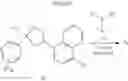


Sources:
- United States Patent and Trademark Office - verify current appl. status at the USPTO↗
Similar patent applications:
- » 20110009638
Method for preparing 3-trifluoromethyl chalcones - » 20140155617
Method for preparing 3-trifluoromethyl chalcones - » 20160304474
Method for preparing 3-trifluoromethyl chalcones - » 20160376242
Method for preparing 3-trifluoromethyl chalcones - » 20170197925
Method for preparing 3-trifluoromethyl chalcones - » 20180057468
Method for preparing 3-trifluoromethyl chalcones - » 20180222873
Method for preparing 3-trifluoromethyl chalcones
Recent applications in this class:
- » 20250214950 2025-07-03
METHOD FOR PREPARING FLURALANER - » 20250122158 2025-04-17
PROCESS FOR PREPARING ISOXAZOLINE-5,5-VINYLCARBOXYLIC ACID DERIVATIVES - » 20250091998 2025-03-20
A PROCESS FOR THE PREPARATION OF CARBAMOYL BENZAMIDE PHENYL ISOXAZOLINE CLASS DRUG/S AND ITS INTERMEDIATES - » 20250042863 2025-02-06
METHOD FOR PRODUCING ISOXAZOLINECARBOXYLIC ACID DERIVATIVES - » 20240425468 2024-12-26
Naphthalene isoxazoline compound and application thereof - » 20240383867 2024-11-21
CRYSTALLINE FORMS OF ISOXAZOLINE COMPOUND - » 20240351991 2024-10-24
PROCESS FOR THE PREPARATION OF AN OPTICALLY ACTIVE ISOXAZOLINE COMPOUND - » 20240327359 2024-10-03
3-ISOXAZOLIDINONE COMPOUND, PREPARATION METHOD, HERBICIDAL COMPOSITION AND APPLICATION THEREOF - » 20240287005 2024-08-29
ISOXAZOLINE PESTICIDES - » 20240246921 2024-07-25
Process for Preparing Large Size Isoxazoline Particles
Recent applications for this Assignee:
- » 20240084319 2024-03-14
COMPOSITIONS AND METHODS TO CONTROL INSECT PESTS - » 20230323374 2023-10-12
PLANT GENOME MODIFICATION USING GUIDE RNA/CAS ENDONUCLEASE SYSTEMS AND METHODS OF USE - » 20220119831 2022-04-21
NOVEL PLANT TERMINATOR SEQUENCES - » 20210355687 2021-11-18
Extruded mat - » 20190211565 2019-07-11
Extruded mat - » 20190136331 2019-05-09
Maize event DP-004114-3 and methods for detection thereof - » 20190136259 2019-05-09
METHODS OF USING CYT1A MUTANTS AGAINST COLEOPTERAN PESTS - » 20190118392 2019-04-25
Systems and methods for maize embryo plating and replating - » 20190098858 2019-04-04
Methods and compositions for producing clonal, non-reduced, non-recombined gametes - » 20180222873 2018-08-09
Method for preparing 3-trifluoromethyl chalcones