METHOD FOR DETERMINING P1/P2 BLOOD TYPE AND DETECTION KIT THEREOF
US20160097097A1
2016-04-07
14/505,493
2014-10-02
Abstract:
The present invention provides a method for determining P1/P2 blood type, including steps of providing a biological sample of a subject, detecting a genotype for single nucleotide polymorphism rs2143918 or rs5751348 in A4GALT gene of the biological sample and determining a phenotype of the subject based on the genotype. Further, the present invention also provides a kit for determining P1/P2 blood type, including a primer pair for detecting a genotype for single nucleotide polymorphisms rs2143918 or rs5751348 in A4GALT gene of a nucleic acid sample of a subject.
Interested in similar patents?
Get notified when new applications in this technology area are published.
Classification:
C12Q1/6883 » CPC main
Measuring or testing processes involving enzymes, nucleic acids or microorganisms ; Compositions therefor; Processes of preparing such compositions involving nucleic acids; Nucleic acid products used in the analysis of nucleic acids, e.g. primers or probes for diseases caused by alterations of genetic material
C12Q2600/156 » CPC further
Oligonucleotides characterized by their use Polymorphic or mutational markers
C12Q1/68 IPC
Measuring or testing processes involving enzymes, nucleic acids or microorganisms ; Compositions therefor; Processes of preparing such compositions involving nucleic acids
Description
BACKGROUND OF THE INVENTION
1. Field of the Invention
The present invention relates to a method for determining P1/P2 blood type and a detection kit thereof, and more particularly to a method with a single nucleotide polymorphism for determining P1/P2 blood type and a detection kit thereof.
2. Description of Related Art
In 1927, Austrian Biologist Karl Landsteiner and American immunologist Philip Levine discovered a new antigen from the rabbits transfused human blood during research on hemolytic disease of the newborns. These antigens can cause clotting of the red blood cells in some people while other groups of people are unaffected. They namely these two blood types as P1 (+) and P1 (−), later, the P1 (+)- and P1 (−) type are referred to as P1 and P2 type. This P1/P2 blood type belongs to the third system among the present 33 human blood type.
P1/P2 blood type is a system composed of glycolipid antigens; however the molecular genetic basis is still not clear. P1 blood type and P2 blood type are correlated to P1 and Pk blood antigens expressed on the red blood cell. The P1 and Pk are carbohydrate antigens and are synthesized via different biosynthetic routes, starting from a common glycosphingolipid precursor, lactosylceramide. The P1 and Pk antigens are determined by the enzymatic activity of α-1,4-galactosyltransferase (hereinafter referred to as A4GALT). P1/P2 blood type is a common phenotypic polymorphism and the distribution of which varies among different human populations. The frequency of P1 type in Caucasians and Africans are 80% and 90-95%, respectively, while the frequency of P1 type is relatively low in Asians. The frequency of P1 blood type is about 30% to 40% in Taiwan.
Using DNA genotype as a method for detecting blood type will be a trend in the future. For instance, Progenika Biopharma, S.A. (Spain) has developed a blood chip and such blood chip contains various genotype variations of different blood type. However, in the past, the molecular genetic mechanism of P1/P2 blood type has not been verified, such that the current DNA test including Progenika blood chip could not contain this common P1/P2 blood type polymorphism to perform DNA analysis. Therefore, there still is a need for determining the P1/P2 blood type.
Thuresson et al. (Thuresson B, Westman J S, Olsson M L, Identification of a novel A4GALT exon reveals the genetic basis of the P1/P2 histo-blood groups. Blood. 2011; 117(2): 678-687) has reported the association between SNP rs8138197 and P1/P2 phenotypes, and proposed a novel molecular model of the formation of P1/P2 blood group.
The present invention utilizes a genetic association study among different ethnic populations to prove single nucleotide polymorphism (hereinafter referred to as SNP) rs2143918 and rs5751348 in A4GALT gene are completely associated with P1/P2 blood type. The result of the present invention provides the molecular genetic mechanism of P1/P2 blood type and further provides a marker for determining P1/P2 blood type by using the genotypes of SNPs rs2143918 and rs5751348.
SUMMARY OF THE INVENTION
The present invention aims to conduct a pilot investigation among four ethnic groups, and the results from analysis of P1 type of Africans and a Taiwanese family pedigree labeled M3 reveals that a genotype of SNP rs8138197 is not associated with P1/P2 blood type.
The present invention provides a method for determining P1/P2 blood type, comprising steps of: providing a biological sample of a subject; detecting a genotype for a single nucleotide polymorphism at rs2143918 or rs5751348 in A4GALT gene of the biological sample; and determining a phenotype of the subject based on the genotype.
In one embodiment of the present invention, the genotype of the single nucleotide polymorphism at rs2143918 is selected from the group consisting of T/T, T/G and GIG.
In one embodiment of the present invention, T/T or T/G genotype of the single nucleotide polymorphism at rs2143918 represents P1 phenotype in the subject.
In one embodiment of the present invention, G/G genotype of the single nucleotide polymorphism at rs2143918 represents P2 phenotype in the subject.
In one embodiment of the present invention, the genotype of the single nucleotide polymorphism at rs5751348 is selected from the group consisting of G/G, G/T and T/T.
In one embodiment of the present invention, G/G or G/T genotype of the single nucleotide polymorphism at rs5751348 represents P1 phenotype in the subject.
In one embodiment of the present invention, T/T genotype of the single nucleotide polymorphism at rs5751348 represents P2 phenotype in the subject.
In one embodiment of the present invention, the biological samples are blood or saliva.
In one embodiment of the present invention, a nucleic acid in the biological sample is determined by polymerase chain reaction (hereinafter referred to as PCR).
In one embodiment of the present invention, a primer pair of SEQ ID Nos: 1 and 2 are used in the PCR for determining the nucleic acids of the biological samples.
In one embodiment of the present invention, a primer pair of SEQ ID Nos: 3 and 4 are used in the PCR for determining the nucleic acids of the biological samples.
The present invention also provides a detection kit for determining P1/P2 blood type, comprising: a primer pair for determining a genotype of a single nucleotide polymorphism at rs2143918 or rs5751348 of A4GALT gene in a nucleic acid sample of a subject.
In one embodiment of the present invention, the primer pair has sequences of SEQ ID Nos: 1 and 2.
In one embodiment of the present invention, the primer pair has sequences of SEQ ID Nos: 3 and 4.
In one embodiment of the present invention, the genotype of the single nucleotide polymorphism at rs2143918 is selected from the group consisting of T/T, T/G and GIG.
In one embodiment of the present invention, T/T or T/G genotype of the single nucleotide polymorphism at rs2143918 represents P1 phenotype in the subject.
In one embodiment of the present invention, G/G genotype of the single nucleotide polymorphism at rs2143918 represents P2 phenotype in the subject.
In one embodiment of the present invention, the genotype of the single nucleotide polymorphism at rs5751348 is selected from the group consisting of G/G, G/T and T/T.
In one embodiment of the present invention, G/G or G/T genotype of the single nucleotide polymorphism at rs5751348 represents P1 phenotype in the subject. In one embodiment of the present invention, T/T genotype of the single nucleotide polymorphism at rs5751348 represents P2 phenotype in the subject.
BRIEF DESCRIPTION OF THE DRAWINGS
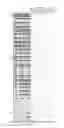
FIG. 1 shows distributions of the most likely haplotype pairs in P1/P2 individuals across 4 ethnic populations; and
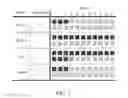
FIG. 2 shows P1/P2 phenotypes and the most likely haplotype pairs of M3 family.
DETAILED DESCRIPTION OF THE PREFERRED EMBODIMENTS
The following specific examples are used for illustrating the present invention. A person skilled in the art can easily conceive the other advantages and effects of the present invention. The present invention can also be implemented by different specific cases be enacted or application, the details of the instructions can also be based on different perspectives and applications in various modifications and changes do not depart from the spirit of the creation.
The present invention provides a method for determining P1/P2 blood type, comprising steps of providing a biological sample of a subject; determining a genotype for a single nucleotide polymorphism (SNP) of A4GALT gene from the biological samples, wherein the SNP is located at SNP rs2143918 or SNP rs5751348; and discriminating the subject has P1 or P2 phenotype according to the genotype of SNP rs2143918 or SNP rs5751348.
The present invention also provides a kit for determining P1/P2 blood type, comprising a PCR primer pair, which is used to amplify nucleic acid fragments of a single nucleotide polymorphism of A4GALT gene by using the nucleic acid of the subject to be determined as a template. The single nucleotide polymorphism is located at SNP rs2143918 or SNP rs5751348, wherein the PCR primer pair can perform an extension reaction of the primer so as to determine the genotype of SNP rs2143918 or SNP rs5751348 and discriminate the subject has P1 or P2 phenotype.
Example 1
Method for Determining P1/P2 Phenotype
1. Sample Preparation and P1/P2 Phenotype
A total of 338 non-related subjects across four ethnic populations, including 227 Taiwanese, 32 Indians, 46 Caucasians, and 33 Africans (Blacks, including 2 African-Americans) were enrolled in the present invention. Peripheral blood samples were collected from each subject. The genomic DNAs were purified from the peripheral blood samples using QIAamp DNA Blood Mini Kit (Qiagen GmbH, Hilden, Germany), and then the P1/P2 phenotype of each sample was determined by a standard hemagglutination test using monoclonal anti-P1 reagent (Immucor Inc., Houston, Tex.).
2. Analysis of the Single Nucleotide Polymorphism
57 DNA fragments were amplified by polymerase chain reaction (hereinafter referred to as PCR), and these encompassed all SNP sites distribute from −7.0 kb to +17.3 kb of the A4GALT gene. The sequences of PCR primer pairs locations thereof are listed in Table 1. Then, the nucleotides at the SNP sites were determined by direct sequencing the amplified DNA fragments using Sanger's method.
| TABLE 1 |
| PCR primers for SNP analysis |
| primer | sequence(5′→3′) | locationa |
| 930R | GTGCATGCCTGTAATCACAG | −7085 |
| 930F | GTGTCACAGTGACTGCTGTG | −6765 |
| 217F | ATTGACAAGGGCGAGCCAC | −6800 |
| 217R | AAGCAAACACTCCTCCCTCC | −6618 |
| 928R | ATGGGTGGAGTGGAAAGTG | −6564 |
| 928F | AAGACAGAGTCTCCCTGTC | −6236 |
| 931F | TGTGGCTCTGACTACTGAG | −5713 |
| 931R | ACACACCTAGAAGCCATCC | −5983 |
| 678F | GCAGTGGCTCCCTTGACATAAGTAACTCC | −5265 |
| 677R | TTATGTCAAGGGAGCCACTG | −5285 |
| 677F | GTCAACATCTAGACCACTGC | −4950 |
| 584F | ACCAGAAAGTTGGAGCTAGG | −5129 |
| 584R | AACTGGAGCTGGTCATCTGG | −4521 |
| 331R | ATCTGCTTTGGAGCATGGGC | −4834 |
| 331F | CTGGGATTACAGGCGTGAGC | −4437 |
| 853R | CAGCTCCAGTTTACTGATGG | −4532 |
| 853F | GTCAGGCTGGTCTTGATCAC | −4056 |
| 690F1 | CAAGACCAGCCTGACCAACG | −4070 |
| 690R2 | GGTTGAGCACACAGGCTCTG | −3480 |
| 628R2 | CTCTCAGAGCCTGTGTGCTC | −3503 |
| 628F1 | AGCCCCAGCAGCCTTTGAG | −3193 |
| 644F | AATGATCCTACTGCCTCAGC | −3078 |
| 676F | TATTCAAGGCAGGCCAGCAC | −2182 |
| 676R | TCGCTCTGTCGCCATACTGG | −2684 |
| 676F | TATTCAAGGCAGGCCAGCAC | −2182 |
| 795F | CTCAGCCTCCCACAGTGTGG | −1607 |
| 795R | GACGGAGTCTCACTCTGTCG | −2138 |
| 326R | GTTGCCTTCTAGTCTCTGAG | −1783 |
| 326F | GAAGAGACTCACTCTGTTACC | −1383 |
| 035R | TTAGCCATGGTTGTGCATGCCTGTAGTCC | −1524 |
| 035F | AGGCCAGGCAAGCACTCACGCCTGTAATC | −1056 |
| 369R | ATCTCAGGTGACCTGCTTGC | −1125 |
| 369F | GGGTGACTTCTTGAGTGCTG | −680 |
| 898R | ACCCATTGAGTGCCAGGCTC | −799 |
| 898F | ACCGTGCTAAGGGCATTGCC | −373 |
| A4GTFa | CACCAGGACTGTGACATGCTGGAAACATGG | −626 |
| PKRL | CTGCCTCGAACCCGGCTTCT | +430 |
| 469F3 | GGAGAAGCCGGGTTCGAGGCAGGCTCTGC | +409 |
| 469R4 | GCTTTAACCCACTCAGGGCCAGAGGCTCAGC | +939 |
| 845R | GTGAGGATTTGGACCTGCCC | +596 |
| 927F | ACTACAGTGAGCTGCCACAG | +1472 |
| 573R | CAACGTCGAGTGATTGTTCC | +1002 |
| 573F | GGTTGCAGCTATGGAAACAC | +1303 |
| 927R | ATAGCAGAGTGCGGATGGAG | +1188 |
| 927F | ACTACAGTGAGCTGCCACAG | +1472 |
| 672R | TGTAGTCTCAAACTGCTAGG | +1467 |
| 672F | CAATCCTGCTCCACACTGG | +1783 |
| 920R | GCTGCTAGGTTAATGGGTCC | +1710 |
| 920F | TTCAGGAAGCACCTGCTAGG | +2186 |
| 522R | AAGTGCACCTCCTCTCACTC | +1985 |
| 522F | CTCACTGCACTCTCTGCCTC | +2538 |
| 175F | TCTAGCTTTCCCATCAGC | +3239 |
| 926R | GACAGAGAGATAGAGAGGAG | +3132 |
| 926F | TATGTGGACACTGGTCTGG | +3800 |
| 991R | CCTTCCAGACCAGTGTCCAC | +3778 |
| 991F | AACAGAGCATGGTGGCTGAG | +4136 |
| 181R | CCCTGATCATCTGTGACC | +4018 |
| 181F | AAAAGCTCACTGTCAGGC | +4501 |
| 181Fs | CTATTAAACCACACAGCTCC | +4462 |
| 860F | ATTAGCAGGGAATGGTGG | +5307 |
| 183F | GAGTGCACTGGTGCAATCATG | +5189 |
| 183R | CTTCATACCATAAATTCCAAG | +5674 |
| 894R | GTCCTTCAGCAGCTCTCAAG | +5750 |
| 892R | TGGCTCCCTCCTGTAATTC | +6553 |
| 176F | GGAGTGCGGTGGTATGAG | +6627 |
| 858R | ATCTGGCAAAACCCCACCTC | +7245 |
| 245F | CCTAACCTCAGGTGATCCACC | +7267 |
| 245R | CTCCCCCAGCATCACCTAC | +7915 |
| 718F | CCCCTTCTCAGGCAGTATCC | +7843 |
| 718R | CACCTTCGCTCTGGACAC | +8550 |
| 291F | TTGCATCTCTGGGATCTCTG | +8429 |
| 291R | AGTACCTGACTACTTGCCAG | +8760 |
| 888F | TGAGAAGCCAGCCCCACC | +8637 |
| 888R | CCGAGTCTCGCTCTGTTGCC | +9215 |
| 185F | GAGGTTGTAGTGAGCCAAG | +9153 |
| 185R | CTGTGAGCAAACAGGCATG | +9533 |
| 306F | TGTGGTAGGATCTGTGCTGG | +9272 |
| 306R | TAGCTACTCAGGAGGCTGAG | +9942 |
| 887R | TGCAGCAAGCCAAGATGGTG | +10216 |
| 887F | AGCCTCCTGAGTAGCTAGGG | +9926 |
| 081F | CATCTTGGCTTGCTGCAGCC | +10200 |
| 081R | ACAGTTTCATACCTGGGCAC | +10779 |
| 347R | GCTCAAGCAATCTGGCTGCC | +10368 |
| 347F | ACACAGAAGCCAGGAACCAG | +10825 |
| 793F | TGGTGGTGGCAGCATCTGTG | +10719 |
| 793R | GGCAGGTGGATCACTTGAGG | +11293 |
| 653F | GATTACAGTTGTGCCCCACC | +11179 |
| 479R | CAAGTACATGATCCTCCCAC | +11697 |
| 616F | TGGGAGCCTAGGAATTCAAG | +11563 |
| 616R | GGATCCCAGAAGACATAGC | +11988 |
| 993F | GTAGATTAGCTATGTCTTCTGGG | +11962 |
| 993R | ATCGCGCCATTGCATTCTAG | +12521 |
| 227F | CTGGCACTGCAGGTACACAC | +12422 |
| 227R | ACACAGAAACATGGCTGGTC | +13012 |
| 634F | ATTGTTACATACACTGGTGG | +13082 |
| 634R | ACTCTCTACCCTAGTGATAG | +13708 |
| 280F | GCACAGTATCTATCACTAGG | +13680 |
| 280R | GAGACATACCTTAAACGAAG | +14387 |
| 712R | ATCCTGGCTAACACGGTG | +14693 |
| 036F | TCAGCCTCCCGAGTAACTG | +14594 |
| 036R | TCGCTTGAACCTGGGAAGTG | +14884 |
| 903F | CCTCGGCCTATTAAAGTGC | +15079 |
| 903R | TGAGGAGCACAAATACTCGC | +15590 |
| 557F | AGCGAGTATTTGTGCTCCTC | +15570 |
| 557R | AAGACCCCAGAAAAGGCC | +15934 |
| 881F | AAAGGCTCCCTCCTCTGTTG | +15731 |
| 881R | GAAGCCAGGAATCAAGCAGG | +16230 |
| 436F | TCTGTTTGTAACGTCCACCC | +16177 |
| 436R | CCTTCACTGCTTTGTCCATC | +16889 |
| 193F | GCAGGGTTTGGAAGCTCTGG | +16787 |
| 193R | TGTGCCCGGCCTGCAATAAG | +17308 |
| aTranscription initiation nucleotide of A4GALT exon 1 of RefSeq Transcript |
3. Primer Pairs for Amplification and Identification of the Genotypes of rs2143918 and rs5751348
-
- The forward primer for amplification and identification the genotype of rs2143918 has the sequence of SEQ ID No. 1, while the reverse primer has the sequence of SEQ ID No. 2.
| AAGTGCACCTCCTCTCACTC | (SEQ ID NO. 1) | |
| TCTAGCTTTCCCATCAGC | (SEQ ID NO. 2) |
-
- The forward primer for amplification and identification the genotype of rs5751347 has the sequence of SEQ ID No. 3, while the reverse primer has the sequence of SEQ ID No. 4.
| TCACGAGCATTCCTCATC | (SEQ ID NO: 3) | |
| CTCCTCTCTATCTCTCTGTC | (SEQ ID NO: 4) |
4. Result
1) A Pilot Investigation for Identification of SNPs in A4GALT Gene Associated with the P1/P2 Phenotype.
In order to explore the molecular genetic basis of the P1/P2 blood groups, the present invention conducted a pilot investigation, which involved the detailed and stepwise screening of SNPs in A4GALT gene from four Taiwanese with the P1 phenotype and four Taiwanese with the P2 phenotype. The screening of SNP started from the 5′ promoter region and then extended stepwise to the 5′ and 3′ region of the gene to identify any polymorphic nucleotide positions that may be related to P1/P2 phenotypes. The PCR, which was used to amplify the DNA fragments encompassing each SNP in the A4GALT gene, has been recorded in the SNP database of the National Center for Biotechnology Information (NCBI). Eventually, 57 DNA fragments were amplified respectively by PCR. The amplified DNA fragments contain a total of 416 different SNP sites which were distributed over 24.3 kb region of the A4GALT gene including 7.0 kb of the 5′ promoter region, exon 1 (74 bp), and 17.3 kb of the 5′ part of intron 1. The nucleotides at each SNP over the eight samples were determined and the results are shown in Table 2. These show that 11 SNP sits of 8 subjects exhibited an association with the P1/P2 phenotype. These 11 SNPs are distributed from the +1.3 kb to +11.5 kb region in the intron 1 of the A4GALT gene, and they are denoted as SNP1 to SNP11 from 5′ to 3′.
| TABLE 2 |
| SNPs in the A4GALT gene that show an association with the |
| P1/P2 blood group phenotypes in the pilot investigation |
| SNP1 | SNP2 | SNP3 | SNP4 | SNPS | SNP6 | |
| Locationa | +1352 | +2326 | +2414 | +2837 | +2857 | +3084 |
| SNPID | rs67162484b | rs8138197 | rs10713068 | rs2143919 | rs2143918 | rs5751348 |
| rs66781836b | ||||||
| Nucleotide | AGAA/— | C/T | C/— | C/G | T/G | G/T |
| Polymorphismsc | ||||||
| Phenotype | Sample | Genotypec |
| P1 | M8 | +/+ | C/C | C/C | C/C | T/T | G/G |
| M5 | +/+ | C/C | C/C | C/C | T/T | G/G | |
| M33 | +/− | C/T | C/— | C/G | T/G | G/T | |
| HSC | +/− | C/T | C/— | C/G | T/G | G/T | |
| P2 | M12 | −/− | T/T | —/— | G/G | G/G | T/T |
| T9 | −/− | T/T | —/— | G/G | G/G | T/T | |
| J1 | −/− | T/T | —/— | G/G | G/G | T/T | |
| Y1 | −/− | T/T | —/— | G/G | G/G | T/T | |
| SNP7 | SNP8 | SNP9 | SNP10 | SNP11 | |
| Locationa | +3443 | +5012 | +6762 | +7038 | +11507 | |
| SNPID | rs9623671 | rs111626860 | rs5758891 | rs8139674 | rs66463955 | |
| Nucleotide | G/A | ACTCCA/— | T/C | G/T | G/— | |
| Polymorphismsc | ||||||
| Phenotype | Sample | Genotypec | |
| P1 | M8 | G/G | +/+ | T/T | G/G | G/G | |
| M5 | G/G | +/+ | T/T | G/G | G/G | ||
| M33 | G/A | +/− | T/C | G/T | G/— | ||
| HSC | G/A | +/− | T/C | G/T | G/— | ||
| P2 | M12 | A/A | −/− | C/C | T/T | —/— | |
| T9 | A/A | −/− | C/C | T/T | —/— | ||
| J1 | A/A | −/− | C/C | T/T | —/— | ||
| Y1 | A/A | −/− | C/C | T/T | —/— | ||
| aTranscription initiation nucleotide of A4GALT exon 1 (74 bp) of RefSeq Transcript NM_017436.4 in the NCBI database as +1 | |||||||
| bSNPs rs67162484 and rs66781836 yield identical sequence polymorphisms. | |||||||
| c“+” and “−” indicate the presence and the absence of the nucleotide(s), respectively. |
2) SNPs rs2143918 and rs5751348 Show a Definite Association with the P1/P2 Phenotypes Across Different Ethnic Populations.
In order to verify the association of these 11 SNPs (SNP1 to SNP11) and the phenotypes of P1/P2 phenotypes, a large scale association study using various ethnic populations was carried out There were 227 Taiwanese (including 8 subjects analyzed in the previous pilot study), 32 Indians, 46 Caucasians and 33 Africans (Black) enrolled in this study. The P1/P2 phenotypes and the genotypes at SNP1 to SNP11 of these 338 subjects were determined. The distributions of the genotypes at the 11 SNPs in the P1 and P2 individuals of each population are shown in Table 3. The haplotypes of the 11 SNPs in the 4 populations were reconstructed and the most likely haplotype was assigned for each subject using PHASE program (version 2.1). FIG. 1 shows the distribution of the most likely haplotype pairs in the P1 and P2 subjects among each ethnic population.
The two haplotypes identified by using 8 Taiwanese in the pilot study were found to be major haplotypes present in the wider study and were also associated with the P1 and P2 phenotypes across all four populations. In addition to the two haplotypes found in the four populations, haplotypes with recombination between the 11 SNPs were identified and were found to be more frequent in Caucasians and Africans than in Taiwanese and Indians. The correlation of SNP1, SNP3, SNP4, and SNP7 to SNP11 could be easily excluded while multiple cases distributed across the different ethnic populations were identified as recombinant haplotypes between these SNPs, as shown in Table 3 and FIG. 1. Thus, it creates inconsistencies in the genotype-phenotype correlation observed across the majority of other enrolled subjects.
Among the 338 enrolled subjects, only one subject (P1 Africans, denoted as ** in Table 3 and * in FIG. 1) showed the genotype-phenotype inconsistency of SNP rs8138197. In the previous analysis for the P1 and P2 phenotype from 208 Swedish subjects, there was one case found the genotype-phenotype inconsistency of SNP rs8138197. In addition to such P1 African case, a P1 Taiwanese (denoted as * in FIG. 1) labeled as M3 family was pointed out as having an allele which is involved recombination between SNP3 and SNP4. As shown in FIG. 2, the M3 family was then enrolled to perform the pedigree analysis and the recombinant allele identified in M3 was found to be present in M3's father and brother who were labeled with the P2 phenotype. The results obtained from this pedigree analysis suggest that SNP2 (i.e. rs8138197) is nor involved in defining the P1 and P2 phenotypes.
When the above results were taken together, the SNPs that show definite association with the P1/P2 phenotypes could be narrowed down to two, namely SNP5 (rs2143918) and SNP6 (rs5751348), using this pilot study across different ethnic populations. The genotypes at the SNPs distributed along the +1.3 kb through +3.7 kb region of the A4GALT gene, which encompasses the SNP1 to SNP7 sites, of the enrolled 338 subjects were thoroughly examined, and no other SNP was found an association with the P1 and P2 phenotypes. The genotypes at SNPs rs2143918 and rs5751348 were consistently associated with the P1 and P2 phenotypic polymorphisms while 338 subjects across the four ethnic populations have considerable genetic distances.
| TABLE 3 |
| SNPs associated with the P1/P2 blood group phenotypes and distributions of |
| the SNP genotypes in the P1 and P2 subjects of various ethnic populations |
| SNP1 | SNP2 | SNP3 | SNP4 | SNP5 | SNP6 | |
| Locationa | +1352 | +2326 | +2414 | +2837 | +2857 | +3084 |
| SNP ID | rs67162484b | rs8138197 | rs10713068 | rs2143919 | rs2143918 | rs5751348 |
| rs66781836b | ||||||
| Nucleotide | AGAA | C | C | C | T | G |
| Polymorphismsc | (▪)/—(□) | (▪)/T(□) | (▪)/—(□) | (▪)/G(□) | (▪)/G(□) | (▪)/T(□) |
| ▪/ | ▪/ | □/ | ▪/ | ▪/ | □/ | ▪/ | ▪/ | □/ | ▪/ | ▪/ | □/ | ▪/ | ▪/ | □/ | ▪/ | ▪/ | □/ | |
| Genotypesc | ▪ | □ | □ | ▪ | □ | □ | ▪ | □ | □ | ▪ | □ | □ | ▪ | □ | □ | ▪ | □ | □ |
| Taiwanese | P1 (n = 63) | 5 | 58 | 0 | 5 | 58 | 0 | 5 | 58 | 0 | 4 | 59 | 0 | 4 | 59 | 0 | 4 | 59 | 0 |
| P2 (n = 164) | 0 | 0 | 164 | 0 | 0 | 164 | 0 | 0 | 164 | 0 | 0 | 164 | 0 | 0 | 164 | 0 | 0 | 164 | |
| Indian | P1 (n = 20) | 4 | 16 | 0 | 4 | 16 | 0 | 4 | 15 | 1 | 4 | 15 | 1 | 4 | 16 | 0 | 4 | 16 | 0 |
| P2 (n = 12) | 0 | 0 | 12 | 0 | 0 | 12 | 0 | 0 | 12 | 0 | 0 | 12 | 0 | 0 | 12 | 0 | 0 | 12 | |
| Caucasian | P1 (n = 32) | 11 | 21 | 0 | 12 | 20 | 0 | 9 | 17 | 6 | 9 | 17 | 6 | 12 | 20 | 0 | 12 | 20 | 0 |
| P2 (n = 14) | 0 | 0 | 14 | 0 | 0 | 14 | 0 | 0 | 14 | 0 | 0 | 14 | 0 | 0 | 14 | 0 | 0 | 14 | |
| Africand | P1 (n = 31) | 11 | 17 | 3 | 13 | 17 | 1* | 5 | 16 | 10 | 10 | 20 | 1 | 13 | 18 | 0 | 13 | 18 | 0 |
| P2 (n = 2) | 0 | 0 | 2 | 0 | 0 | 2 | 0 | 0 | 2 | 0 | 0 | 2 | 0 | 0 | 2 | 0 | 0 | 2 | |
| Swedishe | P1 (n = 151) | 57 | 93 | 1 | |||||||||||||||
| P2 (n = 57) | 0 | 0 | 57 | ||||||||||||||||
| SNP7 | SNP8 | SNP9 | SNP10 | SNP11 | |
| Locationa | +3443 | +5012 | +6762 | +7038 | +11507 | |
| SNP ID | rs9623671 | rs111626860 | rs5758891 | rs8139674 | rs66463955 | |
| Nucleotide | G | ACTCCA | T | G | G | |
| Polymorphismsc | (▪)/A(□) | (▪)/—(□) | (▪)/C(□) | (▪)/T(□) | (▪)/—(□) | |
| ▪/ | ▪/ | □/ | ▪/ | ▪/ | □/ | ▪/ | ▪/ | □/ | ▪/ | ▪/ | □/ | ▪/ | ▪/ | □/ | ||
| Genotypesc | ▪ | □ | □ | ▪ | □ | □ | ▪ | □ | □ | ▪ | □ | □ | ▪ | □ | □ | |
| Taiwanese | P1 (n = 63) | 4 | 59 | 0 | 4 | 59 | 0 | 4 | 59 | 0 | 4 | 59 | 0 | 4 | 59 | 0 | |
| P2 (n = 164) | 0 | 0 | 164 | 0 | 0 | 164 | 0 | 1 | 163 | 0 | 5 | 159 | 0 | 2 | 162 | ||
| Indian | P1 (n = 20) | 4 | 15 | 1 | 4 | 15 | 1 | 4 | 15 | 1 | 6 | 13 | 1 | 4 | 15 | 1 | |
| P2 (n = 12) | 0 | 0 | 12 | 0 | 0 | 12 | 0 | 0 | 12 | 0 | 0 | 12 | 0 | 0 | 12 | ||
| Caucasian | P1 (n = 32) | 9 | 17 | 6 | 9 | 17 | 6 | 8 | 18 | 6 | 8 | 20 | 6 | 8 | 18 | 6 | |
| P2 (n = 14) | 0 | 0 | 14 | 0 | 0 | 14 | 0 | 0 | 14 | 0 | 2 | 10 | 0 | 1 | 13 | ||
| Africand | P1 (n = 31) | 10 | 20 | 1 | 9 | 21 | 1 | 11 | 20 | 0 | 18 | 13 | 0 | 12 | 19 | 0 | |
| P2 (n = 2) | 0 | 0 | 2 | 0 | 0 | 2 | 0 | 0 | 2 | 0 | 0 | 2 | 0 | 0 | 2 | ||
| Swedishe | P1 (n = 151) | ||||||||||||||||
| P2 (n = 57) | |||||||||||||||||
| The numbers of the individuals that show genotype-phenotype inconsistency compared to the majority of others are typed in red. | |||||||||||||||||
| aTranscription initiation nucleotide of A4GALT exon 1 (74 bp) of RefSeq Transcript NM_017436.4 in the NCBI database as +1 | |||||||||||||||||
| bSNPs rs67162484 and rs66781836 yield identical sequence polymorphisms. | |||||||||||||||||
| cThe two different nucleotide genotypes at each SNP are denoted by ▪ and □. | |||||||||||||||||
| dAn asterisk indicates a P1 African who shows a genotype-phenotype discrepancy at SNP2. | |||||||||||||||||
| eRef. 28. The association dataset for the other SNPs in this population is not available. |
By a pilot investigation and stepwise SNP screening analysis in A4GALT gene followed by an association study using four ethnic populations, the present invention confirms that SNPs rs2143918 and rs5751348 are correlated with the P1 and P2 blood type. Accordingly, the T/T and T/G genotypes at the SNP rs2143918 are associated with P1 phenotype while the G/G genotype at the SNP rs2143918 is associated with P2 phenotype. The G/G and G/T genotypes at the SNP rs5751348 are associated with P1 phenotype while the T/T genotype at the SNP rs5751348 is associated with P2 phenotype.
While some of the embodiments of the present invention have been described in detail in the above, it is, however, possible for those of ordinary skill in the art to make various modifications and changes to the particular embodiments shown without substantially departing from the teaching and advantages of the present invention. Such modifications and changes are encompassed in the spirit and scope of the present invention as set forth in the appended claim.
Claims
What is claimed is:1. A method for determining P1/P2 blood type, comprising steps of:
providing a biological sample of a subject;
detecting a genotype for a single nucleotide polymorphism at rs2143918 or rs5751348 in A4GALT gene of the biological sample; and
determining a phenotype of the subject based on the genotype.
2. The method of claim 1, wherein the genotype of the single nucleotide polymorphism at rs2143918 is selected from the group consisting of T/T, T/G and GIG.
3. The method of claim 1, wherein T/T or T/G genotype of the single nucleotide polymorphism at rs2143918 represents P1 phenotype in the subject.
4. The method of claim 1, wherein G/G genotype of the single nucleotide polymorphism at rs2143918 represents P2 phenotype in the subject.
5. The method of claim 1, wherein the genotype of the single nucleotide polymorphism at rs5751348 is selected from the group consisting of G/G, G/T and T/T.
6. The method of claim 1, wherein G/G or G/T genotype of the single nucleotide polymorphism at rs5751348 represents P1 phenotype in the subject.
7. The method of claim 1, wherein T/T genotype of the single nucleotide polymorphism at rs5751348 represents P2 phenotype in the subject.
8. The method of claim 1, wherein the biological sample is blood or saliva.
9. The method of claim 1, wherein a nucleic acid in the biological sample is determined by polymerase chain reaction (PCR).
10. The method of claim 9, wherein a primer pair of SEQ ID Nos: 1 and 2 are used in the PCR.
11. The method of claim 9, wherein a primer pair of SEQ ID Nos: 3 and 4 are used in the PCR.
12. A detection kit for determining P1/P2 blood type, comprising:
a primer pair for determining a genotype of a single nucleotide polymorphism at rs2143918 or rs5751348 of A4GALT gene in a nucleic acid sample of a subject.
13. The detection kit of claim 12, wherein the primer pair has sequences of SEQ ID Nos:
1 and 2.
14. The detection kit of claim 12, wherein the primer pair has sequences of SEQ ID Nos:
3 and 4.
15. The detection kit of claim 12, wherein the genotype of the single nucleotide polymorphism at rs2143918 is selected from the group consisting of T/T, T/G and G/G.
16. The detection kit of claim 15, wherein T/T or T/G genotype of the single nucleotide polymorphism at rs2143918 represents P1 phenotype in the subject.
17. The detection kit of claim 15, wherein G/G genotype of the single nucleotide polymorphism at rs2143918 represents P2 phenotype in the subject.
18. The detection kit of claim 12, wherein the genotype of the single nucleotide polymorphism at rs5751348 is selected from the group consisting of G/G, G/T and T/T.
19. The detection kit of claim 18, wherein G/G or G/T genotype of the single nucleotide polymorphism at rs5751348 represents P1 phenotype in the subject.
20. The detection kit of claim 18, wherein T/T genotype of the single nucleotide polymorphism at rs5751348 represents P2 phenotype in the subject.
Images & Drawings included:
Sources:
- United States Patent and Trademark Office - verify current appl. status at the USPTO↗
Recent applications in this class:
- » 20250171852 2025-05-29
METHOD FOR DETERMINING THE VIRAL OR BACTERIAL NATURE OF AN INFECTION - » 20250171851 2025-05-29
BIOMARKER miR-32533 FOR COGNITIVE IMPAIRMENT-RELATED DISEASE AND USE THEREOF - » 20250171850 2025-05-29
METHODS FOR SIMULTANEOUS AMPLIFICATION OF TARGET LOCI - » 20250163512 2025-05-22
METHODS FOR SIMULTANEOUS AMPLIFICATION OF TARGET LOCI - » 20250163511 2025-05-22
MICRO RNA BIOMARKERS FOR THE DIAGNOSIS OF USHER SYNDROME - » 20250163510 2025-05-22
USE OF MICROVESICLE SIGNATURES IN THE IDENTIFICATION AND TREATMENT OF RENAL DISORDERS - » 20250154595 2025-05-15
SUBMANDIBULAR GLAND TISSUE BIOMARKER FOR DIAGNOSIS, PROGNOSIS PREDICTION, OR TREATMENT OF PARKINSON'S DISEASE, METHOD FOR DIAGNOSING PARKINSON'S DISEASE, OR PREDICTING PROGNOSIS USING THE SAME, AND METHOD FOR SCREENING SUBSTANCES FOR TREATING PARKINSON'S DISEASE - » 20250154594 2025-05-15
BLOOD BIOMARKER FOR DIAGNOSIS, PROGNOSIS PREDICTION, OR TREATMENT OF PARKINSON’S DISEASE, METHOD FOR DIAGNOSING PARKINSON’S DISEASE, OR PREDICTING PROGNOSIS USING THE SAME, AND METHOD FOR SCREENING SUBSTANCES FOR TREATING PARKINSON’S DISEASE - » 20250154593 2025-05-15
Processes and Compositions for Methylation-Based Enrichment of Nucleic Acid From a Sample Useful for Non-Invasive Diagnosis of Disease - » 20250154592 2025-05-15
Methods and Compositions for Evaluating Biomarkers in Salivary Exosomes and Evaluating Cognitive Fatigue