Macromolecular antioxidants comprising differing antioxidant moieties: structures, methods of making and using the same
US20160115117A1
2016-04-28
14/924,316
2015-10-27
✅ Patent granted
US 9,950,990 B2
2018-04-24
-
-
Tanisha Diggs
Hamilton, Brook, Smith & Reynolds P.C.
2036-04-15
Abstract:
Described are antioxidant macromolecules and methods of making and using same.
Inventors:
- Ashok L. Cholli 41 🇺🇸 Chelmsford, MA, United States
- Rajesh Kumar 17 🇺🇸 Groton, CT, United States
Assignee:
- Polnox Corporation 28 🇺🇸 Lowell, MA, United States
Applicant:
Interested in similar patents?
Get notified when new applications in this technology area are published.
Classification:
C07C231/12 » CPC main
Preparation of carboxylic acid amides by reactions not involving the formation of carboxamide groups
C07C235/38 » CPC further
Carboxylic acid amides, the carbon skeleton of the acid part being further substituted by oxygen atoms having carbon atoms of carboxamide groups bound to acyclic carbon atoms and singly-bound oxygen atoms bound to the same carbon skeleton the carbon skeleton containing six-membered aromatic rings having the nitrogen atom of at least one of the carboxamide groups bound to a carbon atom of a six-membered aromatic ring
C08K5/00 IPC
Use of organic ingredients
C08K5/005 » CPC further
Use of organic ingredients; Organic ingredients according to more than one of the "one dot" groups of - Stabilisers against oxidation, heat, light, ozone
C09K15/24 » CPC further
Anti-oxidant compositions; Compositions inhibiting chemical change containing organic compounds containing nitrogen and oxygen containing a phenol or quinone moiety
C09K15/22 » CPC further
Anti-oxidant compositions; Compositions inhibiting chemical change containing organic compounds containing nitrogen and oxygen containing an amide or imide moiety
C09K15/08 » CPC further
Anti-oxidant compositions; Compositions inhibiting chemical change containing organic compounds containing oxygen containing a phenol or quinone moiety
C08L21/00 » CPC further
Compositions of unspecified rubbers
C08K5/132 » CPC further
Use of organic ingredients; Oxygen-containing compounds; Phenols; Phenolates Phenols containing keto groups, e.g. benzophenones
C08K5/13 » CPC further
Use of organic ingredients; Oxygen-containing compounds Phenols; Phenolates
C09K15/00 » CPC further
Anti-oxidant compositions; Compositions inhibiting chemical change
C07C235/34 » CPC further
Carboxylic acid amides, the carbon skeleton of the acid part being further substituted by oxygen atoms having carbon atoms of carboxamide groups bound to acyclic carbon atoms and singly-bound oxygen atoms bound to the same carbon skeleton the carbon skeleton containing six-membered aromatic rings having the nitrogen atoms of the carboxamide groups bound to hydrogen atoms or to acyclic carbon atoms
Description
RELATED APPLICATIONS
This application is a divisional of U.S. patent application Ser. No. 13/252,576, filed on Oct. 4, 2011, which is a continuation of U.S. patent application Ser. No. 12/319,282, filed on Jan. 5, 2009, issued as U.S. Pat. No. 8,039,673, which is a continuation of International Application No.: PCT/US2007/015177, which designated the United States and was filed on Jun. 29, 2007, published in English, which claims the benefit of U.S. Provisional Application No. 60/818,876, filed on Jul. 6, 2006. The entire teachings of the above applications are incorporated herein by reference.
BACKGROUND OF THE INVENTION
Antioxidants are employed to prevent oxidation in a wide range of materials, for example, plastics, elastomers, lubricants, petroleum based products (lubricants, gasoline, aviation fuels, and engine oils), cooking oil, cosmetics, processed food products, and the like. While many antioxidants exist, there is a continuing need for new antioxidants that have improved properties.
SUMMARY OF THE INVENTION
The present invention relates to antioxidant macromolecules that in general have improved antioxidant properties.
In one embodiment the present invention is directed to compounds represented Structural Formula I or II:
or
wherein:
R is:
A in each occurrence, independently is —O—, —NH—, —S—, —C(O)—, —C(O)NH—, —NHC(O)—, —C(O)O—, —OC(O)—, —CH═N— or —N═CH—;
A′ in each occurrence, independently is a bond, —O—, —NH—, —S—, —C(O)—, —C(O)NH—, —NHC(O)—, —C(O)O—, —OC(O)—, —CH═N— or —N═CH—;
B in each occurrence, independently is a bond or an optionally substituted alkylene group;
C in each occurrence independently is —H, an optionally substituted alkylene group or
R1 and R2 in each occurrence, independently is an optionally substituted alkyl, optionally substituted aryl or optionally substituted aralkyl;
Z in each occurrence, independently is a bond, an optionally substituted alkylene group, —(CH2)l NHC(O)(CH2)l—, —(CH2)lC(O)NH(CH2)l—, —(CH2)lC(O)O(CH2)l—, —(CH2)lOC(O)(CH2)l—, —(CH2)lCH═N(CH2)l—, —(CH2)lN═CH(CH2)l—, —(CH2)lNH(CH2)l—, —(CH2)lS(CH2)l—, —(CH2)lO(CH2)l— or —(CH2)lC(O)(CH2)l—;
i in each occurrence, independently is 0, 1, 2 or 3;
j in each occurrence, independently is 0, 1, 2, 3 or 4;
l in each occurrence, independently is 0 or a positive integer from 1 to 12; and
s is a positive integer from 1 to 6.
In another embodiment the present invention is directed to compounds represented Structural Formula III or IV:
wherein:
A is —C(O)NR′—, —NR′C(O)—, —NR′—, —CR′═N—, —C(O)—, —C(O)O—, —OC(O)—, —O—, —S—, —C(O)OC(O)— or a bond;
each R′ is independently —H or optionally substituted alkyl;
each R** is independently an optionally substituted alkyl, optionally substituted aryl, optionally substituted alkoxycarbonyl, optionally substituted ester, —OH, —NH2, —SH, or
each R1 and R2 is independently an optionally substituted alkyl, optionally substituted aryl, optionally substituted alkoxycarbonyl, optionally substituted ester, —OH, —NH2 or —SH;
X is —C(O)O—, —OC(O)—, —C(O)NR′—, —NR′C(O)—, —NR′—, —CH═N—, —C(O)—, —O—, —S—, —NR′— or —C(O)OC(O)—;
M is —H, an alkyl or
each n is independently a positive integer from 1 to 6;
each m is independently 0 or a positive integer from 1 to 6; and
each s, q and u are independently integers from 0 to 4.
R—Z—(CH2)k—Z—R IV
wherein R is:
A is —C(O)NR′—, —NR′C(O)—, —NR′—, —CR′═N—, —C(O)—, —C(O)O—, —OC(O)—, —O—, —S—, —C(O)OC(O)— or a bond;
Z in each occurrence, independently is a bond, an optionally substituted alkylene group, —(CH2)l NHC(O)(CH2)l—, —(CH2)lC(O)NH(CH2)l—, —(CH2)lC(O)O(CH2)l—, —(CH2)lOC(O)(CH2)l—, —(CH2)lCH═N(CH2)l—, —(CH2)lN═CH(CH2)l—, —(CH2)lNH(CH2)l—, —(CH2)lS(CH2)l, —(CH2)lO(CH2)l— or —(CH2)lC(O)(CH2)l—;
each R′ is independently —H or optionally substituted alkyl;
each R** is independently an optionally substituted alkyl, optionally substituted aryl, optionally substituted alkoxycarbonyl, optionally substituted ester, —OH, —NH2, —SH, or
each R1 and R2 is independently an optionally substituted alkyl, optionally substituted aryl, optionally substituted alkoxycarbonyl, optionally substituted ester, —OH, —NH2 or —SH;
X is —C(O)O—, —OC(O)—, —C(O)NR′—, —NR′C(O)—, —NR′—, —CR′═N—, —C(O)—, —O—, —S—, —NR′— or —C(O)OC(O)—;
each M′ is independently —H, alkyl, or
each n is independently a positive integer from 1 to 6;
each m is independently 0 or a positive integer from 1 to 6;
l in each occurrence, independently is 0 or a positive integer from 1 to 12; and
k in each occurrence independently is a positive integer from 1 to 12;
each q is independently an integer from 0 to 3;
each s, and u are independently integers from 0 to 4; and
r is an integer from 0 to 4.
In another embodiment the present invention is directed to methods of inhibiting oxidation in an oxidizable material comprising combining the oxidizable material with a compound described herein.
In another embodiment the present invention is directed to methods of inhibiting oxidation in an oxidizable material comprising combining the oxidizable material with a composition comprising a compound described herein.
In another embodiment the present invention is a method of making a compound described herein.
In certain embodiments, the antioxidant macromolecules of the present invention can have enhanced antioxidant activity and better thermal stability compared to commercially available antioxidants.
BRIEF DESCRIPTION OF THE DRAWINGS
The foregoing and other objects, features and advantages of the invention will be apparent from the following more particular description of preferred embodiments of the invention, as illustrated in the accompanying drawings in which like reference characters refer to the same parts throughout the different views. The drawings are not necessarily to scale, emphasis instead being placed upon illustrating the principles of the invention.
FIG. 1 is an IR spectrum of a tyramine based product of the present invention.
FIG. 2 is a UV spectrum of a tyramine based product of the present invention.
FIG. 3 is a 1H NMR spectrum of a tyramine based product of the present invention.
DETAILED DESCRIPTION OF THE INVENTION
A description of preferred embodiments of the invention follows.
In certain embodiments the compounds of the present invention comprise at least one sterically hindered groups such as phenol groups (antioxidant moiety). Sterically hindered, as used herein means that the substituent group (e.g., bulky alkyl group) on a ring carbon atom adjacent (or alternatively para) to a ring carbon atom substituted with a phenolic hydroxy group (or thiol or amine group), is large enough to sterically hinder the phenolic hydroxy group (or thiol or amine groups). This steric hindrance, in certain embodiments results in more labile or weak bonding between the oxygen and the hydrogen (or sulfur or nitrogen and hydrogen) and in turn enhances the stability and antioxidant activity (proton donating activity) of the sterically hindered antioxidant.
Repeat units of the antioxidants of the invention include substituted benzene molecules. Some of these benzene molecules are typically based on phenol or a phenol derivative, such that they have at least one hydroxyl or ether functional group. In certain embodiments, the benzene molecules have a hydroxyl group. The hydroxyl group can be a free hydroxyl group and can be protected or have a cleavable group attached to it (e.g., an ester group). Such cleavable groups can be released under certain conditions (e.g., changes in pH), with a desired shelf life or with a time-controlled release (e.g., measured by the half-life), which allows one to control where and/or when an antioxidant can exert its antioxidant effect. The repeat units can also include analogous thiophenol and aniline derivatives, e.g., where the phenol —OH can be replaced by —SH, —NH—, and the like.
Substituted benzene repeat units of an antioxidant of the invention are also typically substituted with a bulky alkyl group or an n-alkoxycarbonyl group. In certain embodiments, the benzene monomers are substituted with a bulky alkyl group. In certain other embodiments, the bulky alkyl group is located ortho or meta to a hydroxyl group on the benzene ring, typically ortho. A “bulky alkyl group” is defined herein as an alkyl group that is branched alpha- or beta- to the benzene ring. In certain other embodiments, the alkyl group is branched alpha to the benzene ring. In certain other embodiments, the alkyl group is branched twice alpha to the benzene ring, such as in a tert-butyl group. Other examples of bulky alkyl groups include isopropyl, 2-butyl, 3-pentyl, 1,1-dimethylpropyl, 1-ethyl-1-methylpropyl and 1,1-diethylpropyl. In certain other embodiments, the bulky alkyl groups are unsubstituted, but they can be substituted with a functional group that does not interfere with the antioxidant activity of the molecule. Straight chained alkoxylcarbonyl groups include methoxycarbonyl, ethoxycarbonyl, n-propoxycarbonyl, n-butoxycarbonyl and n-pentoxycarbonyl. N-propoxycarbonyl is a preferred group. Similar to the bulky alkyl groups, n-alkoxycarbonyl groups are optionally substituted with a functional group that does not interfere with the antioxidant activity of the molecule.
In certain embodiments for compounds represented by Structural Formula I or II or narrower embodiments thereof:
R is:
In other embodiments, R is:
In other embodiments, R is:
In other embodiments, R is:
In other embodiments, R is:
A in each occurrence, independently is —O—, —NH—, —S—, —C(O)—, —C(O)NH—, —NHC(O)—, —C(O)O—, —OC(O)—, —CH═N— or —N═CH—. In other embodiments, A in each occurrence, independently is —C(O)O— or —OC(O)—. In other embodiments A in each occurrence, independently is —C(O)NH— or —NHC(O)—;
A′ in each occurrence, independently is a bond, —O—, —NH—, —S—, —C(O)—, —C(O)NH—, —NHC(O)—, —C(O)O—, —OC(O)—, —CH═N— or —N═CH—. In other embodiments, A′ is a bond;
B in each occurrence, independently is a bond or an optionally substituted alkylene group. In certain embodiments both B groups are a C2 alkylene group. In certain embodiments one B groups is a C2 alkylene group, and the other is a bond;
C in each occurrence independently is —H, an optionally substituted alkylene group or
In certain embodiments C is a sterically hindered antioxidant moiety represented by the following structural formula:
R1 and R2 in each occurrence, independently is an optionally substituted alkyl, optionally substituted aryl or optionally substituted aralkyl. In other embodiments, R1 and R2 in each occurrence, independently is an optionally substituted alkyl. In other embodiments, R1 is a C1-C6 alkyl. In other embodiments R1 is a tert-butyl;
Z in each occurrence, independently is a bond, an optionally substituted alkylene group, —(CH2)l NHC(O)(CH2)l—, —(CH2)lC(O)NH(CH2)l—, —(CH2)lC(O)O(CH2)l—, —(CH2)lOC(O)(CH2)l—, —(CH2)lCH═N(CH2)l—, —(CH2)lN═CH(CH2)l—, —(CH2)lNH(CH2)l—, —(CH2)lS(CH2)l—, —(CH2)lO(CH2)l— or —(CH2)lC(O)(CH2)l—. In other embodiments, Z in each occurrence, independently is a bond, an optionally substituted alkylene group, —(CH2)l NHC(O)(CH2)l—, —(CH2)lC(O)NH(CH2)l—, —(CH2)lC(O)O(CH2)l—, —(CH2)lOC(O)(CH2)l—, —(CH2)lO(CH2)l— or —(CH2)lC(O)(CH2)l—. In other embodiments, Z in each occurrence, independently is a bond, an optionally substituted alkylene group, —(CH2)lC(O)O(CH2)l—, —(CH2)lOC(O)(CH2)l—, —(CH2)lO(CH2)l— or —(CH2)lC(O)(CH2)l—. In other embodiments, Z in each occurrence, independently is —(CH2)lC(O)O(CH2)l— or —(CH2)lOC(O)(CH2)l—. In other embodiments, Z is —(CH2)lO(CH2)l. In other embodiments, Z is —(CH2)lC(O)(CH2)l—;
i in each occurrence, independently is 0, 1, 2 or 3. In other embodiments, i in each occurrence, independently is 0, 1, or 2. In other embodiments, i is 0 or 1;
j in each occurrence, independently is 0, 1, 2, 3 or 4. In other embodiments, j in each occurrence, independently is 0, 1 or 2. In other embodiments j is 2.
l in each occurrence, independently is 0 or a positive integer from 1 to 12. In other embodiments, l in each occurrence independently is 0 or a positive integer from 1 to 6. In other embodiments l in each occurrence independently is 0 or a positive integer from 1 to 3;
s is a positive integer from 1 to 6. In other embodiments, s is 3; and
n and m in each occurrence, independently is 0 or a positive integer from 1 to 12. In other embodiments, n and m in each occurrence, independently is 0 or a positive an integer from 1 to 6. In other embodiments, n is an integer from 0 to 4. In other embodiments both n and m are 2. In other embodiments n is 0 and m is 2.
In certain embodiments of the present invention the compound is represented by structural formula I.
In certain embodiments of the present invention the compound is represented by structural formula II. In certain embodiments of the present invention structural formula II is represented by the following structural formula:
and the remainder of the variables are as described above.
In a first embodiment for compounds of Structural formula I and II:
R is:
wherein:
n and m in each occurrence, independently is 0 or a positive integer from 1 to 12; and the remainder of the variables are as described above.
In a second embodiment for compounds of Structural formula I and II:
R1 and R2 in each occurrence, independently is an optionally substituted alkyl; and
i and j in each occurrence, independently is 0, 1 or 2 and the remainder of the variables are as described above in the first embodiment.
In a third embodiment for compounds of Structural formula I and II:
R is:
wherein:
n and m in each occurrence, independently is 0 or a positive an integer from 1 to 6; and
i is 0 or 1 and the remainder of the variables are as described above in the second embodiment.
In a fourth embodiment for compounds of Structural formula I and II:
Z in each occurrence, independently is a bond, an optionally substituted alkylene group, —(CH2)l NHC(O)(CH2)l—, —(CH2)lC(O)NH(CH2)l—, —(CH2)lC(O)O(CH2)l—, —(CH2)lOC(O)(CH2)l—, —(CH2)l O(CH2)l— or —(CH2)lC(O)(CH2)l—; and
l in each occurrence independently is 0 or a positive integer from 1 to 6 and the remainder of the variables are as described above in the third embodiment.
In a fifth embodiment for compounds of Structural formula I and II:
A in each occurrence, independently is —C(O)O— or —OC(O)— and the remainder of the variables are as described above in the fourth embodiment.
Alternatively, A in each occurrence, independently is —C(O)NH— or —NHC(O)— and the remainder of the variables are as described above in the fourth embodiment.
In a sixth embodiment for compounds of Structural formula I and II:
R is:
wherein:
n is an integer from 0 to 4; and
R1 is a C1-C6 alkyl and the remainder of the variables are as described above in the fifth embodiment.
In a seventh embodiment for compounds of Structural formula I and II:
Z in each occurrence, independently is a bond, an optionally substituted alkylene group, —(CH2)lC(O)O(CH2)l—, —(CH2)lOC(O)(CH2)l—, —(CH2)l O(CH2)l— or —(CH2)lC(O)(CH2)l—; and
l in each occurrence independently is 0 or a positive integer from 1 to 3
In certain embodiments for compounds represented by Structural Formula III or IV or narrower embodiments thereof:
A is —C(O)NR′—, —NR′C(O)—, —NR′—, —CR′═N—, —C(O)—, —C(O)O—, —OC(O)—, —O—, —S—, —C(O)OC(O)— or a bond. In other embodiments, A is —C(O)O—, —OC(O)—, —C(O)NH—, —NHC(O)—, —NH—, —O— or —C(O)—. In other embodiments, A is —C(O)NH— or —NHC(O)—. In certain embodiments, A is not —C(O)O—, —OC(O)—, —O— or —NH—. In various embodiments, A is —OC(O)—. In another embodiment, A is —C(O)O—. In another embodiment, A is —C(O)NH—. In another embodiment, A is —NHC(O)—. In another embodiment, A is —NH—. In another embodiment, A is —CH═N—. In another embodiment, A is —C(O)—. In another embodiment, Z is —O—. In another embodiment, A is —C(O)OC(O)—. In another embodiment, A is a bond;
Z in each occurrence, independently is a bond, an optionally substituted alkylene group, —(CH2)l NHC(O)(CH2)l—, —(CH2)lC(O)NH(CH2)l—, —(CH2)lC(O)O(CH2)l—, —(CH2)lOC(O)(CH2)l—, —(CH2)lCH═N(CH2)l—, —(CH2)lN═CH(CH2)l—, —(CH2)lNH(CH2)l—, —(CH2)lS(CH2)l—, —(CH2)lO(CH2)l— or —(CH2)lC(O)(CH2)l—. In other embodiments, Z in each occurrence, independently is a bond, an optionally substituted alkylene group, —(CH2)l NHC(O)(CH2)l—, —(CH2)lC(O)NH(CH2)l—, —(CH2)lC(O)O(CH2)l—, —(CH2)lOC(O)(CH2)l—, —(CH2)l O(CH2)l— or —(CH2)lC(O)(CH2)l—. In other embodiments, Z in each occurrence, independently is a bond, an optionally substituted alkylene group, —(CH2)lC(O)O(CH2)l—, —(CH2)lOC(O)(CH2)l—, —(CH2)lO(CH2)l— or —(CH2)lC(O)(CH2)l—. In other embodiments, Z in each occurrence, independently is —(CH2)lC(O)O(CH2)l— or —(CH2)lOC(O)(CH2)l—. In other embodiments, Z is —(CH2)lO(CH2)l. In other embodiments, Z is —(CH2)lC(O)(CH2)l—;
Each R′ is independently —H or optionally substituted alkyl. In certain other embodiments R′ is —H or an alkyl group. In certain other embodiments R′ is —H or a C1-C10 alkyl group. In certain other embodiments R′ is —H.
Each R is independently an optionally substituted alkyl, optionally substituted aryl, optionally substituted alkoxycarbonyl, optionally substituted ester, —OH, —NH2, —SH, or
In certain other embodiments, each R is independently an optionally substituted alkyl or optionally substituted alkoxycarbonyl. In certain other embodiment each R is independently an alkyl or alkoxycarbonyl. In certain other embodiments each R is independently a C1-C6 alkyl or a C1-C6 alkoxycarbonyl. In certain other embodiments each R is independently tert-butyl or propoxycarbonyl. In certain other embodiments each R is independently an alkyl group. In certain embodiments each R is independently a bulky alkyl group. Suitable examples of bulky alkyl groups include butyl, sec-butyl, tert-butyl, 2-propyl, 1,1-dimethylhexyl, and the like. In certain embodiments each R is tert-butyl. In certain embodiments at least one R adjacent to the —OH group is a bulky alkyl group (e.g., butyl, sec-butyl, tert-butyl, 2-propyl, 1,1-dimethylhexyl, and the like). In certain other embodiments both R groups adjacent to —OH are bulky alkyl groups (e.g., butyl, sec-butyl, tert-butyl, 2-propyl, 1,1-dimethylhexyl, and the like). In another embodiment, both R groups are tert-butyl. In another embodiment, both R groups are tert-butyl adjacent to the OH group.
Each R1 is independently an optionally substituted alkyl, optionally substituted aryl, optionally substituted alkoxycarbonyl, optionally substituted ester, —OH, —NH2 or —SH. In certain other embodiments, each R1 is independently an optionally substituted alkyl or optionally substituted alkoxycarbonyl. In certain other embodiment each R1 is independently an alkyl or alkoxycarbonyl. In certain other embodiments each R1 is independently a C1-C6 alkyl or a C1-C6 alkoxycarbonyl. In certain other embodiments each R1 is independently tert-butyl or propoxycarbonyl. In certain other embodiments each R1 is independently an alkyl group. In certain embodiments each R1 is independently a bulky alkyl group. Suitable examples of bulky alkyl groups include butyl, sec-butyl, tert-butyl, 2-propyl, 1,1-dimethylhexyl, and the like. In certain embodiments each R1 is tert-butyl. In certain embodiments at least one R1 adjacent to the —OH group is a bulky alkyl group (e.g., butyl, sec-butyl, tert-butyl, 2-propyl, 1,1-dimethylhexyl, and the like). In certain other embodiments both R1 groups adjacent to —OH are bulky alkyl groups (e.g., butyl, sec-butyl, tert-butyl, 2-propyl, 1,1-dimethylhexyl, and the like). In another embodiment, both R1 groups are tert-butyl. In another embodiment, both R1 groups are tert-butyl adjacent to the OH group.
Each R2 is independently an optionally substituted alkyl, optionally substituted aryl, optionally substituted alkoxycarbonyl, optionally substituted ester, —OH, —NH2 or —SH. In certain other embodiments, each R2 is independently an optionally substituted alkyl or optionally substituted alkoxycarbonyl. In certain other embodiment each R2 is independently an alkyl or alkoxycarbonyl. In certain other embodiments, each R2 is independently an optionally substituted alkyl. In certain other embodiment each R2 is independently an alkyl. In certain other embodiments each R2 is independently a C1-C10 alkyl. In certain other embodiments each R2 is independently a C1-C6 alkyl. In certain other embodiments each R2 is independently a bulky alkyl group or a straight chained alkyl group. In certain other embodiments each R2 is independently methyl, ethyl, propyl, butyl, sec-butyl, tert-butyl, 2-propyl or 1,1-dimethylhexyl. In certain embodiments each R2 is methyl or tert-butyl.
X is —C(O)O—, —OC(O)—, —C(O)NR′—, —NR′C(O)—, —NR′—, —CH═N—, —C(O)—, —O—, —S—, —NR′— or —C(O)OC(O)—. In certain embodiments X is —NH—, —S— or —O—. In certain embodiments X is —O—. Optionally X is a bond.
M is an alkyl or
In certain embodiment M is alkyl. In certain other embodiments M is a C1-C20 linear or branched chain alkyl. In certain other embodiments M is a C5-C20 linear or branched chain alkyl. In certain other embodiments M is decane. Additionally M is —H;
each M′ is independently —H, alkyl, or
In certain embodiments, each M′ is independently —H or alkyl;
each n is independently a positive integer from 1 to 6. In certain embodiments, each n is independently integers from 1 to 4.
each m is independently 0 or a positive integer from 1 to 6. In certain embodiments, each m is independently integers from 0 to 4;
each q is independently an integer from 0 to 3. In certain embodiments q is 0;
k in each occurrence independently is a positive integer from 1 to 12;
l in each occurrence, independently is 0 or a positive integer from 1 to 12; and
each s, q and u are independently integers from 0 to 4. In certain embodiments, each s and q are independently integers from 0 to 2. In other embodiments, s is 2. In certain embodiments, each s, and u are independently integers from 0 to 4; and r is an integer from 0 to 4. In other embodiments each s, q and r are independently integers from 0 to 2.
In a first embodiment for compounds of Structural formula III:
A is —C(O)O—, —OC(O)—, —C(O)NH—, —NHC(O)—, —NH—, —O— or —C(O)—;
R′ is —H;
each R** is independently an optionally substituted alkyl or optionally substituted alkoxycarbonyl;
each R2 is independently an optionally substituted alkyl;
X is —O—;
M is —H or an alkyl;
each n is independently integers from 1 to 4;
each m is independently integers from 0 to 4; and
each s and q are independently integers from 0 to 2 and the remainder of the variables are as described above.
In a second embodiment for compounds of Structural formula III:
A is —C(O)NH— or —NHC(O)—;
each R** is independently an alkyl or an alkoxycarbonyl;
each R2 is independently an alkyl; and
s is 2 and the remainder of the variables are as described above in the first embodiment.
In a third embodiment for compounds of Structural formula III:
each R** is independently an alkyl group and the remainder of the variables are as described above in the second embodiment.
In a fourth embodiment for compounds of Structural formula III:
each R** is independently a tert-butyl group and the remainder of the variables are as described above in the third embodiment.
In a fifth embodiment for compounds of Structural formula III:
both R** are ortho to the —OH group and the remainder of the variables are as described above in the fourth embodiment.
In a first embodiment for compounds of Structural formula IV:
A is —C(O)O—, —OC(O)—, —C(O)NH—, —NHC(O)—, —NH—, —O— or —C(O)—;
R′ is —H;
each R** is independently an optionally substituted alkyl or optionally substituted alkoxycarbonyl;
each R2 is independently an optionally substituted alkyl.
each M′ is independently —H or alkyl;
X is —O—;
each n is independently a positive integers from 1 to 4;
each m is independently 0 or a positive integer from 0 to 2; and
each s, q and r are independently integers from 0 to 2 and the remainder of the variables are as described above.
In a second embodiment for compounds of Structural formula IV:
A is —C(O)NH— or —NHC(O)—;
each R** is independently an alkyl or an alkoxycarbonyl; and
s is 2 and the remainder of the variables are as described above in the first embodiment.
In a third embodiment for compounds of Structural formula IV:
each R** is independently an alkyl group and the remainder of the variables are as described above in the second embodiment.
In a fourth embodiment for compounds of Structural formula IV:
each R** is independently a tert-butyl group and the remainder of the variables are as described above in the third embodiment.
In a fifth embodiment for compounds of Structural formula IV:
both R** are ortho to the —OH group and the remainder of the variables are as described above in the fourth embodiment.
In a third embodiment for compounds of Structural formula IV:
The term “alkyl” as used herein means a saturated straight-chain, branched or cyclic hydrocarbon. When straight-chained or branched, an alkyl group is typically C1-C20, more typically C1-C10; when cyclic, an alkyl group is typically C3-C12, more typically C3-C7. Examples of alkyl groups include methyl, ethyl, n-propyl, iso-propyl, n-butyl, sec-butyl and tert-butyl and 1,1-dimethylhexyl.
An “aliphatic group” is non-aromatic, consists solely of carbon and hydrogen and may optionally contain one or more units of unsaturation, e.g., double and/or triple bonds. An aliphatic group may be straight-chained or branched and typically contains between 1 and 12 carbon atoms, more typically between 1 and 6 carbon atoms, and even more typically between 1 and 4 carbon atoms. An aliphatic group may be optionally substituted at any “substitutable carbon atom”. A “substitutable carbon atom” in an aliphatic group is a carbon in the aliphatic group that is bonded to one or more hydrogen atoms. One or more hydrogen atoms can be optionally replaced with a suitable substituent group. A bivalent aliphatic group is a bivalent group represented by -aliphatic-, wherein aliphatic is an aliphatic group as defined above.
An “alkylene group” is represented by —[CH2]z—, wherein z is a positive integer, preferably from one to eight, more preferably from one to six, wherein optionally one or more hydrogen atoms are optionally replaced with suitable substituents. Suitable substituents for an alkylene group are as defined below for aliphatic groups. Preferred substituents include alkyl, hydroxyl, alkoxy, amine, alkylamine, dialkylamine, oxo, halo, hydroxyalkyl, alkoxyalkyl and aminoalkyl.
The term “alkoxy” as used herein is represented by —OR**, wherein R** is an alkyl group as defined above.
The term “carbonyl” as used herein is represented by —C(═O)R**, wherein R** is an alkyl group as defined above.
The term “alkoxycarbonyl” as used herein is represented by —C(═O)OR**, wherein R** is an alkyl group as defined above.
The term “aromatic group” includes carbocyclic aromatic rings and heteroaryl rings. The term “aromatic group” may be used interchangeably with the terms “aryl”, “aryl ring” “aromatic ring”, “aryl group” and “aromatic group”.
Carbocyclic aromatic ring groups have only carbon ring atoms (typically six to fourteen) and include monocyclic aromatic rings such as phenyl and fused polycyclic aromatic ring systems in which a carbocyclic aromatic ring is fused to one or more aromatic rings (carbocyclic aromatic or heteroaromatic). Examples include 1-naphthyl, 2-naphthyl, 1-anthracyl and 2-anthracyl. Also included within the scope of the term “carbocyclic aromatic ring”, as it is used herein, is a group in which an aromatic ring is fused to one or more non-aromatic rings (carbocyclic or heterocyclic), such as in an indanyl, phthalimidyl, naphthimidyl, phenanthridinyl, or tetrahydronaphthyl.
The term “heteroaryl”, “heteroaromatic”, “heteroaryl ring”, “heteroaryl group” and “heteroaromatic group”, used alone or as part of a larger moiety as in “heteroaralkyl” refers to heteroaromatic ring groups having five to fourteen members, including monocyclic heteroaromatic rings and polycyclic aromatic rings in which a monocyclic aromatic ring is fused to one or more other aromatic ring (carbocyclic or heterocyclic). Heteroaryl groups have one or more ring heteroatoms. Examples of heteroaryl groups include 2-furanyl, 3-furanyl, N-imidazolyl, 2-imidazolyl, 4-imidazolyl, 5-imidazolyl, 3-isoxazolyl, 4-isoxazolyl, 5-isoxazolyl, oxadiazolyl, oxadiazolyl, 2-oxazolyl, 4-oxazolyl, 5-oxazolyl, N-pyrazolyl, 3-pyrazolyl, 4-pyrazolyl, 5-pyrazolyl, N-pyrrolyl, 2-pyrrolyl, 3-pyrrolyl, 2-pyridyl, 3-pyridyl, 4-pyridyl, 2-pyrimidinyl, 4-pyrimidinyl, 5-pyrimidinyl, 3-pyridazinyl, 4-pyridazinyl, 2-thiazolyl, 4-thiazolyl, 5-thiazolyl, triazolyl, tetrazolyl, 2-thienyl, 3-thienyl, carbazolyl, benzothienyl, benzofuranyl, indolyl, quinolinyl, benzothiazole, benzooxazole, benzimidazolyl, isoquinolinyl and isoindolyl. Also included within the scope of the term “heteroaryl”, as it is used herein, is a group in which an aromatic ring is fused to one or more non-aromatic rings (carbocyclic or heterocyclic).
The term non-aromatic heterocyclic group used alone or as part of a larger moiety refers to non-aromatic heterocyclic ring groups having three to fourteen members, including monocyclic heterocyclic rings and polycyclic rings in which a monocyclic ring is fused to one or more other non-aromatic carbocyclic or heterocyclic ring or aromatic ring (carbocyclic or heterocyclic). Heterocyclic groups have one or more ring heteroatoms, and can be saturated or contain one or more units of unsaturation. Examples of heterocyclic groups include piperidinyl, piperizinyl, pyrrolidinyl, pyrazolidinyl, imidazolidinyl, tetrahydroquinolinyl, inodolinyl, isoindolinyl, tetrahydrofuranyl, oxazolidinyl, thiazolidinyl, dioxolanyl, dithiolanyl, tetrahydropyranyl, dihydropyranyl, azepanyl and azetidinyl
The term “heteroatom” means nitrogen, oxygen, or sulfur and includes any oxidized form of nitrogen and sulfur, and the quaternized form of any basic nitrogen. Also the term “nitrogen” includes a substitutable nitrogen of a heteroaryl or non-aromatic heterocyclic group. As an example, in a saturated or partially unsaturated ring having 0-3 heteroatoms selected from oxygen, sulfur or nitrogen, the nitrogen may be N (as in 3,4-dihydro-2H-pyrrolyl), NH (as in pyrrolidinyl) or NR″ (as in N-substituted pyrrolidinyl), wherein R″ is a suitable substituent for the nitrogen atom in the ring of a non-aromatic nitrogen-containing heterocyclic group, as defined below. Preferably the nitrogen is unsubstituted.
As used herein the term non-aromatic carbocyclic ring as used alone or as part of a larger moiety refers to a non-aromatic carbon containing ring which can be saturated or contain one or more units of unsaturation, having three to fourteen atoms including monocyclic and polycyclic rings in which the carbocyclic ring can be fused to one or more non-aromatic carbocyclic or heterocyclic rings or one or more aromatic (carbocyclic or heterocyclic) rings
An optionally substituted aryl group as defined herein may contain one or more substitutable ring atoms, such as carbon or nitrogen ring atoms. Examples of suitable substituents on a substitutable ring carbon atom of an aryl or aliphatic group include halogen (e.g., —Br, Cl, I and F), —OH, C1-C4 alkyl, C1-C4 haloalkyl, —NO2, C1-C4 alkoxy, C1-C4 haloalkoxy, —CN, —NH2, C1-C4 alkylamino, C1-C4 dialkylamino, —C(O)NH2, —C(O)NH(C1-C4 alkyl), —C(O)(C1-C4 alkyl), —OC(O)(C1-C4 alkyl), —OC(O)(aryl), —OC(O)(substituted aryl), —OC(O)(aralkyl), —OC(O)(substituted aralkyl), —NHC(O)H, —NHC(O)(C1-C4 alkyl), —C(O)N(C1-C4 alkyl)2, —NHC(O)O—(C1-C4 alkyl), —C(O)OH, —C(O)O—(C1-C4 alkyl), —NHC(O)NH2, —NHC(O)NH(C1-C4 alkyl), —NHC(O)N(C1-C4 alkyl)2, —NH—C(═NH)NH2, —SO2NH2—SO2NH(C1-C3alkyl), —SO2N(C1-C3alkyl)2, NHSO2H, NHSO2(C1-C4 alkyl) and aryl. Preferred substituents on aryl groups are as defined throughout the specification. In certain embodiments aryl groups are unsubstituted.
Examples of suitable substituents on a substitutable ring nitrogen atom of an aryl group include C1-C4 alkyl, NH2, C1-C4 alkylamino, C1-C4 dialkylamino, —C(O)NH2, —C(O)NH(C1-C4 alkyl), —C(O)(C1-C4 alkyl), —CO2R**, —C(O)C(O)R**, —C(O)CH3, —C(O)OH, —C(O)O—(C1-C4 alkyl), —SO2NH2—SO2NH(C1-C3 alkyl), —SO2N(C1-C3alkyl)2, NHSO2H, NHSO2(C1-C4 alkyl), —C(═S)NH2, —C(═S)NH(C1-C4 alkyl), —C(═S)N(C1-C4 alkyl)2, —C(═NH)—N(H)2, —C(═NH)—NH(C1-C4 alkyl) and —C(═NH)—N(C1-C4 alkyl)2,
An optionally substituted alkyl group, alkylene, or aliphatic or non-aromatic carbocyclic or heterocyclic group as defined herein may contain one or more substituents. Examples of suitable substituents for an alkyl group include those listed above for a substitutable carbon of an aryl and aliphatic and the following: ═O, ═S, ═NNHR**, ═NN(R**)2, ═NNHC(O)R**, ═NNHCO2 (alkyl), ═NNHSO2 (alkyl), ═NR**, spiro cycloalkyl group or fused cycloalkyl group. R** in each occurrence, independently is —H or C1-C6 alkyl. Preferred substituents on alkyl groups are as defined throughout the specification. In certain embodiments optionally substituted alkyl groups are unsubstituted.
A “spiro cycloalkyl” group is a cycloalkyl group which shares one ring carbon atom with a carbon atom in an alkylene group or alkyl group, wherein the carbon atom being shared in the alkyl group is not a terminal carbon atom.
As used herein, the terms “a bond” and “absent” to described possible values for the variables described herein can be used interchangeably.
In yet another embodiment, the present invention is a method of producing a compound described herein using methods know in the art of organic chemistry.
In certain embodiments this invention can allow synthesizing macromolecular antioxidants cost effectively. In these embodiments these methods also reports an improved, highly efficient and economical process for the synthesis of macromolecular antioxidants.
As used herein an “antioxidant moiety” is a molecule or a portion of a molecule which has itself antioxidant properties, for example a phenolic group. A molecule which has two phenolic groups has, for example, two antioxidant moieties, i.e, each phenolic group which is capable of acting as a proton donor is an antioxidant moiety.
The present invention relates to macromolecular compounds possessing antioxidant properties comprising more than one type of antioxidant moieties (for example, W1H and W2H), and methods of inhibiting oxidation in a substance comprising contacting the substance with the antioxidants described herein. This is achieved by coupling these unique structural units to di-, tri- and tetra-functional molecules providing a single macromolecule with multiple antioxidant moieties acting synergistically among themselves. The conceptual designs of these possible macromolecular antioxidants are shown here for the active parts of the molecule. The reaction activities of these antioxidant moieties are selected so that transfer equilibrium among the moieties is maintained so that regeneration of moieties is possible proving enhanced oxidation inhibition. This is illustrated below.
Consider a multifunctional antioxidant containing two different kinds of active moieties or (W1H and W2H), each of which is capable of acting as a hydrogen atom donor to a peroxy radical. With this multifunctional antioxidant there are two possible inhibition reactions (1a) and (1b):
R—OO.+W1H→R—OOH+W1. (1a)
R—OO.+W2H→R—OOH+W2. (1b)
The antioxidant is designed in such a way that the moiety W1H is much more reactive than the W2H i.e. k1a>k1b. In model oxidation studies conducted with antioxidants having similar warheads, the ratio k1a/k1b is ˜20.
The radicals derived from W1H and W2H present different levels of reactivity in propagation reaction (2). Once again, there are two possible propagation reactions (2a) and (2b):
R—H+W1.→R.+W1H (2a)
R—H+W2.→R.+W2H (2b)
In this multifunctional antioxidant, W1. is much more reactive than W2., i.e. k2a>>k2b. In model studies conducted using antioxidants with similar warheads, only reaction (2a) could be observed.
The undesired propagation reaction (2a) is effectively prevented by a transfer equilibrium reaction (3), which regenerates the highly active antioxidant warhead W1H and gives the stable radical W2. as a by-product:
W1.+W2H⇄W1H+W2. (3)
The commercial antioxidants are normally sacrificial. It means that these molecules become inactive after they participated in the oxidation inhibiting event. On the contrary, the design of new antioxidants suggests (equation 3) that some of these antioxidant activities are regenerated through W1H while others are sacrificed (W2H) at the same time. The net result is that novel antioxidants provide extended protection.
In various embodiments, the macromolecular antioxidants of the present invention can be prepared as shown below:
In certain embodiments the present invention is a method of synthesizing a macromonomer represented by the following structural formula:
wherein:
R is:
A in each occurrence, independently is —O—, —NH—, —S—, —C(O)—, —C(O)NH—, —NHC(O)—, —C(O)O—, —OC(O)—, —CH═N— or —N═CH—;
A′ in each occurrence, independently is a bond, —O—, —NH—, —S—, —C(O)—, —C(O)NH—, —NHC(O)—, —C(O)O—, —OC(O)—, —CH═N— or —N═CH—;
B in each occurrence, independently is a bond or an optionally substituted alkylene group;
C in each occurrence independently is —H, an optionally substituted alkylene group or
R1 and R2 in each occurrence, independently is an optionally substituted alkyl, optionally substituted aryl or optionally substituted aralkyl;
Z in each occurrence, independently is a bond, an optionally substituted alkylene group, —(CH2)l NHC(O)(CH2)l—, —(CH2)lC(O)NH(CH2)l—, —(CH2)lC(O)O(CH2)l—, —(CH2)lOC(O)(CH2)l—, —(CH2)lCH═N(CH2)l—, —(CH2)lN═CH(CH2)l—, —(CH2)lNH(CH2)l—, —(CH2)lS(CH2)l, —(CH2)lO(CH2)l— or —(CH2)lC(O)(CH2)l—;
i in each occurrence, independently is 0, 1, 2 or 3;
j in each occurrence, independently is 0, 1, 2, 3 or 4;
l in each occurrence, independently is 0 or a positive integer from 1 to 12; comprising the step of combining R++, wherein R++ is:
with X, wherein X is represented by the following structural formula:
D in each occurrence, independently is halogen, haloalkyl, —(CH2)l—NHC(O)—F, —(CH2)l—C(O)NH—F, —(CH2)l—C(O)O—F, —(CH2)l—OC(O)—F, —(CH2)l—CH═N—F, —(CH2)l—N═CH—F, —(CH2)l—NH—F, —(CH2)l—S—F, —(CH2)lO—F or —(CH2)l—C(O)—F; and
F in each occurrence, independently is —H, halogen, haloalkyl or an aliphatic group.
In certain embodiments: D in each occurrence, independently is —(CH2)l—C(O)O—F, —(CH2)l—OC(O)—F, —(CH2)lO—F or —(CH2)l—C(O)—F;
F in each occurrence, independently is —H, halogen, or a C1-C3 alkenyl group; and
l in each occurrence, independently is 0 or a positive integer from 1 to 6.
In certain other embodiments, D in each occurrence, independently is —(CH2)lO—F, —(CH2)l—C(O)O—F or —(CH2)l—OC(O)—F;
F in each occurrence, independently is —H or a C1-C3 alkenyl group; and
l in each occurrence, independently is 0 or a positive integer from 1 to 3.
In certain other embodiments X is:
In certain other embodiments, R++ is:
wherein:
n is an integer from 0 to 4;
-
- i is 0 or 1; and
R1 is a C1-C6 alkyl.
In certain other embodiments, the macromonomer is represented by the following structural formula:
In certain embodiments the present invention is a method of synthesizing a macromonomer represented by the following structural formula:
wherein:
R is:
A in each occurrence, independently is —O—, —NH—, —S—, —C(O)—, —C(O)NH—, —NHC(O)—, —C(O)O—, —OC(O)—, —CH═N— or —N═CH—;
A′ in each occurrence, independently is a bond, —O—, —NH—, —S—, —C(O)—, —C(O)NH—, —NHC(O)—, —C(O)O—, —OC(O)—, —CH═N— or —N═CH—;
B in each occurrence, independently is a bond or an optionally substituted alkylene group;
C in each occurrence independently is —H, an optionally substituted alkylene group or
R1 and R2 in each occurrence, independently is an optionally substituted alkyl, optionally substituted aryl or optionally substituted aralkyl;
Z in each occurrence, independently is a bond, an optionally substituted alkylene group, —(CH2)lNHC(O)(CH2)l—, —(CH2)lC(O)NH(CH2)l—, —(CH2)lC(O)O(CH2)l—, —(CH2)lOC(O)(CH2)l—, —(CH2)lCH═N(CH2)l—, —(CH2)lN═CH(CH2)l—, —(CH2)lNH(CH2)l—, —(CH2)lS(CH2)l—, —(CH2)lO(CH2)l— or —(CH2)lC(O)(CH2)l—;
i in each occurrence, independently is 0, 1, 2 or 3;
j in each occurrence, independently is 0, 1, 2, 3 or 4;
l in each occurrence, independently is 0 or a positive integer from 1 to 12; and
comprising the step of combining R+++, wherein R+++ is:
with X′, wherein X′ is represented by the following structural formula:
Q is —OH, NH2 or SH;
D is halogen, haloalkyl, —(CH2)l—NHC(O)—F, —(CH2)l—C(O)NH—F, —(CH2)l—C(O)O—F, —(CH2)l—OC(O)—F, —(CH2)l—CH═N—F, —(CH2)l—N═CH—F, —(CH2)l—NH—F, —(CH2)l—S—F, —(CH2)lO—F or —(CH2)l—C(O)—F; and
F in each occurrence, independently is —H, halogen, haloalkyl or an aliphatic group.
In certain embodiments, D is —(CH2)l-C(O)O—F, —(CH2)l—OC(O)—F, —(CH2)lO—F or —(CH2)l—C(O)—F;
F is —H or halogen; and
l in each occurrence, independently is 0 or a positive integer from 1 to 6.
In certain other embodiments, D is —(CH2)l—C(O)O—F or —(CH2)l—OC(O)—F; and
F is —H; and
l in each occurrence, independently is 0 or a positive integer from 1 to 3.
In certain other embodiments, X′ is:
In certain other embodiments, R+++ is:
wherein:
n is an integer from 0 to 4;
l is i an integer from 0 to 2;
-
- i is 0 or 1; and
R1 is C1-C6 alkyl.
In certain other embodiments, the macromonomer is represented by the following structural formula:
In certain embodiments the present invention is a method of synthesizing a macromonomer represented by the following structural formula:
wherein:
R is:
A in each occurrence, independently is —O—, —NH—, —S—, —C(O)—, —C(O)NH—, —NHC(O)—, —C(O)O—, —OC(O)—, —CH═N— or —N═CH—;
A′ in each occurrence, independently is a bond, —O—, —NH—, —S—, —C(O)—, —C(O)NH—, —NHC(O)—, —C(O)O—, —OC(O)—, —CH═N— or —N═CH—;
B in each occurrence, independently is a bond or an optionally substituted alkylene group;
C in each occurrence independently is —H, an optionally substituted alkylene group or
R1 and R2 in each occurrence, independently is an optionally substituted alkyl, optionally substituted aryl or optionally substituted aralkyl;
Z in each occurrence, independently is a bond, an optionally substituted alkylene group, —(CH2)lNHC(O)(CH2)l—, —(CH2)lC(O)NH(CH2)l—, —(CH2)lC(O)O(CH2)l—, —(CH2)lOC(O)(CH2)l—, —(CH2)lCH═N(CH2)l—, —(CH2)lN═CH(CH2)l—, —(CH2)lNH(CH2)l—, —(CH2)lS(CH2)l—, —(CH2)lO(CH2)l— or —(CH2)lC(O)(CH2)l—;
i in each occurrence, independently is 0, 1, 2 or 3;
j in each occurrence, independently is 0, 1, 2, 3 or 4;
l in each occurrence, independently is 0 or a positive integer from 1 to 12;
s is a positive integer from 1 to 6;
comprising the step of combining R′″, wherein R′″ is:
with X″, wherein X″ is represented by the following structural formula:
and
D is halogen, haloalkyl, —(CH2)l—NHC(O)—F, —(CH2)l—C(O)NH—F, —(CH2)l—C(O)O—F, —(CH2)l—OC(O)—F, —(CH2)l—CH═N—F, —(CH2)l—N═CH—F, —(CH2)l—NH—F, —(CH2)l—S—F, —(CH2)lO—F or —(CH2)l—C(O)—F; and
D′ is —(CH2)l—C(O)O—F, —(CH2)l—OC(O)—F or —(CH2)lO—F′; and
F in each occurrence, independently is —H, halogen, haloalkyl or an aliphatic group; and
F′ in each occurrence, independently is —H, halogen, haloalkyl or an aliphatic group.
In certain embodiments,
D is —(CH2)l—C(O)O—F, —(CH2)l—OC(O)—F, —(CH2)lO—F or —(CH2)l—C(O)—F;
F in each occurrence, independently is —H, halogen, or a C1-C3 alkenyl group; and
l in each occurrence, independently is 0 or a positive integer from 1 to 6;
In certain other embodiments,
D′ is —(CH2)lO—F;
D is —(CH2)l—C(O)—F;
F is halogen;
F′ is —H; and
l in each occurrence, independently is 0 or a positive integer from 1 to 3.
In certain other embodiments, X″ is:
In certain other embodiments, R+++ is:
wherein
n is an integer from 0 to 2;
l is i an integer from 0 to 2;
-
- i is 0 or 1; and
R1 is —H or optionally substituted alkyl.
In certain other embodiments, the macromonomer is represented by the following structural formula:
In certain embodiments the present invention is a method of synthesizing a macromonomer represented by the following structural formula:
wherein:
R is:
A in each occurrence, independently is —O—, —NH—, —S—, —C(O)—, —C(O)NH—, —NHC(O)—, —C(O)O—, —OC(O)—, —CH═N— or —N═CH—;
A′ in each occurrence, independently is a bond, —O—, —NH—, —S—, —C(O)—, —C(O)NH—, —NHC(O)—, —C(O)O—, —OC(O)—, —CH═N— or —N═CH—;
B in each occurrence, independently is a bond or an optionally substituted alkylene group;
C in each occurrence independently is —H, an optionally substituted alkylene group or
R1 and R2 in each occurrence, independently is an optionally substituted alkyl, optionally substituted aryl or optionally substituted aralkyl;
Z in each occurrence, independently is a bond, an optionally substituted alkylene group, —(CH2)lNHC(O)(CH2)l—, —(CH2)lC(O)NH(CH2)l—, —(CH2)lC(O)O(CH2)l—, —(CH2)lOC(O)(CH2)l—, —(CH2)lCH═N(CH2)l—, —(CH2)lN═CH(CH2)l—, —(CH2)lNH(CH2)l—, —(CH2)lS(CH2)l—, —(CH2)lO(CH2)l— or —(CH2)lC(O)(CH2)l—;
i in each occurrence, independently is 0, 1, 2 or 3;
j in each occurrence, independently is 0, 1, 2, 3 or 4;
l in each occurrence, independently is 0 or a positive integer from 1 to 12;
s is a positive integer from 1 to 6;
comprising the step of combining R*, wherein R* is:
with X′″, wherein X′″ is represented by the following structural formula:
and
A″ is NO2, NH2 or OH;
Q is —OH;
D is halogen, haloalkyl, —(CH2)l—NHC(O)—F, —(CH2)l—C(O)NH—F, —(CH2)l—C(O)O—F, —(CH2)l—OC(O)—F, —(CH2)l—CH═N—F, —(CH2)l—N═CH—F, —(CH2)l—NH—F, —(CH2)l—S—F, —(CH2)lO—F or —(CH2)l—C(O)—F; and
F in each occurrence, independently is —H, halogen, haloalkyl or an aliphatic group;
to produce Y, wherein Y is represented by the following structural formula:
wherein:
Q′ is —O—;
D″ is a bond, alkylene, —(CH2)l—NHC(O)—F″, —(CH2)l—C(O)NH—F″, —(CH2)l—C(O)O—F″, —(CH2)l—OC(O)—F″, —(CH2)l—CH═N—F″, —(CH2)l—N═CH—F″, —(CH2)l—NH—F″, —(CH2)l—S—F, —(CH2)lO—F″ or —(CH2)l—C(O)—F″; and
F″ in each occurrence, independently is absent or bivalent aliphatic group.
In certain embodiments, D is halogen or haloalkyl.
In certain other embodiments, X′″ is:
In certain other embodiments, R* is:
In certain other embodiments, the method further comprises the step of combining Y with U, wherein U is represented by the following structural formula:
wherein:
G is —COOH or COOalkyl
to produce the macromonomer.
In certain embodiments, U is:
In certain other embodiments, the macromonomer is represented by the following structural formula:
The compounds in Scheme I in general are synthesized by dissolving a phenol in THF in the presence of a base (such as potassium-t-butoxide) and reacting the resultant carbanions with an acrylate under Michael's addition reaction conditions. N-methyl pyrollodine, dichlorobenzene and dimethoxy benzene are the other solvents that can used in the reaction. The reaction can also be done using sodium or potassium methoxide, lithium diisopropylamide (LDA).
The compound shown in Scheme II in general are synthesized by reacting a phenol with formaldehyde in a suitable solvent in the presence of acidic or basic catalyst at a temperature 40° C.-130° C. The solvents which are suitable in this reaction includes methanol, ethanol, toluene.
The compounds shown in Scheme 3 in general can be synthesized by adding, combining, suspending or dissolving equimolar amounts of acid and DCC in THF and optionally stirring. Suitable stirring times include less than 5 hours, less than 3 hours, less than 1 hour. To this optionally stirred solution in general pentaerythritol and catalytic amounts of DMAP are added. The reaction mixture can optionally be stirred for less than 48 hours, less than 36 hours, less than 24 hours to get the desired product.
In general compound shown in Scheme 4 are synthesized by adding, suspending or dissolving, for example, lithium aluminium hydride in anhydrous THF under, for example, a nitrogen atmosphere at 0° C. The resultant solution/suspension can optionally be stirred. To this optionally stirred solution/suspension, for example, phenol methyl ester is added drop-wise while maintaining the temperature at between 50 and −50° C. between 25 and −25° C. between 5 and −5° C., between 1 and −1° C., between 0.5 and −0.5° C., or at 0° C. After complete addition, the reaction mixture can optionally be allowed to warm to room temperature and optionally stirred for less than 5 hours, less than 3 hours, less than 2 hours. After completion, the reaction can optionally be quenched by adding a mixture of, for example, methanol and water and the product alcohol can be was isolated by extraction with, for example, ethyl acetate. The alcohol is optionally dried.
In the second step, the alcohol can be dissolved in anhydrous THF followed by the addition of 1,3,5-benzene tri acyl chloride in the presence of triethyl amine.
The compound shown in scheme 5 can be prepared in three steps starting with, for example, trihydroxy benzene (phloroglucinol). Phloroglucinol can be alkylated with, for example, 5-nitro, 2-phenol benzyl bromide by dissolving in acetone in the presence of potassium carbonate. In the next step the alkkylated nitrophenol can be reduced to alkylated phenol amine using tin and hydrochloric acid. The Alkylated phenol amine can be condensed with, for example, 3-(2,6-di-tert-butylphenol) propanoic acid to obtain the desired compound.
In various embodiments, the compounds of the present invention can be prepared as shown in the following Scheme:
In certain embodiments the present invention is a method of making the compounds of the present invention comprising the steps of dissolving or suspending the starting material in a suitable solvent, such as, methanol or ethanol; adding a suitable reagent, such as, an aldehyde, for example, paraformaldehyde under suitable acidic conditions, such as, for example in the presence of hydrochloric acid. The mixture of the starting material, solvent acid and reagent can then be refluxed at between 0 and 100° C., between 10 and 90° C., between 20 and 80° C., between 40 and 70° C. or between 60 and 70° C. The progress of the reaction can be monitored by thin-layer chromatography. After completion of the reaction the solvent can be removed by distillation under vacuum. The remaining solid can then be washed with water and dried to obtain the polymer.
In various embodiments, the compounds of the present invention can be prepared as shown in the following Scheme:
In various embodiments, the compounds of the present invention can be prepared as shown in the following Scheme:
In certain embodiments the present invention is a method of making a compound represented by the following Structural Formula:
wherein:
A is —C(O)NR′—, —NR′C(O)—, —NR′—, —CR′═N—, —C(O)—, —C(O)O—, —OC(O)—, —O—, —S—, —C(O)OC(O)— or a bond;
each R′ is independently —H or optionally substituted alkyl;
each R** is independently an optionally substituted alkyl, optionally substituted aryl, optionally substituted alkoxycarbonyl, optionally substituted ester, —OH, —NH2, —SH, or
each R1 and R2 is independently an optionally substituted alkyl, optionally substituted aryl, optionally substituted alkoxycarbonyl, optionally substituted ester, —OH, —NH2 or —SH;
X is —C(O)O—, —OC(O)—, —C(O)NR′—, —NR′C(O)—, —NR′—, —CH═N—, —C(O)—, —O—, —S—, —NR′— or —C(O)OC(O)—;
M is —H, an alkyl or
each n is independently a positive integer from 1 to 6;
each m is independently 0 or a positive integer from 1 to 6; and
each s, q and u are independently integers from 0 to 4;
comprising the steps of combining G, wherein G is represented by the following structural formula:
wherein g is a phenolic acid with H, wherein H is represented by the following structural formula:
In another embodiment the present invention is a method of making a compound represented by the following Structural Formula:
R—Z—(CH2)k—Z—R
wherein R is:
A is —C(O)NR′—, —NR′C(O)—, —NR′—, —CR′═N—, —C(O)—, —C(O)O—, —OC(O)—, —O—, —S—, —C(O)OC(O)— or a bond;
Z in each occurrence, independently is a bond, an optionally substituted alkylene group, —(CH2)l NHC(O)(CH2)l—, —(CH2)lC(O)NH(CH2)l—, —(CH2)lC(O)O(CH2)l—, —(CH2)lOC(O)(CH2)l—, —(CH2)lCH═N(CH2)l—, —(CH2)lN═CH(CH2)l—, —(CH2)lNH(CH2)l—, —(CH2)lS(CH2)l—, —(CH2)lO(CH2)l— or —(CH2)lC(O)(CH2)l—;
each R′ is independently —H or optionally substituted alkyl;
each R** is independently an optionally substituted alkyl, optionally substituted aryl, optionally substituted alkoxycarbonyl, optionally substituted ester, —OH, —NH2, —SH, or
each R1 and R2 is independently an optionally substituted alkyl, optionally substituted aryl, optionally substituted alkoxycarbonyl, optionally substituted ester, —OH, —NH2 or —SH;
X is —C(O)O—, —OC(O)—, —C(O)NR′—, —NR′C(O)—, —NR′—, —CR′═N—, —C(O)—, —O—, —S—, —NR′— or —C(O)OC(O)—;
each M′ is independently —H, alkyl, or
each n is independently a positive integer from 1 to 6;
each m is independently 0 or a positive integer from 1 to 6;
l in each occurrence, independently is 0 or a positive integer from 1 to 12; and
k in each occurrence independently is a positive integer from 1 to 12;
each q is independently an integer from 0 to 3;
each s, and u are independently integers from 0 to 4; and
r is an integer from 0 to 4;
comprising the steps of polymerizing a compound represented by the following structural formula:
and isolating the polymer.
In certain embodiments these macromolecular antioxidants can have significantly higher antioxidant activities along with improved thermal stability and performance in a wide range of materials including but not limited to plastics, elastomers, lubricants, petroleum based products (lubricants, gasoline, aviation fuels, and engine oils), cooking oil, cosmetics, processed food products, compared to commercially available antioxidants. In certain embodiments the present invention also discloses the superior performance of macromolecules of the formula I in materials including but not limited to polyolefins.
The compounds of the present invention can be used as antioxidants to inhibit oxidation of an oxidizable material. Such as, for example to increase the shelf life of an oxidizable material.
The antioxidant compounds of the present invention can be employed to inhibit the oxidation of an oxidizable material, for example by contacting the material with an antioxidant compound of the present invention.
For purposes of the present invention, a method of “inhibiting oxidation” is a method that inhibits the propagation of a free radical-mediated process. Free radicals can be generated by heat, light, ionizing radiation, metal ions and some proteins and enzymes Inhibiting oxidation also includes inhibiting reactions caused by the presence of oxygen, ozone or another compound capable of generating these gases or reactive equivalents of these gases.
As used herein the term “oxidizable material” is any material which is subject to oxidation by free-radicals or oxidative reaction caused by the presence of oxygen, ozone or another compound capable of generating these gases or reactive equivalents thereof
In certain embodiments, the oxidizable material is an organic polymer or plastic. In certain embodiments, the oxidizable material is an elastomer. In certain embodiments, the oxidizable material is a lubricant. In certain embodiments, the oxidizable material is a petroleum based product. In certain embodiments, the oxidizable material is an edible oil or cooking oil. In certain embodiments, the oxidizable material is a cosmetic. In certain embodiments, the oxidizable material is a processed food product.
In particular the oxidizable material is a lubricant or a mixture of lubricants.
The shelf life of many materials and substances contained within the materials, such as packaging materials, are enhanced by the presence of the antioxidants of the present invention. The addition of an antioxidant of the present invention to a packaging material is believed to provide additional protection to the product contained inside the package. In addition, the properties of many packaging materials themselves, particularly polymers, are enhanced by the presence of an antioxidant regardless of the application (i.e., not limited to use in packaging). Common examples of packaging materials include paper, cardboard and various plastics and polymers. A packaging material can be coated with an antioxidant (e.g., by spraying the antioxidant or by applying as a thin film coating), blended with or mixed with an antioxidant, or otherwise have an antioxidant present within it. In one example, a thermoplastic such as polyethylene, polypropylene or polystyrene can be melted in the presence of an antioxidant in order to minimize its degradation during the polymer processing.
The lifetime of lubricants, lubricant oils, mixtures thereof and compositions comprising lubricants and lubricant oils in general can be improved by contacting the lubricant, lubricant oil, mixtures thereof or composition comprising the lubricant or lubricant oil or mixtures thereof with compounds of the present invention, as described herein.
In certain embodiments of the present invention, polyolefins and mixtures of polyolefins can be stabilized by contacting the polyolefin or mixture of polyolefins with a compound of the present invention. These polyolefins and mixtures of polyolefins, include, but are not limited to substituted polyolefins, polyacrylates, polymethacrylates and copolymers of polyolefins. The following are examples of some types of polyolefins which can be stabilized by the methods of the present invention:
1. Polymers of monoolefins and diolefins, for example polypropylene, polyisobutylene, polybut-1-ene, poly-4-methylpent-1-ene, polyisoprene or polybutadiene, as well as polymers of cycloolefins, for instance of cyclopentene or norbornene, polyethylene (which optionally can be crosslinked), for example high density polyethylene (HDPE), high density and high molecular weight polyethylene (HDPE-HMW), high density and ultrahigh molecular weight polyethylene (HDPE-UHMW), medium density polyethylene (MDPE), low density polyethylene (LDPE), linear low density polyethylene (LLDPE), very low density polyethylene (VLDPE) and ultra low density polyethylene (ULDPE).
Polyolefins, i.e. the polymers of monoolefins exemplified in the preceding paragraph, for example polyethylene and polypropylene, can be prepared by different, and especially by the following, methods:
i) radical polymerization (normally under high pressure and at elevated temperature).
ii) catalytic polymerization using a catalyst that normally contains one or more than one metal of groups IVb, Vb, VIb or VIII of the Periodic Table. These metals usually have one or more than one ligand, typically oxides, halides, alcoholates, esters, ethers, amines, alkyls, alkenyls and/or aryls that may be either p- or s-coordinated. These metal complexes may be in the free form or fixed on substrates, typically on activated magnesium chloride, titanium(III) chloride, alumina or silicon oxide. These catalysts may be soluble or insoluble in the polymerization medium. The catalysts can be used by themselves in the polymerization or further activators may be used, typically metal alkyls, metal hydrides, metal alkyl halides, metal alkyl oxides or metal alkyloxanes, said metals being elements of groups Ia, IIa and/or IIIa of the Periodic Table. The activators may be modified conveniently with further ester, ether, amine or silyl ether groups. These catalyst systems are usually termed Phillips, Standard Oil Indiana, Ziegler (-Natta), TNZ (DuPont), metallocene or single site catalysts (SSC).
2. Mixtures of the polymers mentioned under 1., for example, mixtures of polypropylene with polyisobutylene, polypropylene with polyethylene (for example PP/HDPE, PP/LDPE) and mixtures of different types of polyethylene (for example LDPE/HDPE).
3. Copolymers of monoolefins and diolefins with each other or with other vinyl monomers, for example ethylene/propylene copolymers, linear low density polyethylene (LLDPE) and mixtures thereof with low density polyethylene (LDPE), propylene/but-1-ene copolymers, propylene/isobutylene copolymers, ethylene/but-1-ene copolymers, ethylene/hexene copolymers, ethylene/methylpentene copolymers, ethylene/heptene copolymers, ethylene/octene copolymers, propylene/butadiene copolymers, isobutylene/isoprene copolymers, ethylene/alkyl acrylate copolymers, ethylene/alkyl methacrylate copolymers, ethylene/vinyl acetate copolymers and their copolymers with carbon monoxide or ethylene/acrylic acid copolymers and their salts (ionomers) as well as terpolymers of ethylene with propylene and a diene such as hexadiene, dicyclopentadiene or ethylidene-norbornene; and mixtures of such copolymers with one another and with polymers mentioned in 1) above, for example polypropylene/ethylene-propylene copolymers, LDPE/ethylene-vinyl acetate copolymers (EVA), LDPE/ethylene-acrylic acid copolymers (EAA), LLDPE/EVA, LLDPE/EAA and alternating or random polyalkylene/carbon monoxide copolymers and mixtures thereof with other polymers, for example polyamides.
4. Blends of polymers mentioned under 1. with impact modifiers such as ethylene-propylene-diene monomer copolymers (EPDM), copolymers of ethylene with higher alpha-olefins (such as ethylene-octene copolymers), polybutadiene, polyisoprene, styrene-butadiene copolymers, hydrogenated styrene-butadiene copolymers, styrene-isoprene copolymers, hydrogenated styrene-isoprene copolymers. These blends are commonly referred to in the industry as TPO's (thermoplastic polyolefins).
In certain particular embodiments polyolefins of the present invention are for example polypropylene homo- and copolymers and polyethylene homo- and copolymers. For instance, polypropylene, high density polyethylene (HDPE), linear low density polyethylene (LLDPE) and polypropylene random and impact (heterophasic) copolymers.
In certain embodiments of the present invention, 50% to 20% by weight of the antioxidants of the present invention are added to the polyolefin. In certain other embodiments of the present invention, 10% to 5% by weight of the antioxidants of the present invention are added to the polyolefin. In certain other embodiments of the present invention, 0.1% to 2% by weight of the antioxidants of the present invention are added to the polyolefin. In certain other embodiments of the present invention, 0.001% to 0.5% by weight of the antioxidants of the present invention are added to the polyolefin. This percentage varies depending upon their end application and type of the polyolefin.
In certain embodiments of the present invention the antioxidants of the present invention are usually added to the polyolefin with stirring at between 0 and 100° C., between 10 and 80° C., between 20-30° C. or at room temperature.
In certain embodiments the antioxidants of the present invention can be mixed with other antioxidants or additives to produce formulations, such as those described in Docket No.: 3805.1009-000; Provisional Patent Application No. 60/742,150, filed Dec. 2, 2005, Title: Lubricant Composition, by Kumar, Rajesh, et al., and Docket No.: 3805.1010-000; Provisional Patent Application No. 60/731,325, filed Oct. 27, 2005, Title: Stabilized Polyolefin Composition, by Kumar, Rajesh, et al., the entire contents of each of which are incorporated herein by reference.
In certain embodiments the present invention relates to a method of preventing oxidation comprising combining an oxidizable material with a compound described herein.
In certain embodiments, the oxidizable material is an organic polymer or plastic. In certain embodiments, the oxidizable material is an elastomer. In certain embodiments, the oxidizable material is a lubricant. In certain embodiments, the oxidizable material is a petroleum based product. In certain embodiments, the oxidizable material is an edible oil or cooking oil. In certain embodiments, the oxidizable material is a cosmetic. In certain embodiments, the oxidizable material is a processed food product.
EXEMPLIFICATION
Example 1
Synthesis of Tyramine Based AO
11.7 g of butylated hydroxytoluene (BHT) propanoic acid and 0.3 g of boric acid was dissolved in 50 ml of toluene and refluxed using a Dien Stark's apparatus for 30 minutes. To this solution was added 5.0 g of tyramine and the resulting solution was refluxed at 130° C. The water formed during the reaction was removed using Dien Stark's apparatus. The reaction was monitored by thin layer chromatography. After completion of the reaction, toluene was removed by distillation under reduced pressure and the solid obtained was re-dissolved in methanol. The solution in methanol was added drop wise to acidic water to remove any unreacted amine component. The precipitated solid was filtered and re-dissolved in methanol and added to basic water to remove any unreacted acidic component. The solid obtained was filtered, dried and analyzed by its spectral analysis, as shown in FIG. 1-3.
Example 2
The resultant compound wherein n is 0 and R1 is Me was synthesized by dissolving the phenol in THF in the presence of potassium-t-butoxide and reacting the resultant carbanions with the acrylate under Michael's addition reaction conditions.
Example 3
Equimolar amounts of acid and DCC (dicyclocarbodiimide) were dissolved in THF and stirred for an hour. To this stirred solution was added pentaerythritol and catalytic amounts of DMAP and the reaction mixture was stirred for 24 hours to get the product wherein n is 0 and R1 is —H.
Example 4
90 mg of lithium aluminium hydride was suspended in 5 ml of anhydrous THF under nitrogen atmosphere at 0° C. To this stirred suspension of LAH was added a solution of 700 mg of phenol methyl ester drop-wise while maintaining the temperature at 0° C. After complete addition, the reaction mixture was allowed to warm to room temperature and stirred for another 2 hours. After completion, the reaction was quenched by adding a mixture of methanol and water and the product alcohol was isolated by extraction with ethyl acetate. The alcohol wherein n is 0 was dried and characterized by its spectral analysis.
Example 5
The compound shown above wherein n is 0 and R is H was prepared from trihydroxy benzene (phloroglucinol). Phloroglucinol was alkylated with, 5-nitro, 2-phenol benzyl bromide by dissolving in acetone in the presence of potassium carbonate.
The entire contents of each of the following are incorporated herein by reference.
Docket No.: 3805.1000-000; Provisional Patent Application No. 60/632,893, filed Dec. 3, 2004, now U.S. Pat. No. 7,678,877, Title: Process For The Synthesis Of Polyalkylphenol Antioxidants, by Suizhou Yang, et al;
Docket No.: 3805.1000-003; U.S. Publication No.: 2006/0128929 A1 published Jun. 15, 2006; patent application Ser. No. 11/292,813 filed Dec. 2, 2005, Title: Process For The Synthesis Of Polyalkylphenol Antioxidants, by Suizhou Yang, et al;
Docket No.: 3805.1001-000; Provisional Patent Application No. 60/633,197, filed Dec. 3, 2004, Title: Synthesis Of Sterically Hindered Phenol Based Macromolecular Antioxidants, by Ashish Dhawan, et al.;
Docket No.: 3805.1001-003; U.S. Publication No.: 2006/0128930 A1 published Jun. 15, 2006; patent application Ser. No. 11/293,050; filed Dec. 2, 2005, Title: Synthesis Of Sterically Hindered Phenol Based Macromolecular Antioxidants, by Ashish Dhawan, et al.;
Docket No.: 3805.1002-000; Provisional Patent Application No. 60/633,252, filed Dec. 3, 2004, Title: One Pot Process For Making Polymeric Antioxidants, by Vijayendra Kumar, et al.;
Docket No.: 3805.1002-003; U.S. Publication No.: 2006/0128939 A1 published Jun. 15, 2006; patent application Ser. No. 11/293,049; filed Dec. 2, 2005, Title: One Pot Process For Making Polymeric Antioxidants, by Vijayendra Kumar, et al.;
Docket No.: 3805.1003-000; Provisional Patent Application No. 60/633,196, filed Dec. 3, 2004, Title: Synthesis Of Aniline And Phenol-Based Macromonomers And Corresponding Polymers, by Rajesh Kumar, et al.;
Docket No.: 3805.1003-003; U.S. Publication No.: 2006/0128931 A1 published Jun. 15, 2006, now U.S. Pat. No. 7,902,317; patent application Ser. No. 11/293,844; filed Dec. 2, 2005, Title: Synthesis Of Aniline And Phenol-Based Macromonomers And Corresponding Polymers, by Rajesh Kumar, et al.;
Docket No.: 3805.1004-002; U.S. Publication No.: 2006/0041094 A1 published Feb. 23, 2006; patent application Ser. No. 11/184,724, filed Jul. 19, 2005, Title: Anti-Oxidant Macromonomers And Polymers And Methods Of Making And Using The Same, by Ashok L. Cholli;
Docket No.: 3805.1004-005; U.S. Publication No.: 2006/0041087 A1 published Feb. 23, 2006; patent application Ser. No. 11/184,716, filed Jul. 19, 2005, Title: Anti-Oxidant Macromonomers And Polymers And Methods Of Making And Using The Same, by Ashok L. Cholli;
Docket No.: 3805.1005-003; U.S. Publication No.: 2006/0189824 A1 published Aug. 24, 2006, now U.S. Pat. No. 7,799,948; patent application Ser. No. 11/360,020, filed Feb. 22, 2006, Title: Nitrogen And Hindered Phenol Containing Dual Functional Macromolecules: Synthesis And Their Antioxidant Performances In Organic Materials, by Rajesh Kumar, et al.
Docket No.: 3805.1006-001; U.S. Publication No.: 2006/0233741 A1 published Oct. 19, 2006, now U.S. Pat. No. 7,705,185; U.S. patent application Ser. No. 11/389,564, filed Mar. 24, 2006, Title: Alkylated Macromolecular Antioxidants And Methods Of Making, And Using The Same, by Rajesh Kumar, et al.
Docket No.: 3805.1007-000; Provisional Patent Application No. 60/731,125, filed Oct. 27, 2005, Title: Macromolecular Antioxidants And Polymeric Macromolecular Antioxidants, by Ashok L. Cholli, et al.
Docket No.: 3805.1008-000; Provisional Patent Application No. 60/731,021, filed Oct. 27, 2005, Title: Macromolecular Antioxidants Based On Sterically Hindered Phenols And Phosphites, by Ashok L. Cholli, et al.
Docket No.: 3805.1009-000; Provisional Patent Application No. 60/742,150, filed Dec. 2, 2005, Title: Lubricant Composition, by Kumar, Rajesh, et al.
Docket No.: 3805.1010-000; Provisional Patent Application No. 60/731,325, filed Oct. 27, 2005, Title: Stabilized Polyolefin Composition, by Kumar, Rajesh, et al.
Docket No.: 0813.2006-003; U.S. Publication No.: 2005/0238789 A1 published Oct. 27, 2005, now U.S. Pat. No. 7,323,511; patent application Ser. No. 11/040,193, filed Jan. 21, 2005, Title: Post-Coupling Synthetic Approach For Polymeric Antioxidants, by Ashok L. Choll, et al.;
Docket No.: 0813.2006-002; WO Publication No.: WO/2005/070974 published Aug. 4, 2005; Patent Application No.: PCT/US2005/001948, filed Jan. 21, 2005, Title: Post-Coupling Synthetic Approach For Polymeric Antioxidants, by Ashok L. Cholli et al.;
Docket No.: 0813.2002-008; WO Publication No.: WO/2005/071005 published Aug. 5, 2005; Patent Application No.: PCT/US2005/001946, filed Jan. 21, 2005, Title: Polymeric Antioxidants, by Ashok L. Choll, et al.;
Docket No.: 0813.2002-006; WO Publication No.: WO/2003/087260 published Oct. 23, 2003; Patent Application No.: PCT/US03/10782, filed Apr. 4, 2003, Title: Polymeric Antioxidants, by Ashok L. Choll, et al.;
Docket No.: 0813.2002-004; U.S. Publication No.: 2004/0214935 A1 published Oct. 28, 2004, now U.S. Pat. No. 7,595,074; patent application Ser. No. 10/761,933, filed Jan. 21, 2004, Title: Polymeric Antioxidants, by Ashish Dhawan, et al.;
Docket No.: 0813.2002-001; U.S. Publication No.: 2003/0230743 A1 published Dec. 18, 2003, now U.S. Pat. No. 7,233,432; patent application Ser. No. 10/408,679, filed Apr. 4, 2003, Title: Polymeric Antioxidants, by Ashok L. Choll, et al.;
U.S. Pat. No. 6,770,785 B1
U.S. Pat. No. 5,834,544
Neftekhimiya (1981), 21(2): 287-298.
While this invention has been particularly shown and described with references to preferred embodiments thereof, it will be understood by those skilled in the art that various changes in form and details may be made therein without departing from the scope of the invention.
EQUIVALENTS
Those skilled in the art will recognize, or be able to ascertain using no more than routine experimentation, many equivalents to specific embodiments of the invention described specifically herein. Such equivalents are intended to be encompassed in the scope of the following claims.
Claims
What is claimed is:1. A method of making a compound represented by the following Structural Formula:
R—Z—(CH2)k—Z—R
wherein R is:
A is —C(O)NR′—, —NR′C(O)—, —NR′—, —CR′═N—, —C(O)—, —C(O)O—, —OC(O)—, —O—, —S—, —C(O)OC(O)— or a bond;
Z in each occurrence, independently is a bond, an optionally substituted alkylene group, —(CH2)l NHC(O)(CH2)l—, —(CH2)lC(O)NH(CH2)l—, —(CH2)lC(O)O(CH2)l—, —(CH2)lOC(O)(CH2)l—, —(CH2)lCH═N(CH2)l—, —(CH2)lN═CH(CH2)l—, —(CH2)lNH(CH2)l—, —(CH2)lS(CH2)l, —(CH2)lO(CH2)l— or —(CH2)lC(O)(CH2)l—;
each R′ is independently —H or optionally substituted alkyl;
each R** is independently an optionally substituted alkyl, optionally substituted aryl, optionally substituted alkoxycarbonyl, optionally substituted ester, —OH, —NH2, —SH, or
each R1 and R2 is independently an optionally substituted alkyl, optionally substituted aryl, optionally substituted alkoxycarbonyl, optionally substituted ester, —OH, —NH2 or —SH;
X is —C(O)O—, —OC(O)—, —C(O)NR′—, —NR′C(O)—, —NR′—, —CR′═N—, —C(O)—, —O—, —S—, —NR′— or —C(O)OC(O)—;
each M′ is independently —H, alkyl, or
each n is independently a positive integer from 1 to 6;
each m is independently 0 or a positive integer from 1 to 6;
l in each occurrence, independently is 0 or a positive integer from 1 to 12; and
k in each occurrence independently is a positive integer from 1 to 12;
each q is independently an integer from 0 to 3;
each s, and u are independently integers from 0 to 4; and
r is an integer from 0 to 4;
comprising the steps of:
a) polymerizing a compound represented by the following structural formula:
and
b) isolating the polymer.
2. The method of claim 1 wherein the compound of step a) is:
wherein:
n is an integer from 0 to 4;
i is 0 or 1; and
R1 is a C1-C6 alkyl.
3. The method of claim 1, wherein the compound of step a) is:
and wherein the resulting compound is:
wherein n is an integer from 0 to 4.
Images & Drawings included:
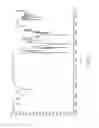
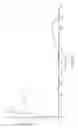
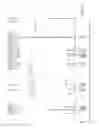

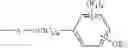
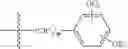

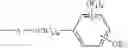


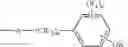


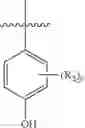


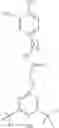
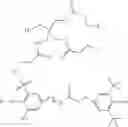

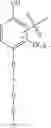

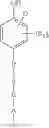


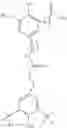
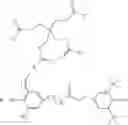

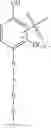
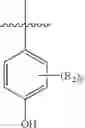
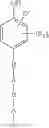
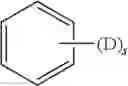
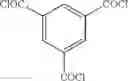
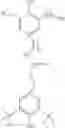
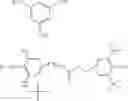

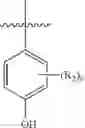
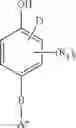

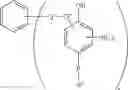


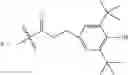


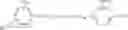
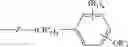

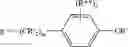
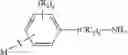
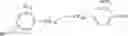
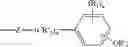

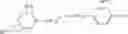

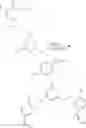
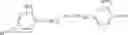
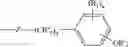
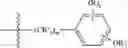
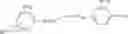

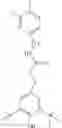
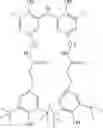
Sources:
- United States Patent and Trademark Office - verify current appl. status at the USPTO↗
Similar patent applications:
Recent applications in this class:
- » 20250051265 2025-02-13
PRODUCTION METHOD FOR AMIDE GROUP-CONTAINING MONOMER - » 20240409499 2024-12-12
VOLTAGE GATED SODIUM CHANNEL IMAGING AGENTS - » 20240376040 2024-11-14
PROCESS FOR THE PREPARATION OF SAFINAMIDE - » 20240270680 2024-08-15
PROCESS FOR MAKING MELFLUFEN OR A SALT THEREOF - » 20230174461 2023-06-08
METHOD FOR PREPARING CHIRAL 4-ARYL-ß-AMINO ACID DERIVATIVE - » 20230084232 2023-03-16
Compound and method for preparation of lisdexamfetamine - » 20230060294 2023-03-02
Methods of manufacturing benzoquinoline compounds - » 20230022080 2023-01-26
METHOD FOR PRODUCING N-VINYLACETAMIDE AND PYROLYSIS DEVICE - » 20220267254 2022-08-25
Voltage gated sodium channel imaging agents - » 20220213025 2022-07-07
Method for producing highly polymerizable n-vinyl carboxylic acid amide monomer
Recent applications for this Assignee:
- » 20210130722 2021-05-06
Macromolecular corrosion (McIn) inhibitors: structures, methods of making and using the same - » 20200392406 2020-12-17
Macromolecular antioxidants based on dual type moiety per molecule: structures, methods of making and using the same - » 20190292454 2019-09-26
Macromolecular antioxidants based on dual type moiety per molecule: structures, methods of making and using the same - » 20150159109 2015-06-11
Lubricant oil compositions - » 20140316163 2014-10-23
Nitrogen and hindered phenol containing dual functional macromolecular antioxidants: synthesis, performances and applications - » 20140014880 2014-01-16
Macromolecular antioxidants based on sterically hindered phenols and phosphites - » 20140011901 2014-01-09
Stabilized polyolefin compositions - » 20130130955 2013-05-23
Lubricant oil compositions - » 20130072586 2013-03-21
Stabilized polyolefin compositions - » 20130041171 2013-02-14
Macromolecular antioxidants based on sterically hindered phenols and phosphites