METHODS AND COMPOSITIONS FOR CO-EXPRESSION OF POLYPEPTIDES OF INEREST AND IL6
US20160194369A1
2016-07-07
14/911,572
2014-08-07
Abstract:
The present invention provides a CHO cell that includes a polynucleotide encoding a polypeptide of interest. The CHO cell may include a heterologous polynucleotide encoding IL6 and/or an IL6 pathway member or, in the absence of the heterologous IL6 or an IL6 pathway member polynucleotide, the CHO cell can be cultured in the presence of exogenously added IL6 polypeptide. Such CHO cells exhibit superior expression of the polypeptide of interest in culture. Methods for expressing a polypeptide of interest and methods for making such CHO cells are part of the present invention.
Inventors:
- Janice Chen 1 🇺🇸 New York, NY, United States
- Shuangping Shi 2 🇺🇸 Mountain Lakes, NJ, United States
- Shuangping SHI 1 🇺🇸 Kenilworth, NJ, United States
Assignee:
- Merck Sharp Dohme Corp. 2,249 🇺🇸 Rahway, NJ, United States
Interested in similar patents?
Get notified when new applications in this technology area are published.
Classification:
C07K14/5412 » CPC main
Peptides having more than 20 amino acids; Gastrins; Somatostatins; Melanotropins; Derivatives thereof from animals; from humans; Cytokines; Lymphokines; Interferons; Interleukins [IL] IL-6
C07K14/54 IPC
Peptides having more than 20 amino acids; Gastrins; Somatostatins; Melanotropins; Derivatives thereof from animals; from humans; Cytokines; Lymphokines; Interferons Interleukins [IL]
Description
The present invention claims the benefit of U.S. Provisional Patent Application No. 61/864,809; filed Aug. 12, 2013; which is herein incorporated by reference in its entirety.
FIELD OF THE INVENTION
The present invention relates to a Chinese hamster ovary (CHO) cell including a polynucleotide encoding a polypeptide of interest. In the presence of IL6, the CHO cells exhibit superior expression of the polypeptide of interest.
BACKGROUND OF THE INVENTION
The generation of a stable, high productivity cell line is a key step in the manufacture of a therapeutic protein. An ideal production cell line will have a combination of fast growth and high specific-productivity, two features that are desirable for downstream scale-up and manufacturing processes. Moreover, a high-yield production cell lines are favorable because they require smaller production vessels and fewer production batches, allowing for reduced costs of goods for commercial supplies.
The cell line development process begins with the transfection of a vector carrying the gene of interest into host cells. Transfected cells are selected using a variety of systems, such as antibiotic resistance or metabolic selection markers, for several weeks. Because the level of recombinant protein expression varies from cell to cell, single cell subcloning is required to isolate cells exhibiting high titers. However, mammalian cells tend to suffer from poor cloning efficiency at extremely low cell density, resulting in low recovery after subcloning. For cells that do recover, several weeks are required for a single cell to expand into a colony large enough such that recombinant protein titers can be measured. Colonies exhibiting high titers are then harvested, expanded, and adapted to suspension in a process that can take another several weeks. Once in suspension, the productivity and stability of individual cell lines can be assessed. As each cell line exhibits different growth, productivity, and stability profiles, hundreds of clones are typically screened in a laborious process to identify a small number of cell lines with the most desirable characteristics. Thus, the cell line development process could benefit from a strategy to improve both the efficiency of the clone selection process and cell line productivity.
Interleukin-6 (IL6) is known to be an inflammatory cytokine produced by immune cells such as macrophages, dendritic cells, mast cells and B cells. Overexpression of IL6 is associated with several inflammatory diseases such as rheumatoid arthritis. A practitioner of ordinary skill in the art would not have expected IL6 to have a beneficial effect on the ability of CHO cells to express recombinant protein.
SUMMARY OF THE INVENTION
The present invention provides an isolated Chinese hamster ovary (CHO) cell (e.g., that lacks a functional FUT8 polypeptide; and/or lacks a functional glutamine synthase polypeptide; and/or lacks a functional endogenous DHFR polypeptide) comprising (i) a heterologous polynucleotide encoding a polypeptide of interest (e.g., an immunoglobulin chain (heavy or light) of an antibody or antigen-binding fragment thereof) and (ii) a heterologous polynucleotide encoding IL6 polypeptide which, when cultured, the IL6 polypeptide (e.g., mammal, human, hamster such as Chinese hamster (e.g., Cricetulus griseus), rat such as Rattus norvegicus, mouse such as Mus musculus, chimp such as Pan troglodytes, gorilla such as Gorilla gorilla gorilla or monkey such as Macaca mulatta) is expressed and secreted. Furthermore, the present invention provides an isolated Chinese hamster ovary (CHO) cell (e.g., that lacks a functional FUT8 polypeptide; and/or lacks a functional glutamine synthase polypeptide; and/or lacks a functional endogenous DHFR polypeptide) comprising a polynucleotide encoding a polypeptide of interest (e.g., an immunoglobulin chain (heavy or light) of an antibody or antigen-binding fragment thereof) which is in the presence of IL6 polypeptide (e.g., Chinese hamster, human, mouse or rat IL6), e.g., which has been exogenously added to the cells, e.g., to the culture medium of the cells, e.g., wherein such cells include or do not include an IL6 polynucleotide. The present invention also encompasses a composition comprising any of such CHO cells in a culture medium, buffer or carrier. In an embodiment of the invention, the cell expresses a constitutively active gp130 such as gp130ΔYY, e.g., wherein the cell is heterozygous or homozygous for the gp130ΔYY allele.
The present invention provides a method for increasing the quantity of protein of interest expressed from a CHO cell having a heterologous polynucleotide encoding the protein of interest; or for increasing the rate of growth of a CHO cell having a heterologous polynucleotide encoding the protein of interest; comprising co-expressing IL6 (e.g., mammal, human, hamster such as Chinese hamster (e.g., Cricetulus griseus), rat such as Rattus norvegicus, mouse such as Mus musculus, chimp such as Pan troglodytes, gorilla such as Gorilla gorilla gorilla or monkey such as Macaca mulatta) with the polypeptide of interest in the CHO cell (e.g., while the cell is being cultured); or exposing a CHO cell having a polynucleotide encoding the protein of interest to exogenous IL6 polypeptide (e.g., while the cell is being cultured).
The present invention also provides a method for increasing the number of CHO cells that survive transfection with a polynucleotide (e.g., a polynucleotide of interest) comprising transfecting the cells with a polynucleotide encoding IL6 (e.g., mammal, human, hamster such as Chinese hamster (e.g., Cricetulus griseus), rat such as Rattus norvegicus, mouse such as Mus musculus, chimp such as Pan troglodytes, gorilla such as Gorilla gorilla gorilla or monkey such as Macaca mulatta) and/or by exposing the cells transfected with the polynucleotide to exogenous IL6 polypeptide.
The present invention also provides a method for making a IL6+-CHO cell of the present invention comprising introducing a polynucleotide encoding a polypeptide of interest and a polynucleotide encoding IL6 polypeptide (e.g., mammal, human, hamster such as Chinese hamster (e.g., Cricetulus griseus), rat such as Rattus norvegicus, mouse such as Mus musculus, chimp such as Pan troglodytes, gorilla such as Gorilla gorilla gorilla or monkey such as Macaca mulatta) into a Chinese hamster ovary cell. Any cell produced by such a method (as well as methods of use and methods of making the same; as discussed herein) is within the scope of the present invention.
The present invention also provides a method for making a polypeptide of interest comprising culturing a IL6+-CHO cell under conditions wherein the polypeptide of interest and the IL6 polypeptide (e.g., mammal, human, hamster such as Chinese hamster (e.g., Cricetulus griseus), rat such as Rattus norvegicus, mouse such as Mus musculus, chimp such as Pan troglodytes, gorilla such as Gorilla gorilla gorilla or monkey such as Macaca mulatta) are expressed. In an embodiment of the invention, the method comprises the steps of: (a) introducing a polynucleotide encoding a polypeptide of interest and a polynucleotide encoding IL6 polypeptide into a CHO cell; and (b) culturing the cell under conditions wherein the polypeptide of interest and the IL6 polypeptide are expressed. Optionally, the polypeptide of interest is purified away from the cell, cell components, culture medium and/or IL6 polypeptide.
The present invention also provides a method for making a polypeptide of interest comprising the steps of: (a) introducing a polynucleotide encoding a polypeptide of interest into a CHO cell; (b) introducing the cell into a growth medium; (c) adding exogenous IL6 polypeptide (e.g., mammal, human, hamster such as Chinese hamster (e.g., Cricetulus griseus), rat such as Rattus norvegicus, mouse such as Mus musculus, chimp such as Pan troglodytes, gorilla such as Gorilla gorilla gorilla or monkey such as Macaca mulatta) to the growth medium; and (b) culturing the cell under conditions wherein the polypeptide of interest is expressed. Optionally, the polypeptide of interest is purified away from the cell, cell components, culture medium and/or IL6 polypeptide.
BRIEF DESCRIPTION OF THE FIGURES
FIG. 1: Effect of exogenous IL6 increases on the percentage of canP-mIgGhi cells at the pool level. CHOK1SV cells were transfected with pCanP-mIgG and then selected based on the selectable marker in the transfected vector backbone for two weeks in the presence or absence of 100 ng/ml human IL6. The pool of transfected cells was harvested and stained with a phycoerythrin-conjugated antibody against mouse IgG to measure canP-mIgG expression. (A) Dot plot showing forward scatter on the X-axis and PE staining on the Y-axis. Numbers show percentage of high PE+ cells. (B) Histogram showing PE staining on the X-axis and cell counts on the Y-axis. Numbers show mean fluorescence intensity (MFI) of PE+ cells.
FIG. 2: Effect of exogenous IL6 on canP-mIgG titers at the pool and 96-well stages. Transfected CHOK1SV cells expressing the highest levels of canP-mIgG were subcloned by fluorescence-activated cell sorting (FACS) into five 96-well Plates with or without 100 ng/ml human IL6. Cells were allowed to recover for 14 days, then wells containing recovered colonies were sampled and assayed with an mIgG ELISA. (A) Time course of canP-mIgG titers in the transfected pool prior to subcloning. (B) canP-mIgG titers of individual clones in 96-well plates two weeks post-subcloning.
FIG. 3: Effect of co-expressed Chinese hamster or human IL6 on cell recovery and rate of colony emergence following subcloning. CHOK1SV cells were transfected with pCanP-mIgG, pCanP-mIgG+hIL6, or pCanP-mIgG+CHOIL6. After 14 days of selection based on the transfected vector selectable marker, cells were either subcloned into 96-well plates (A) based on staining with Dylight 488-conjugated Protein A or (B) randomly, based on forward and side scatter. Upper panels show number of colonies that emerged 7, 10, and 14 days post-subcloning. Lower panels show percent recovery of clones at 7, 10, and 14 days post-subcloning.
FIG. 4: Effect of Chinese hamster or human IL6 on cell recovery and rate of colony emergence following subcloning. Images of colonies on select 96-well plates 14 days post-subcloning. Upper panels show clones that were sorted based on Protein A staining. Lower panels show clones that were randomly sorted based on forward and side scatter.
FIG. 5: Effect of Chinese hamster or human IL6 co-expression on canP-mIgG titers at the 96-well stage. canP-mIgG titers of individual clones were assayed by mIgG ELISA two weeks post-subcloning. (A) shows clones that were sorted based on Protein A staining. (B) shows clones that were randomly sorted based on forward and side scatter.
FIG. 6: Effect of Chinese hamster or human IL6 co-expression on canP-mIgG titers in fed batch mode. Clones with the highest canP-mIgG titers from each transfection were harvested from 96-well plates, adapted to suspension, and their productivity in fed batch was assessed. Titers were determined by Protein A-HPLC of crude, cell-free culture supernatants. n=7-9 clones per sort condition per transfection. Day 14 titers are shown for (A) clones that were sorted based on Protein A staining and (B) clones that were randomly sorted based on forward and side scatter. The bar and adjacent numeral denote mean canP-mIgG titer of clones for a given transfection.
FIG. 7: Co-expression of CHO IL-6 improved colony growth. Colony size of cells expressing the anti-PD1 antibody MK3475±Chinese hamster IL6 after 10 or 14 days of growth.
FIG. 8: Co-expression of CHO IL-6 increases titers and % positive clones at the 96-well stage.
FIG. 9: IL6 over-expression improved day 14 median titer.
FIG. 10: Higher median specific productivity observed when over-expressing IL6.
FIG. 11: Gain-of-function mutations of gp130. Examples of several gp130 gain-of-function mutations which may be expressed in the cells of the present invention.
FIG. 12: gp130 constructs expressing human gp130ΔYY, gp130ΔFY or wild-type gp130 and canine TSLP-IgG2a.
FIG. 13: hGP130 mutant improved the fed batch 14 titer the most.
DETAILED DESCRIPTION OF THE INVENTION
Chinese hamster ovary (CHO) cells are one of the most commonly used mammalian cell lines for the manufacture of complex biopharmaceuticals due to their robust growth in suspension culture, high yield of protein products, post-translational processing, and safety profile. The present invention provides a method for promoting cell growth and recombinant protein productivity of CHO cells by supplementing or co-expressing IL6 during the cell line development process. CHO cells transfected with a gene of interest and then selected and subcloned in the presence of IL6 showed enhanced cell recovery and accelerated colony emergence following subcloning. Moreover; colonies exhibited increased titers following subcloning. After the top clones were harvested and adapted to suspension, their productivity in a 14-day fed batch process was assessed. On average, clones co-expressing CHO IL6 produced 3.3-4.5-fold higher levels of the protein of interest than clones expressing the protein of interest alone. Thus, IL6 can be applied to the cell line development process to reduce clone selection timelines, improve cell line productivity, and facilitate the identification of highly-productive clones.
In addition, overexpression of IL6 pathway components in CHO cells (above that of a wild-type CHO cell) mimics the effect of IL6 co-expression without the need for a soluble ligand. For instance, overexpression of a constitutively active form of gp130 (e.g., gp130ΔYY) activates IL6 signaling pathways without the need for either exogenously supplemented or endogenously produced IL6. Gain-of-function mutations in gp130 lead to STAT3 activation and expression of IL6 target genes in the absence of IL6. Such mutations include those which are in-frame deletions that disrupt the gp130-IL6 interface and lead to ligand-independent activation. Overexpression of these mutant gp130s, as well as IL6 pathway components, e.g., downstream of gp130 (such as the transcription factors STAT3 or NF-IL6), mimic the effect of IL6 on CHO cells. A major advantage of these alternative approaches is not having to purify the therapeutic protein of interest from co-expressed IL6, which could be a significant component of the culture supernatant.
Molecular Biology
In accordance with the present invention there may be employed conventional molecular biology, microbiology, and recombinant DNA techniques within the skill of the art. Such techniques are explained fully in the literature. See, e.g., Sambrook, Fritsch & Maniatis, Molecular Cloning: A Laboratory Manual, Second Edition (1989) Cold Spring Harbor Laboratory Press, Cold Spring Harbor, N.Y. (herein “Sambrook, et al., 1989”); DNA Cloning: A Practical Approach, Volumes I and II (DN. Glover ed. 1985); Oligonucleotide Synthesis (M. J. Gait ed. 1984); Nucleic Acid Hybridization (B. D. Hames & S. J. Higgins eds. (1985)); Transcription And Translation (B. D. Hames & S. J. Higgins, eds. (1984)); Animal Cell Culture (R. I. Freshney, ed. (1986)); Immobilized Cells And Enzymes (IRL Press, (1986)); B. Perbal, A Practical Guide To Molecular Cloning (1984); F. M. Ausubel, at al. (eds.), Current Protocols in Molecular Biology, John Wiley & Sons, Inc. (1994).
A “polynucleotide”, “nucleic acid” or “nucleic acid molecule” DNA and RNA (e.g., mRNA), single or double stranded.
An “endogenous” polynucleotide or polypeptide is present normally in a wild-type host cell such as a CHO cell.
A “heterologous” polynucleotide or “heterologous” polypeptide is not present normally in a wild-type host cell such as a CHO cells but was introduced to the cell.
Substances that are “exogenous” are added to a composition, such as IL6 polypeptide which is added to a culture medium.
A “nucleotide sequence” is a series of nucleotide bases (also called “nucleotides”) in a nucleic acid, such as DNA or RNA, and means any chain of two or more nucleotides.
An “amino acid sequence” refers to a series of two or more amino acids in a protein, peptide or polypeptide.
A “protein”, “peptide” or “polypeptide” includes a contiguous string of two or more amino acids.
The terms “isolated polynucleotide” or “isolated polypeptide” include a polynucleotide (e.g., RNA or DNA molecule, or a mixed polymer) or a polypeptide, respectively, which are partially (to any degree) or fully separated from other components that are normally found in cells or in recombinant DNA expression systems. These components include, but are not limited to, cell membranes, cell walls, ribosomes, polymerases, serum components and extraneous genomic sequences.
The term “host cell” includes any cell of any organism (e.g., a CHO cell) that is selected, modified, transfected, transformed, grown, or used or manipulated in any way, for the production of a substance by the cell, for example the expression or replication, by the cell, of a gene, a DNA or RNA sequence or a protein.
The nucleic acids herein may be flanked by natural regulatory (expression control) sequences, or may be associated with heterologous sequences, including promoters, internal ribosome entry sites (IRES) and other ribosome binding site sequences, enhancers, response elements, suppressors, signal sequences, polyadenylation sequences, introns, 5′- and 3′-non-coding regions, and the like.
A coding sequence is “operably linked to” transcriptional and translational control sequences in a cell when the sequences direct RNA polymerase mediated transcription of the coding sequence into RNA, preferably mRNA, which then may be RNA spliced (if it contains introns) and, optionally, translated into a protein encoded by the coding sequence. IL6 and/or polynucleotides of interest, in CHO cells of the present invention (and methods of use thereof, as discussed herein), may, in some embodiments of the invention, be operably linked to transcriptional and/or translational control sequences.
The terms “express” and “expression” mean allowing or causing the information in a gene, RNA or DNA sequence to become manifest; for example, producing a protein by activating the cellular functions involved in transcription and translation of a corresponding gene. A DNA sequence is expressed in or by a cell to form an “expression product” such as an RNA (e.g., mRNA) or a protein. The expression product itself may also be said to be “expressed” by the cell.
The term “vector” includes a vehicle (e.g., a plasmid) by which a DNA or RNA sequence can be introduced into a host cell, so as to transform the host and, optionally, promote expression and/or replication of the introduced sequence.
Vectors that can be used in this invention include plasmids, viruses, bacteriophage, integratable DNA fragments, and other vehicles that may facilitate introduction of the nucleic acids into the genome of the host. Plasmids are the most commonly used form of vector but all other forms of vectors which serve a similar function and which are, or become, known in the art are suitable for use herein. See, e.g., Pouwels, et al., Cloning Vectors: A Laboratory Manual, 1985 and Supplements, Elsevier, N.Y., and Rodriguez et al., (eds.), Vectors: A Survey of Molecular Cloning Vectors and Their Uses, 1988, Buttersworth, Boston, Mass.
The polynucleotides encoding polypeptides of interest and/or IL6 which are in the CHO cells of the present invention, may, in an embodiment of the invention, include one more selectable markers. Selectable markers include, for example, dihydrofolate reductase (DHFR), glutamine synthetase hygromycin-resistance, puromycin-resistance, or neomycin-resistance.
The term “transfection” or “transformation” refers to the process of introducing a polynucleotide into a cell (e.g., a CHO cell); e.g., by the electroporation or calcium phosphate method.
A cell that is “cultured” is grown in a culture medium (e.g., liquid or solid culture medium) under conditions favorable to such growth and, when the cell is transformed with a polynucleotide of interest and/or a polynucleotide encoding IL6 and/or an IL6 pathway member (e.g., gp130ΔYY), under conditions favorable to expression of the polypeptide of interest and/or IL6 polypeptide and/or an IL6 pathway member.
Interleukin-6
The present invention provides CHO cells comprising one or more polynucleotides of interest (e.g., in a vector such as a plasmid, ectopic or chromosomally integrated) and one or more IL6 polynucleotides (e.g., mammal, human, hamster such as Chinese hamster (e.g., Cricetulus griseus), rat such as Rattus norvegicus, mouse such as Mus musculus, chimp such as Pan troglodytes, gorilla such as Gorilla gorilla gorilla or monkey such as Macaca mulatta e.g., in a vector such as a plasmid, ectopic or chromosomally integrated) and methods of use thereof (e.g., as discussed herein). The IL6 polynucleotide can encode full length IL6 or a functional fragment thereof or a functional mutational variant thereof, wherein the IL6 polypeptide is secreted when expressed and binds IL6R on the surface of a CHO cell.
The scope of the present invention includes embodiments wherein members of the IL6 pathway are modulated in the CHO cells, either in addition to direct exposure to IL6 protein or in place of direct exposure to IL6 protein. For example, the present invention includes embodiments wherein JAK tyrosine kinases of the CHO cells (e.g., JAK1, JAK2, and/or TYK2), which are associated with the cytoplasmic domain of gp130 and are trans-phosphorylated in response to IL6 stimulation, are up-regulated e.g., by increasing their expression (e.g., by transforming CHO cells with a heterologous polynucleotide encoding a JAK which is expressed in the cell) and/or by exposure to activating substances (e.g., small molecule agonists and/or antagonists of JAK antagonists). Activated JAKs phosphorylate specific tyrosine residues in the cytoplasmic domain of gp130, which serve as docking sites for the latent STAT transcription factors. Upon recruitment to the phosphotyrosine motifs of gp130, the STAT proteins are then phosphorylated by JAKs. Phosphorylated STATs form homo- and heterodimers and translocate to the nucleus, where they activate transcription of their target genes. STAT3 is predominantly activated downstream of IL6, and to a lesser extent, STAT1. Thus, the present invention also includes embodiments wherein STATs (e.g., STAT1 and/or STAT3) are up-regulated, either by increasing their expression (e.g., by transforming CHO cells with a heterologous polynucleotide encoding a STAT which is expressed in the cell) or by inducing their phosphorylation (e.g., by exposure to a kinase such as a JAK).
Another integral pathway activated downstream of IL6 is the MAPK pathway. Upon IL6 stimulation, the tyrosine phosphatase SHP2 is recruited to gp130 and phosphorylated by JAKs. SHP2 acts as an adaptor protein linking activation of the Ras pathway to the downstream ERK, p38, and JNK MAPKs. A major mechanism by which MAPKs activate transcription factors is by post-translational modification, such as phosphorylation. Thus, the present invention includes embodiments wherein MAPK pathway members, e.g., SHP2, are up-regulated, e.g., by increasing their expression (e.g., by transforming CHO cells with a heterologous polynucleotide encoding SHP2 which is expressed in the cell) and/or by exposure to activating substances (e.g., small molecule agonists and/or antagonists of SHP2 antagonists). The present invention also includes embodiments wherein nuclear factor IL6 (NF-IL6), AP-1 and/or ETS family members are up-regulated, e.g., by increasing their expression (e.g., by transforming CHO cells with a heterologous polynucleotide encoding NF-IL6, AP-1 and/or ETS family members which is expressed in the cell) and/or by exposure of NF-IL6, AP-1 and/or ETS family members to MAPK (e.g., by transforming CHO cells with a heterologous polynucleotide encoding a MAPK which is expressed in the cell). NF-IL6, AP-1 and/or ETS family members are transcription factors activated downstream of MAPKs.
IL6 pathway members include any of IL6R, gp130 (e.g., the gp130ΔYY mutant, gp130ΔFY mutant, e.g., Chinese hamster or human), JAK1, JAK2, TYK2, STAT1, STAT3, SHP2, NF-IL6, AP-1 and an ETS family member (e.g., ETS, YAN, ELG, PEA3, ERF and ternary complex factor (TCF, e.g., ELK1, SAP1A, SAP1B)), e.g., from a mammal such as from human, hamster such as Chinese hamster (e.g., Cricetulus griseus), rat such as Rattus norvegicus, mouse such as Mus musculus, chimp such as Pan troglodytes, gorilla such as Gorilla gorilla gorilla or monkey such as Macaca mulatta.
A CHO cell comprising an IL6 polynucleotide and/or IL6 pathway member (e.g., gp130ΔYY) polynucleotide; and, a polynucleotide of interest may be referred to herein as an “IL6+-CHO” cell. In an IL6+-CHO cell an IL6 polynucleotide or IL6 pathway member polynucleotide may be referred to herein as “heterologous”, and is (i) a polynucleotide that encodes IL6 or the pathway member which differs from IL6 or the pathway member from Chinese hamster at one or more nucleotides (e.g., which is human IL6, e.g., any of SEQ ID NOs: 2 and 4-8); or (ii) a polynucleotide encoding IL6 or the pathway member that is identical to Chinese hamster IL6 (e.g., SEQ ID NO: 3), wherein the polynucleotide has been added to a CHO cell and constitutes an additional cellular copy of the Chinese hamster IL6 or pathway member.
The present invention provides CHO cells comprising a heterologous IL6 and/or IL6 pathway member (e.g., gp130ΔYY) from any species having an endogenous IL6 gene and/or IL6 pathway (e.g., human or Chinese hamster IL6), optionally, operably linked to a promoter that drives expression of the IL6 and/or pathway member when the cell is cultured. IL6 polynucleotides and/or IL6 pathway member polynucleotides may, in an embodiment of the invention, be operably linked to a promoter that causes transcription in a CHO cell; such as a CMV promoter (e.g., immediate-early cytomegalovirus virus promoter), EF-1alpha promoter, Ubc promoter (human ubiquitin C promoter), SV40 promoter (simian virus 40 promoter) or the PGK promoter (murine phosphoglycerate kinase-1 promoter).
In an embodiment of the invention, human IL6 polypeptide comprises the amino acid sequence:
| (SEQ ID NO: 2) |
| mnsfstsafg pvafslglll vlpaafpapv ppgedskdva |
| aphrqpltss eridkqiryi ldgisalrke tcnksnmces |
| skealaennl nlpkmaekdg cfqsgfneet clvkiitgll |
| efevyleylq nrfesseeqa ravqmstkvl iqflqkkakn |
| ldaittpdpt tnaslltklq aqnqwlqdmt thlilrsfke |
| flqsslralr qm |
In an embodiment of the invention, IL6 polynucleotide encodes human IL6 polypeptide, e.g., SEQ ID NO: 2, for example, comprising the nucleotide sequence:
| (SEQ ID NO: 1) | |
| atgaactcct tctccacaag cgccttcggt ccagttgcct | |
| tctccctggg gctgctcctg gtgttgcctg ctgccttccc | |
| tgccccagta cccccaggag aagattccaa agatgtagcc | |
| gccccacaca gacagccact cacctcttca gaacgaattg | |
| acaaacaaat tcggtacatc ctcgacggca tctcagccct | |
| gagaaaggag acatgtaaca agagtaacat gtgtgaaagc | |
| agcaaagagg cactggcaga aaacaacctg aaccttccaa | |
| agatggctga aaaagatgga tgcttccaat ctggattcaa | |
| tgaggagact tgcctggtga aaatcatcac tggtcttttg | |
| gagtttgagg tatacctaga gtacctccag aacagatttg | |
| agagtagtga ggaacaagcc agagctgtgc agatgagtac | |
| aaaagtcctg atccagttcc tgcagaaaaa ggcaaagaat | |
| ctagatgcaa taaccacccc tgacccaacc acaaatgcca | |
| gcctgctgac gaagctgcag gcacagaacc agtggctgca | |
| ggacatgaca actcatctca ttctgcgcag ctttaaggag | |
| ttcctgcagt ccagcctgag ggctcttcgg caaatgtag |
In an embodiment of the invention, Chinese hamster (Cricetulus griseus) IL6 polypeptide comprises the amino acid sequence:
| (SEQ ID NO: 3) | |
| mkflsardfh plaflglmla vatalptsqv rrgdftedtt | |
| pnrpvyttsq qvgglvthvl reifelrkel cnnnpdcmny | |
| ddallennle lpviqrndgc yqtgynweic llkitsglld | |
| yqiylefvtn nvqdnkkdka rvigsttktl sqifkqevkd | |
| pdkivmpspt skailiekle sqkqwprtkt ielilkalee | |
| flkvtmrstr qn |
In an embodiment of the invention, Rattus norvegicus IL6 polypeptide comprises the amino acid sequence:
| (SEQ ID NO: 4) | |
| mkflsardfq pvaflglmll tatafptsqv rrgdftedtt | |
| hnrpvyttsq vgglityvlr eilemrkelc ngnsdcmnsd | |
| dalsennlkl peiqrndgcf qtgynqeicl lkicsgllef | |
| rfylefvknn lqdnkkdkar viqsntetiv hifkqeikds | |
| ykivlptpts nallmekles qkewlrtkti qlilkaleef | |
| lkvtmrstrq t |
In an embodiment of the invention, Mus musculus IL6 polypeptide comprises the amino acid sequence:
| (SEQ ID NO: 5) | |
| mlvtttafpt sqvrrgdfte dtthnrpvyt tsqvgglith | |
| vlweivemrk elcngnsdcm nnddalaenn lklpeiqrnd | |
| gcyqtgynqe icllkissgl leyhsyleym knnlkdnkkd | |
| karvlqrdte tlihifnqev kdlhkivlpt pisnalltdk | |
| lesqkewlrt ktiqfilksl eeflkvtlrs trqt |
In an embodiment of the invention, Pan troglodytes IL6 polypeptide comprises the amino acid sequence:
| (SEQ ID NO: 6) | |
| mnsystsafg pvafslglll vlpaafpapv ppgedskdva | |
| aphrqpltss eridkqiryi ldgisalrke tcnksnmces | |
| skealaennl nlpkmaekdg cfqsgfneet clvkiitgll | |
| efevyleylq nrfesseeqa ravqmstkvl iqflqkkakn | |
| ldaittpdpt tnaslltklq aqnqwlqdmt thlilrsfke | |
| flqsslralr qm |
In an embodiment of the invention, Gorilla gorilla gorilla IL6 polypeptide comprises the amino acid sequence:
| (SEQ ID NO: 7) | |
| mnsystsafg pvafslglll vlpaafpapv ppgedskdva | |
| aphrqpltss eridkqiryi ldgisalrke tcnksnmces | |
| skealaennl nlpkmaekdg cfqsgfneet clvkiitgll | |
| efevyleylq nrfesseeqa ravqmstkvl iqflqkkvgn | |
| ldvittpdpt tnaslltklq aqnqwlqdmt thlilrsfke | |
| flqsslralr qm |
In an embodiment of the invention, Macaca mulatta IL6 polypeptide comprises the amino acid sequence:
| (SEQ ID NO: 8) | |
| mnsystsafg pvafslglll vlpaafpapv lpgedskdva | |
| aphsqpltss eridkhiryi ldgisalrke tcnrsnmces | |
| skealaennl nlpkmaekdg cfqsgfnedt clvkiitgll | |
| efevyleylq nrfesseeqa ravqmstkvl iqflqkkakn | |
| ldaittpept tnaslltklq aqnqwlqdmt thlilrsfke | |
| flqsslralr qm |
In an embodiment of the invention, the IL6 is any of those set forth below:
| 1. interleukin-6 |
| [Ailuropoda |
| melanoleuca] |
| 211 aa protein |
| AEY70473.1 |
| GI: 373431041 |
| 5. PREDICTED: |
| interleukin-6 |
| [Anas platyrhynchos] |
| 177 aa protein |
| XP_005020599.1 |
| GI: 514750321 |
| 6. interleukin-6 |
| [Anser anser] |
| 234 aa protein |
| AEB26769.1 |
| GI: 328672205 |
| 8. interleukin-6 |
| [Aotus lemurinus] |
| 209 aa protein |
| AAF21298.1 |
| GI: 6648940 |
| 9. interleukin-6 |
| [Aotus nancymaae] |
| 209 aa protein |
| AAD01536.1 |
| GI: 4102682 |
| 10. interleukin-6 |
| [Aotus nigriceps] |
| 175 aa protein |
| AAF21297.1 |
| GI: 6648938 |
| 11. interleukin-6 |
| [Aotus vociferans] |
| 160 aa protein |
| AAD01531.1 |
| GI: 4102672 |
| 12. interleukin-6 |
| [Bos grunniens] |
| 46 aa protein |
| AAT02420.1 |
| GI: 46849998 |
| 13. Interleukin-6, |
| partial [Bos |
| grunniens mutus] |
| 181 aa protein |
| ELR52426.1 |
| GI: 440901495 |
| 15. interleukin-6 |
| precursor |
| [Bos taurus] |
| 208 aa protein |
| NP_776348.1 |
| GI: 27806867 |
| 17. Interleukin-6 |
| [Bubalus |
| bubalus x |
| Bubalus |
| carabanensis] |
| 208 aa protein |
| BAE76014.1 |
| GI: 84993700 |
| 18. interleukin 6 |
| [Callithrix jacchus] |
| 212 aa protein |
| ABG54455.1 |
| GI: 110180456 |
| 19. interleukin-6 |
| [Camelus |
| dromedarius] |
| 211 aa protein |
| ADH51721.1 |
| GI: 296803305 |
| 24. interleukin-6 |
| precursor |
| [Canis lupus |
| familiaris] |
| 207 aa protein |
| NP_001003301.1 |
| GI: 54607208 |
| 27. interleukin-6 |
| [Capra hircus] |
| 208 aa protein |
| ADP09351.1 |
| GI: 310751797 |
| 28. PREDICTED: |
| interleukin-6 |
| [Ceratotherium |
| simum simum] |
| 214 aa protein |
| XP_004418987.1 |
| GI: 478489215 |
| 29. interleukin 6 |
| [Cercocebus |
| torquatus] |
| 212 aa protein |
| AAA99972.1 |
| GI: 514342 |
| 30. interleukin-6 |
| [Cervus elaphus] |
| 191 aa protein |
| AAS73282.1 |
| GI: 45645330 |
| 31. Interleukin-6 |
| [Chelonia mydas] |
| 214 aa protein |
| EMP29850.1 |
| GI: 465962690 |
| 32. interleukin-6 |
| [Chlorocebus |
| sabaeus] |
| 212 aa protein |
| ACI28913.1 |
| GI: 208436712 |
| 33. Interleukin-6, |
| partial |
| [Columba livia] |
| 154 aa protein |
| EMC81620.1 |
| GI: 449270984 |
| 34. PREDICTED: |
| interleukin-6 |
| [Condylura cristata] |
| 211 aa protein |
| XP_004676819.1 |
| GI: 507931152 |
| 36. PREDICTED: |
| interleukin-6 |
| [Cricetulus griseus] |
| 212 aa protein |
| XP_003507489.1 |
| GI: 354490689 |
| 38. interleukin 6 |
| (interferon, beta 2) |
| precursor |
| [Danio rerio] |
| 231 aa protein |
| NP_001248378.1 |
| GI: 387598083 |
| 39. PREDICTED: |
| interleukin-6 |
| [Dasypus |
| novemcinctus] |
| 214 aa protein |
| XP_004461419.1 |
| GI: 488539604 |
| 40. interleukin-6 |
| [Dicentrarchus |
| labrax] |
| 143 aa protein |
| CAM32185.1 |
| GI: 151175283 |
| 41. PREDICTED: |
| interleukin-6 |
| [Echinops telfairi] |
| 211 aa protein |
| XP_004702898.1 |
| GI: 507646557 |
| 42. interleukin-6 |
| [Epinephelus |
| coioides] |
| 223 aa protein |
| AFE62919.1 |
| GI: 380778719 |
| 46. interleukin-6 |
| precursor |
| [Equus caballus] |
| 208 aa protein |
| NP_001075965.1 |
| GI: 126723700 |
| 50. interleukin-6 |
| precursor |
| [Felis catus] |
| 207 aa protein |
| NP_001009211.1 |
| GI: 57163747 |
| 1236. interleukin 6 |
| [Ailuropoda |
| melanoleuca] |
| 211 aa protein |
| ABQ95347.1 |
| GI: 148575269 |
| 1307. PREDICTED: |
| interleukin-6 |
| [Anas platyrhynchos] |
| 177 aa protein |
| XP_005020599.1 |
| GI: 514750321 |
| 1322. interleukin-6 |
| [Anser anser] |
| 234 aa protein |
| AEB26769.1 |
| GI: 328672205 |
| 1325. interleukin-6 |
| [Aotus lemurinus] |
| 209 aa protein |
| AAF21298.1 |
| GI: 6648940 |
| 1326. interleukin-6 |
| [Aotus nancymaae] |
| 209 aa protein |
| AAD01536.1 |
| GI: 4102682 |
| 1327. interleukin-6 |
| [Aotus nigriceps] |
| 175 aa protein |
| AAF21297.1 |
| GI: 6648938 |
| 1328. interleukin-6 |
| [Aotus vociferans] |
| 160 aa protein |
| AAD01531.1 |
| GI: 4102672 |
| 1339. Interleukin-6, |
| partial [Bos |
| grunniens mutus] |
| 181 aa protein |
| ELR52426.1 |
| GI: 440901495 |
| 1368. interleukin-6 |
| precursor [Bos |
| taurus] |
| 208 aa protein |
| NP_776348.1 |
| GI: 27806867 |
| 1437. interleukin 6 |
| [Bubalus bubalis] |
| 208 aa protein |
| AAQ54301.1 |
| GI: 33771329 |
| 1449. Interleukin-6 |
| [Bubalus bubalis x |
| Bubalus |
| carabanensis] |
| 208 aa protein |
| BAE76014.1 |
| GI: 84993700 |
| 1450. Interleukin-6 |
| [Bubalus |
| carabanensis] |
| 208 aa protein |
| BAE76006.1 |
| GI: 84993684 |
| 1453. interleukin-6 |
| [Callithrix jacchus] |
| 212 aa protein |
| ABG54455.1 |
| GI: 110180456 |
| 1477. interleukin-6 |
| precursor |
| [Callithrix jacchus] |
| 212 aa protein |
| NP_001254700.1 |
| GI: 391853094 |
| 1480. interleukin 6 |
| [Camelus bactrianus] |
| 211 aa protein |
| BAC75393.1 |
| GI: 29603623 |
| 1482. interleukin-6 |
| [Camelus |
| dromedarius] |
| 211 aa protein |
| ADH51721.1 |
| GI: 296803305 |
| 1504. interleukin-6 |
| precursor [Canis |
| lupus familiaris] |
| 207 aa protein |
| NP_001003301.1 |
| GI: 54607208 |
| 1525. IL-6 precursor |
| [Capra hircus] |
| 208 aa protein |
| BAA13118.1 |
| GI: 1480068 |
| 1559. PREDICTED: |
| interleukin-6 |
| [Ceratotherium |
| simum simum] |
| 214 aa protein |
| XP_004418987.1 |
| GI: 478489215 |
| 1579. interleukin 6 |
| [Cercocebus |
| torquatus] |
| 212 aa protein |
| AAA99972.1 |
| GI: 514342 |
| 1580. interleukin-6 |
| [Cervus elaphus] |
| 191 aa protein |
| AAS73282.1 |
| GI: 45645330 |
| 1584. Interleukin-6 |
| [Chelonia mydas] |
| 214 aa protein |
| EMP29850.1 |
| GI: 465962690 |
| 1591. interleukin-6 |
| [Chlorocebus |
| sabaeus] |
| 212 aa protein |
| ACI28913.1 |
| GI: 208436712 |
| 1603. Interleukin-6, |
| partial |
| [Columba livia] |
| 154 aa protein |
| EMC81620.1 |
| GI: 449270984 |
| 1613. PREDICTED: |
| interleukin-6 |
| [Condylura cristata] |
| 211 aa protein |
| XP_004676819.1 |
| GI: 507931152 |
| 1630. interleukin 6, |
| partial [Coturnix |
| japonica] |
| 146 aa protein |
| BAL02990.1 |
| GI: 349500558 |
| 1654. PREDICTED: |
| interleukin-6 |
| [Cricetulus griseus] |
| 212 aa protein |
| XP_003507489.1 |
| GI: 354490689 |
| 1682. interleukin-6a |
| [Cyprinus carpio] |
| 232 aa protein |
| AGR82312.1 |
| GI: 526260858 |
| 1708. interleukin 6 |
| (interferon, beta 2) |
| precursor |
| [Danio rerio] |
| 231 aa protein |
| NP_001248378.1 |
| GI: 387598083 |
| 1715. PREDICTED: |
| interleukin-6 |
| [Dasypus |
| novemcinctus] |
| 214 aa protein |
| XP_004461419.1 |
| GI: 488539604 |
| 1726. interleukin 6 |
| precursor |
| [Delphinapterus |
| leucas] |
| 208 aa protein |
| AAD42929.1 |
| GI: 5381297 |
| 1731. interleukin-6 |
| [Dicentrarchus |
| labrax] |
| 143 aa protein |
| CAM32185.1 |
| GI: 151175283 |
| 1736. PREDICTED: |
| interleukin-6 |
| [Echinops telfairi] |
| 211 aa protein |
| XP_004702898.1 |
| GI: 507646557 |
| 1747. interleukin 6 |
| [Enhydra lutris] |
| 207 aa protein |
| AAB01428.1 |
| GI: 1146344 |
| 1750. interleukin-6 |
| [Epinephelus |
| coioides] |
| 223 aa protein |
| AFE62919.1 |
| GI: 380778719 |
| 1762. interleukin-6 |
| precursor |
| [Equus caballus] |
| 208 aa protein |
| NP_001075965.1 |
| GI: 126723700 |
| 1797. interleukin-6 |
| precursor |
| [Felis catus] |
| 207 aa protein |
| NP_001009211.1 |
| GI: 57163747 |
| 1819. PREDICTED: |
| interleukin-6 |
| [Ficedula |
| albicollis] |
| 281 aa protein |
| XP_005041194.1 |
| GI: 524986498 |
| 1835. interleukin-6, |
| partial [Gadus |
| morhua] |
| 169 aa protein |
| AEB96257.1 |
| GI: 329668262 |
| 1852. interleukin-6 |
| precursor |
| [Gallus gallus] |
| 241 aa protein |
| NP_989959.1 |
| GI: 45382889 |
| 1905. PREDICTED: |
| interleukin-6 |
| [Gorilla gorilla |
| gorilla] |
| 212 aa protein |
| XP_004045208.1 |
| GI: 426355614 |
| 1925. Interleukin-6 |
| [Heterocephalus |
| glaber] |
| 218 aa protein |
| EHB06510.1 |
| GI: 351703591 |
| 1989. interleukin-6 |
| [Hippoglossus |
| hippoglossus] |
| 226 aa protein |
| ADP55202.1 |
| GI: 310975753 |
| 2121. interleukin-6 |
| precursor |
| [Homo sapiens] |
| 212 aa protein |
| NP_000591.1 |
| GI: 10834984 |
| 2499. interleukin-6 |
| [Human |
| herpesvirus 8] |
| 204 aa protein |
| AFQ99135.1 |
| GI: 402797604 |
| 2510. PREDICTED: |
| interleukin-6 |
| [Jaculus jaculus] |
| 333 aa protein |
| XP_004652710.1 |
| GI: 507537371 |
| 2528. interleukin 6 |
| [Lama glama] |
| 211 aa protein |
| BAC75384.1 |
| GI: 29603605 |
| 2530. interleukin 6 |
| [Lepus californicus] |
| 118 aa protein |
| AAF86663.1 |
| GI: 9294773 |
| 2531. interleukin 6 |
| [Lepus townsendii] |
| 118 aa protein |
| AAF86664.1 |
| GI: 9294775 |
| 2533. PREDICTED: |
| interleukin-6-like |
| [Loxodonta africana] |
| 212 aa protein |
| XP_003407131.1 |
| GI: 344270598 |
| 2550. interleukin-6 |
| precursor [Macaca |
| fascicularis] |
| 212 aa protein |
| BAA19148.1 |
| GI: 1799528 |
| 2620. interleukin-6 |
| precursor |
| [Macaca mulatta] |
| 212 aa protein |
| NP_001036198.2 |
| GI: 418203918 |
| 2622. interleukin 6 |
| precursor |
| [Macaca thibetana] |
| 212 aa protein |
| AAW33962.1 |
| GI: 57117473 |
| 2626. interleukin-6 |
| [Macropus eugenii] |
| 213 aa protein |
| AGN92940.1 |
| GI: 511775167 |
| 2628. interleukin 6 |
| [Marmota himalayana] |
| 207 aa protein |
| ABQ82249.1 |
| GI: 148530178 |
| 2629. interleukin-6 |
| [Marmota monax] |
| 207 aa protein |
| CAA74571.1 |
| GI: 2463271 |
| 2638. PREDICTED: |
| interleukin-6-like |
| [Maylandia zebra] |
| 220 aa protein |
| XP_004548214.1 |
| GI: 498973754 |
| 2662. PREDICTED: |
| interleukin-6-like, |
| partial [Meleagris |
| gallopavo] |
| 125 aa protein |
| XP_003207178.1 |
| GI: 326921872 |
| 2679. PREDICTED: |
| interleukin-6 |
| [Melopsittacus |
| undulatus] |
| 287 aa protein |
| XP_005153103.1 |
| GI: 527270291 |
| 2680. interleukin 6 |
| [Meriones |
| unguiculatus] |
| 186 aa protein |
| AAS78201.1 |
| GI: 45827246 |
| 2695. PREDICTED: |
| interleukin-6 |
| [Mesocricetus |
| auratus] |
| 212 aa protein |
| XP_005087167.1 |
| GI: 524974667 |
| 2798. interleukin-6 |
| precursor |
| [Mus musculus] |
| 211 aa protein |
| NP_112445.1 |
| GI: 13624311 |
| 2993. interleukin 6 |
| [Mustela putorius |
| furo] |
| 210 aa protein |
| ABN12937.1 |
| GI: 124491205 |
| 3098. Interleukin-6 |
| [Myotis brandtii] |
| 214 aa protein |
| EPQ11486.1 |
| GI: 521029699 |
| 3122. interleukin-6 |
| [Neovison vison] |
| 210 aa protein |
| ABR18775.1 |
| GI: 148913202 |
| 3123. PREDICTED: |
| interleukin-6 |
| [Nomascus |
| leucogenys] |
| 212 aa protein |
| XP_003252690.1 |
| GI: 332207213 |
| 3158. interleukin-6, |
| partial [Numida |
| meleagris] |
| 48 aa protein |
| AEI69338.1 |
| GI: 337263392 |
| 3177. PREDICTED: |
| interleukin-6 |
| [Octodon degus] |
| 212 aa protein |
| XP_004626617.1 |
| GI: 507626208 |
| 3190. PREDICTED: |
| interleukin-6 |
| isoform 1 |
| [Odobenus |
| rosmarus divergens] |
| 212 aa protein |
| XP_004397376.1 |
| GI: 472355448 |
| 3209. interleukin-6 |
| [Odocoileus |
| virginianus] |
| 70 aa protein |
| AAM15962.1 |
| GI: 20257595 |
| 3222. interleukin-6 |
| precursor |
| [Oncorhynchus |
| mykiss] |
| 219 aa protein |
| NP_001118129.1 |
| GI: 185134959 |
| 3243. PREDICTED: |
| interleukin-6 |
| [Orcinus orca] |
| 208 aa protein |
| XP_004263491.1 |
| GI: 465971422 |
| 3295. PREDICTED: |
| interleukin-6-like |
| isoform 1 |
| [Ornithorhynchus |
| anatinus] |
| 201 aa protein |
| XP_001513877.2 |
| GI: 345329348 |
| 3309. interleukin-6 |
| precursor |
| [Oryctolagus |
| cuniculus] |
| 241 aa protein |
| NP_001075533.1 |
| GI: 126722667 |
| 3333. PREDICTED: |
| interleukin-6-like |
| [Oryzias latipes] |
| 224 aa protein |
| XP_004074037.1 |
| GI: 432882451 |
| 3350. PREDICTED: |
| interleukin-6 |
| [Otolemur garnettii] |
| 278 aa protein |
| XP_003788649.1 |
| GI: 395831103 |
| 3373. interleukin-6 |
| precursor |
| [Ovis aries] |
| 208 aa protein |
| NP_001009392.1 |
| GI: 57164389 |
| 3436. PREDICTED: |
| interleukin-6 |
| isoform 3 [Pan |
| troglodytes] |
| 212 aa protein |
| XP_518992.2 |
| GI: 114612316 |
| 3504. interleukin-6 |
| precursor |
| [Papio anubis] |
| 212 aa protein |
| NP_001167007.1 |
| GI: 291084771 |
| 3528. interleukin 6 |
| [Paralichthys |
| olivaceus] |
| 230 aa protein |
| ABB90401.1 |
| GI: 82780242 |
| 3532. interleukin 6 |
| [Passer domesticus] |
| 61 aa protein |
| ADC79410.1 |
| GI: 288963463 |
| 3542. interleukin 6 |
| [Phoca vitulina] |
| 209 aa protein |
| AAB01430.1 |
| GI: 1161162 |
| 3545. interleukin-6, |
| partial [Phocoena |
| phocoena] |
| 108 aa protein |
| AAK19742.1 |
| GI: 13346443 |
| 3566. PREDICTED: |
| interleukin-6 |
| isoform 1 |
| [Pongo abelii] |
| 212 aa protein |
| XP_002818205.1 |
| GI: 297680890 |
| 3599. Interleukin-6, |
| partial |
| [Pteropus alecto] |
| 202 aa protein |
| ELK12578.1 |
| GI: 431908987 |
| 3636. interleukin-6 |
| precursor [Rattus |
| norvegicus] |
| 211 aa protein |
| NP_036721.1 |
| GI: 7549769 |
| 3762. interleukin 6- |
| like protein |
| [Retroperitoneal |
| fibromatosis- |
| associated |
| herpesvirus] |
| 209 aa protein |
| ABX74959.1 |
| GI: 161610411 |
| 3764. interleukin-6 |
| homolog |
| [rhesus monkey |
| rhadinovirus |
| H26-95] |
| 207 aa protein |
| AAC58690.1 |
| GI: 2625047 |
| 3767. interleukin-6 |
| [Rousettus |
| leschenaultii] |
| 207 aa protein |
| BAH02560.1 |
| GI: 217030543 |
| 3782. PREDICTED: |
| interleukin-6 |
| [Saimiri boliviensis |
| boliviensis] |
| 212 aa protein |
| XP_003935160.1 |
| GI: 403287904 |
| 3789. interleukin-6 |
| [Saimiri sciureus] |
| 212 aa protein |
| AAK92044.1 |
| GI: 15213532 |
| 3838. PREDICTED: |
| interleukin-6 |
| [Sorex araneus] |
| 214 aa protein |
| XP_004604146.1 |
| GI: 505783389 |
| 3851. interleukin-6 |
| [Sparus aurata] |
| 225 aa protein |
| ABY76175.1 |
| GI: 165970321 |
| 3860. interleukin 6 |
| [Sus scrofa] |
| 212 aa protein |
| AAC27127.1 |
| GI: 164515 |
| 3891. interleukin-6 |
| precursor |
| [Sus scrofa] |
| 212 aa protein |
| NP_999564.1 |
| GI: 47523852 |
| 3926. interleukin 6 |
| [Sylvilagus |
| audubonii] |
| 118 aa protein |
| AAF86661.1 |
| GI: 9294769 |
| 3928. interleukin 6 |
| [Syncerus caffer] |
| 208 aa protein |
| BAJ11608.1 |
| GI: 300669784 |
| 3998. PREDICTED: |
| interleukin-6 |
| [Taeniopygia |
| guttata] |
| 180 aa protein |
| XP_002191320.2 |
| GI: 449493050 |
| 4008. interleukin-6 |
| precursor |
| [Takifugu rubripes] |
| 227 aa protein |
| NP_001027894.1 |
| GI: 74096421 |
| 4042. interleukin-6 |
| [Tetraodon |
| nigroviridis] |
| 155 aa protein |
| CAD88198.1 |
| GI: 84619292 |
| 4049. PREDICTED: |
| interleukin-6 |
| [Trichechus |
| manatus |
| latirostris] |
| 212 aa protein |
| XP_004377567.1 |
| GI: 471379540 |
| 4062. interleukin-6 |
| [Tupaia |
| belangeri] |
| 187 aa protein |
| AGR84924.1 |
| GI: 526304503 |
| 4073. Interleukin-6 |
| [Tupaia |
| chinensis] |
| 171 aa protein |
| ELW67598.1 |
| GI: 444727091 |
| 4089. PREDICTED: |
| interleukin-6-like |
| [Tursiops |
| truncatus] |
| 208 aa protein |
| XP_004330334.1 |
| GI: 470655819 |
| 4103. interleukin 6 |
| [Vulpes vulpes] |
| 207 aa protein |
| CAF18413.1 |
| GI: 89511614 |
Polypeptides of Interest
The present invention includes embodiments comprising IL6+-CHO cell lines including one or more polypeptides of interest and/or one or more polynucleotides encoding the polypeptides of interest and methods for making such polypeptides of interest as set forth herein.
A “polynucleotide of interest” is a heterologous polynucleotide, encoding a polypeptide of interest, that is to be expressed by the CHO cell and does not naturally exist in a wild-type CHO cell (e.g., has been added to the CHO cell). For example, in an embodiment of the invention, a polynucleotide of interest is a polynucleotide not encoded by the endogenous genome of a CHO cell. In another embodiment of the invention, a polynucleotide of interest, which may be referred to herein as “heterologous” exists in the endogenous genome of a CHO cell, but wherein an extra copy of the polynucleotide has been added to the CHO cell. In an embodiment of the invention, a polynucleotide of interest encodes an immunoglobulin heavy or light chain. In an embodiment of the invention, the polypeptide of interest is not IL6, such as Chinese hamster IL6 (e.g., not any one or more of the IL6 polynucleotides and/or polypeptides discussed herein) or any one or more of the IL6 pathway members.
In an embodiment of the invention, a polypeptide of interest is an immunoglobulin chain (e.g., from any organism) or therapeutic protein or immunogen (e.g., TSLP (e.g., human, mouse or canine or an immunoglobulin fusion thereof), MK-3475 or an anti-PD1 antibody or antigen-binding fragment thereof, erythropoietin, IL-10, insulin, follicle stimulating hormone, thyrotropin or interferon), e.g., a heavy chain immunoglobulin (e.g., heavy chain variable domain or heavy chain variable domain linked to an immunoglobulin heavy chain constant domain, e.g., gamma-1, gamma-2, gamma-4 or gamma-4) or a light chain immunoglobulin (e.g., light chain variable domain or light chain variable domain linked to an immunoglobulin light chain constant domain, e.g., kappa or lambda).
Polypeptides of interest include immunoglobulin chains (e.g., heavy or light) from antibodies such as MK-3475 (pembrolizumab), dalotuzumab, robatumumab, rituximab, ibritumumab, lambrolizumab, trastuzumab, bevacizumab, cetuximab, panitumumab, ipilimumab, tositumomab, brentuximab, gemtuzumab, alemtuzumab, adecatumumab, labetuzumab, pemtumomab, oregovomab, minretumomab, farletuzumab, etaracizumab, volociximab, cetuximab, nimotuzumab, pertuzumab, mapatumumab, denosumab or sibrotuzumab; or any antigen-binding fragment thereof (e.g., nanobody, Fab, F(ab′)2, scFv, Fv, diabody, unibody, domain antibody or Fd).
Polynucleotides of interest may, in an embodiment of the invention, be operably linked to a promoter that causes transcription in a CHO cell such as a CMV promoter (e.g., immediate-early cytomegalovirus virus promoter), EF-1alpha promoter, Ubc promoter (human ubiquitin C promoter), SV40 promoter (simian virus 40 promoter) or the PGK promoter (murine phosphoglycerate kinase-1 promoter).
Polypeptides of interest which are immunoglobulins can, in an embodiment of the invention, be used to generate an antibody (e.g., monoclonal, polyclonal, recombinant, fully human, chimeric, humanized, bispecific or anti-idiotypic) or antigen-binding fragment thereof (e.g., nanobody, Fab, F(ab′)2, scFv, Fv, diabody, unibody, domain antibody or Fd). In such an embodiment of the invention, a method of making an immunoglobulin chain in a CHO cell of the present invention (e.g., as discussed herein) includes the step of combining the immunoglobulin chain the other immunoglobulin chain that is in such an antibody or fragment.
Chinese Hamster Ovary (CHO) Cells
The present invention includes CHO cells that comprise a polynucleotide encoding polypeptide of interest and a heterologous polynucleotide encoding an IL6 or an IL6 pathway member (e.g., mammal, human, hamster such as Chinese hamster (e.g., Cricetulus griseus), rat such as Rattus norvegicus, mouse such as Mus musculus, chimp such as Pan troglodytes, gorilla such as Gorilla gorilla gorilla or monkey such as Macaca mulatta) (e.g., gp130ΔYY). In an embodiment of the invention, the heterologous IL6 or IL6 pathway member encoding polynucleotide is ectopic or is integrated into a chromosome of the CHO cell. In an embodiment of the invention, the polynucleotide of interest is ectopic or is integrated into a chromosome of the CHO cell.
As set forth in the Examples section and the figures, the exposure of CHO cells to IL6 and/or an IL6 pathway member (e.g., gp130ΔYY) has several advantages including:
-
- (i) increasing the number of cells that survive transfection with a vector following selection;
- (ii) increasing the quantity of protein of interest expressed from a CHO cell having a polynucleotide encoding the protein of interest (e.g., in fed-batch mode, e.g., following subcloning after transfection with the polynucleotide); and
- (iii) increasing the rate of growth (e.g., colony emergence; e.g., in a well such as in a microtiter plate (e.g., 96 well plate)) of CHO cells having a polynucleotide encoding the protein of interest (e.g., following subcloning following transfection with the polynucleotide).
Accordingly, the present invention includes methods for (a) increasing the quantity of protein of interest expressed from a CHO cell having a polynucleotide encoding the polypeptide of interest (e.g., in fed-batch mode, e.g., following subcloning after transfection with the polynucleotide); or for (b) increasing the rate of growth (e.g., colony emergence; e.g., in a well such as in a microtiter plate (e.g., 96 well plate)) of CHO cells having a polynucleotide encoding the protein of interest (e.g., following subcloning following transfection with the polynucleotide) by:
-
- co-expressing IL6 and/or a member of the IL6 pathway with the polypeptide of interest in the CHO cell; or
- exposing the CHO cell, having a polynucleotide of interest, to exogenously added IL6 polypeptide.
For example, in an embodiment of the invention, the method includes the step of:
-
- culturing the CHO cell co-expressing IL6 and/or an IL6 pathway member with the polypeptide of interest under conditions favorable to expression of the polypeptide of interest and the IL6 or pathway member; or
- culturing the cell expressing the polypeptide of interest in the presence of exogenous IL6 polypeptide (e.g., by adding the exogenous IL6 polypeptide to the culture) under conditions favorable to expression of the polypeptide of interest.
The present invention further includes methods for increasing the number of CHO cells that survive transfection or transformation with a polynucleotide e.g., a polynucleotide of interest, e.g., following selection based on a selectable marker on the polynucleotide, by also transfecting or transformation the cells with a polynucleotide encoding IL6 and/or an IL6 pathway member (e.g., gp130ΔYY) and/or by exposing the cells transfected with the polynucleotide to exogenous IL6 polypeptide.
The present invention provides a method for making a CHO cell of the present invention comprising introducing one or more polynucleotides of interest into the CHO cell and introducing one or more polynucleotides encoding IL6 and/or an IL6 pathway member into the CHO cell, e.g., wherein the polynucleotides are operably linked to a promoter. In an embodiment of the invention, the CHO cell, into which the polynucleotides have been introduced, are subcloned and one or more pure clonal populations of such CHO cells are obtained. In an embodiment of the invention, the cells are subcloned by fluorescence activated cell sorting (FACS), e.g., wherein cells expressing the polypeptide of interest are labeled with an detectably labeled antibody (e.g., phycoerythrin (PE) labeled antibody) that specifically binds the polypeptide of interest and cells labeled with the detectable label are selected and sorted into separate receptacles (e.g., wells of a microtiter plate e.g., with about one cell per receptacle) by a cell sorting machine. In an embodiment of the invention, one or more of the polynucleotides includes a selectable marker (e.g., dihydrofolate reductase (DHFR), glutamine synthetase hygromycin-resistance, puromycin-resistance, or neomycin-resistance) and the CHO cells into which the polynucleotides have been introduced are selected to eliminate or remove cells lacking the polynucleotides.
Compositions comprising an IL6+-CHO cell, e.g., in a buffer, culture medium or carrier are part of the present invention as well as methods of making such a composition, e.g., by introducing the cell to the carrier or buffer (e.g., glycerol).
The present invention also provides a composition comprising: (i) exogenous IL6 polypeptide; and (ii) a CHO cell that comprises a polynucleotide of interest, which cell lacks or comprises any IL6 polynucleotide, e.g., wherein both of which are in an aqueous composition, e.g., a liquid growth medium.
CHO cells of the present invention may have certain genetic mutations and/or include additional polynucleotides other than those encoding IL6 and a polynucleotide of interest. For example, in an embodiment of the invention, a CHO cell lacks a functional endogenous DHFR gene and/or glutamine synthase gene. A known method to construct recombinant CHO cell lines is to transfect dihydrofolate reductase negative (dhfr−) CHO cell lines with a polynucleotide encoding DHFR and the protein of interest. Methods for making CHO cells of the present invention, in an embodiment of the invention, include the step of selecting CHO cells into which polynucleotides (e.g., encoding IL6 and/or the polypeptide of interest) have been introduced for growth in the absence of glycine, purines, and thymidine. The transfected polynucleotides are then, in an embodiment of the invention, amplified by increasing the concentration of methotrexate (MTX), a competitive inhibitor of DHFR, in the culture medium. During this process the transfected genes are amplified, e.g., several 1000-fold, resulting in an increased production rate for the recombinant protein.
The present invention encompasses CHO cell lines of the present invention wherein the genetic background is that of a CHO K1, DG44 or DUKXB1 cell line. In DG44 cells, both DHFR loci are deleted. DUKXB11, also referred to as DXB11, DUKX, DUKXB1, or DUK-XB11, is derived from CHO K1 cells. The CHO cell line, CHOKISV, is a variant of the cell line CHO-KI that has been adapted to growth in suspension and protein-free medium. The present invention encompasses IL6+-CHO cells and methods of using and making CHO cells (e.g., IL6+-CHO cells) wherein the cells have a CHOKISV, CHO K1, DG44 or DUKXB1 cell genetic background (as discussed herein). The present invention includes the CHO cells discussed herein and their methods of use and methods of making the same having the genetic background of any CHO cell, including those specifically discussed herein.
An IL6+-CHO cell line of the present invention, for example, with a DG44 “genetic background” is, genetically, essentially identical to DG44 but for including the polynucleotides encoding IL6 and/or an IL6 pathway member and the polypeptide of interest (and any other genetic modifications a user may introduce) and can be created, for example, by introducing the polynucleotide of interest and the polynucleotide encoding the IL6 into a DG44 cell line.
In an embodiment of the invention, a CHO cell of the present invention lacks a functional FUT8 polypeptide (e.g., wherein two chromosomal copies of CHO FUT8 have been mutated or expression has been inhibited, e.g., by use of RNA interference or anti-sense RNA or DNA). The present invention includes such cells and methods of using and making the same.
In an embodiment of the invention, a CHO cell of the present invention lacks a functional glutamine synthase (GS) polypeptide (e.g., wherein two chromosomal copies of CHO GS have been mutated or expression has been inhibited, e.g., by use of RNA interference or anti-sense RNA or DNA). The present invention includes such cells and methods of using and making the same.
The present invention includes a method for growing an IL6+-CHO cell of the present invention comprising introducing the cell to a growth medium and culturing the cell under conditions favorable to such growth, e.g., in the presence of exogenously added IL6 polypeptide. In embodiments wherein the CHO cells have a polynucleotide encoding IL6 or a polypeptide of interest, in a vector comprising a selectable marker, the method of growing the cells optionally includes the step of culturing the cell under conditions wherein growth of cells that lack the marker is inhibited, e.g., wherein the selectable marker is dihydrofolate reductase (DHFR), growing the cell in the presence of methotrexate; wherein the selectable marker is glutamine synthetase, growing the cells in the absence of glutamine and/or in the presence of methionine sulphoxamine (MSX; e.g., at about 25 micromolar); wherein the selectable marker is hygromycin-resistance, growing the cells in the presence of hygromycin; wherein the selectable marker is puromycin-resistance, growing the cells in the presence of puromycin; or, wherein the selectable marker is neomycin-resistance growing the cells in the presence of geneticin (G418).
Expression
The present invention provides methods for expressing a polypeptide of interest in an IL6+-CHO cell. Such a method comprises: culturing an IL6+-CHO cell under conditions wherein the IL6 and/or IL6 pathway member (e.g., mammal, human, hamster such as Chinese hamster (e.g., Cricetulus griseus), rat such as Rattus norvegicus, mouse such as Mus musculus, chimp such as Pan troglodytes, gorilla such as Gorilla gorilla gorilla or monkey such as Macaca mulatta) is expressed and secreted and the polynucleotide of interest is expressed (and, optionally secreted). Optionally, the method includes the steps for making the IL6+-CHO cells which are discussed herein. Optionally, the cell culture is supplemented with exogenously added IL6 polypeptide (e.g., about 100 ng/ml; e.g., mammal, human, hamster such as Chinese hamster (e.g., Cricetulus griseus), rat such as Rattus norvegicus, mouse such as Mus musculus, chimp such as Pan troglodytes, gorilla such as Gorilla gorilla gorilla or monkey such as Macaca mulatta)
The present invention also provides a method for expressing a polypeptide of interest in a CHO cell which comprises a polynucleotide encoding the polypeptide of interest, but which does not include a IL6 polynucleotide. Such a method comprises culturing the cell in the presence of exogenously added IL6 polypeptide (e.g., comprising the step of adding exogenous IL6 polypeptide to the culture medium) under conditions wherein the polynucleotide of interest is expressed.
As discussed above, expression of a polynucleotide encoding a polypeptide of interest or IL6 in a CHO cell may be driven by any of several promoters known in the art such as a CMV promoter (e.g., immediate-early cytomegalovirus virus promoter), EF-1alpha promoter, Ubc promoter (human ubiquitin C promoter), SV40 promoter (simian virus 40 promoter) or the PGK promoter (murine phosphoglycerate kinase-1 promoter).
In embodiments of the invention, wherein the CHO cell has a polynucleotide encoding IL6 and/or an IL6 pathway member (e.g., mammal, human, hamster such as Chinese hamster (e.g., Cricetulus griseus), rat such as Rattus norvegicus, mouse such as Mus musculus, chimp such as Pan troglodytes, gorilla such as Gorilla gorilla gorilla or monkey such as Macaca mulatta) or a polypeptide of interest in a vector comprising a selectable marker (e.g., dihydrofolate reductase (DHFR), glutamine synthetase hygromycin-resistance, puromycin-resistance, or neomycin-resistance), the method of expressing the polypeptide of interest optionally includes the steps of: wherein the selectable marker is dihydrofolate reductase (DHFR), growing the cell in the presence of methotrexate; wherein the selectable marker is glutamine synthetase, growing the cells in the absence of glutamine and/or in the presence of methionine sulphoxamine (MSX); wherein the selectable marker is hygromycin-resistance, growing the cells in the presence of hygromycin; wherein the selectable marker is puromycin-resistance, growing the cells in the presence of puromycin; or, wherein the selectable marker is neomycin-resistance growing the cells in the presence of geneticin (G418).
Methods for culturing CHO cells are known in the art. The present invention includes, e.g., growth of CHO cells for expression of a polypeptide of interest by the fed-batch method. In a fed-batch process, a basal medium supports initial growth and production, and a controlled addition of feed medium to the cell culture prevents depletion of nutrients and sustains the production phase of the cells and the polypeptide of interest.
Cell lines of the present invention can be cultured under conditions favorable to the expression of the polypeptide of interest using culture mediums that are commonly available in the art. Examples of available media include BM-1, BM-2 or BM-3 medium, Roswell Park Memorial Institute (RPMI) 1640 medium, L-15 medium, Dulbecco's modified Eagle's medium (DMEM), Eagle's minimal essential medium (MEM), Ham's F12 medium. Mediums include, for example, animal-component free, serum-free and/or protein-free media. For example, such a medium may contain inorganic salts, buffers such as (HEPES and/or sodium bicarbonate buffers), essential and non-essential amino acids, vitamins, recombinant human insulin, plant hydrolysates, trace elements, and/or surfactants.
Additional substances that may be added to a CHO cell culture medium include, e.g., transferrin, insulin, bovine serum albumin, pluronic F68, polyethylene glycol, glucose, cholesterol, lipids (e.g., oleic acid, linoleic acid or phospholipids), vitamins (e.g., A, D, E, K, biotin, choline, folic acid, inositol, niacinamide, pantothenic acid, pyridoxine, riboflavin or thiamine, ascorbic acid, nicotinamide or choline), trace elements (e.g., copper, iron, manganese, selenium or zinc).
Cell lines of the present invention may be adapted for growth in serum-free conditions using methods known in the art, for example, stepwise decreasing the presence of serum or protein in the culture medium over time. For example, protein-free adaptation may be obtained by stepwise decreasing the presence of protein in the medium over time in an already serum-free medium. The present invention encompasses methods discussed herein wherein the CHO cell lines of the present invention are obtained or used wherein such cell lines have been adapted for growth in serum-free and/or protein-free media. Serum-free and/or protein-free adapted CHO cells (as discussed herein) are part of the present invention as are methods of using such CHO cells (as discussed herein). Methods of making and using the CHO cells of the present invention (as discussed herein), wherein the methods include the step of adapting the cells for serum-free and/or protein-free growth, are part of the present invention.
Polypeptides of interest that are expressed in a CHO cell of the present invention may be isolated from the cells and/or the culture medium, e.g., and purified, e.g., chromatographically, e.g., using centrifugation, depth filtration, cation exchange, ion exchange, hydrophobic interaction chromatography and/or size exclusion chromatography. Methods of using the CHO cells (as discussed herein), e.g., for protein expression, that include steps for such purification are part of the present invention.
In an embodiment of the invention, a CHO cell is cultured at a pH of about 6 to about 7.5 (e.g., 6.0, 6.25, 6.5, 7.0, 7.25, 7.5).
In an embodiment of the invention, a CHO cell is cultured in a medium having a percentage of dissolved O2 of about 30% to about 50% (e.g., 30%, 35%, 40%, 45% or 50%).
In an embodiment of the invention, a CHO cell is cultured in a medium at about 37° C.
IL6+-CHO cell growth can be performed in any of several systems. For example, cell culture growth can be done in a simple flask, e.g., a glass shake flask. Other systems include tank bioreactors, bag bioreactors and disposable bioreactors. A tank bioreactor includes, typically, a metal vessel (e.g., a stainless steel jacketed vessel) in which cells are grown in a liquid medium. Tank bioreactors can be used for a wide range of culture volumes (e.g., 100 I, 150 I, 10000 I, 15000 I). Tank bioreactors often have additional features for controlling cell growth conditions, including means for temperature control, medium agitation, controlling sparge gas concentrations, controlling pH, controlling O2 concentration, removing samples from the medium, reactor weight indication and control, cleaning hardware, sterilizing the hardware, piping or tubing to deliver all services, adding media, control pH, control solutions, and control gases, pumping sterile fluids into the growth vessel and, supervisory control and a data acquisition. Classifications of tank bioreactor include stirred tank reactors wherein mechanical stirrers (e.g., impellers) are used to mix the reactor to distribute heat and materials (such as oxygen and substrates). Bubble column reactors are tall reactors which use air alone to mix the contents. Air lift reactors are similar to bubble column reactors, but differ by the fact that they contain a draft tube. The draft tube is typically an inner tube which improves circulation and oxygen transfer and equalizes shear forces in the reactor. In fluidized bed reactors, cells are “immobilized” on small particles which move with the fluid. The small particles create a large surface area for cells to stick to and enable a high rate of transfer of oxygen and nutrients to the cells. In packed bed reactors cells are immobilized on large particles. These particles do not move with the liquid. Packed bed reactors are simple to construct and operate but can suffer from blockages and from poor oxygen transfer. A disposable bioreactor is a disposable, one-time use bioreactor. Often, disposable bioreactors possess features similar to non-disposable bioreactors (e.g., agitation system, sparge, probes, ports, etc.). Any method of making or using a IL6+-CHO cell of the present invention (e.g., for protein expression) can include, in an embodiment of the invention, growth of the cell in a system as discussed herein.
The present invention includes not only individual isolated IL6+-CHO cells but also master cell banks (MCB) and working cell banks (WCB), e.g., comprising the IL6+-CHO cells. Typically, when a cell line is to be used over many manufacturing cycles, a two-tiered cell banking system consisting of a master cell bank or master seed bank and a working cell bank can be established. A cell line is generally established from a single host cell clone and this cell line is used to make-up the MCB. Generally, this MCB must be characterized and extensively tested for contaminants such as bacteria, fungi, viruses and mycoplasma. A sample of cells from the MCB can be expanded to form the WCB, which is characterized for cell viability prior to use in a manufacturing process. The cells in a MCB or WCB can be stored in vials, for example, at low temperature (e.g., 0° C. or lower, −20° C. or −80° C., or in liquid nitrogen, e.g., at −110° C. to −180° C.). Typically, the working cell bank includes cells from one vial of the master bank which have been grown for several passages before storage. In general, when future cells are needed, they are taken from the working cell bank; whereas, the master cell bank is used only when necessary, ensuring a stock of cells with a low passage number to avoid genetic variation within the cell culture. Any of the methods of using the IL6+-CHO cells of the present invention (e.g., for protein expression as discussed herein) can, in an embodiment of the invention, include the step of obtaining the cell from cell from a master cell bank and/or working cell bank before use (e.g., comprising the step of thawing the cell from the cold MCB or WCB storage conditions). The present invention also includes methods of making a master cell bank and/or working cell bank from a CHO cell of the present invention, e.g., comprising placing the cell in a medium suitable for cold storage and storing the cell at a low temperature (e.g., 0° C. or lower, −20° C. or −80° C., or in liquid nitrogen, e.g., at −110° C. to −180° C.).
Kits
The present invention also includes kits comprising the a CHO cell (e.g., IL6+-CHO and/or a CHO cell that lacks a polynucleotide encoding a heterologous IL6), instructions for use and optionally, exogenous IL6 polypeptide (e.g., mammal, human, hamster such as Chinese hamster (e.g., Cricetulus griseus), rat such as Rattus norvegicus, mouse such as Mus musculus, chimp such as Pan troglodytes, gorilla such as Gorilla gorilla gorilla or monkey such as Macaca mulatta). Other kit components may include transfection reagents for introducing a polynucleotide of interest into the CHO cell (e.g., the polynucleotide of interest itself or a polynucleotide encoding IL6 and/or an IL6 pathway member) and a culture medium or culture medium components. Methods for making such kits including the step of combining the components of the kit are part of the present invention.
EXAMPLES
Example 1
Generation of CHO Cell Line
Human IL6 was obtained from Sigma Aldrich. Human and Chinese hamster IL6 amino acid sequences were obtained from the National Center for Biotechnology Information and codon optimized and synthesized.
Human or CHO IL6 was cloned into a vector carrying a canine protein fused to mouse Fc (canP-mIgG) to yield pCanP-mIgG+hIL6 and pCanP-mIgG+CHOIL6, respectively. In experiments testing exogenous human IL6, CHOK1SV cells were transfected with Pvul-linearized pCanP-mIgG by electroporation with the Gene Pulser Xcell electroporator unit (BioRad). Transfected cells were recovered in the presence or absence of 100 ng/ml human IL6 for 24 hours, then selected (based on the selectable marker in the transfected DNA vector backbone) in the presence or absence of 100 ng/ml human IL6 for 14 days.
The pool of transfected cells was harvested and stained with a phycoerythrin-conjugated antibody against mouse IgG (Jackson ImmunoResearch) to measure canP-mIgG expression (FIG. 1). Cells expressing the highest levels of canP-mIgG were subcloned by fluorescence-activated cell sorting (FACS) into five 96-well plates with or without 100 ng/ml human IL6. Cells were allowed to recover for 14 days, then wells containing recovered colonies were sampled and assayed with an mIgG ELISA (Bethyl Labs, FIG. 2). In experiments testing co-expressed human or CHO IL6, CHOK1SV cells were transfected with Pvul-linearized pCanP-mIgG, pCanP-mIgG+hIL6, or pMIgG +CHOIL6 by electroporation, as described above. Transfected cells were again selected based on the selectable marker for 14 days. The pool of transfected cells was harvested, and a portion was stained with Dylight 488-conjugated Protein A (Rockland Immunochemicals) to measure canP-mIgG expression. Cells expressing the highest levels of canP-mIgG were subcloned by FACS into five 96-well plates. Another portion of cells was subcloned by random sorting into five 96-well plates. Cells were allowed to recover for 14 days, then wells containing recovered colonies were sampled and assayed with an mIgG ELISA (Bethyl Labs, FIGS. 3-5). In addition, cells transfected with pCanPmIgG+hIL6 were assayed with an hIL6 ELISA (eBioscience). Clones with the highest canP-mIgG titers from each transfection were harvested, adapted to suspension, and their productivity in a 14-day fed batch process was assessed (FIG. 6).
Example 2
Characterization of CHO Cells Lines Exposed to IL-6
In this study, we found that supplementation with IL-6 or co-expressing IL-6 during cell line development process promoted cell growth and recombinant protein productivity. We demonstrated that overexpression of CHO IL-6 improved cell growth (FIG. 7) and antibody production (FIG. 8) during cloning stage as well as under fed-batch conditions (FIGS. 9-10) of MK-3475 (anti-PD1 antibody) production cell lines.
On the other hand, we found the overexpression of a constitutively active IL-6 receptor variant (human gp130ΔYY; Rebouissou et al. Nature 457: 200-204 (2009)) achieved a similar effect as co-expressing IL-6. Several gain-of-function human gp130 variants are listed in FIG. 11. We chose to test the ΔYY in-frame deletion variant (FIG. 12) which is a well-studied mutant leading to IL-6 independent activation of STAT3 signaling pathway. Overexpression of human gp130ΔYY significantly improved productivity of the TSLP-IgG production cell lines (FIG. 13). Thus, we propose that cytokines signaling pathway engineering can be applied to the cell line development process to reduce clone selection timelines, improve cell line productivity, and facilitate the identification of highly-productive clones.
The present invention is not to be limited in scope by the specific embodiments described herein. Indeed, the scope of the present invention includes embodiments specifically set forth herein and other embodiments not specifically set forth herein; the embodiments specifically set forth herein are not necessarily intended to be exhaustive. Various modifications of the invention in addition to those described herein will become apparent to those skilled in the art from the foregoing description. Such modifications are intended to fall within the scope of the claims.
Patents, patent applications, publications, product descriptions, and protocols are cited throughout this application, the disclosures of which are incorporated herein by reference in their entireties for all purposes.
Claims
1. An isolated Chinese hamster ovary cell comprising a heterologous polynucleotide encoding a polypeptide of interest:
(a) further comprising a heterologous polynucleotide encoding IL6 and/or an IL6 pathway member; and/or
(b) in the presence of exogenous IL6 polypeptide.
2. The cell of claim 1 wherein the cell comprises the polynucleotide encoding a polypeptide of interest and is genetically heterozygous or homozygous for the gp130ΔYY or gp130ΔFY mutant allele.
3. The cell of claim 1 wherein the IL6 is Chinese hamster IL6.
4. The cell of claim 1 wherein the polypeptide of interest is an immunoglobulin.
5. The cell of claim 1 which:
(a) lacks a functional FUT8 polypeptide;
(b) lacks a functional glutamine synthase polypeptide; and/or
(c) lacks a functional DHFR polypeptide.
6. The cell of claim 1 which has a CHO K1, DG44 or DUKXB1 genetic background.
7. A composition comprising the cell of claim 1 in a culture medium, buffer or carrier.
8. A method for increasing the quantity of a protein of interest expressed from a Chinese hamster ovary cell having a polynucleotide encoding the protein of interest; or, for increasing the rate of growth of a Chinese hamster ovary cell having a polynucleotide encoding the protein of interest; comprising: co-expressing IL6 and/or an IL6 pathway member with the polypeptide of interest in the Chinese hamster ovary cell; and/or, exposing a Chinese hamster ovary cell having a polynucleotide encoding the protein of interest to exogenous IL6 polypeptide.
9. A method for increasing the number of Chinese hamster ovary cells that survive transfection with a polynucleotide comprising: transfecting the cells with a polynucleotide encoding IL6 and/or an IL6 pathway member and/or exposing the cells transfected with the polynucleotide to exogenous IL6 polypeptide.
10. A method for making the cell of claim 1 comprising introducing a polynucleotide encoding a polypeptide of interest and a polynucleotide encoding IL6 polypeptide and/or an IL6 pathway member polypeptide into a Chinese hamster ovary cell.
11. A method for making a polypeptide of interest comprising culturing the cell of claim 1 under conditions wherein the polypeptide of interest and the IL6 polypeptide and/or an IL6 pathway member polypeptide are expressed.
12. The method of claim 11 that comprises the steps of:
(a) introducing into the Chinese hamster ovary cell:
(i) a polynucleotide encoding the polypeptide of interest, and
(ii) a polynucleotide encoding IL6 polypeptide and/or an IL6 pathway member polypeptide; and
(b) culturing the cell under conditions wherein the polypeptide of interest and the IL6 polypeptide and/or an IL6 pathway member polypeptide are expressed.
13. The method of claim 11 that comprise the steps of:
(a) introducing a polynucleotide encoding a polypeptide of interest into the Chinese hamster ovary cell;
(b) introducing the cell into a growth medium;
(c) adding exogenous IL6 polypeptide to the growth medium; and
(d) culturing the cell under conditions wherein the polypeptide of interest and the IL6 and/or IL6 pathway member are expressed.
14. The method of claim 8 wherein the IL6 pathway member is gp130ΔYY or gp130ΔFY mutant.
Images & Drawings included:
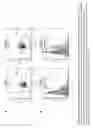
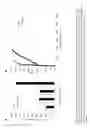
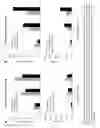
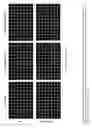
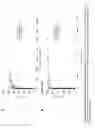
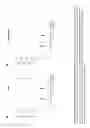
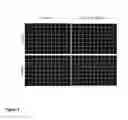
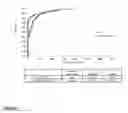
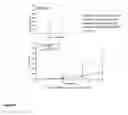

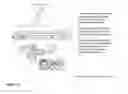

Sources:
- United States Patent and Trademark Office - verify current appl. status at the USPTO↗
Recent applications in this class:
- » 20240166706 2024-05-23
SYNTHETIC IL6-IL1BETA FUSION CYTOKINE FOR PROMOTING T CELL CYTOTOXIC FUNCTION, T CELL PROLIFERATION, AND TUMORICIDAL ACTIVITY - » 20220185858 2022-06-16
GENETICALLY MODIFIED IMMUNE CELL, PREPARATION METHOD THEREFOR, AND APPLICATION - » 20220106372 2022-04-07
Methods, compositions and uses thereof for reversing sarcopenia - » 20180201662 2018-07-19
PEPTIDE FOR PROMOTING CELL MIGRATION AND/OR SKIN WOUND HEALING, PHARMACEUTICAL COMPOSITION CONTAINING THE SAME, AND APPLICATION THEREOF - » 20140349371 2014-11-27
Protein Refolding Method - » 20140140949 2014-05-22
Treatment of obesity - » 20120121715 2012-05-17
DNA Vaccine Comprising IL-6-Encoding DNA Construct and Applications Thereof - » 20110077384 2011-03-31
Protein refolding method - » 20110038877 2011-02-17
Antibodies to interleukin-6 - » 20110027224 2011-02-03
USE OF A CYTOKINE FROM THE INTERLEUKIN-6 FAMILY IN THE PREPARATION OF A COMPOSITION FOR COMBINED ADMINISTRATION WITH INTERFERON-ALPHA
Recent applications for this Assignee:
- » 20250092138 2025-03-20
COMPOSITIONS INCLUDING SOLID FORMS OF POLYPEPTIDES AND RELATED METHODS - » 20240115701 2024-04-11
METHODS AND COMPOSITIONS COMPRISING AN ANTI-CTLA4 MONOCLONAL ANTIBODY WITH REDUCED HOST CELL PROTEINS AND INCREASED POLYSORBATE-80 STABILITY - » 20230242644 2023-08-03
TREATMENT OF METASTATIC PANCREATIC ADENOCARCINOMA - » 20230192876 2023-06-22
DOSING REGIMEN OF ANTI-CD27 ANTIBODIES FOR TREATMENT OF CANCER - » 20230167168 2023-06-01
High affinity antibodies targeting tau phosphorylated at serine 413 - » 20230105982 2023-04-06
INSULIN-INCRETIN CONJUGATES - » 20230054411 2023-02-23
7-, 8-, and 10-substituted amino triazolo quinazoline derivatives as adenosine receptor antagonists, pharmaceutical compositions and their use - » 20230023066 2023-01-26
N-(HETEROARYL) QUINAZOLIN-2-AMINE DERIVATIVES AS LRRK2 INHIBITORS, PHARMACEUTICAL COMPOSITIONS, AND USES THEREOF - » 20230018413 2023-01-19
Heteroaryl pyrrolidine and piperidine orexin receptor agonists - » 20230008022 2023-01-12
Substituted piperazine amide compounds as indoleamine 2,3-dioxygenase (IDO) inhibitors