NUCLEIC ACID PROBE WITH SINGLE FLUOROPHORE LABEL BOUND TO INTERNAL CYTOSINE FOR USE IN LOOP MEDIATED ISOTHERMAL AMPLIFICATION
US20160273029A1
2016-09-22
15/032,011
2014-10-30
Abstract:
The disclosure relates to novel probes for use in LAMP detection methods. The probes contain a single fluorophore label bound to an internal cytosine residue of the probe. The probes are particularly useful in the detection of chlamydia and gonorrhea infections in a patient.
Inventors:
- Monika Iwona SUWARA 1 🇬🇧 Waterloo, Merseyside, United Kingdom
- Sajid JAVED 1 🇬🇧 Macclesfield, Cheshire, United Kingdom
- Elizabeth Ann GILLIES 1 🇬🇧 Horwich, Bolton, United Kingdom
Interested in similar patents?
Get notified when new applications in this technology area are published.
Classification:
C12Q1/6825 » CPC main
Measuring or testing processes involving enzymes, nucleic acids or microorganisms ; Compositions therefor; Processes of preparing such compositions involving nucleic acids; Hybridisation assays characterised by the detection means Nucleic acid detection involving sensors
C12Q1/689 » CPC further
Measuring or testing processes involving enzymes, nucleic acids or microorganisms ; Compositions therefor; Processes of preparing such compositions involving nucleic acids; Nucleic acid products used in the analysis of nucleic acids, e.g. primers or probes for detection or identification of organisms for bacteria
C12Q1/6844 » CPC further
Measuring or testing processes involving enzymes, nucleic acids or microorganisms ; Compositions therefor; Processes of preparing such compositions involving nucleic acids Nucleic acid amplification reactions
C12Q2600/16 » CPC further
Oligonucleotides characterized by their use Primer sets for multiplex assays
C12Q1/68 IPC
Measuring or testing processes involving enzymes, nucleic acids or microorganisms ; Compositions therefor; Processes of preparing such compositions involving nucleic acids
Description
FIELD OF THE INVENTION
The present invention relates to a probe for the detection of a nucleic acid, a method using said probe and a kit of parts. Preferably the probe of the invention is useful in a method for the detection of nucleic acids derived from Chlamydia trachomatis and/or Neisseria gonorrhoeae and may be used in the diagnosis of Chlamydia and/or Gonorrhoea infections.
REFERENCE TO SEQUENCE LISTING
A Sequence Listing submitted as an ASCII text file via EFS-Web is hereby incorporated by reference in accordance with 35 U.S.C. §1.52(e). The name of the ASCII text file for the Sequence Listing is 23109675_1. TXT, the date of creation of the ASCII text file is Apr. 12, 2016, and the size of the ASCII text file is 17.3 KB.
BACKGROUND OF THE INVENTION
Nucleic acid amplification is one of the most valuable tools in the life sciences field, including application-oriented fields such as clinical medicine, in which diagnosis of infectious diseases, genetic disorders and genetic traits is particularly benefited. In addition to the widely used PCR-based detection (Saiki R. K., Scharf, S., Faloona, F., Mullis, K. B., Horn, G. T., Erlich, H. A. and Arnheim, N. (1985) Science, 230, 1350-1354), several amplification methods have been invented. Examples include nucleic acid sequence-based amplification (NASBA), self-sustained sequence replication (3SR) and loop-mediated isothermal amplification (LAMP). PCR uses heat denaturation of double-stranded DNA products to promote the next round of DNA synthesis. 3SR and NASBA eliminate heat denaturation by using a set of transcription and reverse transcription reactions to amplify the target sequence.
These methods can amplify target nucleic acids to a similar magnitude, all with a detection limit of less than 10 copies and within an hour or so. They require either a precision instrument for amplification or an elaborate method for detection of the amplified products due to poor specificity of target sequence selection. Despite the simplicity and the obtainable magnitude of amplification, the requirement for a high precision thermal cycler in PCR prevents this powerful method from being widely used, such as in private clinics as a routine diagnostic tool. In contrast, LAMP is a method that can amplify a few copies of DNA to over 100 in less than an hour under isothermal conditions and with greater specificity.
As with other molecular-probe based technologies identified above, loop-mediated isothermal amplification (LAMP) assays can be used to detect the presence of specific microorganisms in a sample. However, the detection methods are based on direct visual detection, turbidity or via a non-specific DNA intercalating dye. Direct visual measurement is end point measurement and is unable to provide real time analysis. Turbidity and non-specific intercalating dyes do provide real time analysis of amplification which occurs however this is non-specific i.e. all amplification is detected whether this is true positive amplification or false amplification due to mis-priming, cross specificity.
SUMMARY OF THE INVENTION
In accordance with a first aspect of the present invention there is provided a probe for isothermal nucleic acid amplification comprising an oligonucleotide probe sequence complementary to a region of a target nucleic acid sequence, wherein said oligonucleotide probe sequence has only one fluorophore ligand and which ligand is bound to an internal cytosine base and wherein said oligonucleotide probe sequence does not have a 3′ end terminator.
In a preferred embodiment to oligonucleotide probe sequence is a DNA sequence and the target nucleic acid sequence is a DNA sequence.
Preferably, fluorescence increases to indicate the presence of the target nucleic acid in a sample.
The cytosine base is preferably substantially centrally disposed along the oligonucleotide's length. There are particular benefits associated with labeling the probe internally at a cytosine base. The specificity of the DNA product amplified in an isothermal reaction may be confirmed using a melt curve analysis. However due to a large number of product variants generated in this reaction and a low resolution of melt curve analysis, using intercalating dyes like V13, it is very difficult to distinguish between specific and unspecific DNA products generated under isothermal conditions. Commonly used probes such as TaqMan® probe are not compatible with LAMP technology due to the strand displacement activity of BST polymerase. The probe of the invention is elongated and becomes incorporated into a DNA product during isothermal amplification, which allows for performing a melt curve analysis on the generated product. In the probe of the invention, the fluorophore is conjugated to an internal cytosine complementary to guanine in the antisense strand. Guanine affects the excitation state of many fluorophores resulting in a formation of unique melt curve signatures and allows distinguishing between specific and unspecific products generated under isothermal conditions.
The oligonucleotide does not contain a ddNTP at its 3′ end which enables incorporation of the labelled oligonucleotide into the amplicon. Thus, the 3′ end of the probe is not “blocked”.
The fluorophore may comprise any one or more selected from the following: FAM, JOE, TET, HEX, TAMRA, ROX, ALEXA and ATTO.
The probe may comprise the following sequence:
5′ Xn C*Xm 3′
Where n is >1, m is >3, X is nucleotide base; and * is a fluorophore. Preferably, the nucleotide base is selected from A, T, C and G. Preferably, n is more than 1 to 20 or less, more preferably more than 1 to 10 or less. Preferably, m is more than 3 to 20 or less, more preferably more than 3 to 10 or less. It is contemplated that all combinations of lengths of probe covered by the possible number of nucleotides that n or m make take by the preceding ranges are disclosed.
Preferably, the probe may comprise a sequence selected from any one of the following sequences:
| SEQ ID NO. 2: |
| TAAGATAAC[C-FAM]CCGCACGTG (CT PB1-FAM internal) |
| SEQ ID NO. 4: |
| GCGAACATA [C-ALEXA546] CAGCTATGATCAA (GC porA7- |
| joe loopF) |
| or |
| SEQ ID NO. 5: |
| ATGTTCA [C-JOE] CATGGCGGAG (GC glnA7-ALEXA546 |
| loopB). |
The fluorescence is preferably increased when the oligonucleotide is incorporated into the target nucleic acid sequence which results in a change in the configuration of the amplicon-probe complex leading to an alteration of the fluorophore excitation state.
The cytosine bound to the fluorophore ligand is not disposed at or proximate to the 5′ or 3′ end. More preferably it is not disposed in the first 3 bases from either the 5′ or 3′ end. Preferably the cytosine bound to the fluorophore is disposed at the middle base of the probe.
In accordance with a further aspect of the present invention, there is provided an isothermal nucleic acid amplification probe as described hereinabove.
In accordance with a further aspect of the present invention, there is provided a loop-mediated isothermal amplification probe as described above.
Methods and compositions for determining at least one target nucleic acid in a mixture of nucleic acids generally employ a probe, a hybridizing reagent, and one or more phosphate bond-forming enzymes associated with any required nucleotide triphosphates to form a nucleic acid chain.
These methods usually involve amplification, such as including the use of a promoter in conjunction with a RNA polymerase, a restriction site where only one strand is cleaved and is then displaced by extension with a DNA polymerase, or a circular hybridizing reagent, where concatenated repeats are produced. Detection of the amplified nucleic acid may take many forms but preferably via a fluorophore.
In accordance with a further aspect of the present invention, there is provided a method of detecting a target nucleic acid in a sample comprising:
a. amplifying a target nucleic acid in the sample to provide an amplified nucleic acid;
b. probing the amplified nucleic acid with a probe as described hereinabove; and
c. detecting the presence of a single or multiple target nucleic acids.
The target nucleic acid may be that from a micro-organism, fungi, yeast, virus, human, animal, plant etc. The target nucleic acid for LAMP is known to enable LAMP primers and appropriately specific probes to be synthesised. Thus, the presence or absence of said micro-organism, fungi, yeast, virus, human, animal or plant in a sample can be determined. Preferably the target nucleic acid is from Chlamydia trachomatis or Neisseria gonorrhoeae.
Preferably, fluorescence increases to indicate the presence of the target nucleic acid in a sample.
The process is isothermal, and allows for amplification in a single stage or sequential stages in a single vessel, where all of the reagents are compatible.
In a further aspect, the present invention provides a method of diagnosing Chlamydia and/or Gonorrhea in a patient, comprising
-
- providing a sample derived from the patient;
- adding one or more probes of the present invention to the sample; and
- detecting the presence of a nucleic acid derived from Chlamydia trachomatis and/or Neisseria gonorrhoeae wherein an increase in the fluorescence of the probe indicates the presence of a Chlamydia trachomatis and/or Neisseria gonorrhoeae infection.
The sample may be treated by routine methods to enable the probe to bind with any target nucleotide present in the sample. Such treatment may include centrifuging and lysing the sample to release any target nucleic from the infecting microorganism.
In one embodiment, a single type of probe specific for a nucleic acid from either Chlamydia trachomatis or Neisseria gonorrhoeae is used in the method such that either only Chlamydia trachomatis or only Neisseria gonorrhoeae is detected in the sample.
In a preferred embodiment, at least two different probes are added to the sample wherein a first probe is labelled with a first fluorescent label and is specific for probing Chlamydia trachomatis nucleic acid and a second probe is labelled with a different fluorescent label to the first probe and is specific for probing Neisseria gonorrhoeae nucleic acid. In this embodiment, it is possible to simultaneously detect a Chlamydia and a Gonorrhea infection in a single sample derived from a patient.
In one aspect of the method of the invention, the sample from the patient may be a blood sample, urine sample, serum sample or saliva sample.
In accordance with a further aspect of the present invention there is provided a kit comprising a probe as described hereinabove, LAMP reaction buffer containing a polymerase enzyme, dNTPS and LAMP primers for the target.
In one embodiment a positive and negative control may be included in the kit. The reagents may be presented as wet reagents or in lyophilised form.
The buffer used in the method or kit of the invention comprises dNTPs at a concentration of from 1-10 mM, one or more salts at a concentration of from 2-20 mM, Tris pH8.8 at a concentration of from 10-100 mM, Trehalose at a concentration of from 10-100 mM, BST polymerase at an amount of from 1 U-12 U and 0.01%-1% 1,2 propanediol.
BRIEF DESCRIPTION OF THE DRAWINGS
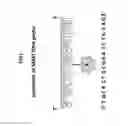
FIG. 1 is a schematic of DNA probe of the invention.
FIGS. 2A to 2F shows amplification plots generated with the CT PB1 (FIG. 2A and FIG. 2D), GC glnA7 (FIG. 2B and FIG. 2E) and GC porA7 (FIG. 2C and FIG. 2F) primers in V6.21 buffer containing V13 (FIGS. 2A, 2B and 2C) or V6.21p buffer without V13 dye (FIGS. 2D, 2E and 2F).
FIGS. 3A and 3B are melt curve analyses of LAMP products generated with CT PB1 primers in the presence of CT PB1 internal probe conjugated with FAM. 100 pg per reaction of ATTC CT DNA standard was used as a positive control. A—normalized reporter plot, B—derivative reporter plot.
FIGS. 4A and B are melt curve analyses of LAMP product generated with GC glnA7 primers in the presence of GC glnA7 loop probe conjugated with JOE.
FIGS. 5A and 5B are melt curve analyses of LAMP product generated with GC porA7 primers in the presence of GC porA7 loop probe conjugated with ALEXA546. 100 pg per reaction of ATTC GC DNA standard was used as a positive control.
FIGS. 6A to 6D show the results of a test to confirm the DNA product specificity with a probe of the invention in loop mediated isothermal amplification.
FIG. 7 shows amplification plots generated with CT PB1 primers in V6.21 buffer containing V13 or V6.21p buffer without V13 dye but in the presence of CT PB1 terminal probe (complementary to loop region) with an internal C conjugated with FAM and 3′ terminator (3′ddC).
FIGS. 8A and 8B shows the amplification plots generated in V6.21p buffer containing ROX in the presence of CT PB1 primers and CT PB1 terminal probe with an internal cytosine conjugated with FAM (FIG. 8A), and universal primers and 3′UP probe with 3′ terminal cytosine conjugated with FAM (FIG. 8B).
FIGS. 9A to 9C show the amplification plots generated with CT PB1 primers in V6.21p buffer without V13 in the presence of CT PB1 internal probe with an internal C conjugated with FAM and a reference dye (ROX).
FIGS. 10A to 10C show the validation of CT PB1-FAM probe specificity. FIG. 10A shows amplification plots generated with CT PB1-FAM probe in the presence of CT DNA and CT primers.
FIGS. 11A and 11B shows the validation of CT PB1-FAM probe against APTIMA CT assay.
FIGS. 12A and 12B show the amplification plots generated in CT/GC multiplex with CT PB1-FAM+GC porA7-Alexa546 probes.
DETAILED DESCRIPTION OF CERTAIN EMBODIMENTS OF THE INVENTION
Abbreviations
CT—Chlamydia trachomatis
GC—Neisseria gonorrhoeae
GlnA7—Glutamine synthetase
PorA7—porin protein A7
LAMP—loop mediated isothermal amplification
PCR—polymerase chain reaction.
The present invention will now be described, by way of example only, with reference to the following examples and figures.
LAMP Reaction
V13 based detection of the target CT and GT DNA by LAMP was performed using LAMP V6.21 reaction buffer developed by the Applicant. Probe based detection of the target DNA was performed in V6.21p (without V13). The LAMP primer concentrations were as follows: CT PB1-0.8 μM FIP & BIP primer, 0.2 μM F3 & B3 and 0.4 μM Loop primers, GC porA7 and GC glnA7—2 μM FIP & BIP primer, 0.25 μM F3 & B3 and 0.5 μM Loop primers. All probes were used at a final concentration of 0.625 μM. LAMP reactions were run for 60 mins at a constant temperature of 63 C using AB17500 real-time PCR machine. Readouts of the fluorescent signal were obtained in SybrGreen/FAM, Joe or Cy3 channel as appropriate.
Probe Sequences
| SEQ ID NO. 1: |
| GTGCACGC[C-FAM]CCAATAGAAT |
| SEQ ID NO. 2: |
| TAAGATAAC[C-FAM]CCGCACGTG (CT PB1-FAM internal) |
| SEQ ID NO. 3: |
| TCGAGCAA[C-FAM]CGCTGTGAC[ddC] (CT PB1-FAM |
| terminal) |
| SEQ ID NO. 4: |
| GCGAACATA [C-ALEXA546] CAGCTATGATCAA (GC porA7- |
| joe loopF) |
| SEQ ID NO. 5: |
| ATGTTCA [C-JOE] CATGGCGGAG (GC glnA7-ALEXA546 |
| loopB) |
| or |
| SEQ ID NO. 6: |
| CCA GGG TAT CTA ATC CTG TTT G [C-FAM]. |
Target Sequences
The target DNA sequences used in the Examples are
| SEQ ID No. 7: Chlamydia trachomatis G/SotonG1 plasmid pSotonG1 | |
| complete sequence (GenBank: HE603235.1) |
| 1 | tttgcaactc ttggtggtag actttgcaac tcttggtggt agactttgca actcttggtg | |
| 61 | gtagacttgg tcataatgga cttttgttaa aaaatttctt aaaatcttag agctccgatt | |
| 121 | ttgaatagct ttggttaaga aaatgggctc gatggctttc cataaaagta gattgttctt | |
| 181 | aacttttggg gacgcgtcgg aaatttggtt atctacttta tctcatctaa ctagaaaaaa | |
| 241 | ttatgcgtct gggattaact ttcttgtttc tttagagatt ctggatttat cggaaacctt | |
| 301 | gataaaggct atttctcttg accacagcga atctttgttt aaaatcaagt ctctagatgt | |
| 361 | ttttaatgga aaagtcgttt cagaggcctc taaacaggct agagcggcat gctacatatc | |
| 421 | tttcacaaag tttttgtata gattgaccaa gggatatatt aaacccgcta ttccattgaa | |
| 481 | agattttgga aacactacat tttttaaaat ccgagacaaa atcaaaacag aatcgatttc | |
| 541 | taagcaggaa tggacagttt tttttgaagc gctccggata gtgaattata gagactattt | |
| 601 | aatcggtaaa ttgattgtac aagggatccg taagttagac gaaattttgt ctttgcgcac | |
| 661 | agacgatcta ttttttgcat ccaatcagat ttcctttcgc attaaaaaaa gacagaataa | |
| 721 | agaaaccaaa attctaatca catttcctat cagcttaatg gaagagttgc aaaaatacac | |
| 781 | ttgtgggaga aatgggagag tatttgtttc taaaataggg attcctgtaa caacaagtca | |
| 841 | ggttgcgcat aattttaggc ttgcagagtt ccatagtgct atgaaaataa aaattactcc | |
| 901 | cagagtactt cgtgcaagcg ctttgattca tttaaagcaa ataggattaa aagatgagga | |
| 961 | aatcatgcgt atttcctgtc tctcatcgag acaaagtgtg tgttcttatt gttctgggga | |
| 1021 | agaggtaagt cctctagtac aaacacccac aatattgtga tataattaaa attatattca | |
| 1081 | tattctgttg ccagaaaaaa cacctttagg ctatattaga gccatcttct ttgaagcgtt | |
| 1141 | gtcttctcga gaggatttat cgtacgcaaa tatcatcttt gcggttgcgt gtcccgtgac | |
| 1201 | cttcattatg tcggagtctg agcaccctag gcgtttgtac tccgtcacag cggttgctcg | |
| 1261 | aagcacgtgc ggggttatct taaaagggat tgcagcttgt agtcctgctt gagagaacgt | |
| 1321 | gcgggcgatt tgccttaacc ccaccatttt tccggagcga gttacgaaga caaaacctct | |
| 1381 | tcgttgaccg atgtactctt gtagaaagtg cataaacttc tgaggataag ttataataat | |
| 1441 | cctcttttct gtctgacggt tcttaagctg ggagaaagaa atggtagctt gttggaaaca | |
| 1501 | aatctgacta atctccaagc ttaagacttc agaggagcgt ttacctcctt ggagcattgt | |
| 1561 | ctgggcgatc aaccaatccc gggcgttgat tttttttagc tcttttagga aggatgctgt | |
| 1621 | ttgcaaactg ttcatcgcat ccgtttttac tatttccctg gttttaaaaa atgttcgact | |
| 1681 | attttcttgt ttagaaggtt gcgctatagc gactattcct tgagtcatcc tgtttaggaa | |
| 1741 | tcttgttaag gaaatatagc ttgctgctcg aacttgttta gtaccttcgg tccaagaagt | |
| 1801 | cttggcagag gaaacttttt taatcgcatc taggattaga ttatgattta aaagggaaaa | |
| 1861 | ctcttgcaga ttcatatcca aagacaatag accaatcttt tctaaagaca aaaaagatcc | |
| 1921 | tcgatatgat ctacaagtat gtttgttgag tgatgcggtc caatgcataa taacttcgaa | |
| 1981 | taaggagaag cttttcatgc gtttccaata ggattcttgg cgaattttta aaacttcctg | |
| 2041 | ataagacttt tcgctatatt ctaacgacat ttcttgctgc aaagataaaa tccctttacc | |
| 2101 | catgaaatcc ctcgtgatat aacctatccg caaaatgtcc tgattagtga aataatcagg | |
| 2161 | ttgttaacag gatagcacgc tcggtatttt tttatataaa catgaaaact cgttccgaaa | |
| 2221 | tagaaaatcg catgcaagat atcgagtatg cgttgttagg taaagctctg atatttgaag | |
| 2281 | actctactga gtatattctg aggcagcttg ctaattatga gtttaagtgt tcccatcata | |
| 2341 | aaaacatatt catagtattt aaatacttaa aagacaatgg attacctata actgtagact | |
| 2401 | cggcttggga agagcttttg cggcgtcgta tcaaagatat ggacaaatcg tatctcgggt | |
| 2461 | taatgttgca tgatgcttta tcaaatgaca agcttagatc cgtttctcat acggttttcc | |
| 2521 | tcgatgattt gagcgtgtgt agcgctgaag aaaatttgag caatttcatt ttccgctcgt | |
| 2581 | ttaatgagta caatgaaaat ccattgcgta gatctccgtt tctattgctt gagcgtataa | |
| 2641 | agggaaggct tgatagtgct atagcaaaga ctttttctat tcgcagcgct agaggccggt | |
| 2701 | ctatttatga tatattctca cagtcagaaa ttggagtgct ggctcgtata aaaaaaagac | |
| 2761 | gagcagcgtt ctctgagaat caaaattctt tctttgatgg cttcccaaca ggatacaagg | |
| 2821 | atattgatga taaaggagtt atcttagcta aaggtaattt cgtgattata gcagctaggc | |
| 2881 | catctatagg gaaaacagct ttagctatag acatggcgat aaatcttgcg gttactcaac | |
| 2941 | agcgtagagt tggtttccta tctctagaaa tgagcgcagg tcaaattgtt gagcggattg | |
| 3001 | ttgctaattt aacaggaata tctggtgaaa aattacaaag aggggatctc tctaaagaag | |
| 3061 | aattattccg agtggaagaa gctggagaaa cagttagaga atcacatttt tatatctgca | |
| 3121 | gtgatagtca gtataagctt aatttaatcg cgaatcagat ccggttgctg agaaaagaag | |
| 3181 | atcgagtaga cgtaatattt atcgattact tgcagttgat caactcatcg gttggagaaa | |
| 3241 | atcgtcaaaa tgaaatagca gatatatcta gaaccttaag aggtttagcc tcagagctaa | |
| 3301 | acattcctat agtttgttta tcccaactat ctagaaaagt tgaggataga gcaaataaag | |
| 3361 | ttcccatgct ttcagatttg cgagacagcg gtcaaataga gcaagacgca gatgtgattt | |
| 3421 | tgtttatcaa taggaaggaa tcgtcttcta attgtgagat aactgttggg aaaaatagac | |
| 3481 | atggatcggt tttctcttcg gtattacatt tcgatccaaa aattagtaaa ttctccgcta | |
| 3541 | ttaaaaaagt atggtaaatt atagtaactg ccacttcatc aaaagtccta tccaccttga | |
| 3601 | aaatcagaag tttggaagaa gacctggtca atctattaag atatctccca aattggctca | |
| 3661 | aaatgggatg gtagaagtta taggtcttga ttttctttca tctcattacc atgcattagc | |
| 3721 | agctatccaa agattactga ccgcaacgaa ttacaagggg aacacaaaag gggttgtttt | |
| 3781 | atccagagaa tcaaatagtt ttcaatttga aggatggata ccaagaatcc gttttacaaa | |
| 3841 | aactgaattc ttagaggctt atggagttaa gcggtataaa acatccagaa ataagtatga | |
| 3901 | gtttagtgga aaagaagctg aaactgcttt agaagccttg taccatttag gacatcaacc | |
| 3961 | gtttttaata gtggcaacta gaactcgatg gactaatgga acacaaatag tagaccgtta | |
| 4021 | ccaaactctt tctccgatca ttaggattta cgaaggatgg gaaggtttaa ctgacgaaga | |
| 4081 | aaatatagat atagacttaa caccttttaa ttcaccatct acacggaaac ataaaggatt | |
| 4141 | cgttgtagag ccatgtccta tcttggtaga tcaaatagaa tcctactttg taatcaagcc | |
| 4201 | tgcaaatgta taccaagaaa taaaaatgcg tttcccaaac gcatcaaagt atgcttacac | |
| 4261 | atttatcgac tgggtgatta cagcagctgc gaaaaagaga cgaaaattaa ctaaggataa | |
| 4321 | ttcttggcca gaaaacttgt tattaaacgt taacgttaaa agtcttgcat atattttaag | |
| 4381 | gatgaatcgg tacatctgta caaggaactg gaaaaaaatc gagttagcta tcgataaatg | |
| 4441 | tatagaaatc gccattcagc ttggctggtt atctagaaga aaacgcattg aatttctgga | |
| 4501 | ttcttctaaa ctctctaaaa aagaaattct atatctaaat aaagagcgct ttgaagaaat | |
| 4561 | aactaagaaa tctaaagaac aaatggaaca agaatctatt aattaatagc aggcttgaaa | |
| 4621 | ctaaaaacct aatttattta aagctcaaaa taaaaaagag ttttaaaatg ggaaattctg | |
| 4681 | gtttttattt gtataacact gaaaactgcg tctttgctga taatatcaaa gttgggcaaa | |
| 4741 | tgacagagcc gctcaaggac cagcaaataa tccttgggac aaaatcaaca cctgtcgcag | |
| 4801 | ccaaaatgac agcttctgat ggaatatctt taacagtctc caataattca tcaaccaatg | |
| 4861 | cttctattac aattggtttg gatgcggaaa aagcttacca gcttattcta gaaaagttgg | |
| 4921 | gaaatcaaat tcttgatgga attgctgata ctattgttga tagtacagtc caagatattt | |
| 4981 | tagacaaaat cacaacagac ccttctctag gtttgttgaa agcttttaac aactttccaa | |
| 5041 | tcactaataa aattcaatgc aacgggttat tcactcccag taacattgaa actttattag | |
| 5101 | gaggaactga aataggaaaa ttcacagtca cacccaaaag ctctgggagc atgttcttag | |
| 5161 | tctcagcaga tattattgca tcaagaatgg aaggcggcgt tgttctagct ttggtacgag | |
| 5221 | aaggtgattc taagccctgc gcgattagtt atggatactc atcaggcgtt cctaatttat | |
| 5281 | gtagtctaag aaccagcatt actaatacag gattgactcc aacaacgtat tcattacgtg | |
| 5341 | taggcggttt agaaagcggt gtggtatggg ttaatgccct ttctaatggc aatgatattt | |
| 5401 | taggaataac aaatacttct aatgtatctt ttttggaagt aatacctcaa acaaacgctt | |
| 5461 | aaacaatttt tattggattt ttcttatagg ttttatattt agagaaaaca gttcgaatta | |
| 5521 | cggggtttgt tatgcaaaat aaaagaaaag tgagggacga ttttattaaa attgttaaag | |
| 5581 | atgtgaaaaa agatttcccc gaattagacc taaaaatacg agtaaacaag gaaaaagtaa | |
| 5641 | ctttcttaaa ttctccctta gaactctacc ataaaagtgt ctcactaatt ctaggactgc | |
| 5701 | ttcaacaaat agaaaactct ttaggattat tcccagactc tcctgttctt gaaaaattag | |
| 5761 | aggataacag tttaaagcta aaaaaggctt tgattatgct tatcttgtct agaaaagaca | |
| 5821 | tgttttccaa ggctgaatag acaacttact ctaacgttgg agttgatttg cacaccttag | |
| 5881 | ttttttgctc ttttaaggga ggaactggaa aaacaacact ttctctaaac gtgggatgca | |
| 5941 | acttggccca atttttaggg aaaaaagtgt tacttgctga cctagacccg caatccaatt | |
| 6001 | tatcttctgg attgggggct agtgtcagaa ataaccaaaa aggcttgcac gacatagtat | |
| 6061 | acaaatcaaa cgatttaaaa tcaatcattt gcgaaacaaa aaaagatagt gtggacctaa | |
| 6121 | ttcctgcatc atttttatcc gaacagttta gagaattgga tattcataga ggacctagta | |
| 6181 | acaacttaaa gttatttctg aatgagtact gcgctccttt ttatgacatc tgcataatag | |
| 6241 | acactccacc tagcctagga gggttaacga aagaagcttt tgttgcagga gacaaattaa | |
| 6301 | ttgcttgttt aactccagaa cctttttcta ttctagggtt acaaaagata cgtgaattct | |
| 6361 | taagttcggt cggaaaacct gaagaagaac acattcttgg aatagctttg tctttttggg | |
| 6421 | atgatcgtaa ctcgactaac caaatgtata tagacattat cgagtctatt tacaaaaaca | |
| 6481 | agcttttttc aacaaaaatt cgtcgagata tttctctcag ccgttctctt cttaaagaag | |
| 6541 | attctgtagc taatgtctat ccaaattcta gggccgcaga agatattctg aagttaacgc | |
| 6601 | atgaaatagc aaatattttg catatcgaat atgaacgaga ttactctcag aggacaacgt | |
| 6661 | gaacaaacta aaaaaagaag cggatgtctt ttttaaaaaa aatcaaactg ccgcttctct | |
| 6721 | agattttaag aagacacttc cttccattga actattctca gcaactttga attctgagga | |
| 6781 | aagtcagagt ttggatcgat tatttttatc agagtcccaa aactattcgg atgaagaatt | |
| 6841 | ttatcaagaa gacatcctag cggtaaaact gcttactggt cagataaaat ccatacagaa | |
| 6901 | gcaacacgta cttcttttag gagaaaaaat ctataatgct agaaaaatcc tgagtaagga | |
| 6961 | tcacttctcc tcaacaactt tttcatcttg gatagagtta gtttttagaa ctaagtcttc | |
| 7021 | tgcttacaat gctcttgcat attacgagct ttttataaac ctccccaacc aaactctaca | |
| 7081 | aaaagagttt caatcgatcc cctataaatc cgcatatatt ttggccgcta gaaaaggcga | |
| 7141 | tttaaaaacc aaggtcgatg tgatagggaa agtatgtgga atgtcgaact catcggcgat | |
| 7201 | aagggtgttg gatcaatttc ttccttcatc tagaaacaaa gacgttagag aaacgataga | |
| 7261 | taagtctgat ttagagaaga atcgccaatt atctgatttc ttaatagaga tacttcgcat | |
| 7321 | catatgttcc ggagtttctt tgtcctccta taacgaaaat cttctacaac agctttttga | |
| 7381 | actttttaag caaaagagct gatcctccgt cagctcatat atatatttat tatatatata | |
| 7441 | tttatttagg gatttgattt tacgagagag a | |
| SEQ ID No. 8: Neisseria gonorrhoeae partial porA gene for class | |
| 1 outer membrane protein, isolate GC3 (GenBank: HE681886.1) |
| 1 | gccggcggcg gcgcgacccg ttggggcaat agggaatcct ttgtcggctt ggcaggcgaa | |
| 61 | ttcggcacgc tgcgcgccgg ccgcgttgcg aatcagtttg acgatgccag ccaagccatt | |
| 121 | gatccttggg acagcaacaa tgatgtggct tcgcaattgg gtattttcaa acgccacgac | |
| 181 | gatatgccgg tttccgtacg ctacgactcc ccggactttt ccggtttcag cggcagcgtc | |
| 241 | caattcgttc cggctcaaaa cagcaagtcc gcctatacgc cggctcattg gactactgtg | |
| 301 | tataacacta acggtactac tactactttc gttccggctg ttgtcggcaa gcccggatcg | |
| 361 | gatgtgtatt atgccggtct gaattacaaa aatggcggtt ttgccgggaa ctatgccttt | |
| 421 | aaatatgcga gacacgccaa tgtcggacgt aatgcttttg agttgttctt gctcggcagt | |
| 481 | gggagtgatg aagccaaagg taccgatccc ttgaaaaacc atcaggtaca ccgcctgacg | |
| 541 | ggcggctatg gggaaggcgg cttgaatctc gccttggcgg ctcagttgga tttgtctgaa | |
| 601 | aatgccgaca aaaccaaaaa cagtacgacc gaaattgccg ccactgcttc ctaccgcttc | |
| 661 | ggtaatacag tcccgcgcat cagctatgcc catggtttcg actttgtcga acgcagtcag | |
| 721 | aaacgcgaac ataccagcta tga | |
| SEQ ID No. 9: Neisseria gonorrhoeae glutamine synthetase (glnA) | |
| gene, glnA-14 allele, partial cds (GenBank: AF520262.1) |
| 1 | cccgctttgt cgatttgcgc ttcaccgata ccaaaggcaa gcagcaccac tttaccgtgc | |
| 61 | ctgcgcgcat cgtgttggaa gaccccgaag agtggtttga aaacggaccg gcgtttgacg | |
| 121 | gctcgtccat cggcggctgg aaaggcattg aggcttccga tatgcagctg cgtcccgatg | |
| 181 | cgtccacagc cttcgtcgat cctttttatg atgatgttac cgtcgtcatt acctgcgacg | |
| 241 | tcatcgaccc tgccgacggt cagggttacg accgcgaccc gcgctccatc gcacgccgcg | |
| 301 | ccgaagccta tttgaaatct tccggtatcg gcgacaccgc ctatttcggc cccgaacccg | |
| 361 | aattcttcgt cttcgacggc gtagaatttg aaaccgacat gcacaaaacc cgttacgaaa | |
| 421 | tcacgtccga aagcggcgcg tgggcaagcg gcctgcatat ggacggtcaa aacaccggcc | |
| 481 | accgccccgc cgtcaaaggc ggctacgcgc ccgtcgcgcc gattgactgc ggtcaagatt | |
| 541 | tgcgctccgc catggtgaac attttggaag gactcggcat cgaagtcgaa gtccaccaca | |
| 601 | gcgaagtcgg taccggcagc caaatggaaa tcggcacccg tttcgccact ttggtcaaac | |
| 661 | gcgccgacca aacccaagat atgaaatacg tcatccaaaa cgttgcccac aatttcggca | |
| 721 | aaaccgccac ctttatgccc aaaccgatta tgggcgacaa cggcagcggt atgcacgtcc | |
| 781 | accaatccat ttggaaagac ggtcaaaacc tgttcgcagg cgacggctat gccggtttgt | |
| 841 | ccgataccgc gctctactac atcggcggca tcatcaaaca cgccaaagcc ctgaacgcga | |
| 901 | ttaccaatcc gtccaccaac tcctacaaac gcctcgtgcc gcactttgaa gcaccgacca | |
| 961 | aattggccta ttccgccaaa aaccgttccg cttccatccg tatcccgtct gtgaacagca | |
| 1021 | gcaaggcgcg ccgcatcgaa gcgcgtttcc ccgacccgac cgccaacccg tatttggcat | |
| 1081 | ttgccgccct gctgatggcc ggtttggacg gcattcaaaa caaaatccat ccgggcgacc | |
| 1141 | ctgccgataa aaacctgtac gacctgccgc cggaagaaga cgcgctcgtc ccgaccgtct | |
| 1201 | gcgcttcttt ggaagaagca cttgccgccc tcaaggtcga ccacgaattc ctgctgcgcg | |
| 1261 | gcggcgtgtt cagcaaagac tggatcgaca gctacatcgc ctttaaagag gaagatgtcc | |
| 1321 | gccgcatccg tatggcgccg cacccgctgg aatttg |
The primer sequences used in the LAMP reaction are as follows:
CT Plasmid
| (SEQ ID No. 10) |
| F3 | TCTACAAGAGTACATCGGTCA | |
| (SEQ ID No. 11) |
| B3 | TGAAGCGTTGTCTTCTCG | |
| (SEQ ID No. 12) |
| FIP | GCAGCTTGTAGTCCTGCTTGAGTCTTCGTAACTCGCTCC | |
| (SEQ ID No. 13) |
| BIP | TCGAGCAACCGCTGTGACCCTTCATTATGTCGGAGTCTG | |
| (SEQ ID No. 14) |
| LF1 | CGGGCGATTTGCCTTAAC | |
| (SEQ ID No. 15) |
| LB1 | TACAAACGCCTAGGGTGC |
GC porA7
| (SEQ ID No. 16) |
| F3 | ACCAAAAACAGTACGACCGA |
| (SEQ ID No. 17) |
| B3 | AAGTGCGCTTGGAAAAATCG |
| (SEQ ID No. 18) |
| FIPATGGGCATAGCTGATGCGCGAATTGCCGCCACTGCTTC | |
| (SEQ ID No. 19) |
| BIP | TCGACTTTGTCGAACGCAGTCAAATCGACACCGGCGATGA |
| (SEQ ID No. 20) |
| LoopF1 | GCGAACATACCAGCTATGATCAA |
GC glnA7
| (SEQ ID No. 21) |
| F3 | TCATATCTTGGGTTTGGTCG | |
| (SEQ ID No. 22) |
| B3 | CTGCATATGGACGGTCAAA | |
| (SEQ ID No. 23) |
| FiP | CGAAGTCCACCACAGCGAATTTGACCAAAGTGGCGAA | |
| (SEQ ID No. 24) |
| BiP | CTTCGATGCCGAGTCCTTCCGATTGACTGCGGTCAAGAT | |
| (SEQ ID No. 25) |
| LF | CAAATGGAAATCGGCACCC | |
| (SEQ ID No. 26) |
| LB | ATGTTCACCATGGCGGAG |
Buffer
The Applicant has developed a buffer system for use with the probes of the invention and is designated V6.21 (or V6.21p without V13 dye present) in the following Examples. The concentrations of the buffer components are after buffer reconstitution:
V6.21
4-10 mM dNTP's, 10 mM salt, 30 mM Tris pH8.8, 30 mM Trehalose, 1-8 U Bst polymerase, Dye and 0.05% propanediol.
V6.21p
4-10 mM dNTP's, 10 mM salt, 30 mM Tris pH8.8, 30 mM Trehalose, 1-8 U Bst polymerase, and 0.05% propanediol.
PCR
CT/GC detection in clinical samples by real-time PCR was performed using APTIMA CT/GC multiplex (Gen-Probe) according to the manufacturer's instructions.
Agarose Gel Electrophoresis
DNA electrophoresis was conducted in 1% agarose gel 1×TAE buffer at 100V. LAMP DNA products were vitalized with GelRed (Invitrogen) with transilluminator.
V6.21 and V6.21p buffer were developed by the Applicant. LAMP primers were obtained from Eurofins. Fluorophore-labelled oligonucleotides were purchased from Integrated DNA technologies. Tris buffer, agarose gel and PCR grade water were purchased from Sigma. CT and GC DNA standards were obtained from ATCC.
FIGURES
FIG. 1 is a schematic of DNA probe of the invention. The probe consists of an oligonucleotide with an internal cytosine conjugated with a defined fluorophore. The probe may be complementary to the internal region of the amplicon flanked by Flp and Blp primers or it may be a modified LoopF or LoopB primer internally labeled with a fluorophore.
Example 1
FIGS. 2A to 2F shows amplification plots generated with the CT PB1 (FIG. 2A and FIG. 2D), GC glnA7 (FIG. 2B and FIG. 2E) and GC porA7 (FIG. 2C and FIG. 2F) primers in V6.21 buffer containing V13 (FIGS. 2A, 2B and 2C) or V6.21p buffer without V13 dye (FIGS. 2D, 2E and 2F). The target sequences shown in SEQ ID NOs. 7 to 9 with CT PB1 internal probe conjugated with FAM, GC glnA7 loop probe conjugated with Joe and GC porA7 loop probe conjugated with Alexa546 respectively. All reactions were performed for 60 mins at a constant temperature of 63 C with AB17500 machine.
Example 2
FIGS. 3A and 3B are melt curve analyses of LAMP products generated with CT PB1 primers in the presence of CT PB1 internal probe conjugated with FAM. 100 pg per reaction of ATTC CT DNA standard was used as a positive control. A—normalized reporter plot, B—derivative reporter plot. Melt curve plots were generated based on the readouts in FAM channel with AB17500 machine.
Example 3
FIGS. 4A and B are melt curve analyses of LAMP product generated with GC glnA7 primers in the presence of GC glnA7 loop probe conjugated with JOE. 100 pg per reaction of ATTC GC DNA standard was used as a positive control. FIG. 4A shows a normalized reporter plot and FIG. 4B shows a derivative reporter plot. Melt curve plots were generated based on the readouts in JOE channel with AB17500 machine.
Example 4
FIGS. 5A and 5B are melt curve analyses of LAMP product generated with GC porA7 primers in the presence of GC porA7 loop probe conjugated with ALEXA546. 100 pg per reaction of ATTC GC DNA standard was used as a positive control. FIG. 5A shows a normalized reporter plot, FIG. 4B shows a derivative reporter plot. Melt curve plots were generated based on the readouts in Cy3 channel with AB17500 machine.
Example 5
FIGS. 6A to 6D show the results of a test to confirm the DNA product specificity with a probe of the invention in loop mediated isothermal amplification. The late amplification time of the false positives (more than 30 mins after the lowest target DNA concentration detectable in the LAMP reaction (100 fg GC DNA) indicates that the unspecific amplification may be a result of primer dimer formation. The standard melt curve analysis does not allow to distinguish between the specific and unspecific product in this LAMP reaction, but the unspecific product may be recognized with the probe of the invention. GC DNA was amplified with GC porA7 primers and visualized with V13 dye or GC porA7-ALEXA546 probe as appropriate.
Example 6
FIG. 7 shows the amplification plots generated with CT PB1 primers in V6.21 buffer containing V13 or V6.21p buffer without V13 dye but in the presence of CT PB1 terminal probe (complementary to loop region) with an internal C conjugated with FAM and 3′ terminator (3′ddC). Despite a successful amplification of the target DNA confirmed by excitation of the V13 dye in the control reaction, CT PB1 probe with 3′ terminator did not generate a positive signal.
Example 7
FIGS. 8A and 8B shows the amplification plots generated in V6.21p buffer containing ROX in the presence of CT PB1 primers and CT PB1 terminal probe with an internal cytosine conjugated with FAM (FIG. 8A), and universal primers and 3′UP probe with 3′ terminal cytosine conjugated with FAM (FIG. 8B). The first line represents signals generated by ROX, and the second line corresponds to the signal generated in the FAM channel. Binding of the probe with an internally labeled C to the target DNA results in FAM excitation. Binding of the probe with a 3′ end C labeled to the target does not alter the FAM excitation state.
Example 8
FIGS. 9A to 9C show the amplification plots generated with CT PB1 primers in V6.21p buffer without V13 in the presence of CT PB1 internal probe with an internal C conjugated with FAM and a reference dye (ROX). FIG. 9A show raw data, readouts from the FAM channel in the first line and from the ROX channel in a second line. FIG. 9B shows amplification plots (generated in FAM channel) normalized to ROX. FIG. 9C shows derivative reporter melt curve plots.
Example 9
FIGS. 10A to 10C show the validation of CT PB1-FAM probe specificity. FIG. 10A shows amplification plots generated with CT PB1-FAM probe in the presence of CT DNA and CT primers. As a control, two sets of reactions were performed where unspecific genes, GC glnA7 and GC porA7 were amplified with the corresponding LAMP primers in the presence of CT PB1-FAM probe. In V6.21p buffer the amplification plots in the presence of CT PB1 probe in the FAM channel were generated only when CT DNA was present in the reaction and no signal was generated when unspecific genes (GC glnA7 and GC porA7) were amplified. No signal was also generated when an unspecific probe was used in a reaction where CT DNA was amplified with CT primers. FIG. 10C shows data obtained in an analogous experiment but conducted in V6.21 buffer containing an intercalating dye V31. FIG. 10C shows DNA products generated in the experiment described in FIG. 10A.
Example 10
FIGS. 11A and 11B shows the validation of CT PB1-FAM probe against APTIMA CT assay. Fifty clinical samples confirmed to be positive (n=29) (FIG. 11A) or negative (n=21) (FIG. 11B) for CT were tested in V6.21p buffer with CT PB1-FAM probe. Out of 50 samples 24 tested negative (FIG. 11A) and 26 tested positive (FIG. 11B) for CT with CT PB1-FAM probe. There was 86% agreement between the Aptima and CT PB-FAM tests.
Example 11
FIGS. 12A and 12B show the amplification plots generated in CT/GC multiplex with CT PB1-FAM+GC porA7-Alexa546 probes. CT and GC DNA was amplified in separate reactions or in conjugation in V6.21p buffer in the presence of CT PB1-FAM and GC porA7-Alexa546 probes. The readouts were taken in Cy3 (FIG. 12A) and FAM (FIG. 12B) channels. The experiment revealed that two DNA targets may be amplified and detected in a simultaneous reaction with FAM and Alexa546 labeled probes and that there was no cross reactivity between CT PB1 and GC porA7 primers and probes.
Example 12
Table1 shows a comparison between V13 LAMP for CT and GC, CT/GC Aptima and CT/GC multiplex (CT PB1-FAM+GC porA7-Alexa546). DNA extracted from 136 clinical samples was tested with CT/GC Aptima multiplex, CT PB1 and GC porA7 primers in V6.21 buffer containing V13 or in a multiplex reaction in v6.21p buffer in the presence of CT PB1 and GC porA7 primers and CT PB1-FAM and GC porA7-Alexa546 probes. In a control experiment the samples were also tested in a simplex reaction with GC glnA7-joe probe. The table shows the agreement scores between the tests.
| TABLE 1 |
| Comparison between V13-based LAMP for CT and GC, CT/GC |
| Aptima multiplex and CT/GC MAST multiplex (CT PB1-FAM + |
| GC porA7-Alexa546). (Test on 136 clinical samples) |
| Tests compared | Agreement score |
| CT LAMP vs CT PB1-FAM in multiplex | 92% |
| GC LAMP vs. GC porA7-Alexa546 in multiplex | 94% |
| CT in multiplex vs CT Aptima | 83% |
| GC in multiplex vs GC Aptima | 86% |
Claims
1. A probe for isothermal nucleic acid amplification comprising an oligonucleotide probe sequence complementary to a region of a target nucleic acid sequence, wherein said oligonucleotide probe sequence has only one fluorophore label and which label is bound to an internal cytosine base and wherein said oligonucleotide probe sequence does not have a 3′ end terminator.
2. The probe of claim 1, wherein the cytosine base is substantially centrally disposed along the oligonucleotide's length except for positions 1-3 at the 3′ end and position 1 at the 5′ end.
3. The probe of claim 1, wherein the oligonucleotide probe sequence is a DNA sequence and the target nucleic acid sequence is a DNA sequence.
4. The probe of claim 1, wherein the fluorophore comprises any one or more selected from the group consisting of: FAM, JOE, TET, HEX, TAMRA, ROX, ALEXA and ATTO.
5. The probe of claim 1, comprising the following sequence:
5′ Xn C*Xm 3′
wherein n is >1, m>3, X is nucleotide base; and * is fluorophore.
6. The probe of claim 5, wherein the nucleotide base is selected from the group consisting of A, T, C and G, n is more than 1 to 20 or less and m is more than 3 to 20 or less.
7. The probe of claim 1, comprising one or more of the following sequences:
SEQ ID NO: 2: TAAGATAAC[C-FAM]CCGCACGTG (CT PB1-FAM internal),
SEQ ID NO: 4: GCGAACATA [C-ALEXA546] CAGCTATGATCAA (GC porA7-joe loopF), or
SEQ ID NO: 5: ATGTTCA [C-JOE] CATGGCGGAG (GC glnA7-ALEXA546 loopB).
8. The probe of claim 1, wherein the target nucleic acid is from a micro-organism, fungi, yeast or virus.
9. The probe of claim 1, wherein the probe is configured to be used in loop-mediated isothermal nucleic acid amplification.
10. A method of detecting a target nucleic acid sequence in a sample, the method comprising:
amplifying a target nucleic acid in the sample to provide an amplified nucleic acid;
probing the amplified nucleic acid with a probe as claimed in claim 1; and
detecting the presence of the target nucleic acid, wherein an increases in fluorescence of the probe indicates the presence of the target nucleic acid in the sample.
11. The method of claim 10, wherein the target nucleic acid is from a micro-organism, fungi, yeast or virus.
12. The method of claim 10, wherein the target nucleic acid is from Chlamydia trachomatis or Neisseria gonorrhoeae.
13. A method of diagnosing Chlamydia and/or Gonorrhea infection in a patient, the method comprising
providing a sample derived from the patient;
adding one or more probes of claim 1 to the sample; and
detecting the presence of a nucleic acid derived from Chlamydia trachomatis and/or Neisseria gonorrhoeae, wherein an increase in the fluorescence of the probe indicates the presence of a Chlamydia trachomatis and/or Neisseria gonorrhoeae infection.
14. The method of claim 13, wherein a single type of probe specific for a nucleic acid from either Chlamydia trachomatis or Neisseria gonorrhoeae is added to the sample.
15. The method of claim 13, wherein at least two different probes are added to the sample wherein a first probe is labelled with a first fluorescent label and is specific for probing Chlamydia trachomatis nucleic acid and a second probe is labelled with a different fluorescent label to the first probe and is specific for probing Neisseria gonorrhoeae nucleic acid.
16. The method of claim 10, wherein the probes are provided in a buffer system comprising dNTPs at a concentration of from 1-10 mM, one or more salts at a concentration of each salt of from 2-20 mM, Tris pH8.8 at a concentration of from 10-100 mM, Trehalose at a concentration of from 10-100 mM, BST polymerase at an amount of from 1 U-12 U and 0.01%-1% 1,2 propanediol.
17. The method of claim 16, wherein the one or more salts are selected from the group consisting of KCl, (NH4)2SO4 and MgSO4.
18. A kit for detecting a target nucleic acid comprising a probe as claimed in claim 1, a loop-mediated isothermal amplification reagent a buffer, an enzyme, dNTPs and one or more loop-mediated isothermal amplification primers.
19. The kit of claim 18, further comprising a positive and negative control.
20. The kit of claim 18, wherein the reagent buffer comprises dNTPs at a concentration of from 1-10 mM, one or more salts at a concentration of from 2-20 mM, Tris pH8.8 at a concentration of from 10-100 mM, Trehalose at a concentration of from 10-100 mM, BST polymerase at an amount of from 1 U-12 U and 0.01%-1% 1,2 propanediol.
21. The kit of claim 20, wherein the one or more salts are selected from the group consisting of KCl, (NH4)2SO4 and MgSO4.
22. The probe of claim 4, wherein the fluorophore is FAM, Joe or Alexa546.
Images & Drawings included:


Sources:
- United States Patent and Trademark Office - verify current appl. status at the USPTO↗
Similar patent applications:
Recent applications in this class:
- » 20250137036 2025-05-01
ELECTROCHEMICAL BIOSENSOR ARRAY DEVICES, SYSTEMS, AND METHODS FOR POINT-OF-CARE DETECTION - » 20250084463 2025-03-13
SIGNAL ENCODING AND DECODING IN MULTIPLEXED BIOCHEMICAL ASSAYS - » 20250084462 2025-03-13
SYSTEMS AND METHODS FOR DETECTION OF ELECTROCHEMICALLY LABELED OLIGONUCLEOTIDES - » 20250051830 2025-02-13
MEMBRANE-EMBEDDED NANOPORE AND USES THEREOF - » 20250034623 2025-01-30
MANIPULATING AND DETECTING BIOLOGICAL SAMPLES - » 20240425905 2024-12-26
METHOD AND KIT FOR DETECTING MICRORNA - » 20240401115 2024-12-05
METHOD AND DEVICE FOR DESALTING AND CONCENTRATING OR ANALYSING A SAMPLE OF NUCLEIC ACIDS - » 20240401114 2024-12-05
HIGH SENSITIVITY AND RAPID NUCLEIC ACID DETECTION - » 20240384330 2024-11-21
COVALENTLY LINKED BRANCHED DNA STRUCTURES AND USES THEREOF - » 20240376529 2024-11-14
CRISPR MEDIATED FIELD-EFFECT TRANSISTOR, METHODS OF MANUFACTURE THEREOF AND ARTICLES COMPRISING THE SAME