Lithium-conducting sulfur compound cathode for lithium-sulfur batteries
US20170005326A1
2017-01-05
15/264,321
2016-09-13
✅ Patent granted
US 10,170,750 B2
2019-01-01
-
-
Laura Weiner
Fox Rothschild LLP
2036-12-29
Abstract:
A lithium sulfur cell has a cathode including Li3PS4+n(0<n<9), an electrolyte, and an anode comprising lithium. A cathode for a lithium sulfur cell is also disclosed.
Inventors:
- Chengdu Liang 21 🇺🇸 Knoxville, TN, United States
- Nancy J. DUDNEY 29 🇺🇸 Knoxville, TN, United States
- ZHAN LIN 4 🇺🇸 ALBANY, CA, United States
- ZENGCAI LIU 4 🇺🇸 SAVOY, IL, United States
Assignee:
- UT-BATTELLE, LLC 1,434 🇺🇸 Oak Ridge, TN, United States
Applicant:
Interested in similar patents?
Get notified when new applications in this technology area are published.
Classification:
H01M4/58 IPC
Electrodes; Electrodes composed of, or comprising, active material; Selection of substances as active materials, active masses, active liquids of inorganic compounds other than oxides or hydroxides, e.g. sulfides, selenides, tellurides, halogenides or LiCoF; of polyanionic structures, e.g. phosphates, silicates or borates
H01M4/5815 » CPC further
Electrodes; Electrodes composed of, or comprising, active material; Selection of substances as active materials, active masses, active liquids of inorganic compounds other than oxides or hydroxides, e.g. sulfides, selenides, tellurides, halogenides or LiCoF; of polyanionic structures, e.g. phosphates, silicates or borates; Chalcogenides or intercalation compounds thereof Sulfides
H01M4/622 » CPC further
Electrodes; Electrodes composed of, or comprising, active material; Selection of inactive substances as ingredients for active masses, e.g. binders, fillers; Binders being polymers
H01M4/625 » CPC further
Electrodes; Electrodes composed of, or comprising, active material; Selection of inactive substances as ingredients for active masses, e.g. binders, fillers; Electric conductive fillers Carbon or graphite
H01M10/058 » CPC further
Secondary cells; Manufacture thereof; Accumulators with non-aqueous electrolyte Construction or manufacture
H01M2220/20 » CPC further
Batteries for particular applications Batteries in motive systems, e.g. vehicle, ship, plane
H01M4/136 » CPC further
Electrodes; Electrodes composed of, or comprising, active material; Electrodes for accumulators with non-aqueous electrolyte, e.g. for lithium-accumulators; Processes of manufacture thereof Electrodes based on inorganic compounds other than oxides or hydroxides, e.g. sulfides, selenides, tellurides, halogenides or LiCoFy
H01M4/62 IPC
Electrodes; Electrodes composed of, or comprising, active material Selection of inactive substances as ingredients for active masses, e.g. binders, fillers
H01M10/0525 » CPC further
Secondary cells; Manufacture thereof; Accumulators with non-aqueous electrolyte; Li-accumulators Rocking-chair batteries, i.e. batteries with lithium insertion or intercalation in both electrodes; Lithium-ion batteries
H01M2004/028 » CPC further
Electrodes; Electrodes composed of, or comprising, active material characterised by the polarity Positive electrodes
H01M4/02 IPC
Electrodes Electrodes composed of, or comprising, active material
H01M4/0407 » CPC further
Electrodes; Electrodes composed of, or comprising, active material; Processes of manufacture in general; Methods of deposition of the material by coating on an electrolyte layer
H01M2300/0068 » CPC further
Electrolytes; Non-aqueous electrolytes; Solid electrolytes inorganic
H01M2300/0071 » CPC further
Electrolytes; Non-aqueous electrolytes; Solid electrolytes inorganic Oxides
H01M4/1397 » CPC main
Electrodes; Electrodes composed of, or comprising, active material; Electrodes for accumulators with non-aqueous electrolyte, e.g. for lithium-accumulators; Processes of manufacture thereof; Processes of manufacture of electrodes based on inorganic compounds other than oxides or hydroxides, e.g. sulfides, selenides, tellurides, halogenides or LiCoFy
H01M4/04 IPC
Electrodes; Electrodes composed of, or comprising, active material Processes of manufacture in general
H01M10/0562 » CPC further
Secondary cells; Manufacture thereof; Accumulators with non-aqueous electrolyte characterised by the materials used as electrolytes, e.g. mixed inorganic/organic electrolytes the electrolyte being constituted of inorganic materials only Solid materials
Description
STATEMENT REGARDING FEDERALLY SPONSORED RESEARCH
This invention was made with government support under contract No. DE-AC05-00OR22725 awarded by the U.S. Department of Energy. The government has certain rights in this invention.
FIELD OF THE INVENTION
This invention relates generally to lithium-sulfur batteries, and more particularly to cathodes for lithium sulfur batteries.
BACKGROUND OF THE INVENTION
Global green-house and energy concerns have accelerated the electrification of vehicles, which has resulted in a great demand for rechargeable batteries with high energy and power densities. Among various rechargeable batteries for electric vehicles, lithium-ion (Li-ion) batteries have received much attention for their scientific and commercial significance. LiFePO4, one of the most promising cathode materials in Li-ion batteries, has been widely studied owing to its low cost and environmental and safety characteristics. However, the practical application of LiFePO4 was hindered for a long time due to its intrinsically low electronic and ionic conductivity. Good electronic and ionic conductivity are required from an electrode material for the long-term cycling of rechargeable lithium batteries. In response to the considerable challenges of LiFePO4, many research groups proposed to improve its conductivities by reducing the particle size or coating particles with conductive materials such as carbon. The importance of good ionic and electronic conductivity from an electrode material has been proven by LiCoO2, a cathode material widely used in Li-ion batteries which dominate the current electronics market. Therefore, although Li-ion batteries are considered to be a promising system for green transportation, reaching beyond their horizon is a formidable challenge due to the limited energy density which results from the low capacity of LiFePO4 (170 mAh g−1) and LiCoO2 (136 mAh g−1). In comparison, the theoretically significantly higher capacity of sulfur (1,675 mAh g−1) makes it emerge as one of the most promising cathode materials for rechargeable lithium batteries, i.e., lithium-sulfur (Li-S) batteries.
A typical Li-S cell includes sulfur as the positive electrode and lithium as the negative electrode, with a liquid electrolyte as both the charge transfer medium and ionic conductor within the sulfur-containing cathode. Under intense study for more than two decades, there is still no system that works well as a Li-S battery. This is due to the well-known fact that sulfur or sulfur compounds are not only highly electronically insulating but also ionically inactive. Until now, most research has been focused on the synthesis of carbon materials with high surface area for the electronic enhancement of the sulfur cathode. The liquid electrolyte has been used to improve the ionic conductivity of sulfur and its compounds that rely on dissolution in the liquid electrolyte. However, the dissolution of sulfur compounds lead to the polysulfide shuttle, which migrates sulfur species to chemically react with the lithium anode and results in the loss of active materials and poor cycling performance. Though many materials, such as nanostructured carbons, polymers, or graphene composites, were synthesized to retard the diffusion of the bulky polysulfides out of the cathode into electrolyte, the polysulfide shuttle cannot be fully prevented as evidenced by the gradual capacity fading during cycling. There remains a need to improve the intrinsic ionic conductivity of sulfur in Li-S batteries without depending on the liquid electrolyte.
SUMMARY OF THE INVENTION
A lithium sulfur cell includes a cathode comprising Li3PS4+n (0<n<9); an electrolyte; and an anode comprising lithium.
The cathode can comprise Li3PS5, Li3PS6, Li3PS7, Li3PS8, Li3PS9, Li3PS10, Li3PS11, Li3PS12, and combinations thereof.
The electrolyte can comprise lithium thiophosphate, lithium lanthanum zirconium oxide, lithium lanthanum titanium oxide, lithium boron hydride, and lithium iodide, and combinations thereof.
The anode can comprise at least one selected from the group consisting of lithium, silicon, silicon monoxide, tin, and tin oxide.
A cathode for a lithium sulfur cell comprises Li3PS4+n (0<n<9). The cathode can comprise Li3PS5, Li3PS6, Li3PS7, Li3PS8, Li3PS9, Li3PS10, Li3PS11, Li3PS12, and combinations thereof.
A method of making a cathode for a battery includes the step of reacting sulfur with Li3PS4 in a liquid solvent such as THF, acetonitrile, dimethoxylethane, glyme solvents and ethers to provide a composition comprising Li3PS4+n (0<n<9). A slurry is created with the compound, a binder and carbon. A cathode is then formed with the slurry.
BRIEF DESCRIPTION OF THE DRAWINGS
There are shown in the drawings embodiments that are presently preferred it being understood that the invention is not limited to the arrangements and instrumentalities shown, wherein:
FIG. 1 is a plot of the ionic conductivity of Li3PS4+n (n=5) in the temperature range of 20-80° C.
FIG. 2 is a plot of the ionic conductivity of Li3PS4+n (n=2, 3, 5, 6 and 8) at 25° C.
FIG. 3 is a plot of the cycling performance of Li3PS4+n (n=5) at the rate of C/10 at RT and 60° C.
FIG. 4 is a plot of the voltage profile of Li3PS4+n (n=5) at room temperature.
FIG. 5 is a plot of the voltage profile of Li3PS4+n (n=5) at 60° C.
FIG. 6 is a plot of the rate capabilities of Li3PS4+n (n=5) from C/10-2C at 60° C.
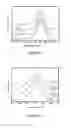
FIG. 7 is an XRD pattern of S, Li3PS4 and Li3PS4+n (n=5) at room temperature and 80° C.
FIG. 8 is a plot of the Raman spectra of S, Li3PS4 and Li3PS4+n (n=3, 5 and 6).
FIG. 9 is a plot of the Raman shift between the wavelengths of 125-175 cm−1.
FIG. 10 is a plot of the Raman's shift between the wavelengths of 460-490 cm−1.
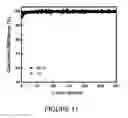
FIG. 11 is a plot of the coulombic efficiency of Li3PS4+n (n=5) at room temperature and 60° C.
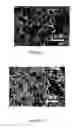
FIG. 12 is a scanning electron microscope (SEM) image of Li3PS4+n (n=5) before cycling at 60° C.
FIG. 13 is a scanning electron microscope (SEM) image of Li3PS4+n (n=5) after cycling at 60° C.
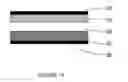
FIG. 14 is a schematic diagram of a lithium-sulfur cell according to the invention.
DETAILED DESCRIPTION OF THE INVENTION
A lithium sulfur cell includes a cathode comprising Li3PS4+n (0<n<9), an electrolyte; and an anode comprising lithium. The cathode can comprise at least one of Li3PS5, Li3PS6, Li3PS7, Li3PS8, Li3PS9, Li3PS10, Li3PS11, Li3PS12, and mixtures thereof.
The electrolyte can be any suitable electrolyte. The electrolyte can comprise lithium thiophosphate, lithium lanthanum zirconium oxide, lithium lanthanum titanium oxide, lithium boron hydride, and lithium iodide, and any combination of these compounds.
Any suitable anode construction can be utilized, including, for example and without limitation, lithium, silicon, silicon monoxide, tin, and tin oxide.
A lithium-conducting sulfur compound according to the invention has an ionic conductivity of 3.0×10⁻⁵ S cm−1 at 25° C. (FIG. 1), which is 5 orders of magnitude higher than that of Li2S (2×10⁻¹⁰ S cm−1) of prior lithium sulfur cells. This ionic conductivity is comparable to that of LiFePO4 (5.0×10⁻⁵ S cm−1) and LiCoO2 (7.2×10⁻⁵ S cm−1).
The sulfur compound of the invention shows near-theoretical capacity, which is 10 times higher than LiFePO4 and long-term cyclability of 300 cycles without significant capacity decay due to the elimination of the polysulfide shuttle. With increase in temperature, the ionic conductivity of this sulfur compound Li3PS4+n (n=5) improves by one order of magnitude, from 10−5 S cm−1 at 25° C. to 10−4 S cm−1 at 60° C. The activation energy is 0.37 eV. Moreover, with an increase in the sulfur content within the compound, the ionic conductivity of the compound Li3PS4+n decreases (FIG. 2). However, the ionic conductivity of the sulfur compound Li3PS4+n, for example at n=8, is still within the range of 10−5 S cm−1 at 25° C.
The sulfur compound Li3PS4+n (0<n<9) of the invention can be synthesized by any suitable reaction methodology. In one aspect, the sulfur compound of the invention is synthesized through the wet-chemical reaction of the solid electrolyte Li3PS4 and elemental sulfur in tetrahydrofuran (THF). Sulfur is reacted with Li3PS4 in a liquid solvent such as THF, acetonitrile, dimethoxylethane, glyme solvents and ethers to produce Li3PS4+n. The reaction in one embodiment is conducted at room temperature but can be conducted at any temperature in the liquid temperature range of the solvent. The reaction is insensitive to concentration and pressure.
The compound Li3PS4+n (n=5) used as the cathode material in rechargeable lithium batteries at room temperature (RT) shows an initial discharge capacity of 1,272 mAh g−1 (based on the sulfur content) or 599 mAh g−1 (based on the sulfur compound) with a reversibility of 95% (FIG. 3). After a few cycles, the reversibility gradually increases to 100% (FIG. 11). Such a high coulombic efficiency indicates the elimination of the polysulfide shuttle, which has been proven to be the main cause of low coulombic efficiency in Li-S battery cells when using the liquid electrolyte. After 300 cycles the capacity is stable at 700 mAh g−1. The capacities are normalized to the sulfur content in the compound; however, the normalized capacities based on the compound are also shown. The good reversibility and excellent cycling performance is due to the great improvement in the ionic conductivity of this sulfur compound without relying on the liquid electrolyte and subsequently the elimination of polysulfide shuttle.
In order to further confirm the importance of the ionic conductivity, a Li-S cell was tested using Li3PS4+n (n=5) as the cathode material at 60° C., since its ionic conductivity is one order of magnitude improved from 10−5 S cm−1 at 25° C. to 10−4 S cm−1 at 60° C. (FIG. 1). Compared to the voltage profile at RT, the charge/discharge potential difference of the sulfur compound is greatly reduced; while the energy efficiency of the cathode electrode is enhanced from 59.7% at RT to 82.8% at 60° C. (FIGS. 4 and 5). Unlike two plateaus in the voltage profile when using liquid electrolytes, there is just one plateau when using this sulfur compound as the cathode material in Li-S batteries. In FIG. 3, the initial discharge capacity of the sulfur compound is 1,401 mAh g−1, which accounts for the 83.6% of sulfur utilization based on the theoretical maximum 1,675 mAh g−1. Slight capacity fading is observed before the 50th cycle, and then the discharge capacity stabilizes at 1,200 mAh g−1. After 300 cycles, the discharge capacity of the sulfur compound still remains above 1,000 mAh g−1. The experimental cell has a high initial coulombic efficiency of 98.5% and a coulombic efficiency of 100% after 50 cycles (FIG. 11). The excellent cycling performance is due to the good ionic conductivity of the sulfur compound and complete electrode integrity without using the liquid electrolyte, as shown in FIGS. 12-13.
Due to the one magnitude enhancement of the ionic conductivity of the sulfur compound Li3PS4+n (n=5) from RT to 60° C., the sulfur compound as the cathode material in Li-S batteries under was tested at high current densities at 60° C., and the results are shown in FIG. 6. While the current density increases from C/10 to 2C, the capacity of the sulfur compound decreases slightly. The cell shows a reversible capacity of 735 mAh g−1 at 2C after 50 cycles at various rates, and further cycling at a low rate of C/10 brings it back to a reversible capacity of 1,200 mAh g−1. FIG. 6 demonstrates the benefit of having a sulfur compound with superionic conductivity for high power density lithium batteries, because the excellent ionic conductivity of the sulfur compound greatly improves the electrode kinetics at the elevated temperature of 60° C.
A series of sulfur compounds Li3PS4+n (0<n<9) were synthesized. The weak chemical bonds between sulfur and Li3PS4 in the sulfur compounds make them dissolve well in THF, compared to the solubility of sulfur and Li3PS4. Equation 1 illustrates the reaction between sulfur and Li3PS4
At the beginning, free radicals are determined by the following rapid radical displacement reaction, as shown in equation 2:
—SI−+—S—S——Si—S−+—S—
The activation energy for the above reaction is derived as 12 kJ mol−1. The radicals are believed to move rapidly around and chain-like molecules are constantly formed. With more sulfur adding to the solution, the average length (n) of the sulfur chain increases, and the colors of the solution become darker. When these sulfur compounds are used as cathode materials in rechargeable lithium batteries, it is feasible to have the disulfide (—S—S—) redox couple cycled via a highly reversible redox reaction. Organosulfur compounds with the thiol(—-SH)/disulfide (—S—S—) redox couple have been reported as cathode materials in rechargeable lithium batteries; however, they have poor ionic conductivity and low capacity. In comparison, the sulfur compound Li3PS4+n (0<n<9) can store large amounts of charge per unit mass in rechargeable lithium batteries, even up to 1,000 mAh g−1 (based on the compound) with the increase in the sulfur content; however, the ionic conductivity of the compound decreases (FIG. 2). Thus in order to enhance the lithium storage capacity of the compound, the sulfur loading can be high but the cycling current density could be sacrificed.
Equation 3 illustrates the mechanism during charge/discharge.
X-ray diffraction (XRD) and Raman spectra in FIG. 3 verify the chemical structure of the sulfur compound. Compared to the sulfur and Li3PS4 in FIG. 7, a new crystalline structure of the sulfur compound Li3PS4+n (n=5) is formed during synthesis. After the removal of the THF at 80° C. under vacuum, the Li3PS4 become amorphous while the Li3PS4+n (n=5) is still in the crystalline form. The crystalline structure of the sulfur compound becomes different compared to that at RT. From the Raman spectra in FIG. 8, the predominate peak of the Li3PS4+n (n=3, 5, and 6) at 418 cm−1 is due to the symmetric stretching of the —P—S bond and the weak peak of 184 cm−1 is from the stretching vibrations of the —P—S bond in PS43− ions with Td symmetry; the peaks centered at 155 cm−1, 218/476 cm−1, and 248/437 cm−1 are assigned to the E2, A1, and E3 symmetry species of the —S—S— bond, respectively. With decrease in the sulfur content in the compound, the —S—S— bond peaks at 155 and 476 cm−1 shift to the lower wavelength (FIGS. 9 and 10), which result from the vibration effect of the P—S bond in PS43− and the length of sulfur chain in the compound.
EXAMPLE
The sulfur compound Li3PS4+n (n=2, 3, 5, 6, and 8) was synthesized through the wet-chemical reaction of the solid electrolyte Li3PS4 and elemental sulfur in the solvent of tetrahydrofuran (THF) under sonication. After being fully dissolved, the sulfur compound was heat-treated under vacuum for 2 hours at 80° C. to remove the THF. A cathode slurry was prepared with the sulfur compound (60 wt %), WVA-1500 carbon (MeadWestvaco Corporation, 30 wt %), and PVC binder (10 wt %) using THF as the solvent. After 0.5 hour's sonication, the cathode slurry was coated on the solid electrolyte side of the pilot, which was pressed by the lithium metal and solid electrolyte Li3PS4 under 8 MPa. The diameter and the thickness of the pilot were 0.5 inch (1.27 cm) and 0.5 mm, respectively. The pilot of the sulfur compound was also prepared under 8 MPa for its conductivity measurement.
The ionic conductivity of the sulfur compound was determined in the frequency range of 10 MHz to 1 Hz with an amplitude of 10 mV by using a frequency response analyzer (Solartron 1260). Swagelok cells were used to evaluate the cycling performance. Low surface area carbon black (surface area ˜50 m2/g) coated aluminum foil was used as the current collector. Charge and discharge were carried out using a Maccor 4000 series battery tester at a current density of 0.015 mA cm−2 (C/10) between the cut-off potentials of 1.5-2.8 V vs. Li/Li+. The current densities of 0.03 (C/5), 0.075 (C/2.5), 0.15 (C), and 0.2 (2C) mA cm−2 were applied to measure the rate capabilities of the sulfur compound cathode. The calculation of specific charge/discharge capacities was based on the mass of sulfur and the compound, respectively.
The structures of the cathode electrode before and after cycling were examined using a field emission STEM (Hitachi HF-3300) at 15 kV. The elemental mapping of the samples was also taken using STEM. X-ray diffraction (XRD) analysis was performed at a PANalytical X'pert PRO2-circle X-ray diffractometer with a CuKα radiation (λ=1.5418 Å). Raman spectroscopy was recorded from 600 to 100 cm−1 on a Renishaw Confocal MicroRaman spectrometer at room temperature.
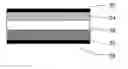
A cell according to the invention can have any suitable construction. A lithium-sulfur cell comprising Li3PS4+n (0<n<9) is shown in FIG. 14. The cell can include, for example, current collector 20, anode 24, electrolyte 28, cathode 32, and current collector 36. The cathode 32 includes Li3PS4+n (0<n<9).
The sulfur compound of the invention has a superionic conductivity of 2.5×10⁻⁵ S cm−1 at 25° C., and is a good cathode material with a high initial discharge capacity of 1,300 mAh g−1, almost 100% coulombic efficiency, and about 60% capacity retention after 300 cycles at RT. The excellent cycling performance is due to the enhancement of the ionic conductivity of the sulfur compound without depending on the liquid electrolyte and subsequently the elimination of polysulfide shuttle. The importance of the ionic conductivity is confirmed by the improved cycling performance, energy efficiency, and rate capabilities at 60° C. due to the enhancement of the ionic conductivity by one order of magnitude to 1.0×10⁻⁴ S cm−1.
Although this sulfur compound was tested in solid state lithium batteries, it could be used as an electrolyte for sensors, solar cells, and supercapacitors. A wide variety of compounds with good ionic conductivity could be synthesized and find broad applications in many areas of materials science, in addition to the electrode materials for high energy density rechargeable lithium batteries.
This invention can be embodied in other forms without departing from the spirit of the invention, and therefore reference should be had to the following claims as indicating the scope of the invention:
Claims
1-20. (canceled)
21. A method of making a cathode for a battery, comprising the steps of:
reacting sulfur with Li3PS4 in a liquid solvent to provide a composition comprising Li3PS4+n (0<n<9),
creating a slurry with the compound, a binder and carbon; and forming a cathode with the slurry.
22. The method of claim 21, wherein the solvent is at least one selected from the group consisting of tetrahydrofuran, acetonitrile, dimethoxylethane, glyme solvents and ethers.
23. The method of claim 21, comprising Li3PS5.
24. The method of claim 21, comprising Li3PS6.
25. The method of claim 21, comprising Li3PS7.
26. The method of claim 21, comprising Li3PS8.
27. The cathode of claim 21, comprising Li3PS9.
28. The method of claim 21, comprising Li3PS10.
29. The method of claim 21, comprising Li3PS11.
30. The method of claim 21, comprising Li3PS12.
31. A method of making a battery, comprising the steps of:
preparing a cathode, comprising the steps of reacting sulfur with Li3PS4 in a liquid solvent to provide a composition comprising Li3PS4+n (0<n<9),
creating a cathode slurry with the compound, a binder and carbon;
combining the cathode slurry with an electrolyte and an anode to form a battery.
32. The method of claim 31, wherein the solvent is at least one selected from the group consisting of tetrahydrofuran, acetonitrile, dimethoxylethane, glyme solvents and ethers.
33. The method of claim 31 wherein the anode comprises at least one selected from the group consisting of lithium, silicon, silicon monoxide, tin, and tin oxide.
34. The method of claim 31, comprising Li3PS5.
35. The method of claim 31, comprising Li3PS6.
36. The method of claim 31, comprising Li3PS7.
37. The method of claim 31, comprising Li3PS8.
38. The cathode of claim 31, comprising Li3PS9.
39. The method of claim 31, comprising Li3PS10.
40. The method of claim 31, comprising Li3PS11.
41. The method of claim 31, comprising Li3PS12.
Images & Drawings included:


Sources:
- United States Patent and Trademark Office - verify current appl. status at the USPTO↗
Similar patent applications:
Recent applications in this class:
- » 20240387796 2024-11-21
COMPOSITE SULFIDE ELECTRODE AND MANUFACTURING METHOD THEREFOR - » 20240379940 2024-11-14
DEPOSITION OF LITHIUM FLUORIDE ON SURFACE OF LITHIUM METAL AND LITHIUM SECONDARY BATTERY USING THE SAME - » 20240313194 2024-09-19
POSITIVE ELECTRODE FOR LITHIUM-SULFUR BATTERY, METHOD FOR MANUFACTURING SAME, AND LITHIUM-SULFUR BATTERY INCLUDING SAME - » 20240234684 2024-07-11
METHOD FOR PREPARING CARBON NANOSTRUCTURE COMPRISING MOLYBDENUM DISULFIDE, LITHIUM SECONDARY BATTERY CATHODE COMPRISING CARBON NANOSTRUCTURE COMPRISING MOLYBDENUM DISULFIDE, PREPARED THEREBY, AND LITHIUM SECONDARY BATTERY COMPRISING SAME - » 20240136501 2024-04-25
Method for preparing carbon nanostructure comprising molybdenum disulfide, lithium secondary battery cathode comprising carbon nanostructure comprising molybdenum disulfide, prepared thereby, and lithium secondary battery comprising same - » 20240128439 2024-04-18
CYCLOHEXASILANE FOR ELECTRODES - » 20240097109 2024-03-21
Bottom-Up, Scalable Synthesis Of Oxide-Based Sub-Nano And Nanofilaments And Nanofilament-Based Two-Dimensional Flakes And Mesoporous Powders - » 20230420644 2023-12-28
Electrode for Electrochemical Device, Manufacturing Method Thereof and Electrochemical Device Comprising Same - » 20230402581 2023-12-14
Electrochemical formation of substrate coatings - » 20230317920 2023-10-05
PRODUCTION METHOD FOR SULFIDE SOLID ELECTROLYTE
Recent applications for this Assignee:
- » 20250271204 2025-08-28
Refrigeration System and Method Enabling Demand Flexibility - » 20250209911 2025-06-26
SYSTEMS AND METHODS FOR TRAINING AND OR USING MACHINE LEARNING MODELS TO DETECT TRAFFIC ACCIDENTS ON ROADS - » 20250192231 2025-06-12
BATTERY WITH SHEAR THICKENING, IMPACT RESISTANT ELECTROLYTES - » 20250183381 2025-06-05
MICROBALLASTED ELECTRODES - » 20250164462 2025-05-22
METHODS FOR IMMUNOREGULATION BY MODULATING PLASMINOGEN-APPLE-NEMATODE (PAN) DOMAIN-CONTAINING PROTEINS - » 20250131819 2025-04-24
ENERGY-EFFICIENT VEHICLE AND/OR TRAFFIC LIGHT CONTROL - » 20250128708 2025-04-24
ECO-PILOT-ENERGY-EFFICIENT VEHICLE SPEED ADVISORY THROUGH VEHICLE-TO-INFRASTRUCTURE COMMUNICATIONS - » 20250103235 2025-03-27
EFFICIENT MEMORY MANAGEMENT FOR HETEROGENEOUS COMPUTING - » 20250099990 2025-03-27
NOZZLES FOR ENTRAINMENT DRIVEN FLOWS - » 20250096609 2025-03-20
HONEYCOMB MULTI-DD COIL DESIGN FOR WIRELESS POWER TRANSFER SYSTEMS