WiFi enable based on cell signals
US20170013667A1
2017-01-12
14/804,904
2015-07-21
✅ Patent granted
US 9,955,522 B2
2018-04-24
-
-
Melanie Jagannathan
Additon, Higgins & Pendleton, P.A.
2036-03-27
Abstract:
A wireless device has a WiFi transceiver and a WWAN transceiver. A programmed processor is configured to connect the WiFi transceiver to an access point and while connected, operate in a learning mode in which WWAN signals are characterized at a location of the WiFi access point and stored as an access point characterization. When a connection to the AP is lost, operating in a monitoring mode in which WWAN signals are compared to the stored access point characterization with the WiFi transceiver disabled. When the WWAN signals match the WiFi AP characterization the WiFi transceiver is enabled to reconnect to a WiFi AP.
Assignee:
- HAND HELD PRODUCTS, INC. 675 🇺🇸 Fort Mill, SC, United States
Applicant:
Interested in similar patents?
Get notified when new applications in this technology area are published.
Classification:
H04L43/10 » CPC further
Arrangements for monitoring or testing data switching networks Active monitoring, e.g. heartbeat, ping or trace-route
H04W4/02 » CPC further
Services specially adapted for wireless communication networks; Facilities therefor Services making use of location information
H04W48/16 » CPC further
Access restriction ; Network selection; Access point selection Discovering, processing access restriction or access information
H04W48/20 » CPC further
Access restriction ; Network selection; Access point selection Selecting an access point
H04W52/0229 » CPC further
Power management, e.g. TPC [Transmission Power Control], power saving or power classes; Power saving arrangements in terminal devices using monitoring of external events, e.g. the presence of a signal where the received signal is a wanted signal
H04L12/28 IPC
Data switching networks characterised by path configuration, e.g. LAN [Local Area Networks] or WAN [Wide Area Networks]
H04W36/00 IPC
Hand-off or reselection arrangements
H04W52/02 IPC
Power management, e.g. TPC [Transmission Power Control], power saving or power classes Power saving arrangements
H04W84/04 » CPC further
Network topologies; Hierarchically pre-organised networks, e.g. paging networks, cellular networks, WLAN [Wireless Local Area Network] or WLL [Wireless Local Loop] Large scale networks; Deep hierarchical networks
Description
CROSS-REFERENCE TO RELATED APPLICATION
The present application claims the benefit of Chinese Patent Application for Invention No. 201510392751.7 filed Jul. 7, 2015 at the State Intellectual Property Office of China. The foregoing patent application is hereby incorporated by reference in its entirety.
FIELD OF THE INVENTION
The present invention relates to power conservation in devices that utilize WiFi communications.
BACKGROUND
Portable battery powered devices that are WiFi enabled are now commonplace including cellular telephones, tablet computers and other devices. Users rely on such devices for business and personal communications, but are sometimes limited by the battery life of such devices. Since WiFi communication circuitry is a significant drain on the batteries of such devices, it is desirable to minimize the power consumed by WiFi circuitry so as to extend battery life to the extent possible.
Therefore, a need exists for controlling WiFi communication circuitry in a manner than minimizes unnecessary power consumption.
SUMMARY
Accordingly, in one aspect, the present invention embraces a wireless device having a WiFi transceiver and a WWAN transceiver. A programmed processor is communicatively coupled to the WiFi transceiver and the WWAN transceiver. The processor is configured for connecting the WiFi transceiver to a WiFi access point; while the WiFi transceiver is connected to the WiFi access point, operating in a learning mode in which WWAN signals are characterized at a location of the WiFi access point and stored as an access point characterization; determining that the connection with the WiFi access point has been lost; upon determining that the connection with the WiFi access point has been lost, operating in a monitoring mode in which WWAN signals are compared to the stored access point characterization and in which the WiFi transceiver is disabled; determining that the WWAN signals match the WiFi access point characterization; and upon determining that the WWAN signals match the WiFi access point characterization, enabling the WiFi transceiver and reconnecting to the WiFi access point.
In certain example implementations, the WiFi access point characterization uses a table of one or more WWAN cell, where the table stores minimum and maximum signal strengths detected for each cell while the WiFi transceiver is connected to the access point in the learning mode. In certain example implementations, the processor is further configured to monitor the signal strength for each cell in the table and update values of minimum and maximum signal strength when the signal strength is greater than the stored maximum value or less than the minimum stored value while in the learning mode. In certain example implementations, determining that the WWAN signals match the WiFi access point characterization involves detecting transmission from a cell that appears in the table that has signal strength between the minimum and the maximum values stored in the table. In certain example implementations, the table is one of a plurality of tables in a database of tables, with each table being associated with a single WiFi access point. In certain example implementations, the processor is further configured to detect a transmission from a new cell that does not appear in the table for an access point to which the WiFi transceiver is connected; and create a table entry for the new cell that stores the new cell's minimum and maximum signal strength.
In another example embodiment, a method, carried out at a WiFi and WWAN capable device involves connecting a WiFi transceiver to a WiFi access point; while the WiFi transceiver is connected to the WiFi access point, operating the device in a learning mode in which WWAN signals are characterized at a location of the WiFi access point and stored as a WiFi access point characterization; determining that the WiFi transceiver has lost connection with the WiFi access point; upon determining that the WiFi transceiver has lost connection with the WiFi access point, operating the device in a monitoring mode in which WWAN signals are compared to the stored access point characterization and in which the WiFi transceiver is disabled; determining that the WWAN signals match the WiFi access point characterization; and upon determining that the WWAN signals match the WiFi access point characterization, enabling the WiFi transceiver and connecting to the WiFi access point.
In certain example implementations, the WiFi access point characterization uses a table of one or more WWAN cell, where the table stores minimum and maximum signal strengths detected for each cell while the WiFi transceiver is connected to the access point in the learning mode. In certain example implementations, the processor monitors the signal strength for each cell in the table and update values of minimum and maximum signal strength when the signal strength is greater than the stored maximum value or less than the minimum stored value while in the learning mode. In certain example implementations, determining that the WWAN signals match the WiFi access point characterization involves detecting transmission from a cell that appears in the table that has signal strength between the minimum and the maximum values stored in the table. In certain example implementations, the table is one of a plurality of tables in a database of tables, with each table being associated with a single WiFi access point. In certain example implementations, the process further involves detecting a transmission from a new cell that does not appear in the table for an access point to which the WiFi transceiver is connected; and creating a table entry for the new cell that stores the new cell's minimum and maximum signal strength.
In another example embodiment, a non-transitory computer readable storage device stores instructions that when executed by one or more programmed processors, carries out a process that involves connecting a WiFi transceiver of a wireless device to a WiFi access point; while the WiFi transceiver is connected to the WiFi access point, operating the wireless device in a learning mode in which WWAN signals are characterized at a location of the WiFi access point and stored as a WiFi access point characterization; determining that the WiFi transceiver has lost connection with the WiFi access point; upon determining that the WiFi transceiver has lost connection with the WiFi access point, operating the wireless device in a monitoring mode in which WWAN signals are compared to the stored access point characterization and in which the WiFi transceiver is disabled; determining that the WWAN signals match the WiFi access point characterization; and upon determining that the WWAN signals match the WiFi access point characterization, enabling the WiFi transceiver and connecting to the WiFi access point.
In certain example implementations, the WiFi access point characterization involves a table of one or more WWAN cell, where the table stores minimum and maximum signal strengths detected for each cell while the WiFi transceiver is connected to the access point in the learning mode. In certain example implementations, the processor monitors the signal strength for each cell in the table and update values of minimum and maximum signal strength when the signal strength is greater than the stored maximum value or less than the minimum stored value while in the learning mode. In certain example implementations, determining that the WWAN signals match the WiFi access point characterization involves detecting transmission from a cell that appears in the table that has signal strength between the minimum and the maximum values stored in the table. In certain example implementations, the table is one of a plurality of tables in a database of tables, with each table being associated with a single WiFi access point. In certain example implementations, further involves detecting a transmission from a new cell that does not appear in the table; and creating a table entry for the new cell that stores the new cell's minimum and maximum signal strength.
The foregoing illustrative summary, as well as other exemplary objectives and/or advantages of the invention, and the manner in which the same are accomplished, are further explained within the following detailed description and its accompanying drawings.
BRIEF DESCRIPTION OF THE DRAWINGS
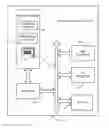
FIG. 1 depicts an example block diagram of a WiFi enabled system consistent with certain illustrative embodiments.
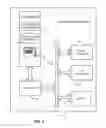
FIG. 2 depicts an example flow chart of a learning process consistent with certain illustrative embodiments.
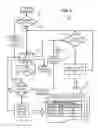
FIG. 3 depicts an example flow chart of a monitoring process consistent with certain illustrative embodiments.
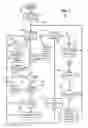
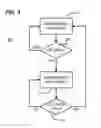
FIG. 4 depicts an example flow chart showing an overall process consistent with certain illustrative embodiments.
DETAILED DESCRIPTION
The present invention embraces a device and methods for controlling a WiFi circuit in a manner that reduces unnecessary power consumption when the device is not in an area that is known to have a WiFi system which the user considers acceptable.
In an example embodiment, a wireless device has a WiFi transceiver and a WWAN transceiver. A programmed processor is configured to connect the WiFi transceiver to an access point and while connected, operate in a learning mode in which WWAN signals are characterized at a location of the WiFi access point and stored as an access point characterization. When a connection to the AP is lost, operating in a monitoring mode in which WWAN signals are compared to the stored access point characterization with the WiFi transceiver disabled. When the WWAN signals match the WiFi AP characterization the WiFi transceiver is enabled to reconnect to a WiFi AP.
Many mobile phones and other battery powered portable devices (e.g., smartphones, video games, tablet computers, E-book readers, digital audio players, etc.) support WiFi communication. WiFi communication is a wireless communication networking technology that is generally considered synonymous with wireless local area networking (WLAN) technologies such as those based upon IEEE 802.11 standards.
These devices can connect to a WiFi access point (AP) for high speed data service. For purposes of this document, the term “access point” is intended to mean any device that provides wireless access to a network for a wireless device including wireless routers. The term “connect” or “connected” in this context means that the device is in wireless communication with a network that is accessible via the WiFi access point.
When a WiFi enabled device gets far enough away from, for example, a home or work WiFi AP, the device will conventionally scan for other available WiFi access points. This process is carried out in the background by periodically scanning for available WiFi networks. This allows the user to easily obtain access to available WiFi networks for when he or she is away from networks that are most commonly used. Unfortunately, this background scanning consumes considerable energy thereby draining the battery and leading to potential power consumption problems. Currently, users have to manually disable WIFI functions to conserve power if the WiFi is not needed, and then enable the WiFi function when they return to a known WIFI AP area. Unfortunately, many users do not know that doing so will enhance their battery live and even if they do, they may not remember to disable and enable the WiFi function.
In accord with certain embodiments consistent with the present teachings, the WiFi capable device can determine when to enable or disable the WiFi function of the mobile device automatically. For example, when a user leaves home or office, the WiFi enabled device can automatically disable WiFi to conserve battery life. When the user returns to the office or home, the WiFi enabled device can automatically turn on the WiFi functions.
In accord with these teachings, the WiFi capable device (i.e., a mobile device) need not know its location with high precision and need not utilize GPS signals (which may not be available inside buildings) to know where the mobile device is. The WiFi capable device “learns” the environment around the device at times when the device is connected to a WiFi AP. Next time the device enters the same area, it can turn on WiFi automatically and connect to a known WiFi AP. WiFi is considered enabled or turned on when it is fully active and capable of connecting with a WiFi AP. The WiFi is considered disabled or turned off when placed into any lower power state (e.g., transmitter off, a low power sleep mode, etc.) and inhibited from communication with a WiFi AP. Certain WiFi related functions may continue to operate when the WiFi is considered “off” or “disabled” depending on the particular hardware at issue, but generally there will be no WiFi transmission and may be no WiFi reception or scanning.
In order to carry out the processes described herein, the mobile device utilizes wireless wide area network functions (e.g. cellular communication signals) to characterize its current location. This information is then utilized to determine when the WiFi circuitry of the WiFi enabled device is to be enabled or disabled.
Referring now to FIG. 1, an illustrative WiFi enabled device (mobile device) 10 is depicted in block diagram form. This device is powered by a battery or battery pack 14 that is generally a rechargeable battery or battery pack (but this is not to be considered limiting). The device 10 includes circuitry for carrying out WiFi communications including a WiFi transceiver 18, as well as circuitry for carrying out WWAN communication including a WWAN transceiver 22.
The WiFi transceiver 18, as well as the WWAN transceiver 22, operates under control of one or more processors shown as processor 26. Processor 26 communicates with the WiFi transceiver 18 and WWAN transceiver 22 via one or more buses or communication lines depicted in FIG. 1 as bus or buses 30 for convenience of illustration. The WWAN transceiver 22 can provide information to the processor 26 regarding strength of WWAN signals and other relevant data. Similarly, WiFi transceiver 18 can provide processor 26 with data regarding the SSID and signal strength of WiFi networks within range. Battery 14 may report current battery status to the processor 26 as well as provide power to all of the circuitry in device 10 (power connections not shown for illustrative clarity).
Processor 26 operates under control of programming instructions stored in a memory or storage device 34 such as a non-transitory storage device. Certain example embodiments described herein, may be implemented using the programmed processor executing such programming instructions that are broadly described in flow chart form and that can be stored on any suitable electronic or computer readable non-transitory storage device 34 (such as, for example, disc storage, Read Only Memory (ROM) devices, Random Access Memory (RAM) devices, network memory devices, optical storage elements, magnetic storage elements, magneto-optical storage elements, flash memory and/or other equivalent volatile and non-volatile storage technologies), where the term “non-transitory” is intended to exclude propagating signals.
Those skilled in the art will appreciate, upon consideration of the present teachings, that the processes described herein can be implemented in any number of variations and in many suitable programming languages without departing from embodiments of the present invention. For example, the order of certain operations carried out can often be varied, additional operations can be added, or operations can be deleted without departing from certain example embodiments of the invention. Error trapping can be added and/or enhanced and variations can be made in user interface and information presentation without departing from certain example embodiments of the present invention.
The term “program” or “computer program” or similar terms, as used herein, is defined as a sequence of instructions designed for execution on a computer system. A “program”, or “computer program”, may include a subroutine, a function, a procedure, an object method, an object implementation, in an executable application, an app, a widget, an applet, a servlet, a source code, an object code, a sketch, a shared library/dynamic load library and/or other sequence of instructions designed for execution on a computer system. The term “processor”, “controller”, “CPU”, “Computer” and the like as used herein encompasses both hard programmed, special purpose, general purpose and programmable devices and may encompass a plurality of such devices or a single device in either a distributed or centralized configuration without limitation.
Processor 26, in accord with certain embodiments, utilizes instructions stored on storage device 34 to control two basic processes to carry out the functions described herein. Those processes are referred to as a learning process and a monitoring process, and the associated programming instructions are stored in the storage device 34 as learning process 38 and monitoring process 42.
When device 10 is connected to a WiFi access point, the learning process 38 is be started. Briefly, the learning process 38 invokes the WWAN function to scan the mobile WWAN network signals around the device 10, and record all the available transmitters (cells) and their signal strength to a database 46 that is stored within storage device 34. This database 46 is then accessed to determine the general location of the device 10 so as to determine if the WiFi circuitry should be enabled so as to permit WiFi communication or disabled to conserve power during the monitoring process 42.
Turning now to FIG. 2, an example learning process consistent with the present teachings is depicted as flow chart 100 starting at 102. Once started, the learning process 38 invokes the WWAN transceiver 22 to conduct a scan of mobile WWAN network signals available at the present location of the device 10. WWAN transceiver 22 then supplies information to the processor 26 for use in the process 100.
For the AP that is currently being used by the device 10, the process 100 first determines if a table exists in database 46 for the current access point (e.g., AP xxx) at 106. If not, a table is created for the current access point at 110 and control passes to 114. If there is already a table for the current access point, control passes from 106 to 114 bypassing 110. At 114, the process queries the WWAN transceiver module 22 for information about signals from the cell transmitters (cells) that are being received and waits for receipt of the results.
For each cell signal being received, if the cell is in the current table at 118, no additional cell is needed and the process returns to 114. But if a new cell is identified at 114, then the new cell is added to the table for the current access point at 122 and control returns to 114.
Database 46 stores information in each AP table for each cell transmitter in the form of a range of received signal strength values RSSI (received signal strength indicator). So, when the WWAN transceiver 22 reports the signal strength of a particular cell, processor 26 can determine by reference to the table if this is a new minimum or maximum RSSI for that particular cell at 126. If this new value affects the range stored in the table for the current AP at 126, then the RSSI value is updated at 130 for the cell. Control then returns to 144. If no new RSSI value is identified for the cell at 126, the process returns to 114. The database 46 contains one table for each AP and each table serves as a characterization of the environment for each WiFi AP in terms of the cell transmitters that are available and the range of signal strengths for each cell transmitter that can be received at the WWAN transceiver when connected to the WiFi AP.
For the example shown in FIG. 2, cell 1 has minimum and maximum values of −80 and −60 respectively; cell 2 has minimum and maximum values of −85 and −70 respectively; and cell 3 has minimum and maximum values of −90 and −75 respectively. If, for example, a new cell signal is detected at 118 by processor 26, then a new row would be added to table 134 for AP xxx of database 46. If a new maximum or minimum RSSI is identified by processor 26 at 126, then the value for either max or min value for a particular cell is modified in table 134.
For example, if the current access point is named “Jason Home WiFi”, the table might look like this:
| TABLE FOR WI-FI AP ‘Jason Home WiFi’ |
| CELL ID | MAX RSSI | MIN RSSI |
| CELL 1 | −55 | −62 |
| CELL 2 | −73 | −87 |
If the scanning process determined that a new cell (Cell 3) was identified with RSSI of −90, and the signal strength of Cell 1 is at −62, the table would be revised according to the process 100 to look like this:
| TABLE FOR WI-FI AP ‘Jason Home Wifi’ |
| CELL ID | MAX RSSI | MIN RSSI |
| CELL 1 | −55 | −62 |
| CELL 2 | −73 | −87 |
| CELL 3 | −90 | −90 |
Both minimum and maximum RSSI values can be set to first received RSSI value for the new added cell (−90 in this example). When a new cell is added to the table, the process will keep updating the range as new RSSI values are measured.
Hence, the learning process monitors the cell signal strength and records the maximum and minimum values. The learning process will check and update the range just as before. The RSSI of the cell when it loses WIFI connection may not be the minimum value (e.g., if the device is moving toward the cell tower when it goes outside of the WI-FI range).
The learning process updates the record of available cells and their maximum and minimum signal strength whenever the device 10 is connected to a WiFi AP. For each WiFi AP, a table such as 134 is stored in database 46, so that the learning process manages a different record for each different WiFi AP. The learning process 100 monitors the status of the current WiFi connection at 136 and the learning process is stopped at 138 when device 10 loses connection as detected at 136 to the current WiFi AP.
At this point, the database 46 contains a record in the form of table 134 for AP xxx that can be used to characterize the location of AP xxx in terms of cell signals and strength of the cell signals. Thus, if the device 10 is at a location in which is characterized by −60≧Cell 1 RSSI≧−80, and −70≧Cell 2 RSSI≧−85, and −75≧Cell 3 RSSI≧−90; then the processor can reasonably deduce that it is likely within range of the AP xxx and can enable the WiFi transceiver 18.
Referring now to FIG. 3, an example process 200 is depicted starting at 202 (upon halting of operation in the learning mode, the monitoring mode begins). When the learning process 100 is stopped at 202, the monitoring process 200 begins which is responsible for control of the processor 26 for enabling and disabling the WiFi transceiver 18 functions according to the cell signal strength records and current cell signals.
At 204, a start timer T_DISCONNECT is initiated. Timer T_DISCONNECT may be a timer that times out after T1 seconds, for example, T1 may be set to equal about 30 to about 300 seconds, but this is not to be considered limiting. Timer T_DISCONNECT serves the function of waiting for a period of time before turning off Wi-Fi transceiver to permit the Wi-Fi module (transceiver) to re-connect to Wi-Fi AP in the event of a temporary drop in signal strength. For example, if the device 10 is moving around the edge of the Wi-Fi AP's coverage area and the signal strength temporarily drops, it is desirable for the Wi-Fi transceiver to be able to recover for a short period of time (e.g., up to a few minutes).
From 204, control passes to 208 where the process queries for WWAN information from WWAN module 22 and waits for the results of the query. Cell change information is provided by WWAN module 22 and if a new cell that is known by virtue of recordation of that cell in any table of database 46 is detected at 212, then a flag CELL_FOUND is set to true at 216 and control returns to 208. This indicates that device 10 may be in range of a known AP.
If the device 10 moves to a location in which a cell is identified at 220 by virtue of CELL_FOUND being set to true, and if the signal strength (RSSI) as provided by WWAN module 22 to processor 26 is in the range between minimum and maximum as stored in a signal strength record in database 46 at 224, then the processor 26 deduces that there may be a known WiFi AP within range of the device 10. Throughout this monitoring process, mobile cells are monitored to check and see if identified cells match any known cells in the database 46 records.
Once it is determined that a known cell is identified and has an RSSI in the range stored in database 46 at 220 and 224, the status of a timer T_RSSI is checked at 228. If the timer has not started at 228, the timer is initiated at 232 and control passes back to 208. If the timer has already been started at 228, control still passes back to 208.
Timer T_RSSI may be a timer that times out after T2 seconds, for example, T2 may be set to equal about 5 to 30 seconds, but this is not to be considered limiting. Timer T_RSSI serves the function of _make sure the signal strength is stable enough in the range.
At 220, if a known cell (a cell that appears in one of the records of database 46) is not found, the process goes back to 208 to await the results of the next query. If the RSSI is not in a stored range for any of the records in database 46 at 224, the timer T_RSSI is commanded to stop at 236, so that if the timer is running, it will be halted.
The monitoring process 200 decides that there is a WIFI AP nearby by monitoring the timer T_RSSI, and if T_RSSI exceeds T2 at 240, then it is determined that the location of device 10 has likely been in range of a known AP long enough to presume that WiFi services might be appropriate. So, at this point processor 26 turns on (enables) the WiFi function at 244 and attempts to connect with the known AP. The process then continues back to 208. When other criteria are met, the monitoring process is stopped at 248 and processor 26 re-enters the learning process.
At 212, if no new cell has been detected, then the flag CELL_FOUND is set to false at 252 and the timer T_RSSI is stopped. The process then passes back to 208. Processor 26 determines if the WiFi transceiver 18 is enabled at 256. Of not, control returns to 208, but if the WiFi transceiver 18 is enabled at 256, the processor checks T_DISCONNECT against T1 at 260 and if T_DISCONNECT is not greater than T1, returns control to 208. If T_Disconnect is greater than T1 at 260, the WiFi function is disabled at 264 and the timer T_Disconnect is stopped and control returns to 208.
Hence, the monitoring process queries the WiFi status to check the WiFi scanning and connect status. If the device 10 fails to connect to a WiFi AP, the monitoring process will turn off the WiFi function and continue with the monitoring process. But, if device 10 successfully connects to a WiFi AP, the monitoring process halts 200 and the learning process 100 restarts.
When Trssi>T2, the monitoring process enables the WiFi function at 240. The device 10 will try to connect to the WiFi AP in which table that contains a detected cell. The device 10 can incorporate a retry mechanism at 244 for making attempts to re-try to make the connection if it fails to connect to the WiFi AP. The monitoring process stops at 248 when the device 10 connects to the WiFi AP successfully.
Referring now to FIG. 4, an example of an overall process is depicted in which the change of states or modes of operation is shown at a high level. In this example, process 300, may be considered to be in the learning mode 304 during which time WiFi is enabled and WiFi communication can be carried out. The cell signals are monitored and database 46 is refined according to the measurement of cell signals as previously discussed.
If the WiFi signal and AP connection are lost at 308, the process changes to the monitor mode at 312 with the WiFi disabled and the state of cell signals is monitored to try to identify a pattern of cell signals that is indicative that a known AP may be available for connection. The WiFi is disabled so as to conserve power during this mode of operation. In the case of a cellular telephone, such devices continually monitor the status of cell sites anyway, so minimal additional resources are employed to determine if the cell signals are in database 46. When a cell signal is matched to the database, and connection to an AP is possible or achieved, the monitoring process halts at 316 and the learning process is restarted with WiFi operation enabled at 304.
Thus, a wireless device consistent with the present teachings has a WiFi transceiver and a WWAN transceiver. A programmed processor is communicatively coupled to the WiFi transceiver and the WWAN transceiver, with the processor being configured for connecting the WiFi transceiver to a WiFi access point; while the WiFi transceiver is connected to the WiFi access point, operating in a learning mode in which WWAN signals are characterized at a location of the WiFi access point and stored as an access point characterization; determining that the connection with the WiFi access point has been lost; upon determining that the connection with the WiFi access point has been lost, operating in a monitoring mode in which WWAN signals are compared to the stored access point characterization and in which the WiFi transceiver is disabled; determining that the WWAN signals match the WiFi access point characterization; and upon determining that the WWAN signals match the WiFi access point characterization, enabling the WiFi transceiver and reconnecting to the WiFi access point.
A method consistent with the present teachings and carried out at a WiFi and WWAN capable device involves connecting a WiFi transceiver to a WiFi access point; while the WiFi transceiver is connected to the WiFi access point, operating the device in a learning mode in which WWAN signals are characterized at a location of the WiFi access point and stored as an access point characterization; determining that the WiFi transceiver has lost connection with the WiFi access point; upon determining that the WiFi transceiver has lost connection with the WiFi access point, operating the device in a monitoring mode in which WWAN signals are compared to the stored access point characterization and in which the WiFi transceiver is disabled; determining that the WWAN signals match the WiFi access point characterization; and upon determining that the WWAN signals match the WiFi access point characterization, enabling the WiFi transceiver and connecting to the WiFi access point.
A non-transitory computer readable storage device consistent with these teachings stores instructions that when executed by one or more programmed processors, carries out a process that involves connecting a WiFi transceiver of a wireless device to a WiFi access point; while the WiFi transceiver is connected to the WiFi access point, operating the wireless device in a learning mode in which WWAN signals are characterized at a location of the WiFi access point and stored as a WiFi access point characterization; determining that the WiFi transceiver has lost connection with the WiFi access point; upon determining that the WiFi transceiver has lost connection with the WiFi access point, operating the wireless device in a monitoring mode in which WWAN signals are compared to the stored access point characterization and in which the WiFi transceiver is disabled; determining that the WWAN signals match the WiFi access point characterization; and upon determining that the WWAN signals match the WiFi access point characterization, enabling the WiFi transceiver and connecting to the WiFi access point.
To supplement the present disclosure, this application incorporates entirely by reference the following commonly assigned patents, patent application publications, and patent applications: To supplement the present disclosure, this application incorporates entirely by reference the following patents, patent application publications, and patent applications:
- U.S. Pat. No. 6,832,725; U.S. Pat. No. 7,128,266;
- U.S. Pat. No. 7,159,783; U.S. Pat. No. 7,413,127;
- U.S. Pat. No. 7,726,575; U.S. Pat. No. 8,294,969;
- U.S. Pat. No. 8,317,105; U.S. Pat. No. 8,322,622;
- U.S. Pat. No. 8,366,005; U.S. Pat. No. 8,371,507;
- U.S. Pat. No. 8,376,233; U.S. Pat. No. 8,381,979;
- U.S. Pat. No. 8,390,909; U.S. Pat. No. 8,408,464;
- U.S. Pat. No. 8,408,468; U.S. Pat. No. 8,408,469;
- U.S. Pat. No. 8,424,768; U.S. Pat. No. 8,448,863;
- U.S. Pat. No. 8,457,013; U.S. Pat. No. 8,459,557;
- U.S. Pat. No. 8,469,272; U.S. Pat. No. 8,474,712;
- U.S. Pat. No. 8,479,992; U.S. Pat. No. 8,490,877;
- U.S. Pat. No. 8,517,271; U.S. Pat. No. 8,523,076;
- U.S. Pat. No. 8,528,818; U.S. Pat. No. 8,544,737;
- U.S. Pat. No. 8,548,242; U.S. Pat. No. 8,548,420;
- U.S. Pat. No. 8,550,335; U.S. Pat. No. 8,550,354;
- U.S. Pat. No. 8,550,357; U.S. Pat. No. 8,556,174;
- U.S. Pat. No. 8,556,176; U.S. Pat. No. 8,556,177;
- U.S. Pat. No. 8,559,767; U.S. Pat. No. 8,599,957;
- U.S. Pat. No. 8,561,895; U.S. Pat. No. 8,561,903;
- U.S. Pat. No. 8,561,905; U.S. Pat. No. 8,565,107;
- U.S. Pat. No. 8,571,307; U.S. Pat. No. 8,579,200;
- U.S. Pat. No. 8,583,924; U.S. Pat. No. 8,584,945;
- U.S. Pat. No. 8,587,595; U.S. Pat. No. 8,587,697;
- U.S. Pat. No. 8,588,869; U.S. Pat. No. 8,590,789;
- U.S. Pat. No. 8,596,539; U.S. Pat. No. 8,596,542;
- U.S. Pat. No. 8,596,543; U.S. Pat. No. 8,599,271;
- U.S. Pat. No. 8,599,957; U.S. Pat. No. 8,600,158;
- U.S. Pat. No. 8,600,167; U.S. Pat. No. 8,602,309;
- U.S. Pat. No. 8,608,053; U.S. Pat. No. 8,608,071;
- U.S. Pat. No. 8,611,309; U.S. Pat. No. 8,615,487;
- U.S. Pat. No. 8,616,454; U.S. Pat. No. 8,621,123;
- U.S. Pat. No. 8,622,303; U.S. Pat. No. 8,628,013;
- U.S. Pat. No. 8,628,015; U.S. Pat. No. 8,628,016;
- U.S. Pat. No. 8,629,926; U.S. Pat. No. 8,630,491;
- U.S. Pat. No. 8,635,309; U.S. Pat. No. 8,636,200;
- U.S. Pat. No. 8,636,212; U.S. Pat. No. 8,636,215;
- U.S. Pat. No. 8,636,224; U.S. Pat. No. 8,638,806;
- U.S. Pat. No. 8,640,958; U.S. Pat. No. 8,640,960;
- U.S. Pat. No. 8,643,717; U.S. Pat. No. 8,646,692;
- U.S. Pat. No. 8,646,694; U.S. Pat. No. 8,657,200;
- U.S. Pat. No. 8,659,397; U.S. Pat. No. 8,668,149;
- U.S. Pat. No. 8,678,285; U.S. Pat. No. 8,678,286;
- U.S. Pat. No. 8,682,077; U.S. Pat. No. 8,687,282;
- U.S. Pat. No. 8,692,927; U.S. Pat. No. 8,695,880;
- U.S. Pat. No. 8,698,949; U.S. Pat. No. 8,717,494;
- U.S. Pat. No. 8,717,494; U.S. Pat. No. 8,720,783;
- U.S. Pat. No. 8,723,804; U.S. Pat. No. 8,723,904;
- U.S. Pat. No. 8,727,223; U.S. Pat. No. D702,237;
- U.S. Pat. No. 8,740,082; U.S. Pat. No. 8,740,085;
- U.S. Pat. No. 8,746,563; U.S. Pat. No. 8,750,445;
- U.S. Pat. No. 8,752,766; U.S. Pat. No. 8,756,059;
- U.S. Pat. No. 8,757,495; U.S. Pat. No. 8,760,563;
- U.S. Pat. No. 8,763,909; U.S. Pat. No. 8,777,108;
- U.S. Pat. No. 8,777,109; U.S. Pat. No. 8,779,898;
- U.S. Pat. No. 8,781,520; U.S. Pat. No. 8,783,573;
- U.S. Pat. No. 8,789,757; U.S. Pat. No. 8,789,758;
- U.S. Pat. No. 8,789,759; U.S. Pat. No. 8,794,520;
- U.S. Pat. No. 8,794,522; U.S. Pat. No. 8,794,526;
- U.S. Pat. No. 8,798,367; U.S. Pat. No. 8,807,431;
- U.S. Pat. No. 8,807,432; U.S. Pat. No. 8,820,630;
- International Publication No. 2013/163789;
- International Publication No. 2013/173985;
- International Publication No. 2014/019130;
- International Publication No. 2014/110495;
- U.S. Patent Application Publication No. 2008/0185432;
- U.S. Patent Application Publication No. 2009/0134221;
- U.S. Patent Application Publication No. 2010/0177080;
- U.S. Patent Application Publication No. 2010/0177076;
- U.S. Patent Application Publication No. 2010/0177707;
- U.S. Patent Application Publication No. 2010/0177749;
- U.S. Patent Application Publication No. 2011/0202554;
- U.S. Patent Application Publication No. 2012/0111946;
- U.S. Patent Application Publication No. 2012/0138685;
- U.S. Patent Application Publication No. 2012/0168511;
- U.S. Patent Application Publication No. 2012/0168512;
- U.S. Patent Application Publication No. 2012/0193423;
- U.S. Patent Application Publication No. 2012/0203647;
- U.S. Patent Application Publication No. 2012/0223141;
- U.S. Patent Application Publication No. 2012/0228382;
- U.S. Patent Application Publication No. 2012/0248188;
- U.S. Patent Application Publication No. 2013/0043312;
- U.S. Patent Application Publication No. 2013/0056285;
- U.S. Patent Application Publication No. 2013/0070322;
- U.S. Patent Application Publication No. 2013/0075168;
- U.S. Patent Application Publication No. 2013/0082104;
- U.S. Patent Application Publication No. 2013/0175341;
- U.S. Patent Application Publication No. 2013/0175343;
- U.S. Patent Application Publication No. 2013/0200158;
- U.S. Patent Application Publication No. 2013/0256418;
- U.S. Patent Application Publication No. 2013/0257744;
- U.S. Patent Application Publication No. 2013/0257759;
- U.S. Patent Application Publication No. 2013/0270346;
- U.S. Patent Application Publication No. 2013/0278425;
- U.S. Patent Application Publication No. 2013/0287258;
- U.S. Patent Application Publication No. 2013/0292475;
- U.S. Patent Application Publication No. 2013/0292477;
- U.S. Patent Application Publication No. 2013/0293539;
- U.S. Patent Application Publication No. 2013/0293540;
- U.S. Patent Application Publication No. 2013/0306728;
- U.S. Patent Application Publication No. 2013/0306730;
- U.S. Patent Application Publication No. 2013/0306731;
- U.S. Patent Application Publication No. 2013/0307964;
- U.S. Patent Application Publication No. 2013/0308625;
- U.S. Patent Application Publication No. 2013/0313324;
- U.S. Patent Application Publication No. 2013/0313325;
- U.S. Patent Application Publication No. 2013/0341399;
- U.S. Patent Application Publication No. 2013/0342717;
- U.S. Patent Application Publication No. 2014/0001267;
- U.S. Patent Application Publication No. 2014/0002828;
- U.S. Patent Application Publication No. 2014/0008430;
- U.S. Patent Application Publication No. 2014/0008439;
- U.S. Patent Application Publication No. 2014/0025584;
- U.S. Patent Application Publication No. 2014/0027518;
- U.S. Patent Application Publication No. 2014/0034734;
- U.S. Patent Application Publication No. 2014/0036848;
- U.S. Patent Application Publication No. 2014/0039693;
- U.S. Patent Application Publication No. 2014/0042814;
- U.S. Patent Application Publication No. 2014/0049120;
- U.S. Patent Application Publication No. 2014/0049635;
- U.S. Patent Application Publication No. 2014/0061305;
- U.S. Patent Application Publication No. 2014/0061306;
- U.S. Patent Application Publication No. 2014/0063289;
- U.S. Patent Application Publication No. 2014/0066136;
- U.S. Patent Application Publication No. 2014/0067692;
- U.S. Patent Application Publication No. 2014/0070005;
- U.S. Patent Application Publication No. 2014/0071840;
- U.S. Patent Application Publication No. 2014/0074746;
- U.S. Patent Application Publication No. 2014/0075846;
- U.S. Patent Application Publication No. 2014/0076974;
- U.S. Patent Application Publication No. 2014/0078341;
- U.S. Patent Application Publication No. 2014/0078342;
- U.S. Patent Application Publication No. 2014/0078345;
- U.S. Patent Application Publication No. 2014/0084068;
- U.S. Patent Application Publication No. 2014/0097249;
- U.S. Patent Application Publication No. 2014/0098792;
- U.S. Patent Application Publication No. 2014/0100774;
- U.S. Patent Application Publication No. 2014/0100813;
- U.S. Patent Application Publication No. 2014/0103115;
- U.S. Patent Application Publication No. 2014/0104413;
- U.S. Patent Application Publication No. 2014/0104414;
- U.S. Patent Application Publication No. 2014/0104416;
- U.S. Patent Application Publication No. 2014/0104451;
- U.S. Patent Application Publication No. 2014/0106594;
- U.S. Patent Application Publication No. 2014/0106725;
- U.S. Patent Application Publication No. 2014/0108010;
- U.S. Patent Application Publication No. 2014/0108402;
- U.S. Patent Application Publication No. 2014/0108682;
- U.S. Patent Application Publication No. 2014/0110485;
- U.S. Patent Application Publication No. 2014/0114530;
- U.S. Patent Application Publication No. 2014/0124577;
- U.S. Patent Application Publication No. 2014/0124579;
- U.S. Patent Application Publication No. 2014/0125842;
- U.S. Patent Application Publication No. 2014/0125853;
- U.S. Patent Application Publication No. 2014/0125999;
- U.S. Patent Application Publication No. 2014/0129378;
- U.S. Patent Application Publication No. 2014/0131438;
- U.S. Patent Application Publication No. 2014/0131441;
- U.S. Patent Application Publication No. 2014/0131443;
- U.S. Patent Application Publication No. 2014/0131444;
- U.S. Patent Application Publication No. 2014/0131445;
- U.S. Patent Application Publication No. 2014/0131448;
- U.S. Patent Application Publication No. 2014/0133379;
- U.S. Patent Application Publication No. 2014/0136208;
- U.S. Patent Application Publication No. 2014/0140585;
- U.S. Patent Application Publication No. 2014/0151453;
- U.S. Patent Application Publication No. 2014/0152882;
- U.S. Patent Application Publication No. 2014/0158770;
- U.S. Patent Application Publication No. 2014/0159869;
- U.S. Patent Application Publication No. 2014/0160329;
- U.S. Patent Application Publication No. 2014/0166755;
- U.S. Patent Application Publication No. 2014/0166757;
- U.S. Patent Application Publication No. 2014/0166759;
- U.S. Patent Application Publication No. 2014/0166760;
- U.S. Patent Application Publication No. 2014/0166761;
- U.S. Patent Application Publication No. 2014/0168787;
- U.S. Patent Application Publication No. 2014/0175165;
- U.S. Patent Application Publication No. 2014/0175169;
- U.S. Patent Application Publication No. 2014/0175172;
- U.S. Patent Application Publication No. 2014/0175174;
- U.S. Patent Application Publication No. 2014/0191644;
- U.S. Patent Application Publication No. 2014/0191913;
- U.S. Patent Application Publication No. 2014/0197238;
- U.S. Patent Application Publication No. 2014/0197239;
- U.S. Patent Application Publication No. 2014/0197304;
- U.S. Patent Application Publication No. 2014/0203087;
- U.S. Patent Application Publication No. 2014/0204268;
- U.S. Patent Application Publication No. 2014/0214631;
- U.S. Patent Application Publication No. 2014/0217166;
- U.S. Patent Application Publication No. 2014/0217180;
- U.S. patent application Ser. No. 13/367,978 for a Laser Scanning Module Employing an Elastomeric U-Hinge Based Laser Scanning Assembly, filed Feb. 7, 2012 (Feng et al.);
- U.S. patent application Ser. No. 29/436,337 for an Electronic Device, filed Nov. 5, 2012 (Fitch et al.);
- U.S. patent application Ser. No. 13/771,508 for an Optical Redirection Adapter, filed Feb. 20, 2013 (Anderson);
- U.S. patent application Ser. No. 13/852,097 for a System and Method for Capturing and Preserving Vehicle Event Data, filed Mar. 28, 2013 (Barker et al.);
- U.S. patent application Ser. No. 13/902,110 for a System and Method for Display of Information Using a Vehicle-Mount Computer, filed May 24, 2013 (Hollifield);
- U.S. patent application Ser. No. 13/902,144, for a System and Method for Display of Information Using a Vehicle-Mount Computer, filed May 24, 2013 (Chamberlin);
- U.S. patent application Ser. No. 13/902,242 for a System For Providing A Continuous Communication Link With A Symbol Reading Device, filed May 24, 2013 (Smith et al.);
- U.S. patent application Ser. No. 13/912,262 for a Method of Error Correction for 3D Imaging Device, filed Jun. 7, 2013 (Jovanovski et al.);
- U.S. patent application Ser. No. 13/912,702 for a System and Method for Reading Code Symbols at Long Range Using Source Power Control, filed Jun. 7, 2013 (Xian et al.);
- U.S. patent application Ser. No. 29/458,405 for an Electronic Device, filed Jun. 19, 2013 (Fitch et al.);
- U.S. patent application Ser. No. 13/922,339 for a System and Method for Reading Code Symbols Using a Variable Field of View, filed Jun. 20, 2013 (Xian et al.);
- U.S. patent application Ser. No. 13/927,398 for a Code Symbol Reading System Having Adaptive Autofocus, filed Jun. 26, 2013 (Todeschini);
- U.S. patent application Ser. No. 13/930,913 for a Mobile Device Having an Improved User Interface for Reading Code Symbols, filed Jun. 28, 2013 (Gelay et al.);
- U.S. patent application Ser. No. 29/459,620 for an Electronic Device Enclosure, filed Jul. 2, 2013 (London et al.);
- U.S. patent application Ser. No. 29/459,681 for an Electronic Device Enclosure, filed Jul. 2, 2013 (Chaney et al.);
- U.S. patent application Ser. No. 13/933,415 for an Electronic Device Case, filed Jul. 2, 2013 (London et al.);
- U.S. patent application Ser. No. 29/459,785 for a Scanner and Charging Base, filed Jul. 3, 2013 (Fitch et al.);
- U.S. patent application Ser. No. 29/459,823 for a Scanner, filed Jul. 3, 2013 (Zhou et al.);
- U.S. patent application Ser. No. 13/947,296 for a System and Method for Selectively Reading Code Symbols, filed Jul. 22, 2013 (Rueblinger et al.);
- U.S. patent application Ser. No. 13/950,544 for a Code Symbol Reading System Having Adjustable Object Detection, filed Jul. 25, 2013 (Jiang);
- U.S. patent application Ser. No. 13/961,408 for a Method for Manufacturing Laser Scanners, filed Aug. 7, 2013 (Saber et al.);
- U.S. patent application Ser. No. 14/018,729 for a Method for Operating a Laser Scanner, filed Sep. 5, 2013 (Feng et al.);
- U.S. patent application Ser. No. 14/019,616 for a Device Having Light Source to Reduce Surface Pathogens, filed Sep. 6, 2013 (Todeschini);
- U.S. patent application Ser. No. 14/023,762 for a Handheld Indicia Reader Having Locking Endcap, filed Sep. 11, 2013 (Gannon);
- U.S. patent application Ser. No. 14/035,474 for Augmented-Reality Signature Capture, filed Sep. 24, 2013 (Todeschini);
- U.S. patent application Ser. No. 29/468,118 for an Electronic Device Case, filed Sep. 26, 2013 (Oberpriller et al.);
- U.S. patent application Ser. No. 14/055,234 for Dimensioning System, filed Oct. 16, 2013 (Fletcher);
- U.S. patent application Ser. No. 14/053,314 for Indicia Reader, filed Oct. 14, 2013 (Huck);
- U.S. patent application Ser. No. 14/065,768 for Hybrid System and Method for Reading Indicia, filed Oct. 29, 2013 (Meier et al.);
- U.S. patent application Ser. No. 14/074,746 for Self-Checkout Shopping System, filed Nov. 8, 2013 (Hejl et al.);
- U.S. patent application Ser. No. 14/074,787 for Method and System for Configuring Mobile Devices via NFC Technology, filed Nov. 8, 2013 (Smith et al.);
- U.S. patent application Ser. No. 14/087,190 for Optimal Range Indicators for Bar Code Validation, filed Nov. 22, 2013 (Hejl);
- U.S. patent application Ser. No. 14/094,087 for Method and System for Communicating Information in an Digital Signal, filed Dec. 2, 2013 (Peake et al.);
- U.S. patent application Ser. No. 14/101,965 for High Dynamic-Range Indicia Reading System, filed Dec. 10, 2013 (Xian);
- U.S. patent application Ser. No. 14/150,393 for Indicia-reader Having Unitary Construction Scanner, filed Jan. 8, 2014 (Colavito et al.);
- U.S. patent application Ser. No. 14/154,207 for Laser Barcode Scanner, filed Jan. 14, 2014 (Hou et al.);
- U.S. patent application Ser. No. 14/165,980 for System and Method for Measuring Irregular Objects with a Single Camera filed Jan. 28, 2014 (Li et al.);
- U.S. patent application Ser. No. 14/166,103 for Indicia Reading Terminal Including Optical Filter filed Jan. 28, 2014 (Lu et al.);
- U.S. patent application Ser. No. 14/200,405 for Indicia Reader for Size-Limited Applications filed Mar. 7, 2014 (Feng et al.);
- U.S. patent application Ser. No. 14/231,898 for Hand-Mounted Indicia-Reading Device with Finger Motion Triggering filed Apr. 1, 2014 (Van Horn et al.);
- U.S. patent application Ser. No. 14/250,923 for Reading Apparatus Having Partial Frame Operating Mode filed Apr. 11, 2014, (Deng et al.);
- U.S. patent application Ser. No. 14/257,174 for Imaging Terminal Having Data Compression filed Apr. 21, 2014, (Barber et al.);
- U.S. patent application Ser. No. 14/257,364 for Docking System and Method Using Near Field Communication filed Apr. 21, 2014 (Showering);
- U.S. patent application Ser. No. 14/264,173 for Autofocus Lens System for Indicia Readers filed Apr. 29, 2014 (Ackley et al.);
- U.S. patent application Ser. No. 14/274,858 for Mobile Printer with Optional Battery Accessory filed May 12, 2014 (Marty et al.);
- U.S. patent application Ser. No. 14/277,337 for MULTIPURPOSE OPTICAL READER, filed May 14, 2014 (Jovanovski et al.);
- U.S. patent application Ser. No. 14/283,282 for TERMINAL HAVING ILLUMINATION AND FOCUS CONTROL filed May 21, 2014 (Liu et al.);
- U.S. patent application Ser. No. 14/300,276 for METHOD AND SYSTEM FOR CONSIDERING INFORMATION ABOUT AN EXPECTED RESPONSE WHEN PERFORMING SPEECH RECOGNITION, filed Jun. 10, 2014 (Braho et al.);
- U.S. patent application Ser. No. 14/305,153 for INDICIA READING SYSTEM EMPLOYING DIGITAL GAIN CONTROL filed Jun. 16, 2014 (Xian et al.);
- U.S. patent application Ser. No. 14/310,226 for AUTOFOCUSING OPTICAL IMAGING DEVICE filed Jun. 20, 2014 (Koziol et al.);
- U.S. patent application Ser. No. 14/327,722 for CUSTOMER FACING IMAGING SYSTEMS AND METHODS FOR OBTAINING IMAGES filed Jul. 10, 2014 (Oberpriller et al,);
- U.S. patent application Ser. No. 14/327,827 for a MOBILE-PHONE ADAPTER FOR ELECTRONIC TRANSACTIONS, filed Jul. 10, 2014 (Hejl);
- U.S. patent application Ser. No. 14/329,303 for CELL PHONE READING MODE USING IMAGE TIMER filed Jul. 11, 2014 (Coyle);
- U.S. patent application Ser. No. 14/333,588 for SYMBOL READING SYSTEM WITH INTEGRATED SCALE BASE filed Jul. 17, 2014 (Barten);
- U.S. patent application Ser. No. 14/334,934 for a SYSTEM AND METHOD FOR INDICIA VERIFICATION, filed Jul. 18, 2014 (Hejl);
- U.S. patent application Ser. No. 14/336,188 for METHOD OF AND SYSTEM FOR DETECTING OBJECT WEIGHING INTERFERENCES, Filed Jul. 21, 2014 (Amundsen et al.);
- U.S. patent application Ser. No. 14/339,708 for LASER SCANNING CODE SYMBOL READING SYSTEM, filed Jul. 24, 2014 (Xian et al.);
- U.S. patent application Ser. No. 14/340,627 for an AXIALLY REINFORCED FLEXIBLE SCAN ELEMENT, filed Jul. 25, 2014 (Rueblinger et al.);
- U.S. patent application Ser. No. 14/340,716 for an OPTICAL IMAGER AND METHOD FOR CORRELATING A MEDICATION PACKAGE WITH A PATIENT, filed Jul. 25, 2014 (Ellis);
- U.S. patent application Ser. No. 14/342,544 for Imaging Based Barcode Scanner Engine with Multiple Elements Supported on a Common Printed Circuit Board filed Mar. 4, 2014 (Liu et al.);
- U.S. patent application Ser. No. 14/345,735 for Optical Indicia Reading Terminal with Combined Illumination filed Mar. 19, 2014 (Ouyang);
- U.S. patent application Ser. No. 14/336,188 for METHOD OF AND SYSTEM FOR DETECTING OBJECT WEIGHING INTERFERENCES, Filed Jul. 21, 2014 (Amundsen et al.);
- U.S. patent application Ser. No. 14/355,613 for Optical Indicia Reading Terminal with Color Image Sensor filed May 1, 2014 (Lu et al.);
- U.S. patent application Ser. No. 14/370,237 for WEB-BASED SCAN-TASK ENABLED SYSTEM AND METHOD OF AND APPARATUS FOR DEVELOPING AND DEPLOYING THE SAME ON A CLIENT-SERVER NETWORK filed Jul. 2, 2014 (Chen et al.);
- U.S. patent application Ser. No. 14/370,267 for INDUSTRIAL DESIGN FOR CONSUMER DEVICE BASED SCANNING AND MOBILITY, filed Jul. 2, 2014 (Ma et al.);
- U.S. patent application Ser. No. 14/376,472, for an ENCODED INFORMATION READING TERMINAL INCLUDING HTTP SERVER, filed Aug. 4, 2014 (Lu);
- U.S. patent application Ser. No. 14/379,057 for METHOD OF USING CAMERA SENSOR INTERFACE TO TRANSFER MULTIPLE CHANNELS OF SCAN DATA USING AN IMAGE FORMAT filed Aug. 15, 2014 (Wang et al.);
- U.S. patent application Ser. No. 14/452,697 for INTERACTIVE INDICIA READER, filed Aug. 6, 2014 (Todeschini);
- U.S. patent application Ser. No. 14/453,019 for DIMENSIONING SYSTEM WITH GUIDED ALIGNMENT, filed Aug. 6, 2014 (Li et al.);
- U.S. patent application Ser. No. 14/460,387 for APPARATUS FOR DISPLAYING BAR CODES FROM LIGHT EMITTING DISPLAY SURFACES filed Aug. 15, 2014 (Van Horn et al.);
- U.S. patent application Ser. No. 14/460,829 for ENCODED INFORMATION READING TERMINAL WITH WIRELESS PATH SELECTION CAPABILITY, filed Aug. 15, 2014 (Wang et al.);
- U.S. patent application Ser. No. 14/462,801 for MOBILE COMPUTING DEVICE WITH DATA COGNITION SOFTWARE, filed on Aug. 19, 2014 (Todeschini et al.);
- U.S. patent application Ser. No. 14/446,387 for INDICIA READING TERMINAL PROCESSING PLURALITY OF FRAMES OF IMAGE DATA RESPONSIVELY TO TRIGGER SIGNAL ACTIVATION filed Jul. 30, 2014 (Wang et al.);
- U.S. patent application Ser. No. 14/446,391 for MULTIFUNCTION POINT OF SALE APPARATUS WITH OPTICAL SIGNATURE CAPTURE filed Jul. 30, 2014 (Good et al.);
- U.S. patent application Ser. No. 29/486,759 for an Imaging Terminal, filed Apr. 2, 2014 (Oberpriller et al.);
- U.S. patent application Ser. No. 29/492,903 for an INDICIA SCANNER, filed Jun. 4, 2014 (Zhou et al.); and
- U.S. patent application Ser. No. 29/494,725 for an IN-COUNTER BARCODE SCANNER, filed Jun. 24, 2014 (Oberpriller et al.).
In the specification and/or figures, typical embodiments of the invention have been disclosed. The present invention is not limited to such exemplary embodiments. The use of the term “and/or” includes any and all combinations of one or more of the associated listed items. The figures are schematic representations and so are not necessarily drawn to scale. Unless otherwise noted, specific terms have been used in a generic and descriptive sense and not for purposes of limitation.
Claims
1. A wireless device, comprising:
a WiFi transceiver;
a WWAN transceiver;
a programmed processor, communicatively coupled to the WiFi transceiver and the WWAN transceiver, the processor being configured for:
connecting the WiFi transceiver to a WiFi access point;
while the WiFi transceiver is connected to the WiFi access point, operating in a learning mode in which WWAN signals are characterized at a location of the WiFi access point and stored as an access point characterization;
determining that the connection with the WiFi access point has been lost;
upon determining that the connection with the WiFi access point has been lost, operating in a monitoring mode in which WWAN signals are compared to the stored access point characterization and in which the WiFi transceiver is disabled;
determining that the WWAN signals match the WiFi access point characterization; and
upon determining that the WWAN signals match the WiFi access point characterization, enabling the WiFi transceiver and reconnecting to the WiFi access point.
2. The wireless device according to claim 1, where the WiFi access point characterization comprises a table of one or more WWAN cell, where the table stores minimum and maximum signal strengths detected for each cell while the WiFi transceiver is connected to the access point in the learning mode.
3. The wireless device according to claim 2, where the processor is further configured to monitor the signal strength for each cell in the table and update values of minimum and maximum signal strength when the signal strength is greater than the stored maximum value or less than the minimum stored value while in the learning mode.
4. The wireless device according to claim 2, where determining that the WWAN signals match the WiFi access point characterization comprises detecting transmission from a cell that appears in the table that has a signal strength between the minimum and the maximum values stored in the table.
5. The wireless device according to claim 2, where the table is one of a plurality of tables in a database of tables, with each table being associated with a single WiFi access point.
6. The wireless device according to claim 1, where the processor is further programmed to detect a transmission from a new cell that does not appear in the table for an access point to which the WiFi transceiver is connected; and create a table entry for the new cell that stores the new cell's minimum and maximum signal strength.
7. A method, carried out at a WiFi and WWAN capable device, comprising:
connecting a WiFi transceiver to a WiFi access point;
while the WiFi transceiver is connected to the WiFi access point, operating the device in a learning mode in which WWAN signals are characterized at a location of the WiFi access point and stored as a WiFi access point characterization;
determining that the WiFi transceiver has lost connection with the WiFi access point;
upon determining that the WiFi transceiver has lost connection with the WiFi access point, operating the device in a monitoring mode in which WWAN signals are compared to the stored access point characterization and in which the WiFi transceiver is disabled;
determining that the WWAN signals match the WiFi access point characterization; and
upon determining that the WWAN signals match the WiFi access point characterization, enabling the WiFi transceiver and connecting to the WiFi access point.
8. The method according to claim 7, where the WiFi access point characterization comprises a table of one or more WWAN cell, where the table stores minimum and maximum signal strengths detected for each cell while the WiFi transceiver is connected to the access point in the learning mode.
9. The method according to claim 8, further comprising the processor monitoring the signal strength for each cell in the table and update values of minimum and maximum signal strength when the signal strength is greater than the stored maximum value or less than the minimum stored value while in the learning mode.
10. The method according to claim 8, where determining that the WWAN signals match the WiFi access point characterization comprises detecting transmission from a cell that appears in the table that has a signal strength between the minimum and the maximum values stored in the table.
11. The method according to claim 8, where the table is one of a plurality of tables in a database of tables, with each table being associated with a single WiFi access point.
12. The method according to claim 6, further comprising:
detecting a transmission from a new cell that does not appear in the table for an access point to which the WiFi transceiver is connected; and creating a table entry for the new cell that stores the new cell's minimum and maximum signal strength.
13. A non-transitory computer readable storage device storing instructions that when executed by one or more programmed processors, carries out a process comprising:
connecting a WiFi transceiver of a wireless device to a WiFi access point;
while the WiFi transceiver is connected to the WiFi access point, operating the wireless device in a learning mode in which WWAN signals are characterized at a location of the WiFi access point and stored as a WiFi access point characterization;
determining that the WiFi transceiver has lost connection with the WiFi access point;
upon determining that the WiFi transceiver has lost connection with the WiFi access point, operating the wireless device in a monitoring mode in which WWAN signals are compared to the stored access point characterization and in which the WiFi transceiver is disabled;
determining that the WWAN signals match the WiFi access point characterization; and
upon determining that the WWAN signals match the WiFi access point characterization, enabling the WiFi transceiver and connecting to the WiFi access point.
14. The storage device according to claim 13, where the WiFi access point characterization comprises a table of one or more WWAN cell, where the table stores minimum and maximum signal strengths detected for each cell while the WiFi transceiver is connected to the access point in the learning mode.
15. The storage device according to claim 14, further comprising the processor monitoring the signal strength for each cell in the table and update values of minimum and maximum signal strength when the signal strength is greater than the stored maximum value or less than the minimum stored value while in the learning mode.
16. The storage device according to claim 13, where determining that the WWAN signals match the WiFi access point characterization comprises detecting transmission from a cell that appears in the table that has a signal strength between the minimum and the maximum values stored in the table.
17. The storage device according to claim 13, where the table is one of a plurality of tables in a database of tables, with each table being associated with a single WiFi access point.
18. The method according to claim 13, further comprising detecting a transmission from a new cell that does not appear in the table; and creating a table entry for the new cell that stores the new cell's minimum and maximum signal strength.
Images & Drawings included:
Sources:
- United States Patent and Trademark Office - verify current appl. status at the USPTO↗
Recent applications in this class:
- » 20190029056 2019-01-24
Dynamically initiating changes to a connectivity configuration by a user device - » 20190029055 2019-01-24
Dynamically reconfiguring connection types associated with a wireless networking device - » 20180368192 2018-12-20
Offloading MAC/link layer functions - » 20180192451 2018-07-05
Method and apparatus for transmitting and receiving data using a plurality of carriers in mobile communication system - » 20180116006 2018-04-26
Dynamic quality of service (QoS) based channel in wireless network - » 20180092153 2018-03-29
Method and device for controlling network connection of application terminal - » 20180084600 2018-03-22
Link packing in mmWave networks - » 20180063882 2018-03-01
METHOD OF TELEMATICS CONNECTIVITY MANAGEMENT - » 20180049266 2018-02-15
MCI transmission for MAC handshake - » 20180027605 2018-01-25
Method, System and Devices for Connecting a User Equipment, UE, to a Telecommunication Network
Recent applications for this Assignee:
- » 20230087928 2023-03-23
Indicia reader for size-limited applications - » 20230004077 2023-01-05
Integrated illumination-aimer imaging apparatuses - » 20220400357 2022-12-15
Methods and apparatuses for automatically commissioning locators - » 20220334347 2022-10-20
Housing of an image capturing device - » 20220086313 2022-03-17
Housing of an image capturing device - » 20220050199 2022-02-17
Systems, methods, and apparatuses for alerting users to maintain physical distancing - » 20220016293 2022-01-20
Systems and methods for monitoring disinfection of a device - » 20210400183 2021-12-23
Apparatuses, computer-implemented methods, and computer program products for flicker reduction in a multi-sensor environment - » 20210385374 2021-12-09
Systems and methods for operating an imaging device - » 20210365650 2021-11-25
Scanning apparatus and modular power source