Methods and compositions for weed control
US20170016012A1
2017-01-19
15/217,775
2016-07-22
✅ Patent granted
US 10,760,086 B2
2020-09-01
-
-
Weihua Fan
Arnold & Porter Kaye Scholer
2036-07-22
Abstract:
Novel compositions for use to enhance weed control. Specifically, the present invention provides for methods and compositions that modulate protoporphyrinogen IX oxidase in weed species. The present invention also provides for combinations of compositions and methods that enhance weed control.
Inventors:
- Zhaolong Li 22 🇺🇸 St. Charles, MO, United States
- DANIEL ADER 10 🇺🇸 St. Louis, MO, United States
- John J. Finnessy 8 🇺🇸 Des Peres, MO, United States
- Nengbing Tao 29 🇺🇸 O'Fallon, MO, United States
- Dafu Wang 9 🇺🇸 Chesterfield, MO, United States
- Mahak Kapoor 17 🇺🇸 Chesterfield, MO, United States
- Ronak Hasmukh Shah 5 🇺🇸 Jamaica, NY, United States
Assignee:
- MONSANTO TECHNOLOGY LLC. 6,921 🇺🇸 St. Louis, MO, United States
Applicant:
Interested in similar patents?
Get notified when new applications in this technology area are published.
Classification:
A01N43/84 » CPC further
Biocides, pest repellants or attractants, or plant growth regulators containing heterocyclic compounds having rings with nitrogen atoms and oxygen or sulfur atoms as ring hetero atoms six-membered rings with one nitrogen atom and either one oxygen atom or one sulfur atom in positions 1,4
C12N15/8218 » CPC main
Mutation or genetic engineering; DNA or RNA concerning genetic engineering, vectors, e.g. plasmids, or their isolation, preparation or purification; Use of hosts therefor; Recombinant DNA-technology; Introduction of foreign genetic material using vectors; Vectors; Use of hosts therefor; Regulation of expression; Vectors or expression systems specially adapted for eukaryotic hosts for plant cells, e.g. plant artificial chromosomes (PACs); Methods for controlling, regulating or enhancing expression of transgenes in plant cells Antisense, co-suppression, viral induced gene silencing [VIGS], post-transcriptional induced gene silencing [PTGS]
C12N15/82 IPC
Mutation or genetic engineering; DNA or RNA concerning genetic engineering, vectors, e.g. plasmids, or their isolation, preparation or purification; Use of hosts therefor; Recombinant DNA-technology; Introduction of foreign genetic material using vectors; Vectors; Use of hosts therefor; Regulation of expression; Vectors or expression systems specially adapted for eukaryotic hosts for plant cells, e.g. plant artificial chromosomes (PACs)
A01N41/06 » CPC further
Biocides, pest repellants or attractants, or plant growth regulators containing organic compounds containing a sulfur atom bound to a hetero atom containing a sulfur-to-oxygen double bond; Sulfonic acids; Derivatives thereof Sulfonic acid amides
A01N57/16 » CPC further
Biocides, pest repellants or attractants, or plant growth regulators containing organic phosphorus compounds having phosphorus-to-oxygen bonds or phosphorus-to-sulfur bonds containing heterocyclic radicals
C12N9/001 » CPC further
Enzymes; Proenzymes; Compositions thereof ; Processes for preparing, activating, inhibiting, separating or purifying enzymes; Oxidoreductases (1.) acting on the CH-CH group of donors (1.3)
A01H3/04 » CPC further
Processes for modifying phenotypes, e.g. symbiosis with bacteria by treatment with chemicals
C12Y103/03004 » CPC further
Oxidoreductases acting on the CH-CH group of donors (1.3) with oxygen as acceptor (1.3.3) Protoporphyrinogen oxidase (1.3.3.4)
Description
CROSS-REFERENCE TO RELATED APPLICATIONS
This application is a continuation-in-part of U.S. application Ser. No. 13/612,985 filed on Sep. 13, 2012, which claims the benefit and priority of U.S. Provisional Patent Application No. 61/534,086 filed on Sep. 13, 2011, each of which is herein incorporated by reference in its entirety. The sequence listing that is contained in the file named “P34115US02_Sequence_listing_ST25.txt,” which is 887,739 bytes (measured in operating system MS-Windows) and was created on Jul. 21, 2016, is filed herewith and incorporated herein by reference.
FIELD
The methods and compositions generally relate to the field of weed management. More specifically, the methods and compositions relate to protoporphyrinogen IX oxidase (PPG oxidase) genes in plants and compositions containing polynucleotide molecules for modulating and/or regulating their expression. Further provided are methods and compositions useful for weed control.
BACKGROUND
Weeds are plants that compete with cultivated plants in an agronomic environment and cost farmers billions of dollars annually in crop losses and the expense of efforts to keep weeds under control. Weeds also serve as hosts for crop diseases and insect pests. The losses caused by weeds in agricultural production environments include decreases in crop yield, reduced crop quality, increased irrigation costs, increased harvesting costs, reduced land value, injury to livestock, and crop damage from insects and diseases harbored by the weeds. The principal means by which weeds cause these effects are: 1) competing with crop plants for water, nutrients, sunlight and other essentials for growth and development, 2) production of toxic or irritant chemicals that cause human or animal health problem, 3) production of immense quantities of seed or vegetative reproductive parts or both that contaminate agricultural products and perpetuate the species in agricultural lands, and 4) production on agricultural and nonagricultural lands of vast amounts of vegetation that must be disposed of Herbicide tolerant weeds are a problem with nearly all herbicides in use, there is a need to effectively manage these weeds. There are over 365 weed biotypes currently identified as being herbicide resistant to one or more herbicides by the Herbicide Resistance Action Committee (HRAC), the North American Herbicide Resistance Action Committee (NAHRAC), and the Weed Science Society of America (WSSA).
BRIEF DESCRIPTION OF THE FIGURES
The following drawings form part of the present specification and are included to further demonstrate certain methods, compositions or results. They may be better understood by reference to one or more of these drawings in combination with the detailed description of specific embodiments presented herein. The invention can be more fully understood from the following description of the figures:
FIG. 1. Treatment of Amaranthus palmeri with ssDNA trigger polynucleotides and PPG oxidase inhibitor herbicide, flumioxazin.
FIG. 2. Treatment of Amaranthus palmeri with ssDNA trigger polynucleotides and PPG oxidase inhibitor herbicide, fomesafen.
FIG. 3. Treatment of Amaranthus palmeri with pooled oligos and ssDNA trigger polynucleotides and PPG oxidase inhibitor herbicide, Reflex® (fomesafen).
SUMMARY
In one aspect, the invention provides a method of plant control comprising an external application to a plant of a composition comprising a polynucleotide and a transfer agent, wherein the polynucleotide is essentially identical or essentially complementary to a PPG oxidase gene sequence or fragment thereof, or to the RNA transcript of said PPG oxidase gene sequence or fragment thereof, wherein said PPG oxidase gene sequence is selected from the group consisting of SEQ ID NOs:1-71 and a polynucleotide fragment thereof, whereby the plant growth or development or reproductive ability is reduced or the weedy plant is made more sensitive to a PPG oxidase inhibitor herbicide relative to a plant not treated with said composition. In this manner, plants that have become resistant to the application of PPG oxidase inhibitor containing herbicides may be made more susceptible to the herbicidal effects of a PPG oxidase inhibitor containing herbicide, thus potentiating the effect of the herbicide. The polynucleotide fragment is at least 18 contiguous nucleotides, at least 19 contiguous nucleotides, at least 20 contiguous nucleotides or at least 21 contiguous nucleotides in length and at least 85 percent identical to a PPG oxidase gene sequence selected from the group consisting of SEQ ID NOs:1-71 and the transfer agent is an organosilicone composition or compound. The polynucleotide fragment can also be sense or anti-sense ssDNA or ssRNA, dsRNA or dsDNA, or dsDNA/RNA hybrids. The composition can include more than one polynucleotide fragments, and the composition can include a PPG oxidase inhibitor herbicide and/or other herbicides that enhance the weed control activity of the composition.
In another aspect, polynucleotide molecules and methods for modulating PPG oxidase gene expression in weedy plant species are provided. The method reduces, represses or otherwise delays expression of a PPG oxidase gene in a weedy plant comprising an external application to a weedy plant of a composition comprising a polynucleotide and a transfer agent, wherein the polynucleotide is essentially identical or essentially complementary to a PPG oxidase gene sequence or fragment thereof, or to the RNA transcript of the PPG oxidase gene sequence or fragment thereof, wherein the PPG oxidase gene sequence is selected from the group consisting of SEQ ID NOs:1-71 and a polynucleotide fragment thereof. The polynucleotide fragment is at least 18 contiguous nucleotides, at least 19 contiguous nucleotides, at least 20 contiguous nucleotides, at least 21 contiguous nucleotides in length and at least 85 percent identical to a PPG oxidase gene sequence selected from the group consisting of SEQ ID NOs:1-71 and the transfer agent is an organosilicone compound. The polynucleotide fragment can also be sense or anti-sense ssDNA or ssRNA, dsRNA or dsDNA, or dsDNA/RNA hybrids.
In a further aspect, the polynucleotide molecule containing composition may be combined with other herbicidal compounds to provide additional control of unwanted plants in a field of cultivated plants.
In a further aspect, the polynucleotide molecule composition may be combined with any one or more additional agricultural chemicals, such as insecticides, fungicides, nematocides, bactericides, acaricides, growth regulators, chemosterilants, semiochemicals, repellents, attractants, pheromones, feeding stimulants, biopesticides, microbial pesticides or other biologically active compounds to form a multi-component pesticide giving an even broader spectrum of agricultural protection.
DETAILED DESCRIPTION
Provided are methods and compositions containing a polynucleotide that provide for regulation, repression or delay of PPG oxidase (protoporphyrinogen IX oxidase) gene expression and enhanced control of weedy plant species and importantly PPG oxidase inhibitor resistant weed biotypes. Aspects of the method can be applied to manage various weedy plants in agronomic and other cultivated environments.
The following definitions and methods are provided to better define the present invention and to guide those of ordinary skill in the art in the practice of the present invention. Unless otherwise noted, terms are to be understood according to conventional usage by those of ordinary skill in the relevant art. Where a term is provided in the singular, the inventors also contemplate aspects of the invention described by the plural of that term.
By “non-transcribable” polynucleotides is meant that the polynucleotides do not comprise a complete polymerase II transcription unit.
As used herein “solution” refers to homogeneous mixtures and non-homogeneous mixtures such as suspensions, colloids, micelles, and emulsions.
Weedy plants are plants that compete with cultivated plants, those of particular importance include, but are not limited to, important invasive and noxious weeds and herbicide resistant biotypes in crop production, such as Amaranthus species—A. albus, A. blitoides, A. hybridus, A. palmeri, A. powellii, A. retroflexus, A. spinosus, A. tuberculatus, and A. viridis; Ambrosia species—A. trifida, A. artemisifolia; Lolium species—L. multiflorum, L. rigidium, L perenne; Digitaria species—D. insularis; Euphorbia species—E. heterophylla; Kochia species—K. scoparia; Sorghum species—S. halepense; Conyza species—C. bonariensis, C. canadensis, C. sumatrensis; Chloris species—C. truncate; Echinochloa species—E. colona, E. crus-galli; Eleusine species—E. indica; Poa species—P. annua; Plantago species—P. lanceolata; Avena species—A. fatua; Chenopodium species—C. album; Setaria species—S. viridis, Abutilon theophrasti; Ipomoea species; Sesbania species; Cassia species; Sida species; Brachiaria species; and Solanum species.
Additional weedy plant species found in cultivated areas include Alopecurus myosuroides, Avena sterilis, Avena sterilis ludoviciana, Brachiaria plantaginea, Bromus diandrus, Bromus rigidus, Cynosurus echinatus, Digitaria ciliaris, Digitaria ischaemum, Digitaria sanguinalis, Echinochloa oryzicola, Echinochloa phyllopogon, Eriochloa punctata, Hordeum glaucum, Hordeum leporinum, Ischaemum rugosum, Leptochloa chinensis, Lolium persicum, Phalaris minor, Phalaris paradoxa, Rottboellia exalta, Setaria faberi, Setaria viridis var, robusta-alba schreiber, Setaria viridis var, robusta-purpurea, Snowdenia polystachea, Sorghum sudanese, Alisma plantago-aquatica, Amaranthus lividus, Amaranthus quitensis, Ammania auriculata, Ammania coccinea, Anthemis cotula, Apera spica-venti, Bacopa rotundifolia, Bidens pilosa, Bidens subalternans, Brassica tournefortii, Bromus tectorum, Camelina microcarpa, Chrysanthemum coronarium, Cuscuta campestris, Cyperus difformis, Damasonium minus, Descurainia sophia, Diplotaxis tenuifolia, Echium plantagineum, Elatine triandra var, pedicellata, Euphorbia heterophylla, Fallopia convolvulus, Fimbristylis miliacea, Galeopsis tetrahit, Galium spurium, Helianthus annuus, Iva xanthifolia, Ixophorus unisetus, Ipomoea indica, Ipomoea purpurea, Ipomoea sepiaria, Ipomoea aquatic, Ipomoea triloba, Lactuca serriola, Limnocharis flava, Limnophila erecta, Limnophila sessiliflora, Lindernia dubia, Lindernia dubia var major, Lindernia micrantha, Lindernia procumbens, Mesembryanthemum crystallinum, Monochoria korsakowii, Monochoria vaginalis, Neslia paniculata, Papaver rhoeas, Parthenium hysterophorus, Pentzia suffruticosa, Phalaris minor, Raphanus raphanistrum, Raphanus sativus, Rapistrum rugosum, Rotala indica var, uliginosa, Sagittaria guyanensis, Sagittaria montevidensis, Sagittaria pygmaea, Salsola iberica, Scirpus juncoides var ohwianus, Scirpus mucronatus, Setaria lutescens, Sida spinosa, Sinapis arvensis, Sisymbrium orientale, Sisymbrium thellungii, Solanum ptycanthum, Sonchus aspen, Sonchus oleraceus, Sorghum bicolor, Stellaria media, Thlaspi arvense, Xanthium strumarium, Arctotheca calendula, Conyza sumatrensis, Crassocephalum crepidiodes, Cuphea carthagenenis, Epilobium adenocaulon, Erigeron philadelphicus, Landoltia punctata, Lepidium virginicum, Monochoria korsakowii, Solanum americanum, Solanum nigrum, Vulpia bromoides, Youngia japonica, Hydrilla verticillata, Carduus nutans, Carduus pycnocephalus, Centaurea solstitialis, Cirsium arvense, Commelina diffusa, Convolvulus arvensis, Daucus carota, Digitaria ischaemum, Echinochloa crus-pavonis, Fimbristylis miliacea, Galeopsis tetrahit, Galium spurium, Limnophila erecta, Matricaria perforate, Papaver rhoeas, Ranunculus acris, Soliva sessilis, Sphenoclea zeylanica, Stellaria media, Nassella trichotoma, Stipa neesiana, Agrostis stolonifera, Polygonum aviculare, Alopecurus japonicus, Beckmannia syzigachne, Bromus tectorum, Chloris inflate, Echinochloa erecta, Portulaca oleracea, and Senecio vulgaris. It is believed that all plants contain a protoporphyrinogen IX oxidase gene in their genome, the sequence of which can be isolated, and polynucleotides made according to the methods of the present invention that are useful for regulating, suppressing or delaying the expression of the target PPG oxidase gene in the plants and the growth or development of the treated plants.
Some cultivated plants may also be weedy plants when they occur in unwanted environments. Transgenic crops with one or more herbicide tolerances will need specialized methods of management to control weeds and volunteer crop plants and to target the herbicide tolerance transgene as necessary to permit the treated plants to become sensitive to the herbicide.
A “trigger” or “trigger polynucleotide” is a polynucleotide molecule that is homologous or complementary to a target gene polynucleotide. The trigger polynucleotide molecules modulate expression of the target gene when topically applied to a plant surface with a transfer agent, whereby a plant treated with said composition has its growth or development or reproductive ability regulated, suppressed or delayed or said plant is more sensitive to a PPG oxidase inhibitor herbicide or mitosis inhibitor herbicide as a result of said polynucleotide containing composition relative to a plant not treated with a composition containing the trigger molecule. Trigger polynucleotides disclosed herein are generally described in relation to the target gene sequence and may be used in the sense (homologous) or antisense (complementary) orientation as single stranded molecules or comprise both strands as double stranded molecules or nucleotide variants and modified nucleotides thereof depending on the various regions of a gene being targeted.
It is contemplated that the composition of the present invention will contain multiple polynucleotides and herbicides that include but are not limited to PPG oxidase gene trigger polynucleotides and a PPG oxidase inhibitor herbicide and any one or more additional herbicide target gene trigger polynucleotides and the related herbicides and any one or more additional essential gene trigger polynucleotides. Essential genes are genes in a plant that provide key enzymes or other proteins, for example, a biosynthetic enzyme, metabolizing enzyme, receptor, signal transduction protein, structural gene product, transcription factor, or transport protein; or regulating RNAs, such as microRNAs, that are essential to the growth or survival of the organism or cell or involved in the normal growth and development of the plant (Meinke et al., Trends Plant Sci., 2008 September; 13(9):483-91). The suppression of an essential gene enhances the effect of a herbicide that affects the function of a gene product different than the suppressed essential gene. The compositions of the present invention can include various trigger polynucleotides that modulate the expression of an essential gene other than PPG oxidase.
Herbicides for which transgenes for plant tolerance have been demonstrated and the method of the present invention can be applied, include but are not limited to: auxin-like herbicides, glyphosate, glufosinate, sulfonylureas, imidazolinones, bromoxynil, delapon, dicamba, cyclohezanedione, protoporphyrinogen oxidase inhibitors, 4-hydroxyphenyl-pyruvate-dioxygenase inhibitors herbicides. For example, transgenes and their polynucleotide molecules that encode proteins involved in herbicide tolerance are known in the art, and include, but are not limited to a 5-enolpyruvylshikimate-3-phosphate synthase (EPSPS), for example, as more fully described in U.S. Pat. No. 7,807,791 (SEQ ID NO:5); U.S. Pat. Nos. 6,248,876 B1; 5,627,061; 5,804,425; 5,633,435; 5,145,783; 4,971,908; 5,462,910; 5,188,642; 4,940,835; 5,866,775; 6,225,114 B1; 6,130,366; 5,460,667; 4,535,060; 4,769,061; 5,633,448; 5,510,471; Re. 36,449; Re. 37,287 E; and 5,491,288; tolerance to sulfonylurea and/or imidazolinone, for example, as described more fully in U.S. Pat. Nos. 5,605,011; 5,013,659; 5,141,870; 5,767,361; 5,746,180; 5,304,732; 4,761,373; 5,346,107; 5,928,937; and 5,378,824; and international publication WO 96/33270; tolerance to hydroxyphenylpyruvatedioxygenases inhibiting herbicides in plants are described in U.S. Pat. Nos. 6,245,968 B1; 6,268,549; and U.S. Pat. Nos. 6,069,115; 7,462,379 (SEQ ID NO:3); U.S. Pat. Nos. 7,935,869; 7,304,209 (SEQ ID NOs:1, 3, 5 and 15); and US Pat. Pub. 20110191897; aryloxyalkanoate dioxygenase polynucleotides, which confer tolerance to 2,4-D and other phenoxy auxin herbicides as well as to aryloxyphenoxypropionate herbicides as described, for example, in WO2005/107437; U.S. Pat. No. 7,838,733 (SEQ ID NO:5); and dicamba-tolerance polynucleotides as described, for example, in Herman et al. (2005), J. Biol. Chem., 280: 24759-24767. Other examples of herbicide-tolerance traits include those conferred by polynucleotides encoding an exogenous phosphinothricin acetyltransferase, as described in U.S. Pat. Nos. 5,969,213; 5,489,520; 5,550,468; 5,874,265; 5,919,675; 5,561,236; 5,648,477; 5,646,024; 6,177,616; and 5,879,903. Plants containing an exogenous phosphinothricin acetyltransferase can exhibit improved tolerance to glufosinate herbicides, which inhibit the enzyme glutamine synthase. Additionally, herbicide-tolerance polynucleotides include those conferred by polynucleotides conferring altered protoporphyrinogen oxidase (protox) activity, as described in U.S. Pat. Nos. 6,288,306 B1; 6,282,837 B1; and 5,767,373; and WO 01/12825. Plants containing such polynucleotides can exhibit improved tolerance to any of a variety of herbicides which target the protox enzyme (also referred to as protox inhibitors). Polynucleotides encoding a glyphosate oxidoreductase and a glyphosate-N-acetyl transferase (GOX described in U.S. Pat. No. 5,463,175 and GAT described in U.S. Patent publication 20030083480, dicamba monooxygenase described in U.S. Patent publication 20030135879, all of which are incorporated herein by reference); a polynucleotide molecule encoding bromoxynil nitrilase (Bxn described in U.S. Pat. No. 4,810,648 for Bromoxynil tolerance, which is incorporated herein by reference); a polynucleotide molecule encoding phytoene desaturase (crtI) described in Misawa et al. (1993), Plant J., 4:833-840, and Misawa et al. (1994), Plant J., 6:481-489, for norflurazon tolerance; a polynucleotide molecule encoding acetohydroxyacid synthase (AHAS, aka ALS) described in Sathasiivan et al. (1990), Nucl. Acids Res., 18:468-2193, for tolerance to sulfonylurea herbicides; and the bar gene described in DeBlock et al. (1987), EMBO J., 6:2513-2519, for glufosinate and bialaphos tolerance. The transgenic coding regions and regulatory elements of the herbicide tolerance genes are targets in which polynucleotide triggers and herbicides can be included in the composition of the present invention.
The composition includes a component that is a PPG oxidase inhibitor herbicide, which includes but is not limited to acifluorfen-Na, bifenox, chlomethoxyfen, fluoroglycofen-ethyl, fomesafen, halosafen, lactofen, oxyfluorfen, fluazolate, pyraflufen-ethyl, cinidon-ethyl, flumioxazin, flumiclorac-pentyl, fluthiacet-methyl, thidiazimin, oxadiazon, oxadiargyl, azafenidin, carfentrazone-ethyl, sulfentrazone, pentoxazone, benzfendizone, butafenacil, pyrazogyl, and profluazol.
Numerous additional herbicides with similar or different modes of action (herein referred to as co-herbicides) are available that can be added to the composition, for example, members of the herbicide families that include but are not limited to amide herbicides, aromatic acid herbicides, arsenical herbicides, benzothiazole herbicides, benzoylcyclohexanedione herbicides, benzofuranyl alkylsulfonate herbicides, carbamate herbicides, cyclohexene oxime herbicides, cyclopropylisoxazole herbicides, dicarboximide herbicides, dinitroaniline herbicides, dinitrophenol herbicides, diphenyl ether herbicides, dithiocarbamate herbicides, halogenated aliphatic herbicides, imidazolinone herbicides, inorganic herbicides, nitrile herbicides, organophosphorus herbicides, oxadiazolone herbicides, oxazole herbicides, phenoxy herbicides, phenylenediamine herbicides, pyrazole herbicides, pyridazine herbicides, pyridazinone herbicides, pyridine herbicides, pyrimidinediamine herbicides, pyrimidinyloxybenzylamine herbicides, quaternary ammonium herbicides, thiocarbamate herbicides, thiocarbonate herbicides, thiourea herbicides, triazine herbicides, triazinone herbicides, triazole herbicides, triazolone herbicides, triazolopyrimidine herbicides, uracil herbicides, and urea herbicides. In particular, the rates of use of the added herbicides can be reduced in compositions comprising the polynucleotides. Contemplated use rate reductions of the additional added herbicides can be 10-25 percent, 26-50 percent, 51-75 percent or more, and can be achieved from the enhanced activity of the polynucleotides and herbicide composition. Representative co-herbicides of the families include but are not limited to acetochlor, acifluorfen, acifluorfen-sodium, aclonifen, acrolein, alachlor, alloxydim, allyl alcohol, ametryn, amicarbazone, amidosulfuron, aminopyralid, amitrole, ammonium sulfamate, anilofos, asulam, atraton, atrazine, azimsulfuron, BCPC, beflubutamid, benazolin, benfluralin, benfuresate, bensulfuron, bensulfuron-methyl, bensulide, bentazone, benzfendizone, benzobicyclon, benzofenap, bifenox, bilanafos, bispyribac, bispyribac-sodium, borax, bromacil, bromobutide, bromoxynil, butachlor, butafenacil, butamifos, butralin, butroxydim, butylate, cacodylic acid, calcium chlorate, cafenstrole, carbetamide, carfentrazone, carfentrazone-ethyl, CDEA, CEPC, chlorflurenol, chlorflurenol-methyl, chloridazon, chlorimuron, chlorimuron-ethyl, chloroacetic acid, chlorotoluron, chlorpropham, chlorsulfuron, chlorthal, chlorthal-dimethyl, cinidon-ethyl, cinmethylin, cinosulfuron, cisanilide, clethodim, clodinafop, clodinafop-propargyl, clomazone, clomeprop, clopyralid, cloransulam, cloransulam-methyl, CMA, 4-CPB, CPMF, 4-CPP, CPPC, cresol, cumyluron, cyanamide, cyanazine, cycloate, cyclosulfamuron, cycloxydim, cyhalofop, cyhalofop-butyl, 2,4-D, 3,4-DA, daimuron, dalapon, dazomet, 2,4-DB, 3,4-DB, 2,4-DEB, desmedipham, dicamba, dichlobenil, ortho-dichlorobenzene, para-dichlorobenzene, dichlorprop, dichlorprop-P, diclofop, diclofop-methyl, diclosulam, difenzoquat, difenzoquat metilsulfate, diflufenican, diflufenzopyr, dimefuron, dimepiperate, dimethachlor, dimethametryn, dimethenamid, dimethenamid-P, dimethipin, dimethylarsinic acid, dinitramine, dinoterb, diphenamid, diquat, diquat dibromide, dithiopyr, diuron, DNOC, 3,4-DP, DSMA, EBEP, endothal, EPTC, esprocarb, ethalfluralin, ethametsulfuron, ethametsulfuron-methyl, ethofumesate, ethoxyfen, ethoxysulfuron, etobenzanid, fenoxaprop-P, fenoxaprop-P-ethyl, fentrazamide, ferrous sulfate, flamprop-M, flazasulfuron, florasulam, fluazifop, fluazifop-butyl, fluazifop-P, fluazifop-P-butyl, flucarbazone, flucarbazone-sodium, flucetosulfuron, fluchloralin, flufenacet, flufenpyr, flufenpyr-ethyl, flumetsulam, flumiclorac, flumiclorac-pentyl, flumioxazin, fluometuron, fluoroglycofen, fluoroglycofen-ethyl, flupropanate, flupyrsulfuron, flupyrsulfuron-methyl-sodium, flurenol, fluridone, fluorochloridone, fluoroxypyr, flurtamone, fluthiacet, fluthiacet-methyl, fomesafen, foramsulfuron, fosamine, glufosinate, glufosinate-ammonium, glyphosate, halosulfuron, halosulfuron-methyl, haloxyfop, haloxyfop-P, HC-252, hexazinone, imazamethabenz, imazamethabenz-methyl, imazamox, imazapic, imazapyr, imazaquin, imazethapyr, imazosulfuron, indanofan, iodomethane, iodosulfuron, iodosulfuron-methyl-sodium, ioxynil, isoproturon, isouron, isoxaben, isoxachlortole, isoxaflutole, karbutilate, lactofen, lenacil, linuron, MAA, MAMA, MCPA, MCPA-thioethyl, MCPB, mecoprop, mecoprop-P, mefenacet, mefluidide, mesosulfuron, mesosulfuron-methyl, mesotrione, metam, metamifop, metamitron, metazachlor, methabenzthiazuron, methylarsonic acid, methyldymron, methyl isothiocyanate, metobenzuron, metolachlor, S-metolachlor, metosulam, metoxuron, metribuzin, metsulfuron, metsulfuron-methyl, MK-66, molinate, monolinuron, MSMA, naproanilide, napropamide, naptalam, neburon, nicosulfuron, nonanoic acid, norflurazon, oleic acid (fatty acids), orbencarb, orthosulfamuron, oryzalin, oxadiargyl, oxadiazon, oxasulfuron, oxaziclomefone, oxyfluorfen, paraquat, paraquat dichloride, pebulate, pendimethalin, penoxsulam, pentachlorophenol, pentanochlor, pentoxazone, pethoxamid, petrolium oils, phenmedipham, phenmedipham-ethyl, picloram, picolinafen, pinoxaden, piperophos, potassium arsenite, potassium azide, pretilachlor, primisulfuron, primisulfuron-methyl, prodiamine, profluazol, profoxydim, prometon, prometryn, propachlor, propanil, propaquizafop, propazine, propham, propisochlor, propoxycarbazone, propoxycarbazone-sodium, propyzamide, prosulfocarb, prosulfuron, pyraclonil, pyraflufen, pyraflufen-ethyl, pyrazolynate, pyrazosulfuron, pyrazosulfuron-ethyl, pyrazoxyfen, pyribenzoxim, pyributicarb, pyridafol, pyridate, pyriftalid, pyriminobac, pyriminobac-methyl, pyrimisulfan, pyrithiobac, pyrithiobac-sodium, quinclorac, quinmerac, quinoclamine, quizalofop, quizalofop-P, rimsulfuron, sethoxydim, siduron, simazine, simetryn, SMA, sodium arsenite, sodium azide, sodium chlorate, sulcotrione, sulfentrazone, sulfometuron, sulfometuron-methyl, sulfosate, sulfosulfuron, sulfuric acid, tar oils, 2,3,6-TBA, TCA, TCA-sodium, tebuthiuron, tepraloxydim, terbacil, terbumeton, terbuthylazine, terbutryn, thenylchlor, thiazopyr, thifensulfuron, thifensulfuron-methyl, thiobencarb, tiocarbazil, topramezone, tralkoxydim, tri-allate, triasulfuron, triaziflam, tribenuron, tribenuron-methyl, tricamba, triclopyr, trietazine, trifloxysulfuron, trifloxysulfuron-sodium, trifluralin, triflusulfuron, triflusulfuron-methyl, trihydroxytriazine, tritosulfuron, [3-[2-chloro-4-fluoro-5-(methyl-6-trifluoromethyl-2,4-dioxo-2,3,4-tetrahydropyrimidin-3-yl)phenoxy]-2-pyridyloxy]acetic acid ethyl ester (CAS RN 353292-3-6), 4-[(4,5-dihydro-3-methoxy-4-methyl-5-oxo)-H-,2,4-triazolylcarbonyl-sulfamoyl]-5-methylthiophene-3-carboxylic acid (BAY636), BAY747 (CAS RN 33504-84-2), topramezone (CAS RN 2063-68-8), 4-hydroxy-3-[[2-[(2-methoxyethoxy)methyl]-6-(trifluoro-methyl)-3-pyridinyl]carbonyl]-bicyclo[3.2.]oct-3-en-2-one (CAS RN 35200-68-5), and 4-hydroxy-3-[[2-(3-methoxypropyl)-6-(difluoromethyl)-3-pyridinyl]carbonyl]-bicyclo[3.2.]oct-3-en-2-one. Additionally, including herbicidal compounds of unspecified modes of action as described in CN101279950A, CN101279951A, DE10000600A1, DE10116399A1, DE102004054666A1, DE102005014638A1, DE102005014906A1, DE102007012168A1, DE102010042866A1, DE10204951A1, DE10234875A1, DE10234876A1, DE10256353A1, DE10256354A1, DE10256367A1, EP1157991A2, EP1238586A1, EP2147919A1, EP2160098A2, JP03968012B2, JP2001253874A, JP2002080454A, JP2002138075A, JP2002145707A, JP2002220389A, JP2003064059A, JP2003096059A, JP2004051628A, JP2004107228A, JP2005008583A, JP2005239675A, JP2005314407A, JP2006232824A, JP2006282552A, JP2007153847A, JP2007161701A, JP2007182404A, JP2008074840A, JP2008074841A, JP2008133207A, JP2008133218A, JP2008169121A, JP2009067739A, JP2009114128A, JP2009126792A, JP2009137851A, US20060111241A1, US20090036311A1, US20090054240A1, US20090215628A1, US20100099561A1, US20100152443A1, US20110105329A1, US20110201501A1, WO2001055066A2, WO2001056975A1, WO2001056979A1, WO2001090071A2, WO2001090080A1, WO2002002540A1, WO2002028182A1, WO2002040473A1, WO2002044173A2, WO2003000679A2, WO2003006422A1, WO2003013247A1, WO2003016308A1, WO2003020704A1, WO2003022051A1, WO2003022831A1, WO2003022843A1, WO2003029243A2, WO2003037085A1, WO2003037878A1, WO2003045878A2, WO2003050087A2, WO2003051823A1, WO2003051824A1, WO2003051846A2, WO2003076409A1, WO2003087067A1, WO2003090539A1, WO2003091217A1, WO2003093269A2, WO2003104206A2, WO2004002947A1, WO2004002981A2, WO2004011429A1, WO2004029060A1, WO2004035545A2, WO2004035563A1, WO2004035564A1, WO2004037787A1, WO2004067518A1, WO2004067527A1, WO2004077950A1, WO2005000824A1, WO2005007627A1, WO2005040152A1, WO2005047233A1, WO2005047281A1, WO2005061443A2, WO2005061464A1, WO2005068434A1, WO2005070889A1, WO2005089551A1, WO2005095335A1, WO2006006569A1, WO2006024820A1, WO2006029828A1, WO2006029829A1, WO2006037945A1, WO2006050803A1, WO2006090792A1, WO2006123088A2, WO2006125687A1, WO2006125688A1, WO2007003294A1, WO2007026834A1, WO2007071900A1, WO2007077201A1, WO2007077247A1, WO2007096576A1, WO2007119434A1, WO2007134984A1, WO2008009908A1, WO2008029084A1, WO2008059948A1, WO2008071918A1, WO2008074991A1, WO2008084073A1, WO2008100426A2, WO2008102908A1, WO2008152072A2, WO2008152073A2, WO2009000757A1, WO2009005297A2, WO2009035150A2, WO2009063180A1, WO2009068170A2, WO2009068171A2, WO2009086041A1, WO2009090401A2, WO2009090402A2, WO2009115788A1, WO2009116558A1, WO2009152995A1, WO2009158258A1, WO2010012649A1, WO2010012649A1, WO2010026989A1, WO2010034153A1, WO2010049270A1, WO2010049369A1, WO2010049405A1, WO2010049414A1, WO2010063422A1, WO2010069802A1, WO2010078906A2, WO2010078912A1, WO2010104217A1, WO2010108611A1, WO2010112826A3, WO2010116122A3, WO2010119906A1, WO2010130970A1, WO2011003776A2, WO2011035874A1, WO2011065451A1, all of which are incorporated herein by reference.
An agronomic field in need of plant control is treated by application of the composition directly to the surface of the growing plants, such as by a spray. For example, the method is applied to control weeds in a field of crop plants by spraying the field with the composition. The composition can be provided as a tank mix, a sequential treatment of components (generally the polynucleotide containing composition followed by the herbicide), or a simultaneous treatment or mixing of one or more of the components of the composition from separate containers. Treatment of the field can occur as often as needed to provide weed control and the components of the composition can be adjusted to target specific weed species or weed families through utilization of specific polynucleotides or polynucleotide compositions capable of selectively targeting the specific species or plant family to be controlled. The composition can be applied at effective use rates according to the time of application to the field, for example, preplant, at planting, post planting, post harvest. PPG oxidase inhibitor herbicides can be applied to a field at rates of 100 to 500 g ai/ha (active ingredient per hectare) or more. The polynucleotides of the composition can be applied at rates of 1 to 30 grams per acre depending on the number of trigger molecules needed for the scope of weeds in the field.
Crop plants in which weed control is needed include, but are not limited to, i) corn, soybean, cotton, canola, sugar beet, alfalfa, sugarcane, rice, and wheat; ii) vegetable plants including, but not limited to, tomato, sweet pepper, hot pepper, melon, watermelon, cucumber, eggplant, cauliflower, broccoli, lettuce, spinach, onion, peas, carrots, sweet corn, Chinese cabbage, leek, fennel, pumpkin, squash or gourd, radish, Brussels sprouts, tomatillo, garden beans, dry beans, or okra; iii) culinary plants including, but not limited to, basil, parsley, coffee, or tea; iv) fruit plants including, but not limited to, apple, pear, cherry, peach, plum, apricot, banana, plantain, table grape, wine grape, citrus, avocado, mango, or berry; v) a tree grown for ornamental or commercial use, including, but not limited to, a fruit or nut tree; or vi) an ornamental plant (e.g., an ornamental flowering plant or shrub or turf grass). The methods and compositions provided herein can also be applied to plants produced by a cutting, cloning, or grafting process (i.e., a plant not grown from a seed) including fruit trees and plants that include, but are not limited to, citrus, apples, avocados, tomatoes, eggplant, cucumber, melons, watermelons, and grapes, as well as various ornamental plants.
Pesticidal Mixtures
The polynucleotide compositions may also be used as mixtures with various agricultural chemicals and/or insecticides, miticides and fungicides, pesticidal and biopesticidal agents. Examples include but are not limited to azinphos-methyl, acephate, isoxathion, isofenphos, ethion, etrimfos, oxydemeton-methyl, oxydeprofos, quinalphos, chlorpyrifos, chlorpyrifos-methyl, chlorfenvinphos, cyanophos, dioxabenzofos, dichlorvos, disulfoton, dimethylvinphos, dimethoate, sulprofos, diazinon, thiometon, tetrachlorvinphos, temephos, tebupirimfos, terbufos, naled, vamidothion, pyraclofos, pyridafenthion, pirimiphos-methyl, fenitrothion, fenthion, phenthoate, flupyrazophos, prothiofos, propaphos, profenofos, phoxime, phosalone, phosmet, formothion, phorate, malathion, mecarbam, mesulfenfos, methamidophos, methidathion, parathion, methyl parathion, monocrotophos, trichlorphon, EPN, isazophos, isamidofos, cadusafos, diamidaphos, dichlofenthion, thionazin, fenamiphos, fosthiazate, fosthietan, phosphocarb, DSP, ethoprophos, alanycarb, aldicarb, isoprocarb, ethiofencarb, carbaryl, carbosulfan, xylylcarb, thiodicarb, pirimicarb, fenobucarb, furathiocarb, propoxur, bendiocarb, benfuracarb, methomyl, metolcarb, XMC, carbofuran, aldoxycarb, oxamyl, acrinathrin, allethrin, esfenvalerate, empenthrin, cycloprothrin, cyhalothrin, gamma-cyhalothrin, lambda-cyhalothrin, cyfluthrin, beta-cyfluthrin, cypermethrin, alpha-cypermethrin, zeta-cypermethrin, silafluofen, tetramethrin, tefluthrin, deltamethrin, tralomethrin, bifenthrin, phenothrin, fenvalerate, fenpropathrin, furamethrin, prallethrin, flucythrinate, fluvalinate, flubrocythrinate, permethrin, resmethrin, ethofenprox, cartap, thiocyclam, bensultap, acetamiprid, imidacloprid, clothianidin, dinotefuran, thiacloprid, thiamethoxam, nitenpyram, chlorfluazuron, diflubenzuron, teflubenzuron, triflumuron, novaluron, noviflumuron, bistrifluoron, fluazuron, flucycloxuron, flufenoxuron, hexaflumuron, lufenuron, chromafenozide, tebufenozide, halofenozide, methoxyfenozide, diofenolan, cyromazine, pyriproxyfen, buprofezin, methoprene, hydroprene, kinoprene, triazamate, endosulfan, chlorfenson, chlorobenzilate, dicofol, bromopropylate, acetoprole, fipronil, ethiprole, pyrethrin, rotenone, nicotine sulphate, BT (Bacillus Thuringiensis) agent, spinosad, abamectin, acequinocyl, amidoflumet, amitraz, etoxazole, chinomethionat, clofentezine, fenbutatin oxide, dienochlor, cyhexatin, spirodiclofen, spiromesifen, tetradifon, tebufenpyrad, binapacryl, bifenazate, pyridaben, pyrimidifen, fenazaquin, fenothiocarb, fenpyroximate, fluacrypyrim, fluazinam, flufenzin, hexythiazox, propargite, benzomate, polynactin complex, milbemectin, lufenuron, mecarbam, methiocarb, mevinphos, halfenprox, azadirachtin, diafenthiuron, indoxacarb, emamectin benzoate, potassium oleate, sodium oleate, chlorfenapyr, tolfenpyrad, pymetrozine, fenoxycarb, hydramethylnon, hydroxy propyl starch, pyridalyl, flufenerim, flubendiamide, flonicamid, metaflumizole, lepimectin, TPIC, albendazole, oxibendazole, oxfendazole, trichlamide, fensulfothion, fenbendazole, levamisole hydrochloride, morantel tartrate, dazomet, metam-sodium, triadimefon, hexaconazole, propiconazole, ipconazole, prochloraz, triflumizole, tebuconazole, epoxiconazole, difenoconazole, flusilazole, triadimenol, cyproconazole, metconazole, fluquinconazole, bitertanol, tetraconazole, triticonazole, flutriafol, penconazole, diniconazole, fenbuconazole, bromuconazole, imibenconazole, simeconazole, myclobutanil, hymexazole, imazalil, furametpyr, thifluzamide, etridiazole, oxpoconazole, oxpoconazole fumarate, pefurazoate, prothioconazole, pyrifenox, fenarimol, nuarimol, bupirimate, mepanipyrim, cyprodinil, pyrimethanil, metalaxyl, mefenoxam, oxadixyl, benalaxyl, thiophanate, thiophanate-methyl, benomyl, carbendazim, fuberidazole, thiabendazole, manzeb, propineb, zineb, metiram, maneb, ziram, thiuram, chlorothalonil, ethaboxam, oxycarboxin, carboxin, flutolanil, silthiofam, mepronil, dimethomorph, fenpropidin, fenpropimorph, spiroxamine, tridemorph, dodemorph, flumorph, azoxystrobin, kresoxim-methyl, metominostrobin, orysastrobin, fluoxastrobin, trifloxystrobin, dimoxystrobin, pyraclostrobin, picoxystrobin, iprodione, procymidone, vinclozolin, chlozolinate, flusulfamide, dazomet, methyl isothiocyanate, chloropicrin, methasulfocarb, hydroxyisoxazole, potassium hydroxyisoxazole, echlomezol, D-D, carbam, basic copper chloride, basic copper sulfate, copper nonylphenolsulfonate, oxine copper, DBEDC, anhydrous copper sulfate, copper sulfate pentahydrate, cupric hydroxide, inorganic sulfur, wettable sulfur, lime sulfur, zinc sulfate, fentin, sodium hydrogen carbonate, potassium hydrogen carbonate, sodium hypochlorite, silver, edifenphos, tolclofos-methyl, fosetyl, iprobenfos, dinocap, pyrazophos, carpropamid, fthalide, tricyclazole, pyroquilon, diclocymet, fenoxanil, kasugamycin, validamycin, polyoxins, blasticiden S, oxytetracycline, mildiomycin, streptomycin, rape seed oil, machine oil, benthiavalicarbisopropyl, iprovalicarb, propamocarb, diethofencarb, fluoroimide, fludioxanil, fenpiclonil, quinoxyfen, oxolinic acid, chlorothalonil, captan, folpet, probenazole, acibenzolar-S-methyl, tiadinil, cyflufenamid, fenhexamid, diflumetorim, metrafenone, picobenzamide, proquinazid, famoxadone, cyazofamid, fenamidone, zoxamide, boscalid, cymoxanil, dithianon, fluazinam, dichlofluanide, triforine, isoprothiolane, ferimzone, diclomezine, tecloftalam, pencycuron, chinomethionat, iminoctadine acetate, iminoctadine albesilate, ambam, polycarbamate, thiadiazine, chloroneb, nickel dimethyldithiocarbamate, guazatine, dodecylguanidine-acetate, quintozene, tolylfluanid, anilazine, nitrothalisopropyl, fenitropan, dimethirimol, benthiazole, harpin protein, flumetover, mandipropamide and penthiopyrad.
Polynucleotides
As used herein, the terms “DNA,” “DNA molecule,” and “DNA polynucleotide molecule” refer to a single-stranded DNA (ssDNA) or double-stranded DNA (dsDNA) molecule of genomic or synthetic origin, such as a polymer of deoxyribonucleotide bases or a DNA polynucleotide molecule. As used herein, the terms “DNA sequence,” “DNA nucleotide sequence” or “DNA polynucleotide sequence” refer to the nucleotide sequence of a DNA molecule. As used herein, the terms “RNA,” “RNA molecule,” “RNA polynucleotide molecule” refer to a single-stranded RNA (ssRNA) or double-stranded RNA (dsRNA) molecule of genomic or synthetic origin, such as a polymer of ribonucleotide bases that comprise single or double stranded regions. Unless otherwise stated, nucleotide sequences in the text of this specification are given, when read from left to right, in the 5′ to 3′ direction. The nomenclature used herein is that required by Title 37 of the United States Code of Federal Regulations §1.822 and set forth in the tables in WIPO Standard ST.25 (1998), Appendix 2, Tables 1 and 3.
As used herein, “polynucleotide” refers to a DNA or RNA molecule containing multiple nucleotides and generally refers both to “oligonucleotides” (a polynucleotide molecule of typically 50 or fewer nucleotides in length) and polynucleotides of 51 or more nucleotides. Embodiments include compositions including oligonucleotides having a length of 18-25 nucleotides (18-mers, 19-mers, 20-mers, 21-mers, 22-mers, 23-mers, 24-mers, or 25-mers), for example, oligonucleotides of Table 3 (SEQ ID NOs:1382-2221) or fragments thereof or medium-length polynucleotides having a length of 26 or more nucleotides (polynucleotides of 26, 27, 28, 29, 30, 31, 32, 33, 34, 35, 36, 37, 38, 39, 40, 41, 42, 43, 44, 45, 46, 47, 48, 49, 50, 51, 52, 53, 54, 55, 56, 57, 58, 59, 60, about 65, about 70, about 75, about 80, about 85, about 90, about 95, about 100, about 110, about 120, about 130, about 140, about 150, about 160, about 170, about 180, about 190, about 200, about 210, about 220, about 230, about 240, about 250, about 260, about 270, about 280, about 290, or about 300 nucleotides), for example, oligonucleotides of Table 2 (SEQ ID NOs:72-1381) or fragments thereof or long polynucleotides having a length greater than about 300 nucleotides (for example, polynucleotides of between about 300 to about 400 nucleotides, between about 400 to about 500 nucleotides, between about 500 to about 600 nucleotides, between about 600 to about 700 nucleotides, between about 700 to about 800 nucleotides, between about 800 to about 900 nucleotides, between about 900 to about 1000 nucleotides, between about 300 to about 500 nucleotides, between about 300 to about 600 nucleotides, between about 300 to about 700 nucleotides, between about 300 to about 800 nucleotides, between about 300 to about 900 nucleotides, or about 1000 nucleotides in length, or even greater than about 1000 nucleotides in length, for example, up to the entire length of a target gene including coding or non-coding or both coding and non-coding portions of the target gene), for example, polynucleotides of Table 1 (SEQ ID NOs:1-71), wherein the selected polynucleotides or fragments thereof homologous or complementary to SEQ ID NOs:1-71 suppresses, represses or otherwise delay the expression of the target PPG oxidase gene. A target gene comprises any polynucleotide molecule in a plant cell or fragment thereof for which the modulation of the expression of the target gene is provided by the methods and compositions. Where a polynucleotide is double-stranded, its length can be similarly described in terms of base pairs. Oligonucleotides and polynucleotides can be made that are essentially identical or essentially complementary to adjacent genetic elements of a gene, for example, spanning the junction region of an intron and exon, the junction region of a promoter and a transcribed region, the junction region of a 5′ leader and a coding sequence, the junction of a 3′ untranslated region and a coding sequence.
Polynucleotide compositions used in the various embodiments include compositions including oligonucleotides or polynucleotides or a mixture of both, including RNA or DNA or RNA/DNA hybrids or chemically modified oligonucleotides or polynucleotides or a mixture thereof. In some embodiments, the polynucleotide may be a combination of ribonucleotides and deoxyribonucleotides, for example, synthetic polynucleotides consisting mainly of ribonucleotides but with one or more terminal deoxyribonucleotides or synthetic polynucleotides consisting mainly of deoxyribonucleotides but with one or more terminal dideoxyribonucleotides. In some embodiments, the polynucleotide includes non-canonical nucleotides such as inosine, thiouridine, or pseudouridine. In some embodiments, the polynucleotide includes chemically modified nucleotides. Examples of chemically modified oligonucleotides or polynucleotides are well known in the art; see, for example, US Patent Publication 20110171287, US Patent Publication 20110171176, US Patent Publication 20110152353, US Patent Publication, 20110152346, and US Patent Publication 20110160082, each of which is herein incorporated by reference in its entirety. For example, including but not limited to the naturally occurring phosphodiester backbone of an oligonucleotide or polynucleotide can be partially or completely modified with phosphorothioate, phosphorodithioate, or methylphosphonate internucleotide linkage modifications, modified nucleoside bases or modified sugars can be used in oligonucleotide or polynucleotide synthesis, and oligonucleotides or polynucleotides can be labeled with a fluorescent moiety (for example, fluorescein or rhodamine) or other label (for example, biotin).
The polynucleotides can be single- or double-stranded RNA or single- or double-stranded DNA or double-stranded DNA/RNA hybrids or modified analogues thereof, and can be of oligonucleotide lengths or longer. In more specific embodiments the polynucleotides that provide single-stranded RNA in the plant cell are selected from the group consisting of (a) a single-stranded RNA molecule (ssRNA), (b) a single-stranded RNA molecule that self-hybridizes to form a double-stranded RNA molecule, (c) a double-stranded RNA molecule (dsRNA), (d) a single-stranded DNA molecule (ssDNA), (e) a single-stranded DNA molecule that self-hybridizes to form a double-stranded DNA molecule, (f) a single-stranded DNA molecule including a modified Pol III gene that is transcribed to an RNA molecule, (g) a double-stranded DNA molecule (dsDNA), (h) a double-stranded DNA molecule including a modified Pol III gene that is transcribed to an RNA molecule, and (i) a double-stranded, hybridized RNA/DNA molecule, or combinations thereof. In some embodiments, these polynucleotides include chemically modified nucleotides or non-canonical nucleotides. In some embodiments, the oligonucleotides may be blunt-ended or may comprise a 3′ overhang of from 1-5 nucleotides of at least one or both of the strands. Other configurations of the oligonucleotide are known in the field and are contemplated herein. In embodiments of the method, the polynucleotides include double-stranded DNA formed by intramolecular hybridization, double-stranded DNA formed by intermolecular hybridization, double-stranded RNA formed by intramolecular hybridization, or double-stranded RNA formed by intermolecular hybridization. In one embodiment, the polynucleotides include single-stranded DNA or single-stranded RNA that self-hybridizes to form a hairpin structure having an at least partially double-stranded structure including at least one segment that will hybridize to RNA transcribed from the gene targeted for suppression. Not intending to be bound by any mechanism, it is believed that such polynucleotides are or will produce single-stranded RNA with at least one segment that will hybridize to RNA transcribed from the gene targeted for suppression. In certain other embodiments, the polynucleotides further include a promoter, generally a promoter functional in a plant, for example, a pol II promoter, a pol III promoter, a pol IV promoter, or a pol V promoter.
The term “gene” refers to components that comprise chromosomal DNA, plasmid DNA, cDNA, intron and exon DNA, artificial DNA polynucleotide, or other DNA that encodes a peptide, polypeptide, protein, or RNA transcript molecule, and the genetic elements flanking the coding sequence that are involved in the regulation of expression, such as promoter regions, 5′ leader regions, 3′ untranslated region that may exist as native genes or transgenes in a plant genome. The gene or a fragment thereof is isolated and subjected to polynucleotide sequencing methods that determines the order of the nucleotides that comprise the gene. Any of the components of the gene are potential targets for a trigger oligonucleotide and polynucleotides.
The trigger polynucleotide molecules are designed to modulate expression by inducing regulation or suppression of an endogenous PPG oxidase gene in a plant and are designed to have a nucleotide sequence essentially identical or essentially complementary to the nucleotide sequence of an endogenous PPG oxidase gene of a plant or to the sequence of RNA transcribed from an endogenous PPG oxidase gene of a plant, including a transgene in a plant that provides for a herbicide resistant PPG oxidase enzyme, which can be a coding sequence or a non-coding sequence. Effective molecules that modulate expression are referred to as “a trigger molecule, or trigger polynucleotides.” By “essentially identical” or “essentially complementary” is meant that the trigger polynucleotides (or at least one strand of a double-stranded polynucleotide or portion thereof, or a portion of a single strand polynucleotide) are designed to hybridize to the endogenous gene noncoding sequence or to RNA transcribed (known as messenger RNA or an RNA transcript) from the endogenous gene to effect regulation or suppression of expression of the endogenous gene. Trigger molecules are identified by “tiling” the gene targets with partially overlapping probes or non-overlapping probes of antisense or sense polynucleotides that are essentially identical or essentially complementary to the nucleotide sequence of an endogenous gene. Multiple target sequences can be aligned and sequence regions with homology in common, according to the methods, are identified as potential trigger molecules for the multiple targets. Multiple trigger molecules of various lengths, for example 18-25 nucleotides, 26-50 nucleotides, 51-100 nucleotides, 101-200 nucleotides, 201-300 nucleotides or more can be pooled into a few treatments in order to investigate polynucleotide molecules that cover a portion of a gene sequence (for example, a portion of a coding versus a portion of a noncoding region, or a 5′ versus a 3′ portion of a gene) or an entire gene sequence including coding and noncoding regions of a target gene. Polynucleotide molecules of the pooled trigger molecules can be divided into smaller pools or single molecules in order to identify trigger molecules that provide the desired effect.
The target gene RNA and DNA polynucleotide molecules (Table 1, SEQ ID NOs:1-71) are sequenced by any number of available methods and equipment. Some of the sequencing technologies are available commercially, such as the sequencing-by-hybridization platform from Affymetrix Inc. (Sunnyvale, Calif.) and the sequencing-by-synthesis platforms from 454 Life Sciences (Bradford, Conn.), Illumina/Solexa (Hayward, Calif.) and Helicos Biosciences (Cambridge, Mass.), and the sequencing-by-ligation platform from Applied Biosystems (Foster City, Calif.), as described below. In addition to the single molecule sequencing performed using sequencing-by-synthesis of Helicos Biosciences, other single molecule sequencing technologies are encompassed by the method and include the SMRT™ technology of Pacific Biosciences, the Ion Torrent™ technology, and nanopore sequencing being developed for example, by Oxford Nanopore Technologies. A PPG oxidase target gene comprising DNA or RNA can be isolated using primers or probes essentially complementary or essentially homologous to SEQ ID NOs:1-71 or a fragment thereof. A polymerase chain reaction (PCR) gene fragment can be produced using primers essentially complementary or essentially homologous to SEQ IDs NO:1-71 or a fragment thereof that is useful to isolate a PPG oxidase gene from a plant genome. SEQ ID NOs: 1-71 or fragments thereof can be used in various sequence capture technologies to isolate additional target gene sequences, for example, including but not limited to Roche NimbleGen® (Madison, Wis.) and Streptavdin-coupled Dynabeads® (Life Technologies, Grand Island, N.Y.) and US Patent Publication 20110015284, herein incorporated by reference in its entirety.
Embodiments of functional single-stranded polynucleotides have sequence complementarity that need not be 100 percent, but is at least sufficient to permit hybridization to RNA transcribed from the target gene or DNA of the target gene to form a duplex to permit a gene silencing mechanism. Thus, in embodiments, a polynucleotide fragment is designed to be essentially identical to, or essentially complementary to, a sequence of 18 or more contiguous nucleotides in either the target PPG oxidase gene sequence or messenger RNA transcribed from the target gene. By “essentially identical” is meant having 100 percent sequence identity or at least about 83, 84, 85, 86, 87, 88, 89, 90, 91, 92, 93, 94, 95, 96, 97, 98, or 99 percent sequence identity when compared to the sequence of 18 or more contiguous nucleotides in either the target gene or RNA transcribed from the target gene; by “essentially complementary” is meant having 100 percent sequence complementarity or at least about 83, 84, 85, 86, 87, 88, 89, 90, 91, 92, 93, 94, 95, 96, 97, 98, or 99 percent sequence complementarity when compared to the sequence of 18 or more contiguous nucleotides in either the target gene or RNA transcribed from the target gene. In some embodiments, polynucleotide molecules are designed to have 100 percent sequence identity with or complementarity to one allele or one family member of a given target gene (coding or non-coding sequence of a gene); in other embodiments, the polynucleotide molecules are designed to have 100 percent sequence identity with or complementarity to multiple alleles or family members of a given target gene. The trigger polynucleotide sequences in the sequence listing SEQ ID NOs: 1-2221 or table 1, 2 or 3 may be complementary or homologous to a portion of the PPG oxidase target gene sequence.
In certain embodiments, the polynucleotides used in the compositions that are essentially identical or essentially complementary to the target gene or transcript will comprise the predominant nucleic acid in the composition. Thus in certain embodiments, the polynucleotides that are essentially identical or essentially complementary to the target gene or transcript will comprise at least about 50%, 75%, 95%, 98% or 100% of the nucleic acids provided in the composition by either mass or molar concentration. However, in certain embodiments, the polynucleotides that are essentially identical or essentially complementary to the target gene or transcript can comprise at least about 1% to about 50%, about 10% to about 50%, about 20% to about 50%, or about 30% to about 50% of the nucleic acids provided in the composition by either mass or molar concentration. Also provided are compositions where the polynucleotides that are essentially identical or essentially complementary to the target gene or transcript can comprise at least about 1% to 100%, about 10% to 100%, about 20% to about 100%, about 30% to about 50%, or about 50% to a 100% of the nucleic acids provided in the composition by either mass or molar concentration.
“Identity” refers to the degree of similarity between two polynucleic acid or protein sequences. An alignment of the two sequences is performed by a suitable computer program. A widely used and accepted computer program for performing sequence alignments is CLUSTALW v1.6 (Thompson et al., Nucl. Acids Res., 22: 4673-4680, 1994). The number of matching bases or amino acids is divided by the total number of bases or amino acids, and multiplied by 100 to obtain a percent identity. For example, if two 580 base pair sequences had 145 matched bases, they would be 25 percent identical. If the two compared sequences are of different lengths, the number of matches is divided by the shorter of the two lengths. For example, if there are 100 matched amino acids between a 200 and a 400 amino acid protein, they are 50 percent identical with respect to the shorter sequence. If the shorter sequence is less than 150 bases or 50 amino acids in length, the number of matches are divided by 150 (for nucleic acid bases) or 50 (for amino acids), and multiplied by 100 to obtain a percent identity.
Trigger molecules for specific gene family members can be identified from coding and/or non-coding sequences of gene families of a plant or multiple plants, by aligning and selecting 200-300 polynucleotide fragments from the least homologous regions amongst the aligned sequences and evaluated using topically applied polynucleotides (as sense or anti-sense ssDNA or ssRNA, dsRNA or dsDNA) to determine their relative effectiveness in inducing the herbicidal phenotype. The effective segments are further subdivided into 50-60 polynucleotide fragments, prioritized by least homology, and reevaluated using topically applied polynucleotides. The effective 50-60 polynucleotide fragments are subdivided into 19-30 polynucleotide fragments, prioritized by least homology, and again evaluated for induction of the yield/quality phenotype. Once relative effectiveness is determined, the fragments are utilized singly, or again evaluated in combination with one or more other fragments to determine the trigger composition or mixture of trigger polynucleotides for providing the yield/quality phenotype.
Trigger molecules for broad activity can be identified from coding and/or non-coding sequences of gene families of a plant or multiple plants, by aligning and selecting 200-300 polynucleotide fragments from the most homologous regions amongst the aligned sequences and evaluated using topically applied polynucleotides (as sense or anti-sense ssDNA or ssRNA, dsRNA or dsDNA) to determine their relative effectiveness in inducing the yield/quality phenotype. The effective segments are subdivided into 50-60 polynucleotide fragments, prioritized by most homology, and reevaluated using topically applied polynucleotides. The effective 50-60 polynucleotide fragments are subdivided into 19-30 polynucleotide fragments, prioritized by most homology, and again evaluated for induction of the yield/quality phenotype. Once relative effectiveness is determined, the fragments may be utilized singly, or in combination with one or more other fragments to determine the trigger composition or mixture of trigger polynucleotides for providing the yield/quality phenotype.
Methods of making polynucleotides are well known in the art. Chemical synthesis, in vivo synthesis and in vitro synthesis methods and compositions are known in the art and include various viral elements, microbial cells, modified polymerases, and modified nucleotides. Commercial preparation of oligonucleotides often provides two deoxyribonucleotides on the 3′ end of the sense strand. Long polynucleotide molecules can be synthesized from commercially available kits, for example, kits from Applied Biosystems/Ambion (Austin, Tex.) have DNA ligated on the 5′ end in a microbial expression cassette that includes a bacterial T7 polymerase promoter that makes RNA strands that can be assembled into a dsRNA and kits provided by various manufacturers that include T7 RiboMax Express (Promega, Madison, Wis.), AmpliScribe T7-Flash (Epicentre, Madison, Wis.), and TranscriptAid T7 High Yield (Fermentas, Glen Burnie, Md.). dsRNA molecules can be produced from microbial expression cassettes in bacterial cells (Ongvarrasopone et al., ScienceAsia, 33:35-39; Yin, Appl. Microbiol. Biotechnol, 84:323-333, 2009; Liu et al., BMC Biotechnology, 10:85, 2010) that have regulated or deficient RNase III enzyme activity or the use of various viral vectors to produce sufficient quantities of dsRNA. PPG oxidase gene fragments are inserted into the microbial expression cassettes in a position in which the fragments are expressed to produce ssRNA or dsRNA useful in the methods described herein to regulate expression on a target PPG oxidase gene. Long polynucleotide molecules can also be assembled from multiple RNA or DNA fragments. In some embodiments design parameters such as Reynolds score (Reynolds et al., Nature Biotechnology, 22:326-330 (2004), Tuschl rules (Pei and Tuschl, Nature Methods, 3(9): 670-676, 2006), i-score (Nucleic Acids Res, 35:e123, 2007), i-Score Designer tool and associated algorithms (Nucleic Acids Res, 32:936-948, 2004; Biochem Biophys Res Commun, 316:1050-1058, 2004; Nucleic Acids Res, 32:893-901, 2004; Cell Cycle, 3: 790-5, 2004; Nat Biotechnol, 23:995-1001, 2005; Nucleic Acids Res, 35:e27, 2007; BMC Bioinformatics, 7:520, 2006; Nucleic Acids Res, 35:e123, 2007, Nat Biotechnol, 22:326-330, 2004) are known in the art and may be used in selecting polynucleotide sequences effective in gene silencing. In some embodiments, the sequence of a polynucleotide is screened against the genomic DNA of the intended plant to minimize unintentional silencing of other genes.
The trigger polynucleotide and oligonucleotide molecule compositions are useful in compositions, such as liquids that comprise these polynucleotide molecules, at low concentrations, alone or in combination with other components, for example one or more herbicide molecules, either in the same solution or in separately applied liquids that also provide a transfer agent. While there is no upper limit on the concentrations and dosages of polynucleotide molecules that can useful in the methods, lower effective concentrations and dosages will generally be sought for efficiency. The concentrations can be adjusted in consideration of the volume of spray or treatment applied to plant leaves or other plant part surfaces, such as flower petals, stems, tubers, fruit, anthers, pollen, or seed. In one embodiment, a useful treatment for herbaceous plants using 25-mer oligonucleotide molecules is about 1 nanomole (nmol) of oligonucleotide molecules per plant, for example, from about 0.05 to 1 nmol per plant. Other embodiments for herbaceous plants include useful ranges of about 0.05 to about 100 nmol, or about 0.1 to about 20 nmol, or about 1 nmol to about 10 nmol of polynucleotides per plant. Very large plants, trees, or vines may require correspondingly larger amounts of polynucleotides. When using long dsRNA molecules that can be processed into multiple oligonucleotides, lower concentrations can be used. To illustrate certain embodiments, the factor 1×, when applied to oligonucleotide molecules is arbitrarily used to denote a treatment of 0.8 nmol of polynucleotide molecule per plant; 10×, 8 nmol of polynucleotide molecule per plant; and 100×, 80 nmol of polynucleotide molecule per plant.
The polynucleotide compositions are useful in compositions, such as liquids that comprise polynucleotide molecules, alone or in combination with other components either in the same liquid or in separately applied liquids that provide a transfer agent. As used herein, a transfer agent is an agent that, when combined with a polynucleotide in a composition that is topically applied to a target plant surface, enables the polynucleotide to enter a plant cell. In certain embodiments, a transfer agent is an agent that conditions the surface of plant tissue, e.g., leaves, stems, roots, flowers, or fruits, to permeation by the polynucleotide molecules into plant cells. The transfer of polynucleotides into plant cells can be facilitated by the prior or contemporaneous application of a polynucleotide-transferring agent to the plant tissue. In some embodiments, the transferring agent is applied subsequent to the application of the polynucleotide composition. The polynucleotide transfer agent enables a pathway for polynucleotides through cuticle wax barriers, stomata and/or cell wall or membrane barriers into plant cells. Suitable transfer agents to facilitate transfer of the polynucleotide into a plant cell include agents that increase permeability of the exterior of the plant or that increase permeability of plant cells to oligonucleotides or polynucleotides. Such agents to facilitate transfer of the composition into a plant cell include a chemical agent, or a physical agent, or combinations thereof. Chemical agents for conditioning or transfer include (a) surfactants, (b) an organic solvent or an aqueous solution or aqueous mixtures of organic solvents, (c) oxidizing agents, (d) acids, (e) bases, (f) oils, (g) enzymes, or combinations thereof. Embodiments of the method can optionally include an incubation step, a neutralization step (e.g., to neutralize an acid, base, or oxidizing agent, or to inactivate an enzyme), a rinsing step, or combinations thereof. Embodiments of agents or treatments for conditioning of a plant to permeation by polynucleotides include emulsions, reverse emulsions, liposomes, and other micellar-like compositions. Embodiments of agents or treatments for conditioning of a plant to permeation by polynucleotides include counter-ions or other molecules that are known to associate with nucleic acid molecules, e.g., inorganic ammonium ions, alkyl ammonium ions, lithium ions, polyamines such as spermine, spermidine, or putrescine, and other cations. Organic solvents useful in conditioning a plant to permeation by polynucleotides include DMSO, DMF, pyridine, N-pyrrolidine, hexamethylphosphoramide, acetonitrile, dioxane, polypropylene glycol, other solvents miscible with water or that will dissolve phosphonucleotides in non-aqueous systems (such as is used in synthetic reactions). Naturally derived or synthetic oils with or without surfactants or emulsifiers can be used, e.g., plant-sourced oils, crop oils (such as those listed in the 9th Compendium of Herbicide Adjuvants, publicly available on the worldwide web (internet) at herbicide.adjuvants.com) can be used, e.g., paraffinic oils, polyol fatty acid esters, or oils with short-chain molecules modified with amides or polyamines such as polyethyleneimine or N-pyrrolidine. Transfer agents include, but are not limited to, organosilicone preparations.
Ligands can be tethered to a polynucleotide, for example, a dsRNA, ssRNA, dsDNA or ssDNA. Ligands in general can include modifiers, e.g., for enhancing uptake; diagnostic compounds or reporter groups, e.g., for monitoring distribution; cross-linking agents; nuclease-resistance conferring moieties; and natural or unusual nucleobases. General examples include lipophiles, lipids (e.g., cholesterol), a bile acid, or a fatty acid (e.g., lithocholic-oleyl, lauroyl, docosnyl, stearoyl, palmitoyl, myristoyl oleoyl, linoleoyl), steroids (e.g., uvaol, hecigenin, diosgenin), terpenes (e.g., triterpenes, e.g., sarsasapogenin, Friedelin, epifriedelanol derivatized lithocholic acid), vitamins (e.g., folic acid, vitamin A, biotin, pyridoxal), carbohydrates, proteins, protein binding agents, integrin targeting molecules, polycationics, peptides, polyamines, and peptide mimics. The ligand may also be a recombinant or synthetic molecule, such as a synthetic polymer, e.g., polyethylene glycol (PEG), PEG-40K, PEG-20K and PEG-5K. Other examples of ligands include lipophilic molecules, e.g., cholesterol, cholic acid, adamantane acetic acid, 1-pyrene butyric acid, dihydrotestosterone, glycerol (e.g., esters and ethers thereof, e.g., C10, C11, C12, C13, C14, C15, C16, C17, C18, C19, or C20 alkyl; e.g., lauroyl, docosnyl, stearoyl, oleoyl, linoleoyl 1,3-bis-O(hexadecyl)glycerol, 1,3-bis-O(octaadecyl)glycerol), geranyloxyhexyl group, hexadecylglycerol, borneol, menthol, 1,3-propanediol, heptadecyl group, palmitic acid, myristic acid, O3-(oleoyl)lithocholic acid, O3-(oleoyl)cholenic acid, dodecanoyl, lithocholyl, 5.beta.-cholanyl, N,N-distearyl-lithocholamide, 1,2-di-O-stearoylglyceride, dimethoxytrityl, or phenoxazine) and PEG (e.g., PEG-5K, PEG-20K, PEG-40K). Preferred lipophilic moieties include lipid, cholesterols, oleyl, retinyl, or cholesteryl residues.
Conjugating a ligand to a dsRNA can enhance its cellular absorption, lipophilic compounds that have been conjugated to oligonucleotides include 1-pyrene butyric acid, 1,3-bis-O-(hexadecyl)glycerol, and menthol. One example of a ligand for receptor-mediated endocytosis is folic acid. Folic acid enters the cell by folate-receptor-radiated endocytosis. dsRNA compounds bearing folic acid would be efficiently transported into the cell via the folate-receptor-mediated endocytosis. Other ligands that have been conjugated to oligonucleotides include polyethylene glycols, carbohydrate clusters, cross-linking agents, porphyrin conjugates, delivery peptides and lipids such as cholesterol. In certain instances, conjugation of a cationic ligand to oligonucleotides results in improved resistance to nucleases. Representative examples of cationic ligands are propylammonium and dimethylpropylammonium. Interestingly, antisense oligonucleotides were reported to retain their high binding affinity to mRNA when the cationic ligand was dispersed, throughout the oligonucleotide. See Manoharan, Antisense Nucleic Acid Drug Dev., 12(2):103-128 (2002) and references therein.
A biologic delivery can be accomplished by a variety of methods including, without limitation, (1) loading liposomes with a dsRNA acid molecule provided herein and (2) complexing a dsRNA molecule with lipids or liposomes to form nucleic acid-lipid or nucleic acid-liposome complexes. The liposome can be composed of cationic and neutral lipids commonly used to transfect cells in vitro. Cationic lipids can complex (e.g., charge-associate) with negatively charged, nucleic acids to form liposomes. Examples of cationic liposomes include, without limitation, LIPOFECTIN® (Invitrogen/Life Technologies, Carlsbad, Calif., a 1:1 (w.w) liposome formulation of the cationic lipid N-[1-(2,3-dioleyloxy)propyl]-n,n,n-trimethylammonium chloride (DOTMA) and dioleoyl phophotidylethanolamine (DOPE)), LIPOFECTAMINE® *Invitrogen/Life Technologies, Carlsbad, Calif., a proprietary cationic liposome formulation), LIPOFECTACE® (Invitrogen/Life Technologies, Carlsbad, Calif., a liposome formulation of dimethyldioctadecyloammonium bromide (DDAB) and DOPE), and DOTAP. Procedures for forming liposomes are well known in the art. Liposome compositions can be formed, for example, from phosphatidylcholine, dimyristoyl phosphatidylcholine, dipalmitoyl phosphatidylcholine, dimyristoyl phosphatidyl glycerol, dioleoyl phosphatidylethanolamine or liposomes comprising dihydrosphingomyelin (DHSM). Numerous lipophilic agents are commercially available, including LIPOFECTIN® (Invitrogen/Life Technologies, Carlsbad, Calif.) and EFFECTENE™ (Qiagen, Valencia, Calif., a proprietary non-liposomal lipid formulation). In addition, systemic delivery methods can be optimized using commercially available cationic lipids such as DDAB or DOTAP, each of which can be mixed with a neutral lipid such as DOPE or cholesterol. In some cases, liposomes such as those described by Templeton et al., Nature Biotechnology, 15:647-652 (1997) can be used. In other embodiments, polycations such as polyethyleneimine can be used to achieve delivery in vivo and ex vivo (Boletta et al., J. Am Soc. Nephrol., 7:1728, 1996). Additional information regarding the use of liposomes to deliver nucleic acids can be found in U.S. Pat. No. 6,271,359, PCT Publication WO 96/40964, and Morrissey, D. et al., 2005, Nature Biotechnol. 23(8):1002-7.
In certain embodiments, an organosilicone preparation that is commercially available as Silwet® L-77 surfactant having CAS Number 27306-78-1 and EPA Number: CAL.REG.NO. 5905-50073-AA, and currently available from Momentive Performance Materials, Albany, N.Y., can be used to prepare a polynucleotide composition. In certain embodiments where a Silwet L-77 organosilicone preparation is used as a pre-spray treatment of plant leaves or other plant surfaces, freshly made concentrations in the range of about 0.015 to about 2 percent by weight (wt percent) (e.g., about 0.01, 0.015, 0.02, 0.025, 0.03, 0.035, 0.04, 0.045, 0.05, 0.055, 0.06, 0.065, 0.07, 0.075, 0.08, 0.085, 0.09, 0.095, 0.1, 0.2, 0.3, 0.4, 0.5, 0.6, 0.7, 0.8, 0.9, 1.0, 1.1, 1.2, 1.3, 1.4, 1.5, 1.6, 1.7, 1.8, 1.9, 2.0, 2.1, 2.2, 2.3, 2.5 wt percent) are efficacious in preparing a leaf or other plant surface for transfer of polynucleotide molecules into plant cells from a topical application on the surface. In certain embodiments of the methods and compositions provided herein, a composition that comprises a polynucleotide molecule and an organosilicone preparation comprising Silwet L-77 in the range of about 0.015 to about 2 percent by weight (wt percent) (e.g., about 0.01, 0.015, 0.02, 0.025, 0.03, 0.035, 0.04, 0.045, 0.05, 0.055, 0.06, 0.065, 0.07, 0.075, 0.08, 0.085, 0.09, 0.095, 0.1, 0.2, 0.3, 0.4, 0.5, 0.6, 0.7, 0.8, 0.9, 1.0, 1.1, 1.2, 1.3, 1.4, 1.5, 1.6, 1.7, 1.8, 1.9, 2.0, 2.1, 2.2, 2.3, 2.5 wt percent) is used or provided.
In certain embodiments, any of the commercially available organosilicone preparations provided such as the following Breakthru S 321, Breakthru S 200 Cat#67674-67-3, Breakthru OE 441 Cat#68937-55-3, Breakthru S 278 Cat #27306-78-1, Breakthru S 243, Breakthru S 233 Cat#134180-76-0, available from manufacturer Evonik Goldschmidt (Germany), Silwet® HS 429, Silwet® HS 312, Silwet® HS 508, Silwet® HS 604 (Momentive Performance Materials, Albany, N.Y.) can be used as transfer agents in a polynucleotide composition. In certain embodiments where an organosilicone preparation is used as a pre-spray treatment of plant leaves or other surfaces, freshly made concentrations in the range of about 0.015 to about 2 percent by weight (wt percent) (e.g., about 0.01, 0.015, 0.02, 0.025, 0.03, 0.035, 0.04, 0.045, 0.05, 0.055, 0.06, 0.065, 0.07, 0.075, 0.08, 0.085, 0.09, 0.095, 0.1, 0.2, 0.3, 0.4, 0.5, 0.6, 0.7, 0.8, 0.9, 1.0, 1.1, 1.2, 1.3, 1.4, 1.5, 1.6, 1.7, 1.8, 1.9, 2.0, 2.1, 2.2, 2.3, 2.5 wt percent) are efficacious in preparing a leaf or other plant surface for transfer of polynucleotide molecules into plant cells from a topical application on the surface. In certain embodiments of the methods and compositions provided herein, a composition that comprises a polynucleotide molecule and an organosilicone preparation in the range of about 0.015 to about 2 percent by weight (wt percent) (e. g., about 0.01, 0.015, 0.02, 0.025, 0.03, 0.035, 0.04, 0.045, 0.05, 0.055, 0.06, 0.065, 0.07, 0.075, 0.08, 0.085, 0.09, 0.095, 0.1, 0.2, 0.3, 0.4, 0.5, 0.6, 0.7, 0.8, 0.9, 1.0, 1.1, 1.2, 1.3, 1.4, 1.5, 1.6, 1.7, 1.8, 1.9, 2.0, 2.1, 2.2, 2.3, 2.5 wt percent) is used or provided.
Organosilicone preparations used in the methods and compositions provided herein can comprise one or more effective organosilicone compounds. As used herein, the phrase “effective organosilicone compound” is used to describe any organosilicone compound that is found in an organosilicone preparation that enables a polynucleotide to enter a plant cell. In certain embodiments, an effective organosilicone compound can enable a polynucleotide to enter a plant cell in a manner permitting a polynucleotide mediated suppression of a target gene expression in the plant cell. In general, effective organosilicone compounds include, but are not limited to, compounds that can comprise: i) a trisiloxane head group that is covalently linked to ii) an alkyl linker including, but not limited to, an n-propyl linker, that is covalently linked to iii) a poly glycol chain, that is covalently linked to iv) a terminal group. Trisiloxane head groups of such effective organosilicone compounds include, but are not limited to, heptamethyltrisiloxane. Alkyl linkers can include, but are not limited to, an n-propyl linker. Poly glycol chains include, but are not limited to, polyethylene glycol or polypropylene glycol. Poly glycol chains can comprise a mixture that provides an average chain length “n” of about “7.5.” In certain embodiments, the average chain length “n” can vary from about 5 to about 14. Terminal groups can include, but are not limited to, alkyl groups such as a methyl group. Effective organosilicone compounds are believed to include, but are not limited to, trisiloxane ethoxylate surfactants or polyalkylene oxide modified heptamethyl trisiloxane.
In certain embodiments, an organosilicone preparation that comprises an organosilicone compound comprising a trisiloxane head group is used in the methods and compositions provided herein. In certain embodiments, an organosilicone preparation that comprises an organosilicone compound comprising a heptamethyltrisiloxane head group is used in the methods and compositions provided herein. In certain embodiments, an organosilicone composition that comprises Compound I is used in the methods and compositions provided herein. In certain embodiments, an organosilicone composition that comprises Compound I is used in the methods and compositions provided herein. In certain embodiments of the methods and compositions provided herein, a composition that comprises a polynucleotide molecule and one or more effective organosilicone compounds in the range of about 0.015 to about 2 percent by weight (wt percent) (e.g., about 0.01, 0.015, 0.02, 0.025, 0.03, 0.035, 0.04, 0.045, 0.05, 0.055, 0.06, 0.065, 0.07, 0.075, 0.08, 0.085, 0.09, 0.095, 0.1, 0.2, 0.3, 0.4, 0.5, 0.6, 0.7, 0.8, 0.9, 1.0, 1.1, 1.2, 1.3, 1.4, 1.5, 1.6, 1.7, 1.8, 1.9, 2.0, 2.1, 2.2, 2.3, 2.5 wt percent) is used or provided.
Compositions include but are not limited components that are one or more polynucleotides essentially identical to, or essentially complementary to, a PPG oxidase gene sequence (promoter, intron, exon, 5′ untranslated region, 3′ untranslated region), a transfer agent that provides for the polynucleotide to enter a plant cell, a herbicide that complements the action of the polynucleotide, one or more additional herbicides that further enhance the herbicide activity of the composition or provide an additional mode of action different from the complementing herbicide, various salts and stabilizing agents that enhance the utility of the composition as an admixture of the components of the composition.
The methods include one or more applications of a polynucleotide composition and one or more applications of a permeability-enhancing agent for conditioning of a plant to permeation by polynucleotides. When the agent for conditioning to permeation is an organosilicone composition or compound contained therein, embodiments of the polynucleotide molecules are double-stranded RNA oligonucleotides, single-stranded RNA oligonucleotides, double-stranded RNA polynucleotides, single-stranded RNA polynucleotides, double-stranded DNA oligonucleotides, single-stranded DNA oligonucleotides, double-stranded DNA polynucleotides, single-stranded DNA polynucleotides, chemically modified RNA or DNA oligonucleotides or polynucleotides or mixtures thereof.
Compositions and methods are useful for modulating the expression of an endogenous PPG oxidase gene (for example, U.S. Pat. Nos. 7,838,263 and 6,084,155) or transgenic PPG oxidase gene (U.S. Pat. Nos. 7,842,856 and 7,485,777; US Patent Publ. 20070050863) in a plant cell. In various embodiments, a PPG oxidase gene includes coding (protein-coding or translatable) sequence, non-coding (non-translatable) sequence, or both coding and non-coding sequence. Compositions can include polynucleotides and oligonucleotides designed to target multiple genes, or multiple segments of one or more genes. The target gene can include multiple consecutive segments of a target gene, multiple non-consecutive segments of a target gene, multiple alleles of a target gene, or multiple target genes from one or more species.
A method is provided for modulating expression of a PPG oxidase gene in a plant including (a) conditioning of a plant to permeation by polynucleotides and (b) treatment of the plant with the polynucleotide molecules, wherein the polynucleotide molecules include at least one segment of 18 or more contiguous nucleotides cloned from or otherwise identified from the target PPG oxidase gene in either anti-sense or sense orientation, whereby the polynucleotide molecules permeate the interior of the plant and induce modulation of the target gene. The conditioning and polynucleotide application can be performed separately or in a single step. When the conditioning and polynucleotide application are performed in separate steps, the conditioning can precede or can follow the polynucleotide application within minutes, hours, or days. In some embodiments more than one conditioning step or more than one polynucleotide molecule application can be performed on the same plant. In embodiments of the method, the segment can be cloned or identified from (a) coding (protein-encoding), (b) non-coding (promoter and other gene related molecules), or (c) both coding and non-coding parts of the target gene. Non-coding parts include DNA, such as promoter regions or the RNA transcribed by the DNA that provide RNA regulatory molecules, including but not limited to: introns, 5′ or 3′ untranslated regions, and microRNAs (miRNA), trans-acting siRNAs, natural anti-sense siRNAs, and other small RNAs with regulatory function or RNAs having structural or enzymatic function including but not limited to: ribozymes, ribosomal RNAs, t-RNAs, aptamers, and riboswitches.
All publications, patents and patent applications are herein incorporated by reference to the same extent as if each individual publication or patent application was specifically and individually indicated to be incorporated by reference.
The following examples are included to demonstrate examples of certain preferred embodiments. It should be appreciated by those of skill in the art that the techniques disclosed in the examples that follow represent approaches the inventors have found function well in the practice of the invention, and thus can be considered to constitute examples of preferred modes for its practice. However, those of skill in the art should, in light of the present disclosure, appreciate that many changes can be made in the specific embodiments that are disclosed and still obtain a like or similar result without departing from the spirit and scope of the invention.
EXAMPLES
Example 1
Polynucleotides Related to the PPG Oxidase Gene Sequences
The target PPG oxidase polynucleotide molecule naturally occurs in the genome of Amaranthus albus, Amaranthus graecizans, Amaranthus hybridus, Amaranthus lividus, Amaranthus palmeri, Amaranthus rudis, Amaranthus spinosus, Amaranthus thunbergii, Amaranthus viridis, Ambrosia trifida, Chenopodium album, Commelina diffusa, Conyza canadensis, Digitaria sanguinalis, Euphorbia heterophylla, Kochia scoparia, or Lolium multiflorum and include molecules related to the expression of a polypeptide identified as a PPG oxidase, that include regulatory molecules, cDNAs comprising coding and noncoding regions of a PPG oxidase gene and fragments thereof as shown in Table 1.
Polynucleotide molecules were extracted from these plant species by methods standard in the field, for example, total RNA was extracted using Trizol Reagent (Invitrogen Corp, Carlsbad, Calif. Cat. No. 15596-018), following the manufacturer's protocol or modifications thereof by those skilled in the art of polynucleotide extraction that may enhance recovery or purity of the extracted RNA. Briefly, start with 1 gram of ground plant tissue for extraction. Prealiquot 10 milliliters (mL) Trizol reagent to 15 mL conical tubes. Add ground powder to tubes and shake to homogenize. Incubate the homogenized samples for 5 minutes (min) at room temperature (RT) and then add 3 mL of chloroform. Shake tubes vigorously by hand for 15-30 seconds (sec) and incubate at RT for 3 min. Centrifuge the tubes at 7,000 revolutions per minute (rpm) for 10 min at 4 degrees C. Transfer the aqueous phase to a new 1.5 mL tube and add 1 volume of cold isopropanol. Incubate the samples for 20-30 min at RT and centrifuge at 10,000 rpm for 10 min at 4 degrees C. Wash pellet with Sigma-grade 80 percent ethanol. Remove the supernatant and briefly air-dry the pellet. Dissolve the RNA pellet in approximately 200 microliters of DEPC treated water. Heat briefly at 65 degrees C. to dissolve pellet and vortex or pipet to resuspend RNA pellet. Adjust RNA concentration to 1-2 microgram/microliter.
DNA is extracted using EZNA SP Plant DNA Mini kit (Omega Biotek, Norcross Ga., Cat#D5511) and Lysing Matrix E tubes (Q-Biogen, Cat#6914), following the manufacturer's protocol or modifications thereof by those skilled in the art of polynucleotide extraction that may enhance recovery or purity of the extracted DNA. Briefly, aliquot ground tissue to a Lysing Matrix E tube on dry ice, add 800 μl Buffer SP1 to each sample, homogenize in a bead beater for 35-45 sec, incubate on ice for 45-60 sec, centrifuge at ≧14000 rpm for 1 min at RT, add 10 microliter RNase A to the lysate, incubate at 65° C. for 10 min, centrifuge for 1 min at RT, add 280 μl Buffer SP2 and vortex to mix, incubate the samples on ice for 5 min, centrifuge at ≧10,000 g for 10 min at RT, transfer the supernatant to a homogenizer column in a 2 ml collection tube, centrifuge at 10,000 g for 2 min at RT, transfer the cleared lysate into a 1.5 ml microfuge tube, add 1.5 volumes Buffer SP3 to the cleared lysate, vortex immediately to obtain a homogeneous mixture, transfer up to 650 μl supernatant to the Hi-Bind column, centrifuge at 10,000 g for 1 min, repeat, apply 100 μl 65° C. Elution Buffer to the column, centrifuge at 10,000 g for 5 min at RT.
Next-generation DNA sequencers, such as the 454-FLX (Roche, Branford, Conn.), the SOLiD (Applied Biosystems), and the Genome Analyzer (HiSeq2000, Illumina, San Diego, Calif.) are used to provide polynucleotide sequences from the DNA and RNA extracted from the plant tissues. Raw sequence data is assembled into contigs. The contig sequence is used to identify trigger molecules that can be applied to the plant to enable regulation of the gene expression.
The target DNA sequence isolated from genomic (gDNA) and coding DNA (cDNA) from the various weedy plant species for the PPG oxidase gene and the assembled contigs as set forth in SEQ ID Nos: 1-71 and Table 1 below.
| TABLE 1 | |||
| SEQ | |||
| ID NO | SPECIES | TYPE | LENGTH |
| 1 | Amaranthus albus | cDNA Contig | 1200 |
| 2 | Amaranthus albus | cDNA Contig | 487 |
| 3 | Amaranthus graecizans | cDNA Contig | 1847 |
| 4 | Amaranthus hybridus | cDNA Contig | 1170 |
| 5 | Amaranthus lividus | cDNA Contig | 2344 |
| 6 | Amaranthus palmeri | cDNA Contig | 1866 |
| 7 | Amaranthus palmeri | cDNA Contig | 1066 |
| 8 | Amaranthus palmeri | cDNA Contig | 294 |
| 9 | Amaranthus palmeri | gDNA Contig | 6448 |
| 10 | Amaranthus palmeri | gDNA Contig | 5240 |
| 11 | Amaranthus palmeri | gDNA Contig | 2936 |
| 12 | Amaranthus palmeri | gDNA Contig | 1923 |
| 13 | Amaranthus palmeri | gDNA Contig | 2787 |
| 14 | Amaranthus palmeri | gDNA Contig | 2379 |
| 15 | Amaranthus palmeri | gDNA Contig | 760 |
| 16 | Amaranthus rudis | cDNA Contig | 1872 |
| 17 | Amaranthus rudis | cDNA Contig | 1605 |
| 18 | Amaranthus rudis | cDNA Contig | 1238 |
| 19 | Amaranthus rudis | cDNA Contig | 635 |
| 20 | Amaranthus rudis | gDNA Contig | 5704 |
| 21 | Amaranthus rudis | gDNA Contig | 1031 |
| 22 | Amaranthus rudis | gDNA Contig | 1017 |
| 23 | Amaranthus rudis | gDNA Contig | 630 |
| 24 | Amaranthus rudis | gDNA Contig | 612 |
| 25 | Amaranthus rudis | gDNA Contig | 487 |
| 26 | Amaranthus spinosus | cDNA Contig | 1582 |
| 27 | Amaranthus thunbergii | cDNA Contig | 1485 |
| 28 | Amaranthus viridis | cDNA Contig | 1808 |
| 29 | Ambrosia trifida | cDNA Contig | 1829 |
| 30 | Ambrosia trifida | cDNA Contig | 921 |
| 31 | Ambrosia trifida | cDNA Contig | 811 |
| 32 | Ambrosia trifida | gDNA Contig | 4915 |
| 33 | Ambrosia trifida | gDNA Contig | 851 |
| 34 | Ambrosia trifida | gDNA Contig | 507 |
| 35 | Chenopodium album | cDNA Contig | 1648 |
| 36 | Conyza canadensis | cDNA Contig | 1653 |
| 37 | Conyza canadensis | cDNA Contig | 600 |
| 38 | Conyza canadensis | gDNA Contig | 10631 |
| 39 | Conyza canadensis | gDNA Contig | 10185 |
| 40 | Conyza canadensis | gDNA Contig | 2634 |
| 41 | Euphorbia heterophylla | cDNA Contig | 1631 |
| 42 | Euphorbia heterophylla | cDNA Contig | 480 |
| 43 | Euphorbia heterophylla | gDNA Contig | 4067 |
| 44 | Euphorbia heterophylla | gDNA Contig | 2630 |
| 45 | Euphorbia heterophylla | gDNA Contig | 1010 |
| 46 | Euphorbia heterophylla | gDNA Contig | 855 |
| 47 | Euphorbia heterophylla | gDNA Contig | 121 |
| 48 | Euphorbia heterophylla | gDNA Contig | 77 |
| 49 | Commelina diffusa | cDNA Contig | 444 |
| 50 | Commelina diffusa | gDNA Contig | 3043 |
| 51 | Commelina diffusa | gDNA Contig | 1559 |
| 52 | Commelina diffusa | gDNA Contig | 589 |
| 53 | Digitaria sanguinalis | cDNA Contig | 876 |
| 54 | Digitaria sanguinalis | cDNA Contig | 518 |
| 55 | Digitaria sanguinalis | cDNA Contig | 387 |
| 56 | Digitaria sanguinalis | gDNA Contig | 2697 |
| 57 | Digitaria sanguinalis | gDNA Contig | 1089 |
| 58 | Kochia scoparia | cDNA Contig | 1518 |
| 59 | Kochia scoparia | cDNA Contig | 963 |
| 60 | Kochia scoparia | cDNA Contig | 564 |
| 61 | Kochia scoparia | cDNA Contig | 516 |
| 62 | Lolium multiflorum | cDNA Contig | 1185 |
| 63 | Lolium multiflorum | cDNA Contig | 258 |
| 64 | Lolium multiflorum | cDNA Contig | 201 |
| 65 | Lolium multiflorum | cDNA Contig | 150 |
| 66 | Lolium multiflorum | cDNA Contig | 144 |
| 67 | Lolium multiflorum | cDNA Contig | 114 |
| 68 | Lolium multiflorum | cDNA Contig | 108 |
| 69 | Lolium multiflorum | gDNA Contig | 3037 |
| 70 | Lolium multiflorum | gDNA Contig | 795 |
| 71 | Lolium multiflorum | gDNA Contig | 381 |
Example 2
Polynucleotides Related to the Trigger Molecules
The gene sequences and fragments of Table 1 were divided into 200 polynucleotide (200-mer) lengths with 25 polynucleotide overlapping regions and are shown in Table 2, SEQ ID NOs:72-429. These polynucleotides are tested to select the most efficacious trigger regions across the length of any target sequence. The trigger polynucleotides are constructed as sense or anti-sense ssDNA or ssRNA, dsRNA or dsDNA, or dsDNA/RNA hybrids and combined with an organosilicone based transfer agent to provide a polynucleotide preparation. The polynucleotides are combined into sets of two to three polynucleotides per set, using 4-8 nmol of each polynucleotide. Each polynucleotide set is prepared with the transfer agent and applied to a plant or a field of plants in combination with a PPG oxidase inhibitor containing herbicide, or followed by a PPG oxidase inhibitor treatment one to three days after the polynucleotide application, to determine the effect on the plant's susceptibility to a PPG oxidase inhibitor. The effect is measured as stunting the growth and/or killing of the plant and is measured 8-14 days after treatment with the polynucleotide set and PPG oxidase inhibitor. The most efficacious sets are identified and the individual polynucleotides are tested in the same methods as the sets are and the most efficacious single 200-mer identified. The 200-mer sequence is divided into smaller sequences of 50-70-mer regions with 10-15 polynucleotide overlapping regions and the polynucleotides tested individually. The most efficacious 50-70-mer is further divided into smaller sequences of 25-mer regions with a 12 to 13 polynucleotide overlapping region and tested for efficacy in combination with PPG oxidase inhibitor treatment. By this method, it is possible to identify an oligonucleotide or several oligonucleotides that are the most efficacious trigger molecule to effect plant sensitivity to a PPG oxidase inhibitor or modulation of a PPG oxidase gene expression. The modulation of PPG oxidase gene expression is determined by the detection of PPG oxidase siRNA molecules specific to a PPG oxidase gene or by an observation of a reduction in the amount of PPG oxidase RNA transcript produced relative to an untreated plant or by merely observing the anticipated phenotype of the application of the trigger with the PPG oxidase inhibitor containing herbicide. Detection of siRNA can be accomplished, for example, using kits such as mirVana (Ambion, Austin Tex.) and mirPremier (Sigma-Aldrich, St Louis, Mo.).
The target DNA sequence isolated from genomic (gDNA) and coding DNA (cDNA) from the various weedy plant species for the PPG oxidase gene and the assembled contigs as set forth in SEQ ID Nos: 1-71 were divided into polynucleotide fragments as shown in Table 2 below and as set forth in SEQ ID Nos: 72-1381.
| TABLE 2 | |||||
| SEQ | Name | | ||||
| ID NO | Species | Reference | Type | Start | End |
| 72 | Amaranthus albus | PPOX_B1_1 | cDNA Contig | 1 | 200 |
| 73 | Amaranthus albus | PPOX_B1_1 | cDNA Contig | 1 | 200 |
| 74 | Amaranthus albus | PPOX_B1_2 | cDNA Contig | 176 | 375 |
| 75 | Amaranthus albus | PPOX_B1_2 | cDNA Contig | 176 | 375 |
| 76 | Amaranthus albus | PPOX_B1_3 | cDNA Contig | 351 | 550 |
| 77 | Amaranthus albus | PPOX_B1_3 | cDNA Contig | 351 | 550 |
| 78 | Amaranthus albus | PPOX_B1_4 | cDNA Contig | 526 | 725 |
| 79 | Amaranthus albus | PPOX_B1_4 | cDNA Contig | 526 | 725 |
| 80 | Amaranthus albus | PPOX_B1_5 | cDNA Contig | 701 | 900 |
| 81 | Amaranthus albus | PPOX_B1_5 | cDNA Contig | 701 | 900 |
| 82 | Amaranthus albus | PPOX_B1_6 | cDNA Contig | 876 | 1075 |
| 83 | Amaranthus albus | PPOX_B1_6 | cDNA Contig | 876 | 1075 |
| 84 | Amaranthus albus | PPOX_B2_1 | cDNA Contig | 1 | 200 |
| 85 | Amaranthus albus | PPOX_B2_1 | cDNA Contig | 1 | 200 |
| 86 | Amaranthus albus | PPOX_B2_2 | cDNA Contig | 176 | 375 |
| 87 | Amaranthus albus | PPOX_B2_2 | cDNA Contig | 176 | 375 |
| 88 | Amaranthus graecizans | PPOX_B3_1 | cDNA Contig | 1 | 200 |
| 89 | Amaranthus graecizans | PPOX_B3_1 | cDNA Contig | 1 | 200 |
| 90 | Amaranthus graecizans | PPOX_B3_2 | cDNA Contig | 176 | 375 |
| 91 | Amaranthus graecizans | PPOX_B3_2 | cDNA Contig | 176 | 375 |
| 92 | Amaranthus graecizans | PPOX_B3_3 | cDNA Contig | 351 | 550 |
| 93 | Amaranthus graecizans | PPOX_B3_3 | cDNA Contig | 351 | 550 |
| 94 | Amaranthus graecizans | PPOX_B3_4 | cDNA Contig | 526 | 725 |
| 95 | Amaranthus graecizans | PPOX_B3_4 | cDNA Contig | 526 | 725 |
| 96 | Amaranthus graecizans | PPOX_B3_5 | cDNA Contig | 701 | 900 |
| 97 | Amaranthus graecizans | PPOX_B3_5 | cDNA Contig | 701 | 900 |
| 98 | Amaranthus graecizans | PPOX_B3_6 | cDNA Contig | 876 | 1075 |
| 99 | Amaranthus graecizans | PPOX_B3_6 | cDNA Contig | 876 | 1075 |
| 100 | Amaranthus graecizans | PPOX_B3_7 | cDNA Contig | 1051 | 1250 |
| 101 | Amaranthus graecizans | PPOX_B3_7 | cDNA Contig | 1051 | 1250 |
| 102 | Amaranthus graecizans | PPOX_B3_8 | cDNA Contig | 1226 | 1425 |
| 103 | Amaranthus graecizans | PPOX_B3_8 | cDNA Contig | 1226 | 1425 |
| 104 | Amaranthus graecizans | PPOX_B3_9 | cDNA Contig | 1401 | 1600 |
| 105 | Amaranthus graecizans | PPOX_B3_9 | cDNA Contig | 1401 | 1600 |
| 106 | Amaranthus graecizans | PPOX_B3_10 | cDNA Contig | 1576 | 1775 |
| 107 | Amaranthus graecizans | PPOX_B3_10 | cDNA Contig | 1576 | 1775 |
| 108 | Amaranthus hybridus | PPOX_B4_1 | cDNA Contig | 1 | 200 |
| 109 | Amaranthus hybridus | PPOX_B4_1 | cDNA Contig | 1 | 200 |
| 110 | Amaranthus hybridus | PPOX_B4_2 | cDNA Contig | 176 | 375 |
| 111 | Amaranthus hybridus | PPOX_B4_2 | cDNA Contig | 176 | 375 |
| 112 | Amaranthus hybridus | PPOX_B4_3 | cDNA Contig | 351 | 550 |
| 113 | Amaranthus hybridus | PPOX_B4_3 | cDNA Contig | 351 | 550 |
| 114 | Amaranthus hybridus | PPOX_B4_4 | cDNA Contig | 526 | 725 |
| 115 | Amaranthus hybridus | PPOX_B4_4 | cDNA Contig | 526 | 725 |
| 116 | Amaranthus hybridus | PPOX_B4_5 | cDNA Contig | 701 | 900 |
| 117 | Amaranthus hybridus | PPOX_B4_5 | cDNA Contig | 701 | 900 |
| 118 | Amaranthus hybridus | PPOX_B4_6 | cDNA Contig | 876 | 1075 |
| 119 | Amaranthus hybridus | PPOX_B4_6 | cDNA Contig | 876 | 1075 |
| 120 | Amaranthus lividus | PPOX_B5_1 | cDNA Contig | 1 | 200 |
| 121 | Amaranthus lividus | PPOX_B5_1 | cDNA Contig | 1 | 200 |
| 122 | Amaranthus lividus | PPOX_B5_2 | cDNA Contig | 176 | 375 |
| 123 | Amaranthus lividus | PPOX_B5_2 | cDNA Contig | 176 | 375 |
| 124 | Amaranthus lividus | PPOX_B5_3 | cDNA Contig | 351 | 550 |
| 125 | Amaranthus lividus | PPOX_B5_3 | cDNA Contig | 351 | 550 |
| 126 | Amaranthus lividus | PPOX_B5_4 | cDNA Contig | 526 | 725 |
| 127 | Amaranthus lividus | PPOX_B5_4 | cDNA Contig | 526 | 725 |
| 128 | Amaranthus lividus | PPOX_B5_5 | cDNA Contig | 701 | 900 |
| 129 | Amaranthus lividus | PPOX_B5_5 | cDNA Contig | 701 | 900 |
| 130 | Amaranthus lividus | PPOX_B5_6 | cDNA Contig | 876 | 1075 |
| 131 | Amaranthus lividus | PPOX_B5_6 | cDNA Contig | 876 | 1075 |
| 132 | Amaranthus lividus | PPOX_B5_7 | cDNA Contig | 1051 | 1250 |
| 133 | Amaranthus lividus | PPOX_B5_7 | cDNA Contig | 1051 | 1250 |
| 134 | Amaranthus lividus | PPOX_B5_8 | cDNA Contig | 1226 | 1425 |
| 135 | Amaranthus lividus | PPOX_B5_8 | cDNA Contig | 1226 | 1425 |
| 136 | Amaranthus lividus | PPOX_B5_9 | cDNA Contig | 1401 | 1600 |
| 137 | Amaranthus lividus | PPOX_B5_9 | cDNA Contig | 1401 | 1600 |
| 138 | Amaranthus lividus | PPOX_B5_10 | cDNA Contig | 1576 | 1775 |
| 139 | Amaranthus lividus | PPOX_B5_10 | cDNA Contig | 1576 | 1775 |
| 140 | Amaranthus lividus | PPOX_B5_11 | cDNA Contig | 1751 | 1950 |
| 141 | Amaranthus lividus | PPOX_B5_11 | cDNA Contig | 1751 | 1950 |
| 142 | Amaranthus lividus | PPOX_B5_12 | cDNA Contig | 1926 | 2125 |
| 143 | Amaranthus lividus | PPOX_B5_12 | cDNA Contig | 1926 | 2125 |
| 144 | Amaranthus lividus | PPOX_B5_13 | cDNA Contig | 2101 | 2300 |
| 145 | Amaranthus lividus | PPOX_B5_13 | cDNA Contig | 2101 | 2300 |
| 146 | Amaranthus palmeri | PPOX_B6_1 | cDNA Contig | 1 | 200 |
| 147 | Amaranthus palmeri | PPOX_B6_1 | cDNA Contig | 1 | 200 |
| 148 | Amaranthus palmeri | PPOX_B6_2 | cDNA Contig | 176 | 375 |
| 149 | Amaranthus palmeri | PPOX_B6_2 | cDNA Contig | 176 | 375 |
| 150 | Amaranthus palmeri | PPOX_B6_3 | cDNA Contig | 351 | 550 |
| 151 | Amaranthus palmeri | PPOX_B6_3 | cDNA Contig | 351 | 550 |
| 152 | Amaranthus palmeri | PPOX_B6_4 | cDNA Contig | 526 | 725 |
| 153 | Amaranthus palmeri | PPOX_B6_4 | cDNA Contig | 526 | 725 |
| 154 | Amaranthus palmeri | PPOX_B6_5 | cDNA Contig | 701 | 900 |
| 155 | Amaranthus palmeri | PPOX_B6_5 | cDNA Contig | 701 | 900 |
| 156 | Amaranthus palmeri | PPOX_B6_6 | cDNA Contig | 876 | 1075 |
| 157 | Amaranthus palmeri | PPOX_B6_6 | cDNA Contig | 876 | 1075 |
| 158 | Amaranthus palmeri | PPOX_B6_7 | cDNA Contig | 1051 | 1250 |
| 159 | Amaranthus palmeri | PPOX_B6_7 | cDNA Contig | 1051 | 1250 |
| 160 | Amaranthus palmeri | PPOX_B6_8 | cDNA Contig | 1226 | 1425 |
| 161 | Amaranthus palmeri | PPOX_B6_8 | cDNA Contig | 1226 | 1425 |
| 162 | Amaranthus palmeri | PPOX_B6_9 | cDNA Contig | 1401 | 1600 |
| 163 | Amaranthus palmeri | PPOX_B6_9 | cDNA Contig | 1401 | 1600 |
| 164 | Amaranthus palmeri | PPOX_B6_10 | cDNA Contig | 1576 | 1775 |
| 165 | Amaranthus palmeri | PPOX_B6_10 | cDNA Contig | 1576 | 1775 |
| 166 | Amaranthus palmeri | PPOX_B13_1 | gDNA Contig | 1 | 200 |
| 167 | Amaranthus palmeri | PPOX_B13_1 | gDNA Contig | 1 | 200 |
| 168 | Amaranthus palmeri | PPOX_B13_2 | gDNA Contig | 176 | 375 |
| 169 | Amaranthus palmeri | PPOX_B13_2 | gDNA Contig | 176 | 375 |
| 170 | Amaranthus palmeri | PPOX_B13_3 | gDNA Contig | 351 | 550 |
| 171 | Amaranthus palmeri | PPOX_B13_3 | gDNA Contig | 351 | 550 |
| 172 | Amaranthus palmeri | PPOX_B13_4 | gDNA Contig | 526 | 725 |
| 173 | Amaranthus palmeri | PPOX_B13_4 | gDNA Contig | 526 | 725 |
| 174 | Amaranthus palmeri | PPOX_B13_5 | gDNA Contig | 701 | 900 |
| 175 | Amaranthus palmeri | PPOX_B13_5 | gDNA Contig | 701 | 900 |
| 176 | Amaranthus palmeri | PPOX_B13_6 | gDNA Contig | 876 | 1075 |
| 177 | Amaranthus palmeri | PPOX_B13_6 | gDNA Contig | 876 | 1075 |
| 178 | Amaranthus palmeri | PPOX_B13_7 | gDNA Contig | 1051 | 1250 |
| 179 | Amaranthus palmeri | PPOX_B13_7 | gDNA Contig | 1051 | 1250 |
| 180 | Amaranthus palmeri | PPOX_B13_8 | gDNA Contig | 1226 | 1425 |
| 181 | Amaranthus palmeri | PPOX_B13_8 | gDNA Contig | 1226 | 1425 |
| 182 | Amaranthus palmeri | PPOX_B13_9 | gDNA Contig | 1401 | 1600 |
| 183 | Amaranthus palmeri | PPOX_B13_9 | gDNA Contig | 1401 | 1600 |
| 184 | Amaranthus palmeri | PPOX_B13_10 | gDNA Contig | 1576 | 1775 |
| 185 | Amaranthus palmeri | PPOX_B13_10 | gDNA Contig | 1576 | 1775 |
| 186 | Amaranthus palmeri | PPOX_B13_11 | gDNA Contig | 1751 | 1950 |
| 187 | Amaranthus palmeri | PPOX_B13_11 | gDNA Contig | 1751 | 1950 |
| 188 | Amaranthus palmeri | PPOX_B13_12 | gDNA Contig | 1926 | 2125 |
| 189 | Amaranthus palmeri | PPOX_B13_12 | gDNA Contig | 1926 | 2125 |
| 190 | Amaranthus palmeri | PPOX_B13_13 | gDNA Contig | 2101 | 2300 |
| 191 | Amaranthus palmeri | PPOX_B13_13 | gDNA Contig | 2101 | 2300 |
| 192 | Amaranthus palmeri | PPOX_B13_14 | gDNA Contig | 2276 | 2475 |
| 193 | Amaranthus palmeri | PPOX_B13_14 | gDNA Contig | 2276 | 2475 |
| 194 | Amaranthus palmeri | PPOX_B13_15 | gDNA Contig | 2451 | 2650 |
| 195 | Amaranthus palmeri | PPOX_B13_15 | gDNA Contig | 2451 | 2650 |
| 196 | Amaranthus palmeri | PPOX_B10_1 | gDNA Contig | 1 | 200 |
| 197 | Amaranthus palmeri | PPOX_B10_1 | gDNA Contig | 1 | 200 |
| 198 | Amaranthus palmeri | PPOX_B10_2 | gDNA Contig | 176 | 375 |
| 199 | Amaranthus palmeri | PPOX_B10_2 | gDNA Contig | 176 | 375 |
| 200 | Amaranthus palmeri | PPOX_B10_3 | gDNA Contig | 351 | 550 |
| 201 | Amaranthus palmeri | PPOX_B10_3 | gDNA Contig | 351 | 550 |
| 202 | Amaranthus palmeri | PPOX_B10_4 | gDNA Contig | 526 | 725 |
| 203 | Amaranthus palmeri | PPOX_B10_4 | gDNA Contig | 526 | 725 |
| 204 | Amaranthus palmeri | PPOX_B10_5 | gDNA Contig | 701 | 900 |
| 205 | Amaranthus palmeri | PPOX_B10_5 | gDNA Contig | 701 | 900 |
| 206 | Amaranthus palmeri | PPOX_B10_6 | gDNA Contig | 876 | 1075 |
| 207 | Amaranthus palmeri | PPOX_B10_6 | gDNA Contig | 876 | 1075 |
| 208 | Amaranthus palmeri | PPOX_B10_7 | gDNA Contig | 1051 | 1250 |
| 209 | Amaranthus palmeri | PPOX_B10_7 | gDNA Contig | 1051 | 1250 |
| 210 | Amaranthus palmeri | PPOX_B10_8 | gDNA Contig | 1226 | 1425 |
| 211 | Amaranthus palmeri | PPOX_B10_8 | gDNA Contig | 1226 | 1425 |
| 212 | Amaranthus palmeri | PPOX_B10_9 | gDNA Contig | 1401 | 1600 |
| 213 | Amaranthus palmeri | PPOX_B10_9 | gDNA Contig | 1401 | 1600 |
| 214 | Amaranthus palmeri | PPOX_B10_10 | gDNA Contig | 1576 | 1775 |
| 215 | Amaranthus palmeri | PPOX_B10_10 | gDNA Contig | 1576 | 1775 |
| 216 | Amaranthus palmeri | PPOX_B10_11 | gDNA Contig | 1751 | 1950 |
| 217 | Amaranthus palmeri | PPOX_B10_11 | gDNA Contig | 1751 | 1950 |
| 218 | Amaranthus palmeri | PPOX_B10_12 | gDNA Contig | 1926 | 2125 |
| 219 | Amaranthus palmeri | PPOX_B10_12 | gDNA Contig | 1926 | 2125 |
| 220 | Amaranthus palmeri | PPOX_B10_13 | gDNA Contig | 2101 | 2300 |
| 221 | Amaranthus palmeri | PPOX_B10_13 | gDNA Contig | 2101 | 2300 |
| 222 | Amaranthus palmeri | PPOX_B10_14 | gDNA Contig | 2276 | 2475 |
| 223 | Amaranthus palmeri | PPOX_B10_14 | gDNA Contig | 2276 | 2475 |
| 224 | Amaranthus palmeri | PPOX_B10_15 | gDNA Contig | 2451 | 2650 |
| 225 | Amaranthus palmeri | PPOX_B10_15 | gDNA Contig | 2451 | 2650 |
| 226 | Amaranthus palmeri | PPOX_B10_16 | gDNA Contig | 2626 | 2825 |
| 227 | Amaranthus palmeri | PPOX_B10_16 | gDNA Contig | 2626 | 2825 |
| 228 | Amaranthus palmeri | PPOX_B10_17 | gDNA Contig | 2801 | 3000 |
| 229 | Amaranthus palmeri | PPOX_B10_17 | gDNA Contig | 2801 | 3000 |
| 230 | Amaranthus palmeri | PPOX_B10_18 | gDNA Contig | 2976 | 3175 |
| 231 | Amaranthus palmeri | PPOX_B10_18 | gDNA Contig | 2976 | 3175 |
| 232 | Amaranthus palmeri | PPOX_B10_19 | gDNA Contig | 3151 | 3350 |
| 233 | Amaranthus palmeri | PPOX_B10_19 | gDNA Contig | 3151 | 3350 |
| 234 | Amaranthus palmeri | PPOX_B10_20 | gDNA Contig | 3326 | 3525 |
| 235 | Amaranthus palmeri | PPOX_B10_20 | gDNA Contig | 3326 | 3525 |
| 236 | Amaranthus palmeri | PPOX_B10_21 | gDNA Contig | 3501 | 3700 |
| 237 | Amaranthus palmeri | PPOX_B10_21 | gDNA Contig | 3501 | 3700 |
| 238 | Amaranthus palmeri | PPOX_B10_22 | gDNA Contig | 3676 | 3875 |
| 239 | Amaranthus palmeri | PPOX_B10_22 | gDNA Contig | 3676 | 3875 |
| 240 | Amaranthus palmeri | PPOX_B10_23 | gDNA Contig | 3851 | 4050 |
| 241 | Amaranthus palmeri | PPOX_B10_23 | gDNA Contig | 3851 | 4050 |
| 242 | Amaranthus palmeri | PPOX_B10_24 | gDNA Contig | 4026 | 4225 |
| 243 | Amaranthus palmeri | PPOX_B10_24 | gDNA Contig | 4026 | 4225 |
| 244 | Amaranthus palmeri | PPOX_B10_25 | gDNA Contig | 4201 | 4400 |
| 245 | Amaranthus palmeri | PPOX_B10_25 | gDNA Contig | 4201 | 4400 |
| 246 | Amaranthus palmeri | PPOX_B10_26 | gDNA Contig | 4376 | 4575 |
| 247 | Amaranthus palmeri | PPOX_B10_26 | gDNA Contig | 4376 | 4575 |
| 248 | Amaranthus palmeri | PPOX_B10_27 | gDNA Contig | 4551 | 4750 |
| 249 | Amaranthus palmeri | PPOX_B10_27 | gDNA Contig | 4551 | 4750 |
| 250 | Amaranthus palmeri | PPOX_B10_28 | gDNA Contig | 4726 | 4925 |
| 251 | Amaranthus palmeri | PPOX_B10_28 | gDNA Contig | 4726 | 4925 |
| 252 | Amaranthus palmeri | PPOX_B10_29 | gDNA Contig | 4901 | 5100 |
| 253 | Amaranthus palmeri | PPOX_B10_29 | gDNA Contig | 4901 | 5100 |
| 254 | Amaranthus palmeri | PPOX_B14_1 | gDNA Contig | 1 | 200 |
| 255 | Amaranthus palmeri | PPOX_B14_1 | gDNA Contig | 1 | 200 |
| 256 | Amaranthus palmeri | PPOX_B14_2 | gDNA Contig | 176 | 375 |
| 257 | Amaranthus palmeri | PPOX_B14_2 | gDNA Contig | 176 | 375 |
| 258 | Amaranthus palmeri | PPOX_B14_3 | gDNA Contig | 351 | 550 |
| 259 | Amaranthus palmeri | PPOX_B14_3 | gDNA Contig | 351 | 550 |
| 260 | Amaranthus palmeri | PPOX_B14_4 | gDNA Contig | 526 | 725 |
| 261 | Amaranthus palmeri | PPOX_B14_4 | gDNA Contig | 526 | 725 |
| 262 | Amaranthus palmeri | PPOX_B14_5 | gDNA Contig | 701 | 900 |
| 263 | Amaranthus palmeri | PPOX_B14_5 | gDNA Contig | 701 | 900 |
| 264 | Amaranthus palmeri | PPOX_B14_6 | gDNA Contig | 876 | 1075 |
| 265 | Amaranthus palmeri | PPOX_B14_6 | gDNA Contig | 876 | 1075 |
| 266 | Amaranthus palmeri | PPOX_B14_7 | gDNA Contig | 1051 | 1250 |
| 267 | Amaranthus palmeri | PPOX_B14_7 | gDNA Contig | 1051 | 1250 |
| 268 | Amaranthus palmeri | PPOX_B14_8 | gDNA Contig | 1226 | 1425 |
| 269 | Amaranthus palmeri | PPOX_B14_8 | gDNA Contig | 1226 | 1425 |
| 270 | Amaranthus palmeri | PPOX_B14_9 | gDNA Contig | 1401 | 1600 |
| 271 | Amaranthus palmeri | PPOX_B14_9 | gDNA Contig | 1401 | 1600 |
| 272 | Amaranthus palmeri | PPOX_B14_10 | gDNA Contig | 1576 | 1775 |
| 273 | Amaranthus palmeri | PPOX_B14_10 | gDNA Contig | 1576 | 1775 |
| 274 | Amaranthus palmeri | PPOX_B14_11 | gDNA Contig | 1751 | 1950 |
| 275 | Amaranthus palmeri | PPOX_B14_11 | gDNA Contig | 1751 | 1950 |
| 276 | Amaranthus palmeri | PPOX_B14_12 | gDNA Contig | 1926 | 2125 |
| 277 | Amaranthus palmeri | PPOX_B14_12 | gDNA Contig | 1926 | 2125 |
| 278 | Amaranthus palmeri | PPOX_B14_13 | gDNA Contig | 2101 | 2300 |
| 279 | Amaranthus palmeri | PPOX_B14_13 | gDNA Contig | 2101 | 2300 |
| 280 | Amaranthus palmeri | PPOX_B7_1 | cDNA Contig | 1 | 200 |
| 281 | Amaranthus palmeri | PPOX_B7_1 | cDNA Contig | 1 | 200 |
| 282 | Amaranthus palmeri | PPOX_B7_2 | cDNA Contig | 176 | 375 |
| 283 | Amaranthus palmeri | PPOX_B7_2 | cDNA Contig | 176 | 375 |
| 284 | Amaranthus palmeri | PPOX_B7_3 | cDNA Contig | 351 | 550 |
| 285 | Amaranthus palmeri | PPOX_B7_3 | cDNA Contig | 351 | 550 |
| 286 | Amaranthus palmeri | PPOX_B7_4 | cDNA Contig | 526 | 725 |
| 287 | Amaranthus palmeri | PPOX_B7_4 | cDNA Contig | 526 | 725 |
| 288 | Amaranthus palmeri | PPOX_B7_5 | cDNA Contig | 701 | 900 |
| 289 | Amaranthus palmeri | PPOX_B7_5 | cDNA Contig | 701 | 900 |
| 290 | Amaranthus palmeri | PPOX_B8_1 | cDNA Contig | 1 | 200 |
| 291 | Amaranthus palmeri | PPOX_B8_1 | cDNA Contig | 1 | 200 |
| 292 | Amaranthus palmeri | PPOX_B9_1 | gDNA Contig | 1 | 200 |
| 293 | Amaranthus palmeri | PPOX_B9_1 | gDNA Contig | 1 | 200 |
| 294 | Amaranthus palmeri | PPOX_B9_2 | gDNA Contig | 176 | 375 |
| 295 | Amaranthus palmeri | PPOX_B9_2 | gDNA Contig | 176 | 375 |
| 296 | Amaranthus palmeri | PPOX_B9_3 | gDNA Contig | 351 | 550 |
| 297 | Amaranthus palmeri | PPOX_B9_3 | gDNA Contig | 351 | 550 |
| 298 | Amaranthus palmeri | PPOX_B9_4 | gDNA Contig | 526 | 725 |
| 299 | Amaranthus palmeri | PPOX_B9_4 | gDNA Contig | 526 | 725 |
| 300 | Amaranthus palmeri | PPOX_B9_5 | gDNA Contig | 701 | 900 |
| 301 | Amaranthus palmeri | PPOX_B9_5 | gDNA Contig | 701 | 900 |
| 302 | Amaranthus palmeri | PPOX_B9_6 | gDNA Contig | 876 | 1075 |
| 303 | Amaranthus palmeri | PPOX_B9_6 | gDNA Contig | 876 | 1075 |
| 304 | Amaranthus palmeri | PPOX_B9_7 | gDNA Contig | 1051 | 1250 |
| 305 | Amaranthus palmeri | PPOX_B9_7 | gDNA Contig | 1051 | 1250 |
| 306 | Amaranthus palmeri | PPOX_B9_8 | gDNA Contig | 1226 | 1425 |
| 307 | Amaranthus palmeri | PPOX_B9_8 | gDNA Contig | 1226 | 1425 |
| 308 | Amaranthus palmeri | PPOX_B9_9 | gDNA Contig | 1401 | 1600 |
| 309 | Amaranthus palmeri | PPOX_B9_9 | gDNA Contig | 1401 | 1600 |
| 310 | Amaranthus palmeri | PPOX_B9_10 | gDNA Contig | 1576 | 1775 |
| 311 | Amaranthus palmeri | PPOX_B9_10 | gDNA Contig | 1576 | 1775 |
| 312 | Amaranthus palmeri | PPOX_B9_11 | gDNA Contig | 1751 | 1950 |
| 313 | Amaranthus palmeri | PPOX_B9_11 | gDNA Contig | 1751 | 1950 |
| 314 | Amaranthus palmeri | PPOX_B9_12 | gDNA Contig | 1926 | 2125 |
| 315 | Amaranthus palmeri | PPOX_B9_12 | gDNA Contig | 1926 | 2125 |
| 316 | Amaranthus palmeri | PPOX_B9_13 | gDNA Contig | 2101 | 2300 |
| 317 | Amaranthus palmeri | PPOX_B9_13 | gDNA Contig | 2101 | 2300 |
| 318 | Amaranthus palmeri | PPOX_B9_14 | gDNA Contig | 2276 | 2475 |
| 319 | Amaranthus palmeri | PPOX_B9_14 | gDNA Contig | 2276 | 2475 |
| 320 | Amaranthus palmeri | PPOX_B9_15 | gDNA Contig | 2451 | 2650 |
| 321 | Amaranthus palmeri | PPOX_B9_15 | gDNA Contig | 2451 | 2650 |
| 322 | Amaranthus palmeri | PPOX_B9_16 | gDNA Contig | 2626 | 2825 |
| 323 | Amaranthus palmeri | PPOX_B9_16 | gDNA Contig | 2626 | 2825 |
| 324 | Amaranthus palmeri | PPOX_B9_17 | gDNA Contig | 2801 | 3000 |
| 325 | Amaranthus palmeri | PPOX_B9_17 | gDNA Contig | 2801 | 3000 |
| 326 | Amaranthus palmeri | PPOX_B9_18 | gDNA Contig | 2976 | 3175 |
| 327 | Amaranthus palmeri | PPOX_B9_18 | gDNA Contig | 2976 | 3175 |
| 328 | Amaranthus palmeri | PPOX_B9_19 | gDNA Contig | 3151 | 3350 |
| 329 | Amaranthus palmeri | PPOX_B9_19 | gDNA Contig | 3151 | 3350 |
| 330 | Amaranthus palmeri | PPOX_B9_20 | gDNA Contig | 3326 | 3525 |
| 331 | Amaranthus palmeri | PPOX_B9_20 | gDNA Contig | 3326 | 3525 |
| 332 | Amaranthus palmeri | PPOX_B9_21 | gDNA Contig | 3501 | 3700 |
| 333 | Amaranthus palmeri | PPOX_B9_21 | gDNA Contig | 3501 | 3700 |
| 334 | Amaranthus palmeri | PPOX_B9_22 | gDNA Contig | 3676 | 3875 |
| 335 | Amaranthus palmeri | PPOX_B9_22 | gDNA Contig | 3676 | 3875 |
| 336 | Amaranthus palmeri | PPOX_B9_23 | gDNA Contig | 3851 | 4050 |
| 337 | Amaranthus palmeri | PPOX_B9_23 | gDNA Contig | 3851 | 4050 |
| 338 | Amaranthus palmeri | PPOX_B9_24 | gDNA Contig | 4026 | 4225 |
| 339 | Amaranthus palmeri | PPOX_B9_24 | gDNA Contig | 4026 | 4225 |
| 340 | Amaranthus palmeri | PPOX_B9_25 | gDNA Contig | 4201 | 4400 |
| 341 | Amaranthus palmeri | PPOX_B9_25 | gDNA Contig | 4201 | 4400 |
| 342 | Amaranthus palmeri | PPOX_B9_26 | gDNA Contig | 4376 | 4575 |
| 343 | Amaranthus palmeri | PPOX_B9_26 | gDNA Contig | 4376 | 4575 |
| 344 | Amaranthus palmeri | PPOX_B9_27 | gDNA Contig | 4551 | 4750 |
| 345 | Amaranthus palmeri | PPOX_B9_27 | gDNA Contig | 4551 | 4750 |
| 346 | Amaranthus palmeri | PPOX_B9_28 | gDNA Contig | 4726 | 4925 |
| 347 | Amaranthus palmeri | PPOX_B9_28 | gDNA Contig | 4726 | 4925 |
| 348 | Amaranthus palmeri | PPOX_B9_29 | gDNA Contig | 4901 | 5100 |
| 349 | Amaranthus palmeri | PPOX_B9_29 | gDNA Contig | 4901 | 5100 |
| 350 | Amaranthus palmeri | PPOX_B9_30 | gDNA Contig | 5076 | 5275 |
| 351 | Amaranthus palmeri | PPOX_B9_30 | gDNA Contig | 5076 | 5275 |
| 352 | Amaranthus palmeri | PPOX_B9_31 | gDNA Contig | 5251 | 5450 |
| 353 | Amaranthus palmeri | PPOX_B9_31 | gDNA Contig | 5251 | 5450 |
| 354 | Amaranthus palmeri | PPOX_B9_32 | gDNA Contig | 5426 | 5625 |
| 355 | Amaranthus palmeri | PPOX_B9_32 | gDNA Contig | 5426 | 5625 |
| 356 | Amaranthus palmeri | PPOX_B9_33 | gDNA Contig | 5601 | 5800 |
| 357 | Amaranthus palmeri | PPOX_B9_33 | gDNA Contig | 5601 | 5800 |
| 358 | Amaranthus palmeri | PPOX_B9_34 | gDNA Contig | 5776 | 5975 |
| 359 | Amaranthus palmeri | PPOX_B9_34 | gDNA Contig | 5776 | 5975 |
| 360 | Amaranthus palmeri | PPOX_B9_35 | gDNA Contig | 5951 | 6150 |
| 361 | Amaranthus palmeri | PPOX_B9_35 | gDNA Contig | 5951 | 6150 |
| 362 | Amaranthus palmeri | PPOX_B9_36 | gDNA Contig | 6126 | 6325 |
| 363 | Amaranthus palmeri | PPOX_B9_36 | gDNA Contig | 6126 | 6325 |
| 364 | Amaranthus palmeri | PPOX_B12_1 | gDNA Contig | 1 | 200 |
| 365 | Amaranthus palmeri | PPOX_B12_1 | gDNA Contig | 1 | 200 |
| 366 | Amaranthus palmeri | PPOX_B12_2 | gDNA Contig | 176 | 375 |
| 367 | Amaranthus palmeri | PPOX_B12_2 | gDNA Contig | 176 | 375 |
| 368 | Amaranthus palmeri | PPOX_B12_3 | gDNA Contig | 351 | 550 |
| 369 | Amaranthus palmeri | PPOX_B12_3 | gDNA Contig | 351 | 550 |
| 370 | Amaranthus palmeri | PPOX_B12_4 | gDNA Contig | 526 | 725 |
| 371 | Amaranthus palmeri | PPOX_B12_4 | gDNA Contig | 526 | 725 |
| 372 | Amaranthus palmeri | PPOX_B12_5 | gDNA Contig | 701 | 900 |
| 373 | Amaranthus palmeri | PPOX_B12_5 | gDNA Contig | 701 | 900 |
| 374 | Amaranthus palmeri | PPOX_B12_6 | gDNA Contig | 876 | 1075 |
| 375 | Amaranthus palmeri | PPOX_B12_6 | gDNA Contig | 876 | 1075 |
| 376 | Amaranthus palmeri | PPOX_B12_7 | gDNA Contig | 1051 | 1250 |
| 377 | Amaranthus palmeri | PPOX_B12_7 | gDNA Contig | 1051 | 1250 |
| 378 | Amaranthus palmeri | PPOX_B12_8 | gDNA Contig | 1226 | 1425 |
| 379 | Amaranthus palmeri | PPOX_B12_8 | gDNA Contig | 1226 | 1425 |
| 380 | Amaranthus palmeri | PPOX_B12_9 | gDNA Contig | 1401 | 1600 |
| 381 | Amaranthus palmeri | PPOX_B12_9 | gDNA Contig | 1401 | 1600 |
| 382 | Amaranthus palmeri | PPOX_B12_10 | gDNA Contig | 1576 | 1775 |
| 383 | Amaranthus palmeri | PPOX_B12_10 | gDNA Contig | 1576 | 1775 |
| 384 | Amaranthus palmeri | PPOX_B15_1 | gDNA Contig | 1 | 200 |
| 385 | Amaranthus palmeri | PPOX_B15_1 | gDNA Contig | 1 | 200 |
| 386 | Amaranthus palmeri | PPOX_B15_2 | gDNA Contig | 176 | 375 |
| 387 | Amaranthus palmeri | PPOX_B15_2 | gDNA Contig | 176 | 375 |
| 388 | Amaranthus palmeri | PPOX_B15_3 | gDNA Contig | 351 | 550 |
| 389 | Amaranthus palmeri | PPOX_B15_3 | gDNA Contig | 351 | 550 |
| 390 | Amaranthus palmeri | PPOX_B15_4 | gDNA Contig | 526 | 725 |
| 391 | Amaranthus palmeri | PPOX_B15_4 | gDNA Contig | 526 | 725 |
| 392 | Amaranthus palmeri | PPOX_B11_1 | gDNA Contig | 1 | 200 |
| 393 | Amaranthus palmeri | PPOX_B11_1 | gDNA Contig | 1 | 200 |
| 394 | Amaranthus palmeri | PPOX_B11_2 | gDNA Contig | 176 | 375 |
| 395 | Amaranthus palmeri | PPOX_B11_2 | gDNA Contig | 176 | 375 |
| 396 | Amaranthus palmeri | PPOX_B11_3 | gDNA Contig | 351 | 550 |
| 397 | Amaranthus palmeri | PPOX_B11_3 | gDNA Contig | 351 | 550 |
| 398 | Amaranthus palmeri | PPOX_B11_4 | gDNA Contig | 526 | 725 |
| 399 | Amaranthus palmeri | PPOX_B11_4 | gDNA Contig | 526 | 725 |
| 400 | Amaranthus palmeri | PPOX_B11_5 | gDNA Contig | 701 | 900 |
| 401 | Amaranthus palmeri | PPOX_B11_5 | gDNA Contig | 701 | 900 |
| 402 | Amaranthus palmeri | PPOX_B11_6 | gDNA Contig | 876 | 1075 |
| 403 | Amaranthus palmeri | PPOX_B11_6 | gDNA Contig | 876 | 1075 |
| 404 | Amaranthus palmeri | PPOX_B11_7 | gDNA Contig | 1051 | 1250 |
| 405 | Amaranthus palmeri | PPOX_B11_7 | gDNA Contig | 1051 | 1250 |
| 406 | Amaranthus palmeri | PPOX_B11_8 | gDNA Contig | 1226 | 1425 |
| 407 | Amaranthus palmeri | PPOX_B11_8 | gDNA Contig | 1226 | 1425 |
| 408 | Amaranthus palmeri | PPOX_B11_9 | gDNA Contig | 1401 | 1600 |
| 409 | Amaranthus palmeri | PPOX_B11_9 | gDNA Contig | 1401 | 1600 |
| 410 | Amaranthus palmeri | PPOX_B11_10 | gDNA Contig | 1576 | 1775 |
| 411 | Amaranthus palmeri | PPOX_B11_10 | gDNA Contig | 1576 | 1775 |
| 412 | Amaranthus palmeri | PPOX_B11_11 | gDNA Contig | 1751 | 1950 |
| 413 | Amaranthus palmeri | PPOX_B11_11 | gDNA Contig | 1751 | 1950 |
| 414 | Amaranthus palmeri | PPOX_B11_12 | gDNA Contig | 1926 | 2125 |
| 415 | Amaranthus palmeri | PPOX_B11_12 | gDNA Contig | 1926 | 2125 |
| 416 | Amaranthus palmeri | PPOX_B11_13 | gDNA Contig | 2101 | 2300 |
| 417 | Amaranthus palmeri | PPOX_B11_13 | gDNA Contig | 2101 | 2300 |
| 418 | Amaranthus palmeri | PPOX_B11_14 | gDNA Contig | 2276 | 2475 |
| 419 | Amaranthus palmeri | PPOX_B11_14 | gDNA Contig | 2276 | 2475 |
| 420 | Amaranthus palmeri | PPOX_B11_15 | gDNA Contig | 2451 | 2650 |
| 421 | Amaranthus palmeri | PPOX_B11_15 | gDNA Contig | 2451 | 2650 |
| 422 | Amaranthus palmeri | PPOX_B11_16 | gDNA Contig | 2626 | 2825 |
| 423 | Amaranthus palmeri | PPOX_B11_16 | gDNA Contig | 2626 | 2825 |
| 424 | Amaranthus rudis | PPOX_B24_1 | gDNA Contig | 1 | 200 |
| 425 | Amaranthus rudis | PPOX_B24_1 | gDNA Contig | 1 | 200 |
| 426 | Amaranthus rudis | PPOX_B24_2 | gDNA Contig | 176 | 375 |
| 427 | Amaranthus rudis | PPOX_B24_2 | gDNA Contig | 176 | 375 |
| 428 | Amaranthus rudis | PPOX_B24_3 | gDNA Contig | 351 | 550 |
| 429 | Amaranthus rudis | PPOX_B24_3 | gDNA Contig | 351 | 550 |
| 430 | Amaranthus rudis | PPOX_B22_1 | gDNA Contig | 1 | 200 |
| 431 | Amaranthus rudis | PPOX_B22_1 | gDNA Contig | 1 | 200 |
| 432 | Amaranthus rudis | PPOX_B22_2 | gDNA Contig | 176 | 375 |
| 433 | Amaranthus rudis | PPOX_B22_2 | gDNA Contig | 176 | 375 |
| 434 | Amaranthus rudis | PPOX_B22_3 | gDNA Contig | 351 | 550 |
| 435 | Amaranthus rudis | PPOX_B22_3 | gDNA Contig | 351 | 550 |
| 436 | Amaranthus rudis | PPOX_B22_4 | gDNA Contig | 526 | 725 |
| 437 | Amaranthus rudis | PPOX_B22_4 | gDNA Contig | 526 | 725 |
| 438 | Amaranthus rudis | PPOX_B22_5 | gDNA Contig | 701 | 900 |
| 439 | Amaranthus rudis | PPOX_B22_5 | gDNA Contig | 701 | 900 |
| 440 | Amaranthus rudis | PPOX_B17_1 | cDNA Contig | 1 | 200 |
| 441 | Amaranthus rudis | PPOX_B17_1 | cDNA Contig | 1 | 200 |
| 442 | Amaranthus rudis | PPOX_B17_2 | cDNA Contig | 176 | 375 |
| 443 | Amaranthus rudis | PPOX_B17_2 | cDNA Contig | 176 | 375 |
| 444 | Amaranthus rudis | PPOX_B17_3 | cDNA Contig | 351 | 550 |
| 445 | Amaranthus rudis | PPOX_B17_3 | cDNA Contig | 351 | 550 |
| 446 | Amaranthus rudis | PPOX_B17_4 | cDNA Contig | 526 | 725 |
| 447 | Amaranthus rudis | PPOX_B17_4 | cDNA Contig | 526 | 725 |
| 448 | Amaranthus rudis | PPOX_B17_5 | cDNA Contig | 701 | 900 |
| 449 | Amaranthus rudis | PPOX_B17_5 | cDNA Contig | 701 | 900 |
| 450 | Amaranthus rudis | PPOX_B17_6 | cDNA Contig | 876 | 1075 |
| 451 | Amaranthus rudis | PPOX_B17_6 | cDNA Contig | 876 | 1075 |
| 452 | Amaranthus rudis | PPOX_B17_7 | cDNA Contig | 1051 | 1250 |
| 453 | Amaranthus rudis | PPOX_B17_7 | cDNA Contig | 1051 | 1250 |
| 454 | Amaranthus rudis | PPOX_B17_8 | cDNA Contig | 1226 | 1425 |
| 455 | Amaranthus rudis | PPOX_B17_8 | cDNA Contig | 1226 | 1425 |
| 456 | Amaranthus rudis | PPOX_B17_9 | cDNA Contig | 1401 | 1600 |
| 457 | Amaranthus rudis | PPOX_B17_9 | cDNA Contig | 1401 | 1600 |
| 458 | Amaranthus rudis | PPOX_B20_1 | gDNA Contig | 1 | 200 |
| 459 | Amaranthus rudis | PPOX_B20_1 | gDNA Contig | 1 | 200 |
| 460 | Amaranthus rudis | PPOX_B20_2 | gDNA Contig | 176 | 375 |
| 461 | Amaranthus rudis | PPOX_B20_2 | gDNA Contig | 176 | 375 |
| 462 | Amaranthus rudis | PPOX_B20_3 | gDNA Contig | 351 | 550 |
| 463 | Amaranthus rudis | PPOX_B20_3 | gDNA Contig | 351 | 550 |
| 464 | Amaranthus rudis | PPOX_B20_4 | gDNA Contig | 526 | 725 |
| 465 | Amaranthus rudis | PPOX_B20_4 | gDNA Contig | 526 | 725 |
| 466 | Amaranthus rudis | PPOX_B20_5 | gDNA Contig | 701 | 900 |
| 467 | Amaranthus rudis | PPOX_B20_5 | gDNA Contig | 701 | 900 |
| 468 | Amaranthus rudis | PPOX_B20_6 | gDNA Contig | 876 | 1075 |
| 469 | Amaranthus rudis | PPOX_B20_6 | gDNA Contig | 876 | 1075 |
| 470 | Amaranthus rudis | PPOX_B20_7 | gDNA Contig | 1051 | 1250 |
| 471 | Amaranthus rudis | PPOX_B20_7 | gDNA Contig | 1051 | 1250 |
| 472 | Amaranthus rudis | PPOX_B20_8 | gDNA Contig | 1226 | 1425 |
| 473 | Amaranthus rudis | PPOX_B20_8 | gDNA Contig | 1226 | 1425 |
| 474 | Amaranthus rudis | PPOX_B20_9 | gDNA Contig | 1401 | 1600 |
| 475 | Amaranthus rudis | PPOX_B20_9 | gDNA Contig | 1401 | 1600 |
| 476 | Amaranthus rudis | PPOX_B20_10 | gDNA Contig | 1576 | 1775 |
| 477 | Amaranthus rudis | PPOX_B20_10 | gDNA Contig | 1576 | 1775 |
| 478 | Amaranthus rudis | PPOX_B20_11 | gDNA Contig | 1751 | 1950 |
| 479 | Amaranthus rudis | PPOX_B20_11 | gDNA Contig | 1751 | 1950 |
| 480 | Amaranthus rudis | PPOX_B20_12 | gDNA Contig | 1926 | 2125 |
| 481 | Amaranthus rudis | PPOX_B20_12 | gDNA Contig | 1926 | 2125 |
| 482 | Amaranthus rudis | PPOX_B20_13 | gDNA Contig | 2101 | 2300 |
| 483 | Amaranthus rudis | PPOX_B20_13 | gDNA Contig | 2101 | 2300 |
| 484 | Amaranthus rudis | PPOX_B20_14 | gDNA Contig | 2276 | 2475 |
| 485 | Amaranthus rudis | PPOX_B20_14 | gDNA Contig | 2276 | 2475 |
| 486 | Amaranthus rudis | PPOX_B20_15 | gDNA Contig | 2451 | 2650 |
| 487 | Amaranthus rudis | PPOX_B20_15 | gDNA Contig | 2451 | 2650 |
| 488 | Amaranthus rudis | PPOX_B20_16 | gDNA Contig | 2626 | 2825 |
| 489 | Amaranthus rudis | PPOX_B20_16 | gDNA Contig | 2626 | 2825 |
| 490 | Amaranthus rudis | PPOX_B20_17 | gDNA Contig | 2801 | 3000 |
| 491 | Amaranthus rudis | PPOX_B20_17 | gDNA Contig | 2801 | 3000 |
| 492 | Amaranthus rudis | PPOX_B20_18 | gDNA Contig | 2976 | 3175 |
| 493 | Amaranthus rudis | PPOX_B20_18 | gDNA Contig | 2976 | 3175 |
| 494 | Amaranthus rudis | PPOX_B20_19 | gDNA Contig | 3151 | 3350 |
| 495 | Amaranthus rudis | PPOX_B20_19 | gDNA Contig | 3151 | 3350 |
| 496 | Amaranthus rudis | PPOX_B20_20 | gDNA Contig | 3326 | 3525 |
| 497 | Amaranthus rudis | PPOX_B20_20 | gDNA Contig | 3326 | 3525 |
| 498 | Amaranthus rudis | PPOX_B20_21 | gDNA Contig | 3501 | 3700 |
| 499 | Amaranthus rudis | PPOX_B20_21 | gDNA Contig | 3501 | 3700 |
| 500 | Amaranthus rudis | PPOX_B20_22 | gDNA Contig | 3676 | 3875 |
| 501 | Amaranthus rudis | PPOX_B20_22 | gDNA Contig | 3676 | 3875 |
| 502 | Amaranthus rudis | PPOX_B20_23 | gDNA Contig | 3851 | 4050 |
| 503 | Amaranthus rudis | PPOX_B20_23 | gDNA Contig | 3851 | 4050 |
| 504 | Amaranthus rudis | PPOX_B20_24 | gDNA Contig | 4026 | 4225 |
| 505 | Amaranthus rudis | PPOX_B20_24 | gDNA Contig | 4026 | 4225 |
| 506 | Amaranthus rudis | PPOX_B20_25 | gDNA Contig | 4201 | 4400 |
| 507 | Amaranthus rudis | PPOX_B20_25 | gDNA Contig | 4201 | 4400 |
| 508 | Amaranthus rudis | PPOX_B20_26 | gDNA Contig | 4376 | 4575 |
| 509 | Amaranthus rudis | PPOX_B20_26 | gDNA Contig | 4376 | 4575 |
| 510 | Amaranthus rudis | PPOX_B20_27 | gDNA Contig | 4551 | 4750 |
| 511 | Amaranthus rudis | PPOX_B20_27 | gDNA Contig | 4551 | 4750 |
| 512 | Amaranthus rudis | PPOX_B20_28 | gDNA Contig | 4726 | 4925 |
| 513 | Amaranthus rudis | PPOX_B20_28 | gDNA Contig | 4726 | 4925 |
| 514 | Amaranthus rudis | PPOX_B20_29 | gDNA Contig | 4901 | 5100 |
| 515 | Amaranthus rudis | PPOX_B20_29 | gDNA Contig | 4901 | 5100 |
| 516 | Amaranthus rudis | PPOX_B20_30 | gDNA Contig | 5076 | 5275 |
| 517 | Amaranthus rudis | PPOX_B20_30 | gDNA Contig | 5076 | 5275 |
| 518 | Amaranthus rudis | PPOX_B20_31 | gDNA Contig | 5251 | 5450 |
| 519 | Amaranthus rudis | PPOX_B20_31 | gDNA Contig | 5251 | 5450 |
| 520 | Amaranthus rudis | PPOX_B20_32 | gDNA Contig | 5426 | 5625 |
| 521 | Amaranthus rudis | PPOX_B20_32 | gDNA Contig | 5426 | 5625 |
| 522 | Amaranthus rudis | PPOX_B18_1 | cDNA Contig | 1 | 200 |
| 523 | Amaranthus rudis | PPOX_B18_1 | cDNA Contig | 1 | 200 |
| 524 | Amaranthus rudis | PPOX_B18_2 | cDNA Contig | 176 | 375 |
| 525 | Amaranthus rudis | PPOX_B18_2 | cDNA Contig | 176 | 375 |
| 526 | Amaranthus rudis | PPOX_B18_3 | cDNA Contig | 351 | 550 |
| 527 | Amaranthus rudis | PPOX_B18_3 | cDNA Contig | 351 | 550 |
| 528 | Amaranthus rudis | PPOX_B18_4 | cDNA Contig | 526 | 725 |
| 529 | Amaranthus rudis | PPOX_B18_4 | cDNA Contig | 526 | 725 |
| 530 | Amaranthus rudis | PPOX_B18_5 | cDNA Contig | 701 | 900 |
| 531 | Amaranthus rudis | PPOX_B18_5 | cDNA Contig | 701 | 900 |
| 532 | Amaranthus rudis | PPOX_B18_6 | cDNA Contig | 876 | 1075 |
| 533 | Amaranthus rudis | PPOX_B18_6 | cDNA Contig | 876 | 1075 |
| 534 | Amaranthus rudis | PPOX_B16_1 | cDNA Contig | 1 | 200 |
| 535 | Amaranthus rudis | PPOX_B16_1 | cDNA Contig | 1 | 200 |
| 536 | Amaranthus rudis | PPOX_B16_2 | cDNA Contig | 176 | 375 |
| 537 | Amaranthus rudis | PPOX_B16_2 | cDNA Contig | 176 | 375 |
| 538 | Amaranthus rudis | PPOX_B16_3 | cDNA Contig | 351 | 550 |
| 539 | Amaranthus rudis | PPOX_B16_3 | cDNA Contig | 351 | 550 |
| 540 | Amaranthus rudis | PPOX_B16_4 | cDNA Contig | 526 | 725 |
| 541 | Amaranthus rudis | PPOX_B16_4 | cDNA Contig | 526 | 725 |
| 542 | Amaranthus rudis | PPOX_B16_5 | cDNA Contig | 701 | 900 |
| 543 | Amaranthus rudis | PPOX_B16_5 | cDNA Contig | 701 | 900 |
| 544 | Amaranthus rudis | PPOX_B16_6 | cDNA Contig | 876 | 1075 |
| 545 | Amaranthus rudis | PPOX_B16_6 | cDNA Contig | 876 | 1075 |
| 546 | Amaranthus rudis | PPOX_B16_7 | cDNA Contig | 1051 | 1250 |
| 547 | Amaranthus rudis | PPOX_B16_7 | cDNA Contig | 1051 | 1250 |
| 548 | Amaranthus rudis | PPOX_B16_8 | cDNA Contig | 1226 | 1425 |
| 549 | Amaranthus rudis | PPOX_B16_8 | cDNA Contig | 1226 | 1425 |
| 550 | Amaranthus rudis | PPOX_B16_9 | cDNA Contig | 1401 | 1600 |
| 551 | Amaranthus rudis | PPOX_B16_9 | cDNA Contig | 1401 | 1600 |
| 552 | Amaranthus rudis | PPOX_B16_10 | cDNA Contig | 1576 | 1775 |
| 553 | Amaranthus rudis | PPOX_B16_10 | cDNA Contig | 1576 | 1775 |
| 554 | Amaranthus rudis | PPOX_B19_1 | cDNA Contig | 1 | 200 |
| 555 | Amaranthus rudis | PPOX_B19_1 | cDNA Contig | 1 | 200 |
| 556 | Amaranthus rudis | PPOX_B19_2 | cDNA Contig | 176 | 375 |
| 557 | Amaranthus rudis | PPOX_B19_2 | cDNA Contig | 176 | 375 |
| 558 | Amaranthus rudis | PPOX_B19_3 | cDNA Contig | 351 | 550 |
| 559 | Amaranthus rudis | PPOX_B19_3 | cDNA Contig | 351 | 550 |
| 560 | Amaranthus rudis | PPOX_B23_1 | gDNA Contig | 1 | 200 |
| 561 | Amaranthus rudis | PPOX_B23_1 | gDNA Contig | 1 | 200 |
| 562 | Amaranthus rudis | PPOX_B23_2 | gDNA Contig | 351 | 550 |
| 563 | Amaranthus rudis | PPOX_B23_2 | gDNA Contig | 351 | 550 |
| 564 | Amaranthus rudis | PPOX_B25_1 | gDNA Contig | 1 | 200 |
| 565 | Amaranthus rudis | PPOX_B25_1 | gDNA Contig | 1 | 200 |
| 566 | Amaranthus rudis | PPOX_B25_2 | gDNA Contig | 176 | 375 |
| 567 | Amaranthus rudis | PPOX_B25_2 | gDNA Contig | 176 | 375 |
| 568 | Amaranthus rudis | PPOX_B21_1 | gDNA Contig | 1 | 200 |
| 569 | Amaranthus rudis | PPOX_B21_1 | gDNA Contig | 1 | 200 |
| 570 | Amaranthus rudis | PPOX_B21_2 | gDNA Contig | 176 | 375 |
| 571 | Amaranthus rudis | PPOX_B21_2 | gDNA Contig | 176 | 375 |
| 572 | Amaranthus rudis | PPOX_B21_3 | gDNA Contig | 351 | 550 |
| 573 | Amaranthus rudis | PPOX_B21_3 | gDNA Contig | 351 | 550 |
| 574 | Amaranthus rudis | PPOX_B21_4 | gDNA Contig | 526 | 725 |
| 575 | Amaranthus rudis | PPOX_B21_4 | gDNA Contig | 526 | 725 |
| 576 | Amaranthus rudis | PPOX_B21_5 | gDNA Contig | 701 | 900 |
| 577 | Amaranthus rudis | PPOX_B21_5 | gDNA Contig | 701 | 900 |
| 578 | Amaranthus spinosus | PPOX_B26_1 | cDNA Contig | 1 | 200 |
| 579 | Amaranthus spinosus | PPOX_B26_1 | cDNA Contig | 1 | 200 |
| 580 | Amaranthus spinosus | PPOX_B26_2 | cDNA Contig | 176 | 375 |
| 581 | Amaranthus spinosus | PPOX_B26_2 | cDNA Contig | 176 | 375 |
| 582 | Amaranthus spinosus | PPOX_B26_3 | cDNA Contig | 351 | 550 |
| 583 | Amaranthus spinosus | PPOX_B26_3 | cDNA Contig | 351 | 550 |
| 584 | Amaranthus spinosus | PPOX_B26_4 | cDNA Contig | 526 | 725 |
| 585 | Amaranthus spinosus | PPOX_B26_4 | cDNA Contig | 526 | 725 |
| 586 | Amaranthus spinosus | PPOX_B26_5 | cDNA Contig | 701 | 900 |
| 587 | Amaranthus spinosus | PPOX_B26_5 | cDNA Contig | 701 | 900 |
| 588 | Amaranthus spinosus | PPOX_B26_6 | cDNA Contig | 876 | 1075 |
| 589 | Amaranthus spinosus | PPOX_B26_6 | cDNA Contig | 876 | 1075 |
| 590 | Amaranthus spinosus | PPOX_B26_7 | cDNA Contig | 1051 | 1250 |
| 591 | Amaranthus spinosus | PPOX_B26_7 | cDNA Contig | 1051 | 1250 |
| 592 | Amaranthus spinosus | PPOX_B26_8 | cDNA Contig | 1226 | 1425 |
| 593 | Amaranthus spinosus | PPOX_B26_8 | cDNA Contig | 1226 | 1425 |
| 594 | Amaranthus thunbergii | PPOX_B27_1 | cDNA Contig | 1 | 200 |
| 595 | Amaranthus thunbergii | PPOX_B27_1 | cDNA Contig | 1 | 200 |
| 596 | Amaranthus thunbergii | PPOX_B27_2 | cDNA Contig | 176 | 375 |
| 597 | Amaranthus thunbergii | PPOX_B27_2 | cDNA Contig | 176 | 375 |
| 598 | Amaranthus thunbergii | PPOX_B27_3 | cDNA Contig | 351 | 550 |
| 599 | Amaranthus thunbergii | PPOX_B27_3 | cDNA Contig | 351 | 550 |
| 600 | Amaranthus thunbergii | PPOX_B27_4 | cDNA Contig | 526 | 725 |
| 601 | Amaranthus thunbergii | PPOX_B27_4 | cDNA Contig | 526 | 725 |
| 602 | Amaranthus thunbergii | PPOX_B27_5 | cDNA Contig | 701 | 900 |
| 603 | Amaranthus thunbergii | PPOX_B27_5 | cDNA Contig | 701 | 900 |
| 604 | Amaranthus thunbergii | PPOX_B27_6 | cDNA Contig | 876 | 1075 |
| 605 | Amaranthus thunbergii | PPOX_B27_6 | cDNA Contig | 876 | 1075 |
| 606 | Amaranthus thunbergii | PPOX_B27_7 | cDNA Contig | 1051 | 1250 |
| 607 | Amaranthus thunbergii | PPOX_B27_7 | cDNA Contig | 1051 | 1250 |
| 608 | Amaranthus thunbergii | PPOX_B27_8 | cDNA Contig | 1226 | 1425 |
| 609 | Amaranthus thunbergii | PPOX_B27_8 | cDNA Contig | 1226 | 1425 |
| 610 | Amaranthus viridis | PPOX_B28_1 | cDNA Contig | 1 | 200 |
| 611 | Amaranthus viridis | PPOX_B28_1 | cDNA Contig | 1 | 200 |
| 612 | Amaranthus viridis | PPOX_B28_2 | cDNA Contig | 176 | 375 |
| 613 | Amaranthus viridis | PPOX_B28_2 | cDNA Contig | 176 | 375 |
| 614 | Amaranthus viridis | PPOX_B28_3 | cDNA Contig | 351 | 550 |
| 615 | Amaranthus viridis | PPOX_B28_3 | cDNA Contig | 351 | 550 |
| 616 | Amaranthus viridis | PPOX_B28_4 | cDNA Contig | 526 | 725 |
| 617 | Amaranthus viridis | PPOX_B28_4 | cDNA Contig | 526 | 725 |
| 618 | Amaranthus viridis | PPOX_B28_5 | cDNA Contig | 701 | 900 |
| 619 | Amaranthus viridis | PPOX_B28_5 | cDNA Contig | 701 | 900 |
| 620 | Amaranthus viridis | PPOX_B28_6 | cDNA Contig | 876 | 1075 |
| 621 | Amaranthus viridis | PPOX_B28_6 | cDNA Contig | 876 | 1075 |
| 622 | Amaranthus viridis | PPOX_B28_7 | cDNA Contig | 1051 | 1250 |
| 623 | Amaranthus viridis | PPOX_B28_7 | cDNA Contig | 1051 | 1250 |
| 624 | Amaranthus viridis | PPOX_B28_8 | cDNA Contig | 1226 | 1425 |
| 625 | Amaranthus viridis | PPOX_B28_8 | cDNA Contig | 1226 | 1425 |
| 626 | Amaranthus viridis | PPOX_B28_9 | cDNA Contig | 1401 | 1600 |
| 627 | Amaranthus viridis | PPOX_B28_9 | cDNA Contig | 1401 | 1600 |
| 628 | Amaranthus viridis | PPOX_B28_10 | cDNA Contig | 1576 | 1775 |
| 629 | Amaranthus viridis | PPOX_B28_10 | cDNA Contig | 1576 | 1775 |
| 630 | Ambrosia trifida | PPOX_B34_1 | gDNA Contig | 1 | 200 |
| 631 | Ambrosia trifida | PPOX_B34_1 | gDNA Contig | 1 | 200 |
| 632 | Ambrosia trifida | PPOX_B34_2 | gDNA Contig | 176 | 375 |
| 633 | Ambrosia trifida | PPOX_B34_2 | gDNA Contig | 176 | 375 |
| 634 | Ambrosia trifida | PPOX_B32_1 | gDNA Contig | 1 | 200 |
| 635 | Ambrosia trifida | PPOX_B32_1 | gDNA Contig | 1 | 200 |
| 636 | Ambrosia trifida | PPOX_B32_2 | gDNA Contig | 176 | 375 |
| 637 | Ambrosia trifida | PPOX_B32_2 | gDNA Contig | 176 | 375 |
| 638 | Ambrosia trifida | PPOX_B32_3 | gDNA Contig | 351 | 550 |
| 639 | Ambrosia trifida | PPOX_B32_3 | gDNA Contig | 351 | 550 |
| 640 | Ambrosia trifida | PPOX_B32_4 | gDNA Contig | 526 | 725 |
| 641 | Ambrosia trifida | PPOX_B32_4 | gDNA Contig | 526 | 725 |
| 642 | Ambrosia trifida | PPOX_B32_5 | gDNA Contig | 701 | 900 |
| 643 | Ambrosia trifida | PPOX_B32_5 | gDNA Contig | 701 | 900 |
| 644 | Ambrosia trifida | PPOX_B32_6 | gDNA Contig | 876 | 1075 |
| 645 | Ambrosia trifida | PPOX_B32_6 | gDNA Contig | 876 | 1075 |
| 646 | Ambrosia trifida | PPOX_B32_7 | gDNA Contig | 1051 | 1250 |
| 647 | Ambrosia trifida | PPOX_B32_7 | gDNA Contig | 1051 | 1250 |
| 648 | Ambrosia trifida | PPOX_B32_8 | gDNA Contig | 1226 | 1425 |
| 649 | Ambrosia trifida | PPOX_B32_8 | gDNA Contig | 1226 | 1425 |
| 650 | Ambrosia trifida | PPOX_B32_9 | gDNA Contig | 1401 | 1600 |
| 651 | Ambrosia trifida | PPOX_B32_9 | gDNA Contig | 1401 | 1600 |
| 652 | Ambrosia trifida | PPOX_B32_10 | gDNA Contig | 1576 | 1775 |
| 653 | Ambrosia trifida | PPOX_B32_10 | gDNA Contig | 1576 | 1775 |
| 654 | Ambrosia trifida | PPOX_B32_11 | gDNA Contig | 1751 | 1950 |
| 655 | Ambrosia trifida | PPOX_B32_11 | gDNA Contig | 1751 | 1950 |
| 656 | Ambrosia trifida | PPOX_B32_12 | gDNA Contig | 1926 | 2125 |
| 657 | Ambrosia trifida | PPOX_B32_12 | gDNA Contig | 1926 | 2125 |
| 658 | Ambrosia trifida | PPOX_B32_13 | gDNA Contig | 2101 | 2300 |
| 659 | Ambrosia trifida | PPOX_B32_13 | gDNA Contig | 2101 | 2300 |
| 660 | Ambrosia trifida | PPOX_B32_14 | gDNA Contig | 2276 | 2475 |
| 661 | Ambrosia trifida | PPOX_B32_14 | gDNA Contig | 2276 | 2475 |
| 662 | Ambrosia trifida | PPOX_B32_15 | gDNA Contig | 2451 | 2650 |
| 663 | Ambrosia trifida | PPOX_B32_15 | gDNA Contig | 2451 | 2650 |
| 664 | Ambrosia trifida | PPOX_B32_16 | gDNA Contig | 2626 | 2825 |
| 665 | Ambrosia trifida | PPOX_B32_16 | gDNA Contig | 2626 | 2825 |
| 666 | Ambrosia trifida | PPOX_B32_17 | gDNA Contig | 2801 | 3000 |
| 667 | Ambrosia trifida | PPOX_B32_17 | gDNA Contig | 2801 | 3000 |
| 668 | Ambrosia trifida | PPOX_B32_18 | gDNA Contig | 2976 | 3175 |
| 669 | Ambrosia trifida | PPOX_B32_18 | gDNA Contig | 2976 | 3175 |
| 670 | Ambrosia trifida | PPOX_B32_19 | gDNA Contig | 3151 | 3350 |
| 671 | Ambrosia trifida | PPOX_B32_19 | gDNA Contig | 3151 | 3350 |
| 672 | Ambrosia trifida | PPOX_B32_20 | gDNA Contig | 3326 | 3525 |
| 673 | Ambrosia trifida | PPOX_B32_20 | gDNA Contig | 3326 | 3525 |
| 674 | Ambrosia trifida | PPOX_B32_21 | gDNA Contig | 3501 | 3700 |
| 675 | Ambrosia trifida | PPOX_B32_21 | gDNA Contig | 3501 | 3700 |
| 676 | Ambrosia trifida | PPOX_B32_22 | gDNA Contig | 3676 | 3875 |
| 677 | Ambrosia trifida | PPOX_B32_22 | gDNA Contig | 3676 | 3875 |
| 678 | Ambrosia trifida | PPOX_B32_23 | gDNA Contig | 3851 | 4050 |
| 679 | Ambrosia trifida | PPOX_B32_23 | gDNA Contig | 3851 | 4050 |
| 680 | Ambrosia trifida | PPOX_B32_24 | gDNA Contig | 4026 | 4225 |
| 681 | Ambrosia trifida | PPOX_B32_24 | gDNA Contig | 4026 | 4225 |
| 682 | Ambrosia trifida | PPOX_B32_25 | gDNA Contig | 4201 | 4400 |
| 683 | Ambrosia trifida | PPOX_B32_25 | gDNA Contig | 4201 | 4400 |
| 684 | Ambrosia trifida | PPOX_B32_26 | gDNA Contig | 4376 | 4575 |
| 685 | Ambrosia trifida | PPOX_B32_26 | gDNA Contig | 4376 | 4575 |
| 686 | Ambrosia trifida | PPOX_B32_27 | gDNA Contig | 4551 | 4750 |
| 687 | Ambrosia trifida | PPOX_B32_27 | gDNA Contig | 4551 | 4750 |
| 688 | Ambrosia trifida | PPOX_B30_1 | cDNA Contig | 1 | 200 |
| 689 | Ambrosia trifida | PPOX_B30_1 | cDNA Contig | 1 | 200 |
| 690 | Ambrosia trifida | PPOX_B30_2 | cDNA Contig | 176 | 375 |
| 691 | Ambrosia trifida | PPOX_B30_2 | cDNA Contig | 176 | 375 |
| 692 | Ambrosia trifida | PPOX_B30_3 | cDNA Contig | 351 | 550 |
| 693 | Ambrosia trifida | PPOX_B30_3 | cDNA Contig | 351 | 550 |
| 694 | Ambrosia trifida | PPOX_B30_4 | cDNA Contig | 526 | 725 |
| 695 | Ambrosia trifida | PPOX_B30_4 | cDNA Contig | 526 | 725 |
| 696 | Ambrosia trifida | PPOX_B30_5 | cDNA Contig | 701 | 900 |
| 697 | Ambrosia trifida | PPOX_B30_5 | cDNA Contig | 701 | 900 |
| 698 | Ambrosia trifida | PPOX_B29_1 | cDNA Contig | 1 | 200 |
| 699 | Ambrosia trifida | PPOX_B29_1 | cDNA Contig | 1 | 200 |
| 700 | Ambrosia trifida | PPOX_B29_2 | cDNA Contig | 176 | 375 |
| 701 | Ambrosia trifida | PPOX_B29_2 | cDNA Contig | 176 | 375 |
| 702 | Ambrosia trifida | PPOX_B29_3 | cDNA Contig | 351 | 550 |
| 703 | Ambrosia trifida | PPOX_B29_3 | cDNA Contig | 351 | 550 |
| 704 | Ambrosia trifida | PPOX_B29_4 | cDNA Contig | 526 | 725 |
| 705 | Ambrosia trifida | PPOX_B29_4 | cDNA Contig | 526 | 725 |
| 706 | Ambrosia trifida | PPOX_B29_5 | cDNA Contig | 701 | 900 |
| 707 | Ambrosia trifida | PPOX_B29_5 | cDNA Contig | 701 | 900 |
| 708 | Ambrosia trifida | PPOX_B29_6 | cDNA Contig | 876 | 1075 |
| 709 | Ambrosia trifida | PPOX_B29_6 | cDNA Contig | 876 | 1075 |
| 710 | Ambrosia trifida | PPOX_B29_7 | cDNA Contig | 1051 | 1250 |
| 711 | Ambrosia trifida | PPOX_B29_7 | cDNA Contig | 1051 | 1250 |
| 712 | Ambrosia trifida | PPOX_B29_8 | cDNA Contig | 1226 | 1425 |
| 713 | Ambrosia trifida | PPOX_B29_8 | cDNA Contig | 1226 | 1425 |
| 714 | Ambrosia trifida | PPOX_B29_9 | cDNA Contig | 1401 | 1600 |
| 715 | Ambrosia trifida | PPOX_B29_9 | cDNA Contig | 1401 | 1600 |
| 716 | Ambrosia trifida | PPOX_B29_10 | cDNA Contig | 1576 | 1775 |
| 717 | Ambrosia trifida | PPOX_B29_10 | cDNA Contig | 1576 | 1775 |
| 718 | Ambrosia trifida | PPOX_B33_1 | gDNA Contig | 1 | 200 |
| 719 | Ambrosia trifida | PPOX_B33_1 | gDNA Contig | 1 | 200 |
| 720 | Ambrosia trifida | PPOX_B33_2 | gDNA Contig | 176 | 375 |
| 721 | Ambrosia trifida | PPOX_B33_2 | gDNA Contig | 176 | 375 |
| 722 | Ambrosia trifida | PPOX_B33_3 | gDNA Contig | 351 | 550 |
| 723 | Ambrosia trifida | PPOX_B33_3 | gDNA Contig | 351 | 550 |
| 724 | Ambrosia trifida | PPOX_B33_4 | gDNA Contig | 526 | 725 |
| 725 | Ambrosia trifida | PPOX_B33_4 | gDNA Contig | 526 | 725 |
| 726 | Ambrosia trifida | PPOX_B31_1 | cDNA Contig | 1 | 200 |
| 727 | Ambrosia trifida | PPOX_B31_1 | cDNA Contig | 1 | 200 |
| 728 | Ambrosia trifida | PPOX_B31_2 | cDNA Contig | 176 | 375 |
| 729 | Ambrosia trifida | PPOX_B31_2 | cDNA Contig | 176 | 375 |
| 730 | Ambrosia trifida | PPOX_B31_3 | cDNA Contig | 351 | 550 |
| 731 | Ambrosia trifida | PPOX_B31_3 | cDNA Contig | 351 | 550 |
| 732 | Ambrosia trifida | PPOX_B31_4 | cDNA Contig | 526 | 725 |
| 733 | Ambrosia trifida | PPOX_B31_4 | cDNA Contig | 526 | 725 |
| 734 | Chenopodium album | PPOX_B35_1 | cDNA Contig | 1 | 200 |
| 735 | Chenopodium album | PPOX_B35_1 | cDNA Contig | 1 | 200 |
| 736 | Chenopodium album | PPOX_B35_2 | cDNA Contig | 176 | 375 |
| 737 | Chenopodium album | PPOX_B35_2 | cDNA Contig | 176 | 375 |
| 738 | Chenopodium album | PPOX_B35_3 | cDNA Contig | 351 | 550 |
| 739 | Chenopodium album | PPOX_B35_3 | cDNA Contig | 351 | 550 |
| 740 | Chenopodium album | PPOX_B35_4 | cDNA Contig | 526 | 725 |
| 741 | Chenopodium album | PPOX_B35_4 | cDNA Contig | 526 | 725 |
| 742 | Chenopodium album | PPOX_B35_5 | cDNA Contig | 701 | 900 |
| 743 | Chenopodium album | PPOX_B35_5 | cDNA Contig | 701 | 900 |
| 744 | Chenopodium album | PPOX_B35_6 | cDNA Contig | 876 | 1075 |
| 745 | Chenopodium album | PPOX_B35_6 | cDNA Contig | 876 | 1075 |
| 746 | Chenopodium album | PPOX_B35_7 | cDNA Contig | 1051 | 1250 |
| 747 | Chenopodium album | PPOX_B35_7 | cDNA Contig | 1051 | 1250 |
| 748 | Chenopodium album | PPOX_B35_8 | cDNA Contig | 1226 | 1425 |
| 749 | Chenopodium album | PPOX_B35_8 | cDNA Contig | 1226 | 1425 |
| 750 | Chenopodium album | PPOX_B35_9 | cDNA Contig | 1401 | 1600 |
| 751 | Chenopodium album | PPOX_B35_9 | cDNA Contig | 1401 | 1600 |
| 752 | Commelina diffusa | PPOX_B50_1 | gDNA Contig | 1 | 200 |
| 753 | Commelina diffusa | PPOX_B50_1 | gDNA Contig | 1 | 200 |
| 754 | Commelina diffusa | PPOX_B50_2 | gDNA Contig | 176 | 375 |
| 755 | Commelina diffusa | PPOX_B50_2 | gDNA Contig | 176 | 375 |
| 756 | Commelina diffusa | PPOX_B50_3 | gDNA Contig | 351 | 550 |
| 757 | Commelina diffusa | PPOX_B50_3 | gDNA Contig | 351 | 550 |
| 758 | Commelina diffusa | PPOX_B50_4 | gDNA Contig | 526 | 725 |
| 759 | Commelina diffusa | PPOX_B50_4 | gDNA Contig | 526 | 725 |
| 760 | Commelina diffusa | PPOX_B50_5 | gDNA Contig | 701 | 900 |
| 761 | Commelina diffusa | PPOX_B50_5 | gDNA Contig | 701 | 900 |
| 762 | Commelina diffusa | PPOX_B50_6 | gDNA Contig | 876 | 1075 |
| 763 | Commelina diffusa | PPOX_B50_6 | gDNA Contig | 876 | 1075 |
| 764 | Commelina diffusa | PPOX_B50_7 | gDNA Contig | 1051 | 1250 |
| 765 | Commelina diffusa | PPOX_B50_7 | gDNA Contig | 1051 | 1250 |
| 766 | Commelina diffusa | PPOX_B50_8 | gDNA Contig | 1226 | 1425 |
| 767 | Commelina diffusa | PPOX_B50_8 | gDNA Contig | 1226 | 1425 |
| 768 | Commelina diffusa | PPOX_B50_9 | gDNA Contig | 1401 | 1600 |
| 769 | Commelina diffusa | PPOX_B50_9 | gDNA Contig | 1401 | 1600 |
| 770 | Commelina diffusa | PPOX_B50_10 | gDNA Contig | 1576 | 1775 |
| 771 | Commelina diffusa | PPOX_B50_10 | gDNA Contig | 1576 | 1775 |
| 772 | Commelina diffusa | PPOX_B50_11 | gDNA Contig | 1751 | 1950 |
| 773 | Commelina diffusa | PPOX_B50_11 | gDNA Contig | 1751 | 1950 |
| 774 | Commelina diffusa | PPOX_B50_12 | gDNA Contig | 1926 | 2125 |
| 775 | Commelina diffusa | PPOX_B50_12 | gDNA Contig | 1926 | 2125 |
| 776 | Commelina diffusa | PPOX_B50_13 | gDNA Contig | 2101 | 2300 |
| 777 | Commelina diffusa | PPOX_B50_13 | gDNA Contig | 2101 | 2300 |
| 778 | Commelina diffusa | PPOX_B50_14 | gDNA Contig | 2276 | 2475 |
| 779 | Commelina diffusa | PPOX_B50_14 | gDNA Contig | 2276 | 2475 |
| 780 | Commelina diffusa | PPOX_B50_15 | gDNA Contig | 2451 | 2650 |
| 781 | Commelina diffusa | PPOX_B50_15 | gDNA Contig | 2451 | 2650 |
| 782 | Commelina diffusa | PPOX_B50_16 | gDNA Contig | 2626 | 2825 |
| 783 | Commelina diffusa | PPOX_B50_16 | gDNA Contig | 2626 | 2825 |
| 784 | Commelina diffusa | PPOX_B50_17 | gDNA Contig | 2801 | 3000 |
| 785 | Commelina diffusa | PPOX_B50_17 | gDNA Contig | 2801 | 3000 |
| 786 | Commelina diffusa | PPOX_B51_1 | gDNA Contig | 1 | 200 |
| 787 | Commelina diffusa | PPOX_B51_1 | gDNA Contig | 1 | 200 |
| 788 | Commelina diffusa | PPOX_B51_2 | gDNA Contig | 176 | 375 |
| 789 | Commelina diffusa | PPOX_B51_2 | gDNA Contig | 176 | 375 |
| 790 | Commelina diffusa | PPOX_B51_3 | gDNA Contig | 351 | 550 |
| 791 | Commelina diffusa | PPOX_B51_3 | gDNA Contig | 351 | 550 |
| 792 | Commelina diffusa | PPOX_B51_4 | gDNA Contig | 526 | 725 |
| 793 | Commelina diffusa | PPOX_B51_4 | gDNA Contig | 526 | 725 |
| 794 | Commelina diffusa | PPOX_B51_5 | gDNA Contig | 701 | 900 |
| 795 | Commelina diffusa | PPOX_B51_5 | gDNA Contig | 701 | 900 |
| 796 | Commelina diffusa | PPOX_B51_6 | gDNA Contig | 876 | 1075 |
| 797 | Commelina diffusa | PPOX_B51_6 | gDNA Contig | 876 | 1075 |
| 798 | Commelina diffusa | PPOX_B51_7 | gDNA Contig | 1051 | 1250 |
| 799 | Commelina diffusa | PPOX_B51_7 | gDNA Contig | 1051 | 1250 |
| 800 | Commelina diffusa | PPOX_B51_8 | gDNA Contig | 1226 | 1425 |
| 801 | Commelina diffusa | PPOX_B51_8 | gDNA Contig | 1226 | 1425 |
| 802 | Commelina diffusa | PPOX_B49_1 | cDNA Contig | 1 | 200 |
| 803 | Commelina diffusa | PPOX_B49_1 | cDNA Contig | 1 | 200 |
| 804 | Commelina diffusa | PPOX_B49_2 | cDNA Contig | 176 | 375 |
| 805 | Commelina diffusa | PPOX_B49_2 | cDNA Contig | 176 | 375 |
| 806 | Commelina diffusa | PPOX_B52_1 | gDNA Contig | 1 | 200 |
| 807 | Commelina diffusa | PPOX_B52_1 | gDNA Contig | 1 | 200 |
| 808 | Commelina diffusa | PPOX_B52_2 | gDNA Contig | 176 | 375 |
| 809 | Commelina diffusa | PPOX_B52_2 | gDNA Contig | 176 | 375 |
| 810 | Commelina diffusa | PPOX_B52_3 | gDNA Contig | 351 | 550 |
| 811 | Commelina diffusa | PPOX_B52_3 | gDNA Contig | 351 | 550 |
| 812 | Conyza canadensis | PPOX_B38_1 | gDNA Contig | 1 | 200 |
| 813 | Conyza canadensis | PPOX_B38_1 | gDNA Contig | 1 | 200 |
| 814 | Conyza canadensis | PPOX_B38_2 | gDNA Contig | 176 | 375 |
| 815 | Conyza canadensis | PPOX_B38_2 | gDNA Contig | 176 | 375 |
| 816 | Conyza canadensis | PPOX_B38_3 | gDNA Contig | 351 | 550 |
| 817 | Conyza canadensis | PPOX_B38_3 | gDNA Contig | 351 | 550 |
| 818 | Conyza canadensis | PPOX_B38_4 | gDNA Contig | 526 | 725 |
| 819 | Conyza canadensis | PPOX_B38_4 | gDNA Contig | 526 | 725 |
| 820 | Conyza canadensis | PPOX_B38_5 | gDNA Contig | 701 | 900 |
| 821 | Conyza canadensis | PPOX_B38_5 | gDNA Contig | 701 | 900 |
| 822 | Conyza canadensis | PPOX_B38_6 | gDNA Contig | 876 | 1075 |
| 823 | Conyza canadensis | PPOX_B38_6 | gDNA Contig | 876 | 1075 |
| 824 | Conyza canadensis | PPOX_B38_7 | gDNA Contig | 1051 | 1250 |
| 825 | Conyza canadensis | PPOX_B38_7 | gDNA Contig | 1051 | 1250 |
| 826 | Conyza canadensis | PPOX_B38_8 | gDNA Contig | 1226 | 1425 |
| 827 | Conyza canadensis | PPOX_B38_8 | gDNA Contig | 1226 | 1425 |
| 828 | Conyza canadensis | PPOX_B38_9 | gDNA Contig | 1401 | 1600 |
| 829 | Conyza canadensis | PPOX_B38_9 | gDNA Contig | 1401 | 1600 |
| 830 | Conyza canadensis | PPOX_B38_10 | gDNA Contig | 1576 | 1775 |
| 831 | Conyza canadensis | PPOX_B38_10 | gDNA Contig | 1576 | 1775 |
| 832 | Conyza canadensis | PPOX_B38_11 | gDNA Contig | 1751 | 1950 |
| 833 | Conyza canadensis | PPOX_B38_11 | gDNA Contig | 1751 | 1950 |
| 834 | Conyza canadensis | PPOX_B38_12 | gDNA Contig | 1926 | 2125 |
| 835 | Conyza canadensis | PPOX_B38_12 | gDNA Contig | 1926 | 2125 |
| 836 | Conyza canadensis | PPOX_B38_13 | gDNA Contig | 2101 | 2300 |
| 837 | Conyza canadensis | PPOX_B38_13 | gDNA Contig | 2101 | 2300 |
| 838 | Conyza canadensis | PPOX_B38_14 | gDNA Contig | 2276 | 2475 |
| 839 | Conyza canadensis | PPOX_B38_14 | gDNA Contig | 2276 | 2475 |
| 840 | Conyza canadensis | PPOX_B38_15 | gDNA Contig | 2451 | 2650 |
| 841 | Conyza canadensis | PPOX_B38_15 | gDNA Contig | 2451 | 2650 |
| 842 | Conyza canadensis | PPOX_B38_16 | gDNA Contig | 2626 | 2825 |
| 843 | Conyza canadensis | PPOX_B38_16 | gDNA Contig | 2626 | 2825 |
| 844 | Conyza canadensis | PPOX_B38_17 | gDNA Contig | 2801 | 3000 |
| 845 | Conyza canadensis | PPOX_B38_17 | gDNA Contig | 2801 | 3000 |
| 846 | Conyza canadensis | PPOX_B38_18 | gDNA Contig | 2976 | 3175 |
| 847 | Conyza canadensis | PPOX_B38_18 | gDNA Contig | 2976 | 3175 |
| 848 | Conyza canadensis | PPOX_B38_19 | gDNA Contig | 3151 | 3350 |
| 849 | Conyza canadensis | PPOX_B38_19 | gDNA Contig | 3151 | 3350 |
| 850 | Conyza canadensis | PPOX_B38_20 | gDNA Contig | 3326 | 3525 |
| 851 | Conyza canadensis | PPOX_B38_20 | gDNA Contig | 3326 | 3525 |
| 852 | Conyza canadensis | PPOX_B38_21 | gDNA Contig | 3501 | 3700 |
| 853 | Conyza canadensis | PPOX_B38_21 | gDNA Contig | 3501 | 3700 |
| 854 | Conyza canadensis | PPOX_B38_22 | gDNA Contig | 3676 | 3875 |
| 855 | Conyza canadensis | PPOX_B38_22 | gDNA Contig | 3676 | 3875 |
| 856 | Conyza canadensis | PPOX_B38_23 | gDNA Contig | 3851 | 4050 |
| 857 | Conyza canadensis | PPOX_B38_23 | gDNA Contig | 3851 | 4050 |
| 858 | Conyza canadensis | PPOX_B38_24 | gDNA Contig | 4026 | 4225 |
| 859 | Conyza canadensis | PPOX_B38_24 | gDNA Contig | 4026 | 4225 |
| 860 | Conyza canadensis | PPOX_B38_25 | gDNA Contig | 4201 | 4400 |
| 861 | Conyza canadensis | PPOX_B38_25 | gDNA Contig | 4201 | 4400 |
| 862 | Conyza canadensis | PPOX_B38_26 | gDNA Contig | 4376 | 4575 |
| 863 | Conyza canadensis | PPOX_B38_26 | gDNA Contig | 4376 | 4575 |
| 864 | Conyza canadensis | PPOX_B38_27 | gDNA Contig | 4551 | 4750 |
| 865 | Conyza canadensis | PPOX_B38_27 | gDNA Contig | 4551 | 4750 |
| 866 | Conyza canadensis | PPOX_B38_28 | gDNA Contig | 4726 | 4925 |
| 867 | Conyza canadensis | PPOX_B38_28 | gDNA Contig | 4726 | 4925 |
| 868 | Conyza canadensis | PPOX_B38_29 | gDNA Contig | 4901 | 5100 |
| 869 | Conyza canadensis | PPOX_B38_29 | gDNA Contig | 4901 | 5100 |
| 870 | Conyza canadensis | PPOX_B38_30 | gDNA Contig | 5076 | 5275 |
| 871 | Conyza canadensis | PPOX_B38_30 | gDNA Contig | 5076 | 5275 |
| 872 | Conyza canadensis | PPOX_B38_31 | gDNA Contig | 5251 | 5450 |
| 873 | Conyza canadensis | PPOX_B38_31 | gDNA Contig | 5251 | 5450 |
| 874 | Conyza canadensis | PPOX_B38_32 | gDNA Contig | 5426 | 5625 |
| 875 | Conyza canadensis | PPOX_B38_32 | gDNA Contig | 5426 | 5625 |
| 876 | Conyza canadensis | PPOX_B38_33 | gDNA Contig | 5601 | 5800 |
| 877 | Conyza canadensis | PPOX_B38_33 | gDNA Contig | 5601 | 5800 |
| 878 | Conyza canadensis | PPOX_B38_34 | gDNA Contig | 5776 | 5975 |
| 879 | Conyza canadensis | PPOX_B38_34 | gDNA Contig | 5776 | 5975 |
| 880 | Conyza canadensis | PPOX_B38_35 | gDNA Contig | 5951 | 6150 |
| 881 | Conyza canadensis | PPOX_B38_35 | gDNA Contig | 5951 | 6150 |
| 882 | Conyza canadensis | PPOX_B38_36 | gDNA Contig | 6126 | 6325 |
| 883 | Conyza canadensis | PPOX_B38_36 | gDNA Contig | 6126 | 6325 |
| 884 | Conyza canadensis | PPOX_B38_37 | gDNA Contig | 6301 | 6500 |
| 885 | Conyza canadensis | PPOX_B38_37 | gDNA Contig | 6301 | 6500 |
| 886 | Conyza canadensis | PPOX_B38_38 | gDNA Contig | 6476 | 6675 |
| 887 | Conyza canadensis | PPOX_B38_38 | gDNA Contig | 6476 | 6675 |
| 888 | Conyza canadensis | PPOX_B38_39 | gDNA Contig | 6651 | 6850 |
| 889 | Conyza canadensis | PPOX_B38_39 | gDNA Contig | 6651 | 6850 |
| 890 | Conyza canadensis | PPOX_B38_40 | gDNA Contig | 6826 | 7025 |
| 891 | Conyza canadensis | PPOX_B38_40 | gDNA Contig | 6826 | 7025 |
| 892 | Conyza canadensis | PPOX_B38_41 | gDNA Contig | 7001 | 7200 |
| 893 | Conyza canadensis | PPOX_B38_41 | gDNA Contig | 7001 | 7200 |
| 894 | Conyza canadensis | PPOX_B38_42 | gDNA Contig | 7176 | 7375 |
| 895 | Conyza canadensis | PPOX_B38_42 | gDNA Contig | 7176 | 7375 |
| 896 | Conyza canadensis | PPOX_B38_43 | gDNA Contig | 7351 | 7550 |
| 897 | Conyza canadensis | PPOX_B38_43 | gDNA Contig | 7351 | 7550 |
| 898 | Conyza canadensis | PPOX_B38_44 | gDNA Contig | 7526 | 7725 |
| 899 | Conyza canadensis | PPOX_B38_44 | gDNA Contig | 7526 | 7725 |
| 900 | Conyza canadensis | PPOX_B38_45 | gDNA Contig | 7701 | 7900 |
| 901 | Conyza canadensis | PPOX_B38_45 | gDNA Contig | 7701 | 7900 |
| 902 | Conyza canadensis | PPOX_B38_46 | gDNA Contig | 7876 | 8075 |
| 903 | Conyza canadensis | PPOX_B38_46 | gDNA Contig | 7876 | 8075 |
| 904 | Conyza canadensis | PPOX_B38_47 | gDNA Contig | 8051 | 8250 |
| 905 | Conyza canadensis | PPOX_B38_47 | gDNA Contig | 8051 | 8250 |
| 906 | Conyza canadensis | PPOX_B38_48 | gDNA Contig | 8226 | 8425 |
| 907 | Conyza canadensis | PPOX_B38_48 | gDNA Contig | 8226 | 8425 |
| 908 | Conyza canadensis | PPOX_B38_49 | gDNA Contig | 8401 | 8600 |
| 909 | Conyza canadensis | PPOX_B38_49 | gDNA Contig | 8401 | 8600 |
| 910 | Conyza canadensis | PPOX_B38_50 | gDNA Contig | 8576 | 8775 |
| 911 | Conyza canadensis | PPOX_B38_50 | gDNA Contig | 8576 | 8775 |
| 912 | Conyza canadensis | PPOX_B38_51 | gDNA Contig | 8751 | 8950 |
| 913 | Conyza canadensis | PPOX_B38_51 | gDNA Contig | 8751 | 8950 |
| 914 | Conyza canadensis | PPOX_B38_52 | gDNA Contig | 8926 | 9125 |
| 915 | Conyza canadensis | PPOX_B38_52 | gDNA Contig | 8926 | 9125 |
| 916 | Conyza canadensis | PPOX_B38_53 | gDNA Contig | 9101 | 9300 |
| 917 | Conyza canadensis | PPOX_B38_53 | gDNA Contig | 9101 | 9300 |
| 918 | Conyza canadensis | PPOX_B38_54 | gDNA Contig | 9276 | 9475 |
| 919 | Conyza canadensis | PPOX_B38_54 | gDNA Contig | 9276 | 9475 |
| 920 | Conyza canadensis | PPOX_B38_55 | gDNA Contig | 9451 | 9650 |
| 921 | Conyza canadensis | PPOX_B38_55 | gDNA Contig | 9451 | 9650 |
| 922 | Conyza canadensis | PPOX_B38_56 | gDNA Contig | 9626 | 9825 |
| 923 | Conyza canadensis | PPOX_B38_56 | gDNA Contig | 9626 | 9825 |
| 924 | Conyza canadensis | PPOX_B38_57 | gDNA Contig | 9801 | 10000 |
| 925 | Conyza canadensis | PPOX_B38_57 | gDNA Contig | 9801 | 10000 |
| 926 | Conyza canadensis | PPOX_B38_58 | gDNA Contig | 9976 | 10175 |
| 927 | Conyza canadensis | PPOX_B38_58 | gDNA Contig | 9976 | 10175 |
| 928 | Conyza canadensis | PPOX_B38_59 | gDNA Contig | 10151 | 10350 |
| 929 | Conyza canadensis | PPOX_B38_59 | gDNA Contig | 10151 | 10350 |
| 930 | Conyza canadensis | PPOX_B38_60 | gDNA Contig | 10326 | 10525 |
| 931 | Conyza canadensis | PPOX_B38_60 | gDNA Contig | 10326 | 10525 |
| 932 | Conyza canadensis | PPOX_B39_1 | gDNA Contig | 1 | 200 |
| 933 | Conyza canadensis | PPOX_B39_1 | gDNA Contig | 1 | 200 |
| 934 | Conyza canadensis | PPOX_B39_2 | gDNA Contig | 176 | 375 |
| 935 | Conyza canadensis | PPOX_B39_2 | gDNA Contig | 176 | 375 |
| 936 | Conyza canadensis | PPOX_B39_3 | gDNA Contig | 351 | 550 |
| 937 | Conyza canadensis | PPOX_B39_3 | gDNA Contig | 351 | 550 |
| 938 | Conyza canadensis | PPOX_B39_4 | gDNA Contig | 526 | 725 |
| 939 | Conyza canadensis | PPOX_B39_4 | gDNA Contig | 526 | 725 |
| 940 | Conyza canadensis | PPOX_B39_5 | gDNA Contig | 701 | 900 |
| 941 | Conyza canadensis | PPOX_B39_5 | gDNA Contig | 701 | 900 |
| 942 | Conyza canadensis | PPOX_B39_6 | gDNA Contig | 876 | 1075 |
| 943 | Conyza canadensis | PPOX_B39_6 | gDNA Contig | 876 | 1075 |
| 944 | Conyza canadensis | PPOX_B39_7 | gDNA Contig | 1051 | 1250 |
| 945 | Conyza canadensis | PPOX_B39_7 | gDNA Contig | 1051 | 1250 |
| 946 | Conyza canadensis | PPOX_B39_8 | gDNA Contig | 1226 | 1425 |
| 947 | Conyza canadensis | PPOX_B39_8 | gDNA Contig | 1226 | 1425 |
| 948 | Conyza canadensis | PPOX_B39_9 | gDNA Contig | 1401 | 1600 |
| 949 | Conyza canadensis | PPOX_B39_9 | gDNA Contig | 1401 | 1600 |
| 950 | Conyza canadensis | PPOX_B39_10 | gDNA Contig | 1576 | 1775 |
| 951 | Conyza canadensis | PPOX_B39_10 | gDNA Contig | 1576 | 1775 |
| 952 | Conyza canadensis | PPOX_B39_11 | gDNA Contig | 1751 | 1950 |
| 953 | Conyza canadensis | PPOX_B39_11 | gDNA Contig | 1751 | 1950 |
| 954 | Conyza canadensis | PPOX_B39_12 | gDNA Contig | 1926 | 2125 |
| 955 | Conyza canadensis | PPOX_B39_12 | gDNA Contig | 1926 | 2125 |
| 956 | Conyza canadensis | PPOX_B39_13 | gDNA Contig | 2101 | 2300 |
| 957 | Conyza canadensis | PPOX_B39_13 | gDNA Contig | 2101 | 2300 |
| 958 | Conyza canadensis | PPOX_B39_14 | gDNA Contig | 2276 | 2475 |
| 959 | Conyza canadensis | PPOX_B39_14 | gDNA Contig | 2276 | 2475 |
| 960 | Conyza canadensis | PPOX_B39_15 | gDNA Contig | 2451 | 2650 |
| 961 | Conyza canadensis | PPOX_B39_15 | gDNA Contig | 2451 | 2650 |
| 962 | Conyza canadensis | PPOX_B39_16 | gDNA Contig | 2626 | 2825 |
| 963 | Conyza canadensis | PPOX_B39_16 | gDNA Contig | 2626 | 2825 |
| 964 | Conyza canadensis | PPOX_B39_17 | gDNA Contig | 2801 | 3000 |
| 965 | Conyza canadensis | PPOX_B39_17 | gDNA Contig | 2801 | 3000 |
| 966 | Conyza canadensis | PPOX_B39_18 | gDNA Contig | 2976 | 3175 |
| 967 | Conyza canadensis | PPOX_B39_18 | gDNA Contig | 2976 | 3175 |
| 968 | Conyza canadensis | PPOX_B39_19 | gDNA Contig | 3151 | 3350 |
| 969 | Conyza canadensis | PPOX_B39_19 | gDNA Contig | 3151 | 3350 |
| 970 | Conyza canadensis | PPOX_B39_20 | gDNA Contig | 3326 | 3525 |
| 971 | Conyza canadensis | PPOX_B39_20 | gDNA Contig | 3326 | 3525 |
| 972 | Conyza canadensis | PPOX_B39_21 | gDNA Contig | 3501 | 3700 |
| 973 | Conyza canadensis | PPOX_B39_21 | gDNA Contig | 3501 | 3700 |
| 974 | Conyza canadensis | PPOX_B39_22 | gDNA Contig | 3676 | 3875 |
| 975 | Conyza canadensis | PPOX_B39_22 | gDNA Contig | 3676 | 3875 |
| 976 | Conyza canadensis | PPOX_B39_23 | gDNA Contig | 3851 | 4050 |
| 977 | Conyza canadensis | PPOX_B39_23 | gDNA Contig | 3851 | 4050 |
| 978 | Conyza canadensis | PPOX_B39_24 | gDNA Contig | 4026 | 4225 |
| 979 | Conyza canadensis | PPOX_B39_24 | gDNA Contig | 4026 | 4225 |
| 980 | Conyza canadensis | PPOX_B39_25 | gDNA Contig | 4201 | 4400 |
| 981 | Conyza canadensis | PPOX_B39_25 | gDNA Contig | 4201 | 4400 |
| 982 | Conyza canadensis | PPOX_B39_26 | gDNA Contig | 4376 | 4575 |
| 983 | Conyza canadensis | PPOX_B39_26 | gDNA Contig | 4376 | 4575 |
| 984 | Conyza canadensis | PPOX_B39_27 | gDNA Contig | 4551 | 4750 |
| 985 | Conyza canadensis | PPOX_B39_27 | gDNA Contig | 4551 | 4750 |
| 986 | Conyza canadensis | PPOX_B39_28 | gDNA Contig | 4726 | 4925 |
| 987 | Conyza canadensis | PPOX_B39_28 | gDNA Contig | 4726 | 4925 |
| 988 | Conyza canadensis | PPOX_B39_29 | gDNA Contig | 4901 | 5100 |
| 989 | Conyza canadensis | PPOX_B39_29 | gDNA Contig | 4901 | 5100 |
| 990 | Conyza canadensis | PPOX_B39_30 | gDNA Contig | 5076 | 5275 |
| 991 | Conyza canadensis | PPOX_B39_30 | gDNA Contig | 5076 | 5275 |
| 992 | Conyza canadensis | PPOX_B39_31 | gDNA Contig | 5251 | 5450 |
| 993 | Conyza canadensis | PPOX_B39_31 | gDNA Contig | 5251 | 5450 |
| 994 | Conyza canadensis | PPOX_B39_32 | gDNA Contig | 5426 | 5625 |
| 995 | Conyza canadensis | PPOX_B39_32 | gDNA Contig | 5426 | 5625 |
| 996 | Conyza canadensis | PPOX_B39_33 | gDNA Contig | 5601 | 5800 |
| 997 | Conyza canadensis | PPOX_B39_33 | gDNA Contig | 5601 | 5800 |
| 998 | Conyza canadensis | PPOX_B39_34 | gDNA Contig | 5776 | 5975 |
| 999 | Conyza canadensis | PPOX_B39_34 | gDNA Contig | 5776 | 5975 |
| 1000 | Conyza canadensis | PPOX_B39_35 | gDNA Contig | 5951 | 6150 |
| 1001 | Conyza canadensis | PPOX_B39_35 | gDNA Contig | 5951 | 6150 |
| 1002 | Conyza canadensis | PPOX_B39_36 | gDNA Contig | 6126 | 6325 |
| 1003 | Conyza canadensis | PPOX_B39_36 | gDNA Contig | 6126 | 6325 |
| 1004 | Conyza canadensis | PPOX_B39_37 | gDNA Contig | 6301 | 6500 |
| 1005 | Conyza canadensis | PPOX_B39_37 | gDNA Contig | 6301 | 6500 |
| 1006 | Conyza canadensis | PPOX_B39_38 | gDNA Contig | 6476 | 6675 |
| 1007 | Conyza canadensis | PPOX_B39_38 | gDNA Contig | 6476 | 6675 |
| 1008 | Conyza canadensis | PPOX_B39_39 | gDNA Contig | 6651 | 6850 |
| 1009 | Conyza canadensis | PPOX_B39_39 | gDNA Contig | 6651 | 6850 |
| 1010 | Conyza canadensis | PPOX_B39_40 | gDNA Contig | 6826 | 7025 |
| 1011 | Conyza canadensis | PPOX_B39_40 | gDNA Contig | 6826 | 7025 |
| 1012 | Conyza canadensis | PPOX_B39_41 | gDNA Contig | 7001 | 7200 |
| 1013 | Conyza canadensis | PPOX_B39_41 | gDNA Contig | 7001 | 7200 |
| 1014 | Conyza canadensis | PPOX_B39_42 | gDNA Contig | 7176 | 7375 |
| 1015 | Conyza canadensis | PPOX_B39_42 | gDNA Contig | 7176 | 7375 |
| 1016 | Conyza canadensis | PPOX_B39_43 | gDNA Contig | 7351 | 7550 |
| 1017 | Conyza canadensis | PPOX_B39_43 | gDNA Contig | 7351 | 7550 |
| 1018 | Conyza canadensis | PPOX_B39_44 | gDNA Contig | 7526 | 7725 |
| 1019 | Conyza canadensis | PPOX_B39_44 | gDNA Contig | 7526 | 7725 |
| 1020 | Conyza canadensis | PPOX_B39_45 | gDNA Contig | 7701 | 7900 |
| 1021 | Conyza canadensis | PPOX_B39_45 | gDNA Contig | 7701 | 7900 |
| 1022 | Conyza canadensis | PPOX_B39_46 | gDNA Contig | 7876 | 8075 |
| 1023 | Conyza canadensis | PPOX_B39_46 | gDNA Contig | 7876 | 8075 |
| 1024 | Conyza canadensis | PPOX_B39_47 | gDNA Contig | 8051 | 8250 |
| 1025 | Conyza canadensis | PPOX_B39_47 | gDNA Contig | 8051 | 8250 |
| 1026 | Conyza canadensis | PPOX_B39_48 | gDNA Contig | 8226 | 8425 |
| 1027 | Conyza canadensis | PPOX_B39_48 | gDNA Contig | 8226 | 8425 |
| 1028 | Conyza canadensis | PPOX_B39_49 | gDNA Contig | 8401 | 8600 |
| 1029 | Conyza canadensis | PPOX_B39_49 | gDNA Contig | 8401 | 8600 |
| 1030 | Conyza canadensis | PPOX_B39_50 | gDNA Contig | 8576 | 8775 |
| 1031 | Conyza canadensis | PPOX_B39_50 | gDNA Contig | 8576 | 8775 |
| 1032 | Conyza canadensis | PPOX_B39_51 | gDNA Contig | 8751 | 8950 |
| 1033 | Conyza canadensis | PPOX_B39_51 | gDNA Contig | 8751 | 8950 |
| 1034 | Conyza canadensis | PPOX_B39_52 | gDNA Contig | 8926 | 9125 |
| 1035 | Conyza canadensis | PPOX_B39_52 | gDNA Contig | 8926 | 9125 |
| 1036 | Conyza canadensis | PPOX_B39_53 | gDNA Contig | 9101 | 9300 |
| 1037 | Conyza canadensis | PPOX_B39_53 | gDNA Contig | 9101 | 9300 |
| 1038 | Conyza canadensis | PPOX_B39_54 | gDNA Contig | 9276 | 9475 |
| 1039 | Conyza canadensis | PPOX_B39_54 | gDNA Contig | 9276 | 9475 |
| 1040 | Conyza canadensis | PPOX_B39_55 | gDNA Contig | 9451 | 9650 |
| 1041 | Conyza canadensis | PPOX_B39_55 | gDNA Contig | 9451 | 9650 |
| 1042 | Conyza canadensis | PPOX_B39_56 | gDNA Contig | 9626 | 9825 |
| 1043 | Conyza canadensis | PPOX_B39_56 | gDNA Contig | 9626 | 9825 |
| 1044 | Conyza canadensis | PPOX_B39_57 | gDNA Contig | 9801 | 10000 |
| 1045 | Conyza canadensis | PPOX_B39_57 | gDNA Contig | 9801 | 10000 |
| 1046 | Conyza canadensis | PPOX_B39_58 | gDNA Contig | 9976 | 10175 |
| 1047 | Conyza canadensis | PPOX_B39_58 | gDNA Contig | 9976 | 10175 |
| 1048 | Conyza canadensis | PPOX_B36_1 | cDNA Contig | 1 | 200 |
| 1049 | Conyza canadensis | PPOX_B36_1 | cDNA Contig | 1 | 200 |
| 1050 | Conyza canadensis | PPOX_B36_2 | cDNA Contig | 176 | 375 |
| 1051 | Conyza canadensis | PPOX_B36_2 | cDNA Contig | 176 | 375 |
| 1052 | Conyza canadensis | PPOX_B36_3 | cDNA Contig | 351 | 550 |
| 1053 | Conyza canadensis | PPOX_B36_3 | cDNA Contig | 351 | 550 |
| 1054 | Conyza canadensis | PPOX_B36_4 | cDNA Contig | 526 | 725 |
| 1055 | Conyza canadensis | PPOX_B36_4 | cDNA Contig | 526 | 725 |
| 1056 | Conyza canadensis | PPOX_B36_5 | cDNA Contig | 701 | 900 |
| 1057 | Conyza canadensis | PPOX_B36_5 | cDNA Contig | 701 | 900 |
| 1058 | Conyza canadensis | PPOX_B36_6 | cDNA Contig | 876 | 1075 |
| 1059 | Conyza canadensis | PPOX_B36_6 | cDNA Contig | 876 | 1075 |
| 1060 | Conyza canadensis | PPOX_B36_7 | cDNA Contig | 1051 | 1250 |
| 1061 | Conyza canadensis | PPOX_B36_7 | cDNA Contig | 1051 | 1250 |
| 1062 | Conyza canadensis | PPOX_B36_8 | cDNA Contig | 1226 | 1425 |
| 1063 | Conyza canadensis | PPOX_B36_8 | cDNA Contig | 1226 | 1425 |
| 1064 | Conyza canadensis | PPOX_B36_9 | cDNA Contig | 1401 | 1600 |
| 1065 | Conyza canadensis | PPOX_B36_9 | cDNA Contig | 1401 | 1600 |
| 1066 | Conyza canadensis | PPOX_B40_1 | gDNA Contig | 1 | 200 |
| 1067 | Conyza canadensis | PPOX_B40_1 | gDNA Contig | 1 | 200 |
| 1068 | Conyza canadensis | PPOX_B40_2 | gDNA Contig | 176 | 375 |
| 1069 | Conyza canadensis | PPOX_B40_2 | gDNA Contig | 176 | 375 |
| 1070 | Conyza canadensis | PPOX_B40_3 | gDNA Contig | 351 | 550 |
| 1071 | Conyza canadensis | PPOX_B40_3 | gDNA Contig | 351 | 550 |
| 1072 | Conyza canadensis | PPOX_B40_4 | gDNA Contig | 526 | 725 |
| 1073 | Conyza canadensis | PPOX_B40_4 | gDNA Contig | 526 | 725 |
| 1074 | Conyza canadensis | PPOX_B40_5 | gDNA Contig | 701 | 900 |
| 1075 | Conyza canadensis | PPOX_B40_5 | gDNA Contig | 701 | 900 |
| 1076 | Conyza canadensis | PPOX_B40_6 | gDNA Contig | 876 | 1075 |
| 1077 | Conyza canadensis | PPOX_B40_6 | gDNA Contig | 876 | 1075 |
| 1078 | Conyza canadensis | PPOX_B40_7 | gDNA Contig | 1051 | 1250 |
| 1079 | Conyza canadensis | PPOX_B40_7 | gDNA Contig | 1051 | 1250 |
| 1080 | Conyza canadensis | PPOX_B40_8 | gDNA Contig | 1226 | 1425 |
| 1081 | Conyza canadensis | PPOX_B40_8 | gDNA Contig | 1226 | 1425 |
| 1082 | Conyza canadensis | PPOX_B40_9 | gDNA Contig | 1401 | 1600 |
| 1083 | Conyza canadensis | PPOX_B40_9 | gDNA Contig | 1401 | 1600 |
| 1084 | Conyza canadensis | PPOX_B40_10 | gDNA Contig | 1576 | 1775 |
| 1085 | Conyza canadensis | PPOX_B40_10 | gDNA Contig | 1576 | 1775 |
| 1086 | Conyza canadensis | PPOX_B40_11 | gDNA Contig | 1751 | 1950 |
| 1087 | Conyza canadensis | PPOX_B40_11 | gDNA Contig | 1751 | 1950 |
| 1088 | Conyza canadensis | PPOX_B40_12 | gDNA Contig | 1926 | 2125 |
| 1089 | Conyza canadensis | PPOX_B40_12 | gDNA Contig | 1926 | 2125 |
| 1090 | Conyza canadensis | PPOX_B40_13 | gDNA Contig | 2101 | 2300 |
| 1091 | Conyza canadensis | PPOX_B40_13 | gDNA Contig | 2101 | 2300 |
| 1092 | Conyza canadensis | PPOX_B40_14 | gDNA Contig | 2276 | 2475 |
| 1093 | Conyza canadensis | PPOX_B40_14 | gDNA Contig | 2276 | 2475 |
| 1094 | Conyza canadensis | PPOX_B37_1 | cDNA Contig | 1 | 200 |
| 1095 | Conyza canadensis | PPOX_B37_1 | cDNA Contig | 1 | 200 |
| 1096 | Conyza canadensis | PPOX_B37_2 | cDNA Contig | 176 | 375 |
| 1097 | Conyza canadensis | PPOX_B37_2 | cDNA Contig | 176 | 375 |
| 1098 | Conyza canadensis | PPOX_B37_3 | cDNA Contig | 351 | 550 |
| 1099 | Conyza canadensis | PPOX_B37_3 | cDNA Contig | 351 | 550 |
| 1100 | Digitaria sanguinalis | PPOX_B54_1 | cDNA Contig | 1 | 200 |
| 1101 | Digitaria sanguinalis | PPOX_B54_1 | cDNA Contig | 1 | 200 |
| 1102 | Digitaria sanguinalis | PPOX_B54_2 | cDNA Contig | 176 | 375 |
| 1103 | Digitaria sanguinalis | PPOX_B54_2 | cDNA Contig | 176 | 375 |
| 1104 | Digitaria sanguinalis | PPOX_B56_1 | gDNA Contig | 1 | 200 |
| 1105 | Digitaria sanguinalis | PPOX_B56_1 | gDNA Contig | 1 | 200 |
| 1106 | Digitaria sanguinalis | PPOX_B56_2 | gDNA Contig | 176 | 375 |
| 1107 | Digitaria sanguinalis | PPOX_B56_2 | gDNA Contig | 176 | 375 |
| 1108 | Digitaria sanguinalis | PPOX_B56_3 | gDNA Contig | 351 | 550 |
| 1109 | Digitaria sanguinalis | PPOX_B56_3 | gDNA Contig | 351 | 550 |
| 1110 | Digitaria sanguinalis | PPOX_B56_4 | gDNA Contig | 526 | 725 |
| 1111 | Digitaria sanguinalis | PPOX_B56_4 | gDNA Contig | 526 | 725 |
| 1112 | Digitaria sanguinalis | PPOX_B56_5 | gDNA Contig | 701 | 900 |
| 1113 | Digitaria sanguinalis | PPOX_B56_5 | gDNA Contig | 701 | 900 |
| 1114 | Digitaria sanguinalis | PPOX_B56_6 | gDNA Contig | 876 | 1075 |
| 1115 | Digitaria sanguinalis | PPOX_B56_6 | gDNA Contig | 876 | 1075 |
| 1116 | Digitaria sanguinalis | PPOX_B56_7 | gDNA Contig | 1051 | 1250 |
| 1117 | Digitaria sanguinalis | PPOX_B56_7 | gDNA Contig | 1051 | 1250 |
| 1118 | Digitaria sanguinalis | PPOX_B56_8 | gDNA Contig | 1226 | 1425 |
| 1119 | Digitaria sanguinalis | PPOX_B56_8 | gDNA Contig | 1226 | 1425 |
| 1120 | Digitaria sanguinalis | PPOX_B56_9 | gDNA Contig | 1401 | 1600 |
| 1121 | Digitaria sanguinalis | PPOX_B56_9 | gDNA Contig | 1401 | 1600 |
| 1122 | Digitaria sanguinalis | PPOX_B56_10 | gDNA Contig | 1576 | 1775 |
| 1123 | Digitaria sanguinalis | PPOX_B56_10 | gDNA Contig | 1576 | 1775 |
| 1124 | Digitaria sanguinalis | PPOX_B56_11 | gDNA Contig | 1751 | 1950 |
| 1125 | Digitaria sanguinalis | PPOX_B56_11 | gDNA Contig | 1751 | 1950 |
| 1126 | Digitaria sanguinalis | PPOX_B56_12 | gDNA Contig | 1926 | 2125 |
| 1127 | Digitaria sanguinalis | PPOX_B56_12 | gDNA Contig | 1926 | 2125 |
| 1128 | Digitaria sanguinalis | PPOX_B56_13 | gDNA Contig | 2101 | 2300 |
| 1129 | Digitaria sanguinalis | PPOX_B56_13 | gDNA Contig | 2101 | 2300 |
| 1130 | Digitaria sanguinalis | PPOX_B56_14 | gDNA Contig | 2276 | 2475 |
| 1131 | Digitaria sanguinalis | PPOX_B56_14 | gDNA Contig | 2276 | 2475 |
| 1132 | Digitaria sanguinalis | PPOX_B56_15 | gDNA Contig | 2451 | 2650 |
| 1133 | Digitaria sanguinalis | PPOX_B56_15 | gDNA Contig | 2451 | 2650 |
| 1134 | Digitaria sanguinalis | PPOX_B53_1 | cDNA Contig | 1 | 200 |
| 1135 | Digitaria sanguinalis | PPOX_B53_1 | cDNA Contig | 1 | 200 |
| 1136 | Digitaria sanguinalis | PPOX_B53_2 | cDNA Contig | 176 | 375 |
| 1137 | Digitaria sanguinalis | PPOX_B53_2 | cDNA Contig | 176 | 375 |
| 1138 | Digitaria sanguinalis | PPOX_B53_3 | cDNA Contig | 351 | 550 |
| 1139 | Digitaria sanguinalis | PPOX_B53_3 | cDNA Contig | 351 | 550 |
| 1140 | Digitaria sanguinalis | PPOX_B53_4 | cDNA Contig | 526 | 725 |
| 1141 | Digitaria sanguinalis | PPOX_B53_4 | cDNA Contig | 526 | 725 |
| 1142 | Digitaria sanguinalis | PPOX_B57_1 | gDNA Contig | 1 | 200 |
| 1143 | Digitaria sanguinalis | PPOX_B57_1 | gDNA Contig | 1 | 200 |
| 1144 | Digitaria sanguinalis | PPOX_B57_2 | gDNA Contig | 176 | 375 |
| 1145 | Digitaria sanguinalis | PPOX_B57_2 | gDNA Contig | 176 | 375 |
| 1146 | Digitaria sanguinalis | PPOX_B57_3 | gDNA Contig | 351 | 550 |
| 1147 | Digitaria sanguinalis | PPOX_B57_3 | gDNA Contig | 351 | 550 |
| 1148 | Digitaria sanguinalis | PPOX_B57_4 | gDNA Contig | 526 | 725 |
| 1149 | Digitaria sanguinalis | PPOX_B57_4 | gDNA Contig | 526 | 725 |
| 1150 | Digitaria sanguinalis | PPOX_B57_5 | gDNA Contig | 701 | 900 |
| 1151 | Digitaria sanguinalis | PPOX_B57_5 | gDNA Contig | 701 | 900 |
| 1152 | Digitaria sanguinalis | PPOX_B57_6 | gDNA Contig | 876 | 1075 |
| 1153 | Digitaria sanguinalis | PPOX_B57_6 | gDNA Contig | 876 | 1075 |
| 1154 | Digitaria sanguinalis | PPOX_B55_1 | cDNA Contig | 1 | 200 |
| 1155 | Digitaria sanguinalis | PPOX_B55_1 | cDNA Contig | 1 | 200 |
| 1156 | Digitaria sanguinalis | PPOX_B55_2 | cDNA Contig | 176 | 375 |
| 1157 | Digitaria sanguinalis | PPOX_B55_2 | cDNA Contig | 176 | 375 |
| 1158 | Euphorbia heterophylla | PPOX_B47_1 | gDNA Contig | 1 | 121 |
| 1159 | Euphorbia heterophylla | PPOX_B47_1 | gDNA Contig | 1 | 121 |
| 1160 | Euphorbia heterophylla | PPOX_B42_1 | cDNA Contig | 1 | 200 |
| 1161 | Euphorbia heterophylla | PPOX_B42_1 | cDNA Contig | 1 | 200 |
| 1162 | Euphorbia heterophylla | PPOX_B42_2 | cDNA Contig | 176 | 375 |
| 1163 | Euphorbia heterophylla | PPOX_B42_2 | cDNA Contig | 176 | 375 |
| 1164 | Euphorbia heterophylla | PPOX_B46_1 | gDNA Contig | 1 | 200 |
| 1165 | Euphorbia heterophylla | PPOX_B46_1 | gDNA Contig | 1 | 200 |
| 1166 | Euphorbia heterophylla | PPOX_B46_2 | gDNA Contig | 176 | 375 |
| 1167 | Euphorbia heterophylla | PPOX_B46_2 | gDNA Contig | 176 | 375 |
| 1168 | Euphorbia heterophylla | PPOX_B46_3 | gDNA Contig | 351 | 550 |
| 1169 | Euphorbia heterophylla | PPOX_B46_3 | gDNA Contig | 351 | 550 |
| 1170 | Euphorbia heterophylla | PPOX_B46_4 | gDNA Contig | 526 | 725 |
| 1171 | Euphorbia heterophylla | PPOX_B46_4 | gDNA Contig | 526 | 725 |
| 1172 | Euphorbia heterophylla | PPOX_B45_1 | gDNA Contig | 1 | 200 |
| 1173 | Euphorbia heterophylla | PPOX_B45_1 | gDNA Contig | 1 | 200 |
| 1174 | Euphorbia heterophylla | PPOX_B45_2 | gDNA Contig | 176 | 375 |
| 1175 | Euphorbia heterophylla | PPOX_B45_2 | gDNA Contig | 176 | 375 |
| 1176 | Euphorbia heterophylla | PPOX_B45_3 | gDNA Contig | 351 | 550 |
| 1177 | Euphorbia heterophylla | PPOX_B45_3 | gDNA Contig | 351 | 550 |
| 1178 | Euphorbia heterophylla | PPOX_B45_4 | gDNA Contig | 526 | 725 |
| 1179 | Euphorbia heterophylla | PPOX_B45_4 | gDNA Contig | 526 | 725 |
| 1180 | Euphorbia heterophylla | PPOX_B45_5 | gDNA Contig | 701 | 900 |
| 1181 | Euphorbia heterophylla | PPOX_B45_5 | gDNA Contig | 701 | 900 |
| 1182 | Euphorbia heterophylla | PPOX_B41_1 | cDNA Contig | 1 | 200 |
| 1183 | Euphorbia heterophylla | PPOX_B41_1 | cDNA Contig | 1 | 200 |
| 1184 | Euphorbia heterophylla | PPOX_B41_2 | cDNA Contig | 176 | 375 |
| 1185 | Euphorbia heterophylla | PPOX_B41_2 | cDNA Contig | 176 | 375 |
| 1186 | Euphorbia heterophylla | PPOX_B41_3 | cDNA Contig | 351 | 550 |
| 1187 | Euphorbia heterophylla | PPOX_B41_3 | cDNA Contig | 351 | 550 |
| 1188 | Euphorbia heterophylla | PPOX_B41_4 | cDNA Contig | 526 | 725 |
| 1189 | Euphorbia heterophylla | PPOX_B41_4 | cDNA Contig | 526 | 725 |
| 1190 | Euphorbia heterophylla | PPOX_B41_5 | cDNA Contig | 701 | 900 |
| 1191 | Euphorbia heterophylla | PPOX_B41_5 | cDNA Contig | 701 | 900 |
| 1192 | Euphorbia heterophylla | PPOX_B41_6 | cDNA Contig | 876 | 1075 |
| 1193 | Euphorbia heterophylla | PPOX_B41_6 | cDNA Contig | 876 | 1075 |
| 1194 | Euphorbia heterophylla | PPOX_B41_7 | cDNA Contig | 1051 | 1250 |
| 1195 | Euphorbia heterophylla | PPOX_B41_7 | cDNA Contig | 1051 | 1250 |
| 1196 | Euphorbia heterophylla | PPOX_B41_8 | cDNA Contig | 1226 | 1425 |
| 1197 | Euphorbia heterophylla | PPOX_B41_8 | cDNA Contig | 1226 | 1425 |
| 1198 | Euphorbia heterophylla | PPOX_B41_9 | cDNA Contig | 1401 | 1600 |
| 1199 | Euphorbia heterophylla | PPOX_B41_9 | cDNA Contig | 1401 | 1600 |
| 1200 | Euphorbia heterophylla | PPOX_B44_1 | gDNA Contig | 1 | 200 |
| 1201 | Euphorbia heterophylla | PPOX_B44_1 | gDNA Contig | 1 | 200 |
| 1202 | Euphorbia heterophylla | PPOX_B44_2 | gDNA Contig | 176 | 375 |
| 1203 | Euphorbia heterophylla | PPOX_B44_2 | gDNA Contig | 176 | 375 |
| 1204 | Euphorbia heterophylla | PPOX_B44_3 | gDNA Contig | 351 | 550 |
| 1205 | Euphorbia heterophylla | PPOX_B44_3 | gDNA Contig | 351 | 550 |
| 1206 | Euphorbia heterophylla | PPOX_B44_4 | gDNA Contig | 526 | 725 |
| 1207 | Euphorbia heterophylla | PPOX_B44_4 | gDNA Contig | 526 | 725 |
| 1208 | Euphorbia heterophylla | PPOX_B44_5 | gDNA Contig | 701 | 900 |
| 1209 | Euphorbia heterophylla | PPOX_B44_5 | gDNA Contig | 701 | 900 |
| 1210 | Euphorbia heterophylla | PPOX_B44_6 | gDNA Contig | 876 | 1075 |
| 1211 | Euphorbia heterophylla | PPOX_B44_6 | gDNA Contig | 876 | 1075 |
| 1212 | Euphorbia heterophylla | PPOX_B44_7 | gDNA Contig | 1051 | 1250 |
| 1213 | Euphorbia heterophylla | PPOX_B44_7 | gDNA Contig | 1051 | 1250 |
| 1214 | Euphorbia heterophylla | PPOX_B44_8 | gDNA Contig | 1226 | 1425 |
| 1215 | Euphorbia heterophylla | PPOX_B44_8 | gDNA Contig | 1226 | 1425 |
| 1216 | Euphorbia heterophylla | PPOX_B44_9 | gDNA Contig | 1401 | 1600 |
| 1217 | Euphorbia heterophylla | PPOX_B44_9 | gDNA Contig | 1401 | 1600 |
| 1218 | Euphorbia heterophylla | PPOX_B44_10 | gDNA Contig | 1576 | 1775 |
| 1219 | Euphorbia heterophylla | PPOX_B44_10 | gDNA Contig | 1576 | 1775 |
| 1220 | Euphorbia heterophylla | PPOX_B44_11 | gDNA Contig | 1751 | 1950 |
| 1221 | Euphorbia heterophylla | PPOX_B44_11 | gDNA Contig | 1751 | 1950 |
| 1222 | Euphorbia heterophylla | PPOX_B44_12 | gDNA Contig | 1926 | 2125 |
| 1223 | Euphorbia heterophylla | PPOX_B44_12 | gDNA Contig | 1926 | 2125 |
| 1224 | Euphorbia heterophylla | PPOX_B44_13 | gDNA Contig | 2101 | 2300 |
| 1225 | Euphorbia heterophylla | PPOX_B44_13 | gDNA Contig | 2101 | 2300 |
| 1226 | Euphorbia heterophylla | PPOX_B44_14 | gDNA Contig | 2276 | 2475 |
| 1227 | Euphorbia heterophylla | PPOX_B44_14 | gDNA Contig | 2276 | 2475 |
| 1228 | Euphorbia heterophylla | PPOX_B43_1 | gDNA Contig | 1 | 200 |
| 1229 | Euphorbia heterophylla | PPOX_B43_1 | gDNA Contig | 1 | 200 |
| 1230 | Euphorbia heterophylla | PPOX_B43_2 | gDNA Contig | 176 | 375 |
| 1231 | Euphorbia heterophylla | PPOX_B43_2 | gDNA Contig | 176 | 375 |
| 1232 | Euphorbia heterophylla | PPOX_B43_3 | gDNA Contig | 351 | 550 |
| 1233 | Euphorbia heterophylla | PPOX_B43_3 | gDNA Contig | 351 | 550 |
| 1234 | Euphorbia heterophylla | PPOX_B43_4 | gDNA Contig | 526 | 725 |
| 1235 | Euphorbia heterophylla | PPOX_B43_4 | gDNA Contig | 526 | 725 |
| 1236 | Euphorbia heterophylla | PPOX_B43_5 | gDNA Contig | 701 | 900 |
| 1237 | Euphorbia heterophylla | PPOX_B43_5 | gDNA Contig | 701 | 900 |
| 1238 | Euphorbia heterophylla | PPOX_B43_6 | gDNA Contig | 876 | 1075 |
| 1239 | Euphorbia heterophylla | PPOX_B43_6 | gDNA Contig | 876 | 1075 |
| 1240 | Euphorbia heterophylla | PPOX_B43_7 | gDNA Contig | 1051 | 1250 |
| 1241 | Euphorbia heterophylla | PPOX_B43_7 | gDNA Contig | 1051 | 1250 |
| 1242 | Euphorbia heterophylla | PPOX_B43_8 | gDNA Contig | 1226 | 1425 |
| 1243 | Euphorbia heterophylla | PPOX_B43_8 | gDNA Contig | 1226 | 1425 |
| 1244 | Euphorbia heterophylla | PPOX_B43_9 | gDNA Contig | 1401 | 1600 |
| 1245 | Euphorbia heterophylla | PPOX_B43_9 | gDNA Contig | 1401 | 1600 |
| 1246 | Euphorbia heterophylla | PPOX_B43_10 | gDNA Contig | 1576 | 1775 |
| 1247 | Euphorbia heterophylla | PPOX_B43_10 | gDNA Contig | 1576 | 1775 |
| 1248 | Euphorbia heterophylla | PPOX_B43_11 | gDNA Contig | 1751 | 1950 |
| 1249 | Euphorbia heterophylla | PPOX_B43_11 | gDNA Contig | 1751 | 1950 |
| 1250 | Euphorbia heterophylla | PPOX_B43_12 | gDNA Contig | 1926 | 2125 |
| 1251 | Euphorbia heterophylla | PPOX_B43_12 | gDNA Contig | 1926 | 2125 |
| 1252 | Euphorbia heterophylla | PPOX_B43_13 | gDNA Contig | 2101 | 2300 |
| 1253 | Euphorbia heterophylla | PPOX_B43_13 | gDNA Contig | 2101 | 2300 |
| 1254 | Euphorbia heterophylla | PPOX_B43_14 | gDNA Contig | 2276 | 2475 |
| 1255 | Euphorbia heterophylla | PPOX_B43_14 | gDNA Contig | 2276 | 2475 |
| 1256 | Euphorbia heterophylla | PPOX_B43_15 | gDNA Contig | 2451 | 2650 |
| 1257 | Euphorbia heterophylla | PPOX_B43_15 | gDNA Contig | 2451 | 2650 |
| 1258 | Euphorbia heterophylla | PPOX_B43_16 | gDNA Contig | 2626 | 2825 |
| 1259 | Euphorbia heterophylla | PPOX_B43_16 | gDNA Contig | 2626 | 2825 |
| 1260 | Euphorbia heterophylla | PPOX_B43_17 | gDNA Contig | 2801 | 3000 |
| 1261 | Euphorbia heterophylla | PPOX_B43_17 | gDNA Contig | 2801 | 3000 |
| 1262 | Euphorbia heterophylla | PPOX_B43_18 | gDNA Contig | 2976 | 3175 |
| 1263 | Euphorbia heterophylla | PPOX_B43_18 | gDNA Contig | 2976 | 3175 |
| 1264 | Euphorbia heterophylla | PPOX_B43_19 | gDNA Contig | 3151 | 3350 |
| 1265 | Euphorbia heterophylla | PPOX_B43_19 | gDNA Contig | 3151 | 3350 |
| 1266 | Euphorbia heterophylla | PPOX_B43_20 | gDNA Contig | 3326 | 3525 |
| 1267 | Euphorbia heterophylla | PPOX_B43_20 | gDNA Contig | 3326 | 3525 |
| 1268 | Euphorbia heterophylla | PPOX_B43_21 | gDNA Contig | 3501 | 3700 |
| 1269 | Euphorbia heterophylla | PPOX_B43_21 | gDNA Contig | 3501 | 3700 |
| 1270 | Euphorbia heterophylla | PPOX_B43_22 | gDNA Contig | 3676 | 3875 |
| 1271 | Euphorbia heterophylla | PPOX_B43_22 | gDNA Contig | 3676 | 3875 |
| 1272 | Euphorbia heterophylla | PPOX_B43_23 | gDNA Contig | 3851 | 4050 |
| 1273 | Euphorbia heterophylla | PPOX_B43_23 | gDNA Contig | 3851 | 4050 |
| 1274 | Euphorbia heterophylla | PPOX_B48_1 | gDNA Contig | 1 | 77 |
| 1275 | Euphorbia heterophylla | PPOX_B48_1 | gDNA Contig | 1 | 77 |
| 1276 | Kochia scoparia | PPOX_B58_1 | cDNA Contig | 1 | 200 |
| 1277 | Kochia scoparia | PPOX_B58_1 | cDNA Contig | 1 | 200 |
| 1278 | Kochia scoparia | PPOX_B58_2 | cDNA Contig | 176 | 375 |
| 1279 | Kochia scoparia | PPOX_B58_2 | cDNA Contig | 176 | 375 |
| 1280 | Kochia scoparia | PPOX_B58_3 | cDNA Contig | 351 | 550 |
| 1281 | Kochia scoparia | PPOX_B58_3 | cDNA Contig | 351 | 550 |
| 1282 | Kochia scoparia | PPOX_B58_4 | cDNA Contig | 526 | 725 |
| 1283 | Kochia scoparia | PPOX_B58_4 | cDNA Contig | 526 | 725 |
| 1284 | Kochia scoparia | PPOX_B58_5 | cDNA Contig | 701 | 900 |
| 1285 | Kochia scoparia | PPOX_B58_5 | cDNA Contig | 701 | 900 |
| 1286 | Kochia scoparia | PPOX_B58_6 | cDNA Contig | 876 | 1075 |
| 1287 | Kochia scoparia | PPOX_B58_6 | cDNA Contig | 876 | 1075 |
| 1288 | Kochia scoparia | PPOX_B58_7 | cDNA Contig | 1051 | 1250 |
| 1289 | Kochia scoparia | PPOX_B58_7 | cDNA Contig | 1051 | 1250 |
| 1290 | Kochia scoparia | PPOX_B58_8 | cDNA Contig | 1226 | 1425 |
| 1291 | Kochia scoparia | PPOX_B58_8 | cDNA Contig | 1226 | 1425 |
| 1292 | Kochia scoparia | PPOX_B59_1 | cDNA Contig | 1 | 200 |
| 1293 | Kochia scoparia | PPOX_B59_1 | cDNA Contig | 1 | 200 |
| 1294 | Kochia scoparia | PPOX_B59_2 | cDNA Contig | 176 | 375 |
| 1295 | Kochia scoparia | PPOX_B59_2 | cDNA Contig | 176 | 375 |
| 1296 | Kochia scoparia | PPOX_B59_3 | cDNA Contig | 351 | 550 |
| 1297 | Kochia scoparia | PPOX_B59_3 | cDNA Contig | 351 | 550 |
| 1298 | Kochia scoparia | PPOX_B59_4 | cDNA Contig | 526 | 725 |
| 1299 | Kochia scoparia | PPOX_B59_4 | cDNA Contig | 526 | 725 |
| 1300 | Kochia scoparia | PPOX_B59_5 | cDNA Contig | 701 | 900 |
| 1301 | Kochia scoparia | PPOX_B59_5 | cDNA Contig | 701 | 900 |
| 1302 | Kochia scoparia | PPOX_B60_1 | cDNA Contig | 1 | 200 |
| 1303 | Kochia scoparia | PPOX_B60_1 | cDNA Contig | 1 | 200 |
| 1304 | Kochia scoparia | PPOX_B60_2 | cDNA Contig | 176 | 375 |
| 1305 | Kochia scoparia | PPOX_B60_2 | cDNA Contig | 176 | 375 |
| 1306 | Kochia scoparia | PPOX_B60_3 | cDNA Contig | 351 | 550 |
| 1307 | Kochia scoparia | PPOX_B60_3 | cDNA Contig | 351 | 550 |
| 1308 | Kochia scoparia | PPOX_B61_1 | cDNA Contig | 1 | 200 |
| 1309 | Kochia scoparia | PPOX_B61_1 | cDNA Contig | 1 | 200 |
| 1310 | Kochia scoparia | PPOX_B61_2 | cDNA Contig | 176 | 375 |
| 1311 | Kochia scoparia | PPOX_B61_2 | cDNA Contig | 176 | 375 |
| 1312 | Lolium multiflorum | PPOX_B65_1 | cDNA Contig | 1 | 150 |
| 1313 | Lolium multiflorum | PPOX_B65_1 | cDNA Contig | 1 | 150 |
| 1314 | Lolium multiflorum | PPOX_B68_1 | cDNA Contig | 1 | 108 |
| 1315 | Lolium multiflorum | PPOX_B68_1 | cDNA Contig | 1 | 108 |
| 1316 | Lolium multiflorum | PPOX_B66_1 | cDNA Contig | 1 | 144 |
| 1317 | Lolium multiflorum | PPOX_B66_1 | cDNA Contig | 1 | 144 |
| 1318 | Lolium multiflorum | PPOX_B67_1 | cDNA Contig | 1 | 114 |
| 1319 | Lolium multiflorum | PPOX_B67_1 | cDNA Contig | 1 | 114 |
| 1320 | Lolium multiflorum | PPOX_B69_1 | gDNA Contig | 1 | 200 |
| 1321 | Lolium multiflorum | PPOX_B69_1 | gDNA Contig | 1 | 200 |
| 1322 | Lolium multiflorum | PPOX_B69_2 | gDNA Contig | 176 | 375 |
| 1323 | Lolium multiflorum | PPOX_B69_2 | gDNA Contig | 176 | 375 |
| 1324 | Lolium multiflorum | PPOX_B69_3 | gDNA Contig | 351 | 550 |
| 1325 | Lolium multiflorum | PPOX_B69_3 | gDNA Contig | 351 | 550 |
| 1326 | Lolium multiflorum | PPOX_B69_4 | gDNA Contig | 526 | 725 |
| 1327 | Lolium multiflorum | PPOX_B69_4 | gDNA Contig | 526 | 725 |
| 1328 | Lolium multiflorum | PPOX_B69_5 | gDNA Contig | 701 | 900 |
| 1329 | Lolium multiflorum | PPOX_B69_5 | gDNA Contig | 701 | 900 |
| 1330 | Lolium multiflorum | PPOX_B69_6 | gDNA Contig | 876 | 1075 |
| 1331 | Lolium multiflorum | PPOX_B69_6 | gDNA Contig | 876 | 1075 |
| 1332 | Lolium multiflorum | PPOX_B69_7 | gDNA Contig | 1051 | 1250 |
| 1333 | Lolium multiflorum | PPOX_B69_7 | gDNA Contig | 1051 | 1250 |
| 1334 | Lolium multiflorum | PPOX_B69_8 | gDNA Contig | 1226 | 1425 |
| 1335 | Lolium multiflorum | PPOX_B69_8 | gDNA Contig | 1226 | 1425 |
| 1336 | Lolium multiflorum | PPOX_B69_9 | gDNA Contig | 1401 | 1600 |
| 1337 | Lolium multiflorum | PPOX_B69_9 | gDNA Contig | 1401 | 1600 |
| 1338 | Lolium multiflorum | PPOX_B69_10 | gDNA Contig | 1576 | 1775 |
| 1339 | Lolium multiflorum | PPOX_B69_10 | gDNA Contig | 1576 | 1775 |
| 1340 | Lolium multiflorum | PPOX_B69_11 | gDNA Contig | 1751 | 1950 |
| 1341 | Lolium multiflorum | PPOX_B69_11 | gDNA Contig | 1751 | 1950 |
| 1342 | Lolium multiflorum | PPOX_B69_12 | gDNA Contig | 1926 | 2125 |
| 1343 | Lolium multiflorum | PPOX_B69_12 | gDNA Contig | 1926 | 2125 |
| 1344 | Lolium multiflorum | PPOX_B69_13 | gDNA Contig | 2101 | 2300 |
| 1345 | Lolium multiflorum | PPOX_B69_13 | gDNA Contig | 2101 | 2300 |
| 1346 | Lolium multiflorum | PPOX_B69_14 | gDNA Contig | 2276 | 2475 |
| 1347 | Lolium multiflorum | PPOX_B69_14 | gDNA Contig | 2276 | 2475 |
| 1348 | Lolium multiflorum | PPOX_B69_15 | gDNA Contig | 2451 | 2650 |
| 1349 | Lolium multiflorum | PPOX_B69_15 | gDNA Contig | 2451 | 2650 |
| 1350 | Lolium multiflorum | PPOX_B69_16 | gDNA Contig | 2626 | 2825 |
| 1351 | Lolium multiflorum | PPOX_B69_16 | gDNA Contig | 2626 | 2825 |
| 1352 | Lolium multiflorum | PPOX_B69_17 | gDNA Contig | 2801 | 3000 |
| 1353 | Lolium multiflorum | PPOX_B69_17 | gDNA Contig | 2801 | 3000 |
| 1354 | Lolium multiflorum | PPOX_B62_1 | cDNA Contig | 1 | 200 |
| 1355 | Lolium multiflorum | PPOX_B62_1 | cDNA Contig | 1 | 200 |
| 1356 | Lolium multiflorum | PPOX_B62_2 | cDNA Contig | 176 | 375 |
| 1357 | Lolium multiflorum | PPOX_B62_2 | cDNA Contig | 176 | 375 |
| 1358 | Lolium multiflorum | PPOX_B62_3 | cDNA Contig | 351 | 550 |
| 1359 | Lolium multiflorum | PPOX_B62_3 | cDNA Contig | 351 | 550 |
| 1360 | Lolium multiflorum | PPOX_B62_4 | cDNA Contig | 526 | 725 |
| 1361 | Lolium multiflorum | PPOX_B62_4 | cDNA Contig | 526 | 725 |
| 1362 | Lolium multiflorum | PPOX_B62_5 | cDNA Contig | 701 | 900 |
| 1363 | Lolium multiflorum | PPOX_B62_5 | cDNA Contig | 701 | 900 |
| 1364 | Lolium multiflorum | PPOX_B62_6 | cDNA Contig | 876 | 1075 |
| 1365 | Lolium multiflorum | PPOX_B62_6 | cDNA Contig | 876 | 1075 |
| 1366 | Lolium multiflorum | PPOX_B70_1 | gDNA Contig | 1 | 200 |
| 1367 | Lolium multiflorum | PPOX_B70_1 | gDNA Contig | 1 | 200 |
| 1368 | Lolium multiflorum | PPOX_B70_2 | gDNA Contig | 176 | 375 |
| 1369 | Lolium multiflorum | PPOX_B70_2 | gDNA Contig | 176 | 375 |
| 1370 | Lolium multiflorum | PPOX_B70_3 | gDNA Contig | 351 | 550 |
| 1371 | Lolium multiflorum | PPOX_B70_3 | gDNA Contig | 351 | 550 |
| 1372 | Lolium multiflorum | PPOX_B70_4 | gDNA Contig | 526 | 725 |
| 1373 | Lolium multiflorum | PPOX_B70_4 | gDNA Contig | 526 | 725 |
| 1374 | Lolium multiflorum | PPOX_B71_1 | gDNA Contig | 1 | 200 |
| 1375 | Lolium multiflorum | PPOX_B71_1 | gDNA Contig | 1 | 200 |
| 1376 | Lolium multiflorum | PPOX_B71_2 | gDNA Contig | 176 | 375 |
| 1377 | Lolium multiflorum | PPOX_B71_2 | gDNA Contig | 176 | 375 |
| 1378 | Lolium multiflorum | PPOX_B63_1 | cDNA Contig | 1 | 200 |
| 1379 | Lolium multiflorum | PPOX_B63_1 | cDNA Contig | 1 | 200 |
| 1380 | Lolium multiflorum | PPOX_B64_1 | cDNA Contig | 1 | 200 |
| 1381 | Lolium multiflorum | PPOX_B64_1 | cDNA Contig | 1 | 200 |
The gene sequences and fragments of Table 1 were compared and 21-mers of contiguous polynucleotides were identified that had homology across the various PPG oxidase gene sequences. The purpose is to identify trigger molecules that are useful as herbicidal molecules or in combination with a PPG oxidase inhibitor herbicide across a broad range of weed species. The sequences shown in Table 3 represent the 21-mers that were present in the PPG oxidase gene of at least eight of the weed species of Table 1. It is contemplated that additional 21-mers can be selected from the sequences of Table 1 that are specific for a single weed species or a few weeds species within a genus or trigger molecules that are at least 18 contiguous nucleotides, at least 19 contiguous nucleotides, at least 20 contiguous nucleotides or at least 21 contiguous nucleotides in length and at least 85 percent identical to a PPG oxidase gene sequence selected from the group consisting of SEQ ID NOs:1-71 or fragment thereof.
By this method, it is possible to identify an oligonucleotide or several oligonucleotides that are the most efficacious trigger molecule to effect plant sensitivity to PPG oxidase inhibitor or modulation of PPG oxidase gene expression. The modulation of PPG oxidase gene expression is determined by the detection of PPG oxidase siRNA molecules specific to PPG oxidase gene or by an observation of a reduction in the amount of PPG oxidase RNA transcript produced relative to an untreated plant. Detection of siRNA can be accomplished, for example, using kits such as mirVana (Ambion, Austin Tex.) and mirPremier (Sigma-Aldrich, St Louis, Mo.).
The target DNA sequence isolated from genomic (gDNA) and coding DNA (cDNA) from the various weedy plant species for the PPG oxidase gene and the assembled contigs as set forth in SEQ ID Nos: 1-71 were divided into fragments as shown in Table 3 below and as set forth in SEQ ID NOs 1382-2221.
| TABLE 3 | |||
| SEQ | #Spe- | ||
| ID NO | Gene | cies | Species |
| 1382 | PPOX | 10 | Amaranthus albus, Amaranthus graecizans, |
| Amaranthus hybridus, Amaranthus. Lividus, | |||
| Amaranthus palmeri, Amaranthus rudis, | |||
| Amaranthus spinosus, Amaranthus thunbergii, | |||
| Amaranthus viridis (“Amaranthus sp.”), | |||
| Commelina diffusa | |||
| 1383 | PPOX | 10 | Amaranthus sp., Chenopodium album |
| 1384 | PPOX | 10 | Amaranthus sp., Chenopodium album |
| 1385 | PPOX | 10 | Amaranthus sp., Commelina diffusa |
| 1386 | PPOX | 10 | Amaranthus sp., Chenopodium album |
| 1387 | PPOX | 10 | Amaranthus sp., Chenopodium album |
| 1388 | PPOX | 10 | Amaranthus sp., Chenopodium album |
| 1389 | PPOX | 10 | Amaranthus sp., Commelina diffusa |
| 1390 | PPOX | 10 | Amaranthus sp., Chenopodium album |
| 1391 | PPOX | 10 | Amaranthus sp., Chenopodium album |
| 1392 | PPOX | 10 | Amaranthus sp., Chenopodium album |
| 1393 | PPOX | 10 | Amaranthus sp., Chenopodium album |
| 1394 | PPOX | 10 | Amaranthus sp., Commelina diffusa |
| 1395 | PPOX | 10 | Amaranthus sp., Chenopodium album |
| 1396 | PPOX | 9 | Amaranthus sp. |
| 1397 | PPOX | 9 | Amaranthus sp. |
| 1398 | PPOX | 9 | Amaranthus sp. |
| 1399 | PPOX | 9 | Amaranthus sp. |
| 1400 | PPOX | 9 | Amaranthus sp. |
| 1401 | PPOX | 9 | Amaranthus sp. |
| 1402 | PPOX | 9 | Amaranthus sp. |
| 1403 | PPOX | 9 | Amaranthus sp. |
| 1404 | PPOX | 9 | Amaranthus sp. |
| 1405 | PPOX | 9 | Amaranthus sp. |
| 1406 | PPOX | 9 | Amaranthus sp. |
| 1407 | PPOX | 9 | Amaranthus sp. |
| 1408 | PPOX | 9 | Amaranthus sp. |
| 1409 | PPOX | 9 | Amaranthus sp. |
| 1410 | PPOX | 9 | Amaranthus sp. |
| 1411 | PPOX | 9 | Amaranthus sp. |
| 1412 | PPOX | 9 | Amaranthus sp. |
| 1413 | PPOX | 9 | Amaranthus sp. |
| 1414 | PPOX | 9 | Amaranthus sp. |
| 1415 | PPOX | 9 | Amaranthus sp. |
| 1416 | PPOX | 9 | Amaranthus sp. |
| 1417 | PPOX | 9 | Amaranthus sp. |
| 1418 | PPOX | 9 | Amaranthus sp. |
| 1419 | PPOX | 9 | Amaranthus sp. |
| 1420 | PPOX | 9 | Amaranthus sp. |
| 1421 | PPOX | 9 | Amaranthus sp. |
| 1422 | PPOX | 9 | Amaranthus sp. |
| 1423 | PPOX | 9 | Amaranthus sp. |
| 1424 | PPOX | 9 | Amaranthus sp. |
| 1425 | PPOX | 9 | Amaranthus sp. |
| 1426 | PPOX | 9 | Amaranthus sp. |
| 1427 | PPOX | 9 | Amaranthus sp. |
| 1428 | PPOX | 9 | Amaranthus sp. |
| 1429 | PPOX | 9 | Amaranthus sp. |
| 1430 | PPOX | 9 | Amaranthus sp. |
| 1431 | PPOX | 9 | Amaranthus sp. |
| 1432 | PPOX | 9 | Amaranthus sp. |
| 1433 | PPOX | 9 | Amaranthus sp. |
| 1434 | PPOX | 9 | Amaranthus sp. |
| 1435 | PPOX | 9 | Amaranthus sp. |
| 1436 | PPOX | 9 | Amaranthus sp. |
| 1437 | PPOX | 9 | Amaranthus sp. |
| 1438 | PPOX | 9 | Amaranthus sp. |
| 1439 | PPOX | 9 | Amaranthus sp. |
| 1440 | PPOX | 9 | Amaranthus sp. |
| 1441 | PPOX | 9 | Amaranthus sp. |
| 1442 | PPOX | 9 | Amaranthus sp. |
| 1443 | PPOX | 9 | Amaranthus sp. |
| 1444 | PPOX | 9 | Amaranthus sp. |
| 1445 | PPOX | 9 | Amaranthus sp. |
| 1446 | PPOX | 9 | Amaranthus sp. |
| 1447 | PPOX | 9 | Amaranthus sp. |
| 1448 | PPOX | 9 | Amaranthus sp. |
| 1449 | PPOX | 9 | Amaranthus sp. |
| 1450 | PPOX | 9 | Amaranthus sp. |
| 1451 | PPOX | 9 | Amaranthus sp. |
| 1452 | PPOX | 9 | Amaranthus sp. |
| 1453 | PPOX | 9 | Amaranthus sp. |
| 1454 | PPOX | 9 | Amaranthus sp. |
| 1455 | PPOX | 9 | Amaranthus sp. |
| 1456 | PPOX | 9 | Amaranthus sp. |
| 1457 | PPOX | 9 | Amaranthus sp. |
| 1458 | PPOX | 9 | Amaranthus sp. |
| 1459 | PPOX | 9 | Amaranthus sp. |
| 1460 | PPOX | 9 | Amaranthus sp. |
| 1461 | PPOX | 9 | Amaranthus sp. |
| 1462 | PPOX | 9 | Amaranthus sp. |
| 1463 | PPOX | 9 | Amaranthus sp. |
| 1464 | PPOX | 9 | Amaranthus sp. |
| 1465 | PPOX | 9 | Amaranthus sp. |
| 1466 | PPOX | 9 | Amaranthus sp. |
| 1467 | PPOX | 9 | Amaranthus sp. |
| 1468 | PPOX | 9 | Amaranthus sp. |
| 1469 | PPOX | 9 | Amaranthus sp. |
| 1470 | PPOX | 9 | Amaranthus sp. |
| 1471 | PPOX | 9 | Amaranthus sp. |
| 1472 | PPOX | 9 | Amaranthus sp. |
| 1473 | PPOX | 9 | Amaranthus sp. |
| 1474 | PPOX | 9 | Amaranthus sp. |
| 1475 | PPOX | 9 | Amaranthus sp. |
| 1476 | PPOX | 9 | Amaranthus sp. |
| 1477 | PPOX | 9 | Amaranthus sp. |
| 1478 | PPOX | 9 | Amaranthus sp. |
| 1479 | PPOX | 9 | Amaranthus sp. |
| 1480 | PPOX | 9 | Amaranthus sp. |
| 1481 | PPOX | 9 | Amaranthus sp. |
| 1482 | PPOX | 9 | Amaranthus sp. |
| 1483 | PPOX | 9 | Amaranthus sp. |
| 1484 | PPOX | 9 | Amaranthus sp. |
| 1485 | PPOX | 9 | Amaranthus sp. |
| 1486 | PPOX | 9 | Amaranthus sp. |
| 1487 | PPOX | 9 | Amaranthus sp. |
| 1488 | PPOX | 9 | Amaranthus sp. |
| 1489 | PPOX | 9 | Amaranthus sp. |
| 1490 | PPOX | 9 | Amaranthus sp. |
| 1491 | PPOX | 9 | Amaranthus sp. |
| 1492 | PPOX | 9 | Amaranthus sp. |
| 1493 | PPOX | 9 | Amaranthus sp. |
| 1494 | PPOX | 9 | Amaranthus sp. |
| 1495 | PPOX | 9 | Amaranthus sp. |
| 1496 | PPOX | 9 | Amaranthus sp. |
| 1497 | PPOX | 9 | Amaranthus sp. |
| 1498 | PPOX | 9 | Amaranthus sp. |
| 1499 | PPOX | 9 | Amaranthus sp. |
| 1500 | PPOX | 9 | Amaranthus sp. |
| 1501 | PPOX | 9 | Amaranthus sp. |
| 1502 | PPOX | 9 | Amaranthus sp. |
| 1503 | PPOX | 9 | Amaranthus sp. |
| 1504 | PPOX | 9 | Amaranthus sp. |
| 1505 | PPOX | 9 | Amaranthus sp. |
| 1506 | PPOX | 9 | Amaranthus sp. |
| 1507 | PPOX | 9 | Amaranthus sp. |
| 1508 | PPOX | 9 | Amaranthus sp. |
| 1509 | PPOX | 9 | Amaranthus sp. |
| 1510 | PPOX | 9 | Amaranthus sp. |
| 1511 | PPOX | 9 | Amaranthus sp. |
| 1512 | PPOX | 9 | Amaranthus sp. |
| 1513 | PPOX | 9 | Amaranthus sp. |
| 1514 | PPOX | 9 | Amaranthus sp. |
| 1515 | PPOX | 9 | Amaranthus sp. |
| 1516 | PPOX | 9 | Amaranthus sp. |
| 1517 | PPOX | 9 | Amaranthus sp. |
| 1518 | PPOX | 9 | Amaranthus sp. |
| 1519 | PPOX | 9 | Amaranthus sp. |
| 1520 | PPOX | 9 | Amaranthus sp. |
| 1521 | PPOX | 9 | Amaranthus sp. |
| 1522 | PPOX | 9 | Amaranthus sp. |
| 1523 | PPOX | 9 | Amaranthus sp. |
| 1524 | PPOX | 9 | Amaranthus sp. |
| 1525 | PPOX | 9 | Amaranthus sp. |
| 1526 | PPOX | 9 | Amaranthus sp. |
| 1527 | PPOX | 9 | Amaranthus sp. |
| 1528 | PPOX | 9 | Amaranthus sp. |
| 1529 | PPOX | 9 | Amaranthus sp. |
| 1530 | PPOX | 9 | Amaranthus sp. |
| 1531 | PPOX | 9 | Amaranthus sp. |
| 1532 | PPOX | 9 | Amaranthus sp. |
| 1533 | PPOX | 9 | Amaranthus sp. |
| 1534 | PPOX | 9 | Amaranthus sp. |
| 1535 | PPOX | 9 | Amaranthus sp. |
| 1536 | PPOX | 9 | Amaranthus sp. |
| 1537 | PPOX | 9 | Amaranthus sp. |
| 1538 | PPOX | 9 | Amaranthus sp. |
| 1539 | PPOX | 9 | Amaranthus sp. |
| 1540 | PPOX | 9 | Amaranthus sp. |
| 1541 | PPOX | 9 | Amaranthus sp. |
| 1542 | PPOX | 9 | Amaranthus sp. |
| 1543 | PPOX | 9 | Amaranthus sp. |
| 1544 | PPOX | 9 | Amaranthus sp. |
| 1545 | PPOX | 9 | Amaranthus sp. |
| 1546 | PPOX | 9 | Amaranthus sp. |
| 1547 | PPOX | 9 | Amaranthus sp. |
| 1548 | PPOX | 9 | Amaranthus sp. |
| 1549 | PPOX | 9 | Amaranthus sp. |
| 1550 | PPOX | 9 | Amaranthus sp. |
| 1551 | PPOX | 9 | Amaranthus sp. |
| 1552 | PPOX | 9 | Amaranthus sp. |
| 1553 | PPOX | 9 | Amaranthus sp. |
| 1554 | PPOX | 9 | Amaranthus sp. |
| 1555 | PPOX | 9 | Amaranthus sp. |
| 1556 | PPOX | 9 | Amaranthus sp. |
| 1557 | PPOX | 9 | Amaranthus sp. |
| 1558 | PPOX | 9 | Amaranthus sp. |
| 1559 | PPOX | 9 | Amaranthus sp. |
| 1560 | PPOX | 9 | Amaranthus sp. |
| 1561 | PPOX | 9 | Amaranthus sp. |
| 1562 | PPOX | 9 | Amaranthus sp. |
| 1563 | PPOX | 9 | Amaranthus sp. |
| 1564 | PPOX | 9 | Amaranthus sp. |
| 1565 | PPOX | 9 | Amaranthus sp. |
| 1566 | PPOX | 9 | Amaranthus sp. |
| 1567 | PPOX | 9 | Amaranthus sp. |
| 1568 | PPOX | 9 | Amaranthus sp. |
| 1569 | PPOX | 9 | Amaranthus sp. |
| 1570 | PPOX | 9 | Amaranthus sp. |
| 1571 | PPOX | 9 | Amaranthus sp. |
| 1572 | PPOX | 9 | Amaranthus sp. |
| 1573 | PPOX | 9 | Amaranthus sp. |
| 1574 | PPOX | 9 | Amaranthus sp. |
| 1575 | PPOX | 9 | Amaranthus sp. |
| 1576 | PPOX | 9 | Amaranthus sp. |
| 1577 | PPOX | 9 | Amaranthus sp. |
| 1578 | PPOX | 9 | Amaranthus sp. |
| 1579 | PPOX | 9 | Amaranthus sp. |
| 1580 | PPOX | 9 | Amaranthus sp. |
| 1581 | PPOX | 9 | Amaranthus sp. |
| 1582 | PPOX | 9 | Amaranthus sp. |
| 1583 | PPOX | 9 | Amaranthus sp. |
| 1584 | PPOX | 9 | Amaranthus sp. |
| 1585 | PPOX | 9 | Amaranthus sp. |
| 1586 | PPOX | 9 | Amaranthus sp. |
| 1587 | PPOX | 9 | Amaranthus sp. |
| 1588 | PPOX | 9 | Amaranthus sp. |
| 1589 | PPOX | 9 | Amaranthus sp. |
| 1590 | PPOX | 9 | Amaranthus sp. |
| 1591 | PPOX | 9 | Amaranthus sp. |
| 1592 | PPOX | 9 | Amaranthus sp. |
| 1593 | PPOX | 9 | Amaranthus sp. |
| 1594 | PPOX | 9 | Amaranthus sp. |
| 1595 | PPOX | 9 | Amaranthus sp. |
| 1596 | PPOX | 9 | Amaranthus sp. |
| 1597 | PPOX | 9 | Amaranthus sp. |
| 1598 | PPOX | 9 | Amaranthus sp. |
| 1599 | PPOX | 9 | Amaranthus sp. |
| 1600 | PPOX | 9 | Amaranthus sp. |
| 1601 | PPOX | 9 | Amaranthus sp. |
| 1602 | PPOX | 9 | Amaranthus sp. |
| 1603 | PPOX | 9 | Amaranthus sp. |
| 1604 | PPOX | 9 | Amaranthus sp. |
| 1605 | PPOX | 9 | Amaranthus sp. |
| 1606 | PPOX | 9 | Amaranthus sp. |
| 1607 | PPOX | 9 | Amaranthus sp. |
| 1608 | PPOX | 9 | Amaranthus sp. |
| 1609 | PPOX | 9 | Amaranthus sp. |
| 1610 | PPOX | 9 | Amaranthus sp. |
| 1611 | PPOX | 9 | Amaranthus sp. |
| 1612 | PPOX | 9 | Amaranthus sp. |
| 1613 | PPOX | 9 | Amaranthus sp. |
| 1614 | PPOX | 9 | Amaranthus sp. |
| 1615 | PPOX | 9 | Amaranthus sp. |
| 1616 | PPOX | 9 | Amaranthus sp. |
| 1617 | PPOX | 9 | Amaranthus sp. |
| 1618 | PPOX | 9 | Amaranthus sp. |
| 1619 | PPOX | 9 | Amaranthus sp. |
| 1620 | PPOX | 9 | Amaranthus sp. |
| 1621 | PPOX | 9 | Amaranthus sp. |
| 1622 | PPOX | 9 | Amaranthus sp. |
| 1623 | PPOX | 9 | Amaranthus sp. |
| 1624 | PPOX | 9 | Amaranthus sp. |
| 1625 | PPOX | 9 | Amaranthus sp. |
| 1626 | PPOX | 9 | Amaranthus sp. |
| 1627 | PPOX | 9 | Amaranthus sp. |
| 1628 | PPOX | 9 | Amaranthus sp. |
| 1629 | PPOX | 9 | Amaranthus sp. |
| 1630 | PPOX | 9 | Amaranthus sp. |
| 1631 | PPOX | 9 | Amaranthus sp. |
| 1632 | PPOX | 9 | Amaranthus sp. |
| 1633 | PPOX | 9 | Amaranthus sp. |
| 1634 | PPOX | 9 | Amaranthus sp. |
| 1635 | PPOX | 9 | Amaranthus sp. |
| 1636 | PPOX | 9 | Amaranthus sp. |
| 1637 | PPOX | 9 | Amaranthus sp. |
| 1638 | PPOX | 9 | Amaranthus sp. |
| 1639 | PPOX | 9 | Amaranthus sp. |
| 1640 | PPOX | 9 | Amaranthus sp. |
| 1641 | PPOX | 9 | Amaranthus sp. |
| 1642 | PPOX | 9 | Amaranthus sp. |
| 1643 | PPOX | 9 | Amaranthus sp. |
| 1644 | PPOX | 9 | Amaranthus sp. |
| 1645 | PPOX | 9 | Amaranthus sp. |
| 1646 | PPOX | 9 | Amaranthus sp. |
| 1647 | PPOX | 9 | Amaranthus sp. |
| 1648 | PPOX | 9 | Amaranthus sp. |
| 1649 | PPOX | 9 | Amaranthus sp. |
| 1650 | PPOX | 9 | Amaranthus sp. |
| 1651 | PPOX | 9 | Amaranthus sp. |
| 1652 | PPOX | 9 | Amaranthus sp. |
| 1653 | PPOX | 9 | Amaranthus sp. |
| 1654 | PPOX | 9 | Amaranthus sp. |
| 1655 | PPOX | 9 | Amaranthus sp. |
| 1656 | PPOX | 9 | Amaranthus sp. |
| 1657 | PPOX | 9 | Amaranthus sp. |
| 1658 | PPOX | 9 | Amaranthus sp. |
| 1659 | PPOX | 9 | Amaranthus sp. |
| 1660 | PPOX | 9 | Amaranthus sp. |
| 1661 | PPOX | 9 | Amaranthus sp. |
| 1662 | PPOX | 9 | Amaranthus sp. |
| 1663 | PPOX | 9 | Amaranthus sp. |
| 1664 | PPOX | 9 | Amaranthus sp. |
| 1665 | PPOX | 9 | Amaranthus sp. |
| 1666 | PPOX | 9 | Amaranthus sp. |
| 1667 | PPOX | 9 | Amaranthus sp. |
| 1668 | PPOX | 9 | Amaranthus sp. |
| 1669 | PPOX | 9 | Amaranthus sp. |
| 1670 | PPOX | 9 | Amaranthus sp. |
| 1671 | PPOX | 9 | Amaranthus sp. |
| 1672 | PPOX | 9 | Amaranthus sp. |
| 1673 | PPOX | 9 | Amaranthus sp. |
| 1674 | PPOX | 9 | Amaranthus sp. |
| 1675 | PPOX | 9 | Amaranthus sp. |
| 1676 | PPOX | 9 | Amaranthus sp. |
| 1677 | PPOX | 9 | Amaranthus sp. |
| 1678 | PPOX | 9 | Amaranthus sp. |
| 1679 | PPOX | 9 | Amaranthus sp. |
| 1680 | PPOX | 9 | Amaranthus sp. |
| 1681 | PPOX | 9 | Amaranthus sp. |
| 1682 | PPOX | 9 | Amaranthus sp. |
| 1683 | PPOX | 9 | Amaranthus sp. |
| 1684 | PPOX | 9 | Amaranthus sp. |
| 1685 | PPOX | 9 | Amaranthus sp. |
| 1686 | PPOX | 9 | Amaranthus sp. |
| 1687 | PPOX | 9 | Amaranthus sp. |
| 1688 | PPOX | 9 | Amaranthus sp. |
| 1689 | PPOX | 9 | Amaranthus sp. |
| 1690 | PPOX | 9 | Amaranthus sp. |
| 1691 | PPOX | 9 | Amaranthus sp. |
| 1692 | PPOX | 9 | Amaranthus sp. |
| 1693 | PPOX | 9 | Amaranthus sp. |
| 1694 | PPOX | 9 | Amaranthus sp. |
| 1695 | PPOX | 9 | Amaranthus sp. |
| 1696 | PPOX | 9 | Amaranthus sp. |
| 1697 | PPOX | 9 | Amaranthus sp. |
| 1698 | PPOX | 9 | Amaranthus sp. |
| 1699 | PPOX | 9 | Amaranthus sp. |
| 1700 | PPOX | 9 | Amaranthus sp. |
| 1701 | PPOX | 9 | Amaranthus sp. |
| 1702 | PPOX | 9 | Amaranthus sp. |
| 1703 | PPOX | 9 | Amaranthus sp. |
| 1704 | PPOX | 9 | Amaranthus sp. |
| 1705 | PPOX | 9 | Amaranthus sp. |
| 1706 | PPOX | 9 | Amaranthus sp. |
| 1707 | PPOX | 9 | Amaranthus sp. |
| 1708 | PPOX | 9 | Amaranthus sp. |
| 1709 | PPOX | 9 | Amaranthus sp. |
| 1710 | PPOX | 9 | Amaranthus sp. |
| 1711 | PPOX | 9 | Amaranthus sp. |
| 1712 | PPOX | 9 | Amaranthus sp. |
| 1713 | PPOX | 9 | Amaranthus sp. |
| 1714 | PPOX | 9 | Amaranthus sp. |
| 1715 | PPOX | 9 | Amaranthus sp. |
| 1716 | PPOX | 9 | Amaranthus sp. |
| 1717 | PPOX | 9 | Amaranthus sp. |
| 1718 | PPOX | 9 | Amaranthus sp. |
| 1719 | PPOX | 9 | Amaranthus sp. |
| 1720 | PPOX | 9 | Amaranthus sp. |
| 1721 | PPOX | 9 | Amaranthus sp. |
| 1722 | PPOX | 9 | Amaranthus sp. |
| 1723 | PPOX | 9 | Amaranthus sp. |
| 1724 | PPOX | 9 | Amaranthus sp. |
| 1725 | PPOX | 9 | Amaranthus sp. |
| 1726 | PPOX | 9 | Amaranthus sp. |
| 1727 | PPOX | 9 | Amaranthus sp. |
| 1728 | PPOX | 9 | Amaranthus sp. |
| 1729 | PPOX | 9 | Amaranthus sp. |
| 1730 | PPOX | 9 | Amaranthus sp. |
| 1731 | PPOX | 9 | Amaranthus sp. |
| 1732 | PPOX | 9 | Amaranthus sp. |
| 1733 | PPOX | 9 | Amaranthus sp. |
| 1734 | PPOX | 9 | Amaranthus sp. |
| 1735 | PPOX | 9 | Amaranthus sp. |
| 1736 | PPOX | 9 | Amaranthus sp. |
| 1737 | PPOX | 9 | Amaranthus sp. |
| 1738 | PPOX | 9 | Amaranthus sp. |
| 1739 | PPOX | 9 | Amaranthus sp. |
| 1740 | PPOX | 9 | Amaranthus sp. |
| 1741 | PPOX | 9 | Amaranthus sp. |
| 1742 | PPOX | 9 | Amaranthus sp. |
| 1743 | PPOX | 9 | Amaranthus sp. |
| 1744 | PPOX | 9 | Amaranthus sp. |
| 1745 | PPOX | 9 | Amaranthus sp. |
| 1746 | PPOX | 9 | Amaranthus sp. |
| 1747 | PPOX | 9 | Amaranthus sp. |
| 1748 | PPOX | 9 | Amaranthus sp. |
| 1749 | PPOX | 9 | Amaranthus sp. |
| 1750 | PPOX | 9 | Amaranthus sp. |
| 1751 | PPOX | 9 | Amaranthus sp. |
| 1752 | PPOX | 9 | Amaranthus sp. |
| 1753 | PPOX | 9 | Amaranthus sp. |
| 1754 | PPOX | 9 | Amaranthus sp. |
| 1755 | PPOX | 9 | Amaranthus sp. |
| 1756 | PPOX | 9 | Amaranthus sp. |
| 1757 | PPOX | 9 | Amaranthus sp. |
| 1758 | PPOX | 9 | Amaranthus sp. |
| 1759 | PPOX | 9 | Amaranthus sp. |
| 1760 | PPOX | 9 | Amaranthus sp. |
| 1761 | PPOX | 9 | Amaranthus sp. |
| 1762 | PPOX | 9 | Amaranthus sp. |
| 1763 | PPOX | 9 | Amaranthus sp. |
| 1764 | PPOX | 9 | Amaranthus sp. |
| 1765 | PPOX | 9 | Amaranthus sp. |
| 1766 | PPOX | 9 | Amaranthus sp. |
| 1767 | PPOX | 9 | Amaranthus sp. |
| 1768 | PPOX | 9 | Amaranthus sp. |
| 1769 | PPOX | 9 | Amaranthus sp. |
| 1770 | PPOX | 9 | Amaranthus sp. |
| 1771 | PPOX | 9 | Amaranthus sp. |
| 1772 | PPOX | 9 | Amaranthus sp. |
| 1773 | PPOX | 9 | Amaranthus sp. |
| 1774 | PPOX | 9 | Amaranthus sp. |
| 1775 | PPOX | 9 | Amaranthus sp. |
| 1776 | PPOX | 9 | Amaranthus sp. |
| 1777 | PPOX | 9 | Amaranthus sp. |
| 1778 | PPOX | 9 | Amaranthus sp. |
| 1779 | PPOX | 9 | Amaranthus sp. |
| 1780 | PPOX | 9 | Amaranthus sp. |
| 1781 | PPOX | 9 | Amaranthus sp. |
| 1782 | PPOX | 9 | Amaranthus sp. |
| 1783 | PPOX | 9 | Amaranthus sp. |
| 1784 | PPOX | 9 | Amaranthus sp. |
| 1785 | PPOX | 9 | Amaranthus sp. |
| 1786 | PPOX | 9 | Amaranthus sp. |
| 1787 | PPOX | 9 | Amaranthus sp. |
| 1788 | PPOX | 9 | Amaranthus sp. |
| 1789 | PPOX | 9 | Amaranthus sp. |
| 1790 | PPOX | 9 | Amaranthus sp. |
| 1791 | PPOX | 9 | Amaranthus sp. |
| 1792 | PPOX | 9 | Amaranthus sp. |
| 1793 | PPOX | 9 | Amaranthus sp. |
| 1794 | PPOX | 9 | Amaranthus sp. |
| 1795 | PPOX | 9 | Amaranthus sp. |
| 1796 | PPOX | 9 | Amaranthus sp. |
| 1797 | PPOX | 9 | Amaranthus sp. |
| 1798 | PPOX | 9 | Amaranthus sp. |
| 1799 | PPOX | 9 | Amaranthus sp. |
| 1800 | PPOX | 9 | Amaranthus sp. |
| 1801 | PPOX | 9 | Amaranthus sp. |
| 1802 | PPOX | 9 | Amaranthus sp. |
| 1803 | PPOX | 9 | Amaranthus sp. |
| 1804 | PPOX | 9 | Amaranthus sp. |
| 1805 | PPOX | 9 | Amaranthus sp. |
| 1806 | PPOX | 9 | Amaranthus sp. |
| 1807 | PPOX | 9 | Amaranthus sp. |
| 1808 | PPOX | 9 | Amaranthus sp. |
| 1809 | PPOX | 9 | Amaranthus sp. |
| 1810 | PPOX | 9 | Amaranthus sp. |
| 1811 | PPOX | 9 | Amaranthus sp. |
| 1812 | PPOX | 9 | Amaranthus sp. |
| 1813 | PPOX | 9 | Amaranthus sp. |
| 1814 | PPOX | 9 | Amaranthus sp. |
| 1815 | PPOX | 9 | Amaranthus sp. |
| 1816 | PPOX | 9 | Amaranthus sp. |
| 1817 | PPOX | 9 | Amaranthus sp. |
| 1818 | PPOX | 9 | Amaranthus sp. |
| 1819 | PPOX | 9 | Amaranthus sp. |
| 1820 | PPOX | 9 | Amaranthus sp. |
| 1821 | PPOX | 9 | Amaranthus sp. |
| 1822 | PPOX | 9 | Amaranthus sp. |
| 1823 | PPOX | 9 | Amaranthus sp. |
| 1824 | PPOX | 9 | Amaranthus sp. |
| 1825 | PPOX | 9 | Amaranthus sp. |
| 1826 | PPOX | 9 | Amaranthus sp. |
| 1827 | PPOX | 9 | Amaranthus sp. |
| 1828 | PPOX | 9 | Amaranthus sp. |
| 1829 | PPOX | 9 | Amaranthus sp. |
| 1830 | PPOX | 9 | Amaranthus sp. |
| 1831 | PPOX | 9 | Amaranthus sp. |
| 1832 | PPOX | 9 | Amaranthus sp. |
| 1833 | PPOX | 9 | Amaranthus sp. |
| 1834 | PPOX | 9 | Amaranthus sp. |
| 1835 | PPOX | 9 | Amaranthus sp. |
| 1836 | PPOX | 9 | Amaranthus sp. |
| 1837 | PPOX | 9 | Amaranthus sp. |
| 1838 | PPOX | 9 | Amaranthus sp. |
| 1839 | PPOX | 9 | Amaranthus sp. |
| 1840 | PPOX | 9 | Amaranthus sp. |
| 1841 | PPOX | 9 | Amaranthus sp. |
| 1842 | PPOX | 9 | Amaranthus sp. |
| 1843 | PPOX | 9 | Amaranthus sp. |
| 1844 | PPOX | 9 | Amaranthus sp. |
| 1845 | PPOX | 9 | Amaranthus sp. |
| 1846 | PPOX | 9 | Amaranthus sp. |
| 1847 | PPOX | 9 | Amaranthus sp. |
| 1848 | PPOX | 9 | Amaranthus sp. |
| 1849 | PPOX | 9 | Amaranthus sp. |
| 1850 | PPOX | 9 | Amaranthus sp. |
| 1851 | PPOX | 9 | Amaranthus sp. |
| 1852 | PPOX | 9 | Amaranthus sp. |
| 1853 | PPOX | 9 | Amaranthus sp. |
| 1854 | PPOX | 9 | Amaranthus sp. |
| 1855 | PPOX | 9 | Amaranthus sp. |
| 1856 | PPOX | 9 | Amaranthus sp. |
| 1857 | PPOX | 9 | Amaranthus sp. |
| 1858 | PPOX | 9 | Amaranthus sp. |
| 1859 | PPOX | 9 | Amaranthus sp. |
| 1860 | PPOX | 9 | Amaranthus sp. |
| 1861 | PPOX | 9 | Amaranthus sp. |
| 1862 | PPOX | 9 | Amaranthus sp. |
| 1863 | PPOX | 9 | Amaranthus sp. |
| 1864 | PPOX | 9 | Amaranthus sp. |
| 1865 | PPOX | 9 | Amaranthus sp. |
| 1866 | PPOX | 9 | Amaranthus sp. |
| 1867 | PPOX | 9 | Amaranthus sp. |
| 1868 | PPOX | 9 | Amaranthus sp. |
| 1869 | PPOX | 9 | Amaranthus sp. |
| 1870 | PPOX | 9 | Amaranthus sp. |
| 1871 | PPOX | 9 | Amaranthus sp. |
| 1872 | PPOX | 9 | Amaranthus sp. |
| 1873 | PPOX | 9 | Amaranthus sp. |
| 1874 | PPOX | 9 | Amaranthus sp. |
| 1875 | PPOX | 9 | Amaranthus sp. |
| 1876 | PPOX | 9 | Amaranthus sp. |
| 1877 | PPOX | 9 | Amaranthus sp. |
| 1878 | PPOX | 9 | Amaranthus sp. |
| 1879 | PPOX | 9 | Amaranthus sp. |
| 1880 | PPOX | 9 | Amaranthus sp. |
| 1881 | PPOX | 9 | Amaranthus sp. |
| 1882 | PPOX | 9 | Amaranthus sp. |
| 1883 | PPOX | 9 | Amaranthus sp. |
| 1884 | PPOX | 9 | Amaranthus sp. |
| 1885 | PPOX | 9 | Amaranthus sp. |
| 1886 | PPOX | 9 | Amaranthus sp. |
| 1887 | PPOX | 9 | Amaranthus sp. |
| 1888 | PPOX | 9 | Amaranthus sp. |
| 1889 | PPOX | 9 | Amaranthus sp. |
| 1890 | PPOX | 9 | Amaranthus sp. |
| 1891 | PPOX | 9 | Amaranthus sp. |
| 1892 | PPOX | 9 | Amaranthus sp. |
| 1893 | PPOX | 9 | Amaranthus sp. |
| 1894 | PPOX | 9 | Amaranthus sp. |
| 1895 | PPOX | 9 | Amaranthus sp. |
| 1896 | PPOX | 9 | Amaranthus sp. |
| 1897 | PPOX | 9 | Amaranthus sp. |
| 1898 | PPOX | 9 | Amaranthus sp. |
| 1899 | PPOX | 9 | Amaranthus sp. |
| 1900 | PPOX | 9 | Amaranthus sp. |
| 1901 | PPOX | 9 | Amaranthus sp. |
| 1902 | PPOX | 9 | Amaranthus sp. |
| 1903 | PPOX | 9 | Amaranthus sp. |
| 1904 | PPOX | 9 | Amaranthus sp. |
| 1905 | PPOX | 9 | Amaranthus sp. |
| 1906 | PPOX | 9 | Amaranthus sp. |
| 1907 | PPOX | 9 | Amaranthus sp. |
| 1908 | PPOX | 9 | Amaranthus sp. |
| 1909 | PPOX | 9 | Amaranthus sp. |
| 1910 | PPOX | 9 | Amaranthus sp. |
| 1911 | PPOX | 9 | Amaranthus sp. |
| 1912 | PPOX | 9 | Amaranthus sp. |
| 1913 | PPOX | 9 | Amaranthus sp. |
| 1914 | PPOX | 9 | Amaranthus sp. |
| 1915 | PPOX | 9 | Amaranthus sp. |
| 1916 | PPOX | 9 | Amaranthus sp. |
| 1917 | PPOX | 9 | Amaranthus sp. |
| 1918 | PPOX | 9 | Amaranthus sp. |
| 1919 | PPOX | 9 | Amaranthus sp. |
| 1920 | PPOX | 9 | Amaranthus sp. |
| 1921 | PPOX | 9 | Amaranthus sp. |
| 1922 | PPOX | 9 | Amaranthus sp. |
| 1923 | PPOX | 9 | Amaranthus sp. |
| 1924 | PPOX | 9 | Amaranthus sp. |
| 1925 | PPOX | 9 | Amaranthus sp. |
| 1926 | PPOX | 9 | Amaranthus sp. |
| 1927 | PPOX | 9 | Amaranthus sp. |
| 1928 | PPOX | 9 | Amaranthus sp. |
| 1929 | PPOX | 9 | Amaranthus sp. |
| 1930 | PPOX | 9 | Amaranthus sp. |
| 1931 | PPOX | 9 | Amaranthus sp. |
| 1932 | PPOX | 9 | Amaranthus sp. |
| 1933 | PPOX | 9 | Amaranthus sp. |
| 1934 | PPOX | 9 | Amaranthus sp. |
| 1935 | PPOX | 9 | Amaranthus sp. |
| 1936 | PPOX | 9 | Amaranthus sp. |
| 1937 | PPOX | 9 | Amaranthus sp. |
| 1938 | PPOX | 9 | Amaranthus sp. |
| 1939 | PPOX | 9 | Amaranthus sp. |
| 1940 | PPOX | 9 | Amaranthus sp. |
| 1941 | PPOX | 9 | Amaranthus sp. |
| 1942 | PPOX | 9 | Amaranthus sp. |
| 1943 | PPOX | 9 | Amaranthus sp. |
| 1944 | PPOX | 9 | Amaranthus sp. |
| 1945 | PPOX | 9 | Amaranthus sp. |
| 1946 | PPOX | 9 | Amaranthus sp. |
| 1947 | PPOX | 9 | Amaranthus sp. |
| 1948 | PPOX | 9 | Amaranthus sp. |
| 1949 | PPOX | 9 | Amaranthus sp. |
| 1950 | PPOX | 9 | Amaranthus sp. |
| 1951 | PPOX | 9 | Amaranthus sp. |
| 1952 | PPOX | 9 | Amaranthus sp. |
| 1953 | PPOX | 9 | Amaranthus sp. |
| 1954 | PPOX | 9 | Amaranthus sp. |
| 1955 | PPOX | 9 | Amaranthus sp. |
| 1956 | PPOX | 9 | Amaranthus sp. |
| 1957 | PPOX | 9 | Amaranthus sp. |
| 1958 | PPOX | 9 | Amaranthus sp. |
| 1959 | PPOX | 9 | Amaranthus sp. |
| 1960 | PPOX | 9 | Amaranthus sp. |
| 1961 | PPOX | 9 | Amaranthus sp. |
| 1962 | PPOX | 9 | Amaranthus sp. |
| 1963 | PPOX | 9 | Amaranthus sp. |
| 1964 | PPOX | 9 | Amaranthus sp. |
| 1965 | PPOX | 9 | Amaranthus sp. |
| 1966 | PPOX | 9 | Amaranthus sp. |
| 1967 | PPOX | 9 | Amaranthus sp. |
| 1968 | PPOX | 9 | Amaranthus sp. |
| 1969 | PPOX | 9 | Amaranthus sp. |
| 1970 | PPOX | 9 | Amaranthus sp. |
| 1971 | PPOX | 9 | Amaranthus sp. |
| 1972 | PPOX | 9 | Amaranthus sp. |
| 1973 | PPOX | 9 | Amaranthus sp. |
| 1974 | PPOX | 9 | Amaranthus sp. |
| 1975 | PPOX | 9 | Amaranthus sp. |
| 1976 | PPOX | 9 | Amaranthus sp. |
| 1977 | PPOX | 9 | Amaranthus sp. |
| 1978 | PPOX | 9 | Amaranthus sp. |
| 1979 | PPOX | 9 | Amaranthus sp. |
| 1980 | PPOX | 9 | Amaranthus sp. |
| 1981 | PPOX | 9 | Amaranthus sp. |
| 1982 | PPOX | 9 | Amaranthus sp. |
| 1983 | PPOX | 9 | Amaranthus sp. |
| 1984 | PPOX | 9 | Amaranthus sp. |
| 1985 | PPOX | 9 | Amaranthus sp. |
| 1986 | PPOX | 9 | Amaranthus sp. |
| 1987 | PPOX | 9 | Amaranthus sp. |
| 1988 | PPOX | 9 | Amaranthus sp. |
| 1989 | PPOX | 9 | Amaranthus sp. |
| 1990 | PPOX | 9 | Amaranthus sp. |
| 1991 | PPOX | 9 | Amaranthus sp. |
| 1992 | PPOX | 9 | Amaranthus sp. |
| 1993 | PPOX | 9 | Amaranthus sp. |
| 1994 | PPOX | 9 | Amaranthus sp. |
| 1995 | PPOX | 9 | Amaranthus sp. |
| 1996 | PPOX | 9 | Amaranthus sp. |
| 1997 | PPOX | 9 | Amaranthus sp. |
| 1998 | PPOX | 9 | Amaranthus sp. |
| 1999 | PPOX | 9 | Amaranthus sp. |
| 2000 | PPOX | 9 | Amaranthus sp. |
| 2001 | PPOX | 9 | Amaranthus sp. |
| 2002 | PPOX | 9 | Amaranthus sp. |
| 2003 | PPOX | 9 | Amaranthus sp. |
| 2004 | PPOX | 9 | Amaranthus sp. |
| 2005 | PPOX | 9 | Amaranthus sp. |
| 2006 | PPOX | 9 | Amaranthus sp. |
| 2007 | PPOX | 9 | Amaranthus sp. |
| 2008 | PPOX | 9 | Amaranthus sp. |
| 2009 | PPOX | 9 | Amaranthus sp. |
| 2010 | PPOX | 9 | Amaranthus sp. |
| 2011 | PPOX | 9 | Amaranthus sp. |
| 2012 | PPOX | 9 | Amaranthus sp. |
| 2013 | PPOX | 9 | Amaranthus sp. |
| 2014 | PPOX | 9 | Amaranthus sp. |
| 2015 | PPOX | 9 | Amaranthus sp. |
| 2016 | PPOX | 9 | Amaranthus sp. |
| 2017 | PPOX | 9 | Amaranthus sp. |
| 2018 | PPOX | 9 | Amaranthus sp. |
| 2019 | PPOX | 9 | Amaranthus sp. |
| 2020 | PPOX | 9 | Amaranthus sp. |
| 2021 | PPOX | 9 | Amaranthus sp. |
| 2022 | PPOX | 9 | Amaranthus sp. |
| 2023 | PPOX | 9 | Amaranthus sp. |
| 2024 | PPOX | 9 | Amaranthus sp. |
| 2025 | PPOX | 9 | Amaranthus sp. |
| 2026 | PPOX | 9 | Amaranthus sp. |
| 2027 | PPOX | 9 | Amaranthus sp. |
| 2028 | PPOX | 9 | Amaranthus sp. |
| 2029 | PPOX | 9 | Amaranthus sp. |
| 2030 | PPOX | 9 | Amaranthus sp. |
| 2031 | PPOX | 9 | Amaranthus sp. |
| 2032 | PPOX | 9 | Amaranthus sp. |
| 2033 | PPOX | 9 | Amaranthus sp. |
| 2034 | PPOX | 9 | Amaranthus sp. |
| 2035 | PPOX | 9 | Amaranthus sp. |
| 2036 | PPOX | 9 | Amaranthus sp. |
| 2037 | PPOX | 9 | Amaranthus sp. |
| 2038 | PPOX | 9 | Amaranthus sp. |
| 2039 | PPOX | 9 | Amaranthus sp. |
| 2040 | PPOX | 9 | Amaranthus sp. |
| 2041 | PPOX | 9 | Amaranthus sp. |
| 2042 | PPOX | 9 | Amaranthus sp. |
| 2043 | PPOX | 9 | Amaranthus sp. |
| 2044 | PPOX | 9 | Amaranthus sp. |
| 2045 | PPOX | 9 | Amaranthus sp. |
| 2046 | PPOX | 9 | Amaranthus sp. |
| 2047 | PPOX | 9 | Amaranthus sp. |
| 2048 | PPOX | 9 | Amaranthus sp. |
| 2049 | PPOX | 9 | Amaranthus sp. |
| 2050 | PPOX | 9 | Amaranthus sp. |
| 2051 | PPOX | 9 | Amaranthus sp. |
| 2052 | PPOX | 9 | Amaranthus sp. |
| 2053 | PPOX | 9 | Amaranthus sp. |
| 2054 | PPOX | 9 | Amaranthus sp. |
| 2055 | PPOX | 9 | Amaranthus sp. |
| 2056 | PPOX | 9 | Amaranthus sp. |
| 2057 | PPOX | 9 | Amaranthus sp. |
| 2058 | PPOX | 9 | Amaranthus sp. |
| 2059 | PPOX | 9 | Amaranthus sp. |
| 2060 | PPOX | 9 | Amaranthus sp. |
| 2061 | PPOX | 9 | Amaranthus sp. |
| 2062 | PPOX | 9 | Amaranthus sp. |
| 2063 | PPOX | 9 | Amaranthus sp. |
| 2064 | PPOX | 9 | Amaranthus sp. |
| 2065 | PPOX | 9 | Amaranthus sp. |
| 2066 | PPOX | 9 | Amaranthus sp. |
| 2067 | PPOX | 9 | Amaranthus sp. |
| 2068 | PPOX | 9 | Amaranthus sp. |
| 2069 | PPOX | 9 | Amaranthus sp. |
| 2070 | PPOX | 9 | Amaranthus sp. |
| 2071 | PPOX | 9 | Amaranthus sp. |
| 2072 | PPOX | 9 | Amaranthus sp. |
| 2073 | PPOX | 9 | Amaranthus sp. |
| 2074 | PPOX | 9 | Amaranthus sp. |
| 2075 | PPOX | 9 | Amaranthus sp. |
| 2076 | PPOX | 9 | Amaranthus sp. |
| 2077 | PPOX | 9 | Amaranthus sp. |
| 2078 | PPOX | 9 | Amaranthus sp. |
| 2079 | PPOX | 9 | Amaranthus sp. |
| 2080 | PPOX | 9 | Amaranthus sp. |
| 2081 | PPOX | 9 | Amaranthus sp. |
| 2082 | PPOX | 9 | Amaranthus sp. |
| 2083 | PPOX | 9 | Amaranthus sp. |
| 2084 | PPOX | 9 | Amaranthus sp. |
| 2085 | PPOX | 9 | Amaranthus sp. |
| 2086 | PPOX | 9 | Amaranthus sp. |
| 2087 | PPOX | 9 | Amaranthus sp. |
| 2088 | PPOX | 9 | Amaranthus sp. |
| 2089 | PPOX | 9 | Amaranthus sp. |
| 2090 | PPOX | 9 | Amaranthus sp. |
| 2091 | PPOX | 9 | Amaranthus sp. |
| 2092 | PPOX | 9 | Amaranthus sp. |
| 2093 | PPOX | 9 | Amaranthus sp. |
| 2094 | PPOX | 9 | Amaranthus sp. |
| 2095 | PPOX | 9 | Amaranthus sp. |
| 2096 | PPOX | 9 | Amaranthus sp. |
| 2097 | PPOX | 9 | Amaranthus sp. |
| 2098 | PPOX | 9 | Amaranthus sp. |
| 2099 | PPOX | 9 | Amaranthus sp. |
| 2100 | PPOX | 9 | Amaranthus sp. |
| 2101 | PPOX | 9 | Amaranthus sp. |
| 2102 | PPOX | 9 | Amaranthus sp. |
| 2103 | PPOX | 9 | Amaranthus sp. |
| 2104 | PPOX | 9 | Amaranthus sp. |
| 2105 | PPOX | 9 | Amaranthus sp. |
| 2106 | PPOX | 9 | Amaranthus sp. |
| 2107 | PPOX | 9 | Amaranthus sp. |
| 2108 | PPOX | 9 | Amaranthus sp. |
| 2109 | PPOX | 9 | Amaranthus sp. |
| 2110 | PPOX | 9 | Amaranthus sp. |
| 2111 | PPOX | 9 | Amaranthus sp. |
| 2112 | PPOX | 9 | Amaranthus sp. |
| 2113 | PPOX | 9 | Amaranthus sp. |
| 2114 | PPOX | 9 | Amaranthus sp. |
| 2115 | PPOX | 9 | Amaranthus sp. |
| 2116 | PPOX | 9 | Amaranthus sp. |
| 2117 | PPOX | 9 | Amaranthus sp. |
| 2118 | PPOX | 9 | Amaranthus sp. |
| 2119 | PPOX | 9 | Amaranthus sp. |
| 2120 | PPOX | 9 | Amaranthus sp. |
| 2121 | PPOX | 9 | Amaranthus sp. |
| 2122 | PPOX | 9 | Amaranthus sp. |
| 2123 | PPOX | 9 | Amaranthus sp. |
| 2124 | PPOX | 9 | Amaranthus sp. |
| 2125 | PPOX | 9 | Amaranthus sp. |
| 2126 | PPOX | 9 | Amaranthus sp. |
| 2127 | PPOX | 9 | Amaranthus sp. |
| 2128 | PPOX | 9 | Amaranthus sp. |
| 2129 | PPOX | 9 | Amaranthus sp. |
| 2130 | PPOX | 9 | Amaranthus sp. |
| 2131 | PPOX | 9 | Amaranthus sp. |
| 2132 | PPOX | 9 | Amaranthus sp. |
| 2133 | PPOX | 9 | Amaranthus sp. |
| 2134 | PPOX | 9 | Amaranthus sp. |
| 2135 | PPOX | 9 | Amaranthus sp. |
| 2136 | PPOX | 9 | Amaranthus sp. |
| 2137 | PPOX | 9 | Amaranthus sp. |
| 2138 | PPOX | 9 | Amaranthus sp. |
| 2139 | PPOX | 9 | Amaranthus sp. |
| 2140 | PPOX | 9 | Amaranthus sp. |
| 2141 | PPOX | 9 | Amaranthus sp. |
| 2142 | PPOX | 9 | Amaranthus sp. |
| 2143 | PPOX | 9 | Amaranthus sp. |
| 2144 | PPOX | 9 | Amaranthus sp. |
| 2145 | PPOX | 9 | Amaranthus sp. |
| 2146 | PPOX | 9 | Amaranthus sp. |
| 2147 | PPOX | 9 | Amaranthus sp. |
| 2148 | PPOX | 9 | Amaranthus sp. |
| 2149 | PPOX | 9 | Amaranthus sp. |
| 2150 | PPOX | 9 | Amaranthus sp. |
| 2151 | PPOX | 9 | Amaranthus sp. |
| 2152 | PPOX | 9 | Amaranthus sp. |
| 2153 | PPOX | 9 | Amaranthus sp. |
| 2154 | PPOX | 9 | Amaranthus sp. |
| 2155 | PPOX | 9 | Amaranthus sp. |
| 2156 | PPOX | 9 | Amaranthus sp. |
| 2157 | PPOX | 9 | Amaranthus sp. |
| 2158 | PPOX | 9 | Amaranthus sp. |
| 2159 | PPOX | 9 | Amaranthus sp. |
| 2160 | PPOX | 9 | Amaranthus sp. |
| 2161 | PPOX | 9 | Amaranthus sp. |
| 2162 | PPOX | 9 | Amaranthus sp. |
| 2163 | PPOX | 9 | Amaranthus sp. |
| 2164 | PPOX | 9 | Amaranthus sp. |
| 2165 | PPOX | 9 | Amaranthus sp. |
| 2166 | PPOX | 9 | Amaranthus sp. |
| 2167 | PPOX | 9 | Amaranthus sp. |
| 2168 | PPOX | 9 | Amaranthus sp. |
| 2169 | PPOX | 9 | Amaranthus sp. |
| 2170 | PPOX | 9 | Amaranthus sp. |
| 2171 | PPOX | 9 | Amaranthus sp. |
| 2172 | PPOX | 9 | Amaranthus sp. |
| 2173 | PPOX | 9 | Amaranthus sp. |
| 2174 | PPOX | 9 | Amaranthus sp. |
| 2175 | PPOX | 9 | Amaranthus sp. |
| 2176 | PPOX | 9 | Amaranthus sp. |
| 2177 | PPOX | 9 | Amaranthus sp. |
| 2178 | PPOX | 9 | Amaranthus sp. |
| 2179 | PPOX | 9 | Amaranthus sp. |
| 2180 | PPOX | 9 | Amaranthus sp. |
| 2181 | PPOX | 9 | Amaranthus sp. |
| 2182 | PPOX | 9 | Amaranthus sp. |
| 2183 | PPOX | 9 | Amaranthus sp. |
| 2184 | PPOX | 9 | Amaranthus sp. |
| 2185 | PPOX | 9 | Amaranthus sp. |
| 2186 | PPOX | 9 | Amaranthus sp. |
| 2187 | PPOX | 9 | Amaranthus sp. |
| 2188 | PPOX | 9 | Amaranthus sp. |
| 2189 | PPOX | 9 | Amaranthus sp. |
| 2190 | PPOX | 9 | Amaranthus sp. |
| 2191 | PPOX | 9 | Amaranthus sp. |
| 2192 | PPOX | 9 | Amaranthus sp. |
| 2193 | PPOX | 9 | Amaranthus sp. |
| 2194 | PPOX | 9 | Amaranthus sp. |
| 2195 | PPOX | 9 | Amaranthus sp. |
| 2196 | PPOX | 9 | Amaranthus sp. |
| 2197 | PPOX | 9 | Amaranthus sp. |
| 2198 | PPOX | 9 | Amaranthus sp. |
| 2199 | PPOX | 9 | Amaranthus sp. |
| 2200 | PPOX | 9 | Amaranthus sp. |
| 2201 | PPOX | 9 | Amaranthus sp. |
| 2202 | PPOX | 9 | Amaranthus sp. |
| 2203 | PPOX | 9 | Amaranthus sp. |
| 2204 | PPOX | 9 | Amaranthus sp. |
| 2205 | PPOX | 9 | Amaranthus sp. |
| 2206 | PPOX | 9 | Amaranthus sp. |
| 2207 | PPOX | 9 | Amaranthus sp. |
| 2208 | PPOX | 9 | Amaranthus sp. |
| 2209 | PPOX | 9 | Amaranthus sp. |
| 2210 | PPOX | 9 | Amaranthus sp. |
| 2211 | PPOX | 9 | Amaranthus sp. |
| 2212 | PPOX | 9 | Amaranthus sp. |
| 2213 | PPOX | 9 | Amaranthus sp. |
Example 3
Methods Used Related to Treating Plants or Plant Parts with a Topical Mixture of the Trigger Molecules
Glyphosate-sensitive Palmer amaranth (A. palmeri R-22) plants were grown in the greenhouse (30/20 C day/night T; 14 hour photoperiod) in 4 inch square pots containing Sun Gro® Redi-Earth and 3.5 kg/cubic meter Osmocote® 14-14-14 fertilizer. Palmer amaranth plants at 5 to 10 cm in height were pre-treated with a mixture of short (24-25 mer) single-strand antisense oligo DNA polynucleotides (ssDNA) targeting PPG oxidase coding or noncoding regions at 16 nmol, formulated in 10 millimolar sodium phosphate buffer (pH 6.8) containing 2% ammonium sulfate and 0.5% Silwet L-77. Plants were treated manually by pipetting 10 μL of polynucleotide solution on four fully expanded mature leaves, for a total of 40 microliters of solution per plant. Twenty-four and forty-eight hours later, the plants were treated with fomesafen (Reflex) at 22 g ai/ha and flumioxazin (Valor) at 4 g ai/ha, crop oil concentrate (COC) at 1% is added to the herbicide treatments. The formulation control is the buffer and adjuvants without the DNA polynucleotides. Four replications of each treatment were conducted. Plant height is determined just before ssDNA treatment and at intervals up to fourteen days (dat) after herbicide treatments to determine effect of the oligonucleotide and herbicide treatments. The results shown in FIG. 1 and FIG. 2 demonstrate that the oligonucleotide treatment enhanced the herbicidal activity of both fomesafen and flumioxazin.
A pool comprising eight antisense ssDNA oligonucleotides shown in Table 4 was used in the protocol as described to treat palmer amaranth plants and the individual oligonucleotides and various combinations of oligonucleotides were tested for efficacy. Surprisingly, it was necessary to have a 3 oligonucleotide pool (oligo3, 5, and 7) of the 8 oligonucleotides to reproduce the effect observed with the 8 oligonucleotide pool and combinations of only 2 of the 3 oligonucleotides was not effective to provide enhanced herbicide sensitivity. This result is illustrated in FIG. 3 for activity on Palmer amaranth. The same 3 oligonucleotides were also active on a related species, waterhemp (Amaranthus rudis).
| TABLE 4 |
| Antisense ssDNA PPG oxidase oligonucleotides |
| OLIGO1 | SEQ ID NO: 2214 | GTGATATTACCTCCAACACGAT |
| OLIGO2 | SEQ ID NO: 2215 | ATAGTAAGCACAGGATCGGAG |
| OLIGO3 | SEQ ID NO: 2216 | CTTTCAATCCACTGTCAACCG |
| OLIGO4 | SEQ ID NO: 2217 | ATCAAGCGTTCGAAGACCTCAT |
| OLIGO5 | SEQ ID NO: 2218 | CAGCAATGGCGGTAGGTAACA |
| OLIGO6 | SEQ ID NO: 2219 | GCAATTGCCCGAATCCTTTTA |
| OLIGO7 | SEQ ID NO: 2220 | TAGCTCAAtATCAAGGTCCTA |
| OLIGO8 | SEQ ID NO: 2221 | TCATAAGCACCCTCTATACAC |
Example 4
A Method to Control Weeds in a Field
A method to control weeds in a field comprises the use of trigger polynucleotides that can modulate the expression of a PPG oxidase gene in one or more target weed plant species. In Table 3 (SEQ ID NOs: 1381-2221), an analysis of PPG oxidase gene sequences from seventeen plant species provided a collection of 21-mer polynucleotides that can be used in compositions to affect the growth or develop or sensitivity to PPG oxidase inhibitor herbicide to control multiple weed species in a field. A composition containing 1 or 2 or 3 or 4 or more of the polynucleotides of Table 3 would enable broad activity of the composition against the multiple weed species that occur in a field environment.
The method includes creating a composition that comprises components that include at least one polynucleotide of Table 3 or any other effective gene expression modulating polynucleotide essentially identical or essentially complementary to SEQ ID NO:1-71 or fragment thereof, a transfer agent that mobilizes the polynucleotide into a plant cell and a PPG oxidase inhibiting herbicide and optionally a polynucleotide that modulates the expression of an essential gene and optionally a herbicide that has a different mode of action relative to a PPG oxidase inhibitor. The polynucleotide of the composition includes a dsRNA, ssDNA or dsDNA or a combination thereof. A composition containing a polynucleotide can have a use rate of about 1 to 30 grams or more per acre depending on the size of the polynucleotide and the number of polynucleotides in the composition. The composition may include one or more additional herbicides as needed to provide effective multi-species weed control. A field of crop plants in need of weed plant control is treated by spray application of the composition. The composition can be provided as a tank mix, a sequential treatment of components (generally the polynucleotide followed by the herbicide), a simultaneous treatment or mixing of one or more of the components of the composition from separate containers. Treatment of the field can occur as often as needed to provide weed control and the components of the composition can be adjusted to target specific weed species or weed families.
Example 5
Herbicidal Compositions Comprising Pesticidal Agents
A method of controlling weeds and plant pest and pathogens in a field of PPG oxidase inhibitor tolerant crop plants is provided, wherein the method comprises applying a composition comprising a PPG oxidase trigger oligonucleotide, a PPG oxidase inhibitor composition and an admixture of a pest control agent. For example, the admixture comprises insecticides, fungicides, nematocides, bactericides, acaricides, growth regulators, chemosterilants, semiochemicals, repellents, attractants, pheromones, feeding stimulants or other biologically active compounds or biological agents, such as, microorganisms.
For example, the admixture comprises a fungicide compound for use on a PPG oxidase inhibitor tolerant crop plant to prevent or control plant disease caused by a plant fungal pathogen. The fungicide compound of the admixture may be a systemic or contact fungicide or mixtures of each. More particularly, the fungicide compound includes, but is not limited to, members of the chemical groups strobilurins, triazoles, chloronitriles, carboxamides and mixtures thereof. The composition may additionally have an admixture comprising an insecticidal compound or agent.
The PPG oxidase trigger oligonucleotides and PPG oxidase inhibitor (for example, fomesafen) tank mixes with fungicides, insecticides or both are tested for use in soybean and corn for control of foliar diseases and pests. Testing is conducted to develop a method for use of mixtures of the trigger oligonucleotides and fomesafen formulation and various commercially available fungicides for weed control and pest control. The field plots are planted with soybeans or corn. All plots receive a post plant application of the PPG oxidase trigger+fomesafen about 3 weeks after planting. The mixtures of trigger+fomesafen or trigger+fomesafen+fungicide+insecticides are used to treat the plots at the R1 stage of soybean development (first flowering) or tassel stage of corn. Data is taken for percent weed control at 7 and 21 days after R1 treatment, soybean safety (% necrosis, chlorosis, growth rate): 5 days after treatment, disease rating, pest ratings and yield (bushels/Acre). These mixtures and treatments are designed to provide simultaneous weed and pest control, such as fungal pest control, for example, leaf rust disease; and insect pest control, for example, aphids, armyworms, loopers, beetles, stinkbugs, and leaf hoppers.
Agricultural chemicals are provided in containers suitable for safe storage, transportation and distribution, stability of the chemical compositions, mixing with solvents and instructions for use. A container of a mixture of a trigger oligonucleotide+a herbicice+fungicide compound, or a mixture of a trigger oligonucleotide+herbicide compound and an insecticide compound, or a trigger oligonucleotide+a herbicide compound and a fungicide compound and an insecticide compound (for example, lambda-cyhalothrin, Warrier®). The container may further provide instructions on the effective use of the mixture. Containers of the present invention can be of any material that is suitable for the storage of the chemical mixture. Containers of the present invention can be of any material that is suitable for the shipment of the chemical mixture. The material can be of cardboard, plastic, metal, or a composite of these materials. The container can have a volume of 0.5 liter, 1 liter, 2 liter, 3-5 liter, 5-10 liter, 10-20 liter, 20-50 liter or more depending upon the need. A tank mix of a trigger oligonucleotide+herbicide compound and a fungicide compound is provided, methods of application to the crop to achieve an effective dose of each compound are known to those skilled in the art and can be refined and further developed depending on the crop, weather conditions, and application equipment used.
Insecticides, fungicides, nematocides, bactericides, acaricides, growth regulators, chemosterilants, semiochemicals, repellents, attractants, pheromones, feeding stimulants or other biologically active compounds can be added to the trigger oligonucleotide to form a multi-component pesticide giving an even broader spectrum of agricultural protection. Examples of such agricultural protectants with which compounds of this invention can be formulated are: insecticides such as abamectin, acephate, azinphos-methyl, bifenthrin, buprofezin, carbofuran, chlorfenapyr, chlorpyrifos, chlorpyrifos-methyl, cyfluthrin, beta-cyfluthrin, cyhalothrin, lambda-cyhalothrin, deltamethrin, diafenthiuron, diazinon, diflubenzuron, dimethoate, esfenvalerate, fenoxycarb, fenpropathrin, fenvalerate, fipronil, flucythrinate, tau-fluvalinate, fonophos, imidacloprid, isofenphos, malathion, metaldehyde, methamidophos, methidathion, methomyl, methoprene, methoxychlor, methyl 7-chloro-2,5-dihydro-2-[[N-(methoxycarbonyl)-N-[4-(trifluoromethoxy)phenyl]amino]carbonyl]indeno[1,2-e][1,3,4]oxadiazine-4a(3H)-carboxylate (DPX-JW062), monocrotophos, oxamyl, parathion, parathion-methyl, permethrin, phorate, phosalone, phosmet, phosphamidon, pirimicarb, profenofos, rotenone, sulprofos, tebufenozide, tefluthrin, terbufos, tetrachlorvinphos, thiodicarb, tralomethrin, trichlorfon and triflumuron; most preferably a PPG oxidase inhibitor compound is formulated with a fungicide compound or combinations of fungicides, such as azoxystrobin, benomyl, blasticidin-S, Bordeaux mixture (tribasic copper sulfate), bromuconazole, captafol, captan, carbendazim, chloroneb, chlorothalonil, copper oxychloride, copper salts, cymoxanil, cyproconazole, cyprodinil (CGA 219417), diclomezine, dicloran, difenoconazole, dimethomorph, diniconazole, diniconazole-M, dodine, edifenphos, epoxiconazole (BAS 480F), famoxadone, fenarimol, fenbuconazole, fenpiclonil, fenpropidin, fenpropimorph, fluazinam, fluquinconazole, flusilazole, flutolanil, flutriafol, folpet, fosetyl-aluminum, furalaxyl, hexaconazole, ipconazole, iprobenfos, iprodione, isoprothiolane, kasugamycin, kresoxim-methyl, mancozeb, maneb, mepronil, metalaxyl, metconazole, S-methyl 7-benzothiazolecarbothioate (CGA 245704), myclobutanil, neo-asozin (ferric methanearsonate), oxadixyl, penconazole, pencycuron, probenazole, prochloraz, propiconazole, pyrifenox, pyroquilon, quinoxyfen, spiroxamine (KWG4168), sulfur, tebuconazole, tetraconazole, thiabendazole, thiophanate-methyl, thiram, triadimefon, triadimenol, tricyclazole, trifloxystrobin, triticonazole, validamycin and vinclozolin; combinations of fungicides are common for example, cyproconazole and azoxystrobin, difenoconazole, and metalaxyl-M, fludioxonil and metalaxyl-M, mancozeb and metalaxyl-M, copper hydroxide and metalaxyl-M, cyprodinil and fludioxonil, cyproconazole and propiconazole; commercially available fungicide formulations for control of Asian soybean rust disease include, but are not limited to Quadris® (Syngenta Corp), Bravo® (Syngenta Corp), Echo 720® (Sipcam Agro Inc), Headline® 2.09EC (BASF Corp), Tilt® 3.6EC (Syngenta Corp), PropiMax™ 3.6EC (Dow AgroSciences), Bumper® 41.8EC (MakhteshimAgan), Folicur® 3.6F (Bayer CropScience), Laredo® 25EC (Dow AgroSciences), Laredo™ 25EW (Dow AgroSciences), Stratego® 2.08F (Bayer Corp), Domark™ 125SL (Sipcam Agro USA), and Pristine® 38% WDG (BASF Corp) these can be combined with PPG oxidase inhibitor compositions as described in the present invention to provide enhanced protection from fungal disease; nematocides such as aldoxycarb and fenamiphos; bactericides such as streptomycin; acaricides such as amitraz, chinomethionat, chlorobenzilate, cyhexatin, dicofol, dienochlor, etoxazole, fenazaquin, fenbutatin oxide, fenpropathrin, fenpyroximate, hexythiazox, propargite, pyridaben and tebufenpyrad; and biological agents such as Bacillus thuringiensis, Bacillus thuringiensis delta endotoxin, baculovirus, and entomopathogenic bacteria, virus and fungi.
Claims
1-31. (canceled)
32. A method for potentiating activity of a PPG oxidase inhibitor herbicide in a plant comprising
(a) applying to a surface of the plant a composition comprising at least one non-transcribable polynucleotide and a transfer agent,
wherein the non-transcribable polynucleotide is from 18 to about 700 nucleotides in length and is identical or complementary to at least 18 contiguous nucleotides of PPG oxidase gene sequence or
an RNA transcript of the PPG oxidase gene sequence, wherein the PPG oxidase gene sequence is selected from the group consisting of SEQ ID NOs: 7-12, 14, 15, 17, 20, 29-34, 36-57, 59, 61-71, and a polynucleotide fragment thereof, and
wherein the transfer agent conditions the surface of the plant for permeation by the non-transcribable polynucleotide, and
(b) applying the PPG oxidase inhibitor herbicide to the plant;
whereby the non-transcribable polynucleotide permeates the interior of the plant and induces suppression of the PPG oxidase gene, thereby potentiating activity of the PPG oxidase inhibitor herbicide in the plant.
33. The method of claim 32, wherein the at least one non-transcribable polynucleotide is
(a) at least one polynucleotide selected from the group consisting of sense ssDNA, anti-sense ssDNA, sense ssRNA, anti-sense ssRNA, dsRNA, dsDNA, and dsDNA/RNA hybrids;
(b) at least one polynucleotide selected from the group consisting of SEQ ID NOs: 72-75, 84, 85, 88, 89, 96, 97, 102-105, 116, 117, 120-129, 132, 133, 138, 139, 142, 143, 146-149, 158, 159, 162, 163, 166-171, 178-181, 184-425, 428-431, 436, 437, 440-523, 530, 531, 534, 535, 542, 543, 548-551, 554, 555, 560-565, 568, 569, 572-579, 584-587, 592-595, 602, 603, 608-611, 618, 619, 626, 627, 630-733, 736-747, 750-1305, 1308-1381, and a fragment thereof;
(c) at least one polynucleotide selected from the group consisting of SEQ ID NOs: 1382-1413, 1415-1452, 1454, 1456-1465, 1467-1470, 1472-1483, 1485-1523, 1525-1564, 1566-1574, 1576-1594, 1596-1602, 1604-1630, 1632-1656, 1658-1676, 1678-1717, 1719-1735, 1737, 1738, 1740-1813, 1815-1865, 1867-1963, 1965-1978, 1980-2010, 2012-2088, 2090, 2092-2213, and a fragment thereof; or
(d) any combination of two or more non-transcribable polynucleotides, each being from 18 to about 700 nucleotides in length and is identical or complementary to at least 18 contiguous nucleotides of a PPG oxidase gene sequence or
an RNA transcript of the PPG oxidase gene sequence, wherein the PPG oxidase gene sequence is selected from the group consisting of SEQ ID NOs: 7-12, 14, 15, 17, 20, 29-34, 36-57, 59, 61-71, and a polynucleotide fragment thereof.
34. The method of claim 32, wherein the transfer agent is an organosilicone surfactant composition or compound contained therein.
35. The method of claim 32, wherein the composition further comprises the PPG oxidase inhibitor herbicide.
36. The method of claim 35, wherein the PPG oxidase inhibitor herbicide is selected from the group consisting of acifluorfen-Na, bifenox, chlomethoxyfen, chlornitrofen, ethoxyfen-ethyl, fluoroglycofen-ethyl, fomesafen, halosafen, lactofen, oxyfluorfen, fluazolate, pyraflufen-ethyl, cinidon-ethyl, flumioxazin, flumiclorac-pentyl, fluthiacet-methyl, thidiazimin, oxadiazon, oxadiargyl, pyraclonil, flufenpyr-ethyl, azafenidin, carfentrazone-ethyl, Saflufenacil, sulfentrazone, pentoxazone, benzfendizone, butafenacil, pyrazogyl, and profluazol.
37. The method of claim 35, wherein the composition further comprises one or more herbicides different from the PPG oxidase inhibitor herbicide.
38. The method of claim 35, wherein the composition further comprises a co-herbicide.
39. The method of claim 38, wherein the co-herbicide is selected from the group consisting of amide herbicides, arsenical herbicides, benzothiazole herbicides, benzoylcyclohexanedione herbicides, benzofuranyl alkylsulfonate herbicides, cyclohexene oxime herbicides, cyclopropylisoxazole herbicides, dicarboximide herbicides, dinitroaniline herbicides, dinitrophenol herbicides, dithiocarbamate herbicides, glycine herbicides, halogenated aliphatic herbicides, imidazolinone herbicides, inorganic herbicides, nitrile herbicides, organophosphorus herbicides, oxadiazolone herbicides, oxazole herbicides, phenoxy herbicides, phenylenediamine herbicides, pyridazine herbicides, pyridazinone herbicides, pyridine herbicides, pyrimidinediamine herbicides, pyrimidinyloxybenzylamine herbicides, quaternary ammonium herbicides, thiocarbamate herbicides, thiocarbonate herbicides, thiourea herbicides, triazine herbicides, triazinone herbicides, triazolone herbicides, triazolopyrimidine herbicides, uracil herbicides, and urea herbicides.
40. The method of claim 35, wherein the composition further comprises a pesticide.
41. The method of claim 40, wherein the pesticide is selected from the group consisting of insecticides, fungicides, nematicides, bactericides, acaricides, growth regulators, chemosterilants, semiochemicals, repellents, attractants, pheromones, feeding stimulants, and biopesticides.
42. The method of claim 32, wherein the plant is selected from the group consisting of Amaranthus albus, Amaranthus graecizans, Amaranthus hybridus, Amaranthus lividus, Amaranthus palmeri, Amaranthus rudis, Amaranthus spinosus, Amaranthus thunbergii, Amaranthus viridis, Ambrosia trifida, Chenopodium album, Commelina diffusa, Conyza canadensis, Digitaria sanguinalis, Euphorbia heterophylla, Kochia scoparia, and Lolium multiflorum.
43. A method of reducing growth, development, or reproductive ability in a plant, comprising
treating a plant with a PPG oxidase inhibitor herbicide in combination with
(a) at least one non-transcribable polynucleotide that is
from 18 to about 700 nucleotides in length and is identical or
complementary to at least 18 contiguous nucleotides of a PPG oxidase gene sequence or
an RNA transcript of the PPG oxidase gene sequence, wherein the PPG oxidase gene sequence is selected from the group consisting of SEQ ID NOs: 7-12, 14, 15, 17, 20, 29-34, 36-57, 59, 61-71, and a polynucleotide fragment thereof, and
(b) an organosilicone surfactant,
whereby growth, development, or reproductive ability is reduced in the treated plant compared to a control plant treated with the PPG oxidase inhibitor herbicide alone.
44. The method of claim 43, wherein the at least one non-transcribable polynucleotide is
(a) at least one polynucleotide selected from the group consisting of sense ssDNA, anti-sense ssDNA, sense ssRNA, anti-sense ssRNA, dsRNA, dsDNA, and dsDNA/RNA hybrids;
(b) at least one polynucleotide selected from the group consisting of SEQ ID NOs: 72-75, 84, 85, 88, 89, 96, 97, 102-105, 116, 117, 120-129, 132, 133, 138, 139, 142, 143, 146-149, 158, 159, 162, 163, 166-171, 178-181, 184-425, 428-431, 436, 437, 440-523, 530, 531, 534, 535, 542, 543, 548-551, 554, 555, 560-565, 568, 569, 572-579, 584-587, 592-595, 602, 603, 608-611, 618, 619, 626, 627, 630-733, 736-747, 750-1305, 1308-1381, and a fragment thereof;
(c) at least one polynucleotide selected from the group consisting of SEQ ID NOs: 1382-1413, 1415-1452, 1454, 1456-1465, 1467-1470, 1472-1483, 1485-1523, 1525-1564, 1566-1574, 1576-1594, 1596-1602, 1604-1630, 1632-1656, 1658-1676, 1678-1717, 1719-1735, 1737, 1738, 1740-1813, 1815-1865, 1867-1963, 1965-1978, 1980-2010, 2012-2088, 2090, 2092-2213, and a fragment thereof; or
(d) any combination of two or more non-transcribable polynucleotides, each being from 18 to about 700 nucleotides in length and identical or complementary to at least 18 contiguous nucleotides of a PPG oxidase gene sequence or an RNA transcript of the PPG oxidase gene sequence, wherein the PPG oxidase gene sequence is selected from the group consisting of SEQ ID NOs: 7-12, 14, 15, 17, 20, 29-34, 36-57, 59, 61-71, and a polynucleotide fragment thereof.
45. The method of claim 43, wherein the PPG oxidase inhibitor herbicide is selected from the group consisting of acifluorfen-Na, bifenox, chlomethoxyfen, chlornitrofen, ethoxyfen-ethyl, fluoroglycofen-ethyl, fomesafen, halosafen, lactofen, oxyfluorfen, fluazolate, pyraflufen-ethyl, cinidon-ethyl, flumioxazin, flumiclorac-pentyl, fluthiacet-methyl, thidiazimin, oxadiazon, oxadiargyl, pyraclonil, flufenpyr-ethyl, azafenidin, carfentrazone-ethyl, Saflufenacil, sulfentrazone, pentoxazone, benzfendizone, butafenacil, pyrazogyl, and profluazol.
46. The method of claim 43, wherein the composition further comprises a co-herbicide or a pesticide.
47. The method of claim 43, wherein the plant is selected from the group consisting of Amaranthus albus, Amaranthus graecizans, Amaranthus hybridus, Amaranthus lividus, Amaranthus palmeri, Amaranthus rudis, Amaranthus spinosus, Amaranthus thunbergii, Amaranthus viridis, Ambrosia trifida, Chenopodium album, Commelina diffusa, Conyza canadensis, Digitaria sanguinalis, Euphorbia heterophylla, Kochia scoparia, and Lolium multiflorum.
48. A recombinant expression cassette comprising a promoter functional in a microbe and operably linked to a polynucleotide that is 18 to about 700 nucleotides in length and is identical or complementary to at least 18 contiguous nucleotides of a PPG oxidase gene sequence or an RNA transcript of the PPG oxidase gene sequence, wherein the PPG oxidase gene sequence is selected from the group consisting of SEQ ID NOs: 7-12, 14, 15, 17, 20, 29-34, 36-57, 59, 61-71, and a polynucleotide fragment thereof.
49. A method of making a recombinant polynucleotide comprising harvesting polynucleotides from a microbe that expresses the recombinant expression cassette of claim 48.
50. An herbicidal composition comprising (a) the recombinant polynucleotides provided by the method of claim 49, (b) an organosilicone surfactant, and (c) a PPG oxidase inhibitor herbicide.
Images & Drawings included:
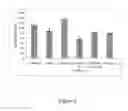
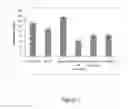
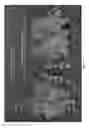
Sources:
- United States Patent and Trademark Office - verify current appl. status at the USPTO↗
Similar patent applications:
- » 20110111958
LIQUID, HOMOGENOUS HERBICIDE COMPOSITION, A METHOD OF WEED CONTROL, A METHOD OF PRODUCTION OF LIQUID, HOMOGENOUS HERBICIDE COMPOSITION AND USE OF A LIQUID, HOMOGENOUS HERBICIDE COMPOSITION FOR WEED CONTROL - » 20220322666
HERBICIDAL AGENT COMPOSITION AND WEED CONTROL METHOD - » 20110118119
Synergistic pre-emergent and post-emergent weed control compositions and methods of use thereof - » 20130210629
SYNERGISTIC PRE-EMERGENT AND POST-EMERGENT WEED CONTROL COMPOSITIONS AND METHODS OF USE THEREOF - » 20150250180
Saflufenacil, flumioxazin, and 2,4-D weed control compositions and methods of use thereof - » 20170295790
Synergistic pre-emergent and post-emergent weed control compositions and methods of use thereof - » 20120157311
HERBICIDE COMPOSITION AND WEED CONTROL METHOD - » 20110028322
HERBICIDE COMPOSITION AND WEED CONTROL METHOD - » 20140323304
HERBICIDE COMPOSITION AND WEED CONTROL METHOD - » 20240049711
HERBICIDE COMPOSITION AND WEED CONTROLLING METHOD
Recent applications in this class:
- » 20250283100 2025-09-11
REDUCED GLIADIN WHEAT EVENT T258 - » 20250283099 2025-09-11
GENETICALLY ENGINEERED PLANT OR PART THEREOF ADAPTED FOR THE PRODUCTION OF RECOMBINANT PROTEINS AND PROCESS THEREOF - » 20250230456 2025-07-17
METHODS AND COMPOSITIONS FOR THE PRODUCTION OF UNREDUCED, NON-RECOMBINED GAMETES AND CLONAL OFFSPRING - » 20250223604 2025-07-10
WHEAT VOLTAGE-DEPENDENT ANION CHANNEL GENE TaVDAC1 AND USE THEREOF - » 20250171793 2025-05-29
METHOD FOR SIMPLY CONSTRUCTING TWO-COMPONENT VIRAL VECTOR AND RELATED APPLICATIONS THEREOF - » 20250101447 2025-03-27
GENETIC CONTROL OF AXILLARY BUD GROWTH IN TOBACCO PLANTS - » 20250092408 2025-03-20
PROGRAMMABLE EPIGENETIC CONTROL OF GENE EXPRESSION IN PLANTS - » 20250027100 2025-01-23
USE OF MfERF026 GENE REGULATION IN GROWTH, DEVELOPMENT, AND STRESS TOLERANCE OF MEDICAGO SATIVA - » 20250019713 2025-01-16
SHORT STATURE CORN PLANTS WITH IMPROVED SILAGE TRAITS - » 20240384281 2024-11-21
METHODS OF IMPROVING VITAMIN D LEVELS IN PLANTS
Recent applications for this Assignee:
- » 20250277194 2025-09-04
METHODS AND COMPOSITIONS FOR SHORT STATURE PLANTS THROUGH MANIPULATION OF GIBBERELLIN METABOLISM - » 20250263734 2025-08-21
METHODS AND COMPOSITIONS FOR SHORT STATURE PLANTS THROUGH MANIPULATION OF GIBBERELLIN METABOLISM TO INCREASE HARVESTABLE YIELD - » 20250223603 2025-07-10
COMPOSITIONS AND METHODS FOR GENOME EDITING IN PLANTA - » 20250171798 2025-05-29
GENOME EDITING-BASED CROP ENGINEERING AND PRODUCTION OF BRACHYTIC PLANTS - » 20250051790 2025-02-13
METHODS TO IMPROVE SITE-DIRECTED INTEGRATION FREQUENCY - » 20250034582 2025-01-30
INCREASING GENE EDITING AND SITE-DIRECTED INTEGRATION EVENTS UTILIZING DEVELOPMENTAL PROMOTERS - » 20250027098 2025-01-23
METHOD FOR SELECTING TARGET SITES FOR SITE-SPECIFIC GENOME MODIFICATION IN PLANTS - » 20240368610 2024-11-07
INCREASING GENE EDITING AND SITE-DIRECTED INTEGRATION EVENTS UTILIZING MEIOTIC AND GERMLINE PROMOTERS - » 20240352480 2024-10-24
NOVEL INSECT INHIBITORY PROTEINS - » 20240306638 2024-09-19
Microencapsulated herbicides