Self-supporting films for pharmaceutical and food use
US20170035692A1
2017-02-09
15/218,744
2016-07-25
✅ Patent granted
US 10,426,725 B2
2019-10-01
-
-
Michael P Cohen
Silvia Salvadori, P.C. | Silvia Salvadori
2036-08-14
Abstract:
Rapidly dissolving self-supporting films for food or pharmaceutical use comprising: a) a filmogenic substance consisting of a maltodextrin; b) a plasticizer; c) an active principle for food or pharmaceutical use, characterized in that said films are free of hydrocolloids.
Inventors:
- Francesco CILURZO 4 🇮🇹 Milano, Italy
- Paola MINGHETTI 3 🇮🇹 Monza, Italy
- Luisa MONTANARI 2 🇮🇹 Pavia, Italy
- Francesco Cilurzo 2 🇮🇹 Milan, Italy
Assignee:
- Pharmafilm S.R.L. 3 🇮🇹 Gaggiano, Italy
Applicant:
Interested in similar patents?
Get notified when new applications in this technology area are published.
Classification:
A61K9/0056 » CPC main
Medicinal preparations characterised by special physical form; Galenical forms characterised by the site of application; Mouth and digestive tract, i.e. intraoral and peroral administration Mouth soluble or dispersible forms; Suckable, eatable, chewable coherent forms; Forms rapidly disintegrating in the mouth; Lozenges; Lollipops; Bite capsules; Baked products; Baits or other oral forms for animals
A23L29/35 » CPC further
Foods or foodstuffs containing additives ; Preparation or treatment thereof containing carbohydrate syrups; containing sugars; containing sugar alcohols, e.g. xylitol; containing starch hydrolysates, e.g. dextrin Degradation products of starch, e.g. hydrolysates, dextrins; Enzymatically modified starches
A61K31/495 » CPC further
Medicinal preparations containing organic active ingredients; Heterocyclic compounds having nitrogen as a ring hetero atom, e.g. guanethidine or rifamycins having six-membered rings with two nitrogen atoms as the only ring heteroatoms, e.g. piperazine
A61K31/135 » CPC further
Medicinal preparations containing organic active ingredients; Amines having aromatic rings, e.g. ketamine, nortriptyline
A61K31/5415 » CPC further
Medicinal preparations containing organic active ingredients; Heterocyclic compounds having nitrogen as a ring hetero atom, e.g. guanethidine or rifamycins having six-membered rings with at least one nitrogen and one sulfur as the ring hetero atoms, e.g. sulthiame ortho- or peri-condensed with carbocyclic ring systems, e.g. phenothiazine, chlorpromazine, piroxicam
A61K31/165 » CPC further
Medicinal preparations containing organic active ingredients; Amides, e.g. hydroxamic acids having aromatic rings, e.g. colchicine, atenolol, progabide
A61K47/36 » CPC further
Medicinal preparations characterised by the non-active ingredients used, e.g. carriers or inert additives; Targeting or modifying agents chemically bound to the active ingredient; Macromolecular organic or inorganic compounds, e.g. inorganic polyphosphates Polysaccharides; Derivatives thereof, e.g. gums, starch, alginate, dextrin, hyaluronic acid, chitosan, inulin, agar or pectin
A61K31/4422 » CPC further
Medicinal preparations containing organic active ingredients; Heterocyclic compounds having nitrogen as a ring hetero atom, e.g. guanethidine or rifamycins having six-membered rings with one nitrogen as the only ring hetero atom; Non condensed pyridines; Hydrogenated derivatives thereof 1,4-Dihydropyridines, e.g. nifedipine, nicardipine
A61K31/437 » CPC further
Medicinal preparations containing organic active ingredients; Heterocyclic compounds having nitrogen as a ring hetero atom, e.g. guanethidine or rifamycins having six-membered rings with one nitrogen as the only ring hetero atom ortho- or peri-condensed with heterocyclic ring systems the heterocyclic ring system containing a five-membered ring having nitrogen as a ring hetero atom, e.g. indolizine, beta-carboline
A61K31/375 » CPC further
Medicinal preparations containing organic active ingredients; Heterocyclic compounds having oxygen as the only ring hetero atom, e.g. fungichromin; Lactones Ascorbic acid, i.e. vitamin C; Salts thereof
A61K31/5513 » CPC further
Medicinal preparations containing organic active ingredients; Heterocyclic compounds having nitrogen as a ring hetero atom, e.g. guanethidine or rifamycins having seven-membered rings, e.g. azelastine, pentylenetetrazole having two nitrogen atoms, e.g. dilazep 1,4-Benzodiazepines, e.g. diazepam or clozapine
A61K31/4045 » CPC further
Medicinal preparations containing organic active ingredients; Heterocyclic compounds having nitrogen as a ring hetero atom, e.g. guanethidine or rifamycins having five-membered rings with one nitrogen as the only ring hetero atom, e.g. sulpiride, succinimide, tolmetin, buflomedil condensed with carbocyclic rings, e.g. carbazole; Indoles, e.g. pindolol Indole-alkylamines; Amides thereof, e.g. serotonin, melatonin
A61K31/196 » CPC further
Medicinal preparations containing organic active ingredients; Acids; Anhydrides, halides or salts thereof, e.g. sulfur acids, imidic, hydrazonic, hydroximic acids; Carboxylic acids, e.g. valproic acid having an amino group the amino group being directly attached to a ring, e.g. anthranilic acid, mefenamic acid, diclofenac, chlorambucil
A61K31/137 » CPC further
Medicinal preparations containing organic active ingredients; Amines having aromatic rings, e.g. ketamine, nortriptyline Arylalkylamines, e.g. amphetamine, epinephrine, salbutamol, ephedrine or methadone
A61K31/192 » CPC further
Medicinal preparations containing organic active ingredients; Acids; Anhydrides, halides or salts thereof, e.g. sulfur acids, imidic, hydrazonic, hydroximic acids; Carboxylic acids, e.g. valproic acid having aromatic groups, e.g. sulindac, 2-arylpropionic acids, ethacrynic acid
A23V2002/00 » CPC further
Food compositions, function of food ingredients or processes for food or foodstuffs
A61K9/006 » CPC further
Medicinal preparations characterised by special physical form; Galenical forms characterised by the site of application; Mouth and digestive tract, i.e. intraoral and peroral administration Oral mucosa, e.g. mucoadhesive forms, sublingual droplets; Buccal patches or films; Buccal sprays
A23L29/30 IPC
Foods or foodstuffs containing additives ; Preparation or treatment thereof containing carbohydrate syrups; containing sugars; containing sugar alcohols, e.g. xylitol; containing starch hydrolysates, e.g. dextrin
A23P20/20 » CPC further
Coating of foodstuffs; Coatings therefor; Making laminated, multi-layered, stuffed or hollow foodstuffs Making of laminated, multi-layered, stuffed or hollow foodstuffs, e.g. by wrapping in preformed edible dough sheets or in edible food containers
A61K31/485 » CPC further
Medicinal preparations containing organic active ingredients; Heterocyclic compounds having nitrogen as a ring hetero atom, e.g. guanethidine or rifamycins having six-membered rings with one nitrogen as the only ring hetero atom; Quinolines; Isoquinolines Morphinan derivatives, e.g. morphine, codeine
A61K9/00 IPC
Medicinal preparations characterised by special physical form
A61K47/10 » CPC further
Medicinal preparations characterised by the non-active ingredients used, e.g. carriers or inert additives; Targeting or modifying agents chemically bound to the active ingredient; Organic compounds, e.g. natural or synthetic hydrocarbons, polyolefins, mineral oil, petrolatum or ozokerite containing oxygen, e.g. ethers, acetals, ketones, quinones, aldehydes, peroxides Alcohols; Phenols; Salts thereof, e.g. glycerol; Polyethylene glycols [PEG]; Poloxamers; PEG/POE alkyl ethers
A23L33/125 » CPC further
Modifying nutritive qualities of foods; Dietetic products; Preparation or treatment thereof using additives containing carbohydrate syrups; containing sugars; containing sugar alcohols; containing starch hydrolysates
A23P30/25 » CPC further
Shaping or working of foodstuffs characterised by the process or apparatus; Extruding Co-extrusion of different foodstuffs
A61K31/5517 » CPC further
Medicinal preparations containing organic active ingredients; Heterocyclic compounds having nitrogen as a ring hetero atom, e.g. guanethidine or rifamycins having seven-membered rings, e.g. azelastine, pentylenetetrazole having two nitrogen atoms, e.g. dilazep 1,4-Benzodiazepines, e.g. diazepam or clozapine condensed with five-membered rings having nitrogen as a ring hetero atom, e.g. imidazobenzodiazepines, triazolam
Description
CROSS REFERENCE TO RELATED APPLICATIONS
This application is a continuation of U.S. application Ser. No. 10/577,408, filed on Apr. 25, 2006, which is a national stage entry of PCT/EP2004/052672 filed Oct. 27, 2004, which claims the benefit of the priority of Italian applicaiton MI2003A002087 filed Oct. 26, 2004, all of which are incorporated by reference herein.
FIELD OF THE INVENTION
The present description relates to rapidly dissolving self-supporting films for pharmaceutical or food use
STATE OF THE ART
Self-supporting films for pharmaceutical or food use have been known for some time.
For example compositions based on edible films are already commercially available. Most of these products use pullulan as the filmogenic component. Pullulan is an expensive ingredient and not easily available. Other materials have been used in place of pullulan. These materials comprise modified starches such as maltodextrin and hydrocolloids such as cellulosic materials, as described for example in US20030053962.
However, these films do not present one or more characteristics typical of pullulan such as rapid dissolution, clean mouth feel, clean flavour and ease of manufacture. That these films do not provide a clean mouth sensation is due to the fact that the hydrocolloids tend to gel on contact with saliva.
One solution to the aforesaid drawbacks is proposed in WO03/011259 from which is noted that, to obtain properties equivalent to those of pullulan, it is crucial that maltodextrin, smaller quantities of hydrocolloid and, additionally, an inert filler are present simultaneously in the filmogenic composition. In this prior patent, therefore, the hydrocolloid content is reduced by virtue of introducing an inert filler at a concentration between 1 and 30% into the film composition. According to said document, however, the hydrocolloid content cannot be reduced below 10% in that according to this prior patent, as in the preceding US20030053962, the presence of this component in the filmogenic composition appears essential for achieving rapid disintegration of the film.
TECHNICAL PROBLEM
Therefore the need was felt for a rapidly dissolving edible film, which would not pose the problems of known edible films for pharmaceutical or food use.
SUMMARY OF THE INVENTION
The Applicant has now surprisingly found that self-supporting edible films for food or pharmaceutical use containing maltodextrin as the filmogenic substance can be prepared which dissolve rapidly despite their not containing hydrocolloids. In particular an aspect of the present invention are self-supporting films comprising:
a) a filmogenic substance consisting of a maltodextrin,
b) a plasticiser
c) an active principle for food or pharmaceutical use,
-
- characterised in that said films are free of hydrocolloids.
In particular, as seen from the tests described below, the self-supporting films of the invention present disintegration times determined in vitro of less than 1 minute, and in vivo actually less than 45 seconds. Moreover, the self-supporting films impart a clean mouth sensation and in addition can be prepared using simple preparation methods, easily achievable with industrial machinery.
In this respect a further aspect of the present invention is directed towards various processes for preparing the self-supporting edible films of the present invention.
For example, one preparation process for the aforesaid self-supporting film comprises in particular the following steps:
i) the maltodextrin, plasticiser and active ingredient for food or therapeutic use are mixed,
ii) the mixture derived from the preceding step is extruded in an extruder.
Another preparation process according to the present invention comprises in particular the following steps:
i) the maltodextrin, plasticiser and active principle for therapeutic or food use are dispersed in a polar solvent,
ii) the mixture obtained in the preceding step is rolled onto silicone paper and then dried,
-
- iii) the silicone paper is removed from the film obtained in the preceding step.
Another preparation process according to the present invention comprises in particular the following steps:
i) the maltodextrin, plasticiser and active ingredient for food or therapeutic use are mixed,
ii) the mixture was granulated, sieved and mixed with an anti sticking agent
iii) the granules were stored at least for 12 h
iv) the granules derived from the preceding steps were extruded in an extruder for obtaining the edible film.
DESCRIPTION OF THE FIGURES
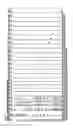
Table 1 in FIG. 1 shows formulations used for preparing the films of the present invention as described in example 1.
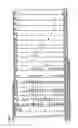
Table 2 in FIG. 2 shows formulations used for preparing the films of the present invention as described in example 2.
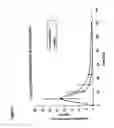
FIG. 3 shows a graph of the in vivo bioavailability of the film of the present Invention prepared as described in example 2 and containing paracetamol (formulation 6 in table 2), and by way of a syrup (Tachipirina syrup), where the y axis shows paracetamol concentration expressed in (μg/ml whereas the x-axis shows time in minutes.
DETAILED DESCRIPTION OF THE INVENTION
The maltodextrin used in the self-supporting film of the present invention has a dextrose content of less than 50 equivalents, preferably between 11 and 40.
The plasticiser used in the self-supporting films of the present invention is preferably chosen from the group consisting of polyalcohols, citric acid esters, sebacic acid esters or their mixtures. Propylene glycol, glycerine, sorbitol, maltitol or their relative mixtures are particularly preferred.
The active principle for food use is preferably an active principle with a refreshing action on the breath and indicated for oral hygiene, preferably eugenol and menthol or an active principle suitable for nutritional supplementation, preferably mineral salts chosen from those normally used for such purposes or one or more vitamins, the vitamin being ascorbic acid in a particularly preferred embodiment.
The active principle for therapeutic use can be a principle with an essentially topical activity for the oral cavity chosen from antibacterial, antimycotic, antiviral agents or disinfectants of the oral cavity, or can be an active principle with an essentially systemic action chosen from the class consisting of anti-inflammatory, analgesic, antipsychotic, hypnotic, anxiolytic, antihypertensive, myorelaxant, antimigraine, antiparkinsonian, antiemetic, antihistaminic, beta blocking and antiasthmatic agents.
The active principles contained in said films are preferably chosen from the class consisting of: Piroxicam, Ketoprofen, Sodium diclofenac, Tramadol hydrochloride, Morphine, Nifedipine, Diazepam, Lorazepam, Alprazolam, Bromazepam, Triazolam, Lormetazepam, Zolpidem, Paracetamol, Selegiline, Atenolol, Salbutamol, Sumatriptan, Clozapine, Cetirizine, Ondansetron, Fentanyl and their pharmaceutically acceptable salts.
The self-supporting films of the present invention contain maltodextrin in concentrations preferably between 40 and 80% by weight, plasticiser in concentrations between 15 and 55% by weight and active principle for food or pharmaceutical use in quantities between 0.05 and 30% by weight on the total weight of said film, and can possibly contain other excipients chosen from antisticking agents such as microcrystalline cellulose, colloidal silica or talc, sweeteners, flavouring, colouring agents, preservatives, acidity regulating systems or mixtures thereof.
In the process for preparing edible self-supporting films by extrusion, a further aspect of the present invention, the extrusion step (ii) is preferably conducted at a temperature between 60 and 120° C. in a single screw extruder. In the second preparation process, a further aspect of the present invention, the polar solvent used in step (i) is preferably chosen from water, water-miscible solvents or relative mixtures. In accordance with a particularly preferred embodiment the solvent consists of water or a mixture of water and ethanol. The temperature of said step, when a mixture of the aforesaid solvents are used, is preferably between 60 and 105° C.
The self-supporting films of the present invention can be prepared using other methods such as by compacting the filmogenic formulation by the ultrasound technique.
Some examples of formulations for the self-supporting films of the present invention, some processes for preparing said self-supporting films, as well as in vitro and in vivo disintegration tests conducted on films obtained with some of the illustrated formulations are given by way of non limiting examples.
Example 1
Films Prepared by Extrusion Preparation Method
The components of the formulations given in table 1 of FIG. 1 are mixed and extruded with a single screw extruder at a temperature of 105° C.
Disintegration Assay
The test was undertaken in accordance with the method in the European Pharmacopoeia 5.01 Ed., 2.9.1. Disintegration of tablets and capsules (01/2005:20901)
Purified water maintained at 37° C. was used as the medium. The result is the average of 3 determinations±standard deviation.
The results are given in table 3.
| TABLE 3 |
| Disintegration time |
| Form. | Disintegration time | |
| no. | (in seconds) | |
| 2 | 50 ± 4 | |
| 5 | 54 ± 4 | |
| 6 | 40 ± 1 | |
| 8 | 30 ± 1 | |
| 11 | 32 ± 2 | |
| 17 | 19 ± 1 | |
In Vivo Dissolution Assay
Three 4 cm2 samples of the formulation under examination were administered to 6 healthy volunteers. The test consists of retaining the film sample in the mouth, and determining the time needed to sense its disappearance.
The test was conducted on formulations no. 2, 5, 17 (table 1).
In each case dissolution time was less than a minute.
Example 2
Films Prepared by Spreading and Evaporation of the Solvent
Preparation Method
The component of the formulations given in table 2 of FIG. 2 are dispersed in the mixture of solvents, given in the same table, and maintained at 80° C. The mixture, maintained at the same temperature, is rolled onto silicon paper and dried.
Disintegration Assay
The test was undertaken in accordance with the method in the European Pharmacopoeia 5.01 Ed., 2.9.1. Disintegration of tablets and capsules (01/2005:20901)
Purified water maintained at 37° C. was used as the medium. The result is the average of 3 determinations±standard deviation.
The results are given in table 4
| TABLE 4 |
| Disintegration time |
| Form. | Disintegration time | |
| no. | (in seconds) | |
| 4 | 27 ± 4 | |
| 5 | 36 ± 4 | |
| 6 | 50 ± 3 | |
| 7 | 37 ± 8 | |
| 13 | 32 ± 2 | |
In Vivo Dissolution Assay
A 4 cm2 sample of the formulation under examination was administered to each of 6 healthy volunteers. The test consists of retaining the film sample in the mouth, and determining the time needed to sense its disappearance.
The test was conducted on formulations no. 3, 6, 13 (table 1).
In each case dissolution time was less than 45 seconds.
Determination of In Vivo Bioavailability
The object of this pilot study was to evaluate the absorption and pharmacokietic profile after a single administration of 50 mg paracetamol carried by Formula 6 (table 2) and by a commercial syrup containing paracetamol (Tachipirina syrup) in 3 healthy volunteers aged between 23 and 24 years. The experiment was conducted as a crossover with a 15 day wash-out period.
With the aim of evaluating the pharmacokinetic profiles of the two formulations, saliva and blood samples were taken before application and at 10 min, 20 min, 45 min, 1 h, 2 h, 3 h, 4 h, 6 h after administration. Paracetamol was determined in the saliva.
The salivary concentrations of paracetamol determined in saliva after administration of the syrup and of the rapidly disintegrating film overlap completely as shown in FIG. 3.
Example 3
Films Prepared by Granulation and Extrusion
Film Composition
| Formula- | Formula- | Formula- | Formula- | |
| tion A | tion B | tion C | tion D | |
| Components | (% m/m) | (% m/m) | (% m/m) | (% m/m) |
| Maltodextrin (DE 11) | 71 | 47 | 70 | 71.4 |
| Glycerol | 16 | — | 16 | 16.5 |
| Menthol | 1 | — | — | — |
| Microcrystalline | 12 | 10 | 12 | 12 |
| cellulose | ||||
| Paracetamol | — | 21 | — | — |
| Ondansetron | — | — | 2 | — |
| Fentanyl | — | — | — | 0.1 |
| Propylene Glycol | — | 20 | — | — |
| Sodium citrate | — | 2 | — | — |
Preparation Method
The components, with the exception of the microcrystalline cellulose, were mixed into a sigma blade mixer; the time of mixing was 1 hour for formulation B and 30 minutes for formulation A, C and D.
The mixture was transferred in an oscillating granulator and microcrystalline cellulose was added as antisticking agent. The granules are stored for at least 12 hours at ambient temperature and then sieved.
The granules were extruded with a single screw extruder. The extruder temperatures were set in the range 85-130° C.
Disintegration Test
The test was undertaken in accordance with the method in the European Pharmacopoeia 5.01 Ed., 2.9.1. Disintegration of tablets and capsules (01/2005:20901) Purified water maintained at 37° C. was used as the medium. The results were the average of 3 determinations±standard deviation. The disintegration times were less of 45 sec for all the formulations.
In Vivo Dissolution Assay
Three 4 cm2 samples of the formulation A were administered to 6 healthy volunteers. The test consists of retaining the film sample in the mouth, and determining the time needed to sense its disappearance. In each case dissolution time was less than 15 sec.
Claims
1. A rapidly dissolving self-supporting and edible film, comprising:
a. between 40 and 80% by weight based on the total weight of said film, of a maltodextrin,
b. between 15 and 55% by weight based on the total weight of said film, of a plasticizer, and
c. between 0.05% and 30% by weight based on the total weight of said film, of an active ingredient for food or pharmaceutical use,
wherein said film is self-supporting, is free from hydrocholloids and has a dissolution time of less than 1 minute.
2. The rapidly dissolving self-supporting and edible film according to claim 1, wherein said in vivo dissolution time is less than 45 seconds.
3. The rapidly dissolving self-supporting and edible film as claim in claim 1, wherein said dissolution time is less than 15 seconds.
4. The rapidly self-supporting and edible film as claimed in claim 1, wherein the maltodextrin (a) has a dextrose content of less than 50 expressed in equivalents.
5. The rapidly self-supporting and edible film as claimed in claim 4, wherein said dextrose content is between 11 and 40.
6. The rapidly self-supporting and edible film as claimed in claim 1, wherein the plasticizer is selected from the group consisting of polyalcohols, citric esters, sebacic acid esters and mixtures thereof.
7. The rapidly dissolving self-supporting and edible film as claimed in claim 1, wherein the plasticizer is selected from the group consisting of propylene glycol, glycerine, sorbitol, maltitol, and mixtures thereof.
8. The rapidly dissolving self-supporting and edible film as claimed in claim 1, wherein the active ingredient has a breath freshening action and/or is indicated for oral hygiene or is an active ingredient suitable for nutritional supplementation.
9. The rapidly dissolving self-supporting and edible film as claimed in claim 8, wherein said active ingredient with a breath freshening action is menthol or eugenol.
10. The rapidly dissolving self-supporting and edible film as claimed in claim 8, wherein said active ingredient for nutritional supplementation is selected from the group consisting of mineral salts, and vitamins.
11. The rapidly dissolving self-supporting and edible film as claimed in claim 10, wherein said vitamin is ascorbic acid.
12. The rapidly dissolving self-supporting and edible film as claimed in claim 1, wherein said active ingredient has essentially topic activity.
13. The rapidly dissolving self-supporting and edible film as claimed in claim 12, wherein said active ingredient is selected from the group consisting of antibacterial, antimycoti, antiviral agents and disinfectants of the oral cavity.
14. The rapidly dissolving self-supporting and edible film as claimed in claim 1, wherein the active ingredient has systemic activity.
15. The rapidly dissolving self-supporting and edible film as claimed in claim 14, wherein said active ingredient having systemic activity is selected from the group consisting of anti-inflammatory, analgesic, antipsychotic, hypnotic, anxiolytic, antihypertensive, myorelaxant, antimigraine, antiparkinsonian, antiemetic, antihistaminic, betablocking and antiasthmatic agents.
16. The rapidly dissolving self-supporting and edible film as claimed in claim 15, wherein said active ingredient is selected from the group consisting of Piroxicam, Ketoprofen, Diclofenac, Tramadol, Morphine, Nifedipine, Diazepam, Lorazepam, Alprazolam, Bromazepan, Triazolam, Lormetazepam, Zolpiderm, Paracetamol, Selegiline, Atenolol, Salbutamol, Sumatripan, Clozapine, Cetirizine, Ondasetron, Fentanyl, and pharmaceutically acceptable salts thereof.
17. The rapidly dissolving self-supporting and edible film as claimed in claim 1, further comprising other excipients selected from the group consisting of anticaking agents, antisticking agents, sweeteners, flavouring agents, colouring agents, preservatives, acidity regulating systems, and mixtures thereof.
18. The rapidly dissolving self-supporting and edible film as claimed in claim 17, wherein said antisticking agent is selected from the group consisting of microcrystalline cellulose, colloidal silica and talc.
19. A process for preparing the rapidly dissolving self-supporting and edible film as claimed in claim 1, comprising the following steps:
a. mixing the maltodextrin, plasticizer and active ingredient for food or pharmaceutical use obtaining a mixture thereof; and
b. extruding the mixture.
20. The process as claimed in claim 19, wherein the extrusion step is carried out at a temperature between 60° C. and 120° C.
21. The process as claimed in claim 19, wherein the extrusion step is conducted in a single screw extruder.
22. A process for preparing the rapidly dissolving self-supporting and edible film as claimed in claim 1, comprising the following steps:
a. dispersing the maltodextrin, plasticizer and the active ingredient in a polar solvent at a temperature between 60° C. and 105° C., obtaining a mixture thereof;
b. rolling the mixture obtained in the preceding step onto a silicone paper and drying it to form a film, and
c. removing the silicone paper from the film obtained.
23. The process as claimed in claim 22, wherein the polar solvent used in step (a) is selected from the group consisting of water, a water miscible solvent, and mixtures thereof.
24. The process as claimed in claim 22, wherein said solvent consists of water or a water-ethanol mixture.
25. The process as claimed in claim 24, wherein the temperature of steps (a) and (b) is between 60° C. and 105° C.
Images & Drawings included:
Sources:
- United States Patent and Trademark Office - verify current appl. status at the USPTO↗
Similar patent applications:
Recent applications in this class:
- » 20250281398 2025-09-11
ORAL RECEPTACLE - » 20250281397 2025-09-11
FORMULATIONS OF A PLASMA KALLIKREIN INHIBITOR - » 20250248932 2025-08-07
CANNABIS COMPOSITIONS, ORAL PRODUCTS, AND METHODS OF MAKING SAME - » 20250221926 2025-07-10
Bioidentical Multimineral Electrolyte BioPolySalt Dispensing Saltshaker - » 20250213468 2025-07-03
AN ORGANIC CHEWABLE COMPOSITION COMPRISING CERTIFIED ORGANIC INGREDIENTS, AND PROCESS FOR PREPARING THE SAME - » 20250195417 2025-06-19
ADDITIVE COMPOSITION FOR ORALLY DISINTEGRATING TABLET - » 20250186338 2025-06-12
Stable Soft Chews, and Methods to Produce Same - » 20250186337 2025-06-12
CHEWABLE ORAL CONTRACEPTIVE - » 20250177293 2025-06-05
THERMAL ENERGY SYSTEM FOR ADMINISTERING ACTIVE AGENTS - » 20250170056 2025-05-29
Soft Chew Tablets Suitable For Antacids
Recent applications for this Assignee:
- » 20150231065 2015-08-20
Orodispersible films having quick dissolution times for therapeutic and food use - » 20090018514 2009-01-15
Aqueous polymeric system for pressure sensitive adhesive matrix preparation