Assays for Detecting WDR62 Mutations
US20170067109A1
2017-03-09
15/274,121
2016-09-23
Abstract:
The present invention relates to compositions and methods for detecting mutations in WD repeat domain 62 (WDR62).
Inventors:
- Murat Gunel 4 🇺🇸 Branford, CT, United States
- Richard Lifton 4 🇺🇸 North Haven, CT, United States
- Matthew State 2 🇺🇸 Branford, CT, United States
- Kaya Bilguvar 1 🇺🇸 North Haven, CT, United States
Interested in similar patents?
Get notified when new applications in this technology area are published.
Classification:
C12Q1/6883 » CPC main
Measuring or testing processes involving enzymes, nucleic acids or microorganisms ; Compositions therefor; Processes of preparing such compositions involving nucleic acids; Nucleic acid products used in the analysis of nucleic acids, e.g. primers or probes for diseases caused by alterations of genetic material
C12Q2600/156 » CPC further
Oligonucleotides characterized by their use Polymorphic or mutational markers
C12Q2600/16 » CPC further
Oligonucleotides characterized by their use Primer sets for multiplex assays
C12Q1/68 IPC
Measuring or testing processes involving enzymes, nucleic acids or microorganisms ; Compositions therefor; Processes of preparing such compositions involving nucleic acids
Description
CROSS REFERENCE TO RELATED APPLICATION
This application is a continuation of U.S. application Ser. No. 13/807,425, filed Jun. 17, 2013, which is the U.S. national phase application filed under 35 U.S.C. §371 claiming benefit to International Patent Application No. PCT/US2011/042647, filed on Jun. 30, 2011, which is entitled to priority under 35 U.S.C. §119(e) to U.S. Provisional Patent Application No. 61/398,815, filed on Jul. 1, 2010, each of which application is hereby incorporated herein by reference in its entirety.
BACKGROUND OF THE INVENTION
The development of the human cerebral cortex is an orchestrated process involving the generation of neural progenitors in the periventricular germinal zones, cell proliferation characterized by symmetric and asymmetric mitoses, followed by migration of post-mitotic neurons to their final destinations in six highly ordered, functionally specialized layers (2008, Bystron et al., Nature Rev. Neurosci. 9:110-122; 2009, Rakic, Nature Rev. Neurosci. 10:724-735). An understanding of the molecular mechanisms guiding these intricate processes is in its infancy, substantially driven by the discovery of rare mutations that cause malformations of cortical development (2008, Guerrini et al., Trends Neurosci. 31:154-162; 2005, Guerrini, Epilepsia 46(suppl. 1):32-37; 2001, Guerrini and Carrozzo, Am. J. Med. Genet. 106:160-173; 2001, Mochida and Walsh, Curr. Opin. Neurol. 14:151-1563). Mapping of disease loci in putative Mendelian forms of malformations of cortical development has been hindered by marked locus heterogeneity, small kindred sizes and diagnostic classifications that may not reflect molecular pathogenesis.
Malformations of cortical development are a diverse group of often devastating structural brain disorders reflecting deranged neuronal proliferation, migration or organization. Application of traditional mapping approaches have proved to be particularly challenging for gene discovery in these syndromes, where kindreds with a single affected member are most common, linkage studies support high locus heterogeneity and recent genetic findings have fundamentally challenged previous diagnostic nosology (2008, Guerrini et al., Trends Neurosci. 31:154-162; 2001, Barkovich et al., Neurology 57:2168-2178; 2005, Barkovich et al., Neurology 65:1873-1887). Whole-exome sequencing using next generation platforms (2009, Choi et al., Proc. Natl Acad. Sci. USA 106:19096-19101; 2010, Ng et al., Nature Genet. 42:30-35; 2009, Ng et al., Nature 461:272-276) can markedly improve gene discovery efforts in these situations.
There is a need in the art for assays for detecting recessive mutations in genes involved in cortical development in both carrier subjects and affected subjects. The present invention addresses this need in the art.
SUMMARY OF THE INVENTION
The present invention relates to the discovery that recessive mutations in WD repeat domain 62 (WDR62) are involved in a wide spectrum of neurological diseases and disorders. In one embodiment, the invention is a method of determining whether a subject has a mutation in at least one allele of WDR62. In various embodiments, the method includes the steps of: obtaining a test sample from the subject, where the test sample comprises a WDR62 nucleic acid or a fragment thereof; comparing the WDR62 nucleic acid sequence in the test sample with a control WDR62 nucleic acid sequence, where when the WDR62 nucleic acid sequence in the test sample differs from the control WDR62 nucleic acid sequence, the subject is determined to have a WDR62 mutation in at least one allele of WDR62.
The mutation detected can be any mutation of WDR62 and includes the following mutations: W224S relative to SEQ ID NO:2; Q470X relative to SEQ ID NO:2; E526K relative to SEQ ID NO:2; E526X relative to SEQ ID NO:2; a 4-bp deletion (TGCC) in exon 31 beginning at codon 1402, leading to a premature stop codon at codon 1413 (V1402GfsX12); a nonsense mutation; a missense mutation; and and a 17-bp deletion in exon 30 leading to a frameshift at codon 1280 resulting in a premature termination codon following a novel peptide of 20 amino acids (G1280AfsX21).
In a preferred embodiment, the subject is a human. In various embodiments, the subject is a fetus, a child, an adolescent, an adult, a parent or a prospective parent. In some embodiments, the subject is a carrier subject having at least one mutation in only one allele of WDR62 and in other embodiments the subject is an affected subject having at least one mutation on each allele of WDR62.
In various embodiments, the affected subject has at least one neurological disease or disorder, including, but not limited to, intellectual disability, cerebral cortical malformation, microcephaly, agyria, pachygria, hypoplasia of the corpus callosum, lissencephaly, schizencephaly, polymicrogyria and cerebellar hypoplasia.
In some embodiments, assessment of the test sample involves the use of at least one of PCR, Northern analysis, Southern analysis, DNA array analysis, and direct sequence analysis. In one embodiment, the test sample from the subject comprises genomic DNA. In another embodiment, the test sample comprises chromosome 19 or a fragment thereof comprising 19q13.12.
BRIEF DESCRIPTION OF THE DRAWINGS
The following detailed description of preferred embodiments of the invention will be better understood when read in conjunction with the appended drawings. For the purpose of illustrating the invention, there are shown in the drawings embodiments which are presently preferred. It should be understood, however, that the invention is not limited to the precise arrangements and instrumentalities of the embodiments shown in the drawings.
FIG. 1, comprising FIG. 1A-FIG. 1F, depicts the results of experiments identifying a 4-bp deletion in the WDR62 gene in a family with microcephaly and pachygria. FIG. 1A-FIG. 1D, Coronal (FIG. 1A) and axial (FIG. 1C) magnetic resonance images of a control subject compared with NG 26-1 (FIG. 1B, FIG. 1D) confirms the clinical diagnosis of microcephaly and shows a diffusely thickened cortex, an indistinct grey-white junction, pachgyria and underoperculization. All images are T2 weighted (photographically inverted). Scale bars, centimetres. FIG. 1E, a 4-bp deletion (red box) in the WDR62 is identified through exome sequencing (WT, wild type). FIG. 1F, Sanger sequencing confirms the deleted bases (in green). The altered amino-acid sequence (starting at position 1,402) leading to a premature stop-codon (X) is shown in red.
FIG. 2, comprising FIG. 2A-FIG. 2F, depicts additional WDR62 mutations. FIG. 2A-FIG. 2F, Pedigree structures with mutated bases (red) and the corresponding normal alleles (green) are marked on the chromatograms (left, mutant; right, wild type). FIG. 2A, Families NG 26 and NG 891 harbour the identical 4-bp deletion, whereas nonsense mutations leading to premature stop codons (X) are observed in NG 30 (FIG. 2B) and NG 294 (FIG. 2D). Missense mutations affecting conserved amino acids are seen in NG 190 (FIG. 2C) and NG 537 (FIG. 2F). In NG 339 (FIG. 2E), a 17-bp deletion leads to a premature stop codon. FIG. 2G, The locations of independent mutations are indicated on the genomic organization of WDR62.
FIG. 3, comprising FIG. 3A-FIG. 3L, depicts representative magnetic resonance images from patients demonstrating the wide spectrum of findings associated with mutations in WDR62. FIG. 3A, FIG. 3E, FIG. 3I, FIG. 3K, Axial (FIG. 3A), coronal (FIG. 3E), sagittal (FIG. 3K) MRI images and three-dimensional surface rendering (FIG. 3I) of a control subject are shown. FIG. 3B, Microlissencephalic features with microcephaly, diffusely thickened cortex, loss of grey-white junction and pachygyria. FIG. 3C, asymmetric microcephalic hemispheres with marked polymicrogyria (arrowheads). FIG. 3D, significant polymicrogyria (black arrowheads) and open-lip schizencephaly (red arrowhead). f, Unilateral cerebellar hypoplasia (arrowhead). FIG. 3G, Open-lip schizencephaly (red arrowhead) and the polymicrogyric cortex. FIG. 3H, unilateral brainstem atrophy (arrow). FIG. 3J, Three-dimensional surface rendering demonstrating craniofacial dysmorphology. FIG. 3L, microcephaly, pachygyria and abnormally shaped corpus callosum (arrowheads).
FIG. 4, comprising FIG. 4A-FIG. 4E, depicts the results of studies evaluating Wdr62 expression in the developing mouse brain. FIG. 4A, Wdr62 expression is enriched in the ventricular and subventricular zones (VZ and SVZ, respectively) as seen with in situ hybridization. FIG. 4B, WDR62 protein (red) distribution reveals a similar pattern. CP, cortical plate. FIG. 4C, FIG. 4D, WDR62 (red) localizes to the nuclei and is expressed by neural stem cells and intermediate progenitors, as marked by SOX2 and TBR2 expression (green), respectively. FIG. 4E, immunofluorescent staining for α-tubulin (cytoplasmic, blue), SOX2 (nuclear, green) and WDR62 (red) in E12.5 cortical neural progenitor cells reveals that the distribution of the WDR62 overlaps with that of SOX2 and is predominantly nuclear. (Nuclear staining by 4′,6-diamidino-2-phenylindole (DAPI) (blue) in FIG. 4B-FIG. 4D; rightmost panels are composite images in FIG. 4B-FIG. 4E).
FIG. 5 depicts two novel homozygous missense variants identified within the shared homozygosity regions of affected subjects of family NG 26. Left panel: On chromosome 12, position 130,807,115, an A to G transition results in a Thr to Ala substitution in the non-conserved 565th residue (marked with the red box) of Splicing Factor, Arginine/Serine-rich 8 (SFRS8). Right panel: Similarly, in IBTK (Inhibitor of Bruton Agammaglobulinemia Tyrosine Kinase), a G to C substitution on chromosome 6, position 82,980,721, results in a Pro to Ala substitution of the 716th residue of the protein (red box) which is not highly conserved across 44 vertebrate species (from www.genome.ucsc.edu: Kent W J, et al., Genome Res. 2002 June; 12(6): 996-1006.)
FIG. 6 depicts sequence traces of 7 families with WDR62 mutations. From left to right, the panels show the DNA sequences of the patients, control subjects, and the patients' parents, respectively. The predicted amino acids corresponding to each codon are represented above the nucleotide sequences, which are marked in bold letters above the chromatograms. For each sequence, the mutated base(s) are shown in red, as are resultant amino acid substitutions. For the wild type sequences, the altered bases are shown in green. Note that all patients are homozygous for the mutations while both parents are heterozygous. The following mutations are observed: (FIG. 6A) NG 26: V1402GfsX12, (FIG. 6B) NG 30: E526X, (FIG. 6C) NG 190: W224S, (FIG. 6D) NG 294: Q470X, (FIG. 6E) NG 339: G1280AfsX21, (FIG. 6F) NG 537: E526K, (FIG. 6G) NG 891: V1402GfsX12.
FIG. 7 depicts a sequence alignment of vertebrate WDR62 proteins. Missense mutations identified in NG 190 (W224S) and NG 537 (E526K) alter two highly conserved amino acid residues across 44 vertebrates (with the exception of Stickleback for position 526) (see www.genome.ucsc.edu; Kent, et al., 2002 June; 12(6):996-1006).
FIG. 8, comprising FIG. 8A-FIG. 8B depicts genome-wide linkage analysis of pedigree NG 190 with three affected and one unaffected family members. For linkage analysis, an autosomal recessive mode of inheritance with a phenocopy rate of 0.001, penetrance rates of 0.001 and 0.99 for heterozygous and homozygous conditions, respectively, were assumed. Disease causing allele frequency was set to 0.001. The vertical axis corresponds to LOD score and the horizontal axis shows genetic distance in centimorgans (cM). The linkage graphs for all autosomal chromosomes are shown. The maximum LOD score for the chromosome 19 locus spanning the WDR62 gene, located between 41,237,623 and 41,287,852 base pairs is 3.64. The LOD-3 interval is marked by markers rs3855681 and rs7359950, located at 16,259,314 (40.1 cM) and 44,455,605 (63.8 cM) base pairs, respectively.
FIG. 9, comprising FIG. 9A-FIG. 9I, depicts Wdr62 expression in the developing mouse brain. FIG. 9A-FIG. 9C, whole mount in situ hybridization at E9.5 to E11.5. Lateral (panels A and C) and frontal views (panel B) are shown. Wdr62 mRNA is detected in the telencephalon (tel), diencephalon (di), mesencephalon (mes), metencephalon (met), branchial arch (ba), nasal process (np), forelimb bud (flb), hindlimb bud (hlb), somites (s) and tail (t). FIG. 9D-FIG. 9F, coronal sections of the developing forebrain at three different rostrocaudal levels at embryonic day 14.5 (E14.5) are shown. Wdr62 expression is detected in proliferating neuronal progenitors in the neuroepithelium of the neocortex (nctx), striatum (str) and septum (se). FIG. 9G-FIG. 9H, sagittal (FIG. 9G) and axial (FIG. 9H) sections of the cerebellum at E17.5 and postnatal day 7 (P7) mouse. Wdr62 mRNA is detected in proliferating granule neuron precursors in the external granular layer (egl) of the developing cerebellum (cb). Expression is absent from the inferior colliculus (ic) and the medulla (med). FIG. 9I, coronal section of the forebrain of P21 mouse. Wdr62 mRNA expression is detected at low levels in the hippocampus (hip) and piriform cortex (pir). Scale bars: 0.2 mm (FIG. 9A, FIG. 9G to FIG. 9I), 0.5 mm (panels B to F).
FIG. 10, comprising FIG. 10A-FIG. 10B, depicts WDR62 expression in the developing human brain. FIG. 10A, immunohistochemical staining in 20 weeks of gestation human fetal neocortex: In the developing human brain, similar to the mouse brain, WDR62 is enriched in the ventricular and subventricular zones (VZ and SVZ, respectively) and weakly present in the cortical plate (CP) (scale bar: 200 μm). iVZ: inner ventricular zone; oSVZ: outer subventricular zone; IZ: intermediate zone; SP: subplate; MZ: marginal zone. FIG. 10B, in VZ cells near the ventricular surface, WDR62 is localized to nuclei (arrows) (scale bar: 5 μm).
FIG. 11, comprising FIG. 11A-FIG. 11B, depicts the results of experiments assessing localization. Immunofluorescent staining for α-tubulin (green), WDR62 (red, using mouse anti-WDR62 (Sigma-Aldrich) antibody), and counterstaining by DAPI (blue) in cultured E12.5 mouse cortical neural progenitors, HeLa, Neuro2a, and HEK-293FT cells. WDR62 localization is nuclear in cortical neural progenitors, HeLa, and Neuro2a cells. In HEK-293FT cells, WDR62 is localized to granules (arrows) as previously described by Wasserman et al, 2010 (Mol Bio Cell, 21:117-130, 2010). Scale bar: 10 μm. FIG. 11B, subcellular fractionation of mouse E14.5 neocortex and immunoblotting for WDR62 (using rabbit anti-WDR62 antibody, Novus) reveal that WDR62 is present in the nuclear fraction.
FIG. 12, comprising FIG. 12A-FIG. 12B, depicts the results of experiments using immunofluorescent staining of E15.5 mouse neocortex electroporated in utero with CAG-GFP at E13.5. FIG. 12A, in a GFP-filled VZ cell positioned away from the ventricular surface, WDR62 localization is nuclear and does not overlap with the single centrosome (arrow) marked by γ-tubulin (blue). Radial glial endfoot staining of γ-tubulin is indicated (asterisk). FIG. 12B, in a GFP-filled mitotic cell in metaphase at the ventricular surface, WDR62 is relocalized to the cytoplasm upon chromatin condensation and the breakdown of the nuclear membrane and does not apparently co-localize with the two centrosomes (arrows) marked by γ-tubulin. Scale bar: 5 μm in FIG. 12A, FIG. 12B. Composite images are shown as the right most images.
DETAILED DESCRIPTION
The present invention relates to the discovery that recessive mutations in WD repeat domain 62 (WDR62) are involved in a wide spectrum of neurological diseases and disorders, including, but not limited to, intellectual disability, cerebral cortical malformations, microcephaly, agyria, pachygria, hypoplasia of the corpus callosum, lissencephaly, schizencephaly, polymicrogyria and cerebellar hypoplasia. In various embodiments, the invention relates to a genetic screening assay of a subject to determine whether the subject has a mutation in at least one allele of WDR62. In some embodiments, the subject is a parent. In other embodiments, the subject is a prospective parent. In another embodiment, the subject is child. In a further embodiment, the subject is a fetus.
DEFINITIONS
Unless defined otherwise, all technical and scientific terms used herein have the same meaning as commonly understood by one of ordinary skill in the art to which this invention belongs. Although any methods and materials similar or equivalent to those described herein can be used in the practice or testing of the present invention, the preferred methods and materials are described.
As used herein, each of the following terms has the meaning associated with it in this section.
The articles “a” and “an” are used herein to refer to one or to more than one (i.e., to at least one) of the grammatical object of the article. By way of example, “an element” means one element or more than one element.
“About” as used herein when referring to a measurable value such as an amount, a temporal duration, and the like, is meant to encompass variations of ±20% or ±10%, more preferably ±5%, even more preferably ±1%, and still more preferably ±0.1% from the specified value, as such variations are appropriate to perform the disclosed methods.
The term “abnormal” when used in the context of organisms, tissues, cells or components thereof, refers to those organisms, tissues, cells or components thereof that differ in at least one observable or detectable characteristic (e.g., age, treatment, time of day, etc.) from those organisms, tissues, cells or components thereof that display the “normal” (expected) respective characteristic. Characteristics which are normal or expected for one cell or tissue type, might be abnormal for a different cell or tissue type.
As used herein the terms “defect,” “alteration,” “variation,” or “mutation,” refers to a mutation in WDR62 that affects the function, activity, expression (transcription or translation) or conformation of the polypeptide that it encodes. Mutations encompassed by the present invention can be any mutation of WDR62 gene that results in the disruption of the function, activity, expression or conformation of the encoded polypeptide, including the complete absence of expression of the encoded protein and can include, for example, missense and nonsense mutations, insertions, deletions, frameshifts and premature terminations. Without being so limited, mutations encompassed by the present invention may alter splicing the mRNA (splice site mutation) or cause a shift in the reading frame (frameshift).
As used herein, the term “control nucleic acid” is meant to refer to a nucleic acid sample (e.g., RNA, DNA) that does not come from a subject known to have a mutation in WDR62 (control subject). For example, the control can be a wild type WDR62 nucleic acid sequence which does not contain a variation in its nucleic acid sequence. Also, as used herein, a control can be a fragment or portion of WDR62 that does not include the defect/variation that is the mutation of interest (that is, the mutation to be detected in an assay).
The term, “fragment,” as used herein, indicates that the portion of the gene, DNA, mRNA or cDNA is a polynucleotide of a length that is sufficient to identify it as a fragment of WDR62. In one representative embodiment, a fragment comprises one or more exons of the WDR62 gene. In another representative embodiment, a fragment comprises part of an exon of the WDR62 gene. In some embodiments, the fragment can also include an intron/exon junction of the WDR62 gene.
As used herein, “homologous” refers to the subunit sequence similarity between two polymeric molecules, e.g., between two nucleic acid molecules, e.g., two DNA molecules or two RNA molecules, or between two polypeptide molecules. When a subunit position in both of the two molecules is occupied by the same monomeric subunit, e.g., if a position in each of two DNA molecules is occupied by adenine, then they are homologous at that position. The homology between two sequences is a direct function of the number of matching or homologous positions, e.g., if half (e.g., five positions in a polymer ten subunits in length) of the positions in two compound sequences are homologous then the two sequences are 50% homologous, if 90% of the positions, e.g., 9 of 10, are matched or homologous, the two sequences share 90% homology. By way of example, the DNA sequences 3′ATTGCC5′ and 3′TATGGC share 50% homology.
As used herein, “homology” is used synonymously with “identity.” In addition, when the term “homology” is used herein to refer to the nucleic acids and proteins, it should be construed to be applied to homology at both the nucleic acid and the amino acid levels. The determination of percent identity between two nucleotide or amino acid sequences can be accomplished using a mathematical algorithm. For example, a mathematical algorithm useful for comparing two sequences is the algorithm of Karlin and Altschul (1990, Proc. Natl. Acad. Sci. USA 87:2264-2268), modified as in Karlin and Altschul (1993, Proc. Natl. Acad. Sci. USA 90:5873-5877). This algorithm is incorporated into the NBLAST and XBLAST programs of Altschul, et al. (1990, J. Mol. Biol. 215:403-410), and can be accessed, for example, at the National Center for Biotechnology Information (NCBI) world wide web site having the universal resource locator www.ncbi.nlm.nih.gov/BLAST/. BLAST nucleotide searches can be performed with the NBLAST program (designated “blastn” at the NCBI web site), using the following parameters: gap penalty=5; gap extension penalty=2; mismatch penalty=3; match reward=1; expectation value 10.0; and word size=11 to obtain nucleotide sequences homologous to a nucleic acid described herein. BLAST protein searches can be performed with the XBLAST program (designated “blastn” at the NCBI web site) or the NCBI “blastp” program, using the following parameters: expectation value 10.0, BLOSUM62 scoring matrix to obtain amino acid sequences homologous to a protein molecule described herein.
To obtain gapped alignments for comparison purposes, Gapped BLAST can be utilized as described in Altschul et al. (1997, Nucleic Acids Res. 25:3389-3402). Alternatively, PSI-Blast or PHI-Blast can be used to perform an iterated search which detects distant relationships between molecules (id.) and relationships between molecules which share a common pattern. When utilizing BLAST, Gapped BLAST, PSI-Blast, and PHI-Blast programs, the default parameters of the respective programs (e.g., XBLAST and NBLAST) can be used. See www.ncbi.nlm.nih.gov. The percent identity between two sequences can be determined using techniques similar to those described above, with or without allowing gaps. In calculating percent identity, typically exact matches are counted.
As used herein a “probe” is defined as a nucleic acid capable of binding to a target nucleic acid of complementary sequence through one or more types of chemical bonds, usually through complementary base pairing, usually through hydrogen bond formation. As used herein, a probe may include natural (i.e. A, G, U, C, or T) or modified bases (7-deazaguanosine, inosine, etc.). In addition, a linkage other than a phosphodiester bond may join the bases in probes, so long as it does not interfere with hybridization. Thus, probes may be peptide nucleic acids in which the constituent bases are joined by peptide bonds rather than phosphodiester linkages.
The term “match,” “perfect match,” “perfect match probe” or “perfect match control” refers to a nucleic acid that has a sequence that is perfectly complementary to a particular target sequence. The nucleic acid is typically perfectly complementary to a portion (subsequence) of the target sequence. A perfect match (PM) probe can be a “test probe”, a “normalization control” probe, an expression level control probe and the like. A perfect match control or perfect match is, however, distinguished from a “mismatch” or “mismatch probe.”
The term “mismatch,” “mismatch control” or “mismatch probe” refers to a nucleic acid whose sequence is not perfectly complementary to a particular target sequence. As a non-limiting example, for each mismatch (MM) control in a high-density probe array there typically exists a corresponding perfect match (PM) probe that is perfectly complementary to the same particular target sequence. The mismatch may comprise one or more bases. While the mismatch(es) may be located anywhere in the mismatch probe, terminal mismatches are less desirable because a terminal mismatch is less likely to prevent hybridization of the target sequence. In a particularly preferred embodiment, the mismatch is located at or near the center of the probe such that the mismatch is most likely to destabilize the duplex with the target sequence under the test hybridization conditions.
A homo-mismatch substitutes an adenine (A) for a thymine (T) and vice versa and a guanine (G) for a cytosine (C) and vice versa. For example, if the target sequence was: AGGTCCA, a probe designed with a single homo-mismatch at the central, or fourth position, would result in the following sequence: TCCTGGT.
In one embodiment, pairs are present in perfect match and mismatch pairs, one probe in each pair being a perfect match to the target sequence and the other probe being identical to the perfect match probe except that the central base is a homo-mismatch. Mismatch probes provide a control for non-specific binding or cross-hybridization to a nucleic acid in the sample other than the target to which the probe is directed. Thus, mismatch probes indicate whether hybridization is or is not specific. For example, if the target is present, the perfect match probes should be consistently brighter than the mismatch probes because fluorescence intensity, or brightness, corresponds to binding affinity. (See e.g., U.S. Pat. No. 5,324,633, which is incorporated herein for all purposes.) Finally, the difference in intensity between the perfect match and the mismatch probe (I(PM)−I(MM)) provides a good measure of the concentration of the hybridized material. See PCT No WO 98/11223, which is incorporated herein by reference for all purposes.
Nucleic acids according to the present invention may include any polymer or oligomer of pyrimidine and purine bases, preferably cytosine, thymine, and uracil, and adenine and guanine, respectively. (See Albert L. Lehninger, Principles of Biochemistry, at 793-800 (Worth Pub. 1982) which is herein incorporated in its entirety for all purposes). Indeed, the present invention contemplates any deoxyribonucleotide, ribonucleotide or peptide nucleic acid component, and any chemical variants thereof, such as methylated, hydroxymethylated or glucosylated forms of these bases, and the like. The polymers or oligomers may be heterogeneous or homogeneous in composition, and may be isolated from naturally occurring sources or may be artificially or synthetically produced. In addition, the nucleic acids may be DNA or RNA, or a mixture thereof, and may exist permanently or transitionally in single-stranded or double-stranded form, including homoduplex, heteroduplex, and hybrid states.
An “oligonucleotide” or “polynucleotide” is a nucleic acid ranging from at least 2, preferably at least 8, 15 or 25 nucleotides in length, but may be up to 50, 100, 1000, or 5000 nucleotides long or a compound that specifically hybridizes to a polynucleotide. Polynucleotides include sequences of deoxyribonucleic acid (DNA) or ribonucleic acid (RNA) or mimetics thereof which may be isolated from natural sources, recombinantly produced or artificially synthesized. A further example of a polynucleotide of the present invention may be a peptide nucleic acid (PNA). (See U.S. Pat. No. 6,156,501 which is hereby incorporated by reference in its entirety.) The invention also encompasses situations in which there is a nontraditional base pairing such as Hoogsteen base pairing which has been identified in certain tRNA molecules and postulated to exist in a triple helix. “Polynucleotide” and “oligonucleotide” are used interchangeably in this disclosure.
A “genome” is all the genetic material of an organism. In some instances, the term genome may refer to the chromosomal DNA. Genome may be multichromosomal such that the DNA is cellularly distributed among a plurality of individual chromosomes. For example, in human there are 22 pairs of chromosomes plus a gender associated XX or XY pair. DNA derived from the genetic material in the chromosomes of a particular organism is genomic DNA. The term genome may also refer to genetic materials from organisms that do not have chromosomal structure. In addition, the term genome may refer to mitochondria DNA. A genomic library is a collection of DNA fragments representing the whole or a portion of a genome. Frequently, a genomic library is a collection of clones made from a set of randomly generated, sometimes overlapping DNA fragments representing the entire genome or a portion of the genome of an organism.
The term “chromosome” refers to the heredity-bearing gene carrier of a cell which is derived from chromatin and which comprises DNA and protein components (especially histones). The conventional internationally recognized individual human genome chromosome numbering system is employed herein. The size of an individual chromosome can vary from one type to another within a given multi-chromosomal genome and from one genome to another. In the case of the human genome, the entire DNA mass of a given chromosome is usually greater than about 100,000,000 bp. For example, the size of the entire human genome is about 3×10⁹ bp. The largest chromosome, chromosome no. 1, contains about 2×10⁸ by while the smallest chromosome, chromosome no. 22, contains about 5.3×10⁷ bp.
A “chromosomal region” is a portion of a chromosome. The actual physical size or extent of any individual chromosomal region can vary greatly. The term “region” is not necessarily definitive of a particular one or more genes because a region need not take into specific account the particular coding segments (exons) of an individual gene.
An “allele” refers to one specific form of a genetic sequence (such as a gene) within a cell, an individual or within a population, the specific form differing from other forms of the same gene in the sequence of at least one, and frequently more than one, variant sites within the sequence of the gene. The sequences at these variant sites that differ between different alleles are termed “variants”, “polymorphisms”, or “mutations.”
A “disease” is a state of health of an animal wherein the animal cannot maintain homeostasis, and wherein if the disease is not ameliorated then the animal's health continues to deteriorate.
In contrast, a “disorder” in an animal is a state of health in which the animal is able to maintain homeostasis, but in which the animal's state of health is less favorable than it would be in the absence of the disorder. Left untreated, a disorder does not necessarily cause a further decrease in the animal's state of health.
As used herein the term “isolated,” such as in the expression “isolated nucleic acid” or “isolated polypeptide” means altered “by the hand of man” from its natural state (i.e. if it occurs in nature, it has been changed or removed from its ordinary context) or it has been synthesized in a non-natural environment (e.g., artificially synthesized). These terms do not require absolute purity (such as a homogeneous preparation). For example, a protein/peptide naturally present in a living organism is not “isolated”, but the same protein separated from the coexisting materials of its natural state is “isolated” as this term is employed herein.
As used herein, an “instructional material” includes a publication, a recording, a diagram, or any other medium of expression which can be used to communicate the usefulness of a compound, composition, vector, or delivery system of the invention in the kit for effecting alleviation of the various diseases or disorders recited herein. Optionally, or alternately, the instructional material can describe one or more methods of alleviating the diseases or disorders in a cell or a tissue of a mammal. The instructional material of the kit of the invention can, for example, be affixed to a container which contains the identified compound, composition, vector, or delivery system of the invention or be shipped together with a container which contains the identified compound, composition, vector, or delivery system. Alternatively, the instructional material can be shipped separately from the container with the intention that the instructional material and the compound be used cooperatively by the recipient.
The terms “array” and “microarray” refers broadly to both “DNA microarrays” and “DNA chip(s),” and encompasses all art-recognized solid supports, and all art-recognized methods for affixing nucleic acid molecules thereto or for synthesis of nucleic acids thereon. Preferred arrays typically comprise a plurality of different nucleic acid probes that are coupled to a surface of a substrate in different, known locations. These arrays, also described as “microarrays” or colloquially “chips” have been generally described in the art, for example, U.S. Pat. Nos. 5,143,854, 5,445,934, 5,744,305, 5,677,195, 5,800,992, 6,040,193, 5,424,186 and Fodor et al., 1991, Science, 251:767-777, each of which is incorporated by reference in its entirety for all purposes. Arrays may generally be produced using a variety of techniques, such as mechanical synthesis methods or light directed synthesis methods that incorporate a combination of photolithographic methods and solid phase synthesis methods. Techniques for the synthesis of these arrays using mechanical synthesis methods are described in, e.g., U.S. Pat. Nos. 5,384,261, and 6,040,193, which are incorporated herein by reference in their entirety for all purposes. Although a planar array surface is preferred, the array may be fabricated on a surface of virtually any shape or even a multiplicity of surfaces. Arrays may be nucleic acids on beads, gels, polymeric surfaces, fibers such as fiber optics, glass or any other appropriate substrate. (See U.S. Pat. Nos. 5,770,358, 5,789,162, 5,708,153, 6,040,193 and 5,800,992, which are hereby incorporated by reference in their entirety for all purposes.)
Assays for amplification of the known sequence are also disclosed. For example primers for PCR may be designed to amplify regions of the sequence. For RNA, a first reverse transcriptase step may be used to generate double stranded DNA from the single stranded RNA. The array may be designed to detect sequences from an entire genome; or one or more regions of a genome, for example, selected regions of a genome such as those coding for a protein or RNA of interest; or a conserved region from multiple genomes; or multiple genomes, Arrays and methods of genetic analysis using arrays is described in Cutler, et al., 2001, Genome Res. 11(11): 1913-1925 and Warrington, et al., 2002, Hum Mutat 19:402-409 and in US Patent Pub No 20030124539, each of which is incorporated herein by reference in its entirety.
Arrays may be packaged in such a manner as to allow for diagnostic use or can be an all-inclusive device; e.g., U.S. Pat. Nos. 5,856,174 and 5,922,591 incorporated in their entirety by reference for all purposes. Arrays are commercially available from, for example, Affymetrix (Santa Clara, Calif.) and Applied Biosystems (Foster City, Calif.), and are directed to a variety of purposes, including genotyping, diagnostics, mutation analysis, marker expression, and gene expression monitoring for a variety of eukaryotic and prokaryotic organisms. The number of probes on a solid support may be varied by changing the size of the individual features. In one embodiment the feature size is 20 by 25 microns square, in other embodiments features may be, for example, 8 by 8, 5 by 5 or 3 by 3 microns square, resulting in about 2,600,000, 6,600,000 or 18,000,000 individual probe features.
Hybridization “probes” are oligonucleotides capable of binding in a base-specific manner to a complementary strand of nucleic acid. Such probes include peptide nucleic acids, as described in Nielsen et al., 1991, Science 254, 1497-1500, and other nucleic acid analogs and nucleic acid mimetics. See U.S. Pat. No. 6,156,501.
The term “hybridization” refers to the process in which two single-stranded nucleic acids bind non-covalently to form a double-stranded nucleic acid; triple-stranded hybridization is also theoretically possible. Complementary sequences in the nucleic acids pair with each other to form a double helix. The resulting double-stranded nucleic acid is a “hybrid.” Hybridization may be between, for example tow complementary or partially complementary sequences. The hybrid may have double-stranded regions and single stranded regions. The hybrid may be, for example, DNA:DNA, RNA:DNA or DNA:RNA. Hybrids may also be formed between modified nucleic acids. One or both of the nucleic acids may be immobilized on a solid support. Hybridization techniques may be used to detect and isolate specific sequences, measure homology, or define other characteristics of one or both strands.
The stability of a hybrid depends on a variety of factors including the length of complementarity, the presence of mismatches within the complementary region, the temperature and the concentration of salt in the reaction. Hybridizations are usually performed under stringent conditions, for example, at a salt concentration of no more than 1 M and a temperature of at least 25° C. For example, conditions of 5×SSPE (750 mM NaCl, 50 mM NaPhosphate, 5 mM EDTA, pH 7.4) or 100 mM MES, 1 M Na, 20 mM EDTA, 0.01% Tween-20 and a temperature of 25-50° C. are suitable for allele-specific probe hybridizations. In a particularly preferred embodiment, hybridizations are performed at 40-50° C. Acetylated BSA and herring sperm DNA may be added to hybridization reactions.
The term “label” as used herein refers to a luminescent label, a light scattering label or a radioactive label. Fluorescent labels include, but are not limited to, the commercially available fluorescein phosphoramidites such as Fluoreprime (Pharmacia), Fluoredite (Millipore) and FAM (ABI). See U.S. Pat. No. 6,287,778.
The term “solid support,” “support,” and “substrate” as used herein are used interchangeably and refer to a material or group of materials having a rigid or semi-rigid surface or surfaces. In one embodiment, at least one surface of the solid support will be substantially flat, although in some embodiments it may be desirable to physically separate synthesis regions for different compounds with, for example, wells, raised regions, pins, etched trenches, or the like. According to other embodiments, the solid support(s) will take the form of beads, resins, gels, microspheres, or other geometric configurations. See U.S. Pat. No. 5,744,305 for exemplary substrates.
The term “target” as used herein refers to a molecule that has an affinity for a given probe. Targets may be naturally-occurring or man-made molecules. Also, they can be employed in their unaltered state or as aggregates with other species. Targets may be attached, covalently or noncovalently, to a binding member, either directly or via a specific binding substance. Targets are sometimes referred to in the art as anti-probes. As the term targets is used herein, no difference in meaning is intended.
A “probe target pair” is formed when two macromolecules have combined through molecular recognition to form a complex.
U.S. Pat. Nos. 5,800,992 and 6,040,138 describe methods for making arrays of nucleic acid probes that can be used to detect the presence of a nucleic acid containing a specific nucleotide sequence. Methods of forming high-density arrays of nucleic acids, peptides and other polymer sequences with a minimal number of synthetic steps are known. The nucleic acid array can be synthesized on a solid substrate by a variety of methods, including, but not limited to, light-directed chemical coupling, and mechanically directed coupling. For additional descriptions and methods relating to arrays see U.S. patent application Ser. No. 10/658,879, 60/417,190, 09/381,480, 60/409,396, 5,861,242, 6,027,880, 5,837,832, 6,723,503 and PCT Pub No 03/060526 each of which is incorporated herein by reference in its entirety.
The terms “patient,” “subject,” “individual,” and the like are used interchangeably herein, and refer to any animal, or cells thereof whether in vitro or in situ, amenable to the methods described herein. In certain non-limiting embodiments, the patient, subject or individual is a human.
“Sample” or “biological sample” as used herein means a biological material isolated from a subject. The biological sample may contain any biological material suitable for detecting a WDR62 sequence mutation, and may comprise cellular and/or non-cellular material obtained from the individual.
Ranges: throughout this disclosure, various aspects of the invention can be presented in a range format. It should be understood that the description in range format is merely for convenience and brevity and should not be construed as an inflexible limitation on the scope of the invention. Accordingly, the description of a range should be considered to have specifically disclosed all the possible subranges as well as individual numerical values within that range. For example, description of a range such as from 1 to 6 should be considered to have specifically disclosed subranges such as from 1 to 3, from 1 to 4, from 1 to 5, from 2 to 4, from 2 to 6, from 3 to 6 etc., as well as individual numbers within that range, for example, 1, 2, 2.7, 3, 4, 5, 5.3, and 6. This applies regardless of the breadth of the range.
Standard codon/amino acid designators:
| 3-Letter | 1-Letter | ||
| Codon | Amino Acid | Abbreviation | Abbreviation |
| TTT | Phenylalanine | Phe | F |
| TTC | Phenylalanine | Phe | F |
| TTA | Leucine | Leu | L |
| TTG | Leucine | Leu | L |
| TCT | Serine | Ser | S |
| TCC | Serine | Ser | S |
| TCA | Serine | Ser | S |
| TCG | Serine | Ser | S |
| TAT | Tyrosine | Tyr | Y |
| TAC | Tyrosine | Tyr | Y |
| TAA | Termination | Ter | X |
| TAG | Termination | Ter | X |
| TGT | Cysteine | Cys | C |
| TGC | Cysteine | Cys | C |
| TGA | Termination | Ter | X |
| TGG | Tryptophan | Trp | W |
| CTT | Leucine | Leu | L |
| CTC | Leucine | Leu | L |
| CTA | Leucine | Leu | L |
| CTG | Leucine | Leu | L |
| CCT | Proline | Pro | P |
| CCC | Proline | Pro | P |
| CCA | Proline | Pro | P |
| CCG | Proline | Pro | P |
| CAT | Histidine | His | H |
| CAC | Histidine | His | H |
| CAA | Glutamine | Gln | Q |
| CAG | Glutamine | Gln | Q |
| CGT | Arginine | Arg | R |
| CGC | Arginine | Arg | R |
| CGA | Arginine | Arg | R |
| CGG | Arginine | Arg | R |
| ATT | Isoleucine | Ile | I |
| ATC | Isoleucine | Ile | I |
| ATA | Isoleucine | Ile | I |
| ATG | Methionine | Met | M |
| ACT | Threonine | Thr | T |
| ACC | Threonine | Thr | T |
| ACA | Threonine | Thr | T |
| ACG | Threonine | Thr | T |
| AAT | Asparagine | Asn | N |
| AAC | Asparagine | Asn | N |
| AAA | Lysine | Lys | K |
| AAG | Lysine | Lys | K |
| AGT | Serine | Ser | S |
| AGC | Serine | Ser | S |
| AGA | Arginine | Arg | R |
| AGG | Arginine | Arg | R |
| GTT | Valine | Val | V |
| GTC | Valine | Val | V |
| GTA | Valine | Val | V |
| GTG | Valine | Val | V |
| GCT | Alanine | Ala | A |
| GCC | Alanine | Ala | A |
| GCA | Alanine | Ala | A |
| GCG | Alanine | Ala | A |
| GAT | Aspartate | Asp | D |
| GAC | Aspartate | Asp | D |
| GAA | Glutamate | Glu | E |
| GAG | Glutamate | Glu | E |
| GGT | Glycine | Gly | G |
| GGC | Glycine | Gly | G |
| GGA | Glycine | Gly | G |
| GGG | Glycine | Gly | G |
DESCRIPTION
The present invention relates to the discovery that recessive mutations in WD repeat domain 62 (WDR62) are involved in a wide spectrum of neurological diseases and disorders, including, but not limited to, intellectual disability, cerebral cortical malformations, microcephaly, agyria, pachygria, hypoplasia of the corpus callosum, lissencephaly, schizencephaly, polymicrogyria, seizures and cerebellar hypoplasia.
In various embodiments, the invention relates to a genetic screening assay of a subject to determine whether the subject has a mutation in WDR62. In some embodiments, the subject is a parent. In other embodiments, the subject is a prospective parent. In another embodiment, the subject is child. In a further embodiment, the subject is a fetus.
The present invention provides methods of assessing for the presence or absence of a genetic mutation in WDR62, as well as methods of diagnosing a subject having a mutation in WDR62, and methods of assessing a subject for carrier status for a mutation in WDR62. As described herein, certain mutations of WDR62 are associated with a wide spectrum of intellectual disabilities and cerebral cortical malformations, including, but not limited to, microcephaly, pachygria with cortical thickening, hypoplasia of the corpus callosum, lissencephaly, schizencephaly, polymicrogyria and cerebellar hypoplasia. The mutations in WDR62 described herein are alterations (e.g., deletions, insertions, or transitions) in the nucleic acid sequence of WDR62. The position of the mutations in the sequence of WDR62 are numbered in relation to the nucleic acid or amino acid sequence. That is, the numbered position of an altered nucleotide, or amino acid, is the position number of that nucleotide, or amino acid, in the nucleic acid or amino acid sequence. WDR62 maps to chromosome 19q13.12 and encodes 1,523 amino acids. The nucleic acid and amino acid sequence of WDR62 is set forth in GenBank accession number NM_001083961 (herein SEQ ID NOS:1 and 2). WDR62 maps to chromosome 19q13.12 and encodes a polypeptide having 1,523 amino acids. The WDR62 mutations useful in the methods of the invention include, but are not limited to, the following: W224S; Q470X; E526K; E526X; a 4-bp deletion (TGCC) in exon 31 beginning at codon 1402, leading to a premature stop codon at codon 1413 (V1402GfsX12); a nonsense mutation leading to a premature stop codon; a missense mutation affecting a conserved amino acid; and a 17-bp deletion in exon 30 leading to a frameshift at codon 1280 resulting in a premature termination codon following a novel peptide of 20 amino acids (G1280AfsX21).
In the methods of the invention, a test sample from a subject is assessed for the presence of one or more mutations in WDR62. In some embodiments, the subject is a human subject, and may be of any race and any age, including fetus, infant, juvenile, adolescent, and adult. Representative subjects include those who have not previously been diagnosed as being affected by a mutation in WDR62 or as being a carrier of a mutation in WDR62, as well as those who have been determined to be at risk for having a mutation in WDR62 or for being a carrier of a mutation in WDR62, and those who have been initially diagnosed as being affected by mutation in WDR62 where confirming information is desired.
In one embodiment, the test sample is a sample containing at least a fragment of a nucleic acid of WDR62, including WDR62 DNA or a fragment of WDR62 DNA, WDR62 mRNA or a fragment of WDR62 mRNA, and WDR62 cDNA or a fragment of WDR62 cDNA, from the subject. The term, “fragment,” as used herein, indicates that the portion of the gene, DNA, mRNA or cDNA is a polynucleotide of a length that is sufficient to identify it as a fragment of WDR62. In one representative embodiment, a fragment comprises one or more exons of the WDR62 gene. In another representative embodiment, a fragment comprises part of an exon of the WDR62 gene. In some embodiments, the fragment can also include an intron/exon junction of the WDR62 gene.
The test sample is prepared from a biological sample obtained from the subject. The biological sample can be a sample from any source which contains nucleic acid (e.g., DNA (e.g., chromosomal nucleic acid) or RNA), such as a blood, amniotic fluid, cerebrospinal fluid, or tissue such as, by way of example, skin, muscle, buccal mucosa, conjunctival mucosa, placenta, gastrointestinal tract or other organs. A biological sample of nucleic acid from fetal cells or tissue can be obtained by appropriate methods, such as by amniocentesis or chorionic villus sampling (direct or cultured). In certain embodiments, a biological sample containing genomic DNA is used. A biological sample can be used as the test sample; alternatively, a biological sample can be processed to enhance access to nucleic acids, or copies of nucleic acids (e.g., copies of nucleic acids comprising WDR62), and the processed biological sample can then be used as the test sample. For example, in one embodiment, cDNA is prepared from a biological sample comprising mRNA, for use in the methods. Alternatively or in addition, if desired, an amplification method can be used to amplify nucleic acids comprising all or a fragment of WDR62 in a biological sample, for use as the test sample in the assessment for the presence or absence of a mutation in WDR62.
The test sample is assessed to determine whether one or more mutations are present in the WDR62 sequence of the subject. In general, detecting a mutation may be carried out by determining the presence or absence of nucleic acids containing a mutation of interest in the test sample.
In some embodiments, hybridization methods, such as Southern analysis, Northern analysis, or in situ hybridizations, can be used (see Current Protocols in Molecular Biology, Ausubel, F. et al., eds., John Wiley & Sons, including all supplements). For example, the presence of a mutation can be indicated by hybridization of nucleic acid in the genomic DNA, RNA, or cDNA to a nucleic acid probe. A “nucleic acid probe”, as used herein, can be a DNA probe or an RNA probe; the nucleic acid probe can contain at least one polymorphism of interest, as described herein. The probe can be, for example, the gene, a gene fragment (e.g., one or more exons), a vector comprising the gene, a probe or primer, etc. For representative examples of use of nucleic acid probes, see, for example, U.S. Pat. Nos. 5,288,611 and 4,851,330.
To detect one or more mutations of interest, a hybridization sample is formed by contacting the test sample with at least one nucleic acid probe. A preferred probe for detecting mRNA or genomic DNA is a labeled nucleic acid probe capable of hybridizing to mRNA or genomic DNA of WDR62. The nucleic acid probe can be, for example, a full-length nucleic acid molecule, or a portion thereof, such as an oligonucleotide of at least 15, 30, 50, 100, 250 or 500 nucleotides in length and sufficient to specifically hybridize under stringent conditions to appropriate target mRNA, cDNA or genomic DNA. The hybridization sample is maintained under conditions which are sufficient to allow specific hybridization of the nucleic acid probe to mRNA, cDNA or genomic DNA of WDR62. “Specific hybridization,” as used herein, indicates exact hybridization (e.g., with no mismatches). Specific hybridization can be performed under high stringency conditions or moderate stringency conditions, as appropriate. In a preferred embodiment, the hybridization conditions for specific hybridization are high stringency. Specific hybridization, if present, is then detected using standard methods. If specific hybridization occurs between the nucleic acid probe and WDR62 gene, mRNA or cDNA in the test sample, the mutation that is present in the nucleic acid probe is also present in the WDR62 of the subject. More than one nucleic acid probe can also be used concurrently in this method. Specific hybridization of any one of the nucleic acid probes is indicative of the presence of the mutation of interest, as described herein.
In Northern analysis (see Current Protocols in Molecular Biology, Ausubel, F. et al., eds., John Wiley & Sons, supra), the hybridization methods described above are used to identify the presence of a mutation of interest. For Northern analysis, a test sample comprising RNA is prepared from a biological sample from the subject by appropriate means. Specific hybridization of a nucleic acid probe, as described above, to RNA from the subject is indicative of the presence of a mutation of interest, as described herein.
Alternatively, a peptide nucleic acid (PNA) probe can be used instead of a nucleic acid probe in the hybridization methods described herein. PNA is a DNA mimic having a peptide-like, inorganic backbone, such as N-(2-aminoethyl)glycine units, with an organic base (A, G, C, T or U) attached to the glycine nitrogen via a methylene carbonyl linker (see, for example, 1994, Nielsen et al., Bioconjugate Chemistry 5:1). The PNA probe can be designed to specifically hybridize to a WDR62 sequence comprising one or more mutations of interest. Hybridization of the PNA probe to a WDR62 sequence is indicative of the presence of the polymorphism of interest.
In another embodiment of the methods of the invention, mutation analysis by restriction digestion can be used to detect a WDR62 mutation, if the mutation results in the creation or elimination of a restriction site. A sample containing nucleic acid from the subject is used. Polymerase chain reaction (PCR) can be used to amplify all or a fragment of WDR62 (and, if necessary, the flanking sequences) in the sample. RFLP analysis is conducted as described (see Current Protocols in Molecular Biology, supra). The digestion pattern of the relevant fragments indicates the presence or absence of mutation in WDR62.
Direct sequence analysis can also be used to detect specific mutations in WDR62. A sample comprising DNA or RNA is used, and PCR or other appropriate methods can be used to amplify all or a fragment of WDR62, and/or its flanking sequences, if desired. The sequence WDR62, or a fragment thereof (e.g., one or more exons), or cDNA, or fragment of the cDNA, or mRNA, or fragment of the mRNA, is determined, using standard methods. The sequence of the gene, gene fragment, cDNA, cDNA fragment, mRNA, or mRNA fragment is compared with the known nucleic acid sequence of WDR62, as appropriate. The presence of a mutation can then be identified.
Allele-specific oligonucleotides can also be used to detect the presence of a mutation of WDR62, through, for example, the use of dot-blot hybridization of amplified oligonucleotides with allele-specific oligonucleotide (ASO) probes (see, for example, 1986, Saiki et al., Nature 324:163-166). An “allele-specific oligonucleotide” (also referred to herein as an “allele-specific oligonucleotide probe”) is an oligonucleotide of approximately 10-50 base pairs, preferably approximately 15-30 base pairs, that specifically hybridizes to the WDR62 sequence, and that contains a mutation. An allele-specific oligonucleotide probe that is specific for a particular mutation can be prepared, using standard methods (see Current Protocols in Molecular Biology, supra). To identify a mutation, a sample comprising nucleic acid is used. PCR can be used to amplify all or a fragment of WDR62. The nucleic acid containing the amplified WDR62 sequence (or fragment of WDR62) is dot-blotted, using standard methods (see Current Protocols in Molecular Biology, supra), and the blot is contacted with the oligonucleotide probe. The presence of specific hybridization of the probe to the amplified WDR62 nucleic acid is then detected. Specific hybridization of an allele-specific oligonucleotide probe to nucleic acid from the subject is indicative of the presence of a mutation of interest.
In another embodiment of the invention, fluorescence resonance energy transfer (FRET) can be used to detect the presence of a mutation. FRET is the process of a distance-dependent excited state interaction in which the emission of one fluorescent molecule is coupled to the excitation of another. A typical acceptor and donor pair for resonance energy transfer consists of 4-[[4-(dimethylamino) phenyl]azo]benzoic acid (DABCYL) and 5-[(2-aminoethylamino]naphthalene sulfonic acid (EDANS). EDANS is excited by illumination with 336 nm light, and emits a photon with wavelength 490 n.times.n. If a DABCYL moiety is located within 20 angstroms of the EDANS, this photon will be efficiently absorbed. DABCYL and MANS will be attached to two different oligonucleotide probes designed to hybridize head-to-tail to nucleic acid adjacent to and/or overlapping the site of one of the mutations of interest. Melting curve analysis is then applied: cycles of denaturation, cooling, and re-heating are applied to a test sample mixed with the oligonucleotide probes, and the fluorescence is continuously monitored to detect a decrease in DABCYL fluorescence or an increase in EDANS fluorescence (loss of quenching). While the two probes remain hybridized adjacent to one another, FRET will be very efficient. Physical separation of the oligonucleotide probes results in inefficient FRET, as the two dyes are no longer in close proximity. The presence or absence of a mutation of interest can be assessed by comparing the fluorescence intensity profile obtained from the test sample, to fluorescence intensity profiles of control samples comprising known mutations of interest in WDR62.
In another embodiment, arrays of oligonucleotide probes that are complementary to target nucleic acid sequence segments from a subject can be used to identify mutations in WDR62. For example, in one embodiment, an oligonucleotide array can be used. Oligonucleotide arrays typically comprise a plurality of different oligonucleotide probes that are coupled to a surface of a substrate in different known locations. These oligonucleotide arrays, also known as “Genechips,” have been generally described in the art, for example, U.S. Pat. No. 5,143,854 and PCT patent publication Nos. WO 90/15070 and 92/10092. These arrays can generally be produced using mechanical synthesis methods or light directed synthesis methods which incorporate a combination of photolithographic methods and solid phase oligonucleotide synthesis methods. See Fodor et al., Science, 251:767-777 (1991), Pirrung et al., U.S. Pat. No. 5,143,854 (see also PCT Application No. WO 90/15070) and Fodor et al., PCT Publication No. WO 92/10092 and U.S. Pat. No. 5,424,186. Techniques for the synthesis of these arrays using mechanical synthesis methods are described in, e.g., U.S. Pat. No. 5,384,261.
After an oligonucleotide array is prepared, a nucleic acid of interest is hybridized with the array and scanned for mutations. Hybridization and scanning are generally carried out by methods described herein and also in, e.g., Published PCT Application Nos. WO 92/10092 and WO 95/11995, and U.S. Pat. No. 5,424,186, the entire teachings of which are incorporated by reference herein. In brief, a target nucleic acid sequence which includes one or more previously identified mutations or markers is amplified by well-known amplification techniques, e.g., PCR. Typically, this involves the use of primer sequences that are complementary to the two strands of the target sequence both upstream and downstream of the mutation. Asymmetric PCR techniques may also be used. Amplified target, generally incorporating a label, is then hybridized with the array under appropriate conditions. Upon completion of hybridization and washing of the array, the array is scanned to determine the position on the array to which the target sequence hybridizes. The hybridization data obtained from the scan is typically in the form of fluorescence intensities as a function of location on the array.
Although often described in terms of a single detection block, e.g., for detection of a single mutation, arrays can include multiple detection blocks, and thus be capable of analyzing multiple, specific mutations. In alternate arrangements, it will generally be understood that detection blocks may be grouped within a single array or in multiple, separate arrays so that varying, optimal conditions may be used during the hybridization of the target to the array. This allows for the separate optimization of hybridization conditions for each situation. Additional description of use of oligonucleotide arrays for detection of polymorphisms can be found, for example, in U.S. Pat. Nos. 5,858,659 and 5,837,832, the entire teachings of which are incorporated by reference herein.
Other methods of nucleic acid analysis can be used to detect mutations of interest. Representative methods include direct manual sequencing (1988, Church and Gilbert, Proc. Natl. Acad. Sci. USA 81:1991-1995; 1977, Sanger et al., Proc. Natl. Acad. Sci. 74:5463-5467; Beavis et al. U.S. Pat. No. 5,288,644); automated fluorescent sequencing; single-stranded conformation polymorphism assays (SSCP); clamped denaturing gel electrophoresis (CDGE); denaturing gradient gel electrophoresis (DGGE) (1981, Sheffield et al., Proc. Natl. Acad. Sci. USA 86:232-236), mobility shift analysis (1989, Orita et al., Proc. Natl. Acad. Sci. USA 86:2766-2770; 1987, Rosenbaum and Reissner, Biophys. Chem. 265:1275; 1991, Keen et al., Trends Genet. 7:5); restriction enzyme analysis (1978, Flavell et al., Cell 15:25; 1981, Geever, et al., Proc. Natl. Acad. Sci. USA 78:5081); heteroduplex analysis; chemical mismatch cleavage (CMC) (1985, Cotton et al., Proc. Natl. Acad. Sci. USA 85:4397-4401); RNase protection assays (1985, Myers, et al., Science 230:1242); use of polypeptides which recognize nucleotide mismatches, such as E. coli mutS protein (see, for example, U.S. Pat. No. 5,459,039); Luminex xMAP™ technology; and/or allele-specific PCR, for example.
These and other methods can be used to identify the presence of one or more mutations of interest in WDR62. For example, in certain embodiments, the methods can be used to assess both the first and the second alleles of WDR62 of a subject for the presence of one or more mutations. The terms, “first” and “second” alleles are arbitrarily applied to the two alleles; that is, either allele may be designated as the “first” allele, and the other allele is then designated as the “second” allele.
In another embodiment of the invention, the methods of assessing a test sample for the presence or absence of a mutation in WDR62, as described herein, are used to diagnose in a subject affected by a disorder associated with a mutation in WDR62. The two alleles of the affected subject may have the same mutation present, or may have different mutations. Furthermore, more than one mutation may be found in one or both alleles. In these methods, at least one mutation is found in at least one of the two alleles of WDR62 (the “first” allele). In addition, in affected subjects, at least one mutation in WDR62 is present on the other allele of WDR62 (the “second” allele).
In a further embodiment of the invention, the methods of assessing a test sample for the presence or absence of a mutation in WDR62, as described herein, are used to diagnose carrier status of a subject for a mutation in WDR62. The term, “carrier status,” indicates that the subject carries mutation of interest in only one allele of WDR62, and thus is considered a carrier for this recessive disorder. In these methods, at least one mutation is found in only one of the two alleles of WDR62 (in the “first” allele). In addition, no mutations in WDR62 are found in the second allele, although it should be noted that benign sequence changes may also be present in either or both alleles of WDR62.
The present invention also pertains to kits useful in the methods of the invention. Such kits comprise components useful in any of the methods described herein, including for example, hybridization probes or primers (e.g., labeled probes or primers), reagents for detection of labeled molecules, restriction enzymes (e.g., for RFLP analysis), allele-specific oligonucleotides, means for amplification of WDR62 nucleic acids, or means for analyzing the nucleic acid sequence of WDR62 and instructional materials. For example, in one embodiment, the kit comprises components useful for analysis of WDR62 mutations. In a preferred embodiment of the invention, the kit comprises components for detecting one or more of the mutations of WDR62.
EXPERIMENTAL EXAMPLES
The invention is further described in detail by reference to the following experimental examples. These examples are provided for purposes of illustration only, and are not intended to be limiting unless otherwise specified. Thus, the invention should in no way be construed as being limited to the following examples, but rather, should be construed to encompass any and all variations which become evident as a result of the teaching provided herein.
Without further description, it is believed that one of ordinary skill in the art can, using the preceding description and the following illustrative examples, make and utilize the compounds of the present invention and practice the claimed methods. The following working examples therefore, specifically point out the preferred embodiments of the present invention, and are not to be construed as limiting in any way the remainder of the disclosure.
Example 1
Whole Exome Sequencing Identifies Recessive WDR62 Mutations in Severe Brain Malformations
It is demonstrated herein using whole-exome sequencing that recessive mutations in WD repeat domain 62 (WDR62) are the cause of a wide spectrum of severe cerebral cortical malformations including microcephaly, pachygria with cortical thickening as well as hypoplasia of the corpus callosum (see 2010, Bilguvar et al., Nature 467:207-210). Some patients with mutations in WDR62 had evidence of additional abnormalities including lissencephaly, schizencephaly, polymicrogyria and, in one instance, cerebellar hypoplasia, all traits traditionally regarded as distinct entities.
In mice and humans, WDR62 transcripts and protein are enriched in neural progenitors within the ventricular and subventricular zones. Expression of WDR62 in the neocortex is transient, spanning the period of embryonic neurogenesis. Unlike other known microcephaly genes, WDR62 does not apparently associate with centrosomes and is predominantly nuclear in localization, as demonstrated herein. These findings unify previously disparate aspects of cerebral cortical development and highlight the use of whole-exome sequencing to identify disease loci in settings in which traditional methods have proved challenging.
The materials and methods employed in these experiments are now described.
Human Subjects
The study protocol was approved by the Yale Human Investigation Committee. Approvals from institutional review boards for genetic studies, and written consent from all study subjects, were obtained at the participating institutions.
MRI Sequences
MRI examinations presented were performed with a 3-T scanner (Trio, Siemens).
Illumina Genotyping
Whole-genome genotyping of the samples was performed on the Illumina Platform with Illumina Human 370K Duo or 610K Quad Beadchips using the manufacturer's protocol. The image data were normalized and the genotypes were called using data analysis software (Bead Studio, Illumina). Linkage analysis was performed using Allegro version 2.0 software (DeCode Genetics).
Sanger Sequencing
The exons and exon-intron boundaries of WDR62 were determined using the University of California, Santa Cruz (UCSC) Genome Browser (genome.ucsc.edu); unique primers were designed using Sequencher 4.8 (Gene Codes) and synthesized by Invitrogen. The fragments were amplified, purified and direct re-sequencing was performed using ABI's 9800 Fast Thermocyclers. The amplicons were analysed on an 3730xL DNA Analyser (Applied Biosystems).
Targeted Sequence Capture
Genomic DNA of sample NG 26-1 was captured on a NimbleGen 2.1M Human Exome Array (based on the build of 30 Apr. 2008 of the consensus coding sequence (CCDS) database) with modifications to the manufacturer's protocol (2009, Choi et al., Proc. Natl Acad. Sci. USA 106:19096-19101). The pre- and post-capture libraries were compared by quantitative PCR for the determination of the relative fold enrichment of the targeted sequences.
Exome Sequencing
Single-read cluster generation was performed on the Cluster Station (Illumina). The captured, purified and clonally amplified library targeting the exome from patient NG 26-1 was sequenced on Genome Analyser IIx. Two lanes of single-read sequencing at a read length of 74 by was performed following the manufacturer's protocol. Image analysis and base calling was performed by Illumina Pipeline version 1.5 with default parameters, installed on Yale University's High Performance Computing Cluster.
Targeted Exome Sequencing
Genomic DNA of sample NG 26-1 was captured on a NimbleGen 2.1M Human Exome Array with modifications to the manufacturer's protocol (2009, Choi et al., Proc. Natl Acad. Sci. USA 106:19096-19101), followed by single-read cluster generation on the Cluster Station (Illumina). The captured, purified and clonally amplified library targeting the exome from patient NG 26-1 was then sequenced on Genome Analyser IIx. Two lanes of single-read sequencing at a read length of 74 by was performed following the manufacturer's protocol.
Exome Sequence Analysis
The sequence reads obtained were aligned to the human genome (hg18) using Maq (2008, Li et al., Genome Res. 18:1851-1858) and BWA (2009, Li et al., Bioinformatics 25:1754-1760) software. The percentage alignment of the reads to both the reference genome as well as the targeted region, exome, was calculated using perl scripts (2009, Choi et al., Proc. Natl Acad. Sci. USA 106:19096-19101). Similarly, perl scripts were used for the detection of mismatch frequencies and error positions. SAMtools (2009, Li et al., Bioinformatics 25:2078-2079) was used for the detection of single-nucleotide variations on the reads aligned with Maq. The indels were detected on the reads aligned with BWA for its ability to allow for gaps during the alignment. Shared homozygous segments of the affected subjects were detected using Plink software version 1.06 (2007, Purcell et al., Am. J. Hum. Genet. 81:559-575), and the variants were filtered for shared homozygosity. The variants were annotated for novelty compared with both dbSNP (build 130) and nine personal genome databases and previous exome sequencing experiments performed by the human genomics group. Novel variants were further evaluated for their impact on the encoded protein, conservation across 44 vertebrate species, Caenorhabditis elegans and Drosophila melanogaster, expression patterns and potential overlap with known microRNAs.
Functional Annotation
Published microarray data sets of E9.5, E11.5 and E13.5 mouse brain tissue (GSE8091) were downloaded from the GEO database (www.ncbi.nlm.nih.gov/projects/geo/query/acc.cgi) (2008, Hard et al., 8:1257-1265) and processed using R statistical program (Affy package) (2003, Irizarry et al., Nucleic Acids Res. 31:e15). Genes that correlated highly with Wdr62 (Bonferroni corrected P<0.01) were functionally annotated using DAVID tools (david.abcc.ncifcrf.gov) (2009, Huang et al., Nature Protocols 4:44-57).
Animals
Experiments were performed in accordance with protocols approved by the Institutional Animal Care and Use Committee at Yale University School of Medicine.
In Situ Hybridization
Sections and wholemount embryos were processed for non-radioactive in situ hybridization as described previously with minor modifications (2009, Stillman et al., J. Comp. Neurol. 513:21-37). An RNA probe complementary to mouse Wdr62 (bases 3,525-4,480, relative to SEQ ID NO: 3, of the mouse Wdr62 complementary DNA, NCBI Reference Sequence: NM_146186) was prepared and labelled with digoxigenin-1 l-uridine-5′-triphosphate. Embryos and tissue sections were analysed using a Zeiss Stemi dissecting microscope or a Zeiss AxioImager fitted with a Zeiss AxioCam MRc5 digital camera. Images were captured using AxioVision AC software (Zeiss) and assembled using Adobe Photoshop.
Immunostaining and Confocal Imaging
E15.5 embryos were obtained from timed-pregnant CD-1 mice (Charles River). For timed pregnancies, midday of the day of vaginal plug discovery was considered E0.5. Dissected brains were fixed by immersion in 4% paraformaldehyde for 16 h at 4° C. and sectioned at 70 μm using a vibratome (Leica VT1000S). Human fetal brains at 19 and 20 weeks' gestation were obtained under the guidelines approved by the Yale Institutional Review Board (protocol number 0605001466) from the Human Fetal Tissue Repository at the Albert Einstein College of Medicine (CCI number 1993-042), fixed by immersion in 4% paraformaldehyde for 36 h, cryoprotected and frozen, and cryosectioned at 60 μm. For mouse sections, an unconjugated donkey anti-mouse IgG Fab fragment (Jackson Immuno Research Laboratories, 1:200) was added to block endogenous mouse IgG. Primary antibodies were diluted in blocking solution at the following concentrations: mouse anti-WDR62 (Sigma-Aldrich), 1:400; rabbit anti-SOX2 (Millipore), 1:500; rabbit anti-TBR2 (Abcam), 1:500; chicken anti-GFP (Abcam), 1:1,500; rat anti-α-tubulin (Abcam), 1:500; rabbit anti-γ-tubulin (Sigma), 1:250; standard methods were followed. Confocal images were collected using laser-scanning microscope (Zeiss LSM 510). For diaminobenzidine staining, brain sections were incubated with biotinylated secondary antibodies and processed using the ABC and diaminobenzidine kits (Vector Laboratories). Images were acquired using a digital scanner (Aperio).
Cell Culture
For neural progenitor cultures, dorsal telencephalon was dissected from E12.5 mouse embryos and enzymatically dissociated and re-suspended as previously described (2005, Abelson et al., Science 310:317-320). For cell lines, Neuro2a, HeLa and HEK-293FT cells were plated on glass coverslips coated with poly-L-ornithine (15 μg ml−1) at 5×10⁵ cells per square centimetre in 24-well plates. Sixteen hours after plating, the cells were fixed by immersion in 4% paraformaldehyde for 15 min at room temperature and processed for immunostaining.
Subcellular Fractionation and Western Blotting
Dorsal telencephalon was dissected from E14.5 mouse embryos and fractionated using the CelLytic nuclear extraction kit (Sigma). The manufacturer's protocol was followed with the exception that cell lysis was achieved by addition of 0.5% Triton X-100. Immunoblotting was done with primary antibodies diluted at the following concentrations: rabbit anti-WDR62 (Novus), 1:1,000; rat anti-α-tubulin (Abcam), 1:5,000.
In Utero Electroporation
CAG-GFP plasmid DNA was transfected into ventricular zone progenitors of E13.5 embryos by in utero electroporation as previously described (2008, Kwan et al., Proc. Natl Acad. Sci. USA 105:16021-16026). At E15.5, the embryos were collected and fixed for immunostaining.
Clinical Histories of Patients with WDR62 Mutations
This study was approved by the Yale Human Investigation Committee (9406007680 (OCt. 24, 2009) and 0908005592 (Aug. 17, 2009)). Consents were obtained from all study participants by the referring physicians. IRB protocol numbers and approval dates are as follows: Istanbul: NO:C-033 (Dec. 22, 2009); Hacettepe: 2008ABH67540017 (Sep. 27, 2007); Kayseri: 2009/55 (Sep. 3, 2009); Ege: B.30.2.EGE.0.20.05.00/OM/1093-1432, #09-5.1/16, (Jun. 23, 2009).
NG 26-1 (Mutation: V1402GfsX12)
The patient is a 4 year 6 month old female who was the product of a consanguineous union. She was brought to medical attention at 4 months of age due to small head size. At that time, her head circumference was 33 cm and she was given a diagnosis of microcephaly. Metabolic and TORCH workups were negative. She was last seen in clinic at 2 years and 3 months of age. Her head circumference was 38 cm. She showed micrognathia and a bulbous nose, and suffered from severe mental retardation. She was able to say a few words including “cat”, “dad”, “come”, and “new”, and responded to basic verbal commands. She was not toilet trained nor able to feed herself. She was able to walk and run, but could not ascend or descend stairs. Her vision and hearing were noted to be unremarkable. She has no spasticity in any of her extremities and has never experienced any seizures.
NG 30-1 (Mutation: E526X)
The patient is a 7-year-old female who is the product of a consanguineous union. The pregnancy was uneventful and the neonatal period was unremarkable. The patient presented to medical attention at 9 months of age due to small head size. On examination, she was found to have motor retardation. Her head circumference at that time was noted to be 38.5 cm and she was diagnosed with microcephaly. She had an unrevealing metabolic workup. At the age of 4, she began experiencing generalized seizures which were controlled with levetiracetam. Her last clinic visit was at the age of 6. At that visit, she was able to ambulate independently, was able to understand only basic verbal commands, had limited vocabulary, and was noted to have moderate mental retardation based on clinical examination.
NG 190-1 (Mutation: W224S)
The patient is a 6 year 5 month old boy who is the product of a consanguineous union. His periand neonatal periods were unremarkable. He presented to medical attention at the age of 2 due to hyperactivity, seizures, and inability to sleep. The seizures were generalized, tonic/clonic, lasting approximately 1-2 minutes each and occurring on average twice a day. At that time on neurologic exam, he was able to speak 1-2 word sentences. Motor tone and bulk were grossly normal. Reflexes were within normal limits and cranial nerves were intact. At the most recent clinic visit in 2009, he continued to experience 4-8 seizures per day and was being treated with valproic acid. Physical exam revealed microcephaly and micrognathia. His head circumference was noted to be 42 cm and he had severe mental retardation based on clinical observation. He was not toilet trained, could only speak a single word, “dad”, could not feed himself, and was only able to ambulate with the support of others.
NG 190-5 (Mutation: W224S)
This patient is an 8 year 7 month old female who is the product of a consanguineous marriage and the cousin of NG 190-1. The patient presented to medical attention at the age of 3 due to seizures. She is microcephalic, hyperactive, and has dysconjugate gaze. On the most recent exam her head circumference was 44 cm and she was noted to have moderate mental retardation based on clinical observation. She demonstrated poor verbal skills, but was able to carry out simple activities of daily living. She had normal tone, reflexes, and no dysmetria on exam. She was able to walk independently, and had no obvious dysmorphic features. She was grossly less affected than her brother (NG 190-6) and cousin (NG 190-1).
NG 190-6 (Mutation: W224S)
This patient is a 12 year, 11 month old boy who is the product of a consanguineous marriage and is the brother of patient NG 190-5. He has a history of seizures and mental and motor retardation. He is noted to have microcephaly (current head circumference is 45 cm) and self-mutilating behaviors. On last exam, his gaze was described as dysconjugate, muscle tone was increased, and reflexes were hyperactive. He was assessed as having severe mental retardation based on clinical exam, but could ambulate independently. His symptoms are notably more severe than his sister's.
NG 294-1 (Mutation: Q470X)
The patient is a 14 year, 6 month old male who is the product of a consanguineous marriage. He has two normal siblings. His perinatal history is significant for preterm birth at 32 weeks of gestation. He was hospitalized at 27 days for bilirubinemia at which time he was found to have genu varum (bow leggedness) and microcephaly. He has had two deformity correction surgeries since that time, a hernia repair at 2 months, and cryptorchidism repair at 8 years of age. He has celiac disease, arachnodactly, microcephaly and severe mental retardation diagnosed by clinical observation. He has never suffered a seizure.
NG 339-1 (Mutation: G1280AfsX21)
The patient is a 10 year, 10 month old female who is the product of a consanguineous union. She presented to medical attention at 3 months of age due to failure to thrive and small head size. At the time of presentation her head circumference was 34.5 cm with obvious microcephaly. On neurologic examination, she had good head control. She recognized her mother and was noted to have a social smile. Her deep tendon reflexes (DTR's) were 3+ in all four extremities and she had increased muscle tone throughout. She has one healthy sibling. No current clinical information is available.
NG 537-1 (Mutation: E526K)
The patient is a 15 year, 5 month old female who is the product of consanguineous marriage. Peri- and neonatal periods were unremarkable except for meconium aspiration. She was delayed to acquire motor skills in the first three years of life but ultimately presented to medical attention at the age of 3.5 years due to poor verbal skills. Head circumference at this time was 43 cm, consistent with microcephaly. She was noted to have severe mental retardation, but the remainder of the neurologic exam at the time was normal. She was placed on anti-epileptic medication for a brief period of time during her childhood due to abnormal electroencephalograms (EEG's), however, she never suffered an overt seizure. The medication was discontinued. At her last clinic visit in 2009, her head circumference was 51 cm. On physical exam, she was noted to have microcephaly, prognathism, dysconjugate gaze, and dysarthria. She was able to ambulate independently, demonstrated full strength in all muscle groups, and had normal reflexes.
NG 891-1 (Mutation: V1402GfsX12)
The patient is a 2 year 4 month old male who was born to consanguineous parents. He had a normal prenatal and neonatal period and was the product of an uneventful vaginal delivery. He presented to medical attention at 20 months of age due to relatively small head size compared to his healthy sibling. At the time of presentation, he was 9,500 gr (50-75th percentile) and 83 cm (50th percentile). His head circumference, however, was 41 cm (<3 percentile). He was noted on clinical exam to have developmental delay and severe psychomotor retardation but has not suffered from seizures.
The results of the experiments are now described.
It is demonstrated herein using whole-exome sequencing that recessive mutations in WD repeat domain 62 (WDR62) are the cause of a wide spectrum of severe cerebral cortical malformations including microcephaly, pachygria with cortical thickening as well as hypoplasia of the corpus callosum. Some patients with mutations in WDR62 had evidence of additional abnormalities including lissencephaly, schizencephaly, polymicrogyria and, in one instance, cerebellar hypoplasia, all traits traditionally regarded as distinct entities.
In mice and humans, WDR62 transcripts and protein are enriched in neural progenitors within the ventricular and subventricular zones. Expression of WDR62 in the neocortex is transient, spanning the period of embryonic neurogenesis. Unlike other known microcephaly genes, WDR62 does not apparently associate with centrosomes and is predominantly nuclear in localization, as demonstrated herein. These findings unify previously disparate aspects of cerebral cortical development and highlight the use of whole-exome sequencing to identify disease loci in settings in which traditional methods have proved challenging.
Whole-exome sequencing using next generation technology was applied to the index case of a small consanguineous kindred (NG 26) from eastern Turkey that presented for medical attention owing to failure to reach developmental milestones and was found on clinical examination to have microcephaly. Neuroimaging studies identified a complex array of developmental abnormalities including pachygria and thickened cortex (FIG. 1A-FIG. 1D and FIG. 3C).
Initially, whole-genome genotyping of the two affected members was performed to identify shared homozygous segments (each >2.5 centimorgans (cM)) that together composed 80.11 cM (Table 1). Given the substantial length of these shared segments, whole-exome sequencing of the index case was next performed using Nimblegen solid-phase arrays and the Illumina Genome Analyser IIx instrument (2009, Choi et al., Proc. Natl Acad. Sci. USA 106:19096-19101). A mean coverage of 44× was achieved, and 94% of all targeted bases were read more than four times, sufficient to identify novel homozygous variants with high specificity (Table 2). Two novel homozygous missense variants and one novel homozygous frameshift mutation were identified within the shared homozygosity intervals (FIG. 5 and Table 3). The frameshift mutation occurred in WDR62, deleting four base pairs (bp) in exon 31 (FIG. 1E). The full-length WDR62 (NM_001083961) maps to chromosome 19q13.12 and encodes 1,523 amino acids. The identified mutation causes a frameshift in codon 1,402, resulting in a premature stop codon at position 1,413 (FIG. 1F). The mutation was confirmed to be homozygous in both affected subjects and to be heterozygous in both parents using Sanger sequencing (FIG. 2A and FIG. 2). It was not observed in 1,290 Turkish control chromosomes.
| TABLE 1 | |||||||
| Number | Length | Length | |||||
| Chromosome | Start | End | SNP Start | SNP End | of SNPs | (cM) | (Mb) |
| 1 | 240,862,637 | 247,177,330 | rs10926796 | rs6704311 | 623 | 10.90 | 6.31 |
| 6 | 82,149,868 | 87,794,412 | rs2120536 | rs7740936 | 510 | 2.96 | 5.64 |
| 12 | 125,564,137 | 132,288,869 | rs16920745 | rs7975069 | 907 | 20.79 | 6.72 |
| 19 | 8,931,837 | 14,582,019 | rs2547067 | rs6511944 | 510 | 9.16 | 5.65 |
| 19 | 36,896,151 | 47,035,366 | rs10417470 | rs3922888 | 894 | 13.17 | 10.14 |
| X | 147,386,161 | 154,582,606 | rs5980537 | rs557132 | 478 | 23.13 | 7.20 |
| Total | 3,922 | 80.11 | 41.66 | ||||
| TABLE 2 | |||||||
| Read | Number | Number | Reads Mapped | Reads Mapped | Average Coverage | Bases Covered ≧4X | |
| Length | of lanes | Read Type | of Reads | to the Genome | to the Exome | Across The Exome | within the Exome |
| 74 | 2 | Single end | 37.1M | 97.3% | 57.40% | 44.3X | 94.34% |
| * In two lanes of single-end 74 base pair reads, we obtained 37 million reads, 21 million of which mapped to the exome, and 466,000 of which mapped to the 969,174 exomic base pairs (out of 41.66 million genomic base pairs) in shared regions of homozygosity between the two affected siblings (Supplementary Table 1). The sequence error rate (per base per read) was 0.34%. Sensitivity and specificity for detection of homozygous variation from the reference sequence was high (both >97%) as determined by comparison of the sequencing data to the results of SNP genotyping as a reference. |
| TABLE 3 | ||||||||||
| Base | Quality | Major allele | Minor allele | Amino acid | Amino acid | |||||
| Chr | Position | change | Score | Coverage | (no PCR duplicates) | (no PCR duplicates) | Gene | Status | change | position |
| 6 | 82,980,721 | G to C | 228 | 43 | 11 | 5 | IBTK | Missense | P716A | 716/1353 |
| 12 | 130,807,115 | A to G | 96 | 20 | 7 | 0 | SFRS8 | Missense | T565A | 565/951 |
| 19 | 41,287,310 | -TGCC | 163/391 | 6 | 4 | 0 | WDR62 | Frame-shift | V1402GfsX12 | 1402/1523 |
| deletion | ||||||||||
Because this homozygous mutation in WDR62 was particularly compelling, it was investigated whether mutations in this gene might account for additional cases of malformations of cortical development. As the index case was ascertained with an initial diagnosis of pachygyria, a group of 30 probands who carried diagnoses of agyria or pachygyria and were products of consanguineous unions (inbreeding coefficient >1.5% (2007, Purcell et al., Am. J. Hum. Genet. 81:559-575)), were focused on. Among these patients, whole-genome genotyping identified eight with homozygosity of at least 2 cM spanning the WDR62 locus. One of these affected subjects, NG 891-1, was found to have the identical homozygous haplotype spanning the WDR62 locus and had the same 4-bp deletion (FIG. 2A and FIG. 6). Although there was no known relatedness between the two pedigrees, the kinship coefficient of NG 891-1 with NG 26-1 and NG 26-4 was 2.47% and 3.72%, consistent with fourth-degree relatedness (for example, first cousins once removed).
Further Sanger sequencing of the complete coding region of WDR62 in the seven remaining kindreds revealed five additional novel homozygous mutations (FIG. 2B-FIG. 2F). The affected member of kindreds NG 30 and NG 294 had homozygous nonsense mutations at codons 526 (E526X) and 470 (Q470X), respectively (FIG. 2B, FIG. 2D); subject NG 339-1 had a homozygous 17-bp deletion leading to a frameshift at codon 1,280 that resulted in a premature termination codon following a novel peptide of 20 amino acids (FIG. 2E); subjects NG 190-1 and NG 537-1 respectively had novel homozygous missense variants W224S and E526K (FIG. 2C, FIG. 2F), which occurred at positions highly conserved among vertebrates and were predicted to be deleterious by the Polyphen algorithm (FIG. 7). Moreover, after identification of the W224S mutation in NG 190, two additional relatives affected with microcephaly and mental retardation (kinship coefficients of 7.47% and 5.81%), both of whom also proved to be homozygous for the same mutation, were ascertained. The resulting lod score for linkage to the trait within the expanded kindred was 3.64; the chromosome segment containing WDR62 was the sole homozygous region shared among all three affected subjects (FIG. 12).
All of the newly identified mutations, except E526K, were absent from 1,290 Turkish and 1,500 caucasian control chromosomes. The heterozygous E526K variant was detected in three apparently unrelated Turkish subjects who were neurologically normal (allele frequency 0.2%). As an additional control measure in the evaluation of these homozygous mutations, the coding region of the gene in 12 consanguineous patients with non-neurological conditions who were found to have segments of homozygosity of at least one million base pairs spanning WDR62 was sequenced. None of these 12 subjects were found to have protein coding changes in WDR62. Similarly, only four heterozygous novel missense variants in WDR62 in the sequence of 100 whole exomes of subjects with non-neurological diseases were identified (Table 4). Public databases (dbSNP) showed no validated nonsense or frameshift alleles at this locus. Finally, no copy number variants overlapping the coding regions of WDR62 in the own set of 11,320 whole-genome genotypes were observed and only one deletion identified by bacterial artificial chromosome (BAC) array is reported in the Database of Genomic Variants (projects.tcag.ca/variation/).
| TABLE 4 | |||||
| Base | Amino Acid | Amino Acid | |||
| Sample ID | Chr | Position | Change | Change | Location |
| RKH005 | chr19 | 41,284,406 | A > T | D991V | 991/1523 |
| PTH120 | chr19 | 41,285,904 | G > A | A1152T | 1157/1523 |
| PTH108 | chr19 | 41,284,409 | C > T | S992L | 992/1523 |
| LMB06 | chr19 | 41,285,506 | T > C | V1083A | 1083/1523 |
All of the index cases with WDR62 mutations presented for medical attention with mental retardation and were found to have prominent microcephaly on physical examination; some also suffered from seizures. Re-examination of the high field strength (3 T) magnetic resonance imaging (MRI) scans of the affected subjects by independent neuroradiologists who were blind to previous diagnoses identified hallmarks of a wide range of severe cortical malformations (summarized in Table 5. All nine patients had extreme microcephaly, pachygyria and hypoplasia of the corpus callosum (FIG. 3). In addition, they demonstrated radiographic features consistent with lissencephaly, including varying degrees of cortical thickening and loss of grey-white junction (FIG. 3). Under-opercularization (shallow Sylvian fissures) (FIG. 1B) was observed in six affected subjects. Two of the subjects had striking polymicrogyria that predominantly affected one hemisphere (FIG. 3C, FIG. 3D, FIG. 3G); in one this was associated with a unilateral open-lip schizencephaly characterized by a cleft surrounded by grey matter that extended into the ventricle (FIG. 3D, FIG. 3G). Other malformations observed included hippocampal dysmorphology with vertical orientation in six cases and a single case of unilateral dysgenesis of the cerebellum (FIG. 3F). There were no abnormalities of the brainstem, with the exception of unilateral atrophy observed in one patient, most likely secondary to Wallerian degeneration from the severe cerebral abnormalities observed (FIG. 3H).
| TABLE 5 | |||||
| CORTICAL | |||||
| PATIENT ID | THICKENING | MICROENCEPHALY | PACHYGYRIA | POLYMICROGRYRIA | SCHIZENCEPHALY |
| NG 26-1 | + | + | + | R temperal and | g |
| RL occipito-parfetal | |||||
| NG 30-1 | + | + | + | g | g |
| NG 190-1 | + | + | + | L fronto- | L parfetal |
| temporal-parfetal | |||||
| NG 190-5 | + | + | + | g | g |
| NG 190-6 | + | + | + | g | g |
| NG 294-1 | + | + | + | g | g |
| NG 339-1 | + | + | + | g | g |
| NG 537-1 | + | + | + | g | g |
| NG 891-1 | + | + | + | g | g |
| UNDER- | CORPUS CALLOSUM |
| PATIENT ID | OPERCULARIZATION | CEREBELLUM | HIPPOCAMPUS | ROSTRUM | SPLENIUM | |
| NG 26-1 | + | Normal | Normal | Mild | Mild | |
| hypoplasia | hypoplasia | |||||
| NG 30-1 | g | Normal | Dysmorpic | Absent | Moderete | |
| hypoplasia | ||||||
| NG 190-1 | + | Normal | Dysmorpic | Absent | Marked | |
| hypoplasia | ||||||
| NG 190-5 | g | R hypoplasia | Dysmorpic | Absent | Marked | |
| hypoplasia | ||||||
| NG 190-6 | g | Normal | Dysmorpic | Mild | Normal | |
| hypoplasia | ||||||
| NG 294-1 | + | Normal | Dysmorpic | Mild | Marked | |
| hypoplasia | hypoplasia | |||||
| NG 339-1 | + | Normal | Dysmorpic | Absent | Marked | |
| hypoplasia | ||||||
| NG 537-1 | + | Normal | Normal | Mild | Normal | |
| hypoplasia | ||||||
| NG 891-1 | + | Normal | Normal | Mild | Moderate | |
| hypoplasia | hypoplasia | |||||
Given the wide range of cortical malformations associated with WDR62 mutations, its expression in the developing mouse brain was investigated. Notably, during early development, in wholemount embryos from embryonic day (E)9.5 to E11.5, Wdr62 expression is prominent in neural crest lineages (FIG. 9A-FIG. 9C). Wdr62 also shows striking expression in the ventricular and subventricular zones during the period of cerebral cortical neurogenesis (E11.5-16.5), with expression decreasing in intensity by E17.5 (FIG. 4A, FIG. 9D-FIG. 9F). In the cerebellum, Wdr62 is strongly expressed in precursors of granule neurons at late embryonic and early postnatal stages; by postnatal day 9 (P9) Wdr62 expression is dramatically reduced (FIG. 9G, FIG. 9H). By postnatal day 21 (P21), low levels of Wdr62 expression are detected only in the hippocampus and the piriform cortex, and transcription is absent among differentiated cortical neurons (FIG. 9I).
Next, WDR62 protein expression it was examined using a previously characterized antibody (2010, Wasserman et al., Mol. Biol. Cell 21:117-130) (FIG. 4B-FIG. 4D). Both in the mouse and human fetal brain, WDR62 was enriched within the ventricular and subventricular zones, consistent with the in situ hybridization findings (FIG. 4 and FIG. 10). These stainings suggested that WDR62 localizes predominantly to the nucleus in neuronal cells, which was confirmed by immunofluorescence microscopy using cell cultures and western blotting with subcellular fractionation of cortical embryonic mouse cells with a second antibody (FIG. 4E and FIG. 11). Genes previously implicated in microcephaly encode centrosomal proteins (2005, Bond et al., Nature Genet. 37:353-355; 2009, Kumar et al., Am. J. Hum. Genet. 84:286-290; 2009, Thornton et al., Trends Genet. 25:501-510); thus it is noteworthy that WDR62 is apparently not associated with the centrosome during mitosis (FIG. 12).
The findings described herein implicate WDR62 in the pathogenesis of a spectrum of cortical abnormalities that until now have largely been conceptualized to be distinct (2008, Guerrini et al., Trends Neurosci. 31:154-162; 2001, Barkovich et al., Neurology 57:2168-2178; 2005, Barkovich et al., Neurology 65:1873-1887), suggesting that these diverse features can have unified underlying causation. It is noteworthy that WDR62 lies in a 10-million-bp interval that had previously been identified as a microcephaly locus, MCPH2 (1999, Roberts et al., Eur. J. Hum. Genet. 7:815-820). Although there were no imaging studies presented in the previous mapping of this locus, the findings described herein suggest that WDR62 is the MCPH2 gene and extend the phenotype beyond microcephaly.
To seek further insight into the biological function of WDR62, the expression data of early embryonic development of mouse brain (GSE8091) (2008, Hartl et al., 8:1257-1265) for genes with expression profiles significantly correlated with that of WDR62 was examined (Bonferroni corrected P<0.01, n=1,104). Functional annotation suggested that positively correlated genes were enriched for those encoding nuclear proteins (Benjamini adjusted P=6.23×10⁻³⁰), RNA processing proteins (Benjamini adjusted P=1.90×10⁻³¹) and cell-cycle proteins (Benjamini adjusted P=3.25×10⁻¹⁸). Negatively correlated genes encoded neuronal differentiation proteins (Benjamini adjusted P=1.40×10⁻⁷). Several genes linked to developmental brain malformations, such as DCX, DCC and BURB1B, were found in these enrichment sets (Table 6).
| TABLE 6 | ||||
| Wdr62 | ||||
| Symbol | correlation | P value | Malformation | References |
| Dc | −0.95 | 3.00E−08 | X-linked lissencephaly-1; Double | Cell 92: 51-61,1998, Cell 92: 63-72, 1998 |
| Cortex Syndrome | ||||
| Tubo1 | −0.94 | 5.80E−08 | Lissencephaly type 3 | Cell 128: 45-57, 2007; Hum. |
| Mutat. 28: 1055-1064, 2007 | ||||
| Dcc | −0.94 | 9.71E−08 | Congenital Mirror Movements | Science 328: 592-only, 2010 |
| (Bimanual Synergia) | ||||
| Bub1b | 0.93 | 1.18E−07 | Mosaic Variegated Aneuploidy | Am. J. Med. Genet. 140A: 358-367, 2006 |
| Syndrome (MVA), microcephaly | ||||
| Cc2d2 | 0.94 | 5.47E−08 | Joubert Syndrome 9; | Am. J. Hum. Genet. 82: 1011-1018, 2008; |
| Type 6 Meckel Syndrome | Am. J. Hum. Genet. 82: 1361-1367, 2008 | |||
| Col18o1 | 0.95 | 2.36E−08 | Type 1 Knobloch Syndrome | Hum. Molec. Genet. 9: 2051-2058, 2000; |
| Hum. Mutat. 23: 77-84, 2004 | ||||
| indicates data missing or illegible when filed |
The results disclosed herein demonstrate that Whole-exome sequencing is particularly valuable for gene discovery in those conditions in which mapping has been confounded by locus heterogeneity and uncertainty about the boundaries of diagnostic classification, pointing to a bright future for its broad application to medicine.
| Sequences |
| Homo sapiens WD repeat domain 62 (WDR62) nucleotide sequence, NCBI |
| Reference |
| Sequence: NM_001083961 |
| (SEQ ID NO: 1) |
| tttcccgcgg ctgttcgctg ttccagtggg tcgtggcggt ggcggcagcg gcggttaggg 60 |
| gatgtaacgg tcgcccgcct ccggcgtgac gatggcggcc gtagggtccg gaggctatgc 120 |
| gcggaacgat gcaggggaga agctgccctc tgtcatggcg ggagttccgg cgcggagggg 180 |
| ccagtcctcc ccgccccccg ccccaccaat ctgcctacgg cggcggacgc gactctcgac 240 |
| ggcctccgag gagacggtgc agaaccgggt gtcactcgag aaggtgcttg gcatcacagc 300 |
| ccagaacagc agtggcctaa cctgtgaccc cggcacaggc catgtggcct acctggcagg 360 |
| ctgtgtggtg gtgattttgg accccaagga gaacaagcag cagcacatct ttaacaccgc 420 |
| caggaagtct ctcagtgctc tggccttctc ccctgatggg aagtacatag tgacagggga 480 |
| gaatgggcat aggcctgctg tgcgcatctg ggatgtggag gagaagaatc aggtggcgga 540 |
| gatgctaggc cacaagtatg gtgtggcgtg tgtggccttc tcacccaata tgaagcacat 600 |
| cgtgtccatg ggctaccaac atgacatggt gctcaacgtc tgggactgga agaaagacat 660 |
| cgtagtggcc tccaacaagg tatcttgtag agtcattgcc ctctccttct cagaggacag 720 |
| cagctatttt gtcactgttg ggaaccgcca tgtgaggttc tggttcttgg aagtctccac 780 |
| tgagacaaag gtgacgagca cagtgcccct tgtagggcgc tcgggcatcc tgggcgagct 840 |
| gcacaacaac atcttctgtg gtgtggcctg cggtcggggc cggatggcgg gcagtacctt 900 |
| ctgtgtgtcc tactcgggcc tcctctgcca gttcaatgag aagagggtgc tggagaagtg 960 |
| gatcaacctg aaggtctccc tgtcttcctg cctctgtgtc agccaggagc tcatcttctg 1020 |
| tggctgcaca gatgggatag tccgcatctt ccaggcccat agcctgcact acctcgccaa 1080 |
| cctgcccaag ccacactacc ttggggtaga cgtggcacag ggcctggagc ccagcttcct 1140 |
| cttccacagg aaggcggaag cagtctaccc agatacagtg gcactgacct tcgaccccat 1200 |
| ccaccagtgg ctgtcctgcg tgtataagga ccacagcatc tacatctggg atgtcaagga 1260 |
| catcaacaga gtgggcaagg tgtggtcaga gctcttccac agctcctacg tttggaacgt 1320 |
| ggaggtgtat cctgagtttg aagaccagag agcttgtttg ccatcaggat cctttctgac 1380 |
| ttgttcttca gacaacacca ttcgcttctg gaacttggac agcagccctg attctcactg 1440 |
| gcagaaaaac atcttcagca ataccctgct gaaggtcgtg tacgtggaga atgacatcca 1500 |
| gcacctgcag gacatgtcac acttcccaga ccgggggagc gagaatggga cacccatgga 1560 |
| cgtgaaagcc ggggtgcggg tcatgcaggt cagtcctgac ggccagcatt tggcttcagg 1620 |
| cgaccgaagt ggaaatctga ggatccacga gctgcacttc atggacgagc tggtcaaggt 1680 |
| ggaggcccat gatgctgagg tgctgtgcct ggagtactcc aagccagaga cggggctgac 1740 |
| cttgctggcc tcagccagtc gggaccggct gatccatgtg ctgaacgtgg agaagaacta 1800 |
| caacctggag cagacgctgg atgaccactc ctcctccatc accgccatca agttcgctgg 1860 |
| caacagagac atccagatga tcagctgtgg ggctgacaag agcatctact ttcgcagtgc 1920 |
| ccagcagggt tcggatggac tacactttgt ccgtacccac cacgtagcag agaaaaccac 1980 |
| cttgtatgac atggacattg acatcaccca gaagtacgtg gccgtggcct gccaggaccg 2040 |
| caatgtgaga gtctacaaca ctgtgaacgg gaagcagaag aagtgctaca agggctccca 2100 |
| gggtgacgaa gggtccttgc tgaaggtcca tgtggacccc tcaggcacct tcctggccac 2160 |
| cagctgctct gacaaaagca tctcagtgat tgacttttac tcgggcgagt gcattgccaa 2220 |
| gatgtttggc cattcagaaa ttattaccag catgaagttc acctatgact gtcatcactt 2280 |
| gatcacagta tctggagaca gctgcgtgtt catctggcac ctgggcccgg agatcaccaa 2340 |
| ctgcatgaag cagcacttgc tggagattga ccaccggcag cagcagcagc acacaaatga 2400 |
| caagaagcgg agtggccacc ccaggcagga tacgtatgtg tccacaccta gtgagattca 2460 |
| ctccctgagc cctggagagc aaacagagga tgatctggag gaagagtgtg agccagaaga 2520 |
| gatgctgaag acaccatcca aagatagctt ggatccagat cctcgttgcc tgctaaccaa 2580 |
| cggcaagctg ccactgtggg caaagcggct gctaggggac gatgatgtgg cagatggctt 2640 |
| ggccttccac gccaagcgca gctaccagcc ccacggccgc tgggcagagc gggccggcca 2700 |
| agagcccctc aagaccatcc tggatgccca ggacctggat tgctacttta cccccatgaa 2760 |
| gcccgagagt ctggagaact ccattctgga ttcactggag ccacagagcc tggccagcct 2820 |
| gctgagtgag tcagagagtc cccaggaagc tggccgcggg cacccctcct tcctgcccca 2880 |
| gcagaaggaa tcatctgagg ccagtgagct catcctctac tctctggagg cagaagtgac 2940 |
| agtcacaggg acagacagcc agtattgcag gaaggaggtg gaggccgggc ctggagacca 3000 |
| gcagggcgac tcctacctca gggtgtcctc cgacagccca aaggaccaga gcccgcctga 3060 |
| ggactcgggg gagtcagagg ccgacctgga gtgcagcttc gcagccatcc actccccagc 3120 |
| tccgcctcct gaccctgccc ctcggtttgc cacgtcgctg ccccatttcc caggatgcgc 3180 |
| aggtcccaca gaagatgagc tgtccctgcc cgagggaccc agcgtcccca gcagctccct 3240 |
| accccagact ccggagcagg agaagttcct ccgccaccac tttgagacac tgactgagtc 3300 |
| cccctgcaga gagctcttcc ccgcagctct gggagacgtg gaggcctctg aagctgaaga 3360 |
| ccacttcttc aacccacgcc tgagtatctc cacgcagttc ctctcaagcc tccagaaggc 3420 |
| atccaggttc acccatacct tccctccccg ggcaacccag tgccttgtga agtctccaga 3480 |
| ggtcaagctc atggaccgag gcggaagcca gcccagagca ggtactggct acgcctcccc 3540 |
| agacaggacc cacgtcctcg ctgcagggaa ggctgaagag accctggagg cctggcgccc 3600 |
| accacctccc tgccttacga gcctggcgtc ctgtgtccct gcttcctccg tgctgcccac 3660 |
| agacaggaat ctcccaacgc ccacatctgc acccacccca ggcctggctc agggtgtcca 3720 |
| tgccccctcc acctgttcct acatggaggc cactgccagc tcccgtgcca ggatatcacg 3780 |
| cagcatctcc ctcggtgaca gtgagggccc tatcgtggcc acactggccc agcccctccg 3840 |
| taggccatcg tccgttgggg agctggcctc cttgggccag gagcttcagg ccatcaccac 3900 |
| cgcgacaaca cccagtttgg acagtgaggg ccaagagcct gccctgcgtt cctggggcaa 3960 |
| ccacgaggcc cgggccaacc tgagactgac cctgtcaagt gcctgtgatg ggctcctgca 4020 |
| gccccccgtg gatacccagc ctggcgtcac cgtccctgca gtgagcttcc cagcccctag 4080 |
| ccctgtggaa gagagcgccc tgaggctcca cggctctgcc tttcgcccaa gtctcccagc 4140 |
| tcctgagtcc cctggccttc ctgcccaccc cagtaacccc cagcttccag aggcccggcc 4200 |
| tggcatccct ggcggcactg cctccctcct ggagcccacc tccggtgcac ttggtctgtt 4260 |
| acagggcagc cctgcccgct ggagtgagcc ctgggtgccg gttgaagccc tgcccccatc 4320 |
| tccccttgag ctgagcaggg tggggaacat cttgcacagg ctgcagacca ccttccaaga 4380 |
| agccctcgac ctttaccgtg tgttggtctc cagtggccag gtggacaccg ggcagcagca 4440 |
| ggcacggact gagctggtct ccaccttcct gtggatccac agccagctgg aggctgaatg 4500 |
| cctggtgggg actagtgtgg ccccagccca ggctctgccc agcccaggac ccccgtcccc 4560 |
| accgacgctg taccccctgg ccagcccaga cctgcaggcc ctgctggaac actactcgga 4620 |
| gctgctggtg caggccgtgc ggaggaaggc acgggggcac tgagggcgca gcccctccac 4680 |
| cgcagccctg ctgcttctga ggacttaggt attttaagcg aataaactga cagctttgag 4740 |
| gaatga 4746 |
| Homo sapiens WD repeat domain 62 (WDR62) nucleotide sequence, NCBI |
| Reference |
| Sequence: NM_001083961 |
| (SEQ ID NO: 2) |
| Met Ala Ala Val Gly Ser Gly Gly Tyr Ala Arg Asn Asp Ala Gly Glu |
| 1 5 10 15 |
| Lys Leu Pro Ser Val Met Ala Gly Val Pro Ala Arg Arg Gly Gln Ser |
| 20 25 30 |
| Ser Pro Pro Pro Ala Pro Pro Ile Cys Leu Arg Arg Arg Thr Arg Leu |
| 35 40 45 |
| Ser Thr Ala Ser Glu Glu Thr Val Gln Asn Arg Val Ser Leu Glu Lys |
| 50 55 60 |
| Val Leu Gly Ile Thr Ala Gln Asn Ser Ser Gly Leu Thr Cys Asp Pro |
| 65 70 75 80 |
| Gly Thr Gly His Val Ala Tyr Leu Ala Gly Cys Val Val Val Ile Leu |
| 85 90 95 |
| Asp Pro Lys Glu Asn Lys Gln Gln His Ile Phe Asn Thr Ala Arg Lys |
| 100 105 110 |
| Ser Leu Ser Ala Leu Ala Phe Ser Pro Asp Gly Lys Tyr Ile Val Thr |
| 115 120 125 |
| Gly Glu Asn Gly His Arg Pro Ala Val Arg Ile Trp Asp Val Glu Glu |
| 130 135 140 |
| Lys Asn Gln Val Ala Glu Met Leu Gly His Lys Tyr Gly Val Ala Cys |
| 145 150 155 160 |
| Val Ala Phe Ser Pro Asn Met Lys His Ile Val Ser Met Gly Tyr Gln |
| 165 170 175 |
| His Asp Met Val Leu Asn Val Trp Asp Trp Lys Lys Asp Ile Val Val |
| 180 185 190 |
| Ala Ser Asn Lys Val Ser Cys Arg Val Ile Ala Leu Ser Phe Ser Glu |
| 195 200 205 |
| Asp Ser Ser Tyr Phe Val Thr Val Gly Asn Arg His Val Arg Phe Trp |
| 210 215 220 |
| Phe Leu Glu Val Ser Thr Glu Thr Lys Val Thr Ser Thr Val Pro Leu |
| 225 230 235 240 |
| Val Gly Arg Ser Gly Ile Leu Gly Glu Leu His Asn Asn Ile Phe Cys |
| 245 250 255 |
| Gly Val Ala Cys Gly Arg Gly Arg Met Ala Gly Ser Thr Phe Cys Val |
| 260 265 270 |
| Ser Tyr Ser Gly Leu Leu Cys Gln Phe Asn Glu Lys Arg Val Leu Glu |
| 275 280 285 |
| Lys Trp Ile Asn Leu Lys Val Ser Leu Ser Ser Cys Leu Cys Val Ser |
| 290 295 300 |
| Gln Glu Leu Ile Phe Cys Gly Cys Thr Asp Gly Ile Val Arg Ile Phe |
| 305 310 315 320 |
| Gln Ala His Ser Leu His Tyr Leu Ala Asn Leu Pro Lys Pro His Tyr |
| 325 330 335 |
| Leu Gly Val Asp Val Ala Gln Gly Leu Glu Pro Ser Phe Leu Phe His |
| 340 345 350 |
| Arg Lys Ala Glu Ala Val Tyr Pro Asp Thr Val Ala Leu Thr Phe Asp |
| 355 360 365 |
| Pro Ile His Gln Trp Leu Ser Cys Val Tyr Lys Asp His Ser Ile Tyr |
| 370 375 380 |
| Ile Trp Asp Val Lys Asp Ile Asn Arg Val Gly Lys Val Trp Ser Glu |
| 385 390 395 400 |
| Leu Phe His Ser Ser Tyr Val Trp Asn Val Glu Val Tyr Pro Glu Phe |
| 405 410 415 |
| Glu Asp Gln Arg Ala Cys Leu Pro Ser Gly Ser Phe Leu Thr Cys Ser |
| 420 425 430 |
| Ser Asp Asn Thr Ile Arg Phe Trp Asn Leu Asp Ser Ser Pro Asp Ser |
| 435 440 445 |
| His Trp Gln Lys Asn Ile Phe Ser Asn Thr Leu Leu Lys Val Val Tyr |
| 450 455 460 |
| Val Glu Asn Asp Ile Gln His Leu Gln Asp Met Ser His Phe Pro Asp |
| 465 470 475 480 |
| Arg Gly Ser Glu Asn Gly Thr Pro Met Asp Val Lys Ala Gly Val Arg |
| 485 490 495 |
| Val Met Gln Val Ser Pro Asp Gly Gln His Leu Ala Ser Gly Asp Arg |
| 500 505 510 |
| Ser Gly Asn Leu Arg Ile His Glu Leu His Phe Met Asp Glu Leu Val |
| 515 520 525 |
| Lys Val Glu Ala His Asp Ala Glu Val Leu Cys Leu Glu Tyr Ser Lys |
| 530 535 540 |
| Pro Glu Thr Gly Leu Thr Leu Leu Ala Ser Ala Ser Arg Asp Arg Leu |
| 545 550 555 560 |
| Ile His Val Leu Asn Val Glu Lys Asn Tyr Asn Leu Glu Gln Thr Leu |
| 565 570 575 |
| Asp Asp His Ser Ser Ser Ile Thr Ala Ile Lys Phe Ala Gly Asn Arg |
| 580 585 590 |
| Asp Ile Gln Met Ile Ser Cys Gly Ala Asp Lys Ser Ile Tyr Phe Arg |
| 595 600 605 |
| Ser Ala Gln Gln Gly Ser Asp Gly Leu His Phe Val Arg Thr His His |
| 610 615 620 |
| Val Ala Glu Lys Thr Thr Leu Tyr Asp Met Asp Ile Asp Ile Thr Gln |
| 625 630 635 640 |
| Lys Tyr Val Ala Val Ala Cys Gln Asp Arg Asn Val Arg Val Tyr Asn |
| 645 650 655 |
| Thr Val Asn Gly Lys Gln Lys Lys Cys Tyr Lys Gly Ser Gln Gly Asp |
| 660 665 670 |
| Glu Gly Ser Leu Leu Lys Val His Val Asp Pro Ser Gly Thr Phe Leu |
| 675 680 685 |
| Ala Thr Ser Cys Ser Asp Lys Ser Ile Ser Val Ile Asp Phe Tyr Ser |
| 690 695 700 |
| Gly Glu Cys Ile Ala Lys Met Phe Gly His Ser Glu Ile Ile Thr Ser |
| 705 710 715 720 |
| Met Lys Phe Thr Tyr Asp Cys His His Leu Ile Thr Val Ser Gly Asp |
| 725 730 735 |
| Ser Cys Val Phe Ile Trp His Leu Gly Pro Glu Ile Thr Asn Cys Met |
| 740 745 750 |
| Lys Gln His Leu Leu Glu Ile Asp His Arg Gln Gln Gln Gln His Thr |
| 755 760 765 |
| Asn Asp Lys Lys Arg Ser Gly His Pro Arg Gln Asp Thr Tyr Val Ser |
| 770 775 780 |
| Thr Pro Ser Glu Ile His Ser Leu Ser Pro Gly Glu Gln Thr Glu Asp |
| 785 790 795 800 |
| Asp Leu Glu Glu Glu Cys Glu Pro Glu Glu Met Leu Lys Thr Pro Ser |
| 805 810 815 |
| Lys Asp Ser Leu Asp Pro Asp Pro Arg Cys Leu Leu Thr Asn Gly Lys |
| 820 825 830 |
| Leu Pro Leu Trp Ala Lys Arg Leu Leu Gly Asp Asp Asp Val Ala Asp |
| 835 840 845 |
| Gly Leu Ala Phe His Ala Lys Arg Ser Tyr Gln Pro His Gly Arg Trp |
| 850 855 860 |
| Ala Glu Arg Ala Gly Gln Glu Pro Leu Lys Thr Ile Leu Asp Ala Gln |
| 865 870 875 880 |
| Asp Leu Asp Cys Tyr Phe Thr Pro Met Lys Pro Glu Ser Leu Glu Asn |
| 885 890 895 |
| Ser Ile Leu Asp Ser Leu Glu Pro Gln Ser Leu Ala Ser Leu Leu Ser |
| 900 905 910 |
| Glu Ser Glu Ser Pro Gln Glu Ala Gly Arg Gly His Pro Ser Phe Leu |
| 915 920 925 |
| Pro Gln Gln Lys Glu Ser Ser Glu Ala Ser Glu Leu Ile Leu Tyr Ser |
| 930 935 940 |
| Leu Glu Ala Glu Val Thr Val Thr Gly Thr Asp Ser Gln Tyr Cys Arg |
| 945 950 955 960 |
| Lys Glu Val Glu Ala Gly Pro Gly Asp Gln Gln Gly Asp Ser Tyr Leu |
| 965 970 975 |
| Arg Val Ser Ser Asp Ser Pro Lys Asp Gln Ser Pro Pro Glu Asp Ser |
| 980 985 990 |
| Gly Glu Ser Glu Ala Asp Leu Glu Cys Ser Phe Ala Ala Ile His Ser |
| 995 1000 1005 |
| Pro Ala Pro Pro Pro Asp Pro Ala Pro Arg Phe Ala Thr Ser Leu |
| 1010 1015 1020 |
| Pro His Phe Pro Gly Cys Ala Gly Pro Thr Glu Asp Glu Leu Ser |
| 1025 1030 1035 |
| Leu Pro Glu Gly Pro Ser Val Pro Ser Ser Ser Leu Pro Gln Thr |
| 1040 1045 1050 |
| Pro Glu Gln Glu Lys Phe Leu Arg His His Phe Glu Thr Leu Thr |
| 1055 1060 1065 |
| Glu Ser Pro Cys Arg Glu Leu Phe Pro Ala Ala Leu Gly Asp Val |
| 1070 1075 1080 |
| Glu Ala Ser Glu Ala Glu Asp His Phe Phe Asn Pro Arg Leu Ser |
| 1085 1090 1095 |
| Ile Ser Thr Gln Phe Leu Ser Ser Leu Gln Lys Ala Ser Arg Phe |
| 1100 1105 1110 |
| Thr His Thr Phe Pro Pro Arg Ala Thr Gln Cys Leu Val Lys Ser |
| 1115 1120 1125 |
| Pro Glu Val Lys Leu Met Asp Arg Gly Gly Ser Gln Pro Arg Ala |
| 1130 1135 1140 |
| Gly Thr Gly Tyr Ala Ser Pro Asp Arg Thr His Val Leu Ala Ala |
| 1145 1150 1155 |
| Gly Lys Ala Glu Glu Thr Leu Glu Ala Trp Arg Pro Pro Pro Pro |
| 1160 1165 1170 |
| Cys Leu Thr Ser Leu Ala Ser Cys Val Pro Ala Ser Ser Val Leu |
| 1175 1180 1185 |
| Pro Thr Asp Arg Asn Leu Pro Thr Pro Thr Ser Ala Pro Thr Pro |
| 1190 1195 1200 |
| Gly Leu Ala Gln Gly Val His Ala Pro Ser Thr Cys Ser Tyr Met |
| 1205 1210 1215 |
| Glu Ala Thr Ala Ser Ser Arg Ala Arg Ile Ser Arg Ser Ile Ser |
| 1220 1225 1230 |
| Leu Gly Asp Ser Glu Gly Pro Ile Val Ala Thr Leu Ala Gln Pro |
| 1235 1240 1245 |
| Leu Arg Arg Pro Ser Ser Val Gly Glu Leu Ala Ser Leu Gly Gln |
| 1250 1255 1260 |
| Glu Leu Gln Ala Ile Thr Thr Ala Thr Thr Pro Ser Leu Asp Ser |
| 1265 1270 1275 |
| Glu Gly Gln Glu Pro Ala Leu Arg Ser Trp Gly Asn His Glu Ala |
| 1280 1285 1290 |
| Arg Ala Asn Leu Arg Leu Thr Leu Ser Ser Ala Cys Asp Gly Leu |
| 1295 1300 1305 |
| Leu Gln Pro Pro Val Asp Thr Gln Pro Gly Val Thr Val Pro Ala |
| 1310 1315 1320 |
| Val Ser Phe Pro Ala Pro Ser Pro Val Glu Glu Ser Ala Leu Arg |
| 1325 1330 1335 |
| Leu His Gly Ser Ala Phe Arg Pro Ser Leu Pro Ala Pro Glu Ser |
| 1340 1345 1350 |
| Pro Gly Leu Pro Ala His Pro Ser Asn Pro Gln Leu Pro Glu Ala |
| 1355 1360 1365 |
| Arg Pro Gly Ile Pro Gly Gly Thr Ala Ser Leu Leu Glu Pro Thr |
| 1370 1375 1380 |
| Ser Gly Ala Leu Gly Leu Leu Gln Gly Ser Pro Ala Arg Trp Ser |
| 1385 1390 1395 |
| Glu Pro Trp Val Pro Val Glu Ala Leu Pro Pro Ser Pro Leu Glu |
| 1400 1405 1410 |
| Leu Ser Arg Val Gly Asn Ile Leu His Arg Leu Gln Thr Thr Phe |
| 1415 1420 1425 |
| Gln Glu Ala Leu Asp Leu Tyr Arg Val Leu Val Ser Ser Gly Gln |
| 1430 1435 1440 |
| Val Asp Thr Gly Gln Gln Gln Ala Arg Thr Glu Leu Val Ser Thr |
| 1445 1450 1455 |
| Phe Leu Trp Ile His Ser Gln Leu Glu Ala Glu Cys Leu Val Gly |
| 1460 1465 1470 |
| Thr Ser Val Ala Pro Ala Gln Ala Leu Pro Ser Pro Gly Pro Pro |
| 1475 1480 1485 |
| Ser Pro Pro Thr Leu Tyr Pro Leu Ala Ser Pro Asp Leu Gln Ala |
| 1490 1495 1500 |
| Leu Leu Glu His Tyr Ser Glu Leu Leu Val Gln Ala Val Arg Arg |
| 1505 1510 1515 |
| Lys Ala Arg Gly His |
| 1520 |
| Mus musculus WD repeat domain 62 (WDR62) nucleotide sequence, NCBI |
| Reference |
| Sequence: NM_146186 |
| (SEQ ID NO: 3) |
| ggctttcccg cggccattcg ctattcgagt gggtgctggc tacaggcggc tgttaagaag 60 |
| cgtaacggac actggtctcc gacagcatga tggctgcctt agcggccgga ggttatacgc 120 |
| ggagtgacac gatagaaaag ctgtcctctg tcatggcggg agttccggcg cggagaaacc 180 |
| agtcctcccc gcctcctgcc ccaccgctct gcctccggcg gcggacgcga ctcgcggcgg 240 |
| ctcccgagga cactgtgcag aaccgggtga cacttgagaa ggtgcttggc atcacagccc 300 |
| agaacagcag cgggctaacc tgtgaccctg gcacaggcca tgtggcctac ttagcagggt 360 |
| gcgtggtggt ggtcttgaac cccaaggaga acaagcagca gcatatattt aacacaacca 420 |
| ggaagtccct gagtgctctg gccttctccc cagatgggaa gtacatagtg acaggagaga 480 |
| atggacaccg gccagctgtg cgcatctggg atgtggagga gaagactcaa gtggcagaga 540 |
| tgctgggcca caagtatggt gtggcctgtg tggctttctc acccaatatg aagcacatcg 600 |
| tgtccatggg ctaccaacat gacatggtcc tcaatgtttg ggattggaag aaagacattg 660 |
| tggtggcttc caacaaggtg tcatgtagag tcatcgctct ctccttctct gaggacagca 720 |
| gctattttgt caccgttggg aatcggcatg tgaggttttg gttcttagaa gcctctactg 780 |
| aggccaaggt aaccagcaca gtgcccctgg taggacgctc aggcatcctg ggtgagctgc 840 |
| acaacaatat cttttgtggc gtggcctgcg gccggggccg gatggcaggc aataccttct 900 |
| gtgtgtccta ctctggcctc ctctgccagt tcaatgagaa aagggtgctg gacaagtgga 960 |
| tcaacctgaa ggtctccttg tcttcctgcc tgtgtgtcag tgacgagttg atcttctgtg 1020 |
| gatgcacaga cgggatagtc cgcatcttcc aggcccacag cctactctac ctcaccaacc 1080 |
| tgcccaaacc acactacctg ggagtggacg tggcccacgg actggactcc agcttcctct 1140 |
| tccacagaaa agcagaagca gtctacccag atacagtggc cctgaccttt gaccccgtcc 1200 |
| accagtggct gtcctgtgtt tacaaagacc acagcatcta catctgggat gtcaaggaca 1260 |
| ttgatgaagt cagcaagata tggtcagagc tcttccacag ctcctttgtc tggaatgtag 1320 |
| aggtgtaccc tgaatttgaa gaccagagag cttgcctgcc gtccgggact tttctgactt 1380 |
| gttcctcaga caataccatc cgcttctgga atttggatag cgcctctgac actcgatggc 1440 |
| aaaagaacat cttcagcgat tctctgctga aggtggtcta tgtagagaat gacatccagc 1500 |
| acctgcagga cctgtctcac ttcccagacc ggggcagtga gaacggcact cccatggata 1560 |
| tgaaagctgg ggttcgagtc atgcaggtca gtcctgacgg ccagcacttg gcttcaggcg 1620 |
| accgcagtgg aaatctgagg atccacgagc tgcacttcat ggatgagctg atcaaggtgg 1680 |
| aggcccacga tgctgaggtg ctgtgcctgg agtactccaa gcctgagaca ggagtgactt 1740 |
| tgctggcttc agccagtcgg gacagactca tccatgtgtt aaacgtggag aagaactaca 1800 |
| acctggagca gaccctggac gaccactcct cctccatcac agccattaag tttgctggca 1860 |
| ccagagatgt ccagatgatc agttgtggag ctgacaagag catctacttt cgcagtgccc 1920 |
| agcaggcctc ggatggactg cactttgtcc gtacccacca cgtagcagag aagaccacct 1980 |
| tgtatgacat ggatatcgac atcacacaga agtatgtggc agtggcctgc caggaccgca 2040 |
| acgtaagggt ctacaacacc gtgagtggga aacagaagaa gtgctacaag ggttcccagg 2100 |
| gcgacgaagg gtccctgctg aaggtccacg tggacccctc aggcaccttc ctggccacaa 2160 |
| gctgctctga caaaagcatc tccttgattg acttttactc gggcgagtgt gttgccaaga 2220 |
| tgtttggcca ttcggaaatt gtcactggca tgaagttcac ctacgactgc cgccacttga 2280 |
| tcacagtatc tggagacagc tgtgtgttca tctggcacct gggcccggag atcaccacct 2340 |
| gcatgaagca gcacttgctg gagatcaacc accaggagca gcagcagcag cccaaggacc 2400 |
| agaagtggag tggccctccc agccaggaga catatgcatc cacaccaagt gagattcgtt 2460 |
| ccctgagccc tggagagcag acagaggatg agatggagga ggaatgtgag ccagaagagt 2520 |
| tgctgaaaac accatccaaa gacagcttgg acccagatcc tcgatgcctg ctgacaaatg 2580 |
| gcaagctgcc actctgggca aagcggctgc taggggatga tgatgtggca gacagctcag 2640 |
| ctttccacgc caagcgcagc taccagccac atggccgttg ggcagagcgg gctgagcagg 2700 |
| aacccctcaa gaccatcctg gatgcctgga gcctggattc ctactttaca cccatgaagc 2760 |
| ctgaaaatct ccaagactct gttctggact cagtagagcc acagaacctg gcaggcctgc 2820 |
| taagtgagtg ttcactcggt aatggacaca cgtctccggg agaaggcttg gtgagctacc 2880 |
| tacttcaccc agagttaggg agtcccaaag aggacaaccg aggccacccc tcctacctgc 2940 |
| ctctacagag ggaagccacc gaggcaagcg aactcatcct ctgctcccca gaggcggaag 3000 |
| tgtcacttac agggatgcac agggagtatt atgaggagga gacagaggca ggacctgaag 3060 |
| accagcaagg cgacacctat ctcagggtct cttccgtcag ttcaaaggat cagagccccc 3120 |
| ctgaggactc aggggagtca gaggctgaac tggagtgcag ctttgccgcc gcccacagct 3180 |
| cagctcctca aacggaccct ggccctcacc tcaccatgac agcaggtaag ccagagtacc 3240 |
| caagtacaga agagctttcc cagcctgagc tgccaggctt gggcaatggc tccttacccc 3300 |
| agacacctga gcaggagaag ttcctccgcc accattttga gacacttact gatgccccta 3360 |
| ctgaagagct ctttcatgga tccctgggag acataaagat ctcagagact gaggactatt 3420 |
| tcttcaatcc ccggctgagc atatccaccc agttcctctc ccgcctccag aagacctcca 3480 |
| ggtgccctcc ccgactgccc ctgcacctta tgaagtctcc agaggctcag cctgtgggcc 3540 |
| aagggggcaa ccagcccaaa gcagggcccc tgagagcagg tactggctac atgtcctcag 3600 |
| atgggaccaa cgtcctctct gggcagaagg ctgaagaaac tcaagaggcc ttgagtctac 3660 |
| tggacaggaa gcctccaaca cccacatctg tactgaccac aggccgggag caaagtatct 3720 |
| ccgccccatc ttcgtgttct tacctggagt ccacaacgag ctcacatgcc aagacgacac 3780 |
| gcagcatctc tcttggggac agtgagggcc ctgtgacagc tgagctaccc cagtcacttc 3840 |
| acaagccctt atcccctggc caggaactcc aagccatccc cactacagtg gcactgacct 3900 |
| ccagcatcaa agaccacgag cctgcaccgc tttcctgggg caaccatgag gcccgagcca 3960 |
| gcctgaaact gaccttatcc agtgtctgtg agcagctgct ctctccacct ccacaggagc 4020 |
| cacccatcac ccatgtgtgg tctcaggaac ctgtggatgt cccacctagt atggcagtca 4080 |
| cagtagccag cttctgtgca cccagccctg tagacatgag caccctggga ctccacagtt 4140 |
| ctatgtttct cccaaagacc tcagcctctg ggcccctaac ccctcctgcc cacctccaac 4200 |
| ttctagagac caggtctagg gtgcctggca gcactgctgc tctcctggag cccacccccg 4260 |
| atgcatcagg tgtgatcgca gacagccctg gacactggga cacagaagtc cctaccccag 4320 |
| aactcctagg cagtgtggaa tcagtcttgc acaggctgca gactgccttc caagaagctc 4380 |
| ttgaccttta ccgcatgctg gtctccagca gccagctggg tcctgagcag cagcaggcac 4440 |
| agaccgagct ggcctccacc ttccactgga tcctcaacca gctagaagcc agcaactgta 4500 |
| tggctgcagc taacttggcc ccaccccaga cactgcctag cccagaccct ctgtccctac 4560 |
| ctacactttg tcccctggcc agcccaaacc tgcaggccct gctggaacac tactcagagt 4620 |
| tgctggtgca agcagtgagg aggaaggcaa ggggtgactg agaacctgaa gcccctctac 4680 |
| caaagccccg ctgccctgga gaaatagatt tgtaaaccaa taaactgaca gttgtttcct 4740 |
| ggaa 4744 |
| Mus musculus WD repeat domain 62 (WDR62) amino acid sequence, NCBI |
| Reference |
| Sequence: NM_146186 |
| (SEQ ID NO: 4) |
| Met Met Ala Ala Leu Ala Ala Gly Gly Tyr Thr Arg Ser Asp Thr Ile |
| 1 5 10 15 |
| Glu Lys Leu Ser Ser Val Met Ala Gly Val Pro Ala Arg Arg Asn Gln |
| 20 25 30 |
| Ser Ser Pro Pro Pro Ala Pro Pro Leu Cys Leu Arg Arg Arg Thr Arg |
| 35 40 45 |
| Leu Ala Ala Ala Pro Glu Asp Thr Val Gln Asn Arg Val Thr Leu Glu |
| 50 55 60 |
| Lys Val Leu Gly Ile Thr Ala Gln Asn Ser Ser Gly Leu Thr Cys Asp |
| 65 70 75 80 |
| Pro Gly Thr Gly His Val Ala Tyr Leu Ala Gly Cys Val Val Val Val |
| 85 90 95 |
| Leu Asn Pro Lys Glu Asn Lys Gln Gln His Ile Phe Asn Thr Thr Arg |
| 100 105 110 |
| Lys Ser Leu Ser Ala Leu Ala Phe Ser Pro Asp Gly Lys Tyr Ile Val |
| 115 120 125 |
| Thr Gly Glu Asn Gly His Arg Pro Ala Val Arg Ile Trp Asp Val Glu |
| 130 135 140 |
| Glu Lys Thr Gln Val Ala Glu Met Leu Gly His Lys Tyr Gly Val Ala |
| 145 150 155 160 |
| Cys Val Ala Phe Ser Pro Asn Met Lys His Ile Val Ser Met Gly Tyr |
| 165 170 175 |
| Gln His Asp Met Val Leu Asn Val Trp Asp Trp Lys Lys Asp Ile Val |
| 180 185 190 |
| Val Ala Ser Asn Lys Val Ser Cys Arg Val Ile Ala Leu Ser Phe Ser |
| 195 200 205 |
| Glu Asp Ser Ser Tyr Phe Val Thr Val Gly Asn Arg His Val Arg Phe |
| 210 215 220 |
| Trp Phe Leu Glu Ala Ser Thr Glu Ala Lys Val Thr Ser Thr Val Pro |
| 225 230 235 240 |
| Leu Val Gly Arg Ser Gly Ile Leu Gly Glu Leu His Asn Asn Ile Phe |
| 245 250 255 |
| Cys Gly Val Ala Cys Gly Arg Gly Arg Met Ala Gly Asn Thr Phe Cys |
| 260 265 270 |
| Val Ser Tyr Ser Gly Leu Leu Cys Gln Phe Asn Glu Lys Arg Val Leu |
| 275 280 285 |
| Asp Lys Trp Ile Asn Leu Lys Val Ser Leu Ser Ser Cys Leu Cys Val |
| 290 295 300 |
| Ser Asp Glu Leu Ile Phe Cys Gly Cys Thr Asp Gly Ile Val Arg Ile |
| 305 310 315 320 |
| Phe Gln Ala His Ser Leu Leu Tyr Leu Thr Asn Leu Pro Lys Pro His |
| 325 330 335 |
| Tyr Leu Gly Val Asp Val Ala His Gly Leu Asp Ser Ser Phe Leu Phe |
| 340 345 350 |
| His Arg Lys Ala Glu Ala Val Tyr Pro Asp Thr Val Ala Leu Thr Phe |
| 355 360 365 |
| Asp Pro Val His Gln Trp Leu Ser Cys Val Tyr Lys Asp His Ser Ile |
| 370 375 380 |
| Tyr Ile Trp Asp Val Lys Asp Ile Asp Glu Val Ser Lys Ile Trp Ser |
| 385 390 395 400 |
| Glu Leu Phe His Ser Ser Phe Val Trp Asn Val Glu Val Tyr Pro Glu |
| 405 410 415 |
| Phe Glu Asp Gln Arg Ala Cys Leu Pro Ser Gly Thr Phe Leu Thr Cys |
| 420 425 430 |
| Ser Ser Asp Asn Thr Ile Arg Phe Trp Asn Leu Asp Ser Ala Ser Asp |
| 435 440 445 |
| Thr Arg Trp Gln Lys Asn Ile Phe Ser Asp Ser Leu Leu Lys Val Val |
| 450 455 460 |
| Tyr Val Glu Asn Asp Ile Gln His Leu Gln Asp Leu Ser His Phe Pro |
| 465 470 475 480 |
| Asp Arg Gly Ser Glu Asn Gly Thr Pro Met Asp Met Lys Ala Gly Val |
| 485 490 495 |
| Arg Val Met Gln Val Ser Pro Asp Gly Gln His Leu Ala Ser Gly Asp |
| 500 505 510 |
| Arg Ser Gly Asn Leu Arg Ile His Glu Leu His Phe Met Asp Glu Leu |
| 515 520 525 |
| Ile Lys Val Glu Ala His Asp Ala Glu Val Leu Cys Leu Glu Tyr Ser |
| 530 535 540 |
| Lys Pro Glu Thr Gly Val Thr Leu Leu Ala Ser Ala Ser Arg Asp Arg |
| 545 550 555 560 |
| Leu Ile His Val Leu Asn Val Glu Lys Asn Tyr Asn Leu Glu Gln Thr |
| 565 570 575 |
| Leu Asp Asp His Ser Ser Ser Ile Thr Ala Ile Lys Phe Ala Gly Thr |
| 580 585 590 |
| Arg Asp Val Gln Met Ile Ser Cys Gly Ala Asp Lys Ser Ile Tyr Phe |
| 595 600 605 |
| Arg Ser Ala Gln Gln Ala Ser Asp Gly Leu His Phe Val Arg Thr His |
| 610 615 620 |
| His Val Ala Glu Lys Thr Thr Leu Tyr Asp Met Asp Ile Asp Ile Thr |
| 625 630 635 640 |
| Gln Lys Tyr Val Ala Val Ala Cys Gln Asp Arg Asn Val Arg Val Tyr |
| 645 650 655 |
| Asn Thr Val Ser Gly Lys Gln Lys Lys Cys Tyr Lys Gly Ser Gln Gly |
| 660 665 670 |
| Asp Glu Gly Ser Leu Leu Lys Val His Val Asp Pro Ser Gly Thr Phe |
| 675 680 685 |
| Leu Ala Thr Ser Cys Ser Asp Lys Ser Ile Ser Leu Ile Asp Phe Tyr |
| 690 695 700 |
| Ser Gly Glu Cys Val Ala Lys Met Phe Gly His Ser Glu Ile Val Thr |
| 705 710 715 720 |
| Gly Met Lys Phe Thr Tyr Asp Cys Arg His Leu Ile Thr Val Ser Gly |
| 725 730 735 |
| Asp Ser Cys Val Phe Ile Trp His Leu Gly Pro Glu Ile Thr Thr Cys |
| 740 745 750 |
| Met Lys Gln His Leu Leu Glu Ile Asn His Gln Glu Gln Gln Gln Gln |
| 755 760 765 |
| Pro Lys Asp Gln Lys Trp Ser Gly Pro Pro Ser Gln Glu Thr Tyr Ala |
| 770 775 780 |
| Ser Thr Pro Ser Glu Ile Arg Ser Leu Ser Pro Gly Glu Gln Thr Glu |
| 785 790 795 800 |
| Asp Glu Met Glu Glu Glu Cys Glu Pro Glu Glu Leu Leu Lys Thr Pro |
| 805 810 815 |
| Ser Lys Asp Ser Leu Asp Pro Asp Pro Arg Cys Leu Leu Thr Asn Gly |
| 820 825 830 |
| Lys Leu Pro Leu Trp Ala Lys Arg Leu Leu Gly Asp Asp Asp Val Ala |
| 835 840 845 |
| Asp Ser Ser Ala Phe His Ala Lys Arg Ser Tyr Gln Pro His Gly Arg |
| 850 855 860 |
| Trp Ala Glu Arg Ala Glu Gln Glu Pro Leu Lys Thr Ile Leu Asp Ala |
| 865 870 875 880 |
| Trp Ser Leu Asp Ser Tyr Phe Thr Pro Met Lys Pro Glu Asn Leu Gln |
| 885 890 895 |
| Asp Ser Val Leu Asp Ser Val Glu Pro Gln Asn Leu Ala Gly Leu Leu |
| 900 905 910 |
| Ser Glu Cys Ser Leu Gly Asn Gly His Thr Ser Pro Gly Glu Gly Leu |
| 915 920 925 |
| Val Ser Tyr Leu Leu His Pro Glu Leu Gly Ser Pro Lys Glu Asp Asn |
| 930 935 940 |
| Arg Gly His Pro Ser Tyr Leu Pro Leu Gln Arg Glu Ala Thr Glu Ala |
| 945 950 955 960 |
| Ser Glu Leu Ile Leu Cys Ser Pro Glu Ala Glu Val Ser Leu Thr Gly |
| 965 970 975 |
| Met His Arg Glu Tyr Tyr Glu Glu Glu Thr Glu Ala Gly Pro Glu Asp |
| 980 985 990 |
| Gln Gln Gly Asp Thr Tyr Leu Arg Val Ser Ser Val Ser Ser Lys Asp |
| 995 1000 1005 |
| Gln Ser Pro Pro Glu Asp Ser Gly Glu Ser Glu Ala Glu Leu Glu |
| 1010 1015 1020 |
| Cys Ser Phe Ala Ala Ala His Ser Ser Ala Pro Gln Thr Asp Pro |
| 1025 1030 1035 |
| Gly Pro His Leu Thr Met Thr Ala Gly Lys Pro Glu Tyr Pro Ser |
| 1040 1045 1050 |
| Thr Glu Glu Leu Ser Gln Pro Glu Leu Pro Gly Leu Gly Asn Gly |
| 1055 1060 1065 |
| Ser Leu Pro Gln Thr Pro Glu Gln Glu Lys Phe Leu Arg His His |
| 1070 1075 1080 |
| Phe Glu Thr Leu Thr Asp Ala Pro Thr Glu Glu Leu Phe His Gly |
| 1085 1090 1095 |
| Ser Leu Gly Asp Ile Lys Ile Ser Glu Thr Glu Asp Tyr Phe Phe |
| 1100 1105 1110 |
| Asn Pro Arg Leu Ser Ile Ser Thr Gln Phe Leu Ser Arg Leu Gln |
| 1115 1120 1125 |
| Lys Thr Ser Arg Cys Pro Pro Arg Leu Pro Leu His Leu Met Lys |
| 1130 1135 1140 |
| Ser Pro Glu Ala Gln Pro Val Gly Gln Gly Gly Asn Gln Pro Lys |
| 1145 1150 1155 |
| Ala Gly Pro Leu Arg Ala Gly Thr Gly Tyr Met Ser Ser Asp Gly |
| 1160 1165 1170 |
| Thr Asn Val Leu Ser Gly Gln Lys Ala Glu Glu Thr Gln Glu Ala |
| 1175 1180 1185 |
| Leu Ser Leu Leu Asp Arg Lys Pro Pro Thr Pro Thr Ser Val Leu |
| 1190 1195 1200 |
| Thr Thr Gly Arg Glu Gln Ser Ile Ser Ala Pro Ser Ser Cys Ser |
| 1205 1210 1215 |
| Tyr Leu Glu Ser Thr Thr Ser Ser His Ala Lys Thr Thr Arg Ser |
| 1220 1225 1230 |
| Ile Ser Leu Gly Asp Ser Glu Gly Pro Val Thr Ala Glu Leu Pro |
| 1235 1240 1245 |
| Gln Ser Leu His Lys Pro Leu Ser Pro Gly Gln Glu Leu Gln Ala |
| 1250 1255 1260 |
| Ile Pro Thr Thr Val Ala Leu Thr Ser Ser Ile Lys Asp His Glu |
| 1265 1270 1275 |
| Pro Ala Pro Leu Ser Trp Gly Asn His Glu Ala Arg Ala Ser Leu |
| 1280 1285 1290 |
| Lys Leu Thr Leu Ser Ser Val Cys Glu Gln Leu Leu Ser Pro Pro |
| 1295 1300 1305 |
| Pro Gln Glu Pro Pro Ile Thr His Val Trp Ser Gln Glu Pro Val |
| 1310 1315 1320 |
| Asp Val Pro Pro Ser Met Ala Val Thr Val Ala Ser Phe Cys Ala |
| 1325 1330 1335 |
| Pro Ser Pro Val Asp Met Ser Thr Leu Gly Leu His Ser Ser Met |
| 1340 1345 1350 |
| Phe Leu Pro Lys Thr Ser Ala Ser Gly Pro Leu Thr Pro Pro Ala |
| 1355 1360 1365 |
| His Leu Gln Leu Leu Glu Thr Arg Ser Arg Val Pro Gly Ser Thr |
| 1370 1375 1380 |
| Ala Ala Leu Leu Glu Pro Thr Pro Asp Ala Ser Gly Val Ile Ala |
| 1385 1390 1395 |
| Asp Ser Pro Gly His Trp Asp Thr Glu Val Pro Thr Pro Glu Leu |
| 1400 1405 1410 |
| Leu Gly Ser Val Glu Ser Val Leu His Arg Leu Gln Thr Ala Phe |
| 1415 1420 1425 |
| Gln Glu Ala Leu Asp Leu Tyr Arg Met Leu Val Ser Ser Ser Gln |
| 1430 1435 1440 |
| Leu Gly Pro Glu Gln Gln Gln Ala Gln Thr Glu Leu Ala Ser Thr |
| 1445 1450 1455 |
| Phe His Trp Ile Leu Asn Gln Leu Glu Ala Ser Asn Cys Met Ala |
| 1460 1465 1470 |
| Ala Ala Asn Leu Ala Pro Pro Gln Thr Leu Pro Ser Pro Asp Pro |
| 1475 1480 1485 |
| Leu Ser Leu Pro Thr Leu Cys Pro Leu Ala Ser Pro Asn Leu Gln |
| 1490 1495 1500 |
| Ala Leu Leu Glu His Tyr Ser Glu Leu Leu Val Gln Ala Val Arg |
| 1505 1510 1515 |
| Arg Lys Ala Arg Gly Asp |
| 1520 |
The disclosures of each and every patent, patent application, and publication cited herein are hereby incorporated herein by reference in their entirety. While this invention has been disclosed with reference to specific embodiments, it is apparent that other embodiments and variations of this invention may be devised by others skilled in the art without departing from the true spirit and scope of the invention. The appended claims are intended to be construed to include all such embodiments and equivalent variations.
Claims
1.-11. (canceled)
12. A probe comprising a fragment of a WDR62 sequence or the complementary thereof, wherein the WDR62 sequence comprises a sequence selected from the group consisting of:
(i) a sequence encoding (a) a serine at a position corresponding to position 224 of SEQ ID NO: 2, (b) a stop codon at a position corresponding to position 470 of SEQ ID NO:2, (c) a lysine at a position corresponding to position 526 of SEQ ID NO: 2, or (d) a stop codon at a position corresponding to position 526 of SEQ ID NO:2;
(ii) a 4 bp deletion corresponding to (TGCC) exon 31 beginning at a position corresponding to codon 1402 of the WDR62 coding region, leading to a premature stop codon at a position corresponding to codon 1413 of the WDR62 coding region (V1402GfsX12); and
(iii) a sequence corresponding to a 17-bp deletion in exon 30 leading to a frameshift at a position corresponding to codon 1280 of the WDR62 coding region resulting in a premature termination codon following a novel peptide of 20 amino acids (G1280AfxX21); and
wherein the probe hybridizes to a WDR62 nucleic acid, and wherein the probe is detectably labeled.
13. The probe of claim 12, wherein the probe is an allele specific oligonucleotide probe.
14. The probe of claim 12, wherein the probe is a perfect match probe.
15. The probe of claim 12, wherein the probe specifically hybridizes to the WDR62 nucleic acid under stringent conditions.
16. The probe of claim 12, wherein the probe has at least 15 nucleotides.
17. The probe of claim 12, wherein the probe has at least 30 nucleotides.
18. The probe of claim 12, wherein the probe has 10-50 nucleotides.
19. The probe of claim 12, wherein the probe is 15-30 nucleotides.
20. The probe of claim 12, wherein the nucleic acid probe is detectably labeled with a moiety selected from the group consisting of a luminescent label, a light scattering label, a radioactive label, and a fluorescent label.
21. An array for detecting a mutation in at least one allele of WDR62, comprising a plurality of the probe of claim 12.
22. A method of detecting a mutation in at least one allele of WDR62, comprising:
(a) obtaining a test sample from a subject suspected of having a neurological disease or disorder, wherein the test sample comprises a WDR62 nucleic acid or a fragment thereof;
(b) contacting the test sample with a probe that hybridizes to a WDR62 sequence selected from the group consisting of:
(i) a sequence encoding (a) a serine at a position corresponding to position 224 of SEQ ID NO: 2, (b) a stop codon at a position corresponding to position 470 of SEQ ID NO:2, (c) a lysine at a position corresponding to position 526 of SEQ ID NO: 2, or (d) a stop codon at a position corresponding to position 526 of SEQ NO:2;
(ii) a 4 bp deletion corresponding to (TGCC) in exon 31 beginning at a position corresponding to codon 1402 of the WDR62 coding region, leading to a premature stop codon at a position corresponding to codon 1413 of the WDR62 coding region (V1402GfsX12);
(iii) a sequence corresponding to a 17-bp deletion in exon 30 leading to a frameshift at a position corresponding to codon 1280 of the WDR62 coding region resulting in a premature termination codon following a novel peptide of 20 amino acids (G1280AfxX21);
(c) detecting hybridization of the nucleic acid probe to the WDR62 nucleic acid, wherein
hybridization is indicative of the presence of a mutation in the WDR62 nucleic acid in the test sample.
23. The method of claim 22, wherein the subject is a human.
24. The method of claim 22, wherein the subject is selected from the group consisting of a fetus, a child, an adolescent, and an adult.
25. The method of claim 22, wherein the subject is a parent or a prospective parent.
26. The method of claim 22, wherein the subject is suspected of being a carrier subject having at least one mutation in only one allele of WDR62.
27. The method of claim 22, wherein the subject is suspected of being an affected subject having at least one mutation on each allele of WDR62.
28. The method of claim 22, wherein the subject is suspected of having at least one neurological disease or disorder selected from the group consisting of intellectual disability, cerebral cortical malformation, microcephaly, agyria, pachygyria, hypoplasia of the corpus callosum, lissencephaly, schizencephaly, polymicrogyria and cerebellar hypoplasia.
29. The method of claim 22, wherein the test sample from the subject comprises genomic DNA.
30. The method of claim 22, wherein the test sample is a biological sample selected from the group consisting of blood, amniotic fluid, or cerebrospinal fluid.
Images & Drawings included:
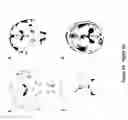


Sources:
- United States Patent and Trademark Office - verify current appl. status at the USPTO↗
Similar patent applications:
- » 20130261002
Assays for detecting WDR62 mutations
Recent applications in this class:
- » 20250171852 2025-05-29
METHOD FOR DETERMINING THE VIRAL OR BACTERIAL NATURE OF AN INFECTION - » 20250171851 2025-05-29
BIOMARKER miR-32533 FOR COGNITIVE IMPAIRMENT-RELATED DISEASE AND USE THEREOF - » 20250171850 2025-05-29
METHODS FOR SIMULTANEOUS AMPLIFICATION OF TARGET LOCI - » 20250163512 2025-05-22
METHODS FOR SIMULTANEOUS AMPLIFICATION OF TARGET LOCI - » 20250163511 2025-05-22
MICRO RNA BIOMARKERS FOR THE DIAGNOSIS OF USHER SYNDROME - » 20250163510 2025-05-22
USE OF MICROVESICLE SIGNATURES IN THE IDENTIFICATION AND TREATMENT OF RENAL DISORDERS - » 20250154595 2025-05-15
SUBMANDIBULAR GLAND TISSUE BIOMARKER FOR DIAGNOSIS, PROGNOSIS PREDICTION, OR TREATMENT OF PARKINSON'S DISEASE, METHOD FOR DIAGNOSING PARKINSON'S DISEASE, OR PREDICTING PROGNOSIS USING THE SAME, AND METHOD FOR SCREENING SUBSTANCES FOR TREATING PARKINSON'S DISEASE - » 20250154594 2025-05-15
BLOOD BIOMARKER FOR DIAGNOSIS, PROGNOSIS PREDICTION, OR TREATMENT OF PARKINSON’S DISEASE, METHOD FOR DIAGNOSING PARKINSON’S DISEASE, OR PREDICTING PROGNOSIS USING THE SAME, AND METHOD FOR SCREENING SUBSTANCES FOR TREATING PARKINSON’S DISEASE - » 20250154593 2025-05-15
Processes and Compositions for Methylation-Based Enrichment of Nucleic Acid From a Sample Useful for Non-Invasive Diagnosis of Disease - » 20250154592 2025-05-15
Methods and Compositions for Evaluating Biomarkers in Salivary Exosomes and Evaluating Cognitive Fatigue