Polypeptide having protease activity and methods for increasing its activity thereof
US20170096652A1
2017-04-06
15/378,035
2016-12-13
✅ Patent granted
US 10,316,310 B2
2019-06-11
-
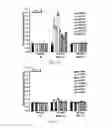
-
Kagnew H Gebreyesus
Shuang Chang | PSK Intellectual Property Group, LLC
2037-03-20
Abstract:
The present invention relates to a polypeptide having protease activity comprising a zinc finger protease domain, a helix-turn-helix domain and a GAF domain. The core protein sequence of the protease is shown as SEQ ID NO: 1. The invention also relates to optimized reaction conditions for the protease and methods of increasing the protease activity.
Inventors:
- Yuejin Hua 3 🇨🇳 Hangzhou, China
- Yunguang Wang 1 🇨🇳 Hangzhou, China
- Liangyan Wang 3 🇨🇳 Hangzhou, China
Assignee:
- ZHEJIANG UNIVERSITY 49 🇨🇳 HANGZHOU, Zhejiang Province, China
Applicant:
Interested in similar patents?
Get notified when new applications in this technology area are published.
Classification:
G10H1/055 IPC
Details of electrophonic musical instruments; Means for controlling the tone frequencies, e.g. attack, decay; Means for producing special musical effects, e.g. vibrato, glissando by additional modulation during execution only by switches with variable impedance elements
G10H2220/096 » CPC further
Input/output interfacing specifically adapted for electrophonic musical tools or instruments; Graphical user interface [GUI] specifically adapted for electrophonic musical instruments, e.g. interactive musical displays, musical instrument icons or menus; Details of user interactions therewith using a touch screen
C12Y304/00 » CPC further
Hydrolases acting on peptide bonds, i.e. peptidases (3.4)
G10H1/0066 » CPC further
Details of electrophonic musical instruments; Recording/reproducing or transmission of music for electrophonic musical instruments in coded form; Transmission between separate instruments or between individual components of a musical system using a MIDI interface
G10H1/0551 » CPC further
Details of electrophonic musical instruments; Means for controlling the tone frequencies, e.g. attack, decay; Means for producing special musical effects, e.g. vibrato, glissando by additional modulation during execution only by switches with variable impedance elements using variable capacitors
G10H1/00 IPC
Details of electrophonic musical instruments
G10H2220/121 » CPC further
Input/output interfacing specifically adapted for electrophonic musical tools or instruments; Graphical user interface [GUI] specifically adapted for electrophonic musical instruments, e.g. interactive musical displays, musical instrument icons or menus; Details of user interactions therewith for graphical creation, edition or control of musical data or parameters for graphical editing of a musical score, staff or tablature
G10H2220/241 » CPC further
Input/output interfacing specifically adapted for electrophonic musical tools or instruments; User input interfaces for electrophonic musical instruments; Keyboards, i.e. configuration of several keys or key-like input devices relative to one another on touchscreens, i.e. keys, frets, strings, tablature or staff displayed on a touchscreen display for note input purposes
G10H2220/461 » CPC further
Input/output interfacing specifically adapted for electrophonic musical tools or instruments Transducers, i.e. details, positioning or use of assemblies to detect and convert mechanical vibrations or mechanical strains into an electrical signal, e.g. audio, trigger or control signal
C12N9/52 » CPC main
Enzymes; Proenzymes; Compositions thereof ; Processes for preparing, activating, inhibiting, separating or purifying enzymes; Hydrolases (3) acting on peptide bonds (3.4); Proteinases, e.g. Endopeptidases (3.4.21-3.4.25) derived from bacteria or Archaea
G10H1/18 » CPC further
Details of electrophonic musical instruments Selecting circuits
G10H2220/275 » CPC further
Input/output interfacing specifically adapted for electrophonic musical tools or instruments; User input interfaces for electrophonic musical instruments; Key design details; Special characteristics of individual keys of a keyboard; Key-like musical input devices, e.g. finger sensors, pedals, potentiometers, selectors Switching mechanism or sensor details of individual keys, e.g. details of key contacts, hall effect or piezoelectric sensors used for key position or movement sensing purposes; Mounting thereof
Description
CROSS-REFERENCE TO RELATED APPLICATIONS
This application is a continuation-in-part application of International Patent Application No. PCT/CN2014/079894, filed Jun. 13, 2014, which is incorporated herein by reference in its entirety.
FIELD OF THE INVENTION
This invention relates to a polypeptide having protease activity and a method for increasing the activity of the protease.
BACKGROUND OF THE INVENTION
Polypeptide having protease activity, or protease, is a type of enzyme that hydrolyses peptide bonds in proteins. Protease is widely existed in animals, plants and microorganisms.
To date, more than one hundred of commercial proteases are on the market. Due to limited resources of using animals and plants, industrial protease production is mainly from extraction and preparation from bacillus subtilis, yeast, mold, Escherichia coli and other microorganisms. With in-depth researches on protease, industrial application of proteases has attracted more and more attention. At present, protease has been widely applied in fur, leather, silk, medicine, food, brewing, oil drilling and other industrial fields. The use of proteases for hair-removal and softening in leather industry saves time and improves labor health conditions. Furthermore, protease can also be used for silk degumming, meat tendering, and wine clarification. Clinically, proteases are helpful for treatments of indigestion bronchitis, vasculitis and other symptoms for animals and humans. Moreover, detergents added with proteases can efficiently remove blood and protein on dirty clothes. In addition, proteases are widely used in biochemical and molecular research experiments as a scalpel for proteins, which is indispensable to life science research.
Deinococcus radiodurans is an extremophilic bacterium, and is famous for its extremely strong resistance to ionizing radiation, ultraviolet ray, drying, and oxidative stress. Its extreme resistance is partly due to the gene pprI (gene name: dr_0167; GeneID: 1798483), a global regulator for DNA damage response and repair pathways. The gene product PprI (NCBI-GI: 15805204) is composed of 328 amino acids and is comprised of three functional domains: a zinc peptidase-like domain, a helix-turn-helix domain, and a GAF domain. The PprI protein possesses high specificity, strong heat resistance and elevated digestion efficiency, provides an ideal tool for basic scientific research and industrial application. Hence, the use of PprI as protease and the method for increasing its protease activity are especially desirable.
SUMMARY OF THE INVENTION
The present invention relates to a polypeptide having protease activity and methods for increasing the activity of the protease.
The protease possesses three structure domains: a zinc peptidase-like domain, a helix-turn-helix motif and a GAF-like domain. Both the protease and the independent zinc peptidase-like domain alone exhibit the same proteolytic activity. The core protein sequence of the described zinc peptidase-like domain is shown in SEQ ID NO: 1.
| SEQ ID NO: 1: |
| MPSANVSPPCPSGVRGGGMGPKAKAEASKPHPQIPVKLPFVTAPDALA |
| AAKARMRDLAAAYVAALPGRDTHSLMAGVPGVDLKFMPLGWRDGAFDP |
| EHNVILINSAARPERQRFTLAHEIGHAILLGDDDLLSDIHDAYEGERL |
| EQVIETLCNVAAAAILM |
The present invention further relates to a use of PprI as protease, with a specific cleavage recognition sequence. The specific cleavage recognition sequence of the present invention is shown in SEQ ID NO: 2: ELXGXR (X represents any kind of essential amino acids). The cleavage site is between the second and the third amino acid residues.
| SEQ ID NO: 2: | |
| ELXGXR |
The present invention further relates to the use of PprI as protease and its substrates. One of the substrates of the present protease is the transcription factor DdrO (Gene ID:
1798752; NP_296294.1) in Deinococcus radiodurans (ATCC No.13939). The transcription factor binds to the promoter regions of the DNA damage response gene in vivo or in vitro, and all these promoter regions contain a predicted radiation and desiccation resistance motif (RDRM).
The present invention further relates to a method of increasing the protease activity by carrying out the protease reaction in a proteolytic reaction buffer. The proteolytic reaction buffer is ranged with 100-200 mM NaCl, 10-50 mM Tris-HCl 8.0, 1 mM DTT, and 2.0-5.0 mM MnCl2.
The present invention further relates to a method of increasing the protease activity by carrying out the protease reaction with a temperature range from 4° C. to 65° C., with a preferred temperature range from 35° C. to 40° C.
The present invention further relates to a method of increasing the protease activity by carrying out the protease reaction through binding of the DdrO transcription factor to the described gene promoter regions, including dr0070, dr0099, dra0151, dr0219, dr0326, dra0346, dr0423, dr0596, dr0906, dr1039, dr1143, dr1289, dr1696, dr1771, dr1775, dr1913, dr1921, dr2256, dr2275, dr2336, and dr2574.
The present invention further relates to a method of increasing the protease activity, where the binding reaction between the DdrO transcription factor and the promoter regions is carried out in the buffer containing 100-200 mM NaCl, 20-50 mM Tris-HCl 8.0, 5-10 mM MgCl2at 30° C.
The present invention further relates to a method of increasing the protease activity, where the minimum sequence for the DdrO transcription factor to bind to the promoter region of the DNA damage response and repair gene is the RDRM site.
The present invention relates to a protease exists in Deinococcus radiodurans.
BRIEF DESCRIPTION OF THE DRAWINGS
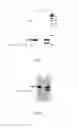
FIG. 1: PprI cleavage activity in vitro detected by SDS-PAGE: Lane 1 shows purified DdrO protein; Lane 2 shows purified PprI protein; Lane 3 shows proteolytic reaction of PprI; Lane 4 shows pre-stained protein marker (Fermentas, SM0671).
FIG. 2: PprI cleavage activity detected by Western blotting: Lane 1 shows purified DdrO protein; Lane 2 shows proteolytic reaction between PprI and DdrO where PprI cleaves DdrO into two fragments.
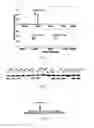
FIG. 3: C-terminal sequencing of the bigger cleaved fragment of DdrO: peak A shows the molecular weight of the smaller fragment; peak B shows the molecular weight of the bigger fragment; peak C shows the molecular weight of the complete substrate DdrO.
FIG. 4: Alanine scan at the DdrO cleavage site to assay the sequence specificity; WT indicates the wildtype DdrO; Arg-109 and Lys-111 are mutated to Glu.
FIG. 5: the cleavage model of PprI protease: amino acid residues in bold are essential for recognition and cleavage of the protease. X indicates the variable amino acid residue; the arrow points to the cleavage site.
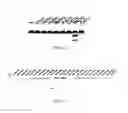
FIG. 6: metal ion scans for the PprI protease activity detected by SDS-PAGE: from left to right: without additive, EDTA, CaCl2, FeCl2, MgCl2, NiSO4, CuCl2, MnCl2, ZnCl2; the concentration of all the metal ions is 1 mM.
FIG. 7: DdrO binding to the promoter regions containing RDRM in vitro: CK shows a negative control without adding DdrO; the other lanes show the binding of DdrO to the promoter regions of the DDR genes containing RDRM site.
FIG. 8: shows the minimum DdrO binding sequence: seven promoters containing RDRM site were selected; PrecA (i.e. Pdr2340, etc.) shows the complete promoter with RDRM site, PrecA- (i.e. Pdr2340-, etc.) is the truncated promoter without the RDRM site. The promoters containing the RDRM site can be bound by DdrO, the promoters do not contain the RDRM site cannot be bound. The final concentration of DdrO is 0.8-2.4 μM.
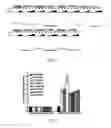
FIG. 9: DdrO binds to the promoter regions of DDR genes in vivo: QRT-PCR was performed using the immunoprecipitated DNA. DNA fragments cross-linked to DdrO were enriched by rabbit anti-DdrO antibody. Nonspecific normal antibody of rabbit in ChIP assay was applied as a blank control. dr0089, a house-keeping gene, was used as a normalization factor.
FIG. 10: RNA transcription of the wildtype strain after exposure to gamma radiation. Three time points were chosen: before radiation, recovery for 35 minutes and recovery for 90 minutes after the radiation.
FIG. 11: RNA transcription of the pprI-knockout strain after exposure to gamma radiation. Three time points were chosen: before radiation, recovery for 35 minutes and recovery for 90 minutes after the radiation.
DETAILED DESCRIPTION OF THE INVENTION
The present invention is further illustrated with the following specific examples, but the present invention includes but is not limited to the following steps and contents.
The strains used in the invention are Deinococcus radiodurans (ATCC No. 13939), Escherichia coli expression strains BL21 (DE3) Chemically Competent Cell (Genetype: F-ompT hsdSB(rB-mB-) gal dcm(DE3), Escherichia coli cloning strains Trans5α Chemically Competent Cell (Genetype: F-φ80 lac ZΔM15 Δ(lacZY A-arg F) U169 endA1 recA1 hsdR17(rk−,mk+) supE44λ-thi-1 gyrA96 relA1 phoA).
Embodiment 1
(1). The Proteolytic Activity and Recognition Sequence Specificity of PprI Protease
The protease activity of PprI was performed in vitro by incubating its substrate DdrO with PprI for 40 minutes. The final reaction buffer was 150 mM NaCl, 20 mM Tris-HCl pH 8.0, 1 mM DTT, and 2.0 mM MnCl2. The reaction product was detected by SDS-PAGE. DdrO was cleaved by PprI into two fragments. Moreover, through point mutation of the amino acid residues around the DdrO cleavage site, the specific recognition sequences of PprI protease digestion were detected, and they are:
| SEQ ID NO: 3: | |
| ELRGKR | |
| SEQ ID NO: 4: | |
| ELRGAR | |
| SEQ ID NO: 5: | |
| ELRGER | |
| SEQ ID NO: 6: | |
| ELAGKR | |
| SEQ ID NO: 7: | |
| ELAGAR | |
| SEQ ID NO: 8: | |
| ELAGER |
In addition, the cleavage site was detected to locate between the second and the third amino acid residues by C-terminal sequencing of the larger cleaved fragment (FIGS. 1-5).
(2). The Optimum Temperature Range and Temperature Resistance of PprI Protease
The optimum temperature range of PprI cleavage activities were between 35° C. and 40° C. When the temperature was between 50° C. and 55° C., the protease activity still existed, but decreased to one third of the optimum activity. The activity was further decreased at 65° C.
(3). Increasing the PprI Cleavage Activity by Optimizing the Manganese Ion Concentration
PprI protease activity was increased by the presence of Me and the optimum final concentration of Mn2+ was 2 mM (FIG. 6).
(4). Increasing the PprI cleavage activity by optimizing the DdrO binding activities to the promoter regions containing RDRM site in vitro
The promoter region of dr2340 was added to the binding buffer (200 mM NaCl, 50 mM Tris-HCl 8.0, 10 mM MgCl2) without DdrO for 40 minutes. The product was detected by 12% TB-PAGE. The experiment showed that the DNA band did not shift when DdrO protein was not added (FIG. 7).
(5). The RDRM Site of the Gene Promoter Regions is Essential for Increasing the PprI Cleavage Activity by Optimizing the DdrO Binding Activities In Vitro
The promoter regions of dr0326, dra0346 and dr2574 were reacted with the DdrO in the binding buffer (200 mM NaCl, 50 mM Tris-HCl PH 8.0, 10 mM MgCl2) for 40 minutes. The EMSA experiments showed that all the promoter regions could bind to DdrO (FIG. 8).
(6). DdrO Binds to the Promoter Regions Containing RDRM Site In Vivo
Chromatin-immunoprecipitation assay was performed. DNA fragments cross-linked to DdrO were enriched by rabbit anti-DdrO antibody. QRT-PCR analysis showed that transcription of dr0070 and dr0099 in wildtype strain R1 was up-regulated significantly after exposure to radiation. Nonspecific normal antibody of rabbit in ChIP assay was applied as a blank control. Dr0089 was used as a normalization factor in qRT-PCR (FIG. 9).
(7). The Transcription Level of DDR Genes in Wildtype Strain R1 and pprI-Knockout Strain YR1 Before Exposure to Radiation
Before exposure to radiation, wildtype strain R1 and pprI-knockout strain YR1 were collected, followed by RNA extraction, reverse transcription, and qRT-PCR. The results showed that transcription levels of dr2340, dr2574, dr0070, dra0346, dr0423, dr0090 and dr1289 were unchanged in the mutant YR1 relative to the wildtype R1 before exposure to radiation. dr0089 was used as a normalization factor (FIGS. 10-11).
Embodiment 2
(1). The Proteolytic Activity and Recognition Sequence Specificity of PprI Protease
The protease activity of PprI was performed in vitro by incubating its substrate DdrO with PprI for 40 minutes. The final reaction buffer was 150 mM NaCl, 20 mM Tris-HCl pH 8.0, 1 mM DTT, and 3.0 mM MnCl2. The reaction product was detected by SDS-PAGE, and DdrO was cleaved by PprI into two fragments. Moreover, through point mutation of the amino acid residues around the DdrO cleavage site, the specific recognition sequences of PprI protease digestion were detected, and they are:
| SEQ ID NO: 3: | |
| ELRGKR | |
| SEQ ID NO: 4: | |
| ELRGAR | |
| SEQ ID NO: 6: | |
| ELAGKR | |
| SEQ ID NO: 7: | |
| ELAGAR |
In addition, the cleavage site was detected to locate between the second and the third amino acid residues by C-terminal sequencing of the larger cleaved fragment (FIGS. 1-5).
(2). The Optimum Temperature Range and Temperature Resistance of PprI Protease
The optimum temperature range of PprI cleavage activities were between 35° C. and 40° C. The protease activity remained the highest during this temperature range and was consistent. When the temperature was 4° C., the protease activity still existed, but was weaker. When the temperature was 65° C., the protease activity was also weaker.
(3). Increasing the PprI Cleavage Activity by Optimizing the Manganese ion Concentration
PprI protease activity requires the presence of Mn2+ and was increased to the optimum level when the final concentration of Mn2+ was 2 mM. When the final concentration of the other metal ions (such as Ni2+, Zn2+) was higher than 0.25 mM, the cleavage activity was inhibited (FIG. 6).
(4). Increasing the PprI Cleavage Activity by Optimizing the DdrO Binding Activities to the Promoter Regions Containing RDRM Site In Vitro
DdrO and the promoter regions of dr0070, dr0099, dra0151, dr0219, dr0326, dra0346, dr0423 dr0596, dr0906 and dr1039, respectively, was added to the binding buffer (200 mM NaCl, 50 mM Tris-HCl 8.0, 5 mM MgCl2) for 40 minutes. The products were detected by 12% TB-PAGE, the experiment showed that the DNA bands shifted when each of the promoters was added to the DdrO protein (FIG. 7).
(5). The RDRM Site of the Gene Promoter Regions is Essential for Increasing the PprI Cleavage Activity by Optimizing the DdrO Binding Activities In Vitro
The promoter regions that do not contain the RDRM site, Pdr0070-, Pdr0099-, Pdr2338- and Pdr0423-, were reacted with DdrO in the binding buffer (200 mM NaCl, 50 mM
Tris-HCl PH 8.0, 5 mM MgCl2) for 40 minutes. The products were detected by 12% TB-PAGE. The experiment showed that the DNA bands did not shift when each of the promoters was added to the DdrO protein (FIG. 8).
(6). DdrO Binds to the Promoter Regions Containing RDRM Site In Vivo
Chromatin-immunoprecipitation assay was performed. DNA fragments cross-linked to DdrO were enriched by rabbit anti-DdrO antibody. The transcriptions of dr0326 and dra0346 were detected by qRT-PCR. The results showed that the quantity of selected promoters enriched by specific anti-DdrO antibody were 3 to 6 fold higher than that enriched by non-specific antibody (FIG. 9).
(7). The Transcription Level of DDR Genes are Up-Regulated in Wild Type Strain R1 Relative to the PprI-Knockout Strain YR1 After Exposure to Radiation
After exposure to 2 KGy gamma radiation, wild-type strain R1 and pprI-knockout strain YR1 were recovered in the fresh media for 35 minutes and collected, followed by RNA extraction, reverse transcription, and qRT-PCR. The results showed that the transcription levels of dr2340, dr2574, dr0070, dra0346, dr0423, dr0090 and dr1289 were up-regulated after exposure to gamma radiation in wild-type R1, while the transcription level was unchanged in the pprI mutant YR1. The house-keeping gene, dr0089, was used as a normalization factor (FIGS. 10-11).
Embodiment 3
(1). The Proteolytic Activity and Recognition Sequence Specificity of PprI Protease
The protease activity of PprI was performed in vitro by incubating its substrate DdrO with PprI for 40 minutes. The final reaction buffer was 150 mM NaCl, 20 mM Tris-HCl pH 8.0, 1 mM DTT, and 5.0 mM MnCl2. The reaction product was detected by SDS-PAGE, and DdrO was cleaved by PprI into two fragments. Moreover, through point mutation of the amino acid residues around the DdrO cleavage site, the specific recognition sequences of PprI protease digestion were detected, and they are:
| SEQ ID NO: 3: | |
| ELRGKR | |
| SEQ ID NO: 4: | |
| ELRGAR | |
| SEQ ID NO: 5: | |
| ELRGER | |
| SEQ ID NO: 6: | |
| ELAGKR | |
| SEQ ID NO: 7: | |
| ELAGAR | |
| SEQ ID NO: 8: | |
| ELAGER |
In addition, the cleavage site was detected to locate between the second and the third amino acid residues by C-terminal sequencing of the larger cleaved fragment (FIGS. 1-5).
(2). The Optimum Temperature Range and Temperature Resistance of PprI Protease
The optimum temperature range of PprI cleavage activity was between 35° C. and 40° C. When the temperature was within the range, the protease remained the highest activity. The activity was relatively weaker at 4° C. When the temperature was between 50° C. and 55° C., the protease activity still existed, but decreased to one third of the optimum activity.
(3). Increasing the PprI Cleavage Activity by Optimizing the Manganese Ion Concentration
PprI protease activity requires the presence of Mn2+. When the final optimum concentration was 5 mM, the activity was still existed. When the final concentration of the other metal ions (such as Fe2+, Cu2+) was higher than 0.25 mM, the cleavage activity was inhibited (FIG. 6).
(4). Increasing the PprI Cleavage Activity by Optimizing the DdrO Binding Activities to the Promoter Regions Containing RDRM Site In Vitro
The promoter region of dr2340 was added to the binding buffer (200 mM NaCl, 50 mM Tris-HCl 8.0, 10 mM MgCl2) without DdrO for 40 minutes. The product was detected by 12% TB-PAGE. The experiment showed that the DNA band did not shift when DdrO protein was not added (FIG. 7).
(5). The RDRM Site of the Gene Promoter Regions is Essential for Increasing the PprI Cleavage Activity by Optimizing the DdrO Binding Activities In Vitro
The promoter regions of dr0326, dra0346 and dr2574 were reacted with DdrO in the binding buffer (200 mM NaCl, 50 mM Tris-HCl PH 8.0, 10 mM MgCl2) for 40 minutes, and then detected by 12% TB-PAGE. The EMSA experiments showed that all the promoter regions could bind to DdrO (FIG. 8).
(6). DdrO Binds to the Promoter Regions with RDRM Site In Vivo
Chromatin-immunoprecipitation assay was performed. DNA fragments cross-linked to DdrO were enriched by rabbit anti-DdrO antibody. The transcription of negative control, dr0089 was detected by qRT-PCR. The result showed that the quantity of dr0089 promoter enriched by specific anti-DdrO antibody was consistent with that enriched by non-specific antibody (FIG. 9).
(7). The Transcription Levels of DDR Genes in Wild Type Strain R1 and PprI-Knockout Strain YR1 During the Post-Recovery Period
After exposure to 2 KGy gamma radiation, wildtype strain R1 and pprI-knockout strain YR1 were recovered in the fresh media for 90 minutes and collected, followed by RNA extraction, reverse transcription, and qRT-PCR. The results showed that transcription levels of dr2340, dr2574, dr0070, dra0346, dr0423, dr0090 and dr1289 were unchanged in both the wild-type R1 and the pprI mutant YR1 during the post-recovery period. The house-keeping gene, dr0089, was used as a normalization factor (FIGS. 10-11).
Strain used in the above embodiments is Deinococcus radiodurans (ATCC No. 13939). Furthermore, according to the teachings and enlightenment of the present invention, any synthetic or other natural protease and derivatives, such as PprI homologous sequence, similar structure and function, is also within the protection scope of the present invention.
Finally, it should be declared that the above examples are merely used to help those skilled in the art to understand the present invention, rather than to limit the protection scope of the present invention, and any relevant technical solutions obtainable by those skilled in the art according to general technical knowledge and common knowledge fall within the protection scope of the present invention.
Claims
What is claimed is:1. A method for increasing protease activity of a polypeptide, comprising:
preparing a proteolytic reaction buffer of 100-200 mM NaCl, 10-50 mM Tris-HCl PH8.0, 1.0 mM DTT, 2.0-5.0 mM MnCl2;
adding a promoter and a substrate to the proteolytic reaction buffer and incubate for a period of time to form a substrate buffer; and
adding the polypeptide to the substrate buffer and maintain a temperature in a range of 4° C.-65° C.,
wherein the polypeptide comprises a zinc peptidase-like domain containing a fragment of SEQ ID No. 1, a helix-turn-helix motif, and a GAF-like domain; and
wherein the promoter is a promoter region of the DNA damage response gene, and comprises the predicted radiation and desiccation resistance motif (RDRM).
2. The method of claim 1, wherein the temperature is maintained in a range of 35° C.-40° C.
3. The method of claim 1, wherein one of the substrates of said polypeptide is the transcription factor DdrO (Gene ID: 1798752; NP_296294.1) in Deinococcus radiodurans (ATCC No.13939).
4. The method of claim 1, wherein the specific cleavage recognition sequence of said polypeptide is SEQ ID No. 2 (ELXGXR, where X is any kind of essential amino acids), and the cleavage site is between the second and the third amino acid residue.
5. The method of claim 3, wherein the specific cleavage recognition sequence is one of SEQ ID No. 3-8.
6. The method of claim 1, wherein gene promoter regions containing the RDRM site include dr0070, dr0099, dra0151, dr0219, dr0326, dra0346, dr0423, dr0596, dr0906, dr1039, dr1143, dr1289, dr1696, dr1771, dr1775, dr1913, dr1921, dr2256, dr2275, dr2336, and dr2574.
7. The method of claim 1, wherein the binding reaction between DdrO and the promoter regions containing the RDRM site is carried out in the buffer containing 100-200 mM NaCl, 20-50 mM Tris-HCl 8.0, 5-10 mM MgCl2at 30° C.
8. The method of claim 1, wherein the minimum sequence for DdrO to bind to the promoter regions of the DNA damage response and repair gene is the RDRM site.
9. The method of claim 1, wherein the polypeptide exists in Deinococcus radiodurans.
Images & Drawings included:
Sources:
- United States Patent and Trademark Office - verify current appl. status at the USPTO↗
Recent applications in this class:
- » 20250290058 2025-09-18
METHOD FOR PURIFYING TETANUS TOXIN OR VARIANTS THEREOF - » 20250270532 2025-08-28
METHOD FOR PURIFYING BOTULINUM TOXIN - » 20250257346 2025-08-14
USE OF MUTANT OF IMMUNOGLOBULIN DEGRADING ENZYME IDEE - » 20250197837 2025-06-19
SERINE PROTEASE FOR SELECTIVELY DEGRADING MUCINS AND USE THEREOF - » 20250129353 2025-04-24
ENZYME AGENT FOR COLLAGEN TRIPEPTIDE PRODUCTION OR CARTILAGE DEGRADATION - » 20250115889 2025-04-10
CHIMERIC POLYPEPTIDES - » 20250101397 2025-03-27
TREATMENT OF AUTONOMIC DISORDERS WITH BOTULINUM TOXIN - » 20250092378 2025-03-20
STABLE LIQUID FORMULATION INCLUDING BOTULINUM TOXIN - » 20250059526 2025-02-20
UNGLYCOSYLATED LYSOSTAPHIN VARIANT PROTEIN - » 20250034541 2025-01-30
DRYING PROCESS OF BOTULINUM TOXIN FORMULATION
Recent applications for this Assignee:
- » 20220096422 2022-03-31
BLOOD-BRAIN BARRIER PERMEABILITY REGULATOR AND USE THEREOF - » 20220079929 2022-03-17
USE OF AXITINIB AND ANALOGS THEREOF IN PREPARING BLOOD-BRAIN BARRIER PERMEABILITY REGULATOR - » 20190378622 2019-12-12
Method for prediction of cortical spiking trains - » 20190154848 2019-05-23
14C testing bottle, testing device and method, sampling and preparation system and method - » 20190093118 2019-03-28
Gene combination and use thereof - » 20190010102 2019-01-10
Method for adsorption separation of propylene and propyne - » 20180038353 2018-02-08
Method and apparatus for solar power generation through gas volumetric heat absorption based on characteristic absorption spectrum - » 20180038310 2018-02-08
Radiation thermal absorber based on characteristic absorption spectrum, and stirling engine and operation method thereof - » 20180030077 2018-02-01
Process for preparing high-purity L-arabinose by using arabic gum as raw material - » 20180016308 2018-01-18
Human alpha-defensin 5 variant and uses thereof