HEALTHCARE DELIVERY SYSTEM
US20170103181A1
2017-04-13
15/281,456
2016-09-30
Abstract:
A healthcare delivery system that embodies methods of empowering collaborative multidisciplinary healthcare and the clinics that support them for providing everyday care to patients with chronic conditions, through in part by eliminating the current referral system to multiple specialists and providing collaborative multidisciplinary healthcare.
Interested in similar patents?
Get notified when new applications in this technology area are published.
Classification:
Description
CROSS-REFERENCE TO RELATED APPLICATION
This application claims the benefit of priority of U.S. provisional application No. 62/238,992, filed 8 Oct. 2015, the contents of which are herein incorporated by reference.
BACKGROUND OF THE INVENTION
The present invention relates to healthcare delivery systems and, more particularly, a healthcare delivery system that embodies methods of empowering collaborative multidisciplinary healthcare for providing care to patients with chronic conditions.
Healthcare spending in the U.S. is about 90% higher per capita than in most other industrial countries. The rising cost of health care is unsustainable. In 2010, healthcare costs consumed approximately 25% of budgets in the education sector and is expected to increase to over 40% by 2040 (Bill Gates TED talk on education). In 2014, healthcare spending increased 5.3% to reach $3 trillion or an average of $9,523 per person. Spending for hospital care increased 4.1% and at the same time spending for physicians and clinical services increased 4.6% to $603.7 billion. In 2014 households and the federal government each accounted for the largest share of spending at 28% each, followed by private business at 20%. Healthcare spending financed by private business increased 4.2 percent in 2014 compared to 2013. Productivity losses from health issues related to the seven most common chronic conditions in 2012 were equal to $1 trillion, the equivalent of 20 million jobs with a salary of $50,000. Health care delivery reforms, such as the Affordable Care Act, actually increased federal Medicaid spending by 18.4% in 2014. There is a need for cost effective comprehensive multidisciplinary care for the growing Medicaid population.
Over the last decade several reports showed that primary care physicians (PCPs) increased the number of referrals to specialist by 94%. Thus, specialists in the U.S. health care system play a particularly prominent role. Patient Centered Medical Home (PCMH) is a care delivery model whereby patient treatment is coordinated through their primary care physician to ensure they receive the necessary care when and where they need it, in a manner they can understand. PCMH thus inherently recognizes specialists as the people with whom they most frequently co-manage patients, or at least share them, and the people with whom they have (or should have) the most regular interaction. According to a recent study, however, only 62% of PCP's report getting consultation results from specialists, even though 81% of specialists report sending this information back to the referring PCP (O'Malley and Reschovsky, 2011). This suggests some substantial communication problems within the subsystem navigated by PCMH. A lack of clarity on the respective roles of PCP's and specialists undoubtedly may contribute to coordination issues among specialists and PCP's. Thus, significant fragmentation of care exists for patients with any chronic conditions, especially for patients with multiple chronic conditions.
In its 2001 report, the Institute of Medicine's Committee on the Quality of Health Care in America concluded that “between the health care we have and the care we could have lies not just a gap, but a chasm.” The Institute report underlined the ineffectiveness of our healthcare system's delivery model which is designed to treat the acute, sudden onset of symptoms in patients with little regard to treating those with chronic conditions. Moreover, shrinking access to specialists within each insurance network leaves significant gaps and creates barriers to care delivery even with the best primary care coordination. The shortage of primary care physicians makes it more difficult for special populations, like full-time employees or patients with multiple chronic conditions, to access primary, secondary or tertiary preventive services.
Primary prevention aims to prevent disease or injury before it ever occurs. This is done by preventing exposures to hazards that cause disease or injury, altering unhealthy or unsafe behaviors that can lead to disease or injury, and increasing resistance to disease or injury should exposure occur. Examples include: legislation and enforcement to ban or control the use of hazardous products (e.g. asbestos) or to mandate safe and healthy practices (e.g. use of seatbelts and bike helmets); education about healthy and safe habits (e.g. eating well, exercising regularly, not smoking); and immunization against infectious diseases.
Secondary prevention aims to reduce the impact of a disease or injury that has already occurred. This is done by detecting and treating disease or injury as soon as possible to halt or slow its progress, encouraging personal strategies to prevent re-injury or recurrence, and implementing programs to return people to their original health and function to prevent long-term problems. Examples include: regular exams and screening tests to detect disease in its earliest stages (e.g. mammograms to detect breast cancer); daily, low-dose aspirins and/or diet and exercise programs to prevent further heart attacks or strokes; and suitably modified work so injured or ill workers can return safely to their jobs.
Tertiary prevention aims to soften the impact of an ongoing illness or injury that has lasting effects. This is done by helping people manage long-term, often-complex health problems and injuries (e.g. chronic diseases, permanent impairments) in order to improve as much as possible their ability to function, their quality of life and their life expectancy. Examples include: cardiac or stroke rehabilitation programs, chronic disease management programs (e.g. for diabetes, arthritis, depression, etc.); support groups that allow members to share strategies for living well; and vocational rehabilitation programs to retrain workers for new jobs when they have recovered as much as possible.
The transformation of primary care models first emerged in 2010 as a response to a need for change in the healthcare payments model. Thus, in primary care we observed a transformation of primary care practices and multi-specialist practices to a concierge medicine model. This model improved patient access to care and improved physician job satisfaction, however it did not change the role of the PCP and relationship in care delivery between the PCP and specialist. In concierge medicine we still see PCP referrals and care coordination even in the same multidisciplinary practices. The PCP has to refer a patient to a specialist in order to collect reimbursement for services from different payers and each specialist visits are scheduled separately.
The traditional fee-for-service system lacks efficiency and causes a lot of frustration not only to patients but also to practicing physicians. Building a new primary-care-for-value based payment model uses two strategies: first, building a new model from the ground up and disrupting the existing system, and second, applying innovations within the system and bringing that reconfiguration to traditionally structured practices.
Further compounding the problem, the shortage of primary care physicians makes it more difficult for special populations, like full-time employees or patients with multiple chronic conditions, to access primary or secondary preventive services. Current projections suggest that by 2020, there will probably be an additional 15 million Americans with hypertension, 12 million with diabetes, 4 million with coronary heart disease, 2 million with stroke, and 2 million with heart failure.
There is a growing need for better healthcare delivery for patients with chronic conditions, who more often need and end up using specialist care, and who will represent over 50% of the US population by 2020 (3). Despite spending the most in the world on healthcare there has been an increase in preventable existing chronic conditions over the last two decades. A review of chronic conditions by G. Anderson showed that patients with chronic conditions see at least three to five specialists and they utilize healthcare more often. The cost of care for patients with chronic conditions is higher than the general population with differences in quality of care stemming from gender and racial differences. Patients with chronic conditions spend more for healthcare and experience more hardship with paying medical bills while physicians taking care of patients with chronic conditions believe that the needs of these patients are not being met and physicians report difficulties in coordinating care of patients with chronic conditions. This is not surprising, since the way physicians are trained and the way the system is set up is to quickly put out small fires, such as a broken leg, while a chronic condition may require a lifetime's worth of care, guidance, and oversight on the physician's part, as is the case with heart conditions and diabetes, for instance.
Although specialist care is cited as being at least 10 times more expensive in the US than primary care, the only attempts at decreasing such costs have been through employing a “gate keeping” strategy to primary care, which ultimately results in more inefficiency and greater distrust among patients.
In 2012, studies showed that patients tend to prefer to see specialists over a general practitioner. In fact, it has been shown that the majority of all ambulatory visits, 55%, were in a specialist's office. Patient preference of care delivery by specialists can be measured by the number of self-referred new visits to specialists. Thus, among the Medicare population 1 in 5 new visits to specialist are self-referred, and 1 in 4 new visits among private insurance beneficiaries are self-referred despite frequently higher required copays for a given visit.
Currently, large employers' strategies to manage rising costs and improve employee satisfaction and job retention are concentrated around redesigning the benefit level of their plans with higher co-pays, implementation of wellness programs, and steering to lower cost alternatives like telemedicine and retail clinics. But, despite all of these initiatives the cost of healthcare is still rising for both employers and employees alike, which should not be the case since with a greater number of patients at the very least one should see greater bargaining leverage and higher efficiency. Moreover, the rising cost of healthcare benefits has become a major factor in disagreements and work negotiations between employers and unions. There is a need for a healthcare delivery system that can improve the health of the U.S. workforce through empowering collaborative multidisciplinary healthcare which will provide care to all patients including those with chronic conditions and which will decrease costs to employers and patients alike by preventing illnesses rather than treating them for years after they occur.
The currently existing primary care delivery models adopt the Center for Medicare & Medicaid Services (CMS) developed concept of PCMH. The driving force in the PCMH model is coordination, wherein a primary care physician delivers preventive primary care to a patient, and the same primary care physician coordinates advanced care through a web of specialists. Thus, significant fragmentation of care delivery exists for patients with any chronic conditions, and patients with multiple chronic conditions, who represent 50-70% of the general population, are forced to see three to four different doctors each at different offices. Despite spending the most in the world on healthcare there has been an increase in preventable existing chronic conditions over the last two decades.
In short, when primary care physicians coordinate advanced care and send referrals to specialists to secure secondary preventive services the already fragmented healthcare delivery process is made even more inefficient and fragmented for patients, especially those with chronic conditions.
As can be seen, there is a need for a healthcare delivery system that embodies methods of empowering collaborative multidisciplinary healthcare for providing care to patients with chronic conditions, thereby delivering preventative medical care that is of higher than average quality, much less expensive, and much safer. This kind of care will eliminate fragmentation, improve access, decrease variance in care delivery, and allow patients easier participation in their own health.
SUMMARY OF THE INVENTION
In one aspect of the present invention, disruption is delivered to the presently existing standards of everyday care delivery for complex patients, like those with chronic conditions, includes providing an online database; electronically storing in the online database a signature medical history describing a patient having at least one chronic condition; calculating a risk score related to primary, secondary, and tertiary preventive care associated with the at least one chronic condition based in part on the signature medical record; assigning a plurality of physician specialists based in part on the signature medical record and the risk score; formulating a plan of care for the patient based on the signature medical record and on the plurality of physician specialists, wherein the plan of care is formulated before a first visit; and providing a collaborative consultation between the patient and each of the plurality of physician specialists within a predetermined time frame of the first visit, thereby eliminating a primary physician referral of the plurality of physician specialists.
In another aspect of the present invention, such method includes providing an online database; providing population health data; electronically storing in the online database a signature medical history describing a patient having at least one chronic condition; calculating a risk score related to primary, secondary, and tertiary preventive care associated with the at least one chronic condition based in part on the signature medical record; assigning a plurality of physician specialists based in part on the signature medical record, the risk score, and the population health data; formulating a plan of care for the patient based on the signature medical record and on the plurality of physician specialists, wherein the plan of care is formulated before a first visit; providing collaborative consultations between the patient and each of the plurality of physician specialists during the first visit, thereby eliminating a primary physician referral of the plurality of physician specialists; compiling and electronically storing a file of the first visit on the online database; predicting risk of medical complications after the first visit based in part on the plurality of physician specialists and the signature medical record; establishing at least one procedure to address the predicted risk of medical complications, whereby decision-making times are decreased upon onset of one of the predicted medical complications; documenting and electronically storing the plan of care in the online database; instructing the patient on the following: following an individual health plan based on the plan of care; and accessing the signature medical history and said file of the first visit through the online database; providing the patient with at least one mobile electronic device for tracking progress of the individual health plan, wherein the at least one mobile electronic device stores output on the online database; and contacting the patient in person or through virtual communications for tracking compliance of the individual health plan.
In yet another aspect of the present invention, innovations are implemented within healthcare delivery that combines modern technology and its convenience with collaborative effective multi-specialty care, wherein such care is value based and run through a novel clinic includes establishing a clinic for delivering healthcare services to patients with chronic conditions, including matching a plurality of physician specialists to a predetermined population by determining a plurality of most frequently occurring types of chronic condition based in part on a population health information disclosure of the predetermined population; providing basic laboratory equipment operably without certified clinical laboratory assistants; determining procedures and tests to be performed by each physician of the plurality of physician specialists based in part on a limited scope preventive services model, wherein the limited scope preventive services model includes only non-invasive testing and procedures within a relevant specialty; and eliminating a primary physician referral of the plurality of physician specialists.
In yet another aspect of the present invention, the novel clinic method further includes providing an online database; electronically storing in the online database a signature medical history describing a patient having at least one chronic conditions; calculating a risk score related to primary, secondary, and tertiary preventive care associated with the at least one chronic condition based in part on the signature medical record; assigning at least one quarterback physician specialist of the plurality of physician specialists to coordinate care among the plurality of physician specialists based in part on the signature medical record and risk score; formulating a plan of care for the patient based on the signature medical record and on the at least one quarterback physician specialist, wherein the plan of care is formulated before a first visit; providing collaborative consultations between the patient and each of the at least one physician specialist during the first visit; compiling and electronically storing a file of the first visit on the online database; predicting risk of medical complications after the first visit based in part on the at least one physician specialist and the signature medical record; establishing at least one procedure to address the predicted risk of medical complications, whereby decision-making times are decreased upon onset of one of the predicted medical complications; documenting and electronically storing the plan of care in the online database; instructing the patient on the following: following an individual health plan based on the plan of care; and accessing the signature medical history and said file of the first visit through the online database; providing the patient with at least one mobile electronic device for tracking progress of the individual health plan, wherein the at least one mobile electronic device stores output on the online database; and contacting the patient in person or through virtual communications for tracking compliance of the individual health plan.
These and other features, aspects and advantages of the present invention will become better understood with reference to the following drawings, description and claims.
BRIEF DESCRIPTION OF THE DRAWINGS
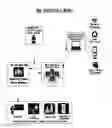
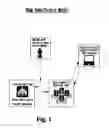
FIG. 1 is a flow chart representation of an exemplary embodiment of the present invention;
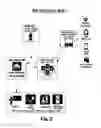
FIG. 2 is a flow chart representation of an exemplary embodiment of the present invention; and
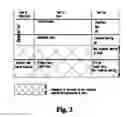
FIG. 3 is a schematic representation of the expansion of services to non-invasive specialist and diagnostic care through the present invention.
DETAILED DESCRIPTION OF THE INVENTION
The following detailed description is of the best currently contemplated modes of carrying out exemplary embodiments of the invention. The description is not to be taken in a limiting sense, but is made merely for the purpose of illustrating the general principles of the invention, since the scope of the invention is best defined by the appended claims.
Broadly, an embodiment of the present invention provides a healthcare delivery system that embodies methods of empowering collaborative multidisciplinary healthcare for providing care to patients with chronic conditions.
Referring to FIGS. 1 through 3, the present invention may include at least one computer with a user interface. The computer may include at least one processing unit coupled to a form of memory. The computer may be any computing device including, but not limited to, desktops, laptops, and smart devices such as a tablet, smart watch, smart phone, and the like. The computer includes a program product including a machine-readable program code for causing, when executed, the computer to perform steps. The program product may include software which may either be loaded onto the computer or accessed by the computer. The loaded software may include an application on a smart device. The software may be accessed by the computer using a web browser. The computer may access the software via the web browser using the internet, extranet, intranet, host server, internet cloud and the like.
The present invention may include a healthcare delivery system that relies on the power of collaborative multidisciplinary expert care, enhanced by standardized care, and empowered by modern technology for providing practices processes, protocols and guidelines. The present invention delivers a wider spectrum of services in everyday primary care, eliminates time consuming need for referrals to specialists, eliminates cost associated with referrals like co-pays, gives patient easier access to care and allows wider implementation of primary, secondary and tertiary preventive care.
The invention teaches away from the existing industry standard of primary care delivery (even for patients with chronic conditions) by single generalists empowered by healthcare extenders whose roles are defined as care coordinators. The present invention introduces noninvasive specialists with clearly defined roles to deliver collaborative, comprehensive primary and secondary preventive care. The present invention delivers a wider spectrum of services in everyday primary care, eliminates the time consuming need for referrals to specialists, eliminates cost associated with referrals like co-pays and unnecessary testing, gives patient easier access to care, and allows wider implementation of primary, secondary, and tertiary noninvasive and preventive care.
The present invention may eliminate the primary care physician's role of coordination and referrals and replaces it with a novel multidisciplinary collaborative specialist approach to care that can be delivered in the same office practice, as illustrated in FIG. 2. The collaborative multidisciplinary specialist care will deliver primary, secondary, and tertiary preventive services within the scope of practice described by the CMS definition of primary care services, but can expand the scope of services to non-invasive specialist care, as illustrated in FIG. 3.
The Difference Between the Present Invention and Existing Practices and Published Models for Chronic Care Delivery Solutions
The present invention provides a novel approach and/or method to care delivery by replacing the role of a general practitioner as a care coordinator with the centrally located and collaborative care of a multidisciplinary and multispecialty team. The multispecialty expert team is assembled based on analytics of a given population's health under the team's care. This approach allows: better access, higher quality care, increased safety, lower cost, and less fragmentation in patient care. A collaborative multidisciplinary approach decreases waste in care delivery caused by the duplication of services by placing the one most appropriate specialist in charge of each case. In the past, a patient would visit a general practitioner if he were feeling ill, the general practitioner would run tests to determine a diagnosis and if that physician was confused or concerned would then refer the patient to a specialist who would then run the similar or more tests to determine her own diagnosis. The patient would be charged for both visits and all the tests and would have to coordinate with at least two different physicians on various health matters. This increases cost, effort, and time dedicated to simply keeping track of which doctor's appointment is when and where.
The assignment of a specialist in charge (a “quarterback”) is done based on patient's clinical data and risk scores, one provider overseeing a more holistic approach to patient care. Currently, the lack of direct access to specialist services is typically substituted with emergency room visits. The model helps to save resources and time for patients with multiple chronic conditions by making available a multi-specialty consult visit in one day and in one location. The value of getting a unitary, comprehensive plan of care developed by a group of specialists all focusing together becomes a crucial entity for patient compliance, self-engagement in care, and for case management of chronic conditions. Simply stated, by eliminating a care coordinator who has to communicate with various different physicians and diagnosticians in any number of external offices (any of whom may or may not be in a patient's insurance network) we are eliminating a significant amount of cost, time, and effort for the patient, the physicians, and the medical insurance companies, commonly referred to as payers within the healthcare industry.
With modern electronic medical records (EMR's) the present invention allows for a review of each member of a given population's health with a unique scoring system for multiple risk factors. The present invention can easily analyze claims data from payers to obtain better understanding of total cost of care for each patient. Insurance claims data traditionally was not accessible and utilized by providers. By analyzing these factors, the Clinic can also estimate the potential cost of care for a given population using well recognized statistical models such as the well-established Dartmouth model. This approach allows for the implementation of target based primary and secondary prevention measures and wellness programs.
This model allows the delivery of health management programs for an entire population of patients through real time analytics of data and fast interventions at the first sign of any clinical trouble. The present invention will operate within a community similarly to a PCMH or a Specialist Centered Medical home and includes each of the six NCQA elements of care, which will allow it to easily connect, oversee, and follow any external health care “neighbors” and networks.
A clinic of record structure aligned with a novel value-based payment models allows for the creation of unique cost saving approaches. Thus, the revenue driver is not represented by utilization of clinical resources, such as diagnostic tests, follow-up visits, and referrals, but rather the number of members entering the solution.
The novel concept of care delivery has highly standardized processes and protocols which utilize evidence based medicine and clinical decision making tools embedded into the daily flow of practice and powered by novel information technology and electronic medical records. Moreover, the present invention is configured to be adaptive to improvements in technology: for example, improvements with novel new solutions in health information technology like dynamic modeling of data; improvements with new point of care diagnostic tests; new patient self-monitoring devices; and patient and clinician engagement tools.
The present invention embodies methodologies regarding establishment of clinics; delivery of care through said clinics; and monitoring and adapting said clinics so that they function in accordance with the present invention as described herein.
Method of Establishment of Clinics
Steps 1-17 may be adapted to put in place how a clinic using the invention will function. Looking at a given population a clinic determines which types of physicians will be needed and will be most effective. It then decides which protocols and procedures to put in place to assure the best quality of healthcare delivery for the given patients. Some of the procedures are mandated by governmental jurisdictions, some are industry standards, while others are specific to the clinic or physicians.
-
- 1. Define protocols to determine which mixture of physician specialists will be needed for a given population. Given the amount and distribution of patients in the population of interest (such as a large employer or patients enrolled in an insurance plan) with certain kinds of illnesses or predispositions for illnesses (e.g. cardiovascular, immunological, gastrointestinal, etc.) determine the kinds and number of physician specialists that a population will need. For instance, if 75% of a patient population has cardiovascular problems while the remaining 25% has gastrointestinal problems and is exclusively composed of persons over the age of 40, then 75% of the physician specialists will be comprised of cardiologists while the remaining 25% will be comprised of gastroenterologists while there would be no need for any pediatricians. Data sets can originate from insurance claims and from previous medical records which patients will release to a clinic. The distribution of specific diagnoses, prevalence of diagnoses, and rates or utilization of care will help to develop an algorithm for physician choice.
- 2. Gather data for a population from an already existing community's health network and payers (merge clinical data and available payers claims data).
- 3. Study the population data.
- 4. Apply the protocols to determine which physician specialists and care extenders will be suitable for a team. Looking at a specific population's data determines the kinds and number of physician specialists needed using the methodology described in step 1.
- 5. Assemble the multi-specialty team of physicians, nurse practitioners and patient advocates needed for a particular population.
- 6. Determine the scope of service protocols for each specialist. Determine what procedures, tests, and services each physician will be able to perform based on the scope of preventive services within a given specialty. Only non-invasive testing or procedures should be performed due to the predetermined basic laboratory equipment with certified Clinical Laboratory Assistant (CLA) waived testing equipment located within a given clinic. Further factors include, but are not limited to, proximity to a conventional hospital and any additional equipment and facilities contained within a given clinic. Because a clinic's focus will be on preventive medicine and standard non-invasive care, urgent care or any kind of surgery or procedures requiring anesthesia should not be performed within a clinic location.
- 7. Apply the determinations of scope of service protocols for each specialist and detail them through an established system of Current Procedural Terminology codes (CPT). CPT codes are an already established coding system used by healthcare facilities to bill insurance companies and are standard in the healthcare industry. At the present time they are described as ICD 10 codes and/or CPT codes. All provided services within a clinic will be coded which can be later utilized for analysis of data and establishing the value of providing services as compared to traditional health system care delivery.
- 8. Assemble the needed space and CLA equipment that allows collaborative work among a clinical team.
- 9. Develop clinical policies and protocols for the standardization of work flow; the decrease in fragmentation; and the tolerable variance in care delivery, which allows a clinician to alter his decisions based on a patient's clinical status within a given range of treatment and/or health variance, using industry standards, best-practices data, professionally accepted guidelines, and government mandates.
- 10. Train all clinical staff in the novel culture of collaborative care, the clinical policies, and technologies to be used.
- 11. Customize commercially available Electronic Medical Records (EMR) for a given clinic's and population's needs and track evidence of multidisciplinary care for a given patient. For instance, if a given population predominantly has heart problems the EMR's would be required to track heart rate, blood lipids profiles, family history, blood pressure, and exercise but would not need to track bone density or other non-related factors.
- 12. Based on the principles of already established Evidence Based Medicine (EBM), develop Clinical Decision Support Tools (CDS tools), which are a set of rules and protocols, into EMR.
- 13. Develop pathways of care and the procedures related to each specialty and domains of health care, including but not limited to, protocol/procedure for patient intake, registration, visits, follow up, and active remote case management. Develop a treatment plan using industry standards, best-practices data, professionally accepted guidelines, government mandates, and the most currently available medical practices that will ensure a particular patient's well-being while minimizing time, effort, and cost to that patient. Also develop standardized procedures to help streamline decision-making on part of the physician for a given patient's treatment plan based on the total factors surrounding a patient's health including, but not limited to, pertinent medical test scores and feedback from the patient. These plans and protocols based on a patient's condition or diagnosis will allow for streamlining decisions of any additional needed testing or treatments and can be used by physicians and nurses.
- 14. Develop electronic templates for electronic records; first visit records; multidisciplinary team notes composed of all of the pertinent staff's impressions and recommendations; multidisciplinary collaborative consults which would occur in a single visit to the clinic, all of the pertinent physician specialists seeing a patient within a predetermined time frame to decrease the amount of time needed to see different specialists for varying conditions; annual and wellbeing records, virtual visit records, urgent visit records, case management, follow up of plan of care, follow up on patients' health goals, personalized teaching, integration of holistic medicine. The predetermined time frame being a function of the severity and multiplicity of the conditions to be treated, as well as the patient's signature medical record. For instance, if a patient has diabetes, coronary artery disease, and chronic asthma three specialists will see the patient at the same time and be able to put together a single, comprehensive health plan for the patient that will complement each other's goals instead of working against them; Making the collaborative notes from the multi-specialist team available to a patient during the same visit challenges the existing traditional standards of care, making it easier for a patient to follow his health plan or clear up any confusion should he have any questions.
- 15. Develop in EMR portal access for costumer's clinical data, teaching materials and clinic schedule.
- 16. Develop a portal for communications and transferring data to existing medical facilities like emergency rooms, hospitals, and pharmacies
- 17. Compile all previous medical records released by patients and recorded answers to given questionnaires upon a patient's registration into a signature medical record.
The matching of a group of physician specialists to a population is critical to efficacy of the present invention. A large majority of the US population has at least one chronic medical condition that requires regular visits, examinations, and medications. By predicting which specialists a population will need to see most often, given a population's previously disclosed health information such as insurance claims or medical records and then analyzing that data to see the most frequently occurring types of illnesses (e.g. cardiovascular, immunological, etc.) and determining which kinds of physicians will be needed to be seen most often by that population, costs can be lowered and quality of delivery can be increased by implementing customized, patient-centered care on a much smaller and individual basis. Thus, a clinic does not have to be built like a large hospital with a wide spectrum of costly services that might not be utilized in a specific population. This approach can help decrease the total cost of care delivery. Instead of seeing multiple physicians at multiple different offices at multiple different times a patient can see all of the physicians he would otherwise need to in a single place at one time. Time and monetary costs will decrease for a patient if he is able to see multiple physician specialists at a time. By contrast, in the current care delivery system since most specialists do not actively work or even coordinate together patient care can be scattered and confusing at best or work against each other at worst. By actively coordinating together an overall treatment plan can be formulated that is more effective, less costly, and ultimately much safer.
Method of Delivery of Care Through Said Clinics
Steps 18-39 may be adapted to deal with how an individual patient will receive care. By using the invention along with current medical and IT technologies a higher quality of care along with a lower cost of delivery is assured. The patient is regularly contacted and monitored and his patient records recorded electronically in the EMR are updated regularly. All information is available to both him and the physicians in the clinic. Patients are then seen again by a physician, tests are done to see if he has objectively improved his health, and a new plan is implemented if needed and steps 32-39 are repeated as necessary.
-
- 18. Transfer all patient information into EMR database available to both the patient and physician before and after each visit.
- 19. Assign a head specialist in charge of each case based on patient clinical data in EMR.
- 20. Extract pertinent data from patient's signature medical record.
- 21. The extracted pertinent patient's data will be used by healthcare professionals for calculation of probabilities of risk of developing the most common complications associated with a specific diagnosis or for the evaluation of risks of developing common chronic conditions. For example, patients with high cholesterol and family history of heart attacks and high triglyceride and large waist size have a higher probability of having a heart attack than those who have low cholesterol and no family history of coronary artery disease. Those who have diabetes and have protein in urine have a higher probability of progressive renal complication of diabetes. Calculation of a pertinent risk scores (developed and used as standards in clinical guidelines) for each patient related to primary, secondary, and tertiary preventive care based on the clinical data from the patient's signature medical record will help to identify patients with highest risk and allow doctors to manage their condition more effectively in order to prevent potential complications or progression of existing condition. The patient's trend or trajectory in his objective health (e.g. if his test scores have been steadily getting worse) can be easily established based on scoring metrics. Additionally, there are several already existing, standardized disease-specific risk scores established for use in practice like heart failure scores, coronary artery disease scores, liver scores, and acute illness scores. The use of multiple risk scoring (utilization of combination of score for risk assessment) allows physicians to define a patient with special needs that may require more medical attention to prevent adverse health outcomes. Utilization of multiple specialist collaborative care in patient care with multiple high risk scores can determine an effective plan of action that will take into account, all of his conditions from the beginning.
- 22. Code the risk scores and pertinent diagnosis electronically into a patient's signature record.
- 23. Formulate a plan of care based on existing history before first visit using the data from the patient's previously disclosed medical records combined with the latest in medical practice, industry standards, best-practices data, professionally accepted guidelines, and government mandates and any new test scores or observations from a physician that a patient visit within the clinic The current standards of care call for developing a plan of care for a patient only after the first visit, often not reviewing any pertinent medical data such as previous test scores or previous doctors' notes. Thus, usually within fifteen minutes of first seeing a patient a physician will formulate a plan from a very limited interview with a patient and that patient's self-reported diagnosis. The signature records developed in a clinic will include analyzed pertinent information from all previous clinical records and allow a physician to formulate long and short term plans of care before even seeing a patient and discuss those plans with the patient during that visit to see if he has any questions. The plans can later be augmented given a patient's future health status. This makes a patient's visit less stressful and will allow the patient to concentrate on recent history and current problems and gives a patient more time with a physician.
- 24. Based on clinical data and risk scores the head specialist decides and assigns additional specialist involvement if necessary.
- 25. Electronically deliver the requests for collaborative care to each specialist mail box through EMR.
- 26. Review of patient care plan in EMR before visit by patient advocate and nurse practitioner.
- 27. Schedule in house tests and diagnostic procedures if needed in addition to standard physical examinations.
- 28. During his visit the patient is examined and tests are conducted, the results of which are given to the patient during the actual visit while also uploaded to the EMR database.
- 29. Review the patient's previously developed personalized care plan with him, correcting it based on any new findings if needed.
- 30. Give the patient the treatment options, prescriptions, visit notes and tests results at the end of his visit.
In certain embodiments, improvements in technology (such as internet-connected medical devices, miniaturization of testing equipment, smartphones, tablets, home computers, new software) may enable the following steps:
-
- 31. Give the patient instructions on how to follow his individual health plan and how to access his medical records and educational materials in the central database online.
- 32. Give patients internet-connected devices that monitor their health status (such as weight, heart rate, blood pressure, or other pertinent factors) to track their own progress if needed, the data of which is automatically uploaded into the EMR database. Devices such as digital scales, blood pressure cuffs, and smartphone-based heart-rate monitoring can be connected with a patient portal, which allows a patient to review all of his medical information including staff notes, health care plan, and test scores.
- 33. Review the home recorded data now available to the physician in the EMR.
- 34. Contact the patient on a regular basis to track his progress in his care plan, the new information likewise uploaded into the EMR database.
- 35. Review the data, ensuring the entire clinical team assigned is involved.
- 36. Decide if intervention is necessary before the patient's next visit.
- 37. Have the patient visit either in person or through virtual communication means.
- 38. If new tests and exams are required give the patient his results during the follow up visit while also uploading them into the EMR database.
- 39. Give the patient a new individualized health plan, instructions on how to follow it, and a list of options for his care, at the end of his follow up visit.
The protocols of care and treatment plans as discussed in 13 and 23 that have been determined based on current medical knowledge and practice, industry standards, best-practices data, professionally accepted guidelines, and government mandates. The protocols of care are also important. Given the amount of patients, standardized procedures are necessary to ensure both efficacy of care and patient safety. Knowing that patients will have a specific chronic condition allows for a clinic to construct a standard protocol for treatment. Further, given that patients will most likely have a chronic condition, establishing predetermined specific procedures dealing with an array of different medical complications will decrease decision-making times for physicians, thus ensuring higher quality of care for patients; lower mortality and morbidity rates; and ultimately lower costs of care delivery.
Monitoring and Adapting Said Clinics
Steps 40-47 may be adapted to demonstrate how a clinic using the invention will continue to improve by measuring its own data, analyzing it, and implementing methods on how to improve its outcomes.
-
- 40. Report standard quality and patient satisfaction data.
- 41. Develop own specific quality measures to be used in a quality improvement plan based on, among other things, effectiveness of care in multiple chronic conditions, cost savings to patients, outcomes of care delivery, access and utilization of telemedicine, and the mortality and morbidity rates of a specific population as compared to national standards in addition to industry and government standards.
- 42. Measure your own outcomes to determine if standards are met.
- 43. Implement the quality improvement plan.
- 44. Develop patient's registries.
- 45. Study and report each registry's outcome
- 46. Develop data analyses of total cost of services
- 47. Calculate the value of service and potential savings for each customer.
Regularly monitoring and communicating with patients is necessary given the likelihood of chronic conditions. Efficacy of treatment and patient safety require the judgment and experience of a physician to make decisions based on incoming data. The model will deliver population health management programs with real time analysis of data and safety metrics allowing early fast interventions at the first sign of any clinical trouble.
By following the above listed steps a multidisciplinary specialist team of physicians will be able to deliver preventative health care to patients with chronic conditions which will improve the quality of individual care, lower the costs of delivery, and improve patient safety.
The order of the steps generally cannot be changed given the fact that the staff, training, space, and information technology elements of the invention need to be in place before a clinic starts to receive patients. However, the present invention can be used to transform an already existing clinic to follow the methods described herein to improve efficiency and patient safety. The present invention can also be constructed for use as a remote communication solution with the aid of teleconferencing software such as Skype and Facetime and hardware such as webcams and smartphones with virtual visits and live access to collaborative multidisciplinary specialist care with the availability of in-home advanced health IT and limited self-diagnostic point of care tests. The present invention can be deployed in remote and less populated areas especially with patients with multiple chronic conditions. The present invention can also utilize a multidisciplinary approach to chronic case management should a patient have more than one chronic condition. Additionally, insurance providers can provide the present invention as a solution option in their health plans to decrease their costs, thus reducing the amount of money their customers spend.
The computer-based data processing system and method described above is for purposes of example only, and may be implemented in any type of computer system or programming or processing environment, or in a computer program, alone or in conjunction with hardware. The present invention may also be implemented in software stored on a computer-readable medium and executed as a computer program on a general purpose or special purpose computer. For clarity, only those aspects of the system germane to the invention are described, and product details well known in the art are omitted. For the same reason, the computer hardware is not described in further detail. It should thus be understood that the invention is not limited to any specific computer language, program, or computer. It is further contemplated that the present invention may be run on a stand-alone computer system, or may be run from a server computer system that can be accessed by a plurality of client computer systems interconnected over an intranet network, or that is accessible to clients over the Internet. In addition, many embodiments of the present invention have application to a wide range of industries. To the extent the present application discloses a system, the method implemented by that system, as well as software stored on a computer-readable medium and executed as a computer program to perform the method on a general purpose or special purpose computer, are within the scope of the present invention. Further, to the extent the present application discloses a method, a system of apparatuses configured to implement the method are within the scope of the present invention.
It should be understood, of course, that the foregoing relates to exemplary embodiments of the invention and that modifications may be made without departing from the spirit and scope of the present invention.
Claims
What is claimed is:1. A method of delivering healthcare services to patients with chronic conditions, comprising:
providing an online database;
electronically storing in the online database a signature medical history describing a patient having at least one chronic condition;
calculating a risk score related to primary, secondary, and tertiary preventive care associated with the at least one chronic condition based in part on the signature medical record;
assigning a plurality of physician specialists based in part on the signature medical record and the risk score;
formulating a plan of care for the patient based on the signature medical record and on the plurality of physician specialists, wherein the plan of care is formulated before a first visit; and
providing a collaborative consultation between the patient and each of the plurality of physician specialists within a predetermined time frame of the first visit, thereby eliminating a primary physician referral of the plurality of physician specialists.
2. The method of claim 1, wherein the predetermined time frame begins and ends at the first visit.
3. The method of claim 1, further comprising compiling a file of the first visit; and storing said file of the first visit on the online database.
4. The method of claim 1, further comprising predicting medical risk of complications after the first visit based in part on the plurality of physician specialists and the signature medical record; and establishing at least one procedure to address the predicted risk of medical complications, whereby decision-making times are decreased upon onset of one of the predicted medical complications.
5. The method of claim 3, further comprising documenting and electronically storing the plan of care in the online database; instructing the patient on the following:
following an individual health plan based on the plan of care; and
accessing the signature medical history and said file of the first visit through the online database.
6. The method of claim 5, further comprising providing the patient with at least one mobile electronic device for tracking progress of the individual health plan, wherein the at least one mobile electronic device stores output on the online database.
7. The method of claim 6, further including contacting the patient in person or through virtual communications for tracking compliance of the individual health plan.
8. The method of claim 1, further comprising providing population health data, and wherein the assigning the plurality of physician specialists is based in part on the population health data.
9. A method of delivering healthcare services to patients with chronic conditions, comprising:
providing an online database;
providing population health data;
electronically storing in the online database a signature medical history describing a patient having at least one chronic condition;
calculating a risk score related to primary, secondary, and tertiary preventive care associated with the at least one chronic condition based in part on the signature medical record;
assigning a plurality of physician specialists based in part on the signature medical record, the risk score, and the population health data;
formulating a plan of care for the patient based on the signature medical record and on the plurality of physician specialists, wherein the plan of care is formulated before a first visit;
providing collaborative consultations between the patient and each of the plurality of physician specialists during the first visit, thereby eliminating a primary physician referral of the plurality of physician specialists;
compiling and electronically storing a file of the first visit on the online database;
predicting risk of medical complications after the first visit based in part on the plurality of physician specialists and the signature medical record;
establishing at least one procedure to address the predicted risk of medical complications, whereby decision-making times are decreased upon onset of one of the predicted medical complications;
documenting and electronically storing the plan of care in the online database; instructing the patient on the following:
following an individual health plan based on the plan of care; and
accessing the signature medical history and said file of the first visit through the online database;
providing the patient with at least one mobile electronic device for tracking progress of the individual health plan, wherein the at least one mobile electronic device stores output on the online database; and
contacting the patient in person or through virtual communications for tracking compliance of the individual health plan.
10. A method of establishing a clinic for delivering healthcare services to patients with chronic conditions, comprising:
matching a plurality of physician specialists to a predetermined population by determining a plurality of most frequently occurring types of chronic condition based in part on a population health information disclosure of the predetermined population;
providing basic laboratory equipment operably without certified clinical laboratory assistants;
determining procedures and tests to be performed by each physician of the plurality of physician specialists based in part on a limited scope preventive services model, wherein the limited scope preventive services model includes only non-invasive testing and procedures within a relevant specialty; and
eliminating a primary physician referral of the plurality of physician specialists.
11. The method of claim 9, the limited scope preventive services model precludes any kind of surgery or procedures requiring anesthesia.
12. The method of claim 9, wherein the health information disclosure comprises insurance claims and medical records.
13. The method of claim 10, further comprising:
providing an online database;
electronically storing in the online database a signature medical history describing a patient having at least one chronic condition;
calculating a risk score related to primary, secondary, and tertiary preventive care associated with the at least one chronic condition based in part on the signature medical record;
assigning at least one quarterback physician specialist of the plurality of physician specialists to coordinate care among the physician specialists based in part on the signature medical record and risk score;
formulating a plan of care for the patient based on the signature medical record and on the at least one of physician quarterback specialist, wherein the plan of care is formulated before a first visit; and
providing collaborative consultations between the patient and each of the at least one of physician specialist within a predetermined time frame of the first visit.
14. The method of claim 12, wherein the predetermined time frame begins and ends at the first visit.
15. The method of claim 12, further comprising compiling a file of the first visit; and storing said file of the first visit on the online database.
16. The method of claim 12, further comprising predicting risk of medical complications after the first visit based in part on the at least one of physician specialist and the signature medical record; and establishing at least one procedure to address the predicted risk of medical complications, whereby decision-making times are decreased upon onset of one of the predicted medical complications.
17. The method of claim 14, further comprising documenting and electronically storing the plan of care in the online database; instructing the patient on the following:
following an individual health plan based on the plan of care; and
accessing the signature medical history and said file of the first visit through the online database.
18. The method of claim 16, further comprising providing the patient with at least one mobile electronic device for tracking progress of the individual health plan, wherein the at least one mobile electronic device stores output on the online database.
19. The method of claim 17, further including contacting the patient in person or through virtual communications for tracking compliance of the individual health plan.
20. The method of claim 12, further comprising:
providing an online database;
electronically storing in the online database a signature medical history describing a patient having at least one chronic conditions;
calculating a risk score related to primary, secondary, and tertiary preventive care associated with the at least one chronic condition based in part on the signature medical record;
assigning at least one quarterback physician specialist of the plurality of physician specialists to coordinate care among the plurality of physician specialists based in part on the signature medical record and risk score;
formulating a plan of care for the patient based on the signature medical record and on the at least one quarterback physician specialist, wherein the plan of care is formulated before a first visit;
providing collaborative consultations between the patient and each of the at least one physician specialist during the first visit;
compiling and electronically storing a file of the first visit on the online database;
predicting risk of medical complications after the first visit based in part on the at least one physician specialist and the signature medical record;
establishing at least one procedure to address the predicted risk of medical complications, whereby decision-making times are decreased upon onset of one of the predicted medical complications;
documenting and electronically storing the plan of care in the online database; instructing the patient on the following:
following an individual health plan based on the plan of care; and
accessing the signature medical history and said file of the first visit through the online database;
providing the patient with at least one mobile electronic device for tracking progress of the individual health plan, wherein the at least one mobile electronic device stores output on the online database; and
contacting the patient in person or through virtual communications for tracking compliance of the individual health plan.
Images & Drawings included:
Sources:
- United States Patent and Trademark Office - verify current appl. status at the USPTO↗
Similar patent applications:
- » 20160253462
NOVEL OPEN-ACCESS SCHEDULING SYSTEM THAT OPTIMIZES HEALTHCARE DELIVERY SYSTEM OPERATION - » 20140297301
Healthcare delivery system and method - » 20220115098
Risk-value healthcare delivery system and method - » 20230317295
Risk-Value Healthcare Delivery System and Method - » 20200185074
HEALTHCARE DELIVERY SYSTEM - » 20100106665
INFECTIOUS DISEASE HEALTHCARE DELIVERY SYSTEMS AND METHODS - » 20230197227
HEALTHCARE DELIVERY SYSTEM - » 20200402675
REMOTE HEALTHCARE DELIVERY DEVICES, SYSTEMS AND METHODS - » 20110202367
Healthcare Data Delivery System - » 20180047121
Healthcare Delivery Computer Systems and Methods
Recent applications in this class:
- » 20210056176 2021-02-25
Healthcare information technology system for predicting or preventing readmissions - » 20190138694 2019-05-09
Automatic characterization of Agatston score from coronary computed tomography - » 20190130077 2019-05-02
SENSOR SYSTEM AND METHOD FOR COGNITIVE HEALTH ASSESSMENT - » 20190102522 2019-04-04
Pre-emptive asthma risk notifications based on medicament device monitoring - » 20190095588 2019-03-28
HEALTH TREND IDENTIFICATION - » 20190073449 2019-03-07
Computer implemented system for providing health care management - » 20190065692 2019-02-28
Method and System for Determining Individualized Heath Scores - » 20190065691 2019-02-28
Reducing the risk of potentially preventable events - » 20190034596 2019-01-31
Tool that analyzes image data and generates and displays a confidence indicator along with a cancer score - » 20190034595 2019-01-31
GENERATING ROBUST SYMPTOM ONSET INDICATORS