Combinatorial metabolic engineering of for terminal alkene production
US20170121720A1
2017-05-04
15/339,239
2016-10-31
✅ Patent granted
US 10,113,208 B2
2018-10-30
-
-
Channing S Mahatan
Hamilton, Brook, Smith & Reynolds P.C.
2036-10-31
Abstract:
Modified Saccharomyces cerevisiae yeast that produce terminal alkenes are described. The modification of the Saccharomyces cerevisiae yeast includes insertion of at least one heterologous fatty acid decarboxylase gene, deletion of FAA1 and FAA4, overexpression of HEM3, and triple-deletion of CTT1, CTA1 and CCP1. Methods of producing terminal alkenes by culturing and fermenting the modified Saccharomyces cerevisiae yeast and optionally harvesting the terminal alkenes are also described. Mixtures of terminal alkenes produced by the modified Saccharomyces cerevisiae yeast, and methods of metabolically engineering a yeast for optimizing overexpression of one or more alkenes are also described.
Assignee:
- National University of Singapore 904 🇸🇬 Singapore, Singapore
Applicant:
Interested in similar patents?
Get notified when new applications in this technology area are published.
Classification:
C12N9/0065 » CPC further
Enzymes; Proenzymes; Compositions thereof ; Processes for preparing, activating, inhibiting, separating or purifying enzymes; Oxidoreductases (1.) acting on hydrogen peroxide as acceptor (1.11)
C12N9/00 IPC
Enzymes; Proenzymes; Compositions thereof ; Processes for preparing, activating, inhibiting, separating or purifying enzymes
C12P5/026 » CPC further
Preparation of hydrocarbons or halogenated hydrocarbons acyclic Unsaturated compounds, i.e. alkenes, alkynes or allenes
C12Y111/01005 » CPC further
Oxidoreductases acting on a peroxide as acceptor (1.11); Peroxidases (1.11.1) Cytochrome-c peroxidase (1.11.1.5)
C12Y111/01006 » CPC further
Oxidoreductases acting on a peroxide as acceptor (1.11); Peroxidases (1.11.1) Catalase (1.11.1.6)
C12Y403/01 » CPC further
Carbon-nitrogen lyases (4.3) Ammonia-lyases (4.3.1)
C12Y602/01003 » CPC further
Acid-Thiol Ligases (6.2.1) Long-chain-fatty-acid-CoA ligase (6.2.1.3)
C10L2290/26 » CPC further
Fuel preparation or upgrading, processes or apparatus therefore, comprising specific process steps or apparatus units Composting, fermenting or anaerobic digestion fuel components or materials from which fuels are prepared
C12N15/81 » CPC main
Mutation or genetic engineering; DNA or RNA concerning genetic engineering, vectors, e.g. plasmids, or their isolation, preparation or purification; Use of hosts therefor; Recombinant DNA-technology; Introduction of foreign genetic material using vectors; Vectors; Use of hosts therefor; Regulation of expression; Vectors or expression systems specially adapted for eukaryotic hosts for fungi for yeasts
C10L1/04 » CPC further
Liquid carbonaceous fuels essentially based on blends of hydrocarbons
C12P5/02 IPC
Preparation of hydrocarbons or halogenated hydrocarbons acyclic
C12N9/88 » CPC further
Enzymes; Proenzymes; Compositions thereof ; Processes for preparing, activating, inhibiting, separating or purifying enzymes Lyases (4.)
C12N9/93 » CPC further
Enzymes; Proenzymes; Compositions thereof ; Processes for preparing, activating, inhibiting, separating or purifying enzymes Ligases (6)
C10G2400/22 » CPC further
Products obtained by processes covered by groups - Higher olefins
C10G3/00 » CPC further
Production of liquid hydrocarbon mixtures from oxygen-containing organic materials, e.g. fatty oils, fatty acids
C12Y401/01072 » CPC main
Carbon-carbon lyases (4.1); Carboxy-lyases (4.1.1) Branched-chain-2-oxoacid decarboxylase (4.1.1.72)
Description
RELATED APPLICATION
This application claims the benefit of U.S. Provisional Application No. 62/249,432, filed on Nov. 2, 2015. The entire teachings of the above application(s) are incorporated herein by reference.
INCORPORATION BY REFERENCE OF MATERIAL IN ASCII TEXT FILE
This application incorporates by reference the Sequence Listing contained in the following ASCII text file being submitted concurrently herewith:
-
- a) File name: 44591132001.SEQUENCELISTING.txt; created Oct. 28, 2016, 19 KB in size.
BACKGROUND OF THE INVENTION
Global focus towards reducing petroleum footprint has led to a significant interest in developing alternative methods to produce fuels from low-cost and renewable resources. Metabolic engineering has emerged as an enabling technology to this end, which directs modulation of metabolic pathways by using recombinant technologies to overproduce valuable products, including biofuels [4-7]. Alkenes, traditionally used as detergents, lubricating fluids and sanitizers [8], have the potential to serve as “drop-in” compatible hydrocarbon fuels because of their high energy content. In addition, as they are already predominant components of petroleum-based fuels [9, 10], they are compatible with the existing engine platform and fuel distribution systems. Therefore, there is a strong economic and environmental demand for the development of bio-alkenes, which could be low-cost and environmentally sustainable, through metabolic engineering strategies.
The fatty acid biosynthesis pathway is ideally suited to provide biofuel precursors because of the high energy content in the precursors, and these fatty acid precursors can be converted into alkenes via naturally occurring metabolic pathways [1, 11-14]. The first pathway involves a cytochrome P450 fatty acid decarboxylase—OleTJE from Jeotgalicoccus sp. ATCC 8456 which directly decarboxylates free fatty acids to terminal alkenes [1-3]. The second pathway employs a multi-domain polyketide synthase, found in the cyanobacterium Synechococcus sp. PCC 7002. This enzyme converts fatty acyl-ACP to terminal alkene via an elongation decarboxylation mechanism [11]. The third pathway produces long-chain internal alkenes (C24-C31) by a head-to-head condensation of two acyl-CoA (or-ACP) thioesters followed by several reduction steps in Micrococcus luteus [12] and Shewanella oneidensis [13, 14]. Among these three pathways, the one-step fatty acid decarboxylation pathway is highly advantageous for alkene biosynthesis for the following two reasons. Firstly, the fatty acid synthesis pathway is feedback-inhibited by fatty acyl-CoA/ACP [15, 16], a precursor of fatty acid-derived biofuels. This feedback inhibition could negatively affect the boosting of fatty acyl-CoA/ACP levels, and in turn the fatty acid-derived biofuel titers. Thus, using free fatty acids as biofuel precursors is more desirable compared with fatty acyl-CoA/ACP. Secondly, a one-step reaction from fatty acids to alkenes reduces intermediate metabolite losses and toxicity [17-19].
The well-studied industrial microorganism Saccharomyces cerevisiae offers a number of advantages [20-23] for producing fatty acid-derived products due to i) its ability to withstand lower temperatures, ii) immunity towards phage contaminations, iii) suitability in large-scale fermentation, iv) generally higher tolerance toward abiotic stresses, and v) extensive knowledge available about its fatty acid metabolism.
SUMMARY OF THE INVENTION
Modified Saccharomyces cerevisiae yeast that produces terminal alkenes are described. The terminal alkenes include C11-C19 terminal alkenes, for instance 1-undecene, 1-tridecene, 1-pentadecene, 1-heptadecene and 1-nonadecene. The modification of the Saccharomyces cerevisiae yeast includes insertion of at least one heterologous fatty acid decarboxylase gene, deletion of FAA1 and FAA4, overexpression of HEM3, and triple-deletion of CTT1, CTA1 and CCP1. The invention also relates to a method of producing terminal alkenes by culturing and fermenting the modified Saccharomyces cerevisiae yeast and optionally harvesting the terminal alkenes. The invention further relates to a mixture of terminal alkenes produced by the modified Saccharomyces cerevisiae yeast, and a method of metabolically engineering a yeast for optimizing overexpression of one or more alkenes.
BRIEF DESCRIPTION OF THE DRAWINGS
The foregoing will be apparent from the following more particular description of example embodiments of the invention, as illustrated in the accompanying drawings in which like reference characters refer to the same parts throughout the different views. The drawings are not necessarily to scale, emphasis instead being placed upon illustrating embodiments of the present invention.
FIGS. 1A-1B. (FIG. 1A) Schematic view of the metabolic pathway for the production of terminal alkenes in the genetically engineered strain. Solid-thin arrows represent the native pathway in S. cerevisiae; Solid-thick arrows represent the overexpression of genes in this study; Crosses represent the gene deletion performed. Dashed arrows represent cofactor transfer for OleT utilization. (Abbreviations—ACC1: acetyl-CoA carboxylase; FAS1/2: fatty acid synthase; FAA1/4: fatty acyl-CoA synthetase; PDX1: fatty acyl-CoA oxidase; FOX2: 3-hydroxyacyl-CoA dehydrogenase and enoyl-CoA hydratase; POT1: 3-ketoacyl-CoA thiolase; CCP1: cytochrome c peroxidase; CTA1: catalase A; CTT1: catalase T; HEM1: 5-aminolevulinate synthase; HEM2: aminolevulinate dehydratase; HEM3: porphobilinogen deaminase; HEM4: uroporphyrinogen III synthase; HEM12: uroporphyrinogen decarboxylase; HEM13: coproporphyrinogen oxidase; HEM14: protoporphyrinogen oxidase; HEM15: ferrochelatase; OleT: fatty acid decarboxylase) (FIG. 1B) Synthesis of terminal alkene via fatty acid decarboxylase-OleT catalyzed reaction.
FIG. 2. Production of alkenes by recombinant S. cerevisiae expressing oleTJE homologs. Distributions of different chain length alkenes produced by the overexpression of oleTSM, oleTMC, oleTSP, oleTBS, oleTCE, oleTJE and oleTJE-CO are shown. Alkenes with different chain lengths from C11 to C19 are represented. Results are the average of three biological replicates with error bars showing the standard deviation from the mean value.
FIGS. 3A-3C. Effects of fatty acid pool engineering on alkene production. (FIG. 3A) Total alkene titers of the strains without (BY10) and with the engineered fatty acid synthesis pathway (BY11, BY12, BY13 and BY14) are shown in bars. White bar and grey horizontal dash line indicates the alkene titers of the control strain BY10. Alkene fold changes are shown in lines. For alkene fold changes, BY10 was set equal to 1.0 and all values were determined relative to BY10. “+” and “−” indicate with and without engineering respectively. (FIG. 3B) Gas chromatography (GC) profile of the alkene products obtained by batch culture of BY14 (upper trace) and BY10 (lower trace). Filled peaks indicated by arrows were shown as specific alkenes. (FIG. 3C) The comparison of total alkenes produced by the expression of oleTJE homologs in wild-type BY4741 (white bar) and BY4741 Δfaa1Δfaa4 double-deletion strain (grey bar). Alkenes were detected and quantified by GC-MS after growing for 48 h. Results represent the mean of three biological replicates; standard deviations are presented.
FIG. 4. Production of alkenes by cofactor engineering. Total alkene titers are shown in bars and alkene fold changes are shown in lines. White bars and grey horizontal dash lines indicate the alkene titers of the control strain BY10. Lattice bars represent samples with fatty acid overproduction; Grey color bars represent samples with fatty acid overproduction and cofactor supplementation; Black color bars represent samples with fatty acid overproduction and cofactor genetic engineering. For alkene fold changes, BY10 was set equal to 1.0 and all values were determined relative to BY10. “+” and “−” indicate with and without engineering respectively. Error bars represent the standard deviation of three biological replicates.
FIG. 5. Alkene production using strains with tuned gene expression in rich medium. Total alkene titers are shown in bars and alkene fold changes are shown in lines. White bar and grey horizontal dash line indicates the alkene titers of control strain BY10. For alkene fold change, BY10 was set equal to 1.0 and all values were determined relative to BY10. Promoter strengths, plasmid copy numbers and respective growth medium are listed for each sample. Data shown are the mean±SD of three biological replicates.
FIGS. 6A-6B. (FIG. 6A) Production of alkenes and cell optical density in 1-L fed-batch fermentation using the engineered strain BY22. Samples were withdrawn and analyzed at the indicated time intervals. Diamond-marked line indicates alkene titers and triangle-marked line indicates cell OD. All of the fermentation experiments were performed in triplicate. (FIG. 6B) Titer and fold change summary for alkene production in S. cerevisiae.
DETAILED DESCRIPTION OF THE INVENTION
A description of example embodiments of the invention follows.
The invention pertains, in one aspect, to modified Saccharomyces cerevisiae yeast wherein the modification comprises: insertion of at least one heterologous fatty acid decarboxylase gene, deletion of FAA1 and FAA4, overexpression of HEM3, and triple-deletion of CTT1, CTA1 and CCP1. The modified Saccharomyces cerevisiae yeast can produce at least one terminal alkene, for example, the terminal alkene is 1-undecene, 1-tridecene, 1-pentadecene, 1-heptadecene or 1-nonadecene.
In one aspect, the at least one terminal alkene is produced via a one-step fatty acid decarboxylation pathway. For instance, the decarboxylation is catalyzed by at least one fatty acid decarboxylase. Example fatty acid decarboxylases include OleTSM (SEQ ID NO 1), OleTMC (SEQ ID NO 2), OleTSP (SEQ ID NO 3), OleTBS (SEQ ID NO 4), OleTMP (SEQ ID NO 5), OleTCE (SEQ ID NO 6), OleTJE (SEQ ID NO 7) or OleTJE-CO (SEQ ID NO 8).
In one embodiment, a modified Saccharomyces cerevisiae yeast is characterized by BY22 (BY4741, Δfaa1 Δfaa4 Δctt1 Δcta1 Δccp1, PTEF1-HEM3 with pRS41K-PTEF1-OleTJE-CO).
In another aspect, the invention pertains to a mixture of terminal alkenes comprising at least two terminal alkenes produced by the modified Saccharomyces cerevisiae yeast described herein. The amount of terminal alkenes in the mixture produced by the modified Saccharomyces cerevisiae yeast represents at least a 7-fold increase, at least a 38-fold increase or at least a 67-fold increase, as compared to an amount of terminal alkenes produced by a non-modified Saccharomyces cerevisiae yeast. The mixture of at least two terminal alkenes can be are selected from 1-undecene, 1-tridecene, 1-pentadecene, 1-heptadecene or 1-nonadecene. In some versions the mixture of terminal alkenes comprises at least three terminal alkenes or at least five terminal alkenes, selected from 1-undecene, 1-tridecene, 1-pentadecene, 1-heptadecene or 1-nonadecene.
Methods of producing at least one terminal alkene are also described. In one aspect, the method comprising: culturing the modified Saccharomyces cerevisiae yeast of claim 1 in a rich growth medium; fermenting the culture of modified Saccharomyces cerevisiae yeast at a temperature of about 25° C. to about 35° C. under aerobic conditions to produce at least one terminal alkene, wherein the terminal alkene is 1-undecene, 1-tridecene, 1-pentadecene, 1-heptadecene or 1-nonadecene; and optionally, harvesting the terminal alkene, wherein the harvesting comprises lysing the yeast cells and extracting the terminal alkene.
The rich growth medium can be selected from SC-U+GAL, YPG+G418, YPD+G418 or YPD.
The method of fermenting can be performed with a dissolved oxygen concentration of about 60%. The fermenting can be performed at a temperature of about 30° C. The fermenting can be performed without pH control.
The invention also pertains to methods of metabolically engineering a yeast for optimizing overexpression of one or more alkenes. The method comprises selecting a yeast having inserted therein one or more heterologous decarboxylase genes for alkene biosynthesis in the yeast via free fatty acid decarboxylation; enhancing the metabolic flux towards free fatty acid production in the yeast by disrupting the fatty acid metabolic pathway by deleting at least one synthetase and optionally overexpressing at least one carboxylase; supplying at least one decarboxylase cofactor to the alkene biosynthesis pathway to enhance the metabolic flux towards alkene production in the yeast; tuning expression levels of the one or more heterologous decarboxylase genes by at least one of promoter strength tuning, plasmid copy number tuning and growth medium tuning; and optimizing yeast fermentation conditions by at least one of temperature control, dissolved oxygen concentration control and pH control.
In one version, the supplying of the at least one decarboxylase cofactor is performed internally by the yeast and is performed by at least one of overexpression of one or more rate-limiting enzymes responsible for cofactor biosynthesis and deletion of one or more utilization enzymes that utilize cofactor.
The overexpression of the one or more alkenes by the metabolically engineered yeast can be optimized as compared to a non-engineered yeast.
In light of the foregoing, the inventors aimed to engineer the yeast S. cerevisiae to produce terminal alkenes via a one-step fatty acid decarboxylation pathway and to improve the alkene production using combinatorial engineering strategies (see FIG. 1A). First, the inventors screened and characterized eight fatty acid decarboxylases (OleT) to enable and enhance alkene production in S. cerevisiae. Then they developed a fatty acid-overproducing strain to boost the precursor availability, which could enhance the metabolic flux (Scalcinati et al., 2012) and resulted in a higher production titer. The inventors then improved the enzyme cofactor accumulation through cofactor genetic engineering [24, 25]. Then they enhanced the cell growth in rich medium and tuned the enzyme expression by optimizing the combinations of the promoters and plasmids. Finally, they further increased the alkene production by optimizing the culturing conditions in bioreactors. This represents the first report of terminal alkene biosynthesis in the yeast S. cerevisiae, and the abovementioned combinatorial engineering approaches collectively increased the titer of the alkene production of S. cerevisiae 67.4-fold.
Materials and Methods
Strains and Media
Escherichia coli TOP10 (Invitrogen) and Luria-Bertani (BD) were used for cloning experiments unless otherwise stated. 100 mg/L ampicillin was used for selection of positive colonies if applicable. Jeotgalicoccus sp. ATCC 8456 (NCIMB) was used for oleTJE cloning. The yeast strain S. cerevisiae BY4741 (ATCC) was used for functional characterization of OleT enzymes.
S. cerevisiae BY4741 wild-type and mutant strains were cultured in rich medium (YPD/YPG), synthetic minimal medium lacking uracil (SC-U), lysine (SC-L), adenine (SC-A), or synthetic minimal induction medium (SC-U-G). YPD/YPG medium (1% yeast extract, 2% peptone and 2% D-glucose/galactose) was used to routinely maintain wild-type strain or cells with pRS41K or pRS42K plasmids. SC-U medium (0.67% yeast nitrogen base, 0.192% uracil dropout and 2% raffinose) was used for growing pESC-URA transformants. SC-L medium (0.67% yeast nitrogen base, 0.18% lysine dropout and 2% glucose) and SC-A medium (0.67% yeast nitrogen base, 0.078% adenine dropout and 2% glucose) was used for selecting positive integrants. SC-U-G medium (0.67% yeast nitrogen base, 0.192% uracil dropout, 1% raffinose and 2% galactose) was used for protein induction in pESC-URA transformants. 2% agar was supplemented for solid media. One mg/mL 5-Fluoroorotic acid (5-FOA, Fermentas) or 200 mg/L geneticin (G418, PAA Laboratories) was used for selection. Heme (20 ug/mL) [26, 27], hydrogen peroxide (0.4 mM every 12 h) [28], or both were supplemented into growth culture where necessary. Yeast growth media components were purchased from Sigma-Aldrich and MP Biomedicals. Yeast cells were cultivated at 30° C. in flasks and shaken at 250 rpm.
Gene Deletion and Integration
Genes were deleted by using the previously described gene disruption cassette containing loxP-kanMX-loxP module in S. cerevisiae [29]. Firstly, the gene disruption cassettes were constructed through fusing short homologous sequences with loxP-kanMX-loxP module from plasmid pUG6 (Euroscarf) via a PCR reaction. Following yeast transformation, colonies were selected on an YPD plate containing 200 mg/L G418. The kanMX marker was removed by inducing expression of Cre recombinase from plasmid pSH47 (Euroscarf), which enables subsequent rounds of gene deletion. Here, the correct gene deletion mutants were verified by PCR analysis and used for further gene deletion.
Chromosomal integration was conducted based on the method previously reported by Sadowski et al. [30]. Briefly, genes were firstly cloned into plasmid pIS385 or pIS112 (Euroscarf) containing URA3 selectable marker. The recombinant plasmid was linearized and transformed into S. cerevisiae, followed by colony selection performed on SC-U medium. After non-selective growth on YPD plate, individual colonies were replica-plated onto 5-FOA and SC-L or SC-A plates to screen for positive colonies. Finally, the correct integrant was verified by PCR analysis. Oligonucleotide primers used for gene deletion and chromosomal integration are listed in Table 1.
| TABLE 1 |
| Primers used in this study. Restriction sites are bold. |
| Primers | ||
| NO. | Primer sequences (5′-3′) | SEQUENCE ID. |
| OleTJE-F | ACGCGGATCCTAAAAAATGTCTACACTTAAGAGGGAT | SEQ ID NO 9 |
| AAGGGCTTAG | ||
| OleTJE-R | ATAAGAATGCGGCCGCCTAATGGTGATGGTGATGATG | SEQ ID NO 10 |
| TGTTCTGTCTACAACTTCGCGAAC | ||
| ACC1-SC-R | AGAATTTTTGAAAATTCGAATTCAACCCTCACTAAAGG | SEQ ID NO 11 |
| GCGGCCGCACTAGTTAAAAAATGTCTGAAGAAAGCTT | ||
| ATTCGAGTCTTCTCC | ||
| ACC1-SC-R | TAAGAGCTCAGATCTTATCGTCGTCATCCTTGTAATCCA | SEQ ID NO 12 |
| TCGATACTAGTCTAATGGTGATGGTGATGATGTTTCAA | ||
| AGTCTTCAACAATTTTTC | ||
| F AA1-deletion-F | CAATAAAAACTAGAACAAACACAAAAGACAAAAAAAG | SEQ ID NO 13 |
| ACAACAATCAGCTGAAGCTTCGTACGC | ||
| F AA1-deletion-R | TGCTTTAGTATGATGAGGCTTTCCTATCATGGAAATGTT | SEQ ID NO 14 |
| GATCCAGCATAGGCCACTAGTGGATCTG | ||
| F AA4-deletion-F | TCTGTTCTTCACTATTTCTTGAAAAACTAAGAAGTACGC | SEQ ID NO 15 |
| ATCAAACAGCTGAAGCTTCGTACGC | ||
| F AA4-deletion-R | GTGTTTATGAAGGGCAGGGGGGAAAGTAAAAAACTAT | SEQ ID NO 16 |
| GTCTTCCTGCATAGGCCACTAGTGGATCTG | ||
| pTEF1-F | TTGAGAGCTCTTTCATAGCTTCAAAATGTTTCTACTCCT | SEQ ID NO 17 |
| TTT | ||
| pTEF1-R | TCAGGGCCCATTTTGTAATTAAAACTTAGATTAGATTGC | SEQ ID NO 18 |
| TATGCTTTC | ||
| Hem3-F | CTAATCTAAGTTTTAATTACAAAATGGGCCCTGAAACTC | SEQ ID NO 19 |
| TACATATTG | ||
| HEM3-R | CTTATTTAGTCAATGGTGATGGTGATGATGTTTGATTCT | SEQ ID NO 20 |
| GTCTAAATTAATTTCATCCAG | ||
| TADH1-F | CATCATCACCATCACCATTGACTAAATAAGCGAATTTCT | SEQ ID NO 21 |
| TATGATTTATGATTTTT | ||
| TADH1-R | ACGGGGTACCTTTCAGCTGAATTGGAGCGACC | SEQ ID NO 22 |
| CTT 1-deletion-F | TTCTCTTGTCTCATGCCAATAAGATCAATCAGCTCAGCT | SEQ ID NO 23 |
| TCACAACAGCTGAAGCTTCGTACGC | ||
| CTT 1-deletion-R | TTATGGAGATATAATTACGAATAATTATGAATAAATAG | SEQ ID NO 24 |
| TGCTCTCCGCATAGGCCACTAGTGGATCTG | ||
| CTA 1-deletion-F | AAATAAATATAATAGTACTTACAAATAAATTTGGAACC | SEQ ID NO 25 |
| CTAGAAGCAGCTGAAGCTTCGTACGC | ||
| CTA 1-deletion-R | ATAATTGTCGTGGAAACAACGCCACTCATTTGTATATC | SEQ ID NO 26 |
| AGCGTTGCATAGGCCACTAGTGGATCTG | ||
| CCP1-deletion-F | ATTTCGCATTCATGCAGACGCAAACACACACGTATATC | SEQ ID NO 27 |
| TACAATTCAGCTGAAGCTTCGTACGC | ||
| CCP1 deletion-R | AATAATACGAAATATAACCAATAAATAATATCTTTCCT | SEQ ID NO 28 |
| CAGTGACGCATAGGCCACTACaGGATCTG | ||
| pPGI1-F | ATAAGAATGCGGCCGCTAACAAAAATCACGATCTGGG | SEQ ID NO 29 |
| TGG | ||
| pPGI1-R | TTATCTCTCTTCAAAGTAGCCATTTTAGGCTGGTATCTT | SEQ ID NO 30 |
| GATTCTAAA | ||
| TCYC1-F | AACTCATCATCACCATCACCATTAATAAGATCCGCTCTA | SEQ ID NO 31 |
| ACCGAAAAGG | ||
| TCYC1-R | AAACGAGCTCCTTCGAGCGTCCCAAAACCT | SEQ ID NO 32 |
Fatty Acid Decarboxylase Selection
Six more homologous enzymes from different organisms were selected for alkene biosynthesis in S. cerevisiae (Table 2). Among them, oleTBS, oleTMP and oleTCE were reported to produce 1-pentadecene when heterologously expressed in E. coli [1]; oleTSM, oleTMC and OleTSP were selected based on their protein sequence identity to oleTJE, and their histidine residue in position 85 (His85) which as mentioned, plays an important role in catalysis activity of OleTJE.
| TABLE 2 |
| OleT used in this study |
| Name | Organism | Accession no. | Sequence ID No. |
| OleTSM | Staphylococcus | WP_009381667 | SEQ ID NO 1 |
| massiliensis | |||
| OleTMC | Macrococcus | YP_002560207 | SEQ ID NO 2 |
| caseolyticus JCSC5402 | |||
| OleTSP | Staphylococcus | YP_006015679 | SEQ ID NO 3 |
| pseudintermedius ED99 | |||
| OleTBS | Bacillus subtilis 168 | NP_388092 | SEQ ID NO 4 |
| OleTMP | Methylobacterium populi | ZP_02200540 | SEQ ID NO 5 |
| BJ001 | |||
| OleTCE | Corynebacterium | NP_739069 | SEQ ID NO 6 |
| efficiens YS-314 | |||
| OleTJE | Jeotgalicoccus sp. | HQ709266 | SEQ ID NO 7 |
| ATCC 8456 | |||
Plasmid Construction
To clone oleTCE, genomic DNA of Jeotgalicoccus sp. ATCC 8456 was used as a PCR template performed with two primers OleTJE-F and OleTJE-R. One oleTJE codon optimized gene and six codon optimized oleTCE homologous genes, namely oleTJE-CO, oleTSM, oleTSP, oleTBS, oleTMP, and oleTCE, were synthesized from Life technologies. ACC1 and HEM3 were amplified from S. cerevisiae genome using two set of primers: ACC1-SC-F and ACC1-SC-R, Hem3-F and Hem3-R. A list of primers used was shown in Table 1. Plasmid pESC-URA (Agilent Technologies), pRS41K (Euroscarf) and pRS42K (Euroscarf) were used as expression vectors for oleT and/or ACC1 while plasmid pIS385 (Euroscarf) was used for HEM3 cloning. Either Gibson DNA assembly method [31] or digestion-ligation method was used for the construction of all the plasmids. The constructed recombinant plasmids are listed in Table 3.
| TABLE 3 |
| Strains and plasmids used in this study |
| Strains or plasmids | Description | Source |
| Strains | ||
| E. coil Top10 | F′ mcrA Δ(mrr-hsdRMS-mcrBC) φ80lacZΔM15 ΔlacX74 recA1 | Invitrogen |
| araD139 Δ(ara-leu) 7697 galU galK rpsL(StrR) endA1 nupG | ||
| S. cerevisiae | ||
| BY4741 | MATa his3Δ1 leu2Δ0 met15Δ0 ura3Δ0 | ATCC |
| BYSM | BY4741 with pESC-OleTSM | This study |
| BYMC | BY4741 with pESC-OleTMC | This study |
| BYSP | BY4741 with pESC-OleTSP | This study |
| BYBS | BY4741 with pESC-OleTBS | This study |
| BYCE | BY4741 with pESC-OleTCE | This study |
| BYJE | BY4741 with pESC-OleTJE | This study |
| BYFSM | BY4741, Δfaa1 Δfaa4 with pESC-OleTSM | This study |
| BYFMC | BY4741, Δfaa1 Δfaa4 with pESC-OleTMC | This study |
| BYFSP | BY4741, Δfaa1 Δfaa4 with pESC-OleTSP | This study |
| BYFBS | BY4741, Δfaa1 Δfaa4 with pESC-OleTBS | This study |
| BYFCE | BY4741, Δfaa1 Δfaa4 with pESC-OleTCE | This study |
| BYFJE | BY4741, Δfaa1 Δfaa4 with pESC-OleTJE | This study |
| BY10 | BY4741 with pESC-OleTJE-CO | This study |
| BY11 | BY4741 with pESC-OleTJE-CO-ACC1 | This study |
| BY12 | BY4741, Δfaa1 with pESC-OleTJE-CO | This study |
| BY13 | BY4741, Δfaa4 with pESC-OleTJE-CO | This study |
| BY14 | BY4741, Δfaa1 Δfaa4 with pESC-OleTJE-CO | This study |
| BY15 | BY4741, Δfaa1 Δfaa4 PTEF1-HEM3 with pESC-OleTJE-CO | This study |
| BY16 | BY4741, Δfaa1 Δfaa4 Δctt1 Δcta1 Δccp1 with pESC-OleTJE-CO | This study |
| BY17 | BY4741, Δfaa1 Δfaa4 Δctt1 Δcta1 Δccp1, PTEF1-HEM3 with pESC-OleTJE-CO | This study |
| BY18 | BY4741, Δfaa1 Δfaa4 Δctt1 Δcta1 Δccp1, PTEF1-HEM3 with pRS41K-PGAL1-OleTJE-CO | This study |
| BY19 | BY4741, Δfaa1 Δfaa4 Δctt1 Δcta1 Δccp1, PTEF1-HEM3 with pRS42K-PGAL1-OleTJE-CO | This study |
| BY20 | BY4741, Δfaa1 Δfaa4 Δctt1 Δcta1 Δccp1, PTEF1-HEM3 with pRS41K-PPGH1-OleTJE-CO | This study |
| BY21 | BY4741, Δfaa1 Δfaa4 Δctt1 Δcta1 Δccp1, PTEF1-HEM3 with pRS42K-PPGH1-OleTJE-CO | This study |
| BY22 | BY4741, Δfaa1 Δfaa4 Δctt1 Δcta1 Δccp1, PTEF1-HEM3 with pRS41K-PTEF1-OleTJE-CO | This study |
| BY23 | BY4741, Δfaa1 Δfaa4 Δctt1 Δcta1 Δccp1, PTEF1-HEM3 with pRS42K-PTEF1-OleTJE-CO | This study |
| BY24 | BY4741, Δfaa1 Δfaa4 Δctt1 Δcta1 Δccp1, PTEF1-HEM3, PTEF1-OleTJE-CO | This study |
| Plasmids | ||
| pESC-URA | PGAL1, PGAL10 promoter, 2μ origin, AmpR, URA3 | Agilent |
| Technologies | ||
| pIS385 | AmpR, URA3 | Euroscarf |
| pIS112 | AmpR, URA3 | Euroscarf |
| pUG6 | AmpR, kanMX | Euroscarf |
| pSH47 | CEN6/ARSH4 origin, CRE, AmpR, URA3 | Euroscarf |
| pRS41K | ARS/CEN origin, kanMX | Euroscarf |
| pRS42K | 2μ origin, kanMX | Euroscarf |
| pESC-OleTJE | pESC-URA carrying oleTJE under PGAL1 control | This study |
| pESC-OleTJE-CO | pESC-URA carrying oleTJE-CO under PGAL1 control | This study |
| pESC-OleTSM | pESC-URA carrying oleTSM under PGAL1 control | This study |
| pESC-OleTMC | pESC-URA carrying oleTMC under PGAL1 control | This study |
| pESC-OleTSP | pESC-URA carrying oleTSP under PGAL1 control | This study |
| pESC-OleTBS | pESC-URA carrying oleTBS under PGAL1 control | This study |
| pESC-OleTMP | pESC-URA carrying oleTMP under PGAL1 control | This study |
| pESC-OleTCE | pESC-URA carrying oleTCE under PGAL1 control | This study |
| pESC-OleTJE-CO-ACC1 | pESC-URA carrying oleTJE-CO under PGAL1 control and ACC1 under PGAL10 control | This study |
| pRS41K-PGAL1-OleTJE-CO | pRS41K carrying oleTJE-CO under PGAL1 control | This study |
| pRS42K-PGAL1-OleTJE-CO | pRS42K carrying oleTJE-CO under PGAL1 control | This study |
| pRS41K-PPGH1-OleTJE-CO | pRS41K carrying oleTJE-CO under PPGH1 control | This study |
| pRS42K-PPGH1-OleTJE-CO | pRS42K carrying oleTJE-CO under PPGH1 control | This study |
| pRS41K-PTEF1-OleTJE-CO | pRS41K carrying oleTJE-CO under PTEF1 control | This study |
| pRS42K-PTEF1-OleTJE-CO | pRS42K carrying oleTJE-CO under PTEF1 control | This study |
Alkene Extraction and Detection
For alkene production, cells were pre-cultured in 10 ml medium overnight and then diluted in 50 ml induction medium using 250 ml flask to achieve an initial OD600 of 0.4. After growing for 48 h, yeast cells were harvested by centrifugation at 6000 g for 5 min. Cell pellets were re-suspended in HPLC grade methanol (Sigma), and 1-nonene was added into cell suspension as an internal standard. Acid-washed glass beads were added until the suspension was covered. Cells were then lysed by mechanical agitation using FastPrep-24 (MPBio) for 8 min at 6 m/s. HPLC grade hexane (Sigma) was then added and mixed thoroughly with crude extract for 5 min. The crude extract was separated into two phases by centrifugation, and the upper phase containing alkene was transferred into a clear GC vial.
The alkenes dissolved in the upper layer were quantified using gas chromatography-mass spectrometry (GC-MS) under the following conditions. An HP-5 ms column (30 m by 0.25 mm; 0.25 μm film; Agilent) was used with a helium flow rate set to 1.1 ml/min. Injections of 5 μl were carried out under splitless injection condition with the inlet set to 250° C. The GC temperature profile was as follows: an initial temperature of 40° C. was maintained for 0.5 min, followed by ramping to 280° C. at a rate of 6° C./min, where the temperature was held for 3 min. The mass spectrometer detector was scanned at 30 to 800 amu in the electron impact mode. To aid peak identification, authentic references (C9-C19 terminal alkenes, Tokyo Chemical Industry) were used, and their retention times and fragmentation patterns were compared with those from the extracted alkenes.
Bioreactor Conditions
Selected strain was used for production of alkenes through fed-batch fermentation. YPD+G418 containing 3% glucose was used for both seed preparation and fermentation. Seed culture was prepared by inoculating colonies into a 250 mL flask containing 50 mL culture medium, and incubating at 30° C. and 250 rpm for 24 h. The seed was then transferred to a 5 L bioreactor (BIOSTAT® B-DCU II, Sartorius) containing 1 L medium with an initial OD600 0.4. The fermentation was carried out at 30° C. The dissolved oxygen concentration in the bioreactor was maintained at around 60% by controlling the air flow rate and agitation speed. 150 ml 200 g/L glucose was fed to the fermenter every 24 h and samples were withdrawn at the indicated time intervals. All of the fermentation experiments were performed in triplicate.
Results
Screening Enzymes for Alkene Biosynthesis in S. cerevisiae
To enable terminal alkene production in S. cerevisiae, the inventors attempted to use the cytochrome P450 fatty acid decarboxylase OleTJE from Jeotgalicoccus sp. ATCC 8456, which reportedly decarboxylates fatty acids to terminal alkenes [1] (FIG. 1B). The inventors also used its codon-optimized version oleTJE-CO (SEQ ID NO 8) and six of its homologous genes, based on high sequence identity to OleTJE Table 2. Native oleTJE and synthesized codon-optimized homologous genes were cloned into the high copy plasmid pESC-URA (Table 3) and transformed into S. cerevisiae. The induced protein expression in S. cerevisiae was confirmed by western blot (data not shown). The inventors evaluated the performance of the abovementioned enzymes by quantifying the alkene profiles and measuring the alkene concentrations from the cell cultures grown for 48 h. The inventors found that the cells carrying the empty plasmid and OleTMP from Methylobacterium populi BJ001 produced no detectable alkenes (data not shown), whilst the transformants expressing the other OleT enzymes produced a range of alkenes. As shown in FIG. 2, OleTSM, OleTSP, OleTBS and OleTCE produced alkenes with the chain lengths of C13, C15 and C17, whereas OleTMC exhibited a narrower alkene profile, producing C13 and C15 alkenes. OleTJE and its codon-optimized version OleTJE-CO exhibited the broadest product profile range, producing odd chain terminal alkenes from C11 to C19. The inventors observed lower alkene titers for shorter chain lengths possibly because longer chain fatty acids are more abundant than shorter chain fatty acids in yeast cells [32].
Aside from the varying alkene profiles, the total titers of the produced alkenes varied among the tested OleT enzymes. FIG. 2 shows that OleTSM led to the lowest total alkene titer (1.4 μg/L), whereas OleTJE-CO gave the highest total alkene titer (54.5 μg/L), which served as the baseline titer for this study.
Increase in Free Fatty Acid Production Improved Alkene Production
As a first step in improving the alkene production, the inventors attempted to increase the production of free fatty acids, which are precursors to alkenes (FIG. 1A). The de novo fatty acid biosynthesis in S. cerevisiae requires acetyl-CoA carboxylase (ACC1; encoded by the ACC1) and fatty acid synthase complex (FAS; encoded by FAS1 and FAS2) [33-36]. ACC1 converts acetyl-CoA into malonyl-CoA, and the overexpression of ACC1 results in increase in final fatty acid level [33, 34]. The FAS complex produces fatty acyl-CoAs by condensation of one acetyl-CoA to 7-8 malonyl-CoAs [37]. The de novo produced fatty acyl-CoAs are further hydrolyzed to free fatty acids; however, free fatty acids are converted back to fatty acyl-CoAs by endogenous fatty acyl-CoA synthetase (FAA1-4, FAT1). As an active form of free fatty acids, fatty acyl-CoAs are further degraded mainly through (3-oxidation pathway (PDX1, FOX2, POT1). Hence, in order to enhance the metabolic flux towards free fatty acid, the inventors attempted to overexpress ACC1 and disrupt FAA1 and FAA4, the two main fatty acyl-CoA synthetases [38-40].
First, the inventors expressed oleTJE-CO with ACC1 under the control of the strong inducible promoters PGAL1 and PGAL10, respectively, generating the strain BY11 (ACC1, oleTJE-CO). Second, the inventors deleted FAA1 and/or FAA4, and expressed oleTJE-CO, resulting in three different strains BY12 (Δfaa1, oleTJE-CO), BY13 (Δfaa4, oleTJE-CO), and BY14 (Δfaa1Δfaa4, oleTJE-CO). As shown in FIG. 3A, the co-expression of ACC1 and oleTJE-CO in S. cerevisiae led to lower alkene levels compared with the singularly expressed oleTJE-CO (BY10, control strain). Moreover, increased alkene production levels were observed in both BY12 (6.2-fold) and BY14 (7-fold). In particular, the double-deletion strain BY14 produced the highest alkene titer of 382.8 μg/L. However, for an unknown reason, the single-deletion of FAA4 (BY13) led to 2.5-fold lower alkene production. These results suggest that the deletion of FAA1 in tandem with FAA4 has a synergic effect on fatty acid accumulation, where FAA1 accounts for most of this effect. In addition to the total alkene titers, changes in alkene profiles were also studied (Table 4).
| TABLE 4 |
| Comparison of alkene production obtained |
| by engineered S. cerevisiae strains |
| Alkene (fractional abundance %) | Total alkene |
| Strain | C11 | C13 | C15 | C17 | C19 | (μg/L) |
| BYSM | — | 17.3 | 10.3 | 72.4 | — | 1.4 ± 0.3 |
| BYMC | — | 14.0 | 86.0 | — | — | 4.6 ± 0.1 |
| BYSP | — | 13.7 | 39.3 | 46.9 | — | 24.4 ± 0.3 |
| BYBS | — | 6.5 | 44.2 | 49.3 | — | 7.2 ± 0.4 |
| BYCE | — | 16.3 | 36.8 | 46.8 | — | 19.7 ± 0.3 |
| BYJE | 1.2 | 1.0 | 4.2 | 48.0 | 45.6 | 47.6 ± 0.8 |
| BYFSM | — | 2.6 | 13.1 | 84.3 | — | 75.0 ± 5.2 |
| BYFMC | — | 7.3 | 92.7 | — | 25.5 ± 0.3 | |
| BYFSP | — | 3.1 | 41.1 | 55.8 | — | 121.2 ± 7.6 |
| BYFBS | — | 3.3 | 33.4 | 63.3 | — | 85.4 ± 4.7 |
| BYFCE | — | 2.3 | 36.8 | 61.0 | — | 129.6 ± 13.7 |
| BYFJE | 0.2 | 0.5 | 5.0 | 88.2 | 6.1 | 362.1 ± 3.0 |
| BY10 | 1.4 | 1.3 | 5.4 | 52.4 | 39.5 | 54.5 ± 2.2 |
| BY11 | — | 2.6 | — | 44.4 | 52.9 | 21.0 ± 2.3 |
| BY12 | — | 0.3 | 2.2 | 94.1 | 3.5 | 339.2 ± 10.8 |
| BY13 | — | 2.7 | 4.9 | 46.5 | 45.8 | 21.8 ± 2.0 |
| BY14 | 0.2 | 0.4 | 4.1 | 89.5 | 5.9 | 382.8 ± 12.6 |
| BY14a | 0.3 | 0.8 | 7.0 | 87.6 | 4.2 | 716.9 ± 30.0 |
| BY14b | 1.0 | 1.6 | 14.0 | 79.1 | 4.3 | 684.0 ± 27.5 |
| BY14c | 0.4 | 1.2 | 8.5 | 87.0 | 3.0 | 1387.4 ± 48.9 |
| BY15 | 0.1 | 0.3 | 3.7 | 92.2 | 3.7 | 403.8 ± 5.4 |
| BY16 | 0.1 | 0.4 | 4.3 | 91.1 | 4.2 | 402.0 ± 13.9 |
| BY17 | 0.2 | 0.3 | 3.1 | 92.5 | 3.8 | 472.7 ± 8.6 |
| BY18 | 0.2 | 1.1 | 8.3 | 77.2 | 13.2 | 1720.8 ± 156.9 |
| BY19 | 1.0 | 1.4 | 9.0 | 69.6 | 19.0 | 453.2 ± 29.8 |
| BY20 | 0.6 | 1.0 | 10.7 | 71.9 | 15.8 | 409.9 ± 25.9 |
| BY21 | 0.3 | 0.5 | 10.2 | 77.9 | 11.1 | 882.2 ± 195.4 |
| BY22 | 0.1 | 0.4 | 8.3 | 85.0 | 6.2 | 2088.7 ± 66.4 |
| BY23 | 0.6 | 0.9 | 9.5 | 59.6 | 29.4 | 551.9 ± 16.3 |
| BY24 | 0.6 | 0.8 | 8.7 | 70.2 | 19.7 | 450.8 ± 3.8 |
| BY22d | 0.4 | 0.3 | 5.8 | 52.1 | 41.4 | 763.9 ± 32.4 |
| BY22e | 1.0 | 0.3 | 4.4 | 82.0 | 12.2 | 2243.5 ± 117.3 |
| BY22f | 0.2 | 0.6 | 3.9 | 74.5 | 20.8 | 3289.1 ± 217.9 |
| BY22g | 0.6 | 0.7 | 5.6 | 58.6 | 34.5 | 3675.5 ± 218.4 |
| aHeme supplementation in medium | ||||||
| bH2O2 supplementation in medium | ||||||
| cHeme and H2O2 supplementation in medium | ||||||
| d24 h growth in bioreactor | ||||||
| e48 h growth in bioreactor | ||||||
| f72 h growth in bioreactor | ||||||
| g144 h growth in bioreactor | ||||||
| —: not detected |
As shown in the gas chromatography (GC) profile, BY14 showed a significant improvement in the production of C15 and C17 alkenes compared to BY10, but a lower improvement for other alkenes (FIG. 3B). This increase in the production of C15 and C17 alkenes could be attributed to that BY14 accumulated more C16 and C18 free fatty acids (data not shown). The inventors then expressed all eight OleT enzymes in the double-deletion strain (Δfaa1Δfaa4), respectively, and evaluated the alkene titers. The inventors found that the overexpression of oleTJE-CO showed the highest total alkene titer in the double-deletion strain (Δfaa1Δfaa4) (FIG. 3C), in line with the result from the overexpression of oleTJE-CO in the wild-type strain. Thus, the inventors selected BY14 (Δfaa1Δfaa4, oleTJE-CO) for further engineering, which showed a 7-fold improvement in the titer to the control alkene-producing strain BY10 (oleTJE-CO).
Cofactor Engineering Further Increased Alkene Production Level
1) Supplementation of Cofactors: Heme and Hydrogen Peroxide
The inventors then improved the enzyme cofactor availability to further increase the associated metabolic flux towards alkene production. OleTJE is a cytochrome P450 enzyme in the cyp152 family, which contains heme as a cofactor [1], and the overexpression of cytochrome P450 enzymes can lead to heme depletion [41]. Further, OleTJE is highly active in the presence of hydrogen peroxide which serves as the sole electron and oxygen donor [1]. Therefore, the inventors hypothesized that cellular depletion of heme and hydrogen peroxide resulting from the overexpression of the P450 enzyme OleTJE could be a limiting factor, and thus, increasing the availability of the two cofactors heme and hydrogen peroxide might improve alkene synthesis.
To test this hypothesis, the inventors supplemented BY14 (Δfaa1Δfaa4, oleTJE-CO) with heme, hydrogen peroxide, or both. As shown in FIG. 4, the supplementation with heme, hydrogen peroxide or both increased the titer by 87%, 79%, and 3.6-fold respectively, with the highest production at 1.4 mg/L. The improved alkene production demonstrated that cofactors supplementation during OleT enzyme expression could be employed to boost the alkene titers.
2) Overexpression of HEM3, and Triple-Deletion of CTT1, CTA1 and CCP1
Based on the abovementioned result from the cofactor supplementation, the inventors attempted to increase the alkene titer using genetic cofactor engineering to eliminate the need for cofactor supplementation, which could be costly. The inventors first aimed to improve cellular heme production, which could be achieved by overexpression of rate-limiting enzymes responsible for heme biosynthesis. Multiple enzymes are involved in the heme biosynthesis pathway including three rate-limiting enzymes, HEM2, HEM3 and HEM12 [42]; however, the co-expression of these three HEM enzymes could be stressful to the host cells [41]. For example, the strains expressing only HEM3 exhibited no growth defect, and in combination with expression of P450 enzyme, showed high theophylline titers [41]. Therefore, in this study, HEM3 was integrated into genome and constitutively expressed under the control of TEF1 promoter, referred to as strain BY15 (Δfaa1Δfaa4, PTEF1-HEM3, oleTJE-CO). Secondly, the inventors aimed to accumulate endogenous hydrogen peroxide by deleting its utilization enzymes, catalase T (CTT1) located in cytoplasm, catalase A (CTA1) located in peroxisomes [43], and the antioxidant enzyme cytochrome c peroxidase (CCP1) located in mitochondria [44]. Previous studies showed that increased levels of hydrogen peroxide were detected in catalase mutants and cells with chemically inactivated catalases [45, 46]. Hence, the inventors further deleted CTT1, CTA1 and CCP1 genes to generate a series of deletion strains that could improve cofactor availability (Table 3).
As shown in FIG. 4, HEM3 expression (BY15) brought a slight improvement in the total alkene titer compared to BY14 (without HEM3 overexpression). However, among all the deletion mutants, only BY16 (Δfaa1Δfaa4Δctt1Δcta1Δccp1, oleTJE-CO) showed a slightly higher titer compared to BY14 (Δfaa1Δfaa4, oleTJE-CO), while the rest deletion mutants showed no improved alkene titers (data not shown). To examine the potential synergistic effect of the aforementioned two approaches, the inventors integrated HEM3 into the genome of BY16, resulting in BY17 (Δfaa1Δfaa4Δctt1Δcta1Δccp1, PTEF1-HEM3, oleTJE-CO). As shown in FIG. 4, BY17 (Δfaa1Δfaa4Δctt1Δcta1Δccp1, PTEF1-HEM3, oleTJE-CO) produced a total alkene tilter of 472.7 μg/L, 23% improvement to the fatty acid-overproducing strain BY14 (Δfaa1Δfaa4, oleTJE-CO) and 8.7-fold improvement to the control strain BY10 (oleTJE-CO).
Gene Expression Tuning for Alkene Production in Rich Medium
The inventors then enhanced the cell growth in rich medium and tuned the expression level of the heterologous genes. In the highest producing strain so far BY17, the oleTJE-CO was placed under the control of the galactose inducible promoter PGAL1 on the high-copy plasmid pESC-URA containing the auxotrophic URA marker. Rich medium frequently increase cell growth and final cell amount, resulting in higher product titers [47]. Thus, here the inventors replaced the auxotrophic pESC-URA plasmid with pRS plasmids containing the KanMX resistance marker. Moreover, to optimize the expression level of the heterologous genes, the inventors used pRS41K (low copy) and pRS42K (high copy) as cloning vectors [48]. PGAL1 (a strong inducible promoter), Ppm (a weak constitutive promoter) and PTEF1 (a strong constitutive promoter) were employed in both vectors to modulate the oleTJE-CO transcription. A total of six engineered strains were constructed and tested for alkene production (Table 3).
All the engineered oleTJE-CO containing strains were cultivated in rich medium supplied with 2% galactose or glucose for alkene production. The inventors found that all the engineered strains exhibited increased cell growth and much higher final cell amount, where OD600˜30 was achieved in the rich medium while OD600˜8 in the minimal medium). As shown in FIG. 5, among the abovementioned six constructed strains, BY22 (Δfaa1Δfaa4Δctt1Δcta1Δccp1, PTEF1-HEM3, PTEF1-oleTJE-CO (pRS41K)), which contains the strong constitutive promoter PTEF1 on the low copy plasmid pRS41K, showed the highest alkene production, 2.1 mg/L, 4.4-fold higher than BY17 and 38.3-fold higher than the control strain BY10. The strains containing oleTJE-CO under the control of the weak promoter Ppm showed 2.2-fold higher alkene production on the high copy plasmid pRS42K (BY21) than that on the low copy plasmid pRS41K (BY20). This result indicates that sufficient expression of oleTJE-CO is needed for relatively higher alkene production. In contrast, with the strong promoter PGAL1 or PTEF1, the strains with the high copy plasmid (BY19 and BY23) showed 3.8-fold lower alkene production compared with the strains with the low copy plasmid (BY18 and BY22). These results suggest that in our study, i) the use of a strong promoter on a low copy plasmid provided sufficient enzyme levels for alkene production and ii) the use of a strong promoter on a high copy plasmid might cause “metabolic burden” on the cell, making the overall process non-beneficial [49]. To further address the “plasmid burden” [50] and to avoid the antibiotics cost, oleTJE-CO was chromosomally integrated and constitutively expressed under the TEF1 promoter. This constructed strain BY24 (Δfaa1Δfaa4Δctt1Δcta1Δccp1, PTEF1-HEM3, PTEF1-oleTJE-CO) produced about 4.6-fold less alkene than BY22 harboring oleTJE-CO on a low-copy plasmid, suggesting that a single copy of oleTJE-CO likely brought about insufficient gene expression level.
Bioreactor Process Optimization for Higher Alkene Production
The inventors then conducted fed-batch fermentation and optimized the fermentation conditions to achieve higher alkene production. The inventors used BY22 (Δfaa1Δfaa4Δctt1Δcta1Δccp1, PTEF1-HEM3, PTEF1-oleTJE-CO (pRS41K)), the highest alkene production strain so far in shake flask culture, to test in fed-batch bioreactors. Three parameters, temperature, pH and dissolved oxygen concentration (pO2), were controlled and monitored. Three different operation temperatures, 25° C., 30° C. and 35° C. gave comparable alkene titers (data not shown). pH 5, pH 7 and pH off were tested, where pH off showed a higher alkene titer (data not shown). Since heme biosynthesis requires oxygen [42] and an aerobic condition could give higher cell growth, the pO2 level was maintained at around 60% saturation, a general aerobic condition for yeast growth. Thus, the inventors chose temperature 30° C., pH off and pO2 60% as our operation condition.
As shown in FIG. 6A, during the first 48 h, BY22 grew steadily and the levels of the produced alkene were increased to 2.2 mg/L. After 48 h, strain went through the stationary phase, and the alkene levels were further increased from 2.2 mg/L to 3.3 mg/L at 72 h; however, longer incubations only marginally increased alkene levels. These growth conditions gave rise to the highest level of production at 144 h, resulting in the alkene titer of 3.7 mg/L, 1.8-fold increase to the shake flask condition and 67.4-fold increase to the control strain BY10. Finally, FIG. 6B and Table 4 summarize the abovementioned sequential improvements in the alkene production through enzyme screening, precursor boosting, cofactor engineering, gene expression tuning and process optimization.
CONCLUSIONS
In this study, the inventors engineered S. cerevisiae to produce terminal alkene and further improved the alkene production 67.4-fold by combinatorial engineering strategies. First, OleTJE and its homologous enzymes were characterized to convert free fatty acids into alkenes. In particular, OleTJE-CO (codon optimized OleT from Jeotgalicoccus sp.) showed the broadest alkene profiles and the highest production level. Second, the deletion of both FAA1 and FAA4 significantly improved the alkene titer, likely due to increased free fatty acid pool. Third, genetic cofactor engineering involving the overexpression of HEM3 and the triple-deletion of CTT1, CTA1 and CCP1 further improved the alkene titer. Fourth, the tuning of the heterologous gene expression in the rich medium enabled a further improvement in the titer (i.e. BY22 (Δfaa1Δfaa4Δctt1Δcta1Δccp1, PTEF1-HEM3, PTEF1-oleTJE-CO (pRS41K)). Finally, the optimization of the culturing conditions in fed-batch bioreactors further improved the alkene production in BY22. This study represents the first report of terminal alkene biosynthesis in the yeast S. cerevisiae, and taken together, the abovementioned combinatorial engineering approaches increased the titer of the alkene production of S. cerevisiae 67.4-fold. The inventors envision that these approaches could provide insights into devising engineering strategies to improve the production of fatty acid-derived biochemicals in S. cerevisiae.
The teachings of all patents, published applications and references cited herein are incorporated by reference in their entirety.
While this invention has been particularly shown and described with references to example embodiments thereof, it will be understood by those skilled in the art that various changes in form and details may be made therein without departing from the scope of the invention encompassed by the appended claims.
REFERENCES
- [1] M. A. Rude, T. S. Baron, S. Brubaker, M. Alibhai, S. B. Del Cardayre, and A. Schirmer, “Terminal Olefin (1-Alkene) Biosynthesis by a Novel P450 Fatty Acid Decarboxylase from Jeotgalicoccus Species,” Applied and Environmental Microbiology, vol. 77, pp. 1718-1727, Mar. 1, 2011 2011.
- [2] Y. Liu, C. Wang, J. Yan, W. Zhang, W. Guan, X. Lu, and S. Li, “Hydrogen peroxide-independent production of alpha-alkenes by OleTJE P450 fatty acid decarboxylase,” Biotechnology for Biofuels, vol. 7, p. 28, 2014.
- [3] J. Belcher, K. J. McLean, S. Matthews, L. S. Woodward, K. Fisher, S. E. J. Rigby, D. R. Nelson, D. Potts, M. T. Baynham, D. A. Parker, D. Leys, and A. W. Munro, “Structure and Biochemical Properties of the Alkene Producing Cytochrome P450 OleTJE (CYP152L1) from the Jeotgalicoccus sp. 8456 Bacterium,” Journal of Biological Chemistry, vol. 289, pp. 6535-6550, Mar. 7, 2014 2014.
- [4] B. de Jong, V. Siewers, and J. Nielsen, “Systems biology of yeast: enabling technology for development of cell factories for production of advanced biofuels,” Current opinion in biotechnology, Dec. 12 2011.
- [5] F. Zhang, S. Rodriguez, and J. D. Keasling, “Metabolic engineering of microbial pathways for advanced biofuels production,” Current opinion in biotechnology, vol. 22, pp. 775-783, 2011.
- [6] P. P. Peralta-Yahya, F. Zhang, S. B. del Cardayre, and J. D. Keasling, “Microbial engineering for the production of advanced biofuels,” Nature, vol. 488, pp. 320-328, 2012.
- [7] G. Stephanopoulos, “Synthetic Biology and Metabolic Engineering,” ACS Synthetic Biology, vol. 1, pp. 514-525, 2012/11/16 2012.
- [8] D. Wang, S. H. Hakim, D. Martin Alonso, and J. A. Dumesic, “A highly selective route to linear alpha olefins from biomass-derived lactones and unsaturated acids,” Chemical Communications, vol. 49, pp. 7040-7042, 2013.
- [9] M. A. Poirier and A. E. George, “Selective separation and identification of olefins in petroleum and synthetic fuel naphtha,” Fuel, vol. 61, pp. 182-184, 1982.
- [10] T. P. Howard, S. Middelhaufe, K. Moore, C. Edner, D. M. Kolak, G. N. Taylor, D. A. Parker, R. Lee, N. Smirnoff, S. J. Ayes, and J. Love, “Synthesis of customized petroleum-replica fuel molecules by targeted modification of free fatty acid pools in Escherichia coli,” Proceedings of the National Academy of Sciences, Apr. 22, 2013 2013.
- [11] D. Mendez-Perez, M. B. Begemann, and B. F. Pfleger, “Modular Synthase-Encoding Gene Involved in α-Olefin Biosynthesis in Synechococcus sp. Strain PCC 7002,” Applied and Environmental Microbiology, vol. 77, pp. 4264-4267, Jun. 15, 2011 2011.
- [12] H. R. Beller, E.-B. Goh, and J. D. Keasling, “Genes Involved in Long-Chain Alkene Biosynthesis in Micrococcus luteus,” Applied and Environmental Microbiology, vol. 76, pp. 1212-1223, Feb. 15, 2010 2010.
- [13] D. J. Sukovich, J. L. Seffernick, J. E. Richman, J. A. Gralnick, and L. P. Wackett, “Widespread Head-to-Head Hydrocarbon Biosynthesis in Bacteria and Role of OleA,” Applied and Environmental Microbiology, vol. 76, pp. 3850-3862, Jun. 15, 2010 2010.
- [14] D. J. Sukovich, J. L. Seffernick, J. E. Richman, K. A. Hunt, J. A. Gralnick, and L. P. Wackett, “Structure, Function, and Insights into the Biosynthesis of a Head-to-Head Hydrocarbon in Shewanella oneidensis Strain MR-1,” Applied and Environmental Microbiology, vol. 76, pp. 3842-3849, Jun. 15, 2010 2010.
- [15] H. Ogiwara, T. Tanabe, J.-i. Nikawa, and S. Numa, “Inhibition of Rat-Liver Acetyl-Coenzyme-A Carboxylase by Palmitoyl-Coenzyme A,” European Journal of Biochemistry, vol. 89, pp. 33-41, 1978.
- [16] M. S. Davis and J. E. Cronan, “Inhibition of Escherichia coliAcetyl Coenzyme A Carboxylase by Acyl-Acyl Carrier Protein,” Journal of Bacteriology, vol. 183, pp. 1499-1503, Feb. 15, 2001 2001.
- [17] L. Kizer, D. J. Pitera, B. F. Pfleger, and J. D. Keasling, “Application of Functional Genomics to Pathway Optimization for Increased Isoprenoid Production,” Applied and Environmental Microbiology, vol. 74, pp. 3229-3241, May 15, 2008 2008.
- [18] R. J. Conrado, G. C. Wu, J. T. Boock, H. Xu, S. Y. Chen, T. Lebar, J. Turn{hacek over (s)}ek, N. Tom{hacek over (s)}i{hacek over (c)}, M. Avbelj, R. Gaber, T. Koprivnjak, J. Mori, V. Glavnik, I. Vovk, M. Ben{hacek over (c)}ina, V. Hodnik, G. Anderluh, J. E. Dueber, R. Jerala, and M. P. DeLisa, “DNA-guided assembly of biosynthetic pathways promotes improved catalytic efficiency,” Nucleic Acids Research, vol. 40, pp. 1879-1889, Feb. 1, 2012 2012.
- [19] D. J. Pitera, C. J. Paddon, J. D. Newman, and J. D. Keasling, “Balancing a heterologous mevalonate pathway for improved isoprenoid production in Escherichia coli,” Metabolic Engineering, vol. 9, pp. 193-207, 2007.
- [20] K. O. Yu, S. W. Kim, and S. O. Han, “Engineering of glycerol utilization pathway for ethanol production by Saccharomyces cerevisiae,” Bioresource Technology, vol. 101, pp. 4157-4161, 2010.
- [21] C. Leber and N. A. Da Silva, “Engineering of Saccharomyces cerevisiae for the synthesis of short chain fatty acids,” Biotechnology and bioengineering, pp. n/a-n/a, 2013.
- [22] E. Nevoigt, “Progress in Metabolic Engineering of Saccharomyces cerevisiae,” Microbiology and Molecular Biology Reviews, vol. 72, pp. 379-412, Sep. 1, 2008 2008.
- [23] R. Kalscheuer, H. Luftmann, and A. Steinbuchel, “Synthesis of Novel Lipids in Saccharomyces cerevisiae by Heterologous Expression of an Unspecific Bacterial Acyltransferase,” Applied and Environmental Microbiology, vol. 70, pp. 7119-7125, 2004.
- [24] F. Lopez de Felipe, M. Kleerebezem, W. M. de Vos, and J. Hugenholtz, “Cofactor Engineering: a Novel Approach to Metabolic Engineering in Lactococcus lactis by Controlled Expression of NADH Oxidase,” Journal of Bacteriology, vol. 180, pp. 3804-3808, Aug. 1, 1998 1998.
- [25] G. Scalcinati, S. Partow, V. Siewers, M. Schalk, L. Daviet, and J. Nielsen, “Combined metabolic engineering of precursor and co-factor supply to increase alpha-santalene production by Saccharomyces cerevisiae,” Microbial cell factories, vol. 11, p. 117, 2012.
- [26] J.-Y. Cho and T. W. Jeffries, “Transcriptional Control of ADH Genes in the Xylose-Fermenting Yeast Pichia stipitis,” Applied and Environmental Microbiology, vol. 65, pp. 2363-2368, Jun. 1, 1999 1999.
- [27] D. M. Villarreal, C. L. Phillips, A. M. Kelley, S. Villarreal, A. Villaloboz, P. Hernandez, J. S. Olson, and D. P. Henderson, “Enhancement of Recombinant Hemoglobin Production in Escherichia coli BL21(DE3) Containing the Plesiomonas shigelloides Heme Transport System,” Applied and Environmental Microbiology, vol. 74, pp. 5854-5856, Sep. 15, 2008 2008.
- [28] S. Izawa, Y. Inoue, and A. Kimura, “Importance of catalase in the adaptive response to hydrogen peroxide: analysis of acatalasaemic Saccharomyces cerevisiae,” Biochem. J., vol. 320, pp. 61-67, Nov. 15, 1996 1996.
- [29] U. Güldener, S. Heck, T. Fiedler, J. Beinhauer, and J. H. Hegemann, “A New Efficient Gene Disruption Cassette for Repeated Use in Budding Yeast,” Nucleic Acids Research, vol. 24, pp. 2519-2524, Jul. 1, 1996 1996.
- [30] I. Sadowski, T.-C. Su, and J. Parent, “Disintegrator vectors for single-copy yeast chromosomal integration,” Yeast, vol. 24, pp. 447-455, 2007.
- [31] D. G. Gibson, L. Young, R.-Y. Chuang, J. C. Venter, C. A. Hutchison, and H. O. Smith, “Enzymatic assembly of DNA molecules up to several hundred kilobases,” Nat Meth, vol. 6, pp. 343-345, 2009.
- [32] J. W. Welch and A. L. Burlingame, “Very Long-Chain Fatty Acids in Yeast,” Journal of Bacteriology, vol. 115, pp. 464-466, Jul. 1, 1973 1973.
- [33] M. Tai and G. Stephanopoulos, “Engineering the push and pull of lipid biosynthesis in oleaginous yeast Yarrowia lipolytica for biofuel production,” Metabolic Engineering, vol. 15, pp. 1-9, 2013.
- [34] R. Ruenwai, S. Cheevadhanarak, and K. Laoteng, “Overexpression of Acetyl-CoA Carboxylase Gene of Mucor rouxii Enhanced Fatty Acid Content in Hansenula polymorpha,” Molecular Biotechnology, vol. 42, pp. 327-332, 2009/07/01 2009.
- [35] G.-H. Shin, M. Veen, U. Stahl, and C. Lang, “Overexpression of genes of the fatty acid biosynthetic pathway leads to accumulation of sterols in Saccharomyces cerevisiae,” Yeast, vol. 29, pp. 371-383, 2012.
- [36] W. Runguphan and J. D. Keasling, “Metabolic engineering of Saccharomyces cerevisiae for production of fatty acid-derived biofuels and chemicals,” Metabolic Engineering.
- [37] 0. Tehlivets, K. Scheuringer, and S. D. Kohlwein, “Fatty acid synthesis and elongation in yeast,” Biochimica et Biophysica Acta (BBA)—Molecular and Cell Biology of Lipids, vol. 1771, pp. 255-270, 2007.
- [38] P. N. Black and C. C. DiRusso, “Yeast acyl-CoA synthetases at the crossroads of fatty acid metabolism and regulation,” Biochimica et Biophysica Acta (BBA)—Molecular and Cell Biology of Lipids, vol. 1771, pp. 286-298, 2007.
- [39] J.-Y. Choi and C. E. Martin, “The Saccharomyces cerevisiae FAT1 Gene Encodes an Acyl-CoA Synthetase That Is Required for Maintenance of Very Long Chain Fatty Acid Levels,” Journal of Biological Chemistry, vol. 274, pp. 4671-4683, Feb. 19, 1999 1999.
- [40] M. Scharnewski, P. Pongdontri, G. Mora, M. Hoppert, and M. Fulda, “Mutants of Saccharomyces cerevisiae deficient in acyl-CoA synthetases secrete fatty acids due to interrupted fatty acid recycling,” The FEBS journal, vol. 275, pp. 2765-78, June 2008.
- [41] J. K. Michener, J. Nielsen, and C. D. Smolke, “Identification and treatment of heme depletion attributed to overexpression of a lineage of evolved P450 monooxygenases,” Proceedings of the National Academy of Sciences, vol. 109, pp. 19504-19509, Nov. 20, 2012 2012.
- [42] M. Hoffman, M. Göra, and J. Rytka, “Identification of rate-limiting steps in yeast heme biosynthesis,” Biochemical and biophysical research communications, vol. 310, pp. 1247-1253, 2003.
- [43] V. Y. Petrova, T. V. Rasheva, and A. V. Kujumdzieva, Catalase enzyme in mitochondria of Saccharomyces cerevisiae, 2002.
- [44] C. Verduyn, M. L. F. Giuseppin, W. A. Scheffers, and J. P. van Dijken, “Hydrogen Peroxide Metabolism in Yeasts,” Applied and Environmental Microbiology, vol. 54, pp. 2086-2090, Aug. 1, 1988 1988.
- [45] A. Mesquita, M. Weinberger, A. Silva, B. Sampaio-Marques, B. Almeida, C. Leão, V. Costa, F. Rodrigues, W. C. Burhans, and P. Ludovico, “Caloric restriction or catalase inactivation extends yeast chronological lifespan by inducing H2O2 and superoxide dismutase activity,” Proceedings of the National Academy of Sciences, vol. 107, pp. 15123-15128, Aug. 24, 2010 2010.
- [46] M. Zhang and H. Y. Wang, “Hydrogen peroxide production using chemically treated Pichia pastoris cells,” Enzyme and Microbial Technology, vol. 16, pp. 10-17, 1994.
- [47] B. Hahn-Hagerdal, K. Karhumaa, C. Larsson, M. Gorwa-Grauslund, J. Gorgens, and W. van Zyl, “Role of cultivation media in the development of yeast strains for large scale industrial use,” Microbial cell factories, vol. 4, p. 31, 2005.
- [48] Z. Wang, C. Gao, Q. Wang, Q. Liang, and Q. Qi, “Production of pyruvate in Saccharomyces cerevisiae through adaptive evolution and rational cofactor metabolic engineering,” Biochemical Engineering Journal, vol. 67, pp. 126-131, 2012.
- [49] S. Ostergaard, L. Olsson, and J. Nielsen, “Metabolic Engineering of Saccharomyces cerevisiae,” Microbiology and Molecular Biology Reviews, vol. 64, pp. 34-50, Mar. 1, 2000 2000.
- [50] A. S. Karim, K. A. Curran, and H. S. Alper, “Characterization of plasmid burden and copy number in Saccharomyces cerevisiae for optimization of metabolic engineering applications,” FEMS yeast research, vol. 13, pp. 107-116, 2013.
| SEQUENCES |
| OleTSM (SEQ ID NO 1): |
| ATGTTCGTCGATTCCATCTTGGTCTTGAGATTGAACTTGTTGAAAACCGGTATACAAT |
| TGGAAATGAAGAACGGTGGTATTAAGGTTGCTAAGAAATTGCCAAAGGTTAAGGGT |
| TTGGATAACACCGTTGATATCATTAAGGGTGGTTACACTTACGTTCCAGGTAAGTTG |
| GAAGAATTCGATTCTAAGGCTTTCGAAGTTAGAGCTTTGGGTGGTAAAAAGATTGCT |
| GTCATGTCTGGTAAAGAAGCCGCTGAAATTTTCTACGACAACGAAAAGATGGAAAG |
| ACAAGGTACTTTGCCAAAGAGAATCGTTAACACTTTGTTTGGTAAGGGTGCTATTCA |
| TACCACTGCTGGTAAAAAACACGTTGATAGAAAGGCCTTGTTCATGTCTTTGATGAC |
| TGACGAAAACTTGAACTACTTGAGAGAATTGACCAGAAACTACTGGTTTATGAACA |
| CCGAAAGAATGCAATCCATGGACAAGGTTAACGTCTACAACGAATCTATCTACATGT |
| TGACCAAGATCGGTTTTAGATGGGCCGGTATTATTCAAACTCCTGAAGAAGCTGAAC |
| AAAACGCTAAAGATATGGACACCATGATCAACTCATTCGTCAGTTTGGGTTCTGCTT |
| ACAAAGGTTACAAAAAGGCTAAGAAGGCCAGAAAGAGAGTCGAAGATTTTTTGGAA |
| AAGCAAATCATCGACGTCAGAAAGGGTAAATTGCATCCAGAAGAAGGTACTGCCTT |
| GTACGAATTTGCTCATTGGGAAGATTTGAACGATAACCCAATGGATTCTCATTTGTG |
| CGCTGTTGATTTGATGAACGTTGTTAGACCATTGGCTGCCATTAACAGATTCATTTCT |
| TACGGTGTTAAGGTCTTGATTGAATTCGACCAAGAAAAAGAAAAGTTGAGATTGGA |
| AAACAACGAAGATTACGCCTACAAGTTCGCTCAAGAAGTTAGAAGAATCTTTCCATT |
| CGTTCCATACTTGCCAGGTAGAGCTGCAGTTGATTTGGAATATGATGGTTACAAGAT |
| TCCAGCTGGTATGATGACTGCTTTGGATGTTTATGGTACTACCCACGATGAAGATTT |
| GTGGGAAAATCCAGATCAATTCAACCCAAACAGATTCGATAATTGGGATGGTTCTCC |
| ATTCGATTTGATTCCACAAGGTGGTGGTGATTTCTACACTAATCATAGATGTGCTGG |
| TGAATGGATCACCGTTATTATCATGGAAGAAACCATGAAGTATTTCGCCAACAAGAT |
| CGAATTTGACGTCCCATCTCAAGATTTGTCTGTTAAGTTGGATAAGTTGCCTGGTAAT |
| GTTACCTCCGGTACTATTATTTCTAACGTCAGACCAAGAGTTGCCAGAAAGTAA |
| OleTMC (SEQ ID NO 2): |
| ATGAGAGTCGAATTCACCATCAACTACATTAACGTCGAAGGTATCTCCATGTCTAAG |
| AGAGTTCCAAAGGATAGAGGTATCGACAACTCCTTGAAGATTATGAAGGAAGGTTA |
| CGAATACGTTCCAGCCAGAATGAAGAAGTTCAACACCAACATTTTCGAAACCAGAG |
| TTTTGGGTGGTAAGACCGCTGTTGTTATTTCTGGTAAAGATGCTGCCGAATTATTCTA |
| CGATAACGACAAGACTGAAAGAAAGGGTACTTTGCCAAAGAGAGTTGTTAAGACTT |
| TGTTTGGTAAGGGTGCTATTCATACCACTACCGGTAAGAAACATATTGACAGAAAGG |
| CCTTGTTCATGTCTTTGATGACTGACGAAAATTTGGCCTACTTGAGAAAGTTGACTA |
| GAATCTACTGGTTCCAAAACATCGAACACATGCAATACAAGCAAAAGGTCAACGTT |
| TACGAAGAAGCCACTGAATTATTGACCAAGGTTGGTTTGAGATGGGCTGGTATAGTT |
| GATCATCCAGAAAACATTCAAAAGATGGCCGACGATATGAACAAGATGATCGATTC |
| TTTTTCCGCCATCGGTTCATTATATGGTGGTTACAGAGAAGCTAAAAAGGCTAGAGC |
| TAGAGTCGAACAATTCTTGGAAGATCAAATTACCGCTGTCAGAAAAGGTAAGATTC |
| ACCCAGAAAAAGGTACTGCCTTGTACGAATTTTCTCACTGGGAAGATATGAACGGTA |
| AACCTATGGATGCTAGATTGTGTGCTGTTGATTTGATGAACGTTATCAGACCATTGG |
| TTGCCATCAACAAGTTTGTTTCTTTTGGTGTTTTGGCCTTGCATGAATTTCCAGGTGA |
| AAGAGTTAGAGTTGCTTTGAACGAAGGTGATTACGCTTACAAGTTCGTTCAAGAAGT |
| CAGAAGATATTACCCATTCGTTCCATTTTTGCCAGGTAAGGCTAAAGAAAACATCAC |
| TTTCGATGGTTACAAGATCCAAAAGGACACCATGATGTTGTTGGATATCTACGGTAC |
| ATTGCACAGAGATGACTTGTTTTCTGAACCAGAAAGATTCAACCCATACAGATTCGA |
| TAATTGGGATGGTTCTCCATTCGATTTGATTCCACAAGGTGGTGGTGATTACTACACT |
| AATCATAGATGTGCTGGTGAATGGATGACCATCATTATTATGGAAGAAACCATGAA |
| GTTCTTCGCCAACGAAATCTCTTATGATGTTCCACCACAAGATTTCACTGTTGATACC |
| ACTAAGTTCCCAGGTAAAGTTGCTTCTGGTATGGATATCGAAAACATTAGAGTCAAC |
| ATCGACAGAACTAAGTAA |
| OleTSP (SEQ ID NO 3): |
| ATGGCTAAGAAGTTGCCAAAGGATACTGGTTTGGATAACACCTTGAAGATGATTAA |
| CGAAGCCTACACTTACGTCCCAAAGAGATTGGAAAAATTCGGTACTAAGGCTTTCGA |
| AACTAGAGCTTTGGGTATGAAGCCAATCGTTGTTATTTCTGGTAAAGCTGCTGCCGA |
| ATTATTCTACGATAACGACAAAATCTCCAGAAAGGGTACTTTGCCAAAGAGAATCGT |
| TCATACTTTGTTTGGTAAGGGTGCTATTCATACCACTGAAGGTAAAGTTCACGTTGA |
| TAGAAAGGCCTTGTTCATGTCTTTGATGACCGAAAAGAACTTGAAGTACTTGAGAGA |
| ATTGACCAGAAACTACTGGTTCATGCATACCGAAAGAATGCAAAACAAGGATGAAG |
| TCAACGTTTACCAAGAAGCCGGTTTGATTTTGACTAAGGTTGGTTTTAGATGGGCTG |
| GTTTGAAGCAAACTGATGAACAAGCTGCTCAAAACGCTGAAGATATGAACACCATG |
| ATCGATTCTTTTTCCGGTTTGGGTCAATCTTTGAAGGGTTACAGAGAAGCTAAAAAG |
| GCTAGAGCTAGAGTCGAACAATTCTTACAAGAACAAATCGAAGCCGTTAGAGTCGG |
| TCAACAATACGCTGAACCAGGTACTGCATTATACGAATTTGCTCATTGGAAGGACTT |
| GAACGATCAACCTATGGATCCACATTTGTGTGCTGTTGATTTGATGAACATCGTTAG |
| ACCATTGGTTGCCGTTAACAGATTTGTTTCTTATGGTGTTAAGGCCTTGATTGAATTC |
| GACCAAGAAAGAAAAAAGTTGCAAGTTACCAACGATCCAAACTACGCTTACAAGTT |
| CGCTCAAGAAGTTAGAAGAATCTTCCCATTCGTTCCATTTTTGCCAGGTAGATTGAA |
| AAAGACCGTTGAATTTGACGGTTTCAAGTTGAAGAAGGGTACATTGACCGTTTTGGA |
| TATTTTCGGTACAACCCACGATCCAGAATTATTCGAAAATCCATACCAATTCAACCC |
| AGACAGATTCGATAATTGGGATGGTTCTCCATTCGATTTGATTCCACAAGGTGGTGG |
| TGATTTCTACACTAATCATAGATGTGCTGGTGAATGGATGACCGTTATAGTTATGGA |
| AGAAACCATTCAATACTTCGCCAACAAGATCGATTTCGTTGTTCCAGCTCAAGATTT |
| GTCCGTTAAGTTGTCTCAATTTCCAGGTAAGGTTACCTCTGGTACTATGATCAAAAA |
| TGTCTACCCAAGAATTTGA |
| OleTBS (SEQ ID NO 4): |
| ATGAACGAACAAATCCCACACGATAAGTCCTTGGATAACTCTTTGACCTTGTTGAAA |
| GAAGGTTACTTGTTCATCAAGAACAGAACCGAAAGATACAACTCCGATTTGTTCCAA |
| GCTAGATTATTGGGTAAGAACTTCATCTGTATGACTGGTGCTGAAGCTGCTAAGGTT |
| TTTTACGATACTGACAGATTCCAAAGACAAAACGCTTTGCCAAAGAGAGTCCAAAA |
| GTCTTTGTTTGGTGTTAACGCCATTCAAGGTATGGATGGTTCTGCTCATATTCACAGA |
| AAGATGTTGTTCTTGTCTTTGATGACTCCACCACATCAAAAAAGATTGGCTGAATTG |
| ATGACCGAAGAATGGAAAGCTGCTGTTACTAGATGGGAAAAAGCTGATGAAGTTGT |
| CTTGTTCGAAGAAGCCAAAGAAATCTTGTGTAGAGTTGCTTGTTATTGGGCTGGTGT |
| TCCATTGAAAGAAACCGAAGTAAAAGAAAGAGCCGACGATTTCATCGATATGGTTG |
| ATGCTTTTGGTGCTGTTGGTCCAAGACATTGGAAAGGTAGAAGAGCTAGACCAAGA |
| GCTGAAGAATGGATTGAAGTTATGATTGAAGATGCTAGAGCCGGTTTGTTGAAAACT |
| ACTTCTGGTACTGCTTTACACGAAATGGCTTTCCATACTCAAGAAGATGGTTCCCAA |
| TTGGATTCAAGAATGGCTGCTATTGAATTGATCAACGTTTTAAGACCAATCGTCGCT |
| ATCTCCTACTTCTTGGTTTTTTCTGCTTTGGCCTTGCATGAACACCCAAAGTACAAAG |
| AATGGTTGAGATCTGGTAACTCCAGAGAAAGAGAAATGTTCGTCCAAGAAGTCAGA |
| AGATATTACCCATTTGGTCCATTTTTGGGTGCCTTGGTTAAGAAGGATTTTGTTTGGA |
| ACAACTGCGAATTCAAGAAGGGTACTTCTGTTTTGTTGGACTTGTACGGTACTAATC |
| ACGATCCAAGATTGTGGGATCATCCAGATGAATTCAGACCAGAAAGATTCGCCGAA |
| AGAGAAGAAAACTTGTTCGACATGATTCCACAAGGTGGTGGTCATGCTGAAAAAGG |
| TCATAGATGTCCAGGTGAAGGTATTACCATTGAAGTAATGAAGGCCTCCTTGGATTT |
| TTTGGTTCACCAAATCGAATACGACGTCCCAGAACAATCATTGCATTATTCATTGGC |
| TAGAATGCCATCCTTGCCAGAATCTGGTTTTGTTATGTCTGGTATCAGAAGAAAGTC |
| TTAA |
| OleTMP (SEQ ID NO 5): |
| ATGCCAGCTGCTATTGCTACTCATAGATTCAGAAAAGCTAGAACCTTGCCAAGAGAA |
| CCAGCTCCAGATTCTACTTTGGCTTTGTTGAGAGAAGGTTACGGTTTCATTAGAAAC |
| AGATGCAGAAGACACGATTCCGATTTGTTTGCTGCTAGATTGTTGTTGTCTCCAGTTA |
| TCTGTATGTCTGGTGCTGAAGCTGCTAGACATTTTTATGATGGTCACAGATTCACCA |
| GAAGACATGCTTTGCCACCAACATCTTTTGCCTTGATTCAAGATCATGGTTCCGTTAT |
| GGTTTTGGATGGTGCTGCTCATTTGGCTAGAAAAGCAATGTTTTTGTCCTTGGTTGGT |
| GAAGAAGCCTTGCAAAGATTGGCTGGTTTGGCTGAAAGACATTGGAGAGAAGCTGT |
| TTCTGGTTGGGCAAGAAAAGATACTGTTGTTTTGTTGGATGAAGCCCACAGAGTTTT |
| GACTGCTGCTGTTTGTGAATGGGTTGGTTTGCCATTGGGTCCAACTGAAGTTGATGC |
| TAGAGCTAGAGAATTTGCTGCAATGATTGATGGTACTGGTGCTGTTGGTCCAAGAAA |
| TTGGAGAGGTCACTTGTATAGAGCAAGAACTGAAAGATGGGTTAGAAAGGTTATCG |
| ACGAAATCAGATCTGGTAGAAGAGATGTTCCACCAGGTGCTGCAAGAACTATTGCT |
| GAACATCAAGATGCTGACGGTCAAAGATTAGATAGAACTGTTGCTGGTGTCGAATT |
| GATCAACGTTTTAAGACCAACAGTTGCCAACGCCAGATATATCGTTTTCGCTGCTAT |
| GGCTTTACATGATCATCCACATCAAAGAGCTGCTTTAGCTGACGGTGGTGAAGCAGC |
| TGAAAGATTCACTGATGAAGTTAGAAGATTCTACCCATTCATCCCTTTCATTGGTGG |
| TAGAGTTAGAGCCCCATTTCATTTTGGTGGTCATGATTTTAGAGAAGGTGAATGGGT |
| CTTGATGGACTTGTATGGTACTAATAGAGATCCAAGATTGTGGCACGAACCAGAAA |
| GATTTGATCCAGATAGATTCGCCAGAGAAACCATTGATCCATTCAACATGGTTTCAC |
| ATGGTGCTGGTTCTGCTAGAGATGGTCATAGATGTCCAGGTGAAGGTATTACCAGAA |
| TCTTGTTGAGAACCTTGAGTAGACAATTGGCTGCTACTAGATATACAGTTCCACCAC |
| AAGATTTGACTTTGGATTTGGCTCATGTTCCAGCTAGACCAAGATCTGGTTTTGTTAT |
| GAGAGCTGTTCATGCTCCATGA |
| OleTCE (SEQ ID NO 6): |
| ATGGAAGAAGTTCCTCCAATGACTCAAACTTCTTCTTGTCCATTTGCTCCAGGTGAA |
| CAAGCTCCAAATTTGTTGAGACATGGTTACTTGTTCTTGTCTAGATTGAGAAGAAAG |
| GCCGGTATTTCTCCAGATGCTAATACTCCATTGAGATCCAGAATGTTGTTCAAGCCA |
| GTTACTATCGTTAGAGGTTCTGCTGGTGTTGAATTATTCTACGATAACGACAGAATG |
| AAGAGAGATGGTGCTATGCCAGCTGTTATTAGAATTCCTTTGTTTGGTGAAGGTGCC |
| GTTCATTCTTTGGATGGTGAAGAACATAGATTAAGAAAAAGACAATTGGCCGATGTT |
| GCCTACGATGATGATAAGGTTGCTGAATTTGATGCCTTGGTTAGAAGAGAAGTTGAT |
| AGAGTTGTACAAGATTGGGCTAGAGAACCAGGTACTGTTTATGATGGTGCTGCTTTG |
| GCTTTTGGTAGAGCTGCTTATAGATGGGCAGGTATTGAATTGTCTCAAAAAGAAGCT |
| AGTAGAAGAGCCCATCAAATGGCTGAATTGGTTTACCAATTTGGTCATCCATTGAAG |
| GGTCATGCTTTGGGTTGGATTAACAGAGCTAGATTGAACAGATGGGCCTTGAAGTTG |
| ATTAGACAAGCTAGAGCTGGTGAAAGACATGTTGCACCAGGTTCAGCTTTGGAAGC |
| TATGTCAAGATTGGTTGGTCCAGATGGTGAATTAGTTGATGCTTCTATTGCTGGTATC |
| GAATTGCAAAACTTGACTAGACCAACTGTTGCCGTTTCTTTGTTTGCTTCATTTGCTG |
| GTTCTGCATTGGTTGAACATCCTGAATGGGTTGAAAAGATTAGAGAAGGTGGTCAAC |
| CAGTTGCATTTGCTTTTGCTCAAGAAGTCAGAAGAGTTTACCCATTCGTTCCAATGTT |
| GCCAGCTATTGCTACTACTGATACTGAAATTCAAGGTTGCCCAGTTCATGAAGGTGA |
| AAGAGTTATTATCGACATCTACGGTACTAATACCGATCCAAATGAATGGGAAAATCC |
| ATCTGCATTCCAACCAGAAAGATTTTTGTCCAGAGAAGATTTGGGTACTCAAGAAGA |
| TTACGAAAGATTGACCTCTTTCGTTCCACAAGGTGGTGCTGGTGTCTATACTGGTCAT |
| AGATGTCCTGGTGAAAAAATTGCTATGGCTGCTTTGACTGCTATGGTTGAAGCTTTG |
| TGTAGACCAGGTGTTGTTTTGTCTACTGATCCAGCTGATACAAGATTTCCATGGACTC |
| AAATGTTGACCAGATCTGAAACTGGTATGAGAGTTAGAGTCGAAAGATAA |
| OleTJE (SEQ ID NO 7): |
| ATGGCAACACTTAAGAGGGATAAGGGCTTAGATAATACTTTGAAAGTATTAAAGCA |
| AGGTTATCTTTACACAACAAATCAGAGAAATCGTCTAAACACATCAGTTTTCCAAAC |
| TAAAGCACTCGGTGGTAAACCATTCGTAGTTGTGACTGGTAAGGAAGGCGCTGAAA |
| TGTTCTACAACAATGATGTTGTTCAACGTGAAGGCATGTTACCAAAACGTATCGTTA |
| ATACGCTTTTTGGTAAAGGTGCAATCCATACGGTAGATGGTAAAAAACACGTAGAC |
| AGAAAAGCATTGTTCATGAGCTTGATGACTGAAGGTAACTTGAATTATGTACGAGA |
| ATTAACGCGTACATTATGGCATGCGAACACACAACGTATGGAAAGTATGGATGAGG |
| TAAATATTTACCGTGAATCTATCGTACTACTTACAAAAGTAGGAACACGTTGGGCAG |
| GCGTTCAAGCACCACCTGAAGATATCGAAAGAATCGCAACAGACATGGACATCATG |
| ATCGATTCATTTAGAGCACTTGGTGGTGCCTTTAAAGGTTACAAGGCATCAAAAGAA |
| GCACGTCGTCGTGTTGAAGATTGGTTAGAAGAACAAATTATTGAGACTCGTAAAGG |
| GAATATTCATCCACCAGAAGGTACAGCACTTTACGAATTTGCACATTGGGAAGACTA |
| CTTAGGTAACCCAATGGACTCAAGAACTTGTGCGATTGACTTAATGAACACATTCCG |
| CCCATTAATCGCAATCAACAGATTCGTTTCATTCGGTTTACACGCGATGAACGAAAA |
| CCCAATCACACGTGAAAAAATTAAATCAGAACCTGACTATGCATATAAATTCGCTCA |
| AGAAGTTCGTCGTTACTATCCATTCGTTCCATTCCTTCCAGGTAAAGCGAAAGTAGA |
| CATCGACTTCCAAGGCGTTACAATTCCTGCAGGTGTAGGTCTTGCATTAGATGTTTAT |
| GGTACAACGCATGATGAATCACTTTGGGACGATCCAAATGAATTCCGCCCAGAAAG |
| ATTCGAAACTTGGGACGGATCACCATTTGACCTTATTCCACAAGGTGGTGGAGATTA |
| CTGGACAAATCACCGTTGTGCAGGTGAATGGATCACAGTAATCATCATGGAAGAAA |
| CAATGAAATACTTTGCAGAAAAAATAACTTATGATGTTCCAGAACAAGATTTAGAA |
| GTGGACTTAAACAGTATCCCAGGATACGTTAAGAGTGGCTTTGTAATCAAAAATGTT |
| CGCGAAGTTGTAGACAGAACATAA |
| OleTJE-CO (SEQ ID NO 8): |
| ATGGCTACTTTGAAGAGAGATAAGGGTTTGGATAACACCTTGAAGGTTTTGAAGCA |
| AGGTTACTTGTACACCACCAATCAAAGAAACAGATTGAACACCTCCGTTTTCCAAAC |
| AAAAGCTTTGGGTGGTAAGCCATTCGTTGTTGTTACTGGTAAAGAAGGTGCTGAAAT |
| GTTCTACAACAATGACGTTGTTCAAAGAGAAGGTATGTTGCCAAAGAGAATTGTCA |
| ACACTTTGTTTGGTAAGGGTGCCATTCATACTGTTGATGGTAAGAAACACGTTGACA |
| GAAAGGCTTTGTTCATGTCTTTGATGACTGAAGGTAACTTGAACTACGTCAGAGAAT |
| TGACTAGAACTTTGTGGCATGCTAACACCCAAAGAATGGAATCTATGGATGAAGTC |
| AACATCTACAGAGAATCCATCGTTTTGTTGACCAAGGTTGGTACTAGATGGGCTGGT |
| GTTCAAGCTCCACCAGAAGATATTGAAAGAATTGCTACCGATATGGACATCATGATC |
| GATTCTTTTAGAGCTTTAGGTGGTGCTTTCAAAGGTTACAAGGCTTCTAAAGAAGCC |
| AGAAGAAGAGTTGAAGATTGGTTGGAAGAACAAATCATCGAAACCAGAAAGGGTA |
| ACATTCATCCACCTGAAGGTACTGCCTTGTATGAATTTGCTCATTGGGAAGATTACTT |
| GGGTAACCCAATGGATTCTAGAACCTGTGCTATTGATTTGATGAACACCTTCAGACC |
| ATTGATCGCCATTAACAGATTTGTTTCTTTCGGTTTACACGCCATGAACGAAAACCC |
| AATTACCAGAGAAAAGATCAAGTCCGAACCAGATTACGCTTACAAGTTTGCTCAAG |
| AAGTTAGAAGATATTACCCATTCGTCCCATTTTTGCCAGGTAAAGCTAAGGTTGATA |
| TCGATTTCCAAGGTGTCACTATTCCAGCTGGTGTTGGTTTGGCTTTGGATGTTTATGG |
| TACTACCCATGATGAATCCTTGTGGGATGATCCAAATGAATTCAGACCAGAAAGATT |
| CGAAACTTGGGATGGTTCTCCATTCGATTTGATTCCACAAGGTGGTGGTGATTACTG |
| GACTAATCATAGATGTGCCGGTGAATGGATTACCGTTATTATCATGGAAGAAACCAT |
| GAAGTACTTTGCCGAAAAGATTACCTACGATGTTCCAGAACAAGATTTGGAAGTTGA |
| CTTGAACTCTATTCCAGGTTACGTTAAGTCCGGTTTCGTTATTAAGAACGTTAGAGA |
| AGTTGTCGACAGAACTTAA |
Claims
What is claimed is:1. A modified Saccharomyces cerevisiae yeast wherein the modification comprises:
insertion of at least one heterologous fatty acid decarboxylase gene,
deletion of FAA1 and FAA4,
overexpression of HEM3, and
triple-deletion of CTT1, CTA1 and CCP1.
2. The modified Saccharomyces cerevisiae yeast of claim 1, wherein the yeast produces at least one terminal alkene.
3. The modified Saccharomyces cerevisiae yeast of claim 2, wherein the terminal alkene is 1-undecene, 1-tridecene, 1-pentadecene, 1-heptadecene or 1-nonadecene.
4. The modified Saccharomyces cerevisiae yeast of claim 2, wherein the terminal alkene production is via a one-step fatty acid decarboxylation pathway.
5. The modified Saccharomyces cerevisiae yeast of claim 4, wherein the decarboxylation is catalyzed by at least one fatty acid decarboxylase.
6. The modified Saccharomyces cerevisiae yeast of claim 5, wherein the fatty acid decarboxylase is OleTSM (SEQ ID NO 1), OleTMC (SEQ ID NO 2), OleTSP (SEQ ID NO 3), OleTBS (SEQ ID NO 4), OleTMP (SEQ ID NO 5), OleTCE (SEQ ID NO 6), OleTJE (SEQ ID NO 7) or OleTJE-CO (SEQ ID NO 8).
7. The modified Saccharomyces cerevisiae yeast of claim 1, characterized by BY22 (BY4741, Δfaa1 Δfaa4 Δctt1 Δcta1 Δccp1, PTEF1-HEM3 with pRS41K-PTEF1-OleTJE-CO).
8. A method of producing at least one terminal alkene, the method comprising:
culturing the modified Saccharomyces cerevisiae yeast of claim 1 in a rich growth medium;
fermenting the culture of modified Saccharomyces cerevisiae yeast at a temperature of about 25° C. to about 35° C. under aerobic conditions to produce at least one terminal alkene, wherein the terminal alkene is 1-undecene, 1-tridecene, 1-pentadecene, 1-heptadecene or 1-nonadecene; and
optionally, harvesting the terminal alkene, wherein the harvesting comprises lysing the yeast cells and extracting the terminal alkene.
9. The method of claim 8, wherein the rich growth medium is selected from SC-U+GAL, YPG+G418, YPD+G418 or YPD.
10. The method of claim 8, wherein the fermenting is performed with a dissolved oxygen concentration of about 60%.
11. The method of claim 8, wherein the fermenting is performed at a temperature of about 30° C.
12. The method of claim 8, wherein the fermenting is performed without pH control.
13. A mixture of terminal alkenes, the mixture comprising:
at least two terminal alkenes produced by the modified Saccharomyces cerevisiae yeast of claim 1,
wherein the amount of terminal alkenes in the mixture produced by the modified Saccharomyces cerevisiae yeast represents at least a 7-fold increase as compared to an amount of terminal alkenes produced by a non-modified Saccharomyces cerevisiae yeast, and
wherein the terminal alkenes are selected from 1-undecene, 1-tridecene, 1-pentadecene, 1-heptadecene or 1-nonadecene.
14. The mixture of claim 13, wherein the increase is at least a 38-fold increase.
15. The mixture of claim 13, wherein the increase is at least a 67-fold increase.
16. The mixture of claim 13, wherein the mixture comprises at least three terminal alkenes selected from 1-undecene, 1-tridecene, 1-pentadecene, 1-heptadecene or 1-nonadecene.
17. The mixture of claim 13, wherein the mixture comprises five terminal alkenes and the five terminal alkenes are 1-undecene, 1-tridecene, 1-pentadecene, 1-heptadecene and 1-nonadecene.
18. A method of metabolically engineering a yeast for optimizing overexpression of one or more alkenes, the method comprising:
a) selecting a yeast having inserted therein one or more heterologous decarboxylase genes for alkene biosynthesis in the yeast via free fatty acid decarboxylation;
b) enhancing the metabolic flux towards free fatty acid production in the yeast by disrupting the fatty acid metabolic pathway by deleting at least one synthetase and optionally overexpressing at least one carboxylase;
c) supplying at least one decarboxylase cofactor to the alkene biosynthesis pathway to enhance the metabolic flux towards alkene production in the yeast;
d) tuning expression levels of the one or more heterologous decarboxylase genes by at least one of promoter strength tuning, plasmid copy number tuning and growth medium tuning; and
e) optimizing yeast fermentation conditions by at least one of temperature control, dissolved oxygen concentration control and pH control,
thereby optimizing overexpression of the one or more alkenes by the metabolically engineered yeast.
19. The method of claim 18, wherein the c) supplying of the at least one decarboxylase cofactor is performed internally by the yeast and is performed by at least one of
overexpression of one or more rate-limiting enzymes responsible for cofactor biosynthesis and
deletion of one or more utilization enzymes that utilize cofactor.
20. The method of claim 18, wherein the overexpression of the one or more alkenes by the metabolically engineered yeast is optimized as compared to a non-engineered yeast.
Images & Drawings included:
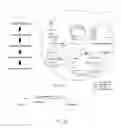

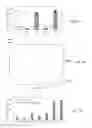

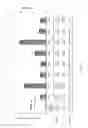
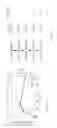
Sources:
- United States Patent and Trademark Office - verify current appl. status at the USPTO↗
Recent applications in this class:
- » 20250270569 2025-08-28
CELL-ASSOCIATED HETEROLOGOUS FOOD AND/OR FEED ENZYMES - » 20250236875 2025-07-24
YEAST EXPRESSING SACCHAROLYTIC ENZYMES FOR CONSOLIDATED BIOPROCESSING USING STARCH AND CELLULOSE - » 20250230449 2025-07-17
GENELIGHT CULTURES AND EXTRACTS AND APPLICATIONS THEREOF - » 20250207143 2025-06-26
RECOMBINANT YEAST CELL - » 20250207142 2025-06-26
BIOSYNTHESIS OF CANNABINOIDS AND CANNABINOID PRECURSORS - » 20250163439 2025-05-22
LIPID PRODUCTION CONTROL FACTOR FOR OLEAGINOUS YEAST - » 20250154516 2025-05-15
MODIFIED YEAST AND METHOD FOR INCREASING LYSINE CONTENT IN FERMENTATION CO-PRODUCTS - » 20250115921 2025-04-10
YEAST GENE ScFIT3 FOR REGULATING AND CONTROLLING CADMIUM RESISTANCE OF ORGANISM AND APPLICATION THEREOF - » 20250115920 2025-04-10
HOST CELLS AND METHODS USEFUL FOR PRODUCING CALCIUM PHOSPHATE BASED COMPOSITE BIOMATERIALS - » 20250092407 2025-03-20
METHOD FOR SYNTHESIS, ASSEMBLY AND FUNCTION TEST OF ARTIFICIAL CHLOROPLAST GENOME OF CHLAMYDOMONAS REINHARDTII
Recent applications for this Assignee:
- » 20250293017 2025-09-18
METHODS OF FORMING CONFORMAL SILICON OXYCARBONITRIDE THIN FILMS ON HIGH ASPECT RATIO SEMICONDUCTOR STRUCTURES - » 20250277270 2025-09-04
HEATRICH-BS: HEAT ENRICHMENT OF CPG-RICH REGIONS FOR BISULFITE SEQUENCING - » 20250270310 2025-08-28
TREATMENT OF KIDNEY INJURY - » 20250264321 2025-08-21
NANOMETROLOGY DEVICE - » 20250262119 2025-08-21
ITCH RELIEF DEVICE - » 20250231392 2025-07-17
IMAGING SYSTEM - » 20250219121 2025-07-03
A METAL ELECTRODE SYSTEM FOR ELECTROCHEMICAL CELLS - » 20250219113 2025-07-03
A METAL-FEEDING METHOD FOR METAL-AIR FUEL CELLS - » 20250214255 2025-07-03
EVENT-DRIVEN VISUAL-TACTILE SENSING AND LEARNING FOR ROBOTS - » 20250210347 2025-06-26
METHODS OF DEPOSITING SILICON-CONTAINING DIELECTRIC LAYERS FOR SEMICONDUCTOR DEVICES