T7 expression system, method for its production and use thereof for producing recombinant proteins
US20170152491A1
2017-06-01
15/316,232
2015-06-17
✅ Patent granted
US 9,822,348 B2
2017-11-21
WO; PCT/EP2015/063575; 20150617
WO; WO2016/000961; 20160107
Channing S Mahatan
Caesar Rivise, PC
2035-06-17
Abstract:
The invention relates to an expression system comprising a prokaryotic cell which contains a polynucleotide construct that encodes a T7 RNA polymerase under the control of a T7 promoter and under the control of an inducible promoter. The invention also relates to an expression vector which contains a gene that encodes a protein to be expressed under the control of a T7 promoter, characterized in that said expression vector comprises a plasmid stabilization system.
Inventors:
- Andreas Anton 3 🇩🇪 Halle, Germany
- Andreas ANTON 1 🇩🇪 Halle (Saale), Germany
- Monique JANOWSKI-EGLER 1 🇩🇪 Halle (Saale), Germany
- Markus LIEBSCHER 1 🇩🇪 Halle (Saale), Germany
- Monique Janowski-Egler 1 🇩🇪 Halle, Germany
- Markus Liebscher 1 🇩🇪 Halle, Germany
Assignee:
- Wacker Chemie AG 1,162 🇩🇪 Munich, Germany
Applicant:
Interested in similar patents?
Get notified when new applications in this technology area are published.
Classification:
C12N9/12 IPC
Enzymes; Proenzymes; Compositions thereof ; Processes for preparing, activating, inhibiting, separating or purifying enzymes; Transferases (2.) transferring phosphorus containing groups, e.g. kinases (2.7)
C12N15/72 » CPC further
Mutation or genetic engineering; DNA or RNA concerning genetic engineering, vectors, e.g. plasmids, or their isolation, preparation or purification; Use of hosts therefor; Recombinant DNA-technology; Introduction of foreign genetic material using vectors; Vectors; Use of hosts therefor; Regulation of expression; Vectors or expression systems specially adapted for E. coli Expression systems using regulatory sequences derived from the lac-operon
C12Y207/07006 » CPC further
Transferases transferring phosphorus-containing groups (2.7); Nucleotidyltransferases (2.7.7) DNA-directed RNA polymerase (2.7.7.6)
C12N9/1247 » CPC main
Enzymes; Proenzymes; Compositions thereof ; Processes for preparing, activating, inhibiting, separating or purifying enzymes; Transferases (2.) transferring phosphorus containing groups, e.g. kinases (2.7); Nucleotidyltransferases (2.7.7) DNA-directed RNA polymerase (2.7.7.6)
C12N15/70 » CPC further
Mutation or genetic engineering; DNA or RNA concerning genetic engineering, vectors, e.g. plasmids, or their isolation, preparation or purification; Use of hosts therefor; Recombinant DNA-technology; Introduction of foreign genetic material using vectors; Vectors; Use of hosts therefor; Regulation of expression Vectors or expression systems specially adapted for E. coli
Description
The invention relates to a T7 expression system, method for its production and use thereof for antibiotic-free production of recombinant proteins.
T7 expression systems are used for the expression of recombinant proteins. As a rule the T7 promoter sequence is located on a vector and the coding region for a recombinant protein downstream therefrom after a ribosome binding site. Since no T7 polymerase is produced by the expression organism, such an expression system is only functional when the T7 polymerase has been artificially introduced into the system. The commonest method for this is the genomic anchoring of a T7 expression cassette in the production organism. A T7 polymerase-based prokaryotic system for the expression of proteins in BL21 (DE3) Escherichia coli cells has long been known. In this system, the integration of the T7 polymerase into the E. coli genome takes place with the aid of the DE3 lambda phage into the lambda attachment site of E. coli. In the system, the T7 phage polymerase recognizes the T7 phage promoter. However, this system has the disadvantage that the plasmid stability during target gene expression is low. Numerous studies have attempted to stabilize the expression level of the T7 expression system, but so far without appreciable success. Moreover, E. coli contains ca. 40 kb lambda phage DNA. This phage DNA is undesired, at least in systems for the expression of pharmaceutical proteins. Furthermore, in T7 expression systems expression vectors which contain an antibiotic resistance gene as selection marker for the cloning and selection during the expression have always hitherto been used.
However, the use of antibiotics for the selection of plasmids is a critical disadvantage, particularly in the production of therapeutic proteins. An antibiotic-free method is more acceptable to the regulatory authorities, since the product will be safer for the patients and because of the minor end product analysis (elimination of the antibiotic in the product) a markedly more economical process can be constructed. An expression vector which enables a method for antibiotic-free production of proteins is for example known from EP1697523B1. However, this expression vector is not suitable for a T7 expression system.
The purpose of the present invention is to provide a T7 expression system for the antibiotic-free production of a recombinant protein consisting of a prokaryotic cell and an expression vector which displays increased stability of the expression vector in comparison to known T7 expression systems.
This problem is solved by an expression system comprising a prokaryotic cell containing a nucleotide construct coding for a T7 RNA polymerase under control of a T7 promoter and under control of an inducible promoter, and an expression vector which contains a gene encoding a recombinant protein to be expressed under the control of a T7 promoter, characterized in that the expression vector contains a plasmid stabilization system.
Plasmid stabilization systems are for example known from Sengupta and Austin, Infection and Immunity, July 2011, p. 2502-2509. Preferably it is a plasmid stabilization system from the group of multimer resolution systems (mrs), partitioning systems (par) and postsegregational killing systems (PSK). Particularly preferably the plasmid stabilization system contains a sequence from the group of the multimer resolution systems, and especially preferably this is the cer sequence.
The inducible promoter is preferably a promoter from the group tac, lac, trp and phoA. Particularly preferably it is the inducible promoter lacUV5.
The nucleotide construct is preferably a nucleotide construct consisting of the nucleotide sequence coding for the T7 RNA polymerase, the nucleotide sequence of the lacUV5 promoter including the 5′ end of the lacZ gene from E. coli and the T7 promoter sequence. Such a nucleotide construct is reproduced in SEQ ID NO:1. Particularly preferably, the nucleotide construct is integrated into the genome of the prokaryotic cell of the expression system according to the invention.
The prokaryotic cell is preferably a cell of an E. coli strain with the T7 RNA polymerase gene in the genome. Such strains can be produced in a manner known per se from wild type strains such as are available in strain collections. Examples of such strains are the E. coli strains BL21 (commercially available from Stratagene, La Jolla USA) HMS174 (DSM5932), or C600 (DSM426) (available under said DSM numbers from the Deutschen Sammlung für Mikroorganismen and Zellkulturen GmbH (DSMZ) [German Collection of Microorganisms and Cell Cultures], 38124 Brauschweig, Inhoffenstraβe 7B).
Preferably, the T7 expression system according to the invention is produced by introducing a T7 expression vector developed in the context of the present invention into these strains.
Such an expression vector according to the invention preferably has the following constituents in functional linkage:
- a replication origin (ori),
- a T7 promoter as regulatory sequence,
- a sequence which codes for a recombinant protein to be expressed
- an antibiotic resistance gene as selection marker for the cloning,
- a terminator,
- a repressor gene,
- an operator sequence suitable for the repressor gene, and
- a plasmid stabilization system.
Preferably it is one of the already mentioned plasmid stabilization systems. Particularly preferably the plasmid stabilization system contains the cer sequence.
Preferably the replication origin is the pBR322-ori, the pUC19-ori or the p15A-ori, particularly preferably the pBR322-ori.
Particularly preferably the terminator is t0, rrnB or the T7 terminator.
A repressor gene is any gene which encodes a protein which on binding in the promoter region prevents the transcription of genes. Particularly preferably, the repressor gene is the lad gene.
Preferably, the antibiotic resistance gene is kan, tet, bla, cmR or tetA, particularly preferably kan.
The T7 expression system according to the invention can be produced like already known T7 expression systems, with the difference that an expression vector according to the invention is introduced into a prokaryotic cell with a T7 RNA polymerase gene in the genome.
A further purpose of the invention is to provide a method for producing a preferred embodiment of a prokaryotic cell as part of the T7 expression system according to the invention, which effects the integration of the T7 RNA polymerase including the control regions into the prokaryotic cell, without integration of phage DNA into the cell occurring in the process.
This method is characterized in that the coding sequence of the T7 RNA polymerase including the control regions is integrated into the genome of the prokaryotic cell by means of a “site-specific” recombination.
Such a “site-specific” recombination is for example enabled by the Cre-lox system from the bacteriophage P1 and the FLP-FRT system from yeast. The use of “site-specific” recombination for modifications of chromosomal bacterial DNA is for example described in Datsenko and Wanner, PNAS, June 6, 2000 no. 12, p. 6640-6645.
Preferably, the targeted integration of the T7 RNA polymerase is effected under control of an inducible promoter into a defined position in the E. coli genome, preferably the proBA sequence of E. coli. Such methods are for example known from Datsenko and Wanner, PNAS, June 6, 2000 no. 12, p. 6640-6645.
A prokaryotic cell containing integrated into the genome a nucleotide construct coding for a T7 RNA polymerase under control of a T7 promoter and under control of an inducible promoter produced by this method differs from known prokaryotic cells which contain such a construct in that it contains no lambda phage DNA. Entirely surprisingly, it was found that in such cells conventional expression vectors also display increased stability, even though with the expression vectors according to the invention a still further increased stability can be achieved.
The invention thus also relates to a prokaryotic cell, preferably an E. coli cell, containing integrated into the genome a nucleotide construct coding for a T7 RNA polymerase under control of a T7 promoter and under control of an inducible promoter characterized in that it contains no lambda phage DNA.
Apart from this, the advantage of the present invention is its utilization in antibiotic-free fermentations in complex medium, whereby as a rule a higher expression efficiency of the protein to be produced can be achieved than with the use of mineral salt medium as with the expression system described in EP1697523B1. The invention thus also relates to a method for producing a recombinant protein by means of an expression system according to the invention.
This method is characterized in that the expression vector according to the invention is introduced into the prokaryotic cell containing a nucleotide construct coding for a T7 RNA polymerase under control of a T7 promoter and under control of an inducible promoter, these cells are fermented under antibiotic-free conditions which are suitable for the expression of the T7 RNA polymerase and the expression of the recombinant protein starting from a polynucleotide sequence, whereby the recombinant polypeptide is expressed and the recombinant polypeptide is isolated.
In the present invention, the fermentation process, i.e. the actual procedure for the expression of the protein, takes place in an entirely antibiotic-free environment. As a result, the problems mentioned at the start which are associated with the use of antibiotics for the selection of plasmids, for example reservations of the regulatory authorities, product safety, end product analysis (elimination of the antibiotic in the product) and the risks and costs associated therewith are avoided.
In the sense of the present invention, proteins are also to be understood to mean peptides and polypeptides.
The method according to the invention is preferably performed in a bioreactor.
FIG. 1 schematically shows the T7 nucleotide construct in the genome of BL21 (DE3) (prior art) and BL21 ΔproBA-T7lacZ (according to the invention) in comparison;
- a) DE3: integration into lambda attachment site by means of a modified lambda phage (prior art)
- b) Scil-T7: targeted integration by simultaneous deletion of proBA (according to the invention)
FIG. 2 schematically shows the T7 nucleotide construct consisting of lacI, lacUV5 promoter, 5′ region of lacZ, T7 promoter and gene 1 of the T7 phage (T7 polymerase) and of the kanamycin resistance gene kan flanked by two FRT sites.
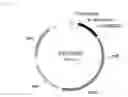
FIG. 3 schematically shows the expression vector pSCIL006c consisting of T7 promoter, t0 terminator, pBR322-ori, proBA, kan and lacI.
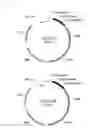
FIG. 4 schematically shows the expression vectors pSCIL122 and pSCIL123 consisting of T7 promoter, t0 terminator, pBR322-ori, proBA, kan, lacI and cer.
FIG. 5 schematically shows the expression vectors pSCIL124 and pSCIL125 consisting of T7 promoter, t0 terminator, pBR322-ori, proBA, tetA, lacI and cer.
FIG. 6 schematically shows the expression vector pSCIL129 consisting of T7 promoter, t0 terminator, pBR322-ori, kan, lacI and cer.
The following examples serve for further illustration of the invention.
EXAMPLE 1
Production of Expression Vectors and Plasmids According to the Invention
Production of the Expression Plasmid pSCIL006c
The production of the expression vector pSCIL006c (FIG. 3) is described in more detail below.
1. Insertion of the t0 Terminator into pUC19=pSCIL001
- The commercially available vector pUC19 (SD0061, MBI Fermentas) was used as the basis for the production of the expression vector. pUC19 was cleaved with the endonucleases HindIII and AflIII, which resulted in the deletion of 359 bp of the vector sequence. The t0 transcription terminator was amplified from DNA of the phage lambda (SD0011, MBI Fermentas) by means of the primers t0-OD-MCS-HindIII (SEQ ID NO: 2) and t0-UU-MCS-AflIII (SEQ ID NO: 3). The fragment formed was then cleaved with the endonucleases HindIII and AflIII and after purification (Minielute Kit, Qiagen) cloned into the pUC19HindIII/AflIII fragment. The resulting plasmid pSCIL101 was checked by restriction analyses and sequencing.
2. Replacement of the Antibiotic Resistance Cassette in pSCIL001=pSCIL002 - The kanamycin resistance cassette was amplified from pACYC177 (E4151 S, NEB) by PCR with the primers Km-OD-ApaI (SEQ ID NO: 4) and Km-UU-NheI (SEQ ID NO: 5). The fragment was purified with a Gel Extraction Kit (Qiagen) and cloned into pGEM-T easy (A1360, Promega). The plasmid pSCIL101 was amplified without the ampicillin resistance cassette by means of the primers pUC2541-OD-NheI (SEQ ID NO: 6) and pUC1496-UU-ApaI (SEQ ID NO: 7) and cleaved with the endonucleases ApaI and NheI. The kanamycin resistance cassette was cleaved from pGEMT-T easy with the endonucleases ApaI and NheI and cloned into pSCIL001 (ΔAmp)ApaI/NheI. The resulting plasmid pSCIL002 was checked by restriction analyses.
3. Alteration of the Orientation of the Kanamycin Resistance Cassette=pSCIL002b - The orientation of the kanamycin resistance cassette in pSCL vectors has a decisive role in the background expression of the kanamycin resistance gene, therefore the orientation of the resistance cassette in the second vector generation was altered in comparison to for example pSCIL008 (EP1697523B1). For this, the backbone of pSCIL002 was firstly amplified without kanamycin resistance cassette by means of the primers MunI-Km term (SEQ ID NO: 8) and ApaI-pSCIL002 (SEQ ID NO: 9) and then cleaved with the nucleases MunI (MfeI) and ApaI. The kanamycin resistance cassette was amplified with the primers Km 5′-MunI (SEQ ID NO: 10) and Km 3′ ApaI (SEQ ID NO: 11) from pSCIL002 and likewise cleaved with the endonucleases MunI (MfeI) and ApaI. Both fragments were then ligated, which resulted in the plasmid pSCIL002b. Correct integration was checked by sequencing.
4. Insertion of a Second Selection Marker into pSCIL002b=pSCIL003b - The genes for the proline synthesis pathway of E. coli, proBA, were then integrated into pSCIL002b as a second selection marker. For this, firstly the proBA operon was amplified by means of the primers proBA-OD-ApaI (SEQ ID NO: 12) and proBA-UU-ApaI (SEQ ID NO: 13) from previously prepared genomic DNA from E. coli K12 (DSM 9037, Deutschen Sammlung fur Mikro-organismen and Zellkulturen GmbH; DNeasy Tissue Kit, Qiagen). The PCR product was cleaved with the endonuclease ApaI and cloned into the vector pSCIL002b, likewise cleaved with ApaI. The resulting plasmid pSCIL003b was checked by sequencing.
5. Insertion of the Repressor Gene lacI into pSCIL003b =pSCIL004b - The lacI gene including the native promoter region was amplified from chromosomal DNA of the E. coli strain K12 (DSM 9037, Deutschen Sammlung fur Mikroorganismen and Zellkulturen GmbH; DNeasy Tissue Kit, Qiagen) by means of the primers lacI OD NheI (SEQ ID NO: 14) and lacI UU NheI (SEQ ID NO: 15). The PCR product was cloned into pGEM-T easy (A1360, Promega) and checked by sequencing. After restriction with the endonuclease NheI, lacI was ligated into pSCIL003b.
6. Insertion of the T7 Promoter into pSCIL004b=pSCIL006b - The T7 promoter including the lac operator sequence was amplified from the plasmid pSCIL006 (originally from pTYB2, #6710, NEB) by means of the primers PrT7-MunI5′(SEQ ID No: 16) and PrT7-EcoRI3′ (SEQ ID NO: 17). In addition, by means of the primer PrT7-EcoRI3′ the later ribosome binding site (AGGAGA) was integrated into the PCR product. The PCR product was cleaved with the endonucleases EcoRI and MunI (MfeI) and cloned into the vector pSCIL004b cleaved with EcoRI. The resulting plasmid pSCIL006b was checked by sequencing.
7. Alteration of the Replication Origin (Origin of Replication) by Replacement of One Nucleotide in pSCIL006b=pSCIL006c - As a descendant of pUC19, the expression plasmid pSCIL006b shows a very much higher copy number at 37° C. than at 30° C. The reason for this is a point mutation (G→A) in the origin of replication of the original plasmid pBR322. To reverse this mutation in pSCIL006b, the Phusion Site Directed Mutagenesis Kit (F-541, Finnzymes) was used. For this, the whole plasmid was amplified with the primers ori_mut_fwd (SEQ ID NO: 18) and ori_rev (SEQ ID NO: 19) and religated. The resulting plasmid with a copy number which irrespective of the temperature lies at ca. 60 copies/cell, was checked by sequencing and designated as pSCIL006c (see FIG. 3, SEQ ID NO: 20).
Production of the Expression Vectors pSCIL122 and pSCIL123 - 1. Insertion of cer into pSCIL006c=pSCIL122 and pSCIL123 The cer element was amplified from the plasmid ColE1 (isolated from E. coli JC411 (DSM3877), DSMZ, by means of QIAprep Spin Miniprep, Qiagen) by PCR with the primers 5′cer_NdeI (SEQ ID NO: 21) and 3′cer_NdeI (SEQ ID NO: 22) and integrated into a unique NdeI cleavage site in pSCIL006c. In this, both orientations (forward and reverse) are possible. The resulting plasmid with cer in forward orientation was designated as pSCIL122, and the plasmid with cer in reverse orientation was designated as pSCIL123 and checked by sequencing (see FIG. 4, SEQ ID NO: 23).
Production of the Expression Vectors pSCIL124 and pSCIL125
1. Deletion of kan in pSCIL006c=pSCIL112 - For the deletion of the kanamycin resistance cassette, the Phusion Site Directed Mutagenesis Kit (F-541, Finnzymes) was used. For this, the backbone of pSCIL006c was amplified with the primers pSCIL_Nco_P (SEQ ID No: 24) and pSCIL_Spe_P (SEQ ID No: 25) and religated, which resulted in deletion of the kanamycin resistance cassette. The resulting plasmid was checked by sequencing and designated as pSCIL112.
2. Insertion of tetA into pSCIL112=pSCIL105 - The tetracycline resistance cassette was amplified from pBR322 (D1511, Promega) with the primers tetA_5′promo_NcoI (SEQ ID No: 26) and tetA_3′_SpeI (SEQ ID No: 27). The PCR product was cleaved with the endonucleases NcoI and SpeI and cloned into the vector pSCIL112, likewise cleaved with NcoI and SpeI. Since the resulting plasmid had two copies instead of one copy of the tetracycline resistance cassette, one copy was removed by means of the Phusion Site Directed Mutagenesis Kit (F-541, Finnzymes). For this, the plasmid was amplified with the primers 105_fwd_P (SEQ ID No: 28) and 105_rev_P (SEQ ID No: 29) and religated. The resulting plasmid was checked by sequencing and designated as pSCIL105.
3. Insertion of cer into pSCIL105=pSCIL124 and pSCIL125 - The cer element was amplified from the plasmid ColE1 (isolated from E. coli JC411 (DSM3877), DSMZ, by means of QIAprep Spin Miniprep, Qiagen) by PCR with the primers 5′cer_NdeI (SEQ ID NO: 21) and 3′cer_NdeI (SEQ ID NO: 22) and integrated into a unique NdeI cleavage site in pSCIL105. In this, both orientations (forward and reverse) are possible. The resulting plasmid with cer in forward orientation was designated as pSCIL124, the plasmid with cer in reverse orientation was designated as pSCIL125 and checked by sequencing (see FIG. 5, SEQ ID NO: 30).
Production of the Expression vector pSCIL129
1. Deletion of proBA in pSCIL123=pSCIL129 - In order to decrease the plasmid size of the expression vector, the proBA cassette was again removed. For this, the Phusion Site Directed Mutagenesis Kit (F-541, Finnzymes) was used. The plasmid pSCIL123 was amplified by means of the primers pSCIL-proBA_rev-P (SEQ ID NO: 31) and pSCIL-proBA_fwd-P (SEQ ID NO:32) such that after subsequent religation the proBA operon was deleted. The resulting expression vector was named pSCIL129 and checked by sequencing (see FIG. 6, SEQ ID NO: 33).
EXAMPLE 2
Production of an Expression System According to the Invention
The E. coli strains BL21 (Stratagene), HMS174 (DSM5932) and C600′ (DSM426) were obtained from Stratagene or the DSMZ (Deutsche Stammsammlung für Mikroorganismen and Zellkulturen GmbH, Braunschweig). The strains BL21, HMS174 and C600′ were each transformed with the plasmid pKD46 (CGSC, E. coli Genetic Stock Center, Yale University, New Haven, USA), which codes for the Red recombinase of the lambda phage. Thereby, targeted integration of the T7 construct into the E. coli genome is possible. From the resulting strains BL21 pKD46, HMS174 pKD46 and C600′ pKD46, competent cells were again produced. The selection of pKD46 was effected with ampicillin on agar plates or carbenicillin in liquid cultures.
- The DNA construct shown in FIG. 2 consisting of lacI, lacUV5 promoter, 5′ region of lacZ, T7 promoter and gene 1 of the T7 phage (T7 polymerase) and the kanamycin resistance gene kan flanked by two FRT sites was produced as follows.
- Firstly, the components were amplified separately and cloned together into pGEM-T easy (A1360, Promega). The gene for the T7 RNA polymerase (gene 1) was amplified with the primers T7 5′_BamHI13 Xho (SEQ ID NO: 34) and T7 3′_Hind (SEQ ID NO: 35) from DNA of the T7 phage (310005, Bioron GmbH). The PCR product was purified by Qiaquick PCR Purification (Qiagen) and cloned into the vector pGEM-T easy (A1360, Promega) by means of overhanging adenine residues. The plasmid pGEM::T7 formed was checked by sequencing. The lad gene was amplified from genomic DNA of the E. coli strain K12 (DSM 9037, Deutschen Sammlung für Mikroorganismen and Zellkulturen GmbH; DNeasy Tissue Kit, Qiagen) by means of the primers lacI 5′_BamHI_coli (SEQ ID NO: 36) and lacI 3′_UV5_Xho (SEQ ID NO: 37). Also, the sequence of the lacUV5 promoter was integrated into the PCR product with the aid of the primer lacI 3′_UV5_Xho (SEQ ID NO:37). The PCR product was purified by Qiaquick PCR Purification (Qiagen) and cloned into the vector pGEM-T easy (A1360, Promega) by means of overhanging adenine residues. The plasmid pGEM::lacI-lacUV5 formed was checked by sequencing and then cleaved with the endonucleases BamHI and XhoI. The fragment formed was purified by QIAquick Gel Extraction Kit (Qiagen) and cloned into the likewise cleaved and purified plasmid pGEM::T7. The plasmid formed pGEM::lacI-lacUV5-T7 was checked by sequencing. The kanamycin resistance gene flanked by FRT sites was amplified with the primers Hind_pKD4 5′(SEQ ID NO: 38) and pKD4 3′_Hind_coli (SEQ ID NO: 39) from the plasmid pKD4 (CGSC, E. coli Genetic Stock Center, Yale University, New Haven, USA). The PCR product was cleaved with the endonuclease HindIII and cloned into the plasmid pGEM::lacI-lacUV5-T7 likewise cleaved with HindIII. The final plasmid pGEM-T easy::lacI-lacUV5-T7-kan-FRT was checked by restriction digestion with the endonucleases EcoRI and HindIII.
In order to produce a T7 nucleotide construct analogous to DE3, firstly the region consisting of lacI, lacUV5 promoter, 5′ region of lacZ and the first 2574 bp of the gene 1 of the T7 phage (up to an internal MfeI cleavage site) was amplified from previously isolated genomic DNA (Genomic DNA Purification Kit, Fermentas) from BL21 (DE3) [Novagen 69387-3] by means of the primers T7_neu_BamHI_for01 (SEQ ID NO: 40) and T7 neu_MfeI_rev02 (SEQ ID NO: 41). After purification (Wizard® SV Gel and PCR, Promega), this PCR product was cleaved with the endonucleases BamHI and MfeI and after purification (Wizard® SV Gel and PCR, Promega) cloned into the 4647 bp fragment of the plasmid pGEM-T easy::lacI-lacUV5-T7-kan-FRTBamHI/MfeI. After transformation into TOP10F′ (Life Technologies) and selection on LB plates with 100 μg/ml ampicillin, the resulting plasmid pGEM-T easy::lacI-lacUV5_lacZ_T7-kan (SEQ ID NO: 42) was prepared.
- Next, the whole construct was cleaved out from the plasmid pGEM-T easy::lacI-lacUV5_lacZ_T7-kan (SEQ ID NO: 42) by means of the endonuclease EcoRI. The 6026 bp fragment thus formed was purified by means of Wizard® SV Gel and PCR-Kit (Promega). The strains BL21 pKD46, HMS174 pKD46 and C600′ pKD46 were then transformed with this DNA fragment and incubated overnight at room temperature in order to enable integration into the E. coli genome.
As a result of the choice of the flanking regions (SEQ ID NO: 43: rec site 1 and SEQ ID NO: 44: rec site 2) of the DNA construct matching the flanking regions of the proBA operon, the proBA operon is simultaneously deleted during the integration. The selection for the T7 RNA polymerase construct shown in FIG. 2 was effected by means of kanamycin in the medium. The loss of the helper plasmid pKD46 was detected through the loss of the ability to grow on ampicillin- or carbenicillin-containing media.
Competent cells were produced from the resulting strains BL21 ΔproBA-T7lacZ::kan, HMS174 ΔproBA-T7lacZ::kan and C600′ΔproBA-T7lacZ::kan and transformed with the helper plasmid pCP20 (CGSC, E. coli Genetic Stock Center, Yale University, New Haven, USA). This step serves for the deletion of the kanamycin resistance which was also integrated into the genome in the first step, by the FLP recombinase encoded on pCP20. The selection for strains with pCP20 was effected on ampicillin-containing plates. Through incubation of the cells overnight at 43° C., the helper plasmid pCP20 is lost. The resulting strains BL21 ΔproBA-T7lacZ, HMS174 ΔproBA-T7lacZ and C600′ΔproBA-T7lacZ possess no antibiotic resistances and contain the T7 construct as shown in FIG. 1 instead of the proBA operon in the genome. The one FRT site which remains in the genome as a “scar” from the method, arises through the deletion of the kanamycin resistance cassette by the FLP recombinase. The strains were verified by Southern hybridization. In the process, the integration of the coding sequence for the T7 RNA polymerase and the deletion of proBA were detected.
The expression plasmid from Example 1 was introduced by electroporation into the strains BL21 ΔproBA-T7lacZ and HMS174 ΔproBA-T7lacZ thus obtained.
EXAMPLE 3
Comparison of the Plasmid Stability of a T7 Expression System According to the Invention and a T7 Expression System According to the Prior Art
In order to study the stability of T7 expression plasmids according to the prior art and T7 expression plasmids according to the invention in BL21 (DE3) (strain from the prior art) and BL21 ΔproBA-T7lacZ (strain according to the invention), experiments were performed in shaker flasks and fed batch fermentations. For this, the gene for the human growth factor proNGF deriving from gene synthesis (Geneart, Regensburg) was cloned into the expression vectors by means of the endo-nucleases EcoRI and PstI. For the study of the plasmid stability in the shaker flask, the procedure was as follows. Firstly, precultures of the expression strains to be studied BL21 (DE3) with standard expression plasmid pSCIL006cΔproBA::proNGF (prior art), BL21 (DE3) with stable expression plasmid pSCIL129::proNGF (expression plasmid according to the invention), BL21 ΔproBA-T7lacZ with standard expression plasmid pSCIL006cΔproBA::proNGF (expression strain according to the invention with expression plasmid without plasmid stabilization system) and BL21 ΔproBA-T7lacZ with stable expression plasmid pSCIL129::proNGF (expression system according to the invention) were cultured in complex medium [34.5 g/l yeast extract (Merck 1.03753.0500), 2.475 mM MgSO4, 9.347 mM NH4Cl, 62 mM K2HPO4, 15 g/l glucose] with 50 μg/ml kanamycin overnight at 37° C. with shaking. On the next morning, the cells, which are necessary to inoculate a main culture to an optical density OD600=0.2-0.3 were sterile harvested by centrifugation at 6500 rpm (5 mins). The main culture thus inoculated (20 ml complex medium without antibiotic in 100 ml Ehrlenmeyer flasks) was incubated at 37° C. with shaking at 210 rpm until an OD600=0.8 was reached. At this time, the target gene expression was induced by addition of 1 mM IPTG. Three hours (3 h pi (post induction)) and 24 h after addition of the inducer (24 h pi), sterile dilutions of the cultures were produced and plated out onto LB medium [5 g/l yeast extract (Merck 1.03753.0500), 10 g/l soya peptone (Merck 1.07212.0500), 85.56 mM NaCl]. These plates were incubated overnight at 37° C. From the grown colonies in each case 100 colonies were pricked out in parallel onto LB and LB+50 μg/ml kanamycin. A plasmid stability of for example 10% thus means that only 10% of the colonies grown on LB also grew on LB+kanamycin. The colonies which can grow on LB+kanamycin still possess the expression plasmids. Colonies which can only grow on LB have lost the expression plasmids. In each case, four independent experiments were performed in order to draw conclusions on the plasmid stabilities. The results are shown in Tab. 1 as mean values with standard deviations.
| TAB. 1 |
| Plasmid stability of a standard expression plasmid |
| according to the prior art (pSCIL006cΔproBA::proNGF) and an |
| expression plasmid according to the invention |
| (pSCIL129::proNGF) in BL21 (DE3) (strain according to the prior |
| art) and BL21 ΔproBA-T7lacZ (strain according to the invention) |
| in shaker flask |
| BL21 (DE3) | BL21 ΔproBA-T7lacZ |
| pSCIL006cΔproBA:: | pSCIL129:: | pSCIL006cΔpro | pSCIL129:: | |
| Time | proNGF | proNGF | BA::proNGF | proNGF |
| 3 h | 86% ± 4 | 100% | 90% ± 7 | 100% |
| pi | ||||
| 24 h | 5% ± 6 | 88% ± 6 | 84% ± 18 | 99% ± 1 |
| pi | ||||
It was found that the expression system according to the prior art displays very low plasmid stabilities of 86% 3 h after induction and only 5% 24 h after induction. Through the stabilization of the expression plasmid by means of cer according to the invention an increase in the plasmid stability to 100% 3 h after induction and 88% 24 h after induction is possible in BL21 (DE3). An increase in the plasmid stability to ca. 100% 24 h after induction could only be achieved through the use of a T7 expression system according to the invention, consisting of BL21 ΔproBA-T7lacZ with stable expression plasmid pSCIL129::proNGF. Surprisingly however, a standard expression plasmid in BL21 ΔproBA-T7lacZ also showed a high plasmid stability of 90% 3 h after induction and 84% 24 h after induction, whereas at the same time the same plasmid in BL21 (DE3) had already been essentially lost (5% 24 h pi). As the target gene in these experiments, the human growth factor proNGF was expressed. The expression of proNGF was checked by SDS-PAGE.
Apart from this, the expression system according to the invention was compared with the prior art in fed batch fermentations. Firstly, precultures of the expression strains to be studied BL21 (DE3) with standard expression plasmid pSCIL006cΔproBA::proNGF (prior art), BL21 (DE3) with stable expression plasmid pSCIL129::proNGF (expression plasmid according to the invention), BL21 ΔproBA-T7lacZ with standard expression plasmid pSCIL006cΔproBA::proNGF (expression strain according to the invention with expression plasmid without plasmid stabilization system) and BL21 ΔproBA-T7lacZ with stable expression plasmid pSCIL129::proNGF (expression system according to the invention) were cultured in complex medium [34.5 g/l yeast extract (Merck 1.03753.0500), 2.475 mM MgSO4, 9.347 mM NH4Cl, 62 mM K2HPO4, 15 g/l glucose] with 50 μg/ml kanamycin overnight at 37° C. with shaking. For the fermentation, in each case 2 1 complex medium without antibiotic [50 g/l yeast extract (Biospringer 0206), 2.475 mM MgSO4, 9.347 mM NH4Cl, 62 mM K2HPO4, 10 g/l glucose, 0.2 ml/l antifoam Synperonic (Croda ETK0879)] are placed in 5 1 laboratory fermenters and inoculated with precultures of the expression strains such that a starting OD600 (optical density at 600 nm) of 0.06 was reached. After 6.5 h, after the glucose had been consumed, the fed batch phase was started by addition of substrate. The substrate feed flow here takes place according to an exponential function of the form feedflow=const*exp(μ1*t). Wherein μ is the specific growth rate for which μ1=const<μmax applies, i.e. the glucose concentration instantaneously available always lies below the maximal instantaneous demand of the microorganisms, as a result of which a submaximal growth rate is achieved and accumulation of glucose is prevented. For example, a value μ1 =0.25 h−1 is set. At a defined optical density, e.g. OD600=50±5, the protein expression is induced by addition of IPTG, e.g. 1 mM. At this time, the substrate feed flow is reduced by 70% linearly over 6 h and then kept constant. The process ends after a defined induction period, e.g. 24 h.
- On attainment of an OD600=50±5, the target gene expression was induced by addition of 1 mM IPTG. At this time and 6 h, 8 h and 24 h after induction, the plasmid stabilities were analyzed as described above and the expression of the human growth factor proNGF checked. The data are shown in Tab. 2.
| TAB. 2 |
| Plasmid stability of a standard expression plasmid |
| (pSCIL006cΔproBA::proNGF) and an expression plasmid according |
| to the invention (pSCIL129::proNGF) in BL21 (DE3) and BL21 |
| AproBA-T7lacZ in fed batch fermentations |
| BL21 (DE3) | BL21 ΔproBA-T7lacZ |
| pSCIL006c | pSCIL006c | ||||
| ΔproBA:: | pSCIL129:: | ΔproBA:: | pSCIL129:: | ||
| Time | proNGF | proNGF | proNGF | proNGF | |
| Induc- | OD600 | 51.6 | 52.2 | 46.1 | 47.2 |
| tion | PS | 100% | 100% | 100% | 100% |
| 6 h | OD600 | 97.4 | 101.2 | 99.0 | 106.9 |
| pi | PS | 11% | 100% | 94% | 100% |
| 8 h | OD600 | 97.4 | 103.6 | 101.6 | 108.9 |
| pi | PS | 13% | 100% | 89% | 100% |
| 24 h | OD600 | 106.6 | 98.8 | 113.6 | 122.9 |
| pi | PS | 2% | 100% | 95% | 100% |
| (PS: plasmid stability) |
It was found that in a fed batch fermentation the expression system according to the prior art has already lost 89% of the expression plasmids 6 h after induction (PS 11%), whereas the expression system according to the invention displays a plasmid stability of 100% even 24 h after induction. Here both the expression plasmid according to the invention with plasmid stabilization system cer (pSCIL129::proNGF) and also the expression strain according to the invention BL21 ΔproBA-T7lacZ have clear advantages over the expression system according to the prior art, since here the plasmid stabilities 24 h after induction, at 100% and 95% respectively, lie significantly higher than in the expression system according to the prior art, at 2%.
In order to study further the stability of T7 expression plasmids according to the invention in BL21 (DE3) and BL21 ΔproBA-T7lacZ, further experiments in shaker flasks were performed. For this, the gene for human prethrombin deriving from gene synthesis (Geneart, Regensburg) was cloned into the expression vectors pSCIL006c (usual expression plasmid) and pSCIL123 (stable expression plasmid) by means of the endonucleases EcoRI and PstI. For the study of the plasmid stability in the shaker flask, the procedure as described above was used. Results are shown in Tab. 3.
| TAB. 3 |
| Plasmid stability of a standard expression plasmid |
| (pSCIL006c::preThrombin) and an expression plasmid according to |
| the invention (pSCIL123::preThrombin) in BL21 (DE3) and BL21 |
| ΔproBA-T7lacZ |
| BL21 (DE3) | BL21 ΔproBA-T7lacZ |
| pSCIL006c:: | pSCIL123:: | pSCIL006c:: | pSCIL123:: | |
| Time | preThrombin | preThrombin | preThrombin | preThrombin |
| 3 h | 5% ± 5 | 100% | 6% ± 3 | 100% |
| pi | ||||
| 24 h | 1% ± 0 | 41% ± 1 | 1% ± 2 | 78% ± 5 |
| pi | ||||
It was found that the expression system according to the prior art displayed extremely low plasmid stabilities. Already 3 h after induction, only 5% plasmid-bearing strains were still present and after 24 h almost all cells were plasmid-free. Through the use of the expression plasmid pSCIL123::preThrombin a plasmid stability of 100% 3 h after induction could be achieved in both expression strains BL21 (DE3) and BL21 ΔproBA-
T7lacZ. At time 24 h after induction, the plasmid stability of the expression system according to the invention (BL21 ΔproBA-T7lacZ with pSCIL123::preThrombin), at 78%, is approximately twice as high as in the expression strain according to the prior art (BL21 (DE3) pSCIL123::preThrombin), at 41%. Expression of the human preThrombin was checked by SDS-PAGE.
Claims
1. An expression system comprising a prokaryotic cell containing a nucleotide construct coding for a T7 RNA polymerase under control of a T7 promoter and under control of an inducible promoter, and an expression vector, which contains a gene encoding a protein to be expressed under control of a T7 promoter, the prokaryotic cell contains no lambda phage DNA, (b) the T7 RNA polymerase under control of a T7 promoter and under control of an inducible promoter was specifically integrated into a genome of the prokaryotic cell by site specific recombination, and (c) expression vector contains a plasmid stabilization system.
2. The expression system as claimed in claim 1, wherein the plasmid stabilization system is a member selected from the group consisting of multimer resolution systems (mrs), partitioning systems (par) and postsegregational killing systems (PSK).
3. The expression system as claimed in claim 1, wherein the prokaryotic cell is a cell of an Escherichia coli strain with a T7 RNA polymerase gene in a genome thereof.
4. The expression system as claimed in claim 1, which comprises a nucleotide construct with SEQ ID NO: 1.
5-7. (canceled)
8. The expression system as claimed in claim 3, wherein targeted integration of the T7 RNA polymerase under control of an inducible promoter is effected into a proBA sequence of E. coli.
9. (canceled)
10. A method for producing a recombinant protein, said method comprising:
providing an expression system as claimed in claim 1,
fermenting the expression system under antibiotic-free conditions which are suitable for expression of the T7 RNA polymerase and expression of the recombinant protein starting from a polynucleotide sequence,
expressing the recombinant polypeptide, and
isolating the recombinant polypeptide.
11. The method as claimed in claim 2, wherein the prokaryotic cell of the expression system is a cell of an Escherichia coli strain with a T7 RNA polymerase gene in a genome thereof.
12. The method as claimed in claim 11, wherein the expression system comprises a nucleotide construct with SEQ ID NO: 1.
13. The method as claimed in claim 12, wherein targeted integration of the T7 RNA polymerase under control of an inducible promoter is effected into a proBA sequence of E. coli.
Images & Drawings included:


Sources:
- United States Patent and Trademark Office - verify current appl. status at the USPTO↗
Recent applications in this class:
- » 20250283060 2025-09-11
COMPOSITIONS AND METHODS RELATING TO ENGINEERED RNA POLYMERASES WITH CAPPING ENZYMES - » 20250283059 2025-09-11
NOVEL SINGLE-SUBUNIT RNA POLYMERASE - » 20250270523 2025-08-28
RNA POLYMERASE VARIANT, AND PREPARATION METHOD THEREFOR AND USE THEREOF IN RNA SYNTHESIS - » 20250250551 2025-08-07
RNA POLYMERASE VARIANTS - » 20250215405 2025-07-03
T7 RNA POLYMERASE MUTANTS AND THEIR APPLICATIONS - » 20250171751 2025-05-29
RNA POLYMERASE VARIANTS FOR CO-TRANSCRIPTIONAL CAPPING - » 20250051736 2025-02-13
CUSTOM BACTERIAL STRAIN FOR RECOMBINANT PROTEIN PRODUCTION - » 20250027061 2025-01-23
T7 RNA POLYMERASE VARIANTS - » 20250019675 2025-01-16
T7 RNA POLYMERASE VARIANTS FOR RNA SYNTHESIS - » 20250002877 2025-01-02
POLYMERIZING ENZYMES FOR SEQUENCING REACTIONS
Recent applications for this Assignee:
- » 20250270602 2025-08-28
STRAIN OF MICROORGANISMS AND PROCESS FOR THE FERMENTATIVE PRODUCTION OF GAMMA-GLUTAMYLTYROSINE AND GAMMA-GLUTAMYLPHENYLALANINE - » 20250270394 2025-08-28
CYCLODEXTRIN INCORPORATED SILICONE MATERIALS AND THEIR USE AS CARRIERS FOR ACTIVES - » 20250256970 2025-08-14
PROCESS FOR PRODUCING TRICHLOROSILANE WITH STRUCTURE-OPTIMISED SILICON PARTICLES - » 20250236771 2025-07-24
A COMPOSITION - » 20250230105 2025-07-17
MINERAL-BASED EXPANDING FOAM - » 20250230051 2025-07-17
PROCESS FOR PRODUCING TRICHLOROSILANE WITH STRUCTURE-OPTIMISED SILICON PARTICLES - » 20250223225 2025-07-10
CONSTRUCTION MATERIAL DRY MIXES CONTAINING SOLID VINYL ESTER RESINS - » 20250221917 2025-07-10
AQUEOUS DISPERSIONS OF PRE-CROSSLINKED ORGANOPOLYSILOXANES - » 20250215260 2025-07-03
SILPHENYLENE POLYMERS - » 20250215158 2025-07-03
Cross-linkable compositions on the basis of organosilicon compounds