Therapeutic regimen for hypertension
US20170175193A1
2017-06-22
15/314,641
2015-05-27
✅ Patent granted
US 10,590,485 B2
2020-03-17
WO; PCT/US2015/032651; 20150527
WO; WO2015/183938; 20151203
Jehanne S Sitton
Schwegman Lundberg & Woessner, P.A.
2035-06-13
Abstract:
The invention relates to improved methods, devices, and kits for identifying and implementing an appropriate treatment regimen for subjects suffering from hypertension.
Inventors:
- Eric Snyder 6 🇺🇸 Rochester, MN, United States
- Ryan Sprissler 8 🇺🇸 Tucson, AZ, United States
- Scott C. Snyder 6 🇺🇸 Minnetonka, MN, United States
Assignee:
- Geneticure LLC 2 🇺🇸 Minnetonka, MN, United States
Applicant:
Interested in similar patents?
Get notified when new applications in this technology area are published.
Classification:
C12Q2600/106 » CPC further
Oligonucleotides characterized by their use Pharmacogenomics, i.e. genetic variability in individual responses to drugs and drug metabolism
C12Q2600/156 » CPC further
Oligonucleotides characterized by their use Polymorphic or mutational markers
G01N2800/321 » CPC further
Detection or diagnosis of diseases; Cardiovascular disorders Arterial hypertension
C12Q1/68 IPC
Measuring or testing processes involving enzymes, nucleic acids or microorganisms ; Compositions therefor; Processes of preparing such compositions involving nucleic acids
C12Q1/6883 » CPC main
Measuring or testing processes involving enzymes, nucleic acids or microorganisms ; Compositions therefor; Processes of preparing such compositions involving nucleic acids; Nucleic acid products used in the analysis of nucleic acids, e.g. primers or probes for diseases caused by alterations of genetic material
G01N33/6893 » CPC further
Investigating or analysing materials by specific methods not covered by groups -; Biological material, e.g. blood, urine ; Haemocytometers; Chemical analysis of biological material, e.g. blood, urine; Testing involving biospecific ligand binding methods; Immunological testing involving proteins, peptides or amino acids related to diseases not provided for elsewhere
G01N33/68 IPC
Investigating or analysing materials by specific methods not covered by groups -; Biological material, e.g. blood, urine ; Haemocytometers; Chemical analysis of biological material, e.g. blood, urine; Testing involving biospecific ligand binding methods; Immunological testing involving proteins, peptides or amino acids
Description
CROSS REFERENCE TO RELATED APPLICATIONS
This application claims benefit of the priority filing date of U.S. Provisional Application Ser. No. 62/004,460, filed May 29, 2014, the contents of which are specifically incorporated herein by reference in their entirety.
BACKGROUND
Hypertension (high blood pressure) is one of the most significant preventable contributors to disease and death in the world and represents the most common condition seen in the primary care setting (Kearney et al., Lancet 365:217-223 (2005)). According to the American Heart Association, approximately 78 million adults (1 in 3) living in the United States have hypertension with more than 5 million new diagnoses made each year. Of these individuals, 82% are aware they have it, 75% are currently being treated for it, but only 52% have their blood pressure under control (thus, ˜48% do not have adequate blood pressure control).
Hypertension can lead to myocardial infarction (heart attack), stroke, renal failure, and death if not detected early and treated appropriately. In 2009, high blood pressure was listed as a primary or contributing cause of death in about 350,000 of the approximate 2.4 million U.S. deaths (14% of all deaths). From 1999-2009 the number of deaths attributable to hypertension increased by 44%.
Refractory (or resistant) hypertension is defined as blood pressure that remains above clinical guideline goals in spite of concurrent use of three antihypertensive agents of different classes. Critically, refractory hypertension is noted in approximately 25-30% of all individuals being treated for hypertension. Refractory hypertension is a common clinical problem which contributes to the high levels of morbidity and mortality. In 2009, the direct and indirect economic burden on the United States health care system associated with hypertension was estimated at $51 billion.
Globally, nearly 1 billion individuals have been diagnosed with hypertension, with an estimate of an additional 400 million living with undiagnosed hypertension. Hypertension is the leading cause of premature death and the leading cause of cardiovascular disease worldwide. Similar to the continued upward trend in prevalence as seen in the United States, it is estimated that in 2025 about 1.56 billion adults will be living with hypertension. Because nearly two-thirds of the people living with hypertension worldwide reside in developing countries, providing optimal treatment at the lowest cost is critically important.
Unfortunately, despite a significant impulse in the medical community to move towards an “individualized medicine” approach to patient centered treatment, the current clinical treatment strategy is based on a set algorithm which does not take into account individual patient differences. Rather, physicians are guided to choose a drug (one out of many options) in a given class of drugs and use that specific drug as a “first line therapy” (typically initiating with the diuretic class) and titrate that specific drug of choice to therapeutic dosage regardless of efficacy. It is only after a prolonged course of treatment with that specific class of drug that clinical efficacy is determined (typically three months). At this stage, if clinical guideline goals for blood pressure have not been met, it is often recommended that the patient remain on the “first line therapy” whilst an additional drug from a different class of drugs (typically an Angiotensin converting enzyme inhibitor (ACE inhibitor) or Angiotensin II receptor blocker (ARB)) is added to the pharmacologic regimen. Again, this drug is titrated to recommended therapeutic dosage and another prolonged course of treatment is initiated before clinical efficacy is determined (an additional three months—six months since initiation of treatment). If at this point, clinical guideline goals for blood pressure have not been met, a third drug from a third class of drugs (typically a beta-blocker) is added and the process is repeated (another three months—nine months from initiation of treatment). Further, if clinical guideline goals have continued to be elusive, the diagnosis of refractory hypertension is added and the process is reinitiated with a different combination of drugs, different classes of drugs, different drug options within a given class of drugs, different dosages, or all of the above. Thus, from the time of initial diagnosis and the start of treatment to the point in which blood pressure is adequately controlled may take anywhere from three months to well over one year. This trial-and-error standard of care is clearly not optimal.
SUMMARY
The invention relates to improved methods, devices, and kits for identifying and implementing an appropriate treatment regimen for subjects suffering from hypertension. The methods, devices, and kits comprehensively assess common genetic variants in the cardiac, vascular, and renal systems in an effort to improve therapeutic guidance for high blood pressure treatment. Detection of an individual's genetic variants permits selection appropriate drug classes for that individual. Clinicians can then guide blood pressure therapy using knowledge that is specific to their individual patient, rather than the currently employed “trial-and-error” procedures that are based on population data and use of drugs with the least initial side effects.
One aspect of the invention is a method that includes:
-
- (a) administering a loop diuretic to a subject as a first line therapy, without a beta blocker and without a vasodilator, if the subject's genome comprises a WNK1 nucleic acid with a cytosine at the variable position of rs1159744 or rs2107614;
- (b) administering a hydrochlorothiazide to a subject as a first line therapy, without a beta blocker and without a vasodilator, if the subject's genome comprises an ADD1 nucleic acid with a thymine at the variable position of rs4961, or if the test sample comprises a SLC12A3 nucleic acid with a thymine at the variable position of rs1529927; or
- (c) administering a hydrochlorothiazide to a subject as a first line therapy, without a beta blocker and without a vasodilator, if the subject's genome comprises an ADD1 nucleic acid with a thymine at the variable position of rs4961, or if the test sample comprises a SLC12A3 nucleic acid with a thymine at the variable position of rs1529927.
Another aspect of the invention is a method that includes: administering a beta-blocker drug to a subject as a first line therapy, without a diuretic and without a hydrochlorothiazide, if the subject's genome does not comprise:
-
- (a) a WNK1 nucleic acid with a cytosine at the variable position of rs1159744;
- (b) a WNK1 nucleic acid with a cytosine at the variable position of rs2107614;
- (c) an ADD1 nucleic acid with a thymine at the variable position of rs4961; or
- (d) a SLC12A3 nucleic acid with a thymine at the variable position of rs1529927
but the subject's genome does comprise:
-
- 1. a CYP2D6 nucleic acid with an adenine at the variable position of Rs3892097;
- 2. an ADRB1 nucleic acid with a cytosine at the variable position of rs1801253;
- 3. an ADRB1 nucleic acid with an adenine at the variable position of rs1801252;
- 4. an ADRB2 nucleic acid with a guanine at the variable position of rs1042714; or
- 5. an ADRB2 nucleic acid with a guanine at the variable position of rs1042713.
Another aspect of the invention is a method that includes: administering an angiotensin II receptor blocker to a subject as a first line therapy, without a diuretic, without a hydrochlorothiazide, and without a beta-blocker, if the subject's genome does not comprise:
-
- (a) a WNK1 nucleic acid with a cytosine at the variable position of rs1159744;
- (b) a WNK1 nucleic acid with a cytosine at the variable position of rs2107614;
- (c) an ADD1 nucleic acid with a thymine at the variable position of rs4961; or
- (d) a SLC12A3 nucleic acid with a thymine at the variable position of rs1529927
but the subject's genome does comprise:
-
- 1. a renin nucleic acid with a cytosine at the variable position of rs12750834; or
- 2. an AGT1R nucleic acid with a cytosine at the variable position of rs5186.
Another aspect of the invention is a method that includes: administering an ACE inhibitor to a subject without an angiotensin II receptor blocker as a first line therapy, without a diuretic, without a hydrochlorothiazide, and without a beta-blocker, if the subject's genome does not comprise:
-
- (a) WNK1 nucleic acid with a cytosine at the variable position of rs1159744;
- (b) a WNK1 nucleic acid with a cytosine at the variable position of rs2107614;
- (c) an ADD1 nucleic acid with a thymine at the variable position of rs4961; or
- (d) a SLC12A3 nucleic acid with a thymine at the variable position of rs1529927
but the subject's genome does comprise:
-
- 1. an ACE nucleic acid with a deletion in rs1799752; or
- 2. an AGT nucleic acid with a cytosine at the variable position of rs699.
Another aspect of the invention is a method that includes: administering an amiloride as a first line therapy to a subject without an ACE inhibitor, without an angiotensin II receptor blocker, without a diuretic, without a hydrochlorothiazide, and without a beta-blocker, if the subject's genome does not comprise:
-
- 1. a WNK1 nucleic acid with a cytosine at the variable position of rs1159744;
- 2. a WNK1 nucleic acid with a cytosine at the variable position of rs2107614;
- 3. an ADD1 nucleic acid with a thymine at the variable position of rs4961; or
- 4. a SLC12A3 nucleic acid with a thymine at the variable position of rs1529927.
- but if the subject's genome does comprise a SCNN1A nucleic acid with an adenine at the variable position of rs2228576.
The methods can also include administering a second line therapy drug after administration of the first line therapy for at least 1 month, wherein the second line therapy drug is selected from the group consisting of diuretic, a beta-blocker, an ACE inhibitor, a vasodilator, and a combination thereof.
Devices, compositions, methods, and kits are also described herein for identifying and implementing an appropriate treatment regimen for subjects suffering from hypertension.
DESCRIPTION OF THE FIGURES
FIG. 1 is a schematic diagram illustrating the interplay between the heart, blood vessels, and kidney in blood pressure regulation.
FIG. 2 is a schematic diagram illustrating of the types of genes useful for evaluating hypertension, and representative single nucleotide polymorphisms that are correlated with blood pressure drug responses.
FIG. 3A-3B are schematic diagrams illustrating processing of test samples. For example, each subject can collect two swabs. The A swab can collect cell material from the inside of the right cheek, while the B swab can collect cell material from the left cheek. For FIG. 3A, the A swab can be the initial swab entered into the process (from DNA Extraction to Reporting). If the A swab fails, during DNA Yield and Purity Analysis, Genetic analysis, or the PCR QA Assay then the B swab can be entered into the system as illustrated. FIG. 3B shows the same process but without the steps of DNA Stocks Storage and Future Testing if the sample Passes Yield and Purity Assays.
FIG. 4 is a schematic diagram illustrating handling of DNA samples.
FIG. 5 is a schematic diagram illustrating processing of the sample after PCR amplification.
FIG. 6 illustrates alignment of sample results to a human reference sequence using the CLC DNA workbench program for creating an alignment file from which the allele call is made and added to the final SNP call report (SEQ ID NOs:82-85).
FIG. 7 is an example of 2% agarose gel used to score the presence or absence of a 288 bp ALU by visually examining the gel for either the higher molecular weight band (indicating the presence of the 288 bp ALU), the lower molecular weight band (indicating the absence of the 288 bp ALU), or both (indicating a heterozygous state).
FIG. 8 is a bar graph of urinary sodium output as a function of genetic variation of SCNN1A.
FIG. 9 is a bar graph of mean arterial blood pressure as a function of genetic variation of SCNN1A.
DETAILED DESCRIPTION
Methods, devices, and kits are described herein for selecting individualized hypertension treatment regimens that are more effective than currently available regimens. The methods, devices, and kits include assays for identifying genetic variants in individual subjects that make the individual more or less responsive to specific medications. When the appropriate medication is administered, the subject's blood pressure is appropriately controlled, and side effects are avoided. Genetic variants present in genes such as ADRB1, ADRB2, CYP2D6, angiotensin converting enzyme (ACE), angiotensinogen, angiotensin receptor, renin, Na+ channels (such as SCNN1A), adducin, sodium (Na+) chloride (Cl−) co-transporters (such as SLC12A3), and/or WNK1 genes are correlated with heightened or reduced responsiveness to various blood pressure medications. Although there are a number of hypertension drugs available on the market, subjects react differently to such drugs. The kits, methods, and devices described herein are useful for detecting which subjects benefit from which therapeutic regimen.
High Blood Pressure (Hypertension)
The development of high blood pressure in humans is the result of one or more of three physiologic maladaptations: 1) elevated cardiac output (liters of blood ejected from the heart per minute) that increases the amount of blood pressing against the vessels, 2) relatively narrow blood vessels that results in increased pressure towards the lumen of the blood vessel due to Poiseuille's Law (which describes the inverse relationship between the diameter of a tube (vessel) and the pressure against the walls of the tube (vessel), all else being equal), or 3) increased sodium (Na+) absorption in the kidney which results in increased blood volume (and the amount of blood pumped per minute, cardiac output) and subsequently increased outward pressure against the tubes (vessels).
Blood pressure is highly regulated and tightly controlled in humans, such that in the event of a drop in cardiac output, the heart sends a signal to the kidneys (via the proteins atrial natriuretic peptide and brain-type natriuretic peptide, among others) and vessels with the ultimate function of increasing Na+ reabsorption to increase plasma volume and vasoconstriction to increase blood pressure. Similarly, if there is a drop in blood pressure, there is an increase in cardiac output (primarily via an immediate increase in heart rate through inhibition of the parasympathetic nervous system) to compensate and an increase in the renin-angiotensin aldosterone system which results in both constriction of blood vessels (which increases blood pressure) and an increase in Na+ and, therefore, fluid retention in the kidney, which increases plasma volume and can increase blood pressure. Hence, the human body provides redundant functions to maintain blood pressure both in the short-term and in the long-term, by regulating the interplay between the heart, blood vessels, and kidney. FIG. 1 is a schematic diagram illustrating the interplay between the heart, blood vessels, and kidneys involved in regulating blood pressure.
Blood pressure therapy following diagnosis traditionally follows a regimented algorithm based on therapies effective across the general population. Currently, clinicians start a patient who has been diagnosed with high blood pressure on a diuretic (to reduce renal Na+ reabsorption). If such a diuretic does not work within a period of time, the clinician next tries a vasodilator, and if this is not effective, then a clinician will lastly prescribe a beta-blocker. This trial-and-error process to lower a patient's blood pressure can take several months, is costly, and threatens the health of the patient because the patient's hypertension is frequently not adequately controlled in a timely manner.
Such currently available methods are in stark contrast to the methods, devices, and kits described herein that involve specifically testing an individual's genetic profile and, as illustrated herein, basing therapeutic treatment on the results of such testing. Hence, the methods, devices, and kits described herein for evaluating a blood pressure genetic panel to improve treatment of hypertensive subjects, by quickly identifying more effective medications, thereby avoiding side effects and delays in treatment. Applicants' methods are therefore an improvement over the currently available trial-and-error procedures that frequently result in side effects and delays in effective treatment.
Ranking of Genotypes that Affect Therapy
The genotype of a subject can significantly affect the response of the subject to blood pressure medications because certain functional polymorphisms have greater effects on the physiology of a subject than others. The following is a summary of polymorphisms in order of their impact on blood pressure and which drugs should be employed by subjects with such genetic variations.
-
- 1. Subjects with the WNK1 polymorphism defined by rs1159744 (SEQ ID NO:34, with cytosine at the variable position), benefit more from loop diuretics.
- 2. Subjects with the WNK1 polymorphism defined by rs2107614 (SEQ ID NO:33, with cytosine at the variable position), benefit more from loop diuretics.
- 3. Subjects with the ADD1 polymorphism defined by rs4961 (SEQ ID NO:27, with thymine at the variable position), benefit more from hydrochlorothiazides.
- 4. Subjects with the SLC12A3 polymorphism defined by rs1529927 (SEQ ID NO:30, with thymine at the variable position), benefit more from hydrochlorothiazides.
Any homozygous combination at one or more of the WNK1 Rs1159744, WNK1 Rs2107614, ADD1 Rs4961, and SLC12A3 rs1529927 polymorphisms means that diuretics should be the first-line therapy, especially if the patient is heterozygous for polymorphisms in genes responsive to beta-blockers or vasodilators. - 5. Subjects with the CYP2D6 polymorphism defined by Rs3892097 (SEQ ID NO:10, with adenine at the variable position), plus the ADRB1 polymorphism defined by rs1801253 (SEQ ID NO:3, with cytosine as the variable nucleotide), plus the ADRB1 polymorphism defined by rs1801252 (SEQ ID NO:2, with adenine as the variable nucleotide) benefit from beta-blockade classes of drugs.
- 6. Subjects with the renin polymorphism defined by rs12750834 (SEQ ID NO:20, with cytosine as the variable nucleotide) plus the AGT1R polymorphism defined by rs5186 (SEQ ID NO:16, with cytosine as the variable nucleotide), which affect responses to angiotensin II receptor blockers.
- 7. Subjects with the ACE deletion defined by Rs1799752 (SEQ ID NO:35) and the AGT polymorphism defined by rs699 (SEQ ID NO:14, with cytosine as the variable nucleotide) can benefit from the combination of an angiotensin II receptor blocker and an ACE inhibitor.
- 8. Subjects with the SCNN1A polymorphism defined by rs2228576 (SEQ ID NO:22, with adenine as the variable position) can benefit from administration of amiloride.
- 9. Subjects with the ADRB2 polymorphism defined by rs1042714 (SEQ ID NO:7, with guanine as the variable nucleotide) can benefit from administration of a non-selective beta-blockade.
- 10. Subjects with the ADRB2 polymorphism defined by s1042713 (SEQ ID NO:6, with guanine as the variable nucleotide) can benefit from administration of a non-selective beta-blockade.
All patients do not respond to same. Some subjects have genotypes that can significantly affect their response to medications. When clinicians employ currently available procedures (diuretic first, then vasodilator, then beta blocker), some patients will benefit but others will not respond or will respond negatively. Hence, some patients would benefit from initial administration of a vasodilator or a beta-blocker, rather than a diuretic.
Beta-Blocker Responsive Polypeptides and Nucleic Acids
There are two primary receptors within the heart that influence both heart rate (chronotropic effect) and heart contractility (inotrpic effect) (Brodde, Am J Cardiol 62:24C-29C (1988), the beta-1 adrenergic receptors (β1AR, encoded by the ADRB1 gene) and the beta-2 adrenergic receptors (β2AR, encoded by the ADRB2 gene).
The heart is primary comprised of beta-1 adrenergic receptors, which are located on 80% of the ventricular wall surface, 70% of the atrial wall surface, and 95% of the sino-atrial (SA) node. The atria of the heart receive blood that returns from the body (right atria) of lungs (left atria) whereas the ventricles pump blood to the lungs (right ventricle) and body (left ventricle). The sino-atrial node primarily controls heart rate.
Although heart rate and cardiac contractility are primarily regulated by β1AR, the β2AR also play a role, primarily in cardiac contractility. Stimulation of either β1AR or β2AR can influence heart rate and cardiac contractility through increases in intracellular c-AMP and protein kinase A (PKA) which, ultimately, alter Ca+-channel sensitivity and reduce the threshold needed for an action potential. Therefore, cardiac output (and blood pressure) can be increased through increases in β1AR and/or β2AR activities. If a variant β1AR or β2AR gene encodes a more functional receptor, cardiac output is increased.
β1AR and β2AR activities can be modulated through the use of selective (e.g., atenolol and metoprolol) and non-selective (e.g., propranolol and carvedilol) beta-blockers. The selective beta-blockers are selective for inhibiting the β1AR. The non-selective beta-blockers inhibit both β1AR and β2AR. Both types of beta-blockers tend to decrease blood pressure through a decrease in heart rate and cardiac contractility, which ultimately results in a decrease in cardiac output. Similarly, the administration of a β2AR-agonist (e.g., albuterol sulfate) tends to increase cardiac output and heart rate (Snyder et al., Pharmacotherapy 31:748-756 (2011)). Thus, both β1AR and β2AR are important in the regulation of cardiac output.
Just as stimulation of these receptors can elevate cardiac output and increase blood pressure, so too can genetic variation of the genes that encode β1AR and β2AR (ADRB1 and ADRB2) elevate receptor activity and increase blood pressure. Conversely, some ADRB1 and ADRB2 genetic variants encode receptors with reduced activity. In addition, some ADRB1 and ADRB2 genetic variants exhibit reduced, or enhanced, responsiveness to blood pressure medications such as beta-blockers. Not all individuals respond similarly to beta-blockade, despite similar clinical and environmental conditions. As described herein, the effectiveness of beta-blockers is dependent to some extent upon the genetic make-up of the subjects to which the beta-blockers are administered.
Sequences for various adrenergic receptors are available, for example, from the National Center for Biotechnology Information (see website at ncbi.nlm.nih.gov).
For example, a full length human ADRB1 cDNA nucleotide sequence is available from the database maintained by the National Center for Biotechnology Information (see website at ncbi.nlm.nih.gov), which has accession number NM_00064 (GI:110349783), and is shown below as SEQ ID NO:1.
| 1 | GCACCACGCC GCCCGGGCTT CTGGGGTGTT CCCCAACCAC |
| 41 | GGCCCAGCCC TGCCACACCC CCCGCCCCCG GCCTCCGCAG |
| 81 | CTCGGCATGG GCGCGGGGGT GCTCGTCCTG GGCGCCTCCG |
| 121 | AGCCCGGTAA CCTGTCGTCG GCCGCACCGC TCCCCGACGG |
| 161 | CGCGGCCACC GCGGCGCGGC TGCTGGTGCC CGCGTCGCCG |
| 201 | CCCGCCTCGT TGCTGCCTCC CGCCAGCGAA AGCCCCGAGC |
| 241 | CGCTGTCTCA GCAGTGGACA GCGGGCATGG GTCTGCTGAT |
| 281 | GGCGCTCATC GTGCTGCTCA TCGTGGCGGG CAATGTGCTG |
| 321 | GTGATCGTGG CCATCGCCAA GACGCCGCGG CTGCAGACGC |
| 361 | TCACCAACCT CTTCATCATG TCCCTGGCCA GCGCCGACCT |
| 401 | GGTCATGGGG CTGCTGGTGG TGCCGTTCGG GGCCACCATC |
| 441 | GTGGTGTGGG GCCGCTGGGA GTACGGCTCC TTCTTCTGCG |
| 481 | AGCTGTGGAC CTCAGTGGAC GTGCTGTGCG TGACGGCCAG |
| 521 | CATCGAGACC CTGTGTGTCA TTGCCCTGGA CCGCTACCTC |
| 561 | GCCATCACCT CGCCCTTCCG CTACCAGAGC CTGCTGACGC |
| 601 | GCGCGCGGGC GCGGGGCCTC GTGTGCACCG TGTGGGCCAT |
| 641 | CTCGGCCCTG GTGTCCTTCC TGCCCATCCT CATGCACTGG |
| 681 | TGGCGGGCGG AGAGCGACGA GGCGCGCCGC TGCTACAACG |
| 721 | ACCCCAAGTG CTGCGACTTC GTCACCAACC GGGCCTACGC |
| 761 | CATCGCCTCG TCCGTAGTCT CCTTCTACGT GCCCCTGTGC |
| 801 | ATCATGGCCT TCGTGTACCT GCGGGTGTTC CGCGAGGCCC |
| 841 | AGAAGCAGGT GAAGAAGATC GACAGCTGCG AGCGCCGTTT |
| 881 | CCTCGGCGGC CCAGCGCGGC CGCCCTCGCC CTCGCCCTCG |
| 921 | CCCGTCCCCG CGCCCGCGCC GCCGCCCGGA CCCCCGCGCC |
| 961 | CCGCCGCCGC CGCCGCCACC GCCCCGCTGG CCAACGGGCG |
| 1001 | TGCGGGTAAG CGGCGGCCCT CGCGCCTCGT GGCCCTGCGC |
| 1041 | GAGCAGAAGG CGCTCAAGAC GCTGGGCATC ATCATGGGCG |
| 1081 | TCTTCACGCT CTGCTGGCTG CCCTTCTTCC TGGCCAACGT |
| 1121 | GGTGAAGGCC TTCCACCGCG AGCTGGTGCC CGACCGCCTC |
| 1161 | TTCGTCTTCT TCAACTGGCT GGGCTACGCC AACTCGGCCT |
| 1201 | TCAACCCCAT CATCTACTGC CGCAGCCCCG ACTTCCGCAA |
| 1241 | GGCCTTCCAG GGACTGCTCT GCTGCGCGCG CAGGGCTGCC |
| 1281 | CGCCGGCGCC ACGCGACCCA CGGAGACCGG CCGCGCGCCT |
| 1321 | CGGGCTGTCT GGCCCGGCCC GGACCCCCGC CATCGCCCGG |
| 1361 | GGCCGCCTCG GACGACGACG ACGACGATGT CGTCGGGGCC |
| 1401 | ACGCCGCCCG CGCGCCTGCT GGAGCCCTGG GCCGGCTGCA |
| 1441 | ACGGCGGGGC GGCGGCGGAC AGCGACTCGA GCCTGGACGA |
| 1481 | GCCGTGCCGC CCCGGCTTCG CCTCGGAATC CAAGGTGTAG |
| 1521 | GGCCCGGCGC GGGGCGCGGA CTCCGGGCAC GGCTTCCCAG |
| 1561 | GGGAACGAGG AGATCTGTGT TTACTTAAGA CCGATAGCAG |
| 1601 | GTGAACTCGA AGCCCACAAT CCTCGTCTGA ATCATCCGAG |
| 1641 | GCAAAGAGAA AAGCCACGGA CCGTTGCACA AAAAGGAAAG |
| 1681 | TTTGGGAAGG GATGGGAGAG TGGCTTGCTG ATGTTCCTTG |
| 1721 | TTGTTTTTTT TTTCTTTTCT TTTCTTTCTT CTTCTTTTTT |
| 1741 | TTTTTTTTTT TTTTTTCTGT TTGTGGTCCG GCCTTCTTTT |
| 1801 | GTGTGTGCGT GTGATGCATC TTTAGATTTT TTTCCCCCAC |
| 1841 | CAGGTGGTTT TTGACACTCT CTGAGAGGAC CGGAGTGGAA |
| 1881 | GATGGGTGGG TTAGGGGAAG GGAGAAGCAT TAGGAGGGGA |
| 1921 | TTAAAATCGA TCATCGTGGC TCCCATCCCT TTCCCGGGAA |
| 1961 | CAGGAACACA CTACCAGCCA GAGAGAGGAG AATGACAGTT |
| 2001 | TGTCAAGACA TATTTCCTTT TGCTTTCCAG AGAAATTTCA |
| 2041 | TTTTAATTTC TAAGTAATGA TTTCTGCTGT TATGAAAGCA |
| 2081 | AAGAGAAAGG ATGGAGGCAA AATAAAAAAA AATCACGTTT |
| 2121 | CAAGAAATGT TAAGCTCTTC TTGGAACAAG CCCCACCTTG |
| 2161 | CTTTCCTTGT GTAGGGCAAA CCCGCTGTCC CCCGCGCGCC |
| 2201 | TGGGTGGTCA GGCTGAGGGA TTTCTACCTC ACACTGTGCA |
| 2241 | TTTGCACAGC AGATAGAAAG ACTTGTTTAT ATTAAACAGC |
| 2281 | TTATTTATGT ATCAATATTA GTTGGAAGGA CCAGGCGCAG |
| 2321 | AGCCTCTCTC TGTGACATGT GACTCTGTCA ATTGAAGACA |
| 2361 | GGACATTAAA AGAGAGCGAG AGAGAGAAAC AGTTCAGATT |
| 2401 | ACTGCACATG TGGATAAAAA CAAAAACAAA AAAAAGGAGT |
| 2441 | GGTTCAAAAT GCCATTTTTG CACAGTGTTA GGAATTACAA |
| 2481 | AATCCACAGA AGATGTTACT TGCACAAAAA GAAATTAAAT |
| 2521 | ATTTTTTAAA GGGAGAGGGG CTGGGCAGAT CTTAAATAAA |
| 2561 | ATTCAAACTC TACTTCTGTT GTCTAGTATG TTATTGAGCT |
| 2601 | AATGATTCAT TGGGAAAATA CCTTTTTATA CTCCTTTATC |
| 2641 | ATGGTACTGT AACTGTATCC ATATTATAAA TATAATTATC |
| 2681 | TTAAGGATTT TTTATTTTTT TTTATGTCCA AGTGCCCACG |
| 2721 | TGAATTTGCT GGTGAAAGTT AGCACTTGTG TGTAAATTCT |
| 2761 | ACTTCCTCTT GTGTGTTTTA CCAAGTATTT ATACTCTGGT |
| 2801 | GCAACTAACT ACTGTGTGAG GAATTGGTCC ATGTGCAATA |
| 2841 | AATACCAATG AAGCACAATC AA |
The rs1801252 single nucleotide polymorphism (SNP) is present in the ADRB1 gene, where the variable nucleotide at about position 231 (underlined) can be adenine in some individuals and guanine in others. The rs1801252 sequence (SEQ ID NO:2) is shown below, where the underlined A/G is the SNP.
| CTCGTTGCTGCCTCCCGCCAGCGAA[A/G]GCCCCGAGCCGCTGTCTCAG |
| CAGTG. |
The rs1801253 single nucleotide polymorphism (SNP) is also present in the ADRB1 gene, where the variable nucleotide at about position 1251 (underlined) can be guanine in some individuals and cytosine in others. The rs1801253 sequence (SEQ ID NO:3) is shown below, where the underlined C/G is the SNP.
| CCCCGACTTCCGCAAGGCCTTCCAG[C/G]GACTGCTCTGCTGCGCGCGC |
| AGGGC. |
The β1AR polypeptide encoded by the ADRB1 cDNA with SEQ ID NO:1 has the following sequence (SEQ ID NO:4).
| 1 | MGAGVLVLGA SEPGNLSSAA PLPDGAATAA RLLVPASPPA |
| 41 | SLLPPASESP EPLSQQWTAG MGLLMALIVL LIVAGNVLVI |
| 81 | VAIAKTPRLQ TLTNLFIMSL ASADLVMGLL VVPFGATIVV |
| 121 | WGRWEYGSFF CELWTSVDVL CVTASIETLC VIALDRYLAI |
| 161 | TSPFRYQSLL TRARARGLVC TVWAISALVS FLPILMHWWR |
| 201 | AESDEARRCY NDPKCCDFVT NRAYAIASSV VSFYVPLCIM |
| 241 | AFVYLRVFRE AQKQVKKIDS CERRFLGGPA RPPSPSPSPV |
| 281 | PAPAPPPGPP RPAAAAATAP LANGRAGKRR PSRLVALREQ |
| 321 | KALKTLGIIM GVFTLCWLPF FLANVVKAFH RELVPDRLFV |
| 361 | FFNWLGYANS AFNPIIYCRS PDFRKAFQGL LCCARRAARR |
| 401 | RHATHGDRPR ASGCLARPGP PPSPGAASDD DDDDVVGATP |
| 441 | PARLLEPWAG CNGGAAADSD SSLDEPCRPG FASESKV |
Note that the underlined amino acid at position 49 is serine because some individuals have SEQ ID NO:1 or 2, where the variable nucleotide at about position 231 of SEQ ID NO:1 is adenine. However, position 49 of SEQ ID NO:4 can be glycine in some individuals because those individual have guanine at nucleotide position 231 in SEQ ID NO:1.
Note also that the glycine at position 389 is an arginine (instead of glycine) as shown for SEQ ID NO:4 when position 1251 of SEQ ID NO:1 is a cytosine.
Individuals with serine at β1AR amino acid position 49 and/or arginine at position 389 are more responsive to beta-blockers than those with glycines at these positions. Hence, for example, an individual who expresses the β1AR polypeptide with SEQ ID NO:4, will be more responsive to beta-blockers than an individual who expresses the β1AR polypeptide with glycines at both positions 49 and 389.
A full length human ADRB2 cDNA nucleotide sequence is available from the database maintained by the National Center for Biotechnology Information (see website at ncbi.nlm.nih.gov), which has accession number NM_000024 (GI:283483994), and is shown below as SEQ ID NO:5.
| 1 | GCACATAACG GGCAGAACGC ACTGCGAAGC GGCTTCTTCA |
| 41 | GAGCACGGGC TGGAACTGGC AGGCACCGCG AGCCCCTAGC |
| 81 | ACCCGACAAG CTGAGTGTGC AGGACGAGTC CCCACCACAC |
| 121 | CCACACCACA GCCGCTGAAT GAGGCTTCCA GGCGTCCGCT |
| 161 | CGCGGCCCGC AGAGCCCCGC CGTGGGTCCG CCCGCTGAGG |
| 201 | CGCCCCCAGC CAGTGCGCTC ACCTGCCAGA CTGCGCGCCA |
| 241 | TGGGGCAACC CGGGAACGGC AGCGCCTTCT TGCTGGCACC |
| 281 | CAATAGAAGC CATGCGCCGG ACCACGACGT CACGCAGCAA |
| 321 | AGGGACGAGG TGTGGGTGGT GGGCATGGGC ATCGTCATGT |
| 361 | CTCTCATCGT CCTGGCCATC GTGTTTGGCA ATGTGCTGGT |
| 401 | CATCACAGCC ATTGCCAAGT TCGAGCGTCT GCAGACGGTC |
| 441 | ACCAACTACT TCATCACTTC ACTGGCCTGT GCTGATCTGG |
| 481 | TCATGGGCCT GGCAGTGGTG CCCTTTGGGG CCGCCCATAT |
| 521 | TCTTATGAAA ATGTGGACTT TTGGCAACTT CTGGTGCGAG |
| 561 | TTTTGGACTT CCATTGATGT GCTGTGCGTC ACGGCCAGCA |
| 601 | TTGAGACCCT GTGCGTGATC GCAGTGGATC GCTACTTTGC |
| 641 | CATTACTTCA CCTTTCAAGT ACCAGAGCCT GCTGACCAAG |
| 681 | AATAAGGCCC GGGTGATCAT TCTGATGGTG TGGATTGTGT |
| 721 | CAGGCCTTAC CTCCTTCTTG CCCATTCAGA TGCACTGGTA |
| 761 | CCGGGCCACC CACCAGGAAG CCATCAACTG CTATGCCAAT |
| 801 | GAGACCTGCT GTGACTTCTT CACGAACCAA GCCTATGCCA |
| 841 | TTGCCTCTTC CATCGTGTCC TTCTACGTTC CCCTGGTGAT |
| 881 | CATGGTCTTC GTCTACTCCA GGGTCTTTCA GGAGGCCAAA |
| 921 | AGGCAGCTCC AGAAGATTGA CAAATCTGAG GGCCGCTTCC |
| 961 | ATGTCCAGAA CCTTAGCCAG GTGGAGCAGG ATGGGCGGAC |
| 1001 | GGGGCATGGA CTCCGCAGAT CTTCCAAGTT CTGCTTGAAG |
| 1041 | GAGCACAAAG CCCTCAAGAC GTTAGGCATC ATCATGGGCA |
| 1081 | CTTTCACCCT CTGCTGGCTG CCCTTCTTCA TCGTTAACAT |
| 1121 | TGTGCATGTG ATCCAGGATA ACCTCATCCG TAAGGAAGTT |
| 1161 | TACATCCTCC TAAATTGGAT AGGCTATGTC AATTCTGGTT |
| 1201 | TCAATCCCCT TATCTACTGC CGGAGCCCAG ATTTCAGGAT |
| 1241 | TGCCTTCCAG GAGCTTCTGT GCCTGCGCAG GTCTTCTTTG |
| 1281 | AAGGCCTATG GGAATGGCTA CTCCAGCAAC GGCAACACAG |
| 1321 | GGGAGCAGAG TGGATATCAC GTGGAACAGG AGAAAGAAAA |
| 1361 | TAAACTGCTG TGTGAAGACC TCCCAGGCAC GGAAGACTTT |
| 1401 | GTGGGCCATC AAGGTACTGT GCCTAGCGAT AACATTGATT |
| 1441 | CACAAGGGAG GAATTGTAGT ACAAATGACT CACTGCTGTA |
| 1481 | AAGCAGTTTT TCTACTTTTA AAGACCCCCC CCCCCAACAG |
| 1521 | AACACTAAAC AGACTATTTA ACTTGAGGGT AATAAACTTA |
| 1561 | GAATAAAATT GTAAAATTGT ATAGAGATAT GCAGAAGGAA |
| 1601 | GGGCATCCTT CTGCCTTTTT TATTTTTTTA AGCTGTAAAA |
| 1641 | AGAGAGAAAA CTTATTTGAG TGATTATTTG TTATTTGTAC |
| 1681 | AGTTCAGTTC CTCTTTGCAT GGAATTTGTA AGTTTATGTC |
| 1721 | TAAAGAGCTT TAGTCCTAGA GGACCTGAGT CTGCTATATT |
| 1761 | TTCATGACTT TTCCATGTAT CTACCTCACT ATTCAAGTAT |
| 1801 | TAGGGGTAAT ATATTGCTGC TGGTAATTTG TATCTGAAGG |
| 1841 | AGATTTTCCT TCCTACACCC TTGGACTTGA GGATTTTGAG |
| 1881 | TATCTCGGAC CTTTCAGCTG TGAACATGGA CTCTTCCCCC |
| 1921 | ACTCCTCTTA TTTGCTCACA CGGGGTATTT TAGGCAGGGA |
| 1961 | TTTGAGGAGC AGCTTCAGTT GTTTTCCCGA GCAAAGTCTA |
| 2001 | AAGTTTACAG TAAATAAATT GTTTGACCAT GCCTTCATTG |
| 2041 | CAAAAAAAAA AAAAAAAA |
The rs1042713 single nucleotide polymorphism (SNP) is present in the ADRB2 gene, where the variable nucleotide at about position 285 (underlined) can be in adenine some individuals and guanine in others. The rs1042713 sequence (SEQ ID NO:6) is shown below, where the underlined A/G is the SNP.
| CAGCGCCTTCTTGCTGGCACCCAAT[A/G]GAAGCCATGCGCCGGACCAC |
| GACGT. |
The rs1042714 single nucleotide polymorphism (SNP) is also present in the ADRB2 gene, where the variable nucleotide at about position 318 (underlined) can be cytosine in some individuals and guanine in others. The rs1042714 sequence (SEQ ID NO:7) is shown below, where the underlined C/G is the SNP.
| TGCGCCGGACCACGACGTCACGCAG[C/G]AAAGGGACGAGGTGTGGGTG |
| GTGGG. |
The β2AR polypeptide encoded by the ADRB2 cDNA with SEQ ID NO:5 has the following sequence (SEQ ID NO:8).
| 1 | MGQPGNGSAF LLAPNRSHAP DHDVTQQRDE VWVVGMGIVM |
| 41 | SLIVLAIVFG NVLVITAIAK FERLQTVTNY FITSLACADL |
| 81 | VMGLAVVPFG AAHILMKMWT FGNFWCEFWT SIDVLCVTAS |
| 121 | IETLCVIAVD RYFAITSPFK YQSLLTKNKA RVIILMVWIV |
| 161 | SGLTSFLPIQ MHWYRATHQE AINCYANETC CDFFTNQAYA |
| 201 | IASSIVSFYV PLVIMVFVYS RVFQEAKRQL QKIDKSEGRF |
| 241 | HVQNLSQVEQ DGRTGHGLRR SSKFCLKEHK ALKTLGIIMG |
| 281 | TFTLCWLPFF IVNIVHVIQD NLIRKEVYIL LNWIGYVNSG |
| 321 | FNPLIYCRSP DFRIAFQELL CLRRSSLKAY GNGYSSNGNT |
| 361 | GEQSGYHVEQ EKENKLLCED LPGTEDFVGH QGTVPSDNID |
| 401 | SQGRNCSTND SLL |
Note that the underlined arginine at position 16 of SEQ ID NO:8 is arginine because some individuals have nucleotide sequence SEQ ID NO:5, where the nucleotide at about position 285 is adenine. However, position 16 of SEQ ID NO:8 can be glycine in some individuals because those individuals have guanine at nucleotide position 285 in SEQ ID NO:5.
Note also that the glutamine at position 27 of SEQ ID NO:8 is a glutamic acid when position 318 of nucleotide sequence SEQ ID NO:5 is a guanine.
Individuals with glycine at position 16 and/or glutamic acid at β2AR position 27 are more responsive to beta-blockers than those with arginine and glutamine, respectively, at these positions. Hence, for example, an individual who expresses the β2AR polypeptide with SEQ ID NO:5, will be more responsive to beta-blockers than an individual who expresses the β2AR polypeptide with arginine and glutamine at positions 16 and 27.
The gene that encodes cytochrome P450 2D6 (CYP2D6) has been shown to alter the metabolism of the drugs in the beta-blocker class. This alteration in drug metabolism can alter the amount of bioavailable drug. Poor drug metabolizers tend to have more drugs available in the body for longer and will, therefore, have a greater response to therapy. In contrast, active metabolizers of a drug will have less of the drug available in their system and will respond poorly to therapy.
Because of the importance of CYP2D6 on beta-blocker metabolism, this gene is a useful marker of responsive to beta-blocker therapy.
A full length human CYP2D6 cDNA nucleotide sequence is available from the database maintained by the National Center for Biotechnology Information (see website at ncbi.nlm.nih.gov), which has accession number NM_000106.5 (GI:392513720), and is shown below as SEQ ID NO:9.
| 1 | GTGCTGAGAG TGTCCTGCCT GGTCCTCTGT GCCTGGTGGG |
| 41 | GTGGGGGTGC CAGGTGTGTC CAGAGGAGCC CATTTGGTAG |
| 81 | TGAGGCAGGT ATGGGGCTAG AAGCACTGGT GCCCCTGGCC |
| 121 | GTGATAGTGG CCATCTTCCT GCTCCTGGTG GACCTGATGC |
| 161 | ACCGGCGCCA ACGCTGGGCT GCACGCTACC CACCAGGCCC |
| 201 | CCTGCCACTG CCCGGGCTGG GCAACCTGCT GCATGTGGAC |
| 241 | TTCCAGAACA CACCATACTG CTTCGACCAG TTGCGGCGCC |
| 281 | GCTTCGGGGA CGTGTTCAGC CTGCAGCTGG CCTGGACGCC |
| 321 | GGTGGTCGTG CTCAATGGGC TGGCGGCCGT GCGCGAGGCG |
| 361 | CTGGTGACCC ACGGCGAGGA CACCGCCGAC CGCCCGCCTG |
| 401 | TGCCCATCAC CCAGATCCTG GGTTTCGGGC CGCGTTCCCA |
| 441 | AGGGGTGTTC CTGGCGCGCT ATGGGCCCGC GTGGCGCGAG |
| 481 | CAGAGGCGCT TCTCCGTGTC CACCTTGCGC AACTTGGGCC |
| 521 | TGGGCAAGAA GTCGCTGGAG CAGTGGGTGA CCGAGGAGGC |
| 561 | CGCCTGCCTT TGTGCCGCCT TCGCCAACCA CTCCGGACGC |
| 601 | CCCTTTCGCC CCAACGGTCT CTTGGACAAA GCCGTGAGCA |
| 641 | ACGTGATCGC CTCCCTCACC TGCGGGCGCC GCTTCGAGTA |
| 681 | CGACGACCCT CGCTTCCTCA GGCTGCTGGA CCTAGCTCAG |
| 721 | GAGGGACTGA AGGAGGAGTC GGGCTTTCTG CGCGAGGTGC |
| 761 | TGAATGCTGT CCCCGTCCTC CTGCATATCC CAGCGCTGGC |
| 801 | TGGCAAGGTC CTACGCTTCC AAAAGGCTTT CCTGACCCAG |
| 841 | CTGGATGAGC TGCTAACTGA GCACAGGATG ACCTGGGACC |
| 881 | CAGCCCAGCC CCCCCGAGAC CTGACTGAGG CCTTCCTGGC |
| 921 | AGAGATGGAG AAGGCCAAGG GGAACCCTGA GAGCAGCTTC |
| 961 | AATGATGAGA ACCTGCGCAT AGTGGTGGCT GACCTGTTCT |
| 1001 | CTGCCGGGAT GGTGACCACC TCGACCACGC TGGCCTGGGG |
| 1041 | CCTCCTGCTC ATGATCCTAC ATCCGGATGT GCAGCGCCGT |
| 1081 | GTCCAACAGG AGATCGACGA CGTGATAGGG CAGGTGCGGC |
| 1121 | GACCAGAGAT GGGTGACCAG GCTCACATGC CCTACACCAC |
| 1161 | TGCCGTGATT CATGAGGTGC AGCGCTTTGG GGACATCGTC |
| 1201 | CCCCTGGGTG TGACCCATAT GACATCCCGT GACATCGAAG |
| 1241 | TACAGGGCTT CCGCATCCCT AAGGGAACGA CACTCATCAC |
| 1281 | CAACCTGTCA TCGGTGCTGA AGGATGAGGC CGTCTGGGAG |
| 1321 | AAGCCCTTCC GCTTCCACCC CGAACACTTC CTGGATGCCC |
| 1361 | AGGGCCACTT TGTGAAGCCG GAGGCCTTCC TGCCTTTCTC |
| 1401 | AGCAGGCCGC CGTGCATGCC TCGGGGAGCC CCTGGCCCGC |
| 1441 | ATGGAGCTCT TCCTCTTCTT CACCTCCCTG CTGCAGCACT |
| 1481 | TCAGCTTCTC GGTGCCCACT GGACAGCCCC GGCCCAGCCA |
| 1521 | CCATGGTGTC TTTGCTTTCC TGGTGAGCCC ATCCCCCTAT |
| 1561 | GAGCTTTGTG CTGTGCCCCG CTAGAATGGG GTACCTAGTC |
| 1601 | CCCAGCCTGC TCCCTAGCCA GAGGCTCTAA TGTACAATAA |
| 1641 | AGCAATGTGG TAGTTCCAAA AAAAAAAAAA AAA |
The rs3892097 single nucleotide polymorphism (SNP) is present in the CYP2D6 gene, where the variable nucleotide at a splice site at about position 595 in SEQ ID NO:9 (underlined), which can be in adenine some individuals and guanine in others.
The rs3892097 sequence (SEQ ID NO:10) of the CYP2D6 gene is shown below, where the underlined A/G is the SNP.
| CCCTTACCCGCATCTCCCACCCCCA[A/G]GACGCCCCTTTCGCCCCAAC |
| GGTCT. |
Because the SNP occurs near a splice site, the sequences to the left of the SNP site in SEQ ID NO:10 do not appear in the SEQ ID NO:9 nucleotide CYP2D6 cDNA sequence.
The cytochrome P450 2D6 polypeptide encoded by the CYP2D6 cDNA with SEQ ID NO:9 has the following sequence (SEQ ID NO:11).
| 1 | MGLEALVPLA VIVAIFLLLV DLMHRRQRWA ARYPPGPLPL |
| 41 | PGLGNLLHVD FQNTPYCFDQ LRRRFGDVFS LQLAWTPVVV |
| 81 | LNGLAAVREA LVTHGEDTAD RPPVPITQIL GFGPRSQGVF |
| 121 | LARYGPAWRE QRRFSVSTLR NLGLGKKSLE QWVTEEAACL |
| 161 | CAAFANHSGR PFRPNGLLDK AVSNVIASLT CGRRFEYDDP |
| 201 | RFLRLLDLAQ EGLKEESGFL REVLNAVPVL LHIPALAGKV |
| 241 | LRFQKAFLTQ LDELLTEHRM TWDPAQPPRD LTEAFLAEME |
| 281 | KAKGNPESSF NDENLRIVVA DLFSAGMVTT STTLAWGLLL |
| 321 | MILHPDVQRR VQQEIDDVIG QVRRPEMGDQ AHMPYTTAVI |
| 361 | HEVQRFGDIV PLGVTHMTSR DIEVQGFRIP KGTTLITNLS |
| 401 | SVLKDEAVWE KPFRFHPEHF LDAQGHFVKP EAFLPFSAGR |
| 441 | RACLGEPLAR MELFLFFTSL LQHFSFSVPT GQPRPSHHGV |
| 481 | FAFLVSPSPY ELCAVPR |
Note that the underlined glycine at position 169 of SEQ ID NO:11 is glycine because some individuals have nucleotide sequence SEQ ID NO:9, where the nucleotide at about position 595 is guanine. However, position 169 of SEQ ID NO:11 can be arginine in some individuals because those individuals have adenine at nucleotide position 295 in SEQ ID NO:9.
A patient with that is homozygous for adenine (AA) at the rs3892097 variable site will express CYP2D6 with arginine at position 169 and will not metabolize metoprolol and propranolol as quickly as those with guanine (glycine). Hence, homozygous individuals with adenine (AA) at the rs3892097 variable site have higher plasma levels of metoprolol and propranolol after taking these drugs than subjects that are not homozygous for adenine (AA) at the rs3892097 variable site. Homozygous individuals with adenine (AA) at the rs3892097 variable site would respond more normally to atenolol and carvedilol, which do not require CYP2D6 for their metabolism.
Vasodilation Therapy
Dilation of blood vessels results in decreases in blood pressure, whereas constriction of blood vessels results in increases in blood pressure. The blood vessels are controlled through local neural signaling that is largely under parasympathetic control, and circulating hormones that are largely under sympathetic control, as well as other circulating proteins. Blood pressure increases following stimulation of the angiotensin receptors, which results in vasoconstriction. Angiotensin receptors are stimulated by angiotensin II, which is converted from angiotensin I through the angiotensin converting enzyme (ACE). Angiotensin II is a potent vasoconstrictor and actively inhibits bradykinin, which is a potent vasodilator.
Therefore, angiotensin converting enzyme is a common target of blood pressure therapy. ACE inhibitors such as lisinopril promote vasodilation which, ultimately, reduces the bioavailability of angiotensin-II. Similarly, angiotensin II receptor antagonists such as losartan act as competitive inhibitors, which decrease the number of receptors that are available to bind to angiotensin-II. Despite the method used for promoting vasodilation (through reductions in ACE or receptor inhibition) the end result, on average in the population, is vasodilation which results in a drop in blood pressure due to the inverse relationship between the size of the vessel and the pressure exerted on the vessel, all else being equal. Despite this benefit there is a “bell-curve” response to these therapies in humans. Not all individuals are responsive to vasodilator therapy.
Several functional polymorphisms of the genes that encode for ACE and angiotensin-II receptors exist, which can affect how a subject responds to vasodilation.
Examples of functional ACE polymorphisms include the insertion or deletion polymorphisms such as a 287 base pair fragment (Ulgen et al., Coron Artery Dis 18:153-157 (2007)). The rs1799752 polymorphism is an insertion/deletion in an intron of the ACE gene, and with the sequence (SEQ ID NO:12) shown below, where sequences in the bracket are the insertion/deletion.
| TCCCATTTCTCTAGACCTGCTGCCT[-/ATACAGTCACTTTTTTTTTTT |
| TTTTGAGACGGAGTCTCGCTCTGTCGCCC]ATACAGTCACTTTTATGTG |
| GTTTCG. |
The deletion removes the bracketed nucleic acid segment so that the rs1799752 polymorphism will have the following sequence (SEQ ID NO:35).
| TCCCATTTCTCTAGACCTGCTGCCTATACAGTCACTTTTATGTGGTTTCG. |
Research indicates that such an ACE deletion polymorphism results in higher ACE plasma levels and greater reduction in ejection fraction in patients following myocardial infraction (likely from elevations in blood pressure) (McNamara et al., J Am Coll Cardiol 44:2019-2026 (2004); Pilati et al., Congest Heart Fail 10:87-93 (2004). In addition, patients with the deletion polymorphism are more likely to have left-ventricular hypertrophy when compared to patients with the insertion polymorphism (left-ventricular hypertrophy results secondary to prolonged exposure to high blood pressure). Subjects with the deletion polymorphism would therefore be most responsive to ACE-inhibition or angiotensin-II receptor inhibition.
At least one functional variant of angiotensin has been found in humans: a cytosine to threonine substitution at nucleotide 4072 (Pilbrow et al., Hypertension 49:322-327 (2007); Tang et al., Am Heart J 143:854-860 (2002)). Human angiotensinogen is expressed from the AGT gene. A cDNA nucleotide sequence for human angiotensinogen is provided below as SEQ ID NO:13 (accession number NM_000029.3 GI:188595658, from the NCBI database).
| 1 | ATCCCATGAG CGGGCAGCAG GGTCAGAAGT GGCCCCCGTG |
| 41 | TTGCCTAAGC AAGACTCTCC CCTGCCCTCT GCCCTCTGCA |
| 81 | CCTCCGGCCT GCATGTCCCT GTGGCCTCTT GGGGGTACAT |
| 121 | CTCCCGGGGC TGGGTCAGAA GGCCTGGGTG GTTGGCCTCA |
| 161 | GGCTGTCACA CACCTAGGGA GATGCTCCCG TTTCTGGGAA |
| 201 | CCTTGGCCCC GACTCCTGCA AACTTCGGTA AATGTGTAAC |
| 241 | TCGACCCTGC ACCGGCTCAC TCTGTTCAGC AGTGAAACTC |
| 281 | TGCATCGATC ACTAAGACTT CCTGGAAGAG GTCCCAGCGT |
| 321 | GAGTGTCGCT TCTGGCATCT GTCCTTCTGG CCAGCCTGTG |
| 361 | GTCTGGCCAA GTGATGTAAC CCTCCTCTCC AGCCTGTGCA |
| 401 | CAGGCAGCCT GGGAACAGCT CCATCCCCAC CCCTCAGCTA |
| 441 | TAAATAGGGC ATCGTGACCC GGCCGGGGGA AGAAGCTGCC |
| 481 | GTTGTTCTGG GTACTACAGC AGAAGGGTAT GCGGAAGCGA |
| 521 | GCACCCCAGT CTGAGATGGC TCCTGCCGGT GTGAGCCTGA |
| 561 | GGGCCACCAT CCTCTGCCTC CTGGCCTGGG CTGGCCTGGC |
| 601 | TGCAGGTGAC CGGGTGTACA TACACCCCTT CCACCTCGTC |
| 641 | ATCCACAATG AGAGTACCTG TGAGCAGCTG GCAAAGGCCA |
| 681 | ATGCCGGGAA GCCCAAAGAC CCCACCTTCA TACCTGCTCC |
| 721 | AATTCAGGCC AAGACATCCC CTGTGGATGA AAAGGCCCTA |
| 761 | CAGGACCAGC TGGTGCTAGT CGCTGCAAAA CTTGACACCG |
| 801 | AAGACAAGTT GAGGGCCGCA ATGGTCGGGA TGCTGGCCAA |
| 841 | CTTCTTGGGC TTCCGTATAT ATGGCATGCA CAGTGAGCTA |
| 881 | TGGGGCGTGG TCCATGGGGC CACCGTCCTC TCCCCAACGG |
| 921 | CTGTCTTTGG CACCCTGGCC TCTCTCTATC TGGGAGCCTT |
| 961 | GGACCACACA GCTGACAGGC TACAGGCAAT CCTGGGTGTT |
| 1001 | CCTTGGAAGG ACAAGAACTG CACCTCCCGG CTGGATGCGC |
| 1041 | ACAAGGTCCT GTCTGCCCTG CAGGCTGTAC AGGGCCTGCT |
| 1081 | AGTGGCCCAG GGCAGGGCTG ATAGCCAGGC CCAGCTGCTG |
| 1121 | CTGTCCACGG TGGTGGGCGT GTTCACAGCC CCAGGCCTGC |
| 1161 | ACCTGAAGCA GCCGTTTGTG CAGGGCCTGG CTCTCTATAC |
| 1201 | CCCTGTGGTC CTCCCACGCT CTCTGGACTT CACAGAACTG |
| 1241 | GATGTTGCTG CTGAGAAGAT TGACAGGTTC ATGCAGGCTG |
| 1281 | TGACAGGATG GAAGACTGGC TGCTCCCTGA TGGGAGCCAG |
| 1321 | TGTGGACAGC ACCCTGGCTT TCAACACCTA CGTCCACTTC |
| 1361 | CAAGGGAAGA TGAAGGGCTT CTCCCTGCTG GCCGAGCCCC |
| 1401 | AGGAGTTCTG GGTGGACAAC AGCACCTCAG TGTCTGTTCC |
| 1441 | CATGCTCTCT GGCATGGGCA CCTTCCAGCA CTGGAGTGAC |
| 1481 | ATCCAGGACA ACTTCTCGGT GACTCAAGTG CCCTTCACTG |
| 1521 | AGAGCGCCTG CCTGCTGCTG ATCCAGCCTC ACTATGCCTC |
| 1561 | TGACCTGGAC AAGGTGGAGG GTCTCACTTT CCAGCAAAAC |
| 1601 | TCCCTCAACT GGATGAAGAA ACTATCTCCC CGGACCATCC |
| 1641 | ACCTGACCAT GCCCCAACTG GTGCTGCAAG GATCTTATGA |
| 1681 | CCTGCAGGAC CTGCTCGCCC AGGCTGAGCT GCCCGCCATT |
| 1721 | CTGCACACCG AGCTGAACCT GCAAAAATTG AGCAATGACC |
| 1761 | GCATCAGGGT GGGGGAGGTG CTGAACAGCA TTTTTTTTGA |
| 1801 | GCTTGAAGCG GATGAGAGAG AGCCCACAGA GTCTACCCAA |
| 1841 | CAGCTTAACA AGCCTGAGGT CTTGGAGGTG ACCCTGAACC |
| 1881 | GCCCATTCCT GTTTGCTGTG TATGATCAAA GCGCCACTGC |
| 1921 | CCTGCACTTC CTGGGCCGCG TGGCCAACCC GCTGAGCACA |
| 1961 | GCATGAGGCC AGGGCCCCAG AACACAGTGC CTGGCAAGGC |
| 2001 | CTCTGCCCCT GGCCTTTGAG GCAAAGGCCA GCAGCAGATA |
| 2041 | ACAACCCCGG ACAAATCAGC GATGTGTCAC CCCCAGTCTC |
| 2081 | CCACCTTTTC TTCTAATGAG TCGACTTTGA GCTGGAAAGC |
| 2121 | AGCCGTTTCT CCTTGGTCTA AGTGTGCTGC ATGGAGTGAG |
| 2161 | CAGTAGAAGC CTGCAGCGGC ACAAATGCAC CTCCCAGTTT |
| 2201 | GCTGGGTTTA TTTTAGAGAA TGGGGGTGGG GAGGCAAGAA |
| 2241 | CCAGTGTTTA GCGCGGGACT ACTGTTCCAA AAAGAATTCC |
| 2281 | AACCGACCAG CTTGTTTGTG AAACAAAAAA GTGTTCCCTT |
| 2321 | TTCAAGTTGA GAACAAAAAT TGGGTTTTAA AATTAAAGTA |
| 2361 | TACATTTTTG CATTGCCTTC GGTTTGTATT TAGTGTCTTG |
| 2401 | AATGTAAGAA CATGACCTCC GTGTAGTGTC TGTAATACCT |
| 2441 | TAGTTTTTTC CACAGATGCT TGTGATTTTT GAACAATACG |
| 2481 | TGAAAGATGC AAGCACCTGA ATTTCTGTTT GAATGCGGAA |
| 2521 | CCATAGCTGG TTATTTCTCC CTTGTGTTAG TAATAAACGT |
| 2561 | CTTGCCACAA TAAGCCTCCA |
| 2581 | AAAAAAA |
The rs699 single nucleotide polymorphism (SNP) is present in the AGT gene, where the variable nucleotide is at about position 1311 in SEQ ID NO:13 (underlined), which can be in thymine some individuals and cytosine in others. The rs699 sequence (SEQ ID NO:14) is shown below, where the underlined C/T is the SNP.
| GGATGGAAGACTGGCTGCTCCCTGA[C/T]GGGAGCCAGTGTGGACAG |
| CACCCTG. |
The human angiotensinogen polypeptide encoded by the AGT cDNA with SEQ ID NO:13 has the following sequence (SEQ ID NO:15).
| 1 | MRKRAPQSEM APAGVSLRAT ILCLLAWAGL AAGDRVYIHP |
| 41 | FHLVIHNEST CEQLAKANAG KPKDPTFIPA PIQAKTSPVD |
| 81 | EKALQDQLVL VAAKLDTEDK LRAAMVGMLA NFLGFRIYGM |
| 121 | HSELWGVVHG ATVLSPTAVF GTLASLYLGA LDHTADRLQA |
| 161 | ILGVPWKDKN CTSRLDAHKV LSALQAVQGL LVAQGRADSQ |
| 201 | AQLLLSTVVG VFTAPGLHLK QPFVQGLALY TPVVLPRSLD |
| 241 | FTELDVAAEK IDRFMQAVTG WKTGCSLMGA SVDSTLAFNT |
| 281 | YVHFQGKMKG FSLLAEPQEF WVDNSTSVSV PMLSGMGTFQ |
| 321 | HWSDIQDNFS VTQVPFTESA CLLLIQPHYA SDLDKVEGLT |
| 361 | FQQNSLNWMK KLSPRTIHLT MPQLVLQGSY DLQDLLAQAE |
| 401 | LPAILHTELN LQKLSNDRIR VGEVLNSIFF ELEADEREPT |
| 441 | ESTQQLNKPE VLEVTLNRPF LFAVYDQSAT ALHFLGRVAN |
| 481 | PLSTA |
Note that the underlined methionine at position 268 of SEQ ID NO:15 is methionine because some individuals have nucleotide sequence SEQ ID NO:13, where the nucleotide at about position 1311 is thymine. However, position 268 of SEQ ID NO:15 can be threonine in some individuals because those individuals have cytosine at nucleotide position 1311 in SEQ ID NO:13.
The threonine polymorphism of angiotensin results in higher angiotensin levels and higher resting blood pressure values. Therefore, patients with the threonine genetic variant will benefit primarily from an ACE inhibitor (preventing the conversion of the higher levels of angiotensin I to angiotensin II) or an angiotensin receptor inhibitor.
An example of a functional polymorphism of an angiotensin II receptor type-1 involves an adenine to cytosine substitution at nucleotide 1166 (Miller et al. Kidney Int 56:2173-2180 (1999); Baudin, Pharmacogenomics 3:65-73 (2002)). Human angiotensin II receptor type-1 is expressed from the AGT1R gene. One example of an AGT1R single nucleotide polymorphism is the so-called A1166->C polymorphism, which is in the 3′ untranslated region of the AGT1R gene. This A1166->C polymorphism is also identified as the rs5186 single nucleotide polymorphism (SNP), which has the following sequence (SEQ ID NO:16) where the underlined A/C is the variable SNP site.
| TGCAGCACTTCACTACCAAATGAGC[A/C]TTAGCTACTTTTCAGAATTG |
| AAGGA. |
A portion of a 3′ untranslated region of the AGT1R gene with NCBI accession number NG_008468.1 (GI:198041751) is shown below (SEQ ID NO:17) that contains the rs5186 SNP with the variant nucleotide (adenine) identified below in bold and with underlining.
| 48961 | ATTCAACTAG GCATCATACG TGACTGTAGA ATTGCAGATA |
| 49001 | TTGTGGACAC GGCCATGCCT ATCACCATTT GTATAGCTTA |
| 49041 | TTTTAACAAT TGCCTGAATC CTCTTTTTTA TGGCTTTCTG |
| 49081 | GGGAAAAAAT TTAAAAGATA TTTTCTCCAG CTTCTAAAAT |
| 49121 | ATATTCCCCC AAAAGCCAAA TCCCACTCAA ACCTTTCAAC |
| 49181 | AAAAATGAGC ACGCTTTCCT ACCGCCCCTC AGATAATGTA |
| 49201 | AGCTCATCCA CCAAGAAGCC TGCACCATGT TTTGAGGTTG |
| 49241 | AGTGACATGT TCGAAACCTG TCCATAAAGT AATTTTGTGA |
| 49301 | AAGAAGGAGC AAGAGAACAT TCCTCTGCAG CACTTCACTA |
| 49321 | CCAAATGAGC ATTAGCTACT TTTCAGAATT GAAGGAGAAA |
| 49361 | ATGCATTATG TGGACTGAAC CGACTTTTCT AAAGCTCTGA |
| 49401 | ACAAAAGCTT TTCTTTCCTT TTGCAACAAG ACAAAGCAAA |
| 49441 | GCCACATTTT GCATTAGACA GATGACGGCT GCTCGAAGAA |
| 49481 | CAATGTCAGA AACTCGATGA ATGTGTTGAT TTGAGAAATT |
| 49521 | TTACTGACAG AAATGCAATC TCCCTAGCCT GCTTTTGTCC |
| 49561 | TGTTATTTTT TATTTCCACA TAAAGGTATT TAGAATATAT |
| 49601 | TAAATCGTTA GAGGAGCAAC AGGAGATGAG AGTTCCAGAT |
| 49641 | TGTTCTGTCC AGTTTCCAAA GGGCAGTAAA GTTTTCGTGC |
This polymorphism has been shown to influence resting blood pressure values which suggest which patients may benefit more from angiotensin-II receptor inhibition. Specifically, patients with the C variant of the angiotensin receptor type I tend to demonstrate higher resting blood pressure values, have more detrimental cardiovascular events, and have a greater chance of developing high blood pressure during pregnancy, when compared to the A variant. Subjects with the C variant will therefore be more responsive to angiotensin receptor blockers.
A cDNA sequence for human angiotensin II receptor is provided in the NCBI database as accession number X65699.1 (GI:510983), which has the following sequence (SEQ ID NO:18).
| 1 | GGCAGCAGCG AGTGACAGGA CGTCTGGACC GGCGCGCCGC |
| 41 | TAGCAGCTCT GCCGGGCCGC GGCGGTGATC GATGGGAGCG |
| 81 | GCTGGAGCGG ACCCAGCGAG TGAGGGCGCA CAGCCGGACG |
| 121 | CCGAGGCGGC GGGCGGGAGA CCGCACCGCG ACGCCGGCCC |
| 161 | TCGGCGGACG AGTCGAGCGC CCGGGCGCGG GTGTATTTGA |
| 201 | TATAGTGTTT GCAACAAATT CGACCCAGGT GATCAAAATG |
| 241 | ATTCTCAACT CTTCTACTGA AGATGGTATT AAAAGAATCC |
| 281 | AAGATGATTG TCCCAAAGCT GGAAGGCATA ATTACATATT |
| 321 | TGTCATGATT CCTACTTTAT ACAGTATCAT CTTTGTGGTG |
| 361 | GGAATATTTG GAAACAGCTT GGTGGTGATA GTCATTTACT |
| 401 | TTTATATGAA GCTGAAGACT GTGGCCAGTG TTTTTCTTTT |
| 441 | GAATTTAGCA CTGGCTGACT TATGCTTTTT ACTGACTTTG |
| 481 | CCACTATGGG CTGTCTACAC AGCTATGGAA TACCGCTGGC |
| 521 | CCTTTGGCAA TTACCTATGT AAGATTGCTT CAGCCAGCGT |
| 561 | CAGTTTCAAC CTGTACGCTA GTGTGTTTCT ACTCACGTGT |
| 601 | CTCAGCATTG ATCGATACCT GGCTATTGTT CACCCAATGA |
| 641 | AGTCCCGCCT TCGACGCACA ATGCTTGTAG CCAAAGTCAC |
| 681 | CTGCATCATC ATTTGGCTGC TGGCAGGCTT GGCCAGTTTG |
| 721 | CCAGCTATAA TCCATCGAAA TGTATTTTTC ATTGAGAACA |
| 761 | CCAATATTAC AGTTTGTGCT TTCCATTATG AGTCCCAAAA |
| 801 | TTCAACCCTC CCGATAGGGC TGGGCCTGAC CAAAAATATA |
| 841 | CTGGGTTTCC TGTTTCCTTT TCTGATCATT CTTACAAGTT |
| 881 | ATACTCTTAT TTGGAAGGCC CTAAAGAAGG CTTATGAAAT |
| 921 | TCAGAAGAAC AAACCAAGAA ATGATGATAT TTTTAAGATA |
| 961 | ATTATGGCAA TTGTGCTTTT CTTTTTCTTT TCCTGGATTC |
| 1001 | CCCACCAAAT ATTCACTTTT CTGGATGTAT TGATTCAACT |
| 1041 | AGGCATCATA CGTGACTGTA GAATTGCAGA TATTGTGGAC |
| 1081 | ACGGCCATGC CTATCACCAT TTGTATAGCT TATTTTAACA |
| 1121 | ATTGCCTGAA TCCTCTTTTT TATGGCTTTC TGGGGAAAAA |
| 1161 | ATTTAAAAGA TATTTTCTCC AGCTTCTAAA ATATATTCCC |
| 1201 | CCAAAAGCCA AATCCCACTC AAACCTTTCA ACAAAAATGA |
| 1241 | GCACGCTTTC CTACCGCCCC TCAGATAATG TAAGCTCATC |
| 1281 | CACCAAGAAG CCTGCACCAT GTTTTGAGGT TGAGTGACAT |
| 1321 | GTTCGAAACC TGTCCATAAA GTAATTTTGT GAAAGAAGGA |
| 1361 | GCAAGAGAAC ATTCCTCTGC AGCACTTCAC TACCAAATGA |
| 1401 | GCATTAGCTA CTTTTCAGAA TTGAAGGAGA AAATGCATTA |
| 1441 | TGTGGACTGA ACCGACTTTT CTAAAGCTCT GAACAAAAGC |
| 1481 | TTTTCTTTCC TTTTGCAACA AGACAAAGCA AAGCCACATT |
| 1521 | TTGCATTAGA CAGATGACGG CTGCTCGAAG AACAATGTCA |
| 1561 | GAAACTCGAT GAATGTGTTG ATTTGAGAAA TTTTACTGAC |
| 1601 | AGAAATGCAA TCTCCCTAGC CTGCTTTTGT CCTGTTATTT |
| 1641 | TTTATTTCCA CATAAAGGTA TTTAGAATAT ATTAACTCGT |
| 1681 | TAGAGGAGCA ACAGGAGATG AGAGTTCCAG ATTGTTCTGT |
| 1721 | CCAGTTTCCA AAGGGCAGTA AAGTTTTCGT GCCTGTTTTC |
| 1761 | AGCTATTAGC AACTGTGCCT ACACTTGCAC CTGGTCTGCA |
| 1801 | CATTTTGTAC AAAGATATGC TTAAGCAGTA GTCGTCAAGT |
| 1841 | TGCAGATCTT TGTTGTGAAA TTCAACCTGT GTCTTATAGG |
| 1881 | TTTACACTGC CAAAACAATG CCCGTAAGAT GGCTTATTTG |
| 1921 | TATAATGGTG TTACCTAAAG TCACATATAA AAGTTAAACT |
| 1961 | ACTTGTAAAG GTGCTGCACT GGTCCCAAGT AGTAGTGTCT |
| 2001 | TCCTAGTATA TTAGTTTGAT TTAATATCTG AGAAGTGTAT |
| 2041 | ATAGTTTGTG GTAAAAAGAT TATATATCAT AAAGTATGCC |
| 2081 | TTCCTGTTTA AAAAAAGTAT ATATTCTACA CATATATGTA |
| 2121 | TATGTATATC TATATCTCTA AACTGCTGTT AATTGATTAA |
| 2161 | AATCTGGCAA AGTTATATTT ACCCC |
In addition to angiotensin, angiotensin II receptors and ACE, renin has been shown to be a potent vasoconstrictor that can result in high blood pressure. Renin converts angiotensinogen to angiotensin I which can result in vasoconstriction due to the down-stream effects (angiotensin-I conversion to angiotensin II through ACE). One example of a functional and common renin polymorphism (Vangjeli et al., Circulation Cardiovascular genetics 3:53-59 (2010)) can influence the blood pressure response to vasodilator therapy. This renin polymorphism is present in rs12750834. The nucleotide sequence surrounding the renin rs12750834 single nucleotide polymorphism is shown below, where the underlined A/G in the sequence (SEQ ID NO:19) is the SNP.
| AGAACACCAAAGCAGGCTTAATCTG[A/G]GGGCACTTACAGAGACTG |
| CTTTAAA. |
The complementary sequence of SEQ ID NO:19 is the following sequence (SEQ ID NO:20).
| TTTAAAGCAGTCTCTGTAAGTGCCC[C/T]CAGATTAAGCCTGCTTTG |
| GTGTTCT. |
Note that the cytosine to thymine substitution is a guanine to adenine substitution in the opposite strand.
The rs12750834 SNP contains a cytosine to thymine substitution, or a guanine to adenine substitution depending upon the DNA strand, at about nucleotide position 5312 upstream of the renin start site. The cytosine (guanine) variant of renin has been shown to correlate with greater reduction in blood pressure upon administration of angiotensin II receptor blockers such as valsartan.
Sodium/Diuretic Regulation of Blood Pressure
The kidneys are the center of long-term blood pressure regulation. Alterations in Na+ reabsorption in the kidneys result in alterations in fluid retention, which leads to increases or decreases in blood plasma volume as well as to changes in the pressure against the vessels. There are several proteins that are important in renal Na+ handling and in the response to diuretic therapy including the epithelial Na+ channels, alpha-adducin, the Na+Cl− co-transporter, and lysine deficient protein kinase-1 (WNK).
The epithelial sodium (Na+) channel is responsible for Na+ reabsorption on the apical portion of epithelial cells in the kidneys. The Na+ channel is made up of three different subunits: the alpha, beta, and gamma. The alpha subunit of the epithelial Na+ channel is highly functional and removal of this subunit abolishes channel activity in cell and animal models. The gamma subunit is also extremely important in channel function. Functional gamma genetic variants result in pseudohypoaldosteronism type-I and Liddle's syndrome, two severe genetic diseases resulting in salt wasting and high salt conservation (salt sensitivity), respectively. Adducin is made up of an alpha, beta, and gamma subunit. The alpha subunit increases sodium (Na+) reabsorption in the kidneys through the activity of Na+K+ ATPase (which moves Na+ and potassium into and out of cells). The sodium (Na+) chloride (Cl−) co-transporter is important in regulating Na+ and Cl− movement between the kidney and the rest of the body. Active Na+—Cl− transport results in Na+ reabsorption and can, therefore, result in higher blood pressure. The WNK1 protein is a key regulator of long-term Na+ and chloride Cl− reabsorption in the kidneys. WNK1 regulates the activity of Na+—Cl− co-transporters. If a patient has a more active WNK1 genotype, they likely have greater Na+ and Cl− reabsorption in the kidneys which can increase blood volume and, therefore, pressure on the vessels.
A functional and common polymorphism of the gene that encodes the epithelial Na+channel (SCNN1A) has been identified, where the polymorphism is an alanine to threonine substitution at about position 663-722. A cDNA sequence for the human SCNN1A gene is available from the NCBI database as accession number NM_001159576.1 (GI:227430288). This sequence is provided below as SEQ ID NO:21.
| 1 | AAACAGAAGG CAGATAGAGA GGGAGTGAGA GGCAGGAGCT |
| 41 | GAGACACAGA TCCTGGAGGA AGAAGACCAA AGGAAGGGGG |
| 81 | CAGAGACAGA AAGGGAGGTG CTAGGACAAA ACTCGAAAGG |
| 121 | TGGCCCTATC AGGGAAGCAG AGGAGAGGCC GTTCTAGGGA |
| 161 | AGCCCAGCTC CGGCACTTTT GGCCCCAACT CCCGCAGGTC |
| 201 | TGCTGGCTCC AGGAAAGGTG GAGGAGGGAG GGAGGAGTGG |
| 241 | GAGAATGTGG GCGCAGGGTG GGACATGGGC ATGGCCAGGG |
| 281 | GCAGCCTCAC TCGGGTTCCA GGGGTGATGG GAGAGGGCAC |
| 321 | TCAGGGCCCA GAGCTCAGCC TTGACCCTGA CCCTTGCTCT |
| 361 | CCCCAATCCA CTCCGGGGCT CATGAAGGGG AACAAGCTGG |
| 401 | AGGAGCAGGA CCCTAGACCT CTGCAGCCCA TACCAGGTCT |
| 441 | CATGGAGGGG AACAAGCTGG AGGAGCAGGA CTCTAGCCCT |
| 481 | CCACAGTCCA CTCCAGGGCT CATGAAGGGG AACAAGCGTG |
| 521 | AGGAGCAGGG GCTGGGCCCC GAACCTGCGG CGCCCCAGCA |
| 561 | GCCCACGGCG GAGGAGGAGG CCCTGATCGA GTTCCACCGC |
| 601 | TCCTACCGAG AGCTCTTCGA GTTCTTCTGC AACAACACCA |
| 641 | CCATCCACGG CGCCATCCGC CTGGTGTGCT CCCAGCACAA |
| 681 | CCGCATGAAG ACGGCCTTCT GGGCAGTGCT GTGGCTCTGC |
| 721 | ACCTTTGGCA TGATGTACTG GCAATTCGGC CTGCTTTTCG |
| 761 | GAGAGTACTT CAGCTACCCC GTCAGCCTCA ACATCAACCT |
| 801 | CAACTCGGAC AAGCTCGTCT TCCCCGCAGT GACCATCTGC |
| 841 | ACCCTCAATC CCTACAGGTA CCCGGAAATT AAAGAGGAGC |
| 881 | TGGAGGAGCT GGACCGCATC ACAGAGCAGA CGCTCTTTGA |
| 921 | CCTGTACAAA TACAGCTCCT TCACCACTCT CGTGGCCGGC |
| 961 | TCCCGCAGCC GTCGCGACCT GCGGGGGACT CTGCCGCACC |
| 1001 | CCTTGCAGCG CCTGAGGGTC CCGCCCCCGC CTCACGGGGC |
| 1041 | CCGTCGAGCC CGTAGCGTGG CCTCCAGCTT GCGGGACAAC |
| 1081 | AACCCCCAGG TGGACTGGAA GGACTGGAAG ATCGGCTTCC |
| 1121 | AGCTGTGCAA CCAGAACAAA TCGGACTGCT TCTACCAGAC |
| 1161 | ATACTCATCA GGGGTGGATG CGGTGAGGGA GTGGTACCGC |
| 1201 | TTCCACTACA TCAACATCCT GTCGAGGCTG CCAGAGACTC |
| 1241 | TGCCATCCCT GGAGGAGGAC ACGCTGGGCA ACTTCATCTT |
| 1281 | CGCCTGCCGC TTCAACCAGG TCTCCTGCAA CCAGGCGAAT |
| 1321 | TACTCTCACT TCCACCACCC GATGTATGGA AACTGCTATA |
| 1361 | CTTTCAATGA CAAGAACAAC TCCAACCTCT GGATGTCTTC |
| 1401 | CATGCCTGGA ATCAACAACG GTCTGTCCCT GATGCTGCGC |
| 1441 | GCAGAGCAGA ATGACTTCAT TCCCCTGCTG TCCACAGTGA |
| 1481 | CTGGGGCCCG GGTAATGGTG CACGGGCAGG ATGAACCTGC |
| 1521 | CTTTATGGAT GATGGTGGCT TTAACTTGCG GCCTGGCGTG |
| 1561 | GAGACCTCCA TCAGCATGAG GAAGGAAACC CTGGACAGAC |
| 1601 | TTGGGGGCGA TTATGGCGAC TGCACCAAGA ATGGCAGTGA |
| 1641 | TGTTCCTGTT GAGAACCTTT ACCCTTCAAA GTACACACAG |
| 1681 | CAGGTGTGTA TTCACTCCTG CTTCCAGGAG AGCATGATCA |
| 1721 | AGGAGTGTGG CTGTGCCTAC ATCTTCTATC CGCGGCCCCA |
| 1761 | GAACGTGGAG TACTGTGACT ACAGAAAGCA CAGTTCCTGG |
| 1801 | GGGTACTGCT ACTATAAGCT CCAGGTTGAC TTCTCCTCAG |
| 1841 | ACCACCTGGG CTGTTTCACC AAGTGCCGGA AGCCATGCAG |
| 1881 | CGTGACCAGC TACCAGCTCT CTGCTGGTTA CTCACGATGG |
| 1921 | CCCTCGGTGA CATCCCAGGA ATGGGTCTTC CAGATGCTAT |
| 1961 | CGCGACAGAA CAATTACACC GTCAACAACA AGAGAAATGG |
| 2001 | AGTGGCCAAA GTCAACATCT TCTTCAAGGA GCTGAACTAC |
| 2041 | AAAACCAATT CTGAGTCTCC CTCTGTCACG ATGGTCACCC |
| 2081 | TCCTGTCCAA CCTGGGCAGC CAGTGGAGCC TGTGGTTCGG |
| 2121 | CTCCTCGGTG TTGTCTGTGG TGGAGATGGC TGAGCTCGTC |
| 2161 | TTTGACCTGC TGGTCATCAT GTTCCTCATG CTGCTCCGAA |
| 2201 | GGTTCCGAAG CCGATACTGG TCTCCAGGCC GAGGGGGCAG |
| 2241 | GGGTGCTCAG GAGGTAGCCT CCACCCTGGC ATCCTCCCCT |
| 2281 | CCTTCCCACT TCTGCCCCCA CCCCATGTCT CTGTCCTTGT |
| 2321 | CCCAGCCAGG CCCTGCTCCC TCTCCAGCCT TGACAGCCCC |
| 2361 | TCCCCCTGCC TATGCCACCC TGGGCCCCCG CCCATCTCCA |
| 2401 | GGGGGCTCTG CAGGGGCCAG TTCCTCCACC TGTCCTCTGG |
| 2441 | GGGGGCCCTG AGAGGGAAGG AGAGGTTTCT CACACCAAGG |
| 2481 | CAGATGCTCC TCTGGTGGGA GGGTGCTGGC CCTGGCAAGA |
| 2521 | TTGAAGGATG TGCAGGGCTT CCTCTCAGAG CCGCCCAAAC |
| 2561 | TGCCGTTGAT GTGTGGAGGG GAAGCAAGAT GGGTAAGGGC |
| 2601 | TCAGGAAGTT GCTCCAAGAA CAGTAGCTGA TGAAGCTGCC |
| 2641 | CAGAAGTGCC TTGGCTCCAG CCCTGTACCC CTTGGTACTG |
| 2681 | CCTCTGAACA CTCTGGTTTC CCCACCCAAC TGCGGCTAAG |
| 2721 | TCTCTTTTTC CCTTGGATCA GCCAAGCGAA ACTTGGAGCT |
| 2761 | TTGACAAGGA ACTTTCCTAA GAAACCGCTG ATAACCAGGA |
| 2801 | CAAAACACAA CCAAGGGTAC ACGCAGGCAT GCACGGGTTT |
| 2841 | CCTGCCCAGC GACGGCTTAA GCCAGCCCCC GACTGGCCTG |
| 2881 | GCCACACTGC TCTCCAGTAG CACAGATGTC TGCTCCTCCT |
| 2921 | CTTGAACTTG GGTGGGAAAC CCCACCCAAA AGCCCCCTTT |
| 2961 | GTTACTTAGG CAATTCCCCT TCCCTGACTC CCGAGGGCTA |
| 3001 | GGGCTAGAGC AGACCCGGGT AAGTAAAGGC AGACCCAGGG |
| 3041 | CTCCTCTAGC CTCATACCCG TGCCCTCACA GAGCCATGCC |
| 3081 | CCGGCACCTC TGCCCTGTGT CTTTCATACC TCTACATGTC |
| 3121 | TGCTTGAGAT ATTTCCTCAG CCTGAAAGTT TCCCCAACCA |
| 3161 | TCTGCCAGAG AACTCCTATG CATCCCTTAG AACCCTGCTC |
| 3201 | AGACACCATT ACTTTTGTGA ACGCTTCTGC CACATCTTGT |
| 3241 | CTTCCCCAAA ATTGATCACT CCGCCTTCTC CTGGGCTCCC |
| 3281 | GTAGCACACT ATAACATCTG CTGGAGTGTT GCTGTTGCAC |
| 3321 | CATACTTTCT TGTACATTTG TGTCTCCCTT CCCAACTAGA |
| 3361 | CTGTAAGTGC CTTGCGGTCA GGGACTGAAT CTTGCCCGTT |
| 3401 | TATGTATGCT CCATGTCTAG CCCATCATCC TGCTTGGAGC |
| 3441 | AAGTAGGCAG GAGCTCAATA AATGTTTGTT GCATGAAGGA |
| 3481 | AAAAAAAAAA AAAAAAA |
The rs2228576 single nucleotide polymorphism (SNP) is present in the SCNN1A gene, where the variable nucleotide is at about position 2428 in SEQ ID NO:21 (underlined), which can be adenine in some individuals and guanine in others. The rs2228576 sequence (SEQ ID NO:22) is shown below, where the underlined A/G is the SNP.
| GGGCTCTGCAGGGGCCAGTTCCTCC[A/G]CCTGTCCTCTGGGGGGGCC |
| CTGAGA |
The human the epithelial Na+channel encoded by the SCNN1A cDNA with SEQ ID NO:21 has the following sequence (SEQ ID NO:23).
| 1 | MGMARGSLTR VPGVMGEGTQ GPELSLDPDP CSPQSTPGLM |
| 41 | KGNKLEEQDP RPLQPIPGLM EGNKLEEQDS SPPQSTPGLM |
| 81 | KGNKREEQGL GPEPAAPQQP TAEEEALIEF HRSYRELFEF |
| 121 | FCNNTTIHGA IRLVCSQHNR MKTAFWAVLW LCTFGMMYWQ |
| 161 | FGLLFGEYFS YPVSLNINLN SDKLVFPAVT ICTLNPYRYP |
| 201 | EIKEELEELD RITEQTLFDL YKYSSFTTLV AGSRSRRDLR |
| 241 | GTLPHPLQRL RVPPPPHGAR RARSVASSLR DNNPQVDWKD |
| 281 | WKIGFQLCNQ NKSDCFYQTY SSGVDAVREW YRFHYINILS |
| 321 | RLPETLPSLE EDTLGNFIFA CRFNQVSCNQ ANYSHFHHPM |
| 361 | YGNCYTFNDK NNSNLWMSSM PGINNGLSLM LRAEQNDFIP |
| 401 | LLSTVTGARV MVHGQDEPAF MDDGGFNLRP GVETSISMRK |
| 441 | ETLDRLGGDY GDCTKNGSDV PVENLYPSKY TQQVCIHSCF |
| 481 | QESMIKECGC AYIFYPRPQN VEYCDYRKHS SWGYCYYKLQ |
| 521 | VDFSSDHLGC FTKCRKPCSV TSYQLSAGYS RWPSVTSQEW |
| 561 | VFQMLSRQNN YTVNNKRNGV AKVNIFFKEL NYKTNSESPS |
| 601 | VTMVTLLSNL GSQWSLWFGS SVLSVVEMAE LVFDLLVIMF |
| 641 | LMLLRRFRSR YWSPGRGGRG AQEVASTLAS SPPSHFCPHP |
| 681 | MSLSLSQPGP APSPALTAPP PAYATLGPRP SPGGSAGASS |
| 721 | STCPLGGP |
Another cDNA sequence for the human SCNN1A gene with the same SNP is available from the NCBI database as accession number NM_001038.5 (GI:227430285). This sequence is provided below as SEQ ID NO:24.
| 1 | CTTGCCTGTC TGCGTCTAAA GCCCCTGCCC AGAGTCCGCC |
| 41 | TTCTCAGGTC CAGTACTCCC AGTTCACCTG CCCTCGGGAG |
| 81 | CCCTCCTTCC TTCGGAAAAC TCCCGGCTCT GACTCCTCCT |
| 121 | CAGCCCCTCC CCCCGCCCTG CTCACCTTTA ATTGAGATGC |
| 161 | TAATGAGATT CCTGTCGCTT CCATCCCTGG CCGGCCAGCG |
| 201 | GGCGGGCTCC CCAGCCAGGC CGCTGCACCT GTCAGGGGAA |
| 241 | CAAGCTGGAG GAGCAGGACC CTAGACCTCT GCAGCCCATA |
| 281 | CCAGGTCTCA TGGAGGGGAA CAAGCTGGAG GAGCAGGACT |
| 321 | CTAGCCCTCC ACAGTCCACT CCAGGGCTCA TGAAGGGGAA |
| 361 | CAAGCGTGAG GAGCAGGGGC TGGGCCCCGA ACCTGCGGCG |
| 401 | CCCCAGCAGC CCACGGCGGA GGAGGAGGCC CTGATCGAGT |
| 441 | TCCACCGCTC CTACCGAGAG CTCTTCGAGT TCTTCTGCAA |
| 481 | CAACACCACC ATCCACGGCG CCATCCGCCT GGTGTGCTCC |
| 521 | CAGCACAACC GCATGAAGAC GGCCTTCTGG GCAGTGCTGT |
| 561 | GGCTCTGCAC CTTTGGCATG ATGTACTGGC AATTCGGCCT |
| 601 | GCTTTTCGGA GAGTACTTCA GCTACCCCGT CAGCCTCAAC |
| 641 | ATCAACCTCA ACTCGGACAA GCTCGTCTTC CCCGCAGTGA |
| 681 | CCATCTGCAC CCTCAATCCC TACAGGTACC CGGAAATTAA |
| 721 | AGAGGAGCTG GAGGAGCTGG ACCGCATCAC AGAGCAGACG |
| 761 | CTCTTTGACC TGTACAAATA CAGCTCCTTC ACCACTCTCG |
| 801 | TGGCCGGCTC CCGCAGCCGT CGCGACCTGC GGGGGACTCT |
| 841 | GCCGCACCCC TTGCAGCGCC TGAGGGTCCC GCCCCCGCCT |
| 881 | CACGGGGCCC GTCGAGCCCG TAGCGTGGCC TCCAGCTTGC |
| 921 | GGGACAACAA CCCCCAGGTG GACTGGAAGG ACTGGAAGAT |
| 961 | CGGCTTCCAG CTGTGCAACC AGAACAAATC GGACTGCTTC |
| 1001 | TACCAGACAT ACTCATCAGG GGTGGATGCG GTGAGGGAGT |
| 1041 | GGTACCGCTT CCACTACATC AACATCCTGT CGAGGCTGCC |
| 1081 | AGAGACTCTG CCATCCCTGG AGGAGGACAC GCTGGGCAAC |
| 1121 | TTCATCTTCG CCTGCCGCTT CAACCAGGTC TCCTGCAACC |
| 1161 | AGGCGAATTA CTCTCACTTC CACCACCCGA TGTATGGAAA |
| 1201 | CTGCTATACT TTCAATGACA AGAACAACTC CAACCTCTGG |
| 1241 | ATGTCTTCCA TGCCTGGAAT CAACAACGGT CTGTCCCTGA |
| 1281 | TGCTGCGCGC AGAGCAGAAT GACTTCATTC CCCTGCTGTC |
| 1321 | CACAGTGACT GGGGCCCGGG TAATGGTGCA CGGGCAGGAT |
| 1361 | GAACCTGCCT TTATGGATGA TGGTGGCTTT AACTTGCGGC |
| 1401 | CTGGCGTGGA GACCTCCATC AGCATGAGGA AGGAAACCCT |
| 1441 | GGACAGACTT GGGGGCGATT ATGGCGACTG CACCAAGAAT |
| 1481 | GGCAGTGATG TTCCTGTTGA GAACCTTTAC CCTTCAAAGT |
| 1521 | ACACACAGCA GGTGTGTATT CACTCCTGCT TCCAGGAGAG |
| 1561 | CATGATCAAG GAGTGTGGCT GTGCCTACAT CTTCTATCCG |
| 1601 | CGGCCCCAGA ACGTGGAGTA CTGTGACTAC AGAAAGCACA |
| 1641 | GTTCCTGGGG GTACTGCTAC TATAAGCTCC AGGTTGACTT |
| 1681 | CTCCTCAGAC CACCTGGGCT GTTTCACCAA GTGCCGGAAG |
| 1721 | CCATGCAGCG TGACCAGCTA CCAGCTCTCT GCTGGTTACT |
| 1761 | CACGATGGCC CTCGGTGACA TCCCAGGAAT GGGTCTTCCA |
| 1801 | GATGCTATCG CGACAGAACA ATTACACCGT CAACAACAAG |
| 1841 | AGAAATGGAG TGGCCAAAGT CAACATCTTC TTCAAGGAGC |
| 1881 | TGAACTACAA AACCAATTCT GAGTCTCCCT CTGTCACGAT |
| 1921 | GGTCACCCTC CTGTCCAACC TGGGCAGCCA GTGGAGCCTG |
| 1961 | TGGTTCGGCT CCTCGGTGTT GTCTGTGGTG GAGATGGCTG |
| 2001 | AGCTCGTCTT TGACCTGCTG GTCATCATGT TCCTCATGCT |
| 2041 | GCTCCGAAGG TTCCGAAGCC GATACTGGTC TCCAGGCCGA |
| 2081 | GGGGGCAGGG GTGCTCAGGA GGTAGCCTCC ACCCTGGCAT |
| 2121 | CCTCCCCTCC TTCCCACTTC TGCCCCCACC CCATGTCTCT |
| 2161 | GTCCTTGTCC CAGCCAGGCC CTGCTCCCTC TCCAGCCTTG |
| 2201 | ACAGCCCCTC CCCCTGCCTA TGCCACCCTG GGCCCCCGCC |
| 2241 | CATCTCCAGG GGGCTCTGCA GGGGCCAGTT CCTCCACCTG |
| 2281 | TCCTCTGGGG GGGCCCTGAG AGGGAAGGAG AGGTTTCTCA |
| 2321 | CACCAAGGCA GATGCTCCTC TGGTGGGAGG GTGCTGGCCC |
| 2361 | TGGCAAGATT GAAGGATGTG CAGGGCTTCC TCTCAGAGCC |
| 2401 | GCCCAAACTG CCGTTGATGT GTGGAGGGGA AGCAAGATGG |
| 2441 | GTAAGGGCTC AGGAAGTTGC TCCAAGAACA GTAGCTGATG |
| 2481 | AAGCTGCCCA GAAGTGCCTT GGCTCCAGCC CTGTACCCCT |
| 2521 | TGGTACTGCC TCTGAACACT CTGGTTTCCC CACCCAACTG |
| 2561 | CGGCTAAGTC TCTTTTTCCC TTGGATCAGC CAAGCGAAAC |
| 2601 | TTGGAGCTTT GACAAGGAAC TTTCCTAAGA AACCGCTGAT |
| 2641 | AACCAGGACA AAACACAACC AAGGGTACAC GCAGGCATGC |
| 2681 | ACGGGTTTCC TGCCCAGCGA CGGCTTAAGC CAGCCCCCGA |
| 2721 | CTGGCCTGGC CACACTGCTC TCCAGTAGCA CAGATGTCTG |
| 2761 | CTCCTCCTCT TGAACTTGGG TGGGAAACCC CACCCAAAAG |
| 2801 | CCCCCTTTGT TACTTAGGCA ATTCCCCTTC CCTGACTCCC |
| 2841 | GAGGGCTAGG GCTAGAGCAG ACCCGGGTAA GTAAAGGCAG |
| 2881 | ACCCAGGGCT CCTCTAGCCT CATACCCGTG CCCTCACAGA |
| 2921 | GCCATGCCCC GGCACCTCTG CCCTGTGTCT TTCATACCTC |
| 2961 | TACATGTCTG CTTGAGATAT TTCCTCAGCC TGAAAGTTTC |
| 3001 | CCCAACCATC TGCCAGAGAA CTCCTATGCA TCCCTTAGAA |
| 3041 | CCCTGCTCAG ACACCATTAC TTTTGTGAAC GCTTCTGCCA |
| 3081 | CATCTTGTCT TCCCCAAAAT TGATCACTCC GCCTTCTCCT |
| 3121 | GGGCTCCCGT AGCACACTAT AACATCTGCT GGAGTGTTGC |
| 3161 | TGTTGCACCA TACTTTCTTG TACATTTGTG TCTCCCTTCC |
| 3201 | CAACTAGACT GTAAGTGCCT TGCGGTCAGG GACTGAATCT |
| 3241 | TGCCCGTTTA TGTATGCTCC ATGTCTAGCC CATCATCCTG |
| 3281 | CTTGGAGCAA GTAGGCAGGA GCTCAATAAA TGTTTGTTGC |
| 3321 | ATGAAGGAAA AAAAAAAAAA AAAAA |
The human epithelial Na+channel encoded by the SCNN1A cDNA with SEQ ID NO:24 has the following sequence (SEQ ID NO:25).
| 1 | MEGNKLEEQD SSPPQSTPGL MKGNKREEQG LGPEPAAPQQ |
| 41 | PTAEEEALIE FHRSYRELFE FFCNNTTIHG AIRLVCSQHN |
| 81 | RMKTAFWAVL WLCTFGMMYW QFGLLFGEYF SYPVSLNINL |
| 121 | NSDKLVFPAV TICTLNPYRY PEIKEELEEL DRITEQTLFD |
| 161 | LYKYSSFTTL VAGSRSRRDL RGTLPHPLQR LRVPPPPHGA |
| 201 | RRARSVASSL RDNNPQVDWK DWKIGFQLCN QNKSDCFYQT |
| 241 | YSSGVDAVRE WYRFHYINIL SRLPETLPSL EEDTLGNFIF |
| 281 | ACRFNQVSCN QANYSHFHHP MYGNCYTFND KNNSNLWMSS |
| 321 | MPGINNGLSL MLRAEQNDFI PLLSTVTGAR VMVHGQDEPA |
| 361 | FMDDGGFNLR PGVETSISMR KETLDRLGGD YGDCTKNGSD |
| 401 | VPVENLYPSK YTQQVCIHSC FQESMIKECG CAYIFYPRPQ |
| 441 | NVEYCDYRKH SSWGYCYYKL QVDFSSDHLG CFTKCRKPCS |
| 481 | VTSYQLSAGY SRWPSVTSQE WVFQMLSRQN NYTVNNKRNG |
| 521 | VAKVNIFFKE LNYKTNSESP SVTMVTLLSN LGSQWSLWFG |
| 561 | SSVLSVVEMA ELVFDLLVIM FLMLLRRFRS RYWSPGRGGR |
| 601 | GAQEVASTLA SSPPSHFCPH PMSLSLSQPG PAPSPALTAP |
| 641 | PPAYATLGPR PSPGGSAGAS SSTCPLGGP |
Note that the underlined threonine at position 722 of the SEQ ID NO:23 SCNN1A protein, and the underlined threonine at position 663 of the SEQ ID NO:25 SCNN1A protein, is threonine because some individuals have nucleotide sequence SEQ ID NO:22, where the variable nucleotide is adenine. However, position 722 of SEQ ID NO:23 and position 663 of SEQ ID NO:25 can be alanine in some individuals because those individuals have guanine as the variable nucleotide in sequence SEQ ID NO:22.
Patients with the threonine substitution in SCNN1A (adenine in rs2228576) have more functional Na+ channels and consequently higher activity higher voltage currents across the cells. Hence, patients with such a threonine at the variable site in SCNN1A are more susceptible to hypertension than SCNN1A proteins with alanine at that position. Patients with the threonine substitution in SCNN1A can benefit from administration of amiloride.
Common and functional genetic variation of alpha adducin at amino acid 460 has also been identified where some individuals have glycine and others have tryptophan. A cDNA sequence for the human alpha adducin gene (ADD1) is available from the NCBI database as accession number NM_001119.4 (GI:346644753). This ADD1 sequence is provided below as SEQ ID NO:26.
| 1 | GCACCCAGGT CGGGCGGTGG GGGCGAGCGG AGGGGCTGAG |
| 41 | GGGCGGAGAG GCCTGGCGGG CCGCTGCTGC GGGCCAGGGG |
| 81 | ACGGGGGCGG AGCCGGAGCC GGAGCCGACG GGCGGTGGCC |
| 121 | GCACTGGGAC CCCGGAATCC CGCGCGCTGC CCACGATTCG |
| 161 | CTTCTGAGGA ACCTAGAAAG ATTGTACAAT GAATGGTGAT |
| 201 | TCTCGTGCTG CGGTGGTGAC CTCACCACCC CCGACCACAG |
| 241 | CCCCTCACAA GGAGAGGTAC TTCGACCGAG TAGATGAGAA |
| 281 | CAACCCAGAG TACTTGAGGG AGAGGAACAT GGCACCAGAC |
| 321 | CTTCGCCAGG ACTTCAACAT GATGGAGCAA AAGAAGAGGG |
| 361 | TGTCCATGAT TCTGCAAAGC CCTGCTTTCT GTGAAGAATT |
| 401 | GGAATCAATG ATACAGGAGC AATTTAAGAA GGGGAAGAAC |
| 441 | CCCACAGGCC TATTGGCATT ACAGCAGATT GCAGATTTTA |
| 481 | TGACCACGAA TGTACCAAAT GTCTACCCAG CAGCTCCGCA |
| 521 | AGGAGGGATG GCTGCCTTAA ACATGAGTCT TGGTATGGTG |
| 561 | ACTCCTGTGA ACGATCTTAG AGGATCTGAT TCTATTGCGT |
| 601 | ATGACAAAGG AGAGAAGTTA TTACGGTGTA AATTGGCAGC |
| 641 | GTTTTATAGA CTAGCAGATC TCTTTGGGTG GTCTCAGCTT |
| 681 | ATCTACAATC ATATCACAAC CAGAGTGAAC TCCGAGCAGG |
| 721 | AACACTTCCT CATTGTCCCT TTTGGGCTTC TTTACAGTGA |
| 761 | AGTGACTGCA TCCAGTTTGG TTAAGATCAA TCTACAAGGA |
| 801 | GATATAGTAG ATCGTGGAAG CACTAATCTG GGAGTGAATC |
| 841 | AGGCCGGCTT CACCTTACAC TCTGCAATTT ATGCTGCACG |
| 881 | CCCGGACGTG AAGTGCGTCG TGCACATTCA CACCCCAGCA |
| 921 | GGGGCTGCGG TCTCTGCAAT GAAATGTGGC CTCTTGCCAA |
| 961 | TCTCCCCGGA GGCGCTTTCC CTTGGAGAAG TGGCTTATCA |
| 1001 | TGACTACCAT GGCATTCTGG TTGATGAAGA GGAAAAAGTT |
| 1041 | TTGATTCAGA AAAATCTGGG GCCTAAAAGC AAGGTTCTTA |
| 1081 | TTCTCCGGAA CCATGGGCTC GTGTCAGTTG GAGAGAGCGT |
| 1121 | TGAGGAGGCC TTCTATTACA TCCATAACCT TGTGGTTGCC |
| 1161 | TGTGAGATCC AGGTTCGAAC TCTGGCCAGT GCAGGAGGAC |
| 1201 | CAGACAACTT AGTCCTGCTG AATCCTGAGA AGTACAAAGC |
| 1241 | CAAGTCCCGT TCCCCAGGGT CTCCGGTAGG GGAAGGCACT |
| 1281 | GGATCGCCTC CCAAGTGGCA GATTGGTGAG CAGGAATTTG |
| 1321 | AAGCCCTCAT GCGGATGCTC GATAATCTGG GCTACAGAAC |
| 1361 | TGGCTACCCT TATCGATACC CTGCTCTGAG AGAGAAGTCT |
| 1401 | AAAAAATACA GCGATGTGGA GGTTCCTGCT AGTGTCACAG |
| 1441 | GTTACTCCTT TGCTAGTGAC GGTGATTCGG GCACTTGCTC |
| 1481 | CCCACTCAGA CACAGTTTTC AGAAGCAGCA GCGGGAGAAG |
| 1521 | ACAAGATGGC TGAACTCTGG CCGGGGCGAC GAAGCTTCCG |
| 1561 | AGGAAGGGCA GAATGGAAGC AGTCCCAAGT CGAAGACTAA |
| 1601 | GTGGACTAAA GAGGATGGAC ATAGAACTTC CACCTCTGCT |
| 1641 | GTCCCTAACC TGTTTGTTCC ATTGAACACT AACCCAAAAG |
| 1681 | AGGTCCAGGA GATGAGGAAC AAGATCCGAG AGCAGAATTT |
| 1721 | ACAGGACATT AAGACGGCTG GCCCTCAGTC CCAGGTTTTG |
| 1761 | TGTGGTGTAG TGATGGACAG GAGCCTCGTC CAGGGAGAGC |
| 1801 | TGGTGACGGC CTCCAAGGCC ATCATTGAAA AGGAGTACCA |
| 1841 | GCCCCACGTC ATTGTGAGCA CCACGGGCCC CAACCCCTTC |
| 1881 | ACCACACTCA CAGACCGTGA GCTGGAGGAG TACCGCAGGG |
| 1921 | AGGTGGAGAG GAAGCAGAAG GGCTCTGAAG AGAATCTGGA |
| 1961 | CGAGGCTAGA GAACAGAAAG AAAAGAGTCC TCCAGACCAG |
| 2001 | CCTGCGGTCC CCCACCCGCC TCCCAGCACT CCCATCAAGC |
| 2041 | TGGAGGAAGA CCTTGTGCCG GAGCCGACTA CTGGAGATGA |
| 2081 | CAGTGATGCT GCCACCTTTA AGCCAACTCT CCCCGATCTG |
| 2121 | TCCCCTGATG AACCTTCAGA AGCACTCGGC TTCCCAATGT |
| 2161 | TAGAGAAGGA GGAGGAAGCC CATAGACCCC CAAGCCCCAC |
| 2201 | TGAGGCCCCT ACTGAGGCCA GCCCCGAGCC AGCCCCAGAC |
| 2241 | CCAGCCCCGG TGGCTGAAGA GGCTGCCCCC TCAGCTGTCG |
| 2281 | AGGAGGGGGC CGCCGCGGAC CCTGGCAGCG ATGGGTCTCC |
| 2321 | AGGCAAGTCC CCGTCCAAAA AGAAGAAGAA GTTCCGTACC |
| 2361 | CCGTCCTTTC TGAAGAAGAG CAAGAAGAAG AGTGACTCCT |
| 2401 | GAAAGCCCTG CGCTAACACT GTCCTGTCCG GAGCGACCCT |
| 2441 | GGCTCTGCCA GCGTCCCCGG CCACGTCTGT GCTCTGTCCT |
| 2481 | TGTGTAATGG AATGCAAAAA AGCCAAGCCC TCCGCCTAGA |
| 2521 | GGTCCCCTCA CGTGACCAGC CCCGTGTAGC CCCGGGCTGA |
| 2561 | CCCAGTGTGT GCTCAGCAGC CCCACCCCAC CCTGCCCCTT |
| 2601 | GTCCTCTCAG AGCCTCAGCT TCTGGGGGAG ACATGCTCTC |
| 2641 | CCCACAGGGG GGAGGCACTA AGTCATGGTC CTGGCTGGAA |
| 2681 | GGTACTGAAG GCTTCTGCAG CTTTGGCTGC ACGTCACCCT |
| 2721 | CCTGAGCCTC ACCTTTCCTG CCGTCCCTCC TGTTGTGAAA |
| 2761 | TCACCACATT CTGTCTCTGC TTGGCTTCCC CTCCACCCTA |
| 2801 | AAGTCTCAGG TGACGGACTC AGACTCCTGG CTTCATGTGG |
| 2841 | CATTCTCTCT GCTCAGTGAT CTCACTTAAA TCTATATACA |
| 2881 | AAGCCTTGGT CCCGTGAAAA CACTCGTGTG CCCACCAGCG |
| 2921 | GCCTTGAAGA GGCAGGTCTG GGCCAGATGC TGGGCAGGAA |
| 2961 | ACCCCAGCGG CAGATGGGCC TGTGTGCACC CAACGTGATG |
| 3001 | CTATGCATGT CTGACCGACG ATCCCTCGAC CAGAATCAGA |
| 3041 | TTCAGGAGCT CAGTTTCTTT TTCACTTGGG TCTCTGGATT |
| 3081 | CCTGTCATAG GGAAGGTATA TCAGGAGGGG AAGAGGCCTT |
| 3121 | TCTAGAATTT TCTTTGAGCA GGTTTACAAT TTAGCTTACA |
| 3161 | TTTTTCGACT GTGAACGTGA ATAGGCTGCT TTTTGCTTTC |
| 3201 | TTCTTTCCAG ACCCCACAGT AGAGCACTTT TCACTTATTT |
| 3241 | GGGGGAGGCT TCAGGGGACT GTTCTCACCT TAACTCAGCC |
| 3281 | AGAAAGATGC CCTAGTTGTG ATCAAAGGTA ACTCGAGGTG |
| 3321 | GAGGGTAGCC CTGGGGCCCC TCGACATCAC CGTCATTGAT |
| 3361 | GGAGCCTGAA CCGTGTGCTC CTCGGCAGAT GCTGTTGTTG |
| 3401 | TTACTTCCCT CCAAGAGGCT GGAAAAGGGC TCAGAGCTGC |
| 3441 | TGAGCAGGAA CCGGAGGGTG ACCCATTTCA GGAGGTGCCG |
| 3481 | GTACCAGCCT GACTAGGTAC AGGCAAGCTT GTGTGGGCCC |
| 3521 | AACAGGCCCT TGGTAGAGCT GGTGCCAGAT GTGGGCTCAG |
| 3561 | ATCCTGGGCA TGATGGGCCG AGCCACCTCG GATCCCACTG |
| 3601 | ATTGGCCAGC CGAGCGAGAA CCAGGCTGCT GCATGGCACT |
| 3641 | GACCGCCGCT TCCAGCTTCC TCTGAGCCGC AGGGCCTGCT |
| 3681 | ACGCGGGCAA GCGTGCTGCC TCTCTTCTGT GTCGTTTTGT |
| 3721 | TGCCAAGGCA GAATGAAAAG TCCTTAACCG TGGACTCTTC |
| 3761 | CTTTATCCCC TCCTTTACCC CACATATGCA ATGACTTTTA |
| 3801 | ATTTTCACTT TTGTAGTTTA ATCCTTTGTA TTACAACATG |
| 3841 | AAATATAGTT GCATATATGG ACACCGACTT GGGAGGACAG |
| 3881 | GTCCTGAATG TCCTTTCTCC AGTGTAACAT GTTTTACTCA |
| 3921 | CAAATAAAAT TCTTTCAGCA AGTTCCTTGT CTAAAAAAAA |
| 3961 | AAAAAAAAAA |
The rs4961 single nucleotide polymorphism (SNP) is present in the ADD1 gene, where the variable nucleotide is at about position 1566 in SEQ ID NO:26 (underlined), which can be guanine in some individuals and thymine in others. The rs4961 sequence (SEQ ID NO:27) is shown below, where the underlined G/T is the SNP.
| CCGGGGCGACGAAGCTTCCGAGGAA[G/T]GGCAGAATGGAAGCAGTCCC |
| AAGTC. |
The human alpha adducin encoded by the ADD1 cDNA with SEQ ID NO:26 has the following sequence (SEQ ID NO:28).
| 1 | MNGDSRAAVV TSPPPTTAPH KERYFDRVDE NNPEYLRERN |
| 41 | MAPDLRQDFN MMEQKKRVSM ILQSPAFCEE LESMIQEQFK |
| 81 | KGKNPTGLLA LQQIADFMTT NVPNVYPAAP QGGMAALNMS |
| 121 | LGMVTPVNDL RGSDSIAYDK GEKLLRCKLA AFYRLADLFG |
| 161 | WSQLIYNHIT TRVNSEQEHF LIVPFGLLYS EVTASSLVKI |
| 201 | NLQGDIVDRG STNLGVNQAG FTLHSAIYAA RPDVKCVVHI |
| 241 | HTPAGAAVSA MKCGLLPISP EALSLGEVAY HDYHGILVDE |
| 281 | EEKVLIQKNL GPKSKVLILR NHGLVSVGES VEEAFYYIHN |
| 321 | LVVACEIQVR TLASAGGPDN LVLLNPEKYK AKSRSPGSPV |
| 361 | GEGTGSPPKW QIGEQEFEAL MRMLDNLGYR TGYPYRYPAL |
| 401 | REKSKKYSDV EVPASVTGYS FASDGDSGTC SPLRHSFQKQ |
| 441 | QREKTRWLNS GRGDEASEEG QNGSSPKSKT KWTKEDGHRT |
| 481 | STSAVPNLFV PLNTNPKEVQ EMRNKIREQN LQDIKTAGPQ |
| 521 | SQVLCGVVMD RSLVQGELVT ASKAIIEKEY QPHVIVSTTG |
| 561 | PNPFTTLTDR ELEEYRREVE RKQKGSEENL DEAREQKEKS |
| 601 | PPDQPAVPHP PPSTPIKLEE DLVPEPTTGD DSDAATFKPT |
| 641 | LPDLSPDEPS EALGFPMLEK EEEAHRPPSP TEAPTEASPE |
| 681 | PAPDPAPVAE EAAPSAVEEG AAADPGSDGS PGKSPSKKKK |
| 721 | KFRTPSFLKK SKKKSDS |
Note that the underlined glycine at position 460 of the SEQ ID NO:28 alpha adducin protein is glycine because some individuals have nucleotide sequence SEQ ID NO:26, where the variable nucleotide at position 1566 is guanine. However, position 460 of SEQ ID NO:28 can be tryptophan in some individuals because those individuals have thymine as the variable nucleotide at position 1566 in sequence SEQ ID NO:28.
Individuals with the tryptophan variant of alpha adducin are more likely to be salt sensitive, more likely to have hypertension and have a greater response to diuretics.
Genetic variation of the sodium (Na+) chloride (Cl−) co-transporter (SLC12A3) also has blood pressure consequences. A cDNA sequence for the sodium (Na+) chloride (Cl−) co-transporter (SLC12A3) is available from the NCBI database as accession number NM_000339.2 (GI:186910314). This SLC12A3 cDNA sequence is provided below as SEQ ID NO:29.
| 1 | CTGGCCCCTC CCTGGACACC CAGGCGACAA TGGCAGAACT |
| 41 | GCCCACAACA GAGACGCCTG GGGACGCCAC TTTGTGCAGC |
| 81 | GGGCGCTTCA CCATCAGCAC ACTGCTGAGC AGTGATGAGC |
| 121 | CCTCTCCACC AGCTGCCTAT GACAGCAGCC ACCCCAGCCA |
| 161 | CCTGACCCAC AGCAGCACCT TCTGCATGCG CACCTTTGGC |
| 201 | TACAACACGA TCGATGTGGT GCCCACATAT GAGCACTATG |
| 241 | CCAACAGCAC CCAGCCTGGT GAGCCCCGGA AGGTCCGGCC |
| 281 | CACACTGGCT GACCTGCACT CCTTCCTCAA GCAGGAAGGC |
| 321 | AGACACCTGC ATGCCCTGGC CTTTGACAGC CGGCCCAGCC |
| 361 | ACGAGATGAC TGATGGGCTG GTGGAGGGCG AGGCAGGCAC |
| 401 | CAGCAGCGAG AAGAACCCCG AGGAGCCAGT GCGCTTCGGC |
| 441 | TGGGTCAAGG GGGTGATGAT TCGTTGCATG CTCAACATTT |
| 481 | GGGGCGTGAT CCTCTACCTG CGGCTGCCCT GGATTACGGC |
| 521 | CCAGGCAGGC ATCGTCCTGA CCTGGATCAT CATCCTGCTG |
| 561 | TCGGTCACGG TGACCTCCAT CACAGGCCTC TCCATCTCAG |
| 601 | CCATCTCCAC CAATGGCAAG GTCAAGTCAG GTGGCACCTA |
| 641 | CTTCCTCATC TCCCGGAGTC TGGGCCCAGA GCTTGGGGGC |
| 681 | TCCATCGGCC TCATTTTCGC TTTCGCCAAT GCCGTGGGTG |
| 721 | TGGCCATGCA CACGGTGGGC TTTGCAGAGA CCGTGCGGGA |
| 761 | CCTGCTCCAG GAGTATGGGG CACCCATCGT GGACCCCATT |
| 801 | AACGACATCC GCATCATTGG CGTGGTCTCG GTCACTGTGC |
| 841 | TGCTGGCCAT CTCCCTGGCT GGCATGGAGT GGGAGTCCAA |
| 881 | GGCCCAGGTG CTGTTCTTCC TTGTCATCAT GGTCTCCTTT |
| 921 | GCCAACTATT TAGTGGGGAC GCTGATCCCC CCATCTGAGG |
| 961 | ACAAGGCCTC CAAAGGCTTC TTCAGCTACC GGGCGGACAT |
| 1001 | TTTTGTCCAG AACTTGGTGC CTGACTGGCG GGGTCCAGAT |
| 1041 | GGCACCTTCT TCGGAATGTT CTCCATCTTC TTCCCCTCGG |
| 1081 | CCACAGGCAT CCTGGCAGGG GCCAACATAT CTGGTGACCT |
| 1121 | CAAGGACCCT GCTATAGCCA TCCCCAAGGG GACCCTCATG |
| 1161 | GCCATTTTCT GGACGACCAT TTCCTACCTG GCCATCTCAG |
| 1201 | CCACCATTGG CTCCTGCGTG GTGCGTGATG CCTCTGGGGT |
| 1241 | CCTGAATGAC ACAGTGACCC CTGGCTGGGG TGCCTGCGAG |
| 1281 | GGGCTGGCCT GCAGCTATGG CTGGAACTTC ACCGAGTGCA |
| 1321 | CCCAGCAGCA CAGCTGCCAC TACGGCCTCA TCAACTATTA |
| 1361 | CCAGACCATG AGCATGGTGT CAGGCTTCGC GCCCCTGATC |
| 1401 | ACGGCTGGCA TCTTCGGGGC CACCCTCTCC TCTGCCCTGG |
| 1441 | CCTGCCTTGT CTCTGCTGCC AAAGTCTTCC AGTGCCTTTG |
| 1481 | CGAGGACCAG CTGTACCCAC TGATCGGCTT CTTCGGCAAA |
| 1521 | GGCTATGGCA AGAACAAGGA GCCCGTGCGT GGCTACCTGC |
| 1561 | TGGCCTACGC CATCGCTGTG GCCTTCATCA TCATCGCTGA |
| 1601 | GCTCAACACC ATAGCCCCCA TCATTTCCAA CTTCTTCCTC |
| 1641 | TGCTCCTATG CCCTCATCAA CTTCAGCTGC TTCCACGCCT |
| 1681 | CCATCACCAA CTCGCCTGGG TGGAGACCTT CATTCCAATA |
| 1721 | CTACAACAAG TGGGCGGCGC TGTTTGGGGC TATCATCTCC |
| 1761 | GTGGTCATCA TGTTCCTCCT CACCTGGTGG GCGGCCCTCA |
| 1801 | TCGCCATTGG CGTGGTGCTC TTCCTCCTGC TCTATGTCAT |
| 1841 | CTACAAGAAG CCAGAGGTAA ATTGGGGCTC CTCGGTACAG |
| 1881 | GCTGGCTCCT ACAACCTGGC CCTCAGCTAC TCGGTGGGCC |
| 1921 | TCAATGAGGT GGAAGACCAC ATCAAGAACT ACCGCCCCCA |
| 1961 | GTGCCTGGTG CTCACGGGGC CCCCCAACTT CCGCCCGGCC |
| 2001 | CTGGTGGACT TTGTGGGCAC CTTCACCCGG AACCTCAGCC |
| 2041 | TGATGATCTG TGGCCACGTG CTCATCGGAC CCCACAAGCA |
| 2081 | GAGGATGCCT GAGCTCCAGC TCATCGCCAA CGGGCACACC |
| 2121 | AAGTGGCTGA ACAAGAGGAA GATCAAGGCC TTCTACTCGG |
| 2161 | ATGTCATTGC CGAGGACCTC CGCAGAGGCG TCCAGATCCT |
| 2201 | CATGCAGGCC GCAGGTCTCG GGAGAATGAA GCCCAACATT |
| 2241 | CTGGTGGTTG GGTTCAAGAA GAACTGGCAG TCGGCTCACC |
| 2281 | CGGCCACAGT GGAAGACTAC ATTGGCATCC TCCATGATGC |
| 2321 | CTTTGATTTC AACTATGGCG TGTGTGTCAT GAGGATGCGG |
| 2361 | GAGGGACTCA ACGTGTCCAA GATGATGCAG GCGCACATTA |
| 2401 | ACCCCGTGTT TGACCCAGCG GAGGACGGGA AGGAAGCCAG |
| 2441 | CGCCAGAGGT GCCAGGCCAT CAGTCTCTGG CGCTTTGGAC |
| 2481 | CCCAAGGCCC TGGTGAAGGA GGAGCAGGCC ACCACCATCT |
| 2521 | TCCAGTCGGA GCAGGGCAAG AAGACCATAG ACATCTACTG |
| 2561 | GCTCTTTGAC GATGGAGGCC TCACCCTCCT CATTCCCTAT |
| 2601 | CTCCTTGGCC GCAAGAGGAG GTGGAGCAAA TGCAAGATCC |
| 2641 | GTGTGTTCGT AGGCGGCCAG ATTAACAGGA TGGACCAGGA |
| 2681 | GAGAAAGGCG ATCATTTCTC TGCTGAGCAA GTTCCGACTG |
| 2721 | GGATTCCATG AAGTCCACAT CCTCCCTGAC ATCAACCAGA |
| 2761 | ACCCTCGGGC TGAGCACACC AAGAGGTTTG AGGACATGAT |
| 2801 | TGCACCCTTC CGTCTGAATG ATGGCTTCAA GGATGAGGCC |
| 2841 | ACTGTCAACG AGATGCGGCG GGACTGCCCC TGGAAGATCT |
| 2881 | CAGATGAGGA GATTACGAAG AACAGAGTCA AGTCCCTTCG |
| 2921 | GCAGGTGAGG CTGAATGAGA TTGTGCTGGA TTACTCCCGA |
| 2961 | GACGCTGCTC TCATCGTCAT CACTTTGCCC ATAGGGAGGA |
| 3001 | AGGGGAAGTG CCCCAGCTCG CTGTACATGG CCTGGCTGGA |
| 3041 | GACCCTGTCC CAGGACCTCA GACCTCCAGT CATCCTGATC |
| 3081 | CGAGGAAACC AGGAAAACGT GCTCACCTTT TACTGCCAGT |
| 3121 | AACTCCAGGC TTTGACATCC CTGTCCACAG CTCTGAGTGT |
| 3161 | GTGGGATAAG TTGGAACTTG ATTGCCTCTA GTCCACAGGG |
| 3201 | ATGAGACTCA TGTTCTGTTG CACTTTAAGT GGCAGCATCT |
| 3241 | GATGATCTCA CCGAAAAAGA TGGTAGATTT CCAAATCTGG |
| 3281 | CTGGACTCCA CTTCCATGGG ACACATTCCC TGGGTCTTGT |
| 3321 | GTTTATAGGC TAGAGAAATA GCAGATGGAG CTGCAAGGAA |
| 3361 | AACTCTCTAA AGCATCCTAT TCCTTTTAAA GGATTTCTTT |
| 3401 | TGATTTTGAT GACCATTAAT TAAGAGTTCA GTCTTTGATT |
| 3441 | TGTATGCAAA TTGGAGTCCC AATGCTGGGC GTGAATCTTG |
| 3481 | ACAGTTTCTA CAGACCTTCC TGGGTGAAAG TTCCTAAATC |
| 3521 | ATGCCCTGCT TCCTCCAATA GGAGAATGGG AGCCTCACCT |
| 3561 | GTAGGACCTA CAGGCTCTCT AAGGAATGCA GGTCTCTCTC |
| 3601 | TGAGCCTCCA CAGCCAGGCA AATACATATA TATATATTTT |
| 3641 | TTTTTTAGAT GAAGTTTTTT CTCTTGTTGC CCAGGCTAGG |
| 3681 | GTGTAATGGC ATGATCTCAG GTCACTGCAA CCTCCTCCCG |
| 3721 | GGTTCAAGCA TTTCTTCTGT CTCAGCCTCC CGAATAGCTG |
| 3761 | GGATTACAGG CACCTGCCAT CACACGAGCT AATTTTTGTA |
| 3801 | TTTTTAGTAG AGATGGGGTT TCACCATGTT GACCAGGCTG |
| 3841 | GTGTTGAGCT CCTGACCTCA GGTGATCCAC CCACCTCGGT |
| 3881 | CTCCCAAAGT GCTGGGGTTA CAGGCCTGAG CCACTGCGCC |
| 3921 | CGGCCCAGGC AAATTTCTTG AACCACTTCT CACTCCCGTC |
| 3961 | ACTTTCAATA AGGGGTCTTT GATGTCTTCA CTGGTTCTTT |
| 4001 | GGACGAGGGA CTTTTCGAAC TTTTTTGGTT GCAACACACA |
| 4041 | GTAAGAAATA TACTTCACAC TGAGACTTGC AGCGCACACA |
| 4081 | CACGGAAACG ACCAAAACAA AAATGTCACA AAACAATACT |
| 4121 | TACCCTTCCC TGGGGGACGT CCTCCAGTAT GTTCTGTTCT |
| 4161 | GTTTATTTTT CACTGTTGGT TGCAATCCAA TAAAATGACT |
| 4201 | TTGGGATCCA CTCATGGGTG GGGACCCACA CATTTGAAAG |
| 4241 | GCATGGCCAC CTTTCTGTTG TGCCTTGCAT TTGTCCACAC |
| 4281 | ACAGGGAGTC TGGCTGAGCT GGGGAAAGGC CACGGCTGGG |
| 4321 | TGTCATTGCC ATTTTCCCAG CTCATCTCAC CGGGAAGAAA |
| 4361 | AGCAGATTGA CAGAACACGT GAGGAGGGGT ATTGATGGCA |
| 4001 | GGAGAGTCAA AAAAGAGTTT TAAAGAAGGG GCAAGGTTGA |
| 4441 | AGGAGTCTAG TGGCAAGGGT AAGATTTCAG GCATGGTTAA |
| 4481 | GAACAGACGA CAAGGATGTC AGGAATGAAG ATGTGGAGAG |
| 4521 | GGGTGTAGAG ATGGCAAGGT TGGCAAGGAA CAGATAGGCA |
| 4561 | GGAGCAGGTC CAAGCCAAGC CTAGCCCAAG ACCAGGTGAA |
| 4601 | AGGAGAGGGG AGGAGGAGCC ACCTGCAAGA GATGGAAAGA |
| 4641 | GCAGGCGGCA GAGGGGGCTG GCAGGGAGGG GCTGTTAAGA |
| 4681 | GTGGGGTTGG AGGTGGGAGA GAAGCTAGGA CAAGGGAGAT |
| 4721 | GGAGAAAGGA CCTATACCTG GCTCACGGAA GGCCTTCAGG |
| 4761 | TCACTACACG TTGAACATCC CCAGTGTTTG AGCCCCCAAA |
| 4801 | GCTAGGGTGC AAGAGCACTG CCATCGAATG CCAGTGGGTG |
| 4841 | AGGCCAAGTG AGGGTATTTG CAGCTCTAGA CATAACCAAG |
| 4881 | AAGCGTAAAG GTGAGTTGTT TGGTGGTACG ACTGCCTGTG |
| 4921 | CCTTCTTCCG ATGGCACTGG GGTGGCTGAA GGAACAGACA |
| 4961 | TCTTTGGGTT TCATCAGCCT CCTCCAAGAC TGCTGCAGTG |
| 5001 | CCTACACTTT AGACTTCAGA AGGAGACTAA AGACTTCTAG |
| 5041 | AATTTAGAAG GAGATCTGAA GTCTCCTTTC TGGAGTTACA |
| 5081 | ACCCAAAGGA TGTTAGCATT TCTCAGGTCA TCCCACTGCA |
| 5121 | AAGCCCAGAA GGCTTGGGGC TCCCAGGCTG CTCTGAAGCC |
| 5161 | CCACTGTCTG ACCGCCTCAG GGCTTGCTAC GAGGGACTGG |
| 5201 | GGCACGGCCA AGCTGACTAG GAACAGCTCT CGTGCTCCTG |
| 5241 | AGGGACCTGG AGGATGGGCC TGCCTCCCAG CCATTGAGCT |
| 5281 | GGATTCTGGG ATAATTCTTA ACTCGAAATA AGGGGAAGCA |
| 5321 | TCCATCAGGG AATGCTGGCC TTTCTAGAGC CACGTAGAAA |
| 5361 | ACAATTTTCT GGTTCTTCAA ACCTCAAAGA GTCCTTGGTC |
| 5401 | CAAAAAACAG AATGTTTTGG CTTCGGGTGT CAAAAAAAAA |
| 5441 | ATTTTCACGA TGTCAGAAAT AGTATGTTTT TAACAATAGT |
| 5481 | AATAGCTTTG TAAAAAAATA AAAAGCTTTA ACAGCGAGGC |
| 5521 | CATAAACAAT GAAATGAATA AAAACGGTGG TCATTCAGTC |
| 5561 | AACGGAAAAA AAAAAAAAAA AA |
The rs1529927 single nucleotide polymorphism (SNP) is present in the SLC12A3 gene, where the variable nucleotide is at about position 820 in SEQ ID NO:29 (underlined), which can be guanine in some individuals and cytosine in others. The rs1529927 sequence (SEQ ID NO:30) is shown below, where the underlined C/G is the SNP.
| CCCATTAACGACATCCGCATCATTG[C/G]CGtGGTCTCGGTCACTGTG |
| CTGCTG. |
The human the sodium (Na+) chloride (Cl−) co-transporter encoded by the SLC12A3 cDNA with SEQ ID NO:29 has the following sequence (SEQ ID NO:31).
| 1 | MAELPTTETP GDATLCSGRF TISTLLSSDE PSPPAAYDSS |
| 41 | HPSHLTHSST FCMRTFGYNT IDVVPTYEHY ANSTQPGEPR |
| 81 | KVRPTLADLH SFLKQEGRHL HALAFDSRPS HEMTDGLVEG |
| 121 | EAGTSSEKNP EEPVRFGWVK GVMIRCMLNI WGVILYLRLP |
| 161 | WITAQAGIVL TWIIILLSVT VTSITGLSIS AISTNGKVKS |
| 201 | GGTYFLISRS LGPELGGSIG LIFAFANAVG VAMHTVGFAE |
| 241 | TVRDLLQEYG APIVDPINDI RIIGVVSVTV LLAISLAGME |
| 281 | WESKAQVLFF LVIMVSFANY LVGTLIPPSE DKASKGFFSY |
| 321 | RADIFVQNLV PDWRGPDGTF FGMFSIFFPS ATGILAGANI |
| 361 | SGDLKDPAIA IPKGTLMAIF WTTISYLAIS ATIGSCVVRD |
| 401 | ASGVLNDTVT PGWGACEGLA CSYGWNFTEC TQQHSCHYGL |
| 441 | INYYQTMSMV SGFAPLITAG IFGATLSSAL ACLVSAAKVF |
| 481 | QCLCEDQLYP LIGFFGKGYG KNKEPVRGYL LAYAIAVAFI |
| 521 | IIAELNTIAP IISNFFLCSY ALINFSCFHA SITNSPGWRP |
| 561 | SFQYYNKWAA LFGAIISVVI MFLLTWWAAL IAIGVVLFLL |
| 601 | LYVIYKKPEV NWGSSVQAGS YNLALSYSVG LNEVEDHIKN |
| 641 | YRPQCLVLTG PPNFRPALVD FVGTFTRNLS LMICGHVLIG |
| 681 | PHKQRMPELQ LIANGHTKWL NKRKIKAFYS DVIAEDLRRG |
| 721 | VQILMQAAGL GRMKPNILVV GFKKNWQSAH PATVEDYIGI |
| 761 | LHDAFDFNYG VCVMRMREGL NVSKMMQAHI NPVFDPAEDG |
| 801 | KEASARGARP SVSGALDPKA LVKEEQATTI FQSEQGKKTI |
| 841 | DIYWLFDDGG LTLLIPYLLG RKRRWSKCKI RVFVGGQINR |
| 881 | MDQERKAIIS LLSKFRLGFH EVHILPDINQ NPRAEHTKRF |
| 921 | EDMIAPFRLN DGFKDEATVN EMRRDCPWKI SDEEITKNRV |
| 961 | KSLRQVRLNE IVLDYSRDAA LIVITLPIGR KGKCPSSLYM |
| 1001 | AWLETLSQDL RPPVILIRGN QENVLTFYCQ |
Note that the underlined glycine at position 264 of the SEQ ID NO:31 sodium (Na+) chloride (Cl−) co-transporter protein is glycine because some individuals have nucleotide sequence SEQ ID NO:29, where the variable nucleotide at position 820 is guanine. However, position 264 of SEQ ID NO:29 can be alanine in some individuals because those individuals have cytosine as the variable nucleotide at position 820 in sequence SEQ ID NO:29.
Patients with the alanine variant of SLC12A3 (encoded by the rs1529927 site (SEQ ID NO:30)) exhibit a stronger diuretic effect to loop diuretics and demonstrate more excretion of Cl− and K+ in response to therapy. Hence, subject with alanine or guanine at the rs1529927 site are more response to diuretics.
The WNK1 gene has functional and common polymorphisms that affect how a subject's blood pressure responds to drugs. Several cDNA sequences for the WNT1 gene are available from the NCBI database.
The rs2107614 single nucleotide polymorphism (SNP) is present in an intron of the WNK1 gene, where the variable nucleotide can be thymine in some individuals and cytosine in others. The rs2107614 sequence (SEQ ID NO:33) is shown below, where the underlined C/T is the SNP.
| CACTTCCTCCAAAAAAAAAGAAAAC[C/T]CCATTTCCCCTCAACTCTT |
| CCAGTT. |
Another SNP, rs1159744, is present an intron of the WNK1 gene, where the variable nucleotide can be guanine in some individuals and cytosine in others. The rs1159744 sequence (SEQ ID NO:34) is shown below, where the underlined C/G is the SNP.
| AATGTTAACAGTATAGAAAATTTTA[C/G]CTCAACAAATAGAGAATAT |
| CAGTAA. |
Patients with the cytosine variant of WNK1 at SNP positions rs1159744 and rs2107614 exhibit greater blood pressure reductions in response to loop diuretic therapy when compared to patients with the guanine or thymine variants at these two sites, respectively (Turner et al., Hypertension 46:758-765 (2005)).
Therapy
The methods, reagents, devices, and kits described herein can be used for determining whether a subject may benefit from treatment with a blood pressure medication, and which medication can be more effective for treating high blood pressure. For example, the methods described herein can be employed for determining whether a subject should be treated with a diuretic, an angiotensin converting enzyme (ACE) inhibitor, or a beta-blocker. Such determination is performed by identifying or detecting whether the subject has a genetic variant or single nucleotide polymorphism in his or her ADRB1, ADRB2, CYP2D6, angiotensin converting enzyme (ACE), angiotensinogen, angiotensin receptors, renin, Na+ channels (such as SCNN1A), adducin, sodium (Na+) chloride (Cl−) co-transporters (such as SLC12A3), and/or WNK1 polypeptides or nucleic acids. If testing of the subject's tissue sample shows that the subject has a genetic variant or single nucleotide polymorphism in his or her ADRB1, ADRB2, CYP2D6, angiotensin converting enzyme (ACE), angiotensinogen, angiotensin receptors, renin, Na+ channels (such as SCNN1A), adducin, sodium (Na+) chloride (Cl−) co-transporters (such as SLC12A3), and/or WNK1 polypeptides or nucleic acids, a suitable therapeutic regimen can be prescribed for the subject.
A diuretic promotes the production or urine. Diuretics are sometimes grouped into three categories: thiazides, loop, and potassium-sparing diuretics. Thiazide diuretics include chlorothiazide, hydrochlorothiazide, indapamide, metolazone, and chlorthalidone. Loop diuretics include furosemide, bumetanide, ethacrynic acid, and torsemide. Examples of potassium-sparing diuretics include amiloride, eplerenone, spironolactone, and triamterene.
Examples of diuretics that can be employed also include furosemide, thiazides, carbonic anhydrase inhibitors, potassium-sparing diuretics (e.g., aldosterone antagonists, spironolactone, eplerenone, potassium canreonate, amiloride, triamterene, aldactone, and combinations thereof), calcium-sparing diuretics. For example, the diuretic can be acetazolamide, amiloride, bumetanide, chlorothalidone, chlorothiazide, ethacrynic acid, furosemide, glycerin, hydrochlorothiazide, hydroflumthiazide, indapamide, isosorbide, mannitol, methazolamide, methylchlothiazide, metolazone, dichlorphenamide, spironolactone, torsemide, triamterene, urea, and combinations thereof.
The angiotensin converting enzyme inhibitor can be selected from enalapril, lisinopril, captopril alacipril, benazapril, cilazapril, delapril, fosinopril, perindopril, quinapril, ramipril, moveltipril, spirapril, ceronapril, imidapril, temocapril, trandolopril, utilbapril, zofenopril, CV5975, EMD 56855, libenzapril, zalicipril, HOE065, MDL 27088, AB47, DU 1777, MDL 27467A, Equaten™, Prentyl™, Synecor™, and Y23785; and the diuretic is selected from hydrochlorothiazide (HCTZ), furosemide, altizide, trichlormethazide, triflumethazide, bemetizide, cyclothiazide, methylchlothiazide, azosemide, chlorothiazide, butizide, bendroflumethazide, cyclopenthiazide, benzclortriazide, polythiazide, hydroflumethazide, benzthiazide, ethiazide, penflutazide, and any combination thereof.
The angiotensin II receptor antagonists can, for example, be losartan, valsartan, candesartan, irbesartan, olmesartan, or any combination thereof.
The renin inhibitors can be urea derivatives of di- and tri-peptides (See U.S. Pat. No. 5,116,835), amino acids and derivatives (U.S. Pat. Nos. 5,095,119 and 5,104,869), amino acid chains linked by non-peptidic bonds (U.S. Pat. No. 5,114,937), di- and tri-peptide derivatives (U.S. Pat. No. 5,106,835), peptidyl amino diols (U.S. Pat. Nos. 5,063,208 and 4,845,079) and peptidyl beta-aminoacyl aminodiol carbamates (U.S. Pat. No. 5,089,471); also, a variety of other peptide analogs as disclosed in the following U.S. Pat. Nos. 5,071,837; 5,064,965; 5,063,207; 5,036,054; 5,036,053; 5,034,512 and 4,894,437, and small molecule renin inhibitors (including diol sulfonamides and sulfinyls (U.S. Pat. No. 5,098,924), N-morpholino derivatives (U.S. Pat. No. 5,055,466), N-heterocyclic alcohols (U.S. Pat. No. 4,885,292) and pyrolimidazolones (U.S. Pat. No. 5,075,451); also, pepstatin derivatives (U.S. Pat. No. 4,980,283) and fluoro- and chloro-derivatives of statone-containing peptides (U.S. Pat. No. 5,066,643), enalkrein, RO 42-5892, A 65317, CP 80794, ES1005, ES 8891, SQ 34017, aliskiren ((2S,4S,5S,7S)-N-(2-carbamoyl-2-methylpropyl)-5-amino-4-hydroxy-2,7-diisopropyl-8-[4-methoxy-3-(3-methoxypropoxy)phenyl]-octanamid hemifumarate) SPP600, SPP630 and SPP635), or any combination thereof.
Other therapeutic agents can also be administered including endothelin receptors antagonists, vasodilators, calcium channel blockers (e.g., amlodipine, nifedipine, veraparmil, diltiazem, gallopamil, nifedipine, nimodipins, nicardipine), potassium channel activators (e.g., nicorandil, pinacidil, cromakalim, minoxidil, aprilkalim, loprazolam), diuretics (e.g., hydrochlorothiazide), sympatholitics, beta-adrenergic blocking drugs (e.g., propranolol, atenolol, bisoprolol, carvedilol, metoprolol, or metoprolol tartrate), alpha adrenergic blocking drugs (e.g., doxazocin, prazocin or alpha methyldopa) central alpha adrenergic agonists, peripheral vasodilators (e.g. hydralazine), lipid lowering agents (e.g., simvastatin, lovastatin, ezetamibe, atorvastatin, pravastatin), metabolic altering agents including insulin sensitizing agents and related compounds (e.g., muraglitazar, glipizide, metformin, rosiglitazone) or with other drugs beneficial for the prevention or the treatment of disease including nitroprusside and diazoxide.
The therapeutic protocol can generally be conducted as follows. An assay of all sixteen genotypes (polymorphic sites) can be performed. The therapeutic decision tree of the results can be as follows.
To ascertain whether a diuretic should be administered to a subject, the following can be performed.
-
- If the subject is (a) homozygous for cytosine at the rs1529927 (SEQ ID NO:30) variable site (expressing alanine at position 264 of the SLC12A3 gene product); (b) homozygous for adenine at the rs2228576 (SEQ ID NO:22) variable site (expressing threonine at about 663 or 722 of the SCNN1A protein); and/or (c) homozygous for thymine at the rs4961 (SEQ ID NO:27) variable site (expressing tryptophan at about position 460 of the adducin protein) then the patient should initially start with a diuretic as the first line of therapy. If the patient is heterozygous at these sites, then genetic variation within the polymorphic sites relating to vasodilator and beta-blocker drug class responses should initially be considered.
- If the patient does not carry homozygous variants that are known to be functionally important within the vasodilator and beta-blocker classes, but are heterozygous at rs1529927, rs2228576, and rs4961, then diuretic therapy should initially be considered as first-line therapy.
- If the subject is homozygous for cytosine at the WNK1 rs1159744 (SEQ ID NO:34) variable site and also homozygous for cytosine at the WNK1 rs2107614 (SEQ ID NO:33) variable site then the patient should start with a loop diuretic as first-line of therapy.
- If the patient does not carry homozygous variants within the vasodilator and beta-blocker classes that are known to be functionally important, but are heterozygous at rs1529927, rs2228576, and rs4961, then loop diuretic therapy should initially be considered as first-line therapeutic agent.
To ascertain whether a vasodilator should be administered to a subject the following can be performed.
-
- If the subject is homozygous for cytosine at the rs5186 (SEQ ID NO:16) variable site of AGT1R, and the subject is homozygous cytosine at the rs12750834 (SEQ ID NO:20) variable site of renin, then the patient should use an angiotensin II (AII) receptor blocker as a first line of therapy.
- If the patient is heterozygous for cytosine at the rs5186 and rs12750834 variable sites, but does not present with other important functional genotypes within the diuretic and beta-blockade classes, then the patient should also use an angiotensin II receptor blocker as a first line of therapy.
- If the patient is homozygous for cytosine at the rs699 (SEQ ID NO:14) variable site of AGT, or for the deletion at the rs1799752 (SEQ ID NO:12; SEQ ID NO:35) of ACE, then the patient will likely benefit most from an angiotensin-converting enzyme (ACE) inhibitor.
- Patients who are homozygous for cytosine at the rs699 (SEQ ID NO:14) will likely benefit most from BOTH ACE inhibition and angiotensin II (AII) receptor blockade.
- Patients who are heterozygous for the deletion at the rs1799752 (SEQ ID NO:12; SEQ ID NO:35) and heterozygous for cytosine at the rs699 (SEQ ID NO:14) variable site should be administered other drug classes (e.g., diuretic initially followed by beta-blockade). Although homozygosity at other sites has a greater impact on hypertension than heterozygosity at rs1799752 and rs699, this is generally true only if the patient has combined homozygosity at sites indicating that drug classes other than vasodilators should be administered.
To ascertain whether a beta-blocker should be administered to a subject the following can be performed.
-
- Patients homozygous for adenine at the rs3892097 (SEQ ID NO:10) variable site of the CYP2D6 gene should initially consider the use of atenolol and carevdilol as therapy. This is PARTICULARLY important if the patient is homozygous for cytosine at the rs1801253 (SEQ ID NO:3) variable site (and expresses arginine at position 389 of the β1AR polypeptide), or if the patient is homozygous for adenine at the rs1801252 variable position (and expresses serine at position 49 of the β1AR polypeptide).
- The rs1042713 (SEQ ID NO:6) and rs1042714 (SEQ ID NO:7) variable sites are less important of the other polymorphism sites within the beta-blocker class of drugs and generally indicate patients who will likely respond to non-selective beta-blockade. Thus, subjects who are homozygous for guanine at the rs1042713 variable site (and express glycine at about position 16 of the ADRB2 gene product) as well as subjects who are homozygous for guanine at the rs1042714 position (and express glutamic acid at β2AR position 27) are the most responsive to beta-blocker drugs.
- If subjects are non-homozygous for polymorphisms in the beta-blockade class of variants, but are homozygous for cytosine at the rs1801253 (SEQ ID NO:3) variable site (and expresses arginine at position 389 of the β1AR polypeptide), or if subjects are homozygous for adenine at the rs1801252 variable position (and expresses serine at position 49 of the β1AR polypeptide), the beta-blockade class should be considered a possible line of therapy if they do not carry functional mutations within the diuretic and vasodilator classes of drugs.
Polymorphism Detection
The polymorphism present in genes such as ADRB1, ADRB2, cytochrome P450 2D6 (CYP2D6), angiotensin converting enzyme (ACE), angiotensinogen, angiotensin receptors, renin, Na+ channels (such as SCNN1A), adducin, sodium (Na+) chloride (Cl−) co-transporters (such as SLC12A3), and/or WNK1 can be detected by any available procedure. For example, samples of cDNA, genomic DNA, and/or mRNA can be obtained from a subject and the sequences of polymorphic or variant sites can be evaluated by procedures such as nucleic acid amplification (e.g., PCR), reverse transcription, insertion/deletion analysis, primer extension, probe hybridization, SNP analysis, sequencing, restriction fragment length polymorphism, Matrix-Assisted Laser Desorption/Ionization Time-Of-Flight mass spectrometry (MALDI-TOF MS), Sequenom MassArray genotyping, Sanger sequencing, polyacrylamide gel electrophoresis, agarose gel electrophoresis, probe array hybridization analysis, and combinations thereof.
The methods for detecting polymorphisms can therefore involve detecting an alteration in a nucleic acid. As used herein a “nucleic acid” is a DNA or RNA molecule. A nucleic acid can be a segment of genomic DNA (e.g., an entire gene, an intron of a gene, an exon of a gene, a segment that includes regulatory elements, a 5′ non-coding segment, a 3′ non-coding segment, or any combination thereof). The nucleic acid can also be a cDNA (having exons but not introns), an amplicon, an RNA, a primer, or probe.
Probes and/or primers can be used that can hybridize to nucleic acid segments flanking or including of any of SNPs, insertions, deletions, polymorphic, or other variant segments of ADRB1, ADRB2, cytochrome P450 2D6 (CYP2D6), angiotensin converting enzyme (ACE), angiotensinogen, angiotensin receptors, renin, Na+ channels (such as SCNN1A), adducin, sodium (Na+) chloride (Cl−) co-transporters (such as SLC12A3), and/or WNK1 genes. For example, probes and/or primers can be employed that hybridize to nucleic acid segments flanking or including any of the following polymorphisms: rs1801252 (ADRB1), rs1801253 (ADRB1), rs1042713 (ADRB2), rs1042714 (ADRB2), rs3892097 (CYP2D6), rs1799752 (ACE), rs699 (AGT), rs5186 (AGT1R), rs12750834 (renin), rs2228576 (SCNN1A), rs4961 (ADD1), rs1529927 (SLC12A3), rs2107614 (WNK1), or rs1159744 (WNK1). For example, the probes and/or primers can separately hybridize to segments of any of SEQ ID NO:2, 3, 6, 7, 10, 12, 14, 16, 19, 20, 22, 27, 30, 32, 33, 34, as well as to the complementary sequences, amplicons, cDNA, cRNA, and genomic sequences thereof. The probes and/or primers can hybridize to genomic, complementary, amplicon, or cDNA sequences that flank up to 50 nucleotides of any of SEQ ID NO:2, 3, 6, 7, 10, 12, 14, 16, 19, 20, 22, 27, 30, 33, or 34, on either or both of the 5′ and 3′ sides of the polymorphism.
Methods and devices described herein can detect at least two of these polymorphisms, or at least three of these polymorphisms, or at least of four of these polymorphisms, or at least five of these polymorphisms, or at least of six of these polymorphisms, or at least seven of these polymorphisms, or at least of eight of these polymorphisms, or at least nine of these polymorphisms, or at least often of these polymorphisms, or at least eleven of these polymorphisms, or at least of twelve of these polymorphisms, or at least thirteen of these polymorphisms, or at least fourteen of these polymorphisms, or at least fifteen of these polymorphisms or all of these polymorphisms. In some embodiments, the methods and devices described herein detect no other polymorphisms, although such methods and devices can include steps and probes for detecting 1-4 control target nucleic acids. For example, the methods, devices, and kits described herein can detect and evaluate about sixteen polymorphisms.
The probes and primers can be of any convenient length selected by one of skill in the art such as at least 12 nucleotides long, or at least 13 nucleotides long, or at least 14 nucleotides long, or at least 15 nucleotides long, or at least 16 nucleotides long, or at least 17 nucleotides long, or at least 18 nucleotides long, or at least 19 nucleotides long, or at least 20 nucleotides long. In some embodiments, the probes and primers can be less than 150 nucleotides in length, or less than 125 nucleotides in length, or less than 100 nucleotides in length, or less than 75 nucleotides in length, or less than 65 nucleotides in length, or less than 60 nucleotides in length, or less than 55 nucleotides in length, or less than 50 nucleotides in length, or less than 45 nucleotides in length, or less than 40 nucleotides in length.
To detect hybridization, it may be advantageous to employ probes, primers and other nucleic acids in combination with an appropriate detection means. Labels incorporated into primers, incorporated into the amplified product during amplification, or attached to probes that can hybridize to the target, or its amplified product, are useful in the identification of nucleic acid molecules. A number of different labels may be used for this purpose including, but not limited to, fluorophores, chromophores, radiolabels, enzymatic tags, antibodies, chemiluminescence, electroluminescence, and affinity labels. One of skill in the art will recognize that these and other labels can be used with success in this invention.
Examples of affinity labels include, but are not limited to the following: an antibody, an antibody fragment, a receptor protein, a hormone, biotin, dinitrophenyl (DNP), or any polypeptide/protein molecule that binds to an affinity label. Examples of enzyme tags include enzymes such as urease, alkaline phosphatase or peroxidase to mention a few. Colorimetric indicator substrates can be employed to provide a detection means visible to the human eye or spectrophotometrically, to identify specific hybridization with complementary nucleic acid-containing samples. Examples of fluorophores include, but are not limited to, Alexa 350, Alexa 430, AMCA, BODIPY 630/650, BODIPY 650/665, BODIPY-FL, BODIPY-R6G, BODIPY-TMR, BODIPY-TRX, Cascade Blue, Cy2, Cy3, Cy5, 6-FAM, Fluorescein, HEX, 6-JOE, Oregon Green 488, Oregon Green 500, Oregon Green 514, Pacific Blue, REG, Rhodamine Green, Rhodamine Red, ROX, TAMRA, TET, Tetramethylrhodamine, and Texas Red.
Means of detecting such labels are well known to those of skill in the art. For example, radiolabels may be detected using photographic film or scintillation counters. In other examples, fluorescent markers may be detected using a photodetector to detect emitted light. In still further examples, enzymatic labels are detected by providing the enzyme with a substrate and detecting the reaction product produced by the action of the enzyme on the substrate, and colorimetric labels are detected by simply visualizing the colored label or by use of spectrometer.
So called “direct labels” are detectable labels that are directly attached to or incorporated into a probe or primer, or to the target (sample) nucleic acid prior to hybridization to a probe that can, for example, be present on a plate, chip, microtiter plate, or microarray. In contrast, so called “indirect labels” are joined to the hybrid duplex after hybridization. In some embodiments, the indirect label is attached to a binding moiety that has been attached to the target nucleic acid prior to the hybridization. Thus, for example, the target nucleic acid may be biotinylated before the hybridization. After hybridization, an avidin-conjugated fluorophore will bind the biotin-bearing hybrid duplexes providing a label that is easily detected. For a detailed review of methods of labeling nucleic acids and detecting labeled hybridized nucleic acids see, for example, Peter C. van der Vliet & Shiv Pillai, eds., Laboratory Techniques in Biochemistry and Molecular Biology (1993).
Probe arrays, assay plates, and gene chip technology provide a means of rapidly screening a large number of nucleic acid samples for their ability to hybridize to a variety of probes immobilized on a solid substrate that is part of the probe array, assay plate, gene chip or microarray. The technology capitalizes on the complementary binding properties of single stranded nucleic acid probe to screen nucleic acid samples by hybridization (Pease et al., Proc. Natl. Acad. Sci. U.S.A. 91: 5022-5026 (1994); U.S. Patent to Fodor et al. (1991)). Basically, a nucleic acid probe array or gene chip consists of a solid substrate with an attached array of single-stranded probe molecules. In some embodiments, the probes can fold back on (i.e., hybridize to) themselves to quench a signal from an attached label, but the probes unfold to hybridize to a target nucleic acid, whereupon the signal from the attached label becomes detectable. In other embodiments, the probe can be complementary to the segment of a target nucleic acid but the 3′ end of the probe terminates one nucleotide short of a SNP in the target nucleic acid. The target nucleic acid can be longer than the probe. A signal can be detected upon primer extension of the probe, where the assay mixture contains just one type of labeled nucleotide that can base pair with the variant nucleotide of the SNP. After washing, the presence or absence of the SNP is detectable by incorporation or non-incorporation of the labeled SNP nucleotide into specific probes of the array or plate.
For screening, the chip, plate, or array is contacted with a nucleic acid sample (e.g., genomic DNA, cRNA, cDNA, or amplified copies thereof), which is allowed to hybridize under stringent conditions. The chip, plate, or array is then scanned to determine which targets have hybridized to which probes. The probes are arrayed in known locations so a signal detected at a specific location indicates that its target has hybridized thereto.
Methods for directly synthesizing on or attaching nucleic acid probes to solid substrates are available in the art. See, e.g., U.S. Pat. Nos. 5,837,832 and 5,837,860, both of which are expressly incorporated by reference herein in their entireties. A variety of methods have been utilized to either permanently or removably attach the probes to the substrate. Exemplary methods include: the immobilization of biotinylated nucleic acid molecules to avidin/streptavidin coated supports (Holmstrom, (Anal. Biochem. 209: 278283 (1993)), the direct covalent attachment of short, 5′-phosphorylated primers to chemically modified polystyrene plates (Rasmussen et al., Anal. Biochem. 198: 138-142 (1991)), or the precoating of the polystyrene or glass solid phases with poly-L-Lys or poly L-Lys, Phe, followed by the covalent attachment of either amino- or sulfhydryl-modified oligonucleotides using bifunctional crosslinking reagents (Running et al., BioTechniques 8: 276 277 (1990); Newton, C. R. et al., Acids Res. 21: 1155-1162 (1993)). When immobilized onto a substrate, the probes are typically stabilized and therefore can be used repeatedly.
Hybridization can performed on an immobilized probe that is attached to a solid surface such as silicon, plastic, nitrocellulose, nylon or glass by addition of one or more target molecules. In some embodiments, the target nucleic acid can be attached to a solid surface and the probe can be added to the immobilized target nucleic acids. Numerous substrate and/or matrix materials can be used, including reinforced nitrocellulose membrane, activated quartz, activated glass, polyvinylidene difluoride (PVDF) membranes, polystyrene, polyacrylamide, poly(vinyl chloride), poly(methyl methacrylate), poly(dimethyl siloxane), photopolymers (which contain photoreactive species such as nitrenes, carbenes and ketyl radicals capable of forming covalent links with target molecules), and combinations thereof.
The term “hybridization” includes a reaction in which one or more polynucleotides react to form a complex that is stabilized via hydrogen bonding between the bases of the nucleotide residues. The hydrogen bonding may occur by Watson-Crick base pairing, Hoogstein binding, or in any other sequence-specific manner. The complex may comprise two strands forming a duplex structure, three or more strands forming a multi-stranded complex, a single self-hybridizing strand, or any combination of these. A hybridization reaction may constitute a step in a more extensive process, such as the initiation of a PCR reaction, primer extension, or the enzymatic cleavage of a polynucleotide by a ribozyme.
Hybridization reactions can be performed under conditions of different “stringency”. The stringency of a hybridization reaction includes the difficulty with which any two nucleic acid molecules will hybridize to one another. Under low to medium stringent conditions, nucleic acid molecules at least 60%, 65%, 70%, 75% identical to each other remain hybridized to each other, whereas molecules with lower percent identity cannot remain hybridized. For detection of single base polymorphisms, higher stringency conditions can be used.
A preferred, non-limiting example of highly stringent hybridization conditions include hybridization in 6× sodium chloride/sodium citrate (SSC) at about 45° C., followed by one or more washes in 0.2×SSC, 0.1% SDS at 50° C., preferably at 55° C., more preferably at 60° C., and even more preferably at 65° C.
When hybridization occurs in an antiparallel configuration between two single-stranded polynucleotides, the reaction is called “annealing” and those polynucleotides are described as “complementary”. A double-stranded polynucleotide can be “complementary” and/or “homologous” to another polynucleotide, if hybridization can occur between one of the strands of the first polynucleotide and the second.
Complementarity” or “homology” (the degree that one polynucleotide is identical or complementary to another) is quantifiable in terms of the proportion of bases in opposing strands that are expected to hydrogen bond with each other, according to generally accepted base-pairing rules.
Detection/Identification of Genetic Variants in Expressed Polypeptides
Genetic variants present in polypeptides such as ADRB1, ADRB2, cytochrome P450 2D6 (CYP2D6), angiotensin converting enzyme (ACE), angiotensinogen, angiotensin receptor, renin, Na+ channels (such as SCNN1A), adducin, sodium (Na+) chloride (Cl−) co-transporters (such as SLC12A3), and/or WNK1 can be detected by use of binding entities such as antibodies. Detection of specific differences in these polypeptides can be used to evaluate which blood pressure mediation is more effective.
Altered polypeptides can be detected in a selected fluid or tissue sample (e.g., cell scrapings, saliva, hair follicle, blood, skin tissue, or any convenient sample of a subject's nucleic acids). Any available methods for detecting polypeptides can be employed. Examples of such methods include immunoassay, Western blotting, enzyme-linked immunosorbant assays (ELISAs), radioimmunoassay, immunocytochemistry, immunohistochemistry, flow cytometry, immunoprecipitation, one- and two-dimensional electrophoresis, mass spectroscopy and/or detection of enzymatic activity.
Altered polypeptides can be detected by binding entities.
Antibodies and other binding entities can be used to detect genetic variants present in ADRB1, ADRB2, cytochrome P450 2D6 (CYP2D6), angiotensin converting enzyme (ACE), angiotensinogen, angiotensin receptors, renin, Na+ channels (such as SCNN1A), adducin, sodium (Na+) chloride (Cl−) co-transporters (such as SLC12A3), and/or WNK1 polypeptides. Such antibodies and binding entities can be prepared by available methods. For example, available amino acid sequences of non-variant and genetic variant ADRB1, ADRB2, CYP2D6, angiotensin converting enzyme (ACE), angiotensinogen, angiotensin receptors, renin, Na+ channels (such as SCNN1A), adducin, sodium (Na+) chloride (Cl−) co-transporters (such as SLC12A3), and/or WNK1, including those illustrated herein, can be used to make antibodies and binding entities. Suitable antibodies may include polyclonal, monoclonal, fragments (such as Fab fragments), single chain antibodies and other forms of specific binding molecules. Briefly, these polypeptide detection assays can include contacting a test sample with an antibody specific to the genetic variant site in the polypeptide, detecting the presence of a complex between the antibody and the polypeptide. In some embodiments, a signal from the polypeptide-antibody complex is detected.
Such antibody-based detection methods can any convenient immuno-detection method such as Western Blot, ELISA, radioimmunoassay, immunocytochemistry, immunohistochemistry, flow cytometry, and immunoprecipitation.
Antibodies can be used to detect or identify the presence of genetic variant forms of ADRB1, ADRB2, CYP2D6, angiotensin converting enzyme (ACE), angiotensinogen, angiotensin receptors, renin, Na+ channels (such as SCNN1A), adducin, sodium (Na+) chloride (Cl−) co-transporters (such as SLC12A3), and/or WNK1 polypeptides in a sample. The antibodies are specific for sites of genetic variations, and exhibit substantially no (or significantly less) binding to similar polypeptides that do not have the same genetic variation(s).
Generally speaking, such antibodies can be employed in any type of immunoassay, so long as the genetic variations in the polypeptides are reliably identified. This includes both the two-site sandwich assay and the single site immunoassay of the non-competitive type, as well as in traditional competitive binding assays.
For example, in a typical forward sandwich assay, unlabeled antibody is immobilized on a solid substrate, e.g., within microtiter plate wells, and the sample to be tested is brought into contact with the bound molecule. After a suitable period of incubation, for a period of time sufficient to allow formation of an antibody-antigen binary complex, a second antibody, labeled with a reporter molecule capable of emitting or inducing a detectable signal, is then added and incubation is continued allowing sufficient time for binding with the antigen at a different site and the formation of a ternary complex of antibody-antigen-labeled antibody. Any unreacted material is washed away, and the presence of the antigen is determined by observation of a signal, which may be quantified by comparison with a control sample containing known amounts of antigen.
Variations on the forward sandwich assay include the simultaneous assay, in which both sample and antibody are added simultaneously to the bound antibody, or a reverse sandwich assay in which the labeled antibody and sample to be tested are first combined, incubated and added to the unlabeled surface bound antibody. These techniques are well known to those skilled in the art, and the possibility of minor variations will be readily apparent. As used herein, “sandwich assay” is intended to encompass all variations on the basic two-site technique.
For the sandwich assays, the only limiting factor is that both antibodies have different binding specificities for the genetic variant polypeptide. Thus, a number of possible combinations are possible. For example, a primary antibody can bind specifically to the variant epitope of one of the variant polypeptides. A secondary antibody can bind to a different site on the genetic variant polypeptide. As a more specific example, in a typical forward sandwich assay, a primary antibody is either covalently or passively bound to a solid support. The solid surface is usually glass or a polymer, the most commonly used polymers being cellulose, polyacrylamide, nylon, polystyrene, polyvinylchloride or polypropylene. The solid supports may be in the form of tubes, beads, discs or microplates, or any other surfaces suitable for conducting an immunoassay.
Conventional antibody binding processes can be employed. Following binding, the solid phase-antibody complex is washed in preparation for the test sample. An aliquot of the test sample is then added to the solid phase complex and incubated at about 25° C. for a period of time sufficient to allow binding of any genetic variant polypeptides present to the antibody. The primary antibody can bind specifically to the site of the genetic variant (e.g., the region of a variant amino acid and/or the structural changes associated therewith), but not to similar polypeptides that have no such genetic variant. After washing off unbound antibodies, the second antibody is then added to the solid phase complex and incubated at 25° C. for an additional period of time sufficient to allow the second antibody to bind to the primary antibody-antigen solid phase complex (e.g., to a different site on the genetic variant polypeptide than is bound by the primary antibody). The second antibody may be linked to a reporter molecule, the visible signal of which is used to indicate the binding of the second antibody to any antigen in the sample.
As used herein, a “reporter molecule” or “label” is a molecule that provides an analytically detectable signal, allowing the detection of antigen-bound antibody. In some embodiments, detection is preferably at least relatively quantifiable, to allow determination of the amount of antigen in the sample, this may be calculated in absolute terms, or may be done in comparison with a standard (or series of standards) containing a known normal level of antigen. The term “label” is used interchangeably with “reporter molecule.”
Many commonly used reporter molecules in this type of assay are either enzymes or fluorophores. In the case of an enzyme immunoassay an enzyme is conjugated to the second antibody, often by means of glutaraldehyde or periodate. As will be readily recognized, however, a wide variety of different conjugation techniques exist, which are well known to the skilled artisan. Commonly used enzymes include horseradish peroxidase, glucose oxidase, beta-galactosidase and alkaline phosphatase, among others. The substrates to be used with the specific enzymes are generally chosen for the production, upon hydrolysis by the corresponding enzyme, of a detectable color change. For example, p-nitrophenyl phosphate is suitable for use with alkaline phosphatase conjugates; for peroxidase conjugates, 1,2-phenylenediamine or toluidine are commonly used. It is also possible to employ fluorogenic substrates, which yield a fluorescent product rather than the chromogenic substrates noted above. In all cases, the enzyme-labeled antibody is added to the first antibody-antigen complex and allowed to bind to the complex, and then the excess reagent is washed away. A solution containing the appropriate substrate is then added to the tertiary complex of antibody-antigen-labeled antibody. The substrate reacts with the enzyme linked to the second antibody, giving a qualitative visual signal, which may be further quantified, usually spectrophotometrically, to give an evaluation of the amount of antigen that is present in the serum sample.
Additionally, fluorescent compounds, such as fluorescein or rhodamine, may be chemically coupled to antibodies without altering their binding capacity. When activated by illumination with light of a particular wavelength, the fluorophore-labeled antibody absorbs the light energy, inducing a state of excitability in the molecule, followed by emission of the light at a characteristic longer wavelength. The emission appears as a characteristic color visually detectable with a light microscope. As in the enzyme immunoassay (EIA), the fluorescent-labeled antibody is allowed to bind to the first antibody-tagged polypeptide complex. After washing the unbound reagent, the remaining ternary complex is then exposed to light of the appropriate wavelength, and the fluorescence observed indicates the presence of the antigen.
Immunofluorescence and EIA techniques are both very well established in the art and are particularly preferred for the present method. However, other reporter molecules, such as radioisotopes, chemiluminescent or bioluminescent molecules may also be employed. It will be readily apparent to the skilled artisan how to vary the procedure to suit the required use.
In another embodiment, the sample to be tested may be used in a single site immunoassay wherein it is adhered to a solid substrate either covalently or non-covalently. An unlabeled antibody is brought into contact with the sample bound on the solid substrate. After a suitable period of incubation, for a period of time sufficient to allow formation of an antibody-antigen binary complex a second antibody, labeled with a reporter molecule capable of inducing a detectable signal, is then added and incubation is continued allowing sufficient time for the formation of a ternary complex of antigen-antibody-labeled antibody. For the single site immunoassay, the second antibody may be a general antibody (i.e., xenogeneic antibody to immunoglobulin, particularly anti-(IgM and IgG) linked to a reporter molecule) that is capable of binding an antibody that is specific for the genetic variant polypeptide of interest.
Kits
Another aspect of the invention is one or more kits for evaluating blood pressure from a test sample provided by, or obtained from, a subject.
The kits can include any reagents, components and instructions useful for testing, assaying, detecting, identifying, and/or determining whether genetic variations are present in ADRB1, ADRB2, CYP2D6, angiotensin converting enzyme (ACE), angiotensinogen, angiotensin receptors, renin, Na+ channels (such as SCNN1A), adducin, sodium (Na+) chloride (Cl−) co-transporters (such as SLC12A3), and/or WNK1 polypeptides or nucleic acids that can be present in the test samples.
The kits can include reagents, components and instructions for detecting, identifying, and/or quantifying such polypeptides or nucleic acids. For example, the kits may include primers, probes, labels, enzymes and/or other components for detecting, and/or identifying genetic variations in such polypeptides or nucleic acids.
In other embodiments, the kits may include one or more antibody preparations that selectively bind to genetic variant ADRB1, ADRB2, CYP2D6, angiotensin converting enzyme (ACE), angiotensinogen, angiotensin receptors, renin, Na+ channels (such as SCNN1A), adducin, sodium (Na+) chloride (Cl−) co-transporters (such as SLC12A3), and/or WNK1 polypeptides, and a detection means for detecting an antibody complex that can form (e.g., a label or reporter molecule that is either bound to an antibody or is capable of binding to the antibody).
One type of kit can include components for obtaining a sample from a subject, and instructions for sample collection. For example, such a sample collection kit can include one or more containers for sample collection such as one or more vials, test tubes, or receptacles. The sample collection containers can include a solution for stabilizing samples placed in the containers. Such a stabilizing solution can include protease inhibitors, nuclease inhibitors, DNase inhibitors, RNase inhibitors, chelators, denaturants, salts, salts, and/or buffers. The sample collection kit can also include components for sample collection such as swabs, droppers, syringes, needles, scalpels, and/or catheters. The instructions can include steps for sample collection, storage of the sample, and submission of the sample.
The kits can include one or more probes and/or primers each capable of specifically binding to a nucleic acid segment of at least 13, 14, 15, 16, 17, 18, 19, 20, or 25 nucleotides. In some embodiments, probes and/or primers are each capable of specifically binding to a nucleic acid segment of 15-30, 15-40, 15-50 nucleotides, or any number of nucleotides between 13-50 nucleotides, in a target DNA or RNA. The probes may be part of an array, microarray, microchip, assay plate, or nanochip. Alternatively, the probes or primers may be packaged separately and/or individually. In some embodiments, the probes or primers may be detectably labeled. For example, labels can be included on immobilized probes, where the label signals are quenched until hybridization occurs and then, upon hybridization, the label emits a detectable signal. Alternatively, one or more labels can be included in the kit that can bind to a hybridized complex between a probe and a target DNA or RNA.
Additional reagents can be included in the kits. For example, the kits may also contain reagents for detecting or identifying a genetic variant in an ADRB1, ADRB2, CYP2D6, angiotensin converting enzyme (ACE), angiotensinogen, angiotensin receptors, renin, Na+ channels (such as SCNN1A), adducin, sodium (Na+) chloride (Cl−) co-transporters (such as SLC12A3), and/or WNK1 nucleic acid in a test sample. Such reagents can include reagents for isolating, storing and detecting nucleic acids. For example, the kits can include reagents and enzymes for nucleic acid amplification, primer extension, RNA reverse transcription, sequencing, restriction enzyme cleavage, and/or separation of nucleic acids. The kits may also include reagents such as solutions for stabilizing nucleic acids, solutions for purifying nucleic acids, nucleotide triphosphates, buffers, and/or other reagents that can be used in in a test tissue sample.
Preservatives and/or antimicrobial agents can be included to stabilize reagents and prevent contamination, such as, for example, paraben, chlorobutanol, phenol sorbic acid, and the like.
It may also be desirable to include agents such as solvents for nucleic acids, reducing agents (e.g., beta-mercaptoethanol), stabilizing reagents (e.g., reagents for inhibiting nucleases, ribonucleases, disrupting tissues, precipitating nucleic acids, and the like).
In further embodiments, the kits can include a computer program product for use in conjunction with a computer system and the methods described herein. A computer program mechanism can be embedded in the computer program product. The computer program product can, for example, be a device with a computer program mechanism encoded thereon, where the computer program mechanism may be loaded into the memory of a computer and cause the computer to carry out at least one step of a method for assessing the malignant/benign status of a test thyroid tissue sample. For example, the device can be a computer readable storage medium, a flash memory, a compact disc (CD), a digital versatile disc, digital video disc, or an article of manufacture that tangibly includes one or more computer programs and memory storage. In some embodiments, the computer program product can be a computer readable storage medium. In such kits, the computer program mechanism can include instructions for determining, detecting, and/or identifying a genetic variant in an ADRB1, ADRB2, CYP2D6, angiotensin converting enzyme (ACE), angiotensinogen, angiotensin receptors, renin, Na+ channel (such as SCNN1A), adducin, sodium (Na+) chloride (Cl−) co-transporter (such as SLC12A3), and/or WNK1 nucleic acid or polypeptide in a test sample.
In other embodiments, the kits can include a system, such as a computer, having a central processing unit and a memory coupled to the central processing unit. The memory may store instructions for determining, detecting, and/or identifying a genetic variant in an ADRB1, ADRB2, CYP2D6, angiotensin converting enzyme (ACE), angiotensinogen, angiotensin receptors, renin, Na+ channel (such as SCNN1A), adducin, sodium (Na+) chloride (Cl−) co-transporter (such as SLC12A3), and/or WNK1 nucleic acid or polypeptide in a test sample. The memory can also store therapeutic options for different genotyping results.
The kits can also include one or more therapeutic agents, for example, any blood pressure medications described herein.
Definitions
Some definitions are provided below; other definitions are provided in the other sections of the applications.
As used herein, “obtaining a test sample” involves removing a sample of tissue from a patient, receiving a sample of tissue from a patient, receiving a patient's tissue sample from a physician, receiving a patient's tissue sample via mail delivery and/or removing a patient's tissue sample from a storage apparatus (e.g., a refrigerator or freezer) or a facility. Thus, obtaining a test sample can involve removal or receipt of the test sample directly from the patient, but obtaining a test sample can also include receipt of a test sample indirectly from a medical worker, from a storage apparatus/facility, from a mail delivery service after transportation from a medical facility, and any combination thereof. The test sample can therefore originate in one location, and be transported to another location where it is received and tested. Any of these activities or combinations of activities involves “obtaining a test sample.”
As used herein a probe refers to a single DNA or RNA molecule (a nucleic acid oligomer) or a collection of nucleic acid molecules (nucleic acid oligomers) where the DNA molecules have at least one segment with a sequence that is complementary to a region of a target nucleic acid. The probe can hybridize with the target nucleic acid under stringent conditions. In some cases, the probe can hybridize with the target nucleic acid under highly stringent conditions. The probe is not identical to naturally available nucleic acids because has additional components such as one or more labels, one or more (engineered) restriction sites, one or more molecular barcodes, one or more tags for identification or retrieval of the probe (e.g., with or without the target hybridized thereto). In some instances the probe is attached to a solid surface such as a chip, an array, a bead, or other surface.
As used herein a primer contains a region that is designed to hybridize to a targeted locus (e.g., a targeted polymorphic locus or a nonpolymorphic locus). The primer and may contain a priming sequence designed to allow PCR amplification. The primer can have at least one segment with a sequence that is complementary to a region of a target nucleic acid. The primer can hybridize with the target nucleic acid under stringent conditions. In some cases, the primer can hybridize with the target nucleic acid under highly stringent conditions. The primer is not identical to naturally available nucleic acids because has additional components such as a molecular barcode, a tag, an engineered restriction site, or a combination thereof. A primer may contain a random region that differs for each individual molecule. The terms “test primer” and “candidate primer” are not meant to be limiting and may refer to any of the primers disclosed herein.
As used herein a “binding entity” is a molecule or molecular complex that can recognize and bind to selected target molecules. Such binding entities can be antibodies or any molecule that has a binding domain for a target molecule.
A number of proteins can serve as protein scaffolds to which binding domains for targets can be attached and thereby form a suitable binding entity. The binding domains bind or interact with the targets of the invention while the protein scaffold merely holds and stabilizes the binding domains so that they can bind. A number of protein scaffolds can be used. For example, phage capsid proteins can be used. See Review in Clackson & Wells, Trends Biotechnol. 12:173-184 (1994). Phage capsid proteins have been used as scaffolds for displaying random peptide sequences, including bovine pancreatic trypsin inhibitor (Roberts et al., PNAS 89:2429-2433 (1992)), human growth hormone (Lowman et al., Biochemistry 30:10832-10838 (1991)), Venturini et al., Protein Peptide Letters 1:70-75 (1994)), and the IgG binding domain of Streptococcus (O'Neil et al., Techniques in Protein Chemistry V (Crabb, L. ed.) pp. 517-524, Academic Press, San Diego (1994)). These scaffolds have displayed a single randomized loop or region that can be modified to include binding domains for selected targets.
Researchers have also used the small 74 amino acid α-amylase inhibitor Tendamistat as a presentation scaffold on the filamentous phage M13. McConnell, S. J & Hoess, R. H., J. Mol. Biol. 250:460-470 (1995). Tendamistat is a β-sheet protein from Streptomyces tendae. It has a number of features that make it an attractive scaffold for binding peptides, including its small size, stability, and the availability of high resolution NMR and X-ray structural data. The overall topology of Tendamistat is similar to that of an immunoglobulin domain, with two β-sheets connected by a series of loops. In contrast to immunoglobulin domains, the β-sheets of Tendamistat are held together with two rather than one disulfide bond, accounting for the considerable stability of the protein. The loops of Tendamistat can serve a similar function to the CDR loops found in immunoglobulins and can be easily randomized by in vitro mutagenesis. Tendamistat is derived from Streptomyces tendae and may be antigenic in humans. Hence, binding entities that employ Tendamistat are preferably employed in vitro.
Fibronectin type III domain has also been used as a protein scaffold to which binding entities can be attached. Fibronectin type III is part of a large subfamily (Fn3 family or s-type Ig family) of the immunoglobulin superfamily. Sequences, vectors and cloning procedures for using such a fibronectin type III domain as a protein scaffold for binding entities (e.g. CDR peptides) are provided, for example, in U.S. Patent Application Publication 20020019517. See also, Bork, P. & Doolittle, R. F. (1992) Proposed acquisition of an animal protein domain by bacteria. Proc. Natl. Acad. Sci. USA 89, 8990-8994; Jones, E. Y. (1993) The immunoglobulin superfamily Curr. Opinion Struct. Biol. 3, 846-852; Bork, P., Hom, L. & Sander, C. (1994) The immunoglobulin fold. Structural classification, sequence patterns and common core. J. Mol. Biol. 242, 309-320; Campbell, I. D. & Spitzfaden, C. (1994) Building proteins with fibronectin type III modules Structure 2, 233-337; Harpez, Y. & Chothia, C. (1994).
The following non-limiting examples further illustrate aspects of the invention.
EXAMPLE 1
Sample Processing
Each patient is given a collection kit consisting of two buccal swabs and two uniquely barcoded tubes (termed A and B swabs) containing a proprietary lysis buffer consisting of 50 mM Tris pH 8.0, 50 mM EDTA, 25 mM Sucrose, 100 mM NaCl, and 1% SDS. The patient will use the swab to collect buccal cells by scraping the inside of their cheek and place the swab in the provided barcoded tube, one swab for each cheek. Once the swab has been placed into the lysis buffer the cells are no longer viable and therefore samples are now considered to be nucleic acids and safe to be shipped via standard mail. All samples are checked-in. The barcodes of the samples are scanned and their arrival in the laboratory is confirmed.
FIGS. 3A-3B show schematic diagrams illustrating slight variations in sample processing. In general, two samples (Swab A and Swab B) are taken. The Swab A sample is subjected to the process (DNA Extraction through Reporting) unless the Swab A sample fails either the DNA Yield and Purity Assays, Genomic Analysis, or the PCR QA Assay. If such failure occurs, then the other sample (Swab B) is subjected to the process, as illustrated in FIGS. 3A and/or 3B.
The samples are grouped into sets of 91 and assigned positions in 96 sample grids (12×8 grid layout) for DNA extraction. The remaining five positions in each grid can be extraction controls (four negative controls [H2O] and one non-human positive). The five controls can be assigned random positions in each grid, giving each grid/plate a unique “plate fingerprint.” The randomly assigned controls prevent possible plate swaps or 180° rotations as every plate is now identifiable simply by control positions. All samples are then normalized to a volume of 650 ul by addition of the above mentioned lysis buffer. Additionally, 25 ul of proteinase K (ProK) is added and each sample is incubated in a 55° C. oven for a minimum of 4 hours.
Following such incubation, the samples are extracted using a BioSprint96 (KingFisher96) Robotic workstation with magnetic-particle DNA purification chemistry to isolate genomic DNA (GenomicDNA) from tissue samples. This protocol utilizes the chemistry from the eVoMagDNA Extraction KF96 Kit (Verde Labs, Marietta, Ga.) and is run to specifications provided by the manufacturer.
Following DNA extraction and subsequent desiccation, the DNA is resuspended in HPLC water. Five microliters of each sample is then aliquoted to assay plates for the first pair of QA assays, both a PicoGreen fluorometric quantification and a spectrophotometric purity estimation. The fluorescence and absorbance data is analyzed for all samples in the 96 well plate, including the five controls. The positions of the negative controls is confirmed and accessed for possible plate contamination. The results for the positive control as well as the samples on the plate are analyzed for quality metrics using a systems analysis approach. The outliers are statistically assessed. After the quantification and purity evaluations, QA assay robotic systems are used to transfer the samples into racks of 96 sample septa sealed plates (to ensure there is no evaporative loss) and a fractional volume of each sample is used to create a daughter plate of the samples at a normalized concentration of 5 ng/μl for the PCR QA assays and subsequent genotyping. The creation of the normalized daughter plate serves two purposes. First, it allows the immediate storage of the primary stock of each sample at −80° C. avoiding the need for unnecessary freeze-thaw of samples and the potential contamination risks associated with repeated accessing of the stock. Second, it avoids unnecessary waste of the DNA associated with the use of full concentration stock for the PCR applications (this −80° C. stock DNA can be used at any time or saved for future testing).
Any samples that fail any of the QA assays can re-enter the pipeline and be sorted and re-processed from the B-swab, which is the second tube/swab in the kit sent to the customer mentioned above. By always having a backup sample it is not necessary to go back to the customer to ask for a re-swab. If the quantity and purity are still insufficient then whole genome amplification and/or organic re-extraction can be employed.
Following the passage of the QA thresholds normalized fractions of the samples are transferred to PCR plates for genotyping. Each sample is analyzed using three different methodologies, the Sequenom MassArray genotyping platform, Sanger sequencing using the ABI 3730x1 genomic analyzer from Applied Biosystems, and classical PCR and gel sizing to determine insertion/deletion status. The Sequenom MassArray genotyping platform is used to analyze the following SNP sites: rs1042713, rs1042714, rs1159744, rs12750834, rs1801252, rs1801253, rs2107614, rs227869, rs4244285, rs4961, and rs699. Sanger sequencing is used to analyze the following SNPs: rs3892097, rs3758581, rs2228586, and rs5186. Finally classical gel sizing is used to determine the insertion/deletion status of the rs1799752 SNP.
EXAMPLE 2
Sequenom MassArray Assay Design and Processing
The Sequenom platform is able to perform genotyping as a twelve-plex assay (testing 12 variable sites in one reaction) in a 96 well format using one aliquot of DNA. The AssayDesign software from Sequenom is used to generate both PCR and single base extension primers using the individual rs number of each variable site to create the final assay design. Table 1 shows examples of primers that can be used to detect various single nucleotide polymorphisms.
| TABLE 1 |
| Primers for Amplification of Nucleic Acid Variant Segments |
| SNP ID | 2nd PCRP | SEQ ID | 1st PCRP | SEQ ID |
| rs1042714 | ACCTTGGATGAGACATGACGATGCCCATGC | NO: 36 | ACCTTGGATGAGCGCCTTCTTGCTGGCAC | NO: 37 |
| rs699 | ACCTTGGATGCTGTGACAGGATGGAAGACT | NO: 38 | ACCTTGGATGTGGACGTAGGTGTTGAAAGC | NO: 39 |
| rs4961 | ACCTTGGATGTGTTCGTCCACACCTTAGTC | NO: 40 | ACCTTGGATGACAAGATGGCTGAACTCTGG | NO: 41 |
| rs12750834 | ACCTTGGATGGGAATCCAGGAGAATAGGTC | NO: 42 | ACCTTGGATGACAGGCTACCTGGCTTTAAC | NO: 43 |
| rs1801252 | ACCTTGGATGGCCTCGTTGCTGCCTCCCG | NO: 44 | ACCTTGGATGATCACCAGACCCATGCCCG | NO: 45 |
| rs1801253 | ACCTTGGATGAGCCCTGCGCGCGCACCA | NO: 46 | ACCTTGGATGICAACCCCATCATCTACTGC | NO: 47 |
| rs227869 | ACCTTGGATGCTGACATTGCCACCTGTATC | NO: 48 | ACCTTGGATCGTAGTGGCACTGGCATATTC | NO: 49 |
| rs2107614 | ACCTTGGATGGCAACCATCACAGTACTAAG | NO: 50 | ACCTTGGATCCACAACTGGAAGAGTTGAGG | NO: 51 |
| rs1529927 | ACCTTGGATGTGGACCCCATTAACGACATC | NO: 52 | ACCTTGGATGTCACCTTGGACTCCCACTC | NO: 53 |
| rs4244285 | ACCTTGGATCCACTTTCCATAAAACCAAGG | NO: 54 | ACCTTGGATGGCAATAATTTTCCCACTATC | NO: 55 |
| rs1042713 | ACCTTGGATGATGAGAGACATGACGATGCC | NO: 56 | ACCTTGGATGGAACCGCACCGCCTTCTTG | NO: 57 |
| rs1159744 | ACCTTGGATGGAAACAGTGACAGCCAAATG | NO: 58 | ACCTTGGATGGTTTTTCACTTCCTGAATTTG | NO: 59 |
DNA samples at a concentration of 5ng/ul undergo a PCR using the above designed PCR primers and the Sequenom iPLEX Gold Reagent kit under the conditions described in Table 2.
| TABLE 2 |
| PCR Reaction Mixture |
| Reagent | Final Concentration | Vol/rxn (uL) |
| Water, HPLC | n/a | 1.8 |
| 10x PCR Buffer with 20 mM MgCl2 | 2 mM MgCl2 | 0.5 |
| 25 mM MgCl2 | 2 | mM | 0.4 |
| 25 mM dNTP Mix | 500 | uM | 0.1 |
| 0.5 mM Primer Mix | 0.1 | uM | 1 |
| 5 U/uL PCR Enzyme | 1 | unit | 0.2 |
| Volume | 4 |
| 10 ng/uL DNA | 10 | ng/rxn | 1 |
| Total Volume | 5 | |
The PCR reaction cycling conditions can be as illustrated in Table 3.
| TABLE 3 |
| PCR Reaction Cycling |
| Cycler Program iPlex- PCR |
| Temp (° C.) | Time (min) |
| 95 | 2:00 | |
| 95 | 0:30 | Repeat |
| 56 | 0:30 | 45 |
| 72 | 1:00 | Cycles |
| 72 | 5:00 | |
| 4 | ∞ | |
Directly following PCR amplification, excess primers and deoxynucleotide triphosphates are removed via a SAP (shrimp alkaline phosphatase) reaction under the conditions described in Table 4.
| TABLE 4 |
| PCR Clean-Up |
| Reagent | Final Concentration | Vol/rxn (uL) | |
| Water, HPLC | N/A | 1.53 | |
| SAP Buffer (10x) | 0.24x | 0.17 | |
| 5 U/uL PCR Enzyme | 1 unit | 0.2 | |
| Volume | 2 | ||
| PCR product | 5 | ||
| Total Volume | 7 | ||
The Shrimp Alkaline Phosphatase reaction is incubated at 37° C. for 40 min, followed by incubation at 85° C. for 5 min. The samples can be stored at 4° C. indefinitely.
After the SAP reaction is completed the samples can be subjected to single base extension reactions using the primers described in Table 5, and the conditions described in Table 6 and 7.
| TABLE 5 |
| Single Base Extension Primers |
| SEQ ID | ||
| SNP | Sequence | NO: |
| rs1042714 | ACACCTCGTCCCTTT | 60 |
| rs699 | CTGGCTGCTCCCTGA | 61 |
| rs4961 | ACTGCTTCCATTCTGCC | 62 |
| rs12750834 | AGTCTCTGTAAGTGCCC | 63 |
| rs1801252 | GTGCCTCCCGCCAGCGAA | 64 |
| rs1801253 | CGCGCGCAGCAGAGCAGT | 65 |
| rs227869 | AGCTGTATCTGCTCCATTCA | 66 |
| rs2107614 | TCCTCCAAAAAAAAAGAAAAC | 67 |
| rs1529927 | GTTACCGACATCCGCATCATTG | 68 |
| rs4244285 | TAAGTAATTTGTTATGGGTTCC | 69 |
| rs1042713 | GGAGGGGTCCGGCGCATGGCTTC | 70 |
| rs1159744 | CAAATGTTAACAGTATAGAAAATTTTA | 71 |
| TABLE 6 |
| Single Base Extension Reaction Conditions |
| Reagents | Final Concentration | Vol/rxn(uL) | |
| Water, HPLC | N/A | 0.619 | |
| iPlex Gold Buffer | 0.222x | 0.200 | |
| iPlex Termination Mix | 1x | 0.200 | |
| iPlex Extend Primer Mix | varies | 0.940 | |
| iPlex Enzyme | 1x | 0.041 | |
| Volume | 2.000 | ||
| PCR product | 7 | ||
| Total Volume | 9 | ||
| TABLE 7 |
| Single Base Extension Reaction Cycling conditions |
| Temp (∞ C.) | Time (min) | |
| 94 | 0:30 | |||
| 94 | 0:05 | 40 cycles | ||
| 52 | 0:05 | 5 cycles | ↓ | |
| 80 | 0:05 | ↓ | ||
| 72 | 3:00 |
| 4 | forever | |
After completion of all of the above reactions, the samples are run through resin based clean-up to remove excess salts according to standard Sequenom protocols. The samples are then spotted onto the Sequenom provided SpectroChip using the Sequenom Nanodispenser according to manufacturer protocols and subsequently processed on the Sequenom MALDI-TOF platform.
A sample results report is provided in Table 7. The two letters for each polymorphism type are for the two alleles present in the subjects, illustrating that the subjects are homozygous for some polymorphisms (e.g., subject GCE0104 is homozygous (G/G) for the variable site in the rs1042713 polymorphism, but subject GCE0120 is heterozygous (GA) for that site).
| TABLE 8 |
| Results |
| SNP | GCE0120 | GCE0104 | |
| rs1042713 | GA | GG | |
| rs1042714 | GC | GG | |
| rs1159744 | AA | AT | |
| rs12750834 | GA | GG | |
| rs1529927 | GG | GG | |
| rs1801252 | AA | AA | |
| rs1801253 | GG | GG | |
| rs2107614 | CT | TT | |
| rs227869 | AA | AG | |
| rs4244285 | GG | GA | |
| rs4961 | GG | GG | |
| rs699 | CG | GG | |
EXAMPLE 3
Sanger Sequencing Primer Design and Workflow
All primers for Sanger sequencing were designed using the free, web-based primer design tool Primer3. 500 base pairs of flanking sequence for each SNP (single nucleotide polymorphism) were entered into Primer3. The top primer candidate for each site was chosen and optimized using a buffer panel with varying MgCl concentrations and a temperature gradient to determine the optimal cycling conditions for each primer pair.
| TABLE 9 |
| Primers for Sequencing of SNPs |
| Primer Name | Sequence | SEQ ID | Purpose |
| rs3892097_F | TTCAGTCCCTCCTGAGCTA | NO: 72 | SNP |
| rs3892097_R | AAGGTGGATGCACAAAGAG | NO: 73 | SNP |
| rs3758581_F | GTGCATCTGTAGCAGTCCTC | NO: 74 | SNP |
| rs3758581_R | CCAAACTGGAATCAACAGAA | NO: 75 | SNP |
| rs2228586_F | GAAGTGGTCTCGTCTAGCAA | NO: 76 | SNP |
| rs2228586_R | CAGAGAGAGAGGTCCCATTT | NO: 77 | SNP |
| rs5186_F | CCACTCAAACCTTTCAACAA | NO: 78 | SNP |
| rs5186_R | TGGACAGAACAATCTGGAAC | NO: 79 | SNP |
The region encompassing the SNP was amplified from sample nucleic acids by PCR using optimized individual cycling conditions for each SNP site. Directly after PCR amplification each sample is cleaned up using a size exclusion micro-filtration plate from Millipore and entered into the Sanger sequencing reaction. Each sample is sequenced in both the forward (3′) and reverse (5′) direction giving double conformation of the allelic state. These forward and reverse sequences from each patient are then aligned to the human reference sequence using the CLC DNA workbench program creating an alignment file from which the allele call is made and added to the final SNP call report.
FIG. 6 illustrates the results from one such alignment.
EXAMPLE 4
Gel Sizing Primer Design and Workflow
To accurately call the insertion/deletion status for site rs1799752, PCR amplification of sample nucleic acids is performed followed by gel electrophoresis. The PCR primers for this site were also designed and optimized using Primer3 and the above mentioned buffer and temperature gradient. The following primer sequences and PCR conditions were ultimately chosen:
| TABLE 10 |
| Primer Sequences for PCR of rs1799752 |
| Insertion/Deletion |
| Primer Name | Sequence | SEQ ID | Purpose |
| rs1799752_F-2 | CCCATTTCTCTAGACCTGCT | NO: 80 | INDEL |
| rs1799752_R-2 | GGGATGGTGTCTCGTACATA | NO: 81 | INDEL |
Following PCR amplification, each sample is loaded into its own well of a 2% agarose gel and run at 150 mV for approximately 45 min and stained in a bath of GelRed for 2 hours prior to imaging with UV light. The resulting image is used to score the presence or absence of a 288 bp ALU visually by examining the gel for either the higher molecular weight band (indicating the presence of the 288 bp ALU), the lower molecular weight band (indicating the absence of the 288 bp ALU) or both (indicating a heterozygous state. A sample image of the gel is provided in FIG. 7.
EXAMPLE 5
Genotyping Reports
Once all tests are performed a report is generated containing all results for each tested patient. One example of a report for subjects GCE0120 and GCE0104, is shown below. The two letters for each polymorphism type are for the two alleles present in the subjects, illustrating that the subjects are homozygous whereas other subjects are heterozygous for the variable site of each polymorphism.
| TABLE 11 |
| Results from Analysis of Polymorphisms |
| Polymorphism type | GCE0120 | GCE0104 | |
| Sequenom Results | |||
| rs1042713 | GA | GG | |
| rs1042714 | GC | GG | |
| rs1159744 | CG | CG | |
| rs12750834 | GA | GG | |
| rs1529927 | GG | GG | |
| rs1801252 | AA | AA | |
| rs1801253 | GG | GG | |
| rs2107614 | CT | TT | |
| rs227869 | AA | AG | |
| rs4244285 | GG | GA | |
| rs4961 | GG | GG | |
| rs699 | TT | TT | |
| Sanger Sequencing Results | |||
| rs3892097 | CC | CC | |
| rs3758581 | GG | GG | |
| rs3758580 | CC | CT | |
| rs2228586 | TT | TT | |
| rs5186 | AC | AA | |
| Gel Results | |||
| rs1799752 | +/+ | +/− | |
EXAMPLE 6
Clinical Study Protocol
Clinical Protocol Summary
| Study Title: | Assessment of the Relationship between Genes that |
| Encode Proteins Important in Blood Pressure Regulation | |
| and Blood Pressure Therapy in Patients with | |
| Hypertension. | |
| Study | The Geneticure Pharmacogenetic Testing Kit. The kit |
| Device: | contains two buccal swabs with two buffer solution vials |
| to stabilize DNA. These buccal swabs are used for DNA | |
| collection which is then extracted for analysis of genes | |
| important in high blood pressure. | |
| Target | The Geneticure Pharmacogenetic Testing Kit is a |
| Indication | pharmacogenomic treatment decision support product that |
| for Use: | tests for clinically important genetic variants affecting a |
| patient's response to antihypertensive medications. | |
| Study | This is a post-hoc association study of patients who have |
| Design: | been diagnosed with high blood pressure and have been |
| stable on medication treatment for at least 6 months. | |
| Study | To be enrolled in this study, subjects must meet ALL of |
| Population: | the inclusion criteria and NONE of the exclusion criteria: |
| Inclusion Criteria |
| 1. | Subject is able and willing to provide informed | |
| consent | ||
| 2. | Subject is ≧30 and ≦70 years of age | |
| 3. | Subject with diagnosis of Hypertension for a | |
| minimum of 1 year | ||
| 4. | Subject has been on the same class/classes of blood | |
| pressure medication for a minimum of 6 months. | ||
| Note: A change in dosage, frequency, or specific | ||
| medication is acceptable as long as there have been | ||
| no changes to the class/classes of medications | ||
| prescribed. | ||
| 5. | Subject with a Body Mass Index (BMI) ≧19 and ≦35 | |
| 6. | Subject is currently prescribed and taking one of | |
| the following classes of medications alone or in | ||
| combination with each other or a Ca+ channel | ||
| blocker. | ||
| Diuretics | ||
| ACE Inhibitors | ||
| Angiotensin Receptor Blocker (ARB) | ||
| Beta-blockers |
| Exclusion Criteria |
| 1. | Subject has clinically significant kidney disease as | |
| determined by the investigator. | ||
| 2. | Subject has clinically significant cardiac disease as | |
| determined by the investigator. | ||
| 3. | Subject has clinically significant vascular disease | |
| as determined by the investigator. | ||
| 4. | Subject has a diagnosis of secondary hypertension | |
| or is experiencing a complication of pregnancy. | ||
| 5. | Subject is currently prescribed and taking any | |
| additional class of medication(s) for high blood | ||
| pressure not included in the list above, with the | ||
| exception of a Ca+ channel blocker. | ||
| 6. | Subject has Systolic BP >190 or Diastolic BP >120 | |
| documented within the six months prior to | ||
| visit. | ||
| 7. | Subject has a regular alcohol intake of greater than | |
| 21 units per week in the past 6 months | ||
| 8. | Subject has smoked greater than two packs of | |
| cigarettes (total) or equivalent nicotine intake in the | ||
| past 6 months. | ||
| 9. | Subject has an anticipated survival less than 12 | |
| months. | ||
| 10. | Any other reason that the subject is inappropriate | |
| for study enrollment in the opinion of the | ||
| Investigator. |
| Primary | To assess the relationship between the drug therapy |
| Study | class/combination of therapy classes that resulted in the |
| Objective: | best blood pressure control for a patient vs. what the |
| Geneticure high blood pressure panel would have | |
| predicted. | |
| Secondary | To assess the clinical time to achieve optimal blood |
| Study | pressure treatment. |
| Objectives: | To assess the number of office visits required to |
| achieve optimal blood pressure treatment. | |
1 Introduction
Hypertension (high blood pressure) is one of the most important preventable contributors to disease and death in the United States and represents the most common condition seen in the primary care setting (The sixth report of the Joint National Committee on prevention, detection, evaluation, and treatment of high blood pressure. Arch Intern Med. 157(21):2413-2446 (1997); Chobanian et al. JAMA 289(19):2560-2572 (2003)). According to the American Heart Association, approximately 78 million adults (1 in 3) living in the United States have hypertension with more than 5 million new diagnoses made each year (American Heart Association. Heart and Stroke Statistics—2004 Update. Paper presented at: Dallas: American Heart Association (2004); Roger et al. Circulation. 125(1):e2-e220 (2012)). Of these individuals, 82% are aware they have it, 75% are currently being treated for it, but only 52% have their blood pressure under control. Thus, about 48% of individuals with hypertension do not have adequate blood pressure control. Hypertension is known to lead to myocardial infarction (heart attack), stroke, renal failure, and death if not detected early and treated appropriately. In fact, in 2009, high blood pressure was listed as a primary or contributing cause of death in 350,000 of the ˜2.4 million U.S. deaths (14% of all deaths). From 1999-2009 the number of deaths attributable to hypertension increased by 44%.
Refractory (or resistant) hypertension is defined as blood pressure that remains above clinical guideline goals in spite of concurrent use of three antihypertensive agents of different classes (Akpunonu et al., Disease-a-month: DM. October 1996; 42(10):609-722). Critically, refractory hypertension is noted in approximately 25-30% of all individuals being treated for hypertension. Refractory hypertension is a common clinical problem which contributes to the high levels of morbidity and mortality. The inability to gain control of blood pressure in these individuals may be related to the pharmacogenetics of the individual coupled with the specific classes of drugs and/or combination of classes chosen for that individual (Calhoun et al. Circulation 117(25):e510-526 (2008); Johnson & Turner, Curr Opin Mol Ther 7(3):218-225 (2005)). In 2009, the direct and indirect economic burden on the United States health care system associated with hypertension was estimated at $51 billion. With the advent of improved diagnostic techniques, increased rates of health care utilization and screening, and the increasing age of the population, a continual upward trend in this expenditure is expected.
Globally, nearly 1 billion individuals have been diagnosed with hypertension with an estimate of an additional 400 million living with undiagnosed hypertension. Hypertension is the leading cause of premature death and the leading cause of cardiovascular disease worldwide. Similar to the continued upward trend in prevalence as seen in the United States, it is estimated that in 2025 approximately 1.56 billion adults will be living with hypertension. Because nearly two-thirds of the people living with hypertension worldwide reside in developing countries, providing optimal treatment at the lowest cost is critically important.
Unfortunately, despite a significant impulse in the medical community to move towards an “individualized medicine” approach to patient centered treatment, the current clinical treatment strategy is based on a set algorithm which does not take into account individual patient differences. Rather, physicians are guided to choose a drug (one out of many options) in a given class of drugs and use that specific drug as a “first line therapy” (typically initiating with the diuretic class) and titrate that specific drug of choice to therapeutic dosage regardless of efficacy (Chobanian et al. JAMA 289(19):2560-2572 (2003)). It is only after a prolonged course of treatment with that specific class of drug that clinical efficacy is determined (typically three months). At this stage, if clinical guideline goals for blood pressure have not been met, it is often recommended that the patient remain on the “first line therapy” whilst an additional drug from a different class of drugs (typically an Angiotensin converting enzyme inhibitor (ACE inhibitor) or Angiotensin II receptor blocker (ARB)) is added to the pharmacologic regimen. Again, this drug is titrated to recommended therapeutic dosage and another prolonged course of treatment is initiated before clinical efficacy is determined (an additional three months—six months since initiation of treatment). If at this point, clinical guideline goals for blood pressure have not been met, a third drug from a third class of drugs (typically a beta-blocker) is added and the process is repeated (another three months—nine months from initiation of treatment). Further, if clinical guideline goals have continued to be elusive, the diagnosis of refractory hypertension is added and the process is reinitiated with a different combination of drugs, different classes of drugs, different drug options within a given class of drugs, different dosages, or all of the above. Thus, from the time of initial diagnosis and the start of treatment to the point in which blood pressure is adequately controlled may take anywhere from three months to well over one year. This trial-and-error standard of care is clearly not optimal.
The blood pressure panel created by Geneticure has been created to comprehensively assess fourteen common genetic variants in the cardiac, vascular, and renal systems that can improve therapeutic guidance for the clinician based on known functional alterations of the protein through these genetic changes, as well as demonstrated effects of certain drug classes on these various genotypes. Based on this information, a clinician can guide therapy with knowledge specific to their patient, rather than “trial-and-error” based on population data and using drugs with least side effects initially.
1.1 Investigational Device: Geneticure Pharmacogenetic Testing Kit
The Geneticure pharmacogenetic testing kit contains two buccal swabs with two buffer solution vials to stabilize DNA. These buccal swabs are used for DNA collection which is then extracted for analysis of genes important in high blood pressure.
The Geneticure Pharmacogenetic Testing Kit is a pharmacogenomic treatment decision support product that tests for clinically important genetic variants affecting a patient's response to antihypertensive medications.
1.2 Genetic Analysis
Each sample can be analyzed for fourteen common genetic variants using 3 different methodologies, the Sequenom MassArray genotyping platform, Sanger sequencing using the ABI 3730x1 genomic analyzer from Applied Biosystems, and classical PCR and gel sizing to determine insertion/deletion status (see, FIGS. 3A-3B).
2 Methodology
2.1 Study Design and Protocol Overview
This is a post-hoc association study of patients who have been diagnosed with high blood pressure and have been stable on medication treatment for at least 6 months. The purpose of this study is to evaluate the relationship between optimal medication therapy (or the therapy that has resulted in the most stable blood pressure for that particular patient) and the predicted optimal medication therapy based on a patient's genetic profile.
Chart reviews for the patient's history of antihypertensive therapy can be coupled with buccal swabs and blood pressure readings collected from eligible patients who have provided informed consent. The swab can be analyzed for fourteen genetic variants that are associated with antihypertensive therapy response (efficacy, side-effects).
2.2 Study Objective
To assess the relationship between the drug therapy class/combination of therapy classes that resulted in the best blood pressure control for a patient vs. what the Geneticure high blood pressure panel would have predicted.
2.3 Secondary Objectives
The secondary objectives are as follows:
-
- To assess the clinical time to achieve optimal blood pressure treatment.
- To assess the number of office visits required to achieve optimal blood pressure treatment.
3 Investigational Study Center
This study will be conducted at up to 5 study centers within the United States that have adequate resources for trial responsibilities.
4 Study Population
To be enrolled in this study, subjects must meet ALL of the inclusion criteria and NONE of the exclusion criteria:
4.1 Inclusion Criteria
-
- 1. Subject is able and willing to provide informed consent
- 2. Subject is ≧30 and ≦70 years of age
- 3. Subject with diagnosis of Hypertension for a minimum of 1 year
- 4. Subject has been on the same class/classes of blood pressure medication for a minimum of 6 months. Note: A change in dosage, frequency, or specific medication is acceptable as long as there have been no changes to the class/classes of medications prescribed.
- 5. Subject with a Body Mass Index (BMI) ≧19 and ≦35
- 6. Subject is currently prescribed and taking one of the following classes of medications alone or in combination with each other or a Ca+ channel blocker.
- Diuretics
- ACE Inhibitors
- Angiotensin Receptor Blocker (ARB)
- Beta-blockers
4.2 Exclusion Criteria
-
- 1. Subject has clinically significant kidney disease as determined by the investigator.
- 2. Subject has clinically significant cardiac disease as determined by the investigator.
- 3. Subject has clinically significant vascular disease as determined by the investigator.
- 4. Subject has a diagnosis of secondary hypertension or is experiencing a complication of pregnancy.
- 5. Subject is currently prescribed and taking any additional class of medication(s) for high blood pressure not included in the list above, with the exception of a Ca+ channel blocker.
- 6. Subject has Systolic BP >190 or Diastolic BP >120 documented within the six months prior to visit.
- 7. Subject has a regular alcohol intake of greater than 21 units per week in the past 6 months
- 8. Subject has smoked greater than two packs of cigarettes (total) or equivalent nicotine intake in the past 6 months.
- 9. Subject has an anticipated survival less than 12 months.
- 10. Any other reason that the subject is inappropriate for study enrollment in the opinion of the Investigator.
5 Informed Consent
The investigator will prepare an informed consent form in accordance with this study protocol and all regulatory requirements (21 CFR Part 50) using the template informed consent form provided by the sponsor. The informed consent form must be submitted to the IRB and a copy of the final IRB-approved consent form must be submitted to the Study Management Center prior to the start of the study at that investigational site.
Prior to any study procedures, all subjects must document their consent for study participation and authorization for use and disclosure of health information by signing the IRB-approved Informed Consent Form. As part of the consent process, the subject will have the opportunity to ask questions of, and receive answers from the personnel conducting the study.
The investigator will notify the Study Management Center and the IRB within 5 working days if device use occurs without subject informed consent.
6 Study Assessments and Data Management
6.1 Screening
-
- Identify Potential Study Subjects. Refer to the Inclusion and Exclusion Criteria sections of this protocol for a complete list of eligibility criteria.
- Obtain Written Informed Consent. Each potential study participant must be given time to review the IRB-approved informed consent form, have his/her questions answered to their satisfaction and sign the form prior to any study procedures being performed. A subject will be given a copy of the informed consent form.
- Review Inclusion/Exclusion Criteria. The investigator and/or designee will review all criteria to determine if the subject is eligible for enrollment. Eligibility of all subjects must personally be confirmed by the Investigator and will be documented on the CRF.
6.2 Enrollment
-
- Assign Identification Number to Eligible Subjects. See Protocol section 6.3.
- Record Demographics, Antihypertensive Medical History and current Blood Pressure. Data will be documented in the source document and recorded on the CRF, including but not limited to the following:
- Age
- Height
- Weight
- Race
- Ethnicity
- Length of Hypertension diagnosis
- Previously and currently prescribed antihypertensive medications
- Blood pressure measurements
6.3 Specimen Collection
-
- Collect Buccal Specimen.
- Using the collection kit consisting of two buccal swabs and two uniquely barcoded tubes the investigator or designee will remove the first buccal brush and scrape the brush end across a Subject's right cheek repeatedly (for five seconds). The investigator/designee will place the brush end over the open buffer vial and press the opposite end of the swab stick to release the brush into the buffer and then close the vial. The process can be repeated on the left cheek. Each of the right and left cheek vial numbers must be recorded on the CRF and accountability log as right (R), or left (L).
- Adverse Event Recording
- Perform Product Accountability
- Collect Buccal Specimen.
6.4 Subject Numbering
Subjects meeting the criteria for enrollment (and their specimens) can be identified by unique numbers that can be assigned sequentially by order of enrollment. The pre-assigned investigational site number can be prefixed to the identification number and separated by a hyphen (e.g., site 01 would number their subjects sequentially as 01-001, 01-002, 01-003, etc.). Throughout the descriptions within the protocol the A swab will be referring to the swab that has originated from the right cheek, while the B swab will be that that has originated from the left cheek. To further clarify. Subject 01-001 can be given two barcoded tubes. These barcode numbers can be recorded for each patient. These can also be recorded as originating from the right cheek (A) or left cheek (B).
At no time should any study paperwork or specimens be marked with the subject's name or any other traceable identifier except for the informed consent form, which is signed by the subject and kept at the site. At no time should the original (signed) or a copy of this form be collected by the Sponsor or its representative.
6.5 Subject Completion and Withdrawal
Once subjects undergo the sampling procedure, their study participation is complete. There are no follow-up visits. Subjects will be instructed to notify the Investigator if they experience any symptoms or complications from the sampling procedure.
Subjects are free to withdraw consent and discontinue participation in the study at any time. A subject's participation in the study may be discontinued at any time at the discretion of the Investigator or Geneticure. The following may be justifiable reasons for the Investigator or Geneticure to remove a subject from the study:
-
- The subject was erroneously included in the study or was found to have an exclusion criterion.
- The subject was uncooperative.
- The subject experienced an AE/SAE during the sample collection procedure that is considered intolerable by the subject or Investigator.
To the extent possible, safety data will be collected on subjects who discontinue participation in the study due to safety reasons.
The following may be justifiable reasons for the Investigator or Geneticure to remove a specimen from the study:
-
- Sample is determined to be of poor or inadequate quality for analysis (e.g., contamination, insufficient material for analysis).
- The sample was erroneously included in the study.
- The specimen was not collected or processed per protocol procedures.
6.6 Concomitant Medications/Treatment/Procedures
This study protocol does not require change to any existing treatments or those prescribed during the course of the study by the Investigator or any other provider whom the subject sees for any medical reason. Outside of eligibility screening, there are no clinical evaluations as part of this study.
6.7 Data Management
The Investigator is responsible to ensure the accuracy, completeness, and timeliness of reported data.
All data will be sent to Geneticure who will enter it into the study database using a secure, protected Excel spreadsheet. The database will be validated prior to use in the study. All required data will be recorded on CRFs or paper facsimiles. Data collected within the CRFs will be supported by source documents as appropriate and may be updated to reflect the latest observations on the subjects participating in the study. Corrections to the source documentation can be made in a manner that does not obscure the original entry and will be dated and initialed by the Investigator or assigned designee. It is important for data entry to occur in a timely manner, therefore, data collected on source documents should be transferred into CRFs as soon as possible following study visits.
Study subject data can be reviewed at the investigational site by monitors at regular intervals throughout the study. Information on the CRFs can be compared to information originally recorded on source documents related to the study (i.e. professional notes, study-specific worksheets, etc.)
7 Genomic Core Laboratory
The subjects' cheek vials will be sent to the Geneticure processing center. The vials will then be batched and sent to the Genomic Core laboratory for DNA extraction and genetic analysis. Following analysis, results will be sent to Geneticure for statistical analysis and DNA will be destroyed.
A protocol for the extraction and analysis will be followed to ensure consistency and objectivity.
8 Adverse Events
The procedures outlined in this protocol do not involve significant risk to subject safety. Subjects will be provided the investigator's contact information and will be instructed to notify the investigator of any adverse events they experience during or secondary to the sample collection procedures.
8.1 Definitions
8.1.1 Adverse Event
-
- For the purposes of this study, an adverse event is defined as any undesirable/unusual medical experience that occurs to a subject in conjunction with the use of the product, whether or not considered product related, including (but not limited to) those events that result from the use as stipulated in the protocol.
- The following adverse events will not be collected in this study:
- Adverse events which, in the opinion of the Investigator, are unrelated to the swab collection procedure, but rather related to the subject's underlying medical conditions or status
- Adverse events that may be related to the sample collection procedure but result only in local, mild and transient discomforts.
- The Investigator is responsible for documenting all Adverse Events on the Adverse Event CRF, except for those events noted above.
8.1.2 Serious Adverse Event
-
- A Serious adverse event is an adverse event that:
- led to death,
- led to serious deterioration in the health of a subject that
- resulted in a life-threatening illness or injury,
- resulted in permanent impairment of a body structure or body function,
- required inpatient hospitalization or prolongation of existing hospitalization,
- resulted in medical or surgical intervention to prevent permanent impairment to a body structure or a body function.
- led to fetal distress, fetal death or a congenital anomaly or birth defect.
- A Serious adverse event is an adverse event that:
8.2 Event Reporting
Any AE, or SAE experienced by a subject after signing the informed consent until twenty-four (24) hours following study completion or termination will be recorded in the progress notes and on the CRF. The Investigator and/or designee will continue to monitor the subject with additional assessments until the AE is considered resolved, stabilized, or is lost to follow up.
A full description of an adverse event, including the nature, date and time of onset and resolution, determination of seriousness, frequency, severity, treatment, outcome, and relationship to the study will be recorded on the Adverse Event CRF.
SAEs must be reported to RCRI within 48 hours of the Investigator's first knowledge of the event.
9 Statistical Methods
Following is a summary of the Statistical Analysis Plan for the study. The following objectives have been prospectively defined; however, due to the nature of these data, additional analyses may be conducted or additional subsets may be identified that are not listed in this protocol.
9.1 Sample Size
-
- Up to 300 subjects may be enrolled at each site. The minimum number of subjects for meaningful statistical analysis is 100 subjects.
9.2 Data Analysis
-
- All data will be coded for statistical analysis (i.e. drug classes and genotypes will be coded numerically). All data will be analyzed with SPSS v.20. Normality of the data will be assessed using Levene's test prior to statistical analysis and any correction for non-normal data distribution will be used. Descriptive statistics will be computed (average time for blood pressure control, average number of visits to the clinician for blood pressure control, age, height, weight, BMI, etc.).
- Data will be initially analysed following the collection of samples/data from 100 subjects. This will allow for direction for power calculations/etc. for future statistical analysis. Although some of the genes have been analysed individually, no mean or standard deviation data exists to allow for a true a priori power calculation. Data will be analysed again after two months or following 300 subjects for which data has been collected. Statistical tests will be corrected for the number of tests run (preservation of alpha).
- Ordinary least squares regression via univariate modelling will be used to estimate the magnitude of linearity between drug class that yielded the best blood pressure control and genetic profile of the subject. Multiple regression analysis will be performed to determine the impact of confounding variables (height, weight, age, race) on blood pressure control. For all statistical analyses an alpha level of 0.05 will be used to determine statistical significance.
9.3 Other Statistical Considerations
Justification of Pooling Data Across Centers
There is no need to keep the data from different centers separate for data collection. Primary reasons for not pooling blood pressure data from different centers could include different races (which we are collecting as a demographic and analyzing as a co-variate in a multiple-regression) and different cultures (i.e. southern vs. northern habits of diet, exercise, etc.). The study will take race, height, weight, age into account as co-variates in a multiple regression model, but will not be powered to take into account possible geographic influences on the data.
Missing Data
All patients with available data will be included in the analyses of primary and secondary objectives. Because some of the data was not recorded as part of a prospective protocol, an unknown amount of data will be permanently missing. No patients will be contacted to retrieve missing data, and no sensitivity analyses will be performed on missing data.
10 Risk Analysis 10.1 Device Description
The procedures outlined in this protocol do not involve significant risk to subject safety. Subjects will be provided the investigator's contact information and will be instructed to notify the investigator of any adverse events they experience during or secondary to the specimen collection procedures.
The collection kit includes a small, soft, brush for cheek swabbing and a buffer solution in a small vial, one of each for each cheek, two in total. Once the swab has been placed into the lysis buffer the cells are no longer viable and therefore samples are now considered to be nucleic acids and safe to be shipped via standard mail.
11 Study Materials
11.1 Handling and Storage
-
- The Investigator must ensure that the investigational product is stored in a controlled location with limited access.
11.2 Product Accountability
-
- The investigator is responsible for investigational product accountability, reconciliation and record maintenance. The investigator must maintain investigational product accountability records throughout the course of the study.
- Upon completion or termination of the study, all unused product, together with a copy of the product accountability form will be returned to Geneticure or its representative.
- All supplies are to be used only for this protocol and not for any other purpose.
12 Study Administration
12.1 Subject Confidentiality
All information and data sent to Geneticure, and/or its designees concerning subjects and their participation in this study are considered confidential by Geneticure and it designees (subcontractors or contract research organization). Only authorized Geneticure personnel or approved contracted agents of Geneticure will have access to some portions of these confidential files and will act in accordance with applicable regulations as required by HIPAA. The IRBs and FDA also have the right to inspect and copy all records pertinent to this study. All data used in the reporting of the study will eliminate identifiable reference to the subjects.
12.2 Investigational Center Qualification
Investigational Center qualification visits or phone calls will be conducted by the Study Management Center prior to acceptance of the site into this study. The site qualification visit will be scheduled to include time with the Principal Investigator and other study personnel as applicable. Areas of discussion include a review of personnel training, investigator qualifications, adequacy of potential subject pool, FDA-regulated study experience, this study's specific requirements for procedures, and a review of staffing availability and appropriateness. A written report of the qualification visit will be drafted by the Study Management Center.
12.3 Site Training
Study-specific training of study personnel is the responsibility of the
Sponsor or Study Management Center and the Principal Investigator. Study training will occur before the first device use. To ensure protocol and regulatory compliance as well as accurate data collection, site training will include a detailed review of the protocol, CRF completion, study specific procedures, monitoring logistics, and regulatory requirements.
12.4 Investigator Responsibilities
The investigator is responsible for ensuring that the study is conducted according to the investigational plan and all applicable FDA regulations, including reporting and record-keeping requirements, and controlling the devices undergoing investigation and HIPAA. In addition, the principal investigator is responsible for ensuring that informed consent is obtained from each subject prior to participating in the study, as well as protecting the rights, safety and welfare of participating subjects. Specific responsibilities are listed in this investigational plan.
Records and reports must remain on file at the investigational site for a minimum of two years after the later of either the completion/termination of the investigational study or the date it is determined the records are no longer required to support submissions to regulatory authorities. They may be discarded only upon approval from Geneticure. The Principal Investigator must contact Geneticure before destroying any records and reports pertaining to the study to ensure that they no longer need to be retained. In addition, Geneticure must be contacted if the investigator plans to leave the investigational site to ensure that arrangements for a new investigator or records transfer are made prior to investigator departure.
12.4.1 Records
-
- Records to be maintained by the investigator in the designated investigational center's study file include:
- Investigational plan and all amendments
- Signed Financial Disclosure
- IRB approval letter including consent and HIPAA authorization form(s)
- IRB Membership list or Letter of Assurance
- All correspondence relating to the study between the site and Geneticure, and the Study Management Center
- CVs and professional licenses for all investigators
- Site personnel signature and responsibility list
- Clinical monitor sign-in log
- Blank set of each version of CRFs
- Subject Screening/Enrollment log
- Investigational device accountability log including: date, quantity, lot numbers of all devices, identification of all persons the device was used on and final disposition.
- Records to be maintained by the investigator in the designated investigational center's study file include:
The following records are maintained for each subject enrolled in the study:
-
- Signed Consent Form and Authorization for the Use and Disclosure of Health Information
- Compete, accurate and current CRFs and DCFs
- Adverse event reports and any supporting documentation
- Protocol deviations
- Complete medical records, including procedure reports, lab reports, professional notes, etc.
Geneticure reserves the right to secure data clarification and additional medical documentation on subjects enrolled in this study at any time.
13 Abbreviations
-
- AE=Adverse Event CRF=Case Report Form
- DCF=Data Clarification Form FDA=Food and Drug Administration
- HIPAA=Health Insurance Portability and Accountability Act of 1996
- IRB/IEC=Institutional Review Board/Independent Ethics Committee
- ITT=Intent-to-Treat PP=Per Protocol
- SAE=Serious Adverse Event
- UADE=Unanticipated Adverse Device Effect
EXAMPLE 7
Results and Summary of Phase I Clinical Study Introduction:
For this phase-I research study 14 genes within the Geneticure blood pressure (BP) panel were assessed as they relate to time to BP control and absolute BP values in 99 patients with hypertension. The study design utilized a post-hoc patient chart review carried out by two clinical sites through the direction of RCRI (a third-party clinical research firm) exploring genes important in drug metabolism, renal Na+ handling, vascular function, and cardiac output (all of which can result differences in BP and response to BP therapy). Although the primary aim was BP control in response to therapy relative to genetic data, the time on average, it takes patients to achieve BP control without consideration of genetic information was also determined.
In summary, the study demonstrated that the genes in the Geneticure panel were predictive of time to BP control in patients with hypertension. In addition, there was an effect of several of the genes being predictive of BP taken within the clinic at the time of the research study. In addition, mechanistic data was gathered for the genes that encode the alpha subunit of the epithelial Na+ channel (SCNN1A, rs #2228576) and found that SCNN1A was predictive of urinary Na+ concentration and mean arterial BP.
Methods:
The BP history for patients was collected and the current BP levels were measured in patients with controlled hypertension. DNA was collected using a buccal swab and analyzed the genes within the Geneticure panel. The study sought to determine if patients with “functional” genotypes of proteins important in certain drug classes responded better if they were taking the drug that would inhibit the activity of that protein. As an example, the beta-1 adrenergic receptor (ADRB1) is important in heart rate control and patients who are on a beta-blocker can demonstrate a drop in BP because of inhibition of this protein. Therefore, one would hypothesize that if a patient with a functional protein of the ADRB1 is put on a beta-blocker early, they will demonstrate better BP control (because of a greater drop in heart rate and, therefore BP). This was assessed according to 14 genes and 3 major classes of BP drugs (diuretic, vasodilator, beta-blocker) and one drug metabolizing enzyme (CYP2D6).
- Results: Subject Characteristics
- Demographics (n=99)
| Variable | mean ± SEM | |
| Age (yrs) | 58 ± 0.8 | |
| Sex (% female) | 46 | |
| Diabetes (% with) | 28 ± 4 | |
| Weight (kg) | 86 ± 1.4 | |
| Height (cm) | 169 ± 1 | |
| BMI (kg/m2) | 29.9 ± 0.4 | |
- Results: Blood Pressure Data (n=99)
| Variable | Mean ± SEM | |
| Initial SBP (mmHg) | 151 ± 2 | |
| Initial DBP (mmHg) | 91 ± 1 | |
| Initial MAP (mmHg) | 111 ± 1 | |
| Lowest SBP in past two years (mmHg) | 115 ± 1 | |
| Lowest DBP in past two years (mmHg) | 72 ± 1 | |
| Current SBP (mmHg) | 134 ± 2 | |
| Current DBP (mmHg) | 82 ± 1 | |
| Current MAP (mmHg) | 99 ± 1 | |
| Time to BP control (months) | 22 ± 10 | |
| Clinic Visits in the Past two years for HTN | 3.6 ± 0.3 | |
- Results: Current Blood Pressure Therapy Information
- Drug Class Usage (n=99)
| Variable | mean ± SEM | |
| Number of Classes of Drugs for HTN | 1.8 ± 0.08 | |
| Diuretic (% taking) | 42 ± 5 | |
| ACE Inhibitor (% taking) | 62 ± 5 | |
| ARB (% taking) | 27 ± 5 | |
| B-Blocker (% taking) | 33 ± 5 | |
| Ca+ Channel Blocker (% taking) | 16 ± 4 | |
These data describe the number of different drug classes that the patients were taking. In addition, we assessed the percent of subjects who were on drugs within the vasodilator class (ACE-inhibitor and ARB), the cardiac class (B-blocker Ca+ channel blocker), and the renal class (diuretic).
Time to Control According to Drug Class (n=99)
| Months For Control | Clinic Visits/2 Years |
| On the | Not on the | On the | Not on the | |
| Drug Class | Drug Class | Drug Class | Drug Class | Drug Class |
| Diuretic | 39.5 ± 20.4 | 7.9 ± 4.2 | 4.5 ± 0.6 | 3.0 ± 0.4* |
| ACE Inhibitor | 22.2 ± 11.4 | 22.5 ± 16.4 | 3.1 ± 0.4 | 4.5 ± 0.6* |
| Antiotensin | 32.8 ± 23.1 | 17.1 ± 9.1 | 3.9 ± 0.6 | 3.5 ± 0.4 |
| Receptor | ||||
| Blocker | ||||
| B-Blocker | 24.5 ± 16.9 | 21.2 ± 12.0 | 4.9 ± 0.7 | 3.1 ± 0.4* |
| Ca+ Channel | 9.9 ± 4.5 | 25.0 ± 11.7 | 5.1 ± 0.7 | 3.3 ± 0.4 |
| Blocker | ||||
| *p < 0.05 compared to those patients who were on the class of drugs |
These data describe the time it took for BP control according to which class of drugs the patient was taking. While there are no significant differences in months taken for BP control according to drug class, there was an effect of number of clinic visits (specific to hypertension) within the past 2 years according to drug class. Patients using beta-blockade and diuretic therapy to control their BP had fewer clinic visits, when compared to those patients not on these therapies. Patients on an ACE-inhibitor had significantly more clinic visits per year, when compared to patients not on this therapy.
Blood Pressure Control According to Genotypes (n=86)
1. Genes Important in Renal Na+ Handling (and Those that are Differentially Responsive to Diuretic Therapy).
| WNK1 (RS# 1159744) |
| On Target | ||
| Therapy | ||
| (Diuretic) | No | Yes |
| Genotype | GG | C•containing | GG | C•containing |
| n | 26 | 24 | 19 | 15 |
| Systolic | 133.7 ± 3.2 | 133.5 ± 2.3 | 137.8 ± 4.1 | 132.1 ± 5.2 |
| Blood | ||||
| Pressure | ||||
| (mmHg) | ||||
| Diastolic | 79.7 ± 2.3 | 84.6 ± 2.0 | 88.7 ± 2.7* | 79.5 ± 3.7 |
| Blood | ||||
| Pressure | ||||
| Mean | 97.7 ± 2.4 | 100.9 ± 1.81 | 105.1 ± 2.7* | 97.1 ± 3.6 |
| Arterial | ||||
| Blood | ||||
| Pressure | ||||
| (mm Hg) | ||||
| Months to | 3.6 ± 1.4 | 4.8 ± 2.6 | 8.2 ± 5.6 | 16.5 ± 6.2 |
| BP Control | ||||
| *P < 0.05 compared to same genotype not on target therapy. |
| SLC12A3 (RS# 1529927) |
| On Target | ||
| Therapy | ||
| (Diuretic) | No | Yes |
| Genotype | GG | C•containing | GG | C•containing |
| n | 45 | 6 | 33 | 2 |
| Systolic Blood | 134.2 ± 2.31 | 136.8 ± 5.9 | 136.4 ± 3.4 | 128.0 ± 8 |
| Pressure | ||||
| (mmHg) | ||||
| Diastolic Blood | 81.8 ± 1.7 | 86.5 ± 2.3 | 85.9 ± 2.5 | 75.0 ± 5.0 |
| Pressure | ||||
| (mm Hg) | ||||
| Mean Arterial | 99.3 ± 1.7 | 103.3 ± 3.1 | 102.7 ± 2.4 | 92.3 ± 6.0 |
| Blood Pressure | ||||
| (mm Hg) | ||||
| Months to BP | 2.5 ± 0.7 | 17.7 ± 7 | 10.5 ± 3.9 | 42 |
| Control | ||||
| WNK1 (RS# 2107614) |
| On Target | ||
| Therapy | No | Yes |
| Genotype | GG | C•containing | G | C•containing |
| n | 9 | 41 | 7 | 27 |
| Systolic Blood | 130.3 ± 5.6 | 134.4 ± 2.1 | 147.7 ± 7.9 | 132.1 ± 3.3 |
| Pressure | ||||
| (mmHg) | ||||
| Diastolic | ||||
| Diastolic Blood | 80.4 ± 4.7 | 82.4 ± 1.6 | 84.6 ± 4 | 84.7 ± 2.8 |
| Pressure | ||||
| (mm Hg) | ||||
| Mean Arterial | 97.1 ± 4.6 | 99.7 ± 1.6 | 106 ± 4.4 | 100.5 ± 2.6 |
| Blood Pressure | ||||
| (mm Hg) | ||||
| Months to BP | 10.5 ± 7.2 | 2.6 ± 0.9 | 10.5 ± 9.5 | 13.1 ± 4.8 |
| Control | ||||
| Alpha Adducin (RS# 4961) |
| On Target | ||
| Therapy | No | Yes |
| Genotype | GG | T•containing | GG | T•containing |
| n | 40 | 11 | 24 | 11 |
| Systolic Blood | 134.2 ± 2.3 | 135.0 ± 5.3 | 135.3 ± 3.9 | 137.4 ± 5.9 |
| Pressure | ||||
| (mmHg) | ||||
| Diastolic Blood | 83.1 ± 1.8 | 79.7 ± 3.3 | 85.8 ± 2.9 | 84.2 ± 4.3 |
| Pressure | ||||
| (mm Hg) | ||||
| Mean Arterial | 100.2 ± 1.8 | 98.2 ± 3.6 | 102.3 ± 2.7 | 101.9 ± 4.5 |
| Blood Pressure | ||||
| (mm Hg) | ||||
| Months to BP | 4.4 ± 1.6 | 3.6 ± 15.1 | 10.5 ± 5.2 | 15.1 ± 6.7 |
| Control | ||||
Of the four genes explored in the clinical study RS #1159744 (the gene that encodes cytoplasmic serine-threonine kinase that is expressed in the kidney, WNK-1) was most predictive of response to therapy. Patients with the C genotype of WNK-1 had the best response to therapy demonstrating 8 mmHg lower DBP, when compared to patients with this genotype who were not on diuretic therapy. Subjects who were homozygous for G for this gene actually had a lower blood pressure if they were not on a diuretic, indicating that they may be benefiting from alternate therapy. Although just a trend (due to small sample size of the minor allele) the C polymorphism of SLC12A3 also may be predictive of response to diuretic therapy with patients demonstrating an 11 mmHg drop in DBP with therapy, compared to the G polymorphism which demonstrated a small increase in DBP with therapy.
In addition to this clinical BP data 24-hour urinary and resting BP data were gathered according to genetic variation of the alpha sub-unit of the epithelial Na+ channel (SCNN1A, RS #2228576). It was found that subjects homozygous for the T variant of SCNN1A demonstrated more Na+ excretion from the kidneys and they also demonstrated lower mean arterial blood pressure, when compared to genotype groups containing the A variant (See FIGS. 8 and 9).
2. Genes Important in Cardiac Function (and Those that May Respond Differentially to Beta-Blocker Therapy).
The beta-1 adrenergic receptor (ADRB1) is important in controlling heart rate and cardiac contractility.
| Beta-1 Adrenergic Receptor 49 (RS# 1801252) |
| On Target Therapy | No | Yes |
| (Beta-Blocker) | Thr•con- | Thr•con- | ||
| Genotype | Ser/Ser | taining | Ser/Ser | taining |
| n | 1 | 55 | 2 | 28 |
| Systolic Blood | 137 | 136.4 ± 2.3 | 136 ± 6 | 132.4 ± 3.2 |
| Pressure (mmHg) | ||||
| Diastolic | ||||
| Diastolic Blood | 86 | 85.5 ± 1.7 | 75 ± 3 | 80.3 ± 2.1* |
| Pressure (mm Hg) | ||||
| Mean Arterial | 103 | 102.4 ± 1.7 | 95 ± 0 | 97.7 ± 2.1 |
| Blood Pressure | ||||
| (mm Hg) | ||||
| Months to BP | N/A | 7.0 ± 2.4 | N/A | 9.4 ± 3.8 |
| Control | ||||
| *P < 0.05 compared to same genotype not on target therapy. |
| Beta-1 Adrenergic Receptor 389 (RS# 1801253) |
| On Target | ||
| Therapy | ||
| (Beta- | ||
| Blocker) | No | Yes |
| Genotype | GG | C•containing | GG | C•containing |
| n | 56 | 0 | 30 | 0 |
| Systolic | 136.4 ± 2.3 | 132.6 ± 3.0 | ||
| Blood | ||||
| Pressure | ||||
| (mmHg) | ||||
| Diastolic | ||||
| Diastolic | 85.5 ± 1.7 | 80.0 ± 2.0* | ||
| Blood | ||||
| Pressure | ||||
| (mm Hg) | ||||
| Mean | 102.4 ± 1.7 | 97.5 ± 1.98 | ||
| Arterial | ||||
| Blood | ||||
| Pressure | ||||
| (mm Hg) | ||||
| Months to | 7.0 ± 2.3 | 8.8 ± 3.5 | ||
| BP Control | ||||
| *P < 0.05 compared to same genotype not on target therapy. |
These data indicate a differential BP response to beta-blocker therapy according to genetic variation at position 49 of the ADRB1. Specifically, the inventors found that subjects with the Ser genotype at position 49 of ADRB1 benefit from beta-blocker therapy with an average drop in DBP of 11 mmHg, compared with a drop of 5 mmHg with Thr at this position. Therefore, although patients with the Thr polymorphism also demonstrated a drop in BP with beta-blocker therapy, the effect was most pronounced in patients with the Ser polymorphism.
The beta-2 adrenergic receptor (ADRB2) is important in cardiac contractility, which controls stroke volume, and can influence BP through differences in cardiac output.
| Beta-2 Adrenergic Receptor 16 (RS# 1042713) |
| On Target |
| Therapy | No | Yes |
| (B-Blocker) | Gly-con- | Gly-con- | ||
| Genotype | Arg/Arg | taining | Arg/Arg | taining |
| n | 5 | 51 | 3 | 27 |
| Systolic Blood | 143.6 ± 5.9 | 135.7 ± 2.4 | 129 ± 5 | 133.3 ± 3 |
| Pressure | ||||
| (mmHg) | ||||
| Diastolic Blood | 84.0 ± 7.4 | 85.6 ± 1.8 | 80.3 ± 6.6 | 79.9 ± 2.1* |
| Pressure | ||||
| (mmHg) | ||||
| Mean Arterial | 104.0 ± 6.82 | 102.3 ± 1.8 | 96.6 ± 5.9 | 97.6 ± 2.1 |
| Blood Pressure | ||||
| (mmHg) | ||||
| Months to BP | 7 ± 5 | 7 ± 2.6 | 4.3 ± 3.8 | 9.9 ± 4.3 |
| Control | ||||
| *P < 0.05 compared to same genotype not on target therapy |
| Beta-2 Adrenergic Receptor 27 (RS# 1042714) |
| On Target |
| Therapy | No | Yes |
| (B-Blocker) | Glu-con- | Glu-con- | ||
| Genotype | Gln/Gln | taining | Gln/Gln | taining |
| n | 6 | 48 | 4 | 24 |
| Systolic Blood | 142.0 ± 6.9 | 134.4 ± 2.2 | 125.5 ± 5.9 | 132.7 ± 3.6 |
| Pressure | ||||
| (mmHg) | ||||
| Diastolic Blood | 82.5 ± 2.7 | 85.1 ± 1.8 | 82.5 ± 2.7 | 79.5 ± 2.4 |
| Pressure | ||||
| (mmHg) | ||||
| Mean Arterial | 102.3 ± 4.1 | 101.5 ± 1.8 | 102.3 ± 4.1 | 97.2 ± 2.3 |
| Blood Pressure | ||||
| (mmHg) | ||||
| Months to | 8.5 ± 7.8 | 7 ± 2.8 | 5.3 ± 2.3 | 9.6 ± 4.4 |
| BP Control | ||||
These data demonstrate a generally favorable response to beta-blocker therapy with both genotype groups. However, the Gly16 genotype demonstrated a statistically significant difference in BP control if the patients were on a beta-blocker (drop in DBP of 5 mmHg), when compared to patients with the Arg16 genotype. Generally, there is a similar pattern for a greater drop in BP with subjects who have the most functional gene that encodes the ADRB2 (Gly at position 16 and Glu at position 27). There is strong linkage disequilibrium between these two sites (amino acids 16 and 27), so the similar response between the sites is expected.
Observations on Genetic Variation of Cytochrome P450 2D6 (CYP2D6), which is Important in Drug Metabolism, Especially of Particular Beta-Blockers.
| CYP 2D6 (RS#) |
| On Target | ||
| Therapy | ||
| (B-Blocker) | No | Yes |
| Genotype | CC | T-Containing | CC | T-Containing |
| n | 35 | 22 | 23 | 7 |
| Systolic | 140.6 ± 2.7 | 128.5 ± 3.1 | 133.4 ± 3.6 | 130.0 ± 5.7 |
| Blood | ||||
| Pressure | ||||
| (mmHg) | ||||
| Diastolic | 86.0 ± 2.4 | 83.2 ± 2.4 | 79.2 ± 2.1* | 82.6 ± 5.3 |
| Blood | ||||
| Pressure | ||||
| (mmHg) | ||||
| Mean | 104.2 ± 2.3 | 98.3 ± 2.4 | 97.3 ± 2.2* | 98.4 ± 4.8 |
| Arterial | ||||
| Blood | ||||
| Pressure | ||||
| (mmHg) | ||||
| Months to | 7.8 ± 2.9 | 5.08 ± 3.7 | 6.25 ± 3.2 | 16.5 ± 10.8 |
| BP Control | ||||
| *P < 0.05 compared to same genotype not on target therapy |
These data demonstrate that the CC homozygous group of CYP2D6 demonstrates the greatest response to beta-blocker therapy, when compared to the CT and TT groups. Patients with the CC polymorphism had demonstrated a 6 mmHg lower DBP and a 7 mmHd lower MAP when on beta-blocker therapy, compared to this genotype not on beta-blocker therapy. In contrast, patients in the T-containing group (those with the CT and TT genotypes) did not respond to beta-blocker therapy.
3. Genes Important in Vascular Function (and Those that May Respond Differentially to Vasodilator Therapy).
The following are observations on the genetic variation of the angiotensin gene (encoding a precursor to angiotensin-II, a potent vasoconstrictor, which is converted via angiotensin converting enzyme, ACE) and the responses to various therapies.
| Angiotensin (RS# 699) |
| On Target | ||
| Therapy | ||
| (Angiotensin | ||
| Receptor | ||
| Blocker) | No | Yes |
| Genotype | CC | T-containing | CC | T-containing |
| n | 15 | 50 | 4 | 17 |
| Systolic Blood | 135.3 ± 2.6 | 135.1+2.6 | 135.0 ± 7.4 | 135.1 ± 4.5 |
| Pressure | ||||
| (mmHg) | ||||
| Diastolic Blood | 89.5 ± 2.9 | 82.6 ± 1.7 | 77.5 ± 7.8 | 82.7 ± 3.4 |
| Pressure | ||||
| (mmHg) | ||||
| Mean Arterial | 104.7 ± 2.6 | 100.1 ± 1.7 | 96.6 ± 7.5 | 100.2 ± 3.3 |
| Blood Pressure | ||||
| (mmHg) | ||||
| Months to | 2.7 ± 1.3 | 6.7 ± 2.7 | 12 | 12.4 ± 4.8 |
| BP Control | ||||
| Angiotensin (RS# 699) |
| On Target | ||
| Therapy | ||
| (ACE- | ||
| Inhibitor) | No | Yes |
| Genotype | CC | T-containing | CC | T-containing |
| n | 6 | 24 | 13 | 43 |
| Systolic | 131.7 ± 5.3 | 133.7 ± 3.5 | 136.8 ± 2.7 | 135.8 ± 2.9 |
| Blood | ||||
| Pressure | ||||
| (mmHg) | ||||
| Diastolic | 78.5 ± 5.0 | 80.4 ± 2.1 | 90.8 ± 3.2* | 83.9 ± 2.0 |
| Blood | ||||
| Pressure | ||||
| (mmHg) | ||||
| Mean | 96.2 ± 4.7 | 98.2± | 106.2 ± 2.8* | 101.1 ± 2.0 |
| Arterial | ||||
| Blood | ||||
| Pressure | ||||
| (mmHg) | ||||
| Months to | 6.7 ± 3.1 | 7.7 ± 3.2 | 2.3 ± 1.7 | 9.9 ± 3.8 |
| BP Control | ||||
| *P < 0.05 compared to same genotype not on target therapy |
| All Receptor Type-1 (RS# 5186) |
| On Target | ||
| Therapy | ||
| (Angiotensin | ||
| Receptor | ||
| Blocker) | No | Yes |
| Genotype | AA | C-containing | AA | C-containing |
| n | 39 | 28 | 9 | 11 |
| Systolic Blood | 137.3 ± 2.6 | 131.0 ± 3.1 | 136.3 ± 4.6 | 134.1 ± 6.5 |
| Pressure | ||||
| (mmHg) | ||||
| Diastolic Blood | 85.4 ± 2.1 | 80.9 ± 2.0 | 87.6 ± 3.9 | 77.9 ± 4.5 |
| Pressure | ||||
| (mmHg) | ||||
| Mean Arterial | 102.7 ± 2.0 | 97.6 ± 2.1 | 103.8 ± 2.9 | 96.6 ± 4.9 |
| Blood Pressure | ||||
| (mmHg) | ||||
| Months to | 7.3 ± 2.9 | 3.8 ± 2.5 | 13.4 ± 7.8 | 11.9 ± 5.7 |
| BP Control | ||||
These data indicate that patients homozygous for the C genotype of angiotensin may benefit from an angiotensin receptor blocker (ARB). When on an ARB, patients with the CC genotype demonstrated a 12 mmHg lower DBP when compared to patients with this genotype who were not on this therapy. In contrast, patients in the T-containing group (those with the CT or TT genotypes) did not show a response to ARB therapy. Furthermore, inhibition of ACE (which converts angiotensin-I to angiotensin-II) results in higher BP levels, possibly due to a “build-up” of angiotensin. Therefore, these data indicate that patients homozygous for C should be given an angiotensin receptor blocker with an ACE inhibitor.
Angiotensin Converting Enzyme (ACE) Genotype and ACE-Inhibition
| ACE (RS# 1799752) |
| On Target | |
| Therapy |
| (ACE- | No | Yes |
| Inhibition) | Del• | Del• | ||
| Genotype | Ins/Ins | Containing | Ins/Ins | Containing |
| n | 3 | 27 | 12 | 47 |
| Systolic | 142.7 ± 11.1 | 132.3 ± 3.1 | 129.5 ± 3.5 | 137.1 ± 2.6 |
| Blood | ||||
| Pressure | ||||
| (mmHg) | ||||
| Diastolic | 79.6 ± 6.1 | 80.0 ± 2.1 | 80.4 ± 4.4 | 85.7 ± 1.9* |
| Blood | ||||
| Pressure | ||||
| (mm Hg) | ||||
| Mean | 100.7 ± 7.7 | 97.4 ± 2.1 | 96.8 ± 3.8 | 102.8 ± 1.8 |
| Arterial | ||||
| Blood | ||||
| Pressure | ||||
| (mm Hg) | ||||
| Months to | 4.7 ± 3.7 | 8.0 ± 3 | 7.4 ± 5.8 | 7.3 ± 3.0 |
| BP Control | ||||
| *P < 0.05 compared to same genotype not on target therapy. |
These data indicate that those with the Insertion polymorphism (Ins) of the ACE gene will respond best to ACE-inhibition. Patients with the Del polymorphism actually demonstrated higher DBP with ACE-inhibition, when compared to this patient group not on ACE-inhibitors.
Observations on Renin Genotype and Angiotensin Receptor Blocker
Renin is a precursor to angiotensin and, therefore, patients with a functional genotype of renin may benefit from Angiotensin Receptor Blocker (ARB) therapy because a more functional genotype can lead to greater angiotensin levels which can result in high BP.
| Renin (RS# 12750834) |
| On Target | ||
| Therapy | ||
| (Angiotensin | ||
| Receptor | ||
| Blocker) | No | Yes |
| Genotype | G/G | A•containing | G/G | A•containing |
| n | 48 | 17 | 14 | 7 |
| Systolic | 134.8 ± 2.3 | 135.9 ± 4.4 | 136.4 ± 4.6 | 132.2 ± 7.3 |
| Blood | ||||
| Pressure | ||||
| (mmHg) | ||||
| Diastolic | 83.8 ± 1.7 | 85.1 ± 2.9 | 82.0 ± 2.9 | 81.0 ± 7.4 |
| Blood | ||||
| Pressure | ||||
| (mm Hg) | ||||
| Mean | 100.8 ± 1.7 | 102.1 ± 2.9 | 100.2 ± 3.2 | 98.1 ± 6.6 |
| Arterial | ||||
| Blood | ||||
| Pressure | ||||
| (mm Hg) | ||||
| Months to | 4.75 ± 1.9 | 8.0 ± 5.8 | 15.5 ± 5.3* | 1.3 ± 0.7 |
| BP Control | ||||
| *P < 0.05 compared to same genotype not on target therapy. |
These data indicate that the functional genotype of renin (A) may benefit from ARB therapy. Specifically, the BP response to therapy was not significant, however, the response to therapy time was pronounced. Patients who have the functional genotype of renin (the AG and AA genotype groups) demonstrate a much shorter time to BP control, when compared to patients within this group who do not take this therapy. In contrast, patients in the GG group demonstrate a longer time to control if they take this therapy, possibly due to greater response to another class of drugs.
REFERENCES
- 1. Kearney P M, Whelton M, Reynolds K, Muntner P, Whelton P K, He J. Global burden of hypertension: Analysis of worldwide data. Lancet 2005; 365:217-223.
- 2. Brodde O E. The functional importance of beta 1 and beta 2 adrenoceptors in the human heart. Am J Cardiol 1988; 62:24C-29C.
- 3. Snyder E M, Wong E C, Foxx-Lupo W T, Wheatley C M, Cassuto N A, Patanwala A E. Effects of an inhaled beta2-agonist on cardiovascular function and sympathetic activity in healthy subjects. Pharmacotherapy 2011; 31:748-756.
- 4. Johnson J A, Turner S T. Hypertension pharmacogenomics: Current status and future directions. Curr Opin Mol Ther 2005; 7:218-225.
- 5. La Rosee K, Huntgeburth M, Rosenkranz S, Bohm M, Schnabel P. The arg389gly beta1-adrenoceptor gene polymorphism determines contractile response to catecholamines. Pharmacogenetics 2004; 14:711-716.
- 6. Liu J, Liu Z-Q, Tan Z-R, Chen X-P, Wang L-S, Zhou G, Zhou H-H. Gly389arg polymorphism of [beta]1-adrenergic receptor is associated with the cardiovascular response to metoprolol[ast]. Clin Pharmacol Ther 2003; 74:372-379.
- 7. Snyder E M, Beck K C, Dietz N M, Eisenach J H, Joyner M J, Turner S T, Johnson B D. Arg16gly polymorphism of the {beta}2-adrenergic receptor is associated with differences in cardiovascular function at rest and during exercise in humans. J Physiol 2006; 571:121-130.
- 8. Snyder E M, Hulsebus M L, Turner S T, Joyner M J, Johnson B D. Genotype related differences in beta2 adrenergic receptor density and cardiac function. Med Sci Sports Exerc 2006; 38:882-886.
- 9. Snyder E M, Johnson B D, Joyner M J. Genetics of beta2-adrenergic receptors and the cardiopulmonary response to exercise. Exerc Sport Sci Rev 2008; 36:98-105.
- 10. Snyder E M, Joyner M J, Turner S T, Johnson B D. Blood pressure variation in healthy humans: A possible interaction with beta-2 adrenergic receptor genotype and renal epithelial sodium channels. Med Hypotheses 2005; 65:296-299.
- 11. Snyder E M, Turner S T, Joyner M J, Eisenach J H, Johnson B D. The arg16gly polymorphism of the {beta}2-adrenergic receptor and the natriuretic response to rapid saline infusion in humans. J Physiol 2006; 574:947-954.
- 12. Ulgen M S, Ozturk O, Alan S, Kayrak M, Turan Y, Tekes S, Toprak N. The relationship between angiotensin-converting enzyme (insertion/deletion) gene polymorphism and left ventricular remodeling in acute myocardial infarction. Coron Artery Dis 2007; 18:153-157.
- 13. McNamara D M, Holubkov R, Postava L, Janosko K, MacGowan G A, Mathier M, Murali S, Feldman A M, London B. Pharmacogenetic interactions between angiotensin-converting enzyme inhibitor therapy and the angiotensin-converting enzyme deletion polymorphism in patients with congestive heart failure. J Am Coll Cardiol 2004; 44:2019-2026.
- 14. Pilati M, Cicoira M, Zanolla L, Nicoletti I, Muraglia S, Zardini P. The role of angiotensin-converting enzyme polymorphism in congestive heart failure. Congest Heart Fail 2004; 10:87-93; quiz 94-85.
- 15. Pilbrow A P, Palmer B R, Frampton C M, Yandle T G, Troughton R W, Campbell E, Skelton L, Lainchbury J G, Richards A M, Cameron V A. Angiotensinogen m235t and t174m gene polymorphisms in combination doubles the risk of mortality in heart failure. Hypertension 2007; 49:322-327.
- 16. Tang W, Devereux R B, Rao D C, Oberman A, Hopkins P N, Kitzman D W, Arnett D K. Associations between angiotensinogen gene variants and left ventricular mass and function in the hypergen study. Am Heart J 2002; 143:854-860.
- 17. Miller J A, Thai K, Scholey J W. Angiotensin ii type 1 receptor gene polymorphism predicts response to losartan and angiotensin ii. Kidney Int 1999; 56:2173-2180.
- 18. Baudin B. Angiotensin ii receptor polymorphisms in hypertension. Pharmacogenomic considerations. Pharmacogenomics 2002; 3:65-73.
- 19. Vangjeli C, Clarke N, Quinn U, Dicker P, Tighe O, Ho C, O'Brien E, Stanton A V. Confirmation that the renin gene distal enhancer polymorphism ren-5312c/t is associated with increased blood pressure. Circulation Cardiovascular genetics 2010; 3:53-59.
- 20. Meisler M H, Barrow L L, Canessa C M, Rossier B C. Scnn1, an epithelial cell sodium channel gene in the conserved linkage group on mouse chromosome 6 and human chromosome 12. Genomics 1994; 24:185-186.
- 21. Jin H S, Hong K W, Lim J E, Hwang S Y, Lee S H, Shin C, Park H K, Oh B. Genetic variations in the sodium balance-regulating genes enac, nedd41, ndfip2 and usp2 influence blood pressure and hypertension. Kidney Blood Press Res 2010; 33:15-23.
- 22. Pratt J H. Central role for enac in development of hypertension. J Am Soc Nephrol 2005; 16:3154-3159.
- 23. Zhang L N, Ji L D, Fei L J, Yuan F, Zhang Y M, Xu J. Association between polymorphisms of alpha-adducin gene and essential hypertension in chinese population. BioMed research international 2013; 2013:451094.
- 24. Psaty B M, Smith N L, Heckbert S R, Vos H L, Lemaitre R N, Reiner A P, Siscovick D S, Bis J, Lumley T, Longstreth W T, Jr., Rosendaal F R. Diuretic therapy, the alpha-adducin gene variant, and the risk of myocardial infarction or stroke in persons with treated hypertension. JAMA 2002; 287:1680-1689.
- 25. Turner S T, Schwartz G L, Chapman A B, Boerwinkle E. Wnk1 kinase polymorphism and blood pressure response to a thiazide diuretic. Hypertension 2005; 46:758-765.
- 26. The sixth report of the Joint National Committee on prevention, detection, evaluation, and treatment of high blood pressure. Arch Intern Med. Nov. 24, 1997; 157(21):2413-2446.
- 27. Chobanian A V, Bakris G L, Black H R, et al. The Seventh Report of the Joint National Committee on Prevention, Detection, Evaluation, and Treatment of High Blood Pressure: the JNC 7 report. Jama. May 21, 2003; 289(19):2560-2572.
- 29. American Heart Association. Heart and Stroke Statistics—2004 Update. Paper presented at: Dallas: American Heart Association 2004.
- 30. Roger V L, Go A S, Lloyd-Jones D M, et al. Heart disease and stroke statistics—2012 update: a report from the American Heart Association. Circulation. Jan. 3, 2012; 125(1):e2-e220.
- 31. Akpunonu B E, Mulrow P J, Hoffman E A. Secondary hypertension: evaluation and treatment. Disease-a-month: DM. October 1996; 42(10):609-722.
- 32. Calhoun D A, Jones D, Textor S, et al. Resistant hypertension: diagnosis, evaluation, and treatment: a scientific statement from the American Heart Association Professional Education Committee of the Council for High Blood Pressure Research. Circulation. Jun. 24, 2008; 117(25):e510-526.
- 33. Johnson J A, Turner S T. Hypertension pharmacogenomics: current status and future directions. Curr Opin Mol Ther. June 2005; 7(3):218-225.
All patents and publications referenced or mentioned herein are indicative of the levels of skill of those skilled in the art to which the invention pertains, and each such referenced patent or publication is hereby specifically incorporated by reference to the same extent as if it had been incorporated by reference in its entirety individually or set forth herein in its entirety. Applicants reserve the right to physically incorporate into this specification any and all materials and information from any such cited patents or publications.
The specific methods, devices, and kits described herein are representative of preferred embodiments and are exemplary and not intended as limitations on the scope of the invention. Other objects, aspects, and embodiments will occur to those skilled in the art upon consideration of this specification, and are encompassed within the spirit of the invention as defined by the scope of the claims. It will be readily apparent to one skilled in the art that varying substitutions and modifications may be made to the invention disclosed herein without departing from the scope and spirit of the invention. The invention illustratively described herein suitably may be practiced in the absence of any element or elements, or limitation or limitations, which is not specifically disclosed herein as essential. The methods and processes illustratively described herein suitably may be practiced in differing orders of steps, and the methods and processes are not necessarily restricted to the orders of steps indicated herein or in the claims.
As used herein and in the appended claims, the singular forms “a,” “an,” and “the” include plural reference unless the context clearly dictates otherwise. Thus, for example, a reference to “a nucleic acid” or “a polypeptide” includes a plurality of such nucleic acids or polypeptides (for example, a solution of nucleic acids or polypeptides or a series of nucleic acid or polypeptide preparations), and so forth. Under no circumstances may the patent be interpreted to be limited to the specific examples or embodiments or methods specifically disclosed herein. Under no circumstances may the patent be interpreted to be limited by any statement made by any Examiner or any other official or employee of the Patent and Trademark Office unless such statement is specifically and without qualification or reservation expressly adopted in a responsive writing by Applicants.
The terms and expressions that have been employed are used as terms of description and not of limitation, and there is no intent in the use of such terms and expressions to exclude any equivalent of the features shown and described or portions thereof, but it is recognized that various modifications are possible within the scope of the invention as claimed. Thus, it will be understood that although the present invention has been specifically disclosed by preferred embodiments and optional features, modification and variation of the concepts herein disclosed may be resorted to by those skilled in the art, and that such modifications and variations are considered to be within the scope of this invention as defined by the appended claims and statements of the invention.
Claims
1. A kit comprising: binding entities or probes for detecting different polypeptide or nucleic acid segments, respectively, wherein each of the binding entities and/or probes selectively binds to one of the following targets:
a) ADRB1 as a target:
a. wherein the ADRI3T polypeptide as a serine or glycine at position 49;
b. wherein the ADRI3T polypeptide has an arginine or glycine at position 389;
c. wherein the ADRB1 nucleic acid comprises rs1801252 (SEQ ID NO:2) with an adenine or guanine at the rs1801252 variable position; and/or
d. wherein the ADRB1 nucleic acid comprises rs1801253 (SEQ ID NO:3) with a cytosine or guanine at the rs1801253 variable position;
b) ADRB2 as a target:
1. wherein the ADRB2 (2A) polypeptide has a glycine or arginine at position 16;
2. wherein the ADRB2 polypeptide has glutamic acid or glutamine at position 27;
3. wherein the ADRB2 nucleic acid comprises rs1042713 (SEQ ID NO:6) with or an adenine or a guanine at the rs1042713 variable position; and/or
4. wherein the ADRB2 nucleic acid comprises rs1042714 (SEQ ID NO:7) with a cytosine or a guanine at the rs1042714 variable position;
c) CYP2D6 as a target:
a. wherein the CYP2D6 nucleic acid encodes a CYP2D6-defective gene product; and/or
b. wherein the CYP2D6 nucleic acid comprises rs3892097 (SEQ ID NO:10) with an adenine or a guanine at the rs3892097 variable position;
d) angiotensin (AGT) as a target:
1. wherein the angiotensin polypeptide has methionine or threonine at position 268; and/or
2. wherein the angiotensin (AGT) nucleic acid comprises rs699 (SEQ ID NO:14) with cytosine or thymine at the AGT variable position;
e) angiotensin receptor type-I (AGT1R) as a target, wherein the angiotensin receptor type-I (AGT1R) nucleic acid comprises rs5186 (SEQ ID NO:16) at least partially in an AGT1R intron, with an adenine or a cytosine at the rs5186 variable position;
f) renin as a target, wherein the renin nucleic acid comprises rs12750834 (SEQ ID NO:19) with an adenine or a guanine at the rs12750834 variable position;
g) Na+ channel (SCNN1A) as a target:
1. wherein the Na+ channel (SCNN1A) polypeptide has threonine or alanine at about position 663 or at about position 722; and/or
2. wherein the Na+ channel (SCNN1A) nucleic acid comprises rs2228576 (SEQ ID NO:22) with an adenine or a guanine at the rs2228576 variable position;
h) alpha adducin as a target;
1. wherein the alpha adducin polypeptide has glycine or tryptophan at position 460; and/or
2. wherein the alpha adducin (ADD1) nucleic acid comprises rs4961 (SEQ ID NO:27) with a guanine or thymine at the rs4961 variable position;
i) sodium (Na+) chloride (Cl−) co-transporter (SLC12A3) as a target:
1. wherein the sodium (Na+) chloride (Cl−) co-transporter (SLC12A3) polypeptide with glycine or alanine at about position 264; and/or
2. wherein the sodium (Na+) chloride (Cl−) co-transporter (SLC12A3) nucleic acid comprises rs1529927 (SEQ ID NO:30) with a cytosine or guanine at the rs1529927 variable position 264; and
j) WNK1 as a target:
1. wherein the WNK1 nucleic acid comprises rs2107614 (SEQ ID NO:33) with a cytosine or thymine at the rs2107614 variable position;
2. wherein the WNK1 nucleic acid comprises rs1159744 (SEQ 11) NO:34) with a cytosine or guanine at the rs1159744 variable position; and
instructions for performing an assay to determine whether the test sample comprises any of the polypeptide or the nucleic acid target segments.
2. (canceled)
3. (canceled)
4. (canceled)
5. (canceled)
6. The kit of claim 1, wherein the binding entities or probes are covalently bound to a microarray, microchip, bead, assay plate, or nanochip.
7. The kit of claim 1, wherein the instructions describe procedures for determining whether a subject from whom the sample is obtained is heterozygous or homozygous for any the of the nucleic acid targets.
8. The kit of claim 1, wherein the instructions describe procedures for performing assays on a test sample, or components extracted from the test sample, and wherein one or more of the assays comprise single nucleotide polymorphism (SNP) analysis, polymerase chain reaction (PCR), quantitative nucleic acid amplification reactions (e.g., quantitative polymerase chain reaction), primer extension analysis, nucleic acid hybridization, nucleic acid sequencing, Northern blot analysis, immunoassay, immunosorbant assay (ELISA), radioimmunoassay (RIA), immunofluorimetry, immunoprecipitation, equilibrium dialysis, immunodiffusion, immunoblotting, mass spectrometry, gel electrophoresis, or a combination thereof.
9. The kit of claim 1, further comprising reagents for lysing cells, isolating nucleic acids, stabilizing nucleic acids, storing nucleic acids, amplifying nucleic acids, cleaving nucleic acids, protease inhibitors, nuclease inhibitors, labeling a hybridization complex formed between a probe and a target nucleic acid, labeling a complex formed between an antibody and a polypeptide target.
10. (canceled)
11. (canceled)
12. (canceled)
13. (canceled)
14. (canceled)
15. (canceled)
16. (canceled)
17. (canceled)
18. (canceled)
19. (canceled)
20. (canceled)
21. (canceled)
22. (canceled)
23. (canceled)
24. (canceled)
25. (canceled)
26. (canceled)
27. (canceled)
28. (canceled)
29. (canceled)
30. (canceled)
31. A method comprising:
a. obtaining a test sample from a subject;
b. administering a beta-blocker drug to the subject if the test sample comprises:
1. an ADRB1 (PAR) polypeptide with serine at about position 49;
2. an ADRB1 nucleic acid with rs1801252 (SEQ ID NO:2), wherein the rs1801252 variable nucleotide is adenine;
3. an ADRB1 (β1AR) polypeptide with arginine at about position 389;
4. an ADRB1 nucleic acid with rs1801253 (SEQ ID NO:3), wherein the rs1801253 variable nucleotide is cytosine;
5. an ADRB2 (β2AR) polypeptide with glycine at about position 16;
6. an ADRB2 nucleic acid with rs1042713 (SEQ ID NO:6), wherein the rs1042713 variable nucleotide is guanine;
7. an ADRB2 (β2AR) polypeptide with glutamic acid at about position 27; and/or
8. an ADRB2 nucleic acid with rs1042714 (SEQ ID NO:7), wherein the rs1042714 variable nucleotide is guanine;
c. administering atenolol or carvedilol to the subject if the test sample comprises a CYP2D6 polypeptide or a CYP2D6 nucleic acid with a CYP2D6-defective mutation;
d. administering atenolol or carvedilol to the subject if the subject is homozygous for a CYP2D6 nucleic acid comprising rs3892097 (SEQ ID NO:10), wherein the rs3892097 variable nucleotide is adenine (i.e., the subject is homozygous A/A at he rs3892097 variable position);
e. administering low doses of Metroprolol or Propranolol to the subject if the subject is homozygous for a CYP2D6 nucleic acid comprising rs3892097 (SEQ ID NO:10), wherein the rs3892097 variable nucleotide is adenine (i.e., the subject is homozygous A/A at the rs3892097 variable position), wherein the low doses are less than would be administered to a subject who is not A/A homozygous at the rs3892097 variable position;
f. administering an ACE inhibitor or an angiotensin receptor blocker to the subject if the test sample comprises:
1. an angiotensin or angiotensinogen polypeptide with a threonine at about position 235 or 268; and/or
2. an angiotensin nucleic acid with rs699 (SEQ ID NO:14), wherein the rs699 variable nucleotide is cytosine;
g. administering an angiotensin II receptor inhibitor or blocker to the subject if the test sample comprises an angiotensin II receptor (type-I) nucleic acid with rs5186 (SEQ ID NO:16), wherein the rs5186 variable nucleotide is a cytosine;
h. administering an angiotensin II receptor inhibitor or blocker to the subject if the test sample comprises a renin nucleic acid with rs12750834 (SEQ ID NO:20), wherein the rs12750834 variable position is a cytosine; or
i. administering a diuretic if the test sample comprises:
1. a Na+ channel (SCNN1A) polypeptide or a Na+ channel (SCNN1A) nucleic acid encoding threonine at position 663;
2. an adducin polypeptide or an adducin nucleic acid encoding tryptophan at position 460;
3. a sodium (Na+) chloride (Cl−) co-transporter (SLC12A3) polypeptide or a SLC12A3 nucleic acid encoding alanine at position 264;
4. a WNK1 nucleic acid with a cytosine detectable by SNP analysis using rs1159744 or rs2107614; or
5. any combination thereof.
32. (canceled)
33. (canceled)
34. (canceled)
35. (canceled)
36. (canceled)
37. The method of claim 31, wherein assays are performed simultaneously to determine if any of the nucleic acids or polypeptides is present in the sample.
38. The method of claim 31, further comprising determining whether the subject from whom the sample is obtained is heterozygous or homozygous for any of the nucleic acids.
39. (canceled)
40. The method of claim 31, wherein the assays are performed on a microarray, microchip, assay plate, or nanochip comprising one or more nucleic acid probes, wherein each probe can separately hybridize to one of the nucleic acids under stringent or highly stringent hybridization conditions.
41. The method of claim 31, wherein the assays are performed on a microarray, microchip, assay plate, or nanochip comprising one or more antibodies, wherein each antibody separately and selectively can bind to one of the polypeptides.
42. The method of claim 31, wherein performing the assays comprises subjecting the test sample, or components extracted from the test sample, to one or more of the assays comprising single nucleotide polymorphism (SNP) analysis, polymerase chain reaction (PCR), quantitative nucleic acid amplification reactions (e.g., quantitative polymerase chain reaction), primer extension analysis, nucleic acid hybridization, nucleic acid sequencing, Northern blot analysis, immunoassay, immunosorbant assay (ELISA), radioimmunoassay (RIA), immunofluorimetry, immunoprecipitation, equilibrium dialysis, immunodiffusion, immunoblotting, mass spectrometry, gel electrophoresis, or a combination thereof.
43. (canceled)
44. A device comprising a solid substrate and binding entities or probes for detecting different polypeptide or nucleic acid segments, respectively, wherein each of the binding entities and/or probes selectively binds to one of the following targets:
a) ADRB1 as a target:
a. wherein the ADRB1 polypeptide has a serine or glycine at position 49;
b. wherein the ADRB1 polypeptide has an arginine or glycine at position 389;
c. wherein the ADRB1 nucleic acid comprises rs1801252 (SEQ ID NO:2) with an adenine or guanine at the rs1801252 variable position; and/or
d. wherein the ADRB1 nucleic acid comprises rs1801253 (SEQ ID NO:3) with a cytosine or guanine at the rs1801253 variable position;
b) ADRB2 as a target:
i. wherein the ADRB2 (β2AR) polypeptide has a glycine or arginine at position 16;
ii. wherein the ADRB2 (β2AR) polypeptide has glutamic acid or glutamine at position 27;
iii. wherein the ADRB2 nucleic acid comprises rs1042713 (SEQ ID NO:6) with or an adenine or a guanine at the rs1042713 variable position; and/or
iv. wherein the ADRB2 nucleic acid comprises rs1042714 (SEQ ID NO:7) with a cytosine or a guanine at the rs1042714 variable position;
c) CYP2D6 as a target:
i. wherein the CYP2D6 nucleic acid encodes a CYP2D6-defective gene product; and/or
ii. wherein the CYP2D6 nucleic acid comprises rs3892097 (SEQ NO:10) with an adenine or a guanine at the rs3892097 variable position;
d) angiotensin (AGT) as a target:
i. wherein the angiotensin polypeptide has methionine or threonine at position 268; and/or
ii. wherein the angiotensin (AGT) nucleic acid comprises rs699 (SEQ ID NO:14) with cytosine or thymine at the AGT variable position;
e) angiotensin receptor type-I (AGT1R) as a target, wherein the angiotensin receptor type-I (AGT1R) nucleic acid comprises rs5186 (SEQ ID NO:16) at least partially in an AGT1R intron, with an adenine or a cytosine at the rs5186 variable position;
f) renin as a target, wherein the renin nucleic acid comprises rs12750834 (SEQ ID NO:19) with an adenine or a guanine at the rs12750834 variable position;
g) Na+ channel (SCNN1A) as a target:
i. wherein the Na+ channel (SCNN1A) polypeptide has threonine or alanine at about position 663 or at about position 722; and/or
ii. wherein the Na+ channel (SCNN1A) nucleic acid comprises rs2228576 (SEQ ID NO:22) with an adenine or a guanine at the rs2228576 variable position;
h) alpha adducin as a target;
i. wherein the alpha adducin polypeptide has glycine or tryptophan at position 460; and/or
ii. wherein the alpha adducin (ADD1) nucleic acid comprises rs4961 (SEQ ID NO:27) with a guanine or thymine at the rs4961 variable position;
i) sodium (Na+) chloride (Cl−) co-transporter (SLC12A3) as a target:
i. wherein the sodium (Na+) chloride (Cl−) co-transporter (SLC12A3) polypeptide with glycine or alanine at about position 264; and/or wherein the sodium (Na+) chloride (Cl−) co-transporter (SLC12A3) nucleic acid comprises rs1529927 (SEQ ID NO:30) with a cytosine or guanine at the rs1529927 variable position 264; and/or
j) WNK1 as a target:
i. wherein the WNK1 nucleic acid comprises rs2107614 (SEQ ID NO:33 with a cytosine or thymine at the rs2107614 variable position;
ii. wherein the WNK1 nucleic acid comprises rs1159744 (SEQ ID NO:34) with a cytosine or guanine at the rs1159744 variable position.
45. (canceled)
46. (canceled)
47. (canceled)
48. (canceled)
49. The device of claim 44, wherein the probes are arrayed on the solid substrate, and each probe has a specified, known location.
50. (canceled)
51. The device of claim 44, wherein the binding entities are arrayed on the solid substrate, and each binding entity has a specified, known location.
52. A method comprising:
(a) obtaining a test sample from a subject;
(b) determining whether the test sample comprises:
1. a WNK1 nucleic acid with a cytosine at the variable position of rs1159744;
2. a WNK1 nucleic acid with a cytosine at the variable position of rs2107614;
3. an ADD1 nucleic acid with a thymine at the variable position of rs4961;
4. a SLC12A3 nucleic acid with a thymine at the variable position of rs1529927;
5. a CYP2D6 nucleic acid with an adenine at the variable position of Rs3892097;
6. an ADRB1 nucleic acid with a cytosine at the variable position of rs1801253;
7. an ADRB1 nucleic acid with an adenine at the variable position of rs1801252;
8. a renin nucleic acid with a cytosine at the variable position of rs12750834;
9. an AGT1R nucleic acid with a cytosine at the variable position of rs5186;
10. an ACE nucleic acid with a deletion in rs1799752;
11. an AGT nucleic acid with a cytosine at the variable position of rs699;
12. a SCNN1A nucleic acid with an adenine at the variable position of rs2228576;
13. an ADRB2 nucleic acid with a guanine at the variable position of rs1042714; and
14. an ADRB2 nucleic acid with a guanine at the variable position of rs1042713; and
(c) administering a loop diuretic to the subject as a first line therapy, without a beta blocker and without a vasodilator, if the test sample comprises a WNK1 nucleic acid with a cytosine at the variable position of rs1159744 or rs2107614;
(d) administering a hydrochlorothiazide to the subject as a first line therapy, without a beta blocker and without a vasodilator, if the test sample comprises an ADD1 nucleic acid with a thymine at the variable position of rs4961, or if the test sample comprises a SLC12A3 nucleic acid with a thymine at the variable position of rs1529927;
(e) administering a hydrochlorothiazide to the subject as a first line therapy, without a beta blocker and without a vasodilator, if the test sample comprises an ADD1 nucleic acid with a thymine at the variable position of rs4961, or if the test sample comprises a SLC12A3 nucleic acid with a thymine at the variable position of rs1529927; or
(f) if the test sample does not comprise:
1. a WNK1 nucleic acid with a cytosine at the variable position of rs1159744;
2. a WNK1 nucleic acid with a cytosine at the variable position of rs2107614;
3. an ADD1 nucleic acid with a thymine at the variable position of rs4961; or
4. a SLC12A3 nucleic acid with a thymine at the variable position of rs1529927;
I. then administer a beta-blocker drug to the subject as a first line therapy, without a diuretic and without a hydrochlorothiazide, if the test sample comprises:
1. a CYP2D6 nucleic acid with an adenine at the variable position of Rs3892097;
2. an ADRB1 nucleic acid with a cytosine at the variable position of rs1801253;
3. an ADRB1 nucleic acid with an adenine at the variable position of rs1801252;
4. an ADRB2 nucleic acid with a guanine at the variable position of rs1042714; or
5. 2. an ADRB2 nucleic acid with a guanine at the variable position of rs1042713; or
II. then administer an angiotensin II receptor blocker as a first line therapy, without a diuretic, without a hydrochlorothiazide, and without a beta-blocker, if the test sample comprises:
1. a renin nucleic acid with a cytosine at the variable position of rs12750834; or
2. an AGT1R nucleic acid with a cytosine at the variable position of rs5186; or
III. then administer an ACE inhibitor without an angiotensin II receptor blocker as a first line therapy, without a diuretic, without a hydrochlorothiazide, and without a beta-blocker, if the test sample comprises:
1. an ACE nucleic acid with a deletion in rs1799752; or
2. an AGT nucleic acid with a cytosine at the variable position of rs699; or
IV. then administer an amiloride as a first line therapy without an AGE inhibitor, without an angiotensin II receptor blocker, without a diuretic, without a hydrochlorothiazide, and without a beta-blocker, if the test sample comprises a SCNN1A nucleic acid with an adenine at the variable position of rs2228576.
53. The method of claim 52, further comprising administering a second line therapy drug after administration of the first line therapy for at least 1 month, wherein the second line therapy drug is selected from the group consisting of diuretic, a beta-blocker, an ACE inhibitor, a vasodilator, and a combination thereof.
54. (canceled)
55. (canceled)
56. (canceled)
57. (canceled)
58. (canceled)
59. (canceled)
60. (canceled)
61. A method comprising: administering a beta-blocker drug to a subject as a first line therapy, without a diuretic and without a hydrochlorothiazide, if the subject's genome does not comprise:
(a) a WNK1 nucleic acid with a cytosine at the variable position of rs1159744;
(b) a WNK1 nucleic acid with a cytosine at the variable position of rs2107614;
(c) an ADD1 nucleic acid with a thymine at the variable position of rs4961; or
(d) a SLC12A3 nucleic acid with a thymine at the variable position of rs 152.9927
but the subject's genome does comprise:
b. a CYP2D6 nucleic acid with an adenine at the variable position of Rs3892097;
c. an ADRB1 nucleic acid with a cytosine at the variable position of rs1801253;
d. an ADRB1 nucleic acid with an adenine at the variable position of rs1801252;
e. an ADRB2 nucleic acid with a guanine at the variable position of rs1042714; or
f. an ADRB2 nucleic acid with a guanine at the variable position of rs1042713.
62. A method comprising: administering an angiotensin II receptor blocker to a subject as a first line therapy, without a diuretic, without a hydrochlorothiazide, and without a beta-blocker, if the subject's genome does not comprise:
1. a WNK1 nucleic acid with a cytosine at the variable position of rs1159744;
2. a WNK1 nucleic acid with a cytosine at the variable position of rs2107614;
3. an ADD1 nucleic acid with a thymine at the variable position of rs4961; or
4. a SLC12A3 nucleic acid with a thymine at the variable position of rs1529927
but the subject's genome does comprise:
1. a renin nucleic acid with a cytosine at the variable position of rs12750834;
2. an AGT1R nucleic acid with a cytosine at the variable position of rs5186;
3. an angiotensin nucleic acid with a cytosine at the variable position of rs699:
4. a deletion at rs1799752 (SEQ ID NO:12; SEQ ID NO:35) of ACE; or
5. a combination thereof.
63. (canceled)
64. (canceled)
65. The method of claim 61, further comprising administering a second line therapy drug after administration of the first line therapy for at least 1 month, wherein the second line therapy drug is selected from the group consisting of diuretic, a beta-blocker, an ACE inhibitor, a vasodilator, and a combination thereof.
66. A method comprising: administering a beta-blocker drug to a subject as a first line therapy, without a diuretic and without a hydrochlorothiazide, if the subject's genome comprises:
a) a CYP2D6 nucleic acid with an adenine at the variable position of Rs3892097;
b) an ADRB1 nucleic acid with a cytosine at the variable position of rs1801253;
c) an ADRB1 nucleic acid with an adenine at the variable position of rs1801252;
d) an ADRB2 nucleic acid with a guanine at the variable position of rs1042714;
e) an ADRB2 nucleic acid with a guanine at the variable position of rs1042713; or
f) a combination thereof.
Images & Drawings included:

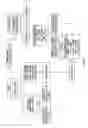
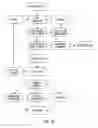
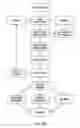
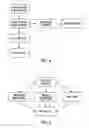
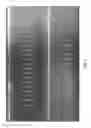
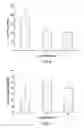
Sources:
- United States Patent and Trademark Office - verify current appl. status at the USPTO↗
Similar patent applications:
- » 20180195128
Therapeutic regimen for hypertension - » 20200263253
Therapeutic regimen for hypertension
Recent applications in this class:
- » 20250290145 2025-09-18
METHODS FOR GENERATING ANIMALS WITH DESIRABLE TRAITS - » 20250290144 2025-09-18
tRNA-DERIVED FRAGMENTS AS BIOMARKERS FOR PARKINSON'S DISEASE - » 20250290143 2025-09-18
METHODS AND SYSTEMS FOR SELECTION AND TREATMENT OF PATIENTS WITH INFLAMMATORY DISEASES - » 20250290142 2025-09-18
DETECTING OXIDATIVE STRESS IN CELL(S) USING EPIGENETIC MEANS - » 20250290141 2025-09-18
DIAGNOSTIC BIOMARKER FOR OXIDATIVE STRESS - » 20250290140 2025-09-18
TRANSCRIPTOMIC PROFILING - » 20250290139 2025-09-18
DIAGNOSIS AND PROGNOSIS OF RICHTER'S SYNDROME - » 20250290138 2025-09-18
METHOD FOR PREDICTION OF RECURRENCE OR PROGNOSIS OF DIABETIC FOOT ULCER BY USING SPECIFIC METHYLATION OF GENE - » 20250283174 2025-09-11
METHODS FOR ASSESSING THE EXHAUSTION OF HEMATOPOIETIC STEM CELLS INDUCED BY CHRONIC INFLAMMATION - » 20250283173 2025-09-11
GENE FUSIONS ASSOCIATED WITH AMYOTROPHIC LATERAL SCLEROSIS (ALS)
Recent applications for this Assignee:
- » 20180195128 2018-07-12
Therapeutic regimen for hypertension