Methods and devices for predicting anthracycline treatment efficacy
US20170175204A1
2017-06-22
15/325,472
2015-07-15
✅ Patent granted
US 11,214,836 B2
2022-01-04
WO; PCT/CA2015/050660; 20150715
WO; WO2016/008048; 20160121
Sean E Aeder
Norton Rose Fulbright US LLP
2036-07-02
Abstract:
The invention features methods, devices, and kits for predicting the responsiveness of a cancer patient (e.g., a breast cancer patient, such as a grade 1, 2, or 3 breast cancer patient) to anthracycline treatment by determining the expression levels of four chromosomal instability (CIN) genes including HDGF, KIAA0286, RFC4, and MSH6, collectively referred to as CIN4. Patients that have a low CIN4 score benefit from anthracycline treatment compared patients with a high CIN4 score.
Inventors:
- Paul BOUTROS 6 🇨🇦 Toronto, Canada
- Melanie SPEARS 2 🇨🇦 Etobicoke, Canada
- John BARTLETT 3 🇨🇦 Toronto, Canada
- Fouad YOUSIF 1 🇨🇦 Burlington, Canada
Assignee:
- ONTARIO INSTITUTE FOR CANCER RESEARCH 4 🇨🇦 Toronto, Canada
Applicant:
Interested in similar patents?
Get notified when new applications in this technology area are published.
Classification:
A61K31/704 » CPC further
Medicinal preparations containing organic active ingredients; Carbohydrates; Sugars; Derivatives thereof; Compounds having saccharide radicals attached to non-saccharide compounds by glycosidic linkages attached to a carbocyclic compound, e.g. phloridzin attached to a condensed carbocyclic ring system, e.g. sennosides, thiocolchicosides, escin, daunorubicin
A61K31/407 » CPC further
Medicinal preparations containing organic active ingredients; Heterocyclic compounds having nitrogen as a ring hetero atom, e.g. guanethidine or rifamycins having five-membered rings with one nitrogen as the only ring hetero atom, e.g. sulpiride, succinimide, tolmetin, buflomedil condensed with other heterocyclic ring systems, e.g. ketorolac, physostigmine
G01N33/574 IPC
Investigating or analysing materials by specific methods not covered by groups -; Biological material, e.g. blood, urine ; Haemocytometers; Chemical analysis of biological material, e.g. blood, urine; Testing involving biospecific ligand binding methods; Immunological testing; Immunoassay; Biospecific binding assay; Materials therefor for cancer
G01N33/57415 » CPC further
Investigating or analysing materials by specific methods not covered by groups -; Biological material, e.g. blood, urine ; Haemocytometers; Chemical analysis of biological material, e.g. blood, urine; Testing involving biospecific ligand binding methods; Immunological testing; Immunoassay; Biospecific binding assay; Materials therefor for cancer; Specifically defined cancers of breast
C12Q1/68 » CPC further
Measuring or testing processes involving enzymes, nucleic acids or microorganisms ; Compositions therefor; Processes of preparing such compositions involving nucleic acids
C12M1/34 » CPC further
Apparatus for enzymology or microbiology Measuring or testing with condition measuring or sensing means, e.g. colony counters
A61K31/136 » CPC further
Medicinal preparations containing organic active ingredients; Amines having aromatic rings, e.g. ketamine, nortriptyline having the amino group directly attached to the aromatic ring, e.g. benzeneamine
G01N33/57484 » CPC further
Investigating or analysing materials by specific methods not covered by groups -; Biological material, e.g. blood, urine ; Haemocytometers; Chemical analysis of biological material, e.g. blood, urine; Testing involving biospecific ligand binding methods; Immunological testing; Immunoassay; Biospecific binding assay; Materials therefor for cancer involving compounds serving as markers for tumor, cancer, neoplasia, e.g. cellular determinants, receptors, heat shock/stress proteins, A-protein, oligosaccharides, metabolites
C12Q2600/106 » CPC further
Oligonucleotides characterized by their use Pharmacogenomics, i.e. genetic variability in individual responses to drugs and drug metabolism
C12Q2600/158 » CPC further
Oligonucleotides characterized by their use Expression markers
G01N2800/52 » CPC further
Detection or diagnosis of diseases Predicting or monitoring the response to treatment, e.g. for selection of therapy based on assay results in personalised medicine; Prognosis
C12Q1/6886 » CPC main
Measuring or testing processes involving enzymes, nucleic acids or microorganisms ; Compositions therefor; Processes of preparing such compositions involving nucleic acids; Nucleic acid products used in the analysis of nucleic acids, e.g. primers or probes for diseases caused by alterations of genetic material for cancer
A61K38/12 » CPC further
Medicinal preparations containing peptides; Peptides having up to 20 amino acids in a fully defined sequence; Derivatives thereof Cyclic peptides, e.g. bacitracins; Polymyxins; Gramicidins S, C; Tyrocidins A, B or C
Description
BACKGROUND
Meta-analyses performed by the Early Breast Cancer Trialists Collaborative Group (EBCTTCG) demonstrate a significant increase in disease free and overall survival through the addition of anthracyclines to polychemotherapy (EBCTTCG, Lancet 365:1687-717, 2005). However, these meta-analyses also show that despite the success of modern chemotherapy approaches, 20-30% of women diagnosed with early stage disease relapse and progress to metastatic breast cancer (MBC), for which therapeutic options are limited and palliative, while around 60-70% of women are treated effectively by non-anthracycline containing therapies. It is therefore essential to select the subset of patients who would receive the optimal overall benefit from anthracycline therapy and to identify molecular pathways driving resistance. Various markers that may predict anthracycline benefit have been explored (HER2, TOP2A, CEP17 and TIMP1) with limited success (Pritchard et al., New England J. Med. 354:2103-2111, 2006; Bartlett et al., Cancer Res. 69:364S, 2009; DiLeo et al., Cancer Res. 69:99S, 2009; Bartlett et al., Lancet Oncol. 11:266-274, 2010; Pritchard et al., Breast Cancer Res. Treat. 131:541-551, 2012). To date, CEP17 (duplication of the peri-centromeric α-satellite region of chromosome 17) is the only marker that has shown unifying results across a number of clinical trials (Bartlett et al., Cancer Res. 69:364S, 2009; Pritchard et al., Breast Cancer Res. Treat. 131:541-551, 2012; Bartlett et al., Ejc Supplements 8:121, 2010). Thus, CEP17 is an independent predictor of anthracycline benefit. One of the caveats with this is that CEP17 duplication has no known biological function. The functional pathway related to anthracycline benefit in CEP17 duplicated tumors remains unknown. There is evidence (Munro et al., Br. J. Cancer 107:71-74, 2012) that suggests CEP17 acts as a surrogate biomarker for chromosome instability. A previous in silico study demonstrated chromosome instability (CIN) was associated with patient outcome.
Chromosomal instability describes genomic instability at the karyotypic level that results in alterations in chromosomal number or structure. Several mechanisms have been implicated in chromosomal instability, including compromised spindle assembly checkpoint (SAC), sister chromatid cohesion defects, additional centrosomes, and abnormal spindle kinetochore attachments. Premitotic mechanisms can also include defects in DNA repair and replication pathways. Chromosomal instability is a driver of intercellular variation and is associated with poor prognosis in many patients with solid tumors (Carter et al., Nat. Genet. 38:1043-1048, 2006; Habermann et al. Int. J. Cancer 124:1552-1564, 2009). The top 25 and top 70 gene signatures associated with chromosomal instability, which were identified as predictive of clinical outcome based on in silico analysis of mRNA levels from cancer data sets, have been designated the “CIN25” and “CIN70” signatures, respectively (Carter et al., Nat. Genet. 38:1043-1048, 2006). The CIN70 chromosomal instability signature incorporates many genes whose mRNA expression levels correlate with cell proliferation, and have a role in the cell cycle. Furthermore high CIN70 signature expression was associated with paclitaxel resistance in ovarian cancers. The CIN25 signature includes the top 25 ranked genes of 70 gene signature (CIN70). The CIN25 signature was demonstrated to be predictive of anthracycline sensitivity. However, power calculations suggest that large sample sizes (e.g., 3000 samples) may be required for CIN25 signature to be statistically powered to validate the treatment by marker hazard ratio observed for this marker. CIN70 was originally linked to taxane resistance in ovarian and colorectal cancer and to chromosomal instability. Investigation of the CIN70 gene signature in a larger dataset such as National Epirubicin Adjuvant Trial (NEAT) may fully elucidate the role of CIN70 in anthracycline sensitivity. High CIN scores are associated with poor clinical outcome in breast, lung and brain tumors. Research from our group links the predictive effect of CEP17 in vivo, to CIN which itself is predictive of anthracycline benefit in the BR9601 trial (Munro et al., Br. J. Cancer 107:71-74, 2012).
Several studies have demonstrated correlations between grade and chromosomal instability. A study performed in our lab using fluorescence in situ hybridization (FISH) demonstrated that tumors with a high percentage of chromosomal instability are correlated with high grade (Munro et al., Br J Cancer 107:71-74, 2012). It has been suggested that low-grade and intermediate grade tumors have fewer structural genomic aberrations and numerical aberrations in whole chromosomes (A'Hern et al., Nat Rev Clin Oncol 10:357-364, 2013; Dellas et al., Clin Cancer Res 8:1210-1216, 2002). A study performed by Szasz and colleagues (23) identified four CIN genes, AURKA, FOXM1, TOP2A, and TPX2, from the CIN70 signature based on the high level of correlation with histological tumor grade and in silico expressions of these genes. The CIN score of these four genes was able to stratify grade 2 breast cancer patients into good and poor prognostics cohorts even better than Ki67 and the mitotic index (Szasz et al., PLoS One 8:e56707, 2013).
There exists a need for improved methods for predicting treatment outcomes in cancer patient populations.
SUMMARY OF THE INVENTION
The methods and devices of the invention feature determining a four-gene-based signature (CIN4) that can be used to predict a cancer patient's responsiveness to anthracycline treatment. The four genes or biomarkers included in the CIN4 signature are HDGF, KIAA0286, RFC4, and MSH6. The expression level of one or more, or all of these biomarkers can be used to predict the likelihood a cancer patient will respond to anthracycline treatment.
In a first aspect, the invention features a method of predicting the responsiveness of a cancer patient to anthracycline treatment including determining the level of expression of at least one biomarker selected from the group consisting of HDGF, KIAA0286, RFC4, and MSH6 in a sample from the patient, in which the level of expression of the biomarker indicates whether the patient is responsive to the treatment.
In a second aspect, the invention features a method of predicting the responsiveness of a cancer patient to anthracycline treatment including determining the level of expression of a biomarker having all or a portion of the sequence of SEQ ID NO: 1 in a sample from the patient, in which the level of expression of the biomarker indicates whether the patient is responsive to the treatment.
In a third aspect, the invention features a method of predicting the responsiveness of a cancer patient to anthracycline treatment including determining the level of expression of a biomarker having all or a portion of the sequence of SEQ ID NO: 2 in a sample from the patient, in which the level of expression of the biomarker indicates whether the patient is responsive to the treatment.
In a fourth aspect, the invention features a method of predicting the responsiveness of a cancer patient to anthracycline treatment including determining the level of expression of a biomarker having all or a portion of the sequence of SEQ ID NO: 3 in a sample from the patient, in which the level of expression of the biomarker indicates whether the patient is responsive to the treatment.
In a fifth aspect, the invention features a method of predicting the responsiveness of a cancer patient to anthracycline treatment including determining the level of expression of a biomarker having all or a portion of the sequence of SEQ ID NO: 4 in a sample from the patient, in which the level of expression of the biomarker indicates whether the patient is responsive to the treatment.
In a sixth aspect, the invention features a method of predicting the responsiveness of a cancer patient to anthracycline treatment including determining the level of expression of a biomarker having all or a portion of the sequence of any one of SEQ ID NOs: 1-4 in a sample from the patient, in which the level of expression of the biomarker indicates whether the patient is responsive to the treatment.
In an embodiment, the method of predicting the responsiveness of a cancer patient to anthracycline treatment includes: a) determining the level of expression of at least one biomarker selected from the group consisting of HDGF, KIAA0286, RFC4, and MSH6 in a sample from the cancer patient, and b) i) comparing the level of expression of the biomarker in the sample from the cancer patient to the level of expression of the biomarker in a sample from a first reference patient known to be responsive to anthracycline treatment, or ii) comparing the level of expression of the biomarker in the sample from the cancer patient to the level of expression of the biomarker in a sample from a second reference patient known to be non-responsive to anthracycline treatment, in which a determination that the level of expression of the biomarker in the sample from the cancer patient is similar (e.g., exhibits the same trend or is statistically related) to the level of expression of the biomarker in the sample from the first reference patient indicates that the cancer patient is responsive to the anthracycline treatment, or in which a determination that the level of expression of the biomarker in the sample from the cancer patient is dissimilar (e.g., exhibits an opposite trend or is statistically unrelated) to the level of expression of the biomarker in the sample from the second reference patient indicates that the cancer patient is responsive to the anthracycline treatment. Alternatively, a determination that the level of expression of the biomarker in the sample from the cancer patient is similar (e.g., exhibits the same trend or is statistically related) to the level of expression of the biomarker in the sample from the second reference patient indicates that the cancer patient will likely be non-responsive to the anthracycline treatment
In another embodiment, the method of predicting the responsiveness of a cancer patient to anthracycline treatment includes: a) determining the level of expression of a biomarker having all or a portion of the sequence of SEQ ID NO: 1, 2, 3, or 4 in a sample from the cancer patient, and b) i) comparing the level of expression of the biomarker in the sample from the cancer patient to the level of expression of the biomarker in a sample from a first reference patient known to be responsive to anthracycline treatment, or ii) comparing the level of expression of the biomarker in the sample from the cancer patient to the level of expression of the biomarker in a sample from a second reference patient known to be non-responsive to anthracycline treatment, in which a determination that the level of expression of the biomarker in the sample from the cancer patient is similar (e.g., exhibits the same trend or is statistically related) to the level of expression of the biomarker in the sample from the first reference patient indicates that the cancer patient is responsive to the anthracycline treatment, or in which a determination that the level of expression of the biomarker in the sample from the cancer patient is dissimilar (e.g., exhibits an opposite trend or is statistically unrelated) to the level of expression of the biomarker in the sample from the second reference patient indicates that the cancer patient is responsive to the anthracycline treatment. Alternatively, a determination that the level of expression of the biomarker in the sample from the cancer patient is similar (e.g., exhibits the same trend or is statistically related) to the level of expression of the biomarker in the sample from the second reference patient indicates that the cancer patient will likely be non-responsive to the anthracycline treatment.
In some embodiments, the sample from the patient is a tissue sample. In particular, the sample is a tumor sample.
In some embodiments, the cancer is a breast cancer. In particular, the cancer is grade 1, 2, or 3.
In some embodiments, the determining of the level of expression of the biomarker occurs in the patient after a cancer treatment (e.g., surgery).
In other embodiments, the determining of the level of expression of the biomarker occurs in the patient prior to a first cancer treatment.
In other embodiments, the determining of the level of expression of the biomarker occurs in the patient after a first cancer treatment, but before a second cancer treatment.
In yet other embodiments, the determining occurs in the patient after a second cancer treatment.
In some embodiments, the treatment includes one or more of surgery, radiation therapy, and chemotherapy. Preferably, the cancer treatment is surgery.
In some embodiments, a high level of expression of one or more, or all, of the biomarkers (e.g., a low CIN4 score) indicates responsiveness to anthracycline treatment.
In some embodiments, the level of expression of the biomarker in the sample may be directly detected using a probe that hybridizes to the nucleic acid molecule encoding the biomarker. In some embodiments, the nucleic acid encoding the biomarker may be labeled with a probe, e.g., a fluorescent molecule (e.g., a non-naturally occurring fluorescent molecule), and detected using fluorescence readout. In other embodiments, the level of expression of the biomarkers in the sample may be detected after amplification of the nucleic acid molecule encoding the biomarker. Methods to detect and quantify the nucleic acid molecules encoding the biomarkers include, but are not limited to, Nanostring technologies or protocols (Nanostring® Technologies, Seattle, Wash., USA; e.g., those described in U.S. Patent Application Nos. US20110201515, US20110229888, and US 20130017971, each of which is incorporated by reference in its entireties) and quantitative reverse transcription-polymerase chain reaction (qRT-PCR).
In a preferred embodiment, the level of expression of the biomarker in the sample is determined by collecting nucleic acid molecules from the sample and using Nanostring technologies or protocols (Nanostring® Technologies, Seattle, Wash., USA) to detect and quantify the nucleic acid molecules.
In other embodiments, the level of expression of the biomarker in the sample is determined by collecting nucleic acid molecules from the sample and, optionally, using a quantitative reverse transcription-polymerase chain reaction (qRT-PCR) to amplify the nucleic acid molecules.
In other embodiments, some methods of the invention further include treating the cancer patient predicted to be responsive to anthracycline treatment with an anthracycline. In particular, the anthracycline is selected from the group consisting of epirubicin, daunorubicin, doxorubicin, idarubicin, valrubicin, actinomycin-D, bleomycin, mitomycin-C, and mitoxantrone, preferably, the anthracycline is epirubicin. In other embodiments, the cancer patient may also be treated with one or more of the chemotherapeutic agents listed in Table 2.
In other embodiments, some methods of the invention further include treating the cancer patient predicted to be non-responsive to anthracycline treatment with a non-anthracycline treatment, such as one or more of the chemotherapeutic agents listed in Table 2.
In some embodiments, the level of expression of the biomarker is determined using a microarray device.
In other embodiments, the methods of the invention include determining the level of expression of the biomarker using a quantitative reverse transcription-polymerase chain reaction.
In some embodiments, the level of expression of the biomarkers, e.g., HDGF, KIAA0286, RFC4, and MSH6, is determined by artificially and detectably labeling nucleic acid molecules in the sample obtained from the cancer patient, e.g., a breast cancer patient, such as grade 1, 2, or 3 breast cancer patient, and measuring the level of expression of the biomarkers, e.g., HDGF, KIAA0286, RFC4, and MSH6, using the artificially and detectably labeled nucleic acid molecules.
In another aspect, the invention features a method of treating a cancer in a cancer patient determined to have a similar level of expression of at least one biomarker selected from the group consisting of HDGF, KIAA0286, RFC4, and MSH6 to the level of expression of the biomarker in a first reference patient known to be responsive to anthracycline treatment, the method includes administering an anthracycline to the cancer patient.
In another aspect, the invention features a method of treating a cancer in a cancer patient determined to have a similar level of expression of a biomarker having all or a portion of the sequence of SEQ ID NO: 1, 2, 3, or 4 to the level of expression of the biomarker in a first reference patient known to be responsive to anthracycline treatment, the method includes administering an anthracycline to the cancer patient.
In some embodiments, the anthracycline is selected from the group consisting of epirubicin, daunorubicin, doxorubicin, idarubicin, valrubicin, actinomycin-D, bleomycin, mitomycin-C, and mitoxantrone. Preferably, the anthracycline is epirubicin.
In some embodiments of this aspect of the invention, the cancer patient is determined to have a similar level of expression of the biomarker to the level of expression of the biomarker in a first reference patient known to be responsive to anthracycline treatment by: a) determining the level of expression of the biomarker in a sample from the cancer patient, b) i) comparing the level of expression of the biomarker in the sample from the cancer patient to the level of expression of the biomarker in a sample from a first reference patient known to be responsive to anthracycline treatment, or ii) comparing the level of expression of the biomarker in the sample from the cancer patient to the level of expression of the biomarker in a sample from a second reference patient known to be non-responsive to anthracycline treatment.
In another aspect, the invention features a device including at least one single-stranded nucleic acid molecule having at least 85% identity to a target nucleic acid molecule having a sequence that is complementary or identical to at least 5 (e.g., at least 10, 15, 20, 25, 30, 35, 40, 45, or 50; preferably at least about 25) consecutive nucleotides of at least one biomarker selected from HDGF, KIAA0286, RFC4, and MSH6 in a sample from a cancer patient, in which at least one single-stranded nucleic acid molecule is sufficient for the detection of the level of expression of the biomarker and allows specific hybridization between the single stranded nucleic acid molecule and the target nucleic acid molecule.
In another aspect, the invention features a device including at least one single-stranded nucleic acid molecule having at least 85% identity to a target nucleic acid molecule having a sequence that is complementary or identical to at least 5 (e.g., at least 10, 15, 20, 25, 30, 35, 40, 45, or 50; preferably at least about 25) consecutive nucleotides of a biomarker having the sequence of SEQ ID NO: 1 in a sample from a cancer patient, in which at least one single-stranded nucleic acid molecule is sufficient for the detection of the level of expression of the biomarker and allows specific hybridization between the single stranded nucleic acid molecule and the target nucleic acid molecule.
In another aspect, the invention features a device including at least one single-stranded nucleic acid molecule having at least 85% identity to a target nucleic acid molecule having a sequence that is complementary or identical to at least 5 (e.g., at least 10, 15, 20, 25, 30, 35, 40, 45, or 50; preferably at least about 25) consecutive nucleotides of a biomarker having the sequence of SEQ ID NO: 2 in a sample from a cancer patient, in which the at least one single-stranded nucleic acid molecule is sufficient for the detection of the level of expression of the biomarker and allows specific hybridization between the single stranded nucleic acid molecule and the target nucleic acid molecule.
In another aspect, the invention features a device including at least one single-stranded nucleic acid molecule having at least 85% identity to a target nucleic acid molecule having a sequence that is complementary or identical to at least 5 (e.g., at least 10, 15, 20, 25, 30, 35, 40, 45, or 50; preferably at least about 25) consecutive nucleotides of a biomarker having the sequence of SEQ ID NO: 3 in a sample from a cancer patient, in which the at least one single-stranded nucleic acid molecule is sufficient for the detection of the level of expression of the biomarker and allows specific hybridization between the single stranded nucleic acid molecule and the target nucleic acid molecule.
In another aspect, the invention features a device including at least one single-stranded nucleic acid molecule having at least 85% identity to a target nucleic acid molecule having a sequence that is complementary or identical to at least 5 (e.g., at least 10, 15, 20, 25, 30, 35, 40, 45, or 50; preferably at least about 25) consecutive nucleotides of a biomarker having the sequence of SEQ ID NO: 4 in a sample from a cancer patient, in which the at least one single-stranded nucleic acid molecule is sufficient for the detection of the level of expression of the biomarker and allows specific hybridization between the single stranded nucleic acid molecule and the target nucleic acid molecule.
In another aspect, the invention features a device including at least one single-stranded nucleic acid molecule having at least 85% identity to a target nucleic acid molecule having a sequence that is complementary or identical to at least 5 (e.g., at least 10, 15, 20, 25, 30, 35, 40, 45, or 50; preferably at least about 25) consecutive nucleotides of a biomarker having the sequence of any one of SEQ ID NOs: 1-4 in a sample from a cancer patient, in which the at least one single-stranded nucleic acid molecule is sufficient for the detection of the level of expression of the biomarker and allows specific hybridization between the single stranded nucleic acid molecule and the target nucleic acid molecule.
In some embodiments, the target nucleic acid molecule has a sequence that is complementary or identical to at least 10 to 100, at least 20 to 100, at least 30 to 100, at least 40 to 100, at least 50 to 100, at least 60 to 100, at least 70 to 100, at least 80 to 100, or at least 90 to 100 consecutive nucleotides.
In some embodiments, at least one single-stranded nucleic acid molecule has a length in the range of 10 to 100 nucleotides.
In some embodiments, the device allowing, when contacted with a diverse population of nucleic acid molecules prepared from a sample under conditions allowing hybridization to occur, the determination of the level of expression of the at least one biomarker.
In some embodiments, the device is a microarray device.
In another aspect, the invention features a method for predicting responsiveness of a cancer patient to anthracycline treatment including determining the level of expression of at least one biomarker in a patient sample using any one of the aforementioned devices of the invention, in which the level of expression of the biomarker is predictive of responsiveness of the cancer patient to anthracycline treatment.
In some embodiments, the sample is a tissue sample. In particular, the sample is a tumor sample.
In some embodiments, the cancer is a breast cancer. In particular, the cancer is grade 1, 2, or 3.
In some embodiments, the determining of the level of expression of the biomarker occurs in the patient after a first cancer treatment. Preferably, the first cancer treatment is surgery.
In other embodiments, the determining of the level of expression of the biomarker occurs in the patient prior to a first cancer treatment.
In other embodiments, the determining of the level of expression of the biomarker occurs in said patient after a first cancer treatment, but before a second cancer treatment.
In yet other embodiments, the determining of the level of expression of the biomarker occurs in said patient after a second cancer treatment.
In some embodiments, the treatment includes any combination of one or more of surgery, radiation therapy, and chemotherapy.
In some embodiments, a high expression level of at least one (or all) of the biomarkers (e.g., a low CIN4 score) indicates responsiveness to anthracycline treatment.
In another aspect, the invention features, a kit including reagents for collecting nucleic acid molecules from a sample from a cancer patient, reagents for amplifying the nucleic acid molecules collected from the sample to produce an amplified sample, and at least one device for detecting the level of expression of at least one biomarker having the sequence of any one of SEQ ID NOs: 1-4 in the amplified sample.
In some embodiments, a quantitative reverse transcription-polymerase chain reaction (qRT-PCR) is used to produce the amplified sample.
In some embodiments, the kit further includes instructions for predicting responsiveness of a cancer patient to anthracycline treatment based on the level of expression of the at least one biomarker.
In some embodiments, the device in the kit is any one of the aforementioned devices of the invention.
In other embodiments, the kit further includes instructions for applying nucleic acid molecules collected from the sample to the device, and/or instructions for determining the level of expression of the at least one biomarker by detecting hybridization of the at least one single-stranded nucleic acid molecule to the biomarker or its complement sequence.
In other embodiments, the kit further includes instructions for predicting responsiveness of a cancer patient to anthracycline treatment based on the level of expression of the at least one biomarker as detected using the device.
In another aspect, the invention features a method of predicting the responsiveness of a cancer patient to anthracycline treatment including: a) determining a CIN4 signature of the cancer patient, and b) i) comparing the CIN4 signature of the cancer patient to a CIN4 signature of a first reference patient known to be responsive to anthracycline treatment, or ii) comparing the CIN4 signature of the cancer patient to a CIN4 signature of a second reference patient known to be non-responsive to anthracycline treatment, in which a determination that the CIN4 signature of the cancer patient is similar to the CIN4 signature of the first reference patient indicates that the cancer patient is responsive to the anthracycline treatment, or in which a determination that the CIN4 signature of the cancer patient is dissimilar to the CIN4 signature of the second reference patient indicates that the cancer patient is responsive to the anthracycline treatment.
In some embodiments, a low CIN4 signature predicts a cancer patient to be responsive to anthracycline treatment.
DEFINITIONS
The term “cancer patient” as used herein refers to a subject, e.g., a human subject, who has, or has had a cancer and may or may not have been treated for the cancer (e.g., breast, brain, skin, lung, kidney, prostate, or liver cancer). In particular, the cancer may be breast cancer, e.g., grade 1, 2, or 3 breast cancer.
The term “complement” of a nucleic acid sequence or a “complementary” nucleic acid sequence as used herein refers to an oligonucleotide which is in “antiparallel association” when it is aligned with the nucleic acid sequence such that the 5′ end of one sequence is paired with the 3′ end of the other.
When complementary nucleic acid sequences form a stable duplex, they are said to be “hybridized” or to “hybridize” to each other or it is said that “hybridization” has occurred. Nucleic acids are referred to as being “complementary” if they contain nucleotides or nucleotide homologues that can form hydrogen bonds according to Watson-Crick base-pairing rules (e.g., G with C, A with T or A with U) or other hydrogen bonding motifs such as for example diaminopurine with T, 5-methyl C with G, 2-thiothymidine with A, inosine with C, pseudoisocytosine with G, etc. Anti-sense RNA may be complementary to other oligonucleotides, e.g., mRNA.
The term “biomarker” as used herein indicates a gene or other portion of a subjects genetic material that is expressed in a form that can be measured (e.g., as an mRNA, microRNA, or protein) and whose expression level is indicative of a patient's response to certain drugs. In particular, the expression level of at least one biomarkers selected from HDGF, KIAA0286, RFC4, and MSH6 (SEQ ID NOs: 1-4) may be used to predict a cancer patient's response to anthracycline treatment.
The term “microarray” as used herein means a device employed by any method that quantifies one or more subject oligonucleotides, e.g., DNA or RNA, or analogues thereof, at a time. In a preferred embodiment, one or more subject oligonucleotides, e.g., DNA or RNA, cDNA, or analogues thereof, are quantified using any method or device (e.g., the Nanostring protocol (Nanostring® Technologies, Seattle, Wash., USA)). For example, many microarrays, including those made by Nanostring® Technologies and Affymetrix, use several probes for determining the expression of a single gene. The DNA microarray may contain oligonucleotide probes that may be, e.g., full-length cDNAs complementary to an RNA or cDNA fragments that hybridize to part of an RNA. The DNA microarray may also contain modified versions of DNA or RNA, such as locked nucleic acids or LNA. Exemplary RNAs include mRNA, miRNA, and miRNA precursors. Exemplary microarrays also include a “nucleic acid microarray” having a substrate-bound plurality of nucleic acids, hybridization to each of the plurality of bound nucleic acids being separately detectable. The substrate may be solid or porous, planar or non-planar, unitary or distributed. Exemplary nucleic acid microarrays include all of the devices so called in Schena (ed.), DNA Microarrays: A Practical Approach (Practical Approach Series), Oxford University Press (1999); Nature Genet. 21(I)(suppl.): 1-60 (1999); Schena (ed.), Microarray Biochip: Tools and Technology, Eaton Publishing Company/BioTechniques Books Division (2000). Additionally, exemplary nucleic acid microarrays include substrate-bound plurality of nucleic acids in which the plurality of nucleic acids are disposed on a plurality of beads, rather than on a unitary planar substrate, as is described, inter alia, in Brenner et al., Proc. Natl. Acad. Sci. USA 97(4): 1665-1670 (2000). Examples of nucleic acid microarrays may be found in U.S. Pat. Nos. 6,391,623, 6,383,754, 6,383,749, 6,380,377, 6,379,897, 6,376,191, 6,372,431, 6,351,712 6,344,316, 6,316,193, 6,312,906, 6,309,828, 6,309,824, 6,306,643, 6,300,063, 6,287,850, 6,284,497, 6,284,465, 6,280,954, 6,262,216, 6,251,601, 6,245,518, 6,263,287, 6,251,601, 6,238,866, 6,228,575, 6,214,587, 6,203,989, 6, 171,797, 6,103,474, 6,083,726, 6,054,274, 6,040,138, 6,083,726, 6,004,755, 6,001,309, 5,958,342, 5,952, 180, 5,936,731, 5,843,655, 5,814,454, 5,837,196, 5,436,327, 5,412,087, 5,405,783, the disclosures of which are incorporated herein by reference in their entireties.
Exemplary microarrays may also include “peptide microarrays” or “protein microarrays” having a substrate-bound plurality of polypeptides, the binding of a oligonucleotide, a peptide, or a protein to each of the plurality of bound polypeptides being separately detectable. Alternatively, the peptide microarray, may have a plurality of binders, including but not limited to monoclonal antibodies, polyclonal antibodies, phage display binders, yeast 2 hybrid binders, aptamers, which can specifically detect the binding of specific oligonucleotides, peptides, or proteins. Examples of peptide arrays may be found in WO 02/31463, WO 02/25288, WO 01/94946, WO 01/88162, WO 01/68671, WO 01/57259, WO 00/61806, WO 00/54046, WO 00/47774, WO 99/40434, WO 99/39210, WO 97/42507 and U.S. Pat. Nos. 6,268,210, 5,766,960, 5,143,854, the disclosures of which are incorporated herein by reference in their entireties.
The term “CIN4 score” is used to indicate and predict the responsiveness of a cancer patient (e.g., breast cancer patient, such as grade 1, 2, or 3 breast cancer patient) to anthracycline treatment. A low CIN4 score relates to high gene expressions of one or more (e.g., all four) genes in the CIN4 signature (HDGF, KIAA0286, RFC4, and MSH6) and indicates responsiveness of the cancer patient to anthracycline treatment. A high CIN4 score relates to low expressions of one or more (e.g., all four) genes in the CIN4 signature (HDGF, KIAA0286, RFC4, and MSH6) and indicates non-responsiveness of the cancer patient to anthracycline treatment.
The term “treatment” or “medical treatment” means administering to a subject or living organism or exposing to a cell or tumor a compound (e.g., a drug, a protein, an antibody, an oligonucleotide, a chemotherapeutic agent (e.g., anthracycline), or a radioactive agent) or some other form of medical intervention (e.g., cryotherapy and radiation therapy) that can be used to treat or prevent cancer (e.g., breast cancer) or the symptoms of cancer. Radiation therapy includes the administration to a patient of radiation generated from sources such as particle accelerators and related medical devices that emit X-radiation, gamma radiation, or electron (beta radiation) beams. A treatment may further include surgery, e.g., to remove or excise a tumor from a subject or living organism.
DESCRIPTION OF THE DRAWINGS
FIG. 1 shows graphs of Kaplan-Meier survival curves for low CIN25 score (lower line) and high CIN25 score (higher line) for overall survival (A) and distant relapse free survival (B).
FIG. 2 shows graphs of Kaplan-Meier survival curves for epirubicin plus cyclophosphamide, methotrexate and fluorouracil (E-CMF) (higher line) and CMF (lower line) treated low CIN25 score (A, C) or high CIN25 score (B, D) for overall survival (A, B) and distant relapse free survival (C, D).
FIG. 3 shows a graph of Kaplan-Meier survival curve for low CIN4 score treated with epirubicin plus cyclophosphamide, methotrexate and fluorouracil (E-CMF) (Line 2), high CIN4 score treated with E-CMF (Line 3), low CIN4 score treated with CMF (Line 1) and high CIN4 score treated with CMF (Line 4) for distant relapse free survival.
DETAILED DESCRIPTION OF THE INVENTION
CIN4 Signature is a Predictive Marker of Anthracycline Benefit
We have discovered that a four-gene-based signature (CIN4) is associated with a cancer patient's response to anthracycline treatment. The CIN4 signature includes the expression levels of one or more, or all of the genes HDGF, KIAA0286, RFC4, and MSH6. In multivariate regression analysis, the CIN4 signature conferred predictive responsiveness to anthracycline treatment. Interestingly, three of the four genes in our CIN4 signature are involved in DNA repair/DNA-binding activity. Anthracyclines are thought to exert their actions by intercalation with DNA, generation of free radicals, and crosslinking DNA to proteins. Therefore, dysregulation of genes involved in DNA repair leads to anthracycline sensitivity.
We discovered that grade 3 breast cancer patients with a high level of CIN benefited from anthracycline therapy. It is possible that low grade tumors are more susceptible to a taxane treatment while higher grade tumors are sensitive to anthracycline treatment. A previous study has demonstrated a high level of CIN70 gene expression is associated with paclitaxel resistance (Swanton et al., Proc Natl Acad Sci. 106:8671-8676, 2009).
In some embodiments, the CIN4 signature is an independent predictor of anthracycline sensitivity. In other embodiments, the combination of chromosomal instability and high tumor grade may predict anthracycline sensitivity and taxane resistance.
Correlation of CIN25 or CIN70 and Clinicopathological Parameters
We successfully analysed 282 of 321 (87.9%) and 421 of 440 (95.7%) tumors from BR9601 and MA.5, respectively. High CIN70 and CIN25 scores were defined as above the median as previously described (Carter et al., Nat Genet 38:1043-1048, 2006). High CIN70 and CIN25 scores were associated with age (p<0.0001), grade (p<0.0001), PgR negativity (p<0.0001), and ER negativity (p<0.0001), but not with tumor size, nodal status, or HER2 status.
CIN Signature as a Prognostic Marker for Overall Survival (OS) and Distant Recurrence-Free Survival (DRFS)
The prognostic significance of CIN25 and CIN70 was tested on the entire patient cohort, irrespective of allocated adjuvant chemotherapy. No significant association between CIN70 expression and OS or DRFS was evident. Tumors with high CIN25 scores were associated with reduced OS (HR: 0.69, 95% Cl 0.54-0.88, p=0.003, FIG. 1A) and DRFS (HR: 0.70, 95% Cl 0.60-0.90, p=0.004, FIG. 1B). After multivariate analysis and adjustment for nodal status, grade, size, age, HER2, ER, and PgR status, high CIN25 score was not an independent predictor for OS or DRFS.
CIN Signature as a Biological Marker for Responsiveness to Anthracycline Treatment
We analysed the differential effects of the CIN signatures on OS and DRFS between patients receiving anthracycline treatment (E-CMF) and those given CMF alone by assessing hazard ratios. No significant differential benefit from E-CMF treatment was demonstrated between patients whose tumors had high or low CIN70 expression (Table 1)
In univariate analysis, patients whose tumors had high CIN25 gene expression scores had a decreased risk of distant relapse (HR: 0.74, 95% Cl 0.54-0.99, p=0.046) when treated with E-CMF compared with patients treated with CMF alone (Table 1). There was no apparent benefit of E-CMF vs CMF noted in patients with low CIN25 scores for DRFS (HR: 0.87, 95% Cl 0.61-1.21, p=0.374). In a multivariate analysis with adjustment for size, nodal status, ER, pathological grade, HER2, CIN25, treatment and CIN25*treatment (a marker by treatment interaction test; e.g., McShane, BMC Medicine 10:52, 2012, and Mandrekar et al., Journal of clinical Oncology 27:4027, 2009) showed only pathological grade, nodal status, tumor size, and polysomy to be significant predictors of outcome. No significant differential benefit from E-CMF treatment was demonstrated between patients whose tumors had high or low CIN25 expression for OS (Table 1). The hazard ratio for treatment marker effect of CIN25 was 0.86 (95% CI 0.53-1.40, p=0.549) for OS and 0.86 (95% CI 0.54-1.36, p=0.519) (Table 1).
CIN Signature as a Biological Marker for Responsiveness to Anthracycline Treatment in Grade 3 Patients
Previous research identified a significant association between CIN gene expression and grade 3 tumors (Carter et al., Nat Genet 38:1043-1048, 2006). Therefore, an exploratory analysis was performed on patients that were pathological grade 3 only. We analysed the differential effects of the CIN signatures on OS and DRFS between patients receiving anthracycline treatment (E-CMF) and those given CMF alone by assessing hazard ratios.
In univariate analysis, patients whose tumors had high CIN25 gene expression scores had a reduced risk of distant relapse (HR: 0.66, 96% Cl 0.46-0.94, p=0.021) and increased OS (HR: 0.73, 95% Cl 0.57-0.95, p=0.05) when treated with E-CMF compared with patients treated with CMF alone (FIG. 2, Table 1). No significant benefit from E-CMF treatment versus CMF treatment was demonstrated in patients with tumors exhibiting low CIN25 gene expression (Table 1). In patients with grade 1 and 2 tumors, no significant benefit from E-CMF treatment versus CMF treatment was demonstrated with either high or low CIN25 gene expression scores (Table 1). The hazard ratio for treatment marker effect of CIN25 in grade 3 tumors was 0.78 (95% CI 0.42-1.43, p=0.413) for OS and 0.81 (95% CI 0.45-1.46, p=0.479) (Table 1).
| TABLE 1 |
| Hazard ratios for overall survival and distant relapse free survival |
| comparing epirubicin plus cyclophosphamide, methotrexate and |
| fluorouracil (E-CMF) with CMF alone by biomarker status. |
| Treatment*Marker |
| Low Biomarker | High Biomarker | Test for |
| HR | 95% CI | HR | 95% CI | HR | Interaction P | |
| Overall Survival (OS) |
| CIN70 | 0.82 | 0.57-1.17 | 0.82 | 0.59-1.14 | 0.99 | 0.977 |
| CIN25 | 0.87 | 0.61-1.29 | 0.76 | 0.56-1.05 | 0.86 | 0.549 |
| CIN25 in | 0.91 | 0.55-1.48 | 0.70 | 0.41-1.36 | 0.78 | 0.413 |
| grade 3 | ||||||
| CIN25 in | 0.74 | 0.41-1.36 | 1.27 | 0.58-2.80 | 1.76 | 0.266 |
| grade 1&2 |
| Distant Relapse Free Survival (DRFS) |
| CIN70 | 0.79 | 0.57-1.10 | 0.79 | 0.58-1.08 | 0.97 | 0.904 |
| CIN25 | 0.85 | 0.61-1.21 | 0.74 | 0.54-0.99 | 0.86 | 0.519 |
| CIN25 in | 0.81 | 0.51-1.30 | 0.66 | 0.46-0.94 | 0.81 | 0.479 |
| grade 3 | ||||||
| CIN25 in | 0.85 | 0.50-1.43 | 1.12 | 0.58-2.12 | 1.30 | 0.541 |
| grade 1&2 | ||||||
CIN4 Signature Predicts Responsiveness to Anthracycline Treatment
In order to select a more limited set of genes that reflects CIN, we used the merged clinical cohort (containing both BR9601 and MA.5). The cohort was split into anthracycline treated and CMF treated cohorts. The patients were clustered using the expression profile of the 70 genes, which led to nine clusters. A multivariate Cox model was fit for each gene, adjusting for clinical variables including HER2, ER, PgR, tumor size, grade, and nodal status. The top genes from each expression cluster, with the most significant p-value in the anthracycline treated cohort and a non-significant CMF cohort, were selected to make a list of 20 genes.
From this list of 20 genes, all possible combinations of 2, 3, 4, and 5 gene signatures were examined (210, 1330, 5985 and 20349 combinations, respectively) and bootstrapped 100 times, with the median area under the curve (AUC) noted. In each bootstrap, the treatment cohort was split into 60% training and 40% test sets. The AUC was calculated from the test sets and the gene signature selected had the greatest AUC and had four genes, HDGF, KIAA0286, RFC4, and MSH6, termed the CIN4 signature. A multivariate Cox regression was fit using the 4 genes, adjusting for the same clinical variables mentioned above. A CIN4 score was generated using the expression values of the 4 genes, weighted by their regression coefficients. Patients that have a low CIN4 score benefit from anthracycline treatment compared to high CIN4 score (HR 2.72, 95% Cl 1.48-5.02, p=0.001) (FIGS. 2 and 3). No significant benefit with CMF treatment was observed in either low or high CIN4 score. The hazard ratio for treatment marker effect of CIN4 was 0.35 (95% CI 0.15-0.79, p=0.01) for DRFS.
Methods of Determining Gene Expression and CIN4 Signature Score
In some embodiments, formalin-fixed paraffin embedded (FFPE) tissue samples may be used. In other embodiments, cell or tissue samples (e.g., tissue samples from tumors) taken from patients (e.g., cancer patients, such as breast cancer patients (e.g., grade 1, 2, or 3 breast cancer patients)) may be snap frozen in liquid nitrogen until processing or by other methods known in the art. Total RNA may be extracted from cell or tissue samples using one of the commercially available kits, e.g., preferably RecoverAll Total Nucleic Acid Isolation kit (Life Technologies), or using agents well known in the art, e.g., Trizol Reagent.
The expression levels of the various biomarkers, e.g., one or more (e.g., all) of the four genes in the CIN4 signature (HDGF, KIAA0286, RFC4, and MSH6), using, e.g., isolated RNA, may be determined using procedures, such as a microarray or other known device or platform and quantitative reverse transcriptase polymerase chain reaction (qRT-PCR), that can be used to measure the level of biomarkers expression in a sample. In some embodiments, microarray and qRT-PCR may be performed in combination. Alternatively, the method may determine the expression levels of one or more of the four genes (HDGF, KIAA0286, RFC4, and MSH6) in the CIN4 signature using isolated proteins corresponding to the product of these genes.
A microarray of the invention may include one or more oligonucleotide probes that have nucleotide sequences that are identical to or complementary to, e.g., at least 5, 8, 12, 20, 25, 30, 40, 60, 80, 100, 150, or 200 consecutive nucleotides (or nucleotide analogues) of the biomarkers, e.g., HDGF, KIAA0286, RFC4, and MSH6. The oligonucleotide probes may be, e.g., 5-20, 25, 5-50, 50-100, or over 100 nucleotides long. The oligonucleotide probes may be deoxyribonucleic acids (DNA) or ribonucleic acids (RNA). Additionally, probes employed on microarrays of the invention may also include proteins, peptides, or antibodies that selectively bind any of the oligonucleotide sequences or their complementary sequences of a polypeptide encoded by the gene or mRNA of HDGF, KIAA0286, RFC4, or MSH6.
Procedures for performing qRT-PCR are described in, e.g., U.S. Pat. No. 7,101,663 and U.S. Patent Application Nos. 2006/0177837 and 2006/0088856, each of which is incorporated herein by reference in its entireties.
The resulting gene or protein expression measurements are further processed and statistically analyzed as described further herein. A CIN4 signature score is calculated using statistical analyses described in Example 4.
Identifying a Subpopulation of Patients Sensitive to a Treatment for Cancer
The methods of the invention may be used to identify a subpopulation of cancer patients, e.g., breast cancer patients, such as grade 1, 2, or 3 breast cancer patients, responsive to a treatment, e.g., anthracycline treatment, or other medical treatment. To this end, the level of expression of one or more (e.g., all) of the biomarkers in the CIN4 signature (HDGF, KIAA0286, RFC4, and MSH6) correlating to responsiveness to anthracycline treatment, may be determined so that patients responsive to anthracycline treatment may be identified.
Alternatively, genes may be identified as biomarkers (e.g., biomarkers in the CIN4 signature (HDGF, KIAA0286, RFC4, and MSH6)) according to their ability to discriminate patients known to be responsive to a treatment (e.g., anthracycline treatment) from those known to be resistant. The significance of the differences in gene (HDGF, KIAA0286, RFC4, and/or MSH6) expression between the responsive and resistant patients may be measured using, e.g., t-tests.
The patient populations (e.g., cancer patients, such as breast cancer patients (e.g., grade 1, 2, or 3 breast cancer patients)) considered may be further divided into patients predicted to survive without treatment (e.g., anthracycline treatment), patients predicted to die without treatment (e.g., anthracycline treatment), and patients predicted to have symptoms without treatment (e.g., anthracycline treatment). The above methodology may be similarly applied to any of these further defined patient subpopulations to identify biomarkers (e.g., biomarkers in the CIN4 signature (HDGF, KIAA0286, RFC4, and MSH6)) that are able to predict a patient's responsiveness to treatments, e.g., anthracycline treatment, or other treatments for cancer, e.g., breast cancer, such grade 1, 2, or 3 breast cancer.
Anthracycline and Non-Anthracycline Treatments
Patients with CIN4 signature scores that identify them as responsive to anthracycline treatment may be administered anthracycline treatment, which includes, but is not limited to, treatment with one or more of the following chemotherapeutic agents and their derivatives: epirubicin, daunorubicin, doxorubicin, idarubicin, valrubicin, actinomycin-D, bleomycin, mitomycin-C, and mitoxantrone.
Cancer patients with CIN4 signature scores identifying them as likely to be non-responsive to anthracycline treatment may be administered one or more chemotherapeutic agents other than an anthracycline. Some examples of non-anthracycline chemotherapeutic agents are listed in Table 2.
| TABLE 2 | |
| Therapeutic | |
| Class | Exemplary, Non-Limiting Agents |
| Alkylating | Nitrogen mustards: such as mechlorethamine |
| Agents | (nitrogen mustard), chlorambucil, cyclophosphamide |
| (Cytoxan ®), ifosfamide, and melphalan Nitrosoureas: | |
| which include streptozocin, carmustine (BCNU), and | |
| lomustine | |
| Alkyl sulfonates: busulfan | |
| Triazines: dacarbazine (DTIC) and temozolomide | |
| (Temodar ®) | |
| Ethylenimines: thiotepa and altretamine (hexamethyl- | |
| melamine) | |
| Antimetabolites | 5-fluorouracil (5-FU) |
| 6-mercaptopurine (6-MP) | |
| Capecitabine (Xeloda ®) | |
| Cladribine | |
| Clofarabine | |
| Cytarabine (Ara-C ®) | |
| Floxuridine | |
| Fludarabine | |
| Gemcitabine (Gemzar ®) | |
| Hydroxyurea | |
| Methotrexate | |
| Pemetrexed (Alimta ®) | |
| Pentostatin | |
| Thioguanine | |
| Topoisomerase | topoisomerase I inhibitors |
| inhibitors | topotecan |
| irinotecan (CPT-11). | |
| topoisomerase II inhibitors | |
| etoposide (VP-16) | |
| teniposide | |
| Mitotic | Taxanes such as paclitaxel (Taxol ®) and docetaxel |
| inhibitors | (Taxotere ®) |
| Epothilones: ixabepilone (Ixempra ®) | |
| Vinca alkaloids such as vinblastine (Velban ®), | |
| vincristine (Oncovin ®), and vinorelbine (Navelbine ®) | |
| Estramustine (Emcyt ®) | |
| Corticosteroids | Examples include prednisone, methylprednisolone |
| (Solumedrol ®), and dexamethasone (Decadron ®). | |
| Miscellaneous | L-asparaginase |
| Chemo- | bortezomib (Velcade ®) |
| therapeutics | imatinib (Gleevec ®) |
| gefitinib (Iressa ®) | |
| sunitinib (Sutent ®) | |
| Differentiating | retinoids |
| agents | tretinoin (ATRA or Atralin ®) |
| bexarotene (Targretin ®) | |
| arsenic trioxide (Arsenox ®). | |
| Hormone | The anti-estrogens: fulvestrant (Faslodex ®), |
| therapy | tamoxifen, and toremifene (Fareston ®) |
| Aromatase inhibitors: anastrozole (Arimidex ®), | |
| exemestane (Aromasin ®), and letrozole (Femara ®) | |
| Progestins: megestrol acetate (Megace ®) | |
| Estrogens | |
| Anti-androgens: bicalutamide (Casodex ®), flutamide | |
| (Eulexin ®), and nilutamde (Nilandron ®) | |
| Gonadotropin-releasing hormone (GnRH), also known | |
| as luteinizing hormone-releasing hormone (LHRH) | |
| agonists or analogs: leuprolide (Lupron ®) and | |
| goserelin (Zoladex ®) | |
| Immunotherapy | Monoclonal antibody therapy (passive immuno- |
| therapies), such as rituximab (Rituxan ®) and | |
| alemtuzumab (Campath ®) | |
| Non-specific immunotherapies and adjuvants (other | |
| substances or cells that boost the immune | |
| response), such as BCG, interleukin-2 (IL-2), and | |
| interferon-alfa | |
| Immunomodulating drugs, for instance, thalidomide | |
| and lenalidomide (Revlimid ®) | |
| Cancer vaccines (active specific immunotherapies) | |
One or more of the above-mentioned chemotherapeutic agents may be administered to the appropriate patient populations identified based on their CIN4 scores using any methods known in the art, including but not limited to, oral, topical, transdermal, parenteral, subcutaneous, intranasal, intramuscular and intravenous routes, including both local and systemic applications. The chemotherapeutic agents, and pharmaceutical compositions thereof, may be administered to a patient in need thereof, for example, one or more times (e.g., 1-10 times or more) daily, weekly, monthly, biannually, annually, or as medically necessary. Dosages may be provided in either a single or multiple dosage regimens. Methods of administering chemotherapeutic agents are known in the art. See, for example, U.S. Pat. Nos. 7,811,998, 6,201,554, and 8,497,274, and U.S. Patent Application Publication Nos. US20090048301, WO2013025882, US20040063705, the disclosures of which are incorporated by reference in their entireties.
Examples
Example 1—BR9601 Clinical Trial
The BR9601 trial recruited 374 pre- and post-menopausal women with completely excised, histologically confirmed breast cancer and a clear indication for adjuvant chemotherapy. Patients were randomized between 8 cycles of CMF (i.v. cyclophosphamide 750 mg/m2, methotrexate 50 mg/m2, and 5-fluorouracil 600 mg/m2) every 21 days, and E-CMF (4 cycles of epirubicin 100 mg/m2 every 21 days followed by 4 cycles of the same CMF regimen). Patient characteristics are shown in Table 3. The protocol was approved by central and local ethics committees, and each patient provided written informed consent prior to randomization. For the current analysis, tissue blocks were retrieved and RNA was extracted.
Example 2—MA.5 Clinical Trial
The MA.5 trial randomized 716 premenopausal women with node-positive breast cancer to receive either adjuvant CEF or CMF. The CEF regimen consisted of 6 cycles of epirubicin 60 mg/m2 and 5-fluorouracil (5-FU) 500 mg/m2, both delivered intravenously on days 1 and 8, and oral cyclophosphamide 75 mg/m2 daily on days 1 through 14. Patients randomized to the CEF regimen also received antibiotic prophylaxis throughout. The CMF regimen consisted of 6 cycles of methotrexate 40 mg/m2 and 5-FU 600 mg/m2, both delivered intravenously on days 1 and 8, and oral cyclophosphamide 100 mg/m2 daily on days 1 through 14. Patient characteristics are shown in Table 3. The MA.5 protocol was approved by the institutional review board at each participating center and registered as NCI-V90-0027 on cancer.gov. Written informed consent was obtained from each woman.
| TABLE 3 |
| Baseline characteristics for patients |
| from BR9601 and MA.5 clinical trials |
| Clinical trial | CIN analysis |
| BR9601 | MA.5 | BR9601 | MA.5 | |
| Number | 374 | 710 | 282 | 421 |
| Age | 50.6 | 43.9 | 50.6 | 43.9 |
| Mean | (22.7-76.0) | (23.4-57.2) | (26.2-76.0) | (23.4-57.2) |
| (range) | ||||
| Treatment |
| E-CMF | 183 (48.9%) | 350 (49.3%) | 138 | (48.9) | 208 (49.4%) |
| CMF | 191 (51.1%) | 360 (50.7%) | 144 | (51.1%) | 213 (50.6%) |
| Size |
| <2.0 cm | 123 (32.9%) | 265 (37.9%) | 94 | (33.3%) | 150 (36.1%) |
| >2.0 cm | 251 (67.1%) | 435 (62.1%) | 188 | (66.7) | 265 (63.9%) |
| Missing | 10 | |||
| Nodes | ||||
| 0 | 48 (12.8%) | 0 | ||
| 1-3 | 214 (57.3%) | 433 (61.0%) | ||
| ≧4 | 112 (29.9%) | 277 (39.0%) | ||
| Grade |
| 1 | 22 (6.1%) | 77 (12.4%) | 19 | (6.8%) | 42 (10.2%) |
| 2 | 126 (35.2%) | 204 (32.9%) | 96 | (34.3%) | 120 (29.1%) |
| 3 | 210 (58.7%) | 340 (54.8%) | 165 | (58.9%) | 250 (60.7%) |
| Unknown | 16 | 89 | 2 | 9 |
| ER Status |
| Positive | 202 (62.9%) | 424 (59.7%) | 155 | (62.8%) | 253 (67.3%) |
| Negative | 119 (37.1%) | 200 (32.1%) | 92 | (37.2%) | 123 (32.7%) |
| Unknown | 53 | 86 | 35 | 45 |
Example 3—RNA Purification and Gene Expression Analysis
Total RNA from formalin-fixed paraffin embedded (FFPE) tissue samples (2×10 μM sections) were extracted using the RecoverAll Total Nucleic Acid Isolation kit (Life Technologies) according to the manufacturers protocol and concentrations were determined using the NanoDrop ND-1000 spectrophotometer (NanoDrop Technologies).
RNA (400 ng) was used for the analysis with the nCounter system, according to the manufacturer's protocol (Nanostring® Technologies, Seattle, Wash., USA). In brief, 5 μl of RNA was hybridized at 96° C. overnight with the Nanostring Codeset.
Probes for the analysis of 70 genes and controls were synthesized by Nanostring technologies, including probes for the 70 genes of interest and 6 normalising genes. All 76 genes and controls were assayed simultaneously in multiplexed reactions (gene list, Table 4). After probe hybridizations and Nanostring nCounter digital reading, counts for each RNA species were extracted and analyzed. The nCounter CodeSet contains two types of built-in controls: positive controls (spiked RNA at various concentrations to assess the overall assay performance) and negative controls (alien probes for background calculation). To account for slight differences in hybridization and purification efficiency, the raw data were normalized to the standard curve generated via the nCounter system spike-in controls present in all reactions.
| TABLE 4 | |
| Housekeeping | |
| CIN70 genes | genes |
| DHCR7 | CCNB2 | ch-TOG | RNASEH2A | AURKB | ATM | GUSB |
| GPIandMGC13096 | FEN1 | MSH6 | RRM1 | CDC2 | ATR | PUM1 |
| CKS2 | FLJ10036 | PCNA | RRM2 | MAD2L1 | CDC25B | SF3A1 |
| BRRN1 | H2AFX | RAD21 | TGIF2 | PRC1 | CDC25C | TBP |
| CNAP1 | H2AFZ | RFC4 | ATAD2 | TPX2 | CHEK1 | TFRC |
| MCM10 | HDGF | UNG | NDUFAB1 | TTK | CHEK2 | TMED10 |
| CDC20 | KIF4A | CDC45L | KIAA0286 | UBE2C | MDM2 | |
| ESPL1 | PTTG1 | CDC6 | KIF20A | ZWINT | P53 | |
| FOXM1 | AURKA | CDCA8 | CDC3A | CMAS | CDKN1A | |
| MTB | MELK | CEP55 | ACTL6A | DKC1 | ||
| NEK2 | RAD51AP1 | CTPS | LSM4 | TRIP13 | ||
| OIP5 | TOPK | ECT2 | SFRS2 | CCT5 | ||
| TOP2A | EZH2 | MCM2 | ELAV1 | MTCH2 | ||
| CCNB1 | ASF1B | MCM7 | NXT1 | NUP205 | ||
Example 4—Statistical Analysis
The SPSS (v20) statistical package was used for statistical analysis. Kaplan-Meier estimates of survival were used for analysis of relapse free survival (RFS) and overall survival (OS). The Cox's proportional hazard model was used to obtain hazard ratios for relapse or death. When comparing outcomes between the treatment arms within the groups of patients identified by biomarker expression, formal p-values were not calculated for sub-groups to avoid multiple testing and bias where one group was much smaller than the other. The Cox model was instead used to identify statistically significant interactions (p<0.05) between biomarkers and outcome on the different treatments (treatment by marker effect), in models that also included biomarker status (marker effect) and treatment, as covariates.
Example 5—Generation of CIN4 Score
The combined cohort was split to two groups according to the randomzied treatment. Using Affinity propagation clustering (R package apcluster1), the 70 genes were clustered into 9 groups according to their expression profiles. A multivariate Cox model was fit for each gene, adjusting for clinical variables including HER2, ER, PgR, tumor size, grade, and nodal status. The top genes from each expression cluster, with the most significant p-value in the anthracycline treated cohort and a non-significant CMF cohort, were selected to make a list of 21 genes. From this list, all possible combinations of 2,3,4, and 5 genes signatures were examined (210,1330,5985, and 20,349 combinations, respectively) and bootstrapped 100 times, with the median area under the curve (AUC) noted. In each bootstrap, the treatment cohort was split into 60% training and 40% test sets. The AUC was calculated from the test sets (R package survivalROC2). The gene signature selected had the greatest AUC and had four genes, termed the CIN4 signature. A multivariate Cox regression was fit using the four genes, adjusting for the same clinical variables mentioned above. A CIN4 score was generated using the expression values of the four genes, weighted by their regression coefficients.
Other Embodiments
All publications, patents, and patent applications mentioned in the above specification are hereby incorporated by reference. Various modifications and variations of the described methods and uses of the invention will be apparent to those skilled in the art without departing from the scope and spirit of the invention. Although the invention has been described in connection with specific embodiments, it should be understood that the invention as claimed should not be unduly limited to such specific embodiments. Indeed, various modifications of the described modes for carrying out the invention that are obvious to those skilled in the art are intended to be within the scope of the invention.
| APPENDIX |
| Sequences |
| SEQ ID NO: 1 is the nucleic acid sequence of HDGF (GenBank: |
| NM_004494.2). |
| SEQ ID NO: 1 |
| 1 | gagggaggag gaggagtggg gaccgggcgg ggggtggagg aagaggcctc gcgcagagga |
| 61 | gggagcaatt gaatttcaaa cacaaacaac tgcacgagcg cgcacccacc gcgccggagc |
| 121 | cttgccccga tccgcgcccg ccccgtccgt gcggcgcgcg ggcggagacg ccgtggccgc |
| 181 | gccggagctc gggccggggg ccaccatcga ggcgggggcc gcgcgagggc cggagcggag |
| 241 | cggcgccgcc accgccgcac gcgcaaactt gggctcgcgc ttcccggccc ggcgcggagc |
| 301 | ccggggcgcc cggagccccg ccatgtcgcg atccaaccgg cagaaggagt acaaatgcgg |
| 361 | ggacctggtg ttcgccaaga tgaagggcta cccacactgg ccggcccgga ttgacgagat |
| 421 | gcctgaggct gccgtgaaat caacagccaa caaataccaa gtcttttttt tcgggaccca |
| 481 | cgagacggca ttcctgggcc ccaaagacct cttcccttac gaggaatcca aggagaagtt |
| 541 | tggcaagccc aacaagagga aagggttcag cgaggggctg tgggagatcg agaacaaccc |
| 601 | tactgtcaag gcttccggct atcagtcctc ccagaaaaag agctgtgtgg aagagcctga |
| 661 | accagagccc gaagctgcag agggtgacgg tgataagaag gggaatgcag agggcagcag |
| 721 | cgacgaggaa gggaagctgg tcattgatga gccagccaag gagaagaacg agaaaggagc |
| 781 | gttgaagagg agagcagggg acttgctgga ggactctcct aaacgtccca aggaggcaga |
| 841 | aaaccctgaa ggagaggaga aggaggcagc caccttggag gttgagaggc cccttcctat |
| 901 | ggaggtggaa aagaatagca ccccctctga gcccggctct ggccgggggc ctccccaaga |
| 961 | ggaagaagaa gaggaggatg aagaggaaga ggctaccaag gaagatgctg aggccccagg |
| 1021 | catcagagat catgagagcc tgtagccacc aatgtttcaa gaggagcccc caccctgttc |
| 1081 | ctgctgctgt ctgggtgcta ctggggaaac tggccatggc ctgcaaactg ggaacccctt |
| 1141 | tcccacccca acctgctctc ctcttctact cacttttccc actccaagcc cagcccatgg |
| 1201 | agattgacct ggatggggca ggccacctgg ctctcacctc taggtcccca tactcctatg |
| 1261 | atctgagtca gagccatgtc ttctccctgg aatgagttga ggccactgtg ttccttccgc |
| 1321 | ttggagctat tttccaggct tctgctgggg cctgggacaa ctgctcccac ctcctgacac |
| 1381 | ccttctccca ctctcctagg cattctggac ctctgggttg ggatcagggg taggaatgga |
| 1441 | aaggatggag catcaacagc agggtgggct tgtggggcct gggaggggca atcctcaaat |
| 1501 | gcggggtggg ggcagcacag gagggcggcc tccttctgag ctcctgtccc ctgctacacc |
| 1561 | tattatccca gctgcctaga ttcagggaaa gtgggacagc ttgtagggga ggggctcctt |
| 1621 | tccataaatc cttgatgatt gacaacaccc atttttcctt ttgccgaccc caagagtttt |
| 1681 | gggagttgta gttaatcatc aagagaattt ggggcttcca agttgttcgg gccaaggacc |
| 1741 | tgagacctga agggttgact ttacccattt gggtgggagt gttgagcatc tgtccccctt |
| 1801 | tagatctctg aagccacaaa taggatgctt gggaagactc ctagctgtcc tttttcctct |
| 1861 | ccacacagtg ctcaaggcca gcttatagtc atatatatca cccagacata aaggaaaaga |
| 1921 | cacatttttt aggaaatgtt tttaataaaa gaaaattaca aaaaaaaatt ttaaagaccc |
| 1981 | ctaacccttt gtgtgctctc cattctgctc cttccccatc gttgccccca tttctgaggt |
| 2041 | gcactgggag gctccccttc tatttggggc ttgatgactt tctttttgta gctggggctt |
| 2101 | tgatgttcct tccagtgtca tttctcatcc acataccctg acctggcccc ctcagtgttg |
| 2161 | tcaccagatc tgatttgtaa cccactgaga ggacagagag aaataagtgc cctctcccac |
| 2221 | cctcttccta ctggtctctc tatgcctctc tacagtctcg tctcttttac cctggcccct |
| 2281 | ctcccttggg ctctgatgaa aaattgctga ctgtagcttt ggaagtttag ctctgagaac |
| 2341 | cgtagatgat ttcagttcta ggaaaataaa acccgttgat tactataaaa aaaaaaa |
| SEQ ID NO: 2 is the nucleic acid sequence of KIAA0286 (GenBank: |
| NM_015257.2). |
| SEQ ID NO: 2 |
| 1 | agttgctggg gtaaggcacg tgaggaggag gtggcttgag gcaaccatgg cgggaggaat |
| 61 | gaaagtggcg gtctcgccgg cagttggtcc cgggccctgg ggctcgggag tcgggggcgg |
| 121 | tgggacagtg cggctactct tgatcctctc cggctgcttg gtctacggca cagctgaaac |
| 181 | tgatgtaaat gtggtcatgc ttcaggaatc ccaagtttgt gaaaagcgtg ccagccaaca |
| 241 | attctgttac acaaatgtgc ttatcccaaa atggcatgat atatggacac ggatacagat |
| 301 | ccgagtaaat agttccagat tggttcgagt cacccaggtg gagaatgagg agaaactgaa |
| 361 | ggagctagag caaagtcaaa ttttctacta ctctactggg atgactgtgg gaattgtggc |
| 421 | ctctctgcta atcatcattt ttatactatc taagtttatg cctaagaaaa gtcccattta |
| 481 | cgtcatcctg gtgggaggct ggtctttttc tctgtacctc attcaactag tttttaaaaa |
| 541 | tttacaagag atctggaggt gttactggca gtatctttta agttatgtcc tcacagttgg |
| 601 | attcatgagt tttgcagtat gttacaagta tgggcccttg gagaatgaac gaagtatcaa |
| 661 | cctgctgacc tggaccttgc agctgatggg cctgtgtttc atgtattctg gcatccagat |
| 721 | accacatatt gcccttgcca ttatcatcat tgctctttgt actaagaacc tggaacaccc |
| 781 | tattcagtgg ctgtacatca cctgcagaaa ggtgtgtaag ggagcagaaa agcctgttcc |
| 841 | ccctcgtctc ctgacagaag aagaatatcg gatacaagga gaggtagaaa cccgaaaggc |
| 901 | tttagaggag ctccgagaat tttgtaacag tccagactgc tctgcttgga agactgtttc |
| 961 | tcgaatccag tctccaaaaa gatttgctga ctttgtggaa ggctcttccc acctcacgcc |
| 1021 | aaatgaagtt tctgtccatg agcaggagta tggattaggg agcattattg cccaggatga |
| 1081 | aatctatgag gaagcatcct ctgaggagga ggactcatat tctcggtgtc ctgctatcac |
| 1141 | acagaacaac tttctaacct aggtagtggt cagttatctt tacgtggact ggcttggtgc |
| 1201 | cttggtccat gttgcatgtg ttgtgcaatt gctttcaacc ctttgaaaca gagtgagata |
| 1261 | gatagggtag aaattctcct actgaaataa gaggcctaaa aaggcctccc tttggaaatg |
| 1321 | ggaggtctct atgggatccc tgaggaagga gagtggataa agtagtgaat gctgggtagt |
| 1381 | tcacttccca ttggttaagc taacagccca cttttatgtt tccagagaaa ttggatggcc |
| 1441 | acagctagca tggcattcta gctccttctt gaaagttgat tcaatcatgg catttctgtc |
| 1501 | actggctggc tctccaaagt aagaactgtt gttaagtgca ggaatgcttt tagactatag |
| 1561 | gctgcaactt ccagagagaa atccacaaat ctgagcctcc ttcactccag cttttatttc |
| 1621 | agtgacttta gaataattat tgatttaact gttttgggag gaaaatagat ttttattgtt |
| 1681 | ttgtttttta aatgaatgtc ttttaaaaaa cataacaaac tcatgttcca gaaccagcaa |
| 1741 | gtgctccaga gtgacacacc ccctaggccc ctacatattt attaatatgg attatccatt |
| 1801 | aaagccccag gagctgttgt tttaagcttt gatttagttc tcatacatat gatagaaagt |
| 1861 | cctatttgcc tttaggaaca tgcctgtagg ctcttctgca ggtgagatgt actgggcttt |
| 1921 | ttattatatt caactttcaa ttccatctta aaaaacattt gtattcttct cttcccattc |
| 1981 | ttccttaccc tgcctttgcc ctttcaggaa gggtcagttc ccttacctgt gaactatgta |
| 2041 | tgttcagagt agcattattc ctgctagcta ggagaagtca tcttgtttag gggatttgga |
| 2101 | tgctttttat acgttctcca ttttcctgtc attgggtcat gttatctttg agttgctatg |
| 2161 | aaatcaggaa actgtctcct tttcctttcc cttcctttgt ctacatgctc tgtccattcc |
| 2221 | tttcagcctt ttctcaccac ccatactccc ccaaatctgg gtaattttta agccttgaaa |
| 2281 | ctatgtagtt tcttgataca caatttgtag ttatgcagca gccacaattt gcattgccag |
| 2341 | gaaataggct ccaggttatc ttcatgcctc tgggtgctca ttcagctgtc aagtttccat |
| 2401 | gaacttacac ttatttatga ttgcgtttct gacctgagat gtatgctgcc tgttattgca |
| 2461 | gtagcattag tttcagattc ttttgccatt gcaaagtacc ccttataaac cagcaatgtc |
| 2521 | atctgtgagg aagcaaattc tcaagtgtct gtcatttact tggttctttt tctttgtggt |
| 2581 | cttcaccctt ataccctgga aaagtctgta attaccttag ccaggaagat agatggtcat |
| 2641 | ggcaagcgca cagcaccaga cttactggct caccaagatg atggaaaaag gcagatgatt |
| 2701 | ttttaaaaag ccgtaatgac tcctttagac cagccattta gcgtggtaat tttgaaaggc |
| 2761 | ctagctccat tgcagacttc caaagggtca gctctgagac tgccctccag gtgggcagtt |
| 2821 | gattatttcc accagtgttt tccagagcct taaactgtcc taagtgacaa ctacctcagt |
| 2881 | tggcaggaaa gagacatata gtagaaagtg aaaaatgagc agtatttggg cagatgctat |
| 2941 | gggttacagt tgaagggtaa aaggaacttt acattgggaa acctttatac ccttgtgaat |
| 3001 | tatgtacatg gtaaaatgtt ctctctctac aaagaactat taaaacttct gaaatatact |
| 3061 | attttttacc ttatttatag aaattgagac ctagcatatt taagcataag tttattttaa |
| 3121 | aaaataattc aactcgtgca agtggtctca ggattctctg gagattttgg tgcctcccct |
| 3181 | acttagggag gtgatagctt gcctataagg gtgacttttc ctgatcatgt ctttatttca |
| 3241 | atgagaaagc actgtgaaat tgtgaaagat tctcctcttt ctctgtttaa taaaccccca |
| 3301 | tgaaatatag tttccatctc tagaccagtt ttttttccac cgtgtttaga cttgaggtga |
| 3361 | ataaaatcaa actgtttttt actccctatc tggtagttgg agacctgagc tgtaggcagt |
| 3421 | ggagatggca attggttctg cagcctgaga gttgctctca cacagtgaag gacggtgctg |
| 3481 | ctctggtgtg ctgtgtgtcc ttgccctgcc tgcctgtggc tctgcccaga tgcttcagat |
| 3541 | cctctgtgtt ccggagattg cttgacttca accttcttta ggagctgctc ttgtctccct |
| 3601 | cttggccact tagtttgctg gctcagtcac tacttgaaga ccccatttaa tttttctctg |
| 3661 | gcagttatag ctcttgtgat ttcagtacag tctcatctct cagaccaatc tcatcaagaa |
| 3721 | ggattgaagg gataactatg aggtaagctg gacattggag ccgtgtttgc tgccacgtca |
| 3781 | gcgtcttgct gggtgaatgt caagccataa atgggctcca gggctctgga tctcatcagc |
| 3841 | attggaaatc tattgcctct catcagtctg accaaattat gtagagcatt aatgtagaga |
| 3901 | ctcccattaa tgggaataca agaggcagct ggcataaaac atttctttca ctttcctttc |
| 3961 | ccactcagat tgcttcaaga gaccaacaga acacagggat caaaaacaag gaaaatttag |
| 4021 | caacttcatt accttctaat aagtaattcc tgttagccac tgcatcccac caaaactagt |
| 4081 | ttatttttcc cctcaaattc atgattttta cgtctgttac aaagggaatt ttgctgatag |
| 4141 | ctctttgggt cccactgttc cattttatgc taatagattc cattctaggg cccagccgtc |
| 4201 | tcttgactga tggtgttccc tttaaccctt ggcatgtata atagaatttt ggtgaatgaa |
| 4261 | agaacccaaa taggccagat agtcccccca ggccctgata tccataaaag gcttgggaat |
| 4321 | gcattatgta attgtcctta gtctttttgt tgttttagaa aaaaaaaaca agatgggctc |
| 4381 | agatggatgc ctacgtaaaa atggttccta gctgtgtact cataactttt ctttgaattg |
| 4441 | agtagtgaaa ggaaggagga ggaaaggaaa ttaaatgtcc ttctagtatt ctctggactc |
| 4501 | aagtctgaca tatgagataa taacctatat tgaaatgcca agaattgtat ctgaaacaag |
| 4561 | agaacagttt gacacattta tcatgccttc atattacata ttaactgaaa ccaattaata |
| 4621 | aacatatgaa atatccattg cacaaggcaa aggcacctaa accttttgtt tctttttcta |
| 4681 | catagcagaa attgattttt tttttatttt tttaggggaa cctatataat tatgacccag |
| 4741 | tgatgtcttt tggtgactta agcttatgaa ttcaggttac aattgagttg attctagatg |
| 4801 | gttactacct tgaaaaggat gttggtgcct tatgtgacac gagccagagc ctgctgggaa |
| 4861 | taaacaaagc agattcatgc caacaccaac tcgtagcttt agtggcagat gggagtggtc |
| 4921 | acagactccc aaaatgtggg gctttggatt tccacaccat cccacgtgtg tgtcatcttc |
| 4981 | ctctttcaca ctcttgatga taatttgaaa atggtgaaat cacctctgaa tttgcctata |
| 5041 | gcatgagcac attcttatga caacataaca aatagttcat aatgtgaata ttagaaactg |
| 5101 | ttacagcctg cagttaccat aattttccat gtttgtggaa ttgatattga aatagcaggg |
| 5161 | ctaaggaatt actggcaagt tttagcctgt gggtaatacc ttagggttat ttaaatattt |
| 5221 | gtaattttat ttaaatgttc atgaatgttt gaaaggaaca aaattatcag ggatggctct |
| 5281 | ttgccatggg tcttattttc accctctttt ctgtaagaaa aaagaacaat gtcttaatgt |
| 5341 | atttttaaag tttttggtat agtttctaat tccaatttta ataaaagttt tatagataaa |
| 5401 | aaaaaaaaaa aaa |
| SEQ ID NO: 3 is the nucleic acid sequence of RFC4 (GenBank: |
| NM_181573.2). |
| SEQ ID NO: 3 |
| 1 | cgcgctcacg tctgaagtgg gagcaatgca ccgggacagg gacacctcct aggccatgcc |
| 61 | tgttccagtc cagttctgcc tgaaagtccg gctggctcat cacctgccta aataaaaccg |
| 121 | tatacgggca aactccctcc gcaagcagcg cgccccagca ccggaagtga cgcgttacgt |
| 181 | gcccgcgtat tcctaccggc gtattcccgc cctgcttttc gcccgccgtt ccgtggcggg |
| 241 | aactgaggcg actgtgggga catcagtgat cggtgaagta ccatgcaagc atttcttaaa |
| 301 | ggtacatcca tcagtactaa acccccgctg accaaggatc gaggagtagc tgccagtgcg |
| 361 | ggaagtagcg gagagaacaa gaaagccaaa cccgttccct gggtggaaaa atatcgccca |
| 421 | aaatgtgtgg atgaagttgc tttccaggaa gaagtggttg cagtgctgaa aaaatcttta |
| 481 | gaaggagcag atcttcctaa tctcttgttt tacggaccac ctggaactgg aaaaacatcc |
| 541 | actattttgg cagcagctag agaactcttt gggcctgaac ttttccgatt aagagttctt |
| 601 | gagttaaatg catctgatga acgtggaata caagtagttc gagagaaagt gaaaaatttt |
| 661 | gctcaattaa ctgtgtcagg aagtcgctca gatgggaagc cgtgtccgcc ttttaagatt |
| 721 | gtgattctgg atgaagcaga ttctatgacc tcagctgctc aggcagcttt aagacgtacc |
| 781 | atggagaagg agtcgaaaac cacccgattc tgtcttatct gtaactatgt cagtcgaata |
| 841 | attgaacccc tgacctctag atgttcaaaa ttccgcttca agcctctgtc agataaaatt |
| 901 | caacagcagc gattactaga cattgccaag aaggaaaatg tcaaaattag tgatgaggga |
| 961 | atagcttatc ttgttaaagt gtcagaagga gacttaagaa aagccattac atttcttcaa |
| 1021 | agcgctactc gattaacagg tggaaaggag atcacagaga aagtgattac agacattgcc |
| 1081 | ggggtaatac cagctgagaa aattgatgga gtatttgctg cctgtcagag tggctctttt |
| 1141 | gacaaactag aagctgtggt caaggattta atagatgagg gtcatgcagc aactcagctc |
| 1201 | gtcaatcaac tccatgatgt ggttgtagaa aataacttat ctgataaaca gaagtctatt |
| 1261 | atcacagaaa aacttgccga agttgacaaa tgcctagcag atggtgctga tgaacatttg |
| 1321 | caactcatca gcctttgtgc aactgtgatg cagcagttat ctcagaattg ttaacgtgaa |
| 1381 | tatatctgga tggggggttt tgtaaataat gaagttgtaa taaaaataaa atgaccaaaa |
| 1441 | gcacctttaa aaaaaaaaaa aaaaaaaaaa aaaaaaaaaa aaaaaa |
| SEQ ID NO: 4 is the nucleic acid sequence of MSH6 (GenBank |
| NM_000179.1). |
| SEQ ID NO: 4 |
| 1 | atttcccgcc agcaggagcc gcgcggtaga tgcggtgctt ttaggagctc cgtccgacag |
| 61 | aacggttggg ccttgccggc tgtcggtatg tcgcgacaga gcaccctgta cagcttcttc |
| 121 | cccaagtctc cggcgctgag tgatgccaac aaggcctcgg ccagggcctc acgcgaaggc |
| 181 | ggccgtgccg ccgctgcccc cggggcctct ccttccccag gcggggatgc ggcctggagc |
| 241 | gaggctgggc ctgggcccag gcccttggcg cgatccgcgt caccgcccaa ggcgaagaac |
| 301 | ctcaacggag ggctgcggag atcggtagcg cctgctgccc ccaccagttg tgacttctca |
| 361 | ccaggagatt tggtttgggc caagatggag ggttacccct ggtggccttg tctggtttac |
| 421 | aaccacccct ttgatggaac attcatccgc gagaaaggga aatcagtccg tgttcatgta |
| 481 | cagttttttg atgacagccc aacaaggggc tgggttagca aaaggctttt aaagccatat |
| 541 | acaggttcaa aatcaaagga agcccagaag ggaggtcatt tttacagtgc aaagcctgaa |
| 601 | atactgagag caatgcaacg tgcagatgaa gccttaaata aagacaagat taagaggctt |
| 661 | gaattggcag tttgtgatga gccctcagag ccagaagagg aagaagagat ggaggtaggc |
| 721 | acaacttacg taacagataa gagtgaagaa gataatgaaa ttgagagtga agaggaagta |
| 781 | cagcctaaga cacaaggatc taggcgaagt agccgccaaa taaaaaaacg aagggtcata |
| 841 | tcagattctg agagtgacat tggtggctct gatgtggaat ttaagccaga cactaaggag |
| 901 | gaaggaagca gtgatgaaat aagcagtgga gtgggggata gtgagagtga aggcctgaac |
| 961 | agccctgtca aagttgctcg aaagcggaag agaatggtga ctggaaatgg ctctcttaaa |
| 1021 | aggaaaagct ctaggaagga aacgccctca gccaccaaac aagcaactag catttcatca |
| 1081 | gaaaccaaga atactttgag agctttctct gcccctcaaa attctgaatc ccaagcccac |
| 1141 | gttagtggag gtggtgatga cagtagtcgc cctactgttt ggtatcatga aactttagaa |
| 1201 | tggcttaagg aggaaaagag aagagatgag cacaggagga ggcctgatca ccccgatttt |
| 1261 | gatgcatcta cactctatgt gcctgaggat ttcctcaatt cttgtactcc tgggatgagg |
| 1321 | aagtggtggc agattaagtc tcagaacttt gatcttgtca tctgttacaa ggtggggaaa |
| 1381 | ttttatgagc tgtaccacat ggatgctctt attggagtca gtgaactggg gctggtattc |
| 1441 | atgaaaggca actgggccca ttctggcttt cctgaaattg catttggccg ttattcagat |
| 1501 | tccctggtgc agaagggcta taaagtagca cgagtggaac agactgagac tccagaaatg |
| 1561 | atggaggcac gatgtagaaa gatggcacat atatccaagt atgatagagt ggtgaggagg |
| 1621 | gagatctgta ggatcattac caagggtaca cagacttaca gtgtgctgga aggtgatccc |
| 1681 | tctgagaact acagtaagta tcttcttagc ctcaaagaaa aagaggaaga ttcttctggc |
| 1741 | catactcgtg catatggtgt gtgctttgtt gatacttcac tgggaaagtt tttcataggt |
| 1801 | cagttttcag atgatcgcca ttgttcgaga tttaggactc tagtggcaca ctatccccca |
| 1861 | gtacaagttt tatttgaaaa aggaaatctc tcaaaggaaa ctaaaacaat tctaaagagt |
| 1921 | tcattgtcct gttctcttca ggaaggtctg atacccggct cccagttttg ggatgcatcc |
| 1981 | aaaactttga gaactctcct tgaggaagaa tattttaggg aaaagctaag tgatggcatt |
| 2041 | ggggtgatgt taccccaggt gcttaaaggt atgacttcag agtctgattc cattgggttg |
| 2101 | acaccaggag agaaaagtga attggccctc tctgctctag gtggttgtgt cttctacctc |
| 2161 | aaaaaatgcc ttattgatca ggagctttta tcaatggcta attttgaaga atatattccc |
| 2221 | ttggattctg acacagtcag cactacaaga tctggtgcta tcttcaccaa agcctatcaa |
| 2281 | cgaatggtgc tagatgcagt gacattaaac aacttggaga tttttctgaa tggaacaaat |
| 2341 | ggttctactg aaggaaccct actagagagg gttgatactt gccatactcc ttttggtaag |
| 2401 | cggctcctaa agcaatggct ttgtgcccca ctctgtaacc attatgctat taatgatcgt |
| 2461 | ctagatgcca tagaagacct catggttgtg cctgacaaaa tctccgaagt tgtagagctt |
| 2521 | ctaaagaagc ttccagatct tgagaggcta ctcagtaaaa ttcataatgt tgggtctccc |
| 2581 | ctgaagagtc agaaccaccc agacagcagg gctataatgt atgaagaaac tacatacagc |
| 2641 | aagaagaaga ttattgattt tctttctgct ctggaaggat tcaaagtaat gtgtaaaatt |
| 2701 | atagggatca tggaagaagt tgctgatggt tttaagtcta aaatccttaa gcaggtcatc |
| 2761 | tctctgcaga caaaaaatcc tgaaggtcgt tttcctgatt tgactgtaga attgaaccga |
| 2821 | tgggatacag cctttgacca tgaaaaggct cgaaagactg gacttattac tcccaaagca |
| 2881 | ggctttgact ctgattatga ccaagctctt gctgacataa gagaaaatga acagagcctc |
| 2941 | ctggaatacc tagagaaaca gcgcaacaga attggctgta ggaccatagt ctattggggg |
| 3001 | attggtagga accgttacca gctggaaatt cctgagaatt tcaccactcg caatttgcca |
| 3061 | gaagaatacg agttgaaatc taccaagaag ggctgtaaac gatactggac caaaactatt |
| 3121 | gaaaagaagt tggctaatct cataaatgct gaagaacgga gggatgtatc attgaaggac |
| 3181 | tgcatgcggc gactgttcta taactttgat aaaaattaca aggactggca gtctgctgta |
| 3241 | gagtgtatcg cagtgttgga tgttttactg tgcctggcta actatagtcg agggggtgat |
| 3301 | ggtcctatgt gtcgcccagt aattctgttg ccggaagata cccccccctt cttagagctt |
| 3361 | aaaggatcac gccatccttg cattacgaag actttttttg gagatgattt tattcctaat |
| 3421 | gacattctaa taggctgtga ggaagaggag caggaaaatg gcaaagccta ttgtgtgctt |
| 3481 | gttactggac caaatatggg gggcaagtct acgcttatga gacaggctgg cttattagct |
| 3541 | gtaatggccc agatgggttg ttacgtccct gctgaagtgt gcaggctcac accaattgat |
| 3601 | agagtgttta ctagacttgg tgcctcagac agaataatgt caggtgaaag tacatttttt |
| 3661 | gttgaattaa gtgaaactgc cagcatactc atgcatgcaa cagcacattc tctggtgctt |
| 3721 | gtggatgaat taggaagagg tactgcaaca tttgatggga cggcaatagc aaatgcagtt |
| 3781 | gttaaagaac ttgctgagac tataaaatgt cgtacattat tttcaactca ctaccattca |
| 3841 | ttagtagaag attattctca aaatgttgct gtgcgcctag gacatatggc atgcatggta |
| 3901 | gaaaatgaat gtgaagaccc cagccaggag actattacgt tcctctataa attcattaag |
| 3961 | ggagcttgtc ctaaaagcta tggctttaat gcagcaaggc ttgctaatct cccagaggaa |
| 4021 | gttattcaaa agggacatag aaaagcaaga gaatttgaga agatgaatca gtcactacga |
| 4081 | ttatttcggg aagtttgcct ggctagtgaa aggtcaactg tagatgctga agctgtccat |
| 4141 | aaattgctga ctttgattaa ggaattatag actgactaca ttggaagctt tgagttgact |
| 4201 | tctgaccaaa ggtggtaaat tcagacaaca ttatgatcta ataaacttta ttttttaaaa |
| 4261 | atga |
Other embodiments are within the following claims.
Claims
1. A method of predicting the responsiveness of a cancer patient to anthracycline treatment comprising
a) determining the level of expression of at least one biomarker selected from the group consisting of HDGF, KIAA0286, RFC4, and MSH6 in a sample from the cancer patient, and
b) i) comparing the level of expression of the biomarker in the sample from the cancer patient to the level of expression of the biomarker in a sample from a first reference patient known to be responsive to anthracycline treatment, or
ii) comparing the level of expression of the biomarker in the sample from the cancer patient to the level of expression of the biomarker in a sample from a second reference patient known to be non-responsive to anthracycline treatment,
wherein a determination that the level of expression of the biomarker in the sample from the cancer patient is similar to the level of expression of the biomarker in the sample from the first reference patient indicates that the cancer patient is responsive to said anthracycline treatment, or
wherein a determination that the level of expression of the biomarker in the sample from the cancer patient is dissimilar to the level of expression of the biomarker in the sample from the second reference patient indicates that the cancer patient is responsive to said anthracycline treatment.
2. A method of predicting the responsiveness of a cancer patient to anthracycline treatment comprising
a) determining the level of expression of a biomarker having all or a portion of the sequence of SEQ ID NO: 1 in a sample from the cancer patient, and
b) i) comparing the level of expression of the biomarker in the sample from the cancer patient to the level of expression of the biomarker in a sample from a first reference patient known to be responsive to anthracycline treatment, or
ii) comparing the level of expression of the biomarker in the sample from the cancer patient to the level of expression of the biomarker in a sample from a second reference patient known to be non-responsive to anthracycline treatment,
wherein a determination that the level of expression of the biomarker in the sample from the cancer patient is similar to the level of expression of the biomarker in the sample from the first reference patient indicates that the cancer patient is responsive to said anthracycline treatment, or
wherein a determination that the level of expression of the biomarker in the sample from the cancer patient is dissimilar to the level of expression of the biomarker in the sample from the second reference patient indicates that the cancer patient is responsive to said anthracycline treatment.
3. A method of predicting the responsiveness of a cancer patient to anthracycline treatment comprising
a) determining the level of expression of a biomarker having all or a portion of the sequence of SEQ ID NO: 2 in a sample from the cancer patient, and
b) i) comparing the level of expression of the biomarker in the sample from the cancer patient to the level of expression of the biomarker in a sample from a first reference patient known to be responsive to anthracycline treatment, or
ii) comparing the level of expression of the biomarker in the sample from the cancer patient to the level of expression of the biomarker in a sample from a second reference patient known to be non-responsive to anthracycline treatment,
wherein a determination that the level of expression of the biomarker in the sample from the cancer patient is similar to the level of expression of the biomarker in the sample from the first reference patient indicates that the cancer patient is responsive to said anthracycline treatment, or
wherein a determination that the level of expression of the biomarker in the sample from the cancer patient is dissimilar to the level of expression of the biomarker in the sample from the second reference patient indicates that the cancer patient is responsive to said anthracycline treatment.
4. A method of predicting the responsiveness of a cancer patient to anthracycline treatment comprising
a) determining the level of expression of a biomarker having all or a portion of the sequence of SEQ ID NO: 3 in a sample from the cancer patient, and
b) i) comparing the level of expression of the biomarker in the sample from the cancer patient to the level of expression of the biomarker in a sample from a first reference patient known to be responsive to anthracycline treatment, or
ii) comparing the level of expression of the biomarker in the sample from the cancer patient to the level of expression of the biomarker in a sample from a second reference patient known to be non-responsive to anthracycline treatment,
wherein a determination that the level of expression of the biomarker in the sample from the cancer patient is similar to the level of expression of the biomarker in the sample from the first reference patient indicates that the cancer patient is responsive to said anthracycline treatment, or
wherein a determination that the level of expression of the biomarker in the sample from the cancer patient is dissimilar to the level of expression of the biomarker in the sample from the second reference patient indicates that the cancer patient is responsive to said anthracycline treatment.
5. A method of predicting the responsiveness of a cancer patient to anthracycline treatment comprising
a) determining the level of expression of a biomarker having all or a portion of the sequence of SEQ ID NO: 4 in a sample from the cancer patient, and
b) i) comparing the level of expression of the biomarker in the sample from the cancer patient to the level of expression of the biomarker in a sample from a first reference patient known to be responsive to anthracycline treatment, or
ii) comparing the level of expression of the biomarker in the sample from the cancer patient to the level of expression of the biomarker in a sample from a second reference patient known to be non-responsive to anthracycline treatment,
wherein a determination that the level of expression of the biomarker in the sample from the cancer patient is similar to the level of expression of the biomarker in the sample from the first reference patient indicates that the cancer patient is responsive to said anthracycline treatment, or
wherein a determination that the level of expression of the biomarker in the sample from the cancer patient is dissimilar to the level of expression of the biomarker in the sample from the second reference patient indicates that the cancer patient is responsive to said anthracycline treatment.
6. A method of predicting the responsiveness of a cancer patient to anthracycline treatment comprising
a) determining the level of expression of a biomarker having all or a portion of the sequence of any one of SEQ ID NOs: 1-4 in a sample from the cancer patient, and
b) i) comparing the level of expression of the biomarker in the sample from the cancer patient to the level of expression of the biomarker in a sample from a first reference patient known to be responsive to anthracycline treatment, or
ii) comparing the level of expression of the biomarker in the sample from the cancer patient to the level of expression of the biomarker in a sample from a second reference patient known to be non-responsive to anthracycline treatment,
wherein a determination that the level of expression of the biomarker in the sample from the cancer patient is similar to the level of expression of the biomarker in the sample from the first reference patient indicates that the cancer patient is responsive to said anthracycline treatment, or
wherein a determination that the level of expression of the biomarker in the sample from the cancer patient is dissimilar to the level of expression of the biomarker in the sample from the second reference patient indicates that the cancer patient is responsive to said anthracycline treatment.
7. The method of any one of claims 1 to 6, wherein the sample is a tissue sample.
8. The method of claim 7, wherein the sample is a tumor sample.
9. The method of any one of claims 1 to 6, wherein the cancer is a breast cancer.
10. The method of claim 9, wherein the cancer is grade 1, 2, or 3.
11. The method of any one of claims 1 to 6, wherein said determining occurs in said patient after a first cancer treatment.
12. The method of any one of claims 1 to 6, wherein said determining occurs in said patient prior to a first cancer treatment.
13. The method of any one of claims 1 to 6, wherein said determining occurs in said patient after a first cancer treatment, but before a second cancer treatment.
14. The method of any one of claims 1 to 6, wherein said determining occurs in said patient after a second cancer treatment.
15. The method of claim 11, wherein said first cancer treatment comprises one or more of surgery, radiation therapy, and chemotherapy, preferably wherein said first cancer treatment is surgery.
16. The method of claim 12, wherein said first cancer treatment comprises one or more of surgery, radiation therapy, and chemotherapy, preferably wherein said first cancer treatment is surgery.
17. The method of claim 13, wherein said first or second cancer treatment comprises one or more of surgery, radiation therapy, and chemotherapy, preferably wherein said first or second cancer treatment is surgery.
18. The method of claim 14, wherein said second cancer treatment comprises one or more of surgery, radiation therapy, and chemotherapy, preferably wherein said second cancer treatment is surgery.
19. The method of any one of claims 1 to 6, wherein the level of expression of said biomarker in said sample is determined by collecting nucleic acid molecules from said sample and, optionally, detecting said nucleic acid molecules using one or more fluorescent probes or using a quantitative reverse transcription-polymerase chain reaction (qRT-PCR) to amplify said nucleic acid molecules.
20. The method of any one of claims 1 to 6, further comprising treating said cancer patient predicted to be responsive to anthracycline treatment with an anthracycline.
21. The method of claim 20, wherein said anthracycline is selected from the group consisting of epirubicin, daunorubicin, doxorubicin, idarubicin, valrubicin, actinomycin-D, bleomycin, mitomycin-C, and mitoxantrone.
22. The method of claim 21, wherein said anthracycline is epirubicin.
23. The method of any one of claims 1 to 6, further comprising treating said cancer patient predicted to be non-responsive to anthracycline treatment with one or more chemotherapeutic agents listed in Table 2.
24. The method of any one of claims 1 to 6, wherein said the level of expression of said biomarker is determined using a microarray device.
25. The method of any one of claims 1 to 6, wherein said method comprises determining the level of expression of said biomarker using a qRT-PCR.
26. A method of treating a cancer in a cancer patient determined to have a similar level of expression of at least one biomarker selected from the group consisting of HDGF, KIAA0286, RFC4, and MSH6 relative to the level of expression of the biomarker in a first reference patient known to be responsive to anthracycline treatment, said method comprising administering an anthracycline to the cancer patient.
27. A method of treating a cancer in a cancer patient determined to have a similar level of expression of a biomarker having all or a portion of the sequence of SEQ ID NO: 1 relative to the level of expression of the biomarker in a first reference patient known to be responsive to anthracycline treatment, said method comprising administering an anthracycline to the cancer patient.
28. A method of treating a cancer in a cancer patient determined to have a similar level of expression of a biomarker having all or a portion of the sequence of SEQ ID NO: 2 relative to the level of expression of the biomarker in a first reference patient known to be responsive to anthracycline treatment, said method comprising administering an anthracycline to the cancer patient.
29. A method of treating a cancer in a cancer patient determined to have a similar level of expression of a biomarker having all or a portion of the sequence of SEQ ID NO: 3 relative to the level of expression of the biomarker in a first reference patient known to be responsive to anthracycline treatment, said method comprising administering an anthracycline to the cancer patient.
30. A method of treating a cancer in a cancer patient determined to have a similar level of expression of a biomarker having all or a portion of the sequence of SEQ ID NO: 4 relative to the level of expression of the biomarker in a first reference patient known to be responsive to anthracycline treatment, said method comprising administering an anthracycline to the cancer patient.
31. A method of treating a cancer in a cancer patient determined to have a similar level of expression of a biomarker having all or a portion of the sequence of any one of SEQ ID NOs: 1-4 relative to the level of expression of the biomarker in a first reference patient known to be responsive to anthracycline treatment, said method comprising administering an anthracycline to the cancer patient.
32. The method of any one of claims 26 to 31, wherein said anthracycline is selected from the group consisting of epirubicin, daunorubicin, doxorubicin, idarubicin, valrubicin, actinomycin-D, bleomycin, mitomycin-C, and mitoxantrone.
33. The method of claim 32, wherein said anthracycline is epirubicin.
34. The method of any one of claims 26 to 31, wherein said cancer patient is determined to have a similar level of expression of the biomarker relative to the level of expression of the biomarker in a first reference patient known to be responsive to anthracycline treatment by:
a) determining the level of expression of the biomarker in a sample from the cancer patient, and
b) i) comparing the level of expression of the biomarker in the sample from the cancer patient to the level of expression of the biomarker in a sample from a first reference patient known to be responsive to anthracycline treatment, or
ii) comparing the level of expression of the biomarker in the sample from the cancer patient to the level of expression of the biomarker in a sample from a second reference patient known to be non-responsive to anthracycline treatment.
35. A device comprising at least one single-stranded nucleic acid molecule having at least 85% sequence identity to a target nucleic acid molecule having a sequence that is complementary or identical to at least 5 consecutive nucleotides of at least one biomarker selected from HDGF, KIAA0286, RFC4, and MSH6 in a sample from a cancer patient, wherein said at least one single-stranded nucleic acid molecule is sufficient for the detection of the level of expression of said biomarker and allows specific hybridization between said single stranded nucleic acid molecule and said target nucleic acid molecule.
36. A device comprising at least one single-stranded nucleic acid molecule having at least 85% identity to a target nucleic acid molecule having a sequence that is complementary or identical to at least 5 consecutive nucleotides of a biomarker having the sequence of SEQ ID NO: 1 in a sample from a cancer patient, wherein said at least one single-stranded nucleic acid molecule is sufficient for the detection of the level of expression of said biomarker and allows specific hybridization between said single stranded nucleic acid molecule and said target nucleic acid molecule.
37. A device comprising at least one single-stranded nucleic acid molecule having at least 85% identity to a target nucleic acid molecule having a sequence that is complementary or identical to at least 5 consecutive nucleotides of a biomarker having the sequence of SEQ ID NO: 2 in a sample from a cancer patient, wherein said at least one single-stranded nucleic acid molecule is sufficient for the detection of the level of expression of said biomarker and allows specific hybridization between said single stranded nucleic acid molecule and said target nucleic acid molecule.
38. A device comprising at least one single-stranded nucleic acid molecule having at least 85% identity to a target nucleic acid molecule having a sequence that is complementary or identical to at least 5 consecutive nucleotides of a biomarker having the sequence of SEQ ID NO: 3 in a sample from a cancer patient, wherein said at least one single-stranded nucleic acid molecule is sufficient for the detection of the level of expression of said biomarker and allows specific hybridization between said single stranded nucleic acid molecule and said target nucleic acid molecule.
39. A device comprising at least one single-stranded nucleic acid molecule having at least 85% identity to a target nucleic acid molecule having a sequence that is complementary or identical to at least 5 consecutive nucleotides of a biomarker having the sequence of SEQ ID NO: 4 in a sample from a cancer patient, wherein said at least one single-stranded nucleic acid molecule is sufficient for the detection of the level of expression of said biomarker and allows specific hybridization between said single stranded nucleic acid molecule and said target nucleic acid molecule.
40. A device comprising at least one single-stranded nucleic acid molecule having at least 85% identity to a target nucleic acid molecule having a sequence that is complementary or identical to at least 5 consecutive nucleotides of a biomarker having the sequence of any one of SEQ ID NOs: 1-4 in a sample from a cancer patient, wherein said at least one single-stranded nucleic acid molecule is sufficient for the detection of the level of expression of said biomarker and allows specific hybridization between said single stranded nucleic acid molecule and said target nucleic acid molecule.
41. The device of any one of claims 35 to 40, wherein the target nucleic acid molecule has a sequence that is complementary or identical to at least 10 to 100, at least 20 to 100, at least 30 to 100, at least 40 to 100, at least 50 to 100, at least 60 to 100, at least 70 to 100, at least 80 to 100, or at least 90 to 100 consecutive nucleotides.
42. The device of any one of claims 35 to 40, wherein said at least one single-stranded nucleic acid molecule has a length in the range of 10 to 100 nucleotides.
43. The device of any one of claims 35 to 40, said device allowing, when contacted with a diverse population of nucleic acid molecules prepared from a sample under conditions allowing hybridization to occur, the determination of the level of expression of said at least one biomarker.
44. The device of any one of claims 35 to 40, wherein the device is a microarray device.
45. A method for predicting responsiveness of a cancer patient to anthracycline treatment comprising determining the level of expression of at least one biomarker in a patient sample using the device of any one of claims 28 to 33, wherein the level of expression of said biomarker is predictive of responsiveness of said cancer patient to anthracycline treatment.
46. The method of claim 45, wherein the sample is a tissue sample.
47. The method of claim 46, wherein the sample is a tumor sample.
48. The method of claim 45, wherein the cancer is a breast cancer.
49. The method of claim 48, wherein the cancer is grade 1, 2, or 3.
50. The method of claim 45, wherein said determining occurs in said patient after a first cancer treatment.
51. The method of claim 45, wherein said determining occurs in said patient prior to a first cancer treatment.
52. The method of claim 45, wherein said determining occurs in said patient after a first cancer treatment, but before a second cancer treatment.
53. The method of claim 45, wherein said determining occurs in said patient after a second cancer treatment.
54. The method of claim 50, wherein said first cancer treatment comprises any combination of one or more of surgery, radiation therapy, and chemotherapy.
55. The method of claim 51, wherein said first cancer treatment comprises one or more of surgery, radiation therapy, and chemotherapy and combinations thereof.
56. The method of claim 52, wherein said first or second cancer treatment comprises one or more of surgery, radiation therapy, and chemotherapy and combinations thereof.
57. The method of claim 53, wherein said second cancer treatment comprises one or more of surgery, radiation therapy, and chemotherapy and combinations thereof.
58. A kit comprising reagents for collecting nucleic acid molecules from a sample from a cancer patient, reagents for amplifying said nucleic acid molecules collected from said sample to produce an amplified sample, and at least one device for detecting the level of expression of at least one biomarker having the sequence of any one of SEQ ID NOs: 1-4 in said amplified sample.
59. The kit of claim 58, wherein a quantitative reverse transcription-polymerase chain reaction (qRT-PCR) is used to produce said amplified sample.
60. The kit of claim 58, further comprising instructions for predicting responsiveness of a cancer patient to anthracycline treatment based on the level of expression of said at least one biomarker.
62. The kit of claim 58, further comprising instructions for applying nucleic acid molecules collected from the sample to said device, and/or instructions for determining the level of expression of said at least one biomarker by detecting hybridization of said at least one single-stranded nucleic acid molecule to said biomarker or its complement sequence.
63. The kit of claim 62, further comprising instructions for predicting responsiveness of a cancer patient to anthracycline treatment based on the level of expression of said at least one biomarker as detected using the device.
64. A method of predicting the responsiveness of a cancer patient to anthracycline treatment comprising
a) determining a CIN4 signature of the cancer patient, and
b) i) comparing the CIN4 signature of the cancer patient to a CIN4 signature of a first reference patient known to be responsive to anthracycline treatment, or
ii) comparing the CIN4 signature of the cancer patient to a CIN4 signature of a second reference patient known to be non-responsive to anthracycline treatment,
wherein a determination that the CIN4 signature of the cancer patient is similar to the CIN4 signature of the first reference patient indicates that the cancer patient is responsive to said anthracycline treatment, or
wherein a determination that the CIN4 signature of the cancer patient is dissimilar to the CIN4 signature of the second reference patient indicates that the cancer patient is responsive to said anthracycline treatment.
65. The method of any one of claims 1 to 8, wherein the cancer is a breast cancer.
66. The method of claim 65, wherein the cancer is grade 1, 2, or 3.
67. The method of any one of claims 1 to 8, 65, and 66, wherein said determining occurs in said patient after a first cancer treatment.
68. The method of any one of claims 1 to 8 and 65 to 67, wherein said determining occurs in said patient prior to a first cancer treatment.
69. The method of any one of claims 1 to 8 and 65 to 68, wherein said determining occurs in said patient after a first cancer treatment, but before a second cancer treatment.
70. The method of any one of claims 1 to 8 and 65 to 69, wherein said determining occurs in said patient after a second cancer treatment.
71. The method of any one of claims 1 to 8 and 65 to 70, wherein said treatment comprises one or more of surgery, radiation therapy, and chemotherapy and combinations thereof, preferably said cancer treatment is surgery.
72. The method of any one of claims 1 to 8 and 65 to 71, wherein the level of expression of said biomarker in said sample is determined by collecting nucleic acid molecules from said sample and, optionally, detecting said nucleic acid molecules using one or more fluorescent probes or using a quantitative reverse transcription-polymerase chain reaction (qRT-PCR) to amplify said nucleic acid molecules.
73. The method of any one of claims 1 to 8 and 65 to 72, further comprising treating said cancer patient predicted to be responsive to anthracycline treatment with an anthracycline.
74. The method of claim 73, wherein said anthracycline is selected from the group consisting of epirubicin, daunorubicin, doxorubicin, idarubicin, valrubicin, actinomycin-D, bleomycin, mitomycin-C, and mitoxantrone.
75. The method of claim 73 or 74, wherein said anthracycline is epirubicin.
76. The method of any one of claims 1 to 8 and 65 to 72, further comprising treating said cancer patient predicted to be non-responsive to anthracycline treatment with one or more chemotherapeutic agents listed in Table 2.
77. The method of any one of claims 1 to 8 and 65 to 76, wherein said the level of expression of said biomarker is determined using a microarray device.
78. The method of any one of claims 1 to 8 and 65 to 77, wherein said method comprises determining the level of expression of said biomarker using a qRT-PCR.
79. The device of any one of claims 35 to 41, wherein said at least one single-stranded nucleic acid molecule has a length in the range of 10 to 100 nucleotides.
80. The device of any one of claims 35 to 41 and 79, wherein said device allowing, when contacted with a diverse population of nucleic acid molecules prepared from a sample under conditions allowing hybridization to occur, the determination of the level of expression of said at least one biomarker.
81. The device of any one of claims 35 to 41, 79, and 80, wherein the device is a microarray device.
82. The method of any one of claims 45 to 47, wherein the cancer is a breast cancer.
83. The method of claim 82, wherein the cancer is grade 1, 2, or 3.
84. The method of any one of claims 45 to 47, 82, and 83, wherein said determining occurs in said patient after a first cancer treatment.
85. The method of any one of claims 45 to 47 and 82 to 83, wherein said determining occurs in said patient prior to a first cancer treatment.
86. The method of any one of claims 45 to 47 and 82 to 84, wherein said determining occurs in said patient after a first cancer treatment, but before a second treatment.
87. The method of any one of claims 45 to 47 and 82 to 84, wherein said determining occurs in said patient after a second cancer treatment.
88. The method of any one of claims 84 to 87, wherein said treatment comprises one or more of surgery, radiation therapy, and chemotherapy and combinations thereof.
89. The kit of claim 58 or 59, further comprising instructions for predicting responsiveness of a cancer patient to anthracycline treatment based on the level of expression of said at least one biomarker.
90. The kit of any one of claims 58, 59 and 89, wherein said device is the device of any one of claims 35 to 41 and 79 to 81.
91. The kit of any one of claims 58, 59, 89, and 90, further comprising instructions for applying nucleic acid molecules collected from the sample to said device, and/or instructions for determining the level of expression of said at least one biomarker by detecting hybridization of said at least one single-stranded nucleic acid molecule to said biomarker or its complement sequence.
92. The kit of any one of claims 58, 59, and 89 to 91, further comprising instructions for predicting responsiveness of a cancer patient to anthracycline treatment based on the level of expression of said at least one biomarker as detected using the device.
Images & Drawings included:


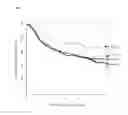
Sources:
- United States Patent and Trademark Office - verify current appl. status at the USPTO↗
Recent applications in this class:
- » 20250290156 2025-09-18
EVALUATING OVARIAN CANCER CHEMOTHERAPY RESPONSE USING GENE EXPRESSION DATA AND MACHINE LEARNING - » 20250290155 2025-09-18
CLINICAL WORKFLOW FOR TREATMENT OF BREAST CANCER - » 20250290154 2025-09-18
PREDICTIVE MARKERS FOR IMMUNOTHERAPY - » 20250290153 2025-09-18
METHODS OF DIAGNOSING, DETERMINING THE PROGRESSION OF, AND TREATING A PROSTATE CANCER - » 20250290152 2025-09-18
GENETIC TRIO OF BRAF AND TERT MUTATIONS AND RS2853669TT IN PAPILLARY THYROID CANCER AGGRESSIVENESS - » 20250290151 2025-09-18
Differentially-Methylated Regions of the Genome Useful as Markers of Embryo-Adult Transitions - » 20250290150 2025-09-18
METHODS AND SYSTEMS FOR CHARACTERIZATION, DIAGNOSIS, AND TREATMENT OF CANCER - » 20250290149 2025-09-18
SYSTEMS AND METHODS FOR ENRICHING CELL-FREE MICROBIAL NUCLEIC ACID MOLECULES - » 20250290148 2025-09-18
DIFFERENTIAL ALTERNATIVE SPLICING IN RELAPSED AND REFRACTORY DIFFUSE LARGE-B CELL LYMPHOMA PATIENTS RECEIVING CAR-T THERAPY - » 20250290147 2025-09-18
PROSTATE CANCER MARKERS
Recent applications for this Assignee:
- » 20160333421 2016-11-17
Biopsy-driven genomic signature for prostate cancer prognosis - » 20140079644 2014-03-20
CELLULOSE-BASED NANOPARTICLES FOR DRUG DELIVERY - » 20120219508 2012-08-30
Cellulose-based nanoparticles for drug delivery