Airfoils for stunt flights
US20170233059A1
2017-08-17
15/504,625
2015-08-18
✅ Patent granted
US 10,414,482 B2
2019-09-17
WO; PCT/MX2015/000117; 20150818
WO; WO2016/028134; 20160225
Philip J Bonzell | Michael B. Kreiner
Brandon T. Cook | Gunn, Lee & Cave, P.C.
2036-03-16
Abstract:
The invention relates to airfoils, called jn1431-265 and 1413-362, which operate intelligently by adjusting the variable aerodynamics thereof, not only through the attack and sine angle, but also through the effect of scale (air speed), which, when combined, improve the efficiency of the wings configured therewith by up to 30%, cause the wings to experience a predictable stall and also rapidly recover therefrom, and also making the wings configured therewith more efficient at low speed, which reduces the need to use flaps or slats (“high lift devices”), and, in the event that flaps or slats are used, increase the effect of said airfoils even more. On the other hand, at an increased speed, the aerodynamic variables also adjust by up to a third of the value thereof (the angle of attack remaining unchanged), causing the wing to also be very stable at high speed conditions.
Applicant:
Interested in similar patents?
Get notified when new applications in this technology area are published.
Description
PURPOSE OF INVENTION
The purpose is to improve the airfoils' performance for the construction of wings both in their low-speed performance (takeoff and landing) and their stability at high speeds with an acceptable capacity for inverted flight (acrobatic capacity).
BACKGROUND
From the beginnings of aviation it was established that airfoils would be developed in accordance with the purpose of flight (of speed, for gliding, acrobatic, etc.). The objective when designing these airfoils is to have airfoils with an improved flight capacity both at low and at high speeds, and with the capacity for inverted flight. There might be in the state of the technique documents such as the U.S. Pat. No.6,607,164 B2, which presents an airfoil having particular use in a general aviation aircraft operating at generally low speeds, said airfoil has a shape designed to produce high lift coefficients at low speeds, with low drag and lower lift coefficients at higher speeds; said airfoil's characteristics are not sensitive to surface roughness on the leading edge caused by the accumulation of foreign matter on the airfoil due to the transition to turbulent flow occurring near the leading edge at high lift coefficients; therefore, it has different characteristics, in form and functionality from those of this
invention since it is limited to low speeds, contrary to this invention whose purpose extends to low speed, high speed and capacity for inverted (aerobatic) flight.
BRIEF DESCRIPTION OF FIGURES
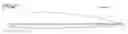
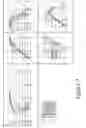
FIG. 1 is a view of airfoil jn1431-265 which will be used for the wing root because it has the lowest lift coefficient and allows for the most stable stall.
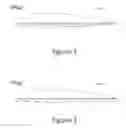
FIG. 2 is a view of airfoil jn1413-362 which will be used for configuring the wing's end and this way make up the combination with the wing root's airfoil jn1431-265 in order to allow for the aforementioned characteristics of the wing's performance.
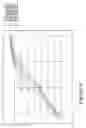
FIG. 3 shows the lift coefficient (cl) at different angles of attack (alpha) and using different scale effects (re) of airfoil jn1431-265.
FIG. 4 shows the lift coefficient (cl) at different angles of attack (alpha) and using different scale effects (re) of airfoil jn1413-362.
FIG. 5 shows the lift coefficient (cl) at different angles of attack (alpha) and using different scale effects (re) of Dr. Seilig's airfoil s8037 which is included for comparison purposes.
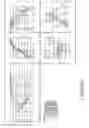
FIG. 6 shows the different polar graphs for airfoil jn1431-265.
FIG. 7 shows the different polar graphs for airfoil jn1413-362.
DETAILED DESCRIPTION OF THE INVENTION
Airfoils jn1432-265 (sic) and jn1413-362, as shown in FIGS. 1 and 2, were designed to be used in the construction of general aviation. wings. During the initial phase the design of the upper and lower curves of each airfoil were worked on in order to obtain the highest possible lift coefficient (cl) from is each airfoil section without increasing the camber too much to prevent sacrificing inverted flight, the lift coefficient (cl) differential was also considered between airfoil jn1432-265 (sic) and airfoil jn1413-365 in order to have a more predictable stall. When analyzing the scale effect we found that the different curves when going through angles between 0 and +1 (taking into account that the angle of incidence in which the wing normally flies is within this range) of the graphs the lift coefficient is highest when the Reynolds number is lowest and inversely it decreases as the Reynolds number increases this translates into the fact that as the Reynolds number increases the coefficient adjusts to each flight condition, then the coefficient is high at slow speeds allowing for short, predictable and safer takeoffs and landings, and on the other extreme, the coefficient decreases as the speed increases which allows for stability in this other flight condition, allowing for more flexibility in different flight conditions and it has also been observed that UAVs that have been configured with these wings for testing have a better performance in conditions with increased winds as compared to aircraft that have been configured with other airfoils. Also the drag coefficient (cd) which in itself is low in the highest values of the lift coefficient (cl) also descends to values up to one third of the initial value as the Reynolds number increases.
The following table contains the coordinates of airfoil jn1431-265 which will be used for the wing root because it has the lowest lift coefficient and allows for the most stable stall.
| jn1431-265 |
| x/c | y/c | |
| 1.00000 | 0.00000 | |
| 0.93208 | 0.01735 | |
| 0.86931 | 0.03162 | |
| 0.81110 | 0.04326 | |
| 0.75688 | 0.05274 | |
| 0.70609 | 0.06050 | |
| 0.65816 | 0.06700 | |
| 0.61252 | 0.07269 | |
| 0.56862 | 0.07799 | |
| 0.52612 | 0.08296 | |
| 0.48480 | 0.08744 | |
| 0.44444 | 0.09132 | |
| 0.40479 | 0.09445 | |
| 0.36565 | 0.09669 | |
| 0.32678 | 0.09790 | |
| 0.28797 | 0.09796 | |
| 0.24942 | 0.9678 | |
| 0.21171 | 0.09436 | |
| 0.17546 | 0.09069 | |
| 0.14128 | 0.08574 | |
| 0.10977 | 0.07951 | |
| 0.08155 | 0.07198 | |
| 0.05722 | 0.06316 | |
| 0.03716 | 0.05320 | |
| 0.02128 | 0.04262 | |
| 0.00946 | 0.03199 | |
| 0.00155 | 0.02185 | |
| −0.00257 | 0.01277 | |
| −0.00305 | 0.00530 | |
| 0.00000 | 0.00000 | |
| 0.00093 | −0.00350 | |
| 0.00392 | −0.00748 | |
| 0.00929 | −0.01180 | |
| 0.01735 | −0.01630 | |
| 0.02843 | −0.02084 | |
| 0.04284 | −0.02526 | |
| 0.06090 | −0.02941 | |
| 0.08287 | −0.03316 | |
| 0.10851 | −0.03643 | |
| 0.13736 | −0.03922 | |
| 0.16892 | −0.04150 | |
| 0.20271 | −0.04325 | |
| 0.23825 | −0.04445 | |
| 0.27506 | −0.04508 | |
| 0.31266 | −0.04513 | |
| 0.35071 | −0.04463 | |
| 0.38901 | −0.04368 | |
| 0.42735 | −0.04235 | |
| 0.46555 | −0.04074 | |
| 0.50340 | −0.03894 | |
| 0.54070 | −0.03704 | |
| 0.57728 | −0.03513 | |
| 0.61394 | −0.03316 | |
| 0.65348 | −0.03078 | |
| 0.69893 | −0.02764 | |
| 0.75328 | −0.02336 | |
| 0.81957 | −0.01757 | |
| 0.90080 | −0.00990 | |
| 1.00000 | 0.00000 | |
Airfoil jn1413-362 will be used for configuring the wing's end and this way make up the combination with the wing root's airfoil jn1431-265 in order to allow for the aforementioned characteristics of the wing's performance. The following table contains the coordinates of airfoil jn1413-362.
| x/c | y/c | |
| 1.0000 | 0.0000 | |
| 0.9430 | 0.0175 | |
| 0.8865 | 0.0323 | |
| 0.8308 | 0.0447 | |
| 0.7762 | 0.0552 | |
| 0.7231 | 0.0640 | |
| 0.6718 | 0.0716 | |
| 0.6226 | 0.0783 | |
| 0.5758 | 0.0846 | |
| 0.5313 | 0.0904 | |
| 0.4886 | 0.0955 | |
| 0.4475 | 0.0999 | |
| 0.4075 | 0.1033 | |
| 0.3682 | 0.1057 | |
| 0.3293 | 0.1068 | |
| 0.2904 | 0.1067 | |
| 0.2517 | 0.1051 | |
| 0.2138 | 0.1020 | |
| 0.1773 | 0.0977 | |
| 0.1430 | 0.0919 | |
| 0.1114 | 0.0848 | |
| 0.0831 | 0.0763 | |
| 0.0590 | 0.0665 | |
| 0.0392 | 0.0557 | |
| 0.0237 | 0.0442 | |
| 0.0121 | 0.0325 | |
| 0.0042 | 0.0221 | |
| −0.0003 | 0.0127 | |
| −0.0016 | 0.0051 | |
| 0.0000 | 0.0000 | |
| 0.0010 | −0.0034 | |
| 0.0041 | −0.0071 | |
| 0.0097 | −0.0110 | |
| 0.0180 | −0.0149 | |
| 0.0293 | −0.0187 | |
| 0.0439 | −0.0222 | |
| 0.0620 | −0.0253 | |
| 0.0840 | −0.0280 | |
| 0.1096 | −0.0301 | |
| 0.1383 | −0.0317 | |
| 0.1696 | −0.0329 | |
| 0.2032 | −0.0338 | |
| 0.2385 | −0.0343 | |
| 0.2752 | −0.0345 | |
| 0.3126 | −0.0345 | |
| 0.3506 | −0.0343 | |
| 0.3889 | −0.0340 | |
| 0.4272 | −0.0335 | |
| 0.4655 | −0.0330 | |
| 0.5035 | −0.0324 | |
| 0.5410 | −0.0318 | |
| 0.5778 | −0.0313 | |
| 0.6147 | −0.0306 | |
| 0.6545 | −0.0294 | |
| 0.7001 | −0.0273 | |
| 0.7544 | −0.0237 | |
| 0.8206 | −0.0183 | |
| 0.9014 | −0.0105 | |
| 1.0000 | 0.0000 | |
Airfoil jn1431-265 is 14.31% wide in relation to its length. And airfoil jn1413-362 is 14.13% wide in relation to its length. Airfoil jn1431-265 has a camber of 2.65 and airfoil jn1413-362 has a camber of 3.62.
Airfoils jn1431-265 and 1413-362 work operate intelligently by adjusting their variable aerodynamics, not only by the angle of attack, but also by the scale effect (speed), as shown in FIGS. 3 and 4. When combined, these airfoils improve the efficiency of the wings configured therewith by up to 30%. They also cause the wing to experience a predictable stall as well as a quick recovery therefrom. Additionally, they are more efficient at low speed, reducing the need to use flaps or slats (“high lift devices”), and, in case they are used, their effect increases even more. FIG. 5 shows the lift coefficient (cl) at different angles of attack (alpha) and using different scale effects (re) of Dr. Seilig's airfoil s8037 which is included for comparison purposes.
On the other hand, as the speed increases the aerodynamic variables adjust by up to a third of the value thereof (with the same angle of attack), causing the. wing to also be very stable at this high-speed condition. FIGS. 6 and 7 show is the different polar graphics for airfoils jn1431-265 and jn1413-362, respectively.
Claims
1. One airfoil kit jn1431-265 will be used for the wing root characterized because it is substantially defined by the coordinates:
| x/c | y/c | |
| 1.00000 | 0.00000 | |
| 0.93208 | 0.01735 | |
| 0.86931 | 0.03162 | |
| 0.81110 | 0.04326 | |
| 0.75688 | 0.05274 | |
| 0.70609 | 0.06050 | |
| 0.65816 | 0.06700 | |
| 0.61252 | 0.07269 | |
| 056862 | 0.07799 | |
| 0.52612 | 0.08296 | |
| 0.48480 | 0.08744 | |
| 0.44444 | 0.09132 | |
| 0.40479 | 0.09445 | |
| 036565 | 0.09669 | |
| 0.32678 | 0.09790 | |
| 0.28797 | 0.09796 | |
| 0.24942 | 0.09678 | |
| 0.21171 | 0.09436 | |
| 0.17546 | 0.09069 | |
| 0.14128 | 0.08574 | |
| 0.10977 | 0.07951 | |
| 0.08155 | 0.07198 | |
| 0.05722 | 0.06316 | |
| 0.03716 | 0.05320 | |
| 0.02128 | 0.04262 | |
| 0.00946 | 0.03199 | |
| 0.00155 | 0.02185 | |
| −0.00257 | 0.01277 | |
| −0.00305 | 0.00530 | |
| 0.00000 | 0.00000 | |
| 0.00093 | −0.00350 | |
| 0.00392 | −0.00748 | |
| 0.00929 | −0.01180 | |
| 0.01735 | −0.01630 | |
| 0.02843 | −0.02084 | |
| 0.04284 | −0.02526 | |
| 0.6090 | −0.02941 | |
| 0.08287 | −0.03316 | |
| 0.10851 | −0.03643 | |
| 0.13736 | −0.03922 | |
| 0.16892 | −0.04150 | |
| 0.20271 | −0.04325 | |
| 0.23825 | −0.04445 | |
| 0.27506 | −0.04508 | |
| 0.31266 | −0.04513 | |
| 0.35071 | −0.04463 | |
| 0.38901 | −0.04368 | |
| 0.42735 | −0.04235 | |
| 0.46555 | −0.04074 | |
| 0.50340 | −0.03894 | |
| 0.54070 | −0.03704 | |
| 0.57728 | −0.03513 | |
| 0.61394 | −0.03316 | |
| 0.65348 | −0.03078 | |
| 0.69893 | −0.02764 | |
| 0.75328 | −0.02336 | |
| 0.81957 | −0.01757 | |
| 0.90080 | −0.00990 | |
| 1.00000 | 0.00000 | |
2. One airfoil jn1431-265 (sic) used for configuring the wing's end characterized because it is substantially defined by the defined coordinates:
| x/c | y/c | |
| 1.0000 | 0.0000 | |
| 0.9430 | 0.0175 | |
| 0.8865 | 0.0323 | |
| 0.8308 | 0.0447 | |
| 0.7762 | 0.0552 | |
| 0.7231 | 0.0640 | |
| 0.6718 | 0.0716 | |
| 0.6226 | 0.0783 | |
| 0.5758 | 0.0846 | |
| 0.5313 | 0.0904 | |
| 0.4886 | 0.0955 | |
| 0.4475 | 0.0999 | |
| 0.4075 | 0.1033 | |
| 0.3682 | 0.1057 | |
| 0.3293 | 0.1068 | |
| 0.2904 | 0.1067 | |
| 0.2517 | 0.1051 | |
| 0.2138 | 0.1020 | |
| 0.1773 | 0.0977 | |
| 0.1430 | 0.0919 | |
| 0.1114 | 0.0848 | |
| 0.0831 | 0.0763 | |
| 0.0590 | 0.0665 | |
| 0.0392 | 0.0557 | |
| 0.0237 | 0.0442 | |
| 0.0121 | 0.0325 | |
| 0.0042 | 0.0221 | |
| −0.0003 | 0.0127 | |
| −0.0016 | 0.0051 | |
| 0.0000 | 0.0000 | |
| 0.0010 | −0.0034 | |
| 0.0041 | −0.0071 | |
| 0.0097 | −0.0110 | |
| 0.0180 | −0.0149 | |
| 0.0293 | −0.0187 | |
| 0.0439 | −0.0222 | |
| 0.0620 | −0.0253 | |
| 0.0840 | −0.0280 | |
| 0.1096 | −0.0301 | |
| 0.1383 | −0.0317 | |
| 0.1696 | −0.0329 | |
| 0.2032 | −0.0338 | |
| 0.2385 | −0.0343 | |
| 0.2752 | −0.0345 | |
| 0.3126 | −0.0345 | |
| 0.3506 | −0.0343 | |
| 0.3889 | −0.0340 | |
| 0.4272 | −0.0335 | |
| 0.4655 | −0.0330 | |
| 0.5035 | −0.0324 | |
| 0.5410 | −0.0318 | |
| 0.5778 | −0.0313 | |
| 0.6147 | −0.0306 | |
| 0.6545 | −0.0294 | |
| 0.7001 | −0.0273 | |
| 0.7544 | −0.0237 | |
| 0.8206 | −0.0183 | |
| 0.9014 | −0.0105 | |
| 1.0000 | 0.0000 | |
3. Airfoils jn1431-265 and 1413-362 which operate intelligently by adjusting their variable aerodynamics, not only by the angle of attack, but also by the scale effect (speed) characterized because
4. Airfoils jn1431-265 and 1413-362, according to claim 1, when combined improve the efficiency of the wings configured therewith by up to 30%
5. Airfoils jn1431-265 and 1413-362, according to claims 1 and 2, characterized because when combined cause the wing configured therewith to experience a predictable stall as well as a quick recovery therefrom.
6. Airfoils jn1431-265 and jn1413-362, according to claims 1 and 2, characterized because they make wings configured therewith more efficient at low speed, reducing the need to use flaps or slats (“high lift devices”), and, in case they are used, their effect increases even more. On the other hand, as the speed increases the aerodynamic variables adjust by up to a third of the value thereof (with the same angle of attack), causing the wing to also be very stable at this high-speed condition.
7. Airfoil jn1431-265, in accordance with claim 1, characterized because it is 14.31% wide in relation to its length.
8. Airfoil jn1413-362, in accordance with claim 2, characterized because it is 13% wide in relation to its length.
9. Airfoil jn1431-265, in accordance with claim 1, characterized because it has a camber of 2.65.
10. Airfoil jn1413-362, in accordance with claim 2, characterized because it has a camber of 3.62.
Images & Drawings included:


Sources:
- United States Patent and Trademark Office - verify current appl. status at the USPTO↗
Similar patent applications:
- » 20200070950
Airfoils for stunt flights
Recent applications in this class:
- » 20240409200 2024-12-12
METHODS AND SYSTEMS FOR AIRFOIL PROGNOSTICS USING PHYSICS-INFORMED MACHINE LEARNING - » 20240166330 2024-05-23
ADDITIVE MANUFACTURED WING STRUCTURE HAVING A PLURALITY OF CHORDWISE WING SEGMENTS - » 20240116623 2024-04-11
Integrated thrust-lift wing - » 20240002034 2024-01-04
Ducted Wing with Flaps - » 20230373609 2023-11-23
RIDGE STRUCTURE, WING, DESIGN METHOD OF RIDGE STRUCTURE, AND DESIGN PROGRAM FOR THE SAME - » 20220169363 2022-06-02
FREE STREAMLINE AIRFOIL - » 20220161920 2022-05-26
FREE STREAMLINE AIRFOIL - » 20220111947 2022-04-14
Aircraft portion with reduced wave drag - » 20210188421 2021-06-24
Leading edge for an airfoil - » 20210163119 2021-06-03
WING ROOT POSITIONED AT THE BACK AND BEHIND THE BACK OF AIRCRAFT AND SPACECRAFT RELATED VEHICLES OR PROPELLED/PROJECTILE OBJECTS TO REDUCE DRAG