NEW INDICATION OF AZELNIDIPINE PHARMACEUTICAL COMPOSITION FOR TREATING CANCER
US20170312260A1
2017-11-02
15/521,500
2015-10-23
Abstract:
A method for treating a cancer includes administering to a subject in need thereof a pharmaceutical composition containing a therapeutically effective amount of Azelnidipine or a pharmaceutical acceptable salt thereof. The cancer is selected from the group consisting of a pleural-related cancer, an abdominal-related cancer, an endocrine-related cancer, a gastrointestinal tract-related cancer, osteosarcoma, and skin cancer.
Inventors:
- Chiu-Hung Chen 8 🇹🇼 Kaohsiung, Taiwan
- Show-Mei Chuang 7 🇹🇼 Taichung, Taiwan
- Tzong-Der Way 5 🇹🇼 Kaohsiung, Taiwan
- Nai-Wan Hsiao 7 🇹🇼 Taichung, Taiwan
Assignee:
- LAUNX BIOMEDICAL CO., LTD. 7 🇹🇼 Kaohsiung, Taiwan
Interested in similar patents?
Get notified when new applications in this technology area are published.
Classification:
A61K31/4427 » CPC main
Medicinal preparations containing organic active ingredients; Heterocyclic compounds having nitrogen as a ring hetero atom, e.g. guanethidine or rifamycins having six-membered rings with one nitrogen as the only ring hetero atom; Non condensed pyridines; Hydrogenated derivatives thereof containing further heterocyclic ring systems
Description
CROSS-REFERENCE TO RELATED APPLICATIONS
This is a National Phase Application filed under 35 U.S.C. 371 as a national stage of PCT/CN2015/092714 filed Oct. 23, 2015, an application claiming the benefit under 35 USC 119(e) to the following U.S. Provisional Applications No. 62/068,298 filed Oct. 24, 2014, the content of each of which is hereby incorporated by reference in its entirety.
FIELD OF THE INVENTION
The present invention related to a new indication of Azelnidipine pharmaceutical composition, especially related to inhibition effect of Azelnidipine pharmaceutical composition on a variety of cancer cells.
BACKGROUND OF THE INVENTION
Azelnidipine is a drug for treating hypertension and can be used alone or in combination with other antihypertensive drugs. Azelnidipine is approved by FDA and accumulated a huge data of drug use and drug mechanism research.
Due to the differences of the clinical use, there is no research present that the Azelnidipine has any potential to inhibit cancer cell.
On the other side, cancer is the most popular disease cause of death in the world. The cancer patients are gradually increase yearly, therefore the treatment method of the cancer has become an important issue. The medical treatments of cancer can be classified as surgical treatment, radiation therapy, chemotherapy and target therapy. Generally, the cancer drug, whether chemotherapy drug or target therapy drug, is to inhibit cancer cells duplication and split to prevent the tumor growth and metastasis. Averagely, only about five of 10,000 new drugs can successfully enter the phase I of clinical trials. Furthermore, if the cancer patients happen the drug resistance, that would reduce the effectiveness of the drugs and result in the medical treatment failure. Therefore, the new drug development is very difficult.
Therefore, it is a very urgent and important issue that how to develop anti-cancer drugs quickly and reduce the probability of clinical failure for treating various cancers.
SUMMARY OF THE INVENTION
In order to solve the above problems, the present invention provide the development of new cancer clinical indications of Azelnidipine.
Accordingly, the present invention provides a new indication of Azelnidipine. The experimental results showed that the Azelnidipine had no toxicity or had little toxicity to normal cells in the present invention. However, the selective effect of Azelnidipine between normal cells and cancer cells need to be identified.
The present invention provides a pharmaceutical composition of Azelnidipine for treating cancer. The pharmaceutical composition is composed of effective dose of Azelnidipine and a pharmaceutical acceptable salt.
In one embodiment of the present invention, the cancer is selected from pleural-related cancer, abdominal-related cancer, endocrine-related cancer, gastrointestinal tract-related cancer.
In one embodiment of the present invention, the cancer is selected from osteosarcoma, skin cancer and blood cancer.
In one embodiment of the present invention, the pleural-related cancer is lung cancer.
In one embodiment of the present invention, the abdominal-related cancer is selected from bladder cancer, cervical cancer, and kidney cancer.
In one embodiment of the present invention, the endocrine-related cancer is selected from prostate cancer, breast cancer, and ovarian cancer.
In one embodiment of the present invention, the gastrointestinal tract-related cancer is selected from gastric cancer, hepatic cancer, colorectal cancer, pancreatic cancer, and tongue cancer.
In one embodiment of the present invention, the effective dose of Azelnidipine is from 2.0 mg/kg/day to 500 mg/kg/day.
BRIEF DESCRIPTION OF THE DRAWINGS
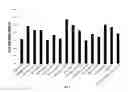
FIG. 1 shows the results of the inhibitory effect of the different cancer cells by Azelnidipine.
FIG. 2 shows the results of the inhibitory effect of tumor volume by Azelnidipine.
FIG. 3 shows the inhibitory effect of tumor growth via administered high-dose and low-dose of Azelnidipine.
DETAILED DESCRIPTION OF THE INVENTION
Cell Culture
Subculture the different types of cancer cell lines. The cancer cells includes lung cancer, gastric cancer, hepatic cancer, colon cancer, skin cancer, cervical cancer, prostate cancer, bladder cancer, breast cancer, leukemia, pancreatic cancer, ovarian cancer, tongue cancer, osteosarcoma, and renal cancer. The normal cells used in the control group included kidney cell (HEK293) and human bronchial epithelial cell line BEAS-2B (as shown in Table 1).
Cancer cell lines were cultured in different culture medium according to different characteristics (as shown in Table 1). The cell numbers were counted and reseed as 2×10⁶ in cell culture plate/flask. Then, the culture medium were added to a volume of 10 ml, and the cells were cultured for 2-3 days. Then, the cells were suspended for loading into 96-well plates. The number of cells was 3000 and the volume of the culture medium was 100 μl each well.
| TABLE 1 |
| Cancer cell lines and the culture medium |
| Culture | |||
| No | Cancer type | Cancer cell type | medium |
| 1 | lung | H1650 (lung adenocarcinoma) | RPMI-1640 |
| cancer | A549 (lung adenocarcinoma) | DMEM | |
| 2 | gastric | AGS (Gastric Adenocarcinoma) | RPMI-1640 |
| cancer | MKN-45 (Gastric Adenocarcinoma) | RPMI-1640 | |
| 3 | hepatic | HepG2 (hepatocellular carcinoma) | DMEM |
| cancer | Hep3B (hepatocellular carcinoma) | DMEM | |
| 4 | colon | HCT116(p53+) (colorectal carcinoma) | DMEM |
| cancer | LoVo(Colorectal Adenocarcinoma) | DMEM | |
| 5 | skin | A375 (amelanotic melanoma) | DMEM |
| cancer | BCC (basal cell carcinoma) | DMEM | |
| 6 | cervical | HeLa (Cervix Adenocarcinoma) | DMEM |
| cancer | C-33A (Cervical carcinoma) | MEM | |
| BCRC60554 | |||
| 7 | prostate | PC3 (p53−)(Prostate adenocarcinoma) | DMEM |
| cancer | LNCaP clone FGC (LNCap.FGC) | RPMI-1640 | |
| 8 | bladder | 8301 (urinary bladder carcinoma) | RPMI-1640 |
| cancer | T24 | RPMI-1640 | |
| 9 | breast | MCF7 (Mammary Gland, | DMEM |
| cancer | Adenocarcinoma) | DMEM | |
| MDA-MB-231 (Mammary Gland, | |||
| Adenocarcinoma) | |||
| 10 | pancreatic | BxPC-3 | RPMI-1640 |
| cancer | AsPC-1 | RPMI-1640 | |
| 11 | ovarian | NIH: OVCAR-3 | RPMI-1640 |
| cancer | TOV-21G | RPMI-1640 | |
| 12 | tongue | SAS (Tongue squamous cell carcinoma) | DMEM |
| cancer | |||
| 13 | osteo- | U-2OS | DMEM |
| sarcoma | |||
| 14 | renal | 786-O (Renal adenocarcinoma) | RPMI-1640 |
| cancer | BCRC 60243 | ||
| 15 | normal cell | HEK293 (Kidney) | DMEM |
| kidney | BEAS-2B (Lung Epithelial) | RPMI-1640 | |
| pulmonary | |||
| epithelial | |||
| cell line | |||
Cell Viability Analysis
Removing the original culture medium from 96-well plate. Then add 100 μl of commercially drug at a concentration of 10 μM per well. After 72 hours, add the diluted WST-1 reagent to the well with 100 μl/well, and the diluted WST-1 reagent was acquired from the dilution of 9:1 medium and WST-1 stock reagent. Finally, the total volume of each well was 200 μl/well. Culture the 96-well plate at 37° C. for 30 to 90 minutes. Detecting and calculate the survival rate of each cancer cells with an ELISA reader at OD450 nm. The lower viability of cancer cells represents better inhibition effect via the Azelnidipine drug. Otherwise, the higher viability of cancer cells represents worse inhibition effect via the Azelnidipine drug.
The Effect of Azelnidipine on Different Cancer Cell Lines
The Inhibition Effect of Azelnidipine on Pleural-Related Cancer Cells
This inhibition test of Azelnidipine on pleural-related cancer cells were using two lung cancer cell lines A549 and H1650. The inhibitory tests of Azelnidipine were performed 4 times for each cell lines and then the average value of the inhibitory tests was calculated. The results were shown in Table 2.
| TABLE 2 |
| The inhibition effect of Azelnidipine on pleural-related cancer cells |
| 0524-10 | 0526-10 | 0529-10 | 0531-10 | |||
| min | min | min | min | Average | ||
| A549 | 81.4 | 118.6 | 69.7 | 80.2 | 87.5 | |
| 1-10 | 2-20 | 3-20 | 4-20 | |||
| min | min | min | min | Average | ||
| H1650 | 28.8 | 26.5 | 40.5 | 62.7 | 39.7 | |
The Inhibition Effect of Azelnidipine on Abdominal-Related Cancer Cell Lines
This inhibition test of Azelnidipine on abdominal-related cancer cells were using bladder cancer cell line TSGH and T24 (Table 3), cervical cancer cell lines HeLa and C-33A (Table 4), renal cancer cell line 786-O (Table 5). The inhibitory tests of Azelnidipine were performed 4 times for each cell lines and then the average value of the inhibitory tests was calculated. The results were shown in Table 3, Table 4, and Table 5.
| TABLE 3 |
| The inhibition effect of Azelnidipine on bladder cancer cell lines |
| 0510-10 | 0512-10 | 0515-10 | 0517-10 | ||
| min | min | min | min | average | |
| TSGH | 151.0 | 117.3 | 72.0 | 120.1 | 115.1 |
| 1-30 | 2-20 | 3-20 | 4-20 | |||
| min | min | min | min | average viability | ||
| T24 | 109.7 | 75.3 | 30.4 | 102.5 | 79.5 | |
| TABLE 4 |
| The inhibition effect of Azelnidipine on cervical cancer cell lines |
| 0524-10 | 0526-10 | 0529-10 | 0531-10 | ||
| min | min | min | min | Average | |
| HeLa | 70.4 | 93.7 | 81.4 | 102.7 | 87.0 |
| C-33A | 141.8 | 110.6 | 123.4 | 117.4 | 123.3 |
| TABLE 5 |
| The inhibition effect of Azelnidipine on renal cancer cell line |
| 0524-10 | 0526-10 | 0529-10 | 0531-10 | ||
| min | min | min | min | average | |
| 786-O | 88.6 | 79.7 | 66.5 | 112.5 | 86.8 |
The Inhibition Effect of Azelnidipine on Endocrine-Related Cancer Cell Lines
This inhibition test of Azelnidipine on endocrine-related cancer cells were using prostate cancer cell line PC-3 (Table 6), breast cancer cell lines MCF7 and MDA-MB-231 (Table 7), and ovarian cancer cell lines NIH-OVCAR-3 and TOV-21G (Table 8). The inhibitory tests of Azelnidipine were performed 4 times for each cell lines and then the average value of the inhibitory tests was calculated. The results were shown in Table 6, Table 7, and Table 8.
| TABLE 6 |
| The inhibition effect of Azelnidipine on prostate cancer cell line |
| PC-3-0524- | PC-3-0526- | PC-3-0529- | PC-3-0531- | Aver- | |
| 10 min | 10 min | 10 min | 10 min | age | |
| PC-3 | 122.1 | 149.4 | 110.2 | 102.0 | 120.9 |
| TABLE 7 |
| The inhibition effect of Azelnidipine on breast cancer cell lines |
| 0612-10 | 0614-10 | 0616-10 | 0619-10 | ||
| min | min | min | min | average | |
| MCF7 | 48.6 | 46.6 | 68.2 | 79.9 | 60.8 |
| 0612-10 | 0614-10 | 0616-10 | |||
| min | min | min | average | ||
| MDA-MB-231 | 70.3 | 89.7 | 100.8 | 86.9 | |
| TABLE 8 |
| The inhibition effect of Azelnidipine on ovarian cancer cell lines |
| 7-3-30 | 7-4-30 | 7-7-30 | 7-4-30 | ||
| min | min | min | min | average | |
| NIH-OVCAR-3 | 106.3 | 99.1 | 100.9 | 103.5 | 102.4 |
| 7-3-30 | 7-4-30 | 7-7-30 | 4-30 | ||
| min | min | min | min | average | |
| TOV-21G | 15.6 | 13.3 | 19.6 | 60.1 | 27.2 |
The Inhibition Effect of Azelnidipine on Gastrointestinal Tract-Related Cancer Cell Lines
This inhibition test of Azelnidipine on gastrointestinal tract-related cancer cells were using gastric cancer cell lines AGS and MKN-45 (Table 9), hepatic cancer cell lines HepG2 and Hep3B (Table 10), colorectal cancer cell lines HCT116-wt and LoVo (Table 11), pancreatic cancer cell lines AsPC-1 and BxPC-3 (Table 12), tongue cancer cell line SAS (Table 13). The inhibitory tests of Azelnidipine were performed 4 times for each cell lines and then the average value of the inhibitory tests was calculated. The results were shown in Table 9, Table 10, Table 11, Table 12 and Table 13.
| TABLE 9 |
| The inhibition effect of Azelnidipine on gastric cancer cell lines. |
| 0510-10 | 0512-10 | 0515-10 | 0517-10 | |||
| min | min | min | min | average | ||
| AGS | 120.2 | 124.3 | 42.1 | 74.3 | 90.2 | |
| 0510-10 | 0512-10 | 0515-10 | 0517-10 | ||
| min | min | min | min | Average | |
| MKN-45 | 173.5 | 183.7 | 68.5 | 130.3 | 139.0 |
| TABLE 10 |
| The inhibition effect of Azelnidipine on hepatic cancer cell lines |
| 0524-20 | 0526-20 | 0529-20 | 0531-20 | ||
| min | min | min | min | Average | |
| HepG2 | 110.3 | 87.2 | 112.1 | 93.7 | 100.8 |
| 0612-20 | 0614-20 | 0616-20 | 0619-20 | ||
| min | min | min | min | Average | |
| Hep3B | 114.2 | 91.5 | 97.9 | 90.7 | 98.6 |
| TABLE 9 |
| The inhibition effect of Azelnidipine on colorectal cancer cell lines |
| 0602-30 | 0605-10 | 0607-10 | 0609-10 | ||
| min | min | min | min | Average | |
| HCT116-wt | 70.7 | 146.2 | 158.9 | 69.3 | 111.3 |
| 0616-10 | 0619-10 | 0621-10 | 0623-10 | |||
| min | min | min | min | Average | ||
| LoVo | 49.6 | 67.2 | 62.3 | 60.3 | 59.9 | |
| TABLE 12 |
| The inhibition effect of Azelnidipine on pancreatic cancer cell lines |
| 1-7-3-30 | 1-7-4-30 | 1-7-7-30 | 1-4-30 | ||
| min | min | min | min | Average | |
| AsPC-1 | 103.9 | 46.1 | 13.7 | 58.6 | 55.6 |
| 3-7-3-30 | 3-7-4-30 | 3-7-7-30 | 3-4-30 | ||
| min | min | min | min | Average | |
| BxPC-3 | 79.9 | 51.0 | 50.0 | 77.5 | 64.6 |
| TABLE 13 |
| The inhibition effect of Azelnidipine on tongue cancer cell line |
| 6-26-10 | 6-28-10 | 6-30-10 | 7-3-10 | ||
| min | min | min | min | Average | |
| SAS | 69.9 | 66.0 | 66.7 | 104.7 | 76.8 | |
The Inhibition Effect of Azelnidipine on Other Cancer Cell Lines
This inhibition test of Azelnidipine on other cancer cells were using osteosarcoma cell line U2OS (Table 14), skin cancer cell lines A375 and BCC (Table 15). The inhibitory tests of Azelnidipine were performed 3 to 4 times for each cell lines and then the average value of the inhibitory tests was calculated. The results were shown in Table 14 and Table 15.
| TABLE 14 |
| The inhibition effect of Azelnidipine |
| on osteosarcoma cancer cell line |
| 6-26-10 | 6-28-10 | 6-30-10 | 7-3-10 | ||
| min | min | min | min | Average | |
| U2OS | 53.3 | 78.3 | 84.8 | 61.2 | 69.4 |
| TABLE 15 |
| The inhibition effect of Azelnidipine on skin cancer cell lines |
| 0602-30 | 0605-10 | 0607-10 | 0609-10 | |||
| min | min | min | min | Average | ||
| A375 | 123.6 | 100.2 | 76.0 | 104.9 | 101.2 | |
| 0602-30 | 0605-10 | 0607-10 | |||
| min | min | min | Average | ||
| BCC | 77.7 | 127.2 | 95.7 | 100.2 | |
The Experiment Design on Control Group
The Inhibition Effect of Azelnidipine on Normal Cells
This inhibition test of Azelnidipine on normal cells were using normal kidney cell line HEK293 (Table 16) and normal pulmonary epithelial cell lines BEAS-2B (Table 17). The inhibitory tests of Azelnidipine were performed 4 times for each cell lines and then the average value of the inhibitory tests was calculated. The results were shown in Table 16 and Table 17.
| TABLE 16 |
| The inhibition effect of Azelnidipine on normal kidney cell line |
| Average | |
| HEK293 | 94.2 | |
| TABLE 17 |
| The inhibition effect of Azelnidipine on |
| normal pulmonary epithelial cell line |
| 0510-10 | 0512-10 | 0515-10 | 0517-10 | ||
| min | min | min | min | average | |
| BEAS-2B | 61.3 | 61.8 | 101.6 | 85.4 | 77.5 |
This inhibition test results of Azelnidipine on all kinds of cells were shown in Table 18. It is clear that Azelnidipine has a significant inhibitory effect on several cancers cell lines. As a result in the experiments of the present invention. Paroxetine has a significant inhibitory effect on various cancer cells (FIG. 1).
| TABLE 18 |
| Summary of the Effect on different |
| cancer cell lines by Azelnidipine |
| Inhibitory effect | |
| cancer cells | ||
| lung cancer | 63.60 | |
| bladder cancer | 97.30 | |
| cervical cancer | 87.00 | |
| Kidney cancer | 86.80 | |
| prostate cancer | 60.45 | |
| breast cancer | 73.85 | |
| ovarian cancer | 64.80 | |
| gastric cancer | 114.60 | |
| hepatic cancer | 99.70 | |
| colorectal cancer | 85.60 | |
| pancreatic cancer | 60.10 | |
| tongue cancer | 76.80 | |
| osteosarcoma | 69.40 | |
| skin cancer | 100.70 | |
| Normal cell | ||
| Kidney cell | 94.20 | |
| pulmonary epithelial cell line | 77.50 | |
Animal Model Test of Ovarian Cancer with Dose 100 mg/kg/Day and 200 mg/kg/day
In this invention, the female mice were (BALB/cAnN.Cg-Foxn1nu/CrlNarl) purchased from National Laboratory Animal Center (Taiwan)). The weight of the mice were 21±1 g. These mice were subcutaneously injected with gastric cancer cells (AGS) and then put these mice into different cages at random. The drug test experiment was divided into three groups, include “normal control group”, “low dose group (100 mg/kg/day)”, and “high dose group (200 mg/kg/day)”. These mice were then injected test drug intraperitoneally once daily until the tumor size reached 100 mm3. The tumor sizes and body weight were measured twice a week. The tumor sizes were measured and calculated by formula: (L×W2)/2. L represents the tumor longest length. W represents the tumor shortest diameter. The experiment results were shown in Table 19
| TABLE 19 |
| The inhibitory effect of tumor volume via administered Azelnidipine |
| control group | low dose (100 mg/kg/day) | high dose (200 mg/kg/day) |
| tumor | tumor | tumor | |||||||||||||
| longest | vol- | volume | longest | volume | longest | volume | |||||||||
| weight | length | width | ume | growth | weight | length | width | volume | growth | weight | length | width | volume | growth | |
| (g) | mm | mm | mm3 | mm3 | (g) | mm | mm | mm3 | mm3 | (g) | mm | mm | mm3 | mm3 | |
| First measurement |
| A | 18.5 | 7 | 7 | 171.5 | 171.5 | 21 | 8 | 8 | 256 | 256 | 20 | 4 | 3 | 18 | 18 |
| B | 22 | 8 | 6 | 144 | 144 | 21 | 6 | 7 | 147 | 147 | 19.5 | 6 | 3 | 27 | 27 |
| C | 20.5 | 9 | 8 | 288 | 288 | 21 | 7 | 6 | 126 | 126 | 20 | 4 | 4 | 32 | 32 |
| av- | 20.4 | 7.6 | 7 | 189.3 | 189.3 | 176.3333 | 176.3333 | 25.66667 | 25.66667 | ||||||
| er- | |||||||||||||||
| age |
| Second measurement |
| A | 22 | 7 | 6 | 126 | −45.5 | 20 | 7 | 6 | 126 | −130 | 19 | 7 | 5 | 87.5 | 69.5 |
| B | 20 | 8 | 7 | 196 | 52 | 20 | 6 | 6 | 108 | −39 | 20 | 6 | 5 | 75 | 48 |
| C | 20 | 9 | 7 | 220.5 | −67.5 | 19 | 5 | 5 | 62.5 | −63.5 | 19 | 7 | 5 | 87.5 | 55.5 |
| av- | 20.6 | 8.4 | 6.8 | 198.5 | 9.2 | 98.83333 | −77.5 | 83.33333 | 57.66667 | ||||||
| er- | |||||||||||||||
| age |
| Third measurement |
| A | 23 | 9 | 6 | 162 | 36 | 19.5 | 7 | 6 | 126 | 0 | 20.5 | 7 | 5 | 87.5 | 0 |
| B | 20 | 10 | 8 | 320 | 124 | 19 | 6 | 6 | 108 | 0 | 19 | 5 | 5 | 62.5 | −12.5 |
| C | 21 | 11 | 7 | 269.5 | 49 | 18.5 | 5 | 5 | 62.5 | 0 | 20 | 0 | 0 | 0 | −87.5 |
| av- | 21.2 | 10 | 6.8 | 235.3 | 36.8 | 98.83333 | 0 | 50 | −33.3333 | ||||||
| er- | |||||||||||||||
| age |
| Fourth measurement |
| A | 23 | 11 | 7 | 269.5 | 107.5 | 20 | 4 | 3 | 18 | −108 | 20 | 0 | 0 | 0 | −87.5 |
| B | 22 | 10 | 6 | 180 | −140 | 21 | 5 | 4 | 40 | −68 | 20 | 0 | 0 | 0 | −62.5 |
| C | 23 | 11 | 8 | 352 | 82.5 | 20 | 0 | 0 | 0 | −88 | 21 | 0 | 0 | 0 | 0 |
| av- | 22.4 | 233.5 | −1.8 | 19.33333 | −88 | 0 | −50 | ||||||||
| er- | |||||||||||||||
| age |
| Fifth measurement |
| A | 22 | 12 | 8 | 384 | 114.5 | 20 | 4 | 3 | 18 | 0 | 20 | 0 | 0 | 0 | 0 |
| B | 22 | 11 | 8 | 352 | 172 | 20 | 6 | 4 | 48 | 8 | 20 | 0 | 0 | 0 | 0 |
| C | 23 | 12 | 9 | 486 | 134 | 21 | 0 | 0 | 0 | 0 | 21 | 0 | 0 | 0 | 0 |
| av- | 22.4 | 295.7 | 62.2 | 22 | 2.666667 | 0 | 0 | ||||||||
| er- | |||||||||||||||
| age | |||||||||||||||
According to the results in FIG. 2, low dose and high dose of Azelnidipine had significant inhibition effect on tumor cells. In the meantime, the weight of mice did not show a significant decrease during the experiment. These results indicated that both high and low doses of Azelnidipine could keep the tested mice in healthy status during the treatment without death.
According to the results in FIG. 3, low dose and high dose of Azelnidipine had effectively slow down the tumor volume growth, and can also reduce the tumor volume. Especially, high dose of Azelnidipine had better effect to inhibit tumor growth.
Although the present invention has been described in terms of specific exemplary embodiments and examples, it will be appreciated that the embodiments disclosed herein are for illustrative purposes only and various modifications and alterations might be made by those skilled in the art without departing from the spirit and scope of the invention as set forth in the following claims.
Claims
1. A method for treating a cancer comprising: administering to a subject in need thereof a pharmaceutical composition comprising a therapeutically effective amount of Azelnidipine or a pharmaceutical acceptable salt thereof.
2. The method of claim 1, wherein the cancer is selected from the group consisting of a pleural-related cancer, an abdominal-related cancer, an endocrine-related cancer, and a gastrointestinal tract-related cancer.
3. The method of claim 1, wherein the cancer is selected from is selected from the group consisting of osteosarcoma and skin cancer.
4. The method of claim 2, wherein the cancer pleural-related cancer is lung cancer.
5. The method of claim 2, wherein the abdominal-related cancer is selected from the group consisting of bladder cancer, cervical cancer, and kidney cancer.
6. The method of claim 2, wherein the endocrine-related cancer is selected from the group consisting of prostate cancer, breast cancer, and ovarian cancer.
7. The method of claim 2, wherein the gastrointestinal tract-related cancer is selected from the group consisting of gastric cancer, hepatic cancer, colorectal cancer, pancreatic cancer, and tongue cancer.
8. The method of claim 1, wherein the effective amount of Azelnidipine is from 2.0 mg/kg/day to 500 mg/kg/day.
Images & Drawings included:


Sources:
- United States Patent and Trademark Office - verify current appl. status at the USPTO↗
Recent applications in this class:
- » 20230270731 2023-08-31
THERAPEUTIC COMPOUNDS AND COMPOSITIONS - » 20230233539 2023-07-27
Use of serotonin 5-HT1A receptor agonists to treat diseases associated with sudden unexpected death in epilepsy - » 20230218594 2023-07-13
THERAPEUTIC COMPOUNDS, COMPOSITIONS, AND METHODS OF USE THEREOF - » 20230000846 2023-01-05
COMBINATION OF AN AZETIDINE LPA1 RECEPTOR ANTAGONIST WITH PIRFENIDONE AND/OR NINTEDANIB FOR USE IN THE TREATMENT OF FIBROTIC DISEASES - » 20210361634 2021-11-25
THERAPEUTIC COMPOUNDS AND COMPOSITIONS - » 20210315876 2021-10-14
Methods for reversing HIV latency using BAF complex modulating compounds - » 20210100783 2021-04-08
Cyclin-dependent kinase 8 and/or 19 inhibitor - » 20180318274 2018-11-08
Cyclohexene derivative, preparation method thereof, and pharmaceutical composition for preventing or treating metabolic disease comprising the same as active ingredient - » 20170035743 2017-02-09
2,5-disubstituted-pyridyl nicotinic ligands, and methods of use thereof - » 20120283258 2012-11-08
Mediators of hedgehog signaling pathways, compositions and uses related hereto
Recent applications for this Assignee:
- » 20170304388 2017-10-26
NEW INDICATION OF CARDIOVASCULAR DRUGS FOR PREPARATION OF CANCER INHIBITION PHARMACEUTICAL COMPOSITION - » 20170304387 2017-10-26
Indication of antibiotic drugs for preparation of cancer inhibition pharmaceutical composition - » 20170304286 2017-10-26
NEW INDICATION OF PAROXETINE PHARMACEUTICAL COMPOSITION FOR TREATING CANCER - » 20170304228 2017-10-26
NEW INDICATION OF CINACALCET HCL PHARMACEUTICAL COMPOSITION FOR TREATING CANCER - » 20170304218 2017-10-26
Indication of monobenzone pharmaceutical composition for treating cancer - » 20170216247 2017-08-03
Uses of duloxetine HCL medicament in preparing pharmaceutical treatment of cancer