Dehydrogenation of propane using a metal-containing catalyst on a support
US20170334808A1
2017-11-23
15/596,800
2017-05-16
✅ Patent granted
US 10,358,398 B2
2019-07-23
-
-
Patricia L. Hailey
Pepper Hamilton LLP
2037-05-16
Abstract:
The present invention relates to a process of producing a metal-containing catalyst. The process involves mixing a support material with one or more metals in a solution to produce a catalyst comprising a metal-loaded support. The catalyst comprising a metal-loaded support is treated with an atmosphere comprising 0.01 to 100% carbon-containing agents and 0-100% hydrogen at a temperature of 50 to 500° C. to produce a treated metal-containing catalyst on a support. Also disclosed is the resulting treated metal-containing catalyst and its use in a process for converting propane to propylene.
Assignee:
- IOWA STATE UNIVERSITY RESEARCH FOUNDATION, INC. 731 🇺🇸 Ames, IA, United States
Applicant:
Interested in similar patents?
Get notified when new applications in this technology area are published.
Classification:
B01J37/0201 » CPC further
Processes, in general, for preparing catalysts; Processes, in general, for activation of catalysts; Impregnation, coating or precipitation Impregnation
C07C2529/70 » CPC further
Catalysts comprising molecular sieves having base-exchange properties, e.g. crystalline zeolites, pillared clays; Crystalline aluminosilicate zeolites; Isomorphous compounds thereof of types characterised by their specific structure not provided for in groups -
C07C2521/08 » CPC further
Catalysts comprising the elements, oxides or hydroxides of magnesium, boron, aluminium, carbon, silicon, titanium, zirconium or hafnium; Silicon, titanium, zirconium or hafnium; Oxides or hydroxides thereof Silica
C07C5/3337 » CPC main
Preparation of hydrocarbons from hydrocarbons containing the same number of carbon atoms by dehydrogenation with formation of free hydrogen; Formation of non-aromatic carbon-to-carbon double bonds only; Catalytic processes with metals of the platinum group
B01J23/626 » CPC further
Catalysts comprising metals or metal oxides or hydroxides, not provided for in group of noble metals combined with metals, oxides or hydroxides provided for in groups - ; Platinum group metals with gallium, indium, thallium, germanium, tin or lead with germanium, tin or lead with tin
B01J35/002 » CPC further
Catalysts, in general, characterised by their form or physical properties Catalysts characterised by their physical properties
C07C2523/42 » CPC further
Catalysts comprising metals or metal oxides or hydroxides, not provided for in group of noble metals of the platinum group metals Platinum
C07C2523/62 » CPC further
Catalysts comprising metals or metal oxides or hydroxides, not provided for in group of noble metals combined with metals, oxides or hydroxides provided for in groups - ; Platinum group metals with gallium, indium, thallium, germanium, tin or lead
C07C2529/74 » CPC further
Catalysts comprising molecular sieves having base-exchange properties, e.g. crystalline zeolites, pillared clays; Crystalline aluminosilicate zeolites; Isomorphous compounds thereof of types characterised by their specific structure not provided for in groups - containing iron group metals, noble metals or copper Noble metals
B01J37/18 » CPC further
Processes, in general, for preparing catalysts; Processes, in general, for activation of catalysts; Reducing with gases containing free hydrogen
C07C5/333 IPC
Preparation of hydrocarbons from hydrocarbons containing the same number of carbon atoms by dehydrogenation with formation of free hydrogen; Formation of non-aromatic carbon-to-carbon double bonds only Catalytic processes
B01J23/42 » CPC further
Catalysts comprising metals or metal oxides or hydroxides, not provided for in group of noble metals of the platinum group metals Platinum
B01J23/62 IPC
Catalysts comprising metals or metal oxides or hydroxides, not provided for in group of noble metals combined with metals, oxides or hydroxides provided for in groups - ; Platinum group metals with gallium, indium, thallium, germanium, tin or lead
B01J37/08 » CPC further
Processes, in general, for preparing catalysts; Processes, in general, for activation of catalysts Heat treatment
B01J35/00 IPC
Catalysts, in general, characterised by their form or physical properties
B01J21/08 IPC
Catalysts comprising the elements, oxides, or hydroxides of magnesium, boron, aluminium, carbon, silicon, titanium, zirconium, or hafnium; Silicon, titanium, zirconium or hafnium; Oxides or hydroxides thereof Silica
B01J23/02 IPC
Catalysts comprising metals or metal oxides or hydroxides, not provided for in group of the alkali- or alkaline earth metals or beryllium
B01J23/06 IPC
Catalysts comprising metals or metal oxides or hydroxides, not provided for in group of zinc, cadmium or mercury
B01J23/08 IPC
Catalysts comprising metals or metal oxides or hydroxides, not provided for in group of gallium, indium or thallium
B01J23/16 IPC
Catalysts comprising metals or metal oxides or hydroxides, not provided for in group of arsenic, antimony, bismuth, vanadium, niobium, tantalum, polonium, chromium, molybdenum, tungsten, manganese, technetium or rhenium
B01J23/38 IPC
Catalysts comprising metals or metal oxides or hydroxides, not provided for in group of noble metals
B01J23/70 IPC
Catalysts comprising metals or metal oxides or hydroxides, not provided for in group of the iron group metals or copper
B01J37/02 IPC
Processes, in general, for preparing catalysts; Processes, in general, for activation of catalysts Impregnation, coating or precipitation
B01J37/04 IPC
Processes, in general, for preparing catalysts; Processes, in general, for activation of catalysts Mixing
B01J37/16 IPC
Processes, in general, for preparing catalysts; Processes, in general, for activation of catalysts Reducing
Y02P20/52 » CPC further
Technologies relating to chemical industry; Improvements relating to the production of bulk chemicals using catalysts, e.g. selective catalysts
Y02P20/52 » CPC further
Technologies relating to chemical industry; Improvements relating to the production of bulk chemicals using catalysts, e.g. selective catalysts
Description
This application claims the benefit of U.S. Provisional Patent Application Ser. No. 62/337,715 filed May 17, 2016, which is hereby incorporated by reference in its entirety.
FIELD OF THE INVENTION
The present invention relates to dehydrogenation of propane using a metal-containing catalyst on a support.
BACKGROUND OF THE INVENTION
Propylene is an important commodity chemical, widely used to produce plastics, rubbers, fibers, and films. Propylene is also used in the production of polypropylene, acrylonitrile, and propylene oxide. In 2013 alone, approximately 85 million tons of propylene was processed worldwide.
Propylene is commonly produced as a byproduct during the steam cracking of naphtha and oil and during the fluid catalytic cracking used to produce gasoline and ethylene. As the commercial demand for propylene increases, maximizing the yield of propane has become increasingly desirable. In particular, propylene can be generated through the catalytic dehydrogenation of propane, which is one of the major components of natural gas (shale gas) or liquefied petroleum gas.
The dehydrogenation of propane to propylene is a highly endothermic process, often requiring high temperatures and the use of a catalyst. Major catalysts used in the industry for catalytic dehydrogenation of propane include alumina-supported platinum-tin based catalysts. Such catalysts are both highly active and selective, but are susceptible to coke deposition and deactivation during catalysis. Use of such alumina-supported platinum-tin catalysts requires frequent regeneration to recover catalytic activity, which increases off time during the dehydrogenation reaction.
U.S. Pat. No. 3,978,150 discloses a continuous process for the dehydrogenation of propane to minimize reactor downtime. This technology utilizes a complicated cyclone reactor design to allow the continuous removal of deactivated catalyst from the reactor and continuous regeneration and feeding into the reactor, which could increase capital and operation costs. Additionally, this process does not improve the stability of the catalyst, which is highly desired.
The disclosure herein is directed to overcoming these and other deficiencies in the art.
SUMMARY OF THE INVENTION
The present invention relates to a process of producing a metal-containing catalyst. The process involves mixing a support material with one or more metals in a solution to produce a catalyst comprising a metal-loaded support. The catalyst comprising a metal-loaded support is treated with an atmosphere comprising 0.01 to 100% carbon-containing agents and 0-100% hydrogen at a temperature of 50 to 500° C. to produce a treated metal-containing catalyst on a support.
The present invention also relates to a catalytic agent, which comprises a support material and a platinum-containing catalyst supported on the support material. The platinum-containing catalyst is stable for 40-1000 hours at conditions suitable for the catalytic agent to convert propane to propylene.
The present invention further describes a process for converting propane to propylene. The process involves converting propane to propylene in the presence of the treated platinum-tin catalyst of the present invention.
The present invention also discloses a process for converting propane to propylene. The process involves providing a platinum-containing catalyst on a support material; treating the platinum-containing catalyst on a support material with an atmosphere comprising 0.01 to 100% carbon-containing agents and 0-100% hydrogen at a temperature of 50 to 500° C. to produce a treated platinum-containing catalyst on a support material; and converting propane to propylene in the presence of the treated platinum-containing catalyst on a support.
The treatment of the present invention significantly enhances the stability of the catalyst. Catalysts prepared according to this method showed unprecedented stability during long-term runs (>400 hours) and high selectivity to propylene (>99%) at a good conversion (˜27%). The high selectivity and improved stability of the treated catalyst can minimize the consumption of propane feedstock (which accounts for approximately 60% of operational costs) and decrease reaction downtime (which would reduce operational costs).
BRIEF DESCRIPTION OF THE DRAWINGS
FIG. 1 is a graph showing the conversion and selectivity of the catalytic dehydrogenation of propane to propylene using a 1% PtSn/SiO2 catalyst treated with ethylene and acetylene at 240° C. The graph shows time dependent performance of the 1% PtSn/SiO2 catalyst when the reaction gases were composed of He/H2/C3H8=5.6/2.8/2.8 mL/min.
FIG. 2 is a graph showing the conversion and selectivity of the catalytic dehydrogenation of propane to propylene using an untreated 1% PtSn/SiO2 catalyst.
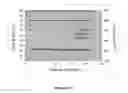
FIG. 3 is a graph showing the results of a long-term stability test of a silica gel supported PtSn catalyst treated with acetylene at 240° C. for two hours. 73 mg of the 1% PtSn/SiO2 acetylene-treated catalyst was used to dehydrogenate propane in a catalytic test in the presence of He/H2/C3H8=5.6/2.8/2.8 mL/min at 550° C.
FIG. 4 is a graph showing the results of a long-term stability test of a mesoporous silica SBA-15 supported PtSn catalyst treated with acetylene at 240° C. for two hours. 120 mg of the 1% PtSn/SBA-15 catalyst was used to dehydrogenate propane in a catalytic test in the presence of He/H2/C3H8=5.6/2.8/2.8 mL/min. The reaction was conducted after reduction in the flow of He/H2/C2H2=13.5/1.5/0.15 mL/min at 570° C.
FIG. 5 shows the powder X-ray diffraction pattern of a 1% PtSn/SiO2 catalyst.
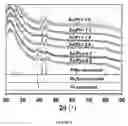
FIG. 6 shows the powder X-ray diffraction pattern of 1% PtSn/SBA-15 catalysts with various Sn/Pt molar ratios.
FIG. 7 is a transmission electron microscopy image of 1% PtSn/SBA-15 (Sn/Pt=1) particles.
DETAILED DESCRIPTION OF THE INVENTION
The present invention relates to a process of producing a metal-containing catalyst. The process involves mixing a support material with one or more metals in a solution to produce a catalyst comprising a metal-loaded support. The catalyst comprising a metal-loaded support is treated with an atmosphere comprising 0.01 to 100% carbon-containing agents and 0-100% hydrogen at a temperature of 50 to 500° C. to produce a treated metal-containing catalyst on a support.
The one or more metals may be selected from the group consisting of platinum (Pt), palladium (Pd), ruthenium (Ru), iron (Fe), cobalt (Co), nickel (Ni), copper (Cu), molybdenum (Mo), vanadium (V), tin (Sn), indium (In), gallium (Ga), zinc (Zn), lithium (Li), sodium (Na), potassium (K), rubidium (Rb), cesium (Cs), magnesium (Mg), calcium (Ca), strontium (Sr), and barium (Ba).
The solution may be an aqueous solution or an acetone solution.
As used herein, the term “aqueous solution” refers to a solution in which the solvent is water. In certain embodiments the aqueous solution comprises deionized water, or water prepared by reverse osmosis.
The aqueous solution may comprise a platinum compound including, but not limited to platinum chloride, chloroplatinic acid, ammonium chloroplatinate, dinitrodiamino platinum, palladium chloride, and chloropalladic acid. In one embodiment, the platinum compound is chloroplatinic acid. In another embodiment, the platinum compound is chloroplatinic acid hexahydrate.
As used herein, the term “acetone solution” refers to a solution in which the solvent comprises acetone. The acetone solution may also comprise other additives besides acetone.
The acetone solution may comprise a tin compound including, but not limited to, stannous bromide, stannous chloride, stannic chloride, stannic chloride dihydrate, stannic chloride pentahydrate, stannic chloride tetrahydrate, stannic chloride trihydrate, stannic chloride diamine, stannic trichloride bromide, stannic chromate, stannous fluoride, stannic fluoride, stannic iodide, stannic sulfate, stannic tartrate, stannous acetate, and the like compounds. In one embodiment, the acetone solution comprises stannic chloride dihydrate.
The support material may comprise silicon oxide, aluminum oxide, titanium oxide, zirconium oxide, carbon, magnesium oxide, calcium oxide, zinc oxide, cerium oxide, zeolite, or combinations thereof. In one embodiment, the support material is a silica gel.
As used herein, the term “silica gel” is intended to mean a silica compound having the formula of SiO2. The silica gel may or may not be hydrated. The silica gel may have an average pore size in the range of 0 to 500 Angstroms. The silica gel may comprise mesoporous nanoparticles. In one embodiment, the silica gel comprises mesoporous silica SBA-15 nanoparticles. In another embodiment, the silica gel comprises mesoporous silica MCF-17 nanoparticles. Alternatively, the silica gel comprises mesoporous silica MCM-41 nanoparticles.
Methods of mixing a support material with one or more metals in a solution are well known in the art and include impregnation, incipient wetness, co-precipitation, precipitation-deposition, and chemical vapor deposition (see, e.g., Deng et al., Dehydrogenation of Propane over Silica-Supported Platinum-Tin Catalysts Prepared by Direct Reduction: Effects of Tin/Platinum Ratio and Reduction Temperature,” ChemCatChem 6(9):2680-2691 (2014) and Bariåas et al., “Propane Dehydrogenation over Supported Pt and Pt—Sn Catalysts: Catalyst Preparation, Characterization, and Activity Measurements,” J. Catalysis 158(1):1-12 (1996), which are hereby incorporated by reference in their entirety).
The metal-loaded support may be heated to a temperature of about 80° C. to dry the support material. In some embodiments, the metal-loaded support is stirred overnight until dried.
The catalyst comprising a metal-loaded support may be reduced in the presence of a reducing agent or hydrogen. In accordance with these embodiments, the metal-loaded support may be reduced at 30-1000° C. for up to 3 hours. In some embodiments, the metal-loaded support is reduced at about 250-500° C. for 1-2 hours.
The catalyst comprising a metal-loaded support is treated at a temperature of 50-500° C. for 1-2 hours. Alternatively, the catalyst is treated for up to 20 hours. A further alternative involves treating at 200-240° C.
The atmosphere for carrying out the treating may comprise saturated or unsaturated C1-C6 hydrocarbons, hydrogen, or combinations thereof. Exemplary atmospheres for carrying out the treating comprise any of the following: acetylene, ethylene, and hydrogen; acetylene and ethylene; ethylene; or acetylene.
In some embodiments, the one or more metals comprise platinum and tin. In accordance with this embodiment, the metal-containing catalyst is a platinum-tin catalyst. The platinum-tin catalyst may have a tin:platinum molar ratio of 0.01:1 to 2:1. For example, the platinum-tin catalyst may have a molar ratio of 0.3:1 or 1:1.
The present invention also relates to a catalytic agent, which comprises a support material and a platinum-containing catalyst supported on the support material. The platinum-containing catalyst is stable for 40-1000 hours at conditions suitable for the catalytic agent to convert propane to propylene.
As described above, the support material may comprise silicon oxide, aluminum oxide, titanium oxide, zirconium oxide, carbon, magnesium oxide, calcium oxide, zinc oxide, cerium oxide, zeolite, or combinations thereof. In one embodiment, the support material is a silica gel.
The platinum-containing catalyst may be a platinum-tin catalyst.
As used herein, the term “catalytic agent” or “catalyst” refers to a substance that accelerates the rate of a chemical reaction.
This process involves catalytic dehydrogenation which is a catalytic endothermic equilibrium reaction that involves removal of a hydrogen from a hydrocarbon. Here, catalytic dehydrogenation reactions are often used to convert propane to propylene.
Suitable catalytic agents have high activity, high selectivity, and high stability. As used herein, “catalytic activity” or “catalytic conversion” refer to a measure of the catalytic agent's ability to convert a reactant to a product under a specific set of reaction conditions (i.e., temperature, pressure, concentration). As used herein, “catalytic selectivity” refers to a measure of the catalytic agent's ability to convert a reactant to the desired product relative to the amount of reactant converted. As used herein, “catalytic stability” is a measure of a catalytic agent's rate of change in activity and selectivity over time.
The catalytic agent of the present invention desirably has approximately 27% activity, greater than 99% selectivity, and is stable for greater than 75 hours.
The present invention further describes a process for converting propane to propylene. The process involves converting propane to propylene in the presence of the treated platinum-containing catalysts of the present invention.
The present invention also discloses a process for converting propane to propylene. The process involves providing a platinum-containing catalyst on a support material; treating the platinum-tin catalyst on a support material with an atmosphere comprising 0.01 to 100% carbon-containing agents and 0-100% hydrogen at a temperature of 50 to 500° C. to produce a treated platinum-containing catalyst on a support material; and converting propane to propylene in the presence of the treated platinum-containing catalyst on a support.
Exemplary platinum-containing catalysts and support materials are described above.
The treatment phase of this process is carried out using the steps, reagents, and conditions fully described above.
As described above, the conversion of propane to propylene involves catalytic dehydrogenation, which is an endothermic process. The reaction is reversible and accompanied by volume expansion. Dehydrogenation reaction conditions include temperatures ranging from about 400° C. to about 900° C. and pressures from about 0.01 to 10 atmospheres. High reaction temperatures favor various side reactions such as thermal cracking to coke and light alkanes, which reduce product yield and increase catalyst deactivation. Several other dehydrogenation side reactions, including, but not limited to deep dehydrogenation, hydrogenolysis, and polymerization also impact the purity of the desired reaction products. The extent of these side reactions is controlled by the catalyst formulation and the operating conditions.
Various processes for converting propane to propylene using a dehydrogenation reactor are well known in the art. In some embodiments, a propane feed is introduced to a dehydrogenation reactor that contains a catalytic agent and is operating at dehydrogenating conditions to produce an effluent.
The dehydrogenation reactor may comprise one or more feed streams, including, but not limited to: a propane feed, a helium feed, a hydrogen feed, a recycled effluent feed, and combinations thereof. Each stream may be introduced into the endothermic dehydrogenation reactor at the same or different rates.
Suitable dehydrogenation reactors include, but are not limited to, a batch reactor, a stirred tank reactor, a continuous stirred tank reactor (CSTR), a tubular reactor, a shell-and-tube heat exchanger reactor, a multiple-pass reactor, a reactor having microchannels, a short contact time reactor, a catalytic fixed bed reactor, or a reactor having a combination of the foregoing features. A dehydrogenation reactor may include a single endothermic dehydrogenation zone or multiple endothermic dehydrogenation zones. The dehydrogenation reaction zones may be arranged as one or more of the following: a fixed bed, a fluidized bed, and spouted bed. All such configurations are well known in the art. Each reaction zone may optionally include one or more sub-zones, each of which may differ, for example, in operating temperature, catalyst composition, or catalyst concentration. In some embodiments, the process utilizes a plurality of reactor beds with heating elements placed between each reactor bed. In accordance with these embodiments, the reheating of the effluent from one reactor before passing to a subsequent reactor allows for continuous processing.
The effluent may contain propylene, unconverted propane, hydrogen, and various other hydrocarbons. The effluent may be cooled and separated to form a propylene product stream and a propane-rich recycle stream, which may be introduced to the dehydrogenation reactor along with additional fresh propane feed.
EXAMPLES
Example 1
Synthesis of 1% PT/SiO2 Catalysts
1% Pt/SiO2 was prepared by impregnating the SiO2 support with an adequate volume of aqueous H2PtCl6.6H2O (1 wt % Pt). H2PtCl6.6H2O (116 mg, 0.256 mmol) was dissolved in deionized water (100 mL) in a conical flask. Silica gel (5 g) was added. The solution was stirred at 80° C. overnight until dried. The sample was stored in the dark in a desiccator until further use.
Example 2
Synthesis of 1% Pt—Sn/SiO2 (Sn/Pt=1, Molar Ratio)
SnCl2.2H2O (5.8 mg) was dissolved in 25 mL acetone in a conical flask. Dried 1 wt % Pt/SiO2 catalyst (0.5 g) was added to the flask. The solution was stirred at 80° C. overnight until dried. The sample was stored in the dark in a desiccator until further use. The catalyst was reduced at 500° C. for 1 h prior to use in a catalytic test.
Example 3
Synthesis of Other PtSn Catalysts
Additional PtSn catalysts that are similar to the 1% PtSn/SiO2 catalyst were prepared. SBA-15, MCM-41, or MCF-17 were used in place of silica gel. Appropriate amounts of Pt or Sn precursors were used for the samples with various Pt loading or Sn/Pt molar ratio.
Example 4
Treatment of Catalyst
The treatment of catalysts was carried out using appropriate agents containing carbon, such as acetylene or ethylene, as the carbon source. In typical conditions, the sample was treated using a gaseous mixture composed of 13.5 mL/min He (99.999%), 1.5 mL/min H2 (99.995%), 15 mL/min C2H4 (99.9%), 0.15 mL/min C2H2 (99.9%) at 240° C. for 2 h. The treatment was also carried out using only He/H2/C2H4 or He/H2/C2H2.
Example 5
Catalytic Test
The dehydrogenation of propane was carried out in a fritted quartz U-tube reactor. Typically 30 mg catalyst was weighed and mixed with 2.0 g quartz sands. The reaction gases were composed of 5.6 mL/min He (99.999%), 2.8 mL/min H2 (99.995%), 2.8 mL/min C3H8 (99.9%) at 1 bar. The gas composition was monitored on line by a HP 5890 gas chromatograph equipped with a capillary column (HP PLOT Q, 30 m×0.25 mm×0.25 μm) with a flame ionization detector.
Example 6
Influence of Treatment: Silica Gel as the Support
30 mg of silica gel supported PtSn catalyst (1% PtSn/SiO2, Sn/Pt=1, in molar ratio) was tested in the dehydrogenation of propane. The performance of the catalyst with or without treatment is shown in Table 1.
| TABLE 1 |
| Catalytic Performance of 1% PtSn/SiO2 With or Without Treatment |
| Catalyst with | ||
| Catalyst without | treatment using | |
| treatment | ethylene and acetylene | |
| Conversion, initial (%) | 19.5 | 23.3 |
| Selectivity, initial (%) | 99.5 | 98.7 |
| Conversion, 10 h (%) | 16.4 | 23.3 |
| Selectivity, 10 h (%) | 99.6 | 99.1 |
| Change in conversion (%) | −3.1 | 0 |
| Change in selectivity (%) | +0.1 | +0.4 |
Without treatment, PtSn/SiO2 catalyst showed a conversion of 19.5% at the beginning of the test at 550° C. This catalyst deactivated quickly after a 10 hour run (16.4% conversion). After the treatment with the mixture comprising of acetylene, ethylene, hydrogen, and helium, the catalyst showed 23.3% conversion at the beginning and maintained the activity after 10 h, indicating that the stability of the catalyst was significantly improved. The selectivity to propylene is kept at approximately 99%. The time dependent performance of the catalyst is shown in FIGS. 1 and 2.
Example 7
Influence of Treatment: SBA-15 Mesoporous Silica as the Support
30 mg of mesoporous silica SBA-15 supported PtSn catalyst (1% PtSn/SBA-15, Sn/Pt=1, in molar ratio) was tested for the dehydrogenation of propane. The performance of the catalyst is shown in Table 2.
| TABLE 2 |
| Catalytic Performance of 1% PtSn/SBA-15 With or Without Treatment |
| Catalyst with | ||||
| Catalyst | Catalyst | treatment using | Catalyst with | |
| without | with | ethylene and | treatment | |
| treatment | treatment | acetylene | using ethylene | |
| Conversion, initial (%) | 21.5 | 23.9 | 22.2 | 21.9 |
| Selectivity, initial (%) | 96.9 | 99.0 | 99.5 | 99.1 |
| Conversion, 20 h (%) | 21.2 | 23.2 | 21.3 | 21.2 |
| Selectivity, 20 h (%) | 98.8 | 99.4 | 99.6 | 99.5 |
| Change in conversion (%) | −0.3 | −0.7 | −0.9 | −0.7 |
| Change in selectivity (%) | +1.9 | +0.4 | +0.1 | +0.4 |
All catalysts showed good stability in terms of conversion. Without treatment, PtSn/SBA-15 catalyst has a 96.9% at the beginning and 98.8% after 20 h. Improved selectivity (99.0-99.6%) could be obtained after the treatment using either ethylene, acetylene or ethylene and acetylene.
Example 8
Influence of Treatment: MCF-17 Mesoporous Silica as the Support
30 mg of mesoporous silica MCF-17 supported PtSn catalyst (1% PtSn/MCF-17, Sn/Pt=1, in molar ratio) was tested for the dehydrogenation of propane. The performance of the catalyst is shown in Table 3.
| TABLE 3 |
| Catalytic Performance of 1% PtSn/MCF-17 With or Without Treatment |
| Catalyst without | Catalyst with | |
| treatment | treatment | |
| Conversion, initial (%) | 21.0 | 23.1 | |
| Selectivity, initial (%) | 99.5 | 99.3 | |
| Conversion, 20 h (%) | 17.2 | 21.9 | |
| Selectivity, 20 h (%) | 99.7 | 99.5 | |
| Change in conversion (%) | −3.8 | −1.2 | |
| Change in selectivity (%) | +0.2 | +0.2 | |
Without treatment, PtSn/MCF-17 catalyst showed 21.0% conversion at the beginning, and deactivated quickly after 20 h (17.2%). After treatment using acetylene, the catalyst showed 23.1% conversion at the beginning, and 21.9% conversion after 20 h, indicating the stability of catalyst was significantly improved after the treatment.
Example 9
Influence of Treatment Temperature
30 mg of mesoporous silica SBA-15 supported PtSn catalyst (1% PtSn/SBA-15, Sn/Pt=1, in molar ratio) was tested for the dehydrogenation of propane. The catalyst was treated with acetylene at various temperatures (240, 300, 500° C.) for 2 h. The performance of the catalyst is shown in Table 4.
| TABLE 4 |
| Catalytic performance of 1% PtSn/SBA-15 |
| with treatment at various temperatures |
| Catalyst with | Catalyst with | Catalyst with | |
| treatment | treatment | treatment at | |
| at 240° C. | at 300° C. | 550° C. | |
| Conversion, initial (%) | 23.9 | 20.5 | 8.2 |
| Selectivity, initial (%) | 99.0 | 99.2 | 99.2 |
| Conversion, 20 h (%) | 23.2 | 18.3 | 9.2 |
| Selectivity, 20 h (%) | 99.4 | 99.5 | 99.3 |
| Change in conversion (%) | −0.7 | −2.2 | +1.0 |
| Change in selectivity (%) | +0.4 | +0.3 | +0.1 |
All catalysts showed good stability during the test. However, the activity decreased greatly when higher temperature was used during the treatment. The catalyst treated at 240° C. showed the highest conversion: 23.9% at the beginning and 23.2% after 20 h.
Example 10
Influence of Sn/Pt Ratio
30 mg of mesoporous silica SBA-15 supported PtSn catalyst (1% PtSn/SBA-15; Sn/Pt=0, 0.1, 0.33, 0.5, 0.8, 1.0, 1.2 or 2.0, in molar ratio) was tested for the dehydrogenation of propane. The catalyst was treated with acetylene at 240° C. for 2 h. The performance of the catalyst is shown in Table 5.
| TABLE 5 |
| Catalytic Performance of 1% PtSn/SBA-15 with Various Sn/Pt |
| Sn/Pt = | Sn/Pt = | Sn/Pt = | Sn/Pt = | Sn/Pt = | Sn/Pt = | Sn/Pt = | |
| 0 | 0.3 | 0.5 | 0.8 | 1.0 | 1.2 | 2.0 | |
| Conversion, | 40 | 23.1 | 22.2 | 18.5 | 23.9 | 14.5 | 16.4 |
| initial (%) | |||||||
| Selectivity, | 35 | 98.2 | 98.8 | 99.4 | 99.0 | 99.4 | 99.4 |
| initial (%) | |||||||
| Conversion, | 24 | 22.2 | 20.1 | 16.8 | 23.2 | 11.7 | 15.3 |
| 20 h (%) | |||||||
| Selectivity, | 68 | 99.2 | 99.6 | 99.5 | 99.4 | 99.4 | 99.6 |
| 20 h (%) | |||||||
| Change in | −36 | −0.9 | −2.1 | −1.7 | −0.7 | −2.8 | −1.1 |
| conversion | |||||||
| (%) | |||||||
| Change in | +31 | +1.0 | +0.8 | +0.1 | +0.4 | 0 | +0.2 |
| selectivity | |||||||
| (%) | |||||||
The results show that excellent stability, activity, and selectivity can be achieved on the catalyst at various Sn/Pt ratios, including, but not limited to, Sn/Pt=0.3 or 1.0.
Example 11
Influence of Pt Loading Amount (I)
Appropriate amount of mesoporous silica SBA-15 supported PtSn catalyst containing 0.1% Pt, 1% Pt, or 3% Pt (Sn/Pt=1.0, molar ratio), was tested for the dehydrogenation of propane. The catalyst was treated with acetylene at 240° C. for 2 h. The performance of the catalyst is shown in Table 6.
| TABLE 6 |
| Catalytic Performance of PtSn/SBA-15 with Various Pt Loading |
| 0.1% Pt | 1% Pt | 3% Pt | |
| Conversion, initial (%) | 18.9 | 23.9 | 21.8 | |
| Selectivity, initial (%) | 99.1 | 99.0 | 98.9 | |
| Conversion, 20 h (%) | 16.6 | 23.2 | 21.3 | |
| Selectivity, 20 h (%) | 99.5 | 99.4 | 99.4 | |
| Change in conversion (%) | −2.3 | −0.7 | −0.5 | |
| Change in selectivity (%) | +0.4 | +0.4 | +0.5 | |
The results showed that optimal performance in terms of stability, activity, and selectivity can be achieved using appropriate Pt loading amount such as 1-3% Pt.
Example 12
Influence of Pt Loading Amount (II)
Appropriate amount of mesoporous silica MCF-17 supported PtSn catalyst containing 1% Pt, 5% Pt, or 10% Pt (Sn/Pt=1.0, molar ratio), was tested for the dehydrogenation of propane. The catalyst was treated with acetylene at 240° C. for 2 h. The performance of the catalyst is shown in Table 7.
| TABLE 7 |
| Catalytic Performance of PtSn/MCF-17 with Various Pt Loading |
| 1% Pt | 5% Pt | 10% Pt | |
| Conversion, initial (%) | 23.1 | 9.7 | 8.2 | |
| Selectivity, initial (%) | 99.3 | 99.3 | 99.3 | |
| Conversion, 20 h (%) | 21.9 | 6.4 | 4.5 | |
| Selectivity, 20 h (%) | 99.5 | 98.9 | 98.9 | |
| Change in conversion (%) | −1.2 | −3.3 | −3.7 | |
| Change in selectivity (%) | +0.2 | −0.4 | −0.4 | |
The results showed that excellent stability, activity and selectivity can be only obtained on catalyst with appropriate Pt loading amount such as 1% Pt.
Example 13
Long-Term Stability Test (I)
73 mg of silica gel (SiO2) supported PtSn catalyst (1% PtSn/SiO2; Sn/Pt=1.0, in molar ratio) was tested for the dehydrogenation of propane. The catalyst was treated with acetylene at 240° C. for 2 h. The time dependent performance of the catalyst is shown in FIG. 3. 27.8% conversion and 99.0% selectivity to propylene were obtained at 550° C. at the beginning of the reaction. After 75 h, the conversion dropped to 26.5%, while the selectivity was maintained at 99.4%.
Example 14
Long-Term Stability Test (II)
120 mg of mesoporous silica SBA-15 supported PtSn catalyst (1% PtSn/SBA-15; Sn/Pt=1.0, molar ratio) was tested for the dehydrogenation of propane. The catalyst was treated with acetylene at 240° C. for 2 h. The time dependent performance of the catalyst is shown in FIG. 4. 33.4% conversion and 98.2% selectivity to propylene were obtained at 570° C. at the beginning of the reaction. After 400 h, the conversion dropped to 28.6%, while the selectivity was maintained at 99.2%.
Example 15
Characterization of PtSn/SiO2
FIG. 5 shows a powder X-ray diffraction (XRD) pattern of 1% PtSn/SiO2 catalyst. The sample mainly comprises PtSn intermetallic phase. The average crystalline size of PtSn is calculated to be 6.6±1.1 nm, according to the Scherrer equation.
Example 16
Characterization of PtSn/SBA-15
FIG. 6 shows a powder X-ray diffraction (XRD) pattern of 1% PtSn/SBA-15 catalyst with various Sn/Pt ratio. The samples mainly consist of Pt3Sn and/or PtSn intermetallic phases. Among all catalyst, Pt3Sn phase is the main phase at Sn/Pt=0.3. However, PtSn phase is predominant at Sn/Pt=1.
Example 17
TEM Picture of PtSn/SBA-15
TEM images of 1% PtSn/SBA-15 are shown in FIG. 7. PtSn particles are uniformly dispersed in pores of SBA-15 support. No agglomeration was found. The average particle size of PtSn is approximately 6 nm.
Although preferred embodiments have been depicted and described in detail herein, it will be apparent to those skilled in the relevant art that various modifications, additions, substitutions, and the like can be made without departing from the spirit of the invention and these are therefore considered to be within the scope of the invention as defined in the claims which follow.
Claims
1. A process of producing a metal-containing catalyst, said process comprising:
mixing a support material with one or more metals in a solution to produce a catalyst comprising a metal-loaded support and
treating the catalyst with an atmosphere comprising 0.01 to 100% carbon-containing agents and 0-100% hydrogen at a temperature of 50 to 500° C. to produce a treated metal-containing catalyst.
2. The process of claim 1, wherein the one or more metals is selected from the group consisting of platinum (Pt), palladium (Pd), ruthenium (Ru), iron (Fe), cobalt (Co), nickel (Ni), copper (Cu), molybdenum (Mo), vanadium (V), tin (Sn), indium (In), gallium (Ga), zinc (Zn), lithium (Li), sodium (Na), potassium (K), rubidium (Rb), cesium (Cs), magnesium (Mg), calcium (Ca), strontium (Sr), and barium (Ba).
3. The process of claim 1, wherein said treating is carried out for up to 20 hours.
4. The process of claim 1, wherein the atmosphere for carrying out said treating comprises saturated or unsaturated C1-C6 hydrocarbons, hydrogen, or combinations thereof.
5. The process of claim 1, wherein the atmosphere for carrying out said treating is selected from the group consisting of an atmosphere comprising acetylene, ethylene, and hydrogen, an atmosphere comprising acetylene and ethylene, an atmosphere comprising ethylene, and an atmosphere comprising acetylene.
6-8. (canceled)
9. The process of claim 1, wherein the one or more metals are platinum and tin and wherein the catalyst is a platinum-tin catalyst.
10-13. (canceled)
14. The process of claim 1 further comprising
reducing the catalyst comprising a metal-loaded support in the presence of a reducing agent prior to the treating step.
15. The process of claim 1 further comprising
reducing the catalyst comprising a metal-loaded support in the presence of hydrogen prior to the treating step.
16. The process of claim 1, wherein the support material is a silica gel.
17. The treated catalyst produced by the process of claim 1.
18. A catalytic agent comprising:
a support material and
a platinum-containing catalyst supported on the support material, said platinum-containing catalyst being stable for 40-1000 hours at conditions suitable for the catalytic agent to convert propane to propylene.
19. The catalytic agent of claim 18, wherein the platinum-containing catalyst is a platinum-tin catalyst.
20. The catalytic agent of claim 18, wherein the support material is a silica gel.
21. A process for converting propane to propylene, said process comprising:
converting propane to propylene in the presence of the treated platinum catalyst of claim 18.
22. A process for converting propane to propylene, said process comprising:
converting propane to propylene in the presence of the treated platinum-tin catalyst of claim 19.
23. A process for converting propane to propylene, said process comprising:
providing a platinum-containing catalyst on a support material;
treating the platinum-containing catalyst on a support material with an atmosphere comprising 0.01 to 100% carbon-containing agents and 0-100% hydrogen at a temperature of 50 to 500° C. to produce a treated platinum-containing catalyst on a support material; and
converting propane to propylene in the presence of the treated platinum-containing catalyst on a support.
24. The process of claim 23, wherein the platinum-containing catalyst is a platinum-tin catalyst.
25. The process of claim 23, wherein the support material is a silica gel.
26. The process of claim 23, wherein said treating is carried out for up to 20 hours.
27. The process of claim 23, wherein the atmosphere for carrying out said treating comprises saturated or unsaturated C1-C6 hydrocarbons, hydrogen, or combinations thereof.
28. The process of claim 23, wherein the atmosphere for carrying out said treating is selected from the group consisting of an atmosphere comprising acetylene, ethylene, and hydrogen, an atmosphere comprising acetylene and ethylene, an atmosphere comprising ethylene, and an atmosphere comprising acetylene.
29-34. (canceled)
Images & Drawings included:



Sources:
- United States Patent and Trademark Office - verify current appl. status at the USPTO↗
Recent applications in this class:
- » 20240343663 2024-10-17
CATALYSTS FOR DEHYDROGENATION PROCESS - » 20240300872 2024-09-12
Methods for forming light olefins that include use of cooled product as a recycled quench stream - » 20240051901 2024-02-15
METHODS FOR PRODUCING OLEFINS - » 20230295062 2023-09-21
Process to conduct an endothermic dehydrogenation and/or aromatisation reaction in a fluidized bed reactor - » 20230202950 2023-06-29
Alkane Dehydrogenation Catalyst and Methods of Converting Alkanes to Alkenes - » 20220356130 2022-11-10
Methods for forming light olefins that include use of cooled product as a recycled quench stream - » 20220340505 2022-10-27
Chemical processing utilizing hydrogen containing supplemental fuel for catalyst processing - » 20220274901 2022-09-01
Processes for upgrading alkanes and alkyl aromatic hydrocarbons - » 20220227687 2022-07-21
Methods for operating acetylene hydrogenation units in integrated steam cracking and fluidized catalytic dehydrogenation systems - » 20220144727 2022-05-12
Method and system for obtaining a butylene product
Recent applications for this Assignee:
- » 20250275922 2025-09-04
THERMOSTABLE PARTICLE-BASED COMPOSITIONS AND MANUFACTURING PROCESS - » 20250269195 2025-08-28
DEEP TRANSCRANIAL MAGNETIC STIMULATION APPARATUS AND METHOD - » 20250235161 2025-07-24
SYSTEM AND METHOD FOR CONTROLLING PHYSICAL SYSTEMS USING BRAIN WAVES - » 20250207222 2025-06-26
THERMO-HYDROLYTIC ASSISTED SEPARATION OF METALS - » 20250174401 2025-05-29
Lead Zirconate-Based Antiferroelectric Ceramics with Improved Energy Efficiency and Method of Making Same - » 20250144608 2025-05-08
CATALYTIC POLYMER PROCESSING - » 20250134089 2025-05-01
SELF-PROPELLED AGRICULTURAL SPRAYING EQUIPMENT BOOM LEVEL CONTROL SYSTEM - » 20250122430 2025-04-17
METAL CARBIDE-BASED CATALYST SYSTEMS FOR PLASTIC RECYCLING - » 20250075359 2025-03-06
PREPARATION OF RARE EARTH METALS WITH DOUBLE SALTS - » 20250073330 2025-03-06
PORCINE EPIDEMIC DIARRHEA VIRUS STRAINS AND IMMUNOGENIC COMPOSITIONS THEREFROM