Yieldable construction method for early releasing surrounding rock deformation on weak counter-inclined slope
US20180010316A1
2018-01-11
15/622,644
2017-06-14
✅ Patent granted
US 10,378,172 B2
2019-08-13
-
-
Janine M Kreck
Wayne & Ken, LLC | Tony Hom
2037-12-10
Abstract:
The present invention provides a yieldable construction method for early releasing surrounding rock deformation on a weak toppling slope, thereby reducing surrounding rock toppling deformation risk in and after an excavation process and ensuring overall slope stability and safety of a supporting structure. A technical solution of the present invention is as follows: loosing a rock mass through controlled blasting; inducing toppling deformation of the slope by injecting water and softening a blasting relaxation part of the rock mass; determining timing of water injection by monitoring slope surface displacement characteristics of the slope; and performing a normal excavation process of the toppling deformation slope after injecting is completed. The present invention is applicable to design and construction of high slope engineering of a special kind of rocks, i.e., a toppling deformation slope composed of weak rock masses.
Inventors:
- Chunsheng ZHANG 6 🇨🇳 Hangzhou, China
- Yong ZHOU 4 🇨🇳 Hangzhou, China
- Jing HOU 9 🇨🇳 Hangzhou, China
- Weijiang CHU 3 🇨🇳 HANGZHOU, China
- Jiayao WU 1 🇨🇳 Hangzhou, China
Assignee:
- POWERCHINA HUADONG ENGINEERING CORPORATION LIMITED 15 🇨🇳 Hangzhou, China
Applicant:
Interested in similar patents?
Get notified when new applications in this technology area are published.
Classification:
E02D17/16 » CPC further
Excavations; Bordering of excavations; Making embankments Loosening of soil or rock, under water
E02D17/20 » CPC further
Excavations; Bordering of excavations; Making embankments Securing of slopes or inclines
F42D3/04 » CPC further
Particular applications of blasting techniques for rock blasting
E02D17/18 » CPC main
Excavations; Bordering of excavations; Making embankments Making embankments, e.g. dikes, dams
E02D17/00 IPC
Excavations; Bordering of excavations; Making embankments
Description
FIELD OF THE INVENTION
The present invention relates to a yieldable construction method for early releasing surrounding rock deformation on a weak counter-inclined slope. The construction method is applicable to design and construction of high slope engineering of a special kind of rocks, i.e., a toppling deformation slope composed of weak rock masses.
BACKGROUND OF THE INVENTION
For a slope formed by stratified rock masses with low strength such as slate, schist, etc., when a rock level strike direction intersects with a slope surface in a small angle and a rock level tendency is opposite to a slope surface tendency, a bending toppling deformation slope is formed. The toppling deformation slope formed by the weak rock masses often experiences strong toppling deformation in history. Shallow rock masses on the slope are relaxed and broken, and the difficulty of excavating such slope is that large toppling deformation is difficult to be controlled in a construction period. Even if slope excavation and support are completed, the toppling deformation may be sustainably developed, and particularly under the influences of factors such as rainfall, etc., continuous toppling deformation of the slope may cause phenomena that a supporting structure of the constructed slope is damaged (an anchor cable is broken, and a frame beam is collapsed), a riding track is dislocated, etc.
SUMMARY OF THE INVENTION
A technical problem to be solved in the present invention is that: with respect to the existing problem above, a yieldable construction method for early releasing surrounding rock deformation on a weak counter-inclined slope is provided, thereby reducing surrounding rock toppling deformation risk in and after an excavation process and ensuring overall slope stability and safety of a supporting structure.
A technical solution adopted in the present invention is as follows: the yieldable construction method for early releasing the surrounding rock deformation on the weak counter-inclined slope is characterized by:
loosing a rock mass through controlled blasting;
inducing toppling deformation of the slope by injecting water and softening a blasting relaxation part of the rock mass;
determining timing of water injection by monitoring slope surface displacement characteristics of the slope; and
performing a normal excavation process of the toppling deformation slope after the injecting is completed.
The construction method in the present invention includes the following specific steps:
-
- a. excavating a plurality of construction adits inside a slope excavation contour line, drilling blast holes in the construction adits, and completing blasting charge;
- b. arranging a plurality of surface displacement monitoring points on a slope surface, and monitoring slope surface displacement deformation characteristics;
- c. detonating the blast holes;
- d. drilling water injection holes through the construction adits after the slope surface displacement deformation characteristics monitored at the surface displacement monitoring points tend to be convergent;
- e. injecting high-pressure water into surrounding rock relaxation parts produced by detonation via the water injection holes until a slope surface surrounding rock deformation increment caused in the water injection process is less than 5% compared with accumulative deformation, and stopping injecting water;
- f. injecting a cement grout into slope foot through the water injection holes; and
- g. performing a normal excavation process of the toppling deformation slope.
In the step e, the water is injected into the water injection holes through a cyclic water injection method; and in each water injection cycle process, water injection pressure is maintained to inject the water for a certain period of time, and after the slope surface displacement deformation characteristics monitored at the surface displacement monitoring points tend to be stable after water injection is stopped, the next water injection cycle is started.
In a first water injection cycle, the water injection pressure is controlled as 2 MPa, the injection pressure of 2 MPa is maintained for more than 5 hours, then the water injection pressure is reduced to 0.5 MPa, and the water injection pressure of 0.5 MPa is maintained for 2 days.
In a second water injection cycle, the water injection pressure is controlled as 0.5 MPa, and the water injection pressure of 0.5 MPa is maintained for 3 days.
In an (n+2)th water injection cycle, the water injection pressure is controlled as 0.5 MPa, and the water injection pressure of 0.5 MPa is maintained for 3 days, wherein n is a positive integer.
In the step f, grouting pressure of the cement grout is controlled as 0.2-0.3 MPa, and when a single-hole grouting rate is less than 0.5 L/min, grouting is stopped.
Totally three construction adits exist at different elevations in an excavation slope, i.e., a first adit, a second adit and a third adit in sequence from top to bottom.
Vertical elevation H1 of the first adit away from a slope opening line is equal to ⅓H, vertical elevation H2 of the second adit away from the slope opening line is equal to ⅔H, and the third adit is located at a slope toe excavation position. A vertical distance of each of the construction adits away from the slope surface is 0.2H-0.3H, and a vertical distance of each of the construction adits away from the excavation contour line is greater than or equal to 20 m and less than or equal to 40 m, wherein H is the height of a slope excavation area.
The blast holes are drilled in the slope surface side via the construction adits, and a drilling elevation angle is 25-40 degrees, wherein the blast holes are drilled towards the slope surface side through a downdip angle of 20-40 degrees via the third construction adit.
The length of the bottom of the drilled elevated blast hole away from the slope surface is 5-8 m, and the length direction of the drilled declined blast holes covers the slope toe excavation position.
The water injection holes are formed parallel to the blast holes.
Totally four rows of surface displacement monitoring points are arranged, wherein the arrangement elevation of the first row of surface displacement monitoring points is positioned at the slope opening line, the second and third rows of surface displacement monitoring points are arranged in the middle of the slope in equal ratios according to the elevation, and the arrangement elevation of the fourth row of surface displacement monitoring points is arranged at a position which is 3-5 m away from an upper side of the excavated slope toe.
The blast holes in the first adit and the second adit are detonated during blasting, and after the slope surface tends to be stable, the blast holes in the third adit are detonated.
The present invention has the beneficial effects that: an aim of loosing rock masses at specific parts is achieved through controlled blasting; and due to the water-expanding characteristic of slate and schist, toppling deformation is induced by performing water-infusion softening on rock masses at a blasting relaxation part, and surrounding rock toppling deformation risk in and after an excavation process is reduced, thereby ensuring overall slope stability and safety of a supporting structure.
BRIEF DESCRIPTION OF THE DRAWINGS
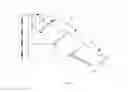
FIG. 1 is a structural schematic diagram of embodiments.
FIG. 2 is a schematic diagram of a position relationship among a first adit a second adit and blast holes in embodiments.
FIG. 3 is a schematic diagram of a position relationship between a third adit and blast holes in embodiments.
DETAILED DESCRIPTION OF THE INVENTION
The present embodiment has the main characteristic that a slope deformation sensitive part is subjected to controlled blasting, and high-pressure water is injected to induce toppling deformation of the slope so as to reduce surrounding rock toppling deformation risk in and after an excavation process, thereby ensuring overall slope stability and safety of a supporting structure. The present embodiment includes the following steps:
-
- a. as shown in FIG. 1, arranging 3 pretreatment construction adits (including a first adit 31, a second adit 32 and a third adit 33) in a slope excavation contour line, and allowing an axis of each of the construction adits to be parallel to the excavation slope surface, wherein vertical elevation H1 of the first adit 31 away from a slope opening line is equal to ⅓H, vertical elevation H2 of the second adit 32 away from the constructed slope opening line is equal to ⅔H, and the third adit 33 is located at a slope toe excavation position. A vertical distance of the three construction adits away from the slope surface 2 is 0.2-0.3H, the vertical minimum distance of the construction adits away from the excavation contour line 1 shall not be less than 20 m, and the vertical maximum distance shall not exceed 40 m. H is the height of a slope excavation area in the present embodiment;
As shown in FIGS. 2 and 3, a blast hole 4 with a diameter of 90 mm is drilled by virtue of the three pretreatment construction adits, a drilling elevation angle is 25-40 degrees, the drilling length is based on a principle that a length of a hole bottom away from the slope surface 2 is 5-8 m, and a blasting charge length L1 is in a range from 15 m inside the excavation line to the hole bottom, wherein a declined blast hole 4 needs to be additionally drilled in the third adit 33, a downdip angle is 20-40 degrees, and the blasting charge length L2 is not less than L1 based on a principle that the drilled hole can cover the slope toe excavation position in the length direction. An array pitch of a controlled blast hole 4 arranged through the three construction adits along the construction adit direction is 5 m. A row of blast holes 4 is formed in the slope toe part, the charge length L2 is not less than L1, and a hole-bottom distance L3 between the row of blast holes and the downdip blast hole of the third adit 33 is controlled within 5 m.
-
- b. arranging 4 rows of surface displacement monitoring points 5 on the slope surface 2, wherein the arrangement elevation of the first row of surface displacement monitoring points 5 is located at the slope opening line position, the second row of and the third row of surface displacement monitoring points are arranged in the middle of the slope at equal ratios according to the elevation, and the arrangement elevation of the fourth row of surface displacement monitoring points is located at a position which is 3-5 m away from the upper side of the excavated slope toe, and surrounding rock deformation increment characteristics at a slope surface monitoring part in the slope blasting process and the water injection process are recorded at the surface displacement monitoring points 5 at a frequency of 2 times per day;
- c. simultaneously detonating the blast holes 4 in the first adit 31 and the second adit 32 after blasting charge is completed, and then detonating the blast holes 4 at the third adit 32 and the slope toe after the slope surface deformation tends to be stable;
- d. arranging water injection holes along the construction adits after the slope surface displacement deformation characteristics monitored at the surface displacement monitoring points tend to be convergent, wherein the water injection holes are parallel to the controlled blast holes, and a distance between each water injection hole and each blast hole is 1 m on a fracture surface;
- e. performing cyclic high-pressure water injection work through the water injection holes in the three construction adits, wherein in the first water injection cycle, the water injection pressure is controlled as 2 MPa, the injection pressure of 2 MPa is maintained for not less than 5 hours, then the water injection pressure is reduced to 0.5 MPa, and the water injection pressure of 0.5 MPa is maintained for 2 days, so that soft rock at a blasting relaxation part is fully softened; after water injection is stopped; if surrounding rock deformation increment characteristics monitored at the surface displacement monitoring points 5 of slope surface surrounding rock tend to be stable within 5 days, a second water injection cycle is started; in the second water injection cycle, the water injection pressure is 0.5 MPa and is maintained for 3 days; if the surrounding rock deformation increment characteristics monitored at the surface displacement monitoring points 5 are observed to tend to be stable within 5 days after water injection is stopped, the next water injection cycle is started; the second water injection cycle is repeated until the slope surface surrounding rock deformation increment in the water injection process is generally less than 5% compared with accumulative deformation; it indicates that an operation of inducing toppling deformation of the slope is basically completed, and water injection is stopped;
- f. injecting a cement grout into the slope foot in the third adit 33 by adopting the water injection holes after the slope is arranged for one month, reinforcing surrounding rock at the slope foot, controlling the grouting pressure as 0.2-0.3 MPa, and stopping grouting when a single-hole grouting rate is less than 0.5 L/min; and
- g. performing a normal excavation process of the toppling deformation slope.
Claims
What is claimed is:1. A yieldable construction method for early releasing surrounding rock deformation on a weak counter-inclined slope, wherein the method comprises:
loosing a rock mass through controlled blasting;
inducing toppling deformation of the slope by injecting water and softening a blasting relaxation part of the rock mass;
determining timing of water injection by monitoring slope surface displacement characteristics of the slope; and
performing a normal excavation process of a toppling deformation slope after the injecting is completed.
2. The yieldable construction method for early releasing surrounding rock deformation on the weak counter-inclined slope of claim 1, wherein the method comprises steps below:
a. excavating a plurality of construction adits inside a slope excavation contour line (1), drilling blast holes (4) in the construction adits, and completing blasting charge;
b. arranging a plurality of surface displacement monitoring points (5) on a slope surface, and monitoring slope surface (2) displacement deformation characteristics;
c. detonating the blast holes (4);
d. drilling water injection holes (6) through the construction adits after the slope surface (2) displacement deformation characteristics monitored at the surface displacement monitoring points (5) tend to be convergent;
e. injecting high-pressure water into surrounding rock relaxation parts produced by detonation via the water injection holes (6) until a slope surface surrounding rock deformation increment caused in the water injection process is less than 5% compared with accumulative deformation, and stopping injecting water;
f. injecting a cement grout into slope foot through the water injection holes (6); and
g. performing a normal excavation process of the toppling deformation slope.
3. The yieldable construction method for early releasing surrounding rock deformation on the weak counter-inclined slope of claim 2, wherein in the step e, the water is injected into the water injection holes (6) through a cyclic water injection method; and in each water injection cycle process, water injection pressure is maintained to inject the water for a certain period of time, and after the slope surface displacement deformation characteristics monitored at the surface displacement monitoring points (5) tend to be stable after water injection is stopped, the next water injection cycle is started.
4. The yieldable construction method for early releasing surrounding rock deformation on the weak counter-inclined slope of claim 3, wherein
in a first water injection cycle, the water injection pressure is controlled as 2 MPa, the injection pressure of 2 MPa is maintained for more than 5 hours, then the water injection pressure is reduced to 0.5 MPa, and the water injection pressure of 0.5 MPa is maintained for 2 days;
in a second water injection cycle, the water injection pressure is controlled as 0.5 MPa, and the water injection pressure of 0.5 MPa is maintained for 3 days; and
in an (n+2)th water injection cycle, the water injection pressure is controlled as 0.5 MPa, and the water injection pressure of 0.5 MPa is maintained for 3 days, wherein n is a positive integer.
5. The yieldable construction method for early releasing surrounding rock deformation on the weak counter-inclined slope according to claim 2, wherein in the step f, a grouting pressure of the cement grout is controlled as 0.2-0.3 MPa, and when a single-hole grouting rate is less than 0.5 L/min, grouting is stopped.
6. The yieldable construction method for early releasing surrounding rock deformation on the weak counter-inclined slope according to claim 2, wherein totally three construction adits exist at different elevations in an excavation slope, including a first adit (31), a second adit (32) and a third adit (33) in sequence from top to bottom;
vertical elevation H1 of the first adit (31) away from a slope opening line is equal to ⅓H, vertical elevation H2 of the second adit (32) away from the slope opening line is equal to ⅔H, and the third adit (33) is located at a slope toe excavation position; a vertical distance of each of the construction adits away from the slope surface (2) is 0.2H-0.3H, and a vertical distance of each of the construction adits away from the excavation contour line (1) is greater than or equal to 20 m and less than or equal to 40 m, wherein H is a height of a slope excavation area.
7. The yieldable construction method for early releasing surrounding rock deformation on the weak counter-inclined slope of claim 6, wherein the blast holes (4) are drilled in the slope surface (2) side via the construction adits, and a drilling elevation angle is 25-40 degrees, wherein the blast holes (4) are drilled towards the slope surface (2) side through a downdip angle of 20-40 degrees via the third construction adit (33);
the length of the bottom of the drilled elevated blast hole (4) away from the slope surface (2) is 5-8 m, and the length direction of the drilled declined blast holes (4) covers the slope toe excavation position.
8. The yieldable construction method for early releasing surrounding rock deformation on the weak counter-inclined slope of claim 7, wherein the water injection holes (6) are formed parallel to the blast holes (4).
9. The yieldable construction method for early releasing surrounding rock deformation on the weak counter-inclined slope of claim 6, wherein totally four rows of surface displacement monitoring points (5) are arranged, wherein the arrangement elevation of the first row of surface displacement monitoring points (5) is positioned at the slope opening line, the second row of and the third row of surface displacement monitoring points (5) are arranged in the middle of the slope in equal ratios according to the elevation, and the arrangement elevation of the fourth row of surface displacement monitoring points (5) is arranged at a position of 3-5 m away from an upper side of the excavated slope toe.
10. The yieldable construction method for early releasing surrounding rock deformation on the weak counter-inclined slope of claim 6, wherein the blast holes (4) in the first adit (31) and the second adit (32) are detonated during blasting, and after the slope surface tends to be stable, the blast holes (4) in the third adit (33) are detonated.
Images & Drawings included:



Sources:
- United States Patent and Trademark Office - verify current appl. status at the USPTO↗
Recent applications in this class:
- » 20230279631 2023-09-07
Bulwark structure and method - » 20220081865 2022-03-17
Feed material processing device and method for applying, distributing and compacting feed material in defined layer heights - » 20210277618 2021-09-09
BULWARK STRUCTURE AND METHOD - » 20210108389 2021-04-15
METHOD OF STRENGTHENING AND WIDENING SUBGRADE WITH GEOCELL BASED ON CONDUCTIVE POLYMER - » 20170211253 2017-07-27
Reinforced wall system - » 20130259583 2013-10-03
Facing element with integrated compressibility and method of using same - » 20120237299 2012-09-20
Berm and method of construction thereof - » 20110304080 2011-12-15
Geocell for load support applications - » 20110135394 2011-06-09
Berm and method of construction thereof - » 20100092249 2010-04-15
Ground reinforced structure and reinforcement members for the construction thereof
Recent applications for this Assignee:
- » 20230203944 2023-06-29
Auto-collapsible pore pressure probe device and operating method thereof - » 20220228486 2022-07-21
Hypergravity model test device and method for simulating progressive failure of shield tunnel face - » 20220147740 2022-05-12
Method for tracing pollution at drainage outlet of culvert - » 20200140311 2020-05-07
Deep sludge dewatering method using electroosmosis with filter bags - » 20190366238 2019-12-05
Oil-water separator for offshore wind farm - » 20190234724 2019-08-01
Non-destructive detection method and device of effective anchorage depth of full-length bonding anchor - » 20190153691 2019-05-23
Device for soft soil foundation treatment by means of vacuum-membrane-free vacuum preloading and treatment method - » 20180340312 2018-11-29
Offshore non-driven-in large-diameter monopile foundation structure and construction method - » 20180115005 2018-04-26
Method for removing pentavalent antimony contaminants in water and fuel cell - » 20180101627 2018-04-12
Model test system for seabed seismic wave detection and method thereof