Display panels having a direct contact of the source or drain and pixel electrode
US20180053786A1
2018-02-22
14/915,909
2016-01-29
✅ Patent granted
US 10,177,171 B2
2019-01-08
WO; PCT/CN2016/072670; 20160129
WO; WO2017/117836; 20170713
Ida M Soward
Andrew C. Cheng
2036-09-10
Abstract:
The present disclosure relates to an array substrate and the manufacturing method and the display panel thereof. The array substrate includes a substrate and at least one TFT and at least one pixel electrode on the array substrate. The TFT includes a gate, a source, and a drain. Wherein the source or the drain directly contacts with the pixel electrode without any material layers provided therebetween. In this way, the charging current is increased, and the charging rate is enhanced.
Assignee:
- Shenzhen China Star Optoelectronics Technology Co Ltd. 3,202 🇨🇳 Shenzhen, Guangdong, China
Applicant:
Interested in similar patents?
Get notified when new applications in this technology area are published.
Classification:
H01L27/124 » CPC main
Devices consisting of a plurality of semiconductor or other solid-state components formed in or on a common substrate including semiconductor components specially adapted for rectifying, oscillating, amplifying or switching and having at least one potential-jump barrier or surface barrier; including integrated passive circuit elements with at least one potential-jump barrier or surface barrier the substrate being other than a semiconductor body, e.g. an insulating body comprising a plurality of TFTs formed on a non-semiconducting substrate, e.g. driving circuits for AMLCDs with a particular composition, shape or layout of the wiring layers specially adapted to the circuit arrangement, e.g. scanning lines in LCD pixel circuits
G02F1/1343 IPC
Devices or arrangements for the control of the intensity, colour, phase, polarisation or direction of light arriving from an independent light source, e.g. switching, gating or modulating; Non-linear optics for the control of the intensity, phase, polarisation or colour based on liquid crystals, e.g. single liquid crystal display cells; Constructional arrangements; Operation of liquid crystal cells; Circuit arrangements; Constructional arrangements; Manufacturing methods Electrodes
H01L29/417 IPC
Semiconductor devices adapted for rectifying, amplifying, oscillating or switching, or capacitors or resistors with at least one potential-jump barrier or surface barrier, e.g. PN junction depletion layer or carrier concentration layer; Details of semiconductor bodies or of electrodes thereof; Multistep manufacturing processes therefor; Electrodes ; Multistep manufacturing processes therefor characterised by their shape, relative sizes or dispositions carrying the current to be rectified, amplified or switched
G02F1/13439 » CPC further
Devices or arrangements for the control of the intensity, colour, phase, polarisation or direction of light arriving from an independent light source, e.g. switching, gating or modulating; Non-linear optics for the control of the intensity, phase, polarisation or colour based on liquid crystals, e.g. single liquid crystal display cells; Constructional arrangements; Operation of liquid crystal cells; Circuit arrangements; Constructional arrangements; Manufacturing methods; Electrodes characterised by their electrical, optical, physical properties; materials therefor; method of making
G02F1/134309 » CPC further
Devices or arrangements for the control of the intensity, colour, phase, polarisation or direction of light arriving from an independent light source, e.g. switching, gating or modulating; Non-linear optics for the control of the intensity, phase, polarisation or colour based on liquid crystals, e.g. single liquid crystal display cells; Constructional arrangements; Operation of liquid crystal cells; Circuit arrangements; Constructional arrangements; Manufacturing methods; Electrodes characterised by their geometrical arrangement
H01L29/66 IPC
Semiconductor devices adapted for rectifying, amplifying, oscillating or switching, or capacitors or resistors with at least one potential-jump barrier or surface barrier, e.g. PN junction depletion layer or carrier concentration layer; Details of semiconductor bodies or of electrodes thereof; Multistep manufacturing processes therefor Types of semiconductor device ; Multistep manufacturing processes therefor
H01L27/1225 » CPC further
Devices consisting of a plurality of semiconductor or other solid-state components formed in or on a common substrate including semiconductor components specially adapted for rectifying, oscillating, amplifying or switching and having at least one potential-jump barrier or surface barrier; including integrated passive circuit elements with at least one potential-jump barrier or surface barrier the substrate being other than a semiconductor body, e.g. an insulating body comprising a plurality of TFTs formed on a non-semiconducting substrate, e.g. driving circuits for AMLCDs with a particular composition, shape or crystalline structure of the active layer with semiconductor materials not belonging to the group IV of the periodic table, e.g. InGaZnO
H01L27/1262 » CPC further
Devices consisting of a plurality of semiconductor or other solid-state components formed in or on a common substrate including semiconductor components specially adapted for rectifying, oscillating, amplifying or switching and having at least one potential-jump barrier or surface barrier; including integrated passive circuit elements with at least one potential-jump barrier or surface barrier the substrate being other than a semiconductor body, e.g. an insulating body comprising a plurality of TFTs formed on a non-semiconducting substrate, e.g. driving circuits for AMLCDs; Multistep manufacturing methods with a particular formation, treatment or coating of the substrate
H01L29/41733 » CPC further
Semiconductor devices adapted for rectifying, amplifying, oscillating or switching, or capacitors or resistors with at least one potential-jump barrier or surface barrier, e.g. PN junction depletion layer or carrier concentration layer; Details of semiconductor bodies or of electrodes thereof; Multistep manufacturing processes therefor; Electrodes ; Multistep manufacturing processes therefor characterised by their shape, relative sizes or dispositions carrying the current to be rectified, amplified or switched; Source or drain electrodes for field effect devices for thin film transistors with insulated gate
H01L29/66969 » CPC further
Semiconductor devices adapted for rectifying, amplifying, oscillating or switching, or capacitors or resistors with at least one potential-jump barrier or surface barrier, e.g. PN junction depletion layer or carrier concentration layer; Details of semiconductor bodies or of electrodes thereof; Multistep manufacturing processes therefor; Types of semiconductor device ; Multistep manufacturing processes therefor; Multistep manufacturing processes of devices having semiconductor bodies not comprising group 14 or group 13/15 materials
G02F1/136286 » CPC further
Devices or arrangements for the control of the intensity, colour, phase, polarisation or direction of light arriving from an independent light source, e.g. switching, gating or modulating; Non-linear optics for the control of the intensity, phase, polarisation or colour based on liquid crystals, e.g. single liquid crystal display cells; Constructional arrangements; Operation of liquid crystal cells; Circuit arrangements; Liquid crystal cells structurally associated with a semi-conducting layer or substrate, e.g. cells forming part of an integrated circuit; Active matrix addressed cells Wiring, e.g. gate line, drain line
G02F1/1337 » CPC further
Devices or arrangements for the control of the intensity, colour, phase, polarisation or direction of light arriving from an independent light source, e.g. switching, gating or modulating; Non-linear optics for the control of the intensity, phase, polarisation or colour based on liquid crystals, e.g. single liquid crystal display cells; Constructional arrangements; Operation of liquid crystal cells; Circuit arrangements; Constructional arrangements; Manufacturing methods Surface-induced orientation of the liquid crystal molecules, e.g. by alignment layers
G02F1/1368 » CPC further
Devices or arrangements for the control of the intensity, colour, phase, polarisation or direction of light arriving from an independent light source, e.g. switching, gating or modulating; Non-linear optics for the control of the intensity, phase, polarisation or colour based on liquid crystals, e.g. single liquid crystal display cells; Constructional arrangements; Operation of liquid crystal cells; Circuit arrangements; Liquid crystal cells structurally associated with a semi-conducting layer or substrate, e.g. cells forming part of an integrated circuit; Active matrix addressed cells in which the switching element is a three-electrode device
H01L29/786 IPC
Semiconductor devices adapted for rectifying, amplifying, oscillating or switching, or capacitors or resistors with at least one potential-jump barrier or surface barrier, e.g. PN junction depletion layer or carrier concentration layer; Details of semiconductor bodies or of electrodes thereof; Multistep manufacturing processes therefor; Types of semiconductor device ; Multistep manufacturing processes therefor controllable by only the electric current supplied, or only the electric potential applied, to an electrode which does not carry the current to be rectified, amplified or switched; Unipolar devices, e.g. field effect transistors; Field effect transistors with field effect produced by an insulated gate Thin film transistors, i.e. transistors with a channel being at least partly a thin film
H01L29/78 IPC
Semiconductor devices adapted for rectifying, amplifying, oscillating or switching, or capacitors or resistors with at least one potential-jump barrier or surface barrier, e.g. PN junction depletion layer or carrier concentration layer; Details of semiconductor bodies or of electrodes thereof; Multistep manufacturing processes therefor; Types of semiconductor device ; Multistep manufacturing processes therefor controllable by only the electric current supplied, or only the electric potential applied, to an electrode which does not carry the current to be rectified, amplified or switched; Unipolar devices, e.g. field effect transistors; Field effect transistors with field effect produced by an insulated gate
G02F2201/123 » CPC further
Constructional arrangements not provided for in groups - electrode pixel
G02F2203/30 » CPC further
Function characteristic Gray scale
H01L27/3248 » CPC further
Devices consisting of a plurality of semiconductor or other solid-state components formed in or on a common substrate including components using organic materials as the active part, or using a combination of organic materials with other materials as the active part with components specially adapted for light emission, e.g. flat-panel displays using organic light-emitting diodes [OLED]; Matrix-type displays; Active matrix displays Connection of the pixel electrode to the TFT
H01L27/32 IPC
Devices consisting of a plurality of semiconductor or other solid-state components formed in or on a common substrate including components using organic materials as the active part, or using a combination of organic materials with other materials as the active part with components specially adapted for light emission, e.g. flat-panel displays using organic light-emitting diodes [OLED]
H01L29/45 » CPC further
Semiconductor devices adapted for rectifying, amplifying, oscillating or switching, or capacitors or resistors with at least one potential-jump barrier or surface barrier, e.g. PN junction depletion layer or carrier concentration layer; Details of semiconductor bodies or of electrodes thereof; Multistep manufacturing processes therefor; Electrodes ; Multistep manufacturing processes therefor characterised by the materials of which they are formed Ohmic electrodes
G02F1/13 IPC
Devices or arrangements for the control of the intensity, colour, phase, polarisation or direction of light arriving from an independent light source, e.g. switching, gating or modulating; Non-linear optics for the control of the intensity, phase, polarisation or colour based on liquid crystals, e.g. single liquid crystal display cells
G02F1/1362 IPC
Devices or arrangements for the control of the intensity, colour, phase, polarisation or direction of light arriving from an independent light source, e.g. switching, gating or modulating; Non-linear optics for the control of the intensity, phase, polarisation or colour based on liquid crystals, e.g. single liquid crystal display cells; Constructional arrangements; Operation of liquid crystal cells; Circuit arrangements; Liquid crystal cells structurally associated with a semi-conducting layer or substrate, e.g. cells forming part of an integrated circuit Active matrix addressed cells
G02F1/1333 IPC
Devices or arrangements for the control of the intensity, colour, phase, polarisation or direction of light arriving from an independent light source, e.g. switching, gating or modulating; Non-linear optics for the control of the intensity, phase, polarisation or colour based on liquid crystals, e.g. single liquid crystal display cells; Constructional arrangements; Operation of liquid crystal cells; Circuit arrangements Constructional arrangements; Manufacturing methods
H01L29/41 IPC
Semiconductor devices adapted for rectifying, amplifying, oscillating or switching, or capacitors or resistors with at least one potential-jump barrier or surface barrier, e.g. PN junction depletion layer or carrier concentration layer; Details of semiconductor bodies or of electrodes thereof; Multistep manufacturing processes therefor; Electrodes ; Multistep manufacturing processes therefor characterised by their shape, relative sizes or dispositions
H01L27/12 » CPC further
Devices consisting of a plurality of semiconductor or other solid-state components formed in or on a common substrate including semiconductor components specially adapted for rectifying, oscillating, amplifying or switching and having at least one potential-jump barrier or surface barrier; including integrated passive circuit elements with at least one potential-jump barrier or surface barrier the substrate being other than a semiconductor body, e.g. an insulating body
Description
BACKGROUND OF THE INVENTION
1. Field of the Invention
The present disclosure relates to display technology, and more particularly to an array substrate and the manufacturing method and the display panel thereof.
2. Discussion of the Related Art
Thin film transistor (TFT) LCD is driven by a TFT matrix. When scanning lines of the LCD turn on the TFT active layer, the signals of the data line are transmitted to the source via a trench layer. Afterward, the signals are then transmitted to pixel electrodes via the source. In this way, the corresponding grayscale is displayed when the liquid crystal layer is controlled by the pixel electrodes.
Conventionally, a passivation layer (PV) is arranged on the active layer, wherein at least one via hole is arranged on the passivation layer. The source is electrically connected with the pixel electrode via the via hole. Due to the resistance, it may be slow to write the signals, and the charging rate of the pixels may be decreased. In addition, image sticking may occur due to the decreased charging rate.
SUMMARY
The present disclosure relates to an array substrate, and the manufacturing method and the display panel thereof, which may increase the charging current so as to enhance the charging rate.
In one aspect, a display panel includes: an array substrate includes a substrate and at least one TFT and at least one pixel electrode on the array substrate, the TFT includes a gate, a source, and a drain; and wherein the source or the drain directly contacts with the pixel electrode without any material layers provided therebetween.
Wherein the pixel electrode is arranged on a surface of the source or the drain to directly contact with the source or the drain.
Wherein the pixel electrode and the source or the drain are on the same layer so as to contacts directly with each other.
Wherein the pixel electrode and the directly contacted source or drain are made by transparent conductive films.
Wherein the display panel further includes an alignment layer covering the source, the drain and the pixel electrode.
Wherein the TFT further includes a gate insulation layer and a trench layer overlapped on the gate, and the source and the drain are arranged on the trench layer.
In another aspect, an array substrate includes: a substrate and at least one TFT and at least one pixel electrode on the substrate, the TFT includes a gate, a source, and a drain; and wherein the source or the drain directly contacts with the pixel electrode without any material layers provided therebetween.
In another aspect, a manufacturing method of array substrates includes: forming a TFT on a substrate, wherein the TFT includes a gate, a source, and a drain; forming a pixel electrode on the gate or the source of the TFT, wherein the source or the drain directly contacts with the pixel electrode without any material layers provided therebetween.
Wherein the step of forming the pixel electrode on the gate or the source of the TFT further includes: forming the pixel electrode on the surfaces of the source or the drain; or forming the pixel electrode on the same layer with the source or the drain.
Wherein the method further includes: covering an alignment layer on the source, the drain and the pixel electrode.
In view of the above, the source or the drain directly contact with the pixel electrode without other material layer provided therebetween, such that the resistance between the source/drain and the pixel electrode is decreased. When the signals are written from the source/drain to the pixel electrode, the writing speed is enhanced. That is, the charging current is increased, and the charging rate is enhanced. In addition, the charging rate may be guaranteed, which may resolve the conventional issues caused by the deficiency of charging rate.
BRIEF DESCRIPTION OF THE DRAWINGS
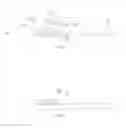
FIG. 1 is a schematic view of the array substrate in accordance with one embodiment.
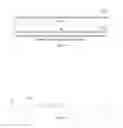
FIG. 2 is a schematic view of the array substrate in accordance with another embodiment.
FIG. 3 is a flowchart illustrating the manufacturing method of the array substrate in accordance with one embodiment.
FIG. 4a is a schematic view of the gate formed by the manufacturing method of the array substrate in accordance with one embodiment.
FIG. 4b is a schematic view of the gate insulation layer formed by the manufacturing method of the array substrate in accordance with one embodiment.
FIG. 4c is a schematic view of the gate trench layer formed by the manufacturing method of the array substrate in accordance with one embodiment.
FIG. 4d is a schematic view of the source and the drain formed by the manufacturing method of the array substrate in accordance with one embodiment.
FIG. 4e is a schematic view of the pixel electrode formed by the manufacturing method of the array substrate in accordance with one embodiment.
FIG. 4f is a schematic view of the alignment layer formed by the manufacturing method of the array substrate in accordance with one embodiment.
DETAILED DESCRIPTION OF THE EMBODIMENTS
The following description including proposed system architecture, interfaces, and specific details and the like, are examples for illustrating the present disclosure. However, those skilled in the art, in the absence of such specific details, other embodiments of the present disclosure may also be implemented. In other instances, detailed descriptions are omitted for conventional devices, circuits, and methods, so as to avoid unnecessary detail description of the present application.
FIG. 1 is a schematic view of the array substrate in accordance with one embodiment. In the embodiment, the array substrate includes a substrate 11, and a TFT 12 and a pixel electrode 13 arranged on the substrate 11. It can be understood that though there is only one TFT and one pixel electrode are shown in FIG. 1, the array substrate may include a plurality of TFTs and pixel electrodes in real scenarios. The first array substrate 12 includes a gate 121, a source 122, and a drain 123. Other material layer is not configured between the source 122/the drain 123 and the pixel electrode 13. That is, the source 122 and the drain 123 directly contact with the pixel electrode 13. Thus, the via holes are not needed, and the resistance between the source and the pixel electrode is decreased such that the charging current is increased and the charging rate is enhanced.
In the embodiment, one example, wherein the source 122 directly contacts with the pixel electrode 13, will be described hereinafter.
Specifically, the pixel electrode 13 is arranged on a surface of the source 122 so as to directly contact with the source 122. As shown in FIG. 1, the pixel electrode 13 is deposited on a top surface of the source 122. At this moment, when the source 122 receives the signals of the data lines, the signals are written to the pixel electrode 13 directly via the top surface of the source, which enhances the charging rate.
In another example, the pixel electrode 13 and the source 122 may be arranged on the same layer. The pixel electrode 13 directly contacts with a lateral side of the source 122. As shown in FIG. 2, the structure shown in FIG. 2 is similar to that in FIG. 1, and thus the descriptions are omitted hereinafter. At this moment, when the source 122 receives the signals of the data lines, the signals are written to the pixel electrode 13 directly via the lateral side of the source, which enhances the charging rate.
Further, in order to increase the aperture rate of the pixel electrode, the pixel electrode 13 and the source 122 may be made by transparent thin films, such as ITO. It can be understood that, with respect to the TFT, a source layer is not configured. Instead, a pixel electrode layer is configured directly, and the pixel electrode 13 operates as the source 122 of the TFT, and receives the signals of the data line via the trench layer. At the same time, the pixel electrode 13 operates as the pixel electrode for aligning the liquid crystal layer so as to display the corresponding grayscale.
It can be understood that, in addition to the above structure, the source 122 and the pixel electrode 13 may be configured to contact with each other directly via other structures, and is not limited to the above disclosure.
Preferably, in one example, the passivation layer may be omitted. An alignment layer 14 is arranged on the source 122, the drain 123, and the pixel electrode 13. The alignment layer 14 replaces the passivation layer of the conventional array substrate, and is configured for protecting the source 122, the drain 123, and the pixel electrode 13 from being oxidized. In addition, the alignment layer 14 is configured with an alignment direction for anchoring a pretilt angle. As the passivation layer is not needed for the array substrate, the corresponding materials and the masking process are omitted. As such, the array substrate may be manufactured in a thin and light manner.
It is to be noted that, the alignment layer 14 directly covers the top surfaces of the pixel electrode 13 and the drain 123 and the portion of the top surface of the source 122 not covered by the pixel electrode 13. For instance, when the pixel electrode 13 completely covers the source 122, the alignment layer 14 covers the top surfaces of the drain 123 and the pixel electrode 13. In addition, when the pixel electrode 13 and the source 122 are on the same layer, the pixel electrode 13 covers the top surfaces of the source 122, the drain 123, and the pixel electrode 13.
Further, in the above embodiments, the source and the pixel electrode are connected. In other embodiments wherein the drain and the pixel electrode are connected, other material layers may be omitted such that the drain and the pixel electrode are directly connected.
In the embodiment, the TFT 12 further includes a gate insulation layer 124 and a trench layer 125. The source 122 and the drain 123 are arranged on the trench layer 125. The gate insulation layer 124 overlaps between the gate 121 and the trench layer 125 to insulate the gate 121 from the trench layer 125. The source 122 and the drain 123 are on the same layer above the trench layer 125. When the voltage obtained by the gate 121 is larger than or equals to a turn-on voltage, the trench layer 125 releases the electrons to connect the source 122 and the drain 123. The gate insulation layer 124 may be AlN films, and the trench layer 125 may be made by metallic oxide, such as indium gallium zinc oxide (IGZO). Specifically, the trench layer 125 may include an AS Island pattern 125a and a doped layer 125b
In the above embodiments, the substrate 11 may be a glass substrate or a transparent substrate made by other insulation materials. The gate 121 may be made by Mo layer. The source 122 and the drain 123 may be formed by overlapping an Mo layer, an aluminum layer, and the Mo layer, or by overlapping the Mo layer, a first cooper layer, a second cooper layer, and the Mo layer, wherein the power of depositing the first cooper layer is larger than the power of depositing the second cooper layer.
In one embodiment, a display panel includes the above array substrate.
FIG. 3 is a flowchart illustrating the manufacturing method of the array substrate in accordance with one embodiment. The method includes the following steps:
In step S31, forming a TFT on a substrate, wherein the TFT includes a gate, a source, and a drain.
As shown in FIGS. 4a-4d, the gate 421 is formed on the substrate 41. A gate insulation layer 424 is formed on the gate 421, a trench layer 425 is arranged on the gate insulation layer 424, and a source 422 and a drain 423 are respectively formed on the trench layer 425, wherein the source 422 and the drain 423 are isolated from each other. Specifically, the patterns of the gate 421, the source 422, and the drain 423 are formed by etching processes, such as wet or dry etching processes.
Alternatively, the source and the drain are formed by overlapping the Mo layer, the aluminum layer, and the Mo layer, or by overlapping the Mo layer, a first cooper layer, a second cooper layer, and the Mo layer, wherein the power of depositing the first cooper layer is larger than the power of depositing the second cooper layer.
In step S32, forming a pixel electrode on the gate or the source of the TFT, wherein the source or the drain directly contact with the pixel electrode without any material layers provided therebetween.
In the embodiment, the source and the pixel electrode are connected, and the pixel electrode is arranged on the top surface of the source. As shown in FIGS. 4e-4f, the pixel electrode 43 is formed on the source 422, wherein the pixel electrode 43 is deposited on the top surface of the pixel electrode 43, and the pixel electrode 43 is patterned. Afterward, an alignment layer 44 is coated on the surfaces of the drain 423 and the pixel electrode 43. The alignment direction may be configured by unidirectional rubbed. In this way, the alignment layer 44 may operate as the passivation layer and the alignment layer at the same time.
It can be understood that, in that embodiments, the source and the pixel electrode may be configured at the same layer. As shown in FIG. 2, after the source is formed, the pixel electrode is formed on the gate insulation layer so as to directly contact with the lateral side of the source.
Further, when the source and the pixel electrode are configured as the transparent conductive film, the source and the pixel electrode may be formed at the same time in the above steps.
In view of the above, the source or the drain directly contact with the pixel electrode without other material layer provided therebetween, such that the resistance between the source/drain and the pixel electrode is decreased. When the signals are written from the source/drain to the pixel electrode, the writing speed is enhanced. That is, the charging current is increased, and the charging rate is enhanced. In addition, the charging rate may be guaranteed, which may resolve the conventional issues caused by the deficiency of charging rate.
It is believed that the present embodiments and their advantages will be understood from the foregoing description, and it will be apparent that various changes may be made thereto without departing from the spirit and scope of the invention or sacrificing all of its material advantages, the examples hereinbefore described merely being preferred or exemplary embodiments of the invention.
Claims
What is claimed is:1. A display panel, comprising:
an array substrate comprises a substrate and at least one TFT and at least one pixel electrode on the array substrate, the TFT comprises a gate, a source, and a drain; and
wherein the source or the drain directly contacts with the pixel electrode without any material layers provided therebetween.
2. The display panel as claimed in claim 1, wherein the pixel electrode is arranged on a surface of the source or the drain to directly contact with the source or the drain.
3. The display panel as claimed in claim 1, wherein the pixel electrode and the source or the drain are on the same layer so as to contacts directly with each other.
4. The display panel as claimed in claim 3, wherein the pixel electrode and the directly contacted source or drain are made by transparent conductive films.
5. The display panel as claimed in claim 1, wherein the display panel further comprises an alignment layer covering the source, the drain and the pixel electrode.
6. The display panel as claimed in claim 1, wherein the TFT further comprises a gate insulation layer and a trench layer overlapped on the gate, and the source and the drain are arranged on the trench layer.
7. An array substrate, comprising:
a substrate and at least one TFT and at least one pixel electrode on the substrate, the TFT comprises a gate, a source, and a drain; and
wherein the source or the drain directly contacts with the pixel electrode without any material layers provided therebetween.
8. The array substrate as claimed in claim 7, wherein the pixel electrode is arranged on a surface of the source or the drain to directly contact with the source or the drain.
9. The array substrate as claimed in claim 7, wherein the pixel electrode and the source or the drain are on the same layer so as to contact directly with each other.
10. The array substrate as claimed in claim 9, wherein the pixel electrode and the directly contacted source or drain are made by transparent conductive films.
11. The array substrate as claimed in claim 7, wherein the display panel further comprises an alignment layer covering the source, the drain and the pixel electrode.
12. The array substrate as claimed in claim 7, wherein the TFT further comprises a gate insulation layer and a trench layer overlapped on the gate, and the source and the drain are arranged on the trench layer.
13. A manufacturing method of array substrates, comprising:
forming a TFT on a substrate, wherein the TFT includes a gate, a source, and a drain;
forming a pixel electrode on the gate or the source of the TFT, wherein the source or the drain directly contacts with the pixel electrode without any material layers provided therebetween.
14. The manufacturing method as claimed in claim 13, wherein the step of forming the pixel electrode on the gate or the source of the TFT further comprises:
forming the pixel electrode on the surfaces of the source or the drain; or
forming the pixel electrode on the same layer with the source or the drain.
15. The manufacturing method as claimed in claim 13, wherein the method further comprises:
covering an alignment layer on the source, the drain and the pixel electrode.
16. The manufacturing method as claimed in claim 14, wherein the method further comprises:
covering an alignment layer on the source, the drain and the pixel electrode.
Images & Drawings included:



Sources:
- United States Patent and Trademark Office - verify current appl. status at the USPTO↗
Recent applications in this class:
- » 20250072115 2025-02-27
DISPLAY DEVICE - » 20250072114 2025-02-27
DISPLAY DEVICE - » 20250072113 2025-02-27
Stacked FET With Local Contact - » 20250063819 2025-02-20
ELECTRONIC DEVICE - » 20250063818 2025-02-20
WIRING BODY AND DISPLAY DEVICE - » 20250063816 2025-02-20
DISPLAY SUBSTRATE AND DISPLAY DEVICE - » 20250056890 2025-02-13
DISPLAY PANELS INCLUDING METAL LAYER HAVING FAN-OUT SEGMENT AND DISPLAY TERMINALS INCLUDING THE SAME - » 20250056888 2025-02-13
TRANSPARENT DISPLAY DEVICE - » 20250056886 2025-02-13
ARRAY SUBSTRATE AND DISPLAY DEVICE - » 20250048743 2025-02-06
DISPLAY DEVICE
Recent applications for this Assignee:
- » 20200355948 2020-11-12
FRAME SEALANT AND LIQUID CRYSTAL DISPLAY PANEL - » 20200341310 2020-10-29
Thin film transistor liquid crystal display (TFT-LCD) and the driving circuit and switching power supply thereof - » 20200285088 2020-09-10
Array substrate of thin-film transistor liquid crystal display device and method for manufacturing the same - » 20200272004 2020-08-27
Array substrate and liquid crystal display panel - » 20200258866 2020-08-13
Display panel, manufacturing method thereof and display device - » 20200251055 2020-08-06
Brightness regulation device of display device, brightness regulation method and display device - » 20200201464 2020-06-25
Array substrate and touch display device - » 20200185452 2020-06-11
Manufacturing method of micro light-emitting diode display panel - » 20200181759 2020-06-11
VAPOR DEPOSITION CRUCIBLE - » 20200168842 2020-05-28
Organic light-emitting diode (OLED) display panel and manufacturing method thereof