A SOLUBLE CHIMERIC INTERLEUKIN-10 RECEPTOR AND THERAPEUTIC USE THEREOF
US20180086809A1
2018-03-29
15/562,557
2016-04-26
Abstract:
Chimeric soluble receptor of interleukin 10 and relative use in treating tumors and in treating diseases which are characterized by high production of interleukin 10, such as systemic lupus erythematosus.
Inventors:
- Gilberto Filaci 2 🇮🇹 Genova (GE), Italy
- Daniela Fenoglio 2 🇮🇹 Genova (GE), Italy
- Francesca Ferrera 2 🇮🇹 Genova (GE), Italy
Assignee:
- Mediolanum Farmaceutici S.P.A. 1 🇮🇹 Milano, Italy
Interested in similar patents?
Get notified when new applications in this technology area are published.
Classification:
C07K14/5428 » CPC main
Peptides having more than 20 amino acids; Gastrins; Somatostatins; Melanotropins; Derivatives thereof from animals; from humans; Cytokines; Lymphokines; Interferons; Interleukins [IL] IL-10
C07K2317/53 » CPC further
Immunoglobulins specific features characterized by immunoglobulin fragments; Constant or Fc region; Isotype Hinge
C07K2319/31 » CPC further
Fusion polypeptide fusions, other than Fc, for prolonged plasma life, e.g. albumin
C07K2317/60 » CPC further
Immunoglobulins specific features characterized by non-natural combinations of immunoglobulin fragments
C07K14/54 IPC
Peptides having more than 20 amino acids; Gastrins; Somatostatins; Melanotropins; Derivatives thereof from animals; from humans; Cytokines; Lymphokines; Interferons Interleukins [IL]
C07K14/765 » CPC further
Peptides having more than 20 amino acids; Gastrins; Somatostatins; Melanotropins; Derivatives thereof from animals; from humans; Albumins Serum albumin, e.g. HSA
A61P43/00 » CPC further
Drugs for specific purposes, not provided for in groups -
Description
FIELD OF THE INVENTION
The present invention regards a new soluble chimeric receptor for interleukin 10 (IL10) characterized by low immunogenicity capable of blocking the interaction between IL-10 and its receptor which is situated on the cells of the host and in particular useful for treating tumors as well as in treating pathologies characterized by high levels of production of interleukin 10, such as systemic lupus erythematosus (SLE).
STATE OF THE ART
The conventional tumor therapy approaches include:
-
- 1) the extirpation of the tumor by means of surgery,
- 2) the destruction of the tumor by means of chemotherapy, radiotherapy and immunotherapy,
The approaches to the immunotherapy applied up to now comprise:
-
- 1) Injections of antibodies capable of mediating the lysis of the tumor cells with different mechanisms,
- 2) Infusions of cytokines potentially capable of activating the anti-tumor immune response,
- 3) Infusions of lymphocytes potentially capable of directly killing the tumor;
- 4) Immunization with tumor-derived cellular peptides, proteins or lysates.
- 5) Immunization with genes (in DNA or RNA form) which encode for the antigens associated with the tumors (TAA).
- 6) Inhibition of the immuno-regulatory functions through specific biological agents (anti-CTLA4, anti PD1, anti PD1-Ligand antibodies)
Nevertheless, the conventional therapies give rise to variable results, in relation to the histological type or to the tumor stage. Regarding the immunotherapy, independent of the type of therapy followed, unsatisfactory results were obtained (20-30% of the clinical responses in different clinical protocols, with the sole exception relative to the use of monoclonal antibodies in specific diseases such as B-cell lymphoma and breast tumor).
Overall, the therapeutic arsenal used up to now against tumors mainly consists of aggressive maneuvers via use of agents having the purpose of destroying cancer, which do not facilitate the normal process of immunological control which in healthy individuals prevents the appearance or the progression of tumors.
Since a complete deletion of the tumor is rarely achievable due to multiple reasons of biological nature, the surviving tumor cells remain in the body of most tumor patients, even though they are under therapy. These cells in fact maintain the capacity to evade an immune system still paralyzed both by tumor-dependent biological factors and by the aforesaid anti-tumor therapies: therefore they can induce a relapse and a progression of the tumor. Indeed, even if the tumors have aberrant genes that induce substantial modifications from a morphological, phenotypic and functional standpoint with respect to the normal autologous cells, these evade immunological surveillance. This phenomenon is even more surprising in consideration of the fact that tumors express tumor-associated antigens (TAAs) and are infiltrated by tumor-specific T-lymphocytes. Among the various known biological mechanisms that contribute to verifying the immune evasion by the tumor, the activity of the regulatory T-lymphocytes has a key role—these secrete IL10 in the tumor site. In order to neutralize the latter phenomenon, it would be necessary to provide a molecule capable of inhibiting the activity of the regulatory T-lymphocytes in the tumor site. The administration of such molecule would limit the immune evasion of the tumor and would allow the immune system of the host to recover an effective anti-tumor reactivity.
Regarding the current therapy of the systemic lupus erythematosus treatment, this consists of the administration of steroids and immunosuppressants, drugs which do not have a specificity with regard to the action mechanism and in addition they can cause serious, diverse side effects. A more recent therapy provides for the administration of Belimumab, an anti Blys human antibody, in other words a therapeutic agent capable of inhibiting the activation of the B-lymphocytes.
SLE, along with other autoimmune pathologies, is characterized by an abnormal immune response of the B-lymphocytes and by an increased secretion of IL-10 which causes a hyperproduction of autoantibodies with consequent activation of the systemic inflammatory process (Llorente et al., “In vivo production of interleukin-10 by non T-cell in rheumatoid arthritis, Sjögren' syndrome and systemic lupus erythematosus: a potential mechanism of B-lymphocyte hyperactivity and autoimmunity” Arthritis Rheum, 1994; 37: 1647-55”). It is interesting that the treatment of patients affected by SLE with an anti-IL10 monoclonal antibody had beneficial and favorable therapeutic effects. (Llorente L. et al., “Clinical and biological effects of antiinterleukin 10 monoclonal antibody administration in systemic lupus erythematosus. Arthritis Rheum.2000; 43: 1790-1800). There is therefore the need to provide a therapeutic agent capable of reducing the production of autoantibodies, for example through the neutralization of IL-10.
BACKGROUND OF THE INVENTION
The generation of the anti-IL10 immunoadhesin, i.e. a fusion protein constituted by the portion Fc of the immunoglobulin (Ig) and by the alpha chain of the IL-10 receptor, has been previously described (Terai M. et al “Human intertleukin 10 receptor 1/IgG1-Fc fusion proteins for human IL-10 with therapeutic potential” Cancer Immunol. Immunother. 2009 August; 58(8): 1307-17 EPUB. 2009 Jan. 14).
This fusion protein has a series of disadvantages caused by the fact that it contains the portion Fc of the IgG1.
Indeed, the immunoglobulin can cause immune/inflammatory reactions mediated by the bond of the Fc to its receptors present on most of the cells of the immune system (antibody-dependent cellular cytotoxicity—ADCC) or to the complement (complement-dependent cytoxicity—CDC-). This can lead to collateral immune/inflammatory reactions that can have significant repercussions on the safety and tolerability of the product. (Antibody Fc: Linking Adaptive and Innate Immunity, Margaret Ackerman and Falk Nimmerjahn, Academic Press 2014; Kapur R, Einarsdottir H K, Vidarsson G: IgG-effector functions: “the good, the bad and the ugly”. Immunol Lett. 2014 August; 160(2):139-44; Karsten C M, Köhl J: The immunoglobulin, IgG Fc receptor and complement triangle in autoimmune diseases. Immunobiology. 2012 November; 217(11):1067-79; Dijstelbloem H M, van de Winkel J G, Kallenberg C G: Inflammation in autoimmunity: receptors for IgG revisited. Trends Immunol. 2001 Sepember; 22(9):510-6).
In US 20090111146, in which the inventors are some of the authors of the preceding publication, a fusion protein is described in which a constant region of the human antibody is fused with an extracellular region of the IL-10. By constant regions of the human antibody, it is intended constant regions of the IgG in particular selected from among the following classes;
-
- a) the Fc part,
- b) a region that includes CH2 and CH3,
- c) a region that comprises the hinge part, CH2 and CH3,
- d) a region in which CH1-CH3 are connected,
- e) a region obtained by deletion, addition, substitution or insertion of 1 or several amino acids in one of the aforesaid regions a)-d) and which functions as a constant region.
Also this fusion polypeptide type can be used for correlated IL-10 diseases. In particular, the fusion proteins in which the extracellular region of the IL-10 receptor is fused with:
a1) a constant region of IgG1 in which a deletion of the hinge region has been executed, or
a2) a constant region of IgG1, having the hinge region mutated, generated by the mutation of the cysteine in the hinge region in a manner such to not form a dimer (these molecules can be employed for promoting the activation of the cytotoxic T cells).
This type of fusion proteins could be used for treating cancer, but their use is potentially subject to a high risk of induction of side effects tied to the presence of an essentially pro-inflammatory molecular portion, like the fragment Fc or the heavy changes CH1-CH3 contained in Fc (see above). The collateral and systemic immune/inflammatory reactions potentially induced by such molecules could have significant repercussions on the safety and tolerability of the product.
OBJECTS OF THE INVENTION
Object of the present invention is therefore the generation of an inhibitor of IL-10 in particular to be used as therapeutically effective agent for all types of pathologies in which IL-10 has a pathogenic valence and which does not have the drawbacks of the above-described known inhibitors of IL-10.
Object of the present invention is also the use of such inhibitor of IL-10 in the treatment of tumors.
Further object of the present invention is the use of such inhibitor of IL-10 in the treatment of SLE.
Further object of the invention is to generate an inhibitor of IL-10 that does not have molecular portions potentially capable of inducing inflammatory/immune phenomena, such as portions of antibodies or portions of amino acid sequences not contained in human molecules (hence substantially not carrying mutations or exogenous molecules). This in order to ensure the full tolerability thereof and eliminate risks tied to the induction of side effects.
SUMMARY OF THE INVENTION
The above-described objects of the present invention are achieved with the generation of a chimeric fusion protein albumin-IL10 receptor capable of antagonizing the bond of IL-10 to the natural receptor present on the cell surface.
The presence of albumin within the fusion polypeptide confers stability and solubility to this molecule. In addition, the molecule is little immunogenic in syngeneic individuals, so as to avoid risks of developing immune responses against the fusion protein, object of the present invention.
Further object of the present invention is the aforesaid fusion protein for use as medication, in particular for inhibiting the correlated IL-10 diseases.
Further object of the present invention is the aforesaid soluble chimeric fusion protein albumin-IL10 for use in the treatment of tumors.
Further object of the present invention is the aforesaid fusion protein for use in the treatment of SLE.
Further object of the present invention is a polynucleotide construct, preferably a gene, that encodes for this fusion protein.
Further object of the present invention is the aforesaid gene for use as medication, in particular for inhibiting the diseases mediated by IL-10.
Further object of the present invention is the aforesaid gene for use in the treatment of tumors.
Further object of the present invention is the aforesaid gene for use in the treatment of SLE.
DESCRIPTION OF THE FIGURES
FIG. 1 shows the phenotype and functional analysis of the tumor-infiltrating lymphocytes. The y-axis shows the individual percentage concentrations of each of the subpopulations of T cells: CD8+, CD8+CD28+, CD8+CD28−, CD4+, CD4+CD25+ present in the lymphocyte population infiltrating tumors isolated from 22 patients. The figure also reports the significant differences between the average percentages.
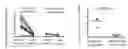
FIG. 2 reports the immunosuppression activity carried out by T cells CD8+CD28+, CD8+CD28− (left graph) infiltrating tumors isolated from 23 patients, tested in an assay of inhibition of T cell proliferation induced by an anti-CD3 monoclonal antibody (mAb). The data are expressed as percentage of inhibition of the CD3-induced proliferation activity measured through incorporation of 3H-Thymidine in the proliferating cells and reading with beta-counter and expressed as counts per minute (cpm) in the single cocultures. The graph to the right shows the immunosuppressive function of T cells CD4+CD25+ infiltrating tumors coming from 5 patients. The inhibition of the suppressive activity by a monoclonal antibody (mAb) neutralizing the biological activity of IL-10 is reported only in the case of the functional tests executed with lymphocytes TregCD8+CD28− (left graph).
FIG. 3 shows the inhibition of the cytotoxic activity of a cell line CTL specific for the peptide p540 of telomerase against T2 cells pulsed with the peptide p540, in the presence or in the absence of T cells CD28+CD28−, derived from primary tumors of two patients. The cultures containing T lymphocytes CD28+CD28− were conducted in “transwell” plates in order to separate the T lymphocytes CD28+CD28− from the target cells (tumor line T2) and from the cytotoxic lymphocytes. a) CTL+non-pulsed T2 cells, b) CTL+T2 cells pulsed with peptide p540 c) CTL+T2 cells pulsed with peptide p540 +CD28+CD28− d) CTL+T2 pulsed with peptide p540 +CD28+CD28− +anti-IL10mAb; e) CTL+T2 cells pulsed with peptide p540 +CD28+CD28−+ isotype control antibody of the anti-IL10−mAb.
FIG. 4 shows the immunosuppressive activity on the proliferation of the T cells exerted by (A) left graph: purified T cells CD28+CD28− from metastatic lymph nodes of 23 patients or from metastasis-free lymph nodes of 6 patients. (B) right graph: T cells CD24+CD25+ derived from metastatic lymph nodes of 6 patients, or from metastasis-free lymph nodes of 6 patients.
The data are expressed as percentage of inhibition of the T cell proliferation induced by an anti-CD3 mAb, measured through incorporation of 3H-Thymidine and reading through beta-counter of the counts per minute (cpm) emitted by the cocultures.
FIG. 5 reports the average area of melanoma lesions in mice respectively injected with: 1×10⁵ B16 melanoma cells (control mice), 1×10⁵ B16 melanoma cells treated with dendritic cells (DC) pulsed with gp100 antigen of melanoma, inoculated through intramuscular injection (2×10⁶ DC/mouse ×3 times every 7 days starting from the day of administration of the tumor). 1×10⁵ B16 melanoma cells treated with DC pulsed with gp100 antigen, inoculated through intramuscular injection (2×10⁶ cells/mouse ×3 times every 7 days and injected through subcutaneous injection with an anti-IL-10 mAb blocking biological activity of the cytokine (150 μg×3 times every 7 days starting from the day of administration of the tumor).
FIG. 6 reports the analysis by means of Western Blot of the lysate of 293T cells transfected with: pcDNA3.1 containing the gene coding for the murine fusion protein IL10R-albumin (lane 1), empty pcDNA3.1 (lane 2) and lysate of non-transfected 293T cells (lane 3)
FIG. 7 reports the analysis by means of Western Blot of the lysate of 293T cells transfected with pcDNA3.1 containing the gene coding for the human IL10R-albumin protein (lane 1); lysate of cellule 293T transfected with empty pcDNA3.1 (lane 2); supernatant of 293T cells transfected with pcDNA3.1 containing the gene coding for the human fusion protein IL10R-albumin (lane 3); supernatant of cells 293T transfected with empty pcDNA3.1 (lane 4).
FIG. 8 reports the average area of the melanoma lesions observed in mice respectively injected with:
1×10⁵ B16 melanoma cells (control mice), 1×10⁵ B16 melanoma cells treated with a control plasmid (pcDNA 3.1) that was injected via intradermal injection (100 μg×3 times every 7 days starting from the day of administration of the tumor).
l 1×10⁵ B16 melanoma cells treated with a plasmid that codes for the chimeric fusion protein according to the present invention (pcDNA3.1IL10R-murin serum albumin (MSA) which has been injected intradermally (100 μg×3 times every 7 days starting from the day of administration of the tumor). The figure also reports the significant differences between the groups.
FIG. 9 represents the average area of the melanoma lesions observed in mice injected with:
1×10⁵ B16 melanoma cells (control mice),
1×10⁵ B16 melanoma cells treated with a plasmid that codes for the chimeric fusion protein according to the present invention (pcDNA3.1IL10R-MSA) that was intradermally injected (100 μg×3 times every 7 days starting from the day of administration of the tumor);
l1×105 B16 melanoma cells treated with a plasmid that codes for the chimeric fusion protein according to the present invention (pcDNA3.1IL10R-MSA) that was intradermally injected (100 μg×3 times every 7 days starting from the day of administration of the tumor) and intradermally injected with DC pulsed with antigen mgp100, that were injected via intramuscular injection (2×10⁶ cells/mouse ×3 times 7 days, starting from the day of administration of the tumor).
1×10⁵ B16 melanoma cells injected intradermally with DC pulsed with antigen mgp100, which were injected via intramuscular injection (2×10⁶ cells/mouse ×3 times every 7 days starting from the day of administration of the tumor). The figure also reports the significant differences between the groups.
FIG. 10 reports the average area of the lesions observed in mice injected with 1×10⁵ cells of syngeneic bladder tumor cell lines MB49 (control), 1×10⁵ of syngeneic bladder tumor MB49 treated with a control plasmid (pcDNA 3.1) that was intradermally injected (100 μg×3 times at 7 days interval between one administration and the next starting from the day of administration of the tumor). 1×10⁵ syngeneic bladder tumor cell MB49 treated with a plasmid that codes for the chimeric fusion protein according to the present invention (pcDNA3.1IL10R-MSA) which was intradermally (100 μg×3 times at 7 days interval between one administration and the next starting from the day of administration of the tumor). The figure also reports the significant differences between the groups.
FIG. 11 indicates the detection of the transgene- IL10R-MSA in cell DNA after having been extracted from 4×10⁶ spleen, liver, kidney and peripheral blood mononuclear cells (PBMCs) of 4 mice vaccinated with DNA (pcDNA3.1IL10R-MSA) and 1 non-vaccinated mouse (control) respectively:
-
- (A) 24 hours, (B) 14 days, (C) 20 days after the vaccination and after amplification with nested PCR of each of the aforesaid DNA.
FIG. 12A reports, in explanatory graph form, the validation results reported in FIG. 12B, obtained by conducting an ELISA test on the purified human fusion protein according to the present invention; the x-axis in FIG. 12A reports the concentration of IL-10 and the y-axis reports the optical density.
FIG. 13A reports, in explanatory form, the validation results reported in FIG. 13B by means of ELISA tests conducted on the purified murine protein; the x-axis in FIG. 13B reports the concentration of I1L-10 and the y-axis reports the optical density.
DETAILED DESCRIPTION OF THE INVENTION
For the purposes of the present invention, by chimeric protein it is intended a protein deriving from the fusion of peptide sequences of multiple different proteins.
For the purposes of the present invention, by polynucleotide construct it is intended a nucleotide sequence deriving from the fusion of multiple different genes that code for multiple proteins that are different from each other.
The albumin in the chimeric fusion protein according to the present invention is preferably mammal albumin, more preferably human and murine and still more preferably human.
The fusion protein albumin-interleukin 10 receptor according to the present invention is a chimeric gene product, which is also characterized in that the albumin is bonded to the extracellular domain of the alpha chain of the IL-10 receptor.
The fact that the fusion protein, object of the invention, only contains the extracellular domain (ECD) is an advantageous aspect since this does not contain the intracytoplasmic portion of the IL-10 receptor alpha chain, i.e a portion rich in hydrophobic amino acids. Hence, the absence of the intracytoplasmic domain renders the fusion protein, object of the present invention, more stable, more soluble and obtainable with a higher yield during the productions steps (cloning) due to the limited size with respect to an analogous fusion protein containing the entire alpha chain of the IL-10 receptor. Finally, the absence of the intracytoplasmic domain renders the protein less immunogenic, thus preventing the risk that the host initiates an immune response against the fusion protein of the invention.
The receptor for interleukin 10 (IL10R) is constituted by two chains: the alpha chain that mediates the bond with the IL10 and the beta chain that transmits the signal to the cell interior. Since the object of the invention is to block the IL-10 such that it is no longer available inside the tumor microenvironment, only the alpha subunit was cloned in the chimeric construct.
The albumin is bonded to the extracellular domain of the alpha chain of the IL-10 receptor, by means of a spacer, and preferably said spacer is the hinge region of the IgG (immunogammaglobulins).
The IgG is preferably mammal IgG1, more preferably of human and murine type, still more preferably coming from lymphocytes of the peripheral blood.
The presence of the hinge region of the IgG, and preferably IgG1 confers flexibility to the portion constituted by the extracellular domain of the alpha chain of the IL 10 receptor, thus stabilizing the bond with its relative ligand (IL-10) and increasing the affinity/avidity of this interaction.
The chimeric fusion protein albumin-IL-10 receptor, object of the present invention, for use as medication, in particular for inhibiting the correlated IL-10 diseases can be parenterally administered, preferably intravenously, or even topically preferably by means of intradermal administration, subcutaneous administration etc.
Also the gene that codes for the aforesaid chimeric fusion protein albumin-interleukin 10 receptor can be employed for use as medication in particular for inhibiting the correlated IL-10 diseases and it can be parenterally administered, preferably intravenously or topically, preferably by means of intradermal administration, subcutaneous administration etc.
When the chimeric fusion protein or the relative gene in particular are employed for treating tumors, they can be parenterally administered, even topically, according to the abovementioned administration methods.
In any case, in cancer therapy, the chimeric fusion protein or the relative gene can be employed:
-
- a) On its own, in order to increase the anti-cancer immune response. This is advisable above all in the initial stages of the disease.
- b) In combination with chemotherapy and/or radiotherapy (in order to support the immune response against the tumor during a step in which the following events occurred: reduction of the tumor mass, release of a great quantity of tumor antigens by dying cells, and relapse of inflammation due to accumulation of necrotic material).
- c) In combination with immunotherapeutic protocols for increasing the effectiveness of these therapeutic approaches, with the purpose of enhancing the effectiveness of endogenous immune responses through the parallel inhibition of regulatory/suppressor cells.
In the treatment of systemic lupus erythematosus, the chimera fusion protein albumin-IL 10R according to the present invention can be administered through systemic intravenous administration on its own or in combination with the treatments of conventional type.
Reported hereinbelow are the following experimental examples, which demonstrate the key role of interleukin 10 inhibition in reducing the immunosuppressant effects of the regulatory lymphocytes which infiltrate the tumor, through the administration of the gene encoding the fusion protein according to the present invention and such protein's anti-tumor effectiveness in vivo.
EXAMPLE 1
Demonstration of the Key Role of the IL-10 Secreted by the Tumor-Infiltrating Lymphocytes
After having received informed consent from each patient, bioptic samples were obtained from a group of 42 patients affected by cancer of various origin, whose characteristics are reported in the following table 1, with whom a series of experiments was conducted adapted to demonstrate the key role of the tumor-infiltrating regulatory T-lymphocytes and of the IL-10 cytokine released thereby in the tumor microenvironment.
| TABLE 1 |
| SUMMARY OF THE CLINICAL CHARACTERISTICS AND DEFINITION |
| OF THE BIOLOGICAL SAMPLES OBTAINED FROM EACH PATIENT |
| Primary | |||||||
| Patient | Clinical | Survival | tumor | Metastatic | Metastasis-free | ||
| No | Cancer | state | (months) | lesions | lymph node* | lymph node* | PBMC* |
| 1 | Stomach | T4 | >12 | − | + | − | + |
| 2 | Pancreas | T4 | >12 | − | + | − | + |
| 3 | Colon- | T4 | <12 | + | + | − | + |
| Rectum | |||||||
| 4 | Pancreas | T4N2 | <12 | − | + | − | + |
| 5 | Colon- | T4 | >12 | − | + | − | + |
| Rectum | |||||||
| 6 | Colon- | T4N1 | >12 | + | + | − | − |
| Rectum | |||||||
| 7 | Stomach | T3 | >12 | + | + | − | + |
| 8 | Sarcoma | T4 | <12 | − | + | − | + |
| 9 | Kidney | T4N0 | >12 | − | + | + | + |
| 10 | Kidney | T1a | >12 | + | + | − | + |
| 11 | Colon- | T4 | <12 | + | + | + | + |
| Rectum | |||||||
| 12 | Colon- | T4 | <12 | + | + | − | + |
| Rectum | |||||||
| 13 | Colon- | T4 | >12 | + | − | + | + |
| Rectum | |||||||
| 14 | Colon- | T4 | >12 | + | − | − | + |
| Rectum | |||||||
| 15 | Head- | T4 | <12 | − | + | − | + |
| Neck | |||||||
| 16 | Thyroid | T2N2 | >12 | + | + | − | + |
| 17 | Colon- | T4N0 | − | − | + | − | + |
| Rectum | |||||||
| 18 | Colon- | T4N2 | <12 | + | + | − | + |
| Rectum | |||||||
| 19 | Stomach | T2bN3 | >12 | + | + | − | + |
| 20 | Colon- | T3N0 | <12 | + | − | − | + |
| Rectum | |||||||
| 21 | Stomach | T4N3 | <12 | + | + | + | + |
| 22 | Colon- | T4 | >12 | + | + | − | + |
| Rectum | |||||||
| 23 | Hodgkin | Stage 2 | >12 | − | − | + | + |
| 24 | Melanoma | T4 | <12 | − | + | − | + |
| 25 | Colon- | T4N1 | <12 | + | + | − | + |
| Rectum | |||||||
| 26 | Ovary | T1N0 | >12 | + | + | + | + |
| 27 | Esophagus | T3N1M1 | >12 | + | − | − | + |
| 28 | Ovary | T3M1 | <12 | + | − | − | + |
| 29 | Colon- | T4 | <12 | + | − | − | + |
| Rectum | |||||||
| 30 | Colon- | T4 | <12 | + | − | − | + |
| Rectum | |||||||
| 31 | Breast | T4 | − | + | − | − | + |
| 32 | Colon- | T4 | − | + | + | − | + |
| Rectum | |||||||
| 33 | Lung | T3 | − | − | + | − | − |
| 34 | Hodgkin | Stage 2 | − | − | + | − | − |
| 35 | Prostate | T3 | − | − | + | + | − |
| 36 | Hodgkin | Stage 3 | − | − | + | − | − |
| 37 | Lung | T3 | − | − | + | − | − |
| 38 | Head- | T4 | − | − | + | + | − |
| Neck | |||||||
| 39 | Seminoma | T1 | − | − | + | − | − |
| 40 | Lung | T2 | − | − | + | − | − |
| 41 | Neuro- | T3 | − | − | + | − | − |
| Endocrine | |||||||
| Carcinoma | |||||||
| 42 | Non- | Stage 4 | − | + | − | − | + |
| Hodgkin | |||||||
| *biological material | |||||||
| +: available | |||||||
| −: not available |
EXAMPLE 1A
Characterization of the Populations of Tumor-Infiltrating Regulatory T-Lymphocytes Derived from Oncological Patients
A phenotype and functional analysis was conducted of the tumor-infiltrating cells derived from bioptic samples drawn from 22 patients whose characteristics are reported in Table 1. For such purpose, the tumor samples were finely fragmented by using suitable sterile filters. Subsequently, the obtained cell suspensions were stratified and centrifuged on Ficoll gradient. Finally, the different lymphocyte subpopulations were purified through immunomagnetic “sorting” procedures by using suitable magnetic balls conjugated with specific antibodies (Miltenyi Biotech). The immunophenotype of the infiltrating lymphocytes executed with anti CD4, anti CD8, anti CD25, anti CD28 monoclonal antibodies conjugated with fluorochromes. (BD Biosciences) made possible the characterization of two populations of regulatory T lymphocytes (Treg) i.e. Treg lymphocytes CD4+CD25+ and CD8+CD28− from among the tumor-infiltrating lymphocytes, as reported in FIG. 1.
EXAMPLE 1B
Verification of the Immunosuppressive Activity of the Tumor-Infiltrating Cells on T Lymphocytes
The immunosuppressive activity of the tumor-infiltrating T cells was measured in an assay of inhibition of the proliferation of peripheral blood T lymphocytes activated with anti-CD3 mAb antibody and evaluated through incorporation of the 3H-Thymidine proliferating cells and measured in beta-counter reading as counts per minute (cpm). The data is expressed in FIG. 2 as percentage of inhibition of the proliferation of T cells in the presence of anti-CD3 mAb. In particular, the test showed suppressive activity of the proliferation by T cells CD8+CD28−, but not by tumor-infiltrating T cells CD8+CD28+, drawn from 23 patients (FIG. 2, left graph) and by tumor-infiltrating T cells CD4+CD25+ coming from 5 patients (FIG. 2, right graph). Such suppressive activity of the tumor-infiltrating Treg lymphocytes CD8+CD28− is blocked in the presence of the anti-IL10 mAb monoclonal antibody (FIG. 2, left graph).
EXAMPLE 1-C
Inhibitory Activity of the T cells CD8+CD28− on the Cytotoxic Activity of the Tumor-Specific Lymphocytes T
The regulatory function of the cell population T CD8+CD28− derived from oncological samples was also evaluated regarding the cytotoxic capacity of a human cell line CTL specific for the peptide p540 of telomerase. For such purpose, the cytotoxic activity of this line CTL was tested against cells belonging to the T2 lymphoblast tumor line pulsed with the peptide p540 in the presence or in the absence of T reg cells CD8+CD28− isolated from primary tumor masses of two patients affected by HLA-A2-positive prostate tumor. The co-cultures in the presence of the intratumoral Treg lymphocytes CD28+CD28− were conducted in “transwell” plates suitable for physically separating the Treg lymphocytes from the target cells of the T2 tumor lines and from the CTL p540-specific lymphocytes. The following co-cultures were then carried out:
a) CTL+non-pulsed T2 target cells, b) CTL+T2 target cells pulsed with peptide p540 c) CTL+T2 target cells pulsed with peptide p540+intratumoral Treg CD28+CD28− d) CTL+T2 target cells pulsed with peptide p540+intratumoral Treg CD28+CD28−+anti-IL10mAb; e) CTL+ T2 target cells pulsed with peptide p540+intratumoral Treg CD28+CD28 + −mAb of isotype control with insignificant specificity.
The results of this experiment reported in FIG. 3 are expressed as percentage of inhibition of the cytotoxic activity and indicate that the population Treg CD8+CD28− exerts an inhibitory activity also against the cytotoxic function of tumor-specific T cells.
EXAMPLE 1D
Reduction of the Immunosuppressive Activity by Anti IL-10 mAb Monoclonal Antibody
The immunosuppressive activities of the population of tumor-infiltrating Treg cells are opposed by anti-IL10 monoclonal antibodies, hence demonstrating to be strictly dependent on the secretion of this cytokine. The accumulation of Treg CD8+CD28− and Treg CD4+CD25+ seems to be strictly tumor-dependent since it is only verified where the infiltration of the tumor is present both in the site of the primary tumor and in the sites of the metastasis. Indeed, only the metastatic lymph nodes, and not those free of metastasis, were found to be infiltrated by the aforesaid populations of regulatory T cells. (see FIG. 4)
EXAMPLE 1-E
In Vivo Verification of the Immunosuppressive Activity of the IL-10
C57 black mice subcutaneously injected with 1×10⁵ cells of B16 syngeneic melanoma develop a very aggressive melanoma characterized by devastating local invasion and metastatic spreading via contiguity with the abdominal visceral organs, if the injection occurs in the abdominal area. For the purpose of identifying an effective immunotherapy, different strategies were conducted comprising:
-
- a) gene vaccination with plasmids that code for the melanoma-associated human or murine antigen gp100;
- b) subcutaneous vaccination with immunogenic peptides derived from human gp100 (hgp10025-33) or murine (mgp10025-33) in the presence of adjuvant CpG (cytosine-phosphate-guanine),
- c) vaccination by dendritic cells (DC) preloaded with the same immunogenic peptides (gp100).
Both in a syngeneic and xenogeneic context, the vaccination with dendritic cells pulsed with the peptide gp100 resulted the most protective treatment that induced >50% reduction of the tumor mass. In a subsequent experiment, the mice subjected to the “challenge” with B16 melanoma cells were immunized according to the protocol (c) in association with the administration of an anti-IL10 mAb: such strategy was effective in inhibiting the entire tumor growth in 100% of the treated mice, as reported in FIG. 5.
Since the preceding studies had already demonstrated that IL-10 causes the intratumoral differentiation of the tolerogenic dendritic cells, capable of inducing further regulatory T cells (Guiducci et al., Cancer Res. 2005; 65;3437-3446), in its entirety this data supports the innovative idea that the IL10 has an important role in determining the evasion of the tumor from immune surveillance and that the strategies aimed to block the effects of the intratumoral IL-10 at the functional/molecular level can be effective approaches for the treatment of tumors.
EXAMPLE 2
Production of the Constructs of the Fusion Proteins
-
- HUMAN ALBUMIN—HINGE REGION OF HUMAN IgG1—EXTRACELLULAR DOMAIN OF THE ALPHA CHAIN OF THE HUMAN IL 10 RECEPTOR.
- MURINE ALBUMIN—HINGE REGION OF MURINE IgG1—EXTRACELLULAR DOMAIN OF THE ALPHA CHAIN OF THE MURINE IL 10 RECEPTOR
EXAMPLE 2.1
Preparation of the Plasmid Construct pcDNA 3.1 Human/Murine Albumin—Hinge Region of Human/Murine IgG1—Extracellular Domain of the Alpha Chain of the Human/Murine IL 10 Receptor
The expression plasmid pcDNA-V5-His (Life Technologies), which was employed for the study, contains the promoter of the genes of the cytomegalovirus (CMV) and the fragment of polyadenylation SV40 required for terminating the transcription and translation; in addition, it also contains the epitope V5 and a His tag useful for the evaluation and purification of the expression of the gene product. The stable selection of clones in eukaryotic cells is possible due to the presence of the gene of the resistance to G418. Two fusion proteins, respectively one human and one murine, have been engineered by bonding the cDNA of the extracellular domain (ECD) of the alpha chain of the interleukin 10 receptor derived from PBMC, respectively human and murine, to clones of respectively human and murine serum albumin cDNA acquired from ATCC. The two cDNA were bonded by means of only the hinge region of the respectively human and murine IgG1 derived from PBMCs. The cloning was carried out by using the following strategy: the cDNA of the extracellular domain (ECD) of the alpha chain of the murine interleukin 10 receptor was cloned by PCR by using the following pair of primers with the restriction sites inserted: mIL10R-Kpnl for 5′-TTAGGTACCATGTTGTCGCGTTTGCTCC-3′ and mIL10R NotI rev 5′-GCGGCCGCCTGTACATATGCAAGGCTTACAACC-3′, the cDNA of the murine serum albumin was cloned by PCR by using the following pair of primers with the restriction sites inserted: MSA-NotI for 5′ AAGGAAAAAAGCGGCCGCGAAGCACACAAGAG 3′ and MSA-Xbal rev 5′ GCTCTAGAGGCTAAGGCGTCTTTG-3′. The cDNA of the ECD of the alpha chain of the human interleukin 10 receptor was cloned by PCR by using the following pair of primers with the restriction sites inserted: hIL10R-KpnI for 5′-GGTACCATGCTGCCGTGCCTCGTAG 3′ and hIL10R NotI rev 5′-GCGGCCGC TGGGCATGTGTGAGTTTTGTCACAA and the cDNA of the human serum albumin was cloned by PCR by using the following pair of primers with the restriction sites inserted: HSA-NotI for 5′-GCGGCCGCGGATGCACACAAGAGTG-3′ and HSA-ApaI rev 5′ GGGCCCTTATAAGCCTAAGGCA-3′. The PCR was executed on the Biorad T100 instrument.
In order to confirm the exact alignment of the two genes, the chimeric construct was sequenced with automatic sequencer (ABI 3100, Applied Biosystem)
EXAMPLE 2.2
Analysis and Characterization of the Murine and Human Chimeric Fusion Proteins of the Invention
Subsequently, the gene products were analyzed and evaluated by means of Western Blot analysis according to the following operating modes: 293T or HEK293 cells were transfected with the two plasmids respectively murine pcDNA3.1 IL10R-albumin and human pcDNA3.1 IL10R-albumin. The relative lysates and supernatants from the aforesaid cell cultures were analyzed by means of 12.5% SDS-PAGE gel in reducing conditions and analyzed via Western blot, by employing antibodies specific for the gene products (e.g. murine anti-CD210 monoclonal antibody and human anti-IL10R alpha monoclonal antibody, murine/human anti albumin monoclonal antibody).
Cell lysates and supernatants of non-transfected cells and/or transfected with “empty” plasmid (i.e. not containing the chimeric gene) were analyzed in parallel as negative controls: as expected, no presence of the chimeric product was encountered herein. The results of this analysis are respectively reported in FIGS. 6 and 7. FIG. 6 shows the presence of the band of the expected molecular weight equal to 98 Kd in the lane containing the cell lysate of 293T cells transfected with the plasmid pcDNA3.1 containing the murine gene IL10R-albumin, but not in the lanes where the control lysates were made to run. FIG. 7 shows the presence of the band of the expected molecular weight equal to 98 Kd in the lanes containing the cell lysate or the supernatant of 293T cells transfected with the plasmid pcDNA3.1 containing the human gene IL10R-albumin, but not in the lanes where the control lysate or the control supernatant were made to run. Overall, such data confirms the presence of the chimeric protein, respectively murine and human, object of the invention, in the lysate and in the supernatant of the cells transfected with the plasmids containing the chimeric genes (respectively human and murine).
EXAMPLE 3
Preliminary In Vivo Studies on the Anti-Tumor Activity of the Chimeric Fusion Protein Albumin-Extracellular Domain of the Alpha Chain of the IL 10 Receptor
EXAMPLE 3.1
In Vivo Anti-Tumor Activity Against Melanoma Induced by B16 Melanoma Tumor Cells by the Construct pcDNA 3.1-Murine Albumin—Hinge Region of Murine IgG1—Extracellular Domain of the Alpha Chain of the Murine IL 10 Receptor
3 groups of C57 black mice were respectively injected with:
1×10⁵ B16 melanoma cells (control mice); 1×10⁵ B16 melanoma cells treated with a control plasmid (pcDNA 3.1) that was intradermally injected (100 μg×3 times at 7 days interval between one administration and the next, starting from the day of administration of the tumor);
1×10⁵ B16 melanoma cells treated with a plasmid that codes for the chimeric fusion protein according to the present invention (pcDNA3.1IL10R-MSA) which was intradermally injected (100 μg×3 times at 7 days interval between one administration and the next, starting from the day of administration of the tumor);
In the course of the experiment, the areas of the tumor lesions were monitored and the animals were sacrificed, in respect of ethical norms, when the greater diameter of the neoplastic mass reached 2 cm dimensions. The results are reported in FIG. 8. As inferred from this figure, the administration of the empty plasmid did not induce any significant difference with respect to the untreated control group (survival times <2 weeks). On the contrary, the mice immunized with the plasmid construct that codes for the chimeric fusion protein according to the present invention showed a drastic and significant change of the melanoma growth curve, so as to have survival times 20 days greater than those of the control mice.
EXAMPLE 3.2
In Vivo Anti-Tumor Activity, Following Administration of B16 Melanoma Tumor Cells, of the Plasmid Construct pcDNA 3.1-Murine Albumin Hinge Region of Murine IgG1—Extracellular Domain of the Alpha Chain of the Murine IL10 Receptor Associated with Immunization with Dendritic Cells Pulsed with Peptide mgp100
4 groups of C57 black mice were respectively treated with:
1×10⁵ of B16 melanoma cells (control mice);
1×10⁵ of B16 melanoma cells and administration of the plasmid which codes for the chimeric fusion protein according to the present invention (pcDNA3.1IL10R-MSA) which was intradermally injected (100 μg×3 times at 7 days interval between one administration and the next, starting from the day of administration of the tumor);
1×10⁵ of B16 melanoma cells and administration of the plasmid which codes for the chimeric fusion protein according to the present invention (pcDNA3.1IL10R-MSA) which was intradermally injected (100 μg×3 times at 7 days interval between one administration and the next, starting from the day of administration of the tumor) associated with the intradermal inoculation of DC (dendritic cells) pulsed with peptide mgp10025-33, which were injected intramuscularly (2×10⁶ cells/mouse×3 times at 7 days interval between one administration and the next, starting from the day of administration of the tumor);
1×10⁵ of B16 melanoma cells and intradermal administration of DC (dendritic cells) pulsed with peptide mgp10025-33, which were intramuscularly injected (2×10⁶cells/mouse×3 times at 7 days interval between one administration and the next, starting from the day of administration of the tumor);
In the course of the experiment, the areas of the tumor lesions were monitored and the animals were sacrificed, in respect of ethical norms, when the greater diameter of the neoplastic mass reached 2 cm dimensions. The results are reported in FIG. 9. From this data, it results that the mice treated with the plasmid construct which codes for the fusion protein, object of the invention, have a tumor growth curve that is practicable superimposable on that obtained following treatment with dendritic cells pulsed with peptide mgp10025-33. This is of great importance, since the vaccination protocol with dendritic cells has proven the most effective from among the immunotherapeutic treatments against B16 melanoma (see above, Example 1-E on page 15): therefore, the treatment with the plasmid construct that codes for the fusion protein, object of the invention, has shown effectiveness equal to the best of the immunotherapeutic treatments. In addition, the mice treated with the plasmid construct that codes for the fusion protein, object of the present invention, in association with the administration of dendritic cells pulsed with peptide mgp10025-33 showed a further significant slowing of the neoplastic growth curve since the appearance of appreciable lesions was delayed by a further week with respect to the animals treated with only the administration of dendritic cells pulsed peptide mgp10025-33 or only with the plasmid coding for the fusion protein, object of the invention.
EXAMPLE 3.3
In Vivo Anti-tumor Activity Against Bladder Tumor Cell Line M49 of the Plasmid Construct pcDNA 3.1-Murine Albumin—Hinge Region Of Murine IgG1—Extracellular Domain of the Alpha Chain of the Murine IL 10 Receptor
3 groups of C57 black mice were respectively treated with:
1×10⁵ cells of syngeneic bladder tumor cell lines MB49 (control),
1×10⁵ syngeneic bladder tumor cell lines MB49 and administration of the “empty” control plasmid (pcDNA 3.1) that was intradermally injected (100 μg×3 times at 7 days interval between one administration and the next, starting from the day of administration of the tumor)
1×10⁵ syngeneic bladder tumor cell lines MB49 and administration of the plasmid which codes for the chimeric fusion protein according to the present invention (pcDNA3.1IL10R-MSA) which was intradermally injected (100 μg×3 times at 7 days interval between one administration and the next, starting from the day of administration of the tumor)
In the course of the experiment, the areas of the tumor lesions were monitored and the animals were sacrificed, in respect of ethical norms, when the greater diameter of the neoplastic mass reached 2 cm dimensions. The results are reported in FIG. 10.
As inferred from this figure, the data obtained with the tumor cell lines M49 reproduce the data obtained by using the melanoma cells. Indeed, the administration of the plasmid empty did not induce any significant different with respect to the untreated control group (survival times <2 weeks). On the contrary, the mice immunized with the plasmid construct which codes for the chimeric fusion protein according to the present invention showed a drastic and significant change of the melanoma growth curve so as to have survival times 20 days greater than those of the control mice.
EXAMPLE 4
Detection of the Transgenic B Lymphocytes
For the purpose of evaluating the persistence and tissue distribution of the transgene, the cell DNA was extracted from the PBMCs and from the organs (spleen, kidney, liver, lung) of 4 vaccinated mice with high reperfusion speed, intravenously with polynucleotide construct that encodes murine albumin—murine hinge region of murine IgG1—extracellular domain of the alpha chain of the murine IL 10 receptor and of 1 non-vaccinated mouse (control) 24 hours, 14 days and 20 days after vaccination. The results are reported in FIG. 11. As inferred from such figure, at day 20 after its inoculation the transgene was no longer detectable, demonstrating that its half-life inside the organism is about 2 weeks.
EXAMPLE 5
Purification of the Human Chimeric Protein According to the Present Invention
The two human and murine chimeric proteins, object of the present invention, were purified from the supernatant of HEK293 and EXPI-293 cells, transfected with the plasmid that encodes the human and murine fusion protein.
The two human and murine proteins were validated by conducting the ELISA test respectively on two separate batches, for human proteins, and on three separate batches for the murine proteins.
The ELISA test conducted on the human chimeric protein demonstrated that the human chimeric protein specifically recognizes the human IL-10 and it is in turn recognized by an anti albumin human antibody marked with HRP (radish peroxidase).
The results of such test are respectively reported in FIGS. 12A and 12B.
This experiment demonstrates that the protein produced by the transfected cells is a chimeric protein having receptor capacity specific for IL-10 associated with an albumin structure.
Analogously, the results obtained with ELISA test on the murine fusion protein reported in FIGS. 13A and 13B demonstrated that the murine protein specifically bonds the murine interleukin, confirming the receptor effectiveness. In this case, the detection was conducted through an anti-histidine antibody marked with HRP, since the murine protein has a histidine code.
Reported hereinbelow are the sequences of the human and murine fusion protein according to the present invention relative to the fragments of the ECD domain of the alpha unit of the IL10 interceptor, of the hinge region of the immunogammaglobulin, of the albumin and of the fragments of the corresponding polynucleotide constructs.
Sequence
| <213> OrganismName: human | |
| <400> PreSequenceString: | |
| MLPCLVVLLA ALLSLRLGSD AHGTELPSPP SVWFEAEFFH HILHWTPIPN QSESTCYEVA | 60 | |
| LLRYGIESWN SISNCSQTLS YDLTAVTLDL YHSNGYRARV RAVDGSRHSN WTVTNTRFSV | 120 | |
| DEVTLTVGSV NLEIHNGFIL GKIQLPRPKM APANDTYESI FSHFREYEIA IRKVPGNFTF | 180 | |
| THKKVKHENF SLLTSGEVGE FCVQVKPSVA SRSNKGMWSK EECISLTRQY FTVTNSRV | 238 | |
| <212> Type: PRT | ||
| <211> Length: 238 | ||
| Sequence Name: human IL10 R alpha extracellular domain | ||
| Sequence | ||
| <213> Organism Name: human | ||
| <400> Pre Sequence String: | ||
| EPKSCDKTHT CPAAA | 15 | |
| <212> Type: PRT | ||
| <211> Length: 12 | ||
| SequenceName: Human HINGE | ||
| Sequence | ||
| <213> Organism Name: human | ||
| <400> Pre Sequence String: | ||
| DAHKSEVAHR FKDLGEENFK ALVLIAFAQY LQQCPFEDHV KLVNEVTEFA KTCVADESAE | 60 | |
| NCDKSLHTLF GDKLCTVATL RETYGEMADC CAKQEPERNE CFLQHKDDNP NLPRLVRPEV | 120 | |
| DVMCTAFHDN EETFLKKYLY EIARRHPYFY APELLFFAKR YKAAFTECCQ AADKAACLLP | 180 | |
| KLDELRDEGK ASSAKQRLKC ASLQKFGERA FKAWAVARLS QRFPKAEFAE VSKLVTDLTK | 240 | |
| VHTECCHGDL LECADDRADL AKYICENQDS ISSKLKECCE KPLLEKSHCI AEVENDEMPA | 300 | |
| DLPSLAADFV ESKDVCKNYA EAKDVFLGMF LYEYARRHPD YSVVLLLRLA KTYETTLEKC | 360 | |
| CAAADPHECY AKVFDEFKPL VEEPQNLIKQ NCELFEQLGE YKFQNALLVR YTKKVPQVST | 420 | |
| PTLVEVSRNL GKVGSKCCKH PEAKRMPCAE DYLSVVLNQL CVLHEKTPVS DRVTKCCTES | 480 | |
| LVNRRPCFSA LEVDETYVPK EFNAETFTFH ADICTLSEKE RQIKKQTALV ELVKHKPKAT | 540 | |
| KEQLKAVMDD FAAFVEKCCK ADDKETCFAE EGKKLVAASQ AALGL | 585 | |
| <212> Type: PRT | ||
| <211> Length: 585 | ||
| Sequence Name: Human albumin domain | ||
| Sequence | ||
| <213> Organism Name: human | ||
| <400> Pre Sequence String: | ||
| atgctgccgt gcctcgtagt gctgctggcg gcgctcctca gcctccgtct tggctcagac | 60 | |
| gctcatggga cagagctgcc cagccctccg tctgtgtggt ttgaagcaga atttttccac | 120 | |
| cacatcctcc actggacacc catcccaaat cagtctgaaa gtacctgcta tgaagtggcg | 180 | |
| ctcctgaggt atggaataga gtcctggaac tccatctcca actgtagcca gaccctgtcc | 240 | |
| tatgacctta ccgcagtgac cttggacctg taccacagca atggctaccg ggccagagtg | 300 | |
| cgggctgtgg acggcagccg gcactccaac tggaccgtca ccaacacccg cttctctgtg | 360 | |
| gatgaagtga ctctgacagt tggcagtgtg aacctagaga tccacaatgg cttcatcctc | 420 | |
| gggaagattc agctacccag gcccaagatg gcccccgcga atgacacata tgaaagcatc | 480 | |
| ttcagtcact tccgagagta tgagattgcc attcgcaagg tgccgggaaa cttcacgttc | 540 | |
| acacacaaga aagtaaaaca tgaaaacttc agcctcctaa cctctggaga agtgggagag | 600 | |
| ttctgtgtcc aggtgaaacc atctgtcgct tcccgaagta acaaggggat gtggtctaaa | 660 | |
| gaggagtgca tctccctcac caggcagtat ttcaccgtga ccaactctag agtt | 714 | |
| <212> Type: DNA | ||
| <211> Length: 714 | ||
| Sequence Name: Nucleotide of human IL10 R alpha extracellular domain | ||
| Sequence | ||
| <213> Organism Name: human | ||
| <400> Pre SequenceString: | ||
| gagcccaaat cttgtgacaa aactcacaca tgcccagcgg ccgcg | 45 | |
| <212> Type: DNA | ||
| <211> Length: 45 | ||
| Sequence Name: Nucleotide of human HINGE | ||
| Sequence | ||
| <213> Organism Name: mouse | ||
| <400> Pre Sequence String: | ||
| MLSRLLPFLV TISSLSLEFI AYGTELPSPS YVWFEARFFQ HILHWKPIPN QSESTYYEVA | 60 | |
| LKQYGNSTWN DIHICRKAQA LSCDLTTFTL DLYHRSYGYR ARVRAVDNSQ YSNWTTTETR | 120 | |
| FTVDEVILTV DSVTLKAMDG IIYGTIHPPR PTITPAGDEY EQVFKDLRVY KISIRKFSEL | 180 | |
| KNATKRVKQE TFTLTVPIGV RKFCVKVLPR LESRINKAEW SEEQCLLITT EQYFTVTNLS | 240 | |
| IKLI | 244 | |
| <212> Type: PRT | ||
| <211> Length: 244 | ||
| Sequence Name: Mouse IL10 R alpha extracellular domain | ||
| Sequence | ||
| <213> Organism Name: mouse | ||
| <400> Pre Sequence String: | ||
| VPRDCGCKPC ICTGGR | 16 | |
| <212> Type: PRT | ||
| <211> Length: 16 | ||
| Sequence Name: mouse hinge | ||
| Sequence | ||
| <213> Organism Name: mouse | ||
| <400> Pre Sequence String: | ||
| EAHKSEIAHR YNDLGEQHFK GLVLIAFSQY LQKCSYDEHA KLVQEVTDFA KTCVADESAA | 60 | |
| NCDKSLHTLF GDKLCAIPNL RENYGELADC CTKQEPERNE CFLQHKDDNP SLPPFERPEA | 120 | |
| EAMCTSFKEN PTTFMGHYLH EVARRHPYFY APELLYYAEQ YNEILTQCCA EADKESCLTP | 180 | |
| KLDGVKEKAL VSSVRQRMKC SSMQKFGERA FKAWAVARLS QTFPNADFAE ITKLATDLTK | 240 | |
| VNKECCHGDL LECADDRAEL AKYMCENQAT ISSKLQTCCD KPLLKKAHCL SEVEHDTMPA | 300 | |
| DLPAIAADFV EDQEVCKNYA EAKDVFLGTF LYEYSRRHPD YSVSLLLRLA KKYEATLEKC | 360 | |
| CAEANPPACY GTVLAEFQPL VEEPKNLVKT NCDLYEKLGE YGFQNAILVR YTQKAPQVST | 420 | |
| PTLVEAARNL GRVGTKCCTL PEDQRLPCVE DYLSAILNRV CLLHEKTPVS EHVTKCCSGS | 480 | |
| LVERRPCFSA LTVDETYVPK EFKAETFTFH SDICTLPEKE KQIKKQTALA ELVKHKPKAT | 540 | |
| AEQLKTVMDD FAQFLDTCCK AADKDTCFST EGPNLVTRCK DALA | 584 | |
| <212> Type: PRT | ||
| <211> Length: 584 | ||
| Sequence Name: Murine Albumin domain | ||
| Sequence Description: | ||
| Sequence | ||
| <213> Organism Name: mouse | ||
| <400> PreSequence String: | ||
| atgttgtcgc gtttgctccc attcctcgtc acgatctcca gcctgagcct agaattcatt | 60 | |
| gcatacggga cagaactgcc aagcccttcc tatgtgtggt ttgaagccag atttttccag | 120 | |
| cacatcctcc actggaaacc tatcccaaac cagtctgaga gcacctacta tgaagtggcc | 180 | |
| ctcaaacagt acggaaactc aacctggaat gacatccata tctgtagaaa ggctcaggca | 240 | |
| ttgtcctgtg atctcacaac gttcaccctg gatctgtatc accgaagcta tggctaccgg | 300 | |
| gccagagtcc gggcagtgga caacagtcag tactccaact ggaccaccac tgagactcgc | 360 | |
| ttcacagtgg atgaagtgat tctgacagtg gatagcgtga ctctgaaagc aatggacggc | 420 | |
| atcatctatg ggacaatcca tccccccagg cccacgataa cccctgcagg ggatgagtac | 480 | |
| gaacaagtct tcaaggatct ccgagtttac aagatttcca tccggaagtt ctcagaacta | 540 | |
| aagaatgcaa ccaagagagt gaaacaggaa accttcaccc tcacggtccc cataggggtg | 600 | |
| agaaagtttt gtgtcaaggt gctgccccgc ttggaatccc gaattaacaa ggcagagtgg | 660 | |
| tcggaggagc agtgtttact tatcacgacg gagcagtatt tcactgtgac caacctgagc | 720 | |
| atcaagctta tt | 732 | |
| <212> Type: DNA | ||
| <211> Length: 732 | ||
| Sequence Name: Nucleotide of mouse IL10 R alpha extracellular domain | ||
| Sequence | ||
| <213> OrganismName: mouse | ||
| <400> PreSequenceString: | ||
| gtgcccaggg attgtggttg taagccttgc atatgtacag gcggccgc | 48 | |
| <212> Type: DNA | ||
| <211> Length: 48 | ||
| Sequence Name: Nucleotide of mouse hinge | ||
| Sequence | ||
| <213> OrganismName: mouse | ||
| <400> PreSequenceString: | ||
| gaagcacaca agagtgagat cgcccatcgg tataatgatt tgggagaaca acatttcaaa | 60 | |
| ggcctagtcc tgattgcctt ttcccagtat ctccagaaat gctcatacga tgagcatgcc | 120 | |
| aaattagtgc aggaagtaac agactttgca aagacgtgtg ttgccgatga gtctgccgcc | 180 | |
| aactgtgaca aatcccttca cactcttttt ggagataagt tgtgtgccat tccaaacctc | 240 | |
| cgtgaaaact atggtgaact ggctgactgc tgtacaaaac aagagcccga aagaaacgaa | 300 | |
| tgtttcctgc aacacaaaga tgacaacccc agcctgccac catttgaaag gccagaggct | 360 | |
| gaggccatgt gcacctcctt taaggaaaac ccaaccacct ttatgggaca ctatttgcat | 420 | |
| gaagttgcca gaagacatcc ttatttctat gccccagaac ttctttacta tgctgagcag | 480 | |
| tacaatgaga ttctgaccca gtgttgtgca gaggctgaca aggaaagctg cctgaccccg | 540 | |
| aagcttgatg gtgtgaagga gaaagcattg gtctcatctg tccgtcagag aatgaagtgc | 600 | |
| tccagtatgc agaagtttgg agagagagct tttaaagcat gggcagtagc tcgtctgagc | 660 | |
| cagacattcc ccaatgctga ctttgcagaa atcaccaaat tggcaacaga cctgaccaaa | 720 | |
| gtcaacaagg agtgctgcca tggtgacctg ctggaatgcg cagatgacag ggcggaactt | 780 | |
| gccaagtaca tgtgtgaaaa ccaggcgact atctccagca aactgcagac ttgctgcgat | 840 | |
| aaaccactgt tgaagaaagc ccactgtott agtgaggtgg agcatgacac catgcctgct | 900 | |
| gatctgcctg ccattgctgc tgattttgtt gaggaccagg aagtgtgcaa gaactatgct | 960 | |
| gaggccaagg atgtcttcct gggcacgttc ttgtatgaat attcaagaag acaccctgat | 1020 | |
| tactctgtat ccctgttgct gagacttgct aagaaatatg aagccactct ggaaaagtgc | 1080 | |
| tgcgctgaag ccaatcctcc cgcatgctac ggcacagtgc ttgctgaatt tcagcctott | 1140 | |
| gtagaagagc ctaagaactt ggtcaaaacc aactgtgatc tttacgagaa gcttggagaa | 1200 | |
| tatggattcc aaaatgccat tctagttcgc tacacccaga aagcacctca ggtgtcaacc | 1260 | |
| ccaactctcg tggaggctgc aagaaaccta ggaagagtgg gcaccaagtg ttgtacactt | 1320 | |
| cctgaagatc agagactgcc ttgtgtggaa gactatctgt ctgcaatcct gaaccgtgtg | 1380 | |
| tgtctgctgc atgagaagac cccagtgagt gagcatgtta ccaagtgctg tagtggatcc | 1440 | |
| ctggtggaaa ggcggccatg cttctctgct ctgacagttg atgaaacata tgtccccaaa | 1500 | |
| gagtttaaag ctgagacctt caccttccac tctgatatct gcacacttcc agagaaggag | 1560 | |
| aagcagatta agaaacaaac ggctcttgct gagctggtga agcacaagcc caaggctaca | 1620 | |
| gcggagcaac tgaagactgt catggatgac tttgcacagt tcctggatac atgttgcaag | 1680 | |
| gctgctgaca aggacacctg cttctcgact gagggtccaa accttgtcac tagatgcaaa | 1740 | |
| gacgccttag cctaa | 1755 | |
| <212> Type: DNA | ||
| <211> Length: 1755 | ||
| Sequence Name: Nucleotide of Murine Albumin domain | ||
| Sequence | ||
| <213> Organism Name: human | ||
| <400> Pre Sequence String: | ||
| gatgcacaca agagtgaggt tgctcatcgg tttaaagatt tgggagaaga aaatttcaaa | 60 | |
| gccttggtgt tgattgcctt tgctcagtat cttcagcagt gtccatttga agatcatgta | 120 | |
| aaattagtga atgaagtaac tgaatttgca aaaacatgtg ttgctgatga gtcagctgaa | 180 | |
| aattgtgaca aatcacttca tacccttttt ggagacaaat tatgcacagt tgcaactctt | 240 | |
| cgtgaaacct atggtgaaat ggctgactgc tgtgcaaaac aagaacctga gagaaatgaa | 300 | |
| tgcttcttgc aacacaaaga tgacaaccca aacctccccc gattggtgag accagaggtt | 360 | |
| gatgtgatgt gcactgcttt tcatgacaat gaagagacat ttttgaaaaa atacttatat | 420 | |
| gaaattgcca gaagacatcc ttacttttat gccccggaac tccttttctt tgctaaaagg | 480 | |
| tataaagctg cttttacaga atgttgccaa gctgctgata aagctgcctg cctgttgcca | 540 | |
| aagctcgatg aacttcggga tgaagggaag gcttcgtctg ccaaacagag actcaagtgt | 600 | |
| gccagtctcc aaaaatttgg agaaagagct ttcaaagcat gggcagtagc tcgcctgagc | 660 | |
| cagagatttc ccaaagctga gtttgcagaa gtttccaagt tagtgacaga tcttaccaaa | 720 | |
| gtccacacgg aatgctgcca tggagatctg cttgaatgtg ctgatgacag ggcggacctt | 780 | |
| gccaagtata tctgtgaaaa tcaagattcg atctccagta aactgaagga atgctgtgaa | 840 | |
| aaacctctgt tggaaaaatc ccactgcatt gccgaagtgg aaaatgatga gatgcctgct | 900 | |
| gacttgcctt cattagctgc tgattttgtt gaaagtaagg atgtttgcaa aaactatgct | 960 | |
| gaggcaaagg atgtcttcct gggcatgttt ttgtatgaat atgcaagaag gcatcctgat | 1020 | |
| tactctgtcg tgctgctgct gagacttgcc aagacatatg aaaccactct agagaagtgc | 1080 | |
| tgtgccgctg cagatcctca tgaatgctat gccaaagtgt tcgatgaatt taaacctctt | 1140 | |
| gtggaagagc ctcagaattt aatcaaacaa aattgtgagc tttttgagca gcttggagag | 1200 | |
| tacaaattcc agaatgcgct attagttcgt tacaccaaga aagtacccca agtgtcaact | 1260 | |
| ccaactcttg tagaggtctc aagaaaccta ggaaaagtgg gcagcaaatg ttgtaaacat | 1320 | |
| cctgaagcaa aaagaatgcc ctgtgcagaa gactatctat ccgtggtcct gaaccagtta | 1380 | |
| tgtgtgttgc atgagaaaac gccagtaagt gacagagtca ccaaatgctg cacagaatcc | 1440 | |
| ttggtgaaca ggcgtccatg cttttcagct ctggaagtcg atgaaacata cgttcccaaa | 1500 | |
| gagtttaatg ctgaaacatt caccttccat gcagatatat gcacactttc tgagaaggag | 1560 | |
| agacaaatca agaaacaaac tgcacttgtt gagctcgtga aacacaagcc caaggcaaca | 1620 | |
| aaagagcaac tgaaagctgt tatggatgat ttcgcagctt ttgtagagaa gtgctgcaag | 1680 | |
| gctgacgata aggagacctg ctttgccgag gagggtaaaa aacttgttgc tgcaagtcaa | 1740 | |
| gctgccttag gcttataa | 1758 | |
| <212> Type: DNA | ||
| <211> Length: 1758 | ||
| Sequence Name: nucleotide of human albumin domain |
Claims
1. Chimeric fusion protein of albumin with the extracellular domain of the alpha unit of the IL 10 receptor.
2. Chimeric fusion protein according to claim 1 wherein said albumin is mammal serum albumin.
3. Chimeric fusion protein according to claim 2 wherein said mammal serum is human or murine.
4. Chimeric fusion protein according to claim 1, wherein said extracellular domain of the alpha unit of the IL 10 receptor comes from mammal peripheral blood cells (PBMCs).
5. Chimeric fusion protein according to claim 4, wherein said peripheral blood cells are human or murine.
6. Chimeric fusion protein according to claim 1, wherein the albumin is bonded to said extracellular domain of the alpha unit of the interleukin 10 receptor by means of a spacer.
7. Chimeric protein according to claim 6 wherein said spacer is the hinge region of an immunogammaglobulin G (IgG).
8. Chimeric fusion protein according to claim 7, wherein said immunogammaglobulin is IgG1.
9. Chimeric fusion protein according to claim 7, wherein said immunogammaglobulin comes from mammal peripheral blood cells.
10. Chimeric fusion protein according to claim 8 wherein said peripheral blood cells are human or murine.
11. A gene that encodes for the chimeric fusion protein according to claim 1.
12-18. (canceled)
19. A vector comprising the gene according to claim 11.
20. The vector according to claim 19 being a plasmide.
21. A therapeutic method for the treatment of IL10 correlated pathologies, comprising administering to a subject in need thereof the chimeric fusion protein according to claim 1.
22. The therapeutic method according to claim 21 wherein said pathologies are cancer and systemic lupus erythematosus (SLE).
Images & Drawings included:

Sources:
- United States Patent and Trademark Office - verify current appl. status at the USPTO↗
Recent applications in this class:
- » 20250051412 2025-02-13
DOSING REGIMEN FOR IL-10 ENCODING EXPRESSION CONSTRUCT - » 20250042966 2025-02-06
IL10 VARIANTS AND USES THEREOF - » 20250026800 2025-01-23
METHOD OF REDUCING BISPECIFIC T CELL ENGAGER OR CHIMERIC ANTIGEN RECEPTOR T CELL MEDIATED CYTOKINE RELEASE SYNDROME USING INTERLEUKINS-4, -10, OR A FUSION PROTEIN THEREOF - » 20240336667 2024-10-10
METHOD OF TREATING DISEASES WITH ANTI-PD-L1/IL-10 FUSION PROTEINS - » 20240294591 2024-09-05
IL-10 VARIANT MOLECULES AND METHODS FOR TREATING INFLAMMATORY DISEASE AND ONCOLOGY - » 20240239856 2024-07-18
COMPOSITIONS, FORMULATIONS AND INTERLEUKIN PRODUCTION AND PURIFICATION - » 20240190934 2024-06-13
ENGINEERED INTERLEUKIN-10 AND FUSION PROTEINS THEREOF - » 20240076339 2024-03-07
Dual cytokine fusion proteins comprising IL-10 - » 20240076338 2024-03-07
Dual cytokine fusion proteins comprising IL-10 - » 20240076337 2024-03-07
Dual cytokine fusion proteins comprising IL-10