Modified microorganism for the optimized production of 2,4-dihydroxybutyrate
US20180100169A1
2018-04-12
15/564,919
2015-04-07
✅ Patent granted
US 10,415,062 B2
2019-09-17
WO; PCT/IB2015/000618; 20150407
WO; WO2016/162712; 20161013
Suzanne M Noakes | Jae W Lee
Birch, Stewart, Kolasch & Birch, LLP
2035-08-13
Abstract:
The present invention relates to a genetically modified microorganism for the production of 2,4-dihydroxybutyrate, by metabolic transformation of xylose via the 1,2,4-butanetriol intermediate. The invention also relates to a method for the production of 2,4-dihydroxybutyrate by culturing said genetically modified microorganism in a fermentation medium and recovering 2,4-DHB from said medium.
Inventors:
- Philippe Soucaille 64 🇫🇷 Deyme, France
- Gwenaelle Bestel-Corre 12 🇫🇷 Saint Beauzire, France
- Laurence DUMON-SEIGNOVERT 12 🇫🇷 Pont Du Chateau, France
Assignee:
- METABOLIC EXPLORER 65 🇫🇷 Saint Beauzire, France
Applicant:
Interested in similar patents?
Get notified when new applications in this technology area are published.
Classification:
C07C47/19 » CPC further
Compounds having —CHO groups; Saturated compounds having —CHO groups bound to acyclic carbon atoms or to hydrogen containing hydroxy groups
C07C59/10 » CPC further
Compounds having carboxyl groups bound to acyclic carbon atoms and containing any of the groups OH, O—metal, —CHO, keto, ether, groups, groups, or groups; Saturated compounds having only one carboxyl group and containing hydroxy or O-metal groups Polyhydroxy carboxylic acids
C12N9/0006 » CPC further
Enzymes; Proenzymes; Compositions thereof ; Processes for preparing, activating, inhibiting, separating or purifying enzymes; Oxidoreductases (1.) acting on CH-OH groups as donors (1.1)
C12Y101/01001 » CPC further
Oxidoreductases acting on the CH-OH group of donors (1.1) with NAD+ or NADP+ as acceptor (1.1.1) Alcohol dehydrogenase (1.1.1.1)
C12Y102/01003 » CPC further
Oxidoreductases acting on the aldehyde or oxo group of donors (1.2) with NAD+ or NADP+ as acceptor (1.2.1) Aldehyde dehydrogenase (NAD+) (1.2.1.3)
C12Y102/01004 » CPC further
Oxidoreductases acting on the aldehyde or oxo group of donors (1.2) with NAD+ or NADP+ as acceptor (1.2.1) Aldehyde dehydrogenase (NADP+) (1.2.1.4)
C12Y102/03001 » CPC further
Oxidoreductases acting on the aldehyde or oxo group of donors (1.2) with oxygen as acceptor (1.2.3) Aldehyde oxidase (1.2.3.1), i.e. retinal oxidase
C12P7/42 » CPC main
Preparation of oxygen-containing organic compounds containing a carboxyl group including Peroxycarboxylic acids Hydroxy-carboxylic acids
C07C31/22 » CPC further
Saturated compounds having hydroxy or O-metal groups bound to acyclic carbon atoms; Polyhydroxylic acyclic alcohols Trihydroxylic alcohols, e.g. glycerol
C12P7/18 » CPC further
Preparation of oxygen-containing organic compounds containing a hydroxy group acyclic polyhydric
C12N9/0004 » CPC further
Enzymes; Proenzymes; Compositions thereof ; Processes for preparing, activating, inhibiting, separating or purifying enzymes Oxidoreductases (1.)
C12N15/00 IPC
Mutation or genetic engineering; DNA or RNA concerning genetic engineering, vectors, e.g. plasmids, or their isolation, preparation or purification; Use of hosts therefor
C12N1/00 IPC
Microorganisms, e.g. protozoa; Compositions thereof ; Processes of propagating, maintaining or preserving microorganisms or compositions thereof; Processes of preparing or isolating a composition containing a microorganism; Culture media therefor
C12N15/63 IPC
Mutation or genetic engineering; DNA or RNA concerning genetic engineering, vectors, e.g. plasmids, or their isolation, preparation or purification; Use of hosts therefor; Recombinant DNA-technology Introduction of foreign genetic material using vectors; Vectors; Use of hosts therefor; Regulation of expression
Description
INTRODUCTION
The present invention relates to a genetically modified microorganism for the production of 2,4-dihydroxybutyrate, by metabolic transformation of xylose via the 1,2,4-butanetriol intermediate. The invention also relates to a method for the production of 2,4-dihydroxybutyrate by culturing said genetically modified microorganism in a fermentation medium and recovering 2,4-DHB from said medium.
2,4-dihydroxybutyric acid (i.e. 2,4-DHB or DHB), also known as 2,4-dihydroxybutanoic acid or 2,4-dihydroxybutyrate, is a compound of high economic interest as it can serve as a precursor for the chemical synthesis of 2-hydroxy-4-(methylthio)-butyrate (HMTB), a methionine analogue widely used food additive in animal nutrition, notably in poultry. Indeed, HMTB can be included in animal diets as a low-priced amino acid substitute of methionine, in order to notably increase the meat yield (US2009/318715).
Conventionally, HMTB is produced by chemical synthesis process employing α-hydroxy-γ-butyrolactone (2HBL) in presence of methylmercaptan and of a basic or acidic catalyst. The 2HBL is prepared industrially in a known way from malic acid in three steps (DE19735575A1, AU2004200948A), or from γ-butyrolactone in two steps (WO2008/022953A1). The problems posed by these two routes lies in the difficulty in isolating 2HBL and in a very significant production of salts which have then to be removed. Moreover, petrochemical synthesis of HMTB is not economically viable as it relies on the use of hazardous materials and conditions as well as on expensive materials and reagents.
Recently, it has been shown that 2,4-DHB can be converted into α-hydroxy-γ-butyrolactone (2HBL) in aqueous media by adjusting the appropriate pH (US2013/0204016).
Thus, and even if there is no natural metabolic pathways for the biochemical production of 2,4-dihydroxybutyric acid, synthetic metabolic pathway(s) for DHB production in microorganisms represents an attractive alternative as it alleviates many of the above-mentioned problems. As a matter of fact, metabolic engineering approaches relying on recombinant expression of specific enzymes in microorganisms have recently been developed: WO2012/056318, WO2013/160762, WO2014/009435 and EP14306564.7 notably describe the production of 2,4-DHB by fermentation of glucose in genetically modified microorganisms, via different metabolic pathways. Most of the enzymes identified in these patent applications were obtained either by rational engineering based on structural and mechanistic knowledge of candidate enzymes acting on sterically similar cognate substrates, or by screening of natural enzymes and further improvement by rational design. More specifically, WO2012/056318 has identified three non-naturally occurring enzymes (malate kinase, malate semi-aldehyde dehydrogenase and a DHB dehydrogenase, all being mutated) which can be overexpressed in a microorganism in order to transform the metabolic intermediate (L)-Malate into 2,4-DHB; WO2013/160762 requires the heterogenous expression of various enzymes, some of them being mutated to improve the enzyme activity and/or substrate affinity (malyl-CoA synthetase, or succinyl-CoA: (L)-Malate-CoA transferase, and/or malyl-CoA lyase; malyl-CoA reductase; and DHB dehydrogenase) in order to transform the metabolic intermediate malate, or succinyl-CoA, or glycolyl-CoA into 2,4-DHB; while the method of WO2014/009435 relies on the conversion of the metabolic intermediate (L)-homoserine into 2-oxo-4-hydroxybutyrate (OHB) and the reduction of OHB in 2,4-DHB by recombinantly expressing two mutated enzymes (a homoserine transaminase and a DHB reductase).
The present invention proposes an alternative synthetic pathway for the microbial production of 2,4-dihydroxybutyric acid from the 1,2,4-butanetriol metabolic intermediate, in two single steps requiring successively the oxidation of 1,2,4-butanetriol into 2,4-dihydroxybutanal, followed by the oxidation of 2,4-dihydroxybutanal into 2,4-DHB.
The inventors have indeed surprisingly discovered that the overall production of 2,4-DHB can be greatly improved by genetically engineering the two above reactions in a microorganism capable of converting a carbon source, more particularly xylose, into 1,2,4-butanetriol.
The present invention therefore provides herein an alternative microorganism genetically modified for an optimized production of 2,4-dihydroxybutyrate from xylose. This microorganism, which is genetically engineered to convert xylose into 1,2,4-butanetriol, comprises further genetic modifications in order to:
-
- oxidize 1,2,4-butanetriol into 2,4-dihydroxybutanal, and
- oxidize 2,4-dihydroxybutanal into 2,4-DHB.
The invention also relates to a method for the production of 2,4-dihydroxybutyrate by fermentation comprising culturing the microorganism of the invention in a culture medium comprising xylose, and recovering the produced 2,4-DHB from the culture medium.
DETAILED DESCRIPTION OF THE INVENTION
It shall be understood that the following detailed description is not limitative and that various modifications, substitutions, omissions, and changes may be made without departing from the scope of the invention. It shall also be understood that the terminology used herein is for the purpose of describing particular embodiments of the invention, and is not intended to be limiting.
All publications, patents and patent applications cited herein, whether supra or infra, are hereby incorporated by reference in their entirety.
Furthermore, unless otherwise stated, all technical and scientific terms used herein have the same meanings as commonly understood by one of ordinary skill in the art. Conventional microbiological and molecular biological techniques are also those well-known and commonly used in the art. Such techniques are well known to the skilled person in the art and are fully explained fully in the literature (see, for example Sambrook et al., 2012).
Nevertheless, with respect to the use of different terms throughout the current specification, the following definitions more particularly apply.
The singular forms “a”, “an”, and “the” include herein plural reference unless the context clearly dictates otherwise. Thus, for example, a reference to “a microorganism” includes a plurality of such microorganisms, and a reference to “an endogenous gene” is a reference to one or more endogenous genes, and so forth.
The terms “comprise”, “contain”, “involve” or “include” or variations such as “comprises”, “comprising”, “containing”, “involved”, “includes”, “including” are used herein in an inclusive sense, i.e. to specify the presence of the stated features but not to preclude the presence or addition of further features in various embodiments of the invention.
The term “microorganism”, as used herein, refers to a living microscopic organism, which may be a single cell or a multicellular organism and which can generally be found in nature. In the context of the present invention, the microorganism is preferably a bacterium, yeast or fungus. More preferably, the microorganism of the invention is selected among Enterobacteriaceae, Bacillaceae, Clostridiaceae, Streptomycetaceae, Corynebacteriaceae and yeast. Even more preferably, the microorganism of the invention is a species of Escherichia, Klebsiella, Thermoanaerobacterium, Clostridium, Corynebacterium or Saccharomyces. Yet, even more preferably, the microorganism of the invention is selected from Escherichia coli, Klebsiella pneumoniae, Thermoanaerobacterium thermosaccharolyticum, Clostridium acetobutylicum Corynebacterium glutamicum and Saccharomyces cerevisiae. Most preferably, the microorganism of the invention is Escherichia coli.
The term “recombinant microorganism”, “genetically modified microorganism”, or “genetically engineered microorganism”, as used herein, refers to a microorganism as defined above that is not found in nature and therefore genetically differs from its natural counterpart. In other words, it refers to a microorganism that is modified by introduction and/or by deletion and/or by modification of its genetic elements. Such modification can be performed by genetic engineering, by forcing the development and evolution of new metabolic pathways by culturing the microorganism under specific selection pressure, or by combining both methods (see, e.g. WO2005/073364 or WO2008/116852).
A microorganism genetically modified for the production of 2,4-DHB according to the invention therefore means that said microorganism is a recombinant microorganism as defined above that is capable of producing 2,4-DHB. In other words, said microorganism has been genetically modified to allow production of 2,4-DHB.
In the context of the present invention, a microorganism can be genetically modified by modulating the expression level of one or more endogenous genes. By “modulating”, it is meant herein that the expression level of said gene is up-regulated, downregulated, or even completely abolished by comparison to its natural expression level. Such modulation can therefore result in an enhancement of the activity of the gene product, or alternatively, in a lower or null activity of the endogenous gene product.
The term “endogenous gene” refers herein to a gene that is naturally present in the microorganism.
An endogenous gene can be overexpressed by introducing heterologous sequences which favour upregulation in addition to endogenous regulatory elements or by substituting those endogenous regulatory elements with such heterologous sequences, or by introducing one or more supplementary copies of the endogenous gene into the chromosome or a plasmid within the microorganism. Endogenous gene activity and/or expression level can also be modified by introducing mutations into their coding sequence to modify the gene product. A deletion of an endogenous gene can also be performed to inhibit totally its expression within the microorganism. Another way to modulate the expression of an endogenous gene is to exchange its promoter (i.e. wild type promoter) with a stronger or weaker promoter to up or down regulate the expression level of this gene. Promoters suitable for such purpose can be homologous or heterologous and are well-known in the art. It is within the skill of the person in the art to select appropriate promoters for modulating the expression of an endogenous gene.
In addition, or alternatively, a microorganism can be genetically modified to express one or more exogenous genes, provided that said genes are introduced into the microorganism with all the regulatory elements necessary for their expression in the host microorganism. The modification or “transformation” of microorganisms with exogenous DNA is a routine task for those skilled in the art. In the context of the present invention, the term “overexpression” or “overexpressing” is also used herein in relation to the expression of exogenous genes in the microorganism.
By “exogenous gene” or “heterologous gene”, it is meant herein that said gene is not naturally occurring in the microorganism. In order to express an exogenous gene in a microorganism, such gene can be directly integrated into the microorganism chromosome, or be expressed extra-chromosomally by plasmids or vectors within the microorganism. A variety of plasmids, which differ in respect of their origin of replication and of their copy number in a cell, are well known in the art and can be easily selected by the skilled practitioner for such purpose. Exogenous genes according to the invention are advantageously homologous genes.
In the context of the invention, the term “homologous gene” or “homolog” not only refers to a gene inherited by two species (i.e. microorganism species) by a theoretical common genetic ancestor, but also includes genes which may be genetically unrelated that have, nonetheless, evolved to encode proteins which perform similar functions and/or have similar structure (i.e. functional homolog). Therefore the term “functional homolog” refers herein to a gene that encodes a functionally homologous protein.
Using the information available in databases such as Uniprot (for proteins), Genbank (for genes), or NCBI (for proteins or genes), those skilled in the art can easily determine the sequence of a specific protein and/or gene of a microorganism, and identify based on this sequence the one of equivalent genes, or homologs, in another microorganism. This routine work can be performed by a sequence alignment of a specific gene sequence of a microorganism with gene sequences or the genome of other microorganisms, which can be found in the above mentioned databases. Such sequence alignment can advantageously be performed using the BLAST algorithm developed by Altschul et al. (1990). Once a sequence homology has been established between those sequences, a consensus sequence can be derived and used to design degenerate probes in order to clone the corresponding homolog gene of the related microorganism. These routine methods of molecular biology are well known to those skilled in the art.
It shall be further understood that, in the context of the present invention, should an exogenous gene encoding a protein of interest be expressed in a specific microorganism, a synthetic version of this gene is preferably constructed by replacing non-preferred codons or less preferred codons with preferred codons of said microorganism which encode the same amino acid. It is indeed well-known in the art that codon usage varies between microorganism species, which may impact the recombinant expression level of the protein of interest. To overcome this issue, codon optimization methods have been developed, and are extensively described by Graf et al. (2000), Deml et al. (2001) and Davis & Olsen (2011). Several software have notably been developed for codon optimization determination such as the GeneOptimizer® software (Lifetechnologies) or the OptimumGene™ software of (GenScript). In other words, the exogenous gene encoding a protein of interest is preferably codon-optimized for expression in a specific microorganism.
The microorganism according to the invention can also be genetically modified to increase or decrease the activity of one or more proteins.
Increasing such activity can be obtained by improving the protein catalytic efficiency, by decreasing protein turnover, by decreasing messenger RNA (mRNA) turnover, by increasing transcription of the gene, or by increasing translation of the mRNA.
Improving the protein catalytic efficiency means increasing the kcat and/or decreasing the Km for a given substrate and/or a given cofactor, and/or increasing the Ki for a given inhibitor. kcat, Km and Ki are Michaelis-Menten constants that the man skilled in the art is able to determine (Segel, 1993). Decreasing protein turnover means stabilizing the protein. Methods to improve protein catalytic efficiency and/or decrease protein turnover are well known from the man skilled in the art. Those include rational engineering with sequence and/or structural analysis and directed mutagenesis, as well as random mutagenesis and screening. Mutations can be introduced by site-directed mutagenesis by conventional methods such as Polymerase Chain Reaction (PCR), by random mutagenesis techniques, for example via mutagenic agents (Ultra-Violet rays or chemical agents like nitrosoguanidine (NTG) or ethylmethanesulfonate (EMS)) or DNA shuffling or error-prone PCR. Stabilizing the protein can also be achieved by adding a “tag” peptide sequence either at the N-terminus or the C-terminus of the protein. Such tags are well known in the art, and include, among others, the Glutathione-S-Transferase (GST).
Decreasing mRNA turnover can be achieved by modifying the gene sequence of the 5′-untranslated region (5′-UTR) and/or the coding region, and/or the 3′-UTR (Carrier and Keasling, 1999).
Increasing the transcription of a gene, whether endogenous or exogenous, can be achieved by increasing the number of its copies within the microorganism and/or by using a promoter leading to a higher level of expression of the gene compared to the wild type promoter. In the context of the present invention, the term “overexpression” or “overexpressing” is also used to designate an increase in transcription of a gene in a microorganism.
As indicated above, to increase the number of copies of a gene in the microorganism, said gene can be encoded chromosomally or extra-chromosomally. When the gene of interest is to be encoded on the chromosome, several copies of the gene can be introduced on the chromosome by methods of genetic recombination, which are well-known to in the art (e.g. gene replacement). When the gene is to be encoded extra-chromosomally in the microorganism, it can be carried by different types of plasmid that differ in respect to their origin of replication depending on the microorganism in which they can replicate, and by their copy number in the cell. The microorganism transformed by said plasmid can contain 1 to 5 copies of the plasmid, or about 20 copies of it, or even up to 500 copies of it, depending on the nature of the plasmid. Examples of low copy number plasmids which can replicate in E. coli include, without limitation, the pSC101 plasmid (tight replication), the RK2 plasmid (tight replication), as well as the pACYC and pRSF1010 plasmids, while an example of high copy number plasmid which can replicate in E. coli is pSK bluescript II.
Promoters which can increase the expression level of a gene are also well-known to the skilled person in the art, and can be homologous (originating from same species) or heterologous (originating from a different species). Examples of such promoters include, without limitation, the promoters Ptrc, Ptac, Plac, and the lambda promoter cl. These promoters can also be induced (“inducible promoters”) by a particular compound or by specific external condition like temperature or light.
Increasing translation of the mRNA can be achieved by modifying the Ribosome Binding Site (RBS). A RBS is a sequence on mRNA that is bound by the ribosome when initiating protein translation. It can be either the 5′ cap of a mRNA in eukaryotes, a region 6-7 nucleotides upstream of the start codon AUG in prokaryotes (called the Shine-Dalgarno sequence), or an internal ribosome entry site (IRES) in viruses. By modifying this sequence, it is possible to change the protein translation initiation rate, to proportionally alter its production rate, and control its activity inside the cell. It is also possible to optimize the strength of a RBS sequence to achieve a targeted translation initiation rate by using the software RBS CALCULATOR (Salis, 2011). It is within the skill of the person in the art to select the RBS sequence based on the nature of the mRNA.
Decreasing the activity of a protein can mean either decreasing its specific catalytic activity by mutating the gene encoding said protein so as to change the corresponding amino acid sequence and/or decreasing concentrations of the protein in the cell by mutating the nucleotidic sequence or by deleting the coding region of said gene.
As used herein, the term “oxidoreductase” refers to an enzyme that is capable of either reducing or oxidizing its substrate reversibly or irreversibly depending on the operating conditions. More particularly, such enzyme acts by catalyzing the transfer of electrons from its substrate (electron donor), to another molecule called the oxidant (electron acceptor). In the context of the present invention, the selected oxidoreductases are oxidizing their respective substrate (1,2,4-butanetriol into 2,4-dihydroxybutanal, and 2,4-dihydroxybutanal into 2,4-DHB), more preferably in an irreversible manner. It is within the skill of the person in the art to adapt the operating conditions so that the oxidoreductases of the invention are oxidizing their substrate.
Oxidoreductases are conventionally classified as EC1 in the Enzyme Commission (EC) number classification of enzymes, which group over 20 subclasses of enzymes (such as EC 1.1 including oxidoreductases that act on the CH—OH group of donors, also known as alcohol oxidoreductases; EC 1.2 including oxidoreductases that act on the aldehyde or oxo group of donors; EC 1.3 including oxidoreductases that act on the CH—CH group of donors, also known as CH—CH oxidoreductases; EC 1.4 including oxidoreductases that act on the CH—NH2 group of donors, and are also known as amino acid oxidoreductases or monoamine oxidases; EC 1.5 including oxidoreductases that act on CH—NH group of donors; EC 1.6 including oxidoreductases that act on NADH or NADPH; EC 1.7 including oxidoreductases that act on other nitrogenous compounds as donors; EC 1.8 including oxidoreductases that act on a sulfur group of donors; EC 1.9 including oxidoreductases that act on a heme group of donors; EC 1.10 including oxidoreductases that act on diphenols and related substances as donors; EC 1.11 including oxidoreductases that act on peroxide as an acceptor, also known as peroxidases; EC 1.12 including oxidoreductases that act on hydrogen as donors; EC 1.13 including oxidoreductases that act on single donors with incorporation of molecular oxygen, also known as oxygenases; EC 1.14 including oxidoreductases that act on paired donors with incorporation of molecular oxygen; EC 1.15 including oxidoreductases that act on superoxide radicals as acceptors; EC 1.16 including oxidoreductases that oxidize metal ions; EC 1.17 including oxidoreductases that act on CH or CH2 groups; EC 1.18 including oxidoreductases that act on iron-sulfur proteins as donors; EC 1.19 including oxidoreductases that act on reduced flavodoxin as a donor; EC 1.20 including oxidoreductases that act on phosphorus or arsenic in donors; EC 1.21 including oxidoreductases that act on X—H and Y—H to form an X—Y bond; and EC 1.97 including other oxidoreductases). Some of these oxidoreductases are capable to use NADP or NAD+ as cofactors, and, as such, are referred as NAD+/NADP+ oxidoreductases.
The term “source of carbon”, “carbon source” or “carbon substrate” according to the present invention refers to any carbon source capable of being metabolized by a microorganism and which contains at least one carbon atom. A carbon source may be derived from renewable feed-stock. Renewable feed-stock is defined as raw material required for certain industrial processes that can be regenerated within a brief delay and in sufficient amount to permit its transformation into the desired product. Vegetal biomass, treated or not, is an interesting renewable carbon source. In the context of the present invention, xylose is a carbon source, and a source of carbon other than xylose is advantageously a carbohydrate.
The term “carbohydrate” refers herein to any carbon source capable of being metabolized by a microorganism and containing at least one carbon atom, two atoms of hydrogen and one atom of oxygen. The carbohydrate of the invention is preferably selected from the group consisting of monosaccharides such as glucose, fructose, mannose, galactose and the like, disaccharides such as sucrose, cellobiose, maltose, lactose and the like, oligosaccharides such as raffinose, stacchyose, maltodextrins and the like, polysaccharides such as cellulose, hemicellulose, starch and the like, methanol, formaldehyde and glycerol. According to a preferred embodiment of the invention, the source of carbon other than xylose is advantageously a carbohydrate comprising 3, 6 or 12 carbon atoms, or any combination thereof. In a more preferred embodiment of the invention, the source of carbon other than xylose is selected from glycerol, glucose, galactose, fructose, lactose, maltose, sucrose, and any combination thereof. More preferably, the carbon source other than xylose is selected from glycerol, glucose, sucrose, and any combination thereof and most preferably is glucose.
In a first aspect of the present invention, the present invention is directed to a microorganism genetically modified for the production of 2,4-dihydroxybutyrate by converting xylose into 1,2,4-butanetriol, wherein said microorganism is further genetically modified for:
-
- i) oxidizing 1,2,4-butanetriol into 2,4-dihydroxybutanal; and
- ii) oxidizing 2,4-dihydroxybutanal into 2,4-dihydroxybutyrate.
More preferably, the oxidizing steps i) and ii) are directed to the exclusive conversion of 1,2,4-butanetriol into 2,4-dihydroxybutanal, and of 2,4-dihydroxybutanal into 2,4-dihydroxybutyrate, respectively. In other words, it is particularly preferred that no metabolic intermediate is produced by the microorganism during the oxidation of 1,2,4-butanetriol into 2,4-dihydroxybutanal, and of 2,4-dihydroxybutanal into 2,4-DHB, in order to optimize the 2,4-DHB production. Such exclusive conversion can be achieved by using the enzymes further described below.
According to a preferred embodiment, the genetic modification i) is an overexpression of at least one gene encoding an oxidoreductase acting on the CH—OH group of donors (EC 1.1 enzyme), and/or the genetic modification ii) is an overexpression of at least one gene encoding an oxidoreductase acting on the aldehyde or oxo group of donors (EC 1.2 enzyme).
Examples of oxidoreductases acting on the CH—OH group of donors include, without limitation, EC 1.1.1 enzymes (oxidoreductases with NAD+ or NADP+ as acceptor, also known as NAD+/NADP+ oxidoreductases), EC 1.1.2 enzymes (oxidoreductases with a cytochrome as acceptor), EC 1.1.3 enzymes (oxidoreductases with oxygen as acceptor), EC 1.1.4 enzymes (oxidoreductases with a disulphide as an acceptor), EC 1.1.5 enzymes (oxidoreductases with a quinone or similar compound as acceptor), EC 1.1.98 enzymes (oxidoreductases with other known acceptors), and EC 1.1.99 enzymes (oxidoreductases with other acceptors).
Examples of oxidoreductases acting on the aldehyde or oxo group of donors include, without limitation, EC 1.2.1 enzymes (oxidoreductases with NAD+ or NADP+ as acceptor, also known as NAD+/NADP+ oxidoreductases), EC 1.2.2 enzymes (oxidoreductases with a cytochrome as acceptor), EC 1.2.3 enzymes (oxidoreductases with oxygen as acceptor), EC 1.2.4 enzymes (oxidoreductases with a disulphide as acceptor), EC 1.2.5 enzymes (oxidoreductases with a quinone or similar compound as acceptor), EC 1.2.7 enzymes (oxidoreductases with an iron-sulfur protein as acceptor), and EC 1.2.99 enzymes (oxidoreductases with other acceptors).
Enzymes displaying the above activities are well-known in the art and can be easily identified by the skilled person in the art, from example from publicly available databases such as BRENDA.
In order to oxidize 1,2,4-butanetriol into 2,4-dihydroxybutanal, the oxidoreductase acting on the CH—OH group of donors (EC 1.1 enzyme) is preferably selected from the group consisting of alcohol dehydrogenases (i.e. aldehyde reductases), aldehyde dehydrogenase, lactaldehyde reductases, glyoxylate reductases, didehydrogluconate reductases, and any combination thereof. More preferably, said EC 1.1 oxidoreductase is an alcohol dehydrogenase (i.e an aldehyde reductase) or a lactaldehyde reductase. Yet, even more preferably, said EC 1.1 oxidoreductase is an NAD+/NADP+ oxidoreductase acting on the CH—OH group of donors (i.e. an EC 1.1.1 enzyme), or an oxidoreductase acting on the CH—OH group of donors with other acceptors (i.e. an EC 1.1.99 enzyme). Most preferably, said EC 1.1 enzyme is an EC 1.1.1 enzyme. It is within the skill of the person in the art to select the EC 1.1 enzymes that are suitable for the purposes of the invention, and identify their corresponding gene sequences.
Particularly preferred oxidoreductases acting on the CH—OH group of donors (EC 1.1 enzymes) are described in Table 1 below according to their sequence identification and accession number in a database: alcohol dehydrogenases include, without limitation, the enzymes of sequence SEQ ID NO:1 to SEQ ID NO:40; lactaldehyde reductases include, without limitation, the enzyme of sequence SEQ ID NO:41; glyoxylate reductases include, without limitation, the enzymes of sequence SEQ ID NO:42 and SEQ ID NO:43, and the didehydrogluconate reductases include, without limitation the enzymes of sequence SEQ ID NO:44 and SEQ ID NO:45.
In a particularly preferred embodiment of the present invention, the oxidoreductase acting on the CH—OH group of donors (EC 1.1 enzyme) is the enzyme of sequence SEQ ID NO:36 or SEQ ID NO:41, in accordance with the conversion metabolic pathway of 1,2,4-butanetriol into 2,4-dihydroxybutanal as described in FIG. 1.
Genes coding for the above-mentioned oxidoreductases are also well-known in the art, and are described in Table 1 below:
-
- genes encoding alcohol dehydrogenases include, without limitation, the Escherichia coli genes frmA (also known as adhC), adhP (also known as yddN), yiaY, eutG (also known as yffV), yqhD, yeaE, ydhF, yhdN, ybdR, ybdH, ybjJ, ydjL, ahr, yahK, tas (also known as ygdS), and gldA; the Clostridium acetutylicum genes bdhB, bdhA and CA_C3392, the Saccharomyces cerevisiae genes ADH1, ADH2, ADH3, ADH4 and bdh1; the Bacillus subtilis genes yhdN and bdhA; the Gluconobacter oxydans gene GOX1615; the Arabidopsis thaliana gene AKR4C9; the Leishmania donovani gene A4UTP6; the Thermoanaerobacterethaolicus gene adhA; the Corynebacterium glutamicum genes butA and budC; the Klebsiella pneumoniae gene budC; the Serratia marcescens gene slaC; the Hypocrea jecorina gene gld2; the Clostridium butyricum gene dhaT; the Citrobacter Freundii gene dhaT; the Klebsiella pneumoniae gene dhaT; and the Rhodoccus erythropolis gene encoding the NMDA-dependant alcohol dehydrogenase; and the Amycolatopsis methanolica gene encoding the NMDA-dependant alcohol dehydrogenase;
- genes encoding a lactaldehyde reductase include, without limitation, the Escherichia coli gene fucO;
- genes encoding a glyoxylate reductase include, without limitation, the Escherichia coli genes ghrA (also known as ycdW) and ghrB (also known as yiaE); and
- genes encoding a didehydrogluconate reductase include, without limitation, the Escherichia coli genes dkgA (also known as yqhE) and dkgB (also known as yafB).
In a particularly preferred embodiment of the present invention, the oxidoreductase acting on the CH—OH group of donors (EC 1.1 enzyme) is encoded by the fucO gene from Escherichia coli and/or by the dhaT gene from Clostridium butyricum, Citrobacter freundii or Klebsiella pneumoniae, i.e. according to the conversion metabolic pathway of 1,2,4-butanetriol into 2,4-dihydroxybutanal as described in FIG. 1.
As indicated above, the microorganism of the invention is also genetically modified for ii) oxidizing 2,4-dihydroxybutanal into 2,4-dihydroxybutyrate. To do so, at least one gene encoding an oxidoreductase acting on the aldehyde or oxo group of donors (EC 1.2 enzyme) can be overexpressed in the microorganism.
Accordingly, the oxidoreductase acting on the aldehyde or oxo group of donors (EC 1.2 enzyme) is preferably selected from the group consisting of aldehyde dehydrogenases, aldehyde oxidases, and any combination thereof. More preferably, said EC 1.2 oxidoreductase is an aldehyde dehydrogenase. Yet, even more preferably, said EC 1.2 oxidoreductase is an NAD+/NADP+ oxidoreductase acting on the aldehyde or oxo group of donors (i.e. an EC 1.2.1 enzyme), or an oxidoreductase acting on the aldehyde or oxo group of donors with oxygen as acceptor (i.e. an EC 1.2.3 enzyme). Most preferably, said EC 1.2 enzyme is an EC 1.2.1 enzyme. It is within the skill of the person in the art to select the EC 1.2 enzymes that are suitable for the purposes of the invention, and identify their corresponding gene sequences.
Particularly preferred oxidoreductases acting on the aldehyde or oxo group of donors (EC 1.2 enzymes) are described in Table 1 below according to their sequence identification and accession number in a database: aldehyde dehydrogenases include, without limitation, the enzymes of sequence SEQ ID NO:46 to SEQ ID NO:60; aldehyde oxidases include, without limitation, the enzyme of sequence SEQ ID NO:61.
In a particularly preferred embodiment of the present invention, the oxidoreductase acting on the aldehyde or oxo group of donors (EC 1.2 enzyme) the enzyme of sequence SEQ ID NO:46, SEQ ID NO:54 or SEQ ID NO:55, in accordance with the conversion metabolic pathway of 2,4-dihydroxybutanal into 2,4-dihydroxybutyrate as described in FIG. 1.
Genes coding for the above-mentioned oxidoreductases are also well-known in the art, and are described in Table 1 below:
-
- genes encoding aldehyde dehydrogenases include, without limitation, the Escherichia coli genes puuC, sad, gabD, prr (also known as ydcW), aldA, aldB (also known as yiaX), feaB, and astD; the Klebsiella pneumoniae gene KPN_01018; the Saccharomyces cerevisiae genes ALD4 and ALD5; the Pseudomonas putida gene davD; the Pseudomonas sp. gene amnC; and the Methanocaldococcus jannaschii gene MJ1411;
- genes encoding dioxovalerate dehydrogenases include, without limitation, the Bacillus licheniformis gene ycbD; and
- genes encoding aldehyde oxidases include, without limitation, the Zea mays gene A01.
In a particularly preferred embodiment of the present invention, the oxidoreductase acting on the aldehyde or oxo group of donors (EC 1.2 enzyme) is encoded by the aldA, aldB, or puuC gene from Escherichia coli, i.e. according to the conversion metabolic pathway of 2,4-dihydroxybutanal into 2,4-dihydroxybutyrate as described in FIG. 1.
It must further be noted that when endogenous genes coding for the above activities are already present in the microorganism of interest, they are advantageously overexpressed in said microorganism. By contrast, when the microorganism does not naturally comprise genes coding for such activities, the microorganism is advantageously transformed with one or more exogenous genes coding for said enzyme(s): said exogenous genes are said to be also overexpressed. As explained above, exogenous genes are preferably synthetic genes that have been codon-optimized for their expression in the microorganism of interest.
In the context of the present invention, the microorganism is capable of converting xylose into 1,2,4-butanetriol. Microorganisms genetically modified for the conversion of xylose into 1,2,4-butanetriol, in particular for an exclusive conversion of xylose into 1,2,4-butanetriol, are well-known in the art, and have notably been described by patent application WO2008/091288 and US2013/0203141, incorporated herein by reference.
Accordingly, in a preferred embodiment, the genetic modification for converting xylose into 1,2,4-butanetriol is an overexpression of at least one of the following genes:
-
- a gene encoding a xylose dehydrogenase,
- a gene encoding a xylonolactonase,
- a gene encoding a xylonate dehydratase,
- a gene encoding a 3-deoxy-D-glycero-pentulosonate (DGP) decarboxylase,
- a gene encoding a 1,2,4-butanetriol dehydrogenase,
- any combination thereof.
Genes coding for the above described enzymes are well-known in the art:
-
- genes encoding a xylose dehydrogenase are disclosed in US2013/0203141 and WO2008/091288, incorporated herein by reference, and include without limitation the xdh encoding genes from Caulobacter crescentus, Haloarcula marismortui, Burkholderia fugorum LB400 and Haloferax volcanii DS2,
- genes encoding a xylonolactonase include, without limitation, the xylC gene from Caulobacter crescentus,
- genes encoding a D-xylonate dehydratase are disclosed in US2013/0203141 and WO2008/091288, incorporated herein by reference, and include without limitation the yjhG and yagF genes from E. coli,
- genes encoding a 3-deoxy-D-glycero-pentulosonate decarboxylase are disclosed in US2013/0203141 and WO2008/091288, incorporated herein by reference, and include without limitation the mdlC gene from Pseudomonas putida, and
- genes encoding a NADPH dependant 1,2,4-butanetriol dehydrogenase are disclosed in US2013/0203141 and WO2008/091288, incorporated herein by reference, and include without limitation the adhP and yqhD genes from E. coli.
In a preferred embodiment, notably when the genetically modified microorganism is E. coli:
-
- α) genes encoding xylose dehydrogenases, xylonolactonases, and 3-deoxy-D-glycero-pentulosonate decarboxylases are heterologous genes introduced into the microorganism, and
- β) genes encoding xylonate dehydratase and 1,2,4-butanetriol dehydrogenases are endogenous genes, and are therefore advantageously overexpressed.
In a particularly preferred embodiment of the present invention, the xylose dehydrogenase is encoded by the xdh gene from Caulobacter crescentus, the xylonolactonase is encoded by the xylC gene from Caulobacter crescentus, the xylonate dehydratase is encoded by the yjhG and/or yagF genes from E. coli, the 3-deoxy-D-glycero-pentulosonate decarboxylase is encoded by the mdlC gene from Pseudomonas putida, and the 1,2,4-butanetriol dehydrogenase is encoded by the adhP and/or yqhD genes from E. coli, i.e. according to the conversion metabolic pathway of xylose into 1,2,4-butanetriol as described in FIG. 1.
The nucleotide of the above mentioned genes, or the amino acid sequence encoded by said genes, are described in Table 1 below, according to their accession number and version in a database and/or according to their sequence identification.
When endogenous genes coding for the above activities are already present in the microorganism of interest, they are advantageously overexpressed in said microorganism. By contrast, when the microorganism does not naturally comprise genes coding for such activities, the microorganism is advantageously transformed with one or more exogenous genes coding for said enzyme(s): said exogenous genes are said to be also overexpressed. As explained above, exogenous genes are preferably synthetic genes that have been codon-optimized for their expression in the microorganism of interest.
According to a preferred embodiment, the microorganism of the invention is further genetically modified for:
-
- iii) providing reducing power and/or energy for 2,4-dihydroxybutyrate production and microorganism growth from a carbon source other than xylose, and/or
- iv) at least partially, preferably totally, inhibiting carbon catabolite repression.
The genetic modification iii) as described above is particularly advantageous as it optimizes 2,4-DHB production, by using an alternative carbon source rather than xylose for the provision of reducing power and/or energy, so that the xylose can be exclusively converted into 2,4-dihydroxybutyrate.
In order to provide reducing power and/or energy for 1,2,4-butanetriol production and microorganism growth from a carbon source other than xylose, the microorganism according to the invention is preferably genetically modified by deleting and/or attenuating genes encoding enzymes using xylose or other metabolites that produces a flux that competes with the conversion of xylose into 2,4-dihydroxybutyrate.
Thus, according to a preferred embodiment of the invention, the genetic modification iii) is an attenuation and/or deletion of at least one of the following genes:
-
- a gene encoding a xylose isomerase (e.g. xylA gene from E. coli),
- a gene encoding a xylulose kinase (e.g. xylB gene from E. coli),
- a gene encoding a 3-deoxy-D-glycero-pentulosonate aldolases (e.g. yjhH and/or yagE genes from E. coli),
- a gene encoding a keto-acid dehydrogenase (e.g. yiaE and/or ycdW genes from E. coli), and
- any combination thereof.
These genes as well as methods for deleting or attenuating them are fully disclosed in US2013/0203141, incorporated herein by reference.
The nucleotide of the above mentioned genes, or the amino acid sequence encoded by said genes, are also described in Table 1 below, according to their accession number and version in a database and/or according to their sequence identification.
Should the microorganism of the invention be genetically modified as described above, it is accordingly preferred that the microorganism uses a carbon source other than xylose for providing the reducing power and/or energy necessary for 2,4-DHB production and for the growth of the microorganism. In this regard, it is well known in the art that some microorganisms prefer some specific carbon sources over others. Notably, most naturally occurring microorganisms, among which Escherichia coli, prefer using glucose over other sugars even if they are capable of metabolizing an array of monosaccharides (Kim et al., 2010). However, some microorganisms are not capable of co-utilizing glucose and xylose in an effective manner. Indeed, a diauxic fermentation pattern may occur in microorganisms when two sugars are present in the culture medium: this regulatory mechanism is well-known in the art as catabolite repression, and has been reported by Monod in the 1940s, for glucose and lactose. This mechanism has been extensively studied in Enterobacteriaceae. In E. coli, it has been notably recognized that catabolite repression occurs as follows: the glucose enters with the aid of glucose specific permease EllCBglc (encoded by ptsG) into the phosphoenolpyruvate (PEP): carbohydrate phosphotransferase system (PTS); during glucose transport, the level of cyclic AMP (cAMP) is lowered by dephosphorylated EllAglc (encoded by crr), which in turn limits the availability of the catabolite repressor protein (CRP) and cAMP complex (cAMP-CRP); subsequently, all the genes involved in the catabolism of sugars other than glucose and which are generally regulated by cAMP-CRP are repressed. Catabolite repression by carbohydrates that are not transported by PTS system have also been reported in the literature but are not well understood (Hogema et al., 1997).
Accordingly, in a preferred embodiment, the genetic modification iv) which allows the inhibition of carbon catabolite repression is selected from at least one of the following:
-
- deletion of a gene encoding a glucose permease of the phosphotransferase system,
- deletion of a gene encoding a phosphocarrier Hpr protein,
- expression, preferably from a constitutive or inducible promoter not regulated by cAMP-CRP, of a gene and/or operon involved in a sugar importer system wherein said sugar is a carbon source other than xylose,
- expression of a gene encoding a xylose transporter, such as a symporter or an ABC transporter preferably from a constitutive or inducible promoter not regulated by cAMP-CRP,
- overexpression of a gene encoding a glucose symporter,
- overexpression of a gene encoding a glucose facilitator,
- overexpression of a gene encoding a glucokinase,
- modulation of the expression of a gene involved in cAMP levels, preferably of a gene encoding adenylate cyclase,
- modulation of the expression a gene encoding a CRP and/or a CRP-like protein,
- expression of a gene encoding a cAMP-independent CRP protein, preferably from a constitutive or inducible promoter not regulated by cAMP-CRP, and
- any combination thereof.
More preferably, for the co-utilisation of xylose and glucose, a deletion of a gene encoding a phophotransferase and/or a phosphocarrier Hpr protein is advantageously combined with an overexpression of a gene encoding a glucose permease or a glucose facilitator, along with an overexpression of a gene encoding a glucokinase.
Genes coding for the above described proteins are well-known in the art:
-
- genes encoding a glucose permease of the phosphotransferase system include, without limitation, the pstG gene from E. coli,
- genes encoding a phosphocarrier Hpr protein, which is one of two sugar-non-specific protein constituents of the phosphoenolpyruvate:sugar phosphotransferase system (PTS sugar), include, without limitation, the ptsH gene from E. coli,
- genes/operon involved in a sugar importer system (PTS or other system) include, without limitation, the lacY gene from E. coli for the assimilation of lactose, the malFG genes from E. coli for the assimilation of maltose, and the scrKYABR or cscBKAR operons respectively from Salmonella typhimurium and E. coli for the assimilation of sucrose,
- genes encoding a xylose transporter include, without limitation, the xylFGH operon from E. coli, the xylE and araE genes from E. coli,
- genes encoding a glucose symporter include, without limitation, the galP gene from E. coli,
- genes encoding a glucose facilitator include, without limitation, the glf gene from Zymomonas mobilis,
- genes encoding a glucokinase include, without limitation, the glk gene from E. coli,
- genes encoding an adenylate cyclase, include, without limitation the cyaA gene from E. coli,
- genes encoding a CRP and/or a CRP-like protein include, without limitation, the CRP genes from E. coli and the ccpA gene from Bacillus subtilis and other firmicutes,
- genes encoding a cAMP-independent CRP protein have been described by Hogema et al. (1997), and include, without limitation, genes encoding CRP proteins mutated in two regions: from residues 53 to 62 corresponding of the cAMP-binding domain of the CRP protein and from residues 141 to 148 corresponding to a proximal boundary of the DNA-binding domain (Helix-Turn-Helix). Examples of such protein mutants include CRP mutants Asp to His residue 53, Ser to Phe residue 62, Gly to Asp residue 141, Arg to Asp residue 142, Leu to Arg residue 148, and any combination thereof.
More preferably, for the co-utilisation of xylose and glucose in E. coli, the ptsG or ptsH gene deletion can be combined with an overexpression of the galP or glf gene along with an overexpression of the glk gene.
The nucleotide sequence of the above mentioned genes, or the amino acid sequence encoded by said genes, are described in Table 1 below, according to their accession number and version in a database and/or according to their sequence identification.
As explained above, when endogenous genes coding for the above activities are already present in the microorganism of interest, they are advantageously overexpressed in said microorganism. If, however, the microorganism does not naturally comprise genes coding for such activities, the microorganism is advantageously transformed with one or more exogenous genes coding for said enzyme(s): said exogenous genes are said to be also overexpressed. As explained above, exogenous genes are preferably synthetic genes that have been codon-optimized for their expression in the microorganism of interest. By contrast, endogenous genes can be deleted or their expression attenuated according to any one of the methods described above.
Carbon sources other than xylose according to the invention are as defined above, and include, without limitation, carbohydrates comprising 3, 6 or 12 carbon atoms, or any combination thereof. Preferably, the sources of carbon other than xylose are selected from the group consisting of glycerol, glucose, galactose, fructose, lactose, maltose, sucrose, and any combination thereof.
Most preferably, the source of carbon other than xylose used in the present invention is glucose.
Alternatively, the source of carbon other than xylose can be sucrose. Accordingly, in a preferred embodiment of the invention, the microorganism comprises further genetic modification(s) to use sucrose as source of carbon other than xylose, as described in WO2012/004247, incorporated herein by reference. To do so, the microorganism preferably comprises functional genes coding for a PTS sucrose utilization system and/or for a non-PTS sucrose utilization system.
A PTS sucrose utilization system is a system for sucrose utilization based on the transport of sucrose by a phosphoenolpyruvate (PEP)-dependent sucrose phosphotransferase system (Sucrose-PTS). A phosphotransferase system couples the transport of a sugar (e.g. sucrose or glucose) with the phosphorylation of the sugar using PEP as phosphate donor. After transport into the cell, the sucrose-phosphate is cleaved into glucose-6-phosphate and fructose by an invertase. Fructose is then phosphorylated into fructose-6-phosphate by a fructokinase. The genes coding for this PTS sucrose utilization system can be controlled by a regulatory protein.
A non-PTS sucrose utilization system is a system for sucrose utilization based on transport of sucrose by a system independent of phosphoenolpyruvate. After transport into the cell, the sucrose is cleaved into glucose and fructose by an invertase. Fructose is then phosphorylated into fructose-6-phosphate by a fructokinase and glucose is phosphorylated into glucose-6-phosphate by a glucokinase. The genes coding for this non-PTS sucrose utilization system can be controlled by a regulatory protein.
In a particularly preferred embodiment of the invention, the microorganism expresses naturally or has been genetically modified to express the genes of the operon scrKYABR from Salmonella, i.e. the scrK gene encoding a fructokinase, the scrY gene encoding a porin, the scrA gene encoding the IIBC protein, the scrB gene encoding a sucrose-6-P invertase, and the scrR gene encoding a repressor, and any combination thereof. A conjugative plasmid pUR400 bearing scrKYABR might be used to transform the microorganism. These genes can be expressed in the microorganism alone, in any combination comprising at least two of these genes, or all together in a combination. The gene scrR can preferably be omitted.
In particularly preferred embodiment of the invention, the microorganism expresses naturally or has been genetically modified to express the genes from the E. coli strain EC3132, i.e. the operon cscBKAR encoding a sucrose:proton symport transport system (cscB gene), a fructokinase (cscK gene), an invertase (cscA gene) and a sucrose-specific repressor (cscR gene). These genes can be expressed in the microorganism alone, in any combination comprising at least two of these genes, or all together in a combination. The gene cscR can preferably be omitted. Homologous genes from other organisms can also be used.
Yet, in a preferred embodiment, the microorganism of the invention comprises a further genetic modification of at least one gene involved in the production of NADPH as a source of reducing power. Indeed, reducing enzymes such as dehydrogenases are in need of reducing power available in the microorganism, particularly in the form of NADPH. Strategies for increasing NADPH availability in the cell are well known in the art, and have notably been reviewed by Lee et al. (2013) and also described by U.S. Pat. No. 8,088,620, WO2012/055798 and EP14305691.9, herein incorporated by reference.
According to the present invention, the genetic modification for improving the production of NADPH, and therefore its availability in the microorganism, is preferably selected from:
-
- overexpression of a gene or operon encoding a membrane-bound transhydrogenase,
- deletion or attenuation of a gene encoding a soluble transhydrogenase,
- overexpression of a gene encoding a NADPH generating glyceraldehyde 3-phosphate dehydrogenase,
- deletion or attenuation of a gene encoding a phosphoglucose isomerase,
- deletion or attenuation of a gene encoding a phosphofructokinase,
- overexpression of a gene encoding a glucose-6-phosphate dehydrogenase,
- overexpression of a mutant gene encoding a lipoamide dehydrogenase capable of generating NADPH,
- overexpression of a gene encoding a bi-functional NAD(P)H-hydrate repair enzyme, and
- any combination thereof.
The deletion or attenuation of a gene encoding a phosphofructokinase is more preferably combined with an overexpression of a gene encoding a glucose-6-phosphate dehydrogenase, in order to increase the flux of NADPH through the pentose phosphate pathway.
More preferably, the genetic modification for improving the production of NADPH is selected from:
-
- overexpression of a gene encoding a membrane-bound transhydrogenase,
- deletion or attenuation of a gene encoding a phosphoglucose isomerase and/or a soluble transhydrogenase, and
- overexpression of a gene encoding a NADPH generating glyceraldehyde 3-phosphate dehydrogenase.
Genes coding for the above described proteins are well-known in the art:
-
- genes or operons encoding a membrane-bound transhydrogenase include, without limitation the pntAB operon from E. coli, as notably described by WO2012/055798A1,
- genes encoding a soluble transhydrogenase include, without limitation, the udhA gene from E. coli,
- genes encoding a NADPH generating glyceraldehyde 3-phosphate dehydrogenase include, without limitation, the gapN from Streptococcus mutans (as described by Centeno-Leija et al., 2013) which can be used for example to substitute the endogenous gapA gene from E. coli,
- genes encoding a phosphoglucose isomerase include, without limitation the pgi gene from E. coli,
- genes encoding a phosphofructokinase include, without limitation, the pfkA gene from E. coli as notably described by WO2005/047498,
- genes encoding a glucose-6-phosphate dehydrogenase include, without limitation, the zwf gene from E. coli as notably described by Lim et al. (2002),
- mutant genes encoding a lipoamide dehydrogenase capable of generating NADPH include, without limitation, the mutant lpd gene (lpd*) from E. coli as notably described by Bocanegra et al. (1993), and
- genes encoding a bi-functional NAD(P)H-hydrate repair enzyme include, without limitation, the yjeF gene from E. coli as notably described by Marbaix et al. (2011).
In E.coli, should the pfkA gene be deleted or attenuated, such genetic modification is preferably combined with an overexpression of the zwf gene.
More preferably, the genetic modification for improving the production of NADPH is selected from:
-
- overexpression of a pntAB operon from E. coli,
- deletion of the pfkA gene and/or udhA gene from E. coli, and
- substitution of a gapA from E. coli by a gapN gene from Streptococcus mutans.
The nucleotide sequence of the above mentioned genes, or the amino acid sequence encoded by said genes, are described in Table 1 below, according to their accession number and version in a database and/or according to their sequence identification.
As explained above, when endogenous genes coding for the above activities are already present in the microorganism of interest, they are advantageously overexpressed in said microorganism. If, however, the microorganism does not naturally comprise genes coding for such activities, the microorganism is advantageously transformed with one or more exogenous genes coding for said enzyme(s): said exogenous genes are said to be also overexpressed. As explained above, exogenous genes are preferably synthetic genes that have been codon-optimized for their expression in the microorganism of interest. By contrast, endogenous genes can be deleted or their expression attenuated according to any one of the methods described above.
| TABLE 1 |
| Genes and proteins of the invention |
| Accession | Version | |||||
| SEQ | number | number | ||||
| Gene | Origin | ID | in the | in the | ||
| Enzyme full name(s) | name | (Genus species) | NO | Database | database | database |
| S-(hydroxymethyl) glutathione | frmA/ | Escherichia coli | 1 | UNIPROT | P25437 | ND |
| dehydrogenase-alcohol | adhC | (strain K12) | ||||
| dehydrogenase class-III | ||||||
| alcohol dehydrogenase, | adhP/ | Escherichia coli | 2 | UNIPROT | P39451 | ND |
| propanol-preferring | yddN | (strain K12) | ||||
| probable alcohol | yiaY | Escherichia coli | 3 | UNIPROT | P37686 | ND |
| dehydrogenase | (strain K12) | |||||
| ethanolamine utilization protein | eutG/ | Escherichia coli | 4 | UNIPROT | P76553 | ND |
| EutG | yffV | (strain K12) | ||||
| alcohol dehydrogenase YqhD | yqhD | Escherichia coli | 5 | UNIPROT | Q46856 | ND |
| (strain K12) | ||||||
| uncharacterized protein YeaE | yeaE | Escherichia coli | 6 | UNIPROT | P76234 | ND |
| (strain K12) | ||||||
| oxidoreductase YdhF | ydhF | Escherichia coli | 7 | UNIPROT | P76187 | ND |
| (strain K12) | ||||||
| uncharacterized protein YhdN | yhdN | Escherichia coli | 8 | UNIPROT | P36677 | ND |
| (strain K12) | ||||||
| uncharacterized zinc-type | ybdR | Escherichia coli | 9 | UNIPROT | P77316 | ND |
| alcohol dehydrogenase-like | (strain K12) | |||||
| protein YbdR | ||||||
| uncharacterized oxidoreductase | ybdH | Escherichia coli | 10 | UNIPROT | P45579 | ND |
| YbdH | (strain K12) | |||||
| uncharacterized zinc-type | ydjJ | Escherichia coli | 11 | UNIPROT | P77280 | ND |
| alcohol dehydrogenase-like | (strain K12) | |||||
| protein YdjJ | ||||||
| uncharacterized zinc-type | ydjL | Escherichia coli | 12 | UNIPROT | P77539 | ND |
| alcohol dehydrogenase-like | (strain K12) | |||||
| protein YdjL | ||||||
| NADH-dependent butanol | bdhB | Clostridium | 13 | UNIPROT | Q04945 | ND |
| dehydrogenase B | acetobutylicum | |||||
| NADH-dependent butanol | bdhA | Clostridium | 14 | UNIPROT | Q04944 | ND |
| dehydrogenase A | acetobutylicum | |||||
| NADH-dependent butanol | CA_C3392 | Clostridium | 15 | UNIPROT | Q97DT0 | ND |
| dehydrogenase | acetobutylicum | |||||
| alcohol dehydrogenase 1 | ADH1 | Saccharomyces | 16 | UNIPROT | P00330 | ND |
| cerevisiae | ||||||
| alcohol dehydrogenase 2 | ADH2 | Saccharomyces | 17 | UNIPROT | P00331 | ND |
| cerevisiae | ||||||
| alcohol dehydrogenase 3 | ADH3 | Saccharomyces | 18 | UNIPROT | P07246 | ND |
| cerevisiae | ||||||
| alcohol dehydrogenase 4 | ADH4 | Saccharomyces | 19 | UNIPROT | P10127 | ND |
| cerevisiae | ||||||
| general stress protein 69 | yhdN | Bacillus subtilis | 20 | UNIPROT | P80874 | ND |
| (strain 168) | ||||||
| putative oxidoreductase | GOX | Gluconobacter | 21 | UNIPROT | Q5FQJ0 | ND |
| 1615 | oxydans | |||||
| aldehyde reductase Ahr | ahr | Escherichia coli | 22 | UNIPROT | P27250 | ND |
| (strain K12) | ||||||
| aldo-keto reductase family 4 | AKR4C9 | Arabidopsis | 23 | UNIPROT | Q0PGJ6 | ND |
| member C9 | thaliana | |||||
| prostaglandin f2-alpha synthase | A4UTP6 | Leishmania | 24 | UNIPROT | A4UTP6 | ND |
| donovani | ||||||
| aldehyde reductase YahK | yahK | Escherichia coli | 25 | UNIPROT | P75691 | ND |
| (strain K12) | ||||||
| protein tas | tas/ | Escherichia coli | 26 | UNIPROT | P0A9T4 | ND |
| ygdS | (strain K12) | |||||
| long-chain primary alcohol | adhA | Thermoanaero- | 27 | UNIPROT | Q9F282 | ND |
| dehydrogenase AdhA | bacter ethaolicus | |||||
| (R,R)-butanediol | bdhA | Bacillus subtilis | 28 | UNIPROT | O34788 | ND |
| dehydrogenase | (strain 168) | |||||
| (R,R)-butanediol | bdh1 | Saccharomyces | 29 | UNIPROT | P39714 | ND |
| dehydrogenase | cerevisiae | |||||
| L-2,3-butanediol | butA | Corynebacterium | 30 | UNIPROT | Q8NMA4 | ND |
| dehydrogenase/acetoin | glutamicum | |||||
| reductase | ||||||
| diacetyl reductase [(S)-acetoin | budC | Klebsiella | 31 | UNIPROT | Q48436 | ND |
| forming] | pneumoniae | |||||
| slaC | slaC | Serratia | 32 | UNIPROT | F8U1P6 | ND |
| marcescens | ||||||
| glycerol dehydrogenase | gldA | Escherichia coli | 33 | UNIPROT | P0A9S5 | ND |
| (strain K12) | ||||||
| L-2,3-butanediol | budC | Corynebacterium | 34 | UNIPROT | Q9ZNN8 | ND |
| dehydrogenase | Glutanicum | |||||
| glycerol 2-dehydrogenase | gld2 | Hypocrea | 35 | UNIPROT | Q0GYU4 | ND |
| (NADP(+)) | jecorina | |||||
| 1,3-propanediol dehydrogenase | dhaT | Clostridium | 36 | UNIPROT | Q8GEZ6 | ND |
| butyricum | ||||||
| 1,3-propanediol dehydrogenase | dhaT | Citrobacter | 37 | UNIPROT | P45513 | ND |
| Freundii | ||||||
| 1,3-propanediol dehydrogenase | dhaT | Klebsiella | 38 | UNIPROT | Q59477 | ND |
| pneumoniae | ||||||
| NDMA-dependent alcohol | ND | Rhodoccus | 39 | UNIPROT | P81747 | ND |
| dehydrogenase | erythropolis | |||||
| NDMA-dependent alcohol | ND | Amycolatopsis | 40 | UNIPROT | P80175 | ND |
| dehydrogenase | methanolica | |||||
| lactaldehyde reductase | fucO | Escherichia coli | 41 | UNIPROT | P0A9S1 | ND |
| (strain K12) | ||||||
| glyoxylate/hydroxypyruvate | ghrA/ | Escherichia coli | 42 | UNIPROT | P75913 | ND |
| reductase A | ycdW | (strain K12) | ||||
| glyoxylate/hydroxypyruvate | ghrB/ | Escherichia coli | 43 | UNIPROT | P37666 | ND |
| reductase B | yiaE | (strain K12) | ||||
| 2,5-diketo-D-gluconic acid | dkgA/ | Escherichia coli | 44 | UNIPROT | Q46857 | ND |
| reductase A | yqhE | (strain K12) | ||||
| 2,5-diketo-D-gluconic acid | dkgB/ | Escherichia coli | 45 | UNIPROT | P30863 | ND |
| reductase B | yafB | (strain K12) | ||||
| aldehyde dehydrogenase PuuC | puuC | Escherichia coli | 46 | UNIPROT | P23883 | ND |
| (strain K12) | ||||||
| aldehyde dehydrogenase | KPN_01018 | Klebsiella | 47 | UNIPROT | A6T782 | ND |
| pneumoniae | ||||||
| potassium-activated aldehyde | ALD4 | Saccharomyces | 48 | UNIPROT | P46367 | ND |
| dehydrogenase, mitochondrial | cerevisiae | |||||
| aldehyde dehydrogenase 5, | ALD5 | Saccharomyces | 49 | UNIPROT | P40047 | ND |
| mitochondrial | cerevisiae | |||||
| succinate semialdehyde | sad | Escherichia coli | 50 | UNIPROT | P76149 | ND |
| dehydrogenase [NAD(P)+] Sad | (strain K12) | |||||
| succinate-semialdehyde | gabD | Escherichia coli | 51 | UNIPROT | P25526 | ND |
| dehydrogenase [NADP(+)] | (strain K12) | |||||
| GabD | ||||||
| gamma-aminobutyraldehyde | prr/ | Escherichia coli | 52 | UNIPROT | P77674 | ND |
| dehydrogenase | ydcW | (strain K12) | ||||
| glutarate-semialdehyde | davD | Pseudomonas | 53 | UNIPROT | Q88RC0 | ND |
| dehydrogenase DavD | putida | |||||
| lactaldehyde dehydrogenase | aldA | Escherichia coli | 54 | UNIPROT | P25553 | ND |
| (strain K12) | ||||||
| aldehyde dehydrogenase B | aldB/ | Escherichia coli | 55 | UNIPROT | P37685 | ND |
| yiaX | (strain K12) | |||||
| lactaldehyde dehydrogenase | MJ1411 | Methanocaldococcus | 56 | UNIPROT | Q58806 | ND |
| jannaschii | ||||||
| aldehyde dehydrogenase YbcD | ycbD | Bacillus | 57 | UNIPROT | Q65NX0 | ND |
| licheniformis | ||||||
| 2-aminomuconic 6- | amnC | Pseudomonas | 58 | UNIPROT | Q9KWS5 | ND |
| semialdehyde dehydrogenase | sp. | |||||
| phenylacetaldehyde | feaB | Escherichia coli | 59 | UNIPROT | P80668 | ND |
| dehydrogenase | (strain K12) | |||||
| N-succinylglutamate 5- | astD | Escherichia coli | 60 | UNIPROT | P76217 | ND |
| semialdehyde dehydrogenase | (strain K12) | |||||
| indole-3-acetaldehyde oxidase | AO1 | Zea mays | 61 | UNIPROT | O23887 | ND |
| (maize) | ||||||
| xylose dehydrogenase | xdh | Caulobacter | 62 | ND | ND | ND |
| crescentus | ||||||
| xdh | Haloarcula | ND | Genbank | AAW78223 | AAW78223.1 | |
| marismortui | GI: 58429660 | |||||
| not | Burkholderia | ND | Genbank | GN088955 | GN088955.1 | |
| available | fugorum LB400 | GI: 226882916 | ||||
| gfo2 | Haloferax | ND | NCBI | YP_003533786 | YP_003533786.1 | |
| volcanii DS2 | GI: 292653888 | |||||
| xylonolactonase | xylC | Caulobacter | 63 | ND | ND | ND |
| (xylolactone hydrolase) | crescentus | |||||
| D-xylonate dehydratase | yjhG | Escherichia coli | 64 | ND | ND | ND |
| Alcohol dehydrogenase | yagF | Escherichia coli | 65 | ND | ND | ND |
| (NADPH dependant 1,2,4- | adhP | Escherichia coli | 66 | ND | ND | ND |
| butanetriol dehydrogenase; | yqhD | Escherichia coli | 67 | ND | ND | ND |
| NADPH dependant 1,4- | ||||||
| butanediol dehydrogenase) | ||||||
| 3-deoxy-D-glycero-pentulosonic | mdlC | Pseudomonas | 68 | ND | ND | ND |
| acid decarboxylase | putida | |||||
| (3-deoxy-D-glycero- | ||||||
| pentulosonate decarboxylase; | ||||||
| benzoylformate decarboxylase; | ||||||
| 2-keto acid decarboxylase) | ||||||
| D-xylose isomerase | xylA | Escherichia coli | 69 | ND | ND | ND |
| D-xylulose kinase | xylB | Escherichia coli | 70 | ND | ND | ND |
| 3-deoxy-D-glero-pentulosonic | yjhH | Escherichia coli | 71 | ND | ND | ND |
| acid aldolase | yagE | Escherichia coli | 72 | ND | ND | ND |
| keto-acid dehydrogenase | yiaE | Escherichia coli | 73 | ND | ND | ND |
| D-xylulose kinase | ycdW | Escherichia coli | 74 | ND | ND | ND |
| glucose phophotransferase | ptsG | Escherichia coli | 75 | ND | ND | ND |
| Enzyme IIBC(Glc) | crr | Escherichia coli | 76 | ND | ND | ND |
| (glucose permease) | ||||||
| EIIA(Glc), phosphocarrier for | ||||||
| glucose PTS transport | ||||||
| (Carbohydrate repression | ||||||
| resistance) | ||||||
| histine protein | ptsH | Escherichia coli | 77 | ND | ND | ND |
| (PTS system histidine | (hpr) | |||||
| phosphocarrier protein HPr, | lacY | Escherichia coli | 78 | ND | ND | ND |
| (phosphohistidinoprotein- | ||||||
| hexose phosphotransferase) | ||||||
| lactose permease | ||||||
| membrane subunit of the | malF | Escherichia coli | 79 | ND | ND | ND |
| maltose ABC transporter | ||||||
| EIIA(Glc), phosphocarrier for | malG | Escherichia coli | 80 | ND | ND | ND |
| glucose PTS transport | ||||||
| (Carbohydrate repression | ||||||
| resistance) | ||||||
| importer of sucrose | scr | Salmonella | 81 | ND | ND | ND |
| KYABR | typhimurium | |||||
| sucrose:proton symport | cscBKAR | Escherichia coli | 82 | ND | ND | ND |
| transport system | ||||||
| importer of xylose | xylFGH | Escherichia coli | 83 | ND | ND | ND |
| glucose permease | galP | Escherichia coli | 84 | ND | ND | ND |
| (galactose:H+ symporter) | ||||||
| glucose facilitator | glf | Zymomonas | 85 | ND | ND | ND |
| mobilis | ||||||
| glucokinase | glk | Zymomonas | 86 | ND | ND | ND |
| mobilis | ||||||
| importer of xylose | glk | Escherichia coli | 87 | ND | ND | ND |
| adenylate cyclase | cyaA | Escherichia coli | 88 | ND | ND | ND |
| CRP | crp | Escherichia coli | 89 | ND | ND | ND |
| (cAMP receptor protein; | crp* | Escherichia coli | 90 | ND | ND | ND |
| cAMP-activated global | 91 | ND | ND | ND | ||
| transcription factor) and | 92 | ND | ND | ND | ||
| mutated CRP (*) | 93 | ND | ND | ND | ||
| CRP-like protein | ccpA | Bacillus subtilis | ND | NCBI | NC_000964 | NC_000964.3 |
| (catabolite control protein A) | (entire | GI: 255767013 | ||||
| genome) | ||||||
| membrane-bound | pntAB | Escherichia coli | 94 | ND | ND | ND |
| transhydrogenase | ||||||
| (membrane bound proton | ||||||
| translocating pyridine | ||||||
| nucleotide transhydrogenase) | ||||||
| soluble pyridine nucleotide | sthA | Escherichia coli | 95 | ND | ND | ND |
| transhydrogenase | (udhA) | |||||
| NADP-dependent | gapN | Streptococcus | 96 | ND | ND | ND |
| glyceraldehyde-3-phosphate | mutans | |||||
| dehydrogenase | ||||||
| NADH generating | gapA | Escherichia coli | 97 | ND | ND | ND |
| glyceraldehyde-3-phosphate | ||||||
| (Glyceraldehyde 3-phosphate | ||||||
| dehydrogenase A) | ||||||
| glucose-6-phosphate | pgi | Escherichia coli | 98 | ND | ND | ND |
| isomerase | ||||||
| (phosphoglucose isomerase) | ||||||
| phospho-fructokinase | pfkA | Escherichia coli | 99 | ND | ND | ND |
| (6-phospho-fructokinase-1) | ||||||
| glucose-6-phosphate 1- | zwf | Escherichia coli | 100 | ND | ND | ND |
| dehydrogenase | ||||||
| NADPH generating | lpd | Escherichia coli | 101 | ND | ND | ND |
| dihydrolipoamide | ||||||
| dehydrogenase | lpd* | Escherichia coli | 102 | ND | ND | ND |
| (lipoamide dehydrogenase), | ||||||
| and its mutated version (*) | ||||||
| Bifunctional NAD(P)H-hydrate | yjeF | Escherichia coli | 103 | ND | ND | ND |
| repair enzyme | (nrr) | |||||
| (NAD(P)HX epimerase/ | ||||||
| NAD(P)HX dehydratase) | ||||||
| (ND = non disclosed) |
In another aspect, the present invention relates to a method for the production of 2,4-dihydroxybutyrate comprising:
-
- a) culturing the genetically modified microorganism of the invention as described above in a culture medium comprising xylose, under fermentation conditions allowing conversion of xylose into 2,4-dihydroxybutyrate, and
- b) recovering the 2,4-dihydroxybutyrate from said culture medium.
Fermentation mediums and sources of carbon are well known in the art. According to the invention, the terms “fermentative process”, “fermentation” or “culture” are used interchangeably to refer to the experimental conditions allowing the growth of a given microorganism. The growth of a microorganism is generally performed in fermenters with an appropriate growth medium adapted to the microorganism being used.
An “appropriate culture medium” means herein a medium (e.g., a sterile, liquid media) comprising nutrients essential or beneficial to the maintenance and/or growth of the microorganism such as carbon sources or carbon substrates; nitrogen sources, for example peptone, yeast extracts, meat extracts, malt extracts, urea, ammonium sulfate, ammonium chloride, ammonium nitrate and ammonium phosphate; phosphorus sources, for example monopotassium phosphate or dipotassium phosphate; trace elements (e.g., metal salts) for example magnesium salts, cobalt salts and/or manganese salts; as well as growth factors such as amino acids and vitamins.
According to a preferred embodiment, the culture medium of step a) further comprises a carbon source other than xylose, which is preferably a carbohydrate.
Said carbohydrate can be selected from the group consisting of monosaccharides such as glucose, fructose, mannose, arabinose, galactose and the like, disaccharides such as sucrose, cellobiose, maltose, lactose and the like, oligosaccharides such as raffinose, stacchyose, maltodextrins and the like, polysaccharides such as cellulose, hemicellulose, starch and the like, methanol, formaldehyde and glycerol. Particularly preferred carbohydrates according to the invention comprise 3, 6 or 12 carbon atoms, and are more preferably glycerol, glucose, fructose, galactose, lactose, maltose, sucrose and any combination thereof. Most preferably, the carbohydrate is glucose. Alternatively, said carbohydrate can be sucrose.
In a preferred embodiment of the invention, the carbon source, preferably the carbohydrate, is derived from renewable feed-stock, such as vegetable biomass.
The person skilled in the art can easily determine the culture conditions necessary for growing the microorganism according to the invention. In particular, it is well know that bacteria can be fermented at a temperature comprised between 20° C. and 55° C., preferentially between 25° C. and 40° C. E. coli can more particularly be cultured at a temperature comprised between about 30° C. and about 37° C.
The method of the invention can be performed either in a batch process, in a fed-batch process or in a continuous process, and under aerobic, micro-aerobic or anaerobic conditions.
A fermentation “under aerobic conditions” means that oxygen is provided to the culture by dissolving gas into the liquid phase of the culture. This can be achieved by (1) sparging oxygen containing gas (e.g. air) into the liquid phase, or (2) shaking the vessel containing the culture medium in order to transfer the oxygen contained in the head space into the liquid phase. The main advantage of the fermentation under aerobic conditions is that the presence of oxygen as an electron acceptor improves the capacity of the strain to produce more energy under the form of ATP for cellular processes, thereby improving the general metabolism of the strain.
Micro-aerobic conditions can be used herein and are defined as culture conditions wherein low percentages of oxygen (e.g. using a mixture of gas containing between 0.1 and 10% of oxygen, completed to 100% with nitrogen) are dissolved into the liquid phase.
By contrast, “anaerobic conditions” are defined as culture conditions wherein no oxygen is provided to the culture medium. Strictly anaerobic conditions can be obtained by sparging an inert gas like nitrogen into the culture medium to remove traces of other gas. Nitrate can be used as an electron acceptor to improve ATP production by the strain and improve its metabolism.
According to a preferred embodiment, the method of the invention further comprises a step c) of purifying the 2,4-DHB of step b). Methods for purifying carboxylic acids and in particular hydroxyacids are well known in the art, and have notably been described in WO2002/090312, WO2002/022544 and WO2012/153042, which are incorporated herein by reference. Preferably, the 2,4-DHB is purified after its recovering in the culture medium by means well known by the man skilled in the art and in particular ion exchange chromatography techniques like ion-exchange resins or fixed or simulated moving bed ion exchange resins.
DRAWINGS
FIG. 1 represents the metabolic pathway for the conversion of D-xylose into 2,4-DHB (*: genes that are optionally deleted or attenuated).
EXAMPLES
The present invention is further defined in the following examples. It should be understood that these examples, while indicating preferred embodiments of the invention, are given by way of illustration only. From above disclosure and these examples, the man skilled in the art can make various changes of the invention to adapt it to various uses and conditions without modifying the essentials means of the invention.
Exemplary genes and enzymes required for constructing microorganisms with these capabilities are described as well as methods for cloning and transformation, monitoring product formation and using the engineered microorganisms for production.
In particular, examples show modified Escherichia coli (E. coli) strains, but these modifications can easily be performed in other microorganisms of the same family.
Escherichia coli belongs to the Enterobacteriaceae family, which comprises members that are Gram-negative, rod-shaped, non-spore forming and are typically 1-5 μm in length. Most members have flagella used to move about, but a few genera are non-motile. Many members of this family are a normal part of the gut flora found in the intestines of humans and other animals, while others are found in water or soil, or are parasites on a variety of different animals and plants. E. coli is one of the most important model organism, but other important members of the Enterobacteriaceae family include Klebsiella, in particular Klebsiella terrigena, Klebsiella planticola or Klebsiella oxytoca, Pantoea and Salmonella.
Protocols
Several protocols have been used to construct 2,4-dihydroxybutanoic acid producing strains described in the following examples.
Protocol 1 (Chromosomal modifications by homologous recombination, selection of recombinants and antibiotic cassette excision) and protocol 2 (Transduction of phage P1) used in this invention have been fully described in the patent application WO2013/001055.
Protocol 3: Construction of Recombinant Plasmids
Recombinant DNA technology is well described and known by the man skilled in the art.
Briefly, the DNA fragments are PCR amplified using oligonucleotides (the person skilled in the art is able to design) and MG1655 E. coli K-12 or other microorganism genomic DNA as matrix (according to the targeted gene to be amplified). The DNA fragments and selected plasmid are digested with compatible restriction enzymes, ligated and then transformed in competent cells. Transformants are analysed and recombinant plasmids of interest are verified by DNA sequencing.
Example 1
Production of 2,4-DHB from xylose by overproduction of enzymes from a new pathway in MG1655 E. coli—Construction of strains 1 to 11.
Escherichia coli strain MG1655 was modified to produce 2,4-dihydroxybutanoic acid (2,4-DHB) from D-xylose using the pathway illustrated in FIG. 1. The work seeks to maximize the carbon flux toward the production of 2,4-DHB and so to remove all the enzymes involved in other xylose consuming pathways or involved in conversion of 2,4-DHB-intermediate-compounds, which represents a loss of product.
In addition to the genes naturally expressed by E. coli (yjhG gene of sequence SEQ ID NO:64 and yagF gene of sequence SEQ ID NO:65, encoding for xylonate dehydratases, and adhP gene of sequence SEQ ID NO:66 and yqhD gene of sequence SEQ ID NO:67 encoding alcohol dehydrogenases—NAD(P)H-dependant 1,2,4-butanetriol dehydrogenases), the genes coding for the following enzymes; the xylose dehydrogenase and the xylonolactonase of Caulobacter crescentus (xdh [CC0821 on CauloCyc, SEQ ID NO:62] and xylC [CC0820 on CauloCyc, SEQ ID NO:63], respectively), the 3-deoxy-D-glycero-pentulosonate decarboxylase of Pseudomonas putida (mdlC gene of sequence SEQ ID NO:68), the alcohol dehydrogenase—NAD(P)+ dependant 2,4-dihydroxy-butanal dehydrogenase of E. coli or Clostridium butyricum (fucO gene from E. coli encoding enzyme of sequence SEQ ID NO:41 or dhaT gene from C. butyricum encoding enzyme of sequence SEQ ID NO:36, respectively), and the aldehyde dehydrogenase of E. coli (puuC gene from E. coli encoding enzyme of sequence SEQ ID NO:46 or aldB gene from E. coli encoding enzyme of sequence SEQ ID NO:55) were separately expressed with a Ptrc artificial promoter (sequence given in patent WO 2007/0770441) and their own ribosome binding site, using a pCL1920 plasmid (Lerner & Inouye, 1990). In fact, genes xdh, xylC, mdlC, were first cloned on the pCL1920 plasmid giving the plasmid pDHB0001, and then fucO or dhaT and puuC or aldB were sequentially cloned on the plasmid pDHB0001 giving rise to the 4 combinations, with the resulting plasmids pDHB0002 to pDHB0005, as described in table below.
| Couple of genes cloned into the pDHB0001 plasmid | |
| overexpressing xdh, xylC, mdlC genes |
| fucO, puuC | fucO, aldB | dhaT, puuC | dhaT, aldB | |
| Resulting | pDHB0002 | pDHB0003 | pDHB0004 | pDHB0005 |
| plasmids | ||||
Moreover, in order to block the native xylose catabolic pathway, the genes encoding for the D-xylose isomerase (xylA gene of sequence SEQ ID NO:69) and the D-xylulose kinase (xylB gene of sequence SEQ ID NO:70) were deleted from the E. coli MG1655 chromosome using the homologous recombination strategy described by Datsenko & Wanner, 2000, and according to Protocol 1. More precisely, to delete xylAB operon, a PCR product carrying the antibiotic resistance gene together with FRT sites surrounded by sequences homologous to up-stream and downstream regions of xylAB operon, was generated with primers of SEQ ID NO:104 and SEQ ID NO:105 and introduced into E. coli MG1655 in which the pKD46 vector was previously transformed. The antibiotic resistant transformants were verified with the appropriate oligonucleotides and the retained strain was named strain 1.
To avoid the degradation of the 3-deoxy-D-glycose pentulosonic acid (DGP), the genes encoding the keto acid dehydrogenases (yiaE gene of sequence SEQ ID NO:73; and ycdW gene of sequence SEQ ID NO:74) and the DGP aldolases (yjhH gene of sequence SEQ ID NO:71; and yagE gene of sequence SEQ ID NO:72) were also deleted using the same homologous recombination strategy. More precisely, to delete yjhH gene (SEQ ID NO:71), a PCR product carrying the antibiotic resistance gene together with FRT sites, surrounded by sequences homologous to up-stream and downstream regions of yjhH gene, was generated with primers of SEQ ID NO:106 and SEQ ID NO:107 and introduced into strain 1 in which the pKD46 vector was previously transformed. The antibiotic resistant transformants were verified with the appropriate oligonucleotides and the retained strain was named strain 2. Then, to delete the yagE gene (SEQ ID NO:72), a PCR product carrying the antibiotic resistance gene together with FRT sites, surrounded by sequences homologous to up-stream and downstream regions of yagE gene (SEQ ID NO:108 and SEQ ID NO:109), was generated and introduced into strain 2 in which the pKD46 vector was previously transformed. The antibiotic resistant transformants were verified with the appropriate oligonucleotides and the retained strain was named strain 3. Next, to delete the yiaE gene (SEQ ID NO:73), a PCR product carrying the antibiotic resistance gene together with FRT sites, surrounded by sequences homologous to up-stream and downstream regions of yiaE gene ( ), was generated with primers of SEQ ID NO:110 and SEQ ID NO:111 and introduced into strain 3 in which the pKD46 vector was previously transformed. The antibiotic resistant transformants were verified with the appropriate oligonucleotides and the retained strain was named strain 4. Finally, to delete the ycdW gene (SEQ ID NO:74), a PCR product carrying the antibiotic resistance gene together with FRT sites, surrounded by sequences homologous to up-stream and downstream regions of the ycdW gene, was generated with primers of SEQ ID NO:112 and SEQ ID NO:113 and introduced into strain 4 in which the pKD46 vector was previously transformed. The antibiotic resistant transformants were verified with the appropriate oligonucleotides and the retained strain was named strain 5.
As the yjhH gene belongs together with yjhG (SEQ ID NO:64) and yjhl to the yjhlHG operon, the sequences homologous to up-stream and downstream regions of yjhH must be chosen as to not alter the expression of surrounding genes. It was the same for yagE gene (SED ID NO:72) which belongs to yagEF operon.
Finally, to suppress the catabolite repression, the glucose phophotransferase enzyme IIBC(Glc) encoded by the ptsG gene (SEQ ID NO:75), was deleted by using the homologous recombination strategy described by Datsenko & Wanner, 2000 (according to Protocol 1) as described in patent application EP 14305691.9, in particular in Example 2 of said document using primers of SEQ ID NO:114 and SEQ ID NO:115. The appropriate PCR product was introduced into strain 5 in which the pKD46 vector was previously transformed. The antibiotic resistant transformants were verified with the appropriate oligonucleotides and the retained strain was named strain 6.
Each time a different antibiotic resistance gene was used among kanamycin, chloramphenicol, gentamycin, tetracycline, blasticidin or spectinomycin. Before using strain 6, the antibiotic cassettes were removed from ΔxylAB, ΔyjhH, ΔyagE, ΔyiaE, ΔycdW modifications using the Flp recombinase as described by Datsenko & Wanner, 2000 (according to Protocol 1), giving rise to strain 7.
Then, each plasmid pDHB0002, pDHB0003, pDHB0004 or pDHB0005 described above was introduced into strain 7, giving rise to strains 8 to 11, as described in table below.
| plasmid introduced into strain 7 |
| pDHB0002 | pDHB0003 | pDHB0004 | pDHB0005 | |
| Resulting | Strain 8 | Strain 9 | Strain 10 | Strain 11 |
| strains | ||||
Example 2
Improving of the 2,4-dihydroxy-butanoic acid production by increasing the NADPH availability of the producing strain—Construction of strains 12 to 20.
The 1,2,4-butanetriol dehydrogenases, encoded by adhP and yqhD are in need of reducing power available in the organism, particularly in form of NADPH, so the genes involved in NADPH production were overexpressed.
The membrane bound proton translocating pyridine nucleotide transhydrogenase encoded by the pntAB operon (SEQ ID NO:94) was overproduced by replacing the endogenous promoter and ribosome binding site of pntA gene of Escherichia coli MG1655 by the inducible Ptrc promoter (from the plasmid pTRC99A, Amersham Pharmacia) and the define ribosome binding site RBS120 (from RBS Calculator software), as described in patent application EP 14305691.9 in particular in Example 4 of said document (referred herein as SEQ ID NO:116). The appropriate PCR product described in patent application EP 14305691.9 was introduced into strain 7 in which the pKD46 vector was previously transformed. The antibiotic resistant transformants were verified with the appropriate oligonucleotides and the retained strain was named strain 12.
The soluble pyridine nucleotide transhydrogenase encoded by the sthA gene (previously known as udhA, and of sequence SEQ ID NO:95) was deleted by using the homologous recombination strategy described by Datsenko & Wanner, 2000 (according to Protocol 1) and as described in patent application WO 2012/055798, in particular in Example 2 of said application using primers of SEQ ID NO:117 and SEQ ID NO:118). The appropriate PCR product was introduced into strain 12 in which the pKD46 vector was previously transformed. The antibiotic resistant transformants were verified with the appropriate oligonucleotides and the retained strain was named strain 13.
The phosphofructokinase encoded by the pfkA gene (SEQ ID NO:99) was deleted by using the homologous recombination strategy described by Datsenko & Wanner, 2000 (according to Protocol 1), and as described in patent application EP 14305691.9, in particular in Example 5 of said document using primers of SEQ ID NO:119 and SEQ ID NO:120. The appropriate PCR product was introduced into strain 13 in which the pKD46 vector was previously transformed. The antibiotic resistant transformants were verified with the appropriate oligonucleotides and the retained strain was named strain 14.
The NAD-dependent glyceraldehyde phosphate dehydrogenase encoded by the gapA gene from Escherichia coli (SEQ ID NO:97) was replaced by the gapN gene from Streptococcus mutans (SEQ ID NO:96) coding for a NADP-dependent glyceraldehyde-3-phosphate dehydrogenase (Centeno-Leija et al., 2013) by using the homologous recombination strategy described by Datsenko & Wanner, 2000 (according to Protocol 1). The substitution of the gapA gene by the gapN gene was done by simultaneous substitution of the gapA promoter and ribosome binding site by the thermoinducible PRO1 promoter (SEQ ID NO:121) and its cognate thermolabile repressor C1857 (SEQ ID NO122) as described in Example 1 of patent application EP 2532751, and the define ribosome binding site RBS150 (from RBS Calculator software, SEQ ID NO:123). More precisely, a PCR product carrying the CI857 gene, the PR01 promoter, the RBS150 ribosome binding site, the gapN gene from Streptococcus mutans and the antibiotic resistance gene together with FRT sites, surrounded by sequences homologous to the up-stream and down-stream regions of gapA gene on the chromosome, was generated using primers of SEQ ID NO:124 and SEQ ID NO:125 and introduced into strain 14 in which the pKD46 vector was previously transformed. The antibiotic resistant transformants were verified with the appropriate oligonucleotides and the retained strain was named strain 15.
Before using strain 15, the antibiotic cassettes were removed from the pntAB, udhA, pfkA and gapA loci using the Flp recombinase according to Protocol 1, giving rise to strain 16. Finally, each plasmid pDHB0002, pDHB0003, pDHB0004 or pDHB0005 described above was introduced into strain 16, giving rise to strains 17 to 20, as described in table below.
| plasmid introduced into strain 16 |
| pDHB0002 | pDHB0003 | pDHB0004 | pDHB0005 | |
| Resulting | Strain 17 | Strain 18 | Strain 19 | Strain 20 |
| strains | ||||
Example 3
Overproducing the enzyme involved in sucrose metabolism in the 2,4-dihydroxy-butanoic acid producing E. coli recombinant strain—Construction of strains 21 to 26.
To avoid catabolite repression when the strain is grown on a mix of sucrose and xylose, the natural promoter of the operon xylFGH coding for the importer of xylose (XylF the periplasmic protein, XylG the ATP binding subunit, XylH the membrane subunit) was replaced by an artificial ones by using the homologous recombination strategy described by Datsenko & Wanner, 2000 (according to Protocol 1). More precisely, a PCR product carrying the Ptrc artificial promoter (SEQ ID NO:126) and the kanamycin resistance gene together with FRT sites, surrounded by sequences homologous to xylF gene and to the up-stream region of xylF gene on the chromosome, was generated using primers of SEQ ID NO:127 and SEQ ID NO:128 and introduced into strain 16 in which the pKD46 vector was previously transformed. The kanamycin resistant transformants were verified with the appropriate oligonucleotides and the retained strain was named strain 21.
Before using strain 21, the antibiotic cassette was removed from xylFGH operon using the Flp recombinase according to Protocol 1, giving rise to strain 22.
To allow growth of E. coli on sucrose, the genes encoding the fructokinase, scrK, the porine, scrY, the protein IIBC, scrA, the sucrose-6-phosphate invertase, scrB and the repressor, scrR from the plasmid pUR400 of Salmonella typhimurium (Schmidt et al., 1982, SEQ ID NO:81) were cloned under their natural promoters on a pBBR1MCS plasmid (Kovach et al., 1995), giving the plasmid pBD00003.
Finally, the plasmid pBD00003, in combination with one of the plasmids pDHB0002, pDHB0003, pDHB0004 or pDHB0005, were introduced into strain 22, giving rise to strain 23 to strain 26, as described in table below.
| plasmid introduced into strain 22 (with the plasmid pBDO0003) |
| pDHB0002 | pDHB0003 | pDHB0004 | pDHB0005 | |
| Name | Strain 23 | Strain 24 | Strain 25 | Strain 26 |
| of | ||||
| strain | ||||
Example 4
Microbial production of 2,4-dihydroxy-butanoic acid.
Production strains were evaluated in 500 ml baffled Erlenmeyer flasks using modified M9 medium (Anderson, 1946) that was supplemented with 30 g/l MOPS, 20 g/L D-xylose and 10 g/l glucose and adjusted at pH 6.8. Spectinomycin was added at a concentration of 50 mg.L-1 and tetracycline at 5 mg.L-1 when it was necessary in preculture and culture. A preculture was grown at 37° C. in LB medium (Sigma). After 24 hours of growth, it was used to inoculate a 50 mL culture of modified M9 medium to an OD600 of about 0.2, at 30° C. and 200 rpm. When sugars in the culture medium were exhausted, the culture was centrifuged and the broth analysed for 2,4-dihydroxy-butanoic acid by LC-MS/MS.
The 2,4-dihydroxy-butanoic acid titer was expressed as followed:
Titer DHB = 2 , 4 - dihydroxy - butanoic - acid ( mg ) volume ( L )
| TABLE 2 |
| 2,4-dihydroxy-butanoic acid (DHB) titer for |
| each strain evaluated in Erlenmever flasks. |
| Strain | DHB Titer | |
| MG1655 | − | |
| Strains 8 to 11 | + | |
| Strain 17 to 20 | ++ | |
| The sign (−) means a production of 2,4-DHB inferior to 5 mg/L, while the sign (+) corresponds to a production of 2,4-DHB comprised between 5 and 15 mg/L, and the sign (++) corresponds to a production of 2,4-DHB above 15 mg/L. |
A production of 2,4-dihydroxy-butanoic acid was observed for all recombinant strains. The production was enhanced by the genetic modifications performed to increase the NADPH pool in the cell.
The strains 23 to 26 (not presented in table 2) were tested on a mix of xylose and sucrose in the same conditions as described above in example 5, and its 2,4-DHB production was similar to strain 8 to 11.
REFERENCES
-
- Altschul S, Gish W, Miller W, Myers E, Lipman D J, J. Mol. Biol, 1990, 215 (3): 403-410
- Anderson, Proc. Natl. Acad. Sci. USA., 1946, 32:120-128.
- Bocanegra J, Scrutton N, Perham R, Biochemistry, 1993, 32 (11): 2737-2740.
- Carrier T & Keasling J, Biotechnol Prog., 1999, 15 (1): 58-64.
- Centeno-Leija S, Utrilla J, Flores N, Rodriguez A, Gosset G, Martinez A, Antonie Van Leeuwenhoek., 2013, 104 (6), 913-924.
- Datsenko K A & Wanner B L, Proc Natl Acad Sci USA., 2000, 97: 6640-6645.
- Davis J J & Olsen G J., Mol. Biol. Evol., 2011, 28(1):211-221.
- Deml L, Bojak A, Steck S, Graf M, Wild J, Schirmbeck R, Wolf H, Wagner R., 2011, J. Virol., 75(22): 10991-11001.
- Graf M, Bojak A, Deml L, Bieler K, Wolf H, Wagner R., 2000, J. Virol., 74(22): 10/22-10826
- Hogema et al., Molecular microbiology, 1997, 24-857-867.
- Kim, J. H. et al., Appl. Microbiol. Biotechnol., 2010, 88, 1077-1085.
- Kovach M E, Elzer P H, Hill D S, Robertson G T, Farris M A, Roop R M, Peterson K M., Gene, 1995, 166(1):175-6.
- Lee S, McCormick M, Lippard S, Cho U, Nature, 2013, 494: 380-384.
- Lerner C. G. and Inouye M., Nucleic Acids Research, 1990, 18(15):4631.
- Lim S, Jung Y, Shin H, Lee Y, J Biosci Bioeng., 2002, 93 (6):543-549.
- Marbaix A, Noel G, Detroux A, Vertommen D, Schaftingen E, Linster C, J Biol Chem., 2011, 286 (48):, 41246-41252.
- Salis H, Methods Enzymol., 2011, 498:19-42.
- Sambrook et al., Molecular cloning: A laboratory manual 4th edition, Cold Spring Harbor Laboratory Press—Cold Spring Harbor, N.Y., USA, 2012.
- Schmidt K, Schupfner M, Schmitt R, J. Bacteriol., 1982, 151: 68-76.
- Segel I H, Enzyme kinetics, (1993), John Wiley & Sons, pp. 44-54 and 100-112.
Claims
1. A microorganism genetically modified for the production of 2,4-dihydroxybutyrate by converting xylose into 1,2,4-butanetriol, wherein said microorganism is further genetically modified for:
i) oxidizing 1,2,4-butanetriol into 2,4-dihydroxybutanal; and
ii) oxidizing 2,4-dihydroxybutanal into 2,4-dihydroxybutyrate.
2. The microorganism according to claim 1, wherein the genetic modification i) is an overexpression of at least one gene encoding an oxidoreductase acting on the CH—OH group of donors.
3. The microorganism according to claim 2, wherein said oxidoreductase is selected from the group consisting of alcohol dehydrogenases, lactaldehyde reductases, glyoxylate reductases, didehydrogluconate reductases, and any combination thereof.
4. The microorganism according to claim 1, wherein the genetic modification ii) is an overexpression of at least one gene encoding an oxidoreductase acting on the aldehyde or oxo group of donors.
5. The microorganism according to claim 4, wherein said oxidoreductase is selected from the group consisting of an aldehyde dehydrogenase, an aldehyde oxidase, and any combination thereof.
6. The microorganism according to claim 1, wherein the genetic modification for converting xylose into 1,2,4-butanetriol is an overexpression of at least one of the following genes:
a gene encoding a xylose dehydrogenase,
a gene encoding a xylonolactonase,
a gene encoding a xylonate dehydratase,
a gene encoding a 3-deoxy-D-glycero-pentulosonate decarboxylase,
a gene encoding a 1,2,4-butanetriol dehydrogenase, and
any combination thereof.
7. The microorganism according to claim 1, wherein said microorganism is further genetically modified for:
iii) providing reducing power and/or energy for 2,4-dihydroxybutyrate production and microorganism growth from a carbon source other than xylose, and/or
iv) at least partially inhibiting carbon catabolite repression.
8. The microorganism according to claim 7, wherein the genetic modification iii) is a deletion and/or attenuation of at least one of the following genes:
a gene encoding a xylose isomerase,
a gene encoding a xylulose kinase,
a gene encoding a 3-deoxy-D-glycero-pentulosonate aldolase,
a gene encoding a keto-acid dehydrogenase, and
any combination thereof.
9. The microorganism according to claim 7, wherein the genetic modification iv) is selected from at least one of the following:
deletion of a gene encoding a glucose permease of the phosphotransferase system,
deletion of a gene encoding a phosphocarrier Hpr protein,
expression of a gene and/or operon involved in a sugar importer system wherein said sugar is a carbon source other than xylose,
expression of a gene encoding a xylose transporter,
overexpression of a gene encoding a glucose symporter,
overexpression of a gene encoding a glucose facilitator,
overexpression of a gene encoding a glucokinase,
modulation of the expression of a gene involved in cAMP levels,
modulation of the expression a gene encoding a CRP and/or a CRP-like protein,
expression of a gene encoding a cAMP-independent CRP protein, and
any combination thereof.
10. The microorganism according to claim 1, comprising a further genetic modification of at least one gene involved in the production of NADPH as a source of reducing power.
11. The microorganism according to claim 1, wherein said bacterium belongs to the family of Enterobacteriaceae, Clostridiaceae, Bacillaceae, Streptomycetaceae or Corynebacteriaceae.
12. The microorganism according to claim 11, wherein said Enterobacteriaceae bacterium is E. coli.
13. A method for the production of 2,4-dihydroxybutyrate comprising:
a) culturing a genetically modified microorganism as defined in claim 1 in a culture medium comprising xylose, under fermentation conditions allowing conversion of xylose into 2,4-dihydroxybutyrate, and
b) recovering the 2,4-dihydroxybutyrate from said culture medium.
14. The method of claim 13, wherein said culture medium comprises a carbon source other than xylose.
15. The method of claim 14, wherein said carbon source other than xylose is a carbohydrate comprising 3, 6 or 12 carbon atoms.
16. The microorganism of claim 10, wherein said modification is selected from the group consisting of:
overexpression of a gene or operon encoding a membrane-bound transhydrogenase,
deletion or attenuation of a gene encoding a soluble transhydrogenase,
overexpression of a gene encoding a NADPH generating glyceraldehyde 3-phosphate dehydrogenase,
deletion or attenuation of a gene encoding a phosphoglucose isomerase,
deletion or attenuation of a gene encoding a phosphofructokinase,
overexpression of a gene encoding a glucose-6-phosphate dehydrogenase,
overexpression of a mutant gene encoding a lipoamide dehydrogenase capable of generating NADPH,
overexpression of a gene encoding a bi-functional NAD(P)H-hydrate repair enzyme, and
any combination thereof.
17. The method of claim 15, wherein said carbon source other than xylose is selected from the group consisting of glycerol, glucose, galactose, fructose, lactose, maltose, sucrose, and any combination thereof.
Images & Drawings included:
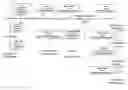

Sources:
- United States Patent and Trademark Office - verify current appl. status at the USPTO↗
Similar patent applications:
Recent applications in this class:
- » 20250283122 2025-09-11
BIOSYNTHESIS OF CANNABINOIDS AND CANNABINOID PRECURSORS - » 20250270596 2025-08-28
MEVALONATE DERIVATIVES AND METHODS FOR MAKING THE SAME - » 20250263758 2025-08-21
A CELL-FREE BIO-MANUFACTURING PLATFORM FOR PRODUCTION OF FATTY ACIDS AND CANNABINOIDS - » 20250223616 2025-07-10
METHODS FOR PRODUCTION OF CANNABINOIDS - » 20250129394 2025-04-24
CELLULAR ENGINEERING TO IMPROVE CANNABINOID PRODUCTION IN MICROBIAL CELLS - » 20250101472 2025-03-27
GENETICALLY ENGINEERED BACTERIUM FOR THE PRODUCTION OF 3-HYDROXYBUTYRATE - » 20250092427 2025-03-20
Fungal Cannabinoids - » 20250019728 2025-01-16
METHOD FOR PRODUCING AROMATIC COMPOUND - » 20250019727 2025-01-16
METHOD FOR THE BIOSYNTHESIS OF CAFFEIC ACID AND FERULIC ACID - » 20240368643 2024-11-07
METHODS OF PURIFYING CANNABINOIDS
Recent applications for this Assignee:
- » 20250027124 2025-01-23
MICROORGANISM AND METHOD FOR THE IMPROVED PRODUCTION OF VALINE - » 20230357808 2023-11-09
MICROORGANISM AND METHOD FOR THE IMPROVED PRODUCTION OF ALANINE - » 20230151398 2023-05-18
MODIFIED MICROORGANISM AND METHOD FOR THE IMPROVED PRODUCTION OF ECTOINE - » 20210254108 2021-08-19
Microorganisms with improved 1,3-propanediol and butyric acid production - » 20210198639 2021-07-01
Mutant phosphoserine aminotransferase for the conversion of homoserine into 4-hydroxy-2-ketobutyrate - » 20200370072 2020-11-26
Microorganism and method for improved 1,3-propanediol production by fermentation on a culture medium with high glycerine content - » 20200231995 2020-07-23
Method for producing organic acid salts from fermentation broth - » 20200181652 2020-06-11
Conversion of methylglyoxal into hydroxyacetone using novel enzymes and applications thereof - » 20190367898 2019-12-05
Methods and microorganisms for the production of glycolic acid and/or glyoxylic acid - » 20190352678 2019-11-21
Microbial consortium for 1,3-propanediol production using high glycerol concentration