SIZE TUNABLE MICROBIAL MIMETICS FOR IMMUNOTHERAPY OF THYROID CARCINOMAS AND SOLID TUMORS
US20180161433A1
2018-06-14
15/631,843
2017-06-23
Abstract:
This invention describes novel immunogenic complexes, which are designed to trigger a robust host immune response against cancer cells by co-opting the immune system's natural ability to eliminate pathogen-infected host cells. The immunogenic complexes, referred to as microbial mimetics (MM) have unique physical and biochemical properties, which are designed to simulate a pathogenic infection of similar sized bacteria and viruses, permitting tumor-associated and tumor-specific peptide antigens to be presented to immune cells as microbial constituents. The MM are well-suited to mimic a systemic infection with microbe sized particles comprised largely of tumor antigens. Under this framework, tumor cells may be eliminated in the ensuing immune response.
The microbial mimetics exhibit unique properties, including size tunability and contain antigenic cargo complexed to immune stimulatory molecules, which synergize to potentiate immune responses. The MM constitute a versatile platform for triggering immune responses against cells expressing epitopes contained within the complexed antigenic cargo.
Interested in similar patents?
Get notified when new applications in this technology area are published.
Classification:
A61K45/05 » CPC main
Medicinal preparations containing active ingredients not provided for in groups - Immunological preparations stimulating the reticulo-endothelial system, e.g. against cancer
A61K2039/53 » CPC further
Medicinal preparations containing antigens or antibodies comprising whole cells, viruses or DNA/RNA DNA (RNA) vaccination
A61K9/0024 » CPC further
Medicinal preparations characterised by special physical form; Galenical forms characterised by the site of application; Injectable compositions; Intramuscular, intravenous, arterial, subcutaneous administration; Compositions to be administered through the skin in an invasive manner Solid, semi-solid or solidifying implants, which are implanted or injected in body tissue
A61K45/00 IPC
Medicinal preparations containing active ingredients not provided for in groups -
A61P35/00 » CPC further
Antineoplastic agents
A61K31/711 » CPC further
Medicinal preparations containing organic active ingredients; Carbohydrates; Sugars; Derivatives thereof; Compounds having three or more nucleosides or nucleotides Natural deoxyribonucleic acids, i.e. containing only 2'-deoxyriboses attached to adenine, guanine, cytosine or thymine and having 3'-5' phosphodiester links
A61K39/39 » CPC further
Medicinal preparations containing antigens or antibodies characterised by the immunostimulating additives, e.g. chemical adjuvants
A61K38/03 » CPC further
Medicinal preparations containing peptides Peptides having up to 20 amino acids in an undefined or only partially defined sequence; Derivatives thereof
A61K39/02 » CPC further
Medicinal preparations containing antigens or antibodies Bacterial antigens
A61K39/12 » CPC further
Medicinal preparations containing antigens or antibodies Viral antigens
A61K9/00 IPC
Medicinal preparations characterised by special physical form
Description
RELATED APPLICATION DATA
This application cross-references U.S. patent application Ser. No. 15/436,525, filed on Feb. 17, 2017, and claims priority to U.S. Provisional Application No. 62/474,926, filed on Mar. 22, 2017.
FIELD OF INVENTION
Embodiments herein relate to treatments for cancer, and more specifically to immunogenic complexes with enhanced physical and chemical properties for eliciting an immune response against solid tumors, with a particular emphasis on differentiated (papillary and follicular) thyroid carcinoma and medullary thyroid carcinoma.
BACKGROUND OF THE INVENTION
Current Standard of Care of Metastatic Thyroid Cancers
Metastatic medullary thyroid carcinoma (MTC) and metastatic iodine-refractory differentiated thyroid cancer (DTC) are both rare and incurable neoplasms, which lack effective treatment options. While recently approved tyrosine kinase inhibitors (cabozantinib and vandetanib for MTC and sorafenib and lenvatinib for DTC) have improved progression free survival, the overall survival benefits are marginal. In particular, neither vandetanib nor cabozantinib significantly improved survival for MTC patients in Phase III studies. Furthermore, the approved kinase inhibitors have harsh side effect profiles, and the majority of patients experience persistent side effects including high blood pressure, diarrhea, muscle wasting, delayed wound healing and skin sores. Treatment-related fatalities due to bleeding episodes and cardiac failure have been reported in a minority of patients. Thus, there is an urgent clinical need to develop better therapies.
Rationale for Immunotherapy for MTC, DTC and other Tumor Types
A strategy for improving treatment of MTC, DTC and other cancers, is to provoke a robust and targeted cellular immune response against cells expressing tumor-specific antigens and tumor-associated antigens, for example by administration of an immunogenic composition that elicits an immune response targeting the cancer cells. For the purposes of this disclosure, tumor-specific antigens are defined as antigens (specific amino acid sequences) that are exclusively expressed in tumor cells, whereas tumor-associated antigens are defined as antigens, which are putatively expressed only in the organ from which the founder cancer cell originates.
Targeting of Non-Vital Cells Using Tissue Restricted Antigens
While engaging the immune system to eradicate cells expressing tumor-specific antigens offers an exquisitely high therapeutic index whereby only cancer cells are targeted for elimination, eliciting immune-mediated destruction of cells expressing tumor-associated antigens (self-antigens) implies provoking targeted autoimmune disease, and there are inherent risks. In the case of tumor-associated antigens, only antigens present in cells not critical to sustaining life may be safely targeted. Therefore, ubiquitously expressed antigens, or antigens normally expressed in vital organs, such as the brain, liver, kidneys, lungs, immune cells and bone marrow cannot be safely targeted.
However, due to tissue restricted antigen expression, cells expressing certain self-antigens can be safely targeted, in theory. For instance, the thyroid, ovaries, prostate and breast tissue all have important functions, but patients can survive without these organs. In particular, with levothyroxine supplementation, the thyroid is not critical to sustaining life, and thus for thyroid cancer patients, eliciting immune-mediated destruction of cells expressing thyroid tissue restricted antigens would be therapeutically beneficial.
Specifically Targeting MTC and DTC Cells
In MTC, immune-mediated destruction of cells expressing calcitonin and/or GFRAα would be therapeutic. As MTC cells typically express calcitonin and GFRAα and tissue expression of these genes is restricted to the thyroid C cells, immune-mediated destruction of cells expressing these antigens, would reduce or potentially eliminate tumor burden, while limiting autoimmunity to the thyroid, which is often surgically resected as the first line of treatment. Furthermore, for sporadic MTC patients harboring the RET M918T driver mutation, the elimination of cells expressing this mutation provides an exquisitely high therapeutic index and would potentially be curative. In DTC, tumor cells often lose expression of iodine-concentrating genes, such as TPO, pendrin and NIS, but continue to express thyroglobulin. In most DTC cases, eliminating cells expressing thyroglobulin would reduce or potentially eliminate tumor burden.
Fulfilling an Unmet Clinical Need
In recent years, the field of cancer immunotherapy has witnessed a number of novel approaches to manipulate the host's immune system to eliminate tumor cells, but there are currently no FDA approved immunotherapy drugs specifically designed for treating thyroid cancer. Furthermore, in the published medical literature, there are no reports of available off-the-shelf therapies capable of eliciting a robust immune response specifically against MTC or DTC.
Thyroid tumors often display a “cold” immunogenic signature, characterized by the absence of infiltrating immune cells. Cold tumors are often resistant to immune checkpoint inhibitors, targeting the PD-1 and CTLA-4 axes. Turning “cold” thyroid tumors “hot” by priming a vigorous cellular immune response would likely synergize with immune checkpoint inhibitors to be produce durable responses. The present invention is motivated by the lack of effective treatment options for metastatic thyroid cancer, including off-the-shelf immunotherapeutic agents, and the significant potential for immunotherapy of thyroid carcinomas, due to well-defined antigenic targets. It describes methods for synthesizing novel immune complexes (microbial mimetics) designed to prevent or treat thyroid carcinomas, by harnessing the immune system's natural ability to eliminate microbial infected cells, which harbor the antigenic targets of activated T cells.
SUMMARY OF THE INVENTION
Disclosed herein are microbial mimetics (immunogenic compositions) designed to elicit an immune response against MTC or DTC by simulating an infection with microbes composed largely of thyroid tumor antigens. The microbial mimetics (MM) are comprised of peptide antigens and immune activating molecular motifs, which exhibit unique physical and biochemical properties, such as size tunability and enhanced immunogenicity. In part, enhanced immunogenicity arises from the utilization of a novel formulation and peptide design motif, which form stable MM complexes with multiple immune stimulatory molecules. The MM are comprised of combinations of lipopeptides, stabilizing amino acid linker sequences covalently bound to amino acid sequences corresponding to thyroid tumor antigens, and immunogenic DNA and RNA sequences, which are ionically attracted to the stabilized amino acid linker sequence (FIG. 1). The MM are designed to trigger a cellular immune response against thyroid tumor cells by inducing the release of antitumoral cytokines by immune cells and stimulating dendritic cells to activate T cells capable of targeting by MTC cells and/or DTC cells, which express tumor-specific and/or tumor associated antigens.
General Concept of MM
The MM are designed to appear to the immune system as viral and bacterial sized particles loaded with tumor antigens and multiple immune-potentiating molecular motifs, thereby eliciting an immune response against thyroid tumor cells. In simplified language, the immune system “sees” as an assault by microbes comprised largely or thyroid antigens, and cells harboring such antigens are “viewed” as the immune system as “infected” by microbes and become casualties in the subsequent immune response. While a particular emphasis is placed on treatment of thyroid carcinomas, the MM can be readily modified to treat other forms of cancer by changing the enclosed antigen(s), and thus constitute a versatile immunogenic platform.
Advantages of MM vs. Recombinant Vectors
Importantly, compared to recombinant viruses or bacteria expressing tumor antigens, which are largely composed of viral or bacterial antigens, the disclosed MM contain a very high tumor antigen content, exceeding 30% in all embodiments and comprising a majority of antigen content in other embodiments. This is advantageous compared to viral or bacterial vectors as the immune response is more focused toward activating and expanding tumor-specific T cells. As viruses and bacteria present the immune system with numerous foreign antigens, they are readily capable of expanding and activating T cells specific for viral or bacterial antigens. Furthermore, viral and bacterial antigens typically provide a stronger antigenic stimulus for T cell activation, and therefore induce more rapid expansion of T cells. Due to exponential outgrowth, the T cells which expand most rapidly become the dominant immune responders. For instance, during an acute viral infection, T cells can double every two hours with a potent stimulus. Compared to T cells which double every six hours due to a weaker stimulus, the 3× shorter doubling time, implies a 256-fold outgrowth in 24 hours. The disclosed MM which employ a higher tumor antigen content therefore enjoy the advantage of providing an immune stimulus, which is more focused toward expanding antitumoral T cells, rather than activating an immune response against the viral or bacterial vector.
The fully synthetic MM disclosed herein provide a novel approach and platform for triggering antigen specific immune responses. While emphasis is placed on thyroid carcinomas, the platform may prove relevant for treating other tumor types. In certain embodiments, the MM contain antigens (amino acid sequences) corresponding to mutated genes, such as the RET M918T mutation. In other embodiments, the MM contain tissue-restricted antigens, such as calcitonin, thyroglobulin, or GFRα4.
BRIEF DESCRIPTION OF DRAWINGS
FIG. 1 is a generic representation of a single MM element containing a Pam(2)CSK4 moiety and corresponding Pam(2)CSK4 and Pam(3)CSK4 molecular structures. The MM contains a peptide linker sequence comprised or arginine, histidine and lysine residues, to which immunostimulatory DNA and RNA sequences ionically complex. The linker sequence is covalently linked to the antigen core peptide sequence via peptide bonds. The antigen core sequence is covalently bound to the Pam(2)CSK4 molecule.
FIG. 2 is a generic representation of a single MM element without a Pam(2)CSK4 or Pam(3)CSK4 moiety.
FIG. 3 is a microscope image of MM synthesized at a ratio of 4:1 RNA248/DNA4:peptide.
FIG. 4 is a microscope image of MM synthesized at a ratio of 2:1 RNA248/DNA4:peptide.
FIG. 5 is a microscope image of MM synthesized at a ratio of 1:1 RNA248/DNA4:peptide.
FIG. 6 is a microscope image of MM synthesized at a ratio of 1:2 RNA248/DNA4:peptide.
FIG. 7 is an image generated using a Malvern dynamic light scatter particle size analyzer, which shows the size distribution of MM when synthesized by mixing SEQ. ID NO. 36 (1 mg/mL) and DNA4/RNA248 (0.5 mg/mL for each nucleotide, 1 mg/ml total concentration) at a 1:1 ratio. At these concentrations particles range in size from 150 nm to 2 microns.
FIG. 8 is an image generated using a Malvern dynamic light scatter particle size analyzer, which shows the size distribution of MM when synthesized by mixing SEQ. ID NO. 36 (0.5 mg/mL) and DNA4/RNA248 (0.5 mg/mL for each nucleotide, 1.0 mg/ml total concentration) at a 1:1 ratio. At these concentrations particles range in size from 300 nm to 7 microns.
FIG. 9 is an image generated from a gel electrophoresis experiment (20 V/cm), whereby SEQ. ID NO. 36 (1 mg/mL) was mixed with DNA4/RNA248 (1 mg/mL) at ratios of 1:4 (Lane #2), 1:2 (Lane #3), 1:1 (Lane #4), 2:1 (Lane #5), and 4:1 (Lane #6) SEQ. ID NO. 36 to DNA4/RNA248. For reference, only DNA4/RNA248 was placed in Lane #1. The DNA4/RNA248 mixture travels in the gel away from the negative electrode (top) due its inherent negative charge. Notably, no nucleotide bands are seen in Lane #5 and Lane #6, which contain the highest concentrations of peptide. This indicates that at these peptide ratios, the DNA4/RNA248 are fully neutralized and remain stably complexed to the peptides.
FIG. 10 is bar graph showing the induced secretion of IL-6 by PBMCs exposed to PolyIC, RNA248, DNA4, DNA10, PolyIC complexed with SEQ. ID NO. 36 (CAL2), RNA248 complexed with SEQ. ID NO. 36, DNA4 complexed with SEQ. ID NO. 36, DNA10 complexed with SEQ. ID NO. 36, DNA4 and RNA248 complexed with SEQ. ID NO. 36, Pam2CSK4-conjugated SEQ. ID NO. 36 complexed with DNA4 and SEQ. ID NO. 36 alone. Each well contained ˜300,000 fresh PBMCs in a total volume of 100 μL of RPMI medium. Solutions of SEQ. ID NO. 36, PolyIC, DNA4, DNA10, Pam2CSK4-conjugated SEQ. ID NO. 36 were all pre-mixed to concentrations of 50 ug/mL (for each peptide reagent) and then added to wells in volumes of 100 uL, such that each well contained a 200 uL volume of PBMCs and reagents. Wells were run in triplicate and the mean value is indicated. The standard of deviation did not exceed 18% for all experiments.
FIG. 11 is bar graph showing the induced secretion of IL-10 by PBMCs exposed to PolyIC, RNA248, DNA4, DNA10, PolyIC complexed with SEQ. ID NO. 36 (CAL2), RNA248 complexed with SEQ. ID NO. 36, DNA4 complexed with SEQ. ID NO. 36, DNA10 complexed with SEQ. ID NO. 36, DNA4 and RNA248 complexed with SEQ. ID NO. 36, Pam2CSK4-conjugated SEQ. ID NO. 36 complexed with DNA4 and SEQ. ID NO. 36 alone. Each well contained ˜300,000 fresh PBMCs in a total volume of 100 μL of RPMI medium. Solutions of SEQ. ID NO. 36, PolyIC, DNA4, DNA10, Pam2CSK4-conjugated SEQ. ID NO. 36 were all pre-mixed to concentrations of 50 ug/mL (for each peptide reagent) and then added to wells in volumes of 100 uL, such that each well contained a 200 uL volume of PBMCs and reagents. Wells were run in triplicate and the mean value is indicated. The standard of deviation did not exceed 22% for all experiments.
FIG. 12 is a bar graph showing the induced secretion of IL-12 by PBMCs exposed to PolyIC, RNA248, DNA4, DNA10, PolyIC complexed with SEQ. ID NO. 36 (CAL2), RNA248 complexed with SEQ. ID NO. 36, DNA4 complexed with SEQ. ID NO. 36, DNA10 complexed with SEQ. ID NO. 36, DNA4 and RNA248 complexed with SEQ. ID NO. 36, Pam2CSK4-conjugated SEQ. ID NO. 36 complexed with DNA4 and SEQ. ID NO. 36 alone. Each well contained ˜300,000 fresh PBMCs in a total volume of 100 μL of RPMI medium. Solutions of SEQ. ID NO. 36, PolyIC, DNA4, DNA10, Pam2CSK4-conjugated SEQ. ID NO. 36 were all pre-mixed to concentrations of 50 ug/mL (for each peptide reagent) and then added to wells in volumes of 100 uL, such that each well contained a 200 uL volume of PBMCs and reagents. Wells were run in triplicate and the mean value is indicated. The standard of deviation did not exceed 17% for all experiments.
FIG. 13 is a bar graph showing the induced secretion of IL-15 by PBMCs exposed to PolyIC, RNA248, DNA4, DNA10, PolyIC complexed with SEQ. ID NO. 36 (CAL2), RNA248 complexed with SEQ. ID NO. 36, DNA4 complexed with SEQ. ID NO. 36, DNA10 complexed with SEQ. ID NO. 36, DNA4 and RNA248 complexed with SEQ. ID NO. 36, Pam2CSK4-conjugated SEQ. ID NO. 36 complexed with DNA4 and SEQ. ID NO. 36 alone. Each well contained ˜300,000 fresh PBMCs in a total volume of 100 μL of RPMI medium. Solutions of SEQ. ID NO. 36, PolyIC, DNA4, DNA10, Pam2CSK4-conjugated SEQ. ID NO. 36 were all pre-mixed to concentrations of 50 ug/mL (for each peptide reagent) and then added to wells in volumes of 100 uL, such that each well contained a 200 uL volume of PBMCs and reagents. Wells were run in triplicate and the mean value is indicated. The standard of deviation did not exceed 25% for all experiments.
FIG. 14 is a bar graph showing the induced secretion of IFN-α by PBMCs exposed to PolyIC, RNA248, DNA4, DNA10, PolyIC complexed with SEQ. ID NO. 36 (CAL2), RNA248 complexed with SEQ. ID NO. 36, DNA4 complexed with SEQ. ID NO. 36, DNA10 complexed with SEQ. ID NO. 36, DNA4 and RNA248 complexed with SEQ. ID NO. 36, Pam2CSK4-conjugated SEQ. ID NO. 36 complexed with DNA4 and SEQ. ID NO. 36 alone. Each well contained ˜300,000 fresh PBMCs in a total volume of 100 μL of RPMI medium. Solutions of SEQ. ID NO. 36, PolyIC, DNA4, DNA10, Pam2CSK4-conjugated SEQ. ID NO. 36 were all pre-mixed to concentrations of 50 ug/mL (for each peptide reagent) and then added to wells in volumes of 100 uL, such that each well contained a 200 uL volume of PBMCs and reagents. Wells were run in triplicate and the mean value is indicated. The standard of deviation did not exceed 22% for all experiments.
FIG. 15 is a bar graph showing the induced secretion of TNF-α by PBMCs exposed to PolyIC, RNA248, DNA4, DNA10, PolyIC complexed with SEQ. ID NO. 36 (CAL2), RNA248 complexed with SEQ. ID NO. 36, DNA4 complexed with SEQ. ID NO. 36, DNA10 complexed with SEQ. ID NO. 36, DNA4 and RNA248 complexed with SEQ. ID NO. 36, Pam2CSK4-conjugated SEQ. ID NO. 36 complexed with DNA4 and SEQ. ID NO. 36 alone. Each well contained ˜300,000 fresh PBMCs in a total volume of 100 μL of RPMI medium. Solutions of SEQ. ID NO. 36, PolyIC, DNA4, DNA10, Pam2CSK4-conjugated SEQ. ID NO. 36 were all pre-mixed to concentrations of 50 ug/mL (for each peptide reagent) and then added to wells in volumes of 100 uL, such that each well contained a 200 uL volume of PBMCs and reagents. Wells were run in triplicate and the mean value is indicated. The standard of deviation did not exceed 27% for all experiments.
FIG. 16 is a bar graph showing the induced secretion of INF-γ by PBMCs exposed to PolyIC, RNA248, DNA4, DNA10, PolyIC complexed with SEQ. ID NO. 36 (CAL2), RNA248 complexed with SEQ. ID NO. 36, DNA4 complexed with SEQ. ID NO. 36, DNA10 complexed with SEQ. ID NO. 36, DNA4 and RNA248 complexed with SEQ. ID NO. 36, Pam2CSK4-conjugated SEQ. ID NO. 36 complexed with DNA4 and SEQ. ID NO. 36 alone. Each well contained ˜300,000 fresh PBMCs in a total volume of 100 μL of RPMI medium. Solutions of SEQ. ID NO. 36, PolyIC, DNA4, DNA10, Pam2CSK4-conjugated SEQ. ID NO. 36 were all pre-mixed to concentrations of 50 ug/mL (for each peptide reagent) and then added to wells in volumes of 100 uL, such that each well contained a 200 uL volume of PBMCs and reagents. Wells were run in triplicate and the mean value is indicated. The standard of deviation did not exceed 14% for all experiment.
DETAILED DESCRIPTION OF DISCLOSED EMBODIMENTS
Scope of Embodiments
Embodiments will be readily understood by the following detailed description in conjunction with the accompanying drawings and the appended claims. Embodiments are illustrated by way of example and not by way of limitation in the figures of the accompanying drawings. In the following detailed description, reference is made to the accompanying figures which form a part hereof, and in which are shown by way of illustration embodiments that may be practiced. It is to be understood that other embodiments may be utilized and structural or logical changes may be made without departing from the scope. Therefore, the following detailed description is not to be taken in a limiting sense, and the scope of embodiments is defined by the appended claims and their equivalents.
Various operations may be described as multiple discrete operations in turn, in a manner that may be helpful in understanding embodiments; however, the order of description should not be construed to imply that these operations are order dependent.
For the purposes of the description, a phrase in the form “A/B” or in the form “A and/or B” means (A), (B), or (A and B). For the purposes of the description, a phrase in the form “at least one of A, B, and C” means (A), (B), (C), (A and B), (A and C), (B and C), or (A, B and C). For the purposes of the description, a phrase in the form “(A)B” means (B) or (AB) that is, A is an optional element. The description may use the terms “embodiment” or “embodiments,” which may each refer to one or more of the same or different embodiments. Furthermore, the terms “comprising,” “including,” “having,” and the like, as used with respect to embodiments, are synonymous, and are generally intended as “open” terms (e.g., the term “including” should be interpreted as “including but not limited to,” the term “having” should be interpreted as “having at least,” the term “includes” should be interpreted as “includes but is not limited to,” etc.).
With respect to the use of any plural and/or singular terms herein, those having skill in the art can translate from the plural to the singular and/or from the singular to the plural as is appropriate to the context and/or application. The various singular/plural permutations may be expressly set forth herein for sake of clarity.
Unless otherwise noted, technical terms are used according to conventional usage. Definitions of common terms in molecular biology can be found in Benjamin Lewin, Genes IX, published by Jones and Bartlet, 2008 (ISBN 0763752223); Kendrew et al. (eds.), The Encyclopedia of Molecular Biology, published by Blackwell Science Ltd., 1994 (ISBN 0632021829); and Robert A. Meyers (ed.), Molecular Biology and Biotechnology: a Comprehensive Desk Reference, published by VCH Publishers, Inc., 1995 (ISBN 9780471185710); and other similar references.
Suitable methods and materials for the practice or testing of this disclosure are described below. Such methods and materials are illustrative only and are not intended to be limiting. Other methods and materials similar or equivalent to those described herein can be used. For example, conventional methods well known in the art to which this disclosure pertains are described in various general and more specific references, including, for example, Sambrooket al., Molecular Cloning: A Laboratory Manual, 2nd ed., Cold Spring Harbor Laboratory Press, 1989; Sambrooket al., Molecular Cloning: A Laboratory Manual, 3d ed., Cold Spring Harbor Press, 2001; Ausubelet al., Current Protocols in Molecular Biology, Greene Publishing Associates, 1992 (and Supplements to 2000); Ausubelet al., Short Protocols in Molecular Biology: A Compendium of Methods from Current Protocols in Molecular Biology, 4th ed., Wiley & Sons, 1999; Harlow and Lane, Antibodies: A Laboratory Manual, Cold Spring Harbor Laboratory Press, 1990; and Harlow and Lane, Using Antibodies: A Laboratory Manual, Cold Spring Harbor Laboratory Press, 1999. In addition, the materials, methods, and examples are illustrative only and not intended to be limiting.
Design Synthesis and Characterization of MM
Selection of Antigenic Cargo
For DTC, including papillary and follicular thyroid cancers, cancer cells often retain thyroglobulin expression, despite losing expression of other genes essential for iodine accumulation, such as pendrin, thyroid peroxidase and NIS. As thyroglobulin expression is restricted to the thyroid and is limited to cancer cells in thyroidectomized patients, cells expressing thyroglobulin serve as excellent targets for immune-mediated destruction. Advantageously, thyroglobulin harbors numerous putative epitopes across multiple HLA alleles.
From MTC, cancer cells often retain calcitonin expression, despite losing other differentiation features. As calcitonin expression is restricted to the thyroid C cells and is limited to cancer cells in thyroidectomized patients, cells expressing calcitonin serve as excellent targets immune-mediated destruction. In a similar manner, the expression of the GPI-linked RET co-receptor GFRα4 is largely, if not exclusively restricted to the thyroid C cells and C-cell derived MTC cells. Thus, cells expressing GFRα4 serve as excellent targets-cell for immune-mediated destruction. Additionally, a large percentage of sporadic MTC patients (40-50%) harbor tumors bearing the RET M918T mutation, which encodes a unique and distinct peptide sequence, which is not present in the normal cells of sporadic MTC patients. Thus, the polypeptide encoding the RET M918T mutation represents an excellent target for immune mediated destruction.
Selection of Epitope Rich Regions
To select specific peptide core sequences for antigenic cargo, the full-length polypeptides sequences of thyroglobulin, calcitonin, GFRα4 and RET M918T were determined using the publicly available UniProtKB database. The candidate putative epitopes were selected based on scores from the epitope prediction algorithms Syfpeithi and NetMHCPan. Epitopes were screened across multiple HLA-A types, which are present at high frequencies in the human population. Candidate peptide core sequences were required to contain putative epitopes with Syfpeithi scores exceeding 20, which is predictive for high MHC binding affinity. Peptide sequences were further validated using the Proteasomal Cleavage/TAP transport/MHC Class I Combined Predictor Tool from the Immune Epitope Database.
Selection of Unique Non-Homologous Core Sequences
To avoid using core sequences with a high potential to trigger autoimmunity due to off-target sequence homology, a subsequent filtering step was employed. Candidate peptide core sequences were cross-referenced against the entire human genome using the NIH's Basic Local Alignment Search Tool (BLAST). Specifically, the 9mers (continuous 9 amino acid segments) comprising each candidate peptide were separately screened against the entire genome. Any polypeptide with a 9mer which shared 7 or more amino acids (>77% sequence homology) was excluded. Of note, conservative amino acid substitutions, such as isoleucine (I) for leucine (V) were scored as 0.5 in the employed screening algorithm vs 1.0 for perfectly match amino acids. Using this approach, 15 core sequences were selected as shown in Table 1.
| TABLE 1 |
| Peptide Core Sequences and Corresponding Gene |
| SEQ. | ||
| ID | Targeted | |
| NO.# | Core Sequence | Protein |
| 1 | KVILEDKVKNFYTRL | Thyroglobulin |
| 5 | GLELLLDEIYDTIFAGLDLPSTFTETTLY | Thyroglobulin |
| 9 | RLILPQMPKALFRKKVILEDKVKNFY | Thyroglobulin |
| 13 | GLREDLLSLQEPGSKTYSK | Thyroglobulin |
| 17 | LLLREEATHIYRKPGISLLSYEASVP | Thyroglobulin |
| 21 | NYKEFSELLPNRQGLKK | Thyroglobulin |
| 25 | QVIVNGNQSLSSQKHWLFKHLFSA | Thyroglobulin |
| 29 | FLSSGSGEVSGNWGLLDQVAAL | Thyroglobulin |
| 33 | LSTCMLGTYTQDFNKFHTFPQTAI | CALCA |
| 37 | GFQKFSPFLALSILVLLQAGSLHA | CALCA |
| 41 | RIPVKWTAIESLFDH | RET M918T |
| 45 | YVDNVSARVA | GFRα4 |
| 49 | CRRALRRFFAR | GFRα4 |
| 53 | SSTGRALERR | GFRα4 |
| 57 | ERRSLLSILPVL | GFRα4 |
The Syfpeithi scores for the highest scoring epitope for each allele (HLA-A01, HLA-A02, HLA-A03, HLA-A11, HLA-A24, HLA-A26 and HLA-A68) are provided in Table 2.
| TABLE 2 |
| Syfpeithi Scores of Core Sequences |
| SEQ. ID | HLA- | HLA- | HLA- | HLA- | HLA- | HLA- | HLA- |
| NO. | A01 | A02 | A03 | A11 | A24 | A26 | A68 |
| 1 | 26 | 17 | 31 | 22 | 13 | 18 | 16 |
| 5 | 23 | 25 | 18 | 17 | 22 | 30 | 15 |
| 9 | 26 | 26 | 31 | 22 | 14 | 14 | 12 |
| 13 | 26 | 30 | 19 | 22 | 11 | 16 | 12 |
| 17 | 24 | 29 | 26 | 13 | 20 | 16 | 17 |
| 21 | 14 | 22 | 24 | 18 | 24 | 20 | 18 |
| 25 | 14 | 22 | 24 | 18 | 24 | 20 | 18 |
| 29 | 9 | 31 | 17 | 18 | 14 | 30 | 13 |
| 33 | 20 | 13 | 14 | 24 | 24 | 17 | 16 |
| 37 | 8 | 28 | 22 | 16 | 17 | 20 | 16 |
| 41 | 9 | 18 | 15 | 16 | 14 | 13 | 12 |
| 45 | 12 | 18 | 15 | 10 | 2 | 10 | 10 |
| 49 | 2 | 7 | 16 | 10 | 9 | 9 | 15 |
| 53 | 9 | 10 | 15 | 28 | 1 | 13 | 22 |
| 57 | 7 | 29 | 17 | 16 | 13 | 25 | 10 |
Composition and Synthesis of MM
The MM are composed of multiple complexed elements, including:
-
- 1) Tumor-specific or tumor-associates antigenic cargo, i.e. a peptide sequence corresponding to at least one targeted tumor antigen, as described in the Selection of Antigenic Cargo subsection
- 2) The novel peptide linker sequence containing arginine, histidine and lysine residues (RRHRKRR) (SEQ. ID NO. 64), which is covalently coupled to the antigenic cargo at the amino terminus, the carboxy terminus or both termini. Critically, the novel linker sequence does not overlap with anyone known sequences in the human genome, based on BLAST analysis. The closest match is zinc finger protein 646, which bears 86% sequence homology. Together the antigenic cargo and the linker sequence(s) form the synthesized peptide. A full sequence listing is provided in Table 3.
- 3) An immunogenic, phosphorothioated DNA sequence, which is stably coupled to the synthesized peptide via ionic interactions between the linker sequence(s) and the phosphorothiate backbone. The DNA sequences employed are provided in Table 4. The use of such immunogenic DNA sequences as standalone agents was previously awarded patent protection to Isis Pharmaceuticals, Inc. in U.S. Pat. No. 5,573,335 titled “IMMUNE STIMULATION BY PHOSPHOROTHIOATE OLIGONUCLEOTIDE ANALOGS”. The following DNA sequences were used for experiments: DNA4 (5′-TCGTCGGTTTCGGCGCGCGCCG-3′) and DNA10 (5′-TTCGGCGCGCGCG:CGCGCGCGCCGTT-3′)
- 4) A novel RNA sequence, termed RNA248, which is stably coupled to the synthesized peptide via ionic interactions between the linker sequences and phosphorothioate backbone of the RNA. RNA248 has the following sequence: 5′-guuggugguugugugagcgu-3′, and is included in Table 4.
- 5) Optionally, a lipopeptide, such as Pam(2)CSK4 or Pam(3)CSK4 may be covalently conjugated to the synthesized peptide at the amino terminus.
Generic illustrations of several embodiments are illustrated in FIG. 1 and FIG. 2. FIG. 1 shows an MM with a Pam(2)CSK4 lipopeptide attached at the amino terminus, whereas FIG. 2 shows an MM without a lipopeptide at the amino terminus.
| TABLE 3 |
| Full Polypeptide Sequence Listing |
| SEQ. | |
| ID | |
| NO. | Core Sequence |
| 1 | KVILEDKVKNFYTRL |
| 2 | KVILEDKVKNFYTRLRRHRKRR |
| 3 | RRHRKRRKVILEDKVKNFYTRL |
| 4 | RRHRKRRKVILEDKVKNFYTRLRRHRKRR |
| 5 | GLELLLDEIYDTIFAGLDLPSTFTETTLY |
| 6 | GLELLLDEIYDTIFAGLDLPSTFTETTLYRRHRKRR |
| 7 | RRHRKRRGLELLLDEIYDTIFAGLDLPSTFTETTLY |
| 8 | RRHRKRRGLELLLDEIYDTIFAGLDLPSTFTETTLYRRHRKRR |
| 9 | RLILPQMPKALFRKKVILEDKVKNFY |
| 10 | RLILPQMPKALFRKKVILEDKVKNFYRRHRKRR |
| 11 | RRHRKRRRLILPQMPKALFRKKVILEDKVKNFY |
| 12 | RRHRKRRRLILPQMPKALFRKKVILEDKVKNFYRRHRKRR |
| 13 | GLREDLLSLQEPGSKTYSK |
| 14 | GLREDLLSLQEPGSKTYSKRRHRKRR |
| 15 | RRHRKRRGLREDLLSLQEPGSKTYSK |
| 16 | RRHRKRRGLREDLLSLQEPGSKTYSKRRHRKRR |
| 17 | LLLREEATHIYRKPGISLLSYEASVP |
| 18 | LLLREEATHIYRKPGISLLSYEASVPRRHRKRR |
| 19 | RRHRKRRLLLREEATHIYRKPGISLLSYEASVP |
| 20 | RRHRKRRLLLREEATHIYRKPGISLLSYEASVPRRHRKRR |
| 21 | NYKEFSELLPNRQGLKK |
| 22 | NYKEFSELLPNRQGLKKRRHRKRR |
| 23 | RRHRKRRNYKEFSELLPNRQGLKK |
| 24 | RRHRKRRNYKEFSELLPNRQGLKKRRHRKRR |
| 25 | QVIVNGNQSLSSQKHWLFKHLFSA |
| 26 | QVIVNGNQSLSSQKHWLFKHLFSARRHRKRR |
| 27 | RRHRKRRQVIVNGNQSLSSQKHWLFKHLFSA |
| 28 | RRHRKRRQVIVNGNQSLSSQKHWLFKHLFSARRHRKRR |
| 29 | FLSSGSGEVSGNWGLLDQVAAL |
| 30 | FLSSGSGEVSGNWGLLDQVAALRRHRKRR |
| 31 | RRHRKRRFLSSGSGEVSGNWGLLDQVAAL |
| 32 | RRHRKRRFLSSGSGEVSGNWGLLDQVAALRRHRKRR |
| 33 | LSTCMLGTYTQDFNKFHTFPQTAI |
| 34 | RRHRKRRLSTCMLGTYTQDFNKFHTFPQTAIRRHRKRR |
| 35 | LSTCMLGTYTQDFNKFHTFPQTAIRRHRKRR |
| 36 | RRHRKRRLSTCMLGTYTQDFNKFHTFPQTAI |
| 37 | GFQKFSPFLALSILVLLQAGSLHA |
| 38 | GFQKFSPFLALSILVLLQAGSLHARRHRKRR |
| 39 | RRHRKRRGFQKFSPFLALSILVLLQAGSLHA |
| 40 | RRHRKRRGFQKFSPFLALSILVLLQAGSLHARRHRKRR |
| 41 | RIPVKWTAIESLFDH |
| 42 | RIPVKWTAIESLFDHRRHRKRR |
| 43 | RRHRKRRRIPVKWTAIESLFDH |
| 44 | RRHRKRRRIPVKWTAIESLFDHRRHRKRR |
| 45 | YVDNVSARVA |
| 46 | YVDNVSARVARRHRKRR |
| 47 | RRHRKRRYVDNVSARVA |
| 48 | RRHRKRRYVDNVSARVARRHRKRR |
| 49 | CRRALRRFFAR |
| 50 | CRRALRRFFARRRHRKRR |
| 51 | RRHRKRRCRRALRRFFAR |
| 52 | RRHRKRRCRRALRRFFARRRHRKRR |
| 53 | SSTGRALERR |
| 54 | SSTGRALERRRRHRKRR |
| 55 | RRHRKRRSSTGRALERR |
| 56 | RRHRKRRSSTGRALERRRRHRKRR |
| 57 | ERRSLLSILPVL |
| 58 | ERRSLLSILPVLRRHRKRR |
| 59 | RRHRKRRERRSLLSILPVL |
| 60 | RRHRKRRERRSLLSILPVLRRHRKRR |
| TABLE 4 |
| Immunostimulatory DNA and RNA Molecules and |
| Linker Sequence |
| SEQ. ID | ||
| NO. | Name | Sequence |
| 61 | RNA248 | 5′-guuggugguugugugagcgu-3′ |
| 62 | DNA4 | 5′-TCGTCGGTTTCGGCGCGCGCCG-3′ |
| 63 | DNA10 | 5′-TTCGGCGCGCGCGCGCGCGCGCCGTT-3′ |
| 64 | Linker | RRHRKRR |
| Sequence | ||
Generic Method for Synthesis of MM
While a variety of synthesis methods may be employed, which are well known to those in the art, the following synthesis protocol is outlined for the purpose of showing one method by which MM may be synthesized.
EXAMPLE 1
Formation of Microbial Mimetics in Solution
MM are readily formed by mixing stock solutions of the synthesized peptides and the stimulatory RNA and DNA sequences. In one embodiment, RNA248 and DNA4 are separately dissolved in PBS at a concentration of 2 mg/mL forming clear solutions. Then the RNA248 and DNA4 solutions (1 mL of each) are mixed together at equal volumes to form a clear solution with RNA248 and DNA4 at concentrations of 1 mg/mL with a volume of 2 mL. This solution is referred to as “RNA248/DNA4”. Next, a synthesized peptide such as SEQ. ID NO. 36 containing the (LSTCMLGTYTQDFNKFHTFPQTAI) core sequence is dissolved in PBS at a concentration of 2 mg/mL forming a clear solution with a volume of 2 mL. Then the synthesized peptide solution is slowly titrated into the RNA248/DNA4 solution in 100 μL increments. In this manner, the total volume of the synthesized peptide, hence the ratio of peptide to RNA248/DNA4 can be readily manipulated. Upon adding increasing amounts of the peptide, the initially clear solution becomes progressively cloudier. In other embodiments, RNA248/DNA4 may be slowly titrated into a synthesized peptide solution. The observation that the initially clear solution became increasingly opaque upon mixing inspired subsequent experiments to characterize the MM complexes, which formed upon mixing. As described below, it was determined that the complexes are quite stable and that their size can be readily varied by changing the ratio of RNA248/DNA4 to peptide.
EXAMPLE 2
Size Tunability of MM Complexes
It is well known to those in the art that both the size and surface charge of particles can have a profound impact on cellular uptake. For example, experiments have shown that cellular uptake of particles is greatly enhanced when particles display a positive surface charge, and that DCs preferentially uptake particles with diameters below 500 nm and that particles with diameters below 100 nm bearing negative charge may be selectively internalized by dendritic cells. Of note, most microbes (bacterial and viruses) range in size from 50 nm to 10 microns, so the capacity to engineer particles to have these dimensions and the ability to readily tailor surface charge may be advantageous for stimulating an immune response. Importantly, both the size and charge of MM can be readily tuned by simply changing the ratio of RNA248/DNA4 to the synthesized peptide.
As a simple method to characterize the influence of mixing ratio on MM particle size, stock solutions or RNA248/DNA4 and peptide (SEQ. ID NO. 36) were mixed at ratios of 4:1, 2:1, 1:1 and 1:2 and vigorously vortexed. Then a 10 μL droplet of each solution was placed on a microscope slide and allowed to dry. The images of each dried droplet at 40× are shown in FIG. 3, FIG. 4, FIG. 5 and FIG. 6, respectively. At high RNA248/DNA4 concentrations (4:1, FIG. 3), large clearly visible particulates formed which had a median diameter of ˜10 μm. As the amount of peptide increases, the MM particles decrease in diameter and form relatively monodisperse ˜2 μm rounded particulates when mixed at a 1:1 ratio. As the peptide concentration increases, the particles decrease in size to the point where they can no longer be resolved by the optical microscope.
To characterize MM particles in this size range, solutions were characterized using Malvern Instruments DLS Particle Sizer. This method of particle sizing is also advantageous, as it can measure MM in solution. Experiments were run at various concentrations and representative results are provided for solutions mixed at RNA248/DNA4:peptide ratios of 1:2 (FIG. 7) and 2:1 (FIG. 8). At the 1:2 ratio, two populations of MM found with mean sizes of 150 nm 1000 nm. It has not escaped the inventor's notice that these MM conveniently have sizes characteristic of viruses, such as HIV (150 nm) and small bacteria such as E. Coli (1000 nm). The unique size tunability of MM is a unique property, which permits MM to more faithfully replicate a true microbial infection.
EXAMPLE 3
Characterization of MM Complex Stability
The stable complexation of immune stimulatory particles and antigenic cargo is known to be incredibly important for immunogenicity. It is known to those in the art that this can have a profound effect on cellular trafficking. The complexation explains why localized viral or bacterial infections which destroy tissue do not typically provoke autoimmune disease. Under inflammatory circumstances caused by bacterial infection, antigens are released from dying cells and there is an abundance of immune-stimulatory bacterial motifs, which may be simultaneously engulfed by activated dendritic cells. However, the simultaneous presentation of self-antigens and bacterial “danger signals” does not typically produce autoimmune disease.
Indeed, recent studies have shown that dendritic cells are much more responsive to antigenic cargo when it is complexed to immune-stimulatory molecules. The recently discovered etiology of psoriasis is a prime example. When skin cells die, possibly due to infection, the cationic antimicrobial self-protein, LL37, becomes complexed to DNA, which is normally rapidly degraded by DNAases. The complexation of peptide plus immune-stimulatory DNA is able to trigger autoimmune disease. Thus it is known that complexation of antigenic cargo with immune-stimulatory motifs is critical to triggering an immune response against self-antigens, and that such immune complexes can overcome both central and peripheral tolerance mechanisms.
As previously described, MM were observed to readily form complexes in solutions, and the size of the MM complexes could be readily tuned. Given the importance of forming stable complexes of antigenic cargo with immune-stimulatory molecules, the stability of MM was characterized using gel electrophoresis. MM were formed by mixing CAL2 (SEQ. ID NO. 36) with DNA4/RNA48 at varying ratios. As indicated in FIG. 9, at peptide to DNA4/RNA248 ratios exceeding 2:1, no free DNA4/RNA248 could be visualized, indicating that all DNA4/RNA48 remained bound to the peptide, even in an electric field of 20 V/cm. The experiment was repeated for several other peptides, including SEQ. ID NOS. 34 and 42. In all instances, stable complexes were formed as indicated by the disappearance of free DNA4/RNA248 at sufficient peptide concentrations. Furthermore, the intensity of each band decreased as concentration of peptide increased. The presence of the linker sequence, RRHRKRR (SEQ. ID NO. 64), was determined to be critical for stable complexation. Separately, solutions of MM were tested after sitting at room temperature for 2 weeks yielding nearly identical results.
Procurement of MM Components
The synthesized peptide may be readily manufactured as outlined in the Peptide Synthesis subsection. Conjugation is readily achieved using standard Fmoc chemistry. For the purposes of this invention, peptides were procured from a single commercial supplier (Lifetein, Hillsborough, N.J.). Peptides were shipped to the inventor in lyophilized form in 2 mL freezer vials, packed under non-reactive argon gas, and reconstituted in PBS at various stock concentrations in the range of 0.025 mg/mL to 2 mg/mL.
The stimulatory DNA and RNA sequences may be readily manufactured as outlined in the Nucleotide Synthesis subsection. Lyophilized DNA and RNA sequences were purchased commercially from AlphaDNA (Montreal, Canada) and Trilink Biotechnologies (San Diego, Calif.), respectively. Prior to synthesis, they were reconstituted in PBS at various concentrations in the range of 0.025 mg/mL to 2 mg/mL to form stock solutions for experiments.
Synthesis of Polypeptides
The polypeptides used in the disclosed immunogenic compositions can be made by any method available in the art with the applied and preferred method of using solid-phase polypeptide synthesis techniques familiar to those in the art, including Fmoc chemistry, or purification of polypeptides from recombinant prokaryotic or eukaryotic sources. Both Pam2CSK4 and Pam3CSK4 can be procured from multiple commercial suppliers, such as Torcris Bioscience, Lifetein, and Invivogen, as starter materials for synthesis of longer peptides, with either Pam2CSK4 or Pam3CSK4 located at the amino terminus.
The disclosed antigenic core peptide sequences can be prepared by cloning techniques. Examples of appropriate cloning and sequencing techniques and instructions sufficient to direct persons of skill through many cloning exercises are found in Sambrook et al, Molecular Cloning: A Laboratory Manual (2nd Ed.), Vols. 1-3, Cold Spring Harbor Laboratory (1989), Berger and Kimmel (eds.), Guide to Molecular Cloning Techniques, Academic Press, Inc., San Diego Calif. (1987) or Ausubel et al. (eds.), Current Protocols in Molecular Biology, Greene Publishing and Wiley-Interscience, NY (1987). Product information from manufacturers of biological reagents and experimental equipment also provide useful information. Such manufacturers include the SIGMA chemical company (Saint Louis, Mo.), R&D systems (Minneapolis, Minn.), Pharmacia LKB Biotechnology (Piscataway, N.J.), CLONTECH® laboratories, Inc. (Palo Alto, Calif.), Chem Genes Corp., Aldrich Chemical Company (Milwaukee, Wis.), Glen Research, Inc., GIBCO BRL Life Technologies, Inc. (Gaithersburg, Md.), FlukaChemica-BiochemikaAnalytika (FlukaChemie AG, Buchs, Switzerland), INVITROGEN™ (San Diego, Calif.) and Applied Biosystems (Foster City, Calif.), as well as many other commercial sources known to one of skill.
Peptides for the disclosed immunogenic compositions may be produced, for example by chemical synthesis by any of a number of manual or automated methods of synthesis known in the art. For example, solid phase polypeptide synthesis (SPPS) is carried out on a 0.25 millimole (mmole) scale using an Applied Biosystems Model 43 IA Peptide Synthesizer and using 9-fluorenylmethyloxycarbonyl (Fmoc) amino-terminus protection, coupling with dicyclohexylcarbodiimide/hydroxybenzotriazole or 2-(IH-benzo-triazol-l-yl)-1,1,3,3-tetramethyluroniumhexafluorophosphate/hydroxybenzotriazole (HBTU/HOBT) and using p-hydroxymethylphenoxymethylpolystyrene (HMP) or Sasrin resin for carboxyl-terminus acids or Rink amide resin for carboxyl-terminus amides. Fmoc-derivatized amino acids are prepared from the appropriate precursor amino acids by tritylation and triphenylmethanol in trifluoroacetic acid, followed by Fmoc derivitization as described by Atherton et al. Solid Phase Peptide Synthesis, IRL Press: Oxford, 1989.
Synthesis of RNA and DNA Nucleotides and Antigens Encoded by RNA or DNA
Nucleic acid sequences encoding immuno-stimulatory RNA, DNA, or immunogenic polypeptides can be prepared by any suitable method including, for example, cloning of appropriate sequences or by direct chemical synthesis by methods such as the phosphotriester method of Narang et al, Meth. Enzymol. 68:90-99, 1979; the phosphodiester method of Brown et al, Meth. Enzymol. 68: 109-151, 1979; the diethylphosphoramidite method of Beaucage et al, Tetra. Lett. 22: 1859-1862, 1981; the solid phase phosphoramidite triester method described by Beaucage & Caruthers, Tetra. Letts. 22(20): 1859-1862, 1981, for example, using an automated synthesizer as described in, for example, Needham-VanDevanter et al., Nucl. Acids Res. 12:6159-6168, 1984; and, the solid support method of U.S. Pat. No. 4,458,066. Chemical synthesis produces a single stranded oligonucleotide. This can be converted into double stranded DNA by hybridization with a complementary sequence, or by polymerization with a DNA polymerase using the single strand as a template.
Exemplary nucleic acids including sequences encoding one or more of the immunogenic polypeptides disclosed herein can be prepared by cloning techniques. Examples of appropriate cloning and sequencing techniques, and instructions sufficient to direct persons of skill through cloning are found in Sambrook et al., supra, Berger and Kimmel (eds.), supra, and Ausubel, supra. Product information from manufacturers of biological reagents and experimental equipment also provide useful information. Such manufacturers include the SIGMA Chemical Company (Saint Louis, Mo.), R&D Systems (Minneapolis, Minn.), Pharmacia Amersham (Piscataway, N.J.), CLONTECH Laboratories, Inc. (Palo Alto, Calif.), Chem Genes Corp., Aldrich Chemical Company (Milwaukee, Wis.), Glen Research, Inc., GIBCO BRL Life Technologies, Inc. (Gaithersburg, Md.), Fluke Chemica-Biochemika Analytika (Fluke Chemie AG, Buchs, Switzerland), Invitrogen (San Diego, Calif.), and Applied Biosystems (Foster City, Calif.), as well as many other commercial sources known to one of skill. For experiments disclosed herein, DNA sequences for synthesized commercially AlphaDNA (Montreal, Canada), and RNA sequences were synthesized commercially by Trilink (San Diego, Calif., USA).
Applications of MM
The MM disclosed herein are useful for stimulating or eliciting a specific immune response (or immunogenic response) in a vertebrate. In some embodiments, the immunogenic response is protective or provides protective immunity against cancer. The disclosed immunogenic compositions include one or more isolated polypeptides, such as a plurality, that, when administered to a subject, elicit an immune response to one or more of RET, calcitonin, GFRα4, thyroglobulin, and/or mutant forms thereof.
In embodiments, and in particular for use in patients with MTC tumors harboring the RET M918T mutation, a disclosed immunogenic composition includes one or more MMs, such as a plurality, that, when administered to a subject, elicit an immune response to mutant RET, calcitonin, and GFRα4. In embodiments, and in particular for use in patients with MTC tumors without the RET M918T mutation, a disclosed immunogenic composition includes one or more MMs, such as a plurality, that, when administered to a subject, elicit an immune response to calcitonin, and GFRα4. In embodiments, and in particular for use in patients with DTC tumors, a disclosed immunogenic composition includes one or more MMs, such as a plurality, that, when administered to a subject, elicit an immune response to thyroglobulin.
Modification of Core Antigen Peptide Sequences to Form Functional Equivalents
The disclosed isolated polypeptides include synthetic embodiments of polypeptides described herein. In addition, analogs (non-peptide organic molecules), derivatives (chemically functionalized polypeptide molecules obtained starting with the disclosed polypeptide sequences) and variants (homologs) of these polypeptides can be utilized in the methods described herein. Each polypeptide of this disclosure is comprised of a sequence of amino acids, which may be either L- and/or D-amino acids, naturally occurring and otherwise.
Peptides can be modified by a variety of chemical techniques to produce derivatives having essentially the same activity as the unmodified polypeptides, and optionally having other desirable properties. For example, peptide sequences with lengths exceeding 19 amino acids, may be reduced in length by 1,2,3,4 or 5 amino acids from either the amine end, carboxyl end or both ends of the of the peptide sequence. In another example, carboxylic acid groups of the protein, whether carboxyl-terminal or side chain, can be provided in the form of a salt of a pharmaceutically-acceptable cation or esterified to form a C1-C16 ester, or converted to an amide of formula NR1R2 wherein R1 and R2 are each independently H or C1-C16 alkyl, or combined to form a heterocyclic ring, such as a 5- or 6-membered ring. Amino groups of the polypeptide, whether amino-terminal or side chain, can be in the form of a pharmaceutically-acceptable acid addition salt, such as the HCl, HBr, acetic, benzoic, toluene sulfonic, maleic, tartaric and other organic salts, or can be modified to C1-C16 alkyl or dialkyl amino or further converted to an amide. Hydroxyl groups of the polypeptide side chains may be converted to C1-C16 alkoxy or to a C1-C16 ester using well-recognized techniques. Phenyl and phenolic rings of the polypeptide side chains may be substituted with one or more halogen atoms, such as fluorine, chlorine, bromine or iodine, or with C1-C16 alkyl, C1-C16 alkoxy, carboxylic acids and esters thereof, or amides of such carboxylic acids. Methylene groups of the polypeptide side chains can be extended to homologous C2-C4alkylenes. Thiols can be protected with any one of a number of well-recognized protecting groups, such as acetamide groups. Those skilled in the art will also recognize methods for introducing cyclic structures into the polypeptides of this invention to select and provide conformational constraints to the structure that result in enhanced stability.
In embodiments, an immunogenic polypeptide is included in a fusion protein. A fusion polypeptide can optionally include repetitions of one or more of any of the immunogenic polypeptides disclosed herein. In one specific, non-limiting example, the fusion polypeptide includes two, three, four, five, or up to ten repetitions of a single immunogenic polypeptide. In another example, the fusion polypeptide can optionally include two or more different immunogenic polypeptides disclosed herein. In one specific, non-limiting example, the fusion polypeptide includes two, three, four, five, ten or more different immunogenic polypeptides. A linker sequence can optionally be included between the immunogenic polypeptides.
Therapeutic Formulations
The immunogenic compositions disclosed herein may be included in pharmaceutical compositions (including therapeutic and prophylactic formulations), and may be combined together with one or more pharmaceutically acceptable vehicles. Such pharmaceutical compositions can be administered to subjects by a variety of administration modes, including by intramuscular, subcutaneous, intravenous, intra-atrial, intra-articular, intraperitoneal, parenteral routes oral, rectal, intranasal, intrapulmonary, or transdermal delivery, or by topical delivery to other surfaces.
To formulate a pharmaceutical composition, the immunogenic compositions can be combined with various pharmaceutically acceptable additives, as well as a base or vehicle for dispersion of the immunogenic compositions. Desired additives include, but are not limited to, pH control agents, such as arginine, sodium hydroxide, glycine, hydrochloric acid, citric acid, and the like. In addition, local anesthetics (for example, benzyl alcohol), isotonizing agents (for example, sodium chloride, mannitol, sorbitol), adsorption inhibitors (for example, TWEEN® 80), solubility enhancing agents (for example, cyclodextrins and derivatives thereof), stabilizers (for example, serum albumin), and reducing agents (for example, glutathione) can be included.
When the composition is a liquid, the tonicity of the formulation, as measured with reference to the tonicity of 0.9% (w/v) physiological saline solution taken as unity, is typically adjusted to a value at which no substantial, irreversible tissue damage will be induced at the site of administration. Generally, the tonicity of the solution is adjusted to a value of about 0.3 to about 3.0, such as about 0.5 to about 2.0, or about 0.8 to about 1.7.
The immunogenic compositions can be dispersed in a base or vehicle, which can include a hydrophilic compound having a capacity to disperse the immunogenic composition, and any desired additives. The base can be selected from a wide range of suitable compounds, including but not limited to, copolymers of polycarboxylic acids or salts thereof, carboxylic anhydrides (for example, maleic anhydride) with other monomers (for example, methyl (meth)acrylate, acrylic acid and the like), hydrophilic vinyl polymers, such as polyvinyl acetate, polyvinyl alcohol, polyvinylpyrrolidone, cellulose derivatives, such as hydroxymethylcellulose, hydroxypropylcellulose and the like, and natural polymers, such as chitosan, collagen, sodium alginate, gelatin, hyaluronic acid, and nontoxic metal salts thereof. Often, a biodegradable polymer is selected as a base or vehicle, for example, polylactic acid, poly(lactic acid-glycolic acid) copolymer, polyhydroxybutyric acid, poly(hydroxybutyric acid-glycolic acid) copolymer and mixtures thereof. Alternatively or additionally, synthetic fatty acid esters such as polyglycerin fatty acid esters, sucrose fatty acid esters and the like can be employed as vehicles. Hydrophilic polymers and other vehicles can be used alone or in combination, and enhanced structural integrity can be imparted to the vehicle by partial crystallization, ionic bonding, cross-linking and the like. The vehicle can be provided in a variety of forms, including fluid or viscous solutions, gels, pastes, powders, microspheres and films for direct application to a mucosal surface. The MM immunogenic composition can be combined with the base or vehicle according to a variety of methods, and release of the immunogenic composition can be by diffusion, disintegration of the vehicle, or associated formation of water channels. In some circumstances, the immunogenic composition is dispersed in microcapsules (microspheres) or nanocapsules (nanospheres) prepared from a suitable polymer, for example, isobutyl 2-cyanoacrylate (see, for example, Michael et al., J. Pharmacy Pharmacol. 43: 1-5, 1991), and dispersed in a biocompatible dispersing medium, which yields sustained delivery and biological activity over a protracted time. The immunogenic compositions of the disclosure can alternatively contain as pharmaceutically acceptable vehicles substances as required to approximate physiological conditions, such as pH adjusting and buffering agents, tonicity adjusting agents, wetting agents and the like, for example, sodium acetate, sodium lactate, sodium chloride, potassium chloride, calcium chloride, sorbitanmonolaurate, and triethanolamineoleate. For solid compositions, conventional nontoxic pharmaceutically acceptable vehicles can be used which include, for example, pharmaceutical grades of mannitol, lactose, starch, magnesium stearate, sodium saccharin, talcum, cellulose, glucose, sucrose, magnesium carbonate, and the like.
Pharmaceutical compositions for administering the immunogenic compositions can also be formulated as a solution, microemulsion, or other ordered structure suitable for high concentration of active ingredients. The vehicle can be a solvent or dispersion medium containing, for example, water, ethanol, polyol (for example, glycerol, propylene glycol, liquid polyethylene glycol, and the like), and suitable mixtures thereof. Proper fluidity for solutions can be maintained, for example, by the use of a coating such as lecithin, by the maintenance of a desired particle size in the case of dispersible formulations, and by the use of surfactants. In many cases, it will be desirable to include isotonic agents, for example, sugars, polyalcohols, such as mannitol and sorbitol, or sodium chloride in the composition. Prolonged absorption of the immunogenic compositions can be brought about by including in the composition an agent which delays absorption, for example, monostearate salts and gelatin.
In certain embodiments, the immunogenic compositions can be administered in a time release formulation, for example in a composition which includes a slow release polymer. These compositions can be prepared with vehicles that will protect against rapid release, for example a controlled release vehicle such as a polymer, microencapsulated delivery system or bioadhesive gel. Prolonged delivery in various immunogenic compositions of the disclosure can be brought about by including in the composition agents that delay absorption, for example, aluminum monostearate hydrogels and gelatin. When controlled release formulations are desired, controlled release binders suitable for use in accordance with the disclosure include any biocompatible controlled release material which is inert to the active agent and which is capable of incorporating the immunogenic composition and/or other biologically active agent. Numerous such materials are known in the art. Useful controlled-release binders are materials that are metabolized slowly under physiological conditions following their delivery (for example, at a mucosal surface, or in the presence of bodily fluids). Appropriate binders include, but are not limited to, biocompatible polymers and copolymers well known in the art for use in sustained release formulations. Such biocompatible compounds are non-toxic and inert to surrounding tissues, and do not trigger significant adverse side effects, such as nasal irritation, immune response, inflammation, or the like. They are metabolized into metabolic products that are also biocompatible and easily eliminated from the body. Exemplary polymeric materials for use in the present disclosure include, but are not limited to, polymeric matrices derived from copolymeric and homopolymeric polyesters having hydrolyzable ester linkages. A number of these are known in the art to be biodegradable and to lead to degradation products having no or low toxicity. Exemplary polymers include polyglycolic acids and polylactic acids, poly(D-lactic acid-co-glycolic acid), and poly(L-lactic acid-co-glycolic acid). Other useful biodegradable or biodegradable polymers include, but are not limited to, such polymers as poly(epsilon-caprolactone), poly(epsilon-aprolactone-CO-lactic acid), poly(epsilon.-aprolactone-CO-glycolic acid), poly(beta-hydroxy butyric acid), poly(alkyl-2-cyanoacrilate), hydrogels, such as poly(hydroxyethyl methacrylate), polyamides, poly(amino acids) (for example, L-leucine, glutamic acid, L-aspartic acid and the like), poly(ester urea), poly(2-hydroxyethyl DL-aspartamide), polyacetal polymers, polyorthoesters, polycarbonate, polymaleamides, polysaccharides, and copolymers thereof. Many methods for preparing such formulations are well known to those skilled in the art (see, for example, Sustained and Controlled Release Drug Delivery Systems, J. R. Robinson, ed., Marcel Dekker, Inc., New York, 1978). Other useful formulations include controlled-release microcapsules (U.S. Pat. Nos. 4,652,441 and 4,917,893), lactic acid-glycolic acid copolymers useful in making microcapsules and other formulations (U.S. Pat. Nos. 4,677,191 and 4,728,721) and sustained-release compositions for water-soluble polypeptides (U.S. Pat. No. 4,675,189).
In additional to chemically-dependent time release formulation, the dose of the immunogenic composition and hence the amount of antigen encountered by dendritic cells can be controlled through dosing schedule and magnitude. For example, to mimic and acute viral infection, the immunogenic composition may be administered on a daily or hourly basis, starting at a small dose, and increasing the dose in a linear or exponential manner over the course of several hours or days until the maximum tolerable dose is reached.
The pharmaceutical compositions of the disclosure typically are sterile and stable under conditions of manufacture, storage and use. Sterile solutions can be prepared by incorporating the immunogenic compositions in the required amount in an appropriate solvent with one or a combination of ingredients enumerated herein, as required, followed by filtered sterilization. Generally, dispersions are prepared by incorporating the immunogenic composition and/or other biologically active agent into a sterile vehicle that contains a basic dispersion medium and the required other ingredients from those enumerated herein. In the case of sterile powders, methods of preparation include vacuum drying and freeze-drying which yields a powder of the immunogenic composition plus any additional desired ingredient from a previously sterile-filtered solution thereof. The prevention of the action of microorganisms can be accomplished by various antibacterial and antifungal agents, for example, parabens, chlorobutanol, phenol, sorbic acid, thimerosal, and the like.
Methods of Treatment
The MM disclosed herein can be used in methods of generating or eliciting an immune response, treating a subject with cancer, such as thyroid cancer, and decreasing the growth of a tumor associated thyroid cancer, as described below. In several examples, the subject has MTC. In several examples, the subject has DTC.
In several embodiments, the methods include administering to a subject with an effective amount, such as an immunologically effective dose, of one or more of the MM disclosed in order to generate an immune response. The methods can include selecting a subject in need of treatment, such as a subject that has, is suspected of having, or is predisposed to having cancer, for example a solid tumor. In embodiments, a subject is selected that has or is suspected of having thyroid cancer, such as medullary thyroid carcinoma. Such a subject may have previously been diagnosed with multiple endocrine neoplasia 2A or 2B, often abbreviated as MEN2A or MEN2B. Also disclosed are methods of treating a subject having or suspected of having cancer. Such methods include selecting a subject having or suspected of having cancer, and administering to the subject a therapeutically effective amount of a disclosed immunogenic composition, thereby treating the subject. In embodiments, the cancer is a solid tumor. In embodiments, the cancer comprises thyroid cancer, such as medullary thyroid carcinoma. An immune response is a response of a cell of the immune system, such as a B-cell, T-cell, macrophage or polymorphonucleocyte, to a stimulus. An immune response can include any cell of the body involved in a host defense response. An immune response includes, but is not limited to, an adaptive immune response or inflammation.
In exemplary applications, the immunogenic compositions are administered to a subject having a disease, such as cancer (for example, medullary thyroid carcinoma), in an amount sufficient to raise an immune response to cells expressing the antigens targeted by the immunogenic composition. Administration induces a sufficient immune response to slow the proliferation of such cells or to inhibit their growth, or to reduce a sign or a symptom of a tumor. Amounts effective for this use will depend upon the severity of the disease, the general state of the patient's health, and the robustness of the patient's immune system. In one example, a therapeutically effective amount of MM is that which provides either subjective relief of a symptom(s) or an objectively identifiable improvement as noted by the clinician or other qualified observer.
Typical subjects intended for treatment with the compositions and methods of the present disclosure include humans. To identify subjects for prophylaxis or treatment according to the methods of the disclosure, accepted screening methods are employed to determine risk factors associated with a targeted or suspected disease of as discussed herein, or to determine the status of an existing disease or condition in a subject. These screening methods include, for example, conventional work-ups to determine environmental, familial, occupational, and other such risk factors that may be associated with the targeted or suspected disease or condition, as well as diagnostic methods, such as various ELISA and other immunoassay methods, which are available and well known in the art to detect and/or characterize disease-associated markers, such as serum calcitonin and serum thyroglobulin. These and other routine methods allow the clinician to select patients in need of therapy using the methods and pharmaceutical compositions of the disclosure. In accordance with these methods and principles, an immunogenic compositions and/or other biologically active agent can be administered according to the teachings herein as an independent prophylaxis or treatment program, or as a follow-up, adjunct or coordinate treatment regimen to other treatments, including surgery, immunotherapy, hormone treatment, and the like.
The immunogenic compositions can be used in coordinate treatment protocols or combinatorial formulations. As an example, the immunogenic composition described herein, can be administered concurrently or sequentially with immune checkpoint inhibiting antibodies, which bind to PD-1, such as nivolumab and pembrolizumab or those which bind to CTLA-4, such as ipililumab.
The administration of the immunogenic compositions of the disclosure can be for either prophylactic or therapeutic purpose. When provided prophylactically, the immunogenic composition is provided in advance of any symptom. The prophylactic administration of the immunogenic composition serves to prevent or ameliorate any progression on the disease. When provided therapeutically, the immunogenic composition is provided at (or shortly after) the onset of a symptom of disease. For prophylactic and therapeutic purposes, the immunogenic compositions can be administered to the subject in a single bolus delivery, via continuous delivery (for example, continuous transdermal, mucosal or intravenous delivery) over an extended time period, or in a repeated administration protocol (for example, by an hourly, daily or weekly, repeated administration protocol) with exponentially increasing doses designed to mimic an acute viral infection. The therapeutically effective dosage of the MM can be provided as repeated doses within a prolonged prophylaxis or treatment regimen that will yield clinically significant results to alleviate one or more symptoms or detectable conditions associated with a targeted disease or condition as set forth herein.
Determination of effective dosages in this context is typically based on animal model studies followed up by human clinical trials and is guided by administration protocols that significantly reduce the occurrence or severity of targeted disease symptoms or conditions in the subject. Suitable models in this regard include, for example, murine, rat, porcine, feline, non-human primate, and other accepted animal model subjects known in the art. Alternatively, effective dosages can be determined using in vitro models (for example, immunologic and histopathologic assays). Using such models, only ordinary calculations and adjustments are required to determine an appropriate concentration and dose to administer a therapeutically effective amount of the immunogenic composition (for example, amounts that are effective to elicit a desired immune response or alleviate one or more symptoms of a targeted disease). In alternative embodiments, an effective amount or effective dose of the immunogenic compositions may simply inhibit or enhance one or more selected biological activities correlated with a disease or condition, as set forth herein, for either therapeutic or diagnostic purposes.
The actual dosage of the immunogenic compositions will vary according to factors such as the disease indication and particular status of the subject (for example, the subject's age, size, fitness, extent of symptoms, susceptibility factors, and the like), time and route of administration, other drugs or treatments being administered concurrently, as well as the specific pharmacology of the immunogenic compositions for eliciting the desired activity or biological response in the subject. Dosage regimens can be adjusted to provide an optimum prophylactic or therapeutic response. A therapeutically effective amount is a quantity of a specific substance (for example, this may be the amount of a disclosed immunogenic composition useful in increasing resistance to, preventing, ameliorating, and/or treating cancer, such as medullary thyroid carcinoma) sufficient to achieve a desired effect in a subject being treated without causing a substantial cytotoxic effect in the subject. For example, a therapeutically effective amount of composition can vary from about 0.01 mg/kg body weight to about 1 mg/kg body weight. When administered to a subject, a dosage will generally be used that will achieve target concentrations shown to achieve a desired in vivo effect. A therapeutically effective amount is also one in which any toxic or detrimental side effects of the immunogenic composition and/or other biologically active agent is outweighed in clinical terms by therapeutically beneficial effects. A non-limiting range for a therapeutically effective amount of a the immunogenic composition and/or other biologically active agent within the methods and formulations of the disclosure is about 0.001 mg/kg body weight to about 10 mg/kg body weight, such as about 0.05 mg/kg to about 5 mg/kg body weight, or about 0.2 mg/kg to about 2 mg/kg body weight.
Upon administration of a immunogenic composition of the disclosure (for example, via injection, aerosol, oral, topical or other route), the immune system of the subject typically responds to the immunogenic composition by secreting cytokines, such as IFN-α, IL-12, TNF-α and inducing dendritic cells to activate naïve tumor-specific T cells. Such activated T cells may rapidly proliferate in number.
An immunologically effective dosage can be achieved by single or multiple administrations (including, for example, multiple administrations per day), daily, or weekly administrations. For each particular subject, specific dosage regimens can be evaluated and adjusted over time according to the individual need and professional judgment of the person administering or supervising the administration of the immunogenic composition. In other instances, the cellular immune response of T cells may be enumerated by ELISPOT assays or tetramer staining or tumor marker measurements or medical imaging. Decisions as to whether to administer booster inoculations and/or to change the amount of the composition administered to the individual can be at least partially based on T cell activation assays.
Dosage can be varied by the attending clinician to maintain a desired concentration. Higher or lower concentrations can be selected based on the mode of delivery. Dosage can also be adjusted based on the release rate of the administered formulation.
Kits are also envisioned. In one embodiment, these kits include a container or formulation that contains the materials for a pharmacist to generate MM from lyophilized products by simple mixing or titrating of ingredients. In one example, this component is formulated in a pharmaceutical preparation for delivery to a subject. The MM are optionally contained in a bulk dispensing container or unit or multi-unit dosage form. Optional dispensing means can be provided. Packaging materials optionally include a label or instruction indicating for what treatment purposes and/or in what manner the pharmaceutical agent packaged therewith can be used.
Reservation to Modify MM Composition for Personalized Cancer Therapy
Tumors arising from the same cell type in different patients invariably exhibit highly distinct molecular characteristics, relating to both underlying mutations and gene expression, which drive the tumor phenotype. To a lesser degree, tumors within the same patient can exhibit such diversity. Using established methods familiar to those in the art, such as whole exome sequencing, mRNA profiling or immunohistochemical staining, the unique genomic and proteomic expression profile of a patient's tumor specimen can be reliably ascertained. In this context, the MM can be formulated, to include various combinations of the polypeptides described previously, which are listed in Table 3. By design, this approach will permit tumor-specific or tumor-associated antigens to be targeted, while sparing the patient from any potential side effects related to vaccinating against antigens absent from the patient's tumor.
MM Delivery, Dosing and Scheduling
MM can be administered to the patient via intranodal, intradermal or intramuscular injections in multiple body locations. The total dose of MM can be varied. In general, the dose should range from 100 μg to 50 mg for each MM with doses tailored based on tolerability and dose-related immune responses. In particular, to mimic an acute viral infection, both simultaneous intramuscular and intradermal dosing schemes may be employed, whereby treatments are administered daily, and each is double of the previous day, such that there is exponential growth in the magnitude of the dose, up to the point where there maximum tolerable dose is reached. Intradermal administration is used to supply a steady dose of MM to the draining lymph nodes, whereby intramuscular administration, due to increased perfusion, is used to simulate a rapidly escalating infection, as simulated by the MM.
The ability to simulate an acute viral infection has proven to be an effective method for protective immunity. As a prime example, the YF-17D yellow fever vaccine, a live, attenuated virus often provides lifetime protection from yellow fever. YF-17D faithfully replicates a true acute viral infection and induces polyfuncitonal memory CD8+ T cell responses. Analysis has shown that viral load peaks approximately 7 days after vaccination and becomes undetectable ˜14 days after the initial dose, as T cell response increases in magnitude, peaking around day 30. Furthermore, analysis has shown that T cell responses increase with magnitude of viral load (antigenic stimulus), up to a saturation point of approximately 103 viral copies/mL. Thus, MM may be preferably employed in a dosing scheme, which faithfully replicates an acute viral infection, similar to YF-17D infection. Such a dosing scheme would ensure that antigenic stimulus rises as the number of activated T cells increase in magnitude, further priming an effective immune response without wasting antigenic stimuli too early in the priming process.
Application and Adaptation of Embodiments
Although certain embodiments have been illustrated and described herein, it will be appreciated by those of ordinary skill in the art that a wide variety of alternate and/or equivalent embodiments or implementations calculated to achieve the same purposes may be substituted for the embodiments shown and described without departing from the scope. Those with skill in the art will readily appreciate that embodiments may be implemented in a very wide variety of ways. This application is intended to cover any adaptations or variations of the embodiments discussed herein. Therefore, it is manifestly intended that embodiments be limited only by the claims and the equivalents thereof.
EXAMPLE 4
In Vitro Immunogenicity Studies of MM and Molecular Sub Units Comprising MM
A series of in vitro experiments was conducted to characterize the immune-stimulating properties of the MM and their sub-components. Human peripheral blood mononuclear cells (PBMCs) were exposed to a MM containing SEQ. ID. NO 36 and its individual molecular sub-components for 24 hours. For reference, the PBMCs were separately exposed to PolyIC. After this time, the induced secretion of following cytokines by PBMCs was measured: interleukin-6 (IL-6), interleukin-10 (IL-10), interleukin-12 (IL-12), interleukin-15 (IL-15), tumor necrosis factor alpha (TNF-alpha), interferon-alpha (IFN-alpha), and interferon-gamma (IFN-gamma). Experiments were conducted as follows.
150 mL of blood was supplied by a human volunteer, namely the inventor, and PBMCs were isolated by Ficoll-Paque gradient centrifugation immediately after venipuncture. PBMCs were incubated for 24 hours at 37° C./5% CO2 in 96-well plates, with 300,000 PBMCs per well in a 200 μL medium containing 48% RPMI-1640/49% PBS/1% L-glutamine/1% penicillin-streptomycin and the components in Table 5 at a concentration of 25 μg/mL. All cytokines were measured in triplicate.
| TABLE 5 |
| MM and Molecular Components Used for In Vitro |
| Studies |
| Label | Description |
| PolyIC | Polyinosinic:polycytidylic acid |
| CAL2 | RRHRKRRLSTCMLGTYTQDFNKFHTFPQTAI |
| RNA248 | 5′-guuggugguugugugagcgu-3′ |
| DNA4 | 5′-TCGTCGGTTTCGGCGCGCGCCG-3′ |
| DNA10 | 5′-TTCGGCGCGCGCGCGCGCGCGCCGTT-3′ |
| MM1 | CAL2 + DNA4 + RNA248 |
| MM2 | Pam(2)CSKKKKRRHRKRRLSTCMLGTYTQDFNKFHTFPQ |
| TAI + DNA4 | |
After 24 hours, the supernatant from each well was isolated using centrifugation at 3000 g and immediately thereafter cytokines were measured using ELISA kits from Genway Biotech (San Diego, Calif.) and Origene (Rockville, Md.). Per ELISA kit instructions, 100 μL of supernatant was used for each readout. The results are provided in FIGS. 10-16, where the mean of each measurement is provided. (In no instance did the standard deviation exceed 30%.)
Enhanced and Synergistic Immunogenicity of MM
This dataset reveals that MM1 and MM2 are highly immunogenic, inducing the secretion of high-levels of IL-6, IL-10, IL-12, TNF-alpha, IFN-alpha and IFN-gamma. Notably, of all components tested only MM2 was able to induce secretion of IL-15. Importantly, the MM were able to induce higher levels of IL-12 and IFN-alpha than PolyIC. It is essential to note that on their own, RNA248, DNA4 and DNA10 induced minimal cytokine secretion, but there is a marked increase when complexed to the CAL2 peptide (RRHRKRRLSTCMLGTYTQDFNKFHTFPQTAI) containing the linker sequence (RRHRKRR) at the carboxy terminus. Thus the MM, by complexation with multiple immune-stimulating motifs, induce enhanced secretion of multiple cytokines in a synergistic manner. Indeed, the immunogenicity of the MM is much greater than the sum of its parts. As individual components, RNA248 and CAL2 potentiate very minimal cytokine secretion, which is close to or below the limit of detection. Furthermore, DNA4, while somewhat immunogenic in terms of IFN-alpha induction, does not induce secretion of IL-12 of IL-15. However, when combined in MM complexes, the cytokine signature is highly immunogenic. MM1 induces high levels of six cytokines, while MM2 induces high levels of all seven cytokines.
As discussed in the MM Stability subsection, the MM form stable complexes. These data thus imply uptake and processing of MM loaded with antigen cargo by PBMCs. The cytokines induced by MM all play critical and multi-faceted roles in coordinating the host immune response against both invading pathogens and tumor cells. Their functionality in the context of antitumor immunity is now briefly discussed.
Background on Measured Cytokines
IL-6 is plays a pivotal role in the proliferation of activated cytotoxic lymphocytes (CTLs) by allowing dendritic cells (DCs) to overcome regulatory T cell (Treg) mediated suppression. IL-10, while previously thought to dampen the host immune response has recently been discovered to hold immune-potentiating properties via stimulating immune cells to secrete IFNγ, IL-18, IL-7, GM-CSF and IL-4. Indeed, patients treated with PEGylated IL-10 have increased numbers of activated circulating CTLs, as measured by PD-1+ and LAG-3+ gated flow cytometry. IL-12 enhances to cytotoxicity of NK cells, exhibits anti-angiogenic effects, and facilitates the priming of naïve T cells by enhancing activation of dendritic cells and inducing the secretion of TNF-alpha and INF-gamma. TNF-alpha enhances the short-term adaptive immune response by protecting DCs from being lysed via upregulation of the granzyme B inhibitor PI-9. Upregulation of PI-9 allows the same DC to conduct multiple rounds of T cells priming with the same epitope sequence rather than being lysed by recently primed CTLs. INF-alpha is a pleiotropic cytokine, which is best characterized in terms of potentiating antiviral immune responses. It is known enhance the activity of multiple immune subsets, including DCs, CTLs, NK cells and macrophages. It can induce secretion of interleukin-15, which is known to play a critical role in enhancing T cell function avidity and memory T cell formation. Lastly, IFN-gamma plays several key roles in enhancing antitumoral immunity. IFN-gamma is secreted by helper T cells to help polarize a cellular (Th1) rather than humoral (Th2) response, and it upregulates class I MHC expression, thereby increasing antigen presentation and hence, tumor cell recognition by cognate T cells.
These experiments establish the immunogenic potency of synthetic MM complexes, which are designed to mimic an infection by microbes loaded with tumor-specific and tumor associated antigens.
Claims
1. A method for treating thyroid cancer by administering to a patient with thyroid cancer the immunogenic composition comprised of RNA248 (SEQ. ID NO. 61) and one or more of the antigenic Modified Core Sequence Peptides (SEQ. ID NOS. 2, 3, 4, 6, 7, 8, 10, 11, 12, 14, 15, 16, 18, 19, 20, 22, 23, 24, 26, 27, 28, 30, 31, 32, 34, 35, 36, 38, 39, 40, 42, 43, 44, 46, 47, 48, 50, 51, 52, 54, 55, 56, 58, 59, 60), in any combination.
2. The method of claim 1, wherein conservative variations of the Modified Core Sequence Peptides, such as one, two, or three amino acid modifications, may be used.
3. The method of claim 1, wherein conservative variations of RNA248, such as one, two, or three nucleic acid modifications, may be used.
4. The method of claim 1, wherein the subject may have medullary thyroid cancer.
5. The method of claim 1, wherein the subject may have differentiated thyroid cancer.
6. The method of claim 1, wherein additional immunostimulatory molecules such as gardiquimod, resiquimod, Poly(I:C), Poly-ICLC, STING agonists and/or CpG DNA may be included in the immunogenic composition.
7. The method of claim 1, wherein the Modified Core Sequence Peptides may have the lipopeptide Pam(2)CSK4 conjugated at the amino termini.
8. The method of claim 1, wherein the Modified Core Sequence Peptides may have the lipopeptide Pam(3)CSK4 conjugated at the amino termini.
9. The method of claim 1, wherein the immunogenic composition may include DNA4 (SEQ. ID NO. 62).
10. The method of claim 1, wherein the immunogenic composition may include DNA10 (SEQ. ID NO. 63).
11. The method of claim 1, wherein the particles comprising the immunogenic composition may be tuned across several orders of magnitude and specifically to dimensions similar in size to bacteria and viruses by titrating the concentrations of each component and varying the final concentration of each component in a suitable buffer.
12. The method of claim 1, wherein immunogenic compositions with distinct Modified Core Sequence Peptides may be separately synthesized and then mixed in a suitable buffer, forming a solution with multiple Modified Core Sequence Peptides.
13. The method of claim 1, wherein the immunogenic composition may be co-administered with other cancer therapies, including kinase inhibitors or immune checkpoint inhibitors such as those targeting various immune checkpoints such as PD-1, PD-L1, LAG-3, TIM-3, CD27, or CD137.
14. The method of claim 1, wherein the immunogenic composition may be used to activate and expand tumor-specific or tumor-associated T cells in vitro.
15. The method of claim 1, wherein the immunogenic composition may be admixed with autologous heat-killed or freeze-thaw killed tumor cells and administered to a human patient for the treatment of cancer.
16. The method of claim 1, wherein the immunogenic composition may be synthesized with a high tumor-antigen content, whereby of the total peptide mass, the mass of tumor-specific or tumor-associated polypeptides exceeds 30%.
17. The method of claim 1, wherein the immunogenic composition may be injected directly into a subject's tumor using a syringe and needle.
18. The antigenic polypeptide sequences known as the Modified Core Sequence Peptides (SEQ. ID NOS. 2, 3, 4, 6, 7, 8, 10, 11, 12, 14, 15, 16, 18, 19, 20, 22, 23, 24, 26, 27, 28, 30, 31, 32, 34, 35, 36, 38, 39, 40, 42, 43, 44, 46, 47, 48, 50, 51, 52, 54, 55, 56, 58, 59, 60).
19. The immunogenic complexes formed by mixing in a suitable buffer RNA248 (SEQ. ID NO. 61) and DNA4 (SEQ. ID NO. 62) with any one or more polypeptide sequences of 15 to 35 amino acids that also have the RRHRKRR (SEQ. ID NO. 64) linker sequence and Pam(2)CSK4 or Pam(3)CSK4 lipopeptides at the amino terminus.
Images & Drawings included:
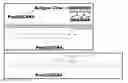
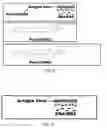


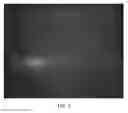
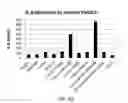
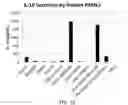
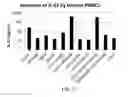


Sources:
- United States Patent and Trademark Office - verify current appl. status at the USPTO↗
Recent applications in this class:
- » 20210008206 2021-01-14
ADENOSINE PATHWAY INHIBITORS FOR CANCER TREATMENT - » 20180318421 2018-11-08
Methods for the treatment of recurrent glioblastoma (RGBM) - » 20170319693 2017-11-09
Treatment of cornea using laminin - » 20090082444 2009-03-26
Compositions for the Treatment of Blood Disorders