Smart battery balance system and method
US20180164867A1
2018-06-14
15/829,167
2017-12-01
✅ Patent granted
US 10,698,470 B2
2020-06-30
-
-
M Baye Diao
Alston & Bird LLP
2037-12-01
Abstract:
A smart battery power balance system and method to maximize the operating life of a mobile computing device and a portable peripheral (e.g., a peripheral having scanning capability). The mobile computing device battery and portable peripheral battery parameters such as battery level, velocity/rate of consumption and usage history are collected. A curve fitting and estimation is done to predict the empty time for complete battery discharge of the mobile computing device and portable peripheral. Based on this analysis, if the calculated empty time of the mobile computing device battery is less than the portable peripheral battery, the portable peripheral charges the mobile computing device battery and if the calculated empty time of the mobile computing device battery is greater than that of the portable peripheral battery, the portable peripheral battery does not charge the mobile computing battery.
Inventors:
- Zhenjun ZHANG 4 🇨🇳 Jiangsu, China
- Zhenjun ZHANG 4 🇨🇳 Suzhou, China
- Chao Cao 2 🇨🇳 Suzhou, China
- Jinhua Shen 2 🇨🇳 Suzhou, China
- Jinchao Shi 2 🇨🇳 Suzhou, China
- Chao Cao 2 🇨🇳 Jiangsu, China
- Jinhua Shen 2 🇨🇳 Jiangsu, China
- Jinchao Shi 2 🇨🇳 Jiangsu, China
Assignee:
- HAND HELD PRODUCTS, INC. 675 🇺🇸 Fort Mill, SC, United States
Applicant:
Interested in similar patents?
Get notified when new applications in this technology area are published.
Classification:
H02J7/342 » CPC further
Circuit arrangements for charging or depolarising batteries or for supplying loads from batteries; Parallel operation in networks using both storage and other dc sources, e.g. providing buffering The other DC source being a battery actively interacting with the first one, i.e. battery to battery charging
G06F1/32 IPC
Details not covered by groups - and; Power supply means, e.g. regulation thereof Means for saving power
G06F1/26 IPC
Details not covered by groups - and Power supply means, e.g. regulation thereof
G06F1/1632 » CPC further
Details not covered by groups - and; Constructional details or arrangements for portable computers External expansion units, e.g. docking stations
G06F1/263 » CPC further
Details not covered by groups - and; Power supply means, e.g. regulation thereof Arrangements for using multiple switchable power supplies, e.g. battery and AC
G06F1/266 » CPC further
Details not covered by groups - and; Power supply means, e.g. regulation thereof Arrangements to supply power to external peripherals either directly from the computer or under computer control, e.g. supply of power through the communication port, computer controlled power-strips
G06F1/3287 » CPC further
Details not covered by groups - and; Power supply means, e.g. regulation thereof; Means for saving power; Power management, i.e. event-based initiation of a power-saving mode; Power saving characterised by the action undertaken by switching off individual functional units in the computer system
H02J7/0014 » CPC further
Circuit arrangements for charging or depolarising batteries or for supplying loads from batteries acting upon several batteries simultaneously or sequentially Circuits for equalisation of charge between batteries
H02J7/0021 » CPC further
Circuit arrangements for charging or depolarising batteries or for supplying loads from batteries acting upon several batteries simultaneously or sequentially Monitoring or indicating circuits
G06F2200/1633 » CPC further
Indexing scheme relating to -; Indexing scheme relating to -; Indexing scheme relating to constructional details of the computer Protecting arrangement for the entire housing of the computer
H02J7/00 » CPC further
Circuit arrangements for charging or depolarising batteries or for supplying loads from batteries
H02J7/0048 » CPC further
Circuit arrangements for charging or depolarising batteries or for supplying loads from batteries with monitoring or indicating devices or circuits Detection of remaining charge capacity or state of charge [SOC]
G06F1/3212 » CPC main
Details not covered by groups - and; Power supply means, e.g. regulation thereof; Means for saving power; Power management, i.e. event-based initiation of a power-saving mode; Monitoring of events, devices or parameters that trigger a change in power modality Monitoring battery levels, e.g. power saving mode being initiated when battery voltage goes below a certain level
G06F1/16 IPC
Details not covered by groups - and Constructional details or arrangements
H02J7/34 IPC
Circuit arrangements for charging or depolarising batteries or for supplying loads from batteries Parallel operation in networks using both storage and other dc sources, e.g. providing buffering
Description
CROSS-REFERENCE TO RELATED APPLICATION
The present application claims the benefit of Chinese Patent Application for Invention No. 201611130208.0 for a Smart Battery Balance System and Method filed Dec. 9, 2016 at the State Intellectual Property Office of China, which is hereby incorporated by reference in its entirety.
FIELD OF THE INVENTION
The present invention relates to a battery balance system and method between electronic devices.
BACKGROUND
Generally speaking the use of mobile devices has become more and more popular recently for the provision of fast and convenient use. The power source of a mobile device such as a phone or scanner generally comes from a rechargeable battery, therefore charging efficiency and the durability of the battery are important issues. Nowadays, the battery of a mobile device, because of advanced technology, is available to be in “standby” mode for almost 24 hours, and it also can continuously provide power for 3 to 4 hours. Therefore, a good battery is one of the most important factors affecting the efficiency of a mobile device. However, the power of the battery for a mobile device will gradually die out when the times of usage of a mobile device increases. Based on this reason, having a good recharger for the battery to recharge the power is very important.
SUMMARY
Accordingly, in one aspect, the present invention embraces a system comprising: a mobile computing device having a first processor coupled to a first battery, wherein said first processor monitors a plurality of first charge parameters of the first battery; a portable peripheral device coupled to the mobile computing device and having a second processor coupled to a second battery, wherein said second processor monitors a plurality of second charge parameters of the second battery; and wherein the first processor is configured to compare the first charge parameters and second charge parameters to determine if the calculated empty time of the second battery is less than the first battery and if true, the second battery receives a charge from the first battery.
In one aspect of another exemplary embodiment, a system comprising: a mobile computing device having a first processor coupled to a first battery, wherein said first processor monitors a plurality of first charge parameters of the first battery; a portable peripheral device coupled to the mobile computing device and having a second processor coupled to a second battery, wherein said second processor monitors a plurality of second charge parameters of the second battery; and wherein the first processor is configured to compare the first charge parameters and second charge parameters to determine if the calculated empty time of the second battery is less than the first battery and if true, the second battery receives a charge from the first battery.
In one aspect of yet another exemplary embodiment, a method of balancing battery charges between a plurality of electronic devices comprising: monitoring a plurality of first charge parameters of a first battery by a first processor in a mobile computing device; monitoring a plurality of second charge parameters of a second battery by a second processor in a portable peripheral device coupled to the mobile computing device; comparing the first charge parameters and second charge parameters to determine if a calculated empty time of the second battery is less than the first battery; and if true, charging the second battery from the first battery.
The foregoing illustrative summary, as well as other exemplary objectives and/or advantages of the invention, and the manner in which the same are accomplished, are further explained within the following detailed description and its accompanying drawings.
BRIEF DESCRIPTION OF THE DRAWINGS
FIG. 1A depicts a mobile computing device 100 positioned in a portable peripheral 101 which is in open position.
FIG. 1B depicts the mobile computing device 100 and portable peripheral 101 in operation mode.
FIG. 1C schematically shows the circuitry of mobile computing device 100.
FIG. 1D schematically shows the circuitry of portable peripheral 101.
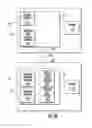
FIG. 2A schematically depicts an embodiment of the mobile computing device 100 and the portable peripheral 101 with a charge manager module 200, curve estimation module, and battery log module located on the mobile computing device 100.
FIG. 2B schematically depicts another embodiment of the mobile computing device 100 and the portable peripheral 101 with the charge manager module located on the mobile computing device 100 and the curve estimation module and battery log module located on the peripheral device.
FIG. 2C schematically depicts another embodiment of the mobile computing device 100 and the portable peripheral 101 with the charge manager module, the curve estimation module and battery log module located on the peripheral device.
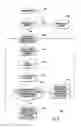
FIG. 3 illustrates a flowchart of the smart battery balance system and method of this disclosure.
DETAILED DESCRIPTION
In Honeywell® Sled scanning products, a Sled operates with a mobile smart computing device and can charge, for example, the smart computing device's battery with its own battery. However a mobile smart computing device such as an Apple® iPhone/iTouch devices cannot charge the Sled's battery because Apple® does not support (or allow) this. Therefore, oftentimes the Sled battery will be empty while an iPhone or iTouch will still have battery energy during usage. This results in energy wasted for a whole system.
The disclosure embraces a smart battery power balance management system and method (which may be called power balance management system or SmartCharge method herein) to maximize the operating life of a mobile computing device 100 and/or a portable peripheral 101. Portable peripheral 101 may be, for example, a peripheral having scanning or imaging capability. As shown in exemplary embodiments of FIGS. 1A and 1B, the mobile computing device 100 is capable of attaching to a chassis of portable peripheral 101 and working in conjunction with the portable peripheral 101. The mobile computing device 100 may be a handheld device and typically will slide into the portable peripheral 101 and may be snapped into place. Exemplary mobile computing devices 100 include a mobile phone, a wireless tablet device, a personal digital assistant (PDA), cellular phone, and smartphone (e.g., Apple® iPhone®, iPod® Touch®, iPad from Apple®, Android® Smartphone). Portable peripheral 101 may have a docking input/output connection port (reference 120 in FIG. 1D) for electrical attachment (and maybe physical attachment) to the mobile computing device 100. The portable peripheral 101 may also be a handheld device which configured to envelope the mobile computing device 100. Typically, when the mobile computing device 100 is in the operating position it will be partially enclosed by the portable peripheral device 101 with primarily the screen of the mobile computing device visible. In the case of Apple® products the input/output connection could be a Lightning™ connector and for Android® devices a USB connection. The portable peripheral 101 transforms the mobile computing device 100 into an enterprise-ready device. The portable peripheral 101 may be a “code symbol” capturing scanner or imager which delivers fast and accurate reading of linear, two-dimensional and even poor quality bar codes. The term “code symbol” is intended broadly to refer to any machine-readable indicia that may be used to store information about an object (e.g., a barcode). An example of a portable peripheral 101 may be the Honeywell® Sled Captuvo SL22.
Upon connection of the mobile computing device 100 and the portable peripheral 101, power balance management software may be loaded from the portable peripheral 101 to the mobile computing device 100. In alternative embodiments, the power balance management software is loaded from the mobile computing device 100 to the portable peripheral 101. In other alternative embodiments it would be possible to download the power balance management software from a central site (e.g., the Apple® application store) into either or both devices 100 and 101.
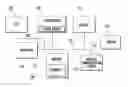
FIG. 1C illustrates that the mobile computing device 100 may broadly have a user interface system 102 including a touch screen 105 with a visual display and a soft keyboard. The mobile computing device 100 typically includes a processor (or processors) 110 having a set of stored programs (“applications”), which when executed by the processor 110, provides users with a variety of functionalities. The processor 110 is communicatively coupled with the user interface system 102, a memory 112 having a database 114, a camera 116, a wireless communication system 118, an input/output (I/O) module 120 and a battery 124. An exemplary mobile computing device 100 may include a system bus 122 and/or one or more interface circuits (not shown) for coupling the processor 110 and other components (e.g., user interface system 102, memory 112, camera 116, wireless communication system 118, I/O module 120 and battery 124) to the system bus 122 and to each other. Typically, the processor 110 is configured to execute instructions and to carry out operations associated with the mobile computing device 100. For example, using instructions retrieved from the memory 112 (e.g., a memory block), the processor 110 may control the reception and manipulation of input and output data between components of the mobile computing device 100. The processor 110 typically operates with an operating system to execute computer code and produce and use data. The operating system, other computer code, and data may reside within the memory 112 that is operatively coupled to the processor 110. The processor 110 may also download and execute any smart battery power balance management software described in detail below and also store that in memory 112. The memory 112 generally provides a place to store computer code and data that are used by the mobile computing device 100. The memory 112 may include Read-Only Memory (ROM), Random-Access Memory (RAM), a hard disk drive, and/or other non-transitory storage media. The operating system, other computer code, and data may also reside on a removable non-transitory storage medium that is loaded or installed onto the mobile computing device 100 when needed. The wireless communication system 118 enables the mobile computing device 100 to communicate with a wireless network, such as a cellular network (e.g., a GSM network, a CDMA network, or an LTE network), a local area network (LAN), and/or an ad hoc network. The I/O module 120 may be a hardwire connector which allows the mobile computing device 100 to receive power and/or data when plugged in. The I/O module 120 may also allow the mobile computing device 100 to connect to the portable peripheral 101 as discussed above. Also, connected to the I/O module 120 through bus 122 is the rechargeable battery 124 capable of providing power internally to the mobile computing device 100. The battery 124 can also provide power externally to and receive external power from the portable peripheral 101 when connected as will be discussed in detail herein. The processor 110 is also capable of monitoring the battery 124 to determine charging parameters such as percentage remaining charge, rate of charging, power consumption rate, time to empty and the like.
The portable peripheral 101 shown in FIG. 1D has many of the same elements functioning in the same way as the mobile computing device 100 as indicated by the same reference numerals. In the case of a scanner (or imager), the portable peripheral processor 111 may also be configured for capturing through camera 116 an image (e.g., a code symbol); displaying the image on the visual display 105; and determining whether the image is readable by the processor 111. The portable peripheral processor 111 may also enable various charging applications which are capable of monitoring portable peripheral rechargeable battery 125 to determine charging parameters such as percentage remaining charge, rate of charging, power consumption rate, time to empty and the like of battery 125. The portable peripheral 101 may also have an encryption-ready three-track magnetic stripe reader 126 in the user interface 102 which can be integrated, facilitating quick and easy processing of credit card transactions in the portable peripheral 101.
Compatibility with the mobile computing device 100 provides operators of the portable peripheral 101 access to a myriad of applications through the mobile computing device 100 from an online downloadable store. An example of mobile computing device 100 would be an Apple® iPhone which works with the Apple® Application Store to allow the operator of the iPhone to be armed with a tremendous amount of information. When equipped with software such as Honeywell's Remote MasterMind™ 3.0 software, operators of the portable peripheral 101 can remotely work with and/or manage a deployed mobile computing device 100 leading to a lower total cost of ownership. The protective housing of the portable peripheral 101 also adds durability to the mobile computing device 100 resulting in a combination that lowers the failure rate of the mobile computing device 100. As with the mobile computing device 100, in the portable peripheral 101 the I/O module 120 is connected through bus 122 to the rechargeable battery 125 and is capable of providing power to the portable peripheral 101 (and the mobile computing device battery 124) as discussed in detail herein.
FIG. 2A discloses a charge manager software module 200, curve filling estimation software module 202 (“curve estimation module”), a battery log 204, and a battery data collect module 205 running on the mobile computing device processor 110. A counterpart in the portable peripheral 101 to battery data collect module 205 is battery data collect module 206 which runs on the processor of the portable peripheral. Also running on the portable peripheral processor 111 is charge module 208 which takes direction from charge manager software module 200 and controls charging to and from the rechargeable battery 125. Elements 200, 202, 204, 205, 206, and 208 help make up the power balance management system and method described herein.
Element 210 in FIG. 2A stands for a connection interface between the I/O 120 of the mobile computing device 100 and I/O 120 of the portable peripheral 101. In the case where the mobile computing device 100 is an iPhone/iTouch the interface connection hardware may be a Lightning™ connector and may use iAP2 protocol software which is an Apple® accessory protocol to pass data back and forth. In the case where device 101 is an Android® phone a USB connector may be used with Android Open Accessory (AOA) protocol to pass data back and forth.
Charge manager software module 200 is the primary software with a user interface which may be displayed on the mobile computing device visual display 105 or on the portable peripheral visual display 105. One of the functions of the charge manager software module 200 is to check whether the operator has enabled the power balance management system functionality (i.e., Smartcharge) or not. If yes, software module 200 will start the battery power balance process. If not, it will not start the battery power balance method and will notify processors 110 and 111 to use a normal charge method. Curve filling estimation software module 202 performs a curve fitting and estimation to predict the empty time for complete battery discharge of the batteries 124, 125 of the mobile computing device 100 and portable peripheral 101 based on parameters obtained by monitoring the batteries 124, 125. Battery log 204 is configured to store history date of batteries 124 and 125. Mobile computing device battery data collect module 205 will be used to collect mobile computing device battery's 124 parameters (such as battery percentage of available power (Pp), power consumption, time to empty, and the like) through iOS™ or an Android® API and send them to the other modules 200, 202, and 204. Similarly, portable peripheral battery data collect module 206 shall be used to collect portable peripheral battery's 125 parameters (similar to battery 124, information such as battery percentage of available power (Ps), power consumption, time to empty, and the like) through the portable peripheral's API and forward them to modules 200, 202, and 204. Charge module 208 may be used to control the hardware of the portable peripheral 101 to enable or disable the charging of the mobile computing device battery 124 by the portable peripheral battery 125 during normal charging operations as well as permit charging of the portable peripheral battery 125 by the mobile computing device battery 124 during enablement of the power balance management system. Charge module 208 will receive instructions from charge manager module 200 on when to perform these functions.
The charge manager module 200 will obtain the parameters (e.g., Pp, Ps) from the collection modules 205 and 206. The charge manager module 200 can analyze these parameters to decide when to let the portable peripheral battery 125 charge the mobile portable computing device battery 124 and when to stop the portable peripheral 101 from charging the mobile computing device 100. The smart battery balance system and process can also use these parameters to decide when to let the mobile portable computing device battery 124 charge the portable peripheral battery 125 and when to stop the mobile computing device 100 from charging the portable peripheral 101. The charge manager module 200 may also use the battery parameters to determine the rate (or velocity) of battery consumption of mobile computing device 100 (Vp) and portable peripheral 101 (Vs). The battery empty time can then be predicted for the mobile computing device 100 (Tp) and the portable peripheral 101 (Ts). The charge manager module 200 may use a first method to obtain a prediction of the empty time (T) is to divide current battery percentage (P) with average battery consuming velocity (Vmean) (i.e., T=P/Vmean). Another method the charge manager module 200 may use to procure the predicted empty time of the batteries 124, 125 is to analyze historic battery percentage data and time to get a trend line for when the battery will be empty.
The charge manager module 200 will enable battery charging automatically and dynamically (i.e., constant change between charging and not charging) of the portable peripheral battery 125 (and also the mobile computing device battery 125). If the portable peripheral battery 125 empty time is longer than mobile computing device battery 124 empty time, then the smart battery balance process will let portable peripheral 101 charge the mobile computing device battery 124. If mobile computing device's battery 124 empty time is longer than portable peripheral's battery 125 empty time, then the smart battery power balance system and process will either stop portable peripheral 101 from charging the mobile computing device battery 124 or will actually have the mobile computing device 100 charge the rechargeable battery 125 of the portable peripheral. The idea is to maximize the battery life for the whole system so the mobile computing device battery 124 empty time is still maintained longer than the portable peripheral battery 125 empty time, but a more a balanced charge is maintained between the two devices. Because if nothing is done, the portable peripheral's battery 125 will be substantially 0% while the mobile computing device battery 124 is not and an operator cannot use the portable peripheral 101 to perform functions such as barcode scanning. With this battery power balancing system and process described herein enabled, it is possible to obtain the maximum uptime for both device 100 and peripheral 101.
FIG. 2B shows an alternative embodiment of the system of FIG. 2A. In this embodiment, the charge manager module 200 is located in the mobile computing device and running on processor 110. However, the curve estimation module 202 and battery log module 204 are running and performing their functions as described above on the portable peripheral 101 instead of the mobile device 100.
FIG. 2C shows another alternative embodiment of the systems of 2A and 2B. In this embodiment, the charge manager module 200, curve estimation module 202 and battery log module 204 are performing their functions but are all located in the portable peripheral. In this case, charge manager module will manage the charge of battery 125 and charge module 212 under instructions from module 200 will conduct charging operations of battery 124.
FIG. 3 shows a flowchart 300 of the process of the smart battery power balance management system. As described above, elements of the charging software (e.g., charge manager module 200, curve estimation module 202, battery log module 204, battery data collect modules 204, 206) may reside on both (or either of) the mobile computing device 100 and the portable peripheral 101 in the processors 110 and 111. Some portions are running on processor 110 and some are running on processor 111. The charge manager module software 200 is booted in step 302 in the mobile computing device 100 and the portable peripheral 101. In step 304, the battery power balance enablement decision is made. The battery power balance method can be enabled or disabled. If the operator chooses to enable, then the system will use the method described herein to maximize the whole battery life for both the mobile computing device 100 and portable peripheral 101 and proceed to step 308. If the operator chooses to disable the smart battery balance method (i.e., not use steps 308, 310, 312, 314, 316, 318, and 320), then in step 306 a normal charge routine is executed whereby the mobile computing device battery 124 is just charged when running low or becomes empty by the portable peripheral device battery 125. In this scenario, the portable peripheral 101 will keep charging the mobile computing device 100 no matter what the portable peripheral battery 125 percentage is or the portable peripheral 101 will charge the mobile computing device battery 124 at a predefined portable peripheral battery voltage range.
If enabled, in steps 308 and 310 the mobile computing device battery 124 and portable peripheral battery 125 parameters such as battery level, velocity/rate of consumption and usage history are collected by their respective processors (110 and 111) in modules 204, 206 and logged in step 312 in the battery log 204. In step 314, a curve fitting and estimation is done in curve estimation module 202 to predict the empty time for complete battery discharge of the device battery 124 and portable peripheral battery 125. As discussed above, equation T=P/Vmean may be used to obtain the remaining battery hours. However, curve fitting and estimation may obtain a better estimate of a trend line using least squares method or linear regression to estimate the battery remaining time. In step 316, the portable peripheral remaining charge in the portable peripheral battery 125 is calculated. If the calculated empty time of the mobile computing device battery 124 is less than the portable peripheral battery 125 (i.e., “yes”), the process proceeds to step 318 and the portable peripheral charges the mobile computing device battery 124 and reverts to step 308. If in step 316, the calculated empty time of the mobile computing device battery 124 is greater than that of the portable peripheral battery 125 (i.e., “no”), the process proceeds to step 318. In this case, the portable peripheral battery 125 charging of the mobile computing device battery is disabled. In addition, the portable peripheral battery 125 may receive charging from the mobile computing device battery 124. The process then reverts back to step 308. The battery balancing steps are running regularly in a continuous loop of the steps in FIG. 3, so the battery charging from the mobile computing device 100 adjusts dynamically depending on the battery remaining hours calculation of the mobile computing device battery 124 and portable peripheral battery 125.
To supplement the present disclosure, this application incorporates entirely by reference the following commonly assigned patents, patent application publications, and patent applications:
- U.S. Pat. No. 6,832,725; U.S. Pat. No. 7,128,266;
- U.S. Pat. No. 7,159,783; U.S. Pat. No. 7,413,127;
- U.S. Pat. No. 7,726,575; U.S. Pat. No. 8,294,969;
- U.S. Pat. No. 8,317,105; U.S. Pat. No. 8,322,622;
- U.S. Pat. No. 8,366,005; U.S. Pat. No. 8,371,507;
- U.S. Pat. No. 8,376,233; U.S. Pat. No. 8,381,979;
- U.S. Pat. No. 8,390,909; U.S. Pat. No. 8,408,464;
- U.S. Pat. No. 8,408,468; U.S. Pat. No. 8,408,469;
- U.S. Pat. No. 8,424,768; U.S. Pat. No. 8,448,863;
- U.S. Pat. No. 8,457,013; U.S. Pat. No. 8,459,557;
- U.S. Pat. No. 8,469,272; U.S. Pat. No. 8,474,712;
- U.S. Pat. No. 8,479,992; U.S. Pat. No. 8,490,877;
- U.S. Pat. No. 8,517,271; U.S. Pat. No. 8,523,076;
- U.S. Pat. No. 8,528,818; U.S. Pat. No. 8,544,737;
- U.S. Pat. No. 8,548,242; U.S. Pat. No. 8,548,420;
- U.S. Pat. No. 8,550,335; U.S. Pat. No. 8,550,354;
- U.S. Pat. No. 8,550,357; U.S. Pat. No. 8,556,174;
- U.S. Pat. No. 8,556,176; U.S. Pat. No. 8,556,177;
- U.S. Pat. No. 8,559,767; U.S. Pat. No. 8,599,957;
- U.S. Pat. No. 8,561,895; U.S. Pat. No. 8,561,903;
- U.S. Pat. No. 8,561,905; U.S. Pat. No. 8,565,107;
- U.S. Pat. No. 8,571,307; U.S. Pat. No. 8,579,200;
- U.S. Pat. No. 8,583,924; U.S. Pat. No. 8,584,945;
- U.S. Pat. No. 8,587,595; U.S. Pat. No. 8,587,697;
- U.S. Pat. No. 8,588,869; U.S. Pat. No. 8,590,789;
- U.S. Pat. No. 8,596,539; U.S. Pat. No. 8,596,542;
- U.S. Pat. No. 8,596,543; U.S. Pat. No. 8,599,271;
- U.S. Pat. No. 8,599,957; U.S. Pat. No. 8,600,158;
- U.S. Pat. No. 8,600,167; U.S. Pat. No. 8,602,309;
- U.S. Pat. No. 8,608,053; U.S. Pat. No. 8,608,071;
- U.S. Pat. No. 8,611,309; U.S. Pat. No. 8,615,487;
- U.S. Pat. No. 8,616,454; U.S. Pat. No. 8,621,123;
- U.S. Pat. No. 8,622,303; U.S. Pat. No. 8,628,013;
- U.S. Pat. No. 8,628,015; U.S. Pat. No. 8,628,016;
- U.S. Pat. No. 8,629,926; U.S. Pat. No. 8,630,491;
- U.S. Pat. No. 8,635,309; U.S. Pat. No. 8,636,200;
- U.S. Pat. No. 8,636,212; U.S. Pat. No. 8,636,215;
- U.S. Pat. No. 8,636,224; U.S. Pat. No. 8,638,806;
- U.S. Pat. No. 8,640,958; U.S. Pat. No. 8,640,960;
- U.S. Pat. No. 8,643,717; U.S. Pat. No. 8,646,692;
- U.S. Pat. No. 8,646,694; U.S. Pat. No. 8,657,200;
- U.S. Pat. No. 8,659,397; U.S. Pat. No. 8,668,149;
- U.S. Pat. No. 8,678,285; U.S. Pat. No. 8,678,286;
- U.S. Pat. No. 8,682,077; U.S. Pat. No. 8,687,282;
- U.S. Pat. No. 8,692,927; U.S. Pat. No. 8,695,880;
- U.S. Pat. No. 8,698,949; U.S. Pat. No. 8,717,494;
- U.S. Pat. No. 8,717,494; U.S. Pat. No. 8,720,783;
- U.S. Pat. No. 8,723,804; U.S. Pat. No. 8,723,904;
- U.S. Pat. No. 8,727,223; U.S. Pat. No. D702,237;
- U.S. Pat. No. 8,740,082; U.S. Pat. No. 8,740,085;
- U.S. Pat. No. 8,746,563; U.S. Pat. No. 8,750,445;
- U.S. Pat. No. 8,752,766; U.S. Pat. No. 8,756,059;
- U.S. Pat. No. 8,757,495; U.S. Pat. No. 8,760,563;
- U.S. Pat. No. 8,763,909; U.S. Pat. No. 8,777,108;
- U.S. Pat. No. 8,777,109; U.S. Pat. No. 8,779,898;
- U.S. Pat. No. 8,781,520; U.S. Pat. No. 8,783,573;
- U.S. Pat. No. 8,789,757; U.S. Pat. No. 8,789,758;
- U.S. Pat. No. 8,789,759; U.S. Pat. No. 8,794,520;
- U.S. Pat. No. 8,794,522; U.S. Pat. No. 8,794,525;
- U.S. Pat. No. 8,794,526; U.S. Pat. No. 8,798,367;
- U.S. Pat. No. 8,807,431; U.S. Pat. No. 8,807,432;
- U.S. Pat. No. 8,820,630; U.S. Pat. No. 8,822,848;
- U.S. Pat. No. 8,824,692; U.S. Pat. No. 8,824,696;
- U.S. Pat. No. 8,842,849; U.S. Pat. No. 8,844,822;
- U.S. Pat. No. 8,844,823; U.S. Pat. No. 8,849,019;
- U.S. Pat. No. 8,851,383; U.S. Pat. No. 8,854,633;
- U.S. Pat. No. 8,866,963; U.S. Pat. No. 8,868,421;
- U.S. Pat. No. 8,868,519; U.S. Pat. No. 8,868,802;
- U.S. Pat. No. 8,868,803; U.S. Pat. No. 8,870,074;
- U.S. Pat. No. 8,879,639; U.S. Pat. No. 8,880,426;
- U.S. Pat. No. 8,881,983; U.S. Pat. No. 8,881,987;
- U.S. Pat. No. 8,903,172; U.S. Pat. No. 8,908,995;
- U.S. Pat. No. 8,910,870; U.S. Pat. No. 8,910,875;
- U.S. Pat. No. 8,914,290; U.S. Pat. No. 8,914,788;
- U.S. Pat. No. 8,915,439; U.S. Pat. No. 8,915,444;
- U.S. Pat. No. 8,916,789; U.S. Pat. No. 8,918,250;
- U.S. Pat. No. 8,918,564; U.S. Pat. No. 8,925,818;
- U.S. Pat. No. 8,939,374; U.S. Pat. No. 8,942,480;
- U.S. Pat. No. 8,944,313; U.S. Pat. No. 8,944,327;
- U.S. Pat. No. 8,944,332; U.S. Pat. No. 8,950,678;
- U.S. Pat. No. 8,967,468; U.S. Pat. No. 8,971,346;
- U.S. Pat. No. 8,976,030; U.S. Pat. No. 8,976,368;
- U.S. Pat. No. 8,978,981; U.S. Pat. No. 8,978,983;
- U.S. Pat. No. 8,978,984; U.S. Pat. No. 8,985,456;
- U.S. Pat. No. 8,985,457; U.S. Pat. No. 8,985,459;
- U.S. Pat. No. 8,985,461; U.S. Pat. No. 8,988,578;
- U.S. Pat. No. 8,988,590; U.S. Pat. No. 8,991,704;
- U.S. Pat. No. 8,996,194; U.S. Pat. No. 8,996,384;
- U.S. Pat. No. 9,002,641; U.S. Pat. No. 9,007,368;
- U.S. Pat. No. 9,010,641; U.S. Pat. No. 9,015,513;
- U.S. Pat. No. 9,016,576; U.S. Pat. No. 9,022,288;
- U.S. Pat. No. 9,030,964; U.S. Pat. No. 9,033,240;
- U.S. Pat. No. 9,033,242; U.S. Pat. No. 9,036,054;
- U.S. Pat. No. 9,037,344; U.S. Pat. No. 9,038,911;
- U.S. Pat. No. 9,038,915; U.S. Pat. No. 9,047,098;
- U.S. Pat. No. 9,047,359; U.S. Pat. No. 9,047,420;
- U.S. Pat. No. 9,047,525; U.S. Pat. No. 9,047,531;
- U.S. Pat. No. 9,053,055; U.S. Pat. No. 9,053,378;
- U.S. Pat. No. 9,053,380; U.S. Pat. No. 9,058,526;
- U.S. Pat. No. 9,064,165; U.S. Pat. No. 9,064,167;
- U.S. Pat. No. 9,064,168; U.S. Pat. No. 9,064,254;
- U.S. Pat. No. 9,066,032; U.S. Pat. No. 9,070,032;
- U.S. Design Pat. No. D716,285;
- U.S. Design Pat. No. D723,560;
- U.S. Design Pat. No. D730,357;
- U.S. Design Pat. No. D730,901;
- U.S. Design Pat. No. D730,902;
- U.S. Design Pat. No. D733,112;
- U.S. Design Pat. No. D734,339;
- International Publication No. 2013/163789;
- International Publication No. 2013/173985;
- International Publication No. 2014/019130;
- International Publication No. 2014/110495;
- U.S. Patent Application Publication No. 2008/0185432;
- U.S. Patent Application Publication No. 2009/0134221;
- U.S. Patent Application Publication No. 2010/0177080;
- U.S. Patent Application Publication No. 2010/0177076;
- U.S. Patent Application Publication No. 2010/0177707;
- U.S. Patent Application Publication No. 2010/0177749;
- U.S. Patent Application Publication No. 2010/0265880;
- U.S. Patent Application Publication No. 2011/0202554;
- U.S. Patent Application Publication No. 2012/0111946;
- U.S. Patent Application Publication No. 2012/0168511;
- U.S. Patent Application Publication No. 2012/0168512;
- U.S. Patent Application Publication No. 2012/0193423;
- U.S. Patent Application Publication No. 2012/0203647;
- U.S. Patent Application Publication No. 2012/0223141;
- U.S. Patent Application Publication No. 2012/0228382;
- U.S. Patent Application Publication No. 2012/0248188;
- U.S. Patent Application Publication No. 2013/0043312;
- U.S. Patent Application Publication No. 2013/0082104;
- U.S. Patent Application Publication No. 2013/0175341;
- U.S. Patent Application Publication No. 2013/0175343;
- U.S. Patent Application Publication No. 2013/0257744;
- U.S. Patent Application Publication No. 2013/0257759;
- U.S. Patent Application Publication No. 2013/0270346;
- U.S. Patent Application Publication No. 2013/0287258;
- U.S. Patent Application Publication No. 2013/0292475;
- U.S. Patent Application Publication No. 2013/0292477;
- U.S. Patent Application Publication No. 2013/0293539;
- U.S. Patent Application Publication No. 2013/0293540;
- U.S. Patent Application Publication No. 2013/0306728;
- U.S. Patent Application Publication No. 2013/0306731;
- U.S. Patent Application Publication No. 2013/0307964;
- U.S. Patent Application Publication No. 2013/0308625;
- U.S. Patent Application Publication No. 2013/0313324;
- U.S. Patent Application Publication No. 2013/0313325;
- U.S. Patent Application Publication No. 2013/0342717;
- U.S. Patent Application Publication No. 2014/0001267;
- U.S. Patent Application Publication No. 2014/0008439;
- U.S. Patent Application Publication No. 2014/0025584;
- U.S. Patent Application Publication No. 2014/0034734;
- U.S. Patent Application Publication No. 2014/0036848;
- U.S. Patent Application Publication No. 2014/0039693;
- U.S. Patent Application Publication No. 2014/0042814;
- U.S. Patent Application Publication No. 2014/0049120;
- U.S. Patent Application Publication No. 2014/0049635;
- U.S. Patent Application Publication No. 2014/0061306;
- U.S. Patent Application Publication No. 2014/0063289;
- U.S. Patent Application Publication No. 2014/0066136;
- U.S. Patent Application Publication No. 2014/0067692;
- U.S. Patent Application Publication No. 2014/0070005;
- U.S. Patent Application Publication No. 2014/0071840;
- U.S. Patent Application Publication No. 2014/0074746;
- U.S. Patent Application Publication No. 2014/0076974;
- U.S. Patent Application Publication No. 2014/0078341;
- U.S. Patent Application Publication No. 2014/0078345;
- U.S. Patent Application Publication No. 2014/0097249;
- U.S. Patent Application Publication No. 2014/0098792;
- U.S. Patent Application Publication No. 2014/0100813;
- U.S. Patent Application Publication No. 2014/0103115;
- U.S. Patent Application Publication No. 2014/0104413;
- U.S. Patent Application Publication No. 2014/0104414;
- U.S. Patent Application Publication No. 2014/0104416;
- U.S. Patent Application Publication No. 2014/0104451;
- U.S. Patent Application Publication No. 2014/0106594;
- U.S. Patent Application Publication No. 2014/0106725;
- U.S. Patent Application Publication No. 2014/0108010;
- U.S. Patent Application Publication No. 2014/0108402;
- U.S. Patent Application Publication No. 2014/0110485;
- U.S. Patent Application Publication No. 2014/0114530;
- U.S. Patent Application Publication No. 2014/0124577;
- U.S. Patent Application Publication No. 2014/0124579;
- U.S. Patent Application Publication No. 2014/0125842;
- U.S. Patent Application Publication No. 2014/0125853;
- U.S. Patent Application Publication No. 2014/0125999;
- U.S. Patent Application Publication No. 2014/0129378;
- U.S. Patent Application Publication No. 2014/0131438;
- U.S. Patent Application Publication No. 2014/0131441;
- U.S. Patent Application Publication No. 2014/0131443;
- U.S. Patent Application Publication No. 2014/0131444;
- U.S. Patent Application Publication No. 2014/0131445;
- U.S. Patent Application Publication No. 2014/0131448;
- U.S. Patent Application Publication No. 2014/0133379;
- U.S. Patent Application Publication No. 2014/0136208;
- U.S. Patent Application Publication No. 2014/0140585;
- U.S. Patent Application Publication No. 2014/0151453;
- U.S. Patent Application Publication No. 2014/0152882;
- U.S. Patent Application Publication No. 2014/0158770;
- U.S. Patent Application Publication No. 2014/0159869;
- U.S. Patent Application Publication No. 2014/0166755;
- U.S. Patent Application Publication No. 2014/0166759;
- U.S. Patent Application Publication No. 2014/0168787;
- U.S. Patent Application Publication No. 2014/0175165;
- U.S. Patent Application Publication No. 2014/0175172;
- U.S. Patent Application Publication No. 2014/0191644;
- U.S. Patent Application Publication No. 2014/0191913;
- U.S. Patent Application Publication No. 2014/0197238;
- U.S. Patent Application Publication No. 2014/0197239;
- U.S. Patent Application Publication No. 2014/0197304;
- U.S. Patent Application Publication No. 2014/0214631;
- U.S. Patent Application Publication No. 2014/0217166;
- U.S. Patent Application Publication No. 2014/0217180;
- U.S. Patent Application Publication No. 2014/0231500;
- U.S. Patent Application Publication No. 2014/0232930;
- U.S. Patent Application Publication No. 2014/0247315;
- U.S. Patent Application Publication No. 2014/0263493;
- U.S. Patent Application Publication No. 2014/0263645;
- U.S. Patent Application Publication No. 2014/0267609;
- U.S. Patent Application Publication No. 2014/0270196;
- U.S. Patent Application Publication No. 2014/0270229;
- U.S. Patent Application Publication No. 2014/0278387;
- U.S. Patent Application Publication No. 2014/0278391;
- U.S. Patent Application Publication No. 2014/0282210;
- U.S. Patent Application Publication No. 2014/0284384;
- U.S. Patent Application Publication No. 2014/0288933;
- U.S. Patent Application Publication No. 2014/0297058;
- U.S. Patent Application Publication No. 2014/0299665;
- U.S. Patent Application Publication No. 2014/0312121;
- U.S. Patent Application Publication No. 2014/0319220;
- U.S. Patent Application Publication No. 2014/0319221;
- U.S. Patent Application Publication No. 2014/0326787;
- U.S. Patent Application Publication No. 2014/0332590;
- U.S. Patent Application Publication No. 2014/0344943;
- U.S. Patent Application Publication No. 2014/0346233;
- U.S. Patent Application Publication No. 2014/0351317;
- U.S. Patent Application Publication No. 2014/0353373;
- U.S. Patent Application Publication No. 2014/0361073;
- U.S. Patent Application Publication No. 2014/0361082;
- U.S. Patent Application Publication No. 2014/0362184;
- U.S. Patent Application Publication No. 2014/0363015;
- U.S. Patent Application Publication No. 2014/0369511;
- U.S. Patent Application Publication No. 2014/0374483;
- U.S. Patent Application Publication No. 2014/0374485;
- U.S. Patent Application Publication No. 2015/0001301;
- U.S. Patent Application Publication No. 2015/0001304;
- U.S. Patent Application Publication No. 2015/0003673;
- U.S. Patent Application Publication No. 2015/0009338;
- U.S. Patent Application Publication No. 2015/0009610;
- U.S. Patent Application Publication No. 2015/0014416;
- U.S. Patent Application Publication No. 2015/0021397;
- U.S. Patent Application Publication No. 2015/0028102;
- U.S. Patent Application Publication No. 2015/0028103;
- U.S. Patent Application Publication No. 2015/0028104;
- U.S. Patent Application Publication No. 2015/0029002;
- U.S. Patent Application Publication No. 2015/0032709;
- U.S. Patent Application Publication No. 2015/0039309;
- U.S. Patent Application Publication No. 2015/0039878;
- U.S. Patent Application Publication No. 2015/0040378;
- U.S. Patent Application Publication No. 2015/0048168;
- U.S. Patent Application Publication No. 2015/0049347;
- U.S. Patent Application Publication No. 2015/0051992;
- U.S. Patent Application Publication No. 2015/0053766;
- U.S. Patent Application Publication No. 2015/0053768;
- U.S. Patent Application Publication No. 2015/0053769;
- U.S. Patent Application Publication No. 2015/0060544;
- U.S. Patent Application Publication No. 2015/0062366;
- U.S. Patent Application Publication No. 2015/0063215;
- U.S. Patent Application Publication No. 2015/0063676;
- U.S. Patent Application Publication No. 2015/0069130;
- U.S. Patent Application Publication No. 2015/0071819;
- U.S. Patent Application Publication No. 2015/0083800;
- U.S. Patent Application Publication No. 2015/0086114;
- U.S. Patent Application Publication No. 2015/0088522;
- U.S. Patent Application Publication No. 2015/0096872;
- U.S. Patent Application Publication No. 2015/0099557;
- U.S. Patent Application Publication No. 2015/0100196;
- U.S. Patent Application Publication No. 2015/0102109;
- U.S. Patent Application Publication No. 2015/0115035;
- U.S. Patent Application Publication No. 2015/0127791;
- U.S. Patent Application Publication No. 2015/0128116;
- U.S. Patent Application Publication No. 2015/0129659;
- U.S. Patent Application Publication No. 2015/0133047;
- U.S. Patent Application Publication No. 2015/0134470;
- U.S. Patent Application Publication No. 2015/0136851;
- U.S. Patent Application Publication No. 2015/0136854;
- U.S. Patent Application Publication No. 2015/0142492;
- U.S. Patent Application Publication No. 2015/0144692;
- U.S. Patent Application Publication No. 2015/0144698;
- U.S. Patent Application Publication No. 2015/0144701;
- U.S. Patent Application Publication No. 2015/0149946;
- U.S. Patent Application Publication No. 2015/0161429;
- U.S. Patent Application Publication No. 2015/0169925;
- U.S. Patent Application Publication No. 2015/0169929;
- U.S. Patent Application Publication No. 2015/0178523;
- U.S. Patent Application Publication No. 2015/0178534;
- U.S. Patent Application Publication No. 2015/0178535;
- U.S. Patent Application Publication No. 2015/0178536;
- U.S. Patent Application Publication No. 2015/0178537;
- U.S. Patent Application Publication No. 2015/0181093;
- U.S. Patent Application Publication No. 2015/0181109;
- U.S. patent application Ser. No. 13/367,978 for a Laser Scanning Module Employing an Elastomeric U-Hinge Based Laser Scanning Assembly, filed Feb. 7, 2012 (Feng et al.);
- U.S. patent application Ser. No. 29/458,405 for an Electronic Device, filed Jun. 19, 2013 (Fitch et al.);
- U.S. patent application Ser. No. 29/459,620 for an Electronic Device Enclosure, filed Jul. 2, 2013 (London et al.);
- U.S. patent application Ser. No. 29/468,118 for an Electronic Device Case, filed Sep. 26, 2013 (Oberpriller et al.);
- U.S. patent application Ser. No. 14/150,393 for Indicia-reader Having Unitary Construction Scanner, filed Jan. 8, 2014 (Colavito et al.);
- U.S. patent application Ser. No. 14/200,405 for Indicia Reader for Size-Limited Applications filed Mar. 7, 2014 (Feng et al.);
- U.S. patent application Ser. No. 14/231,898 for Hand-Mounted Indicia-Reading Device with Finger Motion Triggering filed Apr. 1, 2014 (Van Horn et al.);
- U.S. patent application Ser. No. 29/486,759 for an Imaging Terminal, filed Apr. 2, 2014 (Oberpriller et al.);
- U.S. patent application Ser. No. 14/257,364 for Docking System and Method Using Near Field Communication filed Apr. 21, 2014 (Showering);
- U.S. patent application Ser. No. 14/264,173 for Autofocus Lens System for Indicia Readers filed Apr. 29, 2014 (Ackley et al.);
- U.S. patent application Ser. No. 14/277,337 for MULTIPURPOSE OPTICAL READER, filed May 14, 2014 (Jovanovski et al.);
- U.S. patent application Ser. No. 14/283,282 for TERMINAL HAVING ILLUMINATION AND FOCUS CONTROL filed May 21, 2014 (Liu et al.);
- U.S. patent application Ser. No. 14/327,827 for a MOBILE-PHONE ADAPTER FOR ELECTRONIC TRANSACTIONS, filed Jul. 10, 2014 (Hejl);
- U.S. patent application Ser. No. 14/334,934 for a SYSTEM AND METHOD FOR INDICIA VERIFICATION, filed Jul. 18, 2014 (Hejl);
- U.S. patent application Ser. No. 14/339,708 for LASER SCANNING CODE SYMBOL READING SYSTEM, filed Jul. 24, 2014 (Xian et al.);
- U.S. patent application Ser. No. 14/340,627 for an AXIALLY REINFORCED FLEXIBLE SCAN ELEMENT, filed Jul. 25, 2014 (Rueblinger et al.);
- U.S. patent application Ser. No. 14/446,391 for MULTIFUNCTION POINT OF SALE APPARATUS WITH OPTICAL SIGNATURE CAPTURE filed Jul. 30, 2014 (Good et al.);
- U.S. patent application Ser. No. 14/452,697 for INTERACTIVE INDICIA READER, filed Aug. 6, 2014 (Todeschini);
- U.S. patent application Ser. No. 14/453,019 for DIMENSIONING SYSTEM WITH GUIDED ALIGNMENT, filed Aug. 6, 2014 (Li et al.);
- U.S. patent application Ser. No. 14/462,801 for MOBILE COMPUTING DEVICE WITH DATA COGNITION SOFTWARE, filed on Aug. 19, 2014 (Todeschini et al.);
- U.S. patent application Ser. No. 14/483,056 for VARIABLE DEPTH OF FIELD BARCODE SCANNER filed Sep. 10, 2014 (McCloskey et al.);
- U.S. patent application Ser. No. 14/513,808 for IDENTIFYING INVENTORY ITEMS IN A STORAGE FACILITY filed Oct. 14, 2014 (Singel et al.);
- U.S. patent application Ser. No. 14/519,195 for HANDHELD DIMENSIONING SYSTEM WITH FEEDBACK filed Oct. 21, 2014 (Laffargue et al.);
- U.S. patent application Ser. No. 14/519,179 for DIMENSIONING SYSTEM WITH MULTIPATH INTERFERENCE MITIGATION filed Oct. 21, 2014 (Thuries et al.);
- U.S. patent application Ser. No. 14/519,211 for SYSTEM AND METHOD FOR DIMENSIONING filed Oct. 21, 2014 (Ackley et al.);
- U.S. patent application Ser. No. 14/519,233 for HANDHELD DIMENSIONER WITH DATA-QUALITY INDICATION filed Oct. 21, 2014 (Laffargue et al.);
- U.S. patent application Ser. No. 14/519,249 for HANDHELD DIMENSIONING SYSTEM WITH MEASUREMENT-CONFORMANCE FEEDBACK filed Oct. 21, 2014 (Ackley et al.);
- U.S. patent application Ser. No. 14/527,191 for METHOD AND SYSTEM FOR RECOGNIZING SPEECH USING WILDCARDS IN AN EXPECTED RESPONSE filed Oct. 29, 2014 (Braho et al.);
- U.S. patent application Ser. No. 14/529,563 for ADAPTABLE INTERFACE FOR A MOBILE COMPUTING DEVICE filed Oct. 31, 2014 (Schoon et al.);
- U.S. patent application Ser. No. 14/529,857 for BARCODE READER WITH SECURITY FEATURES filed Oct. 31, 2014 (Todeschini et al.);
- U.S. patent application Ser. No. 14/398,542 for PORTABLE ELECTRONIC DEVICES HAVING A SEPARATE LOCATION TRIGGER UNIT FOR USE IN CONTROLLING AN APPLICATION UNIT filed Nov. 3, 2014 (Bian et al.);
- U.S. patent application Ser. No. 14/531,154 for DIRECTING AN INSPECTOR THROUGH AN INSPECTION filed Nov. 3, 2014 (Miller et al.);
- U.S. patent application Ser. No. 14/533,319 for BARCODE SCANNING SYSTEM USING WEARABLE DEVICE WITH EMBEDDED CAMERA filed Nov. 5, 2014 (Todeschini);
- U.S. patent application Ser. No. 14/535,764 for CONCATENATED EXPECTED RESPONSES FOR SPEECH RECOGNITION filed Nov. 7, 2014 (Braho et al.);
- U.S. patent application Ser. No. 14/568,305 for AUTO-CONTRAST VIEWFINDER FOR AN INDICIA READER filed Dec. 12, 2014 (Todeschini);
- U.S. patent application Ser. No. 14/573,022 for DYNAMIC DIAGNOSTIC INDICATOR GENERATION filed Dec. 17, 2014 (Goldsmith);
- U.S. patent application Ser. No. 14/578,627 for SAFETY SYSTEM AND METHOD filed Dec. 22, 2014 (Ackley et al.);
- U.S. patent application Ser. No. 14/580,262 for MEDIA GATE FOR THERMAL TRANSFER PRINTERS filed Dec. 23, 2014 (Bowles);
- U.S. patent application Ser. No. 14/590,024 for SHELVING AND PACKAGE LOCATING SYSTEMS FOR DELIVERY VEHICLES filed Jan. 6, 2015 (Payne);
- U.S. patent application Ser. No. 14/596,757 for SYSTEM AND METHOD FOR DETECTING BARCODE PRINTING ERRORS filed Jan. 14, 2015 (Ackley);
- U.S. patent application Ser. No. 14/416,147 for OPTICAL READING APPARATUS HAVING VARIABLE SETTINGS filed Jan. 21, 2015 (Chen et al.);
- U.S. patent application Ser. No. 14/614,706 for DEVICE FOR SUPPORTING AN ELECTRONIC TOOL ON A USER'S HAND filed Feb. 5, 2015 (Oberpriller et al.);
- U.S. patent application Ser. No. 14/614,796 for CARGO APPORTIONMENT TECHNIQUES filed Feb. 5, 2015 (Morton et al.);
- U.S. patent application Ser. No. 29/516,892 for TABLE COMPUTER filed Feb. 6, 2015 (Bidwell et al.);
- U.S. patent application Ser. No. 14/619,093 for METHODS FOR TRAINING A SPEECH RECOGNITION SYSTEM filed Feb. 11, 2015 (Pecorari);
- U.S. patent application Ser. No. 14/628,708 for DEVICE, SYSTEM, AND METHOD FOR DETERMINING THE STATUS OF CHECKOUT LANES filed Feb. 23, 2015 (Todeschini);
- U.S. patent application Ser. No. 14/630,841 for TERMINAL INCLUDING IMAGING ASSEMBLY filed Feb. 25, 2015 (Gomez et al.);
- U.S. patent application Ser. No. 14/635,346 for SYSTEM AND METHOD FOR RELIABLE STORE-AND-FORWARD DATA HANDLING BY ENCODED INFORMATION READING TERMINALS filed Mar. 2, 2015 (Sevier);
- U.S. patent application Ser. No. 29/519,017 for SCANNER filed Mar. 2, 2015 (Zhou et al.);
- U.S. patent application Ser. No. 14/405,278 for DESIGN PATTERN FOR SECURE STORE filed Mar. 9, 2015 (Zhu et al.);
- U.S. patent application Ser. No. 14/660,970 for DECODABLE INDICIA READING TERMINAL WITH COMBINED ILLUMINATION filed Mar. 18, 2015 (Kearney et al.);
- U.S. patent application Ser. No. 14/661,013 for REPROGRAMMING SYSTEM AND METHOD FOR DEVICES INCLUDING PROGRAMMING SYMBOL filed Mar. 18, 2015 (Soule et al.);
- U.S. patent application Ser. No. 14/662,922 for MULTIFUNCTION POINT OF SALE SYSTEM filed Mar. 19, 2015 (Van Horn et al.);
- U.S. patent application Ser. No. 14/663,638 for VEHICLE MOUNT COMPUTER WITH CONFIGURABLE IGNITION SWITCH BEHAVIOR filed Mar. 20, 2015 (Davis et al.);
- U.S. patent application Ser. No. 14/664,063 for METHOD AND APPLICATION FOR SCANNING A BARCODE WITH A SMART DEVICE WHILE CONTINUOUSLY RUNNING AND DISPLAYING AN APPLICATION ON THE SMART DEVICE DISPLAY filed Mar. 20, 2015 (Todeschini);
- U.S. patent application Ser. No. 14/669,280 for TRANSFORMING COMPONENTS OF A WEB PAGE TO VOICE PROMPTS filed Mar. 26, 2015 (Funyak et al.);
- U.S. patent application Ser. No. 14/674,329 for AIMER FOR BARCODE SCANNING filed Mar. 31, 2015 (Bidwell);
- U.S. patent application Ser. No. 14/676,109 for INDICIA READER filed Apr. 1, 2015 (Huck);
- U.S. patent application Ser. No. 14/676,327 for DEVICE MANAGEMENT PROXY FOR SECURE DEVICES filed Apr. 1, 2015 (Yeakley et al.);
- U.S. patent application Ser. No. 14/676,898 for NAVIGATION SYSTEM CONFIGURED TO INTEGRATE MOTION SENSING DEVICE INPUTS filed Apr. 2, 2015 (Showering);
- U.S. patent application Ser. No. 14/679,275 for DIMENSIONING SYSTEM CALIBRATION SYSTEMS AND METHODS filed Apr. 6, 2015 (Laffargue et al.);
- U.S. patent application Ser. No. 29/523,098 for HANDLE FOR A TABLET COMPUTER filed Apr. 7, 2015 (Bidwell et al.);
- U.S. patent application Ser. No. 14/682,615 for SYSTEM AND METHOD FOR POWER MANAGEMENT OF MOBILE DEVICES filed Apr. 9, 2015 (Murawski et al.);
- U.S. patent application Ser. No. 14/686,822 for MULTIPLE PLATFORM SUPPORT SYSTEM AND METHOD filed Apr. 15, 2015 (Qu et al.);
- U.S. patent application Ser. No. 14/687,289 for SYSTEM FOR COMMUNICATION VIA A PERIPHERAL HUB filed Apr. 15, 2015 (Kohtz et al.);
- U.S. patent application Ser. No. 29/524,186 for SCANNER filed Apr. 17, 2015 (Zhou et al.);
- U.S. patent application Ser. No. 14/695,364 for MEDICATION MANAGEMENT SYSTEM filed Apr. 24, 2015 (Sewell et al.);
- U.S. patent application Ser. No. 14/695,923 for SECURE UNATTENDED NETWORK AUTHENTICATION filed Apr. 24, 2015 (Kubler et al.);
- U.S. patent application Ser. No. 29/525,068 for TABLET COMPUTER WITH REMOVABLE SCANNING DEVICE filed Apr. 27, 2015 (Schulte et al.);
- U.S. patent application Ser. No. 14/699,436 for SYMBOL READING SYSTEM HAVING PREDICTIVE DIAGNOSTICS filed Apr. 29, 2015 (Nahill et al.);
- U.S. patent application Ser. No. 14/702,110 for SYSTEM AND METHOD FOR REGULATING BARCODE DATA INJECTION INTO A RUNNING APPLICATION ON A SMART DEVICE filed May 1, 2015 (Todeschini et al.);
- U.S. patent application Ser. No. 14/702,979 for TRACKING BATTERY CONDITIONS filed May 4, 2015 (Young et al.);
- U.S. patent application Ser. No. 14/704,050 for INTERMEDIATE LINEAR POSITIONING filed May 5, 2015 (Charpentier et al.);
- U.S. patent application Ser. No. 14/705,012 for HANDS-FREE HUMAN MACHINE INTERFACE RESPONSIVE TO A DRIVER OF A VEHICLE filed May 6, 2015 (Fitch et al.);
- U.S. patent application Ser. No. 14/705,407 for METHOD AND SYSTEM TO PROTECT SOFTWARE-BASED NETWORK-CONNECTED DEVICES FROM ADVANCED PERSISTENT THREAT filed May 6, 2015 (Hussey et al.);
- U.S. patent application Ser. No. 14/707,037 for SYSTEM AND METHOD FOR DISPLAY OF INFORMATION USING A VEHICLE-MOUNT COMPUTER filed May 8, 2015 (Chamberlin);
- U.S. patent application Ser. No. 14/707,123 for APPLICATION INDEPENDENT DEX/UCS INTERFACE filed May 8, 2015 (Pape);
- U.S. patent application Ser. No. 14/707,492 for METHOD AND APPARATUS FOR READING OPTICAL INDICIA USING A PLURALITY OF DATA SOURCES filed May 8, 2015 (Smith et al.);
- U.S. patent application Ser. No. 14/710,666 for PRE-PAID USAGE SYSTEM FOR ENCODED INFORMATION READING TERMINALS filed May 13, 2015 (Smith);
- U.S. patent application Ser. No. 29/526,918 for CHARGING BASE filed May 14, 2015 (Fitch et al.);
- U.S. patent application Ser. No. 14/715,672 for AUGUMENTED REALITY ENABLED HAZARD DISPLAY filed May 19, 2015 (Venkatesha et al.);
- U.S. patent application Ser. No. 14/715,916 for EVALUATING IMAGE VALUES filed May 19, 2015 (Ackley);
- U.S. patent application Ser. No. 14/722,608 for INTERACTIVE USER INTERFACE FOR CAPTURING A DOCUMENT IN AN IMAGE SIGNAL filed May 27, 2015 (Showering et al.);
- U.S. patent application Ser. No. 29/528,165 for IN-COUNTER BARCODE SCANNER filed May 27, 2015 (Oberpriller et al.);
- U.S. patent application Ser. No. 14/724,134 for ELECTRONIC DEVICE WITH WIRELESS PATH SELECTION CAPABILITY filed May 28, 2015 (Wang et al.);
- U.S. patent application Ser. No. 14/724,849 for METHOD OF PROGRAMMING THE DEFAULT CABLE INTERFACE SOFTWARE IN AN INDICIA READING DEVICE filed May 29, 2015 (Barten);
- U.S. patent application Ser. No. 14/724,908 for IMAGING APPARATUS HAVING IMAGING ASSEMBLY filed May 29, 2015 (Barber et al.);
- U.S. patent application Ser. No. 14/725,352 for APPARATUS AND METHODS FOR MONITORING ONE OR MORE PORTABLE DATA TERMINALS (Caballero et al.);
- U.S. patent application Ser. No. 29/528,590 for ELECTRONIC DEVICE filed May 29, 2015 (Fitch et al.);
- U.S. patent application Ser. No. 29/528,890 for MOBILE COMPUTER HOUSING filed Jun. 2, 2015 (Fitch et al.);
- U.S. patent application Ser. No. 14/728,397 for DEVICE MANAGEMENT USING VIRTUAL INTERFACES CROSS-REFERENCE TO RELATED APPLICATIONS filed Jun. 2, 2015 (Caballero);
- U.S. patent application Ser. No. 14/732,870 for DATA COLLECTION MODULE AND SYSTEM filed Jun. 8, 2015 (Powilleit);
- U.S. patent application Ser. No. 29/529,441 for INDICIA READING DEVICE filed Jun. 8, 2015 (Zhou et al.);
- U.S. patent application Ser. No. 14/735,717 for INDICIA-READING SYSTEMS HAVING AN INTERFACE WITH A USER'S NERVOUS SYSTEM filed Jun. 10, 2015 (Todeschini);
- U.S. patent application Ser. No. 14/738,038 for METHOD OF AND SYSTEM FOR DETECTING OBJECT WEIGHING INTERFERENCES filed Jun. 12, 2015 (Amundsen et al.);
- U.S. patent application Ser. No. 14/740,320 for TACTILE SWITCH FOR A MOBILE ELECTRONIC DEVICE filed Jun. 16, 2015 (Bandringa);
- U.S. patent application Ser. No. 14/740,373 for CALIBRATING A VOLUME DIMENSIONER filed Jun. 16, 2015 (Ackley et al.);
- U.S. patent application Ser. No. 14/742,818 for INDICIA READING SYSTEM EMPLOYING DIGITAL GAIN CONTROL filed Jun. 18, 2015 (Xian et al.);
- U.S. patent application Ser. No. 14/743,257 for WIRELESS MESH POINT PORTABLE DATA TERMINAL filed Jun. 18, 2015 (Wang et al.);
- U.S. patent application Ser. No. 29/530,600 for CYCLONE filed Jun. 18, 2015 (Vargo et al);
- U.S. patent application Ser. No. 14/744,633 for IMAGING APPARATUS COMPRISING IMAGE SENSOR ARRAY HAVING SHARED GLOBAL SHUTTER CIRCUITRY filed Jun. 19, 2015 (Wang);
- U.S. patent application Ser. No. 14/744,836 for CLOUD-BASED SYSTEM FOR READING OF DECODABLE INDICIA filed Jun. 19, 2015 (Todeschini et al.);
- U.S. patent application Ser. No. 14/745,006 for SELECTIVE OUTPUT OF DECODED MESSAGE DATA filed Jun. 19, 2015 (Todeschini et al.);
- U.S. patent application Ser. No. 14/747,197 for OPTICAL PATTERN PROJECTOR filed Jun. 23, 2015 (Thuries et al.);
- U.S. patent application Ser. No. 14/747,490 for DUAL-PROJECTOR THREE-DIMENSIONAL SCANNER filed Jun. 23, 2015 (Jovanovski et al.); and
- U.S. patent application Ser. No. 14/748,446 for CORDLESS INDICIA READER WITH A MULTIFUNCTION COIL FOR WIRELESS CHARGING AND EAS DEACTIVATION, filed Jun. 24, 2015 (Xie et al.).
In the specification and/or figures, typical embodiments of the invention have been disclosed. The present invention is not limited to such exemplary embodiments. The use of the term “and/or” includes any and all combinations of one or more of the associated listed items. The figures are schematic representations and so are not necessarily drawn to scale. Unless otherwise noted, specific terms have been used in a generic and descriptive sense and not for purposes of limitation.
Devices that are described as in “communication” with each other or “coupled” to each other need not be in continuous communication with each other or in direct physical contact, unless expressly specified otherwise. On the contrary, such devices need only transmit to each other as necessary or desirable, and may actually refrain from exchanging data most of the time. For example, a machine in communication with or coupled with another machine via the Internet may not transmit data to the other machine for long period of time (e.g. weeks at a time). In addition, devices that are in communication with or coupled with each other may communicate directly or indirectly through one or more intermediaries.
Although process (or method) steps may be described or claimed in a particular sequential order, such processes may be configured to work in different orders. In other words, any sequence or order of steps that may be explicitly described or claimed does not necessarily indicate a requirement that the steps be performed in that order unless specifically indicated. Further, some steps may be performed simultaneously despite being described or implied as occurring non-simultaneously (e.g., because one step is described after the other step) unless specifically indicated. Where a process is described in an embodiment the process may operate without any user intervention.
Claims
1. A method of balancing battery charges between a mobile computing device and a portable peripheral comprising:
monitoring a plurality of first charge parameters of a first battery by a first processor in a mobile computing device;
monitoring, by the first processor, a plurality of second charge parameters of a second battery in a portable peripheral device coupled to the mobile computing device, the first battery and the second battery being connected such that one may charge the other;
comparing the first charge parameters and second charge parameters in the first processor to determine if a calculated empty time of the second battery is less than the first battery; and
if true, disable charging of the first battery by the second battery.
2. The method of claim 1 wherein the first processor is further configured to charge the second battery with the first battery when the calculated empty time of the second battery is less than the first battery.
3. The method of claim 1 wherein the first processor is further configured to receive an input on whether a balancing of the first and second battery charges is enabled.
4. The method of claim 1 wherein the mobile computing device and portable peripheral device are physically and electrically attached.
5. The method of claim 1 wherein the first charge parameters include first battery charge percentage available power, power consumption rate and time to empty; and the second charge parameters include second battery charge percentage available power, power consumption rate and time to empty.
6. The method of claim 1, further comprising:
analyzing the first parameters and second parameters to obtain a curve fitting and estimation to predict battery discharge of the first battery and second battery.
7. The method of claim 1 further comprising:
predicting empty time (T) of the first and second batteries by dividing current battery percentage (P) with average battery consuming velocity (Vmean).
8. The method of claim 1 further comprising:
predicting empty time (T) of the first and second batteries by analyzing historic battery percentage data versus time to calculate a trend line.
9. The method of claim 1 further comprising:
dynamically adjusting the battery charge from the first battery depending on a battery remaining hours calculation of the first battery and second battery.
10. A system comprising:
a mobile computing device having a first processor coupled to a first battery, wherein said first processor monitors a plurality of first charge parameters of the first battery;
a portable peripheral device coupled to the mobile computing device and having a second processor coupled to a second battery, wherein said second processor monitors a plurality of second charge parameters of the second battery, and the first battery and the second battery being connected such that one may charge the other; and
wherein the first processor is configured to compare the first charge parameters and second charge parameters to determine if the calculated empty time of the second battery is less than the first battery and if true, the second battery disable charging of the first battery.
11. The system of claim 10, wherein the first processor is further configured to charge the second battery with the first battery when the calculated empty time of the second battery is less than the first battery.
12. The system of claim 10 wherein the first processor is further configured to receive an input on whether the charging of the second battery is enabled.
13. The system of claim 10 wherein the mobile computing device and the portable peripheral device are physically and electrically attached when the mobile computing device is in an operating position.
14. The system of claim 10 wherein the first charge parameters include first battery charge percentage, power consumption rate and time to empty; and the second charge parameters include second battery charge percentage, power consumption rate and time to empty.
15. The system of claim 10 wherein the first processor further includes a curve fitting and estimation module which analyzes the first parameters and second parameters using least squares method or linear regression to predict battery discharge of the first battery and second battery.
16. The system of claim 15, wherein the second processor further includes a curve fitting and estimation module which analyzes the first parameters and second parameters using least squares method or linear regression to predict battery discharge of the first battery and second battery.
17. The system of claim 10 wherein the first processor obtains a prediction of the empty time (T) of the first and second batteries by dividing current battery percentage (P) with average battery consuming velocity (Vmean).
18. The system of claim 10 wherein the battery charge from the first battery adjusts dynamically depending on a battery remaining hours calculation of the first battery and second battery.
19. A method of managing the battery charges of a mobile computing device and a portable peripheral comprising:
enabling a charge manager in a portable peripheral processor to control the charging between the portable peripheral battery and the mobile computing device battery;
charging the mobile computing device battery with the peripheral device battery when the calculated empty time of the mobile computing device battery is less than the peripheral device battery;
collecting battery charge parameters from the portable peripheral battery and the mobile computing device battery;
logging the portable peripheral battery charge parameters and the mobile computing device battery charge parameters as historical data;
developing a trend line from the historical data to determine if the remaining empty time of the mobile computing device battery is greater than the portable peripheral battery; and
disabling charging of the mobile computing device battery by the portable peripheral battery if the remaining empty time of the mobile computing device battery is greater than the portable peripheral device battery.
20. The method of claim 20, further comprising:
enabling charging of the portable peripheral device battery by the mobile computing device battery if the remaining empty time of the mobile computing device battery is greater than the portable peripheral device battery.
Images & Drawings included:



Sources:
- United States Patent and Trademark Office - verify current appl. status at the USPTO↗
Similar patent applications:
- » 20200150740
Smart battery balance system and method
Recent applications in this class:
- » 20250216922 2025-07-03
FORECASTING TIMESERIES ANALYSIS FOR ELECTRICAL VEHICLE BATTERYSTATE UTILIZING A HYBRID TRANSFORMER ARCHITECTURE - » 20250208686 2025-06-26
SYSTEM AND METHOD OF ENTERING A LOW POWER MODE FOR A BATTERY ELECTRIC MACHINE - » 20250172987 2025-05-29
ELECTRONIC DEVICE AND OPERATING METHOD THEREOF - » 20250147567 2025-05-08
Methods for Prioritizing Usage of Central Devices for Locating Peripheral Devices - » 20250138617 2025-05-01
ELECTRONIC APPARATUS - » 20250138616 2025-05-01
INFORMATION PROCESSING APPARATUS AND CONTROL METHOD - » 20250130620 2025-04-24
SOC FAULT INDICATION STRATEGY TO THE MCU FOR THE ADAPTIVE PARTITIONS DURING BOOTUP STAGE - » 20250044855 2025-02-06
MULTI-BATTERY ELECTRONIC DEVICE AND PROTECTION METHOD THEREOF - » 20250036184 2025-01-30
METHOD AND ELECTRONIC DEVICE FOR IMPROVING USE OF MULTIPLE BATTERIES - » 20250036183 2025-01-30
System and Method for Tracking and Controlling Battery Consumption in Fleets of Electronic Devices Powered by Batteries
Recent applications for this Assignee:
- » 20230087928 2023-03-23
Indicia reader for size-limited applications - » 20230004077 2023-01-05
Integrated illumination-aimer imaging apparatuses - » 20220400357 2022-12-15
Methods and apparatuses for automatically commissioning locators - » 20220334347 2022-10-20
Housing of an image capturing device - » 20220086313 2022-03-17
Housing of an image capturing device - » 20220050199 2022-02-17
Systems, methods, and apparatuses for alerting users to maintain physical distancing - » 20220016293 2022-01-20
Systems and methods for monitoring disinfection of a device - » 20210400183 2021-12-23
Apparatuses, computer-implemented methods, and computer program products for flicker reduction in a multi-sensor environment - » 20210385374 2021-12-09
Systems and methods for operating an imaging device - » 20210365650 2021-11-25
Scanning apparatus and modular power source