Bacteria engineered to treat a disease or disorder
US20180280451A9
2018-10-04
15/852,762
2017-12-22
✅ Patent granted
US 10,933,102 B2
2021-03-02
-
-
Michael D Burkhart
Chang Hong, Esq. | Marcie B. Clarke
2037-12-22
Abstract:
Genetically programmed microorganisms, such as bacteria, pharmaceutical compositions thereof, and methods of modulating and treating a disease and/or disorder are disclosed.
Inventors:
- Dean Falb 45 🇺🇸 Sherborn, MA, United States
- Vincent M. Isabella 24 🇺🇸 Cambridge, MA, United States
- Jonathan W. Kotula 26 🇺🇸 Somerville, MA, United States
- Paul F. Miller 42 🇺🇸 Salem, CT, United States
- Suman Machinani 7 🇺🇸 Cambridge, MA, United States
- Yves MILLET 32 🇺🇸 Newton, MA, United States
- Adam B. Fisher 16 🇺🇸 Cambridge, MA, United States
- Vincent M. Isabella 25 🇺🇸 Medford, MA, United States
- Jonathan W. Kotula 18 🇺🇸 Berkeley, CA, United States
- Suman Machinani 10 🇺🇸 Monroe, NY, United States
Assignee:
- Synlogic Operating Company, Inc. 29 🇺🇸 Cambridge, MA, United States
Applicant:
Interested in similar patents?
Get notified when new applications in this technology area are published.
Classification:
A61K2035/11 » CPC further
Medicinal preparations containing materials or reaction products thereof with undetermined constitution Medicinal preparations comprising living procariotic cells
A61K35/74 » CPC main
Medicinal preparations containing materials or reaction products thereof with undetermined constitution; Microorganisms or materials therefrom Bacteria
C07K14/195 » CPC further
Peptides having more than 20 amino acids; Gastrins; Somatostatins; Melanotropins; Derivatives thereof from bacteria
A61K35/00 IPC
Medicinal preparations containing materials or reaction products thereof with undetermined constitution
C12N9/0014 » CPC further
Enzymes; Proenzymes; Compositions thereof ; Processes for preparing, activating, inhibiting, separating or purifying enzymes; Oxidoreductases (1.) acting on nitrogen containing compounds as donors (1.4, 1.5, 1.6, 1.7) acting on the CH-NH group of donors (1.4)
C12N9/0022 » CPC further
Enzymes; Proenzymes; Compositions thereof ; Processes for preparing, activating, inhibiting, separating or purifying enzymes; Oxidoreductases (1.) acting on nitrogen containing compounds as donors (1.4, 1.5, 1.6, 1.7) acting on the CH-NH group of donors (1.4) with oxygen as acceptor (1.4.3)
C12Y104/03002 » CPC further
Oxidoreductases acting on the CH-NH2 group of donors (1.4) with oxygen as acceptor (1.4.3) L-Amino-acid oxidase (1.4.3.2)
C12Y403/01024 » CPC further
Carbon-nitrogen lyases (4.3); Ammonia-lyases (4.3.1) Phenylalanine ammonia-lyase (4.3.1.24)
Y02A50/30 » CPC further
in human health protection, e.g. against extreme weather Against vector-borne diseases, e.g. mosquito-borne, fly-borne, tick-borne or waterborne diseases whose impact is exacerbated by climate change
A61K39/02 » CPC further
Medicinal preparations containing antigens or antibodies Bacterial antigens
C12N9/88 » CPC further
Enzymes; Proenzymes; Compositions thereof ; Processes for preparing, activating, inhibiting, separating or purifying enzymes Lyases (4.)
C12N15/70 » CPC further
Mutation or genetic engineering; DNA or RNA concerning genetic engineering, vectors, e.g. plasmids, or their isolation, preparation or purification; Use of hosts therefor; Recombinant DNA-technology; Introduction of foreign genetic material using vectors; Vectors; Use of hosts therefor; Regulation of expression Vectors or expression systems specially adapted for E. coli
C07K14/245 » CPC further
Peptides having more than 20 amino acids; Gastrins; Somatostatins; Melanotropins; Derivatives thereof from bacteria from Enterobacteriaceae (F), e.g. Citrobacter, Serratia, Proteus, Providencia, Morganella, Yersinia Escherichia (G)
A61K35/741 » CPC further
Medicinal preparations containing materials or reaction products thereof with undetermined constitution; Microorganisms or materials therefrom; Bacteria Probiotics
A61K38/00 » CPC further
Medicinal preparations containing peptides
Description
RELATED APPLICATIONS
This application is a continuation of U.S. application Ser. No. 15/319,564, filed on Dec. 16, 2016, which is a 35 U.S.C. § 371 national stage filing of International Application No. PCT/US2016/032565, filed on May 13, 2016, which in turn claims priority to U.S. Provisional Patent Application No. 62/335,780, filed on May 13, 2016; U.S. Provisional Patent Application No. 62/336,338, filed on May 13, 2016; U.S. Provisional Patent Application No. 62/336,012, filed on May 13, 2016; U.S. Provisional Patent Application No. 62/335,940, filed on May 13, 2016; U.S. patent application Ser. No. 15/154,934, filed on May 13, 2016; International Application No. PCT/US2016/032562, filed on May 13, 2016; U.S. Provisional Patent Application No. 62/277,654, filed on Jan. 12, 2016; U.S. Provisional Patent Application No. 62/277,413, filed on Jan. 11, 2016; U.S. Provisional Patent Application No. 62/293,749, filed on Feb. 10, 2016; International Application No. PCT/US2016/020530, filed on Mar. 2, 2016; U.S. Provisional Patent Application No. 62/173,761, filed on Jun. 10, 2015; U.S. Provisional Patent Application No. 62/173,706, filed on Jun. 10, 2015; U.S. Provisional Patent Application No. 62/173,710, filed on Jun. 10, 2015; U.S. Provisional Patent Application No. 62/277,346, filed on Jan. 11, 2016; U.S. Provisional Patent Application No. 62/199,445, filed on Jul. 31, 2015; U.S. Provisional Patent Application No. 62/314,322, filed on Mar. 28, 2016; U.S. Provisional Patent Application No. 62/313,691, filed on Mar. 25, 2016; U.S. patent application Ser. No. 14/960,333, filed on Dec. 4, 2015; International Application No. PCT/US2015/064140, filed on Dec. 4, 2015; U.S. Provisional Patent Application No. 62/263,329, filed on Dec. 4, 2015; U.S. Provisional Patent Application No. 62/256,041, filed on Nov. 16, 2015; U.S. Provisional Patent Application No. 62/256,039, filed on Nov. 16, 2015; U.S. Provisional Patent Application No. 62/212,223, filed on Aug. 31, 2015; U.S. Provisional Patent Application No. 62/183,935, filed on Jun. 24, 2015; U.S. Provisional Patent Application No. 62/256,052, filed on Nov. 16, 2015; U.S. Provisional Patent Application No. 62/161,137, filed on May 13, 2015, the entire contents of each of which are expressly incorporated herein by reference.
SEQUENCE LISTING
The instant application contains a Sequence Listing which has been submitted electronically in ASCII format and is hereby incorporated by reference in its entirety. Said ASCII copy, created on Dec. 22, 2017, is named 126046-01403_Sequence_Listing.txt and is 355,163 bytes in size.
BACKGROUND OF THE INVENTION
It has recently been discovered that the microbiome in mammals plays a large role in health and disease (see Cho and Blaser, Nature Rev. Genet., 13:260-270, 2012 and Owyang and Wu, Gastroenterol., 146(6):1433-1436, 2014). Indeed, bacteria-free animals have abnormal gut epithelial and immune function, suggesting that the microbiome in the gut plays a critical role in the mammalian immune system. Specifically, the gut microbiome has been shown to be involved in diseases, including, for example, immune diseases (such as Inflammatory Bowel Disease), autism, liver disease, cancer, food allergy, metabolic diseases (such as urea cycle disorder, phenylketonuria, and maple syrup urine disease), obesity, and infection, among many others.
Fecal transplantation of native microbial strains has recently garnered much attention for its potential to treat certain microbial infections and immune diseases in the gut (Owyang and Wu, 2014). There have also been recent efforts to engineer microbes to produce, e.g., secrete, therapeutic molecules and administer them to a subject in order to deliver the therapeutic molecule(s) directly to the site where therapy is needed, such as various sites in the gut. However, such efforts have been frustrated for several reasons, mostly relating to the constitutive production of the bacteria and its gene product(s). For example, the viability and stability of the engineered microbes have been compromised due, in part, to the constitutive production of large amounts of foreign protein(s). Unfortunately, genetically engineered microbes which have been engineered to express intracellular therapeutic enzymes which degrade target molecules associated with disease states or disorders, e.g., diseases or disorders associated with the overexpression of a molecule which is harmful to a subject, have also been shown to have low efficacy and enzyme activity levels in vitro and in vivo. Accordingly, a need exists for improved genetically engineered microbes which are useful for therapeutic purposes.
SUMMARY
The instant invention surprisingly provides genetically engineered microbes which express a heterologous transporter in order to regulate, e.g., increase, the transport of target molecules associated with disease into the genetically engineered microbes in order to increase the therapeutic efficacy of the microbe.
In one aspect, the invention provides a genetically-engineered non-pathogenic microorganism comprising at least one heterologous gene encoding a substrate transporter, wherein the gene encoding the substrate transporter is operably linked to an inducible promoter.
In one embodiment, the bacterium is a Gram-positive bacterium. In one embodiment, the bacterium is a Gram-negative bacterium. In one embodiment, the bacterium is an obligate anaerobic bacterium. In one embodiment, the bacterium is a facultative anaerobic bacterium.
In one embodiment, the bacterium is an aerobic bacterium. In one embodiment, the bacterium is selected from Clostridium novyi NT, Clostridium butyricum, E. coli Nissle, and E. Coli K-12.
In one embodiment, the inducible promoter is induced by low-oxygen or anaerobic conditions. In one embodiment, the inducible promoter is selected from a FNR-inducible promoter, an ANR-inducible promoter, and a DNR-inducible promoter. In one embodiment, the inducible promoter is P-fnrs promoter.
In one embodiment, the substrate transporter is capable of importing into the bacterium a substrate selected from the group consisting of an amino acid, a nucleoside, kynurenine, prostaglandin E2, lactic acid, propionate, bile salt, γ-aminobutyric acid (GABA), manganese, a toxin, and a peptide.
In one embodiment, the substrate transporter is an amino acid transporter capable of importing into the bacterium an amino acid selected from the group consisting of leucine, isoleucine, valine, arginine, lysine, asparagine, serine, glycine, glutamine, tryptophan, methionine, threonine, cysteine, tyrosine, phenylalanine, glutamic acid, aspartic acid, alanine, histidine, and proline.
In one embodiment, the heterologous gene encoding the amino acid transporter is from Agrobacterium tumefaciens, Anabaena cylindrical, Anabaena variabilis, Bacillus amyiquefaciens, Bacillus atrophaeus, Bacillus halodurans, Bacillus methanolicus, Bacillus subtilis, Caenorhabditis elegans, Clostridium botulinum, Corynebacterium glutamicum, Escherichia coli, Flavobacterium limosediminis, Helicobacter pylori, Klebsiella pneumonia, Lactococcus lactis, Lactobacillus saniviri, Legionella pneumophila Methylobacterium aquaticum, Mycobacterium bovis, Photorhabdus luminescens, Pseudomonas aeruginosa, Pseudomonas fluorescens, Saccharomyces cerevisiae, Salmonella enterica, Sinorhizobium meliloti, or Ustilago maydis. In one embodiment, the heterologous gene encoding the amino acid transporter has a sequence with at least 90% identity to any one of SEQ ID NOs:9, 10, 13-18, 25, 26, 29, 35, 41-44, 46-48, 59-62, 69, 87, 91, 94-96, 98, or 103. In one embodiment, the heterologous gene encoding the amino acid transporter has a sequence comprising any one of SEQ ID NOs:9, 10, 13-18, 25, 26, 29, 35, 41-44, 46-48, 59-62, 69, 87, 91, 94-96, 98, or 103. In one embodiment, the heterologous gene encoding the amino acid transporter has a sequence consisting of any one of SEQ ID NOs:9, 10, 13-18, 25, 26, 29, 35, 41-44, 46-48, 59-62, 69, 87, 91, 94-96, 98, or 103.
In one embodiment,the substrate transporter is a nucleoside transporter capable of importing into the bacterium a nucleoside selected from the group consisting of adenosine, guanosine, uridine, inosine, xanthosine, thymidine and cytidine. In one embodiment, the heterologous gene encoding the nucleoside transporter is from Bacillus halodurans, Bacillus subtilis, Caulobacter crescentus, Escherichia coli, Haemophilus influenzae, Helicobacter pylori, Pseudomonas, Bacillus subtilis, Escherichia coli, Prevotella intermedia, Porphytomonas gingivalis, Salmonella typhimurium, Salmonella enterica, or Vibrio cholera.
In one embodiment, the heterologous gene encoding the nucleoside transporter has a sequence with at least 90% identity to any one of SEQ ID NOs:108-128. In one embodiment, the heterologous gene encoding the amino acid transporter has a sequence comprising any one of SEQ ID NOs:108-128. In one embodiment, the heterologous gene encoding the amino acid transporter has a sequence consisting of any one of SEQ ID NOs:108-128.
In one embodiment, the substrate transporter is a kynurenine transporter capable of importing kynurenine into the bacterium. In one embodiment, the heterologous gene encoding the kynurenine transporter is from Escherichia coli, Saccharomyces cerevisiae or Corynebacterium glutamicum. In one embodiment, the heterologous gene encoding the kynurenine transporter has a sequence with at least 90% identity to any one of SEQ ID NOs:46-48. In one embodiment, the heterologous gene encoding the kynurenine transporter has a sequence comprising any one of SEQ ID NOs:46-48. In one embodiment, the heterologous gene encoding the amino acid transporter has a sequence consisting of any one of SEQ ID NOs:46-48.
In one embodiment, the substrate transporter is a prostaglandin E2 transporter capable of importing prostaglandin E2 into the bacterium. In one embodiment, the heterologous gene encoding the prostaglandin E2 (PGE2) transporter is from Escherichia coli, Saccharomyces cerevisiae or Corynebacterium glutamicum.
In one embodiment, the substrate transporter is a lactic acid transporter capable of importing lactic acid into the bacterium. In one embodiment,the heterologous gene encoding the lactic acid transporter is from Escherichia coli, Saccharomyces cerevisiae and Corynebacterium glutamicum.
In one embodiment, the substrate transporter is a propionate transporter capable of importing propionate into the bacterium. In one embodiment, the heterologous gene encoding the propionate transporter is from Bacillus subtilis, Campylobacter jejuni, Clostridium perfringens, Escherichia coli, Lactobacillus delbrueckii, Mycobacterium smegmatis, Nocardia farcinica, Pseudomonas aeruginosa, Salmonella typhimurium, Virgibacillus, or Staphylococcus aureus. In one embodiment, the heterologous gene encoding the propionate transporter has a sequence with at least 90% identity to any one of SEQ ID NOs:129-130. In one embodiment, the heterologous gene encoding the propionate transporter has a sequence comprising any one of SEQ ID NOs:129-130. In one embodiment, the heterologous gene encoding the propionate transporter has a sequence consisting of any one of SEQ ID NOs:129-130.
In one embodiment, the substrate transporter is a bile salt transporter capable of importing bile salt into the bacterium. In one embodiment, the heterologous gene encoding the bile salt transporter is from Lactobacillus johnsonni. In one embodiment, the heterologous gene encoding the bile salt acid transporter has a sequence with at least 90% identity to any one of SEQ ID NOs:131-132. In one embodiment, the heterologous gene encoding the bile salt transporter has a sequence comprising any one of SEQ ID NOs:131-132. In one embodiment, the heterologous gene encoding the bile salt transporter has a sequence consisting of any one of SEQ ID NOs:131-132.
In one embodiment, the substrate transporter is a bile salt transporter capable of importing ammonia into the bacterium. In one embodiment, the heterologous gene encoding the ammonia transporter is from Corynebacterium glutamicum, Escherichia coli, Streptomyces coelicolor or Ruminococcus albus. In one embodiment, the heterologous gene encoding the ammonia transporter has a sequence with at least 90% identity to SEQ ID NO:133. In one embodiment, the heterologous gene encoding the ammonia transporter has a sequence comprising SEQ ID NO:133. In one embodiment, the heterologous gene encoding the ammonia transporter has a sequence consisting of SEQ ID NO:133.
In one embodiment, the substrate transporter is a γ-aminobutyric acid (GABA) transporter capable of importing GABA into the bacterium. In one embodiment, the heterologous gene encoding the GABA transporter is from Escherichia coli or Bacillus subtilis. In one embodiment, the heterologous gene encoding the GABA transporter has a sequence with at least 90% identity to SEQ ID NO:134. In one embodiment, the heterologous gene encoding the GABA transporter has a sequence comprising SEQ ID NO:134. In one embodiment, the heterologous gene encoding the GABA transporter has a sequence consisting of SEQ ID NO:134.
In one embodiment, the substrate transporter is a manganese transporter capable of importing manganese into the bacterium. In one embodiment, the heterologous gene encoding the manganese transporter is from Bacillus subtilis, Staphylococcus aureus, Salmonella typhimurium, Shigella flexneri, Yersinia pestis, or Escherichia coli. In one embodiment, the heterologous gene encoding the manganese transporter has a sequence with at least 90% identity to SEQ ID NO:135. In one embodiment, the heterologous gene encoding the manganese transporter has a sequence comprising SEQ ID NO:135. In one embodiment, the heterologous gene encoding the manganese transporter has a sequence consisting of SEQ ID NO:135.
In one embodiment, the substrate transporter is a toxin transporter capable of importing a toxin into the bacterium. In one embodiment, the substrate transporter is a peptide transporter capable of importing a peptide into the bacterium.
In one embodiment, the heterologous gene encoding the substrate transporter and operatively linked promoter are present on a chromosome in the bacterium. In one embodiment, the heterologous gene encoding the substrate transporter and operatively linked promoter are present on a plasmid in the bacterium.
In one embodiment, the bacterium is an auxotroph comprising a deletion or mutation in a gene required for cell survival and/or growth. In one embodiment, the gene required for cell survival and/or growth is selected from thyA, dapD, and dapA.
In one embodiment, the bacterium comprises a kill switch.
In one aspect, the present disclosure provides a pharmaceutical composition comprising a recombinant bacterium disclosed herein and a pharmaceutically acceptable carrier.
In another aspect, the present invention provides a method of treating a disease in a subject in need thereof comprising the step of administering to the subject a pharmaceutical composition comprising a recombinant bacterium disclosed herein and a pharmaceutically acceptable carrier.
BRIEF DESCRIPTION OF THE FIGURES
FIG. 1 depicts a synthetic biotic for treating phenylketonuria (PKU) and disorders characterized by hyperphenylalaninemia.
FIG. 2 depicts a synthetic biotic for treating phenylketonuria (PKU) and disorders characterized by hyperphenylalaninemia.
FIG. 3 is a graph showing that PheP and AroP Transport Phe at the same rate.
FIG. 4 depicts a schematic representation of the construction of a pheP knock-in strain, wherein recombineering is used to insert a 2nd copy of pheP into the Nissle lacZ gene.
FIG. 5 depicts the gene organization of an exemplary construct comprising a gene encoding PheP, a gene coding TetR, and a Tet promoter sequence for chromosomal insertion e.g., as for example comprised in SYN-PKU203, SYN-PKU401, SYN-PKU402, SYN-PKU302, and SYN-PKU303.
FIGS. 6A and 6B depict the gene organization of an exemplary construct, comprising a cloned PAL3 gene under the control of an FNR promoter sequence, on a low-copy, kanamycin-resistant plasmid (pSC101 origin of replication, (FIG. 6A). Under anaerobic conditions, PAL3 degrades phenylalanine to non-toxic trans-cinnamate. FIG. 6B depicts an additional copy of the endogenous E. coli high affinity phenylalanine transporter, pheP, driven by the PfnrS promoter and inserted into the lacZ locus on the Nissle chromosome.
FIGS. 7A, 7B, and 7C depict schematic diagrams of non-limiting embodiments of the disclosure. FIG. 7A depicts phenylalanine degradation components integrated into the E. coli Nissle chromosome. In some embodiments, engineered plasmid-free bacterial strains are used to prevent plasmid conjugation in vivo. In some embodiments, multiple insertions of the PAL gene result in increased copy number and/or increased phenylalanine degradation activity. In some embodiments, a copy of the endogenous E. coli high affinity phenylalanine transporter, pheP, is driven by the PfnrS promoter and is inserted into the lacZ locus. FIG. 7B depicts a schematic diagram of one non-limiting embodiment of the disclosure, wherein the E. coli Nissle chromosome is engineered to contain four copies of PfnrS-PAL inserted at four different insertion sites across the genome (malE/K, yicS/nepI, agaI/rsmI, and cea), and one copy of a phenylalanine transporter gene inserted at a different insertion site (lacZ). In this embodiment, the PAL gene is PAL3 derived from P. luminescens, and the phenylalanine transporter gene is pheP derived from E. coli. In one embodiment, the strain is SYN-PKU511. FIG. 7C depicts a schematic diagram of one preferred embodiment of the disclosure, wherein the E. coli Nissle chromosome is engineered to contain five copies of PAL under the control of an oxygen level-dependent promoter (e.g., PfnrS-PAL3) inserted at different integration sites on the chromosome (malE/K, yicS/nepI, malP/T, agaI/rsmI, and cea), and one copy of a phenylalanine transporter gene under the control of an oxygen level-dependent promoter (e.g., PfnrS-pheP) inserted at a different integration site on the chromosome (lacZ). The genome is further engineered to include a thyA auxotrophy, in which the thyA gene is deleted and/or replaced with an unrelated gene, as well as a kanamycin resistance gene.
FIG. 8A depicts phenylalanine concentrations in samples comprising bacteria expressing PAL1 or PAL3 on low-copy (LC) or high-copy (HC) plasmids, or further comprising a copy of pheP driven by the Tet promoter integrated into the chromosome. Bacteria were induced with ATC, and then grown in culture medium supplemented with 4 mM (660,000 ng/mL) of phenylalanine to an OD600 of 2.0. Samples were removed at 0 hrs, 2 hrs, and 4 hrs post-induction and phenylalanine concentrations were determined by mass spectrometry. Notably, the additional copy of pheP permitted the degradation of phenylalanine (4 mM) in 4 hrs. FIG. 8B depicts cinnamate levels in samples at 2 hrs and 4 hrs post-induction. In some embodiments, cinnamate may be used as an alternative biomarker for strain activity. PheP overexpression improves phenylalanine metabolism in engineered bacteria. Strains analyzed in this data set are SYN-PKU101, SYN-PKU102, SYN-PKU202, SYN-PKU201, SYN-PKU401, SYN-PKU402, SYN-PKU203, SYN-PKU302, SYN-PKU303.
FIGS. 9A and 9B depict the state of one non-limiting embodiment of the PAL construct under non-inducing (FIG. 9A) and inducing (FIG. 9B) conditions. FIG. 9A depicts relatively low PAL and PheP production under aerobic conditions due to oxygen (O2) preventing FNR from dimerizing and activating PAL and/or pheP gene expression. FIG. 9B depicts up-regulated PAL and PheP production under anaerobic conditions due to FNR dimerizing and inducing FNR promoter-mediated expression of PAL and pheP (squiggle above “PAL” and “pheP”). Arrows adjacent to a single rectangle, or a cluster of rectangles, depict the promoter responsible for driving transcription (in the direction of the arrow) of such gene(s). Arrows above each rectangle depict the expression product of each gene.
FIG. 10 depicts phenylalanine concentrations in cultures of synthetic probiotic strains, with and without an additional copy of pheP inserted on the chromosome. After 1.5 hrs of growth, cultures were placed in Coy anaerobic chamber supplying 90% N2, 5% CO2, and 5% H2. After 4 hrs of induction, bacteria were resuspended in assay buffer containing 4 mM phenylalanine. Aliquots were removed from cell assays every 30 min for 3 hrs for phenylalanine quantification by mass spectrometry. Phenylalanine degradation rates in strains comprising an additional copy of pheP (SYN-PKU304 and SYN-PKU305; left) were higher than strains lacking an additional copy of pheP (SYN-PKU308 and SYN-PKU307; right).
FIG. 11. shows that pheP Overexpression Improves Phe Degradation. Strains containing different PAL genes and an additional copy of the gene encoding the pheP transporter were compared with strains lacking the additional pheP gene. Notably, the additional pheP copy permitted the complete degradation of 4 mM Phe in 4 hours in this experiment.
FIG. 12. Shows that cinnamate production is enhanced in pheP+ Strains. Cinnamate production is directly correlated with Phe degradation. pheP+ refers to the Nissle parent strain containing an additional integrated copy of the pheP gene but lacking a PAL circuit.
FIG. 13 depicts diseases associated with branched chain amino acid degradative pathways.
FIG. 14 depicts aspects of the branched chain amino acid degradative pathway
FIG. 15 depicts aspects of the branched chain amino acid degradative pathway
FIG. 16 depicts aspects of the branched chain amino acid degradative pathway
FIG. 17 depicts possible components of a branched chain amino acid synthetic biotic disclosed herein
FIG. 18 depicts possible components of a branched chain amino acid synthetic biotic disclosed herein.
FIG. 19 depicts possible components of a branched chain amino acid synthetic biotic disclosed herein
FIG. 20 depicts one exemplary branched chain amino acid circuit. Genes shown are high affinity leucine transporter complex (LivKHMGF), the branched chain a-ketoacid decarboxylase (KivD) from Lactococcus lactis, aldehyde dehydrogenase 2 (Adh2) from Saccharomyces cerevisiae, and leucine dehydrogenase (Ldh) from Pseudomonas aeruginosa. The genes for the leucine exporter (LeuE) and ilvC have been deleted. The gene for ilvJ is added which can be under the control of the native, FNR, or constitutive promoter Ptac
FIG. 21 depicts exemplary components of a branched chain amino acid synthetic biotic disclosed herein for leucine degradation.
FIG. 22 depicts exemplary components of a branched chain amino acid synthetic biotic disclosed herein for leucine import.
FIG. 23 depicts one exemplary branched chain amino acid circuit. Genes shown are low affinity BCAA transporter (BrnQ), the branched chain a-ketoacid decarboxylase (KivD) from Lactococcus lactis, aldehyde dehydrogenase from E. Coli K-12 (PadA), and leuDH derived from Pseudomonas aeruginosa PAO1 or Bacillus cereus. The genes for the leucine exporter (LeuE) and ilvC have been deleted. The gene for ilvJ is added.
FIG. 24 depicts one exemplary branched chain amino acid circuit. Genes shown are high affinity leucine transporter complex (LivKHMGF), the branched chain a-ketoacid decarboxylase (KivD) from Lactococcus lactis, aldehyde dehydrogenase from E. Coli K-12 (PadA), and leuDH derived from Pseudomonas aeruginosa PAO1 or Bacillus cereus. The genes for the leucine exporter (LeuE) and ilvC have been deleted. The gene for BrnQ is added.
FIG. 25 depicts one exemplary branched chain amino acid circuit. Genes shown are high affinity leucine transporter complex (LivKHMGF), the branched chain a-ketoacid decarboxylase (KivD) from Lactococcus lactis, either aldehyde dehydrogenase from E. Coli K-12 (PadA), alcohol dehydrogenase YqhD from E. Coli, or alcohol dehydrogenase Adh2 from S. cerevisiae, and L-AAD derived from Proteus vulgaris or Proteus mirabilis. The genes for the leucine exporter (LeuE) and ilvC have been deleted. The gene for BrnQ is added.
FIG. 26 depicts one exemplary branched chain amino acid circuit. Genes shown are high affinity leucine transporter complex (LivKHMGF), the branched chain a-ketoacid decarboxylase (KivD) from Lactococcus lactis, either aldehyde dehydrogenase from E. Coli K-12 (PadA), alcohol dehydrogenase YqhD from E. Coli, or alcohol dehydrogenase Adh2 from S. cerevisiae, and L-AAD derived from Proteus vulgaris or Proteus mirabilis. The genes for the leucine exporter (LeuE) and ilvC have been deleted. The gene for BrnQ is added. The genes are under the control of the FNR promoter.
FIG. 27 depicts one exemplary branched chain amino acid circuit. Genes shown are high affinity leucine transporter complex (LivKHMGF), the branched chain a-ketoacid decarboxylase (KivD) from Lactococcus lactis, either aldehyde dehydrogenase from E. Coli K-12 (PadA), alcohol dehydrogenase YqhD from E. Coli, or alcohol dehydrogenase Adh2 from S. cerevisiae, and LeuDh derived from Pseudomonas aeruginosa PAO1 or Bacillus cereus. The genes for the leucine exporter (LeuE) and ilvC have been deleted. The gene for BrnQ is added. The genes are under the control of the FNR promoter.
FIG. 28 depicts one exemplary branched chain amino acid circuit. Genes shown are high affinity leucine transporter complex (LivKHMGF), the branched chain a-ketoacid decarboxylase (KivD) from Lactococcus lactis, either aldehyde dehydrogenase from E. Coli K-12 (PadA), alcohol dehydrogenase YqhD from E. Coli, or alcohol dehydrogenase Adh2 from S. cerevisiae, and BCAA aminotransferase ilvE. The genes for the leucine exporter (LeuE) and ilvC have been deleted. The gene for BrnQ is added. The genes are under the control of the FNR promoter.
FIG. 29 depicts examples of circuit components for ldh, kivD and livKHMGF inducible expression in E. coli.
FIG. 30 depicts leucine levels in the Nissle ΔleuE deletion strain harboring a high-copy plasmid expressing kivD from the Tet promoter or further with a copy of the livKHMGF operon driven by the Tet promoter integrated into the chromosome at the lacZ locus, which were induced with ATC and incubated in culture medium supplemented with 2 mM leucine. Samples were removed at 0, 1.5, 6 and 18 h, and leucine concentration was determined by liquid chromatography tandem mass spectrometry.
FIG. 31 depicts leucine degradation in the Nissle ΔleuE deletion strain harboring a high-copy plasmid expressing the branch-chain keto-acid dehydrogenase (bkd) complex with or without expression of a leucine dehydrogenase (ldh) from the Tet promoter or further with a copy of the leucine importer livKHMGF driven by the Tet promoter integrated into the chromosome at the lacZ locus, which were induced with ATC and incubated in culture medium supplemented with 2 mM leucine. Samples were removed at 0, 1.5, 6 and 18 h, and leucine concentration was determined by liquid chromatography tandem mass spectrometry.
FIGS. 32A, 32B, and 32C depict the simultaneous degradation of leucine (FIG. 32A), isoleucine (FIG. 32B), and valine (FIG. 32C) by E. coli Nissle and its ΔleuE deletion strain harboring a high-copy plasmid expressing the keto-acid decarboxylase kivD from the Tet promoter or further with a copy of the livKHMGF operon driven by the Tet promoter integrated into the chromosome at the lacZ locus, which were induced with ATC and incubated in culture medium supplemented with 2 mM leucine, 2 mM isoleucine and 2 mM valine. Samples were removed at 0, 1.5, 6 and 18 h, and leucine concentration was determined by liquid chromatography tandem mass spectrometry.
FIG. 33 shows that overexpression of the low-affinity BCAA transporter BrnQ greatly improves the rate of leucine degradation in a LeuE and ilvC knockout bacterial strain having either LeuDH derived from P. aeruginosa or LeuDH derived from Bacillus cereus, kivD, and padA with and without the BCAA transporter brnQ under the control of tet promoter as measured by leucine degradation, KIC production, and isovalerate production.
FIG. 34 is schematic depicting an exemplary Adenosine Degradation Circuit. Adenosine is imported into the cell through expression of the E. coli Nucleoside Permease nupG transporter. Adenosine is converted to Inosine through expression of Adenine Deaminase add. Inosine is converted to hypoxyxanthine through expression of Inosine Phosphorylase, xapA, and deoD. Hypoxanthine is converted to Xanthine and Urate through expression of Hypoxanthine Hydroxylase, xdhA, xdhB, xdhC. All of these genes are optionally expressed from an inducible promoter, e.g., a FNR-inducible promoter. The bacteria may also include an auxotrophy, e.g., deletion of thyA (ΔthyA; thymindine dependence). Non-limiting example of a bacterial strain is listed.
FIG. 35. is a schematic depicting an exemplary circuit for depleting kynurenine.
FIG. 36. shows the results of an adaptive laboratory evolution to select a bacterial mutant with enhanced kynurenine import into the cell. The results of the initial checkerboard assay are displayed as a function of optical density at 600 nm. The X-axis shows decreasing KYNU concentration from left-to-right, while the Z-axis shows decreasing ToxTrp concentration from front-to-back with the very back row representing media with no ToxTrp.
FIG. 37. shows the results of an adaptive laboratory evolution to select a bacterial mutant with enhanced kynurenine import into the cell.
FIG. 38. shows the results of an adaptive laboratory evolution to select a bacterial mutant with enhanced kynurenine import into the cell. The control strains SYN094 and trpE are shown in M9+KYNU without any ToxTrp, as there was no growth detected from either strain at any concentration of ToxTrp. The results of the assay show that expression of the pseudoKYNase provides protection against toxicity of ToxTrp and shows that growth is permitted between 250-62.5 ug/mL of KYNU and 6.3-1.55 ug/mL of ToxTrp.
FIG. 39. is a schematic depicting an exemplary circuit for treating hepatic encephalopathy.
FIG. 40. is a schematic depicting an exemplary circuit for depleting bile salts.
DETAILED DESCRIPTION
The invention includes genetically engineered microorganisms, e.g., genetically engineered bacteria, pharmaceutical compositions thereof, and methods of modulating or treating a disease.
In order that the disclosure may be more readily understood, certain terms are first defined. These definitions should be read in light of the remainder of the disclosure and as understood by a person of ordinary skill in the art. Unless defined otherwise, all technical and scientific terms used herein have the same meaning as commonly understood by a person of ordinary skill in the art. Additional definitions are set forth throughout the detailed description.
The articles “a” and “an,” as used herein, should be understood to mean “at least one,” unless clearly indicated to the contrary.
The phrase “and/or,” when used between elements in a list, is intended to mean either (1) that only a single listed element is present, or (2) that more than one element of the list is present. For example, “A, B, and/or C” indicates that the selection may be A alone; B alone; C alone; A and B; A and C; B and C; or A, B, and C. The phrase “and/or” may be used interchangeably with “at least one of” or “one or more of” the elements in a list.
As used herein, the term “amino acid” refers to a class of organic compounds that contain at least one amino group and one carboxyl group Amino acids include leucine, isoleucine, valine, arginine, lysine, asparagine, serine, glycine, glutamine, tryptophan, methionine, threonine, cysteine, tyrosine, phenylalanine, glutamic acid, aspartic acid, alanine, histidine, and proline.
As used herein, the term “auxotroph” or “auxotrophic” refers to an organism that requires a specific factor, e.g., an amino acid, a sugar, or other nutrient, to support its growth. An “auxotrophic modification” is a genetic modification that causes the organism to die in the absence of an exogenously added nutrient essential for survival or growth because it is unable to produce said nutrient. As used herein, the term “essential gene” refers to a gene which is necessary to for cell growth and/or survival. Essential genes are described in more detail infra and include, but are not limited to, DNA synthesis genes (such as thyA), cell wall synthesis genes (such as dapA), and amino acid genes (such as serA and metA).
“Cancer” or “cancerous” is used to refer to a physiological condition that is characterized by unregulated cell growth. In some embodiments, cancer refers to a tumor. “Tumor” is used to refer to any neoplastic cell growth or proliferation or any pre-cancerous or cancerous cell or tissue. A tumor may be malignant or benign. Types of cancer include, but are not limited to, adrenal cancer, adrenocortical carcinoma, anal cancer, appendix cancer, bile duct cancer, bladder cancer, bone cancer (e.g., Ewing sarcoma tumors, osteosarcoma, malignant fibrous histiocytoma), brain cancer (e.g., astrocytomas, brain stem glioma, craniopharyngioma, ependymoma), bronchial tumors, central nervous system tumors, breast cancer, Castleman disease, cervical cancer, colon cancer, rectal cancer, colorectal cancer, endometrial cancer, esophageal cancer, eye cancer, gallbladder cancer, gastrointestinal cancer, gastrointestinal carcinoid tumors, gastrointestinal stromal tumors, gestational trophoblastic disease, heart cancer, Kaposi sarcoma, kidney cancer, largyngeal cancer, hypopharyngeal cancer, leukemia (e.g., acute lymphoblastic leukemia, acute myeloid leukemia, chronic lymphocytic leukemia, chronic myelogenous leukemia), liver cancer, lung cancer, lymphoma (e.g., AIDS-related lymphoma, Burkitt lymphoma, cutaneous T cell lymphoma, Hodgkin lymphoma, Non-Hodgkin lymphoma, primary central nervous system lymphoma), malignant mesothelioma, multiple myeloma, myelodysplastic syndrome, nasal cavity cancer, paranasal sinus cancer, nasopharyngeal cancer, neuroblastoma, oral cavity cancer, oropharyngeal cancer, osteosarcoma, ovarian cancer, pancreatic cancer, penile cancer, pituitary tumors, prostate cancer, retinoblastoma, rhabdomyosarcoma, rhabdoid tumor, salivary gland cancer, sarcoma, skin cancer (e.g., basal cell carcinoma, melanoma), small intestine cancer, stomach cancer, teratoid tumor, testicular cancer, throat cancer, thymus cancer, thyroid cancer, unusual childhood cancers, urethral cancer, uterine cancer, uterine sarcoma, vaginal cancer, vulvar cancer, Waldenström macrogloblulinemia, and Wilms tumor. Side effects of cancer treatment may include, but are not limited to, opportunistic autoimmune disorder(s), systemic toxicity, anemia, loss of appetite, irritation of bladder lining, bleeding and bruising (thrombocytopenia), changes in taste or smell, constipation, diarrhea, dry mouth, dysphagia, edema, fatigue, hair loss (alopecia), infection, infertility, lymphedema, mouth sores, nausea, pain, peripheral neuropathy, tooth decay, urinary tract infections, and/or problems with memory and concentration (National Cancer Institute).
As used herein, the term “coding region” refers to a nucleotide sequence that codes for a specific amino acid sequence. The term “regulatory sequence” refers to a nucleotide sequence located upstream (5′ non-coding sequences), within, or downstream (3′ non-coding sequences) of a coding sequence, and which influences the transcription, RNA processing, RNA stability, or translation of the associated coding sequence. Examples of regulatory sequences include, but are not limited to, promoters, translation leader sequences, effector binding sites, and stem-loop structures. In one embodiment, the regulatory sequence comprises a promoter, e.g., an FNR responsive promoter.
As used herein the term “codon-optimized” refers to the modification of codons in a gene or a coding region of a nucleic acid molecule to improve translation in a host cell or organism of a transcript RNA molecule transcribed from the coding sequence, or to improve transcription of a coding sequence. Codon optimization includes, but is not limited to, processes including selecting codons for the coding sequence to suit the codon preference of the expression host organism. Such optimization includes replacing at least one, or more than one, or a significant number, of codons with one or more codons that are more frequently used in the genes of the host organism.
Many organisms display a bias or preference for use of particular codons to code for insertion of a particular amino acid in a growing polypeptide chain. Codon preference or codon bias, differences in codon usage between organisms, is allowed by the degeneracy of the genetic code, and is well documented among many organisms. Codon bias often correlates with the efficiency of translation of messenger RNA (mRNA), which is in turn believed to be dependent on, inter alia, the properties of the codons being translated and the availability of particular transfer RNA (tRNA) molecules. The predominance of selected tRNAs in a cell is generally a reflection of the codons used most frequently in peptide synthesis. Accordingly, genes can be tailored for optimal gene expression in a given organism based on codon optimization.
“Constitutive promoter” refers to a promoter that is capable of facilitating continuous transcription of a coding sequence or gene under its control and/or to which it is operably linked. Constitutive promoters and variants are well known in the art and include, but are not limited to, BBa_J23100, a constitutive Escherichia coli σs promoter (e.g., an osmY promoter (International Genetically Engineered Machine (iGEM) Registry of Standard Biological Parts Name BBa_J45992; BBa_J45993)), a constitutive Escherichia coli σ32 promoter (e.g., htpG heat shock promoter (BBa_J45504)), a constitutive Escherichia coli σ70 promoter (e.g., lacq promoter (BBa_J54200; BBa_J56015), E. coli CreABCD phosphate sensing operon promoter (BBa_J64951), GlnRS promoter (BBa_K088007), lacZ promoter (BBa_K119000; BBa_K119001); M13K07 gene I promoter (BBa_M13101); M13K07 gene II promoter (BBa_M13102), M13K07 gene III promoter (BBa_M13103), M13K07 gene IV promoter (BBa_M13104), M13K07 gene V promoter (BBa_M13105), M13K07 gene VI promoter (BBa_M13106), M13K07 gene VIII promoter (BBa_M13108), M13110 (BBa_M13110)), a constitutive Bacillus subtilis σA promoter (e.g., promoter veg (BBa_K143013), promoter 43 (BBa_K143013), PliaG (BBa_K823000), PiepA (BBa_K823002), Pveg (BBa_K823003)), a constitutive Bacillus subtilis σB promoter (e.g., promoter ctc (BBa_K143010), promoter gsiB (BBa_K143011)), a Salmonella promoter (e.g., Pspv2 from Salmonella (BBa_K112706), Pspv from Salmonella (BBa_K112707)), a bacteriophage T7 promoter (e.g., T7 promoter (BBa_I712074; BBa_I719005; BBa_J34814; BBa_J64997; BBa_K113010; BBa_K113011; BBa_K113012; BBa_R0085; BBa_R0180; BBa_R0181; BBa_R0182; BBa_R0183; BBa_Z0251; BBa_Z0252; BBa_Z0253)), and a bacteriophage SP6 promoter (e.g., SP6 promoter (BBa_J64998)).
The term “excipient” refers to an inert substance added to a pharmaceutical composition to further facilitate administration of an active ingredient. Examples include, but are not limited to, calcium bicarbonate, calcium phosphate, various sugars and types of starch, cellulose derivatives, gelatin, vegetable oils, polyethylene glycols, and surfactants, including, for example, polysorbate 20.
“Exogenous environmental condition(s)” refer to setting(s) or circumstance(s) under which the promoter described herein is induced. The phrase “exogenous environmental conditions” is meant to refer to the environmental conditions external to the intact (unlysed) recombinant micororganism, but endogenous or native to the host subject environment. Thus, “exogenous” and “endogenous” may be used interchangeably to refer to environmental conditions in which the environmental conditions are endogenous to a mammalian body, but external or exogenous to an intact microorganism cell. In some embodiments, the exogenous environmental conditions are low-oxygen, microaerobic, or anaerobic conditions, such as hypoxic and/or necrotic tissues. In some embodiments, the exogenous environmental condition is a low-pH environment. In some embodiments, the recombinant bacterial cell of the disclosure comprise a pH-dependent promoter. In some embodiments, the recombinant bacterial cell of the diclosure comprise an oxygen level-dependent promoter. In some aspects, bacteria have evolved transcription factors that are capable of sensing oxygen levels (i.e., oxygen-level dependent transcription factors). Different signaling pathways may be triggered by different oxygen levels and occur with different kinetics. An “oxygen level-dependent promoter” or “oxygen level-dependent regulatory region” refers to a nucleic acid sequence to which one or more oxygen level-sensing transcription factors is capable of binding, wherein the binding and/or activation of the corresponding transcription factor activates downstream gene expression.
Examples of oxygen level-dependent transcription factors include, but are not limited to, FNR (fumarate and nitrate reductase)-responsive promoters, ANR (anaerobic nitrate respiration)-responsive promoters, and DNR (dissimilatory nitrate respiration regulator)-responsive promoters. Multiple FNR-responsive promoters, ANR-responsive promoters, and DNR-responsive promoters which can be used in the present invention are known in the art (see, e.g., Castiglione et al. (2009) Microbiology 155(Pt. 9): 2838-44; Eiglmeier et al. (1989) Mol. Microbiol. 3(7): 869-78; Galimand et al. (1991) J. Bacteriol. 173(5): 1598-1606; Hasegawa et al. (1998) FEMS Microbiol. Lett. 166(2): 213-217; Hoeren et al. (1993) Eur. J. Biochem. 218(1): 49-57; Salmon et al. (2003) J. Biol. Chem. 278(32): 29837-55), and non-limiting examples are shown in Table 1.
| TABLE 1 |
| Examples of transcription factors and responsive genes and regulatory |
| regions |
| Transcription | Examples of responsive genes, | |
| Factor | promoters, and/or regulatory regions: | |
| FNR | nirB, ydfZ, pdhR, focA, ndH, hlyE, narK, | |
| narX, narG, yfiD, tdcD | ||
| ANR | arcDABC | |
| DNR | norb, norC | |
In a non-limiting example, a promoter (PfnrS) from the E. coli Nissle fumarate and nitrate reductase gene S (fnrS) that is known to be highly expressed under conditions of low or no environmental oxygen can be used in the present invention (Durand and Storz, 2010; Boysen et al, 2010). The PfnrS promoter is activated under anaerobic conditions by the global transcriptional regulator FNR that is naturally found in E. coli Nissle. Under anaerobic conditions, FNR forms a dimer and binds to specific sequences in the promoters of genes under its control, thereby activating their expression. However, under aerobic conditions, oxygen reacts with iron-sulfur clusters in FNR dimers and converts them to an inactive form. In this way, the PfnrS inducible promoter is adopted to modulate the expression of proteins or RNA. PfnrS is used interchangeably in this application as “FNRS”, “fnrs”, “FNR”, “P-FNRS” promoter and other such related designations to indicate the promoter PfnrS.
As used herein, the term “expression” refers to the transcription and stable accumulation of sense (mRNA) or anti-sense RNA derived from a nucleic acid, and/or to translation of an mRNA into a polypeptide.
As used herein, the term “gene” refers to a nucleic acid fragment that encodes a protein or a fragment thereof, optionally including regulatory sequences preceding (5′ non-coding sequences) and following (3′ non-coding sequences) the coding sequence. In one embodiment, a “gene” does not include regulatory sequences preceding and following the coding sequence. A “native gene” refers to a gene as found in nature, optionally with its own regulatory sequences preceding and following the coding sequence. A “chimeric gene” refers to any gene that is not a native gene, optionally comprising regulatory sequences preceding and following the coding sequence, wherein the coding sequence and/or the regulatory sequence, in whole or in part, are not found together in nature. Thus, a chimeric gene may comprise a regulatory sequence and a coding sequence, each derived from different sources, or a regulatory and a coding sequence each derived from the same source, but arranged differently than they are found in nature.
The term “genetic modification,” as used herein, refers to any genetic change. Exemplary genetic modifications include those that increase, decrease, or abolish the expression of a gene, including, for example, modifications of native chromosomal or extrachromosomal genetic material. Exemplary genetic modifications also include the introduction of at least one plasmid, modification, mutation, base deletion, base addition, and/or codon modification of chromosomal or extrachromosomal genetic sequence(s), gene over-expression, gene amplification, gene suppression, promoter modification or substitution, gene addition (either single or multi-copy), antisense expression or suppression, or any other change to the genetic elements of a host cell, whether the change produces a change in phenotype or not. Genetic modification can include the introduction of a plasmid, e.g., a plasmid comprising at least one substrate transporter operably linked to a promoter, into a bacterial cell. Genetic modification can also involve a targeted replacement in the chromosome, e.g., to replace a native gene promoter with an inducible promoter, regulated promoter, strong promoter, weak promoter, or constitutive promoter. Genetic modification can also involve gene amplification, e.g., introduction of at least one additional copy of a native gene into the chromosome of the cell. Alternatively, chromosomal genetic modification can involve a genetic mutation.
As used herein, the term “genetic mutation” refers to a change or multiple changes in a nucleotide sequence of a gene or related regulatory region that alters the nucleotide sequence as compared to its native or wild-type sequence. Mutations include, for example, substitutions, insertions, and deletions, in whole or in part, within the wild-type sequence. Such substitutions, insertions, or deletions can be single nucleotide changes (e.g., one or more point mutations), or can be two or more nucleotide changes, which may result in substantial changes to the sequence. Mutations can occur within the coding region of the gene as well as within the non-coding and regulatory sequence of the gene. The term “genetic mutation” is intended to include silent and conservative mutations within a coding region as well as changes which alter the amino acid sequence of the polypeptide encoded by the gene. A genetic mutation in a gene coding sequence may, for example, increase, decrease, or otherwise alter the activity (e.g., import activity) of the polypeptide product encoded by the gene. A genetic mutation in a regulatory sequence may increase, decrease, or otherwise alter the expression of sequences operably linked to the altered regulatory sequence.
It is routine for one of ordinary skill in the art to make mutations in a gene of interest. Mutations include substitutions, insertions, deletions, and/or truncations of one or more specific amino acid residues or of one or more specific nucleotides or codons in the polypeptide or polynucleotide of interest. Mutagenesis and directed evolution methods are well known in the art for creating variants. See, e.g., U.S. Pat. No. 7,783,428; U.S. Pat. No. 6,586,182; U.S. Pat. No. 6,117,679; and Ling, et al., 1999, “Approaches to DNA mutagenesis: an overview,” Anal. Biochem., 254(2):157-78; Smith, 1985, “In vitro mutagenesis,” Ann. Rev. Genet., 19:423-462; Carter, 1986, “Site-directed mutagenesis,” Biochem. J., 237:1-7; and Minshull, et al., 1999, “Protein evolution by molecular breeding,” Current Opinion in Chemical Biology, 3:284-290. For example, the lambda red system can be used to knock-out genes in E. coli (see, e.g., Datta et al., Gene, 379:109-115 (2006)).
“Gut” refers to the organs, glands, tracts, and systems that are responsible for the transfer and digestion of food, absorption of nutrients, and excretion of waste. In humans, the gut comprises the gastrointestinal (GI) tract, which starts at the mouth and ends at the anus, and additionally comprises the esophagus, stomach, small intestine, and large intestine. The gut also comprises accessory organs and glands, such as the spleen, liver, gallbladder, and pancreas. The upper gastrointestinal tract comprises the esophagus, stomach, and duodenum of the small intestine. The lower gastrointestinal tract comprises the remainder of the small intestine, i.e., the jejunum and ileum, and all of the large intestine, i.e., the cecum, colon, rectum, and anal canal. Bacteria can be found throughout the gut, e.g., in the gastrointestinal tract, and particularly in the intestines.
As used herein, “heterologous” as used in the context of a nucleic acid or polypeptide sequence, “heterologous gene”, or “heterologous sequence”, refers to a nucleotide or polypeptide sequence that is not normally found in a given cell in nature. As used herein, a heterologous sequence encompasses a nucleic acid sequence that is exogenously introduced into a given cell. “Heterologous gene” includes a native gene, or fragment thereof, that has been introduced into the host cell in a form that is different from the corresponding native gene. For example, a heterologous gene may include a native coding sequence that is a portion of a chimeric gene to include a native coding sequence that is a portion of a chimeric gene to include non-native regulatory regions that is reintroduced into the host cell. A heterologous gene may also include a native gene, or fragment thereof, introduced into a non-native host cell. Thus, a heterologous gene may be foreign or native to the recipient cell; a nucleic acid sequence that is naturally found in a given cell but expresses an unnatural amount of the nucleic acid and/or the polypeptide which it encodes; and/or two or more nucleic acid sequences that are not found in the same relationship to each other in nature. As used herein, the term “endogenous gene” refers to a native gene in its natural location in the genome of an organism. As used herein, the term “transgene” refers to a gene that has been introduced into the host organism, e.g., host bacterial cell, genome.
The term “inactivated” as applied to a gene refers to any genetic modification that decreases or eliminates the expression of the gene and/or the functional activity of the corresponding gene product (mRNA and/or protein). The term “inactivated” encompasses complete or partial inactivation, suppression, deletion, interruption, blockage, promoter alterations, antisense RNA, dsRNA, or down-regulation of a gene. This can be accomplished, for example, by gene “knockout,” inactivation, mutation (e.g., insertion, deletion, point, or frameshift mutations that disrupt the expression or activity of the gene product), or by use of inhibitory RNAs (e.g., sense, antisense, or RNAi technology). A deletion may encompass all or part of a gene's coding sequence. The term “knockout” refers to the deletion of most (at least about 95%, at least about 96%, at least about 97%, at least about 98%, or at least about 99%) or all (100%) of the coding sequence of a gene. In some embodiments, any number of nucleotides can be deleted, from a single base to an entire piece of a chromosome.
An “inducible promoter” refers to a regulatory nucleic acid region that is operably linked to one or more genes, wherein transcription of the gene(s) is increased in response to a stimulus (e.g., an inducer) or an exogenous environmental condition. A “directly inducible promoter” refers to a regulatory region, wherein the regulatory region is operably linked to a gene encoding a protein or polypeptide, where, in the presence of an inducer of said regulatory region, the protein or polypeptide is expressed. An “indirectly inducible promoter” refers to a regulatory system comprising two or more regulatory regions, for example, a first regulatory region that is operably linked to a first gene encoding a first protein, polypeptide, or factor, e.g., a transcriptional regulator, which is capable of regulating a second regulatory region that is operably linked to a second gene, the second regulatory region may be activated or repressed, thereby activating or repressing expression of the second gene. Both a directly inducible promoter and an indirectly inducible promoter are encompassed by “inducible promoter.” Examples of inducible promoters include, but are not limited to, an FNR promoter, a ParaC promoter, a ParaBAD promoter, a propionate promoter, and a PTctR promoter, each of which are described in more detail herein. Examples of other inducible promoters are provided herein below.
An “isolated” polypeptide, or a fragment, variant, or derivative thereof, refers to a polypeptide that is not in its natural milieu. No particular level of purification is required. Recombinantly-produced polypeptides and proteins expressed in host cells, including but not limited to bacterial or mammalian cells, are considered isolated for purposed of the invention, as are native or recombinant polypeptides which have been separated, fractionated, or partially or substantially purified by any suitable technique. Recombinant peptides, polypeptides or proteins refer to peptides, polypeptides or proteins produced by recombinant DNA techniques, i.e. produced from cells, microbial or mammalian, transformed by an exogenous recombinant DNA expression construct encoding the polypeptide. Proteins or peptides expressed in most bacterial cultures will typically be free of glycan. Fragments, derivatives, analogs or variants of the foregoing polypeptides, and any combination thereof are also included as polypeptides. The terms “fragment,” “variant,” “derivative” and “analog” include polypeptides having an amino acid sequence sufficiently similar to the amino acid sequence of the original peptide and include any polypeptides, which retain at least one or more properties of the corresponding original polypeptide. Fragments of polypeptides of the present invention include proteolytic fragments, as well as deletion fragments. Fragments also include specific antibody or bioactive framents or immunologically active fragments derived from any polypeptides described herein. Variants may occur naturally or be non-naturally occurring. Non-naturally occurring variants may be produced using mutagenesis methods known in the art. Variant polypeptides may comprise conservative or non-conservative amino acid substitutions, deletions or additions.
As used herein the term “linker”, “linker peptide” or “peptide linkers” or “linker” refers to synthetic or non-native or non-naturally-occurring amino acid sequences that connect or link two polypeptide sequences, e.g., that link two polypeptide domains. As used herein the term “synthetic” refers to amino acid sequences that are not naturally occurring. Exemplary linkers are described herein. Additional exemplary linkers are provided in U.S. Pat. No. 2014/0079701, the contents of which are herein incorporated by reference in its entirety.
As used herein, the terms “modulate” and “treat” and their cognates refer to an amelioration of a disease or condition, or at least one discernible symptom thereof. In another embodiment, “modulate” and “treat” refer to an amelioration of at least one measurable physical parameter, not necessarily discernible by the patient. In another embodiment, “modulate” and “treat” refer to inhibiting the progression of a disease or condition, either physically (e.g., stabilization of a discernible symptom), physiologically (e.g., stabilization of a physical parameter), or both. In another embodiment, “modulate” and “treat” refer to slowing the progression or reversing the progression of a disease or condition. As used herein, “prevent” and its cognates refer to delaying the onset or reducing the risk of acquiring a given disease or condition.
As used herein, a “non-native” nucleic acid sequence refers to a nucleic acid sequence not normally present in a microorganism, e.g., an extra copy of an endogenous sequence, or a heterologous sequence such as a sequence from a different organism (e.g., an organism from a different species, strain, or substrain of a prokaryote or eukaryote), or a sequence that is modified and/or mutated as compared to the unmodified native or wild-type sequence. In some embodiments, the non-native nucleic acid sequence is a synthetic, non-naturally occurring sequence (see, e.g., Purcell et al., 2013). The non-native nucleic acid sequence may be a regulatory region, a promoter, a gene, and/or one or more genes (e.g., genes in a gene cassette or operon). In some embodiments, “non-native” refers to two or more nucleic acid sequences that are not found in the same relationship to each other in nature. The non-native nucleic acid sequence may be present on a plasmid or chromosome. In some embodiments, the genetically engineered bacteria of the disclosure comprise a gene that is operably linked to a directly or indirectly inducible promoter that is not associated with said gene in nature, e.g., an FNR-responsive promoter (or other promoter described herein) operably linked to a gene encoding a substrate transporter.
“Microorganism” refers to an organism or microbe of microscopic, submicroscopic, or ultramicroscopic size that typically consists of a single cell. Examples of microrganisms include bacteria, viruses, parasites, fungi, certain algae, and protozoa. In some aspects, the microorganism is engineered (“engineered microorganism”) to produce one or more anti-cancer molecules. In certain embodiments, the engineered microorganism is an engineered bacteria. In certain embodiments, the engineered microorganism is an engineered oncolytic virus.
“Non-pathogenic bacteria” refer to bacteria that are not capable of causing disease or harmful responses in a host. In some embodiments, non-pathogenic bacteria are commensal bacteria. Examples of non-pathogenic bacteria include, but are not limited to Bacillus, Bacteroides, Bifidobacterium, Brevibacteria, Clostridium, Enterococcus, Escherichia coli, Lactobacillus, Lactococcus, Saccharomyces, and Staphylococcus, e.g., Bacillus coagulans, Bacillus subtilis, Bacteroides fragilis, Bacteroides subtilis, Bacteroides thetaiotaomicron, Bifidobacterium bifidum, Bifidobacterium infantis, Bifidobacterium lactis, Bifidobacterium longum, Clostridium butyricum, Enterococcus faecium, Lactobacillus acidophilus, Lactobacillus bulgaricus, Lactobacillus casei, Lactobacillus johnsonii, Lactobacillus paracasei, Lactobacillus plantarum, Lactobacillus reuteri, Lactobacillus rhamnosus, and Lactococcus lactis (Sonnenborn et al., 2009; Dinleyici et al., 2014; U.S. Pat. No. 6,835,376; U.S. Pat. No. 6,203,797; U.S. Pat. No. 5,589,168; U.S. Pat. No. 7,731,976). Naturally pathogenic bacteria may be genetically engineered to provide reduce or eliminate pathogenicity.
“Operably linked” refers to the association of nucleic acid sequences on a single nucleic acid fragment so that the function of one is affected by the other. A regulatory element is operably linked with a coding sequence when it is capable of affecting the expression of the gene coding sequence, regardless of the distance between the regulatory element and the coding sequence. More specifically, operably linked refers to a nucleic acid sequence that is joined to a regulatory sequence in a manner which allows expression of the nucleic acid sequence. In other words, the regulatory sequence acts in cis. In one embodiment, a gene may be “directly linked” to a regulatory sequence in a manner which allows expression of the gene. In another embodiment, a gene may be “indirectly linked” to a regulatory sequence in a manner which allows expression of the gene. In one embodiment, two or more genes may be directly or indirectly linked to a regulatory sequence in a manner which allows expression of the two or more genes.
As used herein, “payload” refers to one or more molecules of interest to be produced by a genetically engineered microorganism, such as a bacteria. In some embodiments, the payload is a therapeutic payload. In some embodiments, the payload is a regulatory molecule, e.g., a transcriptional regulator such as FNR. In some embodiments, the payload comprises a regulatory element, such as a promoter or a repressor. In some embodiments, the payload comprises an inducible promoter, such as from FNRS. In some embodiments the payload comprises a repressor element, such as a kill switch. In some embodiments, the payload is encoded by a gene or multiple genes or an operon. In alternate embodiments, the payload is produced by a biosynthetic or biochemical pathway, wherein the biosynthetic or biochemical pathway may optionally be endogenous to the microorganism. In some embodiments, the genetically engineered microorganism comprises two or more payloads.
As used herein a “pharmaceutical composition” refers to a preparation of bacterial cells disclosed herein with other components such as a physiologically suitable carrier and/or excipient.
The phrases “physiologically acceptable carrier” and “pharmaceutically acceptable carrier” which may be used interchangeably refer to a carrier or a diluent that does not cause significant irritation to an organism and does not abrogate the biological activity and properties of the administered bacterial compound. An adjuvant is included under these phrases.
As used herein, the term “plasmid” or “vector” refers to an extrachromosomal nucleic acid, e.g., DNA, construct that is not integrated into a bacterial cell's genome. Plasmids are usually circular and capable of autonomous replication. Plasmids may be low-copy, medium-copy, or high-copy, as is well known in the art. Plasmids may optionally comprise a selectable marker, such as an antibiotic resistance gene, which helps select for bacterial cells containing the plasmid and which ensures that the plasmid is retained in the bacterial cell. A plasmid disclosed herein may comprise a nucleic acid sequence encoding a heterologous gene, e.g., a gene encoding at least one substrate transporter.
As used herein, the term “polypeptide” includes “polypeptide” as well as “polypeptides,” and refers to a molecule composed of amino acid monomers linearly linked by amide bonds (i.e., peptide bonds). The term “polypeptide” refers to any chain or chains of two or more amino acids, and does not refer to a specific length. Thus, “peptides,” “dipeptides,” “tripeptides, “oligopeptides,” “protein,” “amino acid chain,” or any other term used to refer to a chain or chains of two or more amino acids, are included within the definition of “polypeptide,” and the term “polypeptide” may be used instead of, or interchangeably with, any of these terms. The term “polypeptide” is also intended to refer to the products of post-expression modifications of the polypeptide, including but not limited to glycosylation, acetylation, phosphorylation, amidation, derivatization, proteolytic cleavage, or modification by non-naturally occurring amino acids. A polypeptide may be derived from a natural biological source or produced by recombinant technology. In other embodiments, the polypeptide is produced by the genetically engineered bacteria of the current invention. In some embodiments, a polypeptide of the invention may be of a size of about 3 or more, 5 or more, 10 or more, 20 or more, 25 or more, 50 or more, 75 or more, 100 or more, 200 or more, 500 or more, 1,000 or more, or 2,000 or more amino acids. Polypeptides may have a defined three-dimensional structure, although they must not necessarily have such structure. Polypeptides with a defined three-dimensional structure are referred to as folded, and polypeptides, which do not possess a defined three-dimensional structure, but rather can adopt a large number of different conformations, are referred to herein as unfolded.
Polypeptides also include fusion proteins. As used herein, the term “variant” includes a fusion protein, which comprises a sequence of the original peptide or sufficiently similar to the original peptide. As used herein, the term “fusion protein” refers to a chimeric protein comprising amino acid sequences of two or more different proteins. Typically, fusion proteins result from well known in vitro recombination techniques. Fusion proteins may have a similar structural function (but not necessarily to the same extent), and/or similar regulatory function (but not necessarily to the same extent), and/or similar biochemical function (but not necessarily to the same extent) and/or immunological activity (but not necessarily to the same extent) as the individual original proteins which are the components of the fusion proteins. “Derivatives” include but are not limited to peptides, which contain one or more naturally occurring amino acid derivatives of the twenty standard amino acids. “Similarity” between two peptides is determined by comparing the amino acid sequence of one peptide to the sequence of a second peptide. An amino acid of one peptide is similar to the corresponding amino acid of a second peptide if it is identical or a conservative amino acid substitution. Conservative substitutions include those described in Dayhoff, M. O., ed., The Atlas of Protein Sequence and Structure 5, National Biomedical Research Foundation, Washington, D.C. (1978), and in Argos, EMBO J. 8 (1989), 779-785. For example, amino acids belonging to one of the following groups represent conservative changes or substitutions: -Ala, Pro, Gly, Gln, Asn, Ser, Thr; -Cys, Ser, Tyr, Thr; -Val, lie, Leu, Met, Ala, Phe; -Lys, Arg, His; -Phe, Tyr, Trp, His; and -Asp, Glu.
“Probiotic” is used to refer to live, non-pathogenic microorganisms, e.g., bacteria, which can confer health benefits to a host organism that contains an appropriate amount of the microorganism. In some embodiments, the host organism is a mammal. In some embodiments, the host organism is a human. Some species, strains, and/or subtypes of non-pathogenic bacteria are currently recognized as probiotic bacteria. Examples of probiotic bacteria include, but are not limited to, Bifidobacteria, Escherichia coli, and Lactobacillus, e.g., Bifidobacterium bifidum, Enterococcus faecium, Escherichia coli strain Nissle, Lactobacillus acidophilus, Lactobacillus bulgaricus, Lactobacillus paracasei, and Lactobacillus plantarum (Dinleyici et al., 2014; U.S. Pat. No. 5,589,168; U.S. Pat. No. 6,203,797; U.S. Pat. 6,835,376). The probiotic may be a variant or a mutant strain of bacterium (Arthur et al., 2012; Cuevas-Ramos et al., 2010; Olier et al., 2012; Nougayrede et al., 2006). Non-pathogenic bacteria may be genetically engineered to enhance or improve desired biological properties, e.g., survivability. Non-pathogenic bacteria may be genetically engineered to provide probiotic properties. Probiotic bacteria may be genetically engineered to enhance or improve probiotic properties.
A “promoter” as used herein, refers to a nucleotide sequence that is capable of controlling the expression of a coding sequence or gene. Promoters are generally located 5′ of the sequence that they regulate. Promoters may be derived in their entirety from a native gene, or be composed of different elements derived from promoters found in nature, and/or comprise synthetic nucleotide segments. Those skilled in the art will readily ascertain that different promoters may regulate expression of a coding sequence or gene in response to a particular stimulus, e.g., in a cell- or tissue-specific manner, in response to different environmental or physiological conditions, or in response to specific compounds. Prokaryotic promoters are typically classified into two classes: inducible and constitutive.
As used herein, the term “recombinant bacterial cell”, “recombinant bacteria” or “genetically modified bacteria” refers to a bacterial cell or bacteria that have been genetically modified from their native state. For instance, a recombinant bacterial cell may have nucleotide insertions, nucleotide deletions, nucleotide rearrangements, and nucleotide modifications introduced into their DNA. These genetic modifications may be present in the chromosome of the bacteria or bacterial cell, or on a plasmid in the bacteria or bacterial cell. Recombinant bacterial cells of the disclosure may comprise exogenous nucleotide sequences on plasmids. Alternatively, recombinant bacterial cells may comprise exogenous nucleotide sequences stably incorporated into their chromosome.
As used herein, “stably maintained” or “stable” bacterium is used to refer to a bacterial host cell carrying non-native genetic material, e.g., an amino acid catabolism enzyme, that is incorporated into the host genome or propagated on a self-replicating extra-chromosomal plasmid, such that the non-native genetic material is retained, expressed, and propagated. The stable bacterium is capable of survival and/or growth in vitro, e.g., in medium, and/or in vivo, e.g., in the gut. For example, the stable bacterium may be a genetically engineered bacterium comprising an substrate transporter gene, in which the plasmid or chromosome carrying the substrate transporter gene is stably maintained in the bacterium, such that the substrate transporter can be expressed in the bacterium, and the bacterium is capable of survival and/or growth in vitro and/or in vivo. In some embodiments, copy number affects the stability of expression of the non-native genetic material. In some embodiments, copy number affects the level of expression of the non-native genetic material.
As used herein, the term “sufficiently similar” means a first amino acid sequence that contains a sufficient or minimum number of identical or equivalent amino acid residues relative to a second amino acid sequence such that the first and second amino acid sequences have a common structural domain and/or common functional activity. For example, amino acid sequences that comprise a common structural domain that is at least about 45%, at least about 50%, at least about 55%, at least about 60%, at least about 65%, at least about 70%, at least about 75%, at least about 80%, at least about 85%, at least about 90%, at least about 91%, at least about 9:2%, at least about 93%, at least about 94%, at least about 95%, at least about 96%, at least about 97%, at least about 98%, at least about 99%, or at least about 100%, identical are defined herein as sufficiently similar. Preferably, variants will be sufficiently similar to the amino acid sequence of the peptides of the invention. Such variants generally retain the functional activity of the peptides of the present invention. Variants include peptides that differ in amino acid sequence from the native and wt peptide, respectively, by way of one or more amino acid deletion(s), addition(s), and/or substitution(s). These may be naturally occurring variants as well as artificially designed ones.
The terms “therapeutically effective dose” and “therapeutically effective amount” are used to refer to an amount of a compound that results in prevention, delay of onset of symptoms, or amelioration of symptoms of a condition or disease. A therapeutically effective amount, as well as a therapeutically effective frequency of administration, can be determined by methods known in the art and discussed below.
As used herein, the term “transform” or “transformation” refers to the transfer of a nucleic acid fragment into a host bacterial cell, resulting in genetically-stable inheritance. Host bacterial cells comprising the transformed nucleic acid fragment are referred to as “recombinant” or “transgenic” or “transformed” organisms.
As used herein, the term “toxin” refers to a protein, enzyme, or polypeptide fragment thereof, or other molecule which is capable of arresting, retarding, or inhibiting the growth, division, multiplication or replication of the recombinant bacterial cell of the disclosure, or which is capable of killing the recombinant bacterial cell of the disclosure. The term “toxin” is intended to include bacteriostatic proteins and bactericidal proteins. The term “toxin” is intended to include, but not limited to, lytic proteins, bacteriocins (e.g., microcins and colicins), gyrase inhibitors, polymerase inhibitors, transcription inhibitors, translation inhibitors, DNases, and RNases. The term “anti-toxin” or “antitoxin,” as used herein, refers to a protein or enzyme which is capable of inhibiting the activity of a toxin. The term anti-toxin is intended to include, but not limited to, immunity modulators, and inhibitors of toxin expression. Examples of toxins and antitoxins are known in the art and described in more detail infra.
As used herein, the term “treat” and its cognates refer to an amelioration of a disease, or at least one discernible symptom thereof. In another embodiment, “treat” refers to an amelioration of at least one measurable physical parameter, not necessarily discernible by the patient. In another embodiment, “treat” refers to inhibiting the progression of a disease, either physically (e.g., stabilization of a discernible symptom), physiologically (e.g., stabilization of a physical parameter), or both. In another embodiment, “treat” refers to slowing the progression or reversing the progression of a disease. As used herein, “prevent” and its cognates refer to delaying the onset or reducing the risk of acquiring a given disease.
Those in need of treatment may include individuals already having a particular medical disease, as well as those at risk of having, or who may ultimately acquire the disease. The need for treatment is assessed, for example, by the presence of one or more risk factors associated with the development of a disease, the presence or progression of a disease, or likely receptiveness to treatment of a subject having the disease. Disorders associated with or involved with amino acid metabolism, e.g., cancer, may be caused by inborn genetic mutations for which there are no known cures. Diseases can also be secondary to other conditions, e.g., an intestinal disorder or a bacterial infection. Treating diseases associated with amino acid metabolism may encompass reducing normal levels of one or more substrates, e.g., an amino acid, reducing excess levels of one or more substrates, e.g., an amino acid, or eliminating one or more substrates, e.g., an amino acid, and does not necessarily encompass the elimination of the underlying disease.
Ranges provided herein are understood to be shorthand for all of the values within the range. For example, a range of 1 to 50 is understood to include any number, combination of numbers, or sub-range from the group consisting 1, 2, 3, 4, 5, 6, 7, 8, 9, 10, 11, 12, 13, 14, 15, 16, 17, 18, 19, 20, 21, 22, 23, 24, 25, 26, 27, 28, 29, 30, 31, 32, 33, 34, 35, 36, 37, 38, 39, 40, 41, 42, 43, 44, 45, 46, 47, 48, 49, or 50.
Bacterial Strains
The disclosure provides a bacterial cell that comprises a heterologous gene encoding a substrate transporter. In some embodiments, the bacterial cell is a non-pathogenic bacterial cell. In some embodiments, the bacterial cell is a commensal bacterial cell. In some embodiments, the bacterial cell is a probiotic bacterial cell.
In certain embodiments, the bacterial cell is selected from the group consisting of a Bacteroides fragilis, Bacteroides thetaiotaomicron, Bacteroides subtilis, Bifidobacterium animalis, Bifidobacterium bifidum, Bifidobacterium infantis, Bifidobacterium lactis, Clostridium butyricum, Clostridium scindens, Escherichia coli, Lactobacillus acidophilus, Lactobacillus plantarum, Lactobacillus reuteri, Lactococcus lactis, and Oxalobacter formigenes bacterial cell. In one embodiment, the bacterial cell is a Bacteroides fragilis bacterial cell. In one embodiment, the bacterial cell is a Bacteroides thetaiotaomicron bacterial cell. In one embodiment, the bacterial cell is a Bacteroides subtilis bacterial cell. In one embodiment, the bacterial cell is a Bifidobacterium animalis bacterial cell. In one embodiment, the bacterial cell is a Bifidobacterium bifidum bacterial cell. In one embodiment, the bacterial cell is a Bifidobacterium infantis bacterial cell. In one embodiment, the bacterial cell is a Bifidobacterium lactis bacterial cell. In one embodiment, the bacterial cell is a Clostridium butyricum bacterial cell. In one embodiment, the bacterial cell is a Clostridium scindens bacterial cell. In one embodiment, the bacterial cell is an Escherichia coli bacterial cell. In one embodiment, the bacterial cell is a Lactobacillus acidophilus bacterial cell. In one embodiment, the bacterial cell is a Lactobacillus plantarum bacterial cell. In one embodiment, the bacterial cell is a Lactobacillus reuteri bacterial cell. In one embodiment, the bacterial cell is a Lactococcus lactis bacterial cell. In one embodiment, the bacterial cell is a Oxalobacter formigenes bacterial cell. In another embodiment, the bacterial cell does not include Oxalobacter formigenes.
In one embodiment, the bacterial cell is a Gram positive bacterial cell. In another embodiment, the bacterial cell is a Gram negative bacterial cell.
In some embodiments, the bacterial cell is Escherichia coli strain Nissle 1917 (E. coli Nissle), a Gram-negative bacterium of the Enterobacteriaceae family that “has evolved into one of the best characterized probiotics” (Ukena et al., 2007). The strain is characterized by its “complete harmlessness” (Schultz, 2008), and “has GRAS (generally recognized as safe) status” (Reister et al., 2014, emphasis added). Genomic sequencing confirmed that E. coli Nissle “lacks prominent virulence factors (e.g., E. coli a-hemolysin, P-fimbrial adhesins)” (Schultz, 2008), and E. coli Nissle “does not carry pathogenic adhesion factors and does not produce any enterotoxins or cytotoxins, it is not invasive, not uropathogenic” (Sonnenborn et al., 2009). As early as in 1917, E. coli Nissle was packaged into medicinal capsules, called Mutaflor, for therapeutic use. E. coli Nissle has since been used to treat ulcerative colitis in humans in vivo (Rembacken et al., 1999), to treat inflammatory bowel disease, Crohn's disease, and pouchitis in humans in vivo (Schultz, 2008), and to inhibit enteroinvasive Salmonella, Legionella, Yersinia, and Shigella in vitro (Altenhoefer et al., 2004). It is commonly accepted that E. coli Nissle's “therapeutic efficacy and safety have convincingly been proven” (Ukena et al., 2007).
In one embodiment, the recombinant bacterial cell of the disclosure does not colonize the subject to whom the cell is administered.
One of ordinary skill in the art would appreciate that the genetic modifications disclosed herein may be adapted for other species, strains, and subtypes of bacteria. Furthermore, genes from one or more different species can be introduced into one another.
In some embodiments, the bacterial cell is a genetically engineered bacterial cell. In another embodiment, the bacterial cell is a recombinant bacterial cell. In some embodiments, the disclosure comprises a colony of recombinant bacterial cells.
In another aspect, the disclosure provides a recombinant bacterial culture which comprises bacterial cells disclosed herein. In one aspect, the disclosure provides a recombinant bacterial culture which reduces levels of a substrate, e.g., an amino acid or a peptide, in the media of the culture. In one embodiment, the levels of substrate is reduced by about 50%, by about 60%, by about 70%, by about 75%, by about 80%, by about 90%, by about 95%, or about 100% in the media of the cell culture. In another embodiment, the levels of a substrate is reduced by about two-fold, three-fold, four-fold, five-fold, six-fold, seven-fold, eight-fold, nine-fold, ten-fold, fifteen-fold, twenty-fold, thirty-fold, fourty-fold, or fifty-fold, in the media of the cell culture. In one embodiment, the levels of a substrate are reduced below the limit of detection in the media of the cell culture.
In some embodiments of the above described recombinant bacterial cells, the gene encoding a substrate transporter is present on a plasmid in the bacterium and operatively linked on the plasmid to the promoter that is induced under low-oxygen or anaerobic conditions. In other embodiments, the gene encoding a substrate transporter is present in the bacterial chromosome and is operatively linked in the chromosome to the promoter that is induced under low-oxygen or anaerobic conditions.
In some embodiments, the recombinant bacterial cell comprising a heterologous substrate transporter is an auxotroph. In one embodiment, the recombinant bacterial cell is an auxotroph selected from a cysE, glnA, ilvD, leuB, lysA, serA, metA, glyA, hisB, ilvA, pheA, proA, thrC, trpC, tyrA, thyA, uraA, dapA, dapB, dapD, dapE, dapF, flhD, metB, metC, proAB, and thiI auxotroph. In some embodiments, the recombinant bacterial cell has more than one auxotrophy, for example, they may be a ΔthyA and ΔdapA auxotroph.
In some embodiments, the recombinant bacterial cell comprising a heterologous substrate transporter further comprises a kill-switch circuit, such as any of the kill-switch circuits provided herein. For example, in some embodiments, the recombinant bacterial cells may further comprise one or more genes encoding one or more recombinase(s) under the control of an inducible promoter, and an inverted toxin sequence. In some embodiments, the recombinant bacterial cell further comprises one or more genes encoding an antitoxin. In some embodiments, the recombinant bacterial cell further comprise one or more genes encoding one or more recombinase(s) under the control of an inducible promoter and one or more inverted excision genes, wherein the excision gene(s) encode an enzyme that deletes an essential gene. In some embodiments, the recombinant bacterial cell further comprise one or more genes encoding an antitoxin. In some embodiments, the recombinant bacterial cell further comprises one or more genes encoding a toxin under the control of an promoter having a TetR repressor binding site and a gene encoding the TetR under the control of an inducible promoter that is induced by arabinose, such as ParaBAD. In some embodiments, the recombinant bacterial cell further comprises one or more genes encoding an antitoxin.
In some embodiments, the recombinant bacterial cell is an auxotroph comprising a heterologous substrate transporter gene and further comprises a kill-switch circuit, such as any of the kill-switch circuits described herein.
In some embodiments of the above described recombinant bacterial cell, the heterologous gene encoding a substrate transporter is present on a plasmid in the bacterium and operatively linked on the plasmid to the promoter that is induced under low-oxygen or anaerobic conditions. In other embodiments, the gene encoding a substrate transporter is present in the bacterial chromosome and is operatively linked in the chromosome to the promoter that is induced under low-oxygen or anaerobic conditions.
A. Amino Acid Transporters
In one embodiment, the recombinant bacterial cell of the invention comprises a heterologous gene encoding a substrate transporter, wherein the substrate transporter is an amino acid transporter. In one embodiment, the amino acid transporter transports at least one amino acid selected from the group consisting of leucine, isoleucine, valine, arginine, lysine, asparagine, serine, glycine, glutamine, tryptophan, methionine, threonine, cysteine, tyrosine, phenylalanine, glutamic acid, aspartic acid, alanine, histidine, and proline, into the cell.
The uptake of amino acids into bacterial cells is mediated by proteins well known to those of skill in the art Amino acid transporters may be expressed or modified in the bacteria in order to enhance amino acid transport into the cell. Specifically, when the amino acid transporter is expressed in the recombinant bacterial cells, the bacterial cells import more amino acid(s) into the cell when the transporter is expressed than unmodified bacteria of the same bacterial subtype under the same conditions. In one embodiment, the bacterial cell comprises a heterologous gene encoding an amino acid transporter. In one embodiment, the bacterial cell comprises a heterologous gene encoding an amino acid transporter and a genetic modification that reduces export of an amino acid, e.g., a genetic mutation in an exporter gene or promoter.
In one embodiment, the bacterial cell comprises at least one gene encoding an amino acid transporter from a different organism, e.g., a different species of bacteria. In one embodiment, the bacterial cell comprises at least one native gene encoding an amino acid transporter. In some embodiments, the at least one native gene encoding an amino acid transporter is not modified. In another embodiment, the bacterial cell comprises more than one copy of at least one native gene encoding an amino acid transporter. In yet another embodiment, the bacterial cell comprises a copy of at least one gene encoding a native amino acid transporter, as well as at least one copy of at least one heterologous gene encoding anamino acid transporter from a different bacterial species. In one embodiment, the bacterial cell comprises at least one, two, three, four, five, or six copies of the at least one heterologous gene encoding an amino acid transporter. In one embodiment, the bacterial cell comprises multiple copies of the at least one heterologous gene encoding an amino acid transporter.
In one embodiment, the recombinant bacterial cell comprises a heterologous gene encoding an amino acid transporter, wherein said amino acid transporter comprises an amino acid sequence that has at least 70%, 75%, 80%, 81%, 82%, 83% 84%, 85%, 86%, 87%, 88%, 89%, 90%, 91%, 92%, 93%, 94%, 95%, 96%, 97%, 98%, 99%, or 100% identity to the amino acid sequence of a polypeptide encoded by an amino acid transporter gene disclosed herein.
In some embodiments, the amino acid transporter is encoded by an amino acid transporter gene derived from a bacterial genus or species, including but not limited to, Bacillus, Campylobacter, Clostridium, Escherichia, Lactobacillus, Pseudomonas, Salmonella, Staphylococcus, Bacillus subtilis, Campylobacter jejuni, Clostridium perfringens, Escherichia coli, Lactobacillus delbrueckii, Pseudomonas aeruginosa, Salmonella typhimurium, or Staphylococcus aureus. In some embodiments, the bacterial species is Escherichia coli. In some embodiments, the bacterial species is Escherichia coli strain Nissle.
The present disclosure further comprises genes encoding functional fragments of an amino acid transporter or functional variants of an amino acid transporter. As used herein, the term “functional fragment thereof” or “functional variant thereof” of an amino acid transporter relates to an element having qualitative biological activity in common with the wild-type amino acid transporter from which the fragment or variant was derived. For example, a functional fragment or a functional variant of a mutated amino acid transporter is one which retains essentially the same ability to import an amino acid into the bacterial cell as does the amino acid transporter protein from which the functional fragment or functional variant was derived. In one embodiment, the recombinant bacterial cell comprises at least one heterologous gene encoding a functional fragment of an amino acid transporter. In another embodiment, the recombinant bacterial cell comprises a heterologous gene encoding a functional variant of an amino acid transporter.
Assays for testing the activity of an amino acid transporter, a functional variant of an amino acid transporter, or a functional fragment of an amino acid transporter are well known to one of ordinary skill in the art. For example, import of an amino acid may be determined using the methods as described in Haney et al., J. Bact., 174(1):108-15, 1992; Rahmanian et al., J. Bact., 116(3):1258-66, 1973; and Ribardo and Hendrixson, J. Bact., 173(22):6233-43, 2011, the entire contents of each of which are expressly incorporated by reference herein.
In one embodiment, the genes encoding the amino acid transporter have been codon-optimized for use in the host organism, e.g., a bacterial cell disclosed herein. In one embodiment, the genes encoding the amino acid transporter have been codon-optimized for use in Escherichia coli.
The present disclosure also encompasses genes encoding an amino acid transporter comprising amino acids in its sequence that are substantially the same as an amino acid sequence described herein Amino acid sequences that are substantially the same as the sequences described herein include sequences comprising conservative amino acid substitutions, as well as amino acid deletions and/or insertions.
In some embodiments, the at least one gene encoding an amino acid transporter is mutagenized; mutants exhibiting increased amino acid import are selected; and the mutagenized at least one gene encoding an amino acid transporter is isolated and inserted into the bacterial cell. In some embodiments, the at least one gene encoding an amino acid transporter is mutagenized; mutants exhibiting decreased amino acid import are selected; and the mutagenized at least one gene encoding an amino acid transporter is isolated and inserted into the bacterial cell. The transporter modifications described herein may be present on a plasmid or chromosome.
In some embodiments, the bacterial cell comprises a heterologous gene encoding an amino acid transporter operably linked to a promoter. In one embodiment, the at least one gene encoding an amino acid transporter is directly operably linked to the promoter. In another embodiment, the at least one gene encoding an amino acid transporter is indirectly operably linked to the promoter.
In one embodiment, the promoter is not operably linked with the at least one gene encoding an amino acid transporter in nature. In some embodiments, the at least one gene encoding the amino acid transporter is controlled by its native promoter. In some embodiments, the at least one gene encoding the amino acid transporter is controlled by an inducible promoter. In some embodiments, the at least one gene encoding the amino acid transporter is controlled by a promoter that is stronger than its native promoter. In some embodiments, the at least one gene encoding the amino acid transporter is controlled by a constitutive promoter.
In another embodiment, the promoter is an inducible promoter. Inducible promoters are described in more detail infra.
In one embodiment, the at least one gene encoding an amino acid transporter is located on a plasmid in the bacterial cell. In some embodiments, the plasmid is a high copy number plasmid. In some embodiments, the plasmid is a low copy number plasmid. In another embodiment, the at least one gene encoding an amino acid transporter is located in the chromosome of the bacterial cell. In yet another embodiment, a native copy of the at least one gene encoding an amino acid transporter is located in the chromosome of the bacterial cell, and a copy of at least one gene encoding an amino acid transporter from a different species of bacteria is located on a plasmid in the bacterial cell. In yet another embodiment, a native copy of the at least one gene encoding an amino acid transporter is located on a plasmid in the bacterial cell, and a copy of at least one gene encoding an amino acid transporter from a different species of bacteria is located on a plasmid in the bacterial cell. In yet another embodiment, a native copy of the at least one gene encoding an amino acid transporter is located in the chromosome of the bacterial cell, and a copy of the at least one gene encoding an amino acid transporter from a different species of bacteria is located in the chromosome of the bacterial cell.
In some embodiments, the at least one native gene encoding the amino acid transporter in the recombinant bacterial cell is not modified, and one or more additional copies of the native transporter are inserted into the genome. In alternate embodiments, the at least one native gene encoding the transporter is not modified, and one or more additional copies of the transporter from a different bacterial species is inserted into the genome of the recombinant bacterial cell. In some embodiments, the at least one native gene encoding the amino acid transporter in the recombinant bacterial cell is modified, and one or more additional copies of the native transporter are inserted into the genome. In alternate embodiments, the at least one native gene encoding the transporter is modified, and one or more additional copies of the transporter from a different bacterial species is inserted into the genome of the recombinant bacterial cell.
In some embodiments, at least one native gene encoding the amino acid transporter in the bacterial cell is not modified, and one or more additional copies of at least one native gene encoding the transporter are present in the bacterial cell on a plasmid. In alternate embodiments, the at least one native gene encoding the transporter is not modified, and a copy of at least one gene encoding the transporter from a different bacterial species is present in the bacteria on a plasmid. In some embodiments, at least one native gene encoding the amino acid transporter in the bacterial cell is modified, and one or more additional copies of at least one native gene encoding the transporter are present in the bacterial cell on a plasmid. In alternate embodiments, the at least one native gene encoding the transporter is modified, and a copy of at least one gene encoding the transporter from a different bacterial species is present in the bacteria on a plasmid.
In some embodiments, the bacterium is E. coli Nissle, and the at least one native gene encoding the transporter in E. coli Nissle is not modified; one or more additional copies at least one native gene encoding the transporter from E. coli Nissle is inserted into the E. coli Nissle genome. In an alternate embodiment, the at least one native gene encoding the transporter in E. coli Nissle is not modified, and a copy of at least one gene encoding the transporter from a different bacterial species is inserted into the E. coli Nissle genome.
In one embodiment, when the amino acid transporter is expressed in the recombinant bacterial cells, the bacterial cells import 10% more amino acids into the bacterial cell when the transporter is expressed than unmodified bacteria of the same bacterial subtype under the same conditions. In another embodiment, when the amino acid transporter is expressed in the recombinant bacterial cells, the bacterial cells import 20%, 30%, 40%, 50%, 60%, 70%, 80%, 90% or 100% more amino acids, into the bacterial cell when the transporter is expressed than unmodified bacteria of the same bacterial subtype under the same conditions. In yet another embodiment, when the amino acid transporter is expressed in the recombinant bacterial cells, the bacterial cells import two-fold more amino acids into the cell when the transporter is expressed than unmodified bacteria of the same bacterial subtype under the same conditions. In yet another embodiment, when the amino acid transporter is expressed in the recombinant bacterial cells, the bacterial cells import three-fold, four-fold, five-fold, six-fold, seven-fold, eight-fold, nine-fold, ten-fold, fifteen-fold, twenty-fold, thirty-fold, fourty-fold, or fifty-fold more amino acid into the cell when the transporter is expressed than unmodified bacteria of the same bacterial subtype under the same conditions.
In one embodiment, the recombinant bacterial cells described herein comprise a first heterologous amino acid transporter and a second heterologous amino acid transporter. In one embodiment, said first amino acid transporter is derived from a different organism than said second amino acid transporter. In some embodiments, said first amino acid transporter is derived from the same organism as said second amino acid transporter. In some embodiments, said first amino acid transporter imports the same amino acid as said second amino acid transporter. In other embodiment, said first amino acid transporter imports a different amino acid from said second amino acid transporter. In some embodiments, said first amino acid transporter is a wild-type amino acid transporter and said second amino acid transporter is a mutagenized version of said first amino acid transporter. In some embodiments, the recombinant bacterial cells described herein comprise at least a third heterologous amino acid transporter. In some embodiments, the recombinant bacterial cells described herein comprise at least four heterologous amino acid transporters. In some embodiments, the recombinant bacterial cells described herein comprise at least five heterologous amino acid transporters or more.
In one embodiment, the amino acid transporter imports one amino acid into the bacterial cell. In another embodiment, the amino acid transporter imports two amino acids into the bacterial cell. In yet another embodiment, the amino acid transporter imports three amino acids into the bacterial cell. In another embodiment, the amino acid transporter imports four or more amino acids into the cell. In one embodiment, the amino acid transporter is an arginine transporter. In another embodiment, the amino acid transporter is an asparagine transporter. In another embodiment, the amino acid transporter is a serine transporter. In another embodiment, the amino acid transporter is an transporter of glycine. In another embodiment, the amino acid transporter is a tryptophan transporter. In another embodiment, the amino acid transporter is a methionine transporter. In another embodiment, the amino acid transporter is a threonine transporter. In another embodiment, the amino acid transporter is a cysteine transporter. In another embodiment, the amino acid transporter is a tyrosine transporter. In another embodiment, the amino acid transporter is a phenylalanine transporter. In another embodiment, the amino acid transporter is a glutamic acid transporter. In another embodiment, the amino acid transporter is a histidine transporter. In another embodiment, the amino acid transporter is a proline transporter. In another embodiment, the amino acid transporter is an transporter of leucine. In another embodiment, the amino acid transporter is an transporter of isoleucine. In another embodiment, the amino acid transporter is an transporter of valine. In another embodiment, the amino acid transporter is a lysine transporter. In another embodiment, the amino acid transporter is a glutamine transporter. In another embodiment, the amino acid transporter is an transporter of aspartic acid. In another embodiment, the amino acid transporter is an transporter of alanine. In another embodiment, the amino acid transporter is an transporter of branched chain amino acids.
In some embodiment, the recombinant bacterial cell comprising a heterologous gene encoding an amino acid transporter may be used to treat a disease, condition, and/or symptom associated with amino acid metabolism. In some embodiments, disclosed herein are methods for reducing, ameliorating, or eliminating one or more symptom(s) associated with these diseases or disorders.
As used herein the terms “disease associated with amino acid metabolism” or a “disorder associated with amino acid metabolism” is a disease or disorder involving the abnormal, e.g., increased, levels of one or more amino acids in a subject. In one embodiment, a disease or disorder associated with amino acid metabolism is a cancer, e.g., a cancer described herein. In another embodiment, a disease or disorder associated with amino acid metabolism is a metabolic disease. In one embodiment, the cancer is glioma. In another embodiment, the cancer is breast cancer. In another embodiment, the cancer is melanoma. In another embodiment, the cancer is hepatocarcinoma. In another embodiment, the cancer is acute lymphoblastic leukemia (ALL). In another embodiment, the cancer is ovarian cancer. In another embodiment, the cancer is prostate cancer. In another embodiment, the cancer is lymphoblastic leukemia. In another embodiment, the cancer is non-small cell lung cancer.
Multiple distinct transporters of amino acids are well known in the art and are described in the subsections, below.
1. Branched Chain Amino Acid Transporters
In one embodiment, the amino acid transporter is a branched chain amino acid transporter. The term “branched chain amino acid” or “BCAA,” as used herein, refers to an amino acid which comprises a branched side chain. Leucine, isoleucine, and valine are naturally occurring amino acids comprising a branched side chain. However, non-naturally occurring, usual, and/or modified amino acids comprising a branched side chain are also encompassed by the term branched chain amino acid.
Branched chain amino acid transporters may be expressed or modified in the recombinant bacteria described herein in order to enhance branched chain amino acid transport into the cell. Specifically, when the transporter of branched chain amino acids is expressed in the recombinant bacterial cells described herein, the bacterial cells import more branched chain amino acids into the cell when the transporter is expressed than unmodified bacteria of the same bacterial subtype under the same conditions. Thus, the genetically engineered bacteria comprising a heterologous gene encoding an transporter of branched chain amino acids may be used to import one or more branched chain amino acids into the bacteria.
The uptake of branched chain amino acids into bacterial cells is mediated by proteins well known to those of skill in the art. For example, two well characterized BCAA transport systems have been characterized in several bacteria, including Escherichia coli. BCAAs are transported by two systems into bacterial cells (i.e., imported), the osmotic-shock-sensitive systems designated LIV-I and LS (leucine-specific), and by an osmotic-shock resistant system, BrnQ, formerly known as LIV-II (see Adams et al., J. Biol. Chem. 265:11436-43 (1990); Anderson and Oxender, J. Bacteriol. 130:384-92 (1977); Anderson and Oxender, J. Bacteriol. 136:168-74 (1978); Haney et al., J. Bacteriol. 174:108-15 (1992); Landick and Oxender, J. Biol. Chem. 260:8257-61 (1985); Nazos et al., J. Bacteriol. 166:565-73 (1986); Nazos et al., J. Bacteriol. 163:1196-202 (1985); Oxender et al., Proc. Natl. Acad. Sci. USA 77:1412-16 (1980); Quay et al., J. Bacteriol. 129:1257-65 (1977); Rahmanian et al., J. Bacteriol. 116:1258-66 (1973); Wood, J. Biol. Chem. 250:4477-85 (1975); Guardiola et al., J. Bacteriol. 117:393-405 (1974); Guardiola and Iaccarino, J. Bacteriol. 108:1034-44 (1971); Ohnishi et al., Jpn. J. Genet. 63:343-57)(1988); Yamato and Anraku, J. Bacteriol. 144:36-44 (1980); and Yamato et al., J. Bacteriol. 138:24-32 (1979)). Transport by the BrnQ system is mediated by a single membrane protein. Transport mediated by the LIV-I system is dependent on the substrate binding protein LivJ (also known as LIV-BP), while transport mediated by LS system is mediated by the substrate binding protein LivK (also known as LS-BP). LivJ is encoded by the livJ gene, and binds isoleucine, leucine and valine with Kd values of ˜10−6 and ˜10−7 M, while LivK is encoded by the livK gene, and binds leucine with a Kd value of ˜10−6 M (See Landick and Oxender, J. Biol. Chem. 260:8257-61 (1985)). Both LivJ and LivK interact with the inner membrane components LivHMGF to enable ATP-hydrolysis-coupled transport of their substrates into the cell, forming the LIV-I and LS transport systems, respectively. The LIV-I system transports leucine, isoleucine and valine, and to a lesser extent serine, threonine and alanine, whereas the LS system only transports leucine. The six genes encoding the E. coli LIV-I and LS systems are organized into two transcriptional units, with livKHMGF transcribed as a single operon, and livJ transcribed separately. The Escherichia coli liv genes can be grouped according to protein function, with the livJ and livK genes encoding periplasmic binding proteins with the binding affinities described above, the livH and livM genes encoding inner membrane permeases, and the livG and livF genes encoding cytoplasmic ATPases.
In one embodiment, the at least one gene encoding an branched chain amino acid transporter is the brnQ gene. An exemplary sequence for brnQ is provided below.
| BCAA transporter BrnQ from E. coli: |
| Nucleotide sequence: |
| atgacccatcaattaagatcgcgcgatatcatcgctctgggctttatgac |
| atttgcgttgttcgtcggcgcaggtaacattattttccctccaatggtcg |
| gcttgcaggcaggcgaacacgtctggactgcggcattcggcttcctcatt |
| actgccgttggcctaccggtattaacggtagtggcgctggcaaaagttgg |
| cggcggtgttgacagtctcagcacgccaattggtaaagtcgctggcgtac |
| tgctggcaacagtttgttacctggcggtggggccgctttttgctacgccg |
| cgtacagctaccgtttcttttgaagtgggcattgcgccgctgacgggtga |
| ttccgcgctgccgctgtttatttacagcctggtctatttcgctatcgtta |
| ttctggtttcgctctatccgggcaagctgctggataccgtgggcaacttc |
| cttgcgccgctgaaaattatcgcgctggtcatcctgtctgttgccgcaat |
| tatctggccggcgggttctatcagtacggcgactgaggcttatcaaaacg |
| ctgcgttttctaacggcttcgtcaacggctatctgaccatggatacgctg |
| ggcgcaatggtgtttggtatcgttattgttaacgcggcgcgttctcgtgg |
| cgttaccgaagcgcgtctgctgacccgttataccgtctgggctggcctga |
| tggcgggtgttggtctgactctgctgtacctggcgctgttccgtctgggt |
| tcagacagcgcgtcgctggtcgatcagtctgcaaacggtgcggcgatcct |
| gcatgcttacgttcagcatacctttggcggcggcggtagcttcctgctgg |
| cggcgttaatcttcatcgcctgcctggtcacggcggttggcctgacctgt |
| gcttgtgcagaattcttcgcccagtacgtaccgctctcttatcgtacgct |
| ggtgtttatcctcggcggcttctcgatggtggtgtctaacctcggcttga |
| gccagctgattcagatctctgtaccggtgctgaccgccatttatccgccg |
| tgtatcgcactggttgtattaagttttacacgctcatggtggcataattc |
| gtcccgcgtgattgctccgccgatgtttatcagcctgctttttggtattc |
| tcgacgggatcaaggcatctgcattcagcgatatcttaccgtcctgggcg |
| cagcgtttaccgctggccgaacaaggtctggcgtggttaatgccaacagt |
| ggtgatggtggttctggccattatctgggatcgtgcggcaggtcgtcagg |
| tgacctccagcgctcactaa |
| AA sequence: |
| MTHQLRSRDIIALGFMTFALFVGAGNIIFPPMVGLQAGEHVWTAAFGFLI |
| TAVGLPVLTVVALAKVGGGVDSLSTPIGKVAGVLLATVCYLAVGPLFATP |
| RTATVSFEVGIAPLTGDSALPLFIYSLVYFAIVILVSLYPGKLLDTVGNF |
| LAPLKIIALVILSVAAIIWPAGSISTATEAYQNAAFSNGFVNGYLTMDTL |
| GAMVFGIVIVNAARSRGVTEARLLTRYTVWAGLMAGVGLTLLYLALFRLG |
| SDSASLVDQSANGAAILHAYVQHTFGGGGSFLLAALIFIACLVTAVGLTC |
| ACAEFFAQYVPLSYRTLVFILGGFSMVVSNLGLSQLIQISVPVLTAIYPP |
| CIALVVLSFTRSWWHNSSRVIAPPMFISLLFGILDGIKASAFSDILPSWA |
| QRLPLAEQGLAWLMPTVVMVVLAIIWDRAAGRQVTSSAH |
In one embodiment, the at least one gene encoding an branched chain amino acid transporter is the livJ gene. In one embodiment, the at least one gene encoding an branched chain amino acid transporter is the livH gene. In one embodiment, the at least one gene encoding an branched chain amino acid transporter is the livM gene. In one embodiment, the at least one gene encoding an branched chain amino acid transporter is the livG gene. In one embodiment, the at least one gene encoding an branched chain amino acid transporter is the livF gene. In one embodiment, the at least one gene encoding an branched chain amino acid transporter is the livKHMGF operon. In one embodiment, the at least one gene encoding an branched chain amino acid transporter is the livK gene. In another embodiment, the livKHMGF operon is an Escherichia coli livKHMGF operon. In another embodiment, the at least one gene encoding an branched chain amino acid transporter comprises the livKHMGF operon and the livJ gene. In one embodiment, the bacterial cell of the invention has been genetically engineered to comprise at least one heterologous gene encoding a LIV-I system. In one embodiment, the bacterial cell of the invention has been genetically engineered to comprise at least one heterologous gene encoding a LS system. In one embodiment, the bacterial cell of the invention has been genetically engineered to comprise at least one heterologous gene encoding a LIV-I system. In one embodiment, the bacterial cell of the invention has been genetically engineered to comprise at least one heterologous livJ gene, and at least one heterologous gene selected from the group consisting of livH, livM, livG, and livF. In one embodiment, the bacterial cell of the invention has been genetically engineered to comprise at least one heterologous livK gene, and at least one heterologous gene selected from the group consisting of livH, livM, livG, and livF.
In one embodiment, the branched chain amino acid transporter gene has at least about 80% identity with the uppercase sequence of SEQ ID NO:9. Accordingly, in one embodiment, the branched chain amino acid transporter gene has at least about 90% identity with the uppercase sequence of SEQ ID NO:9. Accordingly, in one embodiment, the branched chain amino acid transporter gene has at least about 95% identity with the uppercase sequence of SEQ ID NO:9. Accordingly, in one embodiment, the branched chain amino acid transporter gene has at least about 70%, 75%, 80%, 85%, 86%, 87%, 88%, 89%, 90%, 91%, 92%, 93%, 94%, 95%, 96%, 97%, 98%, or 99% identity with the uppercase sequence of SEQ ID NO:9. In another embodiment, the branched chain amino acid transporter gene comprises the uppercase sequence of SEQ ID NO:9. In yet another embodiment the branched chain amino acid transporter gene consists of the uppercase sequence of SEQ ID NO:9.
In one embodiment, the branched chain amino acid transporter gene has at least about 80% identity with the sequence of SEQ ID NO:10. Accordingly, in one embodiment, the branched chain amino acid transporter gene has at least about 90% identity with the sequence of SEQ ID NO:10. Accordingly, in one embodiment, the branched chain amino acid transporter gene has at least about 95% identity with the sequence of SEQ ID NO:10. Accordingly, in one embodiment, the branched chain amino acid transporter gene has at least about 70%, 75%, 80%, 85%, 86%, 87%, 88%, 89%, 90%, 91%, 92%, 93%, 94%, 95%, 96%, 97%, 98%, or 99% identity with the sequence of SEQ ID NO:10. In another embodiment, the branched chain amino acid transporter gene comprises the sequence of SEQ ID NO:10. In yet another embodiment the branched chain amino acid transporter gene consists of the sequence of SEQ ID NO:10.
In some embodiments, the branched chain amino acid transporter is encoded by an branched chain amino acid transporter gene derived from a bacterial genus or species, including but not limited to, Escherichia coli. In some embodiments, the bacterial species is Escherichia coli. In some embodiments, the bacterial species is Escherichia coli strain Nissle.
Assays for testing the activity of a branched chain amino acid transporter, a functional variant of a branched chain amino acid transporter, or a functional fragment of a branched chain amino acid transporter are well known to one of ordinary skill in the art. For example, import of an amino acid may be determined using the methods as described in Haney et al., J. Bact., 174(1):108-15, 1992; Rahmanian et al., J. Bact., 116(3):1258-66, 1973; and Ribardo and Hendrixson, J. Bact., 173(22):6233-43, 2011, the entire contents of each of which are expressly incorporated by reference herein.
In one embodiment, when the branched chain amino acid transporter is expressed in the recombinant bacterial cells described herein, the bacterial cells import 10% more branched chain amino acid into the bacterial cell when the transporter is expressed than unmodified bacteria of the same bacterial subtype under the same conditions. In another embodiment, when the transporter of branched chain amino acids is expressed in the recombinant bacterial cells described herein, the bacterial cells import 20%, 30%, 40%, 50%, 60%, 70%, 80%, 90% or 100% more branched chain amino acids into the bacterial cell when the transporter is expressed than unmodified bacteria of the same bacterial subtype under the same conditions. In yet another embodiment, when the branched chain amino acid transporter is expressed in the recombinant bacterial cells described herein, the bacterial cell imports two-fold more branched chain amino acids into the cell when the transporter is expressed than unmodified bacteria of the same bacterial subtype under the same conditions. In yet another embodiment, when the branched chain amino acid transporter is expressed in the recombinant bacterial cell described herein, the bacterial cell import three-fold, four-fold, five-fold, six-fold, seven-fold, eight-fold, nine-fold, or ten-fold, fifteen-fold, twenty-fold, thirty-fold, fourty-fold, or fifty-fold, more branched chain amino acid into the cell when the transporter is expressed than unmodified bacteria of the same bacterial subtype under the same conditions.
In some embodiment, the recombinant bacterial cell comprising a heterologous gene encoding a branched chain amino acid transporter may be used to treat a disease, condition, and/or symptom associated with the catabolism of a branched chain amino acid. In some embodiments, disclosed herein are methods for reducing, ameliorating, or eliminating one or more symptom(s) associated with these diseases or disorders. In one embodiment, the disorder involving the catabolism of a branched chain amino acid is a metabolic disorder involving the abnormal catabolism of a branched chain amino acid. Metabolic diseases associated with abnormal catabolism of a branched chain amino acid include maple syrup urine disease (MSUD), isovaleric acidemia, propionic acidemia, methylmalonic acidemia, and diabetes ketoacidosis. In one embodiment, the disease associated with abnormal catabolism of a branched chain amino acid is isovaleric acidemia. In one embodiment, the disease associated with abnormal catabolism of a branched chain amino acid is propionic acidemia. In one embodiment, the disease associated with abnormal catabolism of a branched chain amino acid is methylmalonic acidemia. In another embodiment, the disease associated with abnormal catabolism of a branched chain amino acid is diabetes.
2. Arginine Transporters
In one embodiment, the amino acid transporter is an arginine transporter. Arginine transporters may be expressed or modified in the recombinant bacteria described herein in order to enhance arginine transport into the cell. Specifically, when the arginine transporter is expressed in the recombinant bacterial cells described herein, the bacterial cells import more arginine into the cell when the arginine transporter is expressed than unmodified bacteria of the same bacterial subtype under the same conditions. Thus, the genetically engineered bacteria comprising a heterologous gene encoding an arginine transporter which may be used to import arginine into the bacteria.
The uptake of arginine into bacterial cells is mediated by proteins well known to those of skill in the art. For example, three different arginine transport systems have been characterized in several bacteria: the arginine-specific system encoded by the artPIQM operon and the artJ gene (see, e.g., Wissenbach et al. (1993) J. Bacteriol. 175(11): 3687-8); the basic amino acid uptake system, known as LAO (lysine, arginine, ornithine) (see, e.g., Rosin et al. (1971) J. Biol. Chem. 246: 3653-62); and the AO (arginine, ornithine) system (see, e.g., Celis (1977) J. Bacteriol. 130: 1234-43). Transport by the arginine-specific system is mediated by several proteins encoded by the two transcriptional units, the artPIQM operon and the artJ gene. In this system, ArtP (encoded by artP) is an ATPase, ArtQ and ArtM (encoded by artQ and artM, respectively) are transmembrane proteins, and ArtI and ArtJ (encoded by artI and artJ, respectively)are arginine-binding periplasmic proteins. This system has been well characterized in Escherichia coli (see, e.g., Wissenbach U. (1995) Mol. Microbiol. 17(4): 675-86; Wissenbach et al. (1993) J. Bacteriol. 175(11): 3687-88). In addition, bacterial systems that are homologous and orthologous of the E. coli arginine-specific system have been characterized in other bacterial species, including, for example, Haemophilus influenzae (see, e.g., Mironov et al. (1999) Nucleic Acids Res. 27(14): 2981-9). The second arginine transport system, the basic amino acid LAO system, consists of the periplasmic LAO protein (also referred to herein as ArgT; encoded by argT), which binds lysine, arginine and ornithine, and the membranous and membrane-associated proteins of the histidine permease (Q M P complex), encoded by the hisJQMP operon, resulting in the uptake of arginine (see, e.g., Oh et al. (1994) J. Biol. Chem. 269(42): 26323-30). Members of the basic amino acid LAO system have been well characterized in Escherichia coli and Salmonella enterica. Finally, the third arginine transport system, the AO system, consists of the binding protein AbpS (encoded by abpS) and the ATP hydrolase ArgK (encoded by argK) which mediate the ATP-dependent uptake of arginine (see, e.g., Celis et al. (1998) J. Bacteriol. 180(18): 4828-33).
In one embodiment, the at least one gene encoding an arginine transporter is the artJ gene. In one embodiment, the at least one gene encoding an arginine transporter is the artPIQM operon. In one embodiment, the at least one gene encoding an arginine transporter is the artP gene. In one embodiment, the at least one gene encoding an arginine transporter is the artI gene. In one embodiment, the at least one gene encoding an arginine transporter is the artQ gene. In one embodiment, the at least one gene encoding an arginine transporter is the artM gene. In one embodiment, the at least one gene encoding an arginine transporter is the argT gene. In one embodiment, the at least one gene encoding an arginine transporter is the hisJQMP operon. In one embodiment, the at least one gene encoding an arginine transporter is the hisJ gene. In one embodiment, the at least one gene encoding an arginine transporter is the hisQ gene. In one embodiment, the at least one gene encoding an arginine transporter is the hisM gene. In one embodiment, the at least one gene encoding an arginine transporter is the hisP gene. In one embodiment, the at least one gene encoding an arginine transporter is the abpS gene. In one embodiment, the at least one gene encoding an arginine transporter is the argK gene. In another embodiment, the at least one gene encoding an arginine transporter comprises the artPIQM operon and the artJ gene. In another embodiment, the at least one gene encoding an arginine transporter comprises the hisJQMP operon and the argT gene. In yet another embodiment, the at least one gene encoding an arginine transporter comprises the abpS gene and the argK gene.
In one embodiment, the argT gene has at least about 80% identity with the sequence of SEQ ID NO:13. Accordingly, in one embodiment, the argT gene has at least about 90% identity with the sequence of SEQ ID NO:13. Accordingly, in one embodiment, the argT gene has at least about 95% identity with the sequence of SEQ ID NO:13. Accordingly, in one embodiment, the argT gene has at least about 70%, 75%, 80%, 85%, 86%, 87%, 88%, 89%, 90%, 91%, 92%, 93%, 94%, 95%, 96%, 97%, 98%, or 99% identity with the sequence of SEQ ID NO:13. In another embodiment, the argT gene comprises the sequence of SEQ ID NO:13. In yet another embodiment the argT gene consists of the sequence of SEQ ID NO:13.
In one embodiment, the artP gene has at least about 80% identity with the sequence of SEQ ID NO:14. Accordingly, in one embodiment, the artP gene has at least about 90% identity with the sequence of SEQ ID NO:14. Accordingly, in one embodiment, the artP gene has at least about 95% identity with the sequence of SEQ ID NO:14. Accordingly, in one embodiment, the artP gene has at least about 70%, 75%, 80%, 85%, 86%, 87%, 88%, 89%, 90%, 91%, 92%, 93%, 94%, 95%, 96%, 97%, 98%, or 99% identity with the sequence of SEQ ID NO:14. In another embodiment, the artP gene comprises the sequence of SEQ ID NO:14. In yet another embodiment the artP gene consists of the sequence of SEQ ID NO:14.
In one embodiment, the artI gene has at least about 80% identity with the sequence of SEQ ID NO:15. Accordingly, in one embodiment, the artI gene has at least about 90% identity with the sequence of SEQ ID NO:15. Accordingly, in one embodiment, the artI gene has at least about 95% identity with the sequence of SEQ ID NO:15. Accordingly, in one embodiment, the artI gene has at least about 70%, 75%, 80%, 85%, 86%, 87%, 88%, 89%, 90%, 91%, 92%, 93%, 94%, 95%, 96%, 97%, 98%, or 99% identity with the sequence of SEQ ID NO:15. In another embodiment, the artI gene comprises the sequence of SEQ ID NO:15. In yet another embodiment the artI gene consists of the sequence of SEQ ID NO:15.
In one embodiment, the artQ gene has at least about 80% identity with the sequence of SEQ ID NO:16. Accordingly, in one embodiment, the artQ gene has at least about 90% identity with the sequence of SEQ ID NO:16. Accordingly, in one embodiment, the artQ gene has at least about 95% identity with the sequence of SEQ ID NO:16. Accordingly, in one embodiment, the artQ gene has at least about 70%, 75%, 80%,85%, 86%, 87%, 88%, 89%, 90%, 91%, 92%, 93%, 94%, 95%, 96%, 97%, 98%, or 99% identity with the sequence of SEQ ID NO:16. In another embodiment, the artQ gene comprises the sequence of SEQ ID NO:16. In yet another embodiment the artQ gene consists of the sequence of SEQ ID NO:16.
In one embodiment, the artM gene has at least about 80% identity with the sequence of SEQ ID NO:17. Accordingly, in one embodiment, the artM gene has at least about 90% identity with the sequence of SEQ ID NO:17. Accordingly, in one embodiment, the artM gene has at least about 95% identity with the sequence of SEQ ID NO:17. Accordingly, in one embodiment, the artM gene has at least about 70%, 75%, 80%, 85%, 86%, 87%, 88%, 89%, 90%, 91%, 92%, 93%, 94%, 95%, 96%, 97%, 98%, or 99% identity with the sequence of SEQ ID NO:17. In another embodiment, the artM gene comprises the sequence of SEQ ID NO:17. In yet another embodiment the artM gene consists of the sequence of SEQ ID NO:17.
In one embodiment, the artJ gene has at least about 80% identity with the sequence of SEQ ID NO:18. Accordingly, in one embodiment, the artJ gene has at least about 90% identity with the sequence of SEQ ID NO:18. Accordingly, in one embodiment, the artJ gene has at least about 95% identity with the sequence of SEQ ID NO:18. Accordingly, in one embodiment, the artJ gene has at least about 70%, 75%, 80%, 85%, 86%, 87%, 88%, 89%, 90%, 91%, 92%, 93%, 94%, 95%, 96%, 97%, 98%, or 99% identity with the sequence of SEQ ID NO:18. In another embodiment, the artJ gene comprises the sequence of SEQ ID NO:18. In yet another embodiment the artJ gene consists of the sequence of SEQ ID NO:18.
In some embodiments, the arginine transporter is encoded by an arginine transporter gene derived from a bacterial genus or species, including but not limited to, Escherichia, Haemophilus, Salmonella, Escherichia coli, Haemophilus influenza, Salmonella enterica, or Salmonella typhimurium. In some embodiments, the bacterial species is Escherichia coli. In some embodiments, the bacterial species is Escherichia coli strain Nissle.
Assays for testing the activity of an arginine transporter, a functional variant of an arginine transporter, or a functional fragment of arginine transporter are well known to one of ordinary skill in the art. For example, import of arginine may be determined using the methods as described in Sakanaka et al (2015) J. Biol. Chem. 290(35): 21185-98, the entire contents of each of which are expressly incorporated by reference herein.
In one embodiment, when the arginine transporter is expressed in the recombinant bacterial cells described herein, the bacterial cells import 10% more arginine into the bacterial cell when the arginine transporter is expressed than unmodified bacteria of the same bacterial subtype under the same conditions. In another embodiment, when the arginine transporter is expressed in the recombinant bacterial cells described herein, the bacterial cells import 20%, 30%, 40%, 50%, 60%, 70%, 80%, 90% or 100% more arginine into the bacterial cell when the arginine transporter is expressed than unmodified bacteria of the same bacterial subtype under the same conditions. In yet another embodiment, when the arginine transporter is expressed in the recombinant bacterial cells described herein, the bacterial cells import two-fold more arginine into the cell when the transporter is expressed than unmodified bacteria of the same bacterial subtype under the same conditions. In yet another embodiment, when the arginine transporter is expressed in the recombinant bacterial cells described herein, the bacterial cells import three-fold, four-fold, five-fold, six-fold, seven-fold, eight-fold, nine-fold, ten-fold, fifteen-fold, twenty-fold, thirty-fold, fourty-fold, or fifty-fold, more arginine into the cell when the transporter is expressed than unmodified bacteria of the same bacterial subtype under the same conditions.
3. Lysine Transporters
In one embodiment, the amino acid transporter is a lysine transporter. Lysine transporters may be expressed or modified in the recombinant bacteria described herein in order to enhance lysine transport into the cell. Specifically, when the transporter of lysine is expressed in the recombinant bacterial cells described herein, the bacterial cells import more lysine into the cell when the lysine transporter is expressed than unmodified bacteria of the same bacterial subtype under the same conditions. Thus, the genetically engineered bacteria comprising a heterologous gene encoding a lysine transporter which may be used to import lysine into the bacteria.
The uptake of lysine into bacterial cells is mediated by proteins well known to those of skill in the art. For example, LysP is a lysine-specific permease originally identified in E. coli, that has now been further characterized in other bacterial species (Steffes et al. (1992) J. Bacteriol. 174: 3242-9; Trip et al. (2013) J. Bacteriol. 195(2): 340-50; Nji et al. (2014) Acta Crystallogr. F Struct. Biol. Commun. 70(Pt 10): 1362-7). Another lysine transporter, YsvH, has been described in Bacillus, having similarities to the lysine permease LysI of Corynebacterium glutamicum (Rodionov et al. (2003) Nucleic Acids Res. 31(23): 6748-57).
In one embodiment, the at least one gene encoding a lysine transporter is the lysP gene. In one embodiment, the bacterial cell described herein has been genetically engineered to comprise at least one heterologous lysP gene. In one embodiment, the at least one gene encoding a lysine transporter is the Escherichia coli lysP gene. In one embodiment, the at least one gene encoding a lysine transporter is the Lactococcus lactis lysP gene. In one embodiment, the at least one gene encoding a lysine transporter is the Pseudomonas aeruginosa lysP gene. In one embodiment, the at least one gene encoding a lysine transporter is the Klebsiella pneumoniae lysP gene.
In one embodiment, the lysP gene has at least about 80% identity with the sequence of SEQ ID NO:26. Accordingly, in one embodiment, the lysP gene has at least about 90% identity with the sequence of SEQ ID NO:26. Accordingly, in one embodiment, the lysP gene has at least about 95% identity with the sequence of SEQ ID NO:26. Accordingly, in one embodiment, the lysP gene has at least about 70%, 75%, 80%, 85%, 86%, 87%, 88%, 89%, 90%, 91%, 92%, 93%, 94%, 95%, 96%, 97%, 98%, or 99% identity with the sequence of SEQ ID NO:26. In another embodiment, the lysP gene comprises the sequence of SEQ ID NO:26. In yet another embodiment the lysP gene consists of the sequence of SEQ ID NO:26.
In one embodiment, the at least one gene encoding a lysine transporter is the ysvH gene. In one embodiment, the bacterial cell described herein has been genetically engineered to comprise at least one heterologous ysvH gene. In one embodiment, the at least one gene encoding a lysine transporter is the Bacillus subtilis ysvH gene. In one embodiment, the at least one gene encoding a lysine transporter is the Bacillus cereus ysvH gene. In one embodiment, the at least one gene encoding a lysine transporter is the Bacillus stearothermophilus ysvH gene.
In one embodiment, the at least one gene encoding a lysine transporter is the Corynebacterium glutamicum (see, e.g., Seep-Feldhaus et al. (1991) Mol. Microbiol. 5(12): 2995-3005, the entire contents of which are incorporated herein by reference).
n one embodiment, the ysvH gene has at least about 80% identity with the sequence of SEQ ID NO:25. Accordingly, in one embodiment, the ysvH gene has at least about 90% identity with the sequence of SEQ ID NO:25. Accordingly, in one embodiment, the ysvH gene has at least about 95% identity with the sequence of SEQ ID NO:25. Accordingly, in one embodiment, the ysvH gene has at least about 70%, 75%, 80%, 85%, 86%, 87%, 88%, 89%, 90%, 91%, 92%, 93%, 94%, 95%, 96%, 97%, 98%, or 99% identity with the sequence of SEQ ID NO:25. In another embodiment, the ysvH gene comprises the sequence of SEQ ID NO:25. In yet another embodiment the ysvH gene consists of the sequence of SEQ ID NO:25.
In some embodiments, the transporter of lysine is encoded by a lysine transporter gene derived from a bacterial genus or species, including but not limited to, Bacillus subtilis, Bacillus cereus, Bacillus stearothermophilus, Corynebacterium glutamicum, Escherichia coli, Lactococcus lactis, Pseudomonas aeruginosa, and Klebsiella pneumoniae. In some embodiments, the bacterial species is Escherichia coli. In some embodiments, the bacterial species is Escherichia coli strain Nissle.
Assays for testing the activity of a lysine transporter, a functional variant of a lysine transporter, or a functional fragment of a lysine transporter are well known to one of ordinary skill in the art. For example, import of lysine may be determined using the methods as described in Steffes et al. (1992) J. Bacteriol. 174: 3242-9, the entire contents of each of which are expressly incorporated by reference herein.
In one embodiment, when the lysine transporter is expressed in the recombinant bacterial cells described herein, the bacterial cells import 10% more lysine into the bacterial cell when the lysine transporter is expressed than unmodified bacteria of the same bacterial subtype under the same conditions. In another embodiment, when the lysine transporter is expressed in the recombinant bacterial cells described herein, the bacterial cells import 20%, 30%, 40%, 50%, 60%, 70%, 80%, 90% or 100% more lysine into the bacterial cell when the transporter is expressed than unmodified bacteria of the same bacterial subtype under the same conditions. In yet another embodiment, when the lysine transporter is expressed in the recombinant bacterial cells described herein, the bacterial cells import two-fold more lysine into the cell when the transporter is expressed than unmodified bacteria of the same bacterial subtype under the same conditions. In yet another embodiment, when the transporter of lysine is expressed in the recombinant bacterial cells described herein, the bacterial cells import three-fold, four-fold, five-fold, six-fold, seven-fold, eight-fold, nine-fold, ten-fold, fifteen-fold, twenty-fold, thirty-fold, fourty-fold, or fifty-fold, more lysine into the cell when the transporter is expressed than unmodified bacteria of the same bacterial subtype under the same conditions.
4. Asparagine Transporters
In one embodiment, the amino acid transporter is an asparagine transporter. Asparagine transporters may be expressed or modified in the recombinant bacteria described herein in order to enhance asparagine transport into the cell. Specifically, when the asparagine transporter is expressed in the recombinant bacterial cells described herein, the bacterial cells import more asparagine into the cell when the asparagine transporter is expressed than unmodified bacteria of the same bacterial subtype under the same conditions. Thus, the genetically engineered bacteria comprising a heterologous gene encoding an asparagine transporter which may be used to import asparagine into the bacteria.
The uptake of asparagine into bacterial cells is mediated by proteins well known to those of skill in the art. For example, two distinct systems for asparagine uptake, distinguishable on the basis of their specificity for asparagine have been identified in E. coli (see, e.g., Willis and Woolfolk (1975) J. Bacteriol. 123: 937-945). The bacterial gene ansP encodes an asparagine permease responsible for asparagine uptake in many bacteria (see, e.g., Jennings et al. (1995) Microbiology 141: 141-6; Ortuño-Olea and Durán-Vargas (2000) FEMS Microbiol. Lett. 189(2): 177-82; Barel et al. (2015) Front. Cell. Infect. Microbiol. 5: 9; and Gouzy et al. (2014) PLoS Pathog. 10(2): e1003928).
In one embodiment, the at least one gene encoding an asparagine transporter is the ansP gene. In one embodiment, the bacterial cell described herein has been genetically engineered to comprise at least one heterologous ansP gene. In one embodiment, the at least one gene encoding an asparagine transporter is the Escherichia coli ansP gene. In one embodiment, the at least one gene encoding an asparagine transporter is the Francisella tularensis ansP gene. In one embodiment, the at least one gene encoding an asparagine transporter is the Mycobacterium bovis ansP2 gene. In one embodiment, the at least one gene encoding an asparagine transporter is the Salmonella enterica ansP gene. In one embodiment, the at least one gene encoding an asparagine transporter is the Yersinia pestis ansP gene.
In one embodiment, the ansP2 gene has at least about 80% identity with the sequence of SEQ ID NO:29. Accordingly, in one embodiment, the ansP2 gene has at least about 90% identity with the sequence of SEQ ID NO:29. Accordingly, in one embodiment, the ansP2 gene has at least about 95% identity with the sequence of SEQ ID NO:29. Accordingly, in one embodiment, the ansP2 gene has at least about 70%, 75%, 80%, 85%, 86%, 87%, 88%, 89%, 90%, 91%, 92%, 93%, 94%, 95%, 96%, 97%, 98%, or 99% identity with the sequence of SEQ ID NO:29. In another embodiment, the ansP2 gene comprises the sequence of SEQ ID NO:29. In yet another embodiment the ansP2 gene consists of the sequence of SEQ ID NO:29.
In some embodiments, the asparagine transporter is encoded by an asparagine transporter gene derived from a bacterial genus or species, including but not limited to, Escherichia, Francisella, Mycobacterium, Salmonella, Yersinia, Escherichia coli, Francisella tularensis, Mycobacterium tuberculosis, Salmonella enterica, or Yersinia pestis. In some embodiments, the bacterial species is Escherichia coli. In some embodiments, the bacterial species is Escherichia coli strain Nissle.
Assays for testing the activity of an asparagine transporter, a functional variant of an asparagine transporter, or a functional fragment of asparagine transporter are well known to one of ordinary skill in the art. For example, import of asparagine may be determined using the methods as described in Jennings et al. (1995) Microbiology 141: 141-6, the entire contents of each of which are expressly incorporated by reference herein.
In one embodiment, when the transporter of an asparagine is expressed in the recombinant bacterial cells described herein, the bacterial cells import 10% more asparagine into the bacterial cell when the transporter is expressed than unmodified bacteria of the same bacterial subtype under the same conditions. In another embodiment, when the asparagine transporter is expressed in the recombinant bacterial cells described herein, the bacterial cells import 20%, 30%, 40%, 50%, 60%, 70%, 80%, 90% or 100% more asparagine into the bacterial cell when the transporter is expressed than unmodified bacteria of the same bacterial subtype under the same conditions. In yet another embodiment, when the asparagine transporter is expressed in the recombinant bacterial cells described herein, the bacterial cells import two-fold more asparagine into the cell when the transporter is expressed than unmodified bacteria of the same bacterial subtype under the same conditions. In yet another embodiment, when the asparagine transporter is expressed in the recombinant bacterial cells described herein, the bacterial cells import three-fold, four-fold, five-fold, six-fold, seven-fold, eight-fold, nine-fold, ten-fold, fifteen-fold, twenty-fold, thirty-fold, fourty-fold, or fifty-fold, more asparagine into the cell when the transporter is expressed than unmodified bacteria of the same bacterial subtype under the same conditions.
5. Serine Transporters
In one embodiment, the amino acid transporter is a serine transporter. Serine transporters may be expressed or modified in the recombinant bacteria described herein in order to enhance serine transport into the cell. Specifically, when the serine transporter is expressed in the recombinant bacterial cells described herein, the bacterial cells import more serine into the cell when the transporter is expressed than unmodified bacteria of the same bacterial subtype under the same conditions. Thus, the genetically engineered bacteria comprising a heterologous gene encoding a serine transporter which may be used to import serine into the bacteria.
The uptake of serine into bacterial cells is mediated by proteins well known to those of skill in the art. For example, SdaC (encoded by the sdaC gene; also known as DcrA) is an inner membrane threonine-insensitive serine transporter that was originally identified in Escherichia coli (Shao et al. (1994) Eur. J. Biochem. 222: 901-7). Additional serine transporters that have been identified include the Na+/serine symporter, SstT (encoded by the sstT gene), the leucine-isoleucine-valine transporter LIV-1, which transports serine slowly, and the H+/serine-threonine symporter TdcC (encoded by the tdcC gene) (see, e.g., Ogawa et al. (1998) J. Bacteria 180: 6749-52; Ogawa et al. (1997) J. Biochem. 122(6): 1241-5).
In one embodiment, the at least one gene encoding a serine transporter is the sdaC gene. In one embodiment, the bacterial cell described herein has been genetically engineered to comprise at least one heterologous sdaC gene. In one embodiment, the at least one gene encoding a serine transporter is the Escherichia coli sdaC gene. In one embodiment, the at least one gene encoding a serine transporter is the Campylobacter jejuni sdaC gene.
In one embodiment, the sdaC gene has at least about 80% identity with the sequence of SEQ ID NO:35. Accordingly, in one embodiment, the sdaC gene has at least about 90% identity with the sequence of SEQ ID NO:35. Accordingly, in one embodiment, the sdaC gene has at least about 95% identity with the sequence of SEQ ID NO:35. Accordingly, in one embodiment, the sdaC gene has at least about 70%, 75%, 80%, 85%, 86%, 87%, 88%, 89%, 90%, 91%, 92%, 93%, 94%, 95%, 96%, 97%, 98%, or 99% identity with the sequence of SEQ ID NO:35. In another embodiment, the sdaC gene comprises the sequence of SEQ ID NO:35. In yet another embodiment the sdaC gene consists of the sequence of SEQ ID NO:35.
In one embodiment, the at least one gene encoding a serine transporter is the sstT gene. In one embodiment, the bacterial cell described herein has been genetically engineered to comprise at least one heterologous sstT gene. In one embodiment, the at least one gene encoding a serine transporter is the Escherichia coli sstT gene.
In one embodiment, the at least one gene encoding a serine transporter is the tdcC gene. In one embodiment, the bacterial cell described herein has been genetically engineered to comprise at least one heterologous tdcC gene. In one embodiment, the at least one gene encoding a serine transporter is the Escherichia coli tdcC gene.
In some embodiments, the serine transporter is encoded by a serine transporter gene derived from a bacterial genus or species, including but not limited to, Campylobacter, Campylobacter jejuni, Escherichia, and Escherichia coli In some embodiments, the bacterial species is Escherichia coli. In some embodiments, the bacterial species is Escherichia coli strain Nissle.
Assays for testing the activity of a serine transporter, a functional variant of a serine transporter, or a functional fragment of transporter of serine are well known to one of ordinary skill in the art. For example, import of serine may be determined using the methods as described in Hama et al. (1987) Biochim. Biophys. Acta 905: 231-9, the entire contents of each of which are expressly incorporated by reference herein.
In one embodiment, when the transporter of a serine is expressed in the recombinant bacterial cells described herein, the bacterial cells import 10% more serine into the bacterial cell when the transporter is expressed than unmodified bacteria of the same bacterial subtype under the same conditions. In another embodiment, when the serine transporter is expressed in the recombinant bacterial cells described herein, the bacterial cells import 20%, 30%, 40%, 50%, 60%, 70%, 80%, 90% or 100% more serine into the bacterial cell when the transporter is expressed than unmodified bacteria of the same bacterial subtype under the same conditions. In yet another embodiment, when the serine transporter is expressed in the recombinant bacterial cells described herein, the bacterial cells import two-fold more serine into the cell when the transporter is expressed than unmodified bacteria of the same bacterial subtype under the same conditions. In yet another embodiment, when the serine transporter is expressed in the recombinant bacterial cells described herein, the bacterial cells import three-fold, four-fold, five-fold, six-fold, seven-fold, eight-fold, nine-fold, ten-fold, fifteen-fold, twenty-fold, thirty-fold, fourty-fold, or fifty-fold, more serine into the cell when the transporter is expressed than unmodified bacteria of the same bacterial subtype under the same conditions.
6. Glutamine Transporters
In one embodiment, the amino acid transporter is a glutamine transporter. Glutamine transporters may be expressed or modified in the recombinant bacteria described herein in order to enhance glutamine transport into the cell. Specifically, when the glutamine transporter is expressed in the recombinant bacterial cells described herein, the bacterial cells import more glutamine into the cell when the transporter is expressed than unmodified bacteria of the same bacterial subtype under the same conditions. Thus, the genetically engineered bacteria comprising a heterologous gene encoding a glutamine transporter which may be used to import glutamine into the bacteria.
The uptake of glutamine into bacterial cells is mediated by proteins well known to those of skill in the art. For example, a glutamine permease glnHPQ operon has been identified in Escherichia coli (Nohno et al., Mol. Gen. Genet. 205(2):260-269, 1986).
In one embodiment, the at least one gene encoding a glutamine transporter is the glnHPQ operon. In one embodiment, the bacterial cell described herein has been genetically engineered to comprise at least one heterologous gene from the glnHPQ operon. In one embodiment, the bacterial cell described herein has been genetically engineered to comprise at least one heterologous glnH gene. In one embodiment, the bacterial cell described herein has been genetically engineered to comprise at least one heterologous glnP gene. In one embodiment, the bacterial cell described herein has been genetically engineered to comprise at least one heterologous glnQ gene.
In one embodiment, the glnHPQ operon has at least about 80% identity with the sequence of SEQ ID NO:41. Accordingly, in one embodiment, the glnHPQ operon has at least about 90% identity with the sequence of SEQ ID NO:41. Accordingly, in one embodiment, the glnHPQ operon has at least about 95% identity with the sequence of SEQ ID NO:41. Accordingly, in one embodiment, the glnHPQ operon has at least about 70%, 75%, 80%, 85%, 86%, 87%, 88%, 89%, 90%, 91%, 92%, 93%, 94%, 95%, 96%, 97%, 98%, or 99% identity with the sequence of SEQ ID NO:41. In another embodiment, the glnHPQ operon comprises the sequence of SEQ ID NO:41. In yet another embodiment the glnHPQ operon consists of the sequence of SEQ ID NO:41.
In one embodiment, the glnH gene has at least about 80% identity with the sequence of SEQ ID NO:42. Accordingly, in one embodiment, the glnH gene has at least about 90% identity with the sequence of SEQ ID NO:42. Accordingly, in one embodiment, the glnH gene has at least about 95% identity with the sequence of SEQ ID NO:42. Accordingly, in one embodiment, the glnH gene has at least about 70%, 75%, 80%, 85%, 86%, 87%, 88%, 89%, 90%, 91%, 92%, 93%, 94%, 95%, 96%, 97%, 98%, or 99% identity with the sequence of SEQ ID NO:42. In another embodiment, the glnH gene comprises the sequence of SEQ ID NO:42. In yet another embodiment the glnH gene consists of the sequence of SEQ ID NO:42.
In one embodiment, the glnP gene has at least about 80% identity with the sequence of SEQ ID NO:43. Accordingly, in one embodiment, the glnP gene has at least about 90% identity with the sequence of SEQ ID NO:43. Accordingly, in one embodiment, the glnP gene has at least about 95% identity with the sequence of SEQ ID NO:43. Accordingly, in one embodiment, the glnP gene has at least about 70%, 75%, 80%, 85%, 86%, 87%, 88%, 89%, 90%, 91%, 92%, 93%, 94%, 95%, 96%, 97%, 98%, or 99% identity with the sequence of SEQ ID NO:43. In another embodiment, the glnP gene comprises the sequence of SEQ ID NO:43. In yet another embodiment the glnP gene consists of the sequence of SEQ ID NO:43.
In one embodiment, the glnQ gene has at least about 80% identity with the sequence of SEQ ID NO:44. Accordingly, in one embodiment, the glnQ gene has at least about 90% identity with the sequence of SEQ ID NO:44. Accordingly, in one embodiment, the glnQ gene has at least about 95% identity with the sequence of SEQ ID NO:44. Accordingly, in one embodiment, the glnQ gene has at least about 70%, 75%, 80%, 85%, 86%, 87%, 88%, 89%, 90%, 91%, 92%, 93%, 94%, 95%, 96%, 97%, 98%, or 99% identity with the sequence of SEQ ID NO:44. In another embodiment, the glnQ gene comprises the sequence of SEQ ID NO:44. In yet another embodiment the glnQ gene consists of the sequence of SEQ ID NO:44.
In some embodiments, the glutamine transporter is encoded by a glutamine transporter gene derived from a bacterial genus or species, including but not limited to, Escherichia coli. In some embodiments, the bacterial species is Escherichia coli strain Nissle.
Assays for testing the activity of a glutamine transporter, a functional variant of a glutamine transporter, or a functional fragment of transporter of glutamine are well known to one of ordinary skill in the art. For example, import of glutamine may be determined using the methods as described in Nohno et al., Mol. Gen. Genet., 205(2):260-269, 1986, the entire contents of which are expressly incorporated by reference herein.
In one embodiment, when the glutamine transporter is expressed in the recombinant bacterial cells described herein, the bacterial cells import 10% more glutamine into the bacterial cell when the transporter is expressed than unmodified bacteria of the same bacterial subtype under the same conditions. In another embodiment, when the glutamine transporter is expressed in the recombinant bacterial cells described herein, the bacterial cells import 20%, 30%, 40%, 50%, 60%, 70%, 80%, 90% or 100% more glutamine into the bacterial cell when the transporter is expressed than unmodified bacteria of the same bacterial subtype under the same conditions. In yet another embodiment, when the glutamine transporter is expressed in the recombinant bacterial cells described herein, the bacterial cells import two-fold more glutamine into the cell when the transporter is expressed than unmodified bacteria of the same bacterial subtype under the same conditions. In yet another embodiment, when the glutamine transporter is expressed in the recombinant bacterial cells described herein, the bacterial cells import three-fold, four-fold, five-fold, six-fold, seven-fold, eight-fold, nine-fold, ten-fold, fifteen-fold, twenty-fold, thirty-fold, fourty-fold, or fifty-fold, more glutamine into the cell when the transporter is expressed than unmodified bacteria of the same bacterial subtype under the same conditions.
7. Tryptophan Transporters
In one embodiment, the amino acid transporter is a tryptophan transporter. Tryptophan transporters may be expressed or modified in the recombinant bacteria described herein in order to enhance tryptophan transport into the cell. Specifically, when the tryptophan transporter is expressed in the recombinant bacterial cells described herein, the bacterial cells import more tryptophan into the cell when the transporter is expressed than unmodified bacteria of the same bacterial subtype under the same conditions. Thus, the genetically engineered bacteria comprising a heterologous gene encoding a tryptophan transporter which may be used to import tryptophan into the bacteria.
The uptake of tryptophan into bacterial cells is mediated by proteins well known to those of skill in the art. For example, three different tryptophan transporters, distinguishable on the basis of their affinity for tryptophan have been identified in E. coli (see, e.g., Yanofsky et al. (1991) J. Bacteriol. 173: 6009-17). The bacterial genes mtr, aroP, and tnaB encode tryptophan permeases responsible for tryptophan uptake in bacteria. High affinity permease, Mtr, is negatively regulated by the trp repressor and positively regulated by the TyR product (see, e.g., Yanofsky et al. (1991) J. Bacteria 173: 6009-17 and Heatwole et al. (1991) J. Bacteriol. 173: 3601-04), while AroP is negatively regulated by the tyR product (Chye et al. (1987) J. Bacteria 169:386-93).
In one embodiment, the at least one gene encoding a tryptophan transporter is a gene selected from the group consisting of mtr, aroP and tnaB. In one embodiment, the bacterial cell described herein has been genetically engineered to comprise at least one heterologous gene selected from the group consisting of mtr, aroP and tnaB. In one embodiment, the at least one gene encoding a tryptophan transporter is the Escherichia coli mtr gene. In one embodiment, the at least one gene encoding a tryptophan transporter is the Escherichia coli aroP gene. In one embodiment, the at least one gene encoding a tryptophan transporter is the Escherichia coli tnaB gene.
In one embodiment, the mtr gene has at least about 80% identity with the sequence of SEQ ID NO:46. Accordingly, in one embodiment, the mtr gene has at least about 90% identity with the sequence of SEQ ID NO:46. Accordingly, in one embodiment, the mtr gene has at least about 95% identity with the sequence of SEQ ID NO:46. Accordingly, in one embodiment, the mtr gene has at least about 70%, 75%, 80%, 85%, 86%, 87%, 88%, 89%, 90%, 91%, 92%, 93%, 94%, 95%, 96%, 97%, 98%, or 99% identity with the sequence of SEQ ID NO:46. In another embodiment, the mtr gene comprises the sequence of SEQ ID NO:46. In yet another embodiment the mtr gene consists of the sequence of SEQ ID NO:46.
In one embodiment, the tnaB gene has at least about 80% identity with the sequence of SEQ ID NO:47. Accordingly, in one embodiment, the tnaB gene has at least about 90% identity with the sequence of SEQ ID NO:47. Accordingly, in one embodiment, the tnaB gene has at least about 95% identity with the sequence of SEQ ID NO:47. Accordingly, in one embodiment, the tnaB gene has at least about 70%, 75%, 80%, 85%, 86%, 87%, 88%, 89%, 90%, 91%, 92%, 93%, 94%, 95%, 96%, 97%, 98%, or 99% identity with the sequence of SEQ ID NO:47. In another embodiment, the tnaB gene comprises the sequence of SEQ ID NO:47. In yet another embodiment the tnaB gene consists of the sequence of SEQ ID NO:47.
In one embodiment, the aroP gene has at least about 80% identity with the sequence of SEQ ID NO:48. Accordingly, in one embodiment, the aroP gene has at least about 90% identity with the sequence of SEQ ID NO:48. Accordingly, in one embodiment, the aroP gene has at least about 95% identity with the sequence of SEQ ID NO:48. Accordingly, in one embodiment, the aroP gene has at least about 70%, 75%, 80%, 85%, 86%, 87%, 88%, 89%, 90%, 91%, 92%, 93%, 94%, 95%, 96%, 97%, 98%, or 99% identity with the sequence of SEQ ID NO:48. In another embodiment, the aroP gene comprises the sequence of SEQ ID NO:48. In yet another embodiment the aroP gene consists of the sequence of SEQ ID NO:48.
In some embodiments, the tryptophan transporter is encoded by a tryptophan transporter gene derived from a bacterial genus or species, including but not limited to, Escherichia, Corynebacterium, Escherichia coli, Saccharomyces cerevisiae or Corynebacterium glutamicum. In some embodiments, the bacterial species is Escherichia coli. In some embodiments, the bacterial species is Escherichia coli strain Nissle.
Assays for testing the activity of a tryptophan transporter, a functional variant of a tryptophan transporter, or a functional fragment of transporter of tryptophan are well known to one of ordinary skill in the art. For example, import of tryptophan may be determined using the methods as described in Shang et al. (2013) J. Bacteriol. 195:5334-42, the entire contents of each of which are expressly incorporated by reference herein.
In one embodiment, when the tryptophan transporter is expressed in the recombinant bacterial cells described herein, the bacterial cells import 10% more tryptophan into the bacterial cell when the transporter is expressed than unmodified bacteria of the same bacterial subtype under the same conditions. In another embodiment, when the tryptophan transporter is expressed in the recombinant bacterial cells described herein, the bacterial cells import 20%, 30%, 40%, 50%, 60%, 70%, 80%, 90% or 100% more tryptophan into the bacterial cell when the transporter is expressed than unmodified bacteria of the same bacterial subtype under the same conditions. In yet another embodiment, when the tryptophan transporter is expressed in the recombinant bacterial cells described herein, the bacterial cells import two-fold more tryptophan into the cell when the transporter is expressed than unmodified bacteria of the same bacterial subtype under the same conditions. In yet another embodiment, when the tryptophan transporter is expressed in the recombinant bacterial cells described herein, the bacterial cells import three-fold, four-fold, five-fold, six-fold, seven-fold, eight-fold, nine-fold, ten-fold, fifteen-fold, twenty-fold, thirty-fold, fourty-fold, or fifty-fold, more tryptophan into the cell when the transporter is expressed than unmodified bacteria of the same bacterial subtype under the same conditions.
8. Methionine Transporters
In one embodiment, the amino acid transporter is a methionine transporter. Methionine transporters may be expressed or modified in the recombinant bacteria described herein in order to enhance methionine transport into the cell. Specifically, when the methionine transporter is expressed in the recombinant bacterial cells described herein, the bacterial cells import more methionine into the cell when the transporter is expressed than unmodified bacteria of the same bacterial subtype under the same conditions. Thus, the genetically engineered bacteria comprising a heterologous gene encoding a methionine transporter which may be used to import methionine into the bacteria.
The uptake of methionine into bacterial cells is mediated by proteins well known to those of skill in the art. For example, a methionine transporter operon has been identified in Corynebacterium glutamicum (Trotschel et al., J. Bacteriology, 187(11):3786-3794, 2005). In addition, the high affinity MetD ABC transporter system has been characterized in Escherichia coli (Kadaba et al. (2008) Science 5886: 250-253; Kadner and Watson (1974) J. Bacteriol. 119: 401-9). The MetD transporter system is capable of mediating the translocation of several substrates across the bacterial membrane, including methionine. The metD system of Escherichia coli consists of MetN (encoded by metN), which comprises the ATPase domain, Metl (encoded by meti), which comprises the transmembrane domain, and MetQ (encoded by metQ), the cognate binding protein which is located in the periplasm. Orthologues of the genes encoding the E. coli metD transporter system have been identified in multiple organisms including, e.g., Yersinia pestis, Vibrio cholerae, Pasteurella multocida, Haemophilus influenza, Agrobacterium tumefaciens, Sinorhizobium meliloti, Brucella meliloti, and Mesorhizobium loti (Merlin et al. (2002) J. Bacteriol. 184: 5513-7).
In one embodiment, the at least one gene encoding a methionine transporter is a metP gene, a metN gene, a metI gene, or a metQ gene from Corynebacterium glutamicum, Escherichia coli, and Bacillus subtilis (Trotschel et al., J. Bacteriology, 187(11):3786-3794, 2005).
In one embodiment, the metP gene has at least about 80% identity with the sequence of SEQ ID NO:59. Accordingly, in one embodiment, the metP gene has at least about 90% identity with the sequence of SEQ ID NO:59. Accordingly, in one embodiment, the metP gene has at least about 95% identity with the sequence of SEQ ID NO:59. Accordingly, in one embodiment, the metP gene has at least about 70%, 75%, 80%, 85%, 86%, 87%, 88%, 89%, 90%, 91%, 92%, 93%, 94%, 95%, 96%, 97%, 98%, or 99% identity with the sequence of SEQ ID NO:59. In another embodiment, the metP gene comprises the sequence of SEQ ID NO:59. In yet another embodiment the metP gene consists of the sequence of SEQ ID NO:59.
In one embodiment, the metN gene has at least about 80% identity with the sequence of SEQ ID NO:60. Accordingly, in one embodiment, the metN gene has at least about 90% identity with the sequence of SEQ ID NO:60. Accordingly, in one embodiment, the metN gene has at least about 95% identity with the sequence of SEQ ID NO:60. Accordingly, in one embodiment, the metN gene has at least about 70%, 75%, 80%, 85%, 86%, 87%, 88%, 89%, 90%, 91%, 92%, 93%, 94%, 95%, 96%, 97%, 98%, or 99% identity with the sequence of SEQ ID NO:60. In another embodiment, the metN gene comprises the sequence of SEQ ID NO:60. In yet another embodiment the metN gene consists of the sequence of SEQ ID NO:60.
In one embodiment, the metI gene has at least about 80% identity with the sequence of SEQ ID NO:61. Accordingly, in one embodiment, the metI gene has at least about 90% identity with the sequence of SEQ ID NO:61. Accordingly, in one embodiment, the metI gene has at least about 95% identity with the sequence of SEQ ID NO:61. Accordingly, in one embodiment, the metI gene has at least about 70%, 75%, 80%, 85%, 86%, 87%, 88%, 89%, 90%, 91%, 92%, 93%, 94%, 95%, 96%, 97%, 98%, or 99% identity with the sequence of SEQ ID NO:61. In another embodiment, the metI gene comprises the sequence of SEQ ID NO:61. In yet another embodiment the metI gene consists of the sequence of SEQ ID NO:61.
In one embodiment, the metQ gene has at least about 80% identity with the sequence of SEQ ID NO:62. Accordingly, in one embodiment, the metQ gene has at least about 90% identity with the sequence of SEQ ID NO:62. Accordingly, in one embodiment, the metQ gene has at least about 95% identity with the sequence of SEQ ID NO:62. Accordingly, in one embodiment, the metQ gene has at least about 70%, 75%, 80%, 85%, 86%, 87%, 88%, 89%, 90%, 91%, 92%, 93%, 94%, 95%, 96%, 97%, 98%, or 99% identity with the sequence of SEQ ID NO:62. In another embodiment, the metQ gene comprises the sequence of SEQ ID NO:62. In yet another embodiment the metQ gene consists of the sequence of SEQ ID NO:62.
In some embodiments, the methionine transporter is encoded by a methionine transporter gene derived from a bacterial genus or species, including but not limited to, Corynebacterium glutamicum, Escherichia coli, and Bacillus subtilis. In some embodiments, the bacterial species is Escherichia coli strain Nissle.
Assays for testing the activity of a methionine transporter, a functional variant of a methionine transporter, or a functional fragment of a methionine transporter are well known to one of ordinary skill in the art. For example, import of methionine may be determined using the methods as described in Trotschel et al., J. Bacteriology, 187(11):3786-3794, 2005, the entire contents of which are expressly incorporated by reference herein.
In one embodiment, when the methionine transporter is expressed in the recombinant bacterial cells described herein, the bacterial cells import 10% more methionine into the bacterial cell when the transporter is expressed than unmodified bacteria of the same bacterial subtype under the same conditions. In another embodiment, when the methionine transporter is expressed in the recombinant bacterial cells described herein, the bacterial cells import 20%, 30%, 40%, 50%, 60%, 70%, 80%, 90% or 100% more methionine into the bacterial cell when the transporter is expressed than unmodified bacteria of the same bacterial subtype under the same conditions. In yet another embodiment, when the methionine transporter is expressed in the recombinant bacterial cells described herein, the bacterial cells import two-fold more methionine into the cell when the transporter is expressed than unmodified bacteria of the same bacterial subtype under the same conditions. In yet another embodiment, when the methionine transporter is expressed in the recombinant bacterial cells described herein, the bacterial cells import three-fold, four-fold, five-fold, six-fold, seven-fold, eight-fold, nine-fold, ten-fold, fifteen-fold, twenty-fold, thirty-fold, fourty-fold, or fifty-fold, more methionine into the cell when the transporter is expressed than unmodified bacteria of the same bacterial subtype under the same conditions.
9. Threonine Transporters
In one embodiment, the amino acid transporter is a threonine transporter. Threonine transporters may be expressed or modified in the recombinant bacteria described herein in order to enhance threonine transport into the cell. Specifically, when the threonine transporter is expressed in the recombinant bacterial cells described herein, the bacterial cells import more threonine into the cell when the transporter is expressed than unmodified bacteria of the same bacterial subtype under the same conditions. Thus, the genetically engineered bacteria comprising a heterologous gene encoding a threonine transporter which may be used to import threonine into the bacteria.
The uptake of threonine into bacterial cells is mediated by proteins well known to those of skill in the art. For example, the threonine transporter TdcC has been identified (Wook Lee et al., Nature Chemical Biology, 8:536-546, 2012). Additional serine/threonine transporters have been identified and are disclosed in the serine section herein.
In one embodiment, the at least one gene encoding a threonine transporter is the tdcC gene. In one embodiment, the bacterial cell described herein has been genetically engineered to comprise at least one heterologous tdcC gene. In one embodiment, the at least one gene encoding a threonine transporter is the Escherichia coli tdcC gene. In one embodiment, the at least one gene encoding a threonine transporter is the Salmonella typhimurium tdcC gene.
In one embodiment, the tdcC gene has at least about 80% identity with the sequence of SEQ ID NO:69. Accordingly, in one embodiment, the tdcC gene has at least about 90% identity with the sequence of SEQ ID NO:69. Accordingly, in one embodiment, the tdcC gene has at least about 95% identity with the sequence of SEQ ID NO:69. Accordingly, in one embodiment, the tdcC gene has at least about 70%, 75%, 80%, 85%, 86%, 87%, 88%, 89%, 90%, 91%, 92%, 93%, 94%, 95%, 96%, 97%, 98%, or 99% identity with the sequence of SEQ ID NO:69. In another embodiment, the tdcC gene comprises the sequence of SEQ ID NO:69. In yet another embodiment the tdcC gene consists of the sequence of SEQ ID NO:69.
In some embodiments, the threonine transporter is encoded by a threonine transporter gene derived from a bacterial genus or species, including but not limited to, Escherichia coli or Salmonella typhimurium. In some embodiments, the bacterial species is Escherichia coli. In some embodiments, the bacterial species is Escherichia coli strain Nissle.
Assays for testing the activity of a threonine transporter, a functional variant of a threonine transporter, or a functional fragment of transporter of threonine are well known to one of ordinary skill in the art. For example, import of threonine may be determined using the methods as described in Wook Lee et al. (2012) Nature Chemical Biology, 8:536-546, the entire contents of which are expressly incorporated by reference herein.
In one embodiment, when the threonine transporter is expressed in the recombinant bacterial cells described herein, the bacterial cells import 10% more threonine into the bacterial cell when the transporter is expressed than unmodified bacteria of the same bacterial subtype under the same conditions. In another embodiment, when the threonine transporter is expressed in the recombinant bacterial cells described herein, the bacterial cells import 20%, 30%, 40%, 50%, 60%, 70%, 80%, 90% or 100% more threonine into the bacterial cell when the transporter is expressed than unmodified bacteria of the same bacterial subtype under the same conditions. In yet another embodiment, when the threonine transporter is expressed in the recombinant bacterial cells described herein, the bacterial cells import two-fold more threonine into the cell when the transporter is expressed than unmodified bacteria of the same bacterial subtype under the same conditions. In yet another embodiment, when the threonine transporter is expressed in the recombinant bacterial cells described herein, the bacterial cells import three-fold, four-fold, five-fold, six-fold, seven-fold, eight-fold, nine-fold, ten-fold, fifteen-fold, twenty-fold, thirty-fold, fourty-fold, or fifty-fold, more threonine into the cell when the transporter is expressed than unmodified bacteria of the same bacterial subtype under the same conditions.
10. Cysteine Transporters
In one embodiment, the amino acid transporter is a cysteine transporter. Cysteine transporters may be expressed or modified in the recombinant bacteria described herein in order to enhance cysteine transport into the cell. Specifically, when the cysteine transporter is expressed in the recombinant bacterial cells described herein, the bacterial cells import more cysteine into the cell when the transporter is expressed than unmodified bacteria of the same bacterial subtype under the same conditions. Thus, the genetically engineered bacteria comprising a heterologous gene encoding a cysteine transporter which may be used to import cysteine into the bacteria so that any gene encoding a cysteine catabolism enzyme expressed in the organism can catabolize the cysteine to treat a disease associated with cysteine, such as cancer.
The uptake of cysteine into bacterial cells is mediated by proteins well known to those of skill in the art.
In some embodiments, the cysteine transporter is encoded by a cysteine transporter gene derived from a bacterial genus or species, including but not limited to, Escherichia coli. In some embodiments, the bacterial species is Escherichia coli. In some embodiments, the bacterial species is Escherichia coli strain Nissle.
Assays for testing the activity of a cysteine transporter, a functional variant of a cysteine transporter, or a functional fragment of transporter of cysteine are well known to one of ordinary skill in the art.
In one embodiment, when the transporter of a cysteine is expressed in the recombinant bacterial cells described herein, the bacterial cells import 10% more cysteine into the bacterial cell when the transporter is expressed than unmodified bacteria of the same bacterial subtype under the same conditions. In another embodiment, when the cysteine transporter is expressed in the recombinant bacterial cells described herein, the bacterial cells import 20%, 30%, 40%, 50%, 60%, 70%, 80%, 90% or 100% more cysteine into the bacterial cell when the transporter is expressed than unmodified bacteria of the same bacterial subtype under the same conditions. In yet another embodiment, when the cysteine transporter is expressed in the recombinant bacterial cells described herein, the bacterial cells import two-fold more cysteine into the cell when the transporter is expressed than unmodified bacteria of the same bacterial subtype under the same conditions. In yet another embodiment, when the cysteine transporter is expressed in the recombinant bacterial cells described herein, the bacterial cells import three-fold, four-fold, five-fold, six-fold, seven-fold, eight-fold, nine-fold, ten-fold, fifteen-fold, twenty-fold, thirty-fold, fourty-fold, or fifty-fold, more cysteine into the cell when the transporter is expressed than unmodified bacteria of the same bacterial subtype under the same conditions.
11. Tyrosine Transporters
In one embodiment, the amino acid transporter is a tyrosine transporter. Tyrosine transporters may be expressed or modified in the recombinant bacteria described herein in order to enhance tyrosine transport into the cell. Specifically, when the tyrosine transporter is expressed in the recombinant bacterial cells described herein, the bacterial cells import more tyrosine into the cell when the transporter is expressed than unmodified bacteria of the same bacterial subtype under the same conditions. Thus, the genetically engineered bacteria comprising a heterologous gene encoding a tyrosine transporter which may be used to import tyrosine into the bacteria.
The uptake of tyrosine into bacterial cells is mediated by proteins well known to those of skill in the art. For example, a tyrosine transporter TyrP has been identified in Lactobacillus brevis (Wolken et al., J. Bacteriol., 188(6): 2198-2206, 2006) and Escherichia coli.
In one embodiment, the at least one gene encoding a tyrosine transporter is the tyrP gene. In one embodiment, the bacterial cell described herein has been genetically engineered to comprise at least one heterologous tyrP gene. In one embodiment, the at least one gene encoding a tyrosine transporter is the Escherichia coli tyrP gene. In one embodiment, the at least one gene encoding a tyrosine transporter is the Lactobacillus brevi tyrP gene.
In one embodiment, the tyrP gene has at least about 80% identity with the sequence of SEQ ID NO:87. Accordingly, in one embodiment, the tyrP gene has at least about 90% identity with the sequence of SEQ ID NO:87. Accordingly, in one embodiment, the tyrP gene has at least about 95% identity with the sequence of SEQ ID NO:87. Accordingly, in one embodiment, the tyrP gene has at least about 70%, 75%, 80%, 85%, 86%, 87%, 88%, 89%, 90%, 91%, 92%, 93%, 94%, 95%, 96%, 97%, 98%, or 99% identity with the sequence of SEQ ID NO:87. In another embodiment, the tyrP gene comprises the sequence of SEQ ID NO:87. In yet another embodiment the tyrP gene consists of the sequence of SEQ ID NO:87.
In some embodiments, the tyrosine transporter is encoded by a tyrosine transporter gene derived from a bacterial genus or species, including but not limited to, Escherichia coli or Lactobacillus brevis. In some embodiments, the bacterial species is Escherichia coli. In some embodiments, the bacterial species is Escherichia coli strain Nissle.
Assays for testing the activity of a tyrosine transporter, a functional variant of a tyrosine transporter, or a functional fragment of a tyrosine transporter are well known to one of ordinary skill in the art. For example, import of tyrosine may be determined using the methods as described in Wolken et al., J. Bacteriol., 188(6):2198-2206, 2006, the entire contents of which are expressly incorporated by reference herein.In one embodiment, when the tyrosine transporter is expressed in the recombinant bacterial cells described herein, the bacterial cells import 10% more tyrosine into the bacterial cell when the transporter is expressed than unmodified bacteria of the same bacterial subtype under the same conditions. In another embodiment, when the tyrosine transporter is expressed in the recombinant bacterial cells described herein, the bacterial cells import 20%, 30%, 40%, 50%, 60%, 70%, 80%, 90% or 100% more tyrosine into the bacterial cell when the transporter is expressed than unmodified bacteria of the same bacterial subtype under the same conditions. In yet another embodiment, when the tyrosine transporter is expressed in the recombinant bacterial cells described herein, the bacterial cells import two-fold more tyrosine into the cell when the transporter is expressed than unmodified bacteria of the same bacterial subtype under the same conditions. In yet another embodiment, when the tyrosine transporter is expressed in the recombinant bacterial cells described herein, the bacterial cells import three-fold, four-fold, five-fold, six-fold, seven-fold, eight-fold, nine-fold, ten-fold, fifteen-fold, twenty-fold, thirty-fold, fourty-fold, or fifty-fold, more tyrosine into the cell when the transporter is expressed than unmodified bacteria of the same bacterial subtype under the same conditions.
12. Phenylalanine Transporters
In one embodiment, the amino acid transporter is a phenylalanine transporter. Phenylalanine transporters may be expressed or modified in the recombinant bacteria described herein in order to enhance phenylalanine transport into the cell. Specifically, when the phenylalanine transporter is expressed in the recombinant bacterial cells described herein, the bacterial cells import more phenylalanine into the cell when the transporter is expressed than unmodified bacteria of the same bacterial subtype under the same conditions. Thus, the genetically engineered bacteria comprising a heterologous gene encoding a phenylalanine transporter which may be used to import phenylalanine into the bacteria.
The uptake of phenylalanine into bacterial cells is mediated by proteins well known to those of skill in the art. For example, a phenylalanine transporter PheP has been identified (Pi et al. (1991) J. Bacteriol. 173(12): 3622-9; Pi et al. (1996) J. Bacteriol. 178(9): 2650-5; Pi et al. (1998) J. Bacteriol. 180(21): 5515-9; and Horsburgh et al. (2004) Infect. Immun. 72(5): 3073-3076). Additional phenylalanine transporters have been identified and are known in the art.
In one embodiment, the at least one gene encoding a phenylalanine transporter is the pheP gene. In one embodiment, the bacterial cell described herein has been genetically engineered to comprise at least one heterologous pheP gene. In one embodiment, the at least one gene encoding a phenylalanine transporter is the Escherichia coli pheP gene. In one embodiment, the at least one gene encoding a phenylalanine transporter is the Staphylococcus aureus pheP gene. “Phenylalanine transporter” is used to refer to a membrane transport protein that is capable of transporting phenylalanine into bacterial cells (see, e.g., Pi et al., 1991). In Escherichia coli, the pheP gene encodes a high affinity phenylalanine-specific permease responsible for phenylalanine transport (Pi et al., 1998). In some embodiments, the phenylalanine transporter is encoded by a pheP gene derived from a bacterial species, including but not limited to, Acinetobacter calcoaceticus, Salmonella enterica, and Escherichia coli. Other phenylalanine transporters include Aageneral amino acid permease, encoded by the aroP gene, transports three aromatic amino acids, including phenylalanine, with high affinity, and is thought, together with PheP, responsible for the lion share of phenylalanine import. Additionally, a low level of phenylalanine transport activity has been traced to the activity of the LIV-I/LS system, which is a branched-chain amino acid transporter consisting of two periplasmic binding proteins, the LIV-binding protein (LIV-I system) and LS-binding protein (LS system), and membrane components, LivHMGF. In some embodiments, the phenylalanine transporter is encoded by a aroP gene derived from a bacterial species. In some embodiments, the phenylalanine transporter is encoded by LIV-binding protein and LS-binding protein and LivHMGF genes derived from a bacterial species. In some embodiments, the genetically engineered bacteria comprise more than one type of phenylalanine transporter, selected from pheP, aroP, and the LIV-I/LS system.
In one embodiment, the pheP gene has at least about 80% identity with the sequence of SEQ ID NO:98. Accordingly, in one embodiment, the pheP gene has at least about 90% identity with the sequence of SEQ ID NO:98. Accordingly, in one embodiment, the pheP gene has at least about 95% identity with the sequence of SEQ ID NO:98. Accordingly, in one embodiment, the pheP gene has at least about 70%, 75%, 80%, 85%, 86%, 87%, 88%, 89%, 90%, 91%, 92%, 93%, 94%, 95%, 96%, 97%, 98%, or 99% identity with the sequence of SEQ ID NO:98. In another embodiment, the pheP gene comprises the sequence of SEQ ID NO:98. In yet another embodiment the pheP gene consists of the sequence of SEQ ID NO:98.
In some embodiments, the phenylalanine transporter is encoded by a phenylalanine transporter gene derived from a bacterial genus or species, including but not limited to, Escherichia coli or Staphylococcus aureus. In some embodiments, the bacterial species is Escherichia coli. In some embodiments, the bacterial species is Escherichia coli strain Nissle.
Assays for testing the activity of a phenylalanine transporter, a functional variant of a phenylalanine transporter, or a functional fragment of a phenylalanine transporter are well known to one of ordinary skill in the art. For example, import of phenylalanine may be determined using the methods as described in Pi et al. (1998) J. Bacterial. 180(21): 5515-9, the entire contents of which are expressly incorporated by reference herein.
In one embodiment, when the phenylalanine transporter is expressed in the recombinant bacterial cells described herein, the bacterial cells import 10% more phenylalanine into the bacterial cell when the transporter is expressed than unmodified bacteria of the same bacterial subtype under the same conditions. In another embodiment, when the phenylalanine transporter is expressed in the recombinant bacterial cells described herein, the bacterial cells import 20%, 30%, 40%, 50%, 60%, 70%, 80%, 90% or 100% more phenylalanine into the bacterial cell when the transporter is expressed than unmodified bacteria of the same bacterial subtype under the same conditions. In yet another embodiment, when the phenylalanine transporter is expressed in the recombinant bacterial cells described herein, the bacterial cells import two-fold more phenylalanine into the cell when the transporter is expressed than unmodified bacteria of the same bacterial subtype under the same conditions. In yet another embodiment, when the phenylalanine transporter is expressed in the recombinant bacterial cells described herein, the bacterial cells import three-fold, four-fold, five-fold, six-fold, seven-fold, eight-fold, nine-fold, ten-fold, fifteen-fold, twenty-fold, thirty-fold, fourty-fold, or fifty-fold, more phenylalanine into the cell when the transporter is expressed than unmodified bacteria of the same bacterial subtype under the same conditions.
In some embodiment, the recombinant bacterial cell comprising a heterologous gene encoding a phenylalanie transporter may be used to treat a disease, condition, and/or symptom associated with cancer, e.g., a cancer described herein. In some embodiments, the recombinant bacterial cells described herein may be used to reduce, ameliorate, or eliminate one or more symptom(s) associated with a cancer.
In some embodiment, the recombinant bacterial cell comprising a heterologous gene encoding a phenylalanine transporter may be used to treat a disease, condition, and/or symptom associated with hyperphenylalaninemia. In some embodiments, the recombinant bacterial cells described herein may be used to reduce, ameliorate, or eliminate one or more symptom(s) associated with hyperphenylalaninemia. In some embodiments, the disease is selected from the group consisting of: phenylketonuria, classical or typical phenylketonuria, atypical phenylketonuria, permanent mild hyperphenylalaninemia, nonphenylketonuric hyperphenylalaninemia, phenylalanine hydroxylase deficiency, cofactor deficiency, dihydropteridine reductase deficiency, tetrahydropterin synthase deficiency, and Segawa's disease. In some embodiments, hyperphenylalaninemia is secondary to other conditions, e.g., liver diseases. In some embodiments, the invention provides methods for reducing, ameliorating, or eliminating one or more symptom(s) associated with these diseases, including but not limited to neurological deficits, mental retardation, encephalopathy, epilepsy, eczema, reduced growth, microcephaly, tremor, limb spasticity, and/or hypopigmentation. In some embodiments, the subject to be treated is a human patient.
It was discovered that PAL1 and PAL3 expressed on a high-copy plasmid and a low-copy plasmid in genetically engineered E. coli Nissle metabolized and reduced phenylalanine to similar levels, and the rate-limiting step of phenylalanine metabolism was phenylalanine availability. Thus, in some embodiments for the treatment of PKU, it is advantageous to increase phenylalanine transport into the cell, thereby enhancing phenylalanine metabolism. Unexpectedly, even low-copy PAL plasmids are capable of almost completely eliminating Phe from a test sample when expressed in conjunction with pheP. Furthermore, there may be additional advantages to using a low-copy PAL-expressing plasmid in conjunction with pheP in order to enhance the stability of PAL expression while maintaining high phenylalanine metabolism, and to reduce negative selection pressure on the transformed bacterium. In alternate embodiments, the phenylalanine transporter is used in conjunction with the high-copy plasmid.
The genetically engineered bacteria further comprise a gene encoding a phenylalanine transporter. Phenylalanine transporters may be expressed or modified in the genetically engineered bacteria of the invention in order to enhance phenylalanine transport into the cell.
PheP is a membrane transport protein that is capable of transporting phenylalanine into bacterial cells (see, e.g., Pi et al., 1991). In some embodiments, the native pheP gene in the genetically modified bacteria of the invention is not modified. In some embodiments, the genetically engineered bacteria of the invention comprise multiple copies of the native pheP gene. In some embodiments, the genetically engineered bacteria of the invention comprise multiple copies of a non-native pheP gene. In some embodiments, the genetically engineered bacteria of the invention comprise a pheP gene that is controlled by its native promoter, an inducible promoter, a promoter that is stronger than the native promoter, e.g., the GlnRS promoter or the P(Bla) promoter, or a constitutive promoter. In some embodiments, expression of the pheP gene is controlled by a different promoter than the promoter that controls expression of the gene encoding the phenylalanine-metabolizing enzyme and/or the transcriptional regulator. In some embodiments, expression of the pheP gene is controlled by the same promoter that controls expression of the phenylalanine-metabolizing enzyme and/or the transcriptional regulator. In some embodiments, the pheP gene and the phenylalanine-metabolizing enzyme and/or the transcriptional regulator are divergently transcribed from a promoter region. In some embodiments, expression of each of the genes encoding PheP, the phenylalanine-metabolizing enzyme, and the transcriptional regulator is controlled by a different promoter. In some embodiments, expression of the genes encoding PheP, the phenylalanine-metabolizing enzyme, and the transcriptional regulator is controlled by the same promoter.
In some embodiments, the native pheP gene in the genetically modified bacteria is not modified, and one or more additional copies of the native pheP gene are inserted into the genome under the control of the same inducible promoter that controls expression of PAL, e.g., the FNR promoter, or a different inducible promoter than the one that controls expression of PAL, or a constitutive promoter. In alternate embodiments, the native pheP gene is not modified, and a copy of a non-native pheP gene from a different bacterial species is inserted into the genome under the control of the same inducible promoter that controls expression of PAL, e.g., the FNR promoter, or a different inducible promoter than the one that controls expression of PAL, or a constitutive promoter.
In some embodiments, the native pheP gene in the genetically modified bacteria is not modified, and one or more additional copies of the native pheP gene are present in the bacteria on a plasmid and under the control of the same inducible promoter that controls expression of PAL, e.g., the FNR promoter, or a different inducible promoter than the one that controls expression of the PME, or a constitutive promoter. In alternate embodiments, the native pheP gene is not modified, and a copy of a non-native pheP gene from a different bacterial species is present in the bacteria on a plasmid and under the control of the same inducible promoter that controls expression of PAL, e.g., the FNR promoter, or a different inducible promoter than the one that controls expression of PAL, or a constitutive promoter.
In some embodiments, the native pheP gene is mutagenized, mutants exhibiting increased phenylalanine transport are selected, and the mutagenized pheP gene is isolated and inserted into the genetically engineered bacteria (see, e.g., Pi et al., 1996; Pi et al., 1998). The phenylalanine transporter modifications described herein may be present on a plasmid or chromosome.
In some embodiments, the genetically engineered bacterium is E. coli Nissle, and the native pheP gene in E. coli Nissle is not modified; one or more additional copies the native E. coli Nissle pheP genes are inserted into the E. coli Nissle genome under the control of the same inducible promoter that controls expression of PAL, e.g., the FNR promoter, or a different inducible promoter than the one that controls expression of PAL, or a constitutive promoter. In an alternate embodiment, the native pheP gene in E. coli Nissle is not modified, and a copy of a non-native pheP gene from a different bacterium is inserted into the E. coli Nissle genome under the control of the same inducible promoter that controls expression of PAL, e.g., the FNR promoter, or a different inducible promoter than the one that controls expression of PAL, or a constitutive promoter. In some embodiments, the genetically engineered bacterium is E. coli Nissle, and the native pheP gene in E. coli Nissle is not modified; one or more additional copies the native E. coli Nissle pheP genes are present in the bacterium on a plasmid and under the control of the same inducible promoter that controls expression of PAL, e.g., the FNR promoter, or a different inducible promoter than the one that controls expression of PAL, or a constitutive promoter. In an alternate embodiment, the native pheP gene in E. coli Nissle is not modified, and a copy of a non-native pheP gene from a different bacterium, are present in the bacterium on a plasmid and under the control of the same inducible promoter that controls expression of PAL, e.g., the FNR promoter, or a different inducible promoter than the one that controls expression of PAL, or a constitutive promoter.
It has been reported that Escherichia coli has five distinct transport systems (AroP, Mtr, PheP, TnaB, and TyrP) for the accumulation of aromatic amino acids. A general amino acid permease, encoded by the aroP gene, transports three aromatic amino acids, including phenylalanine, with high affinity, and is thought, together with PheP, responsible for the lion share of phenylalanine import. Additionally, a low level of accumulation of phenylalanine was observed in an aromatic amino acid transporter-deficient E. coli strain (ΔaroP ΔpheP Δmtr Δtna ΔtyrP), and was traced to the activity of the LIV-I/LS system, which is a branched-chain amino acid transporter consisting of two periplasmic binding proteins, the LIV-binding protein (LIV-I system) and LS-binding protein (LS system), and membrane components, LivHMGF (Koyanagi et al., and references therein; Identification of the LIV-I/LS System as the Third Phenylalanine Transporter in Escherichia coli K-12).
In some embodiments, the genetically engineered bacteria comprise an aroP gene. In some embodiments, the genetically engineered bacterium is E. coli Nissle, and the native aroP gene in E. coli Nissle is not modified; one or more additional copies the native E. coli Nissle aroP genes are present in the bacterium on a plasmid and under the control of the same inducible promoter that controls expression of the PME, e.g., the FNR promoter, or the araBAD promoter, a different inducible promoter than the one that controls expression of the PME, or a constitutive promoter. In an alternate embodiment, the native aroP gene in E. coli Nissle is not modified, and a copy of a non-native aroP gene from a different bacterium, are present in the bacterium on a plasmid and under the control of the same inducible promoter that controls expression of the PME, e.g., the FNR promoter or the AraBAD promoter, or a different inducible promoter than the one that controls expression of the PME, or a constitutive promoter.
In other embodiments, the genetically engineered bacteria comprise AroP and PheP, under the control of the same or different inducible or constitutive promoters.
In some embodiments, the pheP gene is expressed on a chromosome. In some embodiments, expression from the chromosome may be useful for increasing stability of expression of pheP. In some embodiments, the pheP gene is integrated into the bacterial chromosome at one or more integration sites in the genetically engineered bacteria. In some embodiments, the pheP gene is inserted into the bacterial genome at one or more of the following insertion sites in E. coli Nissle: malE/K, araC/BAD, lacZ, agaI/rsmI, thyA, and malP/T. Any suitable insertion site may be used (see, e.g., The insertion site may be anywhere in the genome, e.g., in a gene required for survival and/or growth, such as thyA (to create an auxotroph); in an active area of the genome, such as near the site of genome replication; and/or in between divergent promoters in order to reduce the risk of unintended transcription, such as between AraB and AraC of the arabinose operon.
In some embodiments, the genetically engineered bacterium comprises multiple mechanisms of action and/or one or more auxotrophies. In certain embodiments, the bacteria are genetically engineered to comprise five copies of PAL under the control of an oxygen level-dependent promoter (e.g., PfnrS-PAL3) inserted at different integration sites on the chromosome (e.g., malE/K, yicS/nepI, malP/T, agaI/rsmI, and cea), and one copy of a phenylalanine transporter gene under the control of an oxygen level-dependent promoter (e.g., PfnrS-pheP) inserted at a different integration site on the chromosome (e.g., lacZ). In a more specific aspect, the bacteria are genetically engineered to further include a kanamycin resistance gene, and a thyA auxotrophy, in which the thyA gene is deleted and/or replaced with an unrelated gene.
13. Glutamic Acid Transporters
In one embodiment, the amino acid transporter is a glutamic transporter. Glutamic acid transporters may be expressed or modified in the recombinant bacteria described herein in order to enhance glutamic acid transport into the cell. Specifically, when the glutamic acid transporter is expressed in the recombinant bacterial cells described herein, the bacterial cells import more glutamic acid into the cell when the transporter is expressed than unmodified bacteria of the same bacterial subtype under the same conditions. Thus, the genetically engineered bacteria comprising a heterologous gene encoding a glutamic acid transporter which may be used to import glutamic acid into the bacteria.
The uptake of glutamic acid into bacterial cells is mediated by proteins well known to those of skill in the art. For example, a Natcoupled symporter GltT for glutamic acid uptake has been identified in Bacillus subtilis (see, e.g., Zaprasis et al. (2015) App. Env. Microbiol. 81:250-9). The bacterial gene gltT encodes a glutamic acid transporter responsible for glutamic acid uptake in many bacteria (see, e.g., Jan Slotboom et al. (1999) Microb. Mol. Biol. Rev.63:293-307; Takahashi et al. (2015) Inf. Imm. 83:3555-67; Ryan et al. (2007) Nat. Struct. Mol. Biol. 14:365-71; and Tolner et al. (1992) Mol. Microbiol. 6:2845-56).
In one embodiment, the at least one gene encoding a glutamic acid transporter is the gltT gene. In one embodiment, the bacterial cell described herein has been genetically engineered to comprise at least one heterologous gltT gene. In one embodiment, the at least one gene encoding a glutamic acid transporter is the Escherichia coli gltP gene. In one embodiment, the at least one gene encoding a glutamic acid transporter is the Bacillus subtilis gltT gene. In one embodiment, the at least one gene encoding a glutamic acid transporter is the Mycobacterium tuberculosis dctA gene. In one embodiment, the at least one gene encoding a glutamic acid transporter is the Salmonella typhimurium dctA gene. In one embodiment, the at least one gene encoding a glutamic acid transporter is the Caenorhabditis elegans gltT gene.
In one embodiment, the gltT gene has at least about 80% identity with the sequence of SEQ ID NO:91. Accordingly, in one embodiment, the gltT gene has at least about 90% identity with the sequence of SEQ ID NO:91. Accordingly, in one embodiment, the gltT gene has at least about 95% identity with the sequence of SEQ ID NO:91. Accordingly, in one embodiment, the gltT gene has at least about 70%, 75%, 80%, 85%, 86%, 87%, 88%, 89%, 90%, 91%, 92%, 93%, 94%, 95%, 96%, 97%, 98%, or 99% identity with the sequence of SEQ ID NO:91. In another embodiment, the gltT gene comprises the sequence of SEQ ID NO:91. In yet another embodiment the gltT gene consists of the sequence of SEQ ID NO:91.
In some embodiments, the glutamic acid transporter is encoded by a glutamic acid transporter gene derived from a bacterial genus or species, including but not limited to, Escherichia, Bacillus, Chlamydia, Mycobacterium, Salmonella, Escherichia coli, Mycobacterium tuberculosis, Salmonella typhimurium, or Caenorhabditis elegans (see, e.g., Jan Slotboom et al. (1999) Microbiol. Mol. Biol. Rev. 63:293-307) In some embodiments, the bacterial species is Escherichia coli. In some embodiments, the bacterial species is Escherichia coli strain Nissle.
Assays for testing the activity of a glutamic acid transporter, a functional variant of a glutamic acid transporter, or a functional fragment of transporter of glutamic acid are well known to one of ordinary skill in the art. For example, import of glutamic acid may be determined using the methods as described in Zaprasis et al. (2015) App. Env. Microbiol. 81:250-9, the entire contents of each of which are expressly incorporated by reference herein.
In one embodiment, when the glutamic acid transporter is expressed in the recombinant bacterial cells described herein, the bacterial cells import 10% more glutamic acid into the bacterial cell when the transporter is expressed than unmodified bacteria of the same bacterial subtype under the same conditions. In another embodiment, when the glutamic acid transporter is expressed in the recombinant bacterial cells described herein, the bacterial cells import 20%, 30%, 40%, 50%, 60%, 70%, 80%, 90% or 100% more glutamic acid into the bacterial cell when the transporter is expressed than unmodified bacteria of the same bacterial subtype under the same conditions. In yet another embodiment, when the glutamic acid transporter is expressed in the recombinant bacterial cells described herein, the bacterial cells import two-fold more glutamic acid into the cell when the transporter is expressed than unmodified bacteria of the same bacterial subtype under the same conditions. In yet another embodiment, when the glutamic acid transporter is expressed in the recombinant bacterial cells described herein, the bacterial cells import three-fold, four-fold, five-fold, six-fold, seven-fold, eight-fold, nine-fold, ten-fold, fifteen-fold, twenty-fold, thirty-fold, fourty-fold, or fifty-fold, more glutamic acid into the cell when the transporter is expressed than unmodified bacteria of the same bacterial subtype under the same conditions.
14. Histidine Transporters
In one embodiment, the amino acid transporter is a histidine transporter. Histidine transporters may be expressed or modified in the recombinant bacteria described herein in order to enhance histidine transport into the cell. Specifically, when the histidine transporter is expressed in the recombinant bacterial cells described herein, the bacterial cells import more histidine into the cell when the transporter is expressed than unmodified bacteria of the same bacterial subtype under the same conditions. Thus, the genetically engineered bacteria comprising a heterologous gene encoding a histidine transporter which may be used to import histidine into the bacteria.
The uptake of histidine into bacterial cells is mediated by proteins well known to those of skill in the art. For example, a histidine transport system is encoded by the hisJQMP operon and the artJ gene (see, e.g., Caldara et al. (2007) J. Mol. Biol. 373(2): 251-67). Transport by the histidine transport system is mediated by several proteins regulated by the ArgR-L-arginine DNA-binding transcriptional dual regulator. ArgR complexed with L-arginine represses the transcription of several genes involved in transport of histidine. In this system, HisJ (encoded by hisJ) is a histidine ABC transporter-periplasmic binding protein, HisQ and HisM (encoded by hisQ and hisM respectively) are the lysine/arginine/ornithine ABC transporter/histidine ABC transporter-membrane subunits, HisP (encoded by hisP) is a lysine/arginine/ornithine ABC transporter/histidine ABC transporter-ATP binding subunit. This system has been well characterized in Escherichia coli. In addition, bacterial systems that are homologous and orthologous to the E. coli histidine-specific system have been characterized in other bacterial species, including, for example, Pseudomonas fluorescens (see, e.g., Bender (2012) Microbiol. Mol. Biol. Reviews 76: 565-584). The membranous and membrane-associated proteins of the histidine permease (Q M P complex), encoded by the hisJQMP operon mediate the uptake of histidine (see, e.g., Oh et al. (1994) J. Biol. Chem. 269(42): 26323-30).
In one embodiment, the at least one gene encoding a histidine transporter comprises the hisJQMP operon. In one embodiment, the at least one gene encoding a histidine transporter comprises the hisJ gene. In one embodiment, the at least one gene encoding a histidine transporter comprises the hisQ gene. In one embodiment, the at least one gene encoding a histidine transporter comprises the hisM gene. In one embodiment, the at least one gene encoding a histidine transporter comprises the hisP gene.
In one embodiment, the hisJ gene has at least about 80% identity with the sequence of SEQ ID NO:94. Accordingly, in one embodiment, the hisJ gene has at least about 90% identity with the sequence of SEQ ID NO:94. Accordingly, in one embodiment, the hisJ gene has at least about 95% identity with the sequence of SEQ ID NO:94. Accordingly, in one embodiment, the hisJ gene has at least about 70%, 75%, 80%, 85%, 86%, 87%, 88%, 89%, 90%, 91%, 92%, 93%, 94%, 95%, 96%, 97%, 98%, or 99% identity with the sequence of SEQ ID NO:94. In another embodiment, the hisJ gene comprises the sequence of SEQ ID NO:94. In yet another embodiment, the hisJ gene consists of the sequence of SEQ ID NO:94.
In one embodiment, the hisQ gene has at least about 80% identity with the sequence of SEQ ID NO:95. Accordingly, in one embodiment, the hisQ gene has at least about 90% identity with the sequence of SEQ ID NO:95. Accordingly, in one embodiment, the hisQ gene has at least about 95% identity with the sequence of SEQ ID NO:95. Accordingly, in one embodiment, the hisQ gene has at least about 70%, 75%, 80%, 85%, 86%, 87%, 88%, 89%, 90%, 91%, 92%, 93%, 94%, 95%, 96%, 97%, 98%, or 99% identity with the sequence of SEQ ID NO:95. In another embodiment, the hisQ gene comprises the sequence of SEQ ID NO:95. In yet another embodiment, the hisQ gene consists of the sequence of SEQ ID NO:95.
In one embodiment, the hisM gene has at least about 80% identity with the sequence of SEQ ID NO:103. Accordingly, in one embodiment, the hisM gene has at least about 90% identity with the sequence of SEQ ID NO:103. Accordingly, in one embodiment, the hisM gene has at least about 95% identity with the sequence of SEQ ID NO:103. Accordingly, in one embodiment, the hisM gene nhas at least about 70%, 75%, 80%, 85%, 86%, 87%, 88%, 89%, 90%, 91%, 92%, 93%, 94%, 95%, 96%, 97%, 98%, or 99% identity with the sequence of SEQ ID NO:103. In another embodiment, the hisM gene comprises the sequence of SEQ ID NO:103. In yet another embodiment, the hisM gene consists of the sequence of SEQ ID NO:103.
In one embodiment, the hisP gene has at least about 80% identity with the sequence of SEQ ID NO:96. Accordingly, in one embodiment, the hisP gene has at least about 90% identity with the sequence of SEQ ID NO:96. Accordingly, in one embodiment, the hisP gene has at least about 95% identity with the sequence of SEQ ID NO:96. Accordingly, in one embodiment, the hisP gene nhas at least about 70%, 75%, 80%, 85%, 86%, 87%, 88%, 89%, 90%, 91%, 92%, 93%, 94%, 95%, 96%, 97%, 98%, or 99% identity with the sequence of SEQ ID NO:96. In another embodiment, the hisP gene comprises the sequence of SEQ ID NO:96. In yet another embodiment, the hisP gene consists of the sequence of SEQ ID NO:96.
In some embodiments, the histidine transporter is encoded by a histidine transporter gene derived from a bacterial genus or species, including but not limited to, Escherichia and Pseudomonas In some embodiments, the bacterial species is Escherichia coli. In some embodiments, the bacterial species is Escherichia coli strain Nissle.
Assays for testing the activity of a histidine transporter, a functional variant of a histidine transporter, or a functional fragment of a histidine transporter are well known to one of ordinary skill in the art. For example, import of histidine may be determined using the methods described in Liu et al. (1997) J. Biol. Chem. 272: 859-866 and Shang et al. (2013) J. Bacteriology. 195(23): 5334-5342, the entire contents of each of which are expressly incorporated by reference herein.
In one embodiment, when the histidine transporter is expressed in the recombinant bacterial cells described herein, the bacterial cells import 10% more histidine into the bacterial cell when the transporter is expressed than unmodified bacteria of the same bacterial subtype under the same conditions. In another embodiment, when the histidine transporter is expressed in the recombinant bacterial cells described herein, the bacterial cells import 20%, 30%, 40%, 50%, 60%, 70%, 80%, 90% or 100% more histidine into the bacterial cell when the transporter is expressed than unmodified bacteria of the same bacterial subtype under the same conditions. In yet another embodiment, when the histidine transporter is expressed in the recombinant bacterial cells described herein, the bacterial cells import two-fold more histidine into the cell when the transporter is expressed than unmodified bacteria of the same bacterial subtype under the same conditions. In yet another embodiment, when the histidine transporter is expressed in the recombinant bacterial cells described herein, the bacterial cells import three-fold, four-fold, five-fold, six-fold, seven-fold, eight-fold, nine-fold, ten-fold, fifteen-fold, twenty-fold, thirty-fold, fourty-fold, or fifty-fold, more histidine into the cell when the transporter is expressed than unmodified bacteria of the same bacterial subtype under the same conditions.
15. Proline Transporters
In one embodiment, the amino acid transporter is a proline transporter. Proline transporters may be expressed or modified in the recombinant bacteria described herein in order to enhance proline transport into the cell. Specifically, when the proline transporter is expressed in the recombinant bacterial cells described herein, the bacterial cells import more proline into the cell when the transporter is expressed than unmodified bacteria of the same bacterial subtype under the same conditions. Thus, the genetically engineered bacteria comprising a heterologous gene encoding a proline transporter which may be used to import proline into the bacteria.
The uptake of proline into bacterial cells is mediated by proteins well known to those of skill in the art. The proline utilization operon (put) allows bacterial cells to transport and use proline. The put operon consists of two genes putA and putP. In bacteria, there are two distinct systems for proline uptake, proline porter I (PPI) and proline porter II (PPII) (see, e.g., Grothe (1986) J. Bacteriol. 166: 253-259). The bacterial gene putP encodes a proline transporter responsible for proline uptake in many bacteria (see, e.g., Ostrovsky et al. (1993) Proc. Natl. Acad. Sci. 90: 429-8; Grothe (1986) J. Bacteriol. 166: 253-259). The putA gene expresses a polypeptide that has proline dehydrogenase (EC 1.5.99.8) activity and pyrroline-5-carboxylate (P5C) (EC 1.5.1.12) activity (see, e.g., Menzel and Roth (1981) J. Biol. Chem. 256:9755-61). In the absence of proline, putA remains in the cytoplasm and represses put gene expression. In the presence of proline, putA binds to the membrane relieving put repression allowing put gene expression (see, e.g., Ostrovsky et al. (1993) Proc. Natl. Acad. Sci. 90: 429-8).
In one embodiment, the at least one gene encoding a proline transporter is the putP gene. In one embodiment, the bacterial cell described herein has been genetically engineered to comprise at least one heterologous putP gene. In one embodiment, the at least one gene encoding a proline transporter is the Escherichia coli putP gene. In one embodiment, the at least one gene encoding a proline transporter is the Salmonella typhimurium putP gene. In one embodiment, the at least one gene encoding a proline transporter is the Escherichia coli putP gene.
In one embodiment, the putP gene has at least about 80% identity with the sequence of SEQ ID NO:98. Accordingly, in one embodiment, the putP gene has at least about 90% identity with the sequence of SEQ ID NO:98. Accordingly, in one embodiment, the putP gene has at least about 95% identity with the sequence of SEQ ID NO:98. Accordingly, in one embodiment, the putP gene has at least about 70%, 75%, 80%, 85%, 86%, 87%, 88%, 89%, 90%, 91%, 92%, 93%, 94%, 95%, 96%, 97%, 98%, or 99% identity with the sequence of SEQ ID NO:98. In another embodiment, the putP gene comprises the sequence of SEQ ID NO:98. In yet another embodiment the putP gene consists of the sequence of SEQ ID NO:98.
In some embodiments, the proline transporter is encoded by a proline transporter gene derived from a bacterial genus or species, including but not limited to, Escherichia, Salmonella, Escherichia coli or Salmonella typhimurium. In some embodiments, the bacterial species is Escherichia coli. In some embodiments, the bacterial species is Escherichia coli strain Nissle.
Assays for testing the activity of a proline transporter, a functional variant of a proline transporter, or a functional fragment of a proline transporter are well known to one of ordinary skill in the art. For example, import of proline may be determined using the methods as described in Moses et al. (2012) Journal of Bacteriology 194: 745-58 and Hoffman et al. (2012) App. and Enviro. Microbiol. 78: 5753-62), the entire contents of each of which are expressly incorporated by reference herein.
In one embodiment, when the proline transporter is expressed in the recombinant bacterial cells described herein, the bacterial cells import 10% more proline into the bacterial cell when the transporter is expressed than unmodified bacteria of the same bacterial subtype under the same conditions. In another embodiment, when the proline transporter is expressed in the recombinant bacterial cells described herein, the bacterial cells import 20%, 30%, 40%, 50%, 60%, 70%, 80%, 90% or 100% more proline into the bacterial cell when the transporter is expressed than unmodified bacteria of the same bacterial subtype under the same conditions. In yet another embodiment, when the proline transporter is expressed in the recombinant bacterial cells described herein, the bacterial cells import two-fold more proline into the cell when the transporter is expressed than unmodified bacteria of the same bacterial subtype under the same conditions. In yet another embodiment, when the proline transporter is expressed in the recombinant bacterial cells described herein, the bacterial cells import three-fold, four-fold, five-fold, six-fold, seven-fold, eight-fold, nine-fold, ten-fold, fifteen-fold, twenty-fold, thirty-fold, fourty-fold, or fifty-fold, more proline into the cell when the transporter is expressed than unmodified bacteria of the same bacterial subtype under the same conditions.
B. Nucleoside Transporters
In one embodiment, the recombinant bacterial cell of the invention comprises a heterologous gene encoding a substrate transporter, wherein the substrate transporter is a nucleoside transporter. In one embodiment, the nucleoside transporter is a purine nucleoside transporter. In one embodiment, the nucleoside transporter is a pyrimidine nucleoside transporter. In one embodiment, the nucleoside transporter transports at least one nucleoside selected from the group consisting of adenosine, guanosine, uridine, inosine, xanthosine, thymidine and cytidine, into the cell.
The uptake of nucleosides into bacterial cells is mediated by proteins well known to those of skill in the art. For example, many bacteria scavenge nucleosides from the environment for the synthesis of nuceotides and deoxynucleotides. In some bacterial species, e.g., Escherichia coli, nucleosides can be used as the sole source of nitrogen and carbon for growth (see, e.g., Neuhard and Nygaard “Biosynthesis and conversion of nucleotides, purines and pyrimidines,” in: Neidhardt F C, Ingraham J L, Low K B, Magasanik B, Schaechter M, Umbarger H E, editors. Escherichia coli and Salmonella typhimurium: Cellular and Molecular Biology. Washington DC: ASM Press; 1987. pp. 445-473). Two evolutionarily unrelated cation-linked transporter families have been identified: the concentrative nucleoside transporter (CNT) family and the nucleoside:H+ Symporter (NHS) family, both of which are responsible for nucleoside uptake (see, e.g., Cabrita et al. (2002) Biochem. Cell Biol. 80(5): 623-38, the contents of which is herein incorporated by reference in its entirety).
Passive transport of nucleosides across the outer membrane of some Gram-negative bacteria, e.g., Salmonella enterica, and into the periplasm can be mediated by the Tsx porin, encoded by the tsx gene (see, e.g., Bucarey et al. (20005) Infect. Immun. 73(10): 6210-9).
Active transport of nucleosides across the inner membrance is mediated by the nucleoside permeases NupC and NupG, encoded by the nupC and nupG genes, respectively. NupG can facilitate the uptake of all tested purine and pyrimidine nucleosides while NupC has specificity towards the pyrimidine nucleosides and their deoxyderivatives. Both permeases are powered by proton motive force. E. coli mutants defective in both the nupC and nupG genes cannot grow with nucleosides as their single carbon source. Both permeases are proton-linked but they differ in their selectivity. NupG is capable of transporting a wide range of nucleosides and deoxynucleosides; in contrast, NupC does not transport guanosine or deoxyguanosine. Homologs of NupG from E. coli are found in a wide range of bacteria, including human gut pathogens such as Salmonella typhimurium, organisms associated with periodontal disease such as Porphyromonas gingivalis and Prevotella intermedia, and plant pathogens of the genus Erwinia (see, e.g., Vaziri et al. (2013) Mol. Membr. Biol. 30(1-2): 114-128, the contents of which is herein incorporated by reference in its entirety).
An additional nucleoside transporter, the xanthosine permease, XapB, having 58% identity to NupG was identified in Escherichia coli Norholm and Dandanell (2001) J. Bacteriol. 183(16): 4900-4. XapB exhibits similar specificity to NupG, since it appears to be able to transport all nucelosides except guanosine. Putative bacterial transporters from the CNT superfamily and transporters from the NupG/XapB family include those listed in the tables 2 and 3 below. In addition, codB (GenBank P25525, Escherichia coli) was identified based on homology to a yeast transporter family termed the uracil/allantoin transportor family (Cabrita et al. (2002)).
| TABLE 2 |
| Putative CNT family transporters |
| Name | GenBank Accession No. | Organism |
| BH1446 | BAB05165 | Bacillus halodurans |
| BsNupC | CAA57663 | Bacillus subtilis |
| BsyutK | CAB15208 | B. subtilis |
| BsyxjA | CAB15938 | B. subtilis |
| CcCNT (CC2089) | AAK24060 | Caulobacter crescentus |
| yeiJ | AAC75222 | E. coli |
| yeiM | AAC75225 | E. coli |
| HI0519 | AAC22177 | Haemophilus influenzae |
| HP1180 (NupC) | AAD08224 | Helicobacter pylori |
| SA0600 (NupC) | BAB41833 | Staphylococcus aureus |
| SAV0645 (NupC) | BAB56807 | S. aureus |
| SpNupC | AAK34582 | Streptococcus pyogenes |
| VC2352 (NupC) | AAF95495 | Vibrio cholerae |
| VC1953 (NupC) | AAF95101 | V. cholera |
| VCA0179 | AAF96092 | V. cholera |
| TABLE 3 |
| Bacterial transporters from the NupG/XapB family |
| Protein (gene name) | GenBank Accession No. | Organism |
| yegT | P76417 | Escherichia coli |
| NupG | P09452 | E. coli |
| XapB | P45562 | E. coli |
| CC1628 | AAK23606 | Caulobacter crescentus |
In one embodiment, the nucleoside transporter is a nucleoside permease (e.g., NupC or NupG). In one embodiment, the nucleoside transporter is a adenosine permease. In one embodiment, the nucleoside transporter is a guanosine permease. In one embodiment, the nucleoside transporter is a uridine permease. In one embodiment, the nucleoside transporter is a inosine permease. In one embodiment, the nucleoside transporter is a xanthosine permease. In one embodiment, the nucleoside transporter is a thymidine permease. In one embodiment, the nucleoside transporter is a cytidine permease.
In one embodiment, the nucleoside transporter is a nucleoside porin (e.g., Tsx). In one embodiment, the nucleoside transporter is a sodium-dependent nucleoside transporter. In one embodiment, the nucleoside transporter is a xanthosine transporter (e.g., XapB).
Nucleoside transporters may be expressed or modified in the bacteria in order to enhance nucleoside transport into the cell. Specifically, when the nucleoside transporter is expressed in the recombinant bacterial cells, the bacterial cells import more nucleoside(s) into the cell when the transporter is expressed than unmodified bacteria of the same bacterial subtype under the same conditions. In one embodiment, the bacterial cell comprises a heterologous gene encoding a nucleoside transporter. In one embodiment, the bacterial cell comprises a heterologous gene encoding a nucleoside transporter and a genetic modification that reduces export of a nucleoside, e.g., a genetic mutation in an exporter gene or promoter.
In one embodiment, the bacterial cell comprises at least one gene encoding a nucleoside transporter from a different organism, e.g., a different species of bacteria. In one embodiment, the bacterial cell comprises at least one native gene encoding a nucleoside transporter. In some embodiments, the at least one native gene encoding a nucleoside transporter is not modified. In another embodiment, the bacterial cell comprises more than one copy of at least one native gene encoding a nucleoside transporter. In yet another embodiment, the bacterial cell comprises a copy of at least one gene encoding a native nucleoside transporter, as well as at least one copy of at least one heterologous gene encoding annucleoside transporter from a different bacterial species. In one embodiment, the bacterial cell comprises at least one, two, three, four, five, or six copies of the at least one heterologous gene encoding a nucleoside transporter. In one embodiment, the bacterial cell comprises multiple copies of the at least one heterologous gene encoding a nucleoside transporter.
In one embodiment, the recombinant bacterial cell comprises a heterologous gene encoding a nucleoside transporter, wherein said nucleoside transporter comprises a nucleoside sequence that has at least 70%, 75%, 80%, 81%, 82%, 83% 84%, 85%, 86%, 87%, 88%, 89%, 90%, 91%, 92%, 93%, 94%, 95%, 96%, 97%, 98%, 99%, or 100% identity to the nucleoside sequence of a polypeptide encoded by a nucleoside transporter gene disclosed herein.
In some embodiments, the nucleoside transporter is encoded by a nucleoside transporter gene derived from a bacterial genus or species, including but not limited to, Bacillus halodurans, Bacillus subtilis, Caulobacter crescentus, Escherichia coli, Haemoophilus influenzae, Helicobacter pylori, Pseudomonas, Bacillus subtilis, Escherichia coli, Prevotella intermedia, Porphytomonas gingivalis, Salmonella typhimurium, Salmonella enterica, or Vibrio cholera. In some embodiments, the bacterial species is Escherichia coli. In some embodiments, the bacterial species is Escherichia coli strain Nissle.
The present disclosure further comprises genes encoding functional fragments of a nucleoside transporter or functional variants of a nucleoside transporter. As used herein, the term “functional fragment thereof” or “functional variant thereof” of a nucleoside transporter relates to an element having qualitative biological activity in common with the wild-type nucleoside transporter from which the fragment or variant was derived. For example, a functional fragment or a functional variant of a mutated nucleoside transporter is one which retains essentially the same ability to import a nucleoside into the bacterial cell as does the nucleoside transporter protein from which the functional fragment or functional variant was derived. In one embodiment, the recombinant bacterial cell comprises at least one heterologous gene encoding a functional fragment of a nucleoside transporter. In another embodiment, the recombinant bacterial cell comprises a heterologous gene encoding a functional variant of a nucleoside transporter.
Assays for testing the activity of a nucleoside transporter, a functional variant of a nucleoside transporter, or a functional fragment of a nucleoside transporter are well known to one of ordinary skill in the art. For example, import of a nucleoside may be determined using, e.g., a 14C-labeled nucleoside uptake assay as described in Norholm and Dandanell (2001) J. Bacteriol. 183(16): 4900-4, the entire contents of each of which are expressly incorporated by reference herein.
In one embodiment, the genes encoding the nucleoside transporter have been codon-optimized for use in the host organism, e.g., a bacterial cell disclosed herein. In one embodiment, the genes encoding the nucleoside transporter have been codon-optimized for use in Escherichia coli.
The present disclosure also encompasses genes encoding a nucleoside transporter comprising amino acids in its sequence that are substantially the same as an amino acid sequence described herein Amino acid sequences that are substantially the same as the sequences described herein include sequences comprising conservative amino acid substitutions, as well as amino acid deletions and/or insertions.
In some embodiments, the at least one gene encoding a nucleoside transporter is mutagenized; mutants exhibiting increased nucleoside import are selected; and the mutagenized at least one gene encoding a nucleoside transporter is isolated and inserted into the bacterial cell. In some embodiments, the at least one gene encoding a nucleoside transporter is mutagenized; mutants exhibiting decreased nucleoside import are selected; and the mutagenized at least one gene encoding a nucleoside transporter is isolated and inserted into the bacterial cell. The transporter modifications described herein may be present on a plasmid or chromosome.
In some embodiments, the bacterial cell comprises a heterologous gene encoding a nucleoside transporter operably linked to a promoter. In one embodiment, the at least one gene encoding a nucleoside transporter is directly operably linked to the promoter. In another embodiment, the at least one gene encoding a nucleoside transporter is indirectly operably linked to the promoter.
In one embodiment, the promoter is not operably linked with the at least one gene encoding a nucleoside transporter in nature. In some embodiments, the at least one gene encoding the nucleoside transporter is controlled by its native promoter. In some embodiments, the at least one gene encoding the nucleoside transporter is controlled by an inducible promoter. In some embodiments, the at least one gene encoding the nucleoside transporter is controlled by a promoter that is stronger than its native promoter. In some embodiments, the at least one gene encoding the nucleoside transporter is controlled by a constitutive promoter.
In another embodiment, the promoter is an inducible promoter. Inducible promoters are described in more detail infra.
In one embodiment, the at least one gene encoding a nucleoside transporter is located on a plasmid in the bacterial cell. In some embodiments, the plasmid is a high copy number plasmid. In some embodiments, the plasmid is a low copy number plasmid. In another embodiment, the at least one gene encoding a nucleoside transporter is located in the chromosome of the bacterial cell. In yet another embodiment, a native copy of the at least one gene encoding a nucleoside transporter is located in the chromosome of the bacterial cell, and a copy of at least one gene encoding a nucleoside transporter from a different species of bacteria is located on a plasmid in the bacterial cell. In yet another embodiment, a native copy of the at least one gene encoding a nucleoside transporter is located on a plasmid in the bacterial cell, and a copy of at least one gene encoding a nucleoside transporter from a different species of bacteria is located on a plasmid in the bacterial cell. In yet another embodiment, a native copy of the at least one gene encoding a nucleoside transporter is located in the chromosome of the bacterial cell, and a copy of the at least one gene encoding a nucleoside transporter from a different species of bacteria is located in the chromosome of the bacterial cell.
In some embodiments, the at least one native gene encoding the nucleoside transporter in the recombinant bacterial cell is not modified, and one or more additional copies of the native transporter are inserted into the genome. In alternate embodiments, the at least one native gene encoding the transporter is not modified, and one or more additional copies of the transporter from a different bacterial species is inserted into the genome of the recombinant bacterial cell. In some embodiments, the at least one native gene encoding the nucleoside transporter in the recombinant bacterial cell is modified, and one or more additional copies of the native transporter are inserted into the genome. In alternate embodiments, the at least one native gene encoding the transporter is modified, and one or more additional copies of the transporter from a different bacterial species is inserted into the genome of the recombinant bacterial cell.
In some embodiments, at least one native gene encoding the nucleoside transporter in the bacterial cell is not modified, and one or more additional copies of at least one native gene encoding the transporter are present in the bacterial cell on a plasmid. In alternate embodiments, the at least one native gene encoding the transporter is not modified, and a copy of at least one gene encoding the transporter from a different bacterial species is present in the bacteria on a plasmid. In some embodiments, at least one native gene encoding the nucleoside transporter in the bacterial cell is modified, and one or more additional copies of at least one native gene encoding the transporter are present in the bacterial cell on a plasmid. In alternate embodiments, the at least one native gene encoding the transporter is modified, and a copy of at least one gene encoding the transporter from a different bacterial species is present in the bacteria on a plasmid.
In one embodiment, the nucleoside transporter is encoded by a tsx gene, e.g., a tsx gene disclosed herein. In one embodiment, the tsx gene has at least about 80% identity with the sequence of SEQ ID NO:107. Accordingly, in one embodiment, the tsx gene has at least about 90% identity with the sequence of SEQ ID NO:107. Accordingly, in one embodiment, the tsx gene has at least about 95% identity with the sequence of SEQ ID NO:107. Accordingly, in one embodiment, the tsx gene has at least about 70%, 75%, 80%, 85%, 86%, 87%, 88%, 89%, 90%, 91%, 92%, 93%, 94%, 95%, 96%, 97%, 98%, or 99% identity with the sequence of SEQ ID NO:107. In another embodiment, the tsx gene comprises the sequence of SEQ ID NO:107. In yet another embodiment the tsx gene consists of the sequence of SEQ ID NO:107.
In one embodiment, the tsx gene has at least about 80% identity with the sequence of SEQ ID NO:108. Accordingly, in one embodiment, the tsx gene has at least about 90% identity with the sequence of SEQ ID NO:108. Accordingly, in one embodiment, the tsx gene has at least about 95% identity with the sequence of SEQ ID NO:108. Accordingly, in one embodiment, the tsx gene has at least about 70%, 75%, 80%, 85%, 86%, 87%, 88%, 89%, 90%, 91%, 92%, 93%, 94%, 95%, 96%, 97%, 98%, or 99% identity with the sequence of SEQ ID NO:108. In another embodiment, the tsx gene comprises the sequence of SEQ ID NO:108. In yet another embodiment the tsx gene consists of the sequence of SEQ ID NO:108.
In one embodiment, the nucleoside transporter is encoded by a BH1446 gene, e.g., a BH1446 gene disclosed herein. In one embodiment, the BH1446 gene has at least about 80% identity with the sequence of SEQ ID NO:109. Accordingly, in one embodiment, the BH1446 gene has at least about 90% identity with the sequence of SEQ ID NO:109. Accordingly, in one embodiment, the BH1446 gene has at least about 95% identity with the sequence of SEQ ID NO:109. Accordingly, in one embodiment, the BH1446 gene has at least about 70%, 75%, 80%, 85%, 86%, 87%, 88%, 89%, 90%, 91%, 92%, 93%, 94%, 95%, 96%, 97%, 98%, or 99% identity with the sequence of SEQ ID NO:109. In another embodiment, the BH1446 gene comprises the sequence of SEQ ID NO:109. In yet another embodiment the BH1446 gene consists of the sequence of SEQ ID NO:109.
In one embodiment, the nucleoside transporter is encoded by a nupC gene, e.g., a nupC gene disclosed herein. In one embodiment, the nupC gene is a nupC gene from Bacillus subtilis. In one embodiment, the nupC gene has at least about 80% identity with the sequence of SEQ ID NO:110. Accordingly, in one embodiment, the nupC gene has at least about 90% identity with the sequence of SEQ ID NO:110. Accordingly, in one embodiment, the nupC gene has at least about 95% identity with the sequence of SEQ ID NO:110. Accordingly, in one embodiment, the nupC gene has at least about 70%, 75%, 80%, 85%, 86%, 87%, 88%, 89%, 90%, 91%, 92%, 93%, 94%, 95%, 96%, 97%, 98%, or 99% identity with the sequence of SEQ ID NO:110. In another embodiment, the nupC gene comprises the sequence of SEQ ID NO:110. In yet another embodiment the nupC gene consists of the sequence of SEQ ID NO:110.
In one embodiment, the nupC gene is a nupC gene from Helicobacter pylori. In one embodiment, the nupC gene has at least about 80% identity with the sequence of SEQ ID NO:117. Accordingly, in one embodiment, the nupC gene has at least about 90% identity with the sequence of SEQ ID NO:117. Accordingly, in one embodiment, the nupC gene has at least about 95% identity with the sequence of SEQ ID NO:117. Accordingly, in one embodiment, the nupC gene has at least about 70%, 75%, 80%, 85%, 86%, 87%, 88%, 89%, 90%, 91%, 92%, 93%, 94%, 95%, 96%, 97%, 98%, or 99% identity with the sequence of SEQ ID NO:117. In another embodiment, the nupC gene comprises the sequence of SEQ ID NO:117. In yet another embodiment the nupC gene consists of the sequence of SEQ ID NO:117.
In one embodiment, the nupC (also referred to herein as SA0600) gene is a nupC gene from Staphylococcus aureus. In one embodiment, the nupC gene has at least about 80% identity with the sequence of SEQ ID NO:118. Accordingly, in one embodiment, the nupC gene has at least about 90% identity with the sequence of SEQ ID NO:118. Accordingly, in one embodiment, the nupC gene has at least about 95% identity with the sequence of SEQ ID NO:118. Accordingly, in one embodiment, the nupC gene has at least about 70%, 75%, 80%, 85%, 86%, 87%, 88%, 89%, 90%, 91%, 92%, 93%, 94%, 95%, 96%, 97%, 98%, or 99% identity with the sequence of SEQ ID NO:118. In another embodiment, the nupC gene comprises the sequence of SEQ ID NO:118. In yet another embodiment the nupC gene consists of the sequence of SEQ ID NO:118.
In one embodiment, the nupC (also referred to herein as SAV0645) gene is a nupC gene from Staphylococcus aureus. In one embodiment, the nupC gene has at least about 80% identity with the sequence of SEQ ID NO:119. Accordingly, in one embodiment, the nupC gene has at least about 90% identity with the sequence of SEQ ID NO:119. Accordingly, in one embodiment, the nupC gene has at least about 95% identity with the sequence of SEQ ID NO:119. Accordingly, in one embodiment, the nupC gene has at least about 70%, 75%, 80%, 85%, 86%, 87%, 88%, 89%, 90%, 91%, 92%, 93%, 94%, 95%, 96%, 97%, 98%, or 99% identity with the sequence of SEQ ID NO:119. In another embodiment, the nupC gene comprises the sequence of SEQ ID NO:119. In yet another embodiment the nupC gene consists of the sequence of SEQ ID NO:119.
In one embodiment, the nupC (also referred to herein as spNupC) gene is a nupC gene from Streptococcus pyogenes. In one embodiment, the nupC gene has at least about 80% identity with the sequence of SEQ ID NO:120. Accordingly, in one embodiment, the nupC gene has at least about 90% identity with the sequence of SEQ ID NO:120. Accordingly, in one embodiment, the nupC gene has at least about 95% identity with the sequence of SEQ ID NO:120. Accordingly, in one embodiment, the nupC gene has at least about 70%, 75%, 80%, 85%, 86%, 87%, 88%, 89%, 90%, 91%, 92%, 93%, 94%, 95%, 96%, 97%, 98%, or 99% identity with the sequence of SEQ ID NO:120. In another embodiment, the nupC gene comprises the sequence of SEQ ID NO:120. In yet another embodiment the nupC gene consists of the sequence of SEQ ID NO:120.
In one embodiment, the nupC (also referred to herein as VC2352) gene is a nupC gene from Vibrio cholerae. In one embodiment, the nupC gene has at least about 80% identity with the sequence of SEQ ID NO:121. Accordingly, in one embodiment, the nupC gene has at least about 90% identity with the sequence of SEQ ID NO:121. Accordingly, in one embodiment, the nupC gene has at least about 95% identity with the sequence of SEQ ID NO:121. Accordingly, in one embodiment, the nupC gene has at least about 70%, 75%, 80%, 85%, 86%, 87%, 88%, 89%, 90%, 91%, 92%, 93%, 94%, 95%, 96%, 97%, 98%, or 99% identity with the sequence of SEQ ID NO:121. In another embodiment, the nupC gene comprises the sequence of SEQ ID NO:121. In yet another embodiment the nupC gene consists of the sequence of SEQ ID NO:121.
In one embodiment, the nupC (also referred to herein as VC1953) gene is a nupC gene from Vibrio cholerae. In one embodiment, the nupC gene has at least about 80% identity with the sequence of SEQ ID NO:122. Accordingly, in one embodiment, the nupC gene has at least about 90% identity with the sequence of SEQ ID NO:122. Accordingly, in one embodiment, the nupC gene has at least about 95% identity with the sequence of SEQ ID NO:122. Accordingly, in one embodiment, the nupC gene has at least about 70%, 75%, 80%, 85%, 86%, 87%, 88%, 89%, 90%, 91%, 92%, 93%, 94%, 95%, 96%, 97%, 98%, or 99% identity with the sequence of SEQ ID NO:122. In another embodiment, the nupC gene comprises the sequence of SEQ ID NO:122. In yet another embodiment the nupC gene consists of the sequence of SEQ ID NO:122.
In one embodiment, the nupC (also referred to herein as VCA0179) gene is a nupC gene from Vibrio cholerae. In one embodiment, the nupC gene has at least about 80% identity with the sequence of SEQ ID NO:123. Accordingly, in one embodiment, the nupC gene has at least about 90% identity with the sequence of SEQ ID NO:123. Accordingly, in one embodiment, the nupC gene has at least about 95% identity with the sequence of SEQ ID NO:123. Accordingly, in one embodiment, the nupC gene has at least about 70%, 75%, 80%, 85%, 86%, 87%, 88%, 89%, 90%, 91%, 92%, 93%, 94%, 95%, 96%, 97%, 98%, or 99% identity with the sequence of SEQ ID NO:123. In another embodiment, the nupC gene comprises the sequence of SEQ ID NO:123. In yet another embodiment the nupC gene consists of the sequence of SEQ ID NO:123.
In one embodiment, the nucleoside transporter is encoded by a yutK gene, e.g., a yutK gene disclosed herein. In one embodiment, the yutK gene is a yutK gene from Bacillus subtilis. In one embodiment, the yutK gene has at least about 80% identity with the sequence of SEQ ID NO:111. Accordingly, in one embodiment, the yutK gene has at least about 90% identity with the sequence of SEQ ID NO:111. Accordingly, in one embodiment, the yutK gene has at least about 95% identity with the sequence of SEQ ID NO:111. Accordingly, in one embodiment, the yutK gene has at least about 70%, 75%, 80%, 85%, 86%, 87%, 88%, 89%, 90%, 91%, 92%, 93%, 94%, 95%, 96%, 97%, 98%, or 99% identity with the sequence of SEQ ID NO:111. In another embodiment, the yutK gene comprises the sequence of SEQ ID NO:111. In yet another embodiment the yutK gene consists of the sequence of SEQ ID NO:111.
In one embodiment, the nucleoside transporter is encoded by a yxjA gene, e.g., a yxjA gene disclosed herein. In one embodiment, the yxjA gene is a yxjA gene from Bacillus subtilis. In one embodiment, the yxjA gene has at least about 80% identity with the sequence of SEQ ID NO:112. Accordingly, in one embodiment, the yxjA gene has at least about 90% identity with the sequence of SEQ ID NO:112. Accordingly, in one embodiment, the yxjA gene has at least about 95% identity with the sequence of SEQ ID NO:112. Accordingly, in one embodiment, the yxjA gene has at least about 70%, 75%, 80%, 85%, 86%, 87%, 88%, 89%, 90%, 91%, 92%, 93%, 94%, 95%, 96%, 97%, 98%, or 99% identity with the sequence of SEQ ID NO:112. In another embodiment, the yxjA gene comprises the sequence of SEQ ID NO:112. In yet another embodiment the yxjA gene consists of the sequence of SEQ ID NO:112.
In one embodiment, the nucleoside transporter is encoded by a sodium-dependent nucleoside transporter gene, e.g., a sodium-dependent nucleoside transporter gene disclosed herein. In one embodiment, the sodium-dependent nucleoside transporter gene is a CC2089 (also referred to herein as CcCNT) gene. In one embodiment, the sodium-dependent nucleoside transporter gene is a CC2089 gene from Caulobacter crescentus. In one embodiment, the sodium-dependent nucleoside transporter gene has at least about 80% identity with the sequence of SEQ ID NO:113. Accordingly, in one embodiment, the sodium-dependent nucleoside transporter gene has at least about 90% identity with the sequence of SEQ ID NO:113. Accordingly, in one embodiment, the sodium-dependent nucleoside transporter gene has at least about 95% identity with the sequence of SEQ ID NO:113. Accordingly, in one embodiment, the sodium-dependent nucleoside transporter gene has at least about 70%, 75%, 80%, 85%, 86%, 87%, 88%, 89%, 90%, 91%, 92%, 93%, 94%, 95%, 96%, 97%, 98%, or 99% identity with the sequence of SEQ ID NO:113. In another embodiment, the sodium-dependent nucleoside transporter gene comprises the sequence of SEQ ID NO:113. In yet another embodiment the sodium-dependent nucleoside transporter gene consists of the sequence of SEQ ID NO:113.
In one embodiment, the nucleoside transporter is encoded by a yeiJ gene, e.g., a yeiJ gene disclosed herein. In one embodiment, the yeiJ gene is a yeiJ gene from Escherichia coli. In one embodiment, the yeiJ gene has at least about 80% identity with the sequence of SEQ ID NO:114. Accordingly, in one embodiment, the yeiJ gene has at least about 90% identity with the sequence of SEQ ID NO:114. Accordingly, in one embodiment, the yeiJ gene has at least about 95% identity with the sequence of SEQ ID NO:114. Accordingly, in one embodiment, the yeiJ gene has at least about 70%, 75%, 80%, 85%, 86%, 87%, 88%, 89%, 90%, 91%, 92%, 93%, 94%, 95%, 96%, 97%, 98%, or 99% identity with the sequence of SEQ ID NO:114. In another embodiment, the yeiJ gene comprises the sequence of SEQ ID NO:114. In yet another embodiment the yeiJ gene consists of the sequence of SEQ ID NO:114.
In one embodiment, the nucleoside transporter is encoded by a yeiM gene, e.g., a yeiM gene disclosed herein. In one embodiment, the yeiM gene is a yeiM gene from Escherichia coli. In one embodiment, the yeiM gene has at least about 80% identity with the sequence of SEQ ID NO:115. Accordingly, in one embodiment, the yeiM gene has at least about 90% identity with the sequence of SEQ ID NO:115. Accordingly, in one embodiment, the yeiM gene has at least about 95% identity with the sequence of SEQ ID NO:115. Accordingly, in one embodiment, the yeiM gene has at least about 70%, 75%, 80%, 85%, 86%, 87%, 88%, 89%, 90%, 91%, 92%, 93%, 94%, 95%, 96%, 97%, 98%, or 99% identity with the sequence of SEQ ID NO:115. In another embodiment, the yeiM gene comprises the sequence of SEQ ID NO:115. In yet another embodiment the yeiM gene consists of the sequence of SEQ ID NO:115.
In one embodiment, the nucleoside transporter is encoded by a HI0519 gene, e.g., a HI0519 gene disclosed herein. In one embodiment, the HI0519 gene is a HI0519 gene from Haemophilus influenzae. In one embodiment, the HI0519 gene has at least about 80% identity with the sequence of SEQ ID NO:116. Accordingly, in one embodiment, the HI0519 gene has at least about 90% identity with the sequence of SEQ ID NO:116. Accordingly, in one embodiment, the HI0519 gene has at least about 95% identity with the sequence of SEQ ID NO:116. Accordingly, in one embodiment, the HI0519 gene has at least about 70%, 75%, 80%, 85%, 86%, 87%, 88%, 89%, 90%, 91%, 92%, 93%, 94%, 95%, 96%, 97%, 98%, or 99% identity with the sequence of SEQ ID NO:116. In another embodiment, the HI0519 gene comprises the sequence of SEQ ID NO:116. In yet another embodiment the HI0519 gene consists of the sequence of SEQ ID NO:116.
In one embodiment, the nucleoside transporter is encoded by a yegT gene, e.g., a yegT gene disclosed herein. In one embodiment, the yegT gene is a yegT gene from Escherichia coli. In one embodiment, the yegT gene has at least about 80% identity with the sequence of SEQ ID NO:124. Accordingly, in one embodiment, the yegT gene has at least about 90% identity with the sequence of SEQ ID NO:124. Accordingly, in one embodiment, the yegT gene has at least about 95% identity with the sequence of SEQ ID NO:124. Accordingly, in one embodiment, the yegT gene has at least about 70%, 75%, 80%, 85%, 86%, 87%, 88%, 89%, 90%, 91%, 92%, 93%, 94%, 95%, 96%, 97%, 98%, or 99% identity with the sequence of SEQ ID NO:124. In another embodiment, the yegT gene comprises the sequence of SEQ ID NO:124. In yet another embodiment the yegT gene consists of the sequence of SEQ ID NO:124.
In one embodiment, the nucleoside transporter is encoded by a nupG gene, e.g., a nupG gene disclosed herein. In one embodiment, the nupG gene is a nupG gene from Escherichia coli. In one embodiment, the nupG gene has at least about 80% identity with the sequence of SEQ ID NO:125. Accordingly, in one embodiment, the nupG gene has at least about 90% identity with the sequence of SEQ ID NO:125. Accordingly, in one embodiment, the nupG gene has at least about 95% identity with the sequence of SEQ ID NO:125. Accordingly, in one embodiment, the nupG gene has at least about 70%, 75%, 80%, 85%, 86%, 87%, 88%, 89%, 90%, 91%, 92%, 93%, 94%, 95%, 96%, 97%, 98%, or 99% identity with the sequence of SEQ ID NO:125. In another embodiment, the nupG gene comprises the sequence of SEQ ID NO:125. In yet another embodiment the nupG gene consists of the sequence of SEQ ID NO:125.
In one embodiment, the nucleoside transporter is encoded by a xapB gene, e.g., a xapB gene disclosed herein. In one embodiment, the xapB gene is a xapB gene from Escherichia coli. In one embodiment, the xapB gene has at least about 80% identity with the sequence of SEQ ID NO:126. Accordingly, in one embodiment, the xapB gene has at least about 90% identity with the sequence of SEQ ID NO:126. Accordingly, in one embodiment, the xapB gene has at least about 95% identity with the sequence of SEQ ID NO:126. Accordingly, in one embodiment, the xapB gene has at least about 70%, 75%, 80%, 85%, 86%, 87%, 88%, 89%, 90%, 91%, 92%, 93%, 94%, 95%, 96%, 97%, 98%, or 99% identity with the sequence of SEQ ID NO:126. In another embodiment, the xapB gene comprises the sequence of SEQ ID NO:126. In yet another embodiment the xapB gene consists of the sequence of SEQ ID NO:126.
In one embodiment, the nucleoside transporter is encoded by a CC1628 gene, e.g., a CC1628 gene disclosed herein. In one embodiment, the CC1628 gene is a CC1628 gene from Caulobacter crescentus. In one embodiment, the CC1628 gene has at least about 80% identity with the sequence of SEQ ID NO:127. Accordingly, in one embodiment, the CC1628 gene has at least about 90% identity with the sequence of SEQ ID NO:127. Accordingly, in one embodiment, the CC1628 gene has at least about 95% identity with the sequence of SEQ ID NO:127. Accordingly, in one embodiment, the CC1628 gene has at least about 70%, 75%, 80%, 85%, 86%, 87%, 88%, 89%, 90%, 91%, 92%, 93%, 94%, 95%, 96%, 97%, 98%, or 99% identity with the sequence of SEQ ID NO:127. In another embodiment, the CC1628 gene comprises the sequence of SEQ ID NO:127. In yet another embodiment the CC1628 gene consists of the sequence of SEQ ID NO:127.
In one embodiment, the nucleoside transporter is a cytosine permease, e.g., CodB. In one embodiment, the nucleoside transporter is encoded by a codB gene, e.g., a codB gene disclosed herein. In one embodiment, the codB gene is a codB gene from Escherichia coli. In one embodiment, the codB gene has at least about 80% identity with the sequence of SEQ ID NO:128. Accordingly, in one embodiment, the codB gene has at least about 90% identity with the sequence of SEQ ID NO:128. Accordingly, in one embodiment, the codB gene has at least about 95% identity with the sequence of SEQ ID NO:128. Accordingly, in one embodiment, the codB gene has at least about 70%, 75%, 80%, 85%, 86%, 87%, 88%, 89%, 90%, 91%, 92%, 93%, 94%, 95%, 96%, 97%, 98%, or 99% identity with the sequence of SEQ ID NO:128. In another embodiment, the codB gene comprises the sequence of SEQ ID NO:128. In yet another embodiment the codB gene consists of the sequence of SEQ ID NO:128.
In some embodiments, the bacterium is E. coli Nissle, and the at least one native gene encoding the transporter in E. coli Nissle is not modified; one or more additional copies at least one native gene encoding the transporter from E. coli Nissle is inserted into the E. coli Nissle genome. In an alternate embodiment, the at least one native gene encoding the transporter in E. coli Nissle is not modified, and a copy of at least one gene encoding the transporter from a different bacterial species is inserted into the E. coli Nissle genome.
In one embodiment, when the nucleoside transporter is expressed in the recombinant bacterial cells, the bacterial cells import 10% more nucleosides into the bacterial cell when the transporter is expressed than unmodified bacteria of the same bacterial subtype under the same conditions. In another embodiment, when the nucleoside transporter is expressed in the recombinant bacterial cells, the bacterial cells import 20%, 30%, 40%, 50%, 60%, 70%, 80%, 90% or 100% more nucleosides, into the bacterial cell when the transporter is expressed than unmodified bacteria of the same bacterial subtype under the same conditions. In yet another embodiment, when the nucleoside transporter is expressed in the recombinant bacterial cells, the bacterial cells import two-fold more nucleosides into the cell when the transporter is expressed than unmodified bacteria of the same bacterial subtype under the same conditions. In yet another embodiment, when the nucleoside transporter is expressed in the recombinant bacterial cells, the bacterial cells import three-fold, four-fold, five-fold, six-fold, seven-fold, eight-fold, nine-fold, ten-fold, fifteen-fold, twenty-fold, thirty-fold, fourty-fold, or fifty-fold more nucleoside into the cell when the transporter is expressed than unmodified bacteria of the same bacterial subtype under the same conditions.
In one embodiment, the recombinant bacterial cells described herein comprise a first heterologous nucleoside transporter and a second heterologous nucleoside transporter. For, example, in one embodiment, the recombinant bacterial cell comprises at least one outer membrance nucleoside transporter, e.g., tsx, and at least one inner membrane nucleoside transporter, e.g., nupC and/or nupG. In one embodiment, said first nucleoside transporter is derived from a different organism than said second nucleoside transporter. In some embodiments, said first nucleoside transporter is derived from the same organism as said second nucleoside transporter. In some embodiments, said first nucleoside transporter imports the same nucleoside as said second nucleoside transporter. In other embodiment, said first nucleoside transporter imports a different nucleoside from said second nucleoside transporter. In some embodiments, said first nucleoside transporter is a wild-type nucleoside transporter and said second nucleoside transporter is a mutagenized version of said first nucleoside transporter. In some embodiments, the recombinant bacterial cells described herein comprise at least a third heterologous nucleoside transporter. In some embodiments, the recombinant bacterial cells described herein comprise at least four heterologous nucleoside transporters. In some embodiments, the recombinant bacterial cells described herein comprise at least five heterologous nucleoside transporters or more.
In one embodiment, the nucleoside transporter imports one nucleoside into the bacterial cell. In another embodiment, the nucleoside transporter imports two nucleosides into the bacterial cell. In yet another embodiment, the nucleoside transporter imports three nucleosides into the bacterial cell. In another embodiment, the nucleoside transporter imports four or more nucleosides into the cell. In one embodiment, the nucleoside transporter is an outer membrane nucleoside transporter. In one embodiment, the nucleoside transporter is an inner membrane nucleoside transporter. In one embodiment, the nucleoside transporter is an adenosine transporter. In another embodiment, the nucleoside transporter is an guanosine transporter. In another embodiment, the nucleoside transporter is an uridine transporter. In another embodiment, the amino acid transporter is a inosine transporter. In another embodiment, the amino acid transporter is a xanthosine transporter. In another embodiment, the amino acid transporter is a thymidine transporter. In one embodiment, the nucleoside transporter is an cytidine transporter.
In some embodiment, the recombinant bacterial cell comprising a heterologous gene encoding a nucleoside transporter, e.g., an adenosine transporter, may be used to treat a disease, condition, and/or symptom associated with cancer, e.g., a cancer described herein. In some embodiments, the recombinant bacterial cells described herein may be used to reduce, ameliorate, or eliminate one or more symptom(s) associated with a cancer.
For example, an important barrier to successful cancer immunotherapy is that tumors employ a number of mechanisms to facilitate immune escape, including the production of anti-inflammatory cytokines, the recruitment of regulatory immune subsets, and the production of immunosuppressive metabolites. One such immunosuppressive pathway is the production of extracellular adenosine, a potent immunosuppressive molecule, by CD73. The purinergic system regulates and refines immune cell functions, such as cell-to-cell interactions, cytokine and chemokine secretion, surface antigen shedding, intracellular pathogen removal, and generating reactive oxygen species. Extracellular ATP, released by damaged or dying cells and bacteria, promotes the recruitment of immune phagocytes and activates P2X7R, a coactivator of the NLRP3 inflammasome, which then triggers the production of proinflammatory cytokines, such as IL-1β and IL-18. The catabolism of extracellular ATP into ADP, AMP and adenosine is controlled by glycosylphosphatidylinositol (GPI-) anchored ectonucleotidases and membrane-bound kinases. CD39 (ecto-nucleoside triphosphate diphosphohydrolase 1, E-NTPDase1) hydrolyzes ATP into AMP, which is then dephosphorylated into adenosine by CD73 (ecto-5′-nucleotidase, Ecto5′NTase). Thus, CD39 and CD73 act in concert to convert proinflammatory ATP into immunosuppressive adenosine. Notably, the activity of CD39 is reversible by the actions of NDP kinase and adenylate kinase, whereas the activity of CD73 is virtually irreversible. Thus, CD73 represents a crucial checkpoint in the conversion of an ATP-driven proinflammatory environment to an anti-inflammatory milieu induced by adenosine. Stated another way, CD73 negatively regulates the proinflammatory effects of extracellular adenosine triphosphate (ATP).
In the tumor setting, CD39 and CD73 generate increased adenosine levels characteristic of the tumor microenvironment. High expression and activity of CD39 and CD73 has been observed in several blood or solid tumors. In addition, CD39- and CD73-expressing cancer exosomes can also raise adenosine levels within the tumor microenvironment. The CD39/CD73 complex participates in the process of tumor immunoescape, by inhibiting the activation, clonal expansion, and homing of tumor-specific T cells (in particular, T helper and cytotoxic T cells), impairing tumor cell killing by cytolytic effector T lymphocytes, and inducing the suppressive capabilities of Treg and Th17 cells, and enhancing the conversion of type 1 macrophages into tumor-promoting type 2 macrophages (reviewed in Antonioli et al., Trends Mol Med. 2013 Jun; 19(6): 355-367. CD39 and CD73 in immunity and inflammation). Myeloid-derived suppressor cells (MDSCs), also appear to promote tumor growth by a CD39-mediated mechanism.
Beside its immunoregulatory roles, the ectonucleotidase pathway contributes directly to the modulation of cancer cell growth, differentiation, invasion, migration, metastasis, and tumor angiogenesis. Agents targeting these enzymes show anti-tumor efficacy and a favorable tolerability profile in several murine models of malignancy (Anonioli et al., 2013). In some embodiments, the genetically engineered bacteria comprise a means for removing excess adenosine from the tumor microenvironment. Many bacteria scavenge low concentrations of nucleosides from the environment for synthesis of nucleotides and deoxynucleotides by salvage pathways of synthesis. Additionally, in Escherichia coli, nucleosides can be used as the sole source of nitrogen and carbon for growth (Neuhard J, Nygaard P. Biosynthesis and conversion of nucleotides, purines and pyrimidines. In: Neidhardt F C, Ingraham J L, Low K B, Magasanik B, Schaechter M, Umbarger H E, editors. Escherichia coli and Salmonella typhimurium: Cellular and molecular biology. Washington DC: ASM Press; 1987. pp. 445-473). Two evolutionarily unrelated cation-linked transporter families, the Concentrative Nucleoside Transporter (CNT) family and the Nucleoside:H+ Symporter (NHS) family, are responsible for nucleoside uptake (see e.g., Cabrita et al., Biochem. Cell Biol. Vol. 80, 2002. Molecular biology and regulation of nucleoside and nucleobase transporter proteins in eukaryotes and prokaryotes), the contents of which is herein incorporated by reference in its entirety. NupC and NupG, are the transporter family members in E. coli. Mutants defective in both the nupC and nupG genes cannot grow with nucleosides as a single carbon source. Both of these transporters are proton-linked but they differ in their selectivity. NupG is capable of transporting a wide range of nucleosides and deoxynucleosides; in contrast, NupC does not transport guanosine or deoxyguanosine. Homologs of NupG from E. coli are found in a wide range of eubacteria, including human gut pathogens such as Salmonella typhimurium, organisms associated with periodontal disease such as Porphyromonas gingivalis and Prevotella intermedia, and plant pathogens in the genus Erwinia (As described in Vaziri et al., Mol Membr Biol. 2013 Mar; 30(1-2): 114-128. Use of molecular modelling to probe the mechanism of the nucleoside transporter NupG, the contents of which is herein incorporated by reference in its entirety). Putative bacterial transporters from the CNT superfamily and transporters from the NupG/XapB family include those listed herein. In addition, codB (GenBank P25525, Escherichia coli) was identified based on homology to a yeast transporter family termed the uracil/allantoin transpertor family (Cabrita et al., supra).
Thus, the genetically engineered bacteria comprise a means for metabolizing or degrading adenosine. In some embodiments, the genetically engineered bacteria comprise one or more gene sequences encoding one or more enzymes that are capable of converting adenosine to urate. In some embodiments, the genetically engineered bacteria comprise sequence(s) encoding add, xapA, deoD, xdhA, xdhB, and xdhC genes from E. Coli. In some embodiments, the genetically engineered bacteria or genetically engineered oncolytic virus further comprise a means for importing adenosine into the engineered bacteria from the tumor microenvironment. In some embodiments, the genetically engineered bacteria comprise sequence for encoding a nucleoside transporter. In some embodiments, the genetically engineered bacteria for encoding an adenosine transporter. In certain embodiments, genetically engineered bacteria for encoding E. coli Nucleoside Permease nupG or nupC. In some embodiments, the genetically engineered bacteria comprise sequence(s) encoding add, xapA, deoD, xdhA, xdhB, and xdhC genes from E. Coli and comprise sequence encoding a nucleoside or adenosine transporter. In some embodiments, the genetically engineered bacteria comprise sequence(s) encoding add, xapA, deoD, xdhA, xdhB, and xdhC genes from E. Coli and comprise sequence encoding nupG or nupC. An exemplary engineered bacteria is shown in FIG. 34.
C. Kynurenine Transporters
The catabolism of the essential amino acid tryptophan is a central pathway maintaining the immunosuppressive microenvironment in many types of cancers. Tumor cells or myeloid cells in the tumor microenvironment express high levels of indoleamine-2,3-dioxygenase 1 (IDO1), which is the first and rate-limiting enzyme in the degradation of tryptophan. This enzymatic activity results in the depletion of tryptophan in the local microenvironment and subsequent inhibition of T cell responses, which results in immunosuppression (as T cells are particularly sensitive to low tryptophan levels). More recent preclinical studies suggest an alternative route of tryptophan degradation in tumors via the enzyme TRP-2,3-dioxygenase 2 (TDO). Thus, tumor cells may express and catabolize tryptophan via TDO instead of or in addition to IDO1.
In addition, several studies have proposed that immunosuppression by tryptophan degradation is not solely a consequence of lowering local tryptophan levels but also of accumulating high levels of tryptophan metabolites. Preclinical studies and analyses of human tumor tissue have demonstrated that T cell responses are inhibited by tryptophan metabolites, primarily by binding to the aryl hydrocarbon receptor (AHR), a cytoplasmic transcription factor. These studies show that binding of the tryptophan metabolite kynurenine to the aryl hydrocarbon receptor results in reprograming the differentiation of naïve CD4+T-helper (Th) cells favoring a regulatory T cells phenotype (Treg) while suppressing the differentiation into interleukin-17 (IL-17)-producing Th (Th17) cells. Activation of the aryl hydrogen receptor also results in promoting a tolerogenic phenotype on dendritic cells. As discussed above, studies have shown that the binding of kynurenine to the aryl hydrocarbon receptor results in the production of regulatory T cells (Tregs). Thus, in some embodiments, the engineered microbe has a mechanism for importing (transporting) Kynurenine from the local environment into the cell. Thus, in some embodiments, the genetically engineered bacteria comprise gene sequence(s) encoding a kynureninase transporter. In some embodiments, the genetically engineered bacteria comprise one or more copies of aroP, tnaB or mtr gene.
In one embodiment, the recombinant bacterial cell of the invention comprises a heterologous gene encoding a substrate transporter, wherein the substrate transporter is a kynurenine transporter. In one embodiment, the kynurenine transporter transports kynurenine into the cell.
The uptake of kynurenine into bacterial cells is mediated by proteins well known to those of skill in the art. In one embodiment, the at least one gene encoding a transporter is a gene selected from the group consisting of mtr, aroP and tnaB. In one embodiment, the bacterial cell described herein has been genetically engineered to comprise at least one heterologous gene selected from the group consisting of mtr, aroP and tnaB. In one embodiment, the at least one gene encoding a kynurenine transporter is the Escherichia coli mtr gene. In one embodiment, the at least one gene encoding a kynurenine transporter is the Escherichia coli aroP gene. In one embodiment, the at least one gene encoding a kynurenine transporter is the Escherichia coli tnaB gene. In some embodiments, the kynurenine transporter is encoded by a kynurenine transporter gene derived from a bacterial genus or species, including but not limited to, Escherichia, Corynebacterium, Sacharomyces, Escherichia coli, Saccharomyces cerevisiae or Corynebacterium glutamicum. In some embodiments, the bacterial species is Escherichia coli. In some embodiments, the bacterial species is Escherichia coli strain Nissle.
Assays for testing the activity of a kynurenine transporter, a functional variant of a kynurenine transporter, or a functional fragment of transporter of kynurenine are well known to one of ordinary skill in the art.
Kynurenine transporters may be expressed or modified in the bacteria in order to enhance kynurenine transport into the cell. Specifically, when the kynurenine transporter is expressed in the recombinant bacterial cells, the bacterial cells import more kynurenine(s) into the cell when the transporter is expressed than unmodified bacteria of the same bacterial subtype under the same conditions. In one embodiment, the bacterial cell comprises a heterologous gene encoding a kynurenine transporter. In one embodiment, the bacterial cell comprises a heterologous gene encoding a kynurenine transporter and a genetic modification that reduces export of a kynurenine, e.g., a genetic mutation in an exporter gene or promoter.
In one embodiment, the bacterial cell comprises at least one gene encoding a kynurenine transporter from a different organism, e.g., a different species of bacteria. In one embodiment, the bacterial cell comprises at least one native gene encoding a kynurenine transporter. In some embodiments, the at least one native gene encoding a kynurenine transporter is not modified. In another embodiment, the bacterial cell comprises more than one copy of at least one native gene encoding a kynurenine transporter. In yet another embodiment, the bacterial cell comprises a copy of at least one gene encoding a native kynurenine transporter, as well as at least one copy of at least one heterologous gene encoding a kynurenine transporter from a different bacterial species. In one embodiment, the bacterial cell comprises at least one, two, three, four, five, or six copies of the at least one heterologous gene encoding a kynurenine transporter. In one embodiment, the bacterial cell comprises multiple copies of the at least one heterologous gene encoding a kynurenine transporter.
In one embodiment, the recombinant bacterial cell comprises a heterologous gene encoding a kynurenine transporter, wherein said kynurenine transporter comprises a kynurenine sequence that has at least 70%, 75%, 80%, 81%, 82%, 83% 84%, 85%, 86%, 87%, 88%, 89%, 90%, 91%, 92%, 93%, 94%, 95%, 96%, 97%, 98%, 99%, or 100% identity to the kynurenine sequence of a polypeptide encoded by a kynurenine transporter gene disclosed herein.
The present disclosure further comprises genes encoding functional fragments of a kynurenine transporter or functional variants of a kynurenine transporter. As used herein, the term “functional fragment thereof” or “functional variant thereof” of a kynurenine transporter relates to an element having qualitative biological activity in common with the wild-type kynurenine transporter from which the fragment or variant was derived. For example, a functional fragment or a functional variant of a mutated kynurenine transporter is one which retains essentially the same ability to import a kynurenine into the bacterial cell as does the kynurenine transporter protein from which the functional fragment or functional variant was derived. In one embodiment, the recombinant bacterial cell comprises at least one heterologous gene encoding a functional fragment of a kynurenine transporter. In another embodiment, the recombinant bacterial cell comprises a heterologous gene encoding a functional variant of a kynurenine transporter.
In one embodiment, the genes encoding the kynurenine transporter have been codon-optimized for use in the host organism, e.g., a bacterial cell disclosed herein. In one embodiment, the genes encoding the kynurenine transporter have been codon-optimized for use in Escherichia coli.
The present disclosure also encompasses genes encoding a kynurenine transporter comprising amino acids in its sequence that are substantially the same as an amino acid sequence described herein Amino acid sequences that are substantially the same as the sequences described herein include sequences comprising conservative amino acid substitutions, as well as amino acid deletions and/or insertions.
In some embodiments, the at least one gene encoding a kynurenine transporter is mutagenized; mutants exhibiting increased kynurenine import are selected; and the mutagenized at least one gene encoding a kynurenine transporter is isolated and inserted into the bacterial cell. In some embodiments, the at least one gene encoding a kynurenine transporter is mutagenized; mutants exhibiting decreased kynurenine import are selected; and the mutagenized at least one gene encoding a kynurenine transporter is isolated and inserted into the bacterial cell. The transporter modifications described herein may be present on a plasmid or chromosome.
In some embodiments, the bacterial cell comprises a heterologous gene encoding a kynurenine transporter operably linked to a promoter. In one embodiment, the at least one gene encoding a kynurenine transporter is directly operably linked to the promoter. In another embodiment, the at least one gene encoding a kynurenine transporter is indirectly operably linked to the promoter.
In one embodiment, the promoter is not operably linked with the at least one gene encoding a kynurenine transporter in nature. In some embodiments, the at least one gene encoding the kynurenine transporter is controlled by its native promoter. In some embodiments, the at least one gene encoding the kynurenine transporter is controlled by an inducible promoter. In some embodiments, the at least one gene encoding the kynurenine transporter is controlled by a promoter that is stronger than its native promoter. In some embodiments, the at least one gene encoding the kynurenine transporter is controlled by a constitutive promoter.
In another embodiment, the promoter is an inducible promoter. Inducible promoters are described in more detail infra.
In one embodiment, the at least one gene encoding a kynurenine transporter is located on a plasmid in the bacterial cell. In some embodiments, the plasmid is a high copy number plasmid. In some embodiments, the plasmid is a low copy number plasmid. In another embodiment, the at least one gene encoding a kynurenine transporter is located in the chromosome of the bacterial cell. In yet another embodiment, a native copy of the at least one gene encoding a kynurenine transporter is located in the chromosome of the bacterial cell, and a copy of at least one gene encoding a kynurenine transporter from a different species of bacteria is located on a plasmid in the bacterial cell. In yet another embodiment, a native copy of the at least one gene encoding a kynurenine transporter is located on a plasmid in the bacterial cell, and a copy of at least one gene encoding a kynurenine transporter from a different species of bacteria is located on a plasmid in the bacterial cell. In yet another embodiment, a native copy of the at least one gene encoding a kynurenine transporter is located in the chromosome of the bacterial cell, and a copy of the at least one gene encoding a kynurenine transporter from a different species of bacteria is located in the chromosome of the bacterial cell.
In some embodiments, the at least one native gene encoding the kynurenine transporter in the recombinant bacterial cell is not modified, and one or more additional copies of the native transporter are inserted into the genome. In alternate embodiments, the at least one native gene encoding the transporter is not modified, and one or more additional copies of the transporter from a different bacterial species is inserted into the genome of the recombinant bacterial cell. In some embodiments, the at least one native gene encoding the kynurenine transporter in the recombinant bacterial cell is modified, and one or more additional copies of the native transporter are inserted into the genome. In alternate embodiments, the at least one native gene encoding the transporter is modified, and one or more additional copies of the transporter from a different bacterial species is inserted into the genome of the recombinant bacterial cell.
In some embodiments, at least one native gene encoding the kynurenine transporter in the bacterial cell is not modified, and one or more additional copies of at least one native gene encoding the transporter are present in the bacterial cell on a plasmid. In alternate embodiments, the at least one native gene encoding the transporter is not modified, and a copy of at least one gene encoding the transporter from a different bacterial species is present in the bacteria on a plasmid. In some embodiments, at least one native gene encoding the kynurenine transporter in the bacterial cell is modified, and one or more additional copies of at least one native gene encoding the transporter are present in the bacterial cell on a plasmid. In alternate embodiments, the at least one native gene encoding the transporter is modified, and a copy of at least one gene encoding the transporter from a different bacterial species is present in the bacteria on a plasmid.
In one embodiment, the mtr gene has at least about 80% identity with the sequence of SEQ ID NO:46. Accordingly, in one embodiment, the mtr gene has at least about 90% identity with the sequence of SEQ ID NO:46. Accordingly, in one embodiment, the mtr gene has at least about 95% identity with the sequence of SEQ ID NO:46. Accordingly, in one embodiment, the mtr gene has at least about 70%, 75%, 80%, 85%, 86%, 87%, 88%, 89%, 90%, 91%, 92%, 93%, 94%, 95%, 96%, 97%, 98%, or 99% identity with the sequence of SEQ ID NO:46. In another embodiment, the mtr gene comprises the sequence of SEQ ID NO:46. In yet another embodiment the mtr gene consists of the sequence of SEQ ID NO:46.
In one embodiment, the tnaB gene has at least about 80% identity with the sequence of SEQ ID NO:47. Accordingly, in one embodiment, the tnaB gene has at least about 90% identity with the sequence of SEQ ID NO:47. Accordingly, in one embodiment, the tnaB gene has at least about 95% identity with the sequence of SEQ ID NO:47. Accordingly, in one embodiment, the tnaB gene has at least about 70%, 75%, 80%, 85%, 86%, 87%, 88%, 89%, 90%, 91%, 92%, 93%, 94%, 95%, 96%, 97%, 98%, or 99% identity with the sequence of SEQ ID NO:47. In another embodiment, the tnaB gene comprises the sequence of SEQ ID NO:47. In yet another embodiment the tnaB gene consists of the sequence of SEQ ID NO:47.
In one embodiment, the aroP gene has at least about 80% identity with the sequence of SEQ ID NO:48. Accordingly, in one embodiment, the aroP gene has at least about 90% identity with the sequence of SEQ ID NO:48. Accordingly, in one embodiment, the aroP gene has at least about 95% identity with the sequence of SEQ ID NO:48. Accordingly, in one embodiment, the aroP gene has at least about 70%, 75%, 80%, 85%, 86%, 87%, 88%, 89%, 90%, 91%, 92%, 93%, 94%, 95%, 96%, 97%, 98%, or 99% identity with the sequence of SEQ ID NO:48. In another embodiment, the aroP gene comprises the sequence of SEQ ID NO:48. In yet another embodiment the aroP gene consists of the sequence of SEQ ID NO:48.
In some embodiments, the bacterium is E. coli Nissle, and the at least one native gene encoding the transporter in E. coli Nissle is not modified; one or more additional copies at least one native gene encoding the transporter from E. coli Nissle is inserted into the E. coli Nissle genome. In an alternate embodiment, the at least one native gene encoding the transporter in E. coli Nissle is not modified, and a copy of at least one gene encoding the transporter from a different bacterial species is inserted into the E. coli Nissle genome.
In one embodiment, when the kynurenine transporter is expressed in the recombinant bacterial cells, the bacterial cells import 10% more kynurenine into the bacterial cell when the transporter is expressed than unmodified bacteria of the same bacterial subtype under the same conditions. In another embodiment, when the kynurenine transporter is expressed in the recombinant bacterial cells, the bacterial cells import 20%, 30%, 40%, 50%, 60%, 70%, 80%, 90% or 100% more kynurenine, into the bacterial cell when the transporter is expressed than unmodified bacteria of the same bacterial subtype under the same conditions. In yet another embodiment, when the kynurenine transporter is expressed in the recombinant bacterial cells, the bacterial cells import two-fold more kynurenine into the cell when the transporter is expressed than unmodified bacteria of the same bacterial subtype under the same conditions. In yet another embodiment, when the kynurenine transporter is expressed in the recombinant bacterial cells, the bacterial cells import three-fold, four-fold, five-fold, six-fold, seven-fold, eight-fold, nine-fold, ten-fold, fifteen-fold, twenty-fold, thirty-fold, fourty-fold, or fifty-fold more kynurenine into the cell when the transporter is expressed than unmodified bacteria of the same bacterial subtype under the same conditions.
In one embodiment, the recombinant bacterial cells described herein comprise a first heterologous kynurenine transporter and a second heterologous kynurenine transporter. In one embodiment, said first kynurenine transporter is derived from a different organism than said second kynurenine transporter. In some embodiments, said first kynurenine transporter is derived from the same organism as said second kynurenine transporter. In some embodiments, said first kynurenine transporter imports the same kynurenine as said second kynurenine transporter. In other embodiment, said first kynurenine transporter imports a different kynurenine from said second kynurenine transporter. In some embodiments, said first kynurenine transporter is a wild-type kynurenine transporter and said second kynurenine transporter is a mutagenized version of said first kynurenine transporter. In some embodiments, the recombinant bacterial cells described herein comprise at least a third heterologous kynurenine transporter. In some embodiments, the recombinant bacterial cells described herein comprise at least four heterologous kynurenine transporters. In some embodiments, the recombinant bacterial cells described herein comprise at least five heterologous kynurenine transporters or more.
In some embodiment, the recombinant bacterial cell comprising a heterologous gene encoding a kynurenine transporter may be used to treat a disease, condition, and/or symptom associated with cancer, e.g., a cancer described herein. In some embodiments, the recombinant bacterial cells described herein may be used to reduce, ameliorate, or eliminate one or more symptom(s) associated with a cancer.
Means for optimizing kynurenine uptake are provided in the Example section.
D. Prostaglandin E2 Transporters
Prostaglandin E2 (PGE2) is overproduced in many tumors, where it aids in cancer progression. PGE2 is a pleiotropic molecule involved in numerous biological processes, including angiogenesis, apoptosis, inflammation, and immune suppression. PGE2 is synthesized from arachidonic acid by cyclooxygenase 2 (COX-2). COX-2, converts arachidonic acid (AA) to prostaglandin endoperoxide H2 (PGH2). PHG2 is then converted to PHE2 by prostaglandin E synthase (PGES), of which there are three forms. PGE2 can be catabolized into biologically inactive 15-keto-PGs by 15-PGDH and carbonyl reductase or secreted by the transporter MRP4.
MDSCs are thought to play a key role in the PGE2 production in the tumor environment. Tumor derived factors induce COX2, PGES1, and MRP4 and downregulate the expression of 15-PGDH in MDSCs, and is associated with MDSC suppressive activity. Inhibition of PGE2 through COX-2 inhibitors show promise as cancer treatments, but systemic administration is associated with serious side effects, and in the case of the COX-2 inhibitor celecoxib, resistance to tumor prevention has been observed.
In addition to inhibition of PGE production, the degradation of PGE2 by 15-hydroxyprostaglandin dehydrogenase (15-PGDH) is another way to reduce PGE2 levels in tumors. A lack of prostaglandin dehydrogenase prevents catabolism of prostaglandin E2, which helps cancer cells both to evade the immune system and circumvent drug treatment. Recent studies have demonstrated that 15-PGDH delivered locally to the tumor microenvironment can effect an antitumor immune response. For example, injection of an adenovirus encoding 15-PGDH into mouse tumors comprising non-lymphocyte white blood cells expressing CD1 1b (which have increased PGE2 levels, higher COX-2 expression and significantly reduced expression of 15-PGDH as compared with cells from outside the tumor), resulted in significantly slowed tumor growth. These studies further showed that 15-PGDH expression was highest in tumor cells but also significant in tumor-associated CD1 1b cells, where it produced a four-fold reduction in PGE2 secretion. This was associated with reduced secretion of immunosuppressive cytokines by the CD1 1b cells which resulted in a switch in their fate, promoting their differentiation into dendritic cells. These studies show that overproduction of PGE2 in tumors contributes to immune evasion by preventing maturation of antigen-presenting cells, and that evasion can be overcome by enforced expression of 15-PGDH. (Eruslanov et al., Volume 88, November 2010 Journal of Leukocyte Biology; Tumor-mediated induction of myeloid-derived suppressor cells and M2-polarized macrophages by altering intracellular PGE2 catabolism in myeloid cells).
Other studies confirm the benefit of local PGE2 catabolism in cancer treatment. Celecoxib, a non-steroidal anti-inflammatory COX-2 inhibitor used to treat pain and inflammation, reduces the recurrence of colon adenomas but does not work in some patients who have low levels of 15-PGDH. These results correspond with studies which show that in mice, gene knockout of 15-PGDH confers near-complete resistance to the ability of celecoxib to prevent colon tumors. These and other studies highlight the potential importance of reducing PGE2 levels in cancer, either through inhibition of synthesis or promotion of catalysis or both.
In one embodiment, the recombinant bacterial cell of the invention comprises a heterologous gene encoding a substrate transporter, wherein the substrate transporter is a prostaglandin E2 (PGE2) transporter. In one embodiment, the PGE2 transporter transports PGE2 into the cell.
The uptake of PGE2 into bacterial cells is mediated by proteins well known to those of skill in the art.
In some embodiments, the PGE2 transporter is encoded by a PGE2 transporter gene derived from a bacterial genus or species, including but not limited to, Escherichia, Corynebacterium, Escherichia coli, Saccharomyces cerevisiae or Corynebacterium glutamicum. In some embodiments, the bacterial species is Escherichia coli. In some embodiments, the bacterial species is Escherichia coli strain Nissle.
Assays for testing the activity of a PGE2 transporter, a functional variant of a PGE2 transporter, or a functional fragment of transporter of PGE2 are well known to one of ordinary skill in the art. For example, import of PGE2 may be determined using the methods as described in, the entire contents of each of which are expressly incorporated by reference herein.
PGE2 transporters may be expressed or modified in the bacteria in order to enhance PGE2 transport into the cell. Specifically, when the PGE2 transporter is expressed in the recombinant bacterial cells, the bacterial cells import more PGE2 into the cell when the transporter is expressed than unmodified bacteria of the same bacterial subtype under the same conditions. In one embodiment, the bacterial cell comprises a heterologous gene encoding a PGE2 transporter. In one embodiment, the bacterial cell comprises a heterologous gene encoding a PGE2 transporter and a genetic modification that reduces export of a PGE2, e.g., a genetic mutation in an exporter gene or promoter.
In one embodiment, the bacterial cell comprises at least one gene encoding a PGE2 transporter from a different organism, e.g., a different species of bacteria. In one embodiment, the bacterial cell comprises at least one native gene encoding a PGE2 transporter. In some embodiments, the at least one native gene encoding a PGE2 transporter is not modified. In another embodiment, the bacterial cell comprises more than one copy of at least one native gene encoding a PGE2 transporter. In yet another embodiment, the bacterial cell comprises a copy of at least one gene encoding a native PGE2 transporter, as well as at least one copy of at least one heterologous gene encoding a PGE2 transporter from a different bacterial species. In one embodiment, the bacterial cell comprises at least one, two, three, four, five, or six copies of the at least one heterologous gene encoding a PGE2 transporter. In one embodiment, the bacterial cell comprises multiple copies of the at least one heterologous gene encoding a PGE2 transporter.
In one embodiment, the recombinant bacterial cell comprises a heterologous gene encoding a PGE2 transporter, wherein said PGE2 transporter comprises a PGE2 sequence that has at least 70%, 75%, 80%, 81%, 82%, 83% 84%, 85%, 86%, 87%, 88%, 89%, 90%, 91%, 92%, 93%, 94%, 95%, 96%, 97%, 98%, 99%, or 100% identity to the PGE2 sequence of a polypeptide encoded by a PGE2 transporter gene disclosed herein.
The present disclosure further comprises genes encoding functional fragments of a PGE2 transporter or functional variants of a PGE2 transporter. As used herein, the term “functional fragment thereof” or “functional variant thereof” of a PGE2 transporter relates to an element having qualitative biological activity in common with the wild-type PGE2 transporter from which the fragment or variant was derived. For example, a functional fragment or a functional variant of a mutated PGE2 transporter is one which retains essentially the same ability to import PGE2 into the bacterial cell as does the PGE2 transporter protein from which the functional fragment or functional variant was derived. In one embodiment, the recombinant bacterial cell comprises at least one heterologous gene encoding a functional fragment of a PGE2 transporter. In another embodiment, the recombinant bacterial cell comprises a heterologous gene encoding a functional variant of a PGE2 transporter.
In one embodiment, the genes encoding the PGE2 transporter have been codon-optimized for use in the host organism, e.g., a bacterial cell disclosed herein. In one embodiment, the genes encoding the PGE2 transporter have been codon-optimized for use in Escherichia coli.
The present disclosure also encompasses genes encoding a PGE2 transporter comprising amino acids in its sequence that are substantially the same as an amino acid sequence described herein Amino acid sequences that are substantially the same as the sequences described herein include sequences comprising conservative amino acid substitutions, as well as amino acid deletions and/or insertions.
In some embodiments, the at least one gene encoding a PGE2 transporter is mutagenized; mutants exhibiting increased PGE2 import are selected; and the mutagenized at least one gene encoding a PGE2 transporter is isolated and inserted into the bacterial cell. In some embodiments, the at least one gene encoding a PGE2 transporter is mutagenized; mutants exhibiting decreased PGE2 import are selected; and the mutagenized at least one gene encoding a PGE2 transporter is isolated and inserted into the bacterial cell. The transporter modifications described herein may be present on a plasmid or chromosome.
In some embodiments, the bacterial cell comprises a heterologous gene encoding a PGE2 transporter operably linked to a promoter. In one embodiment, the at least one gene encoding a PGE2 transporter is directly operably linked to the promoter. In another embodiment, the at least one gene encoding a PGE2 transporter is indirectly operably linked to the promoter.
In one embodiment, the promoter is not operably linked with the at least one gene encoding a PGE2 transporter in nature. In some embodiments, the at least one gene encoding the PGE2 transporter is controlled by its native promoter. In some embodiments, the at least one gene encoding the PGE2 transporter is controlled by an inducible promoter. In some embodiments, the at least one gene encoding the PGE2 transporter is controlled by a promoter that is stronger than its native promoter. In some embodiments, the at least one gene encoding the PGE2 transporter is controlled by a constitutive promoter.
In another embodiment, the promoter is an inducible promoter. Inducible promoters are described in more detail infra.
In one embodiment, the at least one gene encoding a PGE2 transporter is located on a plasmid in the bacterial cell. In some embodiments, the plasmid is a high copy number plasmid. In some embodiments, the plasmid is a low copy number plasmid. In another embodiment, the at least one gene encoding a PGE2 transporter is located in the chromosome of the bacterial cell. In yet another embodiment, a native copy of the at least one gene encoding a PGE2 transporter is located in the chromosome of the bacterial cell, and a copy of at least one gene encoding a PGE2 transporter from a different species of bacteria is located on a plasmid in the bacterial cell. In yet another embodiment, a native copy of the at least one gene encoding a PGE2 transporter is located on a plasmid in the bacterial cell, and a copy of at least one gene encoding a PGE2 transporter from a different species of bacteria is located on a plasmid in the bacterial cell. In yet another embodiment, a native copy of the at least one gene encoding a PGE2 transporter is located in the chromosome of the bacterial cell, and a copy of the at least one gene encoding a PGE2 transporter from a different species of bacteria is located in the chromosome of the bacterial cell.
In some embodiments, the at least one native gene encoding the PGE2 transporter in the recombinant bacterial cell is not modified, and one or more additional copies of the native transporter are inserted into the genome. In alternate embodiments, the at least one native gene encoding the transporter is not modified, and one or more additional copies of the transporter from a different bacterial species is inserted into the genome of the recombinant bacterial cell. In some embodiments, the at least one native gene encoding the PGE2 transporter in the recombinant bacterial cell is modified, and one or more additional copies of the native transporter are inserted into the genome. In alternate embodiments, the at least one native gene encoding the transporter is modified, and one or more additional copies of the transporter from a different bacterial species is inserted into the genome of the recombinant bacterial cell.
In some embodiments, at least one native gene encoding the PGE2 transporter in the bacterial cell is not modified, and one or more additional copies of at least one native gene encoding the transporter are present in the bacterial cell on a plasmid. In alternate embodiments, the at least one native gene encoding the transporter is not modified, and a copy of at least one gene encoding the transporter from a different bacterial species is present in the bacteria on a plasmid. In some embodiments, at least one native gene encoding the PGE2 transporter in the bacterial cell is modified, and one or more additional copies of at least one native gene encoding the transporter are present in the bacterial cell on a plasmid. In alternate embodiments, the at least one native gene encoding the transporter is modified, and a copy of at least one gene encoding the transporter from a different bacterial species is present in the bacteria on a plasmid.
In some embodiments, the bacterium is E. coli Nissle, and the at least one native gene encoding the transporter in E. coli Nissle is not modified; one or more additional copies at least one native gene encoding the transporter from E. coli Nissle is inserted into the E. coli Nissle genome. In an alternate embodiment, the at least one native gene encoding the transporter in E. coli Nissle is not modified, and a copy of at least one gene encoding the transporter from a different bacterial species is inserted into the E. coli Nissle genome.
In one embodiment, when the PGE2 transporter is expressed in the recombinant bacterial cells, the bacterial cells import 10% more PGE2 into the bacterial cell when the transporter is expressed than unmodified bacteria of the same bacterial subtype under the same conditions. In another embodiment, when the PGE2 transporter is expressed in the recombinant bacterial cells, the bacterial cells import 20%, 30%, 40%, 50%, 60%, 70%, 80%, 90% or 100% more PGE2, into the bacterial cell when the transporter is expressed than unmodified bacteria of the same bacterial subtype under the same conditions. In yet another embodiment, when the PGE2 transporter is expressed in the recombinant bacterial cells, the bacterial cells import two-fold more PGE2 into the cell when the transporter is expressed than unmodified bacteria of the same bacterial subtype under the same conditions. In yet another embodiment, when the PGE2 transporter is expressed in the recombinant bacterial cells, the bacterial cells import three-fold, four-fold, five-fold, six-fold, seven-fold, eight-fold, nine-fold, ten-fold, fifteen-fold, twenty-fold, thirty-fold, fourty-fold, or fifty-fold more PGE2 into the cell when the transporter is expressed than unmodified bacteria of the same bacterial subtype under the same conditions.
In one embodiment, the recombinant bacterial cells described herein comprise a first heterologous PGE2 transporter and a second heterologous PGE2 transporter. In one embodiment, said first PGE2 transporter is derived from a different organism than said second PGE2 transporter. In some embodiments, said first PGE2 transporter is derived from the same organism as said second PGE2 transporter. In some embodiments, said first PGE2 transporter is a wild-type PGE2 transporter and said second PGE2 transporter is a mutagenized version of said first PGE2 transporter. In some embodiments, the recombinant bacterial cells described herein comprise at least a third heterologous PGE2 transporter. In some embodiments, the recombinant bacterial cells described herein comprise at least four heterologous PGE2 transporters. In some embodiments, the recombinant bacterial cells described herein comprise at least five heterologous PGE2 transporters or more.
In some embodiment, the recombinant bacterial cell comprising a heterologous gene encoding a PGE2 transporter may be used to treat a disease, condition, and/or symptom associated with cancer, e.g., a cancer described herein. In some embodiments, the recombinant bacterial cells described herein may be used to reduce, ameliorate, or eliminate one or more symptom(s) associated with a cancer.
E. Lactic Acid Transporters
The anti-cancer immune response is influenced by the environmental pH; an acidic pH has been shown to inhibit the function of immune cells. Lowering the environmental pH to 6.0-6.5, as can be found in tumour masses, has been reported to lead to loss of T-cell function of human and murine tumour-infiltrating lymphocytes (eg impairment of cytolytic activity and cytokine secretion); the T-cell function could be completely restored by buffering the pH at physiological values. The primary cause responsible for the acidic pH and pH-dependent T-cell function-suppressive effect in a tumour micro-environment has been identified as lactic acid (as reviewed in Chio et al., J Pathol. 2013 Aug; 230(4): 350-355. Cancer-generated lactic acid: a regulatory, immunosuppressive metabolite?), the contents of which is herein incorporated by reference in its entirety. It has also been demonstrated that cancer-generated lactic acid and the resultant acidification of the micro-environment increase the expression of ARG1 in tumour-associated macrophages, characteristic of the M2 helper phenotype.
In some embodiments, the genetically engineered bacterium are able to import lactic acid from the tumor microenvironment. In one embodiment, the recombinant bacterial cell of the invention comprises a heterologous gene encoding a substrate transporter, wherein the substrate transporter is a lactic acid transporter. In one embodiment, the lactic acid transporter transports lactic acid into the cell.
The uptake of lactic acid into bacterial cells is mediated by proteins well known to those of skill in the art.
In some embodiments, the lactic acid transporter is encoded by a lactic acid transporter gene derived from a bacterial genus or species, including but not limited to, Escherichia, Corynebacterium, Escherichia coli, Saccharomyces cerevisiae or Corynebacterium glutamicum. In some embodiments, the bacterial species is Escherichia coli. In some embodiments, the bacterial species is Escherichia coli strain Nissle.
Assays for testing the activity of a lactic acid transporter, a functional variant of a lactic acid transporter, or a functional fragment of transporter of lactic acid are well known to one of ordinary skill in the art.
lactic acid transporters may be expressed or modified in the bacteria in order to enhance lactic acid transport into the cell. Specifically, when the lactic acid transporter is expressed in the recombinant bacterial cells, the bacterial cells import more lactic acid into the cell when the transporter is expressed than unmodified bacteria of the same bacterial subtype under the same conditions. In one embodiment, the bacterial cell comprises a heterologous gene encoding a lactic acid transporter. In one embodiment, the bacterial cell comprises a heterologous gene encoding a lactic acid transporter and a genetic modification that reduces export of a lactic acid, e.g., a genetic mutation in an exporter gene or promoter.
In one embodiment, the bacterial cell comprises at least one gene encoding a lactic acid transporter from a different organism, e.g., a different species of bacteria. In one embodiment, the bacterial cell comprises at least one native gene encoding a lactic acid transporter. In some embodiments, the at least one native gene encoding a lactic acid transporter is not modified. In another embodiment, the bacterial cell comprises more than one copy of at least one native gene encoding a lactic acid transporter. In yet another embodiment, the bacterial cell comprises a copy of at least one gene encoding a native lactic acid transporter, as well as at least one copy of at least one heterologous gene encoding a lactic acid transporter from a different bacterial species. In one embodiment, the bacterial cell comprises at least one, two, three, four, five, or six copies of the at least one heterologous gene encoding a lactic acid transporter. In one embodiment, the bacterial cell comprises multiple copies of the at least one heterologous gene encoding a lactic acid transporter.
In one embodiment, the recombinant bacterial cell comprises a heterologous gene encoding a lactic acid transporter, wherein said lactic acid transporter comprises a lactic acid sequence that has at least 70%, 75%, 80%, 81%, 82%, 83% 84%, 85%, 86%, 87%, 88%, 89%, 90%, 91%, 92%, 93%, 94%, 95%, 96%, 97%, 98%, 99%, or 100% identity to the lactic acid sequence of a polypeptide encoded by a lactic acid transporter gene disclosed herein.
The present disclosure further comprises genes encoding functional fragments of a lactic acid transporter or functional variants of a lactic acid transporter. As used herein, the term “functional fragment thereof” or “functional variant thereof” of a lactic acid transporter relates to an element having qualitative biological activity in common with the wild-type lactic acid transporter from which the fragment or variant was derived. For example, a functional fragment or a functional variant of a mutated lactic acid transporter is one which retains essentially the same ability to import lactic acid into the bacterial cell as does the lactic acid transporter protein from which the functional fragment or functional variant was derived. In one embodiment, the recombinant bacterial cell comprises at least one heterologous gene encoding a functional fragment of a lactic acid transporter. In another embodiment, the recombinant bacterial cell comprises a heterologous gene encoding a functional variant of a lactic acid transporter.
In one embodiment, the genes encoding the lactic acid transporter have been codon-optimized for use in the host organism, e.g., a bacterial cell disclosed herein. In one embodiment, the genes encoding the lactic acid transporter have been codon-optimized for use in Escherichia coli.
The present disclosure also encompasses genes encoding a lactic acid transporter comprising amino acids in its sequence that are substantially the same as an amino acid sequence described herein Amino acid sequences that are substantially the same as the sequences described herein include sequences comprising conservative amino acid substitutions, as well as amino acid deletions and/or insertions.
In some embodiments, the at least one gene encoding a lactic acid transporter is mutagenized; mutants exhibiting increased lactic acid import are selected; and the mutagenized at least one gene encoding a lactic acid transporter is isolated and inserted into the bacterial cell. In some embodiments, the at least one gene encoding a lactic acid transporter is mutagenized; mutants exhibiting decreased lactic acid import are selected; and the mutagenized at least one gene encoding a lactic acid transporter is isolated and inserted into the bacterial cell. The transporter modifications described herein may be present on a plasmid or chromosome.
In some embodiments, the bacterial cell comprises a heterologous gene encoding a lactic acid transporter operably linked to a promoter. In one embodiment, the at least one gene encoding a lactic acid transporter is directly operably linked to the promoter. In another embodiment, the at least one gene encoding a lactic acid transporter is indirectly operably linked to the promoter.
In one embodiment, the promoter is not operably linked with the at least one gene encoding a lactic acid transporter in nature. In some embodiments, the at least one gene encoding the lactic acid transporter is controlled by its native promoter. In some embodiments, the at least one gene encoding the lactic acid transporter is controlled by an inducible promoter. In some embodiments, the at least one gene encoding the lactic acid transporter is controlled by a promoter that is stronger than its native promoter. In some embodiments, the at least one gene encoding the lactic acid transporter is controlled by a constitutive promoter.
In another embodiment, the promoter is an inducible promoter. Inducible promoters are described in more detail infra.
In one embodiment, the at least one gene encoding a lactic acid transporter is located on a plasmid in the bacterial cell. In some embodiments, the plasmid is a high copy number plasmid. In some embodiments, the plasmid is a low copy number plasmid. In another embodiment, the at least one gene encoding a lactic acid transporter is located in the chromosome of the bacterial cell. In yet another embodiment, a native copy of the at least one gene encoding a lactic acid transporter is located in the chromosome of the bacterial cell, and a copy of at least one gene encoding a lactic acid transporter from a different species of bacteria is located on a plasmid in the bacterial cell. In yet another embodiment, a native copy of the at least one gene encoding a lactic acid transporter is located on a plasmid in the bacterial cell, and a copy of at least one gene encoding a lactic acid transporter from a different species of bacteria is located on a plasmid in the bacterial cell. In yet another embodiment, a native copy of the at least one gene encoding a lactic acid transporter is located in the chromosome of the bacterial cell, and a copy of the at least one gene encoding a lactic acid transporter from a different species of bacteria is located in the chromosome of the bacterial cell.
In some embodiments, the at least one native gene encoding the lactic acid transporter in the recombinant bacterial cell is not modified, and one or more additional copies of the native transporter are inserted into the genome. In alternate embodiments, the at least one native gene encoding the transporter is not modified, and one or more additional copies of the transporter from a different bacterial species is inserted into the genome of the recombinant bacterial cell. In some embodiments, the at least one native gene encoding the lactic acid transporter in the recombinant bacterial cell is modified, and one or more additional copies of the native transporter are inserted into the genome. In alternate embodiments, the at least one native gene encoding the transporter is modified, and one or more additional copies of the transporter from a different bacterial species is inserted into the genome of the recombinant bacterial cell.
In some embodiments, at least one native gene encoding the lactic acid transporter in the bacterial cell is not modified, and one or more additional copies of at least one native gene encoding the transporter are present in the bacterial cell on a plasmid. In alternate embodiments, the at least one native gene encoding the transporter is not modified, and a copy of at least one gene encoding the transporter from a different bacterial species is present in the bacteria on a plasmid. In some embodiments, at least one native gene encoding the lactic acid transporter in the bacterial cell is modified, and one or more additional copies of at least one native gene encoding the transporter are present in the bacterial cell on a plasmid. In alternate embodiments, the at least one native gene encoding the transporter is modified, and a copy of at least one gene encoding the transporter from a different bacterial species is present in the bacteria on a plasmid.
In some embodiments, the bacterium is E. coli Nissle, and the at least one native gene encoding the transporter in E. coli Nissle is not modified; one or more additional copies at least one native gene encoding the transporter from E. coli Nissle is inserted into the E. coli Nissle genome. In an alternate embodiment, the at least one native gene encoding the transporter in E. coli Nissle is not modified, and a copy of at least one gene encoding the transporter from a different bacterial species is inserted into the E. coli Nissle genome.
In one embodiment, when the lactic acid transporter is expressed in the recombinant bacterial cells, the bacterial cells import 10% more lactic acid into the bacterial cell when the transporter is expressed than unmodified bacteria of the same bacterial subtype under the same conditions. In another embodiment, when the lactic acid transporter is expressed in the recombinant bacterial cells, the bacterial cells import 20%, 30%, 40%, 50%, 60%, 70%, 80%, 90% or 100% more lactic acid, into the bacterial cell when the transporter is expressed than unmodified bacteria of the same bacterial subtype under the same conditions. In yet another embodiment, when the lactic acid transporter is expressed in the recombinant bacterial cells, the bacterial cells import two-fold more lactic acid into the cell when the transporter is expressed than unmodified bacteria of the same bacterial subtype under the same conditions. In yet another embodiment, when the lactic acid transporter is expressed in the recombinant bacterial cells, the bacterial cells import three-fold, four-fold, five-fold, six-fold, seven-fold, eight-fold, nine-fold, ten-fold, fifteen-fold, twenty-fold, thirty-fold, fourty-fold, or fifty-fold more lactic acid into the cell when the transporter is expressed than unmodified bacteria of the same bacterial subtype under the same conditions.
In one embodiment, the recombinant bacterial cells described herein comprise a first heterologous lactic acid transporter and a second heterologous lactic acid transporter. In one embodiment, said first lactic acid transporter is derived from a different organism than said second lactic acid transporter. In some embodiments, said first lactic acid transporter is derived from the same organism as said second lactic acid transporter. In some embodiments, said first lactic acid transporter is a wild-type lactic acid transporter and said second lactic acid transporter is a mutagenized version of said first lactic acid transporter. In some embodiments, the recombinant bacterial cells described herein comprise at least a third heterologous lactic acid transporter. In some embodiments, the recombinant bacterial cells described herein comprise at least four heterologous lactic acid transporters. In some embodiments, the recombinant bacterial cells described herein comprise at least five heterologous lactic acid transporters or more.
In some embodiment, the recombinant bacterial cell comprising a heterologous gene encoding a lactic acid transporter may be used to treat a disease, condition, and/or symptom associated with cancer, e.g., a cancer described herein. In some embodiments, the recombinant bacterial cells described herein may be used to reduce, ameliorate, or eliminate one or more symptom(s) associated with a cancer.
E. Propionate Transporters
In one embodiment, the recombinant bacterial cell of the invention comprises a heterologous gene encoding a substrate transporter, wherein the substrate transporter is a propionate transporter. In one embodiment, the propionate transporter transports propionate into the cell.
The uptake of propionate into bacterial cells typically occurs via passive diffusion (see, for example, Kell et al., 1981, Biochem. Biophys. Res. Commun., 9981-8). However, the active import of propionate is also mediated by proteins well known to those of skill in the art. For example, a bacterial transport system for the update of propionate in Corynebacterium glutamicum named MctC (monocarboxylic acid transporter) is known (see, for example, Jolkver et al. (2009) J. Bacteriol. 191(3): 940-8). The putP_6 propionate transporter from Virgibacillus species (UniProt A0A024QGU1) has also been identified.
Propionate transporters, may be expressed or modified in the bacteria of the invention in order to enhance propionate transport into the cell. Specifically, when the propionate transporter is expressed in the recombinant bacterial cells of the invention, the bacterial cells import more propionate into the cell when the transporter is expressed than unmodified bacteria of the same bacterial subtype under the same conditions. Thus, the genetically engineered bacteria comprising a heterologous gene encoding an propionate transporter may be used to import propionate into the bacteria and can be used to treat diseases associated with the catabolism of propionate, such as organic acidurias (including PA and MMA) and vitamin B12 deficiencies. In one embodiment, the bacterial cell of the invention comprises a heterologous gene encoding an propionate transporter.
The uptake of propionate into bacterial cells is mediated by proteins well known to those of skill in the art. In one embodiment, the at least one gene encoding a propionate transporter is a gene selected from the group consisting of metC, PutP_6, mctB, mctC, dip0780, dip0791, ce0909, ce0910, ce1091, ce1092, sco 1822, sco1823, sco1218, sco1219, ce1091, sco5827, m_5160, m_5161, m_5165, m_5166, nfa 17930, nfa 17940, nfa 17950, nfa 17960, actP, yjcH, ywcB, and ywcA. In one embodiment, the bacterial cell described herein has been genetically engineered to comprise at least one heterologous gene selected from the group consisting of metC, PutP_6, mctB, mctC, dip0780, dip0791, ce0909, ce0910, ce1091, ce1092, sco1822, sco1823, sco1218, sco1219, ce 1091, sco5827, m_5160, m_5161, m_5165, m_5166, nfa 17930, nfa 17940, nfa 17950, nfa 17960, actP, yjcH, ywcB, and ywcA. In one embodiment, the at least one gene encoding a propionate transporter is the metC gene. In one embodiment, the at least one gene encoding a propionate transporter is the putP_6 gene.
In some embodiments, the propionate transporter is encoded by a propionate transporter gene derived from a bacterial genus or species, including but not limited to, Bacillus, Campylobacter, Clostridium, Corynebacterium, Escherichia, Lactobacillus, Mycobacterium, Pseudomonas, Salmonella, Staphylococcus, Streptomyces, Bacillus subtilis, Campylobacter jejuni, Clostridium perfringens, Escherichia coli, Lactobacillus delbrueckii, Mycobacterium smegmatis, Nocardia farcinica, Pseudomonas aeruginosa, Salmonella typhimurium, Virgibacillus, or Staphylococcus aureus. In some embodiments, the propionate transporter gene is derived from Virgibacillus. In some embodiments, the propionate transporter gene is derived from Corynebacterium. In one embodiment, the propionate transporter gene is derived from Corynebacterium glutamicum. In another embodiment, the propionate transporter gene is derived from Corynebacterium diphtheria. In another embodiment, the propionate transporter gene is derived from Corynebacterium efficiens. In another embodiment, the propionate transporter gene is derived from Streptomyces coelicolor. In another embodiment, the propionate transporter gene is derived from Mycobacterium smegmatis. In another embodiment, the propionate transporter gene is derived from Nocardia farcinica. In another embodiment, the propionate transporter gene is derived from E. coli. In another embodiment, the propionate transporter gene is derived from B. subtilis. In some embodiments, the bacterial species is Escherichia coli. In some embodiments, the bacterial species is Escherichia coli strain Nissle.
Assays for testing the activity of a propionate transporter, a functional variant of a propionate transporter, or a functional fragment of transporter of propionate are well known to one of ordinary skill in the art. For example, propionate import can be assessed by expressing the protein, functional variant, or fragment thereof, in a recombinant bacterial cell that lacks an endogenous propionate transporter. Propionate import can also be assessed using mass spectrometry. Propionate import can also be expressed using gas chromatography. For example, samples can be injected into a Perkin Elmer Autosystem XL Gas Chromatograph containing a Supelco packed column, and the analysis can be performed according to manufacturing instructions (see, for example, Supelco I (1998) Analyzing fatty acids by packed column gas chromatography, Bulletin 856B:2014). Alternatively, samples can be analyzed for propionate import using high-pressure liquid chromatography (HPLC). For example, a computer-controlled Waters HPLC system equipped with a model 600 quaternary solvent delivery system, and a model 996 photodiode array detector, and components of the sample can be resolved with an Aminex HPX-87H (300 by 7.8 mm) organic acid analysis column (Bio-Rad Laboratories) (see, for example, Palacios et al., 2003, J. Bacteriol., 185(9):2802-2810).
Propionate transporters may be expressed or modified in the bacteria in order to enhance propionate transport into the cell. Specifically, when the propionate transporter is expressed in the recombinant bacterial cells, the bacterial cells import more propionate into the cell when the transporter is expressed than unmodified bacteria of the same bacterial subtype under the same conditions. In one embodiment, the bacterial cell comprises a heterologous gene encoding a propionate transporter. In one embodiment, the bacterial cell comprises a heterologous gene encoding a propionate transporter and a genetic modification that reduces export of a propionate, e.g., a genetic mutation in an exporter gene or promoter.
In one embodiment, the bacterial cell comprises at least one gene encoding a propionate transporter from a different organism, e.g., a different species of bacteria. In one embodiment, the bacterial cell comprises at least one native gene encoding a propionate transporter. In some embodiments, the at least one native gene encoding a propionate transporter is not modified. In another embodiment, the bacterial cell comprises more than one copy of at least one native gene encoding a propionate transporter. In yet another embodiment, the bacterial cell comprises a copy of at least one gene encoding a native propionate transporter, as well as at least one copy of at least one heterologous gene encoding a propionate transporter from a different bacterial species. In one embodiment, the bacterial cell comprises at least one, two, three, four, five, or six copies of the at least one heterologous gene encoding a propionate transporter. In one embodiment, the bacterial cell comprises multiple copies of the at least one heterologous gene encoding a propionate transporter.
In one embodiment, the recombinant bacterial cell comprises a heterologous gene encoding a propionate transporter, wherein said propionate transporter comprises a propionate sequence that has at least 70%, 75%, 80%, 81%, 82%, 83% 84%, 85%, 86%, 87%, 88%, 89%, 90%, 91%, 92%, 93%, 94%, 95%, 96%, 97%, 98%, 99%, or 100% identity to the propionate sequence of a polypeptide encoded by a propionate transporter gene disclosed herein.
The present disclosure further comprises genes encoding functional fragments of a propionate transporter or functional variants of a propionate transporter. As used herein, the term “functional fragment thereof” or “functional variant thereof” of a propionate transporter relates to an element having qualitative biological activity in common with the wild-type propionate transporter from which the fragment or variant was derived. For example, a functional fragment or a functional variant of a mutated propionate transporter is one which retains essentially the same ability to import propionate into the bacterial cell as does the propionate transporter protein from which the functional fragment or functional variant was derived. In one embodiment, the recombinant bacterial cell comprises at least one heterologous gene encoding a functional fragment of a propionate transporter. In another embodiment, the recombinant bacterial cell comprises a heterologous gene encoding a functional variant of a propionate transporter.
In one embodiment, the genes encoding the propionate transporter have been codon-optimized for use in the host organism, e.g., a bacterial cell disclosed herein. In one embodiment, the genes encoding the propionate transporter have been codon-optimized for use in Escherichia coli.
The present disclosure also encompasses genes encoding a propionate transporter comprising amino acids in its sequence that are substantially the same as an amino acid sequence described herein Amino acid sequences that are substantially the same as the sequences described herein include sequences comprising conservative amino acid substitutions, as well as amino acid deletions and/or insertions.
In some embodiments, the at least one gene encoding a propionate transporter is mutagenized; mutants exhibiting increased propionate import are selected; and the mutagenized at least one gene encoding a propionate transporter is isolated and inserted into the bacterial cell. In some embodiments, the at least one gene encoding a propionate transporter is mutagenized; mutants exhibiting decreased propionate import are selected; and the mutagenized at least one gene encoding a propionate transporter is isolated and inserted into the bacterial cell. The transporter modifications described herein may be present on a plasmid or chromosome.
In some embodiments, the bacterial cell comprises a heterologous gene encoding a propionate transporter operably linked to a promoter. In one embodiment, the at least one gene encoding a propionate transporter is directly operably linked to the promoter. In another embodiment, the at least one gene encoding a propionate transporter is indirectly operably linked to the promoter.
In one embodiment, the promoter is not operably linked with the at least one gene encoding a propionate transporter in nature. In some embodiments, the at least one gene encoding the propionate transporter is controlled by its native promoter. In some embodiments, the at least one gene encoding the propionate transporter is controlled by an inducible promoter. In some embodiments, the at least one gene encoding the propionate transporter is controlled by a promoter that is stronger than its native promoter. In some embodiments, the at least one gene encoding the propionate transporter is controlled by a constitutive promoter.
In another embodiment, the promoter is an inducible promoter. Inducible promoters are described in more detail infra.
In one embodiment, the at least one gene encoding a propionate transporter is located on a plasmid in the bacterial cell. In some embodiments, the plasmid is a high copy number plasmid. In some embodiments, the plasmid is a low copy number plasmid. In another embodiment, the at least one gene encoding a propionate transporter is located in the chromosome of the bacterial cell. In yet another embodiment, a native copy of the at least one gene encoding a propionate transporter is located in the chromosome of the bacterial cell, and a copy of at least one gene encoding a propionate transporter from a different species of bacteria is located on a plasmid in the bacterial cell. In yet another embodiment, a native copy of the at least one gene encoding a propionate transporter is located on a plasmid in the bacterial cell, and a copy of at least one gene encoding a propionate transporter from a different species of bacteria is located on a plasmid in the bacterial cell. In yet another embodiment, a native copy of the at least one gene encoding a propionate transporter is located in the chromosome of the bacterial cell, and a copy of the at least one gene encoding a propionate transporter from a different species of bacteria is located in the chromosome of the bacterial cell.
In some embodiments, the at least one native gene encoding the propionate transporter in the recombinant bacterial cell is not modified, and one or more additional copies of the native transporter are inserted into the genome. In alternate embodiments, the at least one native gene encoding the transporter is not modified, and one or more additional copies of the transporter from a different bacterial species is inserted into the genome of the recombinant bacterial cell. In some embodiments, the at least one native gene encoding the propionate transporter in the recombinant bacterial cell is modified, and one or more additional copies of the native transporter are inserted into the genome. In alternate embodiments, the at least one native gene encoding the transporter is modified, and one or more additional copies of the transporter from a different bacterial species is inserted into the genome of the recombinant bacterial cell.
In some embodiments, at least one native gene encoding the propionate transporter in the bacterial cell is not modified, and one or more additional copies of at least one native gene encoding the transporter are present in the bacterial cell on a plasmid. In alternate embodiments, the at least one native gene encoding the transporter is not modified, and a copy of at least one gene encoding the transporter from a different bacterial species is present in the bacteria on a plasmid. In some embodiments, at least one native gene encoding the propionate transporter in the bacterial cell is modified, and one or more additional copies of at least one native gene encoding the transporter are present in the bacterial cell on a plasmid. In alternate embodiments, the at least one native gene encoding the transporter is modified, and a copy of at least one gene encoding the transporter from a different bacterial species is present in the bacteria on a plasmid.
In one embodiment, the propionate transporter is MctC. In one embodiment, the mctC gene has at least about 80% identity to SEQ ID NO:129. Accordingly, in one embodiment, the mctC gene has at least about 90% identity to SEQ ID NO:129. Accordingly, in one embodiment, the mctC gene has at least about 95% identity to SEQ ID NO:12. Accordingly, in one embodiment, the mctC gene has at least about 70%, 75%, 80%, 85%, 86%, 87%, 88%, 89%, 90%, 91%, 92%, 93%, 94%, 95%, 96%, 97%, 98%, or 99% identity to SEQ ID NO:129. In another embodiment, the mctC gene comprises the sequence of SEQ ID NO:129. In yet another embodiment the mctC gene consists of the sequence of SEQ ID NO:129.
In another embodiment, the propionate transporter is PutP_6. In one embodiment, the putP_6 gene has at least about 80% identity to SEQ ID NO:130. Accordingly, in one embodiment, the putP_6 gene has at least about 90% identity to SEQ ID NO:130. Accordingly, in one embodiment, the putP_6 gene has at least about 95% identity to SEQ ID NO:130. Accordingly, in one embodiment, the putP_6 gene has at least about 70%, 75%, 80%, 85%, 86%, 87%, 88%, 89%, 90%, 91%, 92%, 93%, 94%, 95%, 96%, 97%, 98%, or 99% identity to SEQ ID NO:130. In another embodiment, the putP_6 gene comprises the sequence of SEQ ID NO:130. In yet another embodiment the putP_6 gene consists of the sequence of SEQ ID NO:130.
Other propionate transporter genes are known to those of ordinary skill in the art. See, for example, Jolker et al., J. Bacteriol., 2009, 191(3):940-948. In one embodiment, the propionate transporter comprises the mctBC genes from C. glutamicum. In another embodiment, the propionate transporter comprises the dip0780 and dip0791 genes from C. diphtheria. In another embodiment, the propionate transporter comprises the ce0909 and ce0910 genes from C. efficiens. In another embodiment, the propionate transporter comprises the ce1091 and ce1092 genes from C. efficiens. In another embodiment, the propionate transporter comprises the sco1822 and sco1823 genes from S. coelicolor. In another embodiment, the propionate transporter comprises the sco1218 and sco1219 genes from S. coelicolor. In another embodiment, the propionate transporter comprises the ce1091 and sco5827 genes from S. coelicolor. In another embodiment, the propionate transporter comprises the m_5160, m_5161, m_5165, and m_5166 genes from M. smegmatis. In another embodiment, the propionate transporter comprises the nfa 17930, nfa 17940, nfa 17950, and nfa 17960 genes from N. farcinica. In another embodiment, the propionate transporter comprises the actP and yjcH genes from E. coli. In another embodiment, the propionate transporter comprises the ywcB and ywcA genes from B. subtilis.
In some embodiments, the bacterium is E. coli Nissle, and the at least one native gene encoding the transporter in E. coli Nissle is not modified; one or more additional copies at least one native gene encoding the transporter from E. coli Nissle is inserted into the E. coli Nissle genome. In an alternate embodiment, the at least one native gene encoding the transporter in E. coli Nissle is not modified, and a copy of at least one gene encoding the transporter from a different bacterial species is inserted into the E. coli Nissle genome.
In one embodiment, when the propionate transporter is expressed in the recombinant bacterial cells, the bacterial cells import 10% more propionate into the bacterial cell when the transporter is expressed than unmodified bacteria of the same bacterial subtype under the same conditions. In another embodiment, when the propionate transporter is expressed in the recombinant bacterial cells, the bacterial cells import 20%, 30%, 40%, 50%, 60%, 70%, 80%, 90% or 100% more propionate, into the bacterial cell when the transporter is expressed than unmodified bacteria of the same bacterial subtype under the same conditions. In yet another embodiment, when the propionate transporter is expressed in the recombinant bacterial cells, the bacterial cells import two-fold more propionate into the cell when the transporter is expressed than unmodified bacteria of the same bacterial subtype under the same conditions. In yet another embodiment, when the propionate transporter is expressed in the recombinant bacterial cells, the bacterial cells import three-fold, four-fold, five-fold, six-fold, seven-fold, eight-fold, nine-fold, ten-fold, fifteen-fold, twenty-fold, thirty-fold, fourty-fold, or fifty-fold more propionate into the cell when the transporter is expressed than unmodified bacteria of the same bacterial subtype under the same conditions.
In one embodiment, the recombinant bacterial cells described herein comprise a first heterologous propionate transporter and a second heterologous propionate transporter. In one embodiment, said first propionate transporter is derived from a different organism than said second propionate transporter. In some embodiments, said first propionate transporter is derived from the same organism as said second propionate transporter. In some embodiments, said first propionate transporter is a wild-type propionate transporter and said second propionate transporter is a mutagenized version of said first propionate transporter. In some embodiments, the recombinant bacterial cells described herein comprise at least a third heterologous propionate transporter. In some embodiments, the recombinant bacterial cells described herein comprise at least four heterologous propionate transporters. In some embodiments, the recombinant bacterial cells described herein comprise at least five heterologous propionate transporters or more.
In some embodiment, the recombinant bacterial cell comprising a heterologous gene encoding an propionate transporter may be used to treat a disease, condition, and/or symptom associated with the catabolism of propionate in a subject. In some embodiments, the recombinant bacterial cells described herein may be used to reduce, ameliorate, or eliminate one or more symptom(s) associated with these diseases or disorders. In one embodiment, the disorder associated with the catabolism of propionate is a metabolic disorder involving the abnormal catabolism of propionate. Metabolic diseases associated with abnormal catabolism of propionate include propionic acidemia (PA) and methylmalonic acidemia (MMA), as well as severe nutritional vitamin B12 deficiencies. In one embodiment, the disease associated with abnormal catabolism of propionate is propionic acidemia. In one embodiment, the disease associated with abnormal catabolism of propionate is methylmalonic acidemia. In another embodiment, the disease associated with abnormal catabolism of propionate is a vitamin B12 deficiency.
G. Bile Salt Acid Transporters
In one embodiment, the recombinant bacterial cell of the invention comprises a heterologous gene encoding a substrate transporter, wherein the substrate transporter is a bile salt transporter. In one embodiment, the bile salt transporter transports bile salt into the cell.
The uptake of bile salt into bacterial cells is mediated by proteins well known to those of skill in the art. For example, the uptake of bile salts into the Lactobacillus and Bifidobacterium has been found to occur via the bile salt transporters CbsT1 and CbsT2 (see, e.g., Elkins et al., Microbiology, 147(Pt. 12):3403-3412 (2001), the entire contents of which are expressly incorporated herein by reference). Other proteins that mediate the import of bile salts into cells are well known to those of skill in the art.
In one embodiment, the at least one gene encoding a bile salt transporter is a cbsT1 or a cbsT2 gene. In one embodiment, the bacterial cell described herein has been genetically engineered to comprise at least one heterologous gene selected from a cbsT1 or a cbsT2 gene. In one embodiment, the at least one gene encoding a bile salt transporter is the cbsT1 gene. In one embodiment, the at least one gene encoding a bile salt transporter is the cbsT2 gene. In one embodiment, the bile acid transporter is the bile acid sodium symporter ASBTNM (NMB0705 gene of Neisseria meningitides).
In some embodiments, the bile salt transporter is encoded by a bile salt transporter gene derived from a bacterial genus or species, including but not limited to, Lactobacillus, for example, Lactobacillus johnsonni (e.g., Lactobacillus johnsonni strain 100-100). In some embodiments, the bacterial species is Escherichia coli. In some embodiments, the bacterial species is Escherichia coli strain Nissle.
Assays for testing the activity of an transporter of a bile salt, a functional variant of an transporter of a bile salt, or a functional fragment of an transporter of a bile salt are well known to one of ordinary skill in the art. For example, bile salt import can be assessed as described in Elkins et al. (2001) Microbiology, 147:3403-3412, the entire contents of which are expressly incorporated herein by reference.
Bile salt transporters may be expressed or modified in the bacteria in order to enhance bile salt transport into the cell. Specifically, when the bile salt transporter is expressed in the recombinant bacterial cells, the bacterial cells import more bile salt into the cell when the transporter is expressed than unmodified bacteria of the same bacterial subtype under the same conditions. In one embodiment, the bacterial cell comprises a heterologous gene encoding a bile salt transporter. In one embodiment, the bacterial cell comprises a heterologous gene encoding a bile salt transporter and a genetic modification that reduces export of a bile salt, e.g., a genetic mutation in an exporter gene or promoter.
In one embodiment, the bacterial cell comprises at least one gene encoding a bile salt transporter from a different organism, e.g., a different species of bacteria. In one embodiment, the bacterial cell comprises at least one native gene encoding a bile salt transporter. In some embodiments, the at least one native gene encoding a bile salt transporter is not modified. In another embodiment, the bacterial cell comprises more than one copy of at least one native gene encoding a bile salt transporter. In yet another embodiment, the bacterial cell comprises a copy of at least one gene encoding a native bile salt transporter, as well as at least one copy of at least one heterologous gene encoding a bile salt transporter from a different bacterial species. In one embodiment, the bacterial cell comprises at least one, two, three, four, five, or six copies of the at least one heterologous gene encoding a bile salt transporter. In one embodiment, the bacterial cell comprises multiple copies of the at least one heterologous gene encoding a bile salt transporter.
In one embodiment, the recombinant bacterial cell comprises a heterologous gene encoding a bile salt transporter, wherein said bile salt transporter comprises a bile salt sequence that has at least 70%, 75%, 80%, 81%, 82%, 83% 84%, 85%, 86%, 87%, 88%, 89%, 90%, 91%, 92%, 93%, 94%, 95%, 96%, 97%, 98%, 99%, or 100% identity to the bile salt sequence of a polypeptide encoded by a bile salt transporter gene disclosed herein.
The present disclosure further comprises genes encoding functional fragments of a bile salt transporter or functional variants of a bile salt transporter. As used herein, the term “functional fragment thereof” or “functional variant thereof” of a bile salt transporter relates to an element having qualitative biological activity in common with the wild-type bile salt transporter from which the fragment or variant was derived. For example, a functional fragment or a functional variant of a mutated bile salt transporter is one which retains essentially the same ability to import bile salt into the bacterial cell as does the bile salt transporter protein from which the functional fragment or functional variant was derived. In one embodiment, the recombinant bacterial cell comprises at least one heterologous gene encoding a functional fragment of a bile salt transporter. In another embodiment, the recombinant bacterial cell comprises a heterologous gene encoding a functional variant of a bile salt transporter.
In one embodiment, the genes encoding the bile salt transporter have been codon-optimized for use in the host organism, e.g., a bacterial cell disclosed herein. In one embodiment, the genes encoding the bile salt transporter have been codon-optimized for use in Escherichia coli.
The present disclosure also encompasses genes encoding a bile salt transporter comprising amino acids in its sequence that are substantially the same as an amino acid sequence described herein Amino acid sequences that are substantially the same as the sequences described herein include sequences comprising conservative amino acid substitutions, as well as amino acid deletions and/or insertions.
In some embodiments, the at least one gene encoding a bile salt transporter is mutagenized; mutants exhibiting increased bile salt import are selected; and the mutagenized at least one gene encoding a bile salt transporter is isolated and inserted into the bacterial cell. In some embodiments, the at least one gene encoding a bile salt transporter is mutagenized; mutants exhibiting decreased bile salt import are selected; and the mutagenized at least one gene encoding a bile salt transporter is isolated and inserted into the bacterial cell. The transporter modifications described herein may be present on a plasmid or chromosome.
In some embodiments, the bacterial cell comprises a heterologous gene encoding a bile salt transporter operably linked to a promoter. In one embodiment, the at least one gene encoding a bile salt transporter is directly operably linked to the promoter. In another embodiment, the at least one gene encoding a bile salt transporter is indirectly operably linked to the promoter.
In one embodiment, the promoter is not operably linked with the at least one gene encoding a bile salt transporter in nature. In some embodiments, the at least one gene encoding the bile salt transporter is controlled by its native promoter. In some embodiments, the at least one gene encoding the bile salt transporter is controlled by an inducible promoter. In some embodiments, the at least one gene encoding the bile salt transporter is controlled by a promoter that is stronger than its native promoter. In some embodiments, the at least one gene encoding the bile salt transporter is controlled by a constitutive promoter.
In another embodiment, the promoter is an inducible promoter. Inducible promoters are described in more detail infra.
In one embodiment, the at least one gene encoding a bile salt transporter is located on a plasmid in the bacterial cell. In some embodiments, the plasmid is a high copy number plasmid. In some embodiments, the plasmid is a low copy number plasmid. In another embodiment, the at least one gene encoding a bile salt transporter is located in the chromosome of the bacterial cell. In yet another embodiment, a native copy of the at least one gene encoding a bile salt transporter is located in the chromosome of the bacterial cell, and a copy of at least one gene encoding a bile salt transporter from a different species of bacteria is located on a plasmid in the bacterial cell. In yet another embodiment, a native copy of the at least one gene encoding a bile salt transporter is located on a plasmid in the bacterial cell, and a copy of at least one gene encoding a bile salt transporter from a different species of bacteria is located on a plasmid in the bacterial cell. In yet another embodiment, a native copy of the at least one gene encoding a bile salt transporter is located in the chromosome of the bacterial cell, and a copy of the at least one gene encoding a bile salt transporter from a different species of bacteria is located in the chromosome of the bacterial cell.
In some embodiments, the at least one native gene encoding the bile salt transporter in the recombinant bacterial cell is not modified, and one or more additional copies of the native transporter are inserted into the genome. In alternate embodiments, the at least one native gene encoding the transporter is not modified, and one or more additional copies of the transporter from a different bacterial species is inserted into the genome of the recombinant bacterial cell. In some embodiments, the at least one native gene encoding the bile salt transporter in the recombinant bacterial cell is modified, and one or more additional copies of the native transporter are inserted into the genome. In alternate embodiments, the at least one native gene encoding the transporter is modified, and one or more additional copies of the transporter from a different bacterial species is inserted into the genome of the recombinant bacterial cell.
In some embodiments, at least one native gene encoding the bile salt transporter in the bacterial cell is not modified, and one or more additional copies of at least one native gene encoding the transporter are present in the bacterial cell on a plasmid. In alternate embodiments, the at least one native gene encoding the transporter is not modified, and a copy of at least one gene encoding the transporter from a different bacterial species is present in the bacteria on a plasmid. In some embodiments, at least one native gene encoding the bile salt transporter in the bacterial cell is modified, and one or more additional copies of at least one native gene encoding the transporter are present in the bacterial cell on a plasmid. In alternate embodiments, the at least one native gene encoding the transporter is modified, and a copy of at least one gene encoding the transporter from a different bacterial species is present in the bacteria on a plasmid. In one embodiment, the bile salt transporter is the bile salt transporter CbsT1. In one embodiment, the cbsT1 gene has at least about 80% identity to SEQ ID NO:131. Accordingly, in one embodiment, the cbsT1 gene has at least about 90% identity to SEQ ID NO:131. Accordingly, in one embodiment, the cbsT1 gene has at least about 95% identity to SEQ ID NO:131. Accordingly, in one embodiment, the cbsT1 gene has at least about 70%, 75%, 80%, 85%, 86%, 87%, 88%, 89%, 90%, 91%, 92%, 93%, 94%, 95%, 96%, 97%, 98%, or 99% identity to SEQ ID NO:131. In another embodiment, the cbsT1 gene comprises the sequence of SEQ ID NO:131. In yet another embodiment the cbsT1 gene consists of the sequence of SEQ ID NO:131.
In one embodiment, the bile salt transporter is the bile salt transporter CbsT2. In one embodiment, the cbsT2 gene has at least about 80% identity to SEQ ID NO:132. Accordingly, in one embodiment, the cbsT2 gene has at least about 90% identity to SEQ ID NO:132. Accordingly, in one embodiment, the cbsT2 gene has at least about 95% identity to SEQ ID NO:132. Accordingly, in one embodiment, the cbsT2 gene has at least about 70%, 75%, 80%, 85%, 86%, 87%, 88%, 89%, 90%, 91%, 92%, 93%, 94%, 95%, 96%, 97%, 98%, or 99% identity to SEQ ID NO:132. In another embodiment, the cbsT2 gene comprises the sequence of SEQ ID NO:132. In yet another embodiment the cbsT2 gene consists of the sequence of SEQ ID NO:132.
In some embodiments, the bacterium is E. coli Nissle, and the at least one native gene encoding the transporter in E. coli Nissle is not modified; one or more additional copies at least one native gene encoding the transporter from E. coli Nissle is inserted into the E. coli Nissle genome. In an alternate embodiment, the at least one native gene encoding the transporter in E. coli Nissle is not modified, and a copy of at least one gene encoding the transporter from a different bacterial species is inserted into the E. coli Nissle genome.
In one embodiment, when the bile salt transporter is expressed in the recombinant bacterial cells, the bacterial cells import 10% more bile salt into the bacterial cell when the transporter is expressed than unmodified bacteria of the same bacterial subtype under the same conditions. In another embodiment, when the bile salt transporter is expressed in the recombinant bacterial cells, the bacterial cells import 20%, 30%, 40%, 50%, 60%, 70%, 80%, 90% or 100% more bile salt, into the bacterial cell when the transporter is expressed than unmodified bacteria of the same bacterial subtype under the same conditions. In yet another embodiment, when the bile salt transporter is expressed in the recombinant bacterial cells, the bacterial cells import two-fold more bile salt into the cell when the transporter is expressed than unmodified bacteria of the same bacterial subtype under the same conditions. In yet another embodiment, when the bile salt transporter is expressed in the recombinant bacterial cells, the bacterial cells import three-fold, four-fold, five-fold, six-fold, seven-fold, eight-fold, nine-fold, ten-fold, fifteen-fold, twenty-fold, thirty-fold, fourty-fold, or fifty-fold more bile salt into the cell when the transporter is expressed than unmodified bacteria of the same bacterial subtype under the same conditions.
In one embodiment, the recombinant bacterial cells described herein comprise a first heterologous bile salt transporter and a second heterologous bile salt transporter. In one embodiment, said first bile salt transporter is derived from a different organism than said second bile salt transporter. In some embodiments, said first bile salt transporter is derived from the same organism as said second bile salt transporter. In some embodiments, said first bile salt transporter imports the same bile salt as said second bile salt transporter. In other embodiment, said first bile salt transporter imports a different bile salt from said second bile salt transporter. In some embodiments, said first bile salt transporter is a wild-type bile salt transporter and said second bile salt transporter is a mutagenized version of said first bile salt transporter. In some embodiments, the recombinant bacterial cells described herein comprise at least a third heterologous bile salt transporter. In some embodiments, the recombinant bacterial cells described herein comprise at least four heterologous bile salt transporters. In some embodiments, the recombinant bacterial cells described herein comprise at least five heterologous bile salt transporters or more.
In some embodiment, the recombinant bacterial cell comprising a heterologous gene encoding an bile salt transporter may be used to treat a disease, condition, and/or symptom associated with bile salts. In some embodiments, the recombinant bacterial cells described herein may be used to reduce, ameliorate, or eliminate one or more symptom(s) associated with these diseases or disorders. In some embodiments, the disease or disorder associated with bile salts is cardiovascular disease, metabolic disease, liver disease, such as cirrhosis or NASH, gastrointestinal cancer, and/or C. difficile infection. In some embodiments, the disclosure provides methods for reducing, ameliorating, or eliminating one or more symptom(s) associated with these diseases, including but not limited to chest pain, heart failure, or weight gain. In some embodiments, the disease is secondary to other conditions, e.g., cardiovascular disease or liver disease.
H. Ammonia Transporters
In one embodiment, the recombinant bacterial cell of the invention comprises a heterologous gene encoding a substrate transporter, wherein the substrate transporter is an ammonia transporter. In one embodiment, the ammonia transporter transports ammonia into the cell.
The uptake of ammonia into bacterial cells is mediated by proteins well known to those of skill in the art. For example, theammonium/methylammonium transport B (AmtB) protein is a membrane transport protein that transports ammonia into bacterial cells. In one embodiment, the at least one gene encoding an ammonia transporter is an amtB gene. In one embodiment, the bacterial cell described herein has been genetically engineered to comprise at least one heterologous an amtB gene.
In some embodiments, the ammonia transporter is encoded by an ammonia transporter gene derived from a bacterial genus or species, including but not limited to, Corynebacterium, e.g., Corynebacterium glutamicum, Escherichia, e.g., Escherichia coli, Streptomyces, e.g., Streptomyces coelicolor, or Ruminococcus, e.g., Ruminococcus albus. In some embodiments, the bacterial species is Escherichia coli. In some embodiments, the bacterial species is Escherichia coli strain Nissle.
Assays for testing the activity of an ammonia transporter, a functional variant of an ammonia transporter, or a functional fragment of transporter of ammonia are well known to one of ordinary skill in the art. For example, import of ammonia may be determined using a methylammonium uptake assay, as described in Soupene et al. (1998) Proc. Natl. Acad. Sci. U.S.A.95(12): 7030-4, the entire contents of each of which are expressly incorporated by reference herein.
Ammonia transporters may be expressed or modified in the bacteria in order to enhance ammonia transport into the cell. Specifically, when the ammonia transporter is expressed in the recombinant bacterial cells, the bacterial cells import more ammonia into the cell when the transporter is expressed than unmodified bacteria of the same bacterial subtype under the same conditions. In one embodiment, the bacterial cell comprises a heterologous gene encoding an ammonia transporter. In one embodiment, the bacterial cell comprises a heterologous gene encoding an ammonia transporter and a genetic modification that reduces export of a ammonia, e.g., a genetic mutation in an exporter gene or promoter.
In one embodiment, the bacterial cell comprises at least one gene encoding an ammonia transporter from a different organism, e.g., a different species of bacteria. In one embodiment, the bacterial cell comprises at least one native gene encoding an ammonia transporter. In some embodiments, the at least one native gene encoding an ammonia transporter is not modified. In another embodiment, the bacterial cell comprises more than one copy of at least one native gene encoding an ammonia transporter. In yet another embodiment, the bacterial cell comprises a copy of at least one gene encoding a native ammonia transporter, as well as at least one copy of at least one heterologous gene encoding an ammonia transporter from a different bacterial species. In one embodiment, the bacterial cell comprises at least one, two, three, four, five, or six copies of the at least one heterologous gene encoding an ammonia transporter. In one embodiment, the bacterial cell comprises multiple copies of the at least one heterologous gene encoding an ammonia transporter.
In one embodiment, the recombinant bacterial cell comprises a heterologous gene encoding an ammonia transporter, wherein said ammonia transporter comprises an ammonia sequence that has at least 70%, 75%, 80%, 81%, 82%, 83% 84%, 85%, 86%, 87%, 88%, 89%, 90%, 91%, 92%, 93%, 94%, 95%, 96%, 97%, 98%, 99%, or 100% identity to the ammonia sequence of a polypeptide encoded by an ammonia transporter gene disclosed herein.
The present disclosure further comprises genes encoding functional fragments of an ammonia transporter or functional variants of an ammonia transporter. As used herein, the term “functional fragment thereof” or “functional variant thereof” of an ammonia transporter relates to an element having qualitative biological activity in common with the wild-type ammonia transporter from which the fragment or variant was derived. For example, a functional fragment or a functional variant of a mutated ammonia transporter is one which retains essentially the same ability to import ammonia into the bacterial cell as does the ammonia transporter protein from which the functional fragment or functional variant was derived. In one embodiment, the recombinant bacterial cell comprises at least one heterologous gene encoding a functional fragment of an ammonia transporter. In another embodiment, the recombinant bacterial cell comprises a heterologous gene encoding a functional variant of an ammonia transporter.
In one embodiment, the genes encoding the ammonia transporter have been codon-optimized for use in the host organism, e.g., a bacterial cell disclosed herein. In one embodiment, the genes encoding the ammonia transporter have been codon-optimized for use in Escherichia coli.
The present disclosure also encompasses genes encoding an ammonia transporter comprising amino acids in its sequence that are substantially the same as an amino acid sequence described herein Amino acid sequences that are substantially the same as the sequences described herein include sequences comprising conservative amino acid substitutions, as well as amino acid deletions and/or insertions.
In some embodiments, the at least one gene encoding an ammonia transporter is mutagenized; mutants exhibiting increased ammonia import are selected; and the mutagenized at least one gene encoding an ammonia transporter is isolated and inserted into the bacterial cell. In some embodiments, the at least one gene encoding an ammonia transporter is mutagenized; mutants exhibiting decreased ammonia import are selected; and the mutagenized at least one gene encoding an ammonia transporter is isolated and inserted into the bacterial cell. The transporter modifications described herein may be present on a plasmid or chromosome.
In some embodiments, the bacterial cell comprises a heterologous gene encoding an ammonia transporter operably linked to a promoter. In one embodiment, the at least one gene encoding an ammonia transporter is directly operably linked to the promoter. In another embodiment, the at least one gene encoding an ammonia transporter is indirectly operably linked to the promoter.
In one embodiment, the promoter is not operably linked with the at least one gene encoding an ammonia transporter in nature. In some embodiments, the at least one gene encoding the ammonia transporter is controlled by its native promoter. In some embodiments, the at least one gene encoding the ammonia transporter is controlled by an inducible promoter. In some embodiments, the at least one gene encoding the ammonia transporter is controlled by a promoter that is stronger than its native promoter. In some embodiments, the at least one gene encoding the ammonia transporter is controlled by a constitutive promoter.
In another embodiment, the promoter is an inducible promoter. Inducible promoters are described in more detail infra.
In one embodiment, the at least one gene encoding an ammonia transporter is located on a plasmid in the bacterial cell. In some embodiments, the plasmid is a high copy number plasmid. In some embodiments, the plasmid is a low copy number plasmid. In another embodiment, the at least one gene encoding an ammonia transporter is located in the chromosome of the bacterial cell. In yet another embodiment, a native copy of the at least one gene encoding an ammonia transporter is located in the chromosome of the bacterial cell, and a copy of at least one gene encoding an ammonia transporter from a different species of bacteria is located on a plasmid in the bacterial cell. In yet another embodiment, a native copy of the at least one gene encoding an ammonia transporter is located on a plasmid in the bacterial cell, and a copy of at least one gene encoding an ammonia transporter from a different species of bacteria is located on a plasmid in the bacterial cell. In yet another embodiment, a native copy of the at least one gene encoding an ammonia transporter is located in the chromosome of the bacterial cell, and a copy of the at least one gene encoding an ammonia transporter from a different species of bacteria is located in the chromosome of the bacterial cell.
In some embodiments, the at least one native gene encoding the ammonia transporter in the recombinant bacterial cell is not modified, and one or more additional copies of the native transporter are inserted into the genome. In alternate embodiments, the at least one native gene encoding the transporter is not modified, and one or more additional copies of the transporter from a different bacterial species is inserted into the genome of the recombinant bacterial cell. In some embodiments, the at least one native gene encoding the ammonia transporter in the recombinant bacterial cell is modified, and one or more additional copies of the native transporter are inserted into the genome. In alternate embodiments, the at least one native gene encoding the transporter is modified, and one or more additional copies of the transporter from a different bacterial species is inserted into the genome of the recombinant bacterial cell.
In some embodiments, at least one native gene encoding the ammonia transporter in the bacterial cell is not modified, and one or more additional copies of at least one native gene encoding the transporter are present in the bacterial cell on a plasmid. In alternate embodiments, the at least one native gene encoding the transporter is not modified, and a copy of at least one gene encoding the transporter from a different bacterial species is present in the bacteria on a plasmid. In some embodiments, at least one native gene encoding the ammonia transporter in the bacterial cell is modified, and one or more additional copies of at least one native gene encoding the transporter are present in the bacterial cell on a plasmid. In alternate embodiments, the at least one native gene encoding the transporter is modified, and a copy of at least one gene encoding the transporter from a different bacterial species is present in the bacteria on a plasmid.
In one embodiment, the ammonia transporter is the ammonia transporter AmtB, for example the Escherichia coli AmtB. In one embodiment the ammonia transporter is encoded by a amtB gene. In one embodiment, the amtB gene has at least about 80% identity with the sequence of SEQ ID NO:133. Accordingly, in one embodiment, the amtB gene has at least about 90% identity with the sequence of SEQ ID NO:133. Accordingly, in one embodiment, the amtB gene has at least about 95% identity with the sequence of SEQ ID NO:133. Accordingly, in one embodiment, the amtB gene has at least about 70%, 75%, 80%, 85%, 86%, 87%, 88%, 89%, 90%, 91%, 92%, 93%, 94%, 95%, 96%, 97%, 98%, or 99% identity with the sequence of SEQ ID NO:133. In another embodiment, the amtB gene comprises the sequence of SEQ ID NO:133. In yet another embodiment the amtB gene consists of the sequence of SEQ ID NO:133.
In some embodiments, the bacterium is E. coli Nissle, and the at least one native gene encoding the transporter in E. coli Nissle is not modified; one or more additional copies at least one native gene encoding the transporter from E. coli Nissle is inserted into the E. coli Nissle genome. In an alternate embodiment, the at least one native gene encoding the transporter in E. coli Nissle is not modified, and a copy of at least one gene encoding the transporter from a different bacterial species is inserted into the E. coli Nissle genome.
In one embodiment, when the ammonia transporter is expressed in the recombinant bacterial cells, the bacterial cells import 10% more ammonia into the bacterial cell when the transporter is expressed than unmodified bacteria of the same bacterial subtype under the same conditions. In another embodiment, when the ammonia transporter is expressed in the recombinant bacterial cells, the bacterial cells import 20%, 30%, 40%, 50%, 60%, 70%, 80%, 90% or 100% more ammonia, into the bacterial cell when the transporter is expressed than unmodified bacteria of the same bacterial subtype under the same conditions. In yet another embodiment, when the ammonia transporter is expressed in the recombinant bacterial cells, the bacterial cells import two-fold more ammonia into the cell when the transporter is expressed than unmodified bacteria of the same bacterial subtype under the same conditions. In yet another embodiment, when the ammonia transporter is expressed in the recombinant bacterial cells, the bacterial cells import three-fold, four-fold, five-fold, six-fold, seven-fold, eight-fold, nine-fold, ten-fold, fifteen-fold, twenty-fold, thirty-fold, fourty-fold, or fifty-fold more ammonia into the cell when the transporter is expressed than unmodified bacteria of the same bacterial subtype under the same conditions.
In one embodiment, the recombinant bacterial cells described herein comprise a first heterologous ammonia transporter and a second heterologous ammonia transporter. In one embodiment, said first ammonia transporter is derived from a different organism than said second ammonia transporter. In some embodiments, said first ammonia transporter is derived from the same organism as said second ammonia transporter. In some embodiments, said first ammonia transporter is a wild-type ammonia transporter and said second ammonia transporter is a mutagenized version of said first ammonia transporter. In some embodiments, the recombinant bacterial cells described herein comprise at least a third heterologous ammonia transporter. In some embodiments, the recombinant bacterial cells described herein comprise at least four heterologous ammonia transporters. In some embodiments, the recombinant bacterial cells described herein comprise at least five heterologous ammonia transporters or more.
In some embodiment, the recombinant bacterial cell comprising a heterologous gene encoding an ammonia transporter may be used to treat a disease, condition, and/or symptom associated with hyperammonenia. In some embodiment, the recombinant bacterial cells described herein can be used to treat hepatic encephalopathy. In some embodiment, the recombinant bacterial cells described herein can be used to treat Huntington's disease. In some embodiments, the invention provides methods for reducing, ameliorating, or eliminating one or more symptom(s) associated with hepatic encephalopathy and Huntington's disease. In some embodiments, the symptom(s) associated thereof include, but are not limited to, seizures, ataxia, stroke-like lesions, coma, psychosis, vision loss, acute encephalopathy, cerebral edema, as well as vomiting, respiratory alkalosis, and hypothermia.
I. γ-Aminobutyric Acid (GABA) Transporters
γ-aminobutyric acid (GABA) is the predominant inhibitory neurotransmitter (C4H9NO2) in the mammalian central nervous system. In humans, GABA is also directly responsible for regulating muscle tone. GABA is capable of activating the GABAA receptor, which is part of a ligand-gated ion channel complex, as well as the GABAs metabotropic G protein-coupled receptor. Neurons that produce GABA are known as “GABAergic” neurons, and activation of GABA receptors is described as GABAergic tone (i.e., increased activation of GABA receptors refers to increased GABAergic tone).
γ-Aminobutyric acid (GABA) is the predominant inhibitory neurotransmitter in the mammalian central nervous system. In humans, GABA activates the postsynaptic GABAA receptor, which is part of a ligand-gated chloride-specific ion channel complex. Activation of this complex on a post-synaptic neuron allows chloride ions to enter the neuron and exert an inhibitory effect. Alterations of such GABAergic neurotransmission have been implicated in the pathophysiology of several neurological disorders, including epilepsy (Jones-Davis and MacDonald (2003) Curr. Opin. Pharmacol. 3(1): 12-8), Huntington's disease (Krogsgaard-Larsen (1992) Pharmacol Toxicol. 70(2):95-104), and hepatic encephalopathy (Jones and Basile (1997) Adv. Exp. Med. Biol. 420: 75-83). Neurons in the brain that are modulated by GABA are said to be under inhibitory GABAergic tone. This inhibitory tone prevents neuronal firing until a sufficiently potent stimulatory stimulus is received, or until the inhibitory tone is otherwise released. Increased GABAergic tone in hepatic encephalopathy (HE) was initially described in the early 1980s, based on a report of similar visual response patterns in rabbits with galactosamine-induced liver failure and rabbits treated with allosteric modulators of the GABAA receptor (e.g., pentobarbital, diazepam) (Jones and Basile, 1997). Clinical improvements in hepatic encephalopathy patients treated with a highly selective benzodiazapene antagonist at the GABAA receptor, flumazenil, further confirmed these observations (Banksy et al. (1985) Lancet 1: 1324-5 ; Scollo-Lavizzari and Steinmann (1985) Lancet 1: 1324. Increased GABAergic tone in HE has since been proposed as a consequence of one or more of the following: (1) increased GABA concentrations in the brain, (2) altered integrity of the GABAA receptor, and/or (3) increased concentrations of endogenous modulators of the GABAA receptor (Ahboucha and Butterworth (2004) Metab. Brain Dis.1 9(3-4):331-343).
In one embodiment, the recombinant bacterial cell of the invention comprises a heterologous gene encoding a substrate transporter, wherein the substrate transporter is a GABA transporter. In one embodiment, the GABA transporter transports GABA into the cell.
The uptake of GABA into bacterial cells is mediated by proteins well known to those of skill in the art. For example, GABA uptake in E. coli is driven by membrane potential and facilitated by the membrane transport protein, GabP (Li et al. (2001) FEBS Lett. 494(3): 165-169. GabP is a member of the amino acid/polymaine/organocation (APC) transporter superfamily, one of the two largest families of secondary active transporters (Jack et al. (2000) Microbiology 146: 1797-1814). GabP protein, encoded by the gabP gene, consists of 466 amino acids and 12 transmembrane alpha helices, wherein both N- and C-termini face the cytosol (Hu and King, (1998) Biochem J. 336(Pt 1): 69-76. The GabP residue sequence also includes a consensus amphipathic region (CAR), which is conserved between members of the APC family from bacteria to mammals (Hu and King, 1998). Upon entry into the cell, GABA is converted to succinyl semialdehyde (SSA) by GABA a-ketoglutarate transaminase (GSST). Succinate-semialdehyde dehydrogenase (SSDH) then catalyzes the second and only other specific step in GABA catabolism, the oxidation of succinyl semialdehyde to succinate (Dover and Halpern (1972) J. Bacteriol. 109(2):835-43). Ultimately, succinate becomes a substrate for the citric acid (TCA) cycle. In one embodiment, the at least one gene encoding a GABA transporter is encoded by an gabP gene. In one embodiment, the bacterial cell described herein has been genetically engineered to comprise at least one heterologous an gabP gene.
In some embodiments, the GABA transporter is encoded by a GABA transporter gene derived from a bacterial genus or species, including but not limited to, Bacillus, e.g., Bacillus subtilis, or Escherichia, e.g., Escherichia coli. In some embodiments, the bacterial species is Escherichia coli. In some embodiments, the bacterial species is Escherichia coli strain Nissle.
Assays for testing the activity of a GABA transporter, a functional variant of a GABA transporter, or a functional fragment of transporter of GABA are well known to one of ordinary skill in the art.
GABA transporters may be expressed or modified in the bacteria in order to enhance GABA transport into the cell. Specifically, when the GABA transporter is expressed in the recombinant bacterial cells, the bacterial cells import more GABA into the cell when the transporter is expressed than unmodified bacteria of the same bacterial subtype under the same conditions. In one embodiment, the bacterial cell comprises a heterologous gene encoding a GABA transporter. In one embodiment, the bacterial cell comprises a heterologous gene encoding a GABA transporter and a genetic modification that reduces export of a GABA, e.g., a genetic mutation in an exporter gene or promoter. In one embodiment, the bacterial cell comprises at least one gene encoding a GABA transporter from a different organism, e.g., a different species of bacteria. In one embodiment, the bacterial cell comprises at least one native gene encoding a GABA transporter. In some embodiments, the at least one native gene encoding a GABA transporter is not modified. In another embodiment, the bacterial cell comprises more than one copy of at least one native gene encoding a GABA transporter. In yet another embodiment, the bacterial cell comprises a copy of at least one gene encoding a native GABA transporter, as well as at least one copy of at least one heterologous gene encoding a GABA transporter from a different bacterial species. In one embodiment, the bacterial cell comprises at least one, two, three, four, five, or six copies of the at least one heterologous gene encoding a GABA transporter. In one embodiment, the bacterial cell comprises multiple copies of the at least one heterologous gene encoding a GABA transporter.
In one embodiment, the recombinant bacterial cell comprises a heterologous gene encoding a GABA transporter, wherein said GABA transporter comprises a GABA sequence that has at least 70%, 75%, 80%, 81%, 82%, 83% 84%, 85%, 86%, 87%, 88%, 89%, 90%, 91%, 92%, 93%, 94%, 95%, 96%, 97%, 98%, 99%, or 100% identity to the GABA sequence of a polypeptide encoded by a GABA transporter gene disclosed herein.
The present disclosure further comprises genes encoding functional fragments of a GABA transporter or functional variants of a GABA transporter. As used herein, the term “functional fragment thereof” or “functional variant thereof” of a GABA transporter relates to an element having qualitative biological activity in common with the wild-type GABA transporter from which the fragment or variant was derived. For example, a functional fragment or a functional variant of a mutated GABA transporter is one which retains essentially the same ability to import GABA into the bacterial cell as does the GABA transporter protein from which the functional fragment or functional variant was derived. In one embodiment, the recombinant bacterial cell comprises at least one heterologous gene encoding a functional fragment of a GABA transporter. In another embodiment, the recombinant bacterial cell comprises a heterologous gene encoding a functional variant of a GABA transporter.
In one embodiment, the genes encoding the GABA transporter have been codon-optimized for use in the host organism, e.g., a bacterial cell disclosed herein. In one embodiment, the genes encoding the GABA transporter have been codon-optimized for use in Escherichia coli.
The present disclosure also encompasses genes encoding a GABA transporter comprising amino acids in its sequence that are substantially the same as an amino acid sequence described herein Amino acid sequences that are substantially the same as the sequences described herein include sequences comprising conservative amino acid substitutions, as well as amino acid deletions and/or insertions. In some embodiments, the at least one gene encoding a GABA transporter is mutagenized; mutants exhibiting increased GABA import are selected; and the mutagenized at least one gene encoding a GABA transporter is isolated and inserted into the bacterial cell. In some embodiments, the at least one gene encoding a GABA transporter is mutagenized; mutants exhibiting decreased GABA import are selected; and the mutagenized at least one gene encoding a GABA transporter is isolated and inserted into the bacterial cell. The transporter modifications described herein may be present on a plasmid or chromosome. In some embodiments, the bacterial cell comprises a heterologous gene encoding a GABA transporter operably linked to a promoter. In one embodiment, the at least one gene encoding a GABA transporter is directly operably linked to the promoter. In another embodiment, the at least one gene encoding a GABA transporter is indirectly operably linked to the promoter.
In one embodiment, the promoter is not operably linked with the at least one gene encoding a GABA transporter in nature. In some embodiments, the at least one gene encoding the GABA transporter is controlled by its native promoter. In some embodiments, the at least one gene encoding the GABA transporter is controlled by an inducible promoter. In some embodiments, the at least one gene encoding the GABA transporter is controlled by a promoter that is stronger than its native promoter. In some embodiments, the at least one gene encoding the GABA transporter is controlled by a constitutive promoter.
In another embodiment, the promoter is an inducible promoter. Inducible promoters are described in more detail infra.
In one embodiment, the at least one gene encoding a GABA transporter is located on a plasmid in the bacterial cell. In some embodiments, the plasmid is a high copy number plasmid. In some embodiments, the plasmid is a low copy number plasmid. In another embodiment, the at least one gene encoding a GABA transporter is located in the chromosome of the bacterial cell. In yet another embodiment, a native copy of the at least one gene encoding a GABA transporter is located in the chromosome of the bacterial cell, and a copy of at least one gene encoding a GABA transporter from a different species of bacteria is located on a plasmid in the bacterial cell. In yet another embodiment, a native copy of the at least one gene encoding a GABA transporter is located on a plasmid in the bacterial cell, and a copy of at least one gene encoding a GABA transporter from a different species of bacteria is located on a plasmid in the bacterial cell. In yet another embodiment, a native copy of the at least one gene encoding a GABA transporter is located in the chromosome of the bacterial cell, and a copy of the at least one gene encoding a GABA transporter from a different species of bacteria is located in the chromosome of the bacterial cell.
In some embodiments, the at least one native gene encoding the GABA transporter in the recombinant bacterial cell is not modified, and one or more additional copies of the native transporter are inserted into the genome. In alternate embodiments, the at least one native gene encoding the transporter is not modified, and one or more additional copies of the transporter from a different bacterial species is inserted into the genome of the recombinant bacterial cell. In some embodiments, the at least one native gene encoding the GABA transporter in the recombinant bacterial cell is modified, and one or more additional copies of the native transporter are inserted into the genome. In alternate embodiments, the at least one native gene encoding the transporter is modified, and one or more additional copies of the transporter from a different bacterial species is inserted into the genome of the recombinant bacterial cell.
In some embodiments, at least one native gene encoding the GABA transporter in the bacterial cell is not modified, and one or more additional copies of at least one native gene encoding the transporter are present in the bacterial cell on a plasmid. In alternate embodiments, the at least one native gene encoding the transporter is not modified, and a copy of at least one gene encoding the transporter from a different bacterial species is present in the bacteria on a plasmid. In some embodiments, at least one native gene encoding the GABA transporter in the bacterial cell is modified, and one or more additional copies of at least one native gene encoding the transporter are present in the bacterial cell on a plasmid. In alternate embodiments, the at least one native gene encoding the transporter is modified, and a copy of at least one gene encoding the transporter from a different bacterial species is present in the bacteria on a plasmid.
In one embodiment, the GABA transporter is the GABA transporter GabP, for example the Escherichia coli GabP. In one embodiment the GABA transporter is encoded by a amtB gene. In one embodiment, the gabP gene has at least about 80% identity with the sequence of SEQ ID NO:134. Accordingly, in one embodiment, the gabP gene has at least about 90% identity with the sequence of SEQ ID NO:134. Accordingly, in one embodiment, the gabP gene has at least about 95% identity with the sequence of SEQ ID NO:134. Accordingly, in one embodiment, the gabP gene has at least about 70%, 75%, 80%, 85%, 86%, 87%, 88%, 89%, 90%, 91%, 92%, 93%, 94%, 95%, 96%, 97%, 98%, or 99% identity with the sequence of SEQ ID NO:134. In another embodiment, the gabP gene comprises the sequence of SEQ ID NO:134. In yet another embodiment the gabP gene consists of the sequence of SEQ ID NO:134.
In some embodiments, the bacterium is E. coli Nissle, and the at least one native gene encoding the transporter in E. coli Nissle is not modified; one or more additional copies at least one native gene encoding the transporter from E. coli Nissle is inserted into the E. coli Nissle genome. In an alternate embodiment, the at least one native gene encoding the transporter in E. coli Nissle is not modified, and a copy of at least one gene encoding the transporter from a different bacterial species is inserted into the E. coli Nissle genome.
In one embodiment, when the GABA transporter is expressed in the recombinant bacterial cells, the bacterial cells import 10% more GABA into the bacterial cell when the transporter is expressed than unmodified bacteria of the same bacterial subtype under the same conditions. In another embodiment, when the GABA transporter is expressed in the recombinant bacterial cells, the bacterial cells import 20%, 30%, 40%, 50%, 60%, 70%, 80%, 90% or 100% more GABA, into the bacterial cell when the transporter is expressed than unmodified bacteria of the same bacterial subtype under the same conditions. In yet another embodiment, when the GABA transporter is expressed in the recombinant bacterial cells, the bacterial cells import two-fold more GABA into the cell when the transporter is expressed than unmodified bacteria of the same bacterial subtype under the same conditions. In yet another embodiment, when the GABA transporter is expressed in the recombinant bacterial cells, the bacterial cells import three-fold, four-fold, five-fold, six-fold, seven-fold, eight-fold, nine-fold, ten-fold, fifteen-fold, twenty-fold, thirty-fold, fourty-fold, or fifty-fold more GABA into the cell when the transporter is expressed than unmodified bacteria of the same bacterial subtype under the same conditions.
In one embodiment, the recombinant bacterial cells described herein comprise a first heterologous GABA transporter and a second heterologous GABA transporter. In one embodiment, said first GABA transporter is derived from a different organism than said second GABA transporter. In some embodiments, said first GABA transporter is derived from the same organism as said second GABA transporter. In some embodiments, said first GABA transporter is a wild-type GABA transporter and said second GABA transporter is a mutagenized version of said first GABA transporter. In some embodiments, the recombinant bacterial cells described herein comprise at least a third heterologous GABA transporter. In some embodiments, the recombinant bacterial cells described herein comprise at least four heterologous GABA transporters. In some embodiments, the recombinant bacterial cells described herein comprise at least five heterologous GABA transporters or more.
In some embodiment, the recombinant bacterial cell comprising a heterologous gene encoding an GABA transporter may be used to treat a disease, condition, and/or symptom associated with hyperammonenia. In some embodiment, the recombinant bacterial cells described herein can be used to treat hepatic encephalopathy. In some embodiment, the recombinant bacterial cells described herein can be used to treat Huntington's disease. In some embodiments, the invention provides methods for reducing, ameliorating, or eliminating one or more symptom(s) associated with hepatic encephalopathy and Huntington's disease. In some embodiments, the symptom(s) associated thereof include, but are not limited to, seizures, ataxia, stroke-like lesions, coma, psychosis, vision loss, acute encephalopathy, cerebral edema, as well as vomiting, respiratory alkalosis, and hypothermia.
J. Manganese Transporters
In biological systems, manganese (Mn2+) is an essential trace metal and plays an important role in enzyme-mediated catalysis, but can also have deleterious effects. Manganese is a biologically important trace metal and is required for the survival of most living organisms. Cells maintain manganese under tight homeostatic control in order to avoid toxicity. In mammals, manganese is excreted in the bile, but its disposal is affected by the impaired flow of bile from the liver to the duodenum (i.e., cholestasis) that accompanies liver failure Similar to ammonia, elevated concentrations of manganese play a role in the development of hepatic encephalopathy (Rivera-Manda et al. (2012) Neurochem. Res. 37(5): 1074-1084). Astrocytes in the brain which detoxify ammonia in a reaction catalyzed by glutamine synthetase, require manganese as a cofactor and thus have a tendency to accumulate this metal (Aschner et al. (1999) Neurotoxicology 20(2-3): 173-180). In vitro studies have demonstrated that manganese can result in the inhibition of glutamate transport (Hazell and Norenberg, 1997), abnormalities in astrocyte morphology (Hazell et al. (2006) Neurosci. Lett. 396(3): 167-71), and increased cell volume (Rama Rao et al., 2007). Some disorders associated with hyperammonemia may also be characterized by elevated levels of manganese; manganese may contribute to disease pathogenesis (e.g., hepatic encephalopathy) (Rivera-Manda et al., 2012). Manganese and ammonia have also been shown to act synergistically in the pathogenesis of hepatic encephalopathy (Jayakumar et al. (2004) Neurochem. Res. 29(11): 2051-6).
In one embodiment, the recombinant bacterial cell of the invention comprises a heterologous gene encoding a substrate transporter, wherein the substrate transporter is a manganese transporter. In one embodiment, the manganese transporter transports manganese into the cell.
The uptake of manganese into bacterial cells is mediated by proteins well known to those of skill in the art. For example, the manganese transporter MntH is a membrane transport protein capable of transporting manganese into bacterial cells (see, e.g., Jensen and Jensen (2014) Chapter 1: Manganese transport, trafficking and function in invertebrates. In: Manganese in Health and Disease, pp. 1-33). In Escherichia coli, the mntH gene encodes a proton-stimulated, divalent metal cation uptake system involved in manganese transport (Porcheron et al. (2013) Front. Cell. Infect. Microbiol. 3: 90). In one embodiment, the manganese transporter is selected from the group consisting of mntH, MntABCD, SitABCD, PsaABCD, YfeABCD. In one embodiment, the at least one gene encoding a manganese transporter is encoded by an mntH gene. In one embodiment, the at least one gene encoding a manganese transporter is encoded by an MntABCD operon. In one embodiment, the at least one gene encoding a manganese transporter is encoded by an sitABCD operon. In one embodiment, the at least one gene encoding a manganese transporter is encoded by an PsaABCD operon. In one embodiment, the at least one gene encoding a manganese transporter is encoded by an YfeABCD operon. In one embodiment, the bacterial cell described herein has been genetically engineered to comprise at least one heterologous mntH gene.
Metal ion homeostasis in prokaryotic cells, which lack internal compartmentalization, is maintained by the tight regulation of metal ion flux across in cytoplasmic membrane (Jensen and Jensen, 2014). Manganese uptake in bacteria predominantly involves two major types of transporters: proton-dependent Nramprelated transporters, and/or ATP-dependent ABC transporters. The Nramp (Natural resistance-§.ssociated macrophage Qrotein) transporter family was first described in plants, animals, and yeasts (Cellier et al. (1996) Trends Genet. 12(6): 201-4), but MntH has since been characterized in several bacterial species (Porcheron et al., 2013). Selectivity of the Nramp1 transporter for manganese has been shown in metal accumulation studies, wherein overexpression of Staphylococcus aureus mntH resulted in increased levels of cell-associated manganese, but no accumulation of calcium, copper, iron, magnesium, or zinc (Horsburgh et al. (2002) Mol. Microbiol. 44(5): 1269-86). Additionally, Bacillus subtilis strains comprising a mutation in the mntH gene exhibited impaired growth in metal-free medium that was rescued by the addition of manganese (Que and Heimann (2000) Mol. Microbiol. 35(6): 1454-68).
High-affinity manganese uptake may also be mediated by ABC (ATP-binding cassette) transporters. Members of this transporter superfamily utilize the hydrolysis of ATP to fuel the import or export of diverse substrates, ranging from ions to macromolecules, and are well characterized for their role in multi-drug resistance in both prokaryotic and eukaryotic cells. Non-limiting examples of bacterial ABC transporters involved in manganese import include MntABCD (Bacilis subtilis, Staphylococcus aureus), SitABCD (Salmonella typhimurium, Shigella flexneri), PsaABCD (Streptococcus pneumoniae), and YfeABCD (Yersinia pestis) (Bearden and Perry (1999) Mol. Microbiol. 32(2):403-14; Kehres et al. (2002) J. Bacteriol. 184(12): 3159-66; McAllister et al. (2004) Mol. Microbiol. 53(3): 889-901; Zhou et al. (1999) Infect. Immun. 67(4): 1974-81). The MntABCD transporter complex consists of three subunits, wherein MntC and MntD are integral membrane proteins that comprise the permease subunit mediate cation transport, MntB is the ATPase, and MntA binds and delivers manganese to the permease submit. Other ABC transporter operons, such as sitABCD, psaABCD, and yfeABCD, exhibit similar subunit organization and function (Higgins, 1992; Rees et al. (2009) Nat. Rev. Mol. Cell Biol. 10(3): 218-227).
In some embodiments, the manganese transporter is encoded by a manganese transporter gene derived from a bacterial genus or species, including but not limited to, Bacillus, e.g., Bacillus subtilis, Staphylococcus, e.g., Staphylococcus aureus, Salmonella, e.g., Salmonella typhimurium, Shigella, e.g., Shigella flexneri, Yersinia, e.g., Yersinia pestis, or Escherichia, e.g., Escherichia coli. In some embodiments, the bacterial species is Escherichia coli. In some embodiments, the bacterial species is Escherichia coli strain Nissle.
Assays for testing the activity of a manganese transporter, a functional variant of a manganese transporter, or a functional fragment of transporter of manganese are well known to one of ordinary skill in the art.
Manganese transporters may be expressed or modified in the bacteria in order to enhance manganese transport into the cell. Specifically, when the manganese transporter is expressed in the recombinant bacterial cells, the bacterial cells import more manganese into the cell when the transporter is expressed than unmodified bacteria of the same bacterial subtype under the same conditions. In one embodiment, the bacterial cell comprises a heterologous gene encoding a manganese transporter. In one embodiment, the bacterial cell comprises a heterologous gene encoding a manganese transporter and a genetic modification that reduces export of a manganese, e.g., a genetic mutation in an exporter gene or promoter.
In one embodiment, the bacterial cell comprises at least one gene encoding a manganese transporter from a different organism, e.g., a different species of bacteria. In one embodiment, the bacterial cell comprises at least one native gene encoding a manganese transporter. In some embodiments, the at least one native gene encoding a manganese transporter is not modified. In another embodiment, the bacterial cell comprises more than one copy of at least one native gene encoding a manganese transporter. In yet another embodiment, the bacterial cell comprises a copy of at least one gene encoding a native manganese transporter, as well as at least one copy of at least one heterologous gene encoding a manganese transporter from a different bacterial species. In one embodiment, the bacterial cell comprises at least one, two, three, four, five, or six copies of the at least one heterologous gene encoding a manganese transporter. In one embodiment, the bacterial cell comprises multiple copies of the at least one heterologous gene encoding a manganese transporter.
In one embodiment, the recombinant bacterial cell comprises a heterologous gene encoding a manganese transporter, wherein said manganese transporter comprises a manganese sequence that has at least 70%, 75%, 80%, 81%, 82%, 83% 84%, 85%, 86%, 87%, 88%, 89%, 90%, 91%, 92%, 93%, 94%, 95%, 96%, 97%, 98%, 99%, or 100% identity to the manganese sequence of a polypeptide encoded by a manganese transporter gene disclosed herein.
The present disclosure further comprises genes encoding functional fragments of a manganese transporter or functional variants of a manganese transporter. As used herein, the term “functional fragment thereof” or “functional variant thereof” of a manganese transporter relates to an element having qualitative biological activity in common with the wild-type manganese transporter from which the fragment or variant was derived. For example, a functional fragment or a functional variant of a mutated manganese transporter is one which retains essentially the same ability to import manganese into the bacterial cell as does the manganese transporter protein from which the functional fragment or functional variant was derived. In one embodiment, the recombinant bacterial cell comprises at least one heterologous gene encoding a functional fragment of a manganese transporter. In another embodiment, the recombinant bacterial cell comprises a heterologous gene encoding a functional variant of a manganese transporter.
In one embodiment, the genes encoding the manganese transporter have been codon-optimized for use in the host organism, e.g., a bacterial cell disclosed herein. In one embodiment, the genes encoding the manganese transporter have been codon-optimized for use in Escherichia coli.
The present disclosure also encompasses genes encoding a manganese transporter comprising amino acids in its sequence that are substantially the same as an amino acid sequence described herein Amino acid sequences that are substantially the same as the sequences described herein include sequences comprising conservative amino acid substitutions, as well as amino acid deletions and/or insertions.
In some embodiments, the at least one gene encoding a manganese transporter is mutagenized; mutants exhibiting increased manganese import are selected; and the mutagenized at least one gene encoding a manganese transporter is isolated and inserted into the bacterial cell. In some embodiments, the at least one gene encoding a manganese transporter is mutagenized; mutants exhibiting decreased manganese import are selected; and the mutagenized at least one gene encoding a manganese transporter is isolated and inserted into the bacterial cell. The transporter modifications described herein may be present on a plasmid or chromosome.
In some embodiments, the bacterial cell comprises a heterologous gene encoding a manganese transporter operably linked to a promoter. In one embodiment, the at least one gene encoding a manganese transporter is directly operably linked to the promoter. In another embodiment, the at least one gene encoding a manganese transporter is indirectly operably linked to the promoter.
In one embodiment, the promoter is not operably linked with the at least one gene encoding a manganese transporter in nature. In some embodiments, the at least one gene encoding the manganese transporter is controlled by its native promoter. In some embodiments, the at least one gene encoding the manganese transporter is controlled by an inducible promoter. In some embodiments, the at least one gene encoding the manganese transporter is controlled by a promoter that is stronger than its native promoter. In some embodiments, the at least one gene encoding the manganese transporter is controlled by a constitutive promoter.
In another embodiment, the promoter is an inducible promoter. Inducible promoters are described in more detail infra.
In one embodiment, the at least one gene encoding a manganese transporter is located on a plasmid in the bacterial cell. In some embodiments, the plasmid is a high copy number plasmid. In some embodiments, the plasmid is a low copy number plasmid. In another embodiment, the at least one gene encoding a manganese transporter is located in the chromosome of the bacterial cell. In yet another embodiment, a native copy of the at least one gene encoding a manganese transporter is located in the chromosome of the bacterial cell, and a copy of at least one gene encoding a manganese transporter from a different species of bacteria is located on a plasmid in the bacterial cell. In yet another embodiment, a native copy of the at least one gene encoding a manganese transporter is located on a plasmid in the bacterial cell, and a copy of at least one gene encoding a manganese transporter from a different species of bacteria is located on a plasmid in the bacterial cell. In yet another embodiment, a native copy of the at least one gene encoding a manganese transporter is located in the chromosome of the bacterial cell, and a copy of the at least one gene encoding a manganese transporter from a different species of bacteria is located in the chromosome of the bacterial cell.
In some embodiments, the at least one native gene encoding the manganese transporter in the recombinant bacterial cell is not modified, and one or more additional copies of the native transporter are inserted into the genome. In alternate embodiments, the at least one native gene encoding the transporter is not modified, and one or more additional copies of the transporter from a different bacterial species is inserted into the genome of the recombinant bacterial cell. In some embodiments, the at least one native gene encoding the manganese transporter in the recombinant bacterial cell is modified, and one or more additional copies of the native transporter are inserted into the genome. In alternate embodiments, the at least one native gene encoding the transporter is modified, and one or more additional copies of the transporter from a different bacterial species is inserted into the genome of the recombinant bacterial cell.
In some embodiments, at least one native gene encoding the manganese transporter in the bacterial cell is not modified, and one or more additional copies of at least one native gene encoding the transporter are present in the bacterial cell on a plasmid. In alternate embodiments, the at least one native gene encoding the transporter is not modified, and a copy of at least one gene encoding the transporter from a different bacterial species is present in the bacteria on a plasmid. In some embodiments, at least one native gene encoding the manganese transporter in the bacterial cell is modified, and one or more additional copies of at least one native gene encoding the transporter are present in the bacterial cell on a plasmid. In alternate embodiments, the at least one native gene encoding the transporter is modified, and a copy of at least one gene encoding the transporter from a different bacterial species is present in the bacteria on a plasmid.
In one embodiment, the manganese transporter is the manganese transporter GabP, for example the Escherichia coli mntH gene. In one embodiment the manganese transporter is encoded by a mntH gene. In one embodiment, the mntH gene has at least about 80% identity with the sequence of SEQ ID NO:135. Accordingly, in one embodiment, the mntH gene has at least about 90% identity with the sequence of SEQ ID NO:135. Accordingly, in one embodiment, the mntH gene has at least about 95% identity with the sequence of SEQ ID NO:135. Accordingly, in one embodiment, the mntH gene has at least about 70%, 75%, 80%, 85%, 86%, 87%, 88%, 89%, 90%, 91%, 92%, 93%, 94%, 95%, 96%, 97%, 98%, or 99% identity with the sequence of SEQ ID NO:135. In another embodiment, the mntH gene comprises the sequence of SEQ ID NO:135. In yet another embodiment the mntH gene consists of the sequence of SEQ ID NO:135.
In some embodiments, the bacterium is E. coli Nissle, and the at least one native gene encoding the transporter in E. coli Nissle is not modified; one or more additional copies at least one native gene encoding the transporter from E. coli Nissle is inserted into the E. coli Nissle genome. In an alternate embodiment, the at least one native gene encoding the transporter in E. coli Nissle is not modified, and a copy of at least one gene encoding the transporter from a different bacterial species is inserted into the E. coli Nissle genome.
In one embodiment, when the manganese transporter is expressed in the recombinant bacterial cells, the bacterial cells import 10% more manganese into the bacterial cell when the transporter is expressed than unmodified bacteria of the same bacterial subtype under the same conditions. In another embodiment, when the manganese transporter is expressed in the recombinant bacterial cells, the bacterial cells import 20%, 30%, 40%, 50%, 60%, 70%, 80%, 90% or 100% more manganese, into the bacterial cell when the transporter is expressed than unmodified bacteria of the same bacterial subtype under the same conditions. In yet another embodiment, when the manganese transporter is expressed in the recombinant bacterial cells, the bacterial cells import two-fold more manganese into the cell when the transporter is expressed than unmodified bacteria of the same bacterial subtype under the same conditions. In yet another embodiment, when the manganese transporter is expressed in the recombinant bacterial cells, the bacterial cells import three-fold, four-fold, five-fold, six-fold, seven-fold, eight-fold, nine-fold, ten-fold, fifteen-fold, twenty-fold, thirty-fold, fourty-fold, or fifty-fold more manganese into the cell when the transporter is expressed than unmodified bacteria of the same bacterial subtype under the same conditions.
In one embodiment, the recombinant bacterial cells described herein comprise a first heterologous manganese transporter and a second heterologous manganese transporter. In one embodiment, said first manganese transporter is derived from a different organism than said second manganese transporter. In some embodiments, said first manganese transporter is derived from the same organism as said second manganese transporter. In some embodiments, said first manganese transporter is a wild-type manganese transporter and said second manganese transporter is a mutagenized version of said first manganese transporter. In some embodiments, the recombinant bacterial cells described herein comprise at least a third heterologous manganese transporter. In some embodiments, the recombinant bacterial cells described herein comprise at least four heterologous manganese transporters. In some embodiments, the recombinant bacterial cells described herein comprise at least five heterologous manganese transporters or more.
In some embodiment, the recombinant bacterial cell comprising a heterologous gene encoding an manganese transporter may be used to treat a disease, condition, and/or symptom associated with hyperammonenia. In some embodiment, the recombinant bacterial cells described herein can be used to treat hepatic encephalopathy. In some embodiment, the recombinant bacterial cells described herein can be used to treat Huntington's disease. In some embodiments, the invention provides methods for reducing, ameliorating, or eliminating one or more symptom(s) associated with hepatic encephalopathy and Huntington's disease. In some embodiments, the symptom(s) associated thereof include, but are not limited to, seizures, ataxia, stroke-like lesions, coma, psychosis, vision loss, acute encephalopathy, cerebral edema, as well as vomiting, respiratory alkalosis, and hypothermia.
K. Toxin Transporters
In one embodiment, the recombinant bacterial cell of the invention comprises a heterologous gene encoding a substrate transporter, wherein the substrate transporter is a toxin transporter. In one embodiment, the toxin transporter transports toxin into the cell.
In some embodiments, the toxin transporter is encoded by a toxin transporter gene derived from a bacterial genus or species, including but not limited to, Escherichia, Corynebacterium, Escherichia coli, Saccharomyces cerevisiae or Corynebacterium glutamicum. In some embodiments, the bacterial species is Escherichia coli. In some embodiments, the bacterial species is Escherichia coli strain Nissle.
Assays for testing the activity of a toxin transporter, a functional variant of a toxin transporter, or a functional fragment of transporter of toxin are well known to one of ordinary skill in the art.
Toxin transporters may be expressed or modified in the bacteria in order to enhance toxin transport into the cell. Specifically, when the toxin transporter is expressed in the recombinant bacterial cells, the bacterial cells import more toxin into the cell when the transporter is expressed than unmodified bacteria of the same bacterial subtype under the same conditions. In one embodiment, the bacterial cell comprises a heterologous gene encoding a toxin transporter. In one embodiment, the bacterial cell comprises a heterologous gene encoding a toxin transporter and a genetic modification that reduces export of a toxin, e.g., a genetic mutation in an exporter gene or promoter.
In one embodiment, the bacterial cell comprises at least one gene encoding a toxin transporter from a different organism, e.g., a different species of bacteria. In one embodiment, the bacterial cell comprises at least one native gene encoding a toxin transporter. In some embodiments, the at least one native gene encoding a toxin transporter is not modified. In another embodiment, the bacterial cell comprises more than one copy of at least one native gene encoding a toxin transporter. In yet another embodiment, the bacterial cell comprises a copy of at least one gene encoding a native toxin transporter, as well as at least one copy of at least one heterologous gene encoding a toxin transporter from a different bacterial species. In one embodiment, the bacterial cell comprises at least one, two, three, four, five, or six copies of the at least one heterologous gene encoding a toxin transporter. In one embodiment, the bacterial cell comprises multiple copies of the at least one heterologous gene encoding a toxin transporter.
In one embodiment, the recombinant bacterial cell comprises a heterologous gene encoding a toxin transporter, wherein said toxin transporter comprises a toxin sequence that has at least 70%, 75%, 80%, 81%, 82%, 83% 84%, 85%, 86%, 87%, 88%, 89%, 90%, 91%, 92%, 93%, 94%, 95%, 96%, 97%, 98%, 99%, or 100% identity to the toxin sequence of a polypeptide encoded by a toxin transporter gene disclosed herein.
The present disclosure further comprises genes encoding functional fragments of a toxin transporter or functional variants of a toxin transporter. As used herein, the term “functional fragment thereof” or “functional variant thereof” of a toxin transporter relates to an element having qualitative biological activity in common with the wild-type toxin transporter from which the fragment or variant was derived. For example, a functional fragment or a functional variant of a mutated toxin transporter is one which retains essentially the same ability to import toxin into the bacterial cell as does the toxin transporter protein from which the functional fragment or functional variant was derived. In one embodiment, the recombinant bacterial cell comprises at least one heterologous gene encoding a functional fragment of a toxin transporter. In another embodiment, the recombinant bacterial cell comprises a heterologous gene encoding a functional variant of a toxin transporter.
In one embodiment, the genes encoding the toxin transporter have been codon-optimized for use in the host organism, e.g., a bacterial cell disclosed herein. In one embodiment, the genes encoding the toxin transporter have been codon-optimized for use in Escherichia coli.
The present disclosure also encompasses genes encoding a toxin transporter comprising amino acids in its sequence that are substantially the same as an amino acid sequence described herein Amino acid sequences that are substantially the same as the sequences described herein include sequences comprising conservative amino acid substitutions, as well as amino acid deletions and/or insertions.
In some embodiments, the at least one gene encoding a toxin transporter is mutagenized; mutants exhibiting increased toxin import are selected; and the mutagenized at least one gene encoding a toxin transporter is isolated and inserted into the bacterial cell. In some embodiments, the at least one gene encoding a toxin transporter is mutagenized; mutants exhibiting decreased toxin import are selected; and the mutagenized at least one gene encoding a toxin transporter is isolated and inserted into the bacterial cell. The transporter modifications described herein may be present on a plasmid or chromosome.
In some embodiments, the bacterial cell comprises a heterologous gene encoding a toxin transporter operably linked to a promoter. In one embodiment, the at least one gene encoding a toxin transporter is directly operably linked to the promoter. In another embodiment, the at least one gene encoding a toxin transporter is indirectly operably linked to the promoter.
In one embodiment, the promoter is not operably linked with the at least one gene encoding a toxin transporter in nature. In some embodiments, the at least one gene encoding the toxin transporter is controlled by its native promoter. In some embodiments, the at least one gene encoding the toxin transporter is controlled by an inducible promoter. In some embodiments, the at least one gene encoding the toxin transporter is controlled by a promoter that is stronger than its native promoter. In some embodiments, the at least one gene encoding the toxin transporter is controlled by a constitutive promoter.
In another embodiment, the promoter is an inducible promoter. Inducible promoters are described in more detail infra.
In one embodiment, the at least one gene encoding a toxin transporter is located on a plasmid in the bacterial cell. In some embodiments, the plasmid is a high copy number plasmid. In some embodiments, the plasmid is a low copy number plasmid. In another embodiment, the at least one gene encoding a toxin transporter is located in the chromosome of the bacterial cell. In yet another embodiment, a native copy of the at least one gene encoding a toxin transporter is located in the chromosome of the bacterial cell, and a copy of at least one gene encoding a toxin transporter from a different species of bacteria is located on a plasmid in the bacterial cell. In yet another embodiment, a native copy of the at least one gene encoding a toxin transporter is located on a plasmid in the bacterial cell, and a copy of at least one gene encoding a toxin transporter from a different species of bacteria is located on a plasmid in the bacterial cell. In yet another embodiment, a native copy of the at least one gene encoding a toxin transporter is located in the chromosome of the bacterial cell, and a copy of the at least one gene encoding a toxin transporter from a different species of bacteria is located in the chromosome of the bacterial cell.
In some embodiments, the at least one native gene encoding the toxin transporter in the recombinant bacterial cell is not modified, and one or more additional copies of the native transporter are inserted into the genome. In alternate embodiments, the at least one native gene encoding the transporter is not modified, and one or more additional copies of the transporter from a different bacterial species is inserted into the genome of the recombinant bacterial cell. In some embodiments, the at least one native gene encoding the toxin transporter in the recombinant bacterial cell is modified, and one or more additional copies of the native transporter are inserted into the genome. In alternate embodiments, the at least one native gene encoding the transporter is modified, and one or more additional copies of the transporter from a different bacterial species is inserted into the genome of the recombinant bacterial cell.
In some embodiments, at least one native gene encoding the toxin transporter in the bacterial cell is not modified, and one or more additional copies of at least one native gene encoding the transporter are present in the bacterial cell on a plasmid. In alternate embodiments, the at least one native gene encoding the transporter is not modified, and a copy of at least one gene encoding the transporter from a different bacterial species is present in the bacteria on a plasmid. In some embodiments, at least one native gene encoding the toxin transporter in the bacterial cell is modified, and one or more additional copies of at least one native gene encoding the transporter are present in the bacterial cell on a plasmid. In alternate embodiments, the at least one native gene encoding the transporter is modified, and a copy of at least one gene encoding the transporter from a different bacterial species is present in the bacteria on a plasmid.
In some embodiments, the bacterium is E. coli Nissle, and the at least one native gene encoding the transporter in E. coli Nissle is not modified; one or more additional copies at least one native gene encoding the transporter from E. coli Nissle is inserted into the E. coli Nissle genome. In an alternate embodiment, the at least one native gene encoding the transporter in E. coli Nissle is not modified, and a copy of at least one gene encoding the transporter from a different bacterial species is inserted into the E. coli Nissle genome.
In one embodiment, when the toxin transporter is expressed in the recombinant bacterial cells, the bacterial cells import 10% more toxin into the bacterial cell when the transporter is expressed than unmodified bacteria of the same bacterial subtype under the same conditions. In another embodiment, when the toxin transporter is expressed in the recombinant bacterial cells, the bacterial cells import 20%, 30%, 40%, 50%, 60%, 70%, 80%, 90% or 100% more PGE2, into the bacterial cell when the transporter is expressed than unmodified bacteria of the same bacterial subtype under the same conditions. In yet another embodiment, when the toxin transporter is expressed in the recombinant bacterial cells, the bacterial cells import two-fold more toxin into the cell when the transporter is expressed than unmodified bacteria of the same bacterial subtype under the same conditions. In yet another embodiment, when the toxin transporter is expressed in the recombinant bacterial cells, the bacterial cells import three-fold, four-fold, five-fold, six-fold, seven-fold, eight-fold, nine-fold, ten-fold, fifteen-fold, twenty-fold, thirty-fold, fourty-fold, or fifty-fold more toxin into the cell when the transporter is expressed than unmodified bacteria of the same bacterial subtype under the same conditions.
In one embodiment, the recombinant bacterial cells described herein comprise a first heterologous toxin transporter and a second heterologous toxin transporter. In one embodiment, said first toxin transporter is derived from a different organism than said second toxin transporter. In some embodiments, said first toxin transporter is derived from the same organism as said second toxin transporter. In some embodiments, said first toxin transporter imports the same toxin as said second toxin transporter. In other embodiment, said first toxin transporter imports a different toxin from said second toxin transporter. In some embodiments, said first toxin transporter is a wild-type toxin transporter and said second toxin transporter is a mutagenized version of said first toxin transporter. In some embodiments, the recombinant bacterial cells described herein comprise at least a third heterologous toxin transporter. In some embodiments, the recombinant bacterial cells described herein comprise at least four heterologous toxin transporters. In some embodiments, the recombinant bacterial cells described herein comprise at least five heterologous toxin transporters or more.
L. Peptide Transporters
In one embodiment, the recombinant bacterial cell of the invention comprises a heterologous gene encoding a substrate transporter, wherein the substrate transporter is a peptide transporter.
In some embodiments, the peptide transporter is encoded by a peptide transporter gene derived from a bacterial genus or species, including but not limited to, Escherichia, Corynebacterium, Escherichia coli, Saccharomyces cerevisiae or Corynebacterium glutamicum. In some embodiments, the bacterial species is Escherichia coli. In some embodiments, the bacterial species is Escherichia coli strain Nissle.
Assays for testing the activity of a peptide transporter, a functional variant of a peptide transporter, or a functional fragment of transporter of peptide are well known to one of ordinary skill in the art.
Peptide transporters may be expressed or modified in the bacteria in order to enhance peptide transport into the cell. Specifically, when the peptide transporter is expressed in the recombinant bacterial cells, the bacterial cells import more peptide into the cell when the transporter is expressed than unmodified bacteria of the same bacterial subtype under the same conditions. In one embodiment, the bacterial cell comprises a heterologous gene encoding a peptide transporter. In one embodiment, the bacterial cell comprises a heterologous gene encoding a peptide transporter and a genetic modification that reduces export of a peptide, e.g., a genetic mutation in an exporter gene or promoter.
In one embodiment, the bacterial cell comprises at least one gene encoding a peptide transporter from a different organism, e.g., a different species of bacteria. In one embodiment, the bacterial cell comprises at least one native gene encoding a peptide transporter. In some embodiments, the at least one native gene encoding a peptide transporter is not modified. In another embodiment, the bacterial cell comprises more than one copy of at least one native gene encoding a peptide transporter. In yet another embodiment, the bacterial cell comprises a copy of at least one gene encoding a native peptide transporter, as well as at least one copy of at least one heterologous gene encoding a peptide transporter from a different bacterial species. In one embodiment, the bacterial cell comprises at least one, two, three, four, five, or six copies of the at least one heterologous gene encoding a peptide transporter. In one embodiment, the bacterial cell comprises multiple copies of the at least one heterologous gene encoding a peptide transporter.
In one embodiment, the recombinant bacterial cell comprises a heterologous gene encoding a peptide transporter, wherein said peptide transporter comprises a peptide sequence that has at least 70%, 75%, 80%, 81%, 82%, 83% 84%, 85%, 86%, 87%, 88%, 89%, 90%, 91%, 92%, 93%, 94%, 95%, 96%, 97%, 98%, 99%, or 100% identity to the peptide sequence of a polypeptide encoded by a peptide transporter gene disclosed herein.
The present disclosure further comprises genes encoding functional fragments of a peptide transporter or functional variants of a peptide transporter. As used herein, the term “functional fragment thereof” or “functional variant thereof” of a peptide transporter relates to an element having qualitative biological activity in common with the wild-type peptide transporter from which the fragment or variant was derived. For example, a functional fragment or a functional variant of a mutated peptide transporter is one which retains essentially the same ability to import peptide into the bacterial cell as does the peptide transporter protein from which the functional fragment or functional variant was derived. In one embodiment, the recombinant bacterial cell comprises at least one heterologous gene encoding a functional fragment of a peptide transporter. In another embodiment, the recombinant bacterial cell comprises a heterologous gene encoding a functional variant of a peptide transporter.
In one embodiment, the genes encoding the peptide transporter have been codon-optimized for use in the host organism, e.g., a bacterial cell disclosed herein. In one embodiment, the genes encoding the peptide transporter have been codon-optimized for use in Escherichia coli.
The present disclosure also encompasses genes encoding a peptide transporter comprising amino acids in its sequence that are substantially the same as an amino acid sequence described herein Amino acid sequences that are substantially the same as the sequences described herein include sequences comprising conservative amino acid substitutions, as well as amino acid deletions and/or insertions.
In some embodiments, the at least one gene encoding a peptide transporter is mutagenized; mutants exhibiting increased peptide import are selected; and the mutagenized at least one gene encoding a peptide transporter is isolated and inserted into the bacterial cell. In some embodiments, the at least one gene encoding a peptide transporter is mutagenized; mutants exhibiting decreased peptide import are selected; and the mutagenized at least one gene encoding a peptide transporter is isolated and inserted into the bacterial cell. The transporter modifications described herein may be present on a plasmid or chromosome.
In some embodiments, the bacterial cell comprises a heterologous gene encoding a peptide transporter operably linked to a promoter. In one embodiment, the at least one gene encoding a peptide transporter is directly operably linked to the promoter. In another embodiment, the at least one gene encoding a peptide transporter is indirectly operably linked to the promoter.
In one embodiment, the promoter is not operably linked with the at least one gene encoding a peptide transporter in nature. In some embodiments, the at least one gene encoding the peptide transporter is controlled by its native promoter. In some embodiments, the at least one gene encoding the peptide transporter is controlled by an inducible promoter. In some embodiments, the at least one gene encoding the peptide transporter is controlled by a promoter that is stronger than its native promoter. In some embodiments, the at least one gene encoding the peptide transporter is controlled by a constitutive promoter.
In another embodiment, the promoter is an inducible promoter. Inducible promoters are described in more detail infra.
In one embodiment, the at least one gene encoding a peptide transporter is located on a plasmid in the bacterial cell. In some embodiments, the plasmid is a high copy number plasmid. In some embodiments, the plasmid is a low copy number plasmid. In another embodiment, the at least one gene encoding a peptide transporter is located in the chromosome of the bacterial cell. In yet another embodiment, a native copy of the at least one gene encoding a peptide transporter is located in the chromosome of the bacterial cell, and a copy of at least one gene encoding a peptide transporter from a different species of bacteria is located on a plasmid in the bacterial cell. In yet another embodiment, a native copy of the at least one gene encoding a peptide transporter is located on a plasmid in the bacterial cell, and a copy of at least one gene encoding a peptide transporter from a different species of bacteria is located on a plasmid in the bacterial cell. In yet another embodiment, a native copy of the at least one gene encoding a peptide transporter is located in the chromosome of the bacterial cell, and a copy of the at least one gene encoding a peptide transporter from a different species of bacteria is located in the chromosome of the bacterial cell.
In some embodiments, the at least one native gene encoding the peptide transporter in the recombinant bacterial cell is not modified, and one or more additional copies of the native transporter are inserted into the genome. In alternate embodiments, the at least one native gene encoding the transporter is not modified, and one or more additional copies of the transporter from a different bacterial species is inserted into the genome of the recombinant bacterial cell. In some embodiments, the at least one native gene encoding the peptide transporter in the recombinant bacterial cell is modified, and one or more additional copies of the native transporter are inserted into the genome. In alternate embodiments, the at least one native gene encoding the transporter is modified, and one or more additional copies of the transporter from a different bacterial species is inserted into the genome of the recombinant bacterial cell.
In some embodiments, at least one native gene encoding the peptide transporter in the bacterial cell is not modified, and one or more additional copies of at least one native gene encoding the transporter are present in the bacterial cell on a plasmid. In alternate embodiments, the at least one native gene encoding the transporter is not modified, and a copy of at least one gene encoding the transporter from a different bacterial species is present in the bacteria on a plasmid. In some embodiments, at least one native gene encoding the peptide transporter in the bacterial cell is modified, and one or more additional copies of at least one native gene encoding the transporter are present in the bacterial cell on a plasmid. In alternate embodiments, the at least one native gene encoding the transporter is modified, and a copy of at least one gene encoding the transporter from a different bacterial species is present in the bacteria on a plasmid.
In some embodiments, the bacterium is E. coli Nissle, and the at least one native gene encoding the transporter in E. coli Nissle is not modified; one or more additional copies at least one native gene encoding the transporter from E. coli Nissle is inserted into the E. coli Nissle genome. In an alternate embodiment, the at least one native gene encoding the transporter in E. coli Nissle is not modified, and a copy of at least one gene encoding the transporter from a different bacterial species is inserted into the E. coli Nissle genome.
In one embodiment, when the peptide transporter is expressed in the recombinant bacterial cells, the bacterial cells import 10% more peptide into the bacterial cell when the transporter is expressed than unmodified bacteria of the same bacterial subtype under the same conditions. In another embodiment, when the peptide transporter is expressed in the recombinant bacterial cells, the bacterial cells import 20%, 30%, 40%, 50%, 60%, 70%, 80%, 90% or 100% more PGE2, into the bacterial cell when the transporter is expressed than unmodified bacteria of the same bacterial subtype under the same conditions. In yet another embodiment, when the peptide transporter is expressed in the recombinant bacterial cells, the bacterial cells import two-fold more peptide into the cell when the transporter is expressed than unmodified bacteria of the same bacterial subtype under the same conditions. In yet another embodiment, when the peptide transporter is expressed in the recombinant bacterial cells, the bacterial cells import three-fold, four-fold, five-fold, six-fold, seven-fold, eight-fold, nine-fold, ten-fold, fifteen-fold, twenty-fold, thirty-fold, fourty-fold, or fifty-fold more peptide into the cell when the transporter is expressed than unmodified bacteria of the same bacterial subtype under the same conditions.
In one embodiment, the recombinant bacterial cells described herein comprise a first heterologous peptide transporter and a second heterologous peptide transporter. In one embodiment, said first peptide transporter is derived from a different organism than said second peptide transporter. In some embodiments, said first peptide transporter is derived from the same organism as said second peptide transporter. In some embodiments, said first peptide transporter imports the same peptide as said second peptide transporter. In other embodiment, said first peptide transporter imports a different peptide from said second peptide transporter. In some embodiments, said first peptide transporter is a wild-type peptide transporter and said second peptide transporter is a mutagenized version of said first peptide transporter. In some embodiments, the recombinant bacterial cells described herein comprise at least a third heterologous peptide transporter. In some embodiments, the recombinant bacterial cells described herein comprise at least four heterologous peptide transporters. In some embodiments, the recombinant bacterial cells described herein comprise at least five heterologous peptide transporters or more.
Inducible Promoters
In some embodiments, the bacterial cell comprises a stably maintained plasmid or chromosome carrying the gene(s) encoding the tranporter(s), such that the tranporter(s) can be expressed in the host cell, and the host cell is capable of survival and/or growth in vitro, e.g., in medium, and/or in vivo, e.g., in the gut. In some embodiments, bacterial cell comprises two or more distinct tranporters or operons, e.g., two or more tranporter genes. In some embodiments, bacterial cell comprises three or more distinct transporters or operons, e.g., three or more tranporter genes. In some embodiments, bacterial cell comprises 4, 5, 6, 7, 8, 9, 10, or more distinct tranporters or operons, e.g., 4, 5, 6, 7, 8, 9, 10, or more tranporter genes.
In some embodiments, the genetically engineered bacteria comprise multiple copies of the same tranporter gene(s). In some embodiments, the gene encoding the tranporter is present on a plasmid and operably linked to a directly or indirectly inducible promoter. In some embodiments, the gene encoding the tranporter is present on a plasmid and operably linked to a promoter that is induced under low-oxygen or anaerobic conditions. In some embodiments, the gene encoding the tranporter is present on a chromosome and operably linked to a directly or indirectly inducible promoter. In some embodiments, the gene encoding the tranporter is present in the chromosome and operably linked to a promoter that is induced under low-oxygen or anaerobic conditions. In some embodiments, the gene encoding the tranporter is present on a plasmid and operably linked to a promoter that is induced by exposure to tetracycline or arabinose.
In some embodiments, the promoter that is operably linked to the gene encoding the tranporter is directly induced by exogenous environmental conditions. In some embodiments, the promoter that is operably linked to the gene encoding the tranporter is indirectly induced by exogenous environmental conditions. In some embodiments, the promoter is directly or indirectly induced by exogenous environmental conditions specific to the gut of a mammal. In some embodiments, the promoter is directly or indirectly induced by exogenous environmental conditions specific to the small intestine of a mammal In some embodiments, the promoter is directly or indirectly induced by low-oxygen or anaerobic conditions such as the environment of the mammalian gut. In some embodiments, the promoter is directly or indirectly induced by molecules or metabolites that are specific to the gut of a mammal In some embodiments, the promoter is directly or indirectly induced by a molecule that is co-administered with the bacterial cell.
In certain embodiments, the bacterial cell comprises a gene encoding an tranporter expressed under the control of a fumarate and nitrate reductase regulator (FNR) responsive promoter. In E. coli, FNR is a major transcriptional activator that controls the switch from aerobic to anaerobic metabolism (Unden et al., 1997). In the anaerobic state, FNR dimerizes into an active DNA binding protein that activates hundreds of genes responsible for adapting to anaerobic growth. In the aerobic state, FNR is prevented from dimerizing by oxygen and is inactive. FNR responsive promoters include, but are not limited to, the FNR responsive promoters listed in the chart, below. Underlined sequences are predicted ribosome binding sites, and bolded sequences are restriction sites used for cloning.
| FNR Responsive | |
| Promoter | Sequence |
| SEQ ID NO: | GTCAGCATAACACCCTGACCTCTCATTAATTGTTCATGCCGGGCGGCACTAT |
| CGTCGTCCGGCCTTTTCCTCTCTTACTCTGCTACGTACATCTATTTCTATAAA | |
| TCCGTTCAATTTGTCTGTTTTTTGCACAAACATGAAATATCAGACAATTCCGT | |
| GACTTAAGAAAATTTATACAAATCAGCAATATACCCCTTAAGGAGTATATAAA | |
| GGTGAATTTGATTTACATCAATAAGCGGGGTTGCTGAATCGTTAAGGTAGGC | |
| GGTAATAGAAAAGAAATCGAGGCAAAA | |
| SEQ ID NO: | ATTTCCTCTCATCCCATCCGGGGTGAGAGTCTTTTCCCCCGACTTATGGCTC |
| ATGCATGCATCAAAAAAGATGTGAGCTTGATCAAAAACAAAAAATATTTCACT | |
| CGACAGGAGTATTTATATTGCGCCCGTTACGTGGGCTTCGACTGTAAATCAG | |
| AAAGGAGAAAACACCT | |
| SEQ ID NO: | GTCAGCATAACACCCTGACCTCTCATTAATTGTTCATGCCGGGCGGCACTAT |
| CGTCGTCCGGCCTTTTCCTCTCTTACTCTGCTACGTACATCTATTTCTATAAA | |
| TCCGTTCAATTTGTCTGTTTTTTGCACAAACATGAAATATCAGACAATTCCGT | |
| GACTTAAGAAAATTTATACAAATCAGCAATATACCCCTTAAGGAGTATATAAA | |
| GGTGAATTTGATTTACATCAATAAGCGGGGTTGCTGAATCGTTAAGGATCCC | |
| TCTAGAAATAATTTTGTTTAACTTTAAGAAGGAGATATACAT | |
| SEQ ID NO: | CATTTCCTCTCATCCCATCCGGGGTGAGAGTCTTTTCCCCCGACTTATGGCT |
| CATGCATGCATCAAAAAAGATGTGAGCTTGATCAAAAACAAAAAATATTTCAC | |
| TCGACAGGAGTATTTATATTGCGCCCGGATCCCTCTAGAAATAATTTTGTTTA | |
| ACTTTAAGAAGGAGATATACAT | |
| SEQ ID NO: | AGTTGTTCTTATTGGTGGTGTTGCTTTATGGTTGCATCGTAGTAAATGGTTGT |
| AACAAAAGCAATTTTTCCGGCTGTCTGTATACAAAAACGCCGTAAAGTTTGAG | |
| CGAAGTCAATAAACTCTCTACCCATTCAGGGCAATATCTCTCTTGGATCCCT | |
| CTAGAAATAATTTTGTTTAACTTTAAGAAGGAGATATACAT | |
In one embodiment, the FNR responsive promoter comprises SEQ ID NO:1. In another embodiment, the FNR responsive promoter comprises SEQ ID NO:2. In another embodiment, the FNR responsive promoter comprises SEQ ID NO:3. In another embodiment, the FNR responsive promoter comprises SEQ ID NO:4. In yet another embodiment, the FNR responsive promoter comprises SEQ ID NO:5.
In some embodiments, multiple distinct FNR nucleic acid sequences are inserted in the genetically engineered bacteria. In alternate embodiments, the genetically engineered bacteria comprise a gene encoding an tranporter expressed under the control of an alternate oxygen level-dependent promoter, e.g., DNR (Trunk et al., 2010) or ANR (Ray et al., 1997). In these embodiments, expression of the tranporter gene is particularly activated in a low-oxygen or anaerobic environment, such as in the gut. In some embodiments, gene expression is further optimized by methods known in the art, e.g., by optimizing ribosomal binding sites and/or increasing mRNA stability. In one embodiment, the mammalian gut is a human mammalian gut.
In some embodiments, the bacterial cell comprises an oxygen-level dependent transcriptional regulator, e.g., FNR, ANR, or DNR, and corresponding promoter from a different bacterial species. The heterologous oxygen-level dependent transcriptional regulator and promoter increase the transcription of genes operably linked to said promoter, e.g., the gene encoding the tranporter, in a low-oxygen or anaerobic environment, as compared to the native gene(s) and promoter in the bacteria under the same conditions. In certain embodiments, the non-native oxygen-level dependent transcriptional regulator is an FNR protein from N. gonorrhoeae (see, e.g., Isabella et al., 2011). In some embodiments, the corresponding wild-type transcriptional regulator is left intact and retains wild-type activity. In alternate embodiments, the corresponding wild-type transcriptional regulator is deleted or mutated to reduce or eliminate wild-type activity.
In some embodiments, the genetically engineered bacteria comprise a wild-type oxygen-level dependent transcriptional regulator, e.g., FNR, ANR, or DNR, and corresponding promoter that is mutated relative to the wild-type promoter from bacteria of the same subtype. The mutated promoter enhances binding to the wild-type transcriptional regulator and increases the transcription of genes operably linked to said promoter, e.g., the gene encoding the tranporter, in a low-oxygen or anaerobic environment, as compared to the wild-type promoter under the same conditions. In some embodiments, the genetically engineered bacteria comprise a wild-type oxygen-level dependent promoter, e.g., FNR, ANR, or DNR promoter, and corresponding transcriptional regulator that is mutated relative to the wild-type transcriptional regulator from bacteria of the same subtype. The mutated transcriptional regulator enhances binding to the wild-type promoter and increases the transcription of genes operably linked to said promoter, e.g., the gene encoding the tranporter, in a low-oxygen or anaerobic environment, as compared to the wild-type transcriptional regulator under the same conditions. In certain embodiments, the mutant oxygen-level dependent transcriptional regulator is an FNR protein comprising amino acid substitutions that enhance dimerization and FNR activity (see, e.g., Moore et al., (2006).
In some embodiments, the bacterial cells comprise multiple copies of the endogenous gene encoding the oxygen level-sensing transcriptional regulator, e.g., the FNR gene. In some embodiments, the gene encoding the oxygen level-sensing transcriptional regulator is present on a plasmid. In some embodiments, the gene encoding the oxygen level-sensing transcriptional regulator and the gene encoding the tranporter are present on different plasmids. In some embodiments, the gene encoding the oxygen level-sensing transcriptional regulator and the gene encoding the tranporter are present on the same plasmid. In some embodiments, the gene encoding the oxygen level-sensing transcriptional regulator is present on a chromosome. In some embodiments, the gene encoding the oxygen level-sensing transcriptional regulator and the gene encoding the tranporter are present on different chromosomes. In some embodiments, the gene encoding the oxygen level-sensing transcriptional regulator and the gene encoding the tranporter are present on the same chromosome. In some instances, it may be advantageous to express the oxygen level-sensing transcriptional regulator under the control of an inducible promoter in order to enhance expression stability. In some embodiments, expression of the transcriptional regulator is controlled by a different promoter than the promoter that controls expression of the gene encoding the tranporter. In some embodiments, expression of the transcriptional regulator is controlled by the same promoter that controls expression of the tranporter. In some embodiments, the transcriptional regulator and the tranporter are divergently transcribed from a promoter region.
RNS-Dependent Regulation
In some embodiments, the genetically engineered bacteria or genetically engineered virus comprise a gene encoding an tranporter that is expressed under the control of an inducible promoter. In some embodiments, the genetically engineered bacterium or genetically engineered virus that expresses an tranporter under the control of a promoter that is activated by inflammatory conditions. In one embodiment, the gene for producing the tranporter is expressed under the control of an inflammatory-dependent promoter that is activated in inflammatory environments, e.g., a reactive nitrogen species or RNS promoter.
As used herein, “reactive nitrogen species” and “RNS” are used interchangeably to refer to highly active molecules, ions, and/or radicals derived from molecular nitrogen. RNS can cause deleterious cellular effects such as nitrosative stress. RNS includes, but is not limited to, nitric oxide (NO.), peroxynitrite or peroxynitrite anion (ONOO—), nitrogen dioxide (•NO2), dinitrogen trioxide (N2O3), peroxynitrous acid (ONOOH—), and nitroperoxycarbonate (•ONOOCO2—) (unpaired electrons denoted by •). Bacteria have evolved transcription factors that are capable of sensing RNS levels. Different RNS signaling pathways are triggered by different RNS levels and occur with different kinetics.
As used herein, “RNS-inducible regulatory region” refers to a nucleic acid sequence to which one or more RNS-sensing transcription factors is capable of binding, wherein the binding and/or activation of the corresponding transcription factor activates downstream gene expression; in the presence of RNS, the transcription factor binds to and/or activates the regulatory region. In some embodiments, the RNS-inducible regulatory region comprises a promoter sequence. In some embodiments, the transcription factor senses RNS and subsequently binds to the RNS-inducible regulatory region, thereby activating downstream gene expression. In alternate embodiments, the transcription factor is bound to the RNS-inducible regulatory region in the absence of RNS; in the presence of RNS, the transcription factor undergoes a conformational change, thereby activating downstream gene expression. The RNS-inducible regulatory region may be operatively linked to a gene or genes, e.g., an tranporter gene sequence(s), e.g., any of the tranporters described herein. For example, in the presence of RNS, a transcription factor senses RNS and activates a corresponding RNS-inducible regulatory region, thereby driving expression of an operatively linked gene sequence. Thus, RNS induces expression of the gene or gene sequences.
As used herein, “RNS-derepressible regulatory region” refers to a nucleic acid sequence to which one or more RNS-sensing transcription factors is capable of binding, wherein the binding of the corresponding transcription factor represses downstream gene expression; in the presence of RNS, the transcription factor does not bind to and does not repress the regulatory region. In some embodiments, the RNS-derepressible regulatory region comprises a promoter sequence. The RNS-derepressible regulatory region may be operatively linked to a gene or genes, e.g., an tranporter gene sequence(s). For example, in the presence of RNS, a transcription factor senses RNS and no longer binds to and/or represses the regulatory region, thereby derepressing an operatively linked gene sequence or gene cassette. Thus, RNS derepresses expression of the gene or genes.
As used herein, “RNS-repressible regulatory region” refers to a nucleic acid sequence to which one or more RNS-sensing transcription factors is capable of binding, wherein the binding of the corresponding transcription factor represses downstream gene expression; in the presence of RNS, the transcription factor binds to and represses the regulatory region. In some embodiments, the RNS-repressible regulatory region comprises a promoter sequence. In some embodiments, the transcription factor that senses RNS is capable of binding to a regulatory region that overlaps with part of the promoter sequence. In alternate embodiments, the transcription factor that senses RNS is capable of binding to a regulatory region that is upstream or downstream of the promoter sequence. The RNS-repressible regulatory region may be operatively linked to a gene sequence or gene cassette. For example, in the presence of RNS, a transcription factor senses RNS and binds to a corresponding RNS-repressible regulatory region, thereby blocking expression of an operatively linked gene sequence or gene sequences. Thus, RNS represses expression of the gene or gene sequences.
As used herein, a “RNS-responsive regulatory region” refers to a RNS-inducible regulatory region, a RNS-repressible regulatory region, and/or a RNS-derepressible regulatory region. In some embodiments, the RNS-responsive regulatory region comprises a promoter sequence. Each regulatory region is capable of binding at least one corresponding RNS-sensing transcription factor. Examples of transcription factors that sense RNS and their corresponding RNS-responsive genes, promoters, and/or regulatory regions include, but are not limited to, those shown in Table 3.
Examples of RNS-Sensing Transcription Factors and RNS-Responsive Genes
| Primarily | ||
| RNS-sensing | capable of | Examples of responsive genes, |
| transcription factor: | sensing: | promoters, and/or regulatory regions: |
| NsrR | NO | norB, aniA, nsrR, hmpA, ytfE, ygbA, |
| hcp, hcr, nrfA, aox | ||
| NorR | NO | norVW, norR |
| DNR | NO | norCB, nir, nor, nos |
In some embodiments, the genetically engineered bacteria of the invention comprise a tunable regulatory region that is directly or indirectly controlled by a transcription factor that is capable of sensing at least one reactive nitrogen species. The tunable regulatory region is operatively linked to a gene or genes capable of directly or indirectly driving the expression of an tranporter, thus controlling expression of the tranporter relative to RNS levels. For example, the tunable regulatory region is a RNS-inducible regulatory region, and the payload is an tranporter, such as any of the tranporters provided herein; when RNS is present, e.g., in an inflamed tissue, a RNS-sensing transcription factor binds to and/or activates the regulatory region and drives expression of the tranporter gene or genes. Subsequently, when inflammation is ameliorated, RNS levels are reduced, and production of the tranporter is decreased or eliminated.
In some embodiments, the tunable regulatory region is a RNS-inducible regulatory region; in the presence of RNS, a transcription factor senses RNS and activates the RNS-inducible regulatory region, thereby driving expression of an operatively linked gene or genes. In some embodiments, the transcription factor senses RNS and subsequently binds to the RNS-inducible regulatory region, thereby activating downstream gene expression. In alternate embodiments, the transcription factor is bound to the RNS-inducible regulatory region in the absence of RNS; when the transcription factor senses RNS, it undergoes a conformational change, thereby inducing downstream gene expression.
In some embodiments, the tunable regulatory region is a RNS-inducible regulatory region, and the transcription factor that senses RNS is NorR. NorR “is an NO-responsive transcriptional activator that regulates expression of the norVW genes encoding flavorubredoxin and an associated flavoprotein, which reduce NO to nitrous oxide” (Spiro 2006). The genetically engineered bacteria of the invention may comprise any suitable RNS-responsive regulatory region from a gene that is activated by NorR. Genes that are capable of being activated by NorR are known in the art (see, e.g., Spiro 2006; Vine et al., 2011; Karlinsey et al., 2012; Table 1). In certain embodiments, the genetically engineered bacteria of the invention comprise a RNS-inducible regulatory region from norVW that is operatively linked to a gene or genes, e.g., one or more tranporter gene sequence(s). In the presence of RNS, a NorR transcription factor senses RNS and activates to the norVW regulatory region, thereby driving expression of the operatively linked gene(s) and producing the tranporter.
In some embodiments, the tunable regulatory region is a RNS-inducible regulatory region, and the transcription factor that senses RNS is DNR. DNR (dissimilatory nitrate respiration regulator) “promotes the expression of the nir, the nor and the nos genes” in the presence of nitric oxide (Castiglione et al., 2009). The genetically engineered bacteria of the invention may comprise any suitable RNS-responsive regulatory region from a gene that is activated by DNR. Genes that are capable of being activated by DNR are known in the art (see, e.g., Castiglione et al., 2009; Giardina et al., 2008; Table 1). In certain embodiments, the genetically engineered bacteria of the invention comprise a RNS-inducible regulatory region from norCB that is operatively linked to a gene or gene cassette, e.g., a butyrogenic gene cassette. In the presence of RNS, a DNR transcription factor senses RNS and activates to the norCB regulatory region, thereby driving expression of the operatively linked gene or genes and producing one or more tranporters. In some embodiments, the DNR is Pseudomonas aeruginosa DNR.
In some embodiments, the tunable regulatory region is a RNS-derepressible regulatory region, and binding of a corresponding transcription factor represses downstream gene expression; in the presence of RNS, the transcription factor no longer binds to the regulatory region, thereby derepressing the operatively linked gene or gene cassette.
In some embodiments, the tunable regulatory region is a RNS-derepressible regulatory region, and the transcription factor that senses RNS is NsrR. NsrR is “an Rrf2-type transcriptional repressor [that] can sense NO and control the expression of genes responsible for NO metabolism” (Isabella et al., 2009). The genetically engineered bacteria of the invention may comprise any suitable RNS-responsive regulatory region from a gene that is repressed by NsrR. In some embodiments, the NsrR is Neisseria gonorrhoeae NsrR. Genes that are capable of being repressed by NsrR are known in the art (see, e.g., Isabella et al., 2009; Dunn et al., 2010; Table 1). In certain embodiments, the genetically engineered bacteria of the invention comprise a RNS-derepressible regulatory region from norB that is operatively linked to a gene or genes, e.g., an tranporter gene or genes. In the presence of RNS, an NsrR transcription factor senses RNS and no longer binds to the norB regulatory region, thereby derepressing the operatively linked an tranporter gene or genes and producing the encoding an tranporter(s).
In some embodiments, it is advantageous for the genetically engineered bacteria to express a RNS-sensing transcription factor that does not regulate the expression of a significant number of native genes in the bacteria. In some embodiments, the genetically engineered bacterium of the invention expresses a RNS-sensing transcription factor from a different species, strain, or substrain of bacteria, wherein the transcription factor does not bind to regulatory sequences in the genetically engineered bacterium of the invention. In some embodiments, the genetically engineered bacterium of the invention is Escherichia coli, and the RNS-sensing transcription factor is NsrR, e.g., from is Neisseria gonorrhoeae, wherein the Escherichia coli does not comprise binding sites for said NsrR. In some embodiments, the heterologous transcription factor minimizes or eliminates off-target effects on endogenous regulatory regions and genes in the genetically engineered bacteria.
In some embodiments, the tunable regulatory region is a RNS-repressible regulatory region, and binding of a corresponding transcription factor represses downstream gene expression; in the presence of RNS, the transcription factor senses RNS and binds to the RNS-repressible regulatory region, thereby repressing expression of the operatively linked gene or gene cassette. In some embodiments, the RNS-sensing transcription factor is capable of binding to a regulatory region that overlaps with part of the promoter sequence. In alternate embodiments, the RNS-sensing transcription factor is capable of binding to a regulatory region that is upstream or downstream of the promoter sequence.
In these embodiments, the genetically engineered bacteria may comprise a two repressor activation regulatory circuit, which is used to express an tranporter. The two repressor activation regulatory circuit comprises a first RNS-sensing repressor and a second repressor, which is operatively linked to a gene or gene cassette, e.g., encoding an tranporter. In one aspect of these embodiments, the RNS-sensing repressor inhibits transcription of the second repressor, which inhibits the transcription of the gene or gene cassette. Examples of second repressors useful in these embodiments include, but are not limited to, TetR, Cl, and LexA. In the absence of binding by the first repressor (which occurs in the absence of RNS), the second repressor is transcribed, which represses expression of the gene or genes. In the presence of binding by the first repressor (which occurs in the presence of RNS), expression of the second repressor is repressed, and the gene or genes, e.g., an tranporter gene or genes is expressed.
RNS-responsive transcription factor may induce, derepress, or repress gene expression depending upon the regulatory region sequence used in the genetically engineered bacteria. One or more types of RNS-sensing transcription factors and corresponding regulatory region sequences may be present in genetically engineered bacteria. In some embodiments, the genetically engineered bacteria comprise one type of RNS-sensing transcription factor, e.g., NsrR, and one corresponding regulatory region sequence, e.g., from norB. In some embodiments, the genetically engineered bacteria comprise one type of RNS-sensing transcription factor, e.g., NsrR, and two or more different corresponding regulatory region sequences, e.g., from norB and aniA. In some embodiments, the genetically engineered bacteria comprise two or more types of RNS-sensing transcription factors, e.g., NsrR and NorR, and two or more corresponding regulatory region sequences, e.g., from norB and norR, respectively. One RNS-responsive regulatory region may be capable of binding more than one transcription factor. In some embodiments, the genetically engineered bacteria comprise two or more types of RNS-sensing transcription factors and one corresponding regulatory region sequence. Nucleic acid sequences of several RNS-regulated regulatory regions are known in the art (see, e.g., Spiro 2006; Isabella et al., 2009; Dunn et al., 2010; Vine et al., 2011; Karlinsey et al., 2012).
In some embodiments, the genetically engineered bacteria of the invention comprise a gene encoding a RNS-sensing transcription factor, e.g., the nsrR gene, that is controlled by its native promoter, an inducible promoter, a promoter that is stronger than the native promoter, e.g., the GlnRS promoter or the P(Bla) promoter, or a constitutive promoter. In some instances, it may be advantageous to express the RNS-sensing transcription factor under the control of an inducible promoter in order to enhance expression stability. In some embodiments, expression of the RNS-sensing transcription factor is controlled by a different promoter than the promoter that controls expression of the therapeutic molecule. In some embodiments, expression of the RNS-sensing transcription factor is controlled by the same promoter that controls expression of the therapeutic molecule. In some embodiments, the RNS-sensing transcription factor and therapeutic molecule are divergently transcribed from a promoter region.
In some embodiments, the genetically engineered bacteria of the invention comprise a gene for a RNS-sensing transcription factor from a different species, strain, or substrain of bacteria. In some embodiments, the genetically engineered bacteria comprise a RNS-responsive regulatory region from a different species, strain, or substrain of bacteria. In some embodiments, the genetically engineered bacteria comprise a RNS-sensing transcription factor and corresponding RNS-responsive regulatory region from a different species, strain, or substrain of bacteria. The heterologous RNS-sensing transcription factor and regulatory region may increase the transcription of genes operatively linked to said regulatory region in the presence of RNS, as compared to the native transcription factor and regulatory region from bacteria of the same subtype under the same conditions.
In some embodiments, the genetically engineered bacteria comprise a RNS-sensing transcription factor, NsrR, and corresponding regulatory region, nsrR, from Neisseria gonorrhoeae. In some embodiments, the native RNS-sensing transcription factor, e.g., NsrR, is left intact and retains wild-type activity. In alternate embodiments, the native RNS-sensing transcription factor, e.g., NsrR, is deleted or mutated to reduce or eliminate wild-type activity.
In some embodiments, the genetically engineered bacteria of the invention comprise multiple copies of the endogenous gene encoding the RNS-sensing transcription factor, e.g., the nsrR gene. In some embodiments, the gene encoding the RNS-sensing transcription factor is present on a plasmid. In some embodiments, the gene encoding the RNS-sensing transcription factor and the gene or gene cassette for producing the therapeutic molecule are present on different plasmids. In some embodiments, the gene encoding the RNS-sensing transcription factor and the gene or gene cassette for producing the therapeutic molecule are present on the same plasmid. In some embodiments, the gene encoding the RNS-sensing transcription factor is present on a chromosome. In some embodiments, the gene encoding the RNS-sensing transcription factor and the gene or gene cassette for producing the therapeutic molecule are present on different chromosomes. In some embodiments, the gene encoding the RNS-sensing transcription factor and the gene or gene cassette for producing the therapeutic molecule are present on the same chromosome.
In some embodiments, the genetically engineered bacteria comprise a wild-type gene encoding a RNS-sensing transcription factor, e.g., the NsrR gene, and a corresponding regulatory region, e.g., a norB regulatory region, that is mutated relative to the wild-type regulatory region from bacteria of the same subtype. The mutated regulatory region increases the expression of the tranporter in the presence of RNS, as compared to the wild-type regulatory region under the same conditions. In some embodiments, the genetically engineered bacteria comprise a wild-type RNS-responsive regulatory region, e.g., the norB regulatory region, and a corresponding transcription factor, e.g., NsrR, that is mutated relative to the wild-type transcription factor from bacteria of the same subtype. The mutant transcription factor increases the expression of the tranporter in the presence of RNS, as compared to the wild-type transcription factor under the same conditions. In some embodiments, both the RNS-sensing transcription factor and corresponding regulatory region are mutated relative to the wild-type sequences from bacteria of the same subtype in order to increase expression of the tranporter in the presence of RNS.
In some embodiments, the gene or gene cassette for producing the anti-inflammation and/or gut barrier function enhancer molecule is present on a plasmid and operably linked to a promoter that is induced by RNS. In some embodiments, expression is further optimized by methods known in the art, e.g., by optimizing ribosomal binding sites, manipulating transcriptional regulators, and/or increasing mRNA stability.
In some embodiments, any of the gene(s) of the present disclosure may be integrated into the bacterial chromosome at one or more integration sites. For example, one or more copies of one or more encoding an tranporter gene(s) may be integrated into the bacterial chromosome. Having multiple copies of the gene or gen(s) integrated into the chromosome allows for greater production of the tranporter(s) and also permits fine-tuning of the level of expression. Alternatively, different circuits described herein, such as any of the secretion or exporter circuits, in addition to the therapeutic gene(s) or gene cassette(s) could be integrated into the bacterial chromosome at one or more different integration sites to perform multiple different functions.
ROS-Dependent Regulation
In some embodiments, the genetically engineered bacteria or genetically engineered virus comprise a gene for producing an tranporter that is expressed under the control of an inducible promoter. In some embodiments, the genetically engineered bacterium or genetically engineered virus that expresses an tranporter under the control of a promoter that is activated by conditions of cellular damage. In one embodiment, the gene for producing the tranporter is expressed under the control of an cellular damaged-dependent promoter that is activated in environments in which there is cellular or tissue damage, e.g., a reactive oxygen species or ROS promoter.
As used herein, “reactive oxygen species” and “ROS” are used interchangeably to refer to highly active molecules, ions, and/or radicals derived from molecular oxygen. ROS can be produced as byproducts of aerobic respiration or metal-catalyzed oxidation and may cause deleterious cellular effects such as oxidative damage. ROS includes, but is not limited to, hydrogen peroxide (H2O2), organic peroxide (ROOH), hydroxyl ion (OH—), hydroxyl radical (•OH), superoxide or superoxide anion (•O2—), singlet oxygen (1O2), ozone (O3), carbonate radical, peroxide or peroxyl radical (•O2-2), hypochlorous acid (HOCl), hypochlorite ion (OCl—), sodium hypochlorite (NaOCl), nitric oxide (NO•), and peroxynitrite or peroxynitrite anion (ONOO—) (unpaired electrons denoted by •). Bacteria have evolved transcription factors that are capable of sensing ROS levels. Different ROS signaling pathways are triggered by different ROS levels and occur with different kinetics (Marinho et al., 2014).
As used herein, “ROS-inducible regulatory region” refers to a nucleic acid sequence to which one or more ROS-sensing transcription factors is capable of binding, wherein the binding and/or activation of the corresponding transcription factor activates downstream gene expression; in the presence of ROS, the transcription factor binds to and/or activates the regulatory region. In some embodiments, the ROS-inducible regulatory region comprises a promoter sequence. In some embodiments, the transcription factor senses ROS and subsequently binds to the ROS-inducible regulatory region, thereby activating downstream gene expression. In alternate embodiments, the transcription factor is bound to the ROS-inducible regulatory region in the absence of ROS; in the presence of ROS, the transcription factor undergoes a conformational change, thereby activating downstream gene expression. The ROS-inducible regulatory region may be operatively linked to a gene sequence or gene sequence, e.g., a sequence or sequences encoding one or more tranporter(s). For example, in the presence of ROS, a transcription factor, e.g., OxyR, senses ROS and activates a corresponding ROS-inducible regulatory region, thereby driving expression of an operatively linked gene sequence or gene sequences. Thus, ROS induces expression of the gene or genes.
As used herein, “ROS-derepressible regulatory region” refers to a nucleic acid sequence to which one or more ROS-sensing transcription factors is capable of binding, wherein the binding of the corresponding transcription factor represses downstream gene expression; in the presence of ROS, the transcription factor does not bind to and does not repress the regulatory region. In some embodiments, the ROS-derepressible regulatory region comprises a promoter sequence. The ROS-derepressible regulatory region may be operatively linked to a gene or genes, e.g., one or more genes encoding one or more tranporter(s). For example, in the presence of ROS, a transcription factor, e.g., OhrR, senses ROS and no longer binds to and/or represses the regulatory region, thereby derepressing an operatively linked gene sequence or gene cassette. Thus, ROS derepresses expression of the gene or gene cassette.
As used herein, “ROS-repressible regulatory region” refers to a nucleic acid sequence to which one or more ROS-sensing transcription factors is capable of binding, wherein the binding of the corresponding transcription factor represses downstream gene expression; in the presence of ROS, the transcription factor binds to and represses the regulatory region. In some embodiments, the ROS-repressible regulatory region comprises a promoter sequence. In some embodiments, the transcription factor that senses ROS is capable of binding to a regulatory region that overlaps with part of the promoter sequence. In alternate embodiments, the transcription factor that senses ROS is capable of binding to a regulatory region that is upstream or downstream of the promoter sequence. The ROS-repressible regulatory region may be operatively linked to a gene sequence or gene sequences. For example, in the presence of ROS, a transcription factor, e.g., PerR, senses ROS and binds to a corresponding ROS-repressible regulatory region, thereby blocking expression of an operatively linked gene sequence or gene sequences. Thus, ROS represses expression of the gene or genes.
As used herein, a “ROS-responsive regulatory region” refers to a ROS-inducible regulatory region, a ROS-repressible regulatory region, and/or a ROS-derepressible regulatory region. In some embodiments, the ROS-responsive regulatory region comprises a promoter sequence. Each regulatory region is capable of binding at least one corresponding ROS-sensing transcription factor. Examples of transcription factors that sense ROS and their corresponding ROS-responsive genes, promoters, and/or regulatory regions include, but are not limited to, those shown in Table 4.
Examples of ROS-Sensing Transcription Factors and ROS-Responsive Genes
| ROS-sensing | Primarily | |
| transcription | capable of | Examples of responsive genes, |
| factor: | sensing: | promoters, and/or regulatory regions: |
| OxyR | H2O2 | ahpC; ahpF; dps; dsbG; fhuF; flu; fur; |
| gor; grxA; hemH; katG; oxyS; sufA; | ||
| sufB; sufC; sufD; sufE; sufS; trxC; uxuA; | ||
| yaaA; yaeH; yaiA; ybjM; ydcH; ydeN; | ||
| ygaQ; yljA; ytfK | ||
| PerR | H2O2 | katA; ahpCF; mrgA; zoaA; fur; |
| hemAXCDBL; srfA | ||
| OhrR | Organic | ohrA |
| peroxides | ||
| NaOCl | ||
| SoxR | •O2− | soxS |
| NO• | ||
| (also capable of | ||
| sensing H2O2) | ||
| RosR | H2O2 | rbtT; tnp16a; rluC1; tnp5a; mscL; |
| tnp2d; phoD; tnp15b; pstA; tnp5b; xylC; | ||
| gabD1; rluC2; cgtS9; azlC; narKGHJI; | ||
| rosR | ||
In some embodiments, the genetically engineered bacteria comprise a tunable regulatory region that is directly or indirectly controlled by a transcription factor that is capable of sensing at least one reactive oxygen species. The tunable regulatory region is operatively linked to a gene or gene cassette capable of directly or indirectly driving the expression of an tranporter, thus controlling expression of the tranporter relative to ROS levels. For example, the tunable regulatory region is a ROS-inducible regulatory region, and the molecule is an tranporter; when ROS is present, e.g., in an inflamed tissue, a ROS-sensing transcription factor binds to and/or activates the regulatory region and drives expression of the gene sequence for the tranporter, thereby producing the tranporter. Subsequently, when inflammation is ameliorated, ROS levels are reduced, and production of the tranporter is decreased or eliminated.
In some embodiments, the tunable regulatory region is a ROS-inducible regulatory region; in the presence of ROS, a transcription factor senses ROS and activates the ROS-inducible regulatory region, thereby driving expression of an operatively linked gene or gene cassette. In some embodiments, the transcription factor senses ROS and subsequently binds to the ROS-inducible regulatory region, thereby activating downstream gene expression. In alternate embodiments, the transcription factor is bound to the ROS-inducible regulatory region in the absence of ROS; when the transcription factor senses ROS, it undergoes a conformational change, thereby inducing downstream gene expression.
In some embodiments, the tunable regulatory region is a ROS-inducible regulatory region, and the transcription factor that senses ROS is OxyR. OxyR “functions primarily as a global regulator of the peroxide stress response” and is capable of regulating dozens of genes, e.g., “genes involved in H2O2 detoxification (katE, ahpCF), heme biosynthesis (hemH), reductant supply (grxA, gor, trxC), thiol-disulfide isomerization (dsbG), Fe—S center repair (sufA-E, sufS), iron binding (yaaA), repression of iron import systems (fur)” and “OxyS, a small regulatory RNA” (Dubbs et al., 2012). The genetically engineered bacteria may comprise any suitable ROS-responsive regulatory region from a gene that is activated by OxyR. Genes that are capable of being activated by OxyR are known in the art (see, e.g., Zheng et al., 2001; Dubbs et al., 2012; Table 1). In certain embodiments, the genetically engineered bacteria of the invention comprise a ROS-inducible regulatory region from oxyS that is operatively linked to a gene, e.g., an tranporter gene. In the presence of ROS, e.g., H2O2, an OxyR transcription factor senses ROS and activates to the oxyS regulatory region, thereby driving expression of the operatively linked tranporter gene and producing the tranporter. In some embodiments, OxyR is encoded by an E. coli oxyR gene. In some embodiments, the oxyS regulatory region is an E. coli oxyS regulatory region. In some embodiments, the ROS-inducible regulatory region is selected from the regulatory region of katG, dps, and ahpC.
In alternate embodiments, the tunable regulatory region is a ROS-inducible regulatory region, and the corresponding transcription factor that senses ROS is SoxR. When SoxR is “activated by oxidation of its [2Fe—2S ] cluster, it increases the synthesis of SoxS, which then activates its target gene expression” (Koo et al., 2003). “SoxR is known to respond primarily to superoxide and nitric oxide” (Koo et al., 2003), and is also capable of responding to H2O2. The genetically engineered bacteria of the invention may comprise any suitable ROS-responsive regulatory region from a gene that is activated by SoxR. Genes that are capable of being activated by SoxR are known in the art (see, e.g., Koo et al., 2003; Table 1). In certain embodiments, the genetically engineered bacteria of the invention comprise a ROS-inducible regulatory region from soxS that is operatively linked to a gene, e.g., an tranporter. In the presence of ROS, the SoxR transcription factor senses ROS and activates the soxS regulatory region, thereby driving expression of the operatively linked an tranporter gene and producing the an tranporter.
In some embodiments, the tunable regulatory region is a ROS-derepressible regulatory region, and binding of a corresponding transcription factor represses downstream gene expression; in the presence of ROS, the transcription factor no longer binds to the regulatory region, thereby derepressing the operatively linked gene or gene cassette.
In some embodiments, the tunable regulatory region is a ROS-derepressible regulatory region, and the transcription factor that senses ROS is OhrR. OhrR “binds to a pair of inverted repeat DNA sequences overlapping the ohrA promoter site and thereby represses the transcription event,” but oxidized OhrR is “unable to bind its DNA target” (Duarte et al., 2010). OhrR is a “transcriptional repressor [that] . . . senses both organic peroxides and NaOCl” (Dubbs et al., 2012) and is “weakly activated by H2O2 but it shows much higher reactivity for organic hydroperoxides” (Duarte et al., 2010). The genetically engineered bacteria of the invention may comprise any suitable ROS-responsive regulatory region from a gene that is repressed by OhrR. Genes that are capable of being repressed by OhrR are known in the art (see, e.g., Dubbs et al., 2012; Table 1). In certain embodiments, the genetically engineered bacteria of the invention comprise a ROS-derepressible regulatory region from ohrA that is operatively linked to a gene or gene cassette, e.g., an tranporter gene. In the presence of ROS, e.g., NaOCl, an OhrR transcription factor senses ROS and no longer binds to the ohrA regulatory region, thereby derepressing the operatively linked tranporter gene and producing the an tranporter.
OhrR is a member of the MarR family of ROS-responsive regulators. “Most members of the MarR family are transcriptional repressors and often bind to the -10 or -35 region in the promoter causing a steric inhibition of RNA polymerase binding” (Bussmann et al., 2010). Other members of this family are known in the art and include, but are not limited to, OspR, MgrA, RosR, and SarZ. In some embodiments, the transcription factor that senses ROS is OspR, MgRA, RosR, and/or SarZ, and the genetically engineered bacteria of the invention comprises one or more corresponding regulatory region sequences from a gene that is repressed by OspR, MgRA, RosR, and/or SarZ. Genes that are capable of being repressed by OspR, MgRA, RosR, and/or SarZ are known in the art (see, e.g., Dubbs et al., 2012).
In some embodiments, the tunable regulatory region is a ROS-derepressible regulatory region, and the corresponding transcription factor that senses ROS is RosR. RosR is “a MarR-type transcriptional regulator” that binds to an “18-bp inverted repeat with the consensus sequence TTGTTGAYRYRTCAACWA” and is “reversibly inhibited by the oxidant H2O2” (Bussmann et al., 2010). RosR is capable of repressing numerous genes and putative genes, including but not limited to “a putative polyisoprenoid-binding protein (cg1322, gene upstream of and divergent from rosR), a sensory histidine kinase (cgtS9), a putative transcriptional regulator of the Crp/FNR family (cg3291), a protein of the glutathione S-transferase family (cg1426), two putative FMN reductases (cg1150 and cg1850), and four putative monooxygenases (cg0823, cg1848, cg2329, and cg3084)” (Bussmann et al., 2010). The genetically engineered bacteria of the invention may comprise any suitable ROS-responsive regulatory region from a gene that is repressed by RosR. Genes that are capable of being repressed by RosR are known in the art (see, e.g., Bussmann et al., 2010; Table 1). In certain embodiments, the genetically engineered bacteria of the invention comprise a ROS-derepressible regulatory region from cgtS9 that is operatively linked to a gene or gene cassette, e.g., an tranporter. In the presence of ROS, e.g., H2O2, a RosR transcription factor senses ROS and no longer binds to the cgtS9 regulatory region, thereby derepressing the operatively linked tranporter gene and producing the tranporter.
In some embodiments, it is advantageous for the genetically engineered bacteria to express a ROS-sensing transcription factor that does not regulate the expression of a significant number of native genes in the bacteria. In some embodiments, the genetically engineered bacterium of the invention expresses a ROS-sensing transcription factor from a different species, strain, or substrain of bacteria, wherein the transcription factor does not bind to regulatory sequences in the genetically engineered bacterium of the invention. In some embodiments, the genetically engineered bacterium of the invention is Escherichia coli, and the ROS-sensing transcription factor is RosR, e.g., from Corynebacterium glutamicum, wherein the Escherichia coli does not comprise binding sites for said RosR. In some embodiments, the heterologous transcription factor minimizes or eliminates off-target effects on endogenous regulatory regions and genes in the genetically engineered bacteria.
In some embodiments, the tunable regulatory region is a ROS-repressible regulatory region, and binding of a corresponding transcription factor represses downstream gene expression; in the presence of ROS, the transcription factor senses ROS and binds to the ROS-repressible regulatory region, thereby repressing expression of the operatively linked gene or gene cassette. In some embodiments, the ROS-sensing transcription factor is capable of binding to a regulatory region that overlaps with part of the promoter sequence. In alternate embodiments, the ROS-sensing transcription factor is capable of binding to a regulatory region that is upstream or downstream of the promoter sequence.
In some embodiments, the tunable regulatory region is a ROS-repressible regulatory region, and the transcription factor that senses ROS is PerR. In Bacillus subtilis, PerR “when bound to DNA, represses the genes coding for proteins involved in the oxidative stress response (katA, ahpC, and mrgA), metal homeostasis (hemAXCDBL, fur, and zoaA) and its own synthesis (perR)” (Marinho et al., 2014). PerR is a “global regulator that responds primarily to H2O2” (Dubbs et al., 2012) and “interacts with DNA at the per box, a specific palindromic consensus sequence (TTATAATNATTATAA) residing within and near the promoter sequences of PerR-controlled genes” (Marinho et al., 2014). PerR is capable of binding a regulatory region that “overlaps part of the promoter or is immediately downstream from it” (Dubbs et al., 2012). The genetically engineered bacteria of the invention may comprise any suitable ROS-responsive regulatory region from a gene that is repressed by PerR. Genes that are capable of being repressed by PerR are known in the art (see, e.g., Dubbs et al., 2012; Table 1).
In these embodiments, the genetically engineered bacteria may comprise a two repressor activation regulatory circuit, which is used to express an tranporter. The two repressor activation regulatory circuit comprises a first ROS-sensing repressor, e.g., PerR, and a second repressor, e.g., TetR, which is operatively linked to a gene or gene cassette, e.g., an tranporter. In one aspect of these embodiments, the ROS-sensing repressor inhibits transcription of the second repressor, which inhibits the transcription of the gene or gene cassette. Examples of second repressors useful in these embodiments include, but are not limited to, TetR, Cl, and LexA. In some embodiments, the ROS-sensing repressor is PerR. In some embodiments, the second repressor is TetR. In this embodiment, a PerR-repressible regulatory region drives expression of TetR, and a TetR-repressible regulatory region drives expression of the gene or gene cassette, e.g., an tranporter. In the absence of PerR binding (which occurs in the absence of ROS), tetR is transcribed, and TetR represses expression of the gene or gene cassette, e.g., an tranporter. In the presence of PerR binding (which occurs in the presence of ROS), tetR expression is repressed, and the gene or gene cassette, e.g., an tranporter, is expressed.
A ROS-responsive transcription factor may induce, derepress, or repress gene expression depending upon the regulatory region sequence used in the genetically engineered bacteria. For example, although “OxyR is primarily thought of as a transcriptional activator under oxidizing conditions . . . OxyR can function as either a repressor or activator under both oxidizing and reducing conditions” (Dubbs et al., 2012), and OxyR “has been shown to be a repressor of its own expression as well as that of fhuF (encoding a ferric ion reductase) and flu (encoding the antigen 43 outer membrane protein)” (Zheng et al., 2001). The genetically engineered bacteria of the invention may comprise any suitable ROS-responsive regulatory region from a gene that is repressed by OxyR. In some embodiments, OxyR is used in a two repressor activation regulatory circuit, as described above. Genes that are capable of being repressed by OxyR are known in the art (see, e.g., Zheng et al., 2001; Table 1). Or, for example, although RosR is capable of repressing a number of genes, it is also capable of activating certain genes, e.g., the narKGHJI operon. In some embodiments, the genetically engineered bacteria comprise any suitable ROS-responsive regulatory region from a gene that is activated by RosR. In addition, “PerR-mediated positive regulation has also been observed . . . and appears to involve PerR binding to distant upstream sites” (Dubbs et al., 2012). In some embodiments, the genetically engineered bacteria comprise any suitable ROS-responsive regulatory region from a gene that is activated by PerR.
One or more types of ROS-sensing transcription factors and corresponding regulatory region sequences may be present in genetically engineered bacteria. For example, “OhrR is found in both Gram-positive and Gram-negative bacteria and can coreside with either OxyR or PerR or both” (Dubbs et al., 2012). In some embodiments, the genetically engineered bacteria comprise one type of ROS-sensing transcription factor, e.g., OxyR, and one corresponding regulatory region sequence, e.g., from oxyS. In some embodiments, the genetically engineered bacteria comprise one type of ROS-sensing transcription factor, e.g., OxyR, and two or more different corresponding regulatory region sequences, e.g., from oxyS and katG. In some embodiments, the genetically engineered bacteria comprise two or more types of ROS-sensing transcription factors, e.g., OxyR and PerR, and two or more corresponding regulatory region sequences, e.g., from oxyS and katA, respectively. One ROS-responsive regulatory region may be capable of binding more than one transcription factor. In some embodiments, the genetically engineered bacteria comprise two or more types of ROS-sensing transcription factors and one corresponding regulatory region sequence.
Nucleic acid sequences of several exemplary OxyR-regulated regulatory regions are shown in Table 5. OxyR binding sites are underlined and bolded. In some embodiments, genetically engineered bacteria comprise a nucleic acid sequence that is at least about 80%, at least about 85%, at least about 90%, at least about 95%, or at least about 99% homologous to the DNA sequence of SEQ ID NO: 46, 47, 48, or 49, or a functional fragment thereof.
Nucleotide Sequences of Exemplary OxyR-Regulated Regulatory Regions
| Regulatory | |
| sequence | 01234567890123456789012345678901234567890123456789 |
| katG | TGTGGCTTTTATGAAAATCACACAGTGATCACAAATTTTAAACA |
| (SEQ ID NO:) | GAGCACAAAATGCTGCCTCGAAATGAGGGCGGGAAAATAAGGT |
| TATCAGCCTTGTTTTCTCCCTCATTACTTGAAGGATATGAAGCTA | |
| AAACCCTTTTTTATAAAGCATTTGTCCGAATTCGGACATAATCA | |
| AAAAAGCTTAATTAAGATCAATTTGATCTACATCTCTTTAACCA | |
| ACAATATGTAAGATCTCAACTATCGCATCCGTGGATTAATTC | |
| AATTATAACTTCTCTCTAACGCTGTGTATCGTAACGGTAACACT | |
| GTAGAGGGGAGCACATTGATGCGAATTCATTAAAGAGGAGAAA | |
| GGTACC | |
| dps | TTCCGAAAATTCCTGGCGAGCAGATAAATAAGAATTGTTCTTAT |
| (SEQ ID NO:) | CAATATATCTAACTCATTGAATCTTTATTAGTTTTGTTTTTCACG |
| CTTGTTACCACTATTAGTGTGATAGGAACAGCCAGAATAGCG | |
| GAACACATAGCCGGTGCTATACTTAATCTCGTTAATTACTGGGA | |
| CATAACATCAAGAGGATATGAAATTCGAATTCATTAAAGAGGA | |
| GAAAGGTACC | |
| ahpC | GCTTAGATCAGGTGATTGCCCTTTGTTTATGAGGGTGTTGTAATC |
| (SEQ ID NO:) | CATGTCGTTGTTGCATTTGTAAGGGCAACACCTCAGCCTGCAGG |
| CAGGCACTGAAGATACCAAAGGGTAGTTCAGATTACACGGTCA | |
| CCTGGAAAGGGGGCCATTTTACTTTTTATCGCCGCTGGCGGTGC | |
| AAAGTTCACAAAGTTGTCTTACGAAGGTTGTAAGGTAAAACTT | |
| ATCGATTTGATAATGGAAACGCATTAGCCGAATCGGCAAAAAT | |
| TGGTTACCTTACATCTCATCGAAAACACGGAGGAAGTATAGATG | |
| CGAATTCATTAAAGAGGAGAAAGGTACC | |
| oxyS | CTCGAGTTCATTATCCATCCTCCATCGCCACGATAGTTCATGGC |
| (SEQ ID NO:) | GATAGGTAGAATAGCAATGAACGATTATCCCTATCAAGCATTC |
| TGACTGATAATTGCTCACACGAATTCATTAAAGAGGAGAAAGGT | |
| ACC | |
In some embodiments, the genetically engineered bacteria of the invention comprise a gene encoding a ROS-sensing transcription factor, e.g., the oxyR gene, that is controlled by its native promoter, an inducible promoter, a promoter that is stronger than the native promoter, e.g., the GlnRS promoter or the P(Bla) promoter, or a constitutive promoter. In some instances, it may be advantageous to express the ROS-sensing transcription factor under the control of an inducible promoter in order to enhance expression stability. In some embodiments, expression of the ROS-sensing transcription factor is controlled by a different promoter than the promoter that controls expression of the therapeutic molecule. In some embodiments, expression of the ROS-sensing transcription factor is controlled by the same promoter that controls expression of the therapeutic molecule. In some embodiments, the ROS-sensing transcription factor and therapeutic molecule are divergently transcribed from a promoter region.
In some embodiments, the genetically engineered bacteria of the invention comprise a gene for a ROS-sensing transcription factor from a different species, strain, or substrain of bacteria. In some embodiments, the genetically engineered bacteria comprise a ROS-responsive regulatory region from a different species, strain, or substrain of bacteria. In some embodiments, the genetically engineered bacteria comprise a ROS-sensing transcription factor and corresponding ROS-responsive regulatory region from a different species, strain, or substrain of bacteria. The heterologous ROS-sensing transcription factor and regulatory region may increase the transcription of genes operatively linked to said regulatory region in the presence of ROS, as compared to the native transcription factor and regulatory region from bacteria of the same subtype under the same conditions.
In some embodiments, the genetically engineered bacteria comprise a ROS-sensing transcription factor, OxyR, and corresponding regulatory region, oxyS, from Escherichia coli. In some embodiments, the native ROS-sensing transcription factor, e.g., OxyR, is left intact and retains wild-type activity. In alternate embodiments, the native ROS-sensing transcription factor, e.g., OxyR, is deleted or mutated to reduce or eliminate wild-type activity.
In some embodiments, the genetically engineered bacteria of the invention comprise multiple copies of the endogenous gene encoding the ROS-sensing transcription factor, e.g., the oxyR gene. In some embodiments, the gene encoding the ROS-sensing transcription factor is present on a plasmid. In some embodiments, the gene encoding the ROS-sensing transcription factor and the gene or gene cassette for producing the therapeutic molecule are present on different plasmids. In some embodiments, the gene encoding the ROS-sensing transcription factor and the gene or gene cassette for producing the therapeutic molecule are present on the same. In some embodiments, the gene encoding the ROS-sensing transcription factor is present on a chromosome. In some embodiments, the gene encoding the ROS-sensing transcription factor and the gene or gene cassette for producing the therapeutic molecule are present on different chromosomes. In some embodiments, the gene encoding the ROS-sensing transcription factor and the gene or gene cassette for producing the therapeutic molecule are present on the same chromosome.
In some embodiments, the genetically engineered bacteria comprise a wild-type gene encoding a ROS-sensing transcription factor, e.g., the soxR gene, and a corresponding regulatory region, e.g., a soxS regulatory region, that is mutated relative to the wild-type regulatory region from bacteria of the same subtype. The mutated regulatory region increases the expression of the tranporter in the presence of ROS, as compared to the wild-type regulatory region under the same conditions. In some embodiments, the genetically engineered bacteria comprise a wild-type ROS-responsive regulatory region, e.g., the oxyS regulatory region, and a corresponding transcription factor, e.g., OxyR, that is mutated relative to the wild-type transcription factor from bacteria of the same subtype. The mutant transcription factor increases the expression of the tranporter in the presence of ROS, as compared to the wild-type transcription factor under the same conditions. In some embodiments, both the ROS-sensing transcription factor and corresponding regulatory region are mutated relative to the wild-type sequences from bacteria of the same subtype in order to increase expression of the tranporter in the presence of ROS.
In some embodiments, the gene or gene cassette for producing the tranporter is present on a plasmid and operably linked to a promoter that is induced by ROS. In some embodiments, the gene or gene cassette for producing the tranporter is present in the chromosome and operably linked to a promoter that is induced by ROS. In some embodiments, the gene or gene cassette for producing the tranporter is present on a chromosome and operably linked to a promoter that is induced by exposure to tetracycline. In some embodiments, the gene or gene cassette for producing the tranporter is present on a plasmid and operably linked to a promoter that is induced by exposure to tetracycline. In some embodiments, expression is further optimized by methods known in the art, e.g., by optimizing ribosomal binding sites, manipulating transcriptional regulators, and/or increasing mRNA stability.
In some embodiments, the genetically engineered bacteria may comprise multiple copies of the gene(s) capable of producing an tranporter(s). In some embodiments, the gene(s) capable of producing an tranporter(s) is present on a plasmid and operatively linked to a ROS-responsive regulatory region. In some embodiments, the gene(s) capable of producing an tranporter is present in a chromosome and operatively linked to a ROS-responsive regulatory region.
Thus, in some embodiments, the genetically engineered bacteria or genetically engineered virus produce one or more tranporters under the control of an oxygen level-dependent promoter, a reactive oxygen species (ROS)-dependent promoter, or a reactive nitrogen species (RNS)-dependent promoter, and a corresponding transcription factor.
In some embodiments, the genetically engineered bacteria comprise a stably maintained plasmid or chromosome carrying a gene for producing an tranporter, such that the tranporter can be expressed in the host cell, and the host cell is capable of survival and/or growth in vitro, e.g., in medium, and/or in vivo. In some embodiments, a bacterium may comprise multiple copies of the gene encoding the tranporter. In some embodiments, the gene encoding the tranporter is expressed on a low-copy plasmid. In some embodiments, the low-copy plasmid may be useful for increasing stability of expression. In some embodiments, the low-copy plasmid may be useful for decreasing leaky expression under non-inducing conditions. In some embodiments, the gene encoding the tranporter is expressed on a high-copy plasmid. In some embodiments, the high-copy plasmid may be useful for increasing expression of the tranporter. In some embodiments, the gene encoding the tranporter is expressed on a chromosome.
In some embodiments, the bacteria are genetically engineered to include multiple mechanisms of action (MOAs), e.g., circuits producing multiple copies of the same product (e.g., to enhance copy number) or circuits performing multiple different functions. For example, the genetically engineered bacteria may include four copies of the gene encoding a particular tranporter inserted at four different insertion sites. Alternatively, the genetically engineered bacteria may include three copies of the gene encoding a particular tranporter inserted at three different insertion sites and three copies of the gene encoding a different tranporter inserted at three different insertion sites.
In some embodiments, under conditions where the tranporter is expressed, the genetically engineered bacteria of the disclosure produce at least about 1.5-fold, at least about 2-fold, at least about 10-fold, at least about 15-fold, at least about 20-fold, at least about 30-fold, at least about 50-fold, at least about 100-fold, at least about 200-fold, at least about 300-fold, at least about 400-fold, at least about 500-fold, at least about 600-fold, at least about 700-fold, at least about 800-fold, at least about 900-fold, at least about 1,000-fold, or at least about 1,500-fold more of the tranporter, and/or transcript of the gene(s) in the operon as compared to unmodified bacteria of the same subtype under the same conditions.
In some embodiments, quantitative PCR (qPCR) is used to amplify, detect, and/or quantify mRNA expression levels of the tranporter gene(s). Primers specific for tranporter the gene(s) may be designed and used to detect mRNA in a sample according to methods known in the art. In some embodiments, a fluorophore is added to a sample reaction mixture that may contain tranporter mRNA, and a thermal cycler is used to illuminate the sample reaction mixture with a specific wavelength of light and detect the subsequent emission by the fluorophore. The reaction mixture is heated and cooled to predetermined temperatures for predetermined time periods. In certain embodiments, the heating and cooling is repeated for a predetermined number of cycles. In some embodiments, the reaction mixture is heated and cooled to 90-100° C., 60-70° C., and 30-50° C. for a predetermined number of cycles. In a certain embodiment, the reaction mixture is heated and cooled to 93-97° C., 55-65° C., and 35-45° C. for a predetermined number of cycles. In some embodiments, the accumulating amplicon is quantified after each cycle of the qPCR. The number of cycles at which fluorescence exceeds the threshold is the threshold cycle (CT). At least one CT result for each sample is generated, and the CT result(s) may be used to determine mRNA expression levels of the tranporter gene(s).
In some embodiments, quantitative PCR (qPCR) is used to amplify, detect, and/or quantify mRNA expression levels of the tranporter gene(s). Primers specific for tranporter the gene(s) may be designed and used to detect mRNA in a sample according to methods known in the art. In some embodiments, a fluorophore is added to a sample reaction mixture that may contain tranporter mRNA, and a thermal cycler is used to illuminate the sample reaction mixture with a specific wavelength of light and detect the subsequent emission by the fluorophore. The reaction mixture is heated and cooled to predetermined temperatures for predetermined time periods. In certain embodiments, the heating and cooling is repeated for a predetermined number of cycles. In some embodiments, the reaction mixture is heated and cooled to 90-100° C., 60-70° C., and 30-50° C. for a predetermined number of cycles. In a certain embodiment, the reaction mixture is heated and cooled to 93-97° C., 55-65° C., and 35-45° C. for a predetermined number of cycles. In some embodiments, the accumulating amplicon is quantified after each cycle of the qPCR. The number of cycles at which fluorescence exceeds the threshold is the threshold cycle (CT). At least one CT result for each sample is generated, and the CT result(s) may be used to determine mRNA expression levels of the tranporter gene(s).
Essential Genes and Auxotrophs
As used herein, the term “essential gene” refers to a gene that is necessary to for cell growth and/or survival. Bacterial essential genes are well known to one of ordinary skill in the art, and can be identified by directed deletion of genes and/or random mutagenesis and screening (see, for example, Zhang and Lin, 2009, DEG 5.0, a database of essential genes in both prokaryotes and eukaryotes, Nucl. Acids Res., 37:D455-D458 and Gerdes et al., Essential genes on metabolic maps, Curr. Opin. Biotechnol., 17(5):448-456, the entire contents of each of which are expressly incorporated herein by reference).
An “essential gene” may be dependent on the circumstances and environment in which an organism lives. For example, a mutation of, modification of, or excision of an essential gene may result in the recombinant bacteria of the disclosure becoming an auxotroph. An auxotrophic modification is intended to cause bacteria to die in the absence of an exogenously added nutrient essential for survival or growth because they lack the gene(s) necessary to produce that essential nutrient.
An auxotrophic modification is intended to cause bacteria to die in the absence of an exogenously added nutrient essential for survival or growth because they lack the gene(s) necessary to produce that essential nutrient. In some embodiments, any of the genetically engineered bacteria described herein also comprise a deletion or mutation in a gene required for cell survival and/or growth. In one embodiment, the essential gene is a DNA synthesis gene, for example, thyA. In another embodiment, the essential gene is a cell wall synthesis gene, for example, dapA. In yet another embodiment, the essential gene is an amino acid gene, for example, serA or MetA. Any gene required for cell survival and/or growth may be targeted, including but not limited to, cysE, glnA, ilvD, leuB, lysA, serA, metA, glyA, hisB, ilvA, pheA, proA, thrC, trpC, tyrA, thyA, uraA, dapA, dapB, dapD, dapE, dapF, flhD, metB, metC, proAB, and thiI, as long as the corresponding wild-type gene product is not produced in the bacteria. For example, thymine is a nucleic acid that is required for bacterial cell growth; in its absence, bacteria undergo cell death. The thyA gene encodes thimidylate synthetase, an enzyme that catalyzes the first step in thymine synthesis by converting dUMP to dTMP (Sat et al. (2003) J Bacteriol. (2003) 185(6):1803-7). In some embodiments, the bacterial cell of the disclosure is a thyA auxotroph in which the thyA gene is deleted and/or replaced with an unrelated gene. A thyA auxotroph can grow only when sufficient amounts of thymine are present, e.g., by adding thymine to growth media in vitro. Without sufficient amounts of thymine, the thyA auxotroph dies. In some embodiments, the auxotrophic modification is used to ensure that the bacterial cell does not survive in the absence of the auxotrophic gene product, e.g., outside of the hypoxic tumor environment.
Diaminopimelic acid (DAP) is an amino acid synthetized within the lysine biosynthetic pathway and is required for bacterial cell wall growth (Meadow et al., 1959; Clarkson et al., 1971). In some embodiments, any of the genetically engineered bacteria described herein is a dapD auxotroph in which the dapD gene is deleted and/or replaced with an unrelated gene. A dapD auxotroph can grow only when sufficient amounts of DAP are present, e.g., by adding DAP to growth media in vitro. Without sufficient amounts of DAP, the dapD auxotroph dies. In some embodiments, the auxotrophic modification is used to ensure that the bacterial cell does not survive in the absence of the auxotrophic gene product.
In other embodiments, the genetically engineered bacterium of the present disclosure is a uraA auxotroph in which the uraA gene is deleted and/or replaced with an unrelated gene. The uraA gene codes for UraA, a membrane-bound transporter that facilitates the uptake and subsequent metabolism of the pyrimidine uracil (Andersen et al., 1995). A uraA auxotroph can grow only when sufficient amounts of uracil are present, e.g., by adding uracil to growth media in vitro. Without sufficient amounts of uracil, the uraA auxotroph dies. In some embodiments, auxotrophic modifications are used to ensure that the bacteria do not survive in the absence of the auxotrophic gene product.
In complex communities, it is possible for bacteria to share DNA. In very rare circumstances, an auxotrophic bacterial strain may receive DNA from a non-auxotrophic strain, which repairs the genomic deletion and permanently rescues the auxotroph. Therefore, engineering a bacterial strain with more than one auxotroph may greatly decrease the probability that DNA transfer will occur enough times to rescue the auxotrophy. In some embodiments, the genetically engineered bacteria of the invention comprise a deletion or mutation in two or more genes required for cell survival and/or growth.
Other examples of essential genes include, but are not limited to yhbV, yagG, hemB, secD, secF, ribD, ribE, thiL, dxs, ispA, dnaX, adk, hemH, lpxH, cysS, fold, rplT, infC, thrS, nadE, gapA, yeaZ, aspS, argS, pgsA, yefM, metG, folE, yejM, gyrA, nrdA, nrdB, folC, accD, fabB, gltX, ligA, zipA, dapE, dapA, der, hisS, ispG, suhB, tadA, acpS, era, mc, ftsB, eno, pyrG, chpR, lgt, fbaA, pgk, yqgD, metK, yqgF, plsC, ygiT, pare, ribB, cca, ygjD, tdcF, yraL, yihA, ftsN, murl, murB, birA, secE, nusG, rplJ, rplL, rpoB, rpoC, ubiA, plsB, lexA, dnaB, ssb, alsK, groS, psd, orn, yjeE, rpsR, chpS, ppa, valS, yjgP, yjgQ, dnaC, ribF, lspA, ispH, dapB, folA, imp, yabQ, ftsL, ftsI, murE, murF, mraY, murD, ftsW, murG, murC, ftsQ, ftsA, ftsZ, lpxC, secM, secA, can, folK, hemL, yadR, dapD, map, rpsB, infB, nusA, ftsH, obgE, rpmA, rplU, ispB, murA, yrbB, yrbK, yhbN, rpsl, rplM, degS, mreD, mreC, mreB, accB, accC, yrdC, def fmt, rplQ, rpoA, rpsD, rpsK, rpsM, entD, mrdB, mrdA, nadD, hlepB, rpoE, pssA, yfiO, rplS, trmD, rpsP, ffh, grpE, yfjB, csrA, ispF, ispD, rplW, rplD, rplC, rpsJ, fusA, rpsG, rpsL, trpS, yrfF, asd, rpoH, ftsX, ftsE, ftsY, frr, dxr, ispU, rfaK, kdtA, coaD, rpmB, dfp, dut, gmk, spot, gyrB, dnaN, dnaA, rpmH, rnpA, yidC, tnaB, glmS, glmU, wzyE, hemD, hemC, yigP, ubiB, ubiD, hemG, secY, rplO, rpmD, rpsE, rplR, rplF, rpsH, rpsN, rplE, rplX, rplN, rpsQ, rpmC, rplP, rpsL, rplV, rpsS, rplB, cdsA, yaeL, yaeT, lpxD, fabZ, lpxA, lpxB, dnaE, accA, tilS, proS, yafF, tsf, pyrH, olA, rlpB, leuS, int, glnS, fldA, cydA, infA, cydC, ftsK, A, serS, rpsA, msbA, lpxK, kdsB, mukF, mukE, mukB, asnS, fabA, mviN, me, yceQ, fabD, fabG, acpP, tmk, holB, C, D, E, purB, ymfK, minE, mind, pth, rsA, ispE, lolB, hemA, prfA, prmC, kdsA, topA, ribA, fabI, racR, dicA, ydfB, tyrS, ribC, ydiL, pheT, pheS, yhhQ, bcsB, glyQ, yibJ, and gpsA. Other essential genes are known to those of ordinary skill in the art.
In some embodiments, the genetically engineered bacterium of the present disclosure is a synthetic ligand-dependent essential gene (SLiDE) bacterial cell. SLiDE bacterial cells are synthetic auxotrophs with a mutation in one or more essential genes that only grow in the presence of a particular ligand (see Lopez and Anderson “Synthetic Auxotrophs with Ligand-Dependent Essential Genes for a BL21 (DE3 Biosafety Strain, “ACS Synthetic Biology (2015) DOI: 10.1021/acssynbio.5b00085, the entire contents of which are expressly incorporated herein by reference).
In some embodiments, the SLiDE bacterial cell comprises a mutation in an essential gene. In some embodiments, the essential gene is selected from the group consisting of pheS, dnaN, tyrS, metG, and adk. In some embodiments, the essential gene is dnaN comprising one or more of the following mutations: H191N, R240C, 1317S, F319V, L340T, V347I, and S345C. In some embodiments, the essential gene is dnaN comprising the mutations H191N, R240C, I317S, F319V, L340T, V347I, and S345C. In some embodiments, the essential gene is pheS comprising one or more of the following mutations: F125G, P183T, P184A, R186A, and I188L. In some embodiments, the essential gene is pheS comprising the mutations F125G, P183T, P184A, R186A, and I188L. In some embodiments, the essential gene is tyrS comprising one or more of the following mutations: L36V, C38A, and F40G. In some embodiments, the essential gene is tyrS comprising the mutations L36V, C38A, and F40G. In some embodiments, the essential gene is metG comprising one or more of the following mutations: E45Q, N47R, I49G, and A51C. In some embodiments, the essential gene is metG comprising the mutations E45Q, N47R, I49G, and A51C. In some embodiments, the essential gene is adk comprising one or more of the following mutations: I4L, L5I, and L6G. In some embodiments, the essential gene is adk comprising the mutations I4L, L5I, and L6G.
In some embodiments, the genetically engineered bacterium is complemented by a ligand. In some embodiments, the ligand is selected from the group consisting of benzothiazole, indole, 2-aminobenzothiazole, indole-3-butyric acid, indole-3-acetic acid, and L-histidine methyl ester. For example, bacterial cells comprising mutations in metG (E45Q, N47R, I49G, and A51C) are complemented by benzothiazole, indole, 2-aminobenzothiazole, indole-3-butyric acid, indole-3-acetic acid or L-histidine methyl ester. Bacterial cells comprising mutations in dnaN (H191N, R240C, I317S, F319V, L340T, V347I, and S345C) are complemented by benzothiazole, indole or 2-aminobenzothiazole. Bacterial cells comprising mutations in pheS (F125G, P183T, P184A, R186A, and I188L) are complemented by benzothiazole or 2-aminobenzothiazole. Bacterial cells comprising mutations in tyrS (L36V, C38A, and F40G) are complemented by benzothiazole or 2-aminobenzothiazole. Bacterial cells comprising mutations in adk (I4L, L5I, and L6G) are complemented by benzothiazole or indole.
In some embodiments, the genetically engineered bacterium comprises more than one mutant essential gene that renders it auxotrophic to a ligand. In some embodiments, the bacterial cell comprises mutations in two essential genes. For example, in some embodiments, the bacterial cell comprises mutations in tyrS (L36V, C38A, and F40G) and metG (E45Q, N47R, I49G, and A51C). In other embodiments, the bacterial cell comprises mutations in three essential genes. For example, in some embodiments, the bacterial cell comprises mutations in tyrS (L36V, C38A, and F40G), metG (E45Q, N47R, I49G, and A51C), and pheS (F125G, P183T, P184A, R186A, and I188L).
In some embodiments, the genetically engineered bacterium is a conditional auxotroph whose essential gene(s) is replaced using an arabinose system.
In some embodiments, the genetically engineered bacterium of the disclosure is an auxotroph and also comprises kill switch circuitry, such as any of the kill switch components and systems described herein. For example, the recombinant bacteria may comprise a deletion or mutation in an essential gene required for cell survival and/or growth, for example, in a DNA synthesis gene, for example, thyA, cell wall synthesis gene, for example, dapA and/or an amino acid gene, for example, serA or MetA and may also comprise a toxin gene that is regulated by one or more transcriptional activators that are expressed in response to an environmental condition(s) and/or signal(s) (such as low oxygen levels) or regulated by one or more recombinases that are expressed upon sensing an exogenous environmental condition(s) and/or signal(s) (such as the recombinase systems described herein). Other embodiments are described in Wright et al., “GeneGuard: A Modular Plasmid System Designed for Biosafety,” ACS Synthetic Biology (2015) 4: 307-16, the entire contents of which are expressly incorporated herein by reference). In some embodiments, the genetically engineered bacterium of the disclosure is an auxotroph and also comprises kill switch circuitry, such as any of the kill switch components and systems described herein, as well as another biosecurity system, such a conditional origin of replication (see Wright et al., supra). In other embodiments, auxotrophic modifications may also be used to screen for mutant bacteria that produce the substrate transporter.
Genetic Regulatory Circuits
In some embodiments, the genetically engineered bacteria comprise multi-layered genetic regulatory circuits for expressing the constructs described herein (see, e.g., U.S. Provisional Application No. 62/184,811, incorporated herein by reference in its entirety). The genetic regulatory circuits are useful to screen for mutant bacteria that produce a substrate transporter or rescue an auxotroph. In certain embodiments, the invention provides methods for selecting genetically engineered bacteria that produce one or more genes of interest.
In some embodiments, the invention provides genetically engineered bacteria comprising a gene or gene cassette for producing a payload and a T7 polymerase-regulated genetic regulatory circuit. For example, the genetically engineered bacteria comprise a first gene encoding a T7 polymerase, wherein the first gene is operably linked to a fumarate and nitrate reductase regulator (FNR)-responsive promoter; a second gene or gene cassette for producing a payload, wherein the second gene or gene cassette is operably linked to a T7 promoter that is induced by the T7 polymerase; and a third gene encoding an inhibitory factor, lysY, that is capable of inhibiting the T7 polymerase. In the presence of oxygen, FNR does not bind the FNR-responsive promoter, and the payload is not expressed. LysY is expressed constitutively (P-lac constitutive) and further inhibits T7 polymerase. In the absence of oxygen, FNR dimerizes and binds to the FNR-responsive promoter, T7 polymerase is expressed at a level sufficient to overcome lysY inhibition, and the payload is expressed. In some embodiments, the lysY gene is operably linked to an additional FNR binding site. In the absence of oxygen, FNR dimerizes to activate T7 polymerase expression as described above, and also inhibits lysY expression.
In some embodiments, the invention provides genetically engineered bacteria comprising a gene or gene cassette for producing a payload, and a protease-regulated genetic regulatory circuit. For example, the genetically engineered bacteria comprise a first gene encoding an mf-lon protease, wherein the first gene is operably linked to a FNR-responsive promoter; a second gene or gene cassette for producing a payload operably linked to a tet regulatory region (tetO); and a third gene encoding an mf-lon degradation signal linked to a tet repressor (tetR), wherein the tetR is capable of binding to the tet regulatory region and repressing expression of the second gene or gene cassette. The mf-lon protease is capable of recognizing the mf-lon degradation signal and degrading the tetR. In the presence of oxygen, FNR does not bind the FNR-responsive promoter, the repressor is not degraded, and the payload is not expressed. In the absence of oxygen, FNR dimerizes and binds the FNR-responsive promoter, thereby inducing expression of mf-lon protease. The mf-lon protease recognizes the mf-lon degradation signal and degrades the tetR, and the payload is expressed.
In some embodiments, the invention provides genetically engineered bacteria comprising a gene or gene cassette for producing a payload, and a repressor-regulated genetic regulatory circuit. For example, the genetically engineered bacteria comprise a first gene encoding a first repressor, wherein the first gene is operably linked to a FNR-responsive promoter; a second gene or gene cassette for producing a payload operably linked to a first regulatory region comprising a constitutive promoter; and a third gene encoding a second repressor, wherein the second repressor is capable of binding to the first regulatory region and repressing expression of the second gene or gene cassette. The third gene is operably linked to a second regulatory region comprising a constitutive promoter, wherein the first repressor is capable of binding to the second regulatory region and inhibiting expression of the second repressor. In the presence of oxygen, FNR does not bind the FNR-responsive promoter, the first repressor is not expressed, the second repressor is expressed, and the payload is not expressed. In the absence of oxygen, FNR dimerizes and binds the FNR-responsive promoter, the first repressor is expressed, the second repressor is not expressed, and the payload is expressed.
Examples of repressors useful in these embodiments include, but are not limited to, ArgR, TetR, ArsR, AscG, LacI, CscR, DeoR, DgoR, FruR, GalR, GatR, CI, LexA, RafR, QacR, and PtxS (US20030166191).
In some embodiments, the invention provides genetically engineered bacteria comprising a gene or gene cassette for producing a payload and a regulatory RNA-regulated genetic regulatory circuit. For example, the genetically engineered bacteria comprise a first gene encoding a regulatory RNA, wherein the first gene is operably linked to a FNR-responsive promoter, and a second gene or gene cassette for producing a payload. The second gene or gene cassette is operably linked to a constitutive promoter and further linked to a nucleotide sequence capable of producing an mRNA hairpin that inhibits translation of the payload. The regulatory RNA is capable of eliminating the mRNA hairpin and inducing payload translation via the ribosomal binding site. In the presence of oxygen, FNR does not bind the FNR-responsive promoter, the regulatory RNA is not expressed, and the mRNA hairpin prevents the payload from being translated. In the absence of oxygen, FNR dimerizes and binds the FNR-responsive promoter, the regulatory RNA is expressed, the mRNA hairpin is eliminated, and the payload is expressed.
In some embodiments, the invention provides genetically engineered bacteria comprising a gene or gene cassette for producing a payload, and a CRISPR-regulated genetic regulatory circuit. For example, the genetically engineered bacteria comprise a Cas9 protein; a first gene encoding a CRISPR guide RNA, wherein the first gene is operably linked to a FNR-responsive promoter; a second gene or gene cassette for producing a payload, wherein the second gene or gene cassette is operably linked to a regulatory region comprising a constitutive promoter; and a third gene encoding a repressor operably linked to a constitutive promoter, wherein the repressor is capable of binding to the regulatory region and repressing expression of the second gene or gene cassette. The third gene is further linked to a CRISPR target sequence that is capable of binding to the CRISPR guide RNA, wherein said binding to the CRISPR guide RNA induces cleavage by the Cas9 protein and inhibits expression of the repressor. In the presence of oxygen, FNR does not bind the FNR-responsive promoter, the guide RNA is not expressed, the repressor is expressed, and the payload is not expressed. In the absence of oxygen, FNR dimerizes and binds the FNR-responsive promoter, the guide RNA is expressed, the repressor is not expressed, and the payload is expressed.
In some embodiments, the invention provides genetically engineered bacteria comprising a gene or gene cassette for producing a payload and a recombinase-regulated genetic regulatory circuit. For example, the genetically engineered bacteria comprise a first gene encoding a recombinase, wherein the first gene is operably linked to a FNR-responsive promoter, and a second gene or gene cassette for producing a payload operably linked to a constitutive promoter. The second gene or gene cassette is inverted in orientation (3′ to 5′) and flanked by recombinase binding sites, and the recombinase is capable of binding to the recombinase binding sites to induce expression of the second gene or gene cassette by reverting its orientation (5′ to 3′). In the presence of oxygen, FNR does not bind the FNR-responsive promoter, the recombinase is not expressed, the payload remains in the 3′ to 5′ orientation, and no functional payload is produced. In the absence of oxygen, FNR dimerizes and binds the FNR-responsive promoter, the recombinase is expressed, the payload is reverted to the 5′ to 3′ orientation, and functional payload is produced.
In some embodiments, the invention provides genetically engineered bacteria comprising a gene or gene cassette for producing a payload and a polymerase- and recombinase-regulated genetic regulatory circuit. For example, the genetically engineered bacteria comprise a first gene encoding a recombinase, wherein the first gene is operably linked to a FNR-responsive promoter; a second gene or gene cassette for producing a payload operably linked to a T7 promoter; a third gene encoding a T7 polymerase, wherein the T7 polymerase is capable of binding to the T7 promoter and inducing expression of the payload. The third gene encoding the T7 polymerase is inverted in orientation (3′ to 5′) and flanked by recombinase binding sites, and the recombinase is capable of binding to the recombinase binding sites to induce expression of the T7 polymerase gene by reverting its orientation (5′ to 3′). In the presence of oxygen, FNR does not bind the FNR-responsive promoter, the recombinase is not expressed, the T7 polymerase gene remains in the 3′ to 5′ orientation, and the payload is not expressed. In the absence of oxygen, FNR dimerizes and binds the FNR-responsive promoter, the recombinase is expressed, the T7 polymerase gene is reverted to the 5′ to 3′ orientation, and the payload is expressed.
Host-Plasmid Mutual Dependency
In some embodiments, the genetically engineered bacteria of the invention also comprise a plasmid that has been modified to create a host-plasmid mutual dependency. In certain embodiments, the mutually dependent host-plasmid platform is GeneGuard (Wright et al., 2015). In some embodiments, the GeneGuard plasmid comprises (i) a conditional origin of replication, in which the requisite replication initiator protein is provided in trans; (ii) an auxotrophic modification that is rescued by the host via genomic translocation and is also compatible for use in rich media; and/or (iii) a nucleic acid sequence which encodes a broad-spectrum toxin. The toxin gene may be used to select against plasmid spread by making the plasmid DNA itself disadvantageous for strains not expressing the anti-toxin (e.g., a wild-type bacterium). In some embodiments, the GeneGuard plasmid is stable for at least 100 generations without antibiotic selection. In some embodiments, the GeneGuard plasmid does not disrupt growth of the host. The GeneGuard plasmid is used to greatly reduce unintentional plasmid propagation in the genetically engineered bacteria of the invention.
The mutually dependent host-plasmid platform may be used alone or in combination with other biosafety mechanisms, such as those described herein (e.g., kill switches, auxotrophies). In some embodiments, the genetically engineered bacteria comprise a GeneGuard plasmid. In other embodiments, the genetically engineered bacteria comprise a GeneGuard plasmid and/or one or more kill switches. In other embodiments, the genetically engineered bacteria comprise a GeneGuard plasmid and/or one or more auxotrophies. In still other embodiments, the genetically engineered bacteria comprise a GeneGuard plasmid, one or more kill switches, and/or one or more auxotrophies.
Kill Switch
In some embodiments, the genetically engineered bacteria of the invention also comprise a kill switch (see, e.g., U.S. Provisional Application Nos. 183,935 and 62/263,329 incorporated herein by reference in their entireties). The kill switch is intended to actively kill engineered microbes in response to external stimuli. As opposed to an auxotrophic mutation where bacteria die because they lack an essential nutrient for survival, the kill switch is triggered by a particular factor in the environment that induces the production of toxic molecules within the microbe that cause cell death.
Bacteria engineered with kill switches have been engineered for in vitro research purposes, e.g., to limit the spread of a biofuel-producing microorganism outside of a laboratory environment. Bacteria engineered for in vivo administration to treat a disease or disorder may also be programmed to die at a specific time after the expression and delivery of a heterologous gene or genes, for example, a therapeutic gene(s) or after the subject has experienced the therapeutic effect. For example, in some embodiments, the kill switch is activated to kill the bacteria after a period of time following oxygen level-dependent expression of the substrate transporter. In some embodiments, the kill switch is activated in a delayed fashion following oxygen level-dependent expression of the substrate transporter. Alternatively, the bacteria may be engineered to die if the bacteria have spread outside of a target site (e.g., a tumor site). Specifically, it may be useful to prevent the spread of the microorganism outside the area of interest (for example, outside of the tumor site) within the subject, or spread of the microorganism outside of the subject into the environment (for example, spread to the environment through the blood or stool of the subject). Examples of such toxins that can be used in kill switches include, but are not limited to, bacteriocins, lysins, and other molecules that cause cell death by lysing cell membranes, degrading cellular DNA, or other mechanisms. Such toxins can be used individually or in combination. The switches that control their production can be based on, for example, transcriptional activation (toggle switches; see, e.g., Gardner et al. (2000) Nature 403: 339-42), translation (riboregulators), or DNA recombination (recombinase-based switches), and can sense environmental stimuli such as anaerobiosis or reactive oxygen species. These switches can be activated by a single environmental factor or may require several activators in AND, OR, NAND and NOR logic configurations to induce cell death. For example, an AND riboregulator switch is activated by tetracycline, isopropyl β-D-1-thiogalactopyranoside (IPTG), and arabinose to induce the expression of lysins, which permeabilize the cell membrane and kill the cell. IPTG induces the expression of the endolysin and holin mRNAs, which are then derepressed by the addition of arabinose and tetracycline. All three inducers must be present to cause cell death. Examples of kill switches are known in the art (Callura et al. (2010) Proc. Natl. Acad. Sci. USA 107(36): 15898-903.). In some embodiments, the kill switch is activated to kill the bacteria after a period of time following oxygen level-dependent expression of the substrate transporter. In some embodiments, the kill switch is activated in a delayed fashion following oxygen level-dependent expression of the substrate transporter.
Kill switches can be designed such that a toxin is produced in response to an environmental condition or external signal (e.g., the bacteria is killed in response to an external cue) or, alternatively designed such that a toxin is produced once an environmental condition no longer exists or an external signal is ceased.
Thus, in some embodiments, the genetically engineered bacteria of the disclosure are further programmed to die after sensing an exogenous environmental signal, for example, in a low oxygen environment. In some embodiments, the genetically engineered bacteria of the present disclosure comprise one or more genes encoding one or more recombinase(s), whose expression is induced in response to an environmental condition or signal and causes one or more recombination events that ultimately leads to the expression of a toxin which kills the cell. In some embodiments, the at least one recombination event is the flipping of an inverted heterologous gene encoding a bacterial toxin which is then constitutively expressed after it is flipped by the first recombinase. In one embodiment, constitutive expression of the bacterial toxin kills the genetically engineered bacterium. In these types of kill switch systems, once the engineered bacterial cell senses the exogenous environmental condition and expresses the heterologous gene of interest, the recombinant bacterial cell is no longer viable.
In another embodiment in which the genetically engineered bacteria of the present disclosure express one or more recombinase(s) in response to an environmental condition or signal causing at least one recombination event, the genetically engineered bacterium further expresses a heterologous gene encoding an anti-toxin in response to an exogenous environmental condition or signal. In one embodiment, the at least one recombination event is flipping of an inverted heterologous gene encoding a bacterial toxin by a first recombinase. In one embodiment, the inverted heterologous gene encoding the bacterial toxin is located between a first forward recombinase recognition sequence and a first reverse recombinase recognition sequence. In one embodiment, the heterologous gene encoding the bacterial toxin is constitutively expressed after it is flipped by the first recombinase. In one embodiment, the anti-toxin inhibits the activity of the toxin, thereby delaying death of the genetically engineered bacterium. In one embodiment, the genetically engineered bacterium is killed by the bacterial toxin when the heterologous gene encoding the anti-toxin is no longer expressed when the exogenous environmental condition is no longer present.
In another embodiment, the at least one recombination event is flipping of an inverted heterologous gene encoding a second recombinase by a first recombinase, followed by the flipping of an inverted heterologous gene encoding a bacterial toxin by the second recombinase. In one embodiment, the inverted heterologous gene encoding the second recombinase is located between a first forward recombinase recognition sequence and a first reverse recombinase recognition sequence. In one embodiment, the inverted heterologous gene encoding the bacterial toxin is located between a second forward recombinase recognition sequence and a second reverse recombinase recognition sequence. In one embodiment, the heterologous gene encoding the second recombinase is constitutively expressed after it is flipped by the first recombinase. In one embodiment, the heterologous gene encoding the bacterial toxin is constitutively expressed after it is flipped by the second recombinase. In one embodiment, the genetically engineered bacterium is killed by the bacterial toxin. In one embodiment, the genetically engineered bacterium further expresses a heterologous gene encoding an anti-toxin in response to the exogenous environmental condition. In one embodiment, the anti-toxin inhibits the activity of the toxin when the exogenous environmental condition is present, thereby delaying death of the genetically engineered bacterium. In one embodiment, the genetically engineered bacterium is killed by the bacterial toxin when the heterologous gene encoding the anti-toxin is no longer expressed when the exogenous environmental condition is no longer present.
In one embodiment, the at least one recombination event is flipping of an inverted heterologous gene encoding a second recombinase by a first recombinase, followed by flipping of an inverted heterologous gene encoding a third recombinase by the second recombinase, followed by flipping of an inverted heterologous gene encoding a bacterial toxin by the third recombinase.
In one embodiment, the at least one recombination event is flipping of an inverted heterologous gene encoding a first excision enzyme by a first recombinase. In one embodiment, the inverted heterologous gene encoding the first excision enzyme is located between a first forward recombinase recognition sequence and a first reverse recombinase recognition sequence. In one embodiment, the heterologous gene encoding the first excision enzyme is constitutively expressed after it is flipped by the first recombinase. In one embodiment, the first excision enzyme excises a first essential gene. In one embodiment, the programmed recombinant bacterial cell is not viable after the first essential gene is excised.
In one embodiment, the first recombinase further flips an inverted heterologous gene encoding a second excision enzyme. In one embodiment, the wherein the inverted heterologous gene encoding the second excision enzyme is located between a second forward recombinase recognition sequence and a second reverse recombinase recognition sequence. In one embodiment, the heterologous gene encoding the second excision enzyme is constitutively expressed after it is flipped by the first recombinase. In one embodiment, the genetically engineered bacterium dies or is no longer viable when the first essential gene and the second essential gene are both excised. In one embodiment, the genetically engineered bacterium dies or is no longer viable when either the first essential gene is excised or the second essential gene is excised by the first recombinase.
In one embodiment, the genetically engineered bacterium dies after the at least one recombination event occurs. In another embodiment, the genetically engineered bacterium is no longer viable after the at least one recombination event occurs.
In any of these embodiment, the recombinase can be a recombinase selected from the group consisting of: BxbI, PhiC31, TP901, BxbI, PhiC31, TP901, HK022, HP1, R4, Int1, Int2, Inti, Int4, Int5, Int6, Int1, Int8, Int9, Int10, Int11, Int12, Int13, Int14, Int15, Int16, Int17, Int18, Int19, Int20, Int21, Int22, Int23, Int24, Int25, Int26, Int27, Int28, Int29, Int30, Int31, Int32, Int33, and Int34, or a biologically active fragment thereof.
In the above-described kill switch circuits, a toxin is produced in the presence of an environmental factor or signal. In another aspect of kill switch circuitry, a toxin may be repressed in the presence of an environmental factor (not produced) and then produced once the environmental condition or external signal is no longer present. Such kill switches are called repression-based kill switches and represent systems in which the bacterial cells are viable only in the presence of an external factor or signal, such as arabinose or other sugar. Exemplary kill switch designs in which the toxin is repressed in the presence of an external factor or signal (and activated once the external signal is removed) are shown in FIGS. 12-16. The disclosure provides recombinant bacterial cells which express one or more heterologous gene(s) upon sensing arabinose or other sugar in the exogenous environment. In this aspect, the recombinant bacterial cells contain the araC gene, which encodes the AraC transcription factor, as well as one or more genes under the control of the araBAD promoter. In the absence of arabinose, the AraC transcription factor adopts a conformation that represses transcription of genes under the control of the araBAD promoter. In the presence of arabinose, the AraC transcription factor undergoes a conformational change that allows it to bind to and activate the AraBAD promoter, which induces expression of the desired gene, for example tetR, which represses expression of a toxin gene. In this embodiment, the toxing gene is repressed in the presence of arabinose or other sugar. In an environment where arabinose is not present, the tetR gene is not activated and the toxin is expressed, thereby killing the bacteria. The arbinoase system can also be used to express an essential gene, in which the essential gene is only expressed in the presence of arabinose or other sugar and is not expressed when arabinose or other sugar is absent from the environment.
Thus, in some embodiments in which one or more heterologous gene(s) are expressed upon sensing arabinose in the exogenous environment, the one or more heterologous genes are directly or indirectly under the control of the araBAD promoter. In some embodiments, the expressed heterologous gene is selected from one or more of the following: a heterologous therapeutic gene, a heterologous gene encoding an antitoxin, a heterologous gene encoding a repressor protein or polypeptide, for example, a TetR repressor, a heterologous gene encoding an essential protein not found in the bacterial cell, and/or a heterologous encoding a regulatory protein or polypeptide.
Arabinose inducible promoters are known in the art, including Para, ParaB, ParaC, and ParaBAD. In one embodiment, the arabinose inducible promoter is from E. coli. In some embodiments, the ParaC promoter and the ParaBAD promoter operate as a bidirectional promoter, with the ParaBAD promoter controlling expression of a heterologous gene(s) in one direction, and the ParaC (in close proximity to, and on the opposite strand from the ParaBAD promoter), controlling expression of a heterologous gene(s) in the other direction. In the presence of arabinose, transcription of both heterologous genes from both promoters is induced. However, in the absence of arabinose, transcription of both heterologous genes from both promoters is not induced.
In one exemplary embodiment of the disclosure, the genetically engineered bacteria of the present disclosure contains a kill-switch having at least the following sequences: a ParaBAD promoter operably linked to a heterologous gene encoding a Tetracycline Repressor Protein (TetR), a ParaC promoter operably linked to a heterologous gene encoding AraC transcription factor, and a heterologous gene encoding a bacterial toxin operably linked to a promoter which is repressed by the Tetracycline Repressor Protein (PTetR). In the presence of arabinose, the AraC transcription factor activates the ParaBAD promoter, which activates transcription of the TetR protein, which, in turn, represses transcription of the toxin. In the absence of arabinose, however, AraC suppresses transcription from the the ParaBAD promoter and no TetR protein is expressed. In this case, expression of the heterologous toxin gene is activated, and the toxin is expressed. The toxin builds up in the recombinant bacterial cell, and the recombinant bacterial cell is killed. In one embodiment, the AraC gene encoding the AraC transcription factor is under the control of a constitutive promoter and is therefore constitutively expressed.
In one embodiment of the disclosure, the genetically engineered bacterium further comprises an antitoxin under the control of a constitutive promoter. In this situation, in the presence of arabinose, the toxin is not expressed due to repression by TetR protein, and the antitoxin protein builds-up in the cell. However, in the absence of arabinose, TetR protein is not expressed, and expression of the toxin is induced. The toxin begins to build-up within the recombinant bacterial cell. The recombinant bacterial cell is no longer viable once the toxin protein is present at either equal or greater amounts than that of the anti-toxin protein in the cell, and the recombinant bacterial cell will be killed by the toxin.
In another embodiment of the disclosure, the genetically engineered bacterium further comprises an antitoxin under the control of the ParaBAD promoter. In this situation, in the presence of arabinose, TetR and the anti-toxin are expressed, the anti-toxin builds up in the cell, and the toxin is not expressed due to repression by TetR protein. However, in the absence of arabinose, both the TetR protein and the anti-toxin are not expressed, and expression of the toxin is induced. The toxin begins to build-up within the recombinant bacterial cell. The recombinant bacterial cell is no longer viable once the toxin protein is expressed, and the recombinant bacterial cell will be killed by the toxin.
In another exemplary embodiment of the disclosure, the genetically engineered bacteria of the present disclosure contain a kill-switch having at least the following sequences: a ParaBAD promoter operably linked to a heterologous gene encoding an essential polypeptide not found in the recombinant bacterial cell (and required for survival), and a ParaC promoter operably linked to a heterologous gene encoding AraC transcription factor. In the presence of arabinose, the AraC transcription factor activates the ParaBAD promoter, which activates transcription of the heterologous gene encoding the essential polypeptide, allowing the recombinant bacterial cell to survive. In the absence of arabinose, however, AraC suppresses transcription from the ParaBAD promoter and the essential protein required for survival is not expressed. In this case, the recombinant bacterial cell dies in the absence of arabinose. In some embodiments, the sequence of ParaBAD promoter operably linked to a heterologous gene encoding an essential polypeptide not found in the recombinant bacterial cell can be present in the bacterial cell in conjunction with the TetR/toxin kill-switch system described directly above. In some embodiments, the sequence of ParaBAD promoter operably linked to a heterologous gene encoding an essential polypeptide not found in the recombinant bacterial cell can be present in the bacterial cell in conjunction with the TetR/toxin/anto-toxin kill-switch system described directly above.
In yet other embodiments, the bacteria may comprise a plasmid stability system with a plasmid that produces both a short-lived anti-toxin and a long-lived toxin. In this system, the bacterial cell produces equal amounts of toxin and anti-toxin to neutralize the toxin. Howevere, if/when the cell loses the plasmid, the short-lived anti-toxin begins to decay. When the anti-toxin decays completely the cell dies as a result of the longer-lived toxin killing it.
In some embodiments, the engineered bacteria of the present disclosure that are capable of producing a substrate transporter further comprise the gene(s) encoding the components of any of the above-described kill switch circuits.
In any of the above-described embodiments, the bacterial toxin is selected from the group consisting of a lysin, Hok, Fst, TisB, LdrD, Kid, SymE, MazF, FlmA, Ibs, XCV2162, dinJ, CcdB, MazF, ParE, YafO, Zeta, hicB, relB, yhaV, yoeB, chpBK, hipA, microcin B, microcin B17, microcin C, microcin C7-C51, microcin J25, microcin ColV, microcin 24, microcin L, microcin D93, microcin L, microcin E492, microcin H47, microcin 147, microcin M, colicin A, colicin E1, colicin K, colicin N, colicin U, colicin B, colicin Ia, colicin Ib, colicin 5, colicin10, colicin S4, colicin Y, colicin E2, colicin E7, colicin E8, colicin E9, colicin E3, colicin E4, colicin E6; colicin E5, colicin D, colicin M, and cloacin DF13, or a biologically active fragment thereof.
In any of the above-described embodiments, the anti-toxin is selected from the group consisting of an anti-lysin, Sok, RNAII, IstR, Rd1D, Kis, SymR, MazE, FlmB, Sib, ptaRNA1, yafQ, CcdA, MazE, ParD, yafN, Epsilon, HicA, relE, prlF, yefM, chpBI, hipB, MccE, MccECTD, MccF, Cai, ImmE1, Cki, Cni, Cui, Cbi, Iia, Imm, Cfi, Im10, Csi, Cyi, Im2, Im7, Im8, Im9, Im3, Im4, ImmE6, cloacin immunity protein (Cim), ImmE5, ImmD, and Cmi, or a biologically active fragment thereof.
In one embodiment, the bacterial toxin is bactericidal to the genetically engineered bacterium. In one embodiment, the bacterial toxin is bacteriostatic to the genetically engineered bacterium.
In some embodiments, provided herein are genetically engineered bacteria comprising a heterologous gene encoding a substrate transporter, wherein the gene or gene cassette for producing the substrate transporter is controlled by a promoter that is induced under low-oxygen or anaerobic conditions. In some embodiments, the promoter is selected from the fumarate and nitrate reductase regulator (FNR) promoter, arginine deiminiase and nitrate reduction (ANR) promoter, and dissimilatory nitrate respiration regulator (DNR) promoter.
In some embodiments, the genetically engineered bacteria comprising a heterologous gene encoding a substrate transporter is an auxotroph selected from a cysE, glnA, ilvD, leuB, lysA, serA, metA, glyA, hisB, ilvA, pheA, proA, thrC, trpC, tyrA, thyA, uraA, dapA, dapB, dapD, dapE, dapF, flhD, metB, metC, proAB, and thil1 auxotroph. In some embodiments, the engineered bacteria have more than one auxotrophy, for example, they may be a ΔthyA and ΔdapA auxotroph.
In some embodiments, the genetically engineered bacteria comprising a heterologous gene encoding a substrate transporter further comprises a kill switch circuit, such as any of the kill switch circuits provided herein. For example, in some embodiments, the genetically engineered bacteria further comprise one or more genes encoding one or more recombinase(s) under the control of an inducible promoter and an inverted toxin sequence. In some embodiments, the genetically engineered bacteria further comprise one or more genes encoding an anti-toxin. In some embodiments, the engineered bacteria further comprise one or more genes encoding one or more recombinase(s) under the control of an inducible promoter and one or more inverted excision genes, wherein the excision gene(s) encode an enzyme that deletes an essential gene. In some embodiments, the genetically engineered bacteria further comprise one or more genes encoding an anti-toxin.
In some instances, basal or leaky expression from an inducible promoter may result in the activation of the kill switch, thereby creating strong selective pressure for one or more mutations that disable the switch and thus the ability to kill the cell. In some embodiments, an environmental factor, e.g. arabinose, is present during manufacturing, and activates the production of a repressor that shuts down toxin production. Mutations in this circuit, with the exception of the toxin gene itself, will result in death with reduced chance for negative selection. When the environmental factor is absent, the repressor stops being made, and the toxin is produced. When the toxin concentration overcomes that of the antitoxin, the cell dies. In some embodiments, variations in the promoter and ribosome binding sequences of the antitoxin and the toxin allow for tuning of the circuit to produce variations in the timing of cell death. In alternate embodiments, the circuit comprises recombinases that are repressed by tetR and produced in the absence of tetR. These recombinases are capable of flipping the toxin gene or its promoter into the active configuration, thereby resulting in toxin production.
Synthetic gene circuits express on plasmids may function well in the short term but lose ability and/or function in the long term, e.g., in the stringent conditions found in a tumor microenvironment (Danino et al. (2015) Sci. Transl. Med. 7(289):289ra84). In some embodiments, the genetically engineered bacteria comprise stable circuits for expressing genes of interest, e.g., a substrate transporter, over prolonged periods. In some embodiments, the genetically engineered bacteria are capable of targeting cancerous cells and producing a substrate transporter and further comprise a toxin-antitoxin system that simultaneously produces a toxin (hok) and a short-lived antitoxin (sok), wherein loss of the plasmid causes the cell to be killed by the long-lived toxin (Danino et al., 2015; FIG. 21). In some embodiments, the genetically engineered bacteria further comprise alp7 from B. subtilis plasmid pL20 and produces filaments that are capable of pushing plasmids to the poles of the cells in order to ensure equal segregation during cell division (Danino et al., 2015).
In some embodiments, the genetically engineered bacteria comprising a heterologous gene encoding a substrate transporter is an auxotroph and further comprises a kill switch circuit, such as any of the kill switch circuits described herein.
In some embodiments of the above described genetically engineered bacteria, the gene encoding the substrate transporter is present on a plasmid in the bacterium and operatively linked on the plasmid to the promoter that is induced under low-oxygen or anaerobic conditions. The genetically engineered bacteria are capable of local and tumor-specific delivery of the substrate transporter, e.g., an amino acid transporter. In other embodiments, the gene encoding the substrate transporter is present in the bacterial chromosome and is operatively linked in the chromosome to the promoter that is induced under low-oxygen or anaerobic conditions. The genetically engineered bacteria are capable of local and tumor-specific delivery of the substrate transporter.
Pharmaceutical Compositions and Formulations
Pharmaceutical compositions comprising the genetically engineered microrganisms of the invention may be used to treat, manage, ameliorate, and/or prevent a disease or condition disclosed herein. Pharmaceutical compositions of the invention comprising one or more genetically engineered bacteria with prophylactic agents, therapeutic agents, and/or pharmaceutically acceptable carriers are provided.
In certain embodiments, the pharmaceutical composition comprises one species, strain, or subtype of bacteria that are engineered to comprise the genetic modifications described herein, e.g., one or more genes encoding one or more substrate transporters. In alternate embodiments, the pharmaceutical composition comprises two or more species, strains, and/or subtypes of bacteria that are each engineered to comprise the genetic modifications described herein, e.g., one or more genes encoding one or more substrate transporters.
In some embodiments, the genetically engineered bacteria are administered systemically or intratumorally as spores. As a non-limiting example, the genetically engineered bacteria are Clostridia, and administration results in a selective colonization of hypoxic/necrotic areas within a tumor. In some embodiments, the spores germinate exclusively in the hypoxic/necrotic regions present in solid tumours and nowhere else in the body.
The pharmaceutical compositions of the invention may be formulated in a conventional manner using one or more physiologically acceptable carriers comprising excipients and auxiliaries, which facilitate processing of the active ingredients into compositions for pharmaceutical use. Methods of formulating pharmaceutical compositions are known in the art (see, e.g., “Remington's Pharmaceutical Sciences,” Mack Publishing Co., Easton, Pa.). In some embodiments, the pharmaceutical compositions are subjected to tabletting, lyophilizing, direct compression, conventional mixing, dissolving, granulating, levigating, emulsifying, encapsulating, entrapping, or spray drying to form tablets, granulates, nanoparticles, nanocapsules, microcapsules, microtablets, pellets, or powders, which may be enterically coated or uncoated. Appropriate formulation depends on the route of administration.
The genetically engineered microorganisms may be formulated into pharmaceutical compositions in any suitable dosage form (e.g., liquids, capsules, sachet, hard capsules, soft capsules, tablets, enteric coated tablets, suspension powders, granules, or matrix sustained release formations for oral administration) and for any suitable type of administration (e.g., oral, topical, injectable, intravenous, sub-cutaneous, intratumoral, peritumor, immediate-release, pulsatile-release, delayed-release, or sustained release). Suitable dosage amounts for the genetically engineered bacteria may range from about 104 to 1012 bacteria. The composition may be administered once or more daily, weekly, or monthly. The composition may be administered before, during, or following a meal. In one embodiment, the pharmaceutical composition is administered before the subject eats a meal. In one embodiment, the pharmaceutical composition is administered currently with a meal. In on embodiment, the pharmaceutical composition is administered after the subject eats a meal.
The genetically engineered bacteria or genetically engineered virus may be formulated into pharmaceutical compositions comprising one or more pharmaceutically acceptable carriers, thickeners, diluents, buffers, buffering agents, surface active agents, neutral or cationic lipids, lipid complexes, liposomes, penetration enhancers, carrier compounds, and other pharmaceutically acceptable carriers or agents. For example, the pharmaceutical composition may include, but is not limited to, the addition of calcium bicarbonate, sodium bicarbonate, calcium phosphate, various sugars and types of starch, cellulose derivatives, gelatin, vegetable oils, polyethylene glycols, and surfactants, including, for example, polysorbate 20. In some embodiments, the genetically engineered bacteria of the invention may be formulated in a solution of sodium bicarbonate, e.g., 1 molar solution of sodium bicarbonate (to buffer an acidic cellular environment, such as the stomach, for example). The genetically engineered bacteria may be administered and formulated as neutral or salt forms. Pharmaceutically acceptable salts include those formed with anions such as those derived from hydrochloric, phosphoric, acetic, oxalic, tartaric acids, etc., and those formed with cations such as those derived from sodium, potassium, ammonium, calcium, ferric hydroxides, isopropylamine, triethylamine, 2-ethylamino ethanol, histidine, procaine, etc.
The genetically engineered microorganisms may be administered intravenously, e.g., by infusion or injection. Alternatively, the genetically engineered microorganisms may be administered intratumorally and/or peritumorally. In other embodiments, the genetically engineered microorganisms may be administered intra-arterially, intramuscularly, or intraperitoneally. In some embodiments, the genetically engineered bacteria colonize about 20%, 30%, 40%, 50%, 60%, 70%, 80%, 90% or more of the target site (e.g., a tumor). In some embodiments, the genetically engineered bacteria are co-administered with a PEGylated form of rHuPH20 (PEGPH20) or other agent in order to destroy the tumor septae in order to enhance penetration of the tumor capsule, collagen, and/or stroma. In some embodiments, the genetically engineered bacteria are capable of producing a substrate transporter as well as one or more enzymes that degrade fibrous tissue.
The genetically engineered microroganisms of the disclosure may be administered via intratumoral injection, resulting in bacterial cells that are directly deposited within the target tissue (e.g., a tumor). Intratumoral injection of the engineered bacteria may elicit a potent localized inflammatory response as well as an adaptive immune response against tumor cells. Bacteria are suspended in solution before being withdrawn into a 1-ml syringe. In some embodiments, the tumor is injected with an 18-gauge multipronged needle (Quadra-Fuse, Rex Medical). The injection site is aseptically prepared. If available, ultrasound or CT may be used to identify a necrotic region of the tumor for injection. If a necrotic region is not identified, the injection can be directed to the center of the tumor. The needle is inserted once into a predefined region, and dispensed with even pressure. The injection needle is removed slowly, and the injection site is sterilized.
Direct intratumoral injection of the genetically engineered bacteria of the invention into a target tissue (e.g., a solid tumor) may be advantageous as compared to intravenous administration. Using an intravenous injection method, only a small proporation of the bacteria may reach the target tumor. For example, following E. coli Nissle injection into the tail vein of 4T1 tumor-bearing mice, most bacteria (>99%) are quickly cleared from the animals and only a small percentage of the administered bacteria colonize the tumor (Stritzker et al., 2007). In particular, in large animals and human patients, which have relatively large blood volumes and relatively small tumors compared to mice, intratumoral injection may be especially beneficial. Injection directly into the tumor allows the delivery of a higher concentration of therapeutic agent and avoids the toxicity, which can result from systemic administration. In addition, intratumoral injection of bacteria induces robust and localized immune responses within the tumor.
Depending on the location, tumor type, and tumor size, different administration techniques may be used, including but not limited to, cutaneous, subcutaneous, and percutaneous injection, therapeutic endoscopic ultrasonography, or endobronchial intratumor delivery. Prior to the intratumor administration procedures, sedation in combination with a local anesthetic and standard cardiac, pressure, and oxygen monitoring, or full anesthesia of the patient is performed.
For some tumors, percutaneous injection can be employed, which is the least invasive administration method. Ultrasound, computed tomography (CT) or fluoroscopy can be used as guidance to introduce and position the needle. Percutaneous intratumoral injection is for example described for hepatocellular carcinoma in Lencioni et al. (2010) J. Vasc Interv Radiol. 21(10): 1533-8). Intratumoral injection of cutaneous, subcutaneous, and nodal tumors is for example described in WO/2014/036412 (Amgen) for late stage melanoma.
Single insertion points or multiple insertion points can be used in percutaneous injection protocols. Using a single insertion point, the solution may be injected percutaneously along multiple tracks, as far as the radial reach of the needle allows. In other embodiments, multiple injection points may be used if the tumor is larger than the radial reach of the needle. The needle can be pulled back without exiting, and redirected as often as necessary until the full dose is injected and dispersed. To maintain sterility, a separate needle is used for each injection. Needle size and length varies depending on the tumor type and size.
In some embodiments, the tumor is injected percutaneously with an 18-gauge multipronged needle (Quadra-Fuse, Rex Medical). The device consists of an 18 gauge puncture needle 20 cm in length. The needle has three retractable prongs, each with four terminal side holes and a connector with extension tubing clamp. The prongs are deployed from the lateral wall of the needle. The needle can be introduced percutaneously into the center of the tumor and can be positioned at the deepest margin of the tumor. The prongs are deployed to the margins of the tumor. The prongs are deployed at maximum length and then are retracted at defined intervals. Optionally, one or more rotation-injection-rotation maneuvers can be performed, in which the prongs are retracted, the needle is rotated by a 60 degrees, which is followed by repeat deployment of the prongs and additional injection.
Therapeutic endoscopic ultrasonography (EUS) is employed to overcome the anatomical constraints inherent in gaining access to certain other tumors (Shirley et al. (2013) Gastroenterol Res. Pract. 2013: 207129). EUS-guided fine needle injection (EUS-FNI) has been successfully used for antitumor therapies for the treatment of head and neck, esophageal, pancreatic, hepatic, and adrenal masses (Verna et al. (2008) Therap. Adv Gastroenterol. 1(2): 103-9). EUS-FNI has been extensively used for pancreatic cancer injections. Fine-needle injection requires the use of the curvilinear echoendoscope. The esophagus is carefully intubated and the echoendoscope is passed into the stomach and duodenum where the pancreatic examination occurs and the target tumor is identified. The largest plane is measured to estimate the tumor volume and to calculate the injection volume. The appropriate volume is drawn into a syringe. A primed 22-gauge fine needle aspiration (FNA) needle is passed into the working channel of the echoendoscope. Under ultrasound guidance, the needle is passed into the tumor. Depending on the size of the tumor, administration can be performed by dividing the tumor into sections and then injecting the corresponding fractions of the volume into each section. Use of an installed endoscopic ultrasound processor with Doppler technology assures there are no arterial or venous structures that may interfere with the needle passage into the tumor (Shirley et al., 2013). In some embodiments, ‘multiple injectable needle’ (MIN) for EUS-FNI can be used to improvement the injection distribution to the tumor in comparison with straight-type needles (Ohara et al. (2013) Mol. Clin. Oncol. 1(2): 231-4).
Intratumoral administration for lung cancer, such as non-small cell lung cancer, can be achieved through endobronchial intratumor delivery methods, as described in Celikoglu et al., 2008. Bronchoscopy (trans-nasal or oral) is conducted to visualize the lesion to be treated. The tumor volume can be estimated visually from visible length-width height measurements over the bronchial surface. The needle device is then introduced through the working channel of the bronchoscope. The needle catheter, which consists of a metallic needle attached to a plastic catheter, is placed within a sheath to prevent damage by the needle to the working channel during advancement. The needle size and length varies and is determined according to tumor type and size of the tumor. Needles made from plastic are less rigid than metal needles and are ideal, since they can be passed around sharper bends in the working channel The needle is inserted into the lesion and the genetically engineered bacteria of the invention are in injected. Needles are inserted repeatedly at several insertion points until the tumor mass is completely perfused. After each injection, the needle is withdrawn entirely from the tumor and is then embedded at another location. At the end of the bronchoscopic injection session, removal of any necrotic debris caused by the treatment may be removed using mechanical dissection, or other ablation techniques accompanied by irrigation and aspiration.
In some embodiments, the genetically engineered bacteria are administrated directly into the tumor using methods, including but not limited to, percutaneous injection, EUS-FNI, or endobronchial intratumor delivery methods. In some cases other techniques, such as laproscopic or open surgical techniques are used to access the target tumor, however, these techniques are much more invasive and bring with them much greater morbidity and longer hospital stays.
In some embodiments, bacteria, e.g., E. coli Nissle, or spores, e.g., Clostridium novyi NT, are disolved in sterile phosphate buffered saline (PBS) for systemic or intratumor injection.
The dose to be injected is derived from the type and size of the tumor. The dose of a drug or the genetically engineered bacteria or virus of the invention is typically lower, e.g., orders of magniture lower, than a dose for systemic intravenous administration.
The volume injected into each lesion is based on the size of the tumor. To obtain the tumor volume, a measurement of the largest plane can be conducted. The estimated tumor volume can then inform the determination of the injection volume as a percentage of the total volume. For example, an injection volume of approximately 20-40% of the total tumor volume can be used.
For example, as is described, for example, in WO 2014/036412, for tumors larger than 5 cm in their largest dimension, up to 4 ml can be injected. For tumors between 2.5 and 5 cm in their largest dimension, up to 2 ml can be injected. For tumors between 2.5 and 5 cm in their largest dimension, up to 2 ml can be injected. For tumors between 1.5 and 2.5 cm in their largest dimension, up to 1 ml can be injected. For tumors between 0.5 and 1.5 cm in their largest dimension, up to 0.5 ml can be injected. For tumors equal or small than 0.5 in their largest dimension, up to 0.1 ml can be injected. Alternatively, ultrasound scan can be used to determine the injection volume that can be taken up by the tumor without leakage into surrounding tissue.
In some embodiments, the treatment regimen will include one or more intratumoral administrations. In some embodiments, a treatment regimen will include an initial dose, which followed by at least one subsequent dose. One or more doses can be administered sequentially in two or more cycles.
For example a first dose may be administered at day 1, and a second dose may be administered after 1, 2, 3, 4, 5, 6, days or 1, 2, 3, or 4 weeks or after a longer interval. Additional doses may be administered after 1, 2, 3, 4, 5, 6, days or after 1, 2, 3, or 4 weeks or longer intervals. In some embodiments, the first and subsequent administrations have the same dosage. In other embodiments, different doses are administered. In some embodiments, more than one dose is administered per day, for example, two, three or more doses can be administered per day.
The routes of administration and dosages described are intended only as a guide. The optimum route of administration and dosage can be readily determined by a skilled practitioner. The dosage may be determined according to various parameters, especially according to the location of the tumor, the size of the tumor, the age, weight and condition of the patient to be treated and the route and method of administration.
In one embodiment, Clostridium spores are delivered systemically. In another embodiment, Clostridium spores are delivered via intratumor injection. In one embodiment, E. coli Nissle are delivered via intratumor injection In other embodiments, E. coli Nissle, which is known to hone to tumors, is administered via intravenous injection or orally, as described in a mouse model in for example in Danino et al. 2015, or Stritzker et al., 2007, the contents of which is herein incorporated by reference in its entirety. E. coli Nissle mutations to reduce toxicity include but are not limited to msbB mutants resulting in non-myristoylated LPS and reduced endotoxin activity, as described in Stritzker et al., 2010 (Stritzker et al, Bioengineered Bugs 1:2, 139-145; Myroystoation negative msbB-mutants of probiotic E. coli Nissle 1917 retain tumor specific colonization properties but show less side effects in immunocompetent mice.
For intravenous injection a preferred dose of bacteria is the dose in which the greatest number of bacteria is found in the tumor and the lowest amount found in other tissues. In mice, Stritzker et al. (2007) Int. J. Med. Microbiol. 297 (2007) 151-162) found that the lowest number of bacteria needed for successful tumor colonization was 2×10⁴ CFU, in which half of the mice showed tumor colonization. Injection of 2×10⁵ and 2×10⁶ CFU resulted in colonization of all tumors, and numbers of bacteria in the tumors increased. However, at higher concentrations, bacterial counts became detectable in the liver and the spleen.
In some embodiments, the genetically engineered microorganisms of the invention may be administered orally. In some embodiments the genetically engineered bacteria may be useful in the prevention, treatment or management of liver cancer or liver metastases. For example, Danino et al. showed that orally administered E. coli Nissle is able to colonize liver metastases by crossing the gastrointestinal tract in a mouse model of liver metastases (Danino et al., Science Translational Medicine 7 (289): 1-10, the contents of which is herein incorporated by reference in its entirety).
Tumor types into which the engineered bacteria of the current invention are intratumorally delivered include locally advanced and metastatic tumors, including but not limited to, B, T, and NK cell lymphomas, colon and rectal cancers, melanoma, including metastatic melanoma, mycosis fungoides, Merkel carcinoma, liver cancer, including hepatocellular carcinoma and liver metastasis secondary to colorectal cancer, pancreatic cancer, breast cancer, follicular lymphoma, prostate cancer, refractory liver cancer, and Merkel cell carcinoma.
The genetically engineered microorganisms disclosed herein may be administered topically and formulated in the form of an ointment, cream, transdermal patch, lotion, gel, shampoo, spray, aerosol, solution, emulsion, or other form well known to one of skill in the art. See, e.g., “Remington's Pharmaceutical Sciences,” Mack Publishing Co., Easton, Pa. In an embodiment, for non-sprayable topical dosage forms, viscous to semi-solid or solid forms comprising a carrier or one or more excipients compatible with topical application and having a dynamic viscosity greater than water are employed. Suitable formulations include, but are not limited to, solutions, suspensions, emulsions, creams, ointments, powders, liniments, salves, etc., which may be sterilized or mixed with auxiliary agents (e.g., preservatives, stabilizers, wetting agents, buffers, or salts) for influencing various properties, e.g., osmotic pressure. Other suitable topical dosage forms include sprayable aerosol preparations wherein the active ingredient in combination with a solid or liquid inert carrier, is packaged in a mixture with a pressurized volatile (e.g., a gaseous propellant, such as freon) or in a squeeze bottle. Moisturizers or humectants can also be added to pharmaceutical compositions and dosage forms. Examples of such additional ingredients are well known in the art. In one embodiment, the pharmaceutical composition comprising the recombinant bacteria of the invention may be formulated as a hygiene product. For example, the hygiene product may be an antibacterial formulation, or a fermentation product such as a fermentation broth. Hygiene products may be, for example, shampoos, conditioners, creams, pastes, lotions, and lip balms.
The genetically engineered microorganisms disclosed herein may be administered orally and formulated as tablets, pills, dragees, capsules, liquids, gels, syrups, slurries, suspensions, etc. Pharmacological compositions for oral use can be made using a solid excipient, optionally grinding the resulting mixture, and processing the mixture of granules, after adding suitable auxiliaries if desired, to obtain tablets or dragee cores. Suitable excipients include, but are not limited to, fillers such as sugars, including lactose, sucrose, mannitol, or sorbitol; cellulose compositions such as maize starch, wheat starch, rice starch, potato starch, gelatin, gum tragacanth, methyl cellulose, hydroxypropylmethyl-cellulose, sodium carbomethylcellulose; and/or physiologically acceptable polymers such as polyvinylpyrrolidone (PVP) or polyethylene glycol (PEG). Disintegrating agents may also be added, such as cross-linked polyvinylpyrrolidone, agar, alginic acid or a salt thereof such as sodium alginate.
Tablets or capsules can be prepared by conventional means with pharmaceutically acceptable excipients such as binding agents (e.g., pregelatinised maize starch, polyvinylpyrrolidone, hydroxypropyl methylcellulose, carboxymethylcellulose, polyethylene glycol, sucrose, glucose, sorbitol, starch, gum, kaolin, and tragacanth); fillers (e.g., lactose, microcrystalline cellulose, or calcium hydrogen phosphate); lubricants (e.g., calcium, aluminum, zinc, stearic acid, polyethylene glycol, sodium lauryl sulfate, starch, sodium benzoate, L-leucine, magnesium stearate, talc, or silica); disintegrants (e.g., starch, potato starch, sodium starch glycolate, sugars, cellulose derivatives, silica powders); or wetting agents (e.g., sodium lauryl sulphate). The tablets may be coated by methods well known in the art. A coating shell may be present, and common membranes include, but are not limited to, polylactide, polyglycolic acid, polyanhydride, other biodegradable polymers, alginate-polylysine-alginate (APA), alginate-polymethylene-co-guanidine-alginate (A-PMCG-A), hydroymethylacrylate-methyl methacrylate (HEMA-MMA), multilayered HEMA-MMA-MAA, polyacrylonitrilevinylchloride (PAN-PVC), acrylonitrile/sodium methallylsulfonate (AN-69), polyethylene glycol/poly pentamethylcyclopentasiloxane/polydimethylsiloxane (PEG/PD5/PDMS), poly N,N-dimethyl acrylamide (PDMAAm), siliceous encapsulates, cellulose sulphate/sodium alginate/polymethylene-co-guanidine (CS/A/PMCG), cellulose acetate phthalate, calcium alginate, k-carrageenan-locust bean gum gel beads, gellan-xanthan beads, poly(lactide-co-glycolides), carrageenan, starch poly-anhydrides, starch polymethacrylates, polyamino acids, and enteric coating polymers.
In some embodiments, the genetically engineered microorganisms are enterically coated for release into the gut or a particular region of the gut, for example, the large intestine. The typical pH profile from the stomach to the colon is about 1-4 (stomach), 5.5-6 (duodenum), 7.3-8.0 (ileum), and 5.5-6.5 (colon). In some diseases, the pH profile may be modified. In some embodiments, the coating is degraded in specific pH environments in order to specify the site of release. In some embodiments, at least two coatings are used. In some embodiments, the outside coating and the inside coating are degraded at different pH levels.
Liquid preparations for oral administration may take the form of solutions, syrups, suspensions, or a dry product for constitution with water or other suitable vehicle before use. Such liquid preparations may be prepared by conventional means with pharmaceutically acceptable agents such as suspending agents (e.g., sorbitol syrup, cellulose derivatives, or hydrogenated edible fats); emulsifying agents (e.g., lecithin or acacia); non-aqueous vehicles (e.g., almond oil, oily esters, ethyl alcohol, or fractionated vegetable oils); and preservatives (e.g., methyl or propyl-p-hydroxybenzoates or sorbic acid). The preparations may also contain buffer salts, flavoring, coloring, and sweetening agents as appropriate. Preparations for oral administration may be suitably formulated for slow release, controlled release, or sustained release of the genetically engineered microorganisms described herein.
In one embodiment, the genetically engineered microorganisms of the disclosure may be formulated in a composition suitable for administration to pediatric subjects. As is well known in the art, children differ from adults in many aspects, including different rates of gastric emptying, pH, gastrointestinal permeability, etc. (Ivanovska et al., Pediatrics, 134(2):361-372, 2014). Moreover, pediatric formulation acceptability and preferences, such as route of administration and taste attributes, are critical for achieving acceptable pediatric compliance. Thus, in one embodiment, the composition suitable for administration to pediatric subjects may include easy-to-swallow or dissolvable dosage forms, or more palatable compositions, such as compositions with added flavors, sweeteners, or taste blockers. In one embodiment, a composition suitable for administration to pediatric subjects may also be suitable for administration to adults.
In one embodiment, the composition suitable for administration to pediatric subjects may include a solution, syrup, suspension, elixir, powder for reconstitution as suspension or solution, dispersible/effervescent tablet, chewable tablet, gummy candy, lollipop, freezer pop, troche, chewing gum, oral thin strip, orally disintegrating tablet, sachet, soft gelatin capsule, sprinkle oral powder, or granules. In one embodiment, the composition is a gummy candy, which is made from a gelatin base, giving the candy elasticity, desired chewy consistency, and longer shelf-life. In some embodiments, the gummy candy may also comprise sweeteners or flavors.
In one embodiment, the composition suitable for administration to pediatric subjects may include a flavor. As used herein, “flavor” is a substance (liquid or solid) that provides a distinct taste and aroma to the formulation. Flavors also help to improve the palatability of the formulation. Flavors include, but are not limited to, strawberry, vanilla, lemon, grape, bubble gum, and cherry.
In certain embodiments, the genetically engineered microorganisms may be orally administered, for example, with an inert diluent or an assimilable edible carrier. The compound may also be enclosed in a hard or soft shell gelatin capsule, compressed into tablets, or incorporated directly into the subject's diet. For oral therapeutic administration, the compounds may be incorporated with excipients and used in the form of ingestible tablets, buccal tablets, troches, capsules, elixirs, suspensions, syrups, wafers, and the like. To administer a compound by other than parenteral administration, it may be necessary to coat the compound with, or co-administer the compound with, a material to prevent its inactivation.
In another embodiment, the pharmaceutical composition comprising the recombinant bacteria of the invention may be a comestible product, for example, a food product. In one embodiment, the food product is milk, concentrated milk, fermented milk (yogurt, sour milk, frozen yogurt, lactic acid bacteria-fermented beverages), milk powder, ice cream, cream cheeses, dry cheeses, soybean milk, fermented soybean milk, vegetable-fruit juices, fruit juices, sports drinks, confectionery, candies, infant foods (such as infant cakes), nutritional food products, animal feeds, or dietary supplements. In one embodiment, the food product is a fermented food, such as a fermented dairy product. In one embodiment, the fermented dairy product is yogurt. In another embodiment, the fermented dairy product is cheese, milk, cream, ice cream, milk shake, or kefir. In another embodiment, the recombinant bacteria of the invention are combined in a preparation containing other live bacterial cells intended to serve as probiotics. In another embodiment, the food product is a beverage. In one embodiment, the beverage is a fruit juice-based beverage or a beverage containing plant or herbal extracts. In another embodiment, the food product is a jelly or a pudding. Other food products suitable for administration of the recombinant bacteria of the invention are well known in the art. For example, see U.S. 2015/0359894 and US 2015/0238545, the entire contents of each of which are expressly incorporated herein by reference. In yet another embodiment, the pharmaceutical composition of the invention is injected into, sprayed onto, or sprinkled onto a food product, such as bread, yogurt, or cheese.
In some embodiments, the composition is formulated for intraintestinal administration, intrajejunal administration, intraduodenal administration, intraileal administration, gastric shunt administration, or intracolic administration, via nanoparticles, nanocapsules, microcapsules, or microtablets, which are enterically coated or uncoated. The pharmaceutical compositions may also be formulated in rectal compositions such as suppositories or retention enemas, using, e.g., conventional suppository bases such as cocoa butter or other glycerides. The compositions may be suspensions, solutions, or emulsions in oily or aqueous vehicles, and may contain suspending, stabilizing and/or dispersing agents.
The genetically engineered microorganisms described herein may be administered intranasally, formulated in an aerosol form, spray, mist, or in the form of drops, and conveniently delivered in the form of an aerosol spray presentation from pressurized packs or a nebuliser, with the use of a suitable propellant (e.g., dichlorodifluoromethane, trichlorofluoromethane, dichlorotetrafluoroethane, carbon dioxide or other suitable gas). Pressurized aerosol dosage units may be determined by providing a valve to deliver a metered amount. Capsules and cartridges (e.g., of gelatin) for use in an inhaler or insufflator may be formulated containing a powder mix of the compound and a suitable powder base such as lactose or starch.
The genetically engineered microorganisms may be administered and formulated as depot preparations. Such long acting formulations may be administered by implantation or by injection, including intravenous injection, subcutaneous injection, local injection, direct injection, or infusion. For example, the compositions may be formulated with suitable polymeric or hydrophobic materials (e.g., as an emulsion in an acceptable oil) or ion exchange resins, or as sparingly soluble derivatives (e.g., as a sparingly soluble salt).
In some embodiments, disclosed herein are pharmaceutically acceptable compositions in single dosage forms. Single dosage forms may be in a liquid or a solid form. Single dosage forms may be administered directly to a patient without modification or may be diluted or reconstituted prior to administration. In certain embodiments, a single dosage form may be administered in bolus form, e.g., single injection, single oral dose, including an oral dose that comprises multiple tablets, capsule, pills, etc. In alternate embodiments, a single dosage form may be administered over a period of time, e.g., by infusion.
Single dosage forms of the pharmaceutical composition may be prepared by portioning the pharmaceutical composition into smaller aliquots, single dose containers, single dose liquid forms, or single dose solid forms, such as tablets, granulates, nanoparticles, nanocapsules, microcapsules, microtablets, pellets, or powders, which may be enterically coated or uncoated. A single dose in a solid form may be reconstituted by adding liquid, typically sterile water or saline solution, prior to administration to a patient.
In other embodiments, the composition can be delivered in a controlled release or sustained release system. In one embodiment, a pump may be used to achieve controlled or sustained release. In another embodiment, polymeric materials can be used to achieve controlled or sustained release of the therapies of the present disclosure (see e.g., U.S. Pat. No. 5,989,463). Examples of polymers used in sustained release formulations include, but are not limited to, poly(2-hydroxy ethyl methacrylate), poly(methyl methacrylate), poly(acrylic acid), poly(ethylene-co-vinyl acetate), poly(methacrylic acid), polyglycolides (PLG), polyanhydrides, poly(N-vinyl pyrrolidone), poly(vinyl alcohol), polyacrylamide, poly(ethylene glycol), polylactides (PLA), poly(lactide-co-glycolides) (PLGA), and polyorthoesters. The polymer used in a sustained release formulation may be inert, free of leachable impurities, stable on storage, sterile, and biodegradable. In some embodiments, a controlled or sustained release system can be placed in proximity of the prophylactic or therapeutic target, thus requiring only a fraction of the systemic dose. Any suitable technique known to one of skill in the art may be used.
Dosage regimens may be adjusted to provide a therapeutic response. Dosing can depend on several factors, including severity and responsiveness of the disease, route of administration, time course of treatment (days to months to years), and time to amelioration of the disease. For example, a single bolus may be administered at one time, several divided doses may be administered over a predetermined period of time, or the dose may be reduced or increased as indicated by the therapeutic situation. The specification for the dosage is dictated by the unique characteristics of the active compound and the particular therapeutic effect to be achieved. Dosage values may vary with the type and severity of the condition to be alleviated. For any particular subject, specific dosage regimens may be adjusted over time according to the individual need and the professional judgment of the treating clinician. Toxicity and therapeutic efficacy of compounds provided herein can be determined by standard pharmaceutical procedures in cell culture or animal models. For example, LD50, ED50, EC50, and IC50 may be determined, and the dose ratio between toxic and therapeutic effects (LD50/ED50) may be calculated as the therapeutic index. Compositions that exhibit toxic side effects may be used, with careful modifications to minimize potential damage to reduce side effects. Dosing may be estimated initially from cell culture assays and animal models. The data obtained from in vitro and in vivo assays and animal studies can be used in formulating a range of dosage for use in humans
The ingredients are supplied either separately or mixed together in unit dosage form, for example, as a dry lyophilized powder or water-free concentrate in a hermetically sealed container such as an ampoule or sachet indicating the quantity of active agent. If the mode of administration is by injection, an ampoule of sterile water for injection or saline can be provided so that the ingredients may be mixed prior to administration.
The pharmaceutical compositions may be packaged in a hermetically sealed container such as an ampoule or sachet indicating the quantity of the agent. In one embodiment, one or more of the pharmaceutical compositions is supplied as a dry sterilized lyophilized powder or water-free concentrate in a hermetically sealed container and can be reconstituted (e.g., with water or saline) to the appropriate concentration for administration to a subject. In an embodiment, one or more of the prophylactic or therapeutic agents or pharmaceutical compositions is supplied as a dry sterile lyophilized powder in a hermetically sealed container stored between 2° C. and 8° C. and administered within 1 hour, within 3 hours, within 5 hours, within 6 hours, within 12 hours, within 24 hours, within 48 hours, within 72 hours, or within one week after being reconstituted. Cryoprotectants can be included for a lyophilized dosage form, principally 0-10% sucrose (optimally 0.5-1.0%). Other suitable cryoprotectants include trehalose and lactose. Other suitable bulking agents include glycine and arginine, either of which can be included at a concentration of 0-0.05%, and polysorbate-80 (optimally included at a concentration of 0.005-0.01%). Additional surfactants include but are not limited to polysorbate 20 and BRIJ surfactants. The pharmaceutical composition may be prepared as an injectable solution and can further comprise an agent useful as an adjuvant, such as those used to increase absorption or dispersion, e.g., hyaluronidase.
In some embodiments, the genetically engineered microorganisms and composition thereof is formulated for intravenous administration, intratumor administration, or peritumor administration. The genetically engineered microorganisms may be formulated as depot preparations. Such long acting formulations may be administered by implantation or by injection. For example, the compositions may be formulated with suitable polymeric or hydrophobic materials (e.g., as an emulsion in an acceptable oil) or ion exchange resins, or as sparingly soluble derivatives (e.g., as a sparingly soluble salt).
In another embodiment, the composition can be delivered in a controlled release or sustained release system. In one embodiment, a pump may be used to achieve controlled or sustained release. In another embodiment, polymeric materials can be used to achieve controlled or sustained release of the therapies of the present disclosure (see e.g., U.S. Pat. No. 5,989,463). Examples of polymers used in sustained release formulations include, but are not limited to, poly(2-hydroxy ethyl methacrylate), poly(methyl methacrylate), poly(acrylic acid), poly(ethylene-co-vinyl acetate), poly(methacrylic acid), polyglycolides (PLG), polyanhydrides, poly(N-vinyl pyrrolidone), poly(vinyl alcohol), polyacrylamide, poly(ethylene glycol), polylactides (PLA), poly(lactide-co-glycolides) (PLGA), and polyorthoesters. The polymer used in a sustained release formulation may be inert, free of leachable impurities, stable on storage, sterile, and biodegradable. In some embodiments, a controlled or sustained release system can be placed in proximity of the prophylactic or therapeutic target, thus requiring only a fraction of the systemic dose. Any suitable technique known to one of skill in the art may be used.
The genetically engineered bacteria of the invention may be administered and formulated as neutral or salt forms. Pharmaceutically acceptable salts include those formed with anions such as those derived from hydrochloric, phosphoric, acetic, oxalic, tartaric acids, etc., and those formed with cations such as those derived from sodium, potassium, ammonium, calcium, ferric hydroxides, isopropylamine, triethylamine, 2-ethylamino ethanol, histidine, procaine, etc.
Methods of Treatment
In one aspect of the invention provides methods of treating a disease, disorder and/or a symptom of a disease or disorder described herein. In one aspect aspect of the invention provides methods of treating cancer. In some embodiments, the invention provides methods for reducing, ameliorating, or eliminating one or more symptom(s) associated with cancer. In some embodiments, the cancer is selected from adrenal cancer, adrenocortical carcinoma, anal cancer, appendix cancer, bile duct cancer, bladder cancer, bone cancer (e.g., Ewing sarcoma tumors, osteosarcoma, malignant fibrous histiocytoma), brain cancer (e.g., astrocytomas, brain stem glioma, craniopharyngioma, ependymoma), bronchial tumors, central nervous system tumors, breast cancer, Castleman disease, cervical cancer, colon cancer, rectal cancer, colorectal cancer, endometrial cancer, esophageal cancer, eye cancer, gallbladder cancer, gastrointestinal cancer, gastrointestinal carcinoid tumors, gastrointestinal stromal tumors, gestational trophoblastic disease, heart cancer, Kaposi sarcoma, kidney cancer, largyngeal cancer, hypopharyngeal cancer, leukemia (e.g., acute lymphoblastic leukemia, acute myeloid leukemia, chronic lymphocytic leukemia, chronic myelogenous leukemia), liver cancer, lung cancer, lymphoma (e.g., AIDS-related lymphoma, Burkitt lymphoma, cutaneous T cell lymphoma, Hogkin lymphoma, Non-Hogkin lymphoma, primary central nervous system lymphoma), malignant mesothelioma, multiple myeloma, myelodysplastic syndrome, nasal cavity cancer, paranasal sinus cancer, nasopharyngeal cancer, neuroblastoma, oral cavity cancer, oropharyngeal cancer, osteosarcoma, ovarian cancer, pancreatic cancer, penile cancer, pituitary tumors, prostate cancer, retinoblastoma, rhabdomyosarcoma, rhabdoid tumor, salivary gland cancer, sarcoma, skin cancer (e.g., basal cell carcinoma, melanoma), small intestine cancer, stomach cancer, teratoid tumor, testicular cancer, throat cancer, thymus cancer, thyroid cancer, unusual childhood cancers, urethral cancer, uterine cancer, uterine sarcoma, vaginal cancer, vulvar cancer, Waldenström macrogloblulinemia, and Wilms tumor. In some embodiments, the symptom(s) associated thereof include, but are not limited to, anemia, loss of appetite, irritation of bladder lining, bleeding and bruising (thrombocytopenia), changes in taste or smell, constipation, diarrhea, dry mouth, dysphagia, edema, fatigue, hair loss (alopecia), infection, infertility, lymphedema, mouth sores, nausea, pain, peripheral neuropathy, tooth decay, urinary tract infections, and/or problems with memory and concentration.
The method may comprise preparing a pharmaceutical composition with at least one genetically engineered species, strain, or subtype of bacteria described herein, and administering the pharmaceutical composition to a subject in a therapeutically effective amount. The genetically engineered microorganisms may be administered locally, e.g., intratumorally or peritumorally into a tissue or supplying vessel, or systemically, e.g., intravenously by infusion or injection. In some embodiments, the genetically engineered bacteria are administered intravenously, intratumorally, intra-arterially, intramuscularly, intraperitoneally, orally, or topically. In some embodiments, the genetically engineered microorganisms are administered intravenously, i.e., systemically.
In certain embodiments, administering the pharmaceutical composition to the subject reduces cell proliferation, tumor growth, and/or tumor volume in a subject. In some embodiments, the methods of the present disclosure may reduce cell proliferation, tumor growth, and/or tumor volume by at least about 10%, 20%, 25%, 30%, 40%, 50%, 60%, 70%, 75%, 80%, 85%, 90%, 95%, or more as compared to levels in an untreated or control subject. In some embodiments, reduction is measured by comparing cell proliferation, tumor growth, and/or tumor volume in a subject before and after administration of the pharmaceutical composition. In some embodiments, the method of treating or ameliorating a cancer in a subject allows one or more symptoms of the cancer to improve by at least about 10%, 20%, 30%, 40%, 50%, 60%, 70%, 80%, 90%, 95%, or more.
Before, during, and after the administration of the pharmaceutical composition, cancerous cells and/or biomarkers in a subject may be measured in a biological sample, such as blood, serum, plasma, urine, peritoneal fluid, and/or a biopsy from a tissue or organ. In some embodiments, the methods may include administration of the compositions of the invention to reduce tumor volume in a subject to an undetectable size, or to less than about 1%, 2%, 5%, 10%, 20%, 25%, 30%, 40%, 50%, 60%, 70%, 75%, 80%, or 90% of the subject's tumor volume prior to treatment. In other embodiments, the methods may include administration of the compositions of the invention to reduce the cell proliferation rate or tumor growth rate in a subject to an undetectable rate, or to less than about 1%, 2%, 5%, 10%, 20%, 25%, 30%, 40%, 50%, 60%, 70%, 75%, 80%, or 90% of the rate prior to treatment.
The genetically engineered bacteria may be destroyed, e.g., by defense factors in tissues or blood serum (Sonnenborn et al. (2009) Microbial Ecology in Health and Disease 21: 122-58), or by activation of a kill switch, several hours or days after administration. Thus, the pharmaceutical composition comprising the genetically engineered bacteria comprising a heterologous gene encoding a substrate transporter may be re-administered at a therapeutically effective dose and frequency. In alternate embodiments, the genetically engineered bacteria are not destroyed within hours or days after administration and may propagate and colonize the tumor.
The pharmaceutical composition may be administered alone or in combination with one or more additional therapeutic agents, e.g., a chemotherapeutic drug such a methotrexate. An important consideration in selecting the one or more additional therapeutic agents is that the agent(s) should be compatible with the genetically engineered bacteria of the invention, e.g., the agent(s) must not kill the bacteria. In some studies, the efficacy of anticancer immunotherapy, e.g., CTLA-4 or PD-1 inhibitors, requires the presence of particular bacterial strains in the microbiome (Ilda et al., 2013; Vetizou et al., 2015; Sivan et al., 2015). In some embodiments, the pharmaceutical composition is administered with one or more commensal or probiotic bacteria, e.g., Bifidobacterium or Bacteroides.
In some embodiments, the genetically engineered microorganisms may be administered as part of a regimen, which includes other treatment modalities or combinations of other modalities. Non-limiting examples of these modalities or agents are conventional therapies (e.g., radiotherapy, chemotherapy), other immunotherapies, stem cell therapies, and targeted therapies, (e.g., BRAF or vascular endothelial growth factor inhibitors; antibodies or compounds), bacteria described herein, and oncolytic viruses. Therapies also include related to antibody-immune engagement, including Fc-mediated ADCC therapies, therapies using bispecific soluble scFvs linking cytotoxic T cells to tumor cells (e.g., BiTE), and soluble TCRs with effector functions. Immunotherapies include vaccines (e.g., viral antigen, tumor associated antigen, neoantigen, or combinations thereof), checkpoint inhibitors, cytokine therapies, adoptive cellular therapy (ACT). ACT includes but is not limited to, tumor infiltrating lymphocyte (TIL) therapies, native or engineered TCR or CAR-T therapies, natural killer cell therapies, and dendritic cell vaccines or other vaccines of other antigen presenting cells. Targeted therapies include antibodies and chemical compounds, and include for example antiangiogenic strategies and BRAF inhibition.
The immunostimulatory activity of bacterial DNA is mimicked by synthetic oligodeoxynucleotides (ODNs) expressing unmethylated CpG motifs (see, e.g., Bode et al. (2011) Expert Rev Vaccines 10(4): 499-511). CpG DNA as a vaccine adjuvant. When used as vaccine adjuvants, CpG ODNs improve the function of professional antigen-presenting cells and boost the generation of humoral and cellular vaccine-specific immune responses. In some embodiments, CpG can be administered in combination with the genetically engineered baceteria of the invention.
In one embodiment, the genetically engineered micororganisms are administered in combination with tumor cell lysates.
The dosage of the pharmaceutical composition and the frequency of administration may be selected based on the severity of the symptoms and the progression of the cancer. The appropriate therapeutically effective dose and/or frequency of administration can be selected by a treating clinician.
Treatment In Vivo
The genetically engineered bacteria may be evaluated in vivo, e.g., in an animal model. Any suitable animal model of a disease or condition associated with cancer may be used, e.g., a tumor syngeneic or xenograft mouse models (see, e.g., Yu et al., 2015). The genetically engineered bacteria may be administered to the animal systemically or locally, e.g., via oral administration (gavage), intravenous, or subcutaneous injection or via intratumoral injection, and treatment efficacy determined, e.g., by measuring tumor volume.
Non-limiting examples of animal models include mouse models, as described in Dang et al., 2001, Heap et al., 2014 and Danino et al., 2015).
Pre-clinical mouse models determine which immunotherapies and combination immunotherapies will generate the optimal therapeutic index (maximal anti-tumor efficacy and minimal immune related adverse events (irAEs)) in different cancers.
Implantation of cultured cells derived from various human cancer cell types or a patient's tumor mass into mouse tissue sites has been widely used for generations of cancer mouse models (xenograft modeling). In xenograft modeling, human tumors or cell lines are implanted either subcutaneously or orthotopically into immune-compromised host animals (e.g., nude or SCID mice) to avoid graft rejection. Because the original human tumor microenvironment is not recapitulated in such models, the activity of anti-cancer agents that target immune modulators may not be accurately measured in these models, making mouse models with an intact immune system more desirable.
Accordingly, implantation of murine cancer cells in a syngeneic immunocompetent host (allograft) are used to generate mouse models with tumor tissues derived from the same genetic background as a given mouse strain. In syngeneic models, the host immune system is normal, which may more closely represent the real life situation of the tumor's micro-environment. The tumor cells or cancer cell lines are implanted either subcutaneously or orthotopically into the syngeneic immunocompetent host animal (e.g., mouse). Representative murine tumor cell lines, which can be used in syngeneic mouse models for immune checkpoint benchmarking include, but are not limited to the cell lines listed in Table 32.
| TABLE 32 |
| Selected cell lines for use in syngeneic mouse models |
| Cancer Types | Cell LInes |
| Bladder | MBT-2 |
| Breast | 4T1, EMT6, JC |
| Colon | CT-26, Colon26, MC38 |
| Kidney | Renca |
| Leukemia | L1210, C1498 |
| Mastocytoma P815 | P815 |
| Neuroblastoma Neuro-2-A | Neuro-2a |
| Myeloma | MPC-11 |
| Liver | H22 |
| Lung | LL/2, KLN205 |
| Lymphoma | A20, EL4, P388D1, L15178-R, E.G7- |
| OVA | |
| Melanoma | B16-BL6, B16-F10, S91 |
| Pancreatic | Pan02 |
| Prostate | RM-1 |
| Fibrosarcom | WHI-164 |
| Plasmacytoma | J558 |
Additional cell lines include, but are not limited to those in Table 33, which are described with respect to CTLA-4 benchmarking in Joseph F. Grosso and Maria N. Jure-Kunkel et al., 2013, the contents of which is herein incorporated by reference in its entirety.
| TABLE 33 |
| Murine cell lines and CTLA-4 antibodies for syngenic mouse models |
| Murine | Tumor type/Mouse | Anti-CTLA-4 Ab/Tx |
| Tumor | strain | regimen |
| Brain | SMA-560 | 9H10; d7* (100 μg), d10 |
| Glioma/Vm/Dk) | (50 μg), d13 (50 μg) post- | |
| implant | ||
| GL-261 | 9H10; d0 (100 μg), d3 (50 μg), | |
| Glioma/C57BL/6) | d6 (50 μg), | |
| Ovarian | OV-HM/C57BL/6 × | UC10-4F10-11; 1 mg/mouse |
| C3H/He) | ||
| Bladder | MB49/C57BL/6 | 9D9; d7, d10, d13 (200 μg |
| each) | ||
| Sarcoma | Meth-A/BALB/c | 9H10; d6 (100 μg), d9 (50 μg), |
| d12 (50 μg) | ||
| MC38, 11A1 | 9H10; d14 (100 μg), d17 | |
| BALB/c, C57BL/6 | (50 μg), d20 (50 μg) | |
| Breast | TSA/BALB/c (62 | 9H10; d12, d14, d16 (200 μg |
| each) | ||
| 4T1 BALB/c | 9H10; d14, d18, d21 (200 μg | |
| each) | ||
| 4T1 BALB/c | 9H10; d14, d18, d21 (200 μg | |
| each) | ||
| 4T1 BALB/c | UC10-4F10-11; d7, d11, | |
| d15, d19 (100 μg each) | ||
| SM1/BALB/c | 9H10; d4, d7, d10 (100 μg | |
| each) | ||
| EMT6/BALB/c | UC10-4F10-11; d4, d8, d12 | |
| (400 μg each) Ixa: d3, d7, | ||
| d11 | ||
| Colon | MC38/C57BL/6 | UC10-4F10-11; d7, d11, |
| d16 (100 μg each) | ||
| MC38 | K4G4, L1B11, L3D10 | |
| CT26 BALB/c | 9H10; d10 (100 μg), d13 | |
| (50 μg), d15 (50 μg) | ||
| CT26 BALB/c | UC10-4F10-11; d5, d9, d13 | |
| (400 μg each) Ixa: d4, d8, | ||
| d12 | ||
| MC38/C57BL/6 | UC10-4F10-11; d14, d21, | |
| d28 (800 μg each) | ||
| Lymphoma | BW5147.3/AKR | UC10-4F10-11; d-1 (250 μg), |
| d0 (250 μg), d4 [100 μg), | ||
| d8 (100 μg), dl2 (100 μg) | ||
| EL4/C57BL/6 | 9H10; d3, d5 (100 μg each) | |
| Fibrosarcoma | SA1N/A/J | 9H10; every 4 days (200 μg |
| each) | ||
| SA1N | UC10-4F10-11; d12, d16, | |
| d20 (400 μg each) Ixa: d11, | ||
| d15, d15 | ||
| Prostata | TRAMP | 9H10; d7, d10, d13 (100 μg |
| C1[pTC1]/C57BU6 | each) | |
| TRAMP | 9H10; d4, d7, d10 (100 μg | |
| C2/C57BL/6 | each) | |
| TRAMP/C57BL | 9H10; 14-16 week old mice | |
| d7, d10, d16 post-tR tx (100 μg | ||
| each) | ||
| TRAMP | 9H10; d29, d33, d40, d50 | |
| C2/C57BL/6 | (100 μg each) d29 = 1d post- | |
| cryoablation | ||
| Melanoma | B16/C57BL/6 | 9H10; d0, d3, d6 (200 μg |
| each) | ||
| B16/C57BL/6 | 9H10; d6 (100 μg), d8 [50 μg), | |
| d10 (50 μg) | ||
| B16/C57BL/6 | 9D9; d3, d6, d9 | |
| B16/C57BL/6 | 9H10; d3, d6, d9 (100 μg | |
| each) | ||
| B16.F10/C57BL/6 | 9H10; d5 (100 μg), d7 (50 μg), | |
| d9 (50 μg) | ||
| Lung | M109/BALB/c | UC10-4F10-11; d4, d8, |
| d12(400 μg each) Ixa: d3, | ||
| d7, d11 | ||
| Plasmacytoma | MOPC-315/BALB/ | UC10-4F10-11; 20 mm |
| cANnCrlBr | tumors tx daily for 10 days | |
| (100 μg each) | ||
For tumors derived from certain cell lines, ovalbumin can be added to further stimulate the immune response, thereby increasing the response baseline level.
Examples of mouse strains that can be used in syngeneic mouse models, depending on the cell line include C57BL/6, FVB/N, Balb/c, C3H, HeJ, C3H/HeJ, NOD/ShiLT, A/J, 129S1/SvlmJ, NOD. Additionally, several further genetically engineered mouse strains have been reported to mimic human tumorigenesis at both molecular and histologic levels. These genetically engineered mouse models also provide excellent tools to the field and additionally, the cancer cell lines derived from the invasive tumors developed in these models are also good resources for cell lines for syngeneic tumor models Examples of genetically engineered strains are provided in Table 34.
| TABLE 34 |
| Exemplary genetic engineered mouse strains of interest |
| Animal strain | Strain background | Predicted cancer type |
| C57BL/6- | C57BL/6 | Prostate cancer |
| Tg(TRAMP)8247Ng/JNju | ||
| FVB/N-Tg□MMTV- | FVB/N | Breast cancer |
| PyVT)634Mul/Jnju | ||
| C57BL/6J-ApcMin/JNju | C57BL/6 | Colorectal cancer |
| STOCK Ptch1tm1Mps/JNju | C57BL/6JNju | Medulloblastoma |
| NOD-Prkdcem26Cd52Il2rgem26Cd22Nju | NOD/ShiLt | Not specific |
| C57BL/6J-ApcMin/JNju | C57BL/6 | Colorectal cancer |
| BALB/cJNju | BALB/c | Lung cancer |
| C3H/HeJNju (Urethane | C3H/HeJ | Lung cancer |
| induced lung cancer model) | ||
| A/JNju | A/J | Lung cancer |
| A/Jnju (Urethane induced | A/J | Lung cancer |
| lung cancer model) | ||
| C3H/HeJSlac | C3H/HeJ | Lung cancer |
| 129S1/SvImJNju (Urethane | 129S1/SvImJ | Lung cancer |
| induced lung cancer model) | ||
| KrasLSL-G12D/WT | C57BL/6 | Lung cancer |
| KrasLSL-G12D/WT;P53KO/KO | C57BL/6 | Lung cancer |
| Pdx1-cre; KrasLSL-G12D/WT;P53KO/KO | C57BL/6 | Pancreatic cancer |
| KrasLSL-G12D/WT;P16KO/KO | C57BL/6; | Pancreaticc cancer; |
| FVB/N | Lung cancer | |
| KrasLSL-G12D/WT; PTENCKO/CKO | C57BL/6 | Ovarian cancer; |
| Prostate cancer; Brain | ||
| cancer | ||
| Pbsn-cre;KrasLSL-G12D/WT;PTENCKO/CKO | C57BL/6 | Prostate cancer |
| P53KO/KO;PTENCKO/CKO | C57BL/6 | Prostate cancer |
| Pbsn-cre;PTENCKO/CKO | C57BL/6 | Prostate cancer |
| NOD | NOD | Leukemia |
| B6.Cg- | C57BL/6 | B cell Lymphoma |
| Tg(IghMyc)22Bri/JNju | ||
| PTENCKO/CKO | C57BL/6 | Ovarian cancer |
| (Female); Prostate | ||
| cancer (Male); Tes/s | ||
| cancer (Male) | ||
| NASH-HCC (Streptozotocin | C57BL/6 | Hepatocellular |
| and high-fat diet induced liver | Carcinoma | |
| cancer model) | ||
| BALB/c nude | BALB/c | Not specific |
| C3H/He | C3H/He | Hepatocellular |
| Carcinoma | ||
| B6N | C57BL/6 | Not specific |
| B6/N-Akr1c12tm1aNju | C57BL/6 | Not specific |
| P53 null from VitalStar | C57BL/6 | Not specific |
| P53 null from VitalStar | C57BL/6 | Not specific |
| P53 null from VitalStar | C57BL/6 | Not specific |
| Pdx1-cre;KrasLSL-G12D/WT;p53KO/KO | C57BL/6 | Pancrea/c cancer |
| KrasLSL-G12D/WT;P16KO/KO | C57BL/6; | Pancrea/c cancer; |
| FVB/N | Lung cancer | |
| KrasLSL-G12D/WT;PTENCKO/CKO | C57BL/6 | Ovarian cancer; |
| KrasLSL-G12D/WT;PTENCKO/CKO | C57BL/6 | Prostate cancer; |
| KrasLSL-G12D/WT;PTENCKO/CKO | C57BL/6 | Brain cancer |
| Pbsn-cre; KrasLSL-G12D/WT;PTENCKO/CKO | C57BL/6 | Prostate cancer |
| P53KO/KO;PTENCKO/CKO | C57BL/6 | Prostate cancer |
| Pbsn-cre;PTENCKO/CKO | C57BL/6 | Prostate cancer |
| KrasLSL-G12D/WT | C57BL/6 | Lung cancer |
| NOD | NOD | Leukemia |
| B6.Cg- | C57BL/6 | B cell Lymphoma |
| Tg(IghMyc)22Bri/JNju | ||
| PTENCKO/CKO | C57BL/6 | Ovarian cancer |
| (Female); Prostate | ||
| cancer (Male); Tes/s | ||
| cancer (Male) | ||
| NASH-HCC (Streptozotocin | C57BL/6 | Hepatocellular |
| and high-fat diet induced | Carcinoma | |
| liver cancer model) | ||
| BALB/c nude | BALB/c | Not specific |
| C3H/He | C3H/He | Hepatocellular |
| Carcinoma | ||
| B6N | C57BL/6 | Not specific |
| B6/N-Akr1c12tm1aNju | C57BL/6 | Not specific |
| P53 null from VitalStar | C57BL/6 | Not specific |
| P53 null from VitalStar | C57BL/6 | Not specific |
| P53 null from VitalStar | C57BL/6 | Not specific |
| KrasLSL-G12D/WT;P53KO/KO | C57BL/6 | Not specific |
Often antibodies directed against human proteins do not detect their murine counterparts. In studying antibodies, including those directed against human immune checkpoint molecules, it is necessary to take this in consideration. For example, Ipilimumab did not show cross-reactivity with or binding to CTLA-4 from rats, mice or rabbits.
In some cases, mice transgenic for the gene of interest can used to overcome this issue, as was done for ipilimumab. However, in syngeneic mouse models without a human transgene, mouse protein reactive antibodies must be used to test therapeutic antibody strategies. For example, suitable CTLA-4 antibodies for expression by the genetically engineered bacteria of interest include, but are not limited to, 9H10, UC10-4F10-11, 9D9, and K4G4 (Table 33).
More recently, “humanized” mouse models have been developed, in which immunodeficient mice are reconstituted with a human immune system, and which have helped overcome issues relating to the differences between the mouse and human immune systems, allowing the in vivo study of human immunity. Severely immunodeficient mice which combine the IL2receptor null and the severe combined immune deficiency mutation (scid) (NOD-scid IL2Rgnull mice) lack mature T cells, B cells, or functional NK cells, and are deficient in cytokine signaling. These mice can be engrafted with human hematopoietic stem cells and peripheral-blood mononuclear cells. CD34+ hematopoietic stem cells (hu-CD34) are injected into the immune deficient mice, resulting in multi-lineage engraftment of human immune cell populations including very good T cell maturation and function for long-term studies. This model has a research span of 12 months with a functional human immune system displaying T-cell dependent inflammatory responses with no donor cell immune reactivity towards the host. Patient derived xenografts can readily be implanted in these models and the effects of immune modulatory agents studied in an in vivo setting more reflective of the human tumor microenvironment (both immune and non-immune cell-based) (Baia et al., 2015).
Human cell lines of interest for use in the humanized mouse models include but are not limited to HCT-116 and HT-29 colon cancer cell lines.
A rat F98 glioma model and the utility of spontaneous canine tumors, as described in Roberts et al 2014, the contents of each of which are herein incorporated by reference in their entireties. Locally invasive tumors generated by implantation of F98 rat glioma cells engineered to express luciferase were intratumorally injected with C. novyi-NT spores, resulting in germination and a rapid fall in luciferase activity. C. novyi-NT germination was demonstrated by the appearance of vegetative forms of the bacterium. In these studies, C. novyi-NT precisely honed to the tumor sparing neighboring cells.
Canine soft tissue sarcomas for example are common in many breeds and have clinical, histopathological, and genetically features similar to those in humans (Roberts et al, 2014; Staedtke et al., 2015), in particular, in terms of genetic alterations and spectrum of mutations. Roberts et al. conducted a study in dogs, in which C. novyi-NT spores were intrtatumorally injected (1×10⁸ C. novyi-NT spores) into spontaneously occurring solid tumors in one to 4 treatment cycles and followed for 90 days. A potent inflammatory response was observed, indicating that the intrattumoral injections mounted an innate immune response.
In some embodiments, the genetically engineered microorganisms of the invention are administered systemically, e.g., orally, subcutaneously, intraveneously or intratumorally into any of the models described herein to assess anti-tumor efficacy and any treatment related adverse side effects.
EXAMPLES:
Example 1
Phenylalanine Transporter—Integration of PheP into the Bacterial Chromosome
In some embodiments, it may be advantageous to increase phenylalanine transport into the cell, thereby enhancing phenylalanine metabolism. Therefore, a second copy of the native high affinity phenylalanine transporter, PheP, driven by an inducible promoter, was inserted into the Nissle genome through homologous recombination. Organization of the construct is shown in FIG. 4. The pheP gene was placed downstream of the Ptet promoter, and the tetracycline repressor, TetR, was divergently transcribed (see, e.g., FIG. 4). This sequence was synthesized by Genewiz (Cambridge, Mass.). To create a vector capable of integrating the synthesized TetR-PheP construct into the chromosome, Gibson assembly was first used to add 1000 bp sequences of DNA homologous to the Nissle lacZ locus into the R6K origin plasmid pKD3. This targets DNA cloned between these homology arms to be integrated into the lacZ locus in the Nissle genome. Gibson assembly was used to clone the TetR-PheP fragment between these arms. PCR was used to amplify the region from this plasmid containing the entire sequence of the homology arms, as well as the pheP sequence between them. This PCR fragment was used to transform electrocompetent Nissle-pKD46, a strain that contains a temperature-sensitive plasmid encoding the lambda red recombinase genes. After transformation, cells were grown for 2 hrs before plating on chloramphenicol at 20 μg/mL at 37° C. Growth at 37° C. cures the pKD46 plasmid. Transformants containing anhydrous tetracycline (ATC)-inducible pheP were lac-minus (lac-) and chloramphenicol resistant.
Example 2
Effect of the Phenylalanine Transporter on Phenylalanine Degradation
To determine the effect of the phenylalanine transporter on phenylalanine degradation, phenylalanine degradation and trans-cinnamate accumulation achieved by genetically engineered bacteria expressing PAL1 or PAL3 on low-copy (LC) or high-copy (HC) plasmids in the presence or absence of a copy of pheP driven by the Tet promoter integrated into the chromosome was assessed.
For in vitro studies, all incubations were performed at 37° C. Cultures of E. coli Nissle transformed with a plasmid comprising the PAL gene driven by the Tet promoter were grown overnight and then diluted 1:100 in LB. The cells were grown with shaking (200 rpm) to early log phase. Anhydrous tetracycline (ATC) was added to cultures at a concentration of 100 ng/mL to induce expression of PAL, and bacteria were grown for another 2 hrs. Bacteria were then pelleted, washed, and resuspended in minimal media, and supplemented with 4 mM phenylalanine. Aliquots were removed at 0 hrs, 2 hrs, and 4 hrs for phenylalanine quantification (FIG. 8A), and at 2 hrs and 4 hrs for cinnamate quantification (FIG. 8B), by mass spectrometry, as described in Examples 24-26. As shown in FIG. 8, expression of pheP in conjunction with PAL significantly enhances the degradation of phenylalanine as compared to PAL alone or pheP alone. Notably, the additional copy of pheP permitted the complete degradation of phenylalanine (4 mM) in 4 hrs (FIG. 8A). FIG. 8B depicts cinnamate levels in samples at 2 hrs and 4 hrs post-induction. Since cinnamate production is directly correlated with phenylalanine degradation, these data suggest that phenylalanine disappearance is due to phenylalanine catabolism, and that cinnamate may be used as an alternative biomarker for strain activity. PheP overexpression improves phenylalanine metabolism in engineered bacteria.
In conclusion, in conjunction with pheP, even low-copy PAL-expressing plasmids are capable of almost completely eliminating phenylalanine from a test sample (FIGS. 8A and 8B). Furthermore, without wishing to be bound by theory, in some embodiments, that incorporate pheP, there may be additional advantages to using a low-copy PAL-expressing plasmid in conjunction in order to enhance the stability of PAL expression while maintaining high phenylalanine metabolism, and to reduce negative selection pressure on the transformed bacterium. In alternate embodiments, the phenylalanine transporter is used in conjunction with a high-copy PAL-expressing plasmid.
Example 3
Phenylalanine Degradation in Recombinant E. Coli with and without pheP Overexpression
The SYN-PKU304 and SYN-PKU305 strains contain low-copy plasmids harboring the PAL3 gene, and a copy of pheP integrated at the lacZ locus. The SYN-PKU308 and SYN-PKU307 strains also contain low-copy plasmids harboring the PAL3 gene, but lack a copy of pheP integrated at the lacZ locus. In all four strains, expression of PAL3 and pheP (when applicable) is controlled by an oxygen level-dependent promoter.
To determine rates of phenylalanine degradation in engineered E. coli Nissle with and without pheP on the chromosome, overnight cultures of SYN-PKU304 and SYN-PKU307 were diluted 1:100 in LB containing ampicillin, and overnight cultures of SYN-PKU308 and SYN-PKU305 were diluted 1:100 in LB containing kanamycin. All strains were grown for 1.5 hrs before cultures were placed in a Coy anaerobic chamber supplying 90% N2, 5% CO2, and 5% H2. After 4 hrs of induction, bacteria were pelleted, washed in PBS, and resuspended in 1 mL of assay buffer. Assay buffer contained M9 minimal media supplemented with 0.5% glucose, 8.4% sodium bicarbonate, and 4 mM of phenylalanine.
For the activity assay, starting counts of colony-forming units (cfu) were quantified using serial dilution and plating. Aliquots were removed from each cell assay every 30 min for 3 hrs for phenylalanine quantification by mass spectrometry. Specifically, 150 μL of bacterial cells were pelleted and the supernatant was harvested for LC-MS analysis, with assay media without cells used as the zero-time point. FIG. 10 shows the observed phenylalanine degradation for strains with pheP on the chromosome (SYN-PKU304 and SYN-PKU305; left), as well as strains lacking pheP on the chromosome (SYN-PKU308 and SYN-PKU307; right). These data show that pheP overexpression is important in order to increase rates of phenylalanine degradation in synthetic probiotics.
Strains Used in the Experiments
| PAL | |||
| Activity | |||
| (umol/hr/10{circumflex over ( )}9 | |||
| Strain Name | Strain Name | Genotype | cells) |
| SYN025 | SYN-PKU101 | Low copy pSC101- | ND |
| Ptet::PAL1, ampicillin | |||
| resistant | |||
| SYN026 | SYN-PKU102 | High copy pColE1- | ND |
| Ptet::PAL1, ampicillin | |||
| resistant, | |||
| SYN065 | SYN-PKU201 | Low copy pSC101- | ND |
| Ptet::PAL3, ampicillin | |||
| resistant | |||
| SYN063 | SYN-PKU202 | High copy pColE1- | ND |
| Ptet::PAL3, ampicillin | |||
| resistant, | |||
| SYN107 | SYN-PKU203 | lacZ::Ptet-pheP::cam | 0 |
| SYN108 | SYN-PKU401 | Low copy pSC101- | 1.1 |
| Ptet::PAL1, ampicillin | |||
| resistant, chromosomal | |||
| lacZ::Ptet-pheP::cam | |||
| SYN109 | SYN-PKU402 | High copy pColE1- | 0.8 |
| Ptet::PAL1, ampicillin | |||
| resistant, chromosomal | |||
| lacZ::Ptet-pheP::cam | |||
| SYN110 | SYN-PKU302 | Low Copy pSC101- | 2.2 |
| Ptet::PAL3, ampicillin | |||
| resistant; chromosomal | |||
| lacZ::Ptet-pheP::cam | |||
| SYN111 | SYN-PKU303 | High copy pColE1- | 7.1 |
| Ptet::PAL3, ampicillin | |||
| resistant, chromosomal | |||
| lacZ::Ptet-pheP::cam | |||
| SYN340 | SYN-PKU304 | Low Copy pSC101- | 3 |
| PfnrS::PAL3, ampicillin | |||
| resistant; chromosomal | |||
| lacZ::PfnrS-pheP::cam | |||
| SYN958 | SYN-PKU305 | Low Copy pSC101- | 3 |
| PfnrS::PAL3, | |||
| kanamycin resistant; | |||
| chromosomal | |||
| lacZ::PfnrS-pheP::cam | |||
| SYN959 | SYN-PKU307 | Low Copy pSC101- | 0.3 |
| PfnrS::PAL3, ampicillin | |||
| resistant; | |||
| SYN837 | SYN-PKU308 | Low Copy pSC101- | 0.3 |
| PfnrS::PAL3, | |||
| kanamycin resistant; | |||
Example 4
Construction of Plasmids Encoding Branched Chain Amino Acid Importers and Branched Chain Amino Acid Catabolism Enzyme
The kivD gene of lactococcus lactis IFPL730 was synthesized (Genewiz), fused to the Tet promoter, cloned into the high-copy plasmid pUC57-Kan by Gibson assembly and transformed into E. coli DH5α to generate the plasmid pTet-kivD. The bkd operon of Pseudomonas aeruginosa PAO1 fused to the Tet promoter was synthesized (Genewiz) and cloned into the high-copy plasmid pUC57-Kan to generate the plasmid pTet-bkd. The bkd operon of Pseudomonas aeruginosa PAO1 fused to the ldh gene from PAO1 and the Tet promoter was synthesized (Genewiz) and cloned into the high-copy plasmid pUC57-Kan to generate the plasmid pTet-ldh-bkd. The livKHMGF operon from E. coli Nissle fused to the Tet promoter was synthesized (Genewiz), cloned into the pKIKO-lacZ plasmid by Gibson assembly and transformed into E. coli PIR1 as described in Example 3 to generate the pTet-livKHMGF.
Example 5
Generation of Recombinant Bacterial Cell Comprising a Genetic Modification that Reduces Export of a Branched Chain Amino Acid
E. coli Nissle was transformed with the pKD46 plasmid encoding the lambda red proteins under the control of an arabinose-inducible promoter as follows. An overnight culture of E. coli Nissle grown at 37° C. was diluted 1:100 in 4 mL of lysogeny broth (LB) and grown at 37° C. until it reached an OD600 of 0.4-0.6. 1 mL of the culture was then centrifuged at 13,000 rpm for 1 min in a 1.5 mL microcentrifuge tube and the supernatant was removed. The cells were then washed three times in pre-chilled 10% glycerol and resuspended in 40 uL pre-chilled 10% glycerol. The electroporator was set to 1.8 kV. 1 uL of a pKD46 miniprep was added to the cells, mixed by pipetting, and pipetted into a sterile, chilled 1 mm cuvette. The cuvette was placed into the sample chamber, and the electric pulse was applied. 500 uL of room-temperature SOC media was immediately added, and the mixture was transferred to a culture tube and incubated at 30° C. for 1 hr. The cells were spread out on an LB plate containing 100 ug/mL carbenicillin and incubated at 30° C.
ΔleuE deletion construct with 77 bp and a 100 bp flanking leuE homology regions and a kanamycin resistant cassette flanked by FRT recombination site was generated by PCR, column-purified and transformed into E. coli Nissle pKD46 as follows. An overnight culture of E. coli Nissle pKD46 grown in 100 ug/mL carbenicillin at 30° C. was diluted 1:100 in 5 mL of LB supplemented with 100 ug/mL carbenicillin, 0.15% arabinose and grown until it reaches an OD600 of 0.4-0.6. The bacteria were aliquoted equally in five 1.5 mL microcentrifuge tubes, centrifuged at 13,000 rpm for 1 min and the supernatant was removed. The cells were then washed three times in pre-chilled 10% glycerol and combined in 50 uL pre-chilled 10% glycerol. The electroporator was set to 1.8 kV. 2 uL of a the purified ΔleuE deletion PCR fragment are then added to the cells, mixed by pipetting, and pipetted into a sterile, chilled 1 mm cuvette. The cuvette was placed into the sample chamber, and the electric pulse was applied. 500 uL of room-temperature SOC media was immediately added, and the mixture was transferred to a culture tube and incubated at 37° C. for 1 hr. The cells were spread out on an LB plate containing 50 ug/mL kanamycin. Five kanamycin-resistant transformants were then checked by colony PCR for the deletion of the leuE locus.
The kanamycin cassette was then excised from the ΔleuE deletion strain as follows. ΔleuE was transformed with the pCP20 plasmid encoding the Flp recombinase gene. An overnight culture of ΔleuE grown at 37° C. in LB with 50 ug/mL kanamycin was diluted 1:100 in 4 mL of LB and grown at 37° C. until it reaches an OD600 of 0.4-0.6. 1 mL of the culture was then centrifuged at 13,000 rpm for 1 min in a 1.5 mL microcentrifuge tube and the supernatant was removed. The cells were then washed three times in pre-chilled 10% glycerol and resuspended in 40 uL pre-chilled 10% glycerol. The electroporator was set to 1.8 kV. 1 uL of a pCP20 miniprep was added to the cells, mixed by pipetting, and pipetted into a sterile, chilled 1 mm cuvette. The dry cuvette was placed into the sample chamber, and the electric pulse was applied. 500 uL of room-temperature SOC media was immediately added, and the mixture was transferred to a culture tube and incubated at 30° C. for 1 hr. The cells were spread out on an LB plate containing 100 ug/mL carbenicillin and incubated at 30° C. Eight transformants were then streaked on an LB plate and were incubated overnight at 43° C. One colony per transformant was picked and resuspended in 10 uL LB and 3 uL of the suspension were pipetted on LB, LB with 50 ug/mL Kanamycin or LB with 100 ug/mL carbenicillin The LB and LB Kanamycin plates were incubated at 37° C. and the LB Carbenicillin plate was incubated at 30° C. Colonies showing growth on LB alone were selected and checked by PCR for the excision of the Kanamycin cassette.
Example 6
Generation of Recombinant Bacteria Comprising an Importer of a Branched Chain Amino Acid and/or a Branched Chain Amino Acid Catabolism Enzyme and Lacking an Exporter of a Branched Chain Amino Acid
pTet-kivD, pTet-bkd, pTet-ldh-bkd and pTet-livKHFGF plasmids described above were transformed into E. coli Nissle (pTet-kivD), Nissle (pTet-kivD, pTet-bkd, pTet-ldh-bkd), DH5α (pTet-kivD, pTet-bkd, pTet-ldh-bkd) or PIR1 (pTet-livKHMGF). All tubes, solutions, and cuvettes were pre-chilled to 4° C. An overnight culture of E. coli (Nissle, ΔleuE, DH5α or PIR1) was diluted 1:100 in 4 mL of LB and grown until it reached an OD600 of 0.4-0.6. 1 mL of the culture was then centrifuged at 13,000 rpm for 1 min in a 1.5 mL microcentrifuge tube and the supernatant was removed. The cells were then washed three times in pre-chilled 10% glycerol and resuspended in 40 uL pre-chilled 10% glycerol. The electroporator was set to 1.8 kV. 1 uL of a pTet-kivD, pTet-bkd, pTet-ldh-bkd or pTet-livKHMGF miniprep was added to the cells, mixed by pipetting, and pipetted into a sterile, chilled 1mm cuvette. The dry cuvette was placed into the sample chamber, and the electric pulse was applied. 500 uL of room-temperature SOC media was immediately added, and the mixture was transferred to a culture tube and incubated at 37° C. for 1 hr. The cells were spread out on an LB plate containing 50 ug/mL Kanamycin for pTet-kivD, pTet-bkd and pTet-ldh-bkd or 100 ug/mL carbenicillin for pTet-livKHMGF.
Example 7
Generation of Recombinant Bacteria Comprising an Importer of a Branched Chain Amino Acid and a Genetic Modification that Reduces Export of a Branched Chain Amino Acid
E. coli Nissle ΔleuE was transformed with the pKD46 plasmid encoding the lambda red proteins under the control of an arabinose-inducible promoter as follows. An overnight culture of E. coli Nissle ΔleuE grown at 37° C. was diluted 1:100 in 4 mL of LB and grown at 37° C. until it reached an OD600 of 0.4-0.6. 1 mL of the culture was then centrifuged at 13,000 rpm for 1 min in a 1.5 mL microcentrifuge tube and the supernatant was removed. The cells were then washed three times in pre-chilled 10% glycerol and resuspended in 40 uL pre-chilled 10% glycerol. The electroporator was set to 1.8 kV. 1 uL of a pKD46 miniprep was added to the cells, mixed by pipetting, and pipetted into a sterile, chilled 1 mm cuvette. The dry cuvette was placed into the sample chamber, and the electric pulse was applied. 500 uL of room-temperature SOC media was immediately added, and the mixture was transferred to a culture tube and incubated at 30° C. for 1 hr. The cells were spread out on an LB plate containing 100 ug/mL carbenicillin and incubated at 30° C.
The DNA fragment used to integrate Tet-livKHMGF into E. coli Nissle lacZ was amplified by PCR from the pTet-livKHMGF plasmid, column-purified and transformed into ΔleuE pKD46 as follows. An overnight culture of the E. coli Nissle ΔleuE pKD46 strain grown in LB at 30° C. with 100 ug/mL carbenicillin was diluted 1:100 in 5 mL of lysogeny broth (LB) supplemented with 100 ug/mL carbenicillin, 0.15% arabinose and grown at 30° C. until it reached an OD600 of 0.4-0.6. The bacteria were aliquoted equally in five 1.5 mL microcentrifuge tubes, centrifuged at 13,000 rpm for 1 min and the supernatant was removed. The cells were then washed three times in pre-chilled 10% glycerol and combined in 50 uL pre-chilled 10% glycerol. The electroporator was set to 1.8 kV. 2 uL of a the purified Tet-livKHMGF PCR fragment were then added to the cells, mixed by pipetting, and pipetted into a sterile, chilled 1 mm cuvette. The dry cuvette was placed into the sample chamber, and the electric pulse was applied. 500 uL of room-temperature SOC media was immediately added, and the mixture was transferred to a culture tube and incubated at 37° C. for 1 hr. The cells were spread out on an LB plate containing 20 ug/mL chloramphenicol, 40 ug/mL X-Gal and incubated overnight at 37° C. White chloramphenicol resistant transformants were then checked by colony PCR for integration of Tet-livKHMGF into the lacZ locus.
Example 8
Functional Assay Demonstrating that the Recombinant Bacterial Cells Decrease Branched Chain Amino Acid Concentration
For in vitro studies, all incubations were performed at 37° C. Cultures of E. coli Nissle ΔleuE, ΔleuE+pTet-kivD, ΔleuE+pTet-bkd, ΔleuE+pTet-ldh-bkd, ΔleuE lacZ:Tet-livKHMGF, ΔleuE lacZ:Tet-livKHMGF+pTet-kivD, ΔleuE lacZ:Tet-livKHMGF+pTet-bkd, ΔleuE lacZ:Tet-livKHMGF+pTet-ldh-bkd were grown overnight in LB, LB 50 ug/mL Kanamycin or LB 50 ug/mL Kanamycin 20 ug/mL chloramphenicol and then diluted 1:100 in LB. The cells were grown with shaking (250 rpm) to early log phase with the appropriate antibiotics. Anhydrous tetracycline (ATC) was added to cultures at a concentration of 100 ng/mL to induce expression of KivD, Bkd, Ldh and LivKHFMG, and bacteria were grown for another 3 hours. Bacteria were then pelleted, washed, and resuspended in minimal media, and supplemented with 0.5% glucose and 2 mM leucine. Aliquots were removed at 0 h, 1.5 h, 6 h and 18 h for leucine quantification by liquid chromatography-mass spectrometry (LCMS) using a Thermo TSQ Quantum Max triple quadrupole instrument. Briefly, 100 uL aliquots were centrifuged at 4,500 rpm for 10 min 10 uL of the supernatant was resuspended in 90 uL water with 1 ug/mL L-leucine-5,5,5-d3 (isotope used as internal standard). 10 uL of the samples was then resuspended in 90 uL 10% acetonitrile, 0.1% formic acid and placed in the LCMS autosampler. A C18 column 100×2mm, 3 um particles was used (Luna, Phenomenex). The mobile phases used were water 0.1% formic acid (solvent A) and acetonitrile 0.1% (solvent B). The gradient used was:
0 min: 95%A, 5%B
0.5 min: 95%A, 5%B
1 min: 10%A, 90%B
2.5 min: 10%A, 90%B
2.51 min: 95%A, 5%B
3.5 min: 95%A, 5%B
The Q1/Q3 transitions used for leucine and L-leucine-5,5,5-d3 were 132.1/86.2 and 135.1/89.3 respectively.
Leucine was rapidly graded by the expression of kivD in the Nissle ΔleuE strain. After 6 h of incubation, leucine concentration droped by over 99% in the presence of ATC. This effect was even more pronounced in the case of ΔleuE expressing both kivD and the leucine transporter livKHMGF where leucine is undetectable after 6 h of incubation. The expression of the bkd complex also leads rapidly to the degradation of leucine. After 6 h of incubation, 99% of leucine was degraded. The expression of the leucine transporter livKHMGF, in parallel with the expression of ldh and bkd leads to the complete degradation of leucine after 18 h.
Example 9
Simultaneous Degradation of Branched Chain Amino Acids by Recombinant Bacteria Expressing a Branched Chain Amino Acid Catabolism Enzyme and an Importer of a Branched Chain Amino Acid
In these studies, all incubations were performed at 37° C. Cultures of E. coli Nissle, Nissle+pTet-kivD, ΔleuE+pTet-kivD, ΔleuE lacZ:Tet-livKHMGF+pTet-kivD were grown overnight in LB, LB 50 ug/mL Kanamycin or LB 50 ug/mL Kanamycin 20 ug/mL chloramphenicol and then diluted 1:100 in LB. The cells were grown with shaking (250 rpm) to early log phase with the appropriate antibiotics. Anhydrous tetracycline (ATC) was added to cultures at a concentration of 100 ng/mL to induce expression of KivD and LivKHFMG, and bacteria were grown for another 3 hours. Bacteria were then pelleted, washed, and resuspended in minimal media, and supplemented with 0.5% glucose and the three branched chain amino acids (leucine, isoleucine and valine, 2 mM each). Aliquots were removed at 0 h, 1.5 h, 6 h and 18 h for leucine, isoleucine and valine quantification by liquid chromatography-mass spectrometry (LCMS) using a Thermo TSQ Quantum Max triple quadrupole instrument. Briefly, 100 uL aliquots were centrifuged at 4,500 rpm for 10 min 10 uL of the supernatant was resuspended in 90 uL water with lug/mL L-leucine-5,5,5-d3 (isotope used as internal standard). 10 uL of the samples was then resuspended in water, 0.1% formic acid and placed in the LCMS autosampler. A C18 column 100×2mm, 3 um particles was used (Luna, Phenomenex). The mobile phases used were water 0.1% formic acid (solvent A) and acetonitrile 0.1% (solvent B). The gradient used was:
0 min: 100%A, 0%B
0.5 min: 100%A, 0%B
1.5 min: 10%A, 90%B
3.5 min: 10%A, 90%B
3.51 min: 100%A, 0%B
4.5 min: 100%A, 0%B
The Q1/Q3 transitions used are:
Leucine: 132.1/86.2
L-leucine-5,5,5-d3: 135.1/89.3
Isoleucine: 132.1/86.2
Valine: 118.1/72
As shown in FIGS. 32A-32C, leucine, isoleucine and valine were all degraded by the expression of kivD in E. coli Nissle. At 18 h, 96.8%, 67.2% and 52.1% of leucine, isoleucine and valine respectively were degraded in Nissle expressing kivD in the presence of ATC. The efficiency of leucine and isoleucine degradation was further improved by expressing kivD in the ΔleuE background strain with a 99.8% leucine and 80.6% isoleucine degradation at 18 h Finally, an additional increase in leucine and isoleucine degradation was achieved by expressing the leucine transporter livKHMGF in the Nissle ΔleuE pTet-kivD strain with a 99.98% leucine and 95.5% isoleucine degradation at 18 h. No significant improvement in valine degradation was observed in the ΔleuE deletion strain expressing livKHMGF.
Example 10
Increase of BCAA Import by Overexpressing the High Affinity BCAA Transporters livKHMGF and livJHMGF In Vitro
Study Objective
-
- BCAA accumulate to toxic levels in MSUT) patients
- Different synthetic probiotic E. coli Nissle strains were engineered to efficiently import BCAA into the bacterial cell to be degraded
- The objective of this study was to determine if expressing the two BCAA transporters livKHMGF and livJHMGF increase the import of valine, a BCAA naturally secreted to high levels by E. coli Nissle.
Description of the Different Probiotic Strains
-
- All strains are derived from the human probiotic: strain E. coli Nissle 1917. A ΔleuE deletion strain (deleted for the leucine exporter leuE) was generated by lambda red-recombination
- A copy of the high-affinity leucine ABC transporter livKHMGF under the control of a tetracycline-inducible promoter (Ptet) was inserted into the lacZ locus of the ΔleuE deletion strain by lambda-red recombination to generate the ΔleuE, lacZ:Ptet-livKHMGF strain. In this strain, the BCAA transporter livKHMGF can get induced in the presence of anhydrotetracycline (ATC)
- Finally, the endogenous promoter of livJ was swapped with the constitutive promoter Ptac by lambda-red recombination to generate the ΔleuE, lacZ:Ptet-livKHMGF, Ptac-livJ strain. In this strain, livJ is constitutively induced. In the presence of ATC, both BCAA transporters livKHMGF and livJHMGF are expressed
Experimental Procedure
-
- The three strains tested (ΔleuE; ΔleuE, lacZ:Ptet-livKHMGF; ΔleuE, lacZ:Ptet-livKHMGF, Ptac-livJ) were grown overnight at 37° C. and 250 rpm in 4 mL of LB
- Cells were diluted 100 fold in 4 mL LB and grown for 2 h at 37° C. and 250 rpm
- Cells were split in two 2 mL culture tubes
- One 2 mL culture tube was induced with 100ng/mL anhydrotetracycline (ATC) to activate the Ptet promoter
- After 1 h induction, 1 mL of cells was spun down at maximum speed for 30 seconds in a microcentrifuge
- The supernatant was removed and the pellet re-suspended in 1 mL M9 medium 0.5% glucose
- The cells were spun down again at maximum speed for 30 seconds and resuspended in 1 mL M9 medium 0.5% glucose
- The cells were transferred to a culture tube and incubated at at 37° C. and 250 rpm for 5.5 h
- 150 μL of cells were collected at 0 h, 2 h and 5.5 h
- The concentration of valine in the cell supernatant at the different time points was determined by LC-MS/MS.
Results
The natural secretion of valine by E. coli Nissle is observed for the ΔleuE strain. The secretion of valine is strongly reduced for ΔleuE, lacZ:Ptet-livKHMGF in the presence of ATC. This strongly suggests that the secreted valine is efficiently imported back into the cell by livKHMGF. The secretion of valine is abolished in the ΔleuE, lacZ:Ptet-livKHMGF, Ptac-livJ strain, with or without ATC. This strongly suggests that the constitutive expression of livJ is sufficient to import back the entire amount of valine secreted by the cell via the livJHMGF transporter. E. coli Nissle was engineered to efficiently import BCAA, in this case valine, using both an inducible promoter (Ptet), and a constitutive promoter (Ptac), controlling the expression of livKHMGF and livJ respectively.
Example 11
Generation of Bacterial Strains with Enhance Ability to Transport Biomolecules
Due to their ease of culture, short generation times, very high population densities and small genomes, microbes can be evolved to unique phenotypes in abbreviated timescales. Adaptive laboratory evolution (ALE) is the process of passaging microbes under selective pressure to evolve a strain with a preferred phenotype. Most commonly, this is applied to increase utilization of carbon/energy sources or adapting a strain to environmental stresses (e.g., temperature, pH), whereby mutant strains more capable of growth on the carbon substrate or under stress will outcompete the less adapted strains in the population and will eventually come to dominate the population.
This same process can be extended to any essential metabolite by creating an auxotroph. An auxotroph is a strain incapable of synthesizing an essential metabolite and must therefore have the metabolite provided in the media to grow. In this scenario, by making an auxotroph and passaging it on decreasing amounts of the metabolite, the resulting dominant strains should be more capable of obtaining and incorporating this essential metabolite.
For example, if the biosynthetic pathway for producing an amino acid is disrupted a strain capable of high-affinity capture of said amino acid can be evolved via ALE. First, the strain is grown in varying concentrations of the auxotrophic amino acid, until a minimum concentration to support growth is established. The strain is then passaged at that concentration, and diluted into lowering concentrations of the amino acid at regular intervals. Over time, cells that are most competitive for the amino acid—at growth-limiting concentrations—will come to dominate the population. These strains will likely have mutations in their amino acid-transporters resulting in increased ability to import the essential and limiting amino acid.
Similarly, by using an auxotroph that cannot use an upstream metabolite to form an amino acid, a strain can be evolved that not only can more efficiently import the upstream metabolite, but also convert the metabolite into the essential downstream metabolite. These strains will also evolve mutations to increase import of the upstream metabolite, but may also contain mutations which increase expression or reaction kinetics of downstream enzymes, or that reduce competitive substrate utilization pathways.
In the previous examples, a metabolite innate to the microbe was made essential via mutational auxotrophy and selection was applied with growth-limiting supplementation of the endogenous metabolite. However, phenotypes capable of consuming non-native compounds can be evolved by tying their consumption to the production of an essential compound. For example, if a gene from a different organism is isolated which can produce an essential compound or a precursor to an essential compound this gene can be recombinantly introduced and expressed in the heterologous host. This new host strain will now have the ability to synthesize an essential nutrient from a previously non-metabolizable substrate. Hereby, a similar ALE process can be applied by creating an auxotroph incapable of converting an immediately downstream metabolite and selecting in growth-limiting amounts of the non-native compound with concurrent expression of the recombinant enzyme. This will result in mutations in the transport of the non-native substrate, expression and activity of the heterologous enzyme and expression and activity of downstream native enzymes. It should be emphasized that the key requirement in this process is the ability to tether the consumption of the non-native metabolite to the production of a metabolite essential to growth.
Once the basis of the selection mechanism is established and minimum levels of supplementation have been established, the actual ALE experimentation can proceed. Throughout this process several parameters must be vigilantly monitored. It is important that the cultures are maintained in an exponential growth phase and not allowed to reach saturation/stationary phase. This means that growth rates must be check during each passaging and subsequent dilutions adjusted accordingly. If growth rate improves to such a degree that dilutions become large, then the concentration of auxotrophic supplementation should be decreased such that growth rate is slowed, selection pressure is increased and dilutions are not so severe as to heavily bias subpopulations during passaging. In addition, at regular intervals cells should be diluted, grown on solid media and individual clones tested to confirm growth rate phenotypes observed in the ALE cultures.
Predicting when to halt the stop the ALE experiment also requires vigilance. As the success of directing evolution is tied directly to the number of mutations “screened” throughout the experiment and mutations are generally a function of errors during DNA replication, the cumulative cell divisions (CCD) acts as a proxy for total mutants which have been screened. Previous studies have shown that beneficial phenotypes for growth on different carbon sources can be isolated in about 1011.2 CCD1. This rate can be accelerated by the addition of chemical mutagens to the cultures—such as N-methyl-N-nitro-N-nitrosoguanidine (NTG)—which causes increased DNA replication errors. However, when continued passaging leads to marginal or no improvement in growth rate the population has converged to some fitness maximum and the ALE experiment can be halted.
At the conclusion of the ALE experiment, the cells should be diluted, isolated on solid media and assayed for growth phenotypes matching that of the culture flask. Best performers from those selected are then prepped for genomic DNA and sent for whole genome sequencing. Sequencing with reveal mutations occurring around the genome capable of providing improved phenotypes, but will also contain silent mutations (those which provide no benefit but do not detract from desired phenotype). In cultures evolved in the presence of NTG or other chemical mutagen, there will be significantly more silent, background mutations. If satisfied with the best performing strain in its current state, the user can proceed to application with that strain. Otherwise the contributing mutations can be deconvoluted from the evolved strain by reintroducing the mutations to the parent strain by genome engineering techniques. See Lee, D.-H., Feist, A. M., Barrett, C. L. & Palsson, B. Ø. Cumulative Number of Cell Divisions as a Meaningful Timescale for Adaptive Laboratory Evolution of Escherichia coli. PLoS ONE 6, e26172 (2011).
These methods were used to generate E. Coli Nissle mutants that consume kynurenine and over-produce tryptophan as described elsewhere herein.
Example 12
Engineered Bacteria Engineered to Efficiently Import KYN
In the tumor microenvironment the amino acid tryptophan (TRP) and its degradation product kynurenine (KYN) play pivotal roles as immunomodulatory signals. Tumors often degrade TRP (which has proinflammatory properties) into KYN, which possesses anti-inflammatory characteristics, thereby promoting evasion from immune surveillance.
E. coli Nissle can be engineered to efficiently import KYN and convert it to TRP. While Nissle does not typically utilize KYN, by introducing the Kynureninase (KYNase) from Pseudomonas fluorescens (kynU) on a medium-copy plasmid under the control of the tetracycline promoter (Ptet) a new strain with this plasmid (Ptet-KYNase) is able to convert L-kynurenine into anthranilate.
E. coli naturally utilizes anthranilate in its TRP biosynthetic pathway. Briefly, the TrpE (in complex with TrpD) enzyme converts chorismate into anthranilate. TrpD, TrpC, TrpA and TrpB then catalyze a five-step reaction ending with the condensation of an indole with serine to form tryptophan. By replacing the TrpE enzyme via lambda-RED recombineering, the subsequent strain of Nissle (ΔtrpE::Cm) is an auxotroph unable to grow in minimal media without supplementation of TRP or anthranilate. By expressing kynureninase in ΔtrpE::Cm (KYNase-trpE), this auxotrophy can be alternatively rescued by providing KYN.
Leveraging the growth-limiting nature of KYN in KYNase-trpE, adaptive laboratory evolution was employed to evolve a strain capable of increasingly efficient utilization of KYN. First a lower limit of KYN concentration was established and mutants were evolved by passaging in lowering concentrations of KYN. While this can select for mutants capable of increasing KYN import, the bacterial cells still prefer to utilize free, exogenous TRP. In the tumor environment, dual-therapeutic functions can be provided by depletion of KYN and increasing local concentrations of TRP. Therefore, to evolve a strain which prefers KYN over TRP, a toxic analogue of TRP—5-fluoro-L-tryptophan (ToxTRP)—can be incorporated into the ALE experiment. The resulting best performing strain is then whole genome sequenced in order to deconvolute the contributing mutations. Lambda-RED can be performed in order to reintroduce TrpE, to inactivate Trp regulation (trpR, tyrR, transcriptional attenuators) to up-regulate TrpABCDE expression and increase chorismate production. The resulting strain is now insensitive to external TRP, efficiently converts KYN into TRP, and also now overproduces TRP.
Kynureninase Protein Sequences
| Description | ID | Sequence |
| Pseudomonas | P83788 | MTTRNDCLALDAQDSLAPLRQQFALPEGVIYLDGNS |
| kynureninase | LGARPVAALARAQAVIAEEWGNGLIRSWNSAGWRD | |
| LSERLGNRLATLIGARDGEVVVTDTTSINLFKVLSAA | ||
| LRVQATRSPERRVIVTETSNFPTDLYIAEGLADMLQQ | ||
| GYTLRLVDSPEELPQAIDQDTAVVMLTHVNYKTGYM | ||
| HDMQALTALSHECGALAIWDLAHSAGAVPVDLHQA | ||
| GADYAIGCTYKYLNGGPGSQAFVWVSPQLCDLVPQP | ||
| LSGWFGHSRQFAMEPRYEPSNGIARYLCGTQPITSLA | ||
| MVECGLDVFAQTDMASLRRKSLALTDLFIELVEQRC | ||
| AAHELTLVTPREHAKRGSHVSFEHPEGYAVIQALIDR | ||
| GVIGDYREPRIMRFGFTPLYTTFTEVWDAVQILGEILD | ||
| RKTWAQAQFQVRHSVT* | ||
| Human | Q16719 | MEPSSLELPADTVQRIAAELKCHPTDERVALHLDEED |
| KLRHFRECFYIPKIQDLPPVDLSLVNKDENAIYFLGNS | ||
| LGLQPKMVKTYLEEELDKWAKIAAYGHEVGKRPWI | ||
| TGDESIVGLMKDIVGANEKEIALMNALTVNLHLLML | ||
| SFFKPTPKRYKILLEAKAFPSDHYAIESQLQLHGLNIE | ||
| ESMRMIKPREGEETLRIEDILEVIEKEGDSIAVILFSGV | ||
| HFYTGQHFNIPAITKAGQAKGCYVGFDLAHAVGNVE | ||
| LYLHDWGVDFACWCSYKYLNAGAGGIAGAFIHEKH | ||
| AHTIKPALVGWFGHELSTRFKMDNKLQLIPGVCGFRI | ||
| SNPPILLVCSLHASLEIFKQATMKALRKKSVLLTGYLE | ||
| YLIKHNYGKDKAATKKPVVNIITPSHVEERGCQLTITF | ||
| SVPNKDVFQELEKRGVVCDKRNPNGIRVAPVPLYNS | ||
| FHDVYKFTNLLTSILDSAETKN* | ||
| Shewanella | Q8E973 | MLLNVKQDFCLAGPGYLLNHSVGRPLKSTEQALKQA |
| FFAPWQESGREPWGQWLGVIDNFTAALASLFNGQPQ | ||
| DFCPQVNLSSALTKIVMSLDRLTRDLTRNGGAVVLM | ||
| SEIDFPSMGFALKKALPASCELRFIPKSLDVTDPNVW | ||
| DAHICDDVDLVFVSHAYSNTGQQAPLAQIISLARERG | ||
| CLSLVDVAQSAGILPLDLAKLQPDFMIGSSVKWLCSG | ||
| PGAAYLWVNPAILPECQPQDVGWFSHENPFEFDIHDF | ||
| RYHPTALRFWGGTPSIAPYAIAAHSIEYFANIGSQVM | ||
| REHNLQLMEPVVQALDNELVSPQEVDKRSGTIILQFG | ||
| ERQPQILAALAAANISVDTRSLGIRVSPHIYNDEADIA | ||
| RLLGVIKANR* | ||
| *designates the position of the stop codon |
Selected Codon-Optimized Sequences for Kynureninase
| Kynureninase | |
| protein sequences | Kynureninase protein sequences |
| Ptet- | atctaatctagacatcattaattcctaatttttgttgacactctatcattgatagagttat |
| kynU(Pseudomonas) | tttaccactccctatcagtgatagagaaaagtgaattatataaaagtgggaggtgccc |
| gaatgacgacccgaaatgattgcctagcgttggatgcacaggacagtctggctccgctg | |
| cgccaacaatttgcgctgccggagggtgtgatatacctggatggcaattcgctgggcgca | |
| cgtccggtagctgcgctggctcgcgcgcaggctgtgatcgcagaagaatggggcaacg | |
| ggttgatccgttcatggaactctgcgggctggcgtgatctgtctgaacgcctgggtaatcg | |
| cctggctaccctgattggtgcgcgcgatggggaagtagttgttactgataccacctcgatt | |
| aatctgtttaaagtgctgtcagcggcgctgcgcgtgcaagctacccgtagcccggagcg | |
| ccgtgttatcgtgactgagacctcgaatttcccgaccgacctgtatattgcggaagggttg | |
| gcggatatgctgcaacaaggttacactctgcgtttggtggattcaccggaagagctgcca | |
| caggctatagatcaggacaccgcggtggtgatgctgacgcacgtaaattataaaaccggt | |
| tatatgcacgacatgcaggctctgaccgcgttgagccacgagtgtggggctctggcgatt | |
| tgggatctggcgcactctgctggcgctgtgccggtggacctgcaccaagcgggcgcgg | |
| actatgcgattggctgcacgtacaaatacctgaatggcggcccgggttcgcaagcgtttgt | |
| ttgggtttcgccgcaactgtgcgacctggtaccgcagccgctgtctggttggttcggccat | |
| agtcgccaattcgcgatggagccgcgctacgaaccttctaacggcattgctcgctatctgt | |
| gcggcactcagcctattactagcttggctatggtggagtgcggcctggatgtgtttgcgca | |
| gacggatatggcttcgctgcgccgtaaaagtctggcgctgactgatctgttcatcgagctg | |
| gttgaacaacgctgcgctgcacacgaactgaccctggttactccacgtgaacacgcgaa | |
| acgcggctctcacgtgtcttttgaacaccccgagggttacgctgttattcaagctctgattg | |
| atcgtggcgtgatcggcgattaccgtgagccacgtattatgcgtttcggtttcactcctctgt | |
| atactacttttacggaagtttgggatgcagtacaaatcctgggcgaaatcctggatcgtaag | |
| acttgggcgcaggctcagtttcaggtgcgccactctgttacttaaaaataaaacgaaag | |
| gctcagtcgaaagactgggcctttcgttttatctgttg | |
| Ptet-kynU(Human) | atctaatctagacatcattaattcctaatttttgttgacactctatcattgatagagttat |
| tttaccactccctatcagtgatagagaaaagtgaatatcaagacacgaggaggtaag | |
| attatggagccttcatctttagaactgccagcggacacggtgcagcgcatcgcggcgga | |
| actgaagtgccatccgactgatgagcgtgtggcgctgcatctggacgaagaagataaac | |
| tgcgccactttcgtgaatgatttatattcctaaaattcaagacttgccgccggtagatttgagt | |
| ctcgttaacaaagatgaaaacgcgatctactttctgggcaactctctgggtctgcaaccaa | |
| aaatggttaaaacgtacctggaggaagaactggataaatgggcaaaaatcgcggcttatg | |
| gtcacgaagtgggcaagcgtccttggattactggcgacgagtctattgtgggtttgatgaa | |
| agatattgtgggcgcgaatgaaaaggaaattgcactgatgaatgctctgaccgttaatctg | |
| cacctgctgatgctgtctttttttaaaccgaccccgaaacgctacaaaatactgctggaagc | |
| gaaagcgtttccgtcggatcactatgctatagaaagtcaactgcagttgcatggtctgaata | |
| tcgaggaatctatgcgcatgattaaaccgcgtgagggtgaagaaacgctgcgtattgaag | |
| acattctggaagttattgaaaaagaaggtgattctatcgcagttatactgttttctggcgtgca | |
| cttttatacaggtcagcacttcaatatcccggcaatcactaaagcggggcaggcaaaagg | |
| ctgctatgttggttttgacctggcgcatgcagtggggaatgttgaactgtatctgcacgattg | |
| gggcgttgatttcgcgtgttggtgtagctacaaatatctgaacgctggcgcgggtggcatt | |
| gctggcgcttttattcacgaaaaacacgcgcacaccattaaaccggctctggttggctggt | |
| tcggtcatgagctgagtactcgctttaaaatggataacaaactgcaattgattccgggtgttt | |
| gcggcttccgtatcagcaatccgccgattctgctggtttgcagcctgcacgctagtctgga | |
| aatctttaagcaggcgactatgaaagcgctgcgcaaaaaatctgtgctgctgaccggctat | |
| ctggagtatctgatcaaacacaattatggcaaagataaagctgcaactaaaaaaccggta | |
| gtgaacattatcaccccctcacacgtggaggagcgcggttgtcagctgactattactttca | |
| gtgtacctaataaagatgtgttccaggaactggaaaaacgcggcgttgtttgtgataaacg | |
| taacccgaatggtattcgcgtggctcctgtgccgctgtacaattcattccacgatgtttataa | |
| attcaccaacctgctgacttctattctcgacagtgctgagactaaaaattaaaaataaaac | |
| gaaaggctcagtcgaaagactgggcctttcgttttatctgttg | |
| ptet- | atctaatctagacatcattaattectaatttttgttgacactctatcattgatagagttat |
| kynU(Shewanella) | tttaccactccctatcagtgatagagaaaagtgaatggttcaccaccacaaggaggg |
| attatgctgctgaatgtaaaacaggacttttgcctggcaggcccgggctacctgctgaatc | |
| actcggttggccgtccgctgaaatcaactgagcaagcgctgaaacaagcattttttgctcc | |
| gtggcaagagagcggtcgtgaaccgtggggccagtggctgggtgttattgataatttcac | |
| tgctgcgctggcatctctgtttaatggtcaaccgcaggatttttgtccgcaggttaacctgag | |
| cagcgcgctgactaaaattgtgatgtcactggatcgtctgactcgcgatctgacccgcaat | |
| ggcggtgctgttgtgctgatgtctgaaatcgatttcccatctatgggcttcgcgttgaaaaa | |
| agcgctgccagcgagctgcgaactgcgttttatcccgaaaagtctggacgtgactgatcc | |
| gaacgtatgggatgcacacatctgtgatgatgtagacctggtttttgtgtctcacgcctatag | |
| taatacgggccaacaggctccgctggcgcaaatcatctctctggcgcgtgaacgtggct | |
| gcctgtcactggtggatgtagcgcaatcagcggggattttgccgctggatctggcgaaac | |
| tgcaaccggacttcatgatcggcagttcggttaaatggctgtgctcgggccctggtgcgg | |
| catatctgtgggttaatccggcgattctgccggaatgtcagccgcaggatgtgggctggtt | |
| ttcacatgagaatccctttgaattcgacatccacgatttccgctaccacccgactgcactgc | |
| gcttttggggtggtacgccgtcgatcgcgccttatgcgatcgcggcgcactcgatcgaat | |
| attttgccaatatcggctcgcaagtgatgcgtgaacacaacctgcaactgatggaaccggt | |
| ggttcaggcgctggacaatgaactggtgagcccgcaggaagtggataaacgctcaggc | |
| actattattctgcaattcggtgaacgtcaaccgcaaattctggcggctctggctgcggcga | |
| acatttcggtggacactcgttctttggggattcgtgttagtccgcacatttataatgatgagg | |
| cggacattgcgcgcctgctgggtgtgatcaaagcaaatcgctaaaaataaaacgaaagg | |
| ctcagtcgaaagactgggcctttcgttttatctgttg | |
The ptet-promoter is in bold, designed Ribosome binding site is underlined, codon-optimized protein coding sequence is in plain text, and the terminator is in italics.
Generation of E.Coli Mutants with increased ability to consume L-Kynurenine
Example 13
Results
Adaptive Laboratory Evolution was used to produce mutant bacterial strains that consume Kynurenine and produce tryptophan. First, a AtrpE strain was constructed that expresses kynureninase and is capable of converting L-kynurenine to anthranilate to rescue the auxotrophic tryptophan background (KYNase). E. coli Nissle can be engineered to efficiently import KYN and convert it to TRP. While Nissle does not typically utilize KYN, by introducing the Kynureninase (KYNase) from Pseudomonas fluorescens (kynU) on a medium-copy plasmid under the control of the tetracycline promoter (Ptet) a new strain with this plasmid (Ptet-KYNase) is able to convert L-kynurenine into anthranilate.
E. coli naturally utilizes anthranilate in its TRP biosynthetic pathway. Briefly, the TrpE (in complex with TrpD) enzyme converts chorismate into anthranilate. TrpD, TrpC, TrpA and TrpB then catalyze a five-step reaction ending with the condensation of an indole with serine to form tryptophan. By replacing the TrpE enzyme via lambda-RED recombineering, the subsequent strain of Nissle (AtrpE::Cm) is an auxotroph unable to grow in minimal media without supplementation of TRP or anthranilate. By expressing kynureninase in ΔtrpE::Cm (KYNase-trpE), this auxotrophy can be alternatively rescued by providing KYN.
First a lower limit of KYN concentration was established and mutants were evolved by passaging in lowering concentrations of KYN. While this can select for mutants capable of increasing KYN import, the bacterial cells still prefer to utilize free, exogenous TRP. In the tumor environment, dual-therapeutic functions can be provided by depletion of KYN and increasing local concentrations of TRP. Therefore, to evolve a strain which prefers KYN over TRP, a toxic analogue of TRP—5-fluoro-L-tryptophan (ToxTRP)—can be incorporated into the ALE experiment. The resulting best performing strain is then whole genome sequenced in order to deconvolute the contributing mutations. Lambda-RED can be performed in order to reintroduce TrpE, to inactivate Trp regulation (trpR, tyrR, transcriptional attenuators) to up-regulate TrpABCDE expression and increase chorismate production. The resulting strain is now insensitive to external TRP, efficiently converts KYN into TRP, and also now overproduces TRP.
To establish the minimum concentration of L-kynurenine and maximum concentration of 5-fluoro-L-tryptophan (ToxTrp) capable of sustaining growth of the KYNase strain, using a checkerboard assay, the following protocol was used. Using a 96-well plate with M9 minimal media with glucose, KYNU is supplemented decreasing across columns in 2-fold dilutions from 2000 ug/mL down to ˜1 ug/mL. In the rows, ToxTrp concentration decreases by 2-fold from 200 ug/mL down to ˜1.5 ug/mL. In one plate, Anhydrous Tetracycline (aTc) was added to a final concentration of 100 ng/uL to induce production of the KYNase. From an overnight culture cells were diluted to an OD600=0.5 in 12 mL of TB (plus appropriate antibiotics and inducers, where applicable) and grown for 4 hours. 100 uL of cells were spun down and resuspended to an OD600=1.0. These were diluted 2000-fold and 25 uL was added to each well to bring the final volumes in each well to 100 uL. Cells were grown for roughly 20 hours with static incubation at 37C then growth was assessed by OD600, making sure readings fell within linear range (0.05-1.0).
Once identified, the highest concentrations of ToxTrp and lowest concentration of kynurenine capable of supporting growth becomes the starting point for ALE. The ALE parental strain was chosen by culturing the KYNase strain on M9 minimal media supplemented with glucose and L-kynurenine (referred to as M9+KYNU from here on). A single colony was selected, resuspended in 20 uL of sterile phosphate-buffered saline solution. This colony was then used to inoculate three cultures of M9+KYNU, grown into late-logarithmic phase and optical density determined at 600 nm. These cultures were then diluted to 103 in 4 rows of a 96-well deep-well plate with 1 mL of M9+KYNU. Each one of the four rows has a different ToxTrp (increasing 2-fold), while each column has decreasing concentrations of KYNU (by 2-fold). Each morning and evening this plate is diluted back to 103 using the well in which the culture has grown to just below saturation so that the culture is always in logarithmic growth. This process is repeated until a change in growth rate is no longer detected. Once no growth rate increases are detected (usually around 1011 Cumulative Cell Divisions) the culture is plated onto M9+KYNU. Phillips, R. S. Structure and mechanism of kynureninase. Archives of Biochemistry and Biophysics 544, 69-74 (2014). Individual colonies are selected and screened in M9+KYNU+ToxTrp media to confirm increased growth rate phenotype. Once mutants with significantly increased growth rate on M9+KYNU are isolated, genomic DNA can be isolated and sent for whole genome sequencing to reveal the mutations responsible for phenotype.
All culturing is done shaking at 350 RPM at 37° C.
| Rich | Min | Min + | ||
| STRAIN | Media | Media | Anthranilate | Min + KYNU + aTc |
| SYN094 | + | + | + | + |
| trpE | + | − | + | − |
| trpE | + | − | + | + |
| pseudoKYNase | ||||
| trpE hKYNase | + | − | + | − |
In a preliminary assay, wildtype Nissle (SYN094), Nissle with a deletion of trpE, and trpE mutants expressing either the human kynureninase (hKYNase) or the Pseudomonas fluorescens kynureninase (pseudoKYNase) from a Ptet promoter on a medium-copy plasmid were grown in either rich media, minimal media (min media), minimal media with 5 mM anthranilate (Min+anthranilate) or minimal media with 10 mM kynurenine and 100 ng/uL aTc (Min+KYNU+aTc). These were grown in 1 mL of media in a deep well plate with shaking at 37° C. A positive for growth (+) in the above table indicates a change in optical density of >5-fold from inoculation.
The results show that in a mutant trpE (which is typically used in the tryptophan biosynthetic pathway to convert chorismate into anthranilate) background, Nissle is unable to grow in minimal media without supplementation with anthranilate (or tryptophan). When minimal media was supplemented with KYNU, the trpE mutant was also unable to grow. However, when the pseudoKYNase was expressed in the trpE tryptophan-auxotroph the cells were able to grow in Min+KYNU. This indicates that Nissle is able to import L-kynurenine from the media and convert it into anthranilate using the pseudoKYNase. The hKYNase homolog was unable to support growth on M9+KYNU, most likely due to differences in substrate specificity as it has been documented that the human kynureninase prefers 3-hydroxykynurenine as a substrate. Lee, D.-H., Feist, A. M., Barrett, C. L. & Palsson, B. Ø. Cumulative Number of Cell Divisions as a Meaningful Timescale for Adaptive Laboratory Evolution of Escherichia coli. PLoS ONE 6, e26172 (2011).
Moving forward with the knowledge that Nissle is able to grow on KYNU supplemented minimal media in a trpE auxotroph by importing and converting kynurenine, the next step was to establish the minimal concentrations of kynurenine capable of supporting growth. Additionally, in our selection experiment if 5-fluoro-L-tryptophan (ToxTrp) was employed the concentrations of both KYNU and ToxTrp capable of still sustaining growth. A growth assay was performed in 96-well plates using SYN094, trpE and trpE pseudoKYNase with and without induction of pseudoKYNase expression using 100 ng/uL aTc. These strains were inoculated at very dilute concentrations into M9 minimal media with varying concentrations of KYNU across columns (2-fold dilutions starting at 2000 ug/mL) and varying concentrations of ToxTrp across rows (2-fold dilutions starting at 200 ug/mL). On a separate plate, the strains were grown in M9+KYNU (at the same concentrations) in the absence of ToxTrp.
The results of the initial checkerboard assay are displayed in FIGS. 36-38 as a function of optical density at 600 nm (normalized to a media blank). In FIGS. 36 and 37, the X-axis shows decreasing KYNU concentration from left-to-right, while the Z-axis shows decreasing ToxTrp concentration from front-to-back with the very back row representing media with no ToxTrp. In FIG. 38. the control strains SYN094 and trpE are shown in M9+KYNU without any ToxTrp, as there was no growth detected from either strain at any concentration of ToxTrp. The results of the assay show that expression of the pseudoKYNase provides protection against toxicity of ToxTrp. More importantly, growth is permitted between 250-62.5 ug/mL of KYNU and 6.3-1.55 ug/mL of ToxTrp.
Together these experiments establish that expression of the Pseudomonas fluorescens kynureninase is sufficient to rescue a trpE auxotrophy in the presence of kynurenine. In addition, the pseudoKYNase is also capable of providing increased resistance to the toxic tryptophan, 5-fluoro-L-tryptophan Using the information attained here it is possible to proceed to an adapative laboratory evolution experiment to select for mutants with highly efficient and selective conversion of kynurenine to tryptophan.
| Sequence Listing |
| SEQ | ||
| ID | Gene or | |
| NO: | Operon | Sequence |
| 6 | kivD | ATGTATACAGTAGGAGATTACCTATTAGACCGATTACACGAGTTAGGAATTGAAGAAATTTTT |
| (Lactococcus | GGAGTCCCTGGAGACTATAACTTACAATTTTTAGATCAAATTATTTCCCACAAGGATATGAAA | |
| lactis | TGGGTCGGAAATGCTAATGAATTAAATGCTTCATATATGGCTGATGGCTATGCTCGTACTAAA | |
| IFPL730) | AAAGCTGCCGCATTTCTTACAACCTTTGGAGTAGGTGAATTGAGTGCAGTTAATGGATTAGCA | |
| GGAAGTTACGCCGAAAATTTACCAGTAGTAGAAATAGTGGGATCACCTACATCAAAAGTTCAA | ||
| AATGAAGGAAAATTTGTTCATCATACGCTGGCTGACGGTGATTTTAAACACTTTATGAAAATG | ||
| CACGAACCTGTTACAGCAGCTCGAACTTTACTGACAGCAGAAAATGCAACCGTTGAAATTGAC | ||
| CGAGTACTTTCTGCACTATTAAAAGAAAGAAAACCTGTCTATATCAACTTACCAGTTGATGTT | ||
| GCTGCTGCAAAAGCAGAGAAACCCTCACTCCCTTTGAAAAAGGAAAACTCAACTTCAAATACA | ||
| AGTGACCAAGAAATTTTGAACAAAATTCAAGAAAGCTTGAAAAATGCCAAAAAACCAATCGTG | ||
| ATTACAGGACATGAAATAATTAGTTTTGGCTTAGAAAAAACAGTCACTCAATTTATTTCAAAG | ||
| ACAAAACTACCTATTACGACATTAAACTTTGGTAAAAGTTCAGTTGATGAAGCCCTCCCTTCA | ||
| TTTTTAGGAATCTATAATGGTACACTCTCAGAGCCTAATCTTAAAGAATTCGTGGAATCAGCC | ||
| GACTTCATCTTGATGCTTGGAGTTAAACTCACAGACTCTTCAACAGGAGCCTTCACTCATCAT | ||
| TTAAATGAAAATAAAATGATTTCACTGAATATAGATGAAGGAAAAATATTTAACGAAAGAATC | ||
| CAAAATTTTGATTTTGAATCCCTCATCTCCTCTCTCTTAGACCTAAGCGAAATAGAATACAAA | ||
| GGAAAATATATCGATAAAAAGCAAGAAGACTTTGTTCCATCAAATGCGCTTTTATCACAAGAC | ||
| CGCCTATGGCAAGCAGTTGAAAACCTAACTCAAAGCAATGAAACAATCGTTGCTGAACAAGGG | ||
| ACATCATTCTTTGGCGCTTCATCAATTTTCTTAAAATCAAAGAGTCATTTTATTGGTCAACCC | ||
| TTATGGGGATCAATTGGATATACATTCCCAGCAGCATTAGGAAGCCAAATTGCAGATAAAGAA | ||
| AGCAGACACCTTTTATTTATTGGTGATGGTTCACTTCAACTTACAGTGCAAGAATTAGGATTA | ||
| GCAATCAGAGAAAAAATTAATCCAATTTGCTTTATTATCAATAATGATGGTTATACAGTCGAA | ||
| AGAGAAATTCATGGACCAAATCAAAGCTACAATGATATTCCAATGTGGAATTACTCAAAATTA | ||
| CCAGAATCGTTTGGAGCAACAGAAGATCGAGTAGTCTCAAAAATCGTTAGAACTGAAAATGAA | ||
| TTTGTGTCTGTCATGAAAGAAGCTCAAGCAGATCCAAATAGAATGTACTGGATTGAGTTAATT | ||
| TTGGCAAAAGAAGGTGCACCAAAAGTACTGAAAAAAATGGGCAAACTATTTGCTGAACAAAAT | ||
| AAATCATAA | ||
| 7 | Tet-bkd | gtaaaacgacggccagtgaattcgTTAAGACCCACTTTCACATTTAAGTTGTTTTTCTAATCC |
| construct | GCATATGATCAATTCAAGGCCGAATAAGAAGGCTGGCTCTGCACCTTGGTGATCAAATAATTC | |
| sequence | GATAGCTTGTCGTAATAATGGCGGCATACTATCAGTAGTAGGTGTTTCCCTTTCTTCTTTAGC | |
| (Gene coding | GACTTGATGCTCTTGATCTTCCAATACGCAACCTAAAGTAAAATGCCCCACAGCGCTGAGTGC | |
| regions are | ATATAATGCATTCTCTAGTGAAAAACCTTGTTGGCATAAAAAGGCTAATTGATTTTCGAGAGT | |
| shown in | TTCATACTGTTTTTCTGTAGGCCGTGTACCTAAATGTACTTTTGCTCCATCGCGATGACTTAG | |
| uppercase) | TAAAGCACATCTAAAACTTTTAGCGTTATTACGTAAAAAATCTTGCCAGCTTTCCCCTTCTAA | |
| AGGGCAAAAGTGAGTATGGTGCCTATCTAACATCTCAATGGCTAAGGCGTCGAGCAAAGCCCG | ||
| CTTATTTTTTACATGCCAATACAATGTAGGCTGCTCTACACCTAGCTTCTGGGCGAGTTTACG | ||
| GGTTGTTAAACCTTCGATTCCGACCTCATTAAGCAGCTCTAATGCGCTGTTAATCACTTTACT | ||
| TTTATCTAATCTAGACATcattaattcctaatttttgttgacactctatcattgatagagtta | ||
| ttttaccactccctatcagtgatagagaaaagtgaactctagaaataattttgtttaacttta | ||
| agaaggagatatacatATGAGTGATTACGAGCCGTTGCGTCTGCATGTCCCGGAGCCCACCGG | ||
| GCGTCCTGGCTGCAAGACCGACTTTTCCTATCTGCACCTGTCCCCCGCCGGCGAGGTACGCAA | ||
| GCCGCCGGTGGATGTCGAGCCCGCCGAAACCAGCGACCTGGCCTACAGCCTGGTACGTGTGCT | ||
| CGACGACGACGGCCACGCCGTCGGTCCCTGGAATCCGCAGCTCAGCAACGAACAACTGCTGCG | ||
| CGGCATGCGGGCGATGCTCAAGACCCGCCTGTTCGACGCGCGCATGCTCACCGCGCAACGGCA | ||
| GAAAAAGCTTTCCTTCTATATGCAATGCCTCGGCGAGGAAGCCATCGCCACCGCCCACACCCT | ||
| GGCCCTGCGCGACGGCGACATGTGCTTTCCGACCTATCGCCAGCAAGGCATCCTGATCACCCG | ||
| CGAATACCCGCTGGTGGACATGATCTGCCAGCTTCTCTCCAACGAGGCCGACCCGCTCAAGGG | ||
| CCGCCAGCTGCCGATCATGTACTCGAGCAAGGAGGCAGGTTTCTTCTCCATCTCCGGCAACCT | ||
| CGCCACCCAGTTCATCCAGGCGGTCGGCTGGGGCATGGCCTCGGCGATCAAGGGCGACACGCG | ||
| CATCGCCTCGGCCTGGATCGGCGACGGCGCCACCGCCGAGTCGGACTTCCACACCGCCCTCAC | ||
| CTTCGCCCATGTCTACCGCGCGCCGGTAATCCTCAACGTGGTCAACAACCAGTGGGCGATCTC | ||
| CACCTTCCAGGCCATCGCCGGCGGCGAAGGCACCACCTTCGCCAACCGTGGCGTGGGCTGCGG | ||
| GATCGCCTCGCTGCGGGTCGACGGCAATGACTTCCTGGCGGTCTACGCCGCCTCCGAGTGGGC | ||
| CGCCGAGCGCGCCCGGCGCAACCTCGGGCCGAGCCTGATCGAATGGGTCACCTACCGCGCCGG | ||
| CCCGCACTCGACTTCGGACGACCCGTCCAAGTACCGCCCCGCCGACGACTGGACCAACTTCCC | ||
| GCTGGGCGACCCGATCGCCCGCCTGAAGCGGCACATGATCGGCCTCGGCATCTGGTCGGAGGA | ||
| ACAGCACGAAGCCACCCACAAGGCCCTCGAAGCCGAAGTACTGGCCGCGCAGAAACAGGCGGA | ||
| GAGCCATGGCACCCTGATCGACGGCCGGGTGCCGAGCGCCGCCAGCATGTTCGAGGACGTCTA | ||
| TGCAGAACTGCCGGAGCATCTGCGCCGGCAACGCCAGGAGCTCGGGGTATGAATGCCATGAAC | ||
| CCGCAACACGAGAACGCCCAGACGGTCACCAGCATGACCATGATCCAGGCGCTGCGCTCGGCG | ||
| ATGGACATCATGCTCGAGCGCGACGACGACGTGGTGGTATTCGGCCAGGACGTCGGCTACTTC | ||
| GGCGGCGTGTTCCGCTGCACCGAAGGCCTGCAGAAGAAATACGGCACCTCGCGGGTGTTCGAT | ||
| GCGCCGATCTCCGAGAGCGGCATCATCGGCGCCGCGGTCGGCATGGGTGCCTACGGCCTGCGC | ||
| CCGGTGGTGGAGATCCAGTTCGCCGACTACGTCTACCCGGCCTCCGACCAGTTGATCTCCGAG | ||
| GCGGCGCGCCTGCGCTATCGCTCGGCCGGCGACTTCATCGTGCCGATGACCGTACGCATGCCC | ||
| TGTGGCGGCGGCATCTACGGCGGGCAAACGCACAGCCAGAGCCCGGAGGCGATGTTCACCCAG | ||
| GTCTGCGGCCTGCGCACGGTGATGCCGTCCAACCCCTACGACGCCAAGGGCCTGCTGATCGCC | ||
| TGCATCGAGAACGACGACCCGGTGATCTTCCTCGAGCCCAAGCGCCTCTACAACGGCCCGTTC | ||
| GATGGCCACCACGACCGCCCGGTGACGCCCTGGTCCAAGCATCCGGCCAGCCAGGTGCCGGAC | ||
| GGCTACTACAAGGTGCCGCTGGACAAGGCGGCGATCGTCCGCCCCGGCGCGGCGCTGACCGTG | ||
| CTGACCTACGGCACCATGGTCTACGTGGCCCAGGCCGCGGCCGACGAAACCGGCCTGGACGCC | ||
| GAGATCATCGACCTGCGCAGCCTCTGGCCGCTGGACCTGGAAACCATCGTCGCCTCGGTGAAG | ||
| AAGACCGGCCGCTGCGTCATCGCCCACGAGGCGACCCGCACCTGTGGGTTCGGCGCCGAGCTG | ||
| ATGTCGCTGGTGCAGGAGCACTGCTTCCACCACCTGGAGGCGCCGATCGAGCGCGTCACCGGT | ||
| TGGGACACCCCCTACCCGCATGCCCAGGAGTGGGCGTATTTCCCCGGCCCCGCGCGCGTCGGC | ||
| GCGGCATTCAAGCGTGTGATGGAGGTCTGAATGGGTACCCATGTGATCAAGATGCCGGACATC | ||
| GGGGAAGGCATCGCCGAGGTCGAACTGGTGGAGTGGCATGTCCAGGTCGGCGACTCGGTCAAT | ||
| GAAGACCAGGTCCTCGCCGAGGTGATGACCGACAAGGCCACGGTGGAGATTCCCTCGCCGGTG | ||
| GCCGGACGCATCCTCGCCCTCGGCGGCCAGCCGGGCCAGGTGATGGCGGTGGGCGGCGAACTG | ||
| ATCCGCCTGGAGGTGGAAGGCGCCGGCAACCTCGCCGAGAGTCCGGCCGCGGCGACGCCGGCC | ||
| GCGCCCGTCGCCGCCACCCCGGAGAAACCGAAGGAAGCCCCGGTCGCGGCGCCGAAAGCCGCC | ||
| GCCGAAGCGCCGCGCGCCTTGCGCGACAGCGAGGCGCCACGGCAGCGGCGCCAGCCCGGCGAA | ||
| CGCCCGCTGGCCTCCCCCGCGGTGCGCCAGCGCGCCCGCGACCTGGGCATCGAGTTGCAGTTC | ||
| GTGCAGGGCAGCGGTCCCGCCGGACGCGTCCTCCACGAGGACCTCGATGCCTACCTGACCCAG | ||
| GATGGCAGCGTCGCGCGCAGCGGCGGCGCCGCGCAGGGGTATGCCGAGCGACACGACGAACAG | ||
| GCGGTGCCGGTGATCGGCCTGCGTCGCAAGATCGCCCAGAAGATGCAGGACGCCAAGCGACGC | ||
| ATCCCGCATTTCAGCTATGTCGAGGAAATCGACGTCACCGATCTGGAAGCCCTGCGCGCCCAT | ||
| CTCAACCAGAAATGGGGTGGCCAGCGCGGCAAGCTGACCCTGCTGCCGTTCCTGGTCCGCGCC | ||
| ATGGTCGTGGCGCTGCGCGACTTCCCGCAGTTGAACGCGCGCTACGACGACGAGGCCGAGGTG | ||
| GTCACCCGCTACGGCGCGGTGCACGTCGGCATCGCCACCCAGAGCGACAACGGCCTGATGGTG | ||
| CCGGTGCTGCGCCACGCCGAATCGCGCGACCTCTGGGGCAACGCCAGCGAAGTGGCGCGCCTG | ||
| GCCGAAGCCGCACGCAGCGGCAAGGCGCAACGCCAGGAGCTGTCCGGCTCGACCATCACCCTG | ||
| AGCAGCCTCGGCGTGCTCGGCGGGATCGTCAGCACACCGGTGATCAACCATCCGGAGGTGGCC | ||
| ATCGTCGGCGTCAACCGCATCGTCGAGCGACCGATGGTGGTCGGCGGCAACATCGTCGTGCGC | ||
| AAGATGATGAACCTCTCCTCCTCCTTCGACCACCGGGTGGTCGACGGGATGGACGCGGCGGCC | ||
| TTCATCCAGGCCGTGCGCGGCCTGCTCGAACATCCCGCCACCCTGTTCCTGGAGTAAgcgATG | ||
| AGCCAGATCCTGAAGACTTCCCTGCTGATCGTCGGCGGCGGTCCCGGCGGCTACGTCGCGGCG | ||
| ATCCGTGCCGGGCAACTGGGCATTCCCACCGTACTGGTGGAGGGCGCCGCCCTCGGCGGCACC | ||
| TGTCTGAACGTCGGCTGCATCCCGTCGAAGGCGCTGATCCACGCCGCCGAGGAATACCTCAAG | ||
| GCCCGCCACTATGCCAGCCGGTCGGCGCTGGGCATCCAGGTACAGGCGCCGAGCATCGACATC | ||
| GCCCGCACCGTGGAATGGAAGGACGCCATCGTCGACCGCCTCACCAGCGGCGTCGCCGCGCTG | ||
| CTGAAGAAACACGGGGTCGATGTCGTCCAGGGCTGGGCGAGGATCCTCGACGGCAAAAGCGTG | ||
| GCGGTCGAACTCGCCGGCGGCGGCAGCCAGCGCATCGAGTGCGAGCATCTGCTGCTGGCCGCC | ||
| GGCTCGCAGAGCGTCGAGCTACCGATCCTGCCGCTGGGCGGCAAGGTGATCTCCTCCACCGAG | ||
| GCGCTGGCGCCCGGCAGCCTGCCCAAGCGCCTGGTGGTGGTCGGCGGCGGCTACATCGGCCTG | ||
| GAGCTGGGTACCGCCTACCGCAAGCTCGGCGTCGAGGTGGCGGTGGTGGAAGCGCAACCACGC | ||
| ATCCTGCCGGGCTACGACGAAGAACTGACCAAGCCGGTGGCCCAGGCCTTGCGCAGGCTGGGC | ||
| GTCGAGCTGTACCTCGGGCACAGCCTGCTGGGCCCGAGCGAGAACGGCGTGCGGGTCCGCGAC | ||
| GGCGCCGGCGAGGAGCGCGAGATCGCCGCCGACCAGGTACTGGTGGCGGTCGGCCGCAAGCCG | ||
| CGCAGCGAAGGCTGGAACCTGGAAAGCCTGGGCCTGGACATGAACGGCCGGGCGGTGAAGGTC | ||
| GACGACCAGTGCCGCACCTCGATGCGCAATGTCTGGGCCATAGGCGATCTCGCCGGCGAGCCG | ||
| ATGCTCGCGCACCGGGCCATGGCCCAGGGCGAGATGGTCGCCGAGCTGATCGCCGGCAAGCGT | ||
| CGCCAGTTCGCCCCGGTGGCGATCCCCGCGGTGTGCTTCACCGATCCGGAAGTGGTGGTCGCC | ||
| GGGTTGTCCCCGGAGCAGGCGAAGGATGCCGGCCTGGACTGCCTGGTGGCGAGCTTCCCGTTC | ||
| GCCGCCAACGGTCGCGCCATGACCCTGGAGGCCAACGAAGGCTTCGTCCGCGTGGTGGCGCGT | ||
| CGCGACAACCACCTGGTCGTCGGCTGGCAGGCGGTGGGCAAGGCGGTTTCGGAACTGTCCACG | ||
| GCCTTCGCCCAGTCGCTGGAGATGGGCGCCCGCCTGGAAGACATCGCCGGCACCATCCACGCC | ||
| CATCCGACCCTCGGCGAAGCGGTCCAGGAAGCCGCCCTGCGCGCGCTGGGACACGCCCTGCAC | ||
| ATCTGA | ||
| 8 | Tet-ldh-bkd | gtaaaacgacggccagtgaattcgTTAAGACCCACTTTCACATTTAAGTTGTTTTTCTAATCC |
| construct | GCATATGATCAATTCAAGGCCGAATAAGAAGGCTGGCTCTGCACCTTGGTGATCAAATAATTC | |
| (gene coding | GATAGCTTGTCGTAATAATGGCGGCATACTATCAGTAGTAGGTGTTTCCCTTTCTTCTTTAGC | |
| regions are | GACTTGATGCTCTTGATCTTCCAATACGCAACCTAAAGTAAAATGCCCCACAGCGCTGAGTGC | |
| shown in | ATATAATGCATTCTCTAGTGAAAAACCTTGTTGGCATAAAAAGGCTAATTGATTTTCGAGAGT | |
| uppercase) | TTCATACTGTTTTTCTGTAGGCCGTGTACCTAAATGTACTTTTGCTCCATCGCGATGACTTAG | |
| TAAAGCACATCTAAAACTTTTAGCGTTATTACGTAAAAAATCTTGCCAGCTTTCCCCTTCTAA | ||
| AGGGCAAAAGTGAGTATGGTGCCTATCTAACATCTCAATGGCTAAGGCGTCGAGCAAAGCCCG | ||
| CTTATTTTTTACATGCCAATACAATGTAGGCTGCTCTACACCTAGCTTCTGGGCGAGTTTACG | ||
| GGTTGTTAAACCTTCGATTCCGACCTCATTAAGCAGCTCTAATGCGCTGTTAATCACTTTACT | ||
| TTTATCTAATCTAGACATcattaattcctaatttttgttgacactctatcattgatagagtta | ||
| ttttaccactccctatcagtgatagagaaaagtgaactctagaaataattttgtttaacttta | ||
| agaaggagatatacatATGTTCGACATGATGGACGCGGCCCGGCTCGAGGGTCTgCACCTCGC | ||
| CCAAGACCCGGCCACGGGACTCAAGGCCATTATCGCCATCCACAGCACGCGACTCGGCCCGGC | ||
| GCTGGGTGGTTGTCGCTACCTGCCTTACCCCAACGACGAAGCCGCCATCGGCGACGCCATCCG | ||
| CCTGGCCCAGGGCATGAGCTACAAGGCGGCCCTGGCCGGGCTGGAGCAGGGCGGCGGCAAGGC | ||
| GGTGATCATCCGCCCGCCGCACCTGGACAATCGCGGCGCGCTGTTCGAGGCCTTCGGGCGCTT | ||
| CATCGAAAGCCTCGGCGGACGCTACATCACTGCGGTGGACAGCGGTACCTCCAGCGCCGACAT | ||
| GGACTGCATCGCCCAGCAGACCCGCCACGTCACCAGCACCACCCAGGCCGGCGACCCCTCGCC | ||
| GCATACCGCCCTCGGCGTGTTCGCCGGGATTCGCGCCAGCGCCCAGGCGCGCCTCGGCAGCGA | ||
| CGACCTGGAAGGCCTGCGGGTCGCGGTGCAGGGGCTCGGCCACGTCGGCTACGCATTGGCCGA | ||
| GCAACTGGCGGCGGTCGGCGCCGAGCTGCTGGTCTGCGACCTCGATCCCGGCCGGGTGCAACT | ||
| GGCCGTCGAGCAGCTCGGTGCCCATCCGCTGGCGCCGGAGGCATTGCTCTCCACCCCTTGCGA | ||
| CATCCTCGCGCCCTGCGGCCTGGGCGGCGTGCTCACCAGCCAGAGCGTCAGCCAGTTGCGCTG | ||
| CGCGGCGGTGGCCGGGGCGGCGAACAACCAGTTGGAGCGGCCGGAGGTCGCCGACGAGCTGGA | ||
| GGCGCGCGGCATCCTCTATGCGCCGGACTACGTGATCAACTCCGGCGGCCTGATCTACGTCGC | ||
| CCTCAAGCACCGCGGCGCCGATCCGCACAGCATCACCGCGCACCTGGCGCGGATTCCCGCGCG | ||
| GCTCACCGAGATCTATGCCCATGCCCAGGCCGACCACCAGTCGCCGGCGCGGATCGCCGACCG | ||
| TCTGGCGGAACGGATTCTCTACGGCCCGCAGTGAgaaggagatatacatATGAGTGATTACGA | ||
| GCCGTTGCGTCTGCATGTCCCGGAGCCCACCGGGCGTCCTGGCTGCAAGACCGACTTTTCCTA | ||
| TCTGCACCTGTCCCCCGCCGGCGAGGTACGCAAGCCGCCGGTGGATGTCGAGCCCGCCGAaAC | ||
| CAGCGACCTGGCCTACAGCCTGGTACGTGTGCTCGACGACGACGGCCACGCCGTCGGTCCCTG | ||
| GAATCCGCAGCTCAGCAACGAACAACTGCTGCGCGGCATGCGGGCGATGCTCAAGACCCGCCT | ||
| GTTCGACGCGCGCATGCTCACCGCGCAACGGCAGAAAAAGCTTTCCTTCTATATGCAATGCCT | ||
| CGGCGAGGAAGCCATCGCCACCGCCCACACCCTGGCCCTGCGCGACGGCGACATGTGCTTTCC | ||
| GACCTATCGCCAGCAAGGCATCCTGATCACCCGCGAATACCCGCTGGTGGACATGATCTGCCA | ||
| GCTTCTCTCCAACGAGGCCGACCCGCTCAAGGGCCGCCAGCTGCCGATCATGTACTCGAGCAA | ||
| GGAGGCAGGTTTCTTCTCCATCTCCGGCAACCTCGCCACCCAGTTCATCCAGGCGGTCGGCTG | ||
| GGGCATGGCCTCGGCGATCAAGGGCGACACGCGCATCGCCTCGGCCTGGATCGGCGACGGCGC | ||
| CACCGCCGAGTCGGACTTCCACACCGCCCTCACCTTCGCCCATGTCTACCGCGCGCCGGTAAT | ||
| CCTCAACGTGGTCAACAACCAGTGGGCGATCTCCACCTTCCAGGCCATCGCCGGCGGCGAAGG | ||
| CACCACCTTCGCCAACCGTGGCGTGGGCTGCGGGATCGCCTCGCTGCGGGTCGACGGCAATGA | ||
| CTTCCTGGCGGTCTACGCCGCCTCCGAGTGGGCCGCCGAGCGCGCCCGGCGCAACCTCGGGCC | ||
| GAGCCTGATCGAATGGGTCACCTACCGCGCCGGCCCGCACTCGACTTCGGACGACCCGTCCAA | ||
| GTACCGCCCCGCCGACGACTGGACCAACTTCCCGCTGGGCGACCCGATCGCCCGCCTGAAGCG | ||
| GCACATGATCGGCCTCGGCATCTGGTCGGAGGAACAGCACGAAGCCACCCACAAGGCCCTCGA | ||
| AGCCGAAGTACTGGCCGCGCAGAAACAGGCGGAGAGCCATGGCACCCTGATCGACGGCCGGGT | ||
| GCCGAGCGCCGCCAGCATGTTCGAGGACGTCTATGCAGAACTGCCGGAGCAtCTGCGCCGGCA | ||
| ACGCCAGGAGCTCGGGGTATGAATGCCATGAACCCGCAACACGAGAACGCCCAGACGGTCACC | ||
| AGCATGACCATGATCCAGGCGCTGCGCTCGGCGATGGACATCATGCTCGAGCGCGACGACGAC | ||
| GTGGTGGTATTCGGCCAGGACGTCGGCTACTTCGGCGGCGTGTTCCGCTGCACCGAAGGCCTG | ||
| CAGAAGAAATACGGCACCTCGCGGGTGTTCGATGCGCCGATCTCCGAGAGCGGCATCATCGGC | ||
| GCCGCGGTCGGCATGGGTGCCTACGGCCTGCGCCCGGTGGTGGAGATCCAGTTCGCCGACTAC | ||
| GTCTACCCGGCCTCCGACCAGTTGATCTCCGAGGCGGCGCGCCTGCGCTATCGCTCGGCCGGC | ||
| GACTTCATCGTGCCGATGACCGTACGCATGCCCTGTGGCGGCGGCATCTACGGCGGGCAAACG | ||
| CACAGCCAGAGCCCGGAGGCGATGTTCACCCAGGTCTGCGGCCTGCGCACGGTGATGCCGTCC | ||
| AACCCCTACGACGCCAAGGGCCTGCTGATCGCCTGCATCGAGAACGACGACCCGGTGATCTTC | ||
| CTCGAGCCCAAGCGCCTCTACAACGGCCCGTTCGATGGCCACCACGACCGCCCGGTGACGCCC | ||
| TGGTCCAAGCATCCGGCCAGCCAGGTGCCGGACGGCTACTACAAGGTGCCGCTGGACAAGGCG | ||
| GCGATCGTCCGCCCCGGCGCGGCGCTGACCGTGCTGACCTACGGCACCATGGTCTACGTGGCC | ||
| CAGGCCGCGGCCGACGAaACCGGCCTGGACGCCGAGATCATCGACCTGCGCAGCCTCTGGCCG | ||
| CTGGACCTGGAAACCATCGTCGCCTCGGTGAAGAAGACCGGCCGCTGCGTCATCGCCCACGAG | ||
| GCGACCCGCACCTGtGGGTTCGGCGCCGAGCTGATGTCGCTGGTGCAGGAGCACTGCTTCCAC | ||
| CACCTGGAGGCGCCGATCGAGCGCGTCACCGGTTGGGACACCCCCTACCCGCATGCCCAGGAG | ||
| TGGGCGTATTTCCCCGGCCCCGCGCGCGTCGGCGCGGCATTCAAGCGTGTGATGGAGGTCTGA | ||
| ATGGGTACCCATGTGATCAAGATGCCGGACATCGGGGAAGGCATCGCCGAGGTCGAACTGGTG | ||
| GAGTGGCATGTCCAGGTCGGCGACTCGGTCAATGAAGACCAGGTCCTCGCCGAGGTGATGACC | ||
| GACAAGGCCACGGTGGAGATTCCCTCGCCGGTGGCCGGACGCATCCTCGCCCTCGGCGGCCAG | ||
| CCGGGCCAGGTGATGGCGGTGGGCGGCGAACTGATCCGCCTGGAGGTGGAAGGCGCCGGCAAC | ||
| CTCGCCGAGAGTCCGGCCGCGGCGACGCCGGCCGCGCCCGTCGCCGCCACCCCGGAGAAACCG | ||
| AAGGAAGCCCCGGTCGCGGCGCCGAAAGCCGCCGCCGAAGCGCCGCGCGCCTTGCGCGACAGC | ||
| GAGGCGCCACGGCAGCGGCGCCAGCCCGGCGAACGCCCGCTGGCCTCCCCCGCGGTGCGCCAG | ||
| CGCGCCCGCGACCTGGGCATCGAGTTGCAGTTCGTGCAGGGCAGCGGTCCCGCCGGACGCGTC | ||
| CTCCACGAGGACCTCGATGCCTACCTGACCCAGGATGGCAGCGTCGCGCGCAGCGGCGGCGCC | ||
| GCGCAGGGGTATGCCGAGCGACACGACGAACAGGCGGTGCCGGTGATCGGCCTGCGTCGCAAG | ||
| ATCGCCCAGAAGATGCAGGACGCCAAGCGACGCATCCCGCATTTCAGCTATGTCGAGGAAATC | ||
| GACGTCACCGATCTGGAAGCCCTGCGCGCCCATCTCAACCAGAAATGGGGTGGCCAGCGCGGC | ||
| AAGCTGACCCTGCTGCCGTTCCTGGTCCGCGCCATGGTCGTGGCGCTGCGCGACTTCCCGCAG | ||
| TTGAACGCGCGCTACGACGACGAGGCCGAGGTGGTCACCCGCTACGGCGCGGTGCACGTCGGC | ||
| ATCGCCACCCAGAGCGACAACGGCCTGATGGTGCCGGTGCTGCGCCACGCCGAATCGCGCGAC | ||
| CTCTGGGGCAACGCCAGCGAAGTGGCGCGCCTGGCCGAAGCCGCACGCAGCGGCAAGGCGCAA | ||
| CGCCAGGAGCTGTCCGGCTCGACCATCACCCTGAGCAGCCTCGGCGTGCTCGGCGGGATCGTC | ||
| AGCACACCGGTGATCAACCATCCGGAGGTGGCCATCGTCGGCGTCAACCGCATCGTCGAGCGA | ||
| CCGATGGTGGTCGGCGGCAACATCGTCGTGCGCAAGATGATGAACCTCTCCTCCTCCTTCGAC | ||
| CACCGGGTGGTCGACGGGATGGACGCGGCGGCCTTCATCCAGGCCGTGCGCGGCCTGCTCGAA | ||
| CATCCCGCCACCCTGTTCCTGGAGTAAgcgATGAGCCAGATCCTGAAGACTTCCCTGCTGATC | ||
| GTCGGCGGCGGTCCCGGCGGCTACGTCGCGGCGATCCGTGCCGGGCAACTGGGCATTCCCACC | ||
| GTACTGGTGGAGGGCGCCGCCCTCGGCGGCACCTGtCTGAACGTCGGCTGCATCCCGTCGAAG | ||
| GCGCTGATCCACGCCGCCGAGGAATACCTCAAGGCCCGCCACTATGCCAGCCGGTCGGCGCTG | ||
| GGCATCCAGGTACAGGCGCCGAGCATCGACATCGCCCGCACCGTGGAATGGAAGGACGCCATC | ||
| GTCGACCGCCTCACCAGCGGCGTCGCCGCGCTGCTGAAGAAACACGGGGTCGATGTCGTCCAG | ||
| GGCTGGGCGAGGATCCTCGACGGCAAAAGCGTGGCGGTCGAACTCGCCGGCGGCGGCAGCCAG | ||
| CGCATCGAGTGCGAGCAtCTGCTGCTGGCCGCCGGCTCGCAGAGCGTCGAGCTACCGATCCTG | ||
| CCGCTGGGCGGCAAGGTGATCTCCTCCACCGAGGCGCTGGCGCCCGGCAGCCTGCCCAAGCGC | ||
| CTGGTGGTGGTCGGCGGCGGCTACATCGGCCTGGAGCTGGGTACCGCCTACCGCAAGCTCGGC | ||
| GTCGAGGTGGCGGTGGTGGAAGCGCAACCACGCATCCTGCCGGGCTACGACGAAGAACTGACC | ||
| AAGCCGGTGGCCCAGGCCTTGCGCAGGCTGGGCGTCGAGCTGTACCTCGGGCACAGCCTGCTG | ||
| GGCCCGAGCGAGAACGGCGTGCGGGTCCGCGACGGCGCCGGCGAGGAGCGCGAGATCGCCGCC | ||
| GACCAGGTACTGGTGGCGGTCGGCCGCAAGCCGCGCAGCGAAGGCTGGAACCTGGAAAGCCTG | ||
| GGCCTGGACATGAACGGCCGGGCGGTGAAGGTCGACGACCAGTGCCGCACCTCGATGCGCAAT | ||
| GTCTGGGCCATAGGCGATCTCGCCGGCGAGCCGATGCTCGCGCACCGGGCCATGGCCCAGGGC | ||
| GAGATGGTCGCCGAGCTGATCGCCGGCAAGCGTCGCCAGTTCGCCCCGGTGGCGATCCCCGCG | ||
| GTGTGCTTCACCGATCCGGAAGTGGTGGTCGCCGGGTTGTCCCCGGAGCAGGCGAAGGATGCC | ||
| GGCCTGGACTGCCTGGTGGCGAGCTTCCCGTTCGCCGCCAACGGTCGCGCCATGACCCTGGAG | ||
| GCCAACGAAGGCTTCGTCCGCGTGGTGGCGCGTCGCGACAACCACCTGGTCGTCGGCTGGCAG | ||
| GCGGTGGGCAAGGCGGTtTCGGAACTGTCCACGGCCTTCGCCCAGTCGCTGGAGATGGGCGCC | ||
| CGCCTGGAAGACATCGCCGGCACCATCCACGCCCATCCGACCCTCGGCGAAGCGGTCCAGGAA | ||
| GCCGCCCTGCGCGCGCTGGGACACGCCCTGCACATCTGA | ||
| 9 | Tet-livKHMGF | ccagtgaattcgTTAAGACCCACTTTCACATTTAAGTTGTTTTTCTAATCCGCATATGATCAA |
| construct | TTCAAGGCCGAATAAGAAGGCTGGCTCTGCACCTTGGTGATCAAATAATTCGATAGCTTGTCG | |
| (gene coding | TAATAATGGCGGCATACTATCAGTAGTAGGTGTTTCCCTTTCTTCTTTAGCGACTTGATGCTC | |
| regions are | TTGATCTTCCAATACGCAACCTAAAGTAAAATGCCCCACAGCGCTGAGTGCATATAATGCATT | |
| shown in | CTCTAGTGAAAAACCTTGTTGGCATAAAAAGGCTAATTGATTTTCGAGAGTTTCATACTGTTT | |
| uppercase) | TTCTGTAGGCCGTGTACCTAAATGTACTTTTGCTCCATCGCGATGACTTAGTAAAGCACATCT | |
| AAAACTTTTAGCGTTATTACGTAAAAAATCTTGCCAGCTTTCCCCTTCTAAAGGGCAAAAGTG | ||
| AGTATGGTGCCTATCTAACATCTCAATGGCTAAGGCGTCGAGCAAAGCCCGCTTATTTTTTAC | ||
| ATGCCAATACAATGTAGGCTGCTCTACACCTAGCTTCTGGGCGAGTTTACGGGTTGTTAAACC | ||
| TTCGATTCCGACCTCATTAAGCAGCTCTAATGCGCTGTTAATCACTTTACTTTTATCTAATCT | ||
| AGACATcattaattcctaatttttgttgacactctatcattgatagagttattttaccactcc | ||
| ctatcagtgatagagaaaagtgaactctagaaataattttgtttaactttaagaaggagatat | ||
| acatATGAAACGGAATGCGAAAACTATCATCGCAGGGATGATTGCACTGGCAATTTCACACAC | ||
| CGCTATGGCTGACGATATTAAAGTCGCCGTTGTCGGCGCGATGTCCGGCCCGATTGCCCAGTG | ||
| GGGCGATATGGAATTTAACGGCGCGCGTCAGGCAATTAAAGACATTAATGCCAAAGGGGGAAT | ||
| TAAGGGCGATAAACTGGTTGGCGTGGAATATGACGACGCATGCGACCCGAAACAAGCCGTTGC | ||
| GGTCGCCAACAAAATCGTTAATGACGGCATTAAATACGTTATTGGTCATCTGTGTTCTTCTTC | ||
| TACCCAGCCTGCGTCAGATATCTATGAAGACGAAGGTATTCTGATGATCTCGCCGGGAGCGAC | ||
| CAACCCGGAGCTGACCCAACGCGGTTATCAACACATTATGCGTACTGCCGGGCTGGACTCTTC | ||
| CCAGGGGCCAACGGCGGCAAAATACATTCTTGAGACGGTGAAGCCCCAGCGCATCGCCATCAT | ||
| TCACGACAAACAACAGTATGGCGAAGGGCTGGCGCGTTCGGTGCAGGACGGGCTGAAAGCGGC | ||
| TAACGCCAACGTCGTCTTCTTCGACGGTATTACCGCCGGGGAGAAAGATTTCTCCGCGCTGAT | ||
| CGCCCGCCTGAAAAAAGAAAACATCGACTTCGTTTACTACGGCGGTTACTACCCGGAAATGGG | ||
| GCAGATGCTGCGCCAGGCCCGTTCCGTTGGCCTGAAAACCCAGTTTATGGGGCCGGAAGGTGT | ||
| GGGTAATGCGTCGTTGTCGAACATTGCCGGTGATGCCGCCGAAGGCATGTTGGTCACTATGCC | ||
| AAAACGCTATGACCAGGATCCGGCAAACCAGGGCATCGTTGATGCGCTGAAAGCAGACAAGAA | ||
| AGATCCGTCCGGGCCTTATGTCTGGATCACCTACGCGGCGGTGCAATCTCTGGCGACTGCCCT | ||
| TGAGCGTACCGGCAGCGATGAGCCGCTGGCGCTGGTGAAAGATTTAAAAGCTAACGGTGCAAA | ||
| CACCGTGATTGGGCCGCTGAACTGGGATGAAAAAGGCGATCTTAAGGGATTTGATTTTGGTGT | ||
| CTTCCAGTGGCACGCCGACGGTTCATCCACGGCAGCCAAGTGAtcatcccaccgcccgtaaaa | ||
| tgcgggcgggtttagaaaggttaccttATGTCTGAGCAGTTTTTGTATTTCTTGCAGCAGATG | ||
| TTTAACGGCGTCACGCTGGGCAGTACCTACGCGCTGATAGCCATCGGCTACACCATGGTTTAC | ||
| GGCATTATCGGCATGATCAACTTCGCCCACGGCGAGGTTTATATGATTGGCAGCTACGTCTCA | ||
| TTTATGATCATCGCCGCGCTGATGATGATGGGCATTGATACCGGCTGGCTGCTGGTAGCTGCG | ||
| GGATTCGTCGGCGCAATCGTCATTGCCAGCGCCTACGGCTGGAGTATCGAACGGGTGGCTTAC | ||
| CGCCCGGTGCGTAACTCTAAGCGCCTGATTGCACTCATCTCTGCAATCGGTATGTCCATCTTC | ||
| CTGCAAAACTACGTCAGCCTGACCGAAGGTTCGCGCGACGTGGCGCTGCCGAGCCTGTTTAAC | ||
| GGTCAGTGGGTGGTGGGGCATAGCGAAAACTTCTCTGCCTCTATTACCACCATGCAGGCGGTG | ||
| ATCTGGATTGTTACCTTCCTCGCCATGCTGGCGCTGACGATTTTCATTCGCTATTCCCGCATG | ||
| GGTCGCGCGTGTCGTGCCTGCGCGGAAGATCTGAAAATGGCGAGTCTGCTTGGCATTAACACC | ||
| GACCGGGTGATTGCGCTGACCTTTGTGATTGGCGCGGCGATGGCGGCGGTGGCGGGTGTGCTG | ||
| CTCGGTCAGTTCTACGGCGTCATTAACCCCTACATCGGCTTTATGGCCGGGATGAAAGCCTTT | ||
| ACCGCGGCGGTGCTCGGTGGGATTGGCAGCATTCCGGGAGCGATGATTGGCGGCCTGATTCTG | ||
| GGGATTGCGGAGGCGCTCTCTTCTGCCTATCTGAGTACGGAATATAAAGATGTGGTgTCATTC | ||
| GCCCTGCTGATTCTGGTGCTGCTGGTGATGCCGACCGGTATTCTGGGTCGCCCGGAGGTAGAG | ||
| AAAGTATGAAACCGATGCATATTGCAATGGCGCTGCTCTCTGCCGCGATGTTCTTTGTGCTGG | ||
| CGGGCGTCTTTATGGGCGTGCAACTGGAGCTGGATGGCACCAAACTGGTGGTCGACACGGCTT | ||
| CGGATGTCCGTTGGCAGTGGGTGTTTATCGGCACGGCGGTGGTCTTTTTCTTCCAGCTTTTGC | ||
| GACCGGCTTTCCAGAAAGGGTTGAAAAGCGTTTCCGGACCGAAGTTTATTCTGCCCGCCATTG | ||
| ATGGCTCCACGGTGAAGCAGAAACTGTTCCTCGTGGCGCTGTTGGTGCTTGCGGTGGCGTGGC | ||
| CGTTTATGGTTTCACGCGGGACGGTGGATATTGCCACCCTGACCATGATCTACATTATCCTCG | ||
| GTCTgGGGCTGAACGTGGTTGTTGGTCTTTCTGGTCTGCTGGTGCTGGGGTACGGCGGTTTTT | ||
| ACGCCATCGGCGCTTACACTTTTGCGCTGCTCAATCACTATTACGGCTTGGGCTTCTGGACCT | ||
| GCCTGCCGATTGCTGGATTAATGGCAGCGGCGGCGGGCTTCCTGCTCGGTTTTCCGGTGCTGC | ||
| GTTTGCGCGGTGACTATCTGGCGATCGTTACCCTCGGTTTCGGCGAAATTGTGCGCATATTGC | ||
| TGCTCAATAACACCGAAATTACCGGCGGCCCGAACGGAATCAGTCAGATCCCGAAACCGACAC | ||
| TCTTCGGACTCGAGTTCAGCCGTACCGCTCGTGAAGGCGGCTGGGACACGTTCAGTAATTTCT | ||
| TTGGCCTGAAATACGATCCCTCCGATCGTGTCATCTTCCTCTACCTGGTGGCGTTGCTGCTGG | ||
| TGGTGCTAAGCCTGTTTGTCATTAACCGCCTGCTGCGGATGCCGCTGGGGCGTGCGTGGGAAG | ||
| CGTTGCGTGAAGATGAAATCGCCTGCCGTTCGCTGGGCTTAAGCCCGCGTCGTATCAAGCTGA | ||
| CTGCCTTTACCATAAGTGCCGCGTTTGCCGGTTTTGCCGGAACGCTGTTTGCGGCGCGTCAGG | ||
| GCTTTGTCAGCCCGGAATCCTTCACCTTTGCCGAATCGGCGTTTGTGCTGGCGATAGTGGTGC | ||
| TCGGCGGTATGGGCTCGCAATTTGCGGTGATTCTGGCGGCAATTTTGCTGGTGGTGTCGCGCG | ||
| AGTTGATGCGTGATTTCAACGAATACAGCATGTTAATGCTCGGTGGTTTGATGGTGCTGATGA | ||
| TGATCTGGCGTCCGCAGGGCTTGCTGCCCATGACGCGCCCGCAACTGAAGCTGAAAAACGGCG | ||
| CAGCGAAAGGAGAGCAGGCATGAGTCAGCCATTATTATCTGTTAACGGCCTGATGATGCGCTT | ||
| CGGCGGCCTGCTGGCGGTGAACAACGTCAATCTTGAACTGTACCCGCAGGAGATCGTCTCGTT | ||
| AATCGGCCCTAACGGTGCCGGAAAAACCACGGTTTTTAACTGTCTGACCGGATTCTACAAACC | ||
| CACCGGCGGCACCATTTTACTGCGCGATCAGCACCTGGAAGGTTTACCGGGGCAGCAAATTGC | ||
| CCGCATGGGCGTGGTGCGCACCTTCCAGCATGTGCGTCTGTTCCGTGAAATGACGGTAATTGA | ||
| AAACCTGCTGGTGGCGCAGCATCAGCAACTGAAAACCGGGCTGTTCTCTGGCCTGTTGAAAAC | ||
| GCCATCCTTCCGTCGCGCCCAGAGCGAAGCGCTCGACCGCGCCGCGACCTGGCTTGAGCGCAT | ||
| TGGTTTGCTGGAACACGCCAACCGTCAGGCGAGTAACCTGGCCTATGGTGACCAGCGCCGTCT | ||
| TGAGATTGCCCGCTGCATGGTGACGCAGCCGGAGATTTTAATGCTCGACGAACCTGCGGCAGG | ||
| TCTTAACCCGAAAGAGACGAAAGAGCTGGATGAGCTGATTGCCGAACTGCGCAATCATCACAA | ||
| CACCACTATCTTGTTGATTGAACACGATATGAAGCTGGTGATGGGAATTTCGGACCGAATTTA | ||
| CGTGGTCAATCAGGGGACGCCGCTGGCAAACGGTACGCCGGAGCAGATCCGTAATAACCCGGA | ||
| CGTGATCCGTGCCTATTTAGGTGAGGCATAAGATGGAAAAAGTCATGTTGTCCTTTGACAAAG | ||
| TCAGCGCCCACTACGGCAAAATCCAGGCGCTGCATGAGGTGAGCCTGCATATCAATCAGGGCG | ||
| AGATTGTCACGCTGATTGGCGCGAACGGGGCGGGGAAAACCACCTTGCTCGGCACGTTATGCG | ||
| GCGATCCGCGTGCCACCAGCGGGCGAATTGTGTTTGATGATAAAGACATTACCGACTGGCAGA | ||
| CAGCGAAAATCATGCGCGAAGCGGTGGCGATTGTCCCGGAAGGGCGTCGCGTCTTCTCGCGGA | ||
| TGACGGTGGAAGAGAACCTGGCGATGGGCGGTTTTTTTGCTGAACGCGACCAGTTCCAGGAGC | ||
| GCATAAAGTGGGTGTATGAGCTGTTTCCACGTCTGCATGAGCGCCGTATTCAGCGGGCGGGCA | ||
| CCATGTCCGGCGGTGAACAGCAGATGCTGGCGATTGGTCGTGCGCTGATGAGCAACCCGCGTT | ||
| TGCTACTGCTTGATGAGCCATCGCTCGGTCTTGCGCCGATTATCATCCAGCAAATTTTCGACA | ||
| CCATCGAGCAGCTGCGCGAGCAGGGGATGACTATCTTTCTCGTCGAGCAGAACGCCAACCAGG | ||
| CGCTAAAGCTGGCGGATCGCGGCTACGTGCTGGAAAACGGCCATGTAGTGCTTTCCGATACTG | ||
| GTGATGCGCTGCTGGCGAATGAAGCGGTGAGAAGTGCGTATTTAGGCGGGTAA | ||
| 10 | livJ | ATGAACATAAAGGGTAAAGCGTTACTGGCAGGATGTATCGCGCTGGCATTCAGCAATATGGCT |
| (Escherichia | CTGGCAGAAGATATTAAAGTCGCGGTCGTGGGCGCAATGTCCGGTCCGGTTGCGCAGTACGGT | |
| coli) | GACCAGGAGTTTACCGGCGCAGAGCAGGCGGTTGCGGATATCAACGCTAAAGGCGGCATTAAA | |
| GGCAACAAACTGCAAATCGTAAAATATGACGATGCCTGTGACCCGAAACAGGCGGTTGCGGTG | ||
| GCGAACAAAGTCGTTAACGACGGCATTAAATATGTGATTGGTCACCTCTGTTCTTCATCAACG | ||
| CAGCCTGCGTCTGACATCTACGAAGACGAAGGCATTTTAATGATCACCCCAGCGGCAACCGCG | ||
| CCGGAGCTGACCGCCCGTGGCTATCAGCTGATCCTGCGCACCACCGGCCTGGACTCCGACCAG | ||
| GGGCCGACGGCGGCGAAATATATTCTTGAGAAAGTGAAACCGCAGCGTATTGCTATCGTTCAC | ||
| GACAAACAGCAATACGGCGAAGGTCTGGCGCGAGCGGTGCAGGACGGCCTGAAGAAAGGCAAT | ||
| GCAAACGTGGTGTTCTTTGATGGCATCACCGCCGGGGAAAAAGATTTCTCAACGCTGGTGGCG | ||
| CGTCTGAAAAAAGAGAATATCGACTTCGTTTACTACGGCGGTTATCACCCGGAAATGGGGCAA | ||
| ATCCTGCGTCAGGCACGCGCGGCAGGGCTGAAAACTCAGTTTATGGGGCCGGAAGGTGTGGCT | ||
| AACGTTTCGCTGTCTAACATTGCGGGCGAATCAGCGGAAGGGCTGCTGGTGACCAAGCCGAAG | ||
| AACTACGATCAGGTTCCGGCGAACAAACCCATTGTTGACGCGATCAAAGCGAAAAAACAGGAC | ||
| CCAAGTGGCGCATTCGTTTGGACCACCTACGCCGCGCTGCAATCTTTGCAGGCGGGCCTGAAT | ||
| CAGTCTGACGATCCGGCTGAAATCGCCAAATACCTGAAAGCGAACTCCGTGGATACCGTAATG | ||
| GGACCGCTGACCTGGGATGAGAAAGGCGATCTGAAAGGCTTTGAGTTCGGCGTATTTGACTGG | ||
| CACGCCAACGGCACGGCGACCGATGCGAAGTAA | ||
| 11 | leucine | GTGTTCGCTGAATACGGGGTTCTGAATTACTGGACCTATCTGGTTGGGGCCATTTTTATTGTG |
| exporter | TTGGTGCCAGGGCCAAATACCCTGTTTGTACTCAAAAATAGCGTCAGTAGCGGTATGAAAGGC | |
| gene leuE | GGTTATCTTGCGGCCTGTGGTGTATTTATTGGCGATGCGGTATTGATGTTTCTGGCATGGGCT | |
| (Escherichia | GGAGTGGCGACATTAATTAAGACCACCCCGATATTATTCAACATCGTACGTTATCTTGGTGCG | |
| coli Nissle | TTTTATTTGCTCTATCTGGGGAGTAAAATTCTCTACGCGACCCTGAAAGGTAAAAATAGCGAG | |
| 1917) | ACCAAATCCGATGAGCCCCAATACGGTGCCATTTTTAAACGCGCGTTAATTTTGAGCCTGACT | |
| AATCCGAAAGCCATTTTGTTCTATGTGTCGTTTTTCGTACAGTTTATCGATGTTAATGCCCCA | ||
| CATACGGGAATTTCATTCTTTATTCTGGCGACGACGCTGGAACTGGTGAGTTTCTGCTATTTG | ||
| AGCTTCCTGATTATTTCTGGGGCTTTTGTCACGCAGTACATACGTACCAAAAAGAAACTGGCT | ||
| AAAGTGGGCAACTCACTGATTGGTTTGATGTTCGTGGGTTTCGCCGCCCGACTGGCGACGCTG | ||
| CAATCCTGA | ||
| 12 | Arginine | ATGATGAAAG TGTTAATCGT GGAATCTGAA TTTCTGCACC AGGATACGTG |
| decarboxylase | GGTCGGTAAC GCTGTTGAAC GTCTGGCCGA TGCTTTAAGC CAGCAAAATG | |
| (Escherichia | TGACAGTTAT CAAATCCACC TCTTTTGACG ATGGCTTTGC CATTCTGTCA | |
| coli) | AGCAATGAAG CCATCGATTG TCTGATGTTC TCGTACCAGA TGGAACACCC | |
| CGATGAGCAC CAAAATGTTC GTCAGCTGAT CGGCAAACTT CACGAACGTC | ||
| AACAGAACGT ACCGGTCTTT CTGTTAGGCG ACCGCGAAAA GGCCTTGGCG | ||
| GCTATGGATC GCGATCTGCT GGAGTTGGTC GACGAGTTTG CCTGGATTCT | ||
| CGAGGATACG GCGGATTTTA TTGCCGGTCG CGCAGTCGCC GCCATGACGC | ||
| GCTACCGCCA ACAGCTGCTC CCGCCGCTGT TTTCTGCCCT GATGAAATAC | ||
| TCGGACATTC ACGAATACAG CTGGGCAGCT CCCGGGCACC AGGGCGGCGT | ||
| TGGCTTCACG AAAACCCCAG CTGGTCGCTT TTATCATGAC TACTACGGCG | ||
| AGAATTTATT TCGTACCGAC ATGGGCATTG AACGTACCAG CCTGGGCTCG | ||
| CTGCTGGACC ACACGGGCGC TTTTGGGGAA TCAGAGAAAT ATGCAGCACG | ||
| CGTGTTCGGT GCGGACCGCA GTTGGTCCGT CGTGGTGGGC ACCAGTGGTA | ||
| GCAACCGCAC CATTATGCAG GCGTGCATGA CCGATAATGA TGTGGTAGTG | ||
| GTGGATCGCA ATTGTCATAA GAGCATCGAA CAAGGCTTGA TGCTGACTGG | ||
| CGCTAAACCA GTCTATATGG TGCCGTCCCG TAATCGCTAT GGTATTATCG | ||
| GCCCGATTTA TCCTCAGGAG ATGCAGCCGG AAACCCTCCA GAAGAAAATC | ||
| TCAGAGTCCC CGTTAACTAA AGATAAAGCT GGGCAAAAAC CGAGTTATTG | ||
| TGTAGTAACT AATTGTACGT ATGATGGTGT TTGCTATAAC GCTAAGGAGG | ||
| CCCAAGATCT TCTGGAAAAA ACAAGTGATC GTCTTCATTT TGATGAAGCT | ||
| TGGTACGGTT ATGCGCGTTT CAACCCTATT TACGCCGACC ACTATGCGAT | ||
| GCGTGGTGAA CCTGGGGATC ATAATGGCCC TACTGTGTTT GCCACCCATT | ||
| CTACGCATAA ACTCCTGAAT GCGTTGTCAC AGGCGAGTTA CATCCACGTA | ||
| CGCGAAGGCC GTGGCGCTAT TAATTTTAGC CGCTTTAACC AGGCCTATAT | ||
| GATGCACGCG ACGACAAGTC CGCTGTATGC GATTTGCGCG TCCAACGATG | ||
| TTGCGGTCAG CATGATGGAC GGCAACAGCG GTCTGTCGTT AACCCAGGAA | ||
| GTGATTGATG AAGCGGTCGA CTTTCGCCAG GCGATGGCCC GTCTGTACAA | ||
| AGAATTCACC GCCGATGGCT CGTGGTTCTT CAAACCCTGG AATAAAGAAG | ||
| TCGTGACTGA CCCGCAGACG GGCAAAACTT ATGATTTTGC AGATGCCCCG | ||
| ACGAAGCTTC TTACTACGGT CCAGGATTGC TGGGTGATGC ACCCGGGGGA | ||
| GTCTTGGCAT GGCTTCAAAG ATATCCCTGA TAACTGGTCT ATGCTCGACC | ||
| CAATCAAAGT TTCAATTTTA GCTCCAGGCA TGGGCGAAGA TGGCGAACTG | ||
| GAAGAGACGG GGGTACCAGC TGCGTTGGTT ACCGCCTGGT TAGGCCGCCA | ||
| TGGTATTGTT CCAACACGTA CCACTGATTT TCAGATTATG TTTCTGTTCA | ||
| GTATGGGTGT GACGCGCGGT AAATGGGGGA CGCTGGTCAA CACTCTCTGC | ||
| TCCTTTAAAC GCCATTATGA TGCGAACACG CCCCTGGCGC AAGTCATGCC | ||
| AGAGCTGGTG GAACAATACC CTGATACTTA TGCGAACATG GGTATCCACG | ||
| ATCTGGGAGA TACTATGTTC GCCTGGCTTA AAGAAAATAA CCCGGGGGCC | ||
| CGCCTGAACG AAGCATATAG TGGCCTGCCC ATGGCGGAAA TTACTCCGCG | ||
| TGAAGCCTAT AATGCCATCG TTGATAATAA CGTCGAATTA GTATCCATCG | ||
| AGAACCTCCC CGGTCGTATT GCGGCAAATA GCGTAATCCC GTACCCGCCG | ||
| GGTATTCCCA TGCTGCTCAG CGGCGAAAAC TTCGGTGATA AAAATTCCCC | ||
| GCAAGTTTCT TATCTGCGCA GCCTGCAATC GTGGGACCAT CACTTTCCCG | ||
| GGTTTGAGCA TGAAACTGAA GGGACAGAGA TCATCGATGG CATTTATCAT | ||
| GTGATGTGCG TCAAGGCG | ||
| 13 | ArgT | ATGAAAAAAA GCATCCTCGC GCTGTCACTG TTAGTGGGTC TCAGCGCCGC |
| (Escherichia | GGCCAGCAGC TATGCTGCTC TTCCTGAAAC GGTGCGCATC GGGACGGATA | |
| coli) | CCACTTATGC ACCGTTTAGC AGCAAAGATG CTAAAGGAGA CTTCGTAGGG | |
| TTTGATATCG ATTTAGGCAA CGAGATGTGC AAACGTATGC AAGTGAAATG | ||
| TACCTGGGTG GCTTCAGACT TTGATGCATT AATCCCGAGT TTGAAAGCAA | ||
| AAAAAATTGA CGCAATTATT TCGAGCCTGA GCATTACAGA TAAGCGCCAA | ||
| CAAGAAATTG CCTTCTCAGA TAAATTATAT GCCGCTGATT CGCGTCTTAT | ||
| CGCGGCTAAA GGCTCCCCTA TCCAACCAAC GTTGGACAGC CTGAAGGGGA | ||
| AACATGTAGG GGTTCTGCAA GGGTCCACGC AGGAAGCTTA CGCCAATGAA | ||
| ACCTGGCGTT CGAAAGGGGT CGATGTGGTG GCGTACGCCA ATCAGGACTT | ||
| GGTGTATTCC GATCTGGCCG CAGGTCGTCT GGACGCAGCT CTGCAGGACG | ||
| AAGTGGCGGC GAGTGAGGGT TTCCTGAAAC AGCCAGCAGG CAAAGATTTT | ||
| GCGTTCGCCG GCTCGAGTGT AAAGGATAAA AAATATTTCG GGGATGGCAC | ||
| GGGTGTCGGT TTACGCAAAG ATGATGCAGA ACTGACCGCG GCGTTTAATA | ||
| AAGCCCTTGG CGAACTGCGC CAAGACGGCA CATATGATAA AATGGCGAAA | ||
| AAGTACTTTG ACTTCAATGT TTATGGTGAT | ||
| 14 | artP | ATGTCTATTC AATTAAATGG CATCAACTGT TTCTACGGTG CACATCAAGC |
| (Escherichia | CTTATTTGAC ATCACGCTTG ATTGCCCGCA AGGGGAGACA CTGGTGCTGC | |
| coli) | TGGGCCCGAG TGGAGCCGGC AAATCGTCGT TGCTGCGGGT GTTGAACCTG | |
| TTGGAGATGC CGCGCTCAGG CACCCTGAAT ATCGCGGGCA ACCATTTCGA | ||
| TTTTACGAAA ACACCGTCCG ATAAAGCTAT TCGTGATCTT CGTCGCAACG | ||
| TCGGCATGGT GTTTCAGCAG TATAATTTAT GTGCTCATCT GACGGTTCAG | ||
| CAAAATCTGA TCGAAGCACC GTGTCGTGTG TTGGGCCTGA GCAAAGACCA | ||
| AGCCCTGGCC AGCGCAGAAA AATTATTAGA GCGCCTGCGC TTGAAACCAT | ||
| ATTCGGATCG GTACCCACTT CACTTAAGCG GGGGCCAGCA ACAGCGCGTT | ||
| GCCATCGCTC GTGCGCTGAT GATGGAGCCG CAAGTTCTCC TTTTTGATGA | ||
| ACCTACCGCA GCGCTTGATC CGGAGATCAC GGCGCAGATC GTCAGCATCA | ||
| TTCGTGAACT CGCTGAGACG AATATTACAC AAGTTATTGT GACACATGAG | ||
| GTAGAAGTGG CTCGCAAGAC CGCGTCTCGC GTAGTGTATA TGGAAAACGG | ||
| TCATATCGTG GAGCAAGGGG ACGCCTCATG TTTTACAGAG CCGCAGACAG | ||
| AGGCATTCAA AAATTATCTG AGCCAC | ||
| 15 | artI | ATGAAAAAAG TGCTTATTGC CGCCCTGATT GCGGGCTTCT CTCTGTCTGC |
| (Escherichia | CACCGCGGCC GAAACCATCC GTTTTGCCAC TGAAGCGTCA TATCCCCCTT | |
| coli) | TCGAAAGCAT TGACGCCAAC AACCAAATTG TCGGTTTCGA CGTTGACCTC | |
| GCGCAGGCCC TGTGCAAAGA AATTGATGCC ACCTGCACCT TCTCTAACCA | ||
| AGCGTTTGAC TCATTGATTC CTTCGCTGAA ATTTCGTCGC GTGGAAGCCG | ||
| TCATGGGCGG CATGGATATC ACCCCCGAGC GCGAAAAACA GGTCTTGTTT | ||
| ACTACACCGT ACTACGACAA CTCGGCTTTG TTTGTCGGCC AGCAAGGCAA | ||
| GTATACTTCT GTCGACCAGC TGAAAGGTAA AAAAGTCCGT TCAGTCCAGA | ||
| ACGGCACCAC TCACCAGAAA TTCATCATGG ACAAACATCC TGAGATCACT | ||
| ACCGTGCCGT ATGATTCTTA CCAGAACGCG AAGTTAGATC TGGAAAATGG | ||
| TCGGATTGAT GGCGTCTTTG GCGACACCGC TGTGGTACAT GAATGGCTGA | ||
| AAGACAATCC TAAATTAGTG GTTGTGGGAG ATAAGGTTAC GGATAAGGAT | ||
| TATTTTGGCA CCGGTCTCGG CATTGCAGTC CGCCAAGGTA ATACCGAATT | ||
| GCAACAGAAA TTGAATACCG CGCTGGAAAA AGTGAAAAAA GACGGTACAT | ||
| ACGAAACCAT TTACAACAAA TGGTTTCAAA AA | ||
| 16 | artQ | ATGAACGAAT TCTTCCCTCT CGCGTCTGCG GCAGGTATGA CCGTGGGTTT |
| (Escherichia | GGCGGTTTGT GCGCTGATTG TCGGTCTCGC TCTGGCAATG TTCTTTGCCG | |
| coli) | TATGGGAGTC AGCGAAATGG CGTCCGGTCG CCTGGGCAGG TTCCGCCCTG | |
| GTAACCATTC TGCGTGGTCT GCCAGAGATC CTGGTAGTTC TGTTTATCTA | ||
| CTTTGGCTCT TCTCAGTTAC TGTTAACACT GTCTGACGGG TTTACGATTA | ||
| ACCTGGGTTT TGTCCAGATT CCGGTCCAGA TGGATATTGA AAATTTCGAC | ||
| GTCTCCCCTT TTCTCTGTGG CGTCATCGCG CTGAGCTTGC TCTACGCTGC | ||
| ATATGCATCA CAGACCCTTC GTGGTGCATT AAAAGCGGTG CCAGTAGGAC | ||
| AGTGGGAAAG CGGCCAGGCC CTTGGCCTGA GCAAGAGCGC AATTTTTTTC | ||
| CGCCTTGTTA TGCCGGCCGA TGTCCGCCAT GCGTTACCAG GTCTGGGTAA | ||
| TCAATGGCTG GTGTTGTTGA AAGACACCGC CCTTGTCTCG CTGATTAGCG | ||
| TGAACGATTT AATGCTGCAA ACCAAATCGA TTGCAACCCG CACTCAGGAA | ||
| CCGTTTACCT GGTACATCGT GGCGGCAGCA ATCTATCTGG TGATCACACT | ||
| TCTGAGCCAG TATATTTTAA AACGTATTGA CCTGCGTGCC ACCCGCTTTG | ||
| AGCGCCGCCC TAGC | ||
| 17 | artM | ATGTTTGAAT ATCTGCCGGA ACTGATGAAA GGTTTGCATA CTAGTCTGAC |
| (Escherichia | GCTGACCGTC GCGAGTCTGA TCGTTGCGCT TATCCTGGCA CTGATCTTCA | |
| coli) | CCATTATTCT GACTCTCAAG ACCCCGGTCC TGGTGTGGCT GGTCCGCGGT | |
| TACATTACCT TATTCACCGG GACCCCGCTC TTGGTTCGCA TTTTTCTTAT | ||
| TTACTATGGT CCGGGTCAGT TTCCGACCTT GCAAGAATAT CCTGCGTTAT | ||
| GGCACCTGCT GTCTGAACCG TGGCTGTGCG CTCTGATTGC TCTGAGTGTT | ||
| AACTCGGCGG CCTATACGAC ACAGCTGTTC TACGGTGCTA TTCGTGCGAT | ||
| CCCAGAAGGT CAATGGCAGT CTTGTAGCGC ACTGGGCATG TCAAAGAAAG | ||
| ATACTCTTGC TATTCTGCTG CCGTACGCTT TTAAACGCTC TCTGAGCTCG | ||
| TACAGCAATG AAGTTGTCCT GGTTTTCAAA AGCACTAGCT TAGCGTATAC | ||
| GATCACGCTG ATGGAAGTCA TGGGTTATAG CCAGTTATTA TATGGTCGCA | ||
| CGTACGACGT CATGGTGTTT GGTGCAGCGG GCATTATCTA TCTTGTAGTT | ||
| AATGGATTAC TGACGTTAAT GATGCGCTTG ATCGAACGCA AAGCCGTGGC | ||
| ATTCGAGCGG CGTAAT | ||
| 18 | artJ | ATGAAAAAAT TGGTGCTTGC AGCACTGCTG GCCAGTTTCA CTTTCGGCGC |
| (Escherichia | TTCGGCGGCC GAAAAGATTA ATTTCGGTGT CAGCGCAACT TACCCACCGT | |
| coli) | TCGAAAGCAT CGGTGCGAAC AATGAGATTG TAGGATTTGA TATCGATCTG | |
| GCCAAAGCGT TATGCAAACA AATGCAAGCG GAGTGCACTT TTACCAATCA | ||
| TGCGTTTGAT AGCCTGATCC CGTCGCTGAA GTTCCGTAAA TACGACGCCG | ||
| TGATTTCGGG GATGGACATC ACCCCTGAGC GCTCGAAACA GGTGAGCTTC | ||
| ACCACTCCAT ATTATGAAAA CTCAGCGGTG GTGATTGCGA AAAAAGACAC | ||
| CTATAAAACA TTTGCCGACC TGAAAGGGAA ATGTATTGGT ATGGAGAACG | ||
| GCACCACCCA TCAGAAGTAT ATTCAAGACC AGCACCCGGA GGTTAAGACC | ||
| GTAAGCTACG ACTCCTACCA GAATGCTTTC ATTGATTTAA AAAATGGTCG | ||
| TATTGATGGT GTATTCGGAG ATACAGCCGT GGTGAATGAG TGGCTGAAAA | ||
| CCAATCCGCA GTTGGGTGTT GCGACCGAAA AAGTGACAGA TCCACAATAC | ||
| TTTGGGACTG GCCTGGGCAT CGCGGTGCGC CCGGATAACA AAGCCCTGTT | ||
| GGAGAAACTG AACAACGCGT TAGCTGCGAT TAAAGCGGAT GGGACCTATC | ||
| AGAAGATTTC AGACCAATGG TTCCCGCAA | ||
| 19 | ArgO | ATGTTCTCGT ACTATTTCCA AGGCTTAGCA CTGGGTGCGG CCATGATCTT |
| (Escherichia | ACCGCTGGGC CCACAAAACG CTTTTGTTAT GAACCAGGGA ATCCGCCGGC | |
| coli) | AGTACCATAT CATGATTGCG CTGCTGTGTG CCATCTCGGA TCTGGTCCTG | |
| ATTTGCGCCG GTATTTTTGG CGGGTCGGCG TTACTTATGC AAAGCCCTTG | ||
| GCTGCTGGCG CTGGTAACGT GGGGCGGCGT AGCATTTCTG CTTTGGTATG | ||
| GATTCGGCGC CTTCAAAACT GCGATGAGTT CGAATATCGA GCTTGCGAGT | ||
| GCTGAGGTAA TGAAACAGGG CCGTTGGAAA ATTATTGCGA CCATGTTAGC | ||
| CGTGACTTGG TTGAACCCGC ACGTGTACCT GGATACTTTT GTGGTGTTGG | ||
| GTTCACTCGG TGGGCAATTA GATGTGGAAC CGAAACGCTG GTTTGCCTTG | ||
| GGCACAATCT CGGCCAGTTT TTTGTGGTTC TTCGGGCTGG CGCTGCTGGC | ||
| CGCGTGGCTG GCACCACGTT TACGCACCGC CAAGGCCCAG CGCATCATCA | ||
| ACTTAGTCGT GGGCTGTGTG ATGTGGTTCA TTGCTCTGCA ACTGGCGCGC | ||
| GATGGCATTG CGCACGCCCA GGCCCTGTTC TCA | ||
| 20 | [001] mono- | ATGATGCGCT TTGGCATCAT TAAAGAACGT AAGAACCCGC CAGATCGTCG |
| functional | TGTAGTGTTT ACACCGTCCG AACTGATCAA ACTGAAAGAA CAGTTTCCGC | |
| lysine- | TGGCCGAAAT TAAGGTGGAA TCCTCAGATA TTCGCATTTT TTCTGATGAT | |
| ketoglutarate | GAGTATCGTA AACTTGGATT TGAAGTAACC GATGACCTGA GTGATTGTGA | |
| reductase | TGTCTTGATT GGCGTGAAAG AAGTACCGAT CGATGCCCTG CTGCCCGGGA | |
| (Flavobacterium | AAAAGTATTT TTTTTTCTCT CACACAATTA AAAAACAGCC TTACAATAAA | |
| limnosedimin | AAACTGCTGA TCGCCTGCTT GGAAAAAAAC ATCCGTCTGA TTGATCATGA | |
| is JC2902) | GACGATCGTG AATGAAGATA ATCATCGTTT GATTGGGTTC GGCCGTTACG | |
| CAGGTATCGT GGGGGCCTAT AACGGTTTCC GTGCTTTTGG TATTAAGTAC | ||
| GAGCTCTTTA ACCTGCCCAA AGCGGAAACC TTAGCGGACA AAACGGCACT | ||
| TGTGGAACGC CTGCGTCGGC CGATGCTGCC GCCAATCAAA ATTGTGTTGA | ||
| CCGGTCACGG CAAAGTAGGT ATGGGTGCAA AAGAGATTCT GGATGCCATG | ||
| AAAATCAAAC AAGTTTCCGT GGAGGACTAC TTAACAAAAA CCTATGACAA | ||
| GCCGGTGTAT ACGCAGATCG ACGTTCTGGA CTATAACAAG CGGAAAGATG | ||
| GCAAACCGGC GGAACGTGAA CACTTTTATG CCAATCCGCA GGAGTATGTC | ||
| TCGGACTTCG AACGCTTTAC CAAGGTGTCG GATCTGTTCA TCGCAGGCCA | ||
| TTTCTATGGC AACGGTGCAC CGGTAATTCT GACTCGCACC ATGCTTAACG | ||
| CTTCTGATAA TAAAATTAAA GTAGTTGCGG ATATTAGCTG TGATGTCGGT | ||
| GGCCCTATCG AATGTACGCT GCGCAGCAGC ACCATCGCAG AGCCGTTTTA | ||
| TGGTTATTAT CCTTCCGAAG GTAAAGAAGT CGACGTCAAC CATCCGGGCG | ||
| CGGTGGTTGT GATGGCGGTG GACAATCTGC CCTGCGAGCT GCCTAAAGAT | ||
| GCCAGCGAGG GTTTCGGAGA AATGTTTCTC AAACATGTGA TTCCAGCCTT | ||
| CTACAACAAC GATAAGGACG GCATTCTTGA GCGGGCCAAA ATCACCGAAA | ||
| ACGGCAAATT AACAAAACGC TTCTCCTACT TACAGGACTA TGTCGATGGT GAA | ||
| 21 | saccharopine | ATGCGTAATA TTTTGATTAT CGGCGCCGGT CGGTCCGCTT CCTCGCTGAT |
| dehydrogenase | TCAGTACTTA TTGAATAAGT CCCAAGAAGA ACAGCTGCAT TTAACCATTG | |
| (Flavobacterium | CCGATTTATC ACTCGAACTG GCTCAGAAGA AAACCAATAA CCATCCGAAC | |
| sp. | GCTACCGCGC TGGCGCTGGA TATTTATAAT AAGGATGAAC GTCGTGCGGC | |
| EM1321) | CATCGAGAAA GCGGCCATTG TGATCAGCAT GTTGCCAGCG CATCTGCATA | |
| [002] | TCGAAATCGC CCGGGATTGC CTGTATTTTA AAAAGAACCT TGTTACGGCG | |
| AGCTATATTA GTGACGCGAT GCAGGAGCTT GATGCGGAAG TTAAAGAGAA | ||
| CAAACTGATC TTTATGAATG AGGTCGGTTT AGACCCGGGT ATTGATCATA | ||
| TGAGCGCCAT GAAAGTCATC GATGAAATTC GGGAACAAGG CGGCAAAATG | ||
| CTTCTCTTCG AAAGTTTTTG CGGCGGCCTG GTGGCACCAG AATCAGATAA | ||
| CAATTTATGG AACTATAAAT TTACCTGGGC CCCACGTAAC GTAGTTCTGG | ||
| CTGGCCAGGG TGGTGTGGCA AAATTCATTC AAGAAGGCAC CTATAAATAT | ||
| ATCCCGTATG ACAGCTTATT TCGCCGGACC GAGTTTCTGG AAGTAGAAGG | ||
| ATACGGGCGT TTCGAAGCTT ATTCGAATCG CGATTCTCTC AAATATCGGA | ||
| GTATTTATGG GCTCGATGAC GTTCTCACCC TGTTTCGTGG TACAATCCGT | ||
| CGCGTTGGCT TCTCCAAAGC TTGGAACATG TTTGTGCAAC TGGGCATGAC | ||
| GGACGACAGC TATGTTATGG AAGATTCTGA GAATATGTCC TATCGTCAAT | ||
| TTATTAACTC ATTCCTGCCT TATCACCCAA CCGATAGCGT TGAAATTAAG | ||
| ACCCGTTTTT TGTTAAAAAT CGATCAGGAT GATATCATGT GGGACAAACT | ||
| GCTGGAACTG GATCTTTTCA ACGATAAAAA AATGGTTGGG TTGAAAAATG | ||
| CGACGCCGGC ACAGATCCTG GAGAAAATCC TGAACGATTC GTGGACCCTG | ||
| CAACCGGAAG ATAAAGATAT GATCGTGATG TATCATAAAT TTGGTTACCA | ||
| GATCAACGGC GAAAAAGTGC AGATGGATTC ACAGATGGTG TGTATCGGCC | ||
| AGGACCAAAC GTATACCGCG ATGGCAAAAA CCGTCGGCCT GCCTGTGGCA | ||
| ATGGCAACTC TGCTGATTCT GAACGGTAAA ATCAAAACAA CGGGAGTTCA | ||
| GTTGCCAATC AATAAAGAAG TTTACCTGCC GGTCCTGGAG GAACTGGAGA | ||
| AATATGGCGT TGTGTTCAAA GAACAGATGC TCCCATATCT TGGATACAAA TATAGT | ||
| 22 | Lysine | ATG AAG AAA AAT CAT TCC TTG CAG TCG CTT AAA AAC CAA GAT GAG CGT |
| aminotransferase | TTC ATT TGG CAC TCG ATG AAG CCG TAT AAC CCC GAC AAG ACG ATC GT | |
| (Bacillus | T GTCACC AAG GCC GAA GGA TCA TGG ATT ACA ACG AGT GAT GGA AAG AA | |
| methanolicus | G TAT CTT GAC GCA ATG GCC GGT CTT TGG TGC GTT AAC GTG GGG TAT G | |
| PB1) | GA CGC AAAGAG CTT GCC GAT GCC GCG TAC GAA CAG ATG ATG GAA ATG G | |
| [003] | CA TAC TAT CCA CTG ACT CAG TCA CAT GTA CCC GCC ATT CAG TTA GCG | |
| GAG AAG TTG AACGAT CTG CTG GAA GAC GAA TAC GTA ATC TTT TTT AGC | ||
| AAT TCG GGG AGT GAG GCG AAC GAG GCT GCT TTT AAA ATT GCT CGT CAG | ||
| TAT CAT CAA CAA AAAGGA GAC CAC AAT CGC TAT AAG ATT GTT GCA CGC | ||
| TAC CGT GCA TAT CAT GGG AAC TCA ATT GGA GCC TTG GCA GCG ACA GG | ||
| G CAG GCC CAG CGT AAA TATAAG TAT GAG CCT CTG GCC TTT GGA TTC GT | ||
| C CAT GTT GCC CCT CCT GAC TCC TAC CGT GAT GAA ACT AAC GTA TCC G | ||
| AT CCT TCG CAG TTG TCC GCA GTCAAA GAA ATT GAC CGT GTA ATG ACG T | ||
| GG GAG CTT TCG GAA ACT ATC GCC GCA ATG ATC ATG GAA CCG ATT ATT | ||
| ACT GGT GGA GGC ATC TTA GTG CCC CCAGAG GGG TAT ATG AAA GCG GCT | ||
| AAG GAG GTT TGT GAA AAG CAC GGG GCT CTT TTG ATT GTG GAC GAG GTG | ||
| ATT TGC GGG TTT GGT CGT ACG GGT AAG CCGTTC GGA TTC ATG AAC TAT | ||
| GGA GTC AAG CCG GAC ATT ATC ACC ATG GCT AAA GGC ATC ACC AGT GC | ||
| G TAT CTT CCG TTG TCA GCA ACT GCA GTC AAA AAGGAA ATC TAT GAT GC | ||
| C TTT AAA GGT GAG GAC GAA TAT GAG TTC TTC CGT CAT GTC AAC ACT T | ||
| TC GGA GGG TCA CCC GCC GCA TGT GCG CTG GCT ATC AAGAAC ATT CAG A | ||
| TT TTG GAG GAG GAA AAG CTG TTT GAC CGC TCG GGC GAC ATG GGC GAA | ||
| AAA GTT TTA ACA GAA CTT CAG AAC TTG TTA CGC GAT CAC CCCTAC GTT | ||
| GGC GAC GTT CGT GGA AAG GGT CTG TTA ATC GGA ATT GAA TTG GTT AAA | ||
| GAC AAG CAG ACG AAA GAG CCC TTA AAT ACA AGC AAA GTT GAC GAAGTA | ||
| ATC GCT CTT TGT AAA CAG GAA GGA CTT CTG ATT GGA AAA AAT GGC AT | ||
| G ACC GTG GCA GGC TAT AAC AAC GTC CTT ACA CTG TCC CCT CCG CTT A | ||
| ATATC CCA GAG ACC GAC TTA GAC TTT TTG ATC AAA GTA CTG ACG GCG T | ||
| CC TTG GAG AAG ATT AAG | ||
| 23 | [004] lysine | ATG AAA AAT ATC GTA GTG ATC GGG GCA GGG AAT ATT GGC AGC GCC ATT |
| dehydrogenase | GCG TGG ATG TTG GCA GCT AGC GGG GAT TAT CGC ATT ACT GTA GCA GA | |
| (Agrobacterium | C CGCAGC GCG GAT CAG TTA GCT AAT GTA CCG GCT CAT GAA CGT GTC GA | |
| tumefaciens) | C ATT GTT GAC ATT ACC GAC CGC CCC GCG CTG GAA GCA CTG TTA AAA G | |
| GG AAA TTTGCG GTA CTT AGC GCC GCT CCC ACC GAG TTT CAT TTG ACT G | ||
| CC GGA ATT GCG GAA GCG GCC GTC GCG GTA GGC ACG CAC TAC TTA GAC | ||
| TTA ACA GAA GATGTG GAG TCT ACC CGC AAG GTA AAA GCG CTG GCT GAG | ||
| ACG GCC GAG ACA GCT TTA ATC CCC CAA TGT GGG CTG GCA CCA GGT TTT | ||
| ATT TCG ATT GTT GCTGCC GAT TTG GCT GTG AAG TTT GAT AAA TTA GAT | ||
| TCT GTT CGT ATG CGC GTC GGG GCG CTG CCT CAG TAT CCC AGT AAC GC | ||
| A TTG AAT TAC AAT TTG ACTTGG AGC ACA GAT GGC CTT ATC AAC GAG TA | ||
| C ATT GAG CCT TGC GAG GGG TTT GTA GAA GGT CGC TTG ACC GCG GTC C | ||
| CG GCT TTA GAG GAA CGC GAG GAATTT AGT CTT GAT GGG ATC ACC TAC G | ||
| AG GCA TTC AAC ACC TCG GGC GGA CTT GGG ACC TTG TGC GCC ACC CTT | ||
| GAG GGT AAG GTG CGC ACA ATG AAC TACCGT ACC ATC CGC TAT CCG GGT | ||
| CAT GTA GCA ATC ATG AAG GCA CTT CTT AAT GAC TTG AAC CTG CGT AAT | ||
| CGC CGT GAC GTT TTG AAA GAT CTT TTT GAAAAT GCA CTG CCT GGA ACG | ||
| ATG CAA GAT GTC GTA ATT GTT TTT GTA ACA GTG TGT GGC ACT CGC AA | ||
| C GGA CGC TTT CTG CAA GAG ACT TAT GCC AAT AAAGTG TAC GCG GGG CC | ||
| T GTG TCA GGC CGC ATG ATG TCC GCG ATC CAG ATC ACA ACA GCT GCT G | ||
| GA ATT TGC ACA GTC CTG GAT TTG TTG GCC GAA GGC GCGCTT CCG CAG A | ||
| AG GGC TTC GTT CGT CAA GAG GAG GTC GCA CTG CCT AAG TTT TTG GAA | ||
| AAT CGT TTC GGA CGT TAT TAT GGT TCT CAC GAA CCG CTT GCTCGT GTT | ||
| GGT | ||
| 24 | lysine | ATG GCA CAT ACA GGC CGT ATG TTT AAG ATC GAA GCC GCG GAG ATC GTA |
| racemase | GTG GCT CGC CTG CCG CTG AAA TTT CGT TTT GAG ACA TCT TTC GGT GT | |
| (uncultured | C CAGACA CAT AAA GTG GTG CCT TTA CTG ATC TTA CAT GGC GAA GGT GT | |
| bacterium) | T CAA GGG GTC GCG GAG GGG ACA ATG GAA GCT CGC CCC ATG TAC CGC G | |
| [005] | AA GAA ACGATT GCC GGA GCC CTT GAT TTG TTG CGT GGA ACT TTT TTA C | |
| CT GCG ATT CTG GGC CAA ACC TTT GCC AAT CCA GAA GCG GTA AGT GAT | ||
| GCC CTG GGC TCTTAC CGC GGC AAT CGC ATG GCA CGC GCT ATG GTG GAG | ||
| ATG GCA GCT TGG GAC TTG TGG GCC CGC ACC CTT GGT GTG CCT TTG GGC | ||
| ACA CTG TTG GGT GGTCAC AAG GAA CAA GTC GAG GTG GGT GTA TCG TTG | ||
| GGA ATC CAG GCA GAT GAG CAA GCT ACA GTA GAC TTA GTG CGT CGT CA | ||
| T GTT GAA CAA GGA TAT CGTCGC ATT AAG TTG AAG ATT AAG CCT GGG TG | ||
| G GAC GTT CAA CCT GTA CGT GCG ACC CGT GAG GCA TTC ATG TTA AAC A | ||
| CG CTT AAT GTC GGC GCC TCT GGTTAC GCG GGC GCA GAA CTG GTT ACA T | ||
| AC GTG AAC CGC CAC CCC CAT ATG AAC ATT ACG GCG TTG ACC GTA TCA | ||
| GCA CAG TCA AAC GAT GCA GGG AAG TTAATC TCC GAT TTG CAT CCC CAA | ||
| TTA AAG GGC ATC GTT GAC TTA CCA TTG CAG CCG ATG TCC GAC ATC TCT | ||
| GAA TTC AGC CCC GGG GTA GAT GTA GTG TTCCTG GCT ACA GCT CAC GAA | ||
| GTT TCA CAC GAC CTG GCC CCG CAA TTT TTG GAG GCG GGT TGT GTG GT | ||
| C TTT GAT CTG TCC GGC GCT TTT CGC GTT AAC GATGCT ACA TTT TAC GA | ||
| G AAG TAT TAC GGT TTC ACC CAC CAA TAC CCA GAG CTG CTG GAA CAG G | ||
| CG GCC TAC GGG CTT GCT GAG TGG TGT GGC AAC AAA CTTAAG GAA GCT A | ||
| AT CTT ATT GCA GTT CCT GGA TGT TAC CCT ACC GCC GCA CAG CTG GCG | ||
| CTG AAG CCG TTA ATT GAT GCT GAC CTG CTG GAC CTG AAC CAATGG CCG | ||
| GTG ATC AAT GCG ACC AGT GGC GTA TCT GGG GCG GGT CGT AAA GCC GCA | ||
| ATT TCA AAC TCC TTC TGC GAG GTT AGC TTA CAA CCG | ||
| 25 | Lysine | ATG GAG CAG ACG AAG AAA TGG GGA TTT TGG TTA CTG ACG GCC TTC GTC |
| transporter | GTG GGC AAC ATG GTG GGT AGT GGA ATC TTT TCT CTT CCA TCC TCC CT | |
| yvsh | G GCGAGC ATC GCG TCG CCT TTC GGA GCT ACG TCC GCT TGG CTT CTG AC | |
| (Bacillus | A GGT GCG GGG GTG TTA ATG ATC GCC TTA GTA TTC GGA CAT TTG TCC A | |
| subtilis) | TT CGT AAACCC GAA TTG ACT GCC GGG CCT CAA TCA TAC GCC CGT GCA T | |
| [006] | TG TTC AGC GAT CCA AAA AAG GGG AAT GCG GCC GGG TTT ACT ATG GTT | |
| TGG GGT TAC TGGGTC GCG AGC TGG ATC AGT AAC GTA GCA ATC ATT ACA | ||
| TCT CTG GCG GGG TAT CTG ACC AGC TTC TTC CCC ATC CTG GTA GAC AAA | ||
| CGC GAA ATG TTT TCTATT GGG GGT CAA GAG GTC ACC CTG GGG CAG CTG | ||
| CTG ACT TTT GCC GTT TGC ACC ATT CTG TTG TGG GGC ACC CAT GCG AT | ||
| T TTG GTC GCA TCG ATC AATGGC GCA AGC AAG CTG AAT TTT GTG ACC AC | ||
| A TTA TCC AAG GTC TTG GGA TTC GTG TTT TTC ATT GTG GCA GGG TTA T | ||
| TC GTC TTC CAG ACG ACG CTT TTTGGT CAT TTC TAT TTC CCG GTC CAA G | ||
| GC GAG AAT GGA ACG AGC ATC GGT ATT GGG GGA CAG GTG CAT AAC GCT | ||
| GCG ATT TCT ACA CTT TGG GCT TTC GTCGGA ATC GAA AGC GCC GTT ATC | ||
| TTG TCT GGC CGC GCG CGC AGC CAG CGC GAT GTT AAA CGT GCT ACC ATT | ||
| ACC GGA CTT CTG ATT GCA CTG TCG ATC TATATT ATC GTC ACG TTA ATC | ||
| ACG ATG GGT GTT TTA CCC CAC GAC AAA TTA GTA GGA AGT GAA AAG CC | ||
| A TTT GTC GAT GTT TTA TAT GCA ATC GTC GGG AACGCT GGT TCA GTA AT | ||
| C ATG GCA CTG CTG GCC ATC TTG TGC CTT TTT GGA ACC ATG TTG GGG T | ||
| GG ATT TTA CTG GGC TCG GAG GTG CCC TAC CAA GCA GCCAAA GCT GGT G | ||
| AT TTC CCC GCC TTC TTT GCC AAA ACT AAT AAG AAA GGT TCT CCA GTG | ||
| ATT GCG CTT ATC ATT ACC AAT GTC ATG TCA CAG GTT TTC ATTTTT AGC | ||
| GTG ATC AGT CGT ACA ATT TCC GAT GCT TTT ACT TTT TTG ACT ACA GCG | ||
| GCC ACG TTG GCC TAT CTG ATT CCC TAC TTA GTT TCA GCG ATT TATAGT | ||
| TTG AAA GTG GTT ATT AAA GGC GAA ACC TAT GAC CAG TTG AAA GGC AG | ||
| T CGT GTA CGT GAT GGT CTT ATC GCT ATC TTG GCA TGT GCA TAC TCA G | ||
| TCTTC GTA ATC GTG ACG GGT ACC GCC GAT TTG ACG ACC TTT ATT TTA G | ||
| GT ATT GGG CTT TTT TTT GTG GGC CTT ATC GTG TAC CCA TTT GTC TCG | ||
| AAG AAGTTT CAA AAG GAG AAG CAG GAA | ||
| 26 | Lysine | ATG ACC ATG ATT GCT ATT GGC GGG TCG ATC GGC ACA GGG CTT TTC GTT |
| Transporter | GCA TCC GGA GCA ACG ATT AGT CAA GCA GGT CCA GGC GGG GCT CTG CT | |
| LysP | G TCTTAT ATT CTT ATC GGC TTA ATG GTG TAT TTT CTG ATG ACC TCT CT | |
| (Klebsiella) | T GGA GAG CTG GCC GCT TTT ATG CCA GTC TCC GGA TCG TTC GCT ACA T | |
| [007] | AT GGG CAAAAC TAC GTA GAG GAG GGT TTC GGG TTT GCG CTG GGT TGG A | |
| AT TAC TGG TAT AAT TGG GCT GTG ACG ATC GCA GTT GAC TTG GTG GCT | ||
| TCG CAG CTT GTGATG AGC TAT TGG TTC CCT GAC ACT CCG GGC TGG ATT | ||
| TGG TCT GCT TTG TTT TTG GGC ATC ATG TTC TTG CTT AAC TGG ATC TCC | ||
| GTT CGC GGG TTC GGTGAA GCT GAG TAC TGG TTC AGT CTG ATT AAA GTT | ||
| GCG ACC GTT ATT ATC TTC ATC ATC GTT GGC GTG ATG ATG ATT GTC GG | ||
| C ATT TTC AAA GGG GCG CAACCG GCT GGA TGG TCC AAC TGG GGT ATC GC | ||
| T GAC GCC CCA TTT GCG GGG GGC TTC TCG GCG ATG ATT GGC GTT GCC A | ||
| TG ATT GTC GGT TTT TCC TTT CAGGGT ACA GAG TTA ATT GGA ATT GCT G | ||
| CT GGT GAA TCC GAG AAT CCT GAG AAA AAT ATT CCA CGT GCG GTA CGT | ||
| CAG GTA TTC TGG CGC ATT TTA CTG TTTTAT GTT TTT GCA ATC TTG ATT | ||
| ATC TCG TTG ATC ATC CCT TAT ACT GAC CCA TCC TTA TTG CGT AAC GAT | ||
| GTG AAG GAT ATT TCC GTG TCT CCC TTC ACGTTG GTA TTT CAG TAT GCT | ||
| GGG CTG CTT AGT GCC GCT GCG ATC ATG AAC GCA GTC ATT CTT ACG GC | ||
| T GTA CTG AGC GCT GGA AAC TCG GGA ATG TAC GCTTCA ACA CGC ATG TT | ||
| A TAT ACC TTG GCA TGT GAC GGG AAA GCA CCG CGT ATC TTT AGC AAG C | ||
| TT TCC CGT GGC GGT GTG CCA CGC AAT GCT CTG TAT GCAACA ACT GTA A | ||
| TT GCT GCC TTA TGC TTT CTT ACC AGC ATG TTC GGC AAC CAA ACG GTT | ||
| TAT CTG TGG TTG CTG AAC ACT TCG GGA ATG ACA GGG TTC ATCGCC TGG | ||
| CTG GGT ATT GCT ATT TCT CAC TAT CGT TTC CGT CGC GGC TAC GTG CTG | ||
| CAG GGG AAT GAT ATC AAT AAT CTT CCG TAT CGT TCA GGA TTT TTTCCT | ||
| CTT GGA CCC ATT TTT GCA TTT GTA TTG TGT TTG ATT ATT ACT CTT GG | ||
| C CAA AAT TAT GAG GCG TTC TTA AAA GAT ACT ATC GAT TGG GGT GGG G | ||
| TAGCC GCA ACC TAC ATC GGG ATT CCC TTG TTC CTT GTT ATT TGG TTT G | ||
| GA TAT AAG TTG GCT AAG GGT ACC CGC TTT GTC CGT TAT TCC GAA ATG | ||
| ACC TTCCCA GAT CGT TTT AAA CGC | ||
| 27 | Lysine | ATG AGT ATG GAA GTC TGG CTG GGG TTT TTT GCA GCG TGT TGG GTG ATT |
| Exporter | AGT TTG TCA CCG GGA GCC GGA GCC ATC GCC TCT ATG TCA TCG GGT TT | |
| (Pseudomonas) | A CAATAT GGC TTC TGG CGT GGC TAC TGG AAT GCA CTT GGA TTG CAG CT | |
| T GGT TTA ATT ATG CAA ATT GCA ATT ATC GCT GCG GGC GTC GGA GCC G | ||
| TC TTG GCGGCC TCG GCT ACG GCC TTC CAG GTA ATT AAA TGG TTC GGA G | ||
| TT GGG TAT CTT GTG TAT TTA GCA TAC AAA CAA TGG CGT GCA CTG CCC | ||
| ATG GAT ATG TCGGAT GAA AGC GGG GTG CGT CCA ATC GGC AAA CCA TTA | ||
| TCG CTG GTA TTT CGT GGA TTT TTG GTG AAT ATC TCC AAC CCA AAA GCT | ||
| TTA GTA TTC ATG TTGGCC GTT TTA CCC CAG TTC CTG AAT CCC CAC GCC | ||
| CCC TTG TTA CCC CAA TAC GTG GCT ATC ACT GTG ACA ATG GTT ACA GT | ||
| T GAC TTG TTA GTG ATG GCCGGA TAC ACA GGT TTA GCA TCT CAT GTA TT | ||
| A CGT ATG CTT CGT ACC CCA AAA CAG CAA AAA CGC CTG AAC CGC ACC T | ||
| TC GCC GGT TTA TTC ATC GGA GCGGCC ACA TTC CTT GCC ACT TTG CGC C | ||
| GC GCA CCA GTA | ||
| 28 | Asparaginase | ATG CAG AAG AAA TCG ATC TAC GTC GCG TAC ACG GGC GGC ACC ATT GGG |
| (Escherichia | ATG CAG CGT TCG GAG CAG GGT TAC ATC CCC GTT TCC GGT CAC TTG CA | |
| coli) | G CGCCAG CTG GCC TTG ATG CCC GAG TTC CAT CGC CCC GAG ATG CCA GA | |
| T TTT ACC ATT CAT GAG TAC ACT CCA CTT ATG GAT TCA TCG GAC ATG A | ||
| CG CCG GAAGAC TGG CAA CAC ATT GCA GAA GAT ATC AAG GCT CAC TAT G | ||
| AT GAT TAT GAC GGC TTT GTT ATT TTA CAC GGT ACT GAC ACA ATG GCA | ||
| TAC ACA GCT TCTGCA CTT TCC TTT ATG CTT GAG AAC CTT GGT AAG CCC | ||
| GTG ATC GTG ACC GGG TCG CAG ATC CCC CTT GCC GAA TTG CGC AGT GAC | ||
| GGG CAG ATC AAT CTTCTT AAT GCG TTA TAT GTG GCC GCT AAC TAT CCG | ||
| ATC AAT GAA GTG ACT TTA TTC TTC AAT AAC CGC TTG TAC CGT GGA AA | ||
| C CGC ACT ACG AAA GCC CATGCT GAT GGC TTT GAC GCC TTT GCA TCC CC | ||
| A AAT CTG CCT CCC CTT TTG GAA GCC GGG ATT CAC ATC CGT CGT TTA A | ||
| AT ACA CCC CCC GCC CCA CAT GGAGAG GGG GAG CTT ATC GTA CAT CCA A | ||
| TT ACC CCT CAA CCT ATC GGA GTT GTA ACG ATT TAC CCT GGT ATT AGT | ||
| GCC GAC GTA GTC CGC AAT TTC CTT CGCCAG CCC GTG AAA GCA TTG ATC | ||
| TTA CGT TCC TAC GGT GTA GGG AAC GCG CCA CAG AAT AAG GCA TTT CTG | ||
| CAA GAA TTA CAA GAG GCA TCG GAT CGT GGTATC GTG GTA GTC AAC CTG | ||
| ACA CAG TGC ATG TCA GGT AAA GTT AAT ATG GGT GGA TAC GCA ACC GG | ||
| G AAT GCA TTA GCT CAT GCA GGG GTA ATT GGA GGCGCT GAT ATG ACG GT | ||
| C GAA GCT ACC CTG ACG AAG CTT CAT TAT CTG TTA TCC CAG GAG TTG G | ||
| AC ACC GAG ACC ATT CGC AAA GCT ATG TCT CAG AAC CTTCGC GGT GAG C | ||
| TT ACT CCC GAT GAC | ||
| 29 | Asparagine | ATG CCG CCT CTG GAC ATC ACC GAC GAA CGC TTG ACT CGC GAA GAT ACA |
| transporter | GGA TAT CAC AAA GGC CTT CAC TCC CGT CAG CTT CAG ATG ATC GCT CT | |
| ansp2 | T GGAGGT GCT ATT GGG ACC GGA CTT TTT CTG GGG GCA GGC GGA CGT CT | |
| (Mycobacterium | G GCT TCT GCC GGA CCG GGA TTA TTC TTG GTT TAT GGT ATC TGT GGC A | |
| bovis) | TT TTT GTCTTT CTT ATT CTT CGT GCC TTG GGA GAA CTT GTG CTT CAC C | |
| GC CCT AGT TCA GGA TCA TTT GTA TCC TAC GCG GGG GAA TTT TAT GGT | ||
| GAA AAG GTC GCGTTC GTC GCG GGG TGG ATG TAT TTT TTG AAT TGG GCA | ||
| ATG ACT GGG ATT GTG GAC ACT ACA GCC ATC GCC CAC TAT TGC CAC TAT | ||
| TGG CGC GCT TTT CAACCA ATT CCA CAG TGG ACG TTG GCC CTT ATT GCG | ||
| TTG TTA GTT GTA TTA TCC ATG AAT CTG ATC TCC GTC CGC TTA TTC GG | ||
| G GAA CTT GAG TTT TGG GCCTCG CTT ATT AAA GTA ATT GCG CTT GTT AC | ||
| G TTC CTG ATT GTA GGG ACT GTA TTC CTG GCG GGG CGT TAC AAG ATT G | ||
| AC GGG CAA GAA ACT GGT GTA TCATTA TGG TCA TCT CAT GGC GGA ATC G | ||
| TT CCT ACG GGG TTA CTG CCC ATT GTC CTT GTG ACC TCT GGA GTT GTG | ||
| TTC GCA TAC GCA GCC ATC GAG CTG GTAGGA ATC GCA GCC GGG GAG ACG | ||
| GCC GAA CCA GCC AAA ATC ATG CCC CGC GCA ATC AAT TCG GTC GTC CTT | ||
| CGT ATT GCG TGT TTT TAT GTG GGA TCT ACGGTG CTT CTG GCG TTG CTT | ||
| TTA CCA TAC ACG GCT TAT AAG GAG CAC GTA AGT CCC TTC GTA ACA TT | ||
| T TTC AGC AAA ATT GGA ATT GAT GCC GCG GGG AGTGTA ATG AAC TTG GT | ||
| A GTG CTT ACG GCA GCG TTA TCT AGT TTG AAC GCT GGT TTG TAT TCC A | ||
| CA GGA CGC ATC CTG CGC TCA ATG GCG ATC AAC GGC AGCGGA CCA CGC T | ||
| TT ACG GCA CCC ATG AGT AAA ACC GGT GTT CCT TAT GGC GGT ATC TTG | ||
| CTT ACA GCA GGT ATC GGT TTA TTG GGA ATC ATT CTT AAT GCGATC AAA | ||
| CCC TCG CAG GCG TTC GAA ATC GTT TTA CAC ATC GCT GCT ACC GGC GTA | ||
| ATC GCA GCC TGG GCT ACG ATC GTG GCT TGT CAG TTG CGC TTA CATCGC | ||
| ATG GCC AAC GCT GGC CAA CTT CAG CGC CCT AAG TTC CGT ATG CCC TT | ||
| G TCA CCT TTT AGC GGG TAC CTG ACT TTG GCG TTT CTG GCG GGC GTG C | ||
| TGATT CTG ATG TAT TTC GAT GAG CAG CAC GGG CCC TGG ATG ATC GCC G | ||
| CG ACA GTA ATT GGG GTT CCT GCC CTT ATT GGG GGT TGG TAC TTG GTT | ||
| CGT AACCGT GTG ACT GCC GTC GCT CAT CAC GCT ATT GAC CAC ACT AAG | ||
| AGT GTA GCT GTG GTT CAT TCG GCA GAT CCC ATT | ||
| 30 | Serine | ATG TCC ATT AAT CAG GAG GCG CTT CAC GTA CTG TTG AAG GAT CCT TTT |
| ammonia | ATT CAT CGT CTT ATT GAT GCT GAG CCA GTG TTT TGG GCA AAT CCA GG | |
| lyase | T ATGAAG GAG GGG CTG CTT TTT CAC GCT GAC GAG TGG GAA AGT GAG AT | |
| (Bacillus | T GCC GAA GCA GAG AAA CGC TTG CGT CGT TTT GCG CCT TAT ATC GCG G | |
| subtilis) | AG GTT TTCCCA GAG ACC AAA GAT GCA AAG GGC ATG ATC GAG TCT CCA C | |
| TG TTT GAG ATG CAA CAT ATG AAA AAG AAA CTG GAG GCA GCA TAC CAA | ||
| CAA CCT TTC CCCGGA CGT TGG CTG CTT AAG TGT GAC CAT GAA CTT CCC | ||
| ATT TCC GGG TCG ATT AAG GCC CGC GGA GGT ATC TAT GAA GTC TTG AAA | ||
| CAT GCC GAA AAG CTGGCT CTT CAG GAG GGG ATG CTT CAA GAG TCG GAC | ||
| GAT TAT CGT ATG TTG CAA GAA GAT CGT TTC GCG GCC TTC TTC AGC CG | ||
| C TAT TCT ATC GCA GTG GGCTCC ACG GGC AAT TTA GGT TTA AGT ATC GG | ||
| G ATT ATT GGC GCT GCT CTT GGT TTC CGC GTA ACA GTT CAC ATG AGT G | ||
| CT GAC GCT AAG CAA TGG AAG AAAGAT CTG TTA CGT CAG AAA GGG GTA A | ||
| CC GTA ATG GAA TAT GAG AGC GAT TAT TCA GAA GCA GTT AAA GAA GGT | ||
| CGT CGC CAA GCA GAA CAA GAC CCA TTCTGT TAC TTC ATT GAT GAT GAA | ||
| CAT AGC CGT CAA TTG TTC CTG GGC TAC GCA GTT GCC GCG TCC CGC CTT | ||
| AAG ACA CAA CTG GAT TGC ATG GAA ATC CAACCT GGT CCC GAA ACA CCC | ||
| CTG TTC GTG TAT CTT CCC TGT GGC GTA GGT GGG GGG CCA GGA GGT GT | ||
| C GCT TTC GGG TTG AAA CTG CTG TAT GGA GAT CACGTC CAT GTA TTT TT | ||
| C GGA GAA CCG ACG CAA TCC CCG TGC ATG CTT TTA GGC TTA TAT TCT G | ||
| GC TTA CAC GAG CAG ATT TCA GTT CAA GAC ATT GGA TTGGAC AAC CGT A | ||
| CC GCG GCG GAT GGC TTG GCG GTA GGG CGT CCC TCA GGA TTC GTA GGA | ||
| AAA TTA ATC GAA CCA CTG CTG TCG GGC TGC TAT ACT GTA GAAGAC GAT | ||
| ACA CTG TAT GCT TTA CTG CAC ATG CTG GCA GCT TCG GAA TCC AAG TAT | ||
| CTT GAA CCT AGC GCC TTG GCG GGG ATG TTC GGC CCG ATC CAG CTGTTC | ||
| AGC ACA GAA GAA GGA CGT CGC TAT TCT CAG AAA CAT AAA ATG GAG CA | ||
| T GCG GTG CAC GTT ATC TGG GGG ACG GGG GGT AGC ATG GTG CCA AAG G | ||
| AGGAG ATG GCC GCA TAC AAC CGC ATC GGG GCG GAT CTG TTA AAA AAT G | ||
| AA ATG AAG AAG | ||
| 31 | SdaA | ATG TCC CTT TCA GTG TTT GAT CTT TTT AAG ATC GGA ATT GGT CCC TCG |
| (Pseudomonas | TCC TCT CAT ACC GTA GGA CCT ATG CGT GCG GCC GCT CGT TTT GCC GA | |
| fluorescens | A GGTCTG CGC CGC GAC GAC CTG CTG AAC TGT ACT ACT AGC GTG AAA GT | |
| F113) | C GAG CTG TAC GGA TCT CTG GGC GCG ACT GGT AAA GGG CAC GGT TCG G | |
| AC AAA GCAGTG TTA CTG GGA TTG GAG GGA GAA CAC CCT GAC ACT GTC G | ||
| AC ACC GAG ACG GTT GAC GCT CGT TTA CAG GCG ATC CGC AGT TCA GGC | ||
| CGC CTG AAT TTATTG GGG GAG CAT AGC ATT GAG TTT AAT GAA AAG CTG | ||
| CAC TTG GCA ATG ATT CGC AAG CCG TTA GCT TTC CAT CCG AAT GGC ATG | ||
| ATT TTC CGT GCG TTTGAT GCT GCG GGC TTA CAG GTA CGT TCC CGT GAG | ||
| TAT TAC TCC GTC GGC GGA GGG TTC GTT GTA GAC GAG GAC GCA GCG GG | ||
| T GCC GAC CGT ATC GTC GAGGAT GCA ACA CCT TTG ACA TTC CCC TTC AA | ||
| G AGC GCG AAG GAT CTT TTA GGT CAT TGT TCT ACT TAT GGT TTA AGC A | ||
| TC AGC CAA GTC ATG CTT ACA AACGAG TCT GCG TGG CGT CCG GAA GCG G | ||
| AG ACC CGC GCA GGG CTT CTT AAA ATT TGG CAG GTG ATG CAA GAC TGC | ||
| GTT GCC GCG GGG TGT CGC AAT GAG GGCATC CTT CCA GGA GGT CTT AAA | ||
| GTA AAG CGC CGC GCG GCT GCG TTG CAT CGT CAA TTG TGT AAG AAC CCC | ||
| GAG GCT GCC CTG CGC GAT CCG TTA AGT GTATTA GAT TGG GTG AAT TTG | ||
| TAT GCG TTA GCG GTA AAT GAA GAG AAC GCC TAC GGT GGA CGC GTG GT | ||
| C ACG GCG CCC ACT AAT GGA GCC GCA GGA ATC ATTCCT GCC GTA TTG CA | ||
| T TAC TAC ATG CGC TTT ATT CCG GGG GCA TCT GAG GAC GGA GTA GTC C | ||
| GC TTC CTT CTT ACA GCG GCG GCA ATC GGG ATC TTG TATAAA GAG AAC G | ||
| CC TCT ATT AGT GGG GCT GAG GTT GGC TGT CAG GGC GAA GTA GGA GTG | ||
| GCA TGC TCC ATG GCA GCG GGG GCG TTG TGC GAA GTC TTG GGAGGC TCG | ||
| GTC CAA CAA GTA GAA AAC GCA GCA GAA ATC GGA ATG GAG CAT AAC CTT | ||
| GGC TTG ACA TGT GAT CCT ATC GGC GGG TTA GTA CAG GTC CCG TGTATC | ||
| GAG CGT AAC GCA ATG GGA TCT GTT AAA GCC ATT AAC GCA GTA CGC AT | ||
| G GCT ATG CGC GGG GAC GGT CAC CAT TTC GTC TCC CTT GAC AAA GTA A | ||
| TTCGT ACC ATG CGT CAA ACT GGG GCC GAC ATG AAA AGC AAG TAC AAG G | ||
| AA ACC GCG CGT GGT GGA CTT GCT GTC AAC ATC ATC GAG TGT | ||
| 32 | sdaB (Klebsiella | ATG ATT AGT GTG TTT GAC ATC TTT AAA ATC GGT ATC GGT CCG TCT TCT |
| pneumoniae) | TCC CAT ACG GTT GGT CCC ATG AAA GCA GGG AAG CAG TTT ACC GAC GA | |
| C TTAATT GCT CGT GGA CTG CTG GCA GAG GTC AGT AAG GTC GTG GTT GA | ||
| T GTT TAT GGC TCC CTT TCA TTG ACG GGC AAA GGT CAC CAT ACT GAC A | ||
| TT GCT ATCATT ATG GGT CTG GCG GGA AAC TTG CCA GAC ACC GTT GAC A | ||
| TC GAC GCC ATC CCC GGC TTC ATC CAA GAT GTT AAC ACT CAC GGA CGT | ||
| CTG ATG TTA GCGAAT GGG CAG CAT GAA GTT GAT TTC CCG GTA GAC CAG | ||
| TGT ATG AAT TTT CAC GCT GAC AAC CTG TCC TTG CAC GAG AAT GGA ATG | ||
| CGT ATT ACG GCT CTTGCG GGA GAC AAA GTG TTG TAC TCT CAG ACT TAC | ||
| TAC TCA ATC GGC GGC GGA TTC ATT GTT GAT GAG GAA CAT TTT GGC CA | ||
| A ACA ACG GAG GCT CCT GTAGCC GTC CCA TAT CCA TAC AAA AAC GCC GC | ||
| T GAT TTG CAG CGT CAT TGC CGT GAA ACT GGT TTG AGT TTA TCT GGA C | ||
| TT ATG ATG CAA AAC GAA CTT GCATTG CAT AGC AAA GAA GCT CTG GAA C | ||
| AG CAC TTT GCT GCA GTT TGG GAG GTT ATG TCT GCC GGC ATT GAG CGC | ||
| GGC ATT ACA ACT GAA GGT GTG TTG CCTGGC AAA TTA CGT GTA CCC CGC | ||
| CGC GCC GCG GCA CTG CGT CGT ATG TTA GTC TCG CAA GAC ACG ACG AAC | ||
| TCG GAC CCT ATG GCT GTT GTA GAT TGG ATCAAT ATG TTC GCG TTG GCC | ||
| GTC AAC GAG GAG AAC GCG GCG GGC GGT CGC GTT GTT ACA GCC CCC AC | ||
| A AAT GGC GCG TGC GGA ATT GTT CCG GCC GTG CTGGCA TAT TAT GAC AA | ||
| A TTT ATC CGC AAA GTC AAC TCC AAC AGT CTG GCG CGT TAT ATG CTG G | ||
| TG GCA AGT GCA ATC GGC TCA CTT TAT AAG ATG AAT GCGAGC ATC TCC G | ||
| GC GCA GAA GTT GGC TGC CAA GGT GAA GTG GGG GTC GCC TGC TCT ATG | ||
| GCA GCG GCT GGC TTG GCA GAG CTG TTG GGC GGG TCG CCA GGGCAA GTG | ||
| TGC ATT GCG GCT GAA ATT GCG ATG GAG CAT AAC TTG GGC CTT ACG TGC | ||
| GAT CCC GTA GCT GGC CAA GTG CAG GTA CCG TGT ATC GAA CGC AATGCA | ||
| ATT GCA GCC GTA AAA GCA GTA AAT GCG GCT CGC ATG GCC TTA CGT CG | ||
| T ACT TCC GAG CCC CGT GTG TGC TTG GAT AAG GTG ATC GAA ACC ATG T | ||
| ATGAG ACA GGT AAG GAC ATG AAT GCA AAG TAT CGT GAA ACG TCT CGT G | ||
| GA GGC CTG GCC ATG AAG ATC GTC GCG TGT GAC | ||
| 33 | tdcG L- | ATG ATT AGT GCA TTC GAT ATT TTC AAG ATT GGA ATC GGC CCC TCG TCA |
| serine | TCG CAC ACG GTG GGC CCA ATG AAC GCA GGT AAG TCC TTC ATT GAT CG | |
| dehydratase | C CTTGAG TCG AGT GGC TTA TTG ACA GCG ACA AGC CAC ATT GTC GTG GA | |
| (Escherichia | C CTG TAC GGG AGT CTG TCG TTG ACG GGC AAA GGC CAT GCG ACC GAT G | |
| coli O157: H7 | TT GCT ATTATC ATG GGA TTG GCC GGG AAT TCA CCG CAG GAC GTA GTA A | |
| str. SS17) | TC GAT GAA ATC CCG GCC TTC ATT GAG CTG GTA ACT CGT TCG GGC CGT | |
| CTG CCA GTC GCAAGC GGA GCT CAT ATC GTT GAC TTC CCA GTT GCC AAG | ||
| AAC ATT ATT TTT CAC CCT GAA ATG TTA CCT CGC CAT GAG AAC GGA ATG | ||
| CGT ATC ACA GCA TGGAAA GCT CAG GAA GAA TTA TTG AGT AAG ACG TAT | ||
| TAC TCG GTT GGT GGC GGG TTC ATC GTC GAG GAA GAG CAC TTC GGT TT | ||
| A TCT CAT GAC GTA GAA ACACCA GTA CCA TAC GAC TTC CAT TCA GCA GG | ||
| T GAG TTG TTG AAA ATG TGC GAT TAC AAT GGC CTT AGT ATT TCG GGA C | ||
| TT ATG ATG CAT AAC GAA TTA GCGCTT CGT TCG AAG GCC GAA ATT GAC G | ||
| CC GGC TTC GCA CGT ATC TGG CAA GTT ATG CAT GAT GGC ATC GAA CGT | ||
| GGT ATG AAC ACC GAA GGT GTG TTA CCAGGA CCC TTG AAT GTT CCG CGT | ||
| CGT GCA GTC GCA CTG CGT CGT CAA CTT GTT AGT AGT GAC AAC ATT TCC | ||
| AAT GAT CCA ATG AAC GTG ATT GAC TGG ATCAAC ATG TAC GCG CTG GCG | ||
| GTC TCG GAG GAA AAC GCC GCT GGG GGT CGC GTG GTA ACA GCA CCT AC | ||
| G AAT GGG GCT TGC GGG ATC ATC CCT GCG GTA TTGGCC TAT TAC GAT AA | ||
| G TTT CGC CGT CCA GTC AAT GAG CGC TCA ATC GCT CGT TAC TTC CTG G | ||
| CG GCG GGG GCT ATC GGC GCT TTA TAC AAG ATG AAC GCCTCT ATT TCA G | ||
| GG GCG GAG GTC GGT TGT CAA GGA GAG ATT GGG GTC GCG TGC TCT ATG | ||
| GCA GCT GCA GGT TTG ACA GAA TTA TTA GGC GGC AGC CCA GCCCAA GTT | ||
| TGC AAC GCG GCT GAA ATC GCA ATG GAA CAT AAT CTT GGT CTG ACC TGT | ||
| GAC CCT GTC GCA GGT CAG GTA CAG ATT CCT TGC ATT GAG CGT AATGCA | ||
| ATC AAC GCA GTA AAA GCT GTT AAT GCG GCG CGT ATG GCT ATG CGT CG | ||
| C ACA TCA GCC CCG CGT GTG AGC CTG GAT AAG GTA ATC GAG ACC ATG T | ||
| ACGAA ACC GGT AAA GAC ATG AAT GAC AAA TAC CGC GAA ACC TCT CGC G | ||
| GG GGT CTT GCA ATT AAA GTC GTG TGT GGC | ||
| 34 | glyA | ATG TTG AAA CGT GAG ATG AAT ATT GCC GAC TAT GAT GCA GAA TTA TGG |
| (Escherichia | CAA GCT ATG GAA CAA GAG AAA GTC CGC CAG GAA GAA CAT ATT GAA TT | |
| coli EPEC | A ATCGCC TCT GAA AAT TAC ACT AGT CCC CGC GTT ATG CAA GCC CAA GG | |
| C342-62) | C AGC CAA TTA ACT AAC AAA TAT GCC GAG GGA TAT CCT GGG AAA CGC T | |
| AC TAT GGAGGT TGC GAG TAT GTA GAT ATT GTC GAA CAG TTA GCA ATC G | ||
| AC CGC GCG AAA GAG CTT TTC GGC GCA GAC TAT GCA AAC GTG CAG CCC | ||
| CAT TCG GGT AGCCAA GCG AAT TTT GCG GTC TAT ACC GCA CTG CTG GAA | ||
| CCG GGA GAC ACG GTA CTG GGT ATG AAT TTA GCT CAT GGT GGT CAC TTA | ||
| ACG CAC GGG TCC CCCGTT AAT TTC TCT GGA AAA CTG TAC AAC ATC GTC | ||
| CCC TAT GGA ATC GAT GCT ACC GGC CAC ATT GAT TAC GCG GAT CTT GA | ||
| G AAG CAA GCT AAG GAA CATAAA CCA AAG ATG ATC ATT GGC GGT TTT TC | ||
| A GCT TAT AGT GGT GTC GTC GAC TGG GCT AAG ATG CGT GAA ATT GCA G | ||
| AC TCT ATT GGC GCG TAC CTT TTTGTC GAC ATG GCC CAC GTG GCT GGC T | ||
| TG GTG GCG GCA GGG GTC TAC CCG AAC CCC GTT CCC CAT GCG CAT GTC | ||
| GTG ACC ACC ACG ACA CAT AAG ACA CTGGCT GGG CCT CGT GGT GGC TTA | ||
| ATC TTG GCC AAG GGG GGG TCT GAG GAA TTA TAC AAA AAA CTT AAC TCA | ||
| GCC GTT TTT CCA GGC GGA CAG GGT GGT CCGTTG ATG CAC GTG ATT GCT | ||
| GGA AAG GCG GTC GCT CTT AAG GAA GCC ATG GAA CCT GAA TTC AAA AC | ||
| G TAC CAA CAG CAG GTT GCA AAA AAC GCC AAA GCGATG GTT GAG GTT TT | ||
| C CTG GAA CGT GGT TAC AAA GTC GTT AGT GGG GGT ACC GAT AAT CAT C | ||
| TT TTC TTA GTT GAC CTG GTA GAT AAA AAT TTG ACC GGAAAG GAG GCG G | ||
| AC GCT GCC TTA GGC CGT GCG AAT ATT ACC GTC AAT AAA AAC TCG GTG | ||
| CCA AAT GAT CCC AAG TCG CCT TTC GTG ACT TCA GGA ATC CGCGTA GGA | ||
| ACT CCC GCA ATT ACA CGC CGC GGG TTC AAG GAA GCT GAG GCG AAG GAG | ||
| TTA GCA GGA TGG ATG TGT GAT GTT TTA GAC TCG ATT AAC GAT GAGGCG | ||
| GTG ATC GAA CGT ATC AAA GGT AAA GTA TTA GAT ATT TGC GCC CGT TA | ||
| T CCA GTT TAT GCC | ||
| 35 | SdaC serine | ATG GAG ACC ACG CAG ACT TCT ACA ATT GCG AGC AAA GAT AGC CGT TCT |
| STP | GCT TGG CGC AAA ACT GAT ACT ATG TGG ATG TTG GGC CTG TAT GGA ACA | |
| transporter | GCTATT GGG GCC GGG GTA CTG TTT TTG CCA ATC AAT GCT GGA GTG GGG | |
| (Escherichia | GGT ATG ATC CCG CTG ATC ATT ATG GCG ATT CTT GCT TTC CCA ATG ACA | |
| coli BL21 (DE3) | TTT TTTGCA CAT CGC GGT CTT ACA CGC TTT GTC CTT TCA GGA AAG AAT | |
| CCT GGG GAG GAC ATT ACG GAG GTT GTA GAA GAA CAT TTT GGC ATT GGG | ||
| GCT GGG AAACTT ATC ACA TTG CTG TAT TTT TTT GCA ATC TAT CCC ATT | ||
| TTG CTT GTC TAT AGC GTA GCA ATC ACG AAC ACC GTA GAA TCA TTC ATG | ||
| TCG CAC CAG TTAGGC ATG ACA CCT CCG CCA CGT GCG ATT CTG TCA TTG | ||
| ATC TTG ATC GTG GGA ATG ATG ACA ATT GTT CGT TTC GGA GAG CAA ATG | ||
| ATC GTG AAA GCC ATGTCA ATT TTG GTA TTT CCG TTC GTG GGA GTC TTA | ||
| ATG TTG CTG GCA TTG TAT TTA ATT CCC CAG TGG AAT GGT GCC GCT CTG | ||
| GAG ACC TTG TCG TTG GATACG GCG TCA GCG ACC GGT AAT GGT CTT TGG | ||
| ATG ACG CTT TGG TTG GCC ATT CCG GTC ATG GTT TTT TCA TTT AAC CAC | ||
| TCA CCG ATC ATT AGC TCG TTCGCT GTG GCG AAA CGC GAA GAA TAC GGT | ||
| GAT ATG GCT GAA CAA AAG TGC TCG AAG ATT TTG GCA TTC GCC CAC ATC | ||
| ATG ATG GTA CTT ACG GTC ATG TTCTTC GTG TTT TCT TGC GTC CTT AGT | ||
| TTA ACC CCA GCG GAC CTG GCG GCT GCA AAG GAA CAA AAT ATC AGC ATC | ||
| TTA AGC TAT TTG GCG AAT CAT TTC AACGCG CCT GTT ATC GCA TGG ATG | ||
| GCA CCC ATT ATC GCT ATC ATT GCA ATT ACC AAA TCT TTC TTA GGG CAC | ||
| TAC TTG GGT GCG CGC GAA GGA TTT AAC GGGATG GTT ATC AAG TCG CTT | ||
| CGT GGG AAA GGA AAG AGT ATC GAG ATC AAT AAA CTT AAT CGC ATC ACC | ||
| GCC TTG TTC ATG TTA GTA ACA ACG TGG ATC GTCGCT ACA CTT AAT CCC | ||
| TCC ATT CTG GGG ATG ATT GAA ACG CTT GGG GGT CCA ATC ATC GCA ATG | ||
| ATC TTG TTT CTG ATG CCG ATG TAC GCT ATC CAG AAGGTA CCC GCA ATG | ||
| CGT AAA TAC TCT GGG CAT ATC TCC AAC GTG TTT GTT GTT GTT ATG GGA | ||
| TTA ATC GCT ATT TCT GCT ATC TTC TAT AGT CTG TTC TCC | ||
| 36 | threonine | ATG GCG TAT TCT GTC CAG TTC CTG ATC CAA CTG TCC TTC TCG TAC CTT |
| Serine | GCC ACT GTG GCT TTT GCT ATC TGC ATC AAC GTT CCA CGT CGT GCG TT | |
| Exporter | A AATTTT GCC GGA TGG GCC GGT GCC ATC GGG TGG ATC TGC TAC TGG CT | |
| (Lactobacillus | G CTG AAC ACA CAT GGC ACG GGC CGC ATG TTC GCT AAC CTG ATT GGC G | |
| saniviri | CT GTC GCAGTT GGG GTA TGT GGT ATC ATT TTC GCT CGC ATC AAG AAG A | |
| JCM 17471 = | TG CCC GTG ATT ATT TTC AAT ATT CCG GGG CTG GTG CCA TTA GTG CCT | |
| DSM 24301) | GGA GCA ACC GCCTAC CAG GCA GTT CGC GCT CTT GCG TTG GGA AAT ATG | |
| GAC CTT GCT ATC CAG CTT GGA GTT CGT GTT ATT ATG GTC GCA GGG GCA | ||
| ATC GCG GTG GGA TTCATG GTT AGT CAG CTT CTG TCA GAG TTG ACT TAC | ||
| CGC TTG CAC | ||
| 37 | glutaminase | ATG CTG GAT GCT AAT AAG CTG CAG CAG GCT GTC GAT CAG GCT TAT ACT |
| YbaS | CAA TTT CAT TCT TTG AAT GGT GGG CAG AAT GCC GAT TAC ATT CCT TT | |
| (Escherichia | C TTGGCT AAT GTC CCA GGG CAA TTA GCA GCC GTA GCT ATT GTA ACA TC | |
| coli ST131) | C GAT GGC AAC GTG TAT TCT GCC GGG GAC TCG GAC TAC CGC TTC GCA C | |
| TT GAG TCTATC AGT AAA GTC TGC ACT TTG GCA CTG GCG CTG GAG GAC G | ||
| TT GGG CCT CAG GCC GTG CAG GAC AAG GTT GGG GCT GAT CCT ACA GGG | ||
| CTG CCA TTC AACTCA GTA ATT GCT TTG GAA TTA CAC GGT GGA AAA CCA | ||
| CTG TCA CCG CTG GTG AAC GCG GGG GCA ATC GCT ACC ACG TCT TTG ATT | ||
| AAT GCA GAA AAT ACGGAA CAG CGT TGG CAA CGT ATT TTG CAT ATT CAG | ||
| CAG CAG CTT GCT GGT GAG CAA GTC GCA CTT TCT GAT GAA GTG AAC CA | ||
| A AGT GAA CAA ACT ACT AATTTT CAC AAC CGT GCA ATT GCT TGG TTA CT | ||
| G TAC AGT GCT GGC TAC TTG TAC TGT GAC GCA ATG GAA GCC TGT GAT G | ||
| TT TAT ACA CGT CAG TGC AGT ACTTTG ATC AAC ACA ATC GAA TTG GCA A | ||
| CA TTG GGA GCT ACG TTA GCC GCT GGG GGC GTG AAT CCG TTG ACA CAT | ||
| AAA CGC GTT CTG CAA GCG GAC AAT GTGCCC TAT ATT TTG GCT GAA ATG | ||
| ATG ATG GAA GGG CTT TAT GGC CGC TCT GGG GAC TGG GCC TAC CGT GTA | ||
| GGC TTG CCA GGA AAG TCG GGG GTC GGA GGAGGG ATT CTG GCC GTG GTG | ||
| CCC GGC GTA ATG GGA ATT GCC GCG TTT TCG CCT CCC TTA GAC GAA GA | ||
| A GGT AAC AGC GTG CGC GGA CAA AAG ATG GTT GCGAGC GTT GCA AAG CA | ||
| G CTT GGG TAT AAC GTA TTT AAA GGG | ||
| 38 | Glutaminase | ATG GCC GTC GCA ATG GAT AAC GCC ATT TTA GAG AAT ATC CTG CGC CAA |
| (Escherichia | GTG CGC CCA TTA ATC GGA CAA GGC AAG GTT GCG GAT TAC ATT CCG GC | |
| coli | C TTAGCT ACA GTG GAT GGG AGT CGC CTG GGA ATC GCT ATT TGC ACT GT | |
| o145: H28 | T GAC GGC CAA TTG TTT CAG GCA GGC GAC GCA CAA GAG CGC TTC TCC A | |
| str. | TC CAG AGCATT TCT AAA GTG TTG TCA TTG GTT GTT GCT ATG CGT CAC T | |
| RM12581) | AC TCT GAG GAG GAA ATT TGG CAG CGC GTG GGG AAG GAC CCG TCC GGC | |
| AGT CCA TTT AATTCG TTG GTA CAG TTG GAG ATG GAA CAA GGA ATC CCT | ||
| CGT AAT CCC TTC ATC AAT GCA GGT GCT CTT GTA GTC TGC GAC ATG TTA | ||
| CAA GGT CGT TTA TCTGCC CCT CGC CAA CGC ATG TTG GAA GTT GTG CGT | ||
| GGT TTG TCT GGA GTT AGC GAT ATC AGC TAC GAC ACG GTC GTG GCT CG | ||
| C AGT GAA TTT GAA CAC TCAGCA CGC AAT GCA GCG ATT GCG TGG TTA AT | ||
| G AAG TCG TTT GGG AAT TTT CAT CAC GAT GTG ACG ACA GTC CTT CAA A | ||
| AT TAT TTC CAC TAC TGC GCA TTGAAG ATG TCG TGC GTA GAG CTT GCC C | ||
| GT ACG TTC GTC TTT CTT GCG AAC CAG GGC AAG GCC ATC CAT ATC GAC | ||
| GAG CCC GTC GTA ACC CCG ATG CAG GCGCGT CAA ATC AAT GCG CTG ATG | ||
| GCG ACA TCG GGA ATG TAT CAG AAT GCG GGG GAG TTC GCC TGG CGT GTC | ||
| GGA TTA CCA GCT AAA TCC GGT GTA GGC GGTGGA ATC GTT GCC ATT GTG | ||
| CCC CAT GAA ATG GCT ATC GCT GTG TGG TCC CCA GAA TTA GAT GAC GC | ||
| A GGA AAT TCG TTA GCA GGT ATT GCG GTT TTA GAACAA CTT ACG AAA CA | ||
| A TTA GGA CGC TCG GTG TAT | ||
| 39 | ylaM | ATG GTG TGT CAG CAT AAT GAT GAA TTA GAG GCT CTT GTC AAG AAG GCA |
| (Bacillus | AAA AAG GTT ACG GAT AAG GGG GAG GTG GCT AGT TAC ATT CCA GCT CT | |
| subtilis | G GCTAAG GCG GAC AAA CAC GAC TTA AGT GTC GCA ATC TAC TAT AGC AA | |
| subsp. | T AAT GTG TGC CTG TCC GCA GGG GAC GTT GAA AAG ACG TTC ACT CTG C | |
| subtilis | AA TCC ATCAGC AAA GTT CTG TCG TTA GCT CTG GTA CTT ATG GAG TAT G | |
| str. 168) | GG AAG GAT AAG GTA TTC AGT TAT GTT GGG CAG GAA CCT ACA GGT GAT | |
| CCC TTT AAC AGCATC ATT AAA CTG GAG ACA GTC AAC CCC TCT AAG CCA | ||
| TTA AAT CCG ATG ATC AAT GCG GGC GCG TTA GTA GTG ACC AGT CTT ATC | ||
| CGC GGA CGT ACG GTGAAG GAG CGT CTT GAC TAT CTT CTT AGC TTT ATC | ||
| CGT CGT CTG ACT AAT AAT CAA GAA ATT ACA TAC TGC CGC GAG GTA GC | ||
| G GAA AGC GAA TAT TCT ACTTCA ATG ATT AAC CGT GCG ATG TGC TAT TA | ||
| T ATG AAA CAG TAT GGA ATT TTC GAA GAT GAC GTT GAA GCG GTT ATG G | ||
| AC CTT TAT ACA AAG CAA TGC GCTATT GAA ATG AAC TCA CTT GAT TTG G | ||
| CT AAG ATC GGT TCG GTT TTC GCC TTG AAC GGA CGC CAT CCT GAA ACC | ||
| GGG GAG CAA GTG ATT TCG AAG GAT GTAGCC CGT ATC TGT AAG ACG TTT | ||
| ATG GTG ACG TGT GGA ATG TAT AAT GCC TCT GGT GAA TTT GCG ATC AAA | ||
| GTT GGT ATC CCT GCG AAA TCG GGA GTG TCAGGT GGG ATT ATG GGT ATC | ||
| TCC CCT TAC GAT TTC GGA ATC GGG ATC TTT GGA CCC GCG CTG GAC GA | ||
| G AAG GGG AAT AGT ATT GCT GGT GTG AAG CTT TTAGAA ATC ATG AGC GA | ||
| G ATG TAC CGT CTT AGT ATC TTT | ||
| 40 | ybgJ (Bacillus | ATG AAA GAG TTG ATT AAA GAG CAT CAA AAG GAT ATC AAT CCT GCA TTA |
| subtilis) | CAA CTG CAT GAC TGG GTA GAA TAC TAC CGT CCA TTT GCG GCA AAT GG | |
| C CAAAGT GCA AAC TAT ATC CCC GCT TTA GGG AAG GTG AAC GAC AGC CA | ||
| G TTA GGG ATC TGC GTA CTG GAA CCG GAT GGC ACC ATG ATT CAC GCT G | ||
| GG GAT TGGAAT GTG TCC TTT ACC ATG CAG TCG ATT TCA AAA GTA ATT A | ||
| GC TTC ATT GCT GCC TGC ATG TCG CGT GGA ATC CCG TAT GTC TTG GAT | ||
| CGT GTA GAC GTGGAA CCC ACA GGA GAT GCT TTT AAT AGT ATC ATC CGT | ||
| TTA GAG ATC AAC AAA CCA GGA AAG CCT TTC AAT CCT ATG ATT AAT GCC | ||
| GGA GCT TTG ACT ATCGCT AGC ATT CTT CCA GGA GAG TCC GCT TAC GAA | ||
| AAA CTT GAG TTT TTG TAT AGC GTG ATG GAG ACT TTA ATC GGT AAA CG | ||
| C CCC CGT ATT CAC GAA GAAGTA TTC CGT TCT GAA TGG GAG ACC GCT CA | ||
| T CGC AAT CGC GCC TTA GCC TAC TAT CTT AAA GAA ACA AAC TTC TTA G | ||
| AG GCC GAG GTC GAA GAG ACA CTGGAA GTA TAT TTG AAA CAA TGC GCG A | ||
| TG GAA TCG ACC ACG GAA GAC ATC GCC CTG ATC GGG TTG ATC CTG GCC | ||
| CAC GAT GGG TAT CAT CCT ATC CGT CATGAG CAG GTC ATT CCC AAG GAT | ||
| GTT GCC AAG TTG GCT AAA GCG TTA ATG TTG ACC TGT GGC ATG TAT AAC | ||
| GCT TCT GGA AAG TAT GCG GCT TTC GTT GGAGTA CCC GCA AAA TCT GGA | ||
| GTT TCG GGT GGT ATT ATG GCC TTG GTG CCT CCA AGT GCG CGT CGC GA | ||
| A CAG CCG TTC CAG AGC GGG TGC GGT ATC GGG ATTTAT GGA CCT GCA AT | ||
| T GAT GAG TAC GGG AAT AGC CTG ACG GGC GGC ATG CTT TTA AAA CAC A | ||
| TG GCC CAA GAG TGG GAA CTG AGT ATT TTC | ||
| 41 | Glutamine | CCATGGCAGAACGTGCAGTGCAGCTGGGCGGTGTAGCTCTGGGGACCACTCAAGTTATCAACA |
| permease | GCAAAACCCCGCTGAAAAGTTACCCGCTGGACATCCACAACGTTCAGGATCACCTGAAAGAAC | |
| glnHPQ | TGGCTGACCGTTACGCAATCGTCGCTAATGACGTACGCAAAGCGATTGGCGAAGCGAAAGATG | |
| operon | ACGACACCGCAGATATCCTGACCGCCGCGTCTCGCGACCTGGATAAATTCCTGTGGTTTATCG | |
| (Escherichia | AGTCTAACATCGAATAAATCCATCGCTGATGGTGCAGAACTTTAGTACCCGATAAAAGCGGCT | |
| coli) | TCCTGACAGGAGGCCGTTTTGTTTTGCAGCCCACCTCAACGCACTTATTTAGTGCATCCATCT | |
| GenBank: | GCTATCTCCAGCTGATTAAGTAAATTTTTTGTATCCACATCATCACACAATCGTTACATAAAG | |
| X14180.1 | ATTGTTTTTTCATCAGGTTTTACGCTAAATAATCACTGTGTTGAGTGCACAATTTTAGCGCAC | |
| CAGATTGGTGCCCCAGAATGGTGCATCTTCAGGGTATTGCCCTATAAATCGTGCATCACGTTT | ||
| TTGCCGCATCTCGAAAAATCAAGGAGTTGCAAAACTGGCACGATTTTTTCATATATGTGAATG | ||
| TCACGCAGGGGATCGTCCCGTGGATAGAAAAAAGGAAATGCTATGAAGTCTGTATTAAAAGTT | ||
| TCACTGGCTGCACTGACCCTGGCTTTTGCGGTTTCTTCTCATGCCGCGGATAAAAAATTAGTT | ||
| GTCGCGACGGATACCGCCTTCGTTCCGTTTGAATTTAAACAGGGCGATAAATATGTGGGCTTT | ||
| GACGTTGATCTGTGGGCTGCCATCGCTAAAGAGCTGAAGCTGGATTACGAACTGAAGCCGATG | ||
| GATTTCAGTGGGATCATTCCGGCACTGCAAACCAAAAACGTCGATCTGGCGCTGGCGGGCATT | ||
| ACCATCACCGACGAGCGTAAAAAAGCGATCGATTTCTCTGACGGCTACTACAAAAGCGGCCTG | ||
| TTAGTGATGGTGAAAGCTAACAATAACGATGTGAAAAGCGTGAAAGATCTCGACGGGAAAGTG | ||
| GTTGCTGTGAAGAGCGGTACTGGCTCCGTTGATTACGCGAAAGCAAACATCAAAACTAAAGAT | ||
| CTGCGTCAGTTCCCGAACATCGATAACGCCTATATGGAACTGGGCACCAACCGCGCAGACGCC | ||
| GTTCTGCACGATACGCCAAACATTCTGTACTTCATCAAAACCGCCGGTAACGGTCAGTTCAAA | ||
| GCGGTAGGTGACTCTCTGGAAGCGCAGCAATACGGTATTGCGTTCCCGAAAGGTAGCGACGAG | ||
| CTGCGTGACAAAGTCAACGGCGCGTTGAAAACCCTGCGCGAGAACGGAACTTACAACGAAATC | ||
| TACAAAAAATGGTTCGGTACTGAACCGAAATAATAACGCTACACCTGTAAAACGCACTGGCAG | ||
| TTCCCTCTCCCCTATGGGGAGAGGATTAGGGTGAGGGGCGCAAACCCGCTCCGGGGCCATTAA | ||
| TTACCCTGAATTTGATTATTTACACCACGGTAACAGGAACAACATATGCAGTTTGACTGGAGT | ||
| GCCATCTGGCCTGCCATTCCGCTTCTGATTGAAGGTGCCAAAATGACCCTGTGGATTTCGGTC | ||
| CTCGGTCTGGCAGGCGGTCTGGTAATCGGATTGCTGGCAGGTTTTGCACGCACCTTCGGAGGT | ||
| TGGATAGCCAACCACGTCGCGCTGGTCTTTATTGAAGTGATCCGCGGCACACCTATCGTCGTC | ||
| CAGGTGATGTTTATTTATTTCGCCCTGCCGATGGCGTTTAACGACTTACGCATCGACCCATTT | ||
| ACTGCGGCGGTGGTCACCATCATGATCAACTCCGGCGCGTATATTGCGGAAATCACGCGTGGT | ||
| GCGGTGCTGTCTATCCACAAAGGTTTTCGTGAAGCAGGACTGGCGCTCGGTCTTTCACGTTGG | ||
| GAAACCATTCGCTACGTCATTTTACCGCTGGCACTGCGTCGTATGCTGCCGCCGCTGGGTAAC | ||
| CAGTGGATCATCAGCATTAAAGACACCTCGCTGTTTATTGTGATCGGCGTGGCGGAACTGACC | ||
| CGTCAGGGGCAAGAAATTATTGCCGGTAACTTCCGCGCCCTTGAGATCTGGAGCGCCGTGGCG | ||
| GTGTTCTATCTGATTATTACCCTGGTGCTGAGCTTTATTCTGCGTCGTCTGGAAAGAAGGATG | ||
| AAAATCCTGTGATTGAATTTAAAAACGTCTCCAAGCACTTTGGCCCAACCCAGGTGCTGCACA | ||
| ATATCGATTTGAACATTGCCCAGGGCGAAGTCGTGGTGATTATCGGGCCGTCCGGTTCCGGTA | ||
| AATCGACCCTGCTGCGCTGCATCAACAAACTGGAAGAAATCACCTCCGGCGATCTGATTGTCG | ||
| ATGGCCTGAAGGTTAACGATCCGAAAGTTGACGAGCGCCTGATTCGCCAGGAAGCAGGTATGG | ||
| TGTTCCAGCAGTTTTACCTCTTCCCGCATCTGACAGCGCTGGAAAACGTCATGTTTGGCCCGC | ||
| TACGCGTGCGTGGCGCGAACAAAGAAGAGGCGGAAAAACTGGCACGTGAGCTGCTGGCGAAAG | ||
| TCGGTCTGGCAGAACGTGCACATCACTACCCTTCCGAACTTTCTGGTGGTCAACAGCAGCGTG | ||
| TGGCGATTGCCCGCGCGCTGGCGGTGAAGCCGAAAATGATGCTGTTTGATGAACCGACTTCCG | ||
| CTCTTGACCCGGAACTGCGCCATGAAGTGCTGAAGGTTATGCAGGATCTGGCTGAAGAAGGGA | ||
| TGACGATGGTGATCGTGACCCACGAAATCGGTTTTGCCGAGAAAGTAGCTTCGCGGCTGATCT | ||
| TTATCGACAAAGGCCGGATTGCGGAAGATGGCAATCCGCAGGTGTTGATCAAGAACCCGCCGA | ||
| GCCAGCGCTTGCAGGAATTTTTGCAGCACGTCTCTTAATAAGACACATTGCCTGATCGTACGC | ||
| TTATCAGGCCTACAGGATATCTGGCAACTTATTAAAATTGCATGAACTTGTAGGACGGATAAG | ||
| GCGTTCACGCGCATCCGGCAAAAAAGCCCGCACGTTGTCAGCAACCTGCTTAATATCCCTTCC | ||
| TCCCTTTCACCCGAAAGGGAGGCACACCAGATTCCTCTCATTTAAAATCGCCCCTCCTCCAGC | ||
| ATCTATACTTATCTTTTTGCTCTATTTTCTCACTGGAGGAGTCATGCGGTGGATCCTGTTCAT | ||
| CCTCTTCTGCCTGCTGGGCGCACCTGCCCACGCGGTATCCATACCCGGCGTTACAACCACAAC | ||
| GACAACGGACTCAACGACTGAACCGGCCCCGGAACCGGATATCGAACAAAAAAAAGCGGCCTA | ||
| TGCGCACTGGCGGATGTGCTGGATAATGACACCTCGCGTAAAGAGTTGATCGACCAGTTGCGC | ||
| ACCGTTGCCGCTACGCCCCTGCTGAACCGGTACC | ||
| 42 | Glutamine | ATG AAA AGT GTA CTT AAA GTG TCA TTG GCA GCA CTG ACA CTT GCA TTT |
| permease H | GCA GTC TCC AGT CAT GCT GCG GAC AAA AAG TTA GTC GTA GCG ACT GA | |
| glnH | C ACTGCG TTT GTT CCT TTC GAA TTC AAG CAG GGG GAC AAG TAC GTC GG | |
| (Escherichia | C TTT GAC GTA GAC CTT TGG GCC GCC ATT GCA AAA GAG CTT AAG TTG G | |
| coli EPEC | AT TAC GAGTTA AAG CCT ATG GAC TTC AGT GGT ATC ATT CCC GCC CTG C | |
| C342-62) | AA ACG AAA AAC GTG GAT CTT GCG CTT GCA GGC ATT ACT ATT ACC GAC | |
| GAA CGC AAG AAGGCG ATT GAC TTC AGC GAC GGC TAT TAT AAG TCG GGT | ||
| CTT TTA GTT ATG GTA AAA GCC AAC AAT AAT GAT GTG AAA AGC GTG AAA | ||
| GAT TTG GAC GGG AAAGTA GTG GCA GTT AAA TCA GGT ACA GGG AGT GTG | ||
| GAT TAC GCG AAA GCT AAT ATC AAA ACC AAA GAC TTA CGT CAA TTC CC | ||
| G AAT ATC GAC AAT GCG TATATG GAA CTG GGG ACG AAC CGT GCG GAT GC | ||
| G GTG CTG CAC GAT ACA CCC AAC ATC CTT TAT TTC ATT AAA ACA GCT G | ||
| GT AAT GGT CAA TTT AAA GCT GTAGGC GAC AGC CTG GAA GCC CAG CAA T | ||
| AC GGG ATC GCG TTC CCT AAG GGC TCT GAT GAG CTT CGT GAC AAG GTA | ||
| AAC GGG GCG CTT AAA ACG CTG CGT GAAAAC GGA ACG TAC AAT GAA ATC | ||
| TAT AAG AAG TGG TTC GGA ACC GAG CCC AAA | ||
| 43 | Glutamine | ATG CAA TTC GAT TGG AGT GCG ATT TGG CCT GCC ATT CCC CTT CTG ATT |
| permease P | GAG GGT GCA AAA ATG ACT CTG TGG ATT TCA GTG CTG GGG TTA GCC GG | |
| glnP | A GGTCTT GTT ATT GGG TTA TTA GCA GGG TTT GCA CGC ACT TTC GGG GG | |
| (Escherichia | A TGG ATT GCA AAT CAT GTT GCG CTG GTC TTC ATC GAA GTC ATT CGT G | |
| coli B354) | GC ACC CCCATC GTG GTC CAA GTG ATG TTT ATT TAC TTC GCG TTG CCA A | |
| TG GCA TTT AAC GAT CTT CGT ATT GAT CCA TTT ACT GCG GCA GTG GTG | ||
| ACT ATC ATG ATTAAT AGT GGG GCG TAC ATT GCG GAG ATT ACT CGC GGC | ||
| GCT GTT CTT TCC ATT CAC AAA GGT TTT CGT GAG GCC GGT TTA GCT CTT | ||
| GGG CTT TCC CGC TGGGAA ACA ATT CGT TAT GTT ATC TTG CCG CTT GCC | ||
| TTG CGC CGT ATG TTG CCG CCG CTG GGT AAC CAA TGG ATC ATT TCT AT | ||
| C AAA GAT ACT TCG CTT TTCATT GTT ATT GGA GTG GCT GAA TTA ACA CG | ||
| C CAA GGT CAA GAA ATC ATC GCG GGG AAT TTC CGT GCA TTA GAG ATC T | ||
| GG AGT GCT GTC GCC GTT TTC TACTTG ATC ATT ACG CTG GTG CTG TCC T | ||
| TT ATT TTG CGC CGC TTG GAG CGT CGC ATG AAG ATT CTT | ||
| 44 | Glutamine | ATG ATT GAA TTT AAG AAT GTG TCG AAG CAT TTC GGC CCC ACC CAA GTA |
| Permease Q | CTT CAC AAC ATT GAC CTT AAC ATC GCC CAG GGC GAG GTT GTA GTA AT | |
| glnQ | C ATCGGT CCA TCT GGT AGT GGC AAG TCC ACC TTG CTG CGT TGT ATC AA | |
| (Escherichia | T AAA CTT GAG GAA ATC ACC AGC GGA GAC TTA ATT GTG GAC GGT CTT A | |
| coli EPEC | AA GTC AACGAT CCA AAA GTG GAC GAA CGC TTG ATT CGT CAG GAA GCG G | |
| C342-62) | GT ATG GTT TTC CAG CAG TTC TAC TTG TTT CCG CAC CTT ACG GCT CTT | |
| GAG AAC GTC ATGTTC GGA CCG TTA CGC GTG CGC GGG GCC AAT AAG GAG | ||
| GAG GCG GAG AAG TTG GCA CGC GAG CTG TTA GCA AAA GTT GGC TTG GCT | ||
| GAA CGT GCA CAT CATTAC CCT TCT GAG CTG TCA GGT GGG CAA CAG CAA | ||
| CGT GTC GCC ATC GCA CGC GCG CTT GCT GTA AAA CCA AAG ATG ATG CT | ||
| G TTC GAT GAG CCA ACG TCGGCG CTT GAC CCG GAG TTG CGC CAT GAG GT | ||
| C CTT AAG GTT ATG CAA GAC TTA GCT GAA GAG GGA ATG ACG ATG GTA A | ||
| TC GTG ACG CAC GAG ATT GGA TTCGCA GAG AAG GTA GCA TCT CGT TTG A | ||
| TC TTC ATC GAC AAA GGT CGC ATT GCA GAA GAC GGC GAC CCA CAA GTT | ||
| CTG ATT AAG AAC CCC CCT TCA CAG CGCCTG CAA GAA TTT CTG CAA CAT | ||
| GTC TCC | ||
| Tryptophan |
| 45 | tryptophan | ATG AGT TCC GCC ACA AGT CCG GCA CTG GAT TAT GCA TTG CTG TTG TCT |
| amino | TCT TCT GCT CGT AAC CGT ATG CCT TCT GCA ATC CGT TCC CTG TTC CC | |
| transferase | G GCAGAA TTA ATT CCA GGC ATG GTC TCT CTT TTG TCA GGT AAA CCG AA | |
| (transaminase) | T TCG GAG ACC TTT CCC TTT CAG CGC ATC AGT TTG GAA CTT AAA CCC T | |
| (Ustilago | CC ATC CATCTG GAG GGA CAG ACC GAG ACA GTG AGC ATC GAA GGT AGC G | |
| maydis 521) | AT TTA GAC ATC GCT CTT CAG TAT TCA GCA ACG AGT GGG TTG CCA AAG | |
| TTG GTA GAC TGGATC ATT AAA TTT CAA TCT CGC GTT CAC GCT CGT AAG | ||
| CAG GTC GAT GAG GGC AAT AAG CCG GGT GAA GTA TGG CGC TGT AGC TTT | ||
| GGC AAC GGA TCT CAAGAC CTG CTG ACC AAG ACA TTT GAG GCT TTA GTT | ||
| GAC GCC GGT GAT TCA GTA GTC CTG GAA AGT CCG GCT TAC AGT GGA AT | ||
| T TTG CCG TCG TTG GTT GCGCAT AAA GCC AAC CTT TTC GAG GCA GAA AC | ||
| T GAC GCC GAG GGC GTT GAG CCC ACG GCT TTA GAC ACA TTG CTG ACT A | ||
| AC TGG AAG ACT GAC AGT GCA ACACGT GAC TCT CGT TTT CCC AAG TTT T | ||
| TA TAT ACT ACC CCG ACT GGT GCA AAT CCG TCC GGG ACA TCA GCC TCT | ||
| GAT AAT CGC AAG CGT GCG ATC CTT GATATT ATC CGC AAG CAC AAT TTA | ||
| CTT CTG CTG GAG GAT GAT CCT TAC TAT TTT TTG TCA TTC CAA GGG TTG | ||
| GAA CCG GGG GCT GAC GCG GTC AAA CGC ACTCGT GGG AAG AGC TAT TTT | ||
| CAG TTG GAA GCT CAG GAC GAC TAT GGC GTC GGC CGT GTT GTT CGC TT | ||
| T GAT TCA TTT AGT AAG ATC TTG TCT GCC GGA TTACGC CTG GGT TTC GT | ||
| T ACA GGA CCC AAA GAG ATT CTG GAC GCC ATC GAC CTG GAC ACT TCC T | ||
| CC CGC AAT TTG CAG ACA AGT GGC ACT TCC CAG GCA ATCGCC TAT GCT T | ||
| TG TTG TCT AAG TGG GGA ATT GAC GGT TTT TTA CAT CAT GCG GAC AAT | ||
| GTC GCA CGT TTT TAC CAA AAT CGC TTA GAA CGC TTT GAA GCCAGT GCC | ||
| CAG GCA ATC TTA ACC GGA AGC CCT AGC ATC GCC TCG TGG GTT CGT CCT | ||
| TCG GCA GGG ATG TTC CTG TGG ATC AAG TTA AAG TTG CCT CCG TCGCCC | ||
| GAC TCG GCG GAG GGT GAT AGT TTT GAC CTG ATC TCT AAT AAA GCT AA | ||
| G GCA GCT GGG GTA TTG GCT TTA CCC GGT GTG GCC TTC AAA CCA CCG A | ||
| GCAGT TCA AGT ACG GGT GGC AAA CGT AAG ACA TCG GCA TAT GTC CGC A | ||
| CG TCA TTC TCC CAG GTG CCT CTG GAC CAA GTG GAT ACC GCA TTC ACA | ||
| CGC CTGCGT CAG GTG GTA GAG GAG GCC TGG CGT GAG GCT GGA CTT CAA | ||
| ATC CCC GCG | ||
| 46 | Mtr tryptophan | ATG GCT ACC CTT ACT ACT ACT CAA ACT TCC CCA TCG CTT CTT GGA GGA |
| ArAAP | GTC GTT ATC ATC GGT GGA ACT ATC ATC GGA GCA GGG ATG TTT TCA CT | |
| transporter | G CCGGTT GTG ATG TCG GGA GCA TGG TTC TTT TGG TCA ATG GCG GCT CT | |
| (Escherichia | T ATC TTC ACG TGG TTC TGT ATG TTG CAT AGT GGC CTG ATG ATC CTG G | |
| coli BL21(DE3)) | AA GCA AATCTG AAC TAC CGT ATT GGG TCC TCT TTT GAT ACA ATT ACA A | |
| AG GAC CTT CTG GGG AAA GGA TGG AAT GTA GTT AAT GGA ATT AGT ATC | ||
| GCG TTC GTC CTTTAC ATC TTG ACC TAC GCG TAT ATC TCT GCC TCA GGG | ||
| AGC ATC TTG CAT CAC ACT TTT GCC GAG ATG TCA TTG AAC GTG CCC GCA | ||
| CGC GCT GCT GGC TTTGGT TTT GCA CTG CTT GTG GCA TTC GTA GTC TGG | ||
| TTA AGT ACG AAG GCT GTG AGC CGT ATG ACC GCT ATC GTC CTT GGG GC | ||
| T AAA GTA ATT ACC TTC TTTTTA ACA TTC GGC TCG CTG TTA GGA CAC GT | ||
| G CAG CCT GCC ACT TTG TTC AAT GTG GCT GAA TCA AAC GCC TCG TAT G | ||
| CC CCC TAT TTA CTT ATG ACT TTGCCG TTT TGT CTG GCT TCC TTC GGT T | ||
| AT CAC GGA AAC GTG CCA TCA CTG ATG AAA TAT TAT GGT AAG GAT CCT | ||
| AAA ACA ATT GTG AAG TGC TTG GTA TACGGG ACC TTA ATG GCA CTT GCC | ||
| CTT TAC ACG ATC TGG CTT CTT GCA ACG ATG GGC AAT ATT CCT CGC CCT | ||
| GAA TTT ATC GGG ATC GCA GAA AAA GGG GGGAAT ATT GAC GTG CTG GTC | ||
| CAG GCT TTA TCG GGT GTC TTG AAT AGC CGC TCT TTG GAT CTT TTG TT | ||
| A GTT GTC TTT TCC AAT TTT GCC GTG GCA TCG AGTTTC TTA GGT GTG AC | ||
| G CTG GGT CTT TTT GAT TAC CTG GCC GAT CTG TTC GGA TTC GAC GAC A | ||
| GC GCG GTG GGC CGT CTT AAA ACT GCT TTA TTA ACA TTTGCG CCC CCT G | ||
| TA GTG GGA GGT CTT CTG TTT CCT AAC GGA TTC TTA TAC GCC ATC GGC | ||
| TAC GCC GGA TTG GCG GCC ACG ATT TGG GCA GCT ATC GTC CCGGCT TTA | ||
| TTG GCA CGT GCC TCA CGC AAA CGC TTC GGG AGT CCT AAA TTC CGT GTT | ||
| TGG GGC GGG AAG CCT ATG ATT GCC CTT ATT TTA GTG TTT GGA GTCGGT | ||
| AAT GCA CTT GTG CAC ATC TTG TCA TCG TTC AAT CTG CTT CCC GTT TA | ||
| T CAA | ||
| 47 | tryptophan | ATG ACC GAC CAA GCT GAA AAG AAG CAT TCG GCA TTC TGG GGA GTA ATG |
| permease Tna | GTC ATT GCC GGT ACC GTG ATC GGC GGT GGG ATG TTT GCT TTA CCT GT | |
| B | G GACTTA GCA GGC GCG TGG TTT TTT TGG GGG GCG TTC ATT CTG ATT AT | |
| (Escherichia | T GCT TGG TTT TCC ATG CTG CAT AGT GGC TTG CTG CTT CTT GAA GCG A | |
| coli str. K- | AT CTT AACTAT CCG GTG GGG TCA AGT TTC AAT ACC ATT ACA AAG GAC C | |
| 12 substr. | TG ATT GGT AAC ACA TGG AAT ATC ATT TCG GGG ATC ACG GTA GCA TTT | |
| MC4100) | GTA TTG TAT ATTCTT ACA TAT GCT TAT ATC AGT GCG AAT GGC GCA ATC | |
| ATT TCC GAG ACG ATC TCC ATG AAC CTG GGG TAT CAC GCG AAT CCC CGT | ||
| ATT GTC GGC ATC TGCACA GCG ATT TTT GTT GCG AGC GTA TTA TGG CTG | ||
| AGT TCG TTG GCA GCT TCG CGT ATT ACT TCC CTT TTC CTT GGT TTG AA | ||
| A ATC ATC AGC TTC GTA ATTGTG TTT GGG AGT TTT TTT TTC CAG GTC GA | ||
| C TAC TCC ATT CTT CGC GAT GCA ACA AGT AGC ACA GCA GGC ACC AGT T | ||
| AC TTC CCA TAT ATC TTT ATG GCCTTA CCG GTT TGT TTA GCG TCT TTT G | ||
| GT TTT CAT GGT AAT ATC CCC TCA TTA ATT ATT TGC TAC GGC AAG CGC | ||
| AAG GAC AAA TTA ATT AAG TCT GTT GTTTTC GGC TCC TTG TTG GCG CTT | ||
| GTA ATC TAT TTA TTT TGG CTT TAT TGT ACG ATG GGG AAC ATC CCT CGC | ||
| GAA TCC TTT AAG GCT ATT ATT TCT TCA GGAGGC AAC GTA GAC AGT TTG | ||
| GTA AAA AGT TTT TTG GGT ACG AAG CAG CAT GGT ATC ATC GAG TTT TG | ||
| T TTA CTT GTT TTC AGT AAT CTT GCC GTT GCT TCCTCA TTC TTT GGC GT | ||
| G ACT CTG GGG CTT TTT GAT TAT CTG GCA GAT TTA TTC AAG ATC GAC A | ||
| AC TCG CAT GGC GGG CGC TTC AAA ACG GTT CTG CTT ACATTT CTT CCT C | ||
| CA GCT TTA CTT TAC CTG ATC TTT CCG AAT GGT TTT ATC TAT GGT ATT | ||
| GGG GGG GCA GGC CTG TGC GCC ACT ATC TGG GCA GTT ATC ATTCCT GCT | ||
| GTA TTG GCT ATC AAG GCA CGC AAA AAG TTT CCC AAC CAG ATG TTC ACC | ||
| GTG TGG GGC GGC AAT TTG ATT CCG GCA ATC GTG ATC TTA TTT GGTATC | ||
| ACG GTT ATT CTT TGC TGG TTC GGC AAT GTG TTT AAC GTC CTG CCT AA | ||
| G TTT GGA | ||
| 48 | aroP | ATG GAA GGG CAG CAG CAT GGC GAA CAG CTT AAG CGT GGC CTG AAG AAT |
| (Escherichia | CGT CAT ATC CAG CTT ATC GCA TTA GGC GGA GCT ATT GGG ACC GGC TT | |
| coli O104: H4 | G TTCTTA GGC TCT GCT TCA GTC ATT CAG TCT GCG GGG CCA GGC ATT AT | |
| str. C227- | T TTA GGC TAC GCG ATT GCG GGC TTC ATC GCC TTT TTA ATT ATG CGC C | |
| 11) | AG CTT GGCGAG ATG GTG GTG GAG GAA CCC GTG GCA GGC AGT TTC TCT C | |
| AC TTT GCA TAC AAG TAT TGG GGA AGT TTT GCA GGC TTT GCG AGC GGT | ||
| TGG AAC TAC TGGGTT CTG TAC GTT CTG GTG GCC ATG GCG GAA CTG ACA | ||
| GCA GTC GGT AAA TAT ATT CAA TTC TGG TAC CCT GAA ATT CCC ACT TGG | ||
| GTC TCT GCC GCT GTCTTC TTT GTC GTC ATT AAT GCA ATC AAC TTG ACC | ||
| AAC GTC AAA GTA TTC GGC GAG ATG GAG TTT TGG TTC GCT ATT ATC AA | ||
| A GTC ATT GCT GTT GTG GCCATG ATC ATT TTC GGA GGC TGG CTG CTT TT | ||
| C AGC GGC AAC GGA GGT CCC CAG GCA ACT GTA TCG AAT CTT TGG GAC C | ||
| AG GGT GGT TTC TTG CCA CAT GGGTTC ACG GGG TTA GTT ATG ATG ATG G | ||
| CC ATT ATT ATG TTC TCG TTT GGA GGG CTT GAA TTG GTG GGC ATC ACT | ||
| GCT GCT GAA GCT GAT AAC CCG GAG CAAAGC ATT CCT AAG GCC ACA AAT | ||
| CAA GTG ATC TAT CGC ATC CTT ATC TTT TAC ATT GGA TCG TTG GCA GTA | ||
| TTG CTG AGT TTG ATG CCC TGG ACC CGT GTCACC GCT GAT ACA AGC CCT | ||
| TTT GTT TTG ATT TTT CAT GAA TTA GGG GAT ACT TTT GTG GCA AAT GC | ||
| G TTA AAC ATC GTC GTA TTA ACT GCT GCC TTG TCAGTA TAT AAC TCC TG | ||
| C GTA TAC TGT AAT AGC CGT ATG CTG TTC GGC TTG GCT CAG CAG GGG A | ||
| AC GCT CCG AAA GCA CTG GCC AGT GTC GAC AAG CGT GGAGTA CCT GTG A | ||
| AT ACG ATT TTA GTT TCT GCT CTG GTC ACT GCA CTT TGT GTA TTG ATC | ||
| AAC TAC CTG GCG CCT GAG TCG GCG TTT GGC CTG CTG ATG GCGCTG GTG | ||
| GTT AGC GCA TTG GTC ATC AAT TGG GCG ATG ATC TCC TTG GCA CAC ATG | ||
| AAA TTC CGC CGT GCT AAA CAA GAA CAG GGT GTG GTT ACA CAC TTCCCA | ||
| GCA TTA TTA TAC CCT CTG GGC AAC TGG ATT TGC TTA CTT TTT ATG GC | ||
| A GCG GTT CTG GTC ATC ATG CTG ATG ACG CCT GGT ATG GCT ATT TCT G | ||
| TTTAT CTG ATT CCG GTT TGG TTA ATC GTA TTA GGG ATT GGC TAT TTA T | ||
| TC AAG GAA AAA ACT GCA AAG GCT GTC AAA GCG CAT | ||
| 49 | Aromatic | ATG ACC CGC CAG AAG GCG ACT CTG ATC GGT TTG ATT GCT ATC GTA TTA |
| amino acid | TGG TCC ACA ATG GTT GGT TTA ATT CGT GGG GTT TCT GAG GGG CTT GG | |
| exporter Ydd | C CCGGTG GGC GGA GCA GCA GCT ATC TAC TCC CTG AGC GGT CTG TTA TT | |
| G | G ATC TTT ACA GTT GGG TTT CCG CGT ATC CGT CAA ATC CCC AAG GGA T | |
| (Escherichia | AC TTA TTGGCG GGG AGT TTA CTT TTT GTG AGC TAT GAA ATT TGC CTT G | |
| coli TW10598) | CC TTG TCT CTG GGC TAC GCA GCG ACA CGC CAT CAA GCA ATT GAG GTA | |
| GGG ATG GTT AATTAC CTT TGG CCG TCA TTG ACG ATT CTT TTC GCA ATC | ||
| TTA TTT AAC GGT CAG AAG ACT AAT TGG TTG ATT GTA CCG GGT TTA TTA | ||
| TTA GCG TTG GTG GGAGTA TGC TGG GTG TTG GGA GGT GAC AAT GGT CTG | ||
| CAT TAT GAC GAG ATT ATT AAT AAT ATC ACA ACA TCG CCC TTA TCC TA | ||
| C TTT CTG GCT TTC ATT GGTGCC TTT ATC TGG GCC GCC TAT TGC ACC GT | ||
| G ACG AAT AAG TAC GCT CGT GGC TTC AAC GGA ATT ACA GTA TTT GTC T | ||
| TG CTT ACT GGT GCA TCT TTG TGGGTA TAT TAT TTC TTG ACC CCT CAA C | ||
| CA GAG ATG ATC TTC TCC ACC CCG GTT ATG ATC AAA TTA ATT TCA GCA | ||
| GCT TTC ACT TTG GGA TTC GCA TAC GCAGCT TGG AAT GTC GGC ATT CTT | ||
| CAT GGG AAT GTG ACG ATT ATG GCA GTC GGT TCC TAC TTC ACG CCC GTA | ||
| CTT AGT TCC GCT TTA GCA GCG GTA CTG CTGTCG GCG CCT TTG AGT TTT | ||
| AGT TTC TGG CAG GGT GCC CTG ATG GTG TGT GGG GGC TCC CTT TTG TG | ||
| C TGG CTT GCT ACC CGC CGT GGT | ||
| 50 | S- | ATG GCA AAG CAC CTT TTC ACG TCG GAA TCT GTA TCT GAA GGG CAT CCC |
| adenosyl- | GAC AAA ATT GCA GAT CAA ATC TCC GAC GCG GTA CTT GAT GCT ATT CT | |
| methionine | G GAACAA GAT CCC AAA GCC CGC GTC GCT TGC GAA ACT TAT GTC AAG AC | |
| synthase | A GGC ATG GTG TTA GTC GGC GGC GAG ATC ACT ACC TCT GCG TGG GTG G | |
| (UniProtKB/ | AT ATC GAGGAA ATC ACG CGC AAT ACG GTG CGT GAG ATT GGC TAT GTA C | |
| Swiss-Prot: | AC TCG GAC ATG GGG TTC GAC GCC AAC AGT TGT GCG GTT TTA AGT GCC | |
| P0A817.2) | ATT GGG AAA CAGTCA CCT GAT ATT AAT CAG GGG GTG GAT CGT GCG GAC | |
| CCT CTT GAA CAA GGT GCT GGT GAC CAA GGT CTG ATG TTC GGT TAT GCT | ||
| ACG AAC GAA ACC GATGTG TTG ATG CCC GCC CCG ATC ACA TAC GCC CAC | ||
| CGT CTG GTC CAA CGC CAG GCG GAG GTC CGT AAA AAC GGC ACG CTT CC | ||
| T TGG CTT CGT CCA GAT GCTAAG TCG CAG GTC ACT TTC CAA TAC GAC GA | ||
| C GGG AAG ATT GTC GGA ATC GAC GCC GTG GTC TTG TCA ACT CAG CAT T | ||
| CA GAG GAG ATC GAT CAA AAG AGCCTT CAG GAA GCC GTC ATG GAA GAG A | ||
| TC ATC AAG CCG ATT CTG CCT GCA GAA TGG TTA ACT TCC GCG ACC AAG | ||
| TTC TTT ATT AAC CCC ACC GGG CGT TTTGTC ATT GGC GGT CCT ATG GGC | ||
| GAC TGT GGG TTG ACC GGC CGT AAA ATT ATT GTC GAC ACT TAT GGC GGA | ||
| ATG GCT CGT CAT GGC GGT GGG GCA TTC AGTGGC AAG GAC CCG TCA AAG | ||
| GTA GAT CGT TCA GCC GCC TAT GCC GCC CGT TAC GTA GCC AAG AAC AT | ||
| T GTT GCT GCA GGA CTT GCT GAC CGC TGT GAA ATCCAA GTG AGC TAC GC | ||
| G ATC GGC GTA GCA GAA CCC ACC TCC ATT ATG GTG GAA ACT TTT GGC A | ||
| CC GAA AAA GTC CCC AGT GAG CAA CTG ACC TTA TTG GTTCGT GAG TTT T | ||
| TT GAT TTG CGC CCT TAC GGA CTT ATC CAA ATG TTA GAC CTT TTG CAC | ||
| CCA ATC TAC AAA GAA ACT GCA GCA TAC GGT CAC TTT GGA CGCGAG CAT | ||
| TTT CCC TGG GAG AAG ACA GAC AAA GCA CAG CTG TTA CGT GAC GCG GCC | ||
| GGA TTG AAA | ||
| 51 | adenosylhomo | ATG ACG GCT ACG ACG CCA CGC CTG AAA CAT GAA GTG AAG GAC CTT GCG |
| cysteinase | CTT GCG CCT TTA GGT CGT CAG CGT ATT GAG TGG GCG GGG CGC GAA AT | |
| (Anabaena | G CCTGTT TTA AAG CAA ATC CGC GAC CGC TTT GAA AAA GAA AAG CCC TT | |
| cylindrica | C GCG GGC CTG CGT ATC TCG GCT TGT GCG CAT GTT ACA ACA GAG ACG G | |
| PCC 7122) | CT CAT TTAGCA ATT GCC CTG AAG GCC GGG GGA GCT GAT GCC GTA TTG A | |
| GenBank: | TC GCA AGC AAC CCA CTG TCT ACG CAG GAT GAC GTA GCA GCC TCG CTT | |
| AFZ60429.1 | GTC GCT GAT CATGAG ATC TCT GTG TTT GCA CAA AAG GGC GAA GAC GCC | |
| GCG ACG TAC TCG CGT CAC GTC CAA ATT GCG TTG GAC CAC CGC CCC AAT | ||
| ATC ATC GTT GAT GACGGT TCC GAC GTA GTA GCT GAA TTA GTA CAG CAC | ||
| CGT CAG AAT CAG ATC GCG GAT CTT ATT GGA TCC ACT GAA GAA ACT AC | ||
| A ACT GGG ATT GTT CGC CTTCGC GCT ATG TTC AAC GAG GGG GTT TTG AC | ||
| G TTT CCC GCG ATG AAT GTC AAC GAC GCA GAC ACA AAA CAT TTT TTT G | ||
| AC AAC CGC TAC GGT ACA GGA CAATCT ACC TTG GAC GGG ATC ATT CGT G | ||
| CA ACC AAC ATC TTG CTT GCC GGC AAA ACT ATC GTA GTT GTA GGC TAT | ||
| GGC TGG TGC GGA AAG GGG ACC GCA TTACGC GCC CGC GGG ATG GGA GCT | ||
| AAT GTC ATT GTT ACC GAG ATC GAT CAC ATT AAG GCA ATT GAG GCG GTG | ||
| ATG GAT GGG TTT CGC GTT CTG CCC ATG GCTGAA GCC GCA CCG CAT GGT | ||
| GAT ATC TTT ATC ACT GTA ACG GGT AAT AAA CAC GTA GTT CGT GGT GA | ||
| A CAC TTT GAT GTC ATG AAA GAC GGC GCC ATT GTTTGC AAC TCA GGT CA | ||
| C TTC GAT TTG GAG TTG GAT TTA AAA TAT TTA GCA GCA AAT GCC AAG G | ||
| AA ATC AAA GAT GTG CGC CCA TTC ACA CAA GAA TAT AAATTA ACC AAC G | ||
| GC AAA AGC GTA GTG GTA TTA GGA GAG GGG CGT TTG ATT AAT CTT GCA | ||
| GCG GCA GAA GGT CAT CCG TCG GCA GTT ATG GAC ATG TCT TTCGCC AAT | ||
| CAA GCC TTA GCA GTC GAG TAT TTA GTG AAA AAT AAA GGC TCC TTG GCG | ||
| GCT GGA TTA CAT TCG ATC CCC CGC GAG GTT GAT GAG GAA ATC GCTCGT | ||
| TTA AAA TTG CAA GCG ATG GGG ATT TTT ATC GAT TCC CTG ACA GCA GA | ||
| T CAA ATC GAT TAT ATT AAT TCT TGG CAG TCA GGG ACG | ||
| 52 | Cystathionine- | ATG GTA ATG TCG TTA TTC CAC AGT GTT AGC GAT TTA ATC GGT CAC ACA |
| beta- | CCT TTA TTA CAA TTG CAT AAG CTT GAT ACA GGA CCC TGT AGT TTG TT | |
| synthase | C TTGAAA CTT GAG AAT CAA AAC CCA GGA GGG TCA ATT AAA GAT CGT GT | |
| (Klebsiella | A GCG CTT AGC ATG ATT AAC GAA GCG GAA CGT CAG GGA AAA CTT GCG C | |
| quasipneumoniae | CA GGA GGAACT ATC ATC GAG GCT ACG GCG GGA AAT ACT GGG TTG GGG C | |
| subsp. | TT GCT TTG ATC GCA GCC CAG AAA AAC TAC CGT CTT ATC CTT GTA GTT | |
| Quasipneumoniae) | CCC GAC AAG ATGTCA CGT GAA AAA ATT TTC CAC TTG CGT GCC TTA GGC | |
| GenBank: | GCA ACC GTG CTT TTG ACC CGT TCA GAC GTG AAC AAG GGG CAC CCG GCA | |
| CDQ16225.1 | TAT TAT CAG GAC TATGCT CGC CGC TTG GCA GAT GAG ACT CCA GGG GCG | |
| TTC TAC ATT GAC CAA TTC AAT AAT GAT GCC AAT CCT TTA GCA CAT GC | ||
| A ACA AGC ACG GCC CCT GAGCTG TTC CAA CAA TTA GAA GGG GAC ATC GA | ||
| T GCC ATT GTG GTT GGT GTT GGG TCG GGT GGA ACG TTG GGC GGC TTG C | ||
| AG GCC TGG TTC GCA GAA CAC TCTCCC AAA ACA GAG TTC ATC TTG GCT G | ||
| AT CCA GCT GGG TCG ATT CTT GCC GAC CAG GTA GAC ACA GGC CGC TAC | ||
| GGG GAA ACG GGA AGC TGG CTT GTA GAGGGT ATT GGC GAG GAT TTT ATC | ||
| CCA CCA CTT GCT CGC CTG GAA GGA GTT CAT ACC GCA TAT CGT GTA TCT | ||
| GAT CGC GAA GCC TTT CTT ACA GCC CGT CAACTG CTT CAG GTA GAG GGT | ||
| GTA TTA GCG GGC TCG TCA ACG GGA ACA TTG TTA TCT GCG GCC TTG CG | ||
| C TAT TGC CGT GCC CAG TCT CGC CCA AAG CGT GTGGTT ACC TTC GCA TG | ||
| T GAC TCT GGA AAT AAG TAC TTG AGT AAG ATG TTC AAT GAC GAC TGG A | ||
| TG CGC CAA CAG GGA CTT ATT GCG CGC CCG GAA CAG GGAGAT CTG AGT G | ||
| AT TTC ATC GCC TTA CGT CAC GAC GAG GGG GCC ACG GTC ACC GCC GCG | ||
| CCC GAC GAC ACA CTG GCG GCT GTA TTT ACT CGC ATG CGC TTGTAC GAT | ||
| ATC TCC CAG CTT CCG GTC TTG GAA GAC GGT CGT GTC GTT GGC ATT GTG | ||
| GAC GAA TGG GAT TTA ATT CGC CAT GTA CGT GGC GAC CGT CAA CGCTTT | ||
| TCC CTG CCA GTC AGC GAG GCT ATG TCC CGT CAC GTA GAA ACG TTA GA | ||
| C AAA CGC GCC CCC GAA TCC GAA TTG CAA GCT ATC TTA GAC CGT GGA C | ||
| TGGTA GCA GTC ATT GCA GAC AAT GCG CGC TTT CTG GGA CTG GTT ACA C | ||
| GT TCA GAT GTC TTA ACG GCA TGG CGC AAT CGT GTG GCG CAA | ||
| 53 | cystathionine- | ATG TCG TCT ATT CAC ACC CTG TCT GTT CAT AGT GGC ACC TTC ACG GAC |
| gamma- | TCA CAT GGC GCG GTG ATG CCC CCA ATC TAT GCC ACC TCC ACG TTC GC | |
| lyase | G CAACCT GCG CCC GGA CAG CAC ACC GGA TAT GAA TAC TCG CGC AGT GG | |
| (Klebsiella | A AAT CCT ACT CGT CAT GCC TTA GAG ACT GCG ATC GCA GAC CTG GAG A | |
| pneumoniae | AT GGA ACGCGC GGG TAC GCA TTT GCC TCG GGC TTG GCA GCG ATC TCG A | |
| subsp. | CT GTC CTT GAA TTG TTG GAT AAG GAC AGC CAT TTA GTT GCA GTG GAT | |
| pneumoniae | GAT GTC TAT GGTGGG ACC TAC CGT TTA CTT GAA AAC GTT CGT CGT CGT | |
| HS11286) | TCT GCT GGG CTG CAA GTG TCG TGG GTC AAG CCA GAC GAT TTA GCG GGG | |
| NCBI | ATT GAG GCG GCT ATCCGT CCT GAC ACC CGT ATG ATC TGG GTC GAA ACA | |
| Reference | CCT ACT AAT CCT TTG CTG AAA TTA GCC GAT TTG AGC GCC ATC GCA GC | |
| Sequence: | T ATC GCA CGC CGT CAC AATCTT ATT TCA GTT GCG GAT AAC ACG TTC GC | |
| YP_005228837.1 | T TCA CCA GCC ATC CAC CGT CCT CTT GAA CAC GGT TTC GAC ATT GTG G | |
| TG CAT TCT GCG ACA AAA TAC TTAAAT GGA CAT TCC GAT GTG GTT GCG G | ||
| GG TTA GCT GTC GTC GGA GAT AAC TCC GGC TTA GCC GAG AAA TTA GGT | ||
| TAT TTA CAA AAT GCA GTT GGC GGG GTATTA GAC CCC TTT TCC TCG TTC | ||
| CTT ACA TTG CGC GGC ATC CGC ACT CTG GCA CTG CGT ATG GAA CGT CAT | ||
| AGC GCG AAT GCA CTG CAG TTA GCC GAA TGGTTG GAA CAA CAG CCC GAA | ||
| GTA GAG CGT GTA TGG TTT CCT TGG CTG GCC TCC CAT CCT CAT CAT CA | ||
| A TTG GCA CGT CAG CAG ATG GCA TTA CCT GGC GGGATG ATT AGC GTA GT | ||
| A GTC AAA GGA GAT GAG GGA TAT GCT GAG CGC ATC ATC AGT AAA CTG C | ||
| GT TGG TTC ACT CTT GCC GAG TCT TTA GGC GGC GTC GAGTCG TTA GTT T | ||
| CC CAG CCG TTC TCA ATG ACA CAT GCT TCG ATC CCA CTT GAA AAG CGT | ||
| CTT GCG AAC GGC ATT ACG CCC CAG CTT ATT CGC CTT AGT GTGGGG ATC | ||
| GAA GAC CCA CAT GAT CTT ATC GCG GAT TGG CAA CAA GCC CTG CGT GCC | ||
| GAA | ||
| 54 | cysteine | ATG GAG TTA TAC GAG TGC ATC CAG GAC ATC TTC TCG GGG TTG AAA AAC |
| dioxygenase | CCT TCC GTG AAA GAT CTG GCA ACA TCC CTG AAA CAA ATC CCG AAT GC | |
| (Bacillus | A GCTAAA TTA TCT CAG CCT TAC ATT AAA GAG CCT GAC CAG TAT GCA TA | |
| subtilis sub | C GGT CGC AAT GCC ATC TAC CGT AAC AAC GAG TTG GAG ATT ATT GTT A | |
| sp. subtilis | TC AAC ATTCCT CCC AAC AAA GAG ACA ACC GTA CAC GAT CAC GGA CAA T | |
| str. BAB-1) | CC ATT GGA TGC GCA ATG GTT CTG GAA GGT AAA TTA CTT AAT AGC ATT | |
| GenBank: | TAT CGT TCT GCTGGT GAG CAC GCC GAG CTG TCC AAC TCT TAC TTT GTT | |
| AGI30235.1 | CAC GAG GGG GAA TGC CTT ATC TCG ACT AAA GGC TTG ATT CAC AAA ATG | |
| AGC AAC CCC ACA AGCGAG CGC ATG GTA TCG TTG CAT GTT TAT TCG CCA | ||
| CCG CTT GAG GAC ATG ACA GTA TTT GAG GAA CAG AAA GAG GTG TTA AA | ||
| G AAC TCT | ||
| 55 | Glutamate | ATG AGC GTT AGT AAA AAA CTG TTC TCT ACG GCT GTG CGT GGT AAG AGC |
| Oxaloacetate | TGG TGG TCA CAC GTC GAG ATG GGC CCT CCT GAT GCG ATT TTG GGG GT | |
| Transaminase | G ACTGAA GCT TTC AAA GCT GAT TCT AAC CCC AAG AAG ATC AAT TTG GG | |
| (Caenorhabditis | C GTG GGA GCG TAC CGT GAT GAC CAA GGA AAA CCG TTC GTA CTT CCT A | |
| elegans) | GC GTC AAGGAA GCC GAA CGT CAA GTT ATT GCA GCA AAT CTT GAC AAG G | |
| NCBI | AG TAC GCC GGG ATC GTT GGC CTG CCT GAA TTC ACG AAA CTT AGT GCT | |
| Reference | CAG TTA GCA TTAGGG GAA AAC AGT GAC GTA ATC AAA AAC AAG CGT ATT | |
| Sequence: | TTT ACG ACG CAA AGT ATT TCT GGG ACT GGT GCG CTG CGT ATT GGA AGT | |
| NP_741811.1 | GAG TTC CTG AGT AAATAT GCA AAG ACT AAG GTT ATC TAT CAA CCC ACG | |
| CCT ACA TGG GGA AAC CAC GTG CCT ATC TTC AAG TTC GCG GGC GTG GA | ||
| T GTG AAA CAG TAT CGT TATTAT GAC AAG TCT ACA TGT GGA TTT GAT GA | ||
| G ACG GGG GCA TTG GCT GAT ATT GCG CAA ATC CCC GAA GGT AGC ACT A | ||
| TT TTG CTG CAC GCG TGC GCA CATAAC CCA ACG GGG GTC GAC CCT AGT C | ||
| GT GAC CAA TGG AAA AAG ATT TCA GAT ATT GTT AAG AAA CGC AAT TTG | ||
| TTC GTG TTT TTT GAC ATG GTG AAT GAGTCA GTC CTG AGT CCG TTA CTG | ||
| CCT CGC ACG CTT ATG CGC CTG CTT GTG TTG TTA CTG AAA TCC CGC AGT | ||
| CTT TTC GCC CAC TCA ACA CCC ACC CAT CAGTCG ATG GAA TTA GCT CTT | ||
| TTG CCG GCC TCG TCG CGT ATC CAA CTT TCT ACC TCC AAT GGG TCA GA | ||
| A ATG TCC AGC TCT TGG CTT ATC GTC AGC AGC CCT | ||
| 56 | methionine | ATG AAA CGC GAC CAA CAT TTT GAA ACA CGC GCG ATC CAT ACT GGT TAC |
| gamma lyase | AAG CCG AAC GAG CAT TTT GAT AGC TTG ACT CCC CCT ATT TAC CAA AC | |
| (Bacillus | C AGCACG TTC ACA TTT GCA TCA ATG GAG CAA GGT GGC AAC CGT TTC GC | |
| halodurans | A GGC GAG GAA GCA GGA TAT GTT TAT TCA CGC CTG GGG AAC CCC ACC G | |
| C-125) | TG CAA ATTTTG GAA CAA CGC ATT GCT GAG TTG GAG GGT GGG GAG GCA G | |
| GenBank: | CT CTT GCC TTT GGA TCT GGC ATG GCT GCT GTC AGT GCG ATT TTG GTG | |
| BAB04518.1 | GGG CTT ACG AAGGCC AAC GAC CAC ATC TTA GTG AGC AAT GGA GTG TAT | |
| GGT TGT ACG TTT GGG TTG TTA ACG ATG TTA AAG GAA AAA TAC AAC ATC | ||
| GAC GCC ACT TTC AGTCCG ATG GAC AGC GTA GAG GAA ATC CTG GCA AAC | ||
| ATC CAG GAT AAT ACC ACG TGC ATT TAT GTG GAA ACA CCT ATC AAC CC | ||
| C ACC ATG CAG TTA ATC GATTTG GAA CTG GTT GTG CGC GTA GCG AAG GA | ||
| A AAG GGT ATT AAG GTA ATC GTT GAT AAC ACG TTT GCC ACA CCA TAC T | ||
| TA CAA CAA CCG ATT GCT CTG GGATGT GAC TTC GTT GTC CAT TCG GCC A | ||
| CG AAA TAC ATC GGG GGT CAT GGG GAC GTG GTC GCC GGA GTG CTG ATT | ||
| GGA GAC AAG GAA ACA ATT CAG TTG ATCCGT AAG ACC ACC CAG AAG GAT | ||
| ATG GGG GGC GTA ATT TCT CCA TTT GAT GCG TGG CTG CTG TTG CGC GGA | ||
| TTG AAA ACA CTT GCA GTA CGT ATG GAT CGCCAT TGC GAG AAT GCT GAA | ||
| AAA TTG GCC GAG AAA CTG AAA GAG CAT CCA AAA GTA AGT ACG GTT CT | ||
| G TAC CCG GGA GAC TTT GAG CAT CCC GAT CAC TCCATC GTC GCC AAA CA | ||
| G ATG AAA AAG GGA GGC GGT TTA TTA AGC TTT GAG ATC AAG GGG ACT G | ||
| AG GCG GAC ATC GCC AAA GTT GTA AAT CAG TTA AAA CTGATT CGT ATT G | ||
| CT GTT AGT TTG GGT GAC GCA GAG ACC TTG ATT CAG CAT CCT GCA ACC | ||
| ATG ACC CAT GCA GTA GTA CCC GAA AAG CGC CGC ACT CAA ATGGGT ATT | ||
| AGT AAA AAG TTG TTA CGC ATG TCG GCC GGG TTA GAG GCC TGG CAA GAT | ||
| GTC TGG GCT GAC TTA GAG CAG GCG TTA AAT CAA CTG | ||
| 57 | Methionine | ATG ACC GCG ATT CCG GCC TTG GCA GAC CTG CAG GCT CGT TAT GCC GAC |
| aminotransferase | TTA CAA GGG CGT GGT CTG AAG TTA GAT ATG ACG CGC GGT AAA CCG GC | |
| (Methylobacterium | G CCAGAG CAG TTG GAT TTA TCG GAC GAT CTT TTC ACT TTA CCA GGT AA | |
| aquaticum) | C CGC GAT CAC CGC ACA GAG AGC GGA GAA GAC GCG CGT AAT TAC GGC G | |
| GenBank: | GA GTA CAGGGC CTG GCT GAG GTC CGT GCC TTA TTC GCC CCT GTG CTT G | |
| BAQ48233.1 | GT GCG TCA CCC GAT CGC ATT GCC GTA GGT AAT AAC TCA TCG TTG GCA | |
| TTG ATG CAT GACTGC ATT GCC TAT GCA TTG CTT AAG GGT GTA CCC GGC | ||
| GGC GCT CGT CCT TGG GCA AAG GAA GAG GAG ATT CGT TTT TTA TGC CCA | ||
| GTC CCA GGG TAC GACCGT CAC TTC GCT CTG TGC GAG ACC TAC GGG ATT | ||
| GGA ATG ATT CCA GTC CCT ATG ACC GCT GAC GGG CCT GAT ATG GAA AT | ||
| G GTT GAA CGT GAG GTA CGCGAT CCA CGC GTC AAA GGT ATG TGG GCG GT | ||
| G CCG CAG TAT AGT AAC CCA GGC GGT GAG ACA TAC TCC GAC GCG ACT G | ||
| TT GAG CGC CTG GCT CGT ATG GAAACC GGT GCC CCT GAC TTC CGT CTT T | ||
| TT TGG GAC AAC GCG TAT GCA CTT CAC CAT TTG ACC GAA CGT CGC CCA | ||
| ACC CTT CGT AAT GTG TTA GAT GCC TGTGCG GAA GCC GGG TCA CCG GAT | ||
| CGT GCT ATT GTG TTT GCT AGT ACG TCG AAA GTT ACA CTG GCG GGG GCA | ||
| GGC CTT GCG ATG CTT GCG TCC AGC GAG GGCAAT ATT CGC TGG TAT TTA | ||
| GCT AAC GCC GGC AAA CGC TCA ATT GGT CCA GAT AAG CTT AAC CAG TT | ||
| G CGC CAT GTT CGC TTT CTG CGT GAC CAG GGC GGACTT GAT GCA TTA AT | ||
| G GAC GGC CAC CGC CGT CTT TTA GCT CCT AAG TTC CGC GCT GTA ACG G | ||
| AA ACC CTT GCT CGT CAT CTG GGC GGG ACT GGA GTA GCGCGC TGG AGC G | ||
| AG CCG GAA GGG GGG TAC TTT ATC CTG CTG GAA GTC CCT GAG GGC TGT | ||
| GCG ACA CGC GTA GTT AAG CTT GCT GCT GCT TGC GGA CTG GCTCTG ACG | ||
| CCC GCA GGG GCG ACG CAC CCA TAC GGG CGT GAC CCT CAA GAT AAG CTG | ||
| TTA CGT CTT GCC CCG TCA TAC CCG AAA CCA GCG GAG GTC GAG GCAGCC | ||
| GCT GAG GTA GTC GCT GTG TGC GTT TTA CTT GCG GCA GCT GAA AGC CG | ||
| C GAA GCT GGC GGT TCG GGG CAG GTT GCT GCA | ||
| 58 | Aro10p | ATG GCA CCC GTC ACT ATT GAG AAA TTC GTG AAT CAA GAA GAG CGT CAT |
| decarboxylase | TTA GTG AGC AAT CGT TCC GCC ACG ATC CCT TTT GGA GAA TAT ATT TT | |
| (Saccharomyces | C AAGCGC CTT CTT TCC ATT GAC ACC AAA AGC GTC TTC GGG GTT CCC GG | |
| cerevisiae | C GAC TTC AAT TTA TCT TTA TTG GAA TAT TTA TAC TCG CCC TCC GTG G | |
| YJM1615) | AA TCT GCGGGT CTT CGT TGG GTT GGC ACC TGT AAC GAG TTA AAT GCA G | |
| GenBank: | CC TAC GCT GCA GAT GGA TAT TCC CGC TAC TCT AAT AAA ATT GGA TGC | |
| AJV21157.1 | TTA ATC ACC ACATAC GGC GTA GGA GAA CTG AGT GCG CTT AAT GGA ATC | |
| GCG GGG TCA TTC GCT GAA AAT GTA AAG GTT CTG CAT ATC GTA GGG GTC | ||
| GCC AAG TCC ATT GATTCC CGT TCG TCT AAC TTC TCG GAT CGT AAC TTA | ||
| CAT CAC TTG GTC CCG CAG TTA CAT GAT TCG AAC TTT AAA GGA CCC AA | ||
| C CAT AAG GTC TAT CAC GACATG GTT AAA GAT CGT GTC GCA TGT TCC GT | ||
| C GCC TAC CTG GAG GAT ATT GAG ACG GCC TGT GAC CAA GTT GAT AAC G | ||
| TG ATC CGT GAC ATT TAT AAG TATTCA AAA CCT GGT TAC ATT TTC GTC C | ||
| CA GCC GAC TTT GCC GAC ATG TCC GTA ACC TGC GAC AAC TTG GTC AAT | ||
| GTA CCG CGT ATC AGC CAA CAA GAT TGTATT GTC TAC CCC AGC GAG AAC | ||
| CAA CTG TCA GAC ATC ATT AAT AAA ATC ACT AGC TGG ATC TAC TCG TCT | ||
| AAG ACT CCA GCA ATC CTT GGA GAC GTC TTAACT GAT CGT TAT GGG GTA | ||
| TCA AAC TTT CTG AAC AAA CTG ATC TGC AAA ACC GGT ATC TGG AAC TT | ||
| C TCC ACC GTG ATG GGA AAA TCA GTC ATT GAC GAGAGT AAC CCA ACT TA | ||
| T ATG GGT CAA TAC AAC GGC AAA GAA GGT CTT AAA CAG GTC TAT GAA C | ||
| AT TTC GAG CTG TGT GAT TTG GTT TTA CAC TTC GGA GTAGAT ATT AAC G | ||
| AG ATC AAT AAT GGT CAC TAC ACG TTC ACT TAC AAG CCA AAT GCG AAA | ||
| ATT ATT CAA TTC CAC CCT AAT TAT ATT CGT TTA GTA GAC ACTCGT CAG | ||
| GGG AAT GAA CAA ATG TTC AAA GGC ATC AAT TTT GCG CCA ATC TTG AAA | ||
| GAG TTG TAT AAG CGT ATC GAC GTC TCT AAA TTA TCG TTG CAA TACGAT | ||
| TCC AAT GTA ACA CAA TAC ACC AAT GAG ACT ATG CGT CTG GAG GAC CC | ||
| A ACG AAT GGT CAA TCG AGC ATC ATT ACC CAA GTA CAC CTG CAA AAG A | ||
| CCATG CCG AAA TTT TTG AAT CCC GGC GAC GTC GTC GTG TGT GAG ACT G | ||
| GT AGT TTC CAA TTC AGT GTA CGC GAC TTC GCA TTC CCC AGT CAG TTG | ||
| AAA TATATC AGC CAG GGT TTC TTT TTA TCC ATT GGT ATG GCC TTG CCT | ||
| GCC GCG TTG GGG GTT GGG ATC GCA ATG CAG GAT CAT TCC AAC GCG CAT | ||
| ATT AAC GGAGGG AAC GTC AAA GAA GAC TAC AAG CCC CGC TTA ATT TTG | ||
| TTT GAA GGT GAC GGC GCC GCG CAG ATG ACC ATC CAG GAG CTT AGC AC | ||
| G ATC CTT AAA TGCAAT ATC CCT TTG GAG GTC ATT ATC TGG AAT AAC AA | ||
| T GGA TAC ACT ATC GAG CGT GCC ATC ATG GGT CCA ACA CGT TCA TAT A | ||
| AC GAT GTG ATG TCG TGGAAA TGG ACA AAG TTG TTC GAA GCC TTT GGG G | ||
| AT TTC GAT GGT AAG TAT ACG AAT TCG ACT TTA ATT CAG TGT CCT AGC | ||
| AAA TTA GCG TTA AAA CTT GAAGAA TTG AAG AAT TCT AAT AAG CGT TCG | ||
| GGG ATC GAA CTG TTA GAA GTG AAG CTG GGT GAG CTT GAC TTC CCA GAG | ||
| CAA TTG AAG TGT ATG GTA GAG GCCGCA GCT CTT AAA CGT AAT AAG | ||
| 59 | Methionine | ATG TTT GAG AAG TAT TTT CCA AAT GTT GAC TTG ACC GAG TTA TGG AAT |
| import | GCC ACA TAT GAA ACT CTG TAT ATG ACA TTG ATT TCC TTA CTG TTT GC | |
| system | C TTCGTA ATC GGC GTC ATC CTG GGA TTG CTG TTA TTC TTA ACA TCT AA | |
| permease | G GGG TCT CTT TGG CAA AAT AAA GCA GTA AAT TCC GTT ATC GCA GCC G | |
| protein MetP | TT GTC AACATC TTT CGT TCA ATT CCC TTC CTT ATT TTA ATC ATC CTG C | |
| (Bacillus | TT CTT GGT TTC ACT AAA TTC TTA GTG GGA ACA ATT TTG GGA CCA AAT | |
| subtilis) | GCG GCT CTT CCCGCG TTA GTC ATC GGT AGT GCT CCC TTT TAT GCT CGT | |
| GenBank: | CTG GTC GAA ATC GCA CTT CGT GAA GTG GAC AAA GGA GTG ATT GAG GCG | |
| KIX81758.1 | GCG AAA TCG ATG GGGGCT AAG ACG AGC ACT ATT ATT TTT AAG GTT CTT | |
| ATC CCC GAG TCC ATG CCC GCG CTG ATT TCC GGA ATT ACA GTG ACT GC | ||
| G ATT GCA TTG ATC GGG TCAACC GCC ATC GCA GGA GCT ATT GGT TCT GG | ||
| T GGA TTG GGA AAC TTA GCA TAC GTT GAA GGC TAT CAA TCG AAT AAT G | ||
| CG GAT GTG ACC TTC GTG GCC ACAGTT TTC ATC CTG ATT ATT GTT TTC A | ||
| TC ATT CAG ATC ATT GGT GAC CTT ATT ACC AAC ATC ATC GAT AAA CGC | ||
| 60 | DL- | ATG ATT AAA CTG AGC AAC ATT ACT AAG GTG TTC CAC CAA GGT ACA CGT |
| methionine | ACG ATC CAG GCT CTT AAT AAT GTG TCA CTG CAC GTT CCT GCT GGT CA | |
| transporter | G ATTTAT GGG GTT ATC GGT GCC AGT GGG GCT GGG AAG AGC ACT CTG AT | |
| subunit MetN | C CGC TGC GTC AAT CTG TTA GAG CGC CCT ACA GAG GGC TCG GTA CTG G | |
| (Escherichia | TG GAC GGTCAA GAG TTG ACT ACT CTG TCG GAG TCC GAG TTG ACA AAA G | |
| coli K-12]) | CA CGC CGC CAG ATT GGC ATG ATT TTC CAA CAT TTC AAT TTG TTA TCG | |
| GenBank: | AGC CGT ACA GTTTTC GGG AAC GTG GCC TTA CCA CTG GAG TTG GAC AAT | |
| CQR79802.1 | ACT CCC AAA GAC GAA GTC AAA CGT CGT GTG ACC GAA TTA TTG TCC TTG | |
| GTG GGT CTT GGT GACAAA CAC GAC AGT TAT CCC AGT AAT TTG AGT GGC | ||
| GGG CAA AAA CAG CGT GTT GCC ATC GCA CGC GCA TTA GCT TCG AAT CC | ||
| C AAG GTG CTG TTA TGT GATGAA GCG ACC AGC GCC CTT GAC CCA GCC AC | ||
| A ACT CGT AGC ATC CTG GAG CTT TTG AAA GAT ATC AAT CGT CGC CTG G | ||
| GT TTG ACC ATC TTA TTG ATT ACGCAC GAG ATG GAC GTT GTA AAG CGT A | ||
| TC TGT GAC TGT GTA GCG GTG ATC TCC AAC GGT GAA TTA ATC GAA CAG | ||
| GAC ACC GTA TCG GAG GTC TTC TCA CATCCT AAG ACA CCC CTT GCA CAA | ||
| AAA TTC ATC CAA AGC ACG CTG CAT TTA GAT ATT CCT GAA GAT TAT CAG | ||
| GAA CGC CTG CAG GCT GAA CCG TTT ACT GATTGC GTT CCA ATG CTT CGC | ||
| TTA GAG TTC ACA GGG CAA TCG GTT GAC GCT CCC TTA TTG AGT GAA AC | ||
| C GCC CGC CGT TTC AAT GTT AAT AAC AAC ATC ATTTCC GCG CAA ATG GA | ||
| C TAC GCG GGG GGT GTT AAA TTT GGA ATC ATG TTA ACC GAA ATG CAC G | ||
| GC ACA CAG CAG GAT ACA CAG GCG GCG ATC GCA TGG CTGCAG GAA CAT C | ||
| AT GTT AAA GTA GAA GTC CTT GGG TAT GTG | ||
| 61 | metI | ATGTCTGAGCCGATGATGTGGCTGCTGGTTCGTGGCGTATGGGAAACGCTGGCAATGACCTTC |
| (Escherichia | GTATCCGGTTTTTTTGGCTTTGTGATTGGTCTGCCGGTTGGCGTTCTGCTTTATGTCACGCGT | |
| coli) | CCGGGGCAAATTATTGCTAACGCGAAGCTGTATCGTACCGTTTCTGCGATTGTGAACATTTTC | |
| CGTTCCATCCCGTTCATTATCTTGCTTGTATGGATGATTCCGTTTACCCGCGTTATTGTCGGT | ||
| ACATCGATTGGTTTGCAGGCAGCGATTGTTCCGTTAACCGTTGGTGCAGCACCGTTTATTGCC | ||
| CGTATGGTCGAGAACGCTCTGCTGGAGATCCCAACCGGGTTAATTGAAGCTTCCCGCGCAATG | ||
| GGTGCCACGCCGATGCAGATCGTCCGTAAGGTGCTGTTACCGGAAGCGCTGCCGGGTCTGGTG | ||
| AATGCGGCAACTATCACCCTGATTACCCTGGTCGGTTATTCCGCGATGGGTGGTGCAGTCGGT | ||
| GCCGGTGGTTTAGGTCAGATTGGCTATCAGTATGGCTACATCGGCTATAACGCGACGGTGATG | ||
| AATACGGTACTGGTATTGCTGGTCATTCTGGTTTATTTAATTCAGTTCGCAGGCGACCGCATC | ||
| GTCCGGGCTGTCACTCGCAAGTAA | ||
| 62 | metQ | ATGGCGTTCAAATTCAAAACCTTTGCGGCAGTGGGAGCCCTGATCGGATCACTGGCACTGGTA |
| (Escherichia | GGCTGCGGTCAGGATGAAAAAGATCCAAACCACATTAAAGTCGGCGTGATTGTTGGTGCCGAA | |
| coli) | CAGCAGGTTGCAGAAGTCGCGCAGAAAGTTGCGAAAGACAAATATGGCCTGGACGTTGAGCTG | |
| GTAACCTTCAACGACTATGTTCTGCCAAACGAAGCATTGAGCAAAGGCGATATCGACGCCAAC | ||
| GCCTTCCAGCATAAACCGTACCTTGATCAGCAACTGAAAGATCGTGGCTACAAACTGGTCGCA | ||
| GTAGGCAACACTTTTGTTTATCCGATTGCTGGTTACTCCAAGAAAATCAAATCACTGGATGAA | ||
| CTGCAGGATGGTTCGCAGGTTGCCGTGCCAAACGACCCAACTAACCTTGGTCGTTCACTGCTG | ||
| CTGCTGCAAAAAGTGGGCTTGATCAAACTGAAAGATGGCGTTGGCCTGCTGCCGACCGTTCTT | ||
| GATGTTGTTGAGAACCCCAAAAATCTGAAAATTGTTGAACTGGAAGCACCGCAACTGCCGCGT | ||
| TCTCTGGACGACGCGCAAATCGCTCTGGCAGTTATCAATACCACCTATGCCAGCCAGATTGGC | ||
| CTGACTCCGGCGAAAGACGGTATCTTTGTTGAAGATAAAGAGTCCCCGTACGTAAACCTGATC | ||
| GTGACGCGTGAAGATAACAAAGACGCCGAGAACGTGAAGAAATTCGTCCAGGCTTATCAGTCT | ||
| GACGAAGTTTACGAAGCAGCAAACAAAGTGTTTAACGGCGGAGCTGTTAAAGGCTGGTAA | ||
| 63 | MetE | ATG ACG ACT ATC AAA ACA TCA AAT CTG GGC TTC CCT CGC ATT GGA CTT |
| (Bacillus | AAT CGC GAA TGG AAA AAA TCA CTG GAA GCG TTT TGG AAA GGT AAC AG | |
| atrophaeus | C GACAAA GAT ACA TTT CTT AAG CAG ATG GAT GAG TTA TTT CTT ACT GC | |
| UCMB-5137) | C GTA AAA ACC CAG ATT GAT CAA AAA ATC GAC ATC GTG CCC GTG AGC G | |
| GenBank: | AC TTC ACTCAC TAC GAC CAC GTT CTT GAC ACA GCT ATC TCT TTT AAT T | |
| AKL84080.1 | GG ATT CCA GAA CGC TTT AAA CAC ATT ACG GAT GCG ACT GAT ACA TAT | |
| TTC GCG CTG GCACGT GGC ATT AAG GAT GCT GTT AGT TCG GAA ATG ACT | ||
| AAG TGG TTT AAT ACC AAT TAC CAC TAT ATC GTT CCG GAA TAC AAT AAA | ||
| GAC ATC GAA TTC CGTTTA ACC CGC AAC AAG CAG TTA GAG GAC TAC CGC | ||
| CGC GTC AAA CAA GCG TTT GGC GTC GAA ACT AAA CCC GTC ATT GTC GG | ||
| T CCT TAC ACA TTC GTG ACGCTT GCC AAG GGC TAC GAA CAA AGT GAG GC | ||
| C AAA GAA ATC CAA AAG CGT TTA GTC CCA TTG TAT GTG CAA TTA TTG A | ||
| AA GAA TTG GAA CAA GAG GGC GTGCAG TGG GTA CAA ATC GAT GAG CCA G | ||
| CA CTT GTG ACA GCC TCA TCC GAG GAT GTT AGC GCG GCC AAG GAG TTA | ||
| TAC CAG GCC ATT ACG AAT GAG TTA TCCGGC TTG AAT GTC CTT TTG CAG | ||
| ACT TAC TTC GAT TCT GTT GAT GCT TAT GAG GAG TTA ATC AGC TAC CCG | ||
| GTA CAG GGT ATC GGC TTG GAT TTT GTA CACGAT AAA GGG CGC AAC TTG | ||
| GAG CAA TTA AAA GCG CAT GGA TTT CCG AAG GAT AAG GTA TTA GCA GC | ||
| T GGT GTT ATT GAT GGT CGT AAC ATT TGG AAG ACGGAT TTA GAT GAG CG | ||
| C TTG GAC GCC ATC CTT GCG CTG TTA TCT TCG ACG GAC ATT GAC GAA T | ||
| TA TGG ATT CAA CCA AGC AAT TCG CTT CTT CAT GTA CCAGTA GCA AAG C | ||
| AC CCA GAC GAG CAC CTG GAG AAG GAT CTG TTG AAT GGC TTG AGT TAC | ||
| GCA AAA GAA AAG CTG GCA GAA CTG TCC GCT TTA AAA GAG GGTTTG TTA | ||
| TCG GGT AAA GCG GCA ATC TCG GCC GAC ATT CAG CAG GCC AAA GCG GAT | ||
| TTA CAG GCC CTG AAG CAA TTC GCC ACC GGG GCT AAC AGT GAG CAGAAA | ||
| GAG GAA TTA AAT CAG TTG ACC GAG AAA GAC TTT AAG CGC CCG ATC CC | ||
| C TTC GAA GAG CGC CTG AAA ATC CAG AAT GAA TCC TTG GGG CTT CCC C | ||
| TGCTT CCT ACT ACG ACT ATT GGT TCT TTT CCT CAA AGC GCC GAG GTG C | ||
| GT TCG GCG CGC CAA AAG TGG CGC AAA AGT GAG TGG AGC GAC GAG CAA | ||
| TAT CAAGAA TTT ATC AAC GCG GAA ACG AAG CGC TGG ATC GAC ATT CAG | ||
| GAA GAG CTT GAT CTT GAC GTT TTA GTA CAT GGA GAG TTC GAG CGC ACC | ||
| GAC ATG GTCGAA TAT TTC GGT GAG AAA CTG GCT GGA TTC GCG TTT ACT | ||
| AAA TAC GCA TGG GTC CAG AGC TAC GGA TCC CGC TGT GTA CGC CCT CC | ||
| C GTC ATC TAT GGGGAC GTG GAG TTT ATT GAA CCT ATG ACT GTC AAG GA | ||
| C ACA GTG TAC GCT CAA TCT TTA ACG AGT AAG CAG GTT AAA GGG ATG T | ||
| TG ACT GGC CCG GTC ACAATC TTG AAT TGG AGC TTC CCG CGT AAC GAC A | ||
| TT AGC CGT AAG GAG ATC GCC TTC CAA ATC GGG TTA GCT CTT CGC AAA | ||
| GAG GTC AAG GCG TTG GAA GATGCT GGT ATT CAA ATC ATC CAA GTT GAC | ||
| GAA CCG GCC CTG CGT GAA GGG CTG CCT CTG AAA GAA AAC GAT TGG GAA | ||
| GAG TAT TTA ACG TGG GCC GCG GAGGCG TTC CGC TTA ACT ACT TCG GCT | ||
| GTG AAA AAC GAC ACT CAG ATT CAT ACA CAC ATG TGT TAT TCC AAT TT | ||
| T GAG GAC ATT GTC GAC ACA ATT AAT GACTTG GAT GCG GAC GTC ATT AC | ||
| A ATC GAA CAC TCC CGC AGT CAC GGT GGG TTC TTG GAC TAC TTG CGC G | ||
| AT CAT CCG TAT CTT AAA GGT TTA GGT CTT GGCGTG TAC GAT ATT CAC A | ||
| GC CCT CGT GTA CCC CCG ACA GAG GAA ATT TAT AAG ATC ATT GAC GAA | ||
| GCC CTG ACC GTA TGT CCT ACT GAC CGC TTC TGG GTAAAC CCA GAC TGC | ||
| GGG CTG AAG ACC CGT CAC CAG GAG GAA ACG ATT GCC GCG TTG AAG AAC | ||
| ATG GTC GAG GCT GCT AAA CAG GCT CGT GCC AAA CAG AGTCAA CTT GTC | ||
| 64 | BrnF | ATG CAG AAA ACA CAG GAG ATT CAC AGC TCG TTA GAG GTT AGC CCC AGT |
| (Corynebacterium | AAA GCT GCT CTG GAG CCC GAC GAT AAG GGG TAT CGT CGT TAC GAA AT | |
| glutamicum) | C GCACAA GGC CTG AAG ACC TCT CTT GCT GCA GGC CTG GGA ATG TAT CC | |
| GenBank: | T ATC GGA ATT GCA TTC GGC TTA CTG GTG ATT CAA TAT GGT TAT GAA T | |
| AAM46686.1 | GG TGG GCCGCT CCA CTG TTC TCC GGC CTG ATT TTT GCG GGG TCT ACG G | |
| AG ATG CTT GTA ATT GCA CTT GTG GTC GGC GCT GCT CCG CTG GGT GCC | ||
| ATT GCC CTT ACGACC TTA CTT GTT AAT TTC CGT CAT GTT TTC TAT GCC | ||
| TTT TCC TTT CCC TTG CAC GTT GTT AAA AAC CCT ATT GCG CGC TTC TAT | ||
| TCT GTA TTC GCT CTTATT GAT GAA GCA TAC GCT GTT ACA GCC GCT CGT | ||
| CCC GCC GGT TGG AGT GCA TGG CGT CTG ATT TCA ATG CAG ATT GCG TT | ||
| C CAC TCC TAC TGG GTA TTTGGA GGC TTG ACC GGT GTA GCA ATC GCA GA | ||
| G TTA ATT CCT TTC GAG ATC AAA GGC CTG GAG TTC GCA CTT TGT TCG T | ||
| TA TTT GTA ACT CTT ACT TTA GACAGT TGT CGC ACT AAG AAA CAA ATT C | ||
| CG AGT TTG TTA TTG GCT GGA CTG AGC TTT ACT ATC GCG TTA GTA GTG | ||
| ATC CCC GGC CAA GCT CTG TTC GCT GCGTTA CTT ATC TTT CTG GGG CTT | ||
| CTG ACA ATC CGT TAT TTT TTC TTA GGG AAG GCA GCC AAA | ||
| 65 | BrnE | ATG ACG ACT GAT TTC TCC TGC ATC CTG TTG GTG GTC GCG GTA TGT GCA |
| (Corynebacterium | GTC ATT ACA TTT GCG CTT CGT GCC GTA CCT TTT CTG ATC TTG AAA CC | |
| glutamicum) | C TTGCGT GAA TCG CAA TTT GTG GGA AAA ATG GCC ATG TGG ATG CCT GC | |
| GenBank: | G GGC ATT CTG GCA ATC CTG ACG GCT TCT ACC TTC CGT TCA AAC GCC A | |
| AAM46685.1 | TC GAT TTAAAG ACG TTG ACG TTC GGT CTG ATT GCC GTG GCA ATC ACA G | |
| TC GTA GCC CAC TTA TTA GGA GGC CGT CGC ACC TTA TTA TCT GTT GGC | ||
| GCT GGA ACA ATTGTG TTT GTA GGT CTT GTT AAT TTG TTT | ||
| Threonine |
| 66 | threonine 3- | ATG AAG GCC CTG AGC AAA TTG AAA GCC GAG GAG GGG ATC TGG ATG ACC |
| dehydrogenase | GAT GTT CCT GAA CCA GAA GTG GGG CAC AAC GAC CTT TTA ATC AAA AT | |
| (Salmonella | T CGCAAG ACT GCA ATC TGC GGG ACA GAC GTA CAT ATC TAT AAC TGG GA | |
| enterica | C GAG TGG AGT CAA AAA ACT ATT CCC GTC CCT ATG GTG GTC GGG CAC G | |
| subsp. | AG TAT GTCGGA GAG GTT GTA GGA ATC GGA CAA GAA GTC AAA GGA TTT A | |
| enterica | AA ATC GGG GAT CGT GTG AGT GGG GAG GGT CAC ATT ACC TGT GGG CAT | |
| serovar | TGC CGC AAT TGCCGT GGA GGA CGC ACA CAT TTG TGC CGT AAC ACT ACA | |
| Typhistr. | GGC GTA GGC GTG AAT CGT CCC GGA TGT TTC GCG GAA TAC CTT GTC ATT | |
| CT18) | CCA GCG TTT AAC GCCTTT AAG ATC CCT GAC AAC ATT TCA GAT GAT TTA | |
| GenBank: | GCA TCC ATT TTT GAC CCA TTC GGT AAC GCG GTC CAT ACT GCG TTG AG | |
| CAD03286.1 | C TTC GAC TTA GTT GGA GAAGAT GTA TTA GTT TCC GGC GCC GGA CCG AT | |
| T GGC GTC ATG GCA GCT GCC GTT GCG AAG CAC GTG GGC GCA CGT CAT G | ||
| TG GTA ATT ACG GAC GTA AAT GAGTAT CGT CTG GAG CTG GCA CGT AAA A | ||
| TG GGG GTT ACA CGT GCC GTA AAC GTT GCG AAA GAG TCT TTA AAC GAT | ||
| GTC ATG GCT GAA CTG GGC ATG ACG GAAGGG TTT GAT GTC GGA CTG GAA | ||
| ATG TCC GGT GCC CCG CCA GCC TTC CGT ACC ATG TTG GAC ACC ATG AAC | ||
| CAT GGG GGC CGT ATC GCA ATG TTG GGA ATTCCC CCG AGC GAC ATG TCT | ||
| ATC GAC TGG ACA AAG GTA ATT TTT AAA GGC CTG TTC ATT AAG GGG AT | ||
| T TAC GGT CGT GAG ATG TTT GAG ACG TGG TAC AAGATG GCT GCC TTG AT | ||
| T CAA TCG GGG TTG GAT CTG AGC CCT ATC ATC ACA CAC CGT TTT TCA G | ||
| TG GAT GAC TTT CAA AAA GGG TTT GAC GCC ATG TGC AGCGGT CAA TCA G | ||
| GG AAA GTA ATT CTT TCT TGG GAC | ||
| 67 | threonine | ATG ATT GAC CTT CGT TCG GAC ACC GTA ACC CGC CCA TCT CAC GCA ATG |
| aldolase | TTG GAA GCT ATG ATG GCC GCG CCT GTG GGG GAT GAC GTT TAT GGG GA | |
| (Escherichia | T GACCCG ACC GTC AAC GCT TTA CAA GAT TAC GCT GCT GAA TTG TCG GG | |
| coli O26: H11 | C AAA GAA GCA GCA ATC TTC TTA CCT ACA GGT ACA CAA GCT AAT CTT G | |
| str. | TC GCC CTGCTT AGT CAC TGT GAG CGT GGC GAA GAA TAC ATT GTT GGT C | |
| CVM10026) | AA GCA GCG CAT AAT TAC CTG TTC GAA GCT GGA GGG GCT GCT GTT CTT | |
| GenBank: | GGT AGC ATT CAGCCC CAA CCC ATT GAT GCT GCT GCC GAT GGT ACT CTT | |
| EIL35157.1 | CCT CTG GAT AAA GTC GCT ATG AAA ATT AAG CCA GAC GAC ATT CAC TTC | |
| GCA CGC ACA AAG CTGCTG TCG CTT GAG AAT ACA CAC AAT GGA AAA GTC | ||
| CTG CCC CGT GAG TAC CTG AAA GAG GCT TGG GAA TTT ACA CGC GAA CG | ||
| C AAC CTG GCT CTG CAC GTAGAC GGT GCT CGC ATC TTC AAC GCC GTT GT | ||
| C GCC TAC GGT TGC GAA TTG AAA GAG ATT ACG CAA TAC TGT GAC TCC T | ||
| TC ACG ATT TGC TTG TCC AAA GGCTTA GGC ACC CCG GTG GGT TCA TTG T | ||
| TG GTA GGA AAC CGT GAC TAT ATT AAG CGC GCC ATC CGC TGG CGT AAA | ||
| ATG GCA GGG GGT GGA ATG CGT CAA TCAGGG ATT CTT GCG GCA GCT GGC | ||
| ATG TAC GCG CTG AAA AAT AAT GTG GCT CGC CTT CAA GAG GAT CAC GAT | ||
| AAT GCT GCG TGG ATG GCT GAG CAA TTA CGTGAG GCG GGT GCA GAC GTA | ||
| ATG CGC CAA GAT ACC AAT ATG CTG TTC GTA CGT GTT GGG GAA GAA AA | ||
| C GCT GCG GCC TTA GGA GAA TAC ATG AAG GCG CGTAAC GTG TTG ATC AA | ||
| C GCA TCC CCT ATT GTT CGC CTT GTA ACT CAC CTT GAT GTT TCA CGT G | ||
| AA CAA TTG GCG GAA GTT GCC GCC CAC TGG CGT GCC TTTCTT GCT CGC | ||
| 68 | serine | ATG CTT AAA CGT GAG ATG AAT ATC GCC GAC TAC GAC GCC GAA TTA TGG |
| hydroxymethyl- | CAG GCG ATG GAG CAG GAG AAA GTC CGC CAA GAG GAA CAC ATT GAG CT | |
| transferase | T ATTGCG TCG GAG AAC TAT ACA TCC CCT CGC GTT ATG CAG GCG CAA GG | |
| (Escherichia | C TCA CAG TTG ACG AAC AAA TAC GCT GAG GGA TAT CCG GGA AAG CGT T | |
| coli) | AT TAT GGCGGT TGC GAG TAC GTT GAC ATT GTT GAA CAG TTA GCG ATT G | |
| GenBank: | AT CGT GCT AAG GAG TTA TTT GGA GCG GAT TAT GCC AAT GTT CAA CCT | |
| AAA23912.1 | CAC TCG GGC AGCCAG GCT AAC TTT GCT GTA TAC ACC GCA CTT TTA GAA | |
| CCT GGT GAC ACG GTC CTG GGT ATG AAT TTG GCC CAT GGA GGC CAC TTA | ||
| ACT CAT GGA AGC CCTGTG AAT TTT AGT GGG AAG TTG TAT AAC ATC GTG | ||
| CCC TAC GGG ATC GAC GCC ACA GGA CAC ATT GAT TAC GCA GAT TTG GA | ||
| G AAA CAA GCC AAG GAA CATAAG CCT AAA ATG ATC ATC GGC GGA TTT TC | ||
| A GCA TAT AGC GGA GTG GTA GAC TGG GCC AAA ATG CGC GAG ATT GCT G | ||
| AT TCG ATT GGT GCT TAC CTG TTTGTC GAT ATG GCG CAT GTC GCT GGT C | ||
| TG GTC GCT GCG GGA GTT TAT CCT AAC CCC GTG CCT CAC GCT CAC GTC | ||
| GTG ACG ACT ACT ACA CAT AAG ACT TTAGCG GGT CCT CGT GGG GGT TTG | ||
| ATT CTT GCG AAG GGG GGC TCA GAG GAA CTT TAT AAG AAG CTT AAC TCT | ||
| GCC GTA TTT CCC GGC GGT CAG GGG GGC CCTCTT ATG CAC GTC ATC GCA | ||
| GGA AAG GCG GTG GCT CTG AAG GAA GCG ATG GAA CCC GAA TTC AAG AC | ||
| T TAC CAA CAG CAA GTA GCC AAA AAC GCC AAA GCCATG GTG GAG GTA TT | ||
| C CTG GAG CGC GGC TAC AAG GTA GTT AGC GGG GGG ACG GAC AAC CAT T | ||
| TG TTC TTA GTC GAT TTA GTG GAC AAA AAC CTT ACT GGTAAG GAG GCT G | ||
| AT GCT GCT CTT GGG CGT GCA AAT ATC ACA GTC AAT AAG AAT AGC GTG | ||
| CCC AAT GAC CCA AAG TCG CCA TTT GTG ACT TCT GGC ATC CGCGTT GGG | ||
| ACT CCG GCA ATC ACC CGT CGT GGC TTT AAG GAG GCA GAG GCC AAG GAG | ||
| CTG GCA GGG TGG ATG TGT GAC GTA CTG GAC TCT ATT AAT GAT GAGGCA | ||
| GTT ATC GAA CGT ATT AAA GGC AAA GTG CTT GAC ATT TGT GCG CGC TA | ||
| C CCC GTG TAT GCC | ||
| 69 | tdcC (Escherichia | ATG TCT ACT TCG GAC TCT ATT GTT TCA TCG CAA ACA AAA CAG TCA TCC |
| coli) | TGG CGT AAA TCA GAT ACC ACC TGG ACT TTG GGT CTG TTT GGT ACC GC | |
| GenBank: | G ATCGGG GCT GGT GTA TTG TTT TTC CCG ATC CGC GCT GGA TTT GGT GG | |
| AAA24662.1 | T TTA ATT CCT ATC CTG CTG ATG CTT GTA CTG GCA TAT CCT ATT GCT T | |
| TT TAT TGTCAT CGC GCA GCG CGC TTG TGT TTA AGC GGA AGC AAC CCC T | ||
| CG GGT AAT ATC ACA GAG ACG GTG GAG GAG CAT TTC GGG AAA ACA GGA | ||
| GGG GTC GTA ATCACA TTT CTG TAC TTT TTT GCT ATT TGT CCC CTG TTG | ||
| TGG ATT TAT GGG GTT ACG ATC ACC AAT ACT TTT ATG ACG TTT TGG GAG | ||
| AAT CAA CTG GGC TTTGCA CCG CTT AAC CGC GGA TTC GTG GCG CTG TTC | ||
| CTT TTA CTG TTG ATG GCG TTT GTC ATC TGG TTC GGT AAA GAC TTA AT | ||
| G GTG AAA GTC ATG TCT TATTTG GTA TGG CCT TTC ATT GCT TCA CTT GT | ||
| C TTA ATT AGT CTG TCA TTA ATC CCT TAT TGG AAC TCG GCA GTA ATC G | ||
| AT CAA GTA GAT CTG GGT AGC CTGTCT TTG ACC GGA CAT GAT GGG ATC T | ||
| TA ATT ACC GTA TGG CTG GGC ATT TCT ATT ATG GTC TTT AGT TTT AAC | ||
| TTT TCA CCT ATC GTG TCC TCC TTT GTGGTG TCC AAG CGC GAG GAA TAT | ||
| GAG AAG GAT TTT GGT CGT GAT TTT ACG GAA CGT AAG TGC TCA CAA ATT | ||
| ATT AGC CGC GCG TCT ATG CTT ATG GTG GCTGTC GTT ATG TTC TTT GCT | ||
| TTC TCC TGC TTA TTT ACC TTG TCA CCG GCG AAC ATG GCG GAA GCG AA | ||
| G GCG CAA AAC ATT CCA GTT TTA TCA TAT CTT GCTAAT CAT TTC GCT TC | ||
| T ATG ACA GGG ACC AAA ACT ACT TTT GCC ATC ACA TTG GAG TAT GCG G | ||
| CG TCT ATC ATT GCA TTA GTG GCC ATT TTT AAG TCG TTCTTT GGC CAT T | ||
| AT TTA GGT ACT TTA GAA GGG TTG AAT GGC TTA GTC TTG AAA TTC GGA | ||
| TAC AAG GGG GAC AAA ACT AAA GTT TCC TTG GGT AAG TTG AACACA ATC | ||
| TCG ATG ATC TTT ATT ATG GGG AGT ACA TGG GTC GTT GCG TAT GCA AAT | ||
| CCA AAC ATT CTG GAT TTA ATT GAG GCG ATG GGA GCA CCG ATT ATCGCG | ||
| TCA TTG TTG TGC CTT TTG CCG ATG TAC GCC ATC CGT AAG GCG CCT TC | ||
| A CTG GCC AAA TAT CGT GGG CGC TTG GAT AAC GTG TTC GTA ACC GTC A | ||
| TCGTT TGC | ||
| 70 | Threonine/ | ATG CCT GGT TCC TTG CGT AAA ATG CCG GTT TGG TTG CCG ATT GTT ATT |
| homoserine | CTT CTG GTT GCA ATG GCT AGC ATC CAA GGA GGC GCT AGT TTA GCA AA | |
| exporter Rht | A AGTCTG TTT CCT TTG GTG GGG GCA CCG GGT GTG ACC GCG CTG CGT TT | |
| A | G GCT TTG GGC ACT TTA ATT TTG ATT GCC TTC TTT AAG CCC TGG CGC C | |
| UniProtKB/ | TT CGT TTTGCT AAA GAA CAA CGT TTG CCG CTT TTG TTC TAC GGC GTC T | |
| Swiss-Prot: | CA CTT GGT GGC ATG AAC TAT CTT TTT TAT TTA AGC ATC CAA ACC GTA | |
| P0AA67.1 | CCC CTG GGT ATTGCG GTG GCT TTG GAG TTC ACG GGT CCA TTG GCA GTT | |
| GCC CTT TTC AGC TCG CGT CGC CCA GTC GAT TTC GTC TGG GTA GTG CTT | ||
| GCG GTA CTT GGA CTGTGG TTC TTA CTG CCC TTA GGC CAA GAC GTG AGT | ||
| CAC GTA GAC CTT ACC GGG TGT GCG CTG GCT TTG GGA GCC GGT GCT TG | ||
| T TGG GCA ATT TAC ATC CTGTCG GGA CAG CGT GCG GGA GCA GAG CAC GG | ||
| G CCT GCG ACA GTA GCG ATT GGG TCG CTG ATC GCA GCC CTG ATT TTC G | ||
| TC CCC ATT GGT GCC TTA CAG GCAGGA GAG GCG TTG TGG CAC TGG TCA G | ||
| TG ATT CCC TTA GGT TTG GCG GTA GCA ATC CTG TCT ACC GCA CTT CCT | ||
| TAT TCT TTA GAG ATG ATT GCC TTA ACCCGT CTG CCG ACA CGT ACG TTT | ||
| GGC ACC TTA ATG TCG ATG GAA CCG GCA TTG GCT GCC GTT TCA GGT ATG | ||
| ATC TTC CTG GGA GAG ACG TTA ACT CCC ATTCAG TTG TTA GCT CTT GGG | ||
| GCA ATC ATC GCT GCG AGT ATG GGA TCG ACC CTT ACG GTT CGT AAA GA | ||
| G TCG AAG ATT AAA GAA TTG GAC ATC AAT | ||
| 71 | htB r | ATG ACG CTG GAG TGG TGG TTC GCA TAC TTG CTG ACA TCC ATC ATC CTG |
| (Escherichia | AGT TTA AGC CCC GGA TCT GGT GCA ATC AAC ACG ATG ACT ACG TCT TT | |
| coli FVEC130 | G AATCAC GGC TAT CGT GGT GCT GTT GCA TCC ATT GCC GGC TTG CAG AC | |
| 2) | G GGA TTA GCC ATC CAT ATT GTT TTA GTG GGT GTA GGA CTT GGA ACA T | |
| GenBank: | TA TTC AGTCGC TCG GTT ATC GCC TTT GAG GTC TTA AAG TGG GCT GGT G | |
| EFI17945.1 | CC GCT TAT TTG ATT TGG CTG GGA ATT CAG CAA TGG CGT GCA GCC GGT | |
| GCG ATT GAC TTGAAG AGC CTT GCG TCC ACA CAG AGC CGC CGT CAC TTG | ||
| TTT CAA CGT GCA GTA TTC GTC AAT TTG ACC AAC CCC AAA AGT ATC GTC | ||
| TTT CTG GCG GCA CTGTTT CCC CAG TTC ATT ATG CCT CAA CAG CCG CAG | ||
| TTG ATG CAG TAC ATC GTC TTG GGC GTC ACC ACC ATC GTA GTG GAC AT | ||
| T ATT GTA ATG ATT GGA TACGCC ACT CTG GCC CAA CGT ATT GCG CTG TG | ||
| G ATC AAG GGC CCG AAA CAG ATG AAG GCA CTG AAC AAA ATT TTT GGT T | ||
| CT TTG TTT ATG TTG GTT GGG GCACTT CTT GCC AGT GCA CGT CAC GCG | ||
| 72 | RhtC threonine | ATG CTG ATG CTT TTT TTA ACA GTA GCA ATG GTG CAT ATC GTC GCA TTG |
| Rht | ATG TCA CCG GGA CCT GAC TTT TTT TTT GTT TCA CAA ACA GCA GTA TC | |
| Transporter | A CGCTCA CGT AAG GAG GCA ATG ATG GGT GTC TTA GGG ATC ACT TGC GG | |
| (Escherichia | C GTA ATG GTA TGG GCC GGT ATT GCA CTT CTG GGA CTG CAT TTA ATT A | |
| coli BL21(DE3)) | TT GAG AAGATG GCC TGG CTT CAC ACA TTA ATC ATG GTA GGC GGT GGG C | |
| GenBank: | TT TAT TTA TGT TGG ATG GGC TAT CAA ATG CTG CGT GGA GCT CTT AAG | |
| CAQ34168.1 | AAA GAA GCC GTGTCC GCA CCG GCT CCC CAA GTG GAA CTT GCG AAA TCA | |
| GGT CGC TCC TTC TTG AAG GGG TTG TTG ACT AAT CTT GCG AAC CCT AAG | ||
| GCC ATC ATT TAT TTCGGT TCT GTG TTT AGT TTG TTC GTT GGG GAT AAT | ||
| GTG GGA ACC ACG GAA CGC TGG GGA ATC TTC GCA TTA ATC ATT ATC GA | ||
| G ACG TTA GCT TGG TTC ACCGTC GTG GCC TCC CTT TTT GCT CTG CCG CA | ||
| A ATG CGC CGT GGT TAC CAA CGT TTA GCA AAG TGG ATC GAC GGT TTT G | ||
| CT GGA GCT TTA TTT GCG GGT TTCGGC ATT CAT CTG ATT ATT AGC CGT | ||
| 73 | cysteine | ATG CCC CTG CAC AAC TTA ACA CGT TTT CCA CGC CTG GAA TTC ATT GGT |
| desulfhydrase | GCA CCG ACT CCC TTG GAA TAT CTG CCT CGC TTT TCG GAC TAC TTA GG | |
| (Escherichia | C CGCGAG ATT TTC ATT AAG CGC GAT GAT GTT ACA CCG ATG GCT ATG GG | |
| coli) | G GGT AAC AAA TTG CGT AAA TTG GAA TTT CTT GCA GCG GAT GCA CTG C | |
| GenBank: | GT GAA GGCGCG GAC ACT TTA ATT ACC GCT GGT GCA ATT CAG TCA AAT C | |
| ALI49110.1 | AC GTA CGC CAA ACT GCG GCA GTT GCT GCG AAG TTA GGT CTT CAT TGT | |
| GTC GCC CTT TTGGAA AAT CCA ATT GGC ACA ACG GCA GAA AAT TAC CTT | ||
| ACC AAC GGG AAC CGT TTG TTG CTT GAC CTT TTT AAC ACA CAG ATC GAA | ||
| ATG TGC GAC GCT TTAACT GAT CCC AAC GCT CAA TTG GAG GAG CTT GCG | ||
| ACT CGC GTG GAA GCT CAA GGC TTC CGT CCG TAT GTT ATT CCG GTC GG | ||
| C GGC AGC AAT GCT CTT GGGGCA TTA GGG TAT GTA GAG TCC GCT CTG GA | ||
| G ATC GCG CAA CAA TGT GAG GGC GCG GTT AAC ATT TCG AGT GTA GTT G | ||
| TG GCC TCT GGA AGT GCG GGC ACCCAC GCC GGG CTG GCT GTG GGT CTT G | ||
| AG CAC TTA ATG CCT GAA TCT GAA CTG ATC GGG GTC ACA GTC TCG CGT | ||
| TCC GTC GCA GAT CAG TTA CCT AAG GTAGTA AAC TTA CAG CAA GCC ATT | ||
| GCG AAA GAA TTA GAA TTA ACC GCT AGT GCA GAA ATC TTA TTA TGG GAT | ||
| GAT TAC TTT GCG CCT GGG TAC GGT GTC CCCAAT GAT GAA GGT ATG GAA | ||
| GCA GTC AAG CTT TTA GCT CGT TTG GAG GGG ATC TTG CTG GAC CCT GT | ||
| T TAC ACC GGC AAA GCA ATG GCA GGC TTA ATT GACGGT ATC AGT CAG AA | ||
| A CGC TTC AAA GAC GAG GGA CCA ATT CTG TTC ATC CAT ACC GGC GGC G | ||
| CT CCT GCC CTT TTT GCC TAC CAC CCT CAC GTT | ||
| 74 | tnaA | ATG GAG AAT TTC AAG CAT TTG CCC GAG CCG TTC CGC ATT CGT GTC ATT |
| (Escherichia | GAG CCT GTC AAG CGT ACT ACT CGC GCG TAT CGC GAA GAG GCG ATT AT | |
| coli DH1) | C AAATCG GGT ATG AAT CCA TTT TTA CTT GAT TCA GAA GAT GTG TTC AT | |
| GenBank: | C GAT TTA CTT ACA GAT TCT GGG ACA GGC GCG GTA ACG CAA TCG ATG C | |
| BAJ45452.1 | AA GCA GCGATG ATG CGC GGT GAC GAA GCC TAT TCT GGC TCG CGC TCC T | |
| AT TAT GCT CTG GCC GAA TCA GTC AAA AAC ATT TTT GGT TAC CAA TAT | ||
| ACG ATT CCC ACGCAT CAG GGA CGC GGA GCA GAG CAA ATC TAT ATC CCA | ||
| GTC TTA ATC AAA AAG CGC GAG CAA GAA AAG GGA TTG GAC CGC TCG AAA | ||
| ATG GTA GCC TTC TCAAAT TAC TTC TTC GAC ACT ACT CAG GGG CAC TCG | ||
| CAA ATC AAC GGC TGC ACT GTT CGC AAT GTG TAT ATC AAG GAA GCC TT | ||
| T GAT ACA GGC GTA CGT TACGAT TTC AAG GGG AAC TTT GAC CTG GAA GG | ||
| T CTT GAA CGT GGC ATT GAA GAA GTA GGA CCC AAC AAC GTA CCC TAT A | ||
| TC GTC GCC ACG ATC ACA TCT AATAGC GCA GGA GGT CAG CCT GTG TCT T | ||
| TG GCG AAT CTG AAA GCG ATG TAT TCG ATC GCC AAA AAG TAT GAT ATC | ||
| CCC GTC GTA ATG GAT TCT GCA CGT TTTGCA GAG AAC GCC TAC TTC ATT | ||
| AAA CAG CGT GAA GCG GAG TAC AAA GAT TGG ACC ATC GAA CAG ATC ACT | ||
| CGT GAG ACT TAT AAA TAT GCT GAC ATG CTGGCT ATG TCG GCT AAG AAG | ||
| GAC GCT ATG GTC CCA ATG GGA GGC CTT TTA TGC ATG AAG GAC GAT AG | ||
| T TTT TTT GAC GTT TAT ACG GAA TGT CGC ACC CTTTGT GTA GTG CAG GA | ||
| A GGA TTC CCC ACT TAT GGC GGC CTT GAA GGT GGA GCG ATG GAA CGT T | ||
| TA GCT GTT GGA CTG TAT GAT GGT ATG AAT CTG GAT TGGCTG GCA TAT C | ||
| GT ATT GCG CAG GTG CAG TAC CTG GTA GAC GGG TTA GAG GAG ATC GGG | ||
| GTT GTG TGC CAG CAG GCC GGG GGC CAT GCG GCG TTC GTG GACGCA GGA | ||
| AAA CTG CTT CCC CAC ATT CCC GCC GAT CAG TTC CCT GCG CAG GCA CTT | ||
| GCT TGC GAG TTA TAC AAG GTG GCC GGT ATC CGT GCG GTA GAG ATCGGC | ||
| TCG TTT CTT TTG GGG CGC GAC CCT AAA ACA GGA AAA CAA TTG CCC TG | ||
| C CCT GCC GAA CTT CTT CGC CTT ACT ATC CCT CGT GCG ACC TAC ACT C | ||
| AAACC CAC ATG GAC TTT ATT ATC GAG GCC TTC AAA CAT GTG AAG GAG A | ||
| AT GCT GCT AAT ATC AAG GGC CTG ACC TTT ACC TAC GAG CCA AAG GTT | ||
| TTG CGCCAC TTT ACA GCA AAA CTT AAA GAA GTT | ||
| 75 | cysK | ATG TCA AAA ATT TTC GAG GAT AAC TCG TTA ACG ATC GGC CAC ACT CCC |
| (Escherichia | TTG GTT CGT CTG AAT CGT ATC GGT AAC GGG CGC ATT CTG GCA AAG GT | |
| coli O104: H4 | T GAATCA CGC AAT CCG TCC TTC TCA GTT AAG TGC CGT ATT GGA GCG AA | |
| str. C227- | T ATG ATT TGG GAT GCT GAG AAG CGC GGA GTC CTG AAG CCT GGG GTG G | |
| 11) | AG TTG GTGGAG CCA ACC TCT GGG AAT ACA GGT ATC GCG CTG GCT TAT G | |
| GenBank: | TA GCT GCA GCG CGT GGC TAC AAA TTA ACA CTT ACC ATG CCC GAG ACC | |
| EGT66151.1 | ATG TCA ATC GAACGT CGT AAG TTG TTG AAG GCA TTA GGA GCG AAT CTG | |
| GTA CTG ACC GAA GGA GCT AAG GGA ATG AAG GGC GCT ATT CAA AAA GCG | ||
| GAA GAA ATT GTC GCAAGT AAC CCC GAA AAG TAT CTT TTA CTG CAA CAG | ||
| TTT TCT AAC CCT GCA AAT CCT GAG ATC CAC GAA AAA ACA ACA GGT CC | ||
| C GAA ATC TGG GAA GAC ACCGAC GGT CAA GTT GAC GTA TTT ATC GCC GG | ||
| G GTA GGA ACT GGA GGA ACC TTA ACG GGG GTC AGT CGT TAT ATT AAG G | ||
| GT ACG AAG GGA AAG ACT GAT TTGATT AGC GTA GCA GTG GAG CCA ACG G | ||
| AT AGT CCT GTT ATT GCC CAA GCC CTG GCG GGG GAG GAA ATC AAA CCG | ||
| GGA CCT CAC AAA ATC CAA GGG ATT GGTGCG GGT TTT ATC CCA GCC AAT | ||
| CTG GAT CTG AAA CTT GTC GAC AAG GTC ATT GGA ATT ACT AAT GAA GAG | ||
| GCG ATC TCC ACT GCG CGC CGT TTG ATG GAGGAA GAA GGG ATT TTG GCA | ||
| GGG ATT TCA AGC GGT GCG GCG GTG GCA GCA GCT TTG AAA TTG CAA GA | ||
| A GAC GAG TCA TTC ACT AAT AAG AAT ATT GTT GTTATT TTA CCA AGC AG | ||
| C GGT GAG CGC TAC TTA TCA ACC GCT TTG TTC GCT GAT TTA TTT ACG G | ||
| AA AAA GAG TTA CAA CAA | ||
| 76 | cysm | ATG TCA ACA TTA GAA CAG ACA ATT GGT AAT ACC CCC CTG GTC AAA TTG |
| (Escherichia | CAG CGC ATG GGG CCA AAC AAT GGA AGC GAG GTT TGG CTG AAA TTG GA | |
| coli FVEC1412) | A GGCAAC AAC CCG GCG GGA TCT GTG AAA GAC CGT GCC GCA CTG TCC AT | |
| GenBank: | G ATC GTA GAA GCT GAG AAA CGT GGC GAG ATT AAA CCT GGG GAT GTT T | |
| EFF01099.1 | TA ATC GAGGCT ACA AGT GGG AAC ACT GGA ATC GCC CTT GCC ATG ATT G | |
| CG GCT TTA AAG GGT TAT CGT ATG AAG TTA CTT ATG CCC GAT AAC ATG | ||
| AGC CAG GAG CGCCGT GCC GCT ATG CGT GCC TAT GGT GCT GAA CTT ATC | ||
| TTA GTT ACC AAG GAG CAA GGC ATG GAA GGT GCG CGT GAC TTG GCA TTA | ||
| GAA ATG GCG AAT CGTGGC GAA GGG AAG CTG CTT GAC CAA TTT AAT AAT | ||
| CCA GAT AAC CCT TAT GCA CAC TAT ACC ACG ACC GGC CCG GAA ATC TG | ||
| G CAA CAA ACC GGC GGG CGCATC ACC CAC TTT GTA TCA TCC ATG GGC AC | ||
| A ACT GGT ACA ATT ACG GGC GTT TCT CGT TTC ATG CGC GAG CAG AGT A | ||
| AA CCT GTT ACA ATC GTG GGA CTTCAA CCT GAG GAG GGA TCT TCG ATC C | ||
| CA GGC ATT CGT CGT TGG CCT GCT GAG TAC TTA CCT GGC ATT TTC AAC | ||
| GCA TCC TTA GTG GAT GAA GTT CTT GACATT CAT CAG CGC GAA GCA GAG | ||
| AAT ACC ATG CGC GAG TTG GCA GTA CGT GAG GGC ATT TTC TGC GGG GTT | ||
| TCT TCT GGG GGG GCC GTG GCG GGT GCT TTACGT GTC GCC AAA GCA AAC | ||
| CCC GGA GCA GTA GTT GTT GCC ATT ATT TGT GAT CGT GGT GAC CGC TA | ||
| C TTA TCT ACG GGA GTC TTC GGA GAG GAA CAC TTTTCA CAA GGG GCC GG | ||
| A ATT | ||
| 77 | ATG TTC GAT TTT TCG AAA GTC GTC GAT CGT CAT GGG ACC TGG TGC ACT | |
| malY | CAA TGG GAC TAC GTG GCG GAC CGC TTT GGG ACA GCA GAT TTG TTA CC | |
| (Escherichia | G TTCACT ATT AGC GAC ATG GAT TTT GCC ACA GCA CCT TGC ATT ATC GA | |
| coli) | G GCA CTG AAT CAG CGC TTA ATG CAT GGG GTT TTC GGT TAT AGC CGT T | |
| GenBank: | GG AAG AACGAT GAG TTC CTT GCA GCA ATT GCA CAT TGG TTC AGT ACC C | |
| AAA24099.1 | AA CAT TAT ACC GCT ATC GAT TCC CAG ACG GTT GTG TAC GGC CCC AGC | |
| GTT ATT TAC ATGGTG AGC GAA TTG ATC CGT CAG TGG TCT GAA ACA GGA | ||
| GAA GGT GTA GTA ATC CAT ACT CCC GCC TAT GAC GCG TTC TAC AAA GCC | ||
| ATT GAG GGG AAT CAACGT ACA GTA ATG CCC GTT GCC TTA GAA AAA CAG | ||
| GCA GAC GGA TGG TTT TGC GAT ATG GGA AAA TTA GAG GCG GTA CTT GC | ||
| A AAA CCC GAG TGC AAA ATCATG CTT TTA TGC AGT CCG CAA AAC CCA AC | ||
| A GGC AAG GTC TGG ACC TGT GAT GAA TTA GAG ATT ATG GCG GAT TTG T | ||
| GC GAG CGT CAC GGA GTC CGT GTCATC TCT GAC GAG ATT CAC ATG GAC A | ||
| TG GTC TGG GGG GAA CAG CCG CAC ATT CCT TGG TCT AAT GTC GCA CGT | ||
| GGT GAT TGG GCC CTT TTG ACA TCG GGTTCG AAA AGC TTT AAC ATT CCA | ||
| GCC CTG ACC GGG GCA TAT GGA ATT ATC GAA AAC TCG TCG AGC CGT GAC | ||
| GCG TAT TTA TCT GCC CTT AAG GGA CGT GATGGA CTT TCG AGC CCG TCG | ||
| GTT CTT GCC TTG ACG GCA CAC ATT GCT GCT TAC CAA CAG GGA GCG CC | ||
| G TGG CTG GAC GCT CTT CGC ATT TAC CTG AAG GATAAC CTT ACT TAC AT | ||
| T GCG GAT AAG ATG AAT GCG GCC TTC CCA GAA CTT AAC TGG CAG ATT C | ||
| CC CAG TCA ACG TAT TTA GCC TGG CTT GAC CTT CGT CCCTTA AAC ATT G | ||
| AT GAC AAC GCA CTG CAA AAG GCA CTG ATC GAA CAG GAA AAG GTA GCC | ||
| ATC ATG CCT GGC TAT ACC TAC GGC GAG GAG GGC CGT GGG TTCGTC CGC | ||
| CTG AAC GCA GGA TGT CCC CGC TCG AAA CTT GAA AAA GGG GTA GCT GGT | ||
| CTT ATT AAT GCT ATT CGC GCT GTG CGC | ||
| 78 | MetC | ATG GCC GAC AAG AAG TTG GAT ACT CAA CTG GTG AAC GCC GGG CGT TCC |
| (Escherichia | AAA AAA TAT ACC TTG GGA GCT GTT AAT AGC GTT ATC CAA CGT GCA TC | |
| coli) | A AGTTTA GTT TTC GAT AGT GTC GAA GCA AAG AAG CAT GCG ACA CGC AA | |
| GenBank: | T CGC GCA AAT GGG GAA TTA TTT TAT GGA CGC CGC GGG ACC TTG ACC C | |
| ADK47401.1 | AC TTC TCTTTA CAG CAG GCC ATG TGT GAG CTG GAA GGG GGA GCC GGT T | |
| GT GTA TTG TTC CCC TGC GGA GCC GCG GCG GTG GCT AAC AGT ATC CTG | ||
| GCG TTC GTG GAGCAG GGT GAT CAC GTC CTG ATG ACG AAC ACC GCG TAC | ||
| GAA CCC TCG CAA GAC TTC TGC AGT AAA ATC TTA TCC AAA TTA GGT GTG | ||
| ACT ACC TCG TGG TTTGAC CCG TTG ATC GGG GCG GAC ATT GTG AAA CAT | ||
| CTG CAG CCC AAC ACG AAA ATT GTT TTT TTG GAG TCT CCC GGT TCG AT | ||
| T ACT ATG GAG GTA CAC GACGTG CCA GCT ATC GTT GCA GCA GTT CGT TC | ||
| C GTG GCG CCC GAC GCA ATT ATC ATG ATC GAC AAT ACA TGG GCC GCA G | ||
| GC GTC CTT TTT AAA GCC TTA GATTTT GGC ATT GAT GTA AGT ATC CAA G | ||
| CG GCT ACC AAG TAC TTG GTC GGA CAT TCC GAT GCG ATG ATT GGT ACA | ||
| GCA GTA TGC AAT GCA CGC TGC TGG GAGCAA TTG CGT GAA AAC GCT TAC | ||
| CTG ATG GGG CAA ATG GTA GAC GCA GAT ACC GCT TAT ATT ACC AGT CGT | ||
| GGG TTG CGT ACA TTA GGA GTG CGT TTG CGTCAA CAC CAC GAG TCA TCC | ||
| CTG AAA GTG GCT GAA TGG CTG GCT GAA CAT CCC CAG GTT GCT CGC GT | ||
| A AAC CAC CCC GCA CTT CCG GGA TCA AAG GGC CATGAA TTT TGG AAG CG | ||
| C GAC TTC ACG GGC TCC AGT GGA TTG TTT TCT TTC GTA CTT AAG AAA A | ||
| AG TTG TCT AAT GAA GAA TTG GCG AAT TAC CTT GAT AACTTT AGC TTG T | ||
| TT AGT ATG GCA TAT AGT TGG GGG GGA TAT GAA TCA CTG ATT TTG GCA | ||
| AAT CAA CCA GAA CAT ATT GCT GCG ATT CGT CCT CAA GGC GAAATT GAT | ||
| TTT AGC GGA ACG TTA ATT CGT CTG CAC ATC GGG CTT GAG GAT GTG GAC | ||
| GAT TTA ATT GCA GAT TTG GAT GCG GGA TTT GCA CGT ATT GTG | ||
| 79 | cystathione | ATG TCA GGT GCC CAG CAC TTG TTC GCA GAT TTC AGC GAA GGA TCA GGA |
| gamma lyase | TCG TGG CAA CCC CAG GCC CAA GGG TTT GAG ACG CTT CTG GTA CAT GG | |
| (Trypanosoma | T GGCGTA AAG CCA GAT CCC GTC ACG GGG GCA ATC CTG ACC CCC GTC TA | |
| grayi) | C CAG TCT ACG ACG TTC GTG CAA GAG AGT ATC GAA CGT TAT CAA GCA A | |
| NCBI | AG GGC TATAGC TAT ACC CGT TCA GCC AAT CCT ACC GTA TCT GCA TTG G | |
| Reference | AA GAG AAA TTG TGC GCA ATC GAG CAC GGC GAA TAT GCC ACT GTG TAT | |
| Sequence: | AGC ACC GGC ATGTCC GCT ACG ACA ACG GCC ATC AGT AGT TTT ATG TCT | |
| XP_009313447.1 | GCT GGC GAC CAC GCT ATT GTG ACC GAA TGT AGC TAT GGC GGA ACC AAT | |
| CGT GCC TGC CGT GTCTTC TTC ACG CGC TTA GGT ATG TCT TTT ACA TTC | ||
| GTA GAT ATG CGC GAC GTT AAA AAT GTA GAG GCT GCC ATC AAA CCC AA | ||
| T ACC AAG CTG GTT ATC TCAGAA TCG CCA GCA AAC CCT ACA CTG ACG CT | ||
| T ACT GAT ATT GAC GCA CTT AGC TCG CTT TGC AAG GCT AAG GGT ATT A | ||
| TT CAC ATG TGT GAC AAC ACT TTCGCA ACC GCT TTC ATT ATG CGT CCG C | ||
| TT GAT CAC GGA GCA GAC GTG ACC CTG ATC TCC ACG ACT AAG TTT GTT | ||
| GAT GGC CAC AAT ATG ACC GTC GGA GGGGCC TTG GTC ACT AAA TCC AAG | ||
| GAA TTA GAC GGA AAG GTA CGT TTA ACG CAA AAT ATC TTA GGT AAC TGT | ||
| ATG AGT CCA TTT GTT GCG TTC CTT CAA TTACAA ACG GTG AAG ACG ATG | ||
| AGC CTT CGC ATT TCT CGT CAA TCA GAA AAC GCC CAG AAA GTA GCG GA | ||
| A TTT CTT GAG ACC CAC CCC GCA GTG GAA CGC GTAATG TAT CCA GGT CT | ||
| T AAA TCT TTC CCA CAG AAG GCC TTA GCG GAT CGT CAG CAC GCA AAC A | ||
| AT TTA CAT GGC GGT ATG TTA TGG TTT GAA GTG CGC GGAGGA ACA GCG G | ||
| CA GGG CGT CGC TTG ATG GAC ACC GTT CAG CGC CCG TGG AGC TTA TGC | ||
| GAG AAT CTG GGT GCG ACG GAA TCC ATC ATT ACT TGC CCG AGTGTC ATG | ||
| ACC CAC GCG AAC ATG ACT ACT GAG GAC CGT ATG AAG GTC GGT ATC ACC | ||
| GAC GGA TTT GTA CGT GTC AGC TGC GGG ATC GAA GAT GCA GCC GATCTT | ||
| ATC TCA GCT TTG AAG GCC GCA CTG GAT GCC TTG GGC AAG | ||
| 80 | Cystathione | ATG ATC TTA ACA GCA ATG CAA GAT GCA ATC GGG CGT ACA CCT ATC TTC |
| beta- | AAG TTT ACA CGT AAA GAT TAC CCA ATT CCA TTG AAG TCG GCA ATT TA | |
| synthase | C GCGAAA TTG GAA CAC TTA AAC CCG GGG GGA TCC GTG AAA GAT CGC CT | |
| (Helicobacter | T GGG CAG TAT CTT ATT AAG GAG GCC TTC CGT ACA CAC AAG ATT ACC T | |
| pylori | CT ACT ACCACT ATC ATC GAA CCT ACT GCT GGG AAT ACT GGC ATC GCC C | |
| 2017) | TT GCC CTT GTA GCT ATC AAA CAT CAT CTT AAA ACG ATC TTT GTT GTT | |
| GenBank: | CCC GAA AAA TTTTCG GTT GAG AAA CAA CAG ATC ATG CGT GCT CTT GGT | |
| ADZ49193.1 | GCC TTA GTA ATC AAT ACG CCT ACC TCA GAG GGT ATC TCA GGG GCC ATT | |
| AAA AAA AGC AAA GAGTTA GCC GAG TCT ATC CCG GAC AGC TAC TTG CCT | ||
| CTT CAA TTT GAG AAT CCC GAC AAT CCG GCT GCT TAT TAC CAC ACT CT | ||
| T GCT CCT GAA ATT GTA AAGGAA CTG GGG ACG AAT TTT ACC TCT TTT GT | ||
| A GCG GGC ATC GGT TCT GGA GGA ACT TTC GCA GGC ACC GCC AAG TAC C | ||
| TT AAA GAA CGT ATC CCG AAC ATCCGC TTG ATT GGA GTT GAA CCA GAA G | ||
| GT TCT ATT TTA AAT GGG GGT GAA CCG GGG CCC CAC GAA ATC GAA GGA | ||
| ATT GGA GTA GAG TTC ATC CCA CCA TTCTTC GCT AAT TTG GAT ATT GAT | ||
| GGG TTT GAG ACG ATT TCA GAC GAA GAG GGC TTC AGT TAT ACG CGC AAA | ||
| TTA GCC AAA AAG AAC GGA TTA TTA GTG GGTAGT TCG TCC GGA GCA GCG | ||
| TTC GCC GCG GCT CTT AAG GAA GTA CAA CGT CTG CCC GAA GGG TCA CA | ||
| A GTG TTG ACG ATT TTC CCA GAT ATG GCT GAT CGCTAC CTT AGT AAA GG | ||
| C ATT TAT TCC | ||
| 81 | putative amino | ATG CAA GCT TTC TTG AAC CGT TCG TTC GCG CCC CTT TTA AAC CCA AAT |
| transferase | GAG AAC CTG CTG GAT CAA GTT AAG AGT TCG ATT ATT TTG AAG AAA GG | |
| (Helicobacter | T GTTAGC TAC TTT GAC TGG GGT GCT AGT GGG CTG GCC AGT GCA TTG GT | |
| pylori | C GAG AAA CGT GTT AAG TCC CTG CTT CCA TAT TAT GCC AAT GCC CAC A | |
| 2017) | GC GTA GCAAGT AAA CAT GCC ATC TTA ATG GGC ATG TTA CTT AAA GAA T | |
| GenBank: | GC CAA GAG AAG CTG AAA CGC TCG TTA AAC CTT AGT ACT AAC CAT TGC | |
| ADZ50111.1 | GTG CTT AGC GCCGGG TAT GGC GCG AGC TCA GCG ATC AAG AAA TTC CAA | |
| GAG ATC CTG GGA GTT TGC ATC CCC TCT AAA ACC AAA AAG AAT CTG GAA | ||
| CCT TAT TTA AAA GACATG GCG CTG AAA CGC GTA ATC GTA GGT CCT TAT | ||
| GAA CAT CAC TCT AAC GAG GTC TCT TGG CGC GAG TCT CTT TGT GAG GT | ||
| G GTG CGC ATT CCA CTT AACGAA CAT GGA CTG CTG GAT TTG GAG ATT TT | ||
| A GAG CAG ATC TTA AAG AAA TCC CCC AAT TCT CTG GTC TCC GTC TCG G | ||
| CC GCA AGT AAT GTA ACG GGG ATTCTG ACA CCC CTG AAA GAA ATT AGC T | ||
| CA CTG TGC AAG GAG TAT CGC GCG ATC CTG GCG CTT GAT CTG GCC AAC | ||
| TTT TCC GCA CAC GCG AAC CCG AAA GACTGC GAG TAC CAG ACG GGG TTC | ||
| TAT GCA CCA CAC AAG TTG TTG GGT GGT ATT GGG GGA TGC GGG CTT CTT | ||
| GGA ATC TCC AAA GAC TTG ATC GAT ACA CAGATC CCA CCT AGT TTT TCA | ||
| GCC GGA GGA GTC ATT AAG TAC GCA AAC CGC ACG CGT CAC GAA TTT AT | ||
| T GAT GAG CTG CCG TTG CGT GAG GAG TTC GGA ACTCCG GGA CTG CTG CA | ||
| A TTT TAT CGC TCA GTG TTA GCC TAC CAG TTA CGT GAC GAA TGC GGT T | ||
| TG GAT TTC ATT CAT AAG AAG GAG AAT AAT CTG CTT CGTGTG TTA ATG C | ||
| AT GGC TTG AAA GAT CTG CCA GCT ATC AAC ATT TAC GGC AAT TTA ACC | ||
| GCA AGC CGC GTA GGA GTA GTC GCG TTT AAC ATC GGA GGC ATTAGT CCA | ||
| TAC GAT CTT GCC CGT GTC CTG AGT TAC GAA TAT GCT ATT GAG ACT CGC | ||
| GCA GGG TGC TCT TGT GCC GGC CCG TAT GGA CAT GAC TTA CTG AATTTG | ||
| AAT GCA CAA AAG TCT TCC GAT TTC AAT GCA AAA CCT GGA TGG TTG CG | ||
| C GTC TCA CTT CAT TTT ACA CAC AGT ATT AAT GAC ATT GAC TAT CTG T | ||
| TGGAC TCT CTG AAG AAA GCT GTT AAG AAA CTG CGT | ||
| 82 | YdeD | ATG AAC GGT GAA CAC GCC GCG TTG GCC CAC TCC CGC ACA AAA GGG ATT |
| (Bacillus | GCT TTG GTT TTA ACG GGC AGT ATC TTA TGG GGC GTT TCA GGG ACA GT | |
| atrophaeus | T GCGCAG TAC TTA TTC CAA CAA CAA CAT TTT AAC GTA GAG TGG TTG AC | |
| UCMB-5137) | C GTC GTT CGC TTG TTG CTG TCT GGT ATC TTG CTG CTT GGC CTT GCC T | |
| GenBank: | AT CGT AAGGAA AAG CAA CGC ATC TGG GCT GTC TGG AAA GAC AAG ACA G | |
| AKL87093.1 | AT GGT CTG AAT CTG GTT CTG TTC GGG ATT TTG GGG ATG TTG TCC GTC | |
| CAG TAC ACA TACTTT GCG GCT ATC CAG CAT GGT AAT GCG GCG ACG GCA | ||
| ACT GTA CTT CAG TAT CTG GCC CCG GCA CTT ATT ACC TGC TAC GTA GCC | ||
| ATT CGC TCT AAG CGTCTT CCA ACC GTC AAA GAG TTG ATC GCA GTT TTC | ||
| CTG GCT ATT ATT GGA ACG TTT TTT TTA GTC ACC CAT GGG GAC ATC CA | ||
| C AGT CTT AGT ATC TCA GGGTGG GCT TTA TTC TGG GGA TTA AGT TCG GC | ||
| G TTT GCC CTG GCG TTT TAC ACT TTG CAC CCT CAT AAA CTT CTG GCC A | ||
| AG TGG GGG GCG GCT ATC GTT GTTGGC TGG GGT ATG CTT ATC GGA GGG C | ||
| TT GGT CTT TCC TTA ATC CAT CCT CCA TGG AAA TTT GAG GGA CAG TGG | ||
| TCG GTC TCG GCT TAT GCC GCC GTT ATTTTC ATT GTC CTG TTT GGG ACC | ||
| CTG ACT GCC TTC TAC TGC TAC CTG GAA TCT TTA AAG TAC TTA ACT GCC | ||
| AGC GAA ACT TCA TTA ATC GCC TGC GCG GAGCCC TTA AGT GCT GCG TTC | ||
| TTA AGC GTG ATT TGG TTG CAT GTG ACT TTT GGT ATC AGC GAG TGG CT | ||
| T GGT ACT TGT TGT ATT TTA TCT ACG ATT ATG ATCTTA TCG ATT AAG GA | ||
| G AAG AAG CTG AAG | ||
| 83 | protein YfiK | ATG ACA CCC ACG TTG CTT AGC GCC TTC TGG ACG TAC ACC CTT ATT ACA |
| (Escherichia | GCC ATG ACG CCT GGG CCA AAT AAT ATC CTT GCC TTA TCA TCC GCA AC | |
| coli) | G TCGCAT GGG TTC CGC CAG TCC ACC CGT GTG CTT GCA GGT ATG TCT CT | |
| GenBank: | T GGC TTT TTA ATC GTT ATG CTG TTG TGC GCG GGA ATC AGT TTC TCC T | |
| AJE57139.1 | TG GCG GTAATC GAC CCC GCC GCC GTA CAT TTA TTG TCT TGG GCT GGT G | |
| CC GCG TAT ATT GTT TGG CTG GCT TGG AAA ATT GCC ACG TCT CCG ACT | ||
| AAG GAA GAT GGTTTA CAA GCA AAA CCC ATC TCG TTT TGG GCT TCA TTT | ||
| GCA CTT CAG TTC GTG AAT GTC AAG ATT ATT CTT TAC GGG GTA ACA GCC | ||
| CTG TCC ACT TTC GTTTTA CCC CAG ACG CAG GCG TTG TCA TGG GTA GTC | ||
| GGA GTG TCC GTC TTA TTA GCC ATG ATC GGT ACG TTT GGG AAT GTG TG | ||
| C TGG GCG CTG GCG GGC CACTTG TTT CAA CAA TTA TTC CGT CAG TAC GG | ||
| T CGC CAG TTA AAT ATC GTT CTT GCT TTA TTA CTG GTG TAT TGT GCA G | ||
| TC CGC ATC TTC TAT | ||
| 84 | multidrug | ATG ACG ACC CGC CAG CAT AGC TCG TTC GCA ATC GTA TTT ATT CTT GGA |
| efflux | TTG CTT GCT ATG TTG ATG CCA TTA TCA ATC GAC ATG TAC TTA CCA GC | |
| transporter. | C CTGCCT GTT ATT TCG GCC CAA TTT GGA GTA CCC GCT GGG TCA ACC CA | |
| Bcr (Escherichia | A ATG ACA TTA TCA ACA TAC ATT CTG GGG TTC GCT TTA GGA CAG TTG A | |
| coli) | TT TAT GGTCCA ATG GCT GAC TCG TTT GGG CGC AAA CCA GTG GTC TTG G | |
| GenBank: | GC GGG ACA CTG GTC TTT GCG GCC GCA GCC GTT GCG TGT GCC TTG GCT | |
| CDZ21005.1 | AAC ACG ATC GACCAG CTT ATT GTA ATG CGT TTC TTC CAT GGC TTA GCT | |
| GCG GCG GCT GCC AGT GTA GTG ATT AAT GCG CTT ATG CGT GAC ATC TAT | ||
| CCG AAG GAG GAA TTCAGC CGC ATG ATG AGC TTC GTA ATG TTG GTA ACG | ||
| ACC ATC GCT CCA TTA ATG GCC CCT ATT GTT GGG GGT TGG GTC TTA GT | ||
| C TGG CTT TCA TGG CAT TACATT TTT TGG ATC CTT GCC CTG GCG GCT AT | ||
| T CTG GCC TCA GCG ATG ATT TTC TTC CTG ATT AAA GAA ACC CTT CCT C | ||
| CG GAG CGC CGT CAG CCT TTC CATATT CGC ACT ACT ATC GGT AAT TTT G | ||
| CG GCC TTG TTT CGC CAT AAA CGC GTG CTG TCA TAC ATG TTG GCA AGC | ||
| GGC TTT TCT TTC GCG GGT ATG TTC TCGTTT TTA AGT GCT GGT CCC TTC | ||
| GTG TAT ATC GAA ATC AAT CAC GTA GCC CCG GAG AAC TTC GGC TAT TAC | ||
| TTC GCA TTA AAT ATC GTG TTT CTT TTC GTCATG ACC ATC TTC AAC TCT | ||
| CGC TTC GTC CGT CGT ATC GGT GCC TTA AAT ATG TTT CGT TCG GGG CT | ||
| G TGG ATC CAA TTT ATC ATG GCT GCG TGG ATG GTGATC TCC GCA CTG TT | ||
| G GGG CTT GGG TTT TGG TCG CTT GTG GTG GGC GTG GCT GCA TTC GTT G | ||
| GA TGT GTC AGC ATG GTA TCT TCT AAC GCG ATG GCT GTAATT TTG GAT G | ||
| AG TTC CCA CAT ATG GCA GGG ACT GCT TCC TCT CTG GCT GGC ACA TTT | ||
| CGC TTC GGA ATT GGT GCA ATC GTA GGC GCG TTG CTG AGC TTAGCG ACA | ||
| TTC AAT TCG GCG TGG CCC ATG ATT TGG TCC ATT GCG TTT TGT GCG ACC | ||
| AGC AGC ATC CTG TTC TGC CTT TAT GCT TCC CGT CCA AAG AAG CGT | ||
| 85 | TolC | ATG AAC AAA CTT AGT ATG CTG GGA GCT GCC TTC GCG TTG TTG GCA GGG |
| (Pseudomonas | AAC TCA GCA TTG GCA GCA ATG GGG CCT TTC GAA ATC TAC GAA CAG GC | |
| fluorescens | T CTTCGC AAT GAC CCA GTT TTC TTA GGG GCC ATT AAG GAG CGT GAC GC | |
| R124) | C GGA TTG GAA AAC CGC ATC ATC GGC CGC GCA GGA TTG TTA CCA CGC T | |
| GenBank: | TG GGG TACAAC TAC AAT CGT GGC CAT AAC ACC TCT AAA GCG ACC CAG T | |
| EJZ58348.1 | TG ACA AAT CGT GGC TCT CTG ACT GAA GAC CGT AAC TAT AAT TCG TAT | |
| GGT TCA ACT CTTACA TTA CAG CAA CCC TTA TTA GAC TAT GAG GCC TAT | ||
| GCC GCC TAC CGT AAG GGA GTA GCG CAA AGC TTG TTC GCC GAT GAA GCC | ||
| TTT CGC GGT AAG TCACAG GAA TTA TTG GTT CGC GTC TTA GAT AAT TAC | ||
| ACG AAA GCG TTG TTC GCA CAA GAC CAA ATC GAT ATC GCA CAG GCG AA | ||
| A AAA AAA GCT TAT GAA CAACAA TTT CAG CAG AAC GAA CAT ATG TTC AA | ||
| A CAA GGC GAG GGG ACG CGC ACT GAC ATT TTG GAA GCT GAA AGT CGT T | ||
| AT GAA CTT GCC ACG GCA GAA GAAATC GAG GCG CGT AAC GAA CAG GAT G | ||
| CC GCT CTT CGC GAG CTT GGT GCG CTT GTC GGT GTC CCA ACT GTC GAC | ||
| ATT TCT GAA CTT GCA CCC TTA GAC CAGAAT TTT CAA ACG TTC GCG CTG | ||
| ATG CCT GCT AAC TAT GAT ACG TGG CAC GAG TTA GCA ATT TCT AAT AAT | ||
| CCG AAC CTG GCA TCA CAG CGT CAG GCC GTGGAA GTA GCA AAA TAC GAA | ||
| GTT GAA CGT AAC CGT GCA GGA CAT TTA CCC AAG GTC TCA GCA TAT GC | ||
| C AGC ATT CGT CAG ACT GAG TCT GAC AGT GGT AATACC TAC AAT CAA CG | ||
| T TAT GAT ACG AAC ACC ATT GGC TTT GAG GTA AAC GTC CCT CTG TAT G | ||
| CA GGA GGA GGA GTC TCA GCA AGT ACA CGC CAA GCA TCACGC ACG ATG G | ||
| AG CAG GCG GAG TAT GAA TTA GAT GGA AAG ACG CGT GAG ACG TTA ATT | ||
| GAA TTA CGT CGT CAG TTC AGC GCG TGC CTT AGT GGA GTT AATAAG TTA | ||
| CGC GCC TAT CAG AAA GCC CTG GCC TCG GCC GAA GCA CTG GTG GTC TCA | ||
| ACC AAG CAG AGC ATT CTT GGC GGC GAA CGC ACC AAC TTG GAC GCGCTT | ||
| AAC GCG GAA CAG CAG CTG TTC ACC ACG CGT CGC GAC CTT GCA CAG GC | ||
| C CGC TAT GAC TAC TTG ATG GCG TGG ACG AAA CTG CAT TAT TAC GCA G | ||
| GAACC CTG AAC GAA CAA GAT TTA GCG CGT GTG GAC GAG GCA TTT GGC C | ||
| AA GGG CCC AAA TCA AAT CCT CGC | ||
| 86 | Tyrosine | ATG TTC GAT GCG CTG GCG CGT CAA GCG GAT GAT CCG CTT TTG GCG CTG |
| transaminase | ATC GGA CTG TTT CGC AAA GAC GAG CGC CCC GGT AAA GTG GAC TTA GG | |
| (Sinorhizobium | T GTGGGA GTT TAC CGC GAC GAA ACT GGC CGC ACT CCG ATC TTT CGC GC | |
| meliloti | G GTT AAA GCA GCC GAA AAA CGC TTG CTT GAG ACT CAG GAC TCG AAG G | |
| AK83) | CC TAC ATCGGC CCG GAA GGA GAC CTG GTT TTT CTT GAC CGT TTG TGG G | |
| GenBank: | AA CTT GTT GGG GGG GAT ACC ATT GAA CGT TCT CAC GTA GCT GGT GTA | |
| AEG55340.1 | CAA ACA CCT GGCGGG AGC GGC GCA CTT CGT TTG GCG GCA GAT TTA ATC | |
| GCC CGC ATG GGC GGT CGC GGG ATT TGG TTG GGG TTG CCA TCC TGG CCG | ||
| AAT CAC GCT CCC ATTTTC AAA GCG GCT GGA CTG GAT ATC GCG ACT TAC | ||
| GAT TTC TTT GAT ATC CCG AGT CAA TCC GTT ATT TTT GAT AAC CTG GT | ||
| G TCT GCC CTG GAA GGT GCAGCA TCT GGC GAT GCC GTC TTA TTG CAT GC | ||
| T AGC TGC CAC AAT CCA ACT GGA GGG GTA TTA TCC GAG GCA CAG TGG A | ||
| TG GAA ATT GCC GCG CTG GTC GCCGAA CGC GGA CTG TTA CCA CTT GTT G | ||
| AT CTT GCG TAT CAA GGG TTC GGA CGT GGG CTG GAT CAA GAC GTC GCG | ||
| GGC TTA CGC CAT TTA TTA GGT GTA GTTCCC GAA GCC CTT GTC GCC GTT | ||
| AGC TGC TCT AAA TCG TTC GGC TTG TAC CGC GAA CGC GCT GGA GCC ATC | ||
| TTC GCC CGT ACA TCA TCT ACC GCT TCA GCCGAC CGC GTC CGC AGT AAC | ||
| TTA GCT GGC CTT GCT CGC ACA TCG TAT AGT ATG CCC CCC GAT CAC GG | ||
| G GCC GCG GTT GTC CGT ACG ATC TTA GAC GAC CCAGAG CTG CGT CGT GA | ||
| C TGG ACC GAG GAA TTA GAG ACA ATG CGC TTG CGT ATG ACG GGT CTT C | ||
| GC CGC TCT CTT GCA GAG GGC TTG CGC ACC CGT TGG CAGTCT CTT GGC G | ||
| CC GTA GCT GAC CAA GAA GGG ATG TTC TCG ATG CTG CCG TTG TCC GAA | ||
| GCA GAG GTT ATG CGC CTT CGC ACT GAG CAT GGA ATT TAC ATGCCC GCA | ||
| TCA GGA CGC ATT AAC ATT GCG GGG TTA AAA ACG GCG GAG GCT GCC GAA | ||
| ATT GCA GGT AAA TTT ACG AGT TTG | ||
| 87 | tyrosine | ATG AAG AAC CGC ACT CTT GGA TCA GTA TTC ATT GTT GCG GGG ACC ACC |
| transporter | ATC GGT GCA GGT ATG CTT GCC ATG CCC CTG GCT GCA GCT GGC GTC GG | |
| TyrP (Escherichia | G TTCAGC GTT ACC CTG ATT TTA CTG ATT GGT CTG TGG GCT CTG ATG TG | |
| coli W) | T TAC ACG GCA TTG CTT TTG CTT GAA GTG TAC CAG CAT GTA CCC GCA G | |
| GenBank: | AC ACC GGTCTT GGC ACT CTG GCG AAA CGT TAT TTA GGA CGT TAT GGT C | |
| AFH11702.1 | AA TGG CTG ACC GGT TTC TCC ATG ATG TTT CTG ATG TAT GCG CTG ACG | |
| GCC GCA TAC ATTAGT GGT GCA GGT GAA CTG CTG GCA AGT TCA ATT TCT | ||
| GAC TGG ACG GGC ATC TCT ATG AGC GCG ACT GCT GGG GTT TTA TTG TTT | ||
| ACA TTT GTG GCT GGCGGT GTA GTG TGT GTA GGG ACG TCA TTA GTT GAT | ||
| CTG TTT AAC CGC TTC CTT TTC AGT GCA AAA ATC ATT TTC CTT GTA GT | ||
| A ATG CTT GTC TTA TTA TTACCA CAT ATT CAT AAG GTA AAT CTT TTG AC | ||
| A TTA CCA TTG CAG CAG GGA TTG GCG TTA TCA GCC ATC CCT GTA ATC T | ||
| TC ACA TCC TTC GGA TTC CAC GGGTCC GTC CCA TCC ATC GTG TCC TAC A | ||
| TG GAC GGC AAT GTA CGC AAG TTA CGT TGG GTC TTT ATC ACA GGG AGC | ||
| GCC ATT CCC CTT GTA GCG TAT ATT TTTTGG CAA GTT GCT ACT CTG GGG | ||
| TCA ATC GAC TCT ACC ACC TTC ATG GGT TTA CTT GCG AAC CAC GCG GGG | ||
| TTG AAC GGA CTG TTA CAG GCT TTG CGT GAAATG GTT GCC TCG CCA CAT | ||
| GTT GAG TTG GCG GTT CAT CTT TTT GCT GAC TTA GCC TTA GCT ACC TC | ||
| T TTC CTT GGG GTT GCG CTG GGA TTA TTC GAC TATCTG GCT GAT CTT TT | ||
| T CAA CGC TCC AAC ACC GTA GGT GGA CGT TTA CAG ACT GGA GCC ATT A | ||
| CT TTC TTG CCC CCT TTA GCC TTT GCG CTG TTT TAT CCACGT GGG TTT G | ||
| TT ATG GCC TTG GGG TAT GCT GGA GTC GCC TTA GCT GTA CTT GCT CTT | ||
| ATT ATT CCA TCG TTA TTA ACG TGG CAA TCG CGT AAA CAC AACCCC CAA | ||
| GCA GGG TAC CGC GTG AAG GGA GGA CGC CCC GCG CTG GTG GTT GTT TTT | ||
| CTG TGC GGG ATT GCC GTC ATC GGC GTG CAA TTT TTG ATT GCA GCAGGT | ||
| TTG TTG CCG GAG GTG GGG | ||
| Phenylalanine |
| 88 | Beta- | ATG ACT CAT GCT GCA ATT GAC CAG GCG TTG GCA GAC GCC TAT CGT CGT |
| phenylalanine | TTT ACT GAC GCA AAC CCT GCC AGC CAG CGT CAG TTT GAA GCG CAA GCC | |
| transaminase | CGCTAT ATG CCC GGG GCT AAC TCT CGC TCT GTT TTG TTT TAT GCA CCC | |
| (Aromatic | TTT CCA TTG ACG ATC GCA CGT GGG GAA GGC GCC GCT CTT TGG GAT GCG | |
| beta-amino | GAC GGCCAC CGT TAC GCT GAC TTT ATC GCG GAA TAC ACA GCT GGG GTG | |
| acid | TAT GGA CAC AGT GCC CCA GAG ATT CGT GAC GCA GTA ATC GAA GCT ATG | |
| aminotransferase; | CAG GGT GGGATT AAT TTG ACG GGT CAT AAT TTG TTG GAA GGC CGC TTA | |
| Beta- | GCC CGC CTT ATT TGT GAG CGT TTC CCA CAG ATC GAA CAG TTG CGT TTC | |
| phenylalanine- | ACG AAT AGC GGAACA GAG GCC AAT CTG ATG GCC CTT ACC GCG GCG CTT | |
| aminotransferase; | CAT TTT ACT GGT CGC CGC AAA ATC GTC GTA TTT AGT GGA GGT TAT CAT | |
| VpAT) | GGG GGG GTT CTT GGGTTC GGT GCC CGT CCT AGC CCT ACC ACA GTA CCA | |
| UniProtKB/ | TTT GAC TTC CTT GTG CTG CCT TAC AAC GAT GCT CAG ACG GCT CGT GCT | |
| Swiss-Prot: | CAG ATC GAG CGC CAC GGCCCG GAG ATC GCG GTC GTG TTA GTC GAG CCC | |
| H8WR05.1 | ATG CAA GGT GCT TCT GGC TGC ATC CCA GGT CAG CCC GAC TTT CTG CAA | |
| GCC CTG CGC GAA TCC GCT ACTCAG GTA GGG GCG CTG TTA GTT TTT GAC | ||
| GAA GTG ATG ACT AGT CGC TTA GCG CCA CAT GGT TTA GCT AAC AAA TTG | ||
| GGG ATC CGT TCG GAT TTG ACA ACCCTG GGT AAG TAC ATT GGC GGC GGT | ||
| ATG TCA TTT GGG GCC TTT GGC GGT CGT GCT GAT GTC ATG GCC CTG TTC | ||
| GAC CCT CGC ACT GGA CCT TTG GCT CATTCC GGT ACG TTT AAC AAC AAT | ||
| GTG ATG ACG ATG GCT GCC GGT TAT GCT GGC TTA ACG AAA TTA TTC ACT | ||
| CCG GAA GCG GCA GGG GCA TTG GCA GAG CGTGGA GAA GCG CTT CGC GCA | ||
| CGT CTT AAC GCC CTG TGT GCT AAC GAA GGA GTA GCA ATG CAG TTC ACT | ||
| GGC ATC GGC TCG CTG ATG AAT GCC CAC TTC GTCCAG GGA GAC GTT CGT | ||
| AGC TCT GAG GAT CTG GCC GCA GTT GAT GGG CGT TTA CGT CAG TTG TTG | ||
| TTC TTT CAT TTA TTG AAT GAA GAT ATT TAC TCT TCACCG CGT GGG TTT | ||
| GTT GTA TTA TCG TTG CCA TTG ACT GAC GCT GAT ATT GAC CGC TAC GTT | ||
| GCT GCG ATC GGT TCA TTT ATT GGC GGT CAT GGG GCG TTGTTA CCG CGC | ||
| GCT AAC | ||
| 89 | gadA | ATGGACCAGAAGCTGTTAACGGATTTCCGCTCAGAACTACTCGATTCACGTTTTGGCGCAAAG |
| glutamate | GCCATTTCTACTATCGCGGAGTCAAAACGATTTCCGCTGCACGAAATGCGCGATGATGTCGCA | |
| decarboxylase | TTTCAGATTATCAATGATGAATTATATCTTGATGGCAACGCTCGTCAGAACCTGGCCACTTTC | |
| (Escherichia | TGCCAGACCTGGGACGACGAAAACGTCCATAAATTGATGGATTTGTCGATCAATAAAAACTGG | |
| coli) | ATCGACAAAGAAGAATATCCGCAATCCGCAGCCATCGACCTGCGTTGCGTAAATATGGTTGCC | |
| GATCTGTGGCATGCGCCTGCGCCGAAAAATGGTCAGGCCGTTGGCACCAACACCATTGGTTCT | ||
| TCCGAGGCCTGTATGCTCGGCGGGATGGCGATGAAATGGCGTTGGCGCAAGCGTATGGAAGCT | ||
| GCAGGCAAACCAACGGATAAACCAAACCTGGTGTGCGGTCCGGTACAAATCTGCTGGCATAAA | ||
| TTCGCCCGCTACTGGGATGTGGAGCTGCGTGAGATCCCTATGCGCCCCGGTCAGTTGTTTATG | ||
| GACCCGAAACGCATGATTGAAGCCTGTGACGAAAACACCATCGGCGTGGTGCCGACTTTCGGC | ||
| GTGACCTACACCGGTAACTATGAGTTCCCACAACCGCTGCACGATGCGCTGGATAAATTCCAG | ||
| GCCGACACCGGTATCGACATCGACATGCACATCGACGCTGCCAGCGGTGGCTTCCTGGCACCG | ||
| TTCGTCGCCCCGGATATCGTCTGGGACTTCCGCCTGCCGCGTGTGAAATCGATCAGTGCTTCA | ||
| GGCCATAAATTCGGTCTGGCTCCGCTGGGCTGCGGCTGGGTTATCTGGCGTGACGAAGAAGCG | ||
| CTGCCGCAGGAACTGGTGTTCAACGTTGACTACCTGGGTGGTCAAATTGGTACTTTTGCCATC | ||
| AACTTCTCCCGCCCGGCGGGTCAGGTAATTGCACAGTACTATGAATTCCTGCGCCTCGGTCGT | ||
| GAAGGCTATACCAAAGTACAGAACGCCTCTTACCAGGTTGCCGCTTATCTGGCGGATGAAATC | ||
| GCCAAACTGGGGCCGTATGAGTTCATCTGTACGGGTCGCCCGGACGAAGGCATCCCGGCGGTT | ||
| TGCTTCAAACTGAAAGATGGTGAAGATCCGGGATACACCCTGTACGACCTCTCTGAACGTCTG | ||
| CGTCTGCGCGGCTGGCAGGTTCCGGCCTTCACTCTCGGCGGTGAAGCCACCGACATCGTGGTG | ||
| ATGCGCATTATGTGTCGTCGCGGCTTCGAAATGGACTTTGCTGAACTGTTGCTGGAAGACTAC | ||
| AAAGCCTCCCTGAAATATCTCAGCGATCACCCGAAACTGCAGGGTATTGCCCAGCAGAACAGC | ||
| TTTAAACACACCTGA | ||
| 90 | glutamate | ATG GAT AAA AAG CAA GTG ACG GAC CTG CGC TCT GAA CTT CTT GAC AGT |
| decarboxylase | CGT TTT GGG GCA AAG AGT ATT AGT ACC ATT GCT GAG TCA AAG CGT TT | |
| (Escherichia | T CCTTTG CAT GAG ATG CGC GAT GAC GTC GCA TTC CAG ATT ATC AAC GA | |
| coli KO11FL) | C GAG CTG TAT TTG GAC GGC AAT GCC CGC CAA AAC TTG GCC ACG TTT T | |
| GenBank: | GT CAG ACTTGG GAT GAC GAG AAT GTT CAT AAA CTT ATG GAC CTT TCA A | |
| ADX50933.1 | TT AAC AAA AAT TGG ATT GAC AAA GAA GAG TAC CCC CAA TCT GCC GCA | |
| ATT GAT TTA CGTTGT GTT AAT ATG GTG GCC GAC TTA TGG CAT GCA CCA | ||
| GCC CCT AAA AAC GGC CAA GCG GTG GGA ACC AAC ACG ATC GGG TCT AGT | ||
| GAG GCA TGT ATG TTAGGC GGG ATG GCC ATG AAG TGG CGT TGG CGT AAA | ||
| CGC ATG GAG GCA GCA GGG AAA CCA ACC GAT AAA CCT AAT TTA GTC TG | ||
| C GGA CCG GTT CAG ATC TGTTGG CAT AAA TTT GCG CGC TAC TGG GAT GT | ||
| G GAA TTA CGC GAA ATT CCG ATG CGT CCG GGC CAA CTG TTC ATG GAT C | ||
| CC AAA CGT ATG ATC GAA GCA TGTGAC GAA AAC ACG ATT GGG GTG GTA C | ||
| CC ACC TTT GGG GTC ACA TAT ACA GGT AAC TAC GAG TTT CCA CAA CCG | ||
| TTG CAT GAT GCT CTG GAC AAG TTT CAAGCT GAC ACC GGG ATC GAC ATT | ||
| GAT ATG CAC ATT GAC GCT GCC TCC GGC GGA TTC TTG GCC CCA TTT GTA | ||
| GCC CCT GAC ATT GTC TGG GAC TTT CGT CTTCCC CGT GTG AAA TCC ATC | ||
| AGC GCA TCC GGT CAC AAG TTT GGG CTT GCC CCA TTA GGG TGT GGA TG | ||
| G GTC ATC TGG CGT GAT GAG GAA GCA TTA CCC CAAGAA CTT GTC TTC AA | ||
| T GTA GAT TAC CTT GGG GGA CAG ATT GGC ACT TTT GCC ATC AAC TTT T | ||
| CT CGC CCA GCG GGT CAA GTG ATC GCC CAG TAT TAC GAGTTT CTG CGC C | ||
| TG GGA CGT GAG GGA TAT ACA AAA GTG CAG AAC GCA TCG TAC CAG GTA | ||
| GCG GCT TAC CTT GCG GAC GAA ATT GCA AAG CTG GGA CCA TACGAG TTT | ||
| ATC TGT ACC GGG CGT CCA GAT GAA GGT ATT CCG GCT GTG TGT TTT AAG | ||
| CTG AAA GAC GGG GAA GAT CCC GGA TAT ACG CTG TAT GAT CTG TCTGAA | ||
| CGT TTA CGT TTG CGC GGT TGG CAA GTT CCA GCC TTC ACG TTG GGT GG | ||
| C GAA GCC ACT GAT ATT GTA GTC ATG CGT ATC ATG TGT CGT CGC GGC T | ||
| TTGAA ATG GAT TTC GCA GAG TTA CTT CTG GAA GAC TAC AAA GCG AGC T | ||
| TA AAA TAT TTG TCT GAC CAT CCC AAG TTG CAA GGG ATC GCA CAG CAA | ||
| AAT TCGTTT AAA CAC ACT | ||
| 91 | GltT | ATG AAG AAA TTA CGC TTC GGA CTG GCG ACT CAA ATC TTT GTG GGG CTG |
| (Bacillus | ATT CTT GGG GTA GTA GTG GGC GTT ATC TGG TAC GGT AAT CCG GCG GT | |
| atrophaeus | G GTAACT TAT TTG CAG CCA GTT GGG GAC CTT TTT TTA CGT TTG ATT AA | |
| UCMB-5137) | A ATG ATC GTT ATT CCT ATC GTG GTG TCT TCT TTG ATC ATT GGC GTC G | |
| GenBank: | CG GGA GCTGGG TCC GGA AAA CAG GTC GGA AAG CTG GGC TTT CGT ACT A | |
| AKL83763.1 | TT CTG TAC TTC GAG ATC ATC ACT ACC TTT GCC ATC ATT CTG GGA CTT | |
| GCT CTG GCG AATCTT TTC CAG CCT GGT ACA GGA GTA AAT ATC GAG AGC | ||
| GCG CAG AAA AGT GAC ATT TCC CAG TAC GTG GAG ACT GAA AAA GAG CAA | ||
| TCC ACC AAA TCC GTAGCT GAG ACT TTC CTG CAT ATC GTG CCC ACC AAT | ||
| TTC TTT CAA TCA CTT GCG GAA GGT GAT CTT CTT GCT ATT ATC TGC TT | ||
| T ACC GTA CTT TTC GCC CTTGGC ATT TCG GCT ATC GGT GAA CGT GGC AA | ||
| A CCG GTG CTT GCT TTC TTT GAC GGA GTA TCC CAC GCG ATG TTT CAT G | ||
| TA GTG AAC CTT GTG ATG AAG GTTGCT CCG TTC GGC GTA TTT GCT CTG A | ||
| TT GGA GTA ACA GTA AGC AAA TTT GGA CTG GGT TCT TTA CTG AGC CTG | ||
| GGT AAA CTT GTG GGG CTG GTA TAT GTTGCT CTG GCA TTT TTT CTT ATT | ||
| GTA ATC TTT GGT ATT GTT GGA AAG CTG GCT GGC GTG AAT ATC TTC AAG | ||
| TTT TTA GCT TAC ATG AAG GAT GAA ATC TTATTA GCG TTC TCG ACC TCA | ||
| TCG TCC GAG ACT GTG TTG CCC CGC ATC ATG GAG AAA ATG GAG AAG AT | ||
| C GGG TGT CCA AAG GGA ATT GTA AGC TTT GTA GTCCCC ATC GGT TAC AC | ||
| A TTC AAT CTT GAC GGC TCG GTC TTA TAC CAA TCT ATT GCT GCG CTG T | ||
| TC TTG GCA CAG GTT TAC GGA ATC GAC CTG ACT ATT TGGCAT CAG ATT A | ||
| CT CTG GTG TTA GTT CTG ATG GTC ACT AGC AAA GGC ATG GCA GCC GTT | ||
| CCT GGA ACT AGC TTT GTA GTC CTG CTG GCA ACC TTA GGT ACCATT GGT | ||
| GTT CCA GCG GAA GGG CTT GCA TTC ATT GCG GGG GTT GAC CGC ATT ATG | ||
| GAC ATG GCT CGC ACT GTG GTC AAT TTA ACA GGC AAT GCT CTT GCGAGT | ||
| GTC GTA ATG AGC AAG TGG GAG GGT CAG TAC GAC CCG GTG AAA GGT GC | ||
| A GAG ATT ATG AGC CGC AGC AAG ACG GAA CAG GAC GCT ACT ATC TCC G | ||
| GA | ||
| 92 | mechanosensitive | ATG GAG GAC TTG AAC GTA GTA GAT AGC ATT AAT GGA GCG GGC TCA TGG |
| channel Msc | TTA GTA GCC AAC CAA GCC CTG TTG TTA TCG TAT GCT GTA AAT ATC GT | |
| S (Escherichia | C GCAGCC TTA GCC ATC ATT ATC GTT GGG TTA ATC ATC GCC CGT ATG AT | |
| coli) | T TCT AAT GCG GTG AAT CGC TTA ATG ATC TCG CGC AAG ATC GAC GCC A | |
| GenBank: | CT GTC GCGGAT TTC TTG TCC GCC CTG GTG CGT TAC GGT ATC ATC GCG T | |
| CTX26261.1 | TC ACA TTG ATT GCG GCA TTA GGG CGC GTA GGA GTC CAG ACA GCT TCT | |
| GTG ATT GCG GTATTA GGT GCA GCA GGA TTA GCT GTG GGA TTG GCG TTA | ||
| CAG GGG TCT CTT TCC AAT CTG GCG GCC GGC GTA CTT CTG GTT ATG TTT | ||
| CGC CCC TTT CGC GCCGGA GAG TAT GTG GAT TTG GGA GGA GTG GCC GGA | ||
| ACA GTG CTG TCA GTG CAA ATC TTT TCT ACC ACG ATG CGT ACA GCA GA | ||
| T GGA AAA ATC ATC GTG ATCCCC AAT GGC AAG ATC ATC GCG GGT AAC AT | ||
| T ATC AAC TTC TCC CGC GAA CCT GTT CGC CGC AAC GAA TTT ATC ATC G | ||
| GT GTT GCC TAT GAT TCA GAC ATCGAT CAG GTC AAA CAA ATT CTT ACG A | ||
| AC ATC ATT CAG TCA GAG GAC CGT ATT CTG AAA GAC CGC GAA ATG ACG | ||
| GTG CGT TTG AAT GAG TTA GGG GCT TCAAGT ATC AAC TTC GTA GTC CGC | ||
| GTG TGG AGC AAT TCC GGT GAT TTG CAA AAC GTG TAT TGG GAC GTC CTT | ||
| GAG CGC ATT AAG CGT GAA TTC GAT GCT GCCGGG ATC TCC TTT CCG TAT | ||
| CCT CAG ATG GAT GTG AAT TTC AAG CGT GTA AAG GAA GAT AAG GCT GC | ||
| C | ||
| 93 | HutH | ATG ATG GTC ACC TTG GAT GGG TCT TCA TTA ACG ACG GCT GAT GCA CAA |
| (Bacillus | CGT GTA CTT TTC GAT TTT GAA GAG GTA CAG GCA TCG GCT GAA TCG AT | |
| amyloliquefaciens | G GAGCGC GTA AAA AAG AGC CGT GCC GCC GTG GAA CGC ATT GTA CAA GA | |
| subsp. | A GAA AAA ACT ATC TAC GGA ATC ACT ACG GGG TTT GGT AAG TTT TCC G | |
| plantarum | AT GTG CTGATC CAA AAA GAG GAC GCT GCG GAT TTA CAA TTG AAT TTG A | |
| str. FZB42) | TC TTG TCA CAT GCA TGT GGA GTC GGC GAT CCT TTC CCA GAG TCA GTC | |
| GenBank: | TCC CGC GCC ATGCTG CTT CTG CGT GCA AAC GCA TTG TTA AAA GGC TTC | |
| ABS75970.1 | TCC GGT GTT CGT ACG GAA TTA ATT GAC CAG CTT TTA GCG TAC TTA AAC | |
| CAC CGT ATC CAC CCTGTT ATC CCC CAA CAA GGT TCG CTG GGG GCC TCC | ||
| GGC GAT TTG GCC CCT CTT AGC CAC CTT GCG TTG GCA CTG ATC GGA CA | ||
| A GGG GAA GTG TTC TAC GAAGGA GCA CGT ATG CCC ACT GCT CAT GCC CT | ||
| T GAA CAA ACC AAT CTG CAG CCC GCA GTC CTG ACA TCG AAG GAA GGG C | ||
| TG GCG TTG ATC AAT GGG ACT CAGGCT ATG ACC GCA ATG GGC TTA ATC G | ||
| CA TAC CTT GAA GCC GAA AAG TTG GCA TAT CAG AGC GAG CGC ATC GCT | ||
| TCA TTG ACT ATC GAA GGA TTG CAA GGTATT ATT GAC GCG TTT GAC GAA | ||
| GAT ATT CAT GCC GCT CGT GGA TAC CAG GAA CAA ATG GAT GTC GCT GAG | ||
| CGC ATT CGC TAT TAT CTT TCG GAT TCG AAGCTG ACA ACC GTA CAA GGC | ||
| GAG CTG CGT GTG CAA GAT GCT TAC TCC ATT CGC TGC ATC CCT CAA GT | ||
| C CAC GGA GCT TCT TGG CAG ACC CTG GCG TAT GTGAAG GAG AAG TTA GA | ||
| A ATT GAG ATG AAC GCT GCT ACT GAT AAC CCT TTA ATT TTT GAA GAC G | ||
| GG GCC AAA ATT ATC TCG GGG GGG AAC TTT CAC GGG CAACCG ATC GCG T | ||
| TT GCA ATG GAC TTC TTG AAA GTA GCT GCT GCT GAG TTG GCT AAT ATC | ||
| AGC GAG CGC CGT ATT GAG CGT CTT GTC AAT CCA CAG CTG AATGAC CTT | ||
| CCT CCT TTT CTT TCG CCG CAA CCG GGT TTA CAG TCT GGT GCC ATG ATT | ||
| ATG CAG TAC GCC GCT GCC TCC TTG GTC TCG GAA AAC AAA ACA CTTGCG | ||
| CAT CCC GCC TCA GTC GAC TCA ATC CCC TCC TCG GCT AAC CAG GAG GA | ||
| T CAC GTC TCC ATG GGG ACG ATC GCT TCA CGT CAT GCT TAC CAG ATT A | ||
| TTGCA AAC ACT CGT CGC GTA TTA GCC GTC GAG GCC ATT TGC GCT TTA C | ||
| AA GCT GTA GAG TAC CGT GGG GAA GAG CAC TGC GCT AGC TAC ACG AAA | ||
| CAA CTTTAC CAT GAG ATG CGT AAC ATC GTG CCA TCG ATT CAG GAG GAC | ||
| CGT GTT TTC TCG TAC GAC ATC GAG CAC TTA TCC GAC TGG CTT AAA AAG | ||
| GAA TCC TTCTTA CCT AAT GAA CAC CAC CAA AAG TTA ATG ACT AAT GAG | ||
| GGC GGG TTA ACT CGC | ||
| 94 | Histidine | ATG AAG AAA CTT GTC CTT TCA TTG TCT CTG GTA TTA GCG TTC AGT TCA |
| ABC | GCA ACT GCA GCA TTC GCT GCT ATT CCG CAA AAT ATC CGC ATC GGG AC | |
| transporter, | G GATCCC ACG TAT GCG CCA TTC GAG TCA AAG AAT TCA CAA GGT GAA TT | |
| histidine- | G GTC GGG TTC GAT ATT GAC CTG GCG AAA GAA TTG TGT AAA CGT ATC A | |
| binding | AT ACC CAATGC ACG TTC GTG GAA AAT CCC TTG GAT GCA TTA ATT CCG T | |
| periplasmic | CT TTG AAA GCG AAA AAA ATC GAT GCC ATC ATG TCA TCC CTT TCT ATC | |
| protein | ACA GAA AAG CGCCAG CAG GAG ATT GCC TTC ACA GAC AAG TTG TAC GCT | |
| precursor HisJ | GCA GAC AGC CGC CTG GTC GTT GCA AAG AAT TCT GAC ATT CAA CCT ACC | |
| (Escherichia | GTG GAA TCG CTG AAGGGC AAG CGC GTA GGG GTC TTG CAG GGC ACT ACT | |
| coli O145: H28 | CAG GAA ACA TTT GGG AAC GAA CAT TGG GCG CCT AAG GGA ATT GAG AT | |
| str. | C GTG TCT TAT CAG GGT CAGGAT AAC ATC TAC AGT GAT CTG ACA GCC GG | |
| RM12581]) | A CGT ATT GAC GCC GCT TTT CAG GAC GAG GTG GCG GCA TCT GAA GGG T | |
| GenBank: | TC TTA AAG CAG CCA GTC GGC AAAGAC TAC AAA TTT GGT GGG CCG AGC G | |
| AHY71563.1 | TG AAG GAC GAG AAA TTG TTT GGG GTA GGA ACA GGG ATG GGC TTG CGT | |
| AAG GAG GAC AAT GAA TTA CGT GAA GCTCTT AAT AAA GCC TTT GCT GAG | ||
| ATG CGT GCG GAC GGG ACT TAC GAA AAA CTT GCA AAA AAG TAT TTC GAC | ||
| TTT GAC GTC TAC GGC GGT | ||
| 95 | Histidine | ATG CTG TAT GGA TTC AGT GGC GTT ATC TTG CAG GGG GCT CTT GTC ACT |
| ABC | TTA GAG TTA GCT ATC TCG TCC GTT GTG TTA GCT GTC ATT ATT GGA CT | |
| transporter, | T ATCGGG GCT GGT GGC AAA TTG AGT CAG AAC CGT TTG AGC GGC CTT AT | |
| permease | T TTT GAA GGG TAC ACA ACC TTA ATT CGC GGA GTC CCA GAC TTA GTG C | |
| protein HisQ | TG ATG TTGCTT ATT TTC TAT GGT TTA CAG ATC GCT TTG AAT ACG GTT A | |
| (Escherichia | CC GAG GCA ATG GGG GTC GGC CAA ATC GAT ATC GAT CCT ATG GTG GCT | |
| coli O145: H28 | GGA ATC ATT ACTTTG GGC TTC ATT TAC GGG GCA TAT TTC ACG GAG ACG | |
| str. | TTC CGC GGA GCT TTC ATG GCC GTC CCG AAG GGC CAC ATT GAA GCG GCA | |
| RM12581) | ACA GCT TTT GGA TTCACT CGT GGG CAA GTT TTC CGT CGC ATC ATG TTT | |
| GenBank: | CCA GCG ATG ATG CGC TAT GCG CTT CCT GGG ATC GGG AAT AAC TGG CA | |
| AHY71562.1 | G GTA ATC TTA AAA TCG ACGGCT TTA GTC AGT TTA TTG GGG TTG GAA GA | |
| T GTC GTA AAA GCG ACC CAG TTG GCT GGG AAA TCG ACT TGG GAG CCC T | ||
| TT TAC TTC GCT ATT GTG TGT GGCGTT ATT TAC TTA GTT TTC ACT ACA G | ||
| TA TCA AAC GGT GTG TTA TTG TTT TTG GAA CGT CGC TAC AGC GTG GGT | ||
| GTA AAG CGT GCT GAT TTG | ||
| 96 | hisP | ATG TCC GAG AAC AAA TTA AAT GTT ATC GAT TTG CAT AAG CGT TAT GGA |
| (Escherichia | GAG CAT GAA GTG TTG AAA GGA GTG TCT CTT CAA GCA AAC GCG GGG GA | |
| coli EPEC | C GTAATT TCT ATC ATC GGA TCG TCT GGT TCT GGT AAG TCA ACC TTC CT | |
| C342-62) | G CGT TGT ATT AAC TTC TTA GAG AAG CCG TCT GAG GGT TCT ATT GTA G | |
| GenBank: | TT AAT GGGCAG ACC ATC AAT CTT GTG CGC GAT AAG GAC GGC CAG TTG A | |
| EIQ70323.1 | AA GTG GCA GAC AAA AAC CAA CTT CGT TTG CTT CGC ACC CGT CTT ACC | |
| ATG GTA TTC CAACAC TTC AAC CTG TGG TCG CAC ATG ACG GTA CTT GAG | ||
| AAC GTG ATG GAA GCG CCA ATT CAG GTA CTT GGA TTG AGC AAA CAA GAA | ||
| GCC CGC GAA CGT GCGGTG AAA TAT TTG GCC AAG GTG GGT ATC GAC GAG | ||
| CGT GCG CAG GGC AAA TAC CCC GTT CAC TTG TCC GGG GGT CAA CAA CA | ||
| G CGT GTC AGT ATT GCC CGCGCT CTG GCT ATG GAA CCA GAG GTG CTT CT | ||
| G TTT GAC GAG CCG ACG TCA GCT TTG GAC CCG GAA TTA GTG GGC GAA G | ||
| TA TTG CGC ATC ATG CAG CAG TTAGCA GAA GAA GGC AAG ACC ATG GTT G | ||
| TT GTC ACA CAC GAA ATG GGG TTT GCG CGT CAT GTC TCG ACT CAT GTA | ||
| ATC TTC TTG CAT CAA GGT AAA ATC GAGGAA GAA GGA GCG CCG GAA CAG | ||
| TTA TTC GGG AAT CCT CAA TCC CCC CGT CTG CAG CAG TTT CTT AAA GGG | ||
| TCC TTA AAG | ||
| 97 | proline | ATG TCA ATG TCC GCT GAG CAC GCT GAG GAA TTA AAA AAT GAA CCT GCG |
| reductase | GTC GTT TGT TGT CGC ACT GAG GAG GGG ACC ATC TTG TCA GCC GAT AA | |
| (Clostridium | T TTGGAA GAC CCA AAC ATT TTT CCA GAT ATG GTG GAT AGC GGT TTA CT | |
| botulinum) | G AAC ATT CCT GGG GAC TGC TTA AAA GTT GGG GAA GTA ATC GGG GCC A | |
| NCBI | AA CTG CTTAAG ACG ATT GAC TCT TTG ACC CCT CTT GCC AAG GAC ATC A | |
| Reference | TT GAG GGG GCC AAA TCC TTA GAC GGA GAC GTA CGC AGT AAA TCA GAG | |
| Sequence: | ATT CAG ATC GAATCA CCA GAG GAG AAG GCG ATC CTT AAA AAC AAT TTG | |
| WP_024933653.1 | AAG GCG GGA GAT ATT ATC AAG GTT GAG GAC CTG GAG AAC CCT ATG CAC | |
| TTC GCC AAG TTA CAAGAT TCG CTT CTT ATC AAG CTG GAT GAG AAA GTG | ||
| CTT ACG CGC CGC GAA GTT GTA GAC GCG AAA CTT ACG GAA GAT GCA CC | ||
| G GCG ATT TCA GGG GTC ACTGCA TCA ATG TTG GAA GGC TTC GAG GAA AA | ||
| G GCC CTG GAG ATT ACC CAA GAT AGC AAG GAT GTG GAC TTC AAT TCA G | ||
| TA ATT CCA CTG AAC GGC AAT CGTGAA TTC CTT CGT TTG AAA ATC GAG G | ||
| AA GGC ACA GGC ATT TAT ATC GAA ATT CCC TTT ACC CAA GTC | ||
| 98 | Proline porter | ATG TCA GAA AAA CTT CCG GCA CCT CGC GAG GGT TTA TCC GGT AAA GCT |
| II | ATG CGT CGT GTT GTC ATG GGT AGC TTT GCC GGT GCA TTA ATG GAA TG | |
| (Escherichia | G TATGAT TTC TTC ATC TTT GGG ACG GCG GCG GGT CTT GTT TTT GCA CC | |
| coli PMV- | G CTG TTT TAT CCT GAC AGT GAT CCG TTT ATT GGG TTG ATC GCG TCG T | |
| 1) | TC GCT ACATTT GGA GTT GGT TTT TTG ACC CGC CCG TTA GGA GGT ATC G | |
| GenBank: | TG TTC GGT CAT TTT GGT GAC AAG ATC GGG CGT AAG ATT ACC TTA ATC | |
| CDH67546.1 | TGG ACA TTG GCGATT GTG GGG TGT TCT ACA TTC TTA ATC GGT TTC ATT | |
| CCA ACG TAC CAA GAA ATC GGC ATT TGG GCC CCT TTG GTC CTT ATG GTT | ||
| TTG CGC CTG ATT CAGGGT TTT GGC TTG GGA GGA GAA TAC GGA GGG GCG | ||
| GCG TTA ATG ACC ATC GAA AGT GCC CCC GAA AGC CGC CGT GGT TTT CT | ||
| T GGG TCA TTG CCA CAG ACGGCC GCC AGC GTC GGC ATC ATG CTT GCA AC | ||
| G GGT ATT TTC GCG CTT TGT AAT CAT TTC CTT ACT TCT GAA CAG TTC T | ||
| TA TCA TGG GGC TGG CGT ATT CCCTTC TGG TTG TCC GCG GTT ATG TTA A | ||
| TC GTC GGA CTT TTT ATC CGT CTG CAT ACT GAA GAG ACG CTT GAC TTT | ||
| CAG AAG CAA AAA ACG ACT AAC AAT AAAGAA AAG TCG GTT CCC CCC CTT | ||
| ATC GAG CTT TTT AAG AAA CAT CCA CGC AAT ATT TTG TTG GCC TTG GGG | ||
| GCC CGC CTT GCG GAG TCA GTA AGC AGC AACATC ATT AAT GCA TTC GGC | ||
| ATC GTC TAT ATC AGC AGT CAA CTT GCA CTG AGC CGT GAC ATC CCC TT | ||
| G ACT GGG ATG CTG ATT GCA AGC GCC ATC GGA ATTTTT AGT TGC CCA TT | ||
| G GTA GGC TGG CTT TCG GAC CGT ATC GGA CAG AAA TCA TTA TAT TTG T | ||
| CA GGC GCT GGA TTT TGT GTC CTG TTT GCC TTC CCG TTTTTT CTG CTG T | ||
| TG GAC TCG AAG AGT ACA CTG ATT ATC TGG TGC TCA ATG ATT TTG GGC | ||
| TAT AAC TTG GGT CCA ACT ATG ATG TTT GCT GTA CAA CCA ACATTG TTT | ||
| ACT CGT ATG TTC GGC ACC AAG GTC CGC TAC ACA GGC TTA TCA TTT GCT | ||
| TAC CAG TTC TCG GCT ATC TTA GGC GGC CTG TCC CCA CTG ATT GCATCC | ||
| TCA CTT CTT GCG TTG GGG GGC GGC AAA CCC TGG TAT GTC GCC TTG TT | ||
| C CTT TTC GCT GTG TCC GTG TTA TCT TTC GTC TGT GTA TGG TTA ATC G | ||
| AGCCC ACA GAC GAA CAA GAG ACG GCT TCA TAC CGC TAC ATC CGC GAA C | ||
| AA AGT CAT GAG AAC | ||
| 99 | Escherichia | ATGAAAAACGCGTCAACCGTATCGGAAGATACTGCGTCGAATCAAGAGCCGACGCTTCATCGC |
| coli PheP | GGATTACATAACCGTCATATTCAACTGATTGCGTTGGGTGGCGCAATTGGTACTGGTCTGTTT | |
| CTTGGCATTGGCCCGGCGATTCAGATGGCGGGTCCGGCTGTATTGCTGGGCTACGGCGTCGCC | ||
| GGGATCATCGCTTTCCTGATTATGCGCCAGCTTGGCGAAATGGTGGTTGAGGAGCCGGTATCC | ||
| GGTTCATTTGCCCACTTTGCCTATAAATACTGGGGACCGTTTGCGGGCTTCCTCTCTGGCTGG | ||
| AACTACTGGGTAATGTTCGTGCTGGTGGGAATGGCAGAGCTGACCGCTGCGGGCATCTATATG | ||
| CAGTACTGGTTCCCGGATGTTCCAACGTGGATTTGGGCTGCCGCCTTCTTTATTATCATCAAC | ||
| GCCGTTAACCTGGTGAACGTGCGCTTATATGGCGAAACCGAGTTCTGGTTTGCGTTGATTAAA | ||
| GTGCTGGCAATCATCGGTATGATCGGCTTTGGCCTGTGGCTGCTGTTTTCTGGTCACGGCGGC | ||
| GAGAAAGCCAGTATCGACAACCTCTGGCGCTACGGTGGTTTCTTCGCCACCGGCTGGAATGGG | ||
| CTGATTTTGTCGCTGGCGGTAATTATGTTCTCCTTCGGCGGTCTGGAGCTGATTGGGATTACT | ||
| GCCGCTGAAGCGCGCGATCCGGAAAAAAGCATTCCAAAAGCGGTAAATCAGGTGGTGTATCGC | ||
| ATCCTGCTGTTTTACATCGGTTCACTGGTGGTTTTACTGGCGCTCTATCCGTGGGTGGAAGTG | ||
| AAATCCAACAGTAGCCCGTTTGTGATGATTTTCCATAATCTCGACAGCAACGTGGTAGCTTCT | ||
| GCGCTGAACTTCGTCATTCTGGTAGCATCGCTGTCAGTGTATAACAGCGGGGTTTACTCTAAC | ||
| AGCCGCATGCTGTTTGGCCTTTCTGTGCAGGGTAATGCGCCGAAGTTTTTGACTCGCGTCAGC | ||
| CGTCGCGGTGTGCCGATTAACTCGCTGATGCTTTCCGGAGCGATCACTTCGCTGGTGGTGTTA | ||
| ATCAACTATCTGCTGCCGCAAAAAGCGTTTGGTCTGCTGATGGCGCTGGTGGTAGCAACGCTG | ||
| CTGTTGAACTGGATTATGATCTGTCTGGCGCATCTGCGTTTTCGTGCAGCGATGCGACGTCAG | ||
| GGGCGTGAAACACAGTTTAAGGCGCTGCTCTATCCGTTCGGCAACTATCTCTGCATTGCCTTC | ||
| CTCGGCATGATTTTGCTGCTGATGTGCACGATGGATGATATGCGCTTGTCAGCGATCCTGCTG | ||
| CCGGTGTGGATTGTATTCCTGTTTATGGCATTTAAAACGCTGCGTCGGAAATAA | ||
| 100 | Anabaena | ATGAAAACACTATCACAGGCCCAATCTAAAACTTCTTCACAGCAATTCAGCTTTACCGGGAAC |
| variabilis | TCGTCTGCGAATGTAATTATCGGCAATCAAAAGCTGACCATTAATGATGTAGCTCGCGTTGCC | |
| PAL1 | CGGAATGGCACTTTGGTGTCACTGACGAACAATACCGACATTCTGCAAGGTATTCAAGCTAGC | |
| TGCGATTATATCAATAACGCCGTTGAATCTGGCGAGCCAATCTACGGGGTAACAAGCGGTTTT | ||
| GGTGGGATGGCGAACGTTGCCATTAGCCGTGAACAGGCGAGCGAACTTCAGACCAACCTCGTT | ||
| TGGTTCCTAAAGACAGGAGCTGGTAATAAGTTACCTCTGGCTGACGTAAGAGCCGCGATGCTG | ||
| CTTCGCGCTAATAGTCACATGCGCGGCGCCAGTGGTATCCGTCTTGAGCTTATCAAGAGGATG | ||
| GAAATCTTCCTCAACGCGGGTGTCACACCATATGTTTATGAGTTTGGTAGTATCGGAGCCAGT | ||
| GGTGATCTTGTTCCCCTGAGTTATATTACGGGTTCATTGATTGGTTTAGACCCGTCCTTTAAA | ||
| GTGGATTTTAACGGGAAAGAAATGGACGCCCCGACCGCTTTACGACAGCTTAATCTGAGCCCA | ||
| CTTACTTTGCTCCCTAAAGAAGGTCTTGCCATGATGAATGGCACCTCTGTGATGACTGGAATT | ||
| GCCGCGAATTGTGTGTATGACACGCAGATCCTAACGGCCATTGCCATGGGTGTTCACGCGTTG | ||
| GACATTCAAGCCCTGAATGGTACAAACCAGTCGTTTCATCCGTTTATCCATAATTCAAAACCC | ||
| CATCCGGGACAGCTTTGGGCTGCTGATCAGATGATCTCACTCCTGGCCAATAGTCAACTGGTT | ||
| CGGGACGAGCTCGACGGCAAACATGATTATCGCGATCATGAGCTCATCCAGGACCGGTATTCA | ||
| CTTCGTTGTCTCCCACAATACCTGGGGCCTATCGTTGATGGTATATCTCAAATTGCGAAGCAA | ||
| ATTGAAATTGAGATCAATAGCGTAACCGACAACCCGCTTATCGATGTTGATAATCAGGCCTCT | ||
| TATCACGGTGGCAATTTTCTGGGCCAGTATGTTGGTATGGGGATGGATCACCTGCGGTACTAT | ||
| ATTGGGCTTCTGGCTAAACATCTTGATGTGCAGATTGCCTTATTAGCTTCACCAGAATTTTCA | ||
| AATGGACTGCCGCCATCATTGCTCGGTAACAGAGAAAGGAAAGTAAATATGGGCCTTAAGGGC | ||
| CTTCAGATATGTGGTAACTCAATCATGCCCCTCCTGACCTTTTATGGGAACTCAATTGCTGAT | ||
| CGTTTTCCGACACATGCTGAACAGTTTAACCAAAACATTAACTCACAGGGCTATACATCCGCG | ||
| ACGTTAGCGCGTCGGTCCGTGGATATCTTCCAGAATTATGTTGCTATCGCTCTGATGTTCGGC | ||
| GTACAGGCCGTTGATTTGCGCACTTATAAAAAAACCGGTCACTACGATGCTCGGGCTTGCCTG | ||
| TCGCCTGCCACCGAGCGGCTTTATAGCGCCGTACGTCATGTTGTGGGTCAGAAACCGACGTCG | ||
| GACCGCCCCTATATTTGGAATGATAATGAACAAGGGCTGGATGAACACATCGCCCGGATATCT | ||
| GCCGATATTGCCGCCGGAGGTGTCATCGTCCAGGCGGTACAAGACATACTTCCTTGCCTGCAT | ||
| TAA | ||
| 101 | Photorhabdus | ATGAAAGCTAAAGATGTTCAGCCAACCATTATTATTAATAAAAATGGCCTTATCTCTTTGGAA |
| luminescens | GATATCTATGACATTGCGATAAAACAAAAAAAAGTAGAAATATCAACGGAGATCACTGAACTT | |
| PAL3 | TTGACGCATGGTCGTGAAAAATTAGAGGAAAAATTAAATTCAGGAGAGGTTATATATGGAATC | |
| AATACAGGATTTGGAGGGAATGCCAATTTAGTTGTGCCATTTGAGAAAATCGCAGAGCATCAG | ||
| CAAAATCTGTTAACTTTTCTTTCTGCTGGTACTGGGGACTATATGTCCAAACCTTGTATTAAA | ||
| GCGTCACAATTTACTATGTTACTTTCTGTTTGCAAAGGTTGGTCTGCAACCAGACCAATTGTC | ||
| GCTCAAGCAATTGTTGATCATATTAATCATGACATTGTTCCTCTGGTTCCTCGCTATGGCTCA | ||
| GTGGGTGCAAGCGGTGATTTAATTCCTTTATCTTATATTGCACGAGCATTATGTGGTATCGGC | ||
| AAAGTTTATTATATGGGCGCAGAAATTGACGCTGCTGAAGCAATTAAACGTGCAGGGTTGACA | ||
| CCATTATCGTTAAAAGCCAAAGAAGGTCTTGCTCTGATTAACGGCACCCGGGTAATGTCAGGA | ||
| ATCAGTGCAATCACCGTCATTAAACTGGAAAAACTATTTAAAGCCTCAATTTCTGCGATTGCC | ||
| CTTGCTGTTGAAGCATTACTTGCATCTCATGAACATTATGATGCCCGGATTCAACAAGTAAAA | ||
| AATCATCCTGGTCAAAACGCGGTGGCAAGTGCATTGCGTAATTTATTGGCAGGTTCAACGCAG | ||
| GTTAATCTATTATCTGGGGTTAAAGAACAAGCCAATAAAGCTTGTCGTCATCAAGAAATTACC | ||
| CAACTAAATGATACCTTACAGGAAGTTTATTCAATTCGCTGTGCACCACAAGTATTAGGTATA | ||
| GTGCCAGAATCTTTAGCTACCGCTCGGAAAATATTGGAACGGGAAGTTATCTCAGCTAATGAT | ||
| AATCCATTGATAGATCCAGAAAATGGCGATGTTCTACACGGTGGAAATTTTATGGGGCAATAT | ||
| GTCGCCCGAACAATGGATGCATTAAAACTGGATATTGCTTTAATTGCCAATCATCTTCACGCC | ||
| ATTGTGGCTCTTATGATGGATAACCGTTTCTCTCGTGGATTACCTAATTCACTGAGTCCGACA | ||
| CCCGGCATGTATCAAGGTTTTAAAGGCGTCCAACTTTCTCAAACCGCTTTAGTTGCTGCAATT | ||
| CGCCATGATTGTGCTGCATCAGGTATTCATACCCTCGCCACAGAACAATACAATCAAGATATT | ||
| GTCAGTTTAGGTCTGCATGCCGCTCAAGATGTTTTAGAGATGGAGCAGAAATTACGCAATATT | ||
| GTTTCAATGACAATTCTGGTAGTTTGTCAGGCCATTCATCTTCGCGGCAATATTAGTGAAATT | ||
| GCGCCTGAAACTGCTAAATTTTACCATGCAGTACGCGAAATCAGTTCTCCTTTGATCACTGAT | ||
| CGTGCGTTGGATGAAGATATAATCCGCATTGCGGATGCAATTATTAATGATCAACTTCCTCTG | ||
| CCAGAAATCATGCTGGAAGAATAA | ||
| 102 | Legionella | ATGGAGTTTAGTAGCCGGTATGTCGCACATGTCCCTGATGCTCAGGGTTTAGTCGATTATTCG |
| pneumophila | GCACAAGAAAATAGAATTTGGAATATTTTATTTGAGAGGCAACTCAAGTTATTGCCAGGAAGA | |
| phhA | GCTTGTGATGAATTTCTGTCTGGATTACAGACTTTAGGACTTAACTCCTCGACTATTCCACAA | |
| CTTCCAGAAGTAAGTGAGCGATTAAAGGCCAAAACGGGATGGCAAGTAGCGCCAGTTGCTGCT | ||
| TTAATTTCAGCCAGGGAATTTTTTGAATTATTAGCAGAAAAATATTTTCCTGCGGCGACTTTT | ||
| ATTCGAAGTGAAGAAGAATTGGATTATGTTCAAGAACCTGATATTTTTCATGAGCTTTTTGGT | ||
| CATTGTCCTATGTTAACCGATAGAGTCTATGCTGAATTTGTCCATGATTACGCATGTAAGGTA | ||
| TTAACTTTTCCTGAACAGGATTGGCCTTTATTGCAAAGAATGTTTTGGTTTACTGTAGAGTTT | ||
| GGATTGATTAAAACGCCTAAAGGGCTTAGAGCATACGGCGGGGGAATTTTATCTTCTATCAGT | ||
| GAAACGGTATATTGTGTGGAAAGTGATATTCCTGTGCGAATTTTATTTGATCCAGTGGTGGCT | ||
| TTTCGAATGCCTTATCGGATTGACCAGCTACAACCTGTTTATTTCGTTATTGACAGCTATCAA | ||
| AATTTATATGATTTCGTGCTTTCTGACATGGGTAAATTCATGGATCGTGCGCGAGAGTTAGGT | ||
| GAATTTCCACCGTATTTTGATGTGGATCCGGATAATCCAAATATTCATATAAGGGCTTGTTAA | ||
| 103 | Escherichia | GTGATCGAAATCTTACATGAATACTGGAAACCGCTGCTGTGGACCGACGGTTATCGCTTTACT |
| coli hisM | GGTGTGGCGATCACTCTGTGGCTGCTTATTTTGTCGGTAGTGATAGGCGGAGTCCTGGCGCTG | |
| TTTCTGGCGATTGGTCGTGTCTCCAGTAATAAATACATCCAGTTTCCAATCTGGTTATTTACC | ||
| TATATTTTTCGCGGTACGCCGCTGTATGTTCAGTTGCTGGTGTTCTATTCCGGCATGTACACG | ||
| CTTGAGATTGTTAAGGGAACCGAATTCCTTAACGCTTTCTTCCGCAGTGGCCTGAACTGTACC | ||
| GTGCTGGCGCTGACGCTTAACACCTGCGCTTACACTACCGAGATTTTTGCTGGGGCAATCCGT | ||
| TCGGTTCCGCATGGGGAAATTGAAGCCGCCAGAGCCTATGGCTTCTCGACTTTTAAAATGTAT | ||
| CGCTGCATTATTTTGCCTTCTGCGCTGCGTATTGCGTTACCGGCATACAGCAACGAAGTGATC | ||
| CTGATGCTGCACTCTACTGCGTTGGCATTTACTGCCACGGTGCCGGATCTGCTGAAAATAGCC | ||
| CGCGATATTAACGCCGCCACGTATCAACCTTTTACCGCCTTCGGCATTGCCGCGGTGCTCTAT | ||
| TTAATCATCTCTTATGTCCTGATCAGCCTCTTTCGCAGAGCGGAAAAACGCTGGTTGCAGCAT | ||
| GTGAAACCTTCTTCAACGCACTGA | ||
| 104 | clbA (wild- | caaatatcacataatcttaacatatcaataaacacagtaaagtttcatgtgaaaaacatcaaa |
| type) | cataaaatacaagctcggaatacgaatcacgctatacacattgctaacaggaatgagattatc | |
| taaatgaggattgatatattaattggacatactagtttttttcatcaaaccagtagagataac | ||
| ttccttcactatctcaatgaggaagaaataaaacgctatgatcagtttcattttgtgagtgat | ||
| aaagaactctatattttaagccgtatcctgctcaaaacagcactaaaaagatatcaacctgat | ||
| gtctcattacaatcatggcaatttagtacgtgcaaatatggcaaaccatttatagtttttcct | ||
| cagttggcaaaaaagattttttttaacctttcccatactatagatacagtagccgttgctatt | ||
| agttctcactgcgagcttggtgtcgatattgaacaaataagagatttagacaactcttatctg | ||
| aatatcagtcagcatttttttactccacaggaagctactaacatagtttcacttcctcgttat | ||
| gaaggtcaattacttttttggaaaatgtggacgctcaaagaagcttacatcaaatatcgaggt | ||
| aaaggcctatctttaggactggattgtattgaatttcatttaacaaataaaaaactaacttca | ||
| aaatatagaggttcacctgtttatttctctcaatggaaaatatgtaactcatttctcgcatta | ||
| gcctctccactcatcacccctaaaataactattgagctatttcctatgcagtcccaactttat | ||
| caccacgactatcagctaattcattcgtcaaatgggcagaattgaatcgccacggataatcta | ||
| gacacttctgagccgtcgataatattgattttcatattccgtcggtggtgtaagtatcccgca | ||
| taatcgtgccattcacatttag | ||
| 105 | clbA knock- | ggatggggggaaacatggataagttcaaagaaaaaaacccgttatctctgcgtgaaagacaag |
| out | tattgcgcatgctggcacaaggtgatgagtactctcaaatatcacataatcttaacatatcaa | |
| taaacacagtaaagtttcatgtgaaaaacatcaaacataaaatacaagctcggaatacgaatc | ||
| acgctatacacattgctaacaggaatgagattatctaaatgaggattgaTGTGTAGGCTGGAG | ||
| CTGCTTCGAAGTTCCTATACTTTCTAGAGAATAGGAACTTCGGAATAGGAACTTCGGAATAGG | ||
| AACTAAGGAGGATATTCATATGtcgtcaaatgggcagaattgaatcgccacggataatctaga | ||
| cacttctgagccgtcgataatattgattttcatattccgtcggtgg | ||
| 106 | Prp | TTACCCGTCTGGATTTTCAGTACGCGCTTTTAAACGACGCCACAGCGTGGTACGGCTGATCCC |
| promoter | CAAATAACGTGCGGCGGCGCGCTTATCGCCATTAAAGCGTGCGAGCACCTCCTGCAATGGAAG | |
| (prpR | CGCTTCTGCTGACGAGGGCGTGATTTCTGCTGTGGTCCCCACCAGTTCAGGTAATAATTGCCG | |
| sequence - | CATAAATTGTCTGTCCAGTGTTGGTGCGGGATCGACGCTTAAAAAAAGCGCCAGGCGTTCCAT | |
| underlined; | CATATTCCGCAGTTCGCGAATATTACCGGGCCAATGATAGTTCAGTAGAAGCGGCTGACACTG | |
| Ribosome | CGTCAGCCCATGACGCACCGATTCGGTAAAAGGGATCTCCATCGCGGCCAGCGATTGTTTTAA | |
| binding | AAAGTTTTCCGCCAGAGGCAGAATATCAGGCTGTCGCTCGCGCAAGGGGGGAAGCGGCAGACG | |
| site - | CAGAATGCTCAAACGGTAAAACAGATCGGTACGAAAACGTCCTTGCGTTATCTCCCGATCCAG | |
| lower case; | ATCGCAATGCGTGGCGCTGATCACCCGGACATCTACCGGGATCGGCTGATGCCCGCCAACGCG | |
| start codon | GGTGACGGCTTTTTCCTCCAGTACGCGTAGAAGGCGGGTTTGTAACGGCAGCGGCATTTCGCC | |
| of gene of | AATTTCGTCAAGAAACAGCGTGCCGCCGTGGGCGACCTCAAACAGCCCCGCACGTCCACCTCG | |
| interest | TCTTGAGCCGGTAAACGCTCCCTCCTCATAGCCAAACAGTTCAGCCTCCAGCAACGACTCGGT | |
| (italicized | AATCGCGCCGCAATTAACGGCGACAAAGGGCGGAGAAGGCTTGTTCTGACGGTGGGGCTGACG | |
| atg) | GTTAAACAACGCCTGATGAATCGCTTGCGCCGCCAGCTCTTTCCCGGTCCCTGTTTCCCCCTG | |
| AATCAGCACTGCCGCGCGGGAACGGGCATAGAGTGTAATCGTATGGCGAACCTGCTCCATTTG | ||
| TGGTGAATCGCCGAGGATATCGCTCAGCGCATAACGGGTCTGTAATCCCTTGCTGGAGGTATG | ||
| CTGGCTATACTGACGCCGTGTCAGGCGGGTCATATCCAGCGCATCATGGAAAGCCTGACGTAC | ||
| GGTGGCCGCTGAATAAATAAAGATGGCGGTCATTCCTGCCTCTTCCGCCAGGTCGGTAATTAG | ||
| TCCTGCCCCAATTACAGCCTCAATGCCGTTAGCTTTGAGCTCGTTAATTTGCCCGCGAGCATC | ||
| CTCTTCAGTGATATAGCTTCGCTGTTCAAGACGGAGGTGAAACGTTTTCTGAAAGGCGACCAG | ||
| AGCCGGAATGGTCTCCTGATAGGTCACGATTCCCATTGAGGAAGTCAGCTTTCCCGCTTTTGC | ||
| CAGAGCCTGTAATACATCGAATCCGCTGGGTTTGATGAGGATGACAGGTACCGACAGTCGGCT | ||
| TTTTAAATAAGCGCCGTTGGAACCTGCCGCGATAATCGCGTCGCAGCGTTCGGTTGCCAGTTT | ||
| TTTGCGAATGTAGGCTACTGCCTTTTCAAAACCGAGCTGAATAGGCGTGATCGTCGCCAGATG | ||
| ATCAAACTCCAGGCTGATATCCCGAAATAGTTCGAACAGGCGCGTTACCGAGACCGTCCAGAT | ||
| CACCGGTTTATCGCTATTATCGCGCGAAGCGCTATGCACAGTAACCATCGTCGTAGATTCATG | ||
| TTTAAGGAACGAATTCTTGTTTTATAGATGTTTCGTTAATGTTGCAATGAAACACAGGCCTCC | ||
| GTTTCATGAAACGTTAGCTGACTCGTTTTTCTTGTGACTCGTCTGTCAGTATTAAAAAAGATT | ||
| TTTCATTTAACTGATTGTTTTTAAATTGAATTTTATTTAATGGTTTCTCGGTTTTTGGGTCTG | ||
| GCATATCCCTTGCTTTAATGAGTGCATCTTAATTAACAATTCAATAACAAGAGGGCTGAATag | ||
| taatttcaacaaaataacgagcattcgaatg | ||
| 107 | Tsx - | Atgaaaaaaactttactcgcagtcagcgcagcgctggcgctcacctcatcttttactgctaac |
| Salmonella | gcagcagaaaatgatcagccgcagtatttgtccgactggtggcaccagagcgtaaacgtggta | |
| enterica | ggcagctaccatacccgtttctcgccgaaattgaacaacgacgtctatctggaatatgaagca | |
| subsp. | tttgccaaaaaagactggtttgatttctacggctatatcgatattcccaaaacctttgattgg | |
| enterica | ggtaacggcaacgataaaggtatctggtccgacggttctccgctgttcatggaaatcgaaccg | |
| serovar | cgtttctcaattgataagctgaccggcgcagacctgagcttcggcccgtttaaagagtggtat | |
| Typhimurium | ttcgccaacaactacatctacgatatgggcgataacaaagccagccgccagagcacgtggtat | |
| LT2 | atgggtctggggaccgatatcgacaccggcctgccgatgggtctgtcgctgaacgtgtatgcg | |
| (STM0413) | aaatatcagtggcaaaactacggcgcgtccaatgaaaacgaatgggacggctaccgtttcaaa | |
| gtgaaatacttcgtccccatcaccgatctgtggggcggtaaactgagctatatcggctttacc | ||
| aactttgactggggatctgatttaggcgacgatccgaaccgtaccagcaactccatcgcttcc | ||
| agccatatcctggcgctgaactacgatcactggcactactcggtcgttgcgcgttacttccat | ||
| aacggcggacagtggcagaatggcgcaaaactgaactggggcgacggcgatttcagcgcgaaa | ||
| tctaccggctggggcggctacctggtcgtgggttacaacttctaa | ||
| 136 | Tsx - | MKKTLLAVSAALALTSSFTANAAENDQPQYLSDWWHQSVNVVGSYHTRFSPKLNNDVYLEYEA |
| Salmonella | FAKKDWFDFYGYIDIPKTFDWGNGNDKGIWSDGSPLFMEIEPRFSIDKLTGADLSFGPFKEWY | |
| enterica | FANNYIYDMGDNKASRQSTWYMGLGTDIDTGLPMGLSLNVYAKYQWQNYGASNENEWDGYRFK | |
| subsp. | VKYFVPITDLWGGKLSYIGFTNFDWGSDLGDDPNRTSNSIASSHILALNYDHWHYSVVARYFH | |
| enterica | NGGQWQNGAKLNWGDGDFSAKSTGWGGYLVVGYNF | |
| serovar | ||
| Typhimurium | ||
| LT2 | ||
| (STM0413) | ||
| 108 | Tsx - | atgaaaaaaacattactggcagccggtgcggtactggcgctctcttcgtcttttactgtc |
| Escherichia | aacgcagctgaaaacgacaaaccgcagtatctttccgactggtggcaccagagcgttaac | |
| coli K-12 | gttgtcggaagctatcacacccgtttcggaccgcagatccgcaacgatacctaccttgag | |
| MG1655 | tacgaagcattcgctaaaaaagactggttcgacttctatggttatgcggatgcgccggta | |
| (b0411) | ttcttcggcggtaactccgatgctaaaggtatctggaaccacggttctccgctgtttatg | |
| gaaatcgaaccacgtttctccatcgacaagctgaccaatactgaccttagcttcggtccg | ||
| ttcaaagagtggtacttcgcgaacaactacatttacgacatgggtcgtaataaagatggt | ||
| cgccagagcacctggtacatgggtctgggtaccgatatcgacactggcctgccgatgagc | ||
| ctgtccatgaacgtctatgcgaaataccagtggcagaactatggcgcagcgaacgaaaac | ||
| gagtgggacggttaccgtttcaaaattaaatactttgtgccgattaccgatctgtggggc | ||
| ggtcagctgagctacatcggcttcaccaacttcgactggggttccgatttaggggatgac | ||
| agcggtaacgcaatcaacggtattaagacccgtactaataactctatcgcttccagccat | ||
| attctggctctgaactacgatcactggcactactctgtcgtagctcgttactggcacgac | ||
| ggtggtcagtggaacgacgatgcagaactgaacttcggcaacggcaacttcaacgttcgc | ||
| tctaccggctggggtggttacctggtagtaggttacaacttctga | ||
| 109 | BH1446 - | atgaatattttgtggggtttattaggaatcgtcgttgtttttctaatcgcttttgcattttcc |
| Bacillus | acaaatcgtcgtgcaattaaaccacgaacgatattaggtggtctcgcgattcagctattattt | |
| halodurans | gcgattattgtattaaaaattccagctggacaagcgttacttgagagcttaaccaatgtagtt | |
| (BAB05165) | ttgaacattattagttatgcgaatgaagggatcgacttcgtatttggtggatttttcgaagaa | |
| ggttcaggcgtaggcttcgtttttgcaattaacgttttgtctgtcgtcattttcttctcagca | ||
| ctaatctcgatcctttattatttagggatcatgcaatttgtcattaaaattatcggtggtgcg | ||
| ctgtcctggctactcggaacatcaaaggcagaatcaatgtcagcagcagctaacattttcgtt | ||
| gggcaaacggaagcgccactcgttgttaagccatacttaccaaaaatgacgcaatccgagctc | ||
| tttgcggttatgaccgggggacttgcttctgttgctggttctgttttaatcggttattctctt | ||
| ttaggagtaccgctacaatatttattagcggcaagctttatggctgctcctgcgggcttgatt | ||
| atggcgaaaatgatcatgcctgaaacggagaaaacaaccgatgcagaagatgactttaagctc | ||
| gcaaaggatgaagagtccacgaacttgattgacgcggccgccaatggggcgagcactgggtta | ||
| atgctcgttctaaatattgcggcgatgttactagcgttcgttgcattgattgcattaattaat | ||
| ggaattcttggatggatcggaggattgtttggggcgtcgcaattgtctttagagttaatcctc | ||
| ggatacgtgtttgctccgcttgcgtttgtcatcggaattccttgggctgaagcgcttcaagcg | ||
| ggaagctacatcggacagaaactcgtagtgaacgaatttgttgcctacttaagctttgcacca | ||
| gaaattgaaaacctttcagataaagcggtgatggtgattagttttgccctttgcggatttgct | ||
| aacttctcatccctcggaatccttttaggaggattgggtaagcttgctccgagccgtcgccct | ||
| gatattgcccgtctcggattacgcgcgatccttgcaggtacgctagcttctttactcagcgcc | ||
| tccattgcgggaatgttattctaa | ||
| 137 | BH1446 - | MNILWGLLGIVVVFLIAFAFSTNRRAIKPRTILGGLAIQLLFAIIVLKIPAGQALLESLTNVV |
| Bacillus | LNIISYANEGIDFVFGGFFEEGSGVGFVFAINVLSVVIFFSALISILYYLGIMQFVIKIIGGA | |
| halodurans | LSWLLGTSKAESMSAAANIFVGQTEAPLVVKPYLPKMIQSELFAVMTGGLASVAGSVLIGYSL | |
| (BAB05165) | LGVPLQYLLAASFMAAPAGLIMAKMIMPETEKTTDAEDDFKLAKDEESTNLIDAAANGASTGL | |
| MLVLNIAAMLLAFVALIALINGILGWIGGLFGASQLSLELILGYVFAPLAFVIGIPWAEALQA | ||
| GSYIGQKLVVNEFVAYLSFAPEIENLSDKAVMVISFALCGFANFSSLGILLGGLGKLAPSRRP | ||
| DIARLGLRAILAGTLASLLSASIAGMLF | ||
| 110 | nupC - | atgaagtatttgattgggattatcggtttaatcgtgtttttaggcctcgcgtggatcgcgagc |
| Bacillus | agcggcaaaaaaagaattaagatccgcccaattgttgttatgctcattttgcaatttattctt | |
| Subtilis | ggctacattctcctcaataccggaatagggaatttcctcgtgggaggatttgcaaaaggattc | |
| subsp. | ggttacctgcttgaatacgcggcagagggaattaactttgtgtttggcggcttggtgaatgcg | |
| subtilis | gaccaaacgacattctttatgaatgttctcttgccaatcgtgtttatttccgctctgatcggg | |
| 168 | attctgcaaaagtggaaagtcctcccgtttatcattagatatatcggccttgccctcagcaag | |
| (BSU39410; | gtaaacggtatgggaagattggaatcgtataacgcagtggcttctgcgattttagggcagtca | |
| CAA57663 ) | gaagtatttatctccttgaagaaagaactcggtcttttaaatcagcagcgcttgtacacgctt | |
| tgcgcatctgcgatgtcaactgtatcaatgtcgattgtcggtgcgtatatgacaatgctgaaa | ||
| ccggaatatgttgtaacagcgcttgttttgaacttatttggcggtttcattatcgcttctatt | ||
| atcaatccgtacgaggttgcaaaagaagaggatatgcttcgtgttgaggaagaagaaaaacaa | ||
| tccttcttcgaagtgctcggagaatacattcttgacggtttcaaagtagcggttgtcgtcgct | ||
| gcgatgctgattggatttgtcgcgattattgcattgatcaatggcatttttaatgcagtattc | ||
| ggtatttcgttccaaggcattcttggatatgtgtttgctccattcgcttttcttgtcggtatc | ||
| ccatggaatgaagctgttaatgcgggaagcattatggcaacaaaaatggtatcgaatgaattt | ||
| gtcgccatgacgtcgcttacgcaaaacggtttccatttcagcggccgtacaacagcgatcgta | ||
| tcggtattccttgtgtcatttgcgaacttctcctcaatcggaatcattgccggtgccgtaaaa | ||
| ggactgaatgaaaagcaaggaaatgtcgtcgctcgtttcggcttgaaattattatacggtgct | ||
| acgcttgtcagctttttatcagcagcaattgtgggcttgatttactga | ||
| 138 | MKYLIGIIGLIVFLGLAWIASSGKKRIKIRPIVVMLILQFILGYILLNTGIGNFLVGGFAKGF | |
| GYLLEYAAEGINFVFGGLVNADQTTFFMNVLLPIVFISALIGILQKWKVLPFIIRYIGLALSK | ||
| VNGMGRLESYNAVASAILGQSEVFISLKKELGLLNQQRLYTLCASAMSTVSMSIVGAYMTMLK | ||
| PEYVVTALVLNLFGGFIIASIINPYEVAKEEDMLRVEEEEKQSFFEVLGEYILDGFKVAVVVA | ||
| AMLIGFVAIIALINGIFNAVFGISFQGILGYVFAPFAFLVGIPWNEAVNAGSIMATKMVSNEF | ||
| VAMTSLIQNGFHFSGRTTAIVSVFLVSFANFSSIGIIAGAVKGLNEKQGNVVARFGLKLLYGA | ||
| TLVSFLSAAIVGLIY | ||
| 111 | yutK - | atgaatgttctgtgggggctgctgggcgcagttgcgatcattgctatcgcgtttttattttca |
| Bacillus | gaaaagaaaagcaatattaagataagaaccgtcatcgttggtttatgcacacaggtggcgttt | |
| Subtilis | ggatacatcgtgttgaaatgggaagcgggacgcgctgtttttttatggttttcaagccgtgta | |
| subsp. | cagcttctgattgactatgcgaatgaaggcatcagttttatttttggaccgcttctaaaggtc | |
| subtilis | ggagacagtccggcatttgcattaagtgtactgcccgttatcattttcttctcagcactgatt | |
| 168: | gcagttttatatcatttgaaaatcatgcagctcgttttccgtgtcattggcggcggattgtcg | |
| BSU32180 | aagctccttggaacaagcaaaacggaatctctggcggctgctgccaatatttttgtaggacaa | |
| tcagaatctccgttagtgatcaaacccctgattgccgggctgacgcgctctgagttgtttacg | ||
| attatgacgagcggtctatcggcagttgcgggatctaccttgtttgggtacgcgcttctcggt | ||
| attccgattgagtacttgctggcggccagctttatggctgctccagctggactagtctttggt | ||
| aaattgattatacccgaaacggaaaaaacgcaaaccgtaaaaagcgatttcaaaatggatgaa | ||
| ggcgaaggcgcagccaatgtcattgacgcagctgcaaagggagcgtcaacaggactgcaaatt | ||
| gcgttaaatgttggggcgatgctgcttgcgtttgttgcgttaatcgctgtagtaaacggtatt | ||
| ctcggcggggctttcggcttgttcggtttaaaaggcgtaacattagaatccattctcggctat | ||
| gtgttttctcctatcgcctttttgattggcgtgccttggcatgaagcattgcaggcgggaagc | ||
| tatatcggccagaaattggtgctgaatgagtttgtcgcttattctaacttcggttcgcacatc | ||
| ggcgagttttctaagaaaactgctaccattatcagtttcgcgttatgcggattcgccaatttt | ||
| tcatcaattgcgattatgcttggtacgcttggcggtttagcgcccagccgccgttcagatatc | ||
| gcacgtctcggcctgaaggctgttcttgcaggaacattagccaatctgctcagcgcagccatt | ||
| gccggcatgtttatataa | ||
| 139 | MNVLWGLLGAVAIIAIAFLFSEKKSNIKIRTVIVGLCTQVAFGYIVLKWEAGRAVFLWFSSRV | |
| QLLIDYANEGISFIFGPLLKVGDSPAFALSVLPVIIFFSALIAVLYHLKIMQLVFRVIGGGLS | ||
| KLLGTSKTESLAAAANIFVGQSESPLVIKPLIAGLTRSELFTIMTSGLSAVAGSTLFGYALLG | ||
| IPIEYLLAASFMAAPAGLVFGKLIIPETEKTQTVKSDFKMDEGEGAANVIDAAAKGASTGLQI | ||
| ALNVGAMLLAFVALIAVVNGILGGAFGLFGLKGVTLESILGYVFSPIAFLIGVPWHEALQAGS | ||
| YIGQKLVLNEFVAYSNFGSHIGEFSKKTATIISFALCGFANFSSIAIMLGTLGGLAPSRRSDI | ||
| ARLGLKAVLAGTLANLLSAAIAGMFI | ||
| 112 | yxjA - | atgtactttttattaaaccttgtcggtctcattgtgattatggcagttgtgttcctatgctcc |
| Bacillus | ccgcagaaaaagaaaatccagtggcgtccgatcattacgttaattgttctggaattgctgatt | |
| Subtilis | acttggtttatgctgggaacaaaggtcgggagctgggccatcggtaaaattggtgatttcttc | |
| subsp. | acttggctgattgcttgcgccagtgacggtatcgcgtttgccttcccgtcagtcatggcgaat | |
| spizizenii | gaaacagtagactttttctttagtgcacttcttccaattatctttatcgtcacattctttgat | |
| W23 | attttaacatatttcggcattttgccttggctgattgataaaatcggatgggtgatttcaaag | |
| (BSUW23_19355) | gcttcccgcttgccgaaattagaaagctttttctctattcaaatgatgttcttgggaaatact | |
| gaagcacttgcggtcatccgccagcagcttacggtattaaataacaaccgcttgcttacattt | ||
| ggcttaatgagcatgagcagcatcagcggctccattattggatcttacctgtcaatggtgccg | ||
| gcgacatacgtgtttacagcgattccattgaactgcttaaacgcgctgattattgcaaacctg | ||
| ctgaaccctgttcatgtgccggaggatgaagatatcatctatacaccgcctaaagaagagaag | ||
| aaagactttttctctacgatttctaacagtatgcttgtcggcatgaacatggttatcgttatt | ||
| ttggcaatggtgatcggatatgtagcattaacgtctgcagtcaatggcattcttggtgttttc | ||
| gtacacggcctgaccatccagacaatttttgcttatctcttcagtccgttcgcattcctgctt | ||
| ggtctgccagtacatgatgcaatgtatgtcgctcagctaatgggaatgaaattggcaacgaac | ||
| gagtttgttgcgatgcttgacttgaaaaacaatcttacaacacttccgcctcacacagttgcg | ||
| gtggcgacgacattcctgacgtcatttgccaacttcagtactgtcggcatgatttacggaacg | ||
| tacaactcgatccttgacggcgaaaagtcaacggtcatcgggaaaaacgtgtggaaattgctc | ||
| gtcagcggcattgcggtatctttactaagtgctgcgattgtcggcctgtttgtgtggtag | ||
| 140 | yxjA - | MYFLLNLVGLIVIMAVVFLCSPQKKKIQWRPIITLIVLELLITWFMLGTKVGSWAIGKIGDFF |
| Bacillus | TWLIACASDGIAFAFPSVMANETVDFFFSALLPIIFIVTFFDILTYFGILPWLIDKIGWVISK | |
| subtilis | ASRLPKLESFFSIQMMFLGNTEALAVIRQQLTVLNNNRLLTFGLMSMSSISGSIIGSYLSMVP | |
| sus. | ATYVFTAIPLNCLNALIIANLLNPVHVPEDEDIIYTPPKEEKKDFFSTISNSMLVGMNMVIVI | |
| spizizenii | LAMVIGYVALTSAVNGILGVFVHGLTIQTIFAYLFSPFAFLLGLPVHDAMYVAQLMGMKLATN | |
| W23 | EFVAMLDLKNNLTTLPPHTVAVATTFLTSFANFSTVGMIYGTYNSILDGEKSTVIGKNVWKLL | |
| (BSUW23_19355) | VSGIAVSLLSAAIVGLFVW | |
| 113 | ccCNT | atgttccgtcccgagaacgttcaggccctcgcgggtctggcgctcaccctgggcctgtgctgg |
| (CC2089) - | ctcgtttccgagaatcgcaagcggttcccctggggcctggccatcggcgcggtcgtcattcag | |
| Caulobacter | gtcctgctggtcctggtcctgttcggcctgccgcaagcccagcagatgctgcgcggcgtcaac | |
| crescentus | ggcgcggtggagggccttgccgcctcgacccaggccggcaccgccttcgtgttcggctttctg | |
| CB15 | gccggcggcgaccagccctatccggtcagcaatccgggcgcgggcttcatcttcgccttccgc | |
| (AAK24060 ) | gtgctgccggtgatcctggtggtctgcgccctgtcggcgctgctgtggcactggaagattctc | |
| aagtggctggctcagggcttcggctttgtgttccagaagacgctgggcctgcgcggcccgccg | ||
| gccctggccaccgccgcgaccatcttcatgggtcaggtcgaggggccgatcttcatccgcgcc | ||
| tatctcgacaagctgagccgctcggaactcttcatgctgatcgcggtcggcatggcctgcgtg | ||
| tcgggctcgaccatggtcgcctacgccaccatcctggccgacgtcctgcccaacgccgccgcc | ||
| cacgtgctgaccgcctcgatcatctcggctccggccggcgtgctgctggcccggatcattgtg | ||
| ccgtccgatccgatggagaagagcgccgatcttgatctgtcgaccgaggacaagacctatggc | ||
| agctcgatcgacgccgtgatgaagggcaccaccgacggcctgcagatcgcgctgaacgtcggc | ||
| gccaccctgatcgtcttcgtggccctggccaccatggtcgacaaggtcctgggcgccttcccg | ||
| ccggtgggcggcgagccgctgagcatcgcgcgcggcctgggcgtggtcttcgcgccgctggcc | ||
| tggtcgatgggcatcccgtggaaagaagcgggcacggccggcggtctgctgggcgtgaagctg | ||
| atcctgaccgagttcaccgccttcatccagctgtccaaggtgggcgaagccctgctggacgaa | ||
| cgcacccggatgatcatgacctacgctctgtgcggtttcgccaatatcggctcggtcggcatg | ||
| aacgtcgccggcttctcggtgctggtgccccagcgccggcaggaagtgctgggcctggtctgg | ||
| aaggcgatgatggccggcttcctggccacctgcctgaccgcctcgctggtcggcctgatgccg | ||
| cgaagcctgtttgggctgtaa | ||
| 141 | ccCNT | MFRPENVQALAGLALTLGLCWLVSENRKRFPWGLAIGAVVIQVLLVLVLFGLPQAQQMLRGVN |
| (CC2089) - | GAVEGLAASTQAGTAFVFGFLAGGDQPYPVSNPGAGFIFAFRVLPVILVVCALSALLWHWKIL | |
| Caulobacter | KWLAQGFGFVFQKTLGLRGPPALATAATIFMGQVEGPIFIRAYLDKLSRSELFMLIAVGMACV | |
| crescentus | SGSTMVAYATILADVLPNAAAHVLTASIISAPAGVLLARIIVPSDPMEKSADLDLSTEDKTYG | |
| CB15 | SSIDAVMKGTTDGLQIALNVGATLIVFVALATMVDKVLGAFPPVGGEPLSIARGLGVVFAPLA | |
| (AAK24060) | WSMGIPWKEAGTAGGLLGVKLILTEFTAFIQLSKVGEALLDERTRMIMTYALCGFANIGSVGM | |
| NVAGFSVLVPQRRQEVLGLVWKAMMAGFLATCLTASLVGLMPRSLFGL | ||
| 114 | yeiJ - | atggatgtcatgagaagtgttctgggaatggtggtattgctgacgattgcgtttttactgtca |
| Escherichia | gtaaacaagaagaagatcagcctgcgtaccgttggcgcggcgttagtgttacaggtcgtgatt | |
| coli K-12 | ggcggcattatgctttggttaccgccagggcgttgggtcgctgaaaaagtcgcttttggcgtg | |
| W3110 | cataaagtgatggcgtacagcgacgcgggtagcgcatttatcttcggttctctggtcggaccg | |
| (AAC75222; | aaaatggataccttatttgatggtgcaggatttatctttggtttcagggtgttaccggcaatt | |
| JW2148) | atcttcgtcaccgcgctggtgagtattctctactacatcggtgtgatggggattttaattcga | |
| attctcggcggtatcttccagaaagcattaaatatcagcaagatcgagtcattcgtcgcggtc | ||
| accaccattttcctcgggcaaaacgaaattccggcaatcgtcaaaccctttatcgatcgtctg | ||
| aatcgcaatgaattatttacagcgatttgtagtggcatggcctcgattgctggttcgacaatg | ||
| attggttacgccgcactgggcgtgcctgtggaatatctgctggcggcatcattaatggcgatc | ||
| cctggcgggatcttgtttgcccgcctgttaagcccggcaacggaatcttcgcaggtttccttt | ||
| aataacctctctttcaccgaaacaccgccaaaaagcattattgaagccgctgcgacaggggca | ||
| atgaccgggctgaaaatcgccgcaggtgtggcaacagtggtgatggcatttgttgcaataatt | ||
| gcgttgattaacggtattatcggcggcgttggtggctggtttggttttgaacatgcctcgctg | ||
| gagtccattttaggttacctgctggctccactggcgtgggtgatgggtgtggactggagtgat | ||
| gcgaatcttgccgggagtttgattggacagaaactggcaataaatgaatttgtcgcttatctc | ||
| aatttctcaccctatctgcaaacggctggcactctcgatgctaaaactgtggcgattatttcc | ||
| ttcgcgttgtgcggtttcgctaactttggttctatcggggtggtggtgggggcgttttctgcg | ||
| gttgcgccacaccgtgcgccggaaatcgcccagcttggtttacgggcgctggcggcggcgacg | ||
| ctttccaacttgatgagtgcgaccattgccgggttctttattggtttagcttga | ||
| 142 | yeiJ - | MDVMRSVLGMVVLLTIAFLLSVNKKKISLRTVGAALVLQVVIGGIMLWLPPGRWVAEKVAFGV |
| Escherichia | HKVMAYSDAGSAFIFGSLVGPKMDTLFDGAGFIFGFRVLPAIIFVTALVSILYYIGVMGILIR | |
| coli K-12 | ILGGIFQKALNISKIESFVAVTTIFLGQNEIPAIVKPFIDRLNRNELFTAICSGMASIAGSTM | |
| W3110 | IGYAALGVPVEYLLAASLMAIPGGILFARLLSPATESSQVSFNNLSFTETPPKSIIEAAATGA | |
| (AAC75222; | MTGLKIAAGVATVVMAFVAIIALINGIIGGVGGWFGFEHASLESILGYLLAPLAWVMGVDWSD | |
| JW2148) | ANLAGSLIGQKLAINEFVAYLNFSPYLQTAGILDAKTVAIISFALCGFANFGSIGVVVGAFSA | |
| VAPHRAPEIAQLGLRALAAATLSNLMSATIAGFFIGLA | ||
| 115 | yeiM - | atggatataatgagaagtgttgtggggatggtggtgttactggcaatagcatttctgttgtca |
| Escherichia | gtgaataaaaagagcatcagtttgcgcacggttggagccgcactgctgctgcaaatcgctatt | |
| coli K-12 | ggtggcatcatgctctacttcccaccgggaaaatgggcagtagaacaggcggcattaggcgtt | |
| W3110 | cataaagtgatgtcttacagtgatgccggtagcgccttcatttttggttcgctggttgggccg | |
| (AAC75225; | aaaatggatgtcctgtttgacggtgcgggttttatcttcgcctttcgcgtacttccggcgatt | |
| JW2151 ) | attttcgttactgcgctcatcagtctgctgtactacattggcgtgatggggctgctgattcgc | |
| atccttggcagcattttccagaaagccctcaacatcagcaaaatcgaatcttttgttgcggtt | ||
| actactattttcctcgggcaaaatgagatcccggcgatcgttaaaccgtttatcgatcgcatg | ||
| aatcgcaacgagttgtttaccgcaatttgtagcgggatggcgtccattgctggttcgatgatg | ||
| attggttatgccggaatgggcgtaccaattgactacctgttagcggcatcgctgatggcgatc | ||
| cctggcgggattttgtttgcacgtattcttagcccggcaaccgagccttcgcaggtcacattt | ||
| gaaaatctgtcgttcagcgaaacgccgccaaaaagctttatcgaagcggcggcgagcggtgcg | ||
| atgaccgggctaaaaatcgccgctggtgtggcgacggtggtaatggcgtttgtcgcaattatt | ||
| gcgctgatcaacggcattatcggcggaattggcggctggtttggtttcgccaatgcctctctg | ||
| gaaagtatttttggctatgtgctggcaccgctggcgtggatcatgggtgtggactggagtgat | ||
| gccaatcttgcgggtagcctgattgggcagaaactggcgattaacgaattcgtcgcttacctg | ||
| agtttctccccatacctgcaaacgggcggcacgctggaagtgaaaaccattgcgattatctcc | ||
| tttgcgctttgtggttttgctaactttggttctatcggtgttgtcgttggcgcattttcggct | ||
| atttcgccaaaacgcgcgccggaaatcgcccagcttggtttacgggcgctggcagcagcaacg | ||
| ctttccaacctgatgagtgcgactattgccgggttctttattggtctggcgtaa | ||
| 143 | yeiM - | MDIMRSVVGMVVLLAIAFLLSVNKKSISLRTVGAALLLQIAIGGIMLYFPPGKWAVEQAALGV |
| Escherichia | HKVMSYSDAGSAFIFGSLVGPKMDVLFDGAGFIFAFRVLPAIIFVTALISLLYYIGVMGLLIR | |
| coli K-12 | ILGSIFQKALNISKIESFVAVTTIFLGQNEIPAIVKPFIDRMNRNELFTAICSGMASIAGSMM | |
| W3110 | IGYAGMGVPIDYLLAASLMAIPGGILFARILSPATEPSQVTFENLSFSETPPKSFIEAAASGA | |
| (AAC75225; | MTGLKIAAGVATVVMAFVAIIALINGIIGGIGGWFGFANASLESIFGYVLAPLAWIMGVDWSD | |
| JW2151) | ANLAGSLIGQKLAINEFVAYLSFSPYLQTGGTLEVKTIAIISFALCGFANFGSIGVVVGAFSA | |
| ISPKRAPEIAQLGLRALAAATLSNLMSATIAGFFIGLA | ||
| 116 | HI0519 - | atgagtgtgttaagcagcattttgggaatggtcgtattaatcgctattgccgtgttactttct |
| Haemophilus | aataatcgtaaagcgattagtattcgaaccgtagtaggggcgttagcaatccaagtaggattt | |
| influenzae | gccgcccttattttatatgtgccagcaggtaaacaagcgttgggtgccgctgcggatatggta | |
| Rd KW20 | tccaatgttattgcctatggtaatgacgggattaatttcgttttcggcggattggcagatcca | |
| serotype | agtaaaccatccggtttcatttttgcagtgaaagtattaccgattatcgtgttcttctctggc | |
| d(AAC22177 | ttaatttctgtgctttactatctcggcattatgcaagtcgtgattaaagtattaggtggcgca | |
| ttacaaaaagcattgggtacgtcaaaagcggaatcaatgtcagcggcggcgaatatcttcgtc | ||
| ggtcaaactgaagcaccattagttgttcgcccttacattaaaaatatgacccaatctgaatta | ||
| tttgccattatggtgggtggtacagcgtctatcgcgggttcagtaatggcaggttatgctgga | ||
| atgggcgtgccattgacatacttaatcgctgcgtcatttatggcggcaccagcaggtttatta | ||
| tttgcgaaattaatgttcccacaaaccgaacaattcacagataaacaaccagaagacaatgat | ||
| tcagaaaaaccaactaacgtacttgaagcaatggcgggcggtgcgagtgcaggtatgcaactt | ||
| gcgttaaacgtaggtgcaatgttaatcgcattcgttggtttaattgcattaattaatggtatt | ||
| ttaagtggcgtaggcggatggttcggctatggcgacttaaccttacaatctatctttggttta | ||
| atttttaaaccattagcatacttaatcggtgtaactgatggtgctgaagcaggtattgcagga | ||
| caaatgatcgggatgaaattagcggttaatgaatttgtgggttatcttgaatttgcaaaatat | ||
| ttacaaccagattctgcaattgtattaactgaaaaaaccaaagcgattattactttcgcactt | ||
| tgtggttttgctaacttcagctcaattgcaatcttaattggtggtttaggtggtatggcacca | ||
| agccgtcgtagtgatgttgctcgtttaggtatcaaagccgttatcgctggtactctcgctaac | ||
| ttaatgagtgcaactattgctggtttatttatcggcttaggtgctgcagcactttaa | ||
| 144 | HI0519 - | MSVLSSILGMVVLIAIAVLLSNNRKAISIRTVVGALAIQVGFAALILYVPAGKQALGAAADMV |
| Haemophilus | SNVIAYGNDGINFVFGGLADPSKPSGFIFAVKVLPIIVFFSGLISVLYYLGIMQVVIKVLGGA | |
| influenzae | LQKALGTSKAESMSAAANIFVGQTEAPLVVRPYIKNMTQSELFAIMVGGIASIAGSVMAGYAG | |
| Rd KW 20 | MGVPLTYLIAASFMAAPAGLLFAKLMFPQTEQFTDKQPEDNDSEKPTNVLEAMAGGASAGMQL | |
| serotype | ALNVGAMLIAFVGLIALINGILSGVGGWFGYGDLTLQSIFGLIFKPLAYLIGVTDGAEAGIAG | |
| d(AAC22177 | QMIGMKLAVNEFVGYLEFAKYLQPDSAIVLTEKTKAIITFALCGFANFSSIAILIGGLGGMAP | |
| SRRSDVARLGIKAVIAGTLANLMSATIAGLFIGLGAAAL | ||
| 117 | nupC | atgatttttagctctctttttagtgttgtagggatggcggtgctttttcttattgcttgg |
| (HP1180) - | gtgttttctagcaataaaagggctattaattatcgcacgattgtcagtgcctttgtgatt | |
| Helicobacter | caagtggctttaggggcgttggctttatatgtgcctttgggtagggaaatgctgcaaggc | |
| pylori | ttagccagcggcatacaaagcgtgatttcttacggctatgagggggtgcgttttttattt | |
| 26695 | ggcaatctcgctccaaacgctaagggcgatcaagggataggggggtttgtctttgcgatc | |
| (AAD08224) | aatgttttagcgatcattatcttttttgctagcttgatttcacttctatattatttaaaa | |
| atcatgcctttatttatcaatctcatcggtggggcgttgcaaaaatgcttaggcacttct | ||
| agagcagaaagcatgagtgcagcggctaatatttttgtagcgcacaccgaagcgccctta | ||
| gtcattaaaccttatttgaaaagcatgagcgattcagagatttttgcggtcatgtgcgtg | ||
| ggcatggctagcgttgcggggcctgtgttagccgggtatgcgagcatgggcattcctttg | ||
| ccttatttgatcgccgcttcgtttatgtccgctcctggggggttgttgttcgctaaaatc | ||
| atttacccacaaaacgaaaccatttctagccatgcagatgtttctatagaaaagcatgtc | ||
| aatgccatagaagctatcgctaatggggcaagcacagggctaaatttagccttgcatgtg | ||
| ggagcgatgcttttagcctttgtggggatgctcgcgctcattaacgggcttttaggggtt | ||
| gtagggggttttttaggcatggagcatttgtctttagggttgattttaggcacgctctta | ||
| aaacccttagcctttatgttaggcattccttggagccaggccgggattgccggagaaatc | ||
| ataggcattaaaatcgcgctcaatgaatttgtgggctatatgcagttattgccttatttg | ||
| ggcgataaccctcctttaatcttgagcgagaaaactaaagcgatcatcacttttgcgttg | ||
| tgcgggtttgctaatttaagctcagtcgctatgctcattggagggcttggcagtttagtg | ||
| cctaaaaagaaggatctcattgtaaggcttgctttaaaagcggtgcttgtaggcacgctt | ||
| tctaatttcatgagcgcgactatcgccgggttattcatagggctaaacgctcattaa | ||
| 145 | nup C | MIFSSLFSVVGMAVLFLIAWVFSSNKRAINYRTIVSAFVIQVALGALALYVPLGREMLQG |
| (HP1180) - | LASGIQSVISYGYEGVRFLFGNLAPNAKGDQGIGGFVFAINVLAIIIFFASLISLLYYLK | |
| Helicobacter | IMPLFINLIGGALQKCLGTSRAESMSAAANIFVAHTEAPLVIKPYLKSMSDSEIFAVMCV | |
| pylori | GMASVAGPVLAGYASMGIPLPYLIAASFMSAPGGLLFAKIIYPQNETISSHADVSIEKHV | |
| 26695 | NAIEAIANGASTGLNLALHVGAMLLAFVGMLALINGLLGVVGGFLGMEHLSLGLILGTLL | |
| (AAD08224) | KPLAFMLGIPWSQAGIAGEIIGIKIALNEFVGYMQLLPYLGDNPPLILSEKTKAIITFAL | |
| CGFANLSSVAMLIGGLGSLVPKKKDLIVRLALKAVLVGTLSNFMSATIAGLFIGLNAH | ||
| 118 | nupC | ATGTTTTTATTAATCAACATTATTGGTCTAATTGTATTTCTTGGTATTGCGGTATTATTTTCA |
| (SA0600) - | AGAGATCGCAAAAATATCCAATGGCAATCAATTGGGATCTTAGTTGTTTTAAACCTGTTTTTA | |
| Staphylococcus | GCATGGTTCTTTATTTATTTTGATTGGGGTCAAAAAGCAGTAAGAGGAGCAGCCAATGGTATC | |
| aureus | GCTTGGGTAGTTCAGTCAGCGCATGCTGGTACAGGTTTTGCATTTGCAAGTTTGACAAATGTT | |
| subsp. | AAAATGATGGATATGGCTGTTGCAGCCTTATTCCCAATATTATTAATAGTGCCATTATTTGAT | |
| aureus N315 | ATCTTAATGTACTTTAATATTTTACCGAAAATTATTGGAGGTATTGGTTGGTTACTAGCTAAA | |
| (BAB41833) | GTAACAAGACAACCTAAATTCGAGTCATTCTTTGGGATAGAAATGATGTTCTTAGGAAATACT | |
| GAAGCATTAGCCGTATCAAGTGAGCAACTAAAACGTATGAATGAAATGCGTGTATTAACAATC | ||
| GCAATGATGTCAATGAGCTCTGTATCCGGAGCTATTGTAGGTGCGTATGTACAAATGGTACCA | ||
| GGAGAACTGGTACTAACGGCAATTCCACTAAATATCGTTAACGCGATTATTGTGTCATGCTTG | ||
| TTGAATCCAGTAAGTGTTGAAGAGAAAGAAGATATTATTTACAGTCTTAAAAACAATGAAGTT | ||
| GAACGTCAACCATTCTTCTCATTCCTTGGAGATTCTGTATTAGCAGCAGGTAAATTAGTATTA | ||
| ATCATCATCGCATTTGTTATTAGTTTTGTAGCGTTAGCTGATCTATTTGATCGTTTTATCAAT | ||
| TTGATTACAGGATTGATAGCAGGATGGATAGGCATAAAAGGTAGTTTCGGTTTAAACCAAATT | ||
| TTAGGTGTGTTTATGTATCCATTTGCGCTATTACTCGGTTTACCTTATGATGAAGCGTGGTTG | ||
| GTAGCACAACAAATGGCTAAGAAAATTGTTACAAATGAATTTGTTGTTATGGGTGAAATTTCT | ||
| AAAGATATTGCATCTTATACACCACACCATCGTGCGGTTATTACAACATTCTTAATTTCATTT | ||
| GCAAACTTCTCAACGATTGGTATGATTATCGGTACATTGAAAGGCATTGTTGATAAAAAGACA | ||
| TCAGACTTTGTATCTAAATATGTACCTATGATGCTATTATCAGGTATCCTAGTTTCATTATTA | ||
| ACAGCAGCTTTCGTTGGTTTATTTGCATGGTAA | ||
| 146 | nupC | MFLLINIIGLIVFLGIAVLFSRDRKNIQWQSIGILVVLNLFLAWFFIYFDWGQKAVRGAANGI |
| (SA0600) - | AWVVQSAHAGTGFAFASLTNVKMMDMAVAALFPILLIVPLFDILMYFNILPKIIGGIGWLLAK | |
| Staphylococcus | VTRQPKFESFFGIEMMFLGNTEALAVSSEQLKRMNEMRVLTIAMMSMSSVSGAIVGAYVQMVP | |
| aureus | GELVLTAIPLNIVNAIIVSCLLNPVSVEEKEDIIYSLKNNEVERQPFFSFLGDSVLAAGKLVL | |
| subsp. | IIIAFVISFVALADLFDRFINLITGLIAGWIGIKGSFGLNQILGVFMYPFALLLGLPYDEAWL | |
| aureus N315 | VAQQMAKKIVTNEFVVMGEISKDIASYTPHHRAVITTFLISFANFSTIGMIIGTLKGIVDKKT | |
| (BAB41833) | SDFVSKYVPMMLLSGILVSLLTAAFVGLFAW | |
| 119 | nup C | atgtttttattaatcaacattattggtctaattgtatttcttggtattgcggtattattt |
| (SAV0645) - | tcaagagatcgcaaaaatatccaatggcaatcaattgggatcttagttgttttaaacctg | |
| Staphylococcus | tttttagcatggttctttatttattttgattggggtcaaaaagcagtaagaggagcagcc | |
| aureus | aatggtatcgcttgggtagttcagtcagcgcatgctggtacaggttttgcatttgcaagt | |
| subsp. | ttgacaaatgttaaaatgatggatatggctgttgcagccttattcccaatattattaata | |
| aureus Mu50 | gtgccattatttgatatcttaatgtactttaatattttaccgaaaattattggaggtatt | |
| (BAB56807) | ggttggttactagctaaagtaacaagacaacctaaattcgagtcattctttgggatagaa | |
| atgatgttcttaggaaatactgaagcattagccgtatcaagtgagcaactaaaacgtatg | ||
| aatgaaatgcgtgtattaacaatcgcaatgatgtcaatgagctctgtatccggagctatt | ||
| gtaggtgcgtatgtacaaatggtaccaggagaactggtactaacggcaattccactaaat | ||
| atcgttaacgcgattattgtgtcatgcttgttgaatccagtaagtgttgaagagaaagaa | ||
| gatattatttacagtcttaaaaacaatgaagttgaacgtcaaccattcttctcattcctt | ||
| ggagattctgtattagcagcaggtaaattagtattaatcatcatcgcatttgttattagt | ||
| tttgtagcgttagctgatctatttgatcgttttatcaatttgattacaggattgatagca | ||
| ggatggataggcataaaaggtagtttcggtttaaaccaaattttaggtgtgtttatgtat | ||
| ccatttgcgctattactcggtttaccttatgatgaagcgtggttggtagcacaacaaatg | ||
| gctaagaaaattgttacaaatgaatttgttgttatgggtgaaatttctaaagatattgca | ||
| tcttatacaccacaccatcgtgcggttattacaacattcttaatttcatttgcaaacttc | ||
| tcaacgattggtatgattatcggtacattgaaaggcattgttgataaaaagacatcagac | ||
| tttgtatctaaatatgtacctatgatgctattatcaggtatcctagtttcattattaaca | ||
| gcagctttcgttggtttatttgcatggtaa | ||
| 147 | nupC | MFLLINIIGLIVFLGIAVLFSRDRKNIQWQSIGILVVLNLFLAWFFIYFDWGQKAVRGAA |
| (SAV0645) - | NGIAWVVQSAHAGIGFAFASLINVKMMDMAVAALFPILLIVPLFDILMYFNILPKIIGGI | |
| Staphylococcus | GWLLAKVIRQPKFESFFGIEMMFLGNTEALAVSSEQLKRMNEMRVLTIAMMSMSSVSGAI | |
| aureus | VGAYVQMVPGELVLTAIPLNIVNAIIVSCLLNPVSVEEKEDIIYSLKNNEVERQPFFSFL | |
| subsp. | GDSVLAAGKLVLIIIAFVISFVALADLFDRFINLITGLIAGWIGIKGSFGLNQILGVFMY | |
| aureus Mu50 | PFALLLGLPYDEAWLVAQQMAKKIVINEFVVMGEISKDIASYTPHHRAVITTFLISFANF | |
| (BAB56807) | STIGMIIGILKGIVDKKTSDFVSKYVPMMLLSGILVSLLTAAFVGLFAW | |
| 120 | atgcaatttatttatagtattattggtattttattggtattaggaattgtgtatgcaatt | |
| nupC | tctttcaatcgtaagagtgtttctctaagtttaattggaaaagctcttatcgttcaattc | |
| (SNupC) - | attattgcgctaatcttagtacgtatcccactaggccaacaaattgttagtgttgtttca | |
| Streptococcus | actggagttactagcgtaatcaactgtggtcaagctggtttaaattttgtgtttgggtca | |
| pyogenes | ttagcagatagtggcgcaaaaactggttttattttcgctattcaaacgcttggtaatatt | |
| SF370 | gttttcttatctgccctagttagtctactttattatgtaggaatccttggatttgtagta | |
| serotype M1 | aaatggataggtaagggcgttggtaaaattatgaaatcctcagaggttgagagttttgtt | |
| (AAK34582) | gctgtagctaatatgtttcttggtcaaacagacagtccaatcttggttagcaaataccta | |
| ggtcgtatgactgatagtgagataatggttgtgttggtatcaggtatgggaagtatgtca | ||
| gtttctattcttggtggctatattgcattaggcattccaatggaatatctcttgattgct | ||
| tcaacaatggttcctattggcagtattctcattgctaaaatcttattgcctcaaacagaa | ||
| cctgttcaaaaaattgatgacattaagatggataataaaggtaataacgccaatgtgatt | ||
| gatgcaatcgctgagggtgcaagcacaggtgcacaaatggctttctcaattggtgctagt | ||
| ttgattgcctttgttggtttagtttctttgattaatatgatgttaagtggattgggaatc | ||
| cgcttagaacaaatcttttcatatgtttttgctccatttggttttcttatgggatttgac | ||
| cacaaaaacattcttctagaaggaaaccttcttggaagtaagttgattttaaatgagttt | ||
| gtttcgttccaacaattgggtcacctaatcaaatctttagattatcgtacagcattggta | ||
| gcaactatttcactctgtggttttgctaatttatcaagtttaggtatttgtgtttcaggt | ||
| attgctgttctttgcccggagaaacgtagcaccctagctcgacttgttttccgtgcaatg | ||
| attggtggtattgctgtaagtatgcttagcgcctttatcgtcggtattgtaactctattc | ||
| taa | ||
| 148 | nupC | MQFIYSIIGILLVLGIVYAISFNRKSVSLSLIGKALIVQFIIALILVRIPLGQQIVSVVS |
| (SpNupC) - | TGVTSVINCGQAGLNFVFGSLADSGAKTGFIFAIQTLGNIVFLSALVSLLYYVGILGFVV | |
| Streptococcus | KWIGKGVGKIMKSSEVESFVAVANMFLGQTDSPILVSKYLGRMTDSEIMVVLVSGMGSMS | |
| pyogenes | VSILGGYIALGIPMEYLLIASTMVPIGSILIAKILLPQTEPVQKIDDIKMDNKGNNANVI | |
| SF370 | DAIAEGASTGAQMAFSIGASLIAFVGLVSLINMMLSGLGIRLEQIFSYVFAPFGFLMGFD | |
| serotype M1 | HKNILLEGNLLGSKLILNEFVSFQQLGHLIKSLDYRTALVATISLCGFANLSSLGICVSG | |
| (AAK34582) | IAVLCPEKRSTLARLVFRAMIGGIAVSMLSAFIVGIVTLF | |
| 121 | nupC | atgagcctgtttatgagcctcatcggcatggcagttctgctaggaatcgcagttctactg |
| (VC2352) - | tcaagtaaccgtaaagctatcaatctaagaactgtgggtggcgcttttgctatccaattt | |
| Vibrio | tcactgggtgcatttattctgtatgtgccttggggccaagagctacttcgtggcttttcg | |
| cholerae O1 | gatgccgtatcgaatgttattaactacggtaacgatggtacttcattcctcttcggtgga | |
| biovar El | ctggtatcaggcaaaatgtttgaagtgtttggcggcggcggtttcattttcgcattccgc | |
| Tor N16961 | tactaccaacactgatcttcttctcagcactgatttctgtactgtactacttgggtgtt | |
| (AAF95495) | atgcaatgggttatccgcattcttggcggtggtctgcaaaaagcactgggtacatcacgc | |
| gcggaatctatgtctgcggctgcaaacattttcgtgggtcaaactgaagcaccattagtt | ||
| gttcgtccattcgttccaaaaatgactcaatctgagctgtttgcggtaatgtgtggtggc | ||
| ttggcttctatcgcaggtggtgtacttgcgggttacgcttcaatgggcgttaagatcgaa | ||
| tacttggtagcggcgtcattcatggcggcaccgggtggtctgctgttcgcaaaactgatg | ||
| atgcctgaaactgaaaaaccacaagacaatgaagacattactcttgatggtggtgacgac | ||
| aaaccggctaacgttatcgatgcggctgctggcggtgcttctgctggtctgcaacttgct | ||
| ctgaacgttggtgcaatgttgattgcctttatcggtttgattgctctgatcaacggtatg | ||
| ttgggtggcatcggtggttggttcggtatgcctgaactgaaactggaaatgctactgggc | ||
| tggttgtttgcgcctctggctttcctgatcggtgttccttggaacgaagcaactgttgcg | ||
| ggtgagttcatcggtctaaaaaccgttgctaacgaattcgttgcttactctcagtttgcg | ||
| ccttacctgactgaagcggcaccagtggttctgtctgagaaaaccaaagcgatcatctct | ||
| ttcgctctgtgtggttttgcgaacctttcttctatcgcaattctgcttggtggtttgggt | ||
| agcttggcacctaagcgtcgtggcgacatcgctcgtatgggggtcaaagcggttatcgca | ||
| ggtactctatctaacctgatggcagcgaccatcgctggcttcttcctctctttctaa | ||
| 149 | nupC | MSLFMSLIGMAVLLGIAVLLSSNRKAINLRTVGGAFAIQFSLGAFILYVPWGQELLRGFS |
| (VC2352) - | DAVSNVINYGNDGTSFLFGGLVSGKMFEVFGGGGFIFAFRVLPTLIFFSALISVLYYLGV | |
| Vibrio | MQWVIRILGGGLQKALGTSRAESMSAAANIFVGQTEAPLVVRPFVPKMTQSELFAVMCGG | |
| cholerae O1 | LASIAGGVLAGYASMGVKIEYLVAASFMAAPGGLLFAKLMMPETEKPQDNEDITLDGGDD | |
| biovar El | KPANVIDAAAGGASAGLQLALNVGAMLIAFIGLIALINGMLGGIGGWFGMPELKLEMLLG | |
| Tor N16961 | WLFAPLAFLIGVPWNEATVAGEFIGLKTVANEFVAYSQFAPYLTEAAPVVLSEKTKAIIS | |
| (AAF95495) | FALCGFANLSSIAILLGGLGSLAPKRRGDIARMGVKAVIAGTLSNLMAATIAGFFLSF | |
| 122 | nupC | ttgggcggcgttatgtcatcactcctcggtatgggcgcaattttgctggttgcgtggcta |
| (VC1953) - | ttttctaccaatagaaaaaatatcaacttgcgtacagtttctttagcgttactgctgcaa | |
| Vibrio | atcttcttcgccttactggtgctgtatgtacctgcgggtaaagaggcactcaatcgtgtg | |
| Cholerae O1 | acgggcgcggtgtcacaactgatcaactatgggcaagatggtatcggttttgtgtttggt | |
| biovar El | ggcctcgccaatggcagcgtaggttttgtgtttgcgattaatgtccttggcatcatcatt | |
| Tor N16961 | ttcttctctgcactgatttctggcctttaccatttaggcatcatgccgaaagtgattaac | |
| (AAF95101) | ctcatcggtggtggtttacagaaattgcttggcacaggccgtgcagaatccctttctgct | |
| accgcaaacattttcgtgggtatgattgaagcgccgctggtggtgaaaccttatcttcat | ||
| aaaatgaccgattcgcaattctttgcagtgatgacgggcggcttagcgtcggttgctggc | ||
| ggtactttggttggttatgcctctttaggtgtggaattgaactatctgatcgcggcggct | ||
| ttcatgtctgcccctgcgggtcttttgatggcaaaaatcatgttgccagaaaccgaacac | ||
| gtcgatgccgcgattgcgcaagatgagttggatctgccgaaatccactaacgtcgtcgaa | ||
| gcgattgcggatggcgcgatgtcgggtgtgaaaattgctgttgcggtaggggcgactttg | ||
| ctcgctttcgtgagtgtgattgctctgttaaacggcttgctcggttggtttggtggctgg | ||
| tttggcatcgagctaagctttgaactgatcatggggtatgttttcgctccggtagcttgg | ||
| ctgattggtattccatggcatgaggcgatcacggcaggctcgctgattggtaacaaagtg | ||
| gtggtgaacgagtttgtcgctttcattcaactgattgaagtgaaagagcaattgagtgcg | ||
| cattcacaagcgatcgtgactttcgcgctgtgcggttttgcgaatatttctaccatggcg | ||
| attttgattggtggtttgggtagccttgtacctgaacgtcgctcttttatctcccaatac | ||
| ggcttccgtgcgattggcgcaggcgtattagctaacctaatgagtgcatcgatcgctgga | ||
| gtgattttgtctttgtga | ||
| 150 | nupC | MGGVMSSLLGMGAILLVAWLFSTNRKNINLRTVSLALLLQIFFALLVLYVPAGKEALNRV |
| (VC1953) - | TGAVSQLINYGQDGIGFVFGGLANGSVGFVFAINVLGIIIFFSALISGLYHLGIMPKVIN | |
| Vibrio | LIGGGLQKLLGTGRAESLSATANIFVGMIEAPLVVKPYLHKMTDSQFFAVMTGGLASVAG | |
| cholerae O1 | GTLVGYASLGVELNYLIAAAFMSAPAGLLMAKIMLPETEHVDAAIAQDELDLPKSTNVVE | |
| biovar El | AIADGAMSGVKIAVAVGATLLAFVSVIALLNGLLGWFGGWFGIELSFELIMGYVFAPVAW | |
| Tor N16961 | LIGIPWHEAITAGSLIGNKVVVNEFVAFIQLIEVKEQLSAHSQAIVTFALCGFANISTMA | |
| (AAF 95101) | ILIGGLGSLVPERRSFISQYGFRAIGAGVLANLMSASIAGVILSL | |
| 123 | nupC | atggcgattttgtttggaatcatcggtgttacggtactgatcttatgcgcgtatctgctc |
| (VCA0179) - | tctgaaagccgcagtgcgattaattggaaaaccatttcccgagccttgttgttgcaaatt | |
| Vibrio | ggttttgcggctcttgtgctttatttcccattggggcaaaccgcgctaagcagcttgagt | |
| cholerae O1 | aatggggtttctggtttgcttggttttgccgatgtcggcattcgctttctgtttggtgat | |
| biovar El | cttgccgatacgggctttatttttgctgttcgtgtattacctatcatcatcttcttcagt | |
| Tor N16961 | gcgctgatttctgccctttattaccttggtgtgatgcaaaaagtgatcgccctgatcggc | |
| (AAF96092 ) | ggtggcattcaacgcttcttaggcaccagtaaggcggaatcactggtcgcgacaggcaat | |
| attttcctatcacaaggcgaatcgccacttttggtgcgccccttccttgccaatatgaca | ||
| cgctctgaactgtttgcggtcatggcgggcggtatggcatcggtagcaggctctgtgctg | ||
| ggtggttacgcaggtttaggggttgagctgaaatacctgattgcagcgagtttcatggcg | ||
| gcgccgggcagtttaatgatggcgaaaatcatcgttcctgagcgtggtgtgccaatcgat | ||
| caaagccaagtcgagttagataaagcgcaagacagcaacttgattgatgctctcgctagc | ||
| ggtgcgatgaatggtatgaaagtcgccgttgcagtgggcactatgttgattgcgttcgtc | ||
| agcgtgatcgctatggtcaacactggccttgaaaatctgggcgatctggttgggtttagc | ||
| ggcattaccttacaagccatgttcggttatctgtttgctcctctggcatgggtgattggc | ||
| attccaagtcacgaagtgctggcggcaggttcctacatcggtcagaaagtggtgatgaac | ||
| gaatttgtggctttcattgactttgttgagcataaagcgctgctttctgagcatagccaa | ||
| gtcatcatcacgtttgcattgtgtggctttgccaacattggctctatcgcgatccaatta | ||
| ggctccattggcgtgatagcccctgagcgccgctcggaagtggcgaacctaggcataaaa | ||
| gcggtcattgctggcactttagccaacctaatgagcgcttgcttagcggggattttcatc | ||
| tcgctataa | ||
| 124 | yegT - | atgaaaacaacagcaaagctgtcgttcatgatgtttgttgaatggtttatctggggcgcg |
| Eschericia | tggtttgtgccattgtggttgtggttaagtaaaagcggttttagtgccggagaaattggc | |
| coli K-12 | tggtcgtatgcctgtaccgccattgcggcgatcctgtcgccaattctggttggctccatc | |
| W3110 | actgaccgctttttctcggcgcaaaaagtgctggcggtattgatgttcgcaggcgcgctg | |
| (P76417; | ctgatgtatttcgctgcgcaacagaccacttttgccgggttcttcccgttactgctggcc | |
| JW2085) | tactcgctaacctatatgccgaccattgcgctgactaacagcatcgcttttgccaacgtg | |
| ccggatgttgagcgtgatttcccgcgcattcgtgtgatgggcactatcggctggattgcc | ||
| tccggtctggcatgtggtttcttgccgcaaatactggggtatgccgatatctcaccgact | ||
| aacatcccgctgctgattaccgccggaagttctgctctgctcggtgtgtttgcgtttttc | ||
| ctgcccgacacgccaccaaaaagcaccggcaaaatggatattaaagtcatgctcggcctg | ||
| gatgcgctgatcctgctgcgcgataaaaacttcctcgtctttttcttctgttcattcctg | ||
| tttgcgatgccactagcgttctattacatctttgccaacggttatctgaccgaagttggc | ||
| atgaaaaacgccaccggctggatgacgctcggccagttctctgaaatcttctttatgctg | ||
| gcattgccgtttttcactaaacgctttggtatcaaaaaggtattattgcttggtctggtc | ||
| accgctgcgatccgctatggcttctttatttacggtagtgcggatgaatatttcacctac | ||
| gcgttactgttcctcggtattttgcttcacggcgtaagttacgatttttactacgttacc | ||
| gcttacatctatgtcgataaaaaagcccccgtgcatatgcgtaccgctgcgcaggggctg | ||
| atcacgctctgctgccagggcttcggcagtttgctcggctatcgtcttggcggtgtgatg | ||
| atggaaaagatgttcgcttatcaggaaccggtaaacggactgactttcaactggtccggg | ||
| atgtggactttcggcgcggtgatgattgccattatcgccgtgctgttcatgatttttttc | ||
| cgcgaatccgacaacgaaattacggctatcaaggtcgatgatcgcgatattgcgttgaca | ||
| caaggggaagttaaatga | ||
| 151 | yegT - | MKTTAKLSFMMFVEWFIWGAWFVPLWLWLSKSGFSAGEIGWSYACTAIAAILSPILVGSI |
| Escherichia | TDRFFSAQKVLAVLMFAGALLMYFAAQQTTFAGFFPLLLAYSLTYMPTIALTNSIAFANV | |
| coli K-12 | PDVERDFPRIRVMGTIGWIASGLACGFLPQILGYADISPTNIPLLITAGSSALLGVFAFF | |
| W3110 | LPDTPPKSTGKMDIKVMLGLDALILLRDKNFLVFFFCSFLFAMPLAFYYIFANGYLTEVG | |
| (P76417; | MKNATGWMTLGQFSEIFFMLALPFFTKRFGIKKVLLLGLVTAAIRYGFFIYGSADEYFTY | |
| JW2085) | ALLFLGILLHGVSYDFYYVTAYIYVDKKAPVHMRTAAQGLITLCCQGFGSLLGYRLGGVM | |
| MEKMFAYQEPVNGLTFNWSGMWTFGAVMIAIIAVLFMIFFRESDNEITAIKVDDRDIALT | ||
| QGEVK | ||
| 125 | nupG - | atgaatcttaagctgcagctgaaaatcctctcttttctgcagttctgtctgtggggaagt |
| Escherichia | tggctgacgaccctcggctcctatatgtttgttaccctgaagtttgacggtgcttctatt | |
| coli K-12 | ggcgcagtttatagctcactgggtatcgcagcggtctttatgcctgcgctgctggggatt | |
| W3110 | gtggccgacaaatggttaagtgcgaaatgggtatatgccatttgccacaccattggcgct | |
| JW2932; | atcacgctgttcatggcggcacaggtcacgacaccggaagcgatgttccttgtgatattg | |
| (P09452 | attaactcgtttgcttatatgccaacgcttgggttaatcaacaccatctcttactatcgc | |
| ctgcaaaatgccgggatggatatcgttactgacttcccgccaatccgtatctggggcacc | ||
| atcggctttatcatggcaatgtgggtggtgagcctgtctggcttcgaattaagccacatg | ||
| cagctgtatattggcgcagcactttccgccattctggttctgtttaccctgactctgccg | ||
| catattccggttgctaaacagcaagcgaatcagagctggacaaccctgctgggcctcgat | ||
| gcattcgcgctgtttaaaaacaagcgtatggcaatcttctttatcttctcaatgctgctg | ||
| ggcgcggaactgcagattaccaacatgttcggtaataccttcctgcacagcttcgacaaa | ||
| gatccgatgtttgccagcagctttattgtgcagcatgcgtcaatcatcatgtcgatttcg | ||
| cagatctctgaaaccctgttcattctgaccatcccgttcttcttaagccgctacggtatt | ||
| aagaacgtaatgatgatcagtattgtggcgtggatcctgcgttttgcgctgtttgcttac | ||
| ggcgacccgactccgttcggtactgtactgctggtactgtcgatgatcgtttacggttgc | ||
| gcattcgacttcttcaacatctctggttcggtgtttgtcgaaaaagaagttagcccggca | ||
| attcgcgccagtgcacaagggatgttcctgatgatgactaacggcttcggctgtatcctc | ||
| ggcggcatcgtgagcggtaaagttgttgagatgtacacccaaaacggcattaccgactgg | ||
| cagaccgtatggttgattttcgctggttactccgtggttctggccttcgcgttcatggcg | ||
| atgttcaaatataaacacgttcgtgtcccgacaggcacacagacggttagccactaa | ||
| 152 | nupG - | MNLKLQLKILSFLQFCLWGSWLTTLGSYMFVTLKFDGASIGAVYSSLGIAAVFMPALLGI |
| Escherichia | VADKWLSAKWVYAICHTIGAITLFMAAQVTTPEAMFLVILINSFAYMPTLGLINTISYYR | |
| coli K-12 | LQNAGMDIVTDFPPIRIWGTIGFIMAMWVVSLSGFELSHMQLYIGAALSAILVLFTLTLP | |
| W3110 | HIPVAKQQANQSWTTLLGLDAFALFKNKRMAIFFIFSMLLGAELQITNMFGNTFLHSFDK | |
| (P09452; | DPMFASSFIVQHASIIMSISQISETLFILTIPFFLSRYGIKNVMMISIVAWILRFALFAY | |
| JW2932 | GDPTPFGTVLLVLSMIVYGCAFDFFNISGSVFVEKEVSPAIRASAQGMFLMMTNGFGCIL | |
| GGIVSGKVVEMYTQNGITDWQTVWLIFAGYSVVLAFAFMAMFKYKHVRVPTGTQTVSH | ||
| 126 | xapB - | atgagcatcgcgatgcgcttaaaggtaatgtcctttttgcaatattttatctgggggagc |
| Escherichia | tggctggttaccctcggctcttacatgattaatactcttcatttcaccggcgctaatgtt | |
| coli K-12 | ggcatggtttacagttccaaagggatcgccgcgattattatgcctggtataatggggatc | |
| W3110 | atcgcagacaaatggctgcgcgcagaacgtgcatacatgctgtgtcacctggtgtgtgcg | |
| (P45562; | ggcgtacttttttatgcggcatccgtaactgatccggatatgatgttttgggtgatgtta | |
| JW2397) | gtcaatgcgatggcgtttatgccgactattgcgttatcgaacagcgtctcttattcctgt | |
| cttgcccaggcagggcttgacccggtgaccgctttcccgcccattcgcgtttttggtacg | ||
| gtggggttcattgtcgcgatgtgggcagtaagcctgctgcatctggaattgagtagtctg | ||
| cagctgtatatcgcgtccggtgcgtcattgctgctgtcggcttatgcgctgactttgccg | ||
| aagattccggttgcggagaaaaaagcgaccacatcgcttgccagcaagctgggtctggat | ||
| gccttcgtgctgtttaaaaatccacgcatggccatctttttcctctttgccatgatgctg | ||
| ggtgcggtactgcaaattaccaacgtttttggtaatccgttcctacatgatttcgcccgt | ||
| aacccggagtttgctgacagttttgtggtgaaatatccctccattttactgtcagtttca | ||
| cagatggcagaagtgggctttatactgactatcccattctttttaaagcgatttggcatt | ||
| aaaaccgtcatgctgatgagtatggtggcctggacgctgcgctttggcttcttcgcctat | ||
| ggcgatccgtcaacaaccggatttattttgctgctgctgtcgatgattgtttatggctgt | ||
| gcattcgatttcttcaatatttctggttcggtatttgtcgaacaggaagttgattccagc | ||
| attcgtgccagcgcgcaggggctctttatgaccatggtaaatggtgtcggcgcatgggtt | ||
| ggctcgattctgagtggcatggcagtagattacttttcggtggatggcgtaaaagactgg | ||
| caaactatctggctggtgtttgcaggatatgctctttttctcgcagtgatatttttcttt | ||
| gggtttaaatataatcatgaccctgaaaagataaagcatcgagcggtgactcattaa | ||
| 153 | xapB - | MSIAMRLKVMSFLQYFIWGSWLVTLGSYMINTLHFTGANVGMVYSSKGIAAIIMPGIMGI |
| Escherichia | IADKWLRAERAYMLCHLVCAGVLFYAASVTDPDMMFWVMLVNAMAFMPTIALSNSVSYSC | |
| coli K-12 | LAQAGLDPVTAFPPIRVFGTVGFIVAMWAVSLLHLELSSLQLYIASGASLLLSAYALTLP | |
| W3110 | KIPVAEKKATTSLASKLGLDAFVLFKNPRMAIFFLFAMMLGAVLQITNVFGNPFLHDFAR | |
| (P45562; | NPEFADSFVVKYPSILLSVSQMAEVGFILTIPFFLKRFGIKTVMLMSMVAWTLRFGFFAY | |
| JW2397) | GDPSTTGFILLLLSMIVYGCAFDFFNISGSVFVEQEVDSSIRASAQGLFMTMVNGVGAWV | |
| GSILSGMAVDYFSVDGVKDWQTIWLVFAGYALFLAVIFFFGFKYNHDPEKIKHRAVTH | ||
| 127 | CC1628 - | ATGGGGACGAGTTTCCGTCTGTTCGTGATGATGGTGCTGCAGCTGGCGATCTGGGGCGCCTGG |
| Caulobacter | GCGCCCAAGATCTTCCCCTACATGGGCATGCTGGGCTTCGCGCCCTGGCAGCAGTCGCTGGTC | |
| crescentus | GGCAGCGCCTGGGGCGTGGCGGCGCTGGTGGGCATCTTCTTCTCGAATCAGTTCGCCGACCGG | |
| CB15 | AACTTCTCGGCCGAGCGGTTCCTGGCGGTCAGCCACCTGATCGGCGGCGTGGCGCTGCTGGGC | |
| (AAK23606) | ACGGCCTTCTCGACGGAGTTCTGGCCGTTCTTTGCCTGTTACCTCGTTTTCAGCCTGGTCTAT | |
| GTGCCGACGCTGTCGGTCACCAACTCGATCGCCTTCGCCAATCTGCGCGATCCGGCGGCCGGC | ||
| TTCGGCGGGGTGCGGATGGGCGGAACCGTCGGCTGGGTGCTGGTCAGCTGGCCCTTCGTGTTC | ||
| CTGCTGGGCGCCCAAGCGACGGTGGAGCAGGTCCGCTGGATCTTCCTGGTGGCGGCGATCGTC | ||
| TCCTTCGTTTTCGCCGGTTACGCTCTGACCCTGCCGCACACGCCGCCGCGCAAGGCCGATGAC | ||
| GCTGTCGACAAGCTGGCCTGGCGACGGGCGTTCAAGCTACTGGGCGCGCCCTTCGTGTTTGTC | ||
| CTCTTTGTCGTGACCTTCATCGATTCCGTGATCCACAACGGCTACTTCGTGATGGCCGACGCC | ||
| TTCCTGACCAACCGGGTCGGGATCGCGGGCAATCTCAGCATGGTCGTGCTGAGCCTGGGCCAG | ||
| GTGGCCGAAATCATCACCATGCTGCTGTTGGGCCGCGTGCTGGCCAAGCTGGGCTGGAAGGTC | ||
| ACCATGATCGTCGGCGTGCTGGGCCACGCCGCGCGCTTTGCGGTCTTCGCCTACTTCGCCGAC | ||
| AGCGTGCCGGTCATCGTGGCGGTGCAGCTGCTGCACGGCGTCTGCTACGCCTTCTTCTTCGCC | ||
| ACGGTTTACATCTTCGTCGACGCCGTCTTCCCGAAAGATGTCCGCTCCAGCGCGCAGGGTCTG | ||
| TTCAACTTGCTGATCCTGGGCGTCGGCAATGTGGCCGCCAGCTTCATCTTCCCCGCGCTGATC | ||
| GGTCGCCTGACCACCGATGGGTCCGTCGACTACACGACGCTGTTCCTCGTGCCGACCGCCATG | ||
| GCTTTGGCGGCGGTCTGCCTGCTGGCGCTGTTCTTCCGGCCGCCCACGCGGGGACCTGTTTCG | ||
| GAGGCGGATTCCGCTTCATCCGCCGCCAGTTCGGCCCAAGCCTAG | ||
| 154 | CC1628 - | MGTSFRLFVMMVLQLAIWGAWAPKIFPYMGMLGFAPWQQSLVGSAWGVAALVGIFFSNQFADR |
| Caulobacter | NFSAERFLAVSHLIGGVALLGTAFSTEFWPFFACYLVFSLVYVPTLSVTNSIAFANLRDPAAG | |
| crescentus | FGGVRMGGTVGWVLVSWPFVFLLGAQATVEQVRWIFLVAAIVSFVFAGYALTLPHTPPRKADD | |
| CB15 | AVDKLAWRRAFKLLGAPFVFVLFVVTFIDSVIHNGYFVMADAFLTNRVGIAGNLSMVVLSLGQ | |
| (AAK23606) | VAEIITMLLLGRVLAKLGWKVTMIVGVLGHAARFAVFAYFADSVPVIVAVQLLHGVCYAFFFA | |
| TVYIFVDAVFPKDVRSSAQGLFNLLILGVGNVAASFIFPALIGRLTTDGSVDYTTLFLVPTAM | ||
| ALAAVCLLALFFRPPTRGPVSEADSASSAASSAQA | ||
| 128 | codB - | gtgtcgcaagataacaactttagccaggggccagtcccgcagtcggcgcggaaaggggta |
| Escherichia | ttggcattgacgttcgtcatgctgggattaaccttcttttccgccagtatgtggaccggc | |
| coli K-12 | ggcactctcggaaccggtcttagctatcatgatttcttcctcgcagttctcatcggtaat | |
| W3110 | cttctcctcggtatttacacttcatttctcggttacattggcgcaaaaaccggcctgacc | |
| (P25525; | actcatcttcttgctcgcttctcgtttggtgttaaaggctcatggctgccttcactgcta | |
| JW0327) | ctgggcggaactcaggttggctggtttggcgtcggtgtggcgatgtttgccattccggtg | |
| ggtaaggcaaccgggctggatattaatttgctgattgccgtttccggtttactgatgacc | ||
| gtcaccgtcttttttggcatttcggcgctgacggttctttcggtgattgcggttccggct | ||
| atcgcctgcctgggcggttattccgtgtggctggctgttaacggcatgggcggcctggac | ||
| gcattaaaagcggtcgttcccgcacaaccgttagatttcaatgtcgcgctggcgctggtt | ||
| gtggggtcatttatcagtgcgggtacgctcaccgctgactttgtccggtttggtcgcaat | ||
| gccaaactggcggtgctggtggcgatggtggcctttttcctcggcaactcgttgatgttt | ||
| attttcggtgcagcgggcgctgcggcactgggcatggcggatatctctgatgtgatgatt | ||
| gctcagggcctgctgctgcctgcgattgtggtgctggggctgaatatctggaccaccaac | ||
| gataacgcactctatgcgtcgggtttaggtttcgccaacattaccgggatgtcgagcaaa | ||
| accctttcggtaatcaacggtattatcggtacggtctgcgcattatggctgtataacaat | ||
| tttgtcggctggttgaccttcctttcggcagctattcctccagtgggtggcgtgatcatc | ||
| gccgactatctgatgaaccgtcgccgctatgagcactttgcgaccacgcgtatgatgagt | ||
| gtcaattgggtggcgattctggcggtcgccttggggattgctgcaggccactggttaccg | ||
| ggaattgttccggtcaacgcggtattaggtggcgcgctgagctatctgatccttaacccg | ||
| attttgaatcgtaaaacgacagcagcaatgacgcatgtggaggctaacagtgtcgaataa | ||
| 155 | codB - | MSQDNNFSQGPVPQSARKGVLALTFVMLGLTFFSASMWTGGTLGTGLSYHDFFLAVLIGN |
| Escherichia | LLLGIYTSFLGYIGAKTGLTTHLLARFSFGVKGSWLPSLLLGGTQVGWFGVGVAMFAIPV | |
| coli K-12 | GKATGLDINLLIAVSGLLMTVTVFFGISALTVLSVIAVPAIACLGGYSVWLAVNGMGGLD | |
| W3110 | ALKAVVPAQPLDFNVALALVVGSFISAGTLTADFVRFGRNAKLAVLVAMVAFFLGNSLMF | |
| (P25525; | IFGAAGAAALGMADISDVMIAQGLLLPAIVVLGLNIWTTNDNALYASGLGFANITGMSSK | |
| JW0327) | TLSVINGIIGTVCALWLYNNFVGWLTFLSAAIPPVGGVIIADYLMNRRRYEHFATTRMMS | |
| VNWVAILAVALGIAAGHWLPGIVPVNAVLGGALSYLILNPILNRKTTAAMTHVEANSVE | ||
| 129 | mctC - | ATGAATTCCACTATTCTCCTTGCACAAGACGCTGTTTCTGAGGGCGTCGGTAATCCGATTCTT |
| Corynebacterium | AACATCAGTGTCTTCGTCGTCTTCATTATTGTGACGATGACCGTGGTGCTTCGCGTGGGCAAG | |
| AGCACCAGCGAATCCACCGACTTCTACACCGGTGGTGCTTCCTTCTCCGGAACCCAGAACGGT | ||
| CTGGCTATCGCAGGTGACTACCTGTCTGCAGCGTCCTTCCTCGGAATCGTTGGTGCAATTTCA | ||
| CTCAACGGTTACGACGGATTCCTTTACTCCATCGGCTTCTTCGTCGCATGGCTTGTTGCACTG | ||
| CTGCTCGTGGCAGAGCCACTTCGTAACGTGGGCCGCTTCACCATGGCTGACGTGCTGTCCTTC | ||
| CGACTGCGTCAGAAACCAGTCCGCGTCGCTGCGGCCTGCGGTACCCTCGCGGTTACCCTCTTT | ||
| TACTTGATCGCTCAGATGGCTGGTGCAGGTTCGCTTGTGTCCGTTCTGCTGGACATCCACGAG | ||
| TTCAAGTGGCAGGCAGTTGTTGTCGGTATCGTTGGCATTGTCATGATCGCCTACGTTCTTCTT | ||
| GGCGGTATGAAGGGCACCACATACGTTCAGATGATTAAGGCAGTTCTGCTGGTCGGTGGCGTT | ||
| GCCATTATGACCGTTCTGACCTTCGTCAAGGTGTCTGGTGGCCTGACCACCCTTTTAAATGAC | ||
| GCTGTTGAGAAGCACGCCGCTTCAGATTACGCTGCCACCAAGGGGTACGATCCAACCCAGATC | ||
| CTGGAGCCTGGTCTGCAGTACGGTGCAACTCTGACCACTCAGCTGGACTTCATTTCCTTGGCT | ||
| CTCGCTCTGTGTCTTGGAACCGCTGGTCTGCCACACGTTCTGATGCGCTTCTACACCGTTCCT | ||
| ACCGCCAAGGAAGCACGTAAGTCTGTGACCTGGGCTATCGTCCTCATTGGTGCGTTCTACCTG | ||
| ATGACCCTGGTCCTTGGTTACGGCGCTGCGGCACTGGTCGGTCCAGACCGCGTCATTGCCGCA | ||
| CCAGGTGCTGCTAATGCTGCTGCTCCTCTGCTGGCCTTCGAGCTTGGTGGTTCCATCTTCATG | ||
| GCGCTGATTTCCGCAGTTGCGTTCGCTACCGTTCTCGCCGTGGTCGCAGGTCTTGCAATTACC | ||
| GCATCCGCTGCTGTTGGTCACGACATCTACAACGCTGTTATCCGCAACGGTCAGTCCACCGAA | ||
| GCGGAGCAGGTCCGAGTATCCCGCATCACCGTTGTCGTCATTGGCCTGATTTCCATTGTCCTG | ||
| GGAATTCTTGCAATGACCCAGAACGTTGCGTTCCTCGTGGCCCTGGCCTTCGCAGTTGCAGCA | ||
| TCCGCTAACCTGCCAACCATCCTGTACTCCCTGTACTGGAAGAAGTTCAACACCACCGGCGCT | ||
| GTGGCCGCTATCTACACCGGTCTCATCTCCGCGCTGCTGCTGATCTTCCTGTCCCCAGCAGTC | ||
| TCCGGTAATGACAGCGCAATGGTTCCAGGTGCAGACTGGGCAATCTTCCCACTGAAGAACCCA | ||
| GGCCTCGTCTCCATCCCACTGGCATTCATCGCTGGTTGGATCGGCACTTTGGTTGGCAAGCCA | ||
| GACAACATGGATGATCTTGCTGCCGAAATGGAAGTTCGTTCCCTCACCGGTGTCGGTGTTGAA | ||
| AAGGCTGTTGATCACTAA | ||
| 130 | putP_6 - | atggatcttacgacattaataacttttatagtatatctactagggatgttggcgattggcctc |
| Virgibacillus | atcatgtattatcgaaccaataatttatcagattatgttcttggtggacgtgatcttggtcca | |
| sp. | ggcgtagctgcattgagtgctggtgcatcggatatgagtggttggctgttattaggtttgcct | |
| ggagcgatttatgcatctggtatgtctgaagcttggatggggatcgggttagctgtaggtgct | ||
| tatttaaattggcaatttgtagctaagcgattacgcgtttataccgaggtatcaaataattcc | ||
| attacgatcccagattattttgaaaatcggtttaaagataactcacatattcttcgtgttata | ||
| tctgctatcgtaattttgttattcttcactttttatacatcttcaggaatggttgcaggagca | ||
| aaattatttgaggcttcattcggtctccaatacgaaactgctctgtggattggtgcggttgta | ||
| gttgtatcttatacgttacttggaggatttctagcggttgcatggacagactttattcaaggt | ||
| attcttatgttccttgcactaattgttgttccaatcgtcgcattagatcaaatgggtggctgg | ||
| aatcaagcggtacaagctgttggtgaaattaatccttcccacctcaatatggttgaaggtgtt | ||
| ggaataatggcaattatttcatcacttgcttggggcttaggttattttggacagccacatatt | ||
| attgttcgttttatggcattacgttcggcgaaagatgttccgaaagcgaaatttattggaaca | ||
| gcttggatgattttaggactttatggagcaatctttactggttttgtaggactagcatttatc | ||
| agtacacaagaagtaccgattctgtctgaattcgggattcaagtagttaatgagaatggttta | ||
| caaatgttagccgatcctgaaaagatatttattgctttctcccaaatactattccatccagta | ||
| gttgccggtatcttactagcggcaatcttgtctgcaattatgagtaccgttgattcacagtta | ||
| cttgtatcatcttcagcggttgcagaagatttctataaagctattttccgtaaaaaagctact | ||
| ggtaaagagcttgtttgggttggacgtattgctacagtgataattgcgattgttgctttaatt | ||
| attgcaatgaacccagatagctctgtattggatctagttagttatgcatgggctggatttggt | ||
| gcagcatttggaccaattatcatcttgtcattattctggaagagaatcacaagaaatggtgca | ||
| ctagcgggtatcattgtaggtgccattacggtaattgtatggggagactttctatctggaggt | ||
| atctttgacctctacgaaattgttccaggctttatcttaaatatgattgtcaccgttattgtg | ||
| agtcttatcgataaaccgaatccagatttagaagctgactttgatgaaaccgtagaaaaaatg | ||
| aaagaataa | ||
| 131 | cbsT1 - | ATGTCGACCACACCGACACAGCCATCATCACGAAAACAGGCTGTTTACCCGTACTTGATCGTG |
| Lactobacillus | CTGTCGGGCATCGTCTTCACGGCCATCCCGGTATCGCTGGTCTGCAGTTGCGCAGGTATCTTC | |
| johnsonii | TTCACGCCTGTCAGCAGCTACTTCCATGTTCCCAAGGCCGCATTCACCGGATATTTCAGCATA | |
| TTCAGCATCACCATGGTCGCCTTCCTGCCGGTGGCCGGATGGCTGATGCACCGCTACGATCTG | ||
| CGCATCGTACTGACCGCAAGCACCGTCCTGGCTGGACTGGGCTGCCTGGGTATGTCCCGATCA | ||
| TCCGCCATGTGGCAGTTCTATCTATGCGGAGTGGTTCTGGGAATCGGCATGCCGGCCGTCCTC | ||
| TATCTGTCAGTGCCAACACTCATCAACGCCTGGTTCCGCAAGCGGGTCGGGTTCTTCATCGGC | ||
| CTGTGCATGGCCTTCACCGGCATAGGCGGCGTGATCTTCAACCAGATAGGCACCATGATCATC | ||
| AGATCCGCCCCTGATGGATGGAGGCGGGGATATCTGGTTTTCGCTATTCTCATCCTGGTGATC | ||
| ACCCTGCCCTTCACCATTTTCGTCATTCGCAGCACACCCGAACAGATGGGTCTGCATCCCTAC | ||
| GGCGCCGACCAGGAGCCTGATGCAGCTGAGACGGCCACCAATAGTGCAGGCACCGGGAGCAAA | ||
| GACCAAAAGAGTCCTGAGCCTGCAGCGTCAACCGTAGGCATGACTGCCTCCCAGGCCTTGCGC | ||
| TCCCCTGCCTTCTGGGCGCTGGCGCTCTTCTGCGGTCTGATCACCATGAATCAGACCATTTAC | ||
| CAGTTCCTGCCCTCCTACGCGGCATCCCTGCCATCCATGGCAGCCTACACGGGACTGATCGCC | ||
| TCCTCCTGCATGGCCGGCCAGGCCATCGGCAAGATCATCCTGGGCATGGTCAACGACGGCAGC | ||
| ATCGTAGGCGGTCTCTGTCTGGGCATCGGCGGCGGCATTCTCGGCGTCTGCCTCATGGTCGCC | ||
| TTCCCCGGATTGCCCGTGCTCCTCCTGCTGGGAGCCTTTGCCTTCGGCCTTGTCTACGCCTGC | ||
| ACTACTGTGCAGACACCAATCCTGGTTACAGCGGTCTTCGGCTCGCGCGACTACACCAACATC | ||
| TATGCACGTATCCAGATGGTTGGGTCCCTAGCCTCGGCCTTCGCAGCTCTCTTCTGGGGCGCC | ||
| ATCGCTGACCAGCCCCACGGCTACATCATCATGTTCGGTCTGAGCATCCTGATCATGGTTGTG | ||
| GCCTTGTTCCTAGGCATTATCCCTCTGAAAGGTACGCGCAAGTTGACCGATCAGATCGCCTGA | ||
| 132 | cbsT2 - | atgtctactgatgccgctactaaagataaagtagtaagcaagggctataaatacttcatggtt |
| Lactobacillus | ttcctttgtatgttaacccaagctattccttatggaattgctcaaaacattcagcctttgttt | |
| johnsonii | atccaccctttagttaatactttccactttaccttagcatcgtacacattaatttttacgttt | |
| ggtgcggtttttgcttcagttgcttctccatttattggtaaggcattagaaaaagttaacttc | ||
| cgactaatgtatttaattggtattggtctttctgctattgcctacgtaatttttggaattagt | ||
| acaaaactacccggtttctatattgccgctatcatttgtatggttggttcaaccttttactcc | ||
| ggccaaggtgttccctgggttattaaccactggttcccagcaaagggacgtggggctgcctta | ||
| ggaattgccttctgcggtggttctattggtaatatctttttacaaccagcaacccaagctatt | ||
| ttaaaacactacatgacaggtaatactaagaccggtcatttaacctctatggcaccattcttt | ||
| atctttgccgtagctttattagtaatcggtgtaattatcgcctgcttcattagaacccctaag | ||
| aaagacgaaattgttgtttctgatgcagaactagctgaaagcaagaaagctgaagccgcagcc | ||
| aaagctaaagagtttaaaggctggactagtaaacaagtgttacaaatgaaatggttctggatt | ||
| ttcagccttggtttcttaatcattggtttaggcttagcttctttaaatgaagactatgccgcc | ||
| ttccttgatactaagctttctttaaccgatgttggtttagttgggtcaatgtacggtgttggt | ||
| tgtttaatcggaaatatttctggtggtttcttatttgataaatttggtacagcaaaatcaatg | ||
| acctatgctggttgtatgtatattttatctattctgatgatgatctttattagcttccagcca | ||
| tatggttcatctattagtaaggctgctggcattggctatgctatcttttgcggcttagctgta | ||
| tttagttacatgtcaggcccagccttcatggcaaaagacctctttggttcaagagatcaaggt | ||
| gtcatgcttggatacgttggtttagcttatgcaattggctatgccattggtgctccactattt | ||
| gggattattaagggagcggcaagctttacagttgcttggtactttatgattgcctttgttgca | ||
| attggttttatcattttagtatttgccgttatccaaattaagagataccaaaagaaatacatt | ||
| gcagagcaagcagcaaaagctaatgctaaataa | ||
| 133 | amtB - | atgaagatagcgacgataaaaactgggcttgcttcactggcgatgcttccgggactggta |
| Escherichia coli | atggctgcacctgcggtggccgataaagccgacaatgcgtttatgatgatttgtactgcg | |
| K-12 MG1655 | ctggtgctgtttatgactattccggggattgccctgttttacggtgggttgattcgcggc | |
| (B0451; | aaaaacgtgctgtcgatgctgacgcaggtgacggtgacatttgcactggtctgtattctc | |
| 945084) | tgggtggtttacggttactcgctggcgtttggtgagggcaacaacttcttcggcaacatt | |
| aactggttgatgctgaaaaacatcgaactgacggcggtgatgggcagcatttatcagtat | ||
| atccacgtggcgtttcagggatcgtttgcctgcattaccgtcggcttgatagttggggcg | ||
| ctggcggaacgaatccgcttctcagctgtgttgattttcgtggtggtatggctgacgctc | ||
| tcttacattccgattgcgcatatggtgtggggcggtggtttgctggcttctcacggtgcg | ||
| ctggatttcgcgggtggcaccgtggtgcacattaacgccgcaatcgccggtctggtgggc | ||
| gcgtatctgataggaaaacgcgtgggcttcggtaaagaggcgtttaaaccgcacaacctg | ||
| ccgatggtcttcaccgggactgccattctctatatcggttggtttggctttaacgccggg | ||
| tcagcgggcacggcgaatgaaatcgcggcactggcatttgtgaatactgtggtcgcaacg | ||
| gcggcggcaattcttggctggatcttcggtgaatgggcgctgcgtggtaagccttcactg | ||
| ctgggggcgtgttctggcgcgattgccggtctggtcggcgtgacgccagcctgcggctac | ||
| attggggttggcggcgcgttgattatcggcgtggtagctggtctggcgggcttgtggggc | ||
| gttaccatgctcaaacgcttgctgcgggtggatgatccctgcgatgtcttcggtgtgcac | ||
| ggcgtttgtggcattgtcggctgtatcatgaccgggatttttgccgccagctcgctgggc | ||
| ggcgtgggcttcgctgaaggtgtgacgatgggccatcagttgctggtacagctggaaagc | ||
| atcgccattacgatcgtctggtccggtgttgtggcatttatcggctacaaattggcggat | ||
| ctgacggttggtctgcgtgtaccggaagagcaggagcgagaagggctggatgtcaacagc | ||
| cacggcgagaatgcctataacgcgtaa | ||
| 156 | amtB - | MKIATIKTGLASLAMLPGLVMAAPAVADKADNAFMMICTALVLFMTIPGIALFYGGLIRG |
| Escherichia coli | KNVLSMLTQVTVTFALVCILWVVYGYSLAFGEGNNFFGNINWLMLKNIELTAVMGSIYQY | |
| K-12 MG1655 | IHVAFQGSFACITVGLIVGALAERIRFSAVLIVVVWLTLSYIPIAHMVWGGGLLASHGA | |
| (B0451; | LDFAGGTVVHINAAIAGLVGAYLIGKRVGFGKEAFKPHNLPMVFTGTAILYIGWFGFNAG | |
| 945084) | SAGTANEIAALAFVNTVVATAAAILGWIFGEWALRGKPSLLGACSGAIAGLVGVTPACGY | |
| IGVGGALIIGVVAGLAGLWGVTMLKRLLRVDDPCDVFGVHGVCGIVGCIMTGIFAASSLG | ||
| GVGFAEGVTMGHQLLVQLESIAITIVWSGVVAFIGYKLADLTVGLRVPEEQEREGLDVNS | ||
| HGENAYNA | ||
| 134 | GABA permease | atggggcaatcatcgcaaccacatgagttaggcggcgggctgaagtcacgccacgtcaccatg |
| GabP - | ttgtctattgccggtgttatcggcgcaagtctgtttgtcggttccagcgtcgccatcgccgaa | |
| Escherichia coli | gcgggcccggcggtattactggcctatctgttcgccggattactggtggttatgattatgcgg | |
| atgttggcggaaatggcagttgccacgcccgataccggttcgttttccacctatgccgataaa | ||
| gccattggccgctgggcgggttataccatcggctggctgtactggtggttttgggtactggtt | ||
| atcccgctggaagccaacatcgccgctatgatcctgcactcgtgggttccaggcattcccatc | ||
| tggttattttccctcgtcattaccctcgccttaactggcagtaatttattaagcgttaaaaac | ||
| tacggcgaatttgagttctggctggcgctgtgcaaagtcatcgctatcctggcctttattttc | ||
| cttggtgcagtcgcaattagcggtttttacccttatgccgaagtgagcgggatctcaagattg | ||
| tgggatagcggcggctttatgcccaacggtttcggtgcggtattaagcgcgatgttgatcacc | ||
| atgttctcgtttatgggcgcagaaattgtcaccattgccgccgcggaatccgacacgccggaa | ||
| aaacatattgtccgcgccactaactcggttatctggcgtatttctatcttctatttgtgctct | ||
| atttttgtcgtagtggcgttaataccgtggaatatgccggggctgaaagccgttggttcttat | ||
| cgctcggttctggaattgctcaatattccccatgcgaaattaatcatggactgcgtgatatta | ||
| ctttccgtaaccagctgtctgaactcggcgctgtataccgcgtcaaggatgctctactcctta | ||
| agccgtcgcggtgatgcgcccgcggtaatgggcaaaatcaaccgcagtaaaaccccgtatgtg | ||
| gcggtgttactctccaccggagcggcatttttaacggtggtggtgaactattacgcacctgcg | ||
| aaagtgtttaaattcctgatagacagctccggtgctatcgccctgctggtttatttagtcatc | ||
| gccgtttcacagttgcggatgcgtaaaattctgcgagcagaaggaagcgaaattcgcttgcgc | ||
| atgtggctttacccgtggctcacctggctggtaataggctttattacctttgtgttggtagtg | ||
| atgctattccgcccggcgcaacagttagaagtgatctctaccggcttattagcgatagggatt | ||
| atctgtaccgtgccgattatggcgcgctggaaaaagctggtattgtggcaaaaaacacccgtt | ||
| cataatacgcgctga | ||
| 157 | GABA permease | MGQSSQPHELGGGLKSRHVTMLSIAGVIGASLFVGSSVAIAEAGPAVLLAYLFAGLLVVMIMR |
| GabP - | MLAEMAVATPDTGSFSTYADKAIGRWAGYTIGWLYWWFWVLVIPLEANIAAMILHSWVPGIPI | |
| Escherichia coli | WLFSLVITLALTGSNLLSVKNYGEFEFWLALCKVIAILAFIFLGAVAISGFYPYAEVSGISRL | |
| WDSGGFMPNGFGAVLSAMLITMFSFMGAEIVTIAAAESDTPEKHIVRATNSVIWRISIFYLCS | ||
| IFVVVALIPWNMPGLKAVGSYRSVLELLNIPHAKLIMDCVILLSVTSCLNSALYTASRMLYSL | ||
| SRRGDAPAVMGKINRSKTPYVAVLLSTGAAFLTVVVNYYAPAKVFKFLIDSSGAIALLVYLVI | ||
| AVSQLRMRKILRAEGSEIRLRMWLYPWLTWLVIGFITFVLVVMLFRPAQQLEVISTGLLAIGI | ||
| ICTVPIMARWKKLVLWQKTPVHNTR | ||
| 135 | mtnH - | atgacgaactatcgcgttgagagtagcagcggacgggcggcgcgcaagatgaggctcgcatta |
| Escherichia coli | atgggacctgcgttcattgcggcgattggttatatcgatcccggtaactttgcgaccaatatt | |
| caggcgggtgccagcttcggctatcagctactgtgggttgtcgtttgggccaacctgatggcg | ||
| atgctgattcagatcctctctgccaaactagggattgccaccggtaaaaatctggcggagcag | ||
| attcgcgatcactatccgcgtcccgtagtgtggttctattgggttcaggcagaaattattgcg | ||
| atggcaaccgacctggcggaatttattggtgcggcgatcggttttaaactcattcttggtgtc | ||
| tcgttgttgcagggcgcggtgctgacggggatcgcgactttcctgattttaatgctgcaacgt | ||
| cgcgggcaaaaaccgctggagaaagtgattggcgggttactgttgtttgttgccgcggcttac | ||
| attgtcgagttgattttctcccagcctaacctggcgcagctgggtaaaggaatggtgatcccg | ||
| agtttacctacttcggaggcggtcttcctggcagcaggcgtgttaggggcgacgattatgccg | ||
| catgtgatttatttgcactcctcgctcactcagcatttacatggcggttcgcgtcaacaacgt | ||
| tattccgccaccaaatgggatgtggctatcgccatgacgattgccggttttgtcaatctggcg | ||
| atgatggctacagctgcggcggcgttccacttttctggtcatactggtgttgccgatcttgat | ||
| gaggcttatctgacgctgcaaccgctgttaagccatgctgcggcaacggtctttgggttaagt | ||
| ctggttgctgccggactgtcctcaacggtggtggggacactggcggggcaggtggtgatgcag | ||
| ggattcattcgcttccatatcccgctgtgggtgcgtcgtacagtcaccatgttgccgtcattt | ||
| attgtcattctgatgggattagatccgacacggattctggttatgagtcaggtgctgttaagt | ||
| tttggtatcgccctggcgctggttccactgctgattttcaccagtgacagcaagttgatgggc | ||
| gatctggtgaacagcaaacgcgtaaaacagacaggctgggtgattgtagtgctggtcgtggcg | ||
| ctgaatatctggttgttggtggggacggcgctgggattgtag | ||
| 158 | mtnH - | MTNYRVESSSGRAARKMRLALMGPAFIAAIGYIDPGNFATNIQAGASFGYQLLWVVVWANLMA |
| Escherichia coli | MLIQILSAKLGIATGKNLAEQIRDHYPRPVVWFYWVQAEIIAMATDLAEFIGAAIGFKLILGV | |
| SLLQGAVLTGIATFLILMLQRRGQKPLEKVIGGLLLFVAAAYIVELIFSQPNLAQLGKGMVIP | ||
| SLPTSEAVFLAAGVLGATIMPHVIYLHSSLTQHLHGGSRQQRYSATKWDVAIAMTIAGFVNLA | ||
| MMATAAAAFHFSGHTGVADLDEAYLTLQPLLSHAAATVFGLSLVAAGLSSTVVGTLAGQVVMQ | ||
| GFIRFHIPLWVRRTVTMLPSFIVILMGLDPTRILVMSQVLLSFGIALALVPLLIFTSDSKLMG | ||
| DLVNSKRVKQTGWVIVVLVVALNIWLLVGTALGL | ||
Claims
1. A genetically-engineered non-pathogenic bacterium for use in metabolizing a substrate of interest, the bacterium comprising at least one heterologous gene encoding a transporter for importing said substrate, wherein the gene encoding the substrate transporter is operably linked to a directly or indirectly inducible promoter that is not associated with the substrate transporter in nature.
2. The genetically engineered bacterium of claim 1, wherein the bacterium further comprises at least one heterologous gene encoding a polypeptide for metabolizing the substrate of interest, wherein the gene encoding the polypeptide is operably linked to a directly or indirectly inducible promoter that is not associated with the polypeptide in nature.
3. The genetically engineered bacterium of claim 1 or claim 2, wherein the promoter operably linked to the gene encoding the transporter and the promoter operably linked to the gene encoding a polypeptide are separate copies of the same promoter.
4. The genetically engineered bacterium of claim 1 or claim 2, wherein the gene encoding the transporter and the gene encoding the polypeptide are operably linked to the same copy of the same promoter.
5. The genetically engineered bacterium of any one of claims 1-4, wherein the promoter operably linked to the gene encoding the transporter and the promoter operably linked to the gene encoding the polypeptide are directly or indirectly induced by exogenous environmental conditions.
6. The genetically engineered bacterium of any one of claims 1-5, wherein the promoter operably linked to the gene encoding the transporter and the promoter operably linked to the polypeptide are directly or indirectly induced by exogenous environmental conditions found in the gut of a mammal.
7. The genetically engineered bacterium of any one of claims 1-5, wherein the promoter operably linked to the gene encoding the transporter and the promoter operably linked to the polypeptide are directly or indirectly induced by exogenous environmental conditions found in the microenvironment of a tumor.
8. The genetically engineered bacterium of claim any one of claims 1-7, wherein the promoter operably linked to the gene encoding a transporter and the promoter operably linked to the gene encoding the polypeptide are directly or indirectly induced under low-oxygen or anaerobic conditions.
9. The genetically engineered bacterium of any one of claims 1-8, wherein the promoter operably linked to the gene encoding the transporter and the promoter operably linked to the gene encoding the polypeptide are selected from the group consisting of an FNR-responsive promoter, an ANR-responsive promoter, and a DNR-responsive promoter.
10. The genetically engineered bacterium of any one of claims 1-9 wherein the gene encoding the transporter is located on a chromosome in the bacterium.
11. The genetically engineered bacterium of any one of claims 1-9, wherein the gene encoding the transporter is located on a plasmid in the bacterium.
12. The genetically engineered bacterium of any one of claims 1-11, wherein the gene encoding the polypeptide is located on a plasmid in the bacterium.
13. The genetically engineered bacterium of any one of claims 1-11, wherein the gene encoding the polypeptide is located on a chromosome in the bacterium.
14. The genetically engineered bacterium of any one of claims 1-13, wherein the bacterium is a probiotic bacterium.
15. The genetically engineered bacterium of claim 14, wherein the bacterium is selected from the group consisting of Bacteroides, Bifidobacterium, Clostridium, Escherichia, Lactobacillus, and Lactococcus.
16. The genetically engineered bacterium of claim 15, wherein the bacterium is Escherichia coli strain Nissle.
17. The genetically engineered bacterium of any one of claims 1-16, wherein the bacterium is an auxotroph in a gene that is complemented when the bacterium is present in a mammalian gut.
18. The genetically engineered bacterium of claim 17, wherein mammalian gut is a human gut.
19. The genetically engineered bacterium of claim 17 or 18, wherein the bacterium is an auxotroph in diaminopimelic acid or an enzyme in the thymidine biosynthetic pathway.
20. The genetically engineered bacterium of any one of claims 1-19, wherein the bacterium is further engineered to harbor a gene encoding a substance toxic to the bacterium, wherein the gene is under the control of a promoter that is directly or indirectly induced by an environmental factor not naturally present in a mammalian gut.
21. A pharmaceutically acceptable composition comprising the bacterium of any one of claims 1-20; and a pharmaceutically acceptable carrier.
22. The composition of claim 21 formulated for oral administration.
23. A method for treating a disease associated with the accumulation of a toxic substrate comprising the step of administering to a subject in need thereof, the composition of claim 21 or 22.
Images & Drawings included:
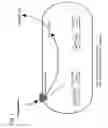
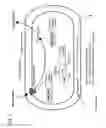
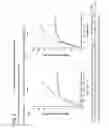
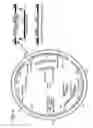
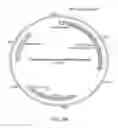

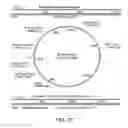
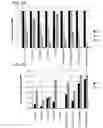
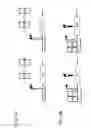
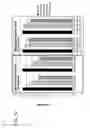
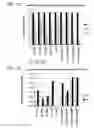
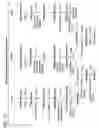
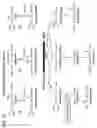
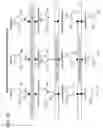
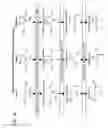
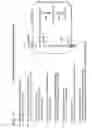
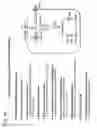
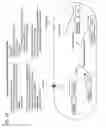
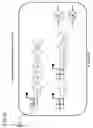
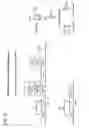
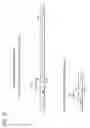
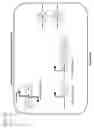
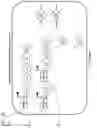
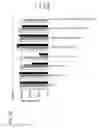
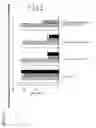
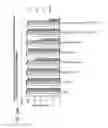

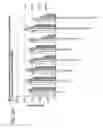


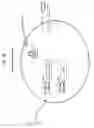
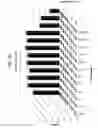
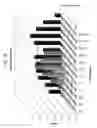
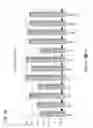
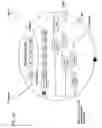
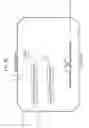
Sources:
- United States Patent and Trademark Office - verify current appl. status at the USPTO↗
Similar patent applications:
- » 20190282628
RECOMBINANT BACTERIA ENGINEERED TO TREAT DISEASES AND DISORDERS ASSOCIATED WITH AMINO ACID METABOLISM AND METHODS OF USE THEREOF - » 20170136073
Bacteria engineered to treat a disease or disorder - » 20180169154
Bacteria engineered to treat a disease or disorder - » 20210169942
Bacteria engineered to treat a disease or disorder - » 20240382536
BACTERIA ENGINEERED TO TREAT A DISEASE OR DISORDER
Recent applications in this class:
- » 20250288623 2025-09-18
METHODS AND COMPOSITIONS FOR TREATING CITRUS GREENING DISEASE - » 20250288622 2025-09-18
USE OF AKKERMANSIA FOR TREATING METABOLIC DISORDERS - » 20250288621 2025-09-18
USE OF AKKERMANSIA FOR TREATING METABOLIC DISORDERS - » 20250288620 2025-09-18
METHODS AND COMPOSITIONS FOR TREATING PLANT PATHOGENS - » 20250288619 2025-09-18
PHARMACEUTICAL COMPOSITION, MEGASPHAERA, AND USE THEREOF - » 20250281551 2025-09-11
AMMONIA OXIDIZING MICROORGANISMS FOR THE TREATMENT OF PULMONARY HYPERTENSION - » 20250281550 2025-09-11
COMPOSITIONS AND METHODS FOR IMPROVING MITOCHONDRIAL FUNCTION - » 20250281549 2025-09-11
PROPHYLACTIC OR THERAPEUTIC COMPOSITION FOR GRAFT-VERSUS-HOST DISEASE - » 20250281548 2025-09-11
ANTIMICROBIAL COMPOSITIONS COMPRISING EXTRACELLULAR VESICLES AND METHODS THEREOF - » 20250276023 2025-09-04
AMMONIA OXIDIZING MICROORGANISMS FOR USE AND DELIVERY IN BUILT ENVIRONMENTS
Recent applications for this Assignee:
- » 20240425841 2024-12-26
ENGINEERED PHENYLALANINE AMMONIA LYASE ENZYMES - » 20240197843 2024-06-20
BACTERIA ENGINEERED TO TREAT DISORDERS IN WHICH OXALATE IS DETRIMENTAL - » 20240110192 2024-04-04
BACTERIA ENGINEERED TO TREAT DISEASES THAT BENEFIT FROM REDUCED GUT INFLAMMATION AND/OR TIGHTENED GUT MUCOSAL BARRIER - » 20240110191 2024-04-04
ENGINEERED MICROORGANISMS - » 20240082316 2024-03-14
Microorganisms engineered to reduce hyperphenylalaninemia - » 20230063093 2023-03-02
Recombinant bacteria engineered to treat diseases associated with methionine metabolism and methods of use thereof - » 20220362309 2022-11-17
Microorganisms engineered to reduce hyperphenylalaninemia - » 20220348933 2022-11-03
BIOSYNTHESIS OF ENZYMES FOR USE IN TREATMENT OF MAPLE SYRUP URINE DISEASE (MSUD) - » 20220226395 2022-07-21
Bacteria engineered to treat metabolic diseases - » 20210180033 2021-06-17
Bacteria engineered to treat diseases associated with hyperammonemia